
 PCB
PCB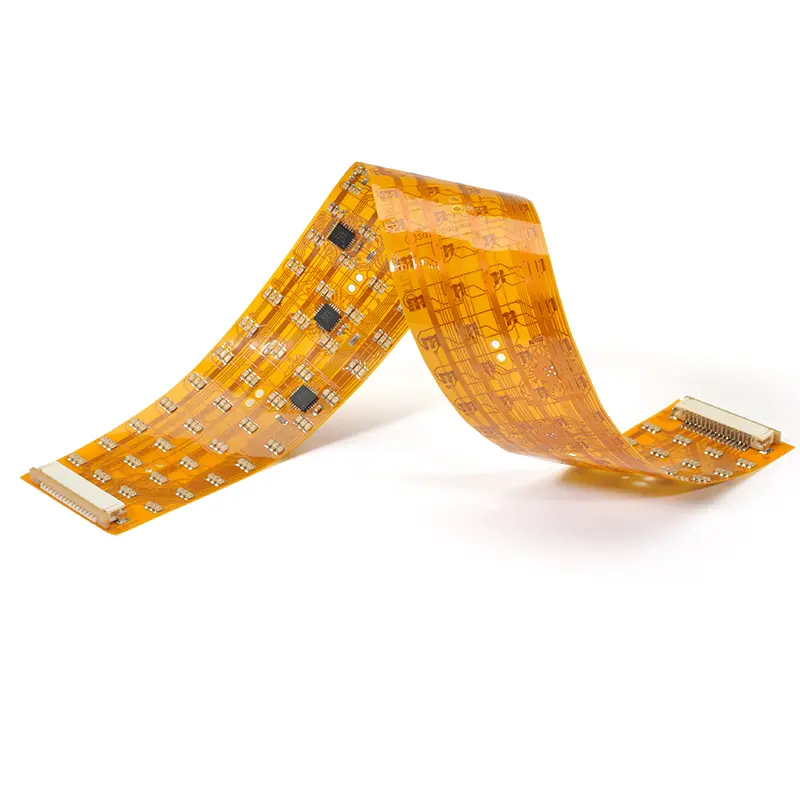 FPC
FPC Rigid-Flex
 FR-4
FR-4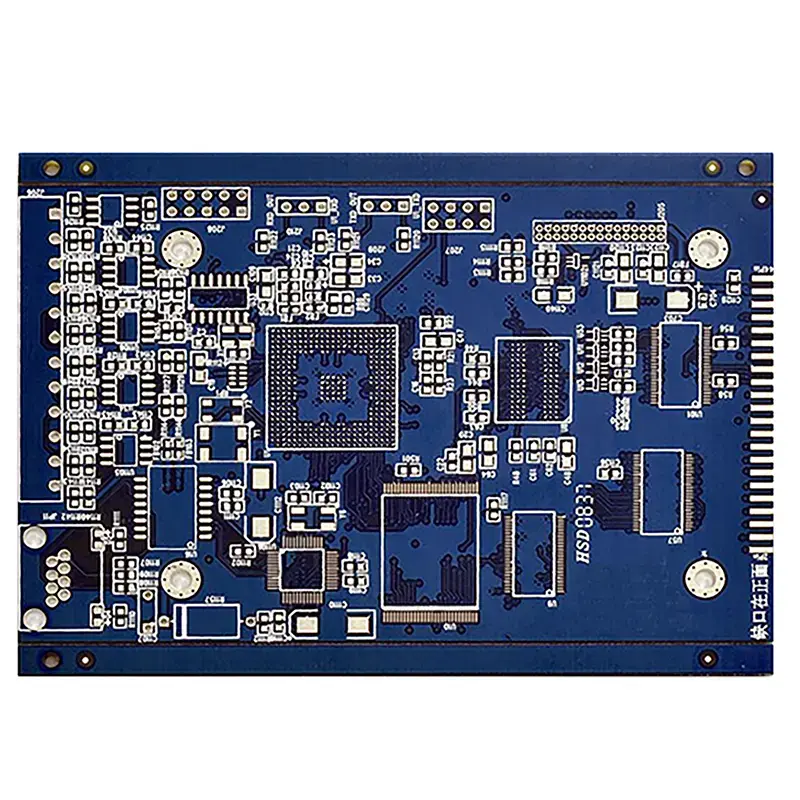 HDI PCB
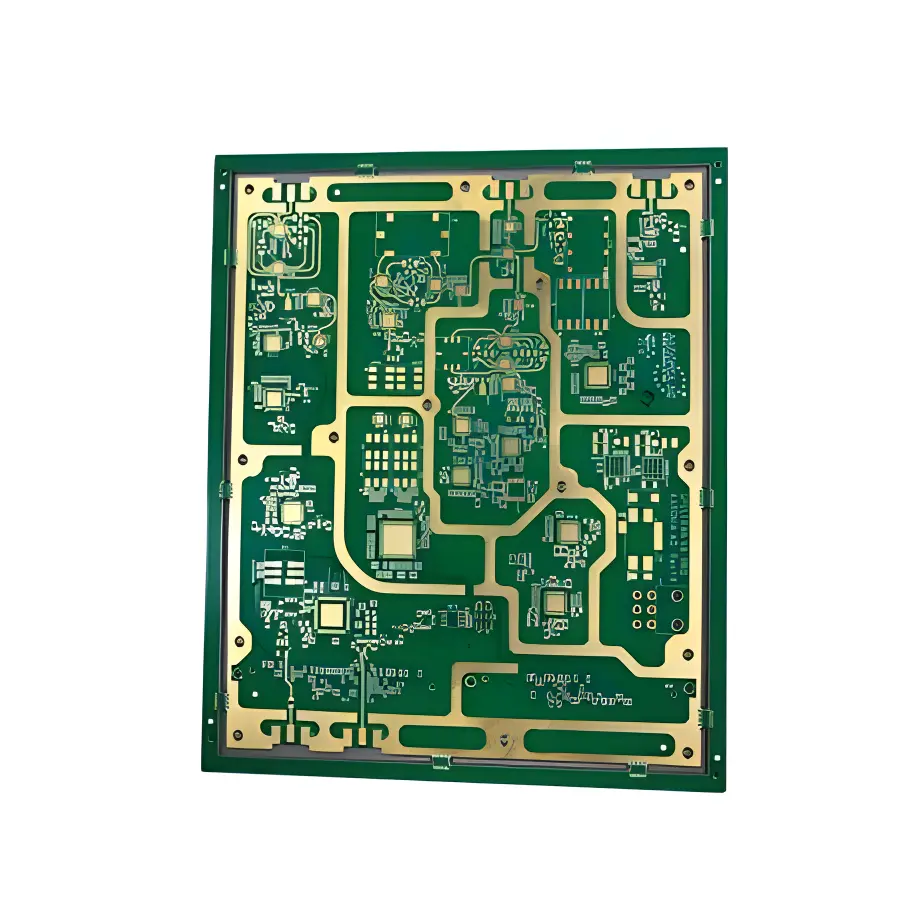 Rogers High-Frequency Board
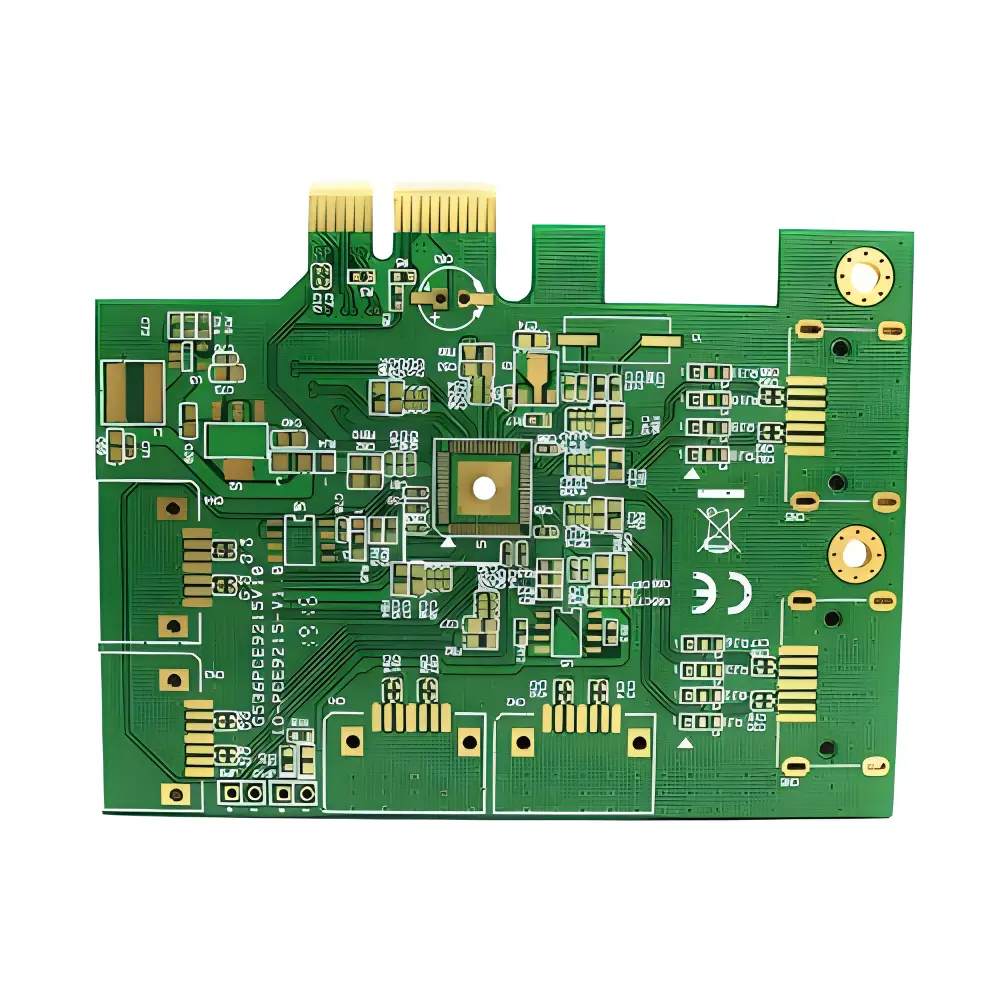 PTFE Teflon High-Frequency Board
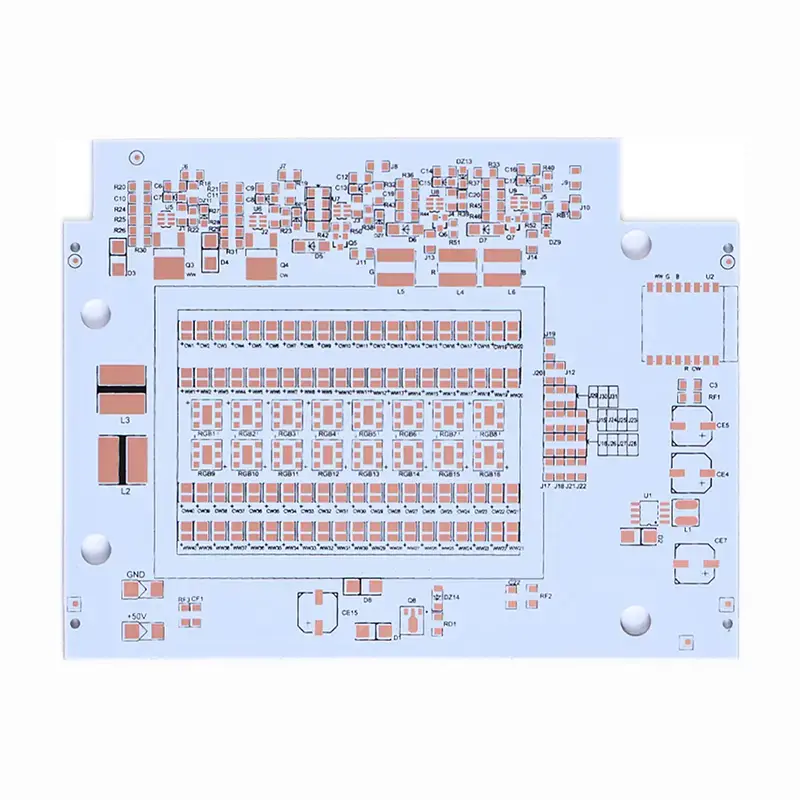 Aluminum
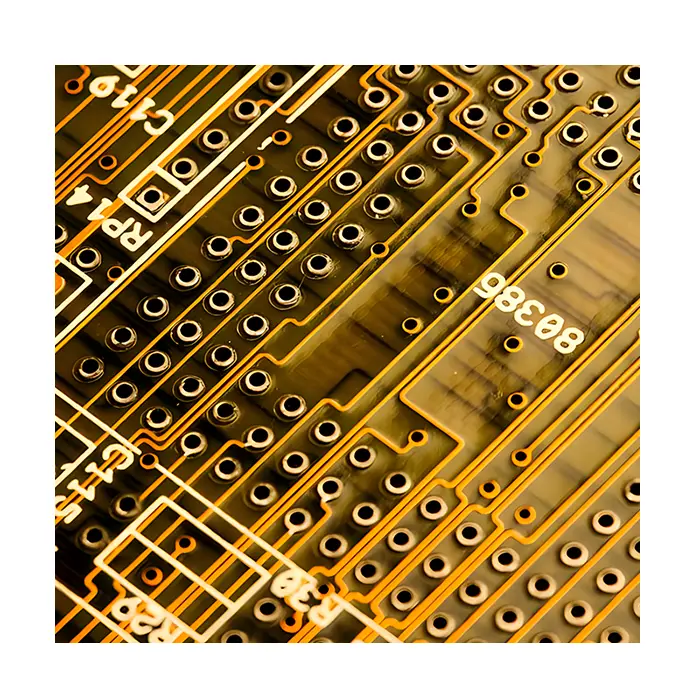 Copper Core
 PCB Assembly
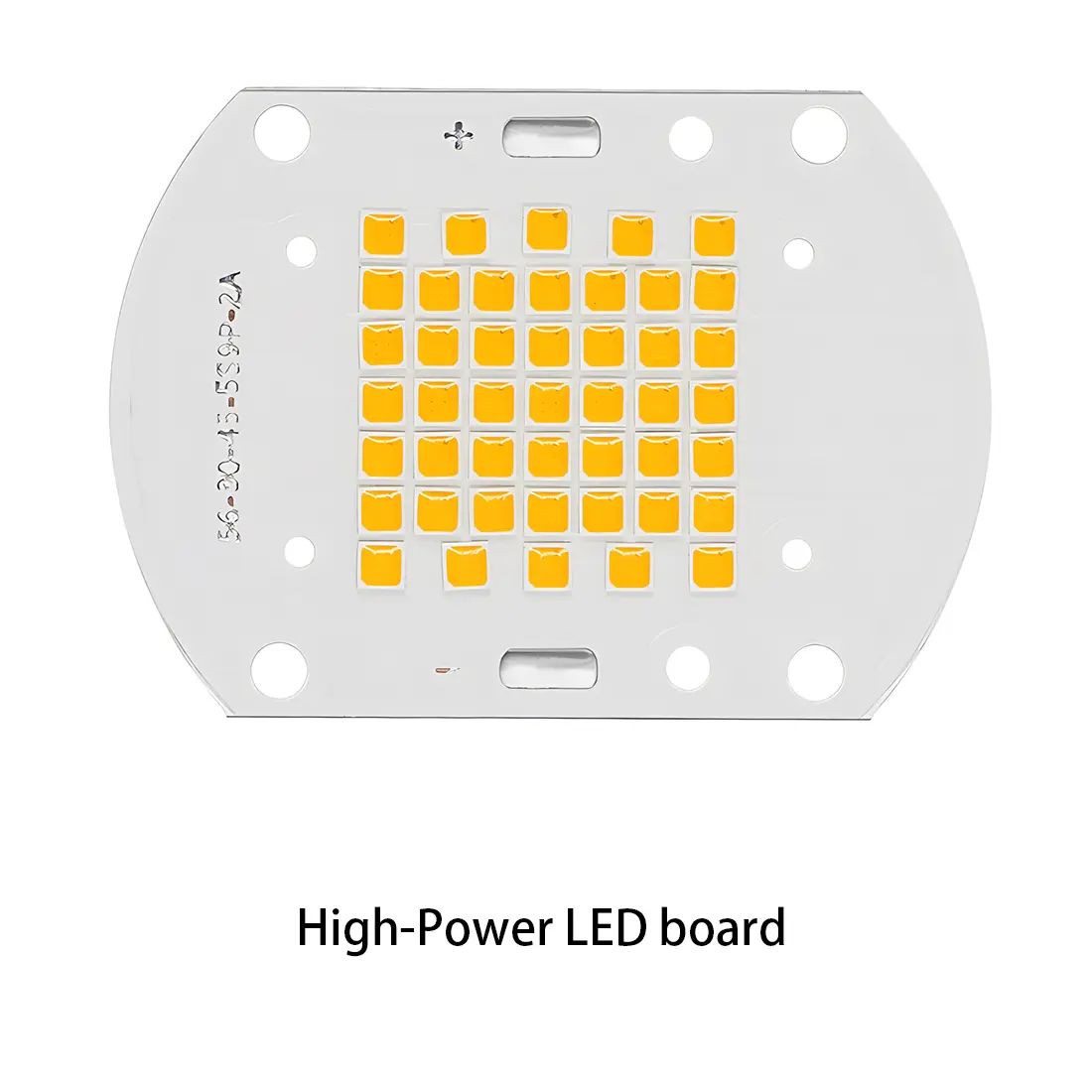 LED light PCBA
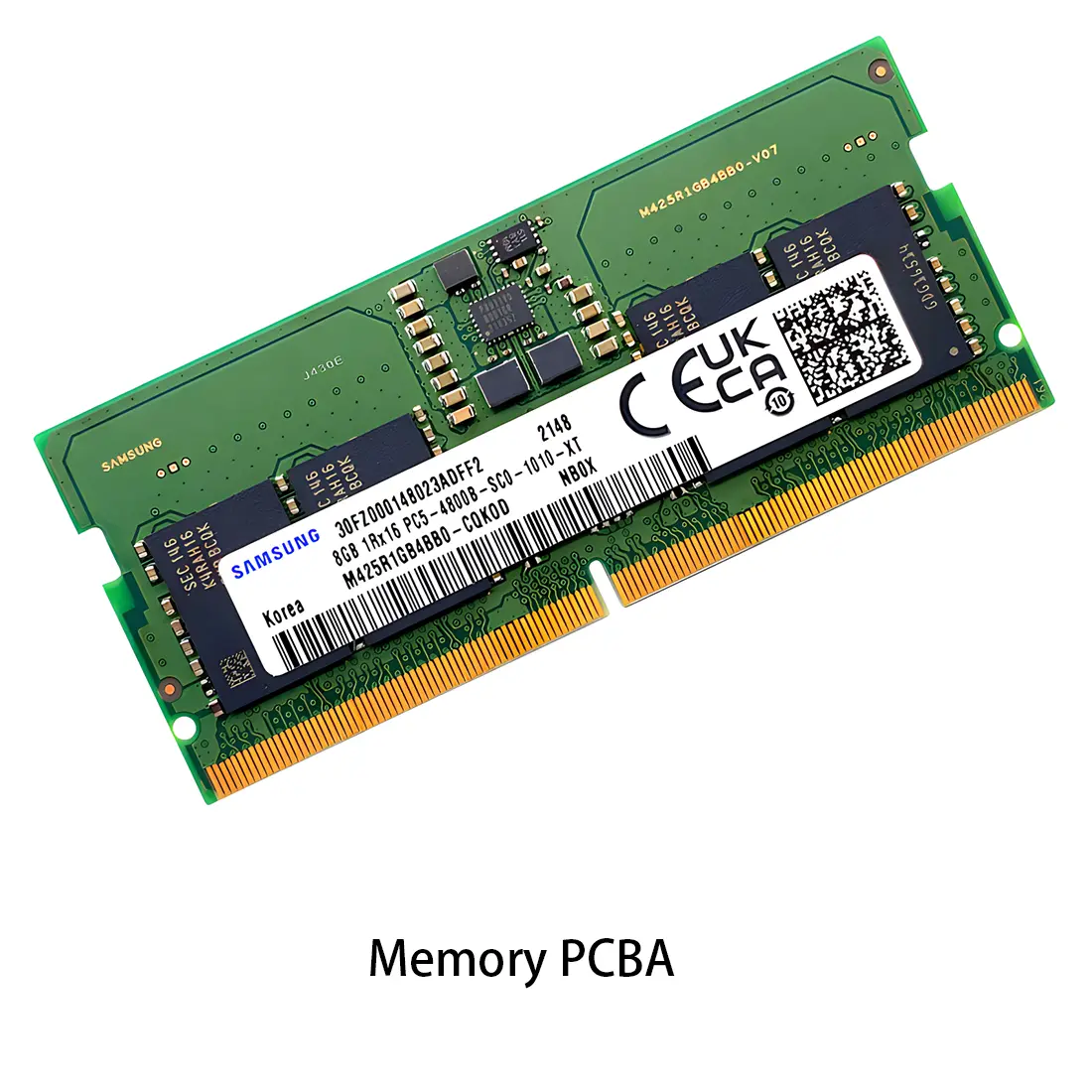 Memory PCBA
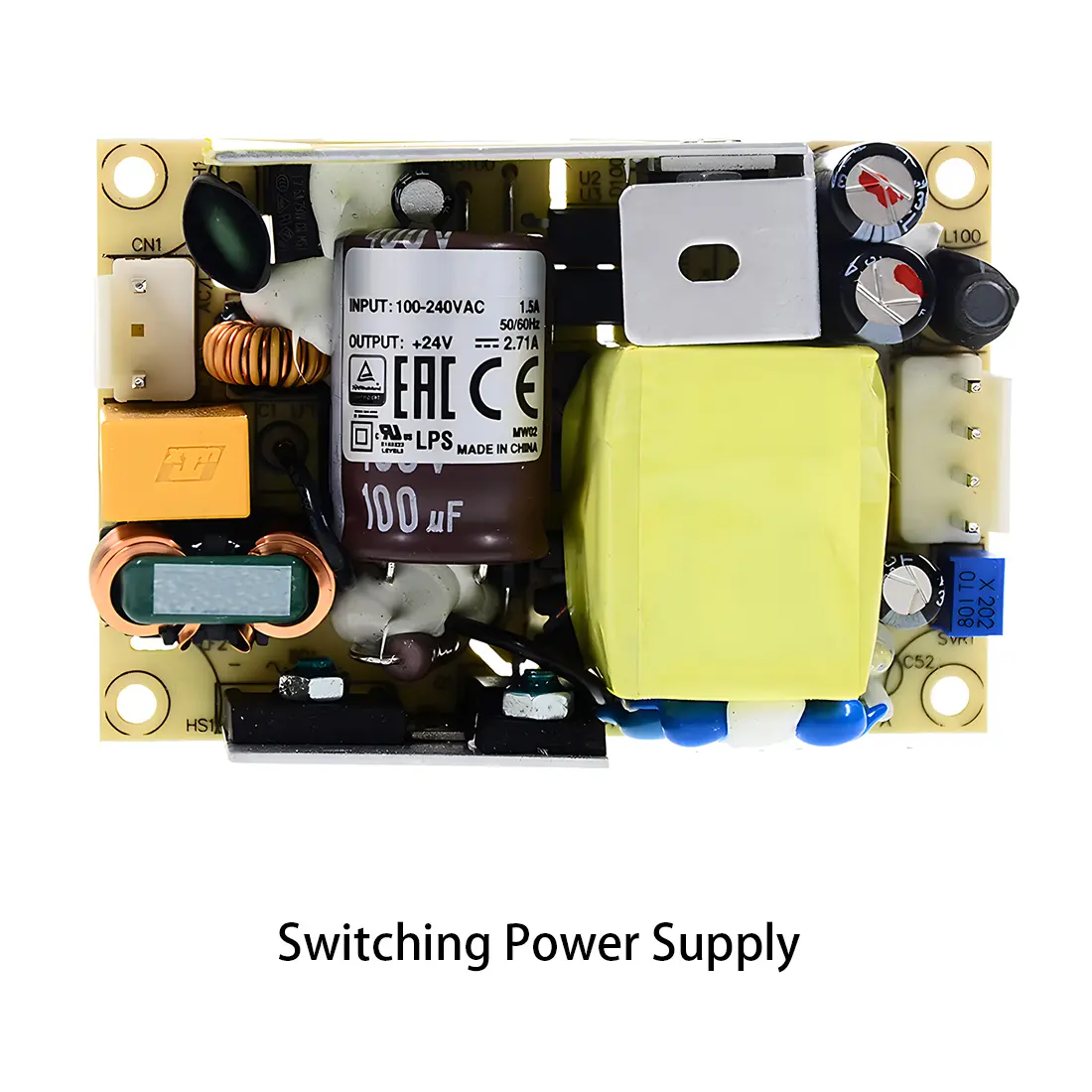 Power Supply PCBA
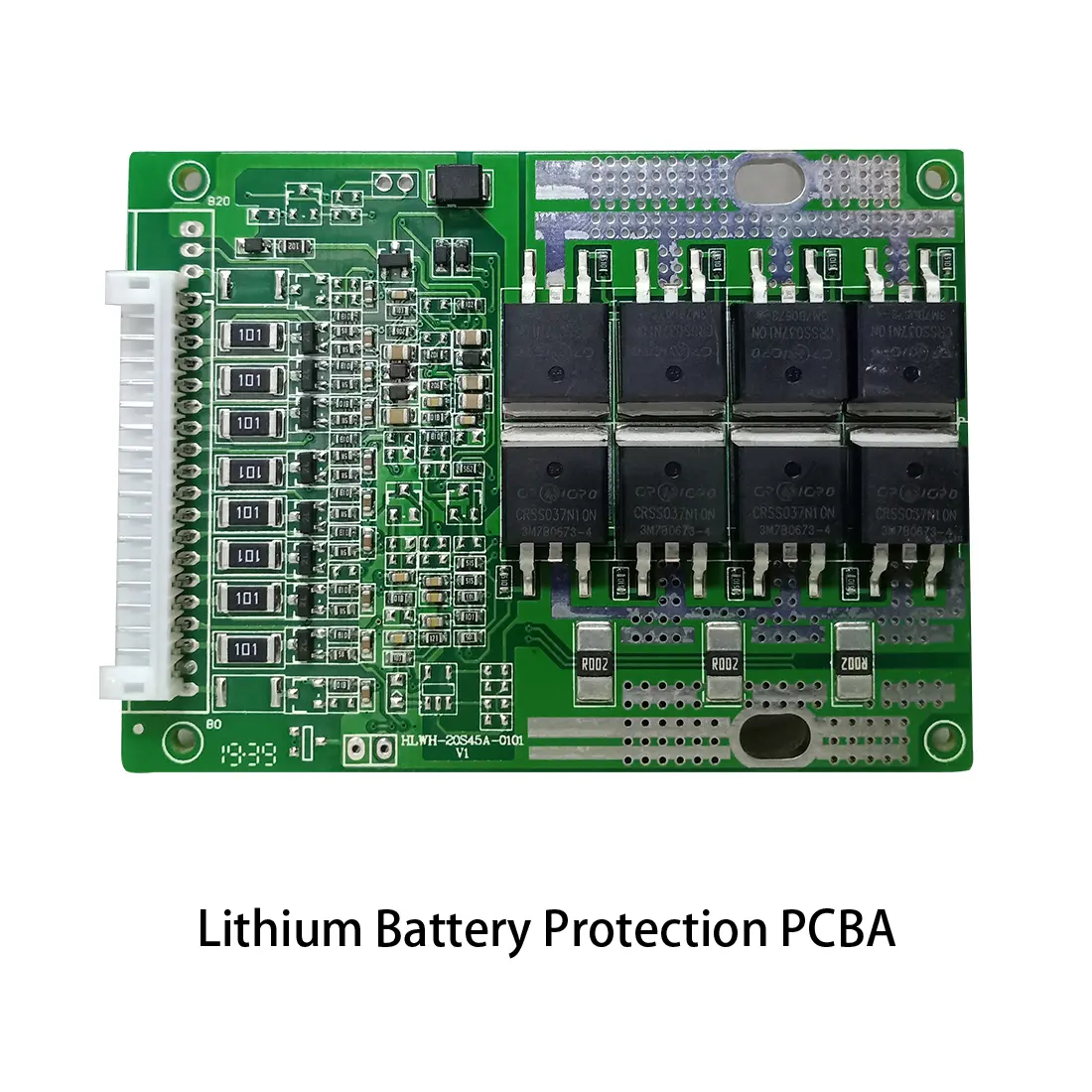 New Energey PCBA
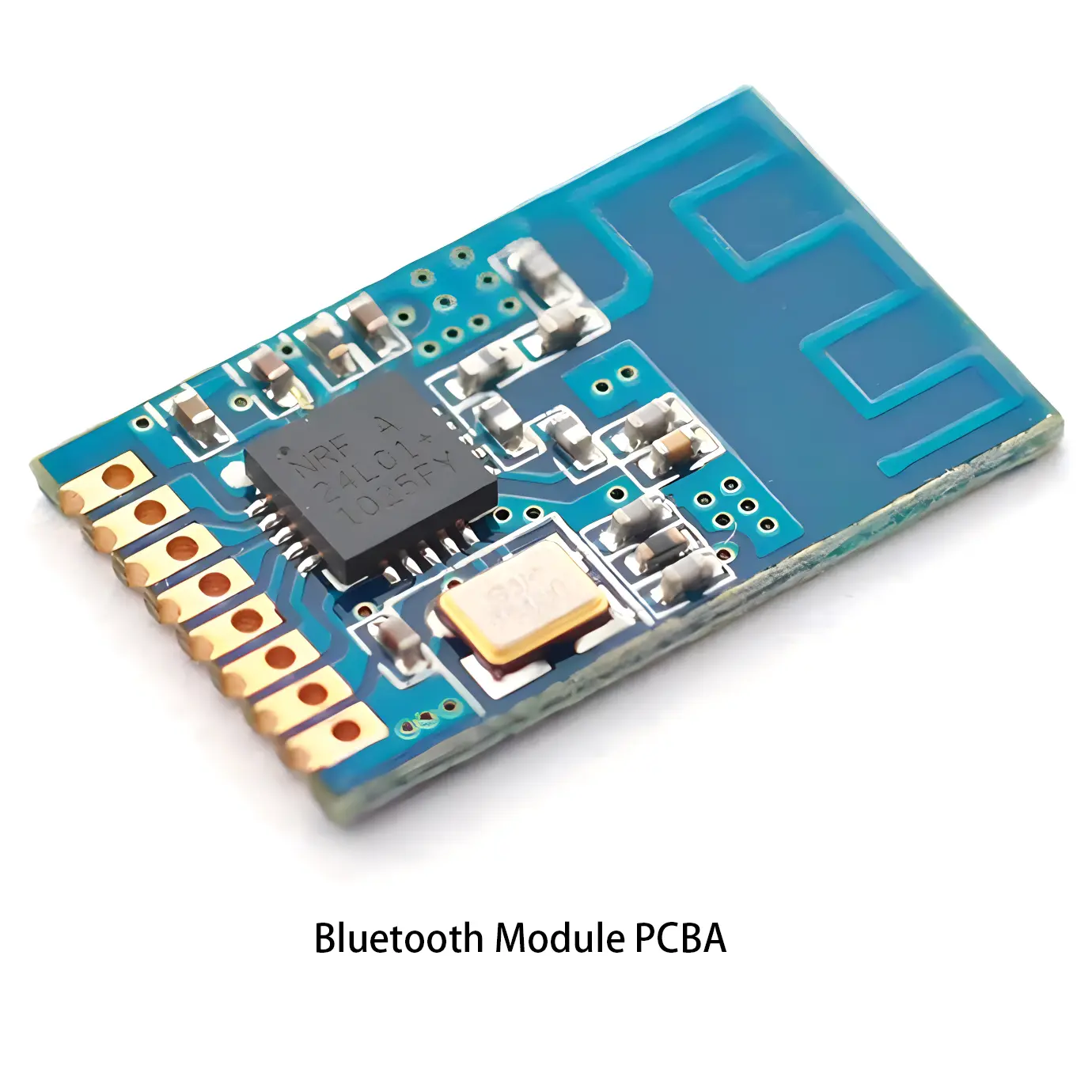 Communication PCBA
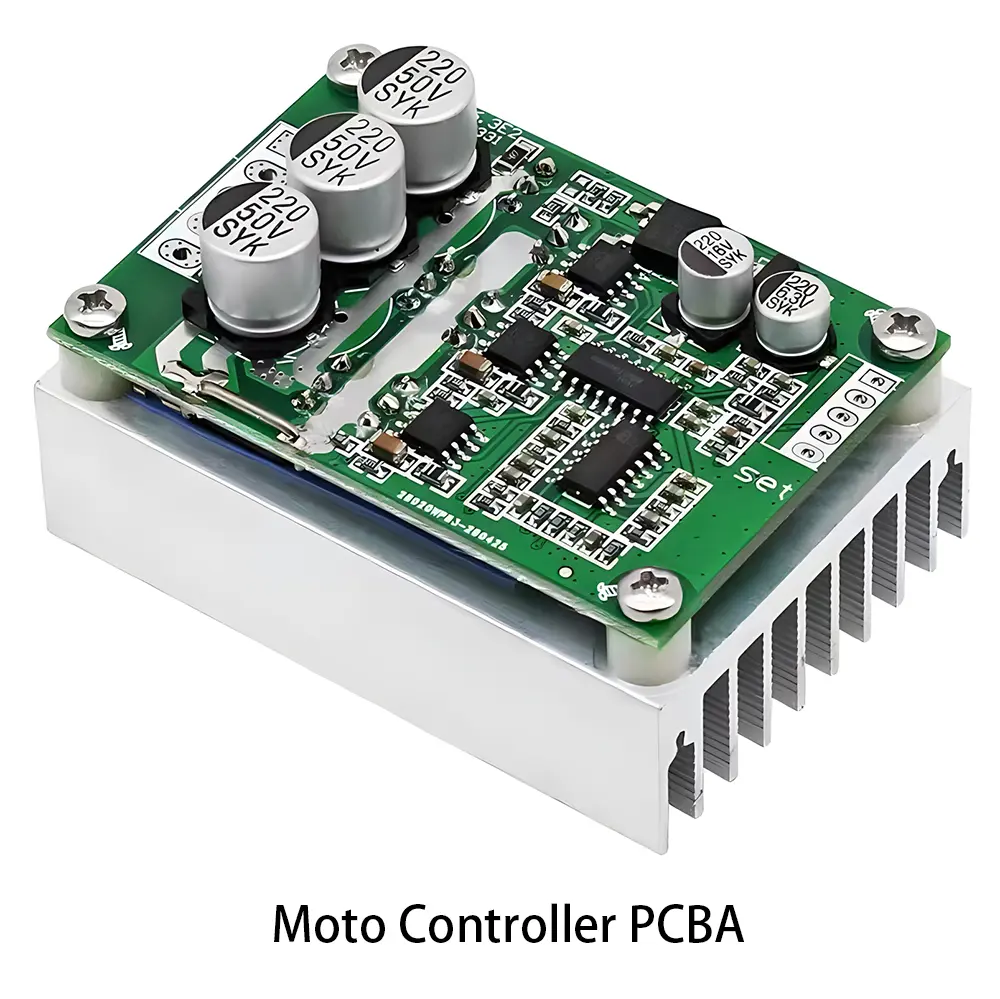 Industrial Control PCBA
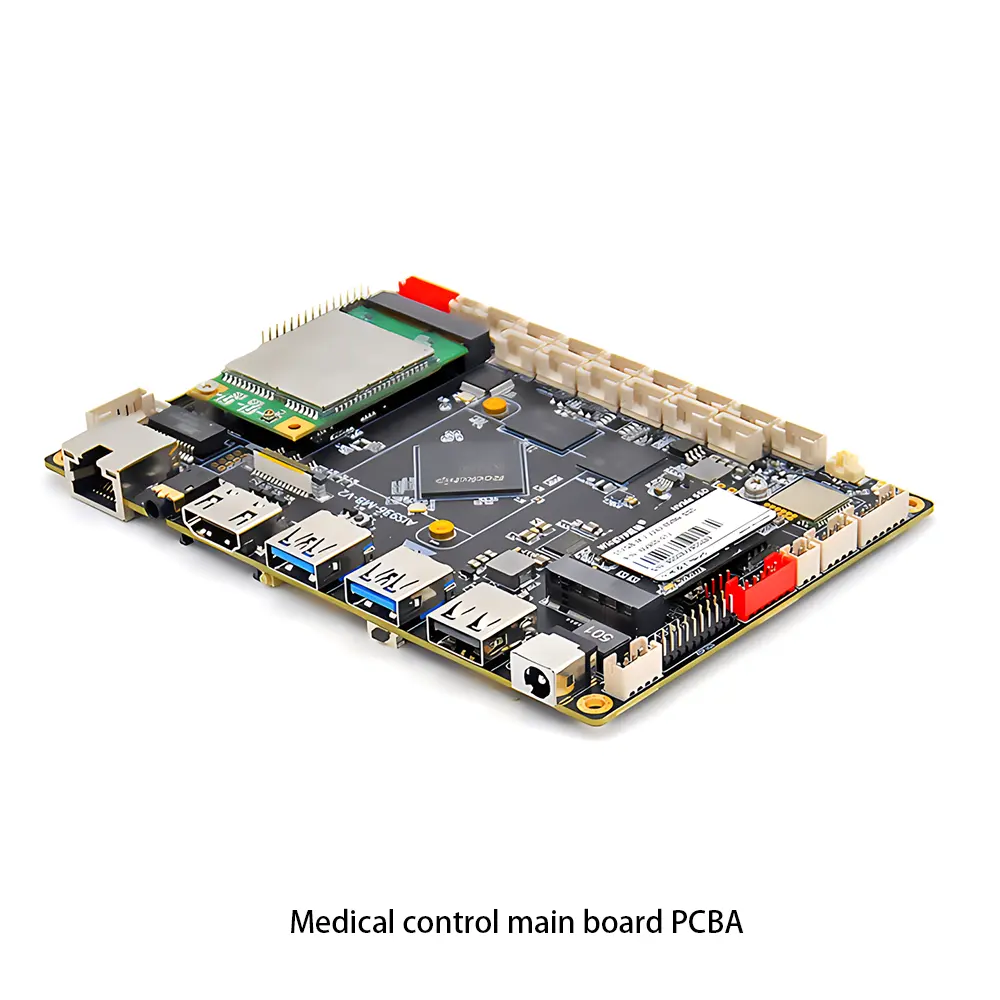 Medical Equipment PCBA
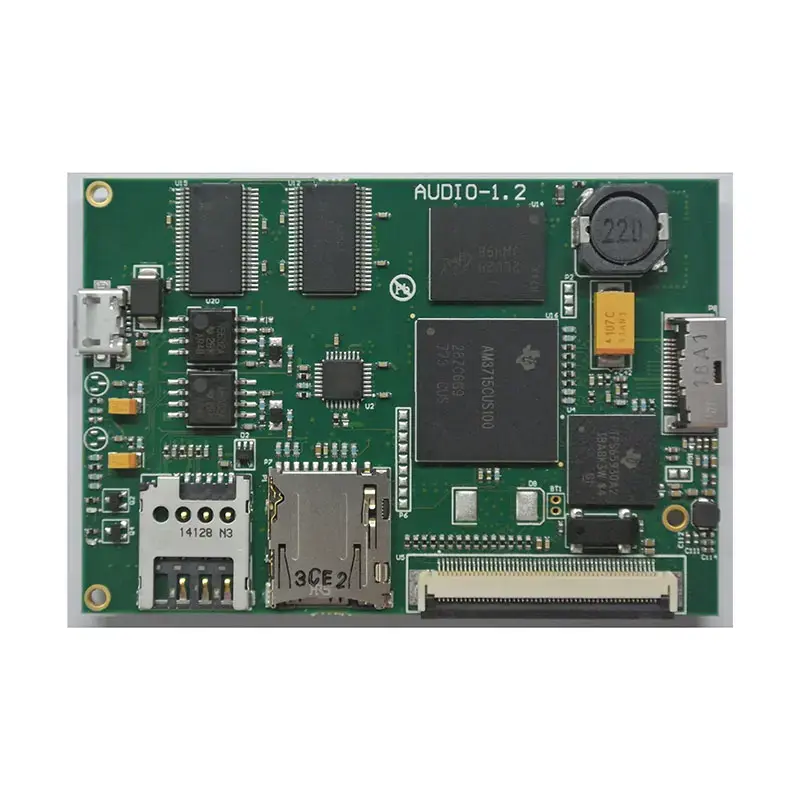 Testing Service
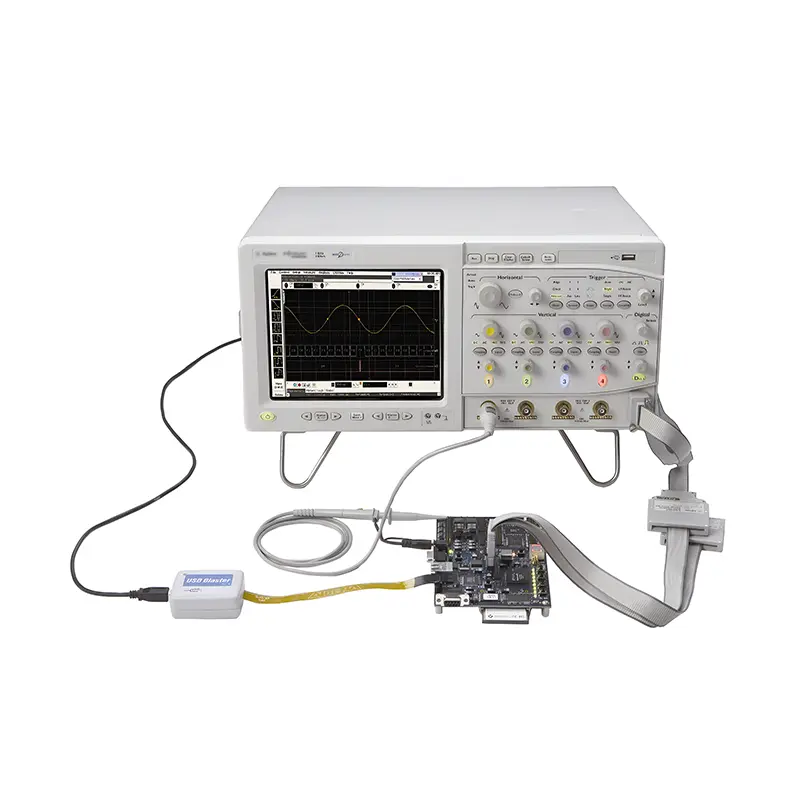 PCBA Testing Service
 Certification Application
 RoHS Certification Application
 REACH Certification Application
 CE Certification Application
 FCC Certification Application
 CQC Certification Application
 UL Certification Application
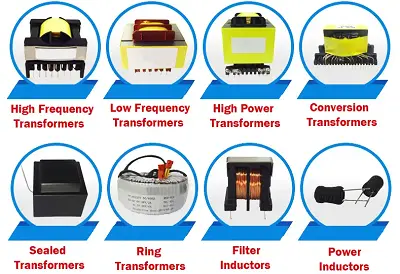 Transformers, Inductors
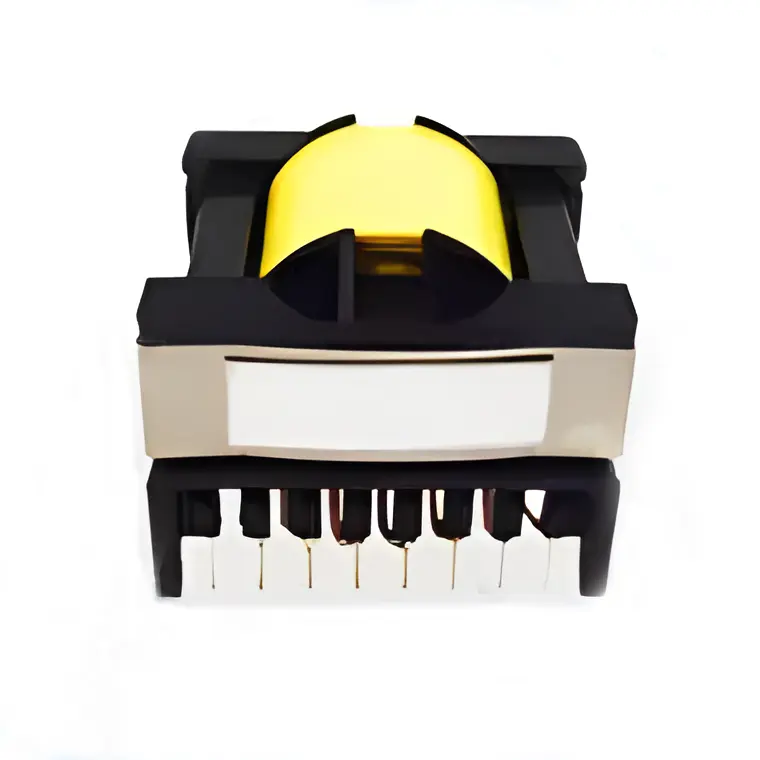 High Frequency Transformers
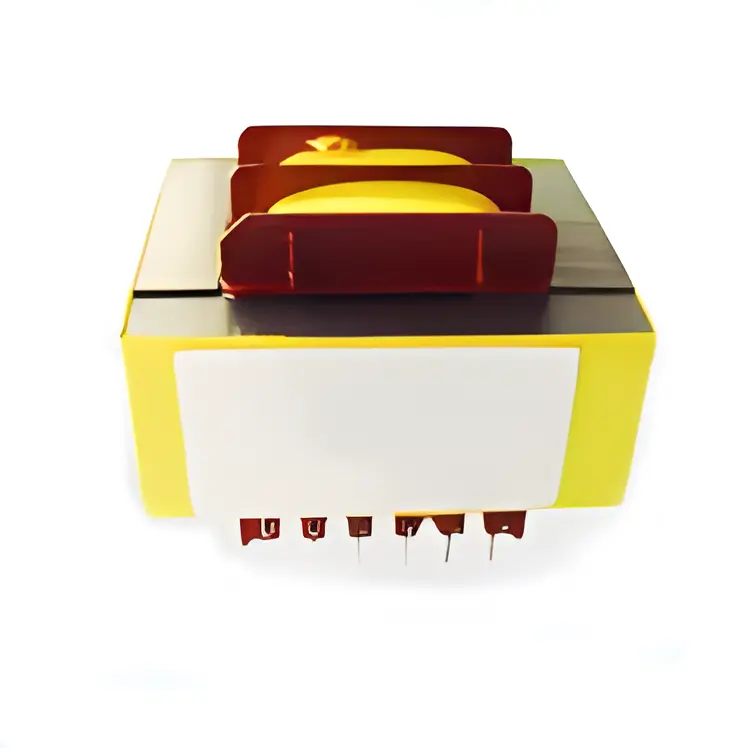 Low Frequency Transformers
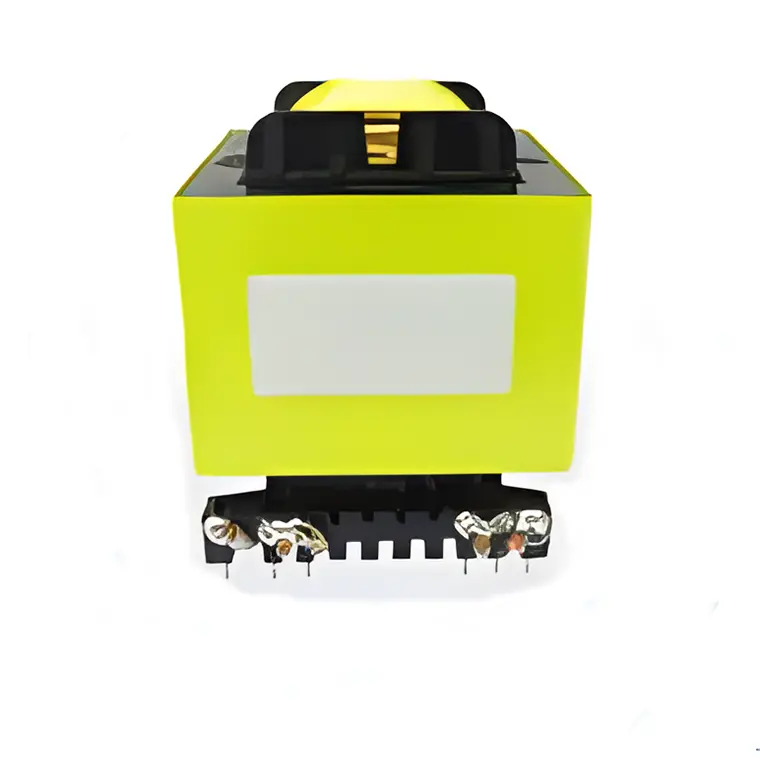 High Power Transformers
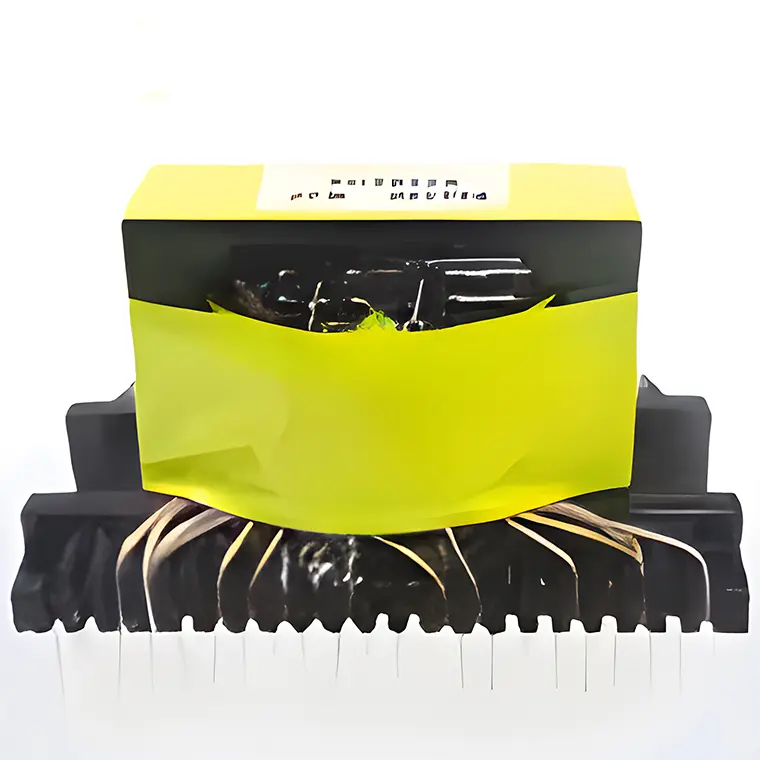 Conversion Transformers
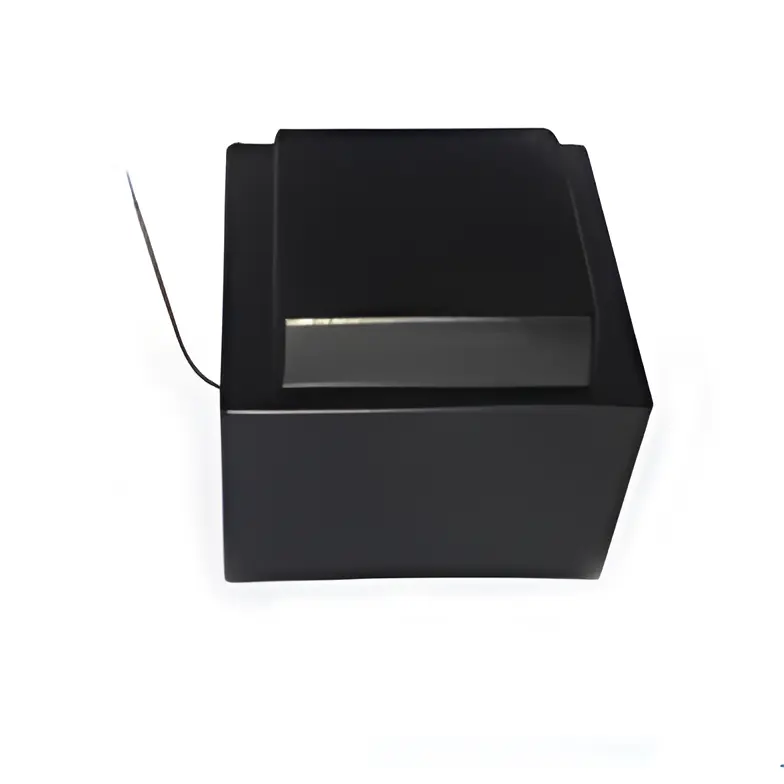 Sealed Transformers
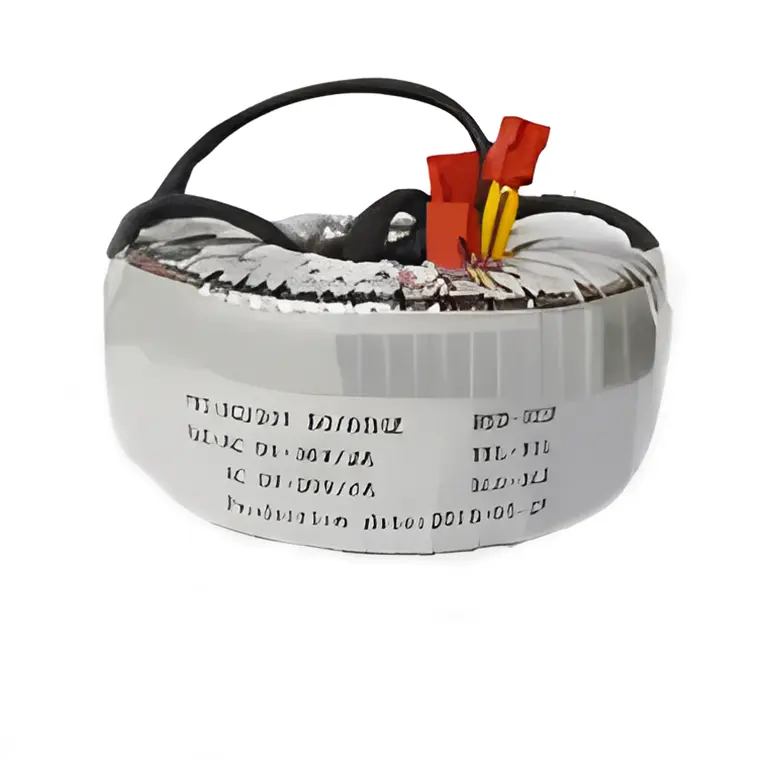 Ring Transformers
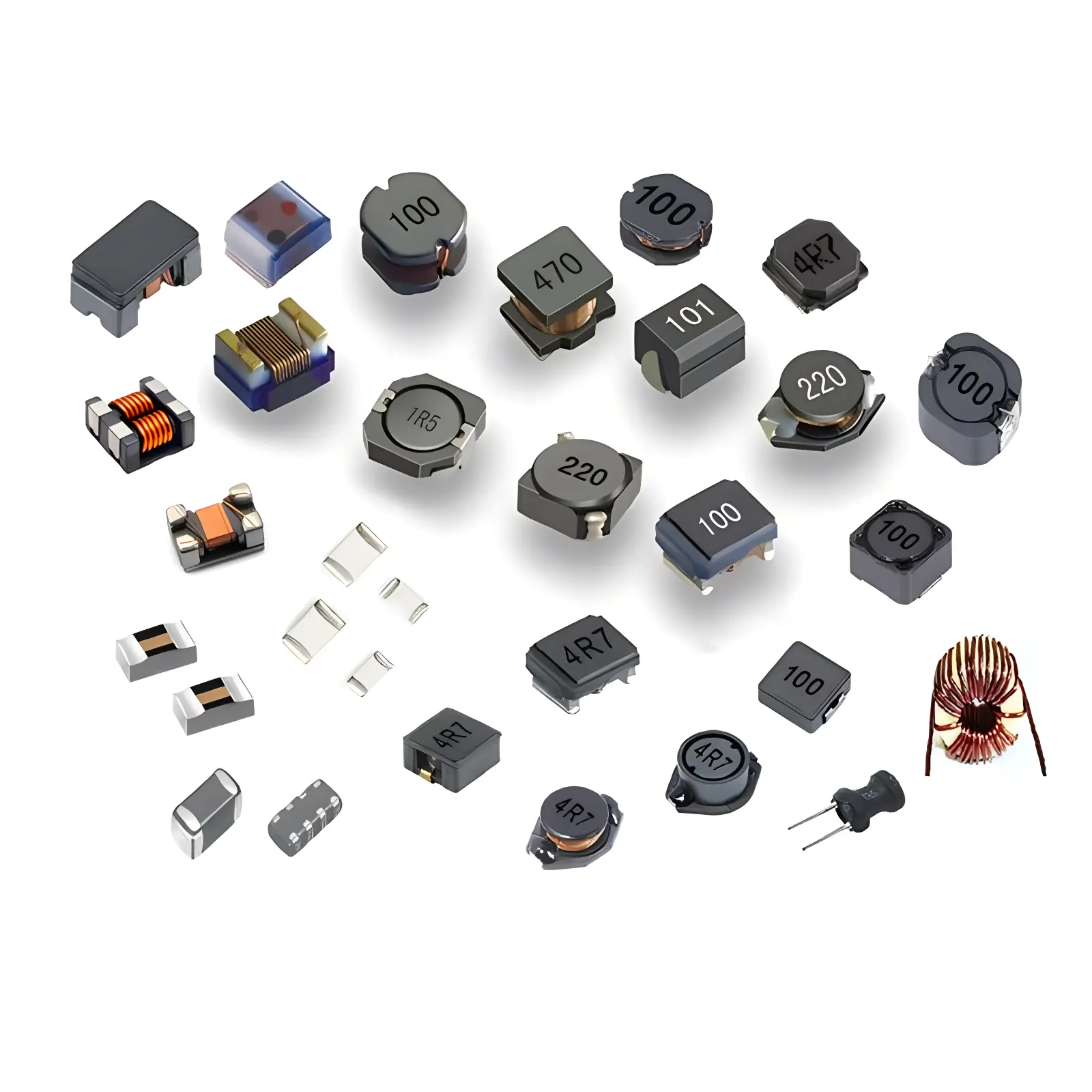 Inductors
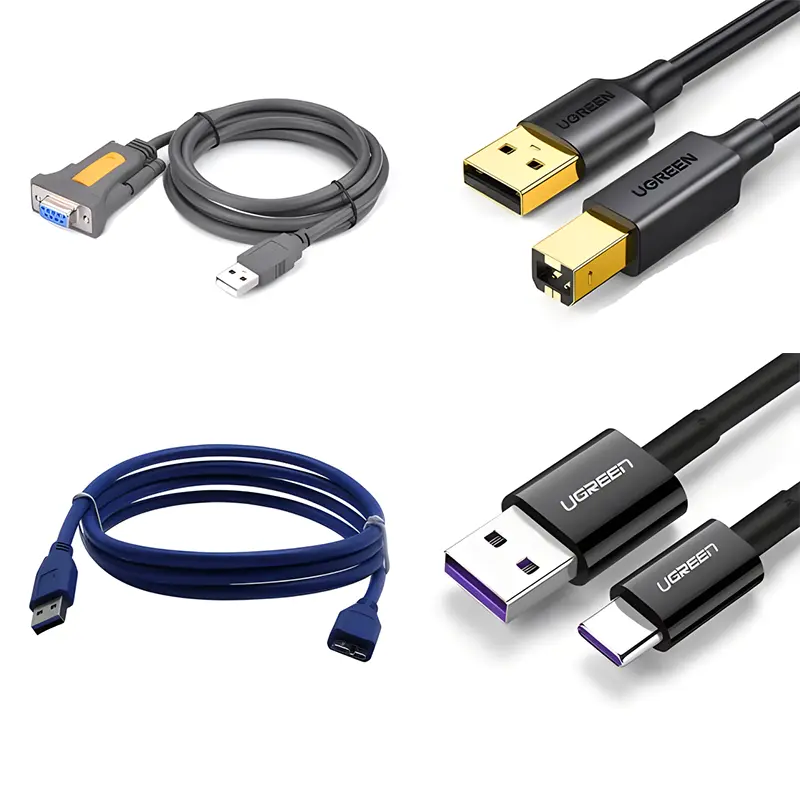 Wires,Cables Customized
 Network Cables
 Power Cords
 Antenna Cables
 Coaxial Cables
 Net Position Indicator
 Solar AIS net position indicator
 Capacitors
 Connectors
 Diodes
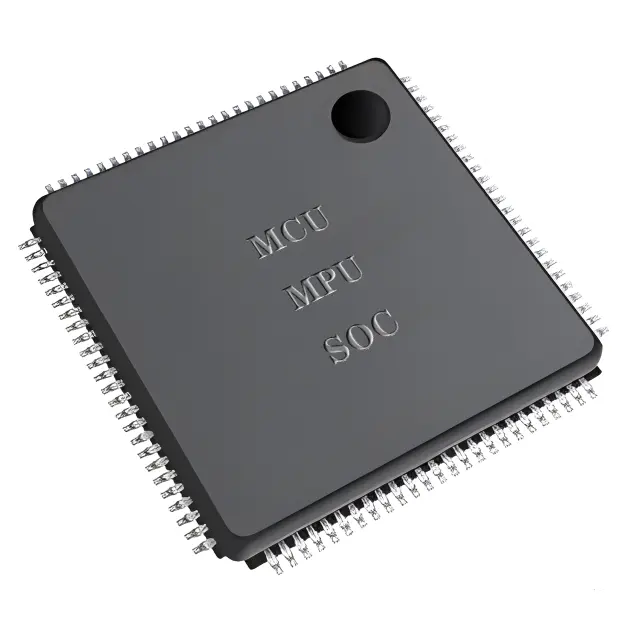 Embedded Processors & Controllers
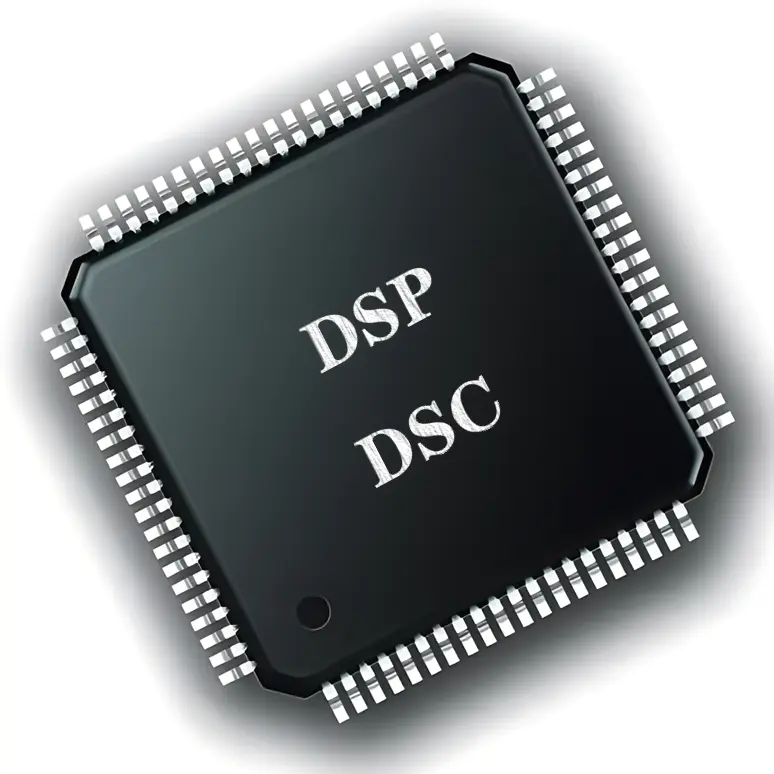 Digital Signal Processors (DSP/DSC)
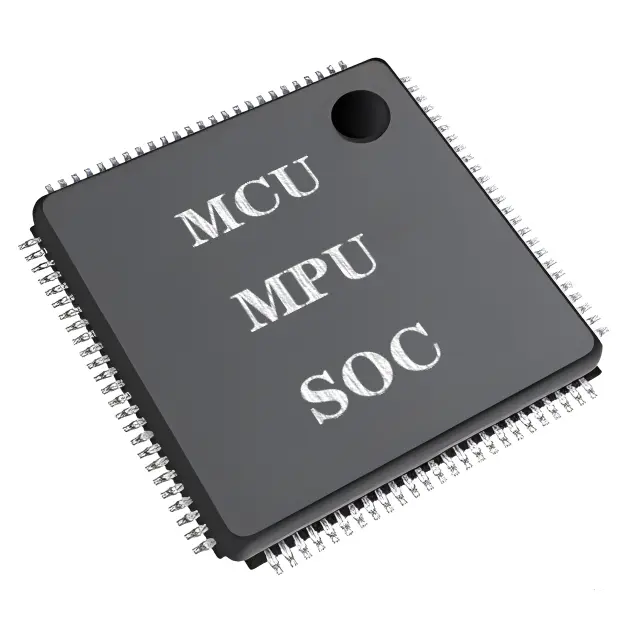 Microcontrollers (MCU/MPU/SOC)
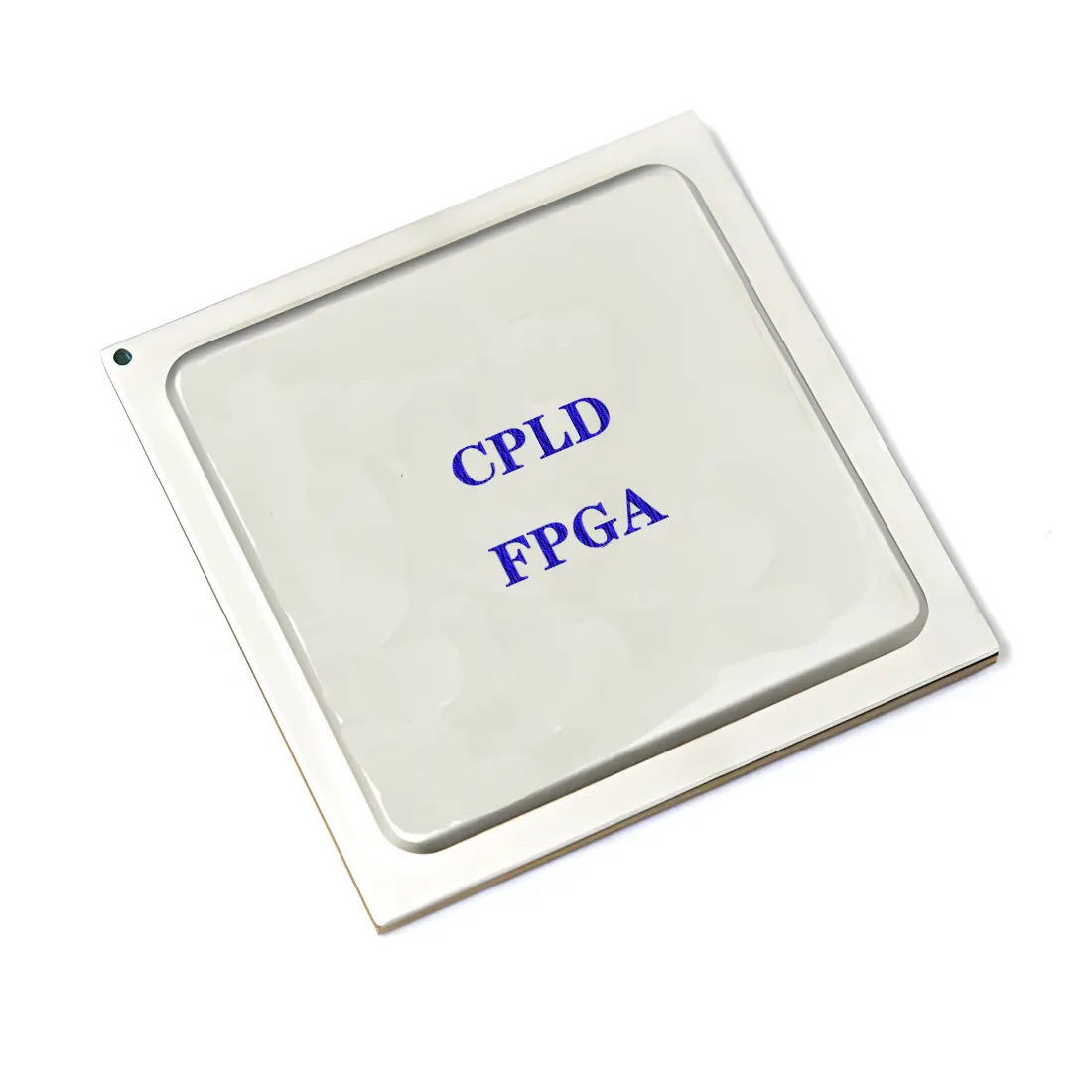 Programmable Logic Device(CPLD/FPGA)
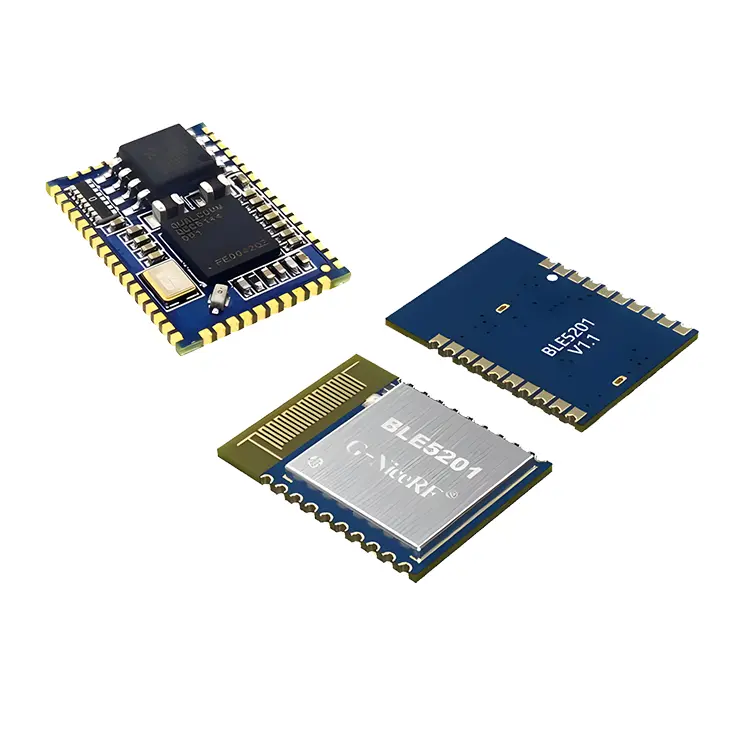 Communication Modules/IoT
 Resistors
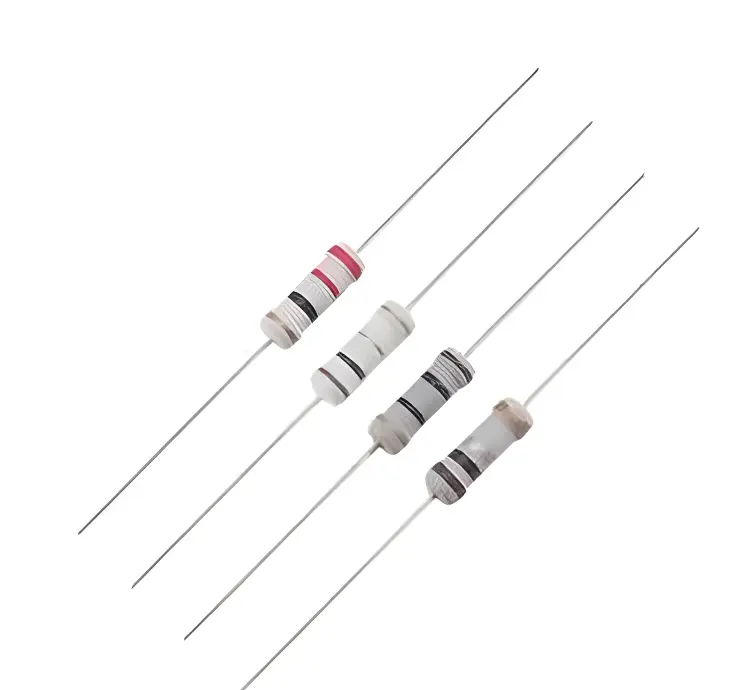 Through Hole Resistors
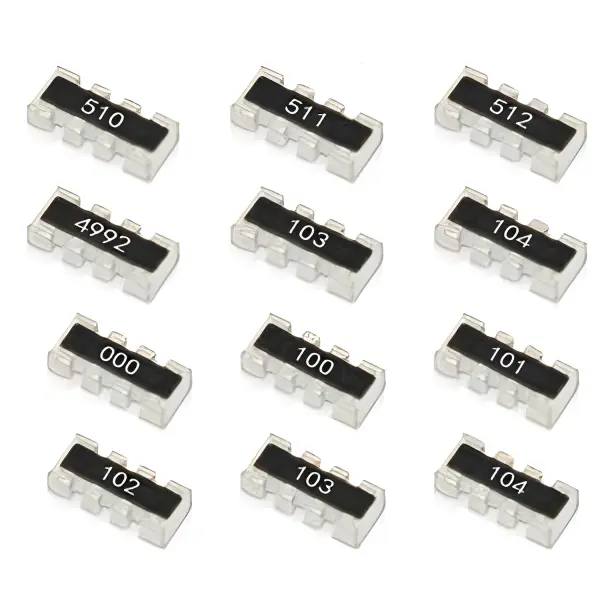 Resistor Networks, Arrays
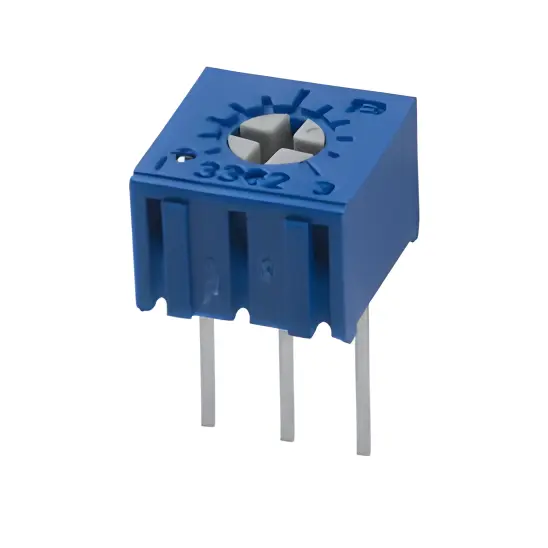 Potentiometers,Variable Resistors
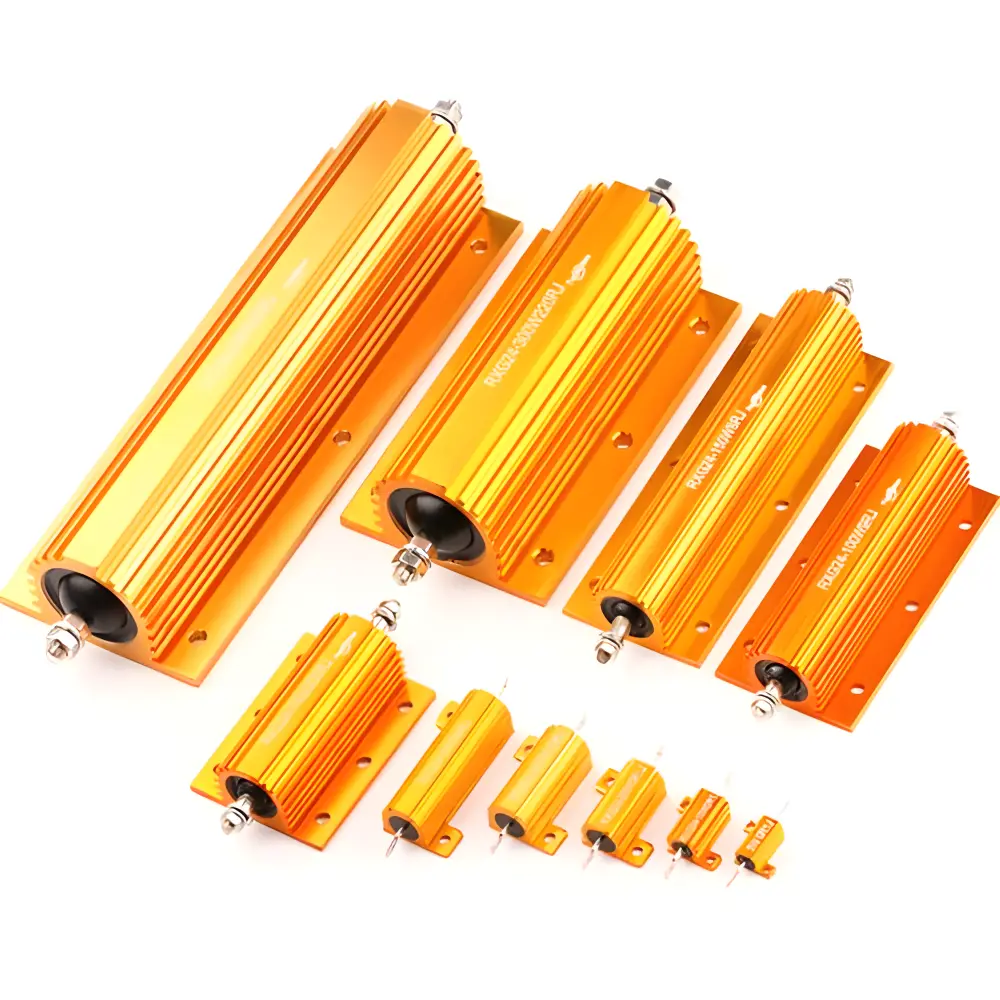 Aluminum Case,Porcelain Tube Resistance
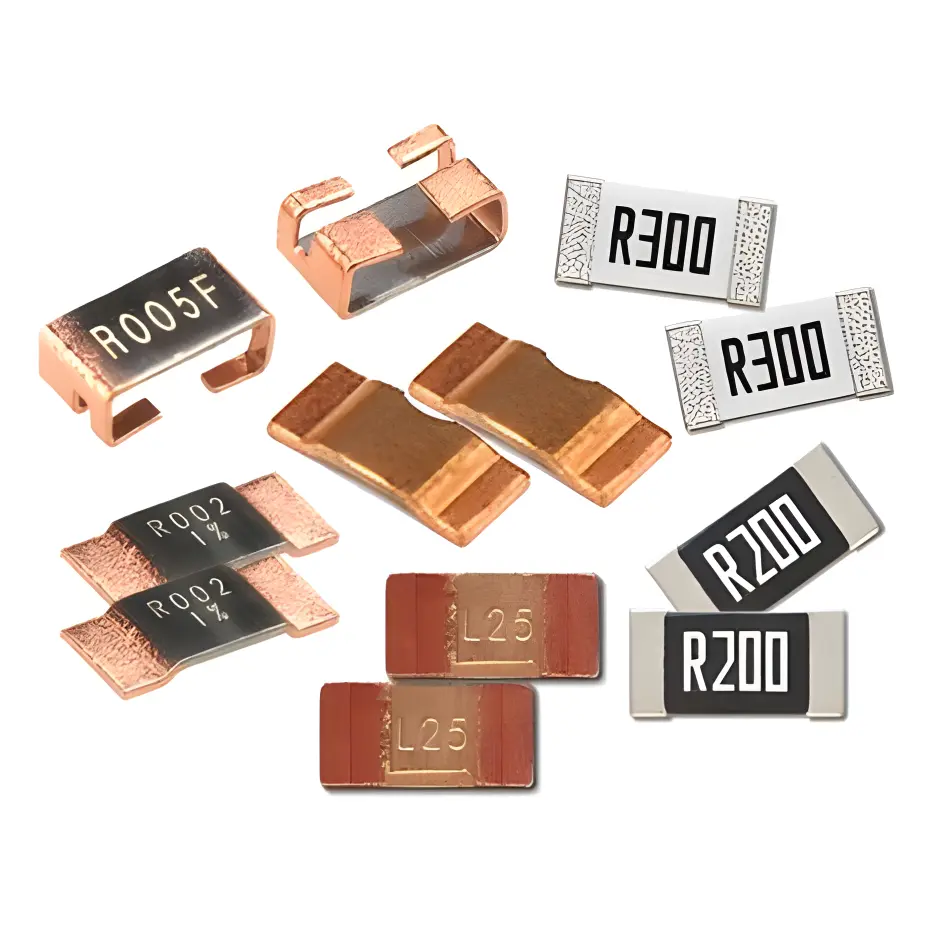 Current Sense Resistors,Shunt Resistors
 Switches
 Transistors
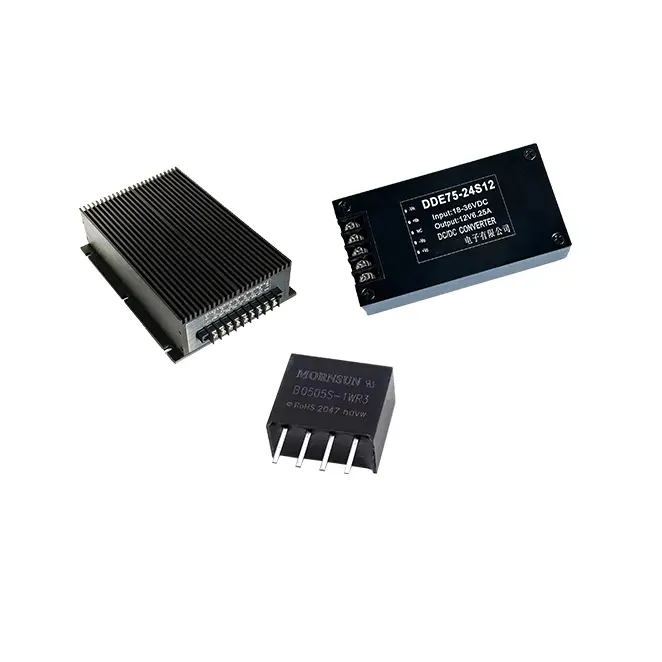 Power Modules
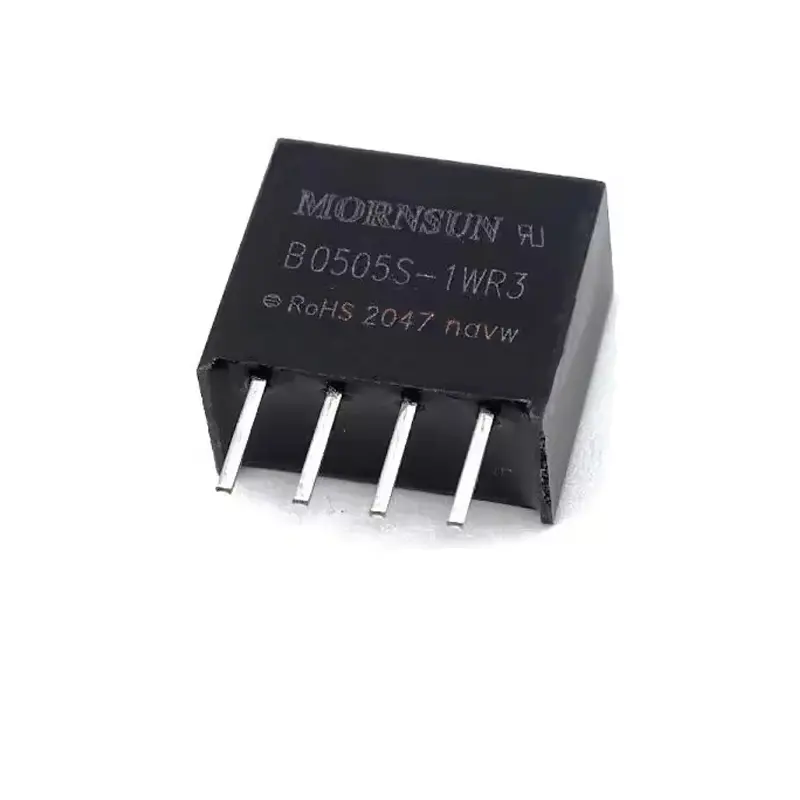 Isolated Power Modules
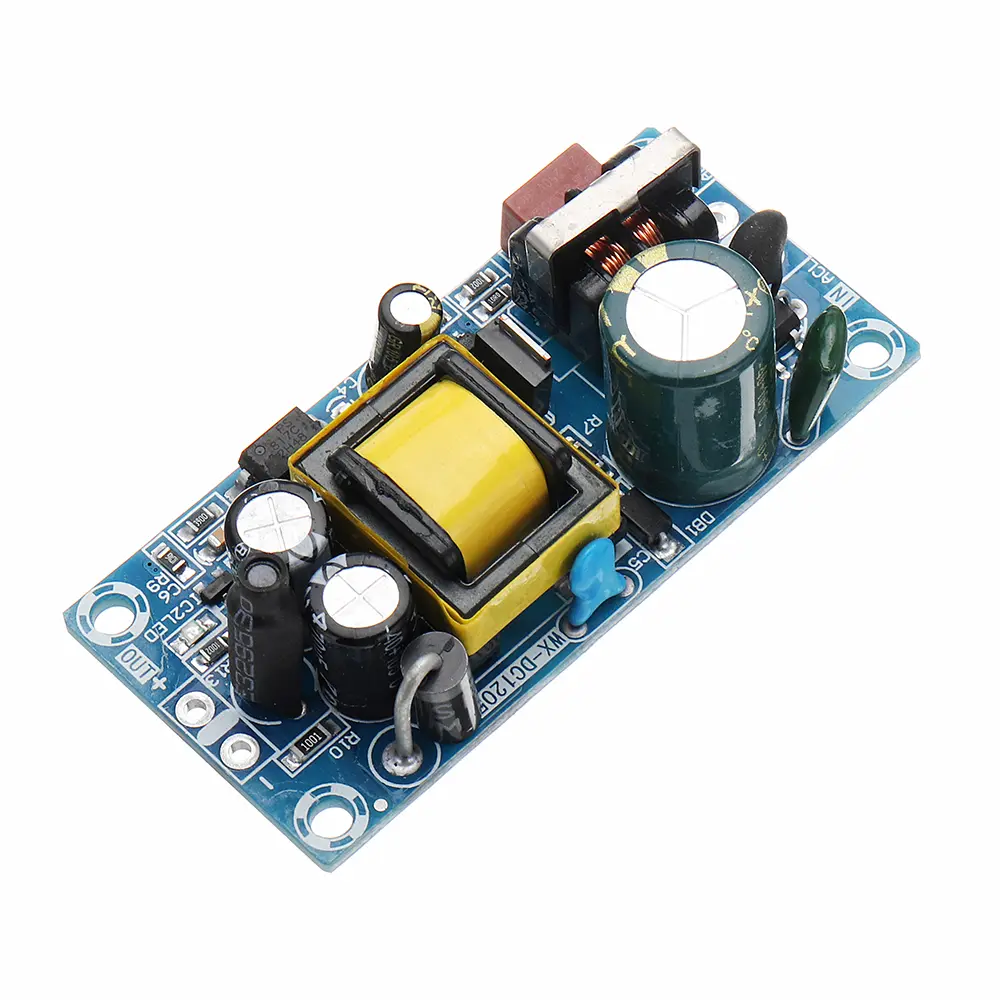 AC-DC Power Modules
 DC-AC Module(Inverter)
 RF and Wireless
Analysis of Application Scenario Differences Between V-score and Stamp Hole in Board Edge Processing
2025-09-24
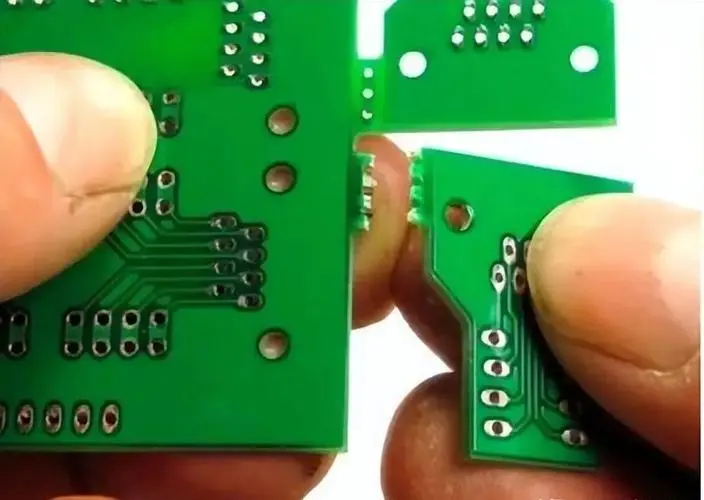
In PCB manufacturing, board edge processing is a key process to realize the separation of multi-panel (splitting multiple unit PCBs from the panel), whICh directly affects product edge quality, separation efficiency and subsequent assembly reliability. The common board edge processing technologies are mainlyV-score (V-groove) and Stamp Hole: V-score realizes board edge fracture separation by milling V-shaped grooves on the board edge and using mechanical force or stress; Stamp Hole realizes unit board separation by making dense small holes on the board edge to form easily breakable connecting bridges.
Different products have significant differences in requirements for board edge processing — consumer electronics PCBs pursue flat and burr-free edges, industrial control PCBs focus on separation strength, and flexible PCBs need to balance flexibility and separation accuracy. Therefore, accurately identifying the application scenario differences between V-score and Stamp Hole is the core premise to ensure Pcb Product quality and production efficiency.
2. Comparison of Process Principles and Core Characteristics Between V-score and Stamp Hole
First, clarify the basic differences between the two from the aspects of process essence and core characteristics:
| Comparison Dimension | V-score (V-groove) | Stamp Hole |
|---|---|---|
| Process Principle | Mill V-shaped grooves (angle 30°-60°) on the front and back of the board edge, retain the middle connecting rib (thickness 0.1-0.3mm), and fracture along the rib during separation | Make dense circular holes (diameter 0.8-1.2mm, spacing 1-2mm) on the board edge, form narrow connecting bridges (width 0.5-1mm) between the holes, and the bridges fracture during separation |
| Separation Method | Mechanical board breaking (manual/board breaking machine), stress fracture (automatic board separator) | Mechanical board breaking, blanking separation (mold), laser cutting separation |
| Edge Quality | Flat fracture suRFace, burr height ≤0.05mm, no residual holes | Residual holes (dents) on the edge, burr height ≤0.1mm, secondary processing required |
| Applicable Board Thickness | 0.8-3.0mm (too thin board is easy to break, too thick board is difficult to mill grooves) | 0.4-6.0mm (applicable to both thin and thick boards, hole depth adjustable) |
| Cost Level | Low (single grooving process, high efficiency) | High (multiple drilling processes, increased consumables and working hours) |
3. In-depth Analysis of Application Scenario Differences
3.1 Application Scenarios Classified by Product Type
- Consumer Electronics PCBs (Mobile Phone Motherboards, Tablet PCBs): Priority selection of V-score: Such products have extremely high requirements for board edge flatness (edge tolerance ±0.05mm), and need to be mounted with casings or connectors subsequently. The edge of V-score after separation has no residual holes, which can directly meet the assembly requirements. For example, mobile phone motherboard panels usually use V-score to process the board edge. After separation, the edge burr is <0.03mm, no secondary grinding is needed, and the assembly yield can reach more than 99.5%.
- Exception scenario for Stamp Hole: If there are dense components on the PCB board edge (distance from the board edge <1mm), V-score grooving may damage the components. In this case, Stamp Hole should be used, and the hole position should be adjusted to avoid the component layout.
Industrial Control PCBs (Inverter Motherboards, PLC Modules): Priority selection of Stamp Hole: Such products are mostly thick boards (2.0-3.0mm) and often need to withstand mechanical vibration. The connecting bridge of Stamp Hole has higher strength (breaking force ≥50N), which can avoid accidental fracture during transportation or processing. For example, after the inverter panel is processed with Stamp Hole, the overall strength of the panel is increased by 40%, and the transportation loss rate is reduced from 1.2% to 0.3%.
Exception scenario for V-score: If the product is a thin industrial PCB (board thickness ≤1.0mm) and has certain requirements for edge flatness (such as needing to install heat sinks), V-score can be selected, and the thickness of the connecting rib can be increased to 0.2mm to improve strength.
Flexible PCBs (FPC, such as Mobile Phone Cables, Wearable Device PCBs): Only applicable to Stamp Hole: FPC is soft (substrate is PI or PET), V-score grooving is easy to cause substrate tearing or delamination; while Stamp Hole connects through small holes, which can maintain the flexibility and integrity of FPC. During separation, it only needs to be gently broken along the connecting bridge, and the edge is not easy to deform. For example, the FPC panel of smart watches is processed with Stamp Hole (diameter 0.8mm, spacing 1mm), which can be directly bent and folded after separation without fracture risk.
High-frequency and High-speed PCBs (Server PCBs, Communication Base Station PCBs): Priority selection of V-score: High-frequency signals (≥25Gbps) are sensitive to electromagnetic radiation at the board edge. The hole position of Stamp Hole will cause local impedance mutation (deviation ±5Ω or more), while the V-score edge is continuous, which has little impact on signal integrity (impedance deviation ≤±1Ω). For example, after the server CPU PCB panel adopts V-score, the return loss is ≥-18dB@25Gbps, which meets the signal transmission requirements.
3.2 Application Scenarios Classified by Production Process and Efficiency
- Mass Production Scenario (Monthly Capacity ≥100,000 Pieces): Priority selection of V-score: V-score has high single-process processing efficiency (one grooving machine can process 500 panels per hour) and low cost (processing cost per board is about 0.05 yuan), which is suitable for mass production. For example, when mobile phone motherboard foundries are in mass production, the V-score process can increase the capacity of the board edge processing link by 30% and reduce the unit cost by 40%.
Small-batch and Multi-variety Scenario (Monthly Capacity <10,000 Pieces): Priority selection of Stamp Hole: Stamp Hole does not require special grooving tools, and can be realized only with conventional drilling equipment. It has flexible model change (switching products by adjusting the drilling program), which is suitable for rapid switching of multiple varieties. For example, in the production of R&D samples or customized industrial PCBs, the model change time of Stamp Hole is <30 minutes, while V-score requires changing milling cutters and fixtures, and the model change time is ≥2 hours.
Automatic Separation Scenario (Fully Automatic SMT Production Line): Both V-score and Stamp Hole are applicable, and separation equipment needs to be matched: V-score is suitable for matching with automatic board breaking machines (separation speed 10 pieces/minute), and Stamp Hole is suitable for matching with blanking molds or laser board separators (blanking speed 15 pieces/minute). For example, in a fully automatic production line, if pursuing extreme efficiency, Stamp Hole + blanking separation can be selected; if pursuing edge quality, V-score + automatic board breaking machine can be selected.
3.3 Application Scenarios Classified by Special Requirements
- Scenarios Requiring Board Edge Sealing or Waterproofing (Outdoor Equipment PCBs): Priority selection of V-score: The residual holes of Stamp Hole will form gaps, which affect the sealing effect (waterproof level can only reach IP54); the V-score edge is flat and hole-free, and can be directly coated with waterproof glue or installed with sealing rings, and the waterproof level can reach IP67. For example, after the outdoor LED display PCB is processed with V-score, the waterproof test pass rate is increased from 85% to 99%.
Special-shaped Board Edge Scenarios (Non-linear Board Edges, such as Arcs, Trapezoids): Priority selection of Stamp Hole: V-score can only process linear board edges, and milling special-shaped edges is easy to cause tool wear and dimensional deviation; Stamp Hole forms connecting bridges through drilling, which can flexibly adapt to any shape of board edges (arcs, broken lines, etc.). For example, after the special-shaped PCB panel of the car central control adopts Stamp Hole, the board edge dimensional tolerance is controlled within ±0.1mm, which meets the assembly requirements of the special-shaped casing.
4. Selection Decision Process and Precautions
4.1 Selection Decision Process
- Clarify core product requirements: Prioritize determining key indicators such as board thickness, edge quality requirements, signal frequency, and production batch;
- Match process characteristics: Compare the characteristics of V-score and Stamp Hole according to core requirements (such as thick board → Stamp Hole, high-frequency signal → V-score);
- Evaluate cost and efficiency: Select V-score for mass production to control costs, and select Stamp Hole for small-batch and multi-variety to improve flexibility;
- Verify and adjust: Make samples to test the separation effect (edge burr, strength, signal integrity), and fine-tune the plan according to the test results.
4.2 Precautions
- V-score groove depth control: The groove depth should be 1/3-1/2 of the board thickness (such as 1.6mm board thickness, groove depth 0.5-0.8mm). Too deep is easy to break in advance, and too shallow makes separation difficult;
- Stamp Hole position layout: The width of the connecting bridge between holes should be ≥0.5mm to avoid insufficient connection strength due to being too narrow; at the same time, the hole position should be ≥0.3mm away from the board edge to prevent board edge cracking;
- Edge processing after separation: The Stamp Hole needs to be edge-ground after separation (burr ≤0.05mm). If the V-score burr exceeds the standard (>0.05mm), it needs to be slightly ground with sandpaper.
5. Conclusion
V-score and Stamp Hole are not "alternative relationships" but "complementary relationships" in board edge processing — V-score is good at "low cost and high flatness", suitable for mass-produced, high-frequency and high-speed, consumer electronics PCBs; Stamp Hole is superior in "high flexibility and strong adaptability", suitable for small-batch and multi-variety, thick boards, special-shaped boards, and flexible PCBs. In actual selection, it is necessary to take core product requirements as the guide, comprehensively decide in combination with production process and cost budget. If necessary, a "V-score + Stamp Hole" hybrid scheme can be adopted (such as V-score for linear edges and Stamp Hole for special-shaped edges) to achieve the optimal balance between board edge processing quality and efficiency. With the development of PCBs towards thinness, lightness and special-shaped, board edge processing technology will be further innovated in the future, such as laser V-score (improving special-shaped edge processing capability) and micro-stamp hole (reducing hole spacing to 0.5mm), to provide solutions for more complex scenarios.