
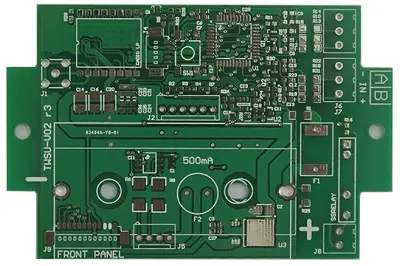
 PCB
PCB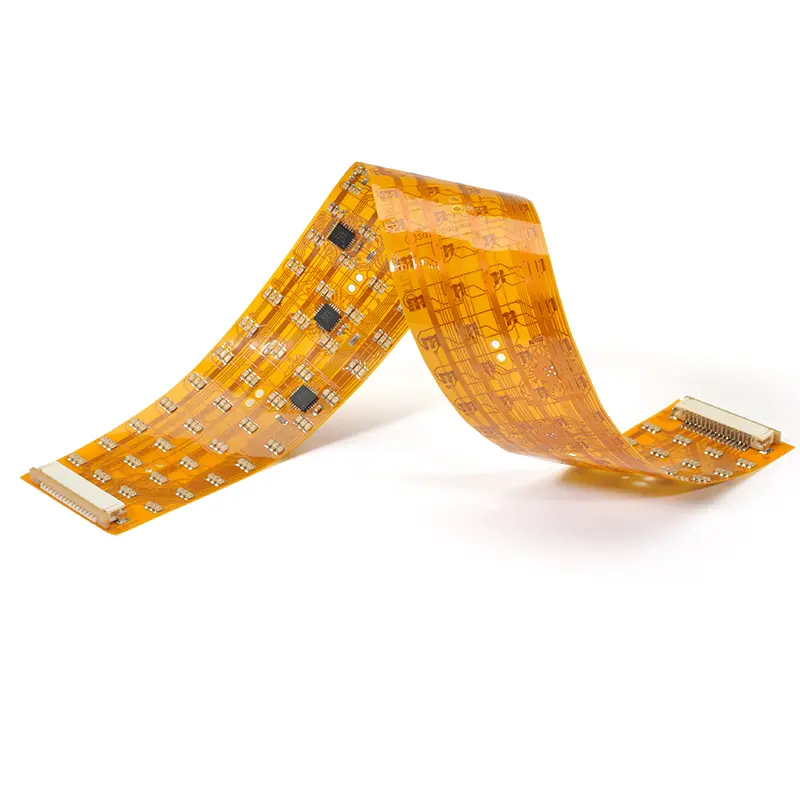 FPC
FPC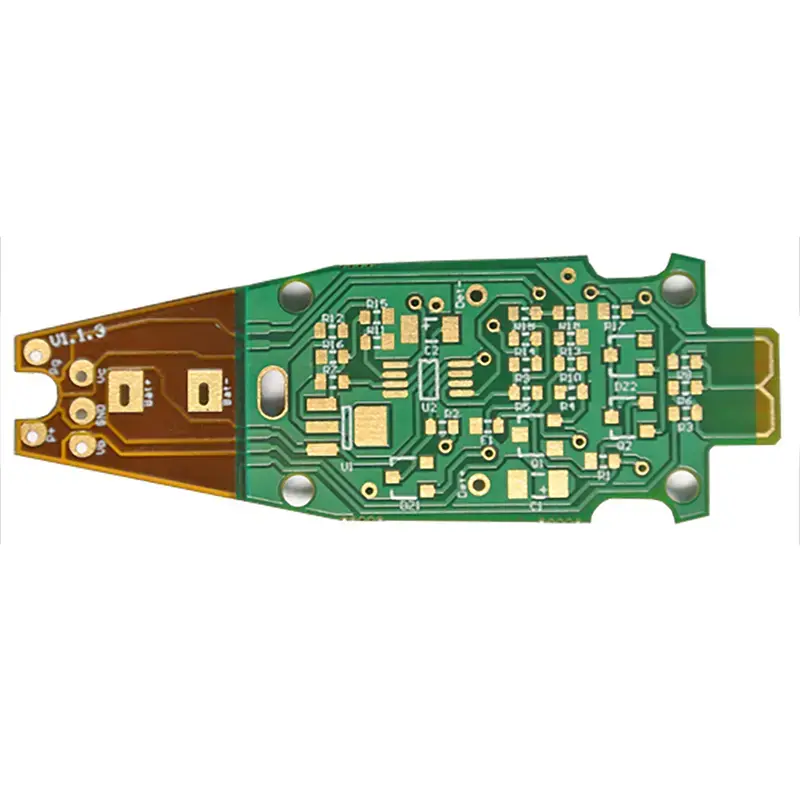 Rigid-Flex
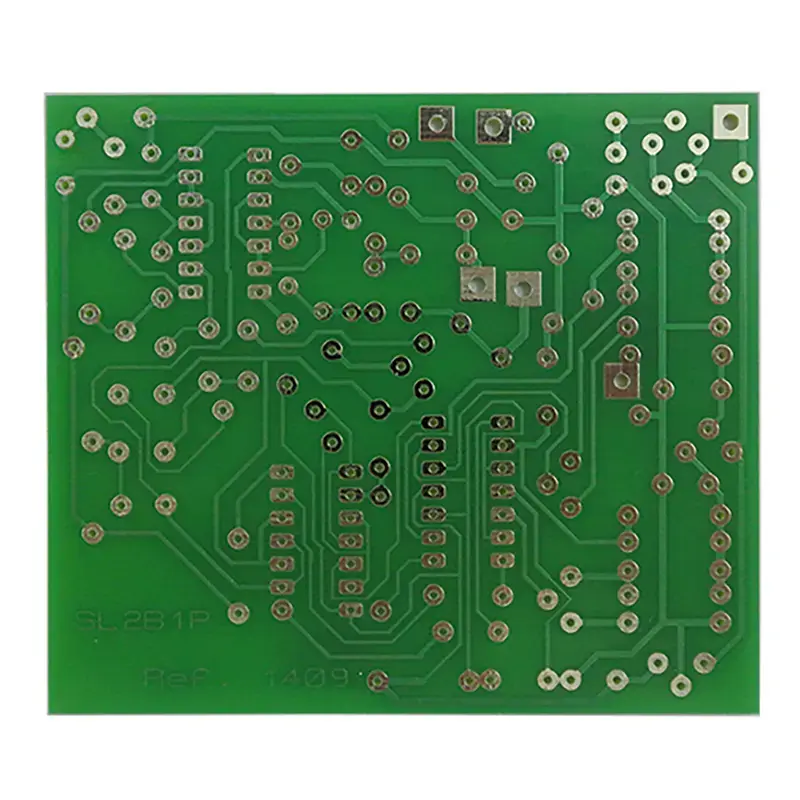 FR-4
FR-4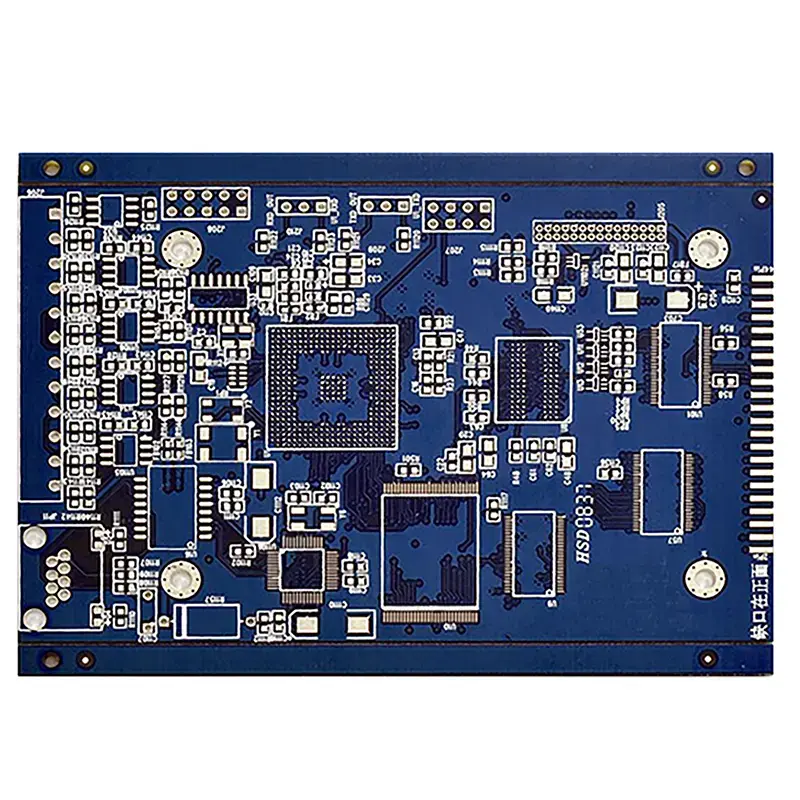 HDI PCB
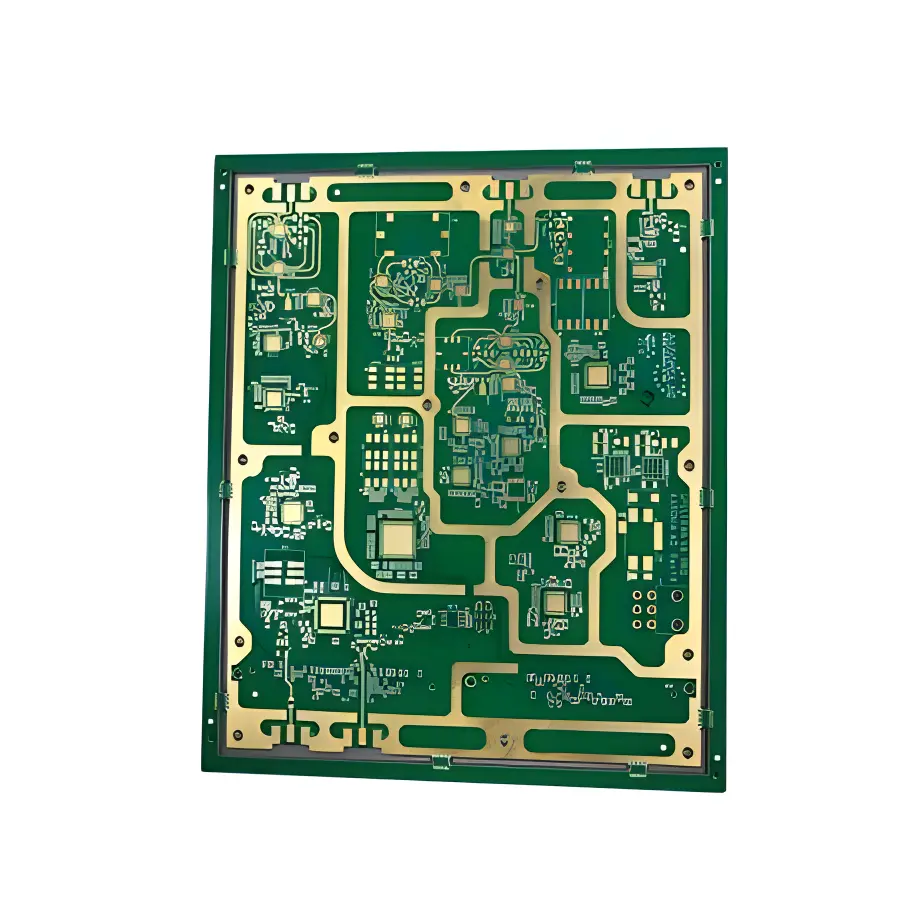 Rogers High-Frequency Board
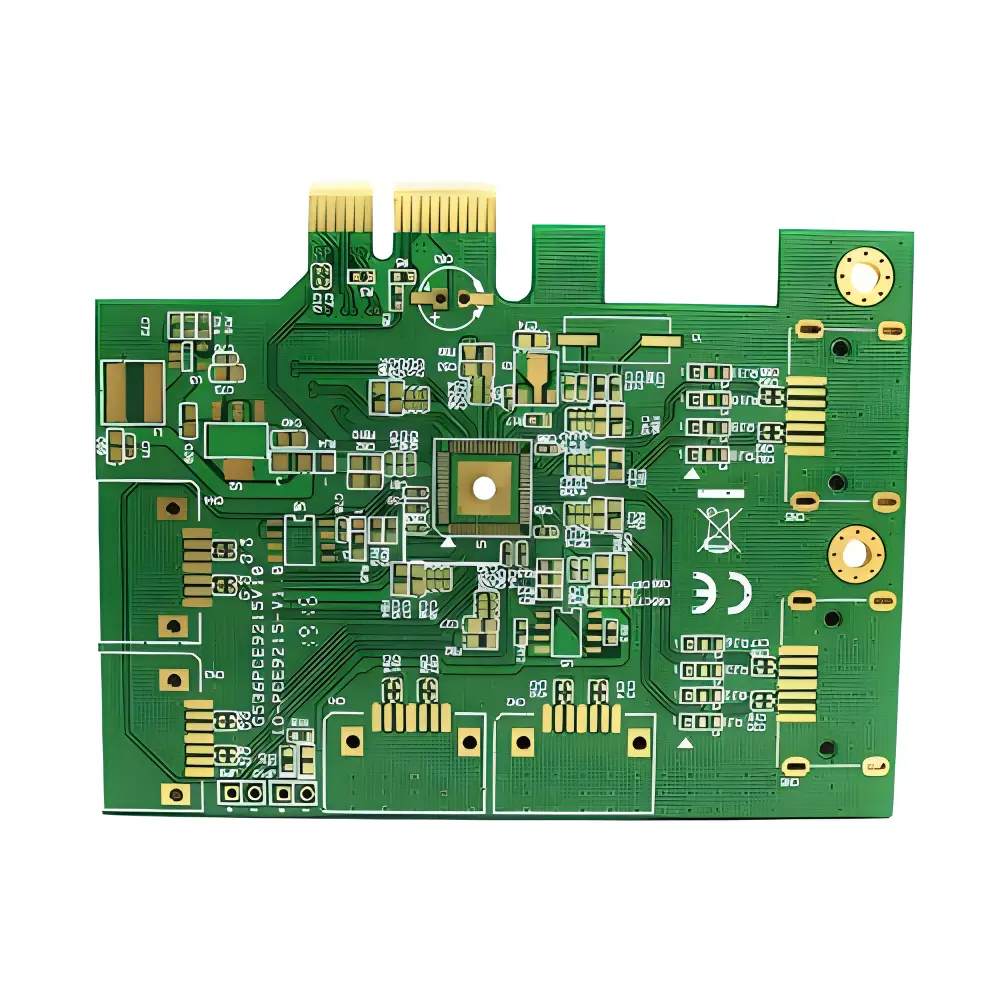 PTFE Teflon High-Frequency Board
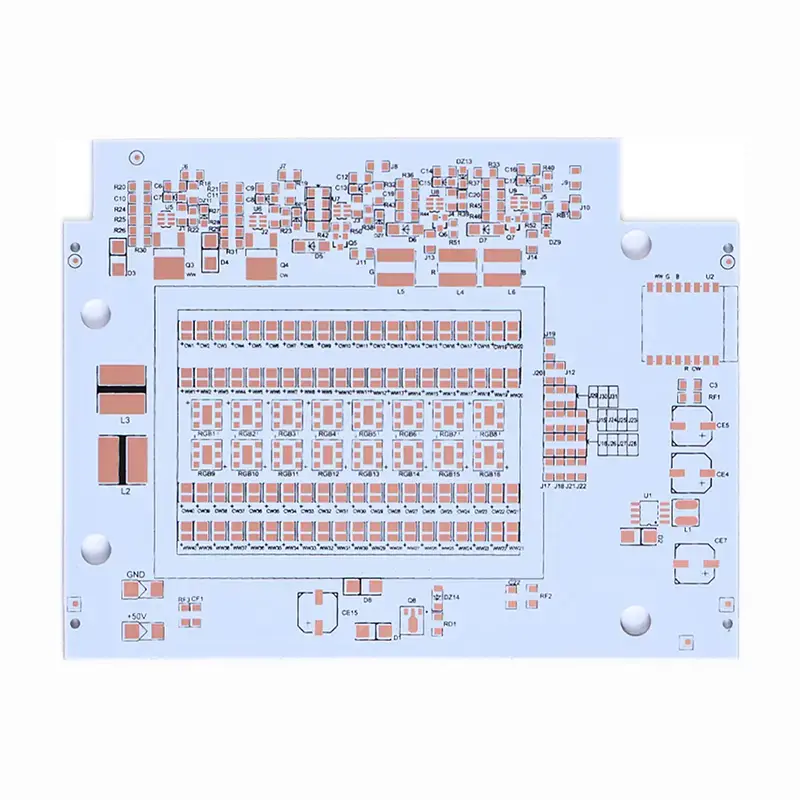 Aluminum
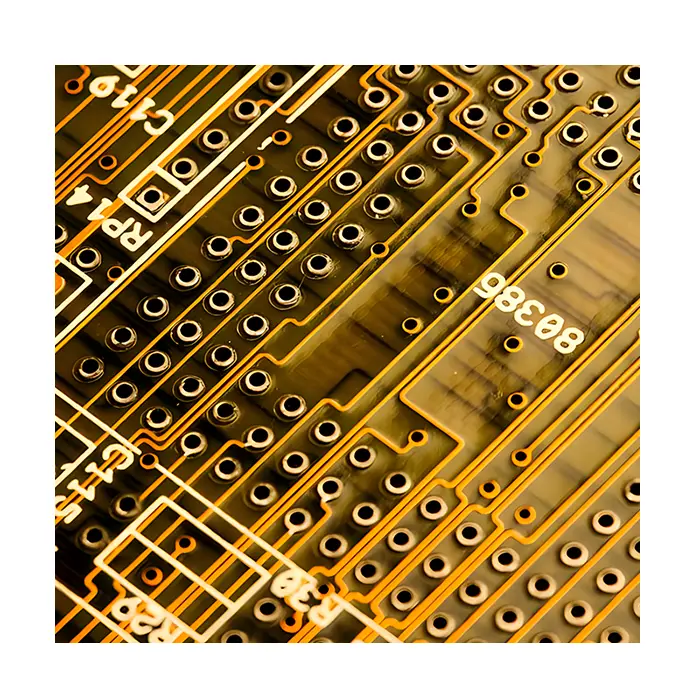 Copper Core
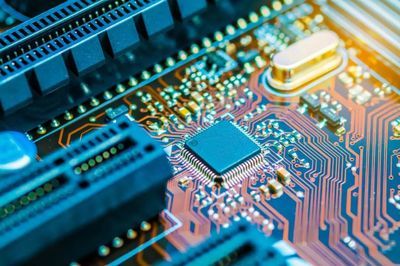 PCB Assembly
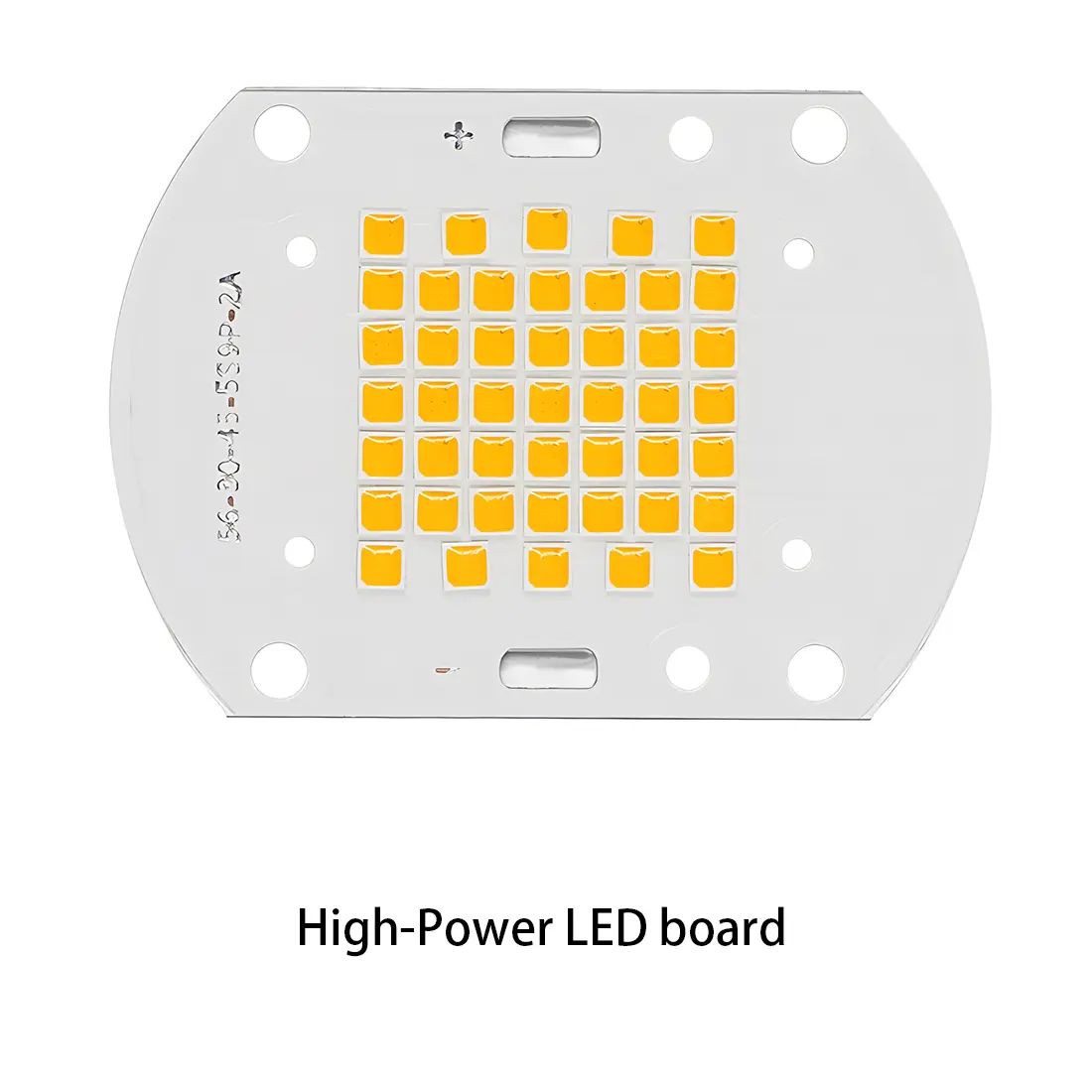 LED light PCBA
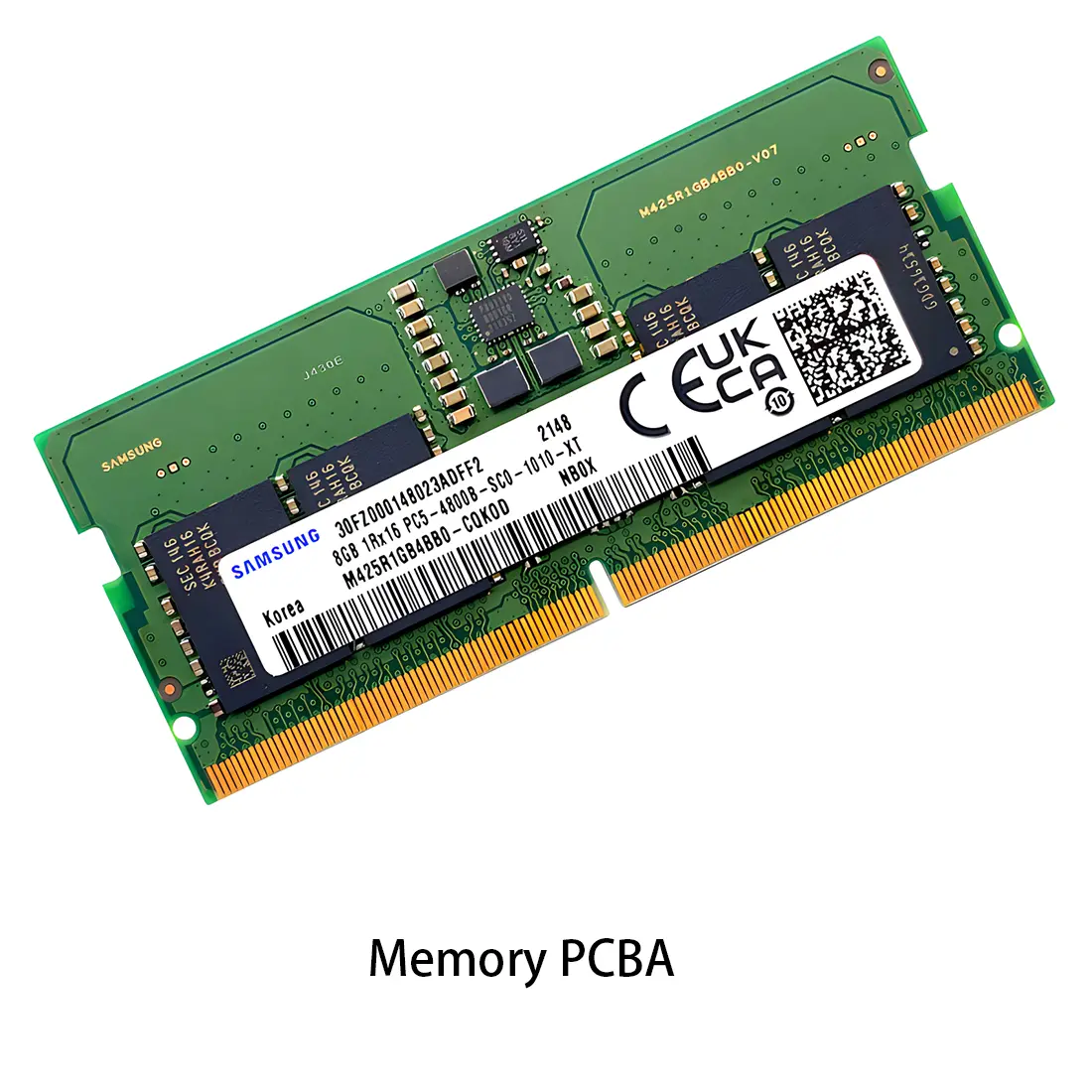 Memory PCBA
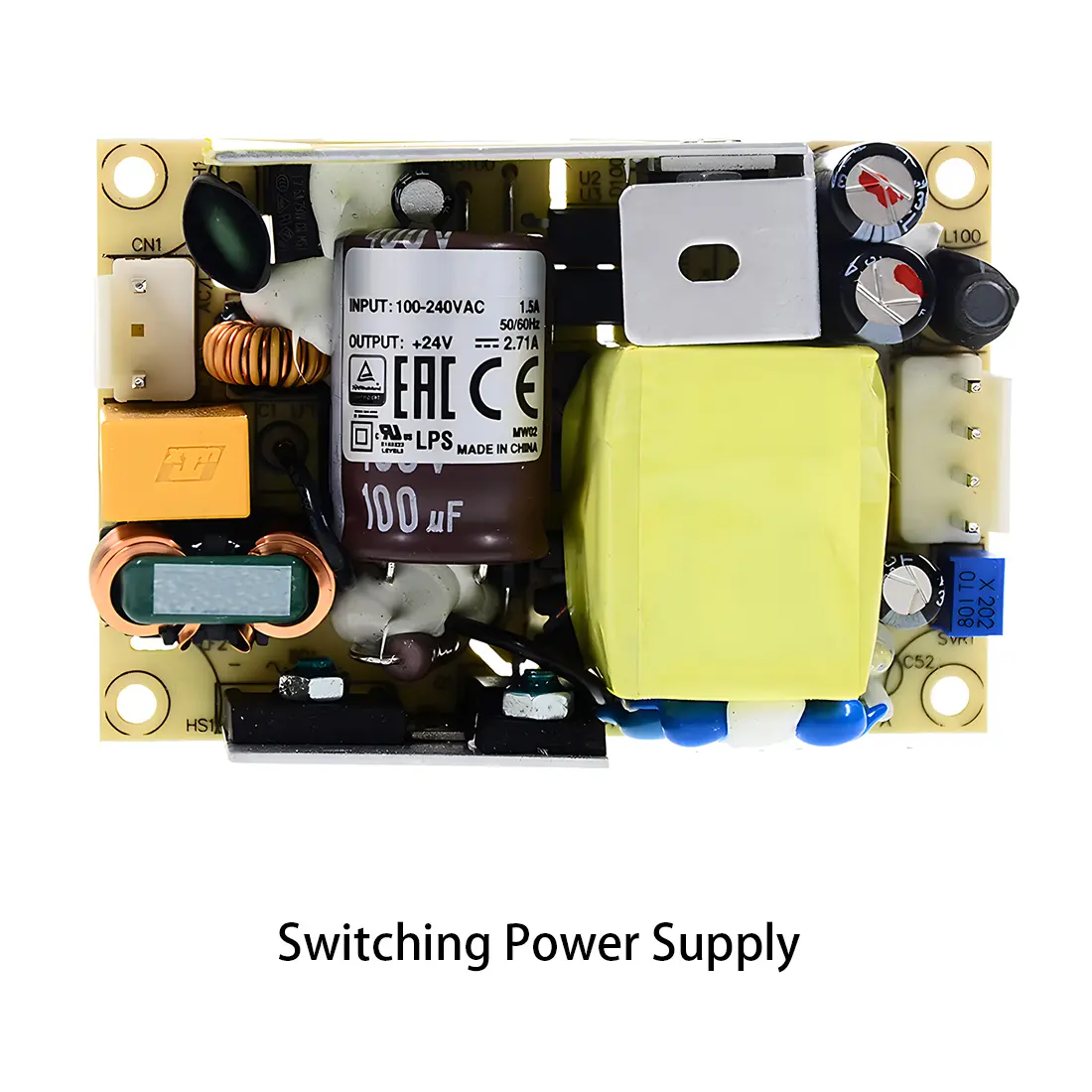 Power Supply PCBA
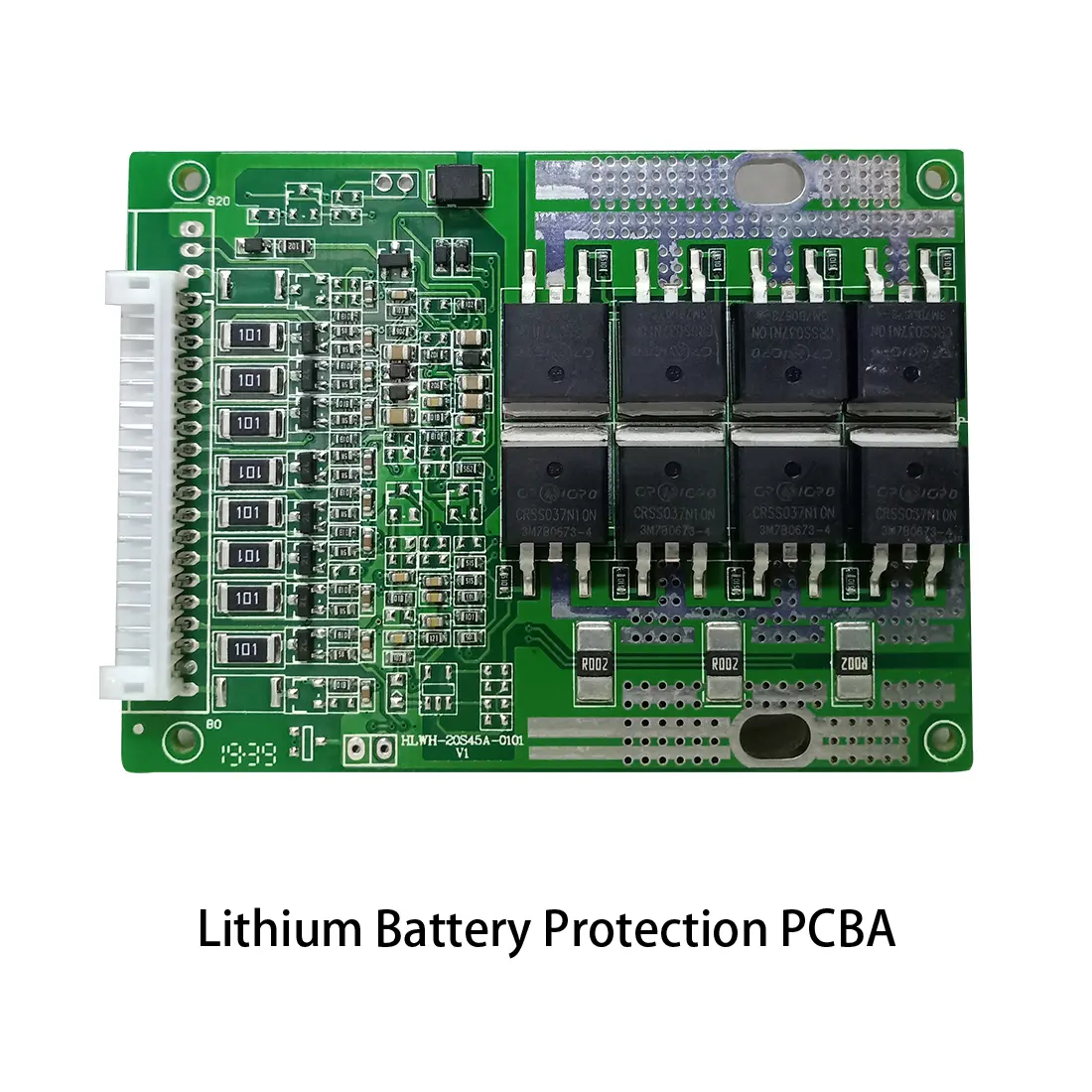 New Energey PCBA
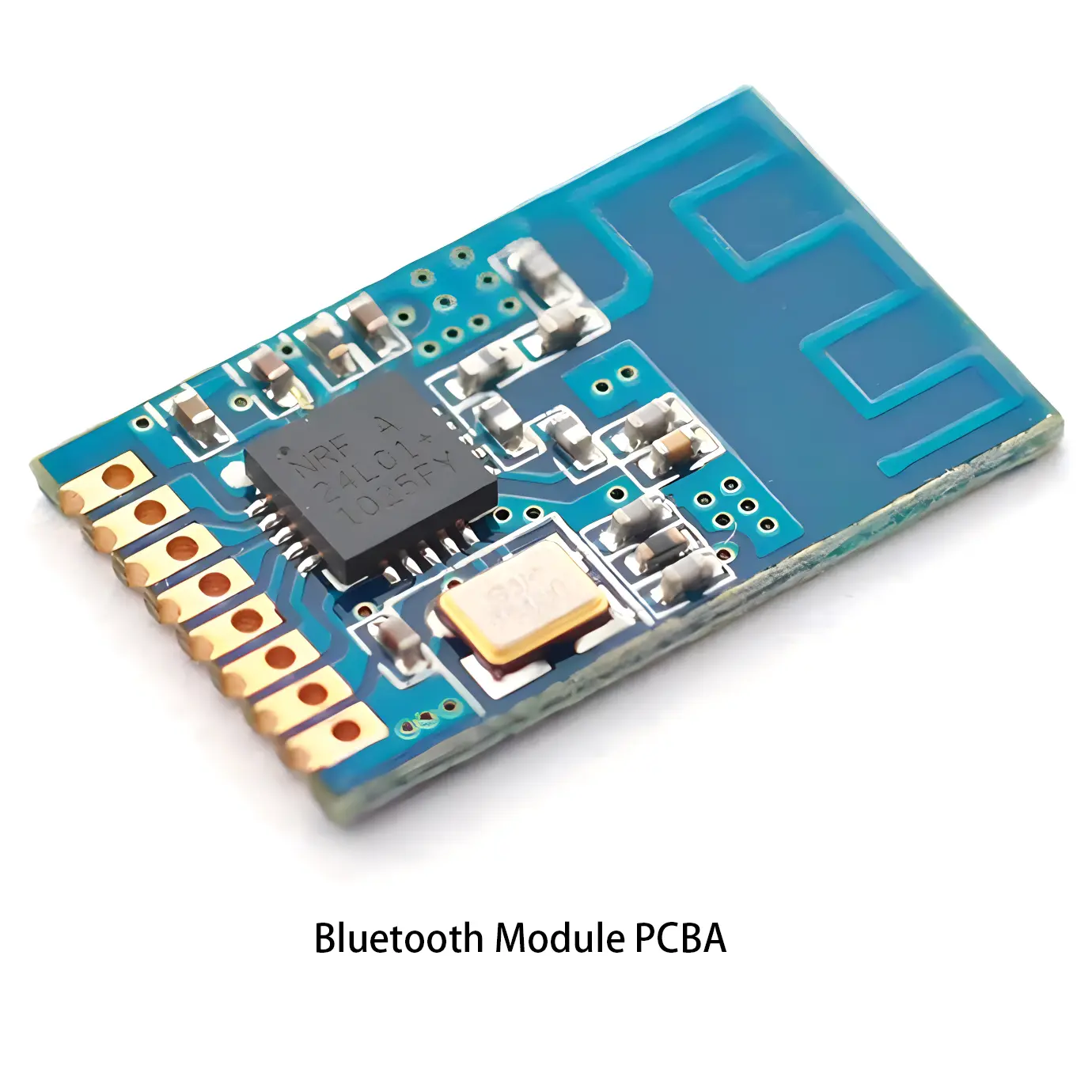 Communication PCBA
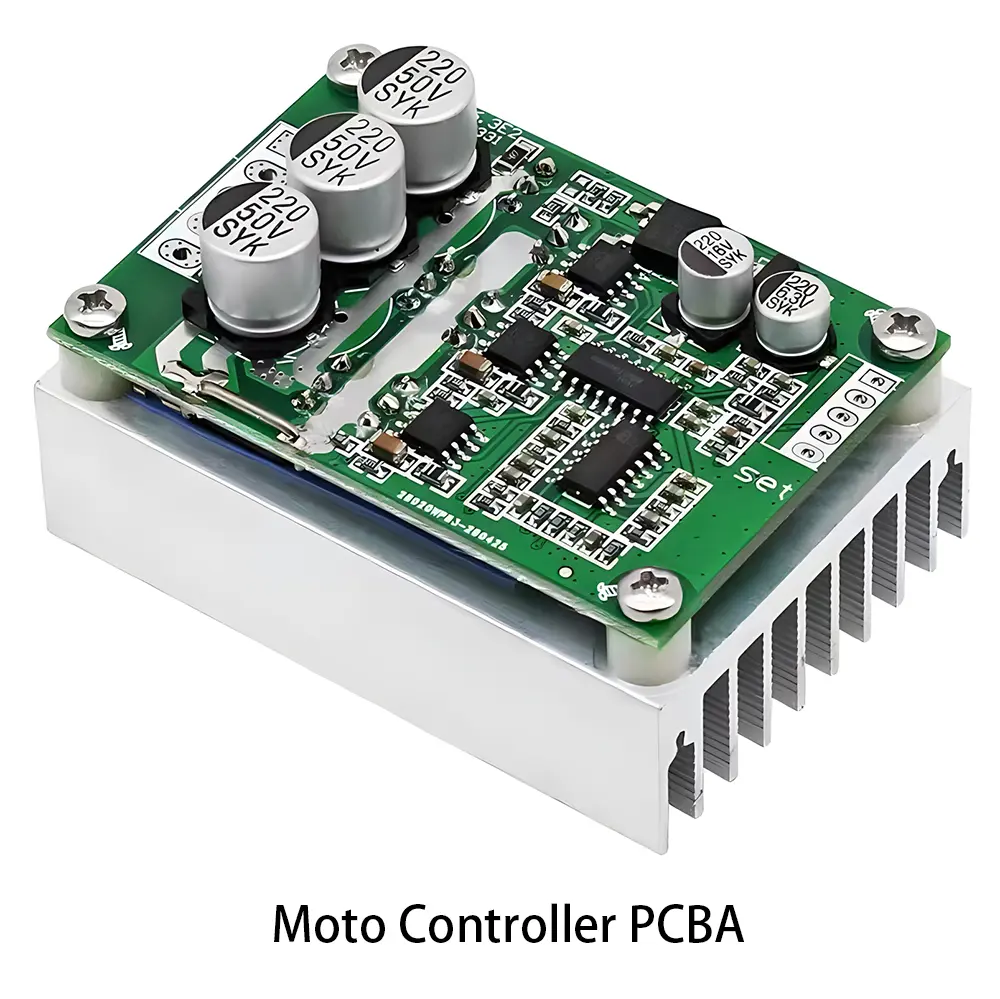 Industrial Control PCBA
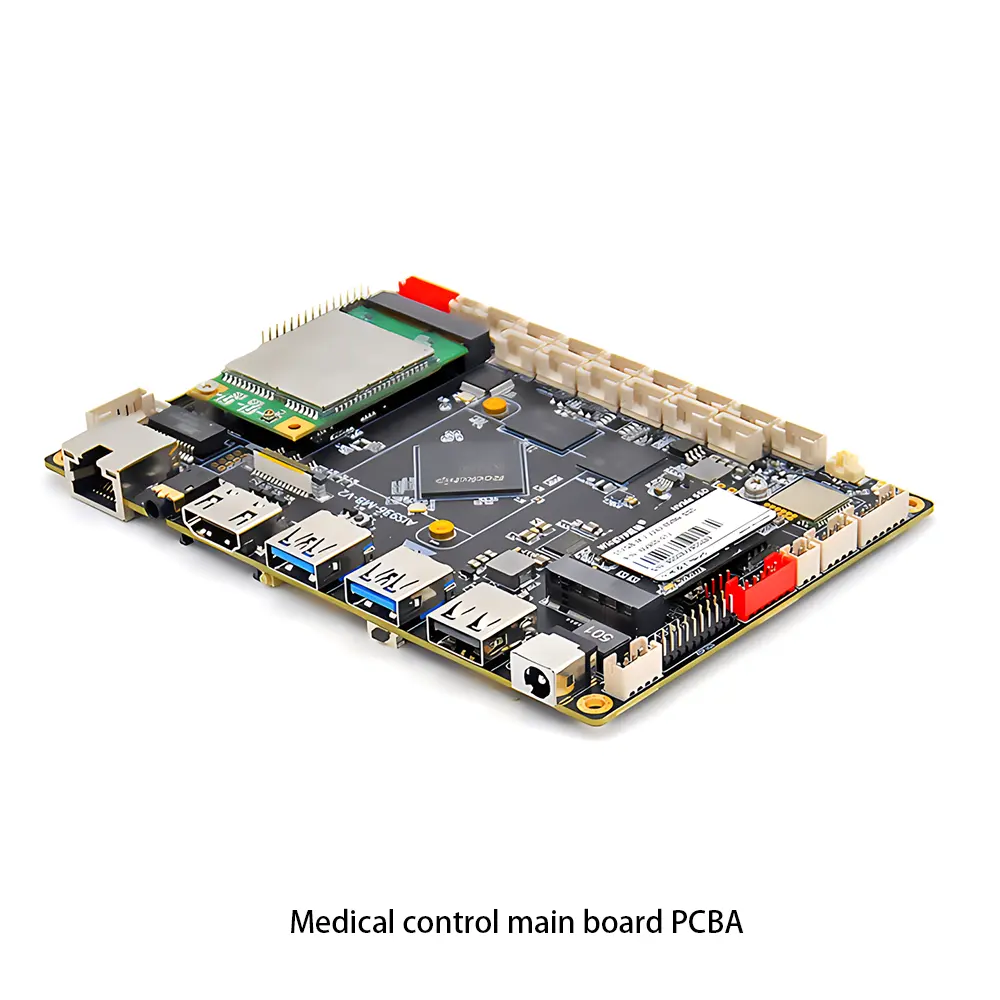 Medical Equipment PCBA
 Testing Service
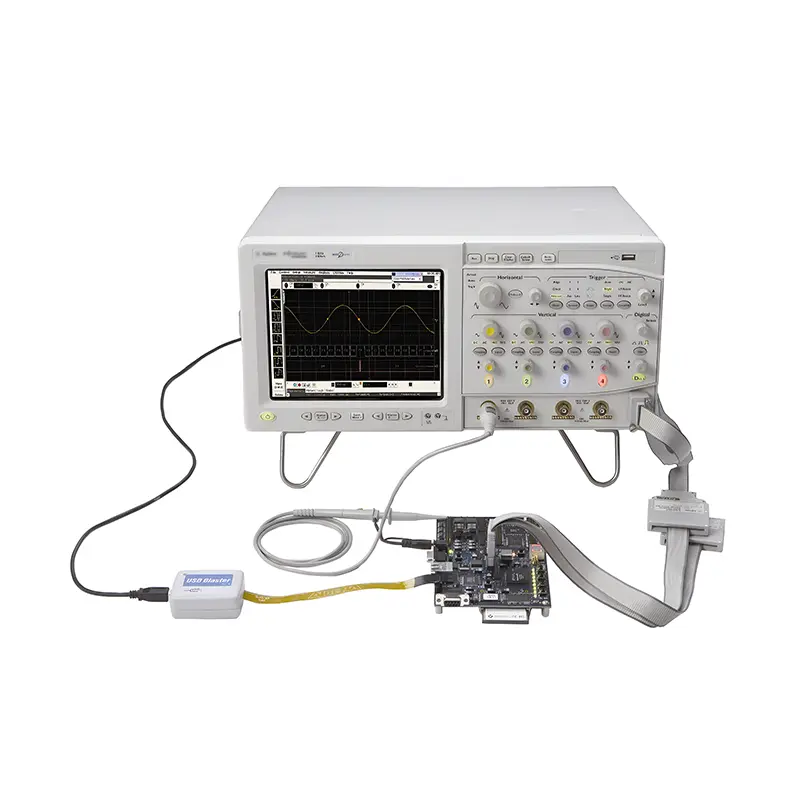 PCBA Testing Service
 Certification Application
 RoHS Certification Application
 REACH Certification Application
 CE Certification Application
 FCC Certification Application
 CQC Certification Application
 UL Certification Application
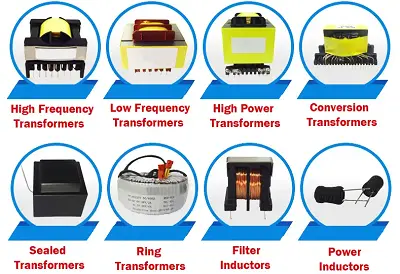 Transformers, Inductors
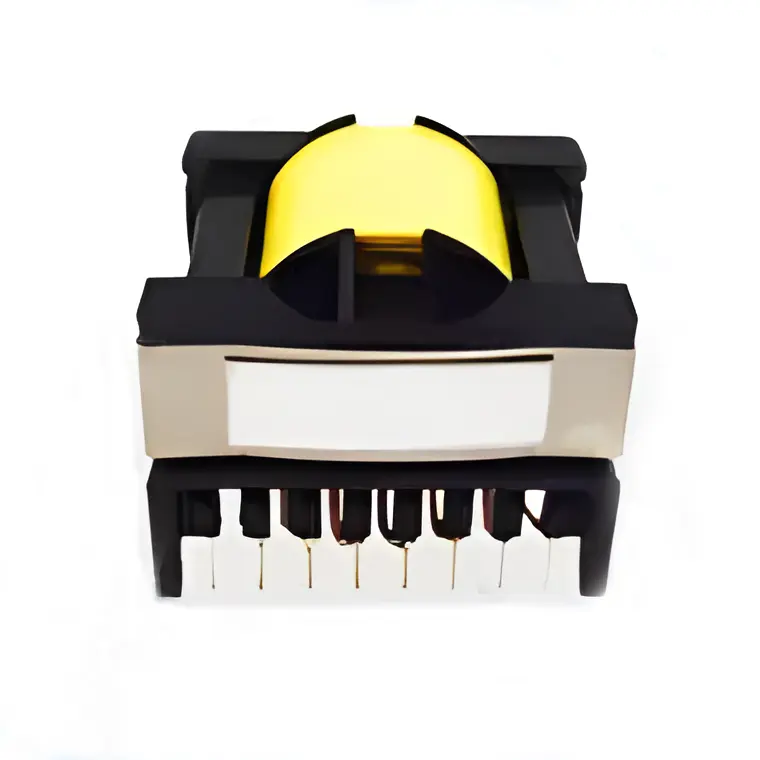 High Frequency Transformers
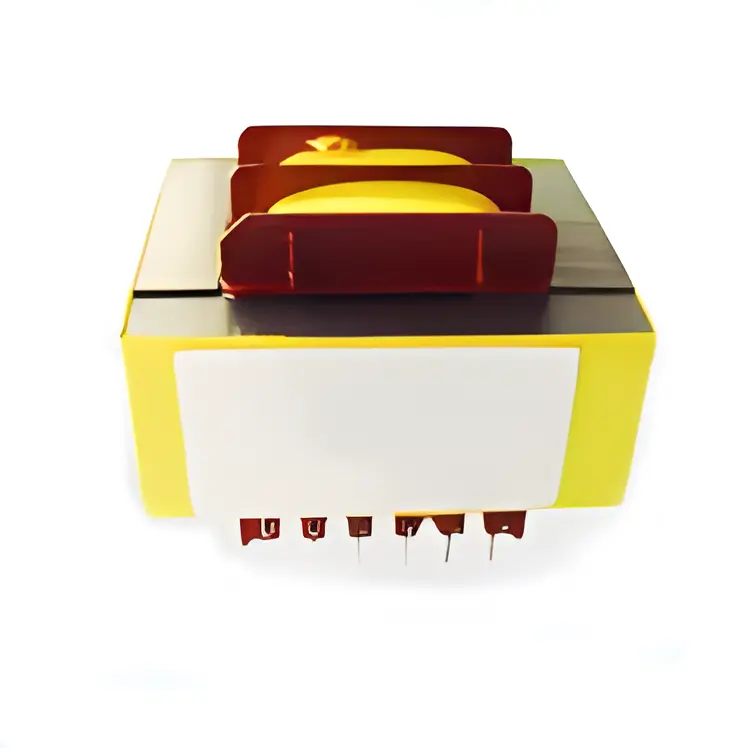 Low Frequency Transformers
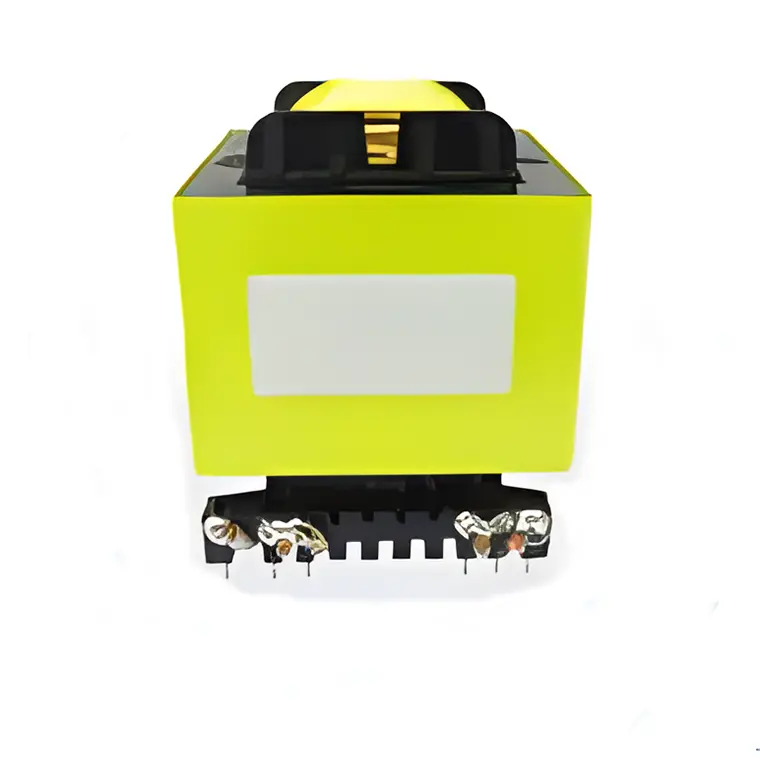 High Power Transformers
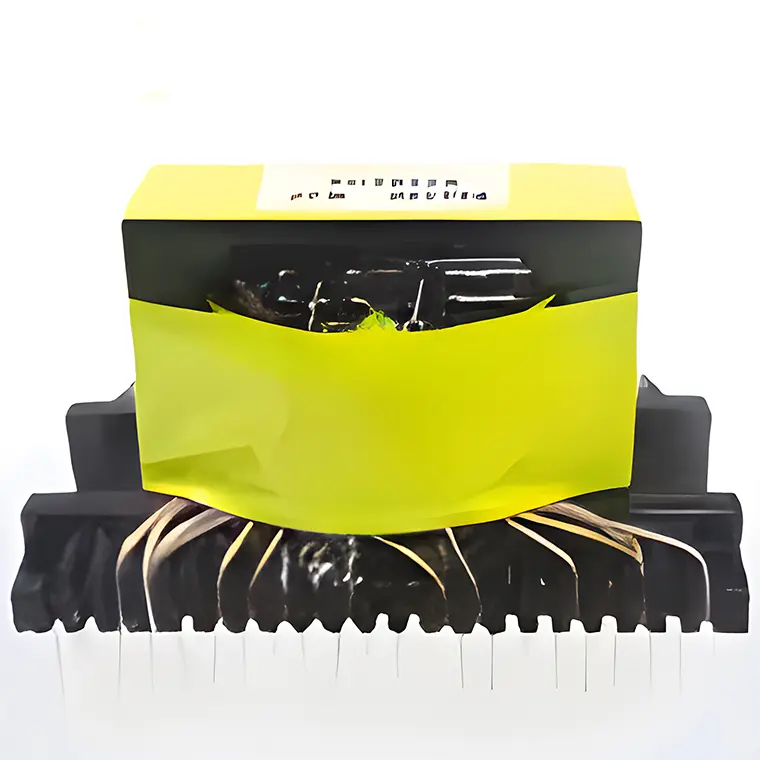 Conversion Transformers
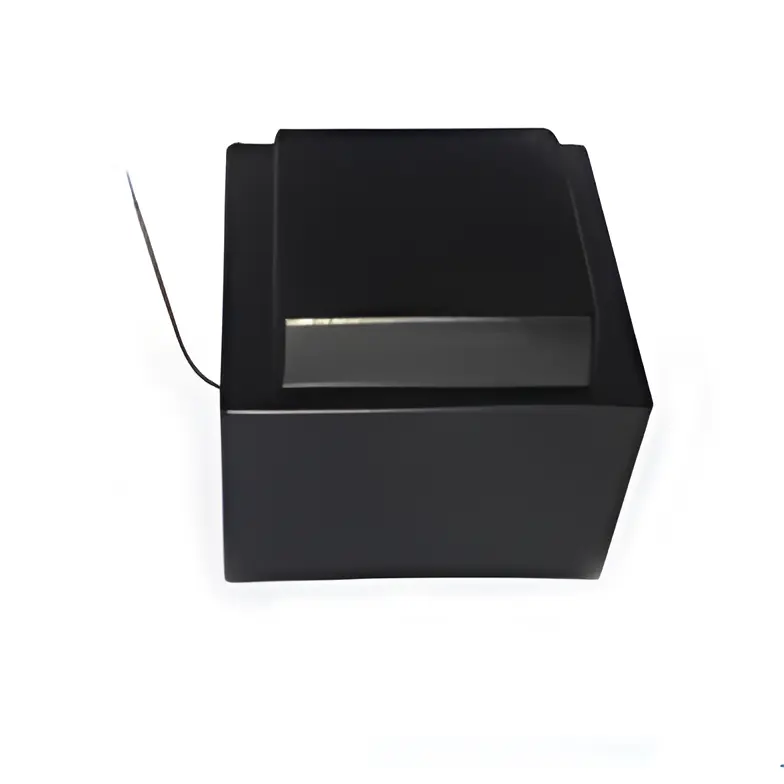 Sealed Transformers
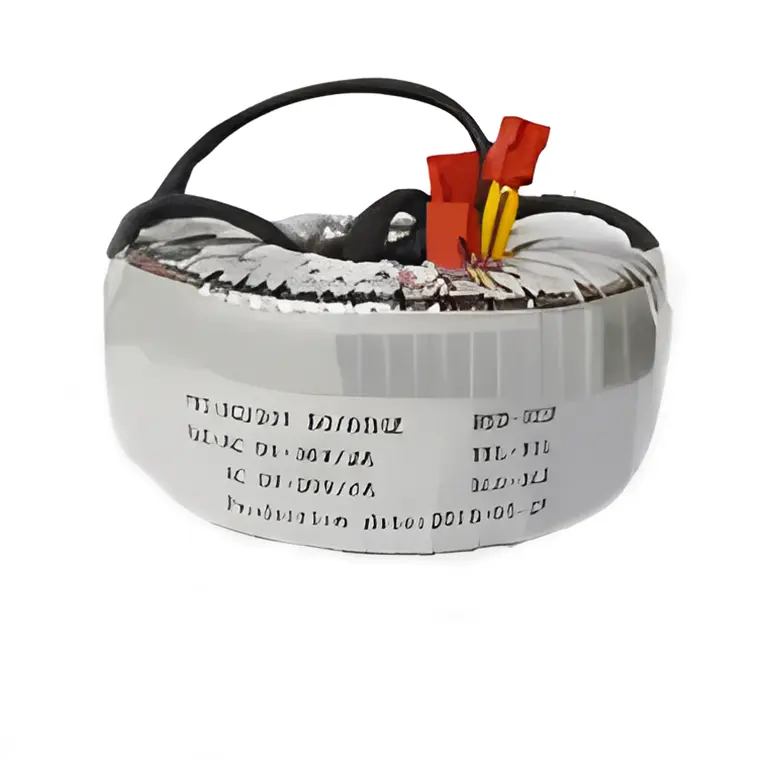 Ring Transformers
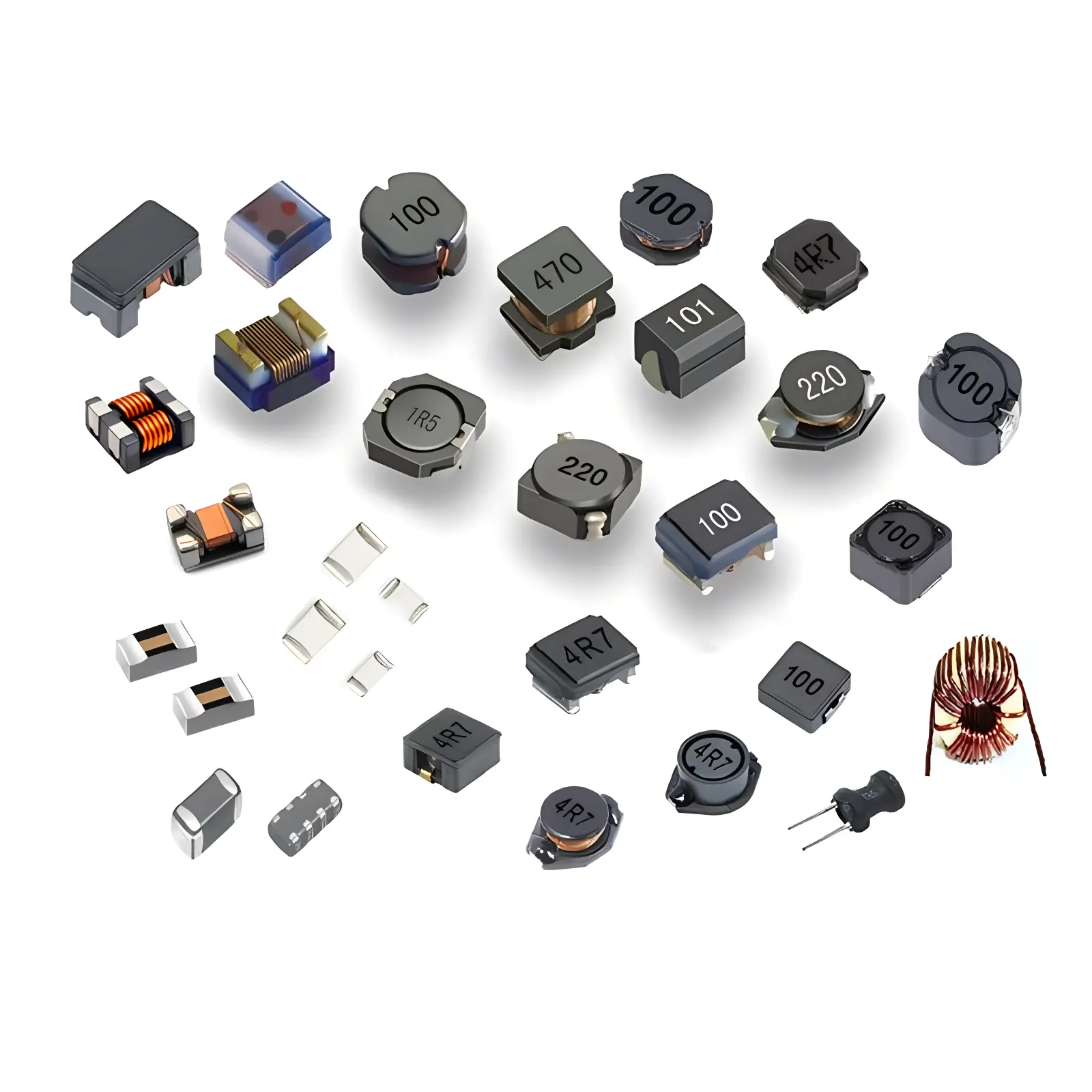 Inductors
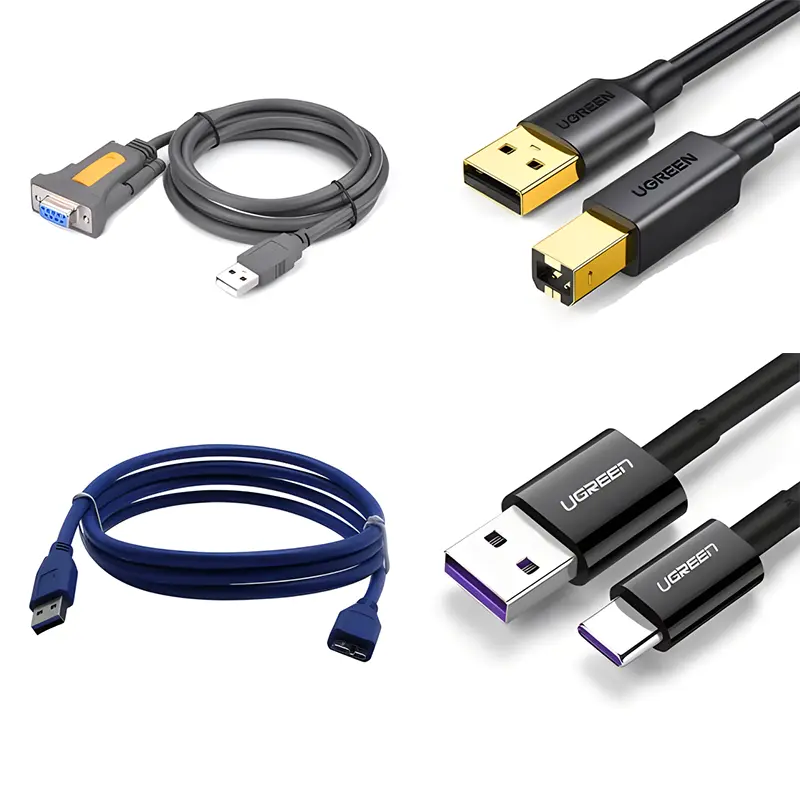 Wires,Cables Customized
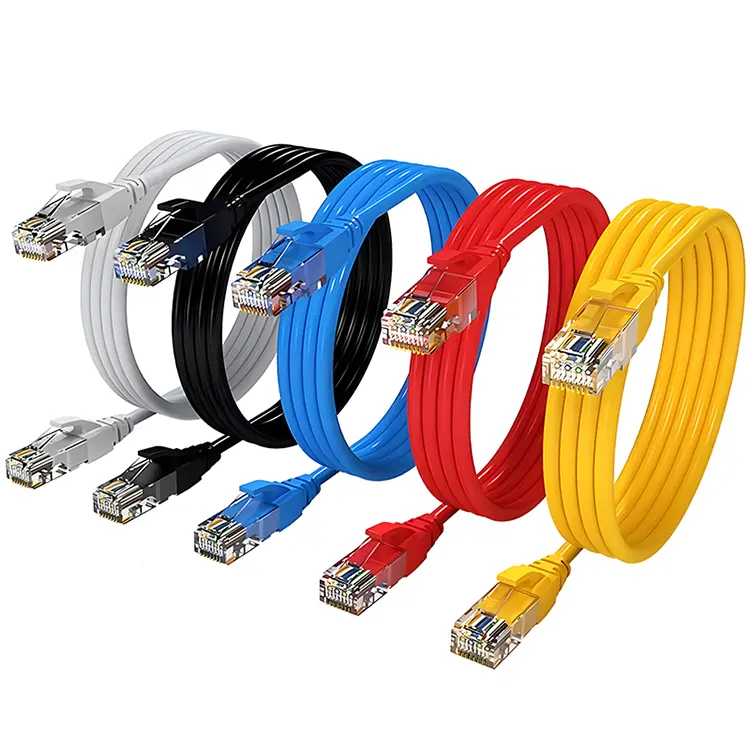 Network Cables
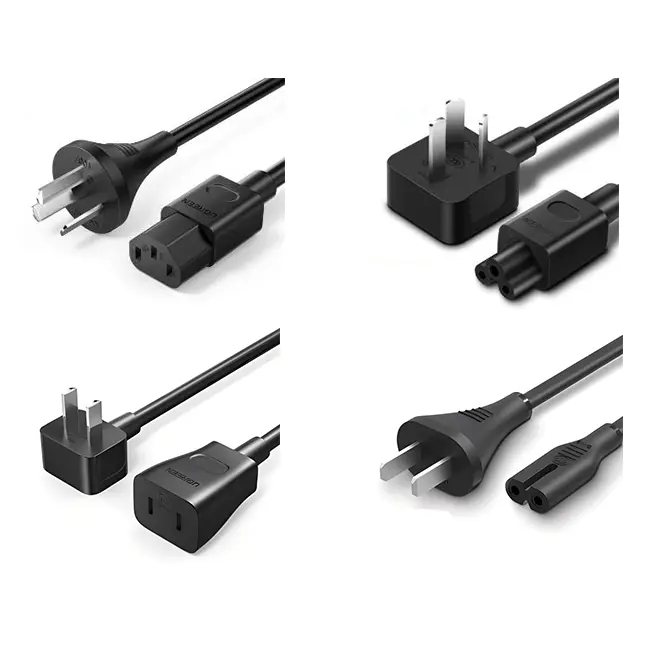 Power Cords
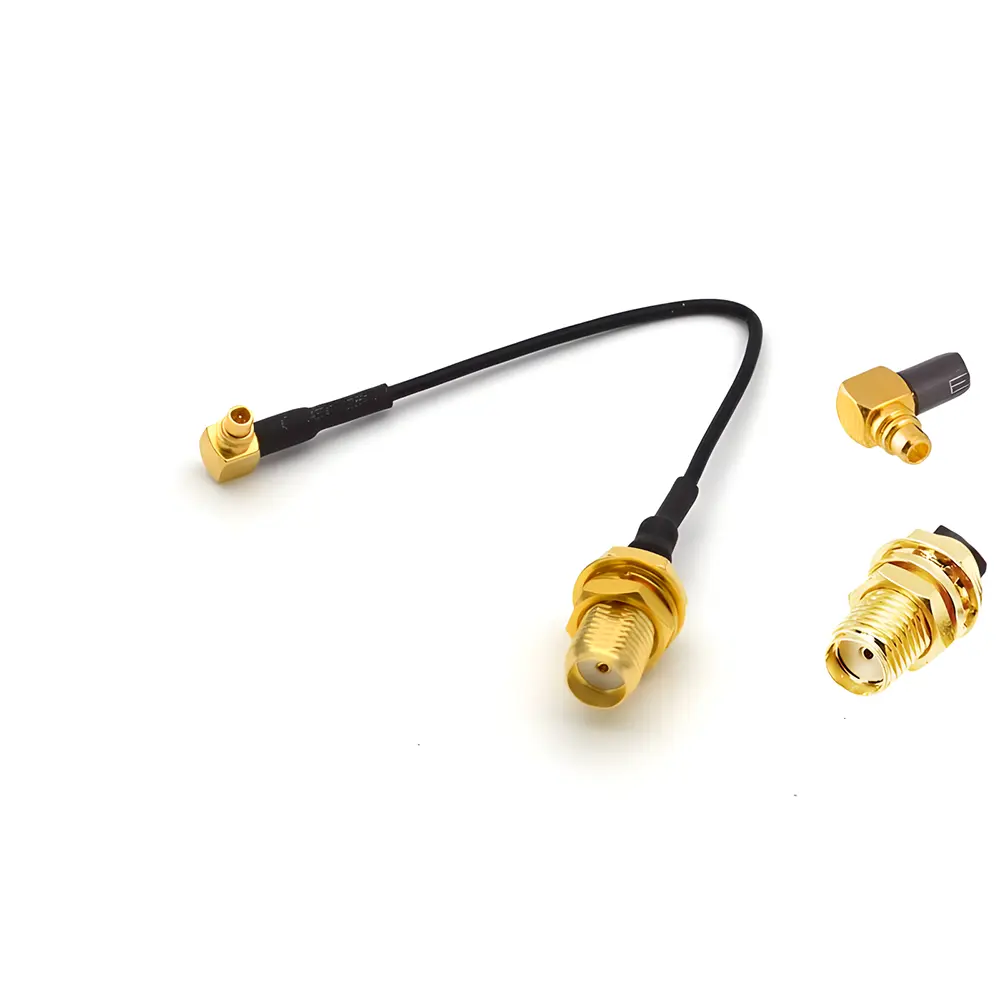 Antenna Cables
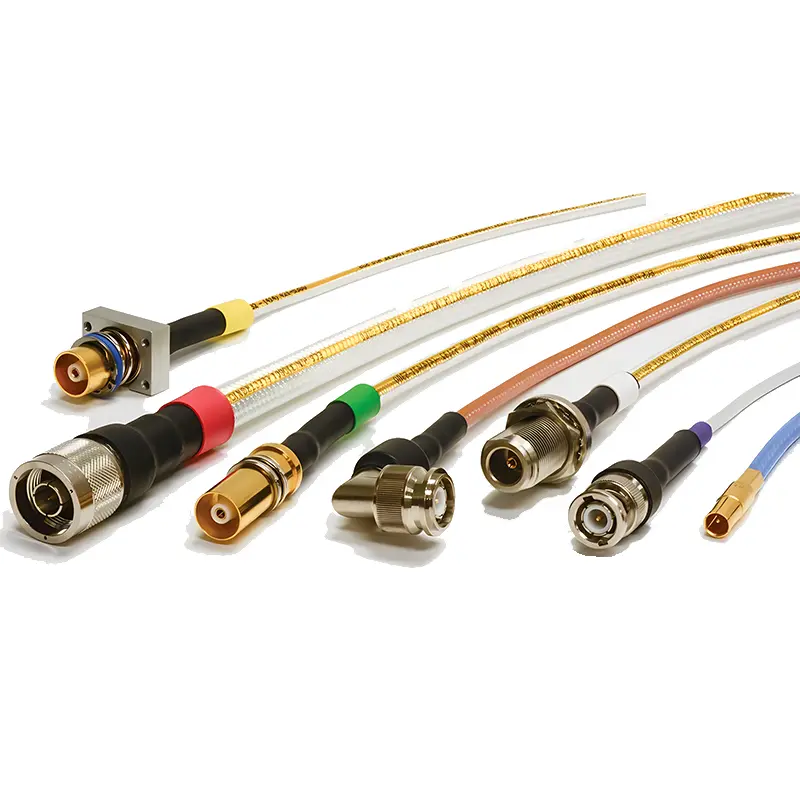 Coaxial Cables
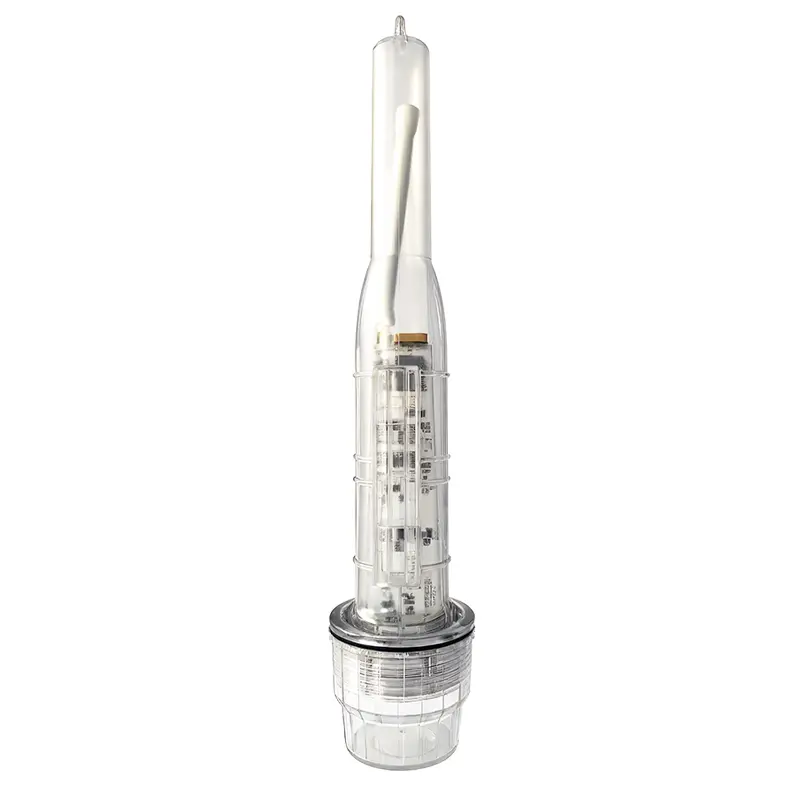 Net Position Indicator
 Solar AIS net position indicator
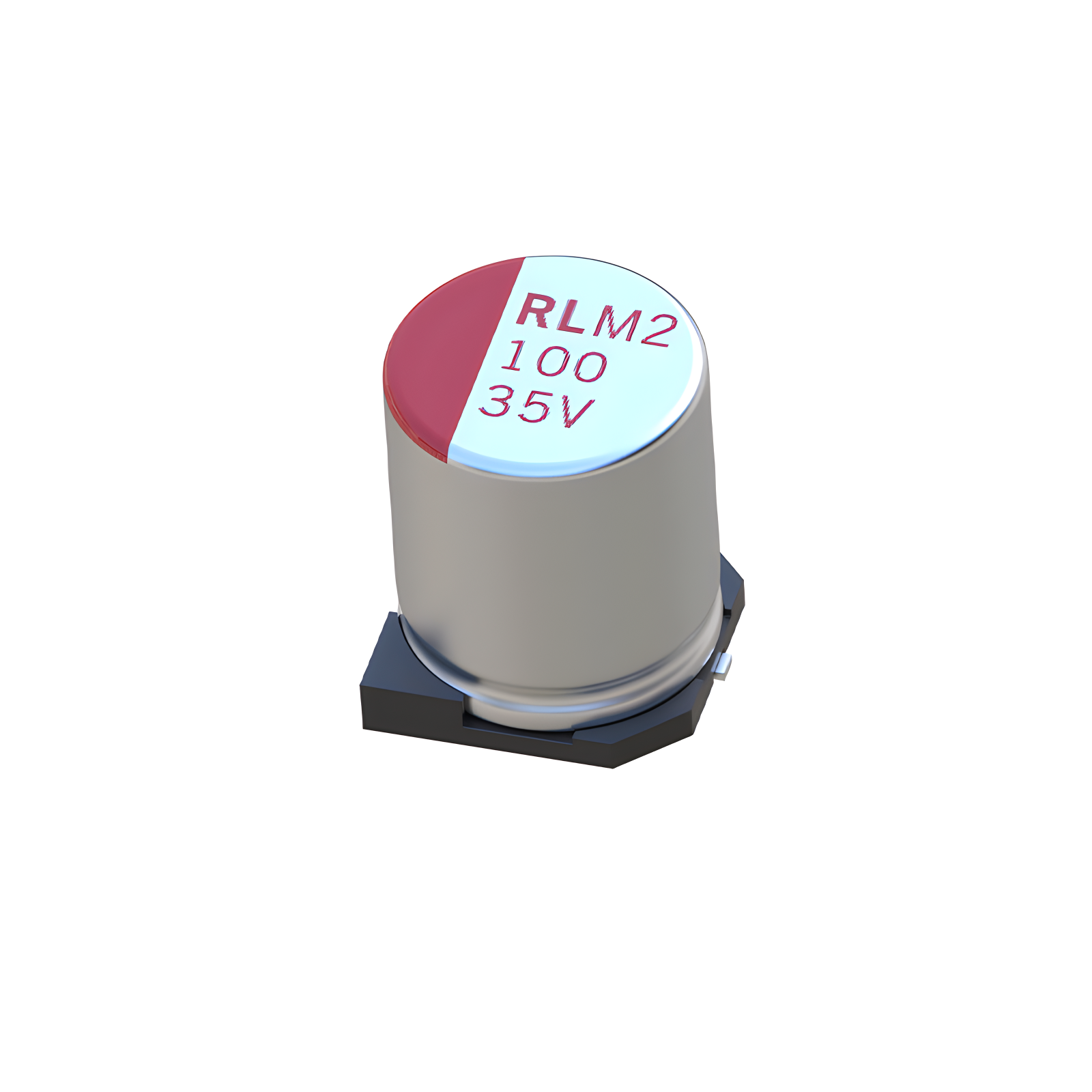 Capacitors
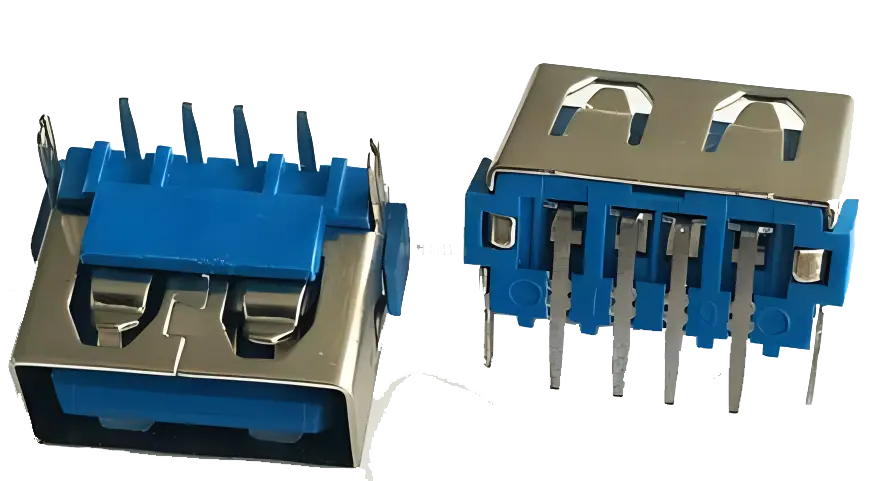 Connectors
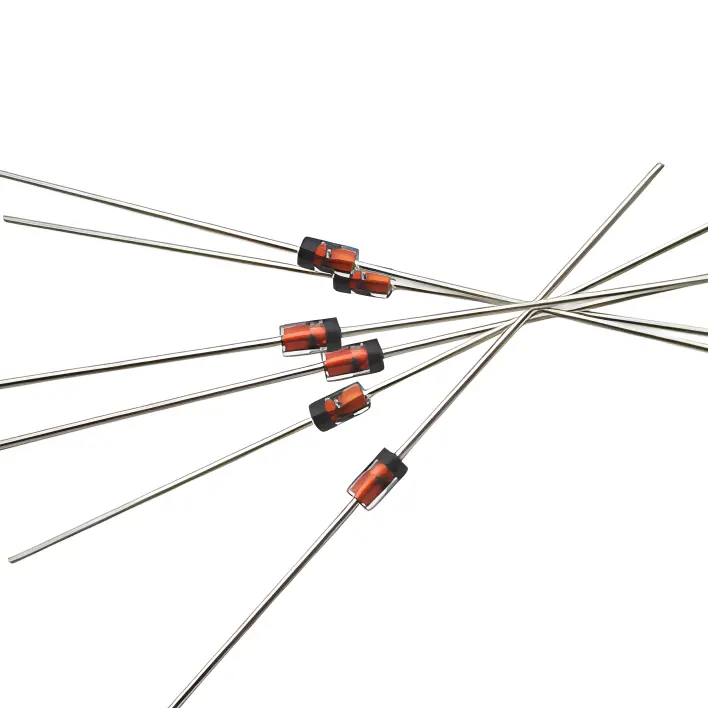 Diodes
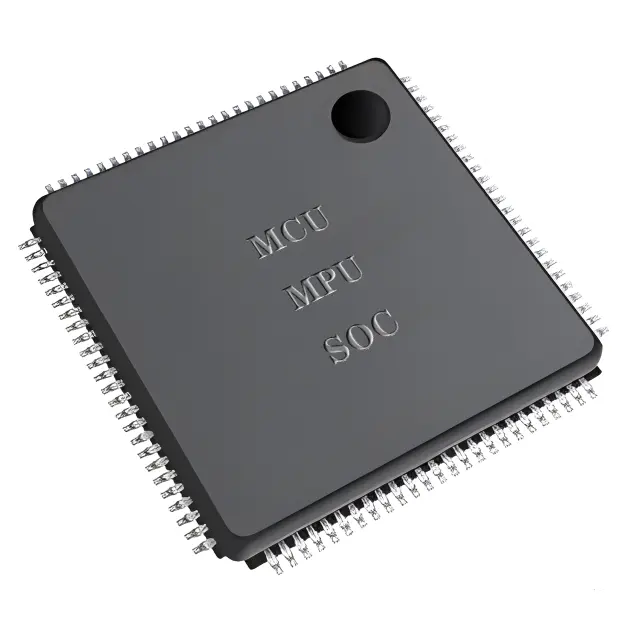 Embedded Processors & Controllers
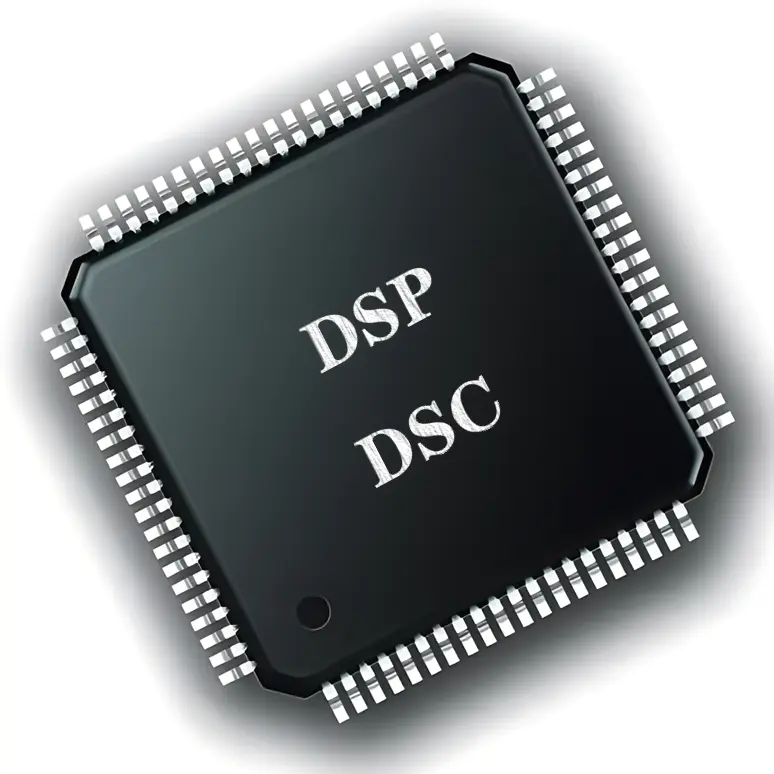 Digital Signal Processors (DSP/DSC)
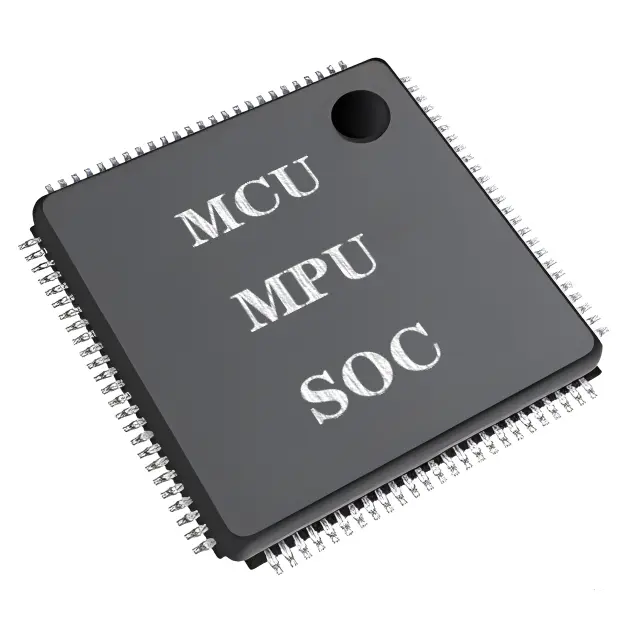 Microcontrollers (MCU/MPU/SOC)
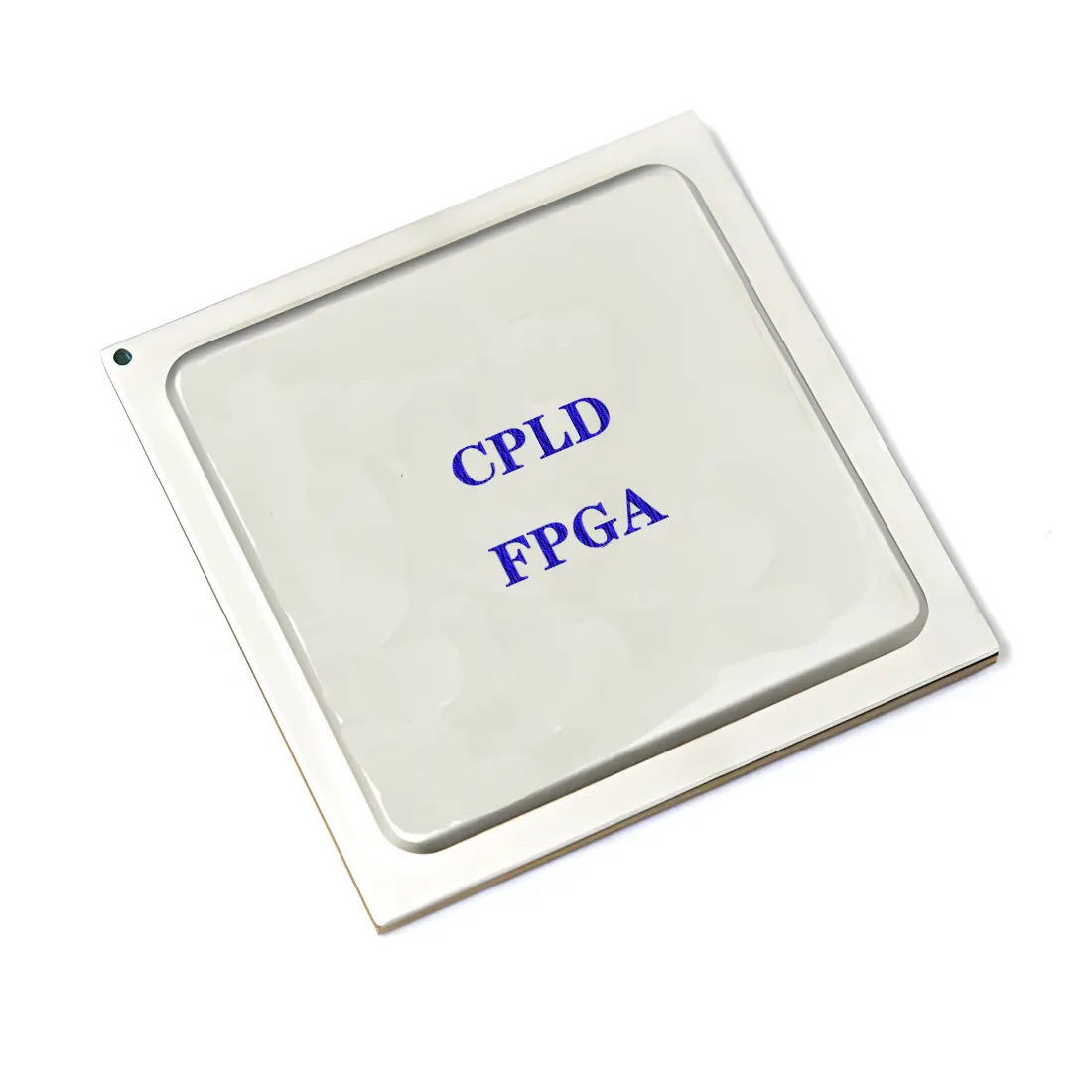 Programmable Logic Device(CPLD/FPGA)
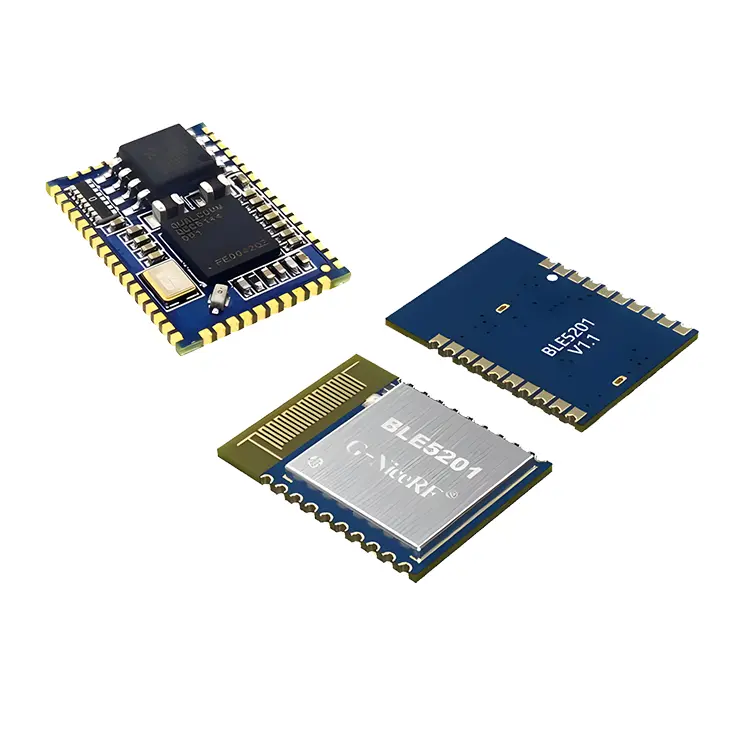 Communication Modules/IoT
 Resistors
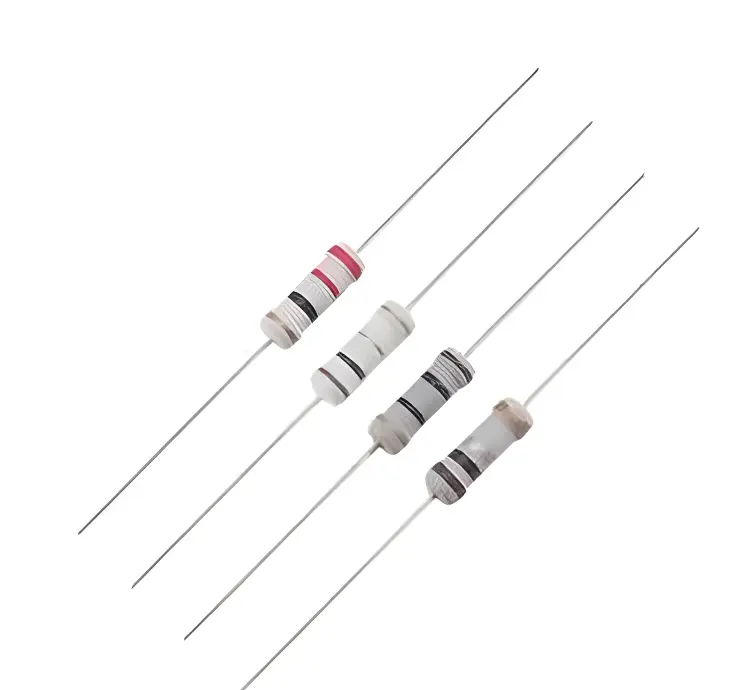 Through Hole Resistors
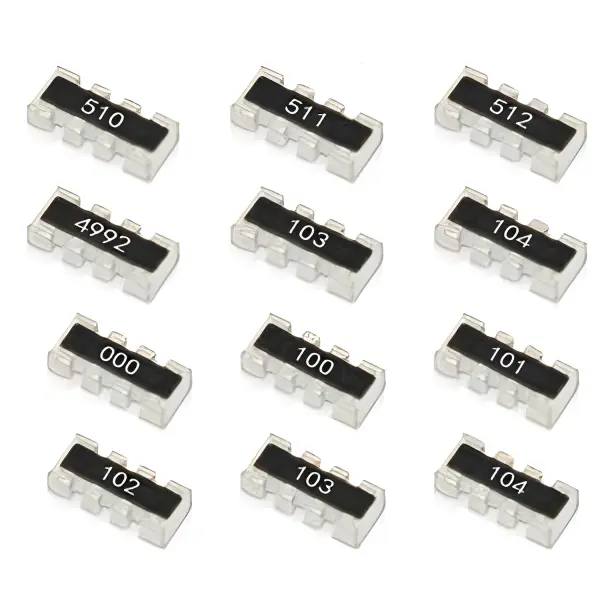 Resistor Networks, Arrays
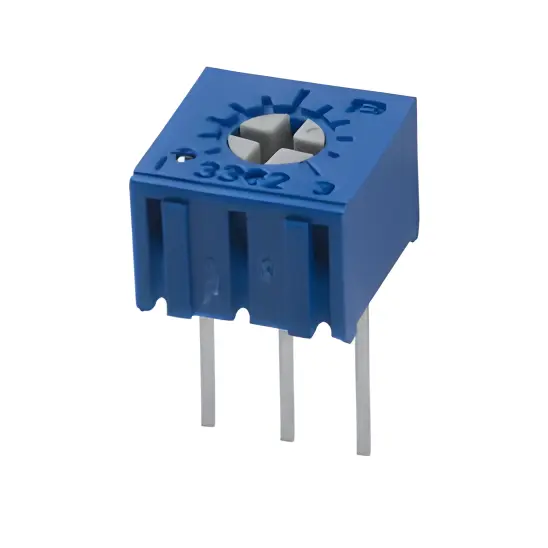 Potentiometers,Variable Resistors
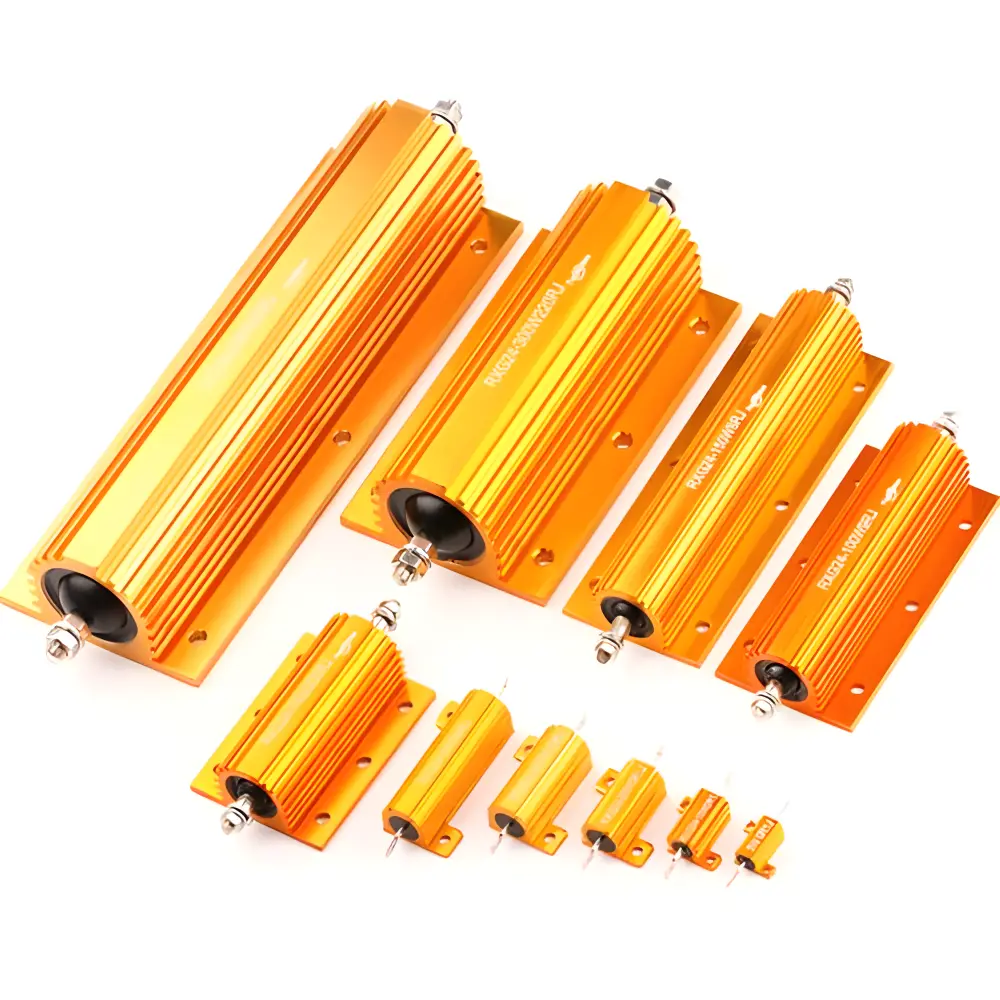 Aluminum Case,Porcelain Tube Resistance
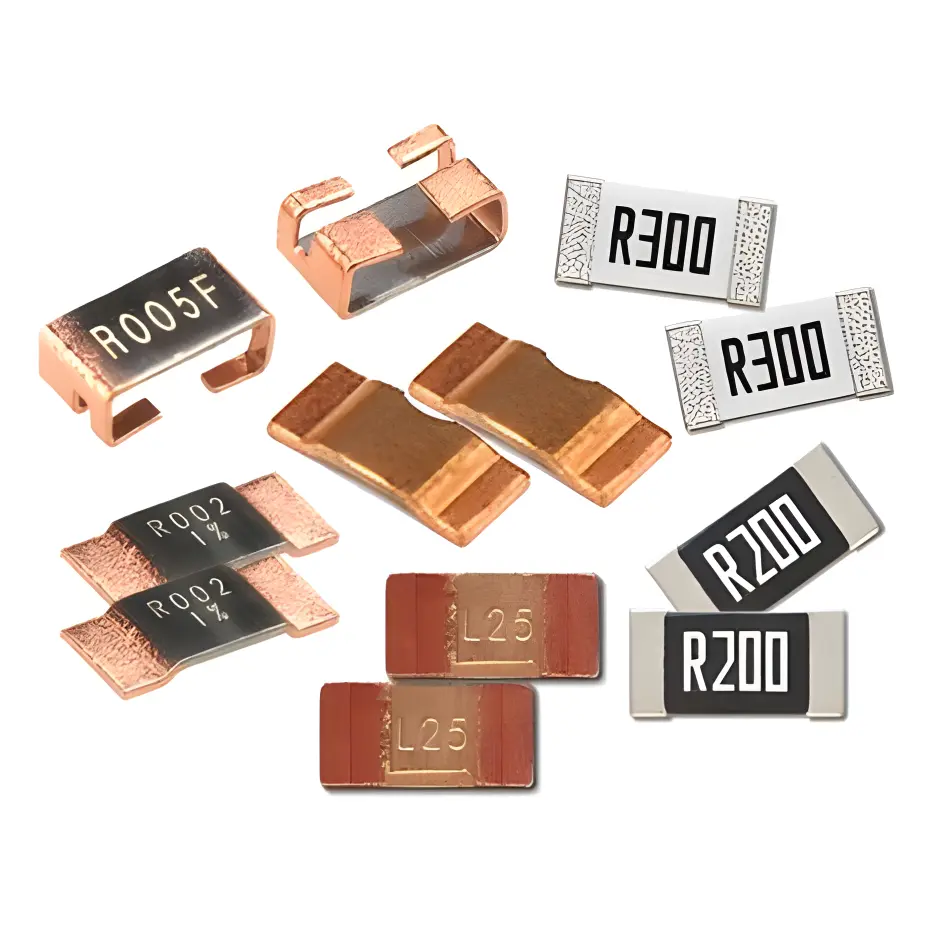 Current Sense Resistors,Shunt Resistors
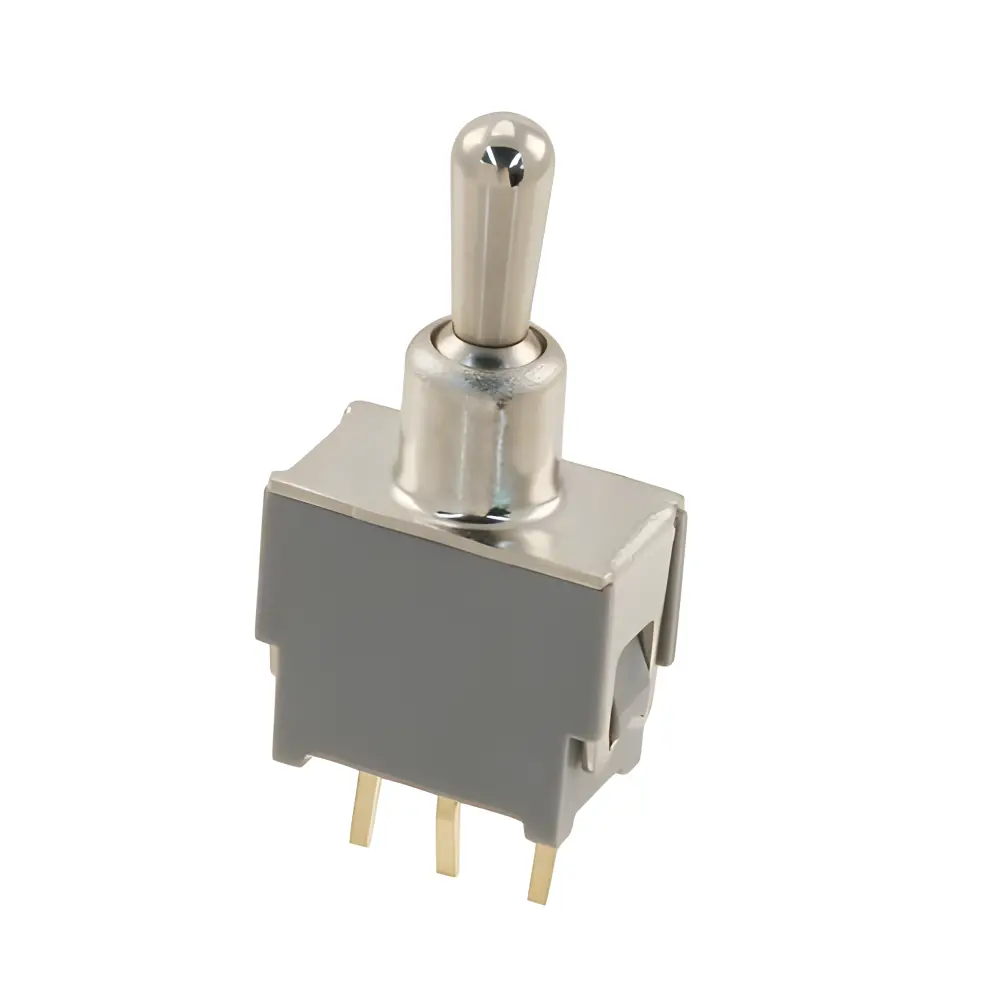 Switches
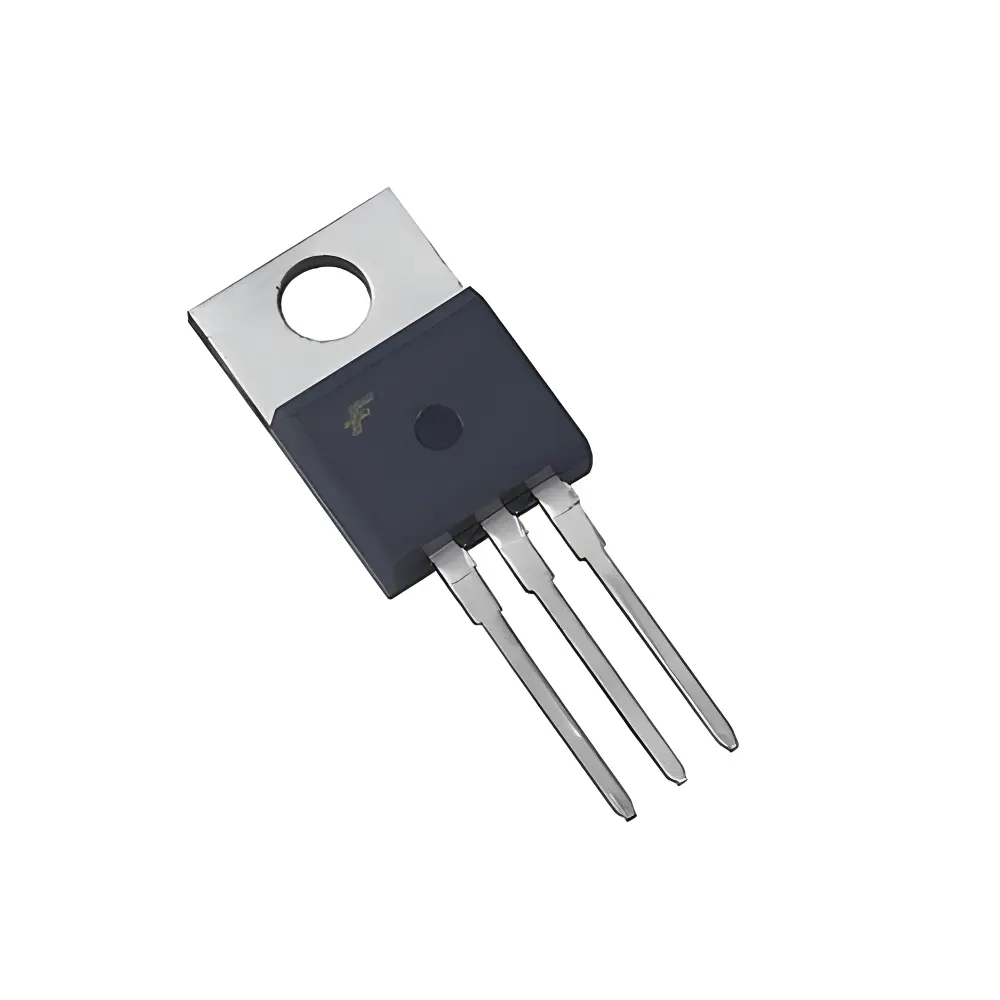 Transistors
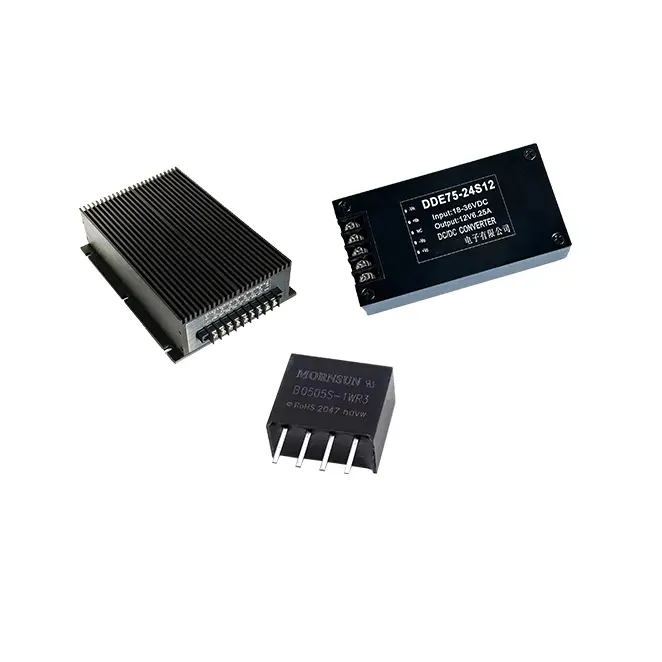 Power Modules
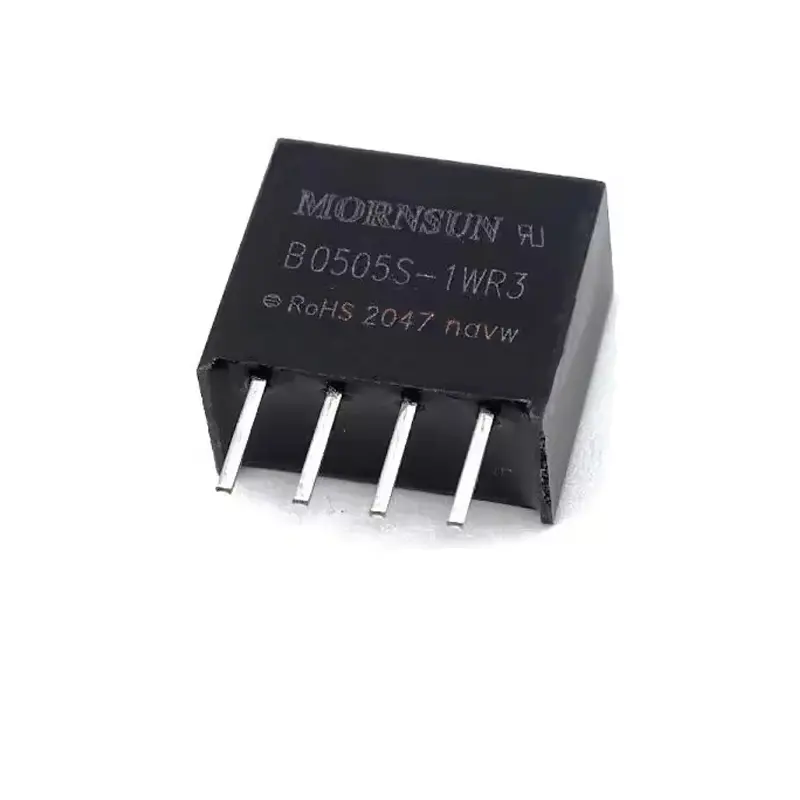 Isolated Power Modules
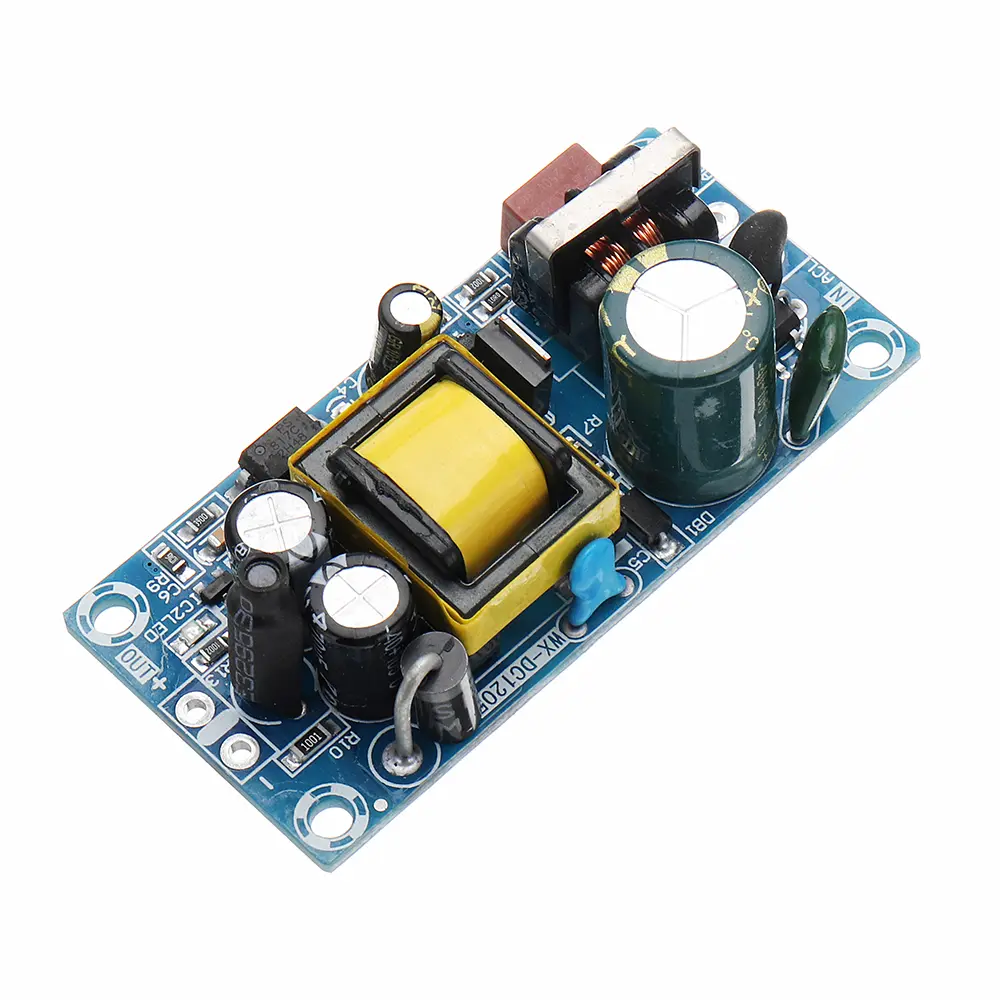 AC-DC Power Modules
 DC-AC Module(Inverter)
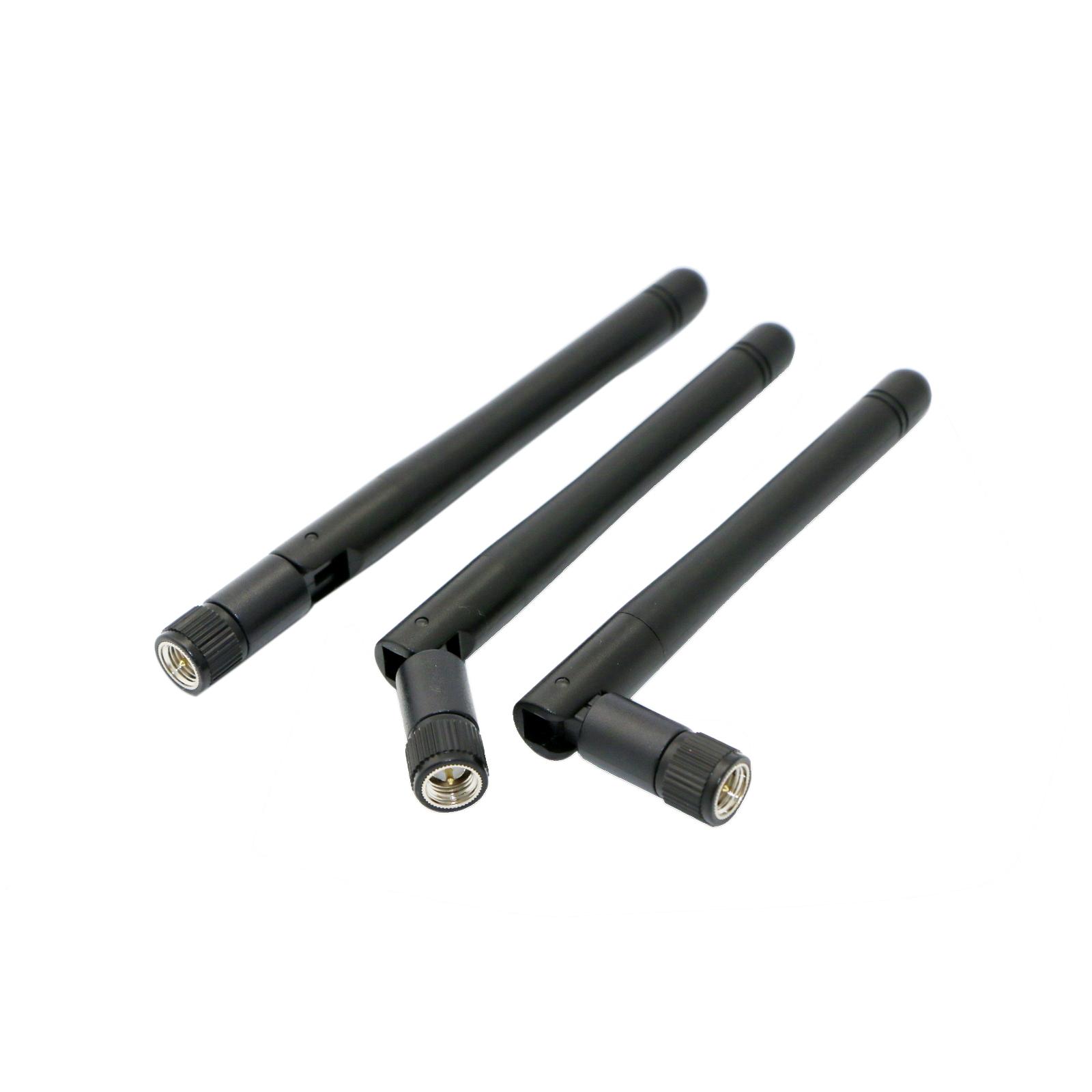 RF and Wireless
Detailed Introduction to USB Conversion Modules
Detailed Introduction to USB Conversion Modules
USB Conversion Modules, also known as USB converters, are hardware or hardware-software combination devices used to convert between different types of USB inteRFaces and data formats. These modules address compatibility issues between different devices and systems, making data transmission and device connectivity more flexible and efficient. Below is a detailed introduction to USB Conversion Modules.
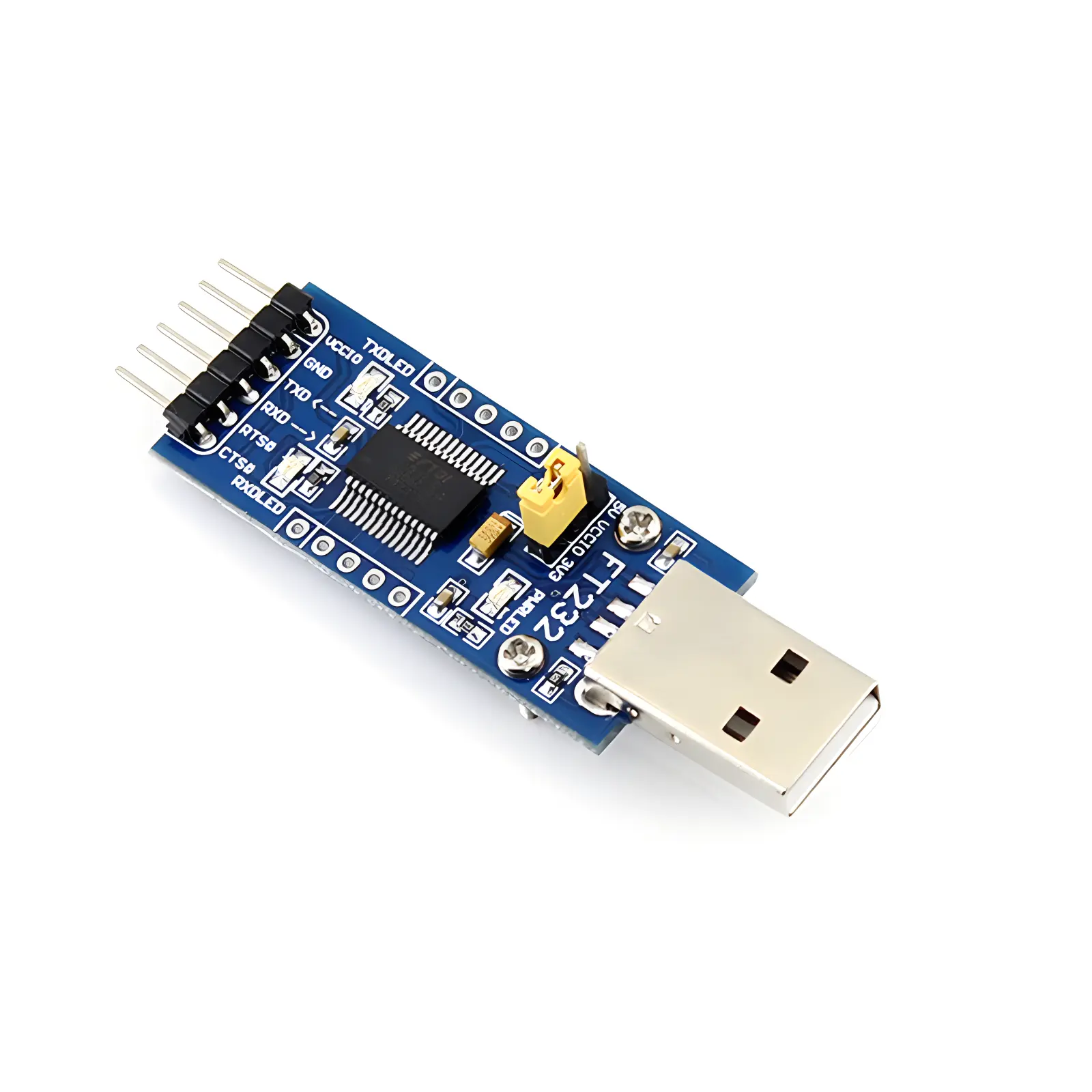
I. Main Components
USB conversion modules typically consist of the following key components:
1、USB Interface: Used for connecting with USB devices (such as USB drives, external hard drives, etc.).
2、Protocol Conversion Chip: Responsible for converting the USB protocol to other required communication protocols, such as serial port protocols, CAN bus protocols, etc.
3、Microcontroller: Used to control and manage the conversion process, as well as handle errors and checksums during data transmission.
4、Other Interfaces: Such as serial ports, CAN interfaces, etc., used for connecting with other types of devices and transmitting data.
II. Core Functions
1、Data Transmission: USB conversion modules enable data transmission between different devices, including USB devices and other interface devices. This transmission is usually based on specific communication protocols to ensure data accuracy and integrity.
2、Protocol Conversion: The protocol conversion chip inside the module converts the USB protocol to other required communication protocols, enabling seamless connection and data interaction between different devices.
3、Device Management: Some advanced USB conversion modules also have device management functions, capable of recognizing and managing various devices connected to the module, including device enumeration, configuration, and status monitoring.
III. Application Scenarios
1、Multi-device Connectivity: USB conversion modules can be used to connect multiple different types of devices, such as printers, scanners, cameras, etc., enhancing device expansion and functionality.
2、Data Transmission and Backup: In bulk transfer mode, users can quickly back up or restore large amounts of data using USB conversion modules, such as documents, images, videos, etc.
3、Multimedia Data Transmission: Isochronous transfer mode is suitable for real-time transmission of audio, video, and other multimedia data, so USB conversion modules are also widely used in the connection of multimedia devices such as speakers, headphones, and cameras.
IV. Technical Characteristics
1、High-speed Transmission: With the continuous upgrading of USB versions, the transmission speed of USB conversion modules is also increasing, meeting users' growing data transmission needs.
2、Good Compatibility: The USB interface standard is unified, and devices of different brands and models have good compatibility, so USB conversion modules also have good compatibility.
3、Ease of Use: USB conversion modules usually have a simple and clear user interface and operation process, making it easy for users to connect devices and transmit data.
V. Precautions
1、Choosing the Right Module: When purchasing USB conversion modules, it is necessary to select the appropriate module type and specification based on your own needs to ensure the module's compatibility and performance.
2、Connecting Devices Correctly: When using USB conversion modules, ensure that the devices are connected correctly and stably to avoid issues such as poor connection or data transmission errors.
3、Updating Drivers Promptly: To maintain the optimal performance of USB conversion modules, it is recommended to regularly update the module's drivers and firmware.