
 PCB
PCB FPC
FPC Rigid-Flex
 FR-4
FR-4 HDI PCB
 Rogers High-Frequency Board
 PTFE Teflon High-Frequency Board
 Aluminum
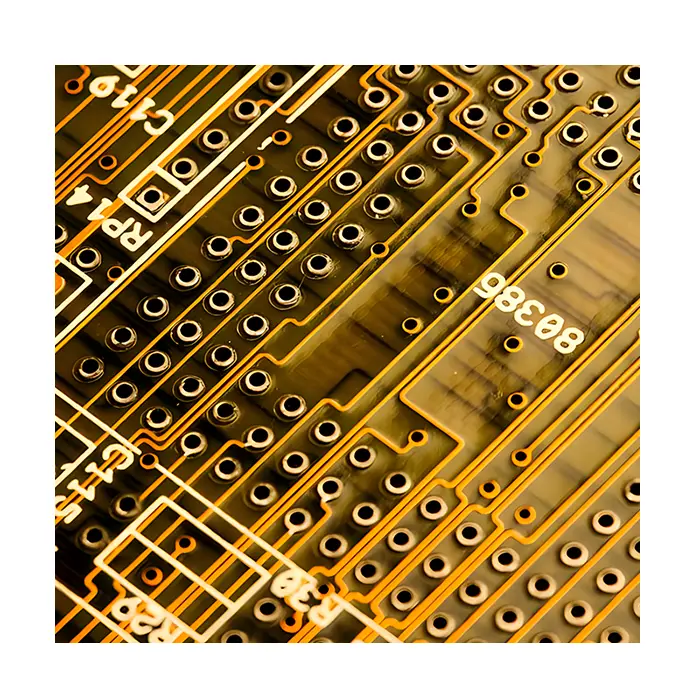 Copper Core
 PCB Assembly
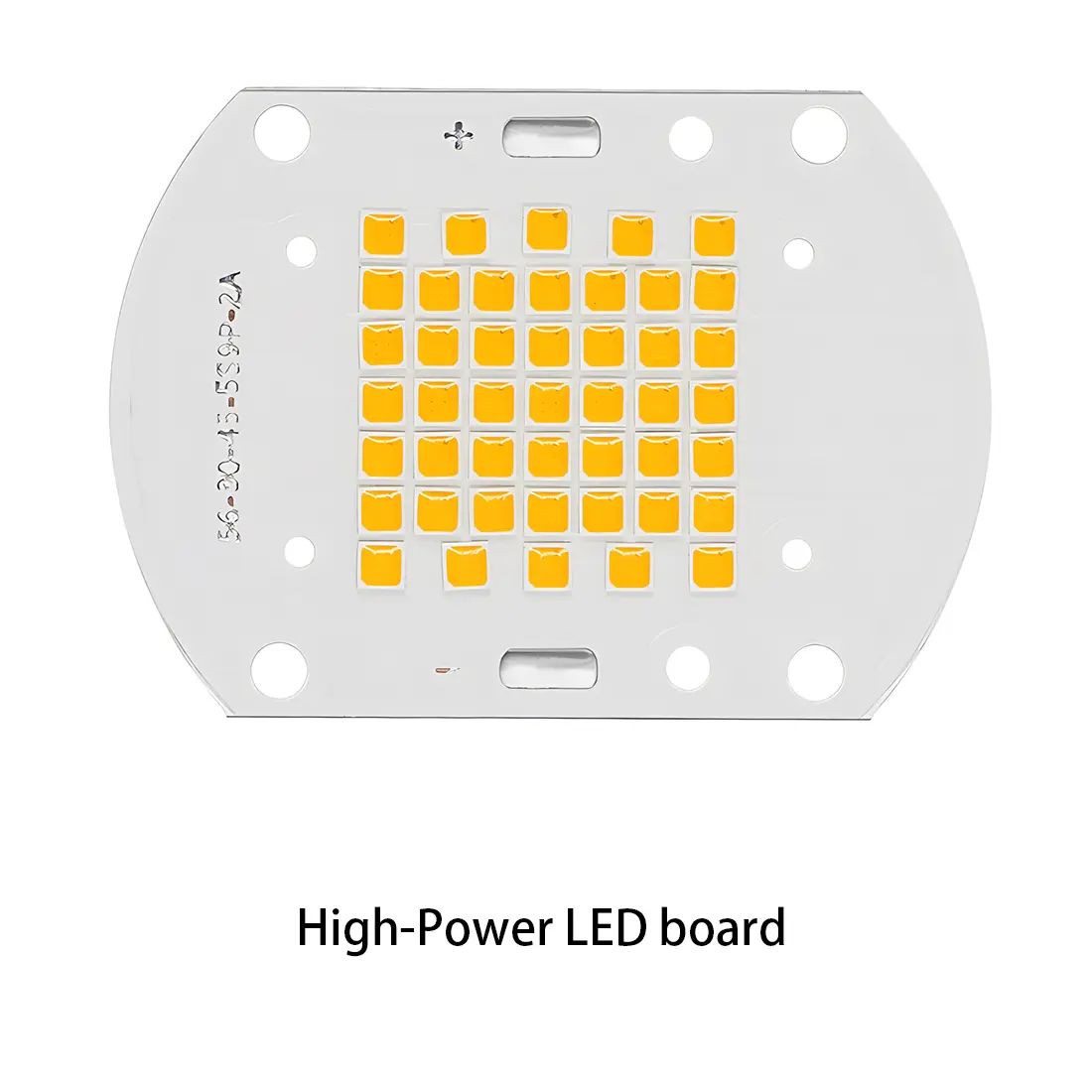 LED light PCBA
 Memory PCBA
 Power Supply PCBA
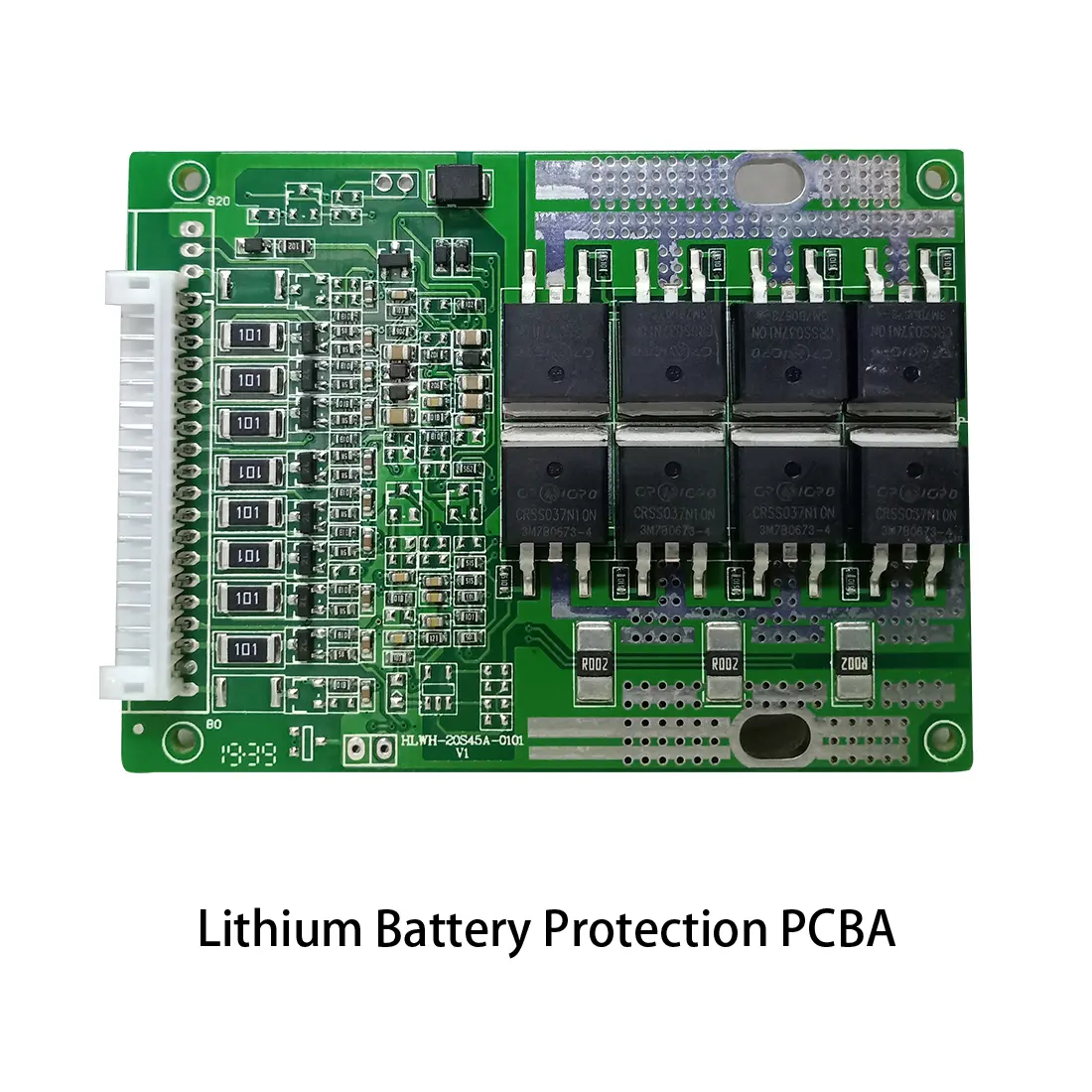 New Energey PCBA
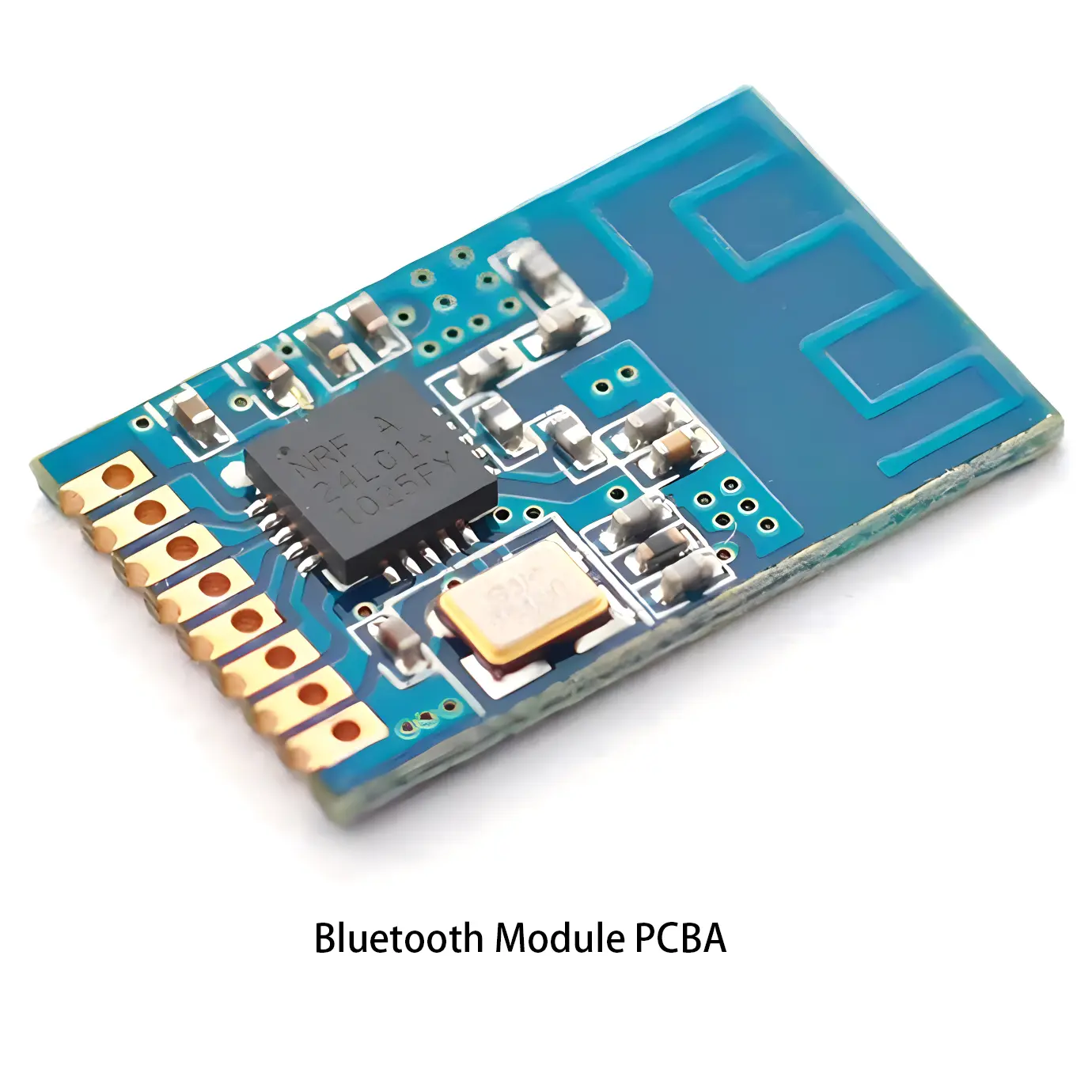 Communication PCBA
 Industrial Control PCBA
 Medical Equipment PCBA
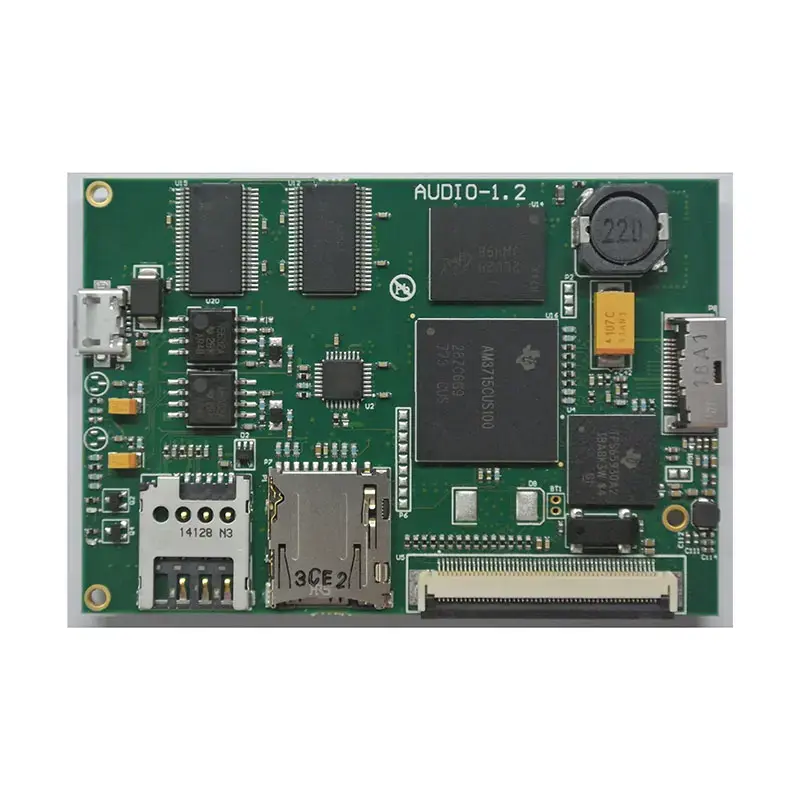 Testing Service
 PCBA Testing Service
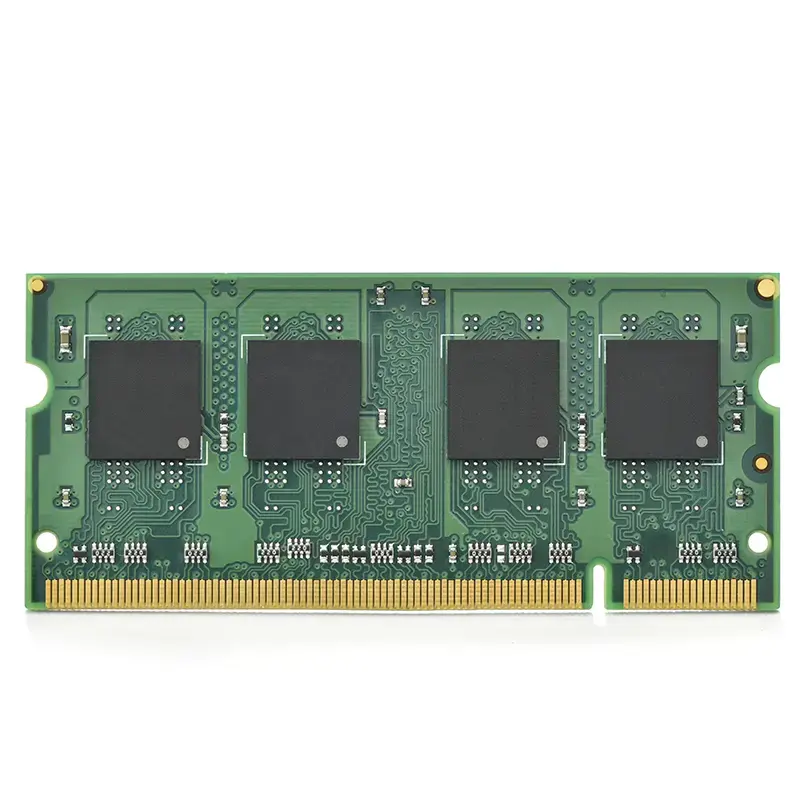 Certification Application
 RoHS Certification Application
 REACH Certification Application
 CE Certification Application
 FCC Certification Application
 CQC Certification Application
 UL Certification Application
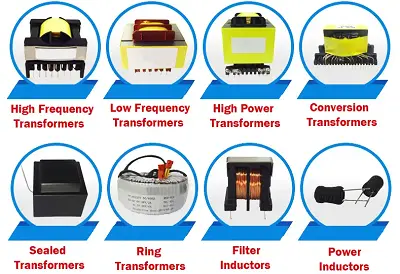 Transformers, Inductors
 High Frequency Transformers
 Low Frequency Transformers
 High Power Transformers
 Conversion Transformers
 Sealed Transformers
 Ring Transformers
 Inductors
 Wires,Cables Customized
 Network Cables
 Power Cords
 Antenna Cables
 Coaxial Cables
 Net Position Indicator
 Solar AIS net position indicator
 Capacitors
 Connectors
 Diodes
 Embedded Processors & Controllers
 Digital Signal Processors (DSP/DSC)
 Microcontrollers (MCU/MPU/SOC)
 Programmable Logic Device(CPLD/FPGA)
 Communication Modules/IoT
 Resistors
 Through Hole Resistors
 Resistor Networks, Arrays
 Potentiometers,Variable Resistors
 Aluminum Case,Porcelain Tube Resistance
 Current Sense Resistors,Shunt Resistors
 Switches
 Transistors
 Power Modules
 Isolated Power Modules
 AC-DC Power Modules
 DC-AC Module(Inverter)
 RF and Wireless
Avoiding Substrate Wrinkling and Delamination During Cutting of Ultra-Thin FR-4 Substrates (Thickness < 0.2mm)
2025-10-19
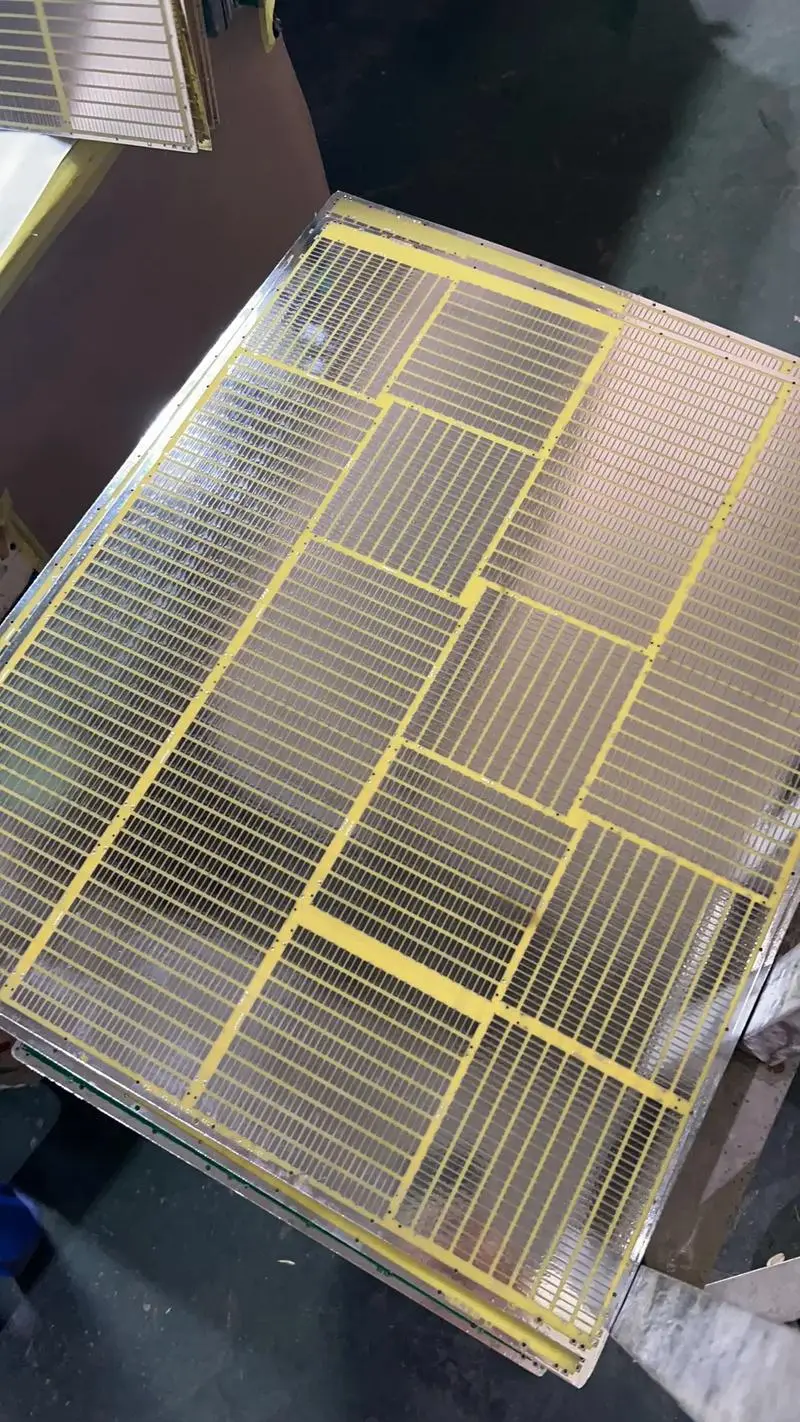
Challenges of Ultra-Thin FR-4 Substrate Cutting
Ultra-thin FR-4 substrates (thICkness < 0.2mm) are increasingly used in miniaturized electronic devices such as wearable sensors, flexible displays, and high-density interconnect (HDI) PCBs. Their thin profile enables space-saving designs, but it also introduces unique challenges during manufacturing—especially duringcutting, the process of shaping substrates into final dimensions or panel layouts.
FR-4 substrates consist of glass fiber cloth impregnated with epoxy resin, with a copper foil layer (if used) bonded to one or both sides. For ultra-thin variants (<0.2mm), the structural integrity is significantly reduced:
- Low bending stiffness: The substrate is highly flexible, making it prone to wrinkling under minimal mechanical stress.
- Weak interlaminar adhesion: The thin resin layer between glass fiber plies has lower bond strength, increasing the risk of delamination (separation of glass fiber and resin layers) when subjected to cutting forces.
Wrinkling and delamination are not just cosmetic defects—they compromise electrical peRFormance (e.g., trace deformation, short circuits) and mechanical reliability (e.g., reduced fatigue resistance). Thus, optimizing the cutting process to avoid these issues is critical for maintaining ultra-thin FR-4 substrate quality.
2. Core Causes of Wrinkling and Delamination During Cutting
To address the challenges, it is first necessary to identify the root causes of wrinkling and delamination:
2.1 Wrinkling: Mechanical Stress Imbalance
Wrinkling occurs when the substrate experiences uneven tensile or compressive stress during cutting. Key triggers include:
- Non-uniform clamping pressure: If the substrate is not held flat with consistent pressure, localized slack areas form, which fold or crease when the cutting tool passes.
- Tool-induced drag: Conventional cutting tools (e.g., rotary blades) create friction as they move across the substrate, pulling the thin material and causing it to bunch up.
- Substrate misalignment: Even minor misalignment between the cutting path and the substrate’s grain direction (glass fiber orientation) can lead to uneven stress distribution, resulting in wrinkling.
2.2 Delamination: Interlaminar Bond Failure
Delamination arises when cutting forces exceed the interlaminar shear strength of the ultra-thin FR-4 substrate. Common causes include:
- Excessive cutting pressure: High force applied by the tool compresses the substrate, breaking the resin bonds between glass fiber plies.
- Thermal damage: Friction from high-speed cutting generates localized heat (>150℃), softening the epoxy resin and weakening interlaminar adhesion.
- Abrasive tool wear: Dull cutting tools tear rather than cut the substrate, creating shear forces that propagate between layers and cause delamination.
3. Cutting Technology Selection: Key to Avoiding Defects
The choice of cutting technology is the most critical factor in preventing wrinkling and delamination. Below is a comparison of suitable and unsuitable methods for ultra-thin FR-4 substrates:
| Cutting Technology | Suitability | Advantages for Ultra-Thin FR-4 | Disadvantages |
|---|---|---|---|
| Laser Cutting (CO₂ or UV) | Highly Suitable | Non-contact cutting eliminates mechanical stress; precise heat control minimizes thermal damage. | Higher equipment cost; slower than mechanical cutting for large volumes. |
| Die Cutting (Custom Steel Rule Dies) | Suitable | Fast for high-volume production; uniform cutting force when properly calibrated. | Requires custom dies for each design; risk of wrinkling if die alignment is poor. |
| Rotary Blade Cutting | Conditionally Suitable | Good for long, straight cuts; adjustable blade pressure. | High risk of wrinkling for complex shapes; requires frequent blade sharpening. |
| Shear Cutting | Unsuitable | Applies high compressive force, causing severe delamination. | Not recommended for substrates <0.2mm. |
Recommended Primary Technology: UV Laser Cutting (for complex shapes) or Die Cutting (for SIMple, high-volume parts). These methods balance precision, speed, and stress control to minimize defects.
4. Process Optimization for Wrinkle- and Delamination-Free Cutting
Regardless of the cutting technology, specific process parameters and controls are required to avoid defects in ultra-thin FR-4 substrates:
4.1 UV Laser Cutting Optimization
UV lasers (wavelength 355nm) are ideal for ultra-thin FR-4 due to their cold ablation mechanism (minimal heat-affected zone, HAZ). Key parameters to optimize:
- Laser Power: 5–15W (depending on thickness). For 0.1mm FR-4, 8W power ensures clean cutting without excessive heat. Higher power (>20W) increases HAZ (>50μm) and delamination risk.
- Cutting Speed: 100–300mm/s. A speed of 200mm/s balances efficiency and quality—slower speeds (<100mm/s) cause heat buildup, while faster speeds (>300mm/s) result in incomplete cuts and increased tool path deviation.
- Pulse Frequency: 20–50kHz. Higher frequency (40kHz) creates finer cut edges and reduces stress, while lower frequency (<20kHz) leads to intermittent cutting and potential wrinkling.
- Focus Position: Align the laser focus 10–20μm below the substrate surface to ensure the full thickness is cut without ablating the support layer (if used).
4.2 Die Cutting Optimization
Die cutting is cost-effective for high-volume, simple-shaped ultra-thin FR-4 substrates. Critical adjustments include:
- Die Pressure: 0.1–0.3kg/cm². For 0.15mm FR-4, 0.2kg/cm² is optimal—higher pressure (>0.4kg/cm²) causes delamination, while lower pressure results in incomplete cuts.
- Die Clearance: 0.02–0.05mm between the steel rule die and the anvil. Proper clearance ensures the substrate is cut cleanly without being crushed.
- Substrate Support: Use a vacuum-anvil system to hold the substrate flat during cutting. The vacuum (pressure 5–10kPa) eliminates slack and prevents wrinkling.
4.3 Universal Process Controls (Applicable to All Technologies)
- Substrate Fixation: Use adhesive-backed support films (e.g., low-tack polyester films) to secure the ultra-thin FR-4 during cutting. The film provides rigidity, preventing wrinkling, and can be easily peeled off post-cutting without residue.
- Clean Cutting Environment: Maintain a dust-free workspace (Class 1000 cleanroom) to avoid particle contamination between the substrate and cutting tool. Dust particles can cause uneven cutting pressure, leading to delamination.
- Tool Maintenance: For laser cutting, clean the lens weekly to prevent power loss and uneven energy distribution. For die cutting, sharpen steel rules every 50,000 cuts to ensure a sharp edge that slices (not tears) the substrate.
5. Pre-Cutting and Post-Cutting Quality Assurance
Complementary quality control steps before and after cutting further reduce the risk of defects:
5.1 Pre-Cutting Preparation
- Substrate Inspection: Use automated optical inspection (AOI) to check incoming ultra-thin FR-4 substrates for pre-existing defects (e.g., micro-delamination, resin bubbles). Reject substrates with defects, as cutting will exacerbate them.
- Grain Direction Alignment: Ultra-thin FR-4 has anisotropic mechanical properties due to glass fiber orientation. Align the cutting path parallel to the grain direction (where possible) to minimize stress-induced wrinkling.
5.2 Post-Cutting Inspection
- Visual Inspection: Examine cut substrates under a stereo microscope (magnification 20–50x) for wrinkling (visible creases) and delamination (white, frosty areas between layers). Reject any substrates with defects.
- Tensile Test: Perform pull tests on sample substrates (per IPC-TM-650 2.4.1) to verify interlaminar strength. For 0.1mm FR-4, the minimum interlaminar shear strength should be ≥15MPa—lower values indicate delamination.
- Flatness Measurement: Use a laser profilometer to check substrate flatness. Acceptable flatness is ≤0.5mm/m; values exceeding this indicate wrinkling.
6. Application-Specific Adjustments
For specialized ultra-thin FR-4 applications, additional optimizations are needed:
6.1 Flexible FR-4 (Semi-Flexible Substrates)
Flexible ultra-thin FR-4 (e.g., 0.1mm thick with woven glass fiber) requires lower laser power (5–8W) and higher cutting speed (250–300mm/s) to avoid resin degradation, which would reduce flexibility. Die cutting should use rubber-backed steel rules to distribute pressure evenly.
6.2 Copper-Clad Ultra-Thin FR-4
When cutting copper-clad ultra-thin FR-4 (e.g., 0.15mm FR-4 with 12μm copper), use a two-step laser process:
- First, cut the copper layer with a UV laser (power 10W, speed 150mm/s).
- Then, cut the FR-4 substrate with reduced power (7W, speed 200mm/s).
This prevents copper-induced heat absorption from causing delamination.
6.3 Complex Shapes (e.g., Notches, Small Holes)
For complex cuts (e.g., 0.5mm diameter holes in 0.1mm FR-4), use pulsed UV lasers with a smaller spot size (20μm) and overlap the cutting path by 50% to ensure clean edges without wrinkling.
7. Conclusion
Cutting ultra-thin FR-4 substrates (<0.2mm) without wrinkling or delamination requires a combination of appropriate cutting technology selection, process parameter optimization, and rigorous quality control. Key takeaways include:
- Technology Preference: Use UV laser cutting for complex shapes and die cutting for high-volume, simple parts. Avoid shear cutting entirely.
- Critical Controls: Maintain uniform clamping/vacuum pressure, optimize tool speed/power to minimize stress/heat, and use support films to enhance substrate rigidity.
- Quality Assurance: Inspect substrates pre- and post-cutting, with a focus on visual defects, interlaminar strength, and flatness.
As ultra-thin FR-4 substrates continue to shrink (e.g., 0.1mm and below) for next-generation electronics, cutting technologies will evolve—such as femtosecond lasers with near-zero HAZ—to meet even stricter defect-free requirements. For manufacturers, prioritizing these cutting best practices is essential to unlock the full potential of ultra-thin FR-4 in miniaturized, high-performance devices.