
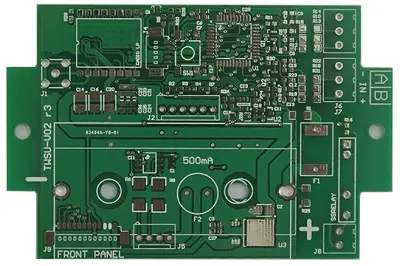
 PCB
PCB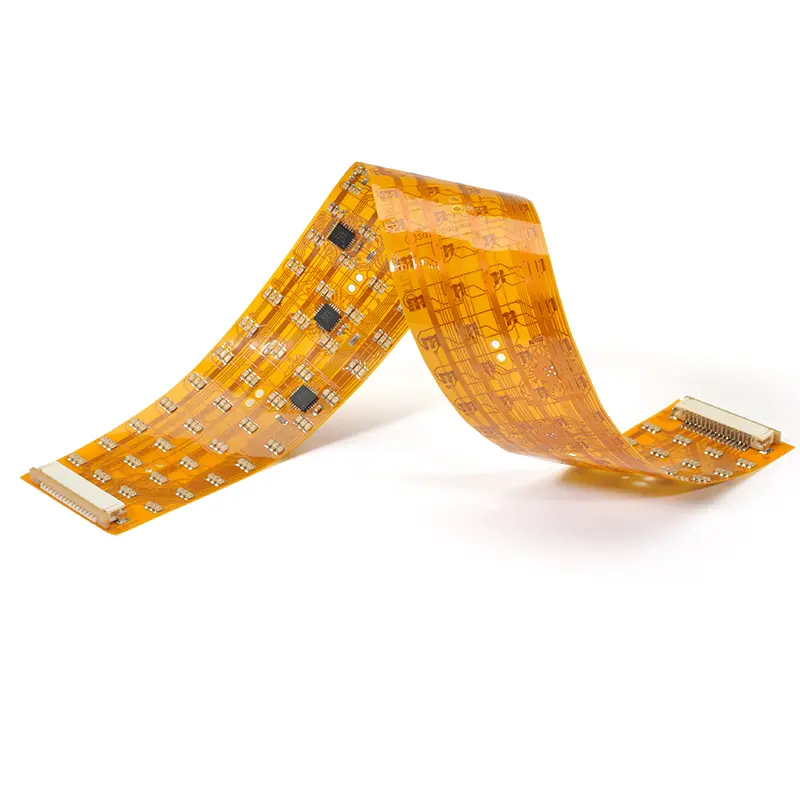 FPC
FPC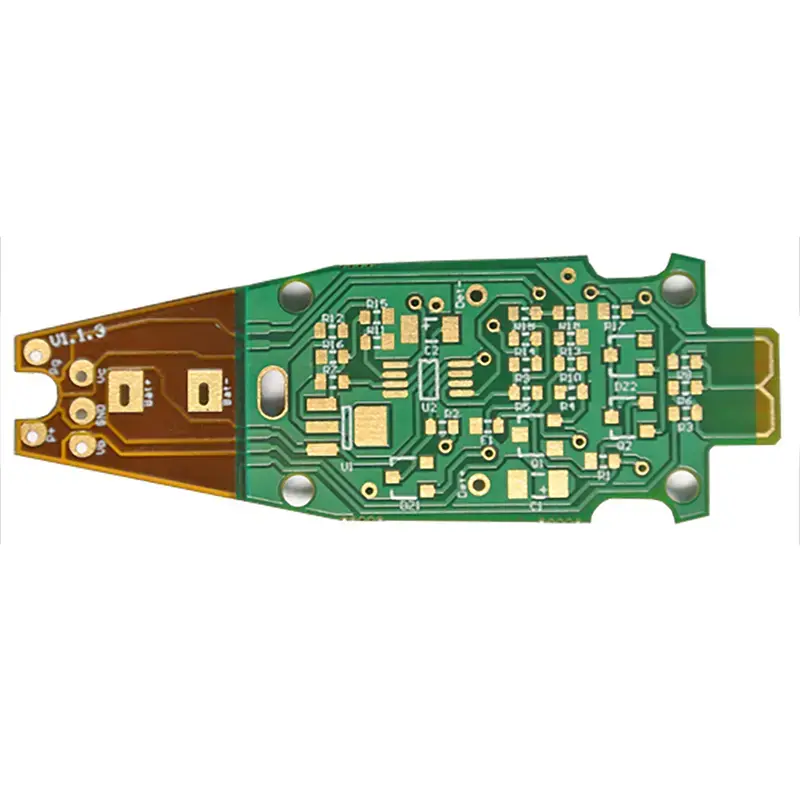 Rigid-Flex
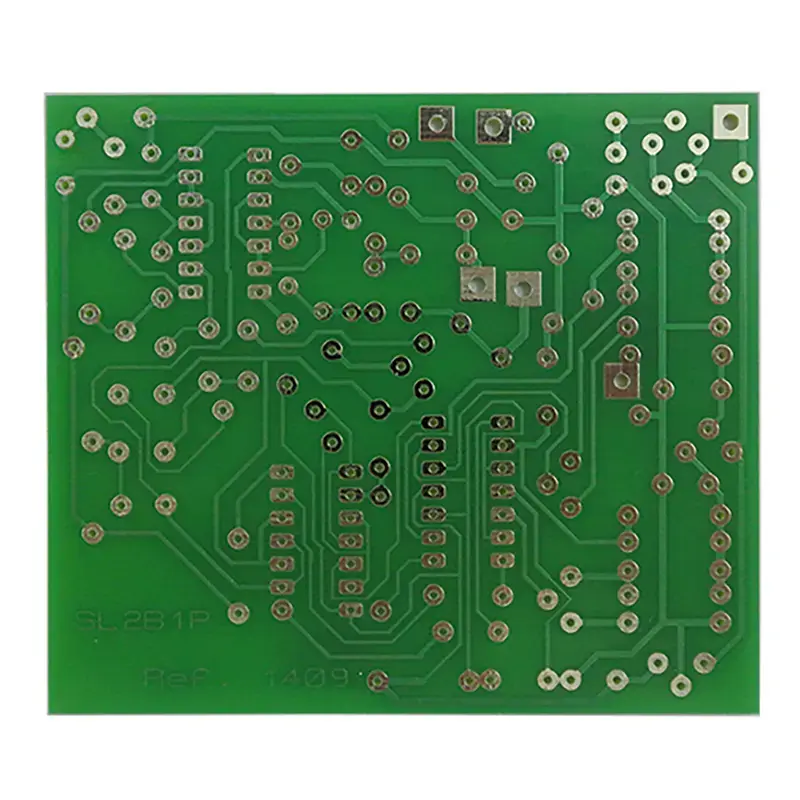 FR-4
FR-4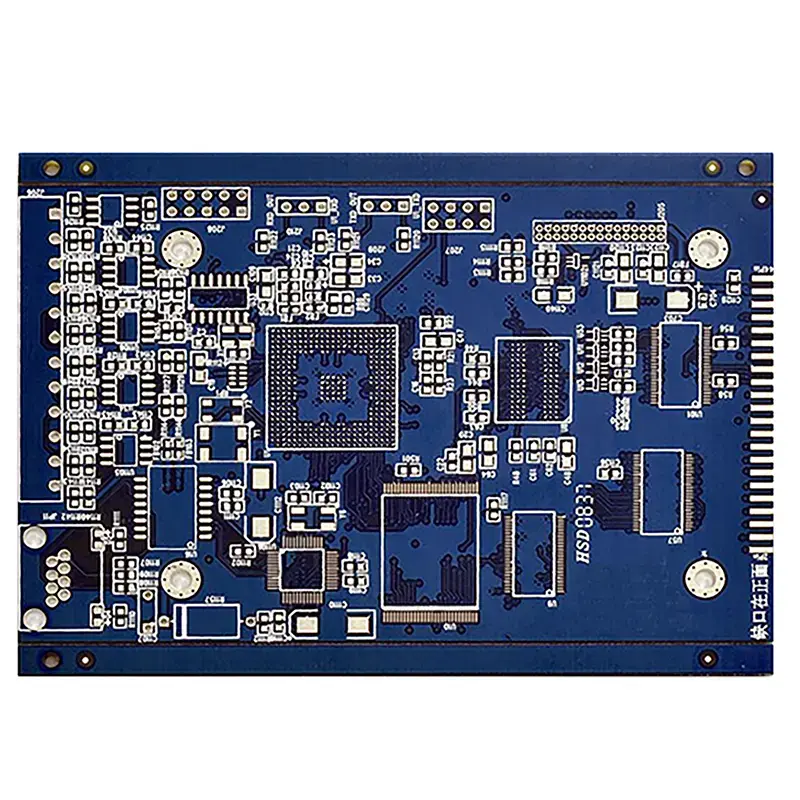 HDI PCB
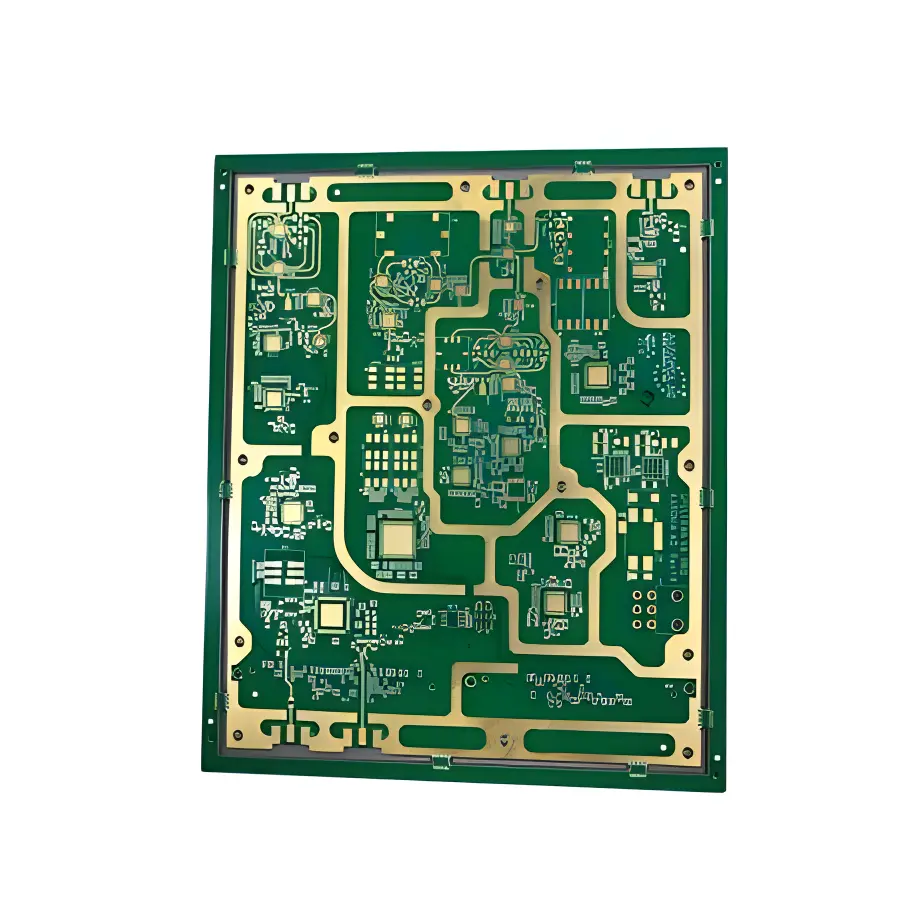 Rogers High-Frequency Board
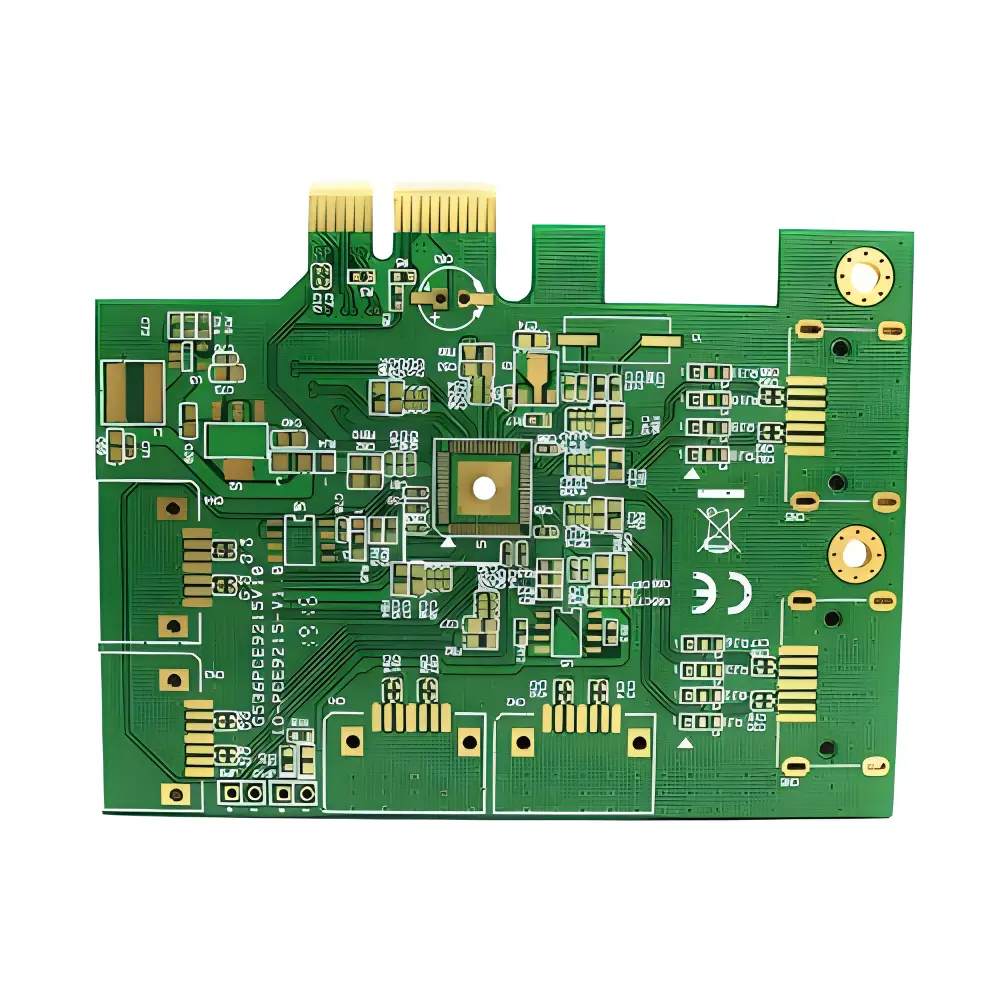 PTFE Teflon High-Frequency Board
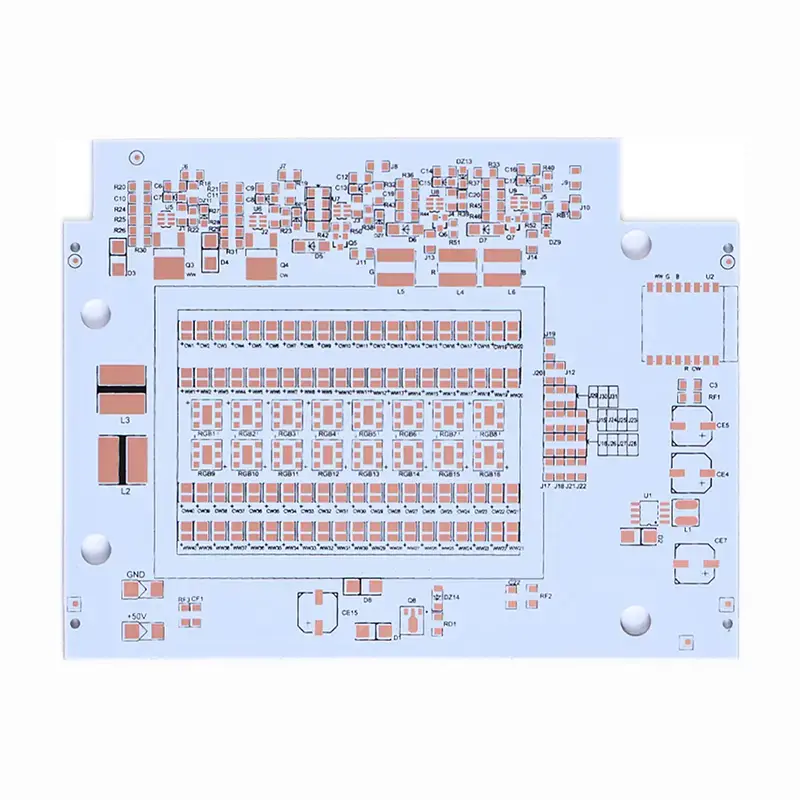 Aluminum
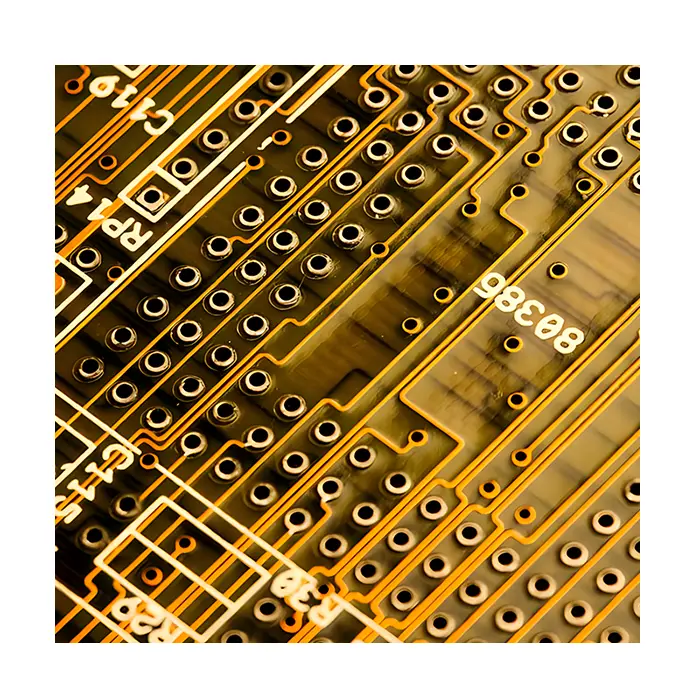 Copper Core
 PCB Assembly
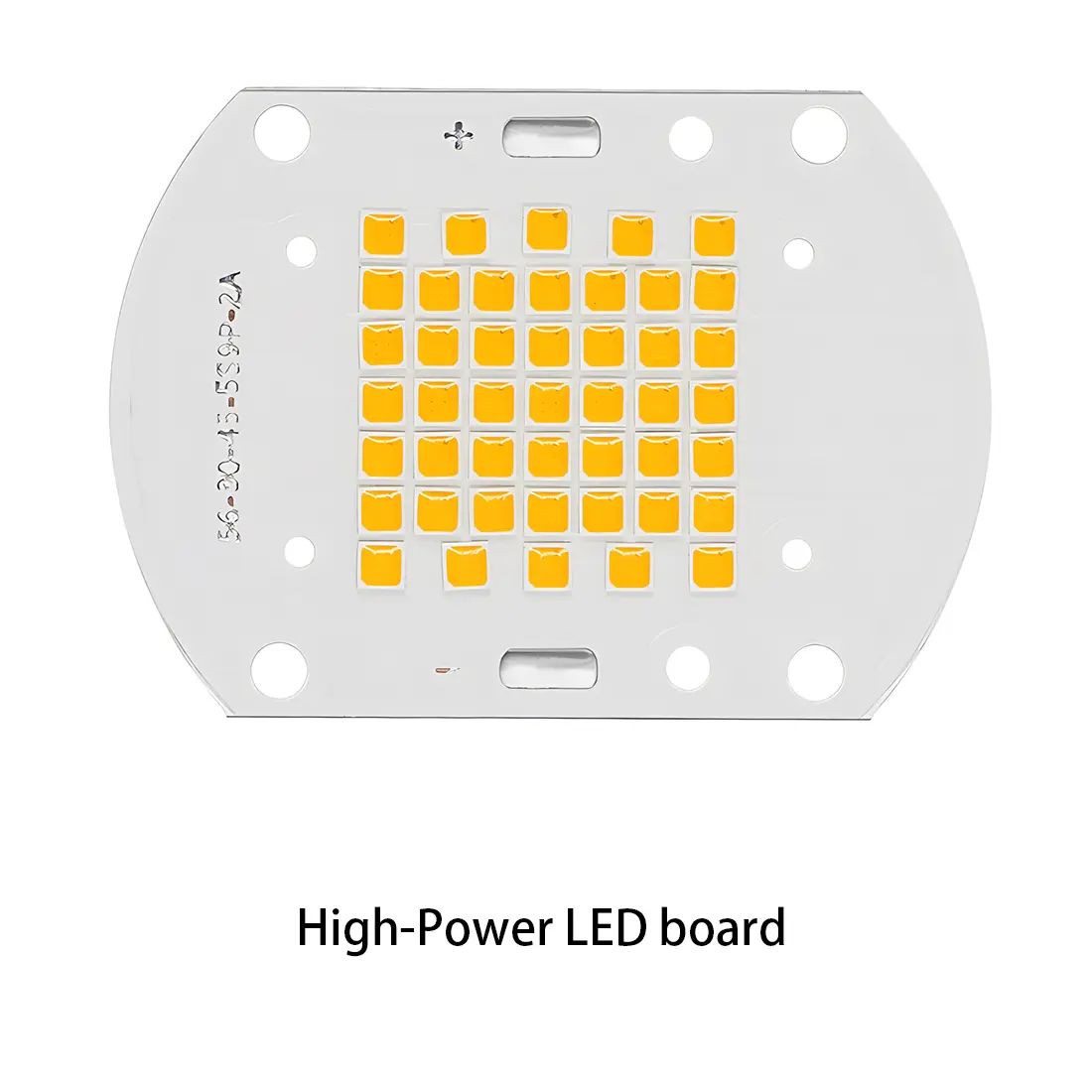 LED light PCBA
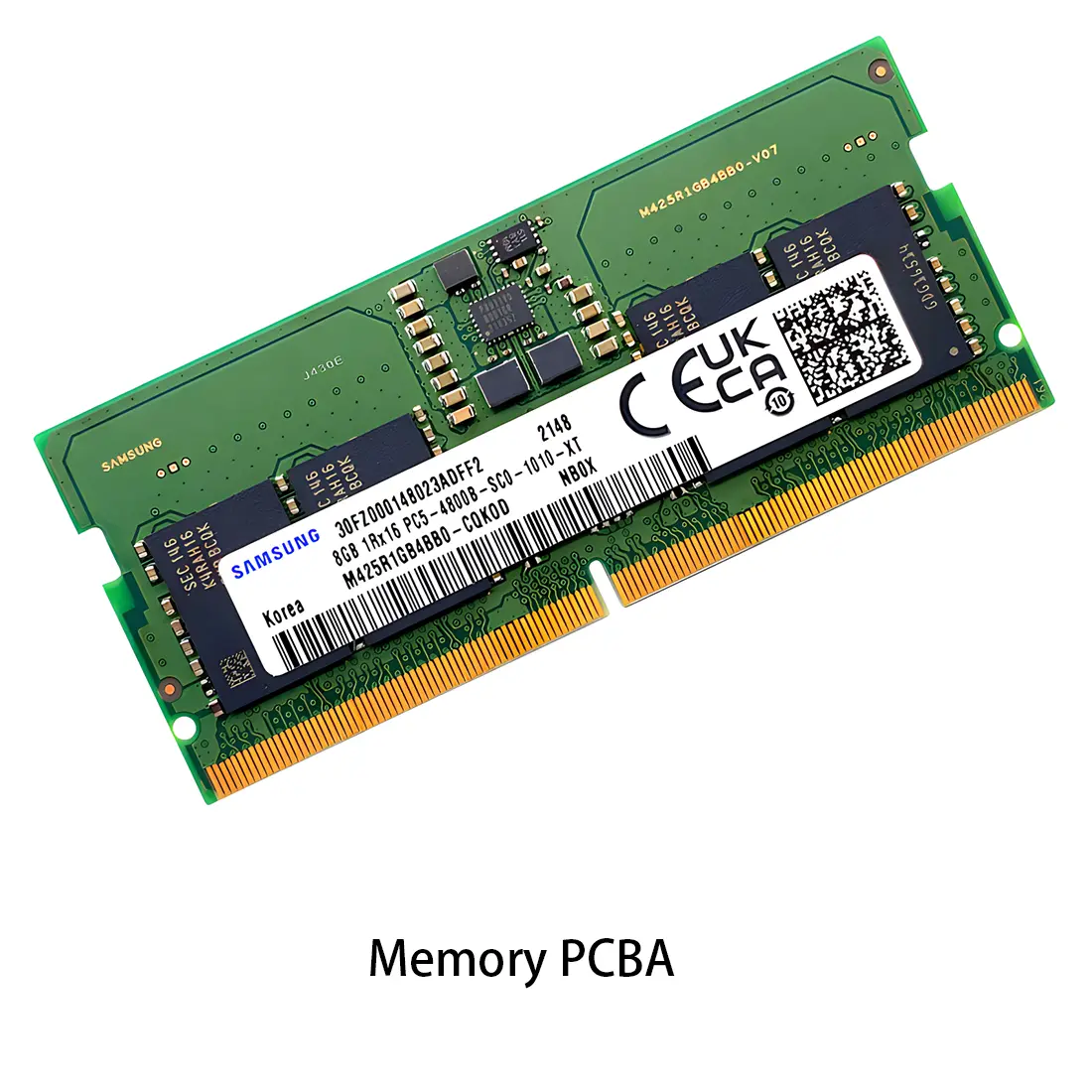 Memory PCBA
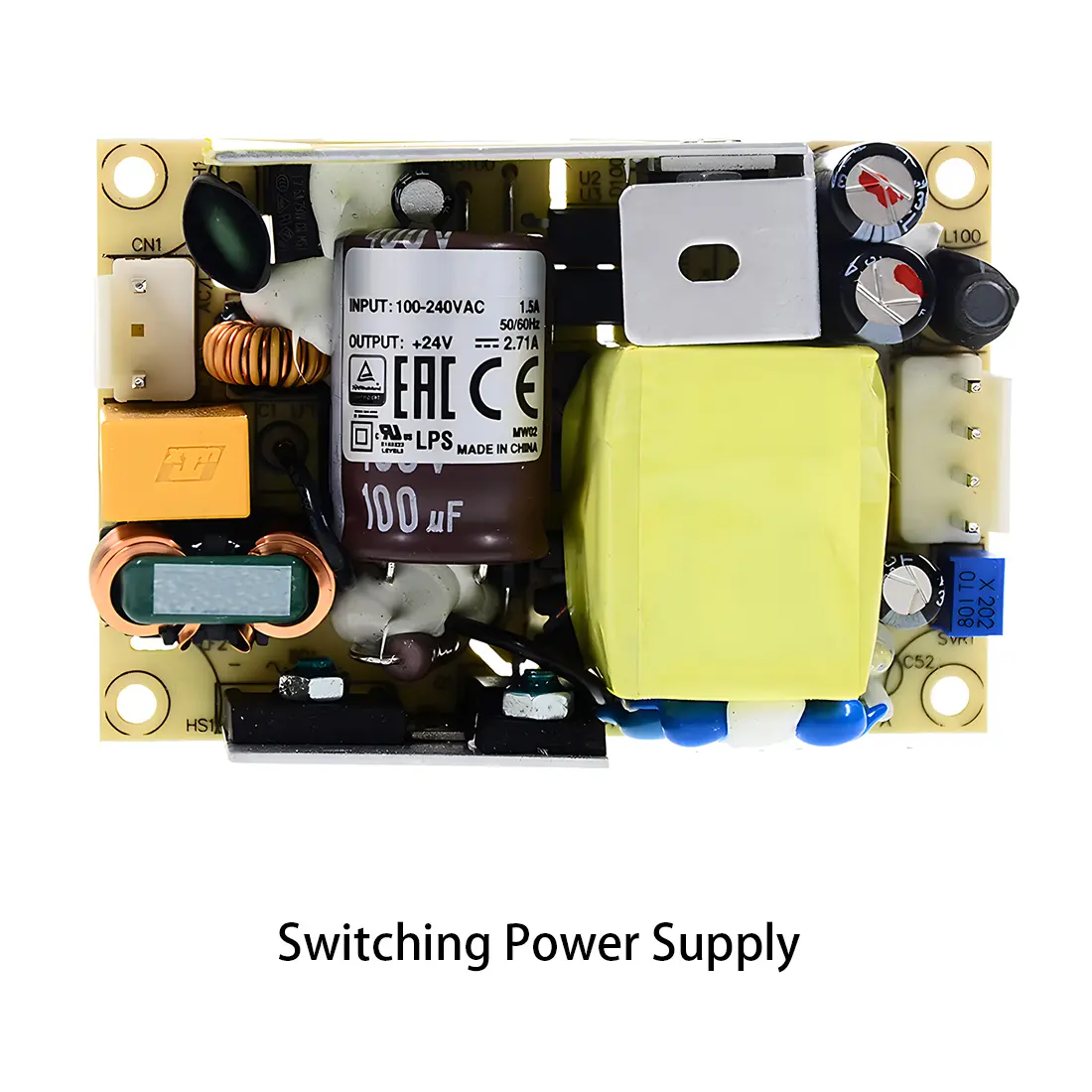 Power Supply PCBA
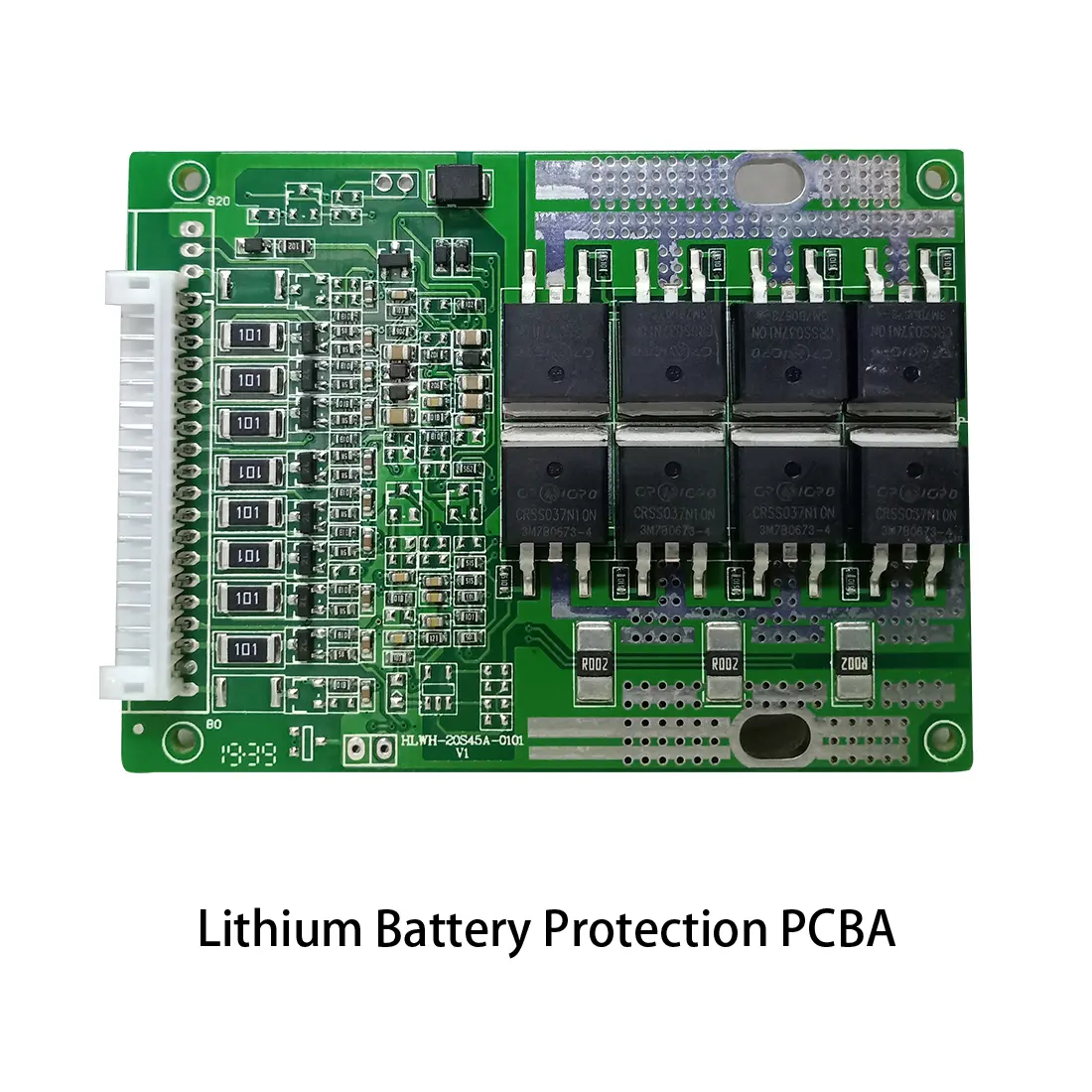 New Energey PCBA
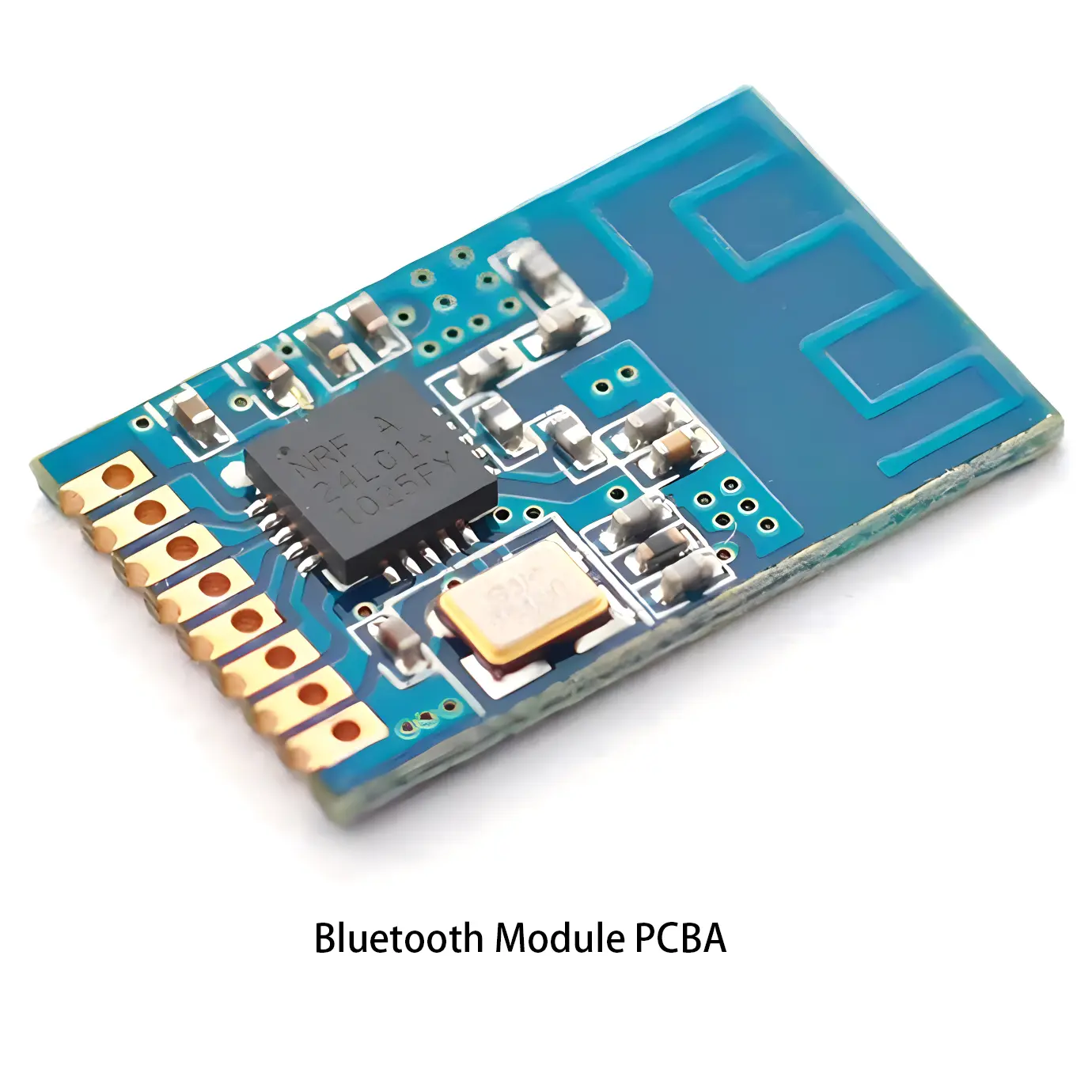 Communication PCBA
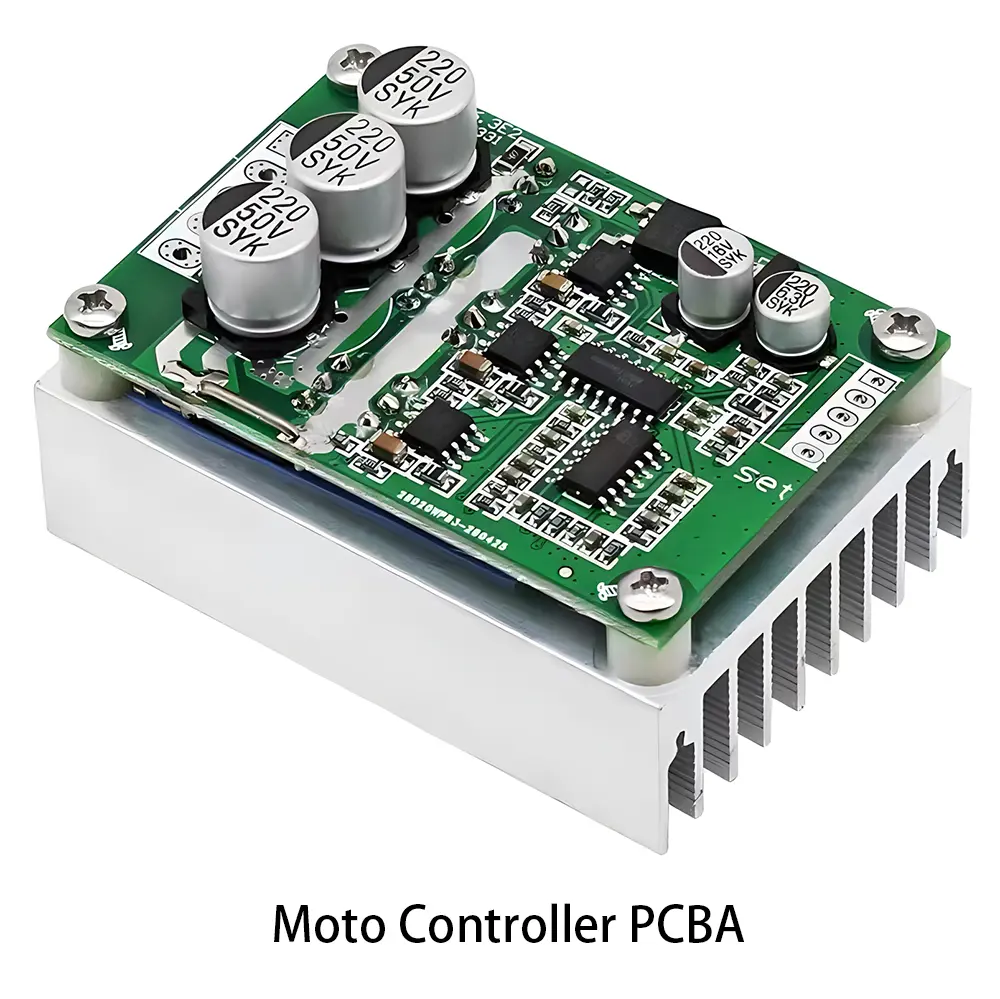 Industrial Control PCBA
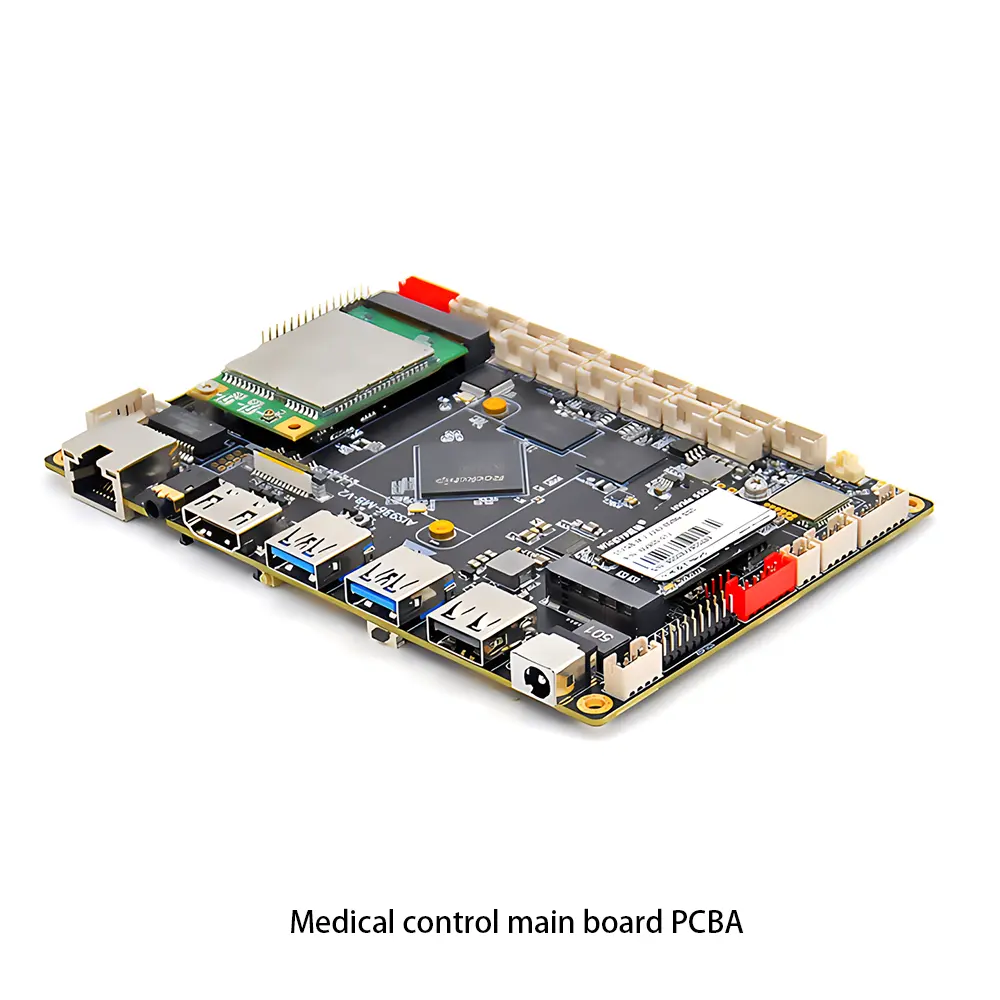 Medical Equipment PCBA
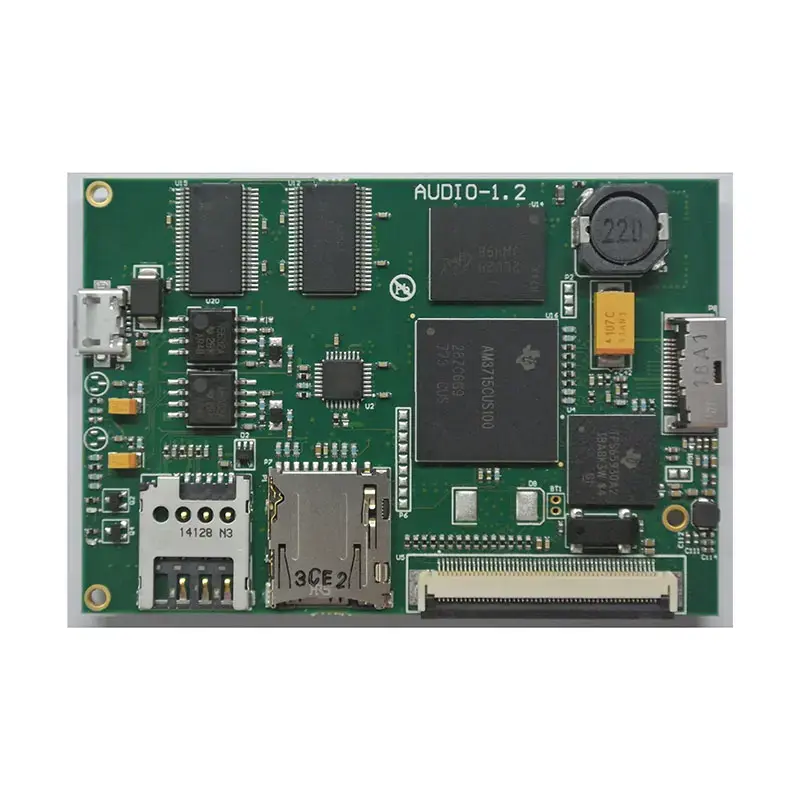 Testing Service
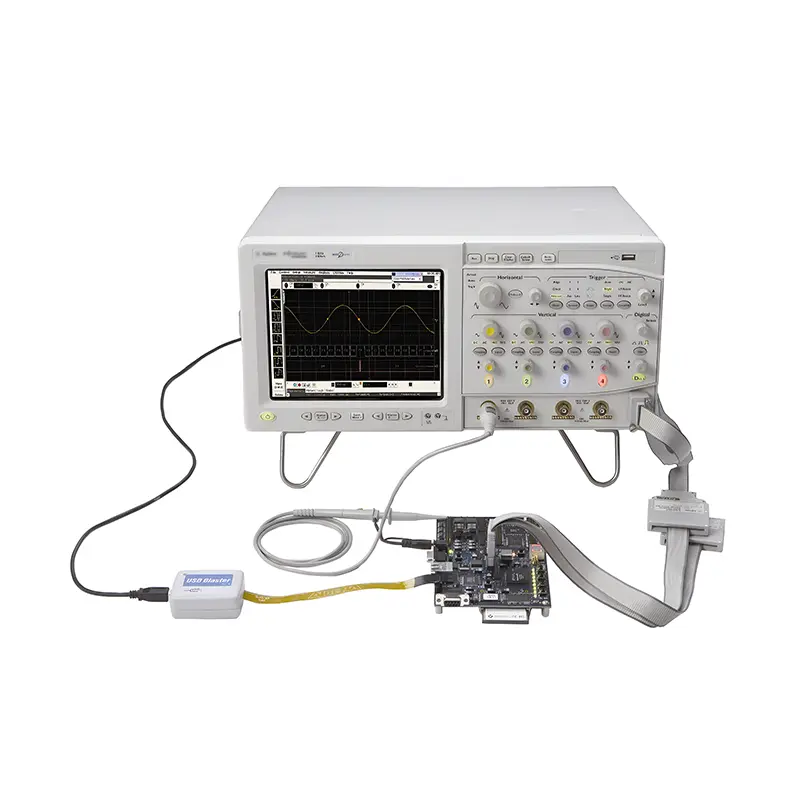 PCBA Testing Service
 Certification Application
 RoHS Certification Application
 REACH Certification Application
 CE Certification Application
 FCC Certification Application
 CQC Certification Application
 UL Certification Application
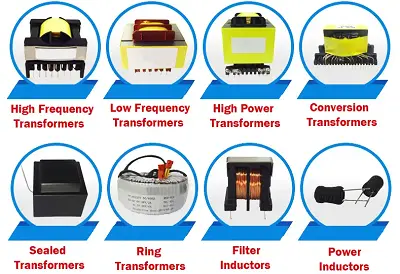 Transformers, Inductors
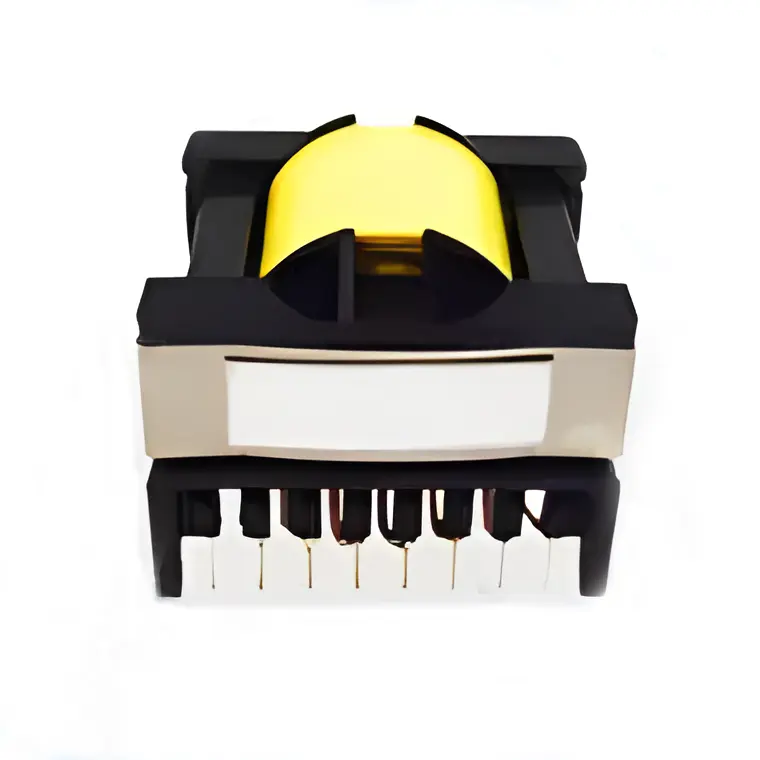 High Frequency Transformers
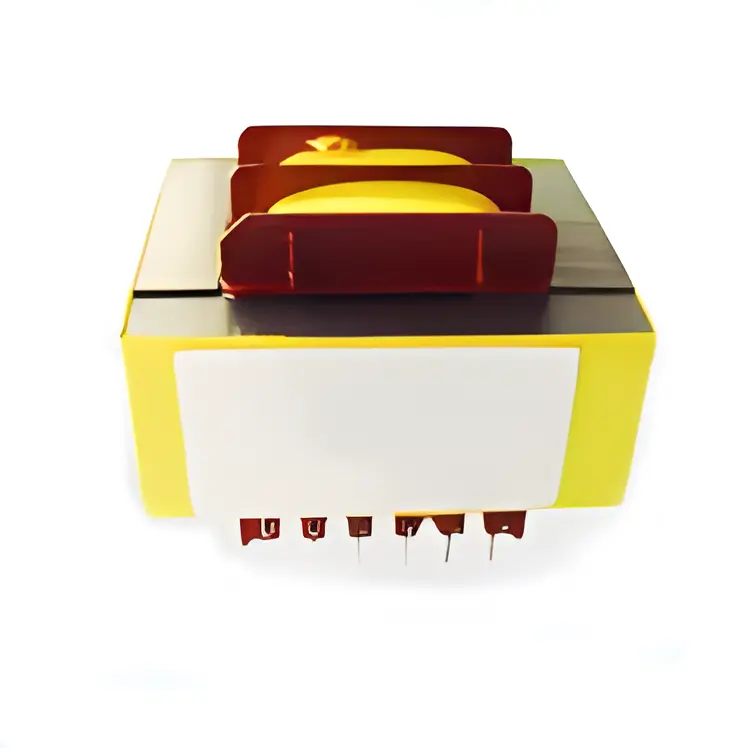 Low Frequency Transformers
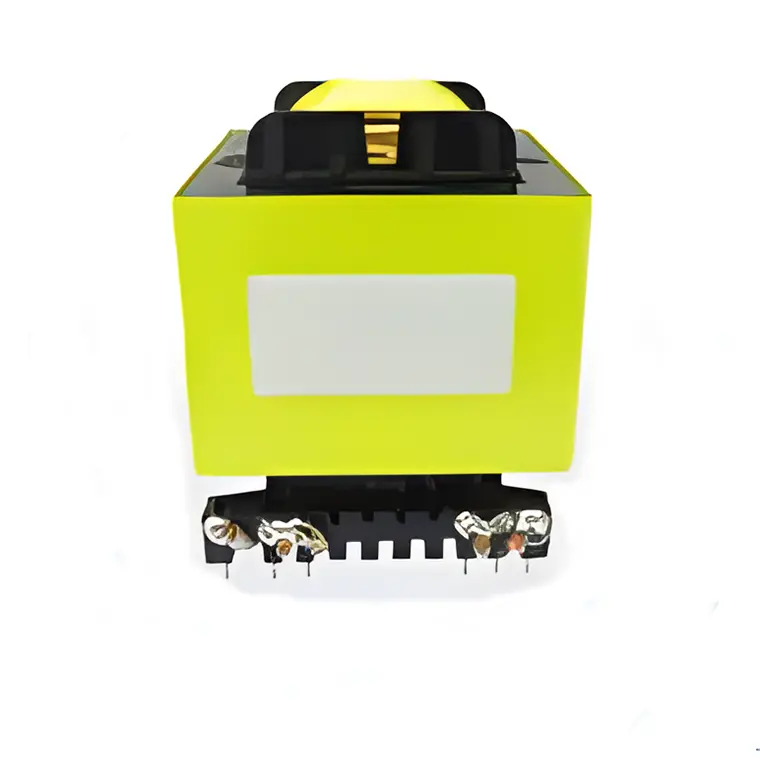 High Power Transformers
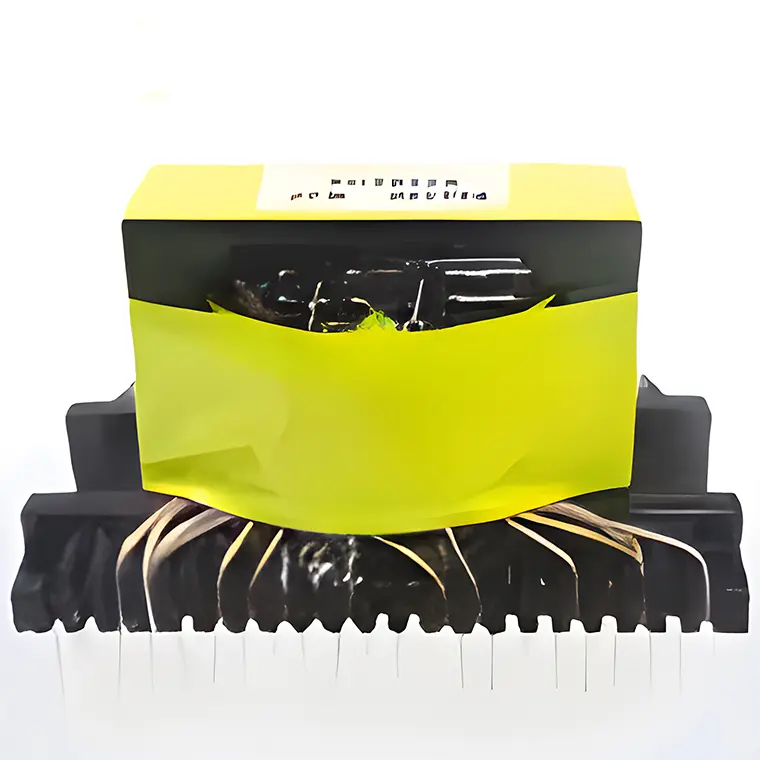 Conversion Transformers
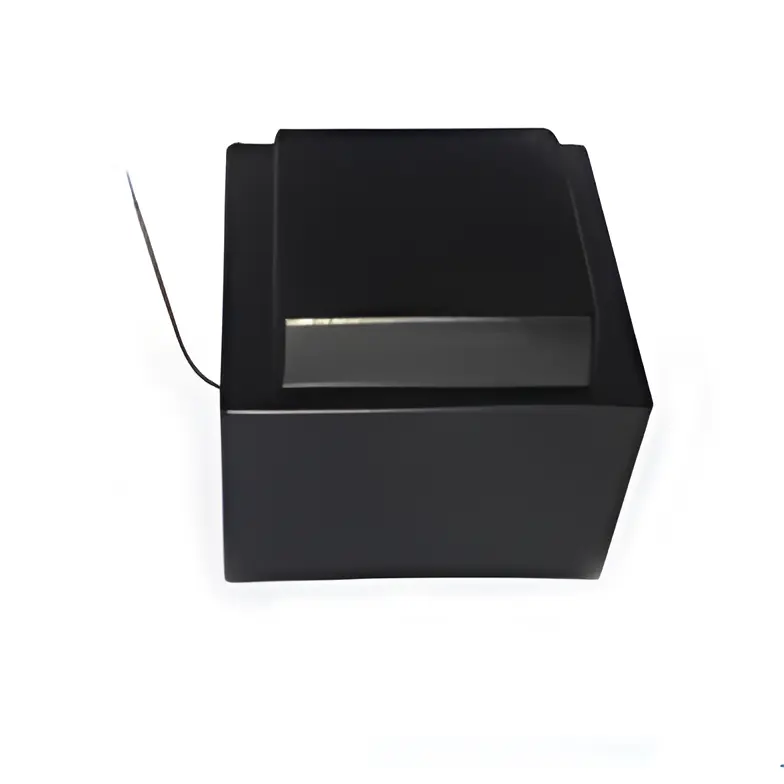 Sealed Transformers
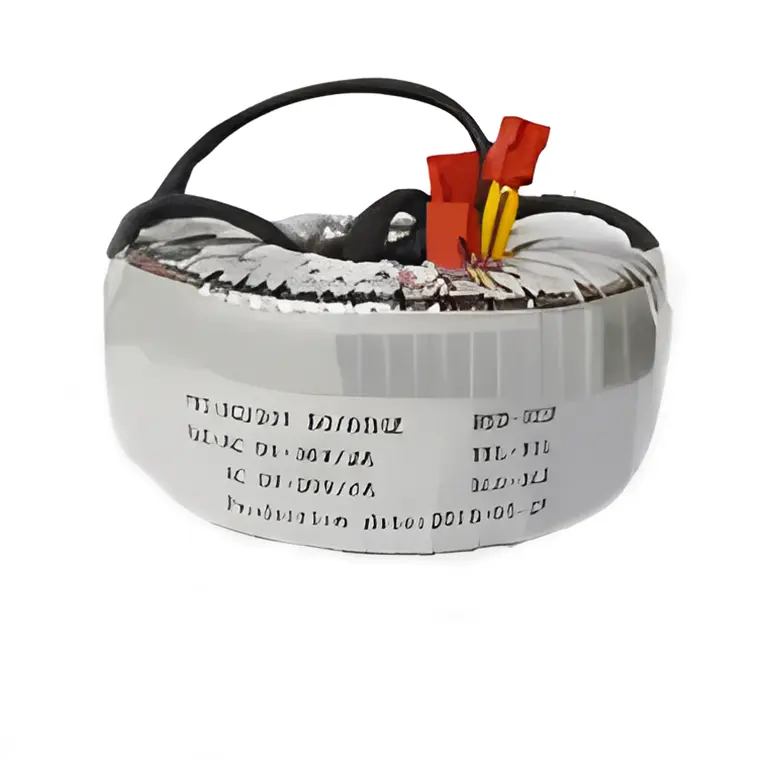 Ring Transformers
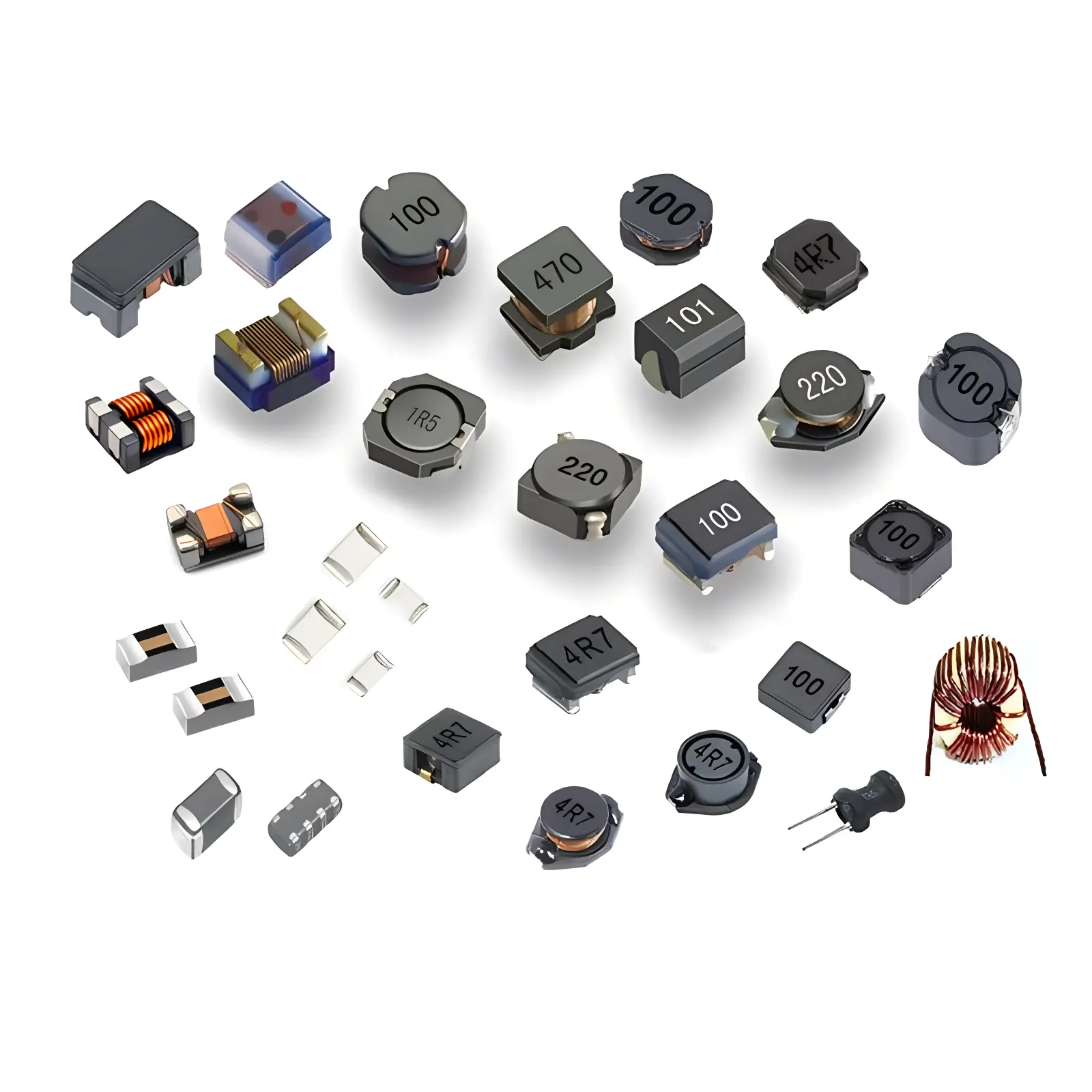 Inductors
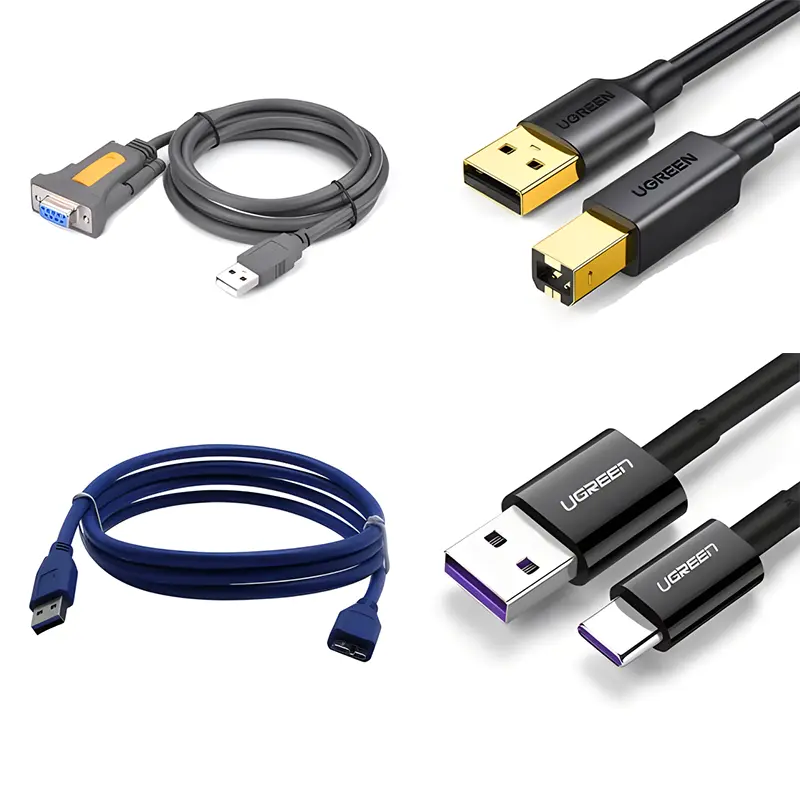 Wires,Cables Customized
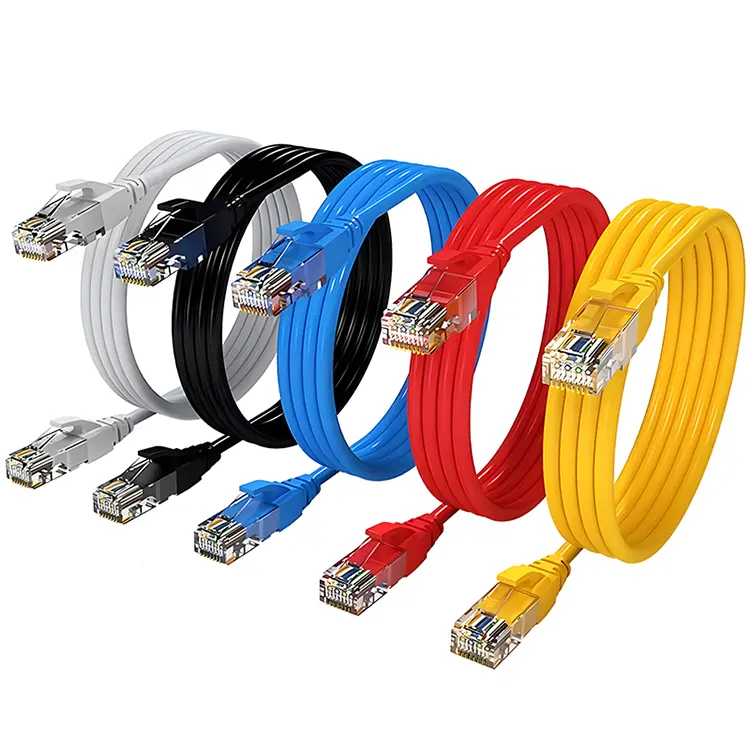 Network Cables
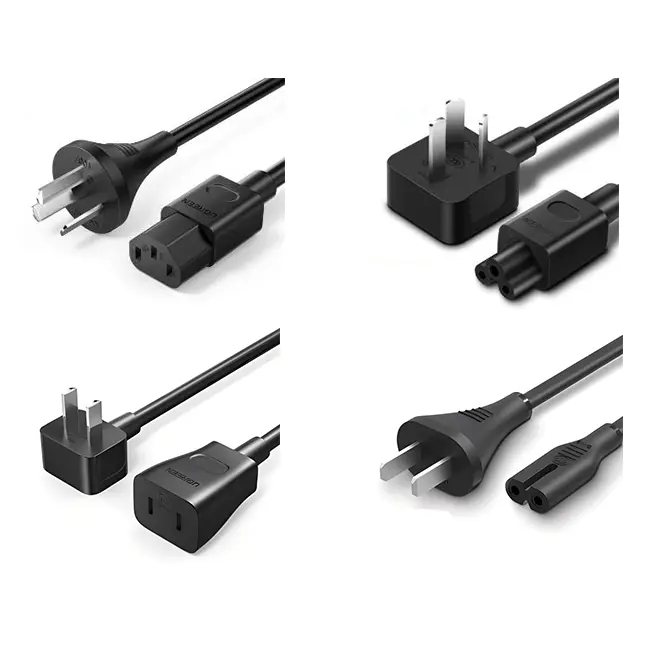 Power Cords
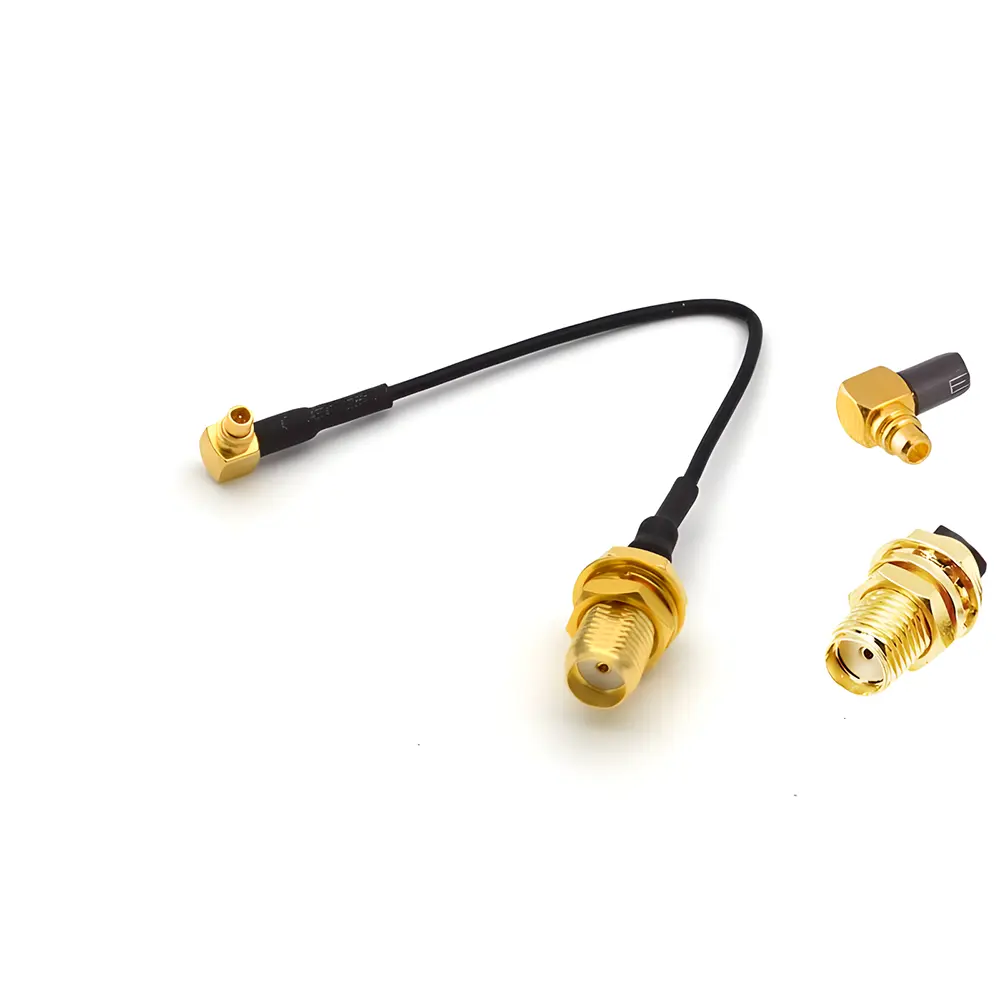 Antenna Cables
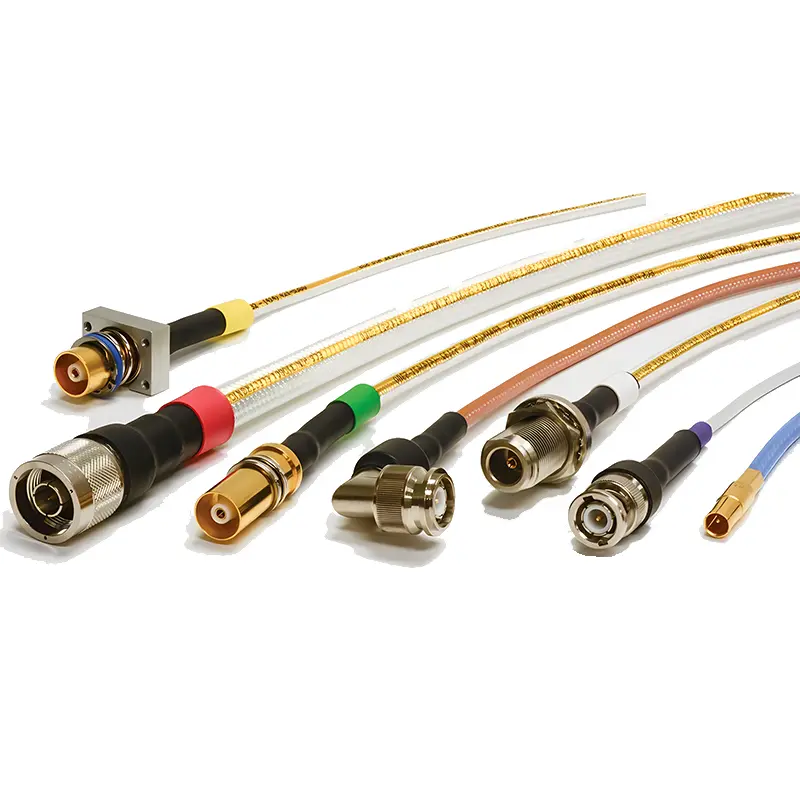 Coaxial Cables
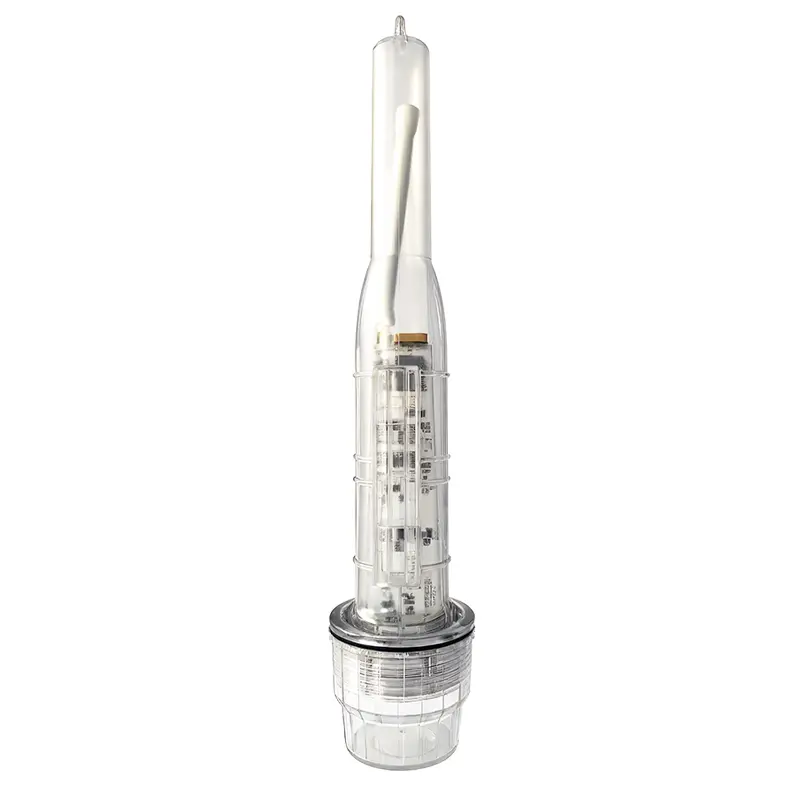 Net Position Indicator
 Solar AIS net position indicator
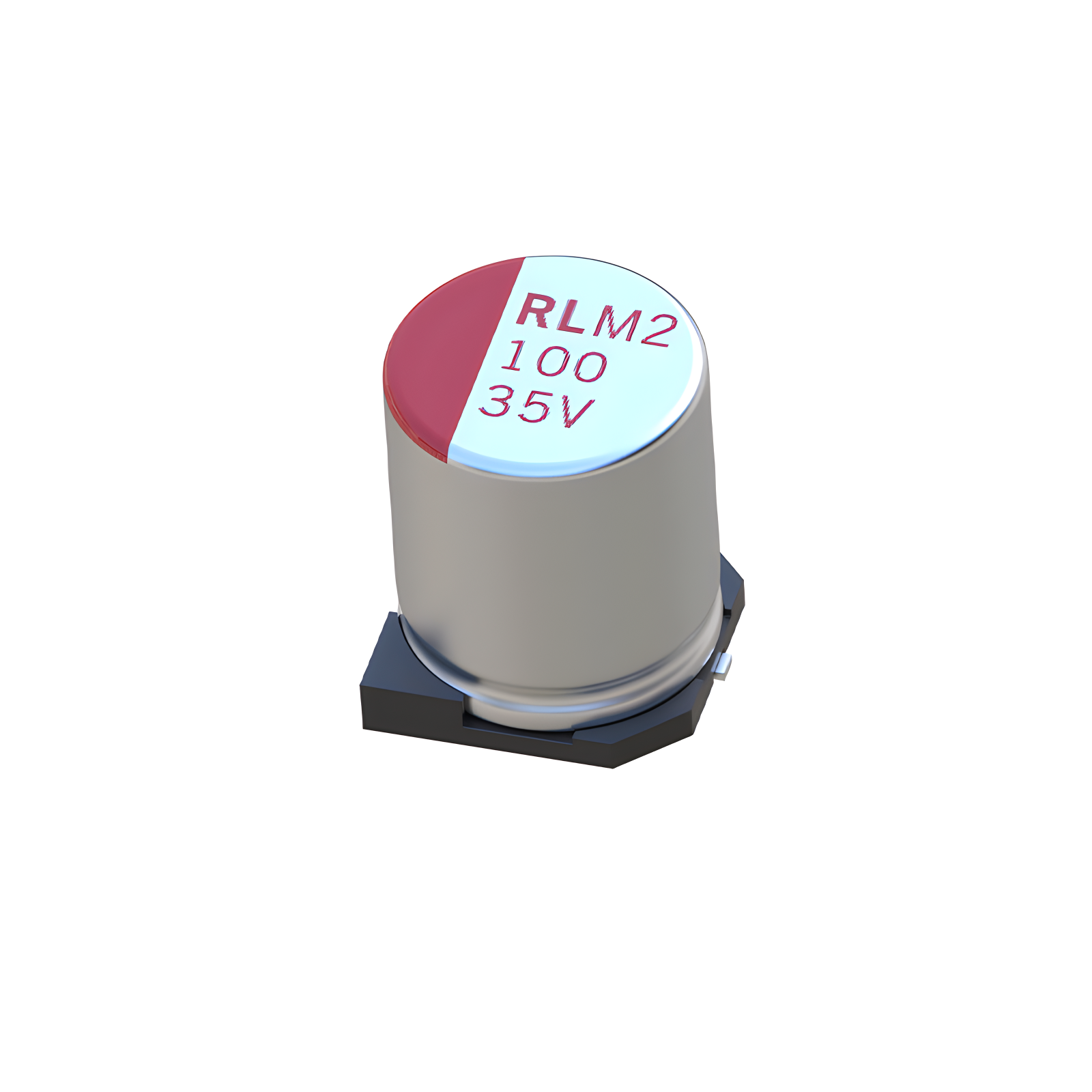 Capacitors
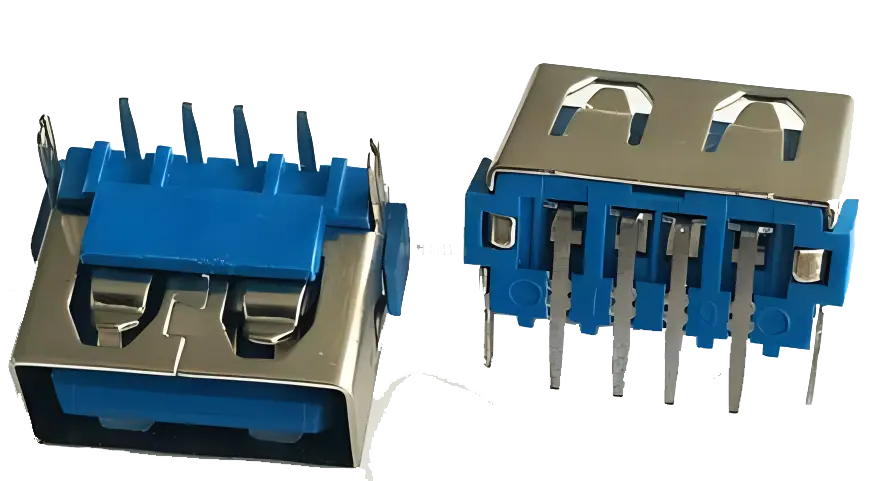 Connectors
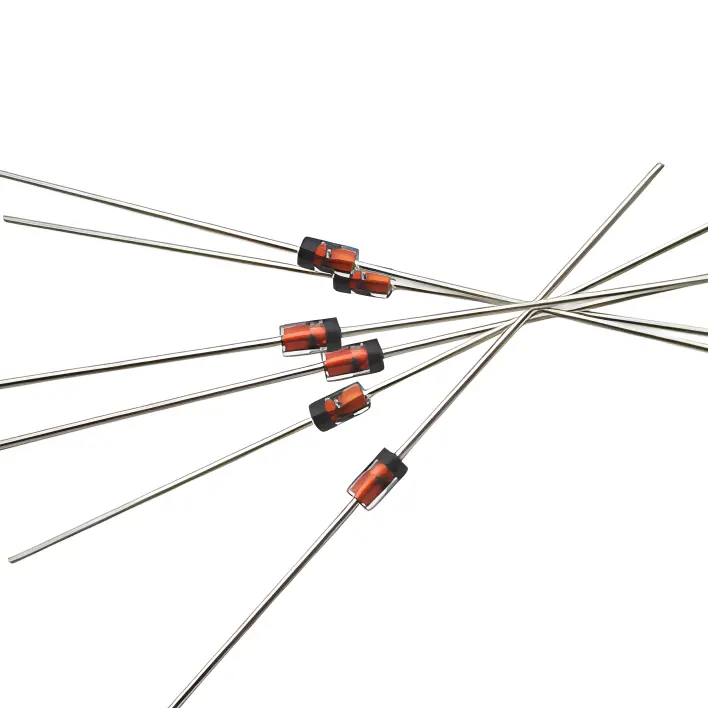 Diodes
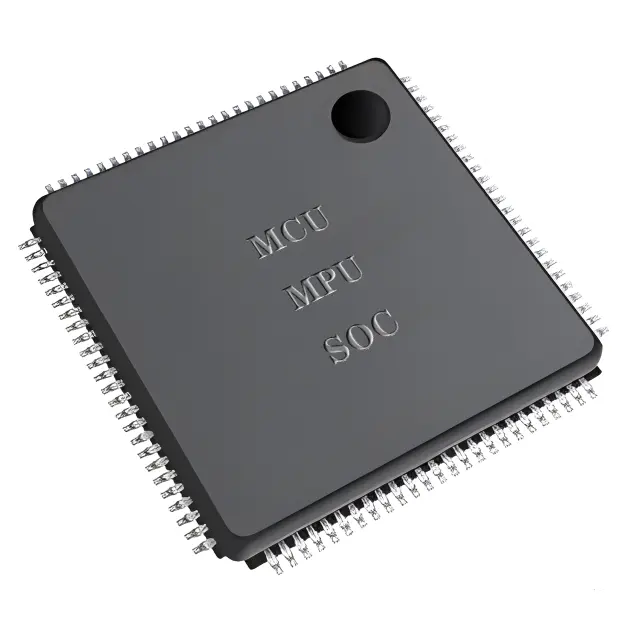 Embedded Processors & Controllers
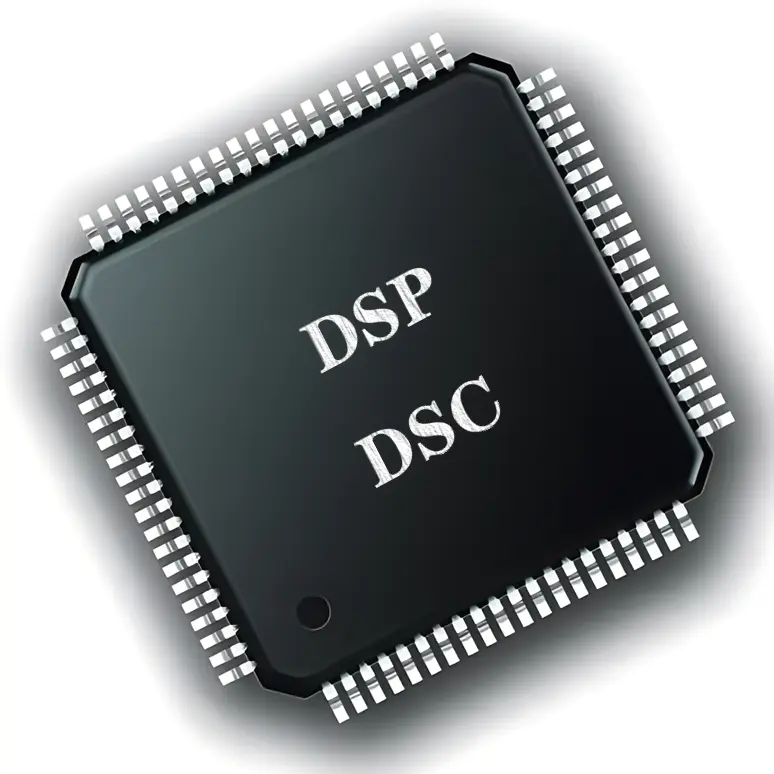 Digital Signal Processors (DSP/DSC)
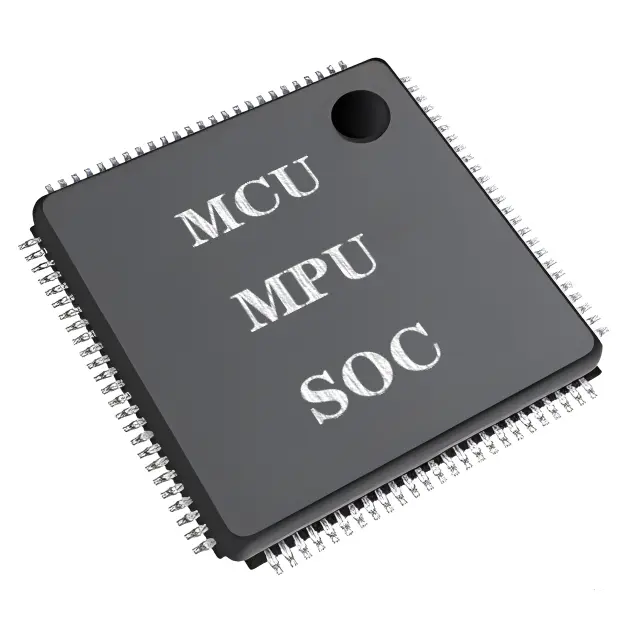 Microcontrollers (MCU/MPU/SOC)
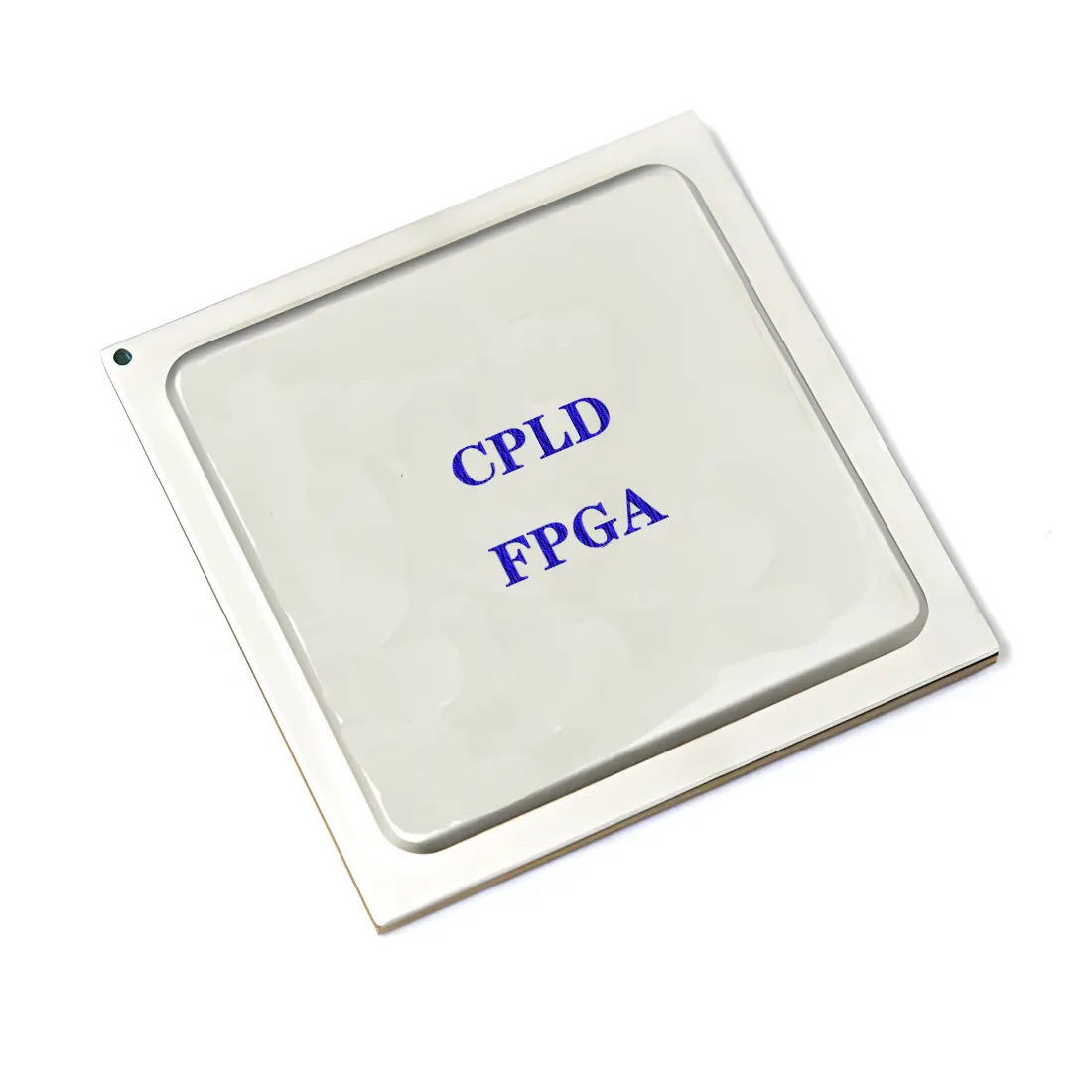 Programmable Logic Device(CPLD/FPGA)
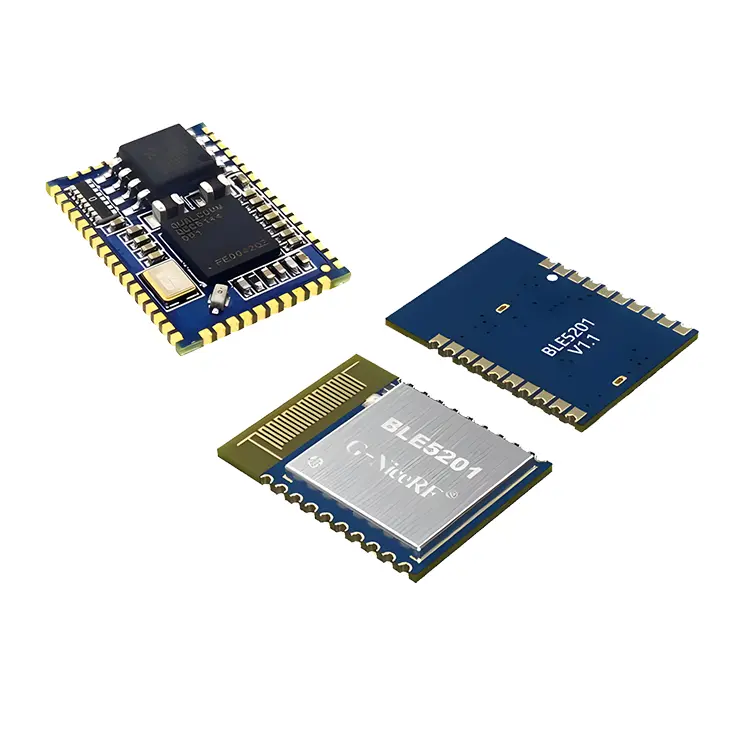 Communication Modules/IoT
 Resistors
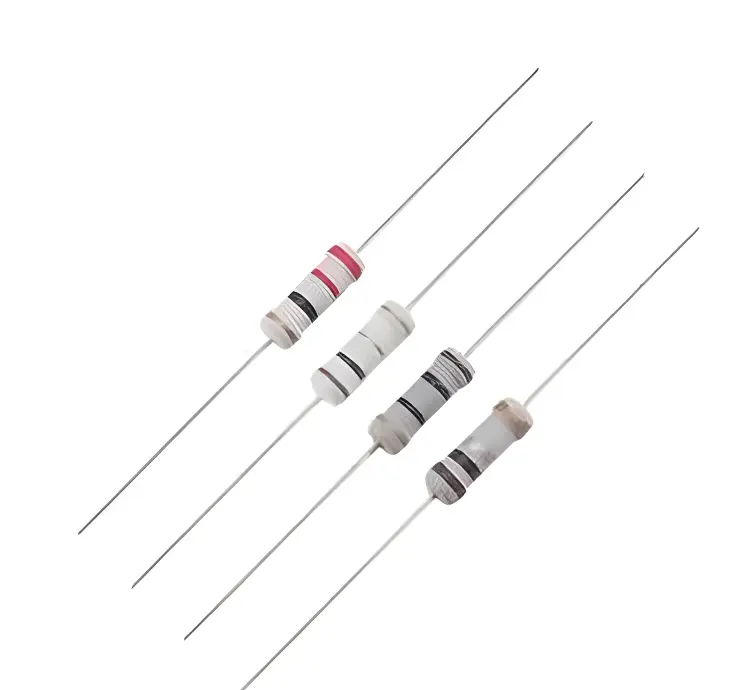 Through Hole Resistors
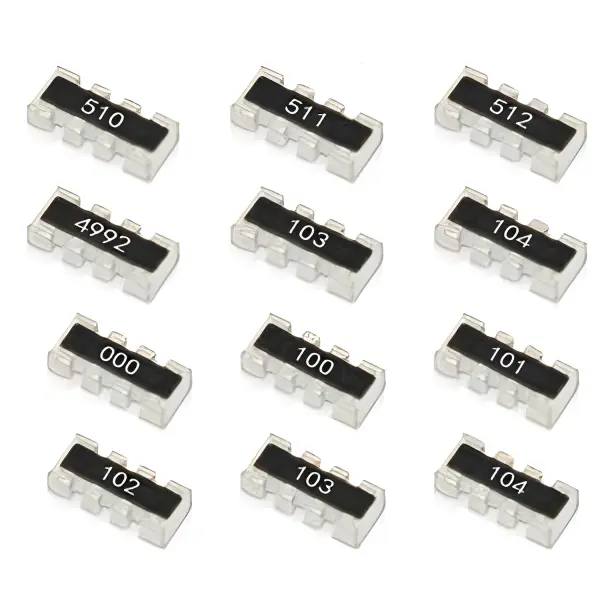 Resistor Networks, Arrays
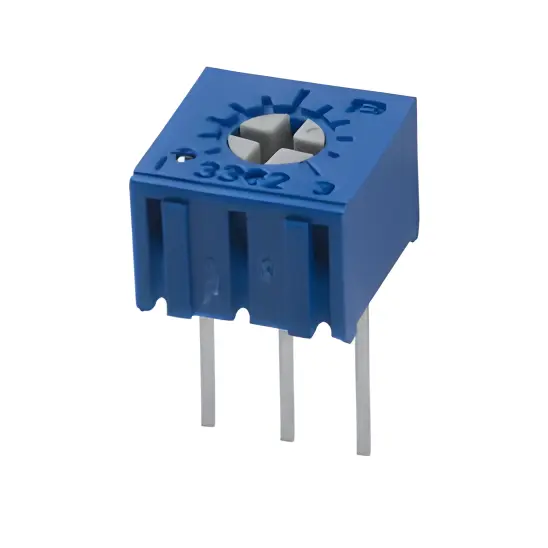 Potentiometers,Variable Resistors
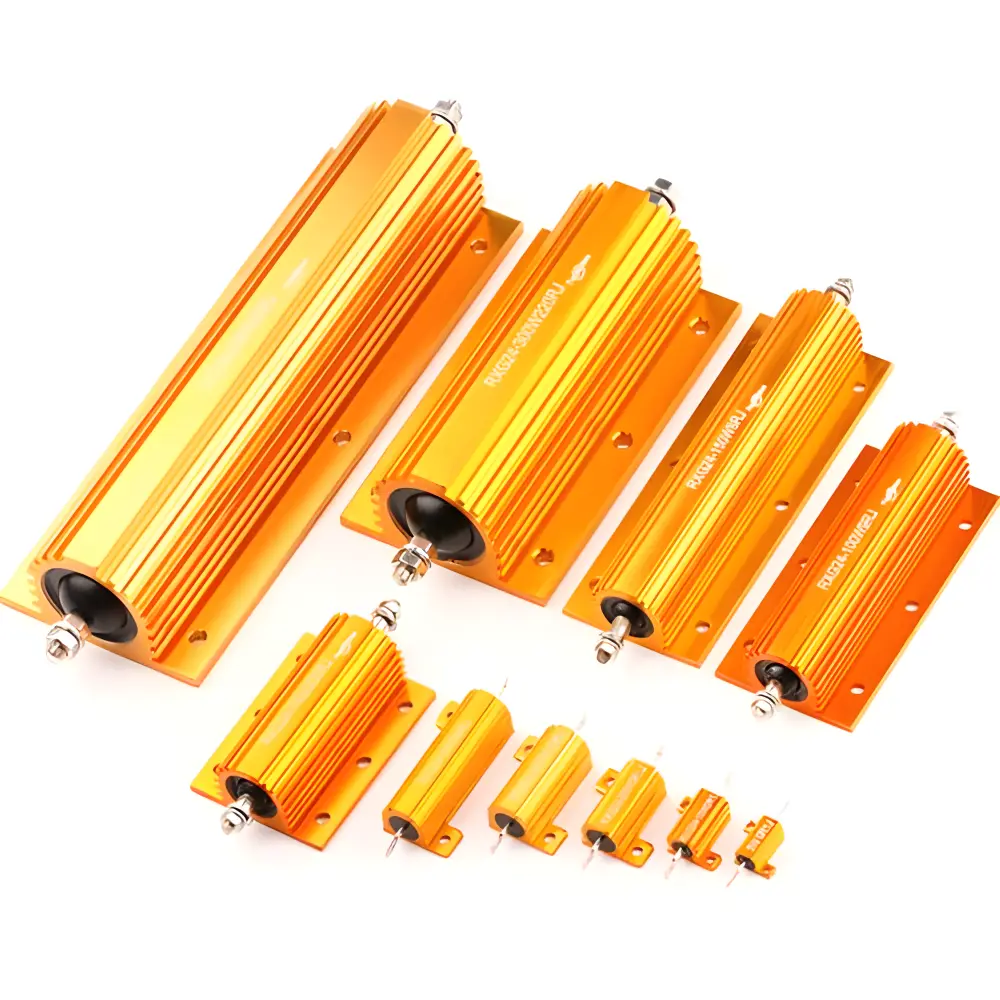 Aluminum Case,Porcelain Tube Resistance
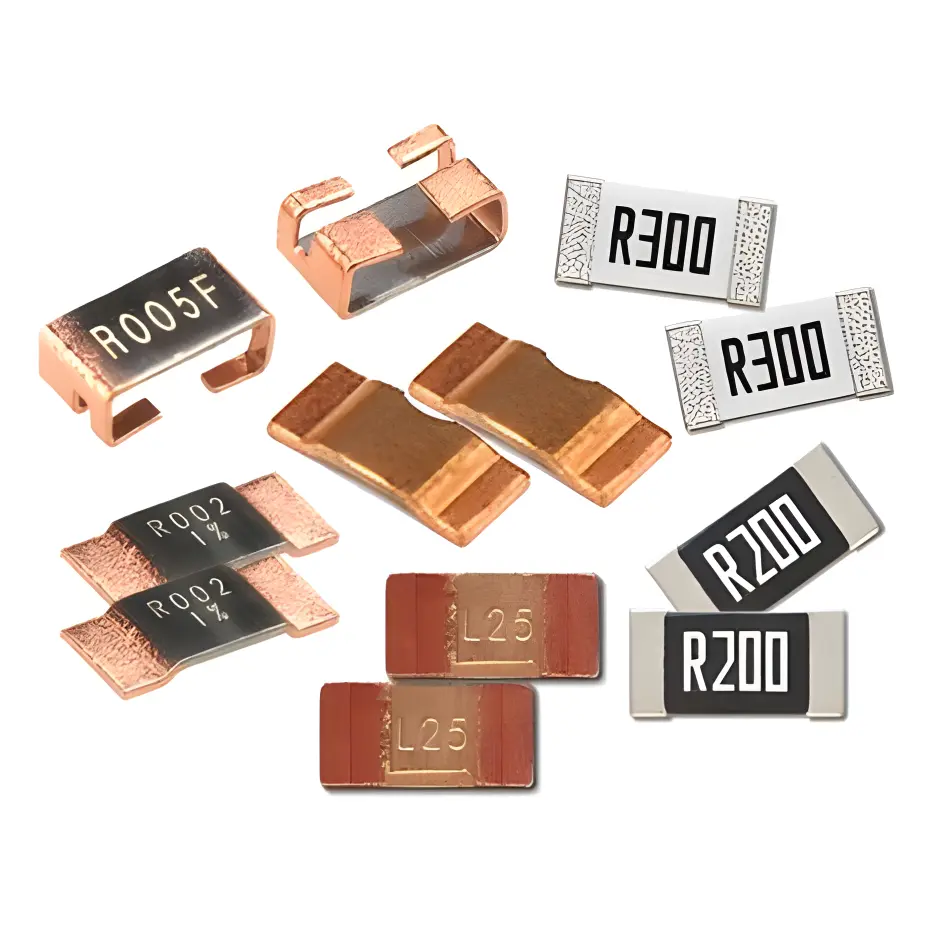 Current Sense Resistors,Shunt Resistors
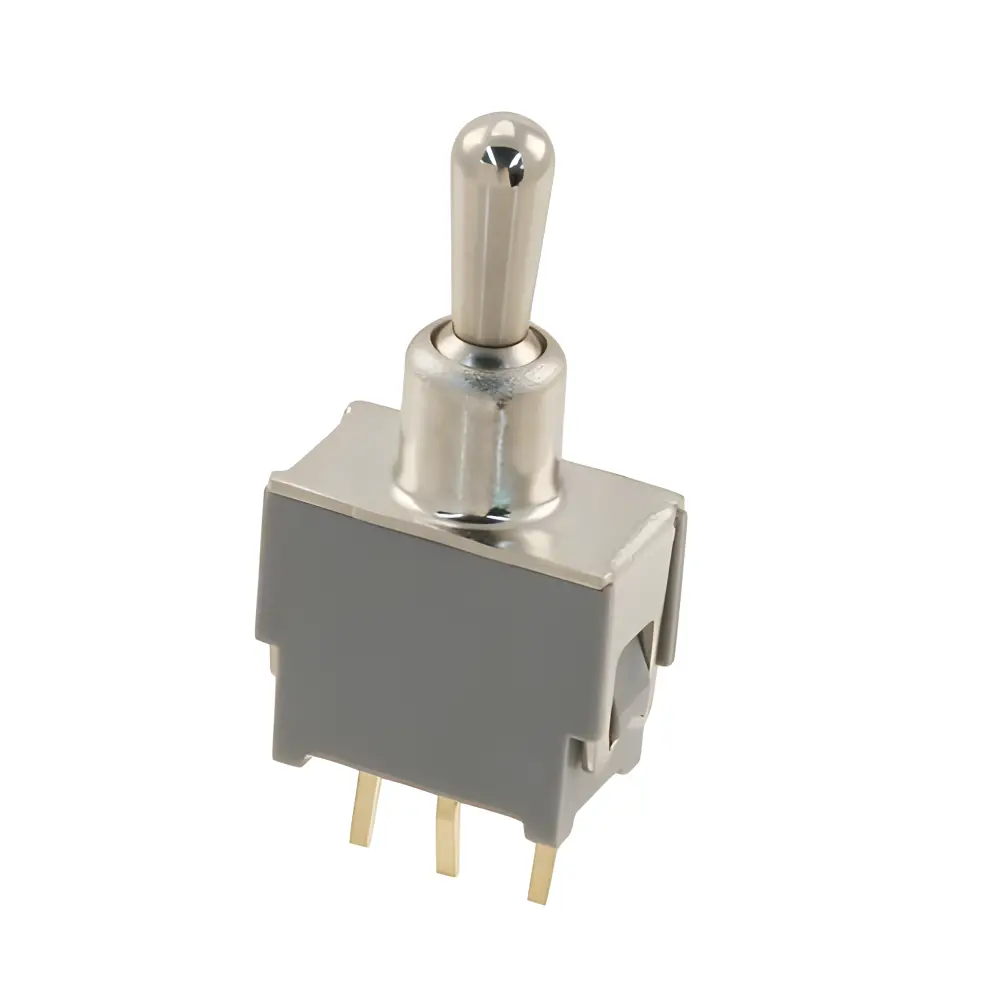 Switches
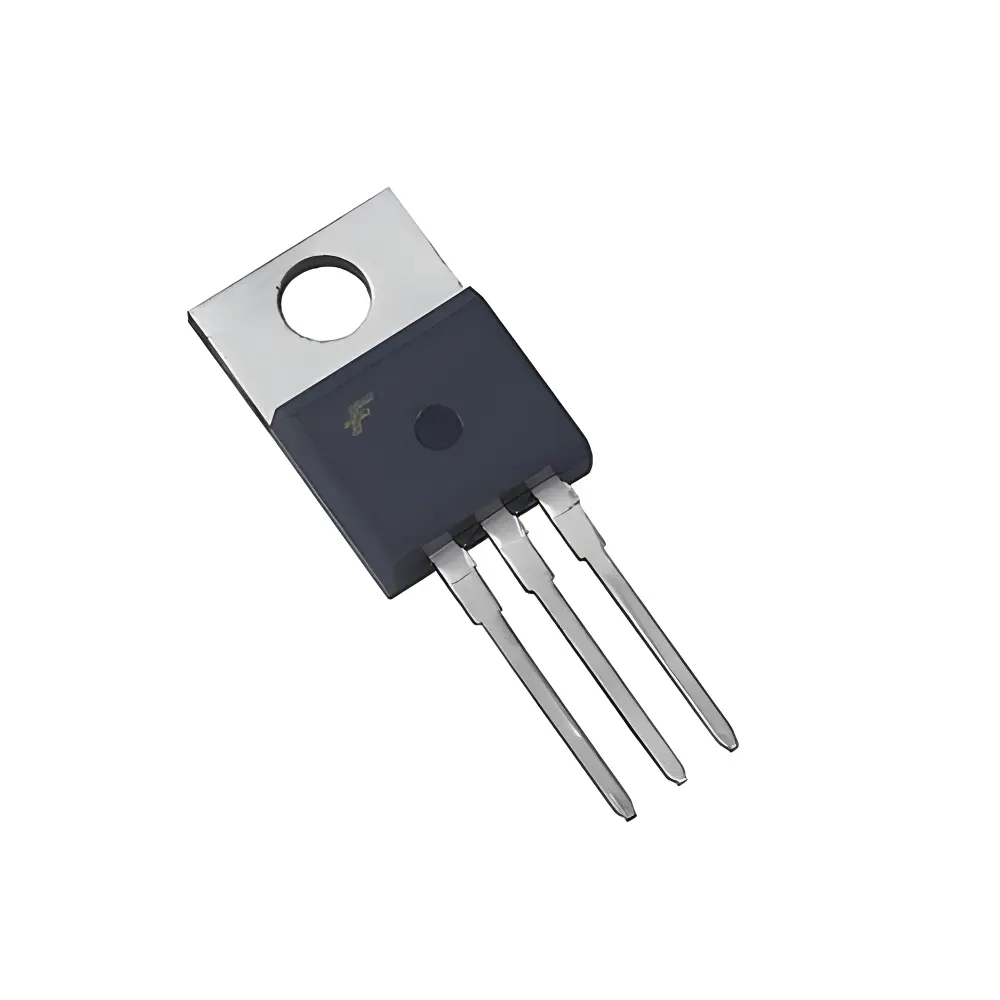 Transistors
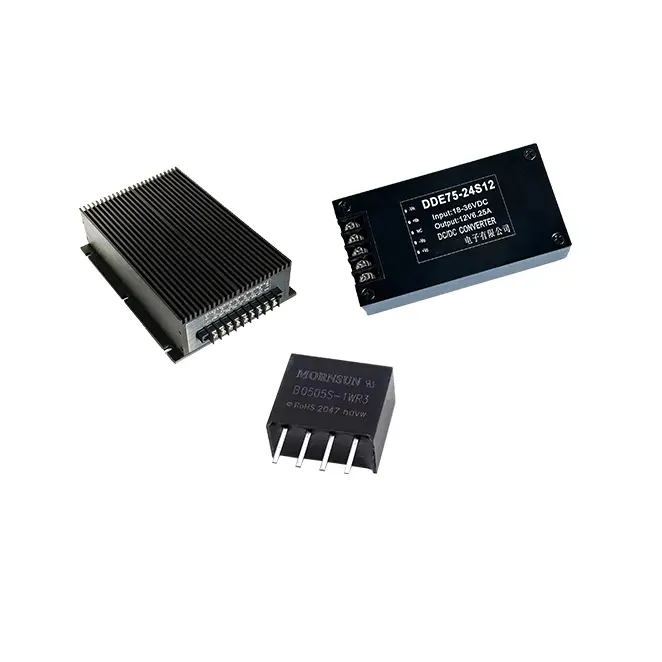 Power Modules
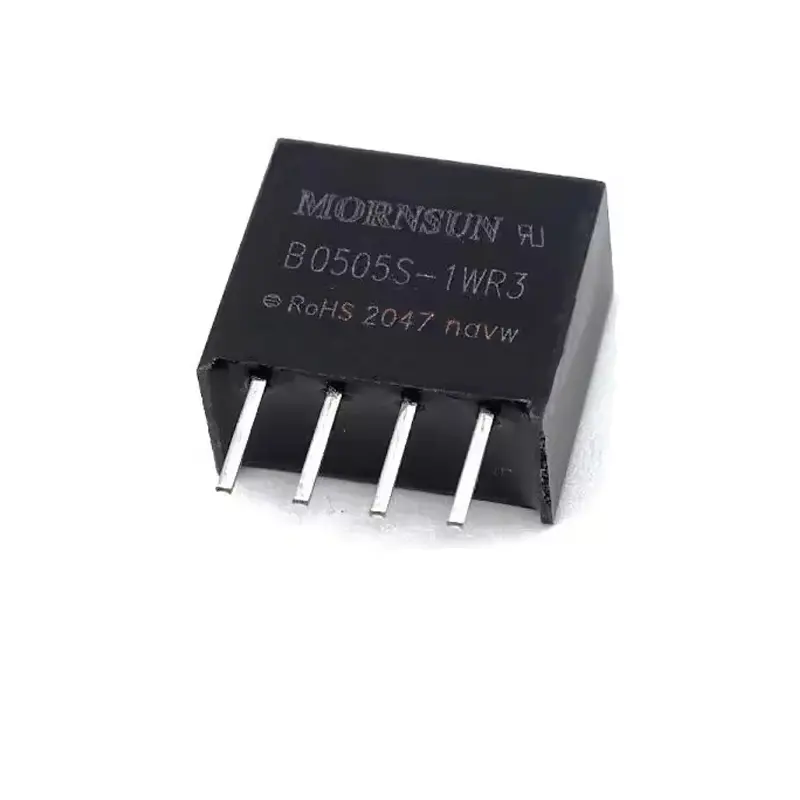 Isolated Power Modules
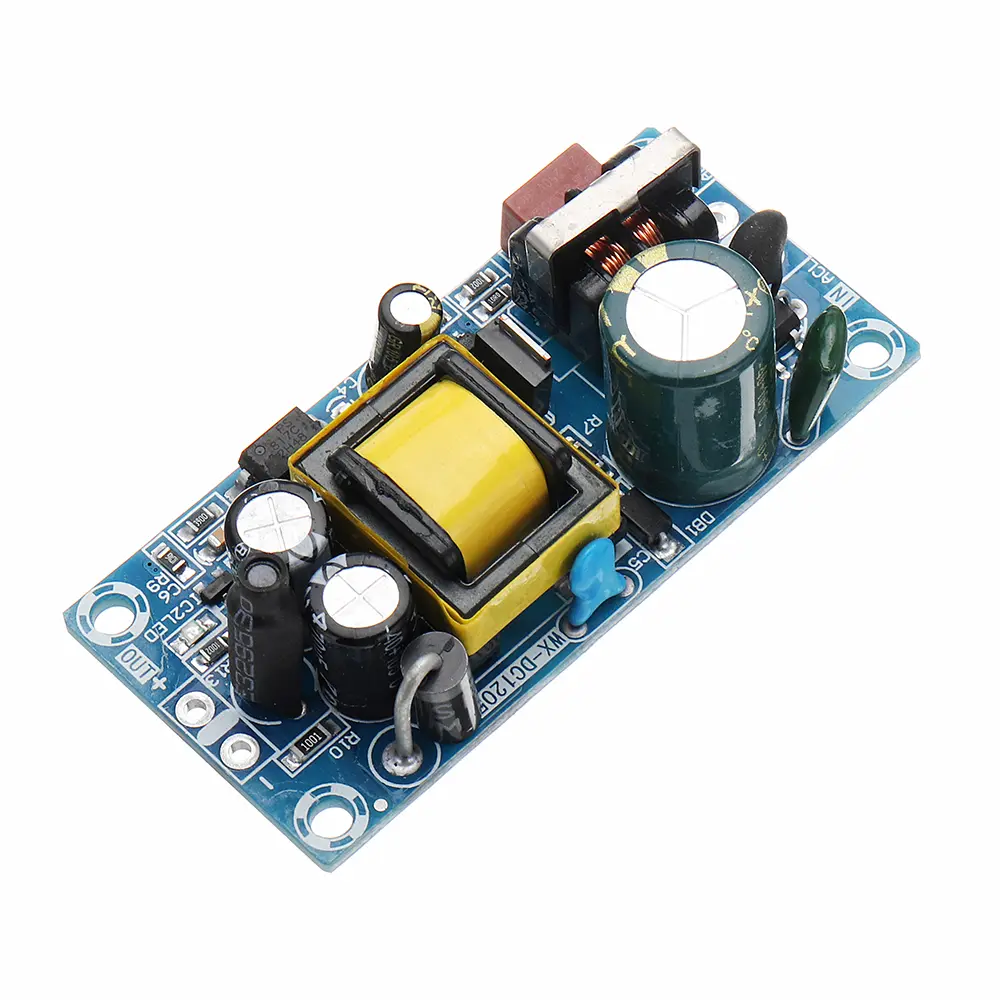 AC-DC Power Modules
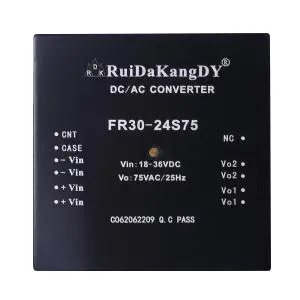 DC-AC Module(Inverter)
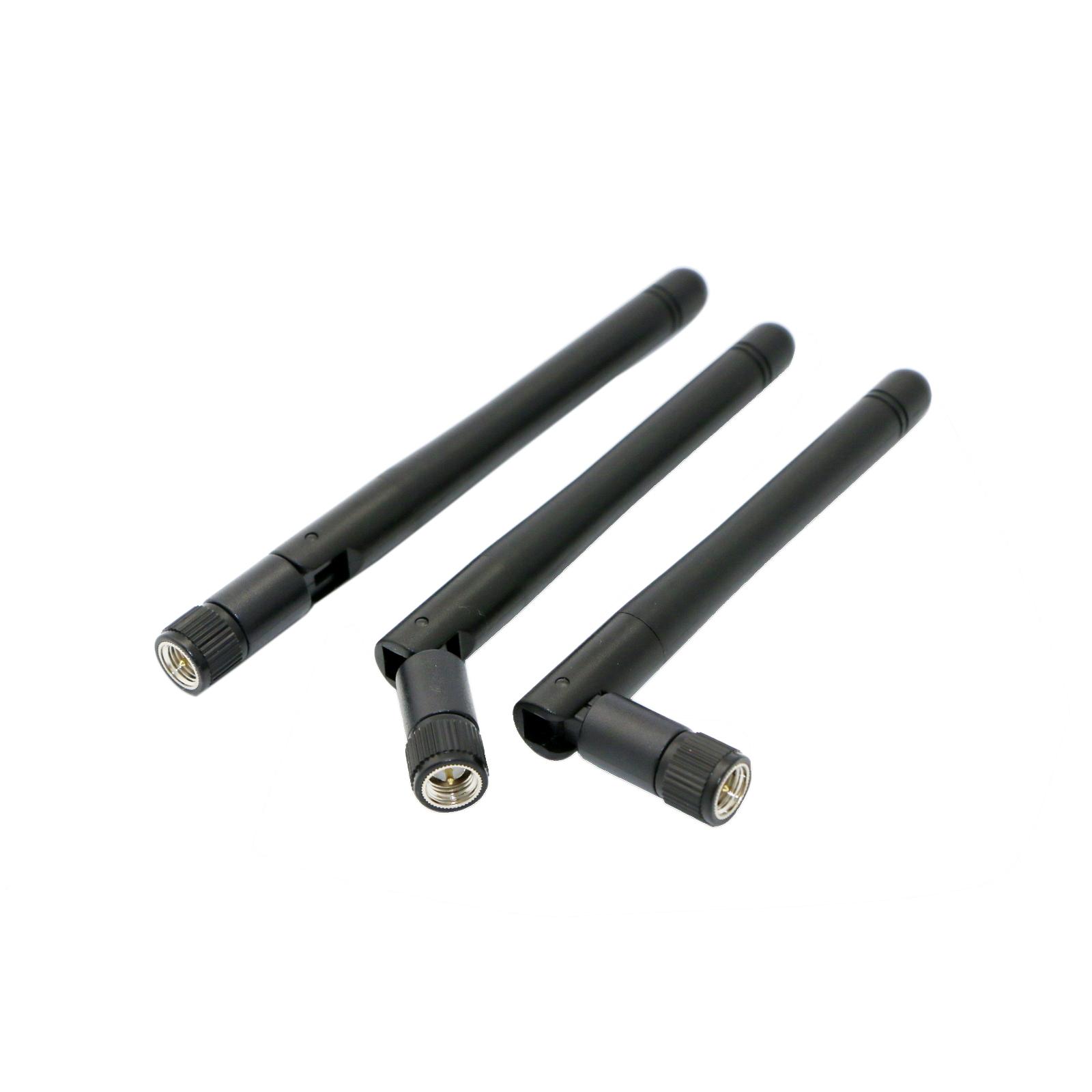 RF and Wireless
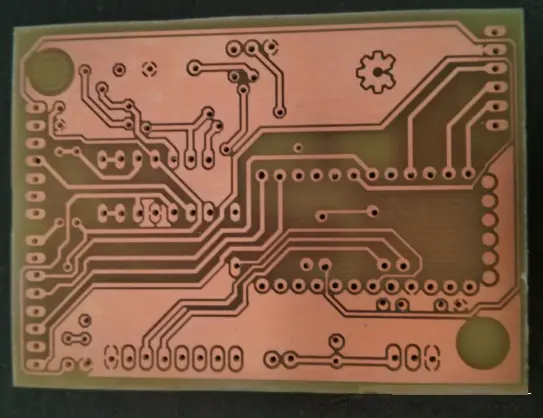
Maintaining Sidewall Verticality >85° in Ultra-Thick Copper (>6oz) Etching
1. Etchant System Optimization
-
High-selectivity etchant formulation
Use H₂SO₄-H₂O₂ (3:1 ratio) with 0.5–1.0 g/L benzotriazole (BTA) to reduce side etching by 40–50% compared to FeCl₃ (side etch ratio <0.15). -
Temperature & concentration control
-
Temperature: 50±2°C;
-
H₂O₂ concentration: 8–12% with auto-dosing (etch rate 25–30 μm/min).
-
2. Process Parameter Tuning
-
Spray etching parameters
-
Pressure: 2.5–3.0 bar, 30° nozzle angle;
-
Coverage: 200–300% (reciprocating spray);
-
Conveyor speed: 0.8–1.2 m/min.
-
-
Multi-stage etching
-
Rough etch (0–140 μm): 35 μm/min, 80° sidewall;
-
Fine etch (140–200 μm): 25 μm/min, 85°;
-
Final etch (200–210 μm): Pulsed spray (3:1 on/off), 87°±1°.
-
3. Mask Technology & Design Compensation
-
High-adhesion dry film
LDI films (e.g., DuPont RISTON® FX-930, 30–40 μm) with etch factor ≥5:1. -
OPC (OptICal Proximity Correction)
±5 μm linewidth compensation for features ≤100 μm.
4. Equipment Innovation & Monitoring
-
Vacuum-assisted etching
50–100 mbar environment improves sidewall verticality by 15%. -
In-line metrology
Laser confocal microscopy (Keyence VK-X3000) provides real-time feedback (±0.5° accuracy).
5. Post-Etching Treatments
-
Microetch planarization
H₂SO₄-Na₂S₂O₈ solution (Ra<0.2 μm). -
Plasma cleaning
O₂ plasma (500 W, 120s) removes residues.
6. Validation Metrics
| Parameter | Target | Method |
|---|---|---|
| Sidewall angle | ≥85° | SEM cross-section (±1°) |
| Undercut | ≤35 μm | Optical profilometry |
| Etch uniformity | ±5% | Four-point probe |
| SuRFace roughness | ≤0.3 μm | White-light interferometry |
7. Challenges & Solutions
-
Challenge 1: Etchant aging increases undercut
Solution: ORP sensor with auto-H₂O₂ dosing (ORP≥800 mV). -
Challenge 2: Incomplete deep trench etching
Solution: Ultrasonic assistance (40 kHz, 200 W) for 10:1 aspect ratio. -
Challenge 3: Grain boundary attack
Solution: 0.2% thiourea inhibitor (grain size <20 μm via EBSD).