
 PCB
PCB FPC
FPC Rigid-Flex
 FR-4
FR-4 HDI PCB
 Rogers High-Frequency Board
 PTFE Teflon High-Frequency Board
 Aluminum
 Copper Core
 PCB Assembly
 LED light PCBA
 Memory PCBA
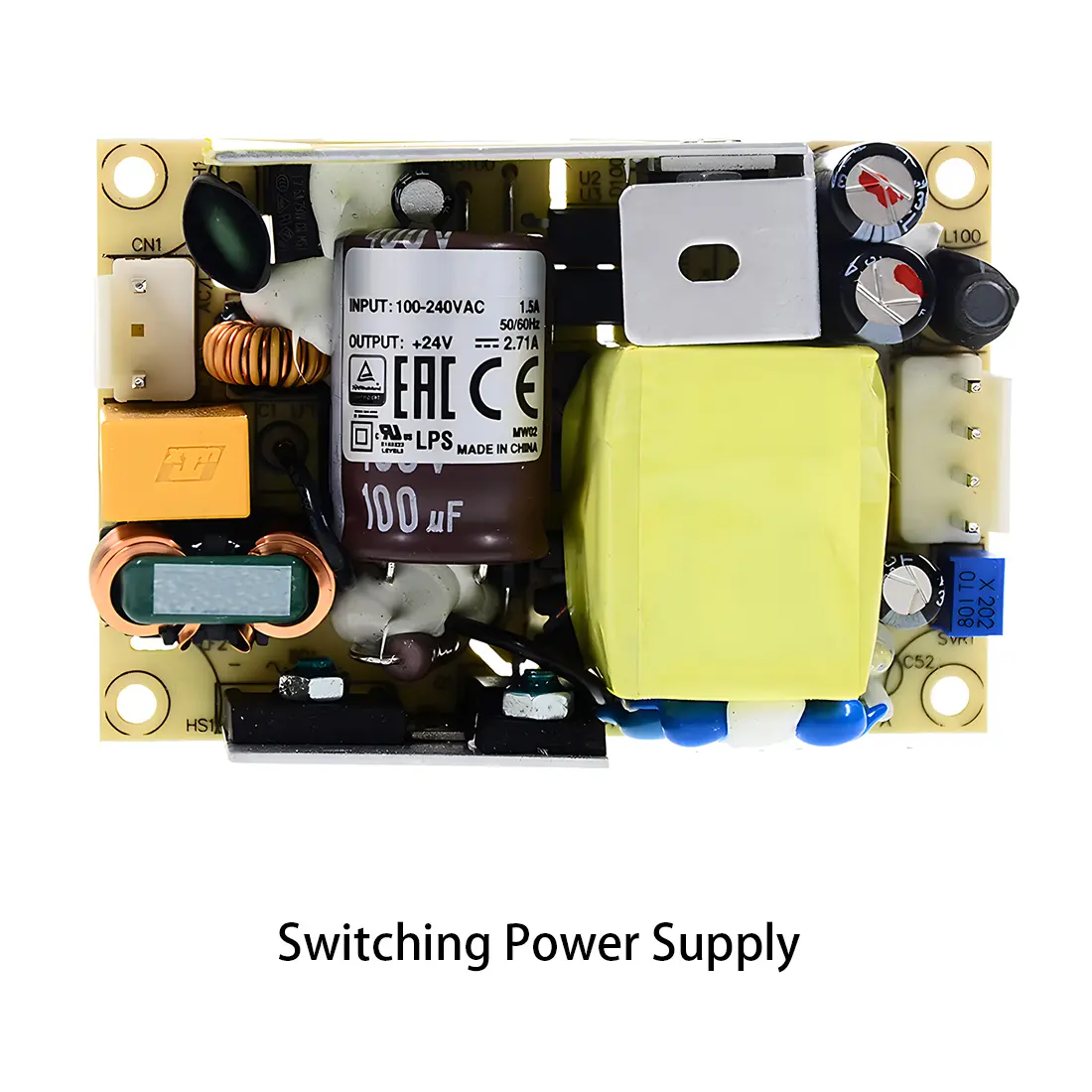 Power Supply PCBA
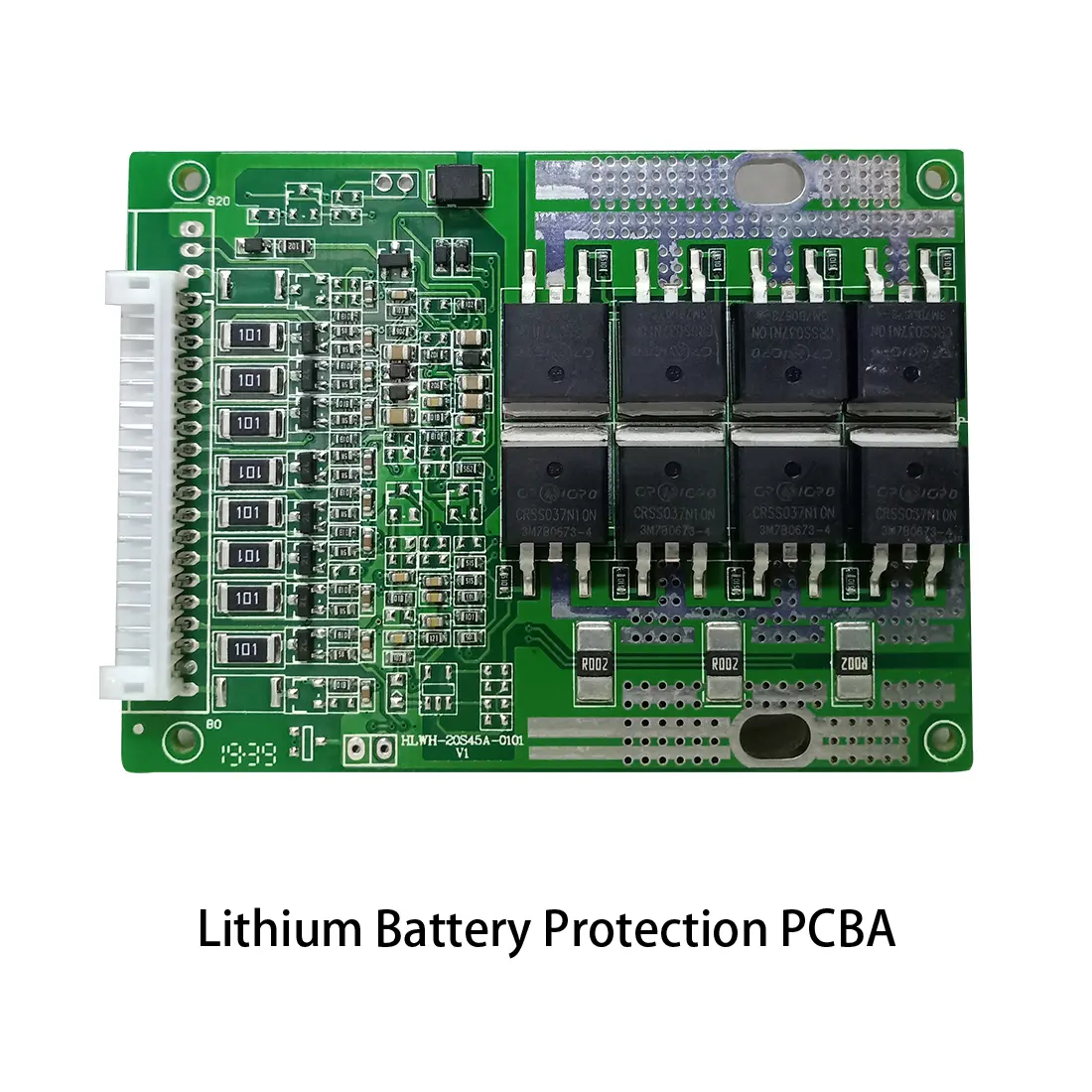 New Energey PCBA
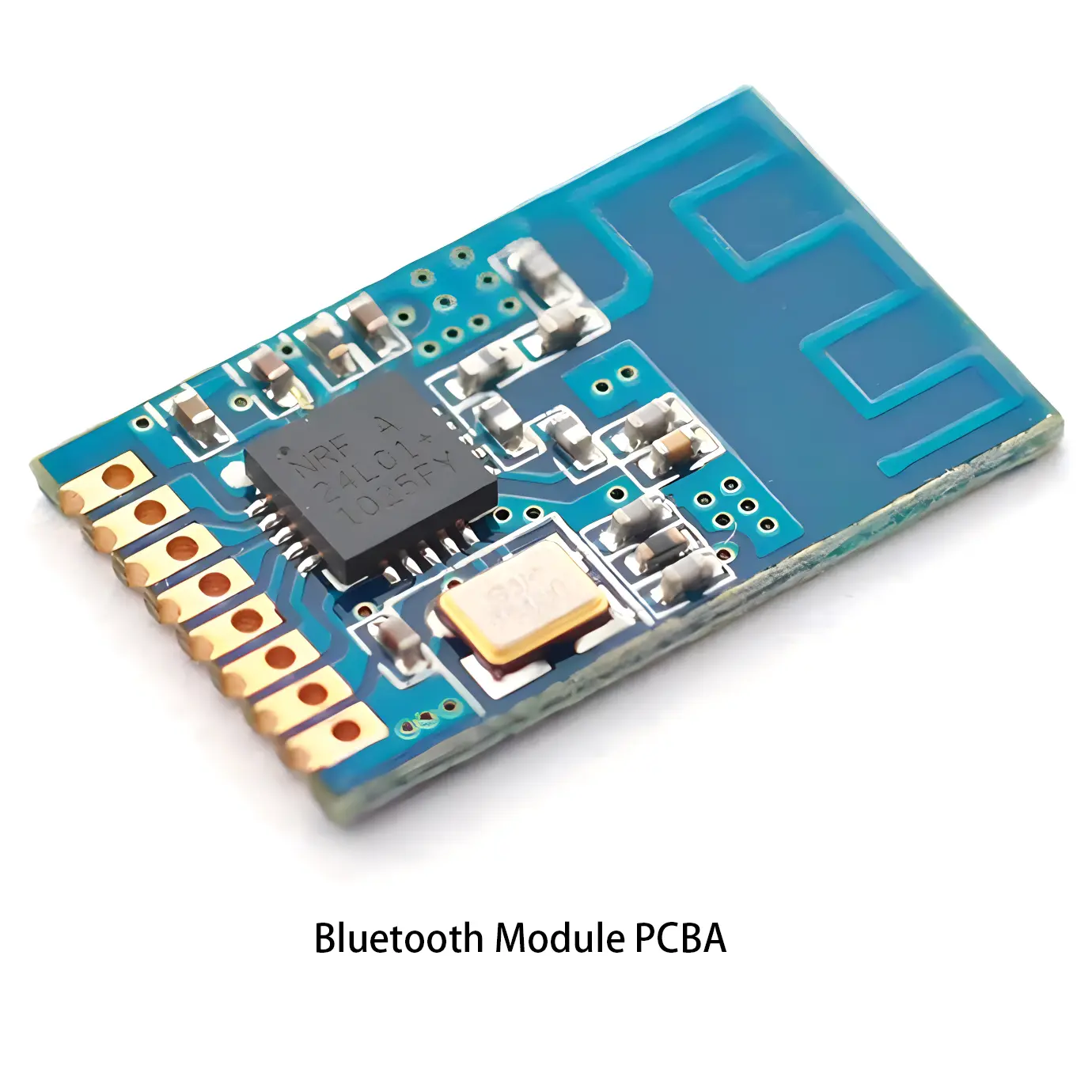 Communication PCBA
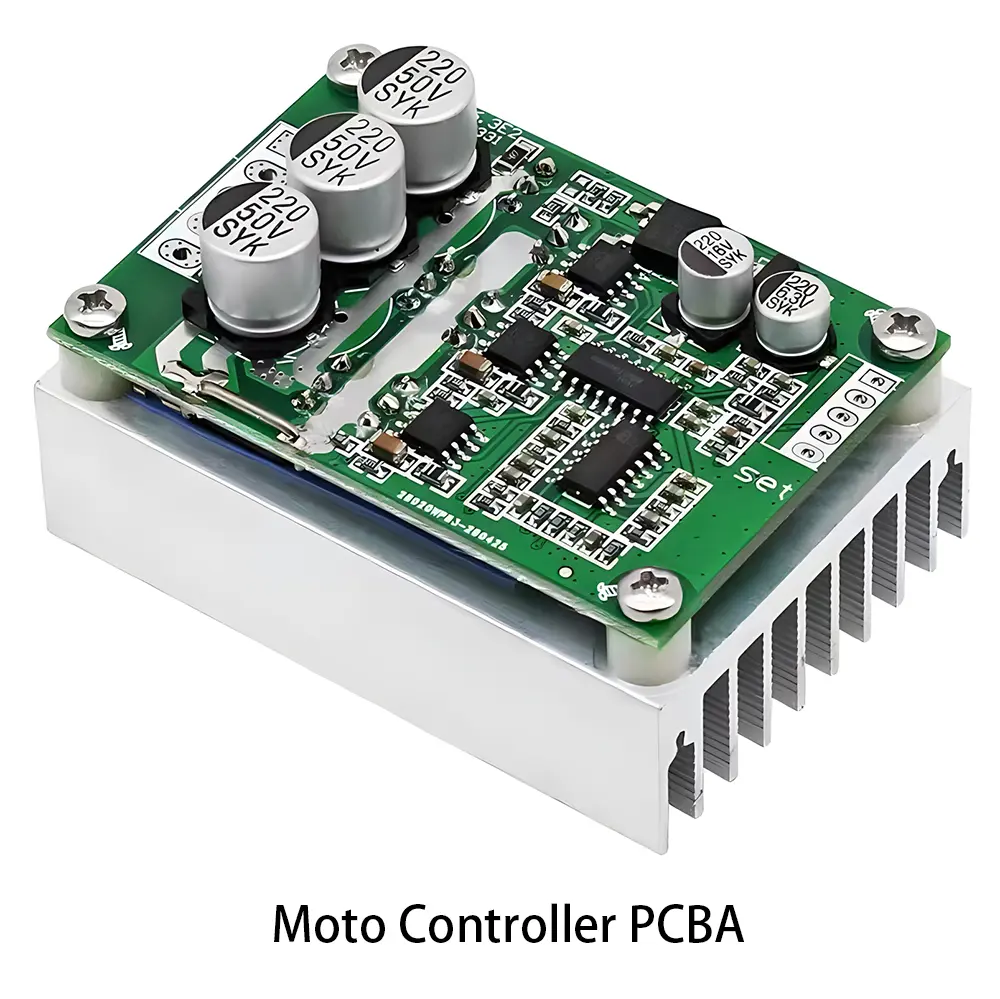 Industrial Control PCBA
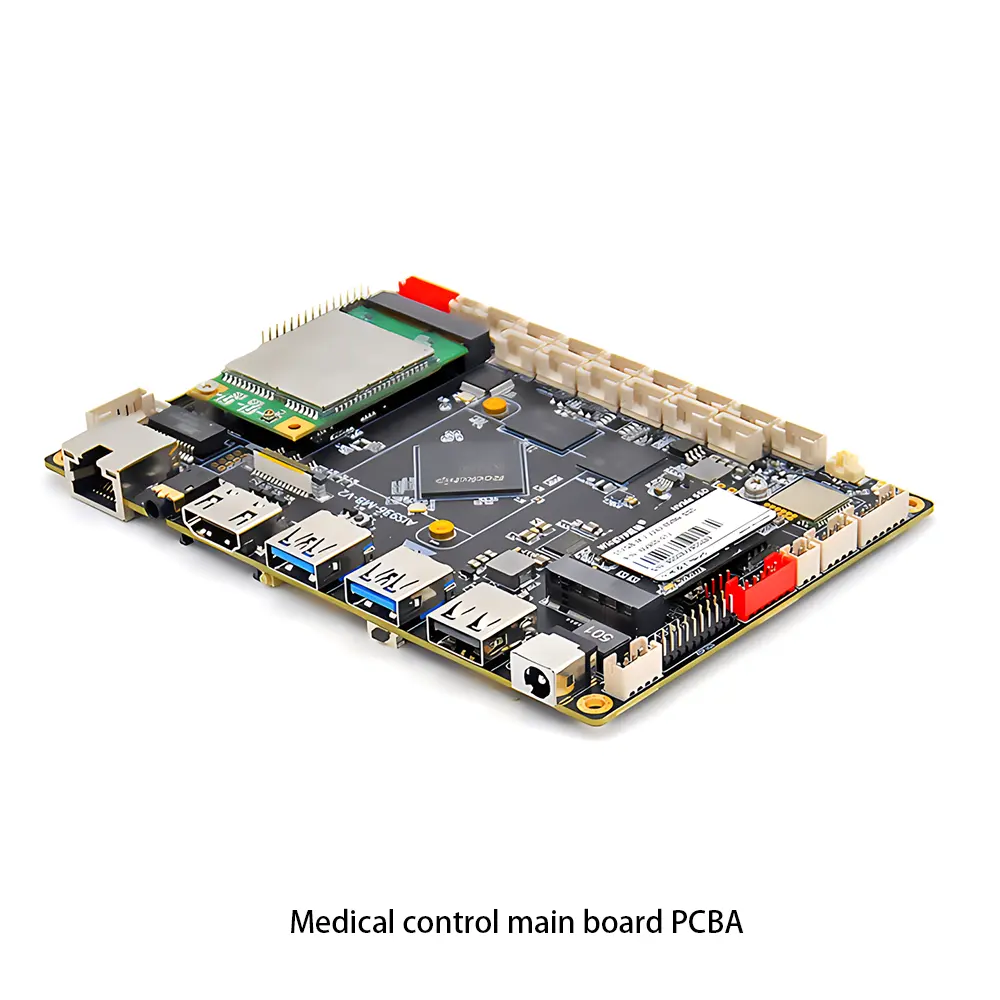 Medical Equipment PCBA
 Testing Service
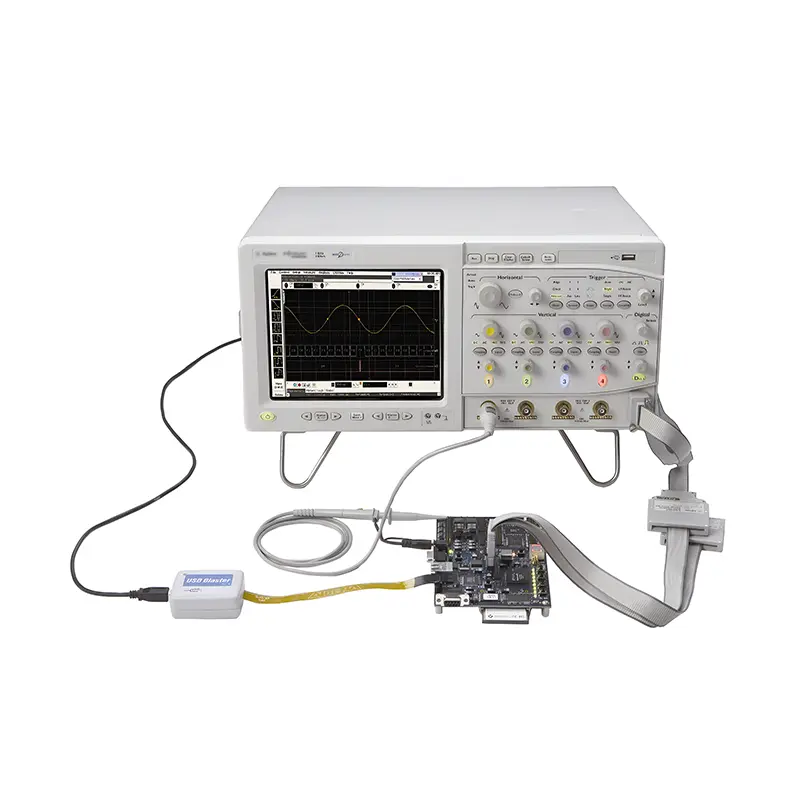 PCBA Testing Service
 Certification Application
 RoHS Certification Application
 REACH Certification Application
 CE Certification Application
 FCC Certification Application
 CQC Certification Application
 UL Certification Application
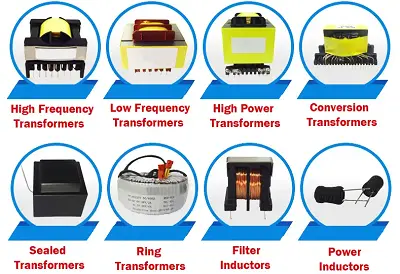 Transformers, Inductors
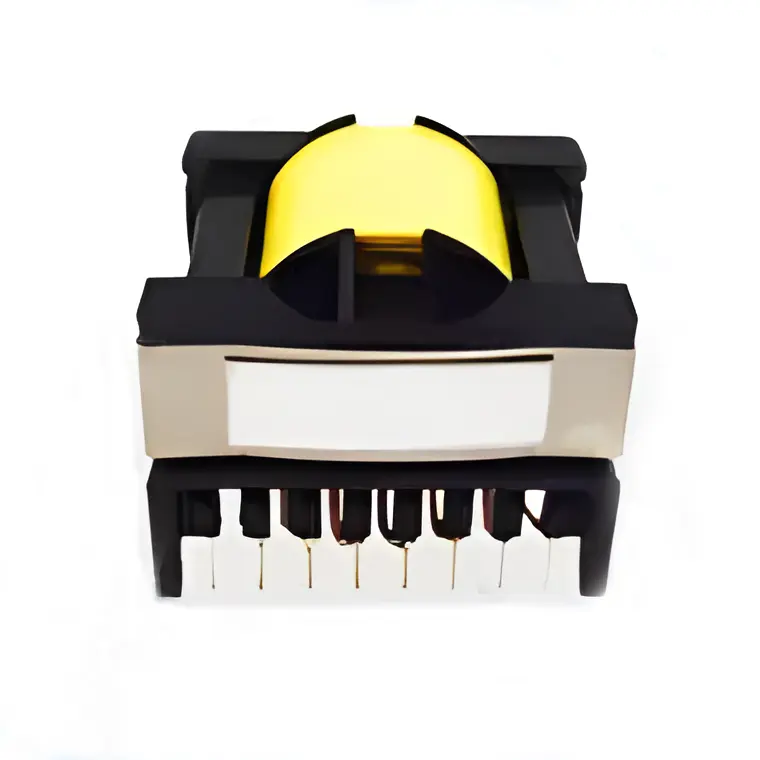 High Frequency Transformers
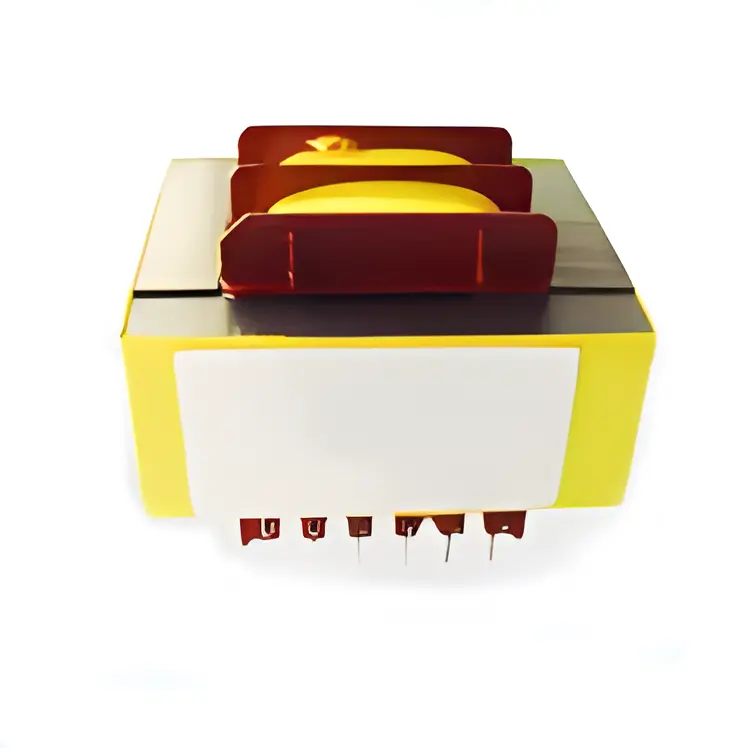 Low Frequency Transformers
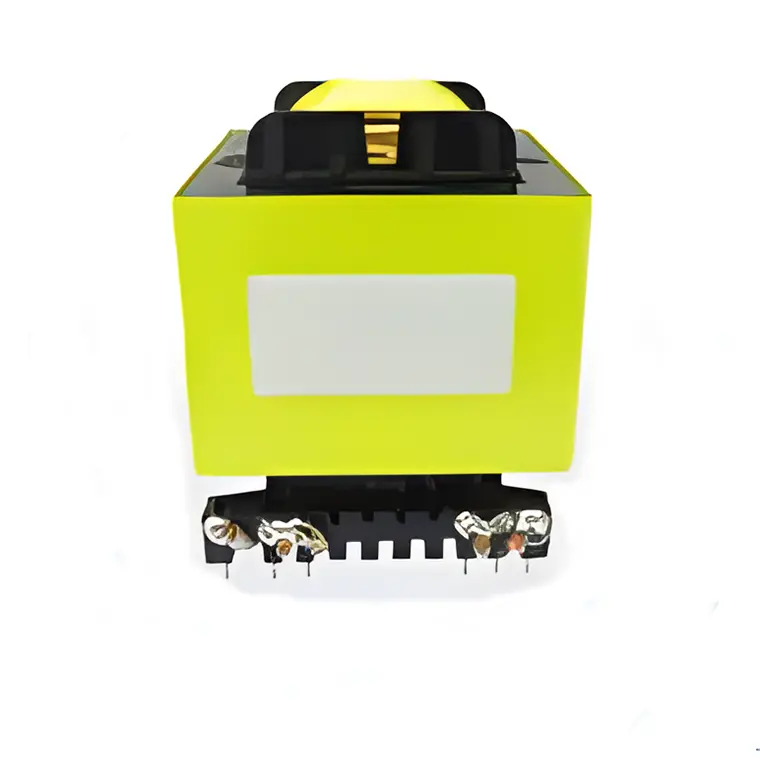 High Power Transformers
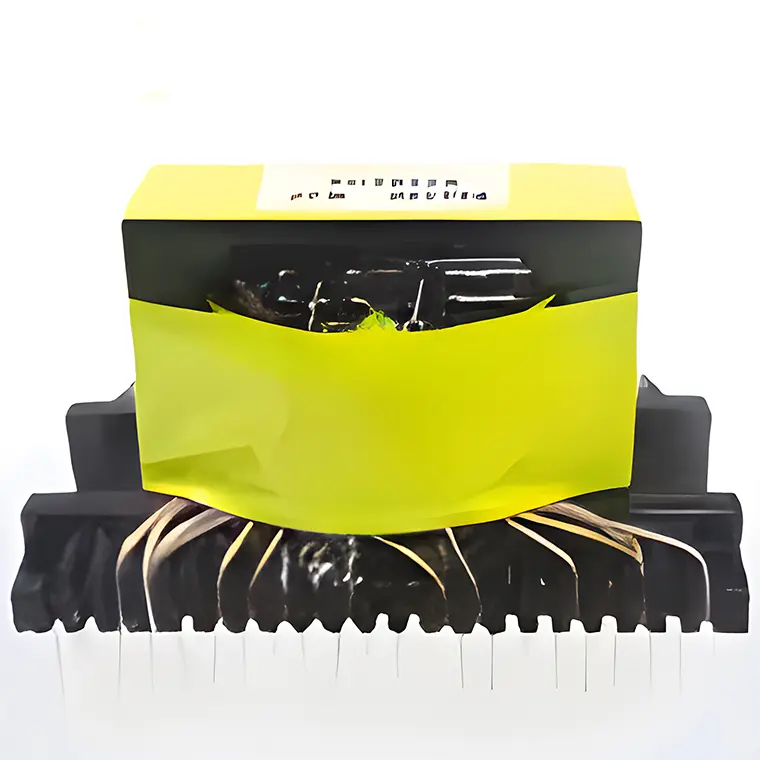 Conversion Transformers
 Sealed Transformers
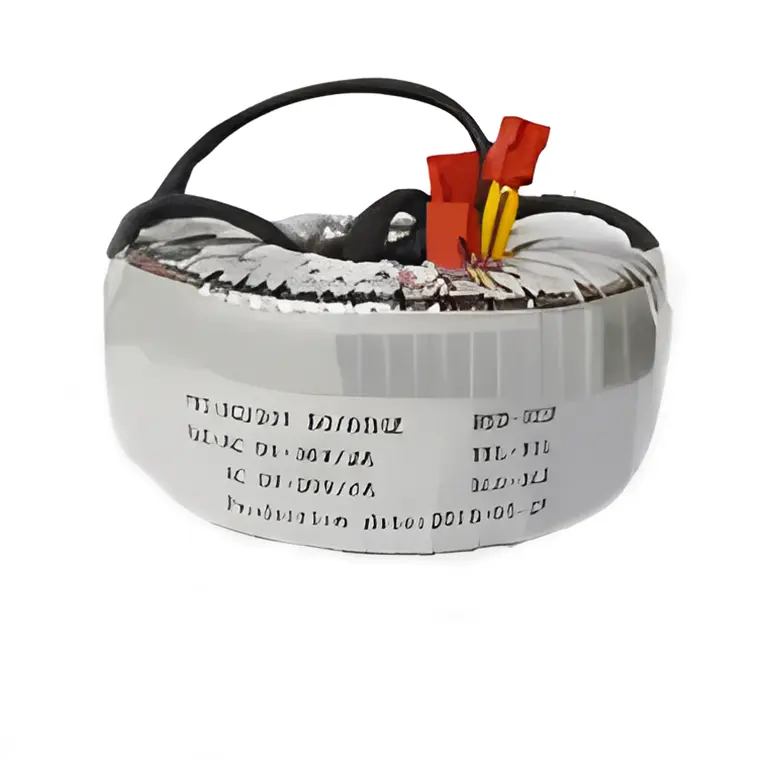 Ring Transformers
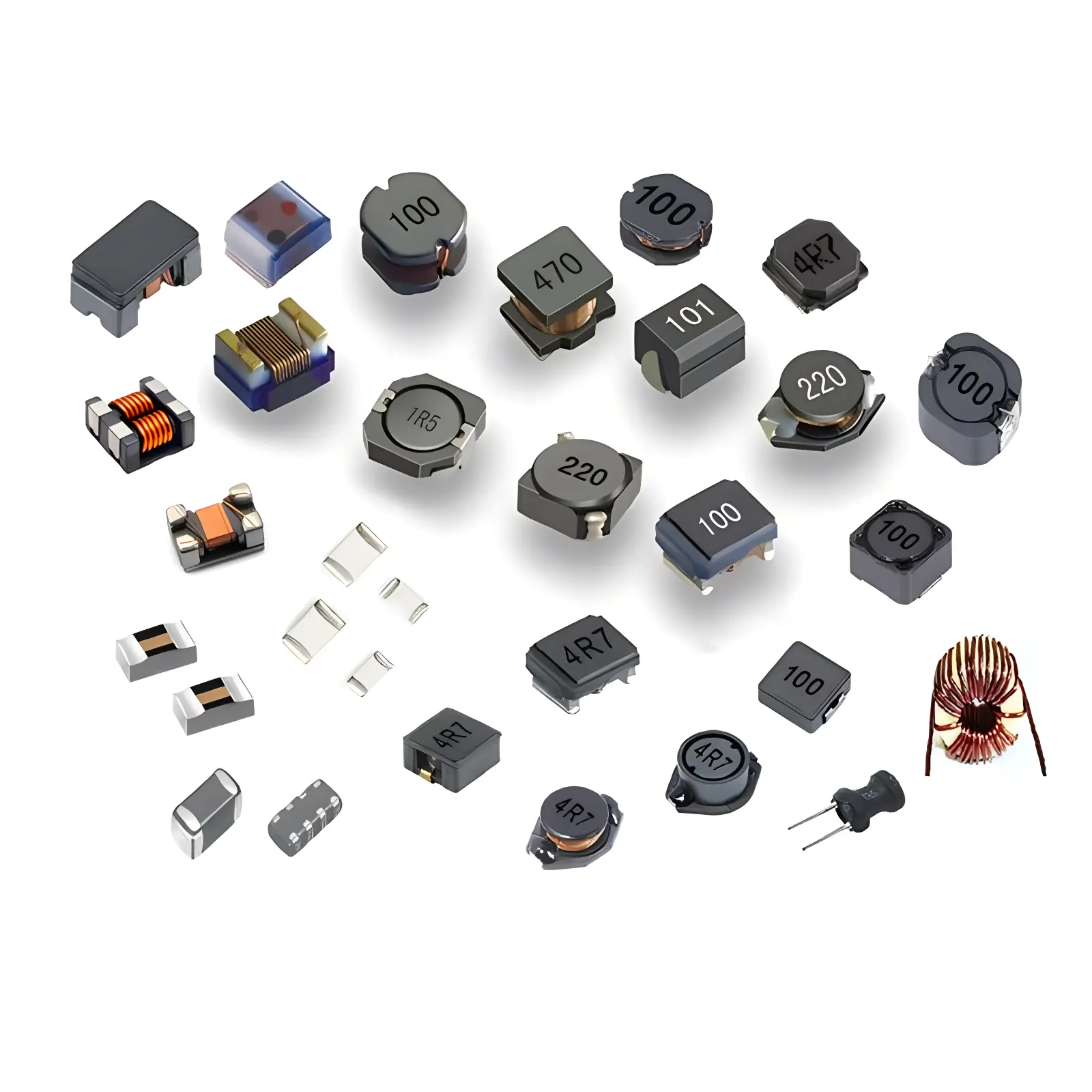 Inductors
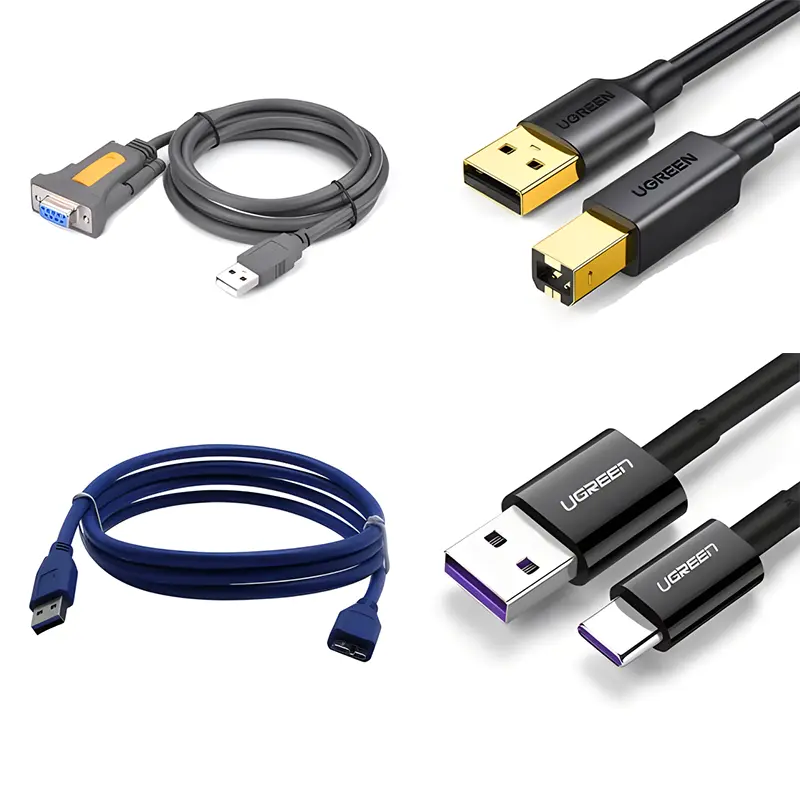 Wires,Cables Customized
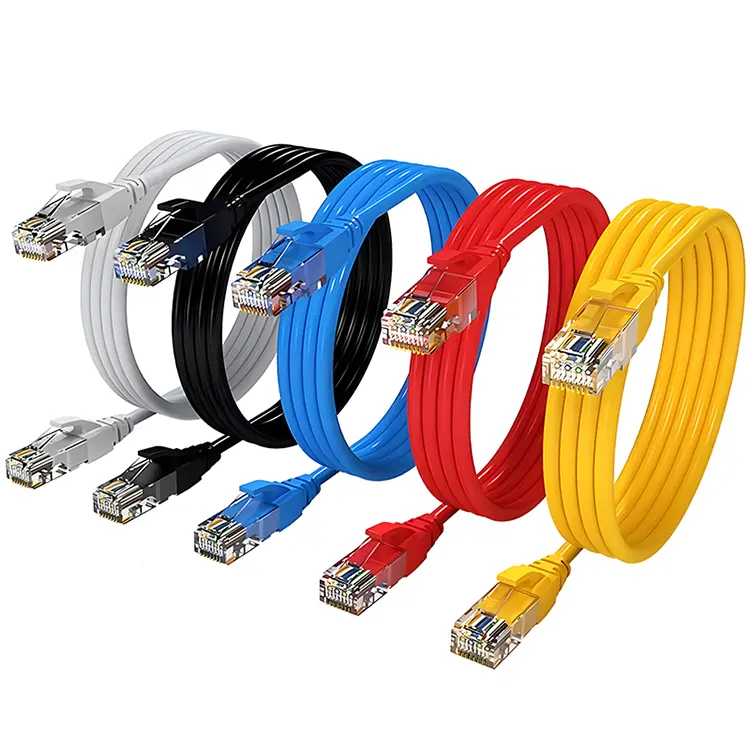 Network Cables
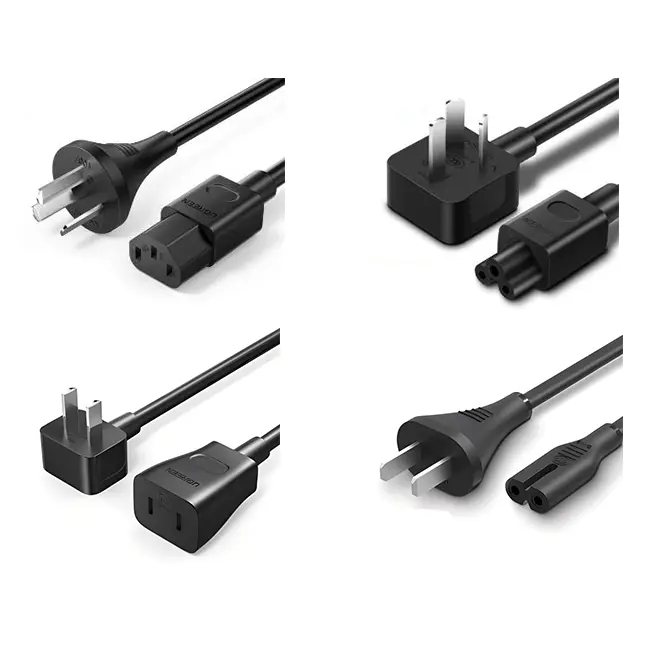 Power Cords
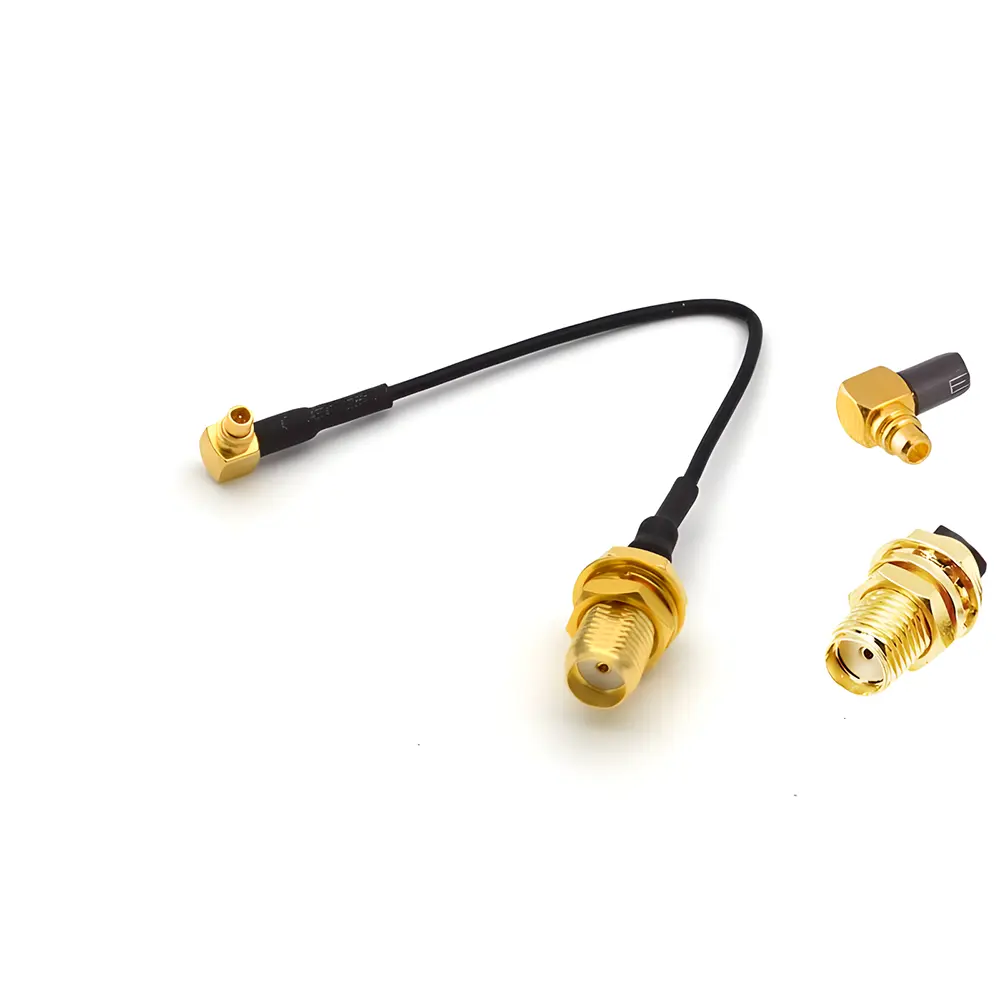 Antenna Cables
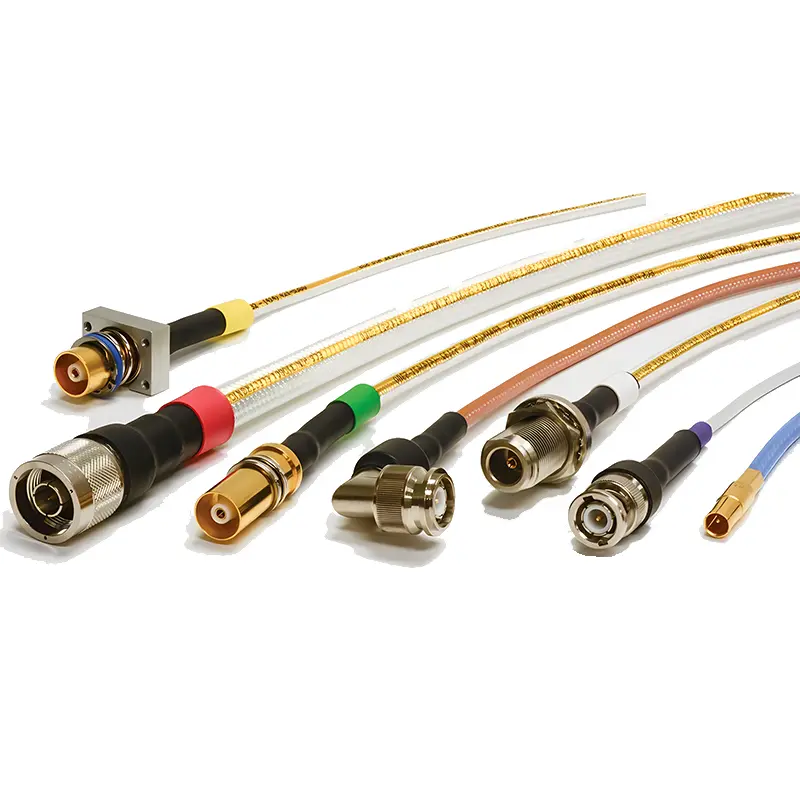 Coaxial Cables
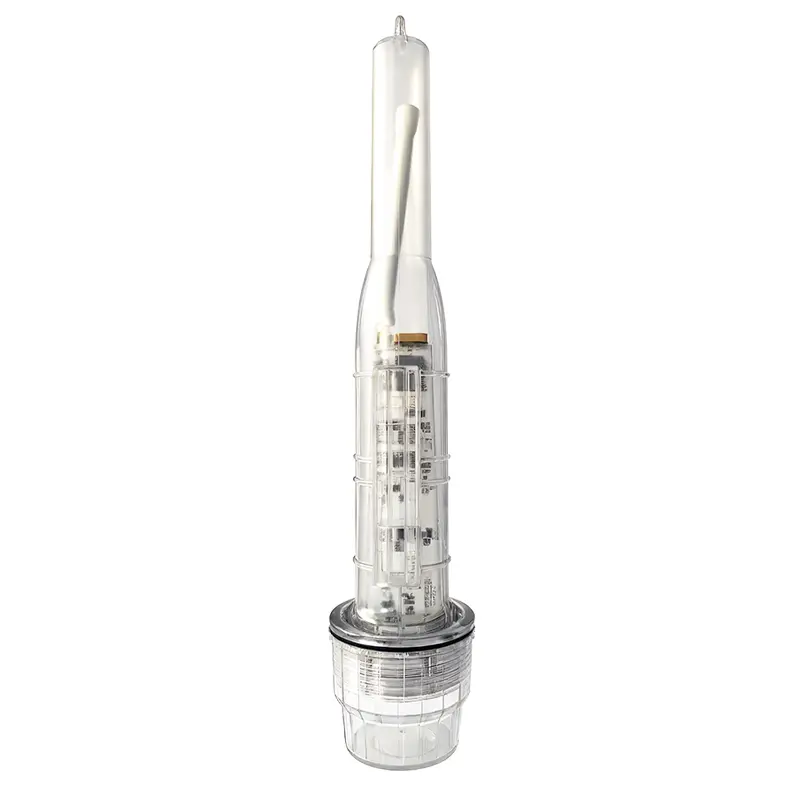 Net Position Indicator
 Solar AIS net position indicator
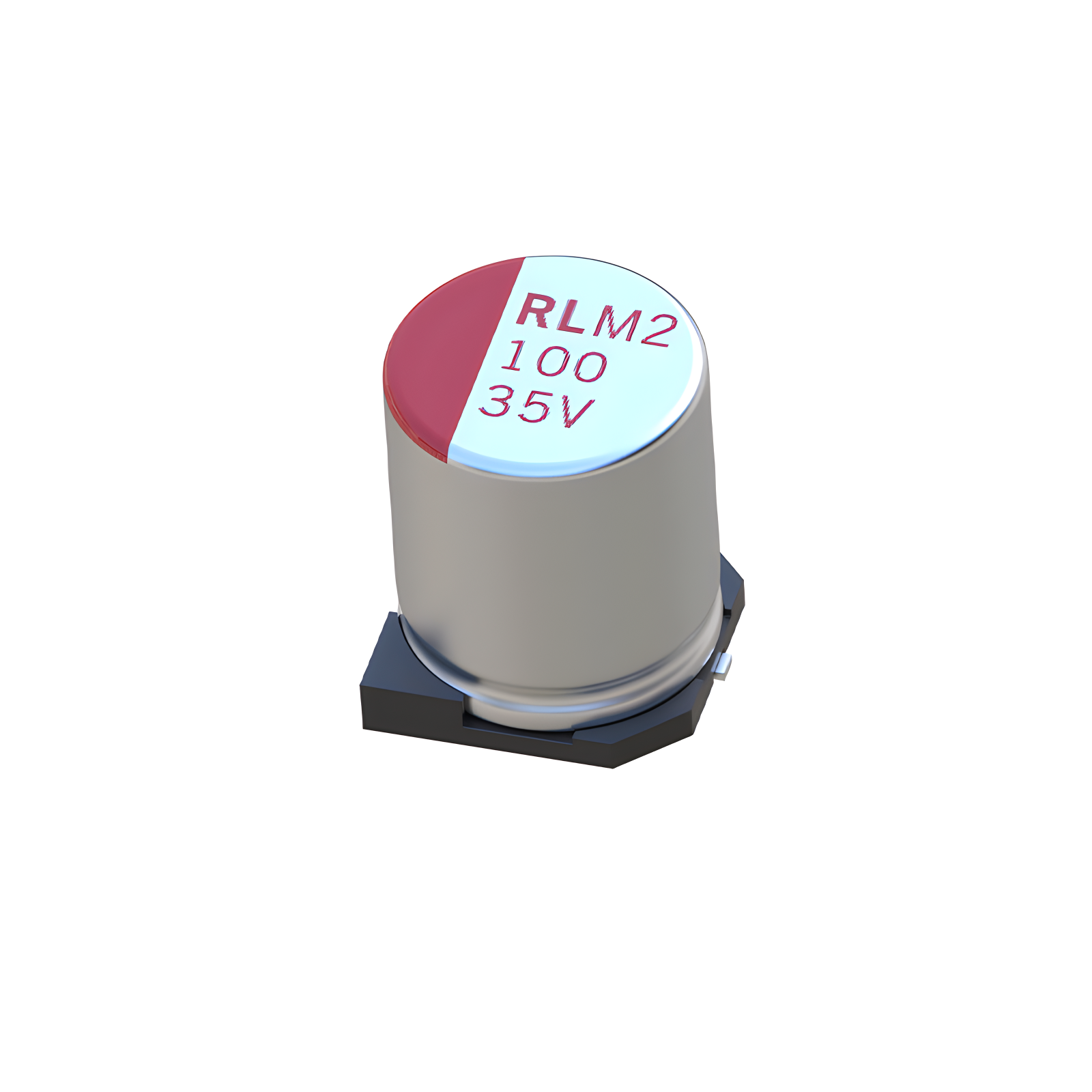 Capacitors
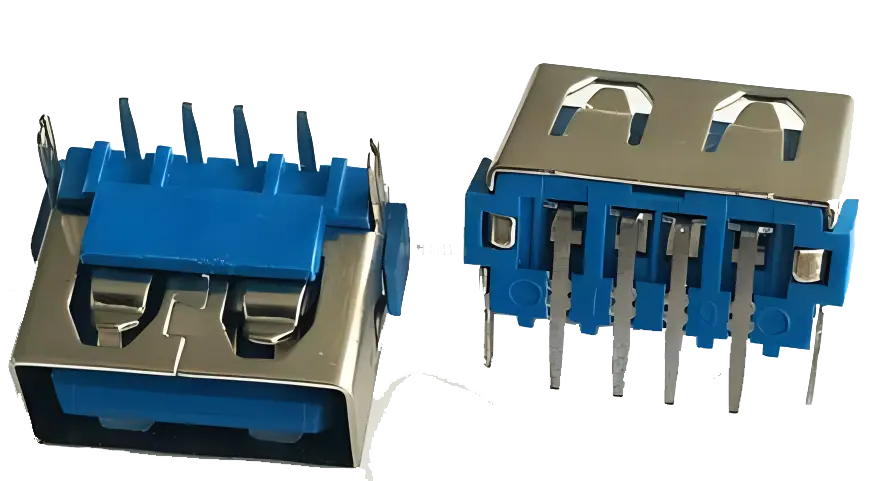 Connectors
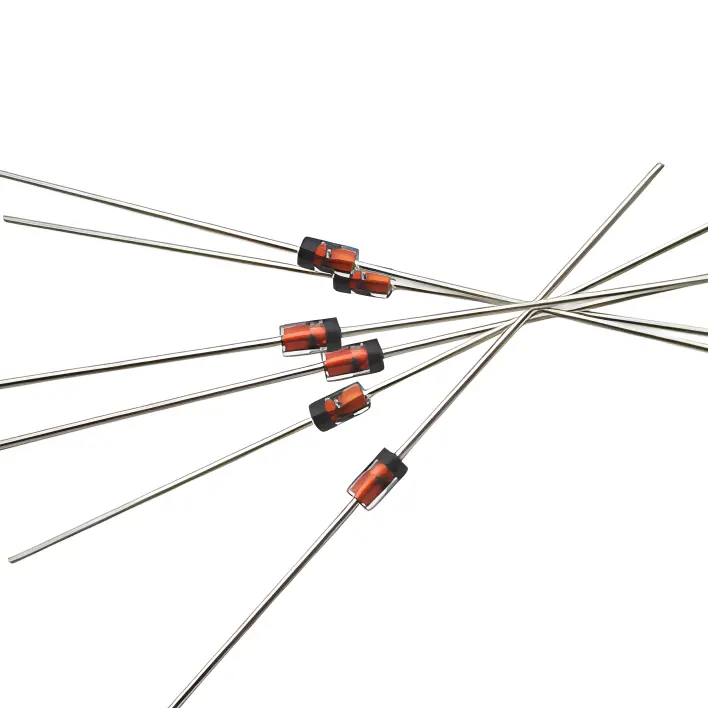 Diodes
 Embedded Processors & Controllers
 Digital Signal Processors (DSP/DSC)
 Microcontrollers (MCU/MPU/SOC)
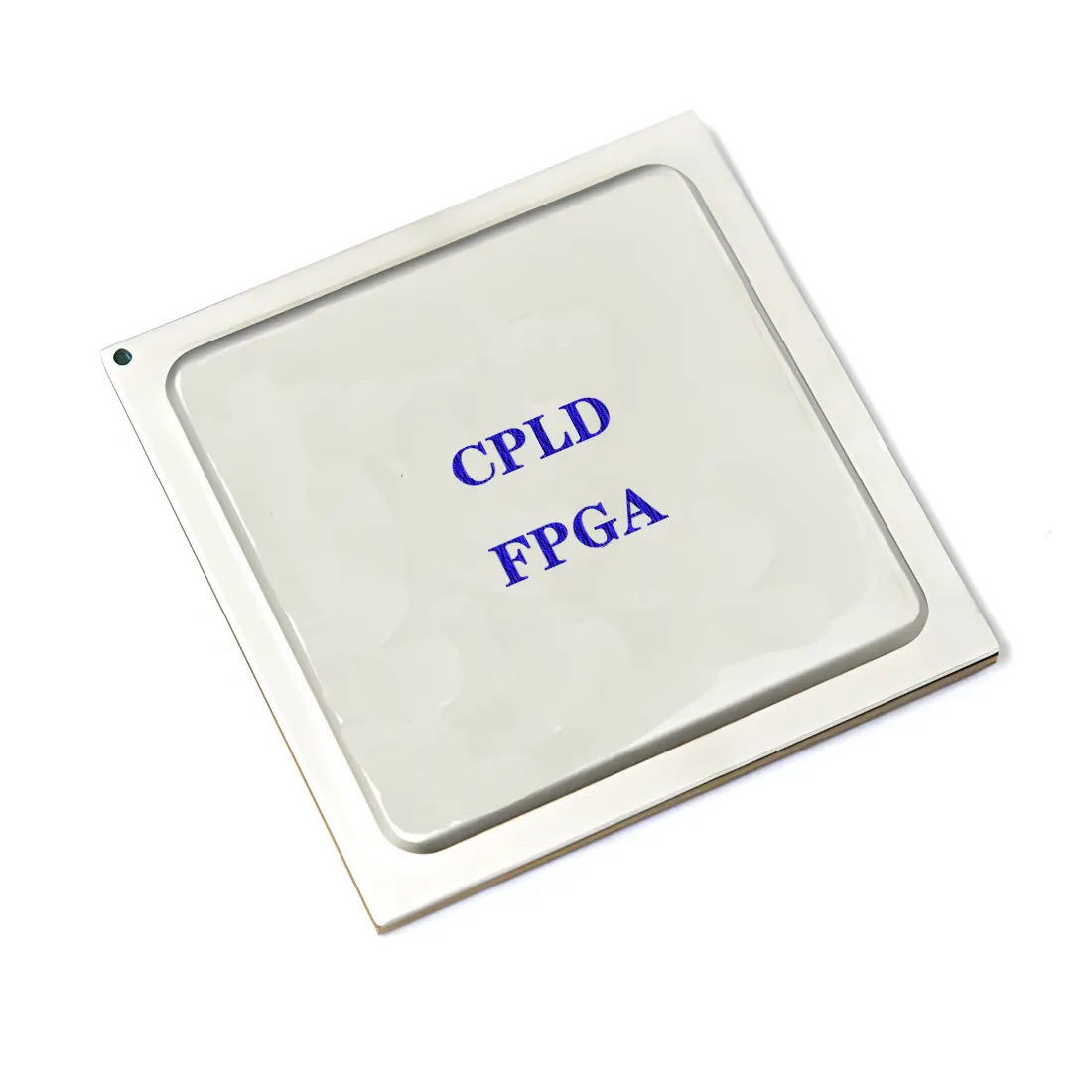 Programmable Logic Device(CPLD/FPGA)
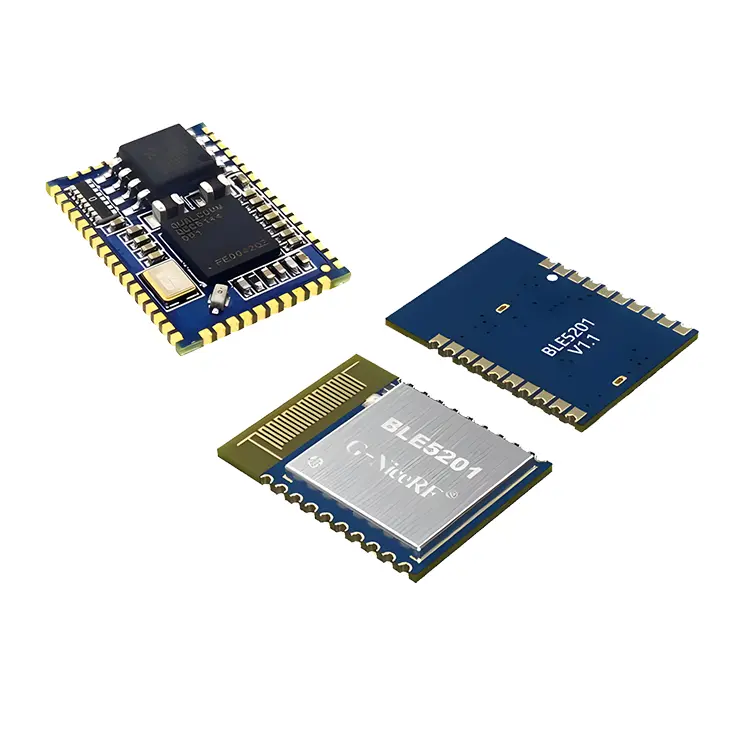 Communication Modules/IoT
 Resistors
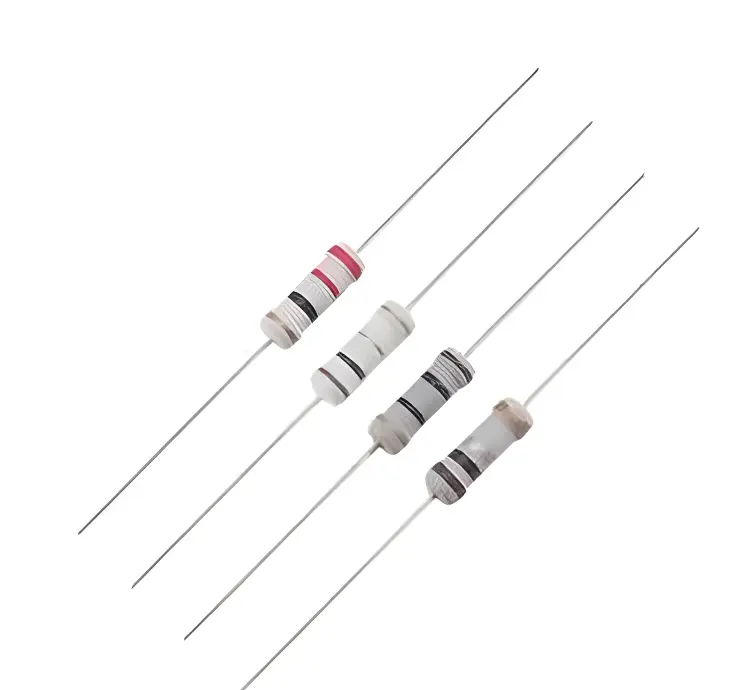 Through Hole Resistors
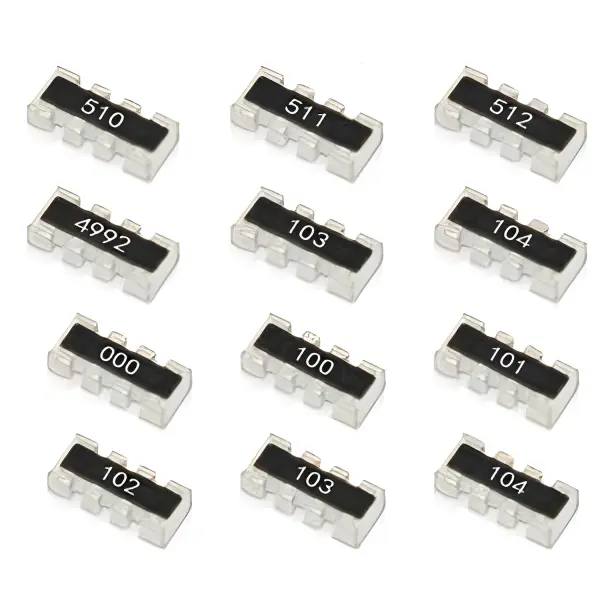 Resistor Networks, Arrays
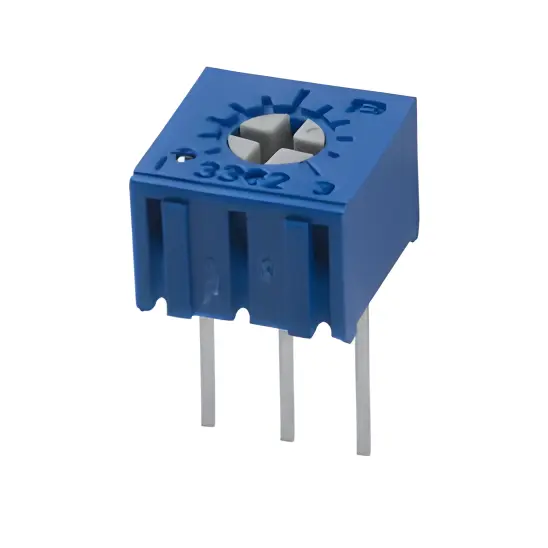 Potentiometers,Variable Resistors
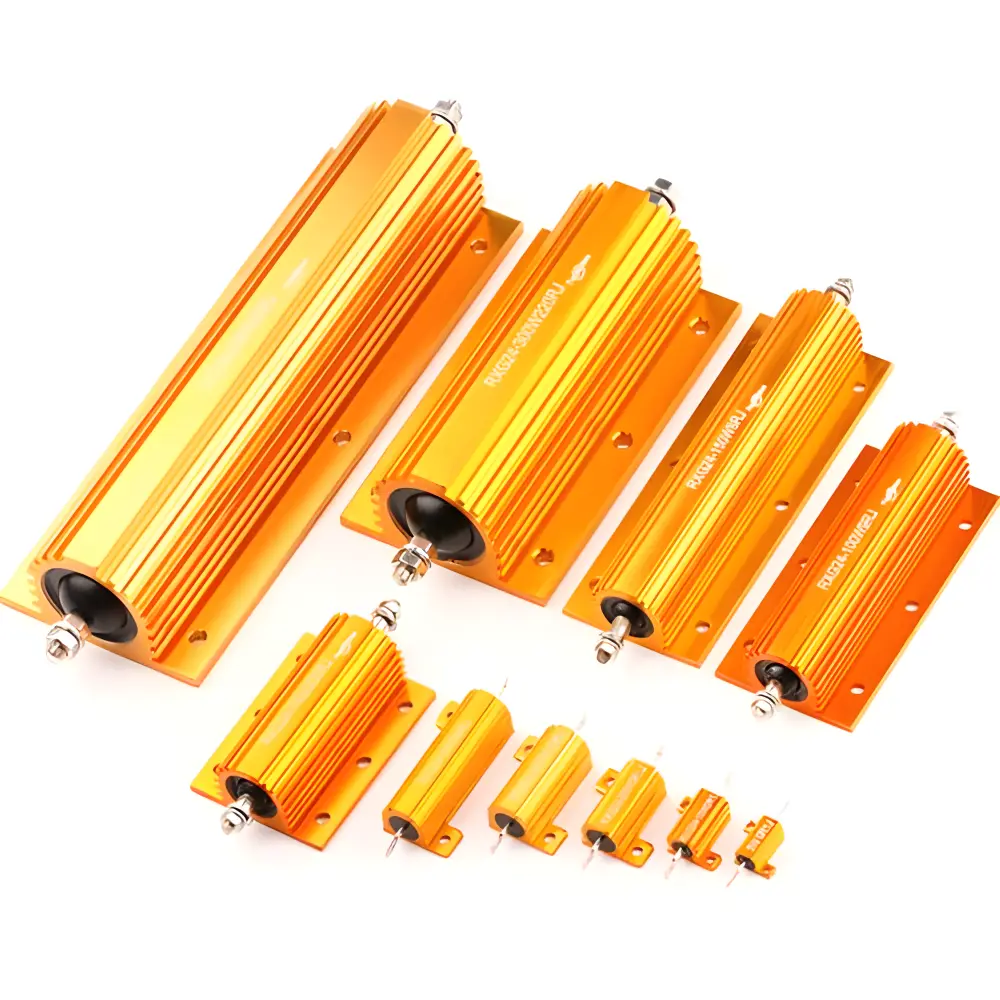 Aluminum Case,Porcelain Tube Resistance
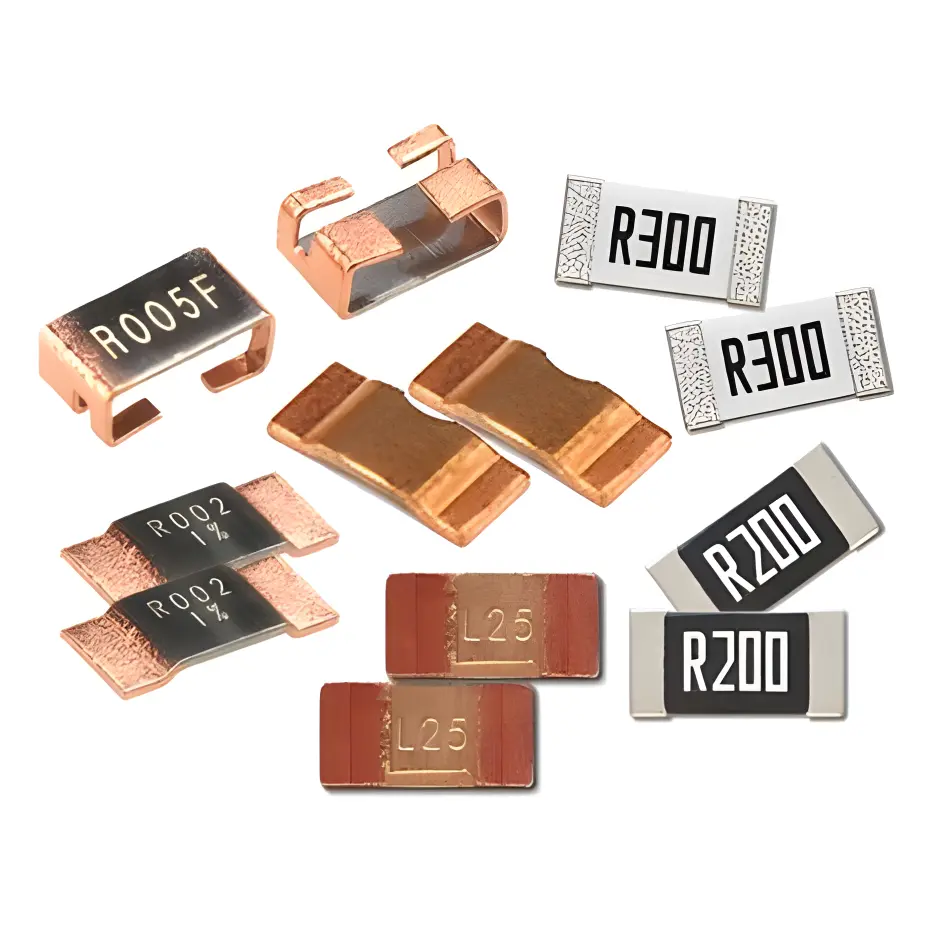 Current Sense Resistors,Shunt Resistors
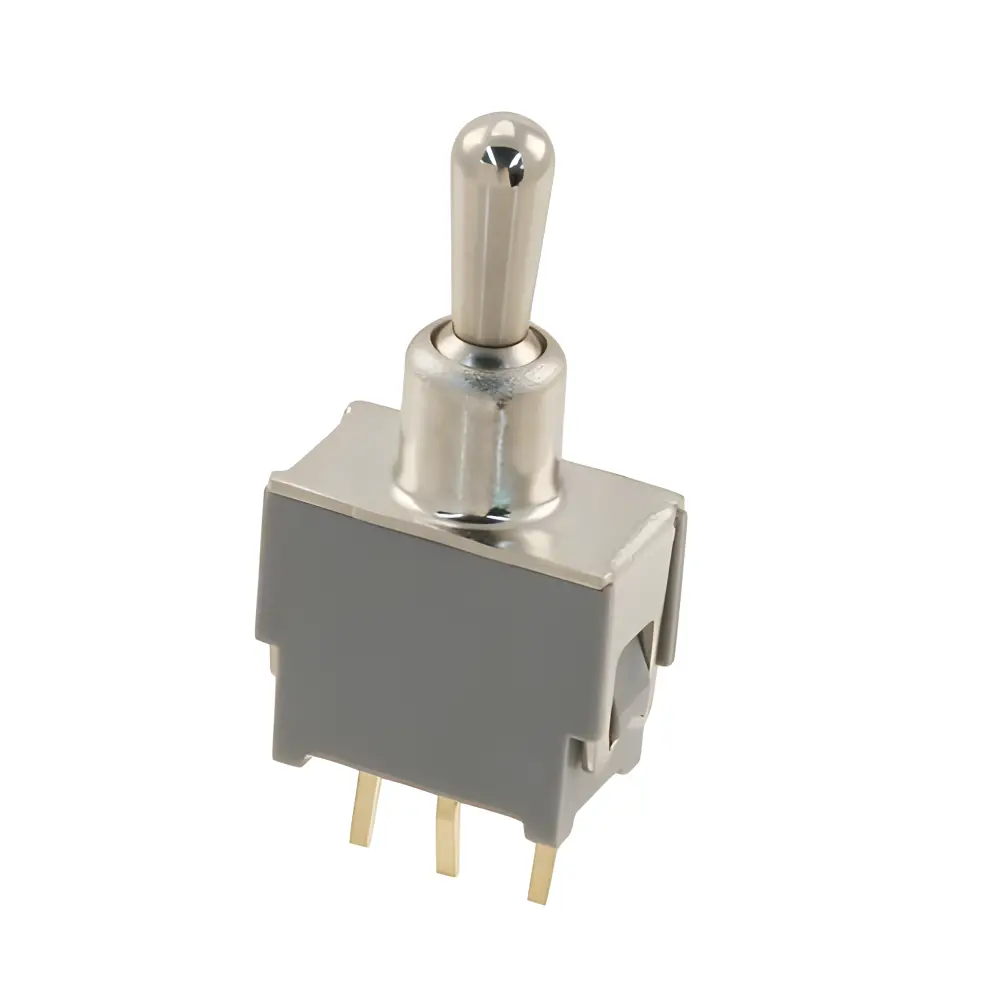 Switches
 Transistors
 Power Modules
 Isolated Power Modules
 AC-DC Power Modules
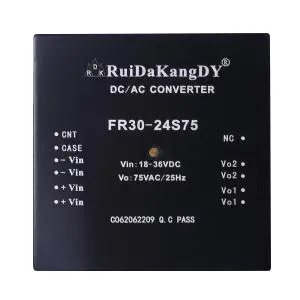 DC-AC Module(Inverter)
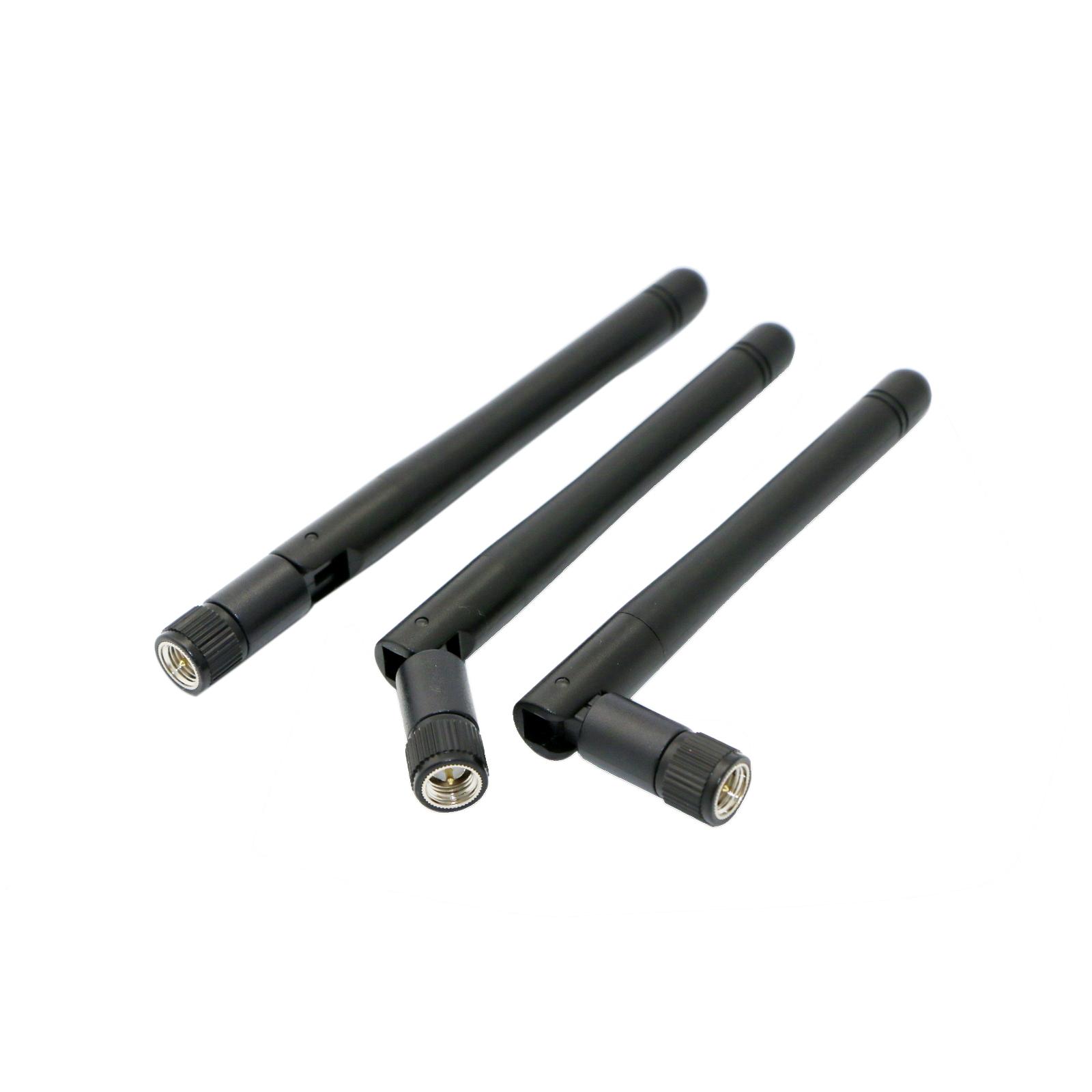 RF and Wireless
 News Categories
Toggle Switch
2025-01-05
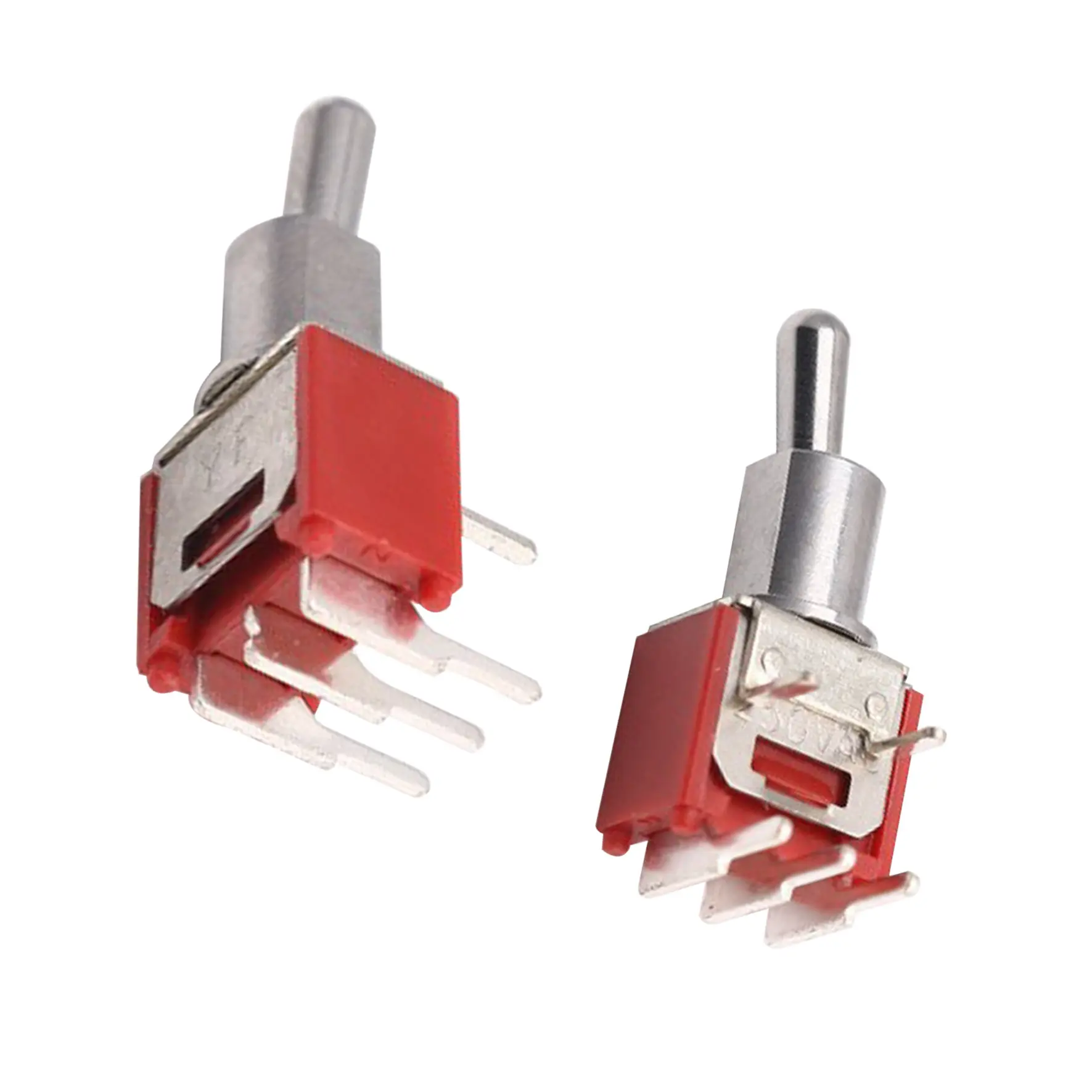
Basic Concept and Structure
- Definition: It is a manually operated electrical switch that enables the connection or disconnection of an electrical circuit by toggling or flipping a small lever (usually in the shape of a flat piece). Its operation method is intuitive and SIMple, allowing it to switch between two stable states (on and off).
- Structural Components: Generally, it consists of a housing, a toggle lever (or toggle part), contacts, and connection pins. The housing plays a role in protecting the internal structure and providing fixation. The toggle lever is convenient for users to operate manually. The contacts are the key parts for realizing the connection and disconnection of the electrical circuit, and the connection pins are used to connect with the external electrical circuit.
Working Principle
When the toggle lever is toggled to one position, the corresponding internal contacts will close, allowing the electric current to pass through the switch smoothly, thus connecting the associated electrical equipment or circuit modules, and the corresponding electrical equipment starts to work. When the toggle lever is toggled to the other position, the contacts will separate, cutting off the electrical circuit, and the connected equipment stops working. For example, in a common simple lighting circuit, a toggle switch is used to control the on and off of a light bulb. When the switch is toggled to the "on" side, the current flows to the light bulb, making it glow, and when toggled to the "off" side, the current is cut off and the light bulb goes out.
Characteristics
- Easy to Operate: Users can easily toggle it with their fingers to quickly change the switch state without the need for complicated actions or tools.
- Intuitive State: The on or off state of the switch can be clearly seen from the appearance, which is convenient for confirming the connection and disconnection of the electrical circuit.
- Relatively High Reliability: Its internal structure is relatively simple and stable. As long as the key parts such as contacts are of qualified quality and used normally, it can stably realize the circuit switching function for a long time and is not prone to misoperation. However, its reliability is also affected by factors such as the usage environment and frequency of use. For example, in extreme environments such as those that are damp, dusty, or with frequent operations, problems such as contact wear and poor contact may occur, affecting its normal operation.
- Widely Used: Due to its simple and practical characteristics, it is used in numerous electronic devices, electrical appliances, and electrical control systems. It is used in everything from small consumer electronic products like small flashlights and radios to the connection and disconnection control of parts of circuits in industrial control boxes.
Common Types
- Classification by Pole Number: There are different types such as single-pole and double-pole. A single-pole toggle switch only controls the connection and disconnection of one electrical circuit line; a double-pole toggle switch can simultaneously control two independent electrical circuit lines and is often used in situations where it is necessary to control the live wire and the neutral wire at the same time or to operate two related circuit parts simultaneously. For example, in the circuit of some small motors that need forward and reverse control, a double-pole toggle switch may be used to switch the direction of the current to achieve the forward and reverse switching of the motor.
- Classification by Function: It includes ordinary on-off toggle switches and toggle switches with latching functions. The ordinary on-off type simply realizes the connection and disconnection of the electrical circuit; the toggle switch with a latching function will maintain the state after being toggled to a certain state and will not change easily even under certain external inteRFerence. It is often used in some circuit occasions where fixed settings are required, such as the selection of specific functional modes of equipment and the need to keep the mode on or off for a long time.
Application Scenarios
- In the Field of Consumer Electronics: For example, in portable speakers, electronic toys, etc., toggle switches are used to control the power on and off, which is convenient for users to operate. Moreover, its simple structure also helps to reduce product costs and miniaturize products.
- In the Lighting Industry: In table lamps, emergency lights and other lighting fixtures, toggle switches are used to control the on and off of the lights. Some can also use multi-pole toggle switches to achieve the switching of different brightness levels (combined with the corresponding dimming circuits).
- In Industrial Control: In power distribution cabinets and control cabinets, for some relatively simple auxiliary circuits or the control circuits of some small equipment, toggle switches are used for manual connection and disconnection operations, which is convenient for workers to quickly control the relevant circuit parts during debugging, maintenance or daily operations.