
 PCB
PCB FPC
FPC Rigid-Flex
 FR-4
FR-4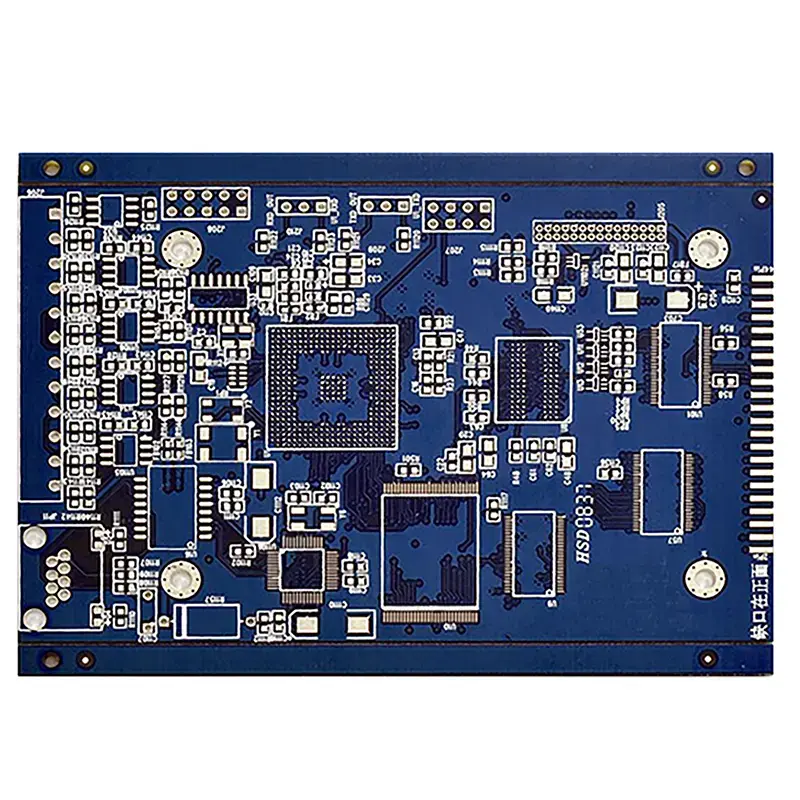 HDI PCB
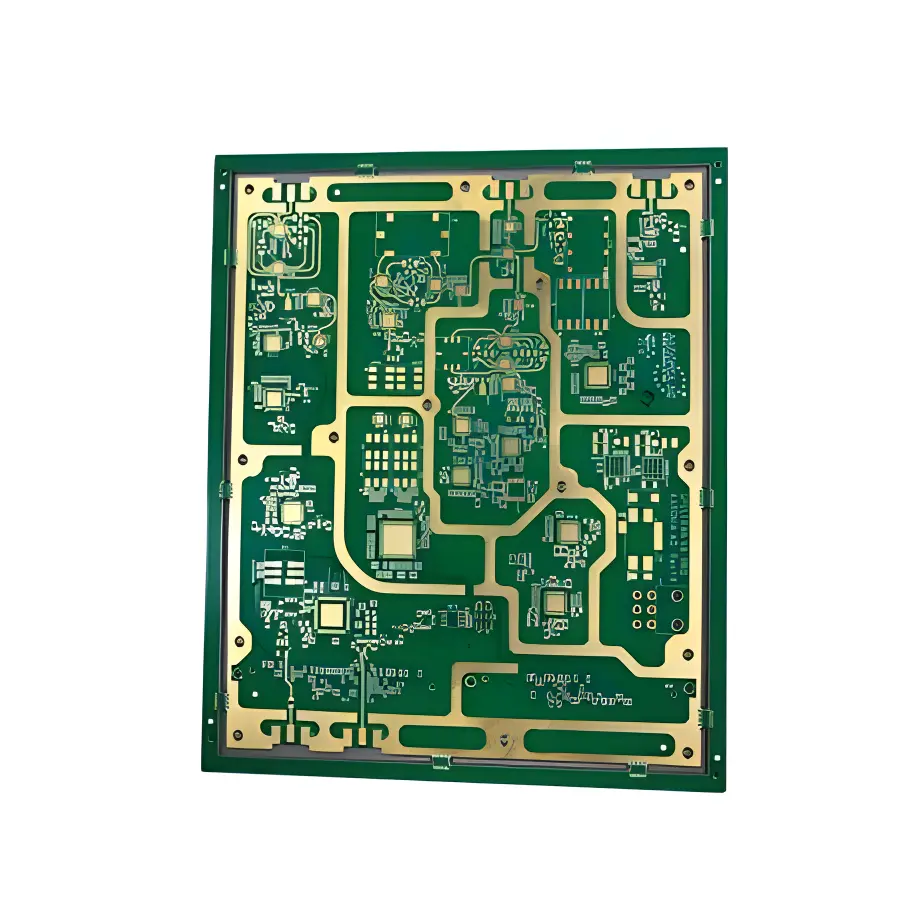 Rogers High-Frequency Board
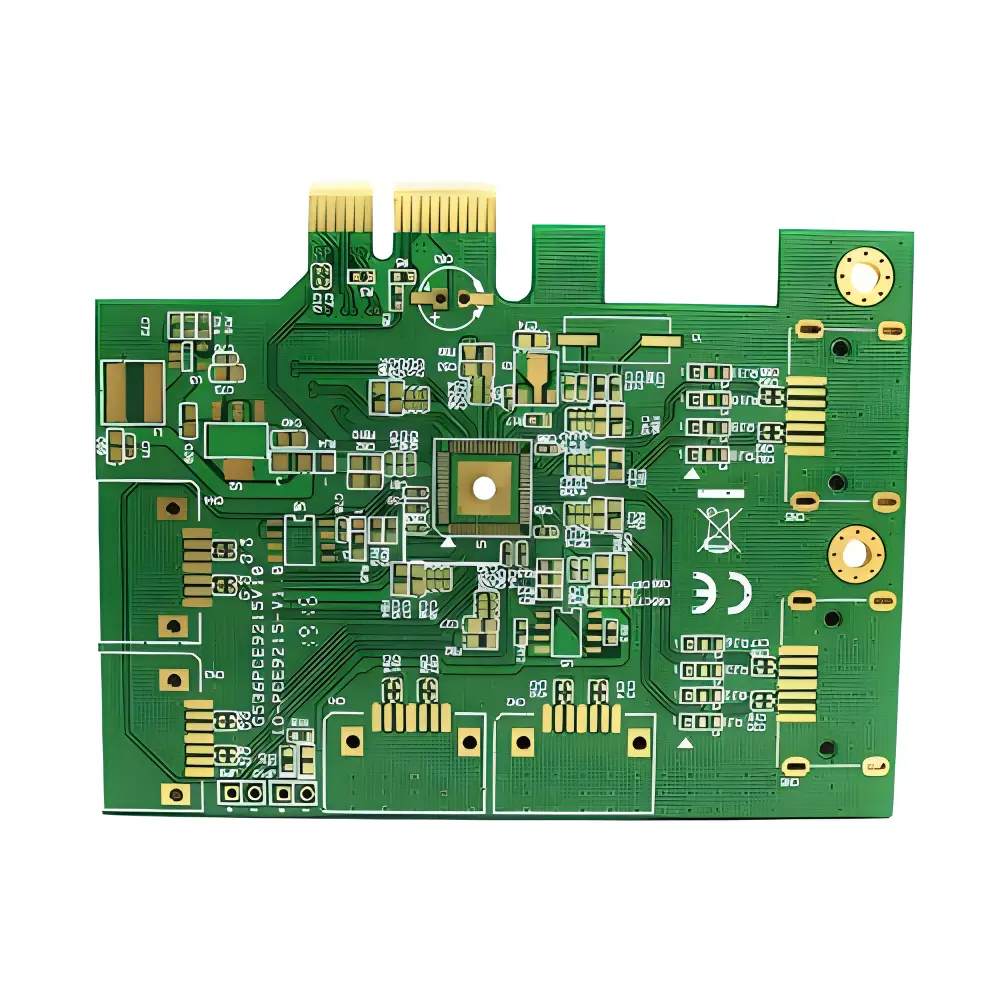 PTFE Teflon High-Frequency Board
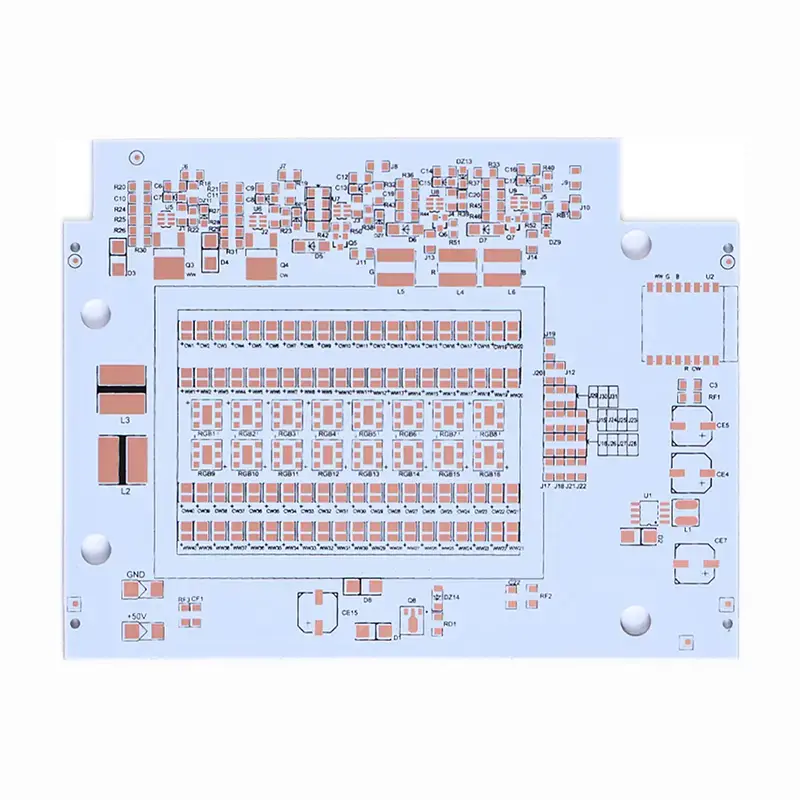 Aluminum
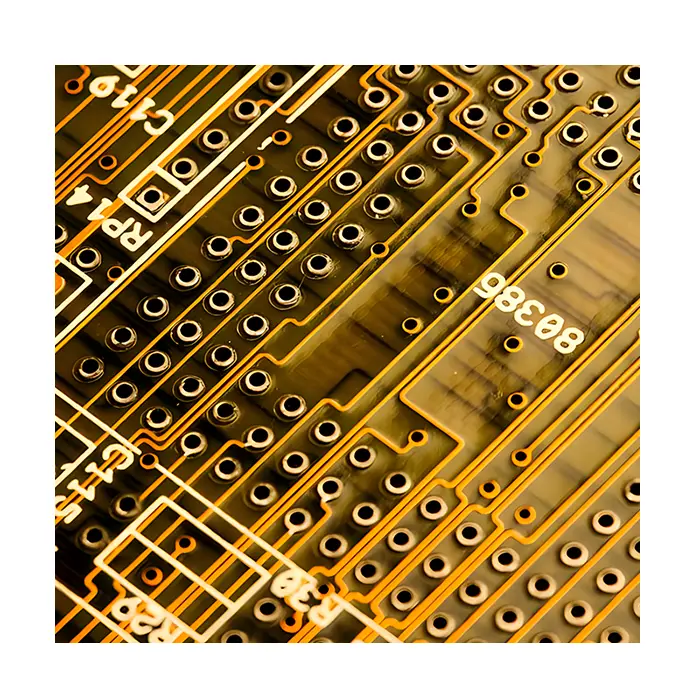 Copper Core
 PCB Assembly
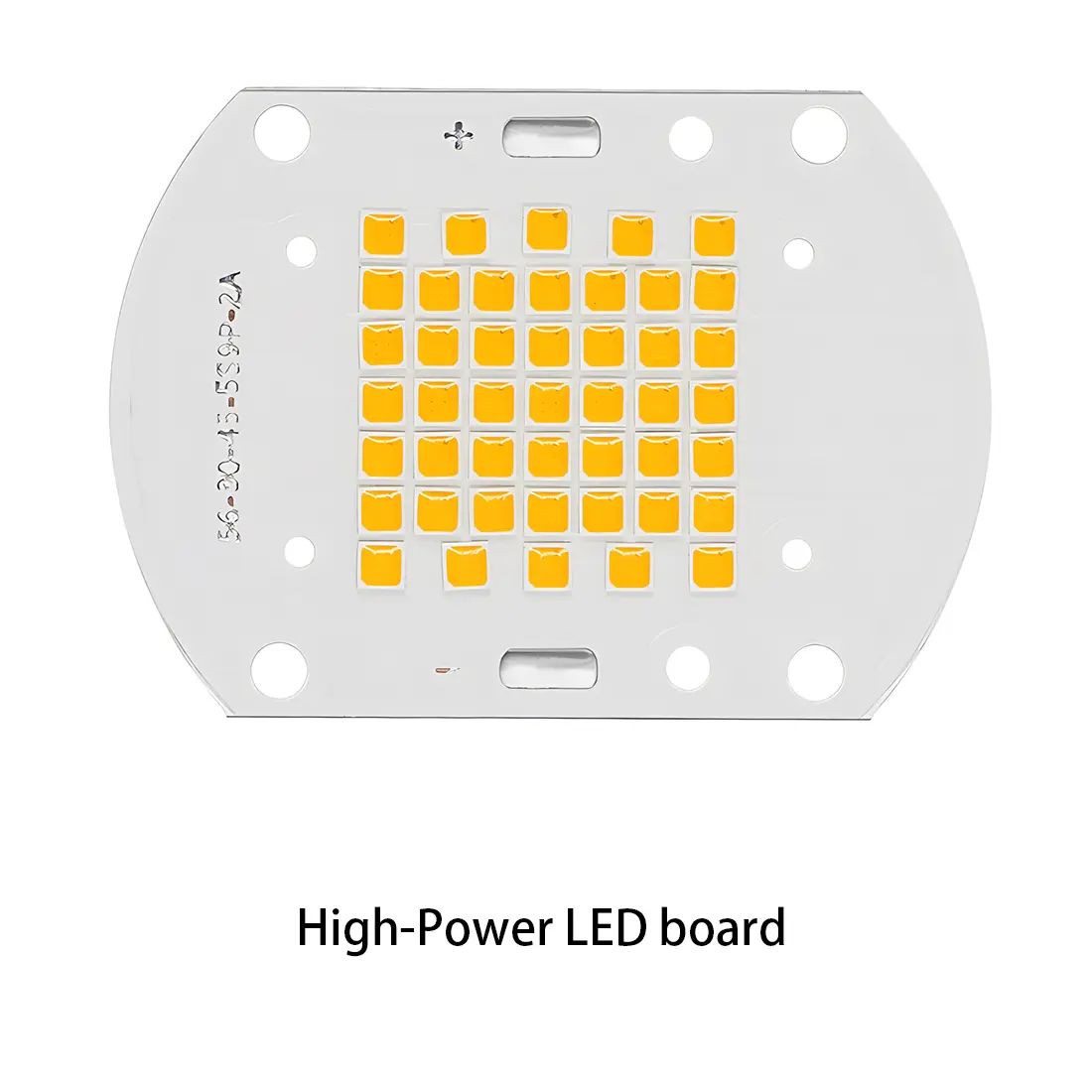 LED light PCBA
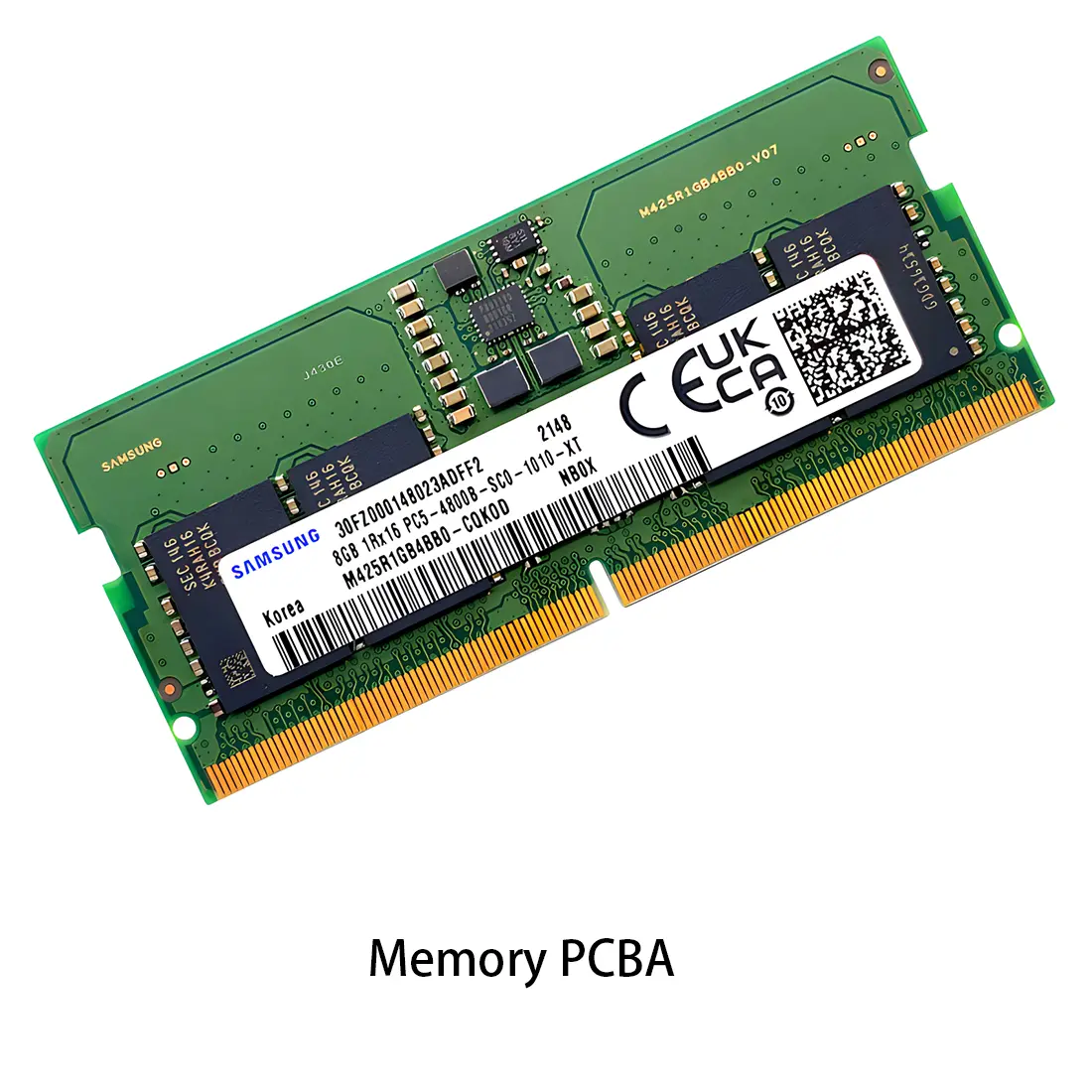 Memory PCBA
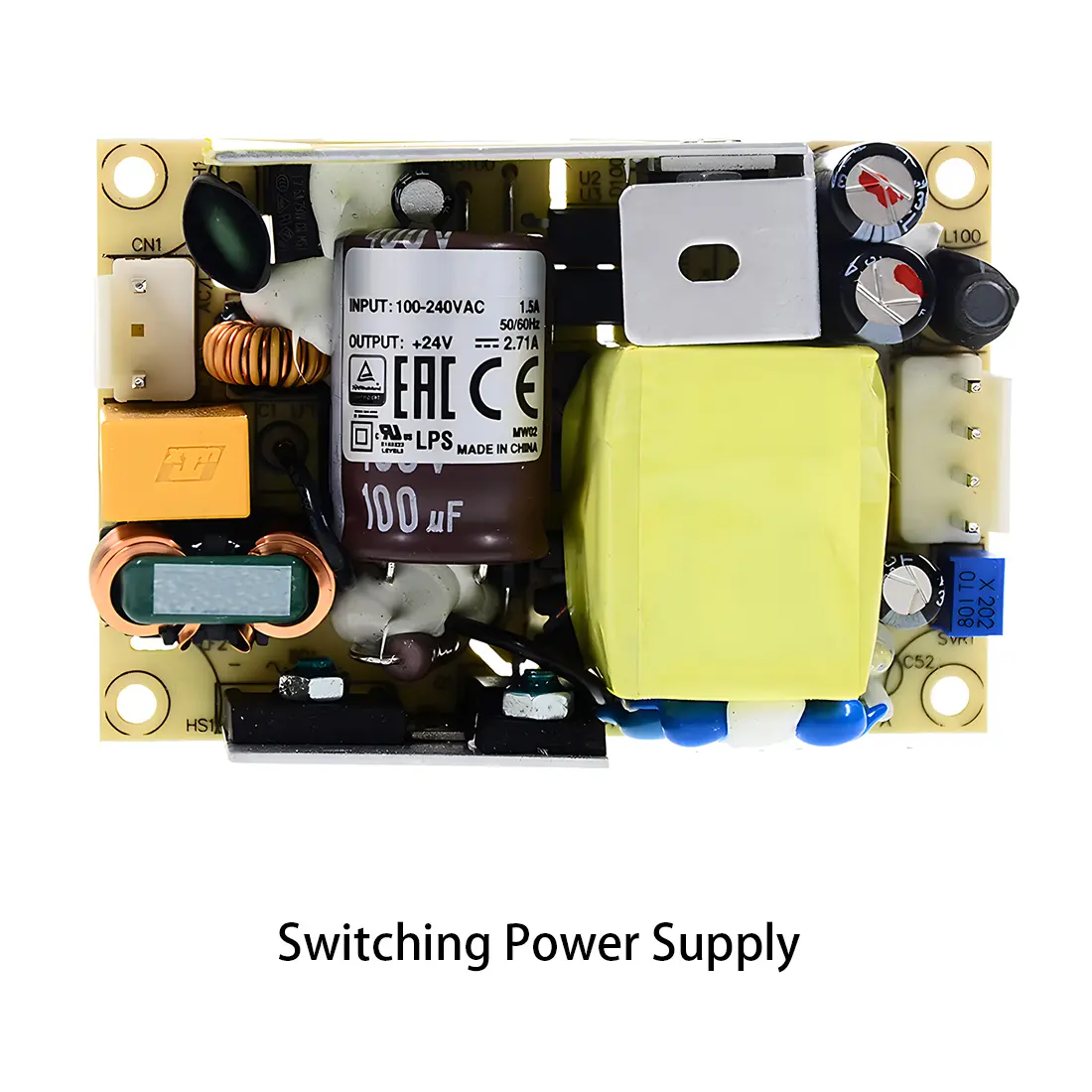 Power Supply PCBA
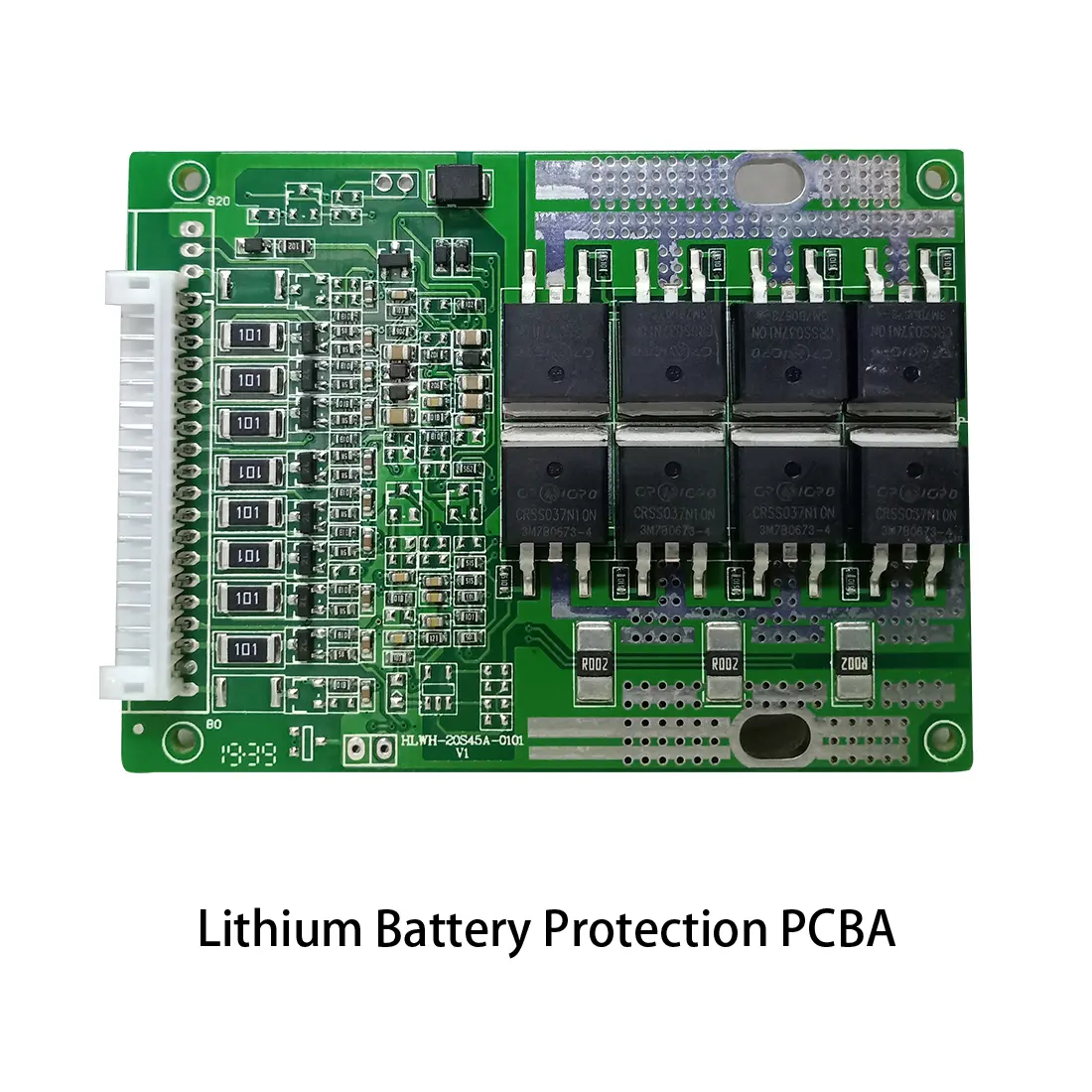 New Energey PCBA
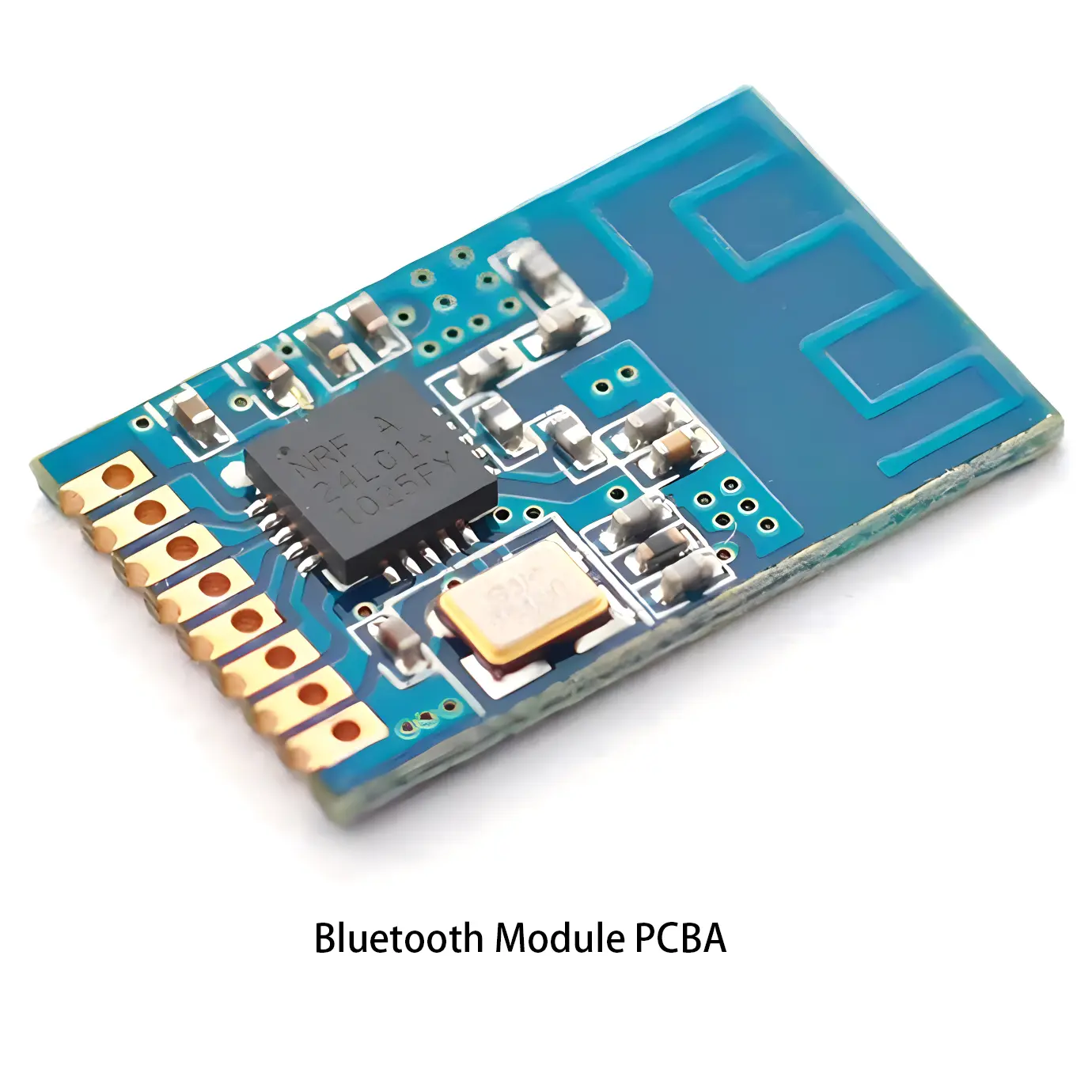 Communication PCBA
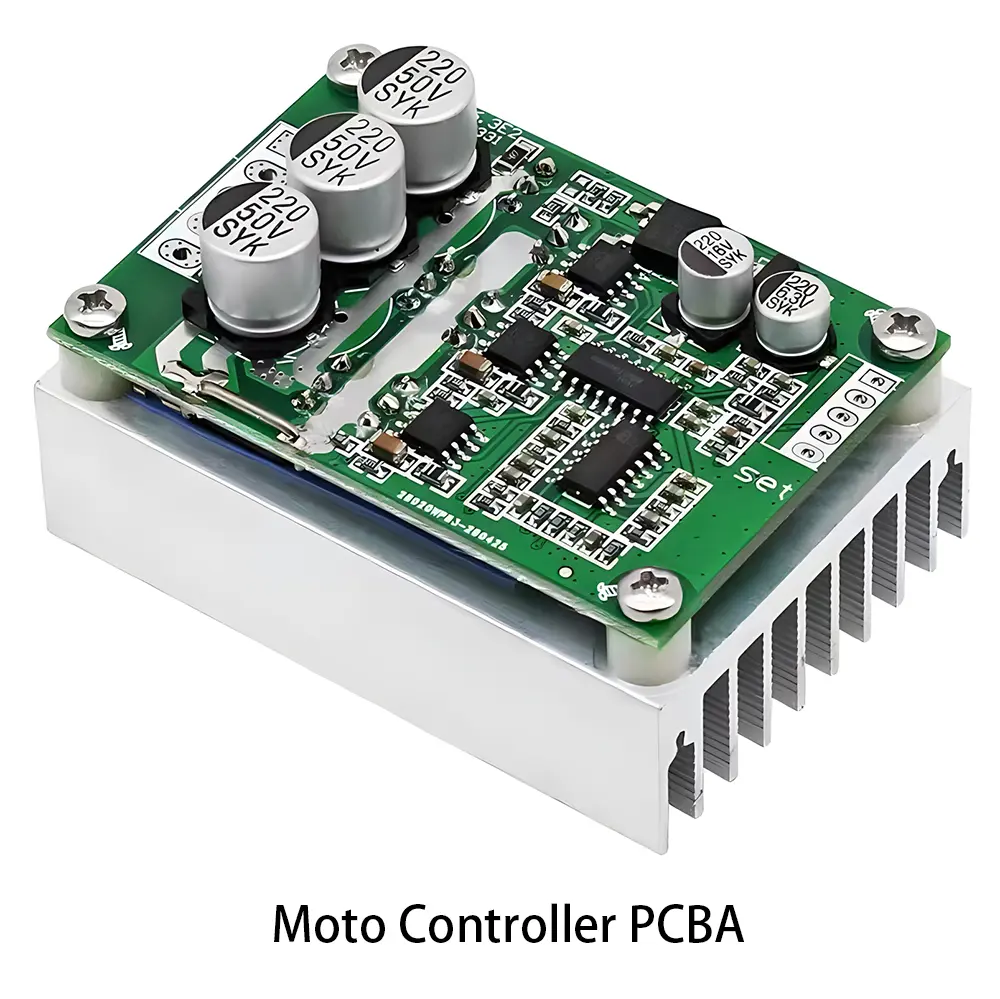 Industrial Control PCBA
 Medical Equipment PCBA
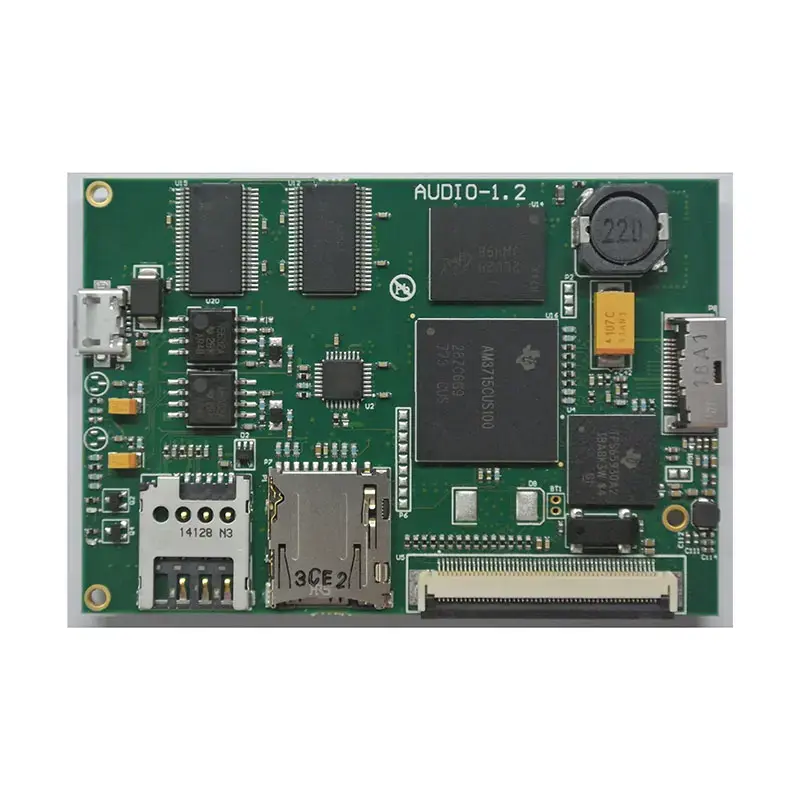 Testing Service
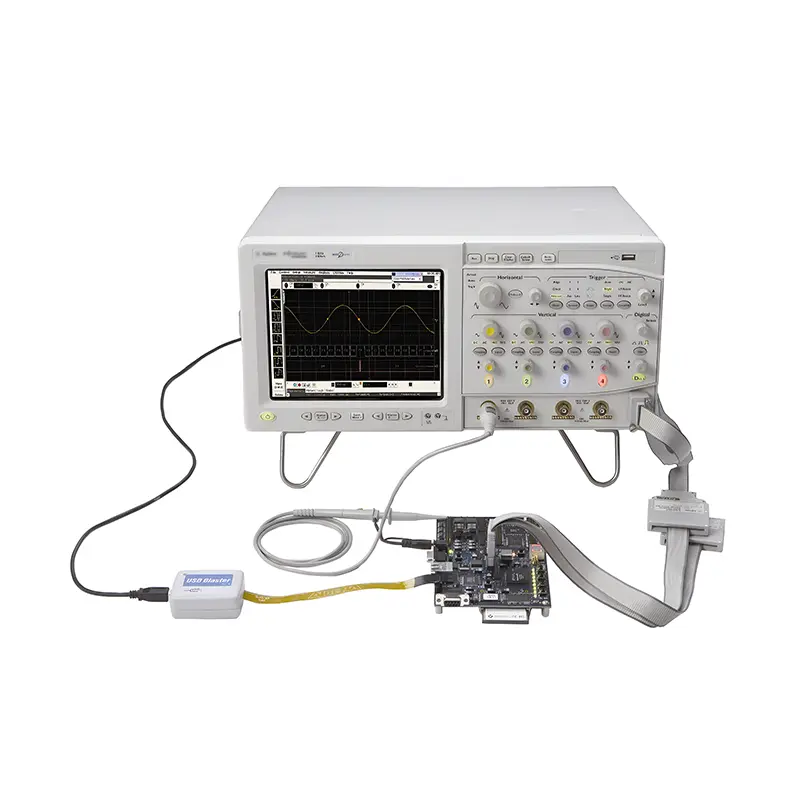 PCBA Testing Service
 Certification Application
 RoHS Certification Application
 REACH Certification Application
 CE Certification Application
 FCC Certification Application
 CQC Certification Application
 UL Certification Application
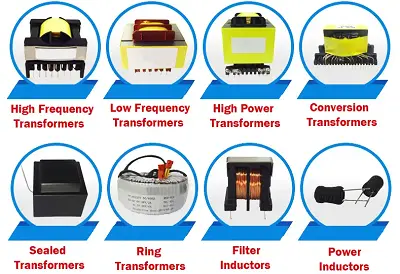 Transformers, Inductors
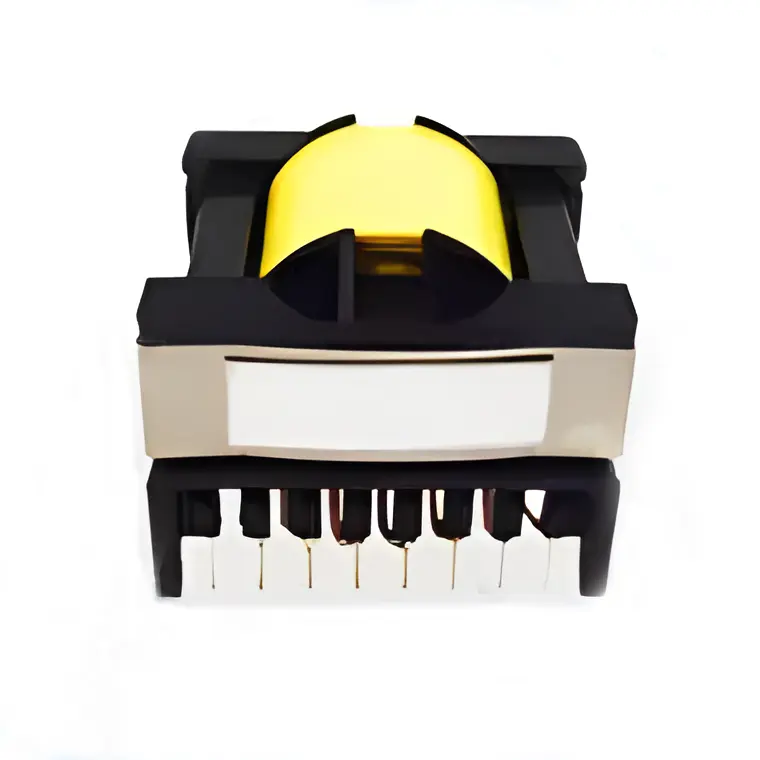 High Frequency Transformers
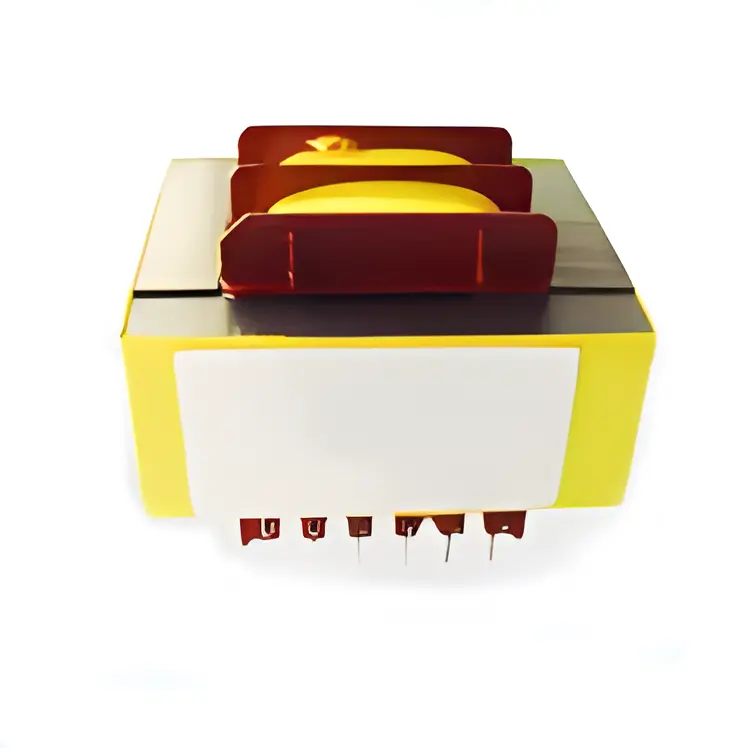 Low Frequency Transformers
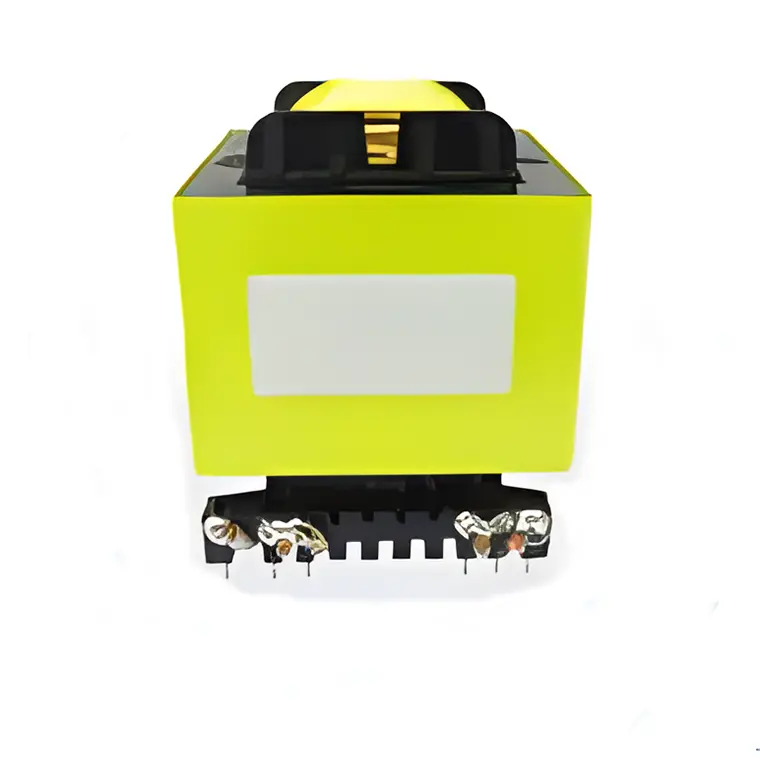 High Power Transformers
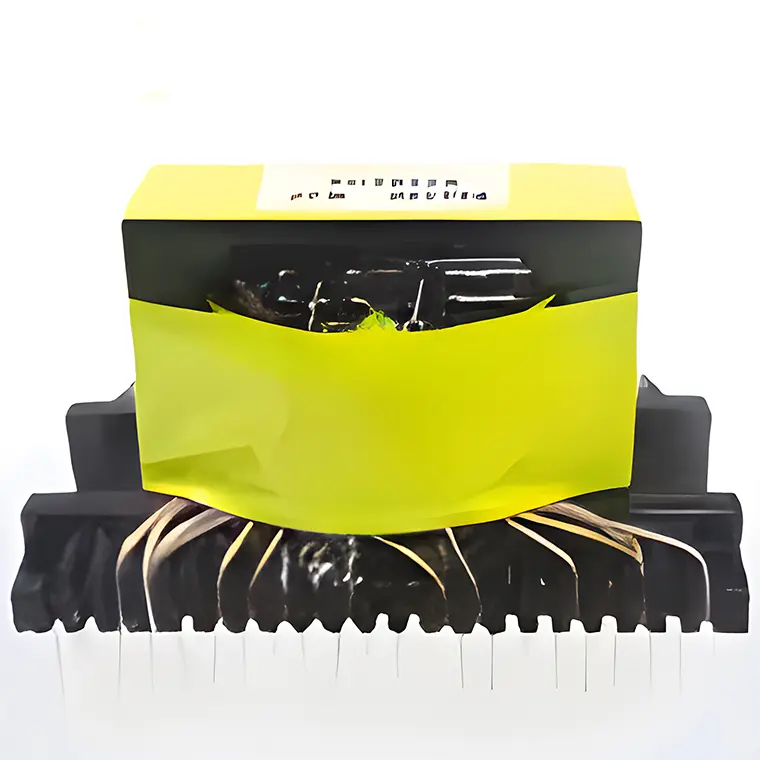 Conversion Transformers
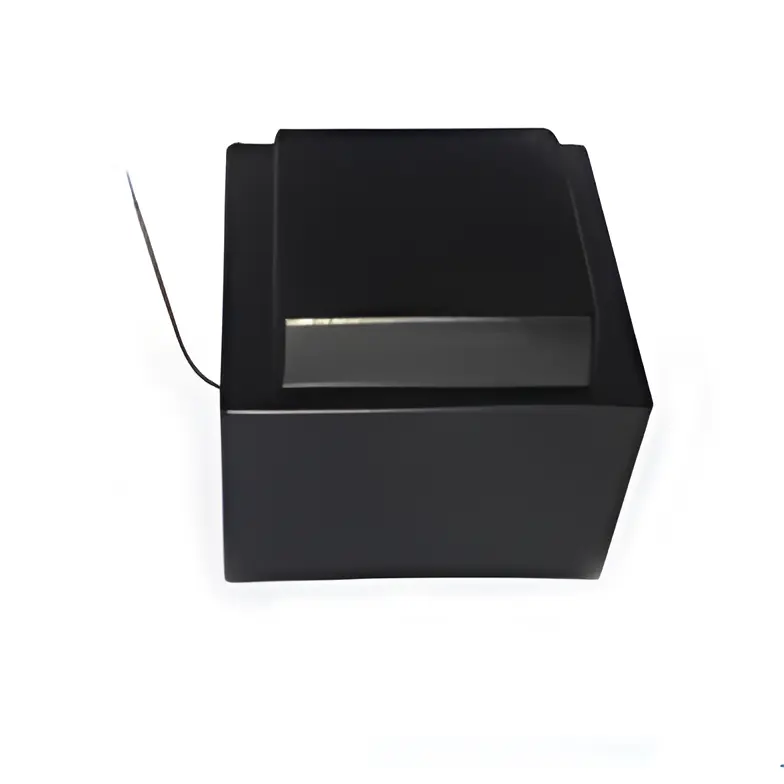 Sealed Transformers
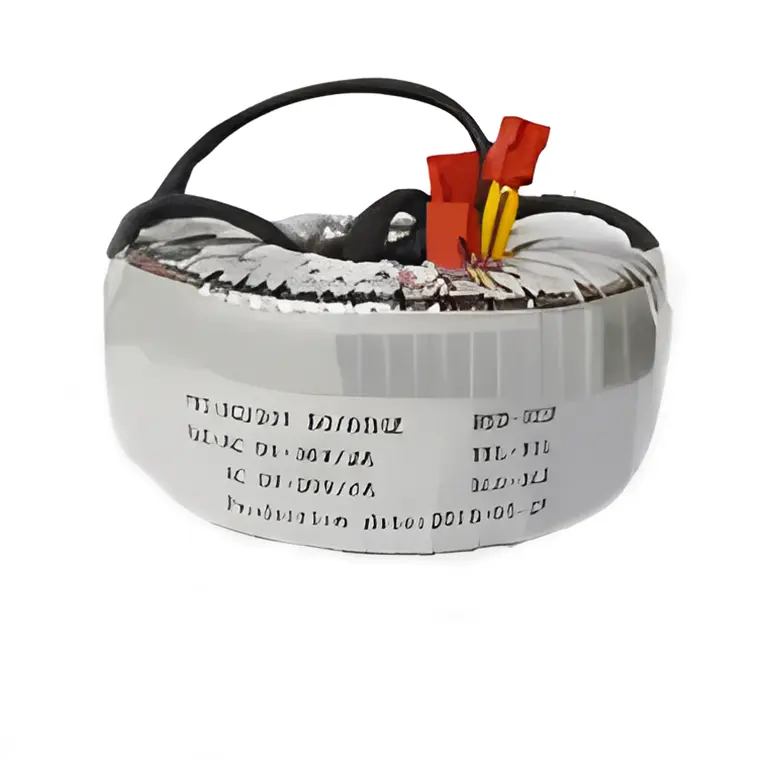 Ring Transformers
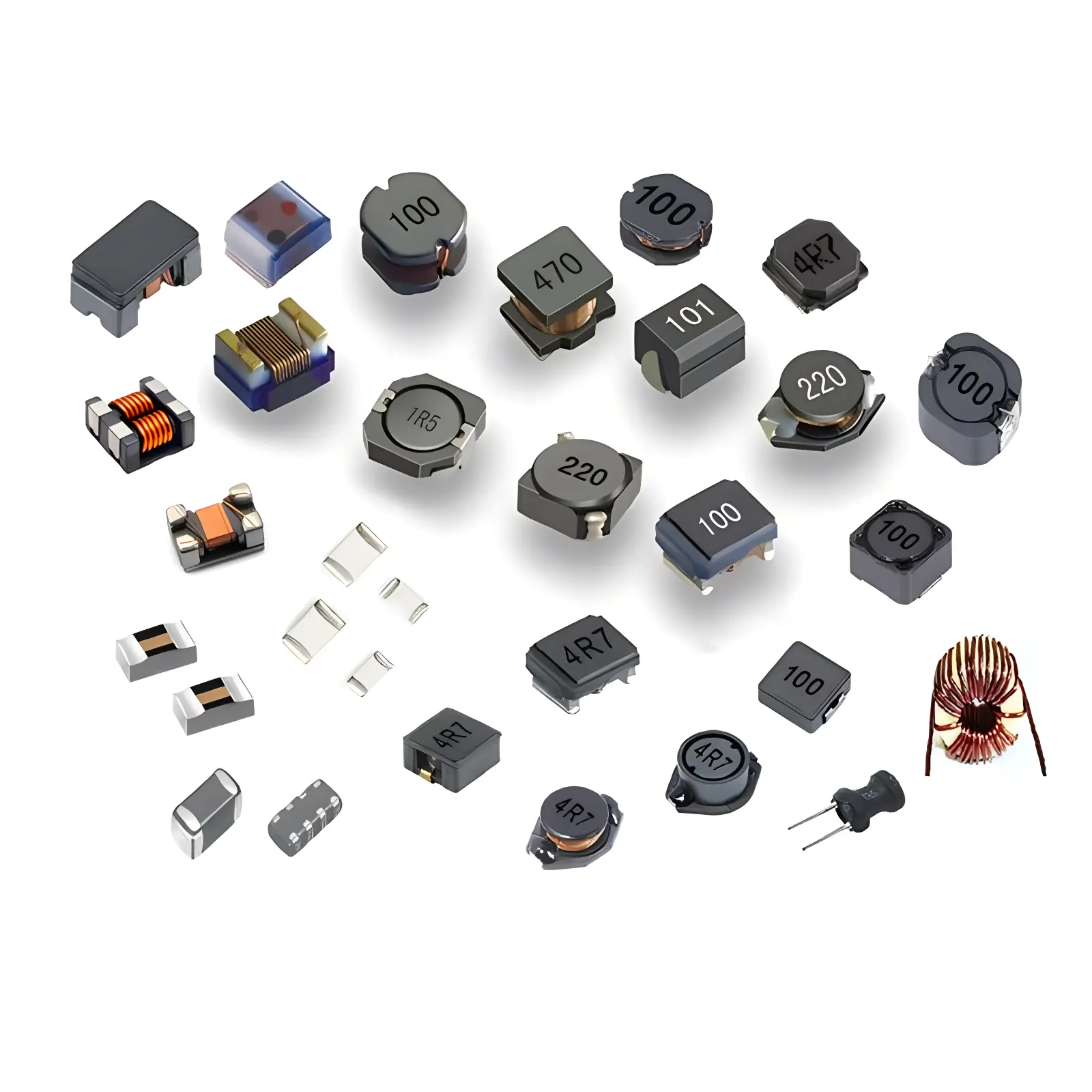 Inductors
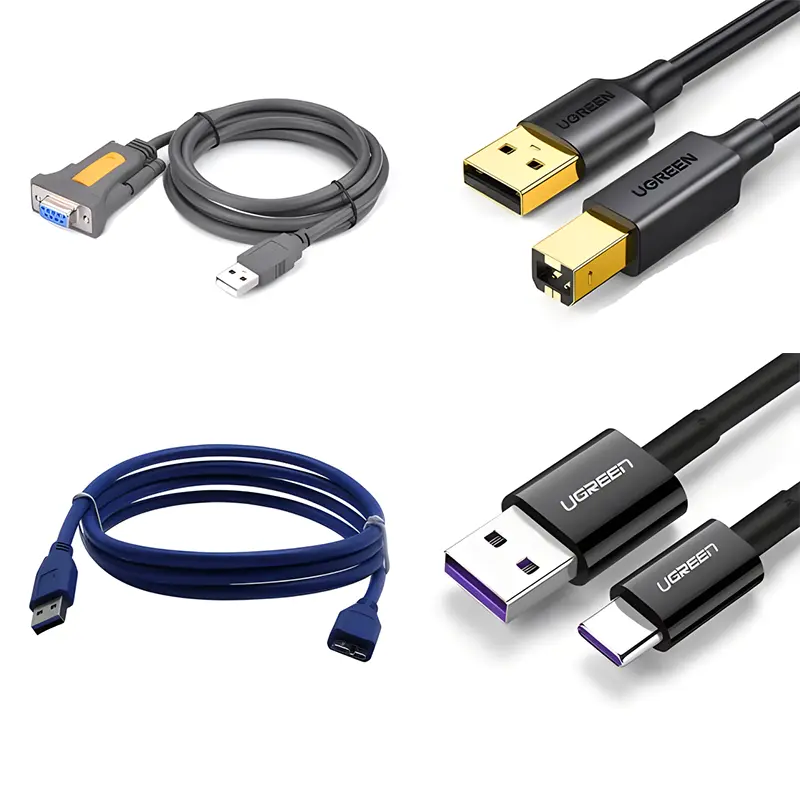 Wires,Cables Customized
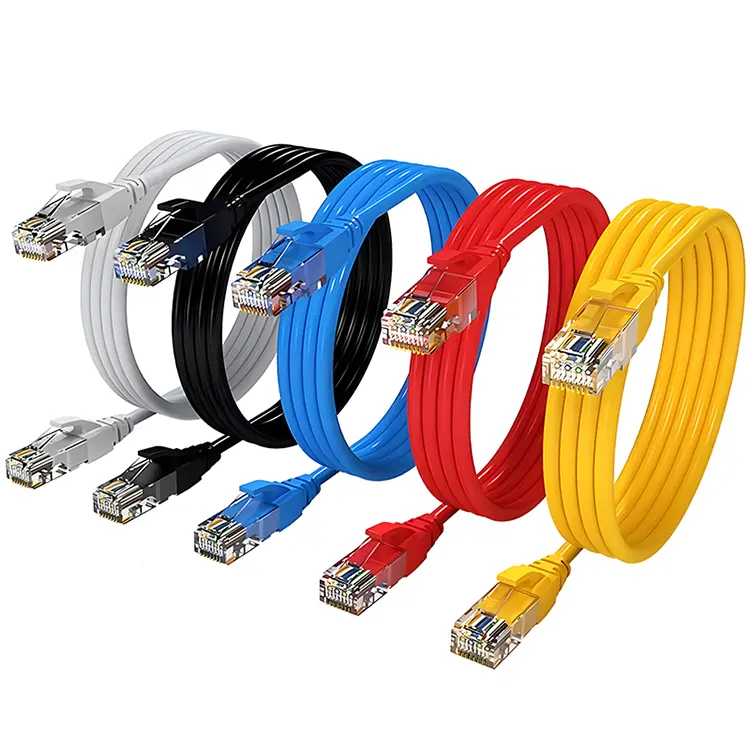 Network Cables
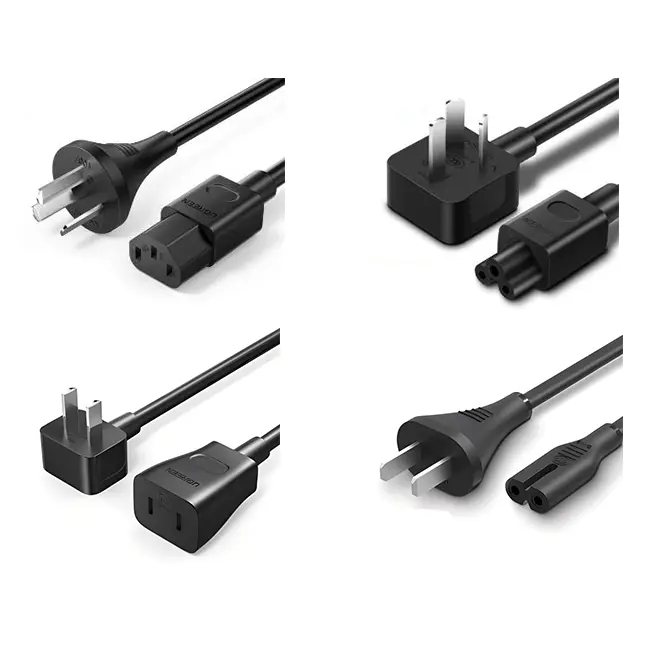 Power Cords
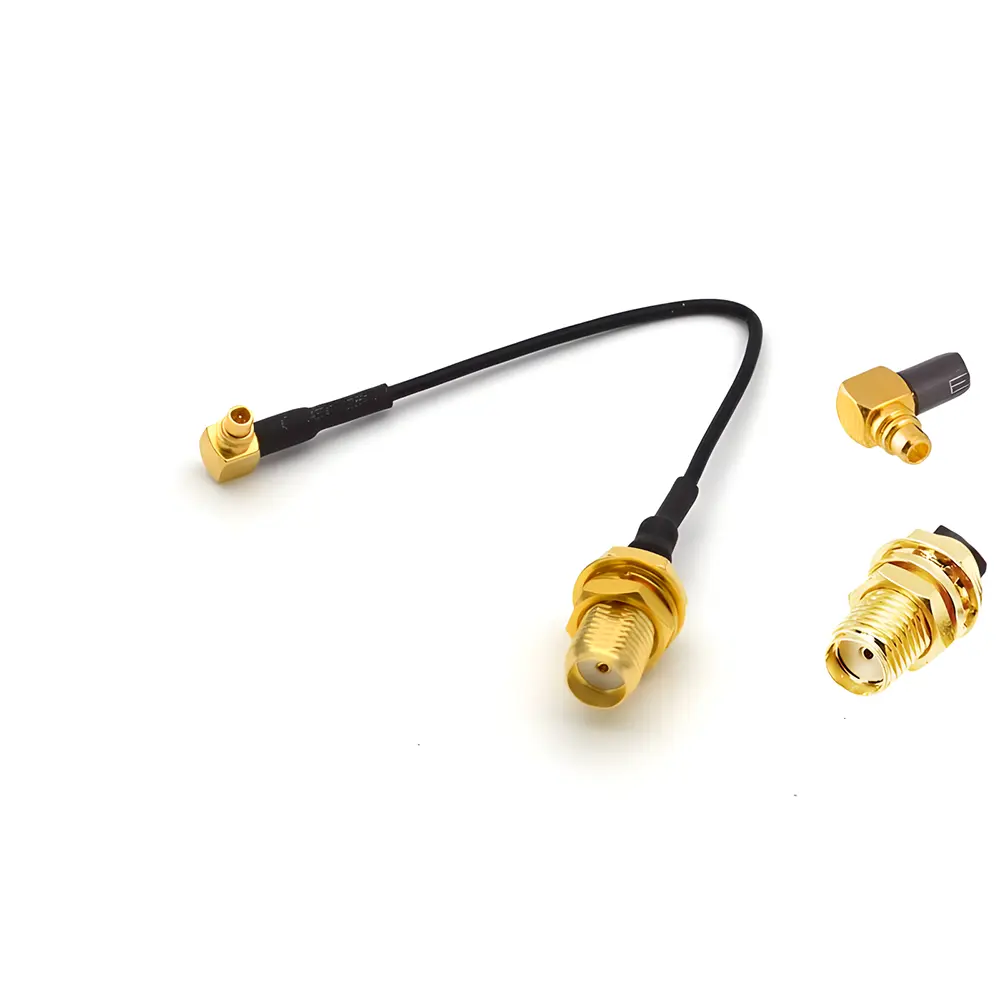 Antenna Cables
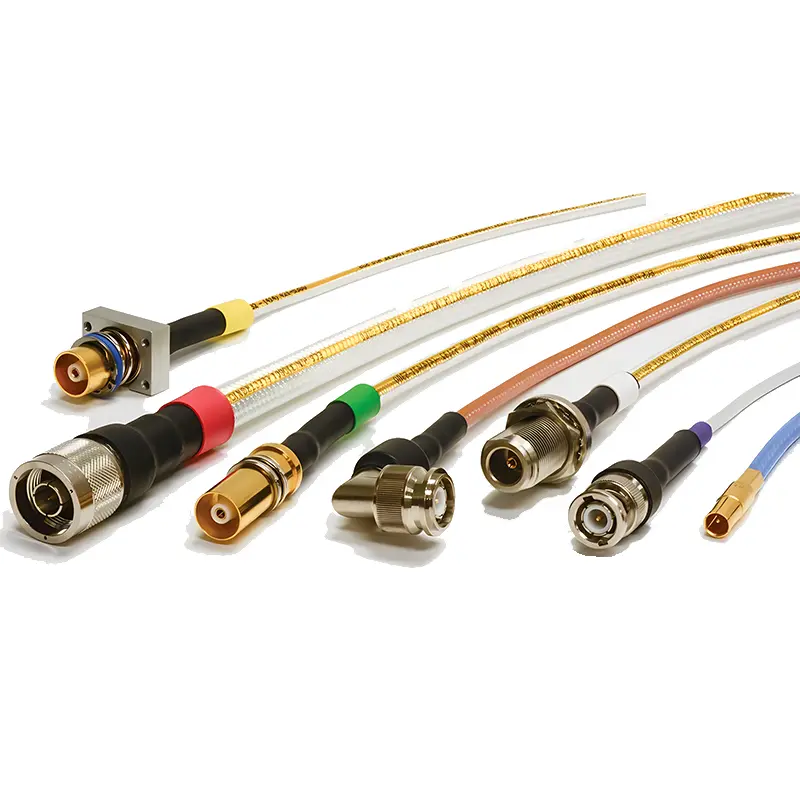 Coaxial Cables
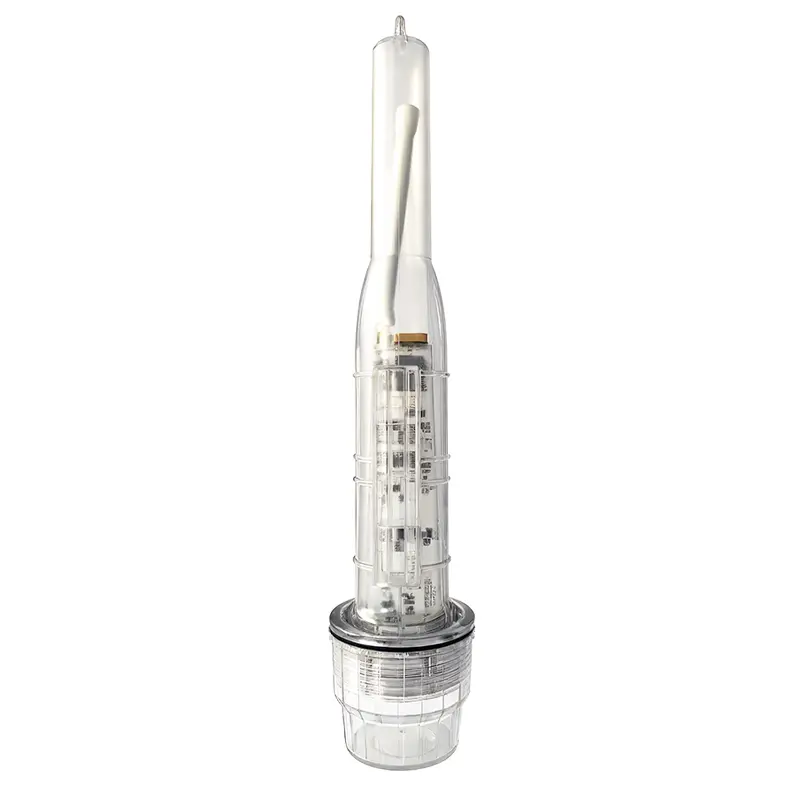 Net Position Indicator
 Solar AIS net position indicator
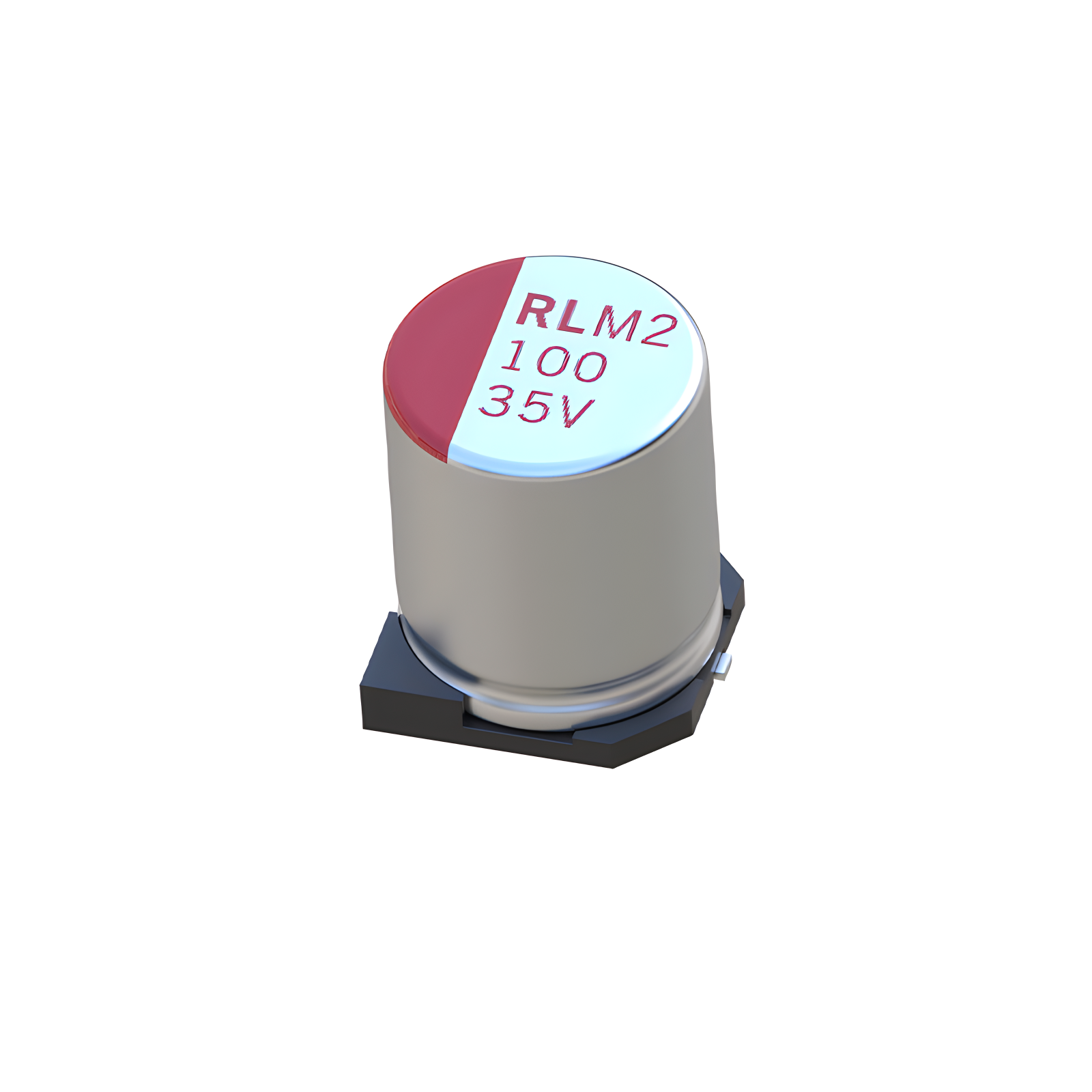 Capacitors
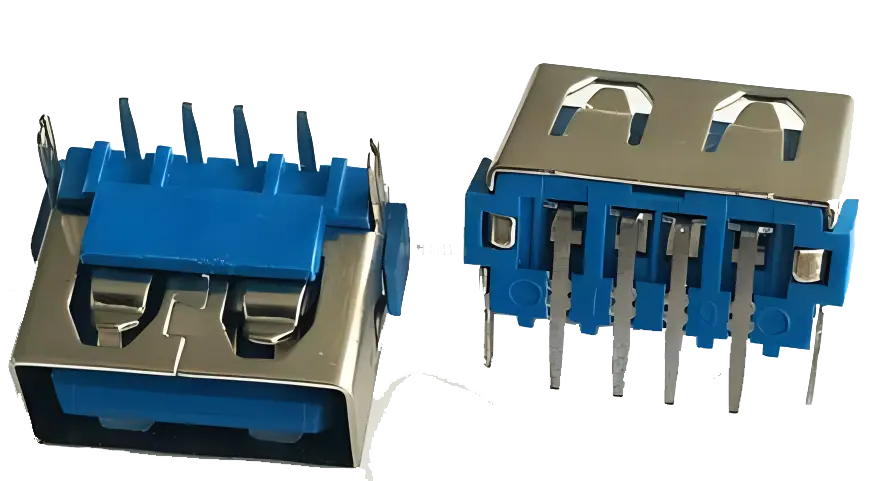 Connectors
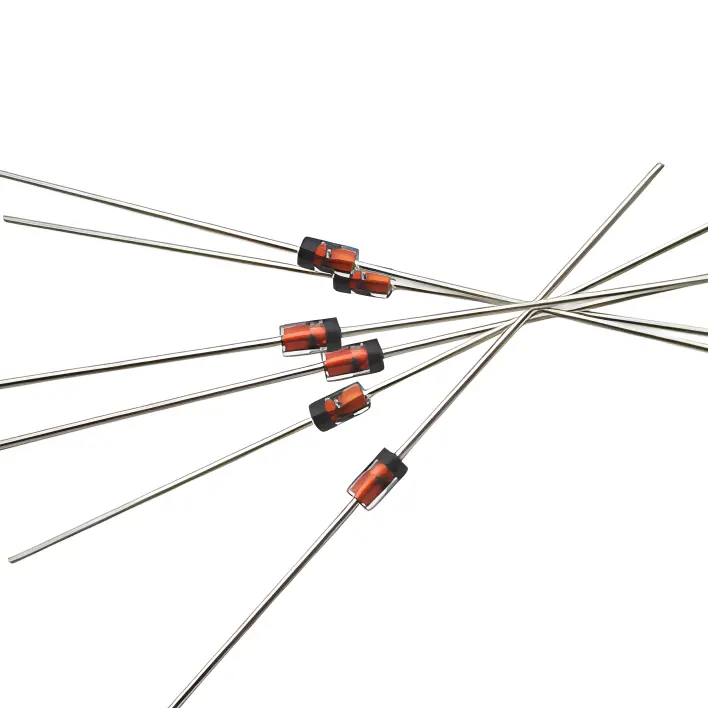 Diodes
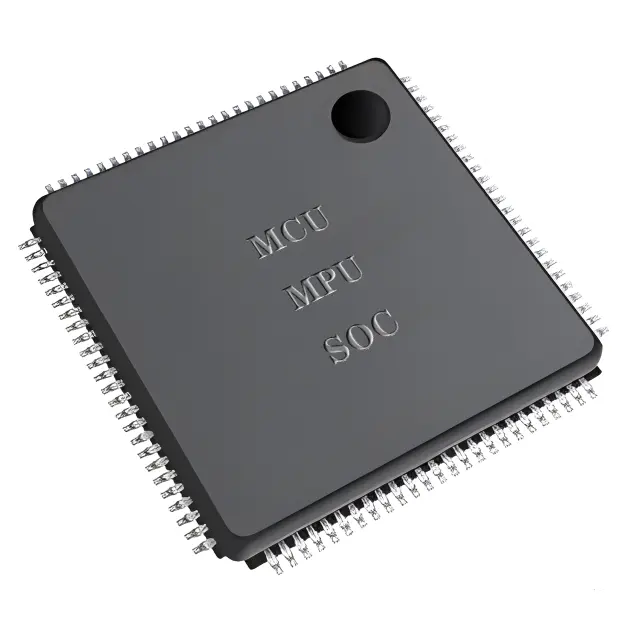 Embedded Processors & Controllers
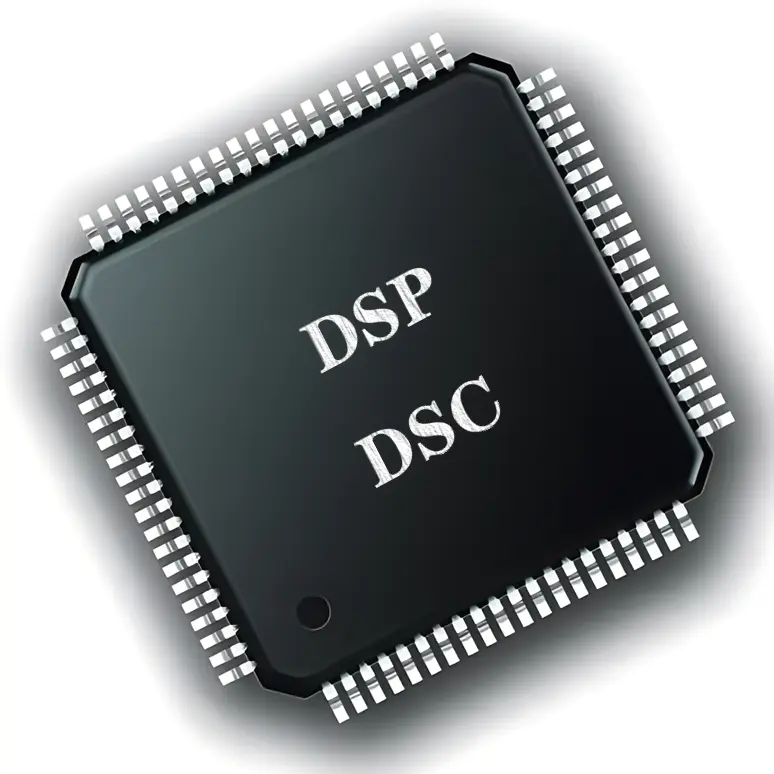 Digital Signal Processors (DSP/DSC)
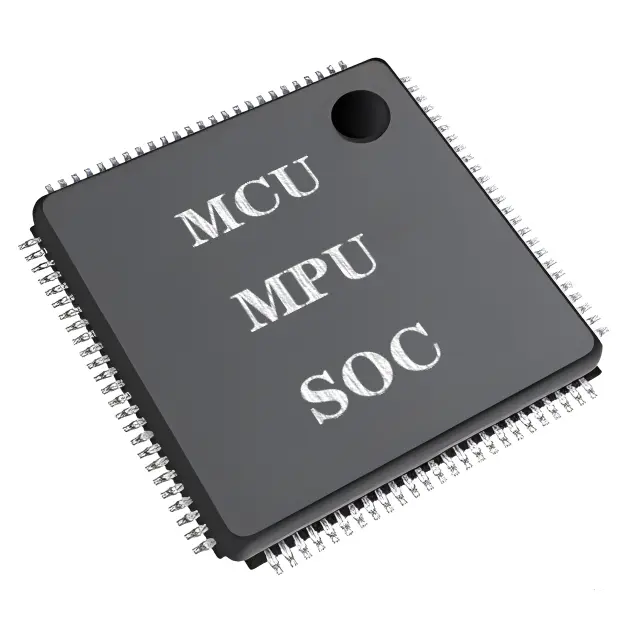 Microcontrollers (MCU/MPU/SOC)
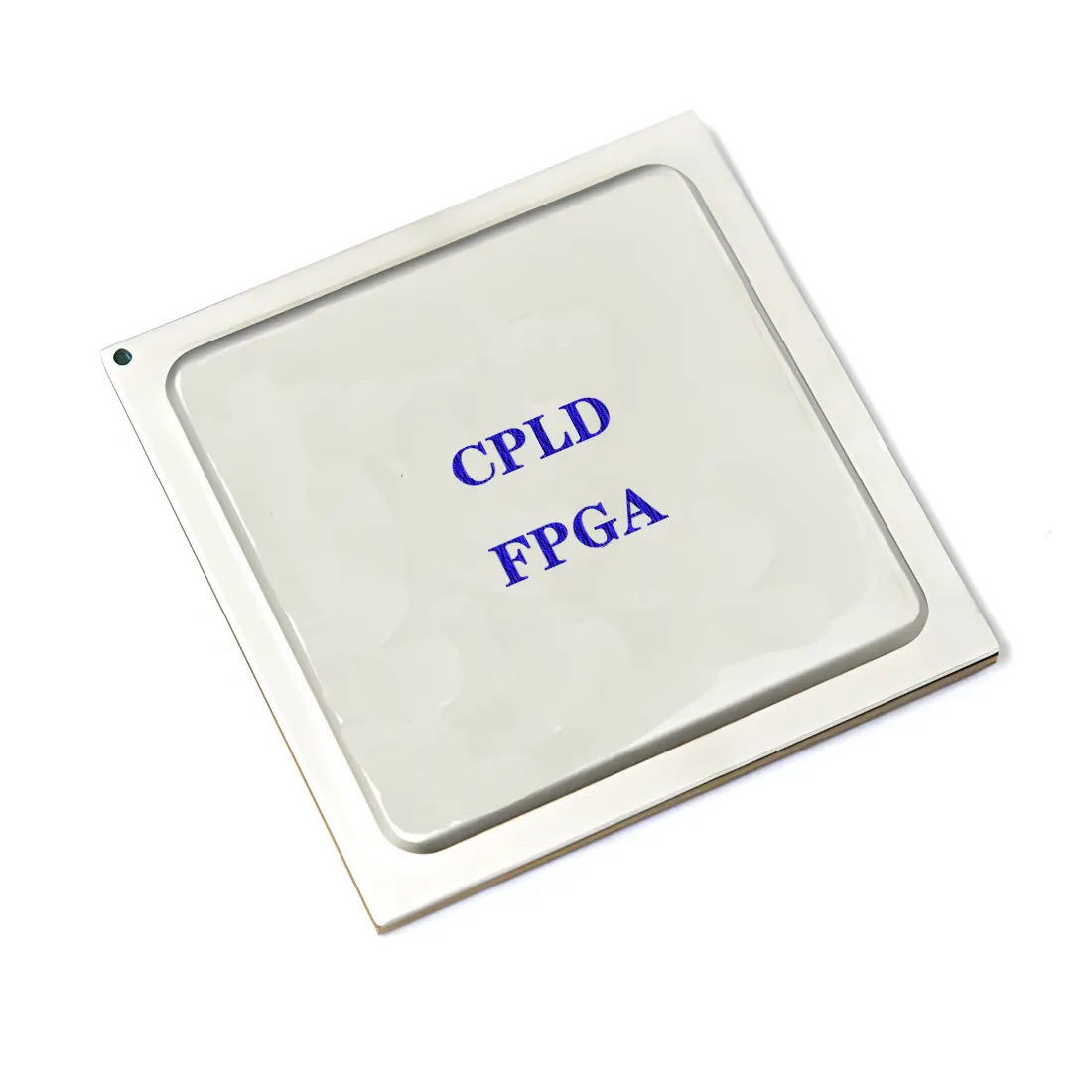 Programmable Logic Device(CPLD/FPGA)
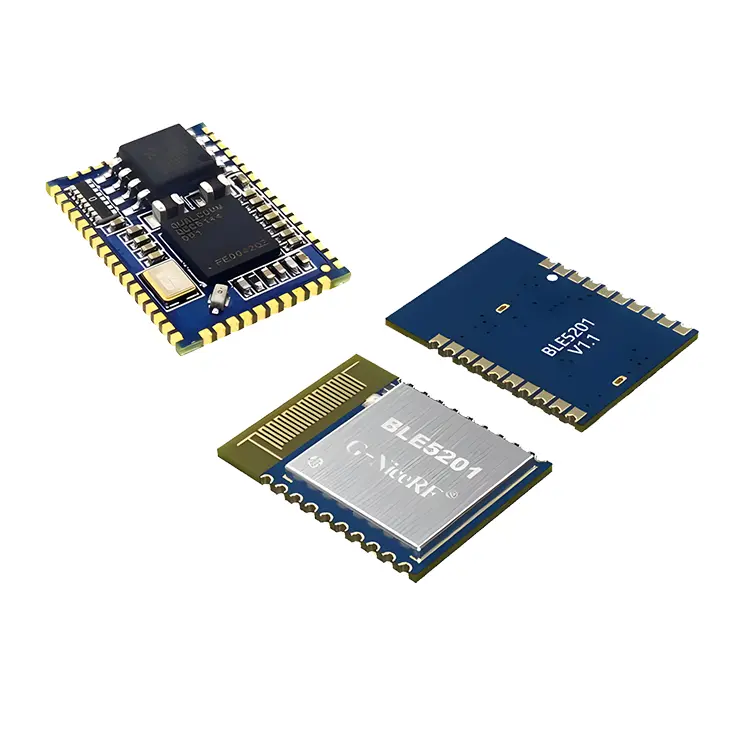 Communication Modules/IoT
 Resistors
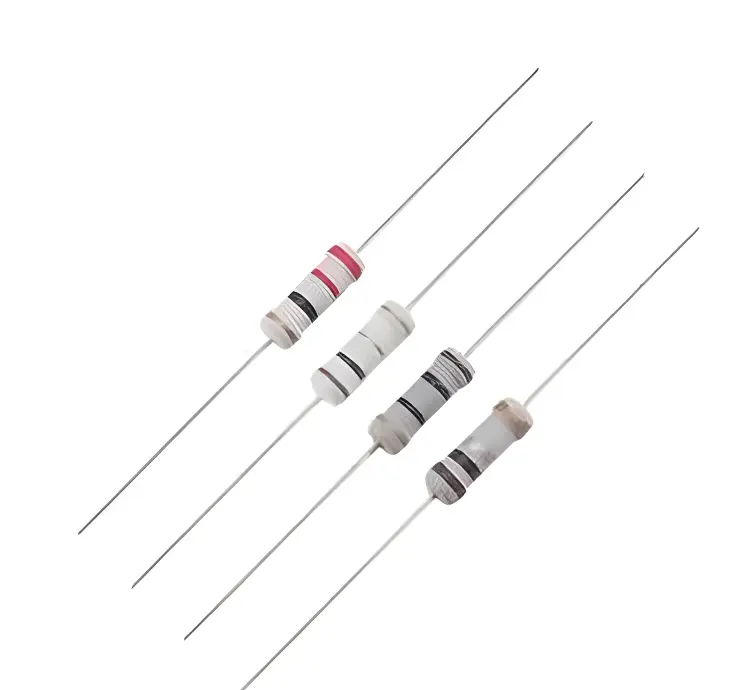 Through Hole Resistors
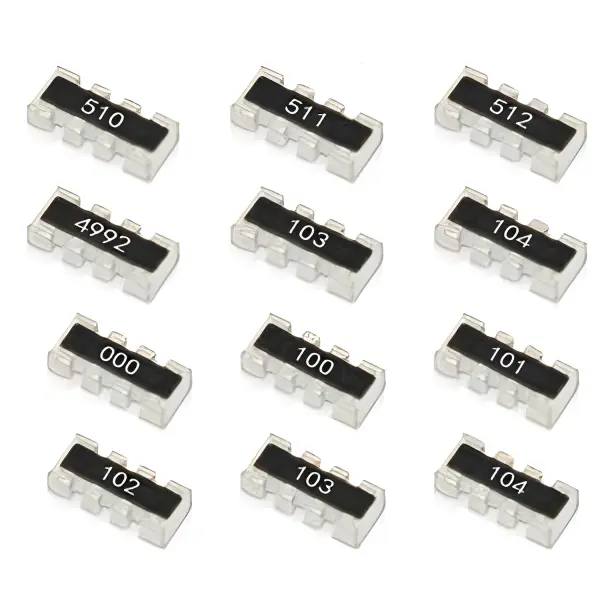 Resistor Networks, Arrays
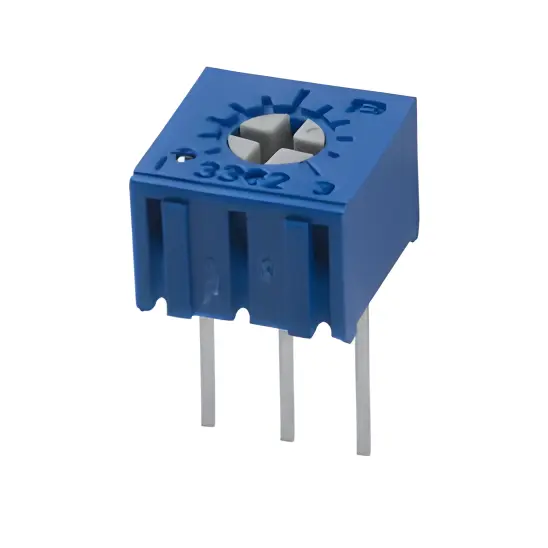 Potentiometers,Variable Resistors
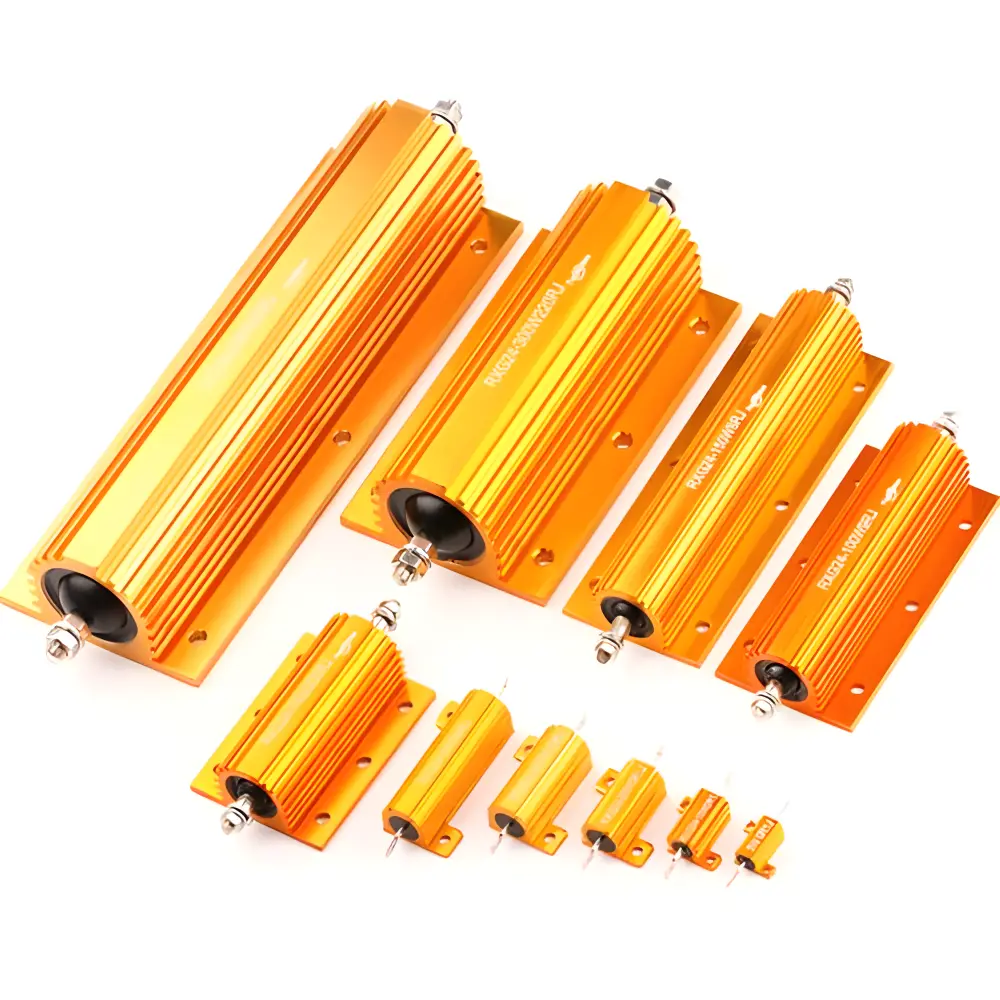 Aluminum Case,Porcelain Tube Resistance
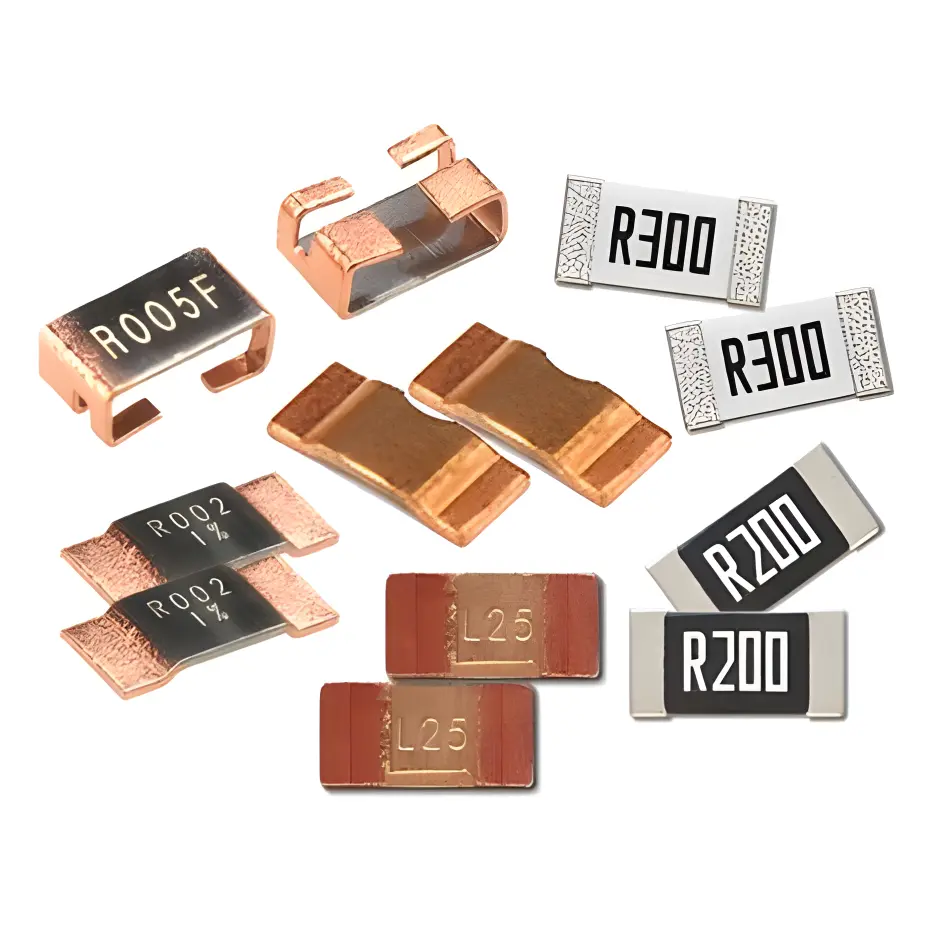 Current Sense Resistors,Shunt Resistors
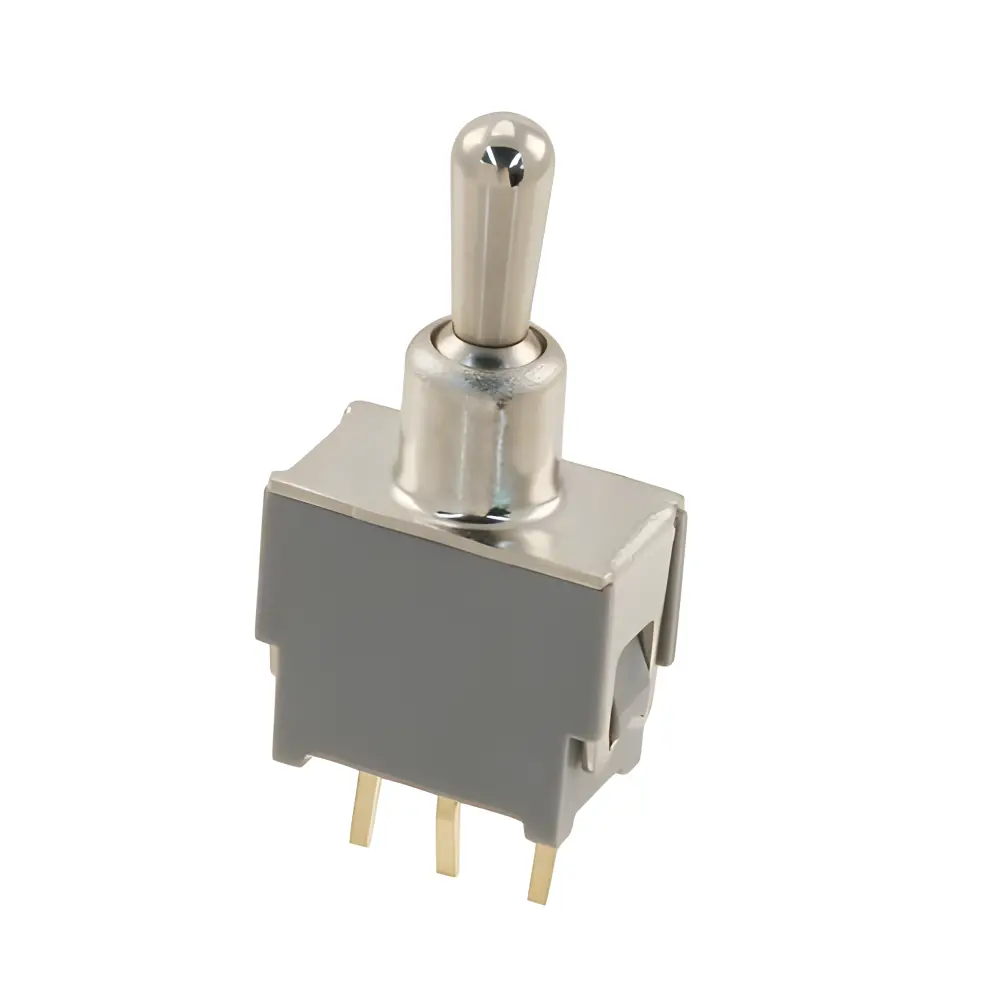 Switches
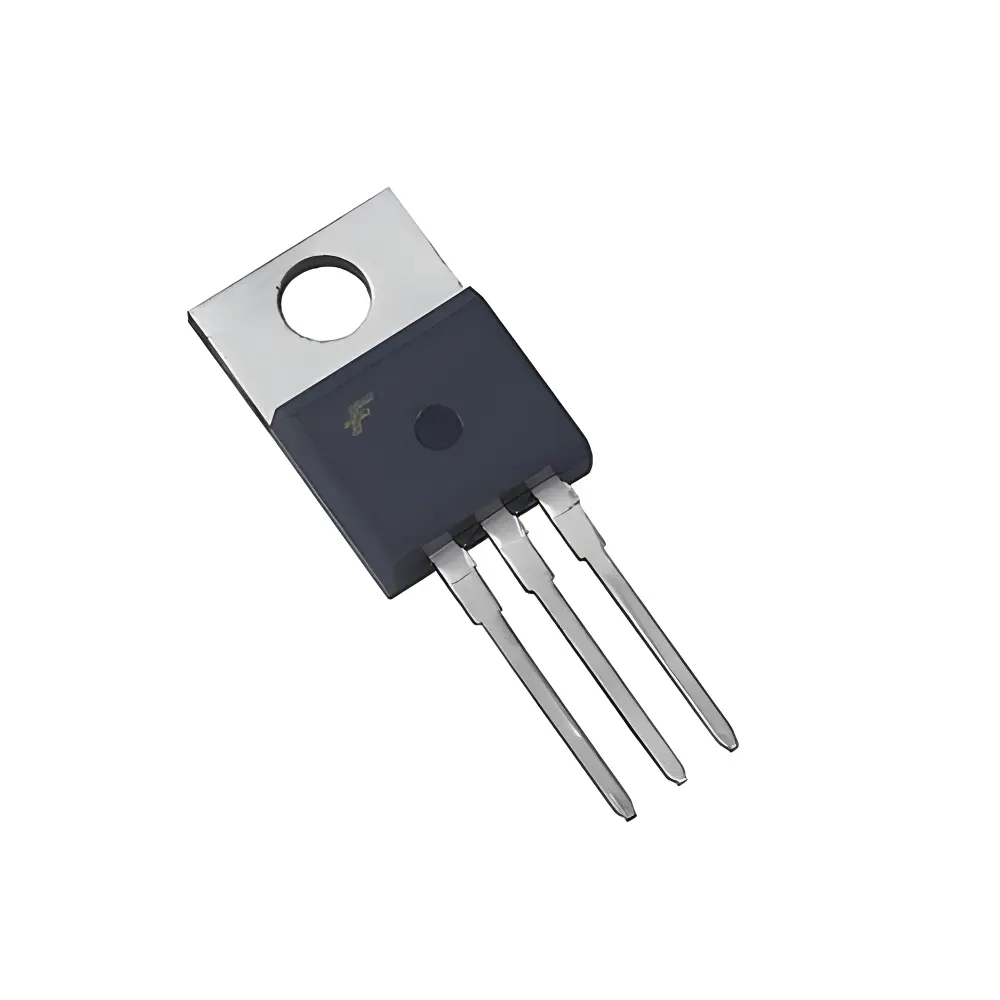 Transistors
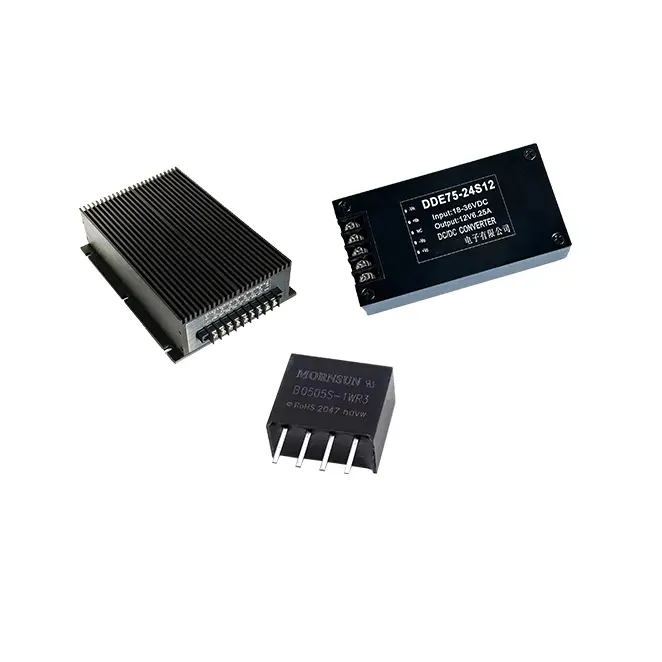 Power Modules
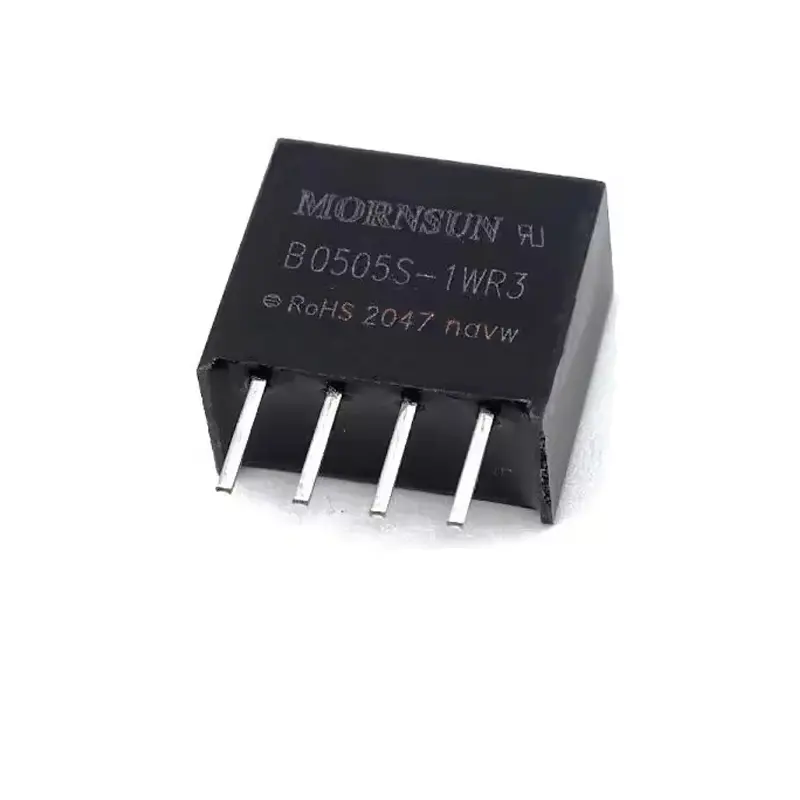 Isolated Power Modules
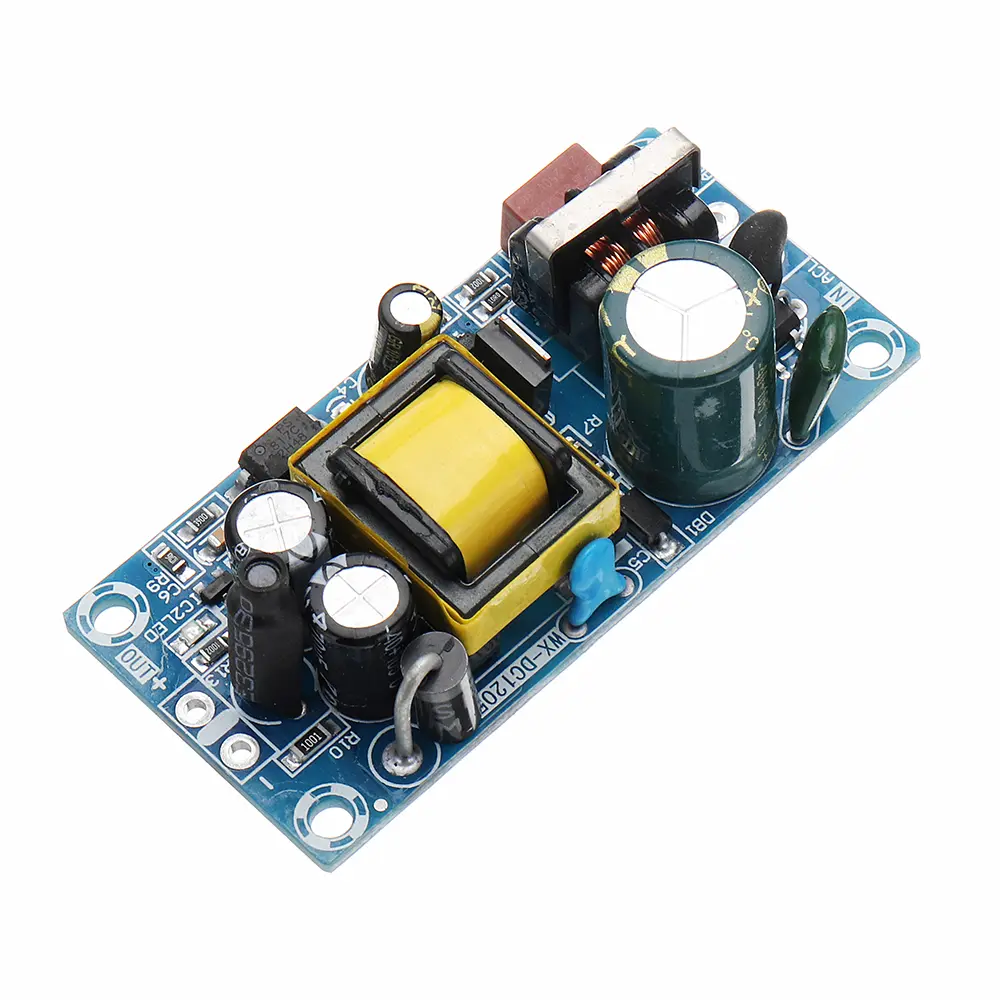 AC-DC Power Modules
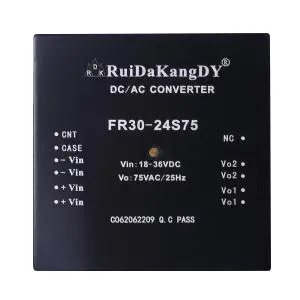 DC-AC Module(Inverter)
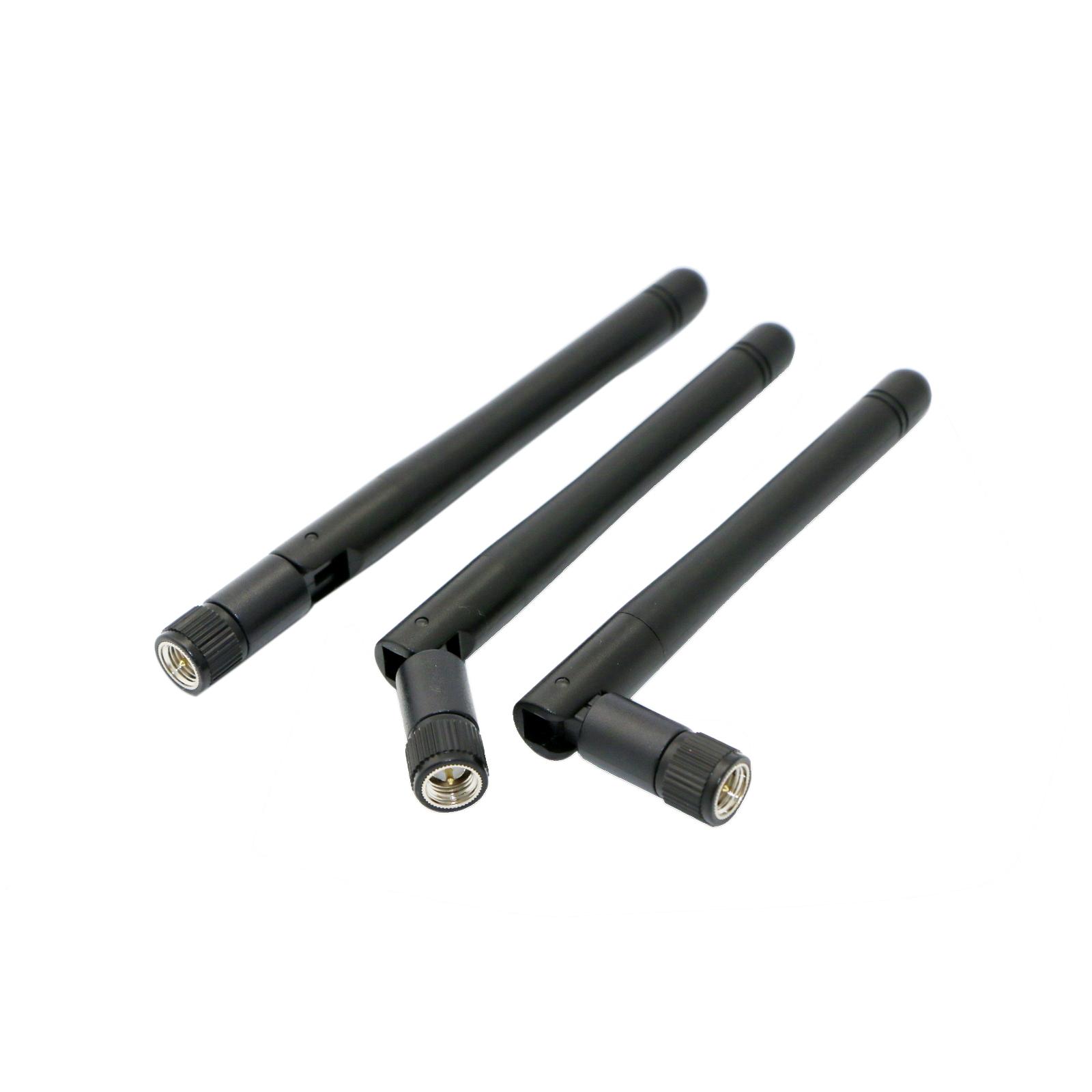 RF and Wireless
Through-Hole Component Solder Joints
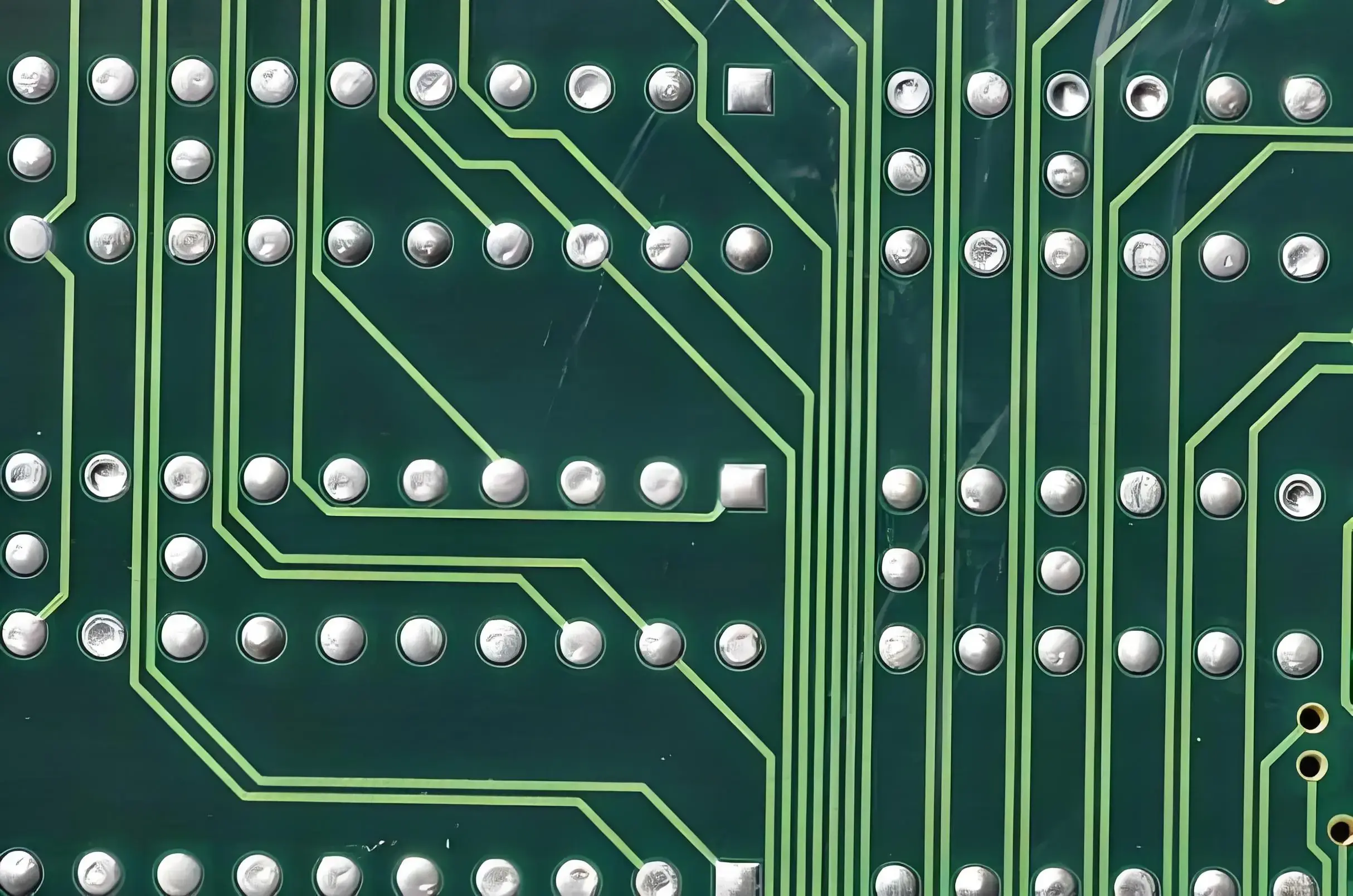
In the electronICs manufacturing industry, ensuring the reliability of through-hole component (THT) soldering is paramount. Solder joints must not only make electrical connections but also withstand mechanical stress, vibration, and thermal cycling. The Pull Strength Test is a core method for quantitatively evaluating the mechanical strength of solder joints. Common standards like "≥5N" are a concrete manifestation of this reliability.
I. Core Purpose of the Pull Strength Test
The pull strength test is not designed to SIMulate real-world stresses (which are often shear or bending stresses) but serves as a destructive testing method for process control and quality assurance. Its main purposes are:
-
Verify Soldering Process: Confirm that parameters like soldering temperature profile, flux activity, and solder alloy are correctly set to form a metallurgically sound joint.
-
Evaluate Solder Joint Strength: Quantify the mechanical strength of the joint itself, ensuring it can withstand subsequent assembly (e.g., SCRew fastening), transportation vibration, and accidental stress during use.
-
Identify Potential Defects: Reveal defects difficult to see with the naked eye, such as cold solder joints, disturbed joints, excessive voids, or poor pin/pad wetting. These defects significantly reduce pull strength.
II. Origin and Basis of the Standard Value (Why ≥5N?)
"≥5N" is a common minimum acceptance criterion, but it is not absolute. Its value is derived from the following considerations:
-
Industry Standards (IPC Standards):
-
The authoritative standards IPC-J-STD-001 (Requirements for Soldered Electrical and Electronic Assemblies) and IPC-A-610 (Acceptability of Electronic Assemblies) are the primary references.
-
These standards typically do not specify a single, fixed force value (like 5N) but rather a principle: the solder joint must exhibit adequate strength. The failure mode (where the break occurs) is more informative than the force value alone.
-
Acceptable Result: The failure occurs in the component lead itself (the lead breaks) rather than at the solder joint or pad interface. This proves the joint's strength is greater than the lead's strength.
-
Unacceptable Result: The solder joint tears away from the PCB pad (pad lift-off) or the joint itself fractures. This indicates a process issue where the joint strength is less than the lead strength.
-
-
Component Specifications and Safety Factors:
-
5N is a generic requirement often applied to common axial/radial components (e.g., resistors, capacitors, diodes). This value is based on extensive experimentation and statistics, providing a significant safety margin far exceeding the maximum stress these components would encounter in normal environments.
-
For larger, heavier components (e.g., electrolytic capacitors, transformers, connectors), the required standard value is significantly higher (e.g., ≥20N or more). This value is calculated based on the component's weight, forces in vibrational environments, etc., and multiplied by a safety factor (usually 1.5 to 2 times).
-
III. Test Method and Procedure
-
Test Equipment: Dedicated push-pull force tester (Digital Force Gauge). This equipment applies force at a constant speed and precisely records the force curve and peak force.
-
Test Fixtures:
-
Specially designed for the component shape. For example, use a hook fixture for axial resistors, a collet fixture for radial capacitors, and a custom fixture to grip the body of a connector.
-
Core Principle: The fixture must ensure the force is applied vertically and uniformly to the component body. The line of force must be perpendicular to the PCB to ensure pure tensile load, not a bending moment.
-
-
Test Steps:
a. Sampling: Cut a sample containing the component under test from a production board or a dedicated test coupon.
b. Secure: Firmly clamp the sample PCB onto the test platform's base fixture.
c. Attach Fixture: Select the appropriate fixture, attach it to the force gauge sensor, and then connect it correctly to the component body.
d. Set Parameters: Set the test speed (typically 5-25 mm/min). Speed that is too fast or too slow can affect results.
e. Perform Test: Start the equipment. Apply tension at a constant speed until the solder joint or lead fails.
f. Record Results: Record the peak pull force (in Newtons, N) and the failure mode (lead break, pad lift-off, solder joint fracture, etc.). -
Result Judgment:
-
Pass: Pull force ≥ specified standard value (e.g., 5N) AND the failure mode is lead break.
-
Fail:
-
Pull force < specified standard value.
-
Pull force is达标 (meets the value), but the failure mode is pad lift-off or solder joint interface separation. This is a "false pass," indicating a critical issue with PCB fabrication (pad adhesion) or the soldering process.
-
-
IV. Key Factors Affecting Pull Strength
-
Solder Quality: Good wettability, proper solder fillet, and adequate solder volume are the foundation of a strong joint.
-
PCB Design and Quality: Pad size, copper thickness, and the adhesion between the PCB laminate and copper (peel strength) are critical. If the copper separates from the substrate, the PCB itself is faulty.
-
Lead Material and Solderability: The plating on the lead surface (e.g., tin, gold) and its oxidation level directly affect solderability.
-
Solder Alloy: The mechanical strength varies slightly between different alloys (e.g., SAC305, Sn63/Pb37).
V. Common Misconceptions and Mitigation
1. Misconception 1: Qualifying a batch based on 1 sample test
2. Misconception 2: Excessively fast pulling speed (>20mm/min)
3. Misconception 3: Ignoring failure mode analysis
Conclusion:
"≥5N" is a quantitative threshold for the mechanical reliability of through-hole solder joints. The core value of the pull test lies in evaluating both the force value and the failure mode, providing a comprehensive diagnosis for potential defects from PCB fabrication to the soldering process. It is an indispensable quality tool for ensuring the robustness and longevity of electronic products throughout their lifecycle.