
 PCB
PCB FPC
FPC Rigid-Flex
 FR-4
FR-4 HDI PCB
 Rogers High-Frequency Board
 PTFE Teflon High-Frequency Board
 Aluminum
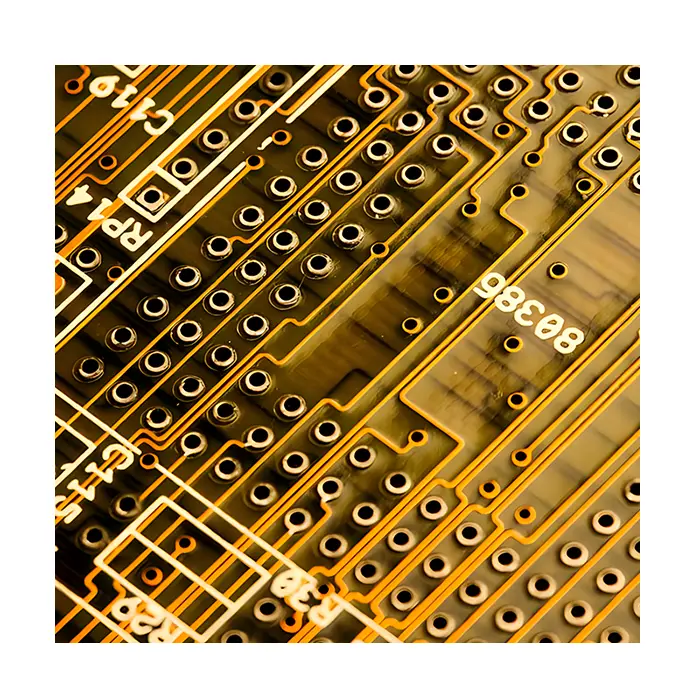 Copper Core
 PCB Assembly
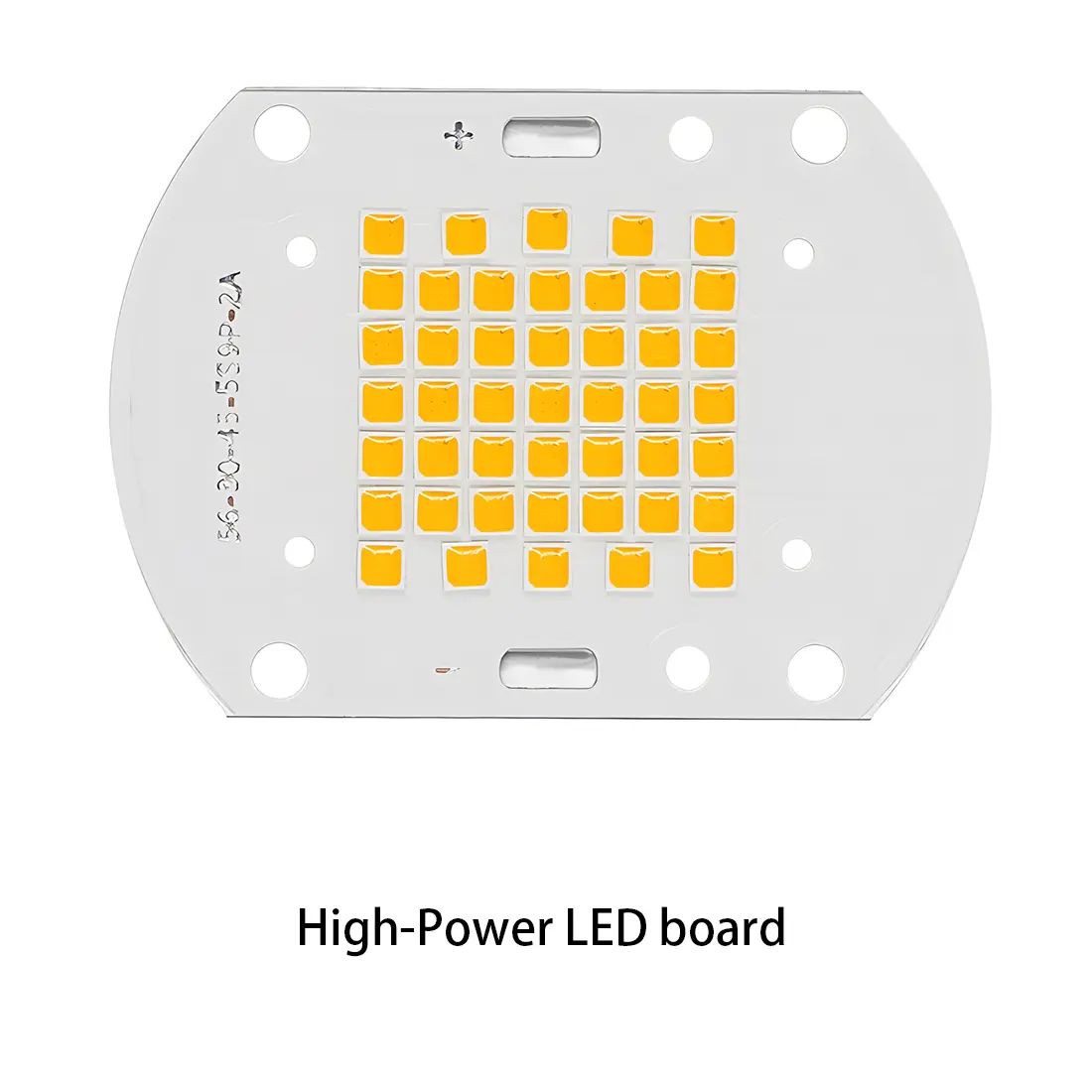 LED light PCBA
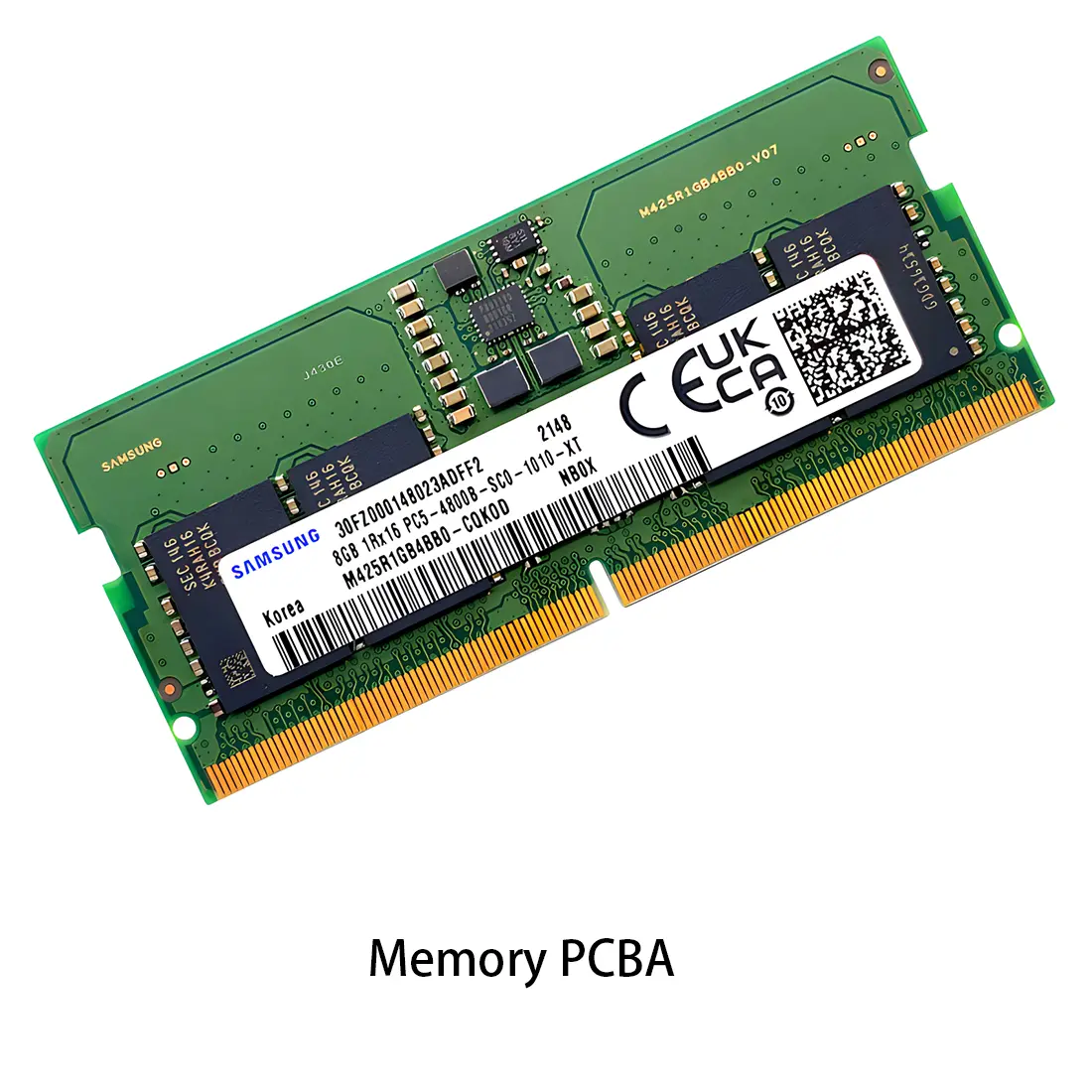 Memory PCBA
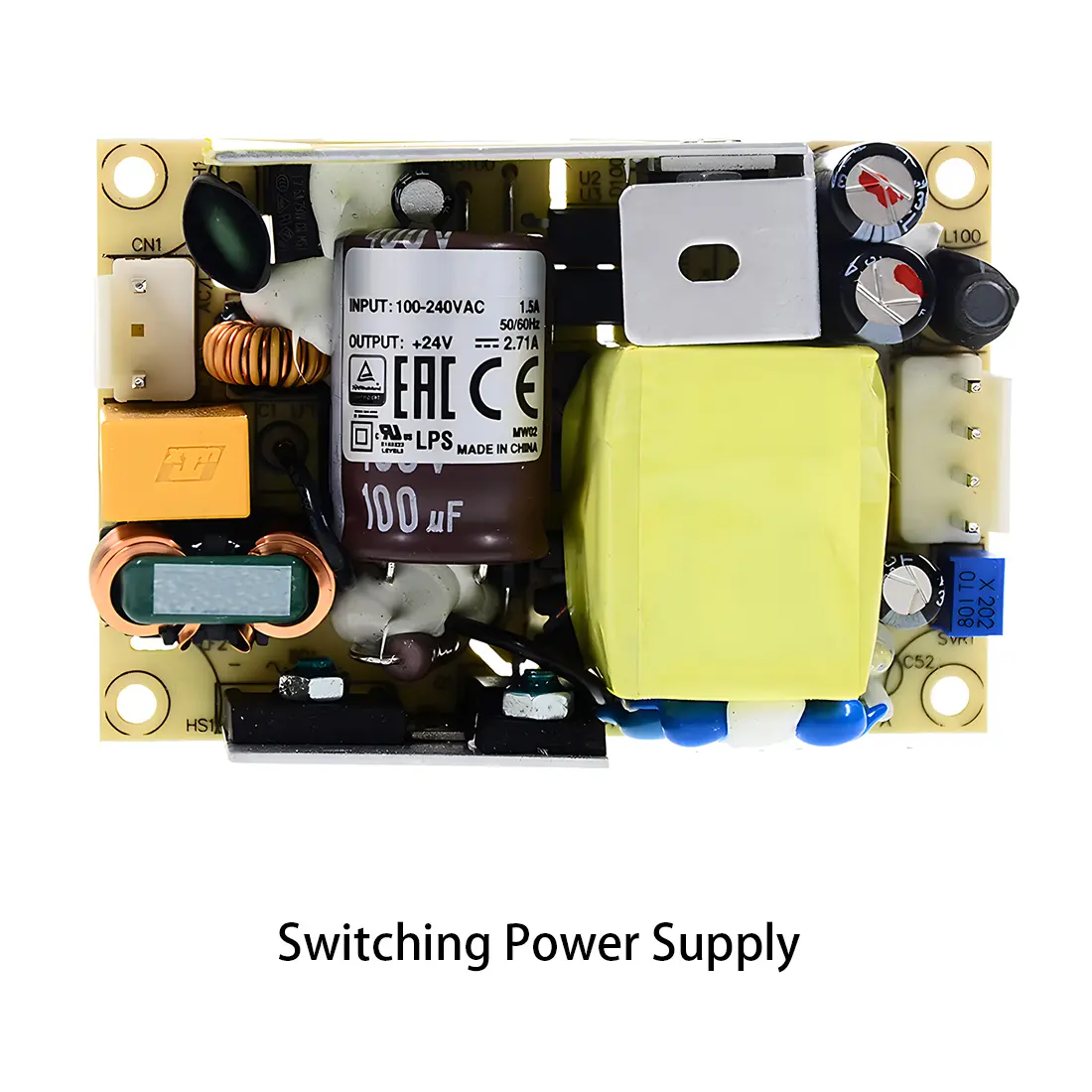 Power Supply PCBA
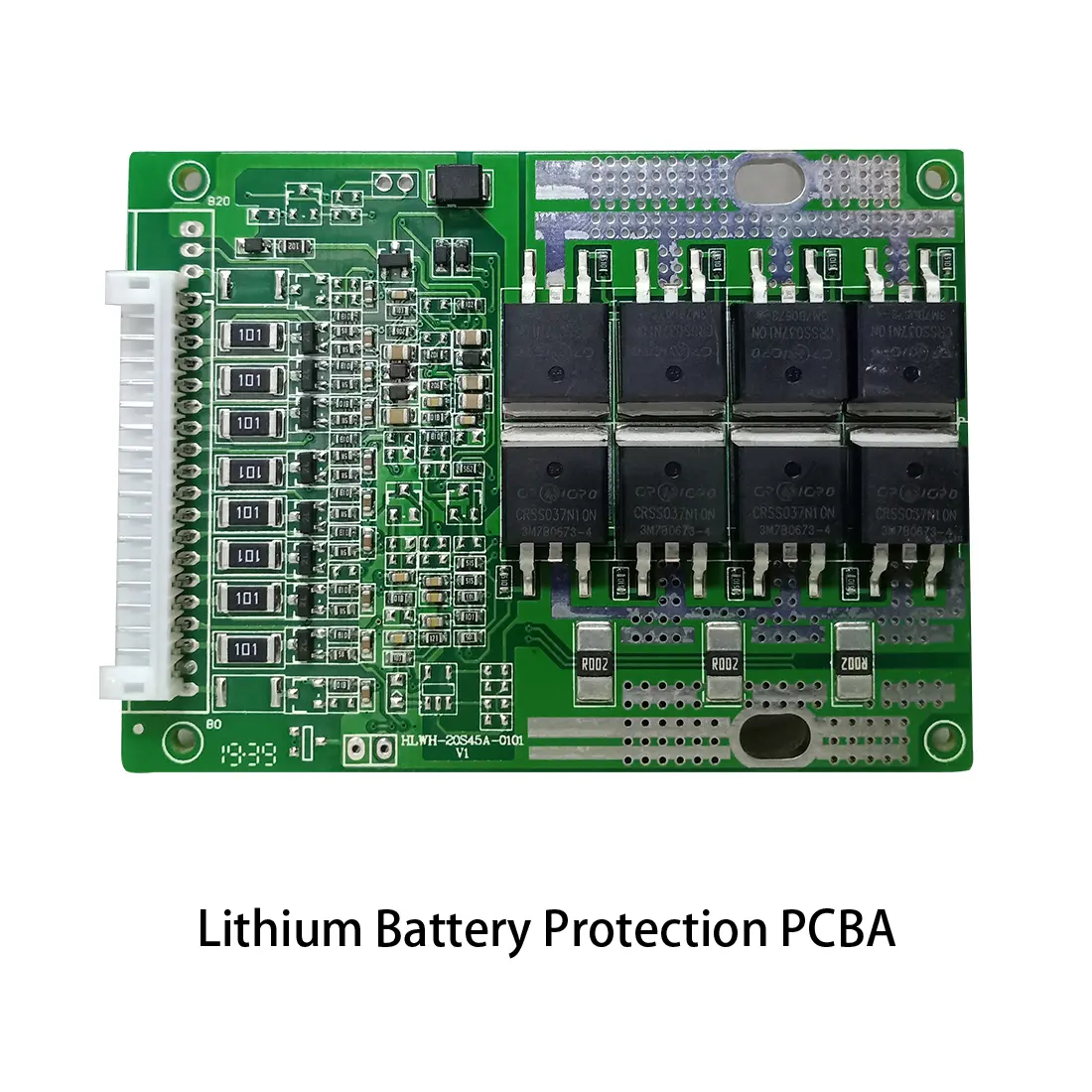 New Energey PCBA
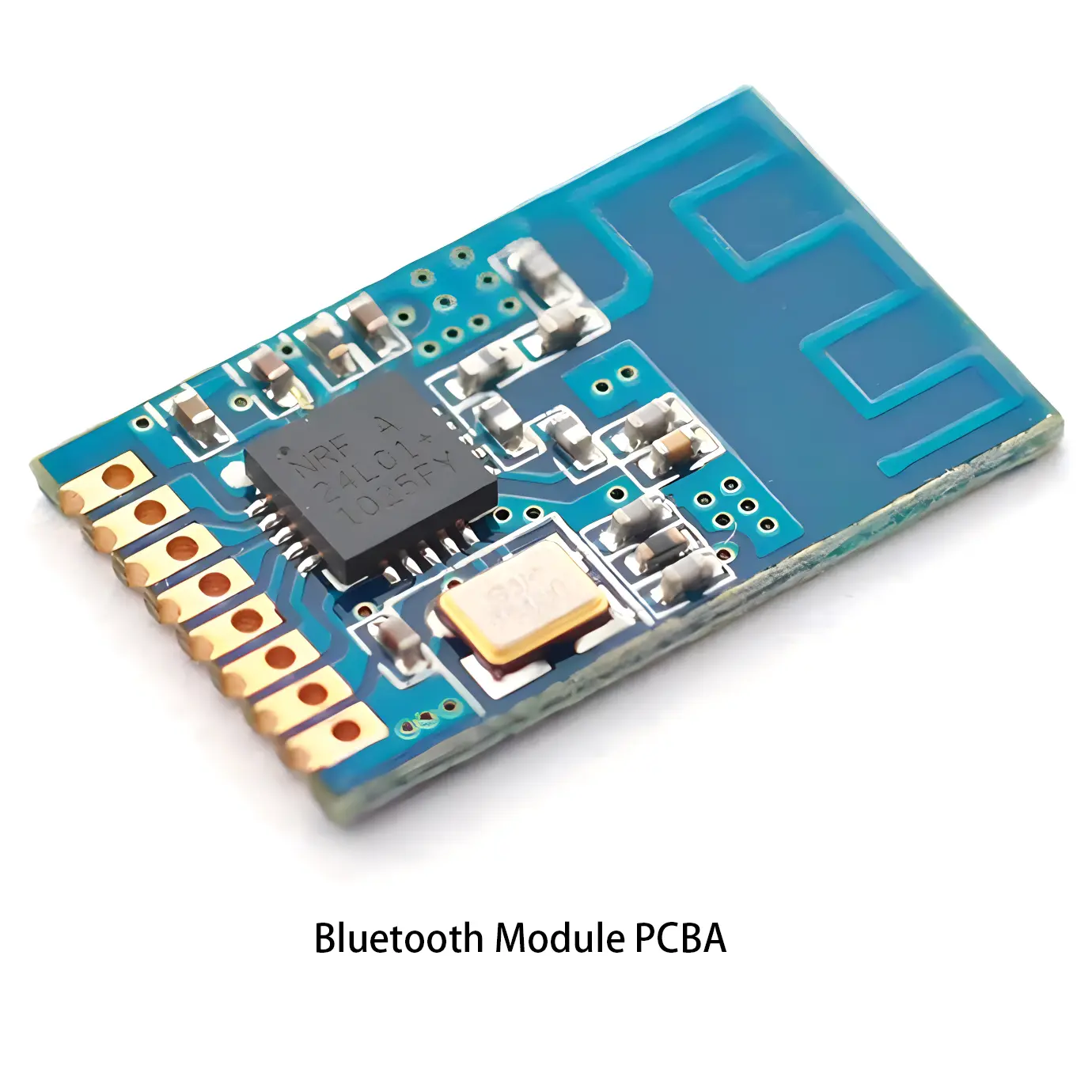 Communication PCBA
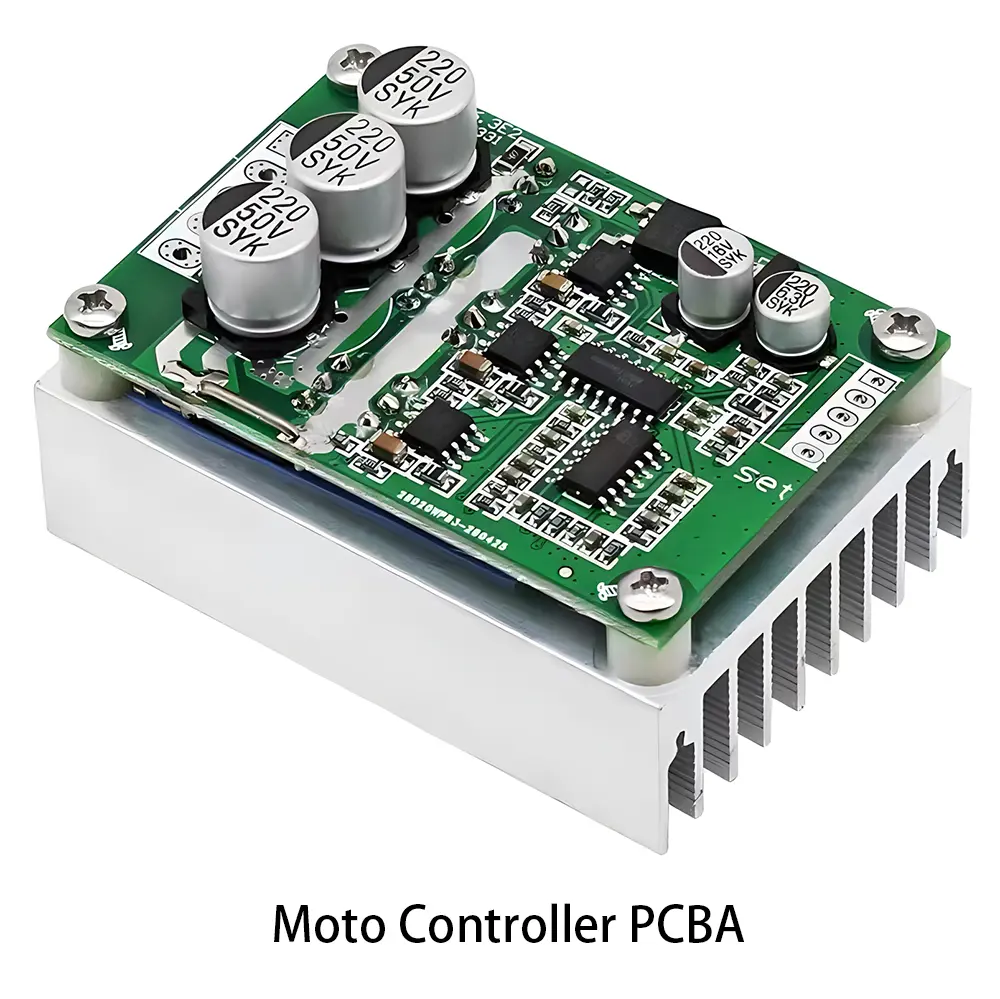 Industrial Control PCBA
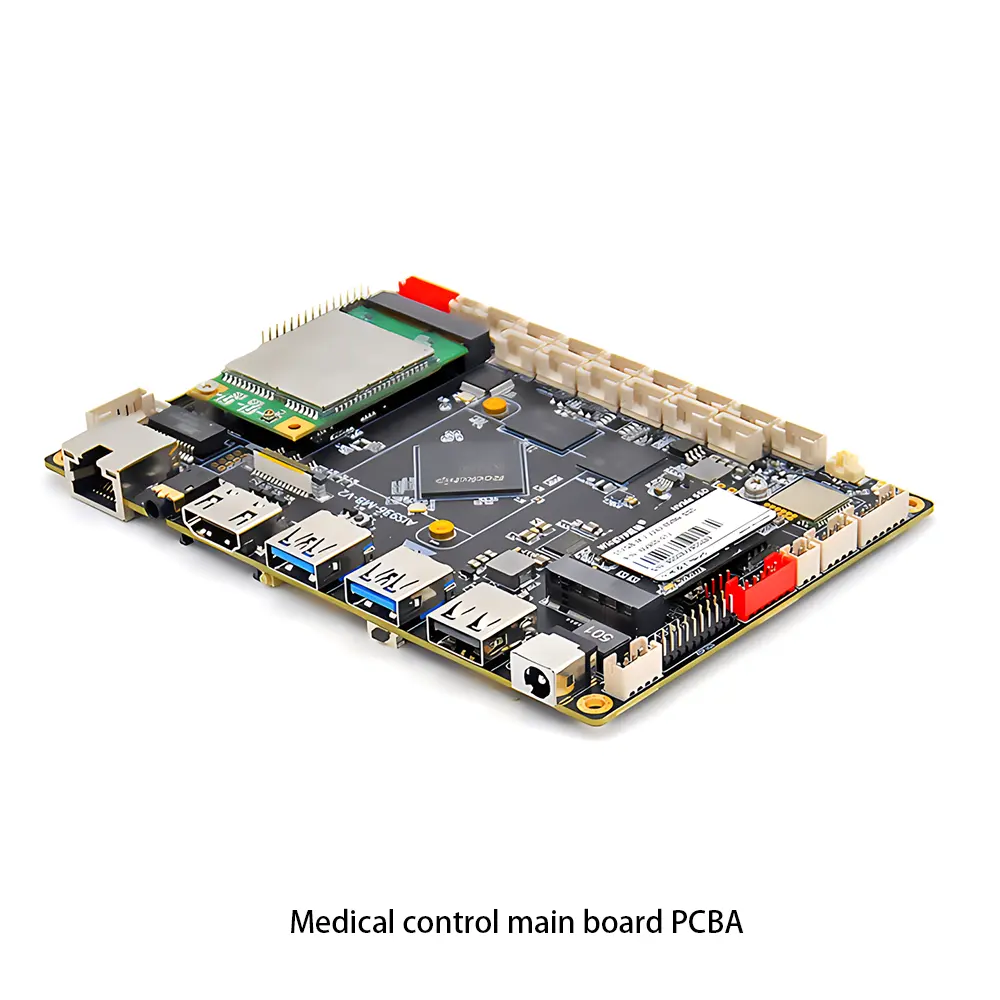 Medical Equipment PCBA
 Testing Service
 PCBA Testing Service
 Certification Application
 RoHS Certification Application
 REACH Certification Application
 CE Certification Application
 FCC Certification Application
 CQC Certification Application
 UL Certification Application
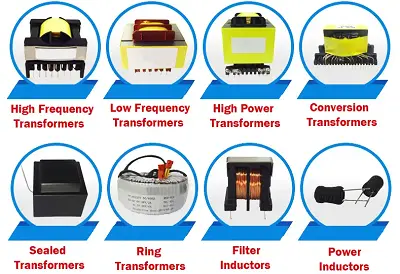 Transformers, Inductors
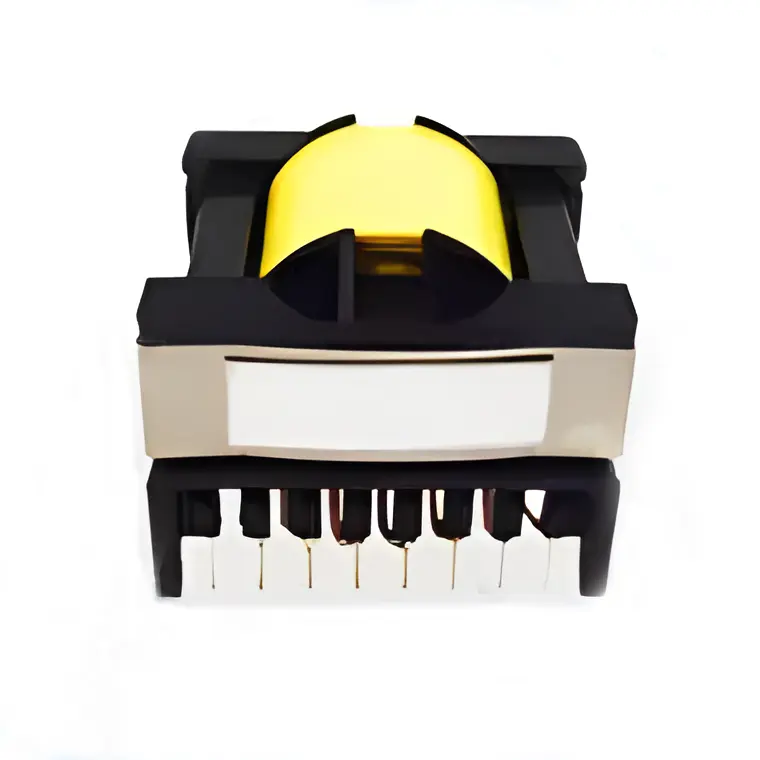 High Frequency Transformers
 Low Frequency Transformers
 High Power Transformers
 Conversion Transformers
 Sealed Transformers
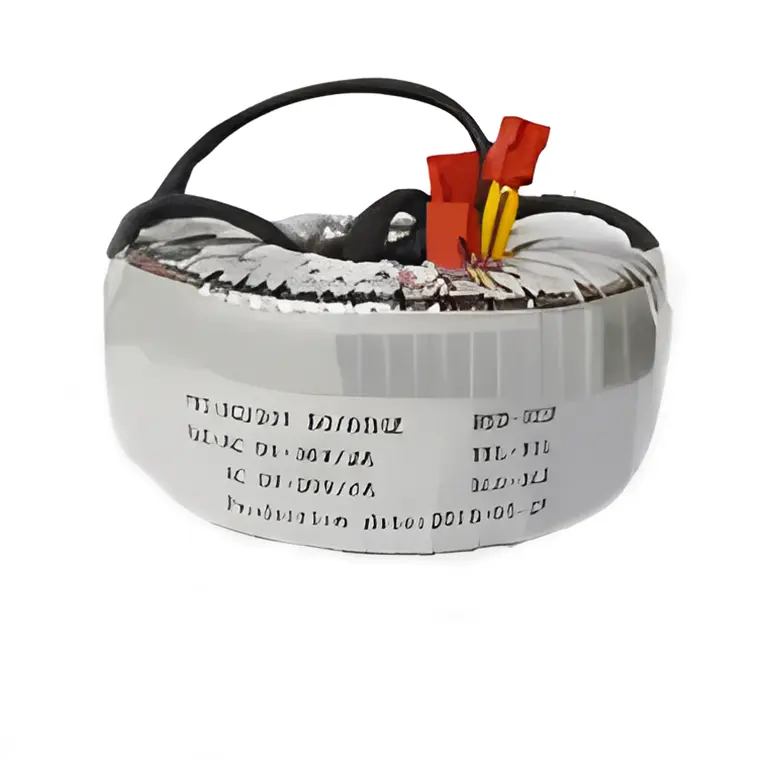 Ring Transformers
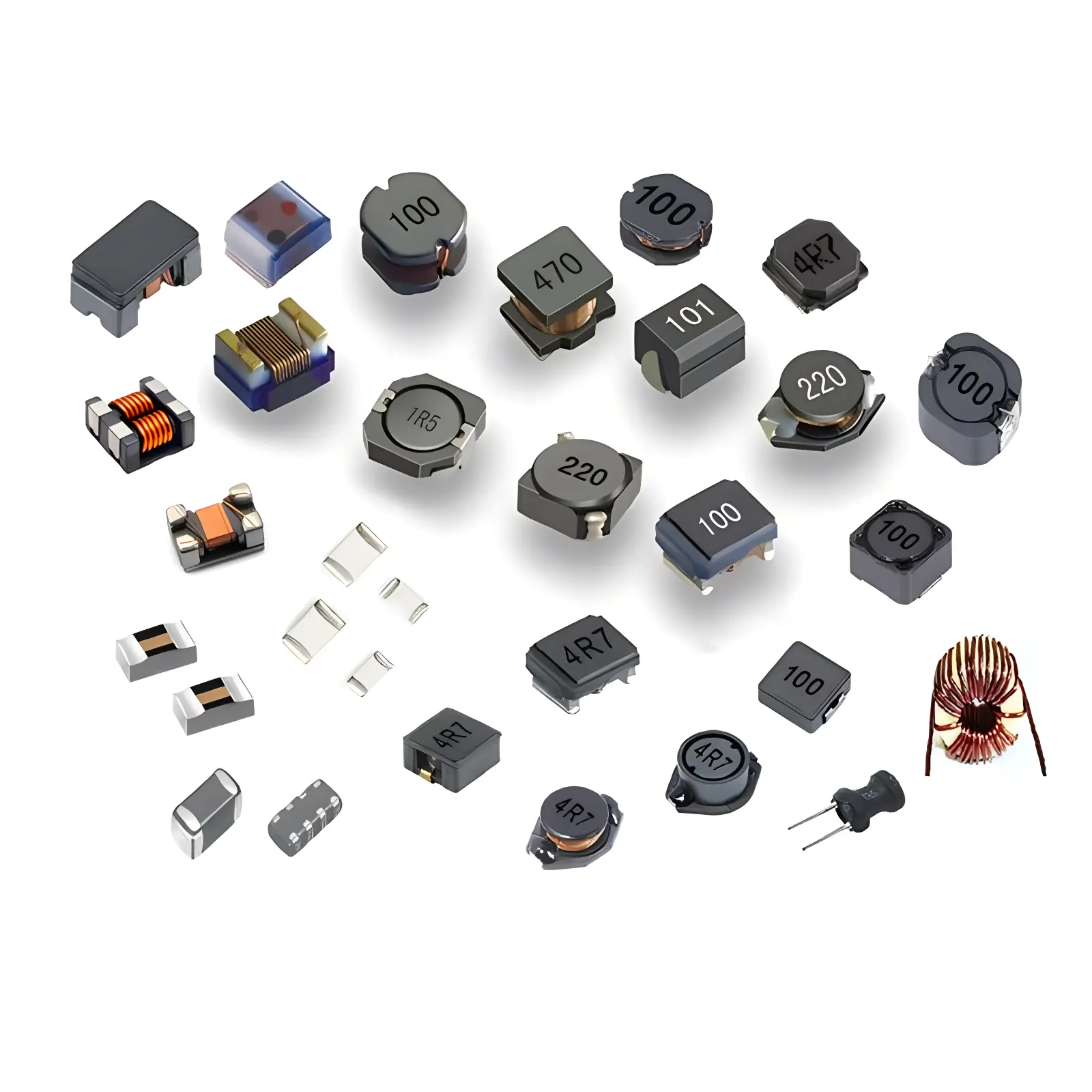 Inductors
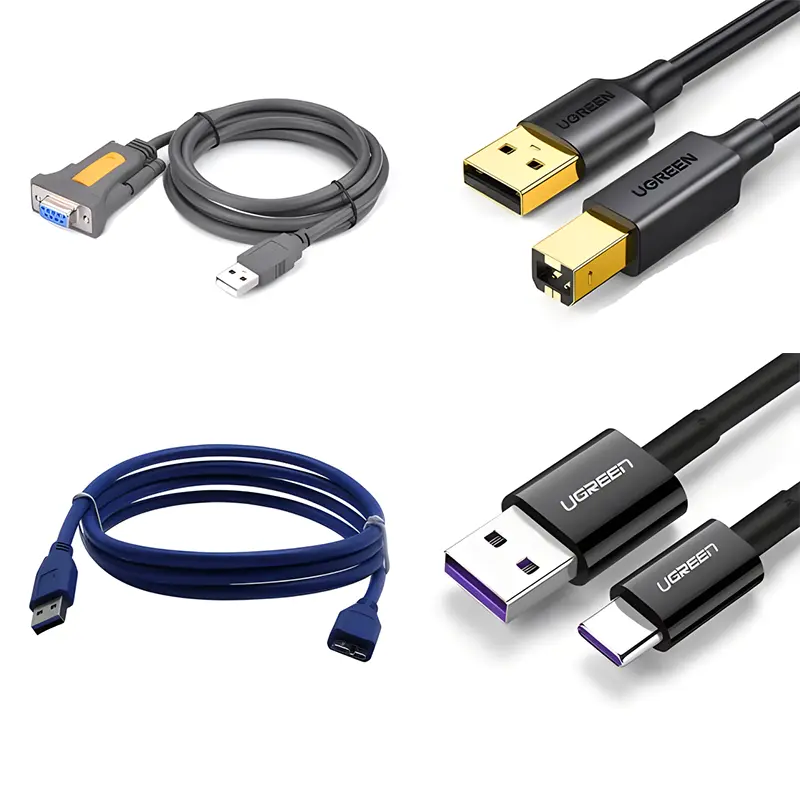 Wires,Cables Customized
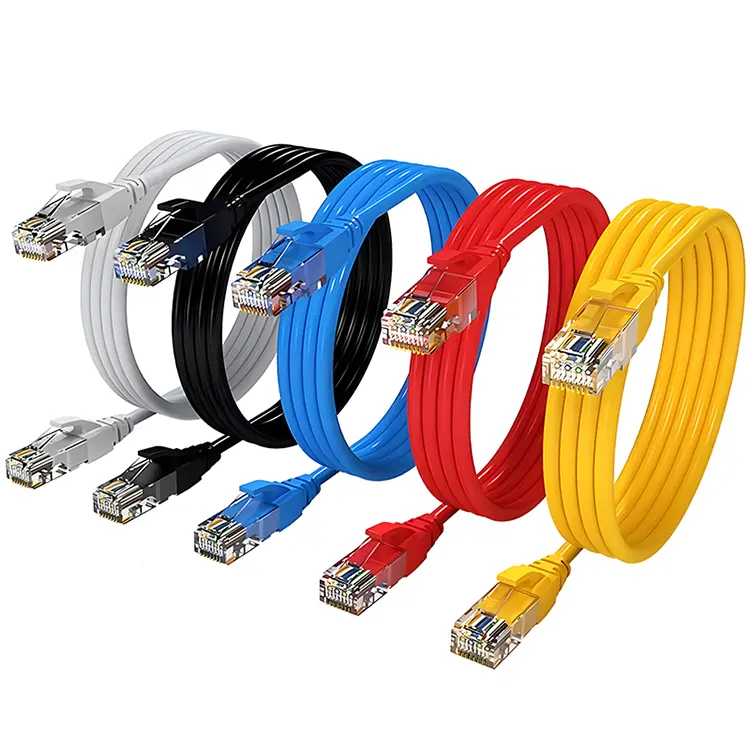 Network Cables
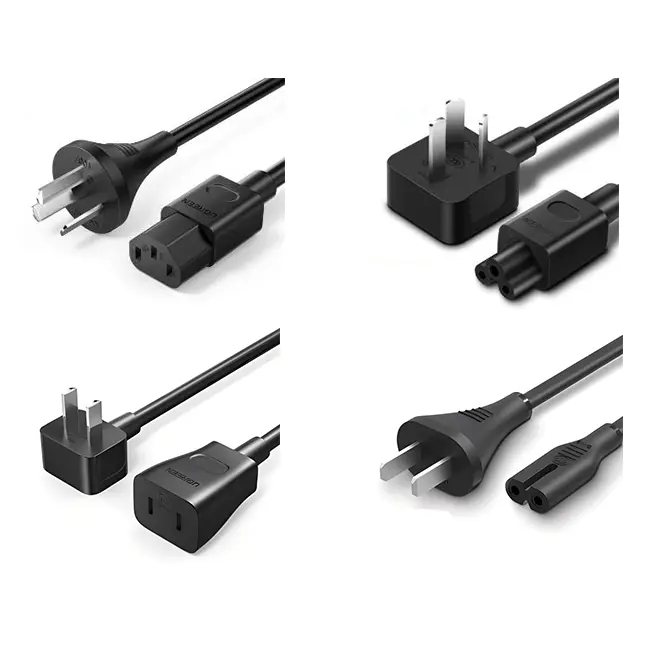 Power Cords
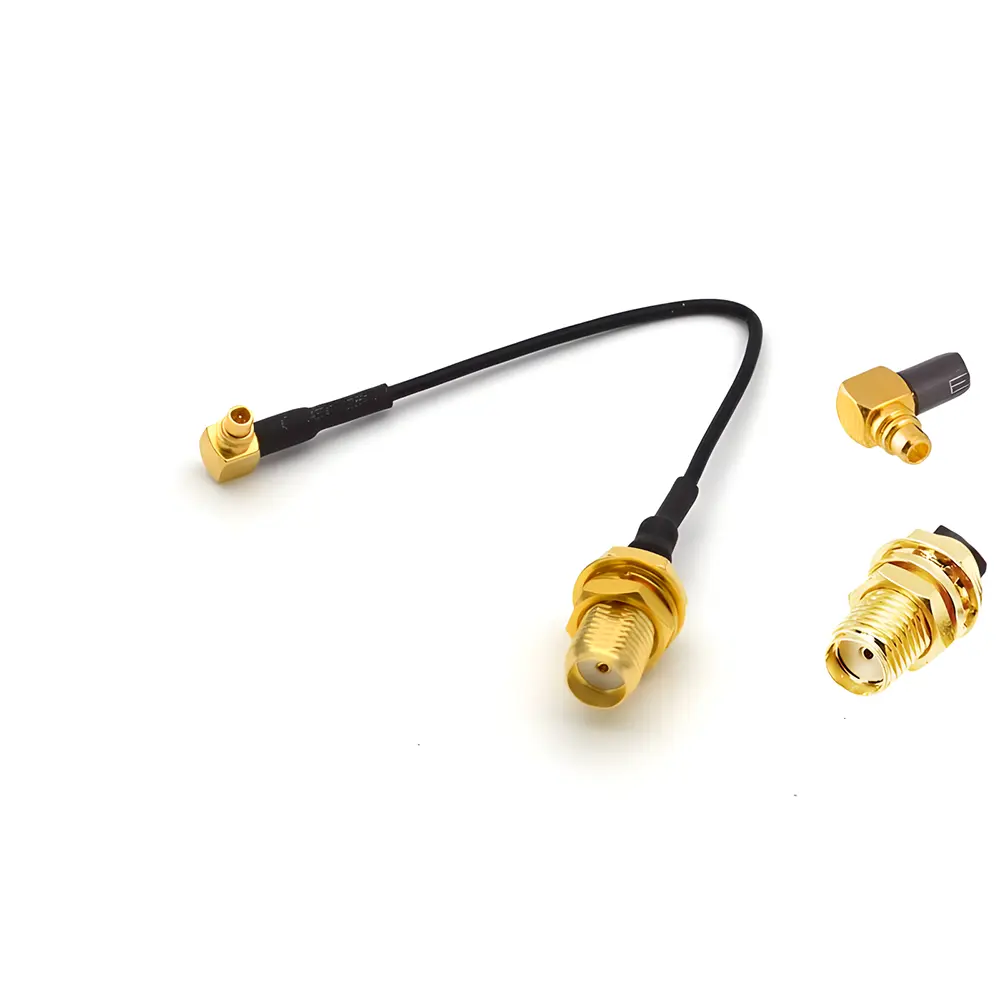 Antenna Cables
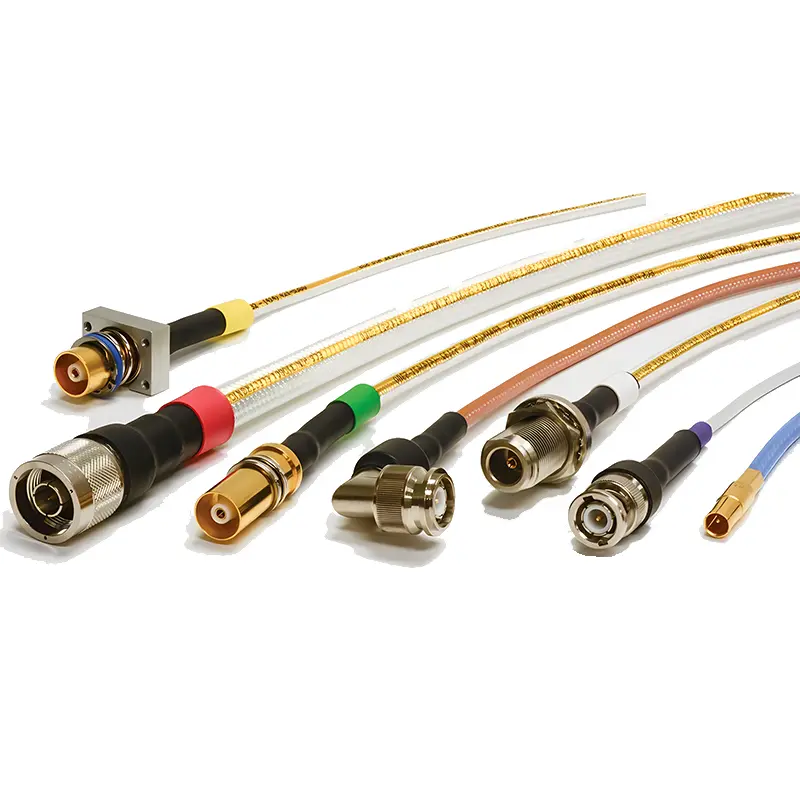 Coaxial Cables
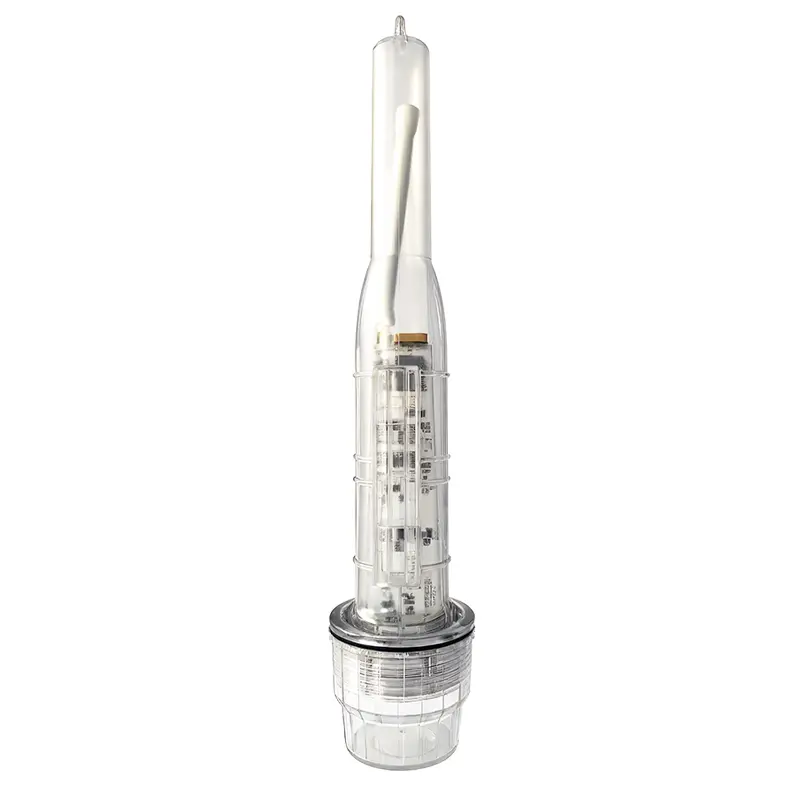 Net Position Indicator
 Solar AIS net position indicator
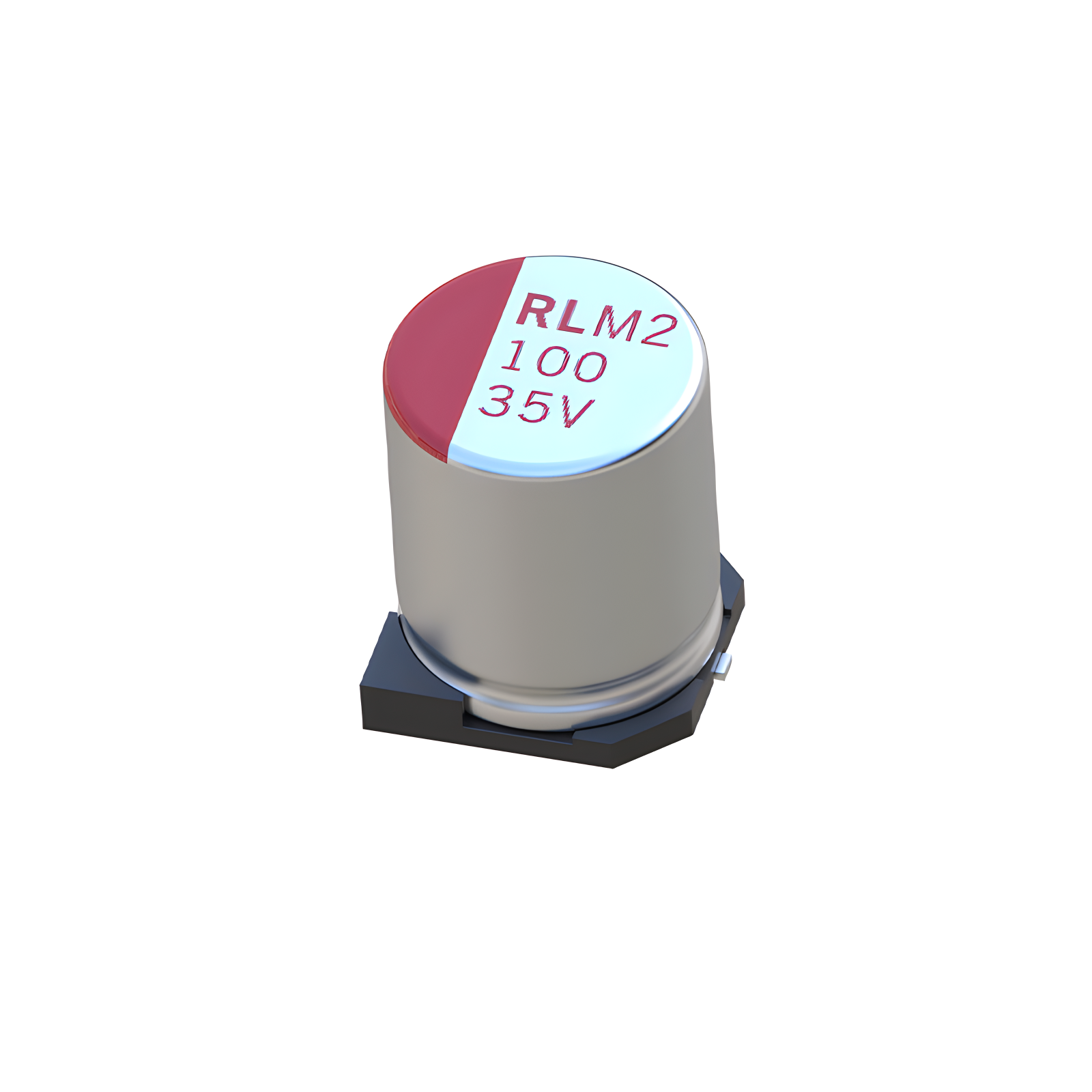 Capacitors
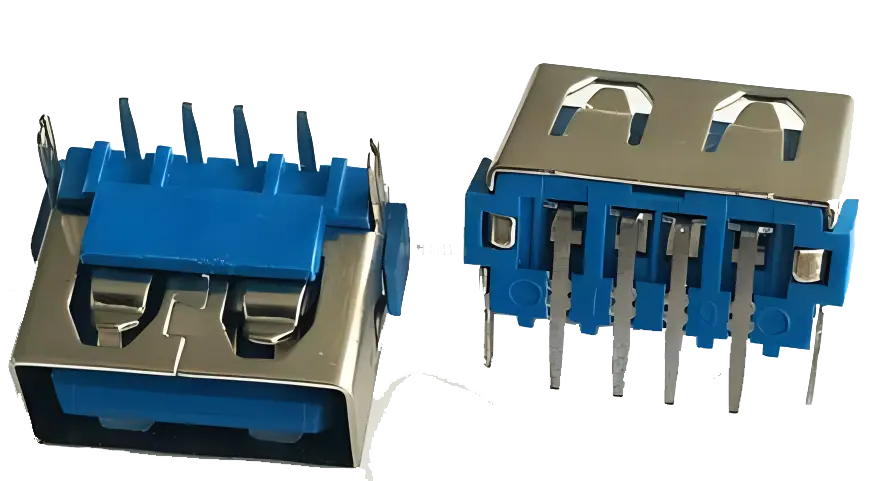 Connectors
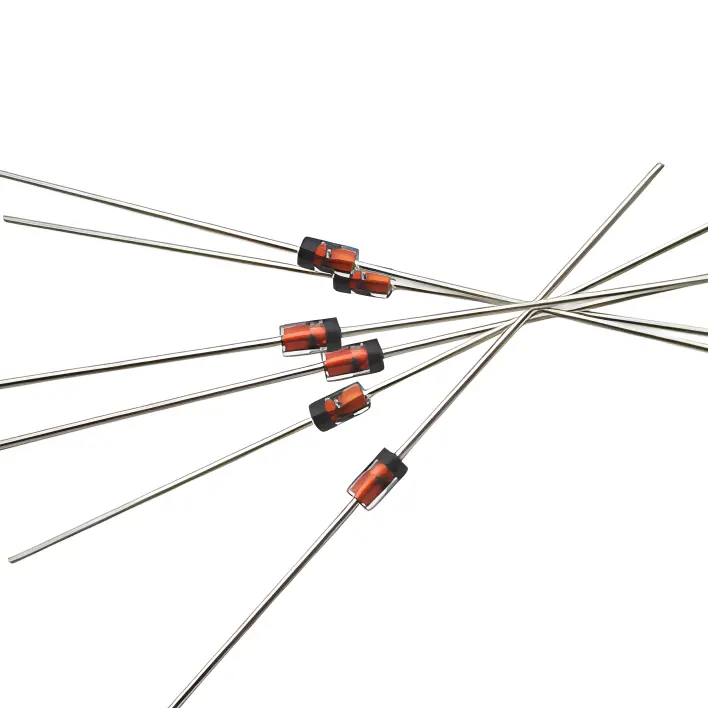 Diodes
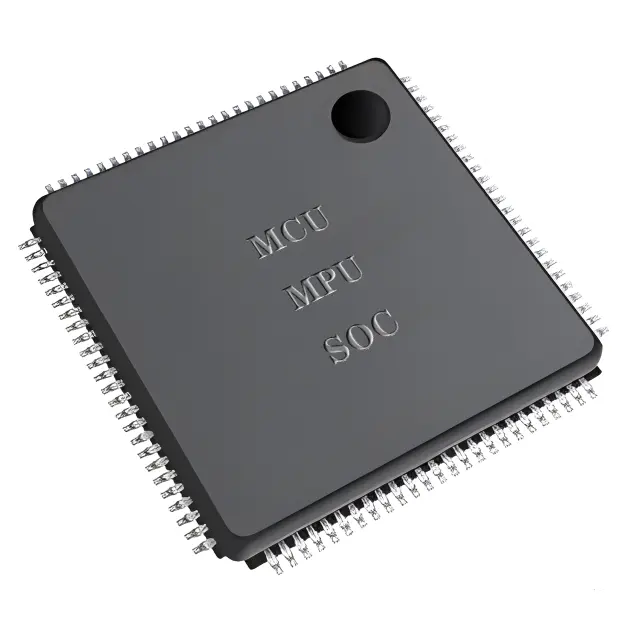 Embedded Processors & Controllers
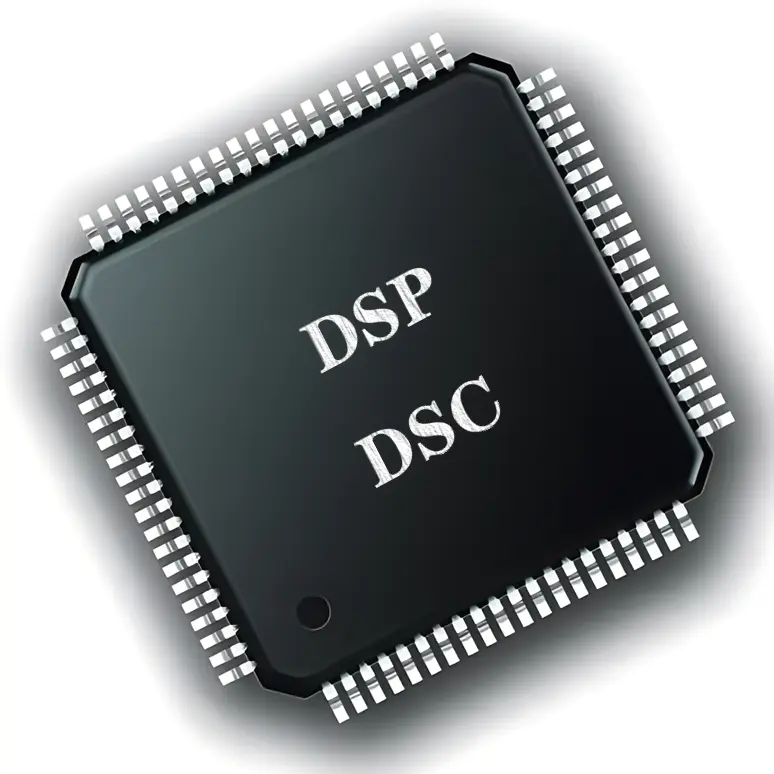 Digital Signal Processors (DSP/DSC)
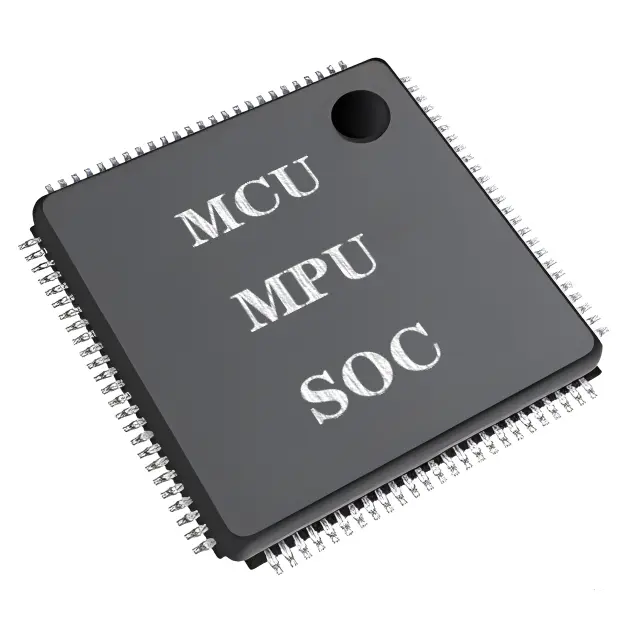 Microcontrollers (MCU/MPU/SOC)
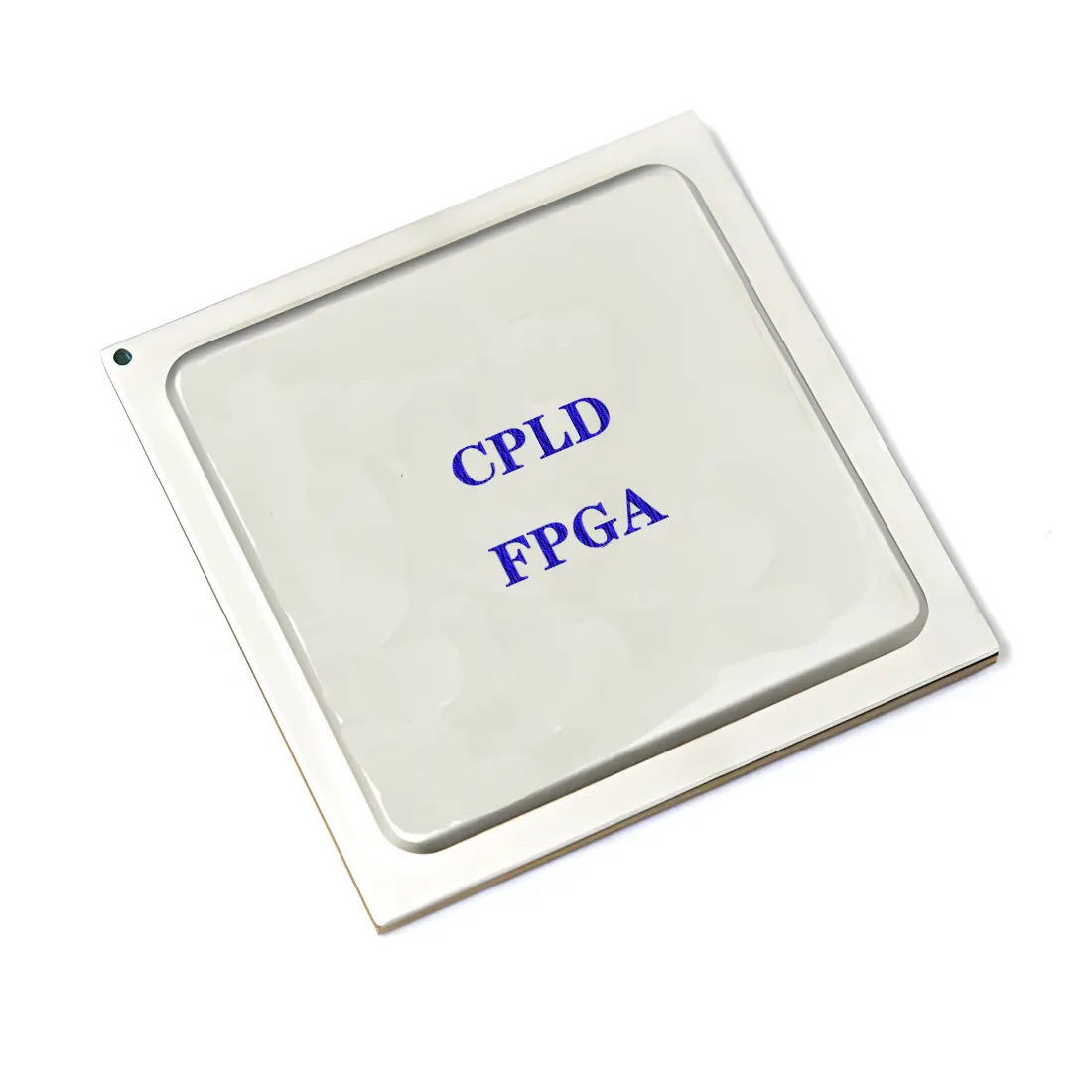 Programmable Logic Device(CPLD/FPGA)
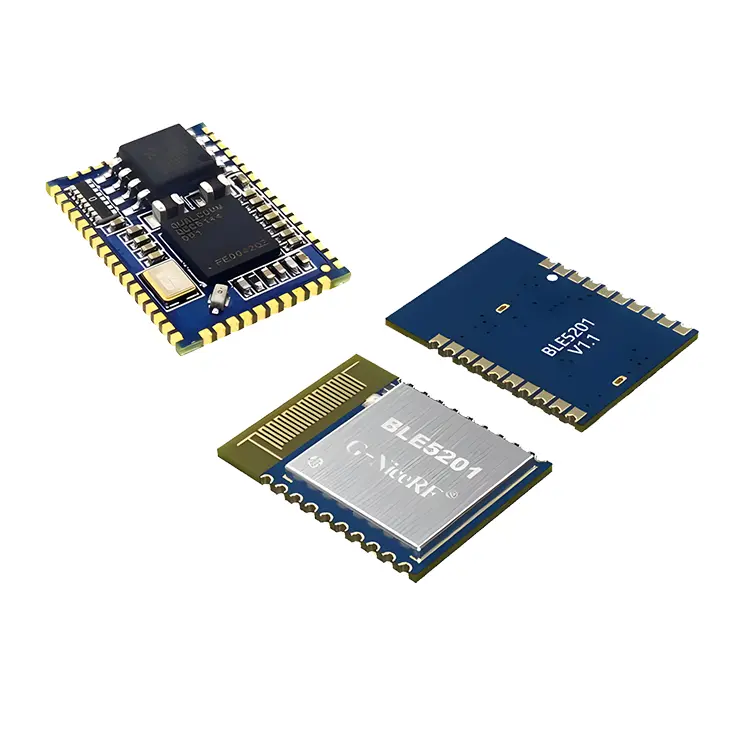 Communication Modules/IoT
 Resistors
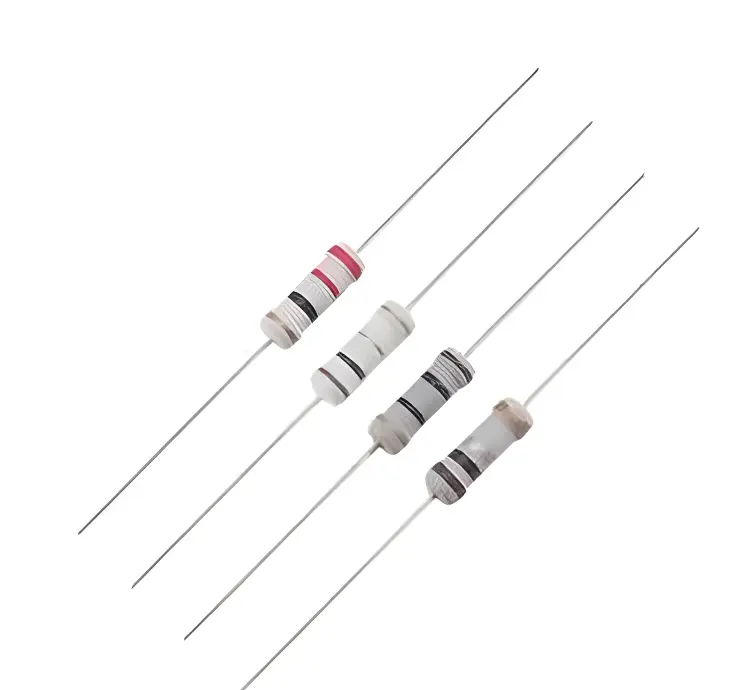 Through Hole Resistors
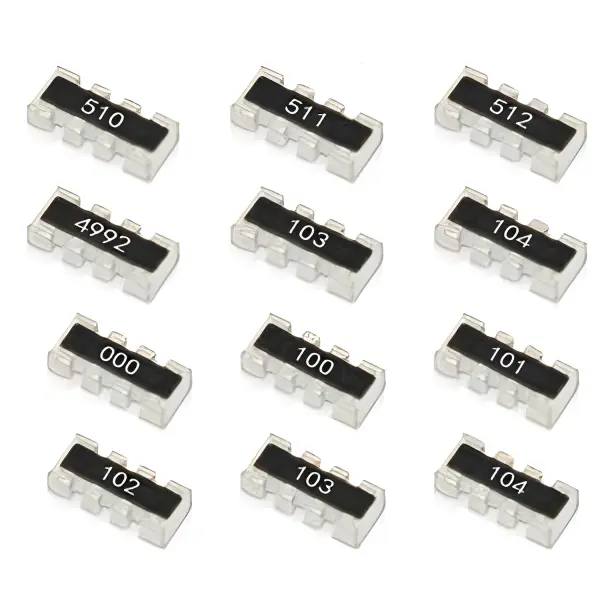 Resistor Networks, Arrays
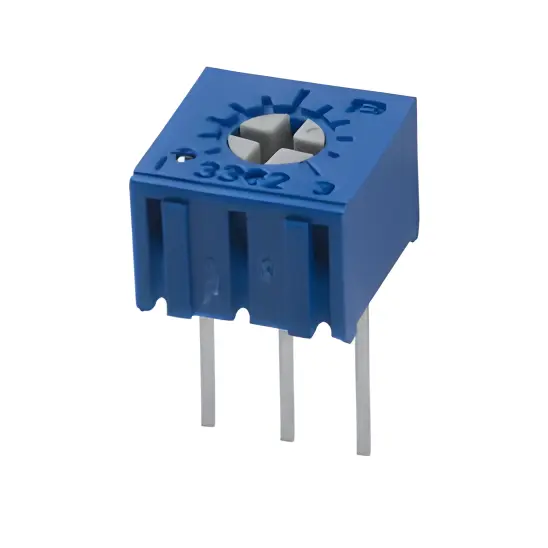 Potentiometers,Variable Resistors
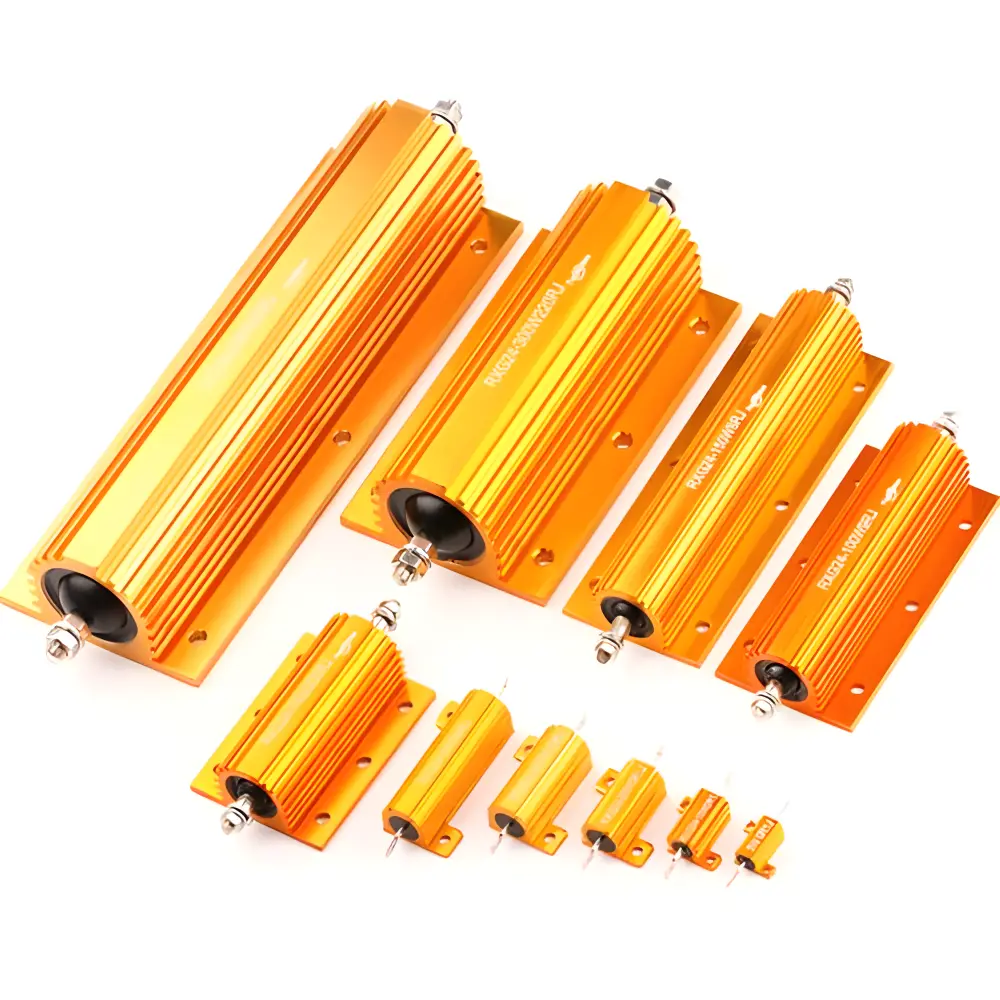 Aluminum Case,Porcelain Tube Resistance
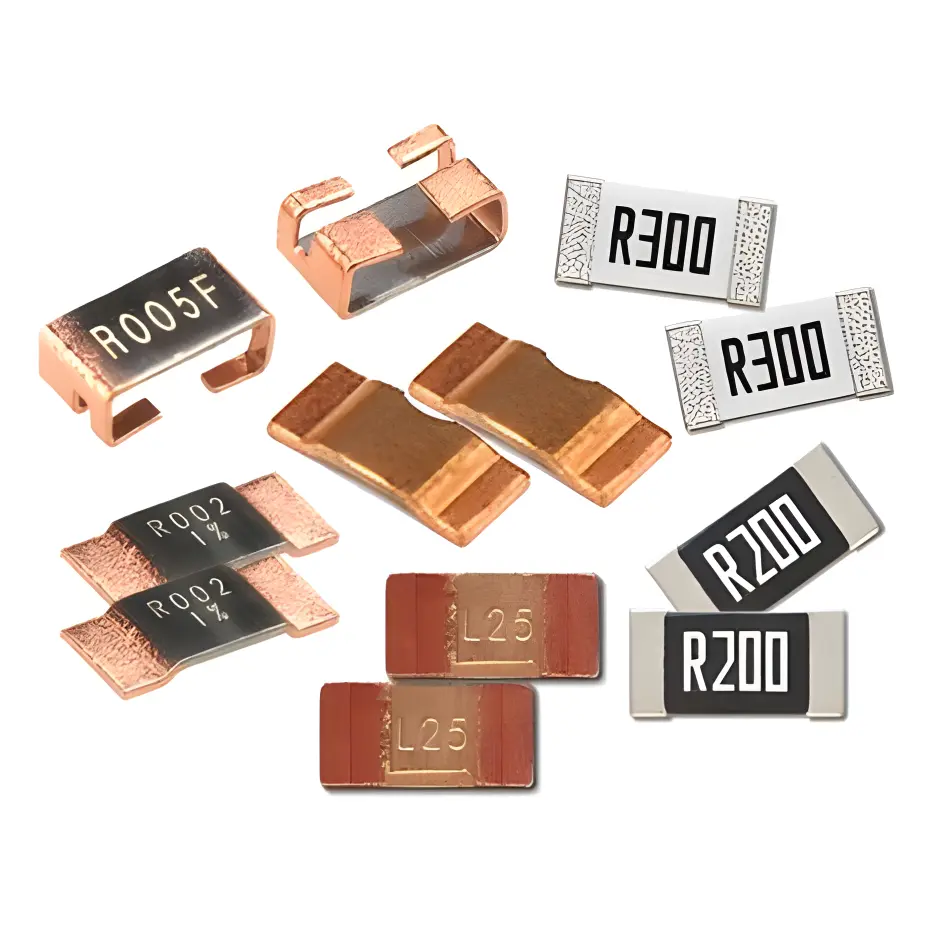 Current Sense Resistors,Shunt Resistors
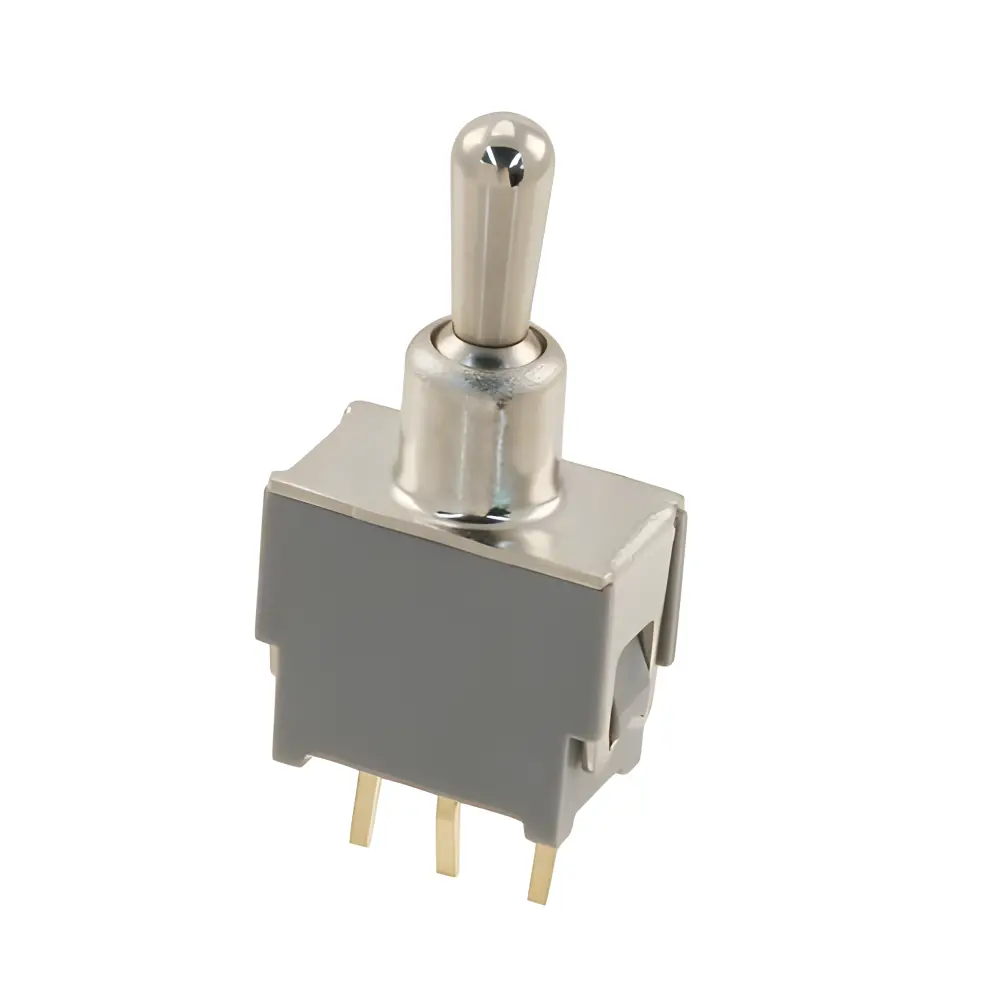 Switches
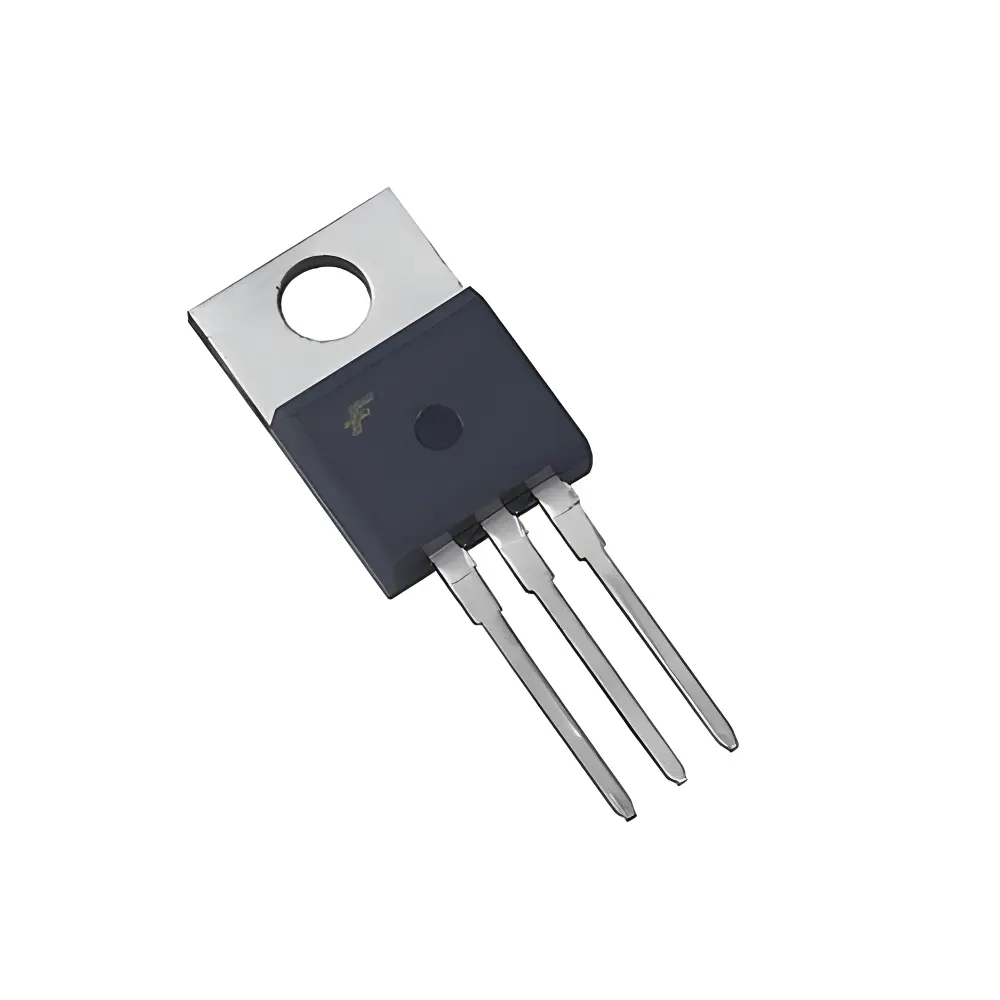 Transistors
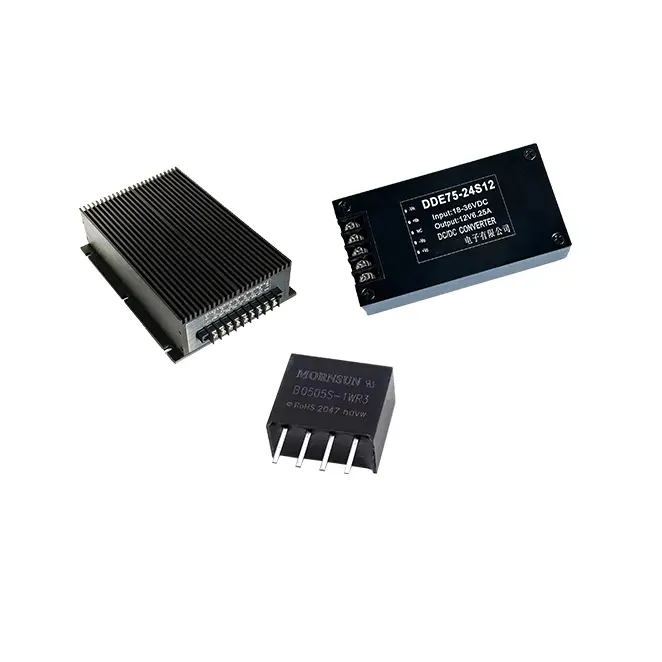 Power Modules
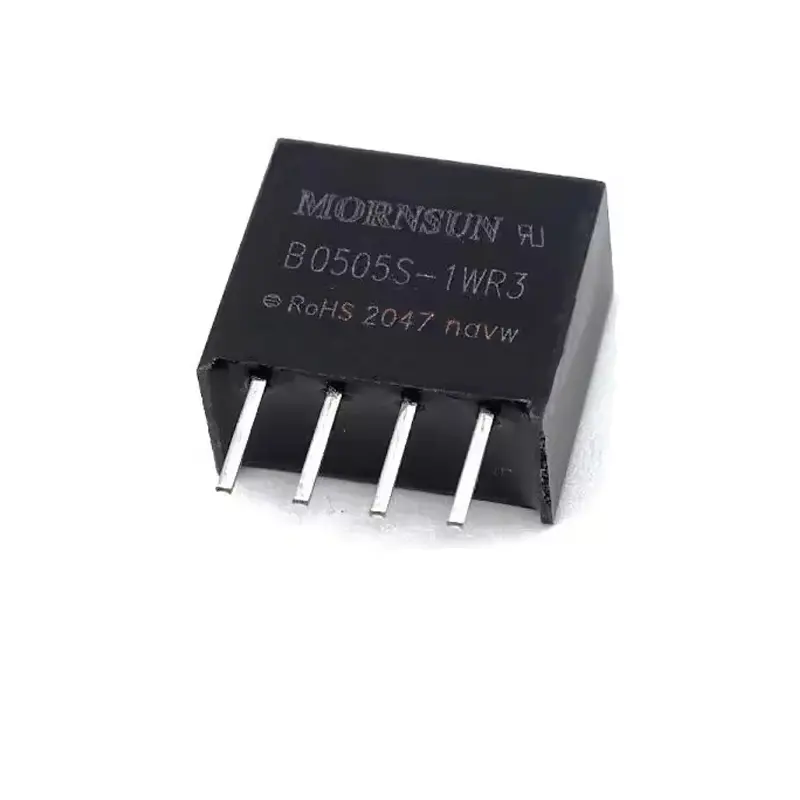 Isolated Power Modules
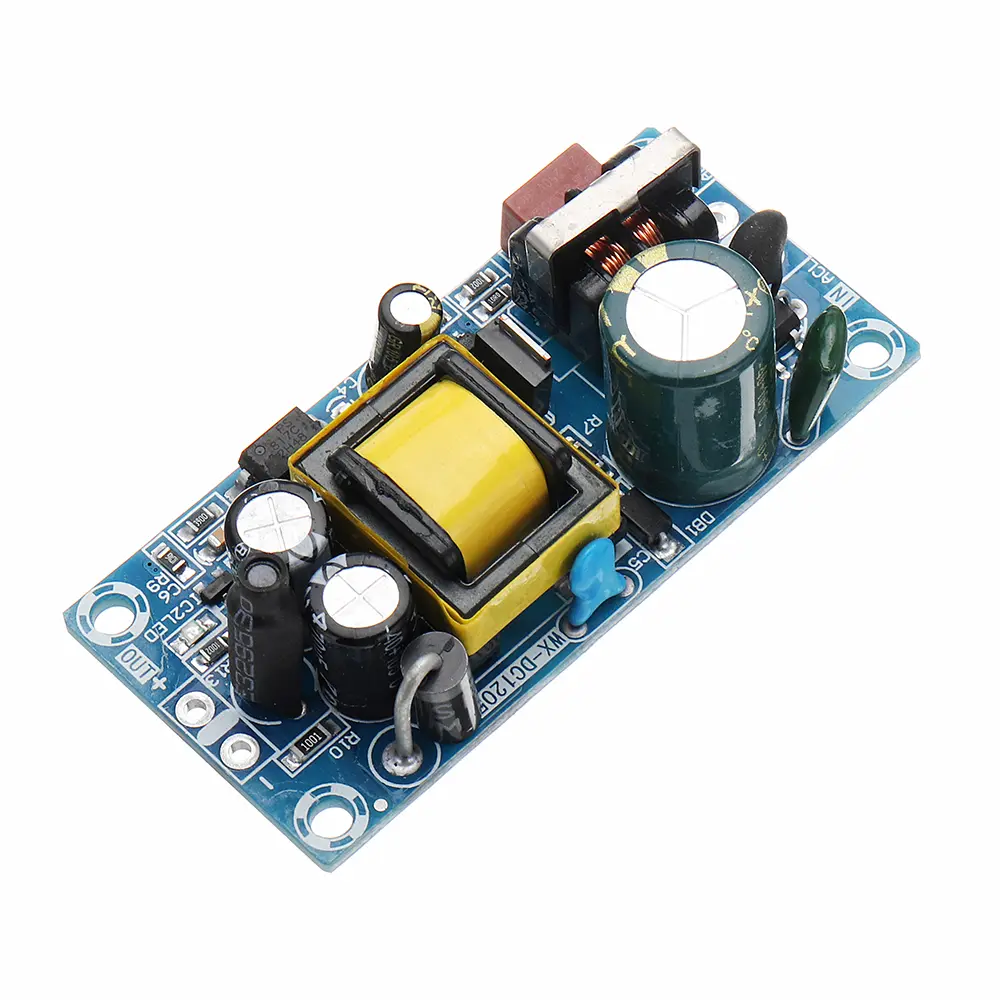 AC-DC Power Modules
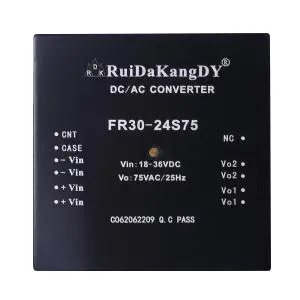 DC-AC Module(Inverter)
 RF and Wireless
Addressing Oxidized and Blackened Through-Hole Component Leads Prior to Wave Soldering: Ensuring Solder Joint Quality
2026-01-13
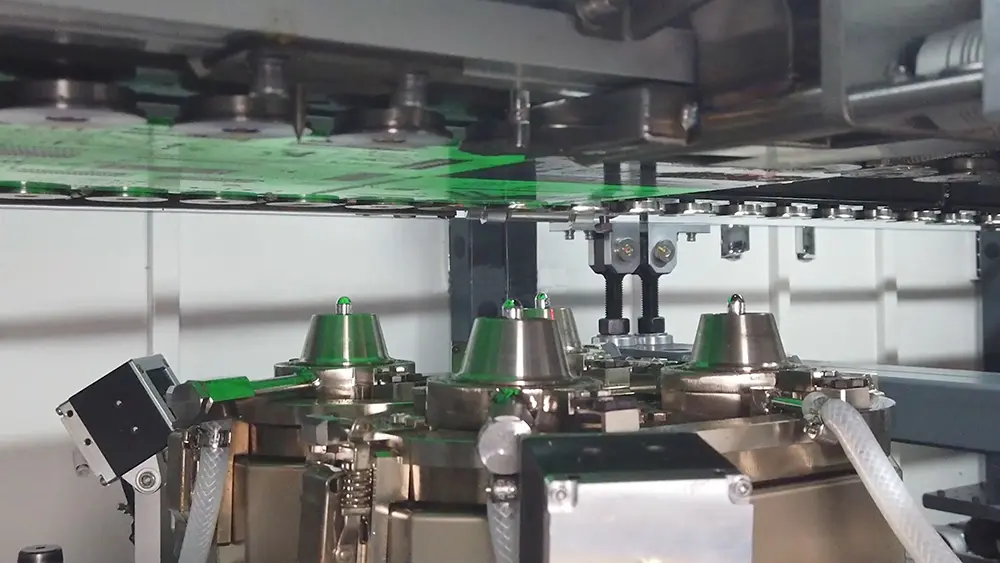
Wave soldering remains a cornerstone of electronic manufacturing, particularly for assembling printed circuit boards (PCBs) with through-hole components (THCs). These components, ranging from resistors and capacitors to connectors and integrated circuits, rely on robust solder joints to ensure both electrical conductivity and mechanical stability. A critical prerequisite for successful wave soldering is the integrity of the component leads: clean, oxide-free suRFaces are essential for proper solder wetting, spreading, and joint formation. However, a common challenge encountered in production environments is the oxidation and blackening of through-hole component leads prior to soldering. This oxidation, typically manifesting as a dark, discolored layer on the lead surface, acts as a barrier to solder adhesion, leading to defects such as insufficient solder fillet height, dewetting, non-wetting, and even open circuits. To mitigate these risks and guarantee soldering quality, a systematic approach to identifying, treating, and preventing lead oxidation is indispensable.
Oxidation of component leads is a natural electrochemical process driven by exposure to oxygen, moisture, heat, and other environmental contaminants. Most through-hole component leads are composed of copper or copper alloys, which are highly susceptible to oxidation. When exposed to air, copper reacts with oxygen to form cuprous oxide (Cu₂O) and cupric oxide (CuO)—layers that are chemically stable and electrically resistive. The rate of oxidation accelerates under conditions such as high humidity, elevated temperatures (e.g., during storage in unconditioned warehouses), or contact with corrosive substances (e.g., fingerprint oils, industrial fumes). Blackening of the leads is often a sign of advanced oxidation, indicating the presence of thicker oxide layers that are particularly detrimental to soldering. Left unaddressed, these oxidized layers will prevent molten solder from making direct contact with the underlying metal, resulting in weak or non-functional solder joints that compromise the reliability of the final product.
The purpose of this article is to provide a comprehensive guide to handling oxidized and blackened through-hole component leads before wave soldering. It will first explore the mechanisms and factors contributing to lead oxidation, as understanding the root causes is essential for implementing effective treatments. Subsequently, it will detail the key steps in assessing the extent of oxidation, as different levels of damage require different intervention strategies. The core of the article will focus on various treatment methods, including physical cleaning, chemical cleaning, and pre-plating techniques, evaluating their effectiveness, advantages, limitations, and application scenarios. Additionally, it will cover post-treatment verification processes to ensure that the leads are suitable for soldering, as well as preventive measures to minimize oxidation in future production cycles. By adhering to the principles and practices outlined herein, manufacturers can significantly reduce soldering defects, improve product yields, and enhance the long-term reliability of electronic assemblies.
To effectively address lead oxidation, it is first necessary to understand the mechanisms by which it occurs and the factors that exacerbate it. Copper, the primary material in most component leads, undergoes a two-step oxidation process when exposed to oxygen and moisture. The initial reaction forms a thin layer of cuprous oxide (Cu₂O), which is relatively thin (typically a few nanometers to micrometers) and may appear as a faint red or brown tint. If exposure continues, cuprous oxide reacts further with oxygen to form cupric oxide (CuO), a thicker, harder layer that is black in color. This black CuO layer is the primary culprit behind the "blackened" leads observed in production, and it is far more resistant to solder wetting than the underlying metal or even the thinner Cu₂O layer.
Several environmental and handling factors accelerate lead oxidation. High humidity is one of the most significant drivers, as moisture acts as an electrolyte, facilitating the electrochemical reaction between copper and oxygen. Storage facilities with relative humidity above 60% are particularly problematic, as they can lead to visible oxidation within days or weeks. Elevated temperatures also increase the reaction rate; for example, storing components near heat sources (e.g., ovens, heaters) or in unventilated areas can accelerate oxide formation. Additionally, human handling can introduce contaminants such as fingerprint oils, which contain fatty acids and salts that corrode the lead surface and promote oxidation. Industrial environments with high levels of sulfur dioxide, nitrogen oxides, or other corrosive gases further exacerbate the problem, as these gases react with copper to form additional corrosive layers (e.g., copper sulfide) that compound the soldering challenges.
Component packaging and storage duration also play a role in oxidation. Components that are not hermetically sealed or are packaged in porous materials (e.g., cardboard boxes without moisture barriers) are more vulnerable to environmental exposure. Extended storage times, even under relatively mild conditions, can lead to gradual oxide buildup. Furthermore, some component manufacturing processes may leave residual fluxes, oils, or other contaminants on the leads, which can act as catalysts for oxidation if not properly cleaned before shipping. Understanding these factors is critical because preventive measures (e.g., controlled storage environments, proper handling) can often reduce the need for extensive post-oxidation treatments.
Before implementing any treatment, it is essential to assess the extent of lead oxidation, as this determines the appropriate course of action. Not all discoloration indicates severe oxidation; some surface stains or contaminants may be easily removed, while thick, adherent oxide layers require more aggressive treatments. A systematic assessment process involves both visual inspection and, in some cases, more advanced analytical techniques to quantify the oxide layer thickness and composition.
Visual inspection is the first and most accessible step. Operators should examine the component leads under good lighting, ideally using a magnifying glass (10-20x magnification) to identify subtle discoloration or oxide patterns. Light oxidation may appear as a faint brown or reddish tint, while advanced oxidation is characterized by a uniform black or dark gray color. It is also important to distinguish between oxidation and other surface contaminants (e.g., dirt, oil, flux residue). For example, fingerprint oils may appear as translucent or greasy spots, while flux residue may be white or yellowish. A simple wipe test can help differentiate: contaminants such as oil or dirt can often be removed with a dry or solvent-moistened cloth, while oxide layers will remain intact.

For more precise assessment, analytical techniques such as optical microscopy, scanning electron microscopy (SEM), or X-ray photoelectron spectroscopy (XPS) can be used. Optical microscopy provides higher magnification (up to 100x) to visualize the oxide layer's thickness and uniformity. SEM, combined with energy-dispersive X-ray spectroscopy (EDS), can determine the elemental composition of the surface layer, confirming the presence of copper oxides (Cu₂O, CuO) or other contaminants (e.g., sulfur, chlorine). XPS is particularly useful for quantifying the thickness of the oxide layer and identifying the chemical state of the copper (e.g., Cu⁺ in Cu₂O vs. Cu²⁺ in CuO). These advanced techniques are especially valuable in high-reliability applications (e.g., aerospace, medical devices) where even minor oxidation can pose significant risks.
Another key aspect of assessment is determining whether the oxidation affects the lead's dimensional integrity. In severe cases, thick oxide layers can cause dimensional changes, which may affect the component's fit in the PCB through-holes. If the oxide layer is so thick that it prevents the lead from being inserted into the PCB hole, more aggressive treatment (or component replacement) may be necessary. Additionally, operators should check for signs of pitting or corrosion, which indicate that the oxidation has penetrated beyond the surface and may have compromised the lead's structural integrity. Components with severe pitting or corrosion are often unsalvageable and should be discarded to avoid reliability issues.
Once the extent of oxidation has been assessed, the next step is to select and implement an appropriate treatment method. The goal of any treatment is to remove the oxide layer and any contaminants, leaving a clean, active copper surface that promotes good solder wetting. The choice of treatment depends on factors such as the severity of oxidation, the component type, the production volume, and cost constraints. The most common treatment methods fall into three categories: physical cleaning, chemical cleaning, and pre-plating.
Physical cleaning methods rely on mechanical action to abrade or remove the oxide layer from the lead surface. These methods are particularly effective for mild to moderate oxidation and are often preferred for components that are sensitive to chemicals (e.g., some plastic-bodied components). The most widely used physical cleaning techniques include manual abrasion, ultrasonic cleaning, and abrasive blasting.
Manual abrasion is the simplest and most cost-effective physical cleaning method, suitable for low-volume production or rework scenarios. It involves using an abrasive material (e.g., fine-grit sandpaper, steel wool, abrasive pads) to gently rub the oxidized lead surfaces. The key to successful manual abrasion is using a fine grit (e.g., 400-600 grit sandpaper) to avoid damaging the underlying copper. Operators should rub the leads in a uniform, linear motion to ensure consistent oxide removal, taking care not to apply excessive pressure, which can cause lead deformation or create micro-cracks. After abrasion, the leads should be thoroughly cleaned with a lint-free cloth moistened with isopropyl alcohol (IPA) to remove any abrasive particles and residual oxide dust. While manual abrasion is simple, it is labor-intensive and prone to human error; inconsistent pressure or technique can result in uneven cleaning, leaving some areas with residual oxidation.
Ultrasonic cleaning is a more automated physical cleaning method, ideal for high-volume production. It uses high-frequency sound waves (typically 20-40 kHz) to create cavitation bubbles in a cleaning solution (e.g., deionized water, aqueous detergents). The collapse of these bubbles generates intense mechanical forces that dislodge and remove oxide layers, dirt, and other contaminants from the lead surfaces. Ultrasonic cleaning is effective for both mild and moderate oxidation and can clean multiple components simultaneously, improving efficiency and consistency. The choice of cleaning solution is critical: aqueous detergents with mild surfactants are preferred for removing organic contaminants and loose oxides, while adding a small amount of citric acid can enhance the removal of more stubborn oxide layers. It is important to use a solution that is compatible with the component's packaging (e.g., plastic bodies, seals) to avoid damage. After ultrasonic cleaning, components must be thoroughly rinsed with deionized water to remove any residual detergent, as detergent residues can interfere with soldering. They should then be dried immediately (e.g., with hot air or in an oven at 60-80°C) to prevent reoxidation.
Abrasive blasting, also known as sandblasting, is a more aggressive physical cleaning method used for severe oxidation. It involves directing a stream of abrasive particles (e.g., aluminum oxide, glass beads) at high velocity onto the lead surfaces to abrade away the oxide layer. Abrasive blasting is highly effective for removing thick, adherent oxide layers and can clean components quickly. However, it requires specialized equipment and must be carefully controlled to avoid damaging the leads. Using too high a pressure or abrasive particles that are too large can cause lead deformation, pitting, or thinning, which compromises the component's mechanical strength. Additionally, the abrasive particles can become embedded in the lead surface if not properly cleaned afterward, leading to soldering defects. For these reasons, abrasive blasting is typically reserved for components with severe oxidation that cannot be cleaned using milder methods, and it should be followed by a thorough cleaning (e.g., ultrasonic cleaning) to remove all abrasive residues.
Chemical cleaning methods use chemical reactions to dissolve or convert the oxide layer into a soluble compound that can be easily removed. These methods are often more efficient than physical cleaning for moderate to severe oxidation and are better suited for high-volume production. However, they require careful handling of chemicals and must be compatible with the component's materials (e.g., plastic, ceramic, metal). Common chemical cleaning agents include organic acids, inorganic acids, and flux-based cleaners.
Organic acids (e.g., citric acid, acetic acid, formic acid) are mild and widely used for cleaning oxidized copper leads. They react with copper oxides to form soluble copper salts, which can be rinsed away. Citric acid is particularly preferred because it is non-toxic, biodegradable, and compatible with most component materials. A typical citric acid cleaning solution consists of 5-10% citric acid by weight in deionized water, heated to 40-60°C to enhance the reaction rate. Components are immersed in the solution for 5-15 minutes, depending on the severity of oxidation. After immersion, they are thoroughly rinsed with deionized water and dried immediately to prevent reoxidation. Organic acid cleaning is effective for removing both Cu₂O and CuO layers and is less likely to damage the underlying copper than inorganic acids. However, it may be less effective for very thick or stubborn oxide layers.
Inorganic acids (e.g., sulfuric acid, hydrochloric acid, phosphoric acid) are more aggressive and effective for severe oxidation. They react rapidly with copper oxides, dissolving them quickly. However, inorganic acids are highly corrosive and can damage the underlying copper if not properly controlled. For example, concentrated sulfuric acid can etch copper, leading to lead thinning and dimensional changes. To mitigate this risk, inorganic acids are typically used in dilute solutions (e.g., 1-5% by weight) and at low temperatures (20-30°C). Components are immersed for short periods (1-5 minutes) and must be monitored closely to avoid over-etching. After acid treatment, components must be rinsed repeatedly with deionized water to neutralize any residual acid, as even small amounts of acid can cause reoxidation or interfere with soldering. Due to their corrosiveness, inorganic acids are generally used only when organic acids are ineffective, and operators must wear appropriate personal protective equipment (PPE) to avoid chemical burns.
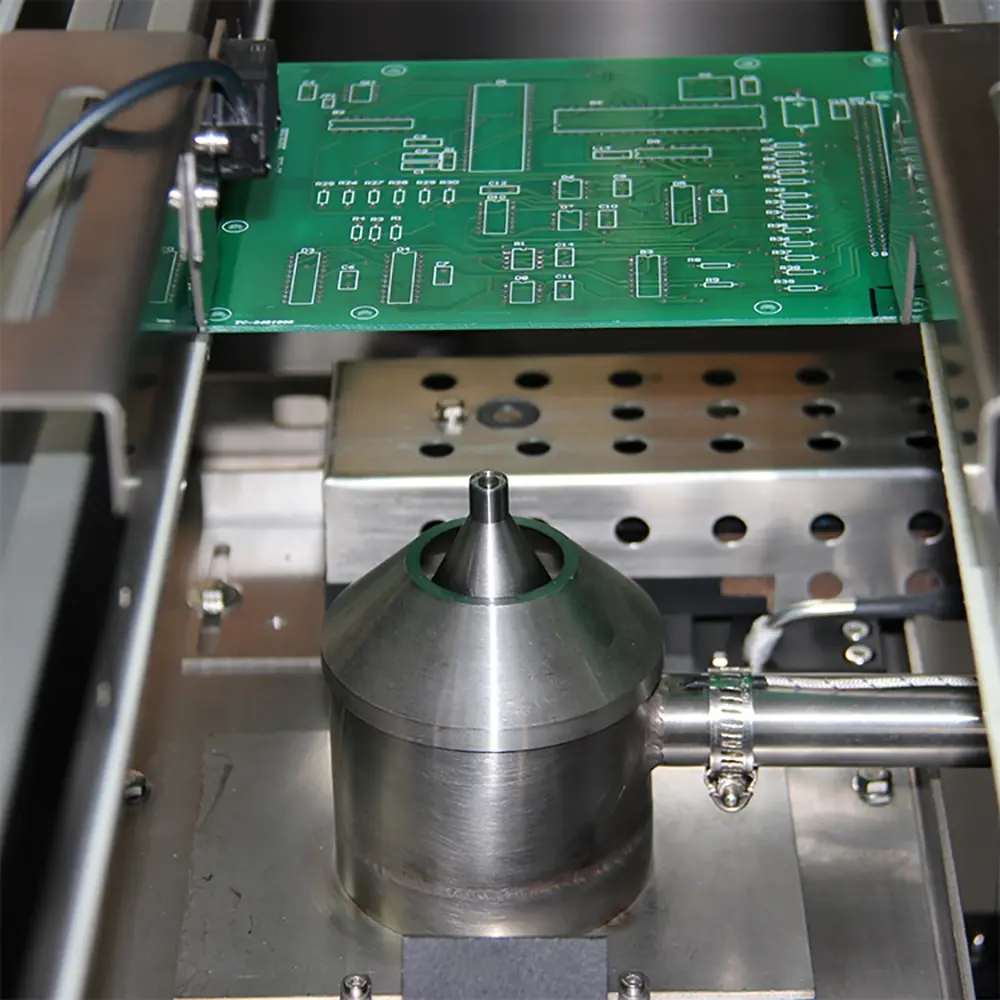
Flux-based cleaners are another type of chemical cleaning agent, specifically designed to remove oxides and prepare surfaces for soldering. These cleaners contain active ingredients (e.g., rosin derivatives, halides, organic acids) that react with copper oxides, converting them into soluble compounds. Flux-based cleaners are available in liquid, gel, or spray forms, making them suitable for both batch and spot cleaning. They are particularly useful for rework scenarios, where only specific leads need cleaning. After applying the flux cleaner, the leads are typically wiped with a lint-free cloth to remove the dissolved oxide and excess flux. Some flux-based cleaners are "no-clean," meaning they leave a minimal residue that does not require rinsing and is compatible with soldering. However, it is important to select a flux cleaner that is compatible with the wave soldering flux used in production, as incompatible fluxes can react and form harmful residues. Flux-based cleaners are effective for mild to moderate oxidation but may not be sufficient for thick, blackened oxide layers.
For components with severe oxidation or those intended for high-reliability applications, pre-plating (or re-plating) may be necessary. Pre-plating involves depositing a thin layer of a solderable metal (e.g., tin, tin-lead, silver) onto the cleaned copper leads. This layer acts as a barrier against reoxidation and provides an excellent surface for solder wetting. Pre-plating is particularly useful for components that will be stored for extended periods before soldering or for those used in harsh environments. However, it is a more complex and costly process than physical or chemical cleaning and requires specialized equipment.
Tin plating is the most common pre-plating method for through-hole component leads. Tin is highly solderable and forms a stable oxide layer (tin oxide) that is much thinner and easier to remove during soldering than copper oxides. The plating process typically involves electroplating, where the cleaned copper leads are immersed in an electrolyte solution containing tin ions. An electric current is applied, causing tin ions to deposit onto the copper surface, forming a uniform layer (typically 2-5 micrometers thick). After plating, the leads are rinsed and dried to remove any electrolyte residues. Tin plating provides long-term protection against oxidation and ensures excellent solder wetting. However, it is important to ensure that the tin layer is free of defects (e.g., porosity, uneven thickness), as these can compromise its protective properties.
Silver plating is another pre-plating option, offering even better solderability and corrosion resistance than tin. Silver forms a very thin oxide layer that is easily removed by flux during soldering. However, silver plating is more expensive than tin plating and is typically reserved for high-reliability applications (e.g., aerospace, military electronics). Additionally, silver can migrate over time, leading to short circuits in dense Pcb Layouts, so it must be used with caution.
Hot tin dipping is a simpler alternative to electroplating, suitable for low-volume production or rework. It involves dipping the cleaned copper leads into a bath of molten tin (or tin-lead alloy) for a short period (a few seconds), allowing a thin layer of tin to coat the leads. Hot tin dipping is faster and less expensive than electroplating but may result in a less uniform layer thickness. It is important to control the temperature of the molten tin (typically 230-250°C for pure tin) and the dipping time to avoid excessive tin buildup or lead deformation. After dipping, the leads are cooled rapidly (e.g., with air or water) to solidify the tin layer.
After treating the oxidized leads, it is critical to verify that the treatment has been effective and that the leads are suitable for soldering. Post-treatment verification ensures that all oxide layers and contaminants have been removed, and that the lead surface is clean and active. This step is essential for preventing soldering defects and ensuring the reliability of the final product.
Visual inspection is again the first step in post-treatment verification. Operators should examine the leads under magnification to ensure that all discoloration has been removed and that the surface has a uniform, bright copper or plated appearance (e.g., shiny tin). Any remaining black or brown spots indicate residual oxidation and require further treatment. It is also important to check for signs of damage (e.g., deformation, pitting, embedded abrasive particles) caused by the treatment process.
Solderability testing is the most definitive method for verifying the effectiveness of the treatment. The goal of solderability testing is to simulate the wave soldering process and evaluate how well the treated leads wet with molten solder. Common solderability tests include the dip test, the meniscograph test, and the wetting balance test.
The dip test is a simple, qualitative test suitable for routine verification. It involves dipping the treated leads into a bath of molten solder (typically Sn-Pb or SAC305 lead-free alloy) at the appropriate soldering temperature (e.g., 245-255°C for SAC305) for a specified time (e.g., 2-5 seconds). The leads are then removed and inspected: a result is indicated by uniform solder coverage over the entire lead surface, with no dewetting or non-wetting areas. If the solder beads up or fails to cover the lead, it indicates residual oxidation or contamination, and the leads require re-treatment.
The meniscograph test and wetting balance test are quantitative methods used for more rigorous verification, particularly in high-reliability applications. These tests measure the wetting force between the lead and molten solder over time. A positive wetting force indicates that the solder is adhering to the lead, while a negative force indicates poor wetting. The tests provide numerical data (e.g., wetting time, maximum wetting force) that can be compared to industry standards (e.g., IPC-A-610, J-STD-002) to determine if the leads are suitable for soldering. These quantitative tests are particularly useful for identifying subtle issues that may not be detected by visual inspection alone.
In addition to solderability testing, it is important to check for residual contaminants (e.g., chemical residues, abrasive particles) that may have been left behind by the treatment process. This can be done using techniques such as Fourier-transform infrared spectroscopy (FTIR) or ion chromatography (IC) to detect organic or inorganic residues. Residual contaminants can interfere with soldering or cause long-term reliability issues (e.g., corrosion), so any components with excessive residues must be re-cleaned.
While effective treatment of oxidized leads is critical, preventing oxidation in the first place is even more important for reducing costs and improving production efficiency. A comprehensive prevention strategy involves controlling the storage environment, implementing proper handling procedures, and selecting components with appropriate packaging and surface finishes.
Controlling the storage environment is the most effective way to prevent lead oxidation. Components should be stored in a controlled environment with relative humidity below 50% and a temperature range of 15-25°C. Using sealed storage containers (e.g., moisture barrier bags, vacuum-sealed packages) with desiccants can further protect components from moisture and oxygen. It is also important to avoid storing components near heat sources, corrosive materials, or areas with high levels of industrial fumes. Additionally, components should be rotated on a first-in, first-out (FIFO) basis to minimize storage time, as extended storage increases the risk of oxidation.
Proper handling procedures are another key preventive measure. Operators should avoid direct contact with component leads, as fingerprint oils contain contaminants that promote oxidation. When handling components is necessary, operators should wear clean, lint-free gloves. Components should also be handled gently to avoid damaging the lead surfaces, as scratches or dents can create sites for accelerated oxidation. Additionally, any packaging materials (e.g., tape and reel, tubes) should be inspected for damage before use, as damaged packaging can expose components to environmental contaminants.
Selecting components with appropriate packaging and surface finishes can also minimize oxidation risks. Components with hermetically sealed packaging or moisture barrier bags are less vulnerable to environmental exposure. Additionally, components with pre-plated leads (e.g., tin-plated, silver-plated) have a built-in barrier against oxidation and are less likely to develop blackened leads during storage. When specifying components, manufacturers should communicate their storage and handling requirements to suppliers to ensure that components are shipped in appropriate packaging and with clean, oxide-free leads.
Regular monitoring and maintenance of the production environment are also important for prevention. This includes monitoring humidity and temperature levels in storage areas, inspecting components for oxidation upon receipt, and implementing a quality control program to identify and address oxidation issues early. By detecting oxidation in the early stages (e.g., faint brown discoloration), manufacturers can implement milder, less costly treatments (e.g., ultrasonic cleaning) instead of more aggressive methods (e.g., chemical etching, pre-plating).
In conclusion, oxidized and blackened through-hole component leads pose a significant threat to wave soldering quality, leading to a range of defects that compromise the reliability of electronic assemblies. Addressing this issue requires a systematic approach that includes understanding the causes of oxidation, assessing the extent of damage, selecting and implementing appropriate treatment methods, verifying the effectiveness of treatment, and implementing preventive measures to minimize future oxidation.
Physical cleaning methods (e.g., manual abrasion, ultrasonic cleaning) are suitable for mild to moderate oxidation, while chemical cleaning (e.g., organic acids, flux-based cleaners) is more effective for moderate to severe oxidation. Pre-plating (e.g., tin plating, hot tin dipping) is reserved for severe oxidation or high-reliability applications. Post-treatment verification, including visual inspection and solderability testing, ensures that the leads are clean and solderable. Preventive measures, such as controlled storage environments, proper handling procedures, and appropriate component selection, are critical for reducing oxidation risks and improving production efficiency.
By implementing these strategies, manufacturers can effectively address oxidized component leads, reduce soldering defects, and enhance the reliability of their electronic products. In an increasingly competitive manufacturing landscape, where product quality and reliability are paramount, a proactive approach to lead oxidation management is not only necessary but also a key driver of success.