
 PCB
PCB FPC
FPC Rigid-Flex
 FR-4
FR-4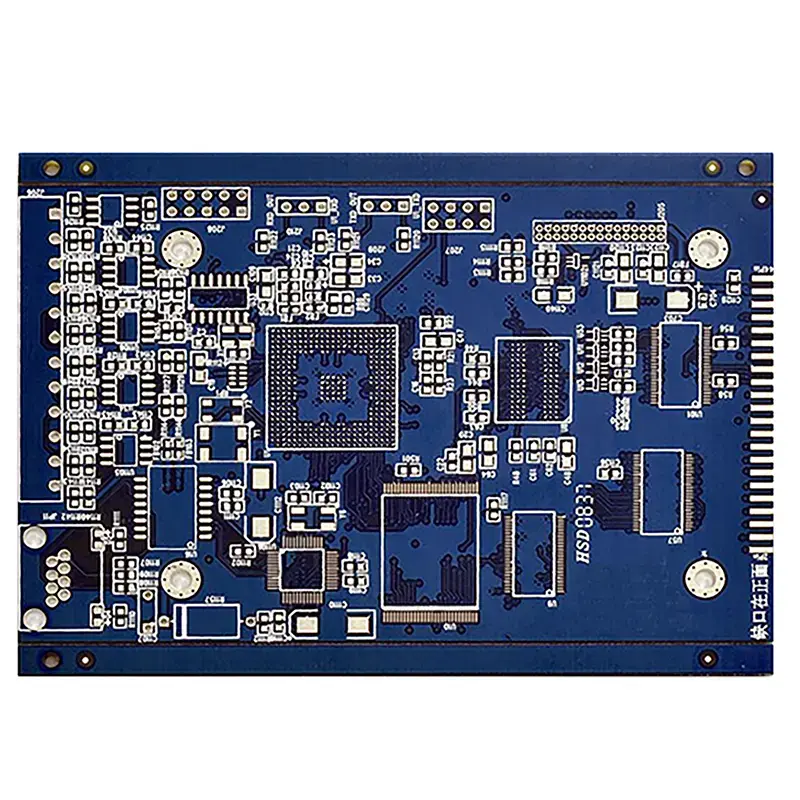 HDI PCB
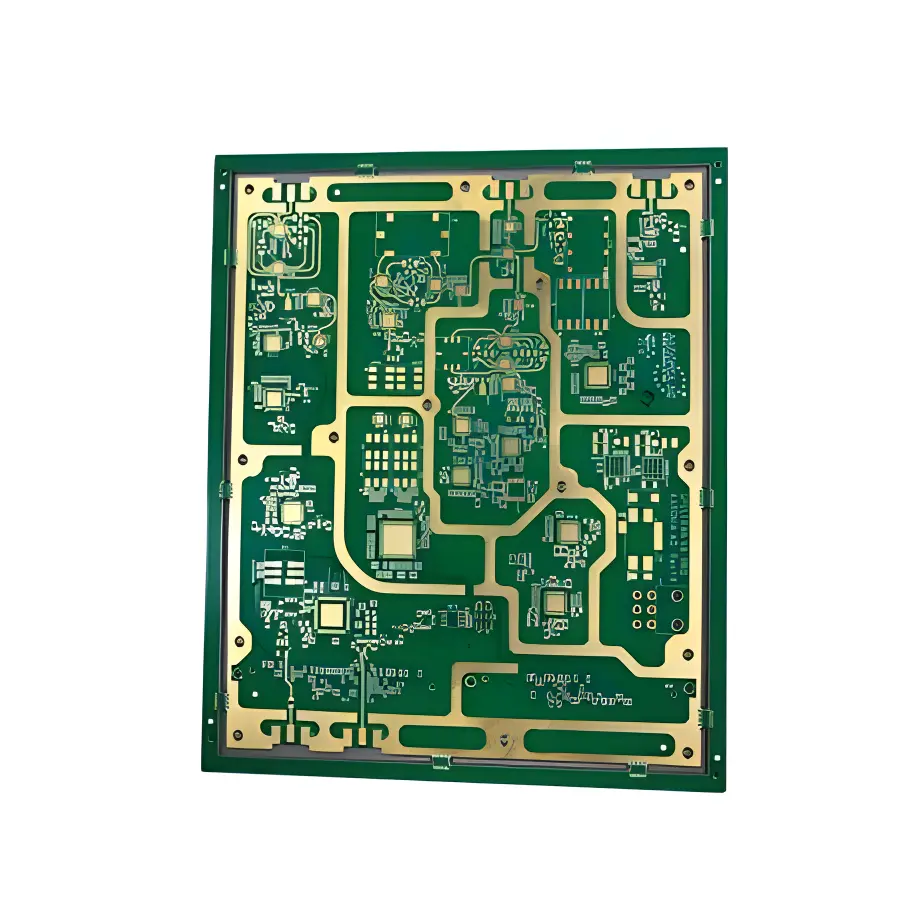 Rogers High-Frequency Board
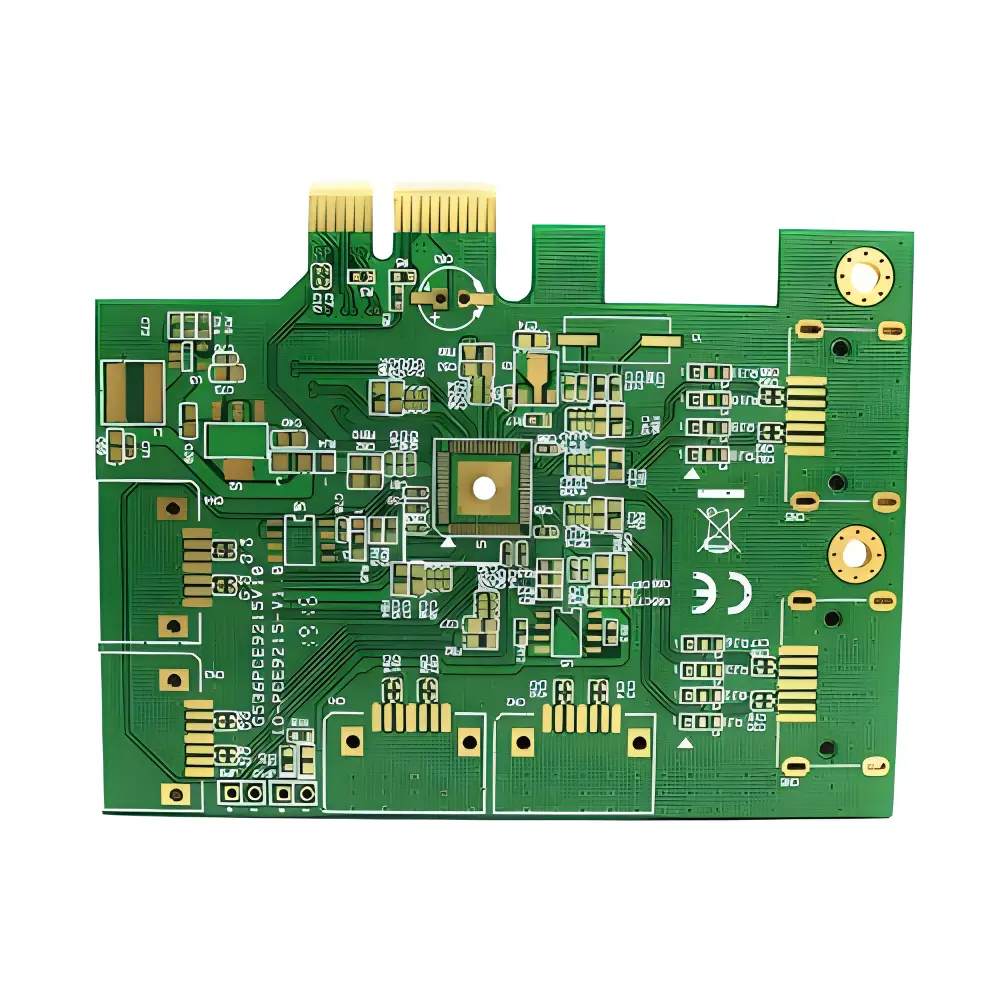 PTFE Teflon High-Frequency Board
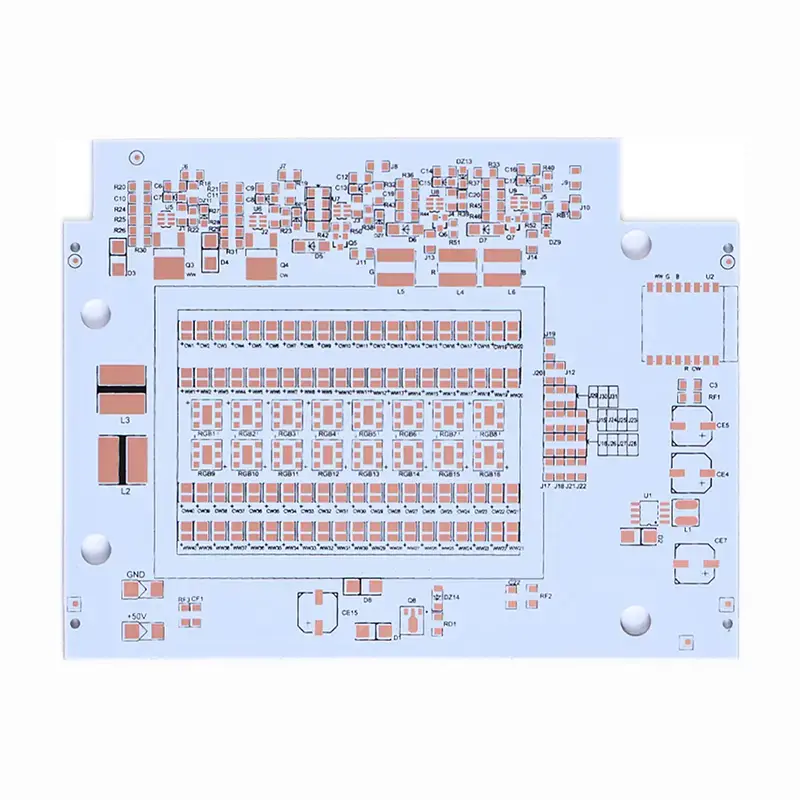 Aluminum
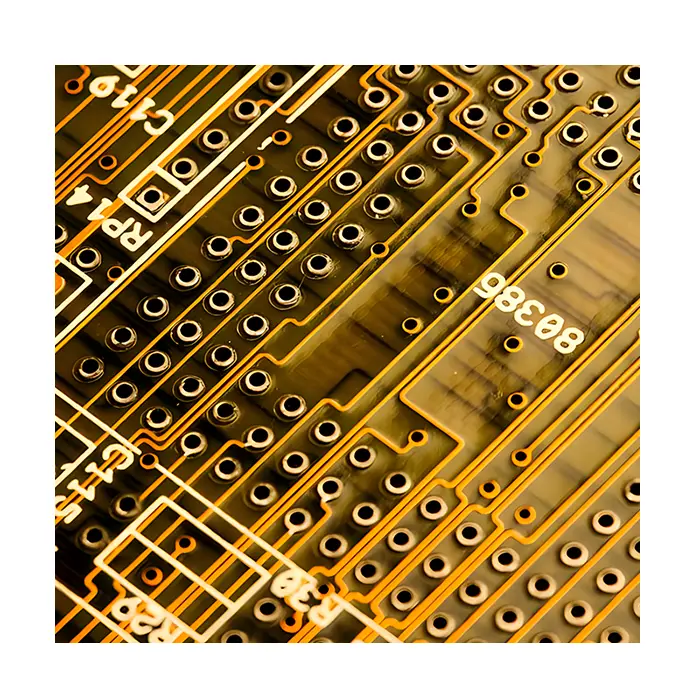 Copper Core
 PCB Assembly
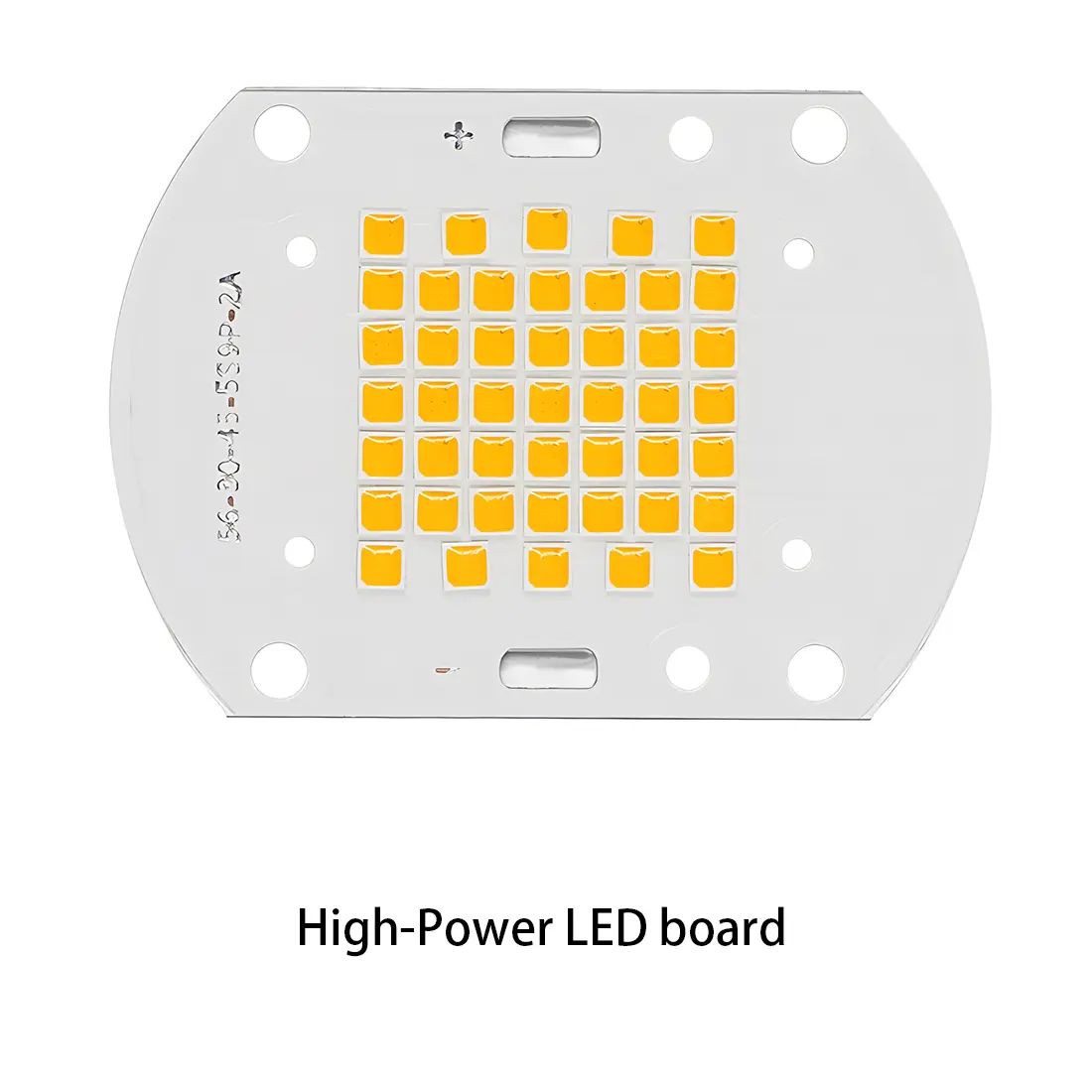 LED light PCBA
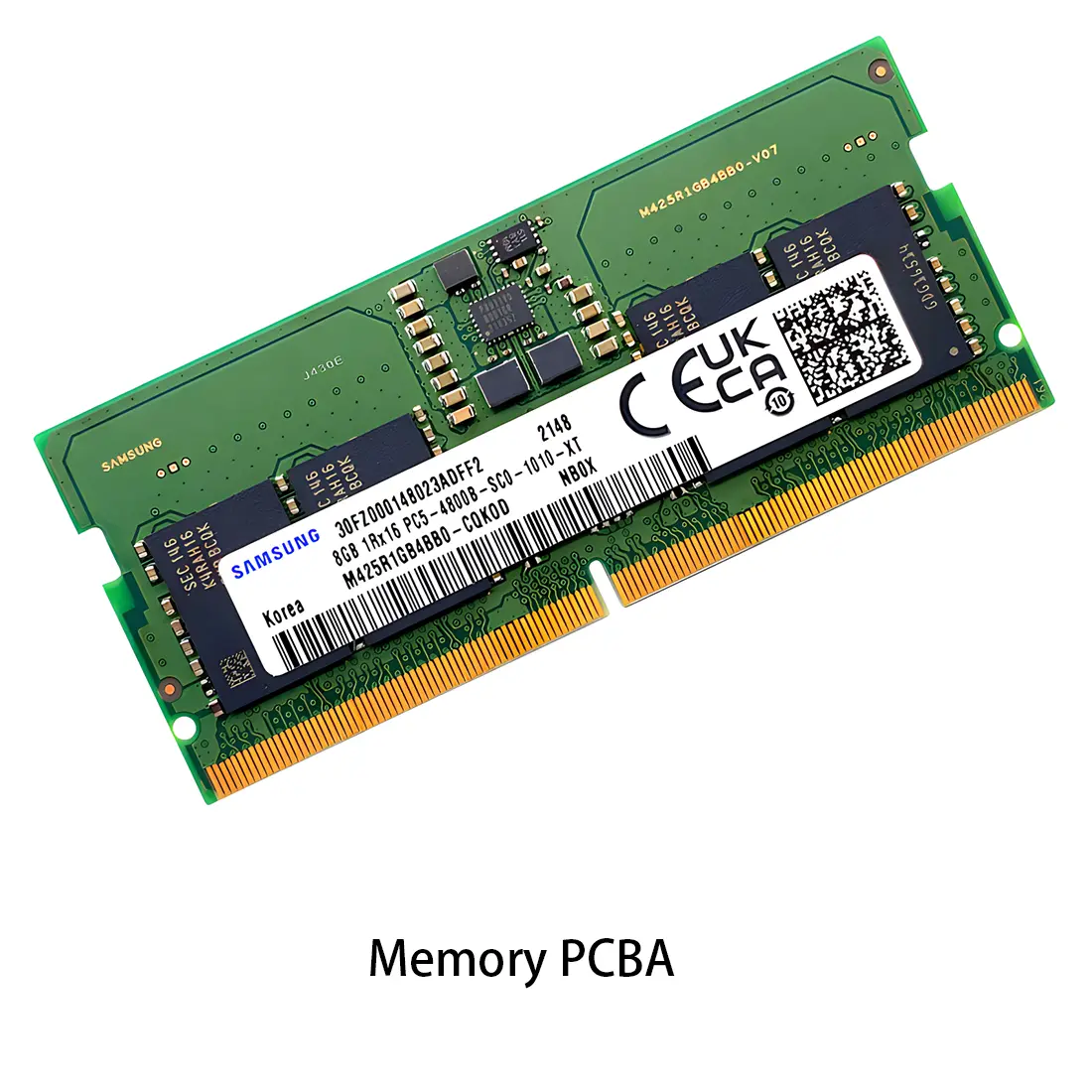 Memory PCBA
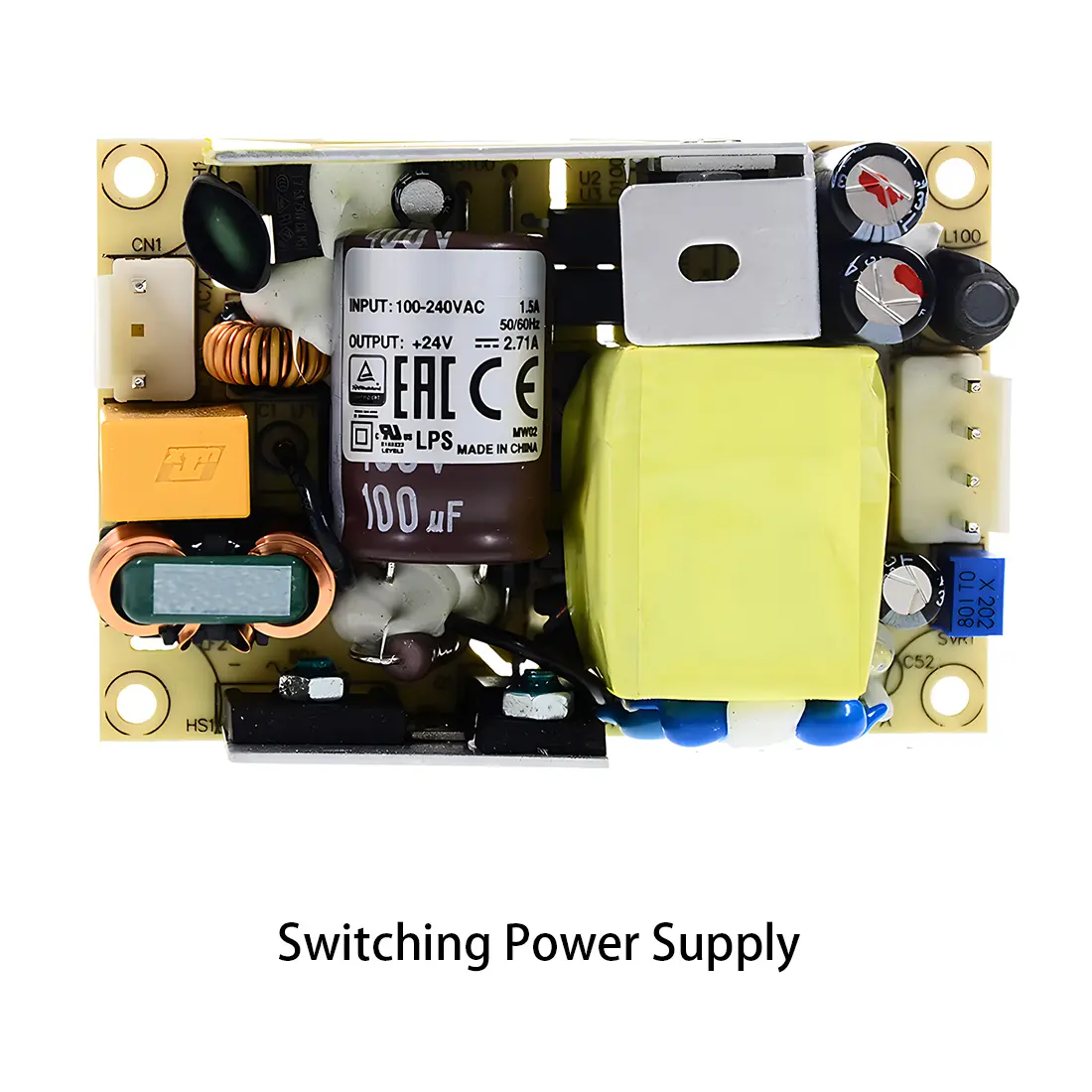 Power Supply PCBA
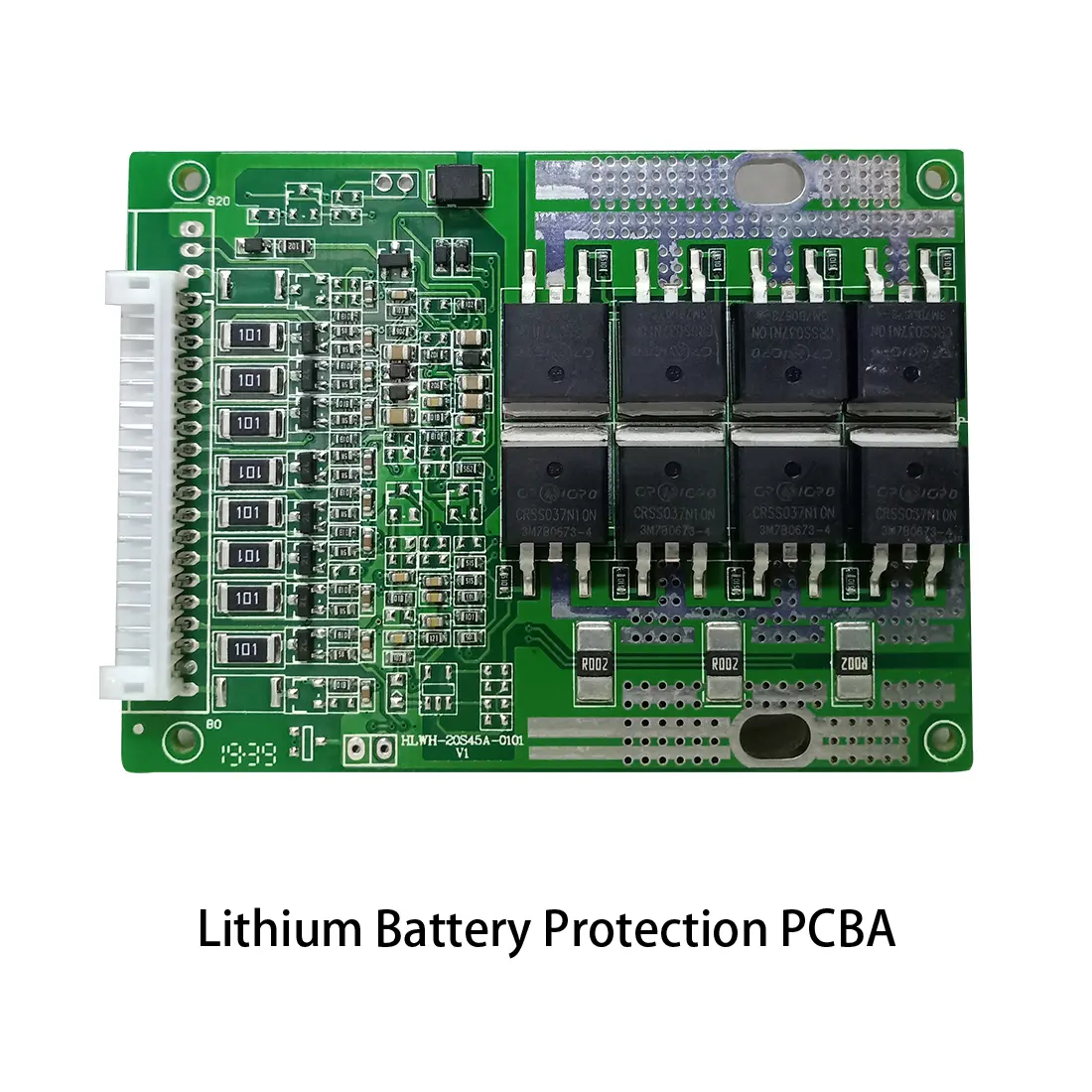 New Energey PCBA
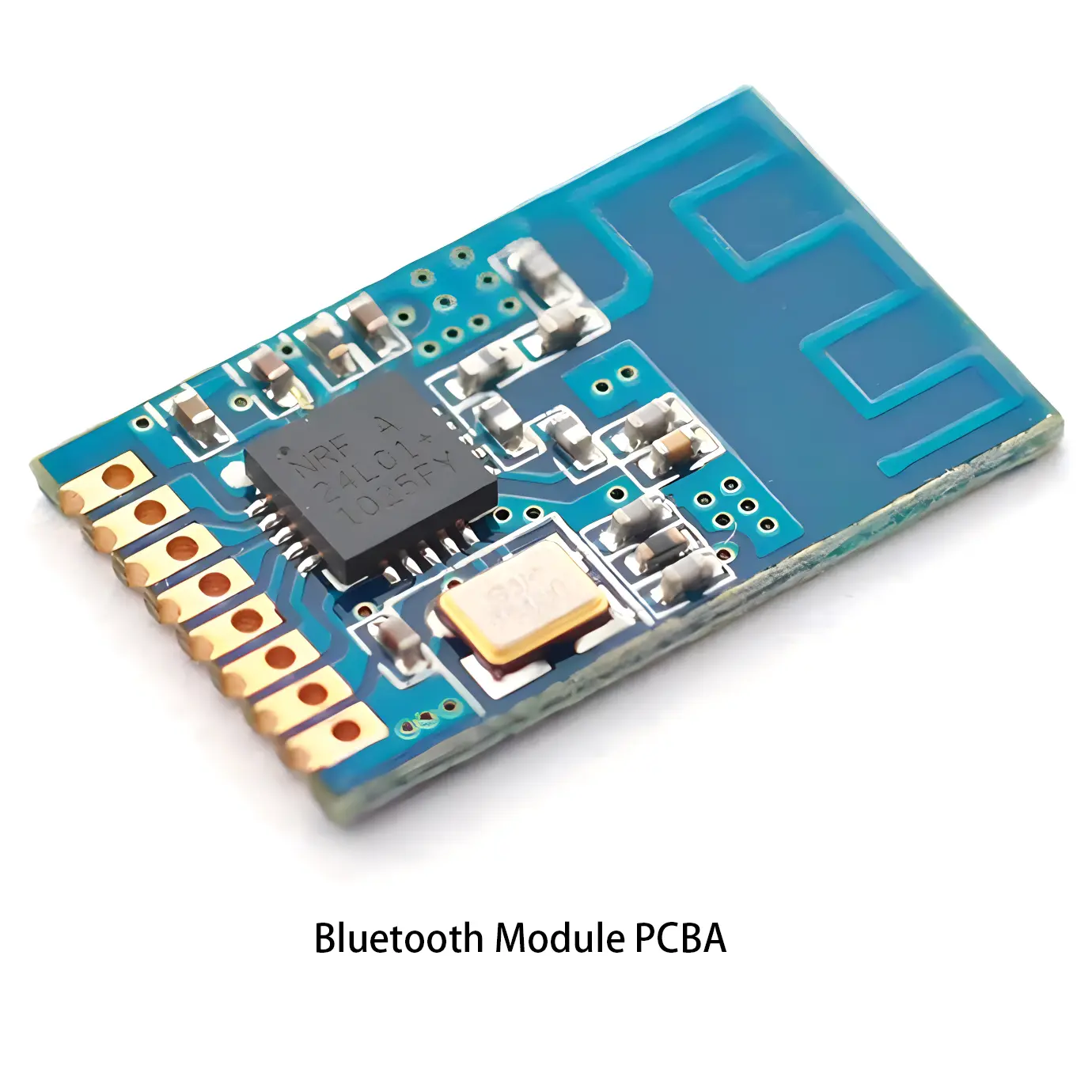 Communication PCBA
 Industrial Control PCBA
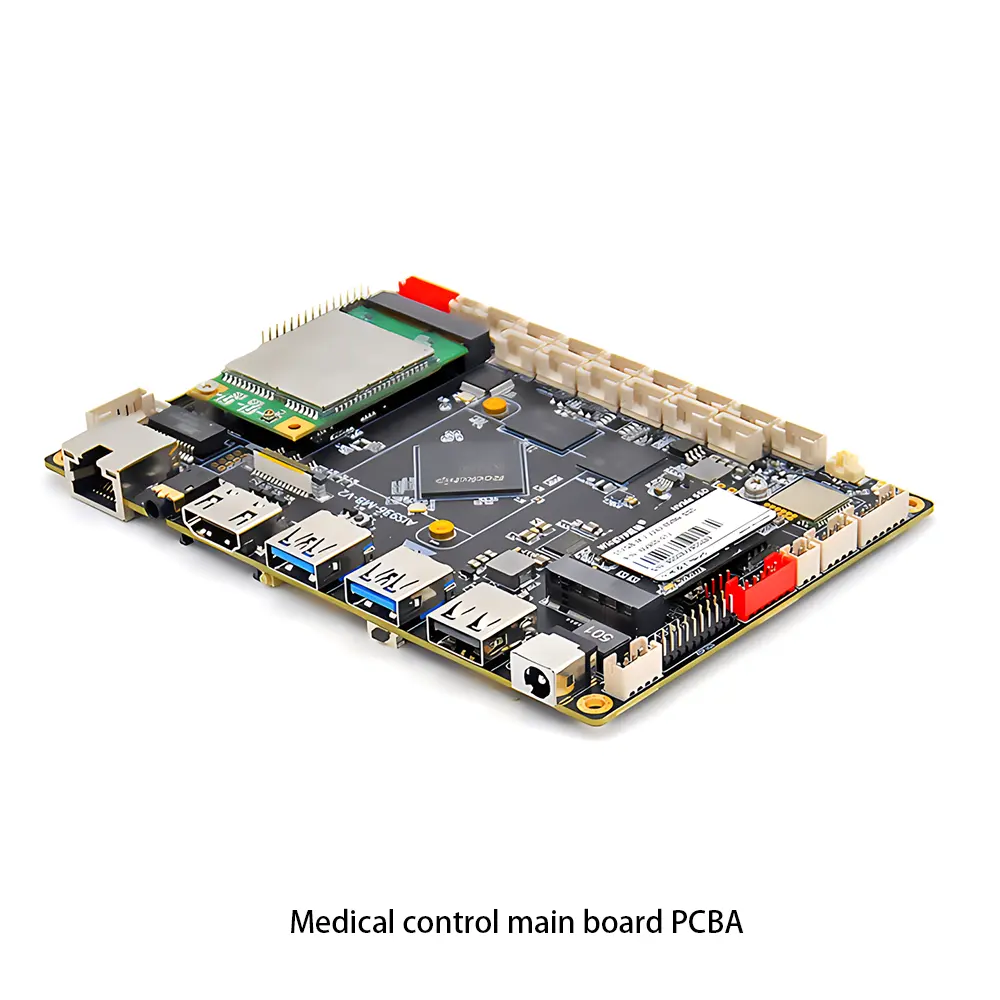 Medical Equipment PCBA
 Testing Service
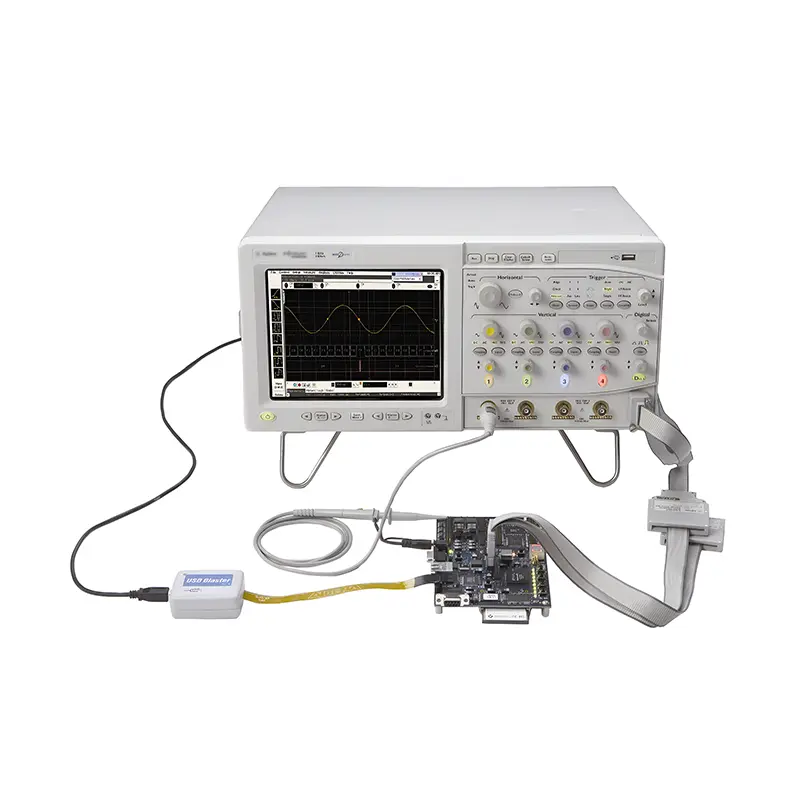 PCBA Testing Service
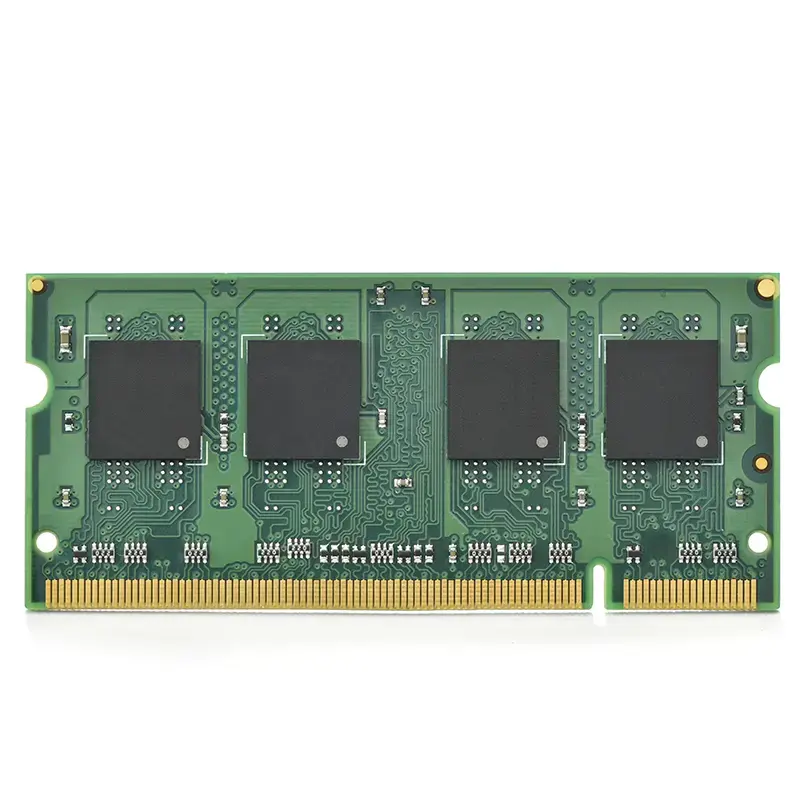 Certification Application
 RoHS Certification Application
 REACH Certification Application
 CE Certification Application
 FCC Certification Application
 CQC Certification Application
 UL Certification Application
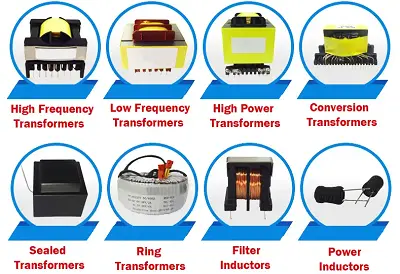 Transformers, Inductors
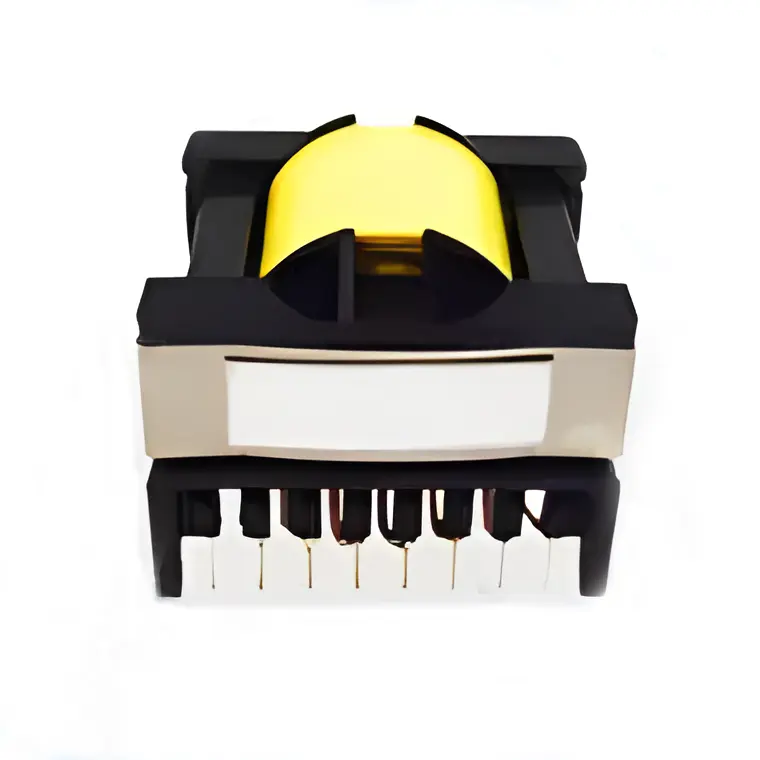 High Frequency Transformers
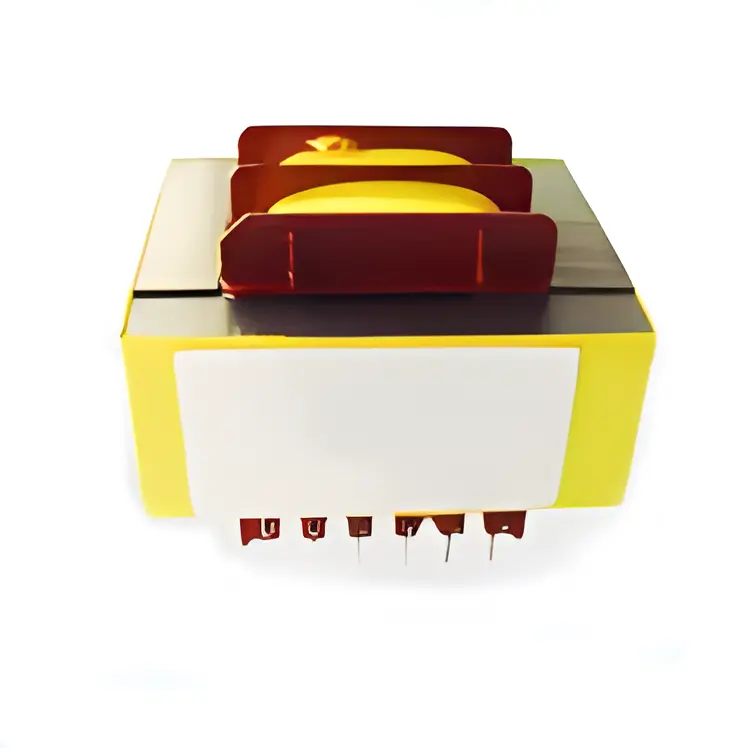 Low Frequency Transformers
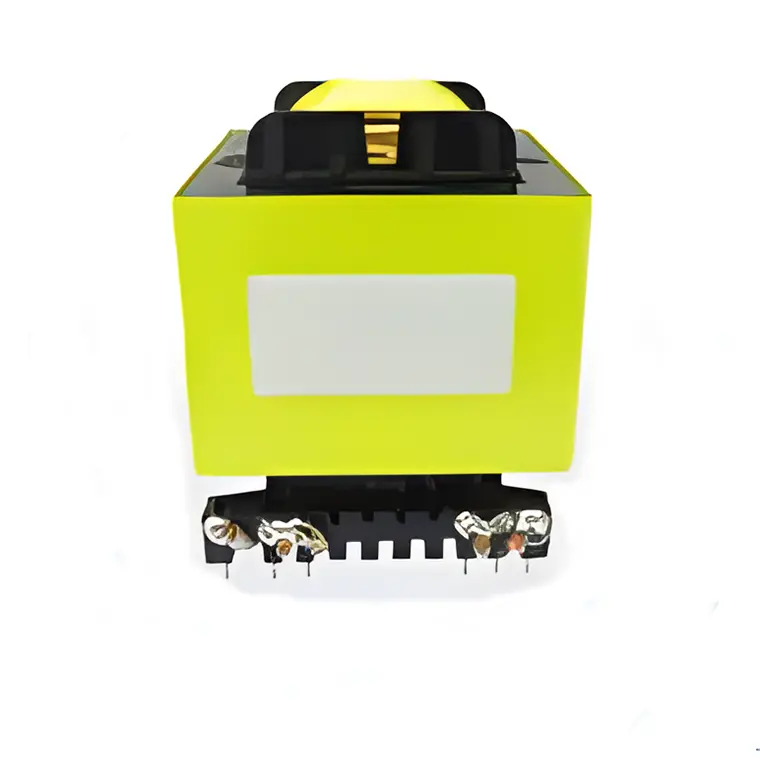 High Power Transformers
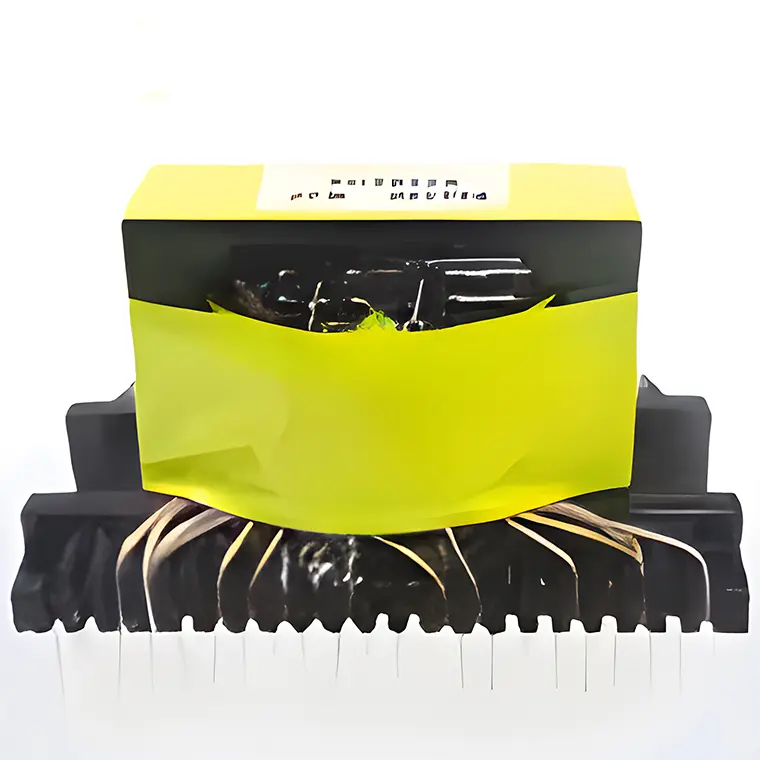 Conversion Transformers
 Sealed Transformers
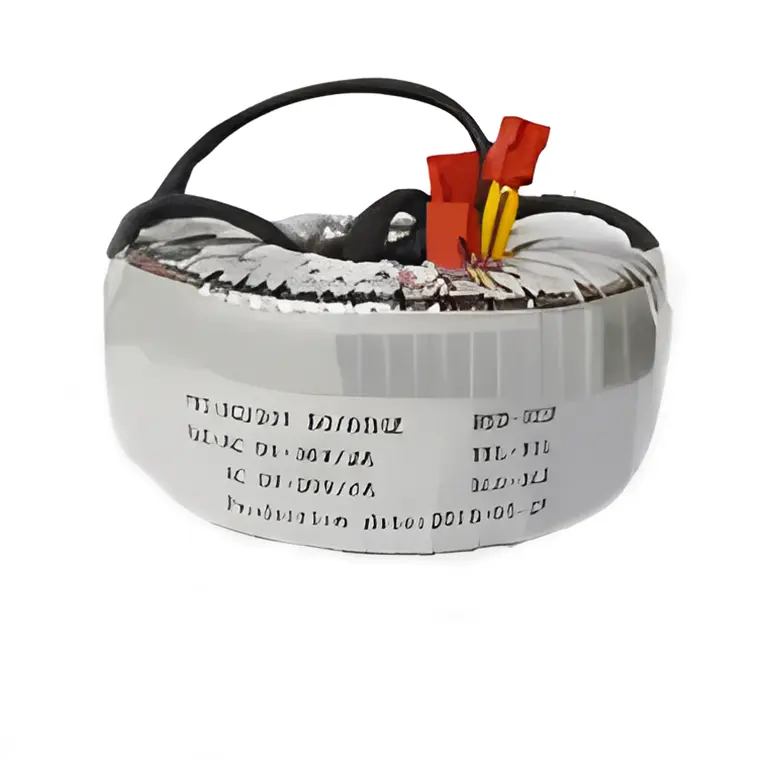 Ring Transformers
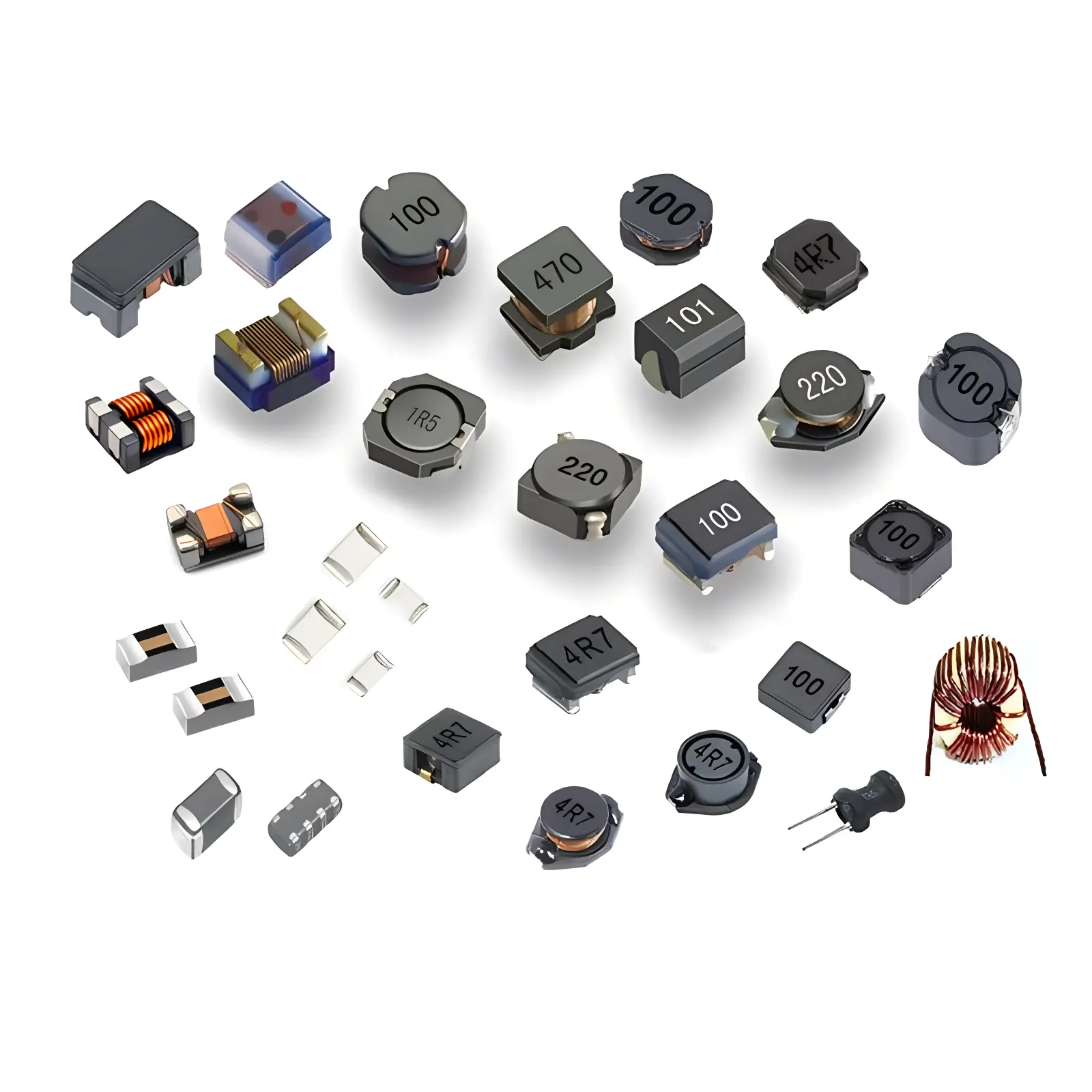 Inductors
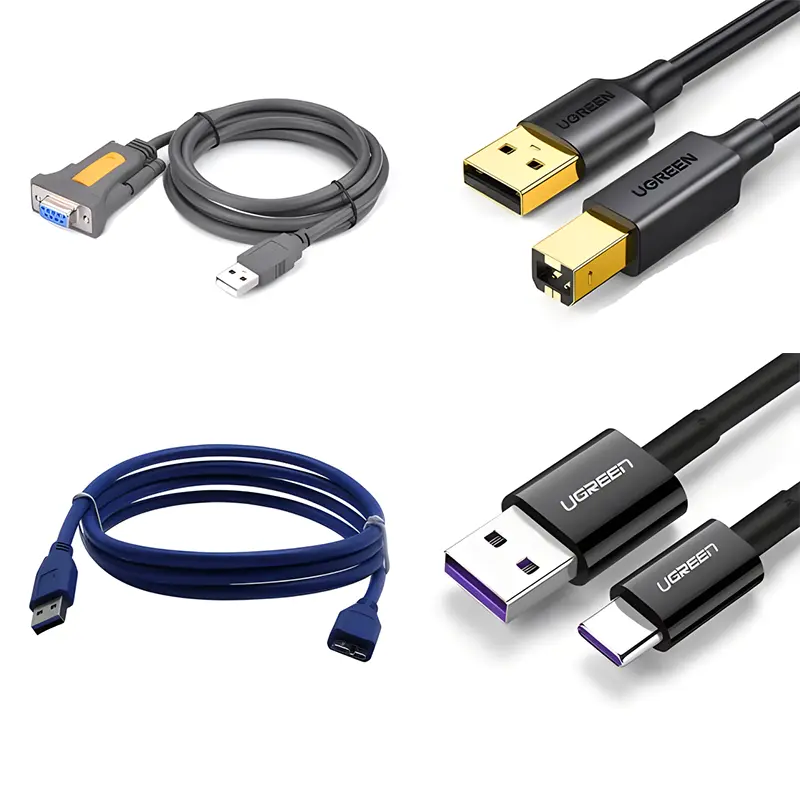 Wires,Cables Customized
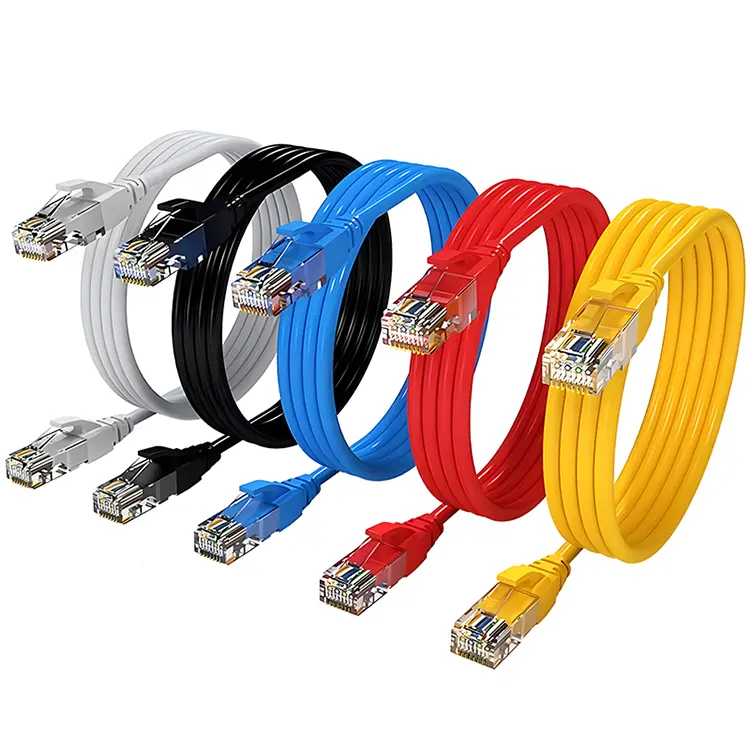 Network Cables
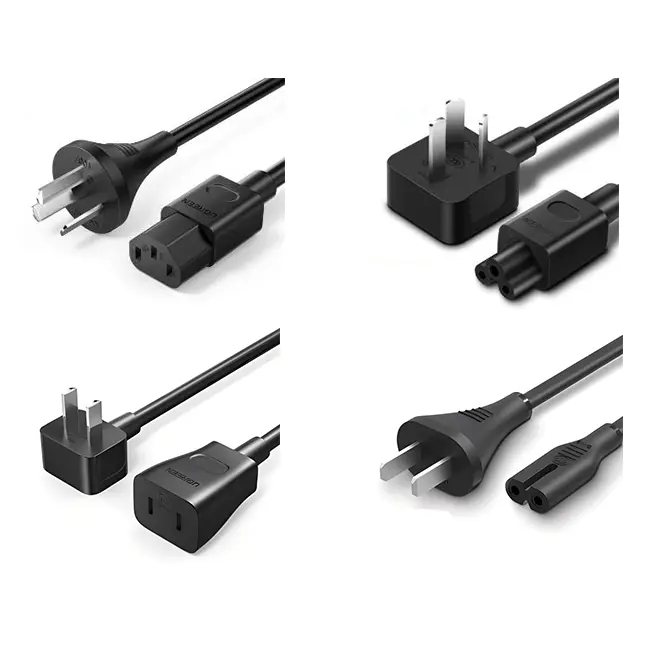 Power Cords
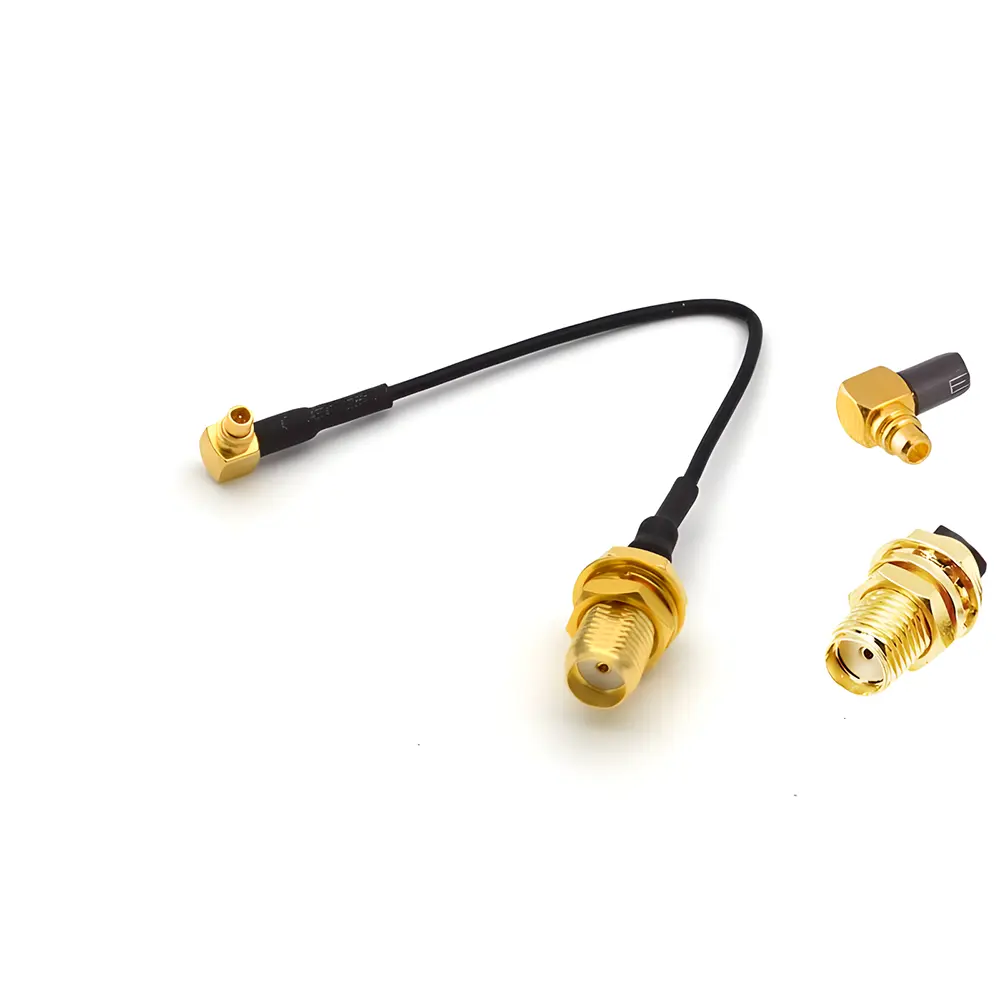 Antenna Cables
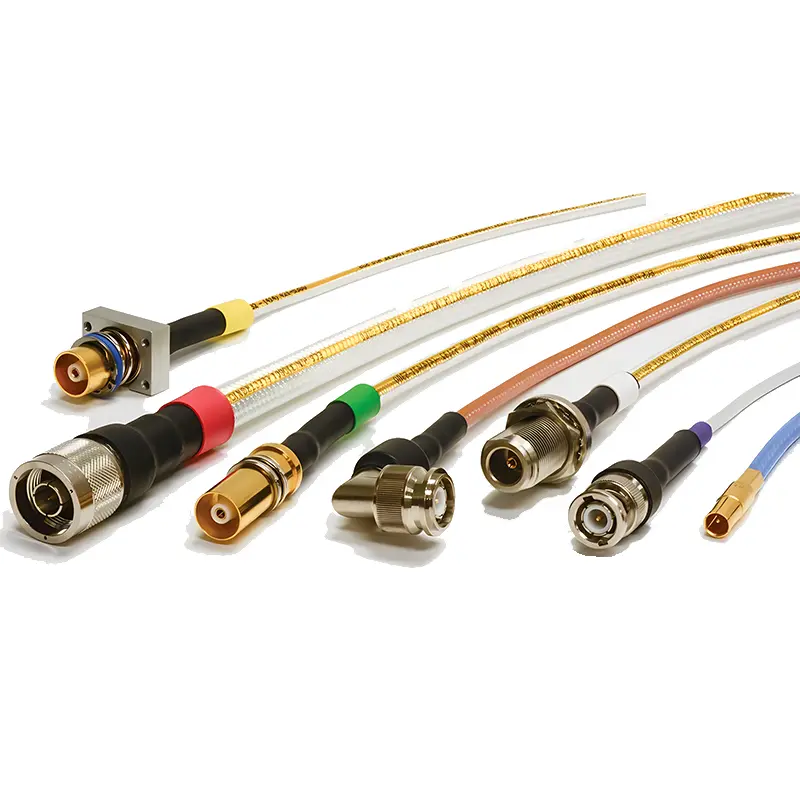 Coaxial Cables
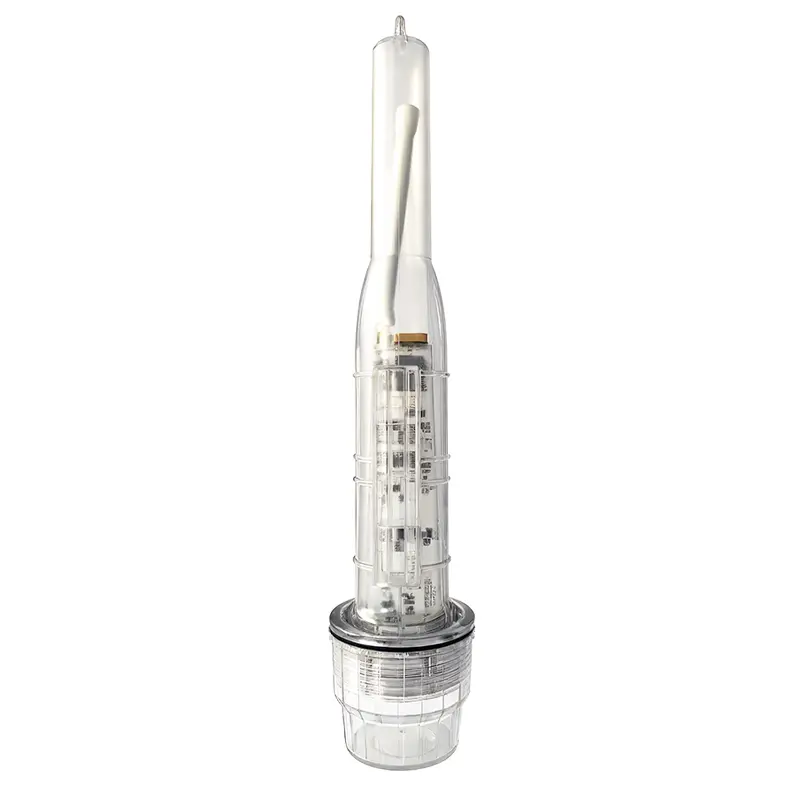 Net Position Indicator
 Solar AIS net position indicator
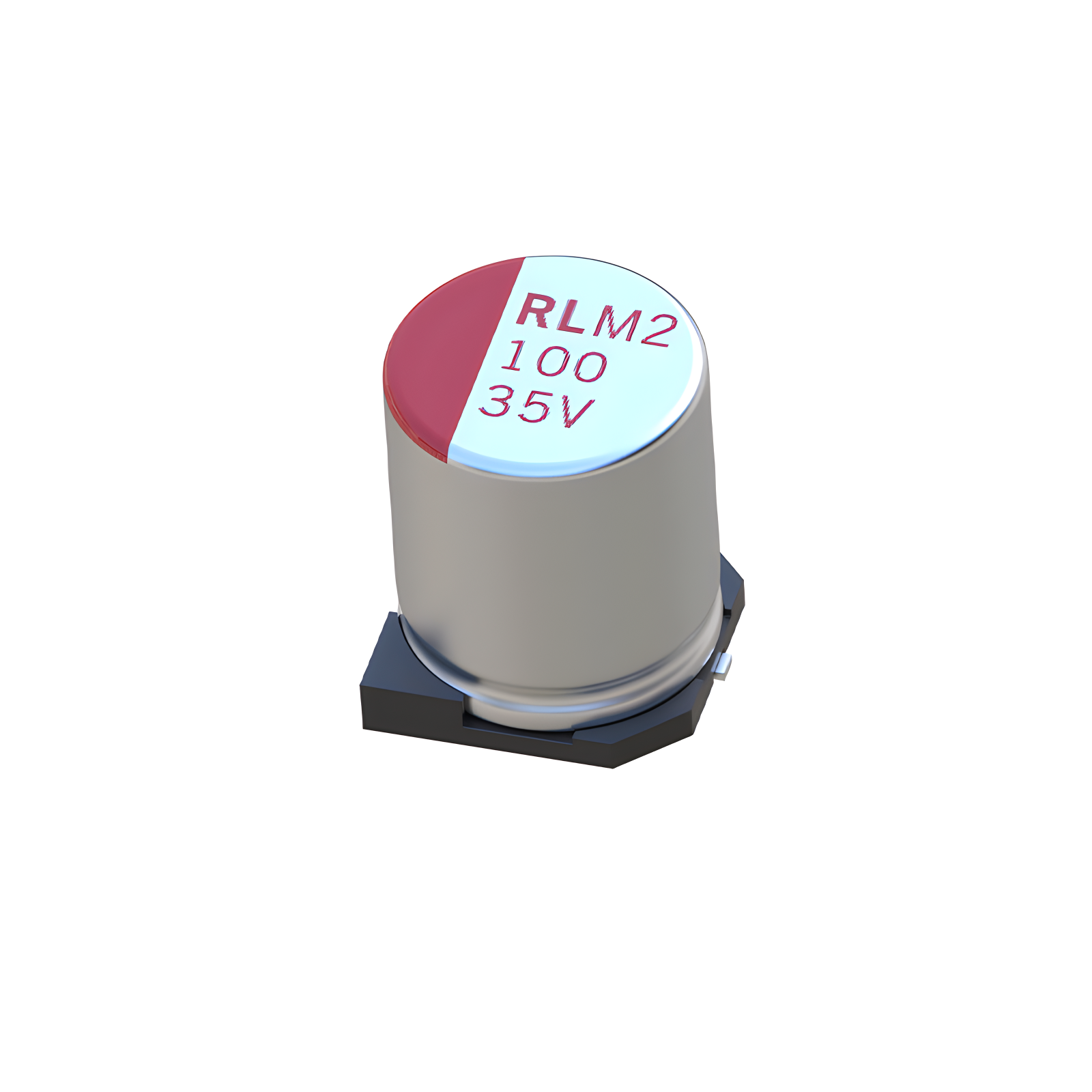 Capacitors
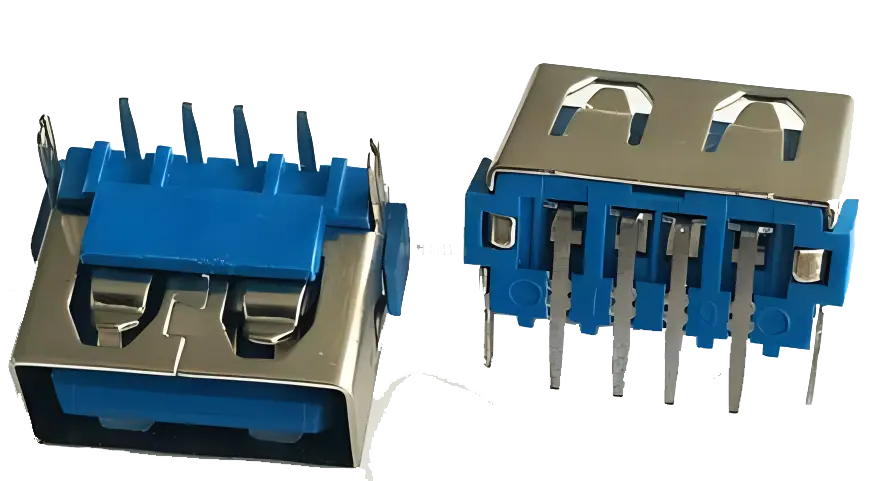 Connectors
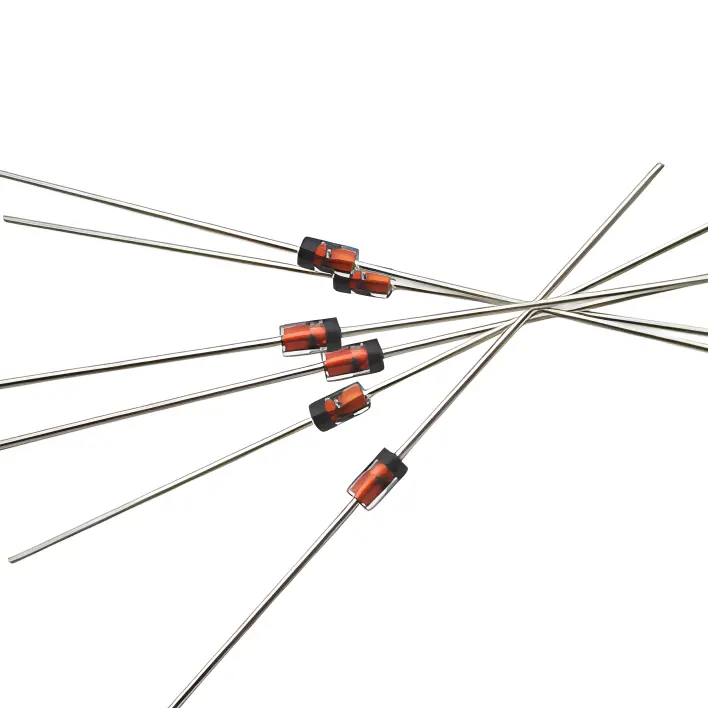 Diodes
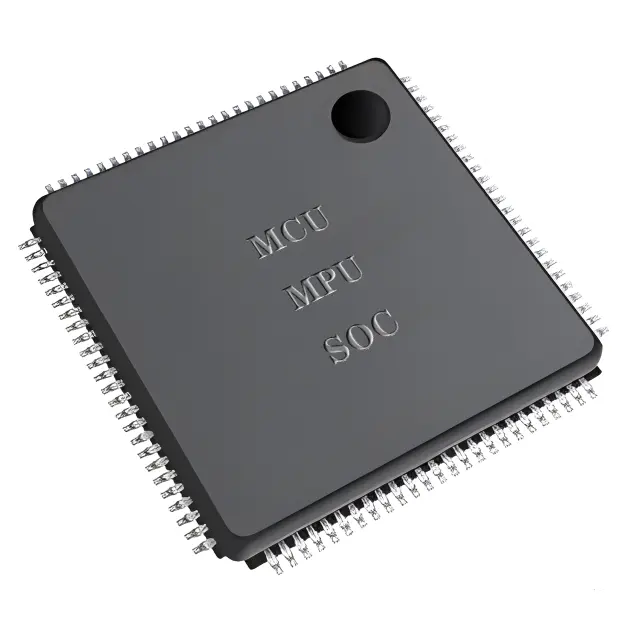 Embedded Processors & Controllers
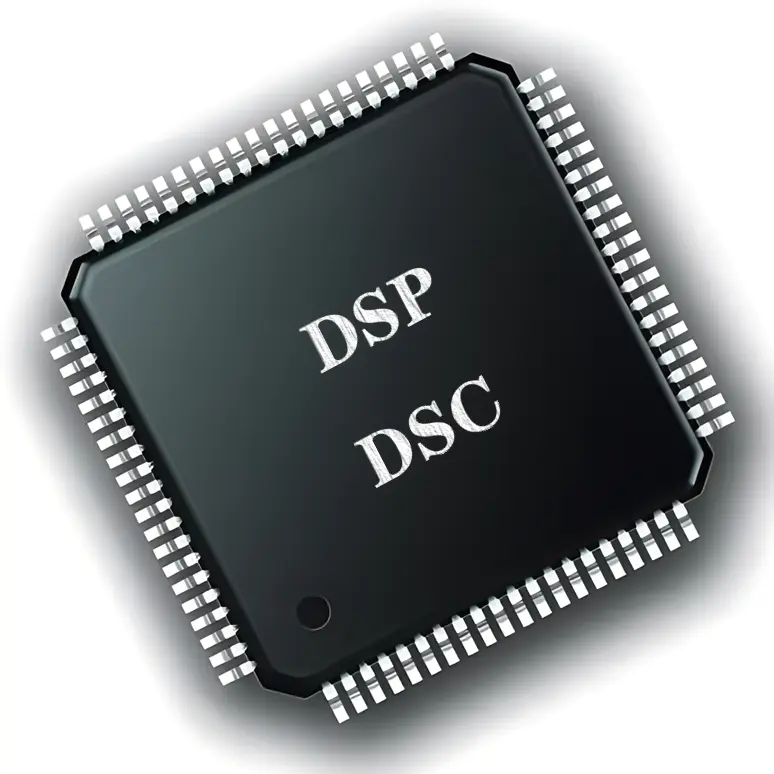 Digital Signal Processors (DSP/DSC)
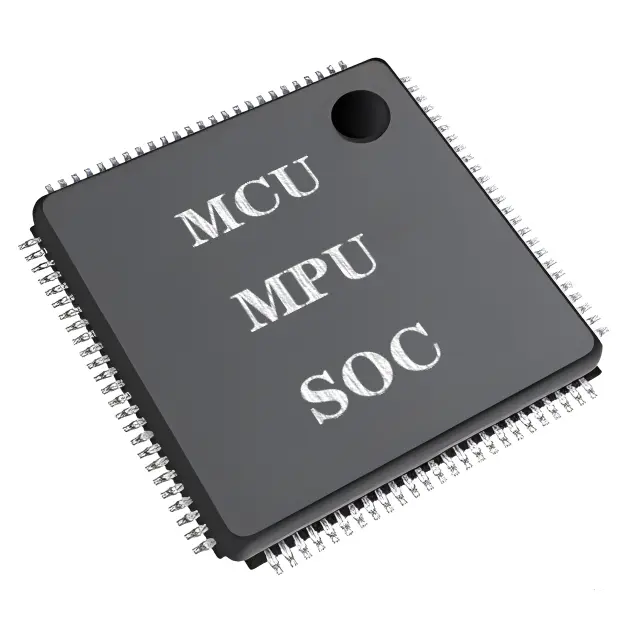 Microcontrollers (MCU/MPU/SOC)
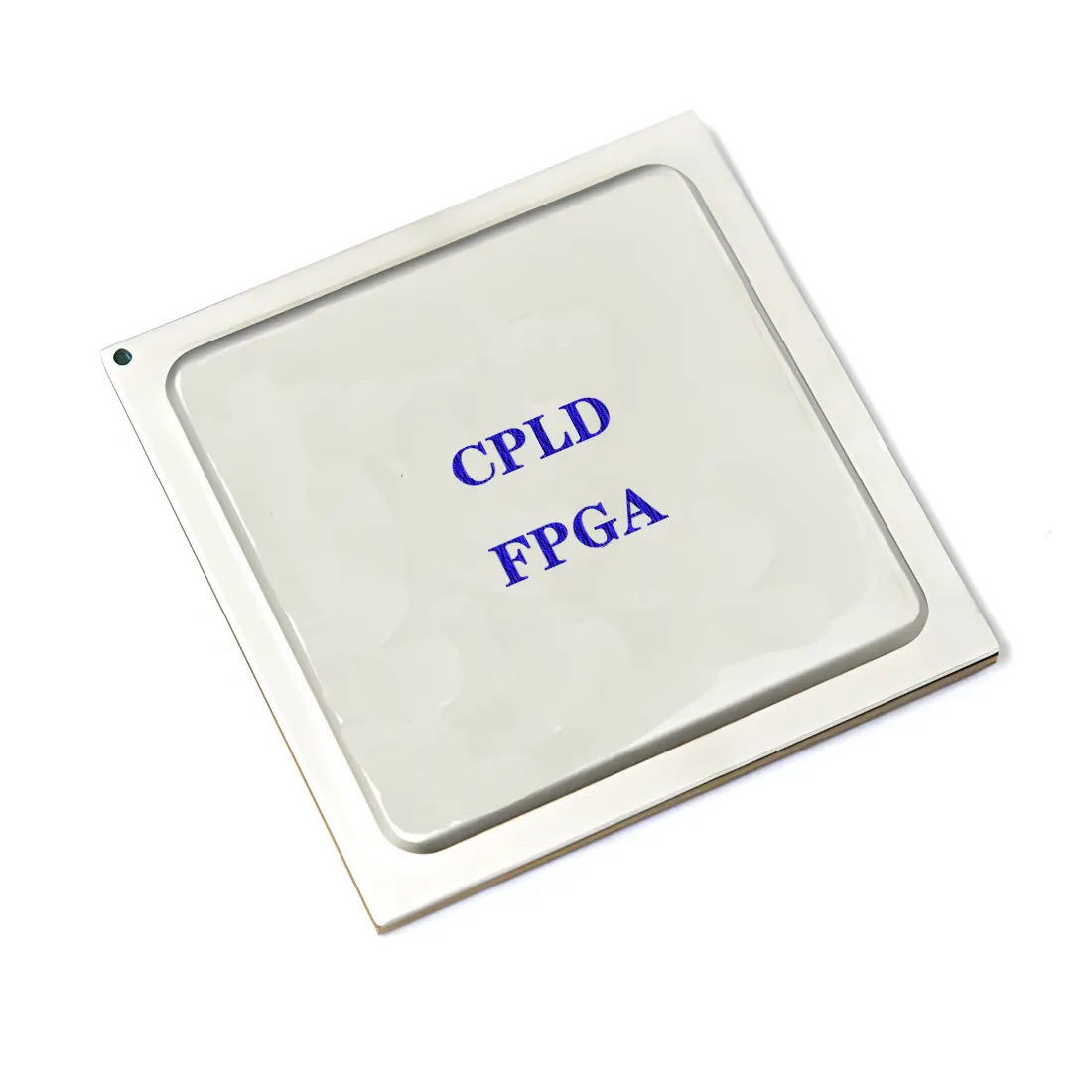 Programmable Logic Device(CPLD/FPGA)
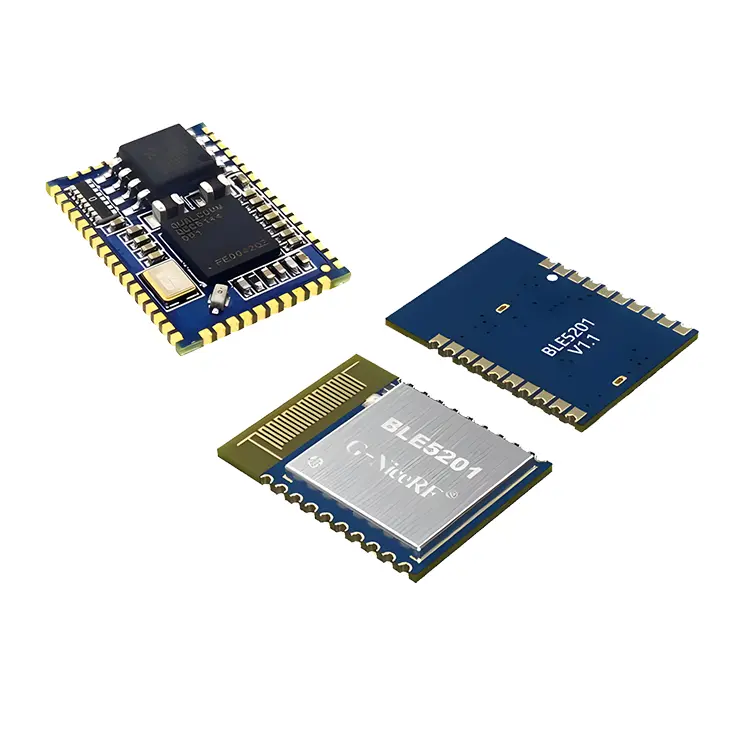 Communication Modules/IoT
 Resistors
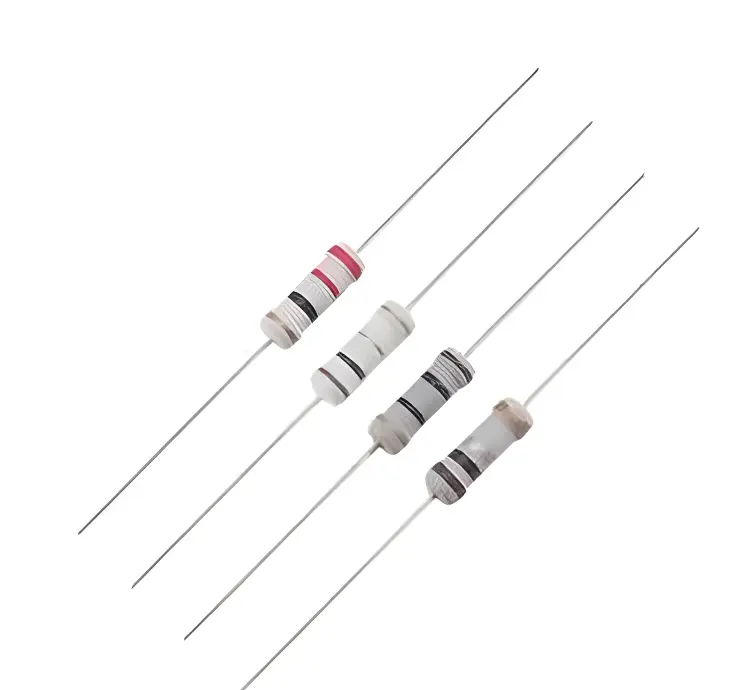 Through Hole Resistors
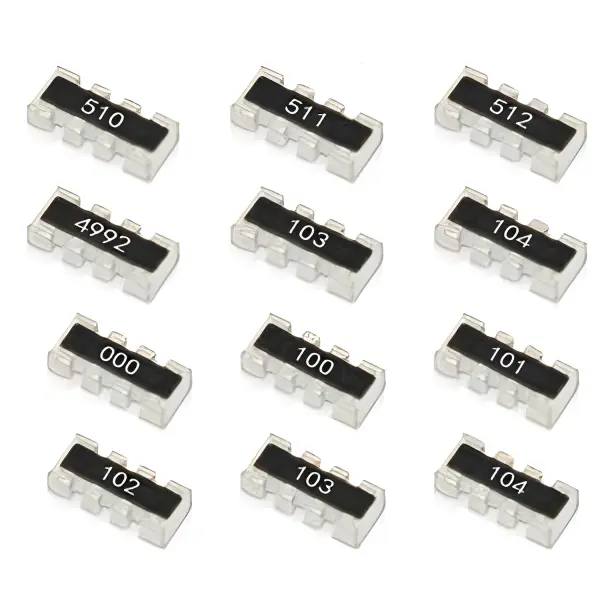 Resistor Networks, Arrays
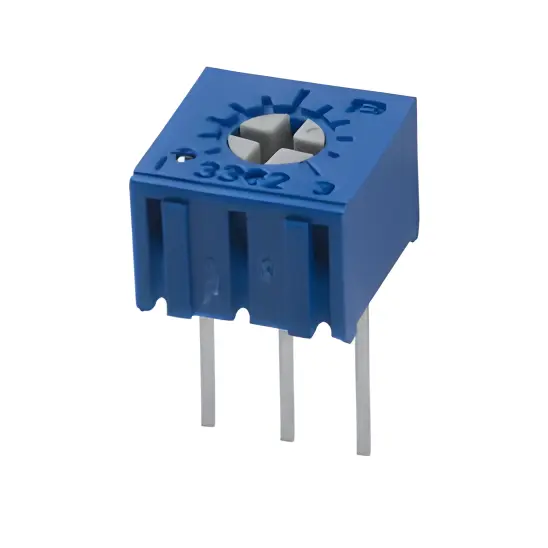 Potentiometers,Variable Resistors
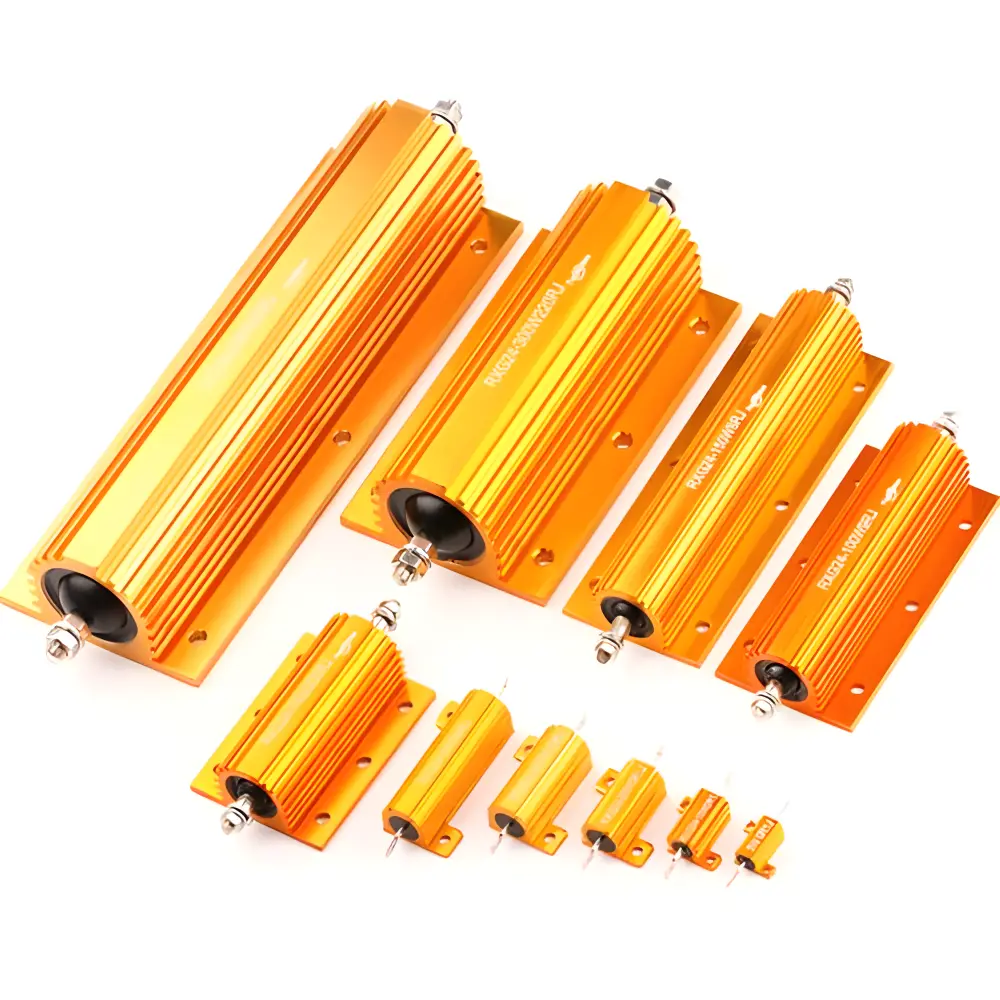 Aluminum Case,Porcelain Tube Resistance
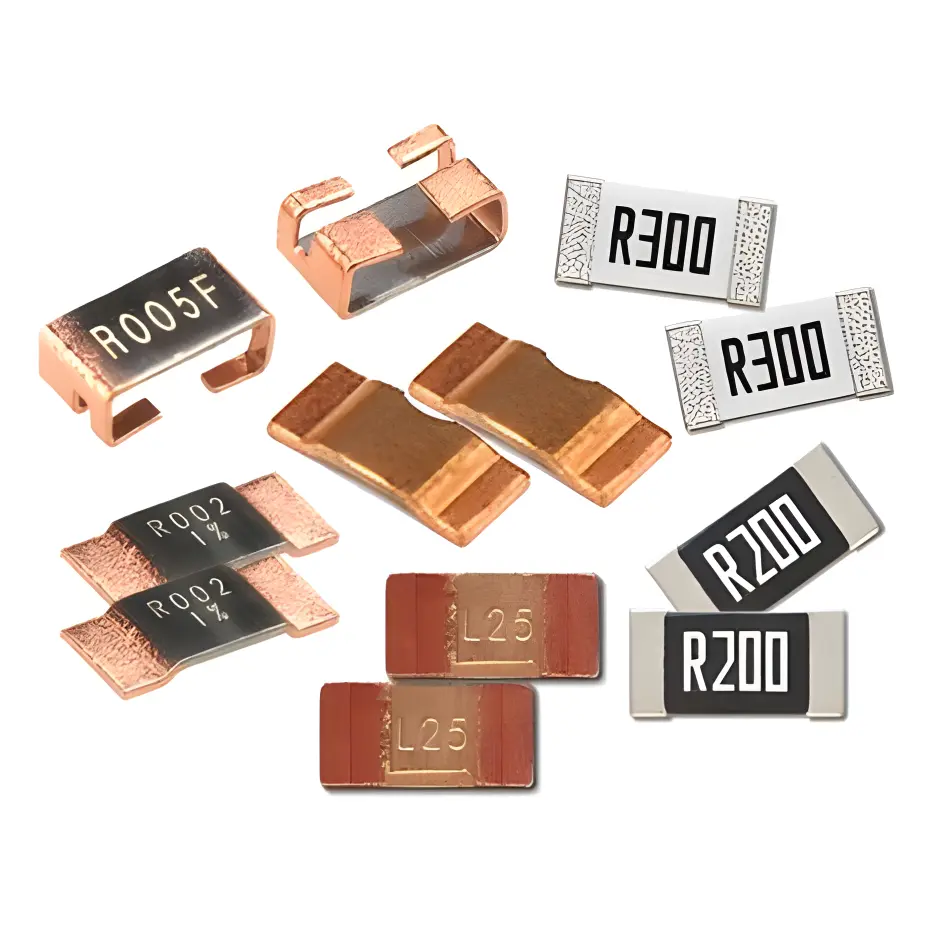 Current Sense Resistors,Shunt Resistors
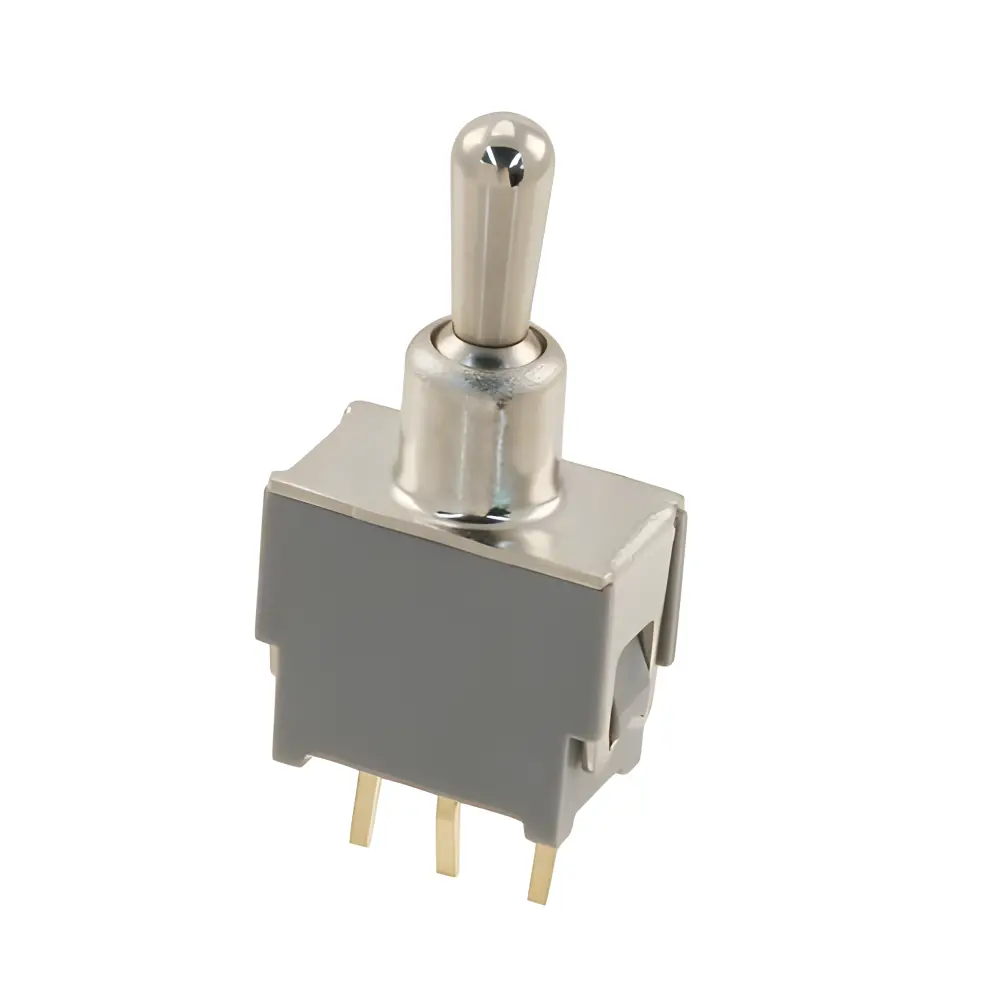 Switches
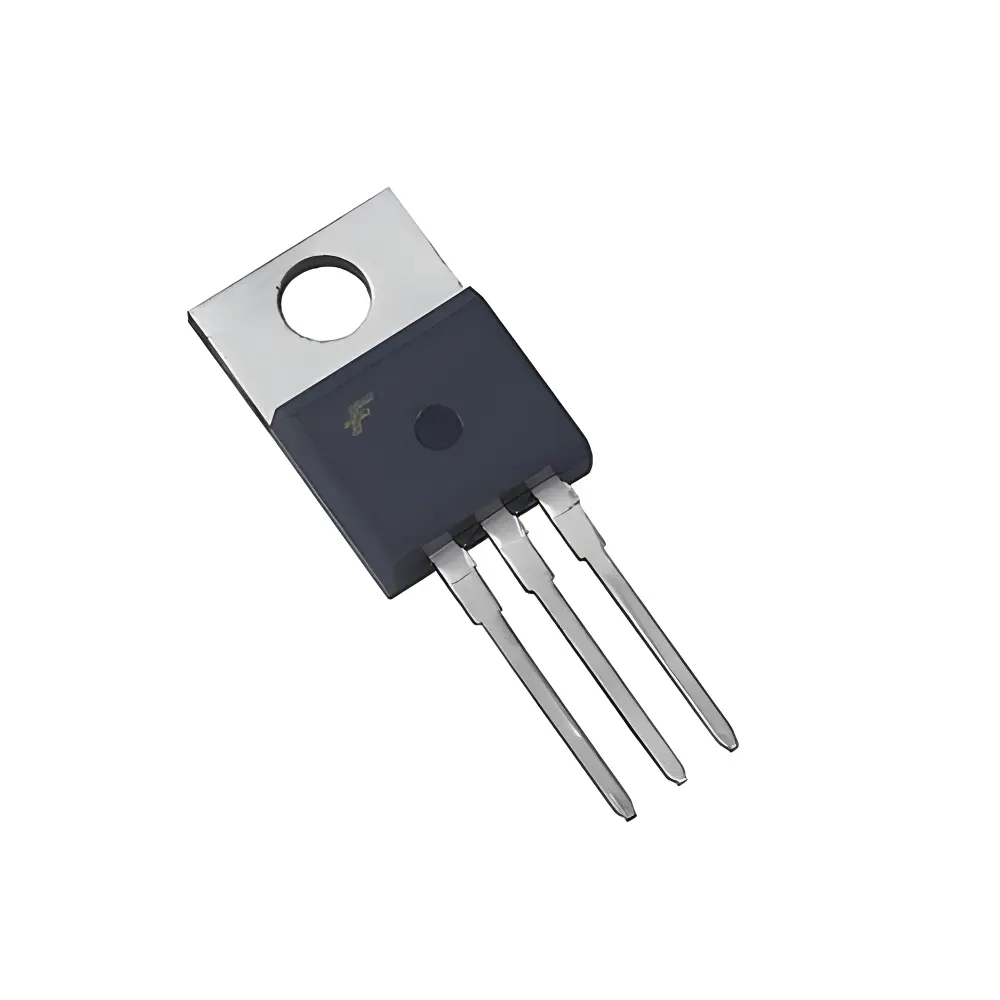 Transistors
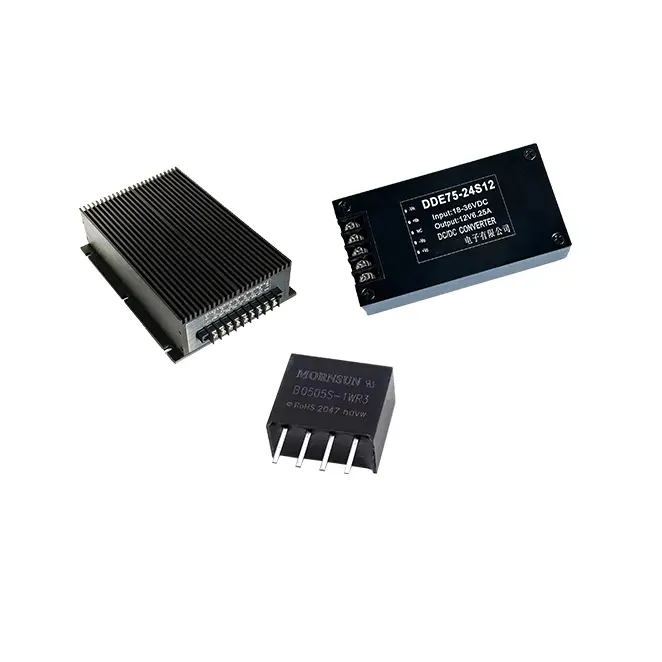 Power Modules
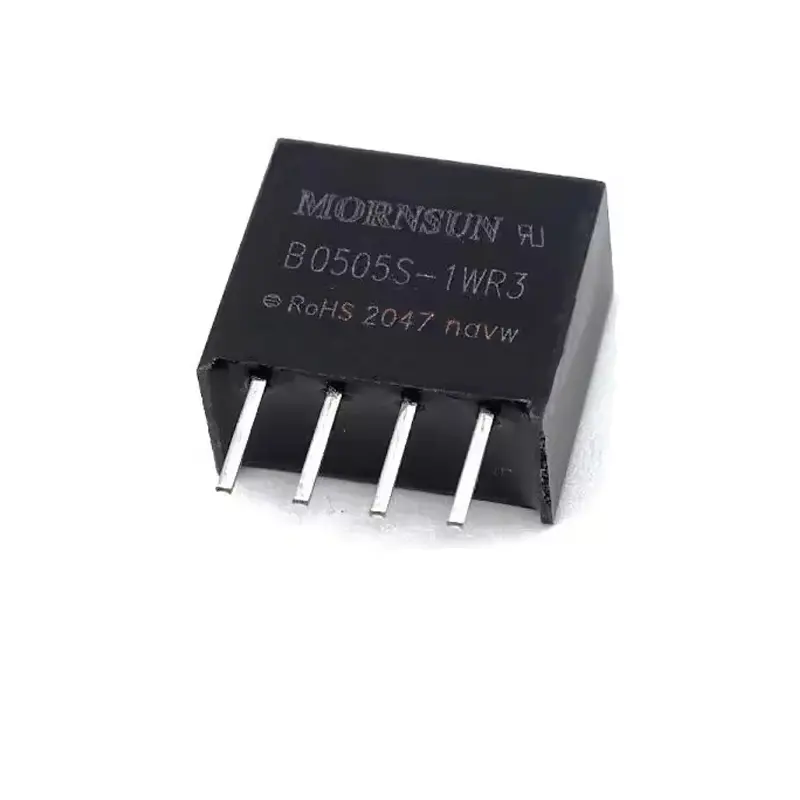 Isolated Power Modules
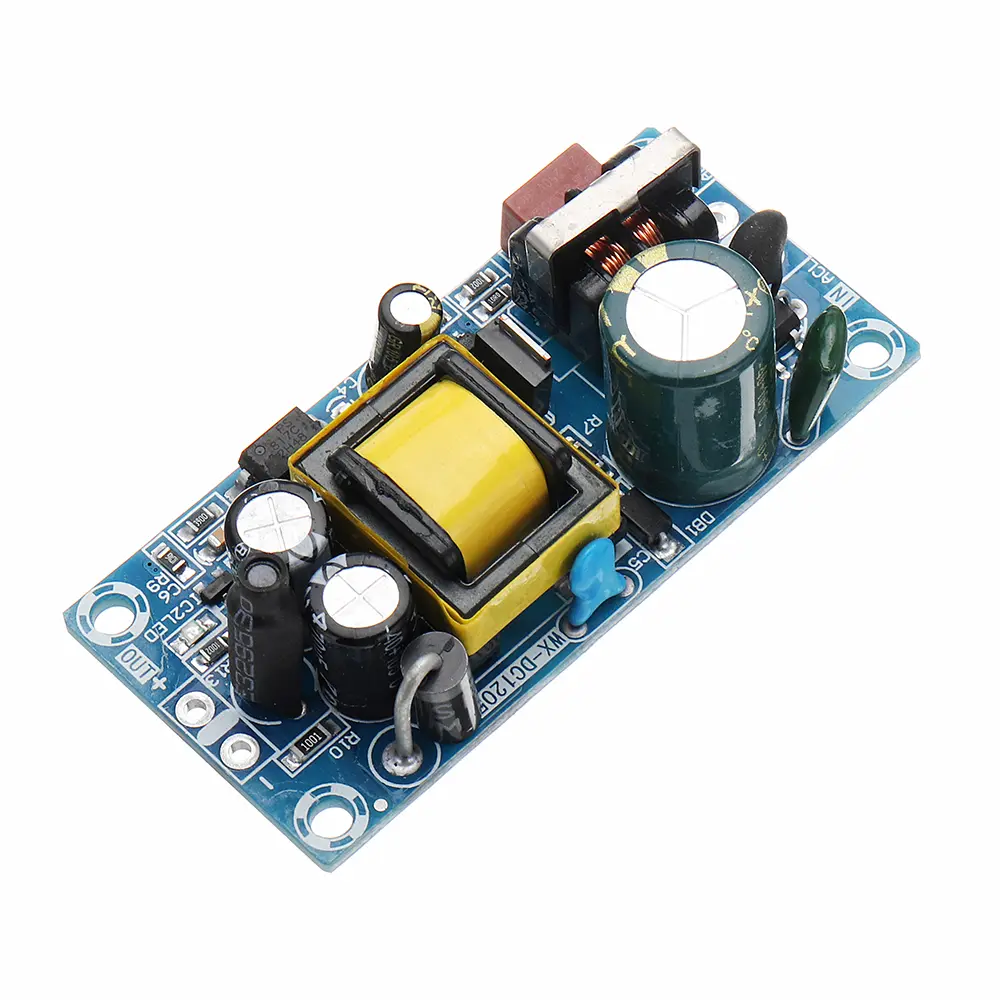 AC-DC Power Modules
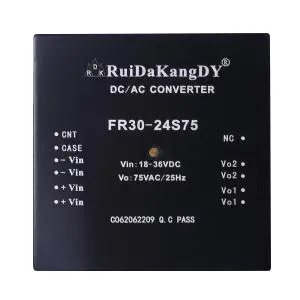 DC-AC Module(Inverter)
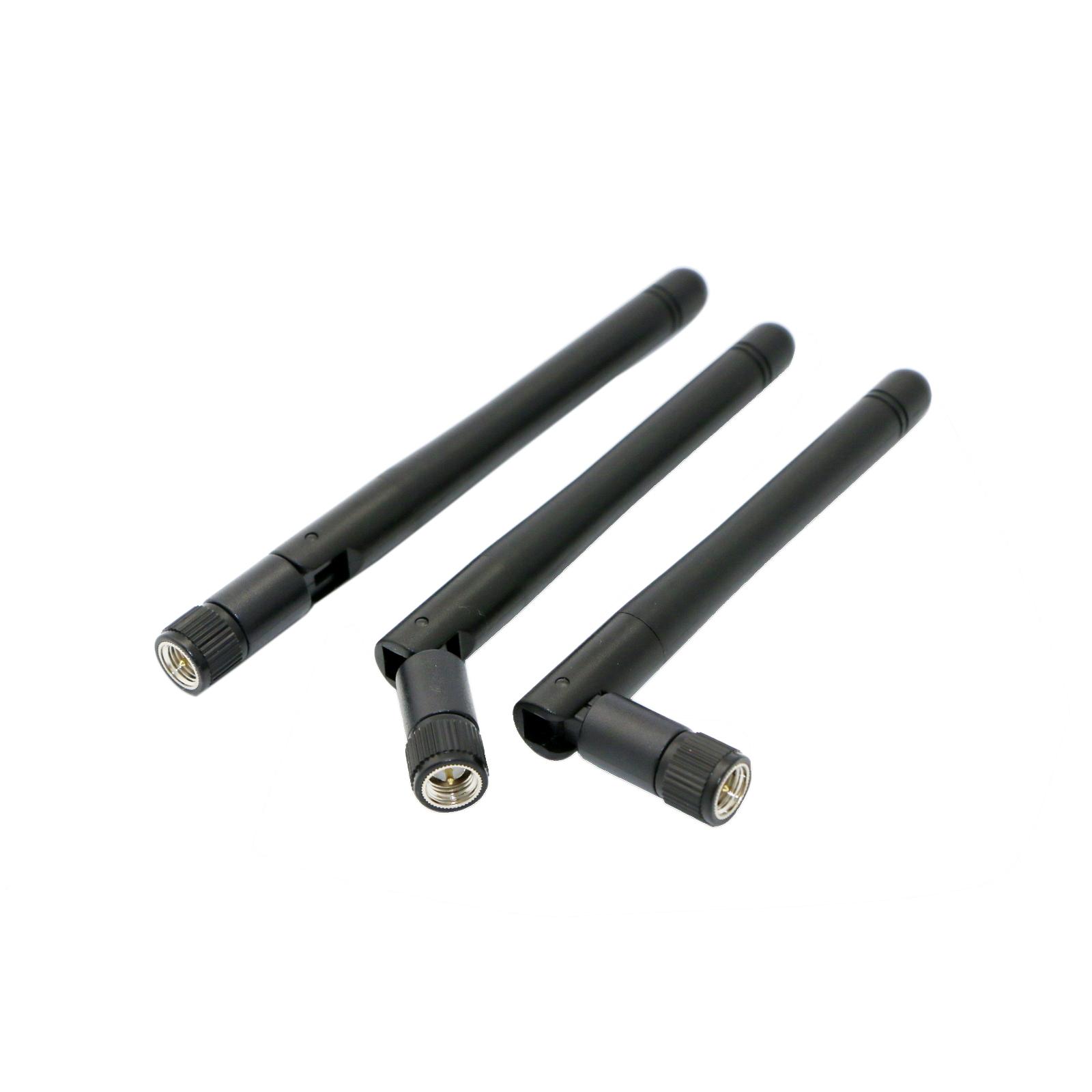 RF and Wireless
The processing of ultra-thin core boards in PCB manufacturing
In PCB manufacturing, the processing of ultra-thin core boards (with a thICkness of less than 0.1mm) faces a series of technical challenges, mainly due to the requirements of its extremely thin physical properties for the adaptability of traditional processes. The following is a detailed analysis from the aspects of material properties, processing technology, and inspection links:

I. Challenges Posed by Material Properties
1、Low Mechanical Strength
The thickness of the base material (such as FR-4) of ultra-thin core boards is extremely small (possibly as low as 50μm), resulting in a significant decline in its bending and tensile resistance, leading to the following problems:
Prone to Deformation: It is prone to wrinkling or curling during transportation, loading, or the manufacturing process. Therefore, vacuum adsorption or special carriers need to be used for fixing throughout the process.
Risk of Lamination Shift: During multi-layer lamination, the core board may be displaced due to uneven stress under high temperature and pressure. Thus, it is necessary to optimize the lamination parameters (such as segmented pressurization and reducing the heating rate).
2、Poor Thermal Stability
CTE (Coefficient of Thermal Expansion) Control: Thin core boards are more likely to warp due to CTE mismatch during high-temperature processes (such as lamination and soldering). It is necessary to select materials with a low CTE (such as modified epoxy resin or polyimide).
Uneven Heat Dissipation: The heat conduction ability of thin base materials is limited. Local heating (such as laser drilling) is likely to cause thermal stress concentration, and it is necessary to dynamically adjust the energy parameters.
II. Challenges and Solutions in Key Process Links
1. Lamination Process
Challenges: During lamination, ultra-thin core boards are prone to deformation or fracture due to the extrusion of the flow of prepreg.
Solutions:
Use low-flow prepreg to reduce the impact of resin flow on the core board.
Use buffer materials (such as silicone pads) to disperse the pressure and adopt a multi-stage heating and pressurization process.
2. Drilling and Hole Processing
Challenges:
During mechanical drilling, the insufficient rigidity of thin core boards is likely to cause hole position deviation, rough hole walls, or "nail head" defects.
For laser drilling (such as micro-hole processing), it is necessary to accurately control the energy to avoid burn-through or carbide residue.
Solutions:
Mechanical Drilling: Reduce the drill bit diameter (such as less than 0.2mm), increase the rotation speed (greater than 200,000 revolutions per minute), and adopt high-frequency retraction technology to reduce heat accumulation.
Laser Drilling: Use UV lasers (wavelength 355nm) with pulse control to achieve high-precision through-holes or blind holes.
3. Pattern Transfer and Etching
Challenges:
When etching thin copper foils (such as 3μm), over-etching or side-etching is likely to occur, resulting in a decrease in line width accuracy.
The excessive thinness of the base material causes uneven adhesion of the film during exposure, affecting the pattern resolution.
Solutions:
Use ultra-thin dry film (such as 15μm) or liquid photoresist to improve the imaging ability of fine lines (less than 50μm).
Optimize the parameters of the etchant (such as reducing the temperature and increasing the spray pressure) and shorten the etching time.
4. SuRFace Treatment and Solder Mask
Challenges:
Ultra-thin core boards are prone to warping due to stress during wet treatments such as immersion gold/immersion silver.
During solder mask coating, thin base materials are more sensitive to ink shrinkage, which is likely to cause uneven coverage.
Solutions:
Adopt horizontal electroless plating lines to reduce the mechanical impact of the chemical solution on the substrate.
Use low-shrinkage solder mask ink and optimize the pre-baking temperature to reduce internal stress.
III. Inspection and Reliability Verification
AOI (Automated Optical Inspection) Challenges
The warping of thin boards is likely to cause imaging distortion. It is necessary to use 3D-AOI or multi-angle light source compensation technology.
Electrical Testing
During flying probe testing, excessive testing pressure may bend the substrate. It is necessary to adjust the probe pressure (such as less than 30g).
Reliability Testing
During thermal cycle testing, the CTE difference of thin boards is likely to cause solder joint fatigue. It is necessary to optimize the layout in combination with SIMulation (such as avoiding BGAs in high-stress areas).
IV. Typical Applications and Process Improvement Directions
Application Scenarios: Ultra-thin core boards are mostly used in high-end consumer electronics (such as foldable mobile phones), packaging substrates (IC Substrate), and aerospace equipment.
Process Trends:
Carrier-Assisted Process: Temporarily paste the ultra-thin core board onto a rigid carrier for processing and peel it off after completion (such as Carrier-based Processing).
Semi-Additive Process (mSAP): Replace traditional etching with electroless copper plating to achieve finer lines (line width/space ≤ 20μm).