
 PCB
PCB FPC
FPC Rigid-Flex
 FR-4
FR-4 HDI PCB
 Rogers High-Frequency Board
 PTFE Teflon High-Frequency Board
 Aluminum
 Copper Core
 PCB Assembly
 LED light PCBA
 Memory PCBA
 Power Supply PCBA
 New Energey PCBA
 Communication PCBA
 Industrial Control PCBA
 Medical Equipment PCBA
 Testing Service
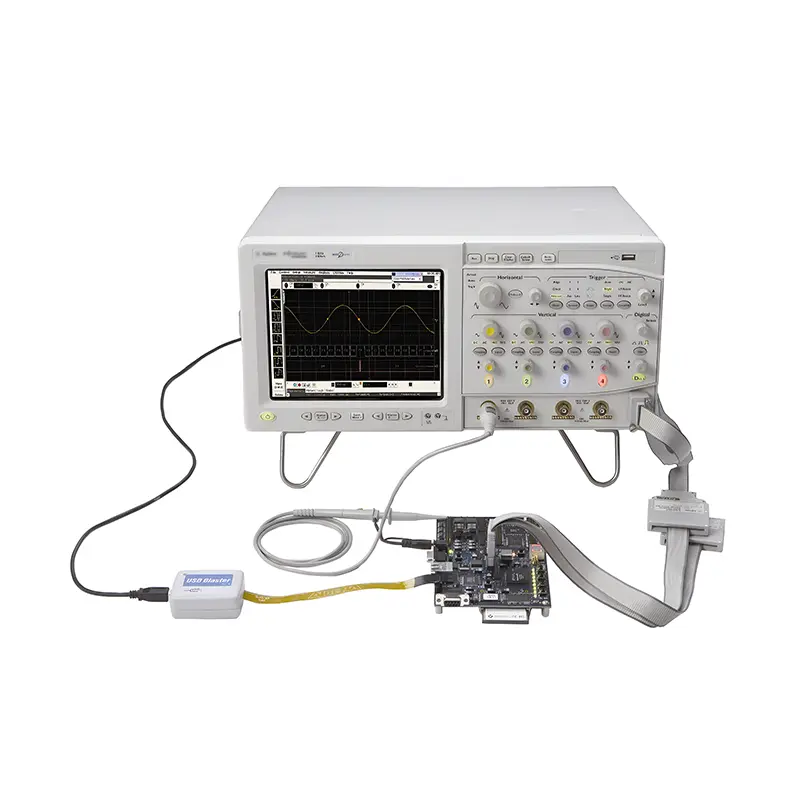 PCBA Testing Service
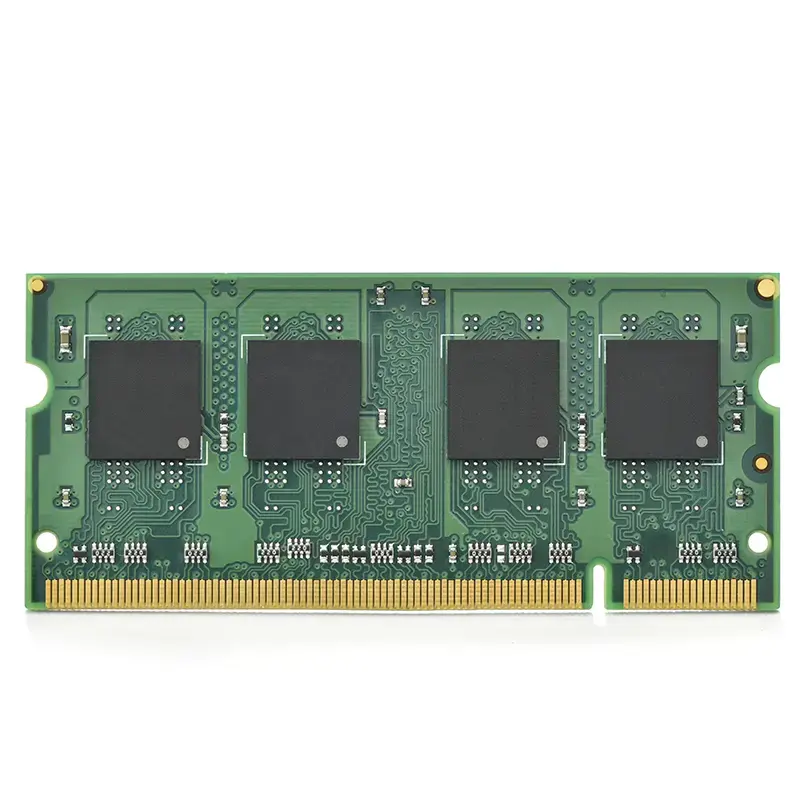 Certification Application
 RoHS Certification Application
 REACH Certification Application
 CE Certification Application
 FCC Certification Application
 CQC Certification Application
 UL Certification Application
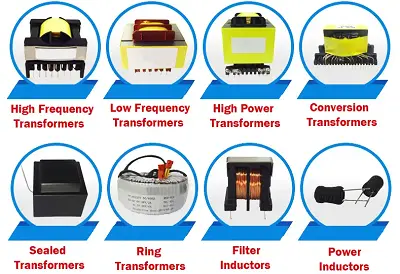 Transformers, Inductors
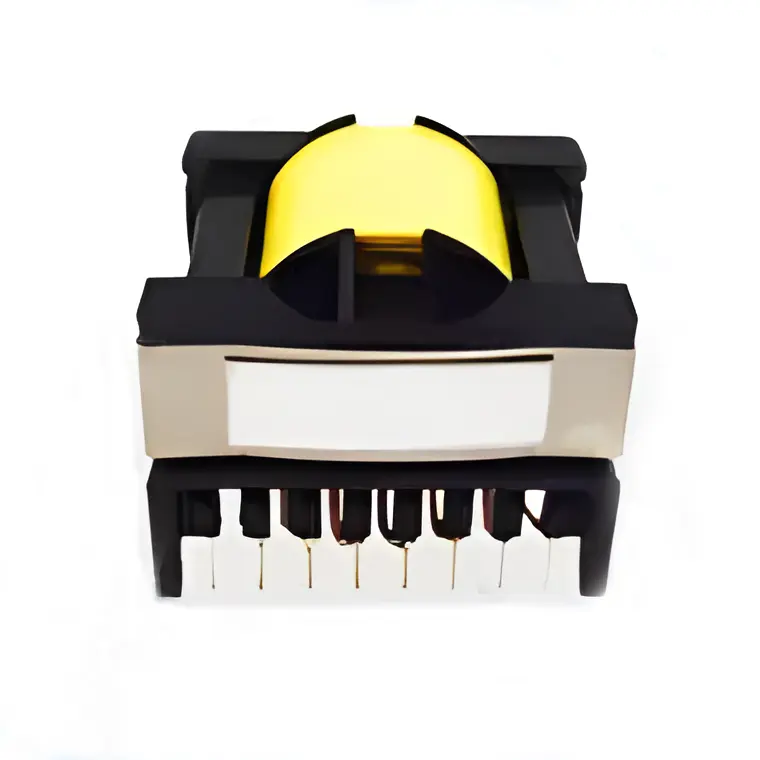 High Frequency Transformers
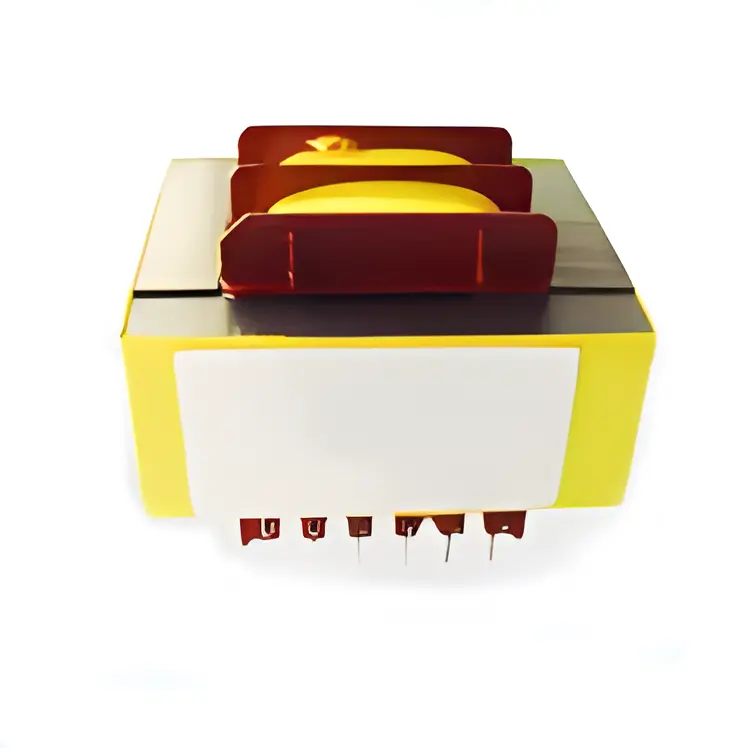 Low Frequency Transformers
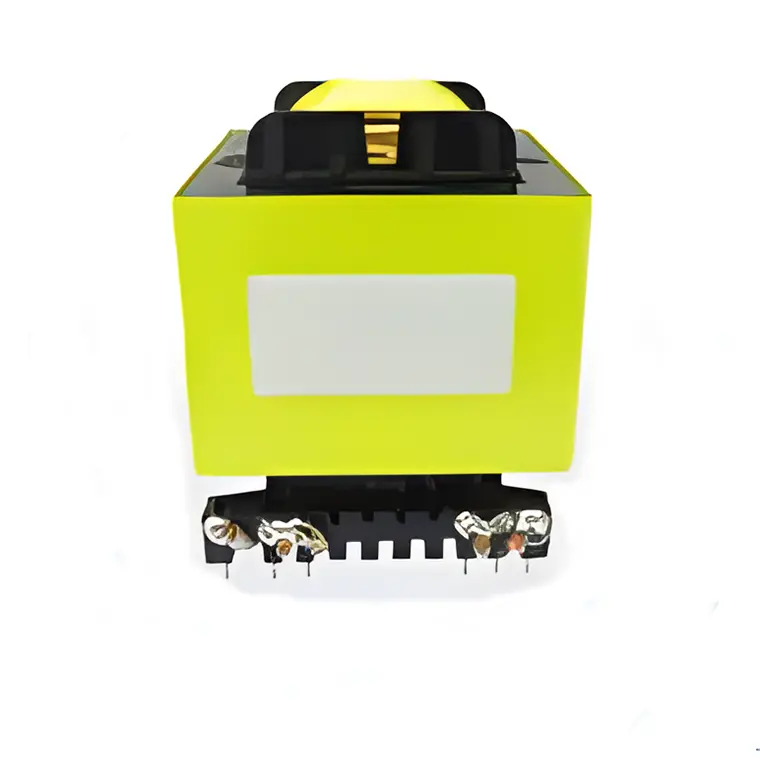 High Power Transformers
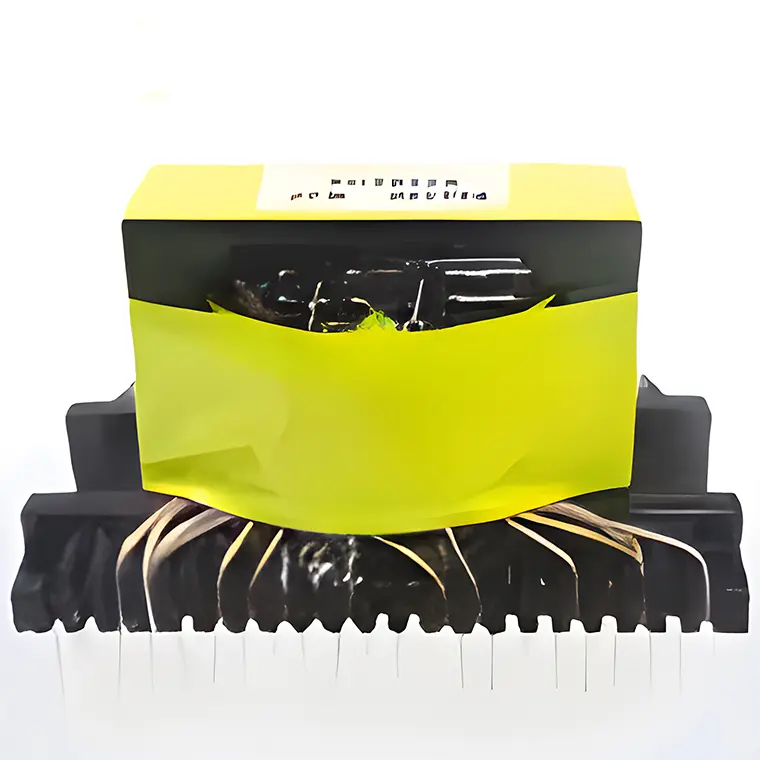 Conversion Transformers
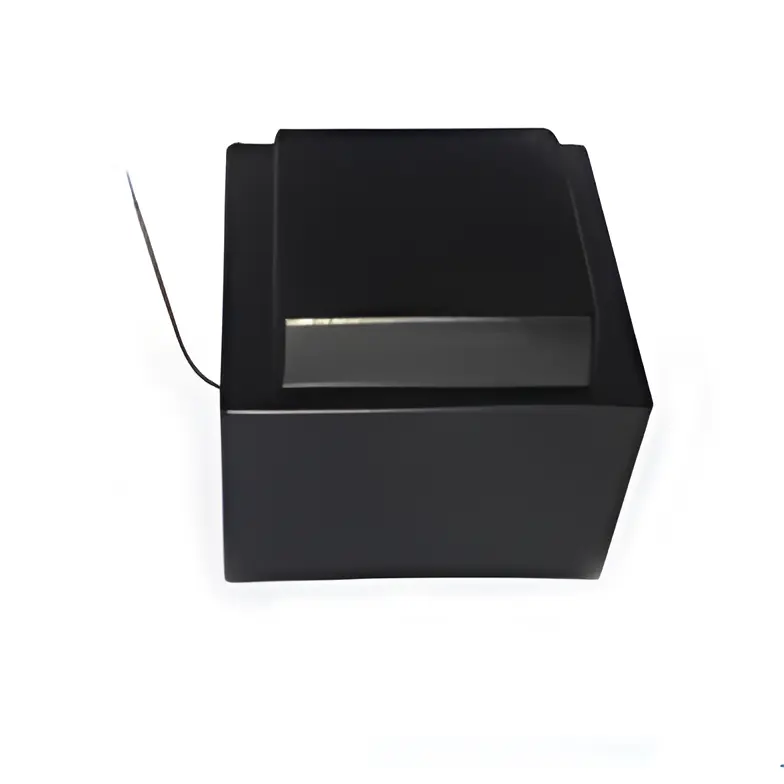 Sealed Transformers
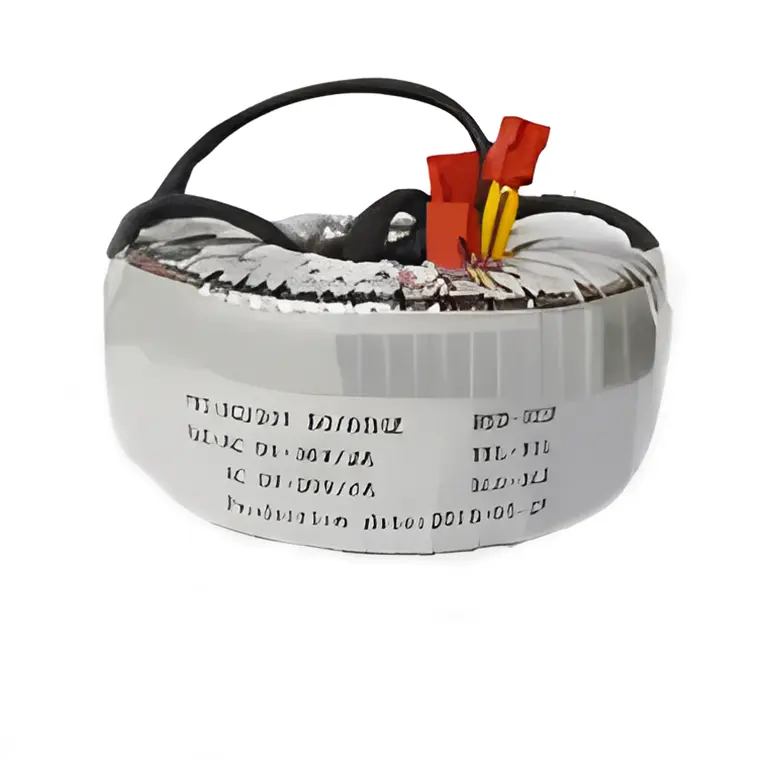 Ring Transformers
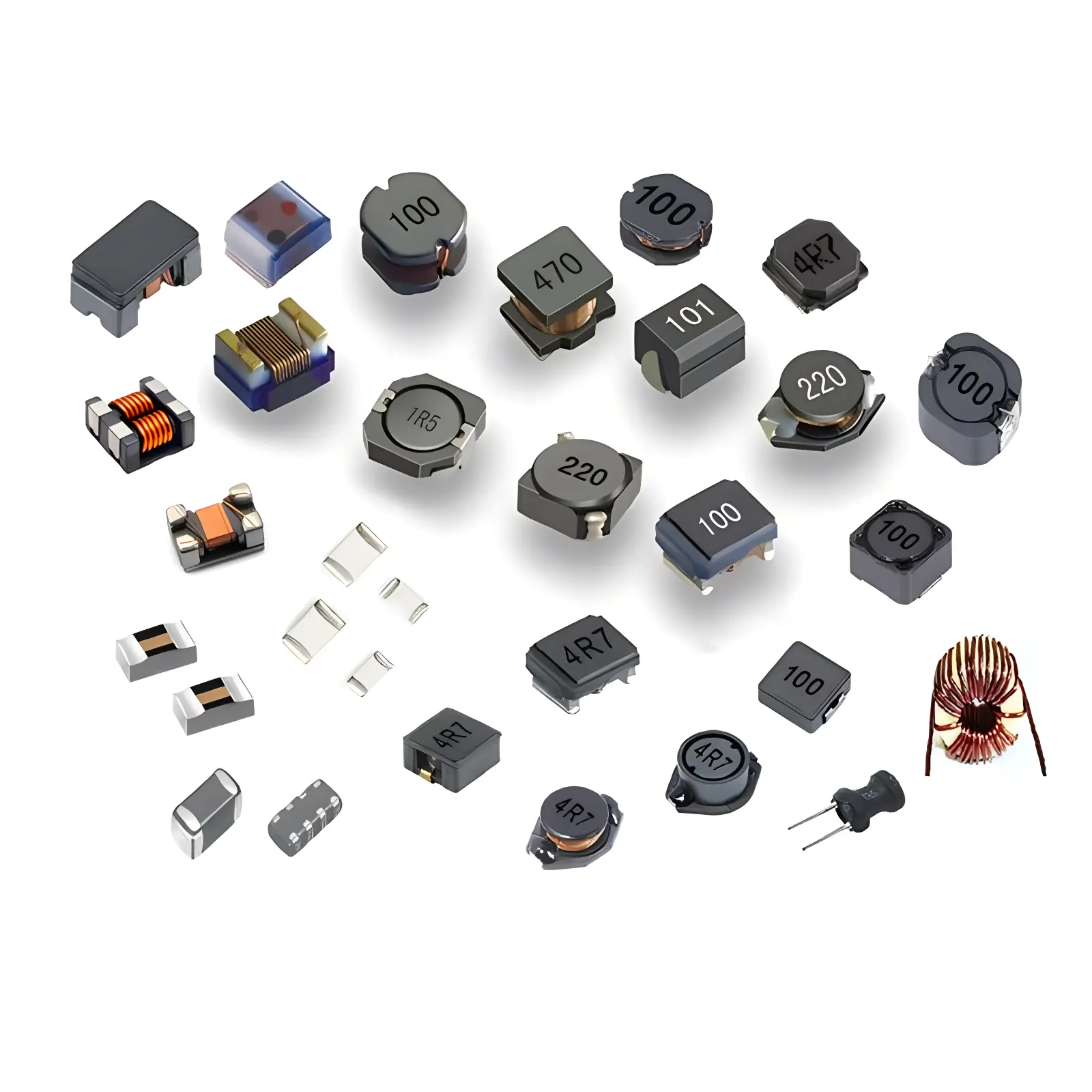 Inductors
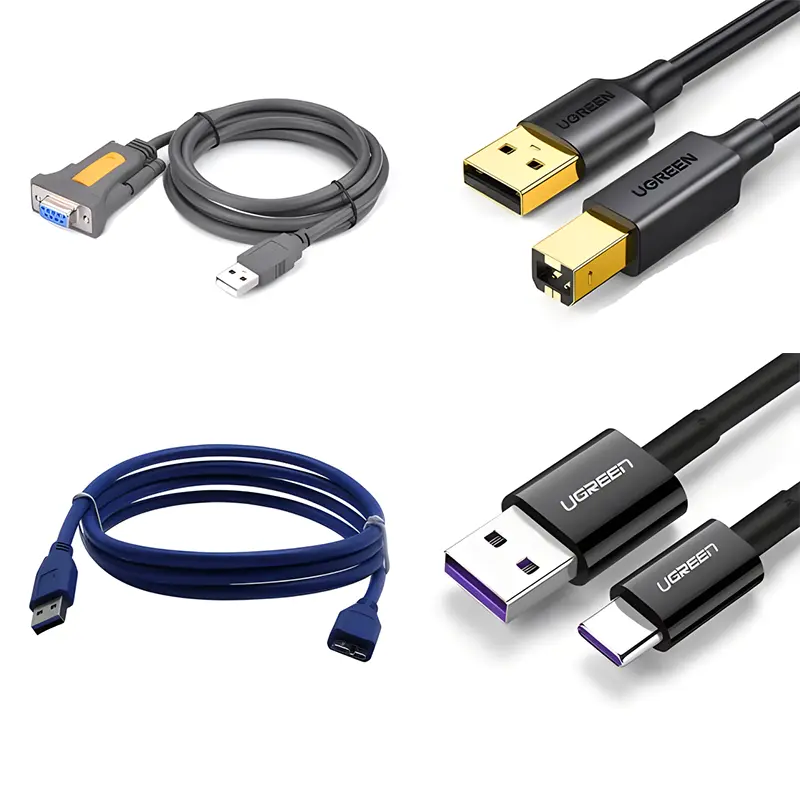 Wires,Cables Customized
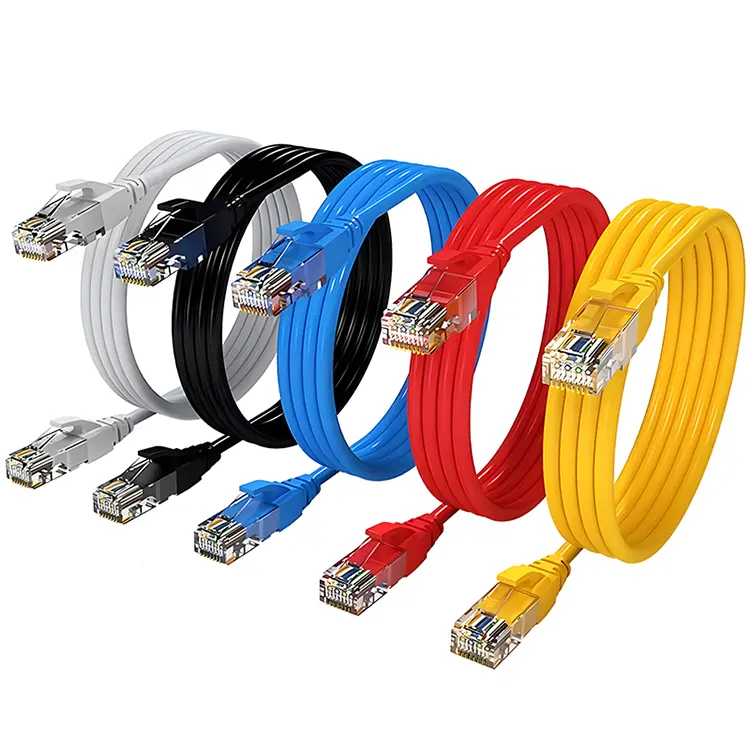 Network Cables
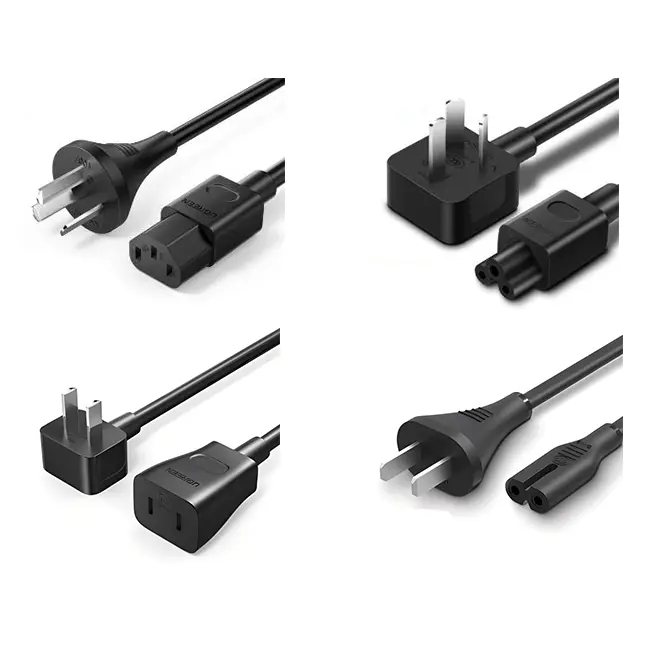 Power Cords
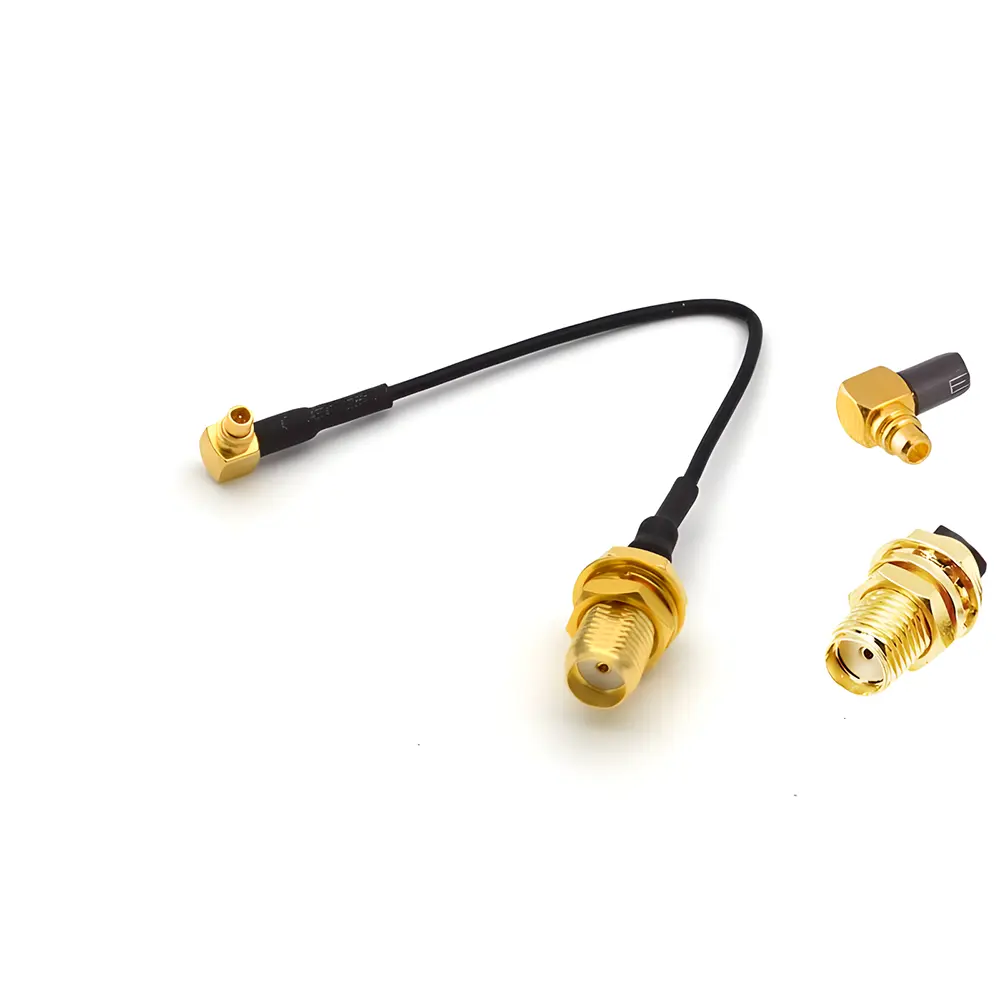 Antenna Cables
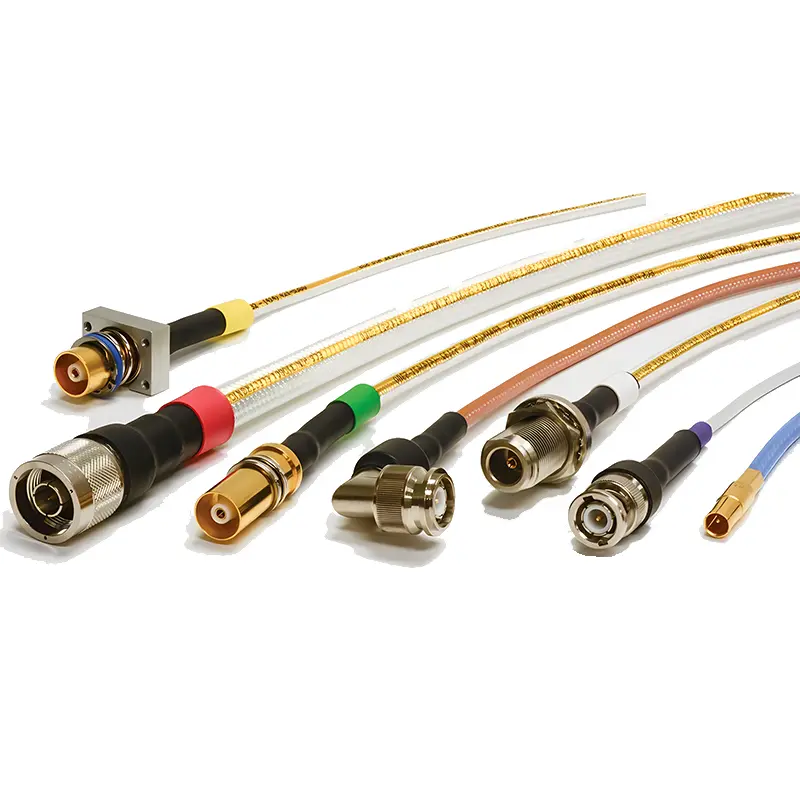 Coaxial Cables
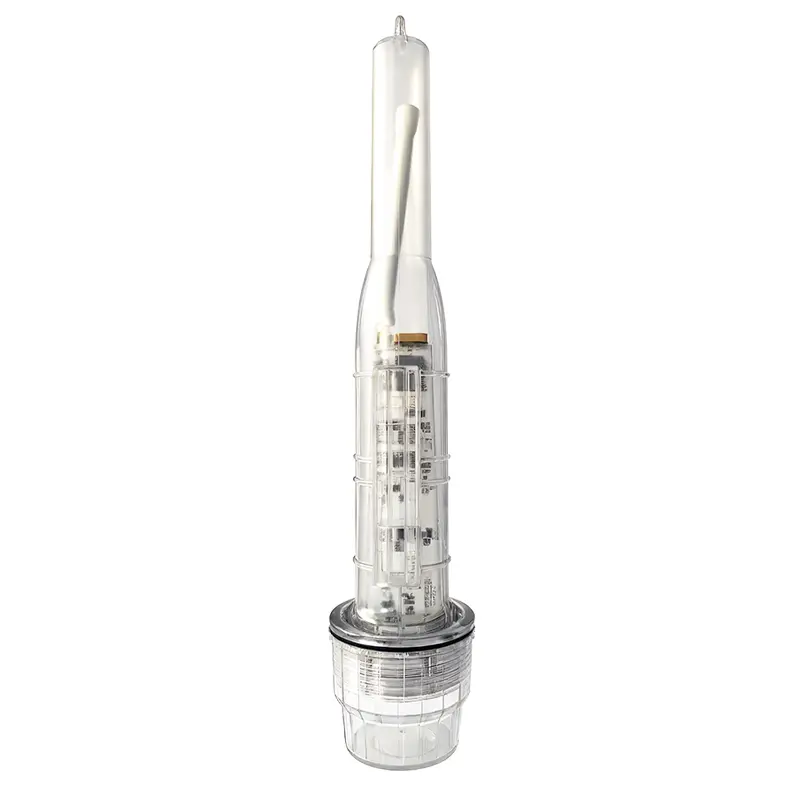 Net Position Indicator
 Solar AIS net position indicator
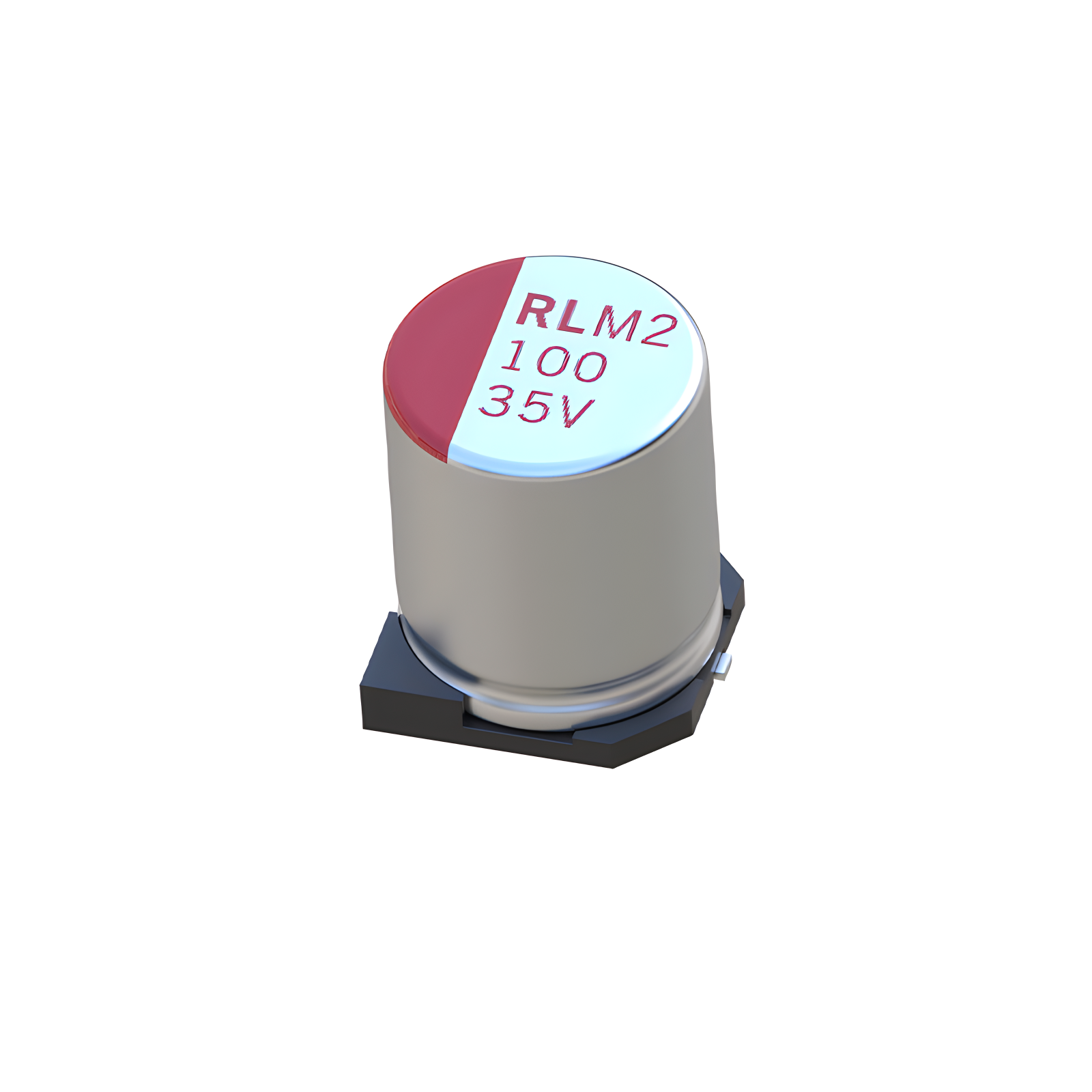 Capacitors
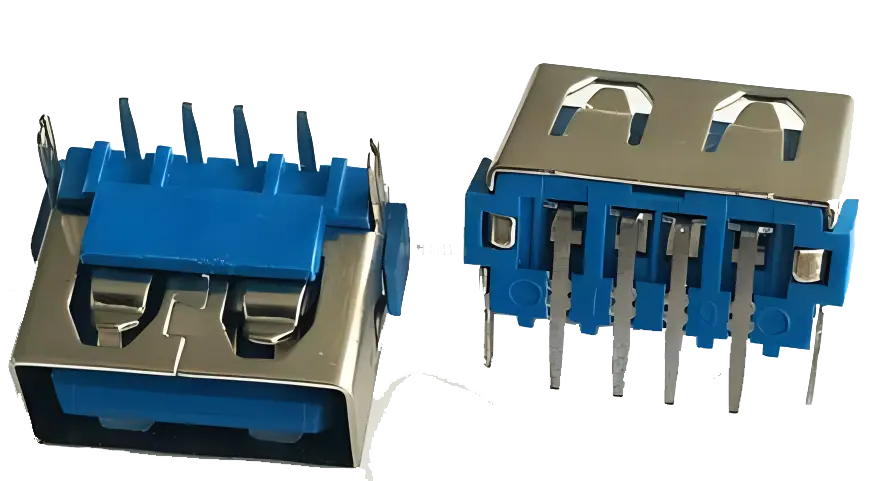 Connectors
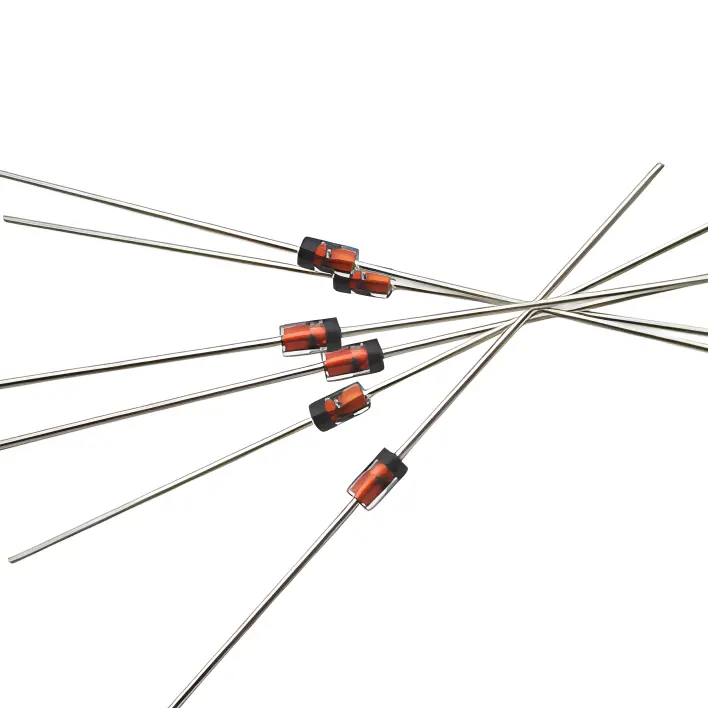 Diodes
 Embedded Processors & Controllers
 Digital Signal Processors (DSP/DSC)
 Microcontrollers (MCU/MPU/SOC)
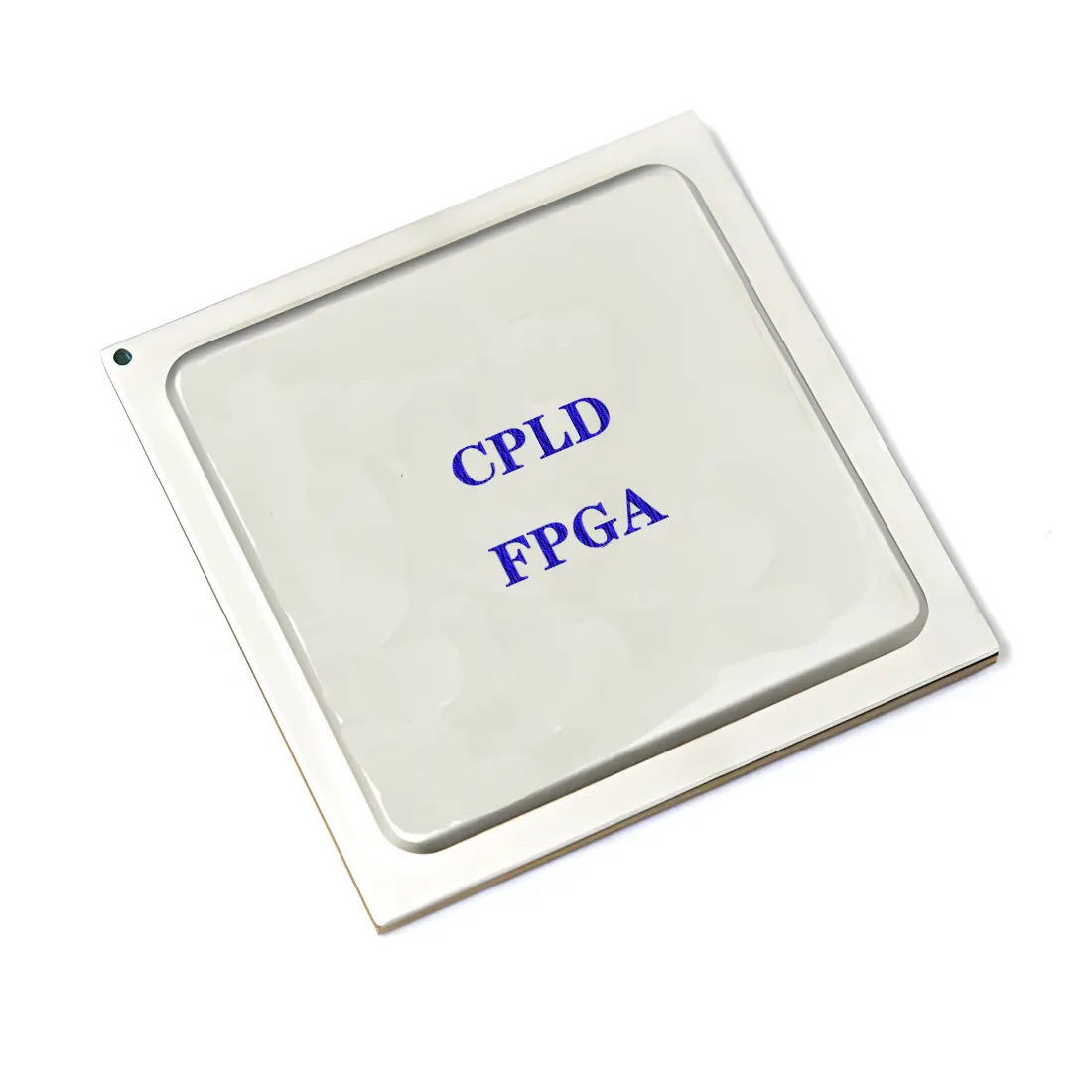 Programmable Logic Device(CPLD/FPGA)
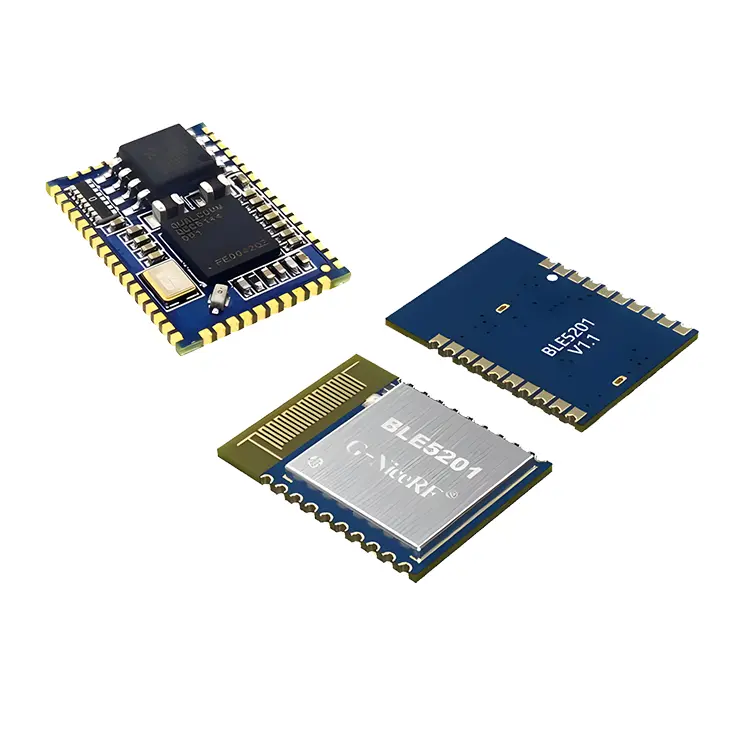 Communication Modules/IoT
 Resistors
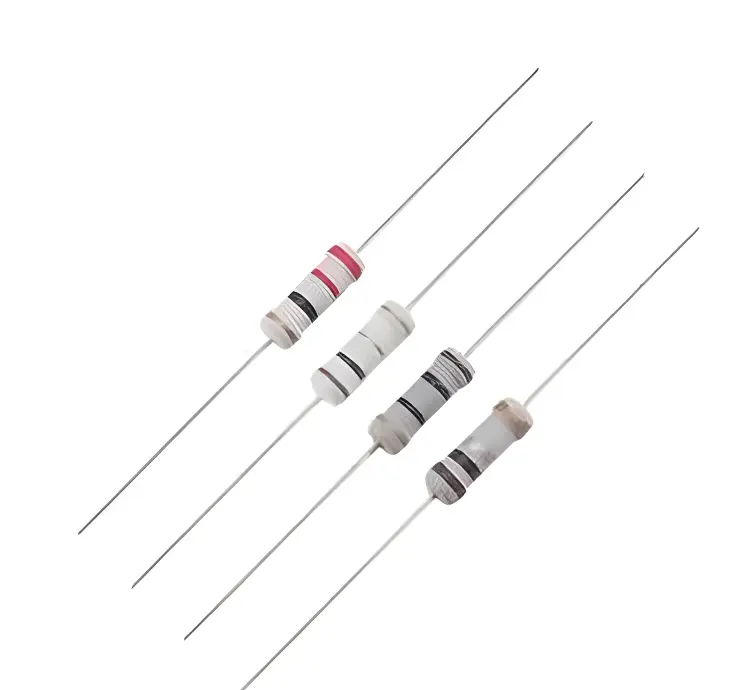 Through Hole Resistors
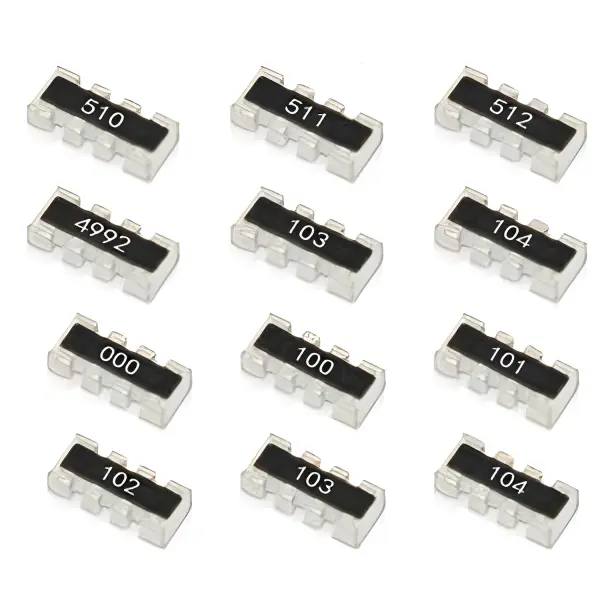 Resistor Networks, Arrays
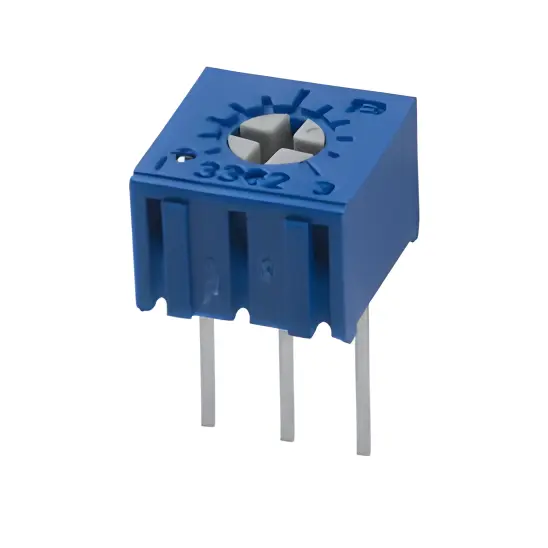 Potentiometers,Variable Resistors
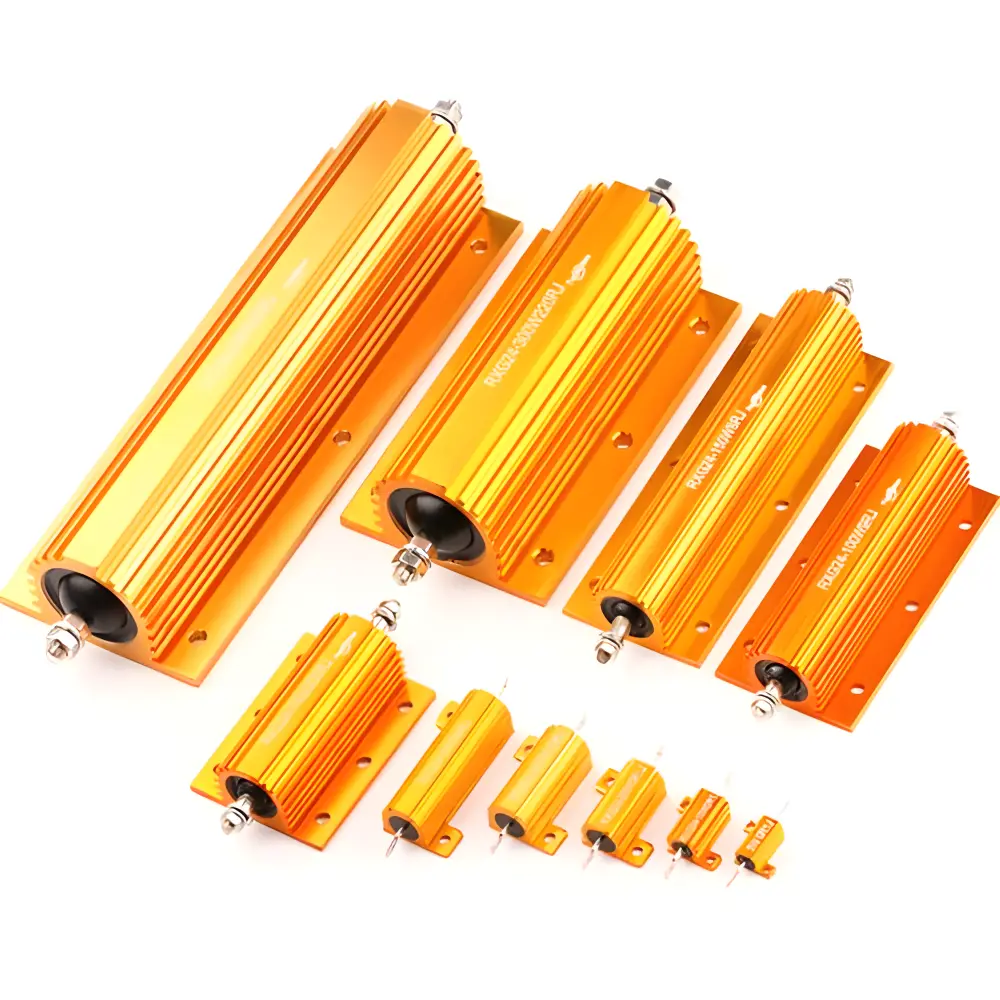 Aluminum Case,Porcelain Tube Resistance
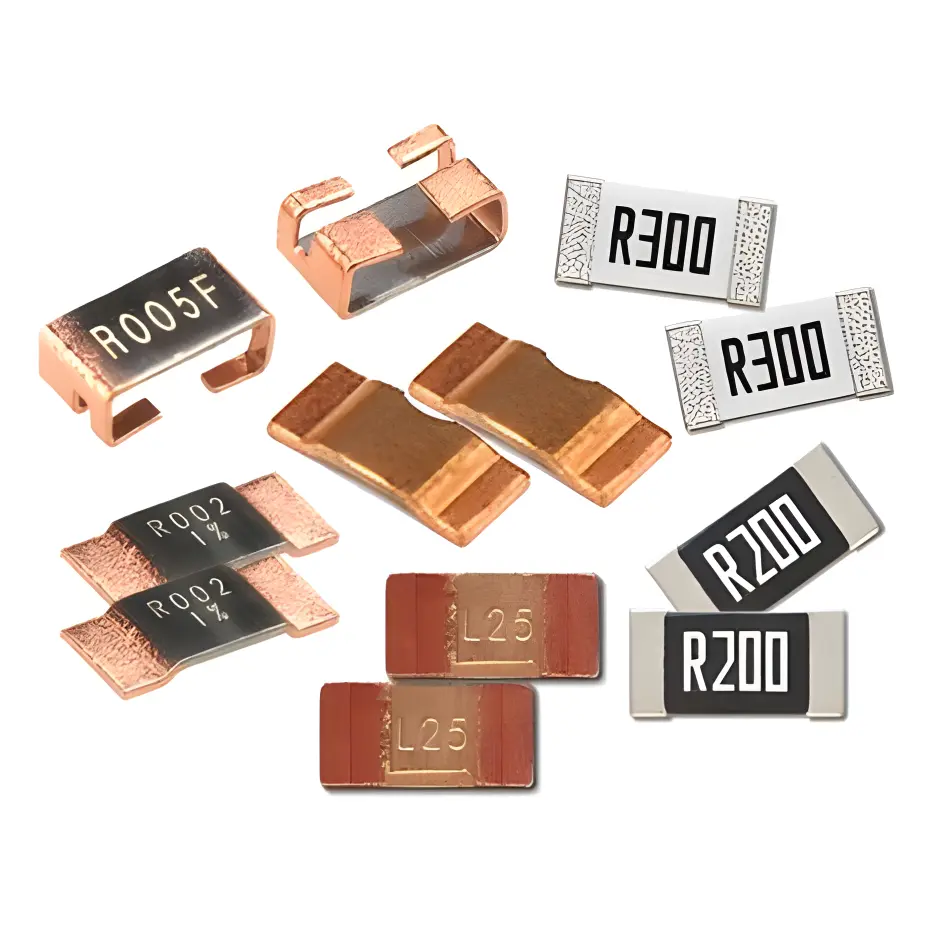 Current Sense Resistors,Shunt Resistors
 Switches
 Transistors
 Power Modules
 Isolated Power Modules
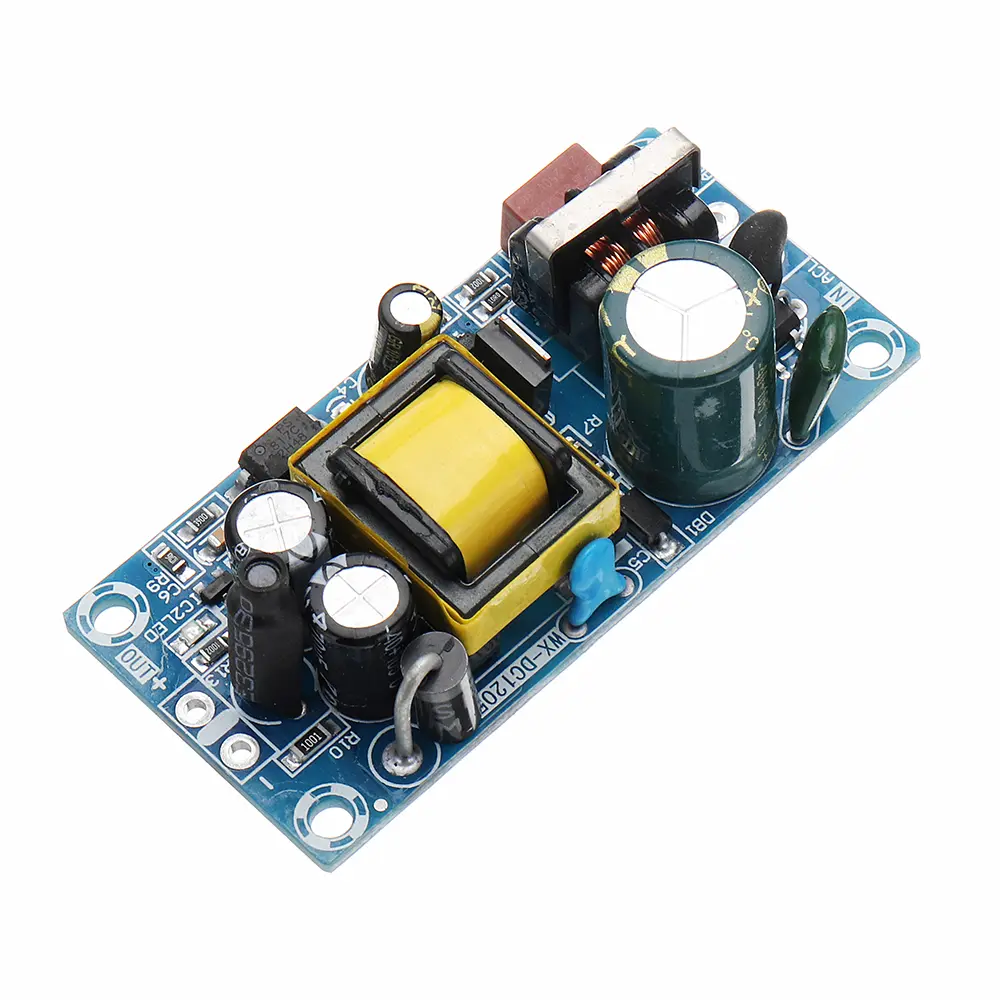 AC-DC Power Modules
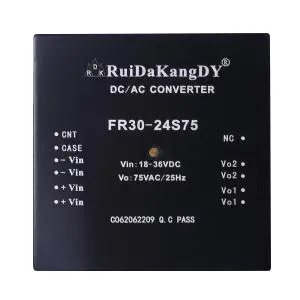 DC-AC Module(Inverter)
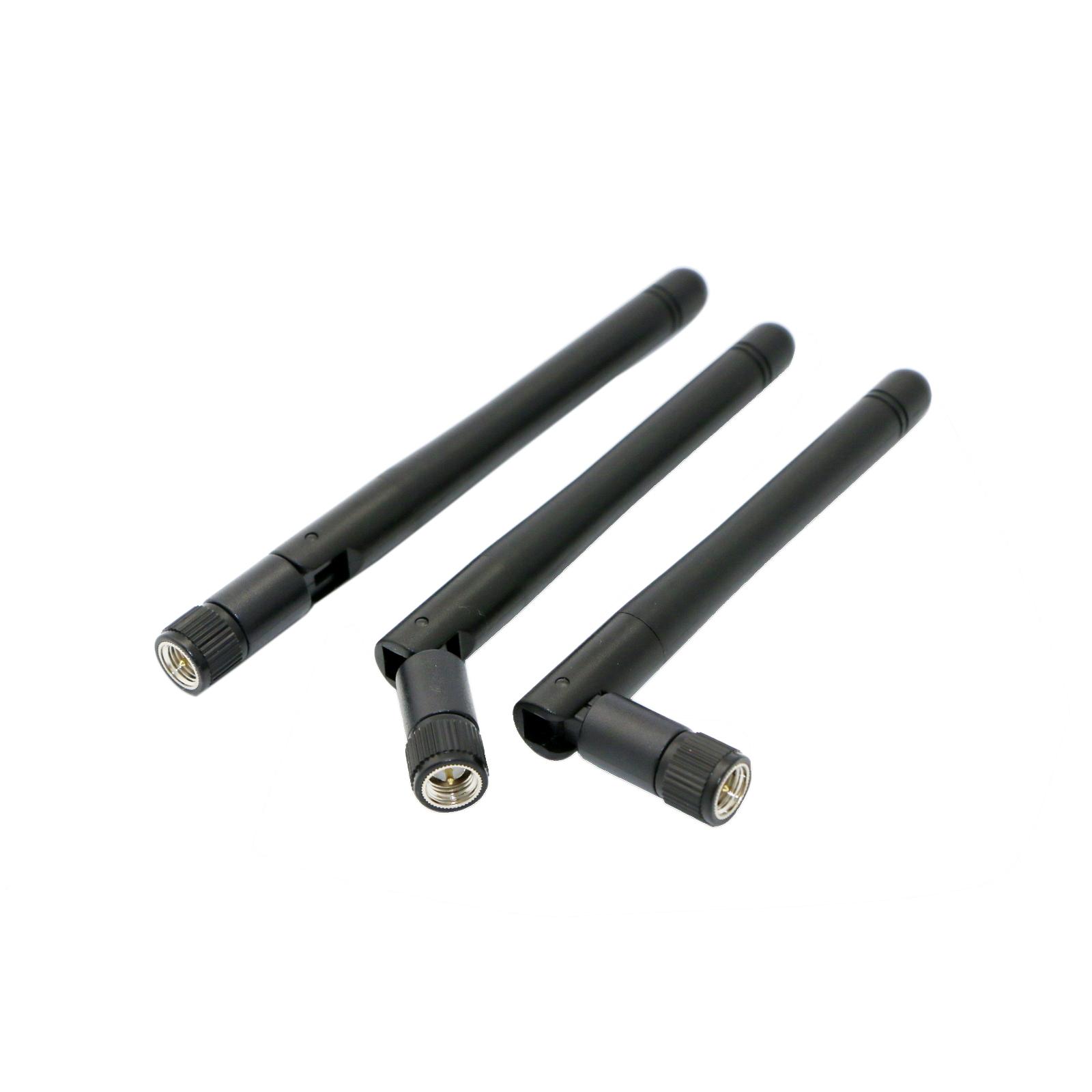 RF and Wireless
The Impact of Elliptical vs. Circular Solder Mask Openings on Solder Wetting During PCB Assembly
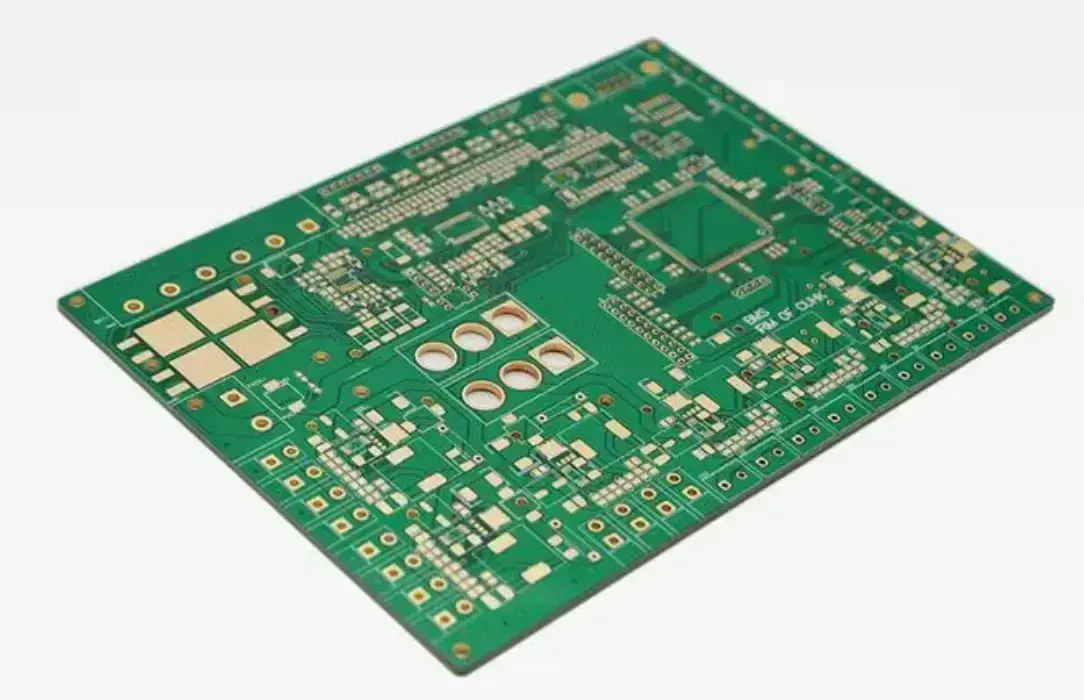
In printed circuit board (PCB) manufacturing, solder mask openings—also known as solder mask apertures or solder dams—play a critical role in defining where solder should and should not flow during the reflow or wave soldering process. The shape of these openings, particularly whether they are circular or elliptical, can significantly influence solder wetting behavior, joint reliability, and overall assembly yield. This article explores the differences between elliptical and circular solder mask openings in terms of their effects on solder wetting during Pcb Assembly.
1. Fundamentals of Solder Wetting
Solder wetting refers to the ability of molten solder to spread and adhere to a metal suRFace (typically copper pads with surface finishes like ENIG, HASL, or OSP). Good wetting is characterized by a low contact angle between the solder and the pad, indicating strong metallurgical bonding. Poor wetting—manifested as high contact angles, dewetting, or non-wetting—can lead to weak or unreliable solder joints.
The geometry of the exposed copper area, dictated by the solder mask opening, directly affects how solder flows and wets during reflow. While pad design (e.g., size, finish) is a primary factor, the shape of the solder mask opening modulates the capillary forces and thermal dynamics that govern wetting.
2. Circular Solder Mask Openings
Circular openings are the most common and symmetrical design. They provide uniform exposure of the underlying pad in all radial directions. This symmetry promotes even heat distribution and isotropic solder flow during reflow. As a result:
- Uniform wetting: Molten solder spreads evenly around the pad perimeter.
- Predictable joint formation: Especially beneficial for symmetric components like passive chip components (e.g., 0402, 0603).
- Reduced risk of solder bridging: When properly sized, circular openings minimize excess solder spread between adjacent pads.
However, circular openings may not always align optimally with the physical layout of certain components—particularly those with elongated terminations, such as small-outline transistors (SOTs) or connectors with rectangular leads.
3. Elliptical Solder Mask Openings
Elliptical (or oval-shaped) openings are often used to match the geometry of non-circular component terminations. They elongate the exposed copper area along one axis, which introduces anisotropy into the wetting process:
- Directional wetting enhancement: Solder tends to flow more readily along the major axis of the ellipse due to increased exposed copper length and altered surface energy distribution. This can improve wetting on leads that are longer in one dimension.
- Better alignment with component leads: For rectangular or oval-shaped terminations, elliptical openings ensure full pad exposure without unnecessarily exposing excess copper, which could otherwise lead to solder balling or bridging.
- Thermal gradient effects: During reflow, the elongated shape may create slight thermal asymmetries, potentially causing uneven wetting if not carefully controlled.
Crucially, elliptical openings can increase the effective wetting area in the direction of the lead, promoting stronger fillet formation along the sides of the component termination—where mechanical and electrical reliability is most critical.
4. Comparative Impact on Solder Wetting
| Aspect | Circular Opening | Elliptical Opening |
|---|---|---|
| Wetting symmetry | Isotropic (uniform in all directions) | Anisotropic (preferential along major axis) |
| Pad-to-lead conformity | May under-expose elongated leads | Better matches rectangular/oval leads |
| Risk of insufficient wetting | Higher for non-circular leads | Lower when aligned properly |
| Risk of excess solder spread | Moderate (if oversized) | Can be minimized with precise aspect ratio |
| Fillet formation | Symmetric but potentially weaker on long leads | Enhanced along lead length, improving mechanical strength |
Experimental studies and industry observations suggest that elliptical openings can improve wetting by 10–20% in the direction of elongation compared to circular openings of equivalent area, particularly for components with asymmetric terminations. This is attributed to better copper exposure matching and optimized capillary action along the lead interface.
However, this benefit is highly dependent on:
- Accurate alignment between the opening and the component lead.
- Proper aspect ratio (length-to-width) of the ellipse.
- Consistency in solder paste deposition (e.g., via stencil design).
Misaligned or poorly proportioned elliptical openings can actually worsen wetting by exposing unintended copper areas or creating thermal imbalances.
5. Practical Recommendations
- Use circular openings for symmetric components (e.g., chip resistors/capacitors, BGA balls).
- Prefer elliptical openings for components with rectangular, oval, or elongated terminations (e.g., SOT-23, QFN side pads, edge connectors).
- Ensure the elliptical opening’s major axis aligns precisely with the lead orientation.
- Maintain a 1:1.5 to 1:2.5 aspect ratio for most applications—extreme elongation can cause solder tailing or voiding.
- Validate with solder paste printing and reflow profiling to avoid wetting defects.
While both circular and elliptical solder mask openings can support reliable solder joints, elliptical openings offer a distinct advantage in wetting performance for non-circular component leads by better matching the physical and thermal demands of the joint. The key lies in design alignment and process control. When implemented correctly, elliptical openings enhance solder wetting anisotropically, leading to stronger, more reliable interconnects—especially in high-density or fine-pitch assemblies where every micron of wetting matters.