
 PCB
PCB FPC
FPC Rigid-Flex
 FR-4
FR-4 HDI PCB
 Rogers High-Frequency Board
 PTFE Teflon High-Frequency Board
 Aluminum
 Copper Core
 PCB Assembly
 LED light PCBA
 Memory PCBA
 Power Supply PCBA
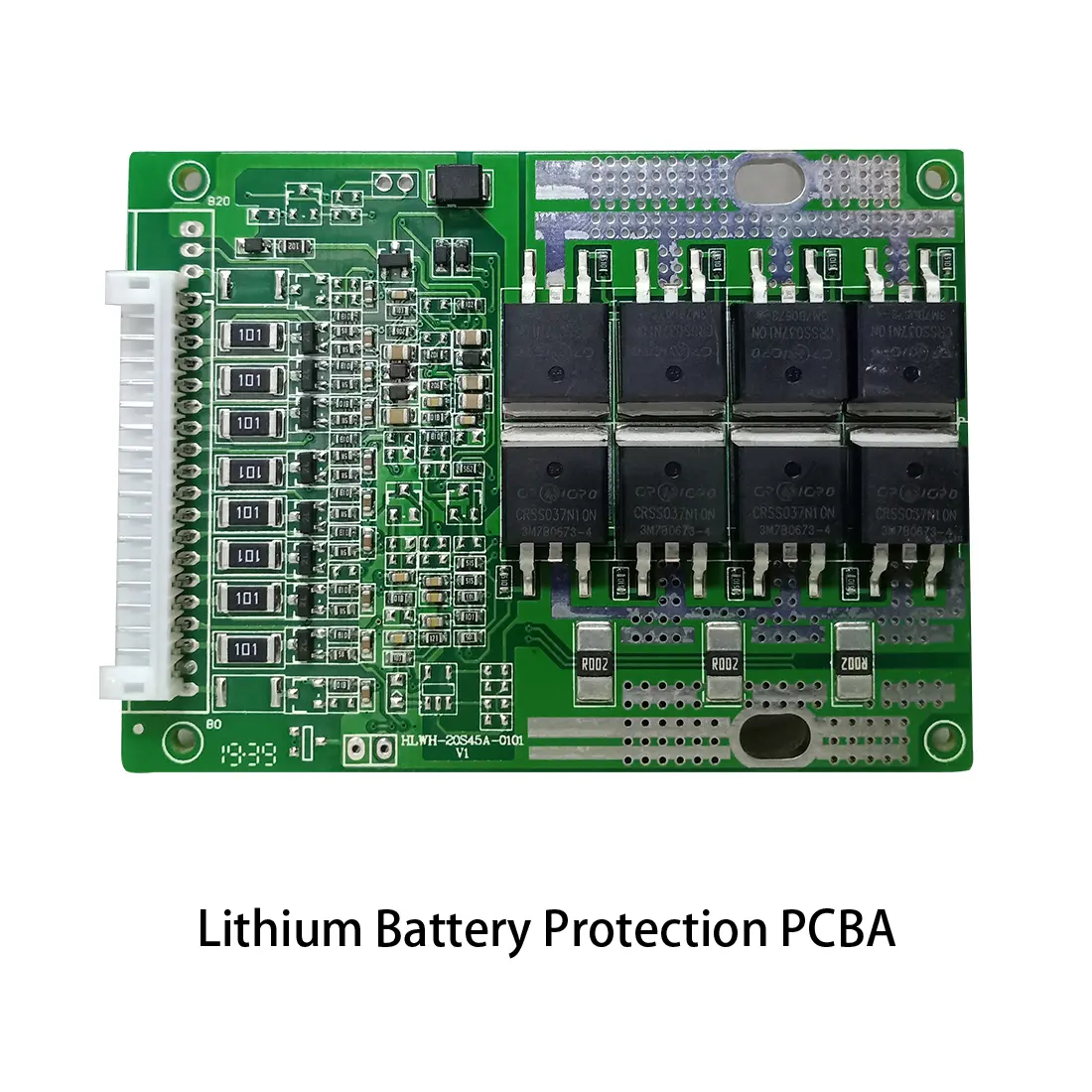 New Energey PCBA
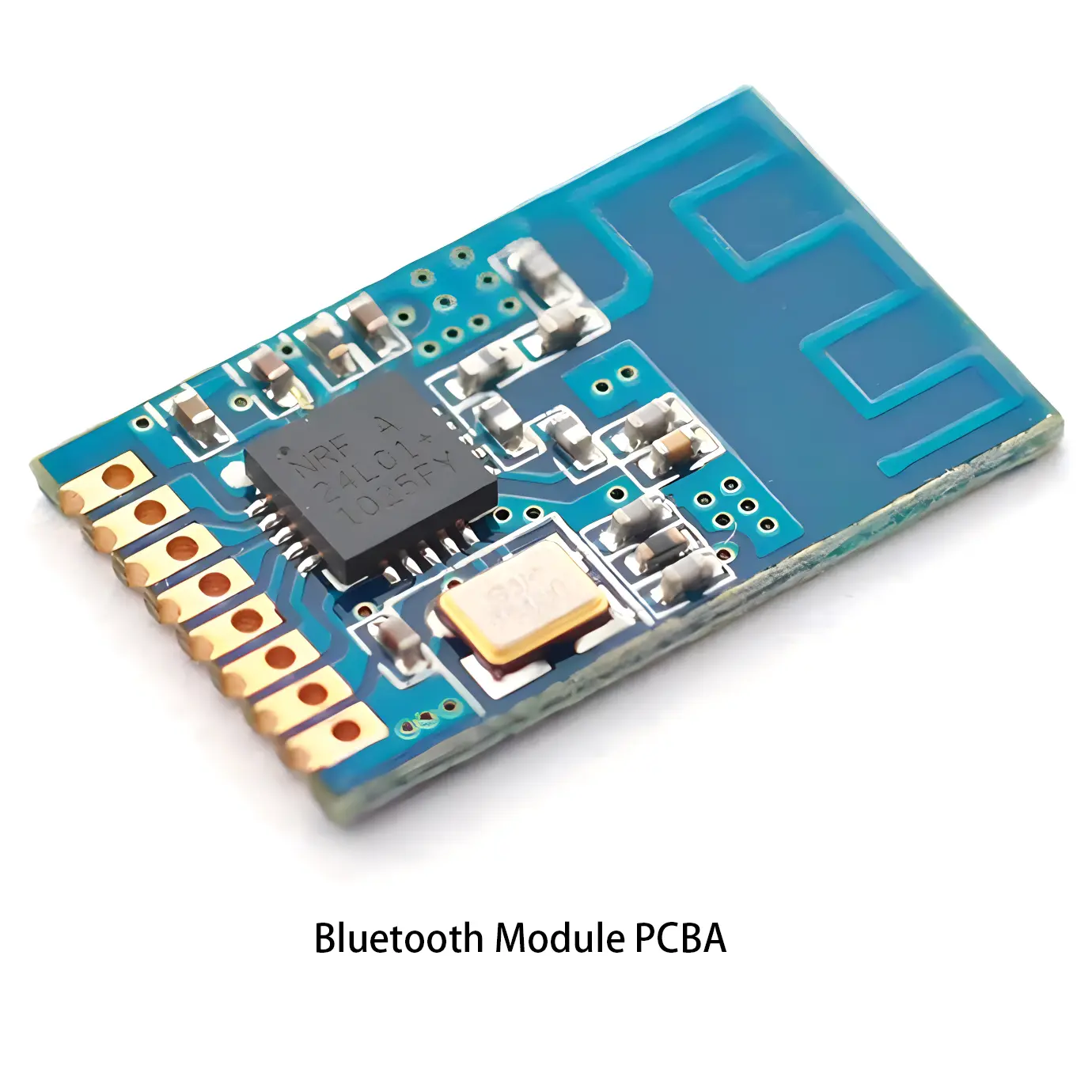 Communication PCBA
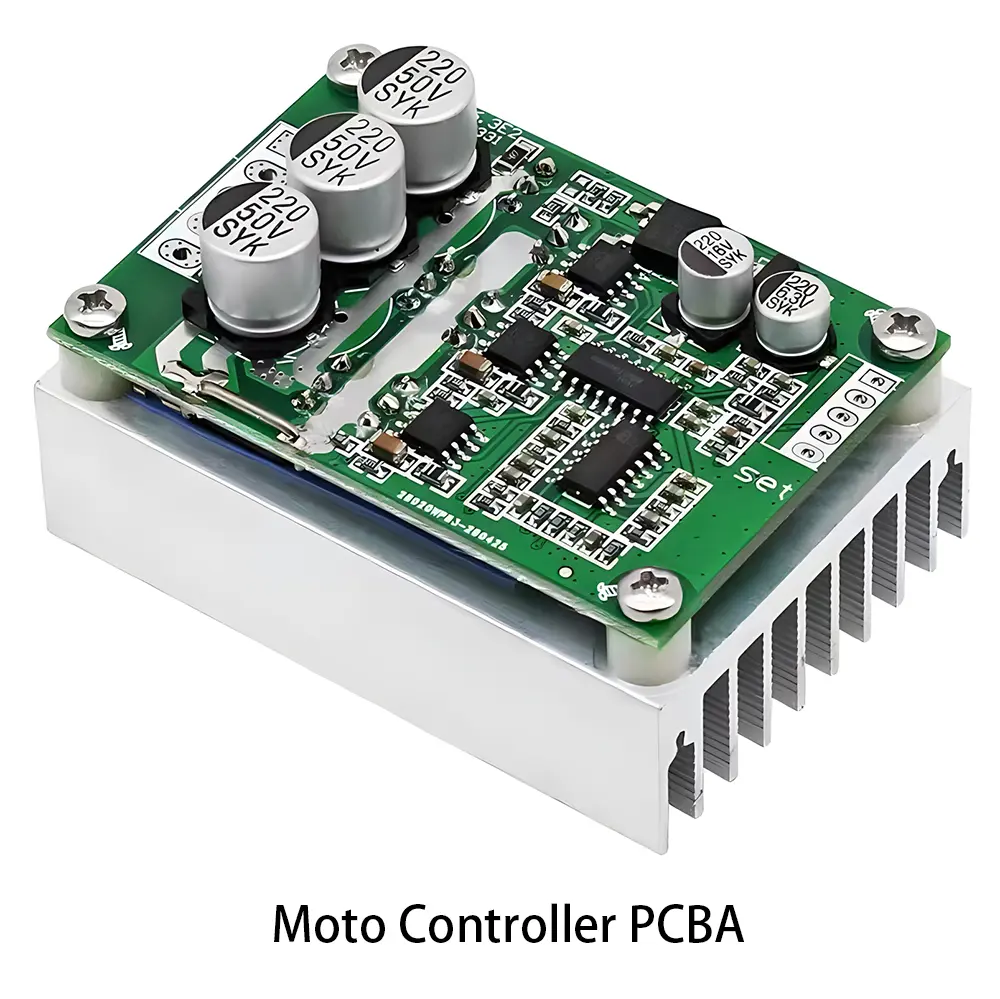 Industrial Control PCBA
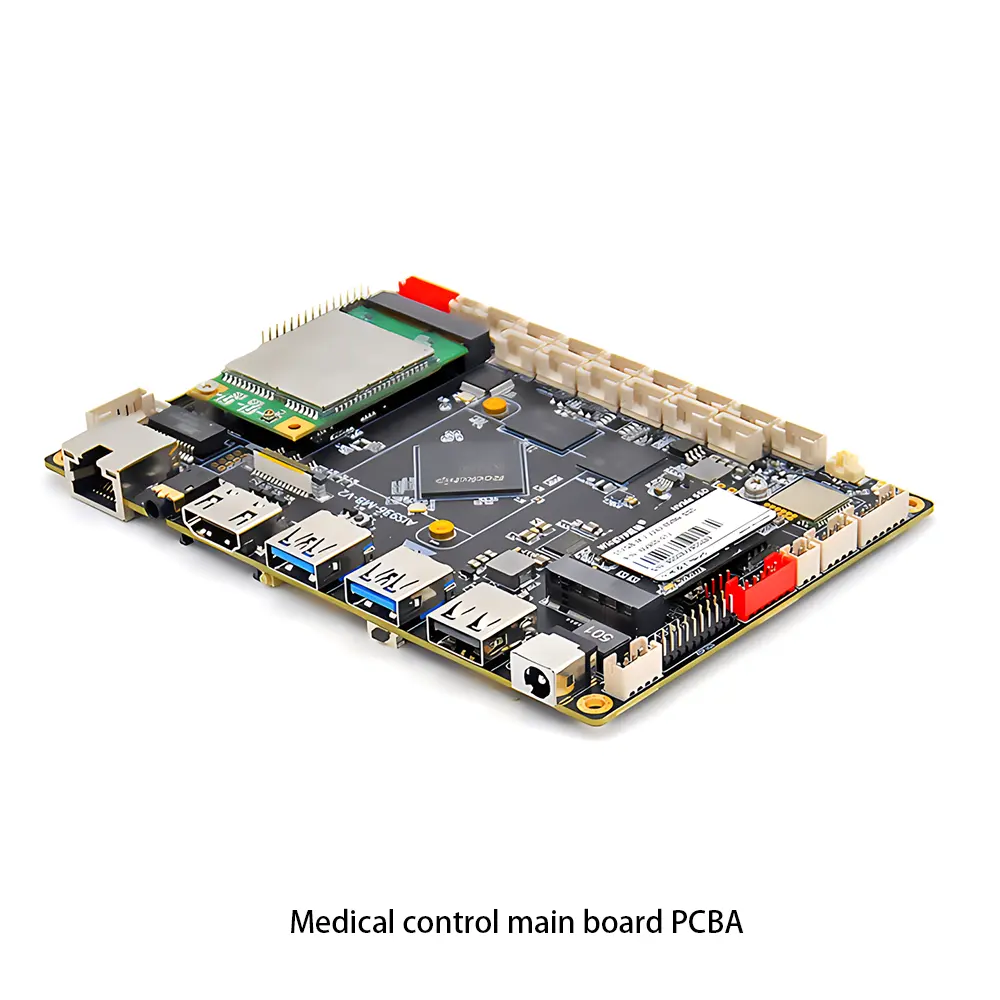 Medical Equipment PCBA
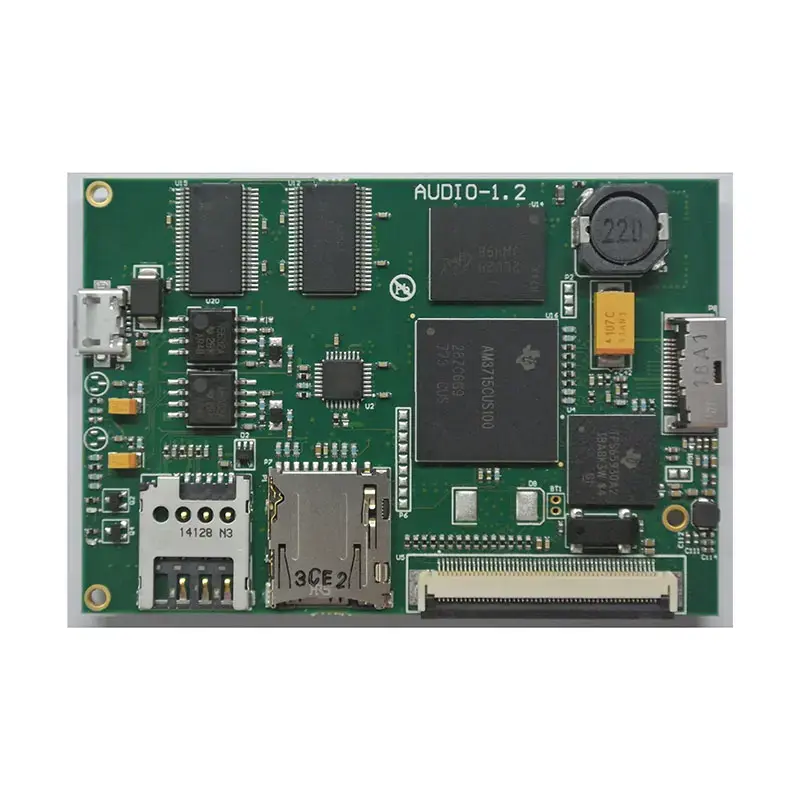 Testing Service
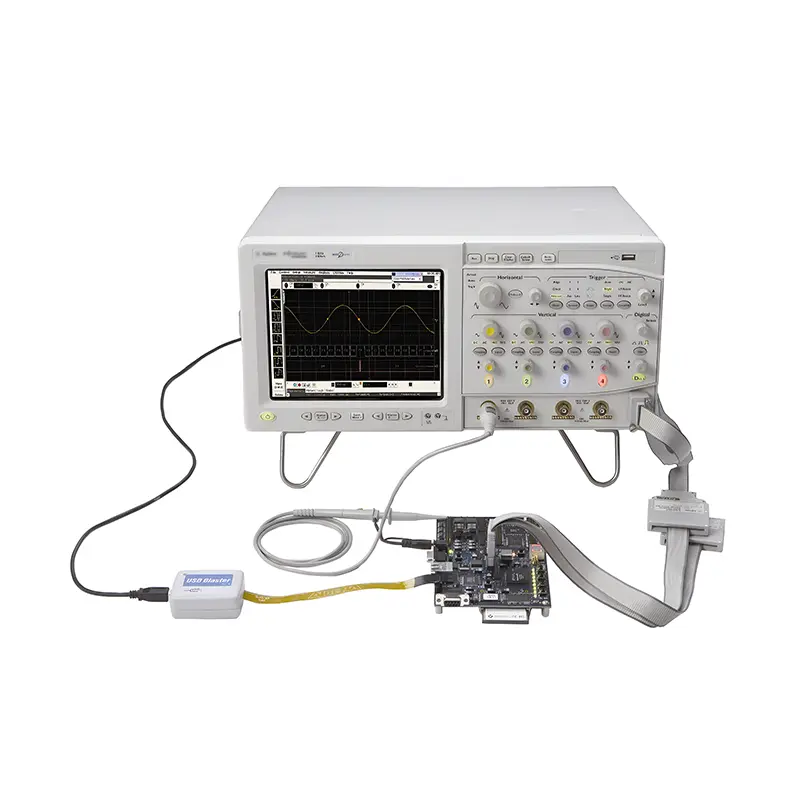 PCBA Testing Service
 Certification Application
 RoHS Certification Application
 REACH Certification Application
 CE Certification Application
 FCC Certification Application
 CQC Certification Application
 UL Certification Application
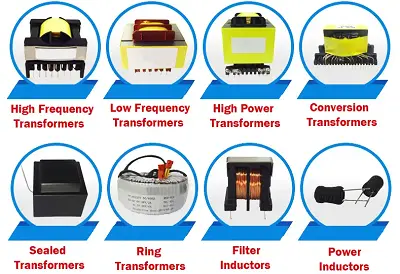 Transformers, Inductors
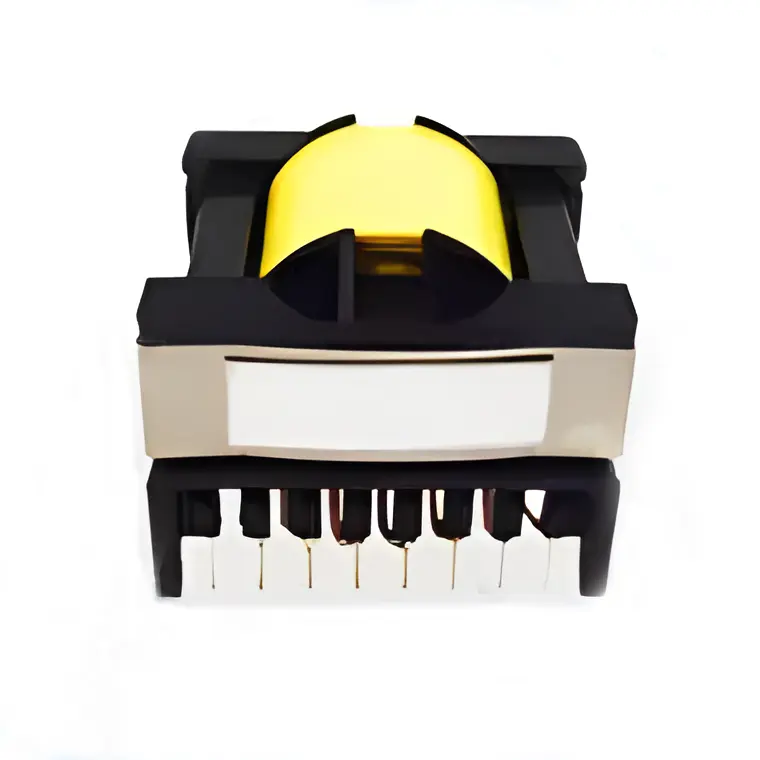 High Frequency Transformers
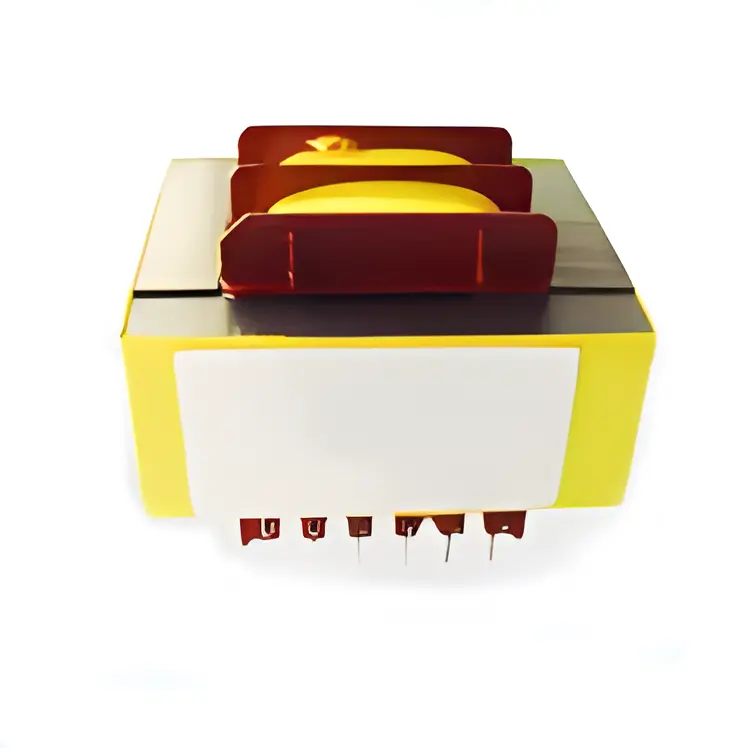 Low Frequency Transformers
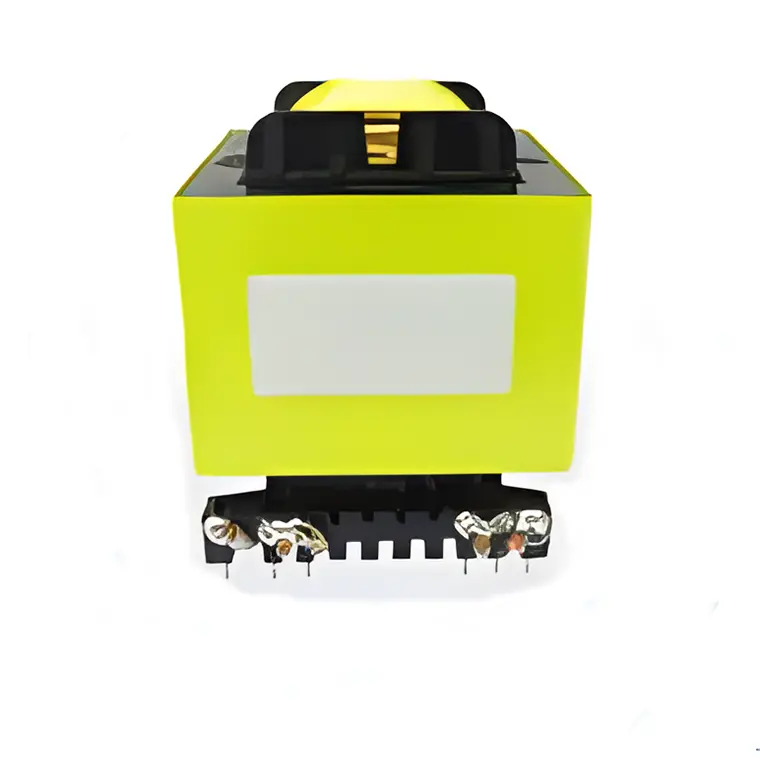 High Power Transformers
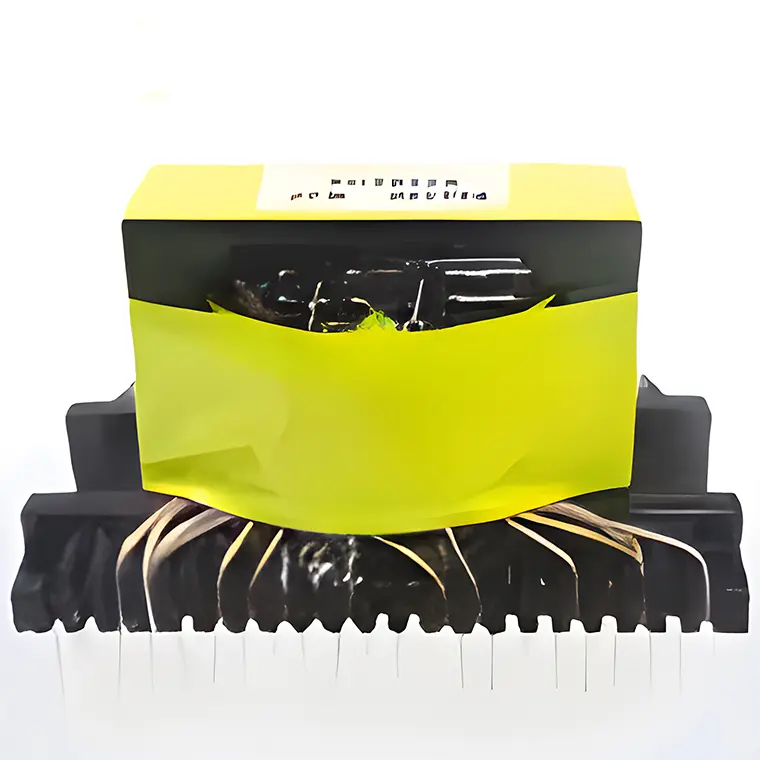 Conversion Transformers
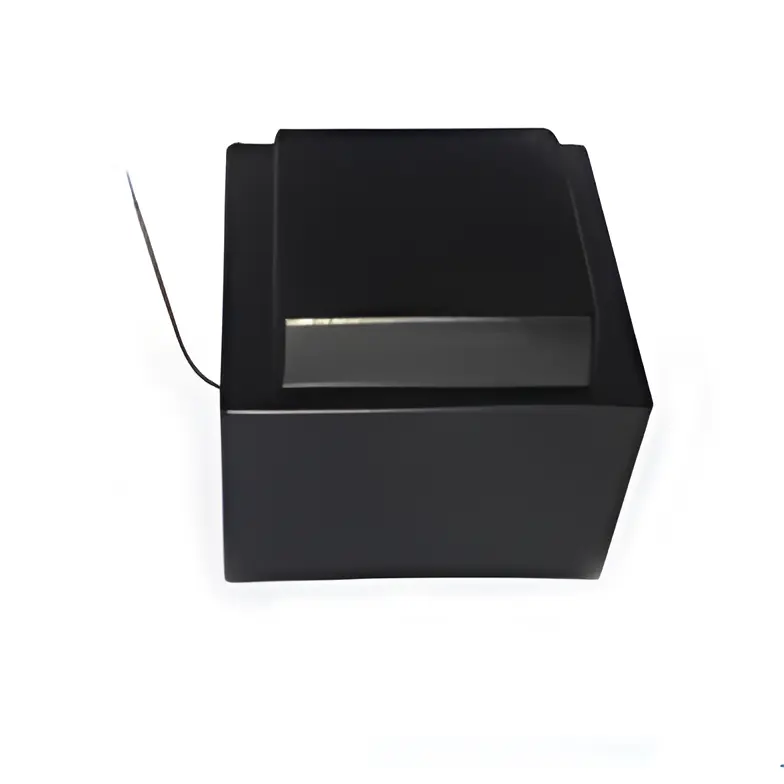 Sealed Transformers
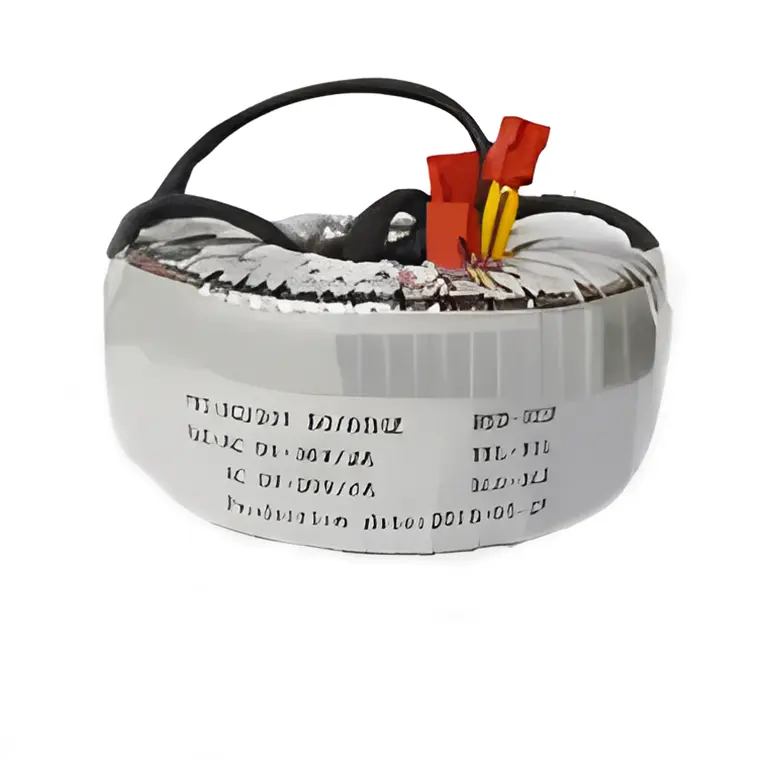 Ring Transformers
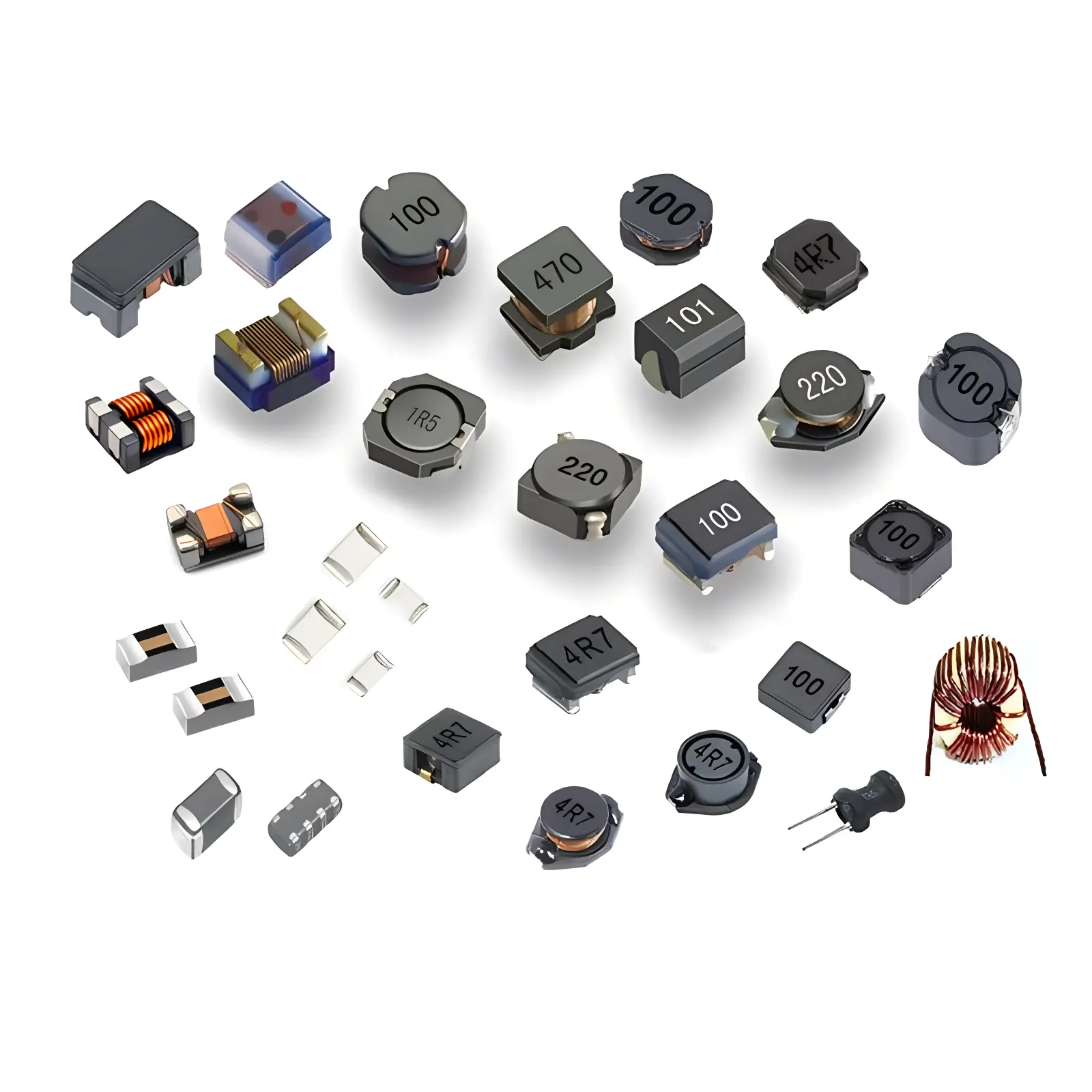 Inductors
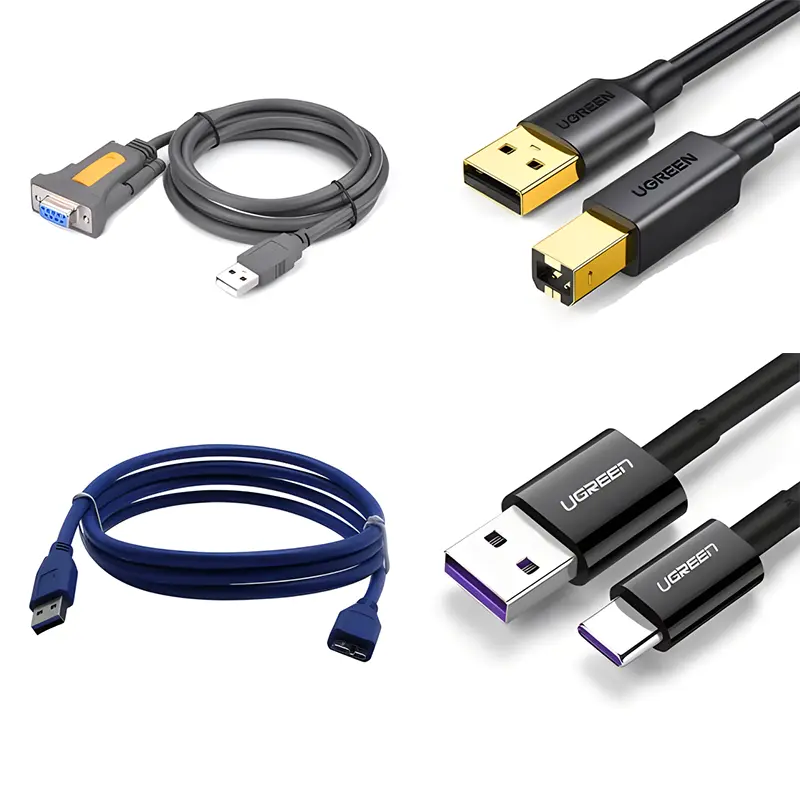 Wires,Cables Customized
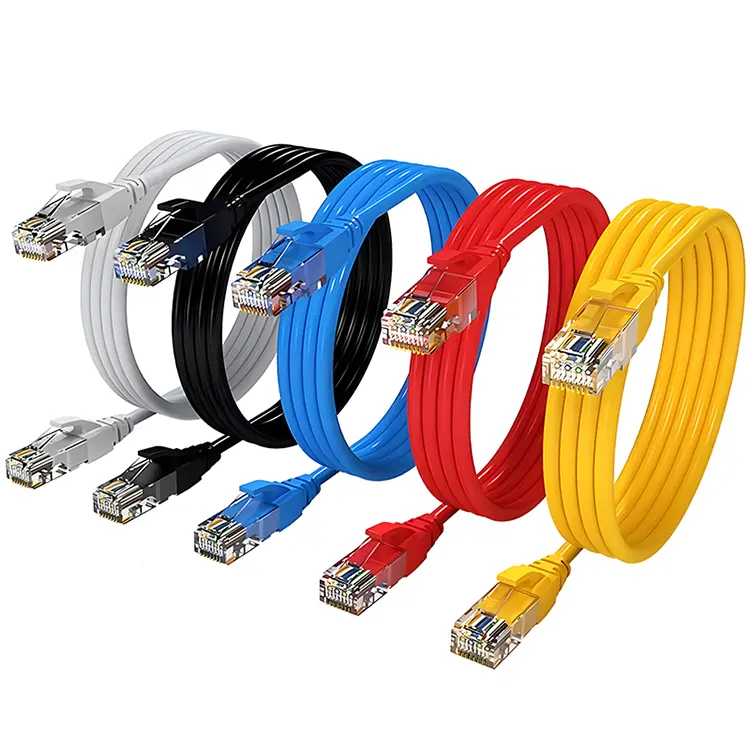 Network Cables
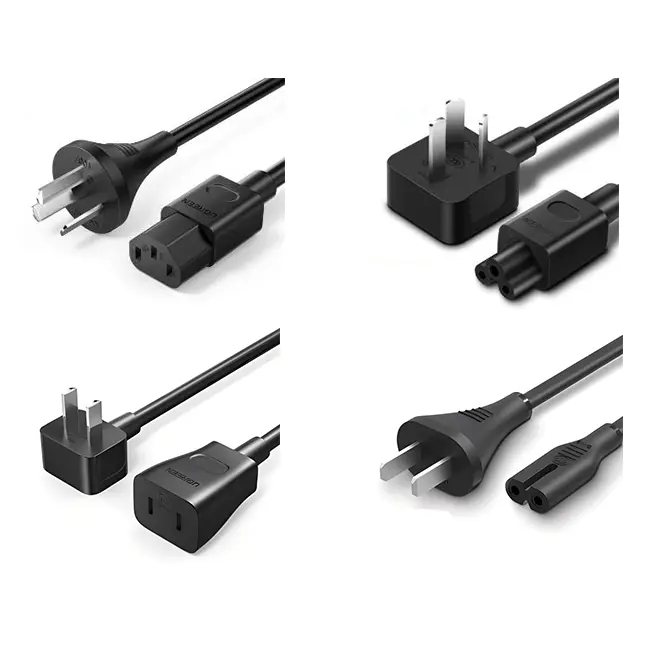 Power Cords
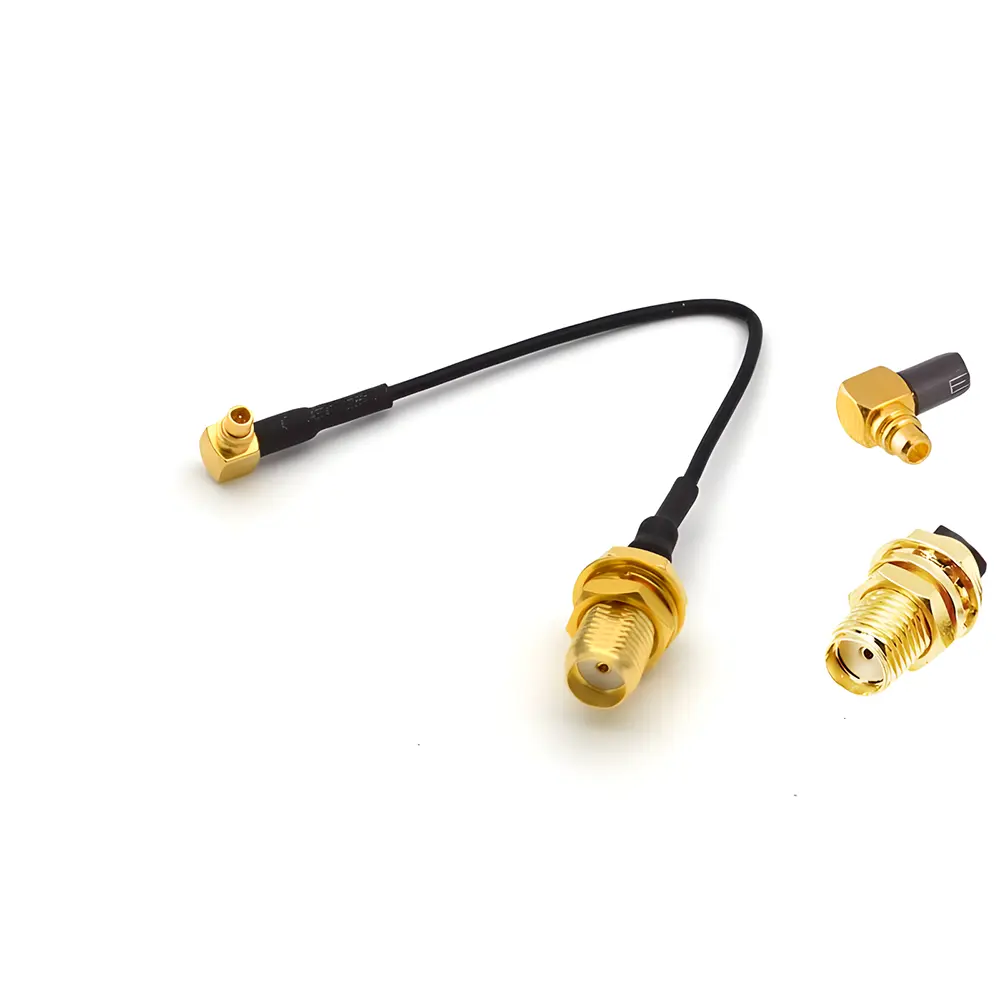 Antenna Cables
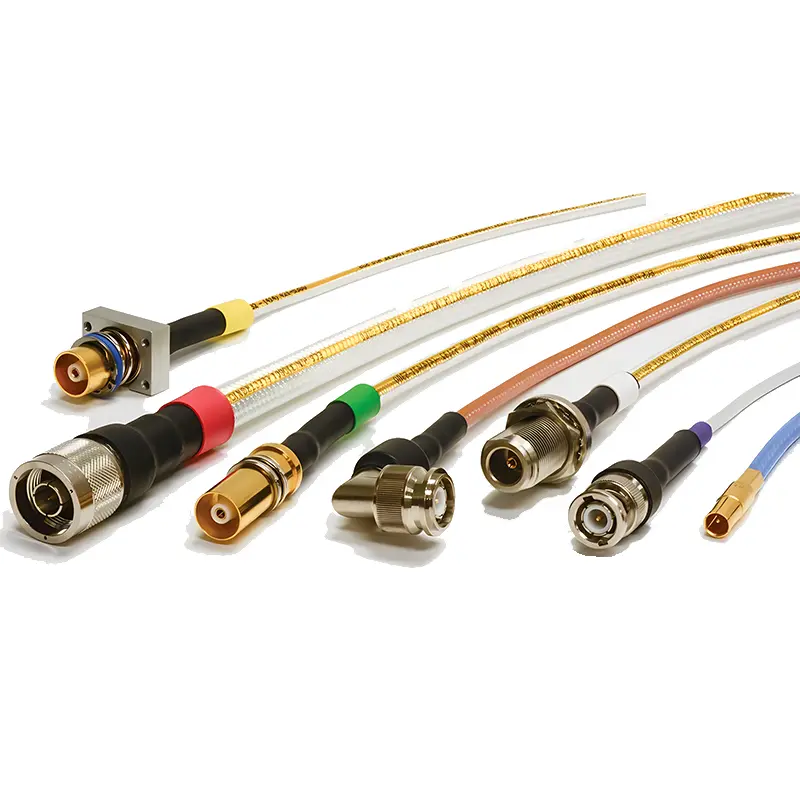 Coaxial Cables
 Net Position Indicator
 Solar AIS net position indicator
 Capacitors
 Connectors
 Diodes
 Embedded Processors & Controllers
 Digital Signal Processors (DSP/DSC)
 Microcontrollers (MCU/MPU/SOC)
 Programmable Logic Device(CPLD/FPGA)
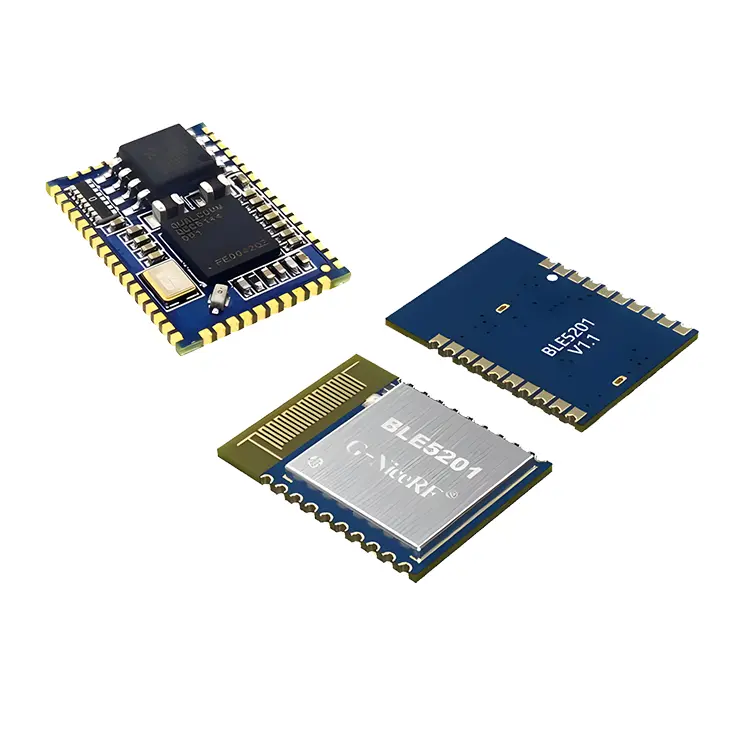 Communication Modules/IoT
 Resistors
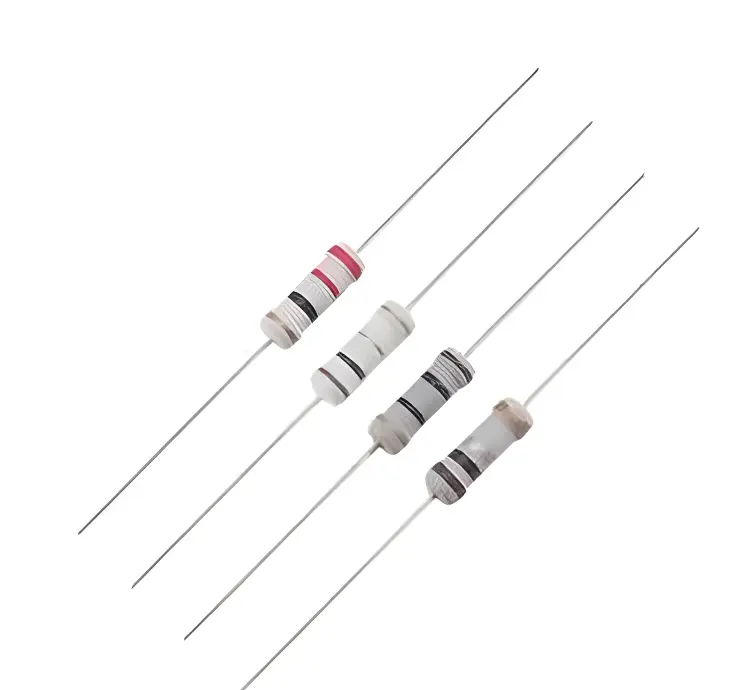 Through Hole Resistors
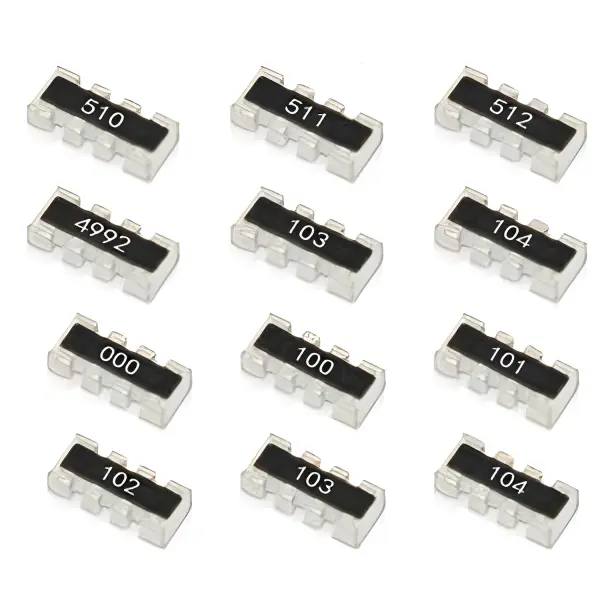 Resistor Networks, Arrays
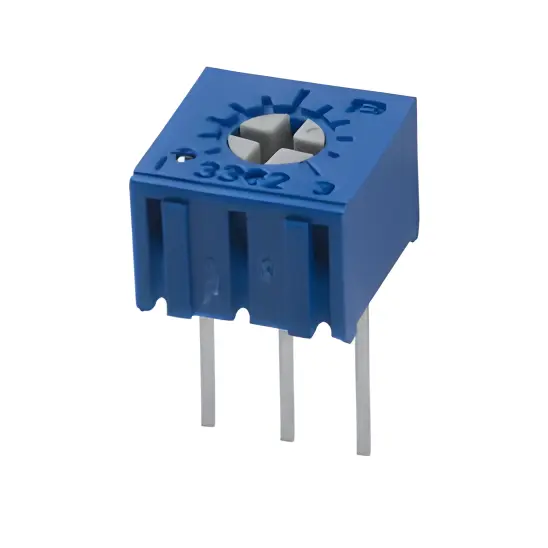 Potentiometers,Variable Resistors
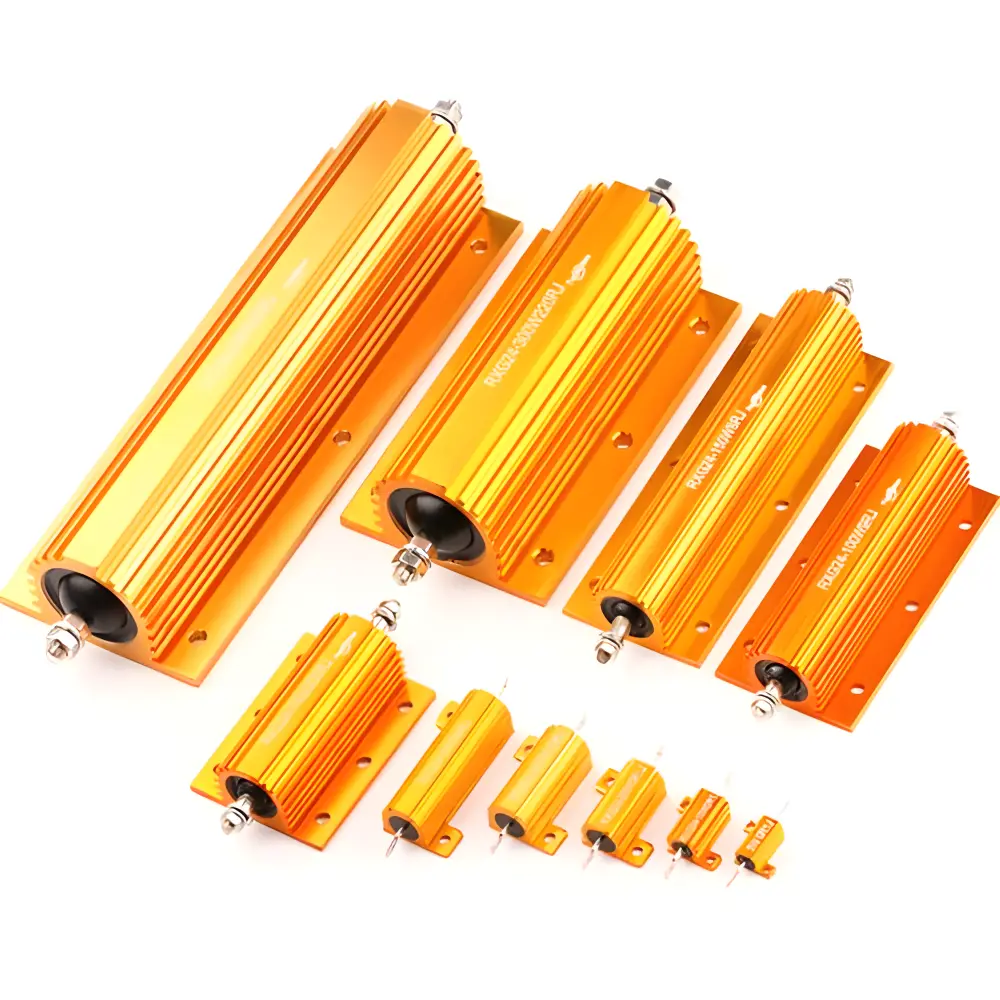 Aluminum Case,Porcelain Tube Resistance
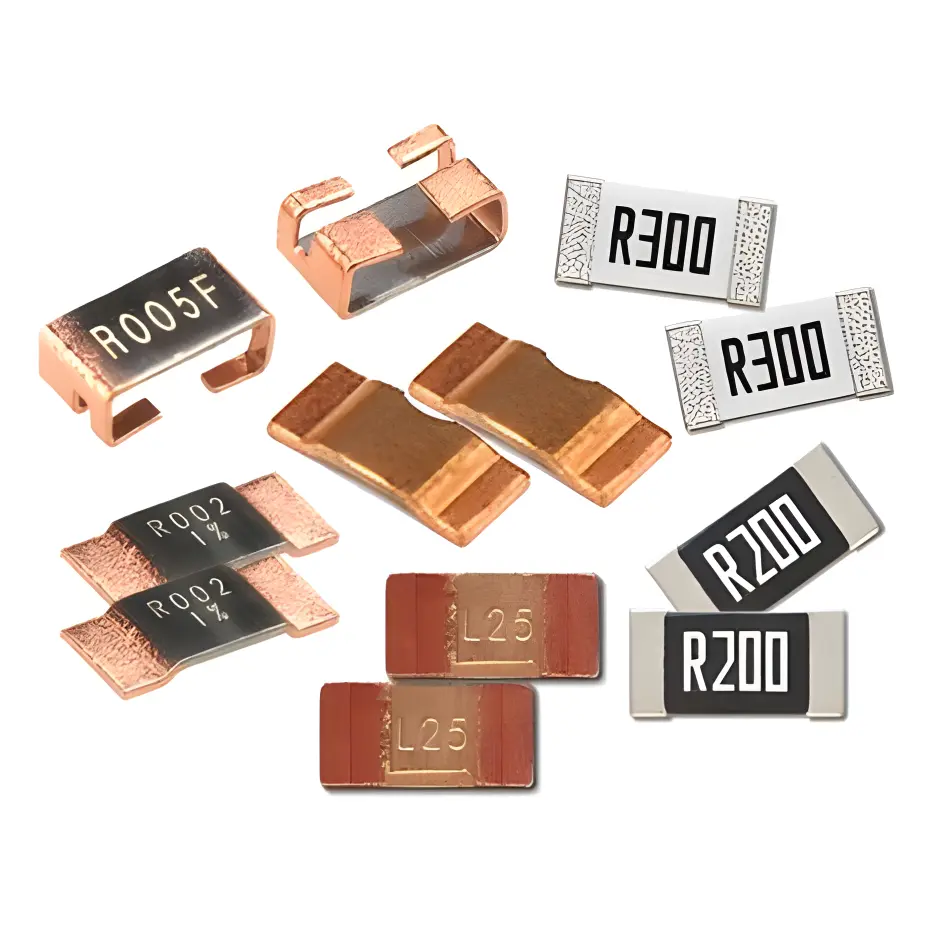 Current Sense Resistors,Shunt Resistors
 Switches
 Transistors
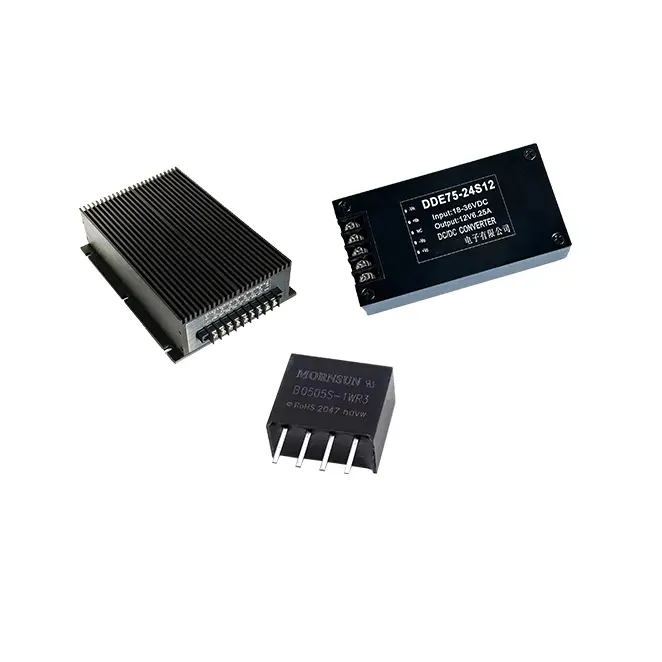 Power Modules
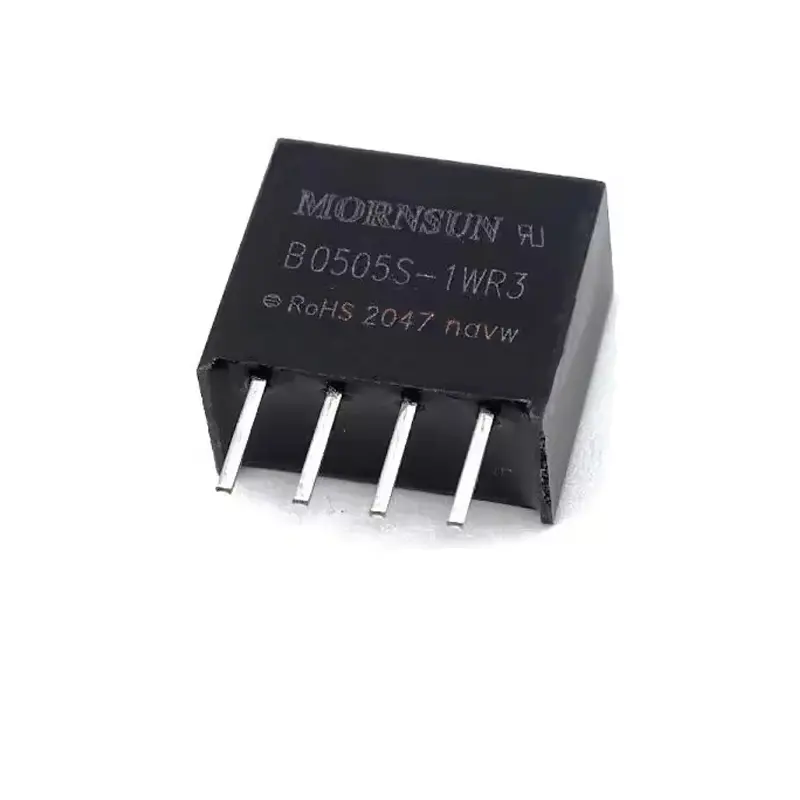 Isolated Power Modules
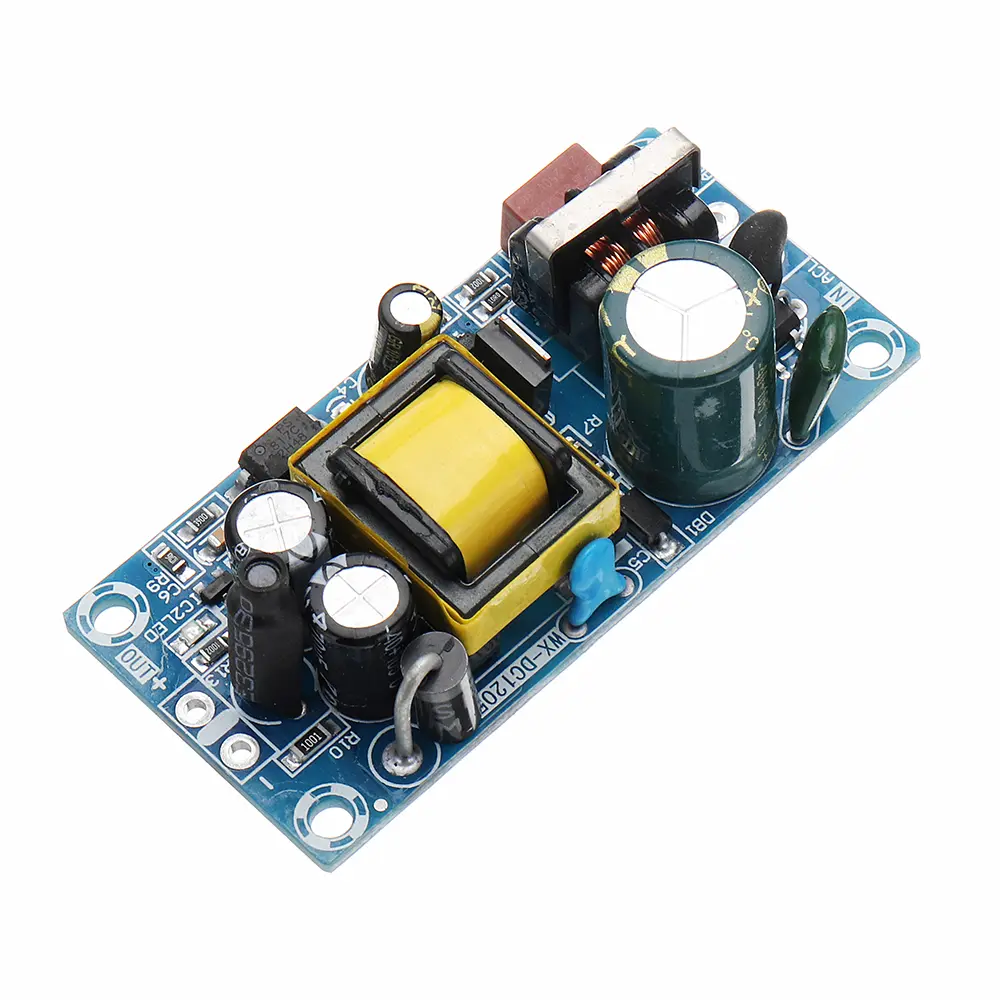 AC-DC Power Modules
 DC-AC Module(Inverter)
 RF and Wireless
What are the differences between PCBA MDA testing and ICT testing in the SMT industry?
2025-01-11
What are the differences between PCBA MDA testing and ICT testing in the SMT industry?
During the production process of PCBA (Printed Circuit Board Assembly), testing is a crucial step to ensure the quality and peRFormance of circuit boards. MDA (Manufacturing Defects Analyzer) testing and ICT (In-Circuit Test) testing are two common testing methods, and there are significant differences among them in terms of definitions, principles, applications, and distinctions.
I. Definition and Characteristics of MDA Testing
Definition: MDA testing is officially named Manufacturing Defects Analyzer. It is a standard testing method that examines manufacturing defects and defective components by testing the electrical performance and electrical connections of components on the line. MDA testing uses precise testing equipment to test the components on the circuit board one by one to identify defects such as open circuits, short circuits, missing components, dry soldering, reverse mounting, and upright mounting.
Characteristics:
Definition: MDA testing is officially named Manufacturing Defects Analyzer. It is a standard testing method that examines manufacturing defects and defective components by testing the electrical performance and electrical connections of components on the line. MDA testing uses precise testing equipment to test the components on the circuit board one by one to identify defects such as open circuits, short circuits, missing components, dry soldering, reverse mounting, and upright mounting.
Characteristics:
- Accuracy: MDA testing can accurately measure the actual values of each component on the circuit board, including Resistors, capacitors, inductors, etc., ensuring that the performance of components meets the design requirements.
- Efficiency: The testing process has a high degree of automation and can quickly complete the detection of a large number of components, improving production efficiency.
- Accurate Fault Location: MDA testing can accurately locate the fault points on the circuit board, providing convenience for subsequent maintenance and replacement.
II. Definition and Characteristics of ICT Testing

Definition: ICT testing is officially named In-Circuit Test. It is a testing method that examines electrical properties such as circuit continuity, voltage and current values, fluctuation curves, amplitudes, and noise by using test probes to contact the test points on the PCB board. ICT testing is similar to a multimeter and can detect the electrical properties and soldering conditions of all parts on the circuit board without disassembling electronic parts.
Characteristics:
- Comprehensiveness: ICT testing can cover all components and circuit networks on the circuit board, ensuring the comprehensiveness of detection.
- Rapidity: The testing speed is fast and the time is short, which can effectively reduce the waiting time for test startup and the downtime on the production line.
- Accuracy: Controlled by computer programs, it greatly reduces the risks of misjudgment and missed detection and improves the accuracy of testing.
III. Differences between MDA Testing and ICT Testing
- Testing Principle
MDA Testing: It mainly tests the electrical performance and electrical connections of components on the line to check manufacturing defects and defective components. MDA testing can accurately measure the actual values of each component, including resistors, capacitors, inductors, etc.
ICT Testing: It examines electrical properties such as circuit continuity and voltage and current values by using test probes to contact the test points on the PCB board. It uses a pin bed to connect the arranged test points on the circuit board to achieve the testing objectives. - Testing Range
MDA Testing: It focuses on testing the electrical performance and electrical connections of individual components and can identify defects such as open circuits, short circuits, missing components, dry soldering, reverse mounting, and upright mounting.
ICT Testing: It covers the entire circuit board, including all components and circuit networks, and can detect problems such as component values, connectivity, and polarity on the circuit board. - Testing Precision
MDA Testing: Since it can directly measure the actual values of components, it has relatively high testing precision.
ICT Testing: Although it has a wide testing range, it may not be as precise as MDA testing in detecting some subtle electrical properties. - Cost and Complexity
MDA Testing: The cost of equipment and fixtures is relatively high, especially for advanced MDA equipment, but its testing precision and efficiency are also higher.
ICT Testing: The cost of equipment and fixtures is relatively low, which is suitable for quality control in large-scale production. However, ICT testing usually requires specialized testing equipment and test fixtures, increasing the cost and complexity. - Application Scenarios
MDA Testing: It is more suitable for testing circuit boards with high requirements for component electrical performance, such as on the production lines of high-precision electronic products.
ICT Testing: It is widely used in the PCBA production processes of various electronic products and can quickly detect manufacturing defects and improve the product qualification rate.