
 PCB
PCB FPC
FPC Rigid-Flex
 FR-4
FR-4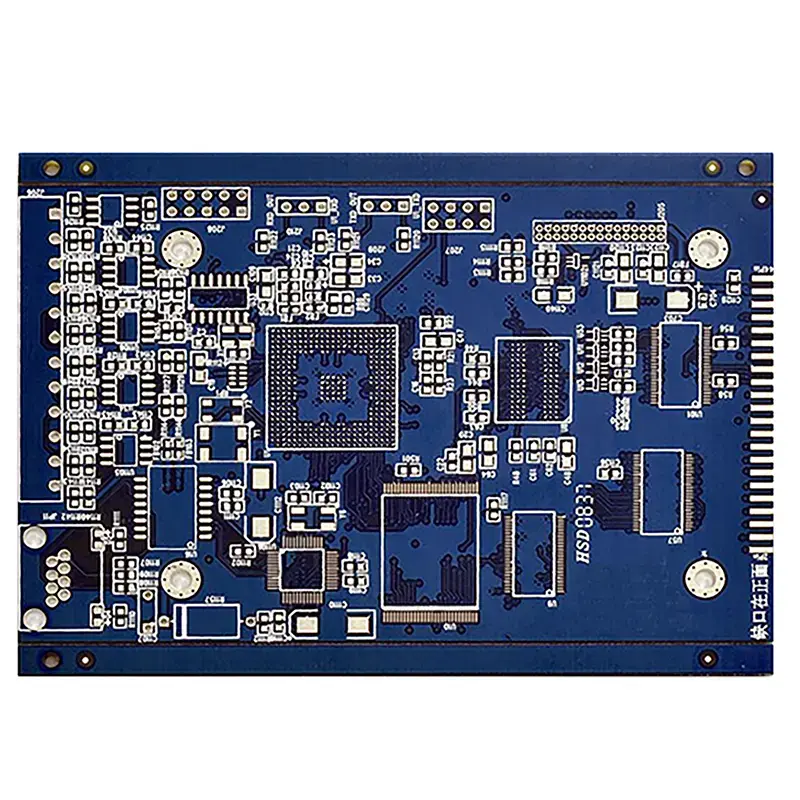 HDI PCB
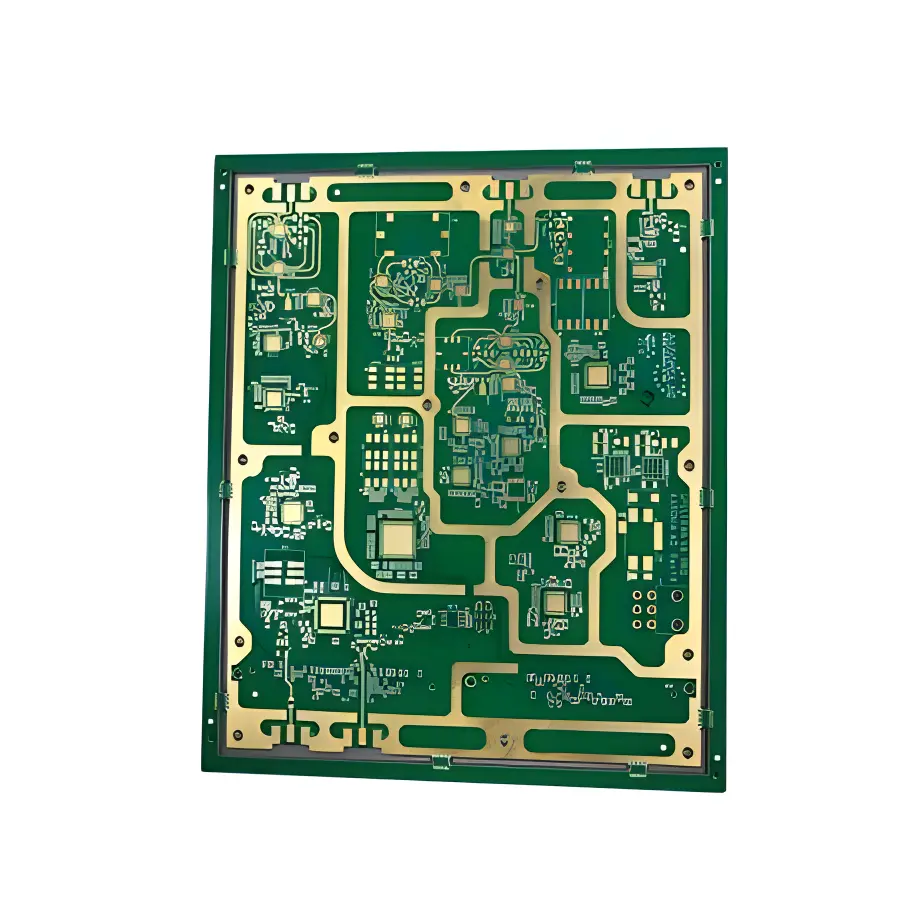 Rogers High-Frequency Board
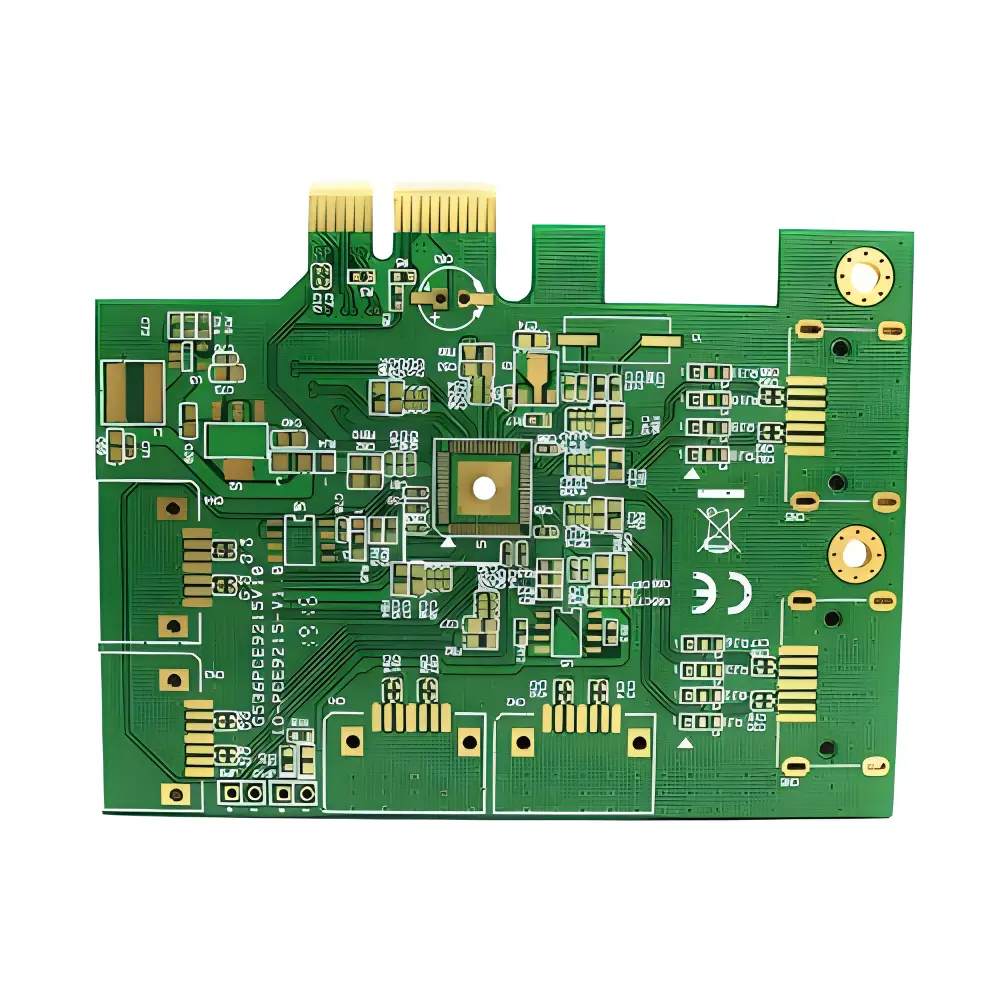 PTFE Teflon High-Frequency Board
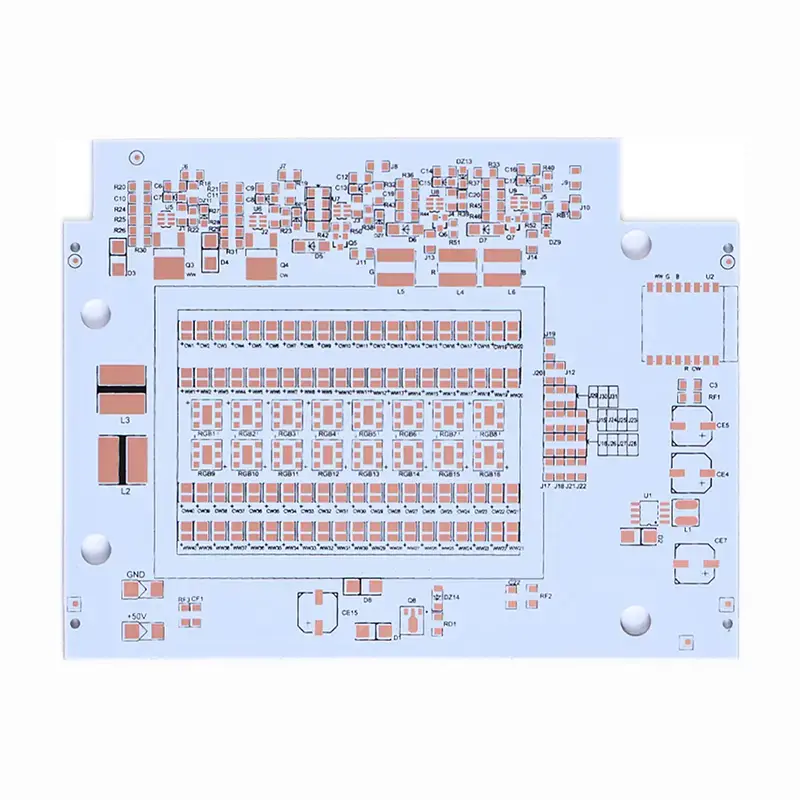 Aluminum
 Copper Core
 PCB Assembly
 LED light PCBA
 Memory PCBA
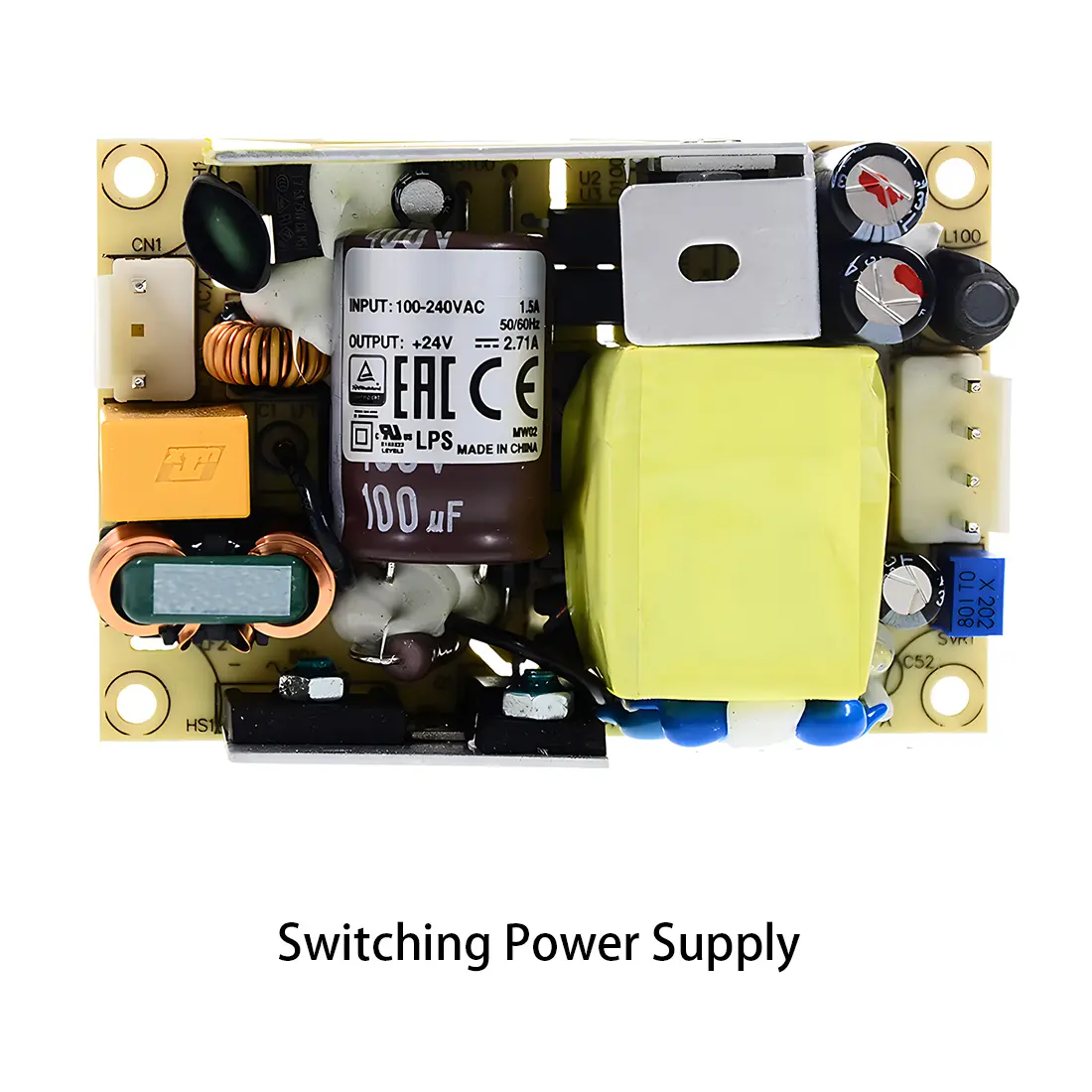 Power Supply PCBA
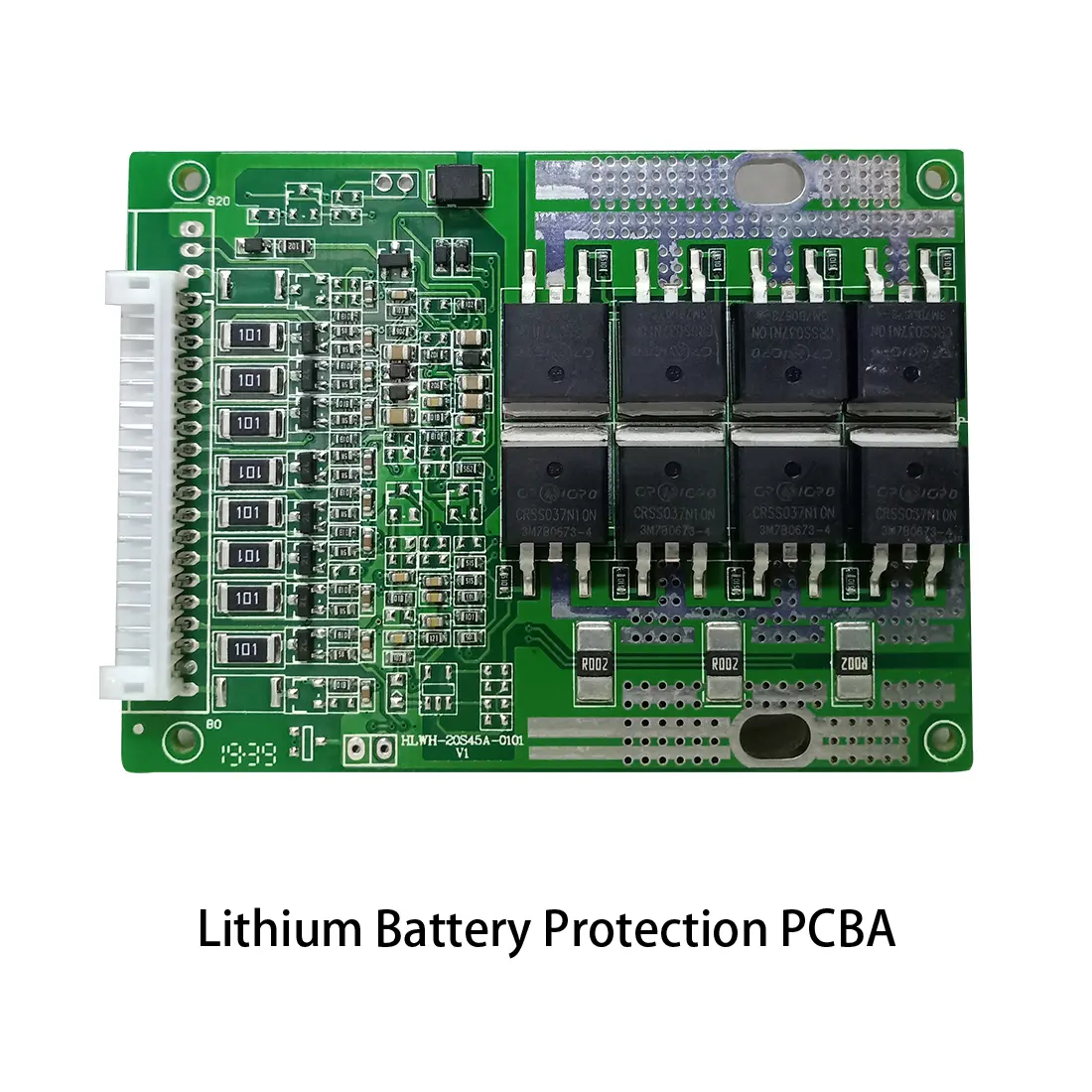 New Energey PCBA
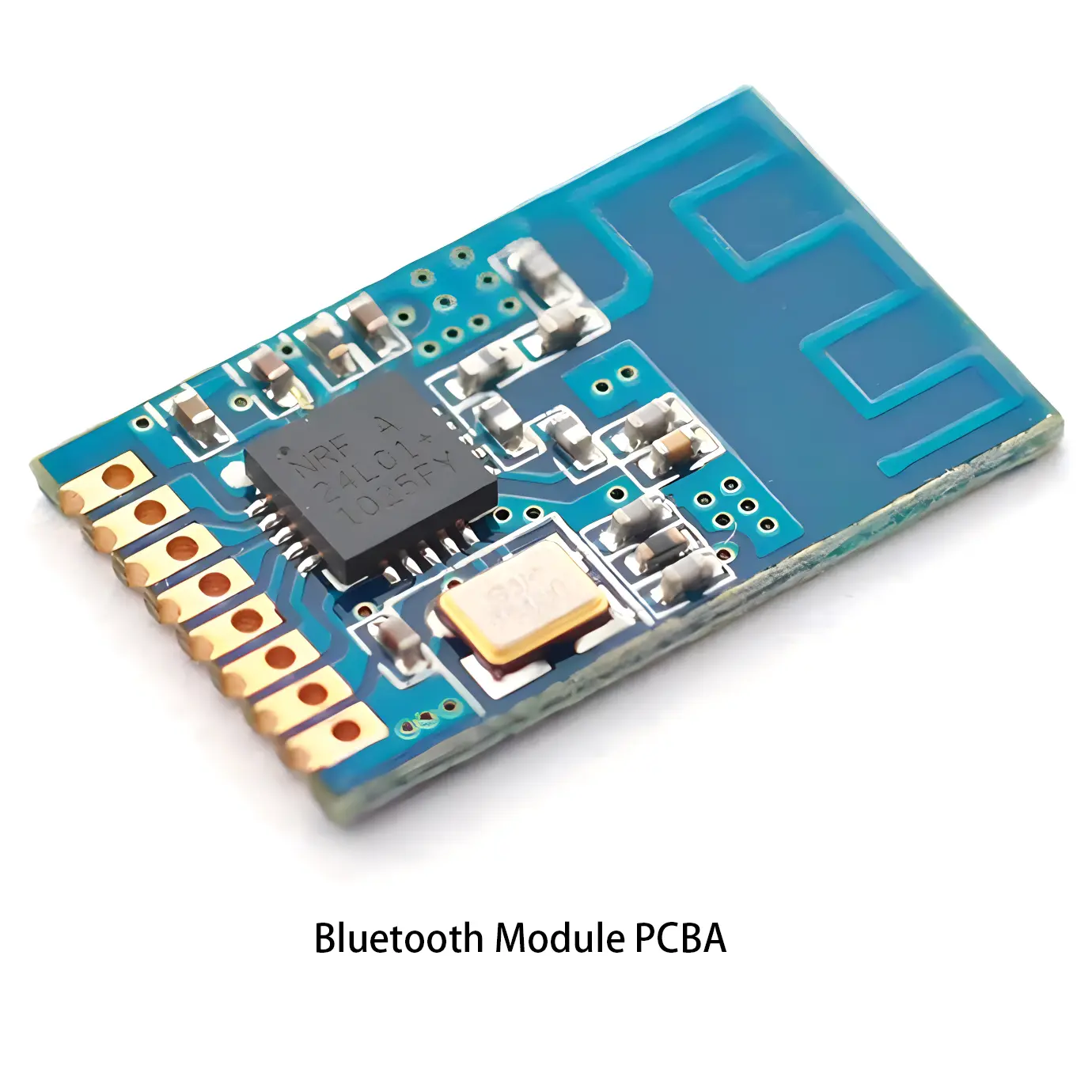 Communication PCBA
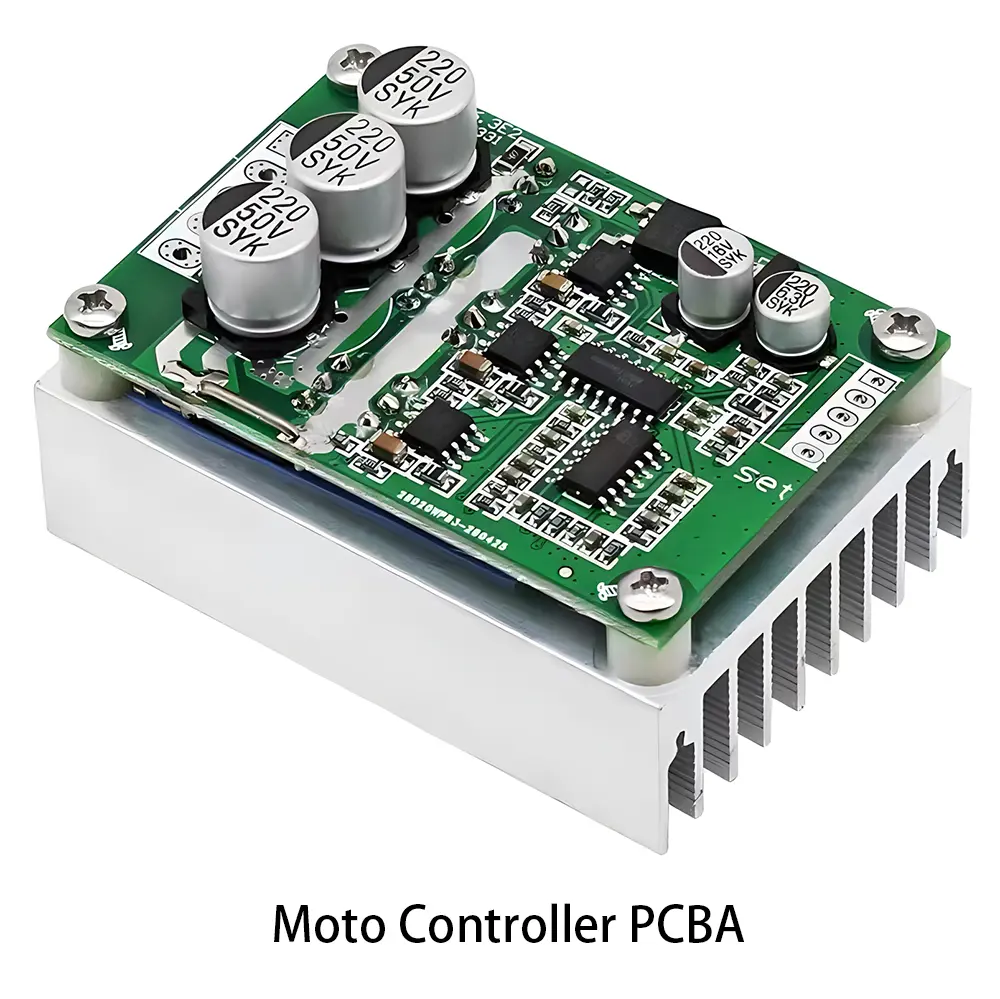 Industrial Control PCBA
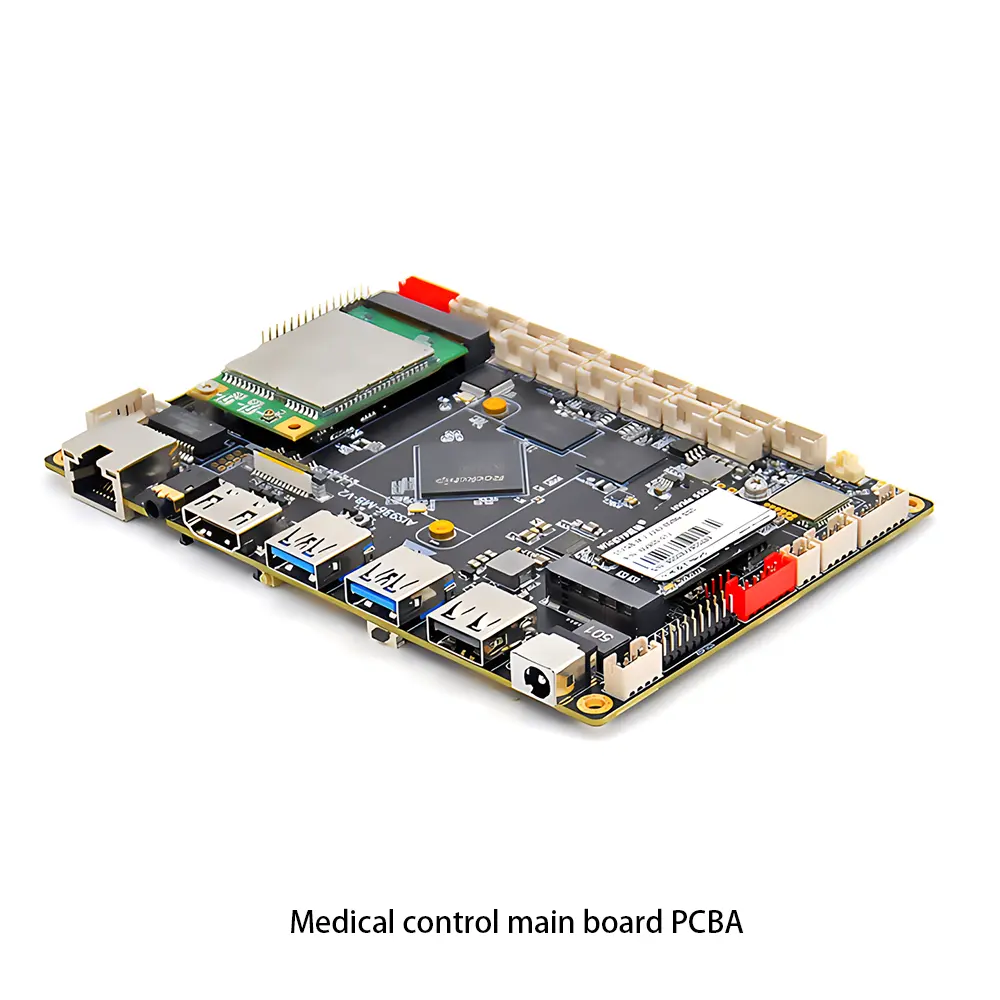 Medical Equipment PCBA
 Testing Service
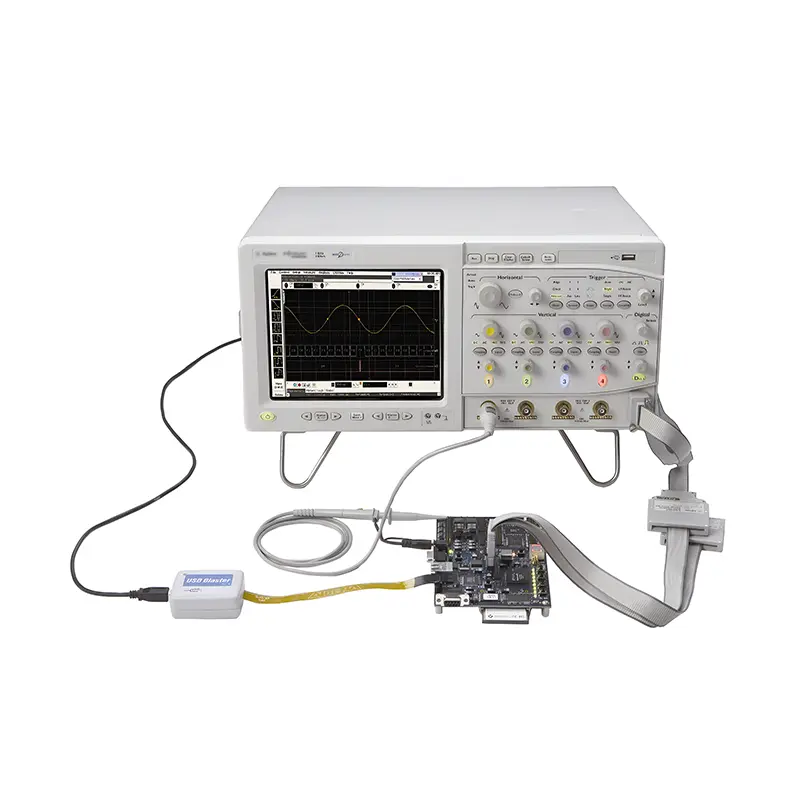 PCBA Testing Service
 Certification Application
 RoHS Certification Application
 REACH Certification Application
 CE Certification Application
 FCC Certification Application
 CQC Certification Application
 UL Certification Application
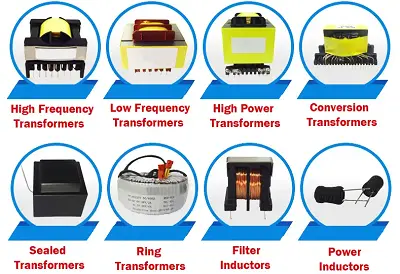 Transformers, Inductors
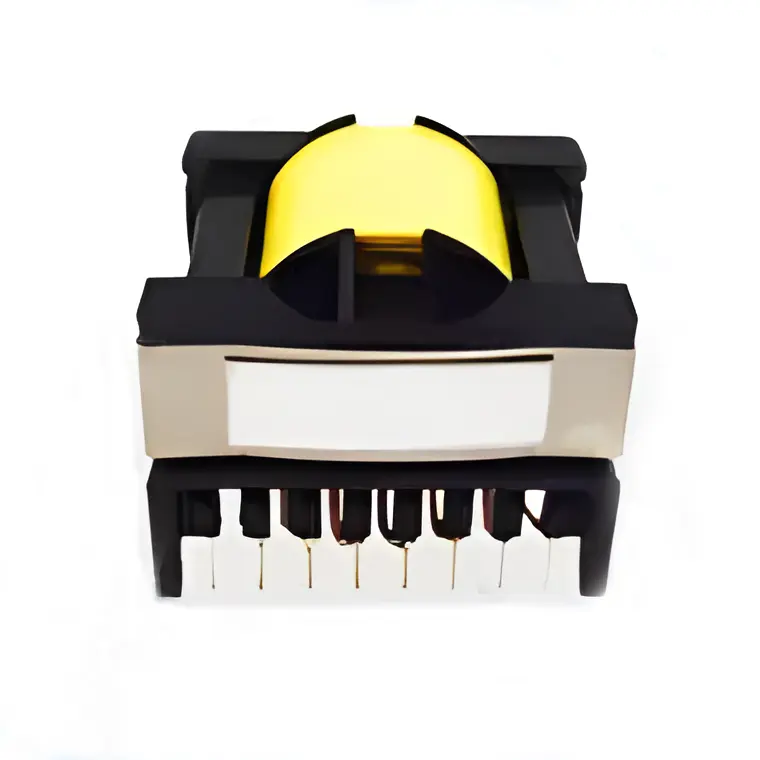 High Frequency Transformers
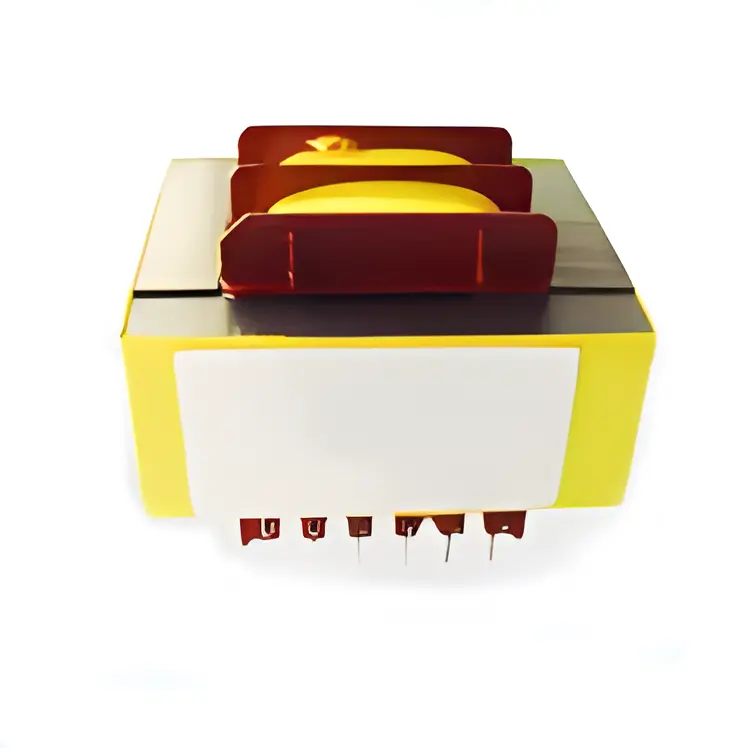 Low Frequency Transformers
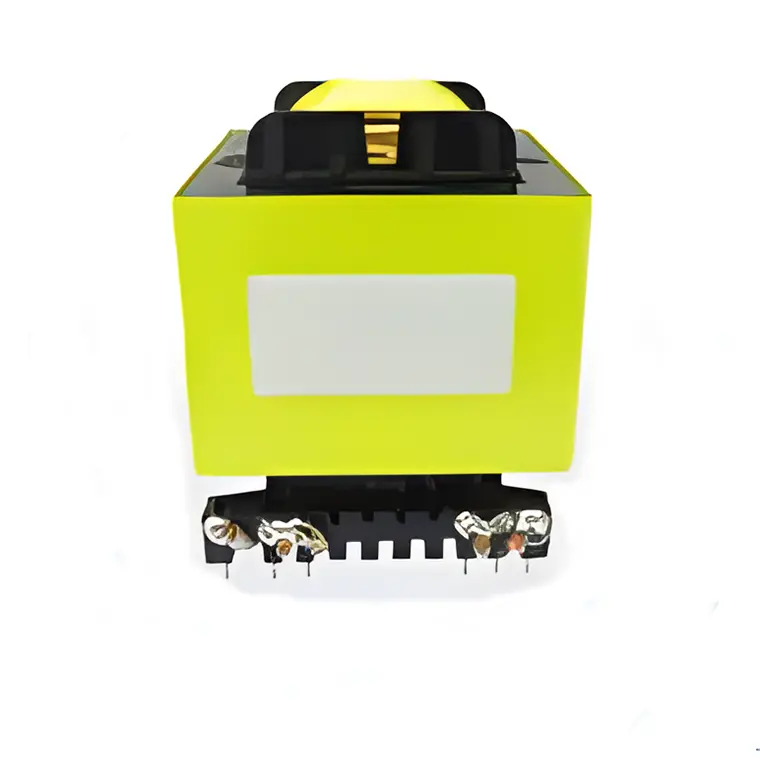 High Power Transformers
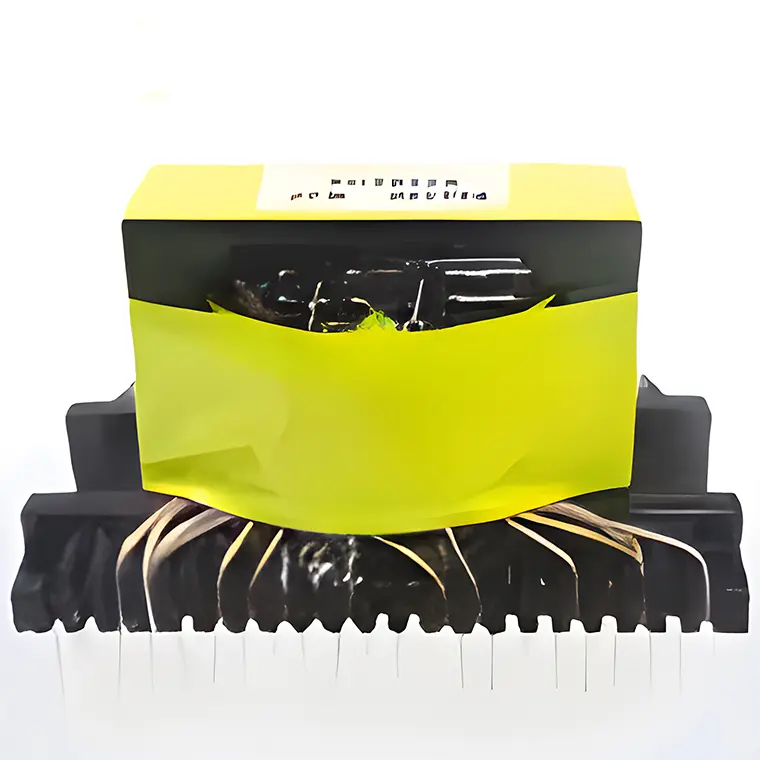 Conversion Transformers
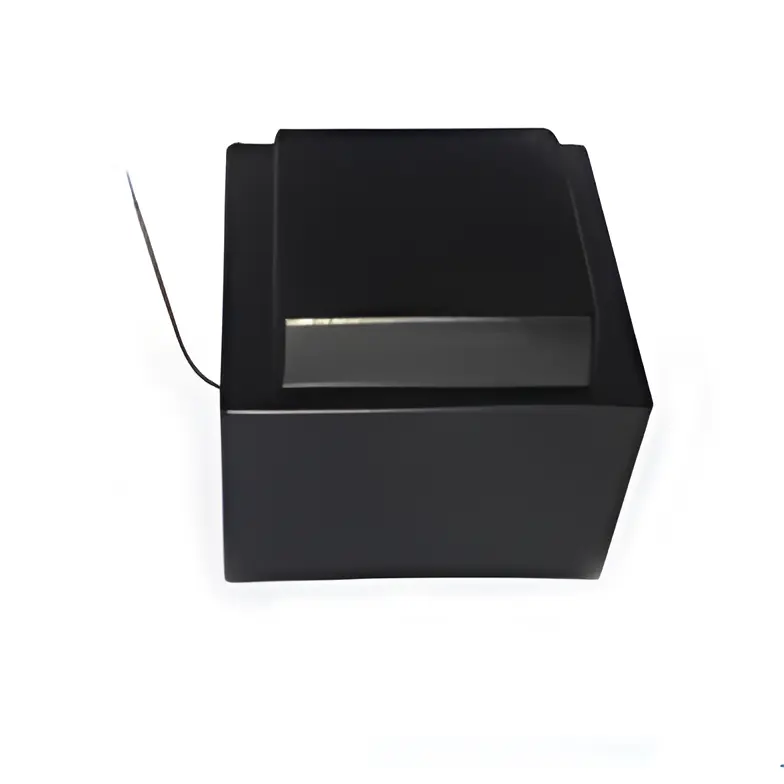 Sealed Transformers
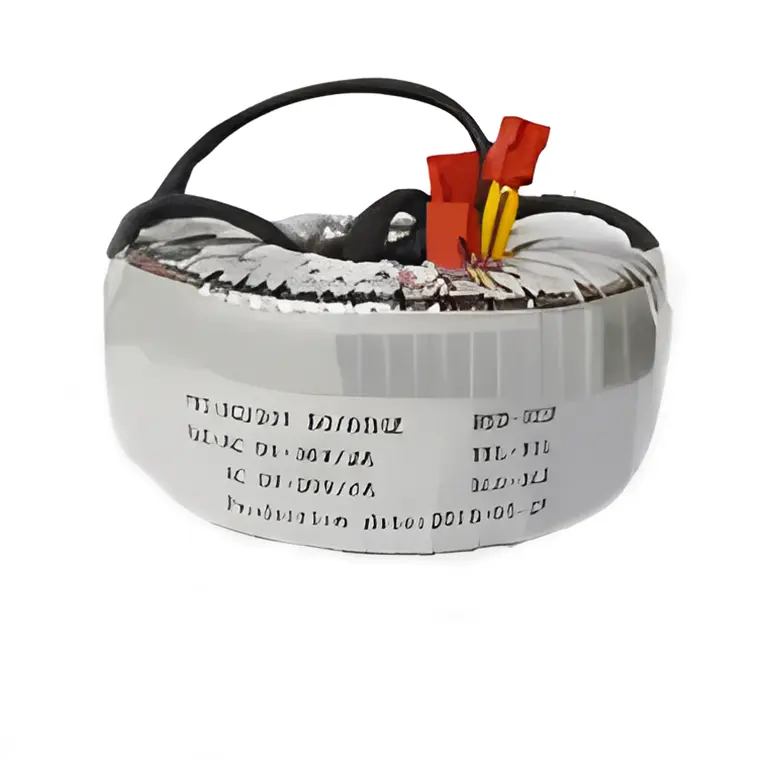 Ring Transformers
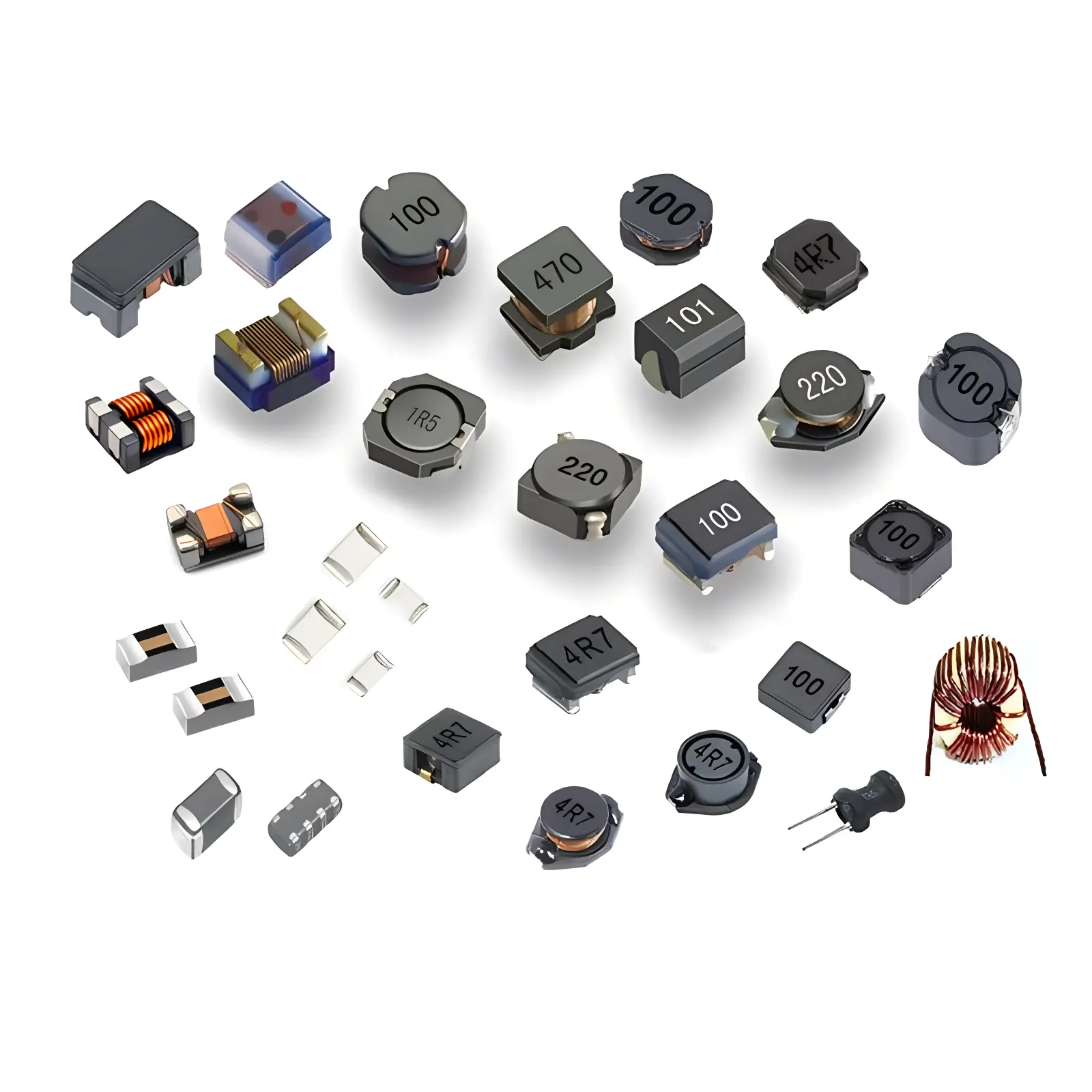 Inductors
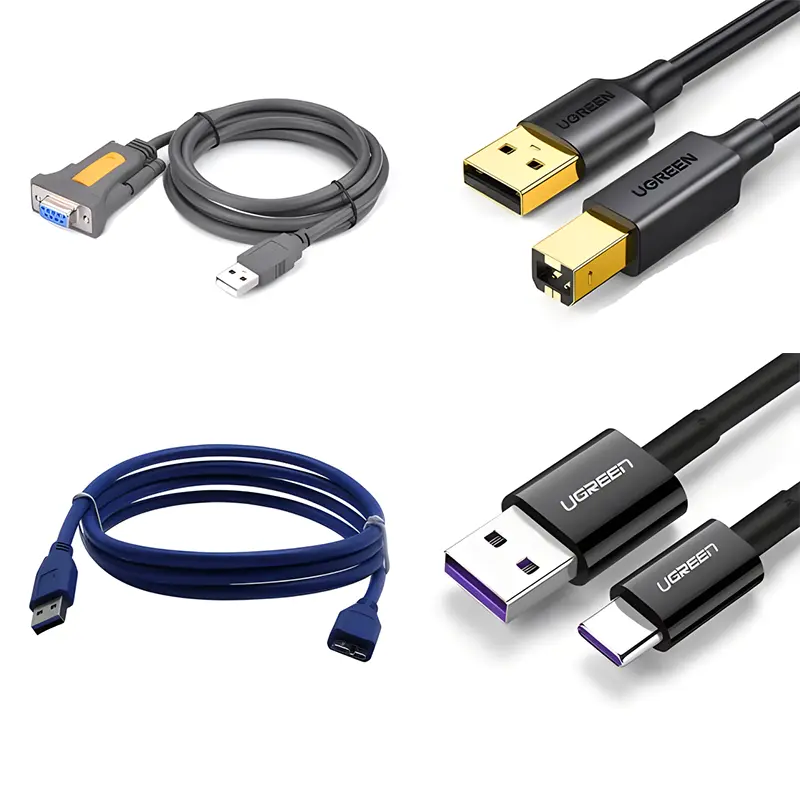 Wires,Cables Customized
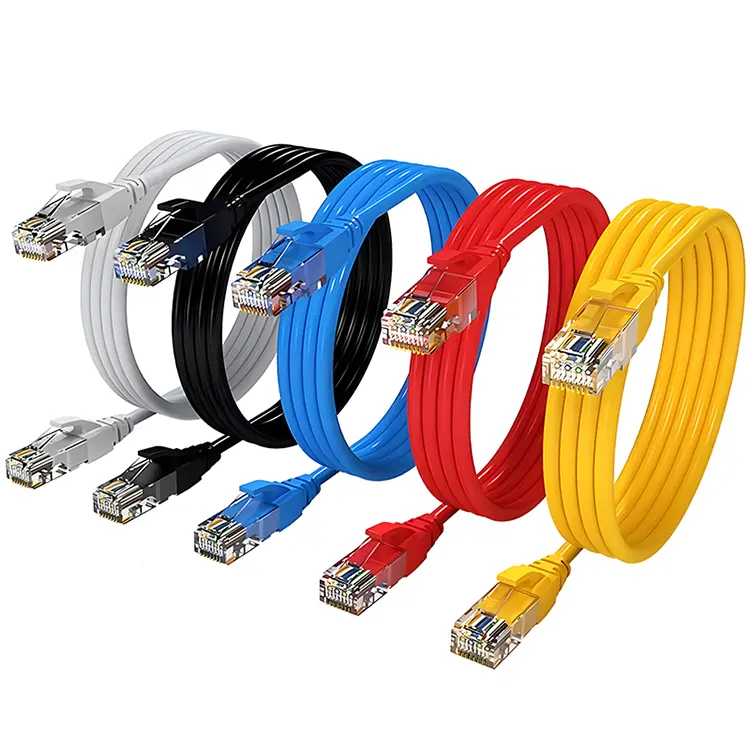 Network Cables
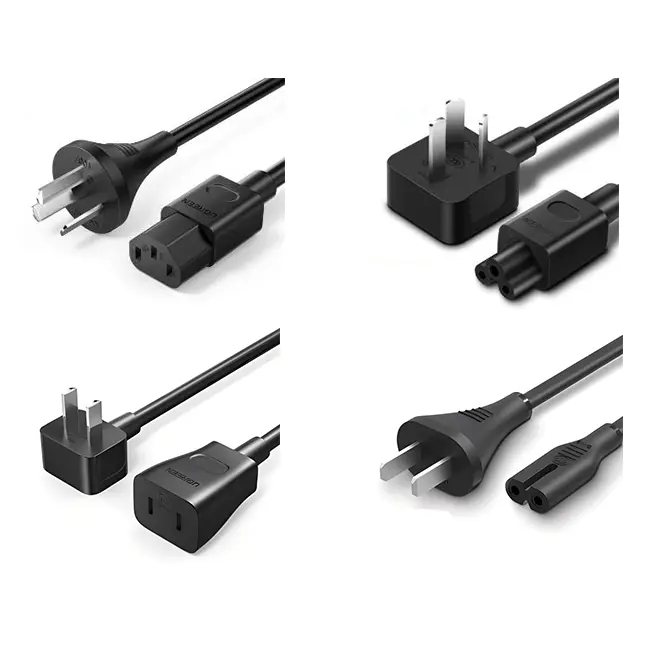 Power Cords
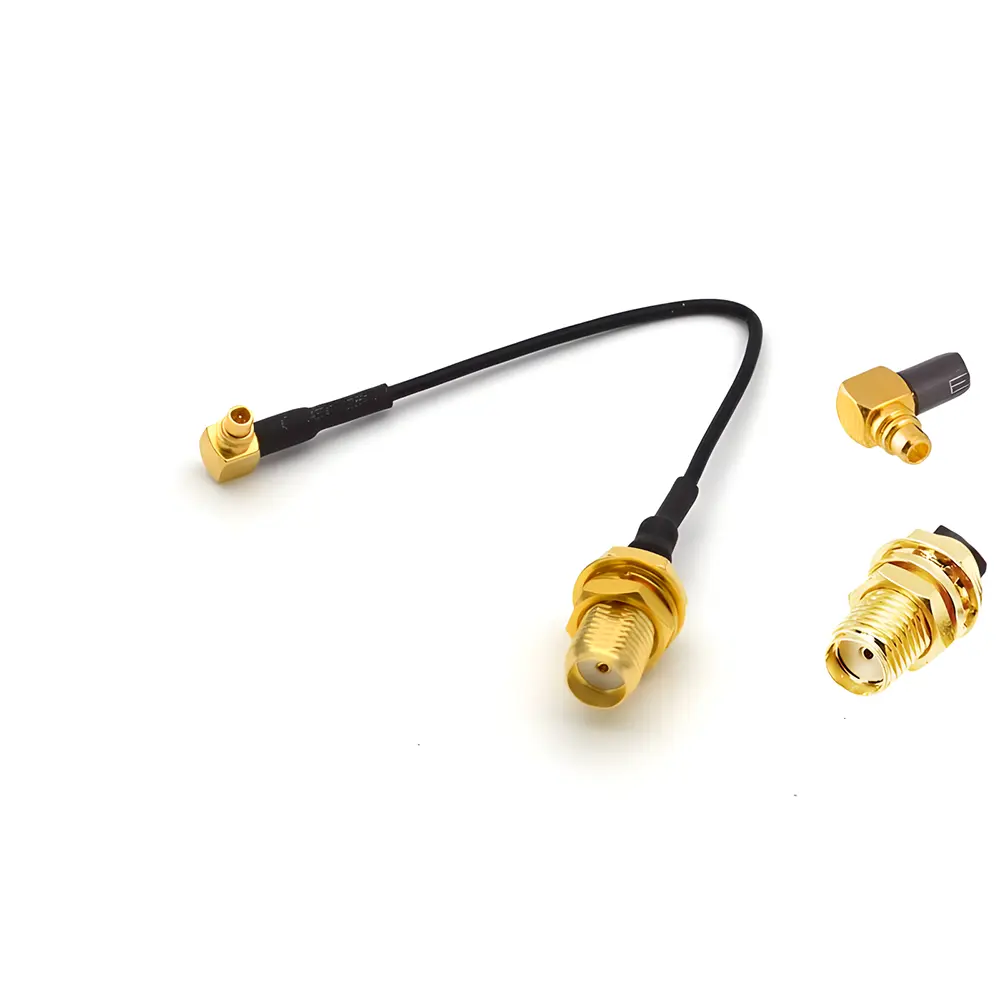 Antenna Cables
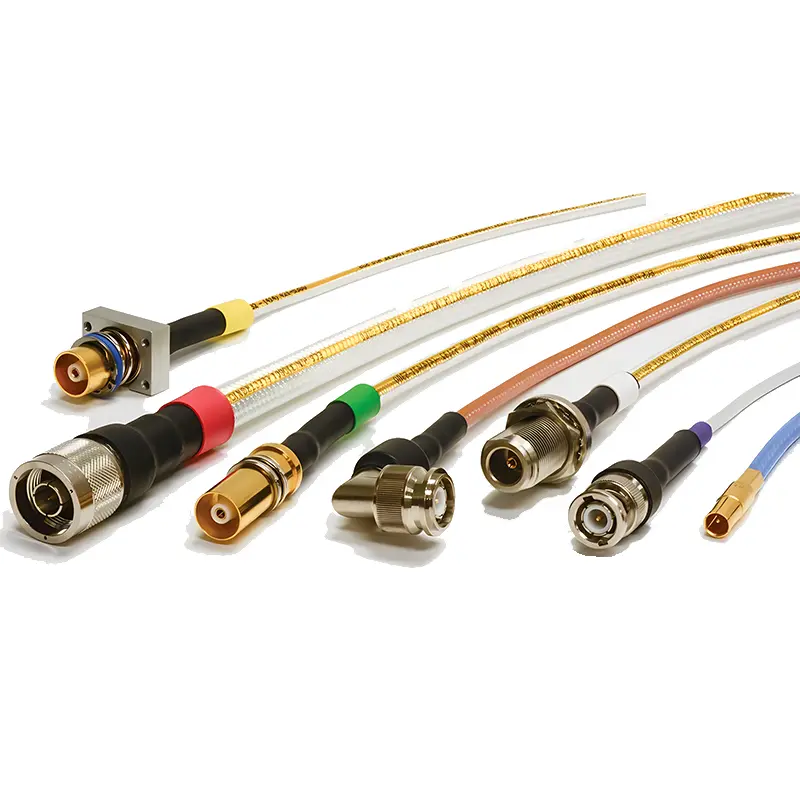 Coaxial Cables
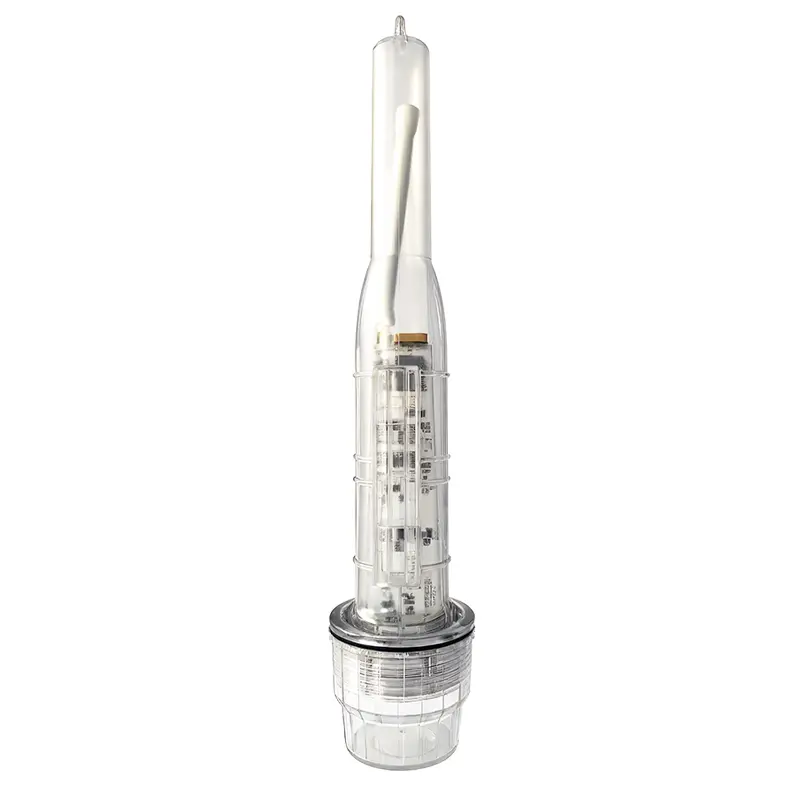 Net Position Indicator
 Solar AIS net position indicator
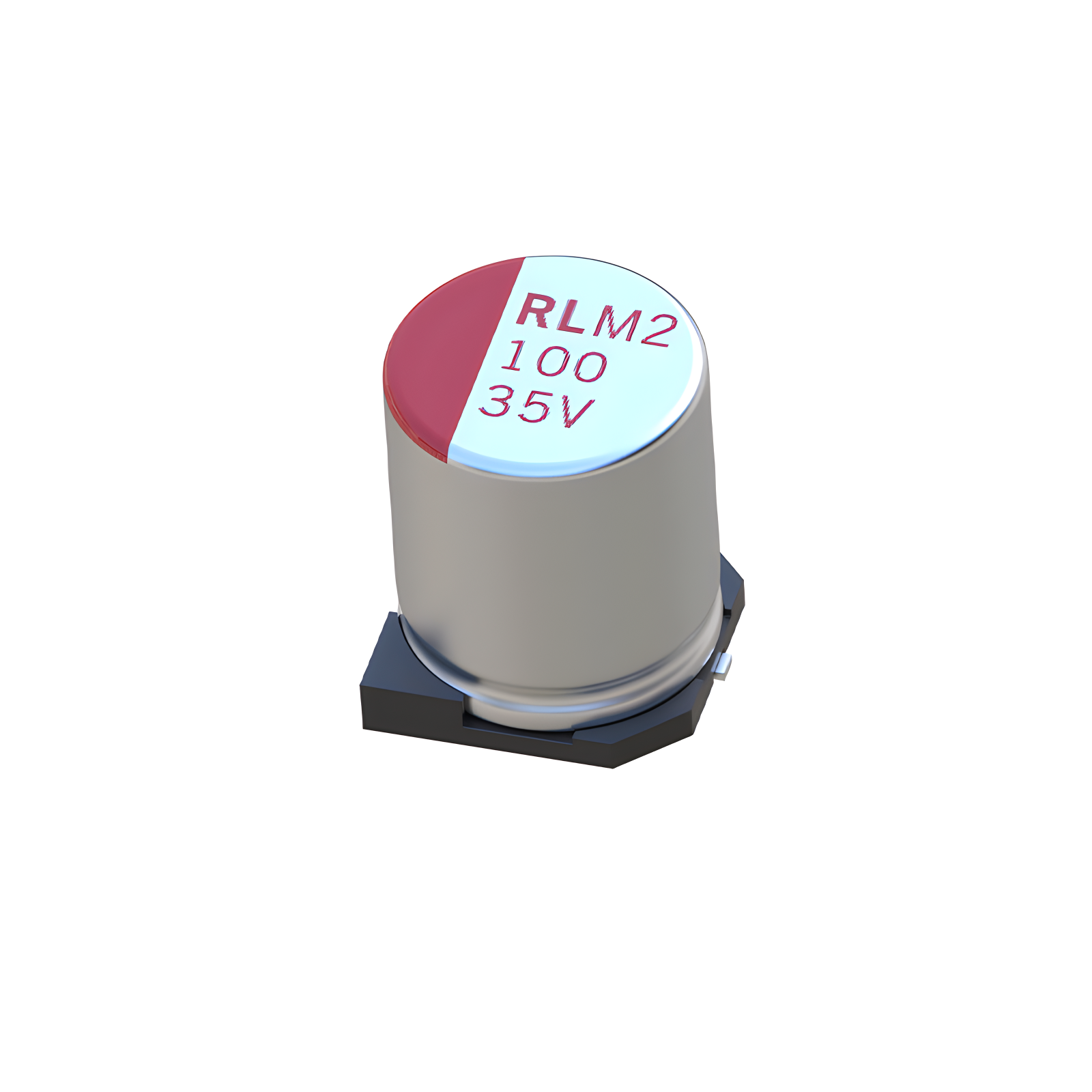 Capacitors
 Connectors
 Diodes
 Embedded Processors & Controllers
 Digital Signal Processors (DSP/DSC)
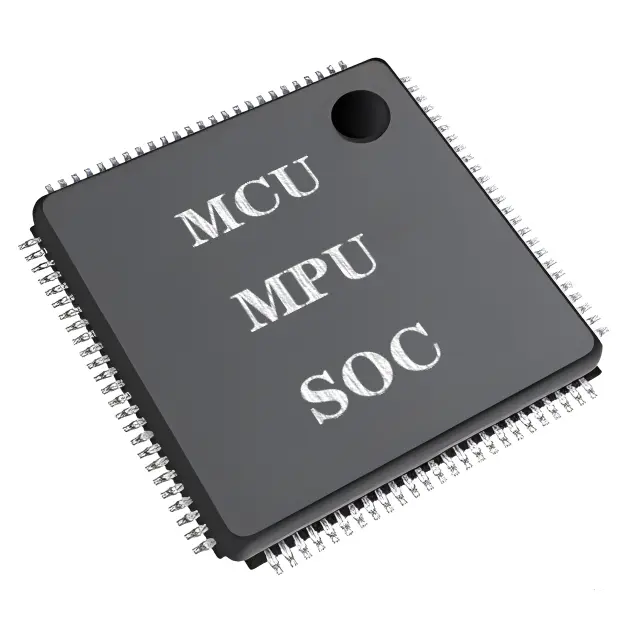 Microcontrollers (MCU/MPU/SOC)
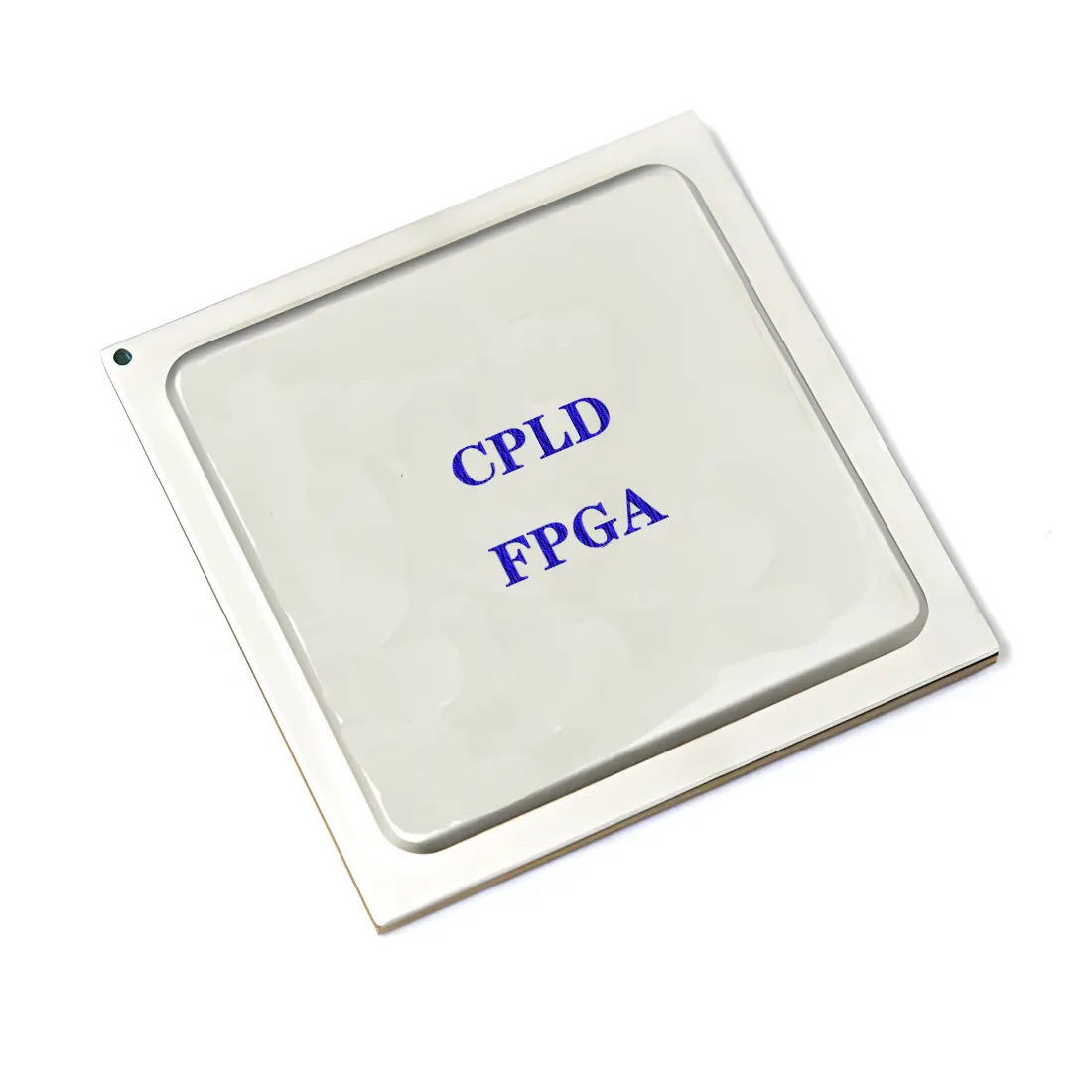 Programmable Logic Device(CPLD/FPGA)
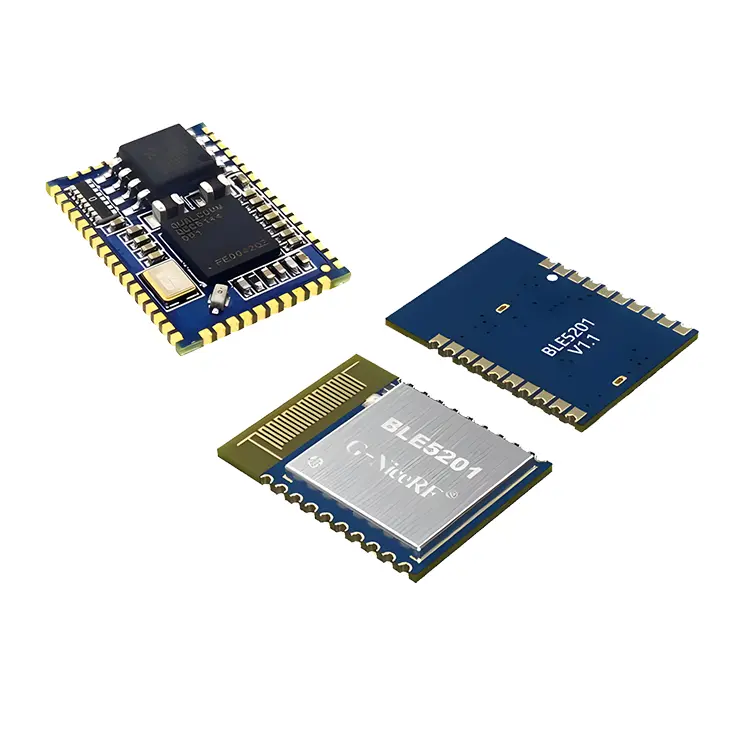 Communication Modules/IoT
 Resistors
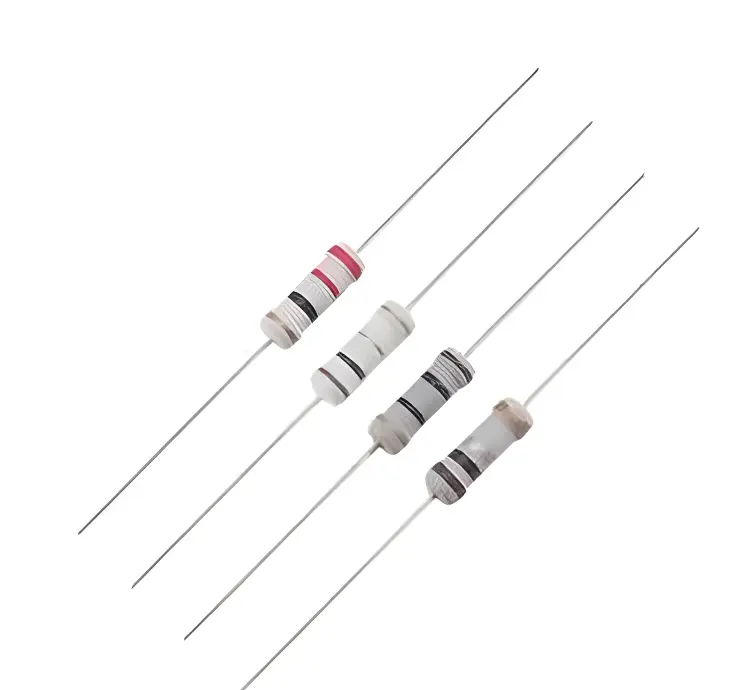 Through Hole Resistors
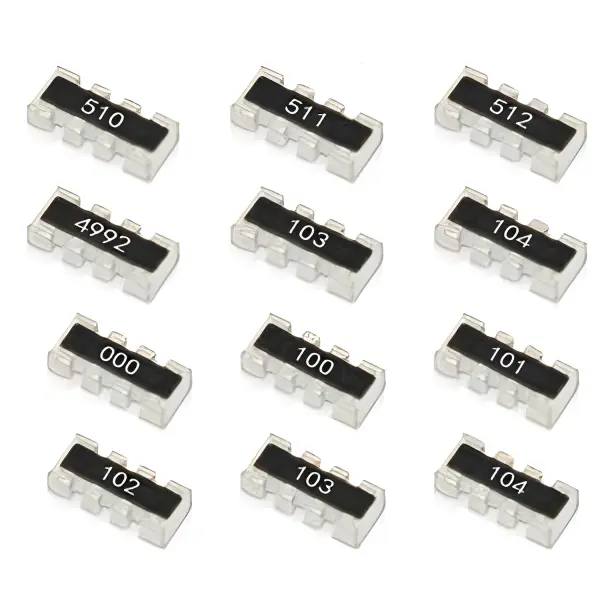 Resistor Networks, Arrays
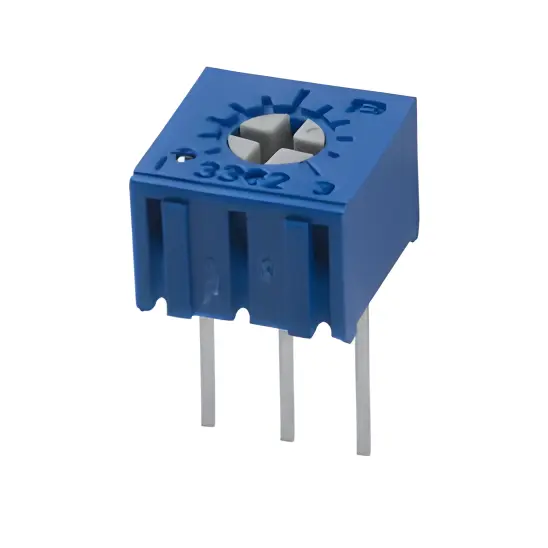 Potentiometers,Variable Resistors
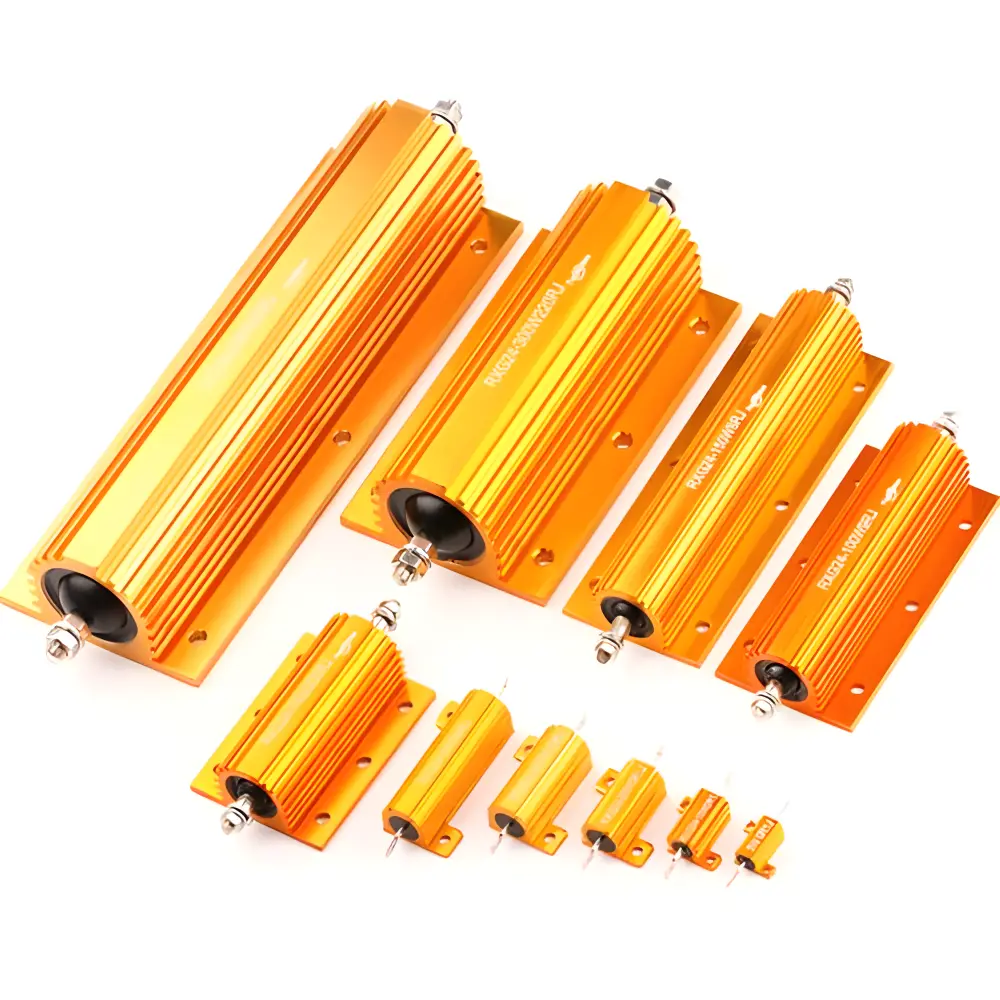 Aluminum Case,Porcelain Tube Resistance
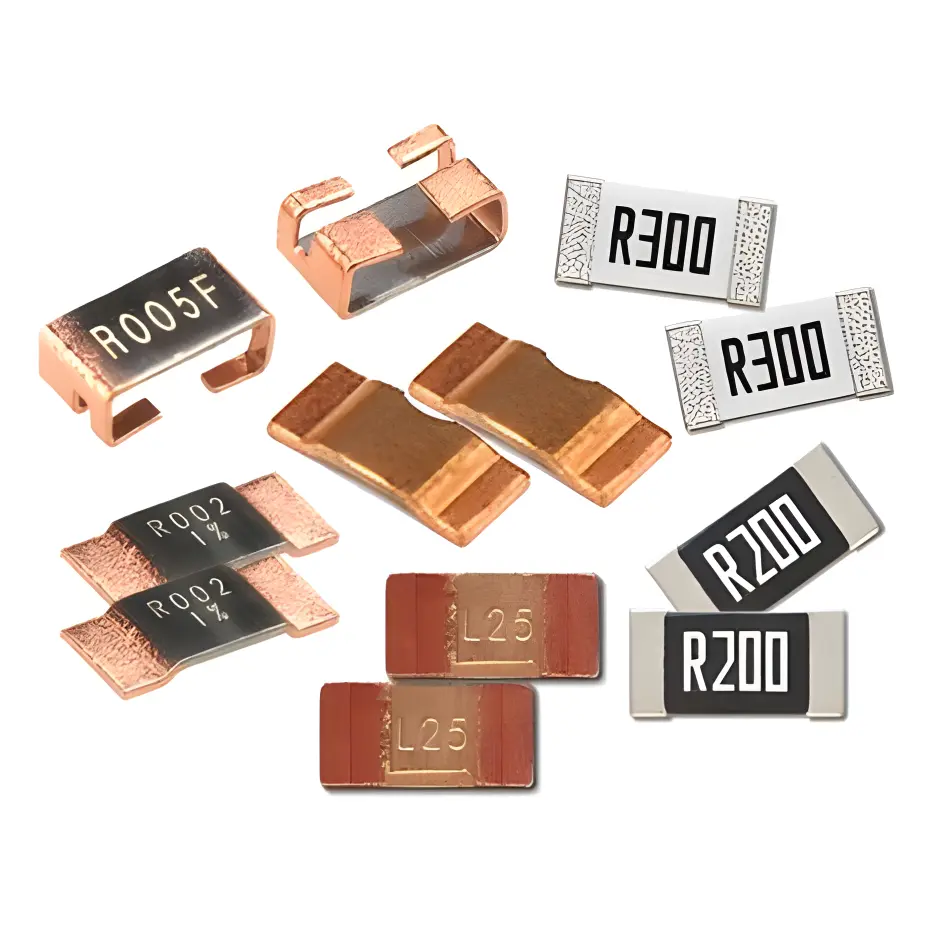 Current Sense Resistors,Shunt Resistors
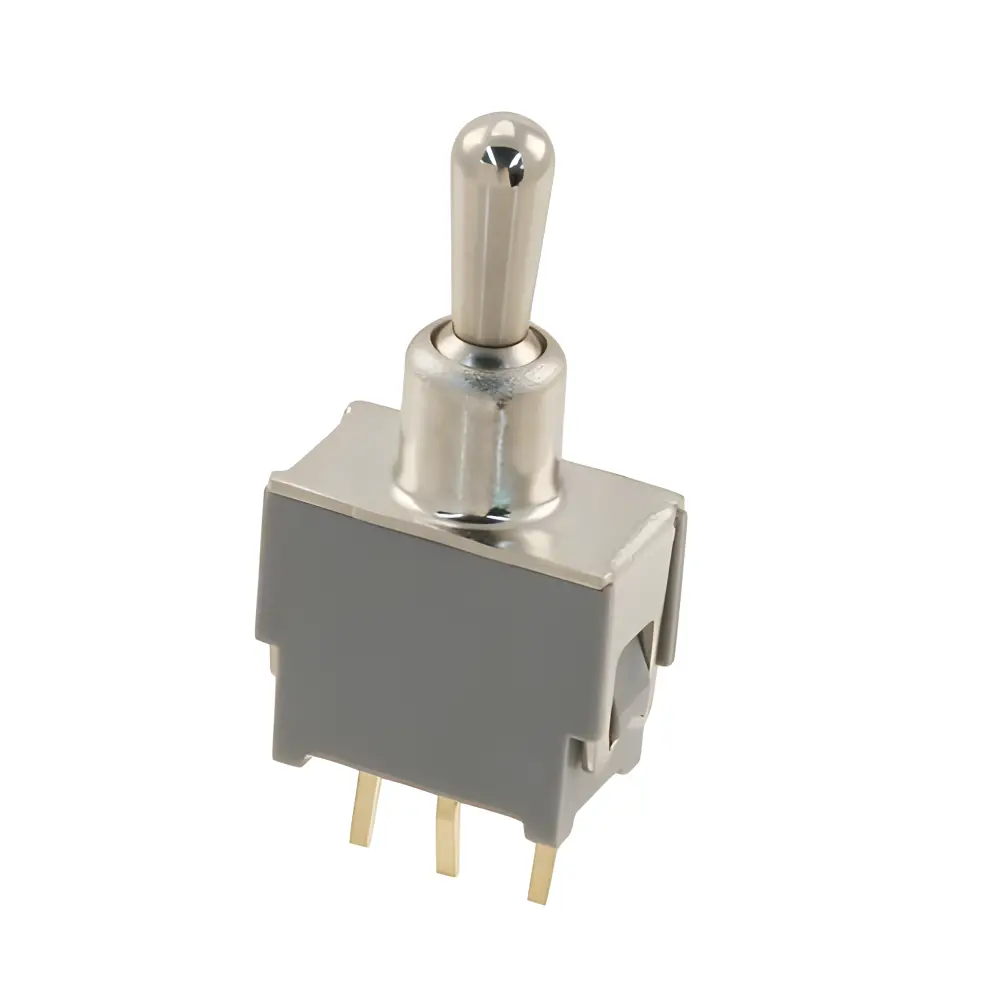 Switches
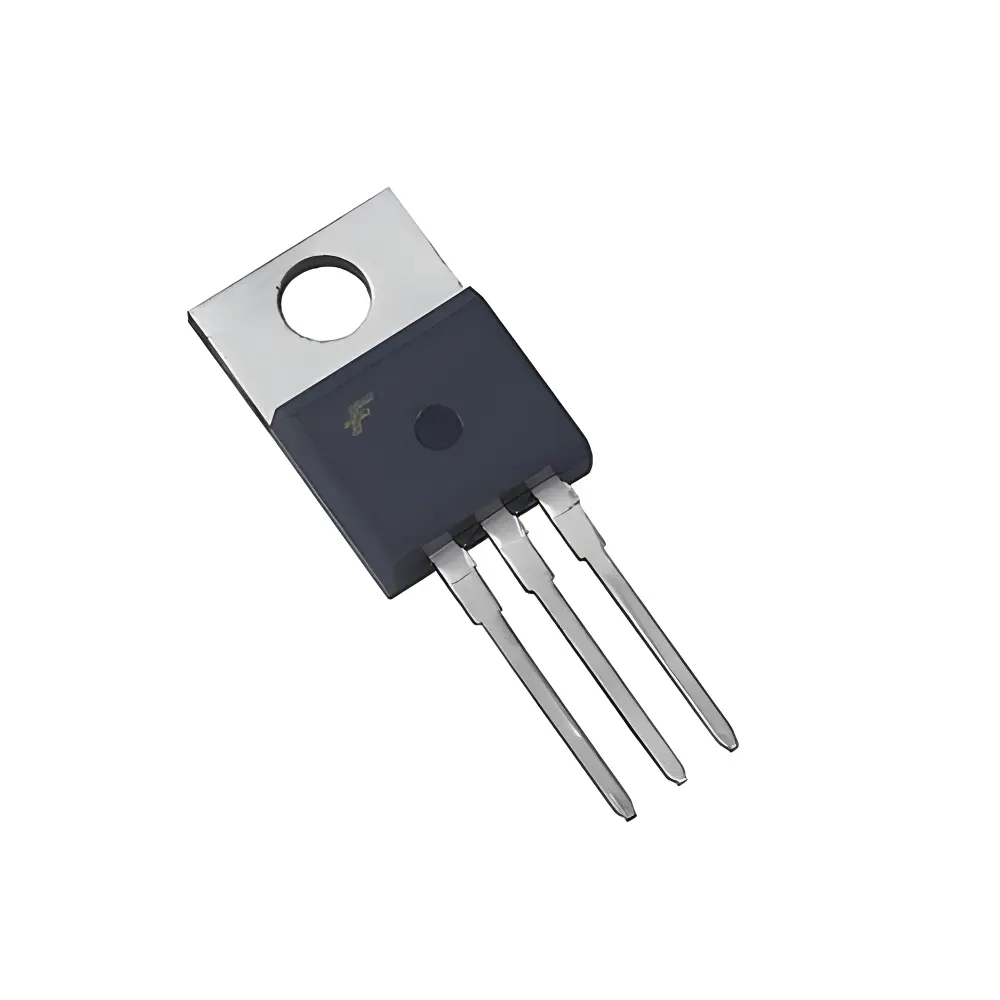 Transistors
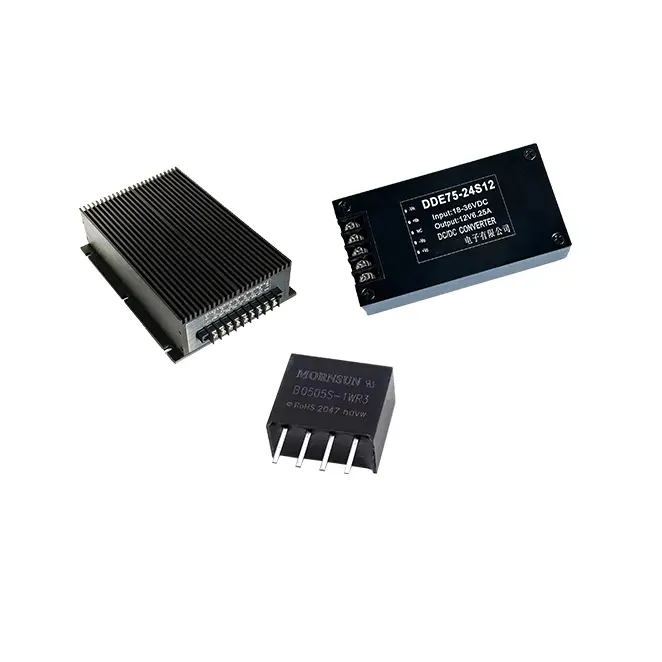 Power Modules
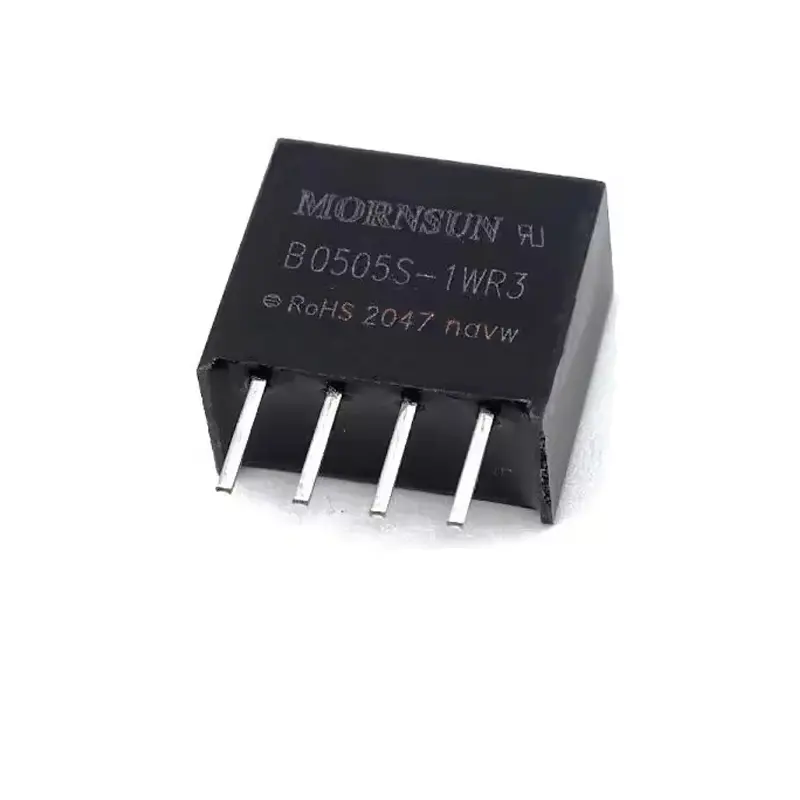 Isolated Power Modules
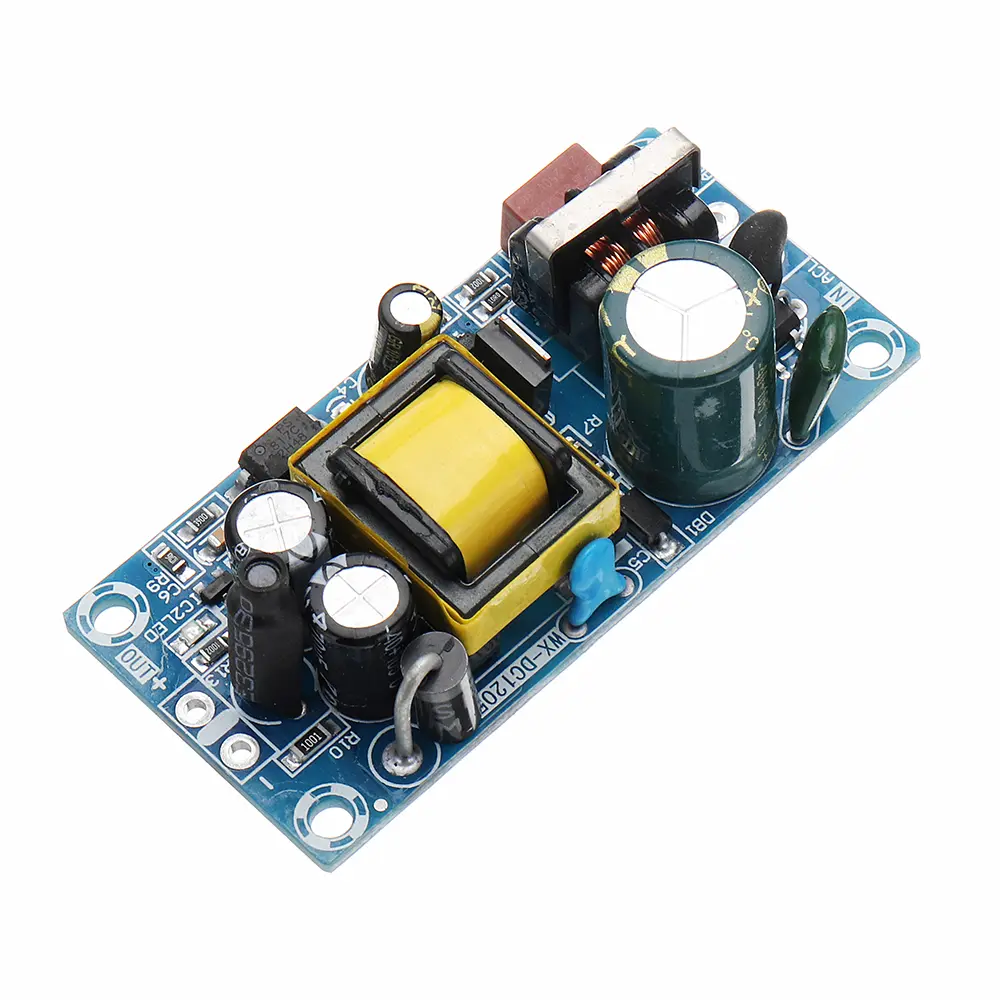 AC-DC Power Modules
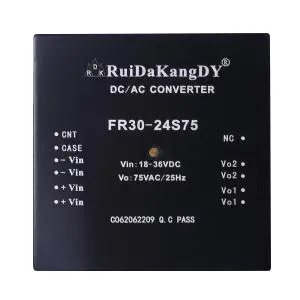 DC-AC Module(Inverter)
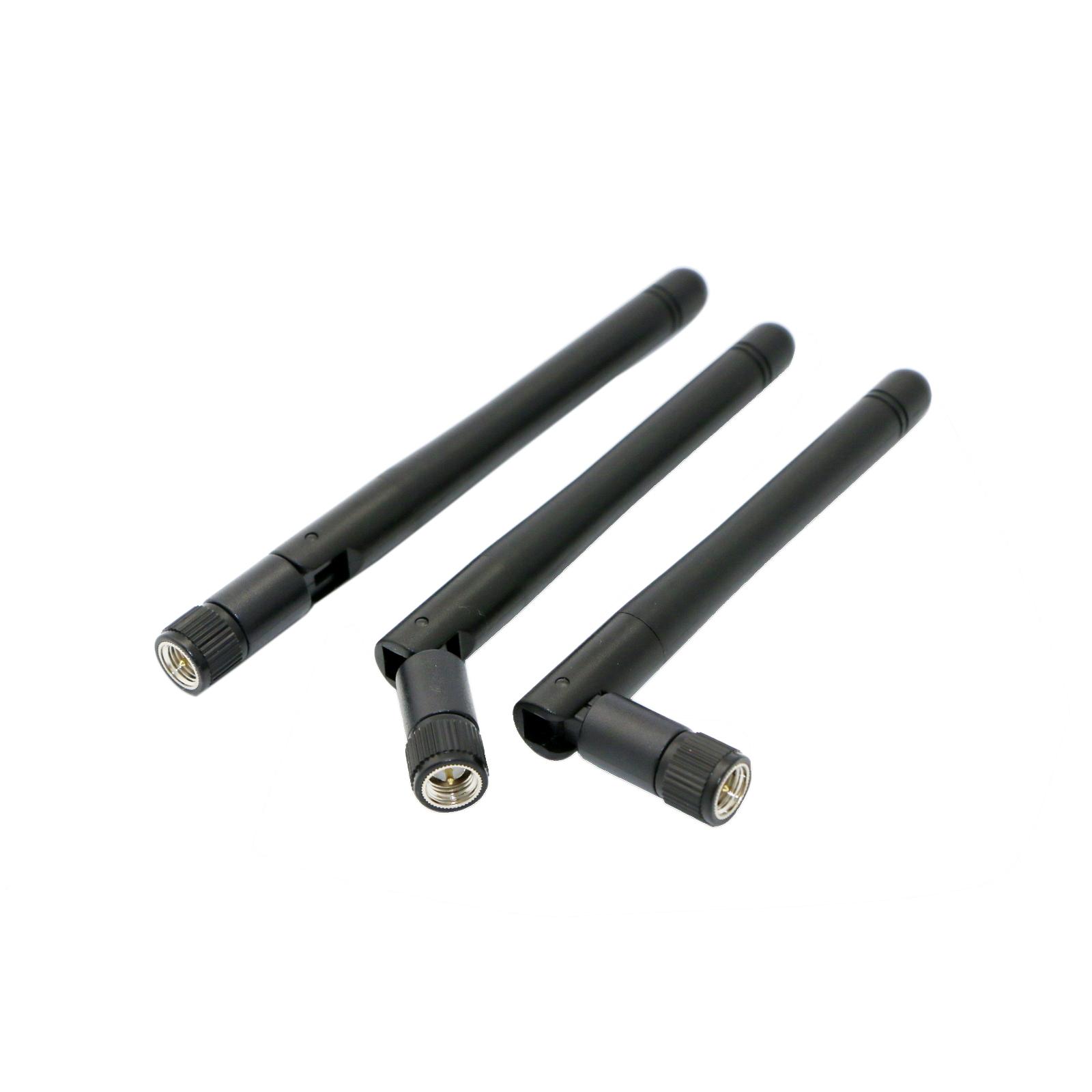 RF and Wireless
What are the advantages and disadvantages of single-chip microcomputers?
What are the advantages and disadvantages of single-chip microcoMPUters?
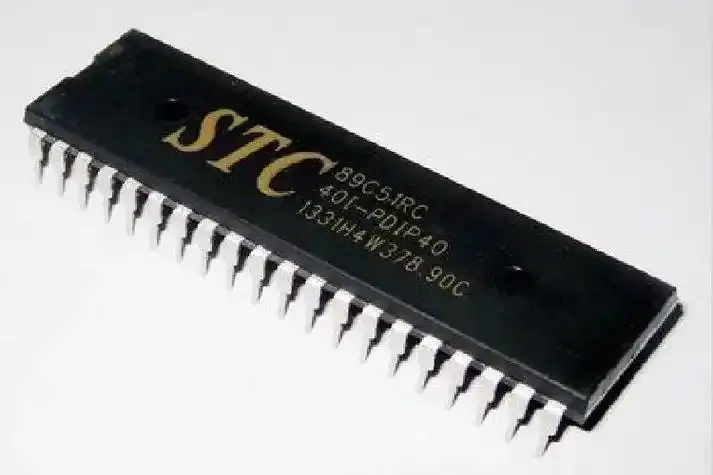
Advantages and Disadvantages of 51 Single-Chip Microcomputers
The 51 series is the most widely used single-chip microcomputer. Due to its reasonable hardware structure of the product, standardized instruction system, and a long production history, it has the advantage of being the first in the market. Many famous chip companies around the world have purchased the core patent technologies of the 51 chip and expanded its peRFormance on this basis, further improving the chip and forming a huge system.
Advantage 1
One of the advantages of the 51 series is that it has a complete set of bitwise operating systems from internal hardware to software, which is called a bit processor or a Boolean processor.
Its processing object is not a word or a byte but a bit. It can not only process a certain bit of some special function registers inside the chip, such as transmission, setting, clearing, testing, etc., but also perform bitwise logical operations. Its functions are very complete and easy to use. Although other types of single-chip microcomputers also have bit processing functions, those that can perform bitwise logical operations are really rare.
The 51 series also specially opens up a dual-function address area in the on-chip RAM area, which consists of sixteen bytes with unit addresses from 20H to 2FH. It can be processed as bytes or bits (when processed as bits, there are 128 bits in total, and the corresponding bit addresses are from 00H to 7FH), which is extremely flexible to use. This function undoubtedly provides great convenience for users. Because a relatively complex program will encounter many branches during its operation, many flag bits need to be set up. During the operation, it is necessary to set, clear or detect the relevant flag bits to determine the running direction of the program. And to implement this processing (including all the previous bit functions), only one bit operation instruction is needed.
Advantage 2
Another advantage of the 51 series is the multiplication and division instructions, which also bring convenience to programming. The division instruction for dividing an eight-bit number by an eight-bit number has a quotient of eight bits, and its precision is not enough, so it is not used often. However, the multiplication instruction for multiplying an eight-bit number by an eight-bit number has a product of sixteen bits, and its precision can meet the requirements, so it is used more frequently. When performing multiplication, only one instruction is needed. Many eight-bit single-chip microcomputers do not have the multiplication function, and when performing multiplication, a subroutine needs to be programmed and called, which is very inconvenient.
Advantage 3
The setting and use of the I/O pins of the 51 series are very simple, but there is no output capability when the pin is at a high level, which can be regarded as having both advantages and disadvantages. Therefore, other series of single-chip microcomputers (such as the PIC series, the AVR series, etc.) have improved the I/O ports by adding direction registers to determine input or output, but the use has also become more complicated.
Disadvantage
The original 51 series also has many aspects that need to be improved, such as its too slow running speed. When the crystal oscillator frequency is 12 MHz, the machine cycle reaches 1 μs, which obviously cannot meet the needs of modern high-speed operation.
Advantages and Disadvantages of PIC Single-Chip Microcomputers
The CPU of the PIC single-chip microcomputer adopts the RISC structure and has 33, 35, or 58 instructions respectively, depending on the level of the single-chip microcomputer, which belongs to the reduced instruction set. While the 51 series has 111 instructions, and the AVR single-chip microcomputer has 118 instructions, both of which are more complex than the former.
Advantage 1
It adopts the Harvard dual-bus structure, has a fast running speed, and the instruction cycle is about 160 - 200 ns. It can enable the access to the program memory and the data memory to be processed in parallel. This instruction pipeline structure can complete two parts of work within one cycle. One is to execute the instruction, and the other is to fetch the next instruction from the program memory. Generally speaking, each instruction only needs one cycle (except for a few individual ones), which is also one of the reasons for its high-efficiency operation. In addition, it also has the characteristics of low working voltage, low power consumption, and strong driving ability.
Advantage 2
The I/O ports of the PIC series single-chip microcomputers are bidirectional, and their output circuits are CMOS complementary push-pull output circuits. The I/O pins have added direction registers used to set the input or output state, thus solving the problem that the I/O pins of the 51 series are both in the input and output states when at a high level.
When set to 1, it is in the input state, and regardless of whether the pin is at a high level or a low level, it presents a high-impedance state to the outside; when set to 0, it is in the output state, and regardless of what level the pin is at, it presents a low-impedance state and has considerable driving ability. The sinking current at a low level can reach 25 mA, and the output current at a high level can reach 20 mA.
Compared with the 51 series, this is a great advantage. It can directly drive digital tube displays and has a simple external circuit. Its A/D is 10 bits and can meet the precision requirements. It also has the functions of online debugging and programming.
Disadvantage
The special registers of this series of single-chip microcomputers are not concentrated in a fixed address area (80 - FFH) like the 51 series, but are scattered in four address areas, namely, Bank 0 (Bank0: 00 - 7FH), Bank 1 (Bank1: 80 - FFH), Bank 2 (Bank2: 100 - 17FH), and Bank 3 (Bank3: 180 - 1FFH). Only five special registers, PCL, STATUS, FSR, PCLATH, and INTCON, appear simultaneously in the four memory banks.
During the programming process, it is inevitable to deal with special registers, and it is necessary to repeatedly select the corresponding memory banks, that is, to set or clear the 6th bit (RP1) and the 5th bit (RP0) of the STATUS register. This brings some troubles to programming to some extent.
For the above-mentioned single-chip microcomputers, its bit instruction operations are usually limited to the memory bank 0 area (00 - 7FH). Data transmission and logical operations basically have to be carried out through the working register W (equivalent to the accumulator A of the 51 series). While in the 51 series, data can also be directly transferred between registers (for example: MOV 30H, 20H; directly transfer the content of register 20H to register 30H). Therefore, the bottleneck phenomenon of the PIC single-chip microcomputer is even more serious than that of the 51 series, which can be clearly felt in programming.
Advantages and Disadvantages of AVR Single-Chip Microcomputers
The AVR single-chip microcomputer is characterized by high performance, high speed, and low power consumption. It cancels the machine cycle, takes the clock cycle as the instruction cycle, and implements pipelining operations. The instructions of the AVR single-chip microcomputer are in units of words, and most of the instructions are single-cycle instructions. And a single cycle can not only execute the function of the current instruction but also complete the reading of the next instruction at the same time.
There are 32 general-purpose registers in total (R0 - R31). The first 16 registers (R0 - R15) cannot directly deal with immediate numbers, so the universality is somewhat reduced. While in the 51 series, all its general-purpose registers (addresses 00 - 7FH) can directly deal with immediate numbers, which is obviously better than the former.
Advantage 1
The AVR series does not have a structure similar to the accumulator A. It mainly realizes the function of A through the registers R16 - R31. In the AVR, there is no data pointer DPTR like the 51 series. Instead, three 16-bit registers, X (composed of R26 and R27), Y (composed of R28 and R29), and Z (composed of R30 and R31), are used to complete the function of the data pointer (equivalent to having three sets of DPTR), and they can also perform operations such as post-increment or pre-decrement.
In the 51 series, all logical operations must be carried out in A; while in the AVR, they can be carried out between any two registers, avoiding the back-and-forth operations in A, which are all stronger than the 51 series.
Advantage 2
The special registers of the AVR are concentrated in the address area from $00 to $3F, and there is no need to go through the process of selecting memory banks first like the PIC, so it is more convenient to use than the PIC. The address area of the on-chip RAM of the AVR is from $0060 to $00DF (AT90S2313) and from $0060 to $025F (AT90S8515, AT90S8535). They occupy the address of the data space. These on-chip RAMs are usually only used to store data and generally do not have the function of general-purpose registers. When the program is complex, the 32 general-purpose registers R0 - R31 seem to be insufficient; while the 51 series has as many as 128 general-purpose registers (four times that of the AVR), and there will be no such feeling during programming.
Disadvantage
The I/O pins of the AVR are similar to those of the PIC. It also has direction registers used to control input or output. In the output state, the output current at a high level is about 10 mA, and the sinking current at a low level is 20 mA. Although it is not as good as the PIC, it is better than the 51 series.