
 PCB
PCB FPC
FPC Rigid-Flex
 FR-4
FR-4 HDI PCB
 Rogers High-Frequency Board
 PTFE Teflon High-Frequency Board
 Aluminum
 Copper Core
 PCB Assembly
 LED light PCBA
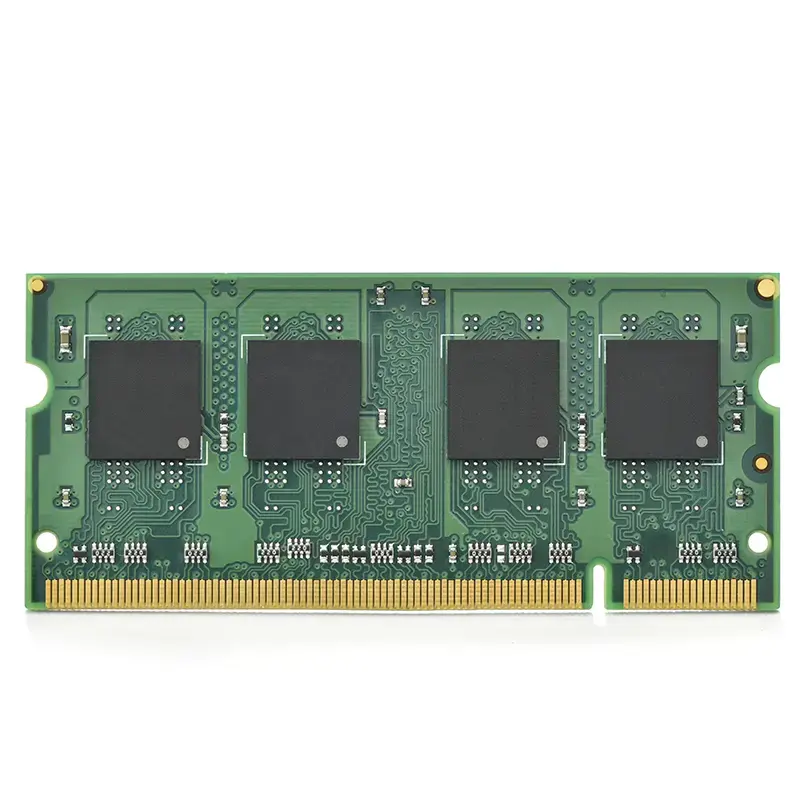
 Memory PCBA
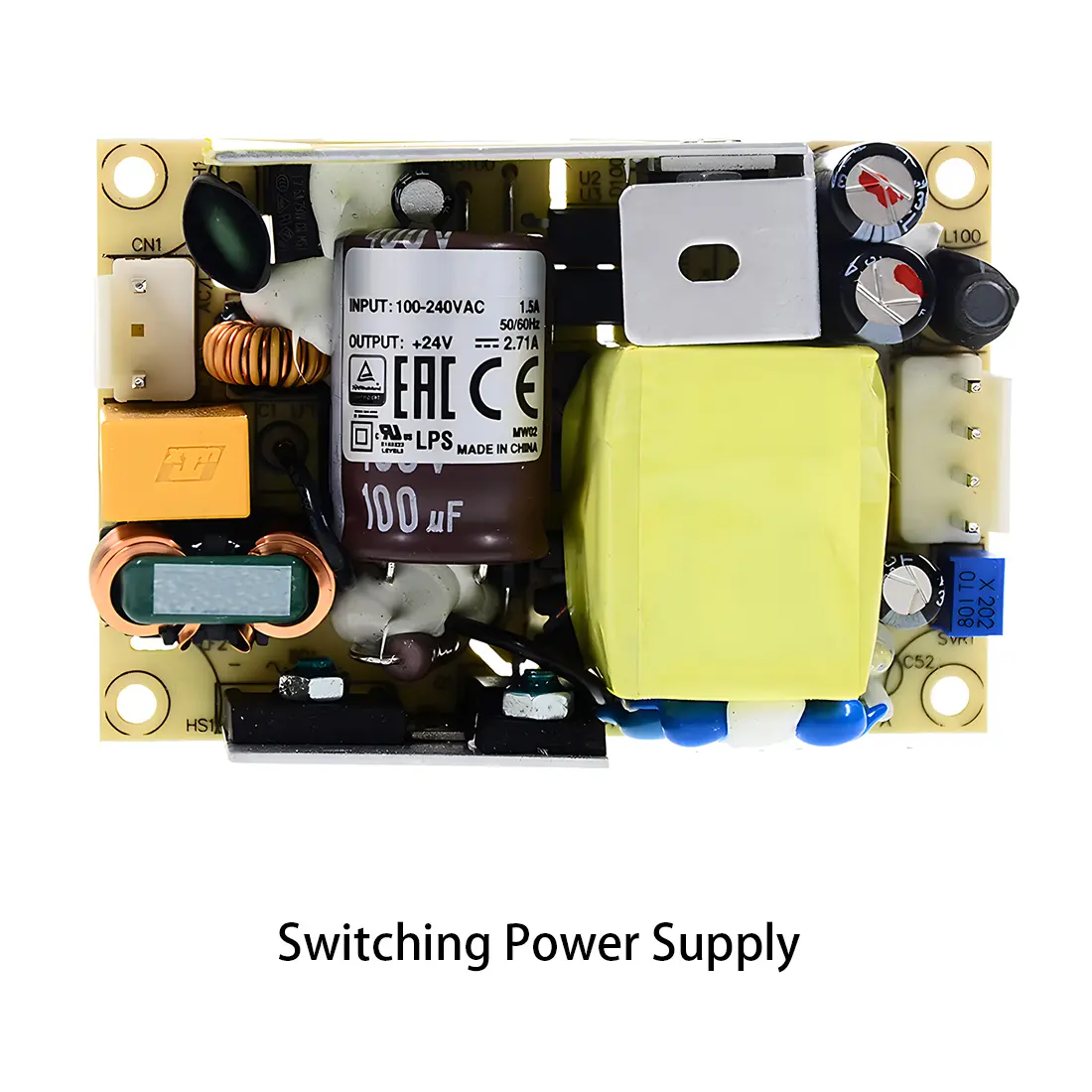 Power Supply PCBA
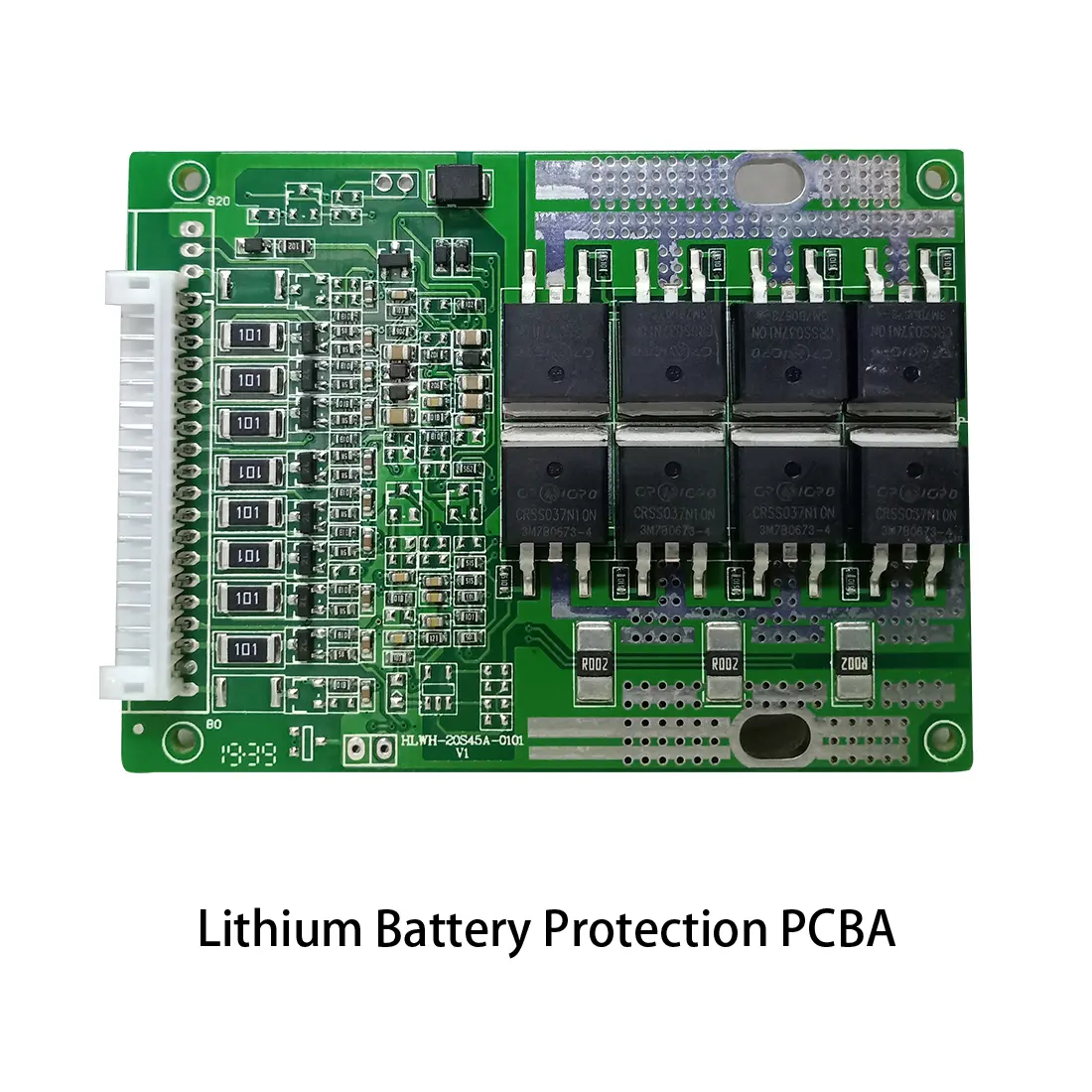 New Energey PCBA
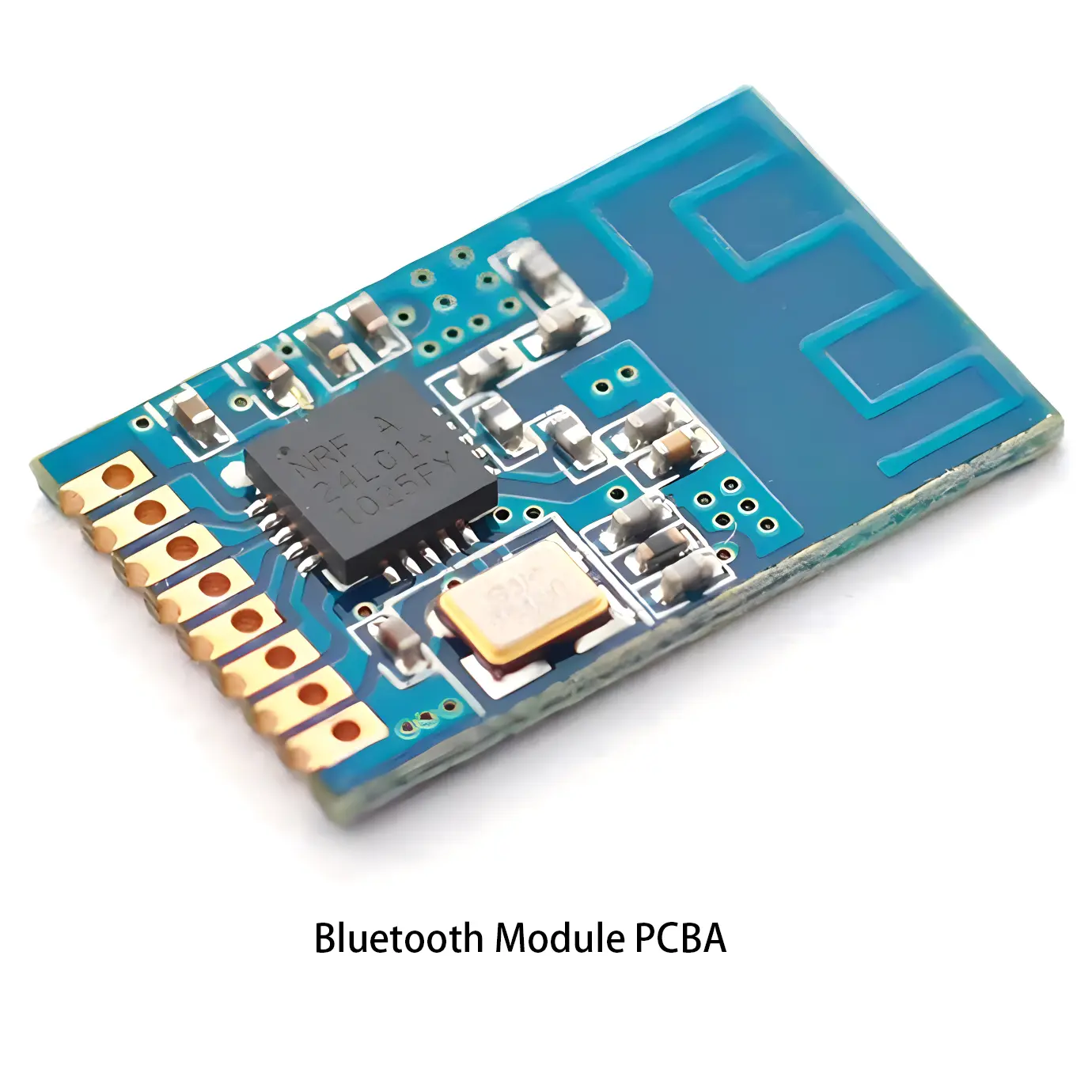 Communication PCBA
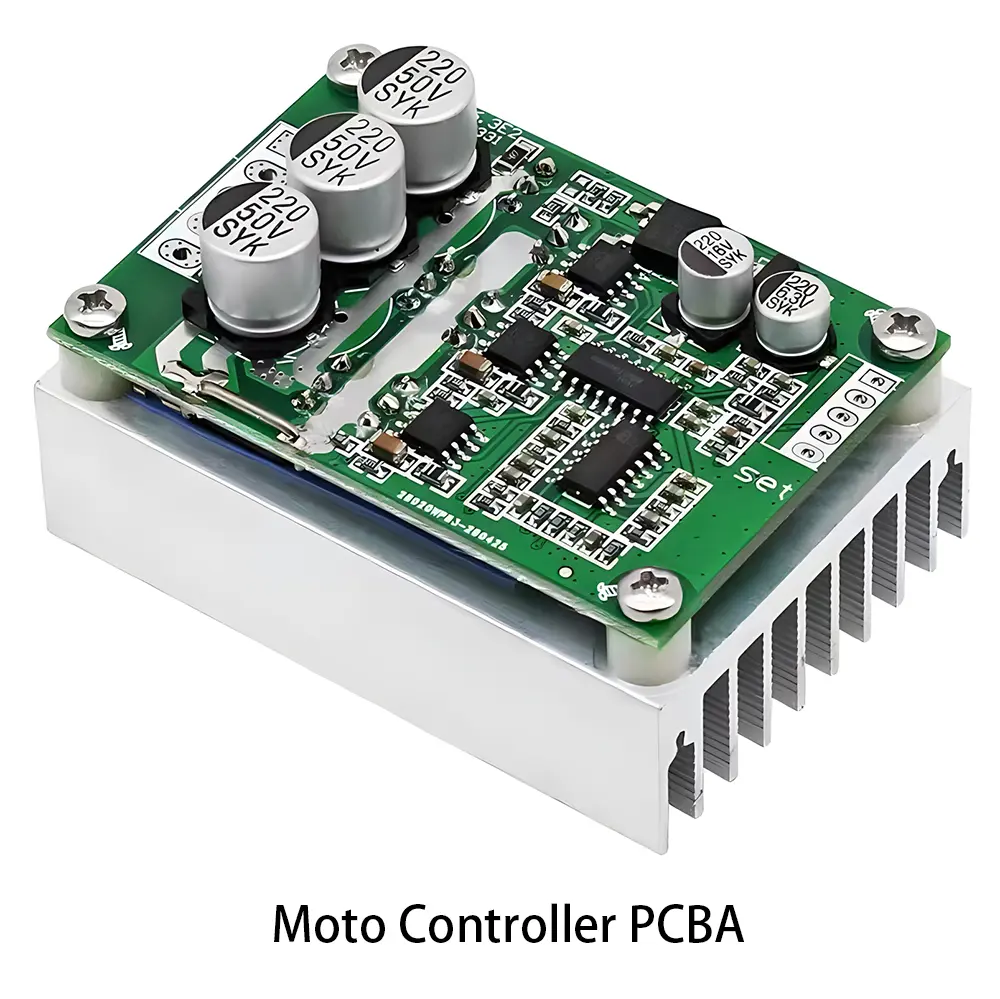 Industrial Control PCBA
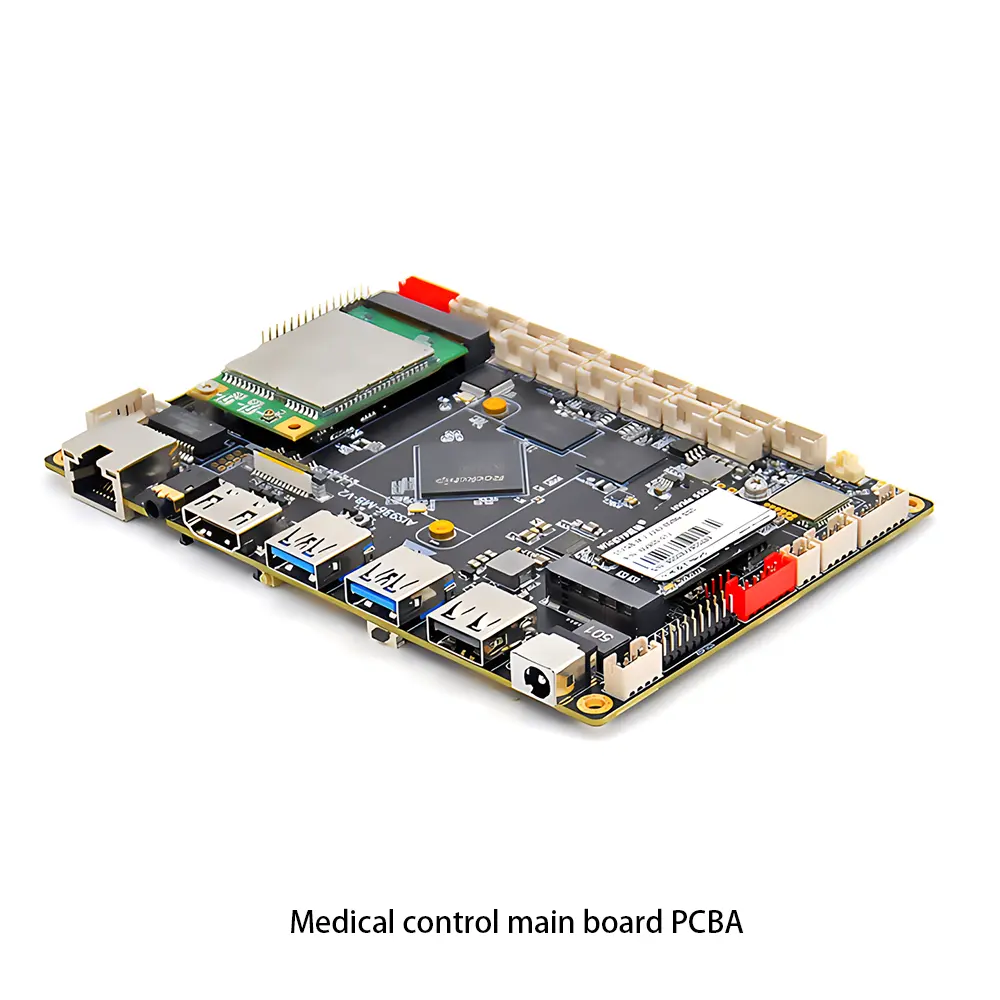 Medical Equipment PCBA
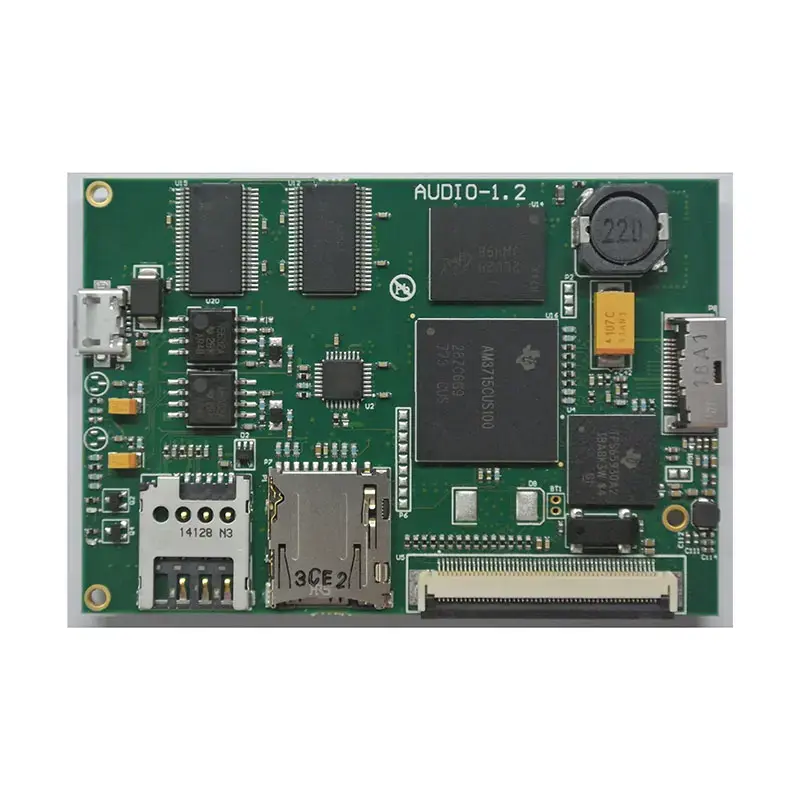 Testing Service
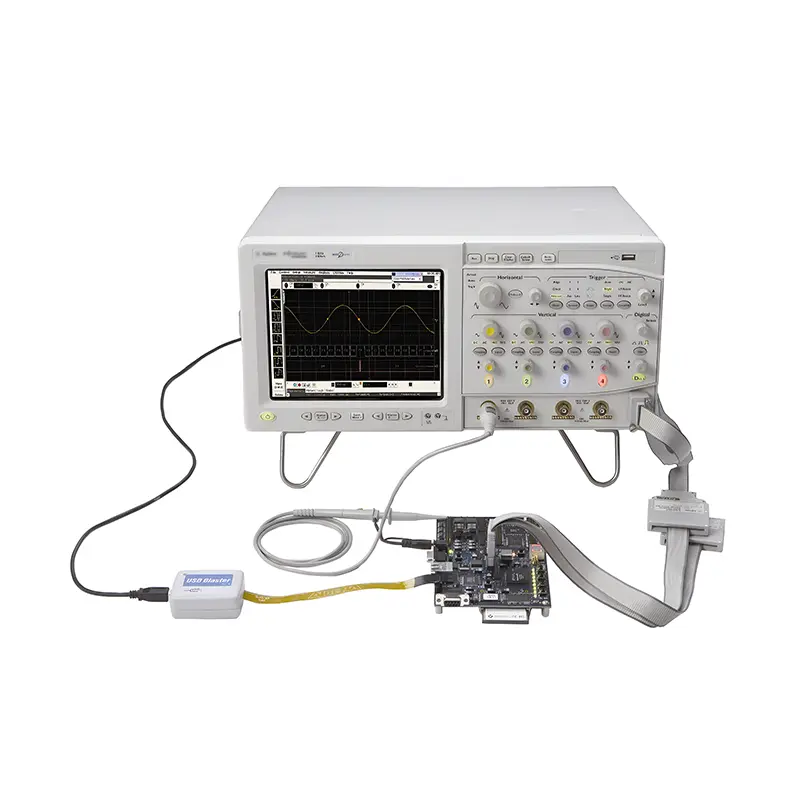 PCBA Testing Service
 Certification Application
 RoHS Certification Application
 REACH Certification Application
 CE Certification Application
 FCC Certification Application
 CQC Certification Application
 UL Certification Application
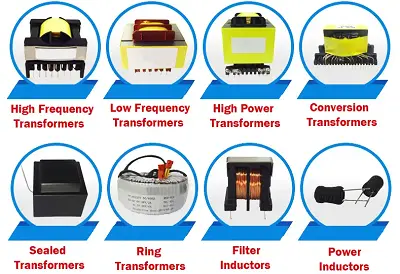 Transformers, Inductors
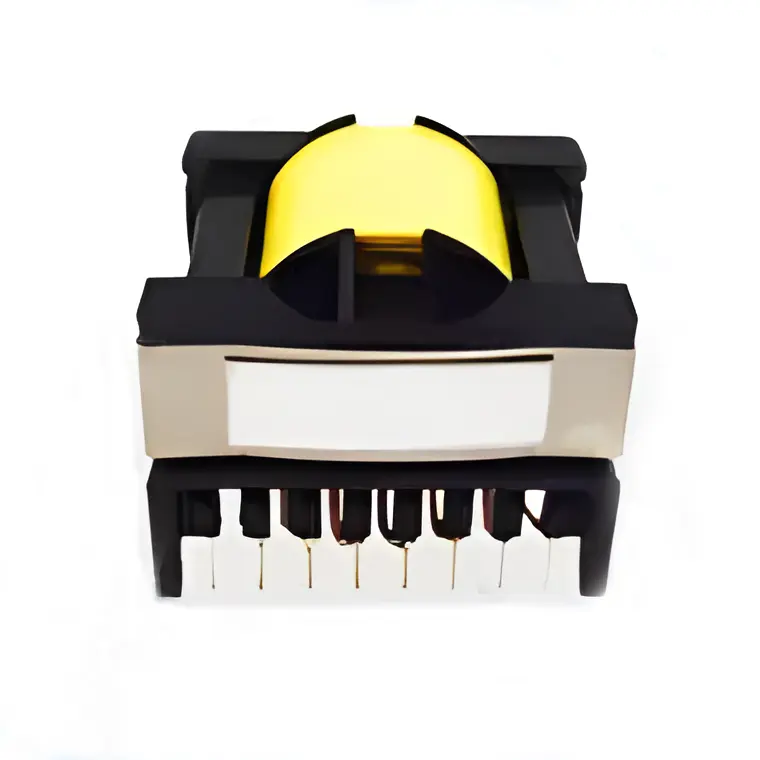 High Frequency Transformers
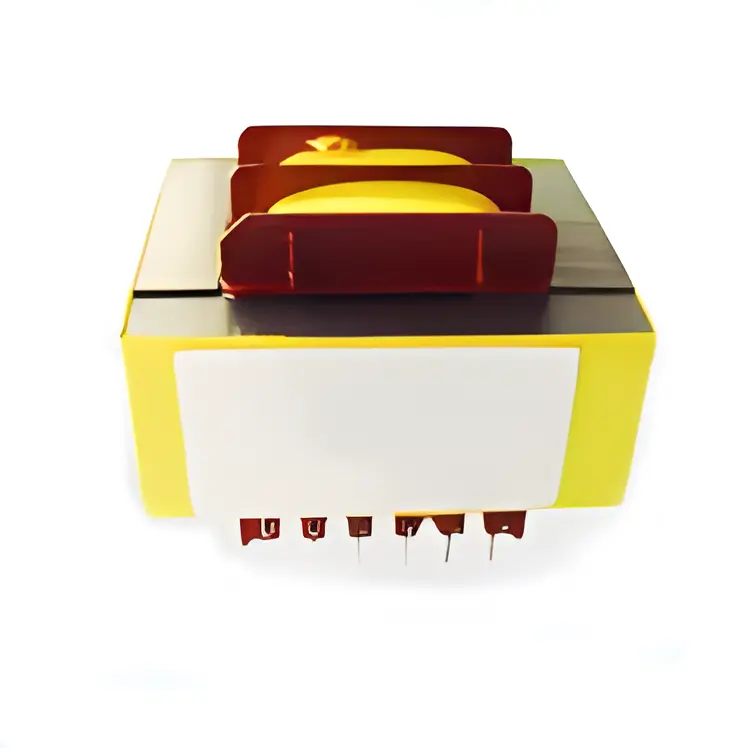 Low Frequency Transformers
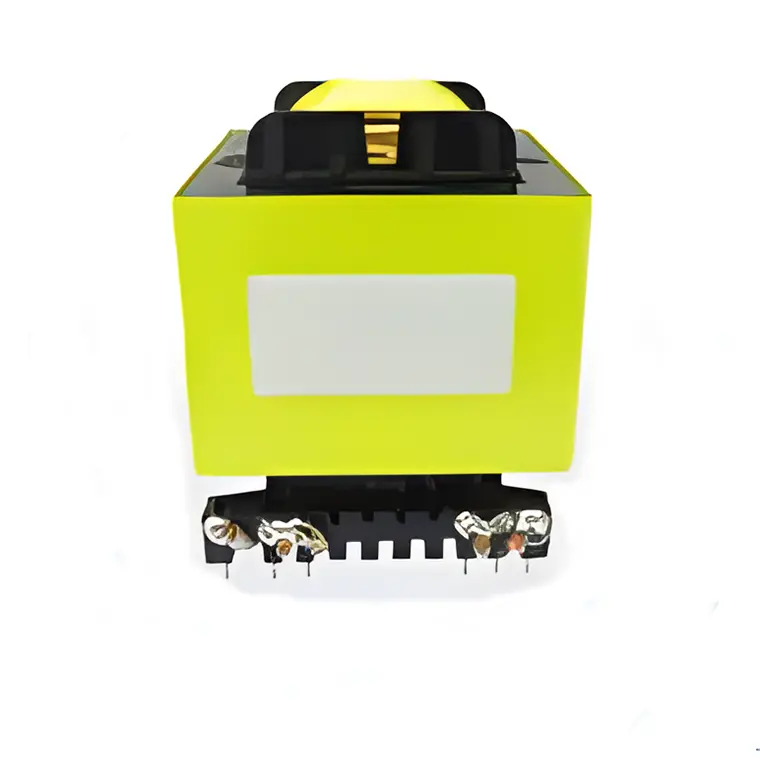 High Power Transformers
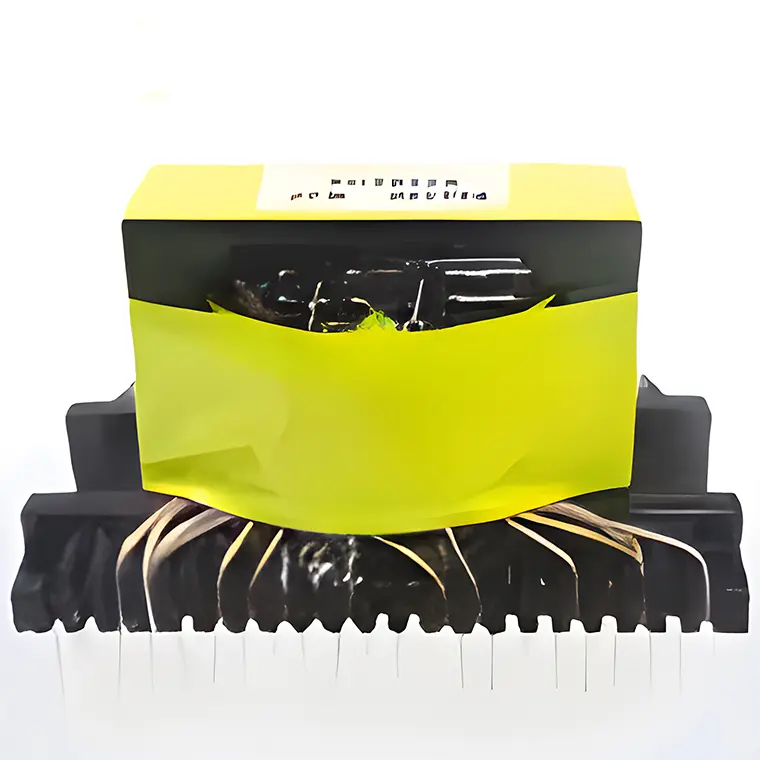 Conversion Transformers
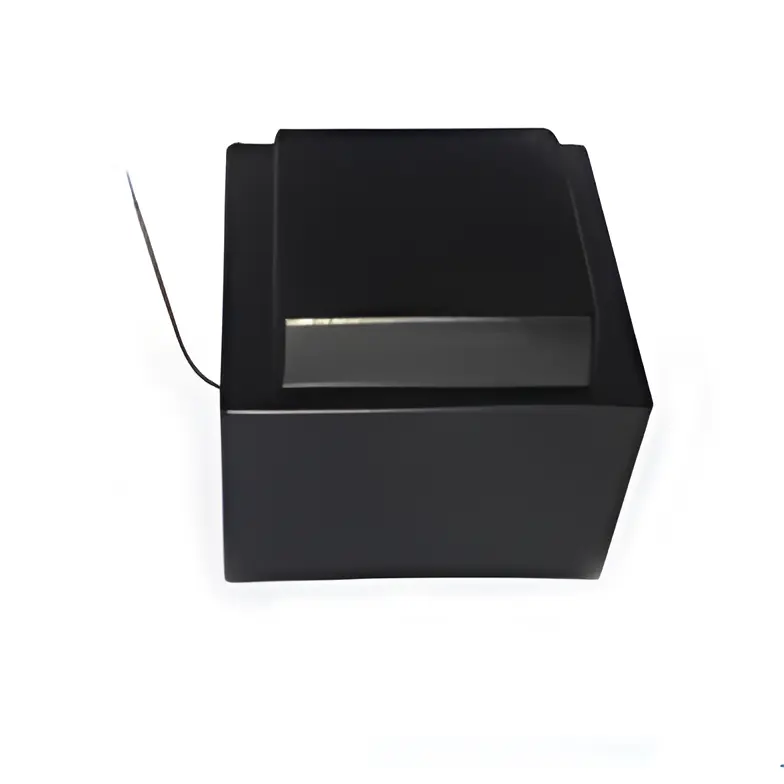 Sealed Transformers
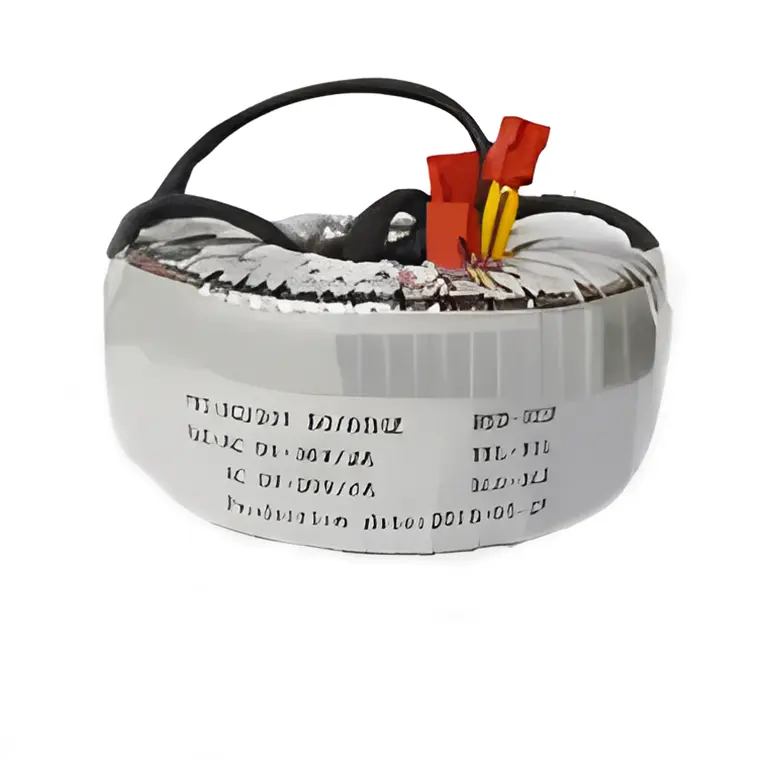 Ring Transformers
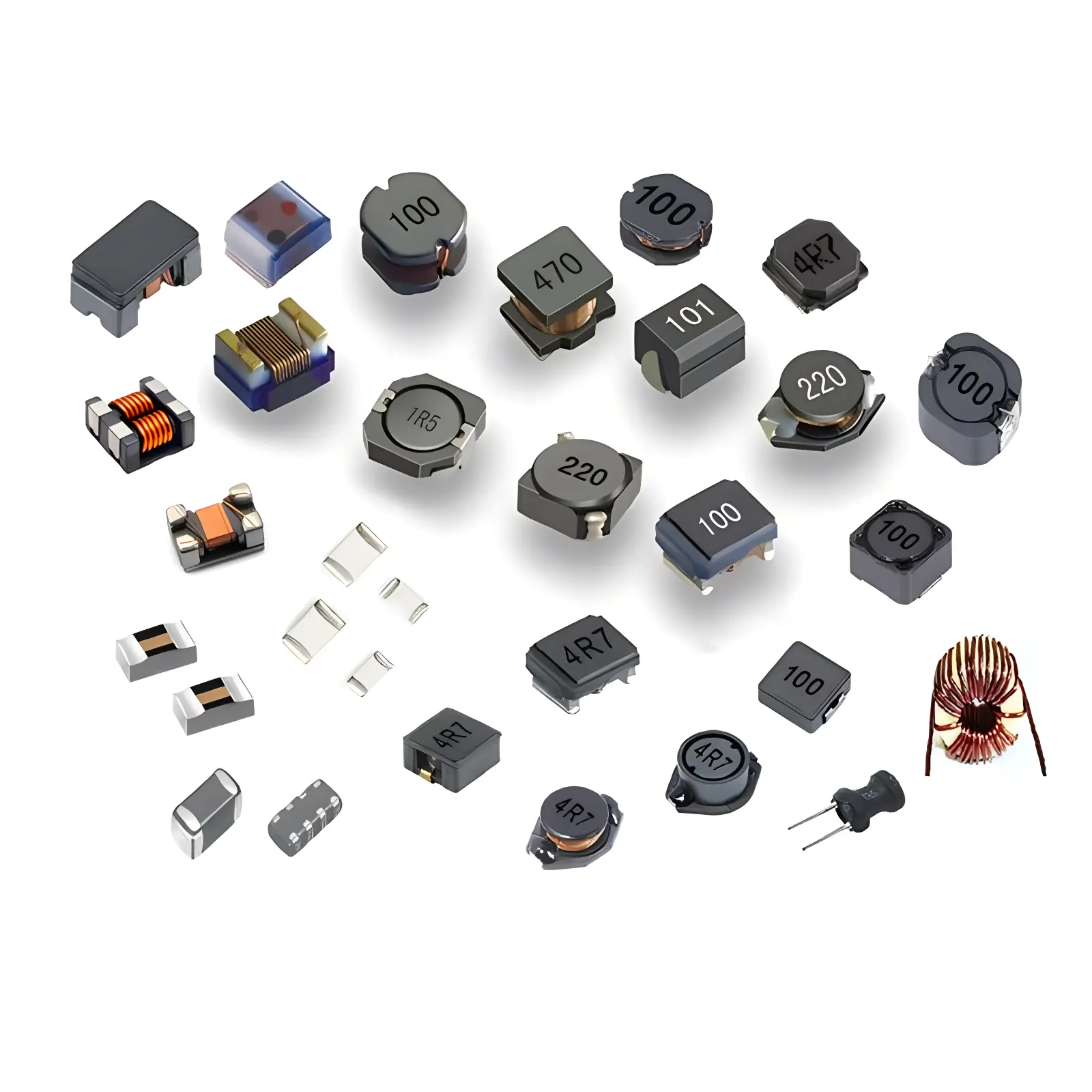 Inductors
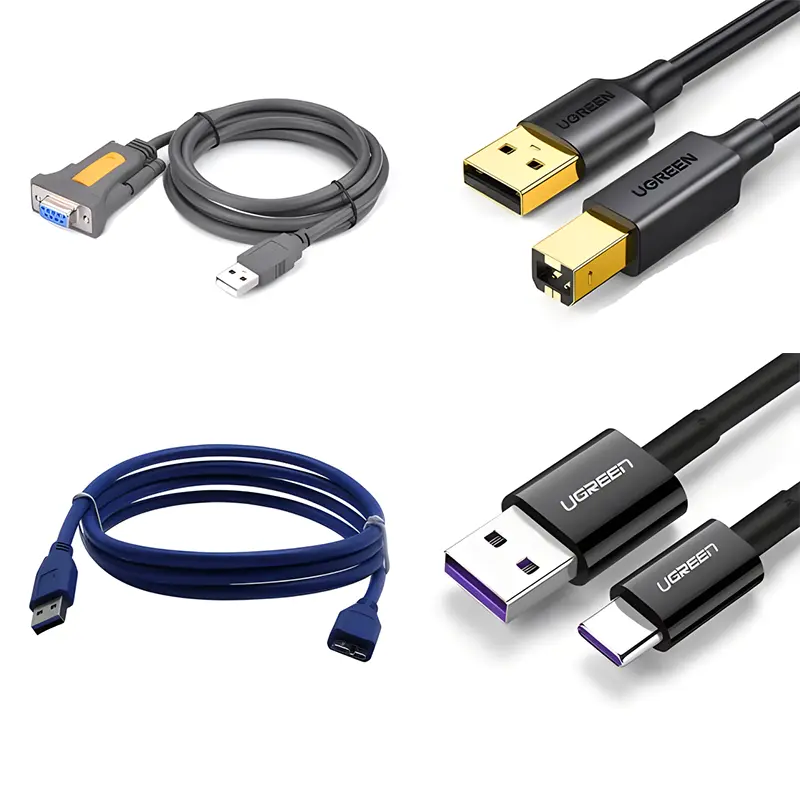 Wires,Cables Customized
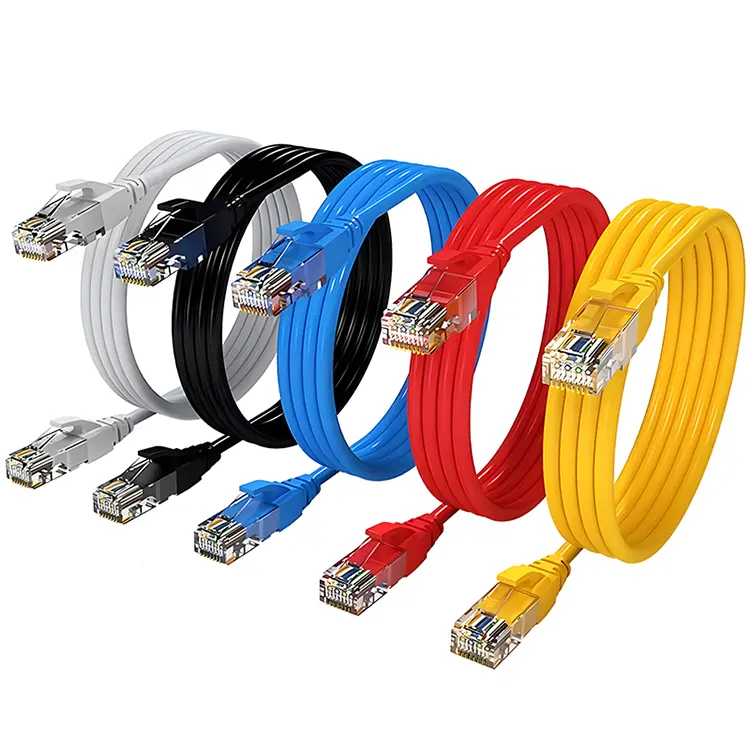 Network Cables
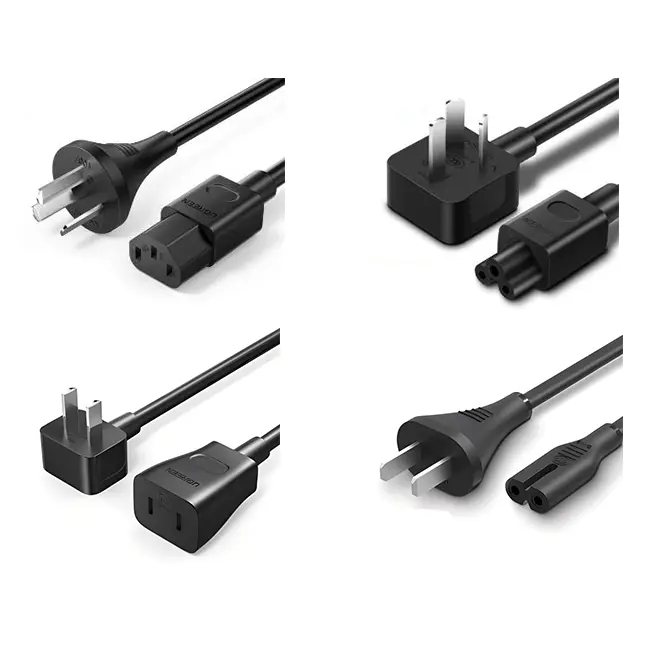 Power Cords
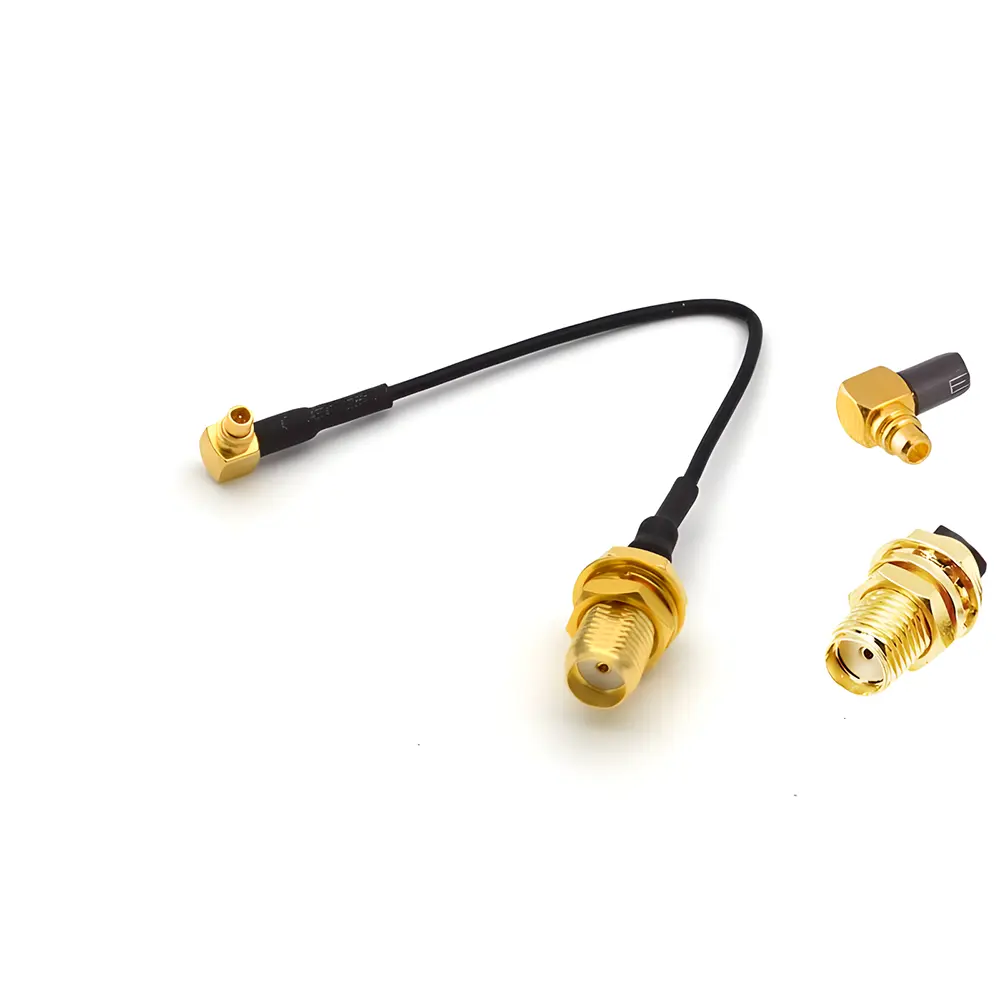 Antenna Cables
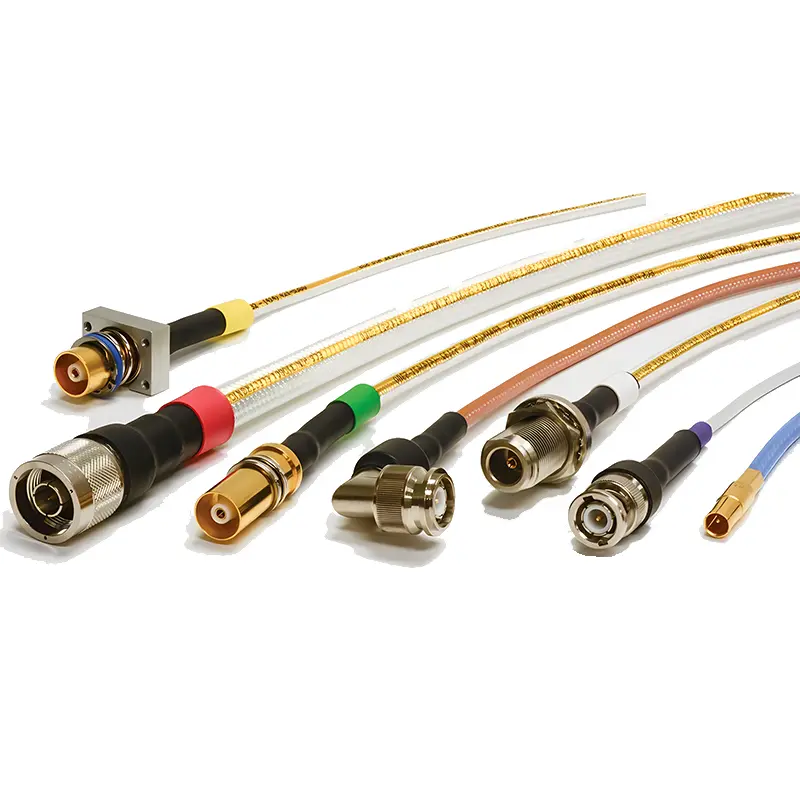 Coaxial Cables
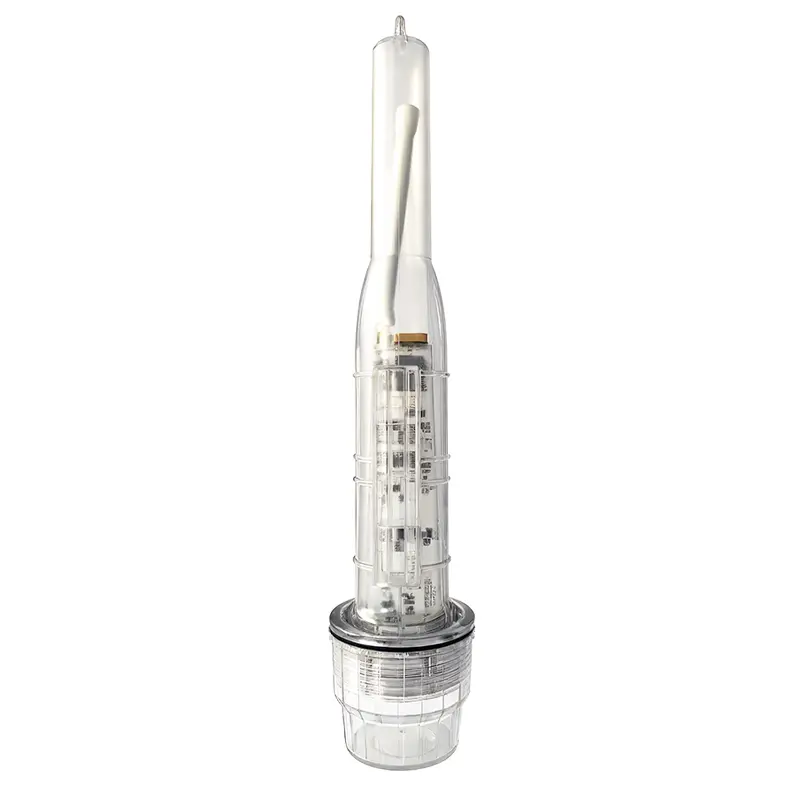 Net Position Indicator
 Solar AIS net position indicator
 Capacitors
 Connectors
 Diodes
 Embedded Processors & Controllers
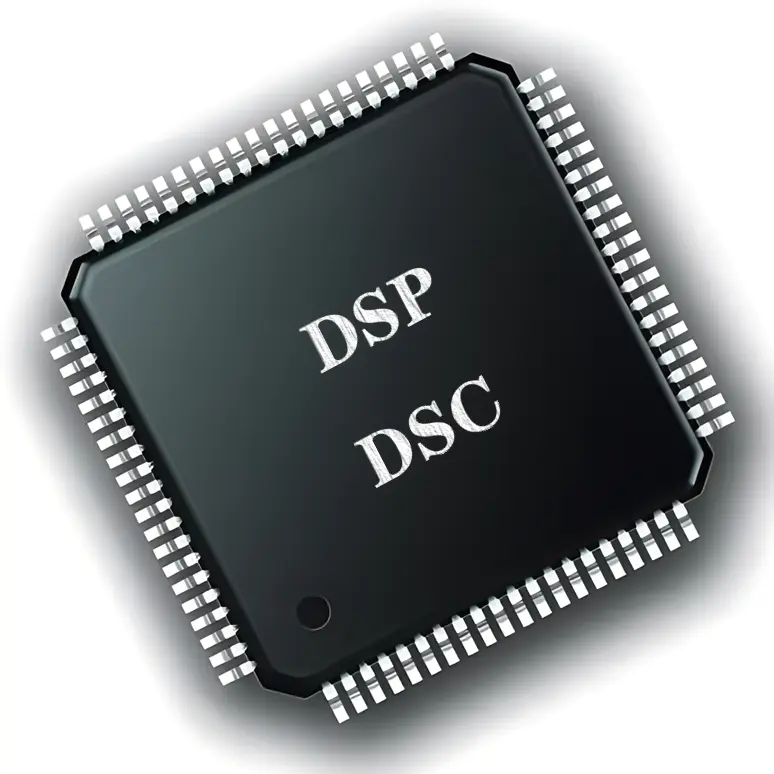 Digital Signal Processors (DSP/DSC)
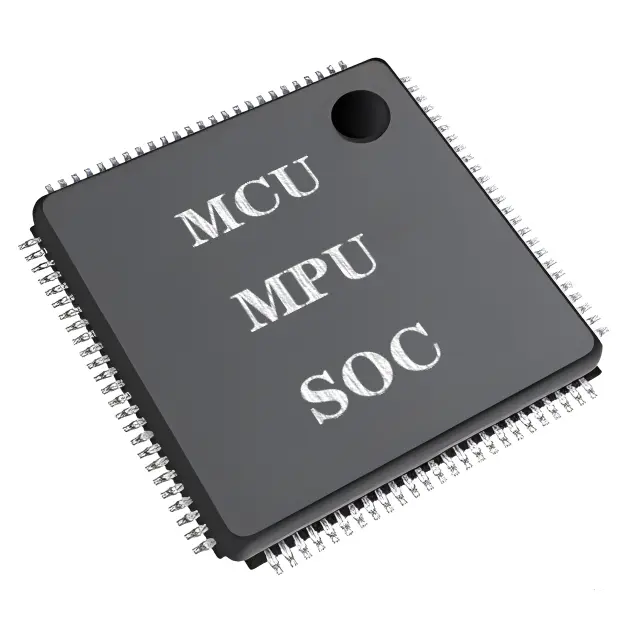 Microcontrollers (MCU/MPU/SOC)
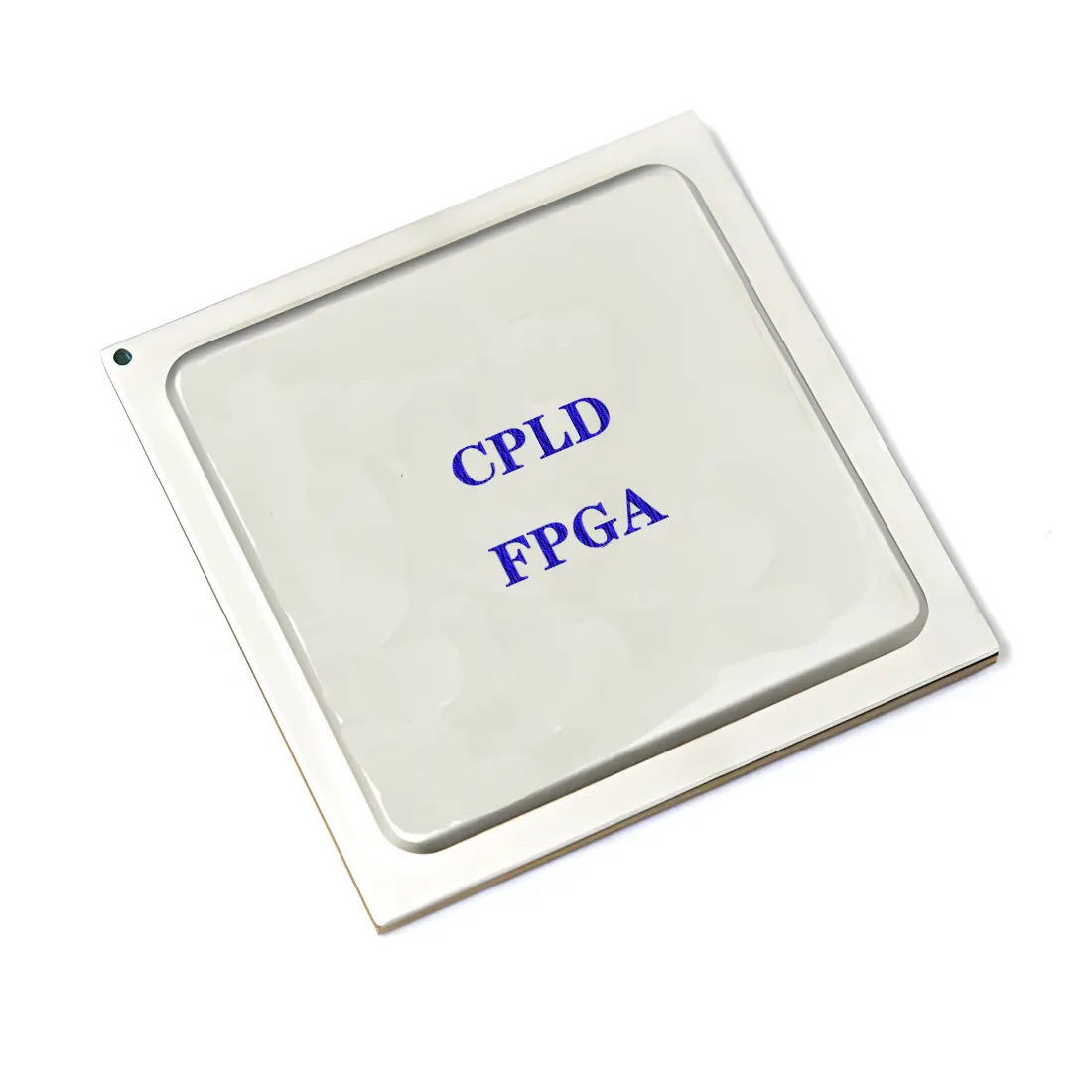 Programmable Logic Device(CPLD/FPGA)
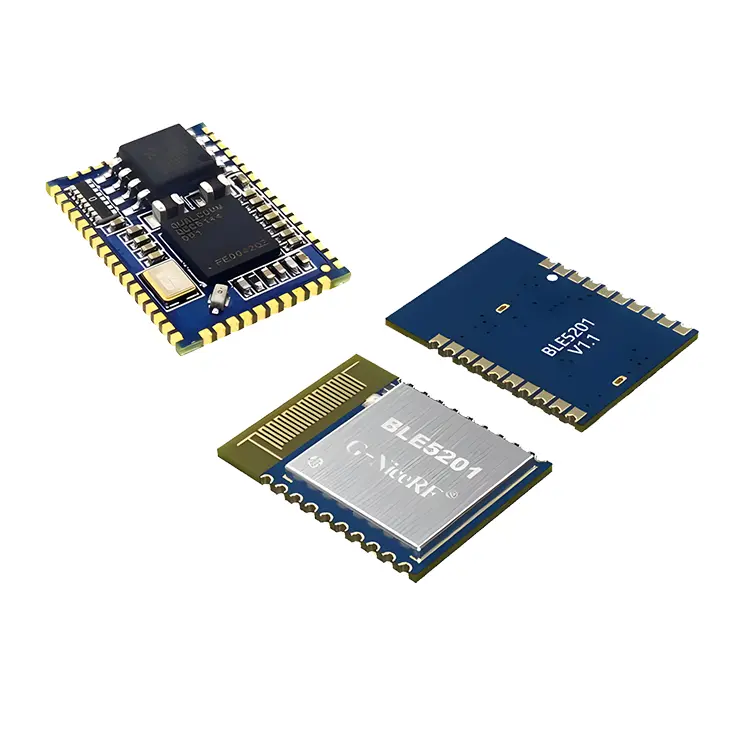 Communication Modules/IoT
 Resistors
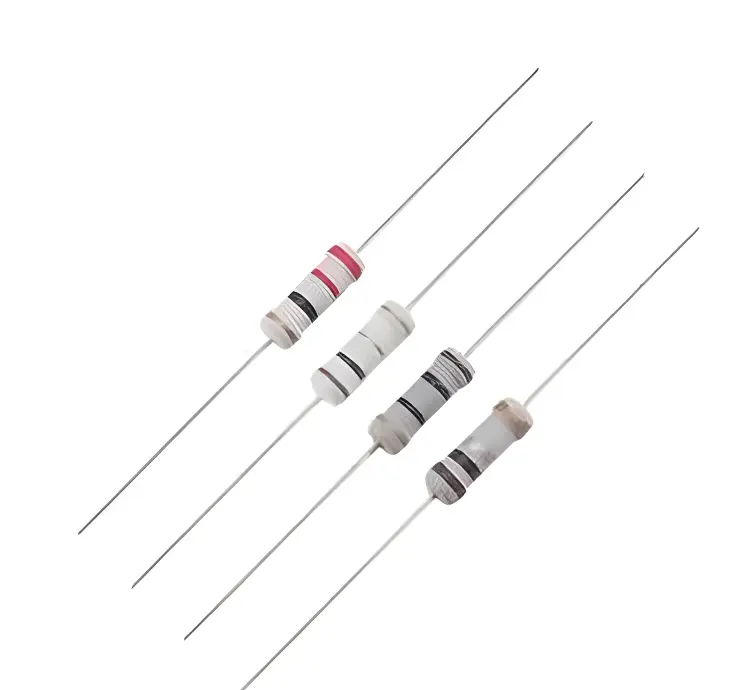 Through Hole Resistors
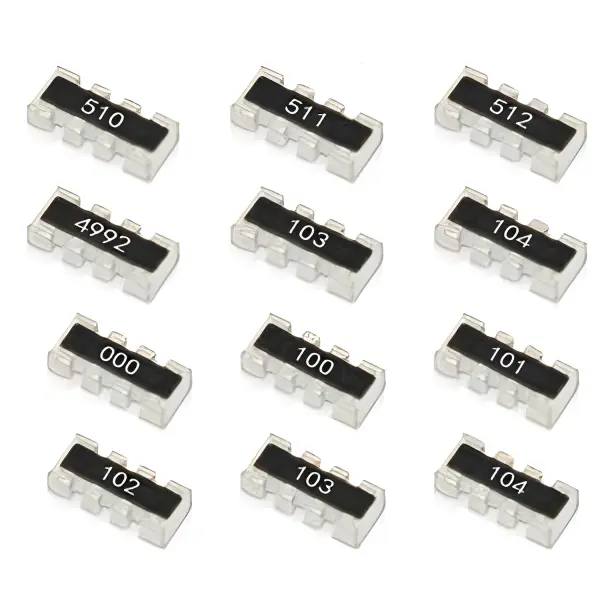 Resistor Networks, Arrays
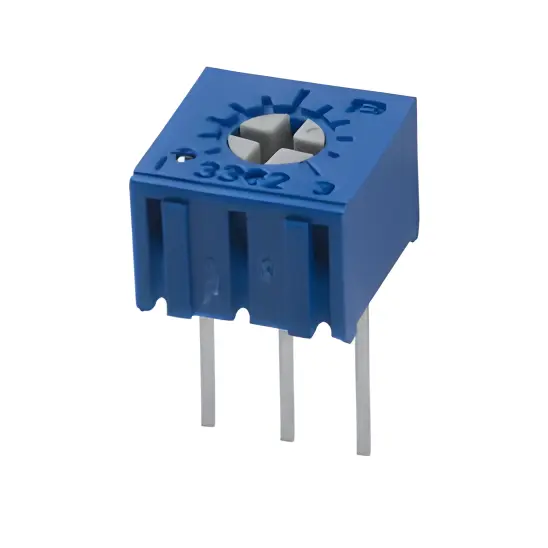 Potentiometers,Variable Resistors
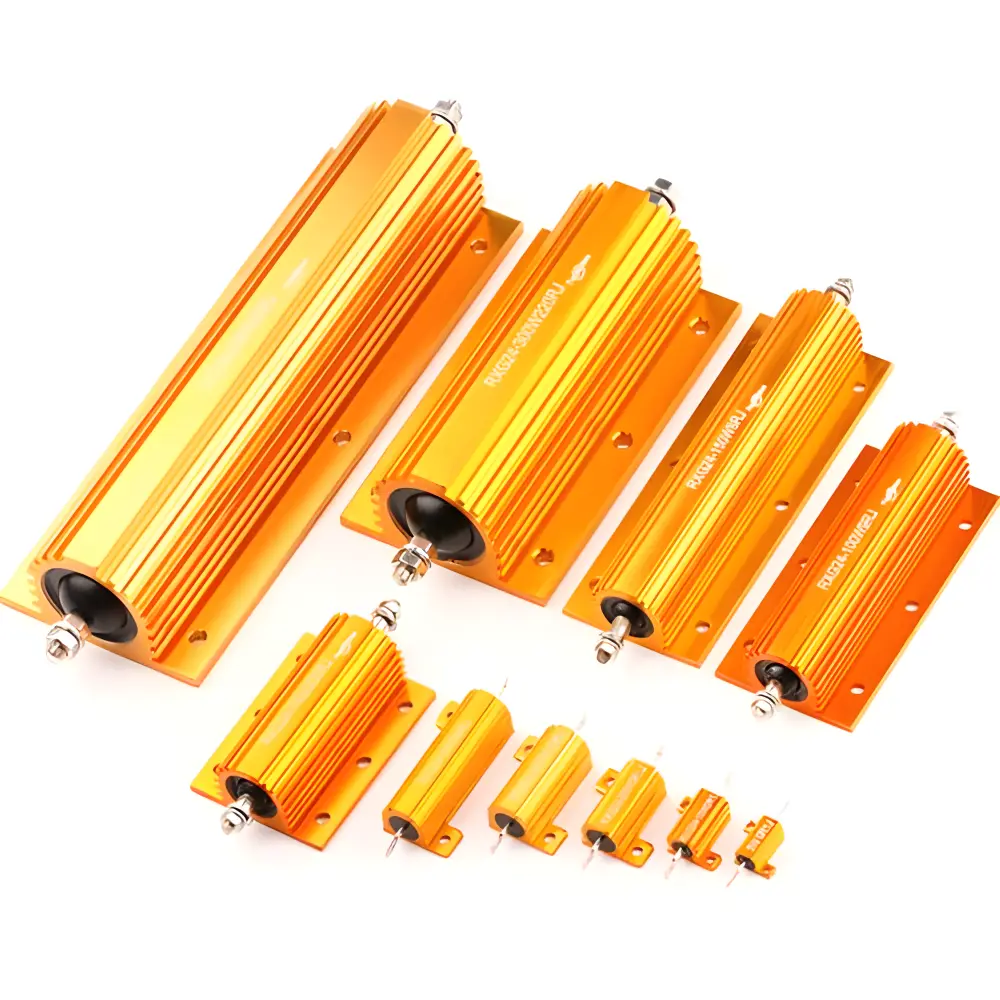 Aluminum Case,Porcelain Tube Resistance
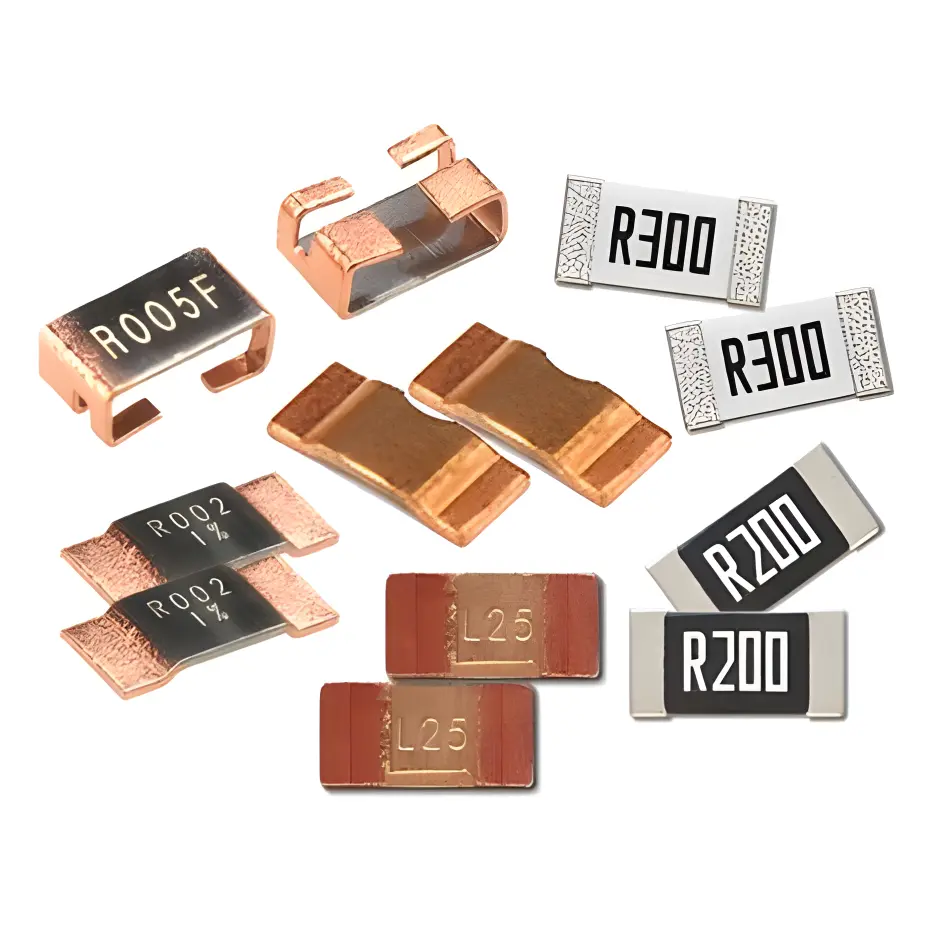 Current Sense Resistors,Shunt Resistors
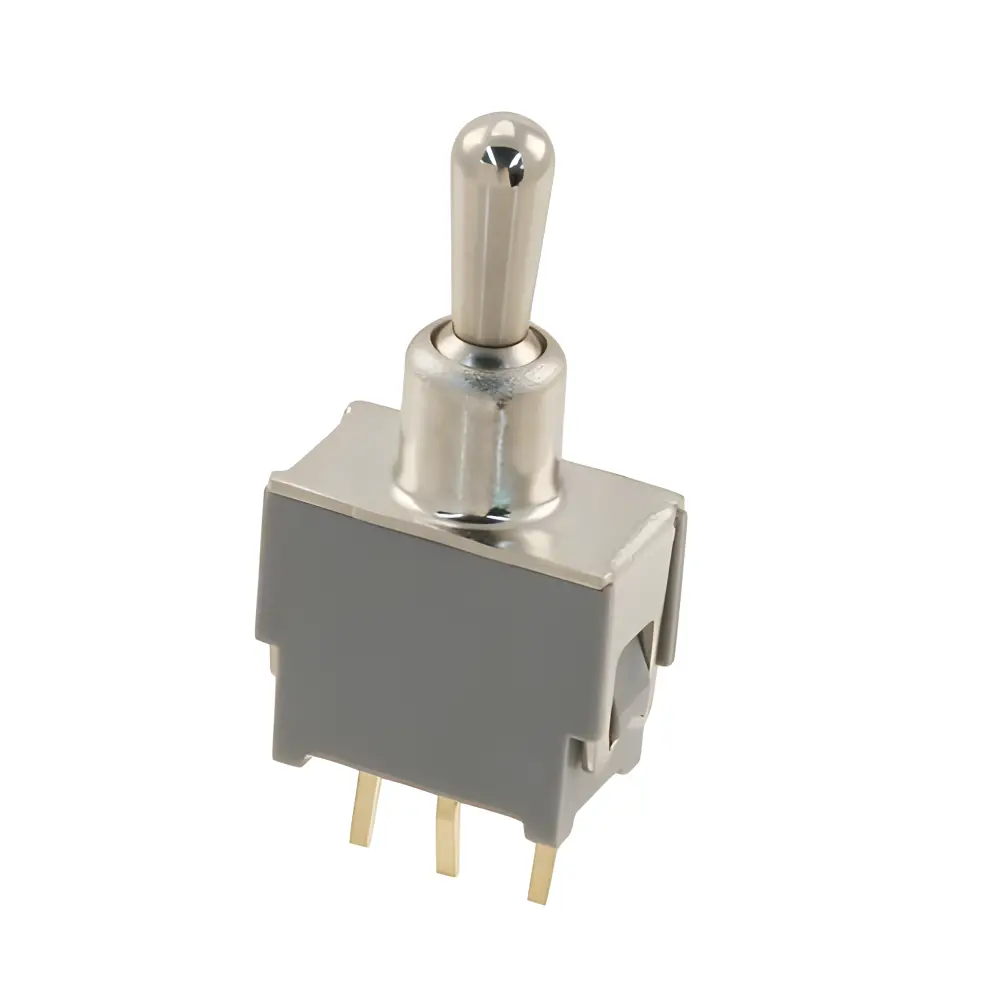 Switches
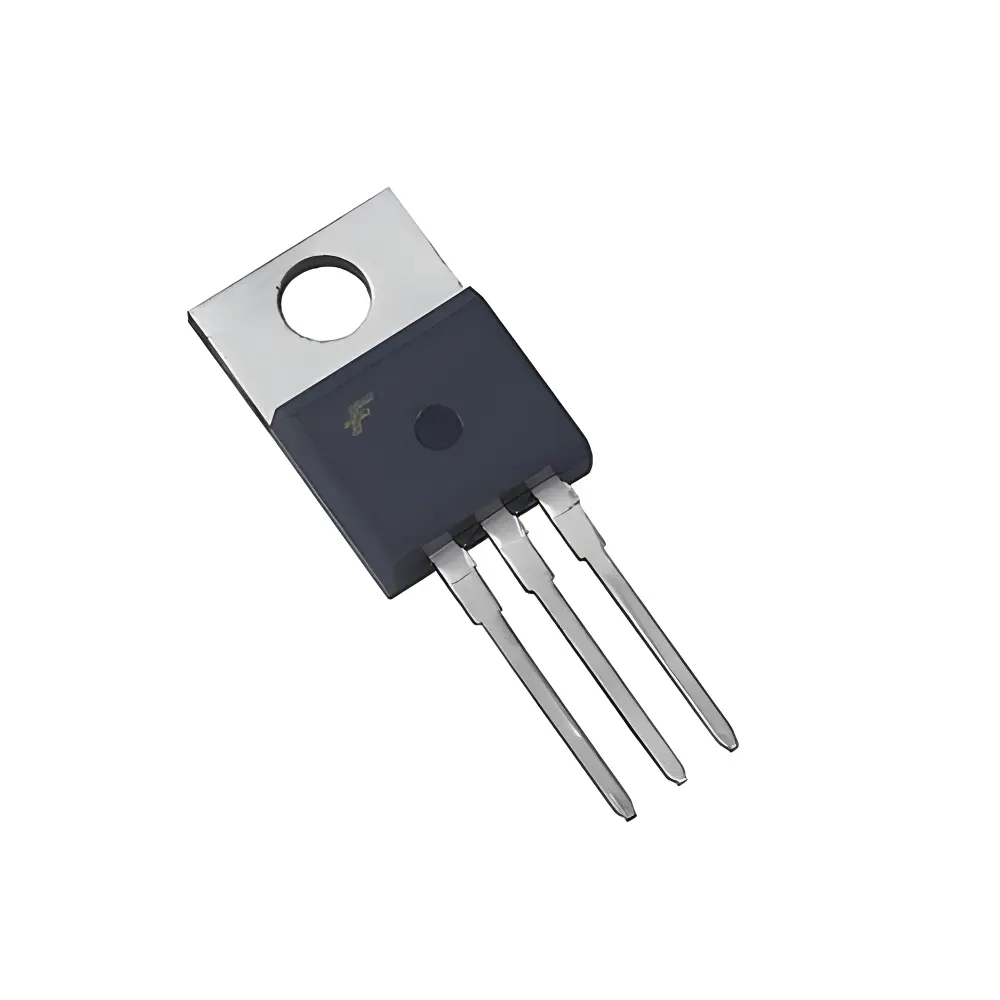 Transistors
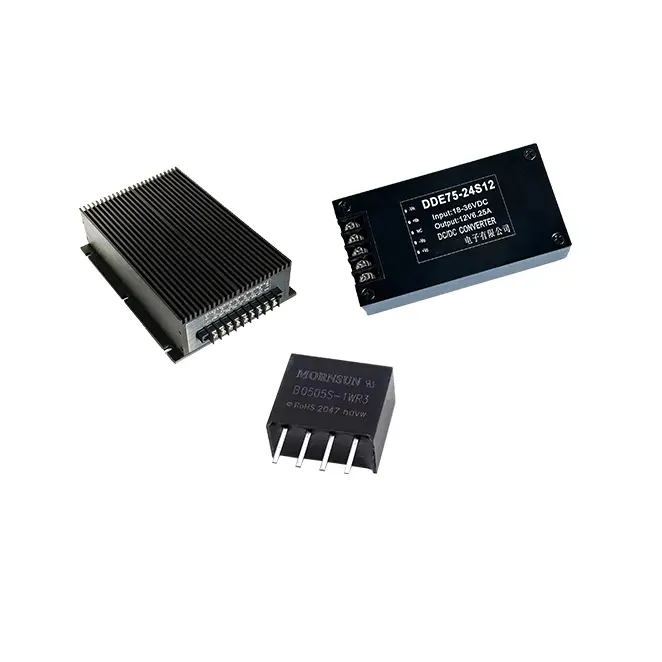 Power Modules
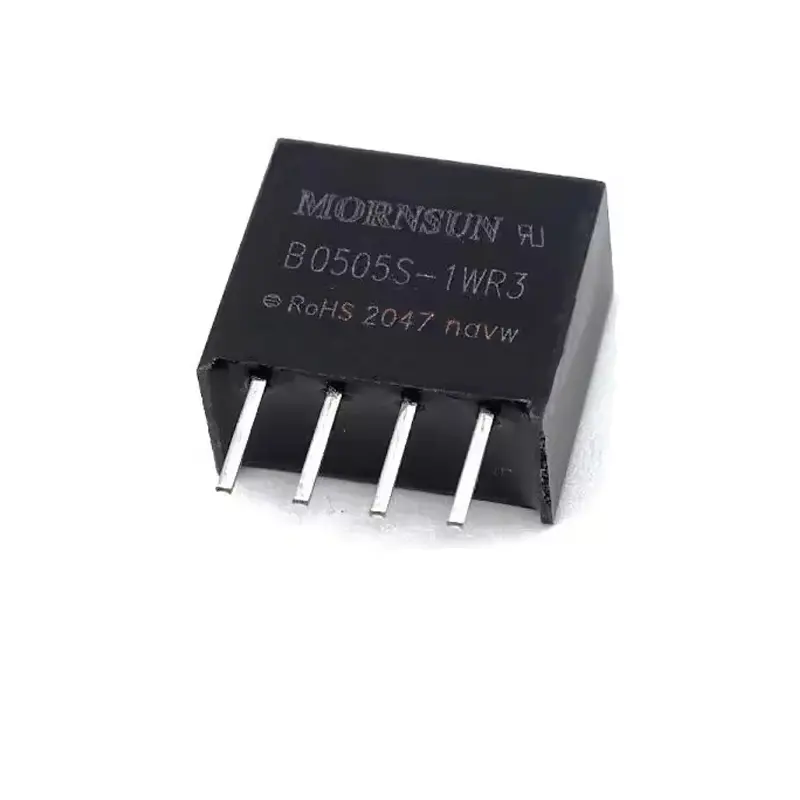 Isolated Power Modules
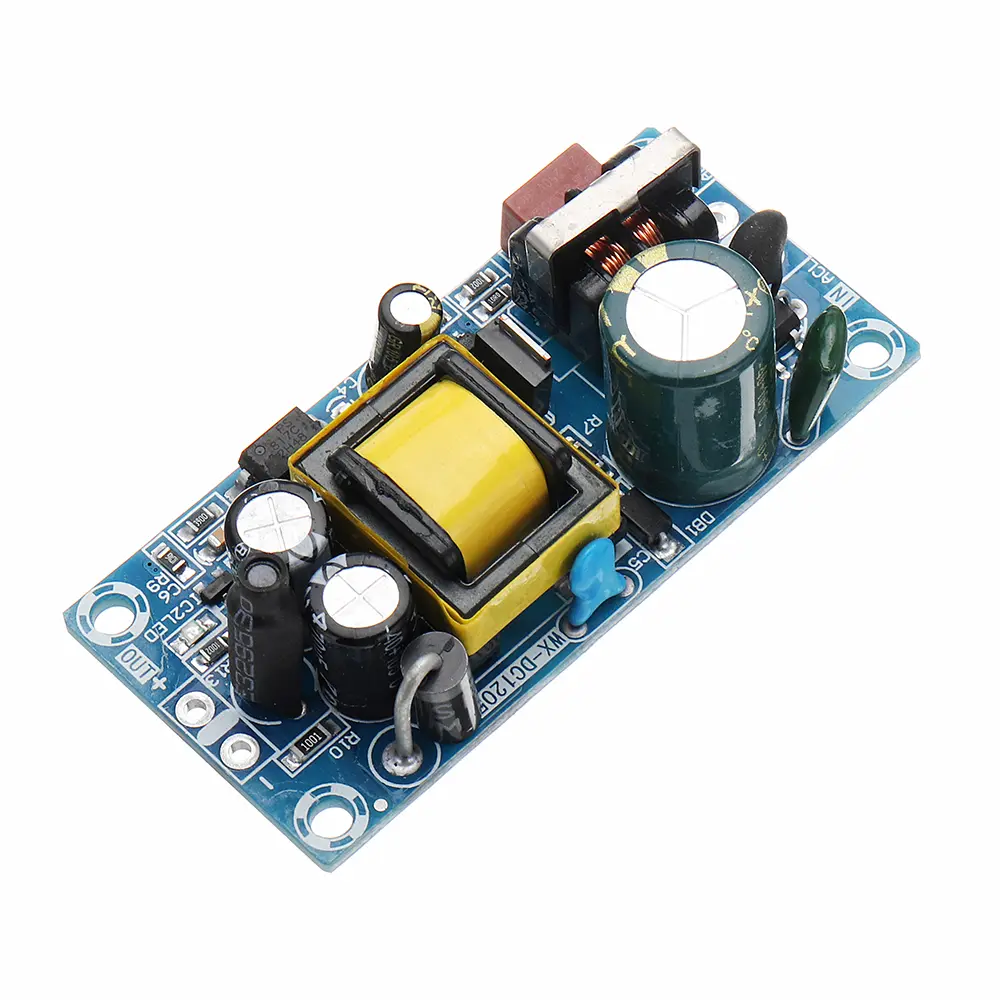 AC-DC Power Modules
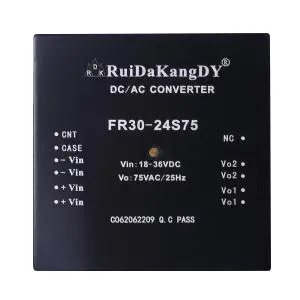 DC-AC Module(Inverter)
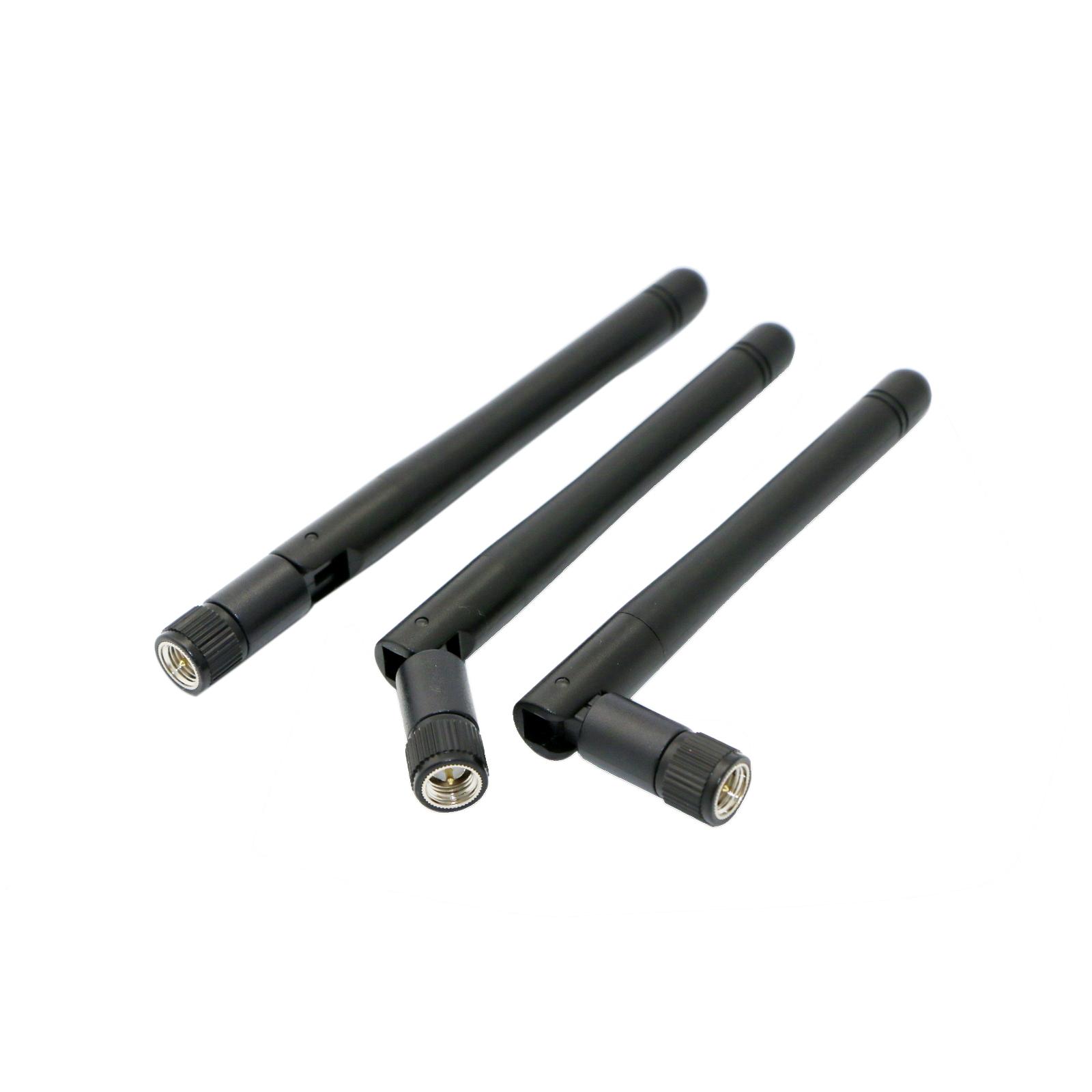 RF and Wireless
How much do you know about the 12 components contained in a circuit board?
How much do you know about the 12 components contained in a Circuit Board?
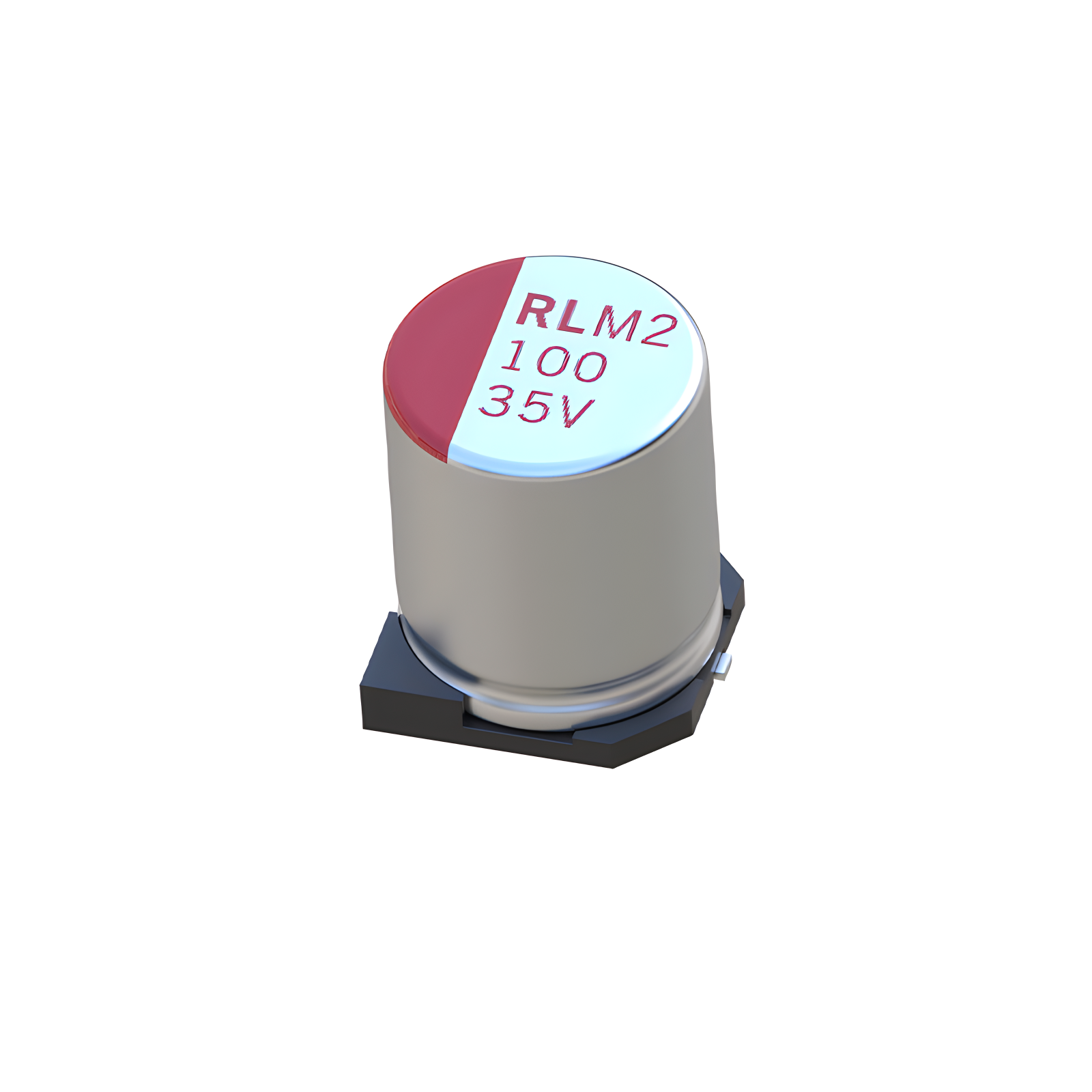
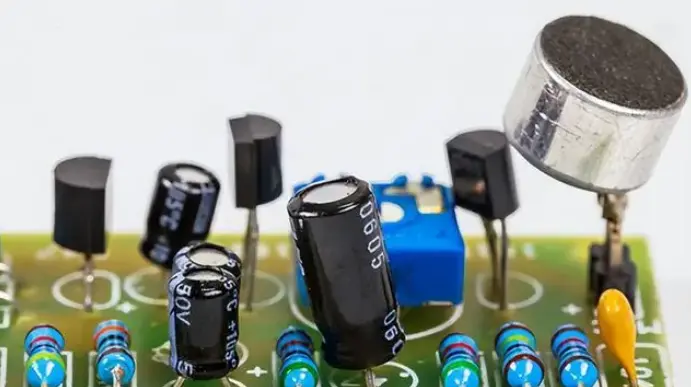
1、Capacitor
The capacitor is the second most common component on a circuit board after the Resistor, and it's a favorite among PCB enthusiasts. On the other hand, we use capacitors less frequently than resistors. The primary function of a capacitor is to store electrical charge. A capacitor consists of two metal plates separated by a dielectric. The two plates store opposite charges, and the dielectric serves to separate them. Current begins to flow through the circuit in this manner.
Capacitors can be classified in various ways. On the other hand, capacitors are primarily classified based on their dielectric material. This is because the dielectric material gives the capacitor its critical qualities. The denser the dielectric material, the more charge can be stored on the capacitor plates; this is why we prefer to use high-quality materials to produce capacitors. Traditional capacitors have two wires extending from the metal plates. These wires are used to connect the capacitor to the circuit.
2、Resistor
Resistors are one of the most commonly used components on a circuit board, and most of us are familiar with their purpose; resistors are one of the most popular and relatively simple-to-use components on a circuit board. Current is flowing. Therefore, resistors help dissipate electrical energy in the form of heat. Resistors can be classified in various ways and are often made from different materials because we use different materials for different reasons.
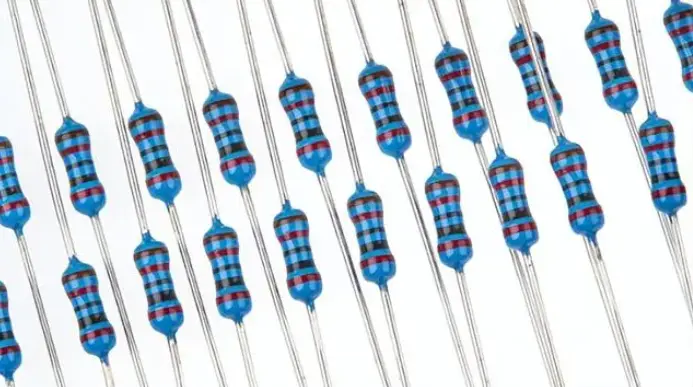
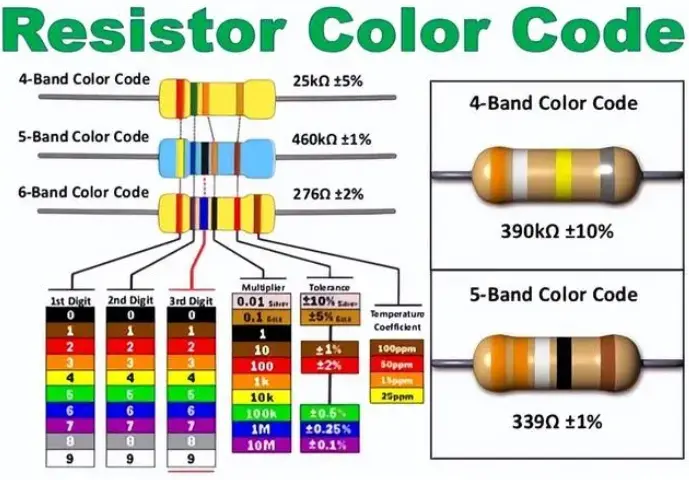
The way the wires are led out is another way to differentiate resistors, and axial resistors are the most common form in this regard. Axial resistors are popular among electronics enthusiasts, amateurs, and hobbyists because of their ease of integration into any circuit. Each resistor has a color-coded ring around it, indicating the resistance value of that particular resistor and telling us the possible tolerance of the resistor.
3、Potentiometer
A potentiometer is essentially a more complex version of a simple resistor. While the resistance value of a simple resistor is set, the resistance value of a potentiometer can be changed as needed. Potentiometers come in various shapes and sizes, but the most popular are linear potentiometers and rotary potentiometers. The resistance value of a linear potentiometer can be changed by dragging a linear slider. You can change the resistance of a rotary potentiometer by turning the knob. The resistance changes as the slider moves across a semicircular base resistor.
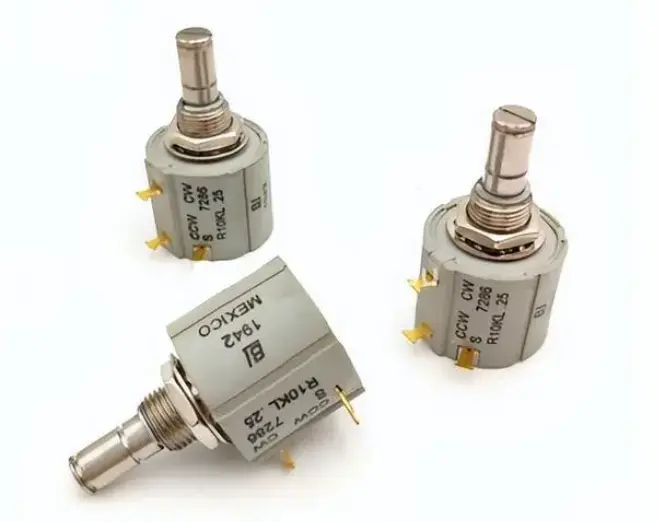
We use rotary potentiometers in various applications in our daily lives; one of the most common is the circular fader in music players and other audio equipment, which controls the amount of current delivered to the amplifier. When potentiometers are used in complex devices, fine-tuning is required to adjust their performance.
4、Inductor
Inductors are one of the three members of passive linear components on a circuit board, with the other two being capacitors and resistors. Inductors are also used to store energy, but they store it by generating a magnetic field, unlike capacitors, which store energy electrostatically. There are many different types of inductors to choose from, some simple and others complex. On the other hand, metal coils are the most common and easiest-to-understand inductors. The number of turns in the coil determines the magnetic field it can generate, so the more turns, the higher the inductance.
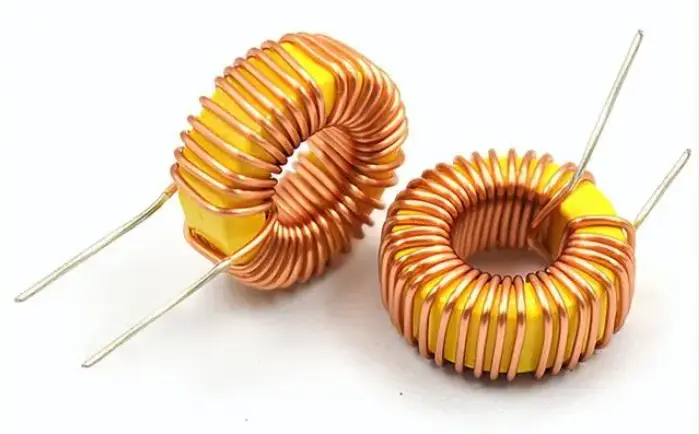
Inductors are often wound around magnetic cores of various shapes and sizes, the purpose of which is to increase the magnetic field when current flows through the conductor, allowing us to filter completely. Specific transmissions are blocked. This is very beneficial to us because it can be used for various purposes, such as eliminating interference to communication devices and extending battery life.
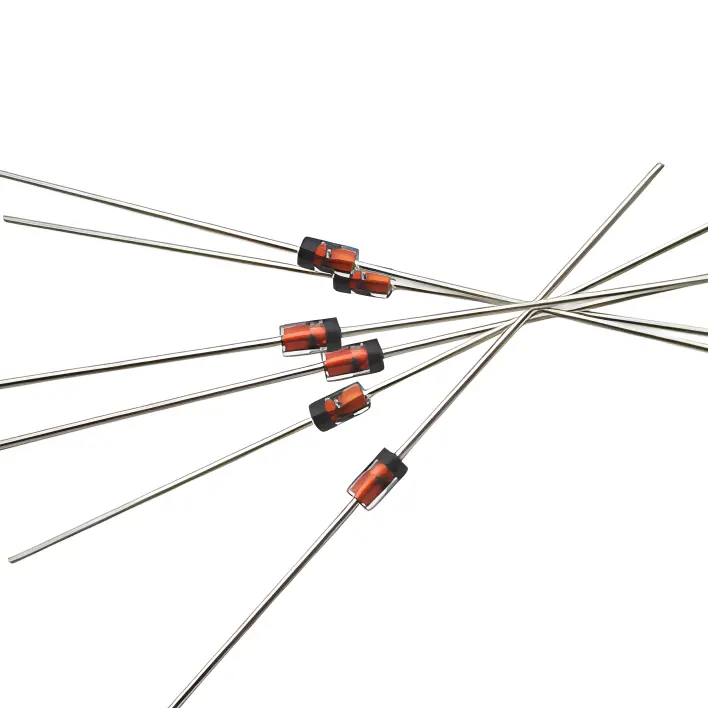
5、Diode
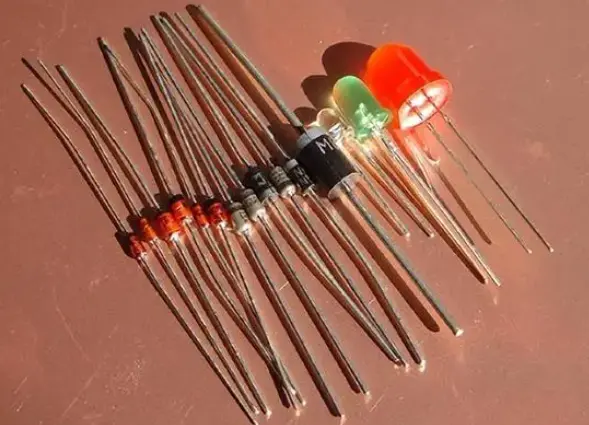
The diode is one of the most important components on a circuit board, and its primary function is to limit current. Since current can flow from the positive terminal to the negative terminal and vice versa, but not simultaneously, the diode achieves this by providing infinite resistance in one direction and zero resistance in the other. Therefore, we can use this characteristic to prevent current from flowing in an undesired direction. One of the most common diodes is the LED diode (also known as a light-emitting diode), which we primarily use to emit light and is easy to solder. However, they must be aligned correctly; otherwise, the LED will not light up.
6、Transformer
Transformers are one of the most important components on a circuit board; they are primarily used to transfer electrical energy from one device to another, and when we transfer electrical energy through various configurations, it increases or decreases. Voltage is typically increased or decreased in this way. Experts often consider voltage transformation. Transformers have a metal core, similar to a typical inductor. There will always be a series of coils around the metal core... at least two coils, one secondary and the other primary. The configuration through which electrical energy will pass is called the secondary coil.
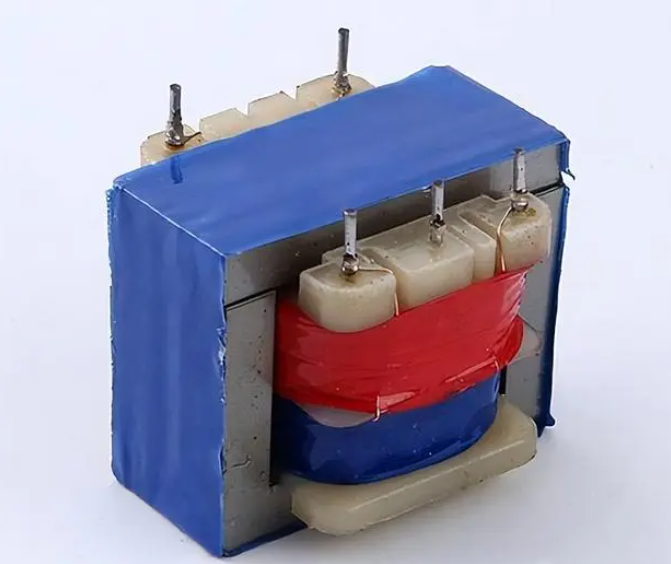
We often see transformers on huge utility poles; these transformers are called industrial transformers, and they are used to reduce the voltage passing through the lines; this reduction is often in the hundreds of thousands, so voltage changes are common in our daily work. Transformers are used in daily life and ordinary households.
7、Thyristor
Audio enthusiasts like them because they are an important part of a circuit board. Due to their similarity to diodes and transistors, they are also known as thyristors. According to some experts, they have four layers of silicon and only three wires. They are not used as amplifiers but only as switches. According to some experts, they have four layers of silicon and only three wires.
One of the most important things to remember is that while we only need a pulse to activate the switch, we must continuously send current to the transistor to pass amplification. Therefore, they are more suitable for various switching power supplies.
8、Transistor
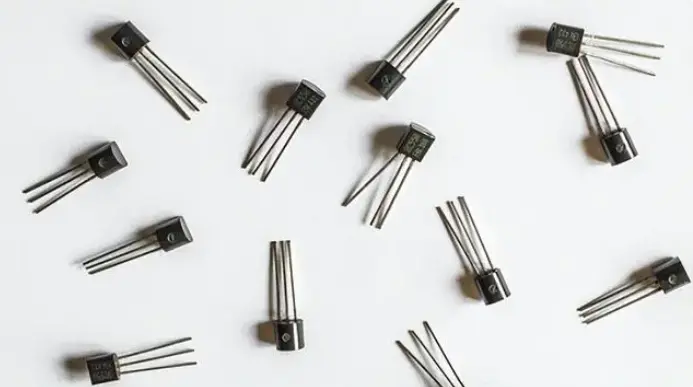
Most electronics experts consider the transistor to be the basic building block of electronic products. They are an important part of a circuit board, and a single integrated circuit can contain billions of transistors. However, we should not view them as complex tools. Instead, they are conventional electrical switches and simple amplifiers. Transistors come in various shapes and sizes, with bipolar transistors being the most common. PNP and NPN variants are two other types.
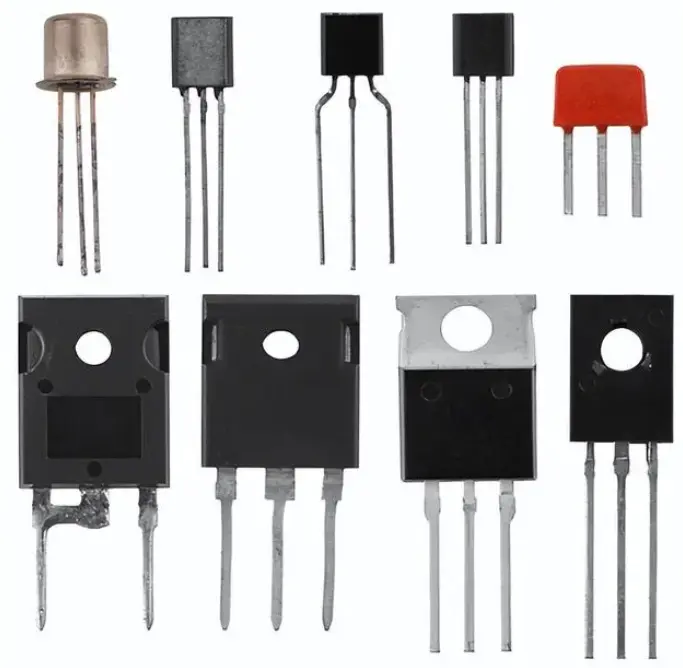
In bipolar transistors, there are three pins. It's important to have a collector and a publisher. When a small amount of current flows through an NPN transistor, it flows from the base to the emitter, but this causes an increased current to flow. From the emitter to the collector, a larger current flows.
On the other hand, PNP transistors behave completely oppositely to NPN transistors. FETs (Field-Effect Transistors) are another type of transistor widely used. They allow current to pass while activating another circuit established using the existing electric field.
9、Crystal Oscillator
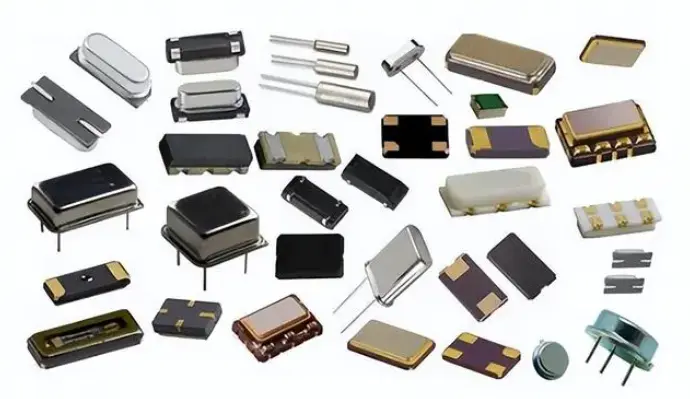
These are the most critical circuit board components in complex devices, and we use them primarily in clocks because they enable us to build critical circuits that allow us to keep accurate and stable time. They consist of piezoelectric bodies that generate periodic electronic signals, which are essentially a crystalline material that produces signals when oscillated, and we design them to vibrate stably. Because its vibrations correspond to a precise frequency, we can use them to make low-cost, high-precision watches. Therefore, they are also used in other critical electronic products, such as quartz watches and microcontrollers.
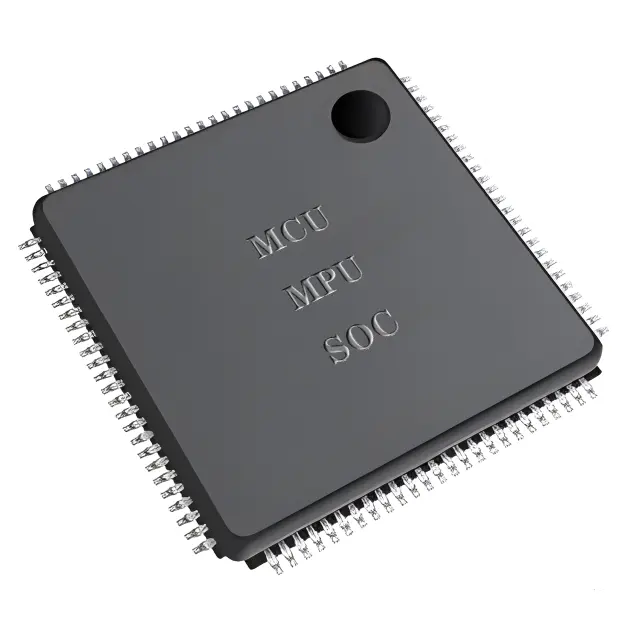
10、Integrated Circuit (IC)
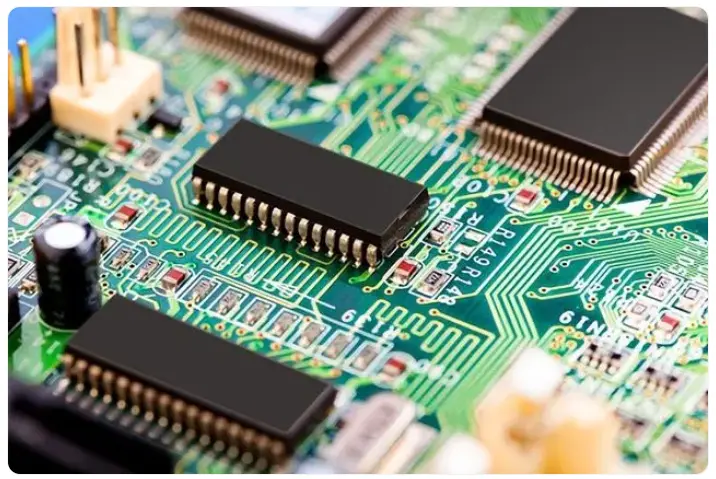
Integrated circuits are an important part of a circuit board and are made by shrinking certain circuits and electronic components and then embedding them in a semiconductor film. They make it possible to encapsulate a large number of electronic components into a single chip, enabling us to create the first calculators. Therefore, we can now create cutting-edge smart devices and groundbreaking supercomputers. Integrated circuits are the brains of larger circuits, acting as the central processing unit. Integrated circuits come in various shapes and sizes, but most are housed in black plastic cases.
11、Switches and Relays
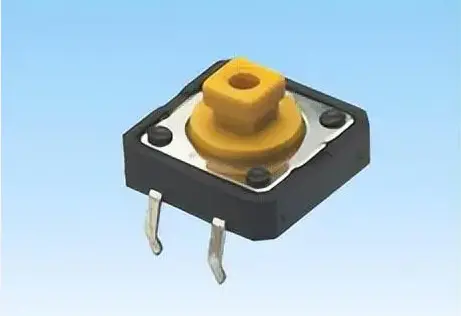
Switches are the most basic components on a circuit board, but we often overlook their importance: switches enable us to control the current in any particular circuit and move between closed and open circuits. They come in various shapes and sizes, but the most typical are sliders, levers, keys, buttons, and rotary controls. On the other hand, relays are electrically negative switches. A solenoid is used in a relay, and when current flows through the solenoid, it acts as a transient magnet. Therefore, they function as switches, capable of switching a larger amount of current.
12、Sensor
Sensors are circuit board components that detect changes in the environment and provide signals reflecting those changes once identified. Sensors convert physical energy into electrical energy and are commonly called sensors because they send electrical signals to various components on the circuit board (because they can convert energy into another form of energy).
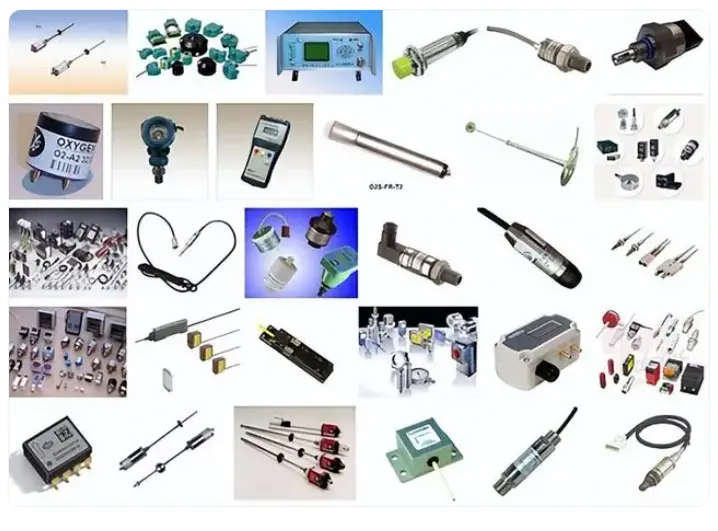
Temperature sensors, humidity sensors, pressure sensors, light sensors, and motion sensors are some of the more common sensors, each with different uses. For example, we use LEDs to detect infrared signals in TV remotes. They are quite common, and we use them frequently in our daily lives.