
 PCB
PCB FPC
FPC Rigid-Flex
 FR-4
FR-4 HDI PCB
 Rogers High-Frequency Board
 PTFE Teflon High-Frequency Board
 Aluminum
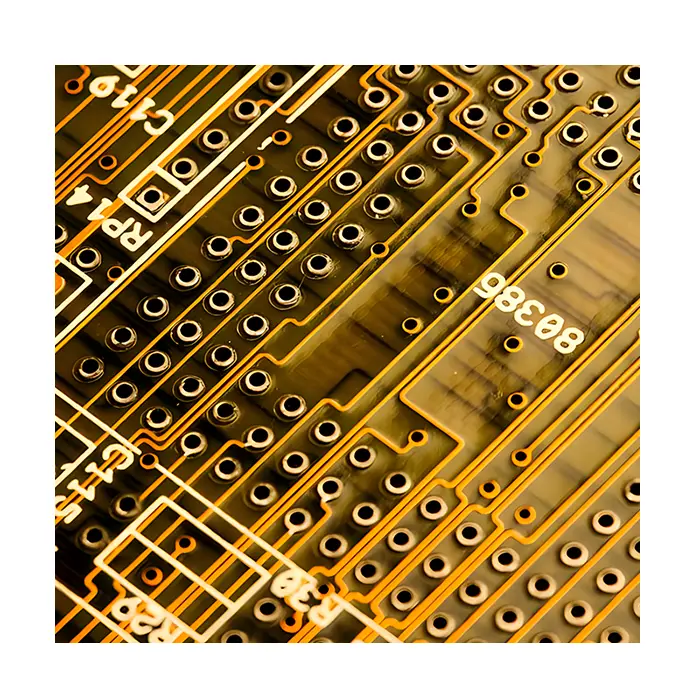 Copper Core
 PCB Assembly
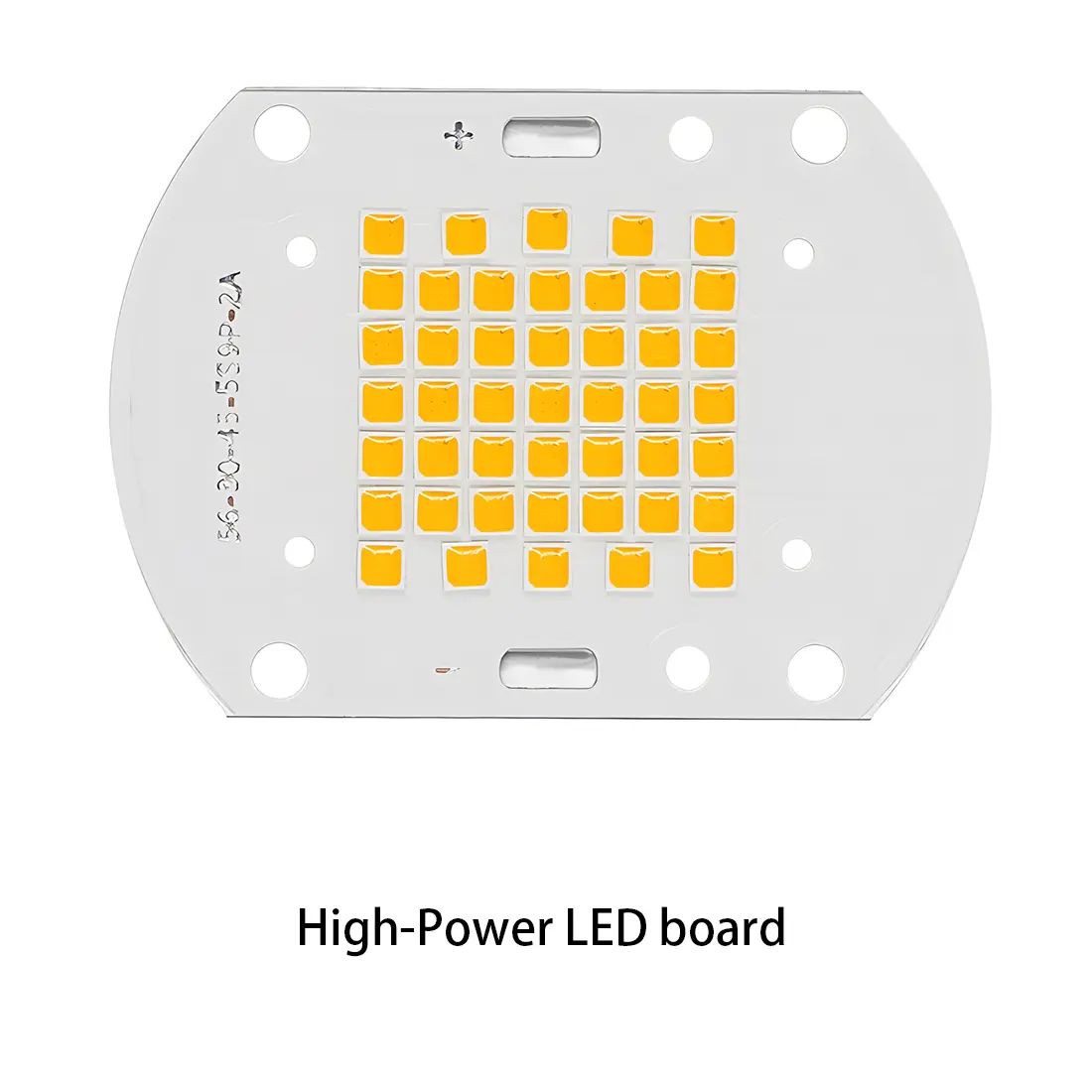 LED light PCBA
 Memory PCBA
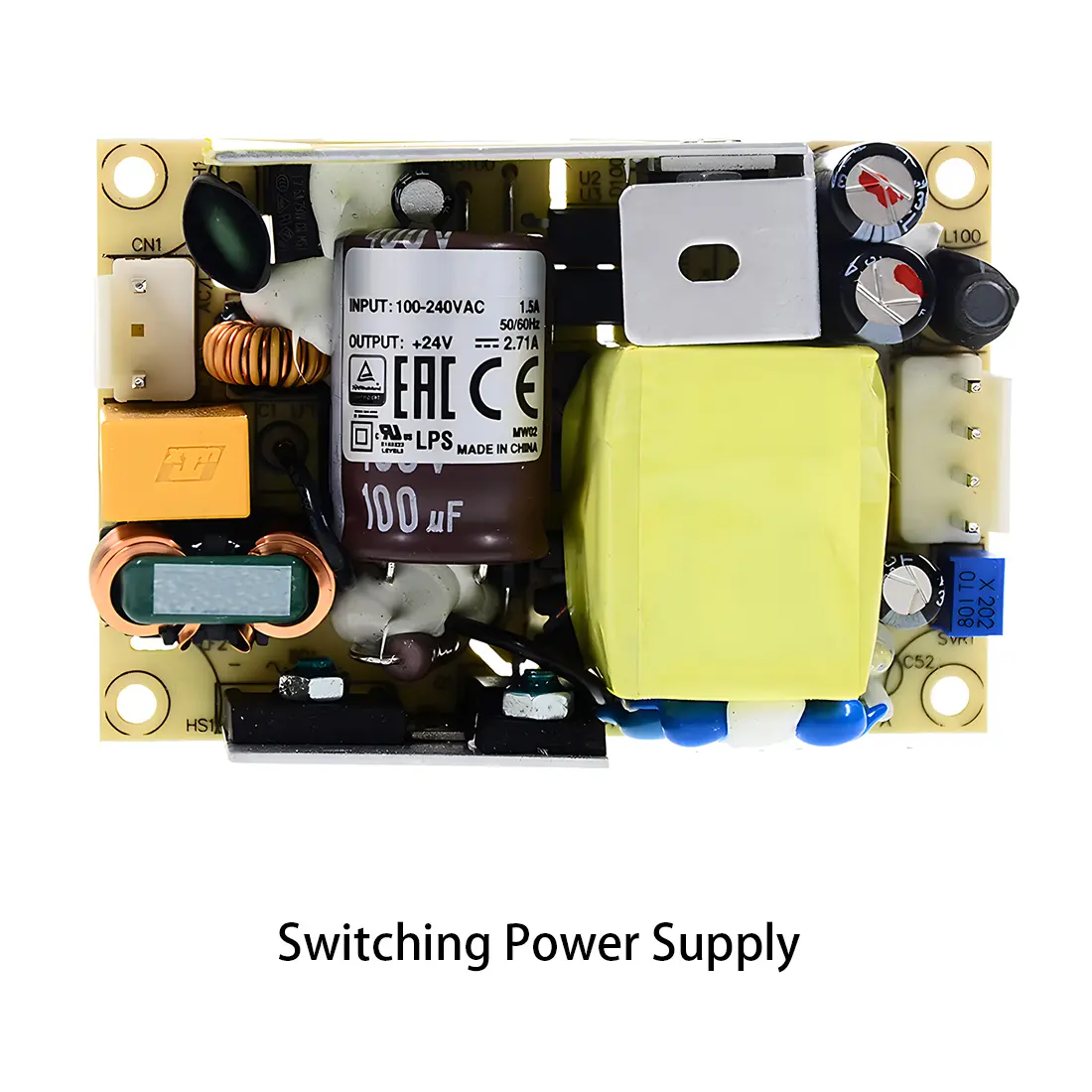 Power Supply PCBA
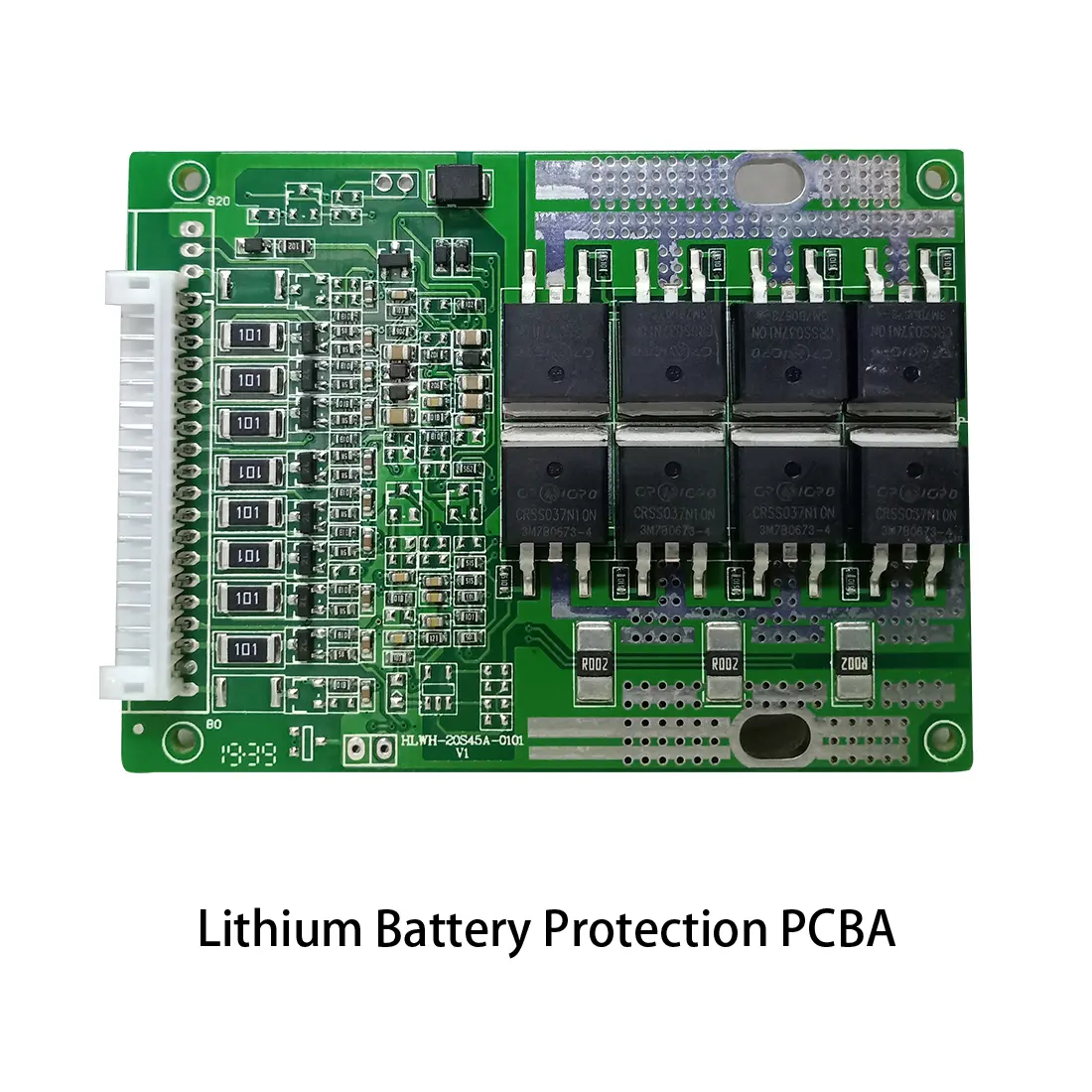 New Energey PCBA
 Communication PCBA
 Industrial Control PCBA
 Medical Equipment PCBA
 Testing Service
 PCBA Testing Service
 Certification Application
 RoHS Certification Application
 REACH Certification Application
 CE Certification Application
 FCC Certification Application
 CQC Certification Application
 UL Certification Application
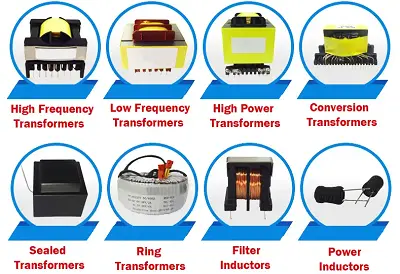 Transformers, Inductors
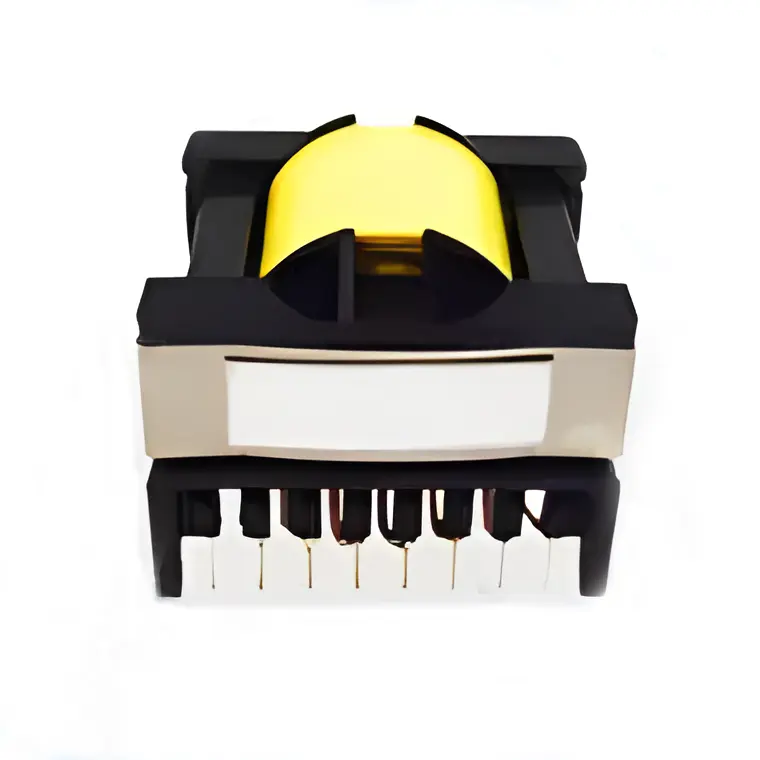 High Frequency Transformers
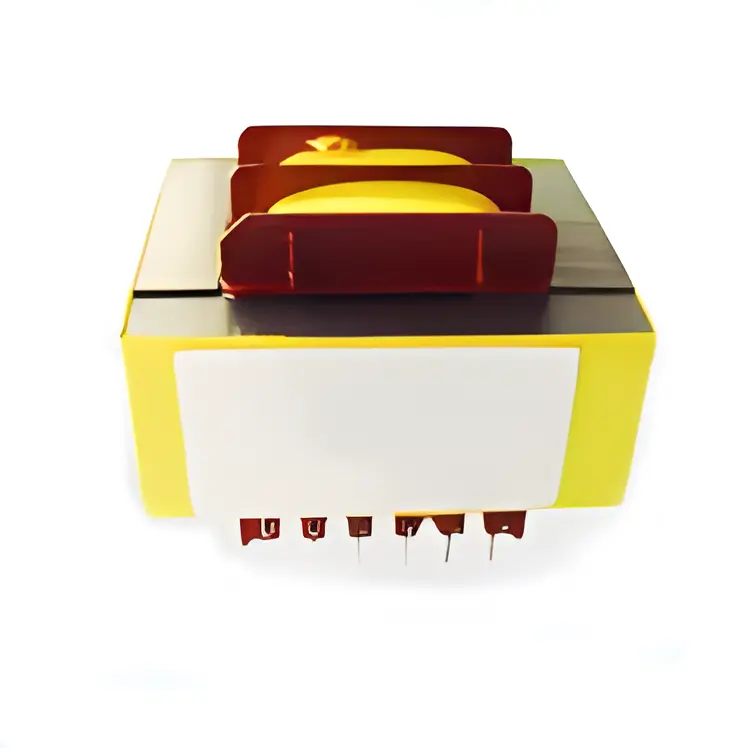 Low Frequency Transformers
 High Power Transformers
 Conversion Transformers
 Sealed Transformers
 Ring Transformers
 Inductors
 Wires,Cables Customized
 Network Cables
 Power Cords
 Antenna Cables
 Coaxial Cables
 Net Position Indicator
 Solar AIS net position indicator
 Capacitors
 Connectors
 Diodes
 Embedded Processors & Controllers
 Digital Signal Processors (DSP/DSC)
 Microcontrollers (MCU/MPU/SOC)
 Programmable Logic Device(CPLD/FPGA)
 Communication Modules/IoT
 Resistors
 Through Hole Resistors
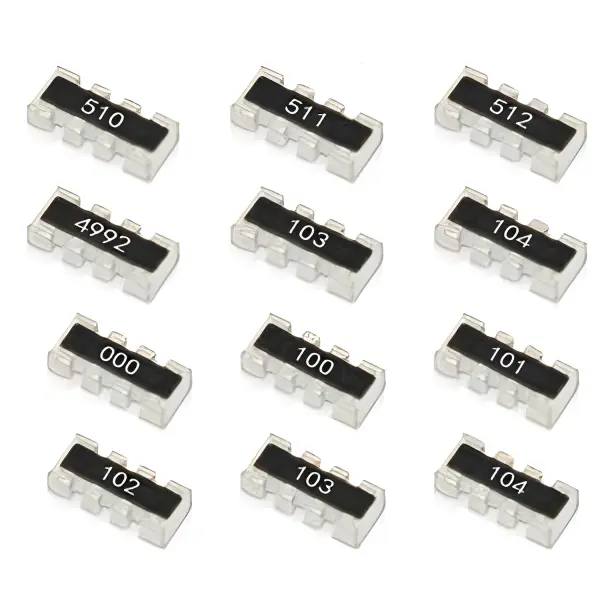 Resistor Networks, Arrays
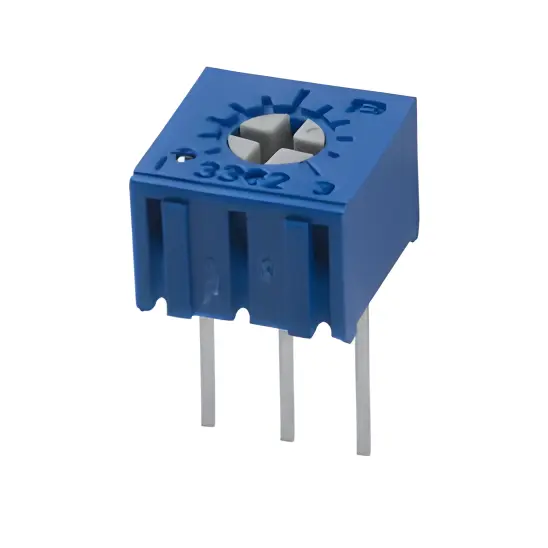 Potentiometers,Variable Resistors
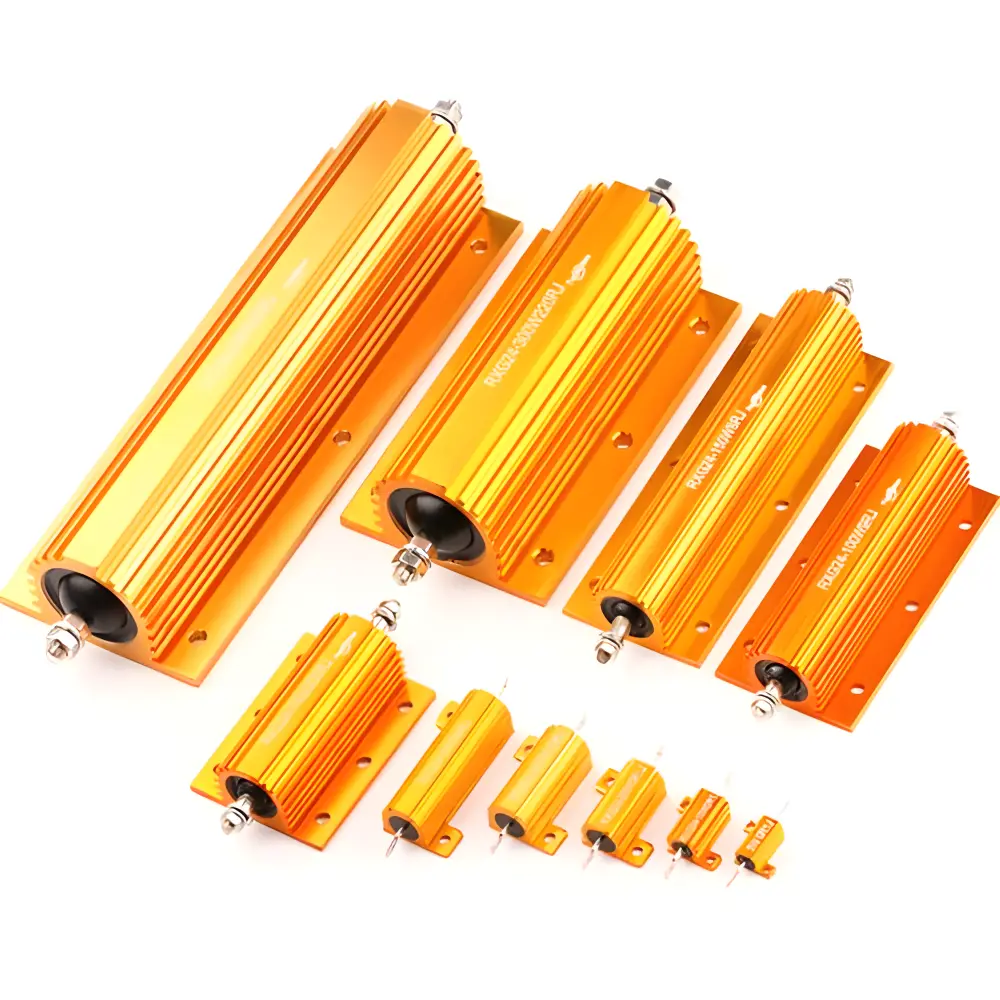 Aluminum Case,Porcelain Tube Resistance
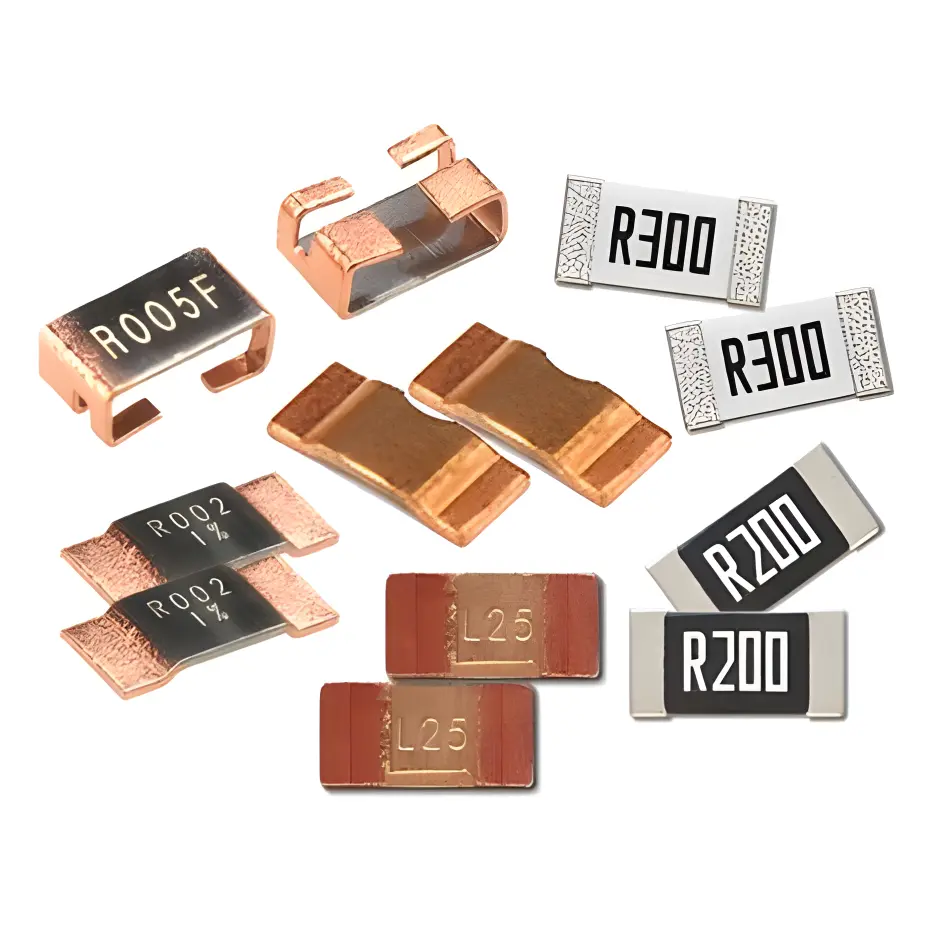 Current Sense Resistors,Shunt Resistors
 Switches
 Transistors
 Power Modules
 Isolated Power Modules
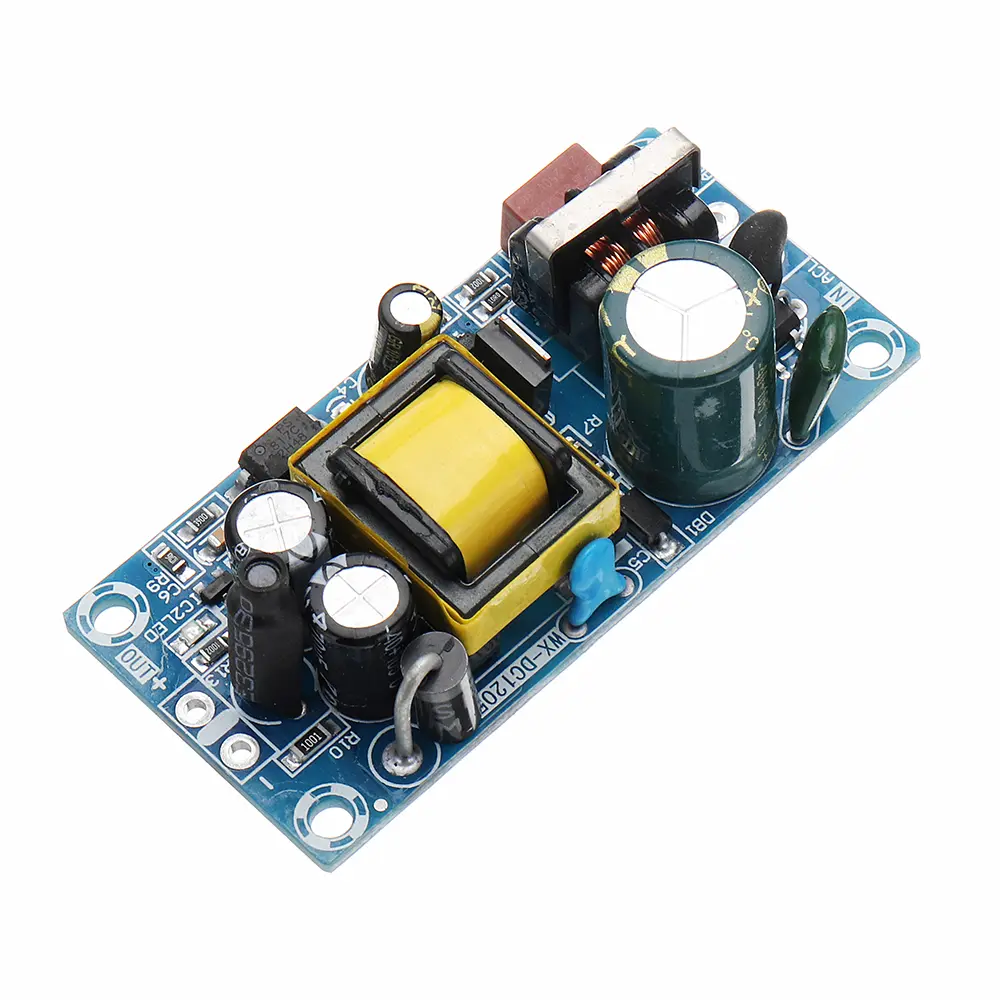 AC-DC Power Modules
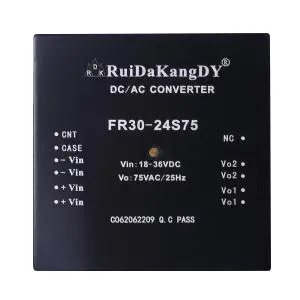 DC-AC Module(Inverter)
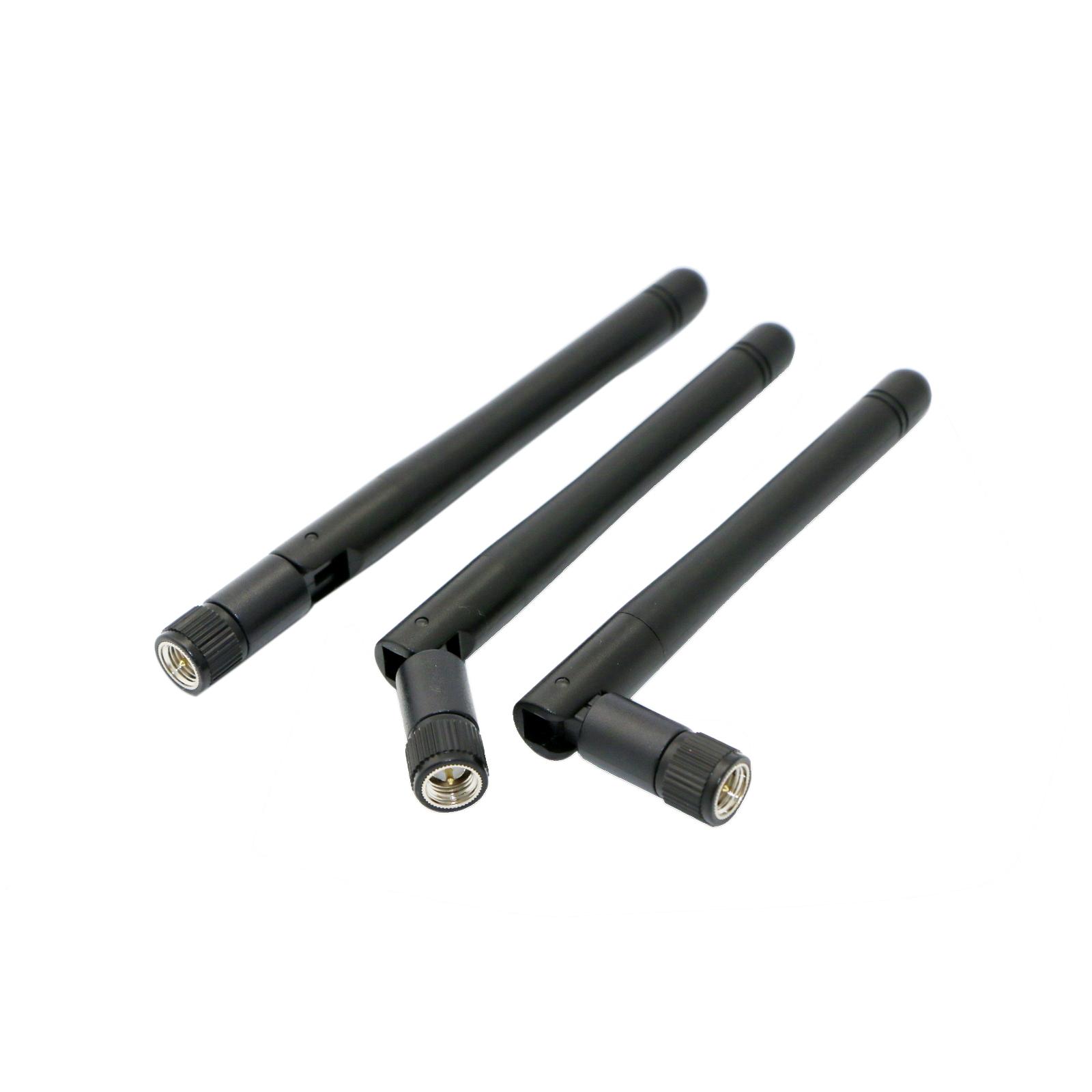 RF and Wireless
Temperature Reduction Difference Between Thermal Vias and Thermal Copper Foil in PCB Design
2025-11-05

In modern electronic systems, effective thermal management is critical to ensuring component reliability, extending service life, and maintaining optimal peRFormance—especially for high-power devices (>1W) that generate significant heat during operation. Among the most widely used passive thermal solutions in PCB design are thermal vias and thermal copper foil. While both aim to dissipate heat away from heat-generating components, their temperature reduction capabilities vary significantly due to differences in heat transfer mechanisms, structural characteristics, and application scenarios. This article details the temperature reduction magnitude of each solution and analyzes the key factors driving their performance differences.
1. Heat Transfer Mechanisms: Fundamentals of Thermal Vias and Thermal Copper Foil
To understand their temperature reduction differences, it is first necessary to clarify how each solution transfers heat:
- Thermal copper foil: Functions primarily through lateral (in-plane) heat conduction. The copper foil, with a high thermal conductivity (≈385 W/m·K for pure copper), acts as a "heat spreader"—absorbing heat directly from the component’s pad or thermal pad, then spreading it across a larger area of the PCB. Heat is ultimately dissipated to the surrounding environment via natural convection or radiation from the foil’s surface. Its heat transfer efficiency depends heavily on the foil’s area, thickness, and continuity (avoiding excessive cuts or gaps).
- Thermal vias: Enable vertical (through-plane) heat conduction. These are plated through-holes (PTH) placed directly under or near heat-generating components, filled with solder or thermal epoxy. They create a low-resistance path for heat to transfer from the component’s mounting layer to other PCB layers (e.g., inner copper planes, bottom layer) or even to external heat sinks. By leveraging vertical conduction, thermal vias bypass the limitations of lateral heat spread and can direct heat to cooler regions more efficiently. Their performance is determined by parameters such as via diameter, quantity, pitch, and whether they are filled.
2. Typical Temperature Reduction Ranges: Comparative Data
Based on industry test data, SIMulation results, and practical engineering experience, the temperature reduction capabilities of thermal vias and thermal copper foil (for high-power components like voltage regulators, MOSFETs, or LEDs) exhibit distinct differences:
2.1 Thermal Copper Foil: Moderate, Area-Dependent Cooling
The temperature reduction achieved by thermal copper foil typically ranges from 3°C to 12°C, with the following typical scenarios:
- Basic application (small area, 1oz copper): For a 5W MOSFET mounted on a 1oz (35μm) copper pad of 10mm×10mm, thermal copper foil alone reduces the component temperature by approximately 3–5°C compared to a standard solder pad (without extended copper).
- Optimized design (large continuous area, 2oz copper): When the thermal pad is extended to a 30mm×30mm continuous copper area (2oz, 70μm) without traces or cuts, the temperature reduction increases to 8–12°C. The thicker copper and larger area reduce lateral thermal resistance, enhancing heat spreading.
- Limitation: Beyond a certain area (e.g., 50mm×50mm for 2oz copper), the marginal gain in temperature reduction diminishes. For example, expanding from 30mm×30mm to 50mm×50mm may only add 1–2°C of cooling, as convection from the foil’s surface becomes the bottleneck.
2.2 Thermal Vias: Significant, Vertical-Conduction-Driven Cooling
Thermal vias consistently deliver greater temperature reduction, ranging from 8°C to 25°C, and often outperform thermal copper foil—especially for components with high power densities:
- Basic configuration (few vias, unfilled): A 5W component with 4 thermal vias (0.4mm diameter, pitch 2mm) under its thermal pad reduces temperature by 8–12°C, matching the performance of an optimized thermal copper foil design.
- Optimized configuration (multiple filled vias): For the same 5W component, 16 filled thermal vias (0.3mm diameter, pitch 1mm) connected to a 2oz inner copper plane can reduce temperature by 15–20°C. Filled vias eliminate air gaps (which have low thermal conductivity, ≈0.026 W/m·K) and improve contact with copper planes, minimizing vertical thermal resistance.
- High-power scenarios (>10W): For a 15W LED module, thermal vias (24 filled vias + inner copper plane) reduce temperature by 20–25°C, while thermal copper foil (40mm×40mm, 2oz) only achieves 7–10°C cooling. Here, vertical conduction to inner layers (which have larger effective cooling areas) becomes far more efficient than lateral spreading alone.
2.3 Combined Use: Synergistic Cooling
When thermal vias are paired with thermal copper foil (e.g., vias under the component connected to extended copper planes), the temperature reduction is additive, ranging from 15°C to 30°C. For example, a 10W voltage regulator with 12 filled thermal vias and a 30mm×30mm 2oz thermal pad can achieve 22–28°C cooling—far exceeding the performance of either solution alone.
3. Key Factors Explaining the Temperature Reduction Gap
The significant difference in cooling effectiveness between thermal vias and thermal copper foil stems from three core factors:
3.1 Thermal Resistance
Thermal resistance (Rₜₕ) determines heat transfer efficiency. Thermal copper foil has higher lateral thermal resistance (typically 10–30°C/W for a 10mm×10mm 1oz pad) due to the limited speed of in-plane heat spread. In contrast, thermal vias offer much lower vertical thermal resistance (1–5°C/W for 4–16 filled vias), as copper’s vertical conduction is unimpeded by PCB substrate materials (e.g., FR-4, thermal conductivity ≈0.3–0.5 W/m·K) which act as insulators for lateral heat flow.
3.2 Heat Dissipation Path
Thermal copper foil relies solely on the surface area of the foil exposed to the environment, which is limited by the PCB’s footprint. Thermal vias, however, can transfer heat to multiple layers (inner copper planes, bottom layer) and even external heat sinks or metal enclosures, creating additional dissipation paths. Inner copper planes, in particular, act as "hidden heat spreaders" with large effective areas, significantly enhancing heat loss.
3.3 Power Density Adaptability
For low-power components (<1W), the temperature reduction gap is minimal—thermal copper foil may suffice. But as power density increases (>5W/mm²), thermal copper foil cannot spread heat fast enough, leading to localized hotspots. Thermal vias directly channel these concentrated hotspots to cooler layers, making them far more effective for high-power-density devices.
4. Application Scenarios: Choosing the Right Solution
The choice between thermal vias and thermal copper foil depends on power requirements, PCB space, and cost constraints:
- Use thermal copper foil for low-power components (<3W), space-constrained PCBs where vias cannot be placed, or as a supplementary solution for moderate heat generation.
- Prioritize thermal vias for high-power (>3W) or high-power-density components, multi-layer PCBs, or applications requiring strict temperature control (e.g., automotive electronics, industrial power supplies).
- For critical high-power systems (>10W), always combine thermal vias with thermal copper planes to maximize cooling efficiency.
In PCB thermal management, thermal vias outperform thermal copper foil in temperature reduction by a significant margin—typically achieving 5–15°C more cooling for high-power components. While thermal copper foil delivers moderate cooling (3–12°C) through lateral heat spreading, thermal vias leverage vertical conduction to bypass substrate thermal resistance, enabling cooling of 8–25°C (or higher when combined with copper planes). The key difference lies in thermal resistance, heat dissipation paths, and adaptability to high power densities. By understanding these differences, designers can select the optimal thermal solution to ensure component reliability and system performance.