
 PCB
PCB FPC
FPC Rigid-Flex
 FR-4
FR-4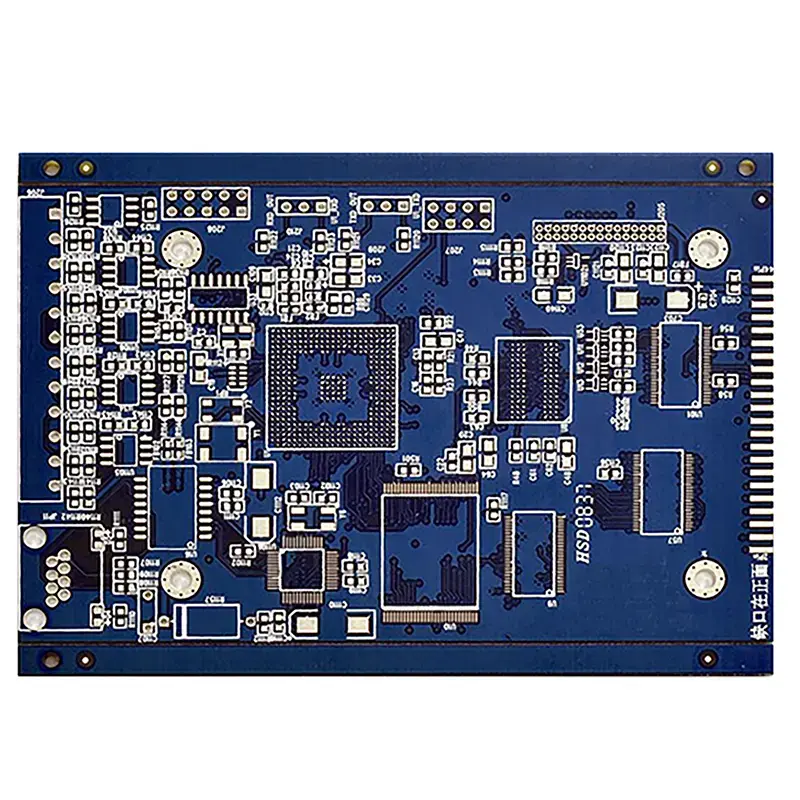 HDI PCB
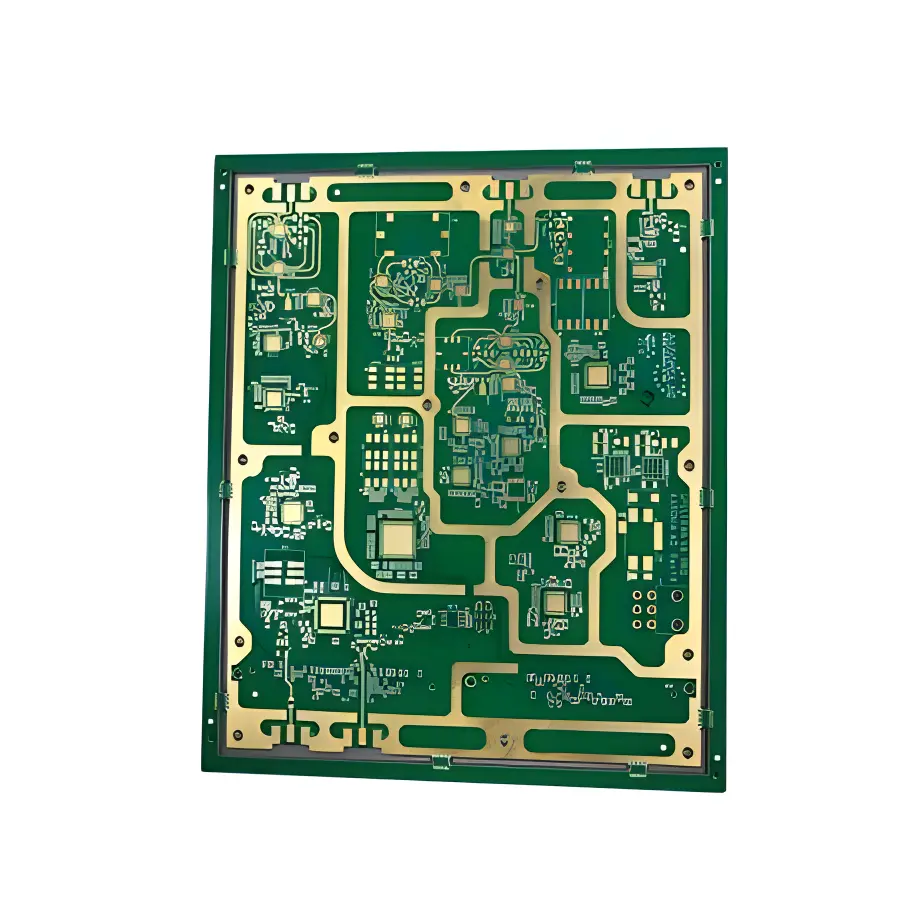 Rogers High-Frequency Board
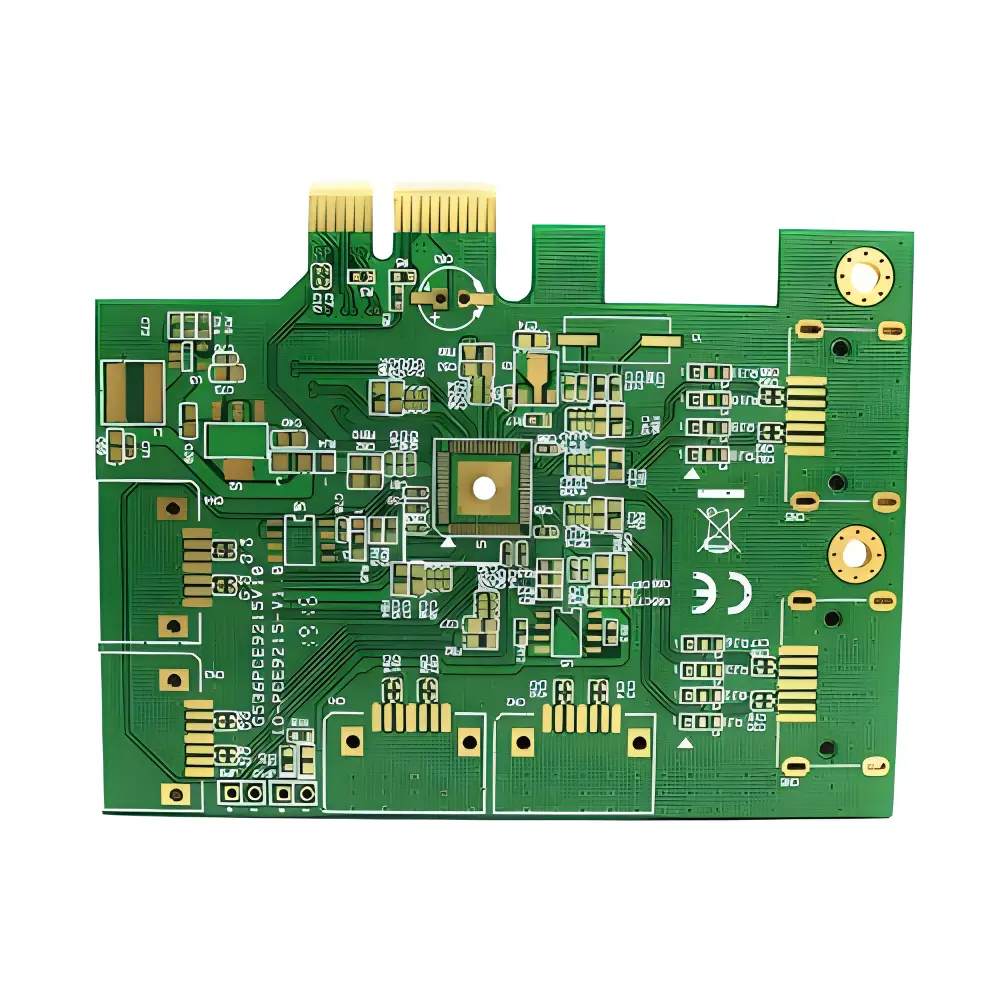 PTFE Teflon High-Frequency Board
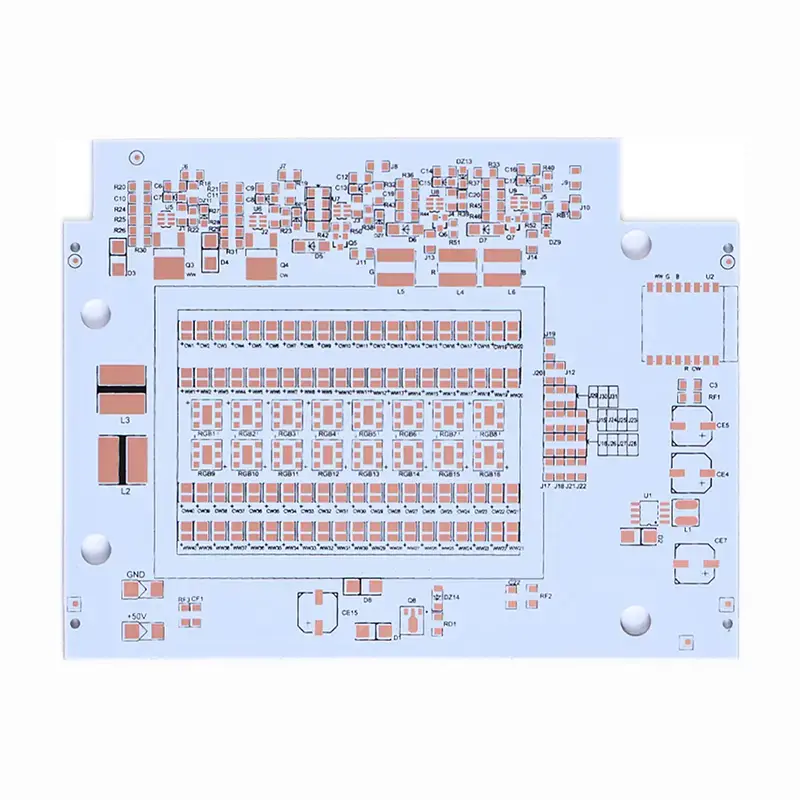 Aluminum
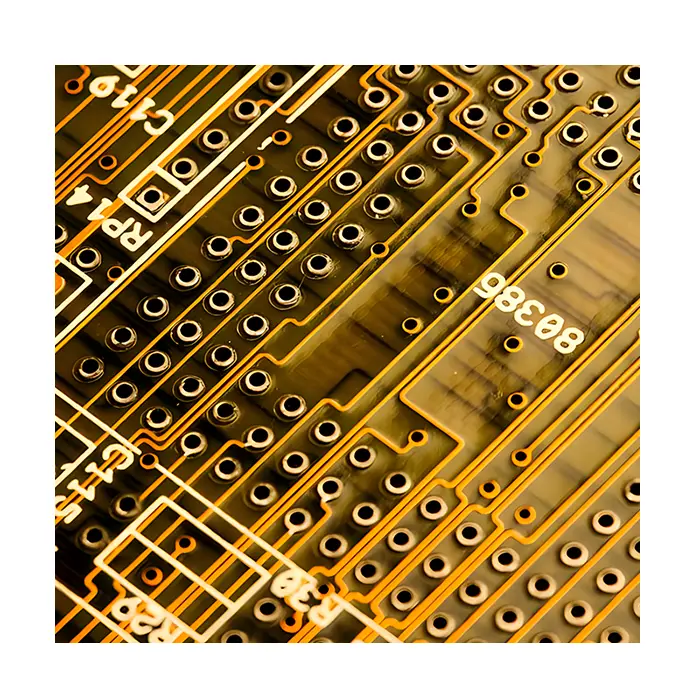 Copper Core
 PCB Assembly
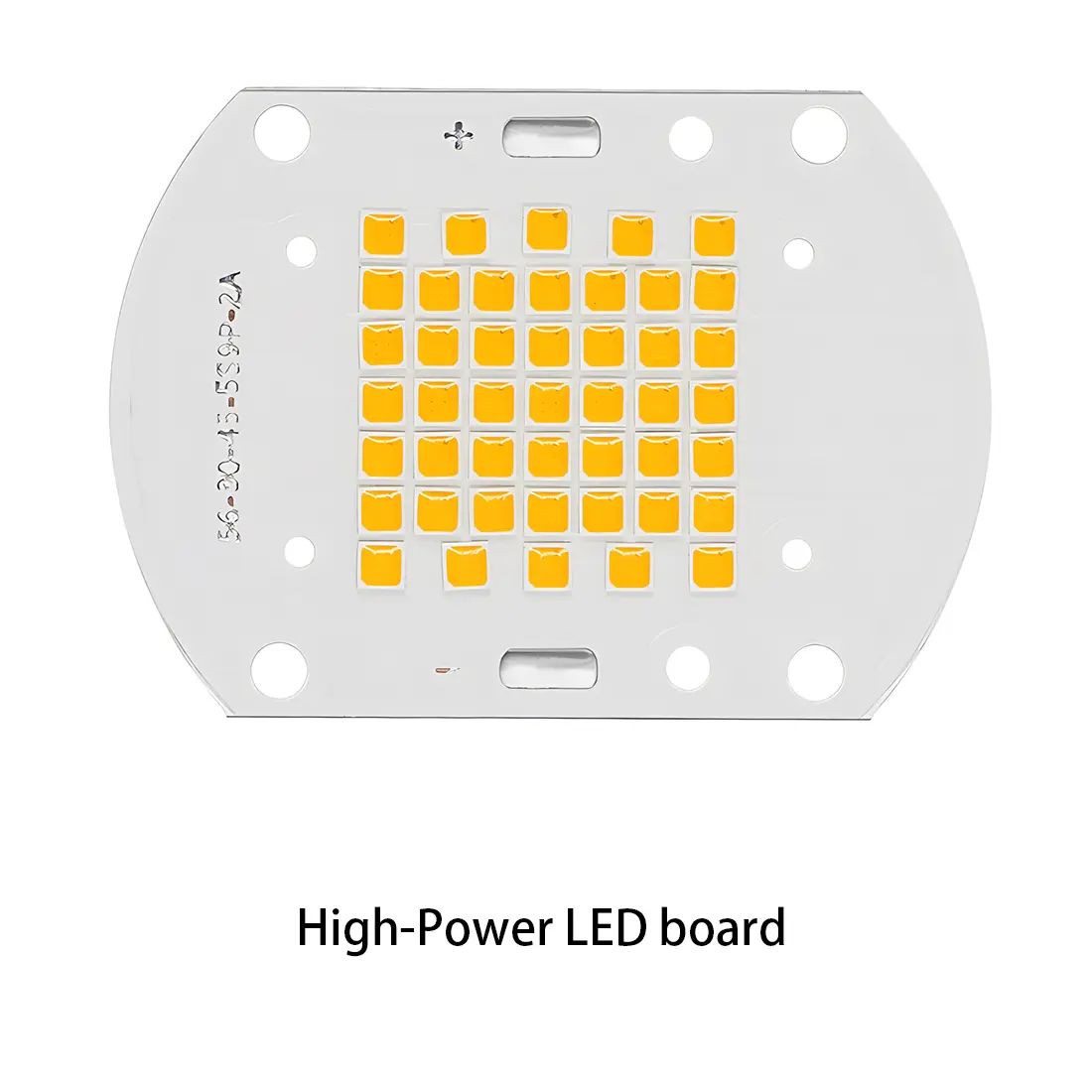 LED light PCBA
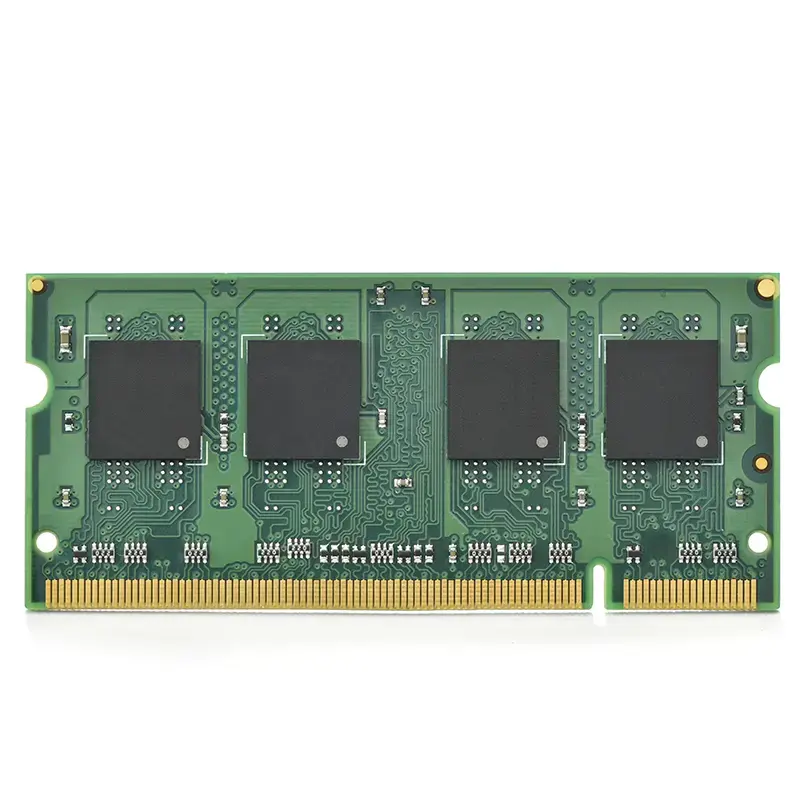
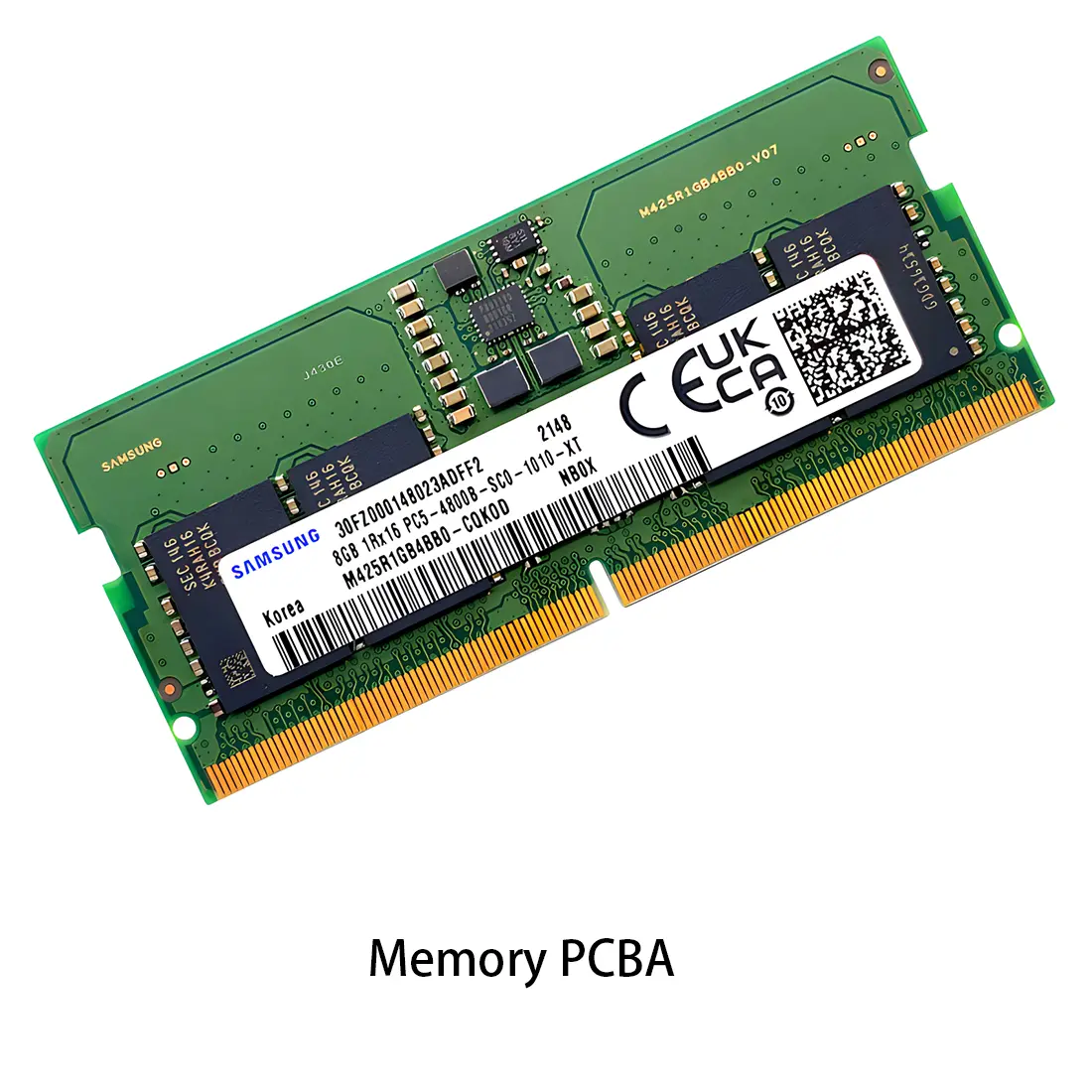 Memory PCBA
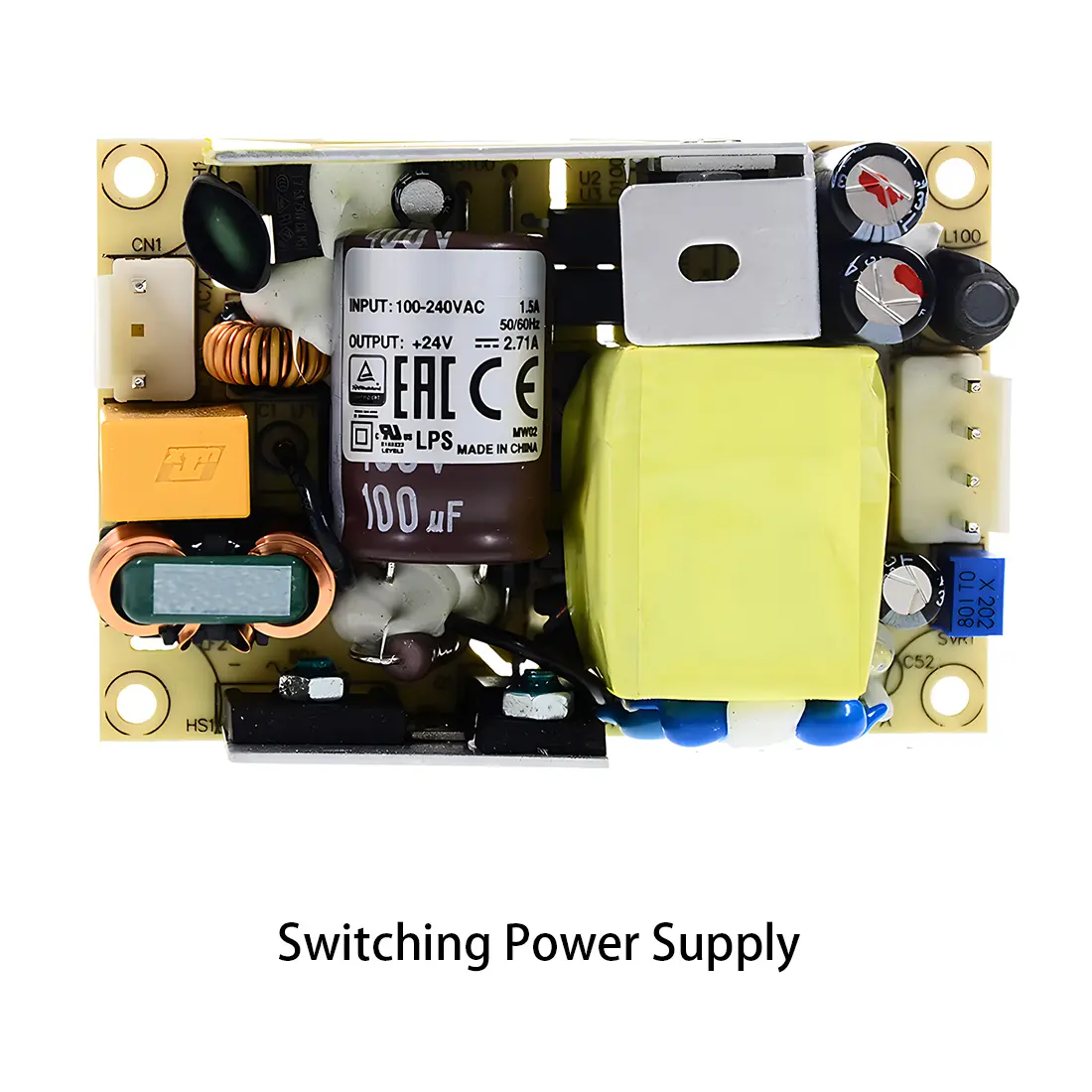 Power Supply PCBA
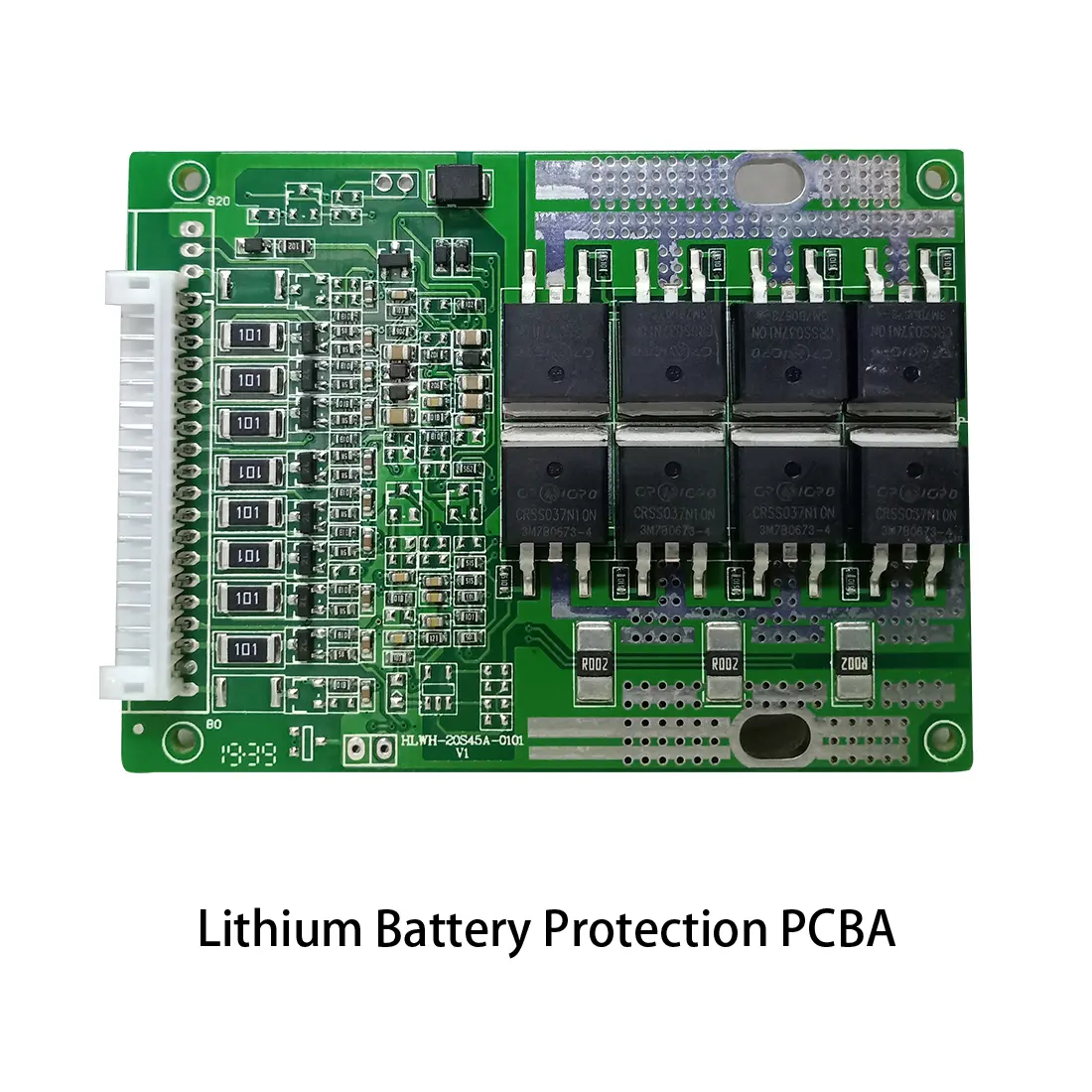 New Energey PCBA
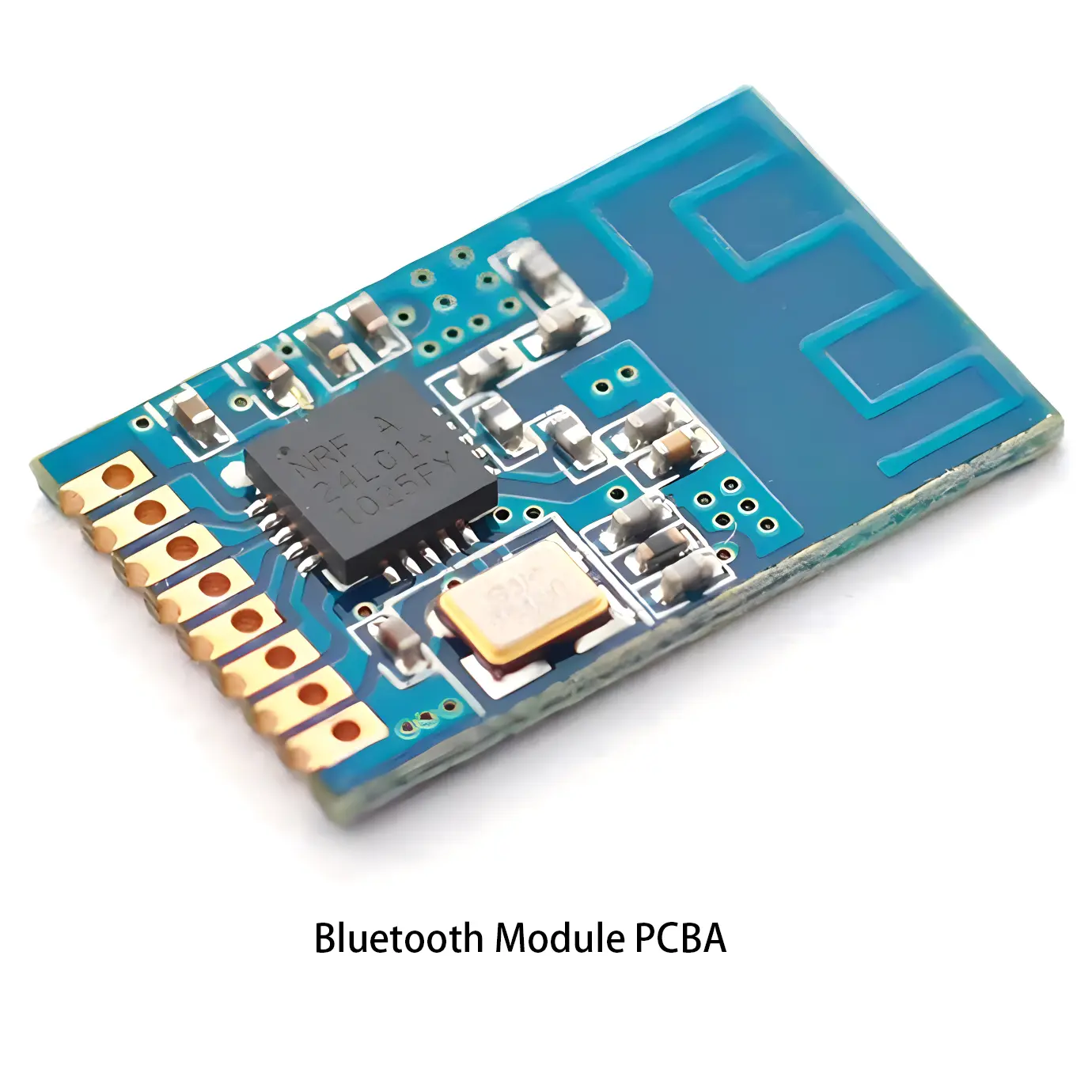 Communication PCBA
 Industrial Control PCBA
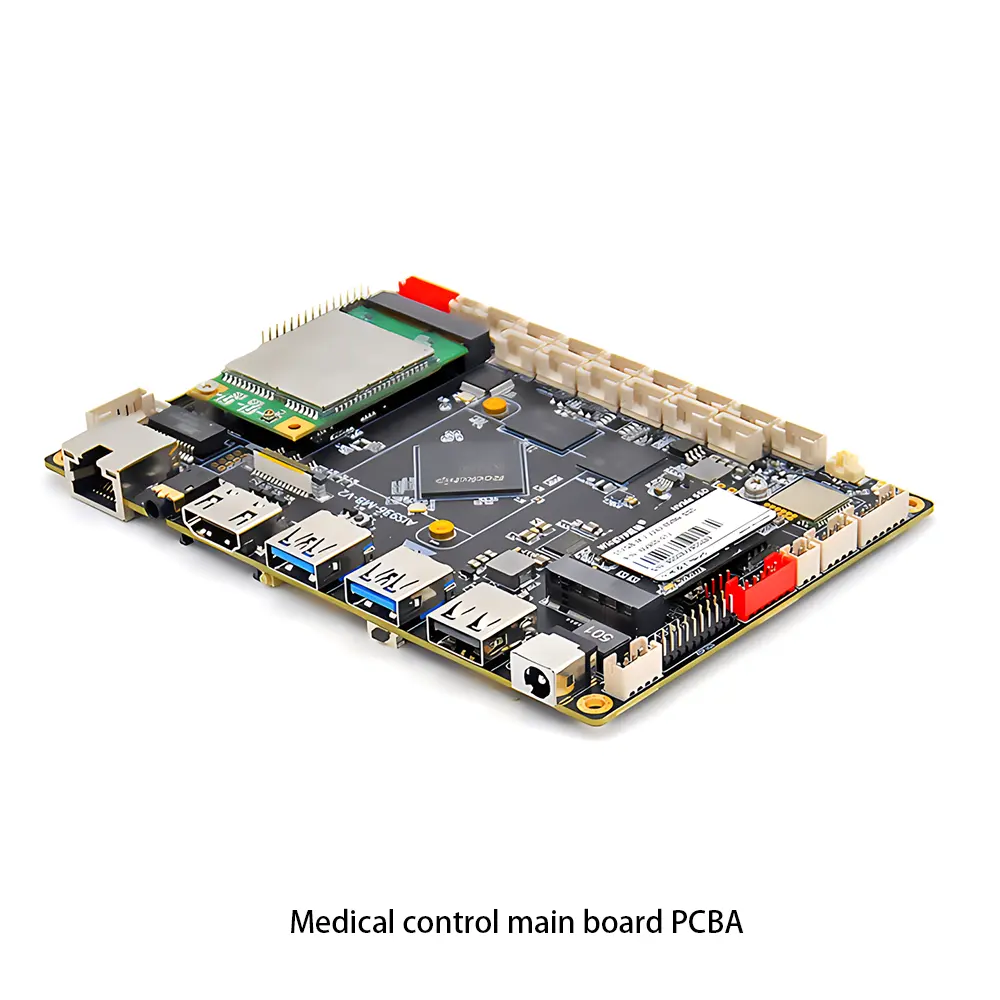 Medical Equipment PCBA
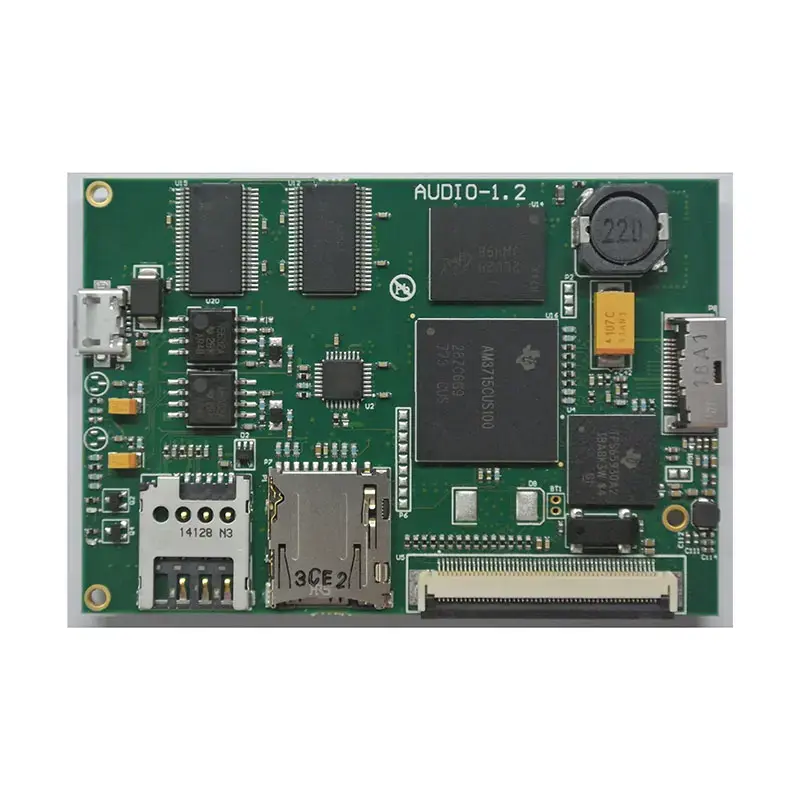 Testing Service
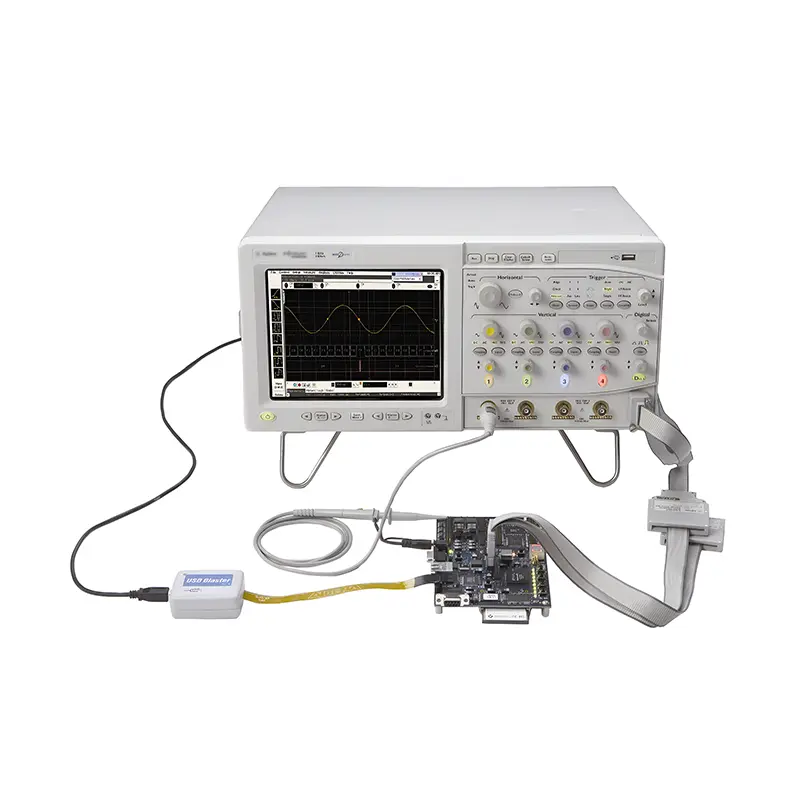 PCBA Testing Service
 Certification Application
 RoHS Certification Application
 REACH Certification Application
 CE Certification Application
 FCC Certification Application
 CQC Certification Application
 UL Certification Application
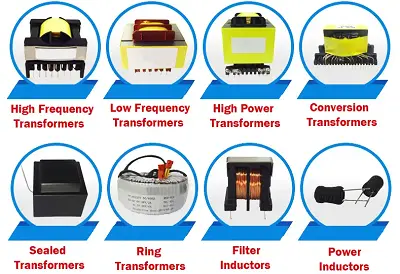 Transformers, Inductors
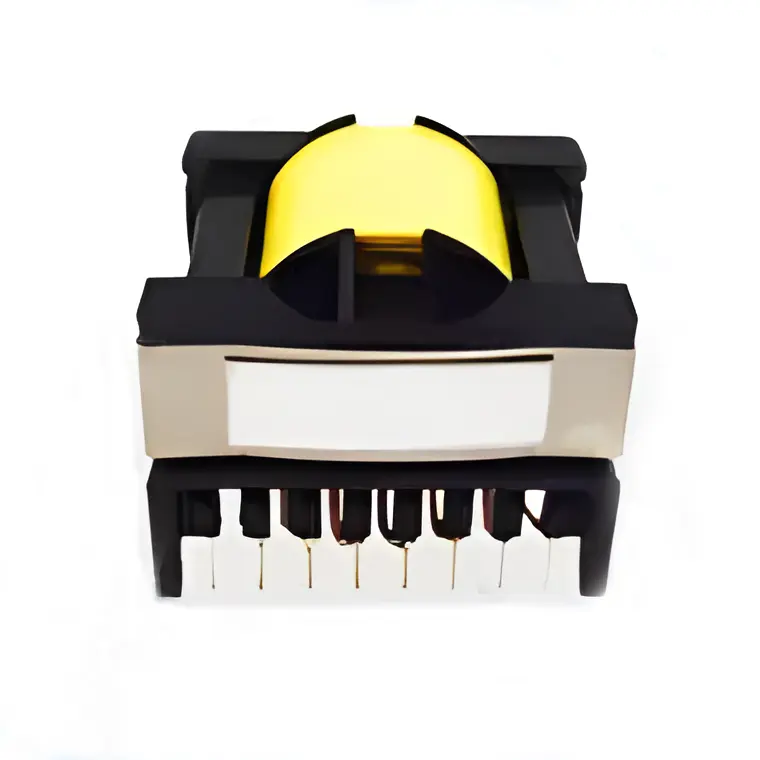 High Frequency Transformers
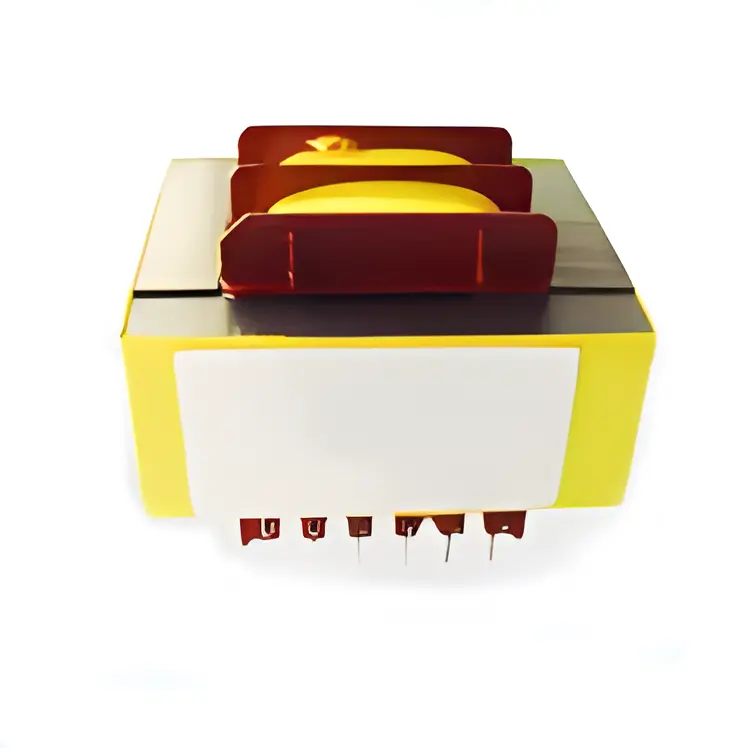 Low Frequency Transformers
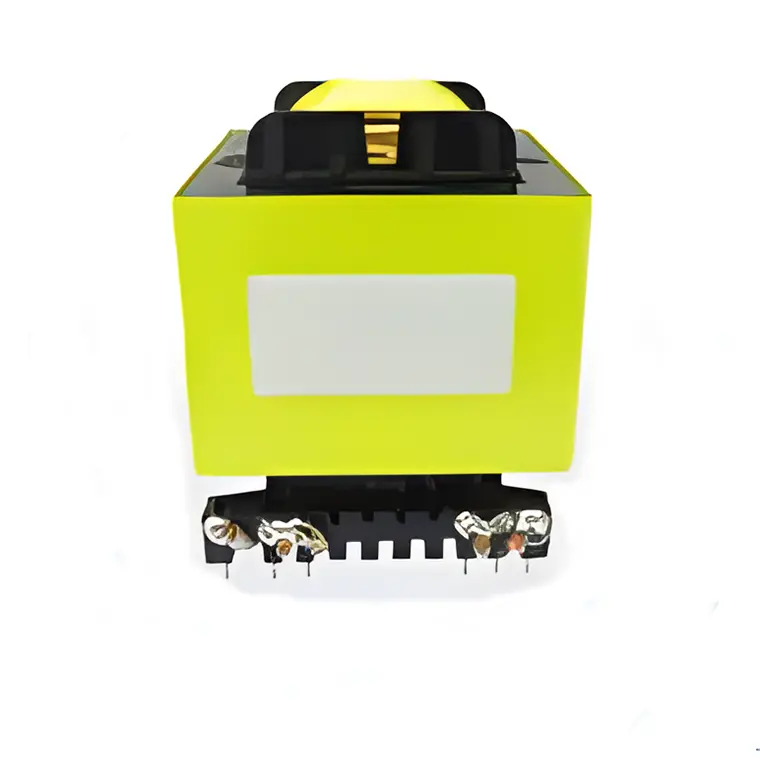 High Power Transformers
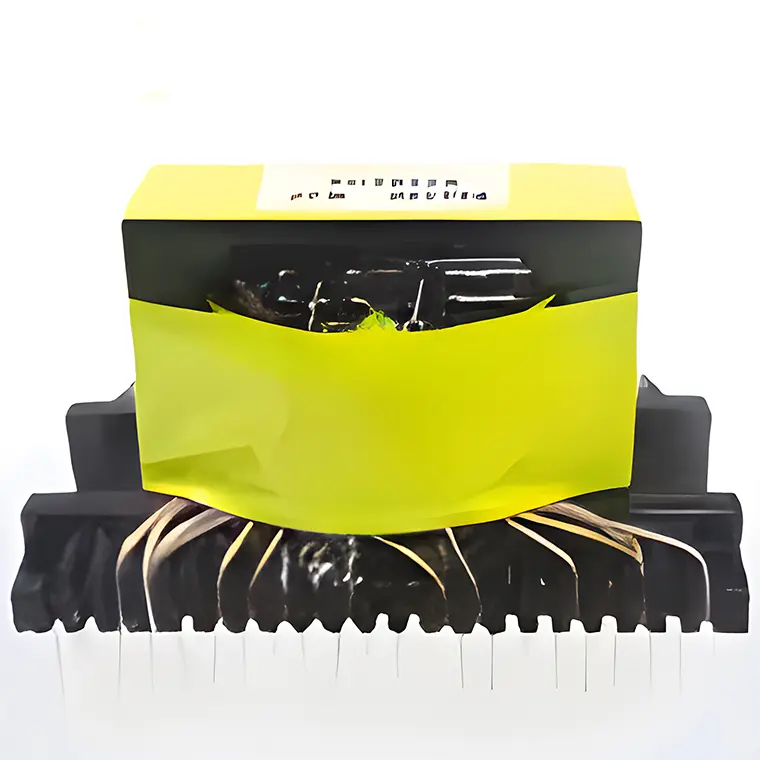 Conversion Transformers
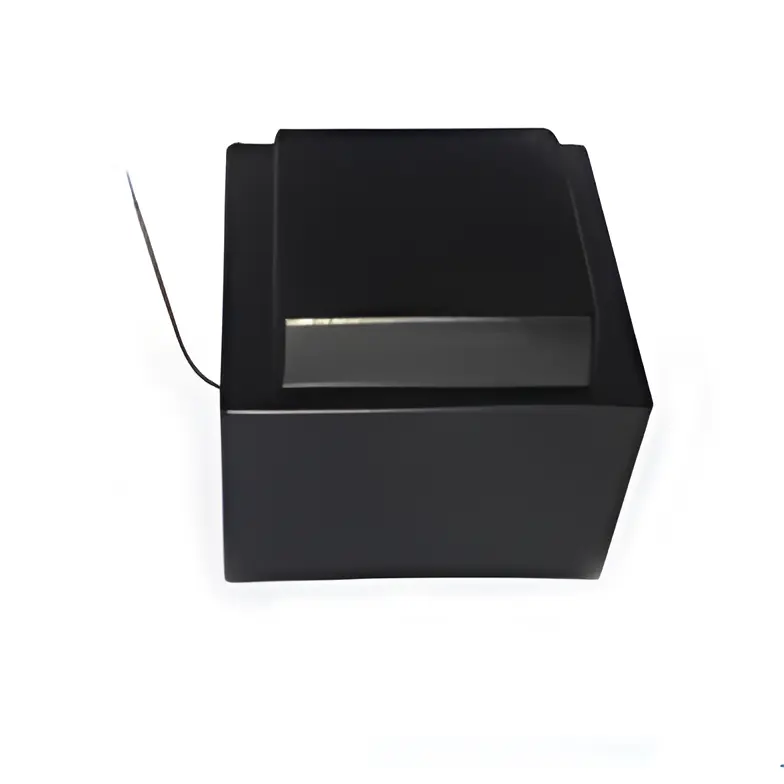 Sealed Transformers
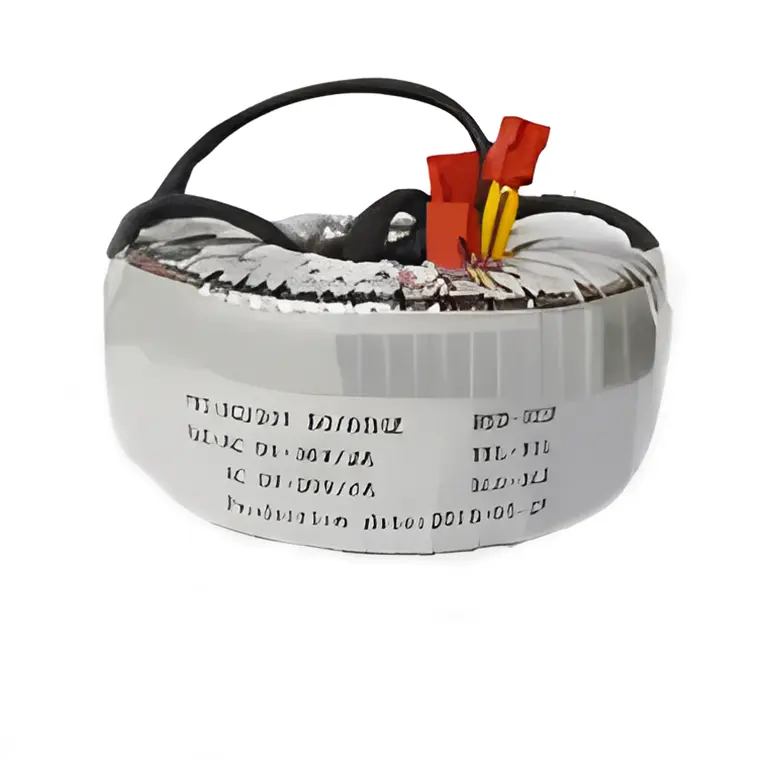 Ring Transformers
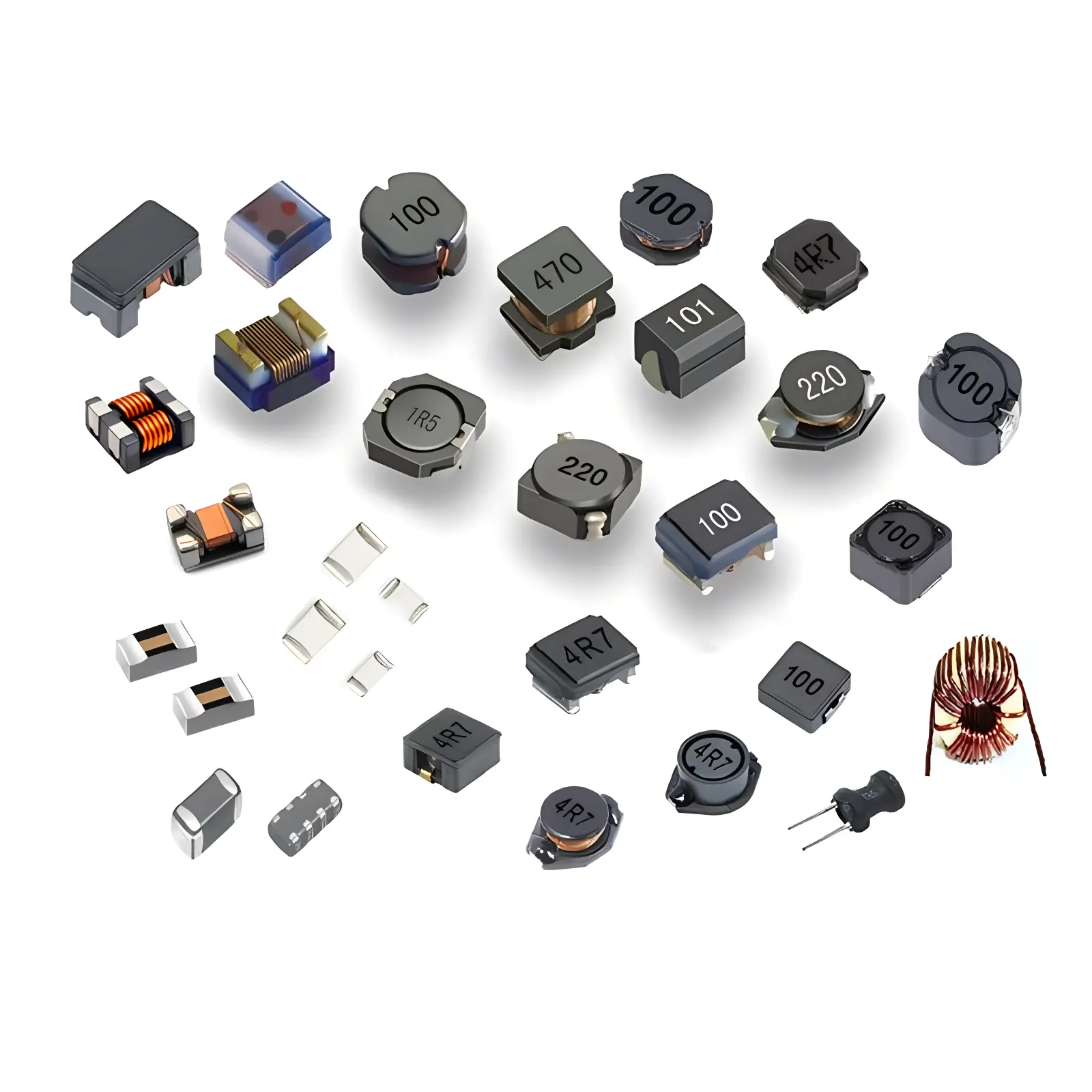 Inductors
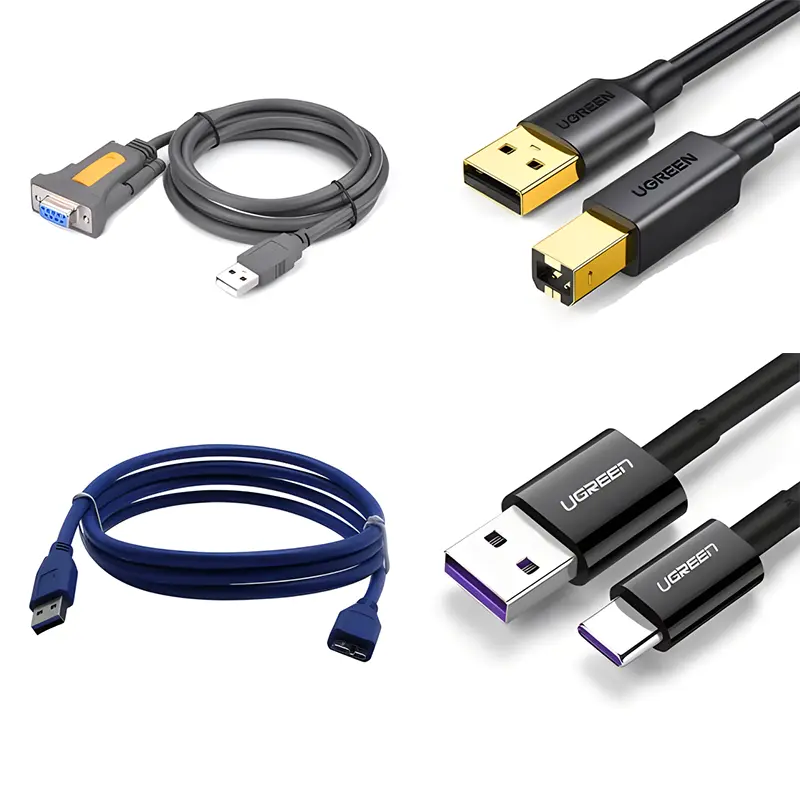 Wires,Cables Customized
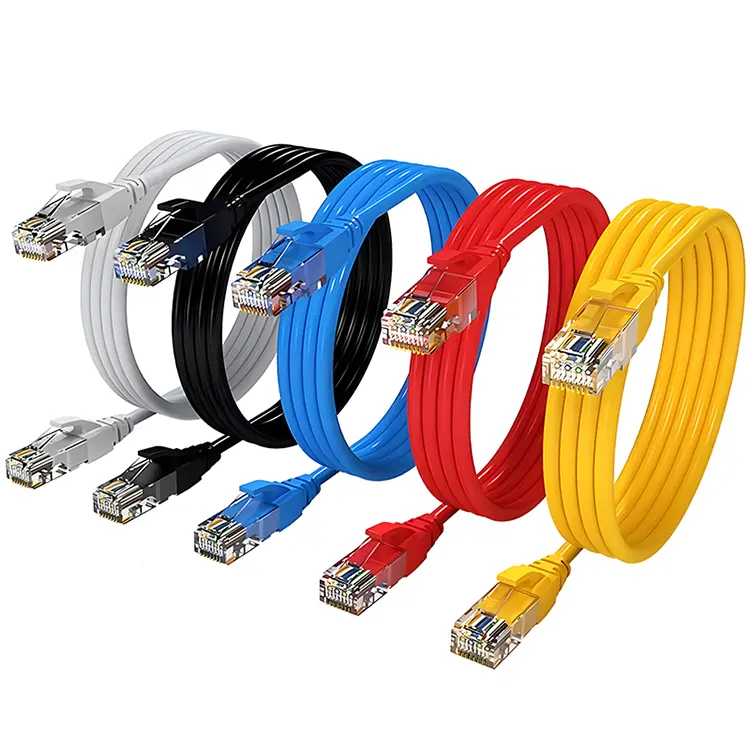 Network Cables
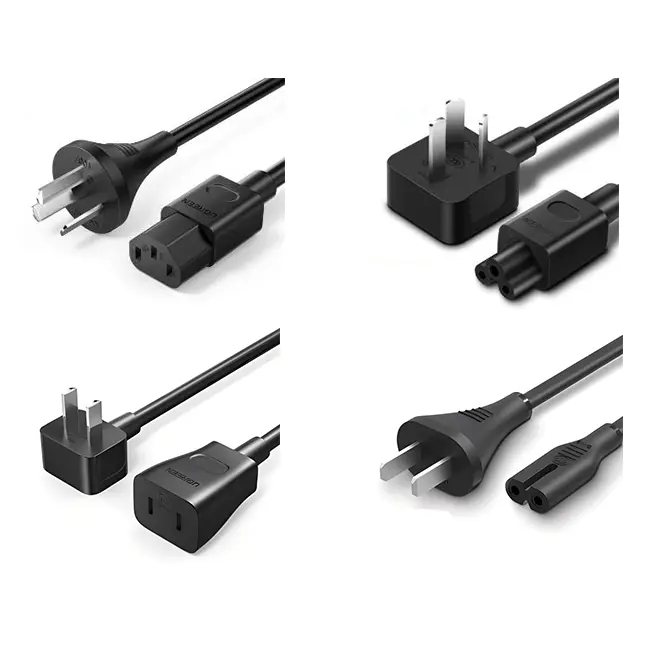 Power Cords
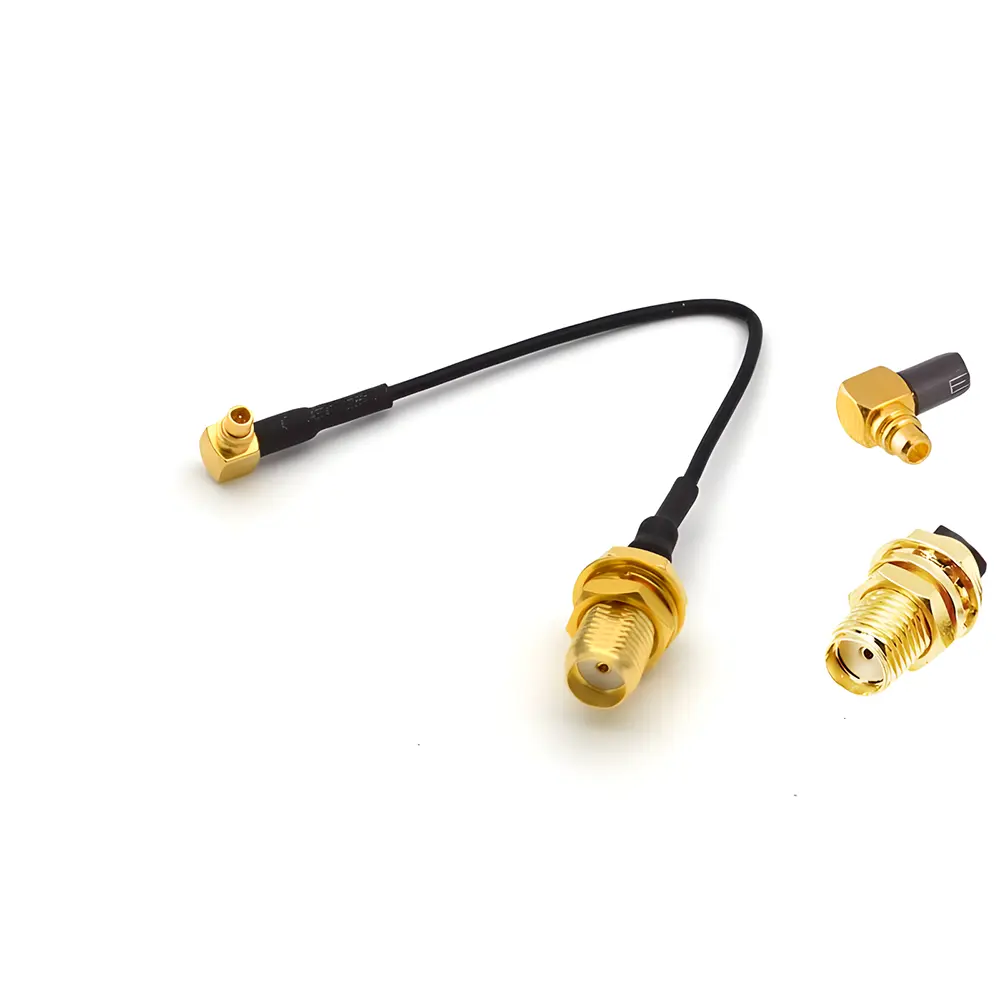 Antenna Cables
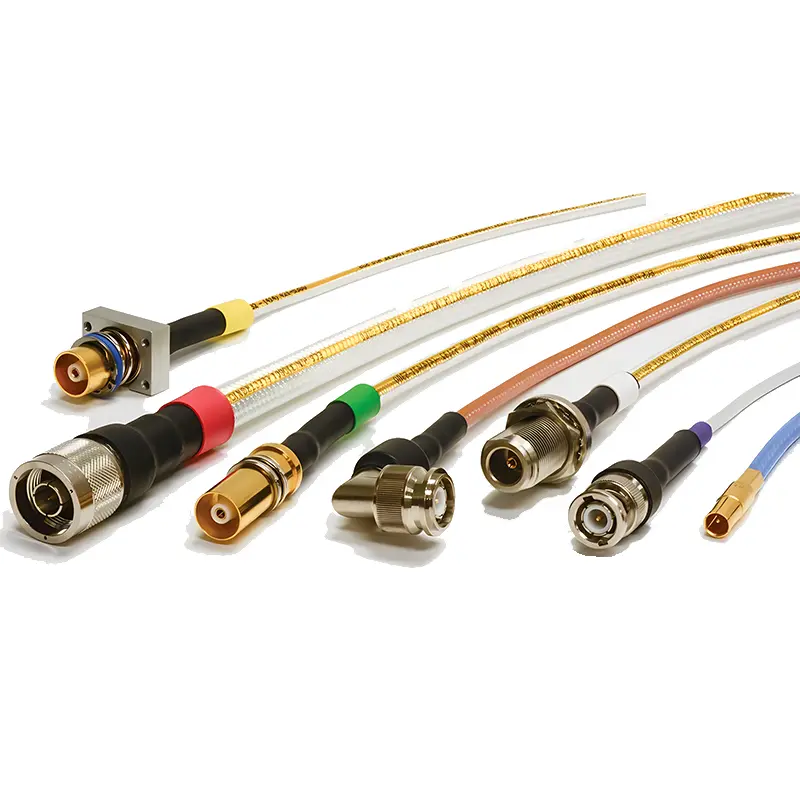 Coaxial Cables
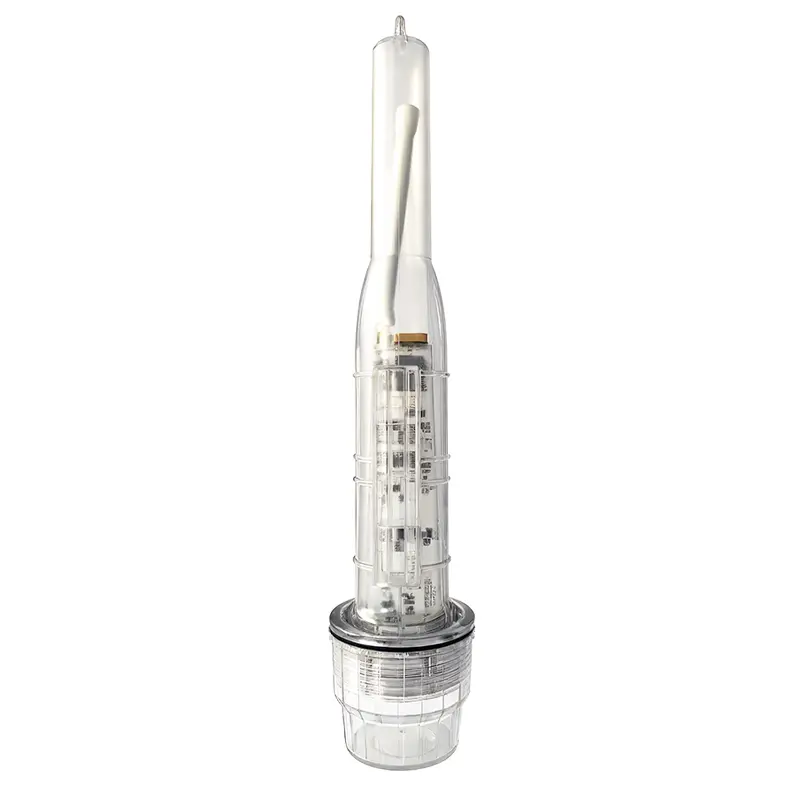 Net Position Indicator
 Solar AIS net position indicator
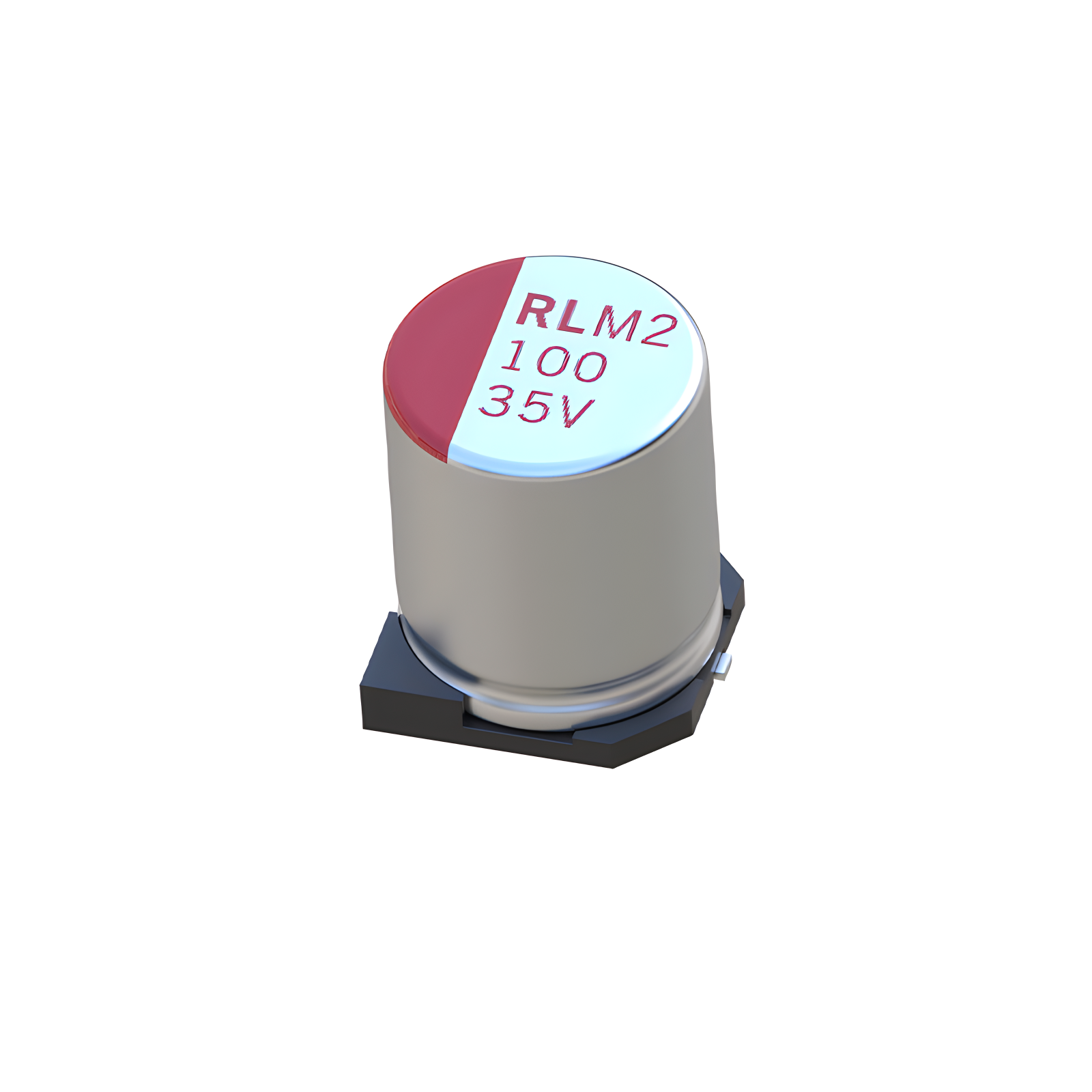 Capacitors
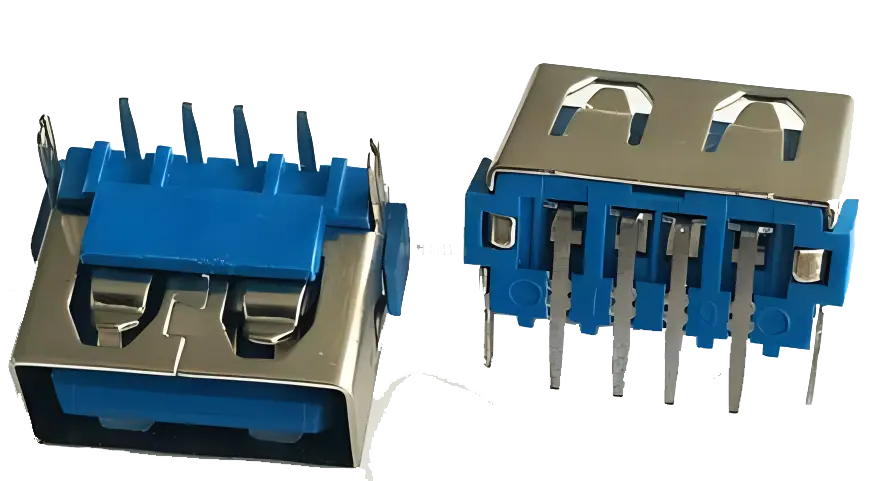 Connectors
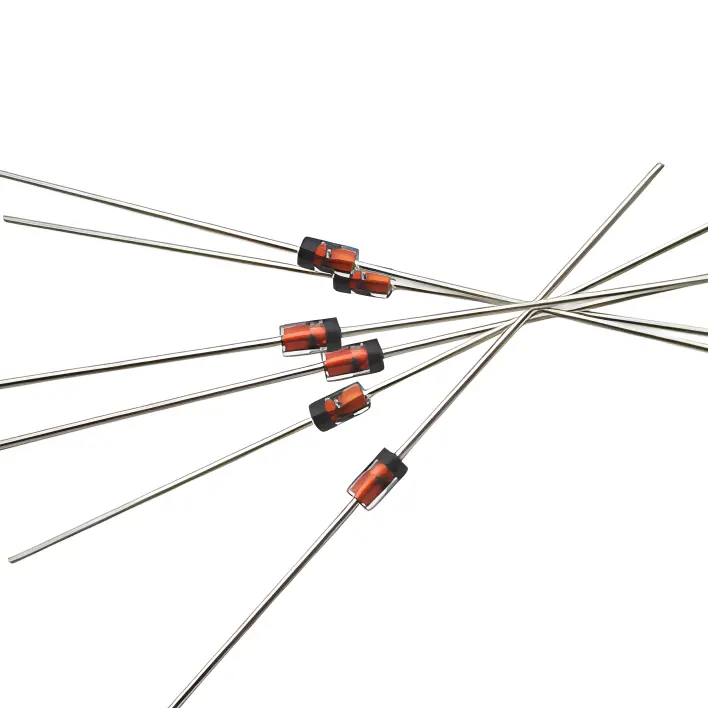 Diodes
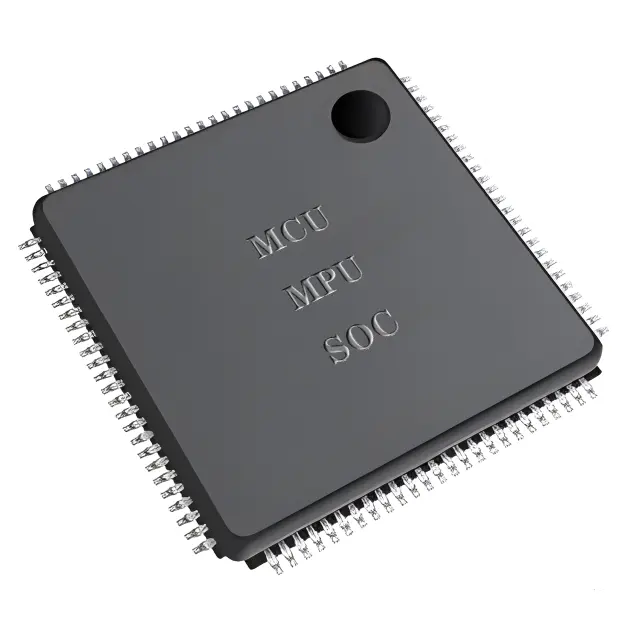 Embedded Processors & Controllers
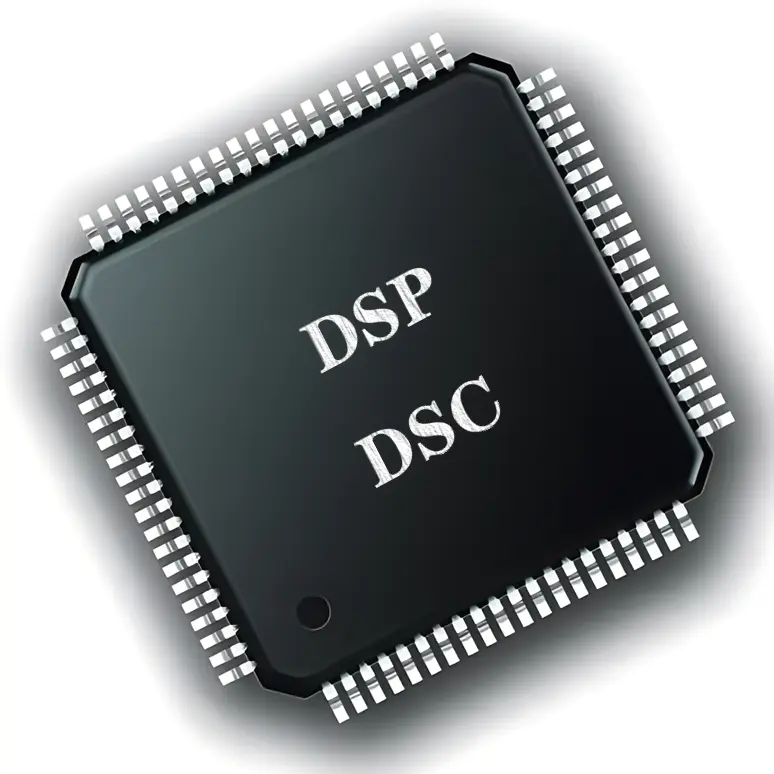 Digital Signal Processors (DSP/DSC)
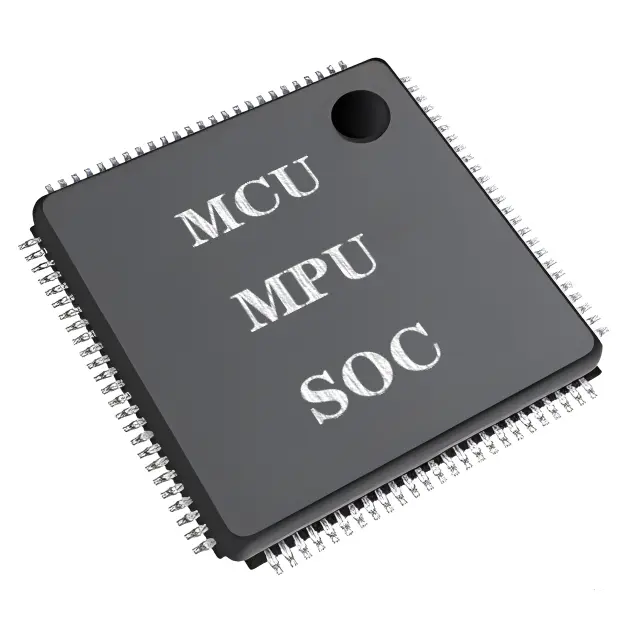 Microcontrollers (MCU/MPU/SOC)
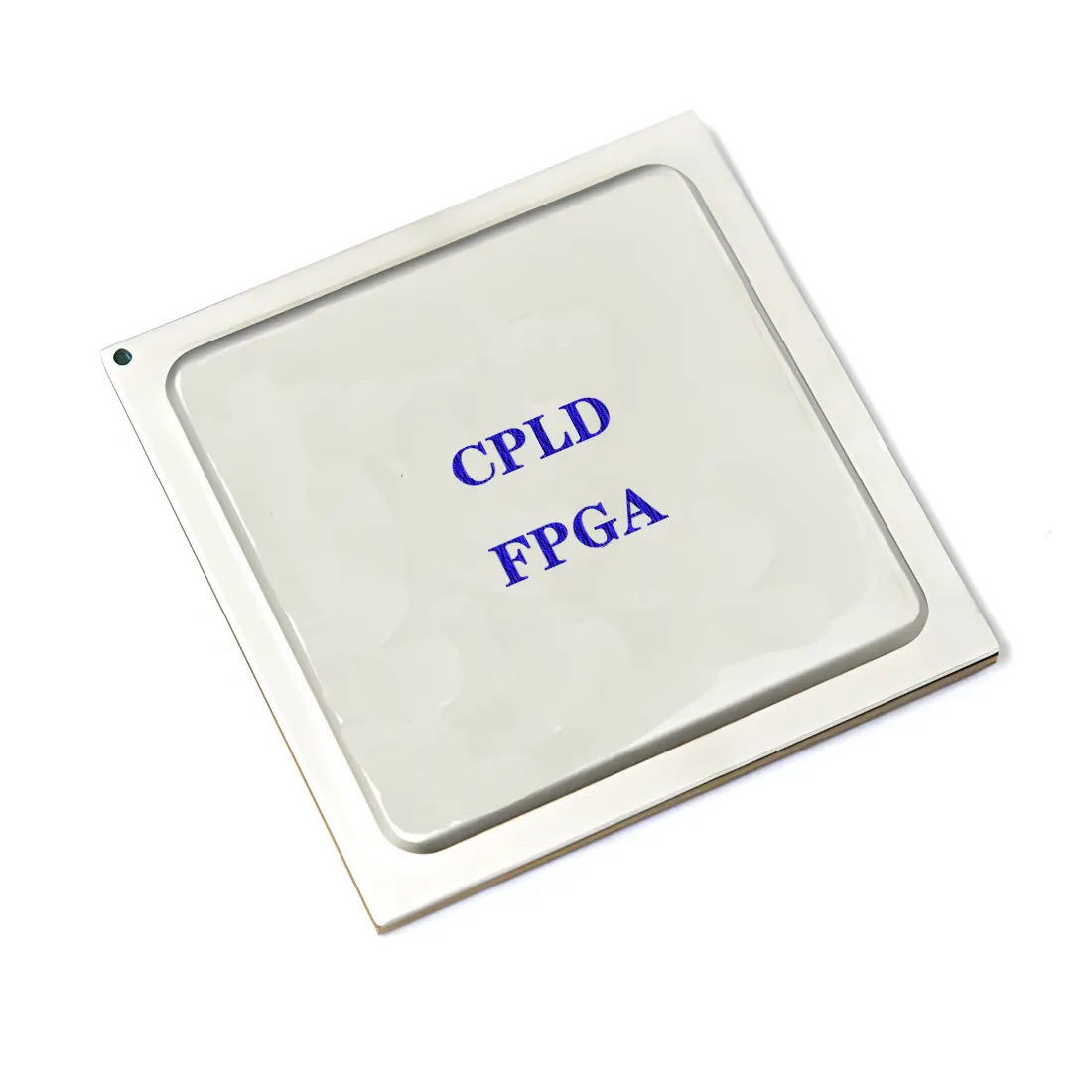 Programmable Logic Device(CPLD/FPGA)
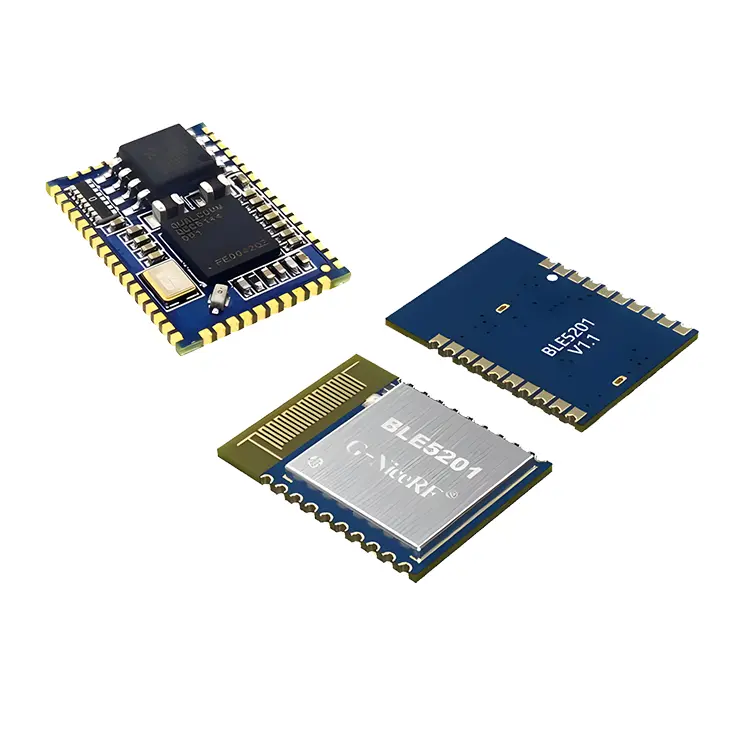 Communication Modules/IoT
 Resistors
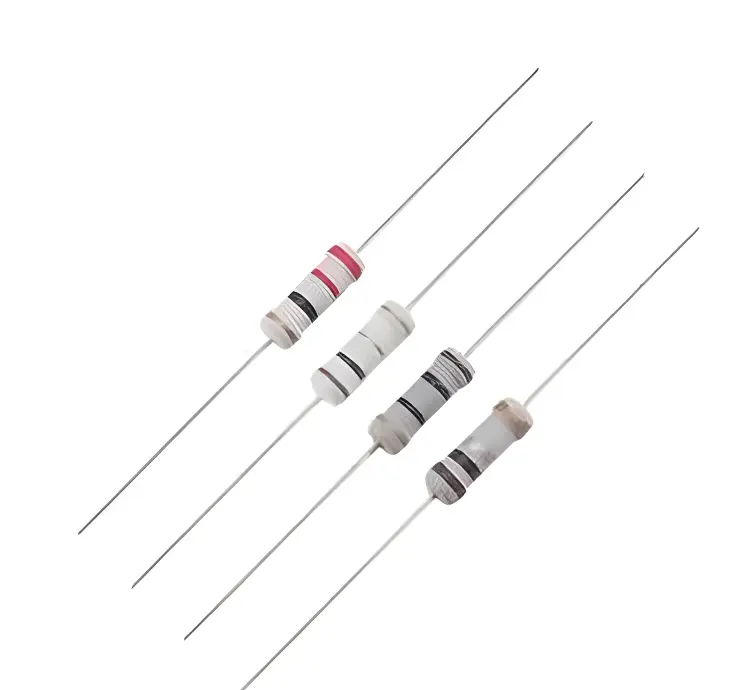 Through Hole Resistors
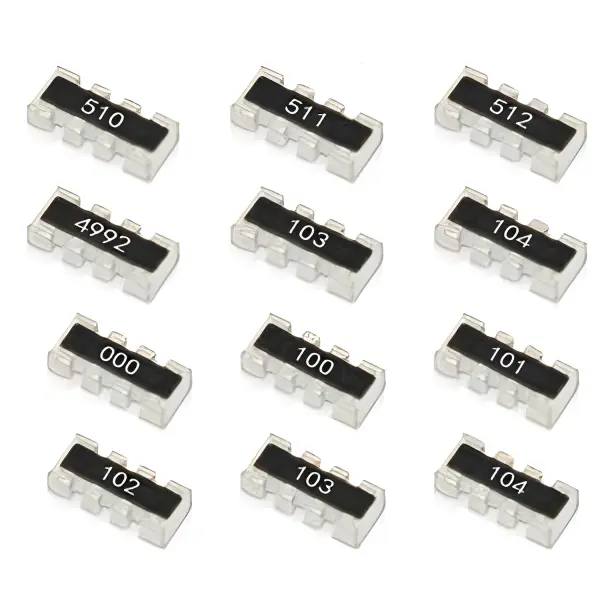 Resistor Networks, Arrays
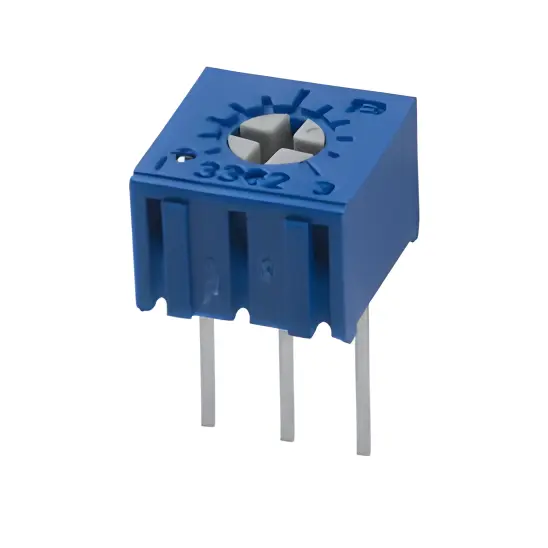 Potentiometers,Variable Resistors
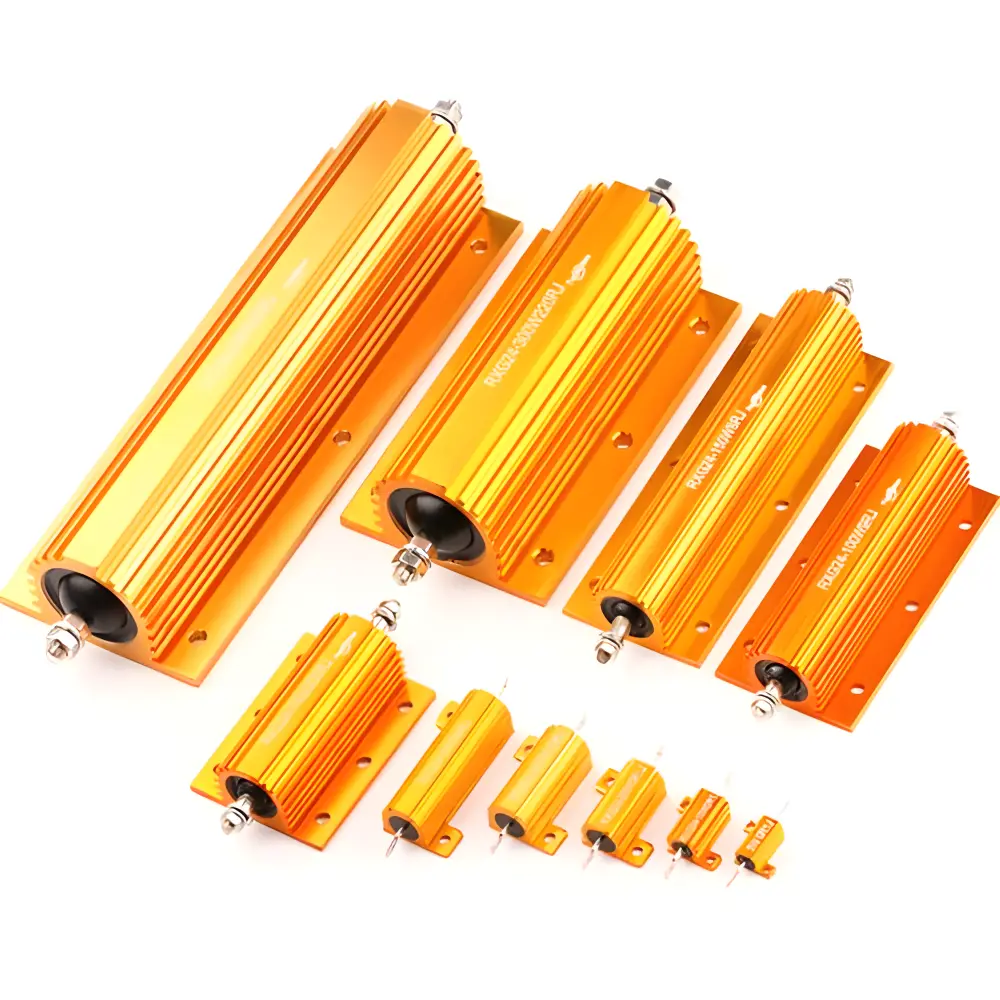 Aluminum Case,Porcelain Tube Resistance
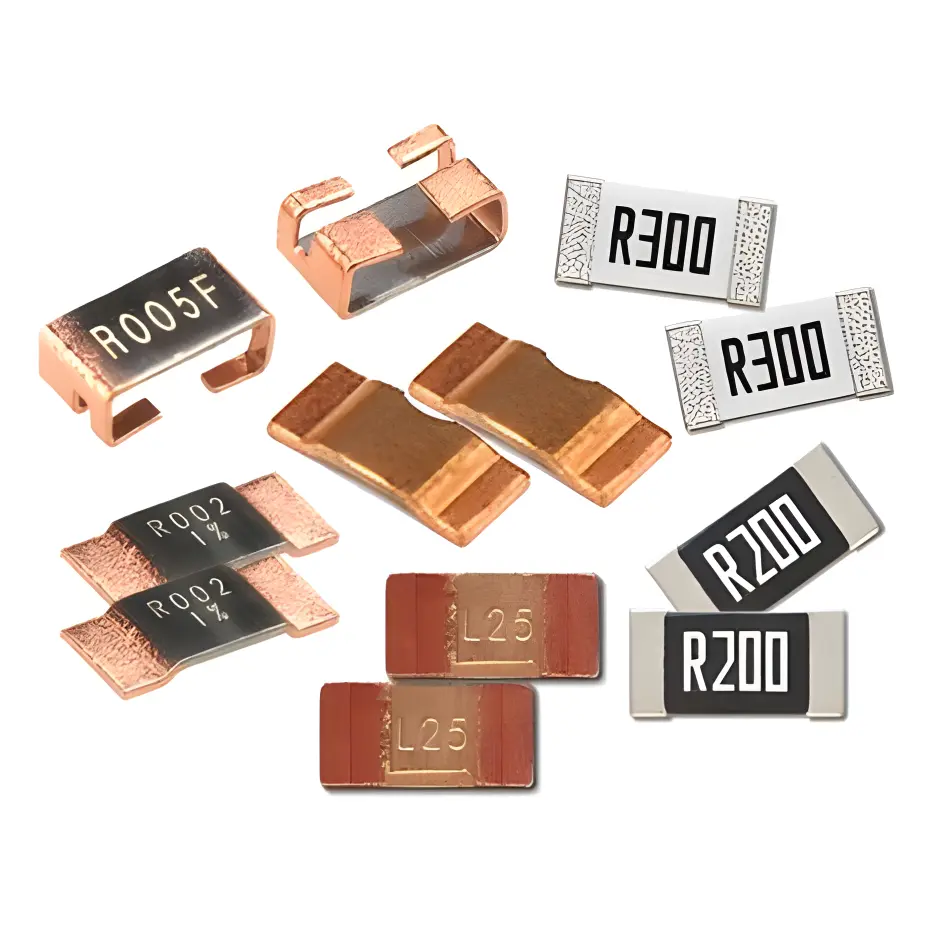 Current Sense Resistors,Shunt Resistors
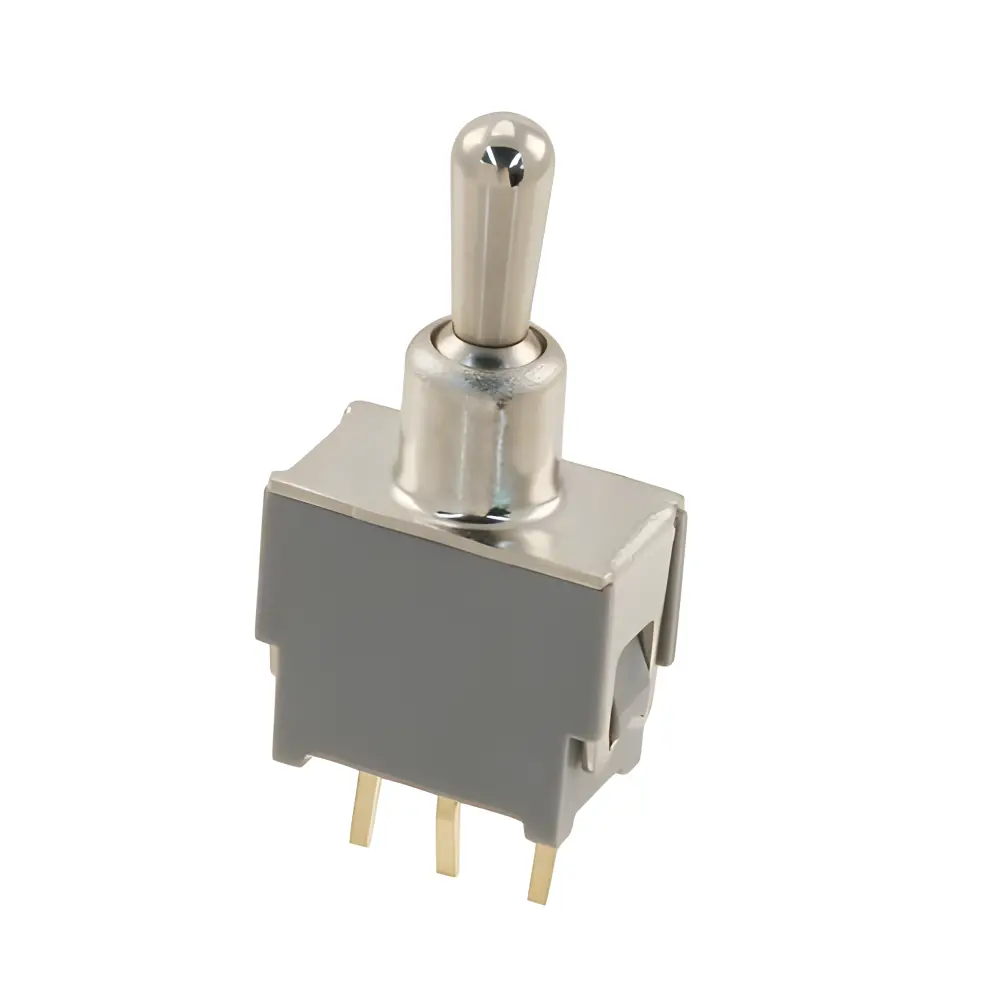 Switches
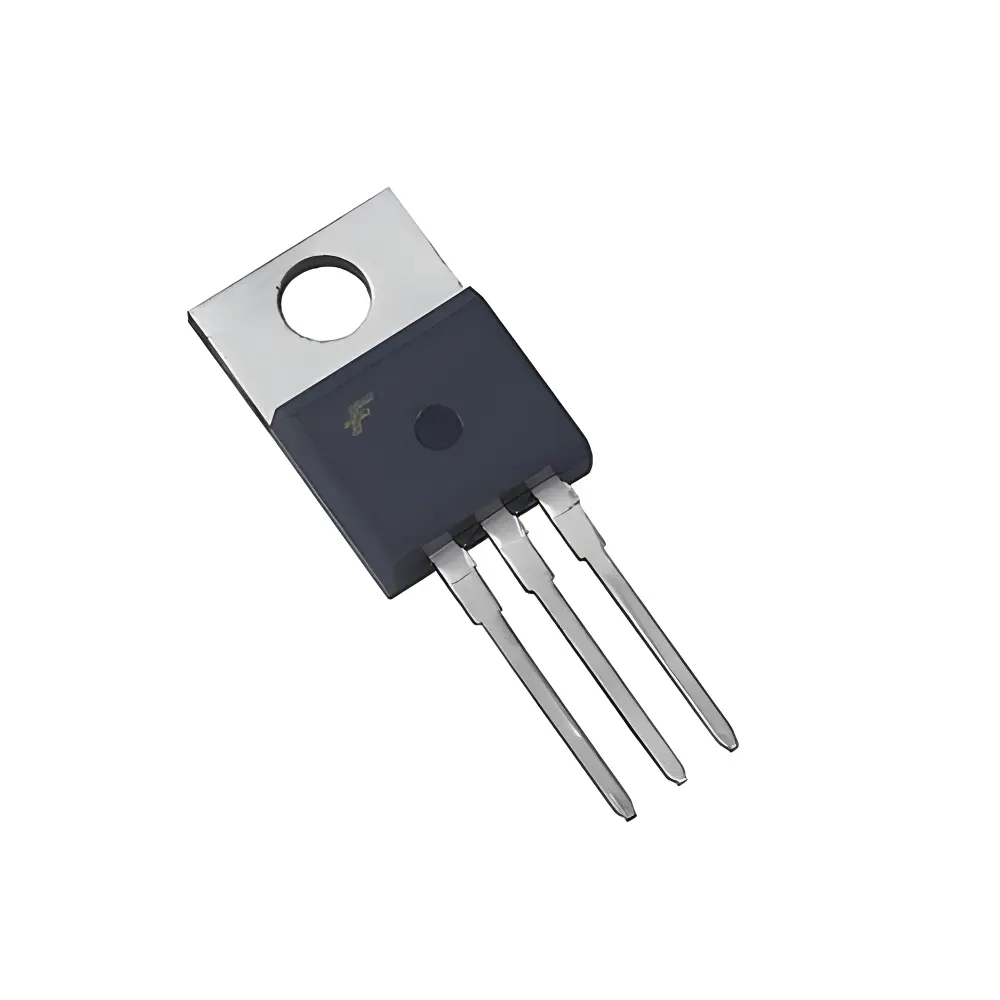 Transistors
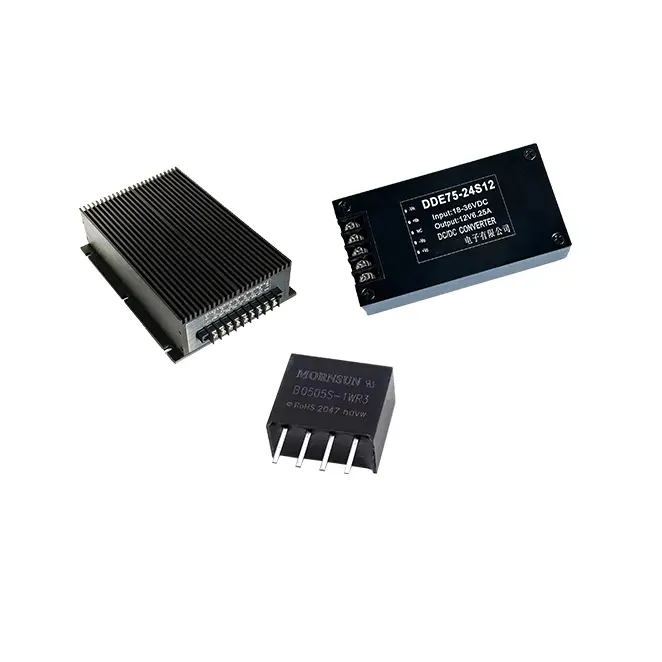 Power Modules
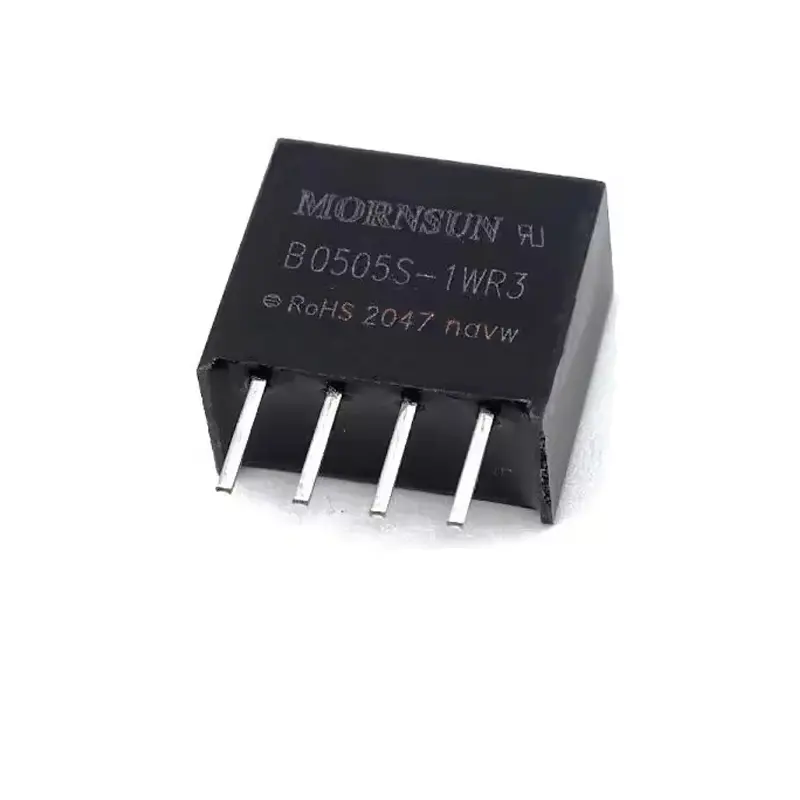 Isolated Power Modules
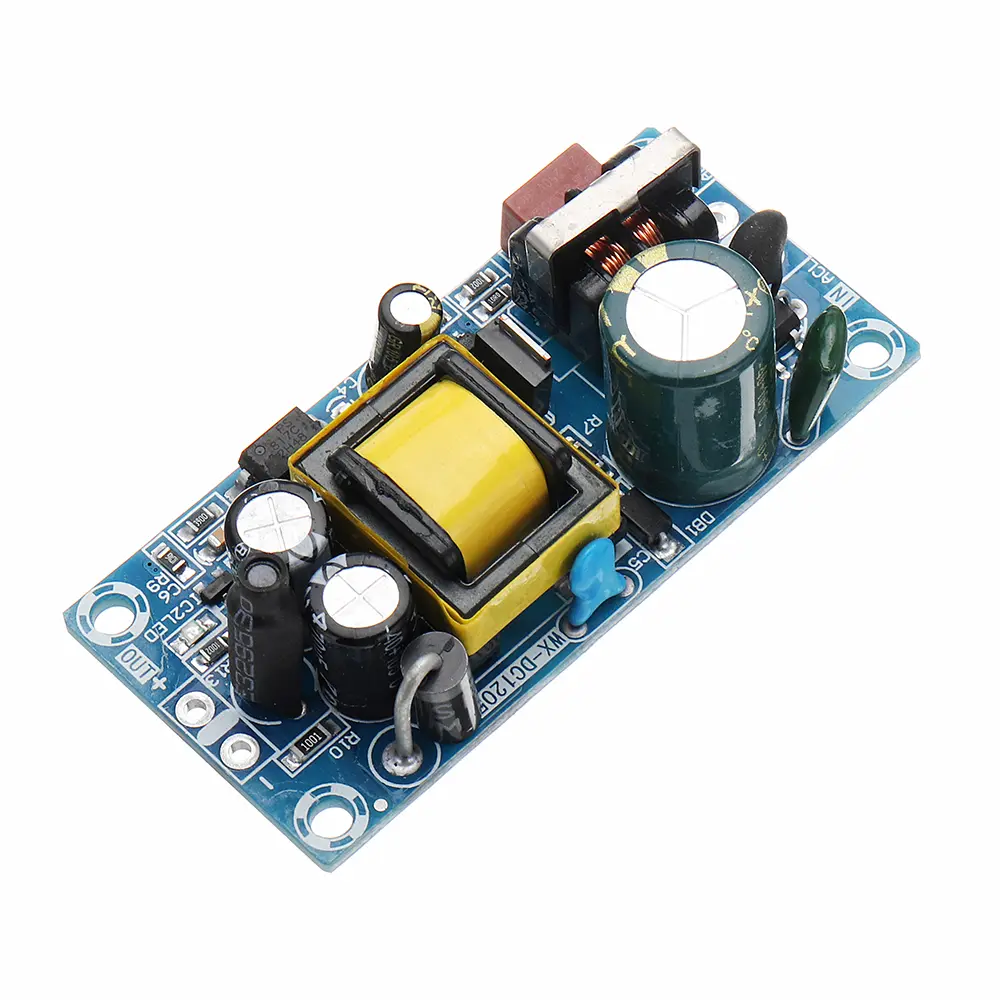 AC-DC Power Modules
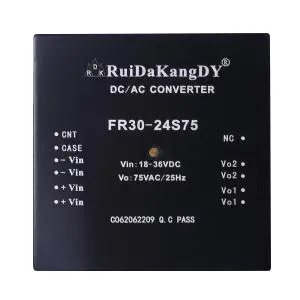 DC-AC Module(Inverter)
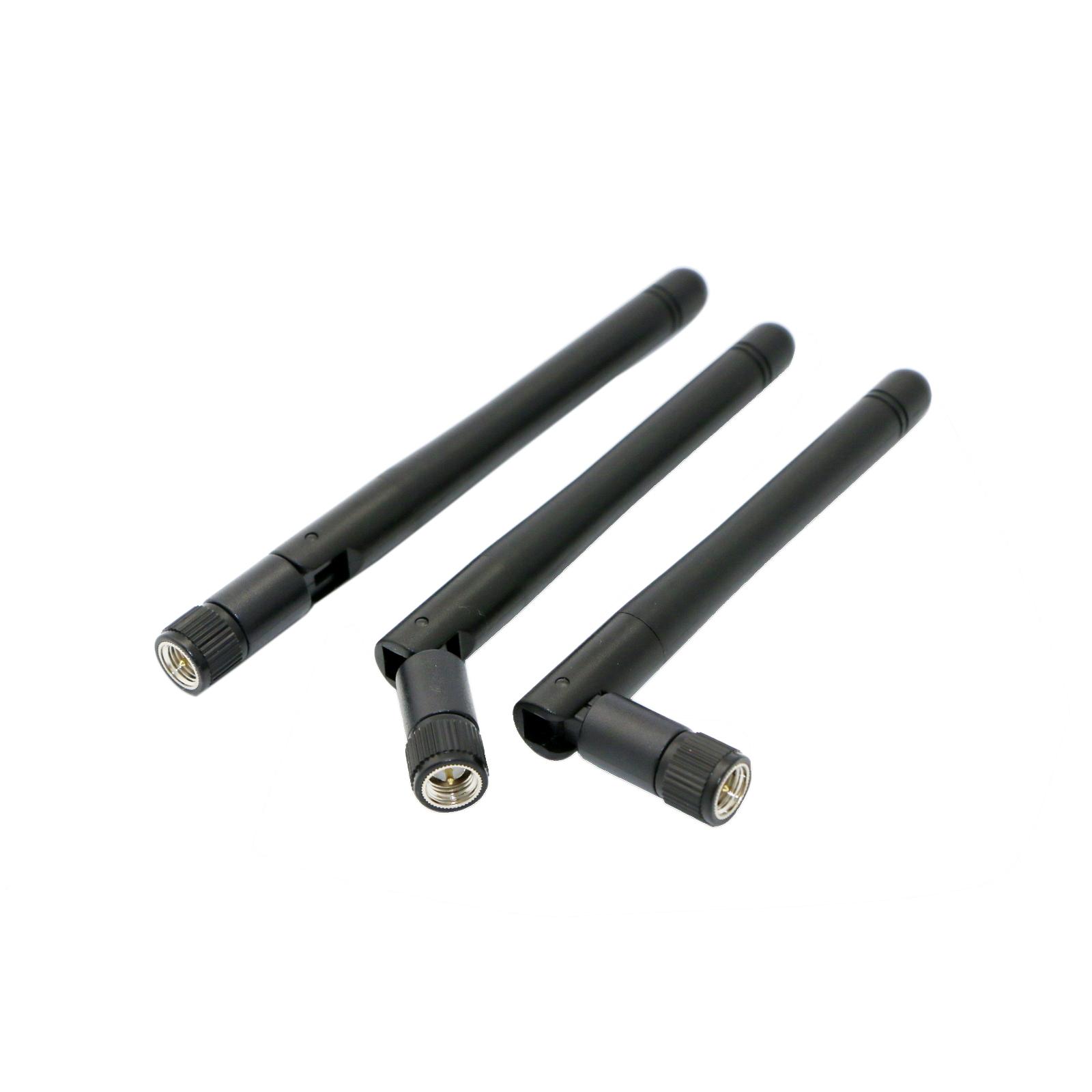 RF and Wireless
Suppressing Thermal Cracks in Laser Drilling of Ceramic Substrates
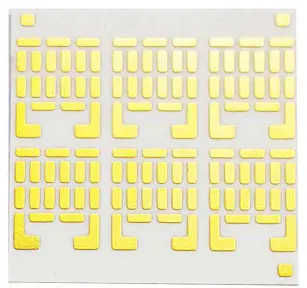
Ceramic substrates (e.g., Al₂O₃, AlN, LTCC) are widely used in power modules and RF devices due to their high thermal conductivity and insulation. However, thermal cracks induced during laser drilling significantly degrade mechanical strength and electrical reliability. These cracks originate from residual stress caused by rapid phase changes, with lengths >50μm risking substrate fracture. This article analyzes crack suppression strategies through thermodynamic modeling, laser parameter optimization, and auxiliary processes.
1. Crack Formation Mechanisms
1.1 Thermal Stress Model
Transient temperature gradients (ΔT) generate thermal stress (σ):
For Al₂O₃ (α=7.2ppm/℃, E=370GPa), σ reaches 1.2GPa at ΔT>800℃, exceeding its tensile strength (400MPa).
1.2 Crack Propagation Paths (Figure 1)
-
Radial cracks: Extend along grain boundaries perpendicular to the laser scan;
-
Circumferential cracks: Form around holes due to cooling contraction.
2. Laser Parameter Optimization
2.1 Pulse Parameter Tuning
-
Short-pulse lasers: Picosecond (ps) or femtosecond (fs) lasers with pulse width <10ps minimize HAZ;
-
Energy gradient control: Three-stage energy adjustment (Figure 2):
-
Pre-drilling: Low energy (0.5-1.0J/cm²) softens material;
-
Main drilling: High energy (3-5J/cm²) vaporizes material;
-
Finishing: Medium energy (1.5-2.0J/cm²) smoothens walls.
-
2.2 Scan Path Planning
-
Spiral scanning: Progressive outward expansion prevents localized heat buildup;
-
Multi-pass drilling: Limit material removal to <10μm/pass, reducing crack density by 80% despite 30% longer process time.
3. Auxiliary Processes and Material Modifications
3.1 Preheating and Thermal Management
-
Substrate preheating: IR heating plates elevate substrate temperature to 200-300℃, reducing ΔT;
-
Gas assistance: N₂/He gas jets enhance cooling zone heat dissipation.
3.2 Surface Coatings
-
Absorptive layers: 20-50nm carbon films improve laser absorption, minimizing reflective reheating;
-
Stress buffers: 1-2μm polyimide (PI) layers mitigate drilling impact stress.
4. Post-Processing and Crack Repair
4.1 Laser Remelting
Continuous-wave (CW) lasers (50-100W) remelt hole walls to seal micro-cracks (<2μm width).
4.2 Chemical Mechanical Polishing (CMP)
Al₂O₃ nanoparticle slurries (pH=9-10) remove burrs and blunt crack tips, tripling crack resistance.
5. Experimental Data and Case Study
5.1 AlN Substrate Drilling Comparison (Table 1)
| Parameter | Conventional | Optimized |
|---|---|---|
| Pulse width | 100ns | 10ps |
| Crack density (/mm²) | 15.2 | 0.8 |
| Wall roughness Ra (μm) | 3.5 | 0.7 |
5.2 Automotive IGBT Module Case
Preheating + ps-laser solution achieved:
-
Hole consistency: ±2μm (vs. ±8μm);
-
Thermal cycling: No crack growth after 2000 cycles (-55℃~175℃).