
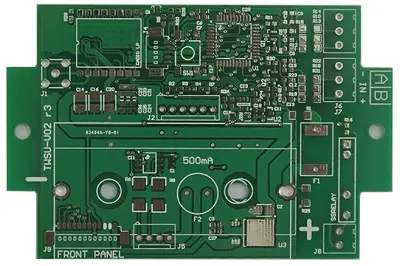
 PCB
PCB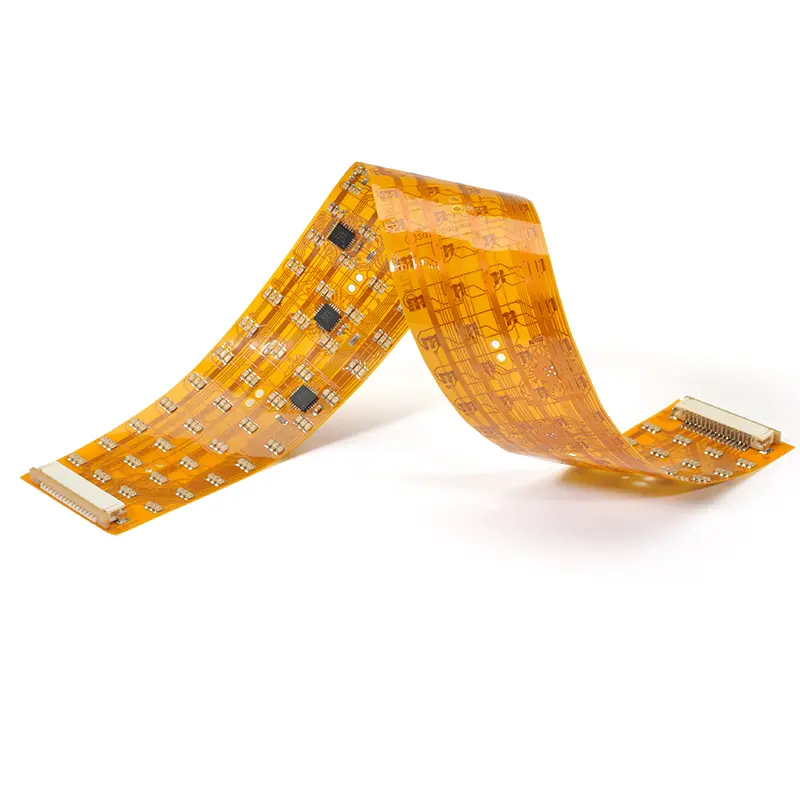 FPC
FPC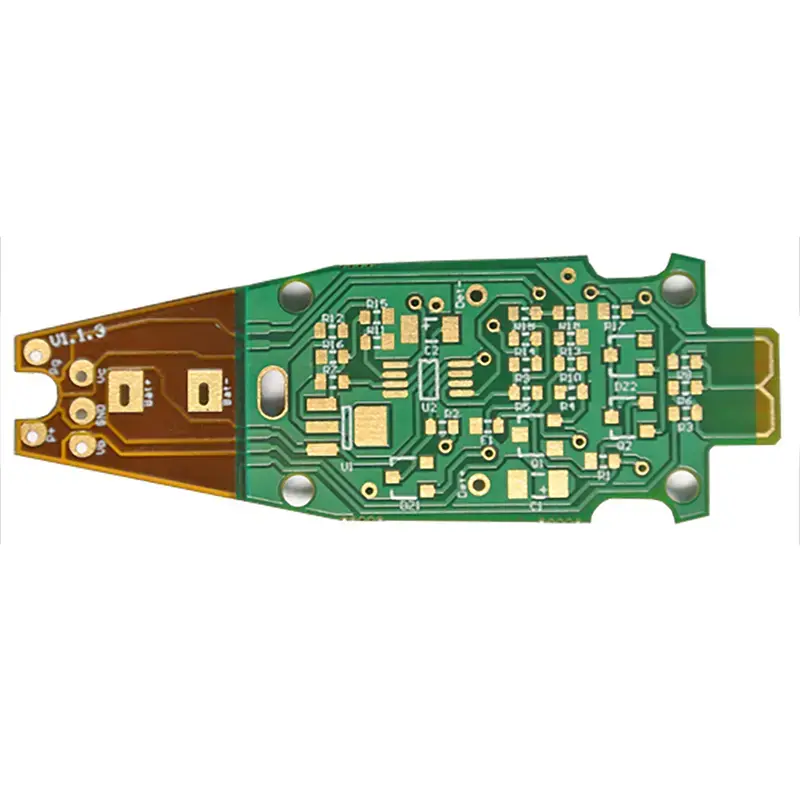 Rigid-Flex
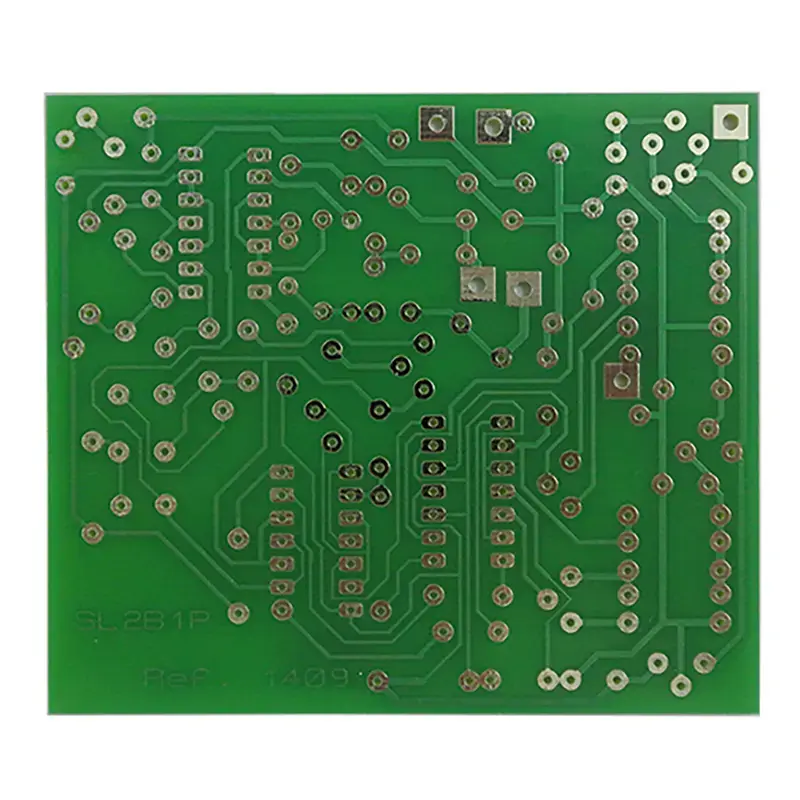 FR-4
FR-4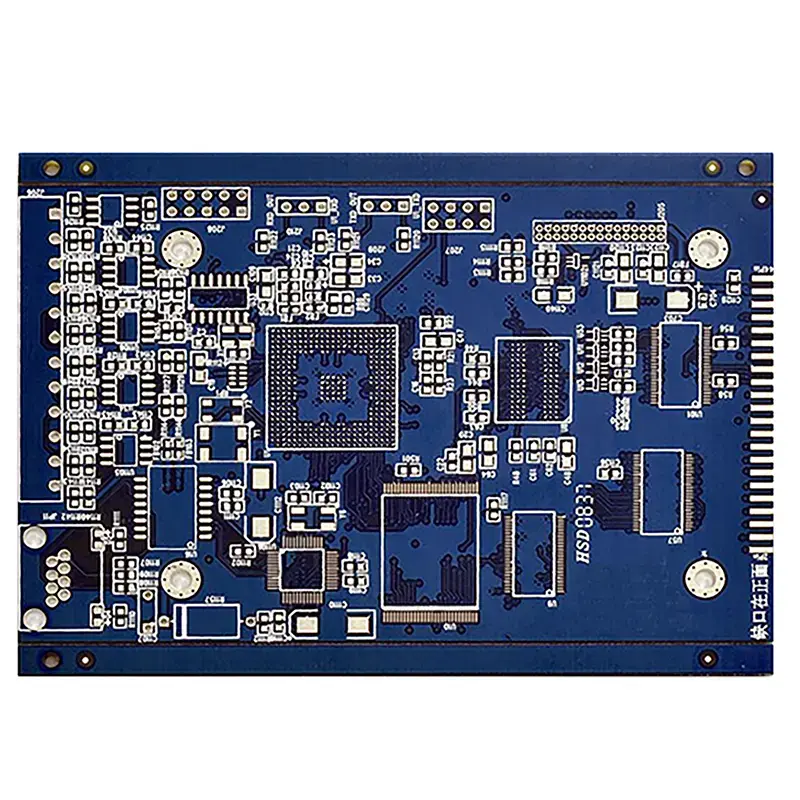 HDI PCB
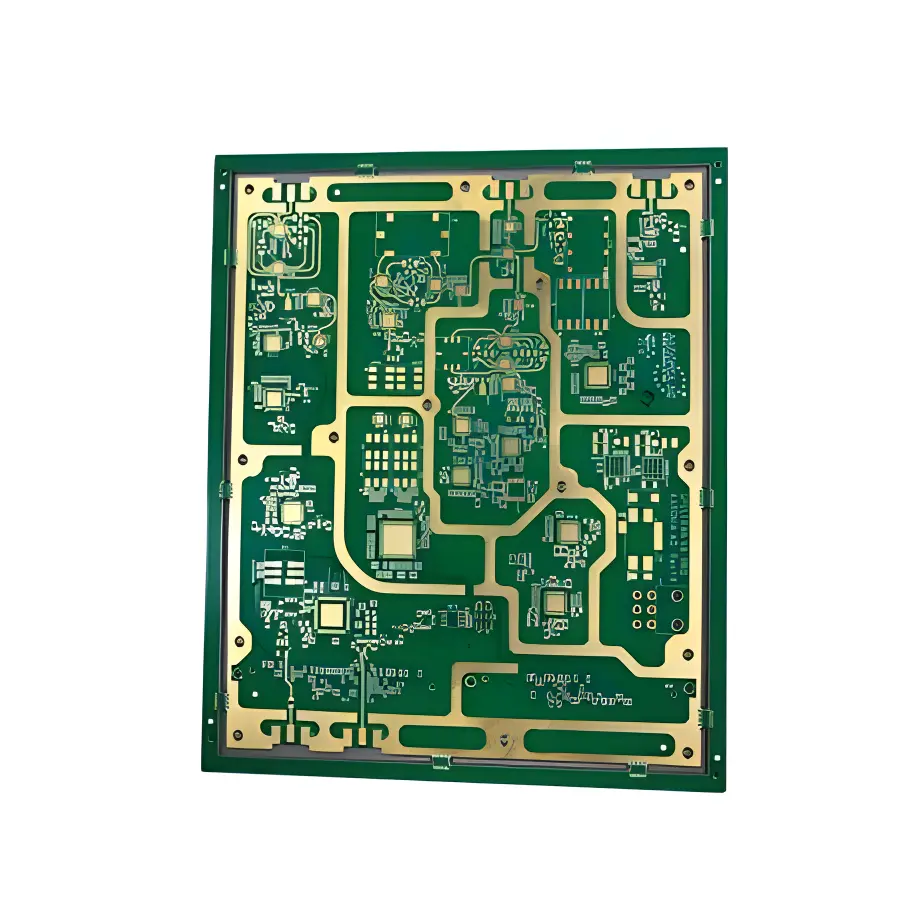 Rogers High-Frequency Board
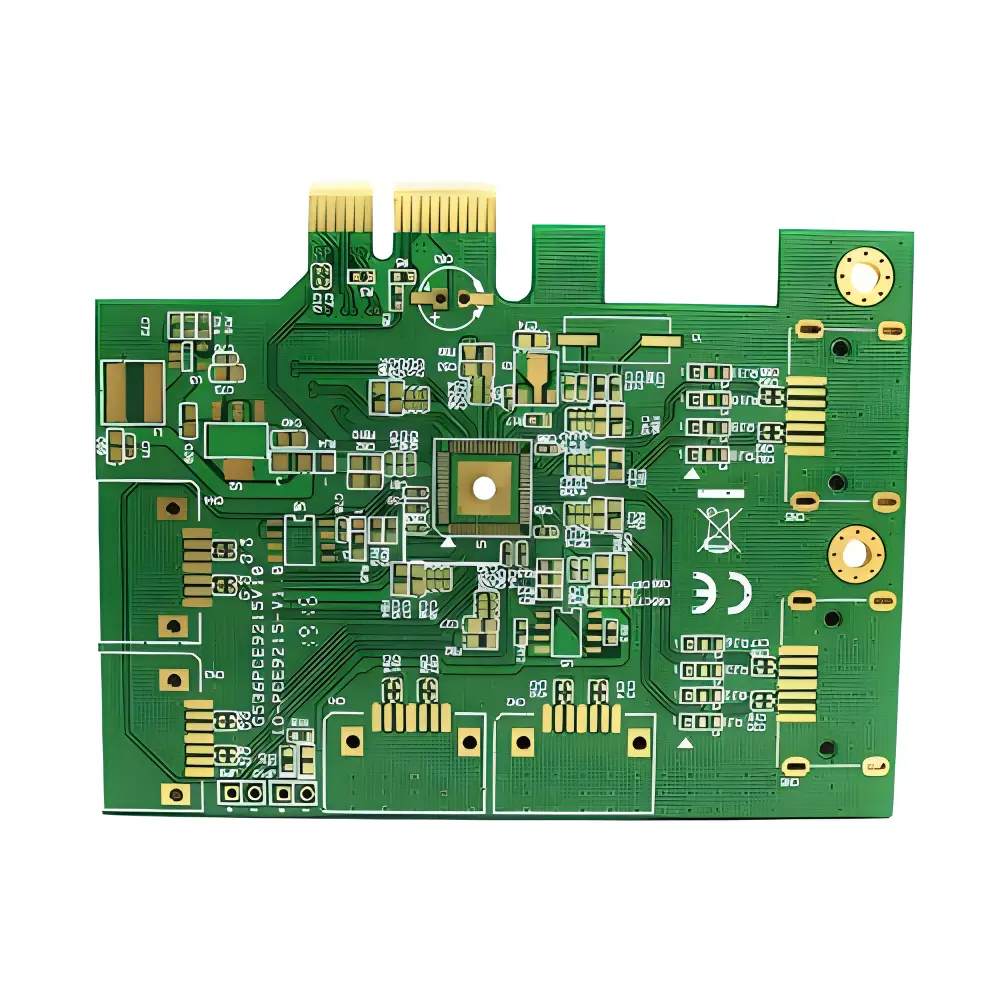 PTFE Teflon High-Frequency Board
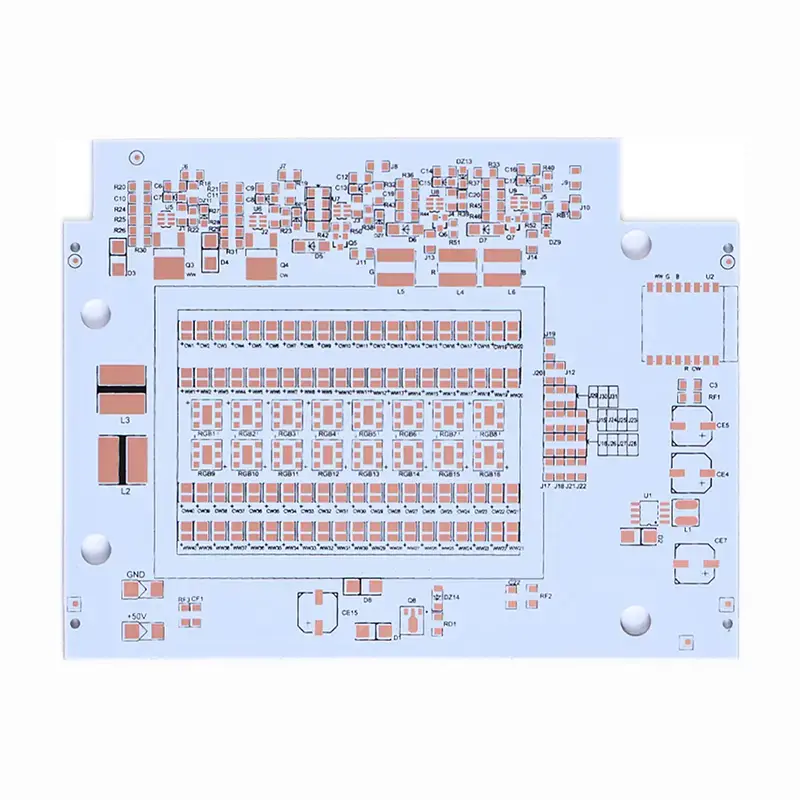 Aluminum
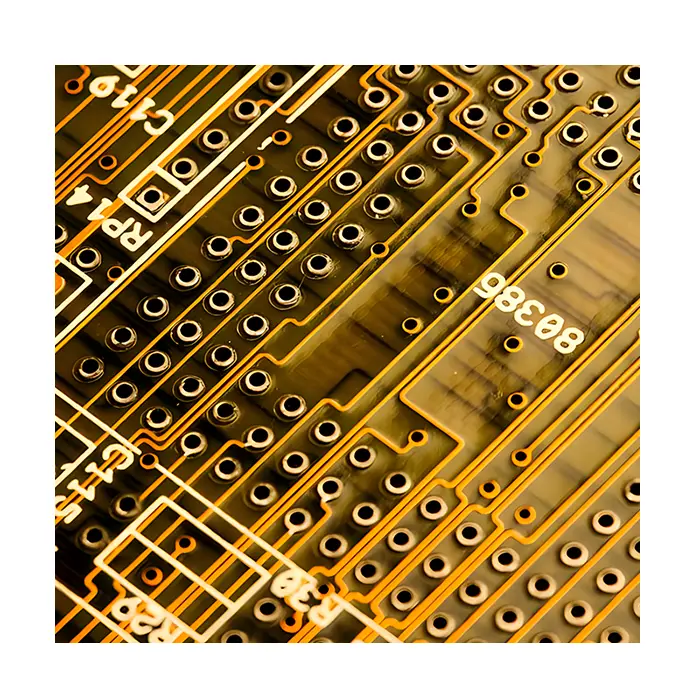 Copper Core
 PCB Assembly
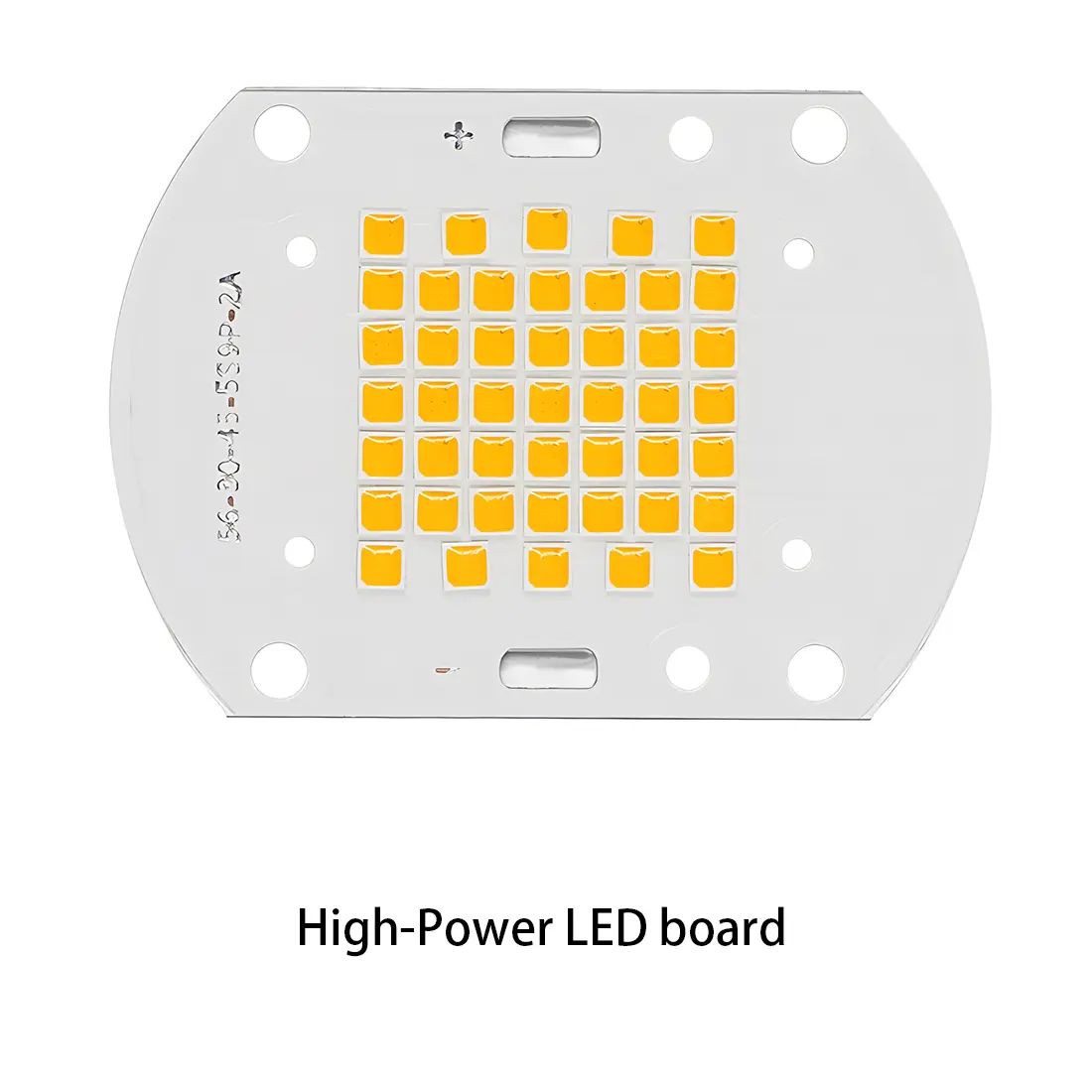 LED light PCBA
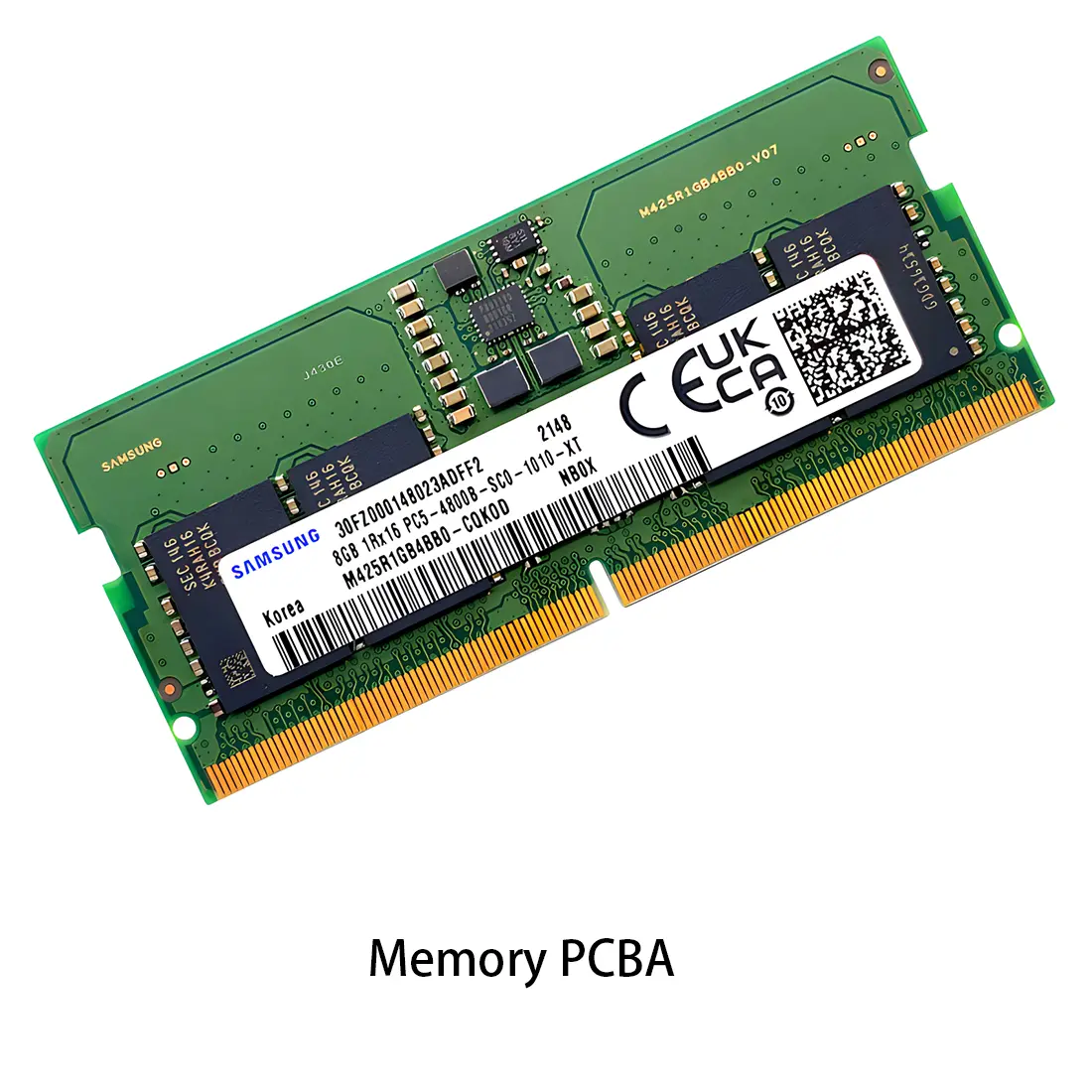 Memory PCBA
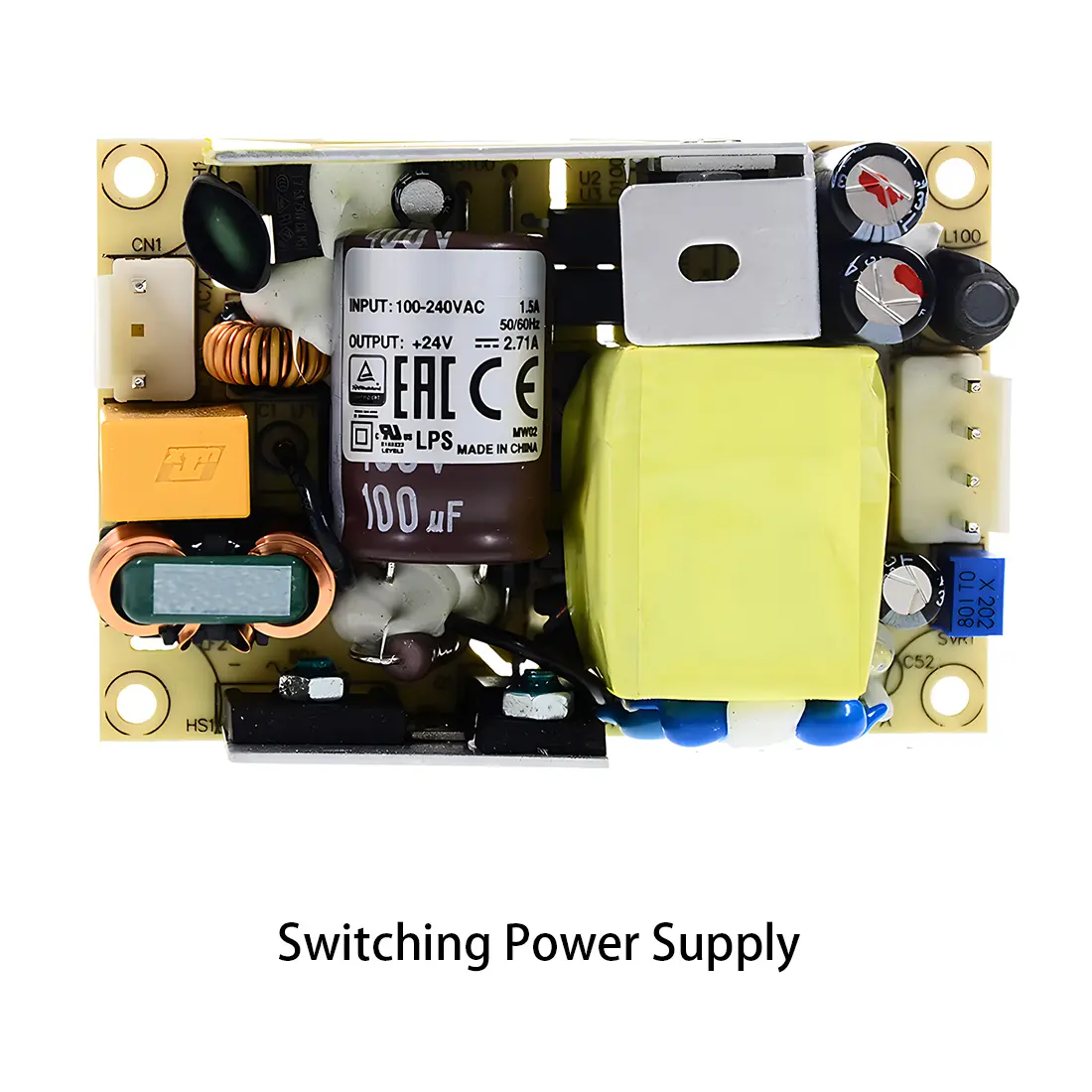 Power Supply PCBA
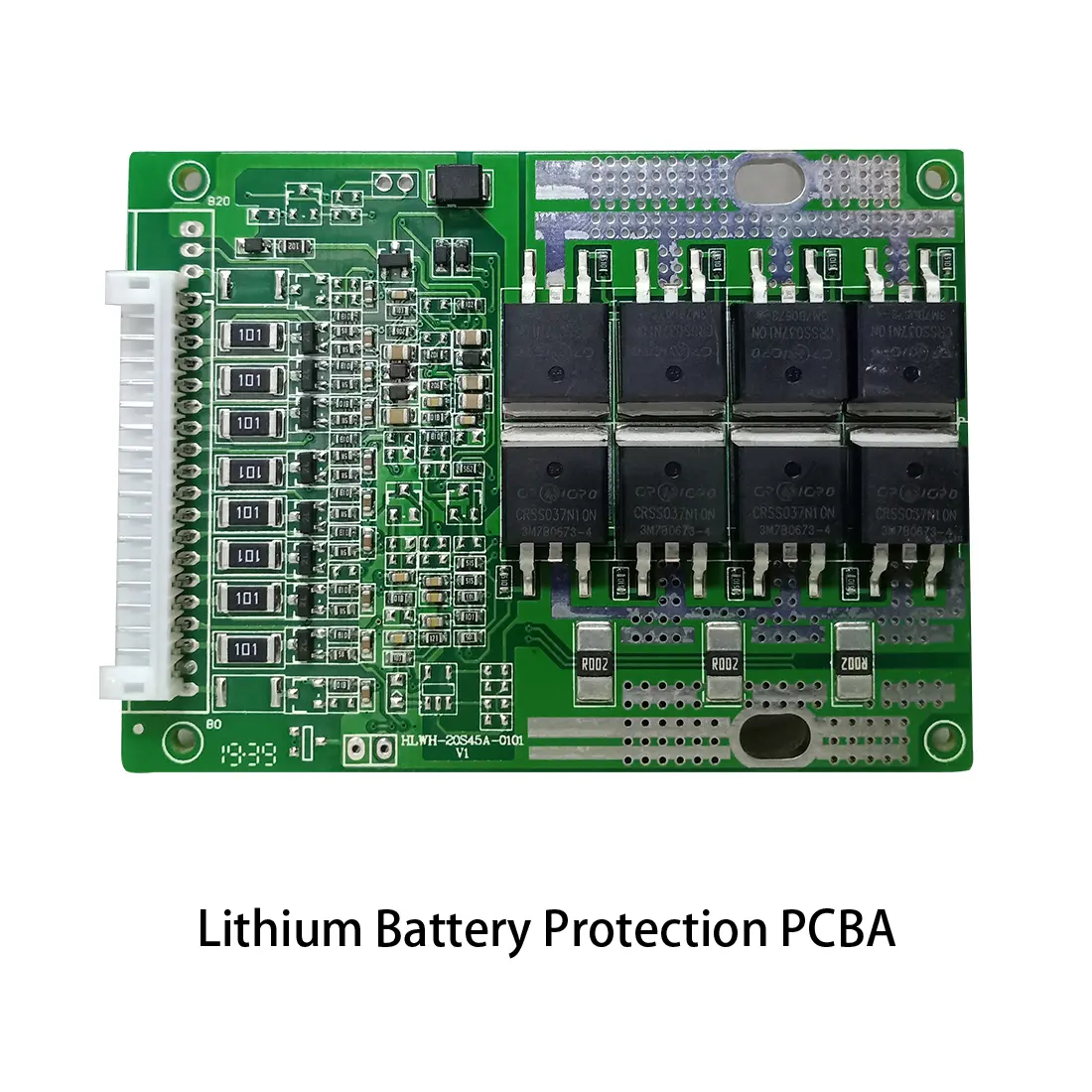 New Energey PCBA
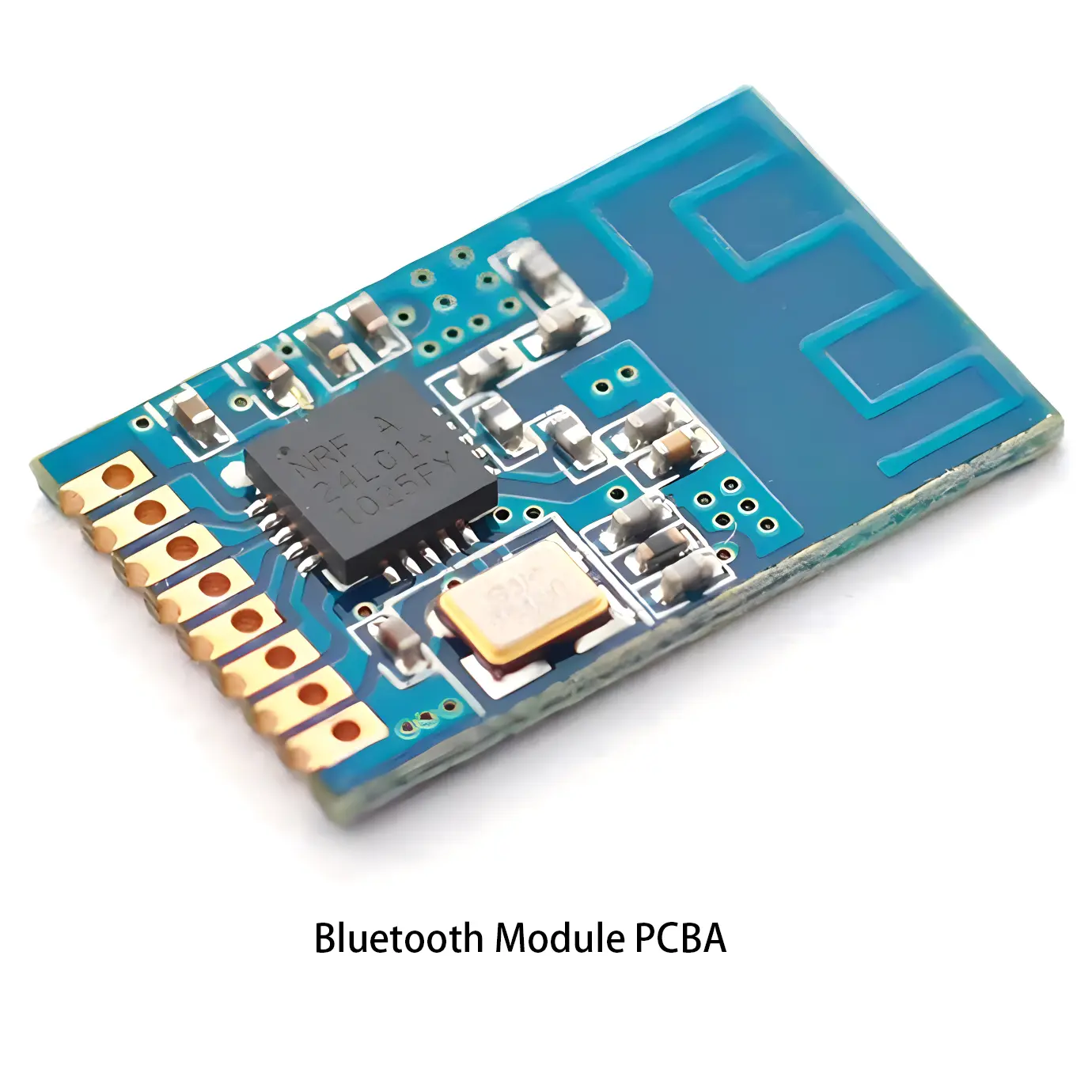 Communication PCBA
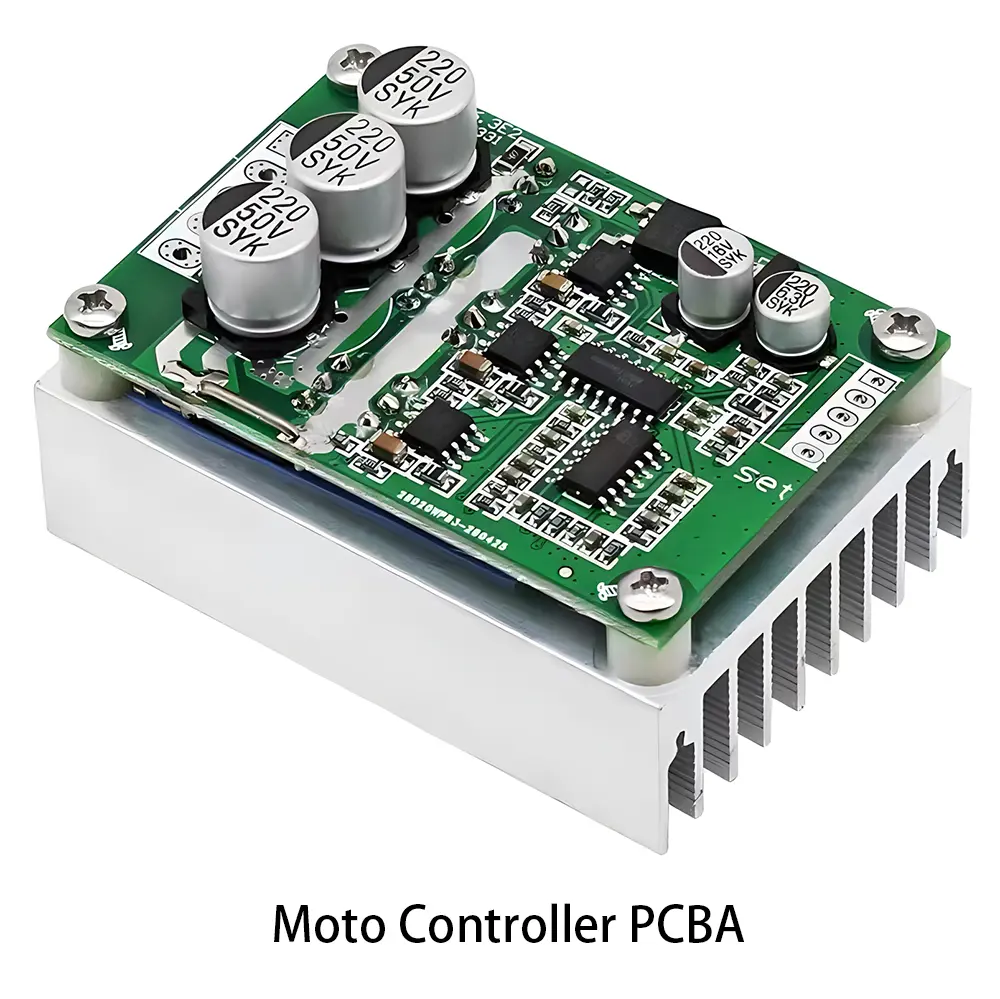 Industrial Control PCBA
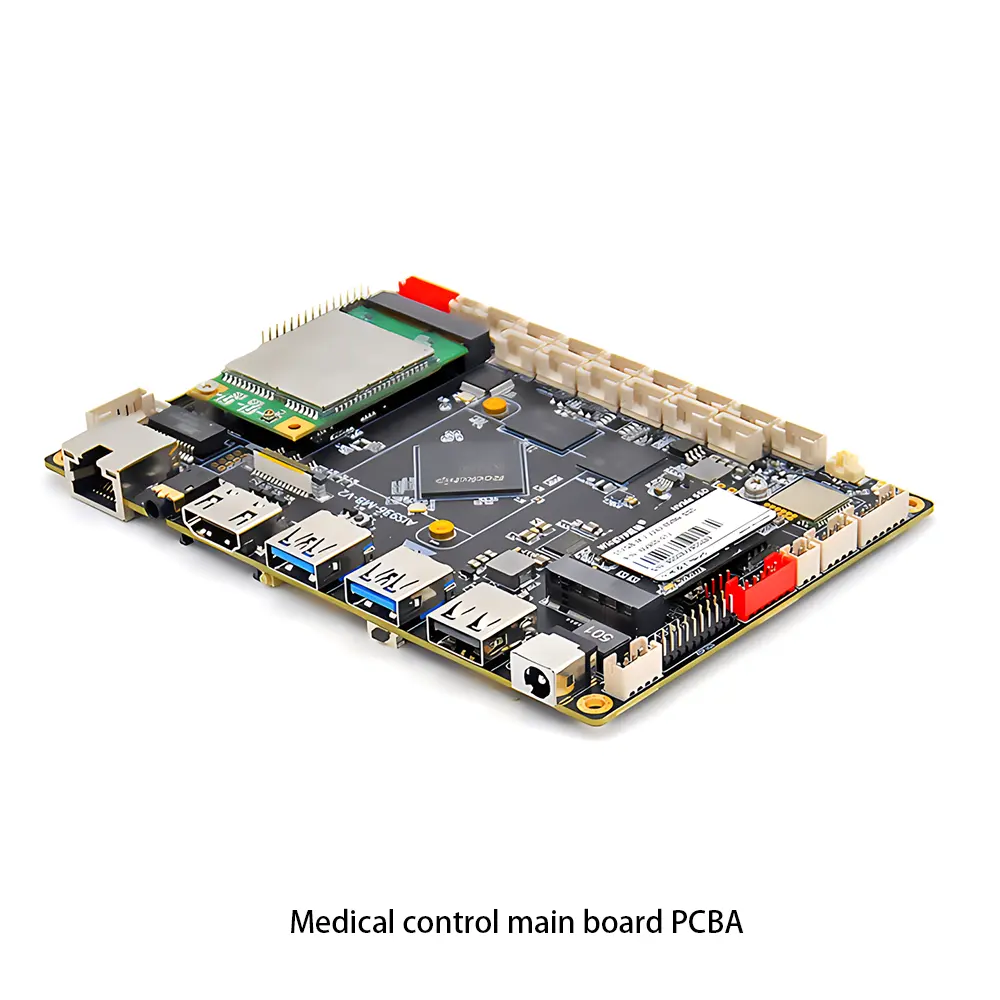 Medical Equipment PCBA
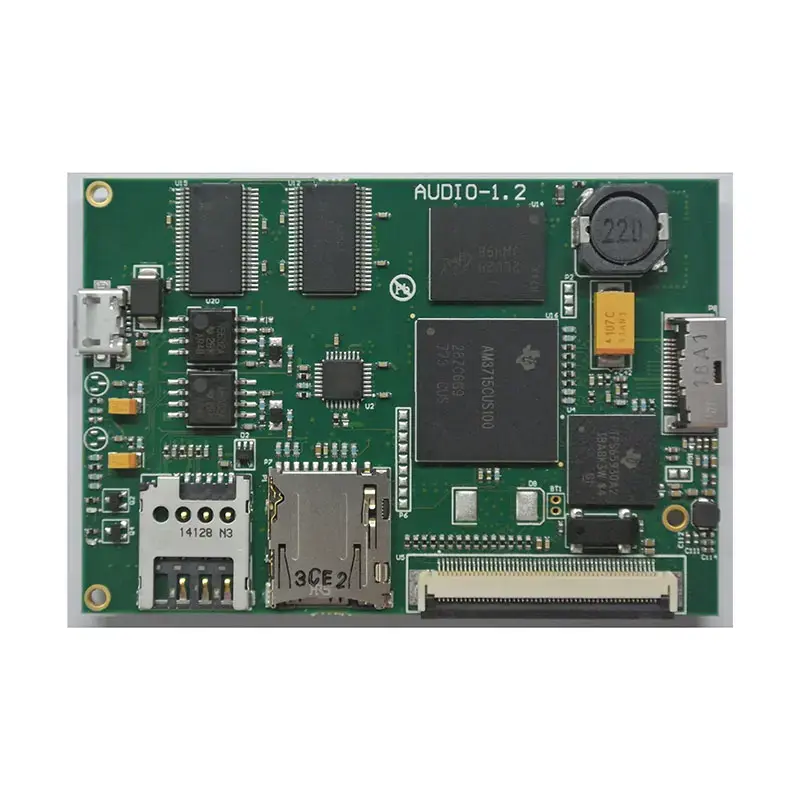 Testing Service
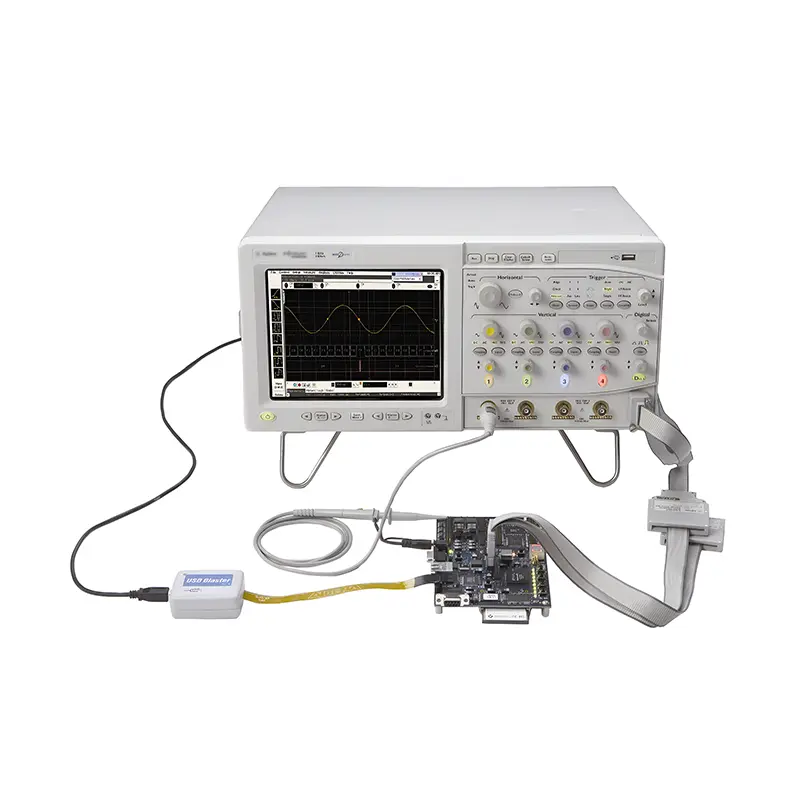 PCBA Testing Service
 Certification Application
 RoHS Certification Application
 REACH Certification Application
 CE Certification Application
 FCC Certification Application
 CQC Certification Application
 UL Certification Application
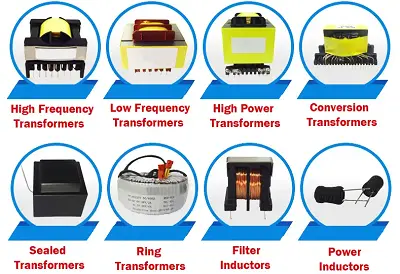 Transformers, Inductors
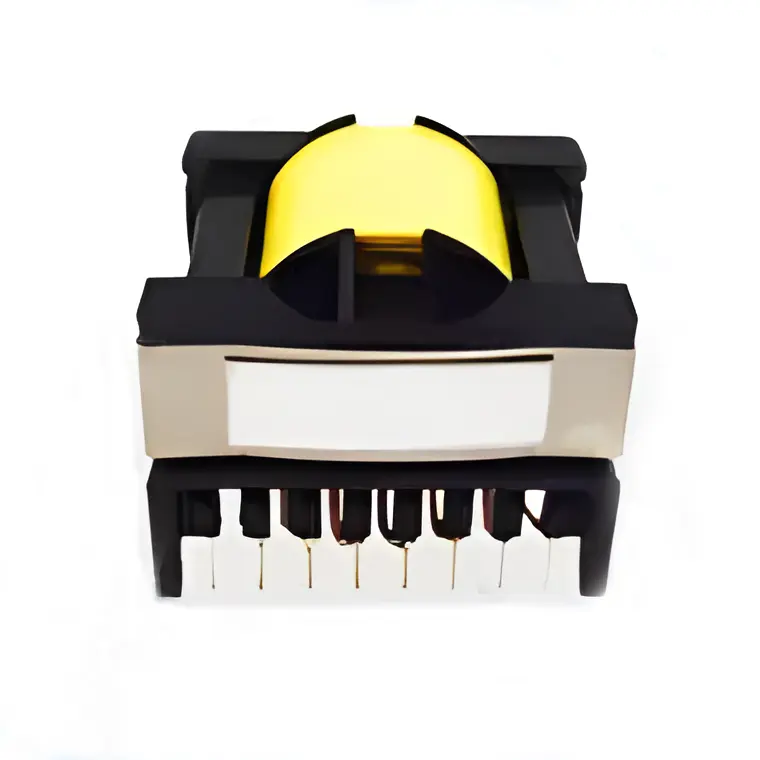 High Frequency Transformers
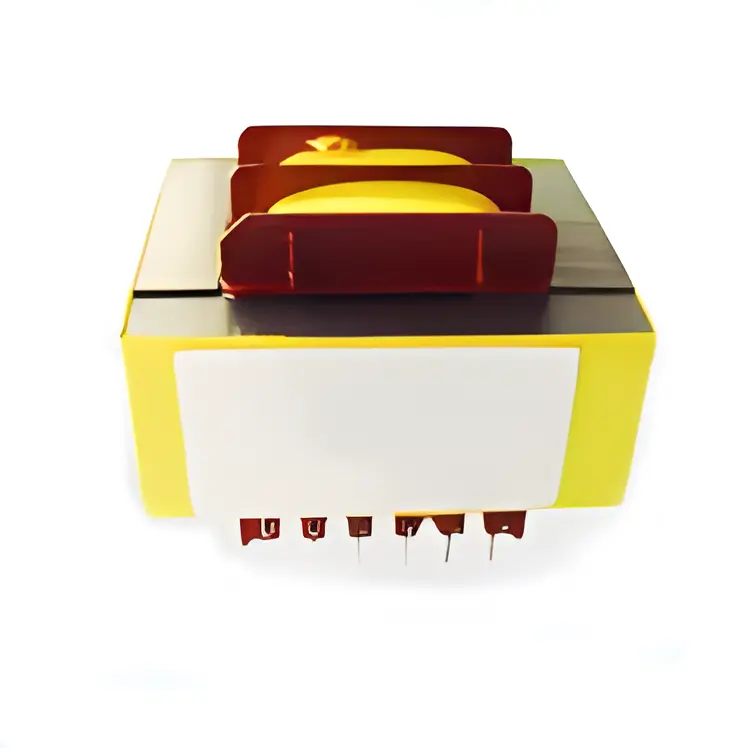 Low Frequency Transformers
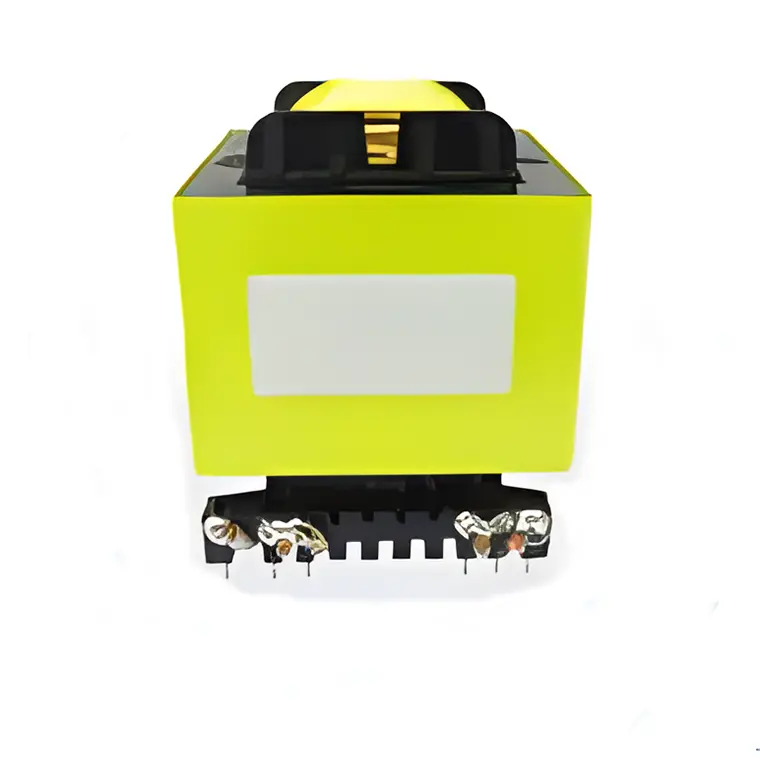 High Power Transformers
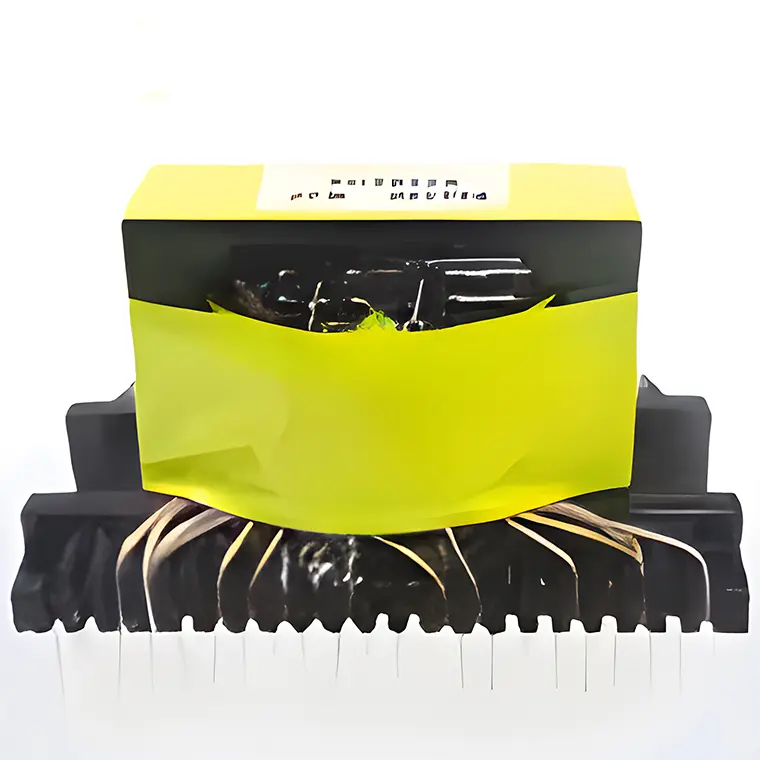 Conversion Transformers
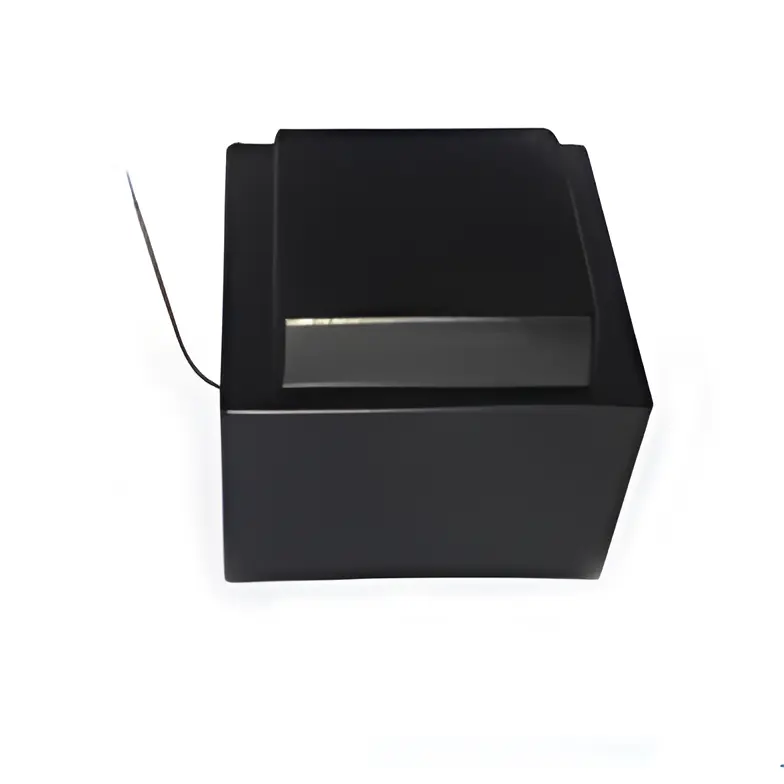 Sealed Transformers
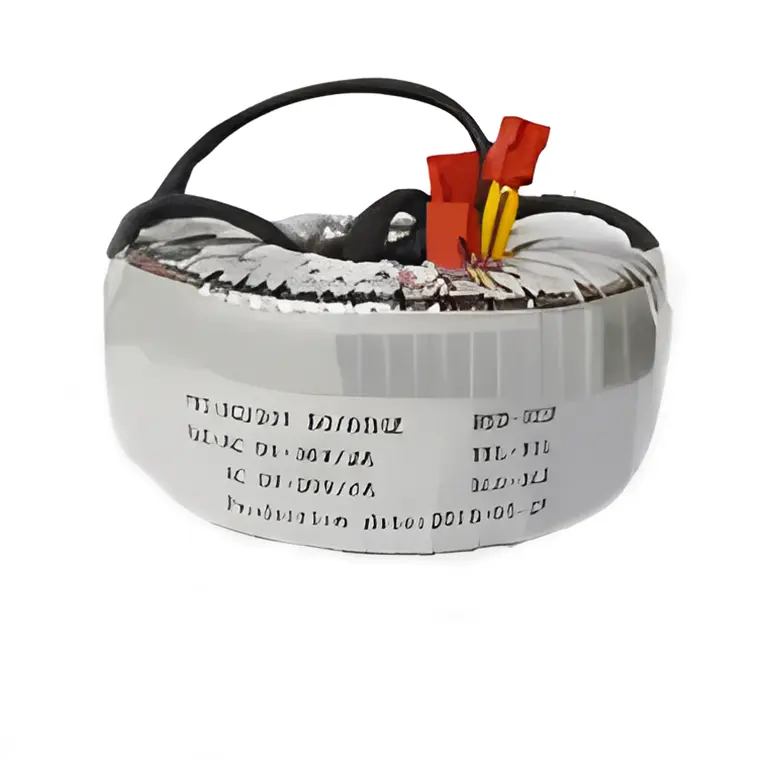 Ring Transformers
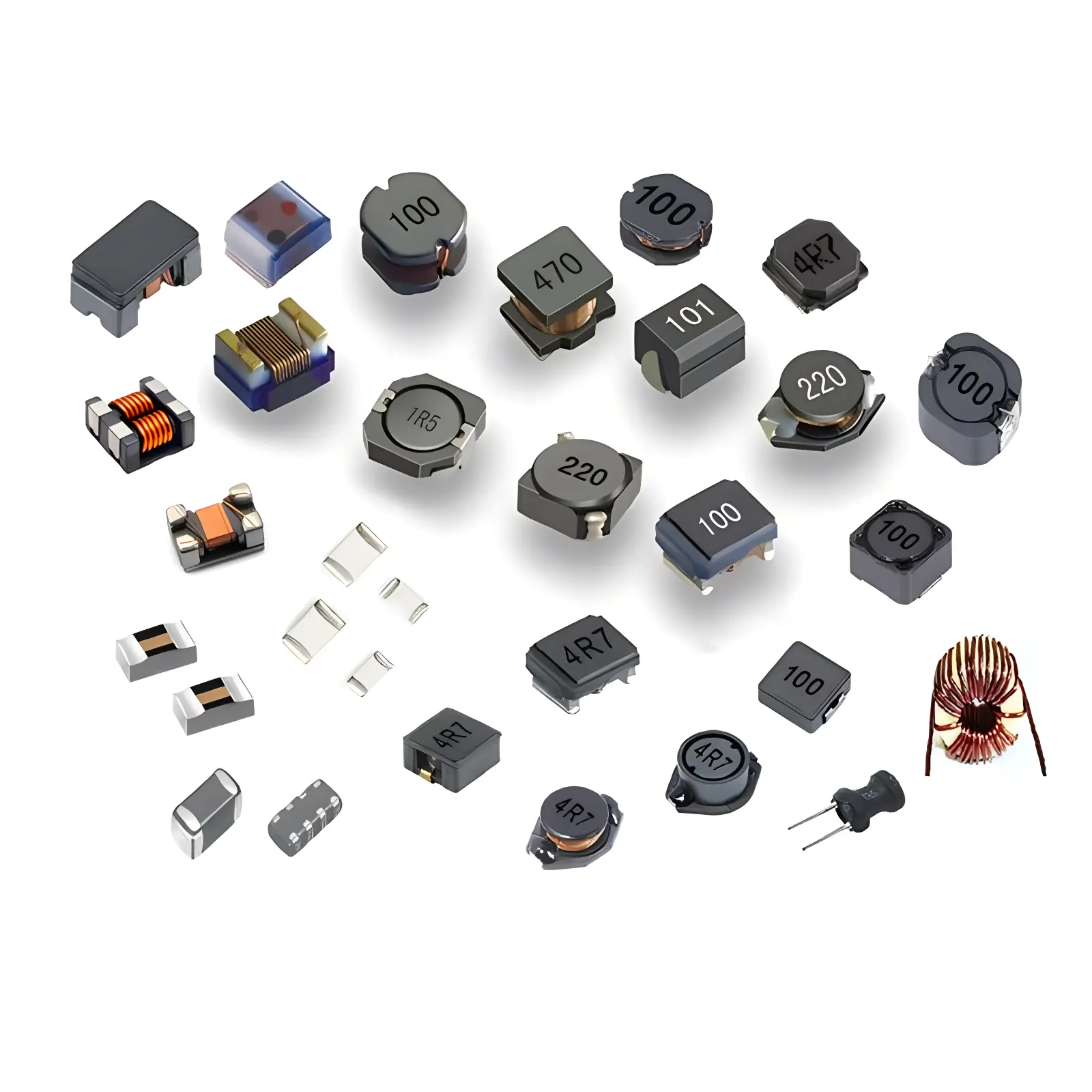 Inductors
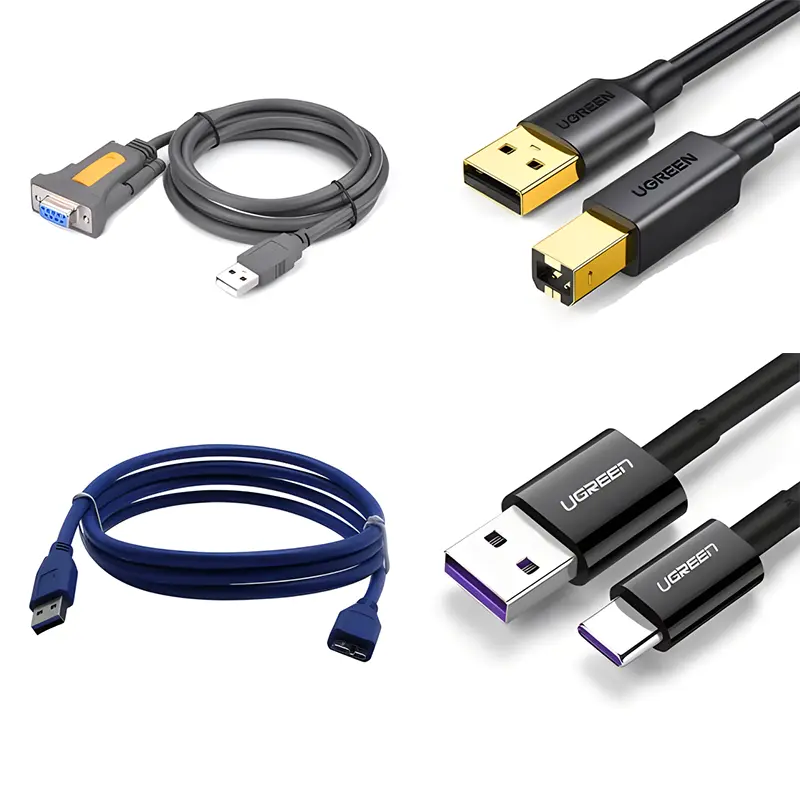 Wires,Cables Customized
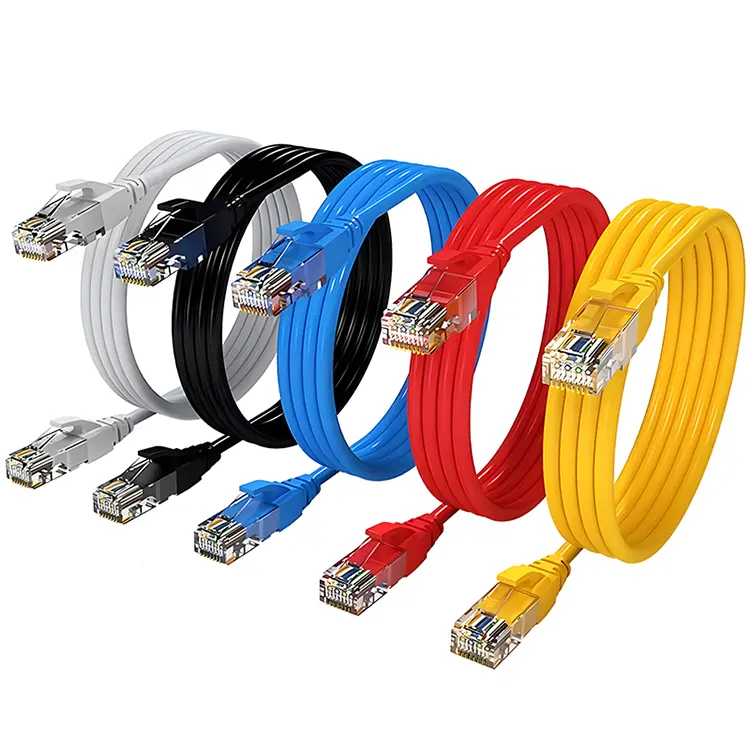 Network Cables
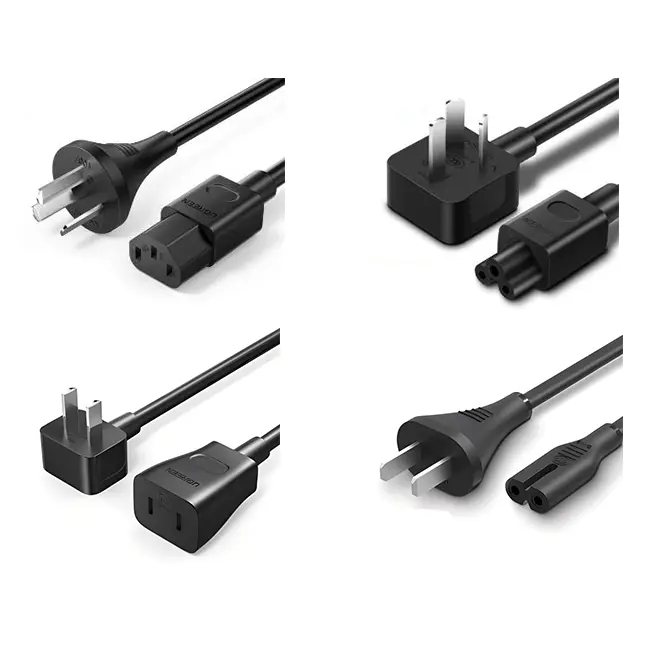 Power Cords
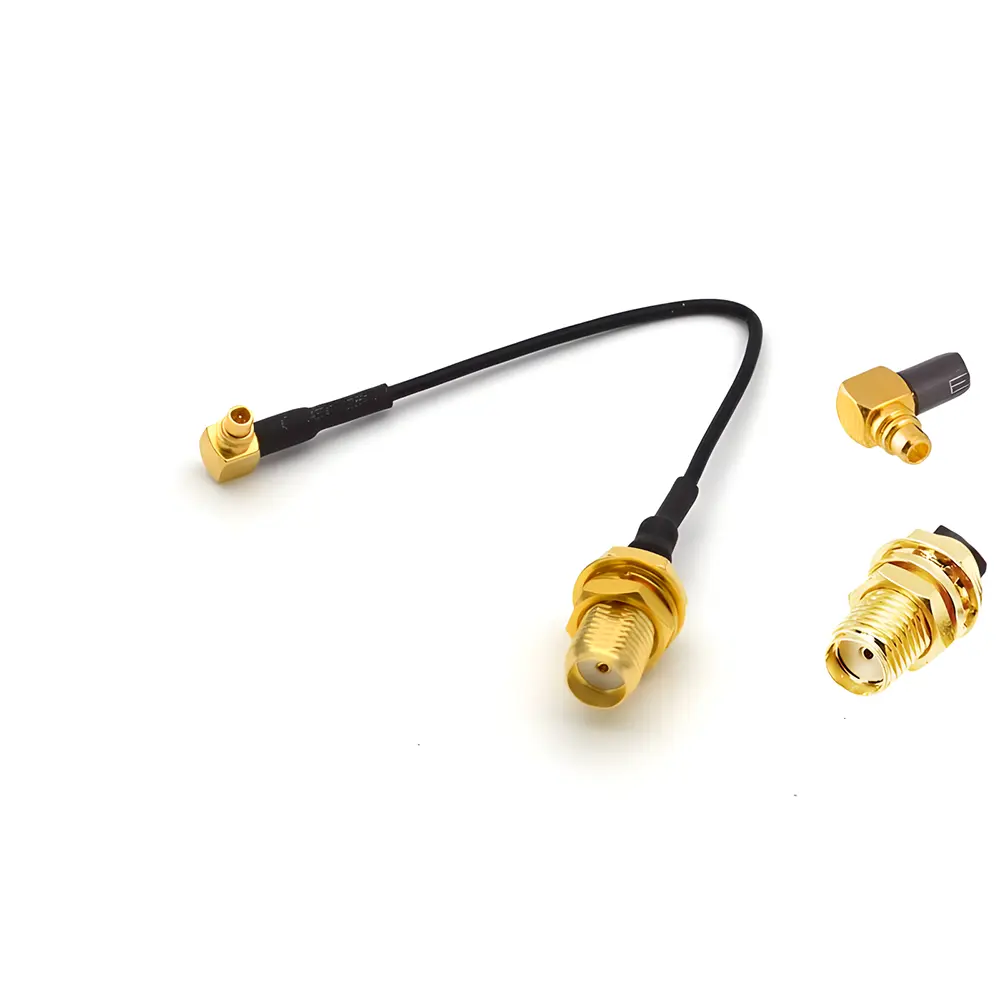 Antenna Cables
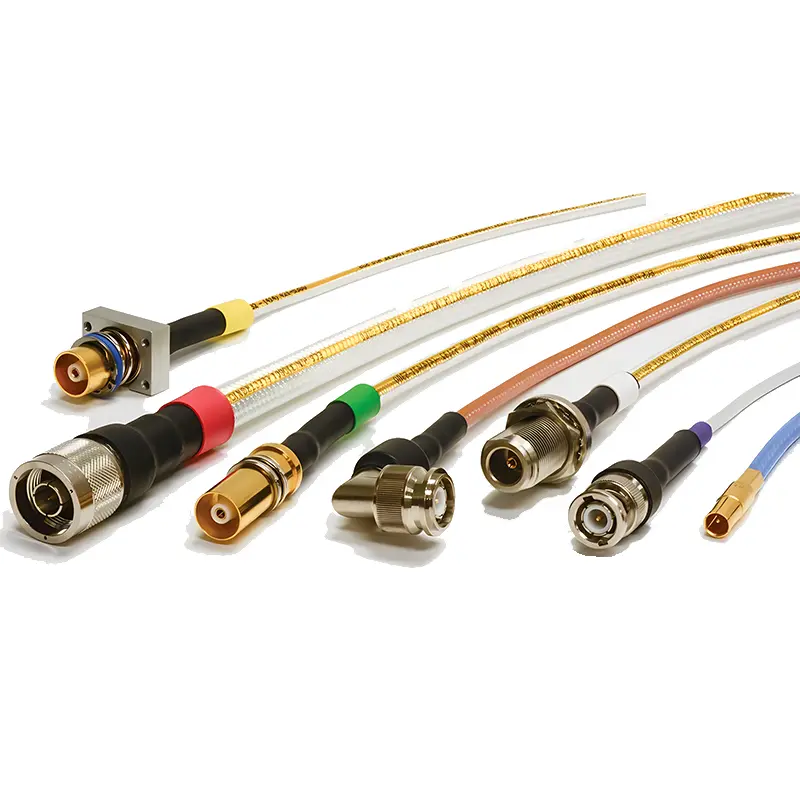 Coaxial Cables
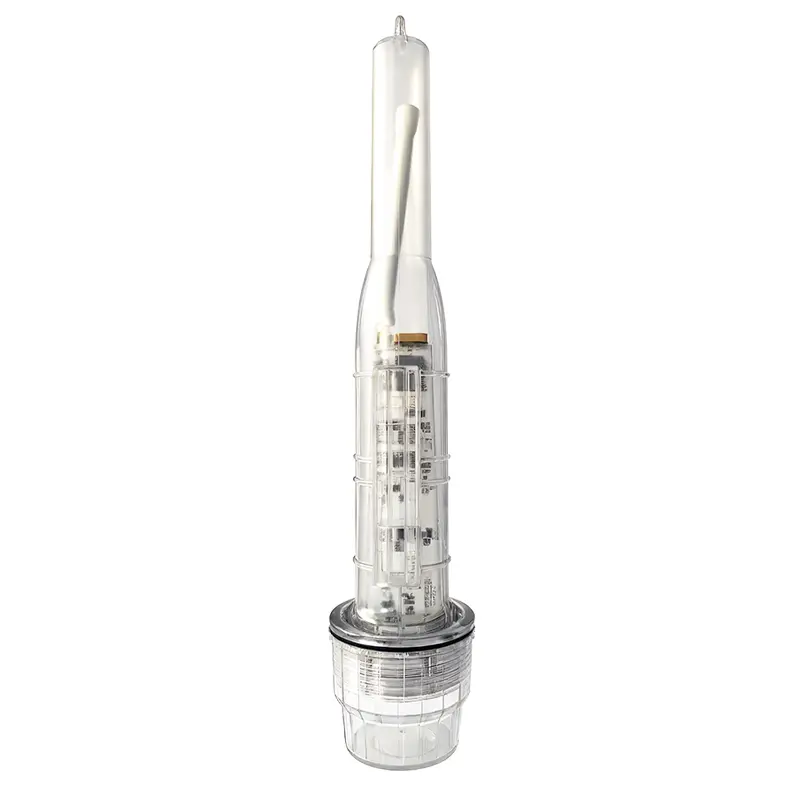 Net Position Indicator
 Solar AIS net position indicator
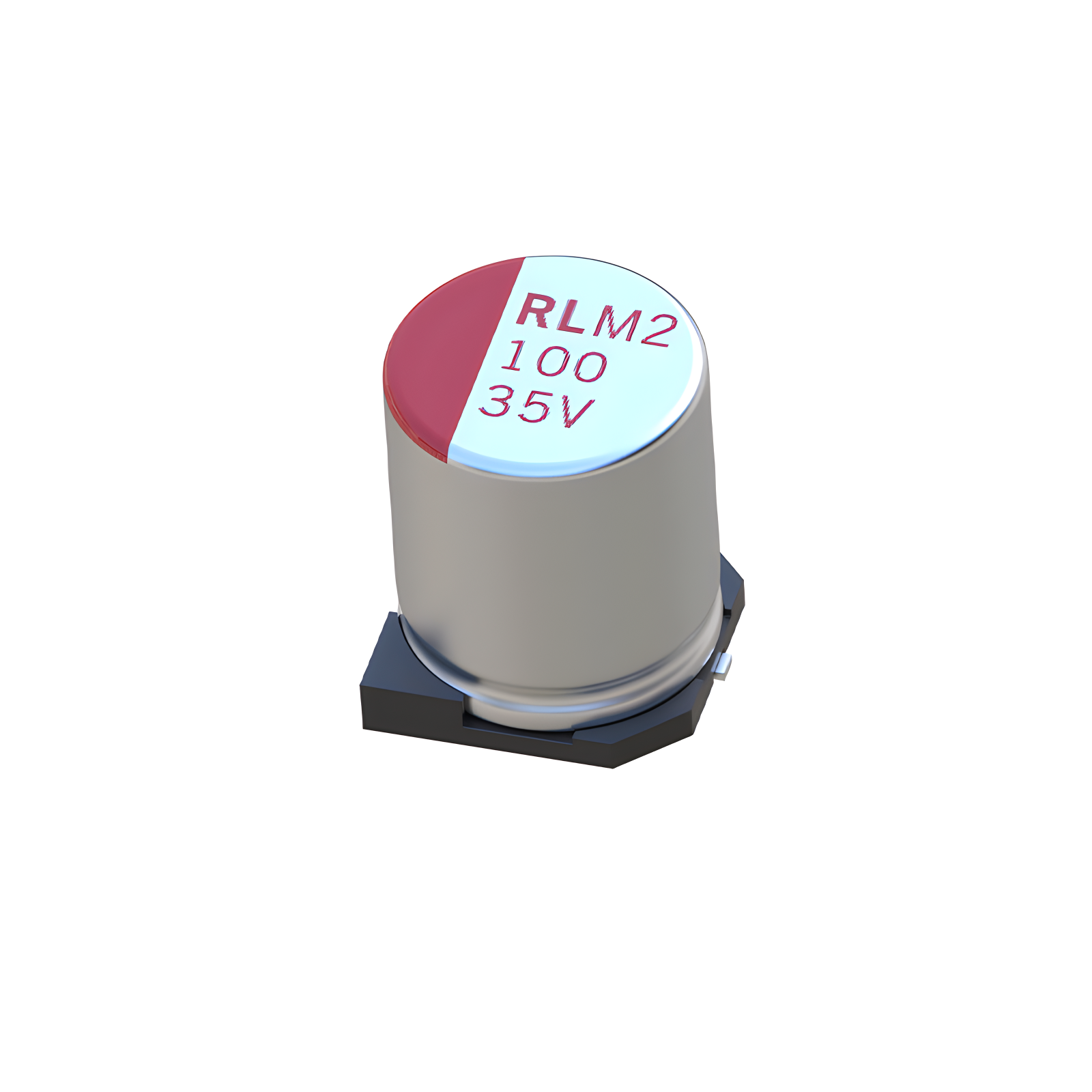 Capacitors
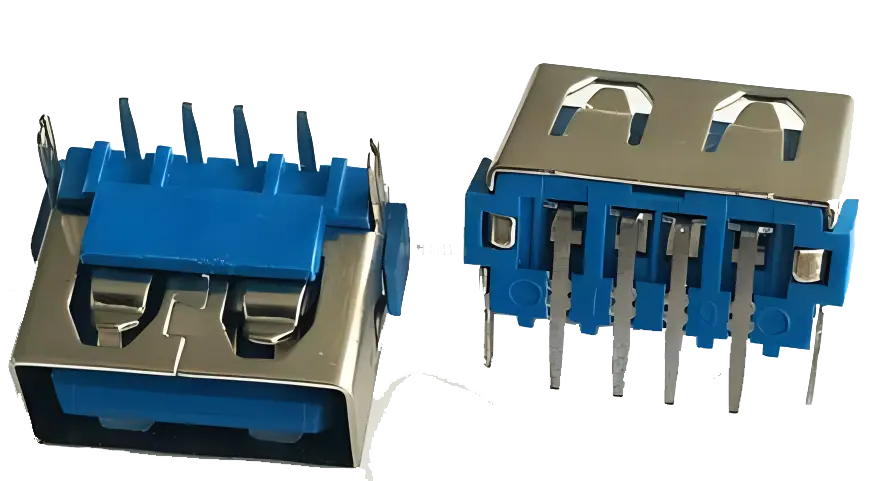 Connectors
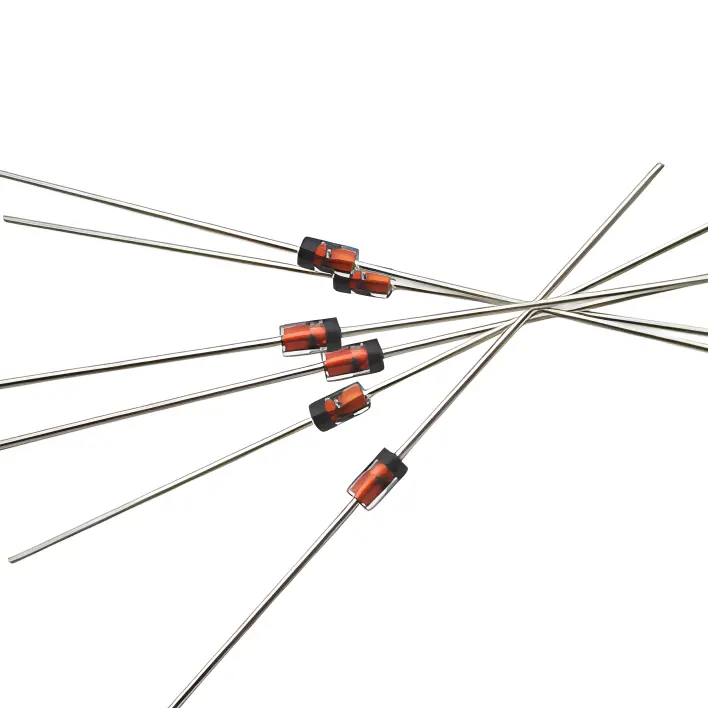 Diodes
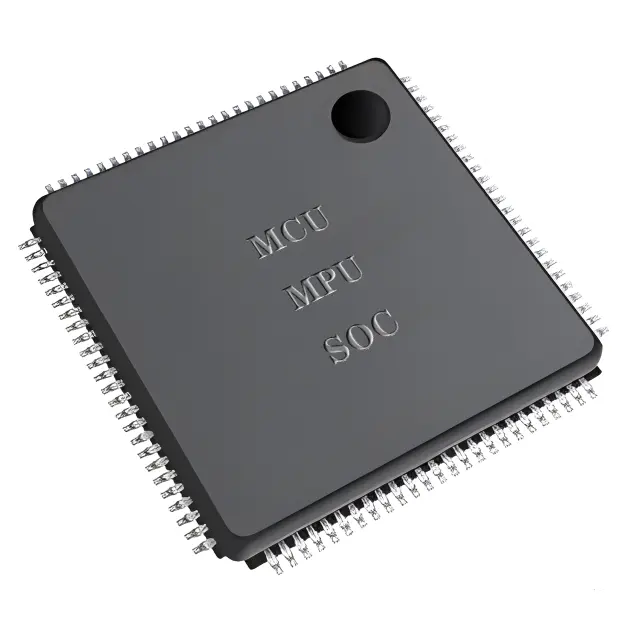 Embedded Processors & Controllers
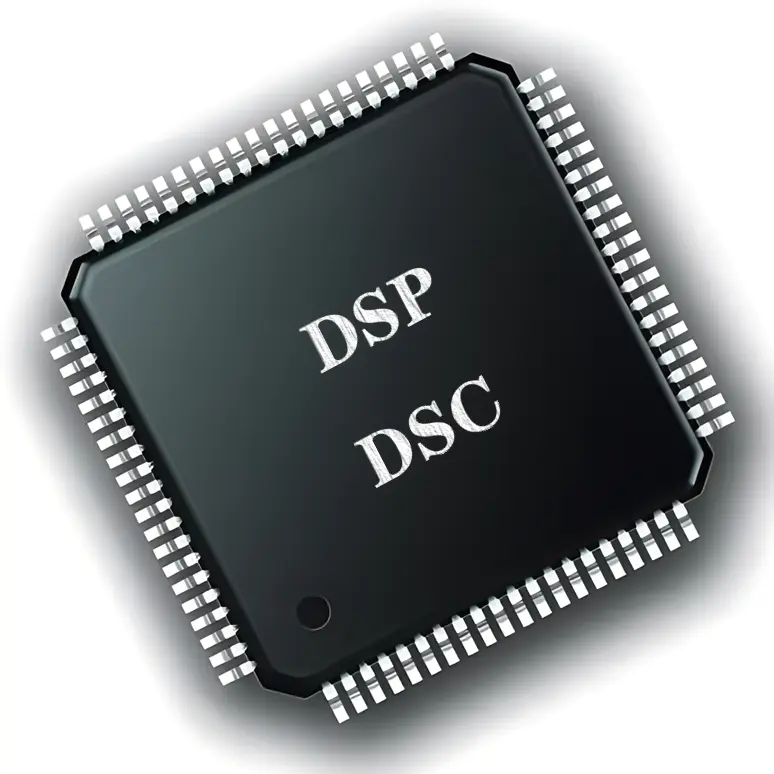 Digital Signal Processors (DSP/DSC)
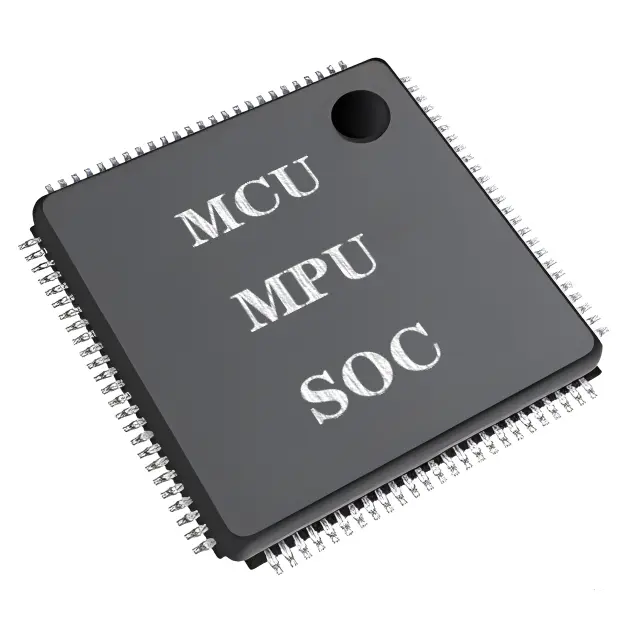 Microcontrollers (MCU/MPU/SOC)
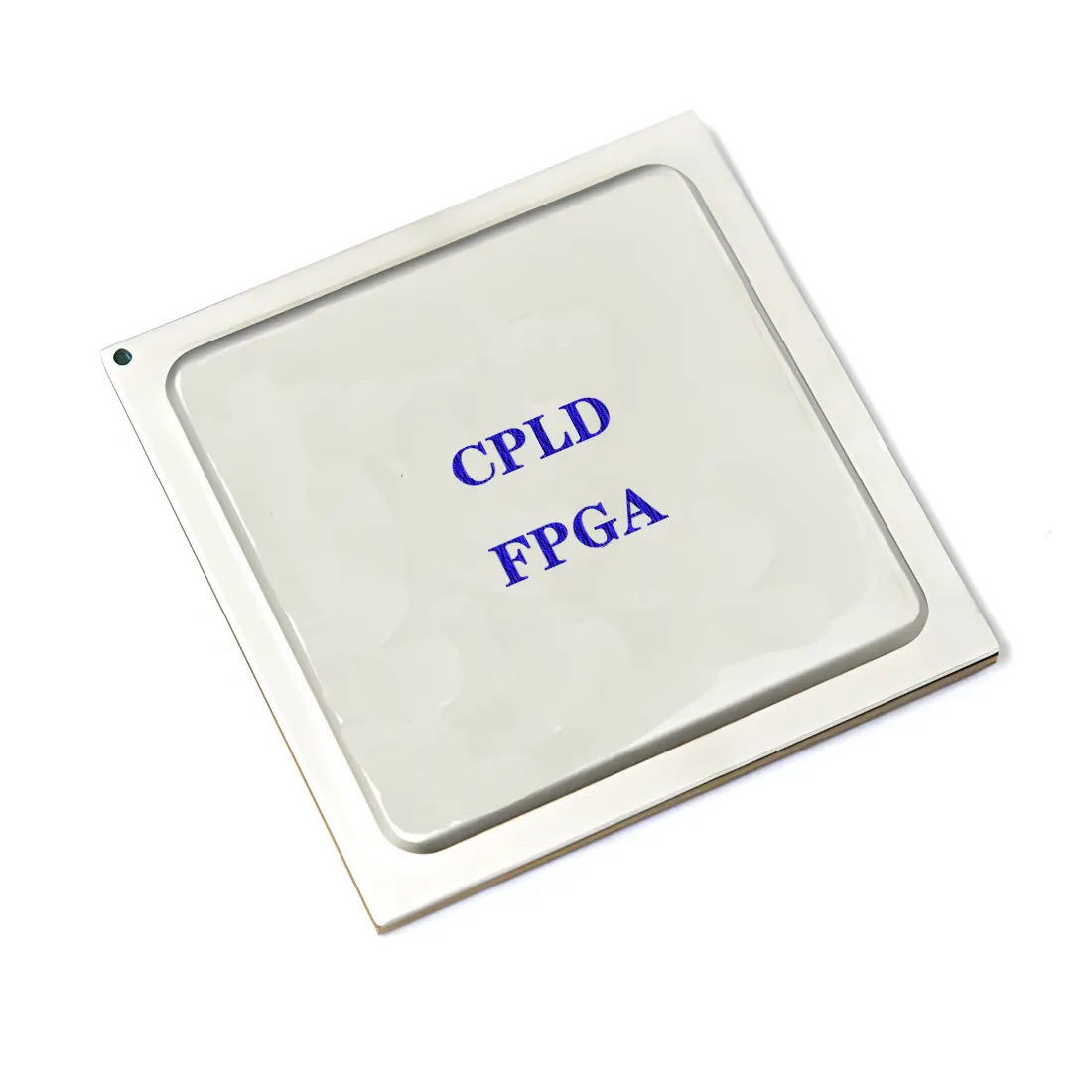 Programmable Logic Device(CPLD/FPGA)
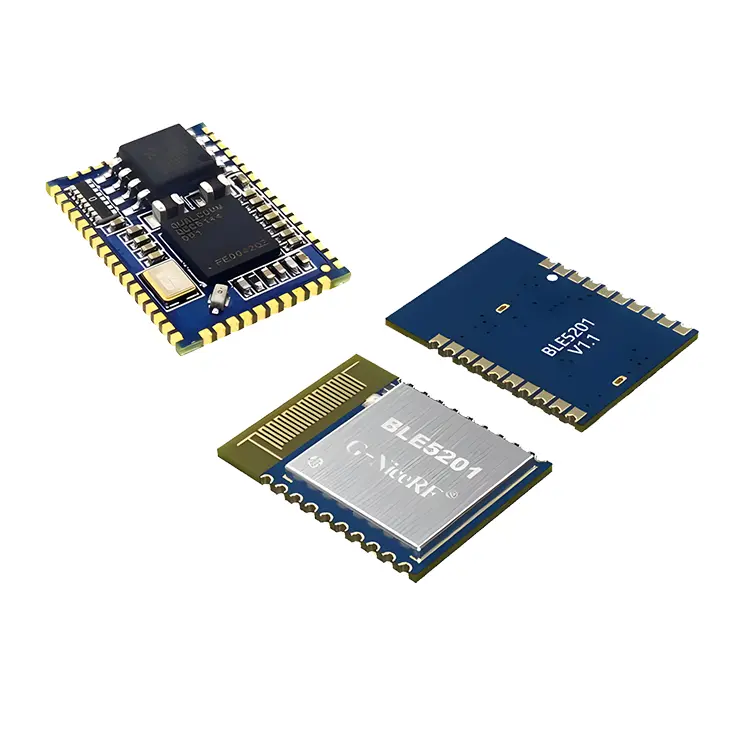 Communication Modules/IoT
 Resistors
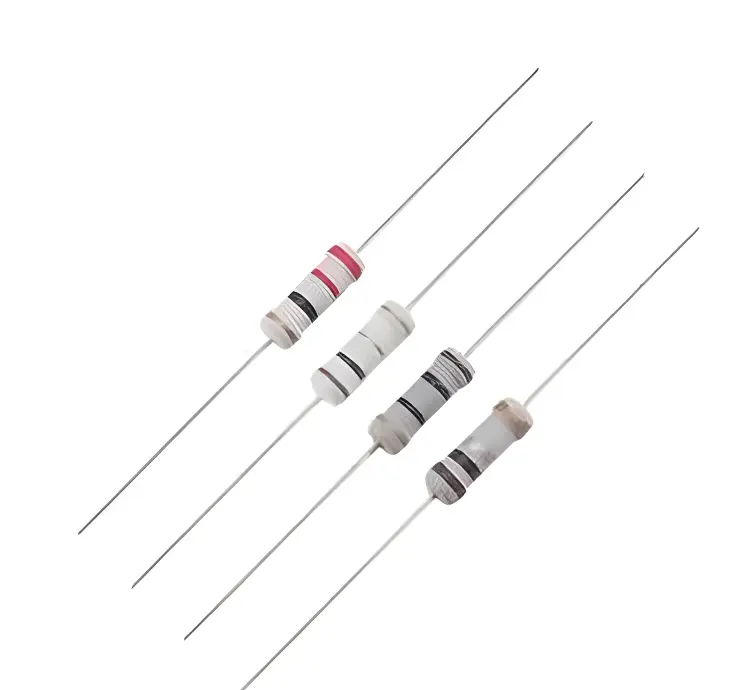 Through Hole Resistors
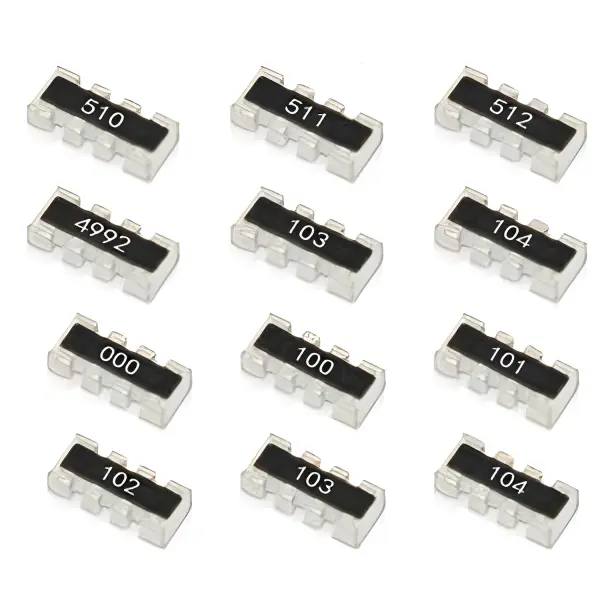 Resistor Networks, Arrays
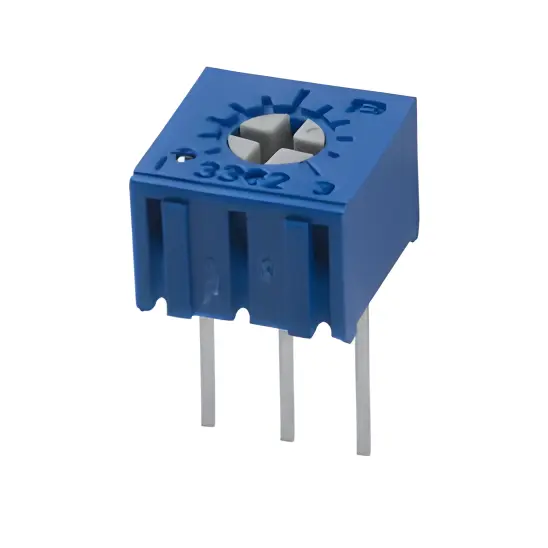 Potentiometers,Variable Resistors
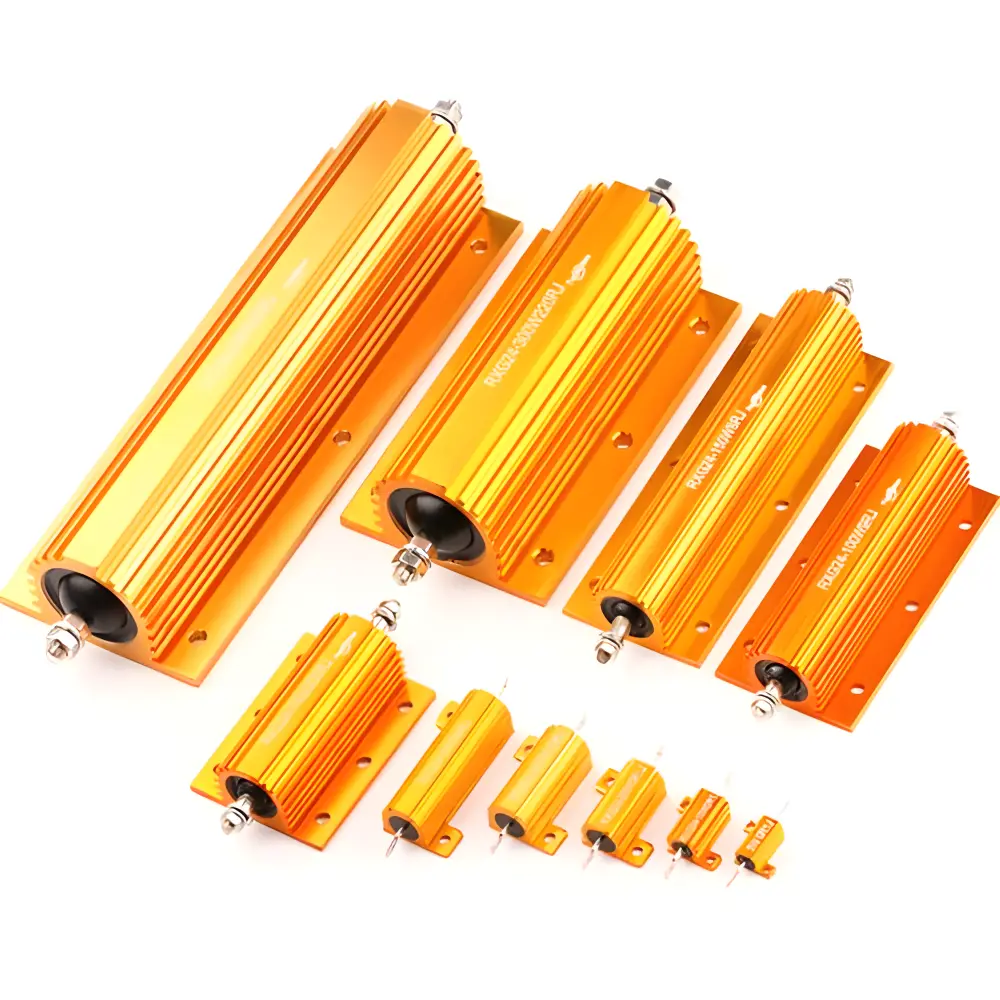 Aluminum Case,Porcelain Tube Resistance
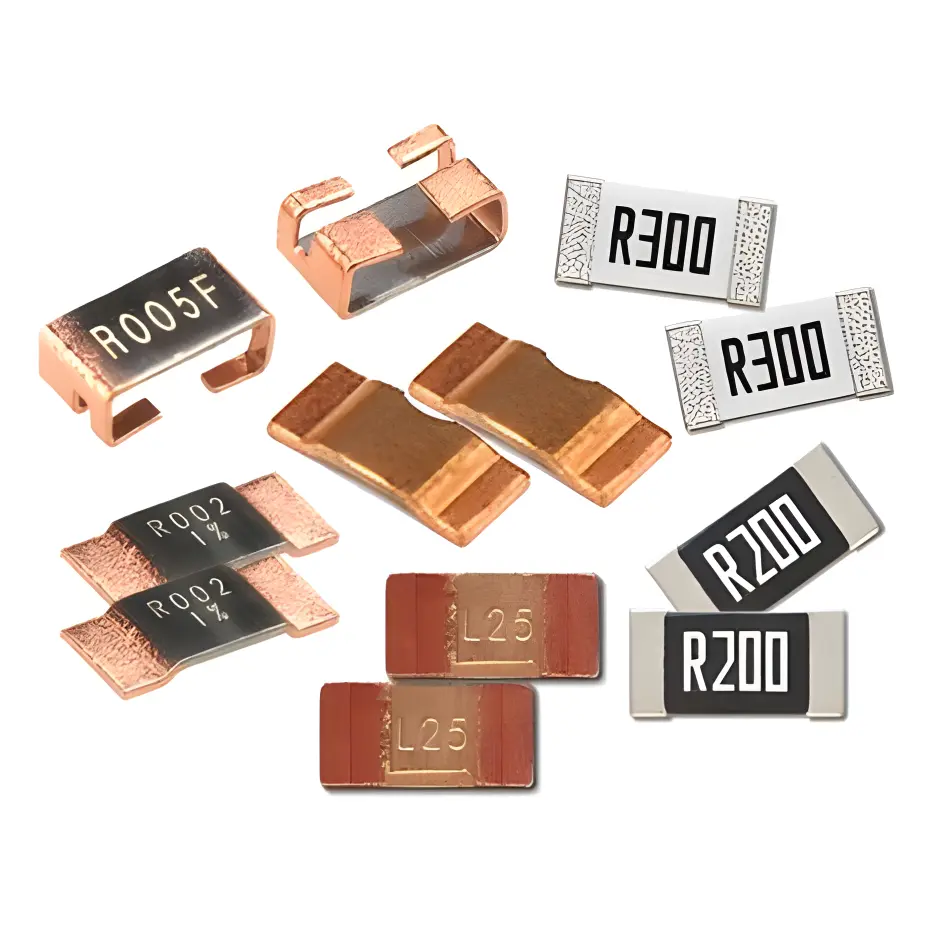 Current Sense Resistors,Shunt Resistors
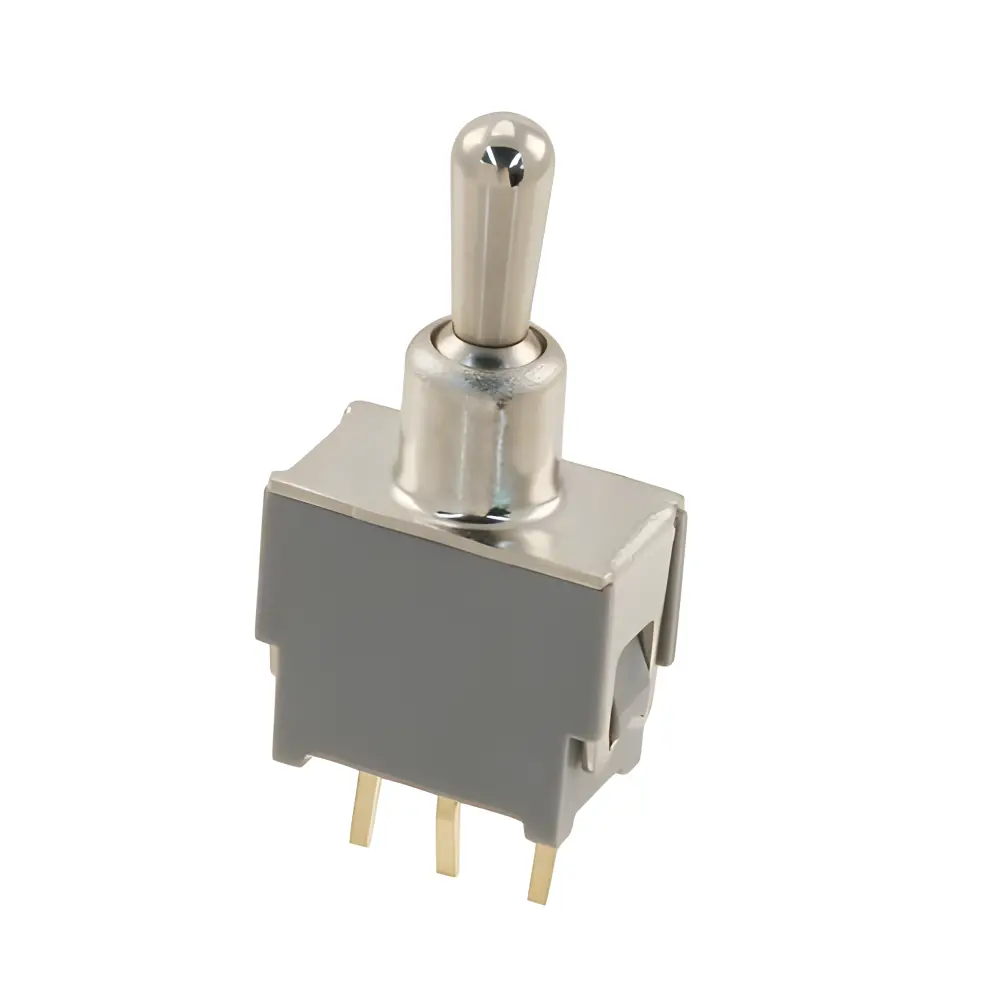 Switches
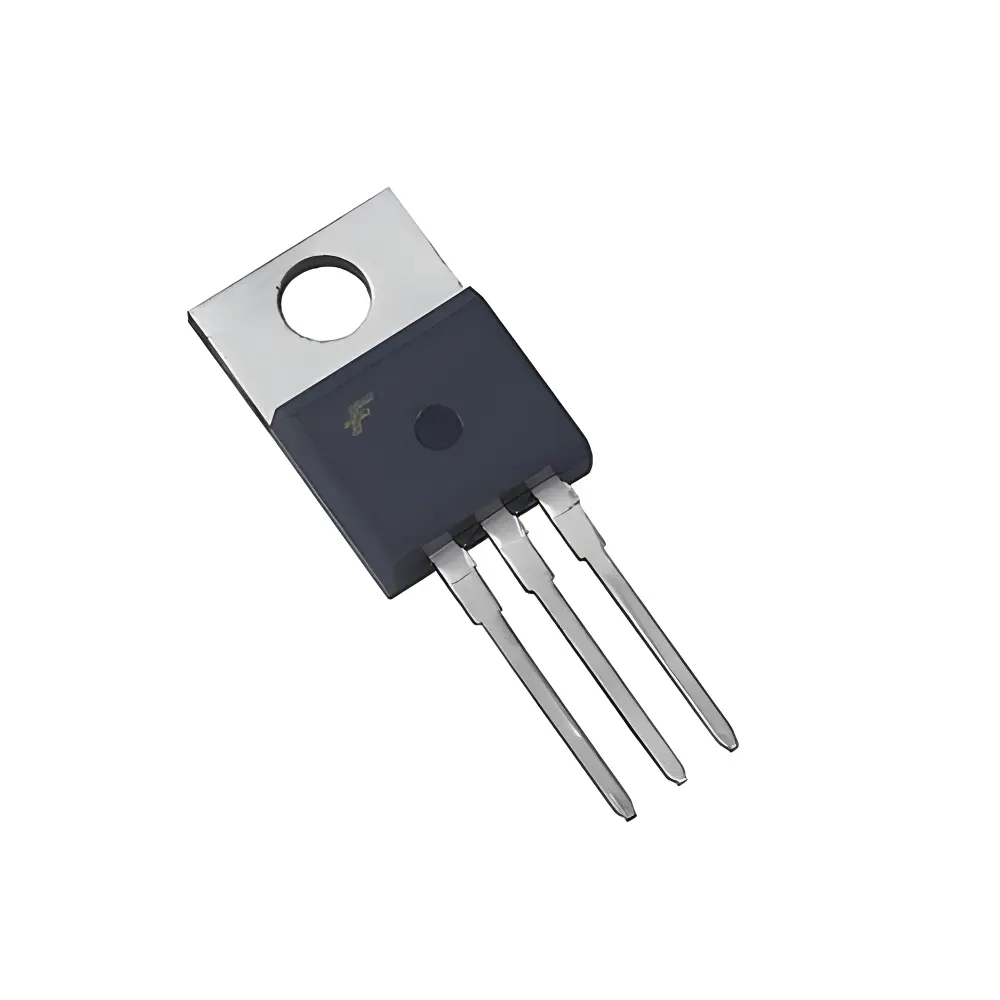 Transistors
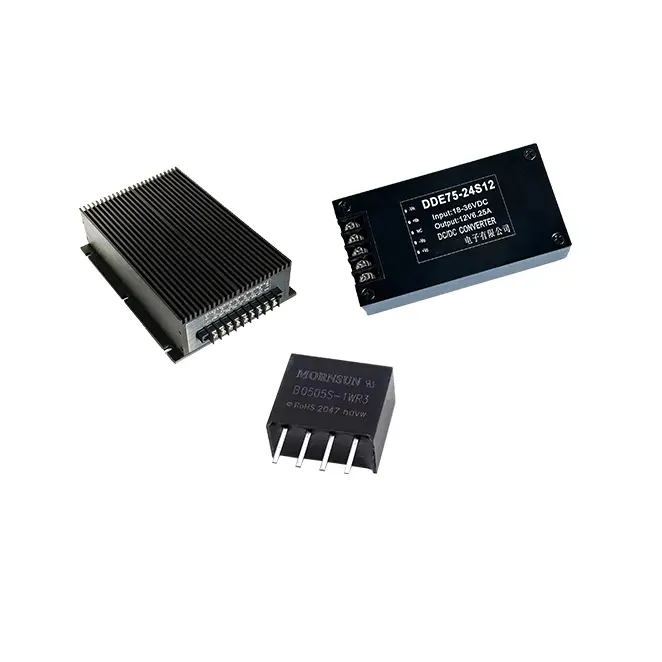 Power Modules
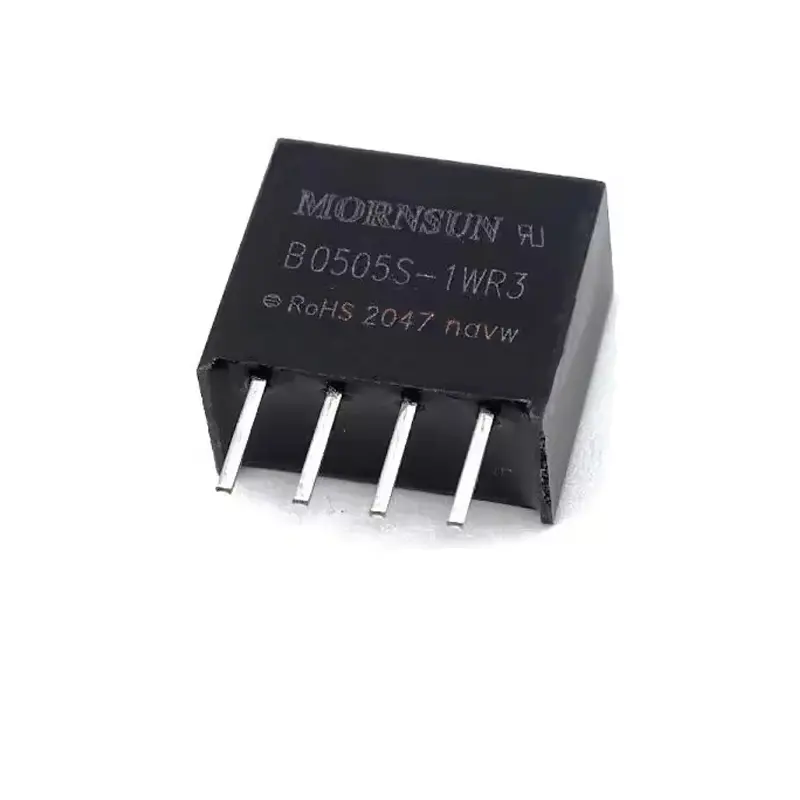 Isolated Power Modules
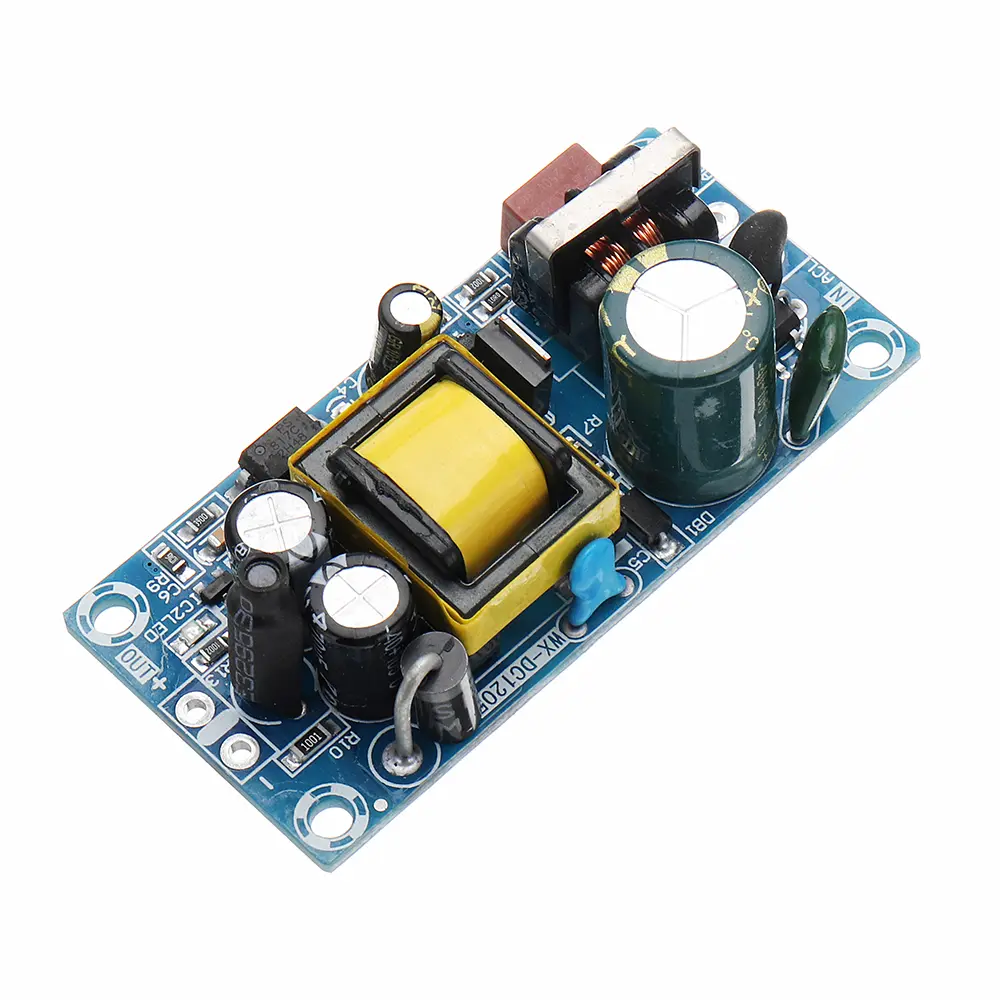 AC-DC Power Modules
 DC-AC Module(Inverter)
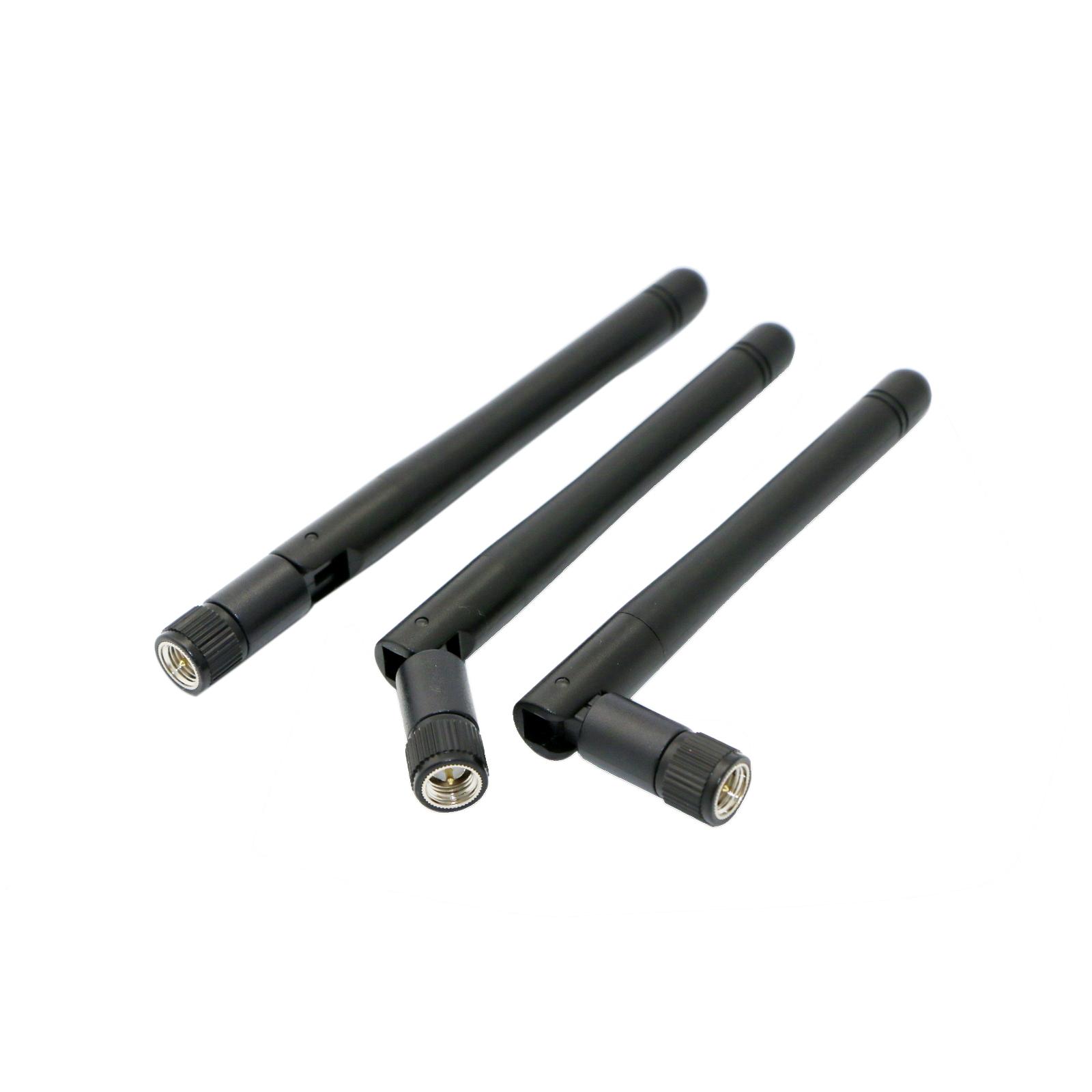 RF and Wireless
Suppressing Kirkendall Void Formation in SAC305 (Sn-Ag-Cu) Solder Joints
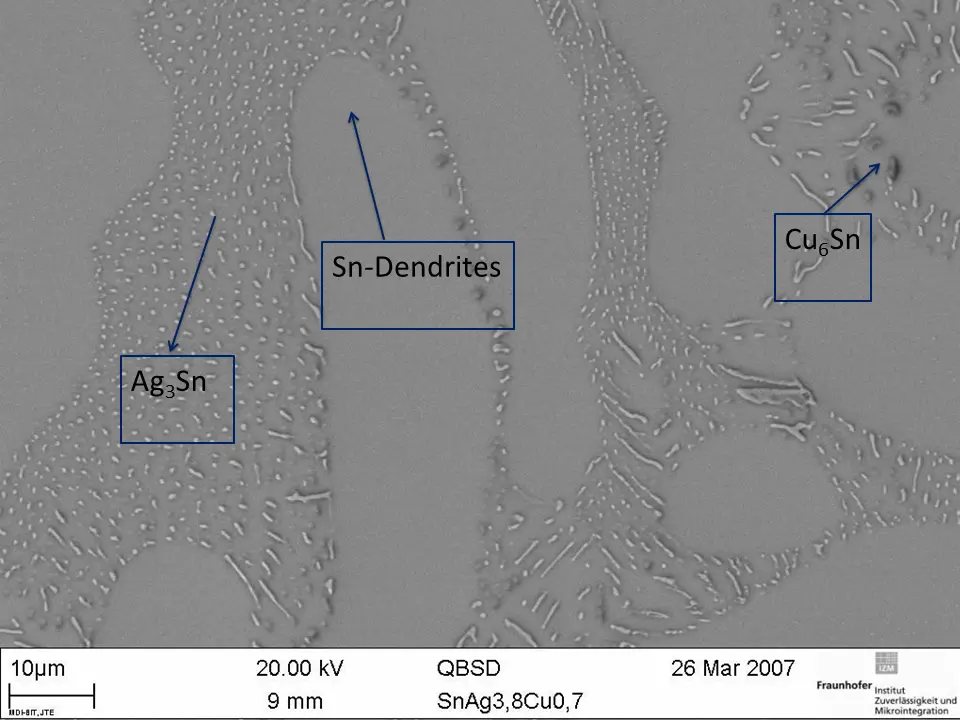
Kirkendall voids, caused by differential atomIC diffusion rates, critically degrade solder joint reliability. Key strategies to suppress their formation in SAC305 (Sn-3.0Ag-0.5Cu) include:
1. Alloy Composition Optimization
-
Trace alloying elements:
-
Nickel (Ni): 0.1–0.5 wt% Ni forms (Cu,Ni)₆Sn₅ IMC, reducing Cu diffusion flux into Sn.
-
Bismuth (Bi): 1–3 wt% Bi lowers the Sn matrix melting point, shortening high-temperature dwell time.
-
Antimony (Sb): 0.2–0.5 wt% Sb refines IMC grains, slowing grain boundary diffusion.
-
-
IMC growth control:
-
Adjust Ag content (2.5–3.5 wt%) to limit total IMC thickness to <5 μm.
-
2. InteRFace Engineering & Barrier Layers
-
Ni-based coatings (ENIG/ENEPIG):
-
2–5 μm electroless Ni or Ni-Pd-Au layers block Cu-Sn reactions, reducing void density by 80%.
-
(Ni,Cu)₃Sn₄ IMC exhibits diffusion coefficients 1–2 orders lower than Cu₃Sn.
-
-
Nano-coatings:
-
1–2 nm TiO₂/Al₂O₃ films via ALD suppress interfacial migration.
-
3. Process Parameter Optimization
-
Temperature-time profile:
-
Peak temperature: 240–245°C (5–10°C lower than conventional 250°C), TAL reduced to 30–60 s.
-
Cooling rate: 4–6°C/s (vs. 1–3°C/s) to limit atomic diffusion.
-
-
Atmosphere control:
-
N₂ reflow (O₂<50 ppm) minimizes oxidation, ensuring wettability.
-
4. Microstructure Control
-
Rapid solidification:
-
Laser-assisted soldering or TLPS achieves >100°C/s cooling, refining Sn grains to 5–10 μm.
-
-
Stress mitigation:
-
Optimized joint geometry (e.g., concave pads) and underfill reduce thermomechanical stress by 30–50%.
-
5. Reliability Validation & Failure Analysis
-
Void characterization:
-
SAM and FIB-SEM quantify void volume fraction (<1% target).
-
-
Accelerated aging:
-
Thermal cycling (-55–125°C, 1000 cycles): Void growth rate <0.05 μm/cycle;
-
High-temperature storage (150°C, 1000h): IMC thickness growth <20%.
-