
 PCB
PCB FPC
FPC Rigid-Flex
 FR-4
FR-4 HDI PCB
 Rogers High-Frequency Board
 PTFE Teflon High-Frequency Board
 Aluminum
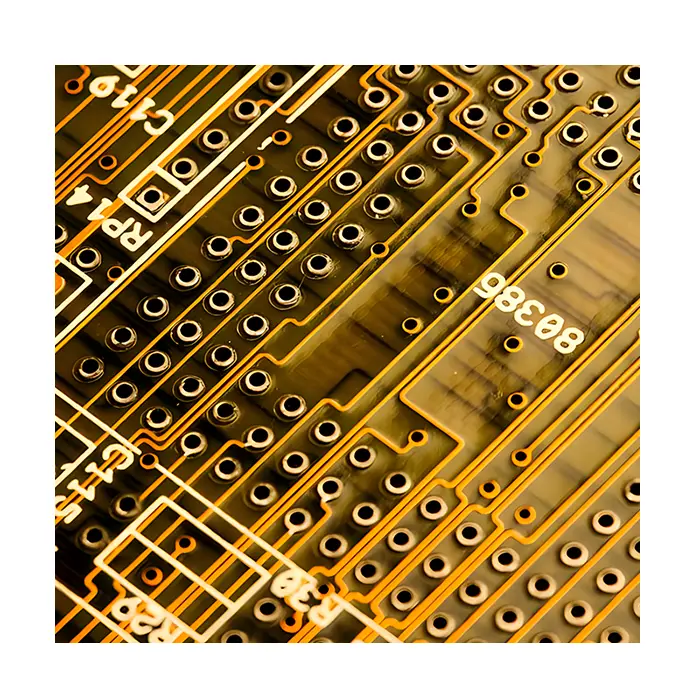 Copper Core
 PCB Assembly
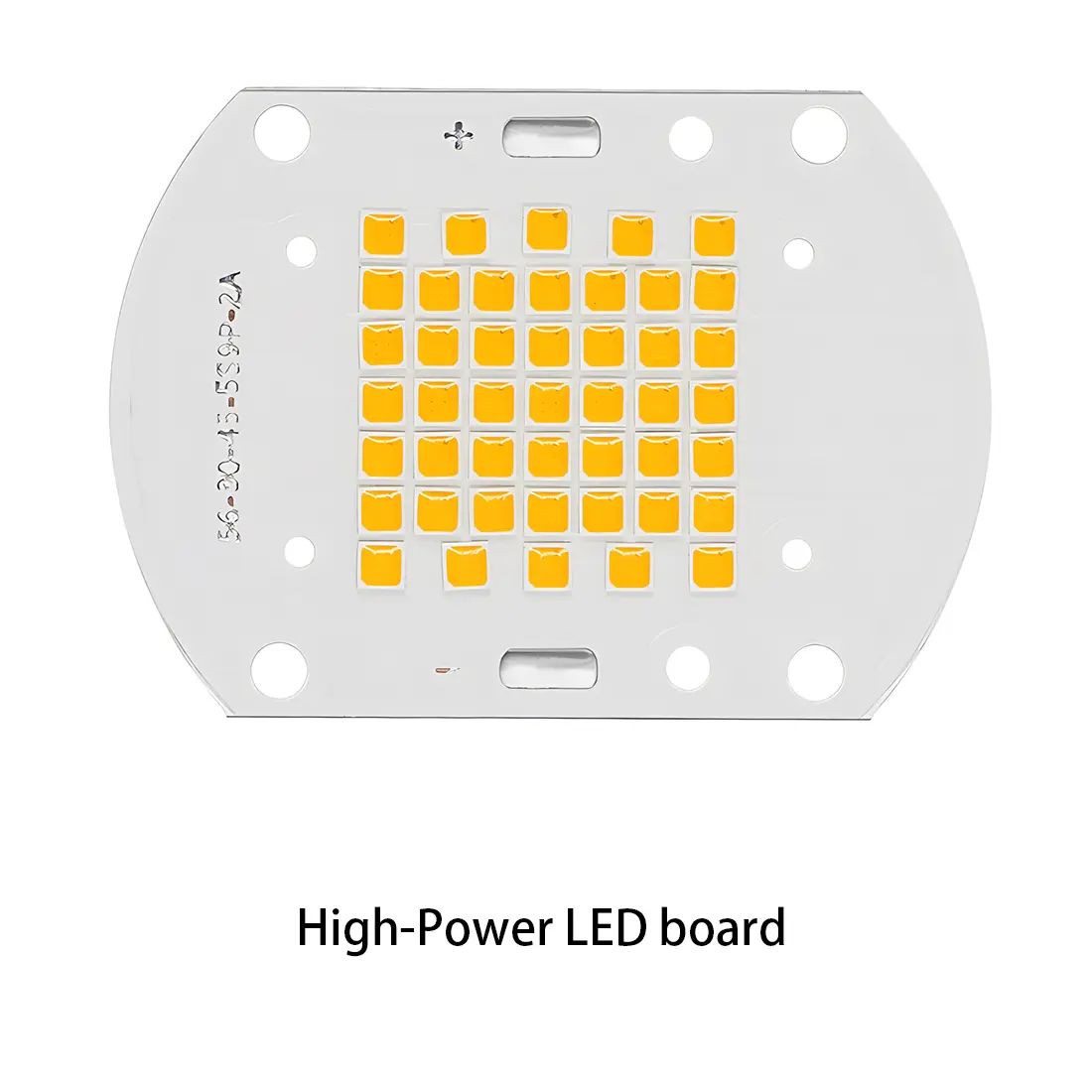 LED light PCBA
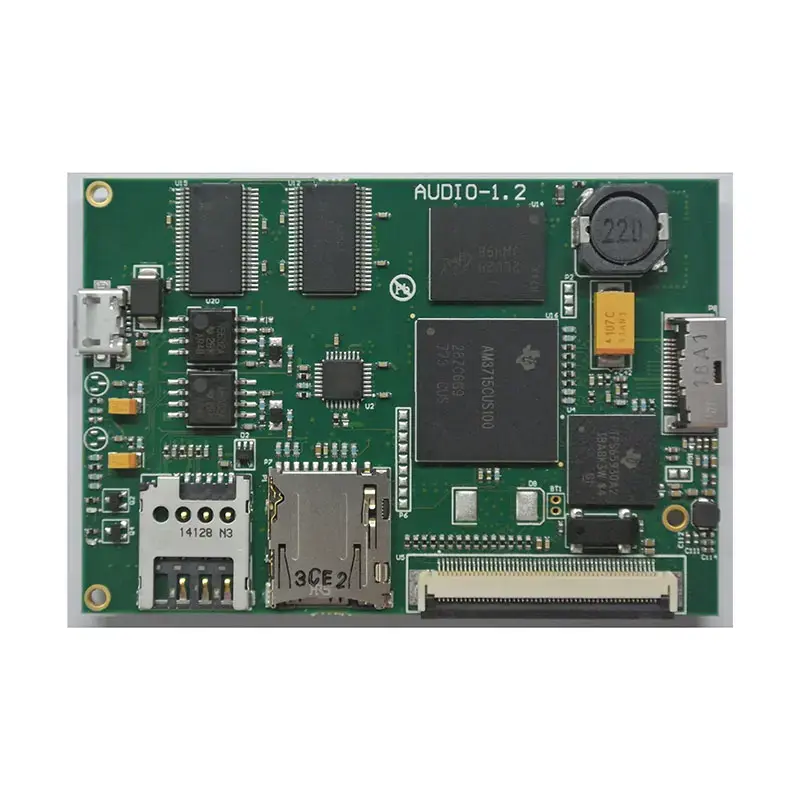
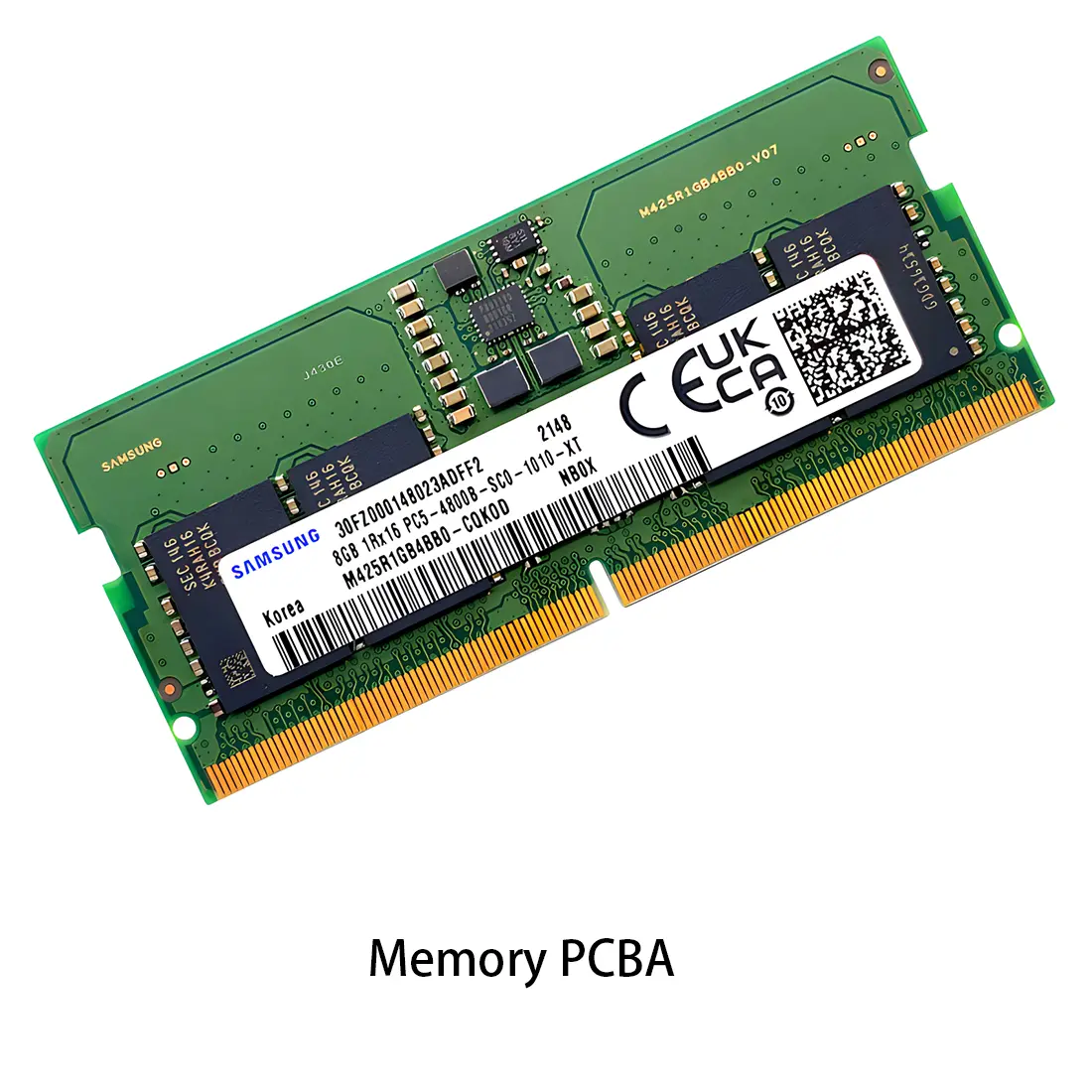 Memory PCBA
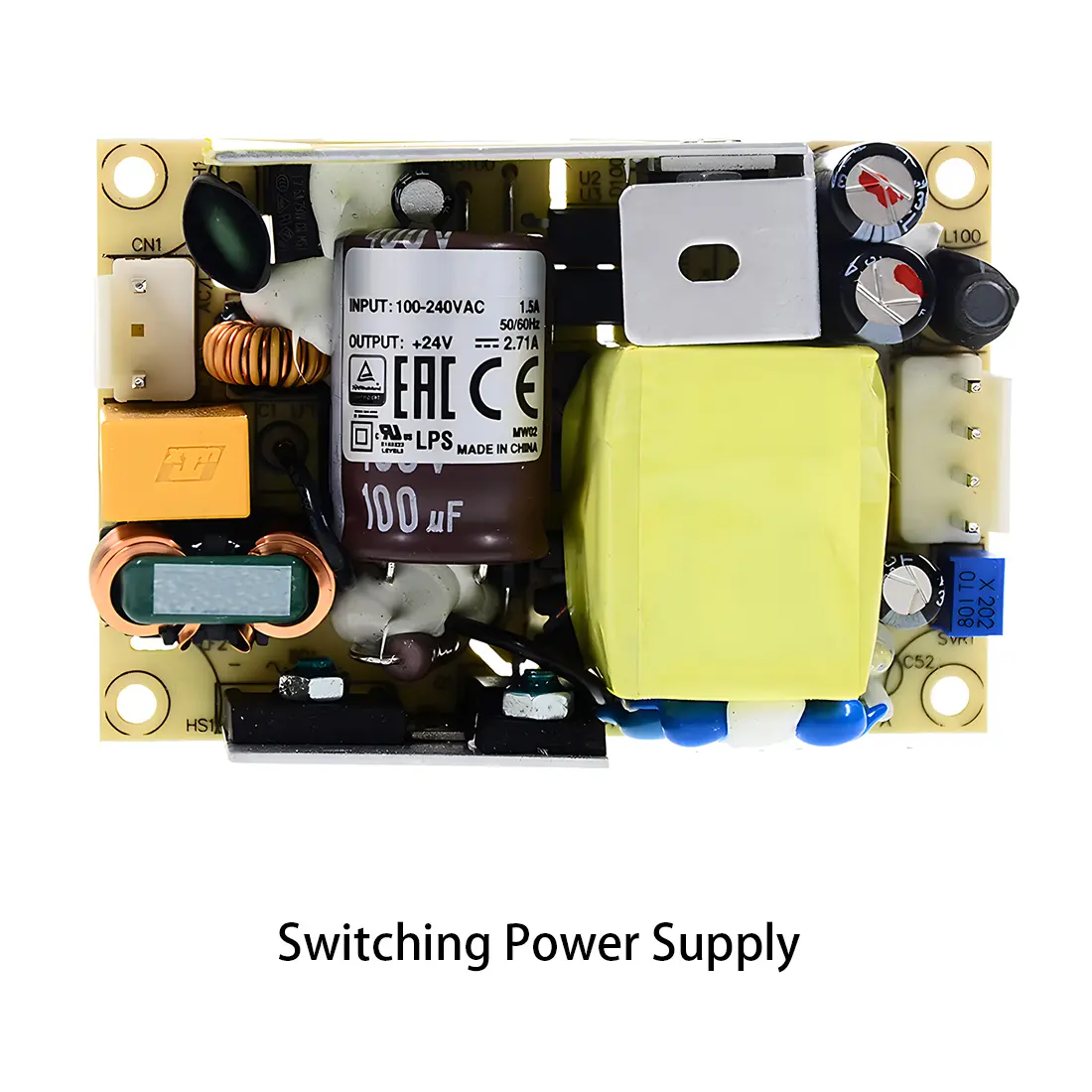 Power Supply PCBA
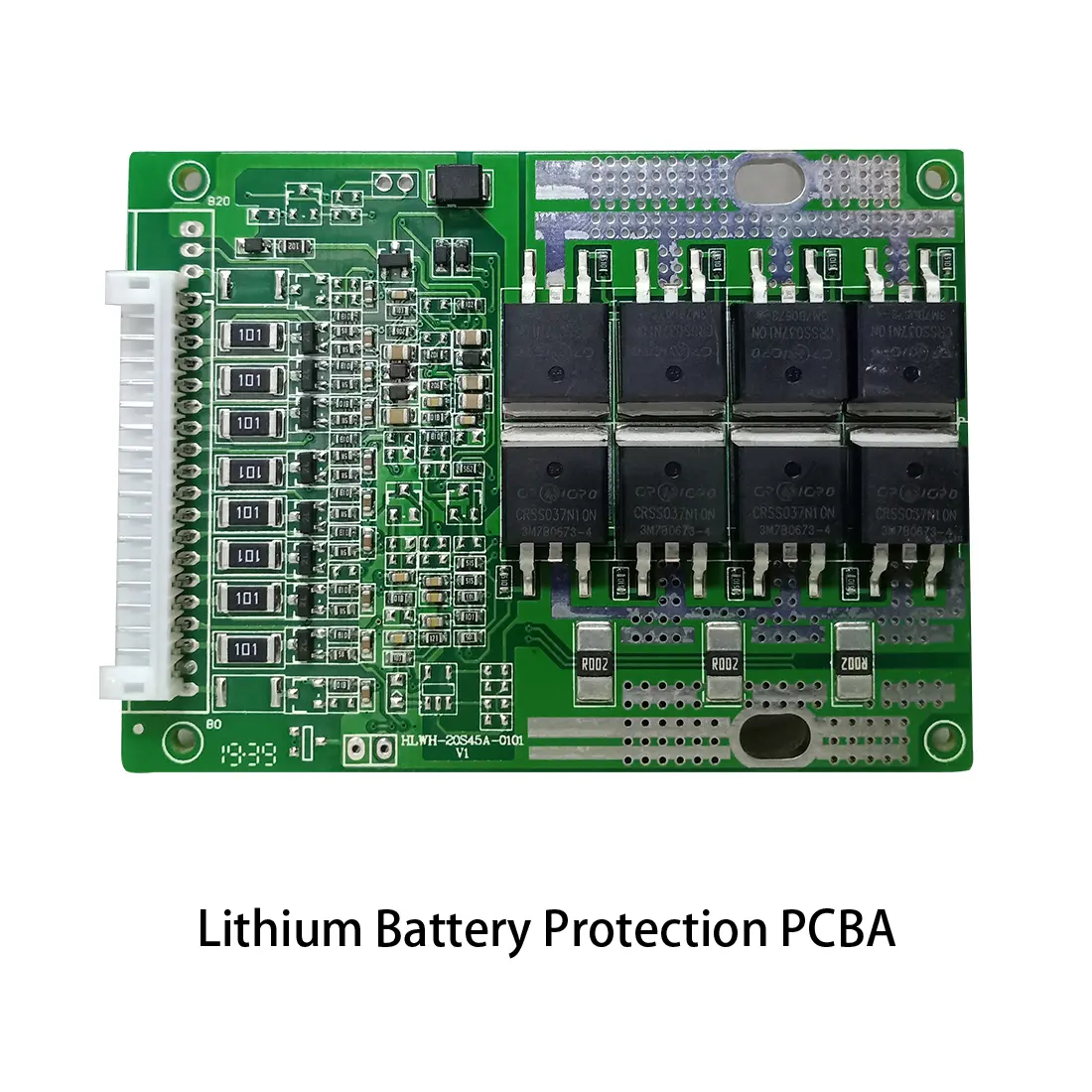 New Energey PCBA
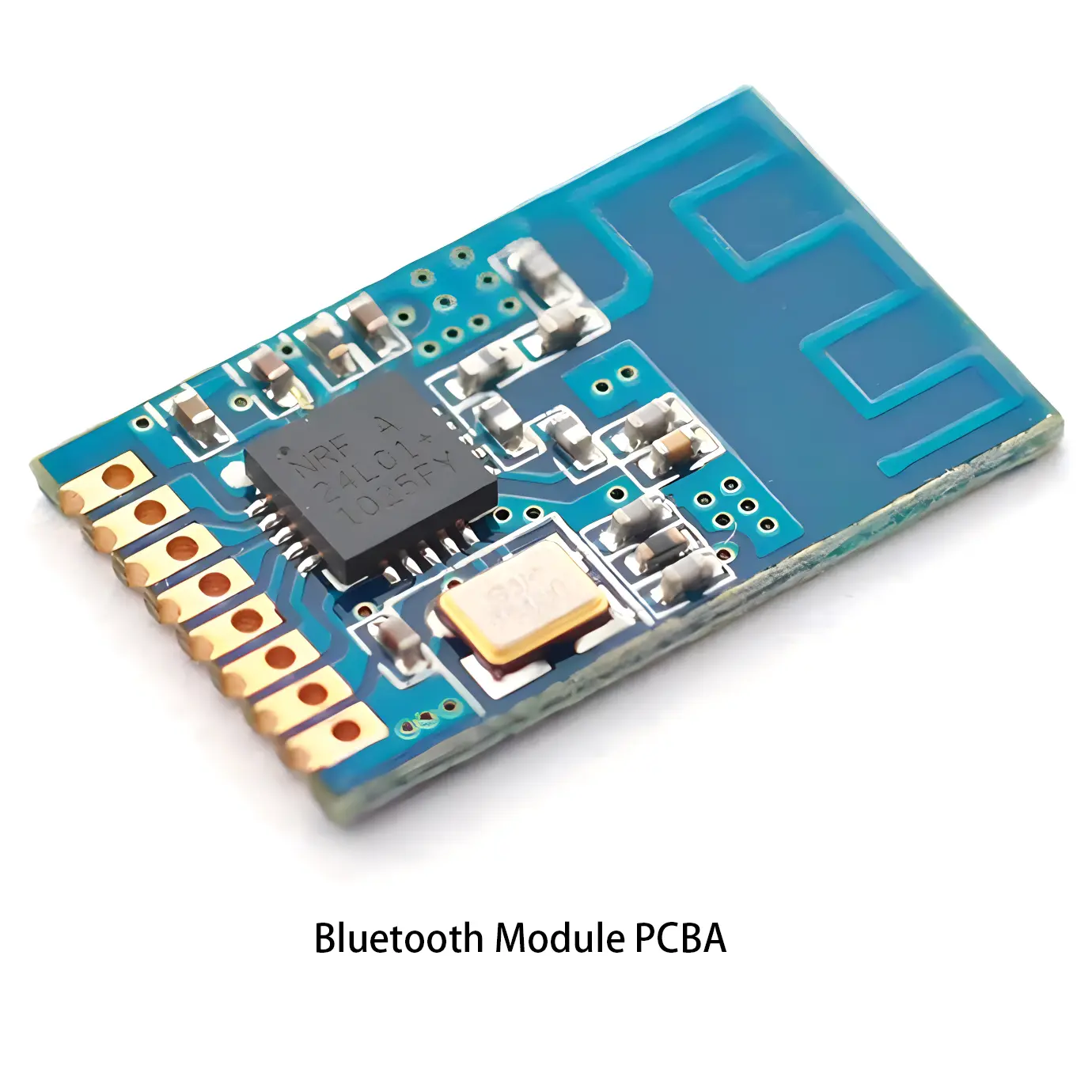 Communication PCBA
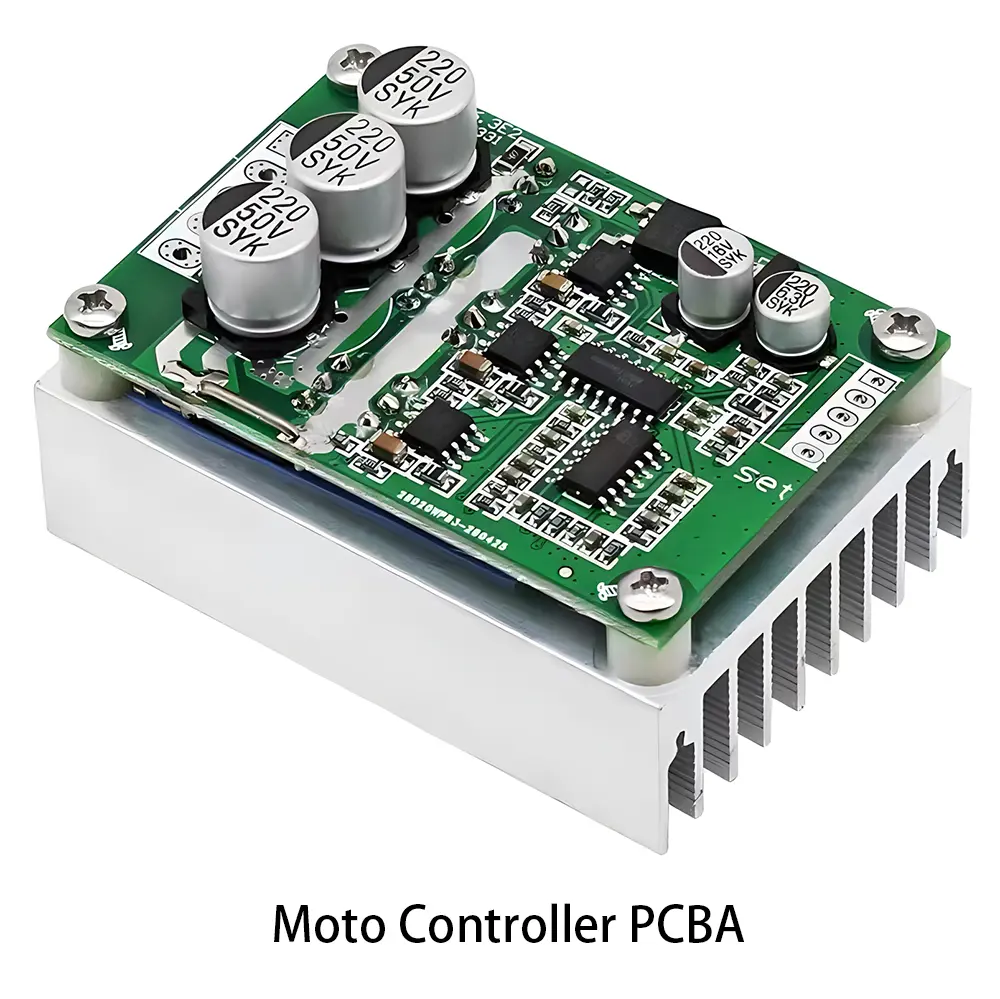 Industrial Control PCBA
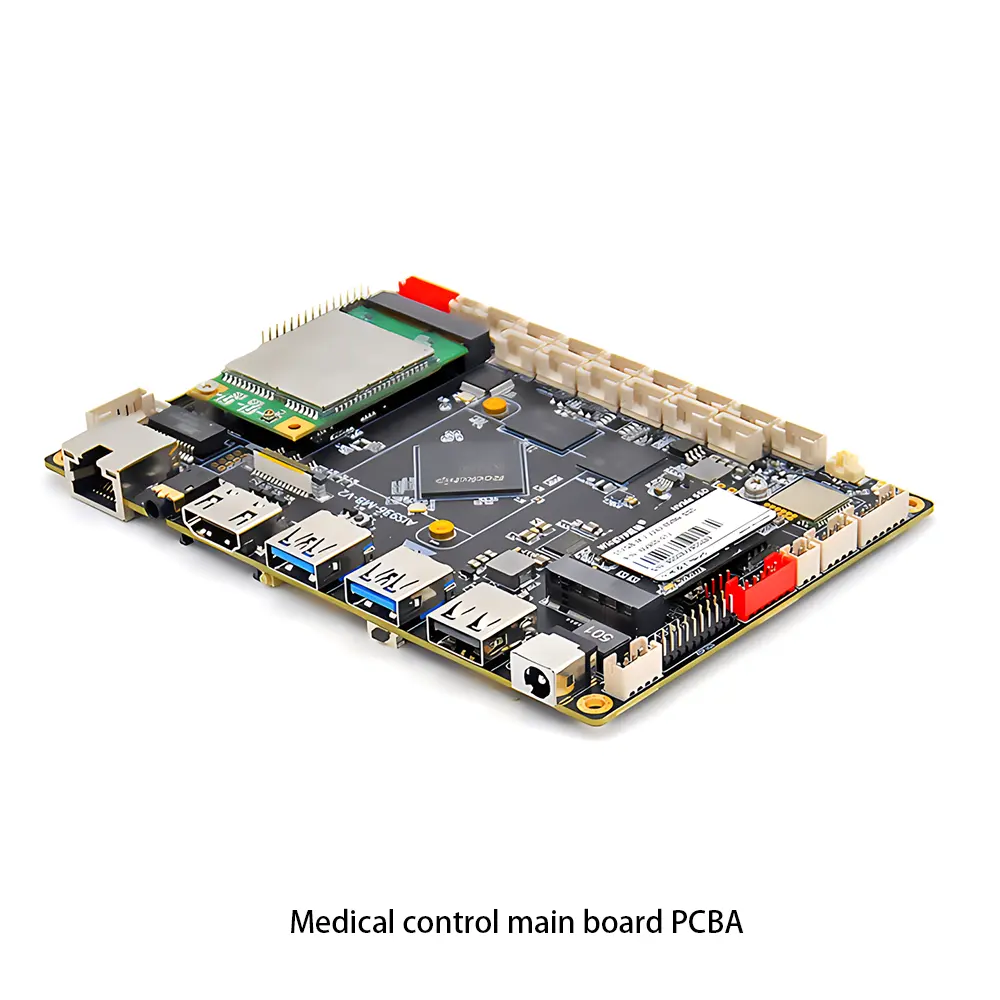 Medical Equipment PCBA
 Testing Service
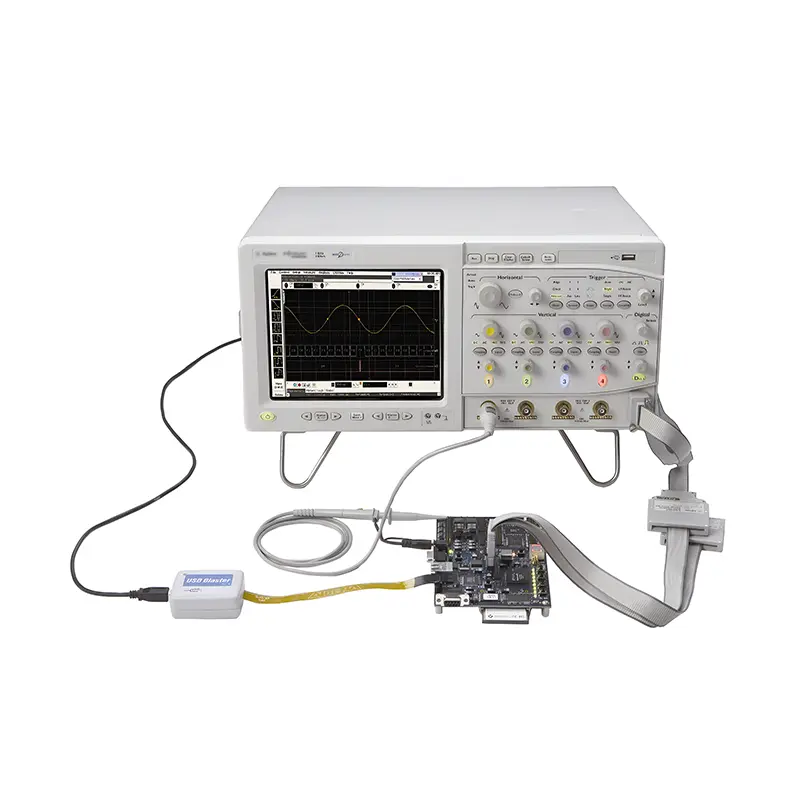 PCBA Testing Service
 Certification Application
 RoHS Certification Application
 REACH Certification Application
 CE Certification Application
 FCC Certification Application
 CQC Certification Application
 UL Certification Application
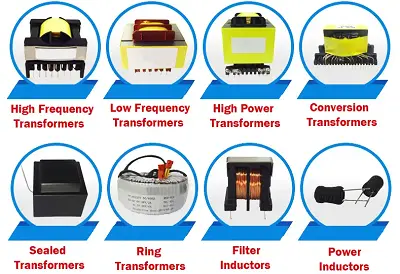 Transformers, Inductors
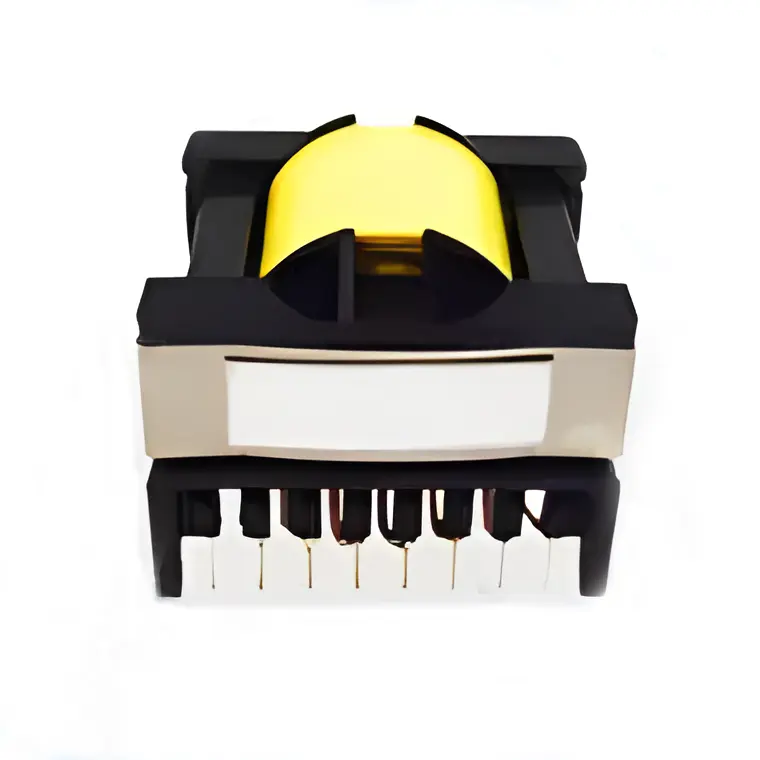 High Frequency Transformers
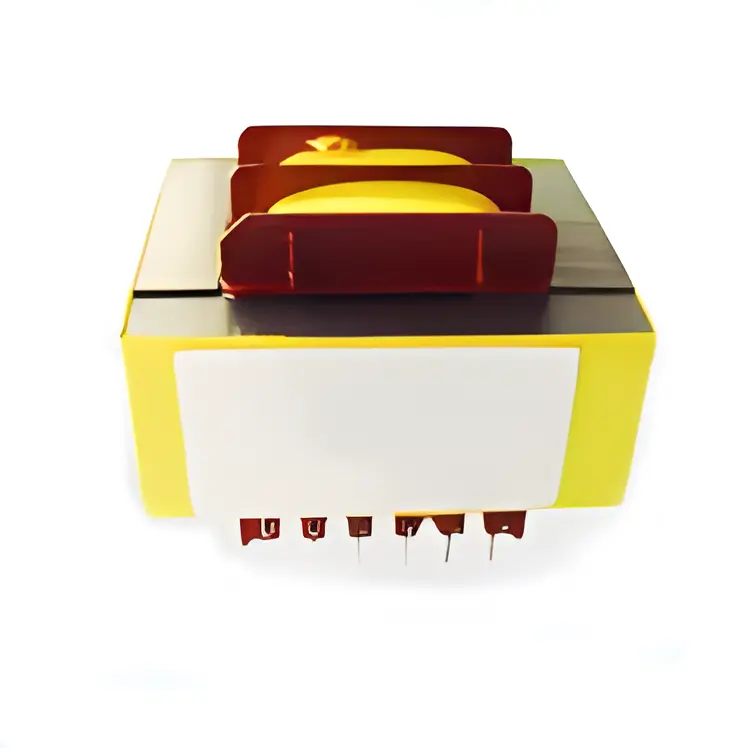 Low Frequency Transformers
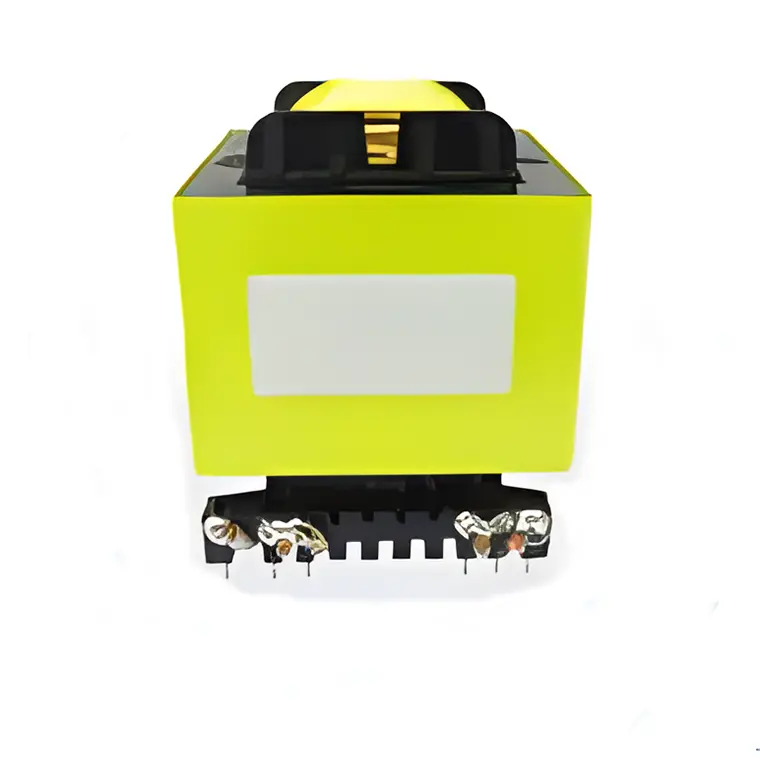 High Power Transformers
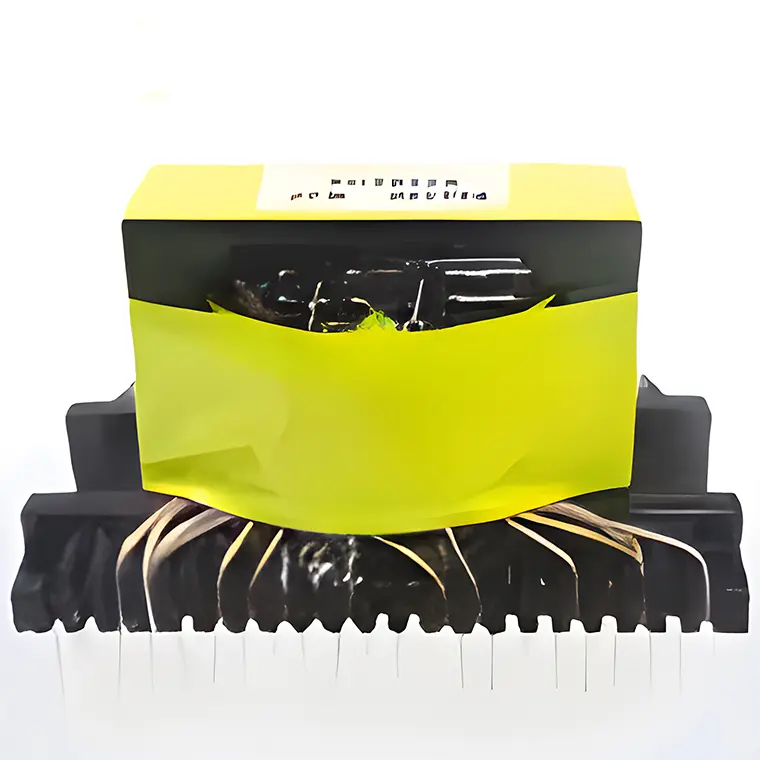 Conversion Transformers
 Sealed Transformers
 Ring Transformers
 Inductors
 Wires,Cables Customized
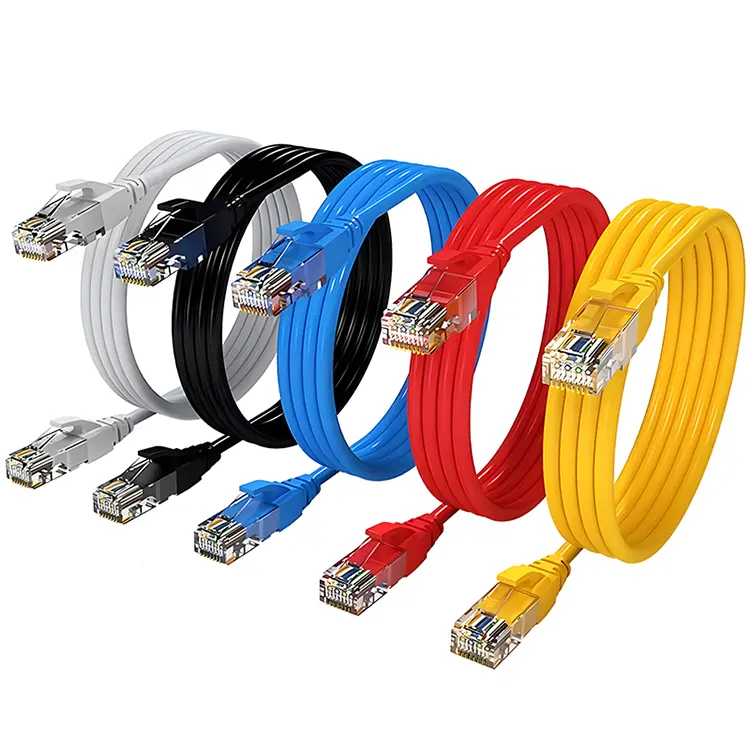 Network Cables
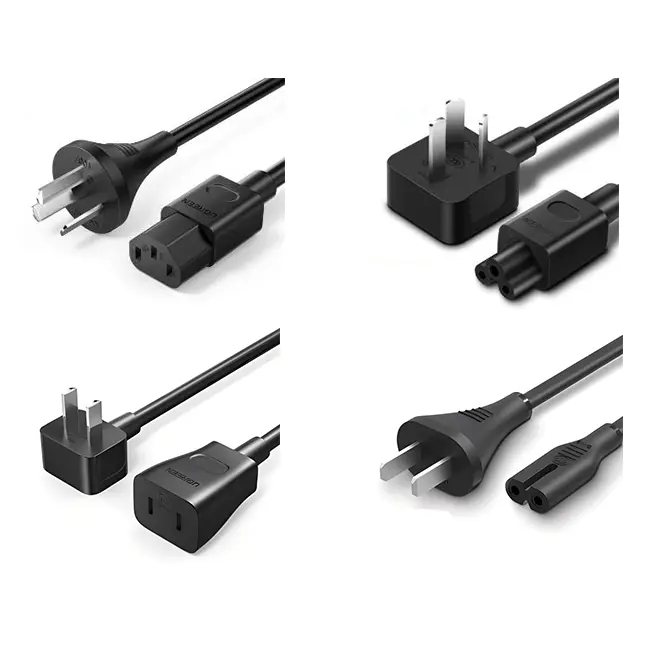 Power Cords
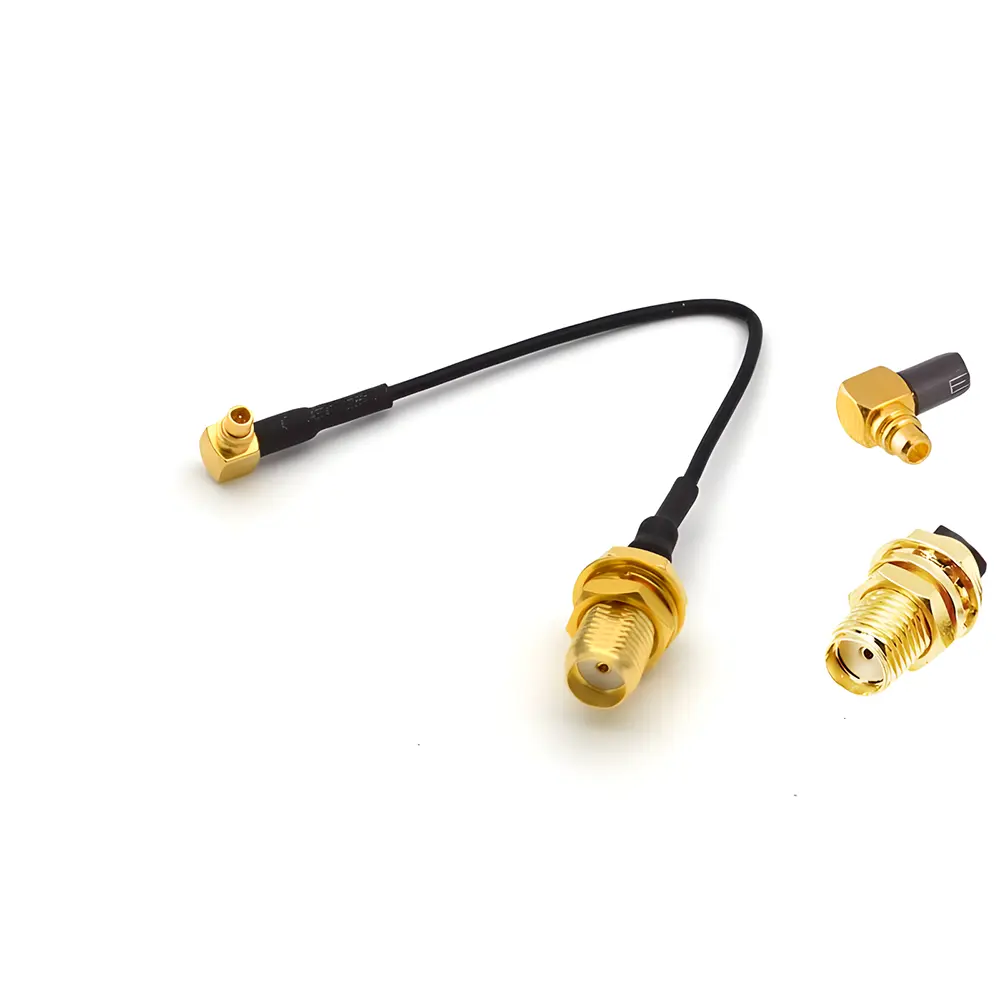 Antenna Cables
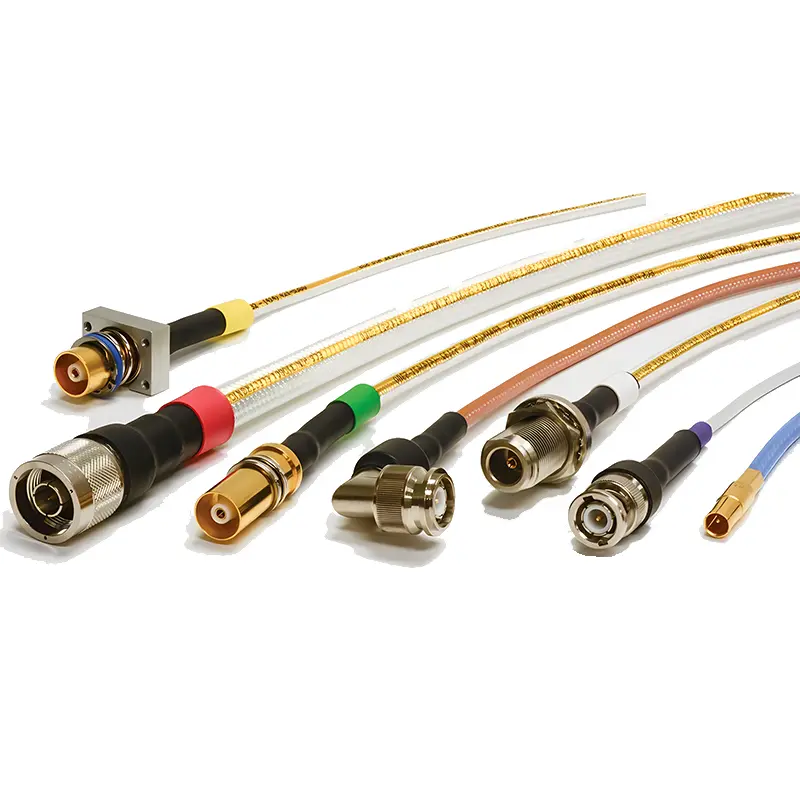 Coaxial Cables
 Net Position Indicator
 Solar AIS net position indicator
 Capacitors
 Connectors
 Diodes
 Embedded Processors & Controllers
 Digital Signal Processors (DSP/DSC)
 Microcontrollers (MCU/MPU/SOC)
 Programmable Logic Device(CPLD/FPGA)
 Communication Modules/IoT
 Resistors
 Through Hole Resistors
 Resistor Networks, Arrays
 Potentiometers,Variable Resistors
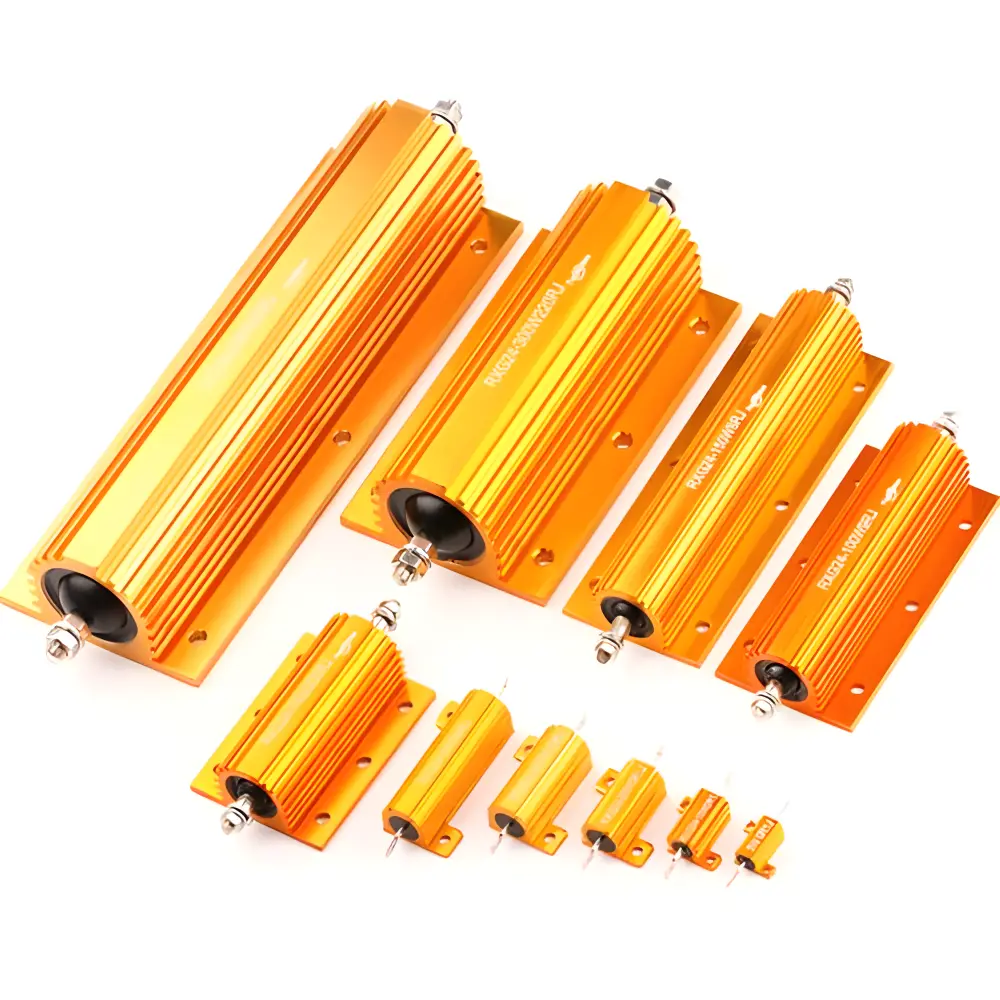 Aluminum Case,Porcelain Tube Resistance
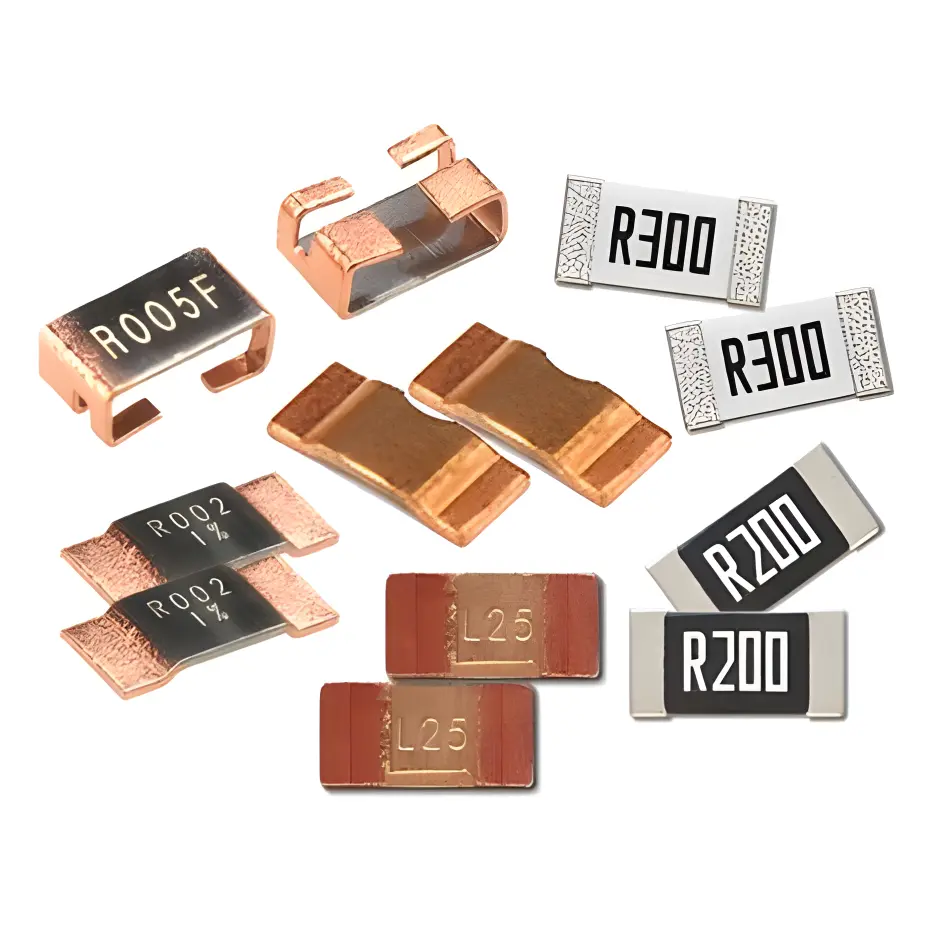 Current Sense Resistors,Shunt Resistors
 Switches
 Transistors
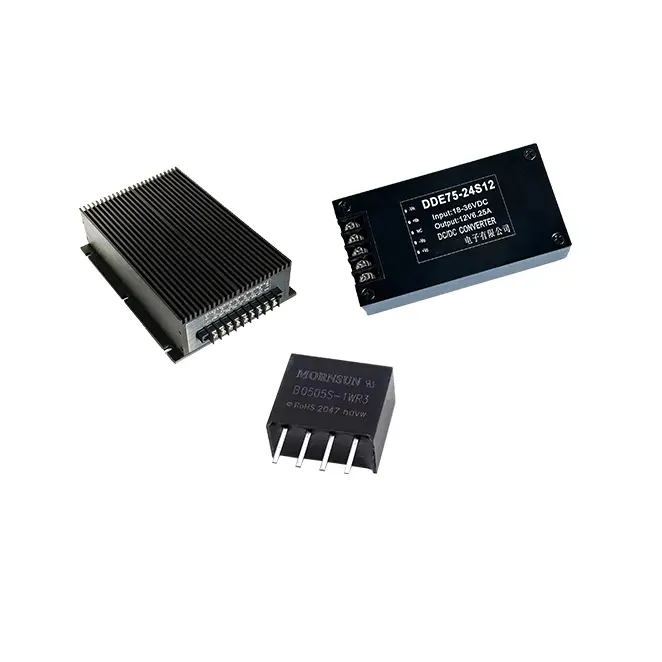 Power Modules
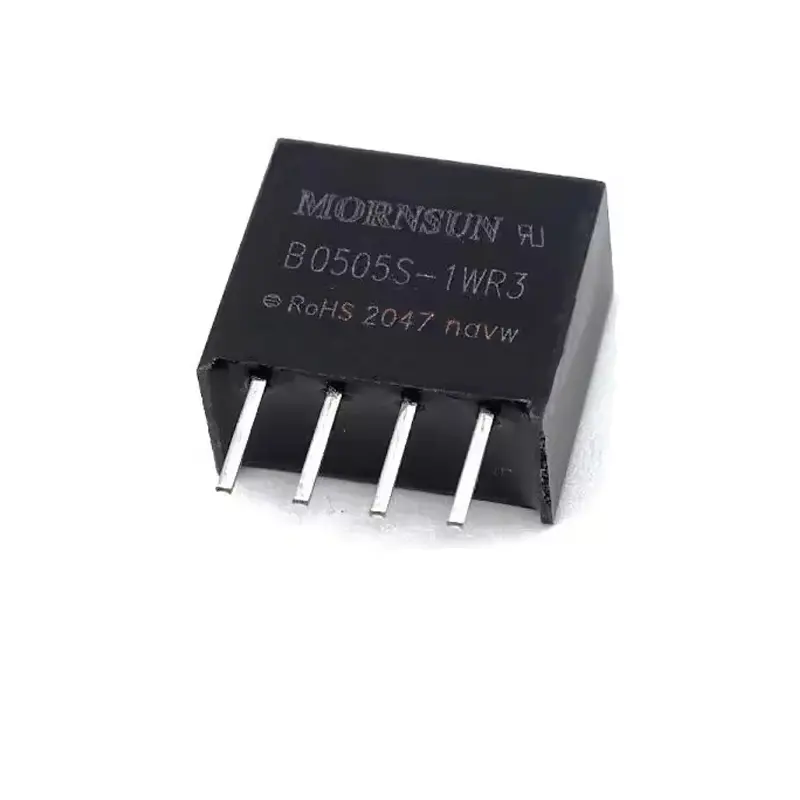 Isolated Power Modules
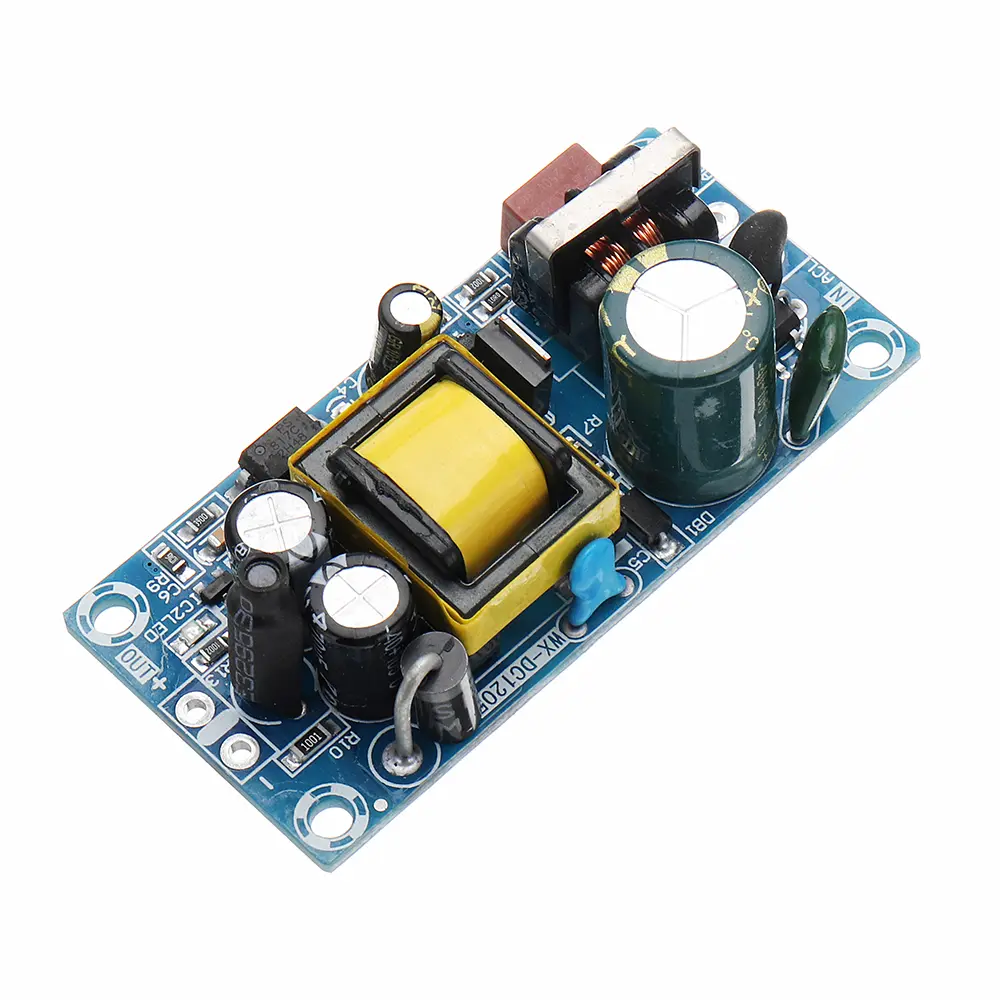 AC-DC Power Modules
 DC-AC Module(Inverter)
 RF and Wireless
Judgment on Whether Minor Scratches on Copper Foil Found in Incoming Inspection Affect Subsequent Etching or Electroplating
2026-01-25
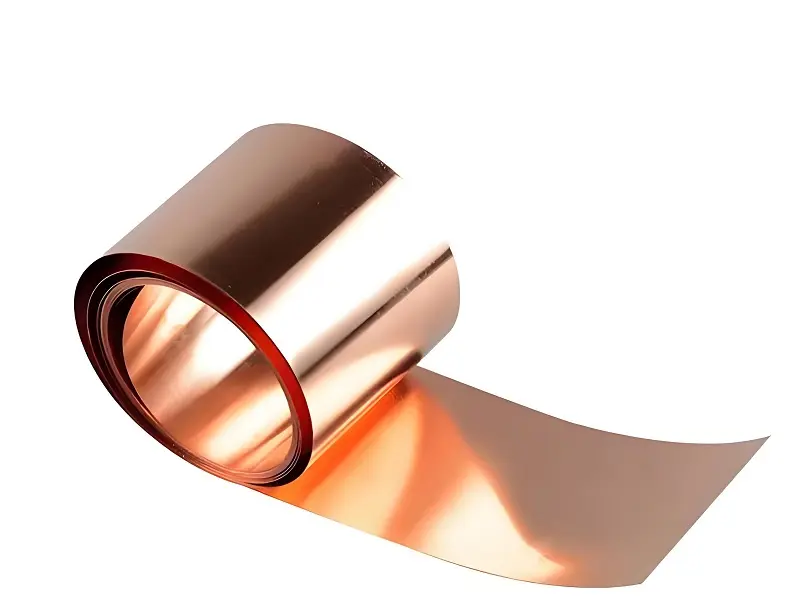
In the production and manufacturing of Printed Circuit Boards (PCBs), copper foil, as a core conductive substrate, its suRFace quality directly determines the electrical performance, structural stability, and service life of PCB products. Incoming Quality Control (IQC), as the first checkpoint of quality management, often faces the dilemma of judging minor scratches on copper foil surfaces. Due to differences in shape, depth, location, etc., such scratches have varying degrees of impact on subsequent etching and electroplating processes. Improper judgment may either lead to excessive rejection, increasing material costs and delivery delays, or release unqualified materials, causing batch production defects and rework/scrap losses. Based on the characteristics classification of copper foil scratches and the core principles of etching and electroplating processes, this article systematically elaborates on the influence mechanism of minor scratches on these two key processes, establishes scientific judgment standards and processes, and provides rectification plans combined with practical cases, offering technical support for PCB enterprises to improve incoming inspection accuracy and avoid production risks.
I. Definition of Characteristics and Analysis of Causes of Minor Scratches on Copper Foil
Minor scratches on copper foil surfaces are not a single form. To accurately evaluate their impact on subsequent processes, it is necessary to first clarify their core characteristic parameters. The so-called "minor scratches" usually refer to surface damages that are visible to the naked eye or observable with a low-power microscope (10-20x), with depth not penetrating the copper foil substrate and width within 0.1mm. Their characteristics need to be defined from four dimensions: shape, depth, location, and quantity. The causes of scratches are directly related to the risk level of their subsequent impacts.
(I) Definition of Core Characteristics of Minor Scratches
1. Morphological Characteristics: Minor scratches are classified into linear scratches and dot-like scratches according to cross-sectional shape. Linear scratches are mostly continuous or intermittent straight lines, commonly caused by friction damage during copper foil transportation and handling, with regular edges and uniform width; dot-like scratches are mostly scattered tiny indentations, possibly caused by foreign particle indentation, equipment needle contact, etc., with slight burrs or copper debris residues easily accompanying the edges. According to surface state, they can be divided into bare scratches (only the copper foil substrate is damaged, no impurities attached) and contaminated scratches (oil stains, dust, oxide layers, etc., remain in the scratches). The latter has a more significant negative impact on subsequent processes.
2. Depth Parameters: Depth is a core indicator for judging scratch impact, which needs to be accurately measured by a micro-thickness gauge or roughness meter. For electrolytic copper foil (common thicknesses: 12μm, 18μm, 35μm) and rolled copper foil, the depth of minor scratches is usually divided into three levels: Level 1 (≤1μm), only damaging the passivation layer or oxide film on the copper foil surface without touching the core conductive layer; Level 2 (1-3μm), penetrating the passivation layer and damaging a small amount of copper substrate on the surface, but not exceeding 10% of the total copper foil thickness; Level 3 (3-5μm), the damage depth is close to 10%-15% of the total copper foil thickness, but does not cause copper foil perforation or fracture. Scratches with depth exceeding 5μm or 15% of the total copper foil thickness are not classified as minor scratches and should be directly judged as unqualified.
3. Location Distribution: The impact of scratches on subsequent processes varies significantly by location, which can be divided into key areas and non-key areas. Key areas include PCB dense circuit areas, pad positions, hole wall peripheries, impedance control areas, etc.; non-key areas include PCB edges, non-circuit areas, substrate redundant areas, etc. Scratches of the same level have a higher risk level when located in key areas and require strict judgment.
4. Quantity Density: The number of scratches on a single copper foil or per unit area (e.g., 1m²) also needs to be considered. Generally, the quantity density of minor scratches should be controlled as follows: ≤3 scratches/m² in key areas, with a distance of ≥5cm between any two scratches; ≤5 scratches/m² in non-key areas. If dense scratches occur (e.g., more than 3 consecutive scratches with a distance of ≤2cm in the same area), even if a single scratch meets the minor standard, the overall risk needs to be evaluated.
(II) Main Causes of Minor Scratches and Risk Correlation
Minor scratches on copper foil are mostly caused by upstream production, packaging, and transportation links. Scratches from different causes have distinct characteristics and subsequent process risks, and causes can be used to assist judgment during incoming inspection.
1. Causes in Upstream Production Links: Improper operations in rolling, electrolysis, surface treatment, and other processes during copper foil production are prone to causing scratches. For example, tiny impurities attached to the roll surface during rolling will press continuous linear scratches on the copper foil surface. Such scratches have smooth edges but may have uniform depth. If the rolls are not cleaned in a timely manner, batch scratches are likely to form; during electrolytic copper foil production, surface defects of the cathode roll will lead to periodic dot-like scratches on the copper foil surface, which may be accompanied by abnormal surface roughness, affecting electroplating layer adhesion. Scratches originating from upstream production are often batch and regular, with a higher risk level than occasional scratches.
2. Causes in Packaging and Storage Links: During the packaging of finished copper foil, if the packaging materials (such as PE film, kraft paper) have an unclean surface with particle impurities, or the packaging pressure is too high, friction between the copper foil and packaging materials will cause scratches; a humid and dusty storage environment will easily oxidize the copper foil surface, and impurities attached to the surface will cause scratches due to friction during subsequent handling. Such scratches are often accompanied by oxide layers or impurity residues, which may affect the bonding force of the electroplating layer.
3. Causes in Transportation and Handling Links: During copper foil transportation, stacking extrusion, vibration friction, or impurities attached to gloves worn by operators during handling, or tool contact with the copper foil surface, may cause occasional minor scratches. Such scratches are mostly single or scattered, with shallow depth and relatively low risk level, but it is necessary to check for hidden damages (such as grain deformation under the scratches).
II. Core Principles of Etching Process and Influence Mechanism of Minor Copper Foil Scratches
Etching is a key process in PCB production to remove excess copper layers and form preset circuit patterns, divided into wet etching (acid etching, alkaline etching) and dry etching. Wet etching is widely used in conventional PCB production due to its low cost and high efficiency. The impact of minor copper foil scratches on the etching process essentially lies in that scratches change the local surface area, surface roughness, or impurity distribution of the copper foil, leading to problems such as uneven etching rate, circuit edge deformation, and etching residues. The specific impact needs to be comprehensively analyzed in combination with etching process characteristics and scratch parameters.
(I) Core Principles of Wet Etching Process
Wet etching dissolves excess copper layers through chemical reactions between the etching solution and copper foil. The reaction rate is affected by factors such as etching solution concentration, temperature, spray pressure, and copper foil surface state. Acid etching (commonly using FeCl₃ solution, CuCl₂ solution) relies on redox reactions: oxidants in the etching solution oxidize copper atoms to copper ions, which then form soluble complexes with complexing agents to achieve copper layer dissolution; alkaline etching (commonly using ammoniacal etching solution) accelerates copper layer dissolution by forming complexes between ammonia and copper ions. Ideally, the etching process should maintain a uniform dissolution rate to ensure flat circuit edges, no residues, and line width deviation meeting design requirements.
(II) Specific Impacts of Minor Scratches on Etching Process
1. Uneven Etching Rate and Line Width Deviation: Minor scratches on the copper foil surface increase the local surface area, and the copper substrate at the scratch edges has a looser grain structure and higher chemical activity due to mechanical damage, resulting in a significantly higher reaction rate with the etching solution than that of scratch-free areas. For linear scratches, if they are distributed along the circuit direction, they will cause excessive dissolution of the copper layer on both sides of the scratches, forming depressions on the circuit edges and narrowing the line width; if they are perpendicular to the circuit direction, they may form over-etched notches at the scratch positions, affecting circuit integrity. For dot-like scratches, local "pit-shaped" etched areas will be formed. If located in the middle of the circuit, they may cause local thinning of the circuit and even lead to circuit breakage risk.
The impact of minor scratches of different depths on the etching rate varies: Level 1 scratches (≤1μm) only damage the surface passivation layer. During etching, the passivation layer in scratch-free areas is first dissolved by the etching solution, and the scratch areas have no passivation layer protection, resulting in a slightly faster initial reaction rate. However, the difference gradually narrows with the progress of etching, and the impact on the final line width deviation can be controlled within ±0.02mm, which is usually negligible; Level 2 scratches (1-3μm) damage the surface copper substrate, the copper layer thickness in the scratch areas is slightly thinner, and the grain activity is high, leading to significant differences in etching rate, which easily causes line width deviation exceeding ±0.03mm. If the designed line width is narrow (e.g., ≤0.1mm), it may exceed the tolerance range; Level 3 scratches (3-5μm) further expand the etching rate difference, not only causing serious line width deviation but also forming etching residues at the scratch bottom. Due to the deep scratch depth, the etching solution is difficult to fully penetrate, and the residual copper debris at the bottom is likely to cause circuit short circuits.
2. Etching Residues and Short Circuit Risk: Contaminated scratches (with oil stains, dust, oxide layers) have a more prominent impact on etching. Oil stains in the scratches will block the contact between the etching solution and the copper substrate, resulting in incomplete dissolution of the local copper layer and forming etching residues; dust impurities may react with the etching solution to generate precipitates, which adhere to the scratch areas and also cause residues. These residual copper debris or precipitates, if located between circuits, will cause circuit short circuits and affect PCB electrical performance. In addition, if there are burrs or copper debris residues at the scratch edges, "hanging copper" is likely to form at the burrs during etching, i.e., part of the copper layer is not completely dissolved and hangs on the circuit edges, which is easy to fall off in subsequent processes, causing short circuits or open circuits.
3. Abnormal Surface Roughness and Impact on Subsequent Processes: The surface roughness of the etched copper foil needs to be controlled within a reasonable range (usually Ra≤0.3μm) to ensure electroplating layer adhesion and impedance stability. Minor scratches increase the surface roughness of the copper foil. If the scratch depth is deep (Level 2 or above), the scratch areas will form an uneven surface after etching, which not only affects the uniformity of the electroplating layer but also may cause impedance fluctuations, especially adversely affecting signal transmission of high-frequency PCBs.
4. Impact Differentiation Caused by Regional Differences: The impact of minor scratches in key areas on etching is much greater than that in non-key areas. For example, Level 2 scratches in dense circuit areas, due to small circuit spacing, uneven etching rate is likely to cause circuit edge overlap or short circuits; scratches at pad positions will lead to uneven pad surfaces and pad size deviation after etching, affecting the solder joint quality of subsequent soldering processes; scratches in impedance control areas will change the cross-sectional shape of local circuits, leading to impedance deviation from design standards and affecting signal integrity. In contrast, Level 1 scratches in non-key areas usually do not cause substantial impact on product performance after etching and can be released as appropriate.
III. Core Principles of Electroplating Process and Influence Mechanism of Minor Copper Foil Scratches
Electroplating is an important process in PCB production to thicken the copper layer, improve conductivity, and enhance surface wear resistance. Common processes include full-board electroplating, pattern electroplating, copper deposition electroplating, etc. During electroplating, the copper foil acts as the cathode, and under the action of current, copper ions in the electroplating solution deposit on the copper foil surface to form a plating layer. The impact of minor copper foil scratches on the electroplating process is mainly reflected in plating layer adhesion, uniformity, and thickness consistency, and may lead to defects such as plating layer peeling, pinholes, and bubbles in severe cases.
(I) Core Principles of Electroplating Process
PCB electroplating mainly adopts acid copper sulfate electroplating, with the core principle of electrolytic reaction: copper sulfate in the electroplating solution provides copper ions (Cu²⁺), the anode uses a soluble copper anode, and the cathode is the copper foil substrate to be electroplated. After electrification, the anode copper dissolves to generate copper ions, supplementing the copper ion concentration in the electroplating solution; copper ions on the cathode surface gain electrons under the action of current, are reduced to copper atoms, and deposit on the copper foil surface to form a dense copper plating layer. The quality of the plating layer depends on factors such as current density, electroplating solution concentration, temperature, stirring speed, and substrate surface state, among which the cleanliness and flatness of the substrate surface are key prerequisites.
(II) Specific Impacts of Minor Scratches on Electroplating Process
1. Decreased Plating Layer Adhesion: The bonding force between the plating layer and the copper foil substrate relies on the intermolecular force between the two, and minor scratches damage the integrity of the copper foil surface, affecting the compactness of plating layer deposition. For Level 1 scratches, only the surface passivation layer is damaged. The passivation layer can be removed through pre-treatment (degreasing, pickling, micro-etching) before electroplating, and the substrate surface in the scratch areas remains flat, so the plating layer adhesion is basically not affected; for Level 2 and above scratches, the surface grains of the copper foil substrate are damaged, and there is stress concentration at the scratch edges. During electroplating, the plating layer deposits irregularly in the scratch areas, easily forming a "delamination" phenomenon. In subsequent processes such as thermal shock and bending, the plating layer is easy to peel off and blister from the scratches.
Contaminated scratches have a more serious impact on plating layer adhesion. If oil stains and oxide layers in the scratches are not completely removed through pre-treatment, they will block the deposition of copper ions on the substrate surface, forming an "isolating layer" between the plating layer and the substrate, resulting in a significant decrease in plating layer adhesion and even local non-plating areas; dust impurities in the scratches will be embedded in the plating layer, forming stress concentration points, which are easy to cause plating layer cracking and peeling in subsequent use.
2. Deviation in Plating Layer Uniformity and Thickness Consistency: Minor scratches on the copper foil surface change the local current distribution, leading to uneven plating layer thickness. Due to the uneven surface of the scratch areas, current tends to concentrate at the scratch edges (edge effect), making the plating layer thickness at the edges significantly greater than that in the middle area, forming a "thick edge and thin middle" phenomenon; for Level 3 scratches with deep depth, the current density at the scratch bottom is low, the copper ion deposition rate is slow, resulting in insufficient plating layer thickness at the bottom, failing to meet the designed plating layer thickness (usually 18-35μm for PCB plating layers), and affecting the conductivity and wear resistance of the circuit.
In addition, the abnormal surface roughness caused by scratches leads to uneven flow of the electroplating solution on the surface, untimely update of the electroplating solution in local areas, low copper ion concentration, and further exacerbates the plating layer thickness deviation. If scratches are located in key circuits or pad areas, uneven plating layer thickness will cause circuit resistance fluctuations and uneven pad surfaces, affecting soldering reliability.
3. Induction of Plating Layer Defects (Pinholes, Bubbles, Burrs): Minor scratches may induce plating layer defects. If air or gas generated during pre-treatment remains in the scratches, the gas cannot be discharged in a timely manner during electroplating, forming bubbles or pinholes in the plating layer; burrs or copper debris at the scratch edges will act as deposition cores during electroplating, leading to local plating layer accumulation and forming new burrs, affecting PCB surface flatness; for severely oxidized scratches, the oxide layer cannot be completely removed through pre-treatment, resulting in poor bonding between the oxide layer and the plating layer, easily forming pinholes or local plating layer peeling.
4. Impact on Subsequent Surface Treatment Processes: PCBs after electroplating usually require further surface treatment (such as gold immersion, tin plating, OSP treatment). Minor scratches and the induced electroplating defects will further affect the subsequent surface treatment effect. For example, the copper foil in the plating layer peeling area is prone to oxidation, failing to form a uniform gold immersion layer or OSP film; plating layer pinholes lead to discontinuous surface treatment layers, reducing the corrosion resistance and solderability of PCBs; uneven plating layer thickness leads to differences in surface treatment layer thickness, affecting product appearance and service life.
IV. Incoming Inspection Judgment Standards and Full Process for Minor Copper Foil Scratches
Based on the influence mechanism of minor scratches on etching and electroplating processes, a full-process judgment system of "characteristic detection—risk classification—process adaptation—comprehensive judgment" needs to be established. Combined with the use, process requirements, and design standards of PCB products, differentiated judgment standards are formulated to avoid excessive rejection and eliminate quality risks.
(I) Preliminary Preparation: Clarify Judgment Basis and Detection Tools
1. Sorting Out Judgment Basis: Before incoming inspection, three types of basis need to be clarified: first, the quality standards provided by copper foil suppliers (such as allowable range of surface scratches, surface roughness, impurity content, etc.); second, the design requirements of PCB products (such as line width, line spacing, impedance value, plating layer thickness, use scenario, etc.). For example, high-frequency PCBs and automotive electronic PCBs have higher requirements for surface quality, and the judgment standards need to be stricter; third, the internal process specifications of the enterprise (such as the process capability and tolerance range of etching and electroplating processes). If the enterprise has strong process capability (such as etching line width tolerance can be controlled within ±0.02mm), the tolerance for minor scratches can be appropriately increased.
2. Preparation of Detection Tools: Precision detection tools need to be equipped to quantify scratch characteristic parameters: low-power microscope (10-20x, for observing scratch shape, quantity, and location), micro-thickness gauge (accuracy 0.1μm, for measuring scratch depth), roughness meter (for detecting copper foil surface roughness), surface cleanliness detector (for judging whether there is contamination in scratches), caliper and magnifying glass (for auxiliary confirmation of scratch width and distribution). Meanwhile, it is necessary to ensure that detection tools are calibrated regularly and their accuracy meets requirements.
(II) Characteristic Detection: Quantify Core Scratch Parameters
During incoming inspection, minor scratches on copper foil shall be quantitatively detected in the following steps, and key parameters shall be recorded:
1. Sampling Inspection: Sampling shall be carried out in accordance with GB/T 20577-2006 "Copper and Copper Alloy Foils and Strips" or internal enterprise sampling standards. The sampling ratio shall be adjusted based on the stability of supplier quality. For suppliers with unstable quality, the sampling ratio shall be increased to 10%-20%, covering different batches and packaging units.
2. Morphology and Location Detection: Observe scratch morphology (linear/dot-like, bare/contaminated) through a microscope, mark scratch locations (key areas/non-key areas), count the number of scratches per unit area, and record scratch width (measured with a caliper, accuracy 0.01mm).
3. Depth and Surface State Detection: Measure scratch depth with a micro-thickness gauge, measure at least 3 points for each scratch and take the average value; detect whether there are oil stains, dust, and other impurities in scratches with a surface cleanliness detector, or wipe the scratch area with absolute ethanol to observe if there is stain residue; detect the surface roughness of scratch areas and scratch-free areas with a roughness meter and compare the differences.
4. Hidden Damage Investigation: For Level 3 scratches with depth ≥3μm, observe the grain structure of the copper substrate under the scratches through a metallographic microscope to check for hidden damages such as grain deformation and cracks, which may lead to the expansion of defects in subsequent processes.
(III) Risk Classification and Differentiated Judgment Standards
Combined with scratch characteristic parameters and their impact on etching and electroplating processes, minor copper foil scratches are divided into three risk levels: low risk, medium risk, and high risk. Differentiated judgment standards are formulated to clarify the applicable scenarios of release, concessionary release, and rejection.
1. Low-Risk Scratches: Judgment standards are as follows: Level 1 depth (≤1μm), bare linear or dot-like scratches, width ≤0.05mm; quantity density ≤1 scratch/m² in key areas and ≤3 scratches/m² in non-key areas; no impurity residue, surface roughness Ra≤0.3μm, and no hidden damage. Such scratches have minimal impact on etching and electroplating processes, with post-etching line width deviation ≤±0.02mm, and the adhesion and uniformity of the electroplating layer are not affected, so they can be directly judged as qualified and released.
2. Medium-Risk Scratches: Judgment standards are as follows: Level 2 depth (1-3μm), or Level 1 depth with slight contamination (removable through pre-treatment), or bare scratches with width 0.05-0.1mm; quantity density 2-3 scratches/m² in key areas and 4-5 scratches/m² in non-key areas; surface roughness Ra≤0.5μm, and no hidden damage. Such scratches have a certain impact on etching and electroplating processes but can be compensated by process optimization, so they are judged as concessionary release with additional rectification requirements: first, strengthen pre-treatment processes (extend degreasing time, increase micro-etching intensity) to remove impurities and oxide layers in scratches; second, adjust etching parameters (reduce etching solution temperature, decrease spray pressure) to reduce uneven etching rate; third, optimize electroplating parameters (adjust current density, strengthen stirring) to improve plating layer uniformity; meanwhile, track and verify the batch of copper foil to ensure no batch defects in subsequent processes.
3. High-Risk Scratches: Judgment standards are as follows: Level 3 depth (3-5μm), or Level 2 and above depth with difficult-to-remove contamination, or scratches with width ≥0.1mm; quantity density ≥4 scratches/m² in key areas and ≥6 scratches/m² in non-key areas; presence of hidden damage (grain deformation, cracks), or surface roughness Ra>0.5μm. Such scratches are prone to causing batch defects such as etching residues, plating layer peeling, and circuit short circuits, which cannot be completely compensated by process optimization, so they shall be directly judged as unqualified and rejected. In addition, if batch medium-risk scratches occur (the proportion of medium-risk scratches in the same batch ≥5%), they shall also be treated as high-risk, the batch of copper foil shall be rejected, and the supplier quality complaint process shall be initiated.
(IV) Supplementary Judgment for Special Scenarios
For some special scenarios, supplementary judgment shall be carried out on the basis of the above standards to ensure judgment accuracy.
1. Differentiated Judgment Based on Product Application: For high-reliability products such as high-frequency PCBs, automotive electronic PCBs, and medical electronic PCBs, judgment standards shall be stricter, and medium-risk scratches shall be directly treated as high-risk and rejected; for ordinary consumer electronic PCBs (such as toy and small household appliance PCBs), if medium-risk scratches are located in non-key areas and the batch is urgent, concessionary release can be adopted with strengthened process control with customer consent.
2. Process Adaptability Judgment: If the subsequent etching process of the enterprise adopts high-precision dry etching (line width tolerance controllable within ±0.01mm), the tolerance for scratches is lower, and Level 2 scratches shall be treated as high-risk; if the electroplating process adopts pulse electroplating (with better plating layer uniformity), the judgment range of medium-risk scratches can be appropriately relaxed, but process adaptability verification is required.
3. Supplier Quality Traceability Judgment: For the same supplier with medium-risk and above scratches in three consecutive batches, procurement shall be suspended, and the supplier shall be required to provide a rectification report (including scratch cause analysis, rectification measures, and prevention plans). Procurement can only be resumed after the report is reviewed and verified as qualified; for suppliers with medium-risk scratches for the first time, a quality warning shall be issued, requiring them to strengthen control over production and packaging links.
(V) Execution of Judgment Results and Record Traceability
1. Result Execution: Qualified and released copper foil shall be stamped with a qualified mark and stored in separate areas; concessionally released copper foil shall be marked with a concessionary release label, specifying rectification requirements and tracking responsible departments (usually production department and quality department); rejected copper foil shall be stored in isolation, marked with rejection reasons, and communicated with the supplier for return or replacement in a timely manner to avoid mixing with qualified materials.
2. Record Traceability: Establish a "Copper Foil Incoming Scratch Inspection Record Form" to completely record sampling information, scratch characteristic parameters (shape, depth, location, quantity), detection data, judgment results, treatment measures, responsible persons, and other information, forming a quality traceability file. Meanwhile, feed back the inspection results to the procurement department and the supplier as the basis for supplier quality evaluation; for concessionally released batches, track the product quality of subsequent etching and electroplating processes, record the defect rate, and verify the rationality of the judgment.
V. Subsequent Process Rectification and Risk Control Measures for Copper Foil with Minor Scratches
For concessionally released copper foil with medium-risk scratches, process optimization of pre-treatment, etching, and electroplating processes, as well as process quality control, shall be carried out to reduce the impact of scratches on product quality; meanwhile, strengthen collaboration with suppliers from the source to reduce the incoming risk of copper foil with minor scratches.
(I) Rectification and Optimization of Pre-Treatment Processes
The core goal of pre-treatment is to remove impurities and oxide layers in scratches, repair minor surface damages, and provide a clean and flat substrate surface for etching and electroplating.
1. Degreasing Process Optimization: For contaminated scratches, extend the degreasing time (from the conventional 5-8 minutes to 10-12 minutes), use alkaline degreaser (concentration 50-80g/L), increase the degreasing temperature (40-50℃), and strengthen stirring to ensure the degreaser fully penetrates into the scratches to remove oil impurities; rinse with pure water 3 times after degreasing to avoid degreaser residue.
2. Pickling and Micro-Etching Process Optimization: Pickling adopts 5%-8% hydrochloric acid solution with soaking time of 3-5 minutes to remove the oxide layer on the scratch surface; micro-etching adopts ammonium persulfate solution (concentration 80-100g/L) with micro-etching amount controlled at 0.5-1μm. By slightly dissolving the copper layer, the surface flatness of Level 1 and Level 2 scratches is repaired, reducing the impact of scratches on subsequent processes. Neutralization and water washing shall be carried out in a timely manner after micro-etching to avoid residual acidic substances on the surface.
3. Drying Process Control: Adopt hot air drying after pre-treatment (temperature 60-80℃, time 5-8 minutes) to ensure no moisture residue in scratches, avoiding bubbles or pinholes during subsequent etching and electroplating.
(II) Process Adjustment of Etching and Electroplating Processes
1. Etching Process Adjustment: For medium-risk scratches, reduce the etching solution temperature (acid etching from 45-50℃ to 40-42℃, alkaline etching from 35-40℃ to 32-35℃), decrease the spray pressure (from 0.2-0.3MPa to 0.15-0.2MPa), extend the etching time (5%-10%) to reduce uneven etching rate, line width deviation, and etching residues; strengthen water washing and air drying after etching to timely remove residual etching solution and copper debris on the surface, avoiding secondary pollution.
2. Electroplating Process Adjustment: Optimize current parameters, adopt stepped current electroplating (reduce the initial current density to 70%-80% of the conventional value, and restore the normal current density after 5-10 minutes of deposition) to reduce the edge effect and improve plating layer uniformity; strengthen electroplating solution stirring (combine air stirring and mechanical stirring) to ensure uniform flow of the electroplating solution in scratch areas and stable copper ion concentration; extend the electroplating time to ensure the plating layer thickness at the scratch bottom meets the design requirements; conduct a thermal shock test (150℃, 30 minutes) after electroplating to verify the plating layer adhesion. If plating layer peeling occurs, timely investigate the cause and adjust the process.
(III) Source Control: Collaborative Optimization with Suppliers
The core of reducing minor scratches on copper foil lies in source control. It is necessary to establish a collaborative mechanism with suppliers to optimize control measures in production, packaging, and transportation links.
1. Production Link Control: Require suppliers to optimize the copper foil production process, strengthen the surface cleaning and detection of rolls and cathode rolls, regularly grind the rolls to remove surface impurities and defects; adjust rolling and electrolysis parameters to reduce the surface roughness of copper foil and improve surface flatness; strengthen online detection during the production process, adopt automatic visual inspection equipment to timely identify scratch defects and avoid batch production.
2. Packaging Link Control: Require suppliers to use high-quality packaging materials (such as dust-free PE film, anti-static kraft paper), clean the packaging materials before packaging to ensure no impurities; optimize the packaging method, adopt independent packaging to avoid friction between copper foils, control the packaging pressure moderately to prevent scratches caused by extrusion; place desiccants and anti-static pads in the packaging to reduce oxidation and impurity adhesion.
3. Transportation and Storage Link Control: Clarify transportation requirements, use closed transport vehicles to avoid moisture and dust pollution, and reduce stacking extrusion and vibration during transportation; require suppliers to provide quality assurance measures during transportation and take responsibility for scratches caused during transportation; when storing copper foil internally, maintain a clean and dry storage environment (humidity 40%-60%, temperature 20-25℃), avoid contact with sharp objects, and wear dust-free gloves for light handling during transportation.
VI. Practical Case Analysis and Solutions to Common Problems
Through practical case analysis, the judgment methods and rectification measures for minor scratches on copper foil can be more intuitively mastered, and targeted solutions can be provided for common problems in incoming inspection and subsequent processes.
(I) Practical Case: Judgment and Rectification of Minor Scratches on Copper Foil in a PCB Enterprise
Case Background: During incoming inspection, a PCB enterprise found minor scratches on a batch of 18μm electrolytic copper foil. Sampling detection showed that the scratches were linear bare scratches with depth 1.5-2μm (Level 2), width 0.06-0.08mm, quantity density 2 scratches/m² in key areas and 4 scratches/m² in non-key areas, no impurity residue, surface roughness Ra=0.4μm, and no hidden damage. This batch of copper foil was used for ordinary consumer electronic PCBs (designed line width 0.15mm, plating layer thickness 20μm), and the production cycle was urgent, requiring rapid judgment and treatment.
Judgment Process: Combined with the scratch characteristic parameters, the scratches of this batch of copper foil were classified as medium-risk. Since the product was an ordinary consumer electronic PCB and the process capability could cover the rectification needs, it was judged as concessionary release with additional pre-treatment and subsequent process optimization requirements.
Rectification Measures: 1. Pre-treatment optimization: Extend the alkaline degreasing time to 12 minutes at 45℃; control the micro-etching amount at 0.8μm to repair surface flatness; 2. Etching process adjustment: Reduce the acid etching solution temperature to 42℃, spray pressure to 0.18MPa, and extend the etching time by 8%; 3. Electroplating process adjustment: Adopt stepped current electroplating (initial current density 1.5A/dm², increase to 2.0A/dm² after 10 minutes), strengthen stirring, and extend the electroplating time by 10%.
Rectification Effect: Tracking the quality of subsequent processes, the post-etching line width deviation was ±0.025mm, meeting the tolerance requirements; the plating layer thickness was uniform, and no peeling occurred in the adhesion test; the defect rate of finished PCBs was 0.1%, which was within the normal range, showing a significant rectification effect. Meanwhile, feedback the problem to the supplier, requiring optimization of the packaging method, and the number of scratches in subsequent batches was significantly reduced.
(II) Common Problems and Solutions
1. Inaccurate scratch depth measurement leading to judgment deviation: Solution: Calibrate the micro-thickness gauge regularly, ensure the probe is perpendicular to the copper foil surface during measurement, measure at least 3 points for each scratch and take the average value; for copper foil with rough surface, perform micro-etching first to remove surface oxide layers and impurities before measurement to improve measurement accuracy.
2. Difficult-to-remove impurities in contaminated scratches affecting subsequent processes: Solution: Optimize the pre-treatment process, adopt a combined process of "alkaline degreasing + ultrasonic cleaning + acid pickling" with ultrasonic power 300-500W and cleaning time 5-8 minutes to completely remove impurities in scratches; if impurities still cannot be removed, judge as high-risk and reject.
3. Batch plating layer peeling after concessionary release: Solution: Investigate the cause of plating layer peeling. If it is due to excessive scratch depth, re-evaluate the judgment result and isolate the batch of copper foil; if it is due to unreasonable process parameters, adjust the electroplating current density and stirring method, and strengthen the thermal shock test verification to ensure the plating layer adhesion meets the standard; meanwhile, trace the pre-treatment process to check for insufficient degreasing and micro-etching amount.
4. Continuous batches of medium-risk scratches from suppliers with poor rectification effect: Solution: Suspend the supplier's procurement qualification, organize a technical team to conduct on-site audits of the supplier to identify control loopholes in production and packaging links; require the supplier to provide a special rectification report specifying rectification measures and time nodes; after the rectification is completed, conduct small-batch trial production verification, and resume procurement only if there are no medium-risk scratches in 3 consecutive batches.