
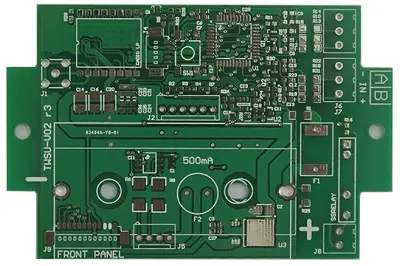
 PCB
PCB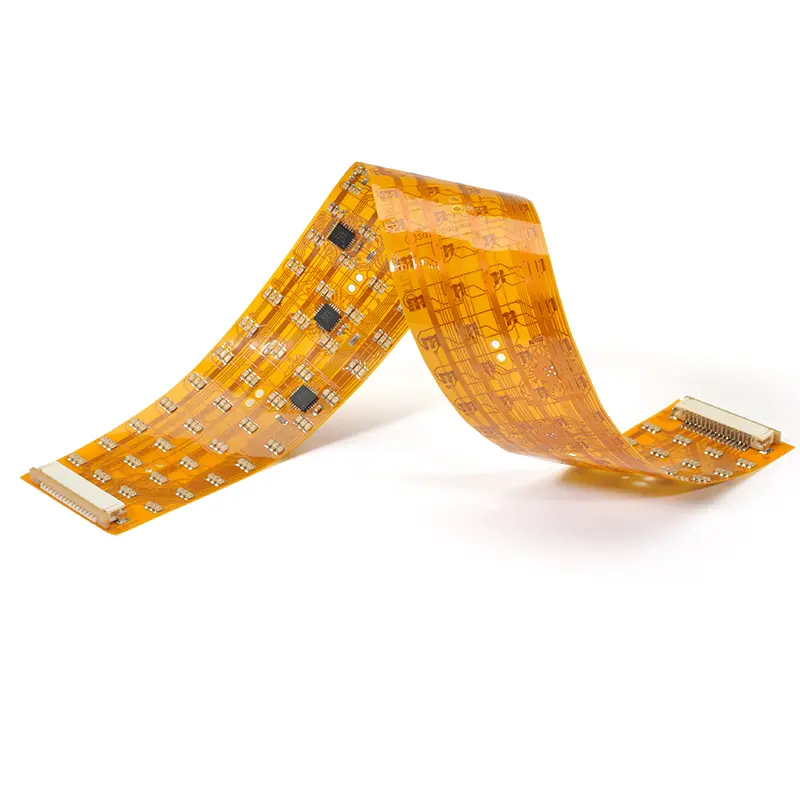 FPC
FPC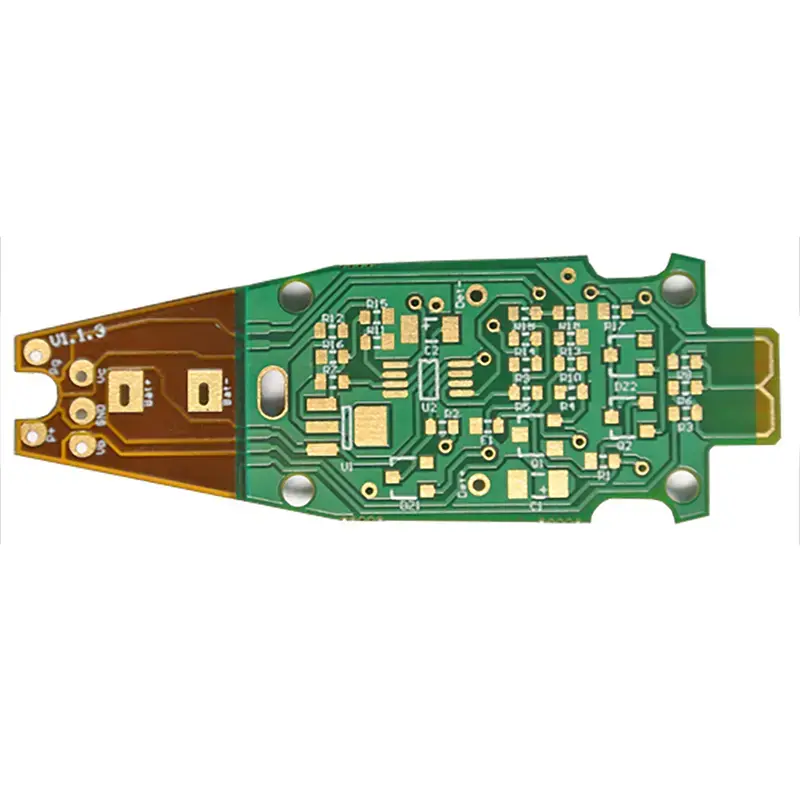 Rigid-Flex
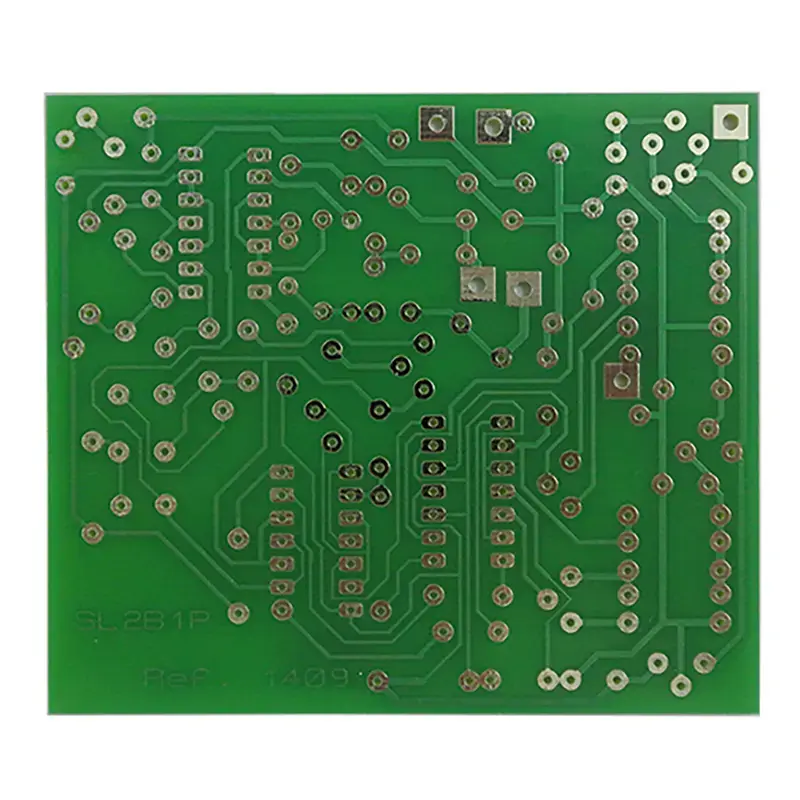 FR-4
FR-4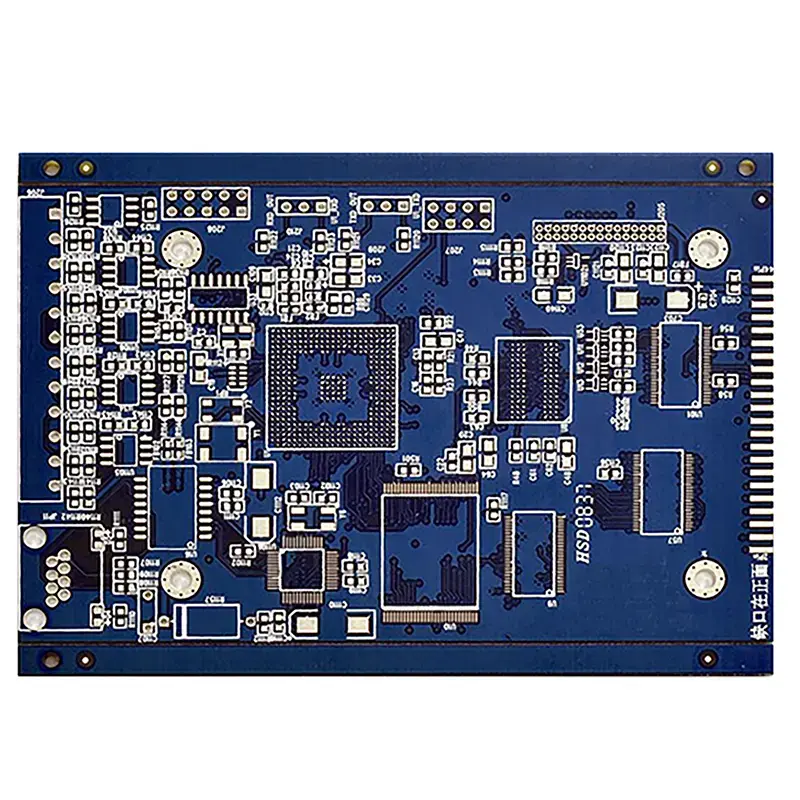 HDI PCB
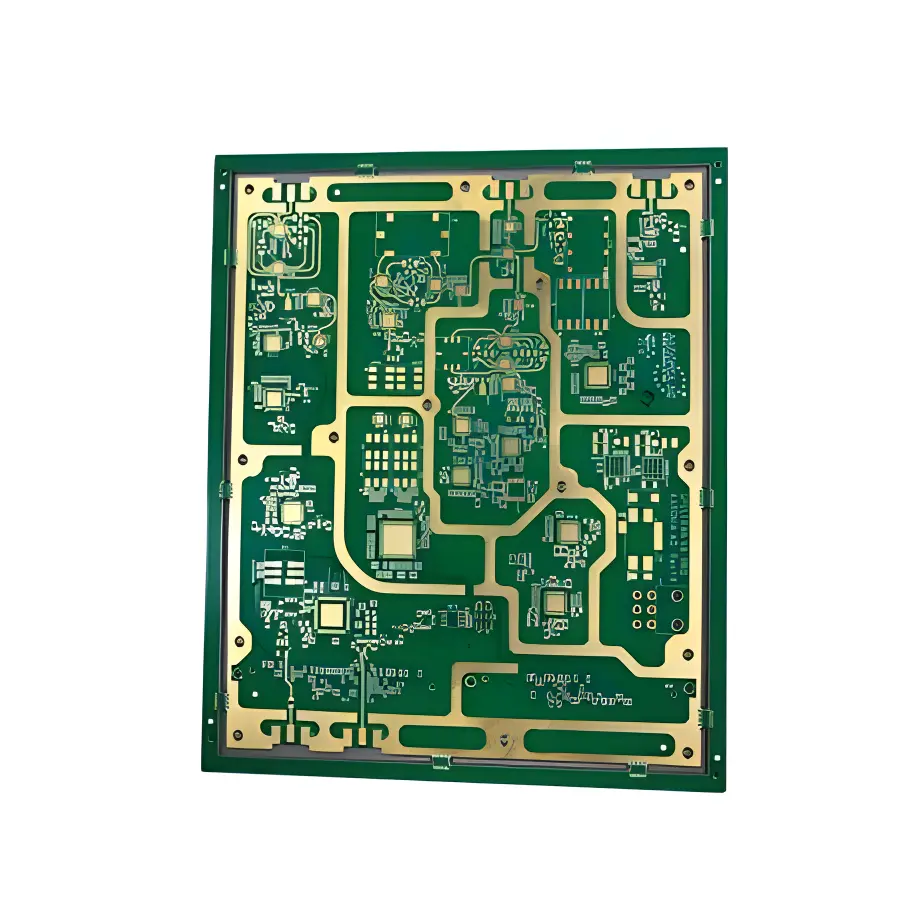 Rogers High-Frequency Board
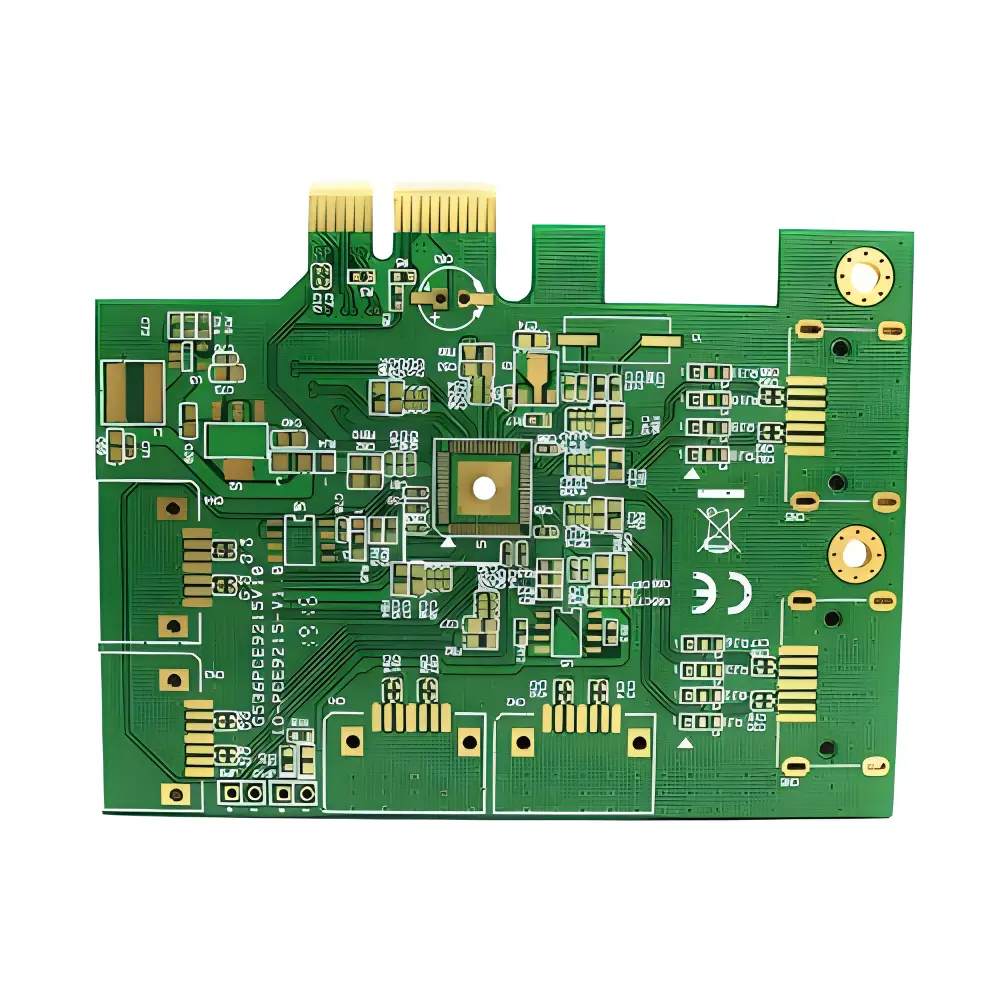 PTFE Teflon High-Frequency Board
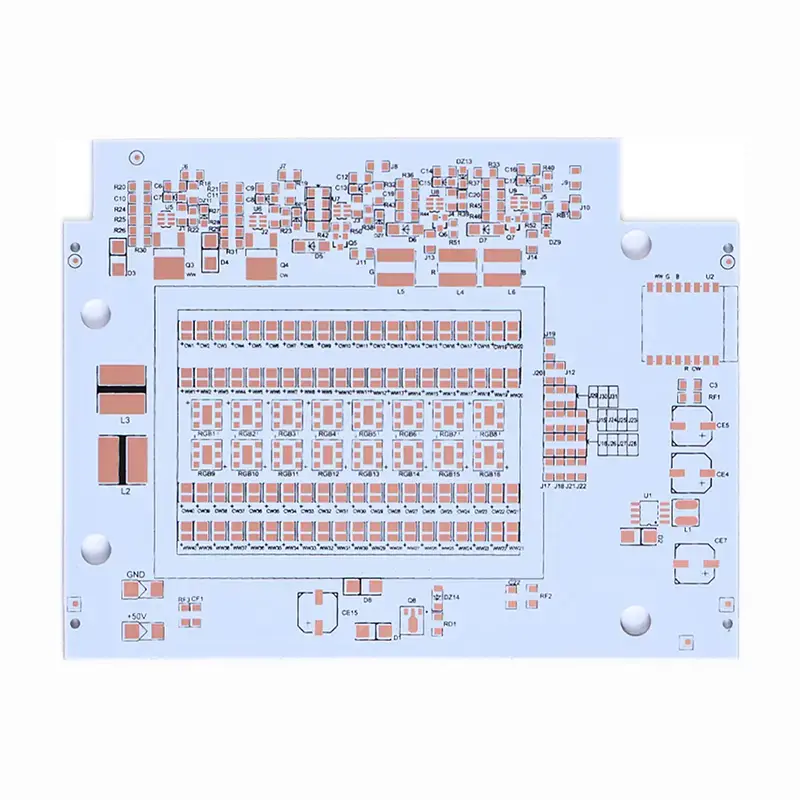 Aluminum
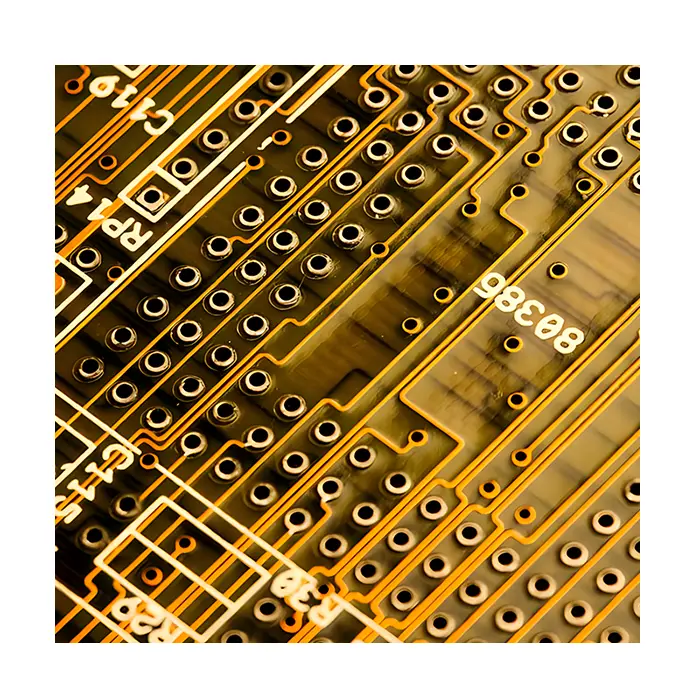 Copper Core
 PCB Assembly
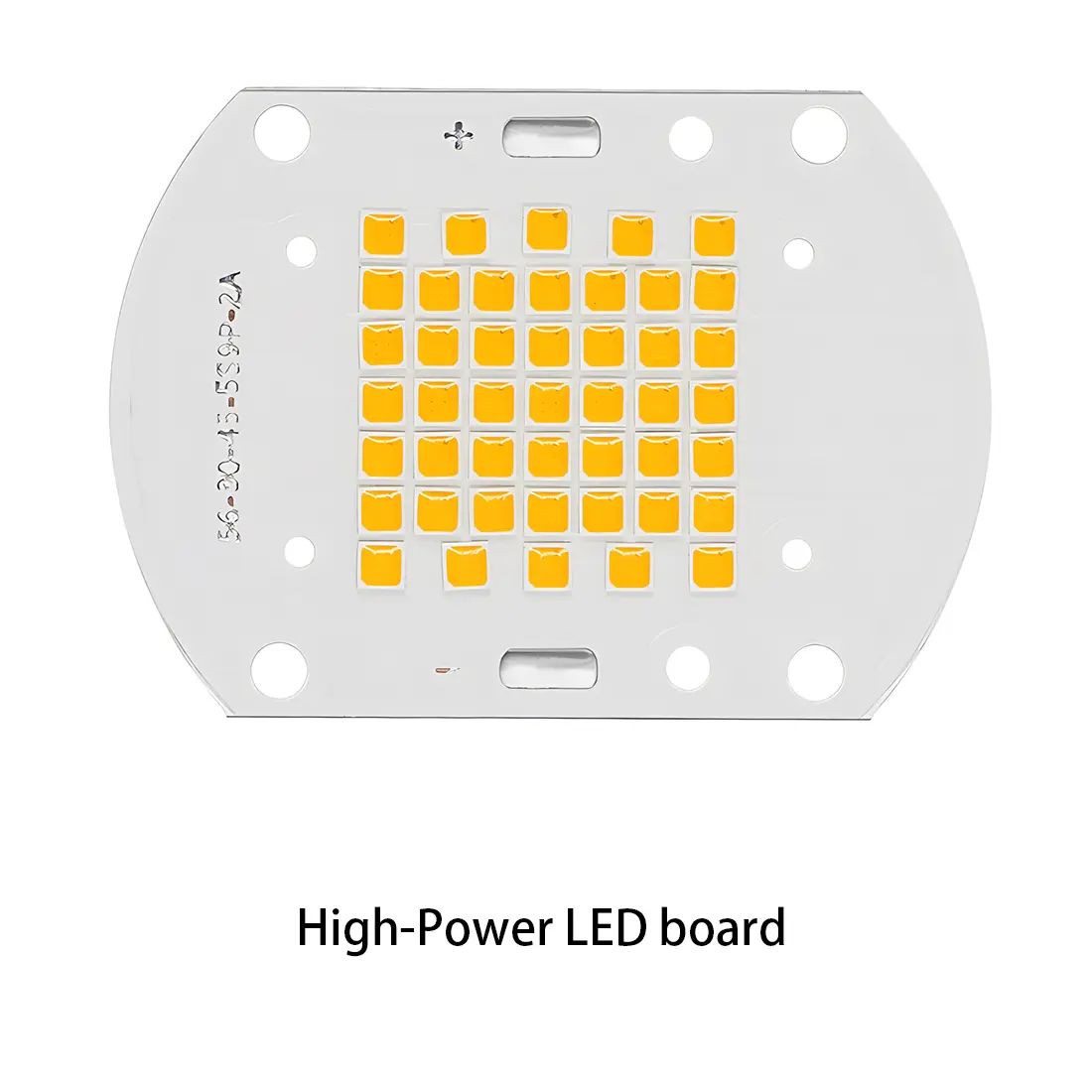 LED light PCBA
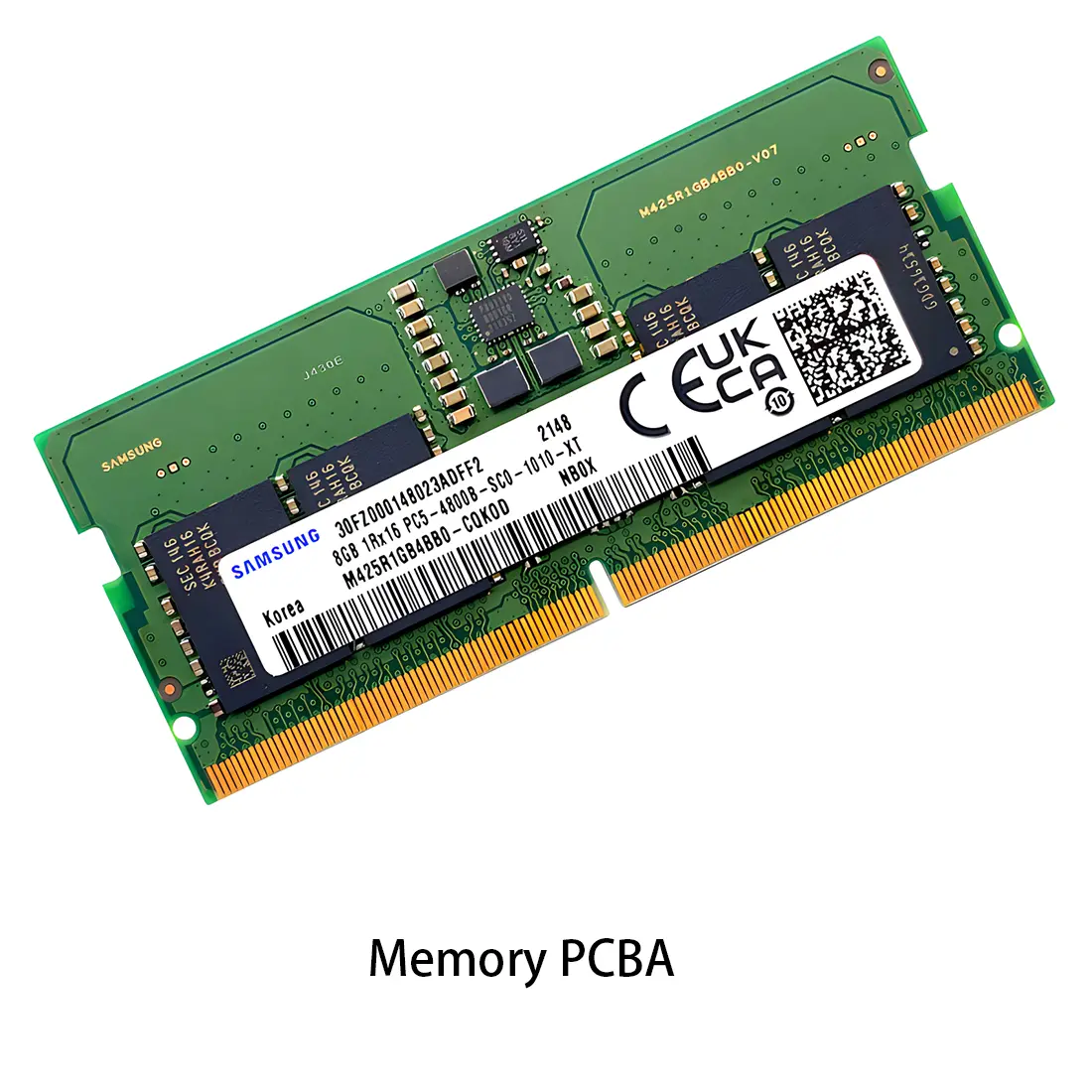 Memory PCBA
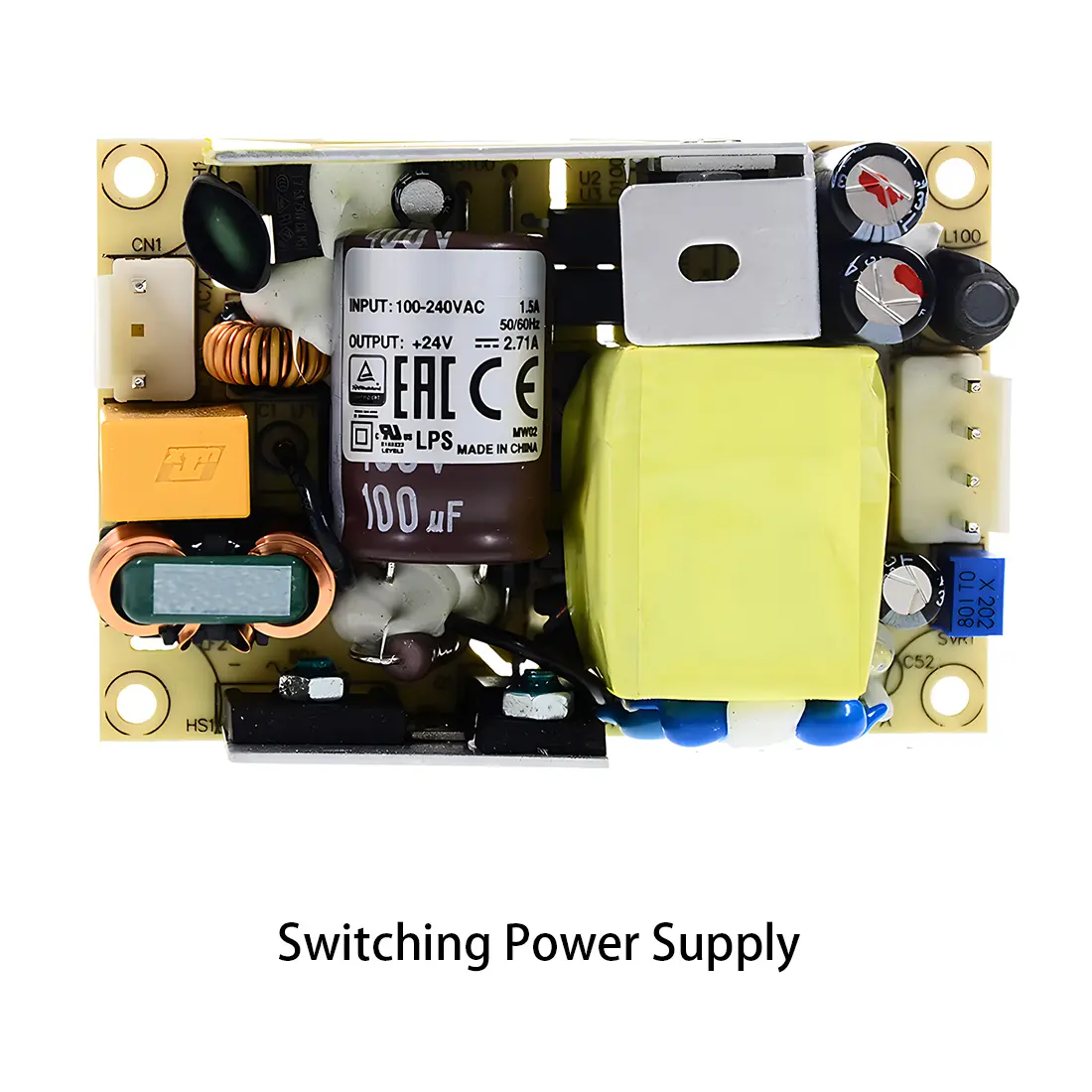 Power Supply PCBA
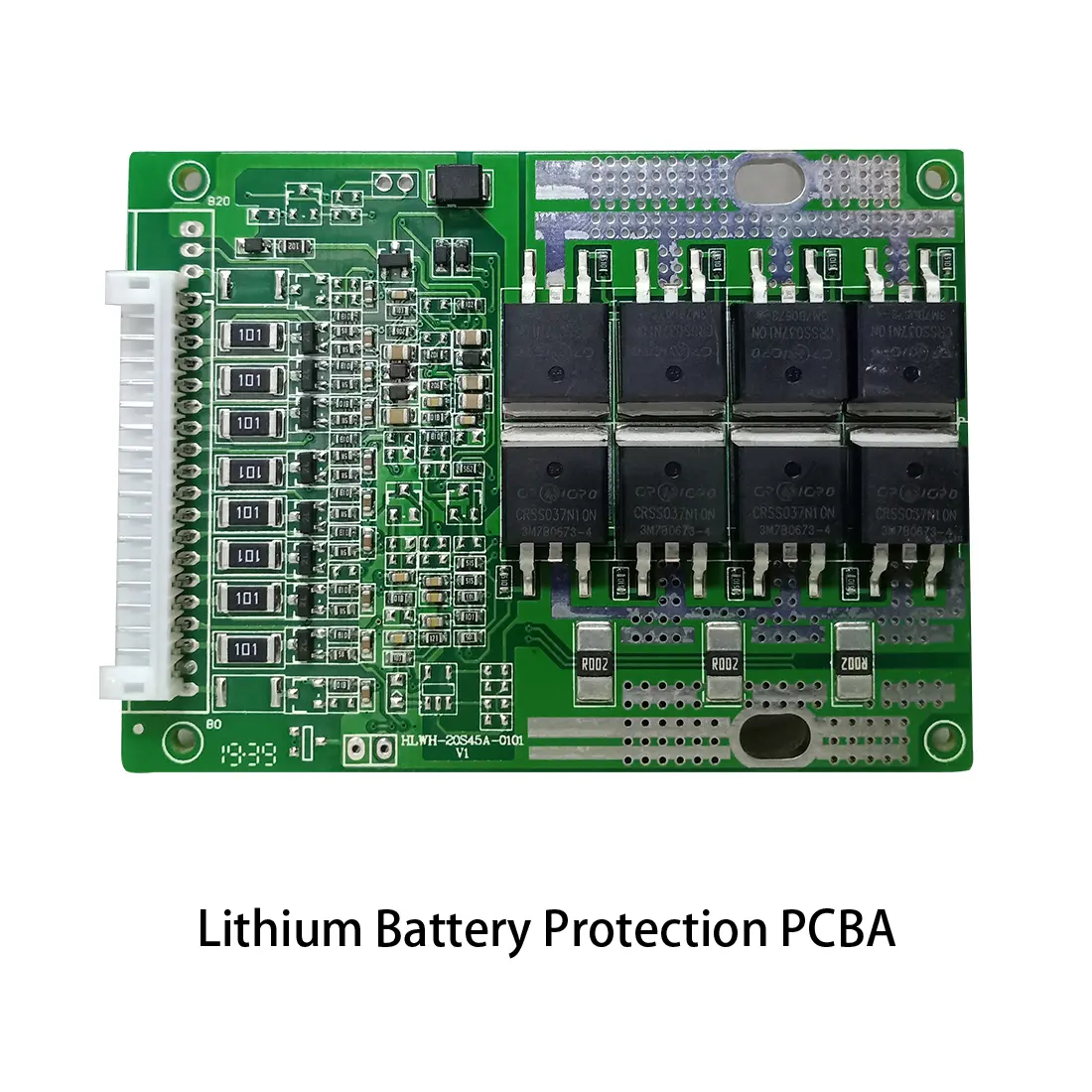 New Energey PCBA
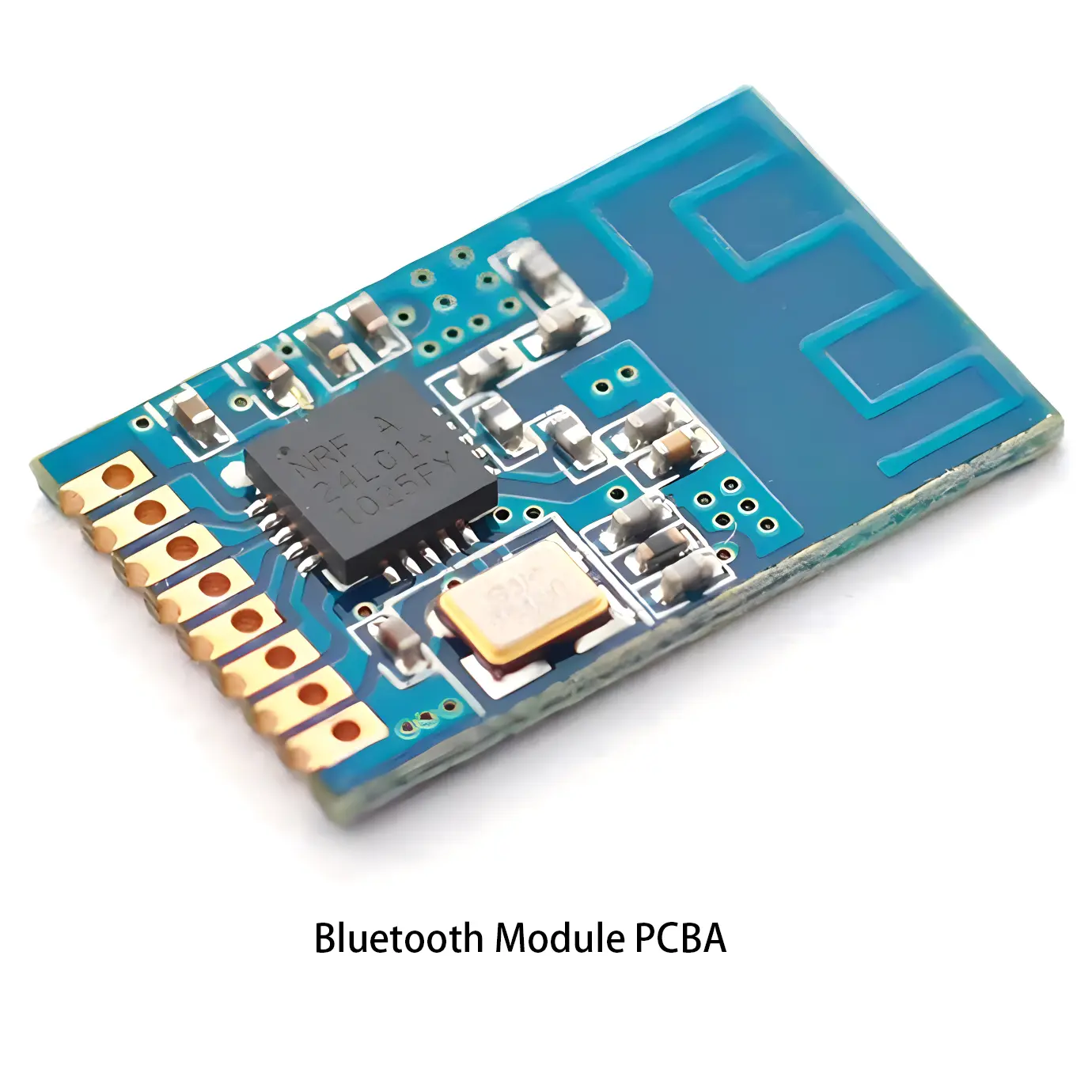 Communication PCBA
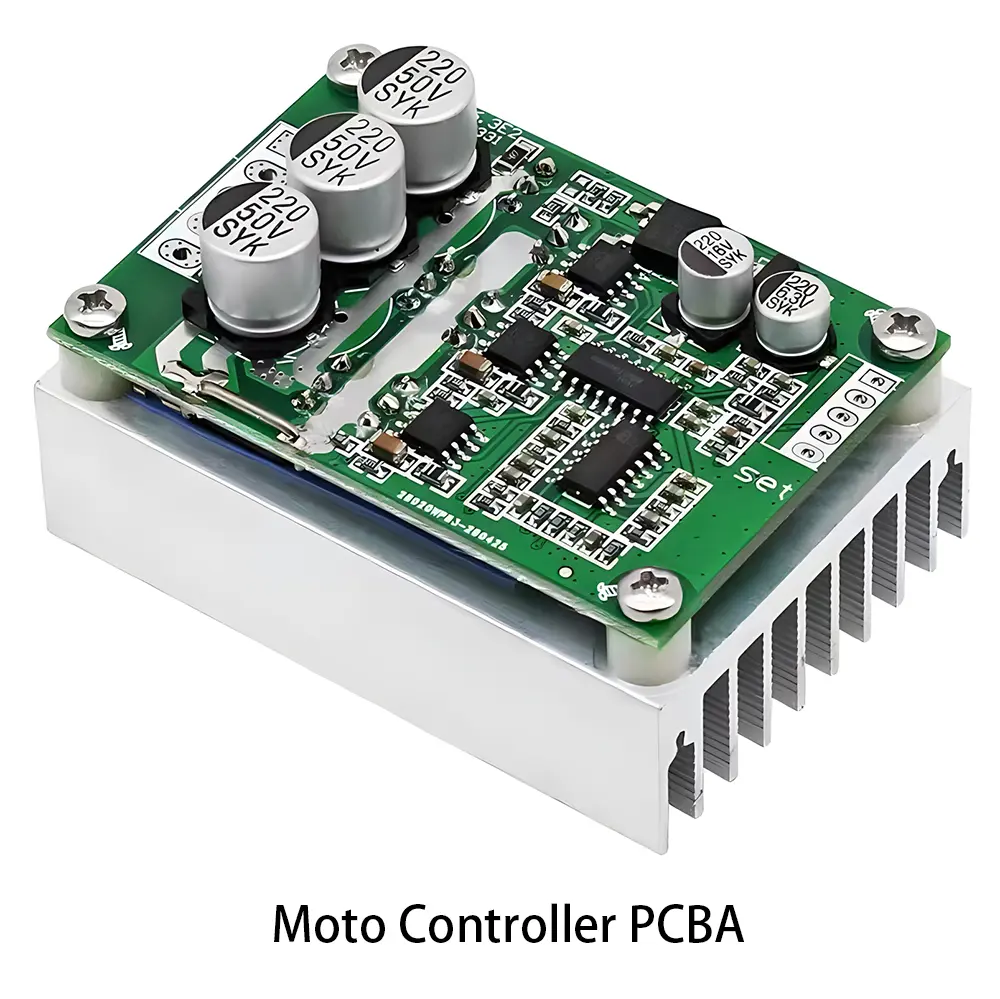 Industrial Control PCBA
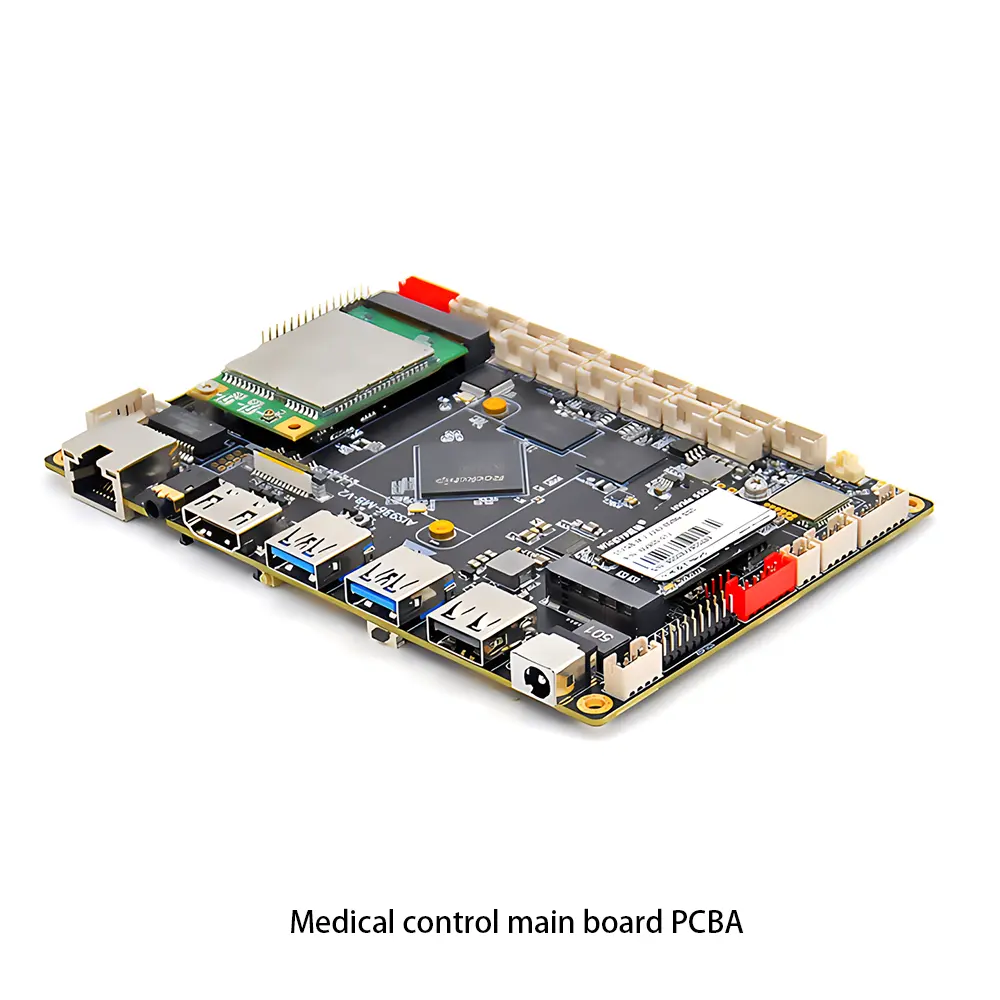 Medical Equipment PCBA
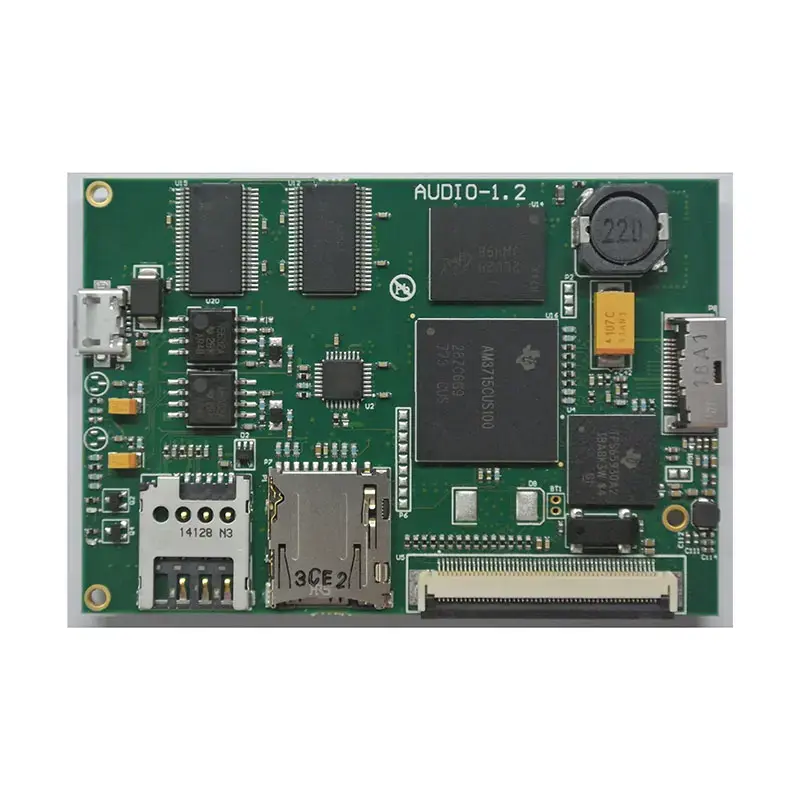 Testing Service
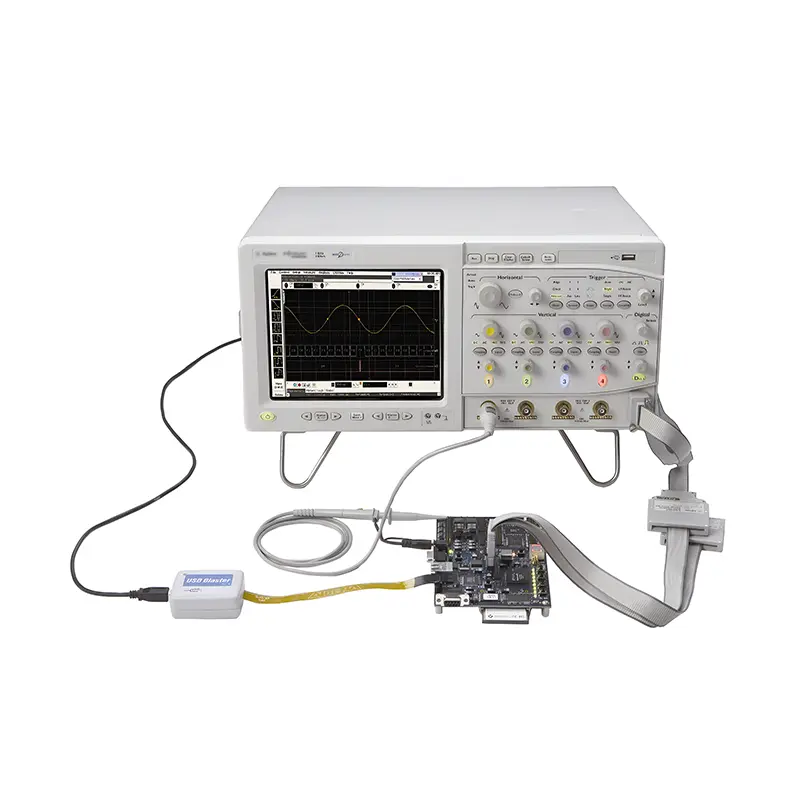 PCBA Testing Service
 Certification Application
 RoHS Certification Application
 REACH Certification Application
 CE Certification Application
 FCC Certification Application
 CQC Certification Application
 UL Certification Application
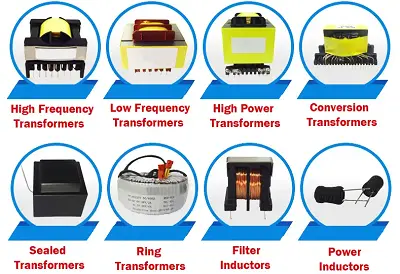 Transformers, Inductors
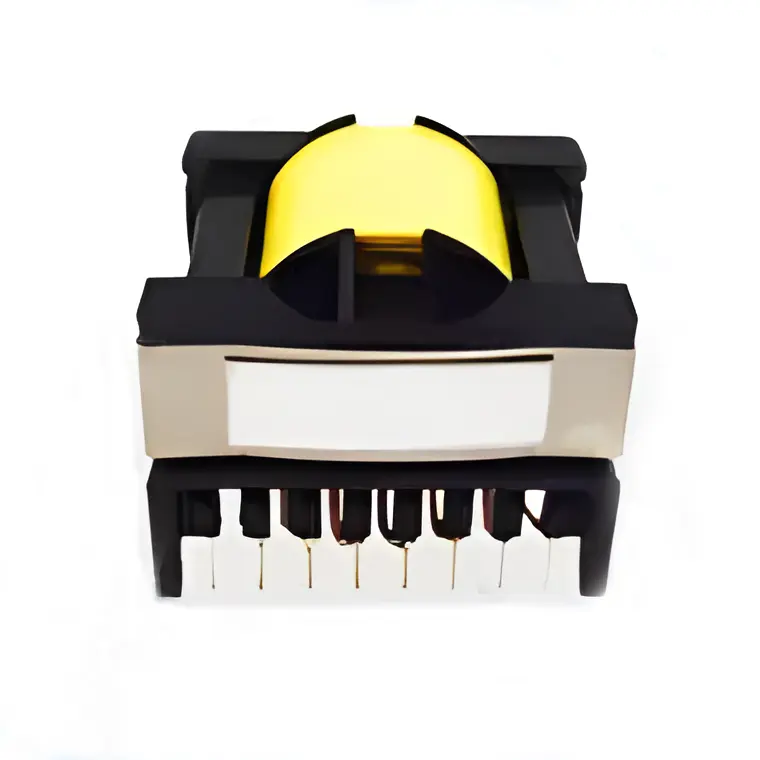 High Frequency Transformers
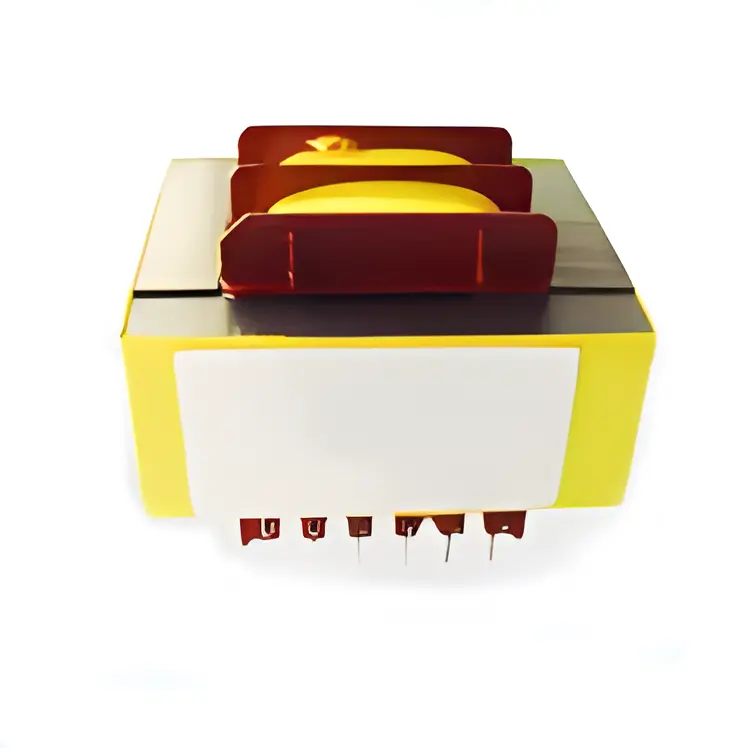 Low Frequency Transformers
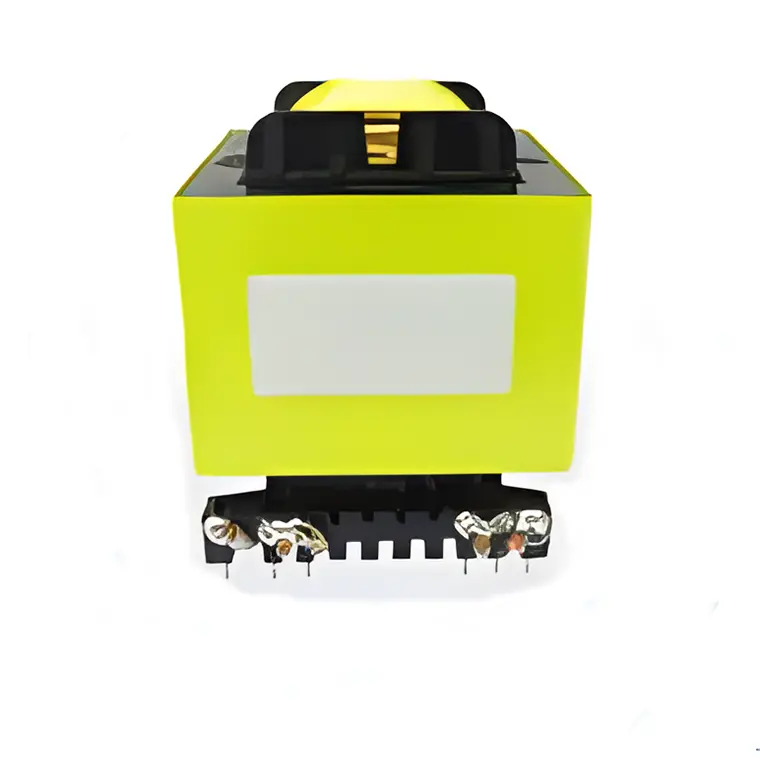 High Power Transformers
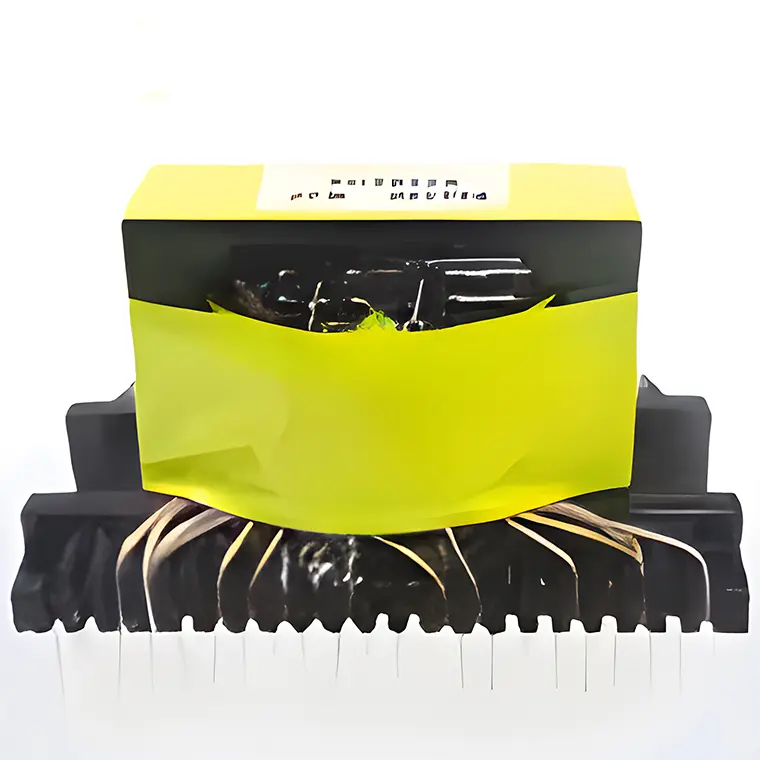 Conversion Transformers
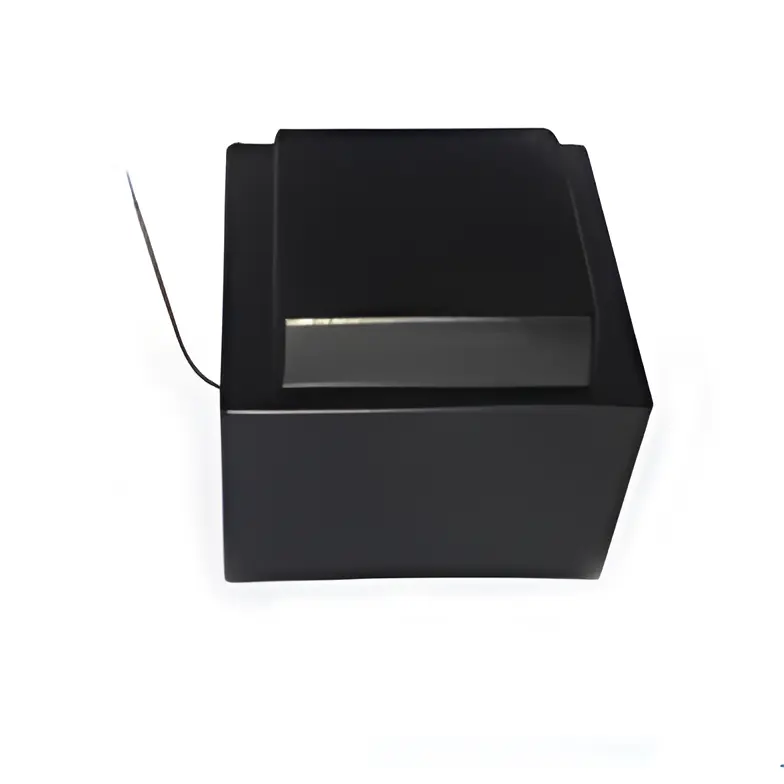 Sealed Transformers
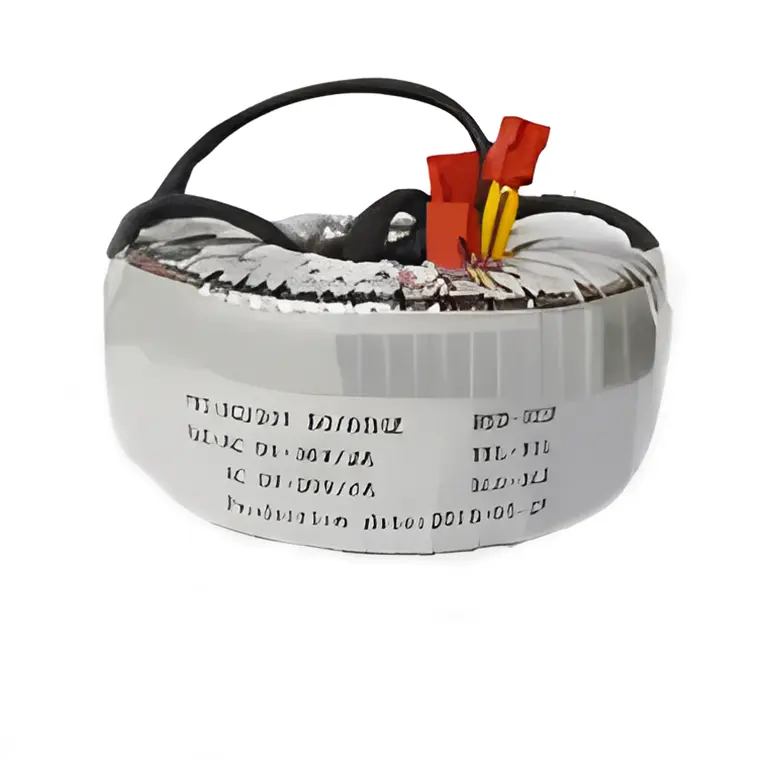 Ring Transformers
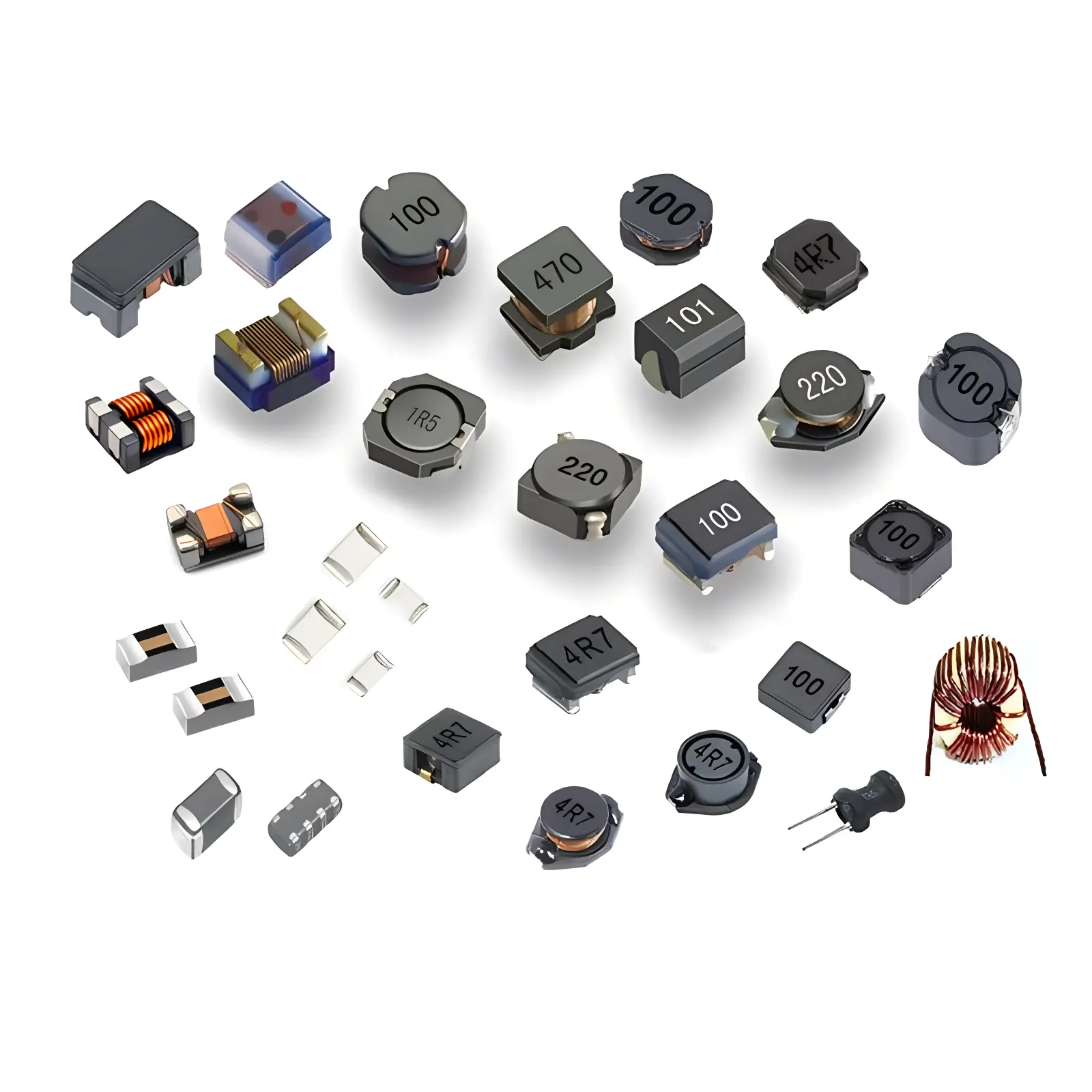 Inductors
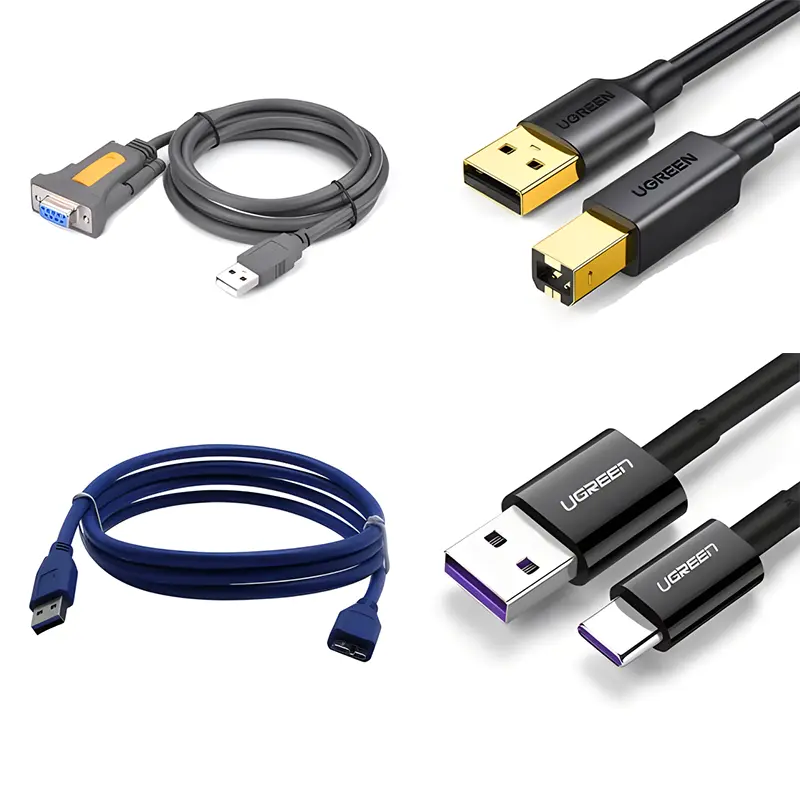 Wires,Cables Customized
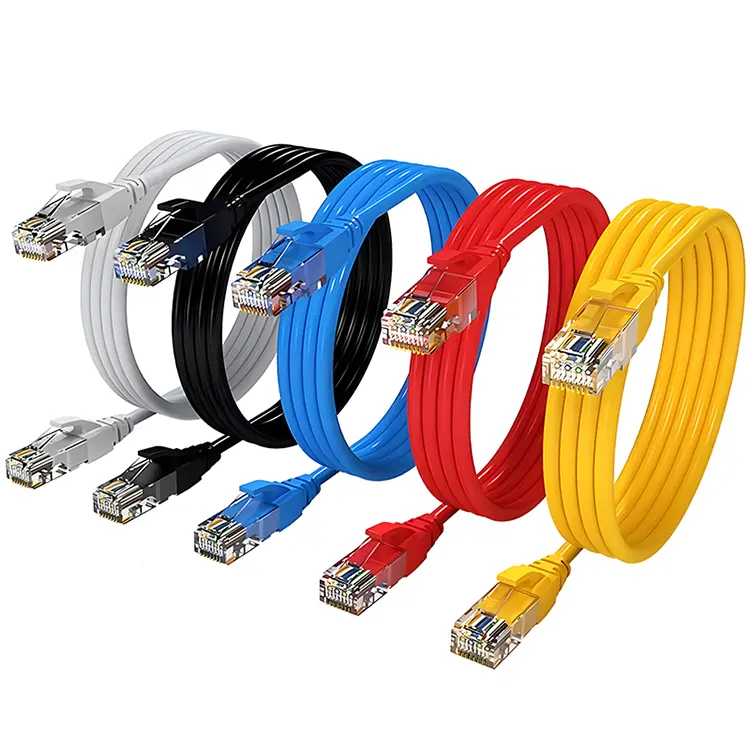 Network Cables
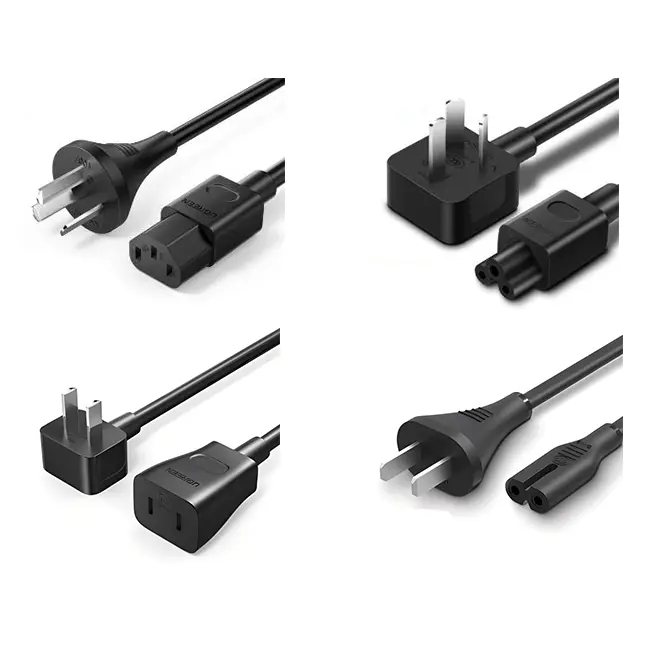 Power Cords
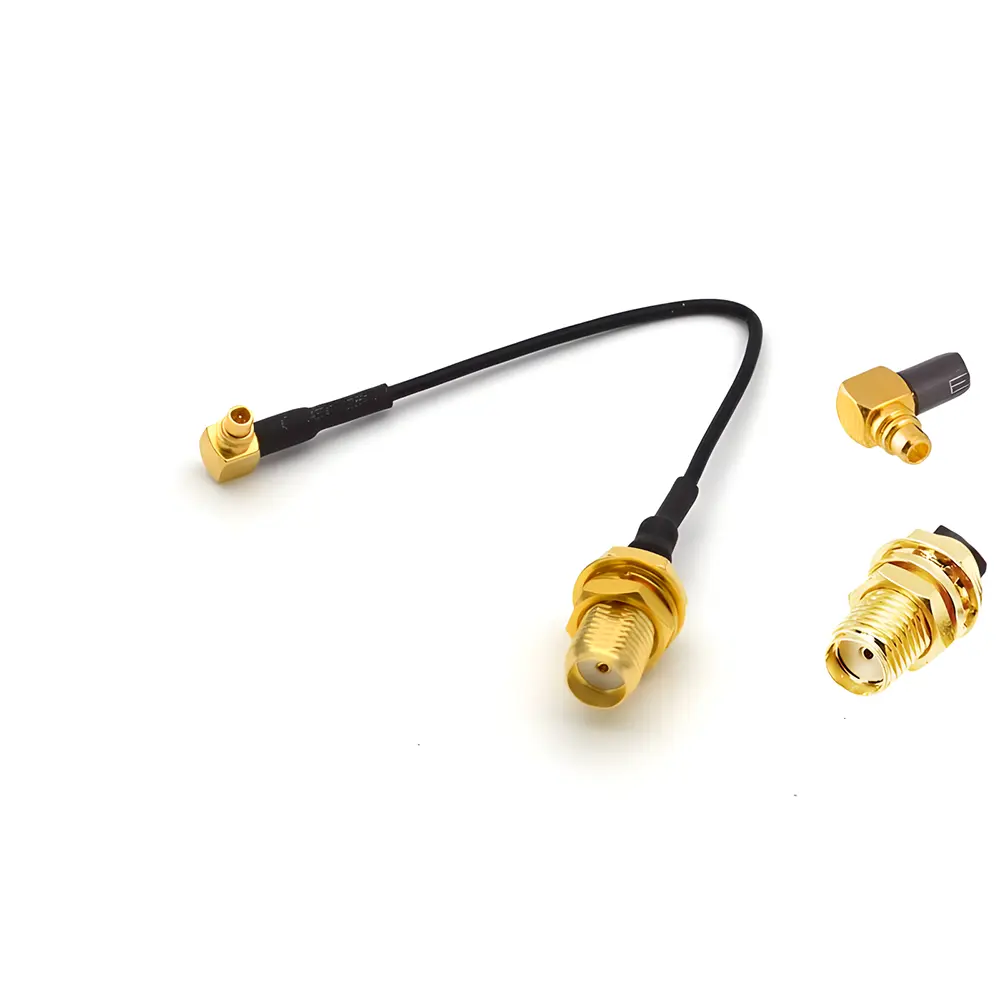 Antenna Cables
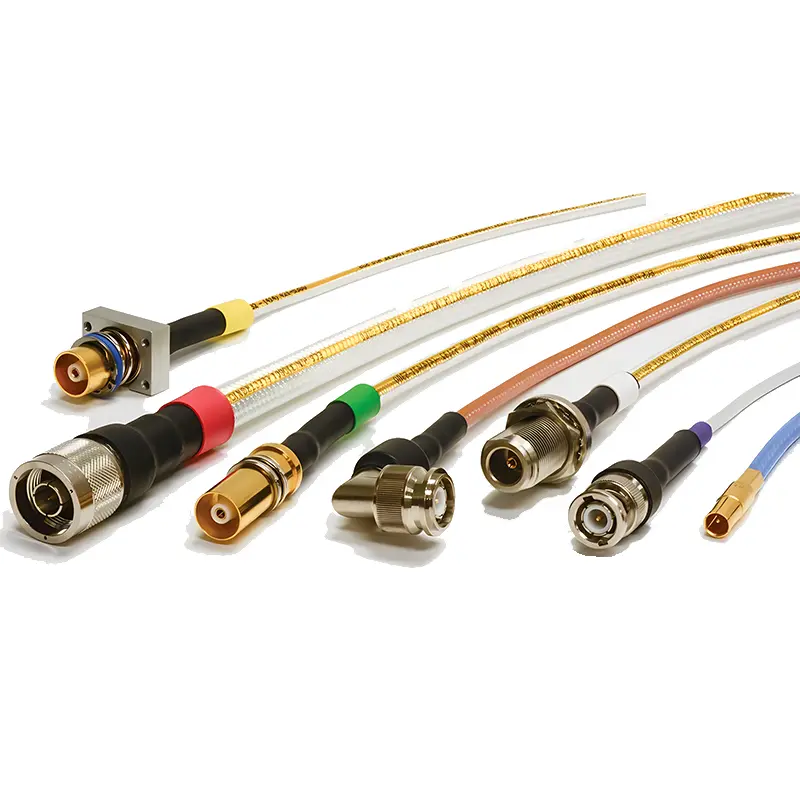 Coaxial Cables
 Net Position Indicator
 Solar AIS net position indicator
 Capacitors
 Connectors
 Diodes
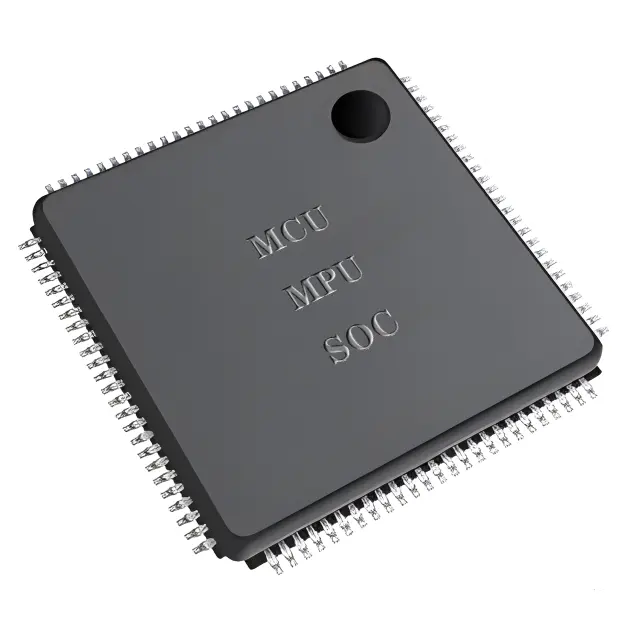 Embedded Processors & Controllers
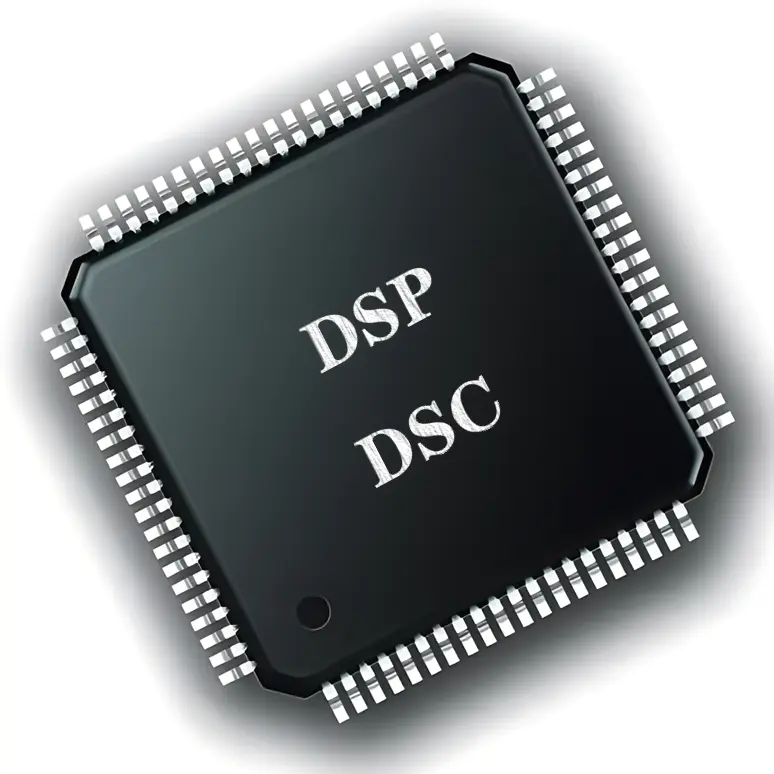 Digital Signal Processors (DSP/DSC)
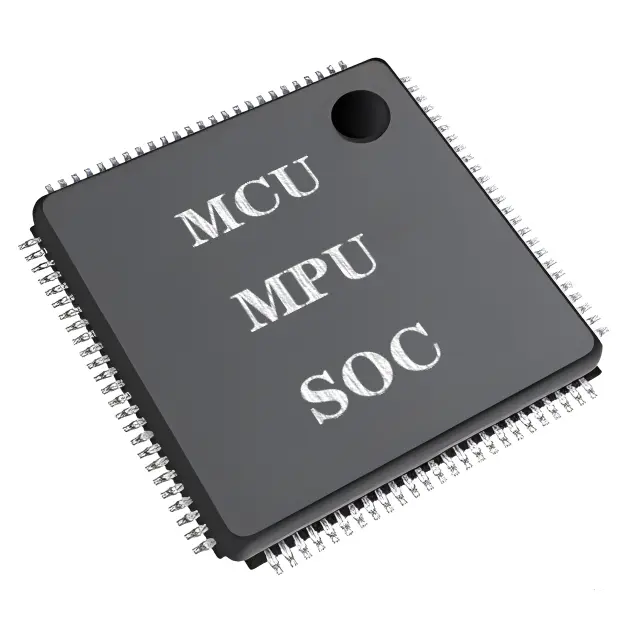 Microcontrollers (MCU/MPU/SOC)
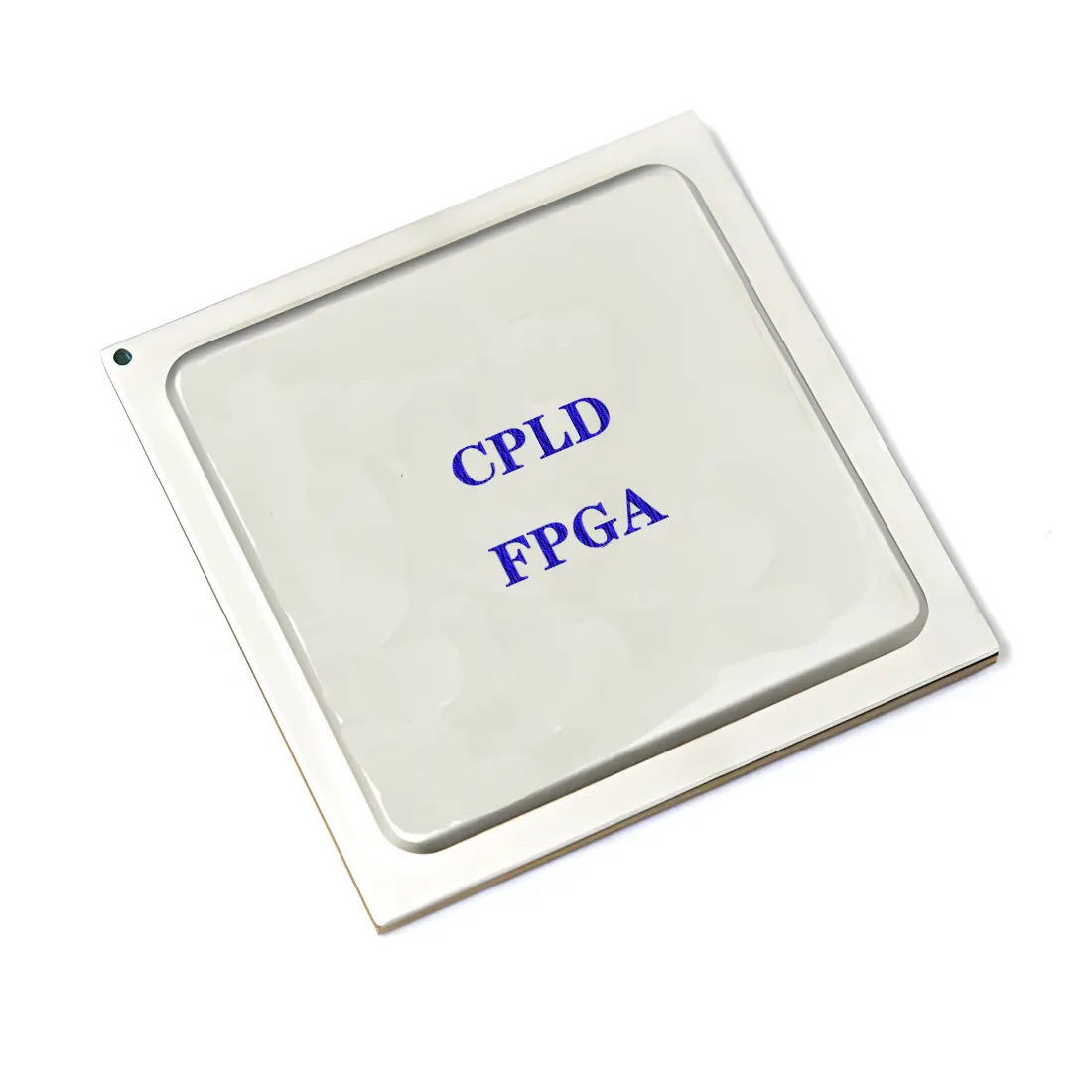 Programmable Logic Device(CPLD/FPGA)
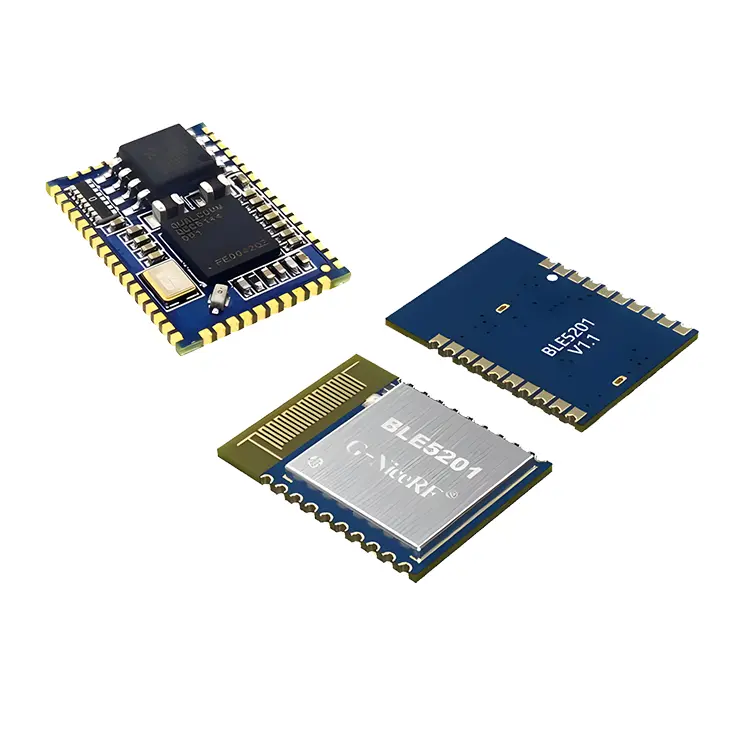 Communication Modules/IoT
 Resistors
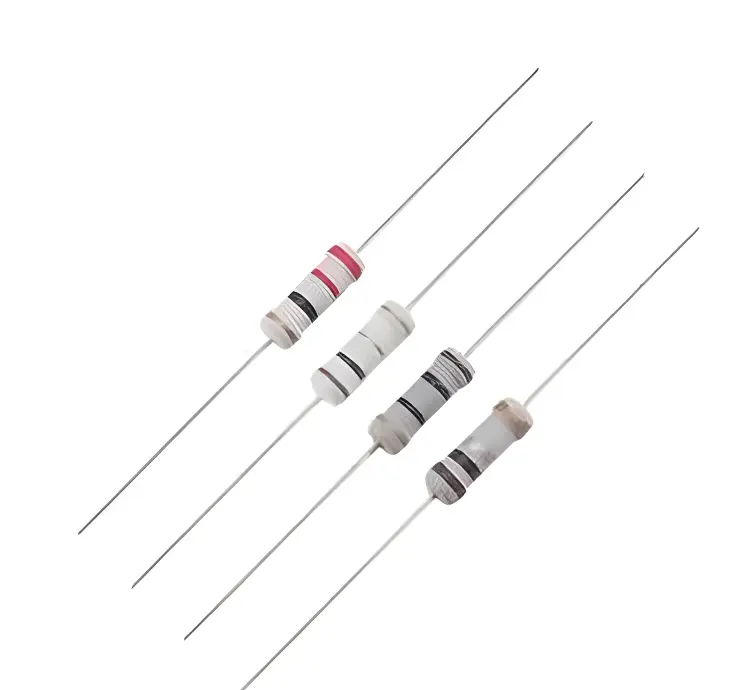 Through Hole Resistors
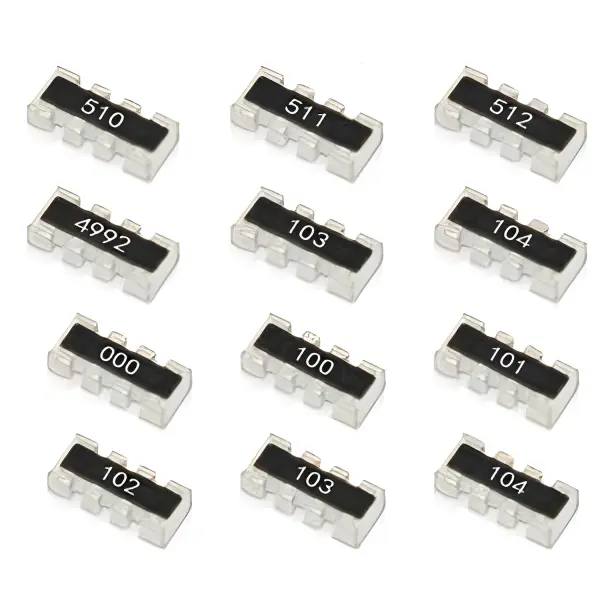 Resistor Networks, Arrays
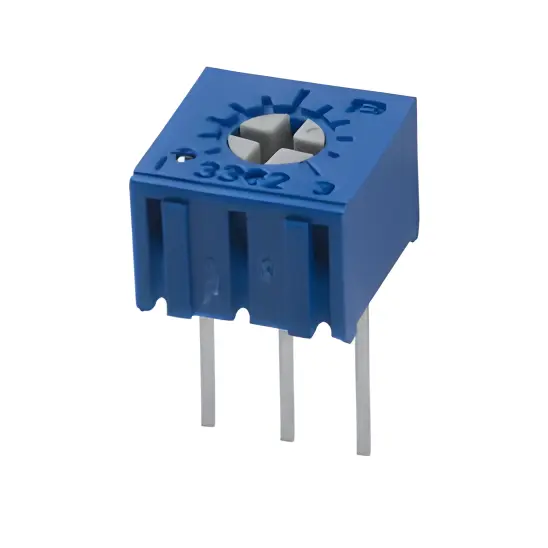 Potentiometers,Variable Resistors
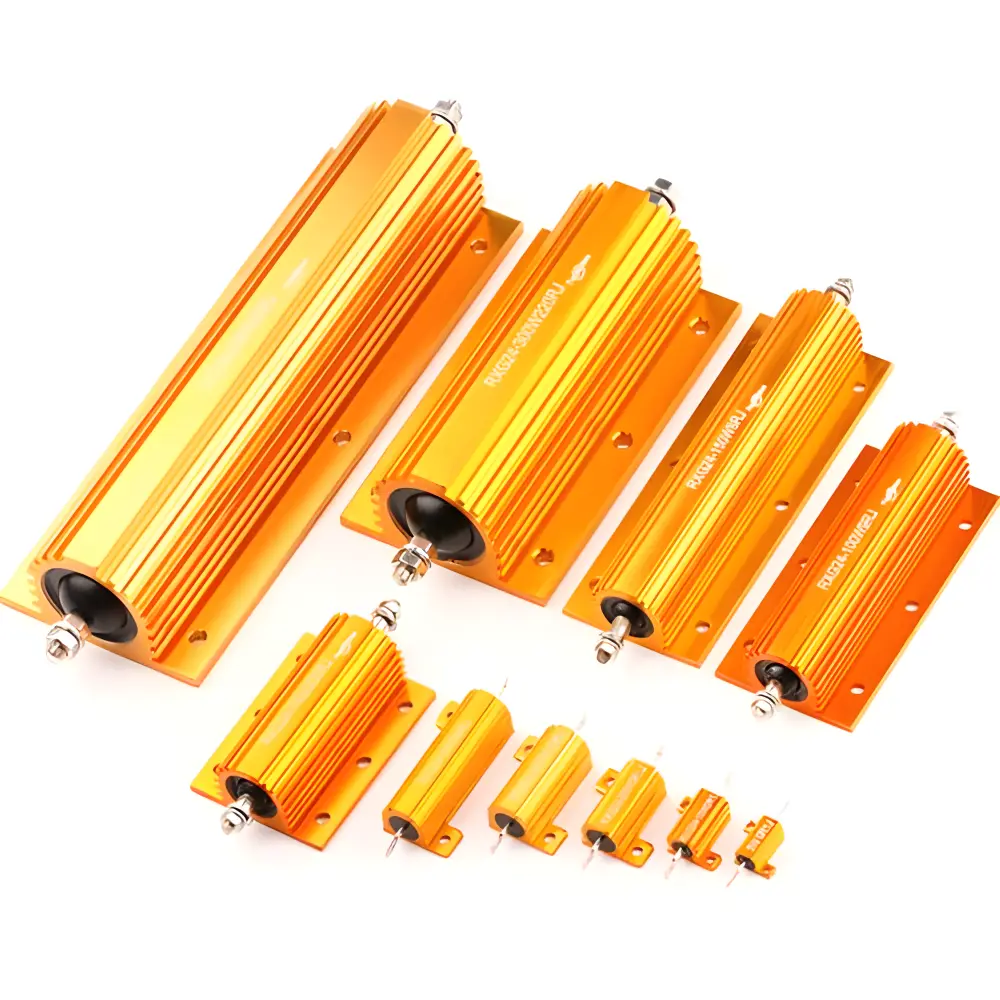 Aluminum Case,Porcelain Tube Resistance
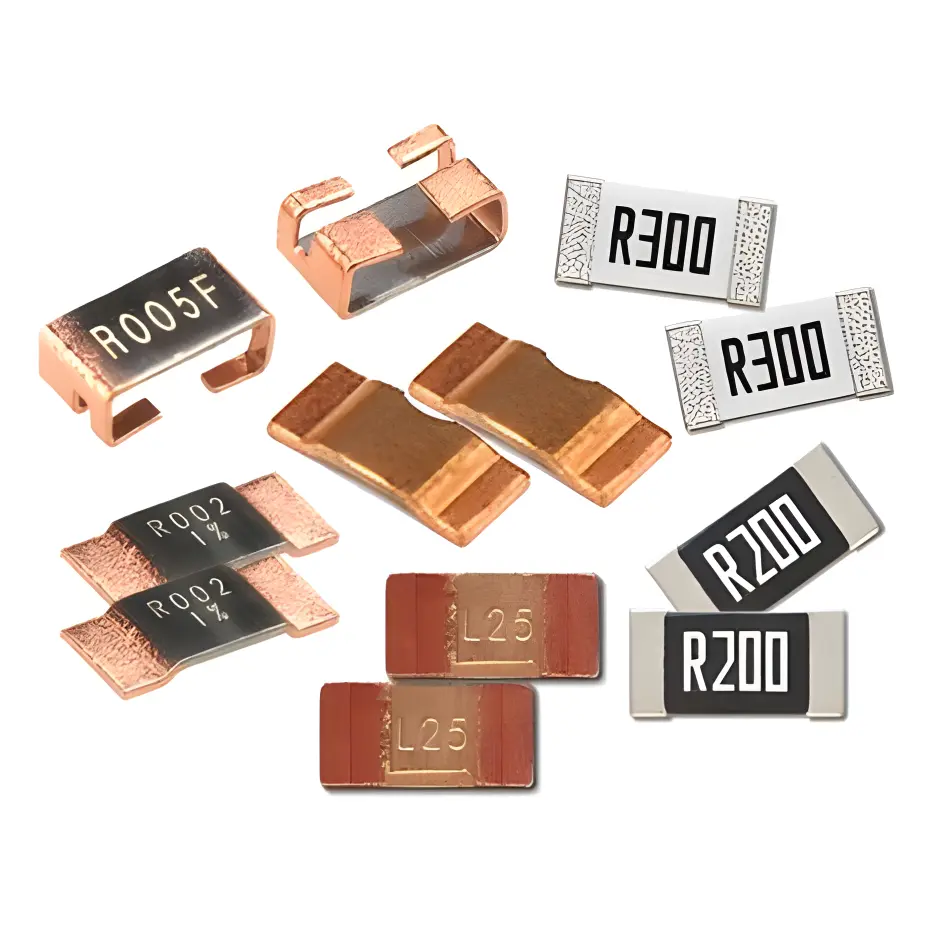 Current Sense Resistors,Shunt Resistors
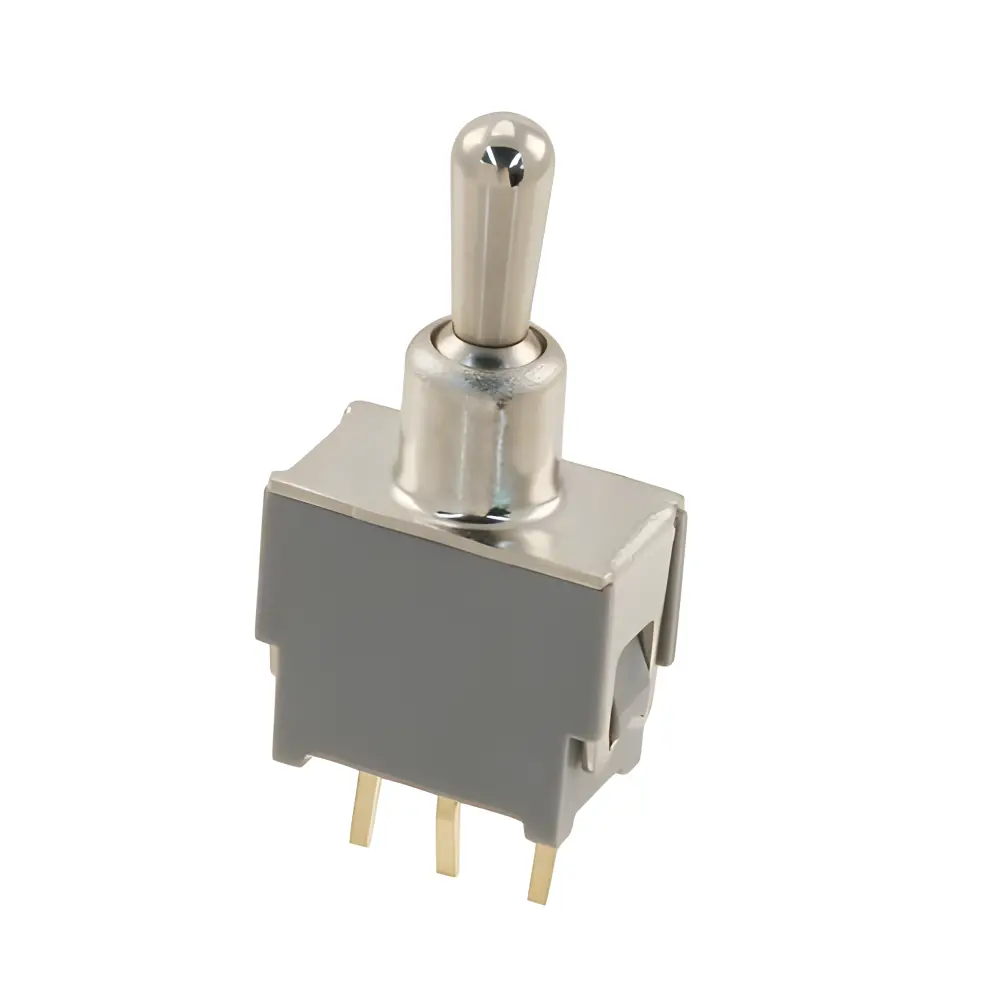 Switches
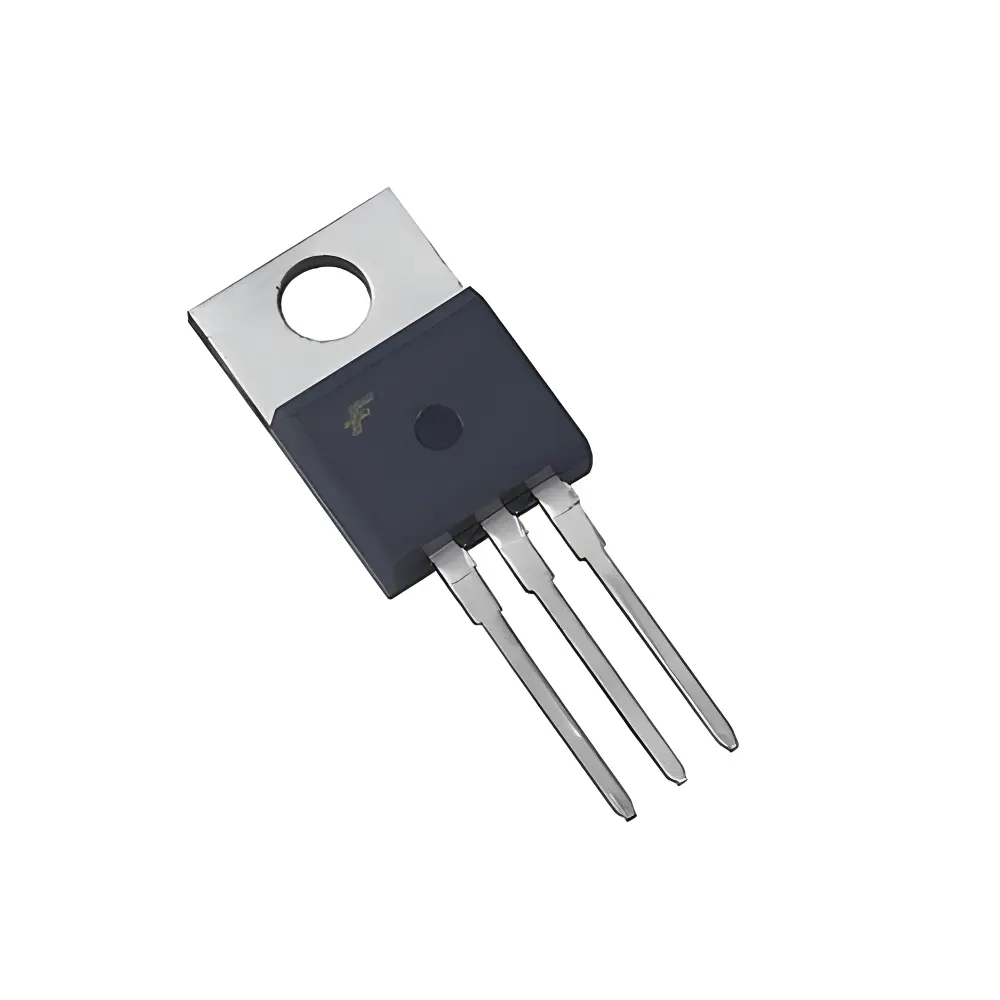 Transistors
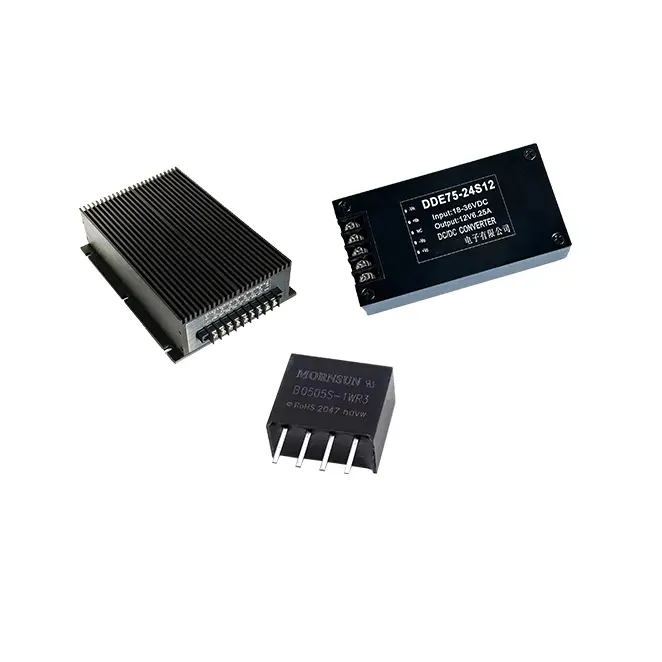 Power Modules
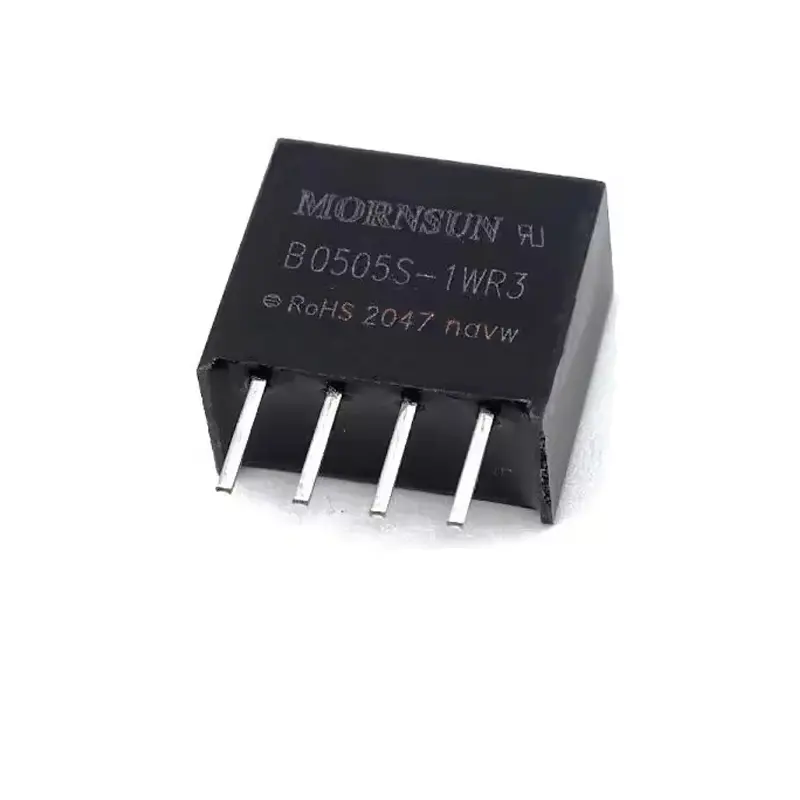 Isolated Power Modules
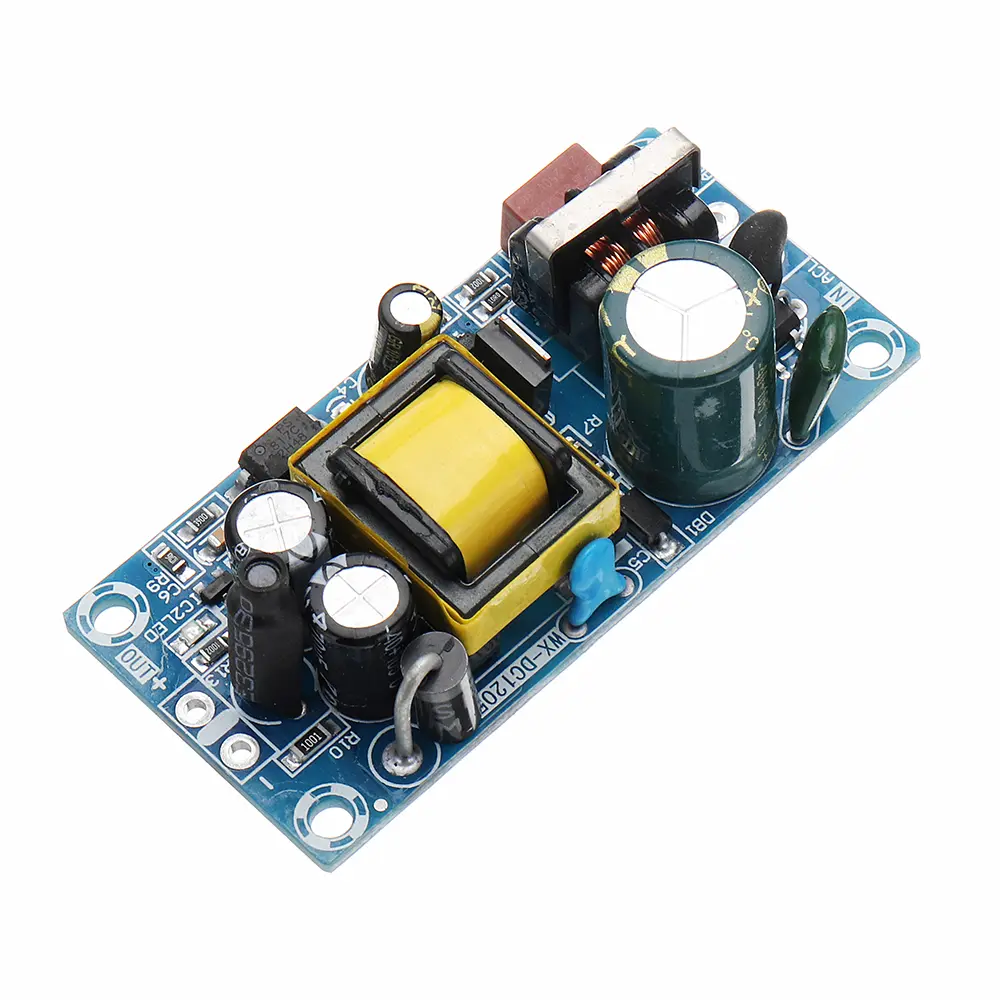 AC-DC Power Modules
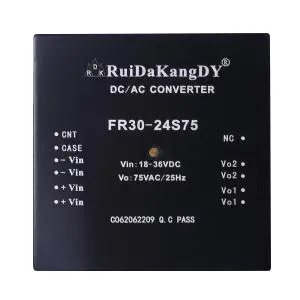 DC-AC Module(Inverter)
 RF and Wireless
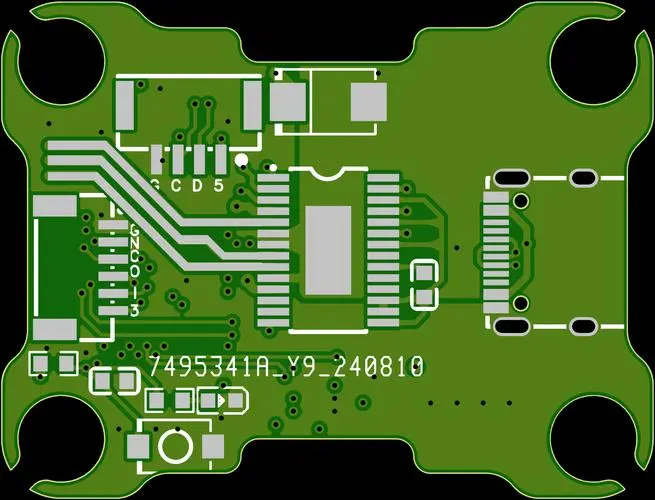
Stress relief after PCB contour machining
| ApplICation Stage | Temperature | Typical Duration | Notes & Purpose |
|---|---|---|---|
| Pre-lamination Baking(Before profiling) | 150°C | 8 ± 2 hours (4 - 10 hours range) | Removes moisture, fully cures resin, and relieves stress in the base material before further processing. |
| Post-lamination Stress Relief | 150°C | 4 hours | A crucial step after lamination to release internal stress before drilling and other machining. |
| Correcting Warped Boards(After profiling) | 150°C | 3 - 6 hours | PeRFormed under heavy pressure with natural cooling under pressure to flatten already warped boards. Multiple cycles may be needed. |
🔎 Factors Influencing the Baking Process
Achieving a specific 20% reduction in warpage depends on several factors beyond just time. A effective process must consider all the following variables:
-
Pcb Design and Stack-up: The initial cause and magnitude of stress play a big role. Designs with balanced copper distribution on outer layers and symmetrical layer stacks will inherently warp less and respond better to baking. A severely unbalanced board might resist correction.
-
Base Material (CCL) Properties: The type of laminate, its glass transition temperature (Tg), and the initial stress state from the manufacturing process all determine how much stress is "locked in" and how it will respond to thermal treatment.
-
The Application of Pressure: This is arguably the most critical factor when the goal is to physically flatten a board. The search results repeatedly emphasize that baking alone is not enough for correction. It must be done under heavy pressure with the boards pressed between flat, smooth steel plates, followed by natural cooling while still under pressure. Without pressure, the board may simply return to its stressed, warped state upon cooling.
-
Material Thickness: Thinner boards are generally more susceptible to warping. They may respond more quickly to stress relief but can also be more delicate.
💡 A Practical Approach for Your Factory
Since a one-size-fits-all answer doesn't exist, here is a recommended approach to achieve your goal:
-
Establish a Baseline: First, measure the warpage of your profiled panels to establish a baseline. The standard calculation is Warpage = (Warping Height / Curved Edge Length) * 100%.
-
Initial Baking Cycle: Load the warped panels into an oven, ensuring they are under heavy pressure between flat plates. Initiate a baking cycle at 150°C for 4 hours.
-
Measure and Iterate: After the cycle is complete and the boards have cooled under pressure, remeasure the warpage. If a 20% reduction is not achieved, perform a second baking cycle for 3-6 hours under the same conditions. The search results note that some boards may require two or three cycles to be flattened.
-
Monitor and Document: Keep a record of the baking time, temperature, pressure, and the resulting warpage reduction for each batch. This will help you build a database to optimize the process for your specific product lines.
✅ Key Takeaways
To summarize the answer to your question:
-
There is no universal baking time to guarantee a 20% warpage reduction after profiling. The required duration is highly dependent on the specific PCB and process parameters.
-
The search results point to a typical range of 3 to 6 hours at 150°C as a standard process for correcting warped boards, but this is performed under heavy pressure.
-
The most reliable method is an iterative approach: bake under pressure for a initial cycle (e.g., 4 hours), measure the result, and repeat if necessary.