
 PCB
PCB FPC
FPC Rigid-Flex
 FR-4
FR-4 HDI PCB
 Rogers High-Frequency Board
 PTFE Teflon High-Frequency Board
 Aluminum
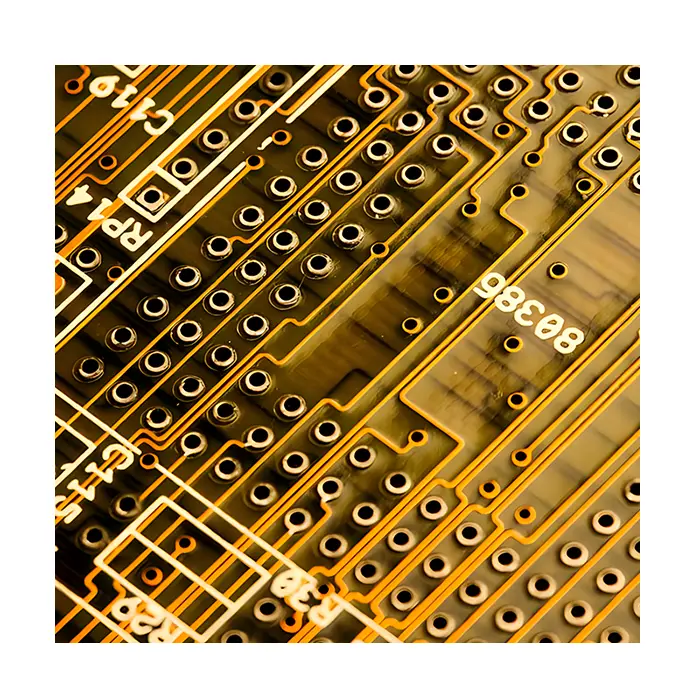 Copper Core
 PCB Assembly
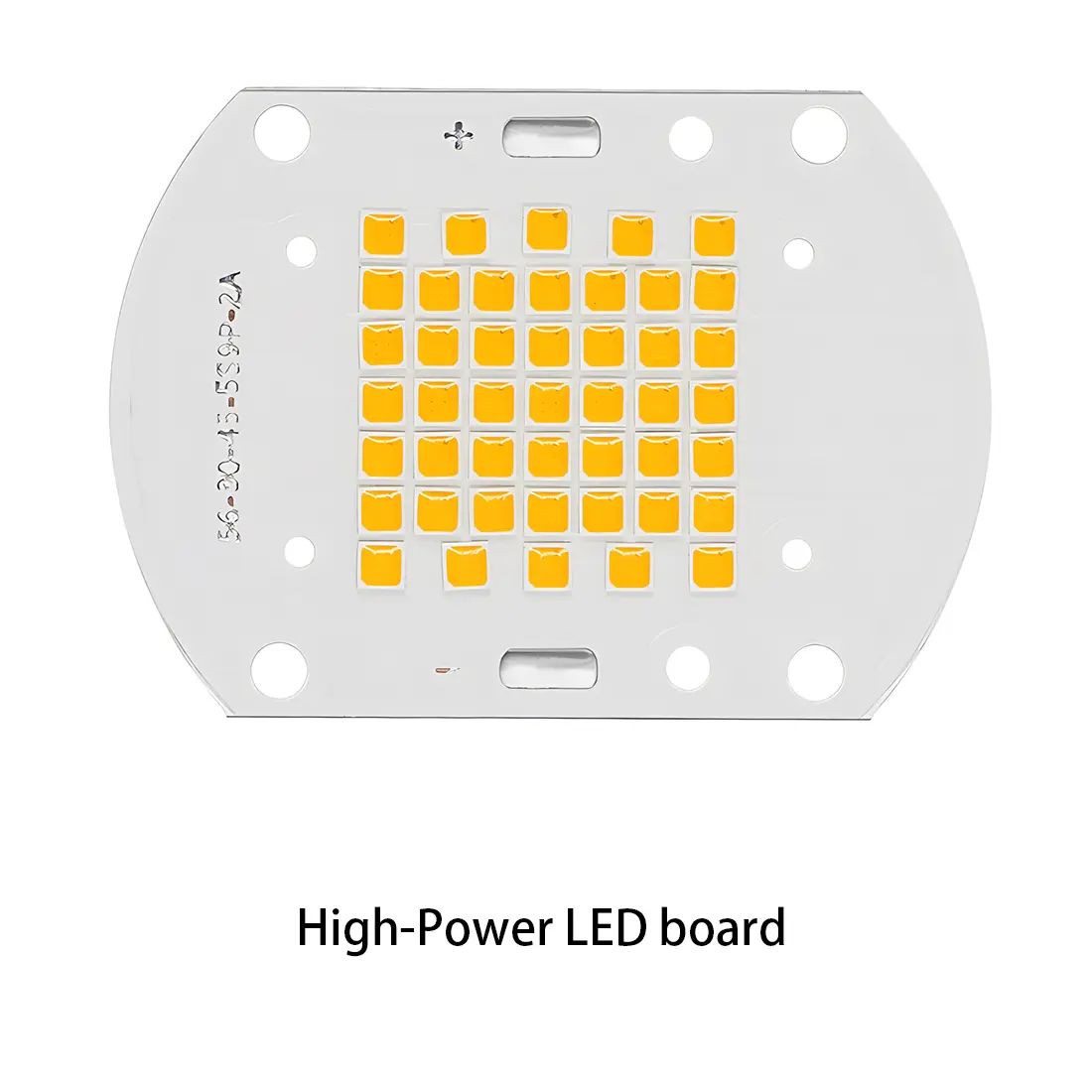 LED light PCBA
 Memory PCBA
 Power Supply PCBA
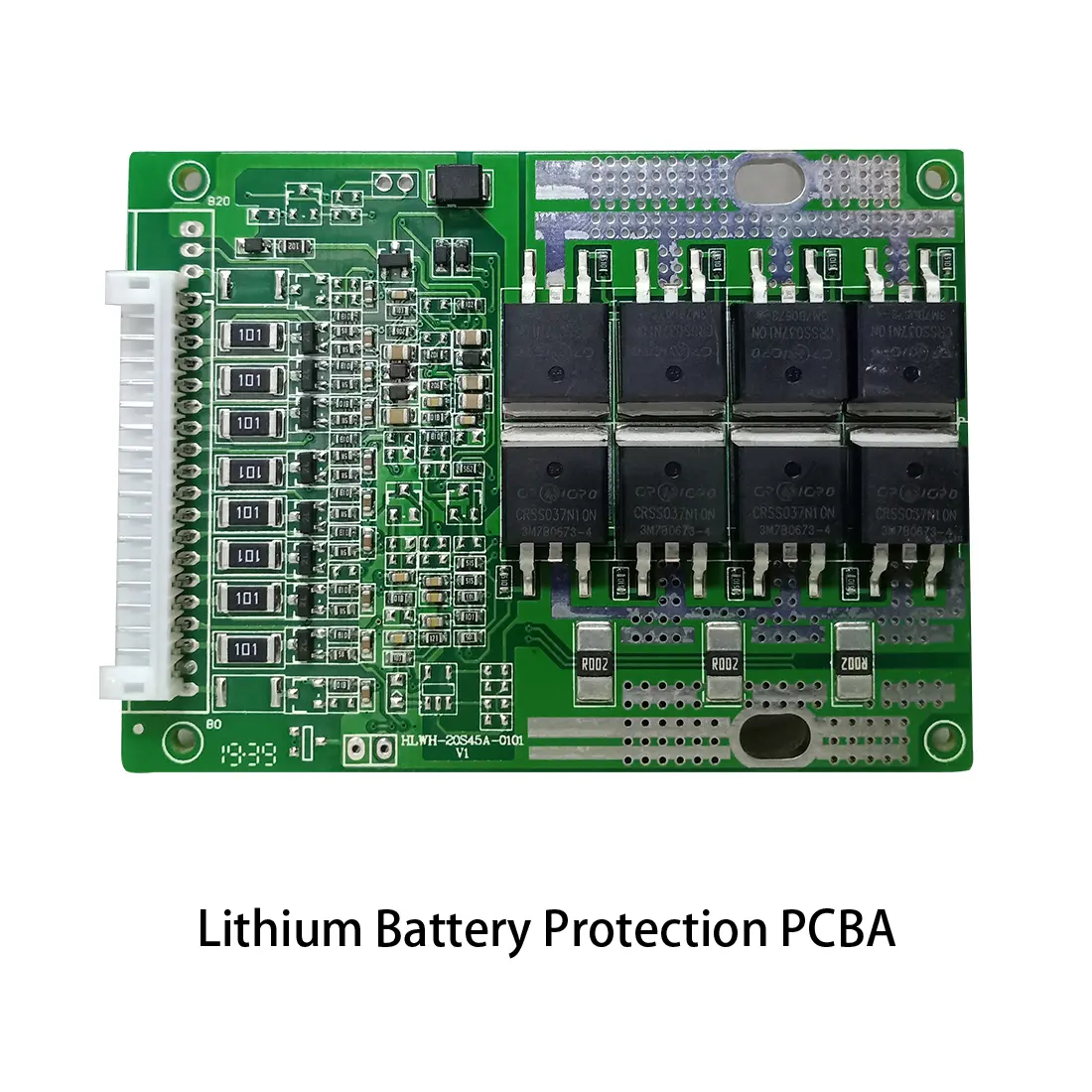 New Energey PCBA
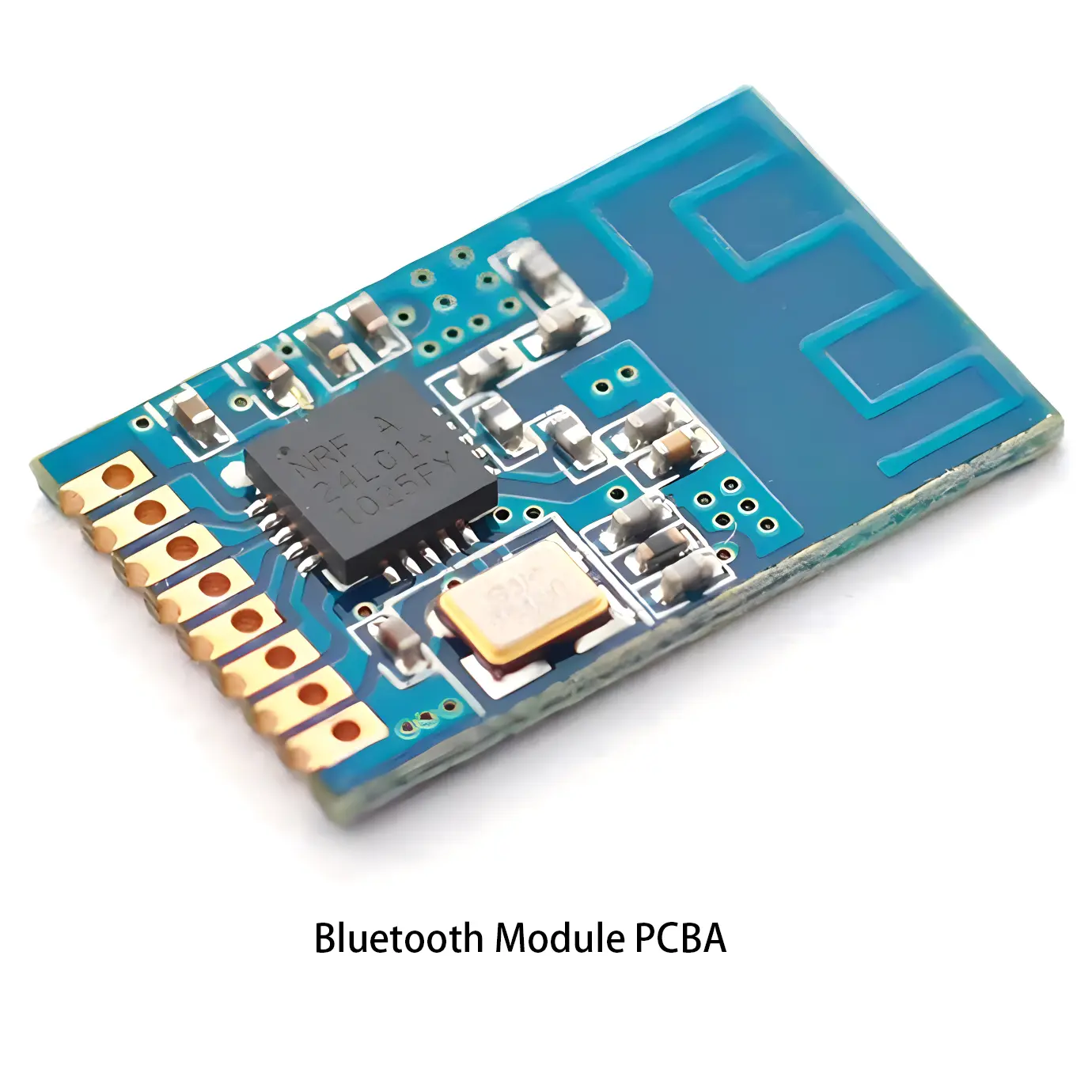 Communication PCBA
 Industrial Control PCBA
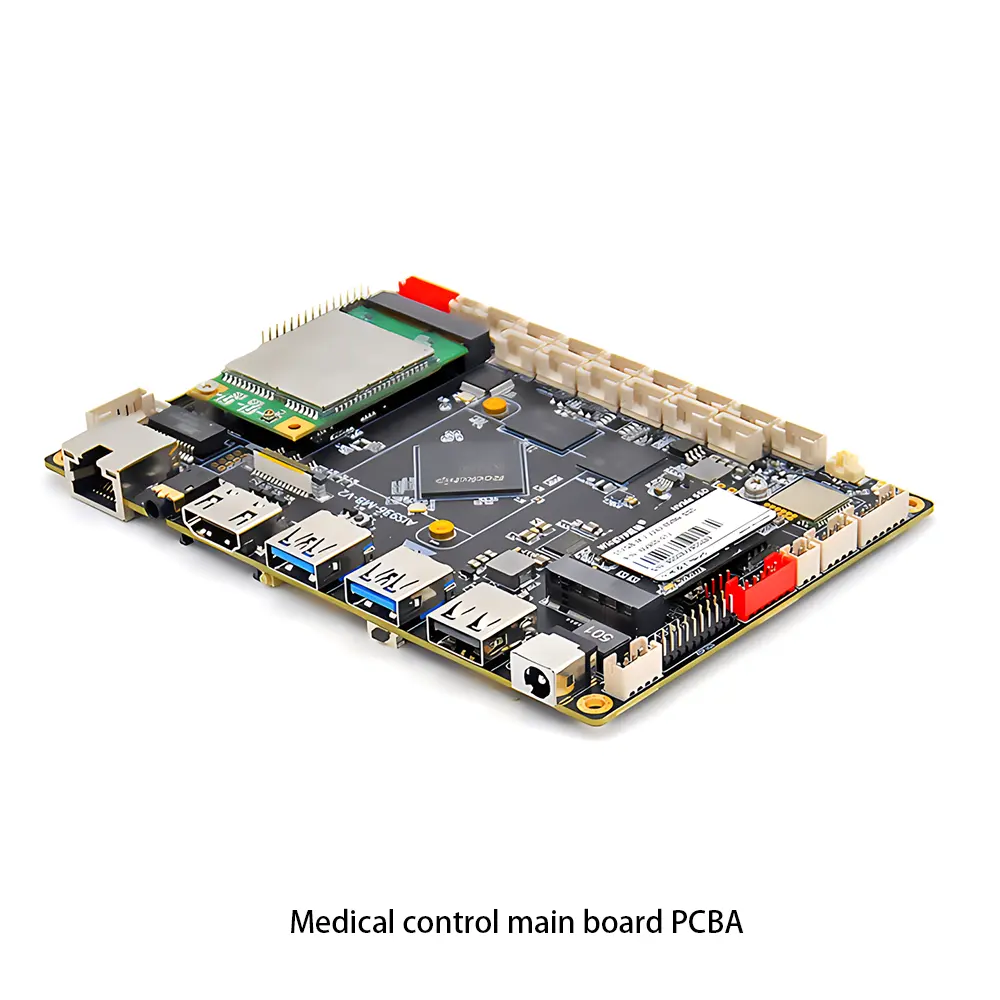 Medical Equipment PCBA
 Testing Service
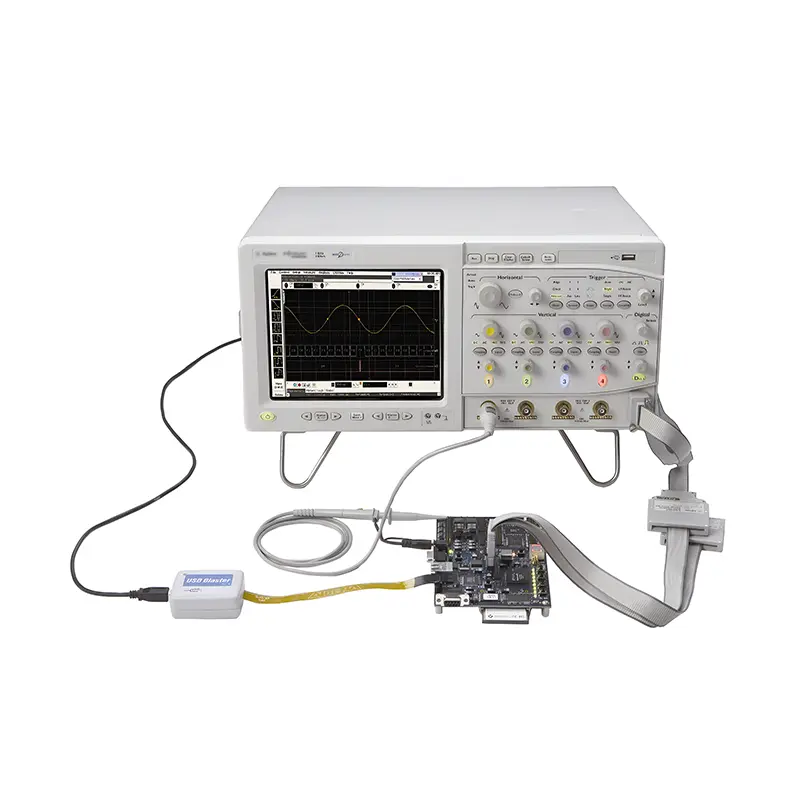 PCBA Testing Service
 Certification Application
 RoHS Certification Application
 REACH Certification Application
 CE Certification Application
 FCC Certification Application
 CQC Certification Application
 UL Certification Application
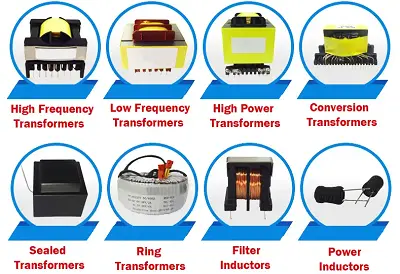 Transformers, Inductors
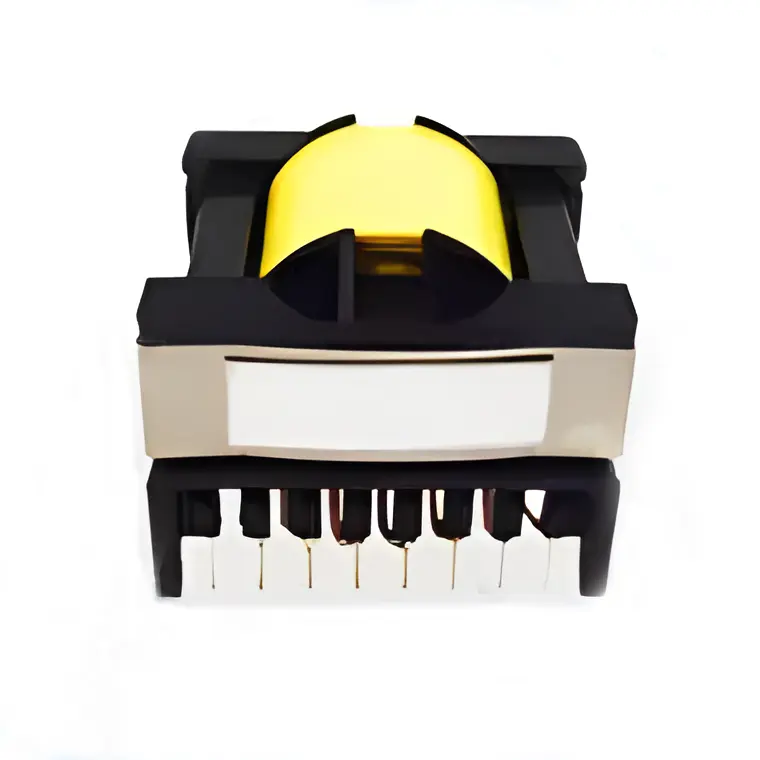 High Frequency Transformers
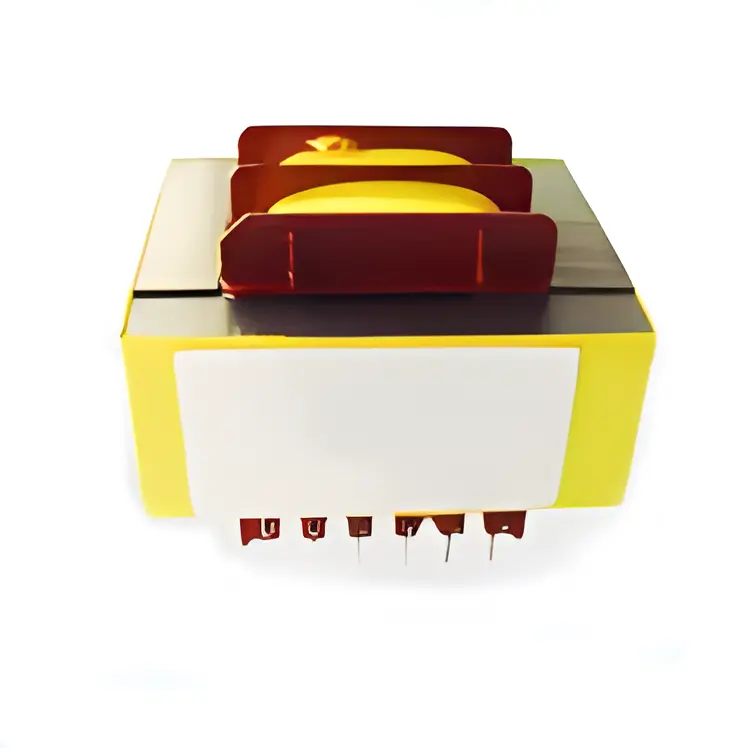 Low Frequency Transformers
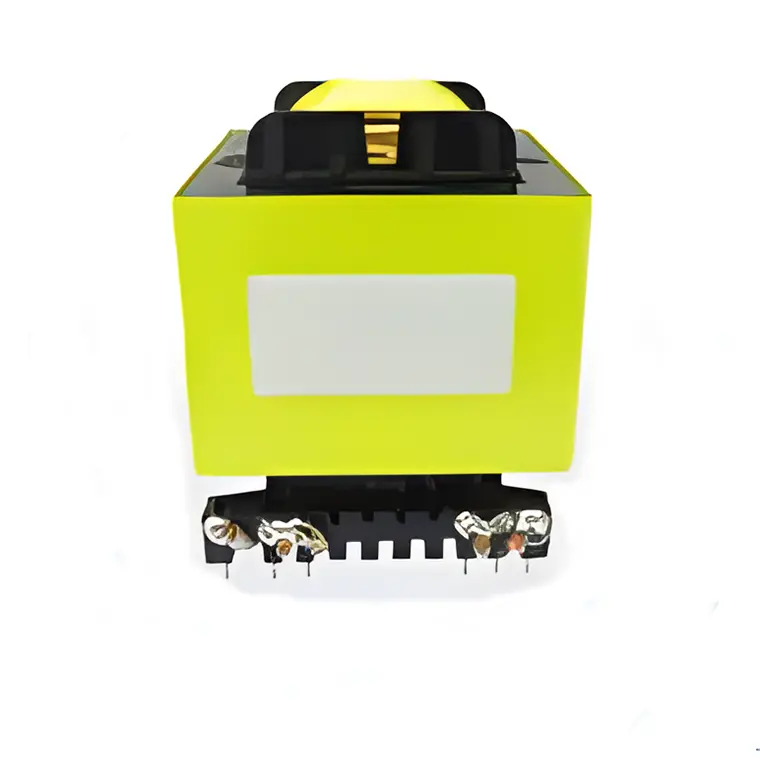 High Power Transformers
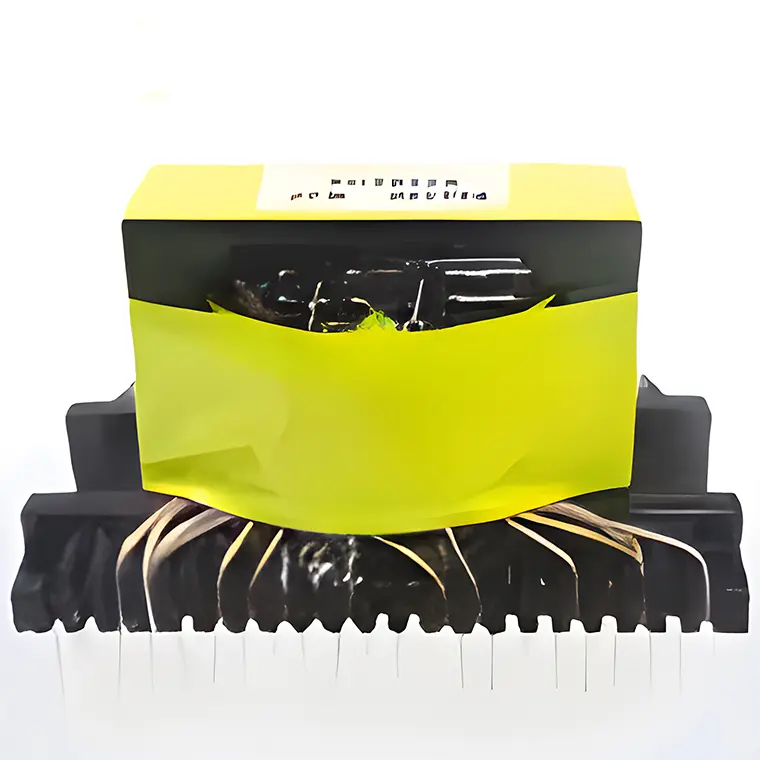 Conversion Transformers
 Sealed Transformers
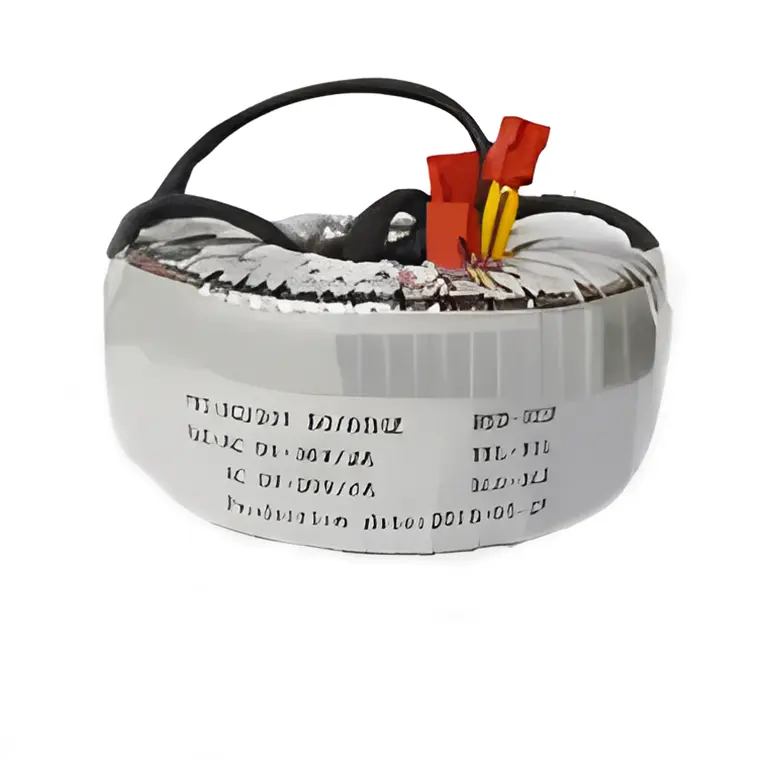 Ring Transformers
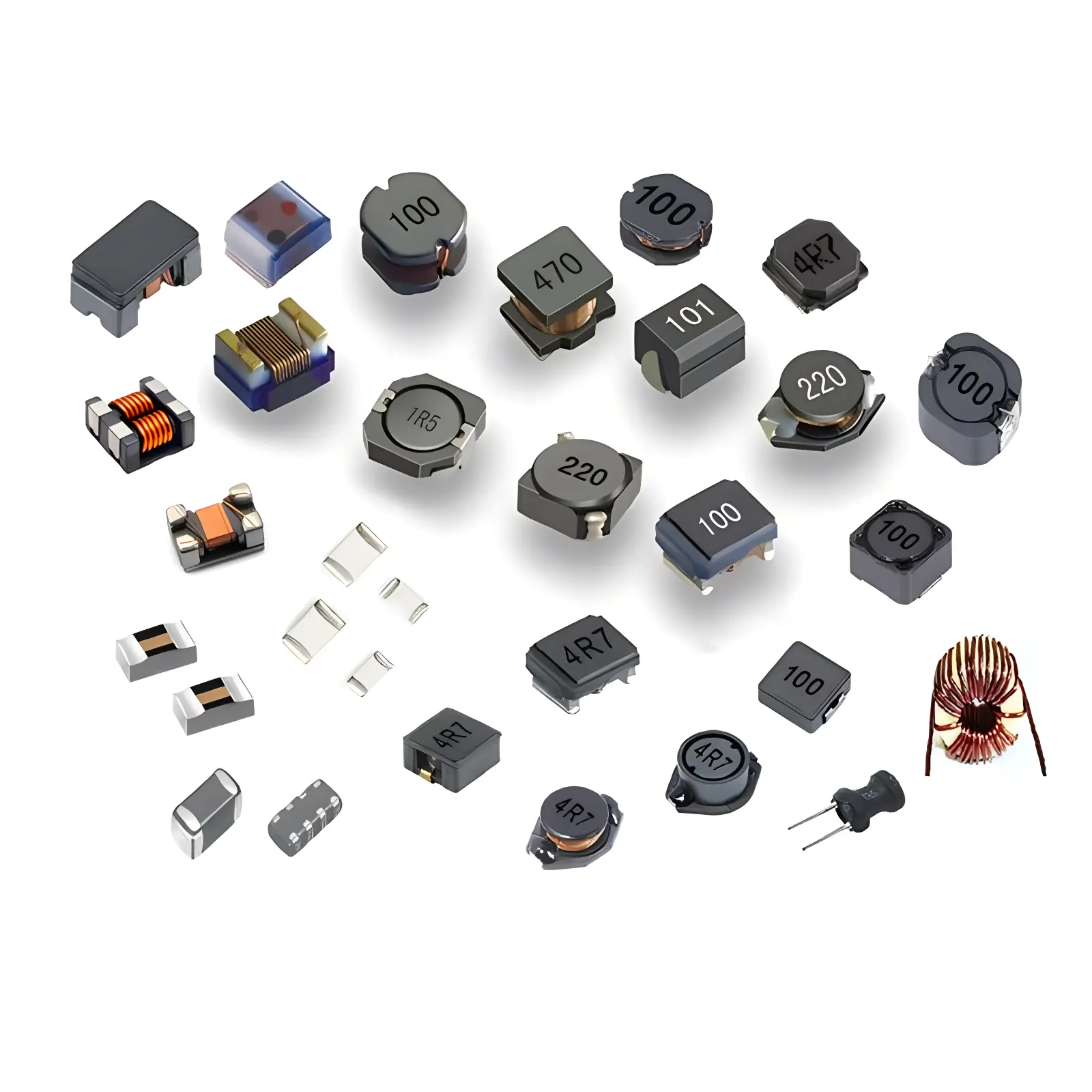 Inductors
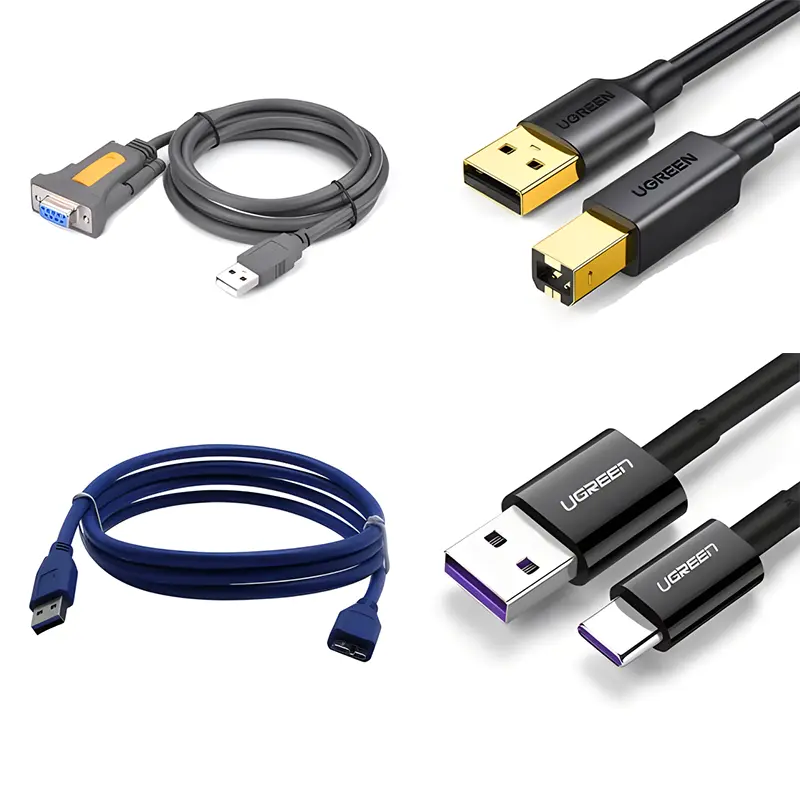 Wires,Cables Customized
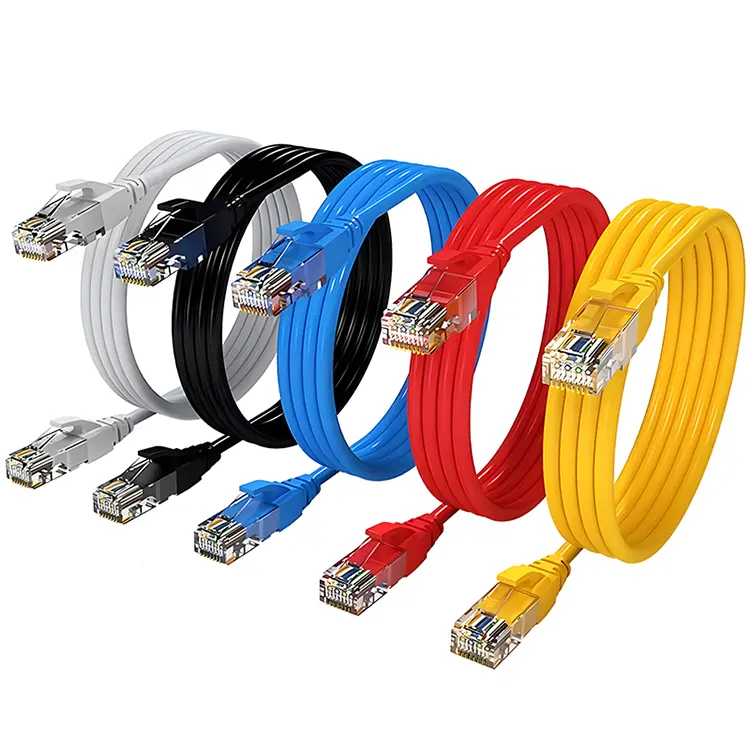 Network Cables
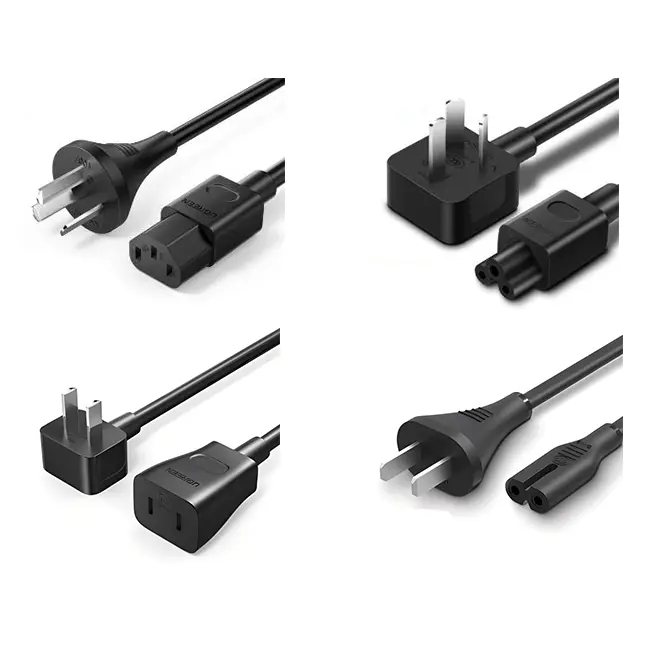 Power Cords
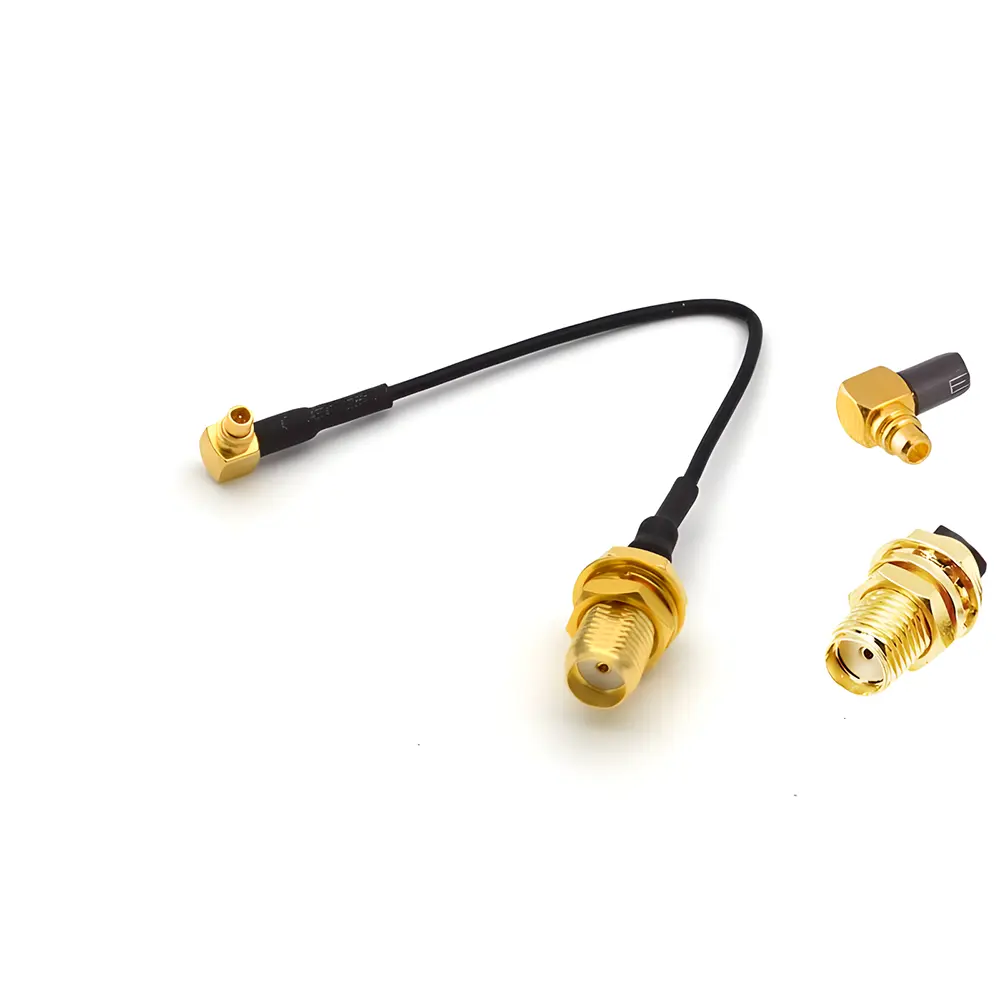 Antenna Cables
 Coaxial Cables
 Net Position Indicator
 Solar AIS net position indicator
 Capacitors
 Connectors
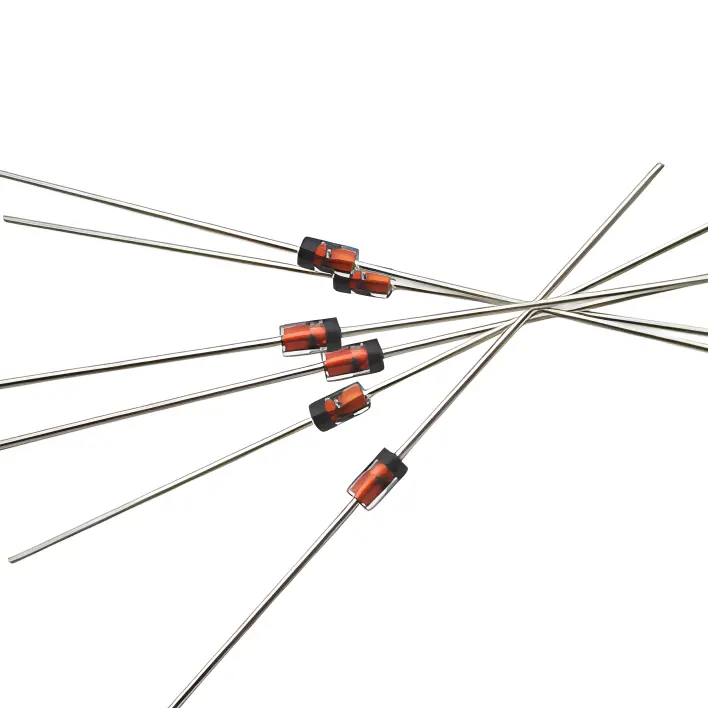 Diodes
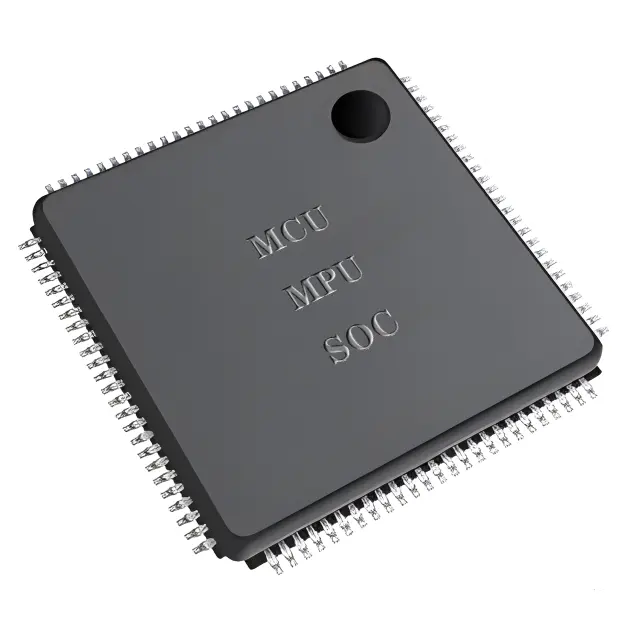 Embedded Processors & Controllers
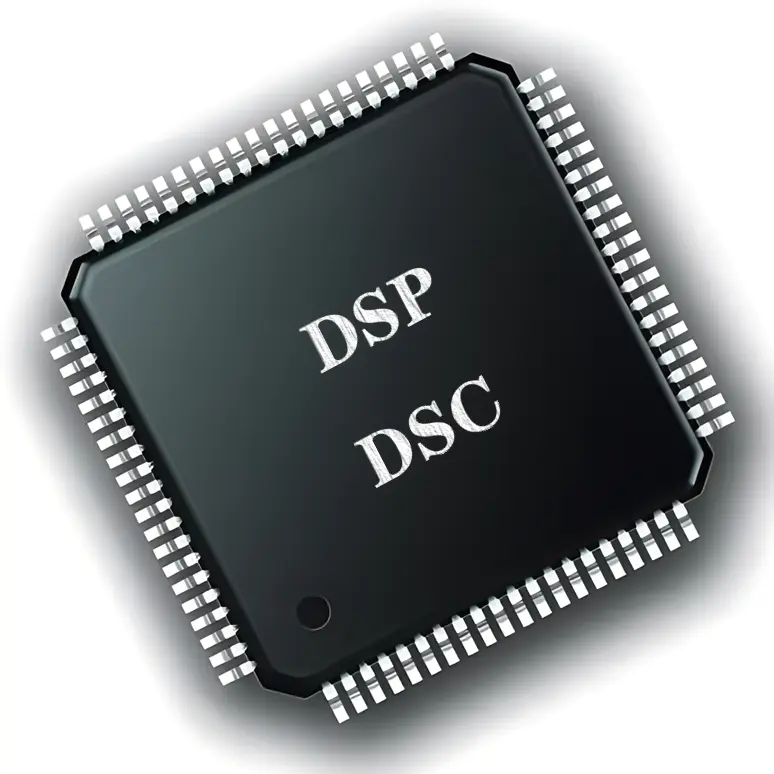 Digital Signal Processors (DSP/DSC)
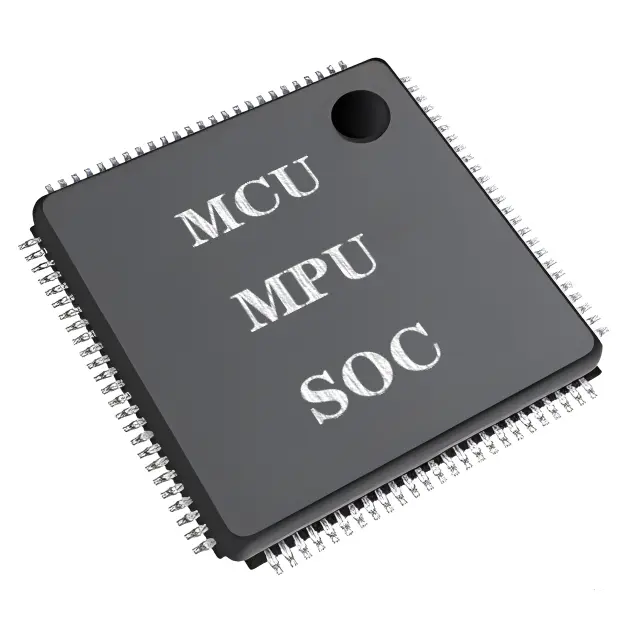 Microcontrollers (MCU/MPU/SOC)
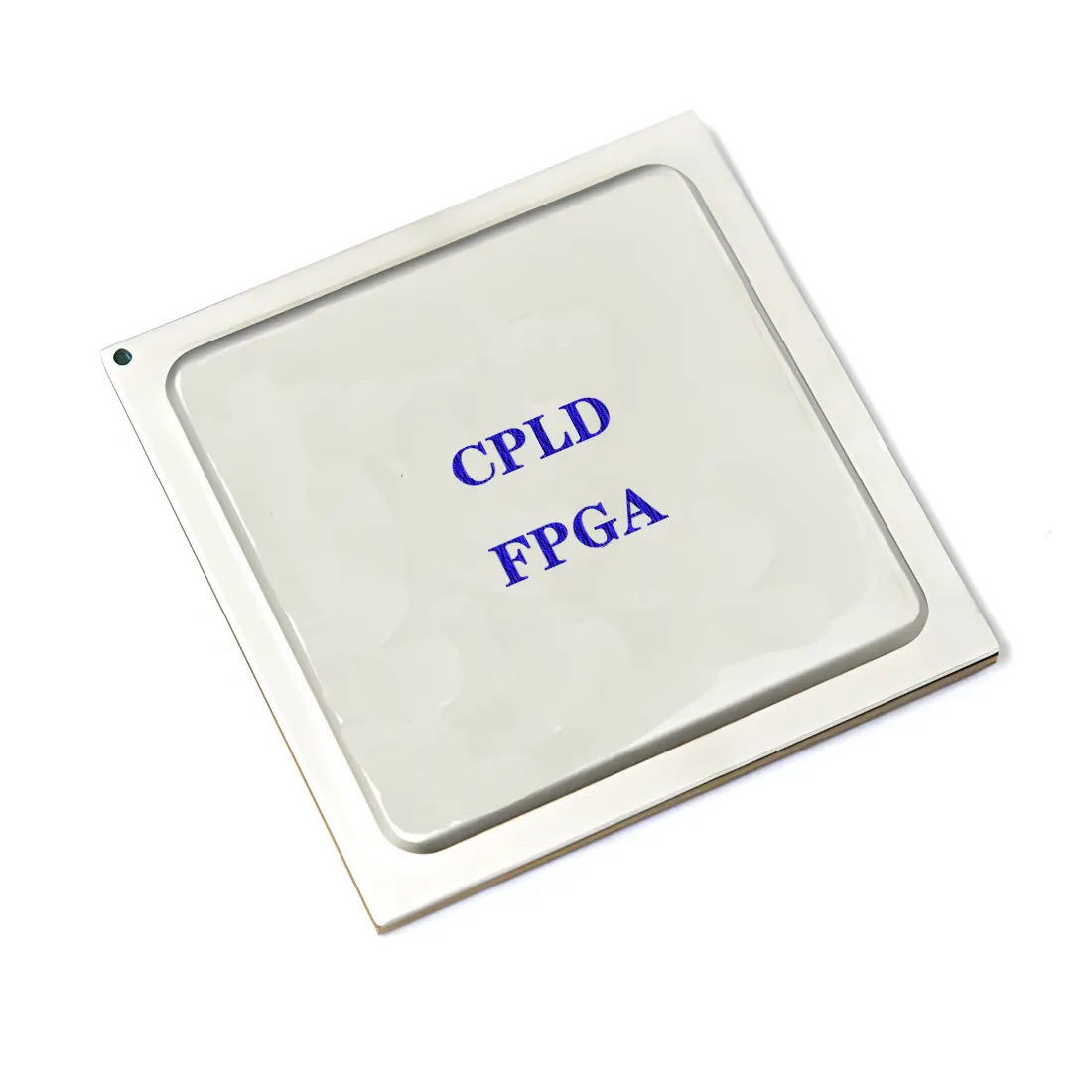 Programmable Logic Device(CPLD/FPGA)
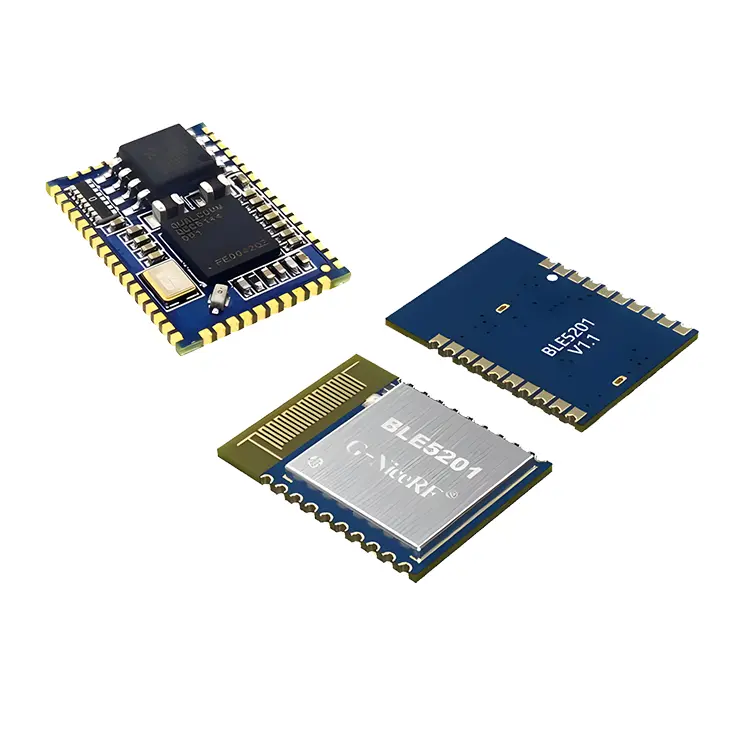 Communication Modules/IoT
 Resistors
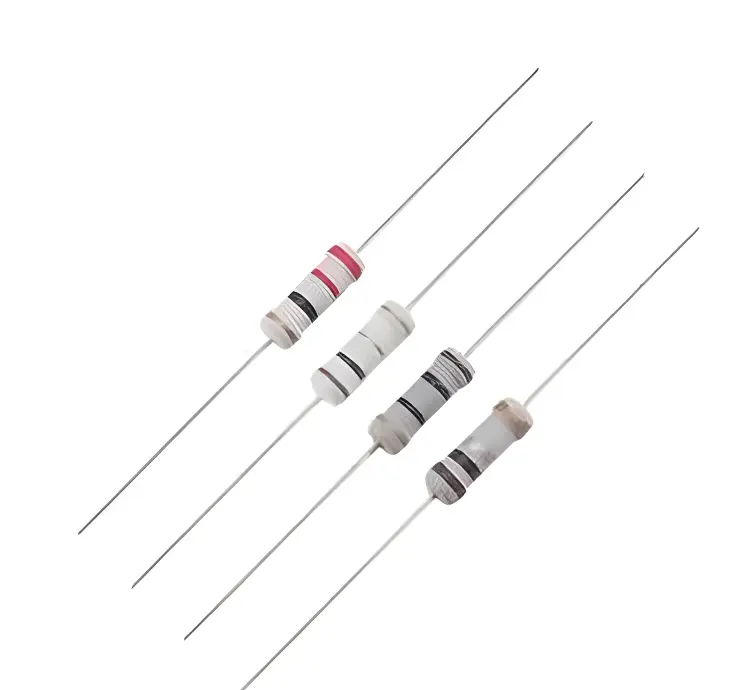 Through Hole Resistors
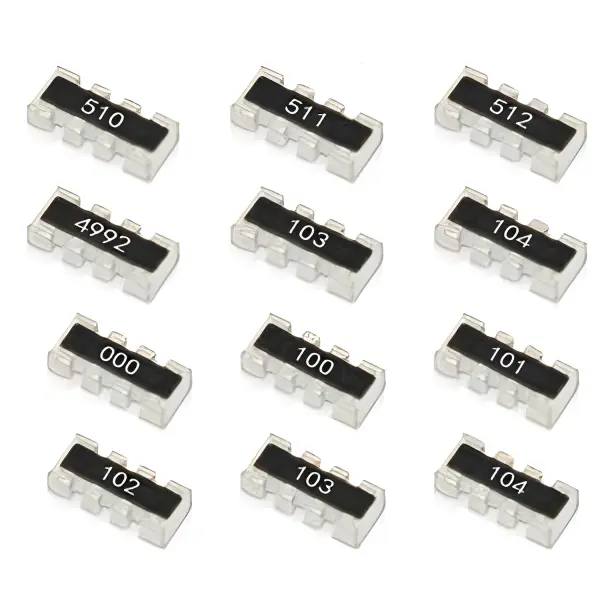 Resistor Networks, Arrays
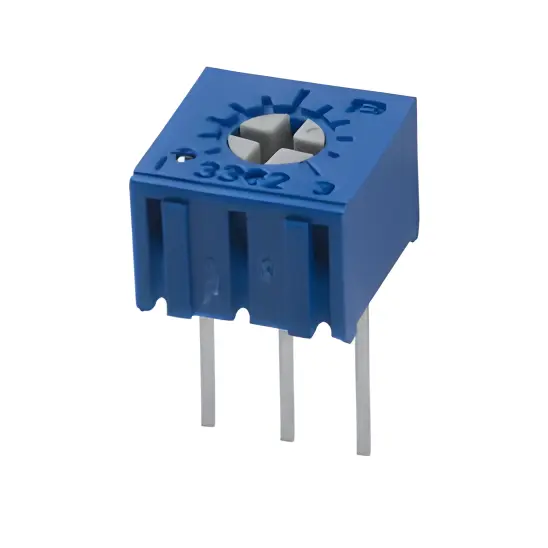 Potentiometers,Variable Resistors
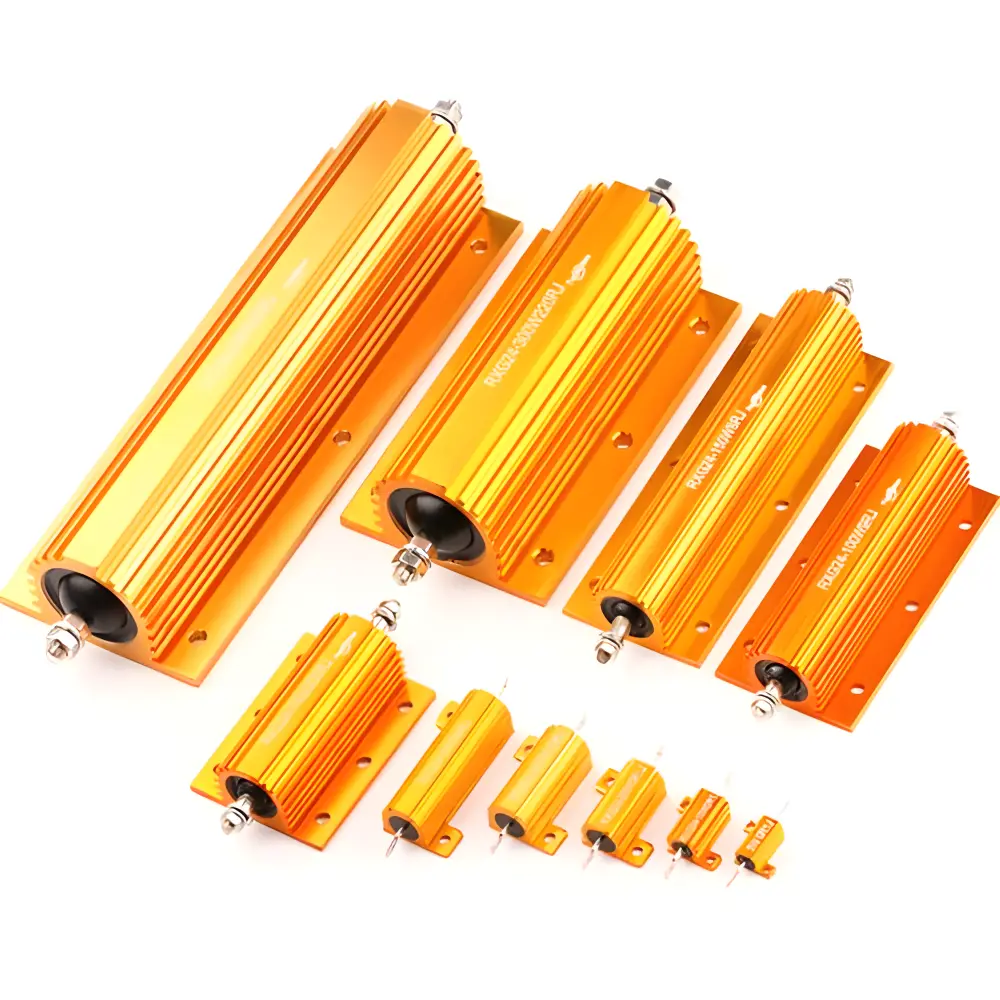 Aluminum Case,Porcelain Tube Resistance
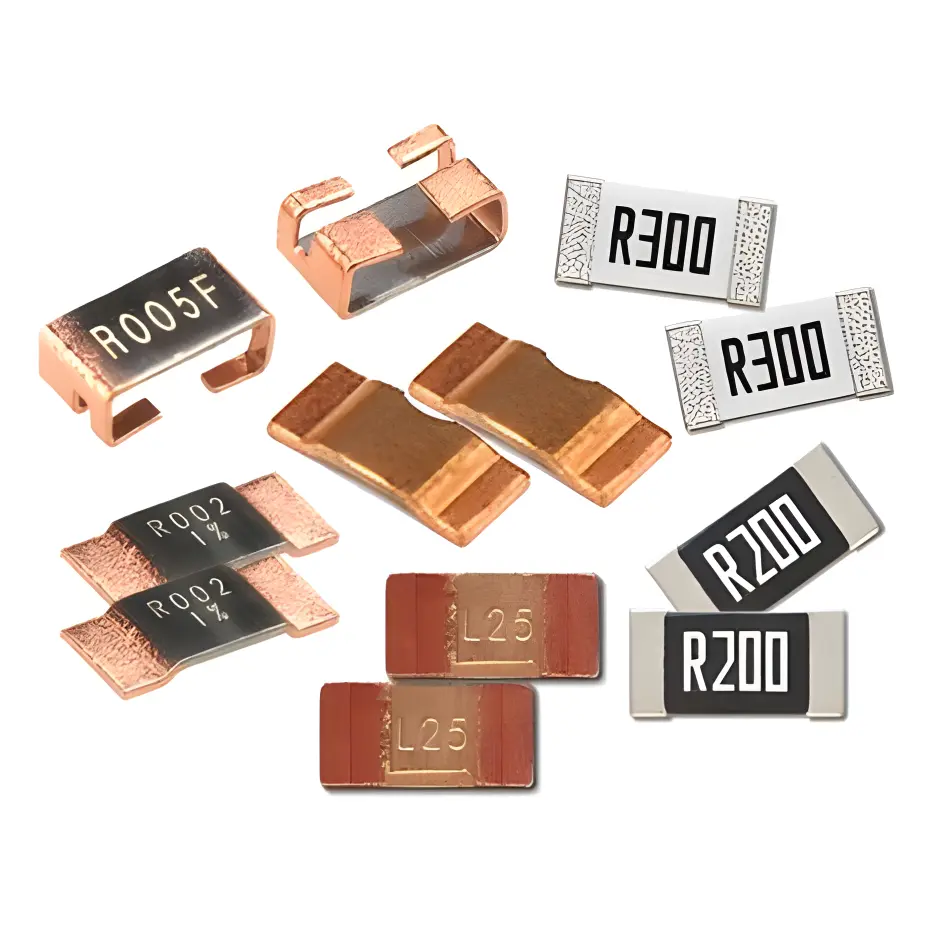 Current Sense Resistors,Shunt Resistors
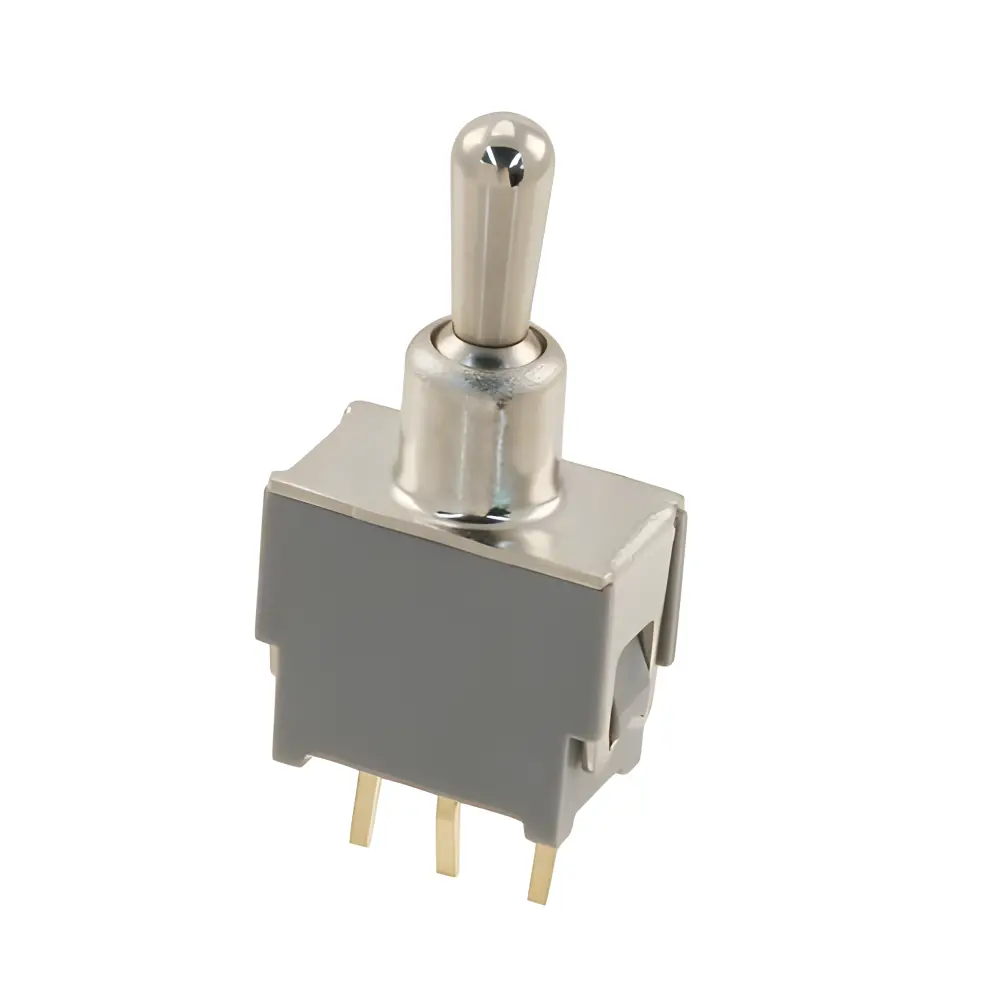 Switches
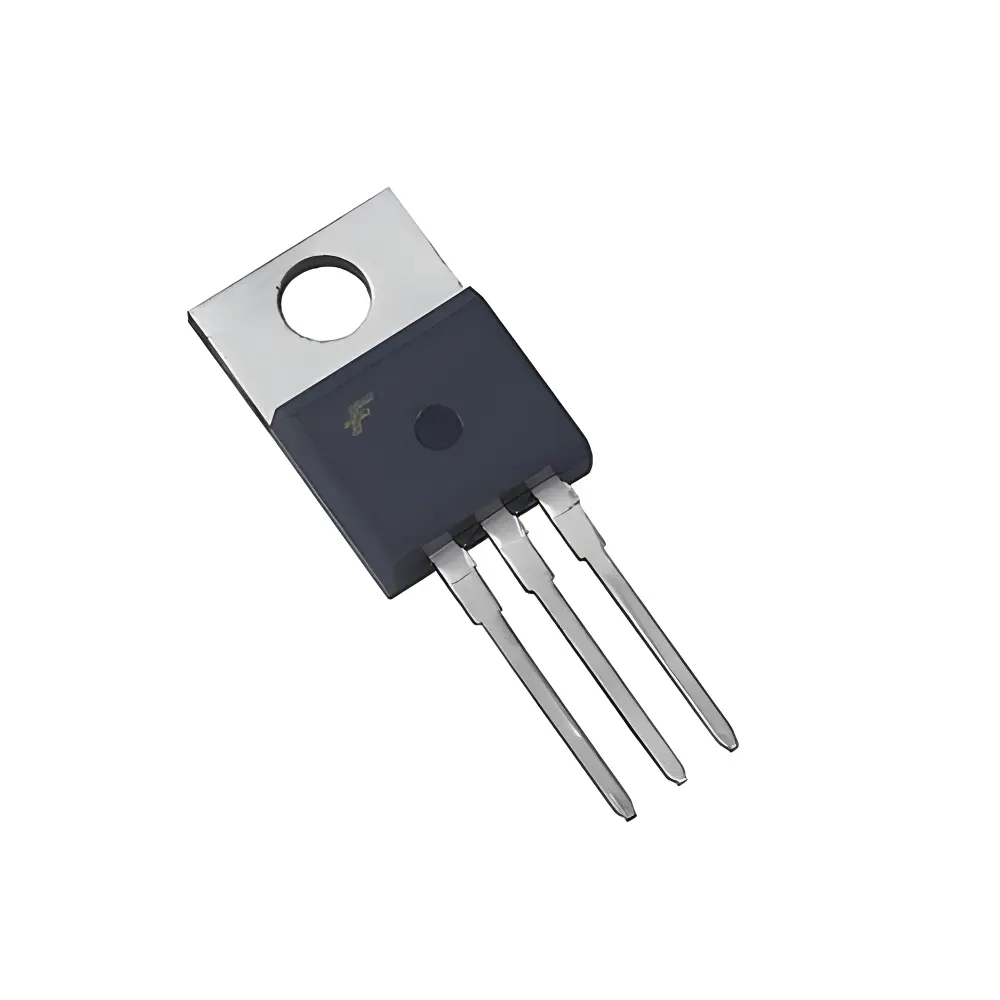 Transistors
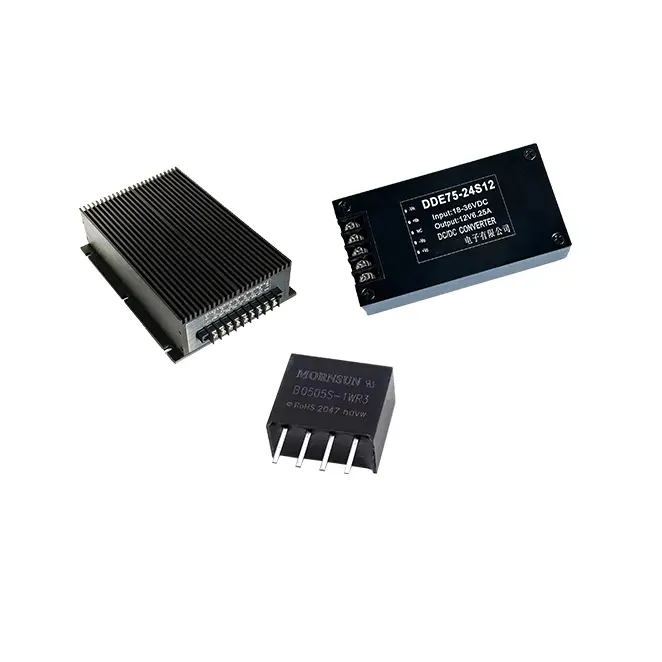 Power Modules
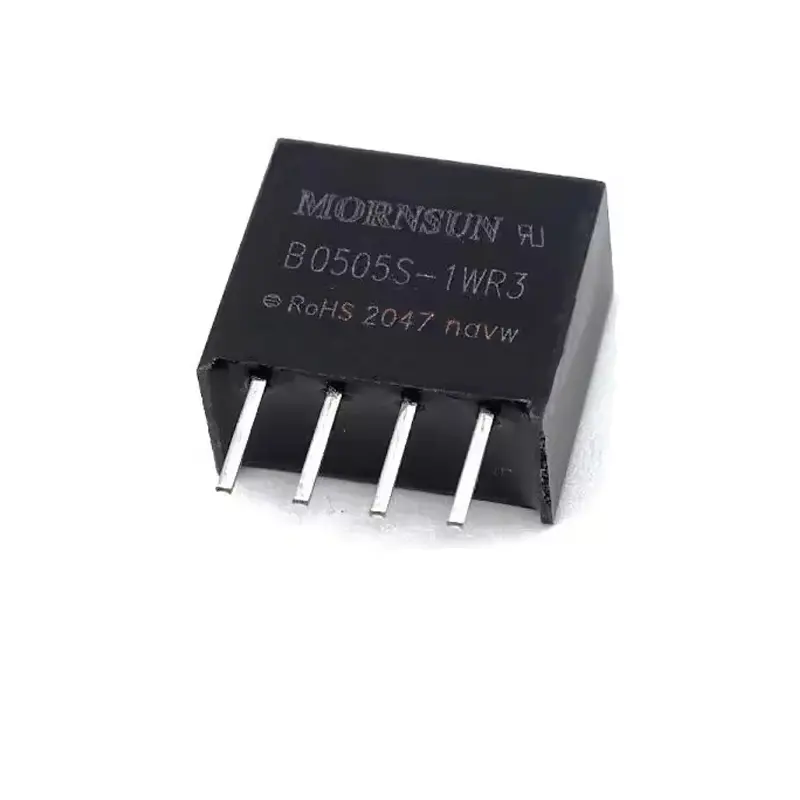 Isolated Power Modules
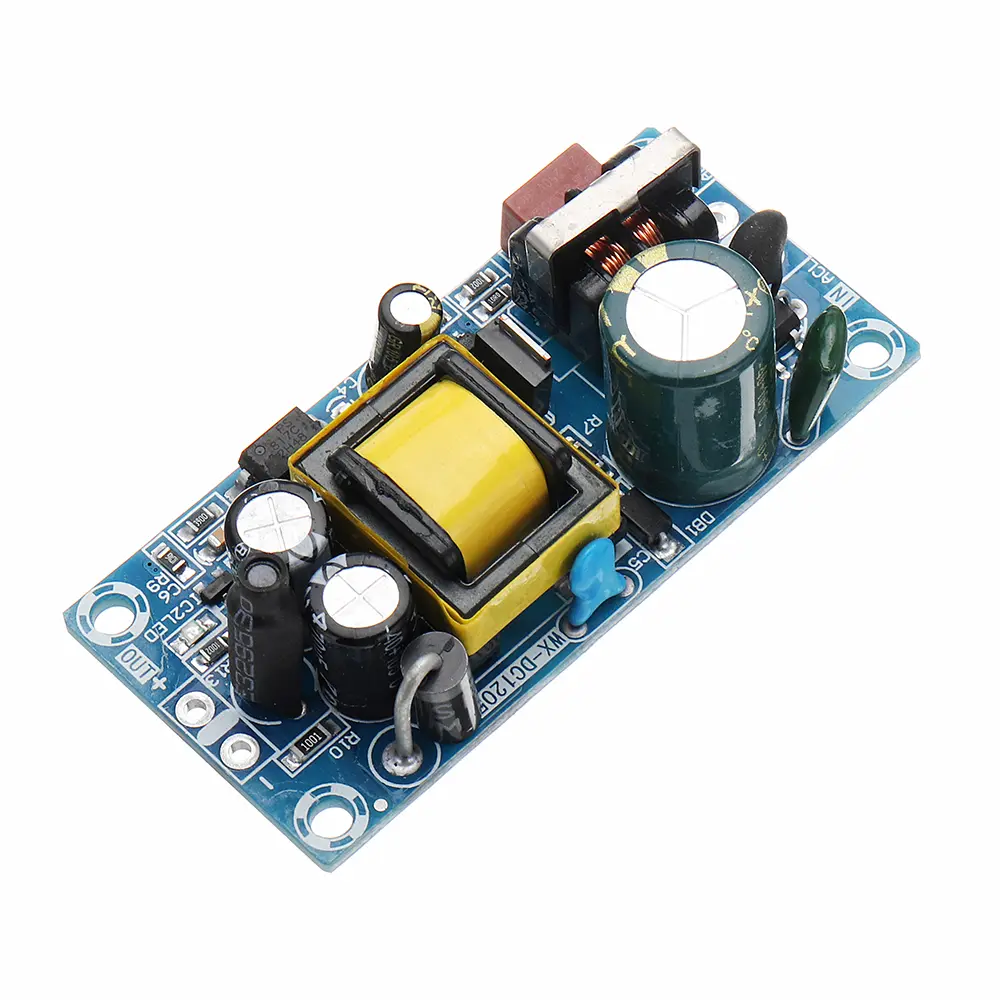 AC-DC Power Modules
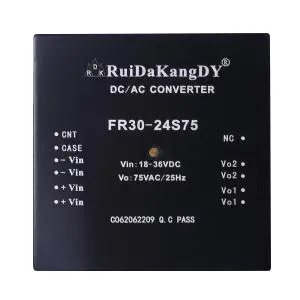 DC-AC Module(Inverter)
 RF and Wireless
How to Effectively Reduce Burrs and Dimensional Deviations in Standard PCB Profile Routing
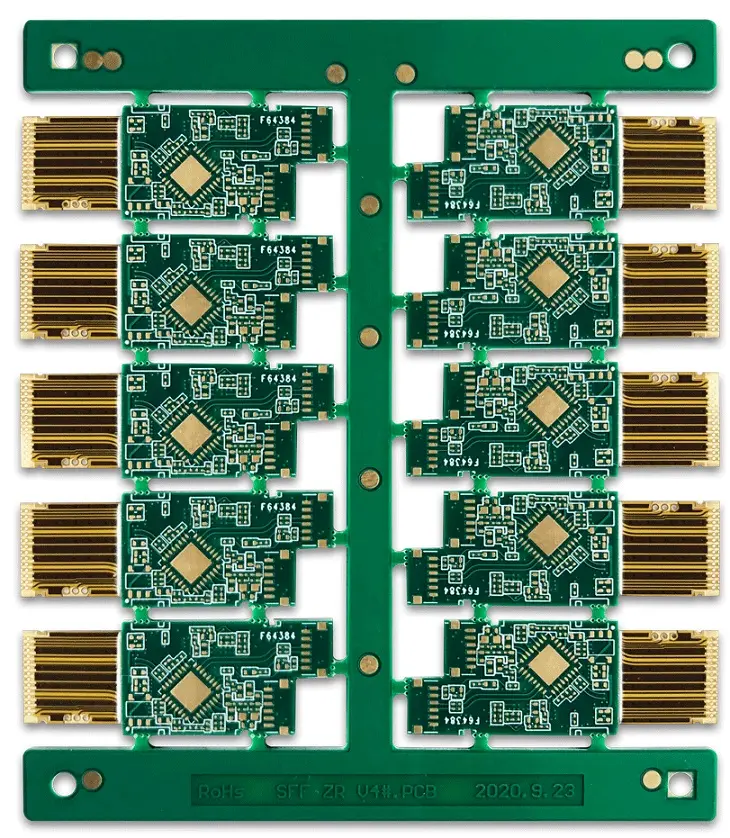
In printed circuit board (PCB) manufacturing, profile routing—also known as "milling" or "contour cutting"—is a critical step for separating individual boards from a panel, especially when V-scoring is not applicable or when complex outlines are required. CNC routers are the standard equipment for this process. However, two persistent challenges in production areburrs and dimensional deviations, which can compromise aesthetics, assembly fit, and even reliability by causing short circuits, Connector insertion issues, or mechanical damage.
This article provides a systematic guide on how to minimize burrs and control dimensional accuracy during standard PCB routing through optimized tool selection, process parameters, material considerations, and equipment maintenance.
1. Causes and Types of Burrs
Burrs in PCB routing typically fall into two categories:
- Top-side burrs: Occur on the entry side of the tool path, caused by upward pushing of copper foil and substrate fibers.
- Bottom-side burrs: Form on the exit side due to fiber tearing or pull-out as the tool leaves the material.
Root causes include:
- Dull or chipped cutting tools;
- Mismatched spindle speed and feed rate;
- Anisotropic cutting resistance from woven glass fabric in FR-4;
- Poor board fixation or inadequate dust extraction leading to vibration;
- Conflict between milling direction and the orientation of the laminate’s glass weave.
2. Key Strategies to Minimize Burrs
2.1 Select the Right Milling Tool
- Tool Material: Prefer carbide (tungsten carbide) cutters over high-speed steel (HSS) for superior wear resistance.
- Flute Design:
- Straight-flute 2-flute bits: Suitable for general FR-4 routing with good chip removal.
- Spiral-flute bits:
- Up-cut bits: Efficient chip ejection but tend to lift material, increasing top-side burrs.
- Down-cut bits: Press material downward, reducing top-side burrs—ideal for thin boards.
- Compression bits: Feature both up-cut and down-cut flutes in one tool, significantly reducing burrs on both top and bottom surfaces—the preferred choice for high-quality finishes.
- Tip Geometry: Use tools with a slight corner radius (e.g., R0.1 mm) to reduce stress concentration and chipping.
2.2 Optimize Cutting Parameters
| Parameter | Recommended Setting | Purpose |
|---|---|---|
| Spindle Speed | 30,000–60,000 RPM | Higher speeds reduce cutting force per tooth, minimizing tearing |
| Feed Rate | 80–200 mm/s (adjust based on thickness) | Too slow causes burning; too fast causes chipping |
| Cut Depth | Full depth (for thin boards) or multi-pass (for thick boards) | Prevents excessive vibration from deep single cuts |
| Milling Direction | Prefer climb milling (down milling) | Provides smoother cutting force and fewer burrs |
Rule of Thumb for FR-4:
Feed Rate (mm/min) ≈ Spindle Speed (RPM) × Number of Flutes × Chip Load (0.01–0.03 mm/tooth)
2.3 Improve Fixturing and Dust Extraction
- Use a vacuum table to ensure the board remains flat and immobile;
- Place a phenolic backing board beneath the PCB to support the bottom surface and prevent fiber pull-out;
- Maintain strong vacuum suction to remove chips immediately and avoid re-scratching.
2.4 Control Environmental and Material Conditions
- Avoid routing moisture-absorbed PCBs (baking recommended: 120°C for 4 hours);
- For high-Tg or ceramic-filled laminates, adjust parameters and conduct test runs.
3. Core Methods to Control Dimensional Deviations
Standard PCB routing tolerances are typically ±0.1 mm, with high-precision applications requiring ±0.05 mm. Deviations arise from:
- Tool wear reducing effective diameter;
- Machine positioning errors or thermal drift;
- Material expansion/contraction or internal stress release;
- Incorrect toolpath compensation in programming.
Mitigation Strategies:
-
Tool Life Management
- Implement a usage counter (e.g., replace after ≤50 meters of cutting path);
- Inspect cutting edges regularly under a microscope;
- Enable Tool Radius Compensation (G41/G42) in the CNC program.
-
Accurate Programming and Compensation
- Set correct tool offset in CAM software based on actual tool diameter;
- Apply tighter tolerances to critical features (e.g., connector cutouts);
- Use a finish pass: rough cut with 0.1–0.2 mm allowance, followed by a precision finish pass.
-
Machine Calibration and Maintenance
- Regularly verify repeatability accuracy (target: ≤ ±0.01 mm);
- Check spindle runout (< 0.01 mm);
- Keep linear guides and ball screws clean and lubricated to minimize backlash.
-
Material Preconditioning
- Bake panels before routing to remove moisture;
- Incorporate stress-relief slots in large panels to minimize post-routing warpage.
4. Troubleshooting Guide: Common Issues and Solutions
| Symptom | Likely Cause | Solution |
|---|---|---|
| Severe top-side burrs | Up-cut bit on thin board | Switch to down-cut or compression bit |
| Bottom-side fiber pull-out | No backing support | Add phenolic backing + enhance dust extraction |
| Overall undersized parts | Worn tool without compensation | Enable tool radius compensation + replace tool |
| Chipped edges | Excessive feed rate or dull tool | Reduce feed rate + install new cutter |
| Rounded corners on sharp features | High corner speed | Enable CAM corner deceleration function |
5. Conclusion
Achieving high-quality PCB routing with minimal burrs and tight dimensional control is not about a single fix—it’s a holistic integration of tooling, parameters, equipment, materials, and process discipline.
Best Practices Summary:
- Use compression-flute carbide routers whenever possible;
- Apply high spindle speed + moderate feed + climb milling;
- Implement tool life tracking and automatic radius compensation;
- Combine vacuum fixturing, backing boards, and strong dust collection;
- Perform first-article full-dimension inspection and periodic process audits.