
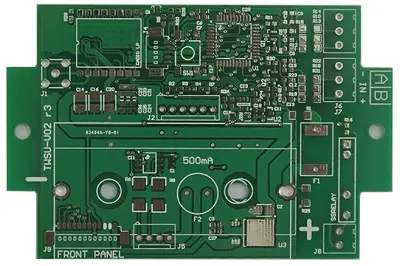
 PCB
PCB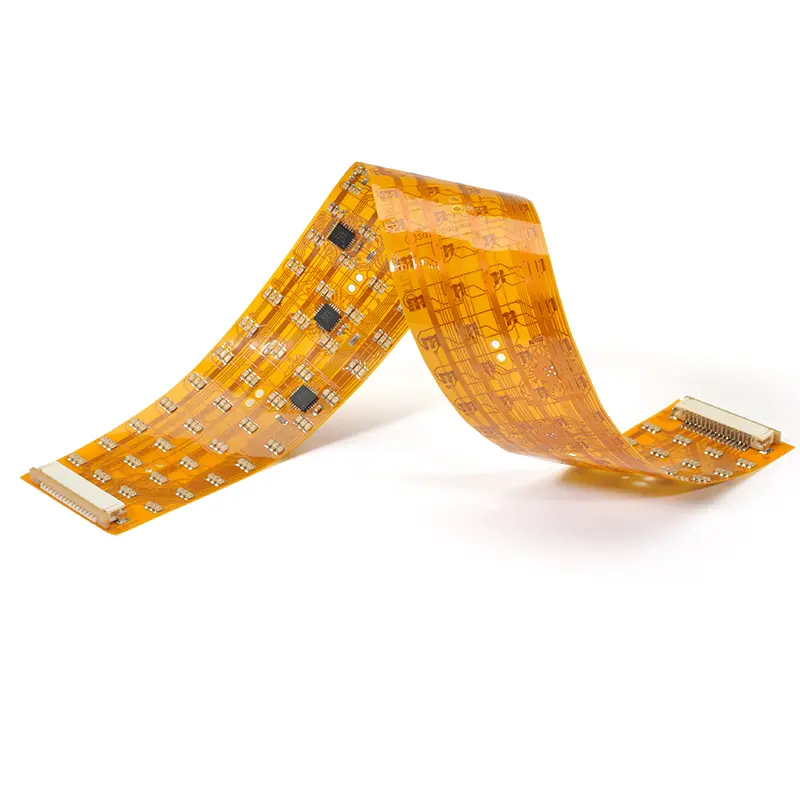 FPC
FPC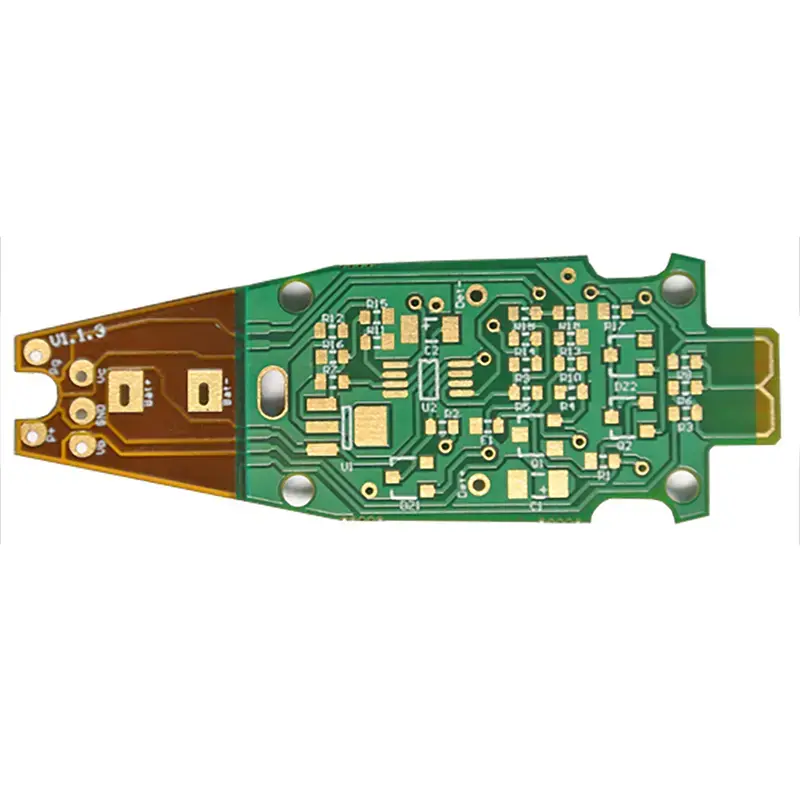 Rigid-Flex
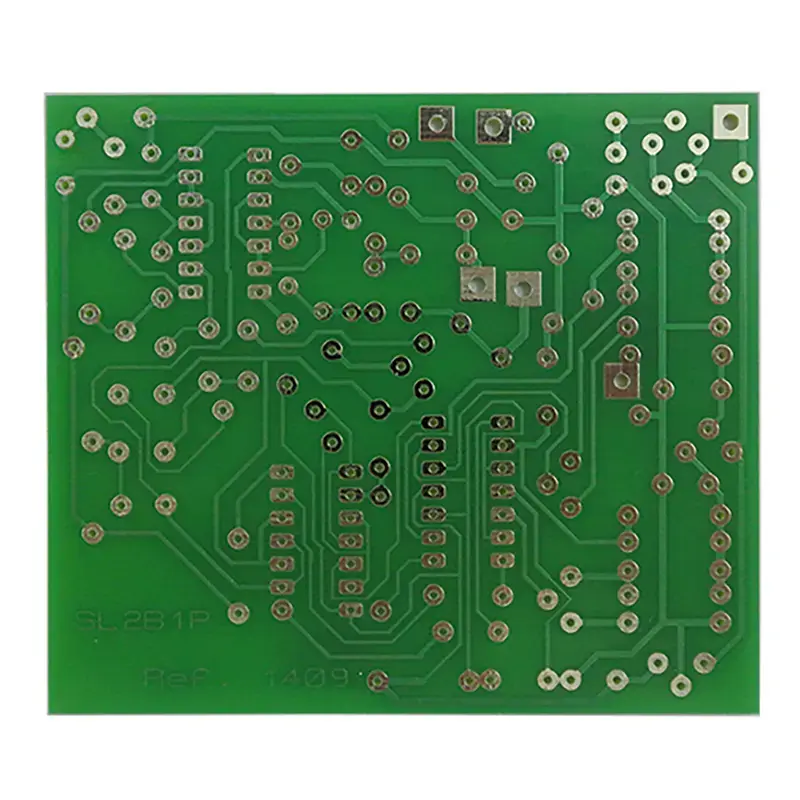 FR-4
FR-4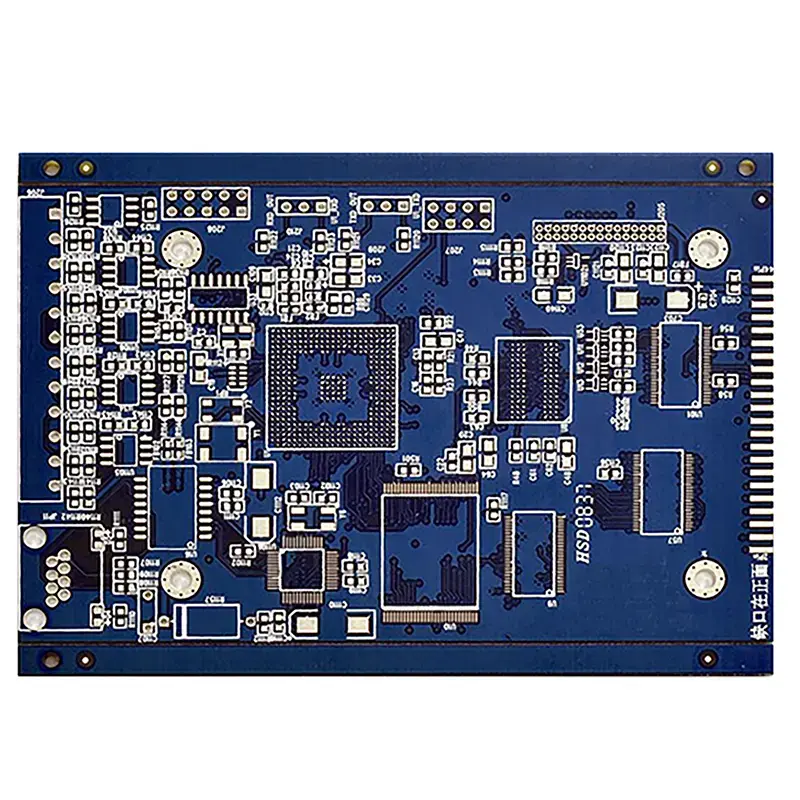 HDI PCB
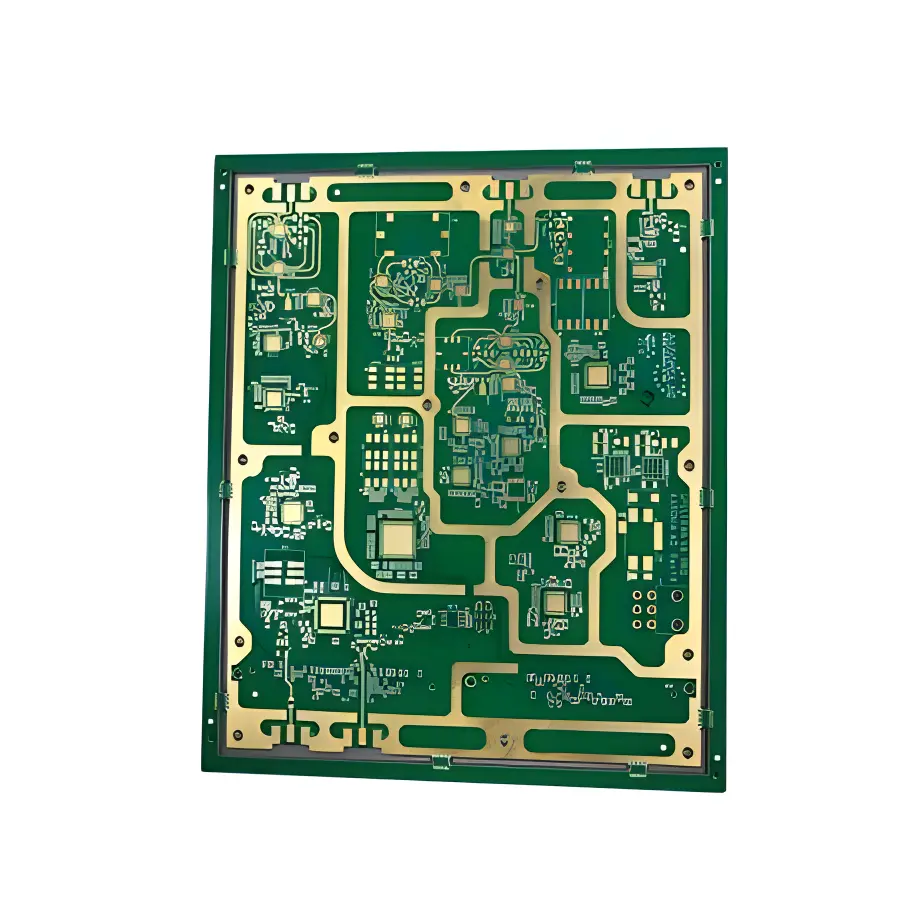 Rogers High-Frequency Board
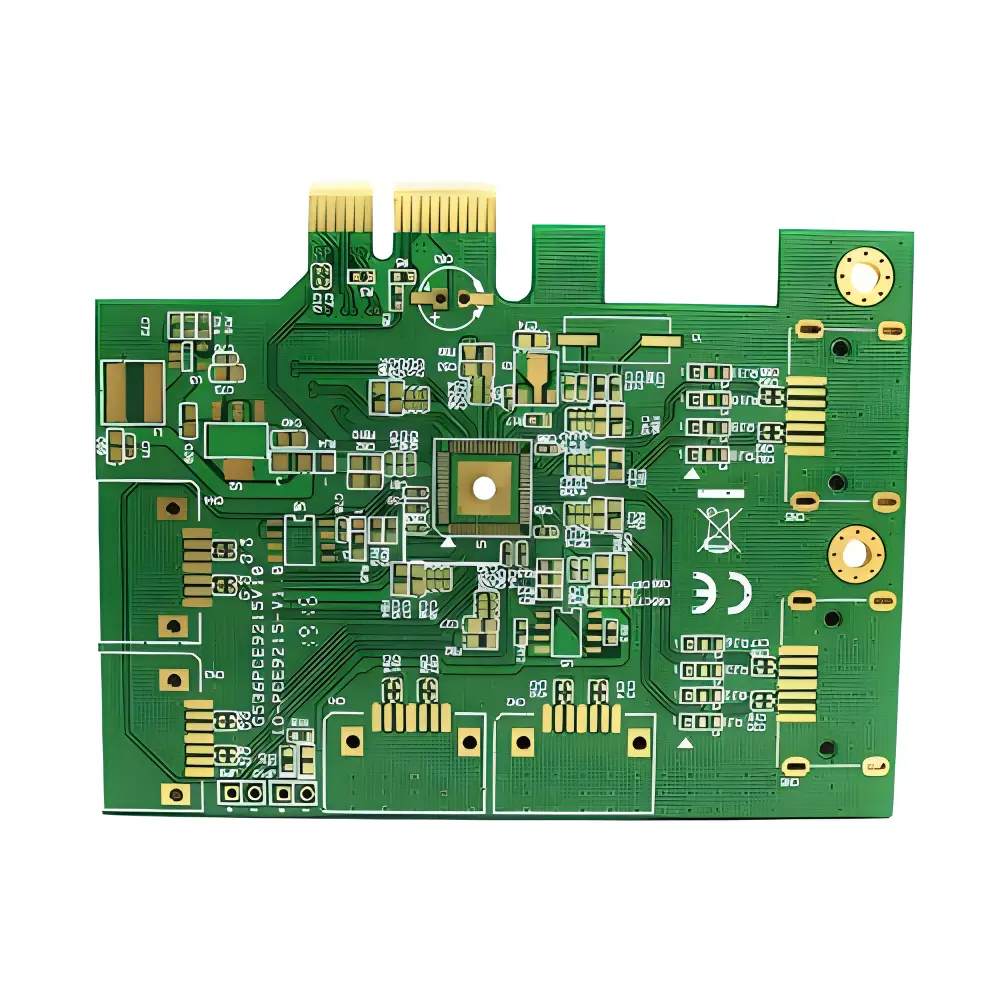 PTFE Teflon High-Frequency Board
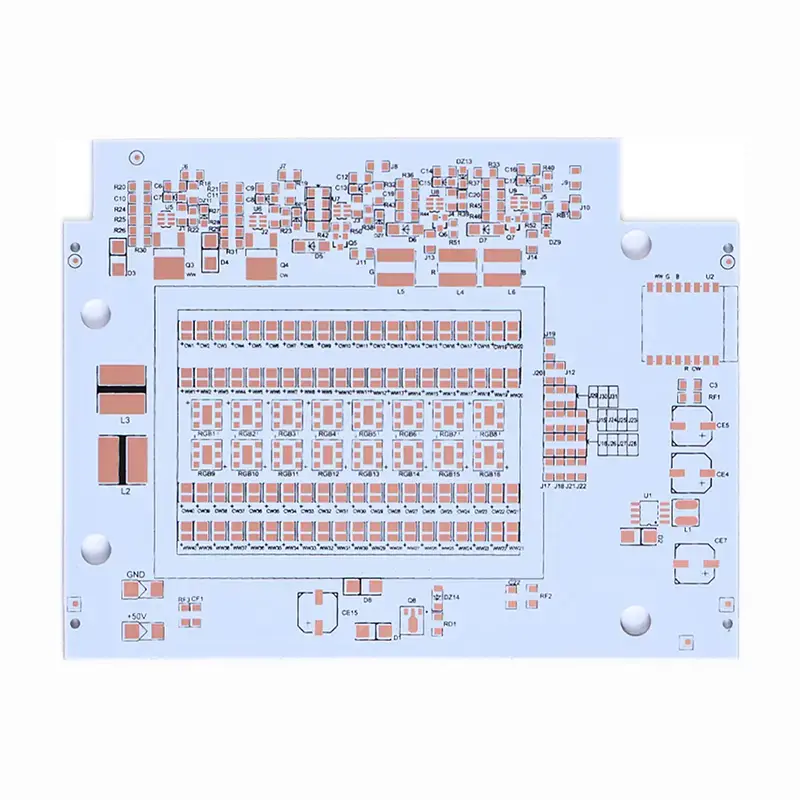 Aluminum
 Copper Core
 PCB Assembly
 LED light PCBA
 Memory PCBA
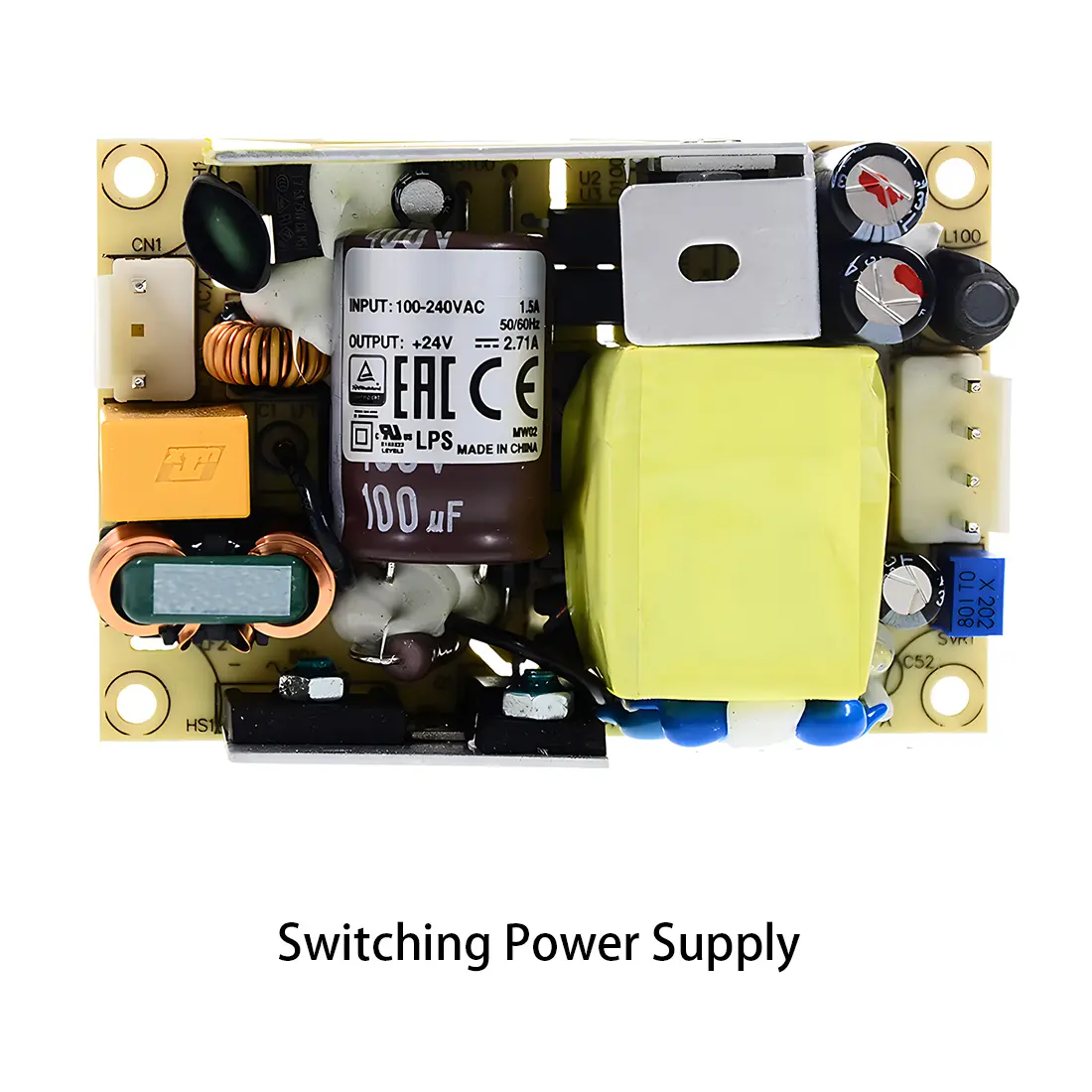 Power Supply PCBA
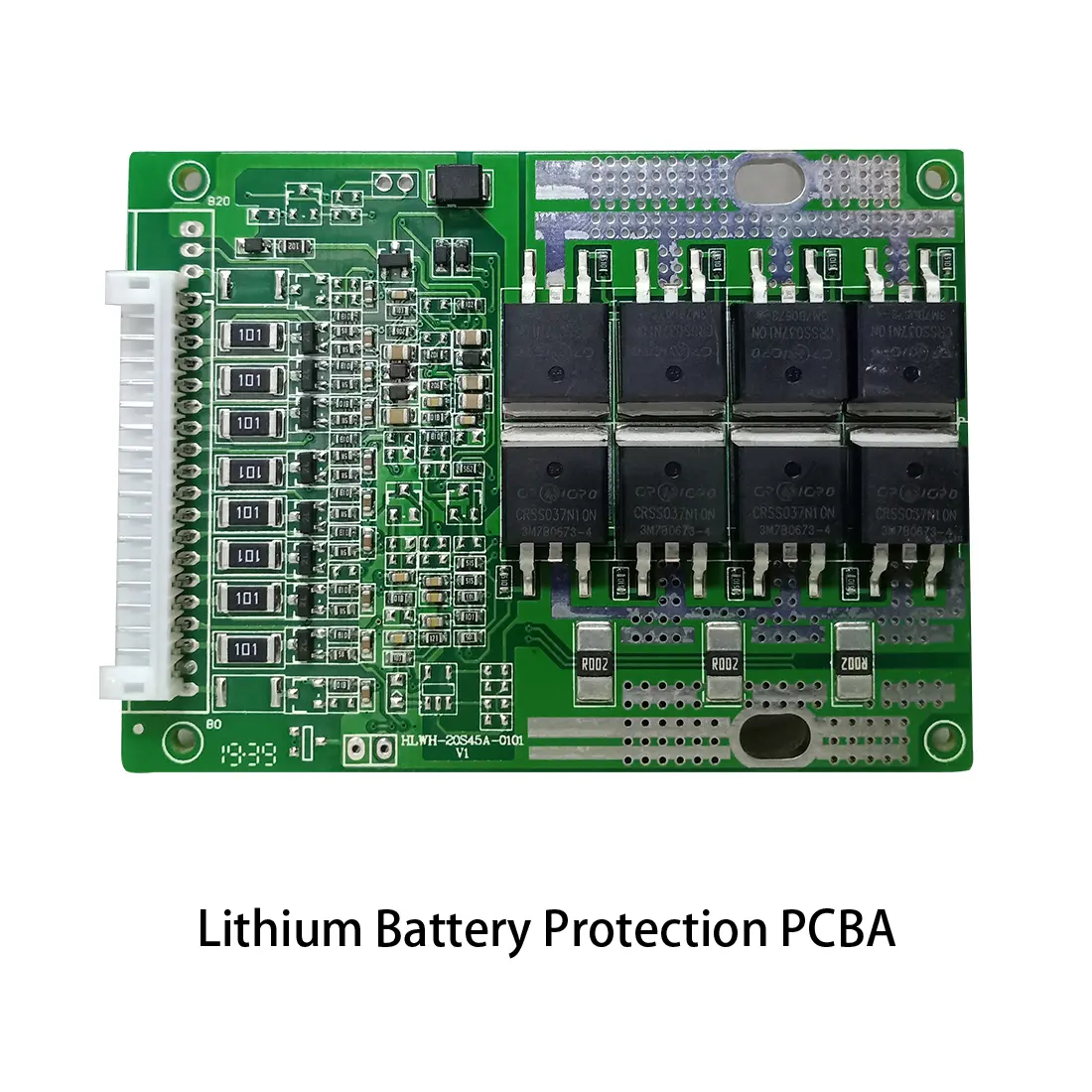 New Energey PCBA
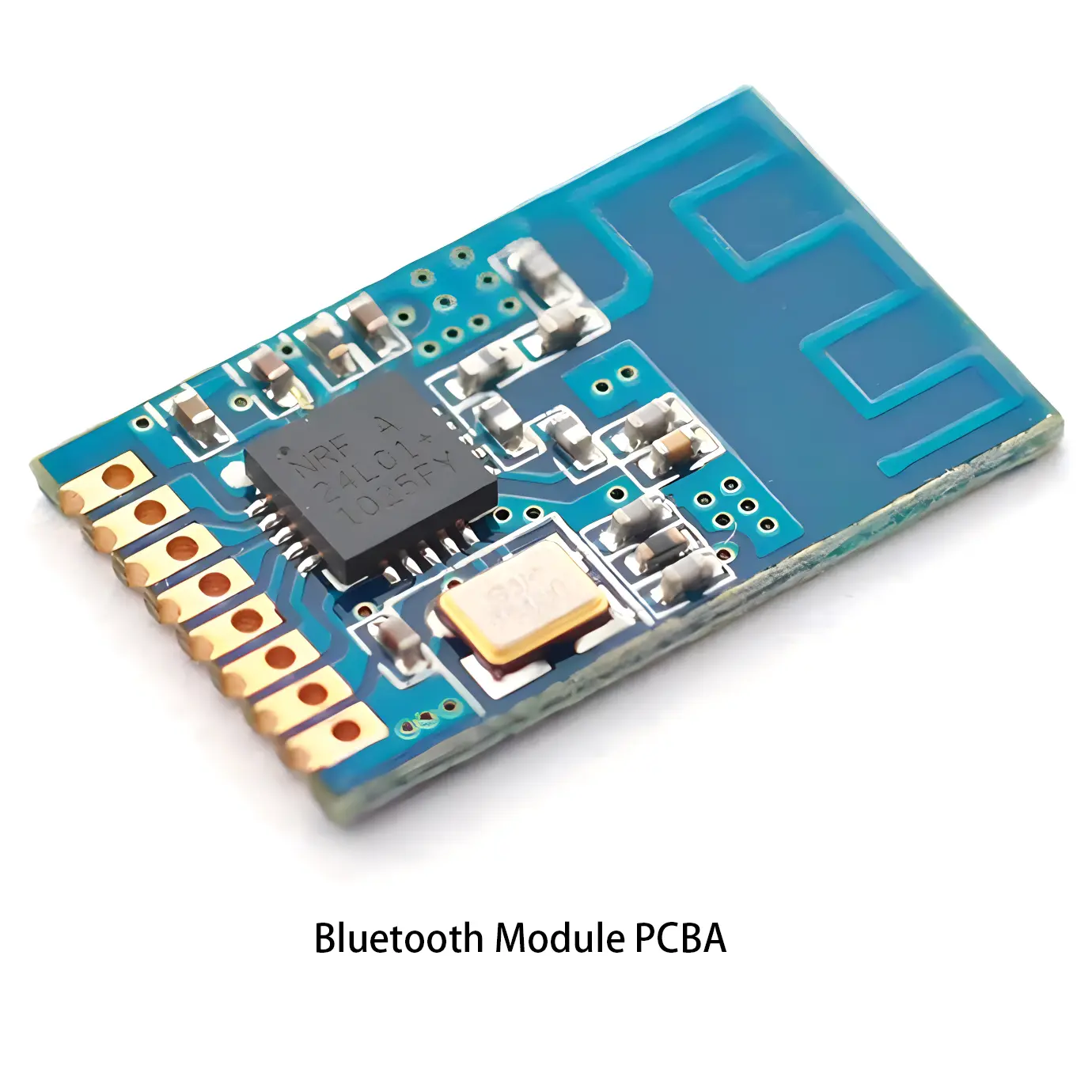 Communication PCBA
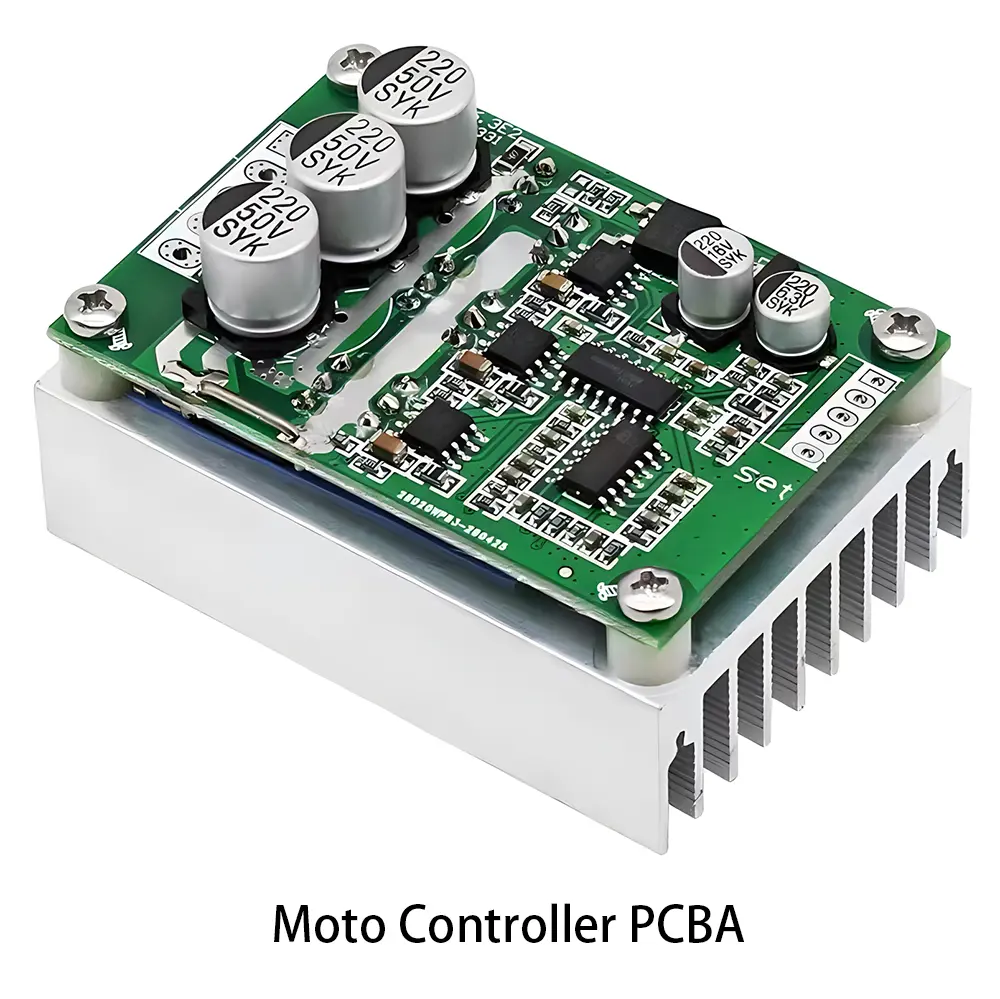 Industrial Control PCBA
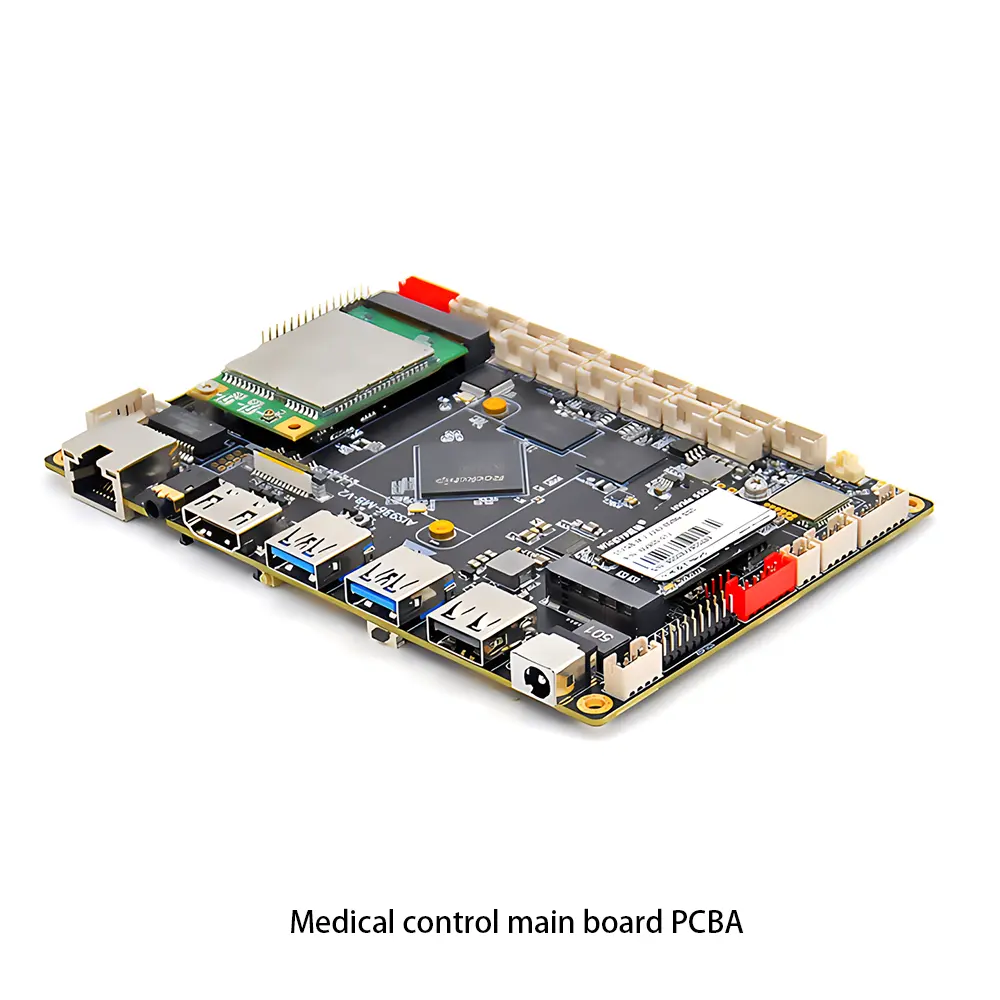 Medical Equipment PCBA
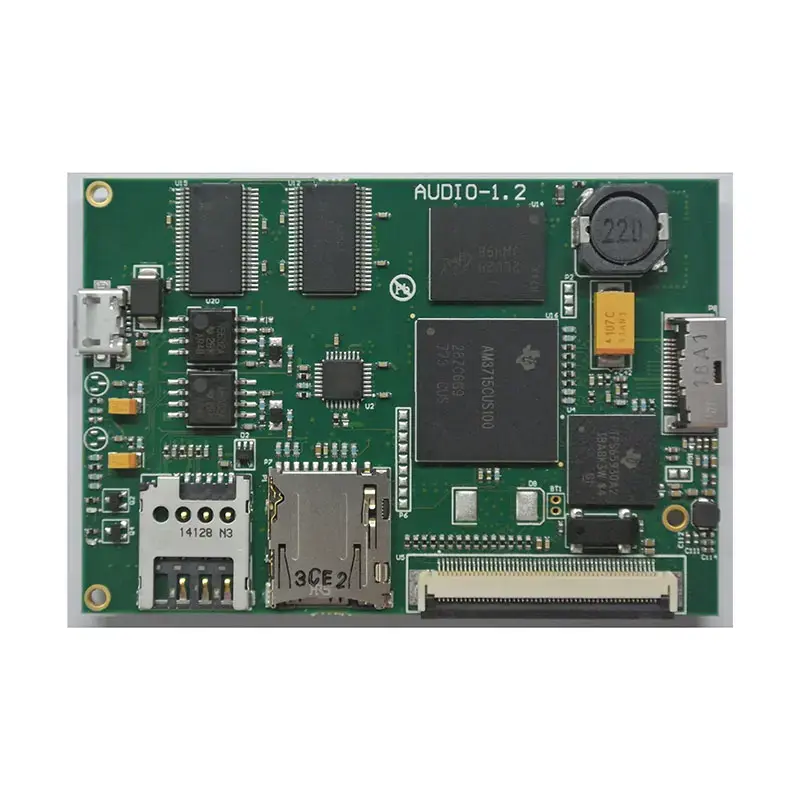 Testing Service
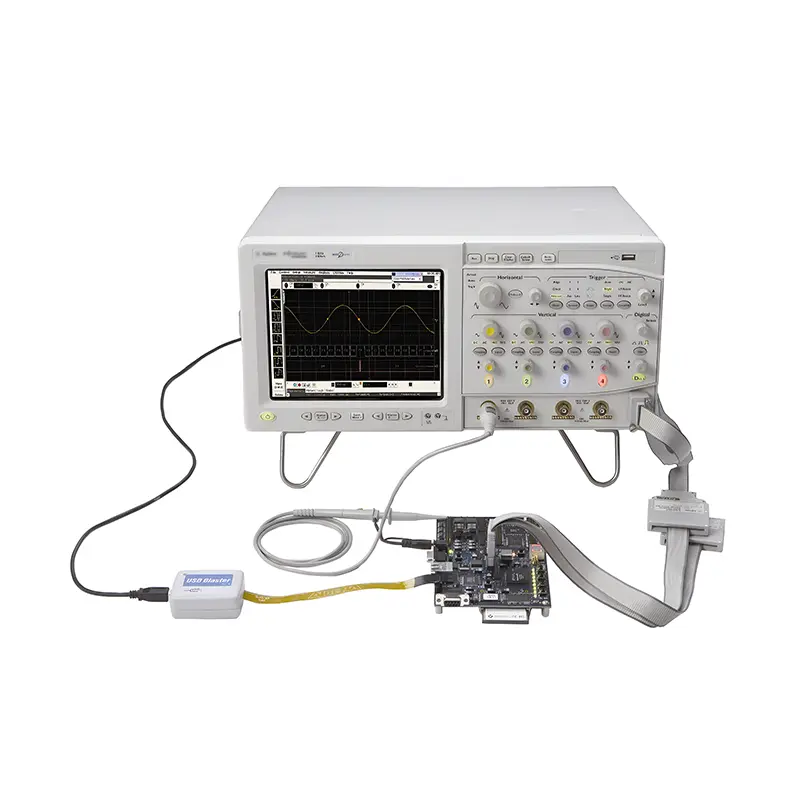 PCBA Testing Service
 Certification Application
 RoHS Certification Application
 REACH Certification Application
 CE Certification Application
 FCC Certification Application
 CQC Certification Application
 UL Certification Application
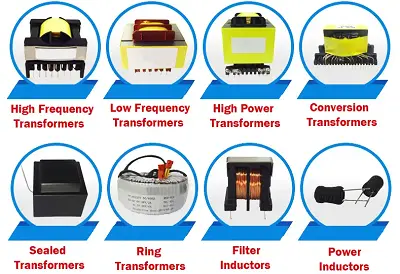 Transformers, Inductors
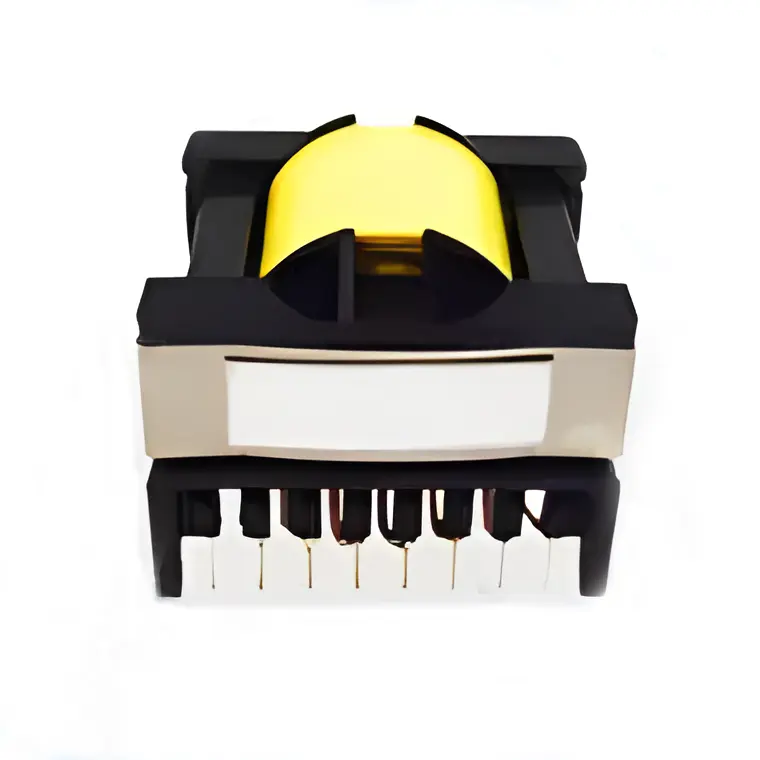 High Frequency Transformers
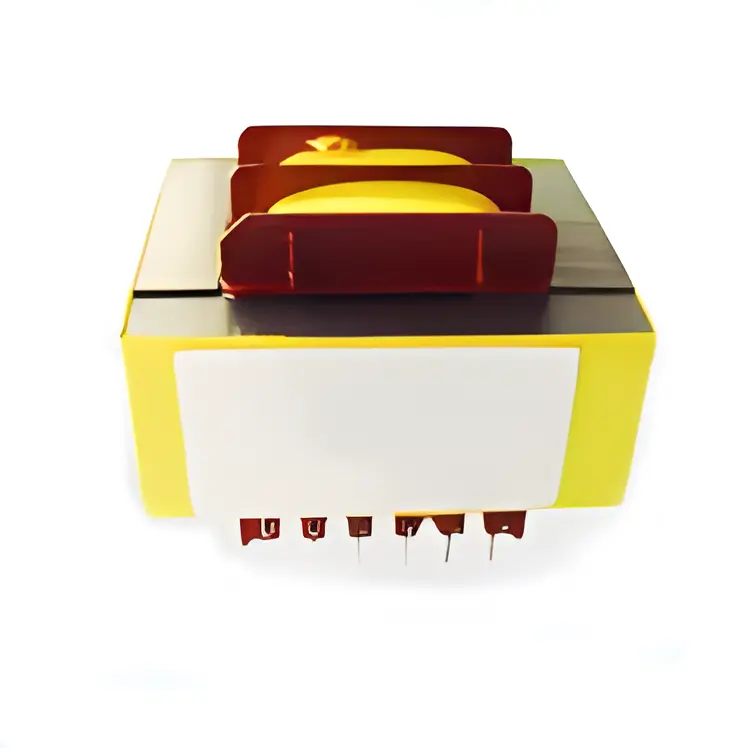 Low Frequency Transformers
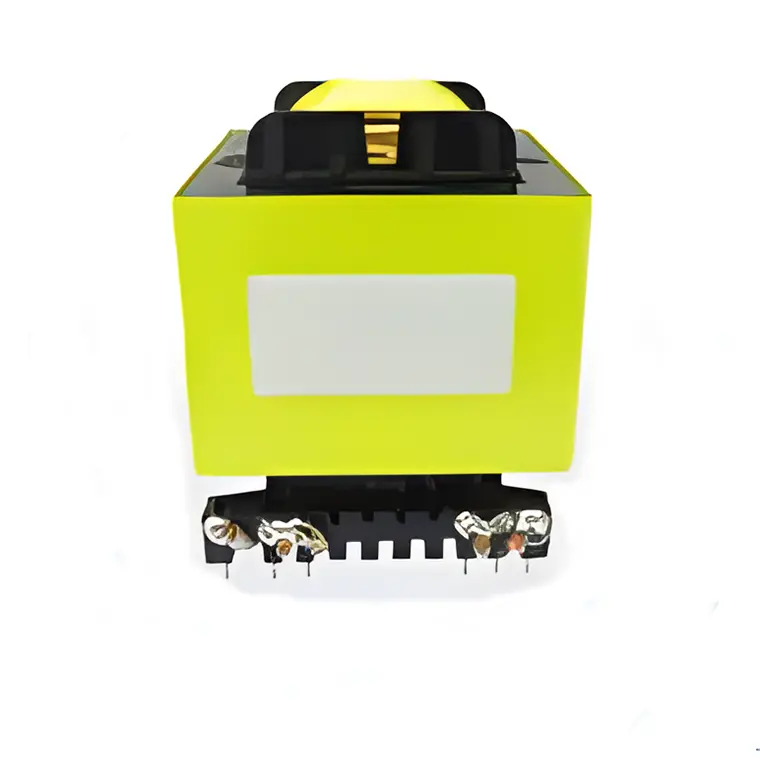 High Power Transformers
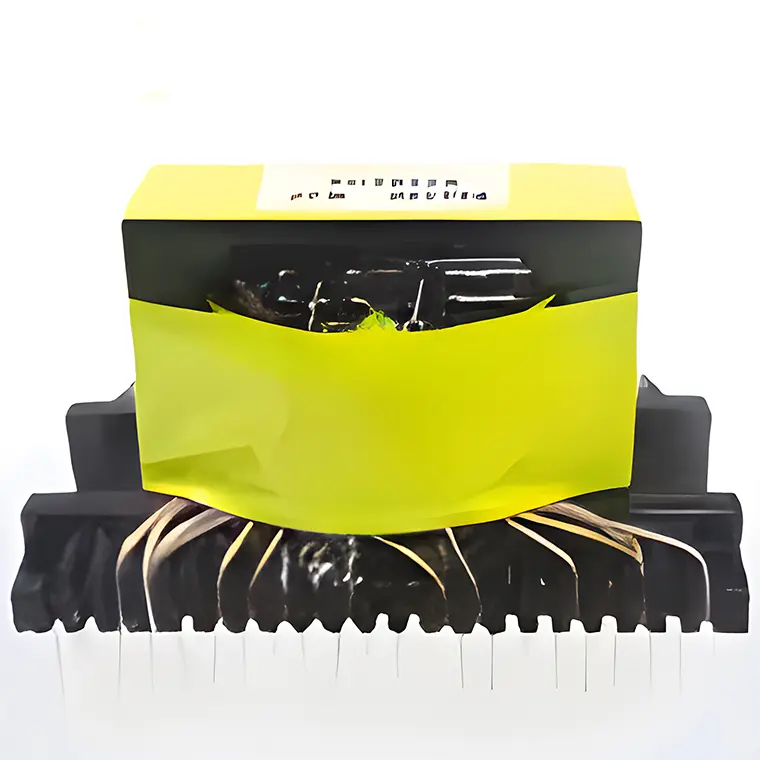 Conversion Transformers
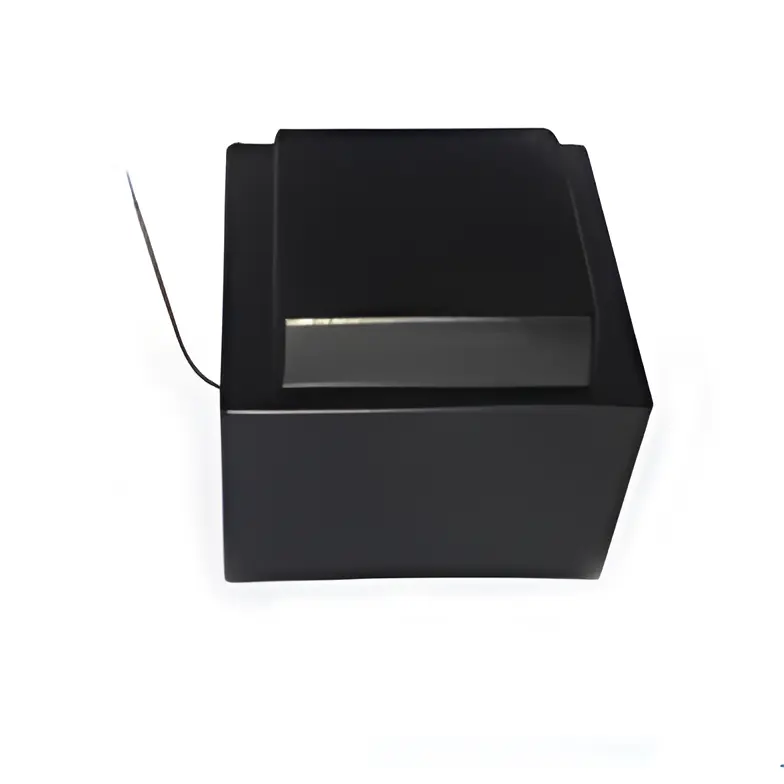 Sealed Transformers
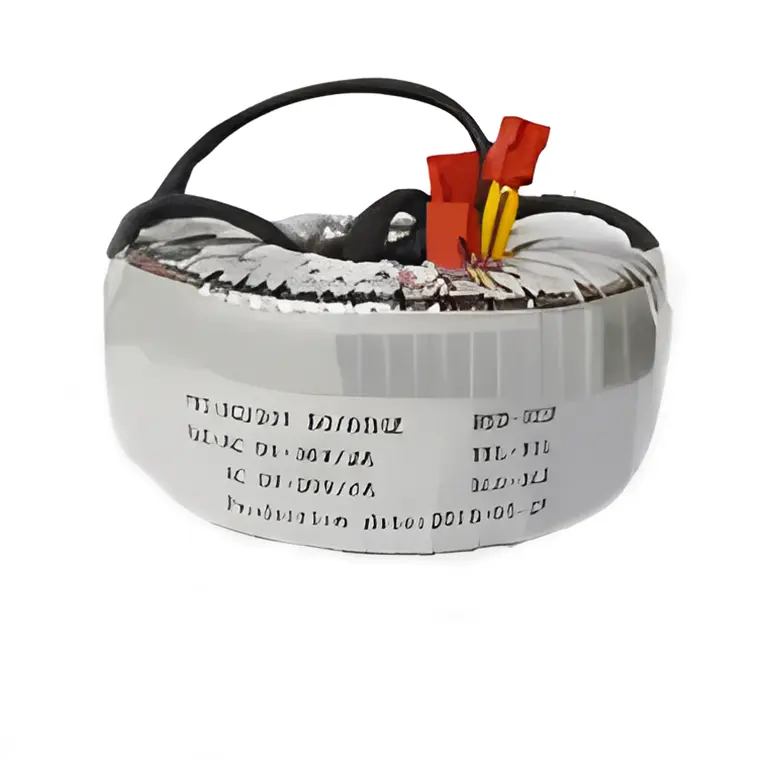 Ring Transformers
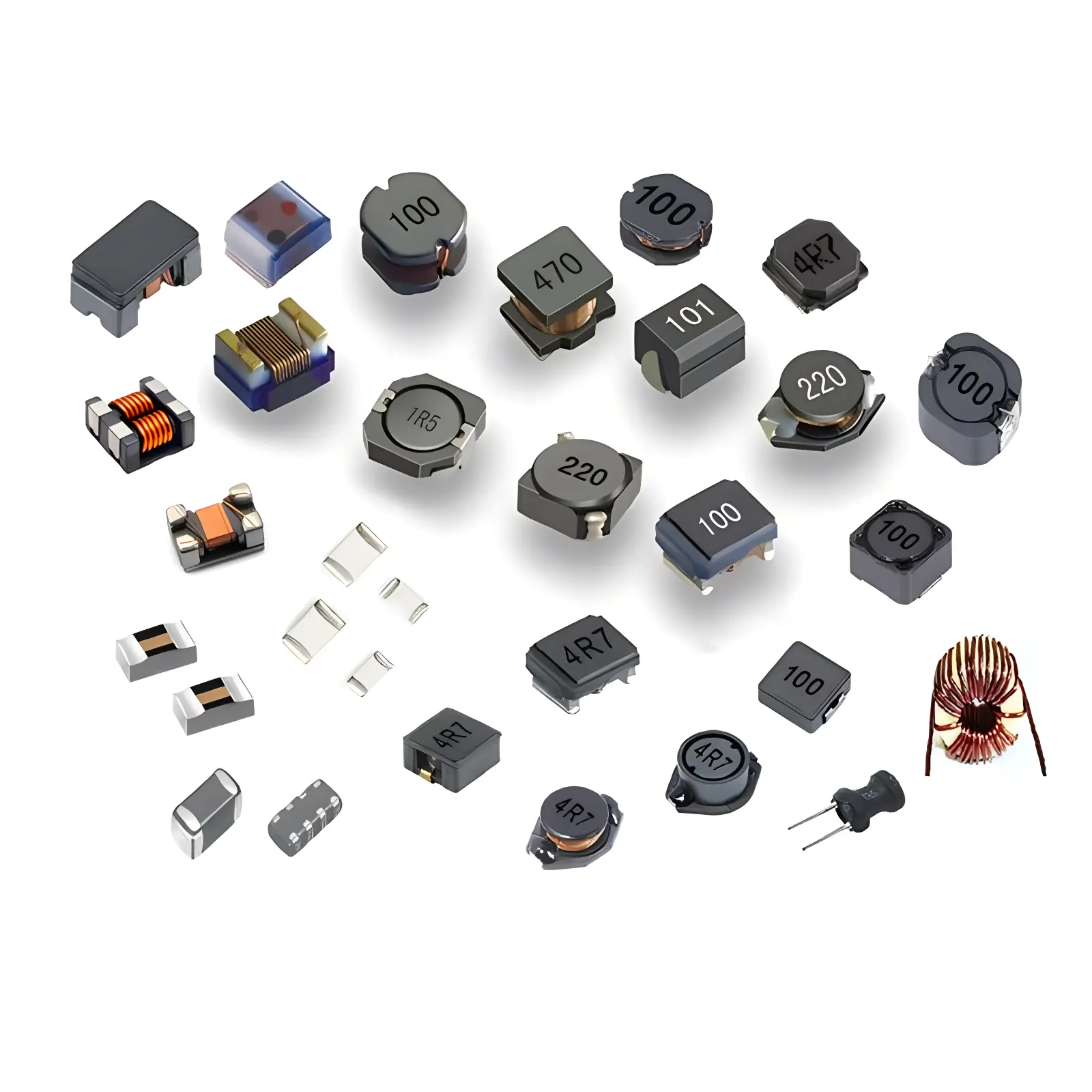 Inductors
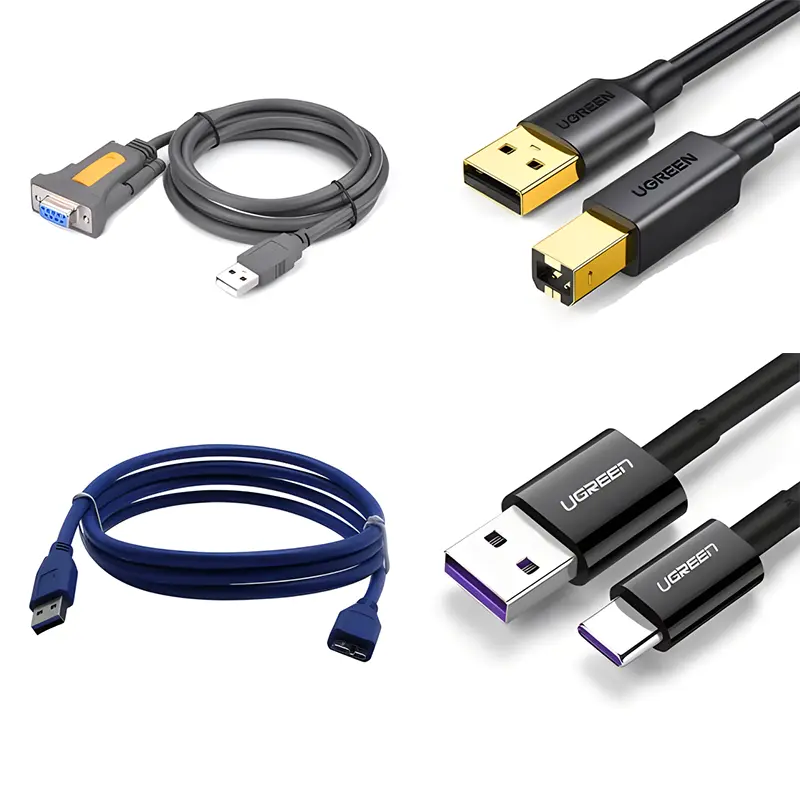 Wires,Cables Customized
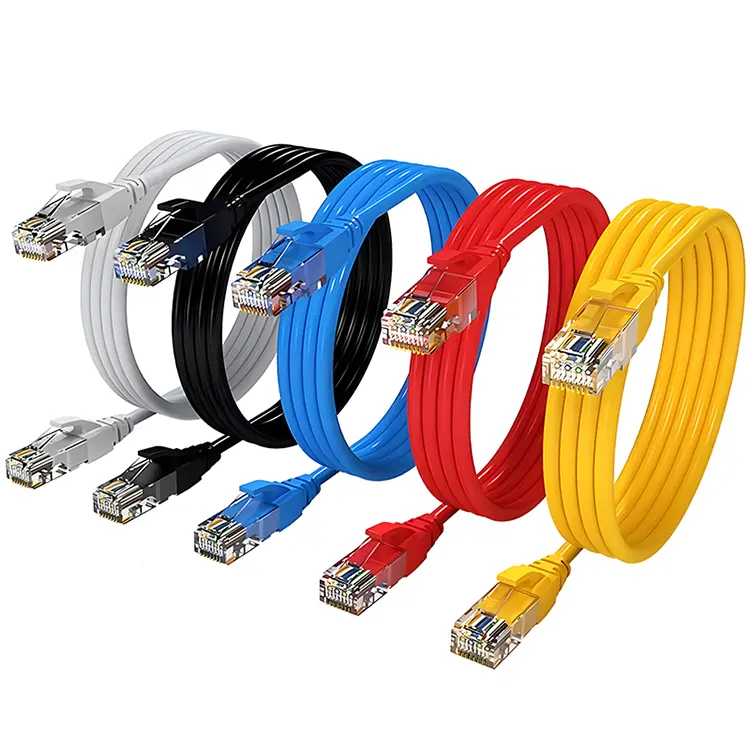 Network Cables
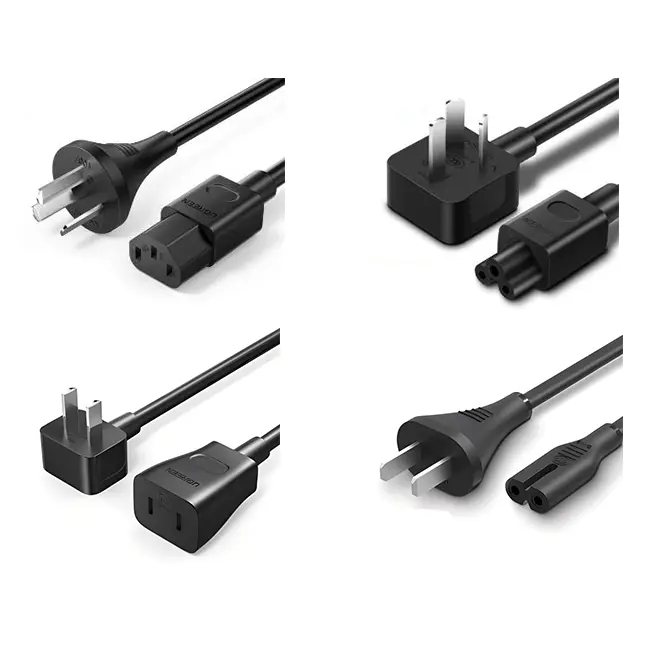 Power Cords
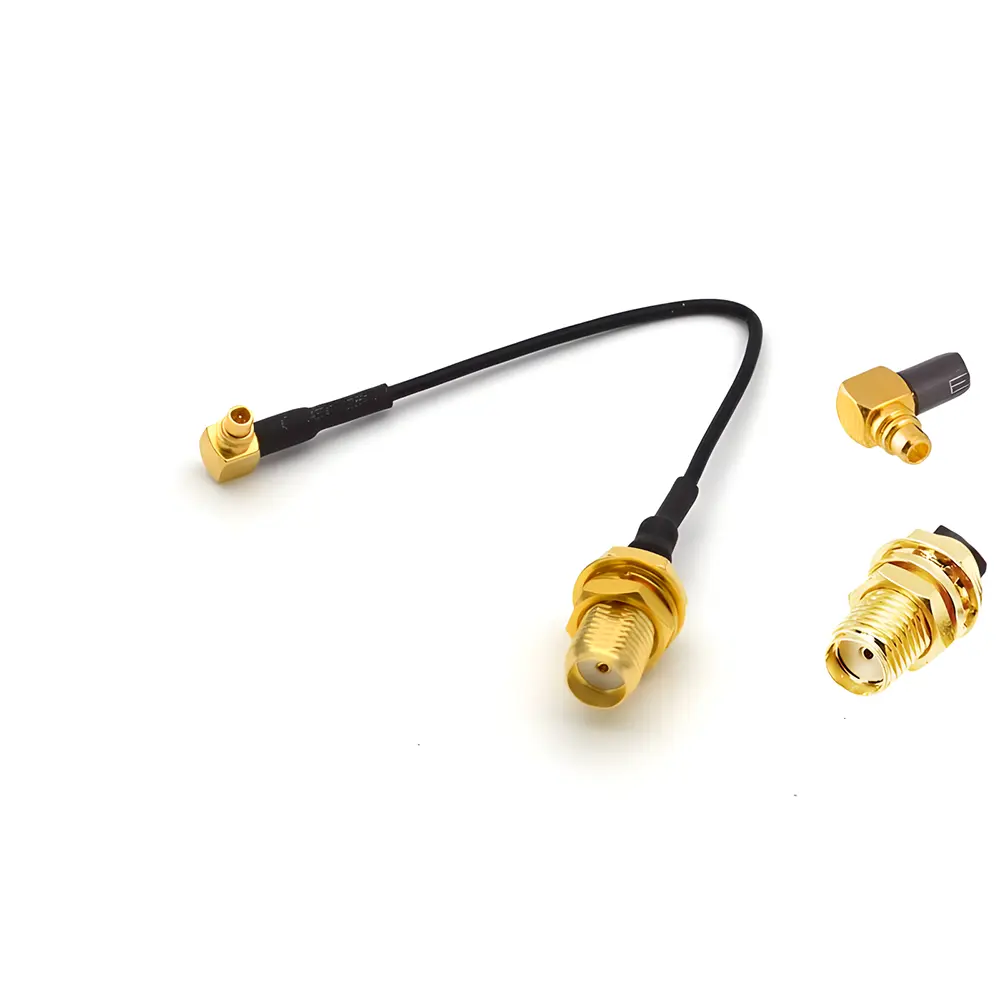 Antenna Cables
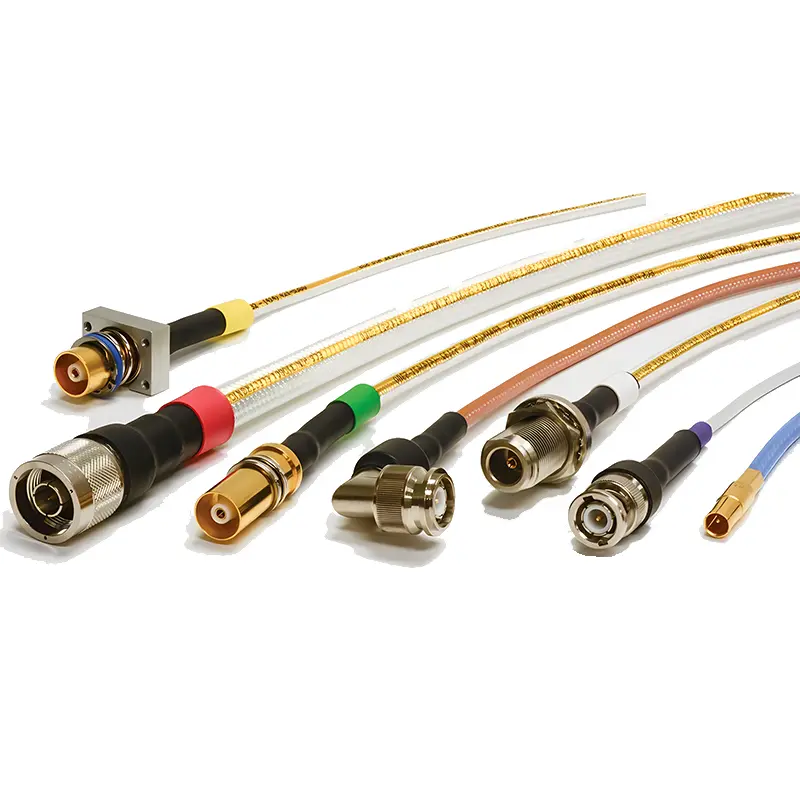 Coaxial Cables
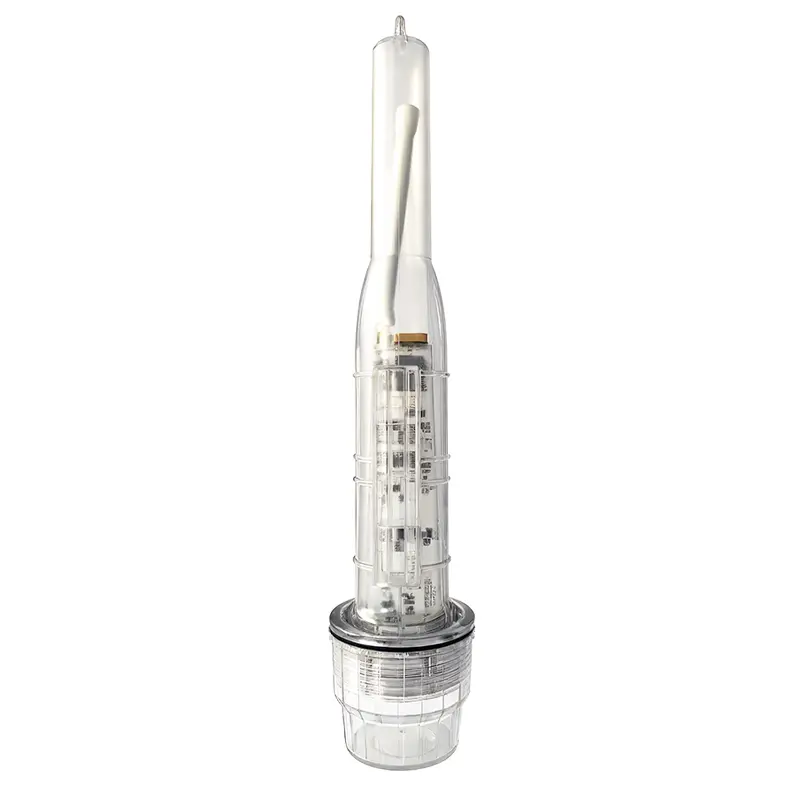 Net Position Indicator
 Solar AIS net position indicator
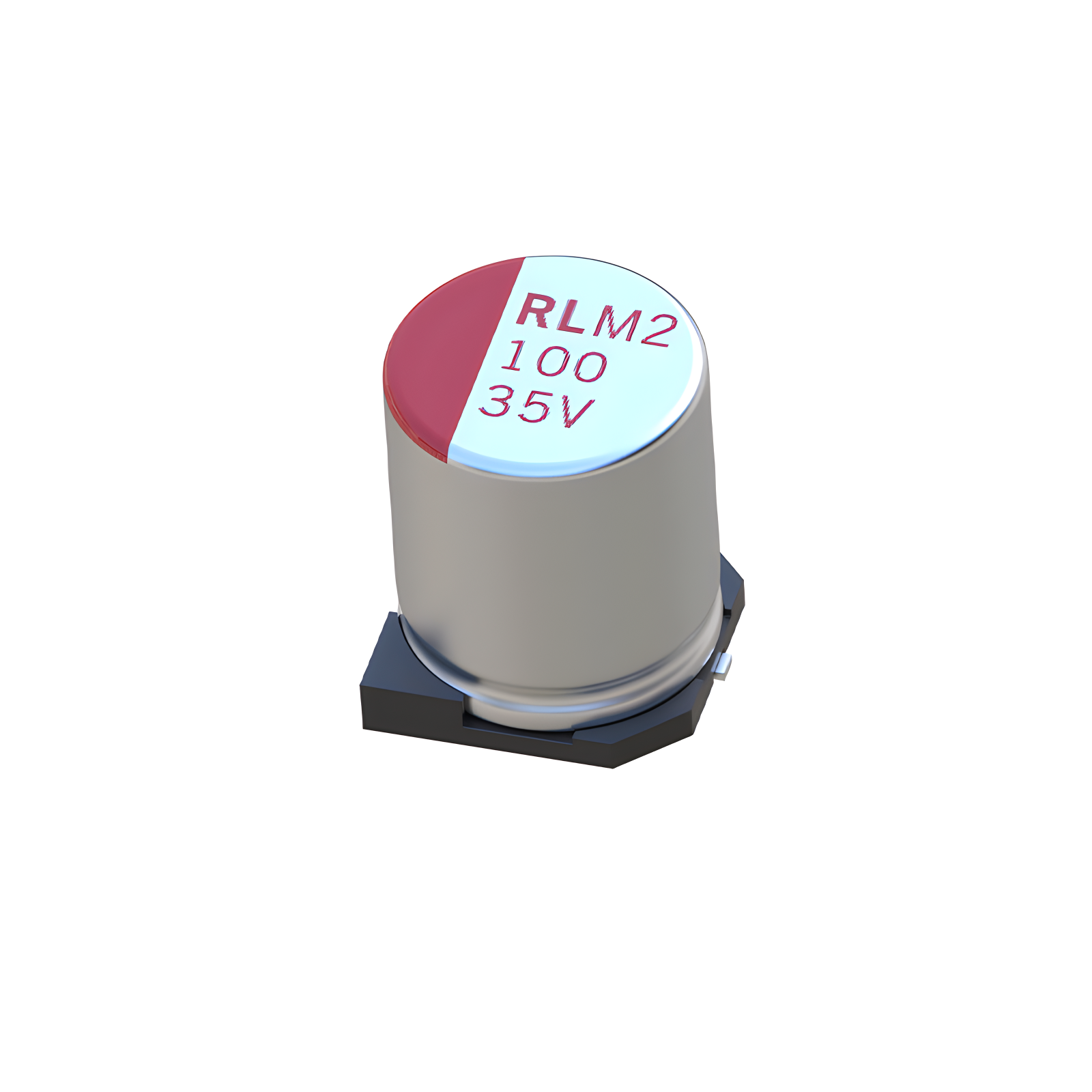 Capacitors
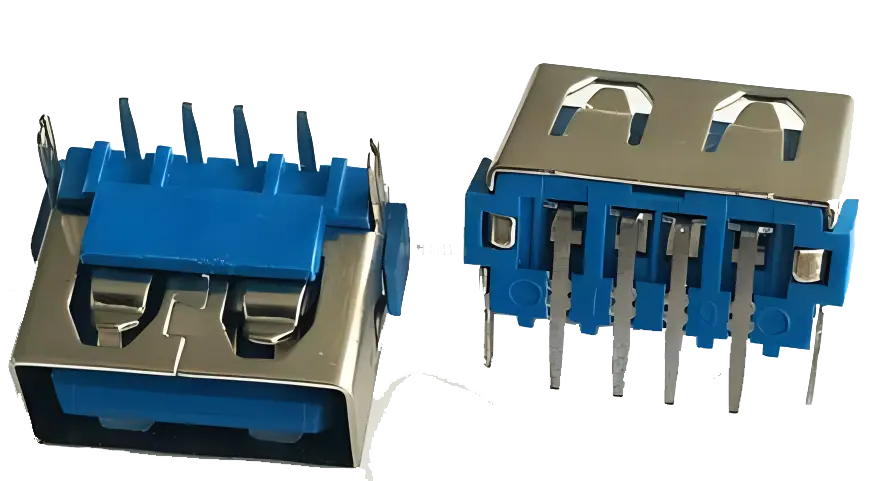 Connectors
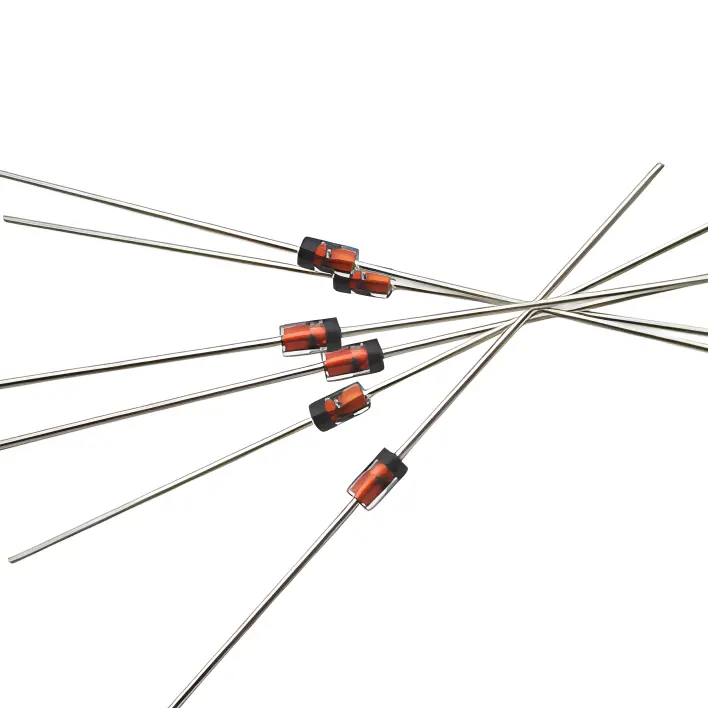 Diodes
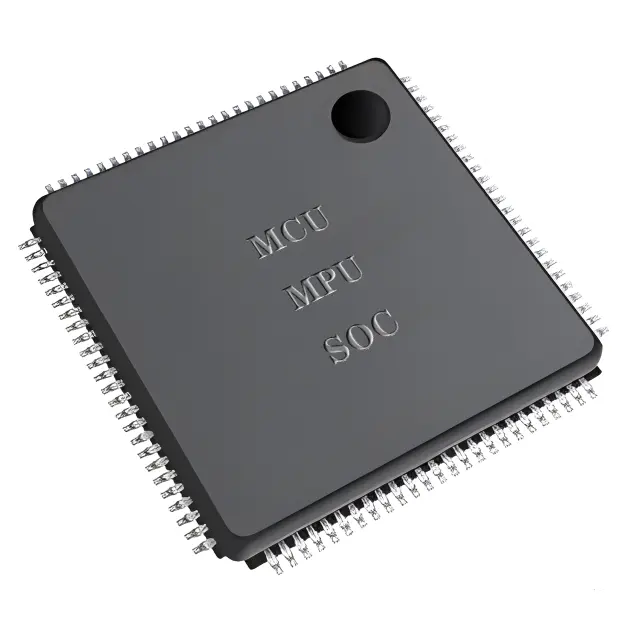 Embedded Processors & Controllers
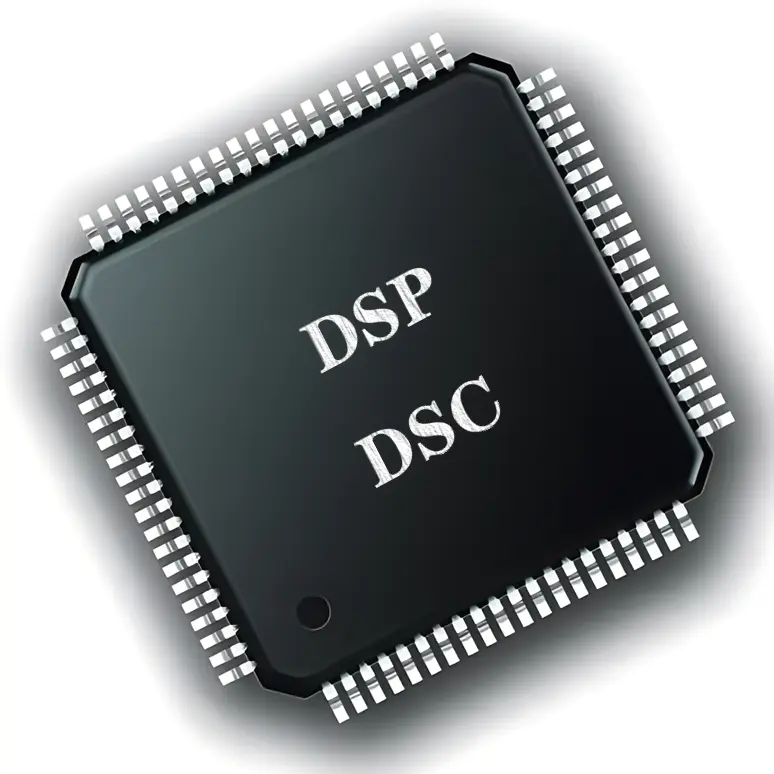 Digital Signal Processors (DSP/DSC)
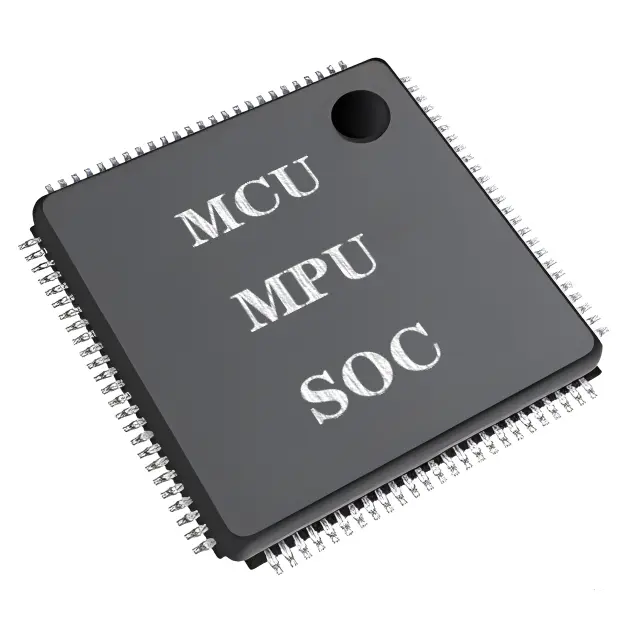 Microcontrollers (MCU/MPU/SOC)
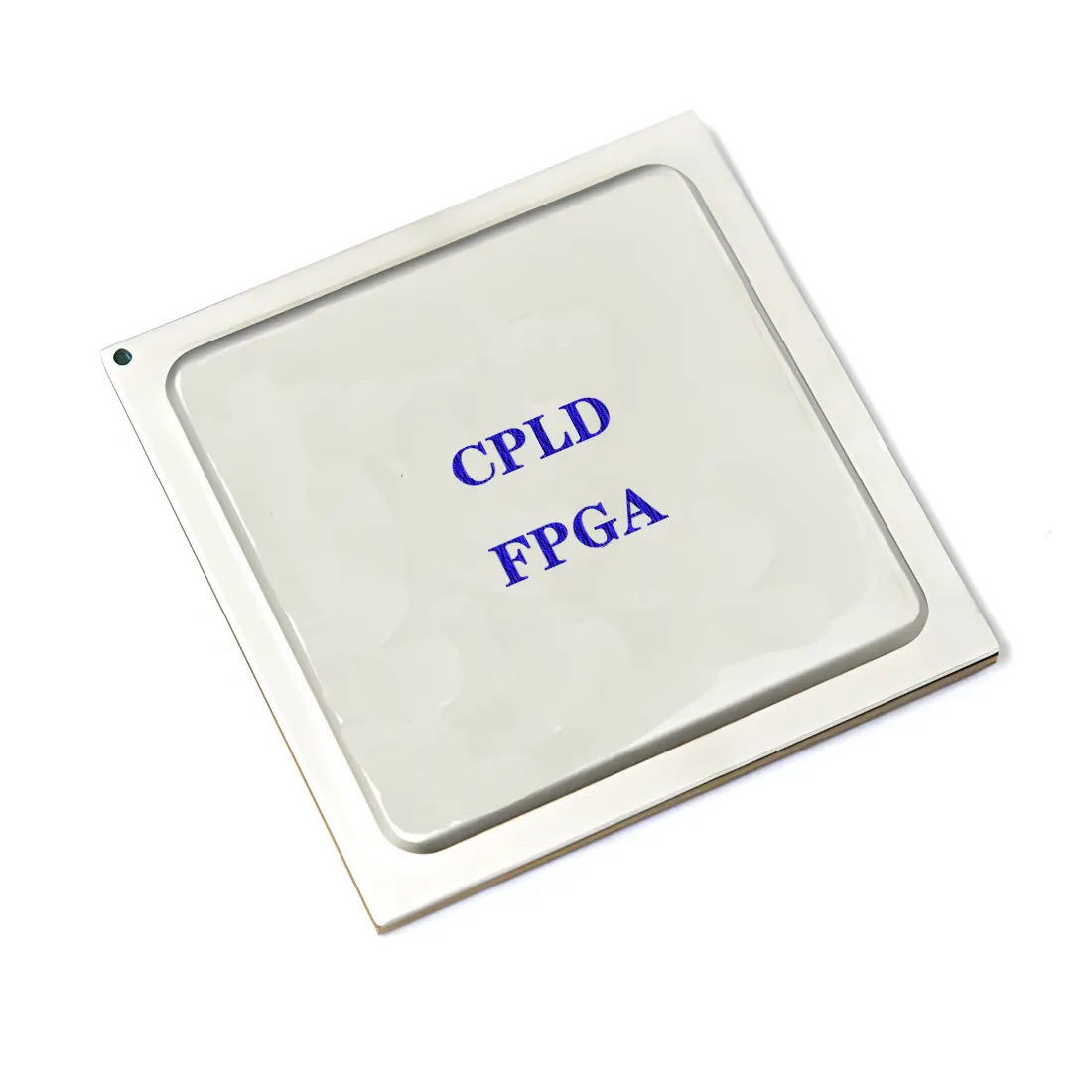 Programmable Logic Device(CPLD/FPGA)
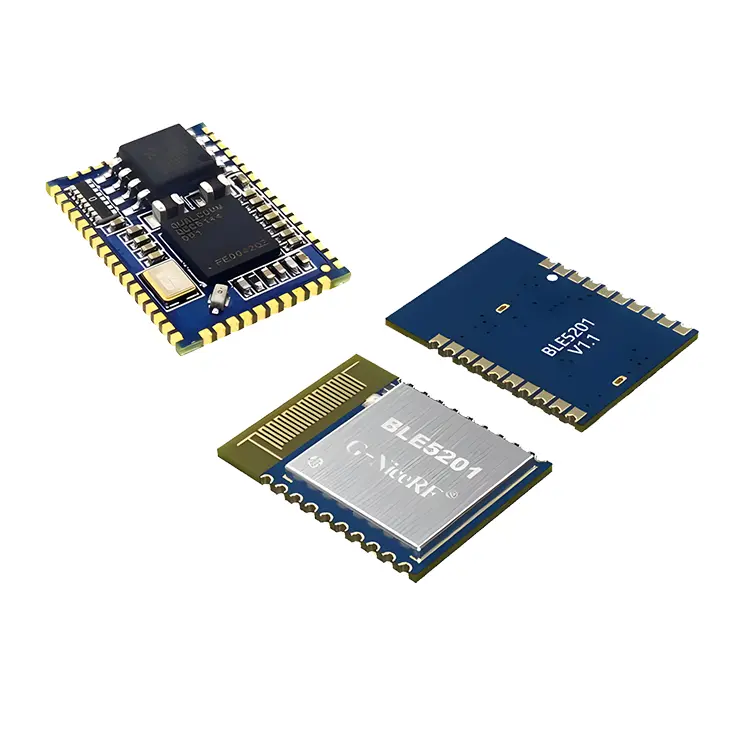 Communication Modules/IoT
 Resistors
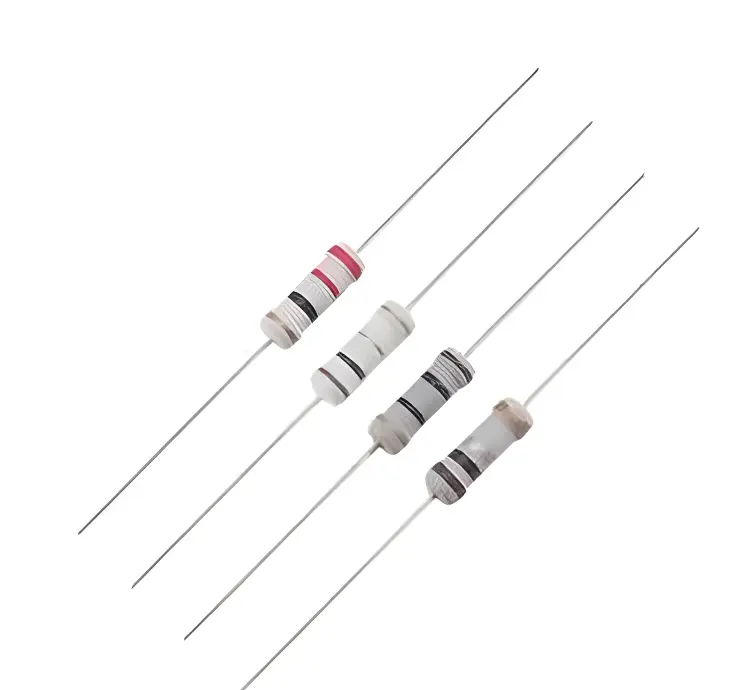 Through Hole Resistors
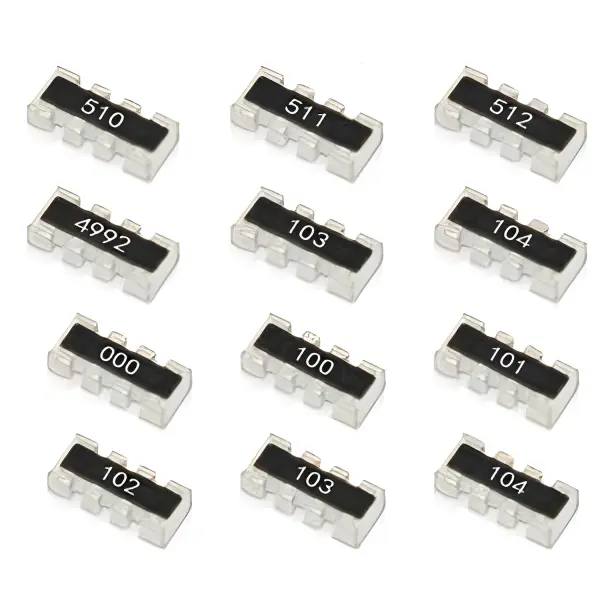 Resistor Networks, Arrays
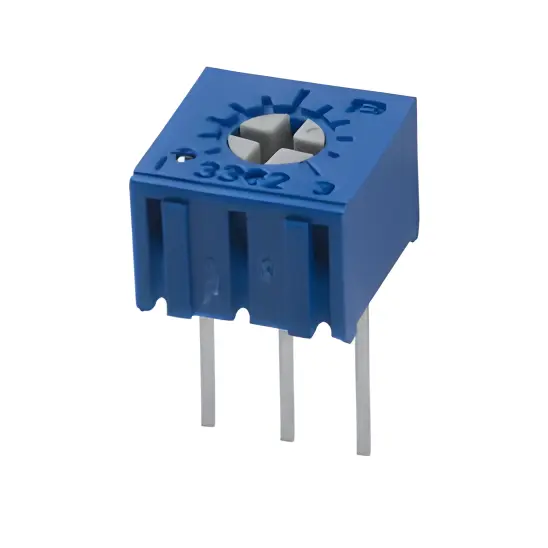 Potentiometers,Variable Resistors
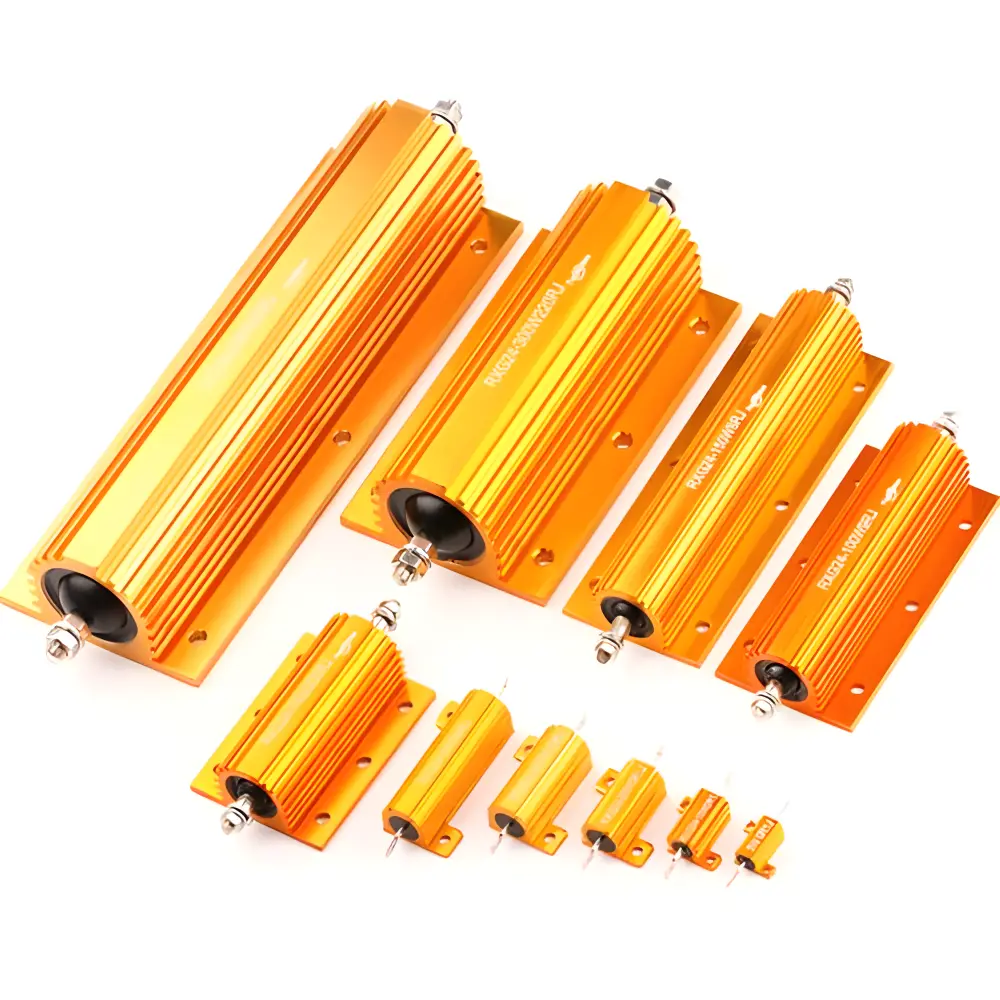 Aluminum Case,Porcelain Tube Resistance
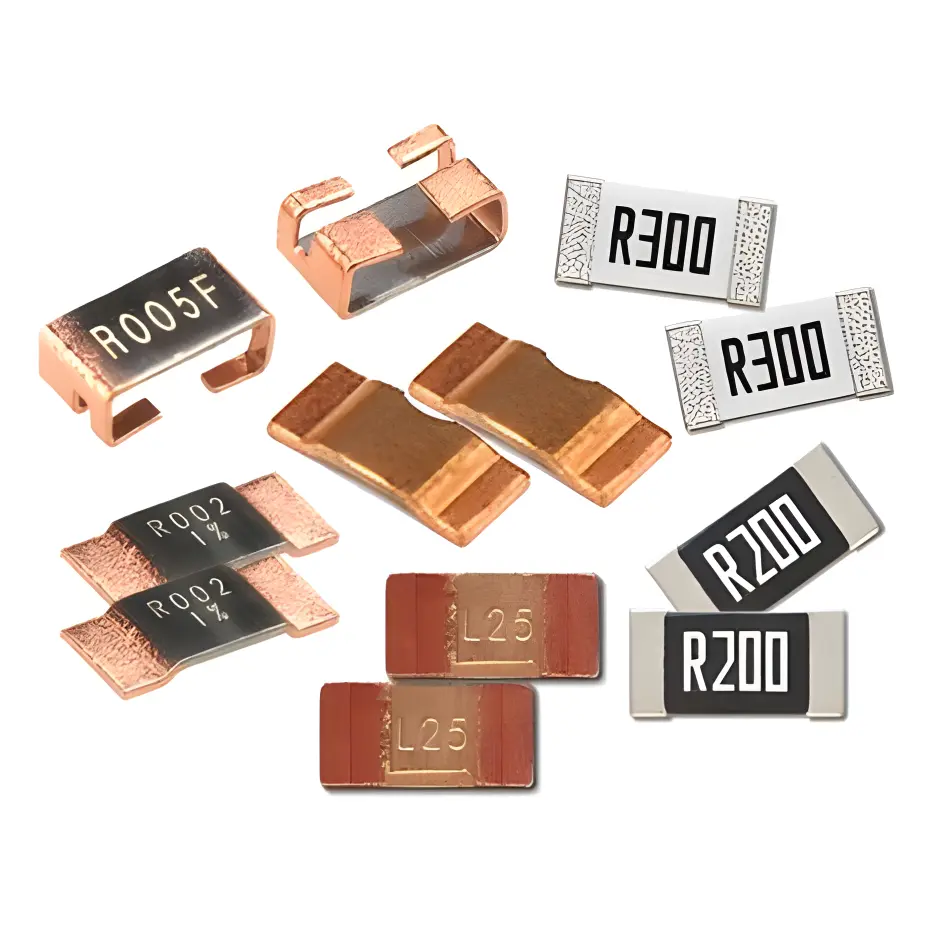 Current Sense Resistors,Shunt Resistors
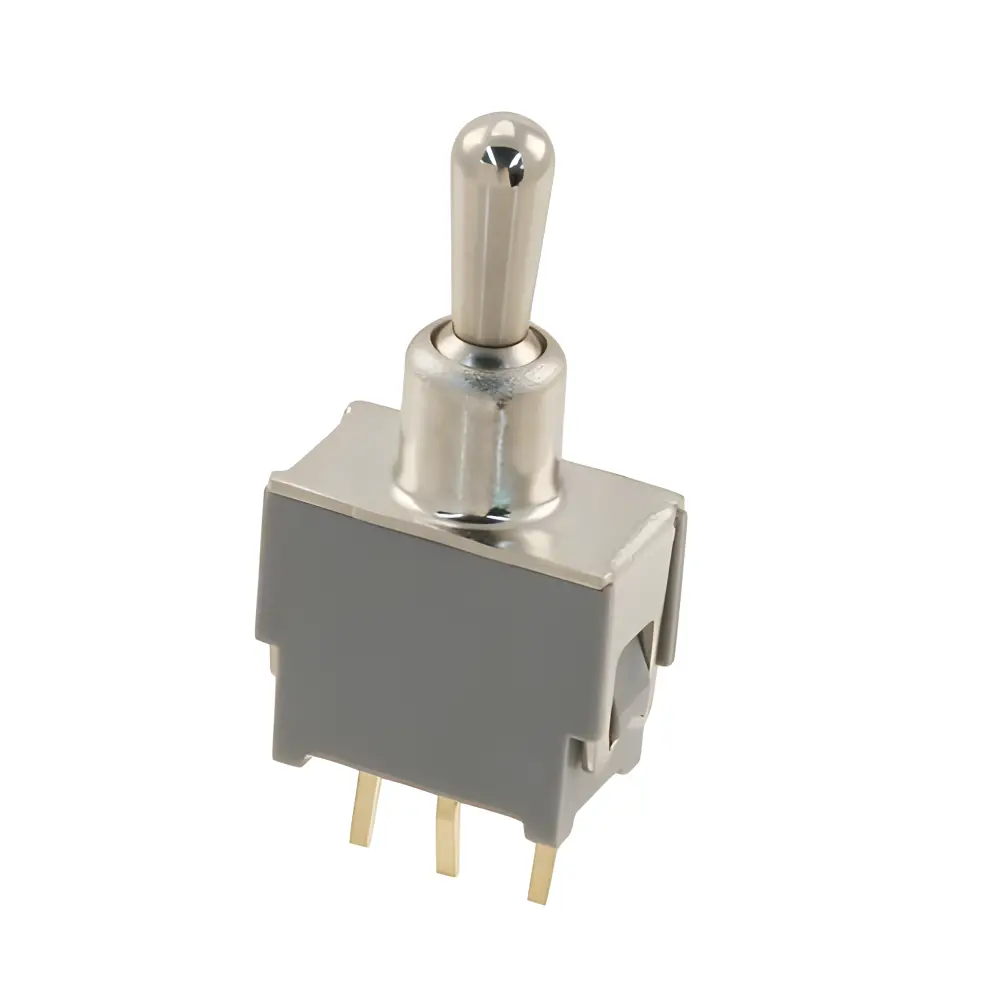 Switches
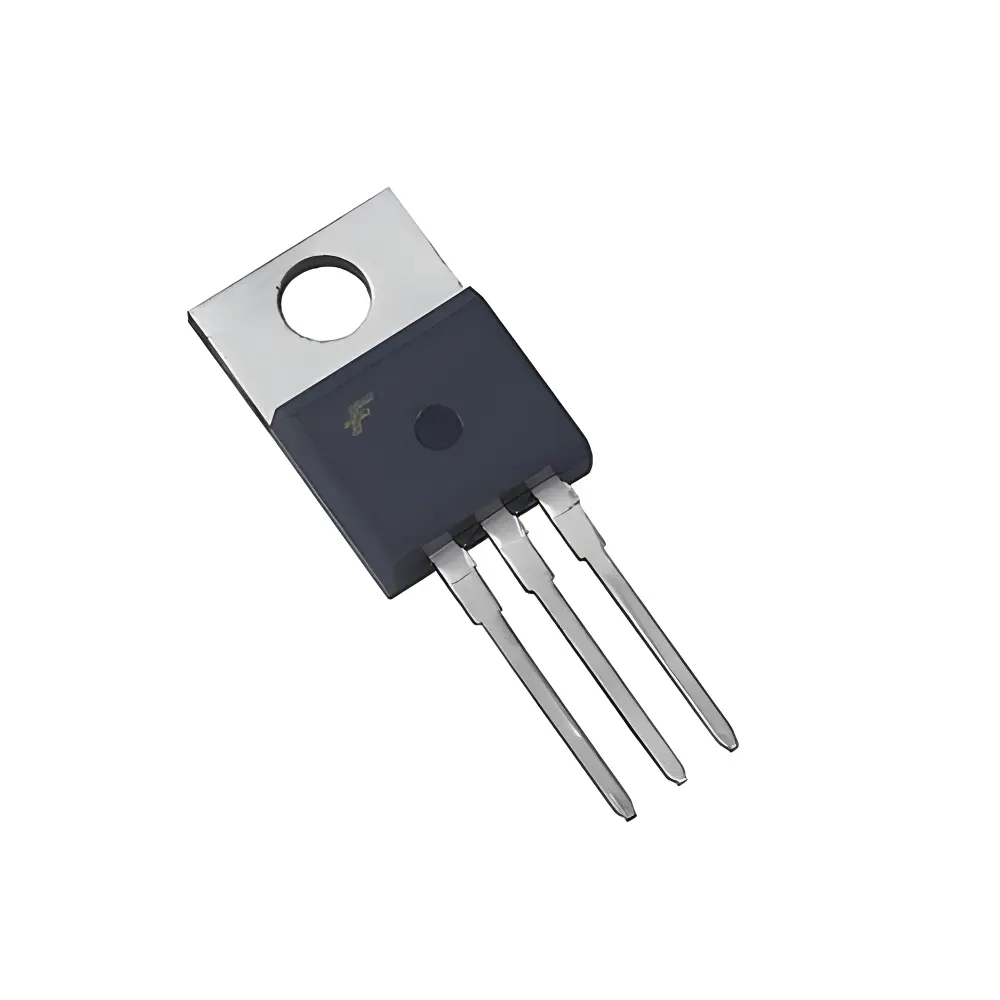 Transistors
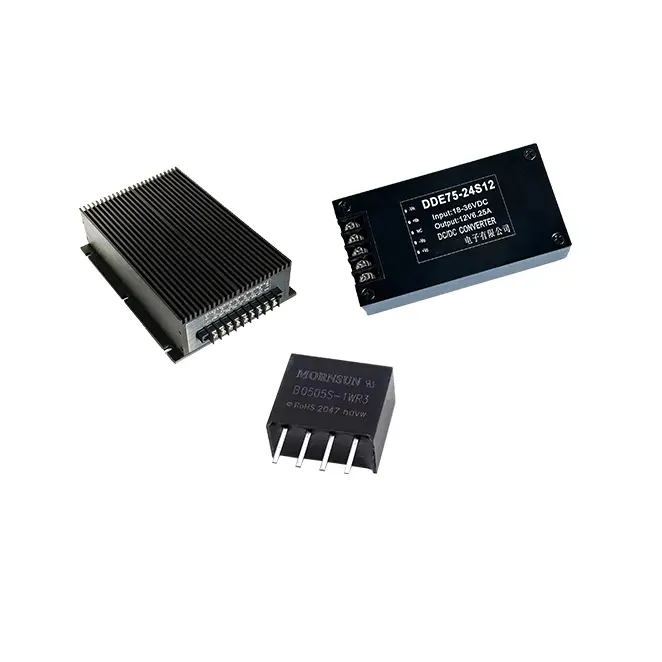 Power Modules
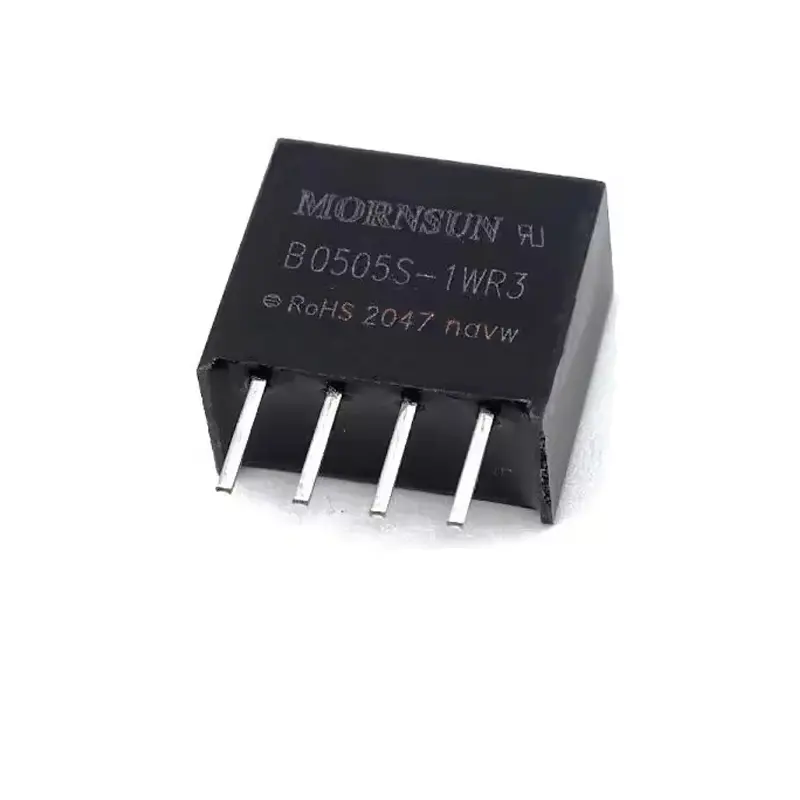 Isolated Power Modules
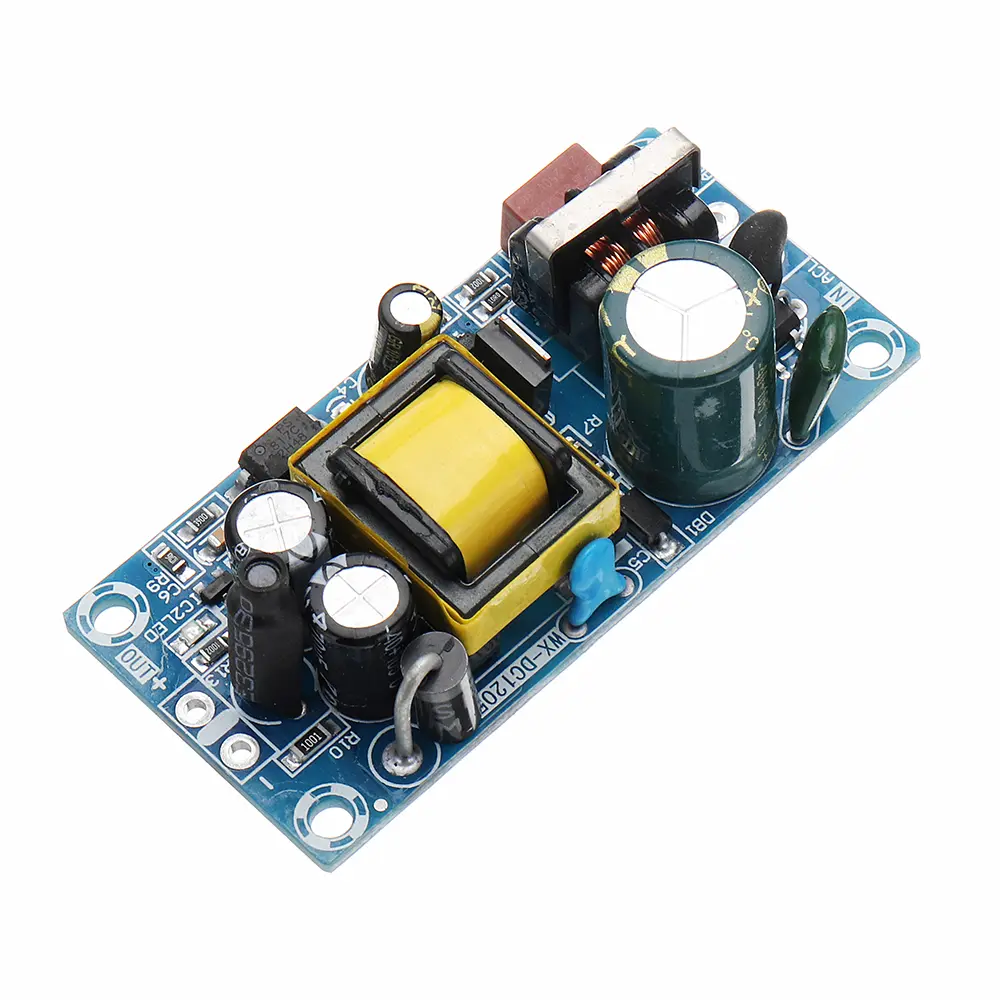 AC-DC Power Modules
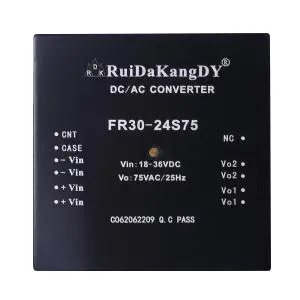 DC-AC Module(Inverter)
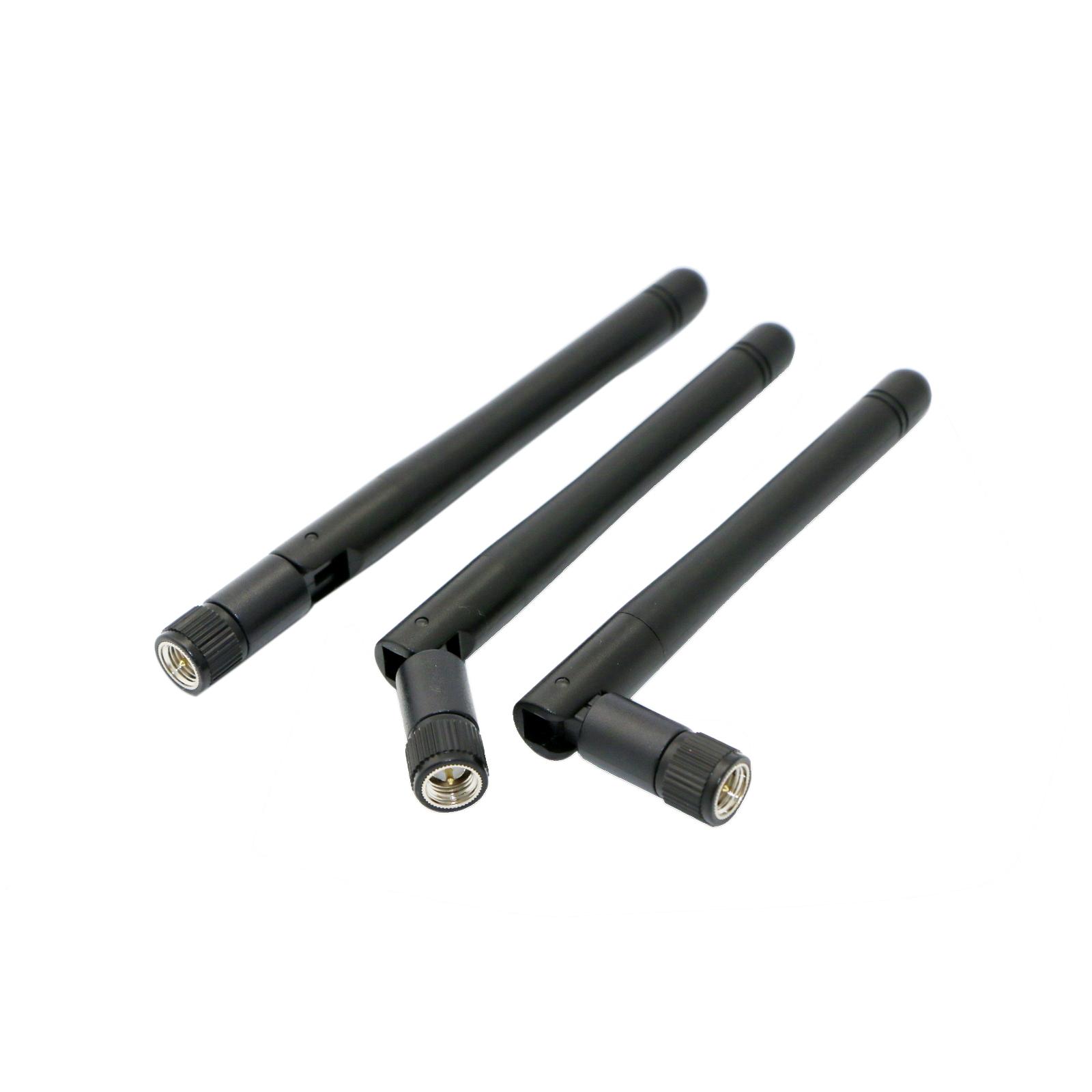 RF and Wireless
2024Special Report on the PCB Industry (一)
Special Report on the PCB Industry: AI CoMPUting Power and Terminal Innovation Synergize, Leading to a Surge in Demand for High-End Products Such as HDI
According to Prismark data, the total global Pcb Production value in 2023 declined by 14.9% year-on-year, reaching a scale of USD 69.5 billion. Prismark predicts that the global PCB production value will resume growth in 2024, reaching USD 73.026 billion, with a year-on-year increase of 5%.
Upstream and Downstream of the PCB Industry and Product Classification
The upstream of the PCB industry chain includes electronic glass fiber yarn, copper, wood pulp, epoxy resin, etc. Direct costs account for nearly 60% of the cost structure of PCBs, thus being significantly affected by fluctuations in upstream raw material prices. The downstream of the PCB industry chain covers numerous fields, including computers, communication equipment, consumer electronics, automotive electronics, industrial control, medical instruments, military aerospace, etc. There are many types of printed circuit boards, which can be divided into rigid boards, flexible boards, rigid-flexible combined boards, and packaging substrates, as well as special products such as metal substrates and high-frequency, high-speed boards, based on product structure and characteristics.
Line Width/Line Spacing, HDI, and SLP
HDI (High Density Interconnect): Full name of High-Density Interconnect Board, it has the advantages of being lightweight and thin, having high circuit density, facilitating the use of advanced packaging technologies, better electrical characteristics and signals, improving radio frequency interference/electromagnetic interference/electrostatic discharge, and having short transmission paths. Therefore, it has been widely used in fields such as 3C, medical equipment, and communication equipment. It utilizes laser drilling technology to break the limitations of traditional mechanical drilling, which is a major characteristic of HDI technology. Traditional PCB mechanical drilling is affected by drilling bits, and when the hole diameter reaches 0.15mm, the cost rises significantly and it is difficult to further improve. The minimum line width/spacing of HDI boards is 75/75µm and below, the minimum through-hole diameter is 150µm and below, they contain blind holes or blind buried holes, the minimum pad is 400µm and below, and the pad density is greater than 20/cm2.
Currently, there are four main types of HDI boards on the market: low-order (first-order, second-order), high-order (above third-order), Anylayer HDI, and SLP. Among them, first-order refers to the connection between adjacent two layers, second-order refers to the interconnection of adjacent three layers, and fourth-order and above require the use of Anylayer HDI (connections between any layers), and Anylayer HDI further adopting semi-additive process (mSAP) and carrier board technology is referred to as Substrate-like PCB (SLP).
Three Processes for Inner Circuit Processing
Currently, in the manufacture of printed circuit boards, there are mainly three process technologies: subtractive, fully additive, and semi-additive.
Subtractive: The subtractive method is the earliest traditional PCB process and is also a relatively mature manufacturing process. It generally uses photosensitive etch-resistant materials to complete pattern transfer and uses this material to protect areas that do not need to be etched away, followed by using acidic or alkaline etching solutions to remove the copper layer in the unprotected areas.
Fully Additive Process (SAP): The fully additive process uses an insulating substrate containing a photosensitive catalyst. After exposure according to the circuit pattern, a conductor pattern is obtained through selective chemical copper deposition.
Semi-Additive Process (MSAP): The semi-additive process focuses on overcoming the respective problems of the subtractive and additive methods in the production of fine circuits. The semi-additive process performs chemical copper plating on the substrate and forms an etch-resistant pattern on it. After that, the pattern on the substrate is thickened through the electroplating process, the etch-resistant pattern is removed, and then excess chemical copper layers are removed through flash etching. The areas protected by the dry film without electroplating thickening are quickly removed during differential etching, and the remaining parts form the circuit.
II. Raw Material Prices, Supply and Demand, and Downstream Innovation Jointly Influence the PCB Cycle
PCB Prices Are Greatly Influenced by Copper Prices
According to the China Chamber of Commerce for Import and Export of Machinery and Electronic Products, direct costs account for nearly 60% of the cost structure of PCBs, with copper-clad laminates accounting for the highest proportion at 27.31%, followed by prepregs, labor costs, gold salt, copper spheres, copper foil, dry film, and ink accounting for 13.8%, 9.5%, 3.8%, 1.4%, 1.4%, 1.4%, and 1.2% respectively. Copper-clad laminate is the material with the highest proportion in PCB production costs. In its cost structure, copper foil accounts for the largest proportion at 42.1%, followed by resin and glass fiber cloth at 26.1% and 19.1% respectively.
Since copper is the main raw material for producing PCBs and copper-clad laminates, it occupies a large proportion in the cost structure of PCBs and copper-clad laminates. Therefore, fluctuations and trends in copper prices will greatly affect the performance of PCB manufacturers and copper-clad laminate manufacturers. According to our analysis, from 2015 to the present, the gross profit margins of copper foil and copper-clad laminate manufacturers (Shengyi Technology, Nan Ya Plastics, Huazheng New Materials) are positively correlated, but negatively correlated with the average gross profit margins of PCB manufacturers (such as Qisheng Technology, Mankun Technology, Shengyi Electronics, Chonda Technology, Jingwang Electronics, Shanghai Aosheng Electronics, and Shennan Circuits).
Periodicity of Copper-Clad Laminates
Copper foil: The price consists of raw copper prices and processing fees, which are greatly affected by fluctuations in international raw copper prices and market-adjusted processing fees. The price trend of copper foil has obvious periodicity. The price increase from mid-2016 to the end of 2017 was due to reduced supply, manifested as: (1) Partial overseas copper mines ceased production due to strikes, and global mining investment slowed down; (2) Japanese companies gradually withdrew from the production of copper foil for FR-4 and instead produced high-end copper foil for flexible boards, high-frequency, and high-speed boards; (3) Copper foil manufacturers shifted capacity to lithium-ion battery copper foil, causing a shortage of ordinary electronic copper foil. In mid-2020, copper foil prices rose again, mainly due to the continuous rise in commodity prices caused by the COVID-19 pandemic. From the second half of 2021 to the first half of 2022, copper foil prices remained high and volatile. In the second half of 2022, copper prices continued to decline, and gradually recovered at the beginning of 2024. Compared to January, copper prices in June 2024 increased by 17.13%.
Resin: As a binder, it bonds glass fiber cloth together. After impregnation and drying, it forms a bonded sheet as a glass fiber-reinforced insulating substrate. There are many types of resins used in copper-clad laminates, but epoxy resin is still the main one, accounting for more than 70% of the resin used in copper-clad laminates. Since 2015, the price of epoxy resin has continued to rise, partly due to the increase in upstream raw material prices and partly due to stricter domestic environmental policies leading to insufficient industry capacity. Since the COVID-19 pandemic in 2020, affected by the rise in upstream crude oil prices, the price of epoxy resin once rose to over 32,000 yuan/ton; since September 2021, affected by the slowdown in downstream demand, the price of epoxy resin has declined.
Glass fiber cloth: Woven from glass fiber yarn, it serves as a reinforcing material in the manufacture of copper-clad laminates to increase strength and insulation. In the glass fiber industry, the production process of electronic yarn/electronic cloth is relatively special, and it is difficult for enterprises to switch production, so the adjustable space for electronic yarn/electronic cloth capacity is small, which is prone to supply and demand mismatches, causing drastic fluctuations in product prices. Since the beginning of 2024, prices have risen slightly.