
 PCB
PCB FPC
FPC Rigid-Flex
 FR-4
FR-4 HDI PCB
 Rogers High-Frequency Board
 PTFE Teflon High-Frequency Board
 Aluminum
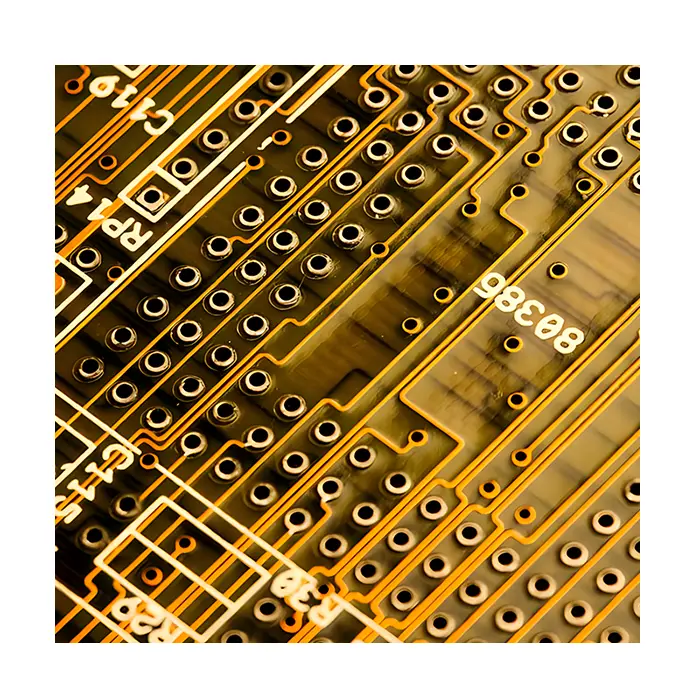 Copper Core
 PCB Assembly
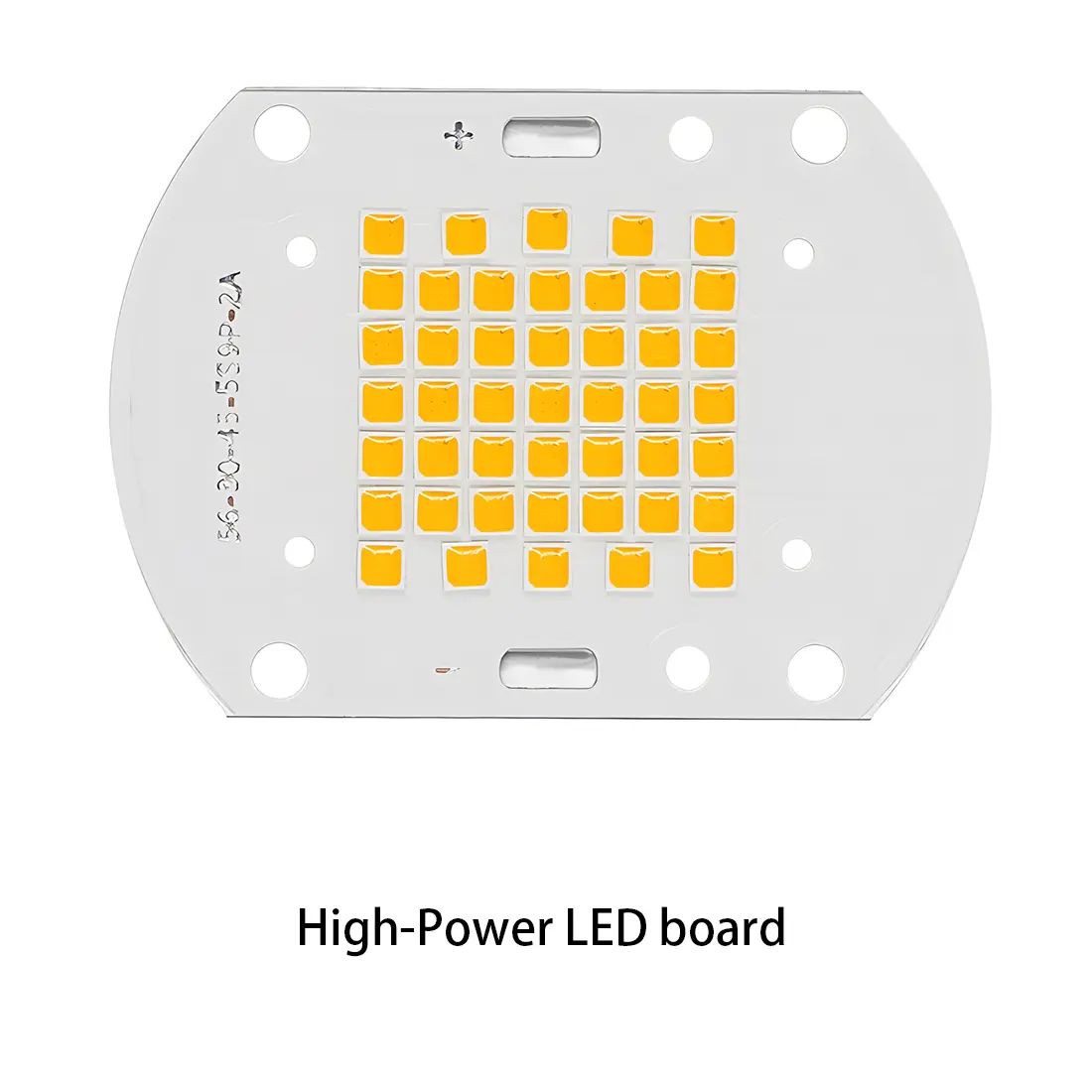 LED light PCBA
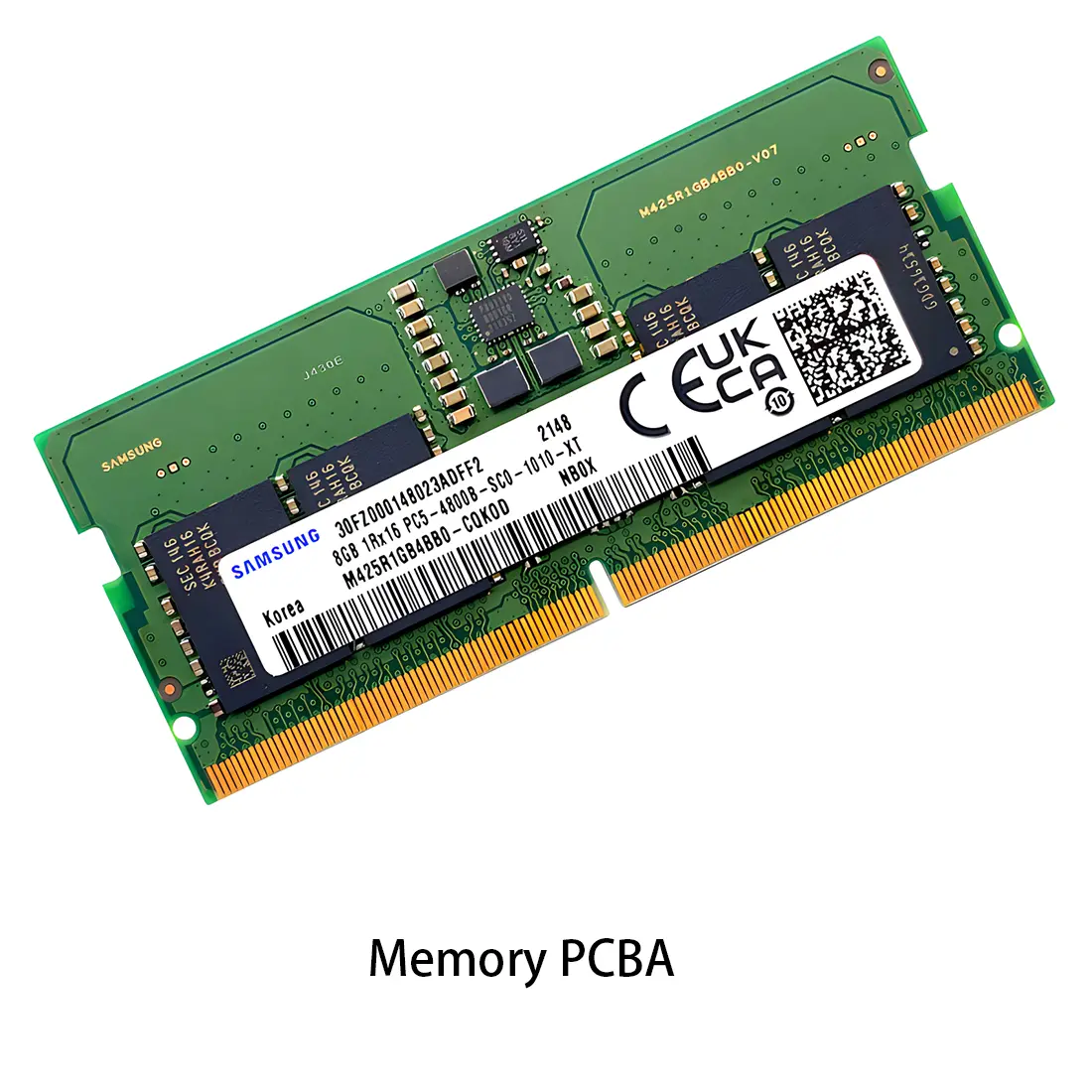 Memory PCBA
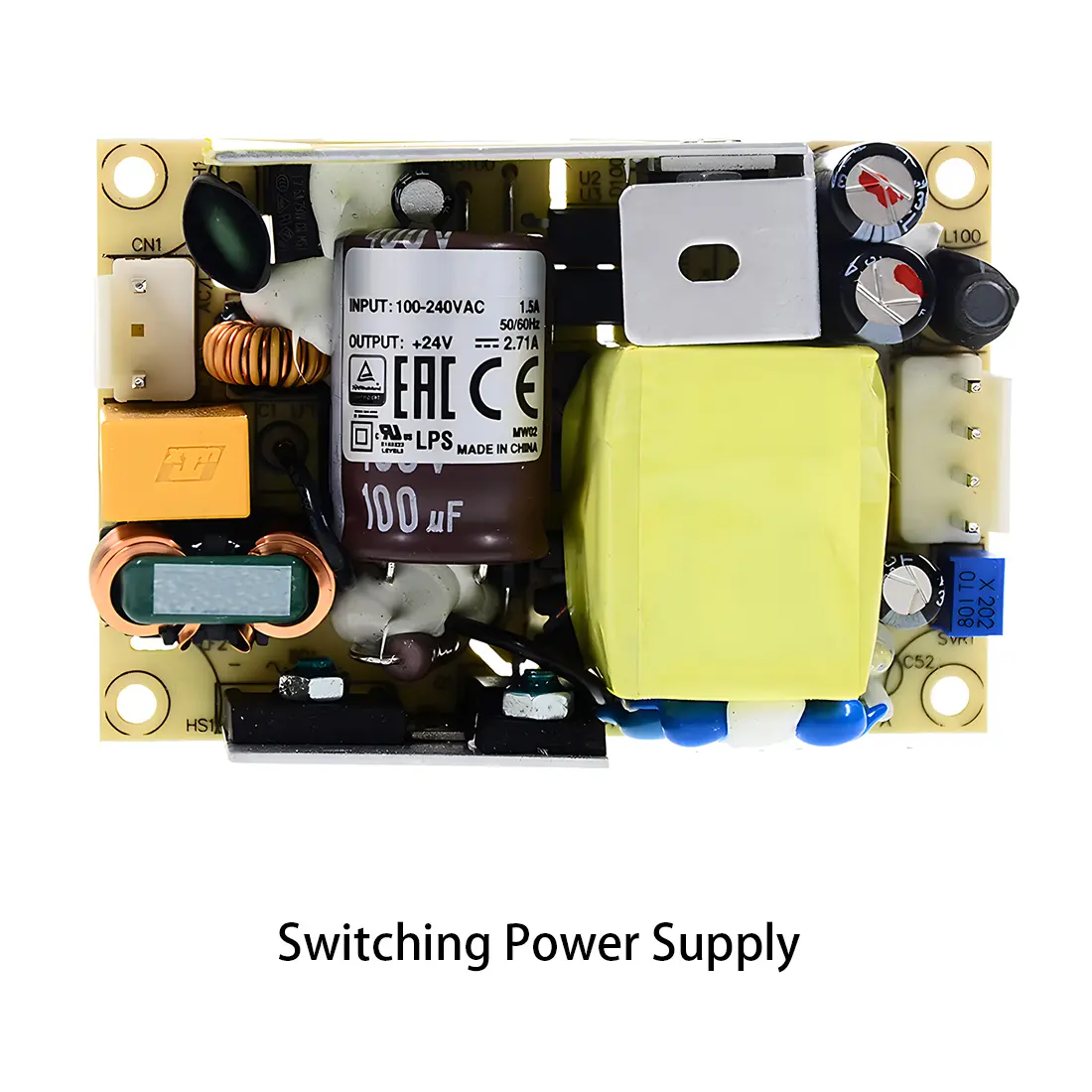 Power Supply PCBA
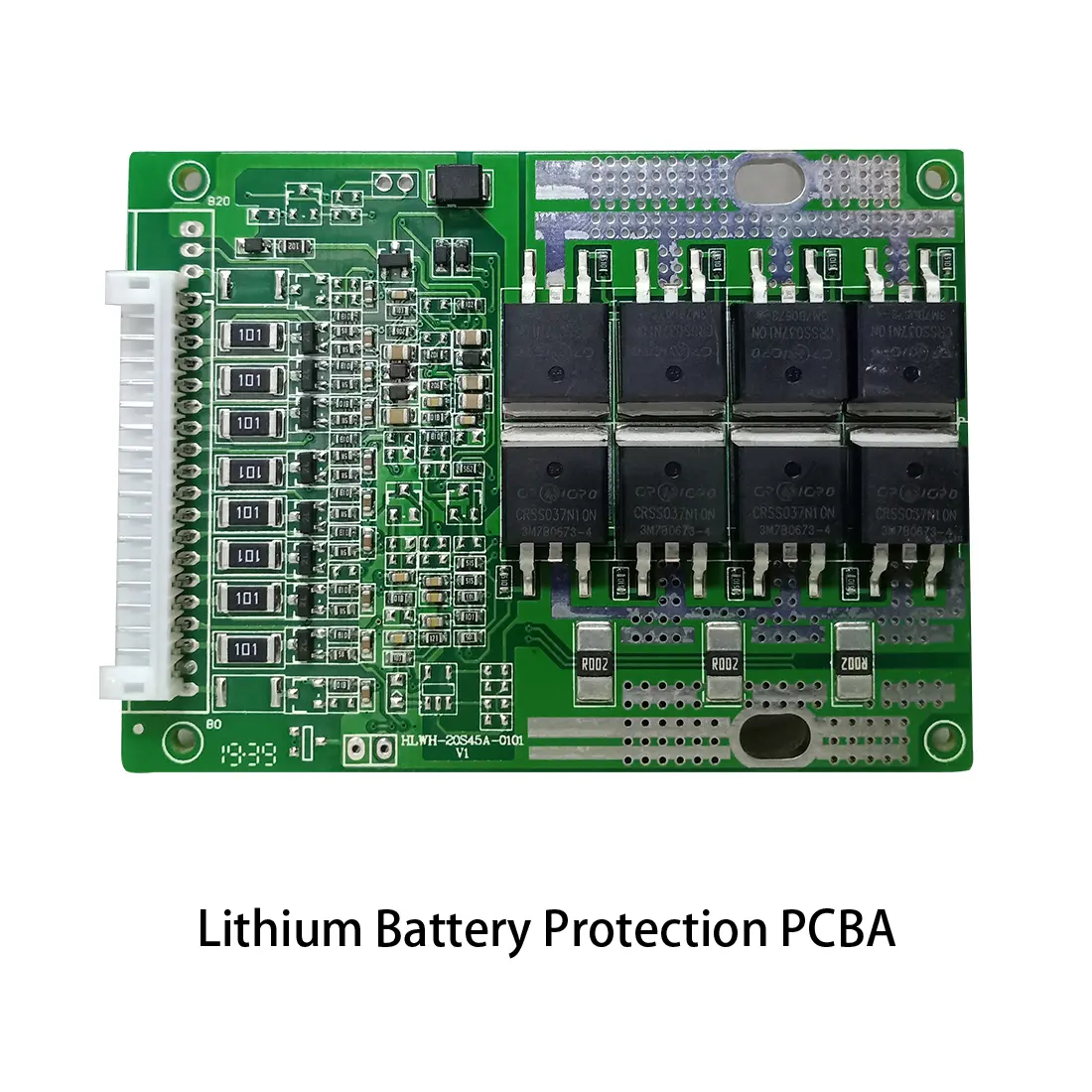 New Energey PCBA
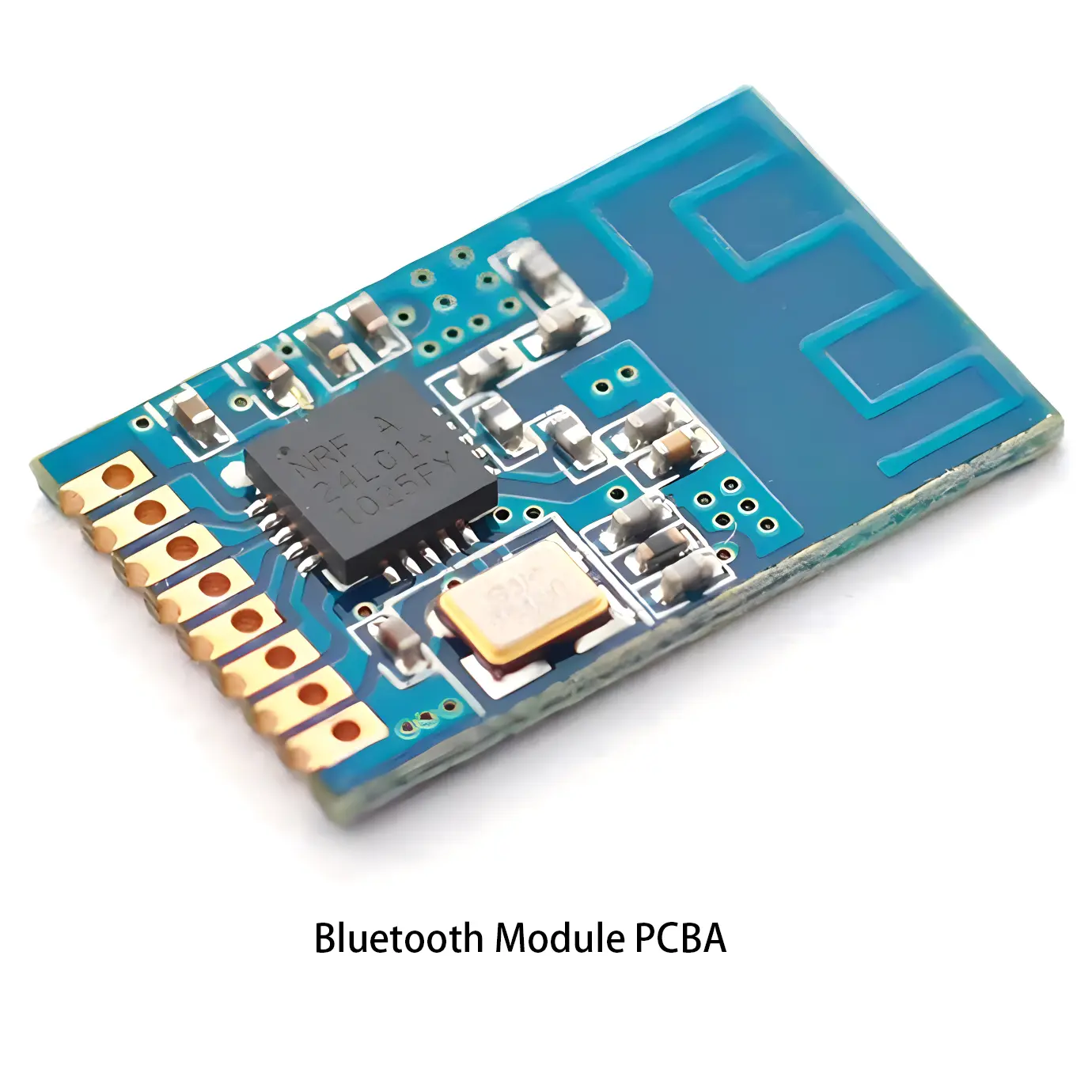 Communication PCBA
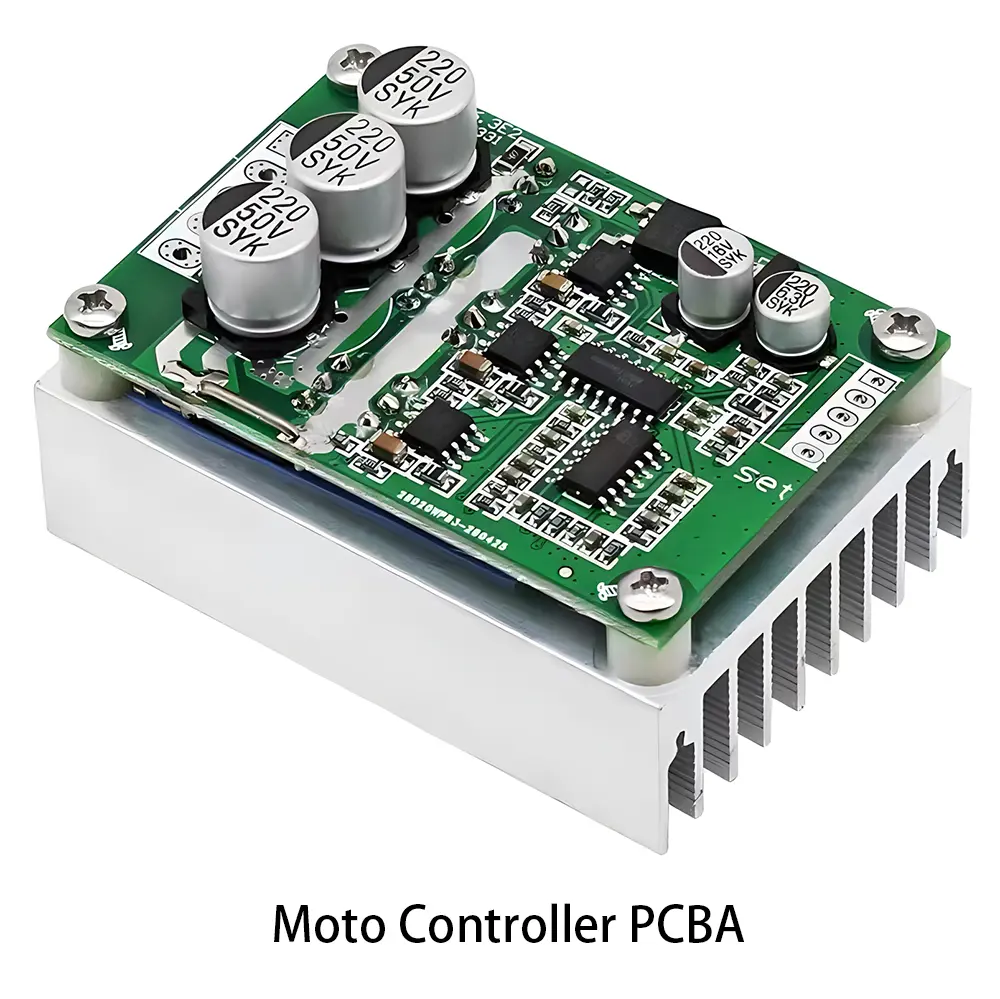 Industrial Control PCBA
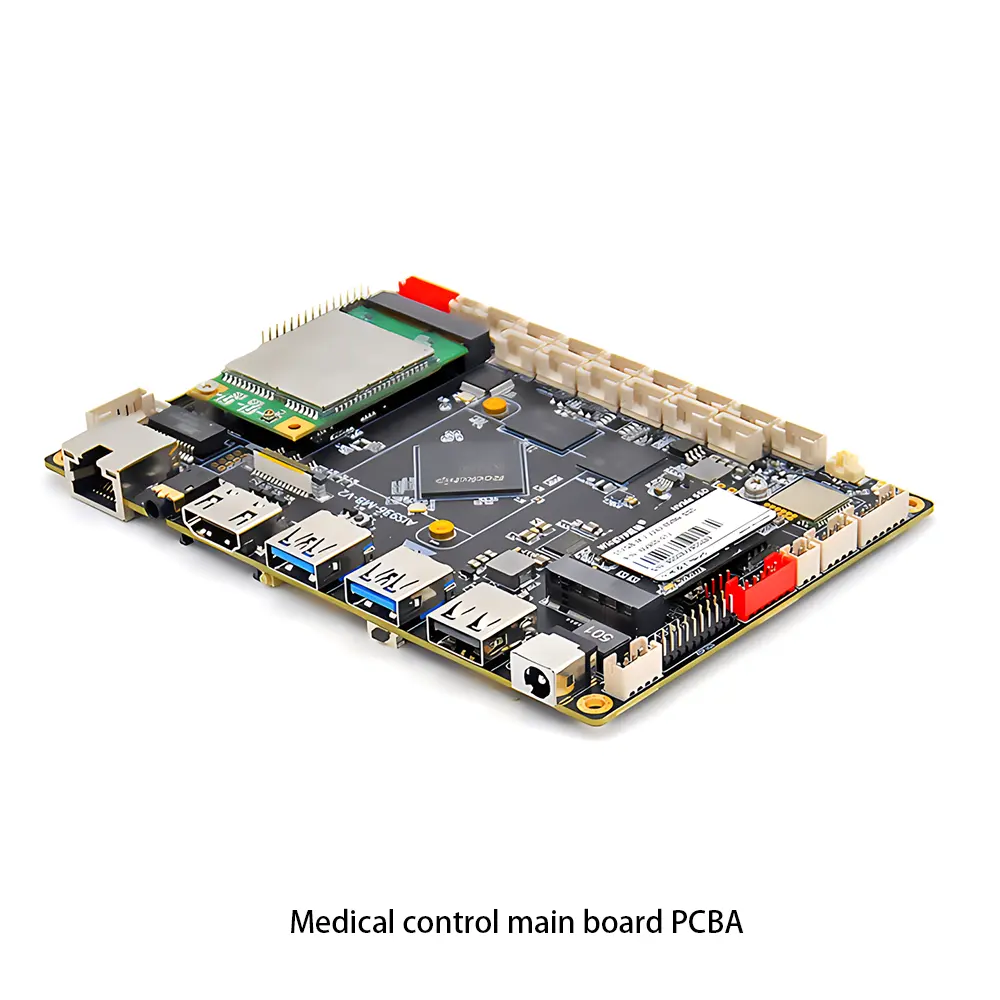 Medical Equipment PCBA
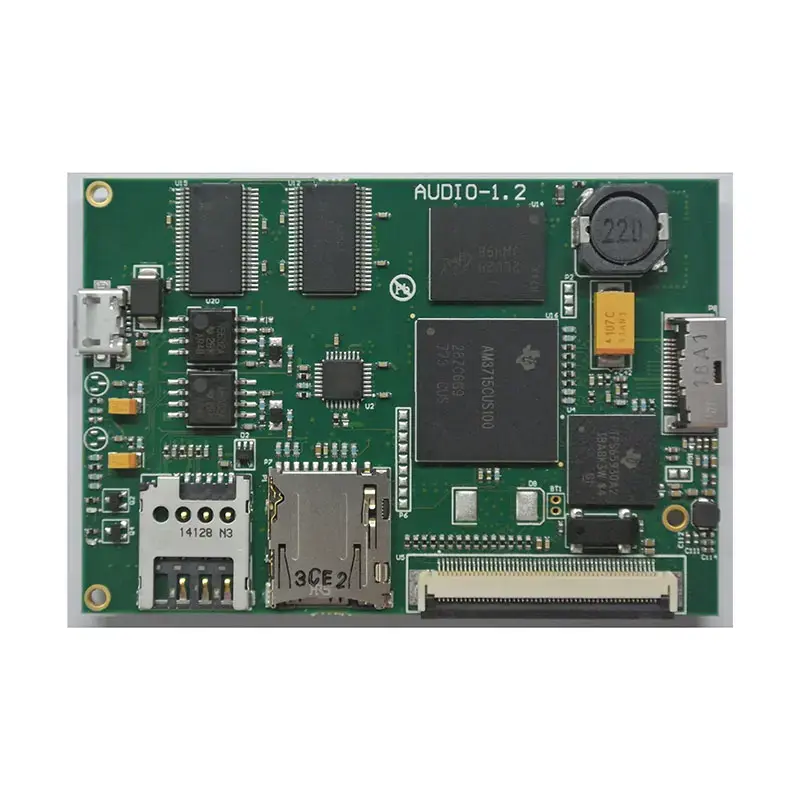 Testing Service
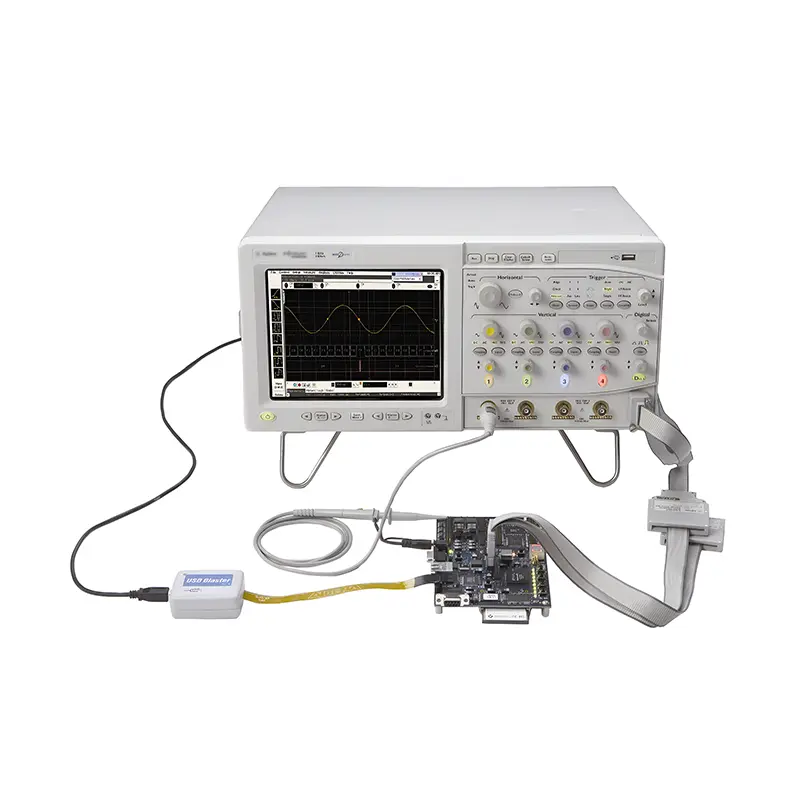 PCBA Testing Service
 Certification Application
 RoHS Certification Application
 REACH Certification Application
 CE Certification Application
 FCC Certification Application
 CQC Certification Application
 UL Certification Application
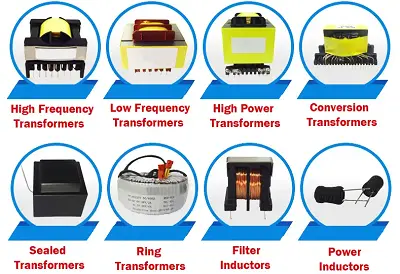 Transformers, Inductors
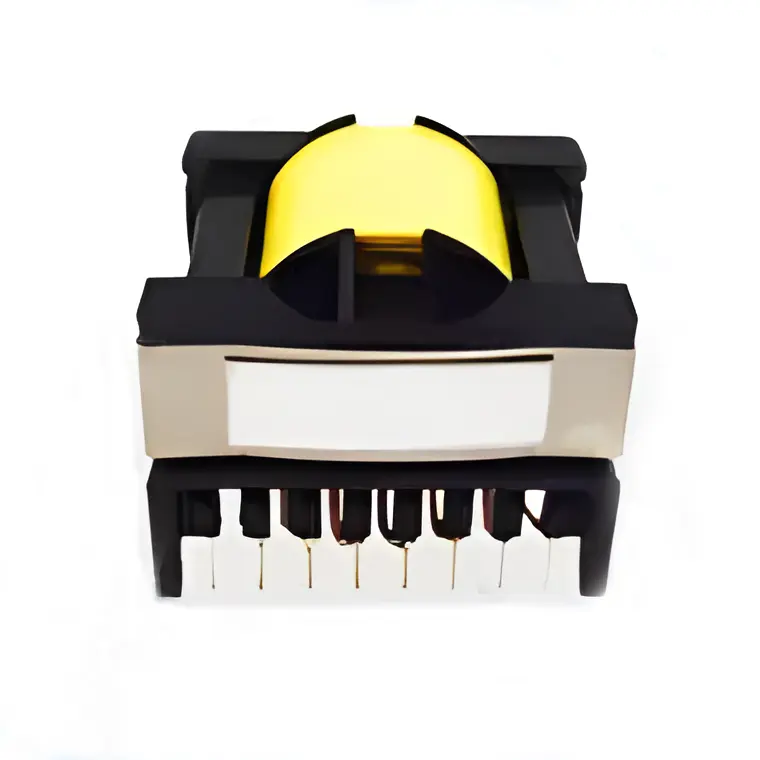 High Frequency Transformers
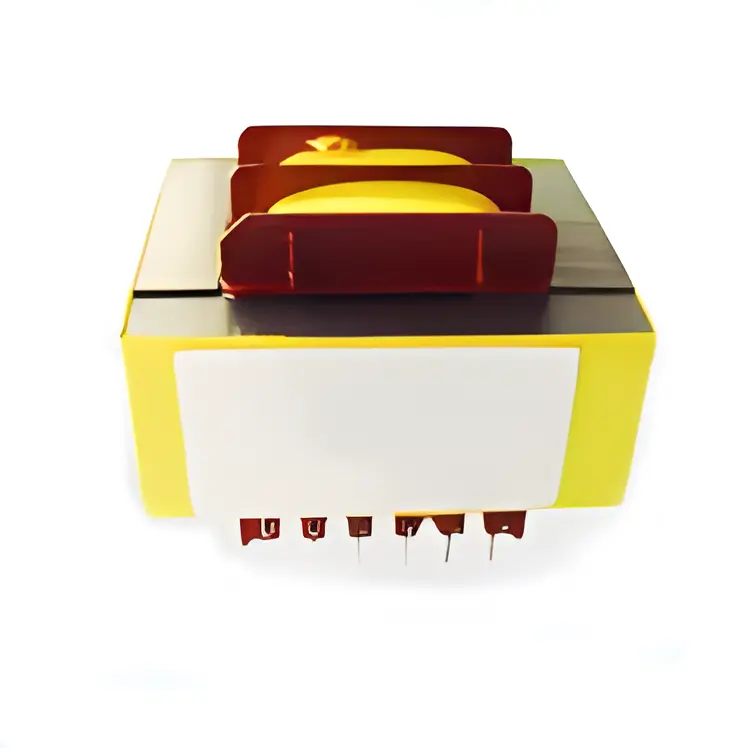 Low Frequency Transformers
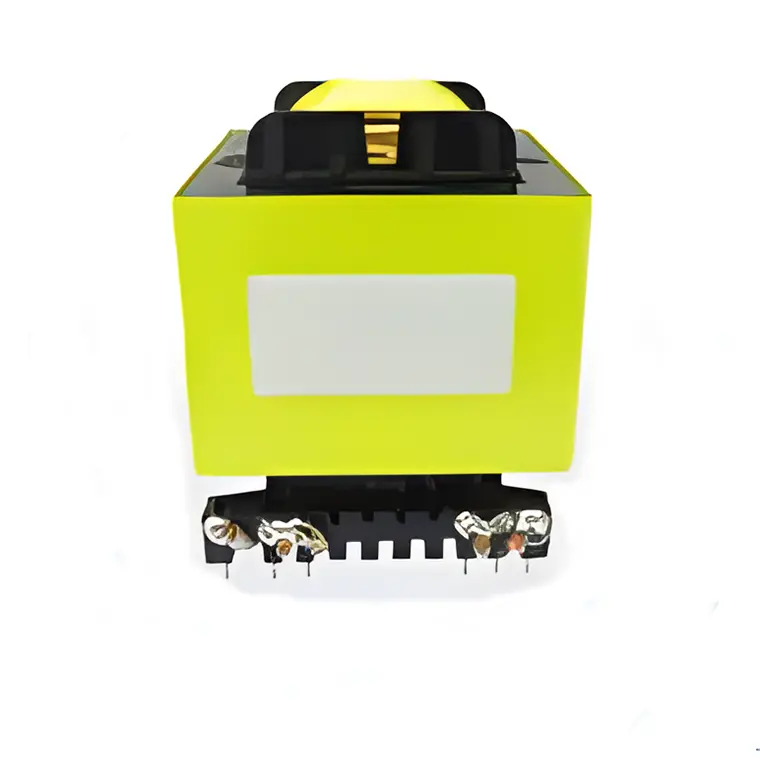 High Power Transformers
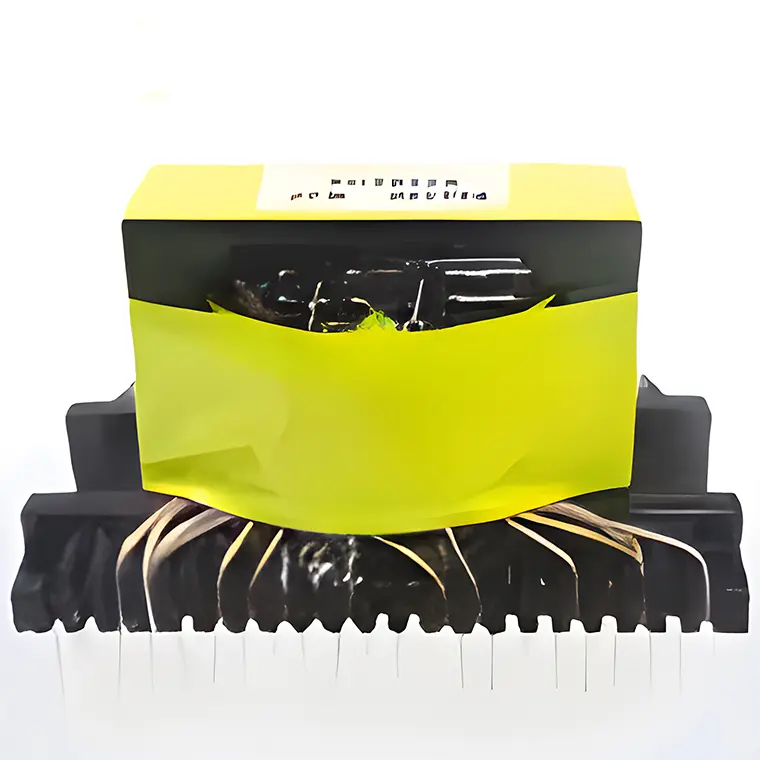 Conversion Transformers
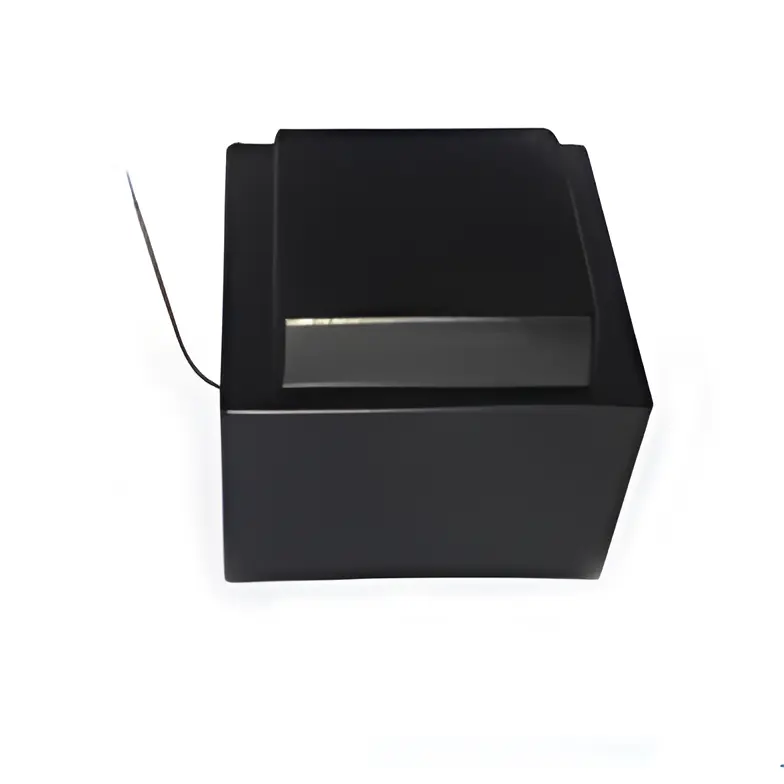 Sealed Transformers
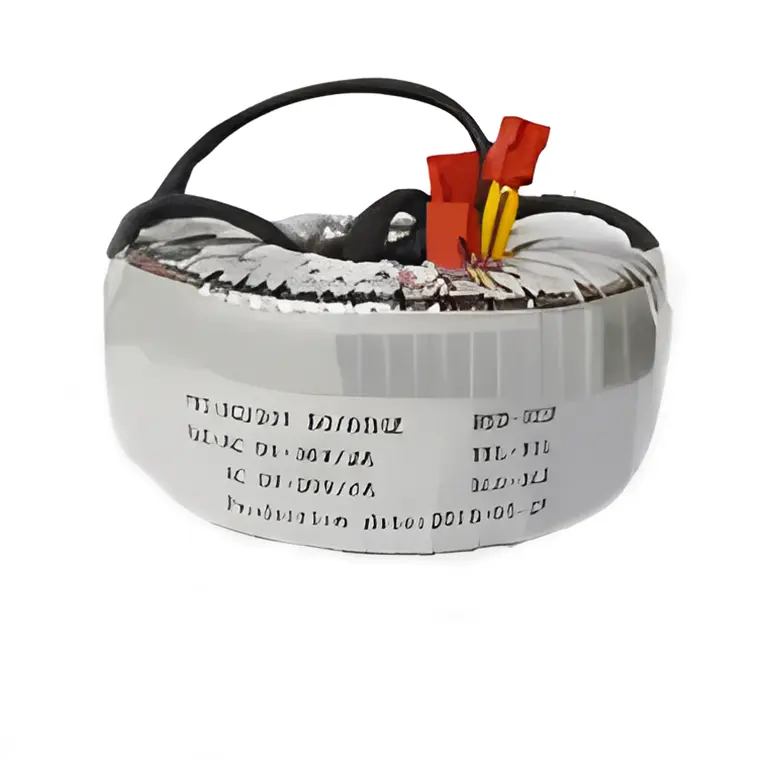 Ring Transformers
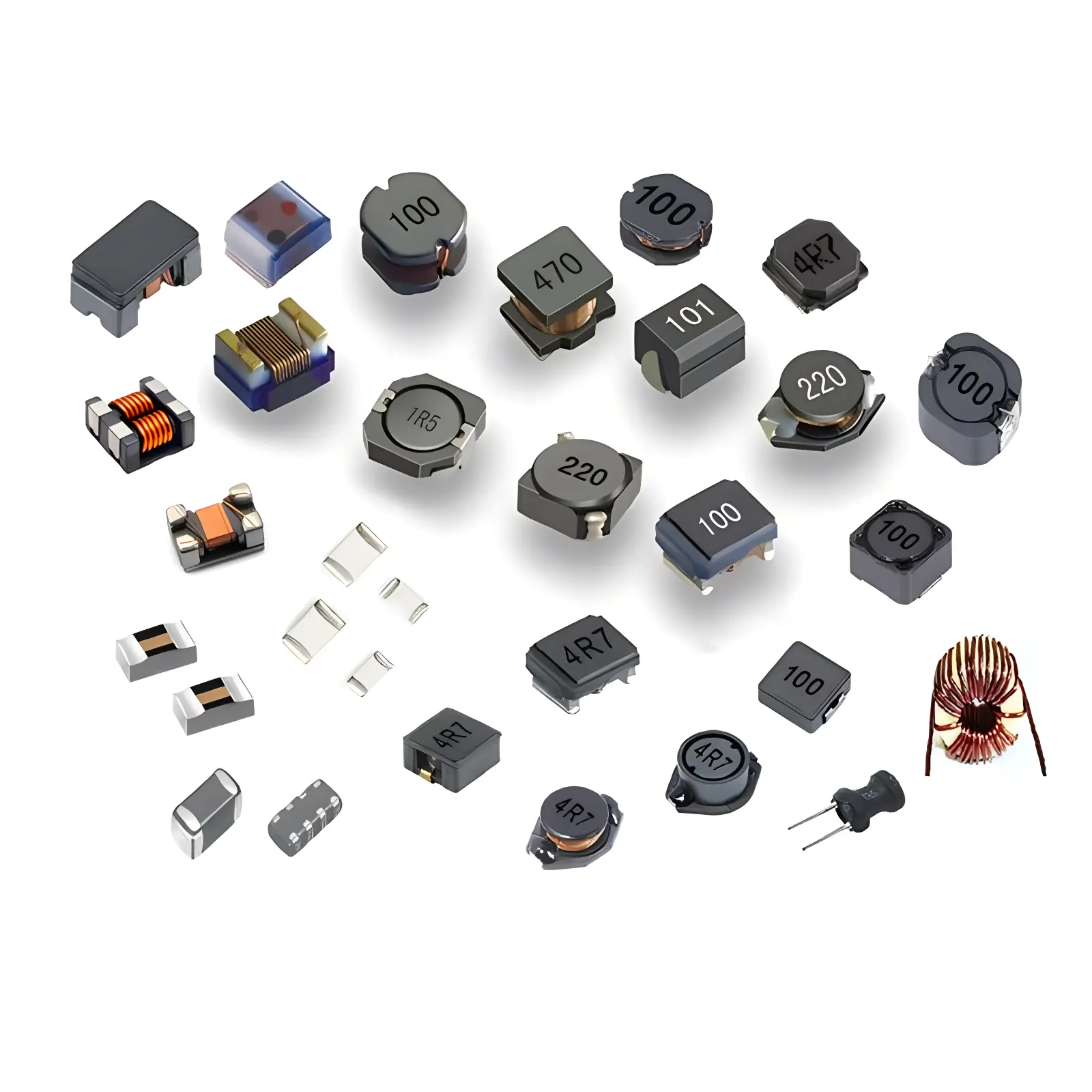 Inductors
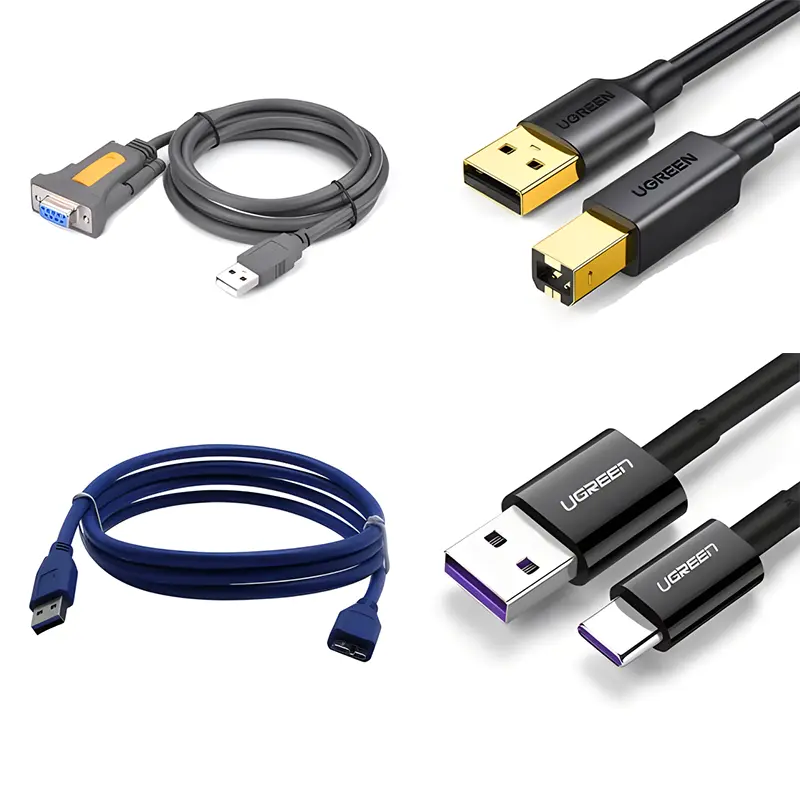 Wires,Cables Customized
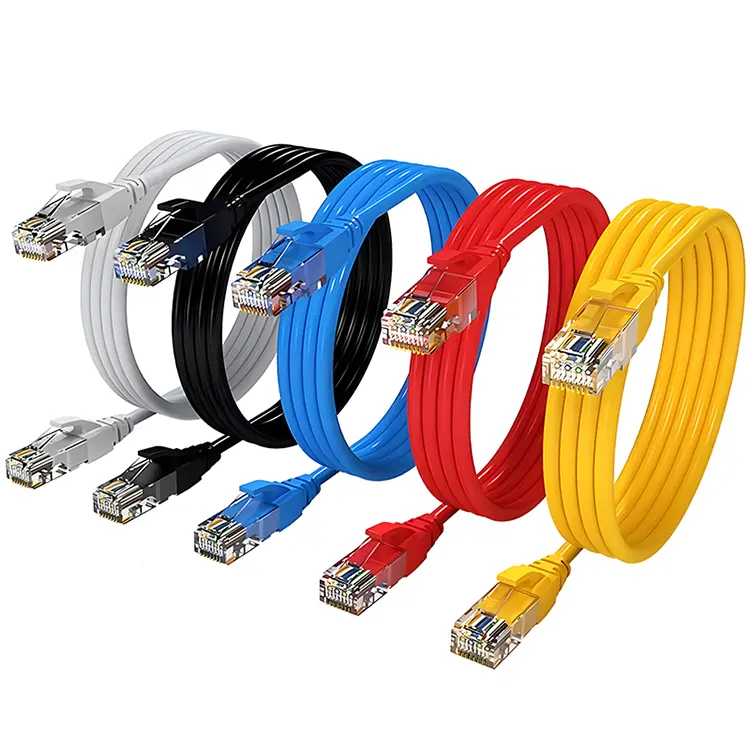 Network Cables
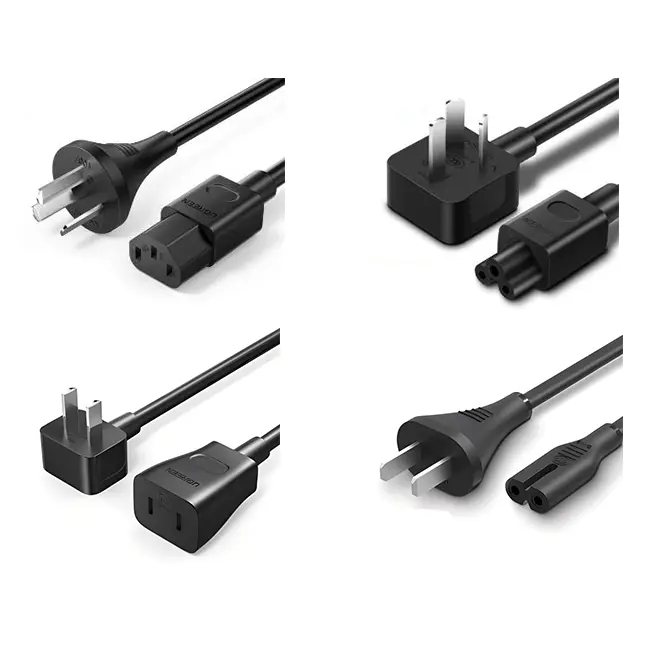 Power Cords
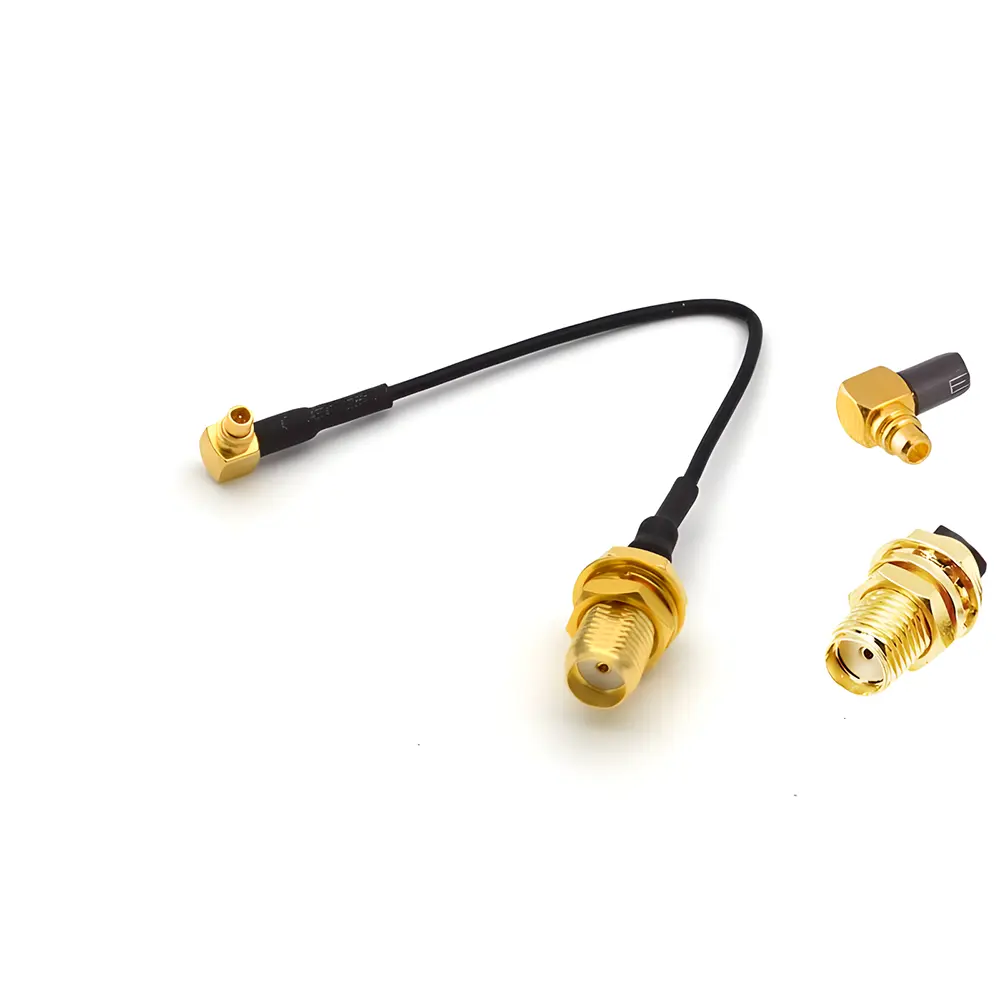 Antenna Cables
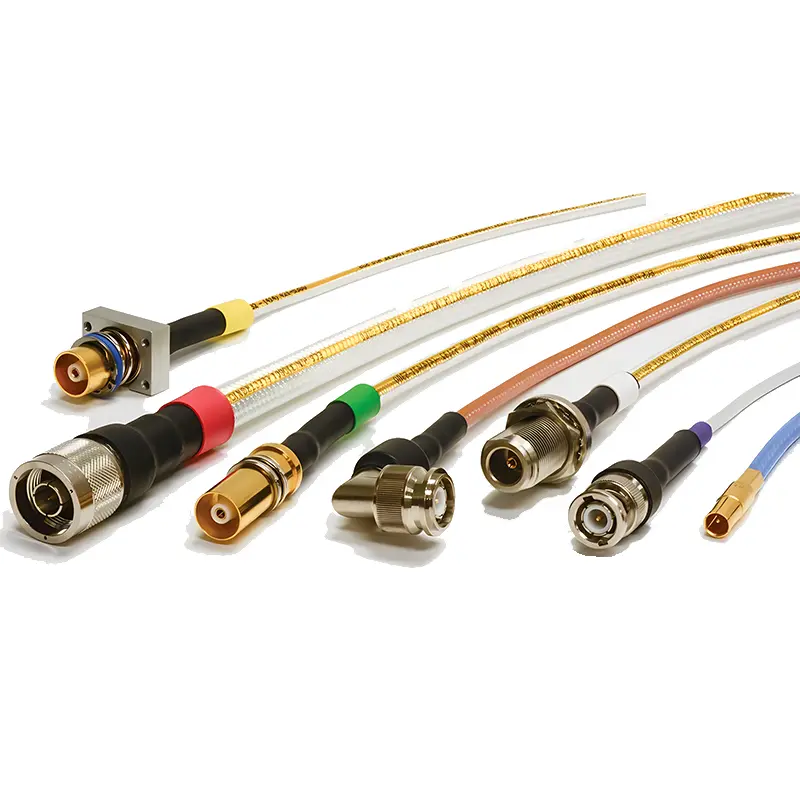 Coaxial Cables
 Net Position Indicator
 Solar AIS net position indicator
 Capacitors
 Connectors
 Diodes
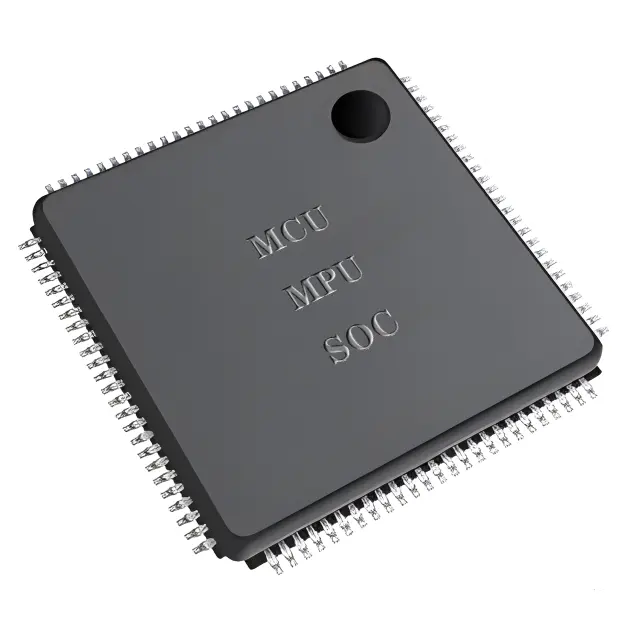 Embedded Processors & Controllers
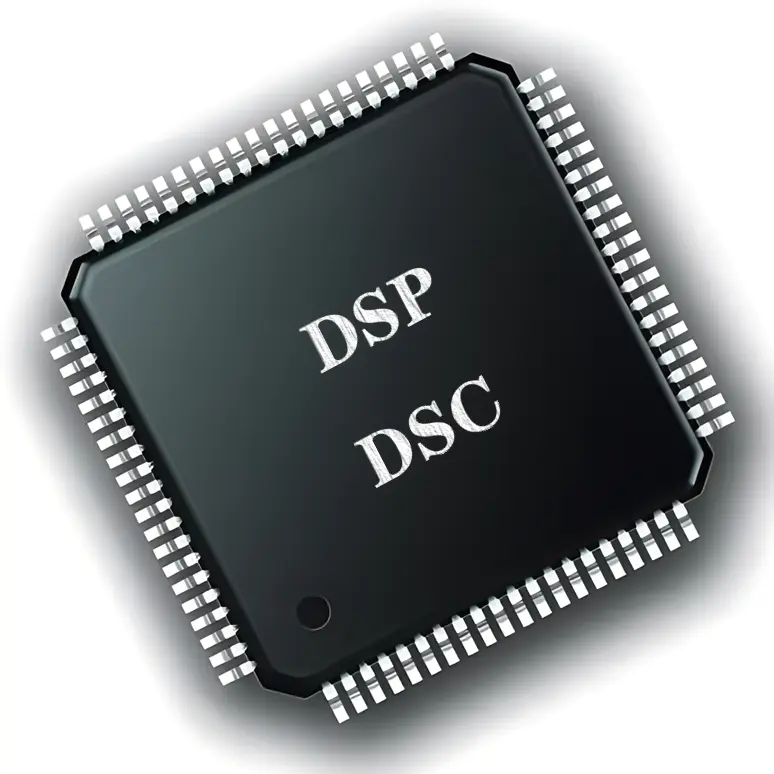 Digital Signal Processors (DSP/DSC)
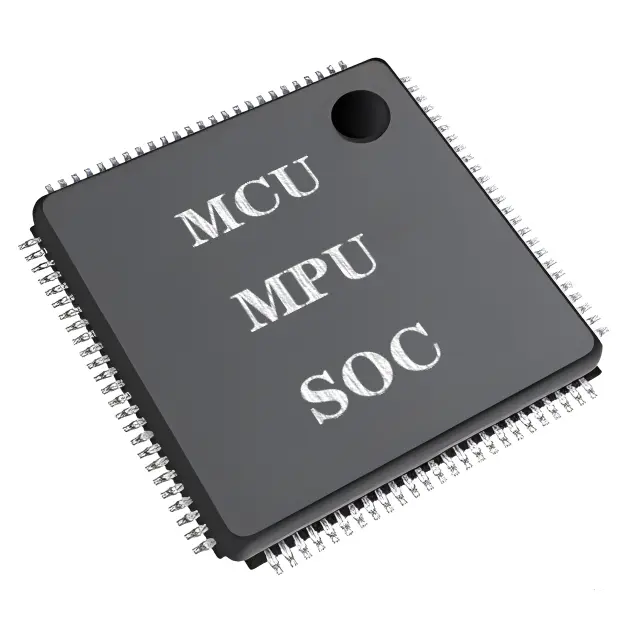 Microcontrollers (MCU/MPU/SOC)
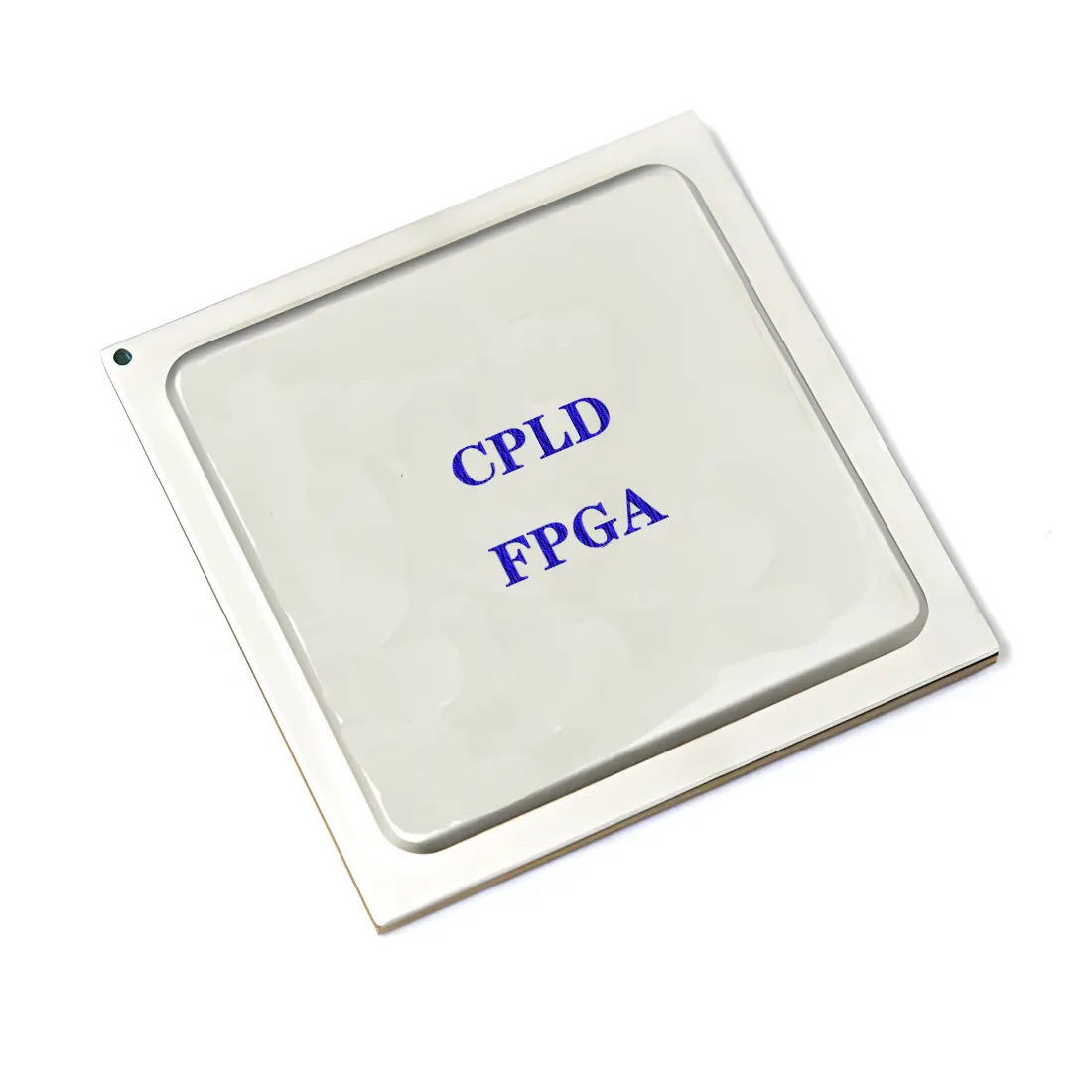 Programmable Logic Device(CPLD/FPGA)
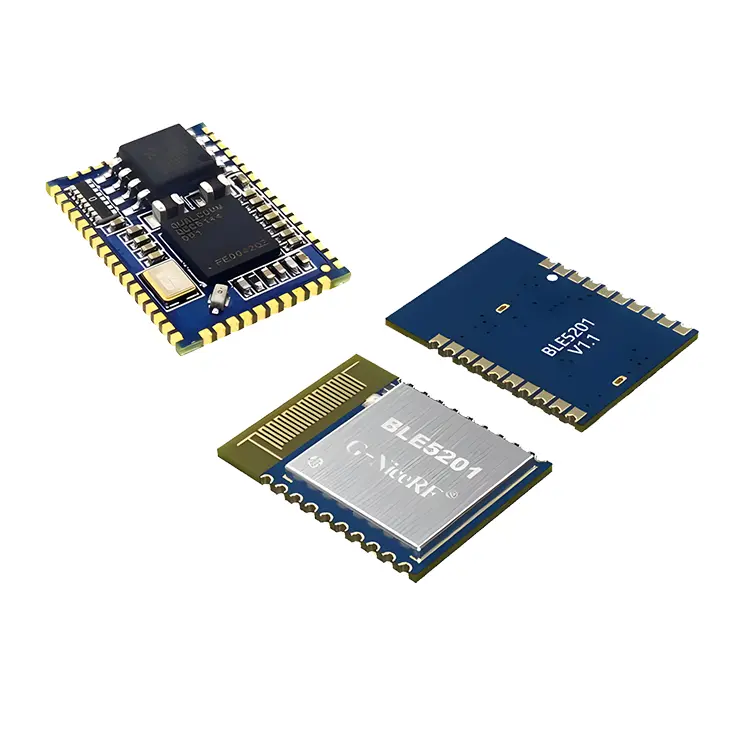 Communication Modules/IoT
 Resistors
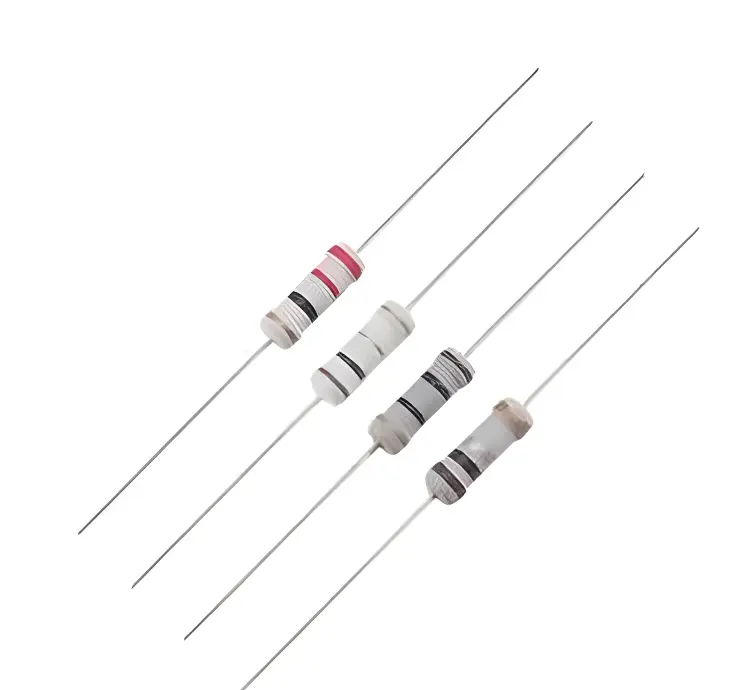 Through Hole Resistors
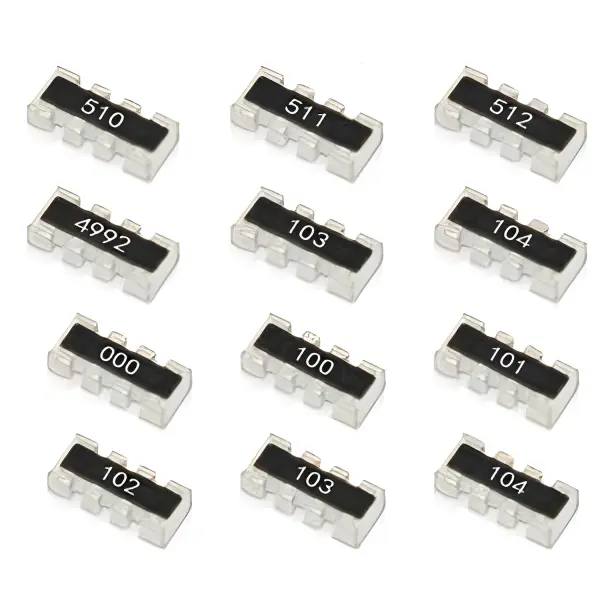 Resistor Networks, Arrays
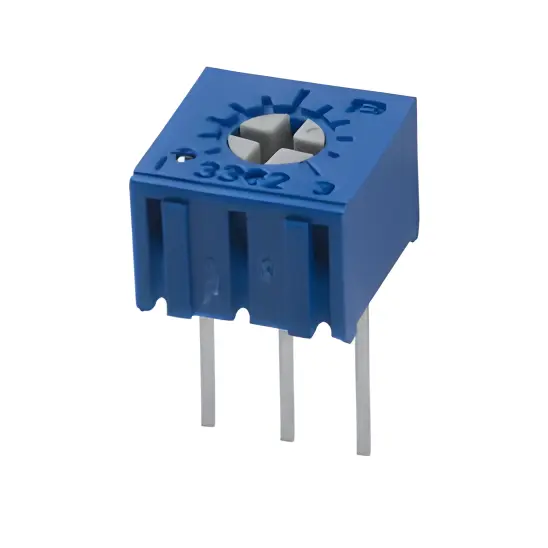 Potentiometers,Variable Resistors
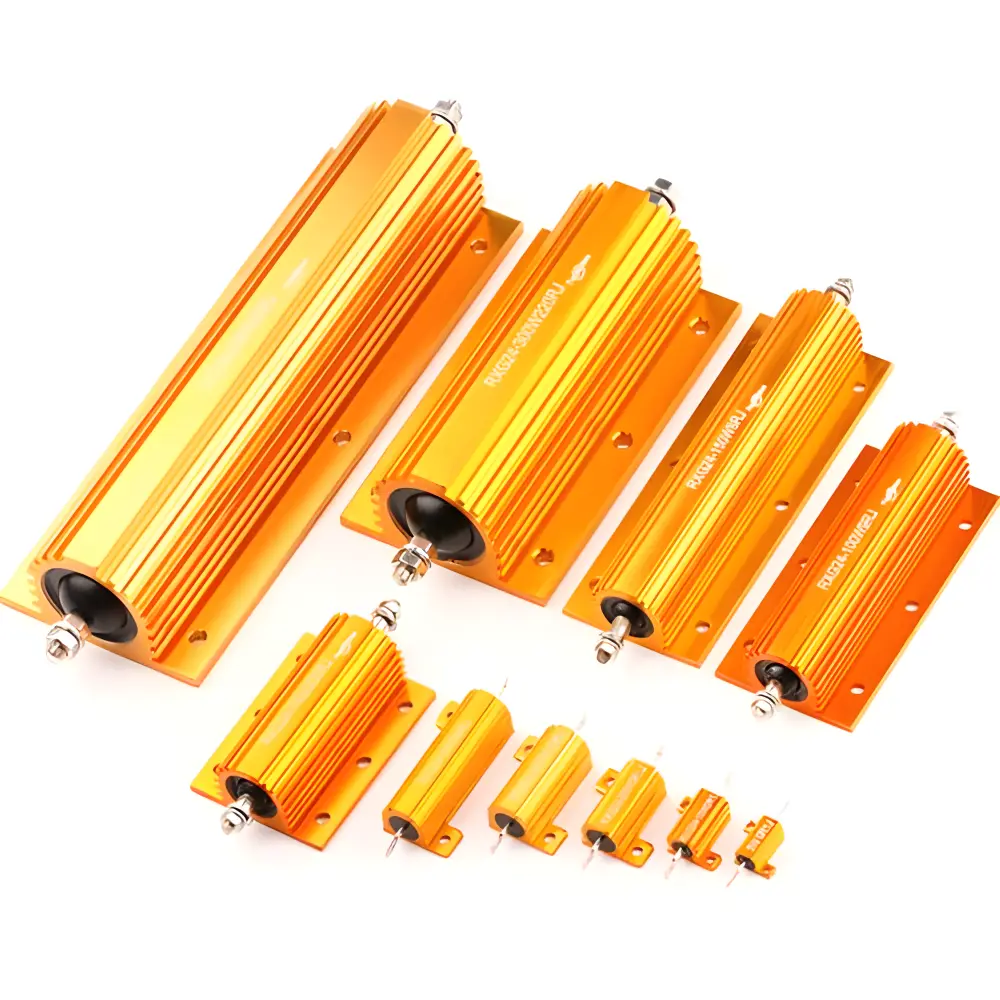 Aluminum Case,Porcelain Tube Resistance
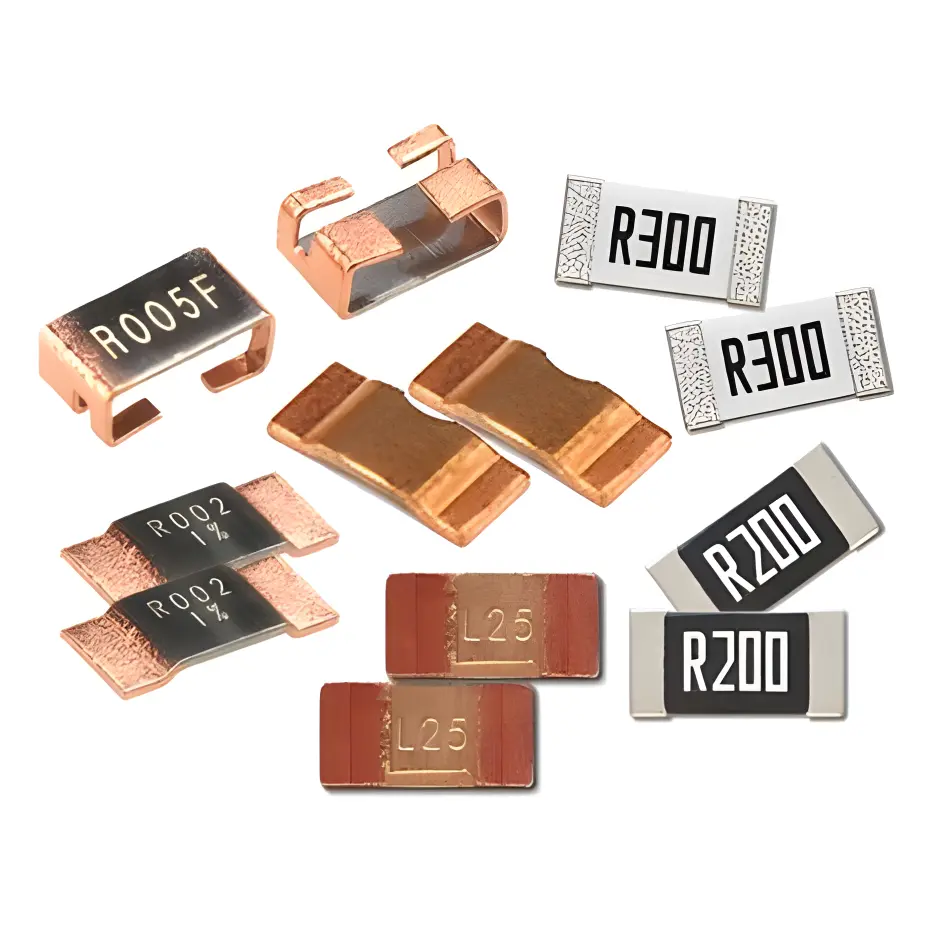 Current Sense Resistors,Shunt Resistors
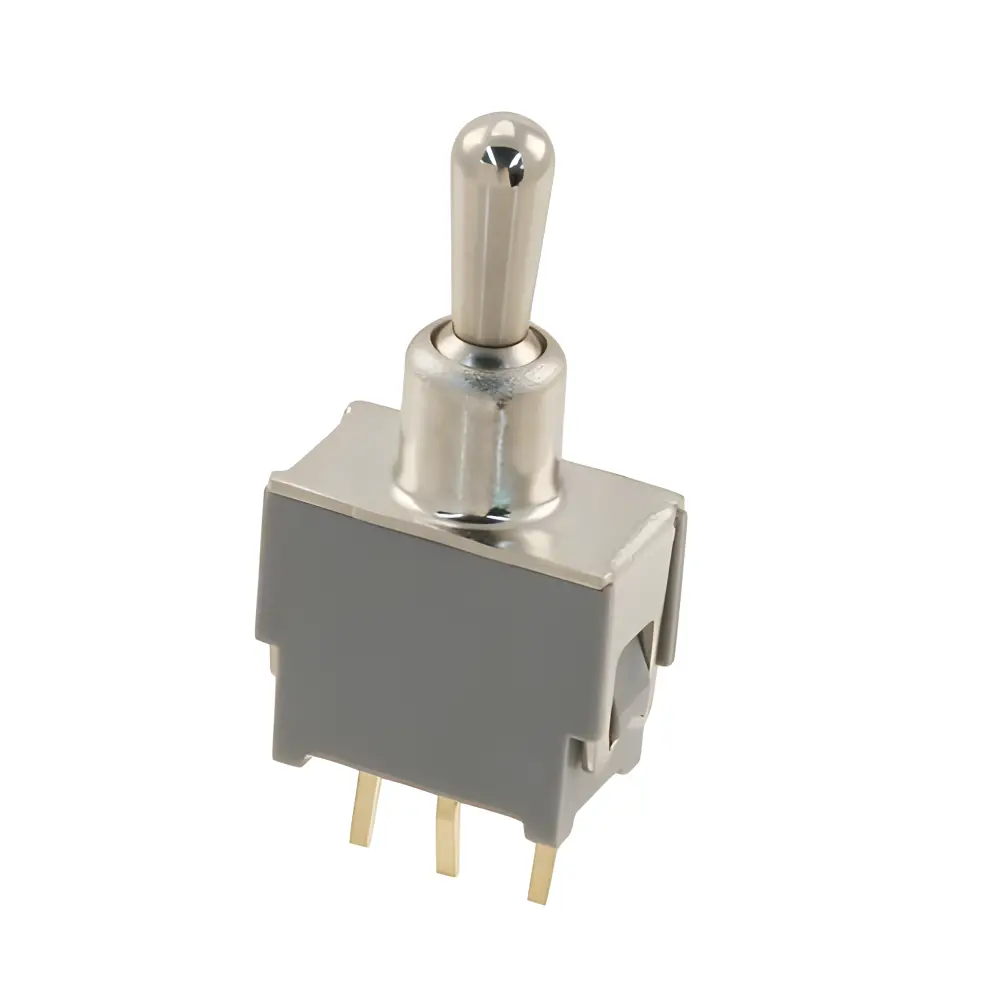 Switches
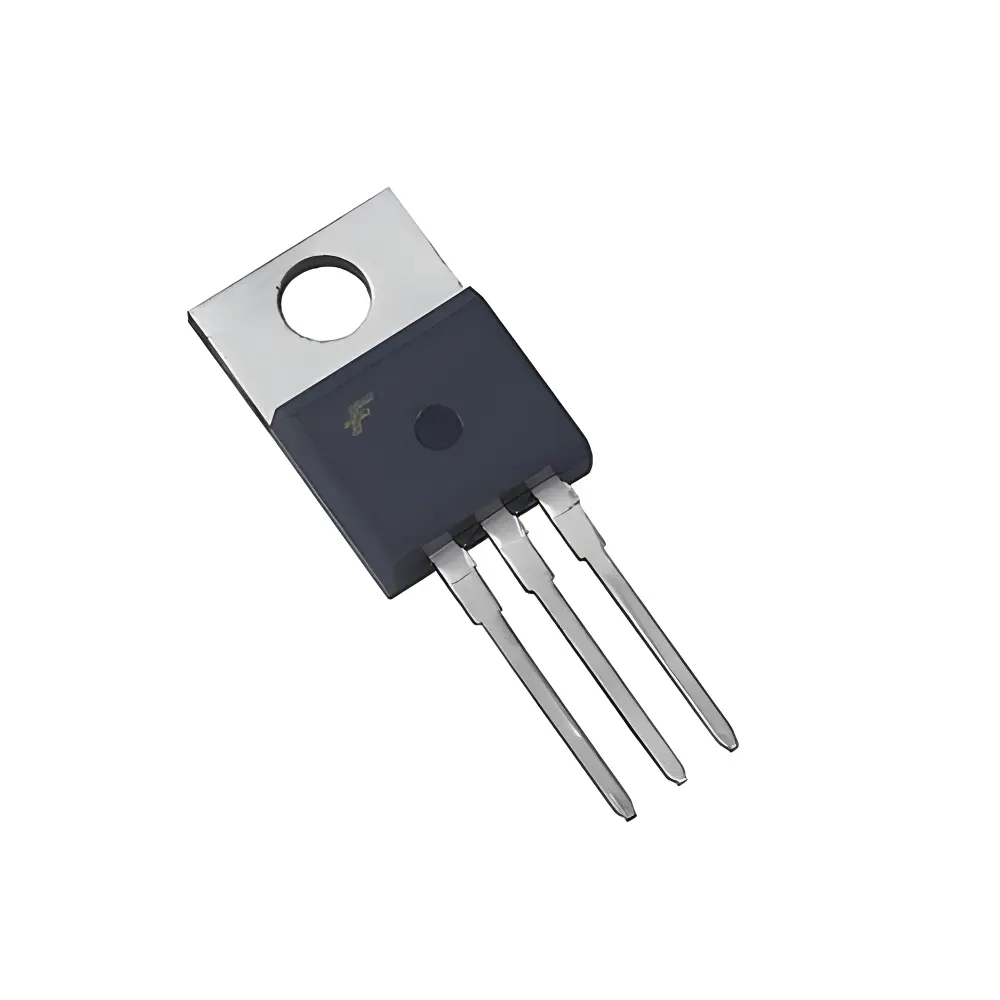 Transistors
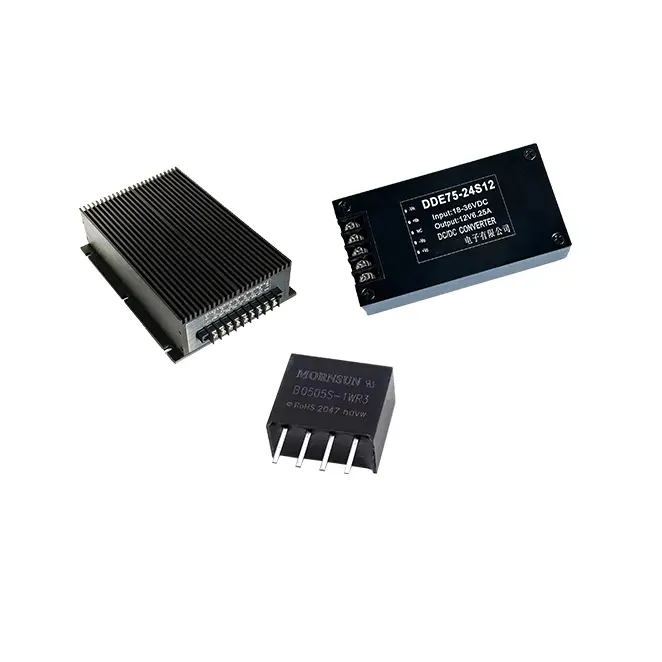 Power Modules
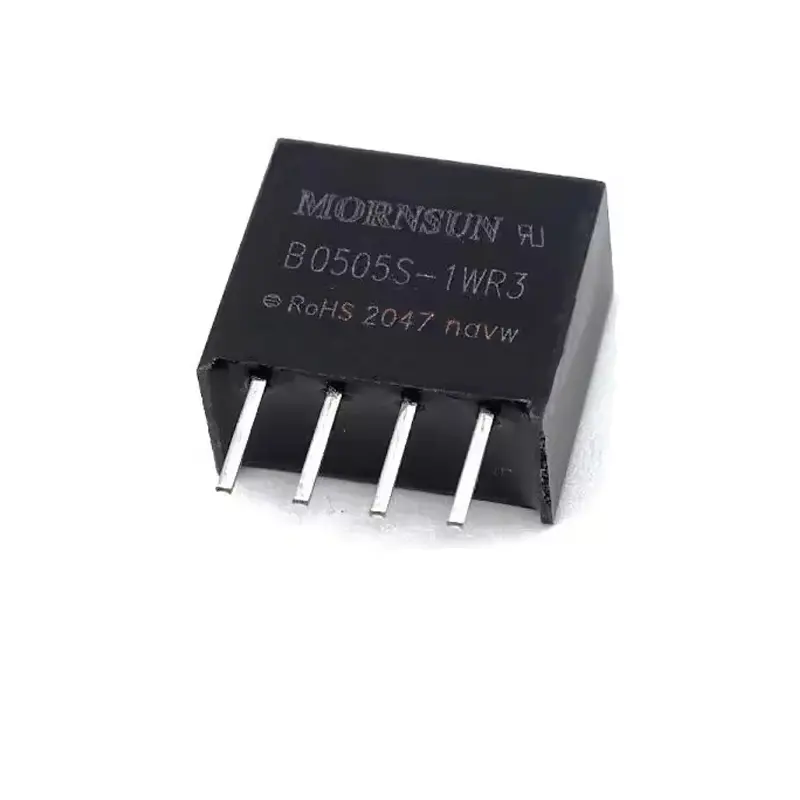 Isolated Power Modules
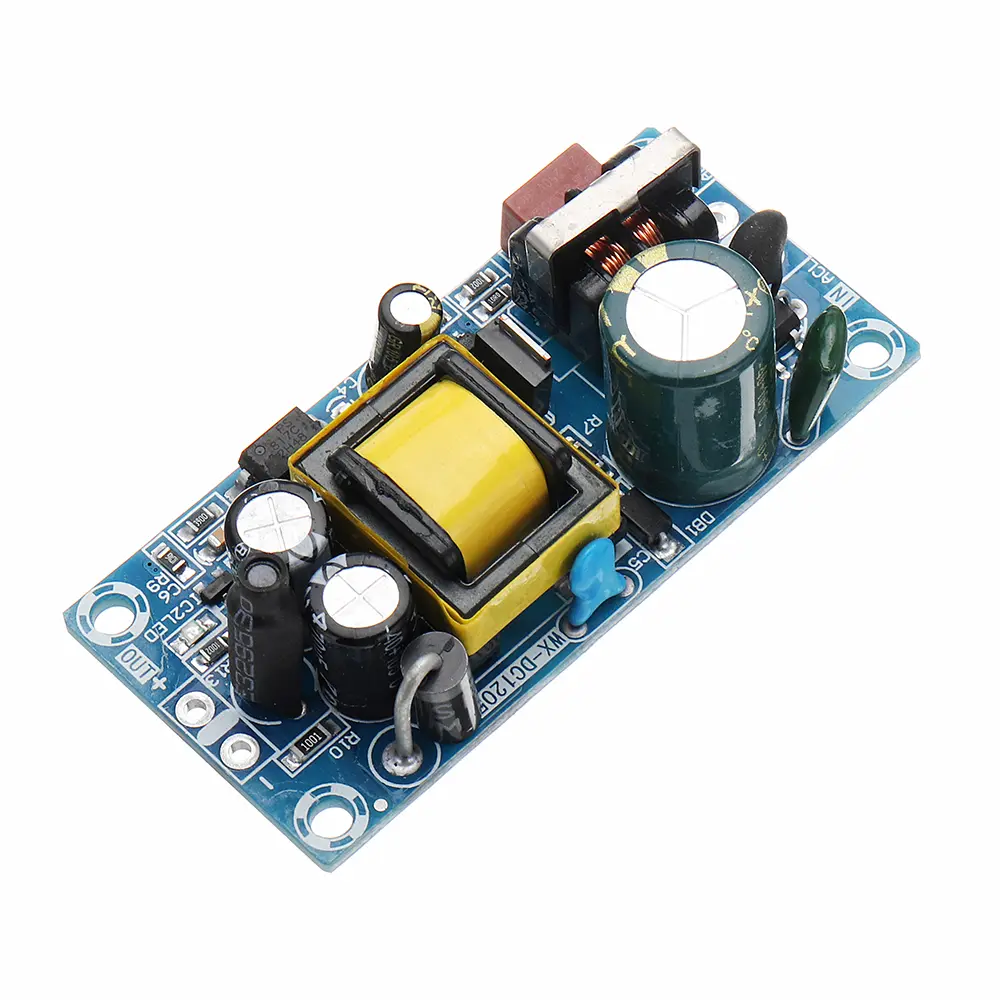 AC-DC Power Modules
 DC-AC Module(Inverter)
 RF and Wireless
Special Processing Requirements for Metal Substrates
2025-09-13

Structure and ApplICation Value of Metal Substrates
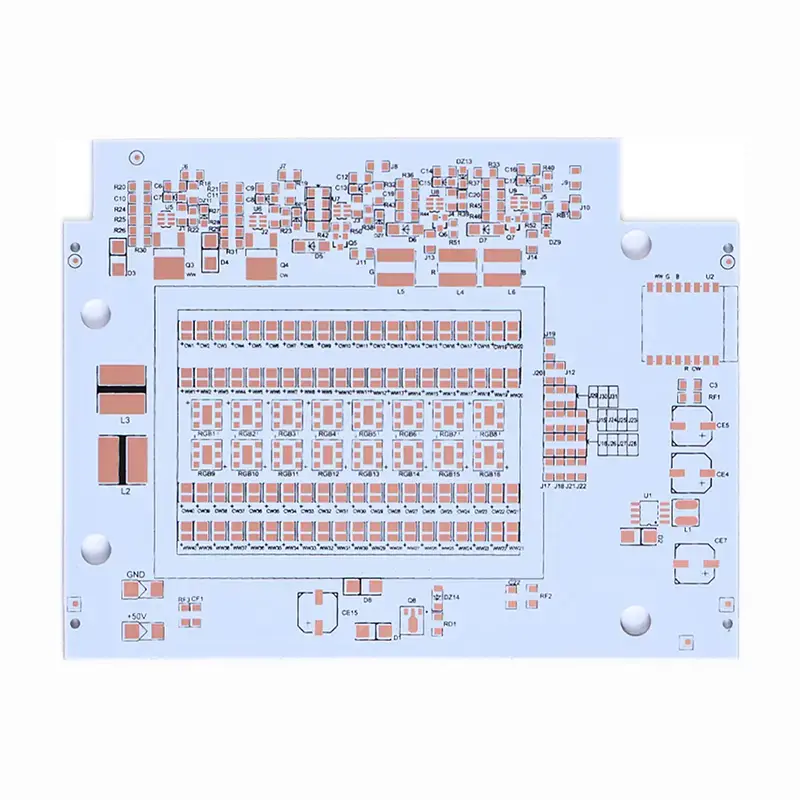
Metal substrates are special printed circuit boards composed of a metal base material (aluminum substrates are mainstream, with copper substrates, iron substrates, etc. as alternatives), combined with copper foil through an insulating layer (usually thermally conductive epoxy resin). Their core structure is "metal base layer + insulating and thermally conductive layer + copper foil circuit layer", which combines the excellent heat dissipation peRFormance of metal substrates (thermal conductivity up to 1-4W/(m·K)) with the circuit-carrying function of PCBs.
Aluminum substrates are widely used in electronic equipment under high-temperature environments such as LED lighting (e.g., street lamps, display backlights), power electronics (e.g., inverters, power Modules), and automotive electronics (e.g., on-board power supplies, motor controllers) due to their advantages of moderate cost, high heat dissipation efficiency, and good mechanical strength. However, the physical properties of metal substrates differ greatly from traditional FR-4 substrates (such as high hardness, fast thermal conductivity, and easy oxidation), leading to many technical bottlenecks in their processing that need to be overcome with targeted special processing schemes.
2. Special Processing Requirements for Metal Substrates (Aluminum Substrates)
2.1 Special Requirements for Material Pretreatment
The processing of aluminum substrates starts with substrate pretreatment, which needs to solve problems such as metal surface oxidation, oil contamination, and insulating layer adhesion:
- Metal Base Surface Treatment: The surface of the aluminum base material (commonly used 1060 and 5052 aluminum alloys) of aluminum substrates is prone to form a dense oxide film (Al₂O₃), which reduces the bonding force between the insulating layer and the metal base. A two-step "alkaline cleaning-acid cleaning" process is required: first, soak in 5%-8% sodium hydroxide solution (temperature 50-60℃) for 30-60 seconds to remove the oxide film and oil; then neutralize with 10%-15% nitric acid solution (room temperature) for 10-20 seconds to form a uniform micro-rough surface (Ra=0.3-0.5μm), and finally rinse with deionized water and dry (100-120℃, 10-15 minutes) to ensure the insulating layer adhesion ≥1.5kN/m (in line with IPC-TM-650 2.4.9 standard).
- Insulating Layer Pretreatment Control: The insulating and thermally conductive layer (usually 50-200μm thick) of aluminum substrates is mostly epoxy resin composite material. Before processing, it is necessary to check the flatness (deviation ≤5μm/mm) and bubble rate (<0.1%) of the insulating layer. If there are scratches or impurities on the surface of the insulating layer, it should be slightly polished with 1000-mesh sandpaper, then subjected to plasma cleaning (power 400-600W, time 60-90 seconds) to remove surface organic contamination and avoid circuit delamination during subsequent etching.
- Copper Foil Pretreatment: The copper foil (18-70μm thick) on the surface of aluminum substrates is mostly rolled copper, which needs to be micro-etched (the micro-etching solution is ammonium persulfate solution with concentration 80-100g/L, temperature 30-40℃), and the micro-etching amount is controlled at 1-2μm to enhance the bonding force between the copper foil and photoresist and prevent photoresist warping during pattern transfer.
2.2 Special Control of Drilling Process
Drilling of aluminum substrates requires processing copper foil, insulating layer, and metal base material simultaneously. Due to the soft texture of aluminum and easy tool sticking, the drilling quality control is much more difficult than that of traditional PCBs:
- Tool Selection and Parameter Optimization: Special cemented carbide drills should be used, with a cutting edge angle of 135°-140°, a helix angle of 35°-40°, and the drill tip should be specially polished to reduce aluminum sticking. Drilling parameters need to be accurately matched: the speed is controlled at 20000-30000rpm, and the feed rate is 5-10mm/min (adjusted according to the total thickness of the aluminum substrate, 5mm/min for thickness below 1mm, 10mm/min for thickness above 2mm). During drilling, compressed air (pressure 0.5-0.6MPa) should be used for continuous cooling and chip removal to avoid aluminum chip accumulation leading to rough hole walls or drill breakage.
- Hole Wall Quality Requirements: After drilling, the hole wall should be free of burrs and aluminum chip residues, the hole wall roughness Ra≤1.0μm, and the hole diameter tolerance is controlled at ±0.05mm. For via holes, it is necessary to check whether the hole wall penetrates the insulating layer and is in reliable contact with the aluminum base material (for insulating holes, it is necessary to ensure that the insulating layer is not damaged). The insulation performance can be verified by a high-voltage test (500V DC, 1 minute), and the leakage current ≤10μA.
- Stacking Method Adjustment: The number of stacked layers should not be too large (usually 1-2 layers) when drilling aluminum substrates, and a polyethylene film (50-100μm thick) should be placed between each layer to prevent aluminum chips from transferring between layers and scratching the substrate surface. A hardwood backing plate (10-15mm thick) should be placed at the bottom to avoid damage to the workbench surface after the drill penetrates the substrate and enhance drilling stability.
2.3 Special Requirements for Etching Process
Etching of aluminum substrates needs to protect the metal base material from corrosion while ensuring the accuracy of the circuit pattern:
- Etchant Selection and Parameter Control: Acidic copper chloride etchant (Cu²+ concentration 120-150g/L, HCl concentration 150-200mL/L) is used, the temperature is controlled at 45-50℃, and the etching rate is 1.5-2μm/min. This etchant has a fast etching rate for copper foil and a low corrosion rate for aluminum base material (<0.1μm/min), which can reduce metal base material loss. Continuous stirring (stirring speed 30-50rpm) is required during the etching process to ensure uniform etching and avoid "side etching" (side etching amount ≤3μm).
- Edge Protection and Mask Design: The edge of the aluminum substrate should be masked with acid-resistant tape or ink to prevent the etchant from eroding the edge of the metal base material and causing substrate warping. During circuit pattern design, an "insulation isolation zone" (width ≥0.2mm) should be reserved in the exposed area of the copper foil and aluminum base material to avoid short circuits caused by direct contact between the copper circuit and aluminum base material after etching.
- Post-etching Treatment: After etching, it is necessary to immediately rinse with deionized water (pressure 0.3-0.4MPa) to remove residual etchant, then neutralize with 5%-8% sodium carbonate solution (temperature 40-50℃) for 20-30 seconds, and finally dry (110-120℃, 15-20 minutes). After drying, check the circuit pattern accuracy (line width tolerance ±0.03mm) and the integrity of the insulating layer. If pinholes are found in the insulating layer, repair with insulating ink and cure.
2.4 Special Requirements for Insulating Layer and Surface Treatment
The performance of the insulating layer and surface treatment of aluminum substrates directly affects their long-term reliability:
- Insulating Layer Voltage Resistance and Thermal Conductivity Test: After processing, the insulating layer should be subjected to a voltage resistance test (AC 1000V, 1 minute) to ensure no breakdown; the thermal conductivity test uses the laser flash method, and the thermal conductivity should meet the design requirements (usually ≥1.5W/(m·K)). For aluminum substrates used in power modules, a thermal cycle test (-40℃~125℃, 500 cycles) should also be conducted. After the test, the insulating layer should have no cracking or delamination, and the voltage resistance performance attenuation ≤10%.
- Solder Mask Selection and Coating: A high-temperature resistant and high-insulation solder mask (Tg≥150℃, dielectric strength ≥20kV/mm) should be selected, and the coating thickness is controlled at 20-30μm. The curing temperature of the solder mask should be lower than the heat resistance limit of the aluminum substrate (usually below 200℃), and the curing time is 60-90 minutes to avoid delamination between the insulating layer and the metal base material due to high temperature.
- Metal Base Surface Treatment: The metal back surface (non-circuit surface) of the aluminum substrate usually needs to be anodized to form an oxide film (Al₂O₃) with a thickness of 5-10μm, which enhances corrosion resistance and heat dissipation performance. After anodization, thermal conductive silicone grease can be further sprayed or thermal conductive gaskets can be pasted to improve the contact thermal resistance with heat dissipation devices (≤0.1℃·in²/W).
2.5 Special Requirements for Shape Processing and Machining
Aluminum substrates have complex shapes and need to withstand certain mechanical stresses, so the following points should be noted during processing:
- Selection of Shape Cutting Method: For simple shapes (such as rectangles), CNC milling can be used (milling cutter diameter 1-2mm, speed 15000-20000rpm, feed rate 8-12mm/min); for complex shapes or small components, laser cutting (CO₂ laser, wavelength 10.6μm, cutting speed 50-100mm/s) is required, with cutting accuracy ±0.02mm and edge roughness Ra≤0.3μm. After cutting, the edge should be processed with a deburring machine (speed 3000-4000rpm) to remove aluminum chips and burrs.
- Bending and Stamping Process Control: Some aluminum substrates need to be bent (such as LED light strip substrates), the bending radius should be ≥3 times the substrate thickness, the bending angle tolerance is ±1°, and the insulating layer at the bending place has no cracking. For stamping processing, a high-precision stamping die (accuracy ±0.01mm) should be selected, and the stamping pressure is adjusted according to the substrate thickness (5-8 tons for 1mm thick substrates) to avoid damage to the insulating layer during stamping.
- Mechanical Strength Test: After processing, the bending strength (≥150MPa) and impact strength (≥5kJ/m²) of the aluminum substrate should be tested to ensure that the substrate will not break or the circuit will not be damaged due to mechanical stress during assembly and use.
3. Common Problems and Solutions in Processing
| Common Problems | Causes | Solutions |
|---|---|---|
| Delamination between Insulating Layer and Aluminum Base | Oxide film on aluminum base surface not completely removed; improper curing temperature of insulating layer | Optimize the process parameters of "alkaline cleaning-acid cleaning"; strictly implement the curing curve recommended by the insulating layer manufacturer |
| Aluminum Sticking on Drilled Hole Wall | Too low drill speed; poor chip removal; tool edge wear | Increase the drilling speed to 25000-30000rpm; enhance the compressed air chip removal pressure; regularly check the drill edge and replace it in time when the wear exceeds 0.1mm |
| Burrs on Circuit Edge After Etching | Too high etchant concentration; uneven stirring; insufficient photoresist adhesion | Reduce the Cu²+ concentration of the etchant to 120-130g/L; increase the stirring speed to 40-50rpm; optimize the copper foil micro-etching process to improve photoresist adhesion |
| Cracking of Insulating Layer at Bending Place | Too small bending radius; poor flexibility of insulating layer | Increase the bending radius to ≥3 times the substrate thickness; select high-flexibility insulating layer materials (such as epoxy resin reinforced with glass fiber) |