
 PCB
PCB FPC
FPC Rigid-Flex
 FR-4
FR-4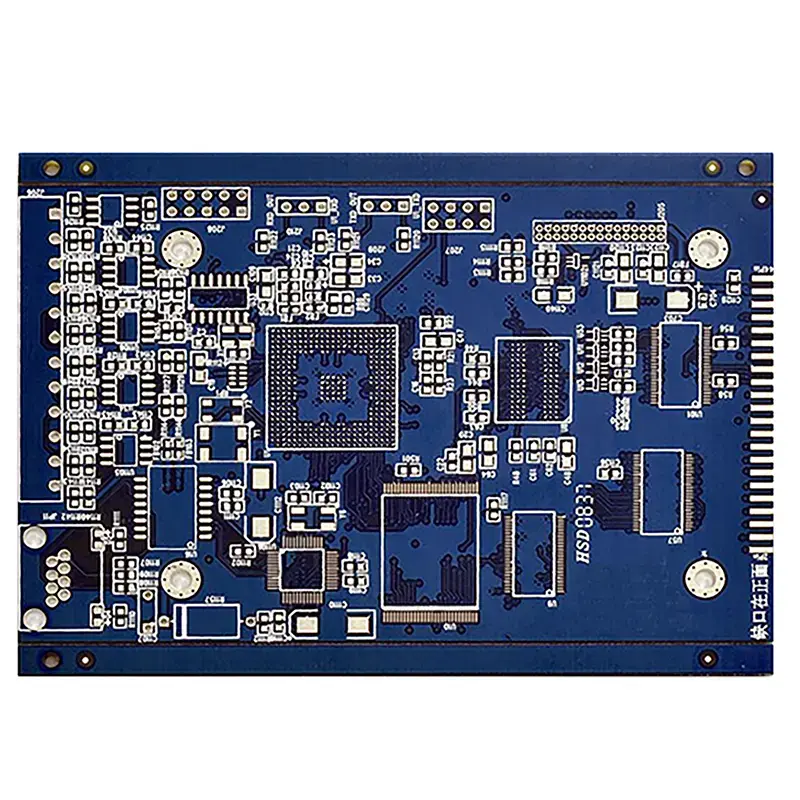 HDI PCB
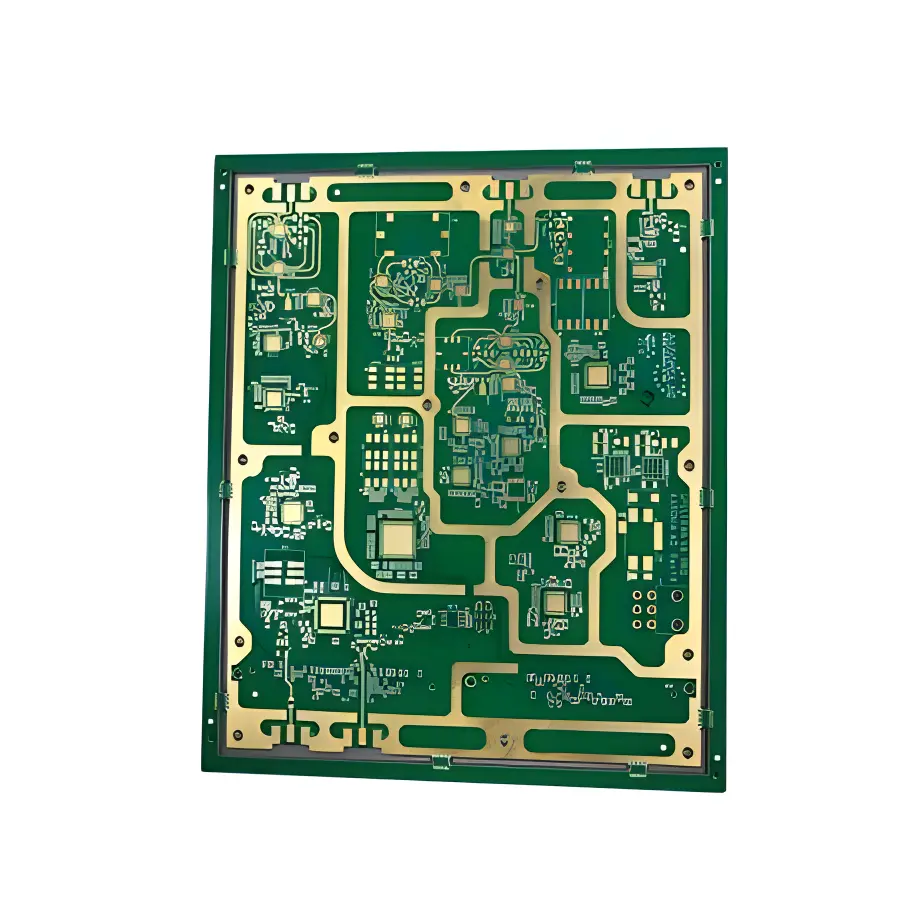 Rogers High-Frequency Board
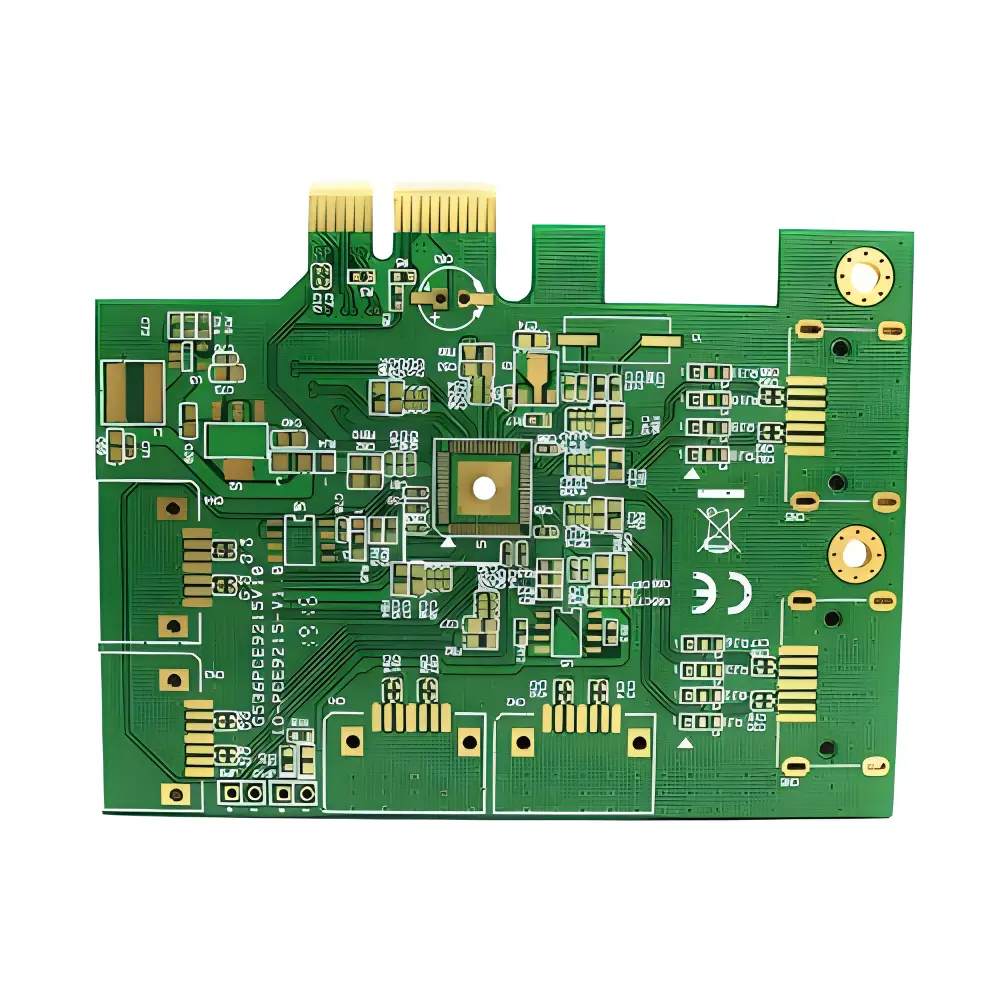 PTFE Teflon High-Frequency Board
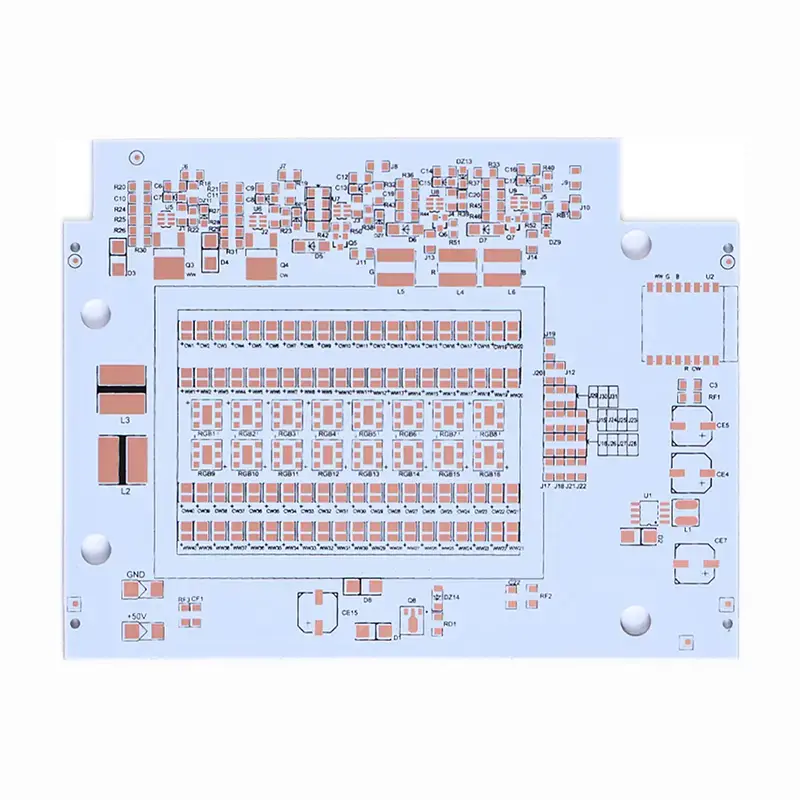 Aluminum
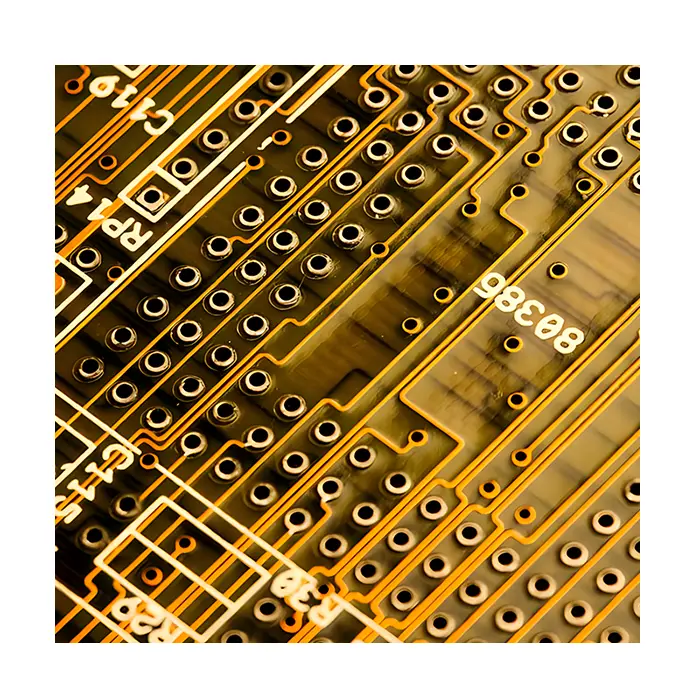 Copper Core
 PCB Assembly
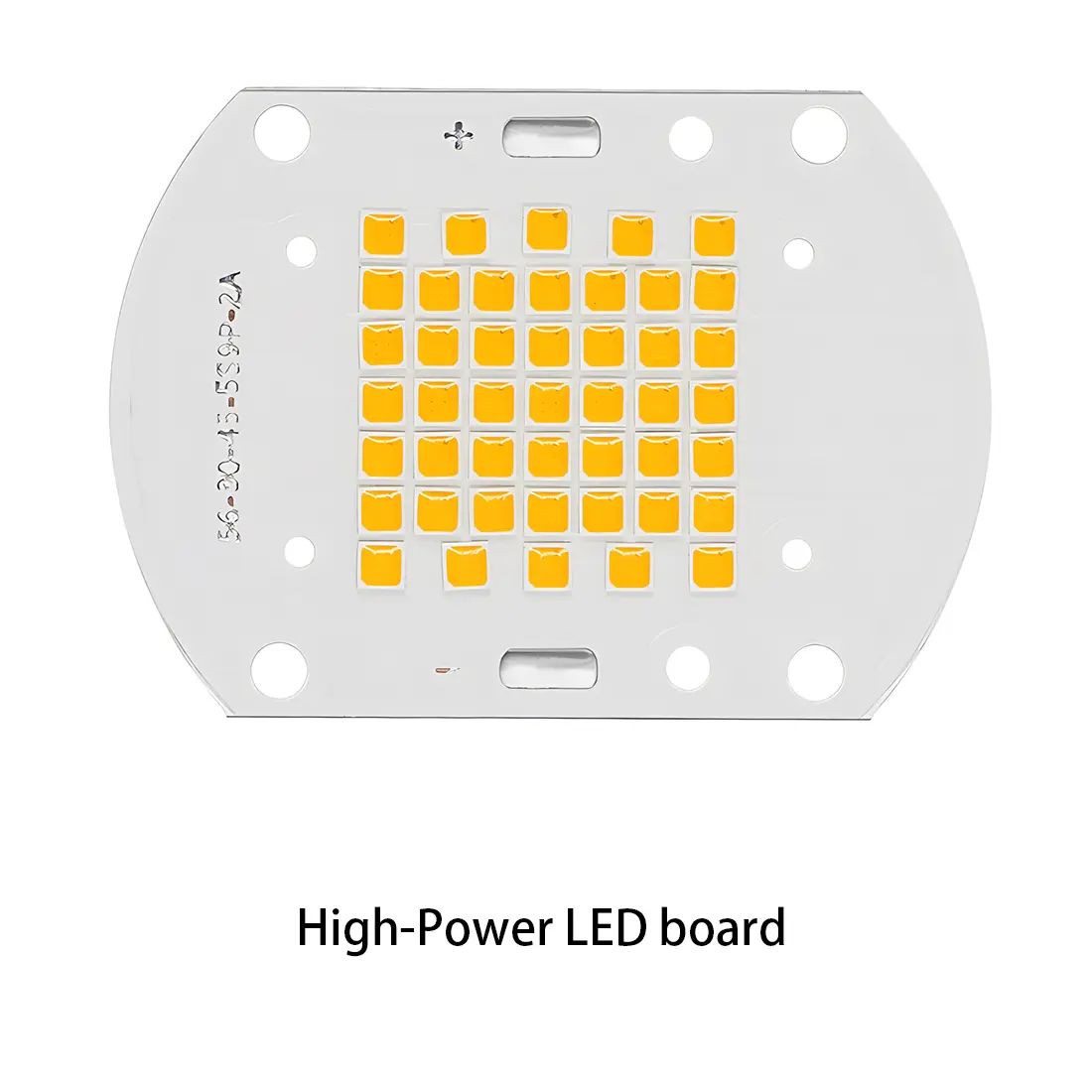 LED light PCBA
 Memory PCBA
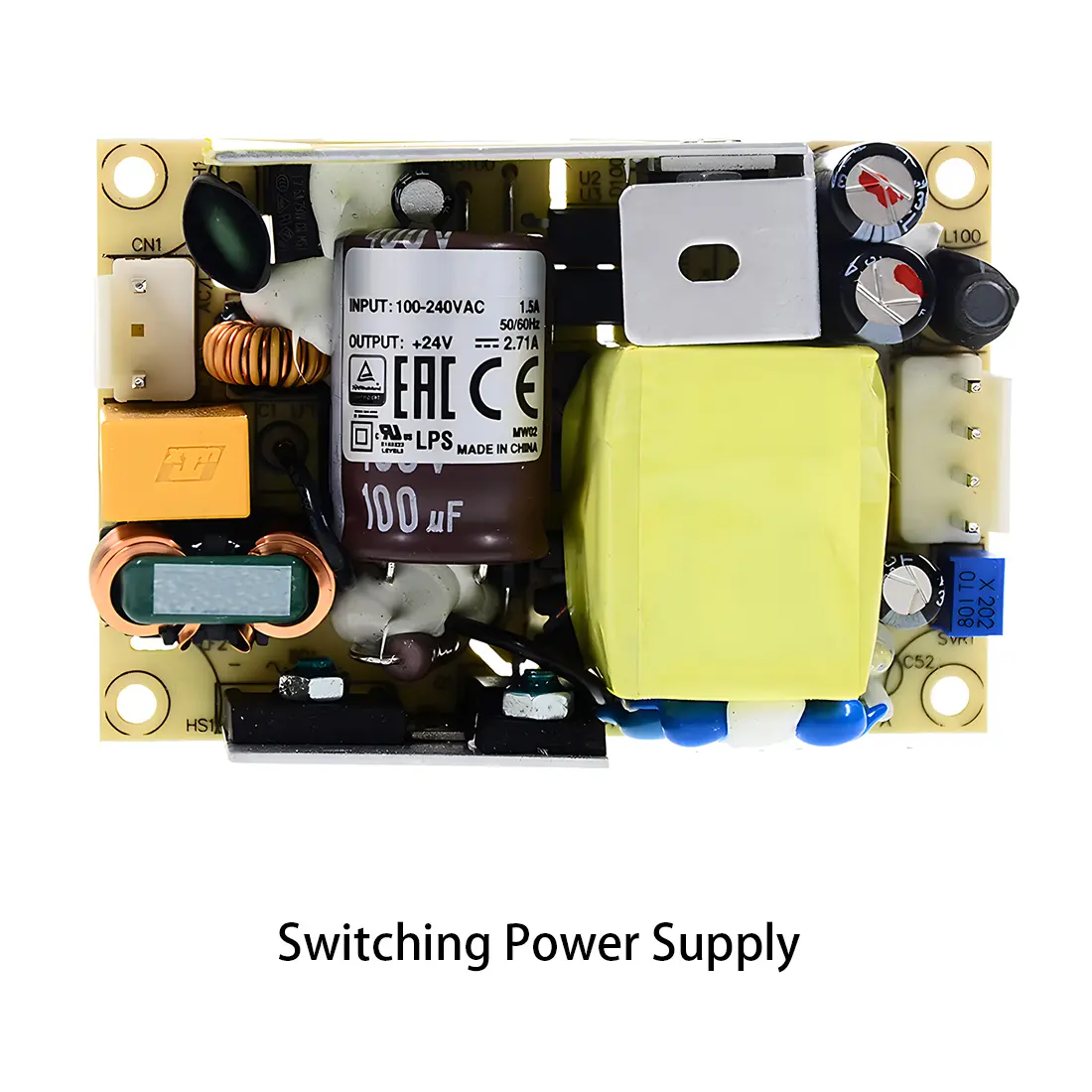 Power Supply PCBA
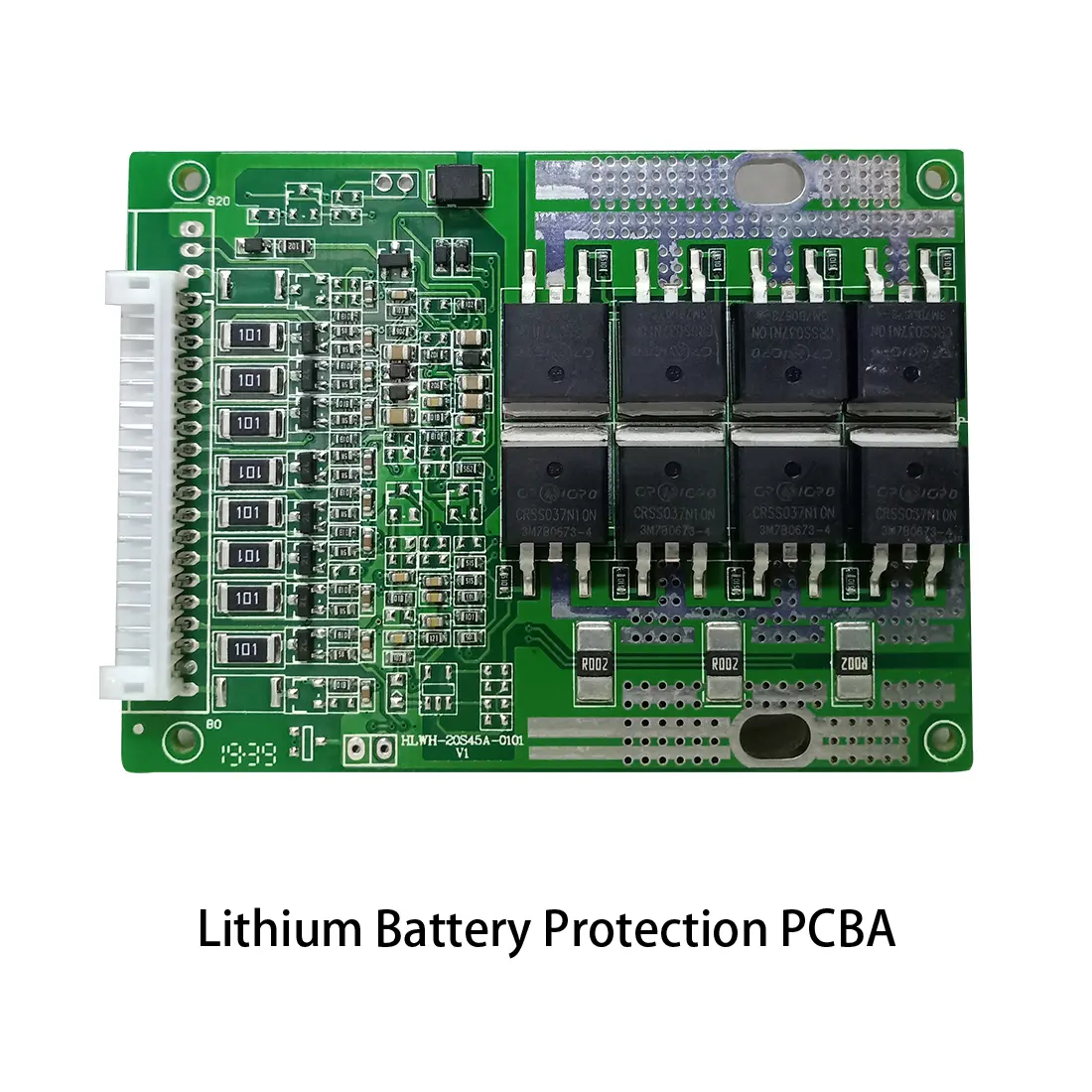 New Energey PCBA
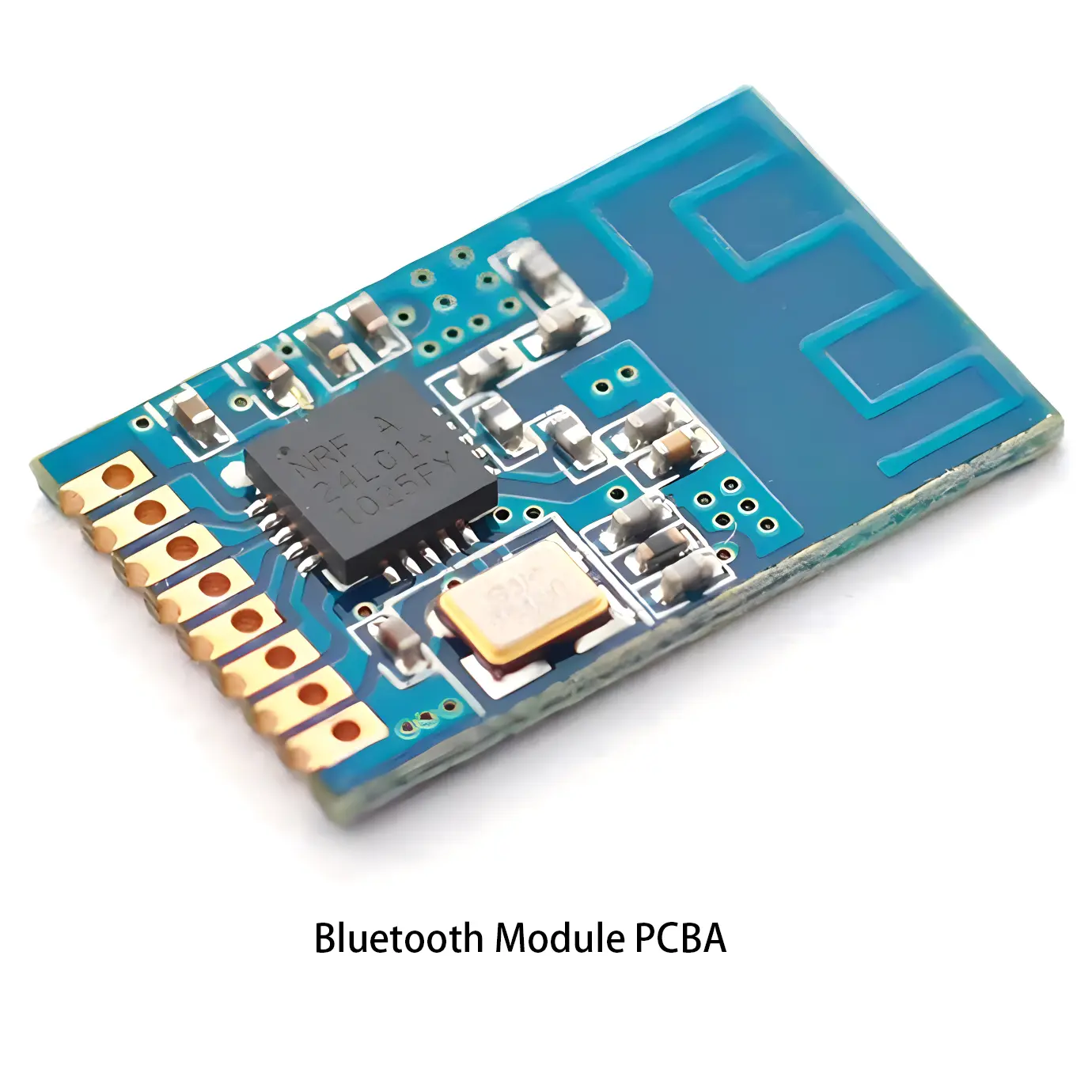 Communication PCBA
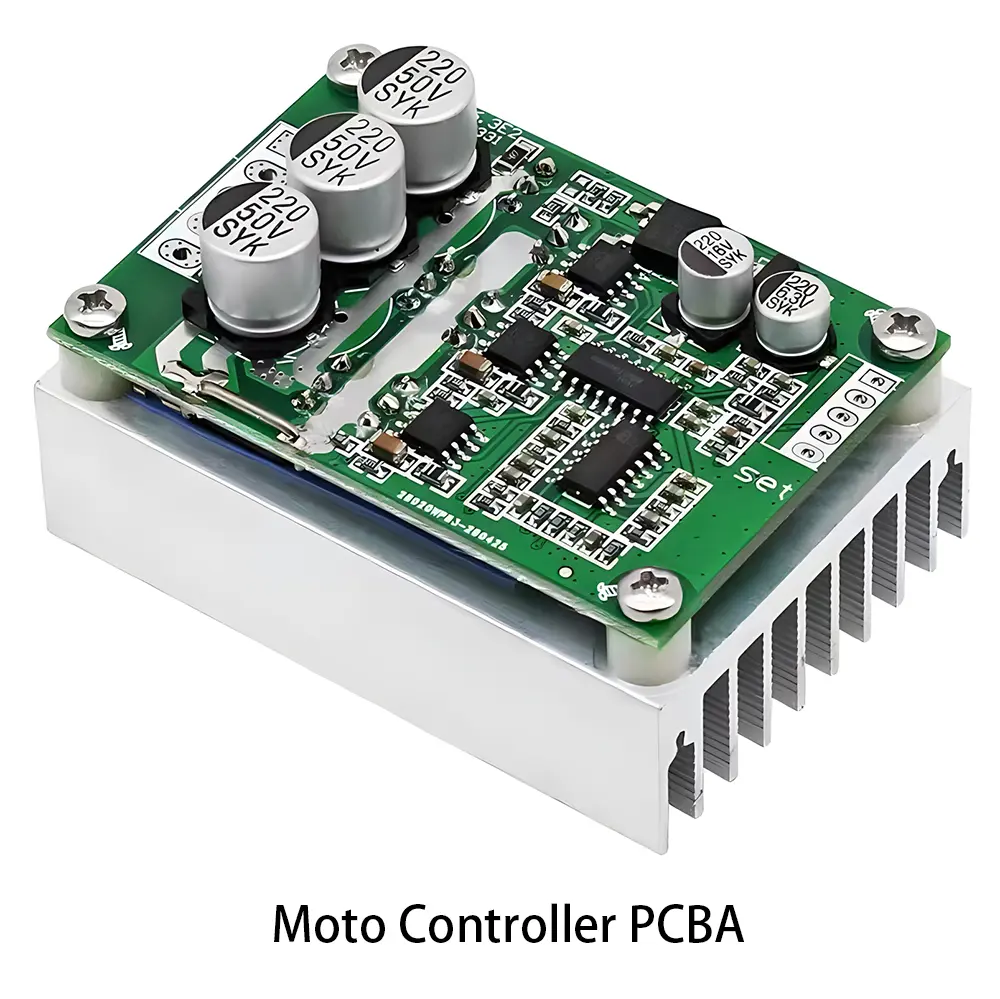 Industrial Control PCBA
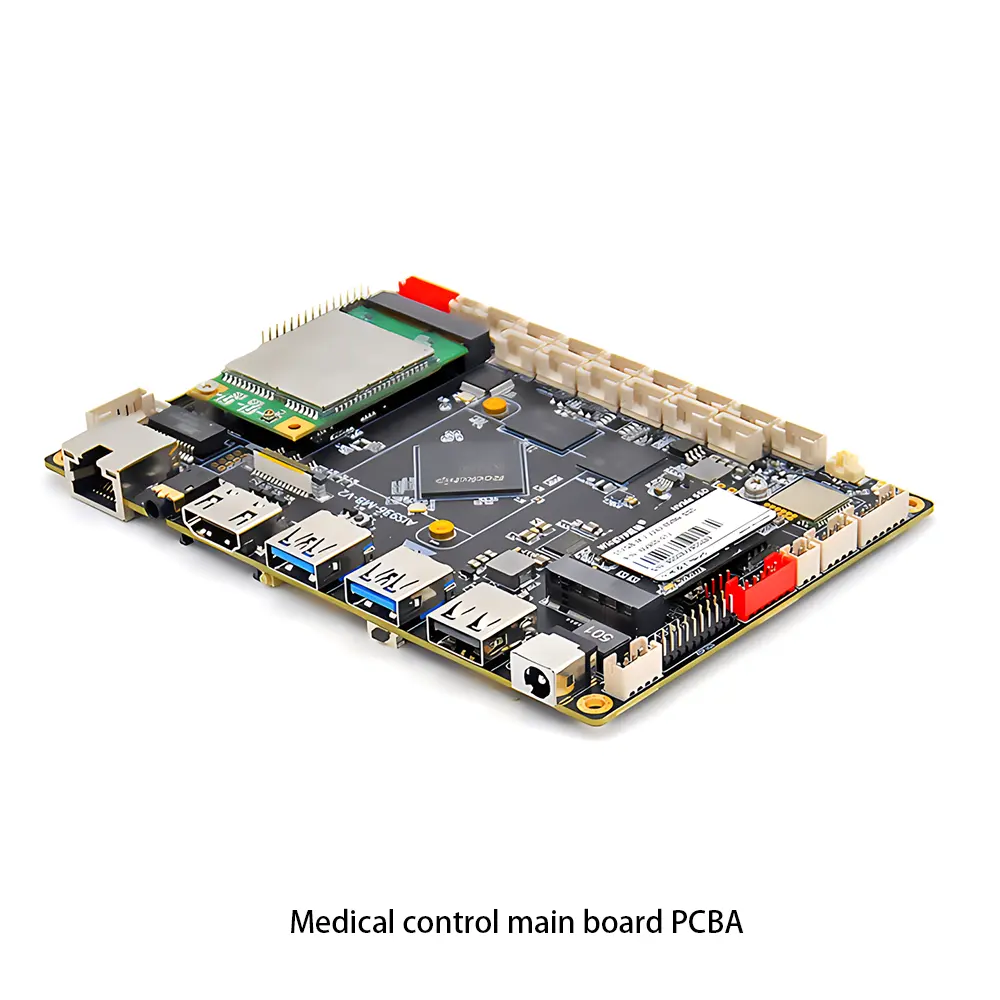 Medical Equipment PCBA
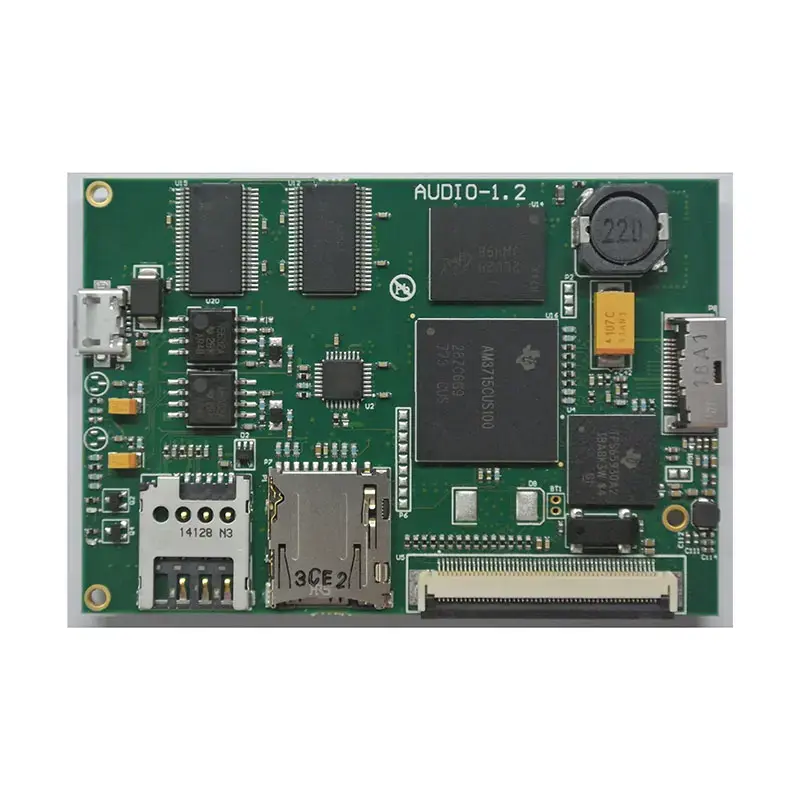 Testing Service
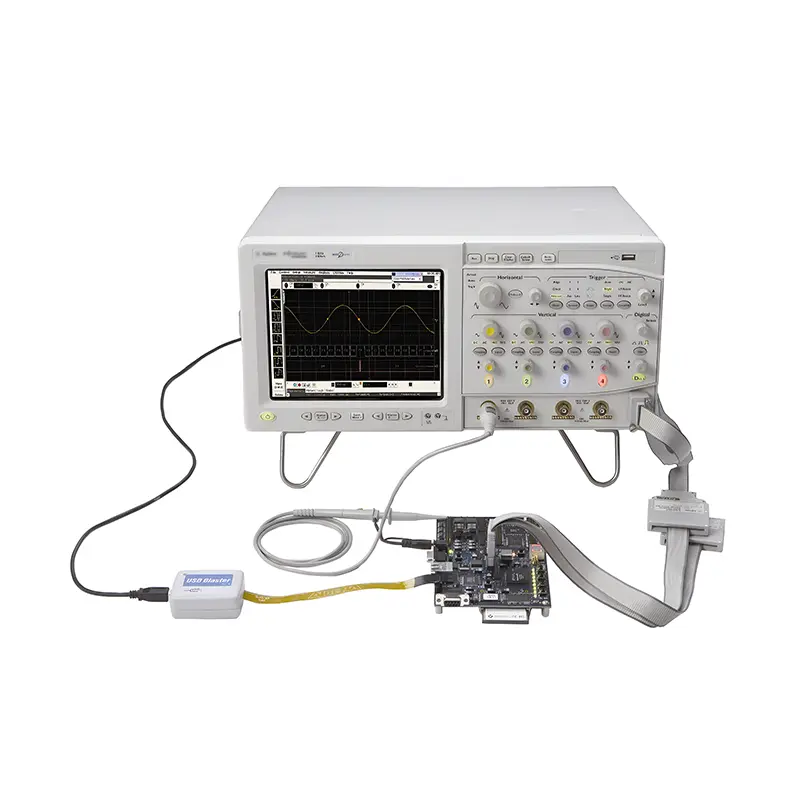 PCBA Testing Service
 Certification Application
 RoHS Certification Application
 REACH Certification Application
 CE Certification Application
 FCC Certification Application
 CQC Certification Application
 UL Certification Application
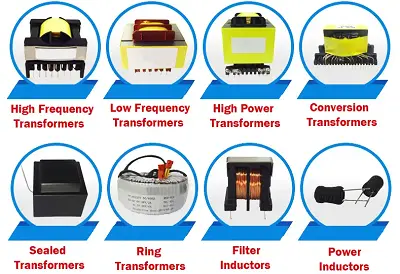 Transformers, Inductors
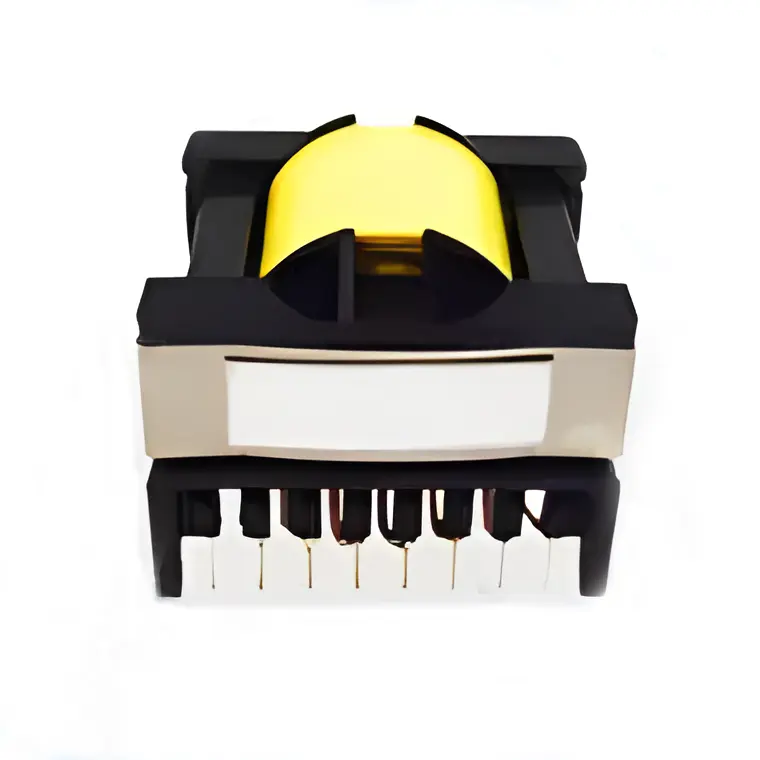 High Frequency Transformers
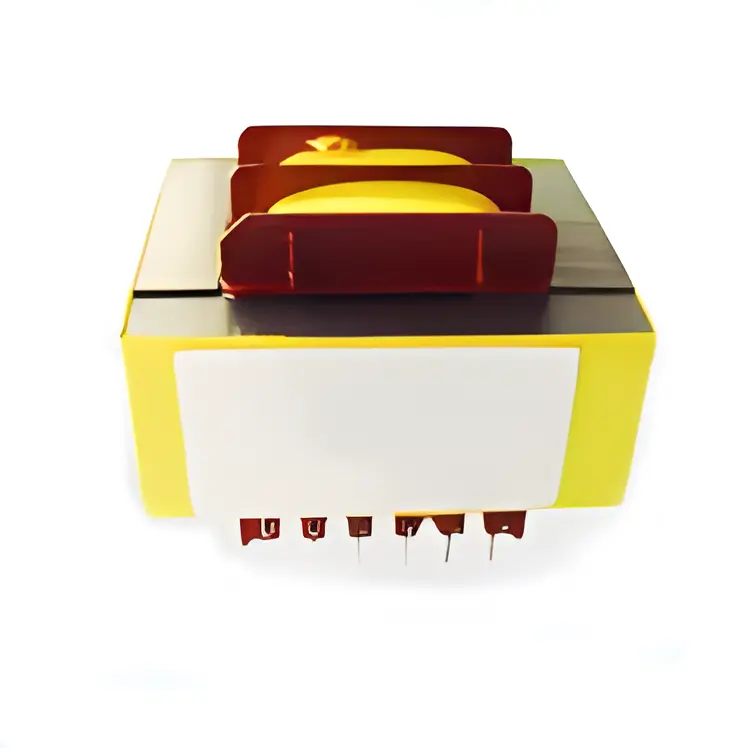 Low Frequency Transformers
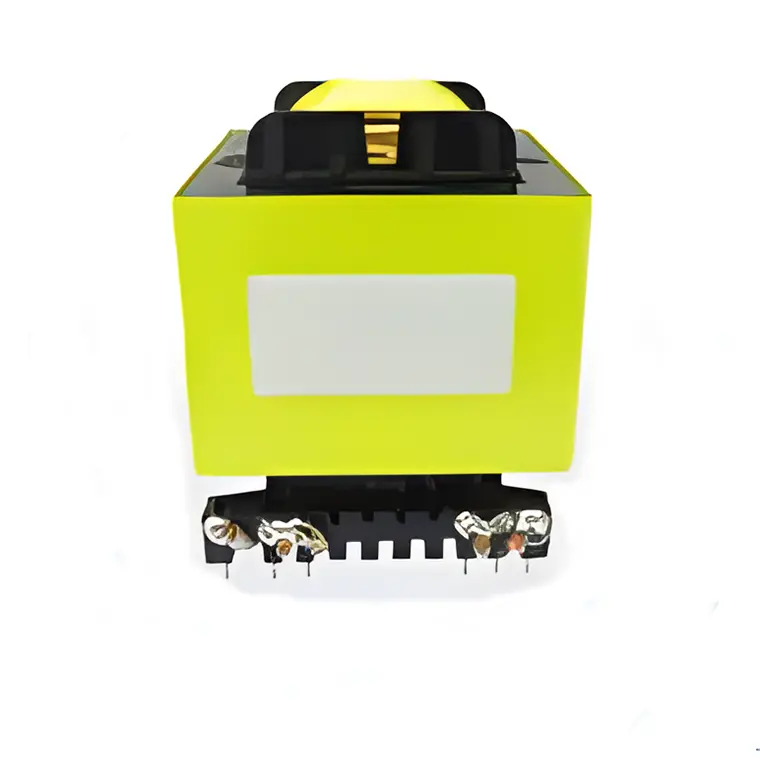 High Power Transformers
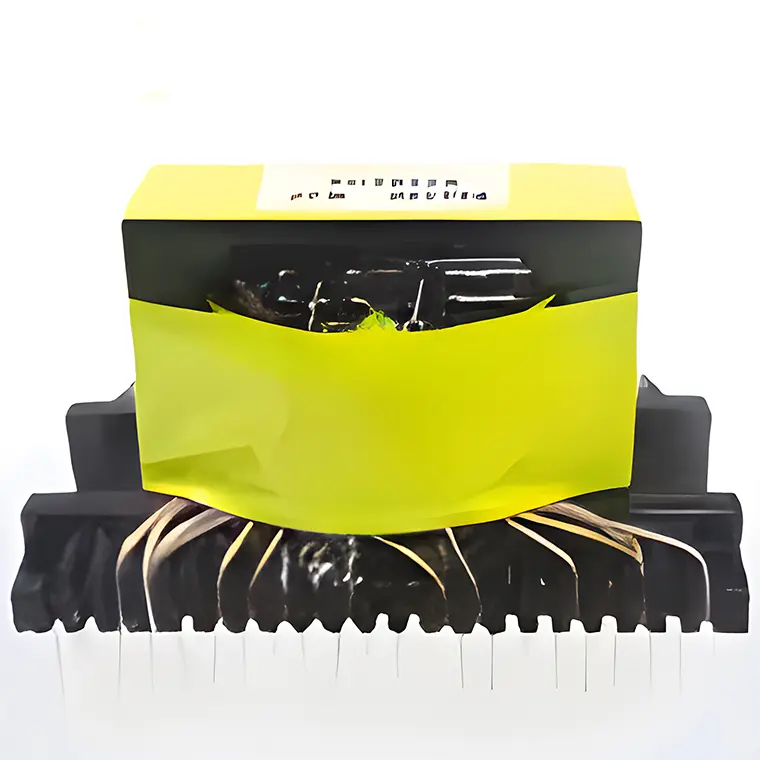 Conversion Transformers
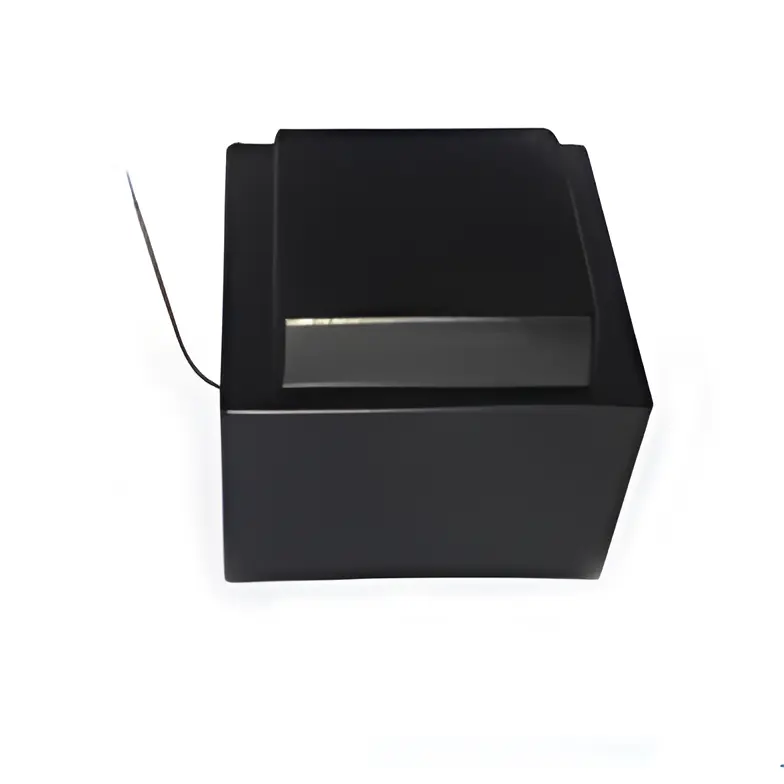 Sealed Transformers
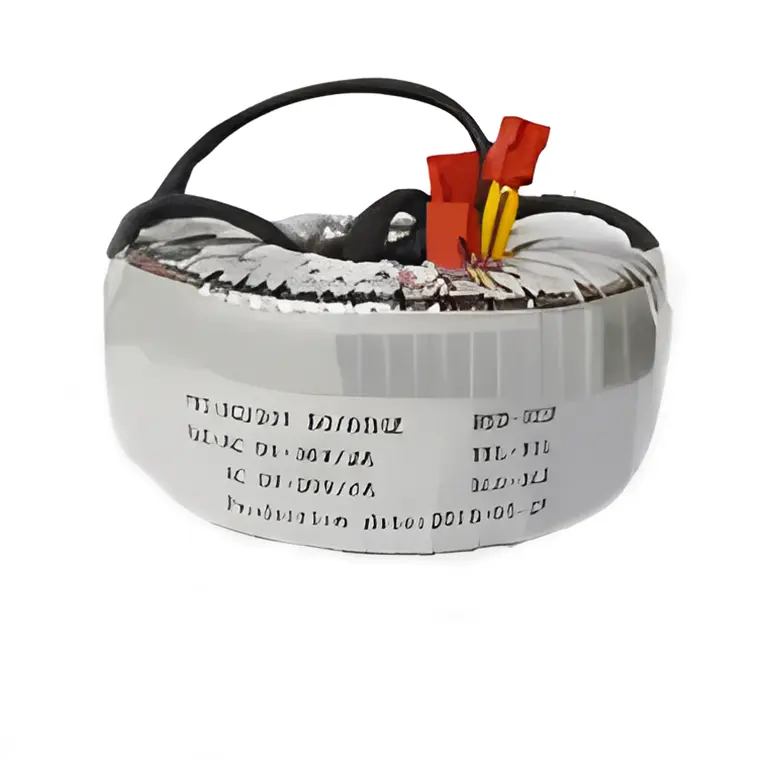 Ring Transformers
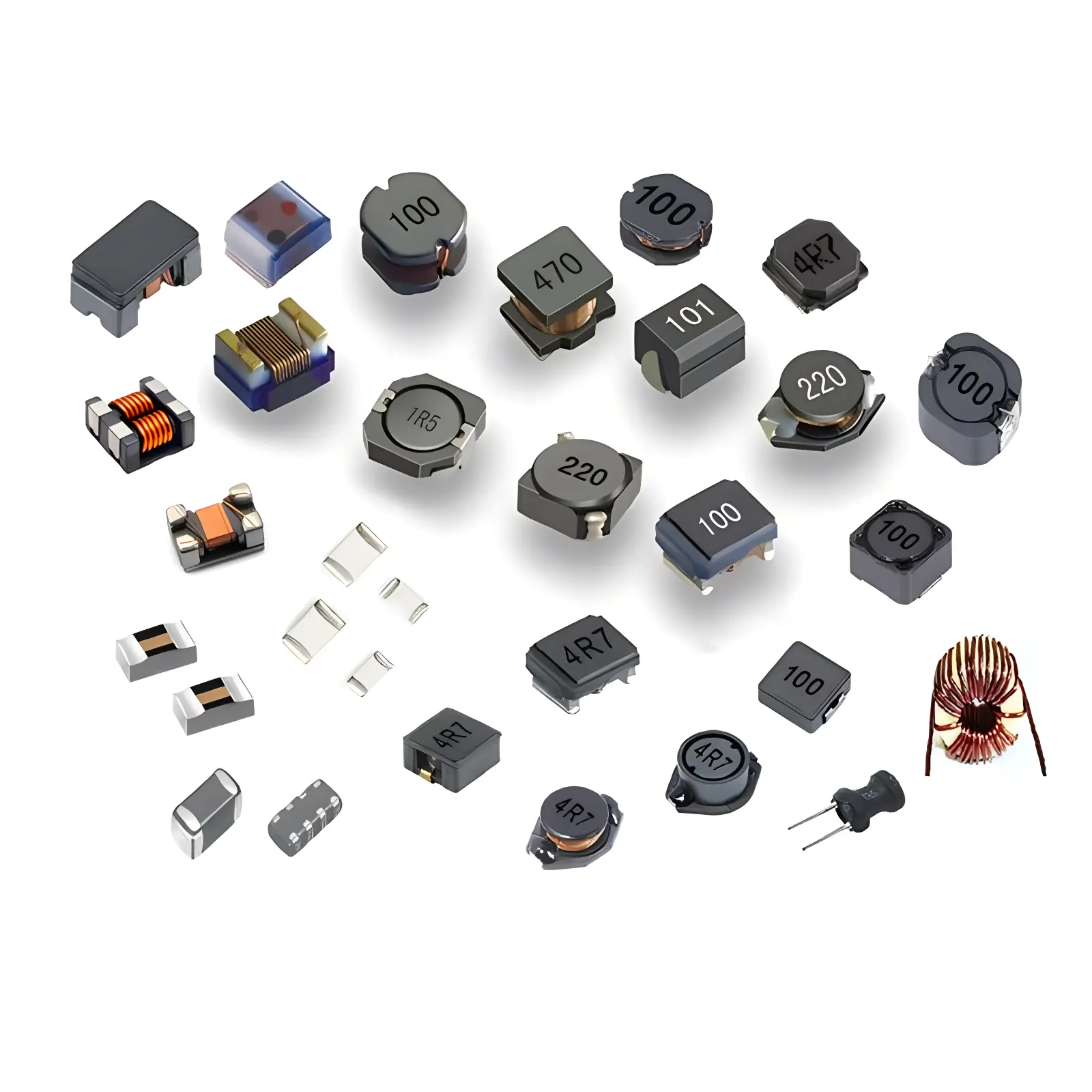 Inductors
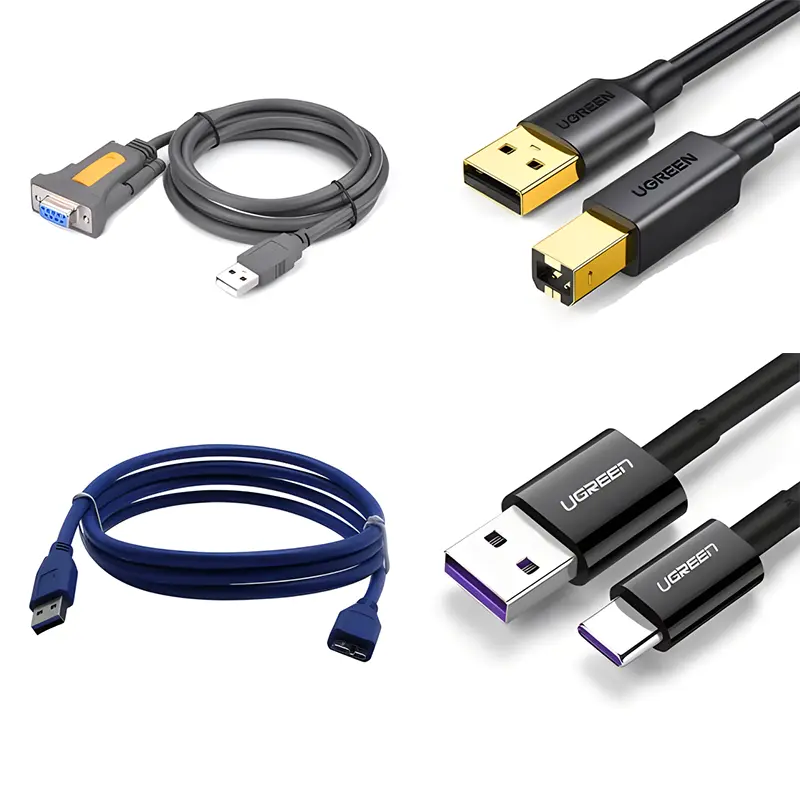 Wires,Cables Customized
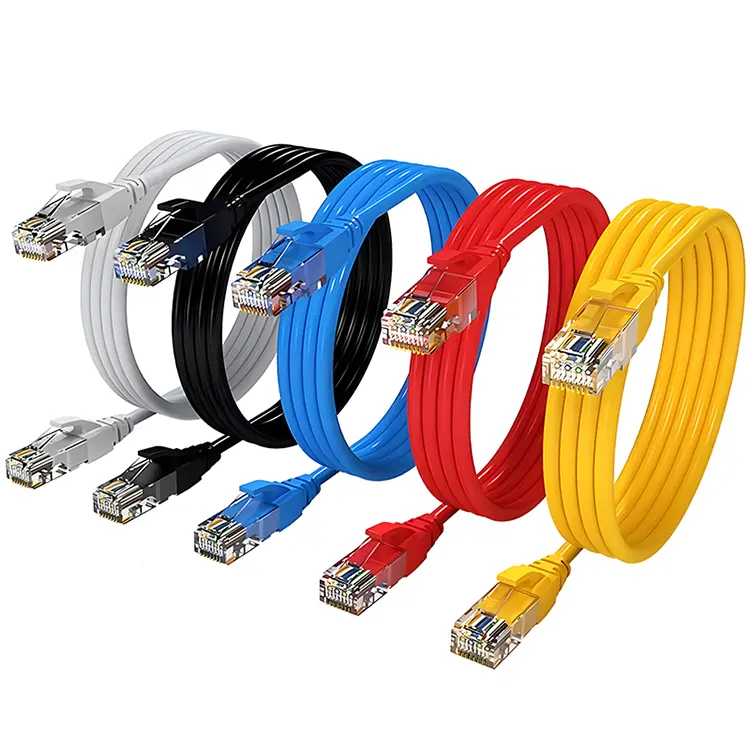 Network Cables
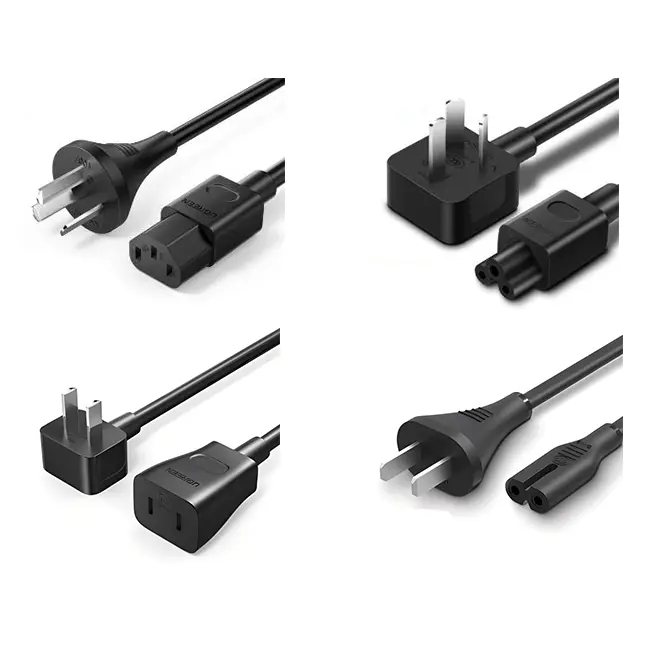 Power Cords
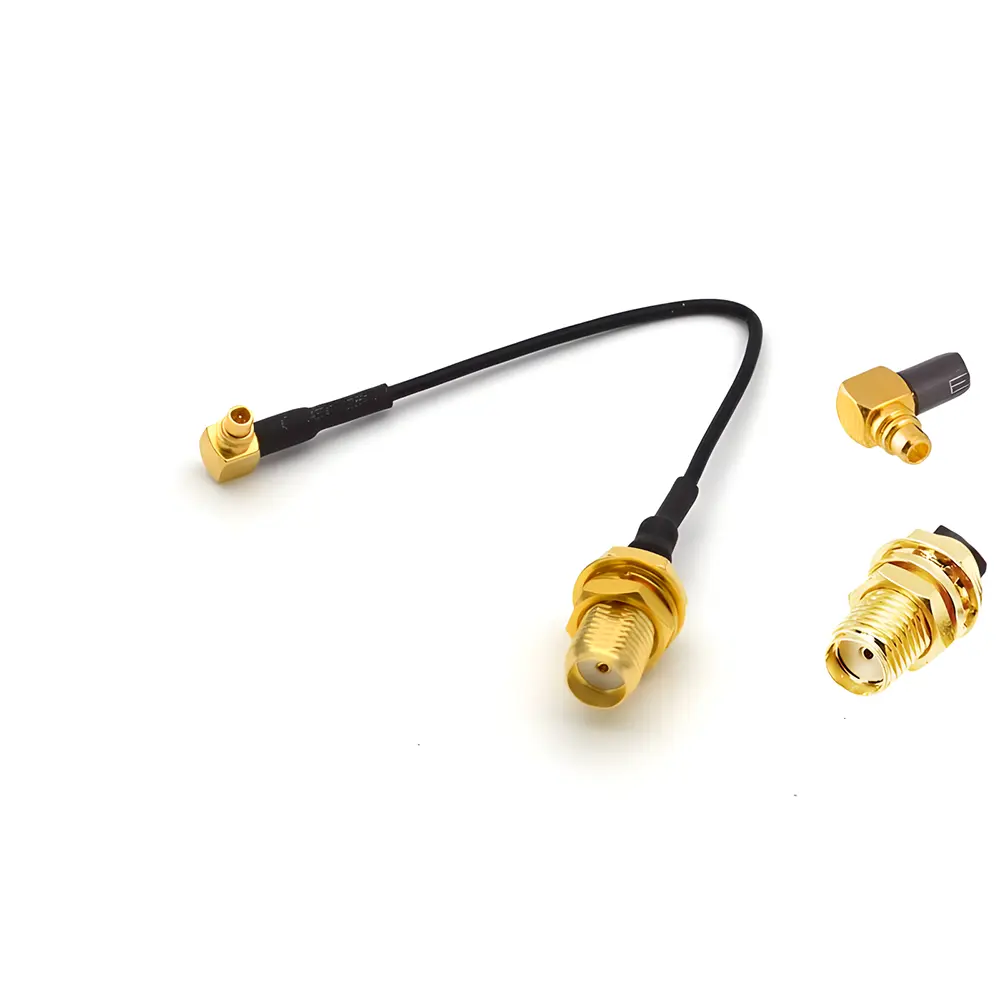 Antenna Cables
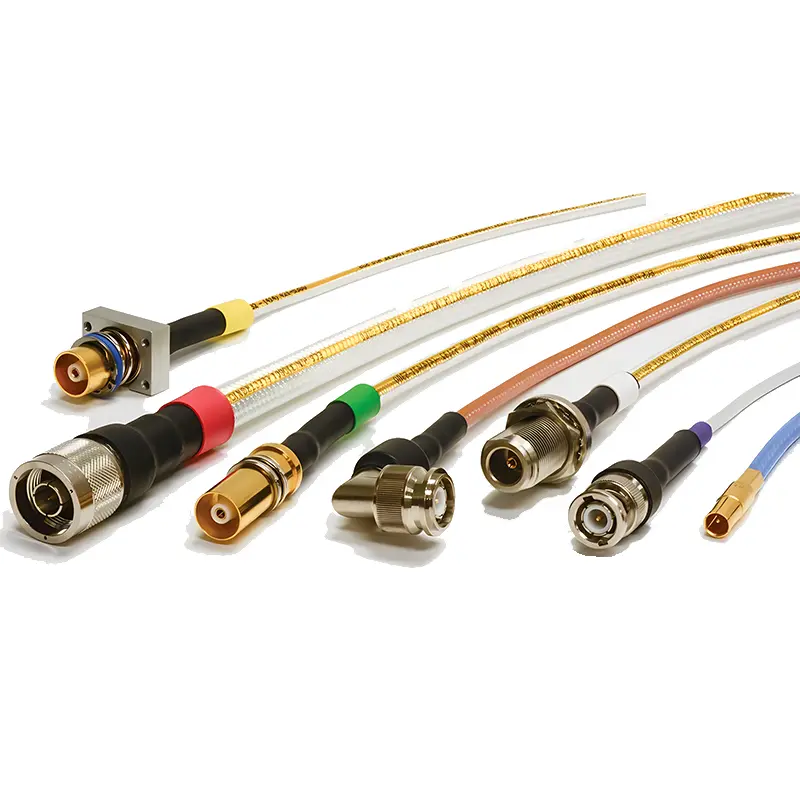 Coaxial Cables
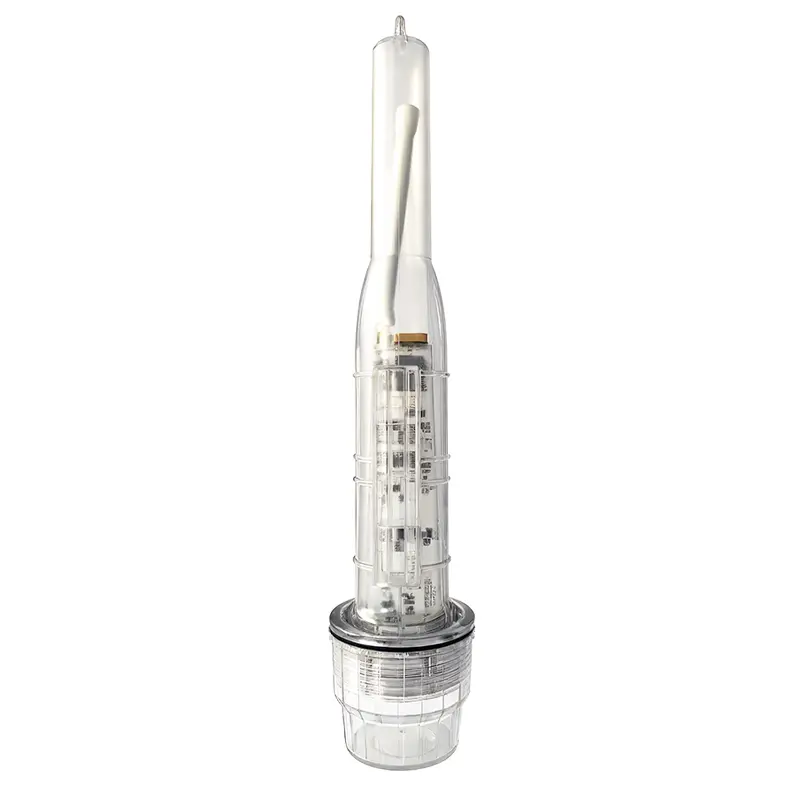 Net Position Indicator
 Solar AIS net position indicator
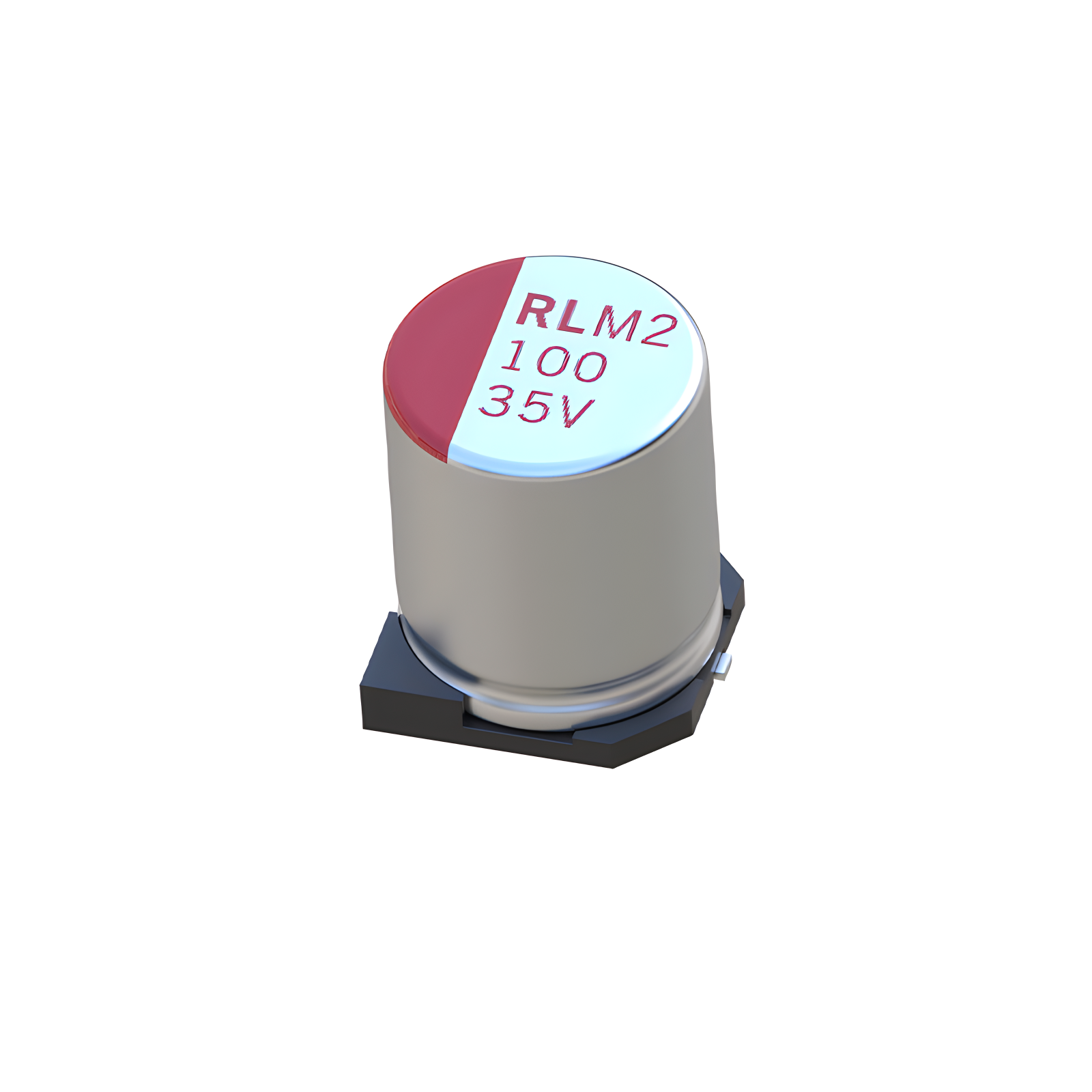 Capacitors
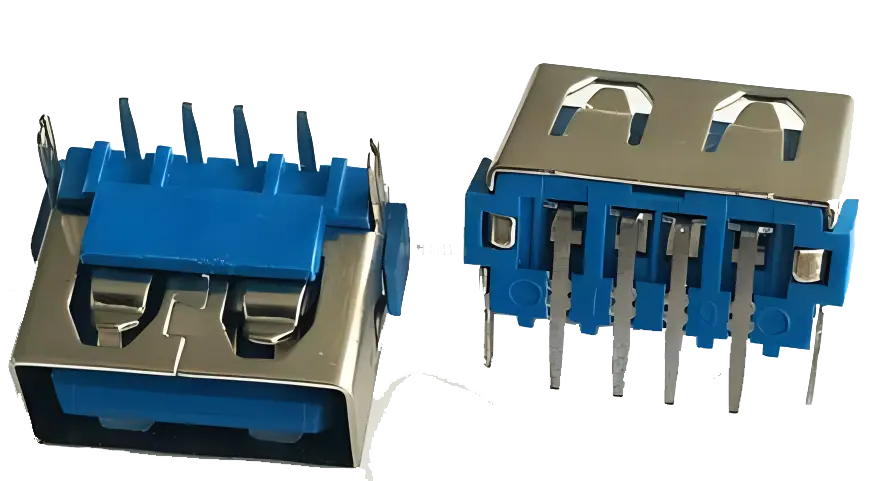 Connectors
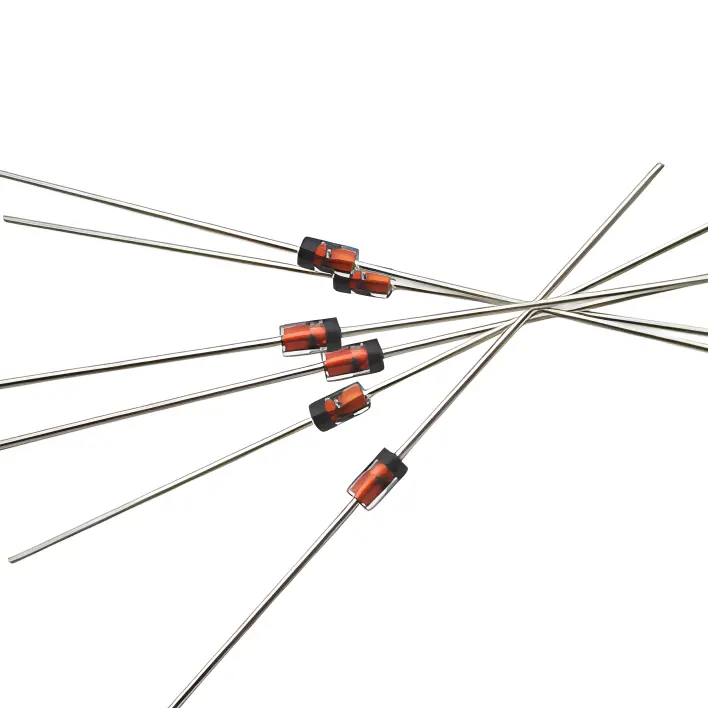 Diodes
 Embedded Processors & Controllers
 Digital Signal Processors (DSP/DSC)
 Microcontrollers (MCU/MPU/SOC)
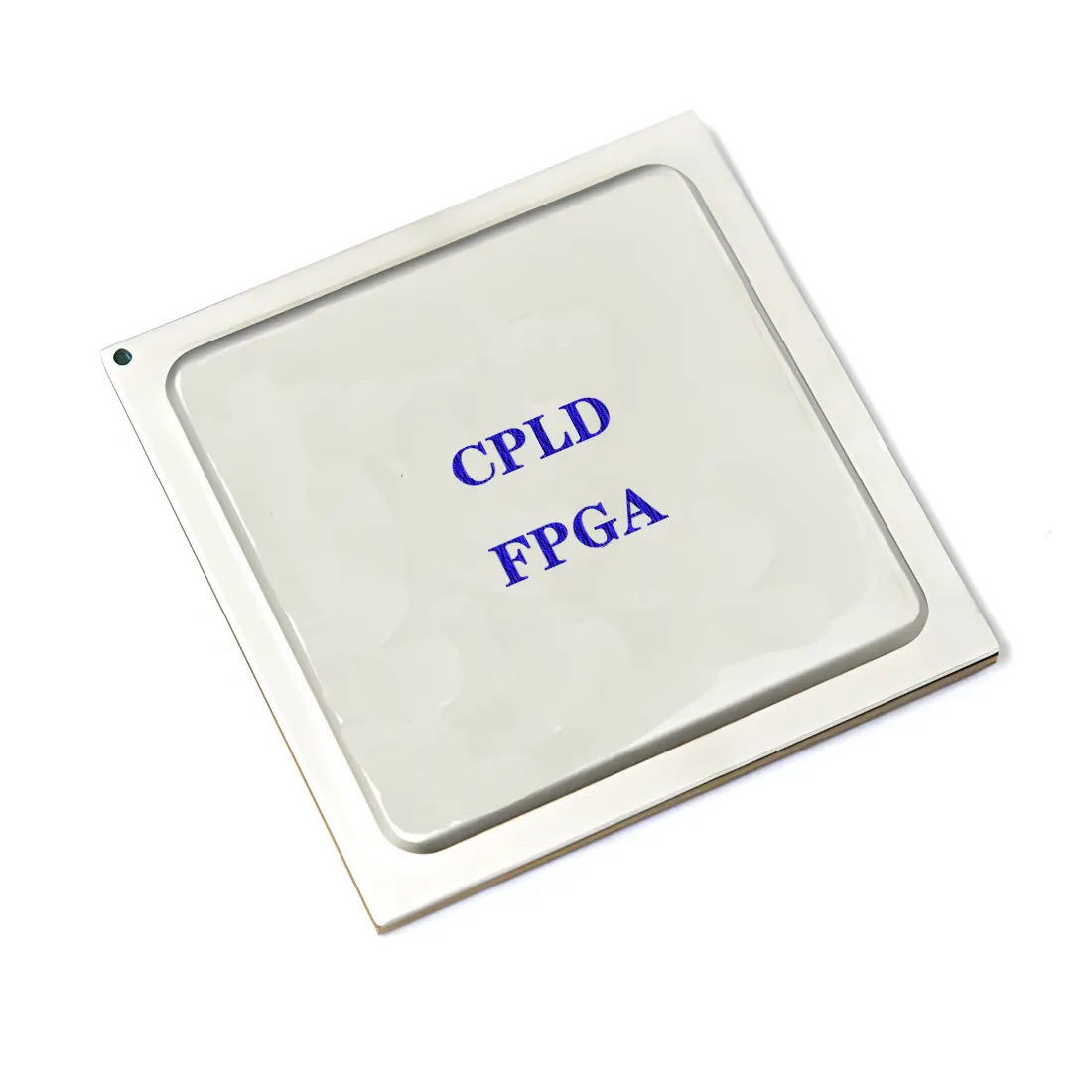 Programmable Logic Device(CPLD/FPGA)
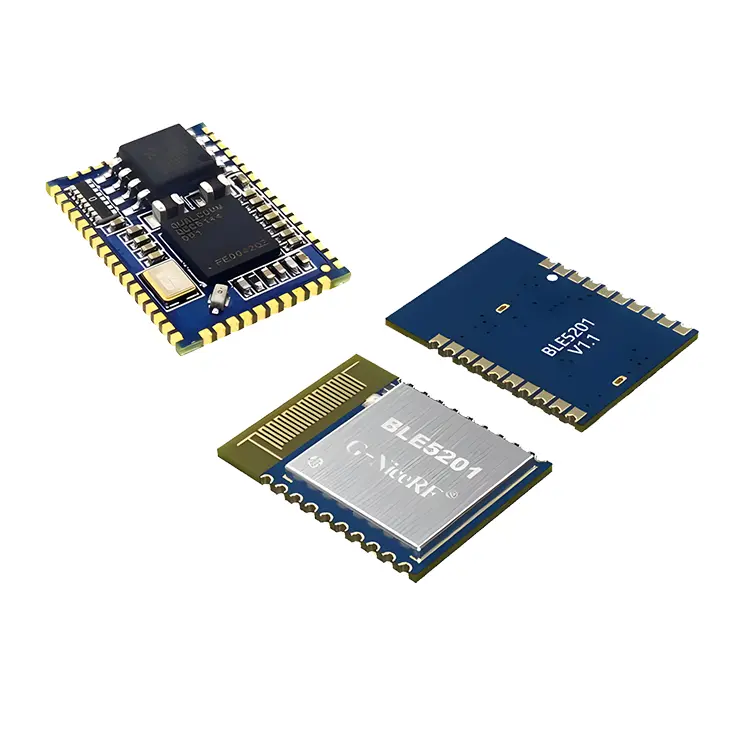 Communication Modules/IoT
 Resistors
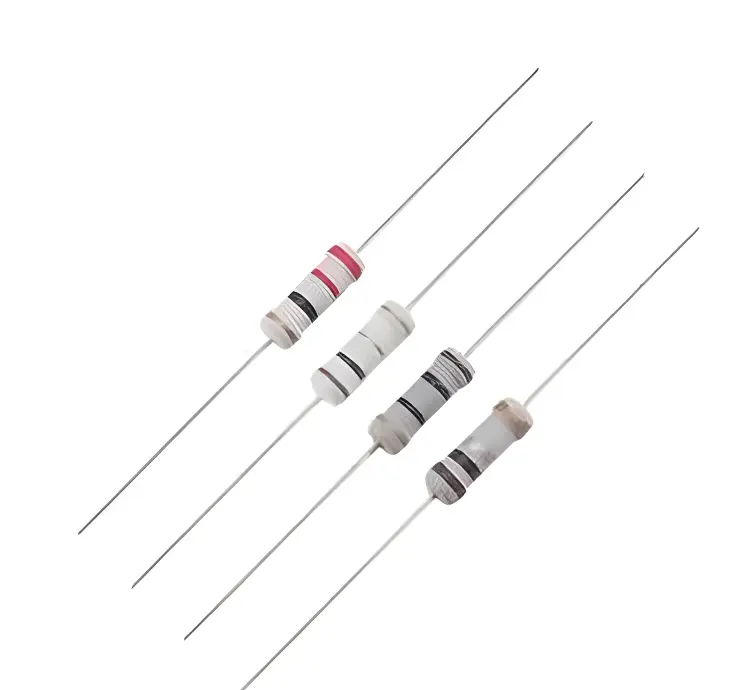 Through Hole Resistors
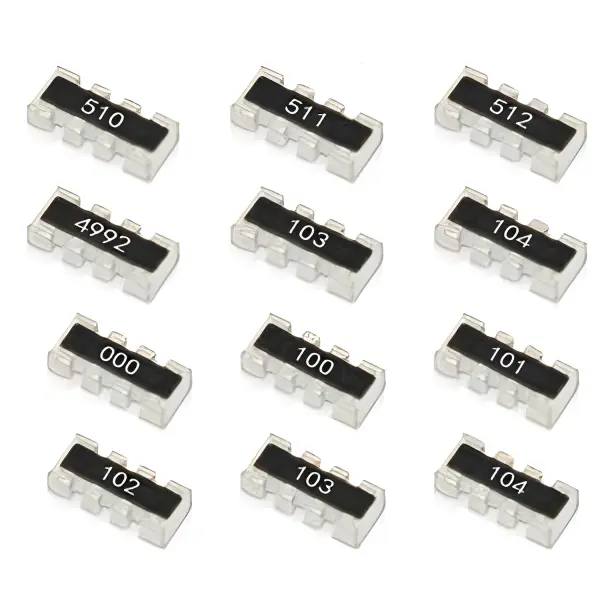 Resistor Networks, Arrays
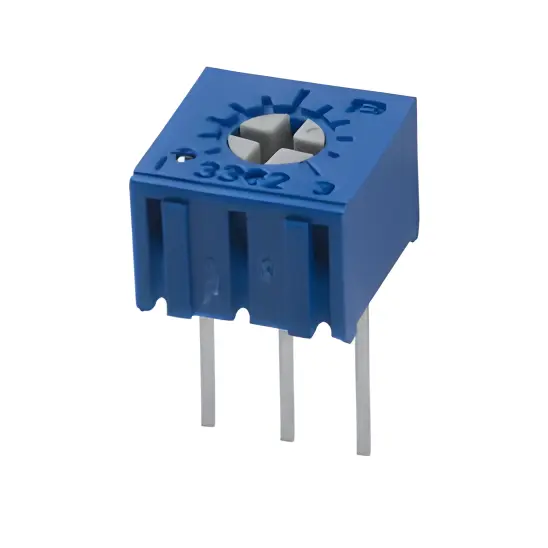 Potentiometers,Variable Resistors
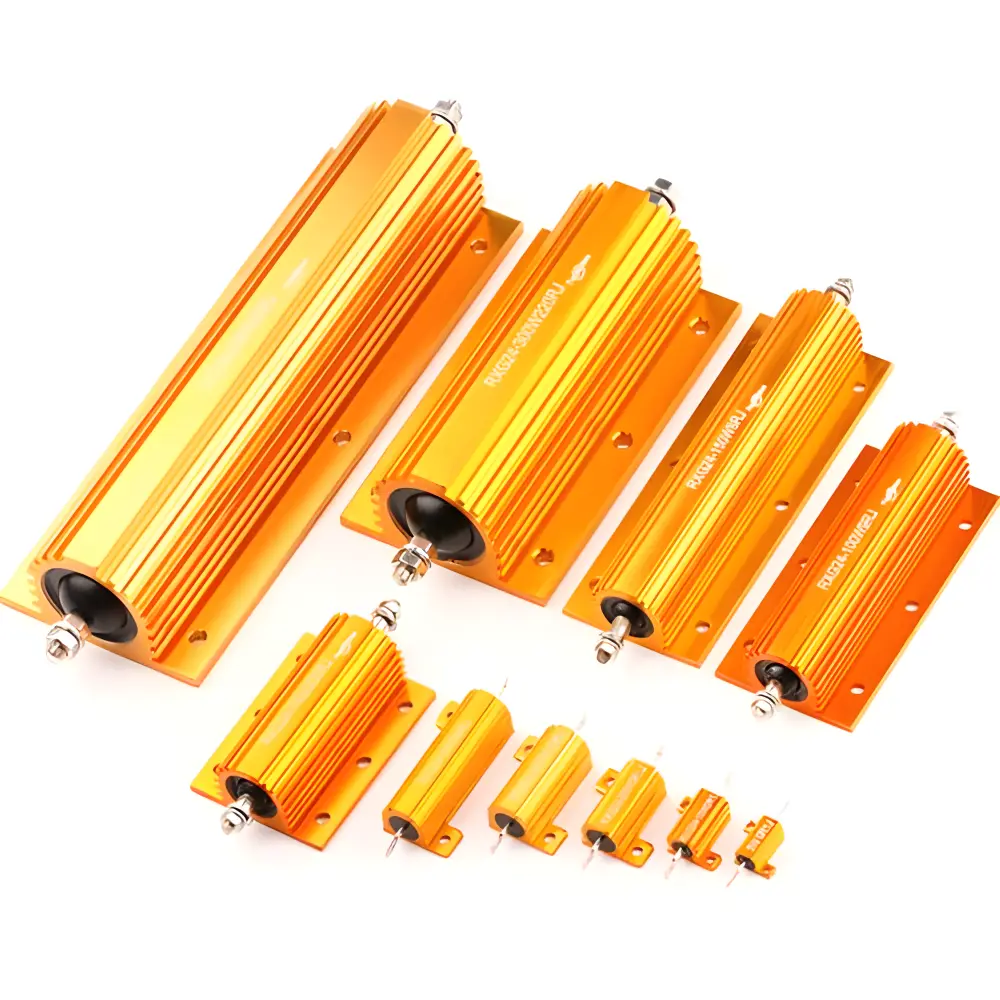 Aluminum Case,Porcelain Tube Resistance
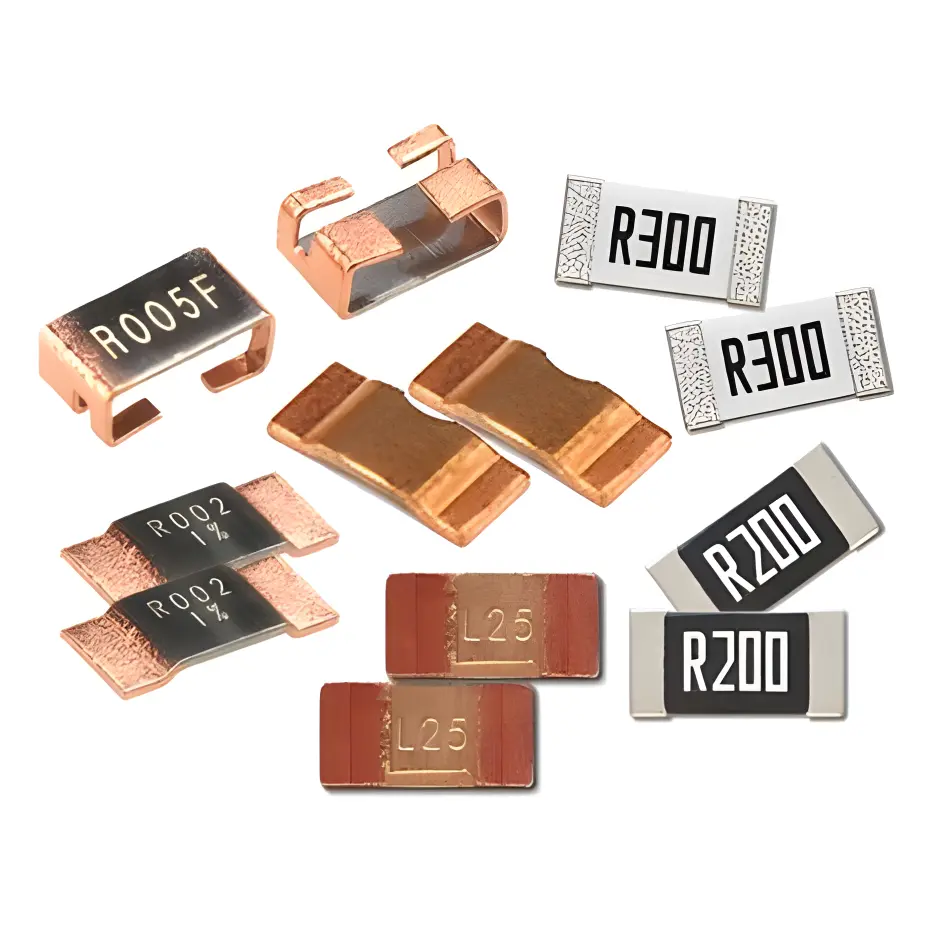 Current Sense Resistors,Shunt Resistors
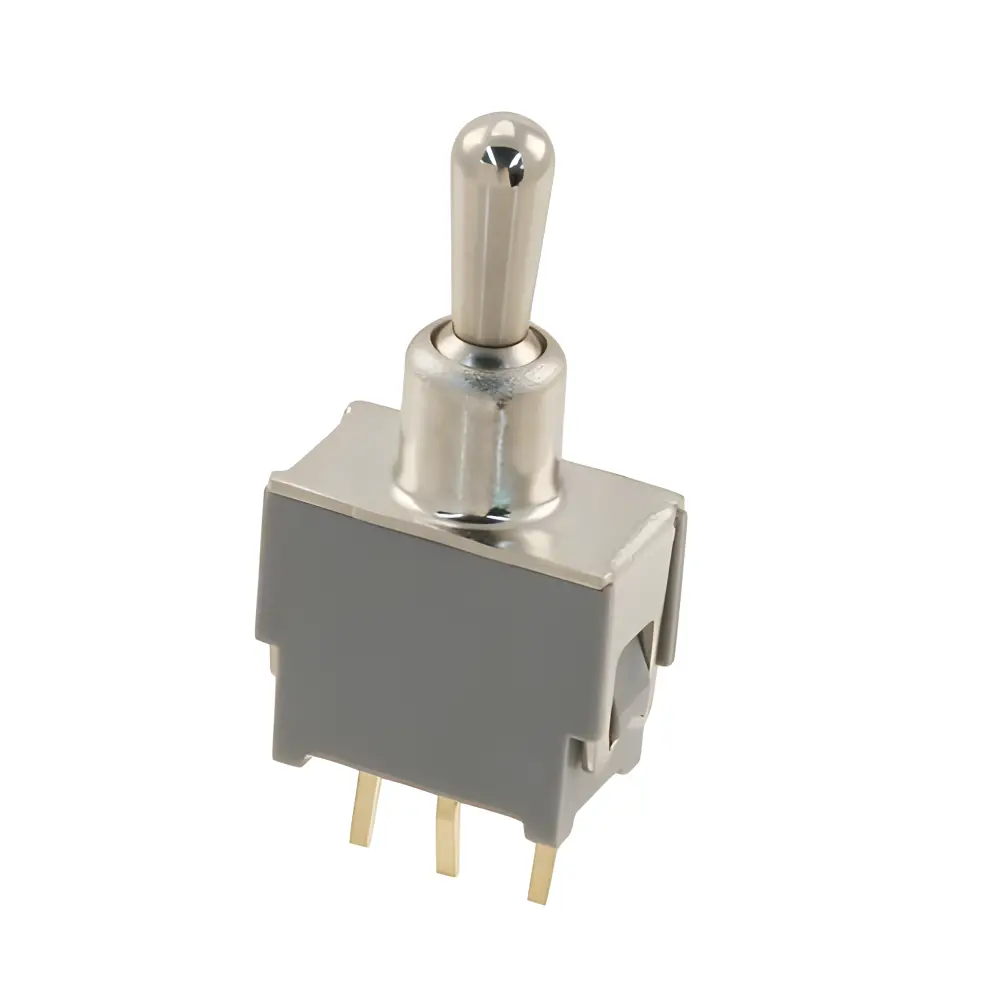 Switches
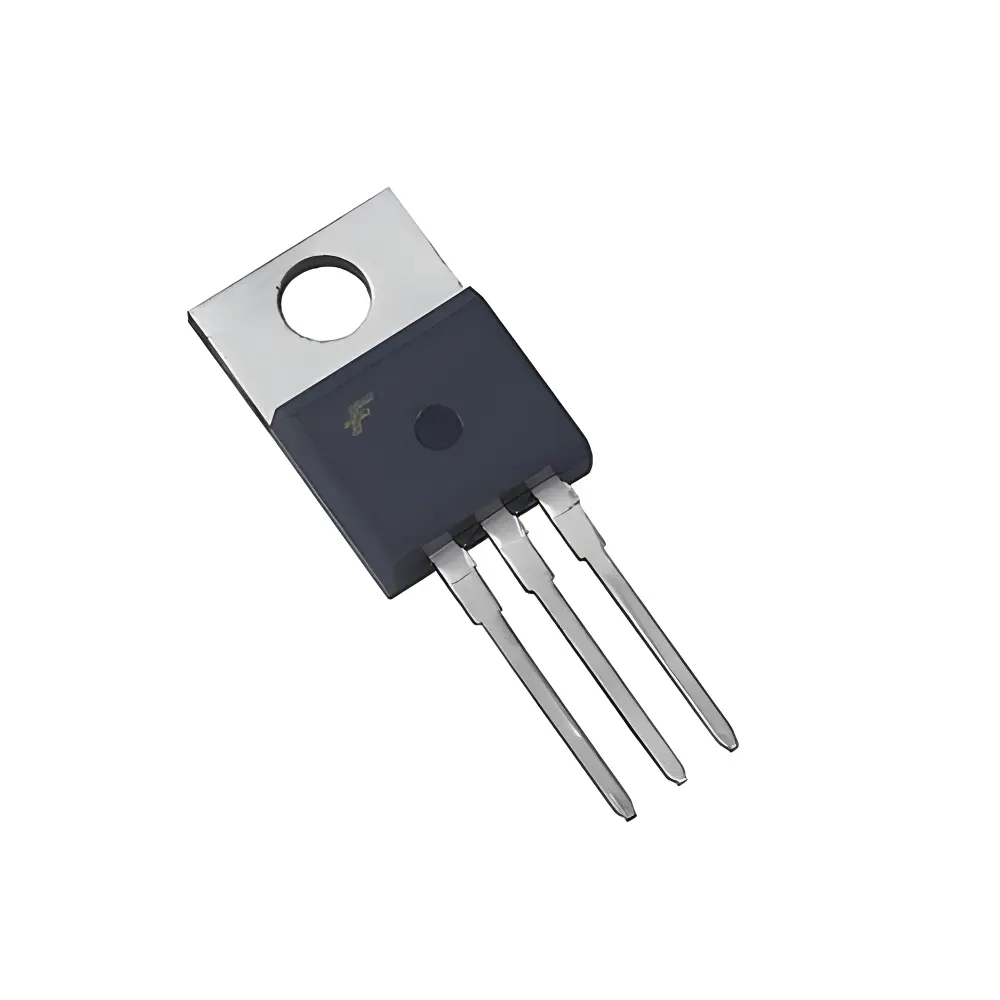 Transistors
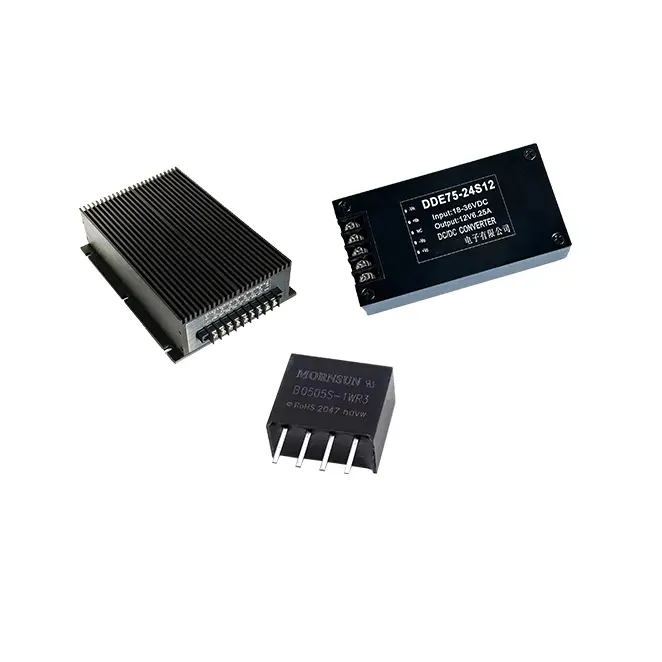 Power Modules
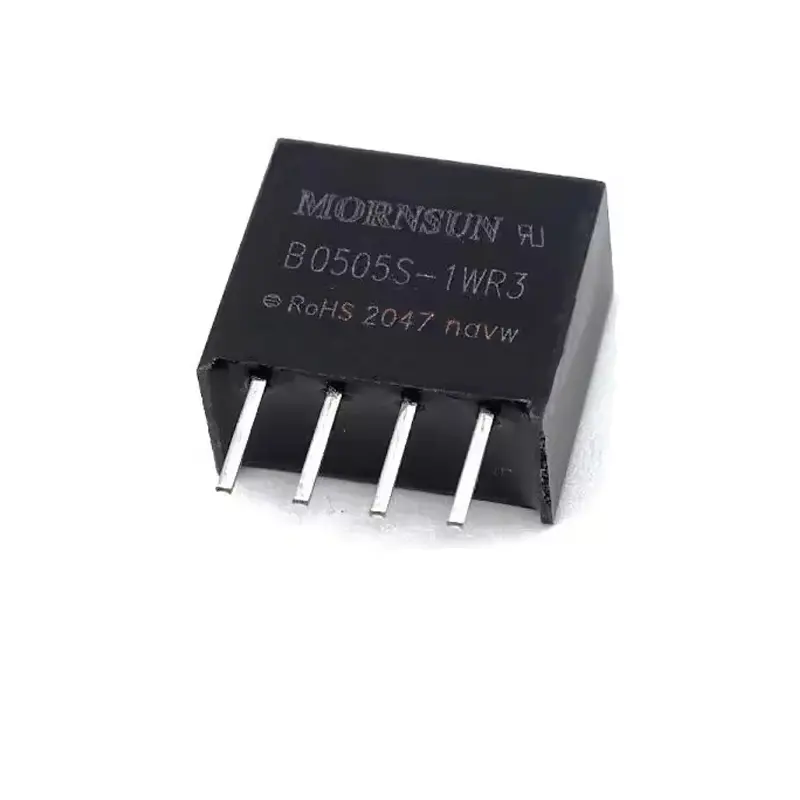 Isolated Power Modules
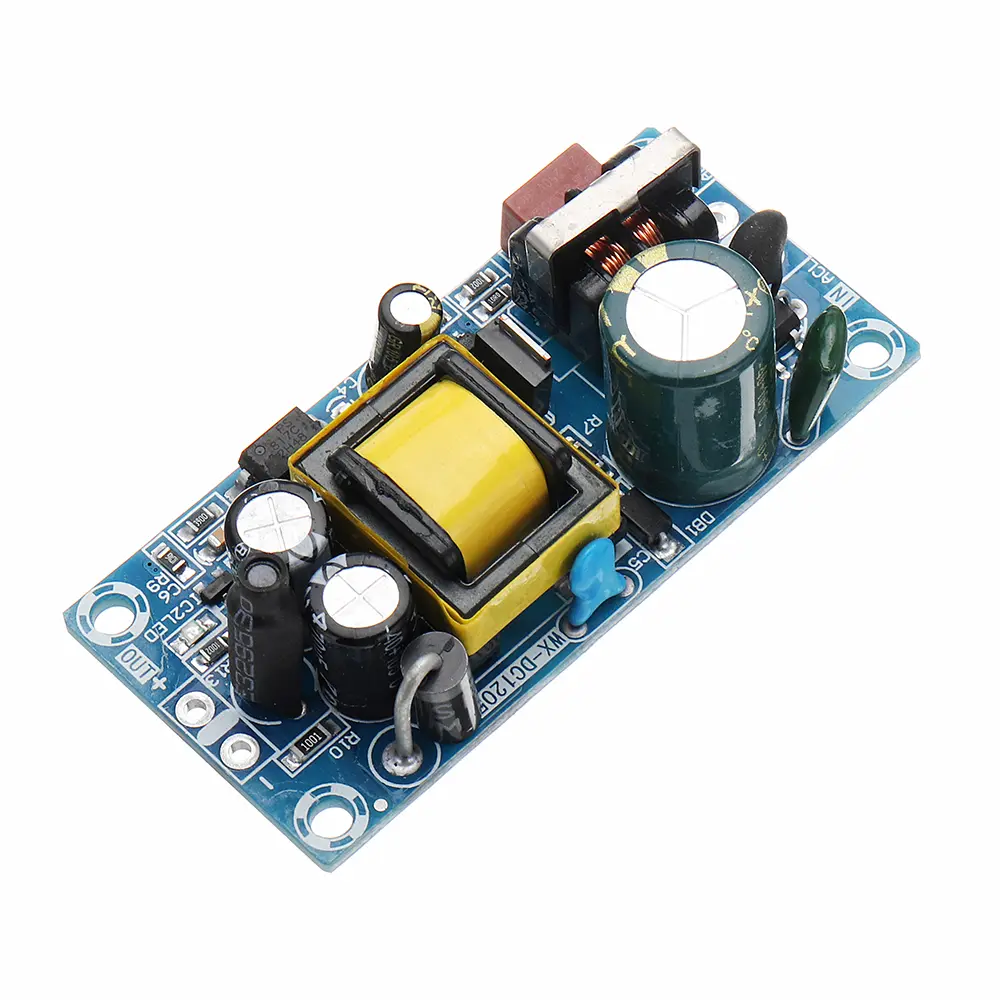 AC-DC Power Modules
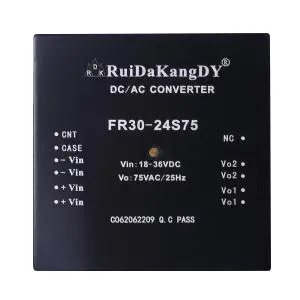 DC-AC Module(Inverter)
 RF and Wireless
Solving Tension Control of Film Substrates in Roll-to-Roll (R2R) Flexible PCB Manufacturing
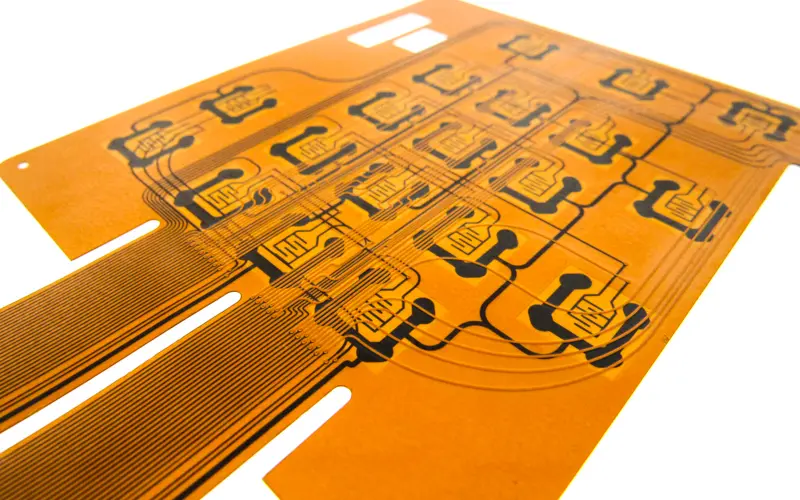
1. Importance and Challenges of Tension Control
In R2R Flexible Pcb production, tension control of film substrates (e.g., PI, PET) directly impacts:
-
Dimensional stability: Uneven tension causes stretching/shrinking, leading to misalignment;
-
Process quality: Tension fluctuations result in coating thICkness variations or etching linewidth errors (±10μm);
-
Production continuity: Sudden tension changes may cause breaks or wrinkles, halting production.
Key challenges: -
Material properties (e.g., elastic modulus, thermal expansion) vary with process temperatures (20–150°C);
-
Tension coupling interference across multiple stages (unwinding→coating→exposure→etching→rewinding);
-
High-speed production (≥5 m/min) demands dynamic response precision.
2. Core Components of Tension Control Systems
(1) Sensors and Feedback Networks
-
Tension sensors:
-
Non-contact load cell rollers (0–500 N range, ±0.1% FS accuracy);
-
Distributed placement: unwinding, interstage, and rewinding zones.
-
-
Speed encoders:
-
Servo motor-integrated encoders (17-bit resolution) for real-time RPM/line speed synchronization.
-
(2) Control Algorithms
-
PID control: Basic closed-loop control with feedforward compensation for sudden load changes;
-
Adaptive control: Model Reference Adaptive Control (MRAC) to dynamically adjust PID parameters;
-
Coordinated control:
-
Master-slave control: Rewinding motor as master to synchronize tension;
-
Cross-coupling control: Compensate inter-stage tension interference.
-
(3) Actuators
-
Unwinding/rewinding:
-
Magnetic particle brakes + servo motors (±0.5% torque accuracy);
-
Taper tension control: Linearly reduce tension as roll diameter increases (, n=0.8–1.2).
-
-
Process stages:
-
Dancer rolls with pneumatic/electric actuators (±0.1 mm displacement accuracy);
-
Vacuum plates to stabilize substrates, limiting local tension fluctuations to ±2 N.
-
3. Stage-Specific Tension Control Strategies
(1) Unwinding Stage
-
Initial tension
(K=10–30 N/mm²) based on substrate width (W) and thickness (t);

-
Anti-slack control: Synchronize tension-speed to prevent slack during acceleration/deceleration.
(2) Process Zone Dynamic Control
-
Coating/drying:
-
Low tension (10–30 N/m) to minimize flow marks;
-
Temperature compensation: .
-

-
Exposure/etching:
-
Constant tension control (±1%) with feedforward+feedback;
-
AOI-based closed-loop tension adjustment to correct pattern distortion.
-
(3) Rewinding Stage
-
Taper tension optimization:
-
Linear taper (n=1.0) for rigid cores (e.g., aluminum);
-
Progressive taper (n=0.8) for soft cores to prevent telescoping.
-
-
Edge alignment:
-
EPC system ensures edge position deviation ≤±0.5 mm.
-
4. Key Technological Innovations
-
Digital twin simulation:
-
Substrate tension-deformation models to predict transient responses during high-speed operations;
-
-
AI-driven predictive control:
-
LSTM neural networks forecast tension trends for proactive adjustments;
-
-
Ultra-thin substrates (<25μm):
-
Micro-tension control with air floatation systems (fluctuations ≤±0.5 N).
-