
 PCB
PCB FPC
FPC Rigid-Flex
 FR-4
FR-4 HDI PCB
 Rogers High-Frequency Board
 PTFE Teflon High-Frequency Board
 Aluminum
 Copper Core
 PCB Assembly
 LED light PCBA
 Memory PCBA
 Power Supply PCBA
 New Energey PCBA
 Communication PCBA
 Industrial Control PCBA
 Medical Equipment PCBA
 Testing Service
 PCBA Testing Service
 Certification Application
 RoHS Certification Application
 REACH Certification Application
 CE Certification Application
 FCC Certification Application
 CQC Certification Application
 UL Certification Application
 Transformers, Inductors
 High Frequency Transformers
 Low Frequency Transformers
 High Power Transformers
 Conversion Transformers
 Sealed Transformers
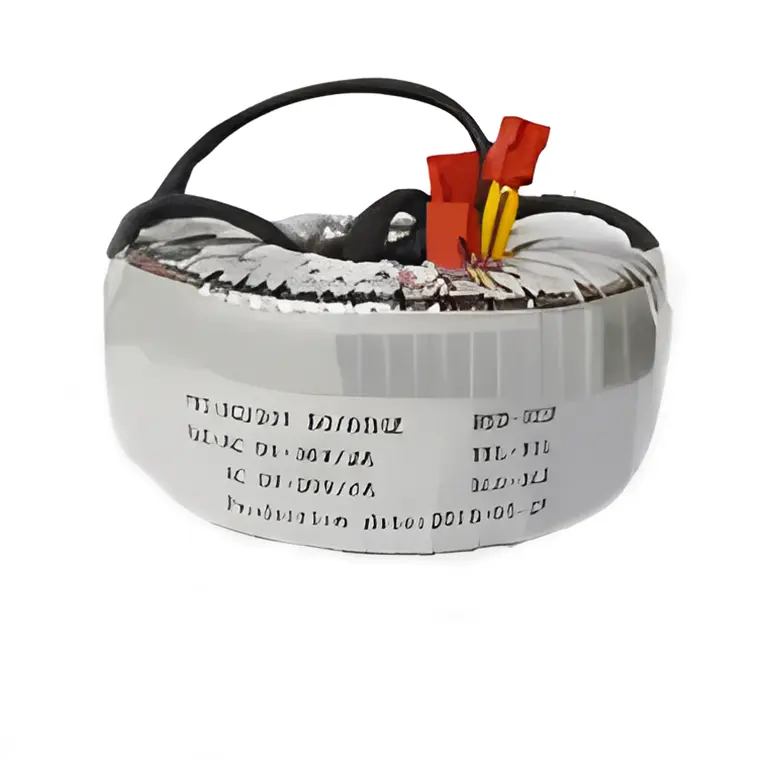 Ring Transformers
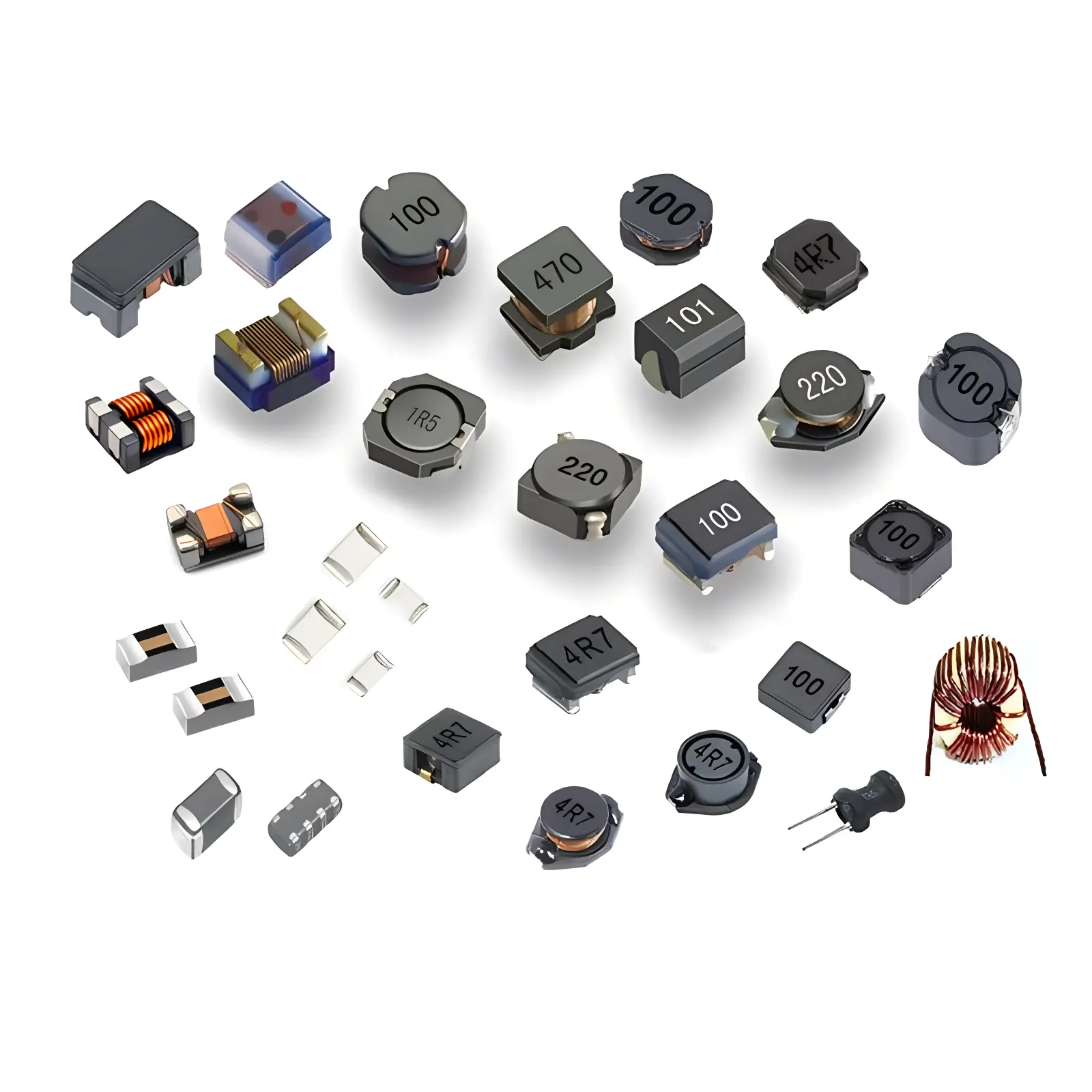 Inductors
 Wires,Cables Customized
 Network Cables
 Power Cords
 Antenna Cables
 Coaxial Cables
 Net Position Indicator
 Solar AIS net position indicator
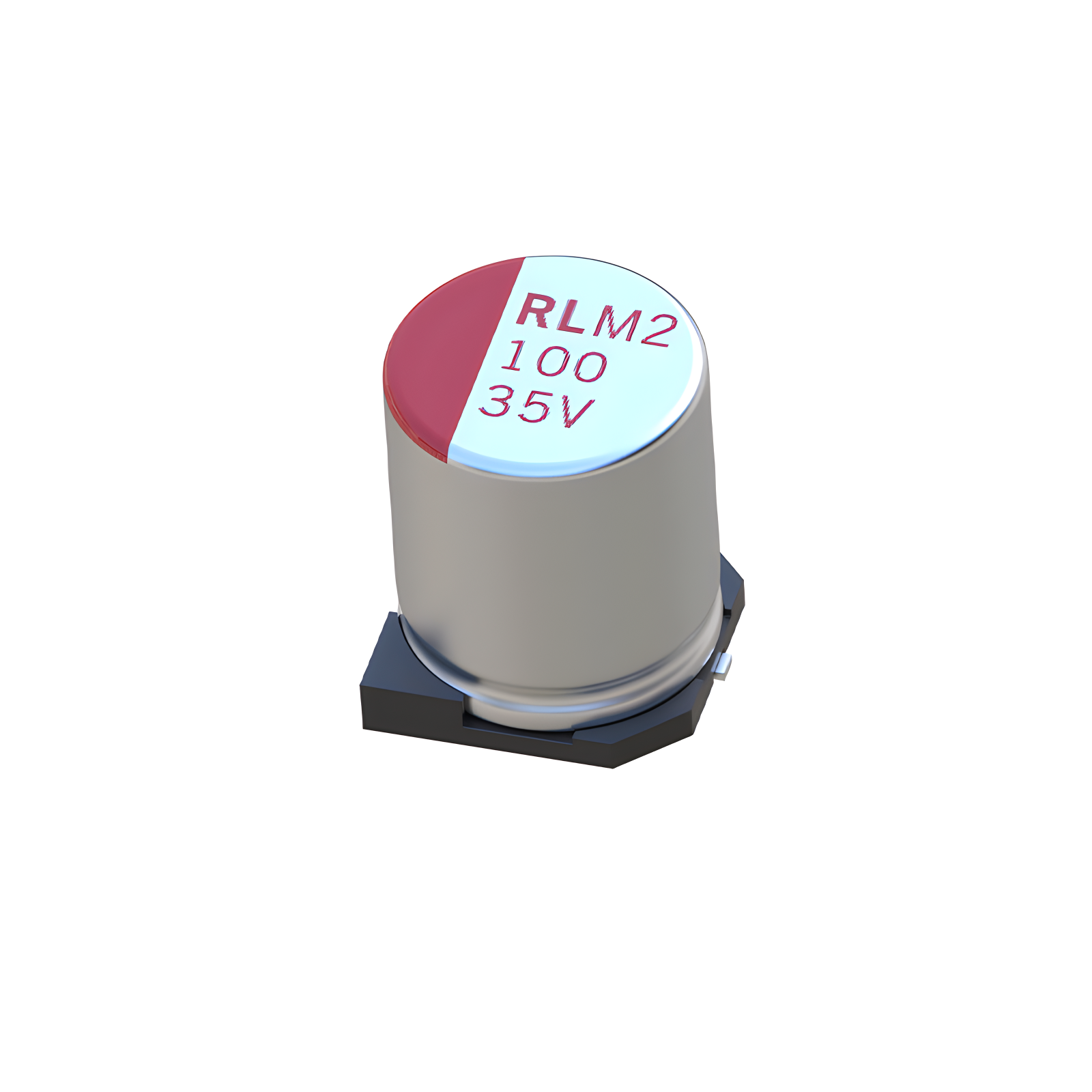 Capacitors
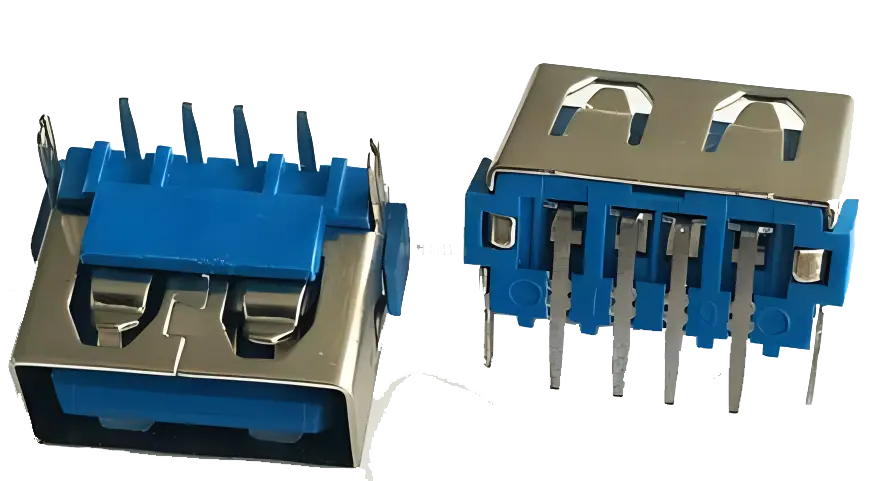 Connectors
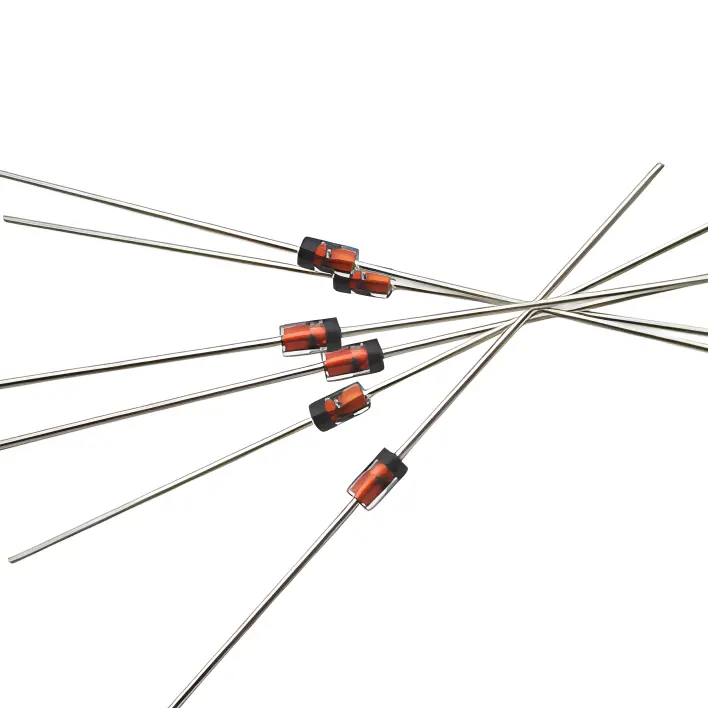 Diodes
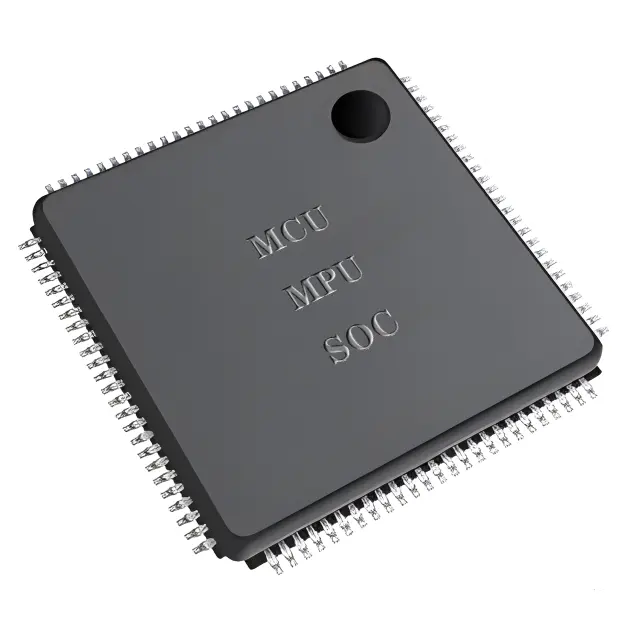 Embedded Processors & Controllers
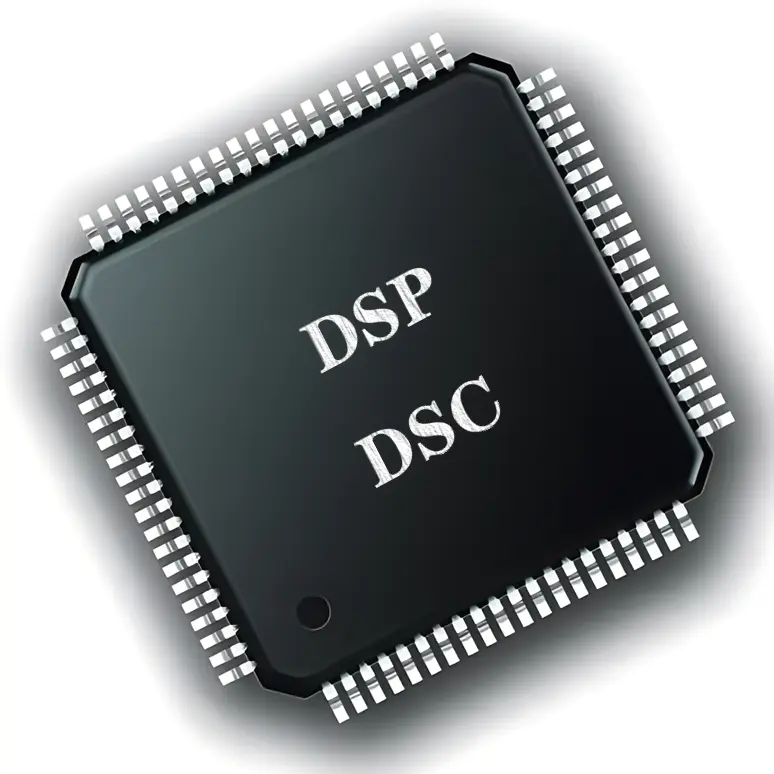 Digital Signal Processors (DSP/DSC)
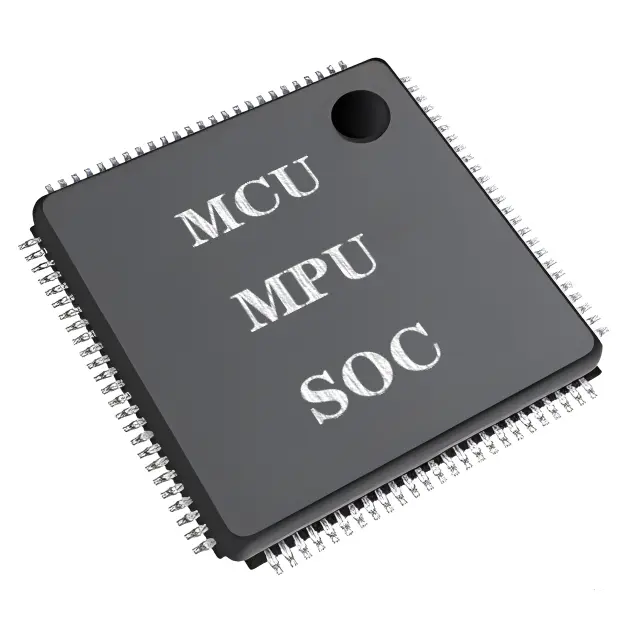 Microcontrollers (MCU/MPU/SOC)
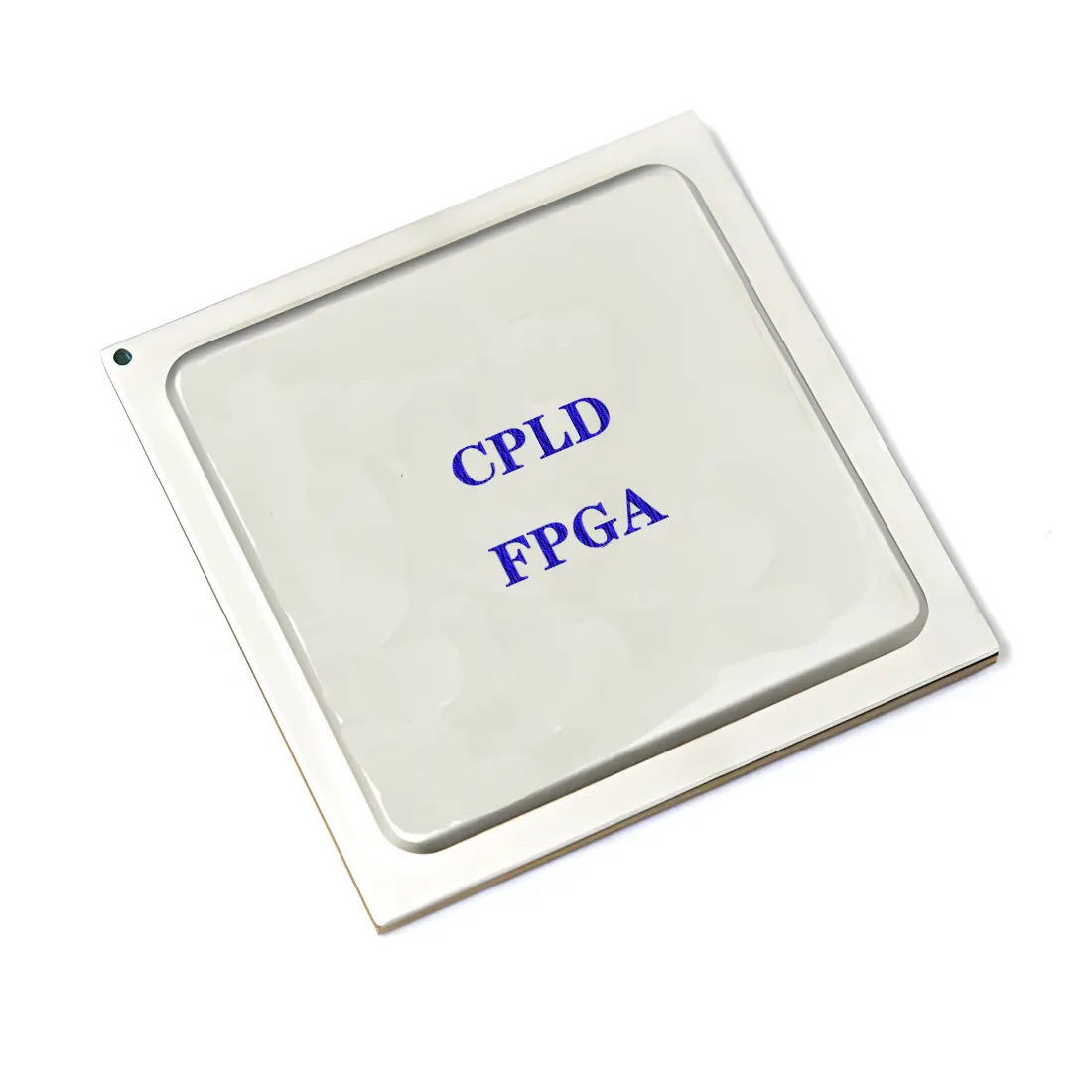 Programmable Logic Device(CPLD/FPGA)
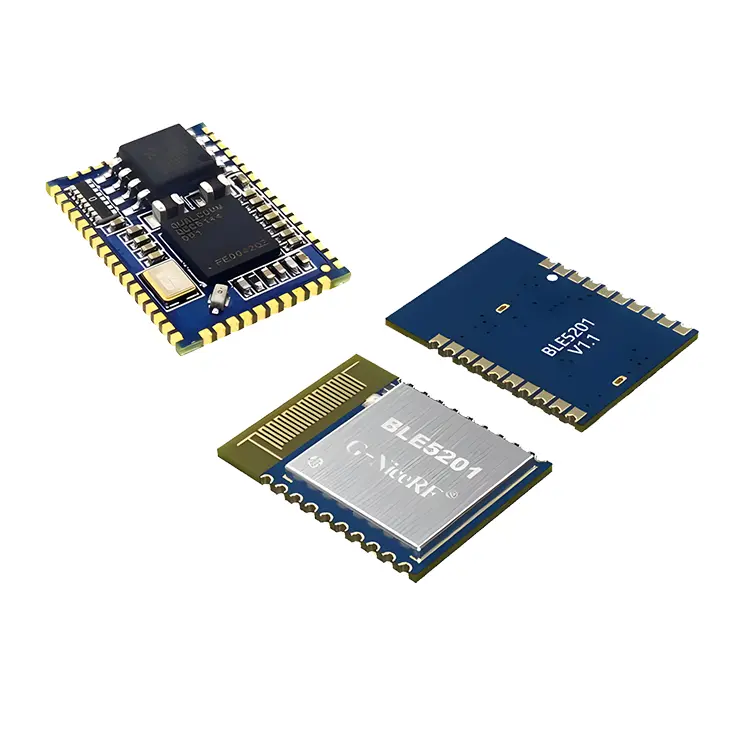 Communication Modules/IoT
 Resistors
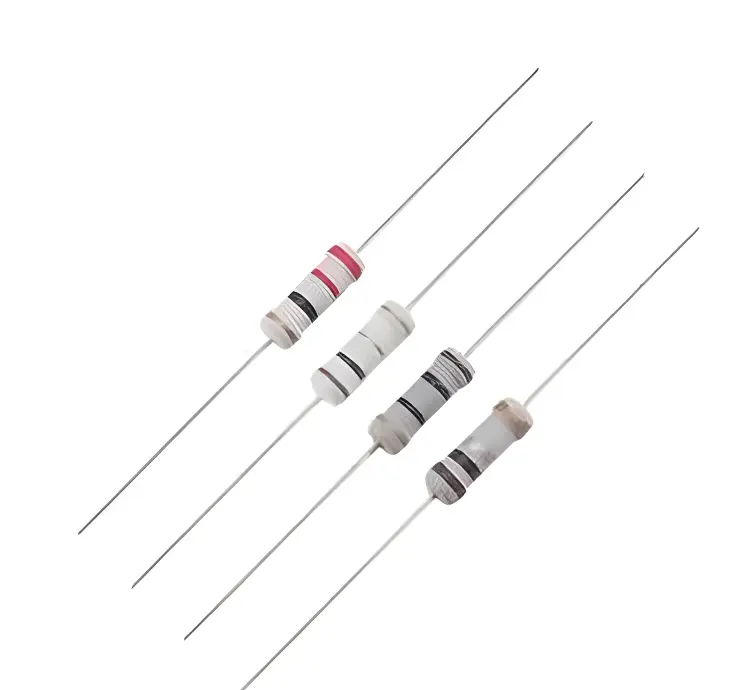 Through Hole Resistors
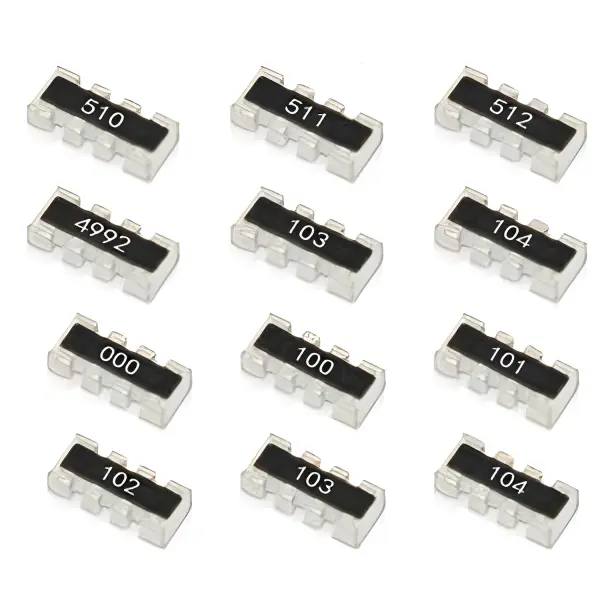 Resistor Networks, Arrays
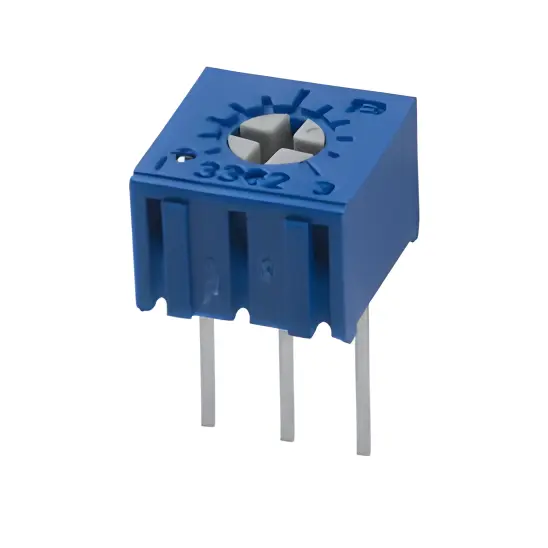 Potentiometers,Variable Resistors
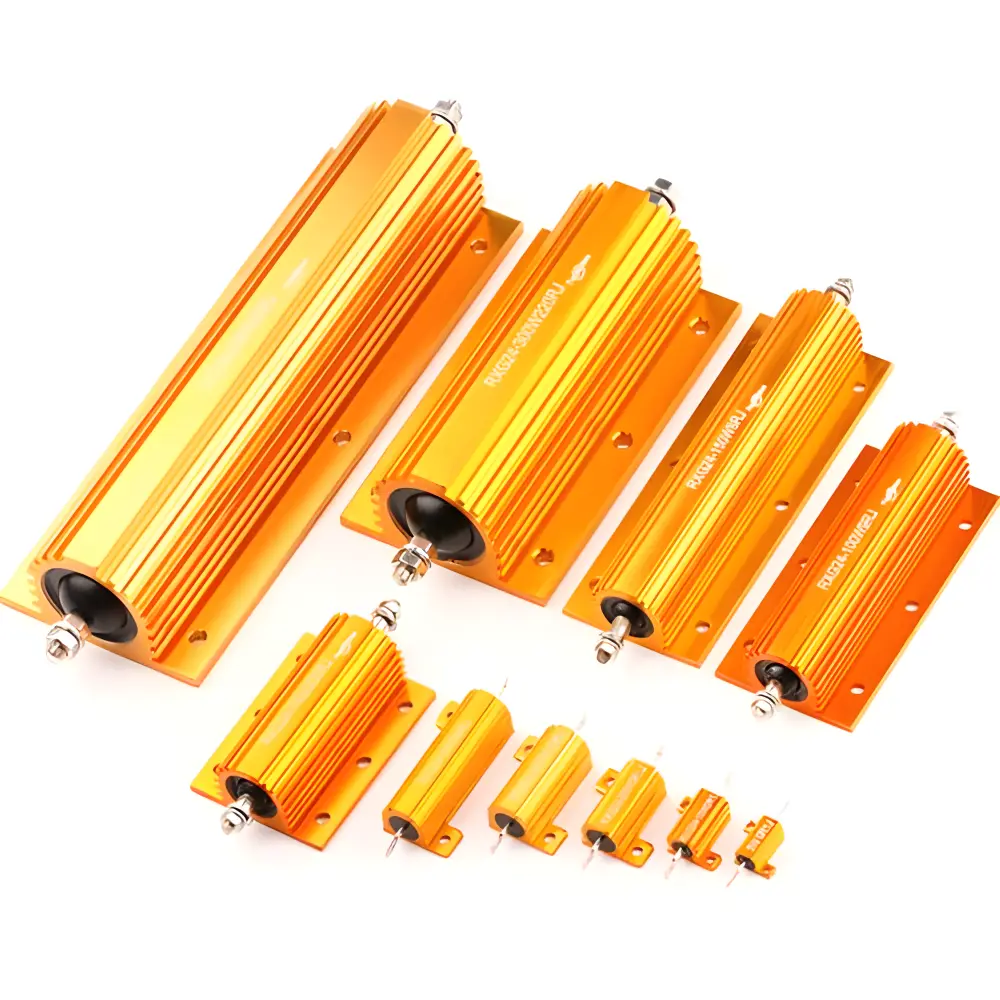 Aluminum Case,Porcelain Tube Resistance
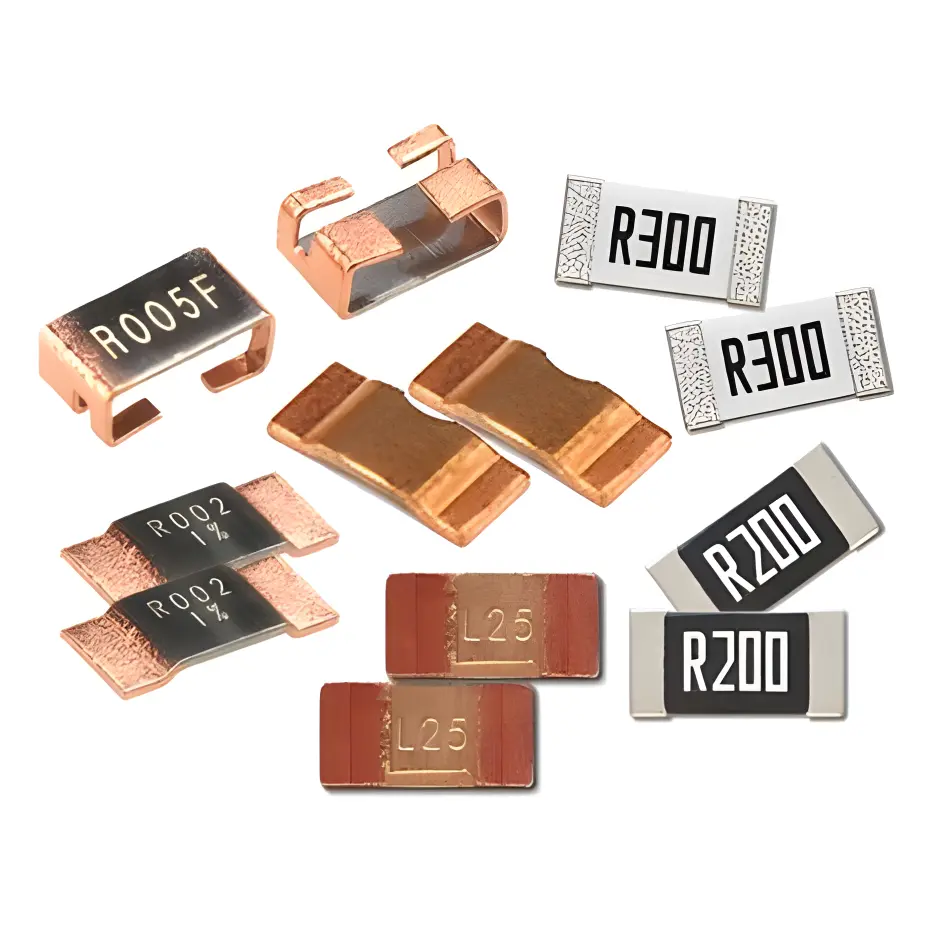 Current Sense Resistors,Shunt Resistors
 Switches
 Transistors
 Power Modules
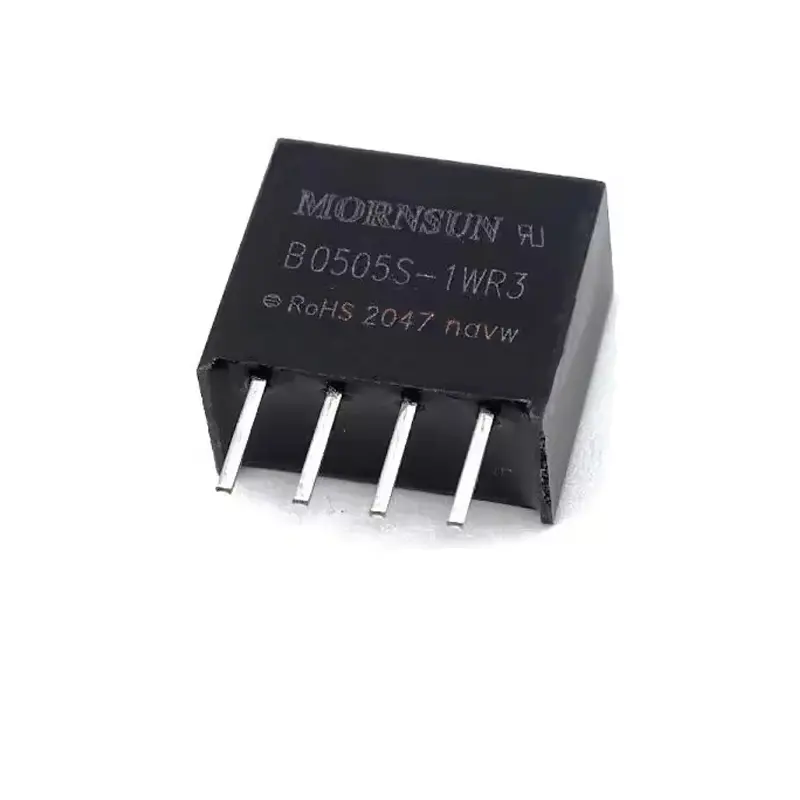 Isolated Power Modules
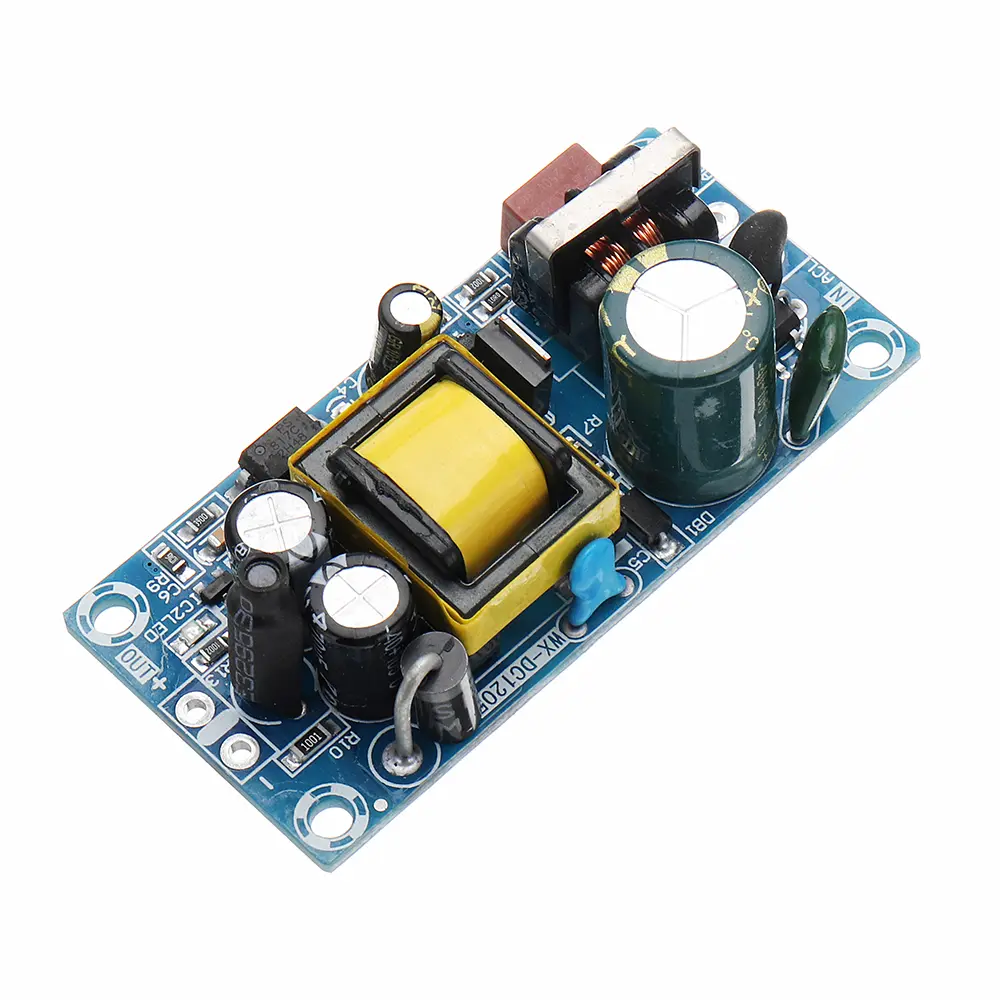 AC-DC Power Modules
 DC-AC Module(Inverter)
 RF and Wireless
Solving Nozzle Pick-Up Failure (Component Dropping) During SMT Placement of 0201 Components
2026-01-14

SuRFace Mount Technology (SMT) has evolved rapidly to meet the demand for miniaturization and high-density packaging in electronic devices, with 0201 components (0.02 inches × 0.01 inches, or 0.5 mm × 0.25 mm) becoming increasingly prevalent in smartphones, wearables, and other compact electronics. However, the ultra-small size of 0201 components presents significant challenges in the SMT assembly process, with nozzle pick-up failure—commonly referred to as "component dropping" or "nozzle pick-up failure"—being one of the most frequent and costly issues. This failure occurs when the SMT placement machine’s nozzle fails to pick up the 0201 component from the feeder, or drops the component after picking it up but before placing it on theprinted circuit board (PCB). The consequences of such failures include reduced production efficiency, increased material waste, higher rework costs, and potential damage to equipment or PCBs.
Unlike larger components (such as 0402 or 0603), 0201 components have extremely low mass (typically a few milligrams) and small contact surfaces, making them highly sensitive to variations in nozzle performance, feeder accuracy, environmental conditions, and process parameters. A minor deviation in any of these factors can disrupt the delicate balance of vacuum force, mechanical alignment, and friction that is essential for successful pick-up and holding. Moreover, the small size of 0201 components makes manual inspection and rework more difficult, exacerbating the impact of pick-up failures on production yields.
Addressing nozzle pick-up failure for 0201 components requires a systematic understanding of the root causes and a targeted approach to troubleshooting and process optimization. This article provides a comprehensive guide to solving this critical issue, first analyzing the primary causes of pick-up failure for 0201 components, categorized by equipment (nozzle, feeder, placement head), component quality, environmental factors, and process parameters. It then details a step-by-step troubleshooting framework to identify the specific cause of the failure, followed by detailed, actionable solutions for each cause. Additionally, it outlines preventive measures to minimize the occurrence of pick-up failures in high-volume production, ensuring stable and efficient SMT assembly of 0201 components.
2. Key Causes of Nozzle Pick-Up Failure for 0201 Components
To effectively solve nozzle pick-up failure for 0201 components, it is first essential to understand the key causes of this issue. Unlike larger components, where pick-up failures are often attributed to obvious issues such as nozzle wear or feeder jamming, 0201 components are susceptible to more subtle factors due to their ultra-small size. The primary causes can be grouped into five categories: nozzle-related issues, feeder-related issues, placement head-related issues, component quality issues, and environmental/process parameter issues. Each category contributes to pick-up failure in distinct ways, and identifying the specific category is the first step in targeted troubleshooting.
2.1 Nozzle-Related Issues
Nozzle-related issues are the most common cause of pick-up failure for 0201 components, as the nozzle is the direct interface between the placement machine and the component. The ultra-small size of 0201 components requires nozzles with precise dimensions and optimal design to ensure sufficient vacuum force and stable contact. Common nozzle-related issues include nozzle wear, nozzle clogging, incorrect nozzle type, and poor nozzle alignment. Nozzle wear—such as scratches, deformation, or reduced diameter of the suction hole—reduces the vacuum seal between the nozzle and the component, making it impossible to generate sufficient suction force to pick up or hold the component. Nozzle clogging, caused by solder paste residue, dust, or adhesive from component packaging, blocks the suction hole, reducing or eliminating vacuum pressure. Using an incorrect nozzle type (e.g., a nozzle designed for 0402 components instead of 0201) results in poor contact with the 0201 component’s surface, leading to insufficient suction. Poor nozzle alignment—where the nozzle is not perpendicular to the component’s surface—causes uneven contact and vacuum leakage, resulting in pick-up failure.
2.2 Feeder-Related Issues
Feeder-related issues are another major contributor to pick-up failure, as the feeder is responsible for accurately positioning the 0201 component at the pick-up point. 0201 components are typically supplied in tape-and-reel packaging, and feeder inaccuracies can lead to misalignment between the component and the nozzle. Common feeder-related issues include feeder tape misalignment, worn feeder gears or pins, incorrect tape tension, and poor reel mounting. Feeder tape misalignment—where the tape’s pockets (which hold the components) are not properly aligned with the feeder’s index mechanism—causes the component to be positioned off-center at the pick-up point, making it impossible for the nozzle to make proper contact. Worn feeder gears or pins result in inconsistent indexing of the tape, leading to variable component positioning. Incorrect tape tension—either too tight or too loose—can cause the tape to stretch or bunch, disrupting component positioning. Poor reel mounting—where the reel is not securely attached to the feeder—causes the tape to wobble during indexing, leading to misalignment at the pick-up point.
2.3 Placement Head-Related Issues
Placement head-related issues, though less common than nozzle or feeder issues, can also cause pick-up failure for 0201 components. The placement head houses the nozzle and is responsible for controlling the vacuum pressure, vertical movement (Z-axis), and horizontal alignment (X-Y axis) during pick-up. Common placement head-related issues include insufficient vacuum pressure, unstable vacuum supply, Z-axis movement inaccuracies, and X-Y axis misalignment. Insufficient vacuum pressure—caused by leaks in the vacuum line, a worn vacuum pump, or incorrect vacuum settings—fails to generate enough suction to pick up the lightweight 0201 component. Unstable vacuum supply (fluctuating pressure) can cause the component to be picked up initially but dropped before placement. Z-axis movement inaccuracies—such as incorrect pick-up height or excessive downward force—can either fail to make proper contact with the component (resulting in no pick-up) or damage the component or tape (leading to component displacement). X-Y axis misalignment causes the nozzle to miss the component entirely or make partial contact, resulting in pick-up failure.
2.4 Component Quality and Packaging Issues
Component quality and packaging issues are often overlooked but can significantly contribute to pick-up failure. 0201 components’ small size makes them prone to damage or misplacement during packaging, and poor packaging quality can lead to components being stuck in the tape pockets or positioned incorrectly. Common component-related issues include component misplacement in tape pockets, components stuck in pockets (due to adhesive residue or static), damaged component surfaces, and excessive component static charge. Component misplacement in tape pockets—where the component is not centered or is tilted—makes it difficult for the nozzle to make proper contact. Components stuck in pockets cannot be picked up by the nozzle, even if the vacuum is sufficient. Damaged component surfaces (such as scratches or dents) reduce the contact area between the nozzle and the component, leading to vacuum leakage. Excessive static charge on the components can cause them to adhere to the tape or nozzle irregularly, either preventing pick-up or causing the component to be dropped after pick-up.
2.5 Environmental and Process Parameter Issues
Environmental and process parameter issues round out the primary causes of pick-up failure for 0201 components. Environmental factors such as temperature, humidity, and static electricity can affect both the components and the equipment. Process parameters such as pick-up speed, vacuum delay, and nozzle cleaning frequency also play a critical role. High or low humidity can cause components to absorb moisture or generate static, leading to adhesion issues. Excessive static electricity in the production environment can cause components to stick to the tape, nozzle, or other surfaces. Pick-up speed that is too high can cause the nozzle to impact the component or tape, leading to component displacement or damage. Insufficient vacuum delay (the time between the nozzle reaching the pick-up position and the vacuum being applied) can result in the nozzle missing the component. Infrequent nozzle cleaning leads to the accumulation of residue, causing clogging and vacuum loss.
3. Systematic Troubleshooting Framework for Pick-Up Failure
Troubleshooting nozzle pick-up failure for 0201 components requires a systematic, step-by-step approach to avoid guesswork and ensure efficient identification of the root cause. The troubleshooting process should start with data collection and preliminary checks, followed by targeted testing of each potential cause (nozzle, feeder, placement head, component, environment/process). This approach minimizes downtime and ensures that the solution addresses the actual root cause rather than just masking the symptom.
3.1 Step 1: Data Collection and Preliminary Analysis
The first step in troubleshooting is data collection and preliminary analysis. Engineers should gather data from the placement machine’s error logs, which typically record the frequency of pick-up failures, the specific feeder or nozzle associated with the failure, the component type, and the time of the failure. This data can help identify patterns—for example, if failures are concentrated on a specific feeder, nozzle, or production shift. Additionally, engineers should perform a visual inspection of the production line, focusing on the nozzles, feeders, components, and PCB handling. During this inspection, they should check for obvious issues such as worn nozzles, clogged suction holes, misaligned feeders, or damaged component tape. Preliminary checks should also include verifying that the correct nozzle type and feeder settings are being used for the 0201 components, as incorrect setup is a common and easily rectifiable cause of pick-up failure.
3.2 Step 2: Targeted Nozzle Testing
The second step is targeted testing of the nozzles, as they are the most common cause of pick-up failure. This testing should include three key checks: nozzle wear and damage, nozzle clogging, and nozzle alignment. To check for wear and damage, engineers should remove the nozzle from the placement head and examine it under a high-power microscope (50-100x magnification). Worn nozzles will have visible scratches, deformation, or a reduced suction hole diameter. Clogging can be detected by inspecting the suction hole for residue or by measuring the vacuum pressure at the nozzle tip (using a vacuum gauge). A significant drop in vacuum pressure compared to a new nozzle indicates clogging. Nozzle alignment can be checked using the placement machine’s built-in alignment tool or by performing a test pick-up on a dummy component and examining the contact mark on the component’s surface—an uneven contact mark indicates misalignment.
3.3 Step 3: Feeder Testing (If Nozzle Issues Are Ruled Out)
The third step is testing the feeders, if nozzle issues are ruled out. Feeder testing should include checks for tape alignment, gear wear, tape tension, and reel mounting. To check tape alignment, engineers should manually advance the feeder tape and verify that the component pockets are aligned with the feeder’s index pin and the pick-up point. Worn gears can be detected by checking for inconsistent indexing (e.g., the tape advances by varying amounts each time) or by inspecting the gears for visible wear or damage. Tape tension can be adjusted and tested by ensuring that the tape moves smoothly without stretching or bunching. Reel mounting should be checked to ensure that the reel is securely attached to the feeder and that the tape is fed into the feeder correctly without wobbling.
3.4 Step 4: Placement Head Testing (If Nozzle and Feeder Issues Are Ruled Out)
The fourth step is testing the placement head, if nozzle and feeder issues are not identified. Placement head testing should focus on vacuum pressure, Z-axis movement, and X-Y axis alignment. Vacuum pressure can be measured at the nozzle tip using a calibrated vacuum gauge to ensure it meets the machine manufacturer’s specifications for 0201 components (typically 50-80 kPa, depending on the nozzle size). Unstable vacuum supply can be detected by monitoring the pressure over time—fluctuations greater than 5 kPa indicate a leak or a faulty vacuum pump. Z-axis movement accuracy can be checked using the machine’s built-in calibration tool, which verifies that the nozzle reaches the correct pick-up height. X-Y axis alignment can be tested by performing a test pick-up and placement on a calibration board, checking for consistent positioning of the component.
3.5 Step 5: Component Quality and Packaging Evaluation
The fifth step is evaluating component quality and packaging, if all equipment-related issues are ruled out. This evaluation should include inspecting the component tape for misaligned or stuck components, checking for damaged components, and measuring the static charge on the components (using an electrostatic field meter). Misaligned or stuck components can be detected by manually examining the tape under a microscope. Damaged components will have visible scratches, dents, or bent terminals. Static charge above 500 volts is considered excessive and can cause adhesion issues.
3.6 Step 6: Environmental and Process Parameter Checks
The final step in troubleshooting is checking environmental conditions and process parameters. Engineers should measure the temperature and humidity in the production area (optimal conditions are typically 20-25°C and 40-60% relative humidity) and check for sources of static electricity (e.g., ungrounded equipment, synthetic materials). Process parameters such as pick-up speed, vacuum delay, and nozzle cleaning frequency should be verified against the machine manufacturer’s recommendations for 0201 components. For example, pick-up speed for 0201 components should be slower than for larger components (typically 2-3 mm/s) to avoid impacting the component or tape.
4. Targeted Solutions for Pick-Up Failure Causes
Once the root cause of the pick-up failure is identified, targeted solutions can be implemented. The following sections detail actionable solutions for each of the primary causes, focusing on practical, cost-effective measures that can be implemented in high-volume production environments.
4.1 Solutions for Nozzle-Related Issues
For nozzle-related issues, the solutions vary depending on the specific problem: 1. Nozzle wear or damage: The only effective solution is to replace the worn nozzle with a new, high-quality nozzle designed specifically for 0201 components. It is important to use nozzles from the machine manufacturer or a reputable supplier to ensure precise dimensions and compatibility. Additionally, implementing a regular nozzle replacement schedule (based on production volume or operating hours) can prevent wear-related failures before they occur. 2. Nozzle clogging: Clogged nozzles can be cleaned using a combination of ultrasonic cleaning and air blowing. Ultrasonic cleaning (using a dedicated nozzle cleaning machine) removes residue from the suction hole and nozzle surface, while air blowing (using compressed air with a fine nozzle) dislodges any remaining debris. For severe clogging, a fine wire (compatible with the suction hole size) can be used to gently clear the hole, taking care not to damage the nozzle. It is recommended to clean nozzles at regular intervals (e.g., every 2-4 hours of operation) to prevent residue accumulation. 3. Incorrect nozzle type: Replace the incorrect nozzle with the appropriate type for 0201 components. The correct nozzle should have a suction hole diameter of 0.15-0.2 mm (depending on the component size) and a flat or slightly concave tip to maximize contact with the component’s surface. Engineers should verify the nozzle type against the machine’s nozzle selection guide before installation. 4. Poor nozzle alignment: Adjust the nozzle alignment using the placement machine’s built-in calibration tool. This typically involves adjusting the nozzle’s angle or position to ensure it is perpendicular to the component’s surface. For more severe misalignment, the placement head may need to be serviced by a qualified technician.
4.2 Solutions for Feeder-Related Issues
For feeder-related issues, the solutions focus on correcting alignment, replacing worn parts, and optimizing settings: 1. Feeder tape misalignment: Adjust the feeder’s guide rails to ensure the tape is centered and the component pockets are aligned with the pick-up point. Some feeders have adjustable side guides that can be fine-tuned to match the tape width. Additionally, checking the feeder’s index pin for wear and replacing it if necessary can ensure consistent tape positioning. 2. Worn feeder gears or pins: Replace the worn gears or pins with new parts from the feeder manufacturer. Regular inspection of feeder components (e.g., every 10,000 operating hours) can identify wear early and prevent unexpected failures. For high-volume production, it is recommended to have spare feeder parts on hand to minimize downtime. 3. Incorrect tape tension: Adjust the feeder’s tension roller to ensure the tape moves smoothly without stretching or bunching. The optimal tension varies depending on the tape material (paper or plastic) and thickness, so it may be necessary to perform test runs to find the correct setting. 4. Poor reel mounting: Secure the reel to the feeder using the appropriate mounting hardware and ensure the tape is fed into the feeder’s tape path correctly. Some feeders have reel locks or tension arms that help stabilize the reel during operation—these should be properly engaged to prevent wobbling.
4.3 Solutions for Placement Head-Related Issues
For placement head-related issues, the solutions involve calibrating or repairing the head components: 1. Insufficient or unstable vacuum pressure: Check the vacuum line for leaks (using a soapy water solution to detect bubbles) and repair any leaks by replacing worn hoses or seals. If the vacuum pump is worn or faulty, it should be serviced or replaced. Additionally, adjust the vacuum pressure settings to meet the manufacturer’s recommendations for 0201 components—too low pressure will fail to pick up the component, while too high pressure may damage the component or tape. 2. Z-axis movement inaccuracies: Calibrate the Z-axis using the machine’s built-in calibration tool to ensure the nozzle reaches the correct pick-up height. The optimal pick-up height for 0201 components is typically 0.1-0.2 mm above the component’s surface, ensuring contact without excessive force. If calibration does not resolve the issue, the Z-axis motor or lead screw may need to be serviced. 3. X-Y axis misalignment: Calibrate the X-Y axis using the machine’s calibration board or laser alignment tool. This ensures that the nozzle is positioned accurately over the component’s center at the pick-up point. For severe misalignment, the placement head’s linear guides or encoders may need to be adjusted or replaced by a technician.
4.4 Solutions for Component Quality and Packaging Issues
For component quality and packaging issues, the solutions involve working with suppliers to improve quality and implementing in-house inspection: 1. Component misplacement or stuck components: Contact the component supplier to address packaging quality issues. In the short term, manually inspect the component tape before loading it into the feeder, removing any misaligned or stuck components. For stuck components, a gentle tap on the tape (using a soft tool) can dislodge them, but care should be taken not to damage the components. 2. Damaged components: Return damaged components to the supplier for replacement. Implementing incoming inspection for 0201 components (using a microscope to check for surface damage) can prevent damaged components from entering the production line. 3. Excessive static charge: Implement static control measures, such as using anti-static packaging for components, installing ionizers in the production area, and ensuring all equipment and operators are grounded. Components should be stored in anti-static bags until they are ready for use, and operators should wear anti-static gloves when handling components.
4.5 Solutions for Environmental and Process Parameter Issues
For environmental and process parameter issues, the solutions focus on optimizing conditions and settings: 1. Temperature and humidity control: Install environmental control systems to maintain the production area at 20-25°C and 40-60% relative humidity. This prevents moisture absorption and static generation in components. 2. Static electricity reduction: In addition to ionizers and grounding, use anti-static mats on workstations, avoid using synthetic materials in the production area (which generate static), and ensure that the PCB handling equipment is grounded. 3. Process parameter optimization: Adjust the pick-up speed to 2-3 mm/s to avoid impacting the component or tape. Increase the vacuum delay to 0.1-0.2 seconds to ensure the nozzle is properly positioned before the vacuum is applied. Implement a regular nozzle cleaning schedule (every 2-4 hours) to prevent clogging. Additionally, optimize the feeder’s indexing speed to ensure consistent component positioning at the pick-up point.

5. Preventive Measures to Minimize Pick-Up Failure
Preventing nozzle pick-up failure for 0201 components is more cost-effective than addressing failures after they occur. A comprehensive preventive strategy involves implementing regular maintenance, optimizing process parameters, enhancing quality control, and training operators. The following measures can help minimize pick-up failures in high-volume production:
5.1 Regular Equipment Maintenance
1. Regular Equipment Maintenance: Establish a preventive maintenance schedule for nozzles, feeders, and placement heads. This includes: - Replacing nozzles at regular intervals (e.g., every 50,000 pick-up cycles or 10 operating hours) based on usage. - Cleaning nozzles every 2-4 hours of operation using ultrasonic cleaning and air blowing. - Inspecting feeders for wear (gears, pins, tension rollers) every 10,000 operating hours and replacing worn parts. - Calibrating the placement head (vacuum pressure, Z-axis, X-Y axis) every month to ensure accuracy. - Servicing the vacuum pump every 6 months to maintain stable pressure.
5.2 Process Parameter Optimization and Standardization
2. Process Parameter Optimization and Standardization: - Develop a standardized process parameter sheet for 0201 components, including nozzle type, vacuum pressure, pick-up speed, vacuum delay, and feeder settings. This sheet should be based on machine manufacturer recommendations and optimized through test runs. - Implement real-time monitoring of key process parameters (vacuum pressure, feeder indexing accuracy) using the placement machine’s built-in sensors. Alerts can be set up to notify operators of deviations from the optimal settings. - Conduct regular process audits to ensure that operators are following the standardized parameters and that the parameters remain optimal as production conditions change (e.g., new component batches, environmental variations).
5.3 Enhanced Quality Control
3. Enhanced Quality Control: - Implement incoming inspection for 0201 components, checking for packaging quality (misaligned components, stuck components), surface damage, and static charge. Reject any batches that do not meet quality standards. - Perform in-process inspection of pick-up and placement operations using automated vision systems or manual inspection (with microscopes) to detect early signs of pick-up failures (e.g., inconsistent component positioning, damaged components). - Track and analyze pick-up failure data over time to identify trends and potential process issues. Use this data to refine preventive maintenance schedules and process parameters.
5.4 Operator Training and Awareness
4. Operator Training and Awareness: - Train operators on the specific challenges of handling 0201 components, including proper nozzle and feeder setup, static control measures, and basic troubleshooting steps. - Ensure operators understand the importance of following standardized processes and reporting any issues (e.g., frequent pick-up failures, damaged components) immediately. - Conduct regular refresher training to keep operators updated on new techniques or equipment changes related to 0201 placement.
5.5 Supplier Collaboration
5. Supplier Collaboration: - Work closely with component suppliers to ensure consistent packaging quality for 0201 components. Provide suppliers with detailed specifications for tape and reel packaging (e.g., pocket size, tape material, adhesive type) to minimize misalignment and stuck components. - Collaborate with equipment suppliers (placement machine, nozzle, feeder) to obtain technical support and recommendations for optimizing 0201 placement. Suppliers can often provide valuable insights into common issues and best practices.
6. Real-World Case Studies
To illustrate the effectiveness of the above solutions, this section presents two real-world case studies of 0201 component pick-up failure and their resolution in high-volume production environments.
Case Study 1: Nozzle Clogging in a Smartphone Assembly Line. A high-volume smartphone assembly line experienced a sudden increase in pick-up failure rates (from 0.5% to 5%) for 0201 Resistors. Preliminary data analysis showed that the failures were concentrated on a single placement machine. Visual inspection of the machine’s nozzles revealed clogging in the suction holes, caused by solder paste residue from a previous production run. The solution involved: - Removing all nozzles from the machine and cleaning them using an ultrasonic cleaner. - Implementing a more frequent nozzle cleaning schedule (every 2 hours instead of every 4 hours) for 0201 component runs. - Adding a pre-production nozzle inspection step to ensure no clogs before starting the run. After implementing these measures, the pick-up failure rate returned to 0.5% within 24 hours. Additionally, the team noted that the new cleaning schedule reduced overall nozzle wear, extending the nozzle replacement interval by 20%.
Case Study 2: Feeder Tape Misalignment in a Wearable Device Production Line. A production line for wearable devices experienced consistent pick-up failures for 0201 capacitors, with failures limited to a specific feeder. Testing revealed that the feeder’s side guides were misaligned, causing the tape to shift and the component pockets to be off-center at the pick-up point. The solution involved: - Adjusting the feeder’s side guides to center the tape and align the pockets with the pick-up point. - Replacing the feeder’s worn index pin, which was contributing to inconsistent tape indexing. - Training operators on how to verify feeder alignment before loading tape. The adjustments resolved the pick-up failures immediately, and the feeder maintained consistent performance for the subsequent production run (100,000 components with a failure rate of 0.3%).
In conclusion, nozzle pick-up failure during SMT placement of 0201 components is a complex issue caused by a combination of equipment, component, environmental, and process factors. However, by adopting a systematic troubleshooting approach—starting with data collection and preliminary checks, followed by targeted testing of nozzles, feeders, placement heads, components, and environmental/process parameters—engineers can accurately identify the root cause and implement effective solutions.
The key solutions for common causes include replacing worn nozzles, cleaning clogged nozzles, adjusting feeder alignment, calibrating the placement head, implementing static control measures, and optimizing process parameters. Additionally, preventive measures such as regular equipment maintenance, standardized processes, enhanced quality control, operator training, and supplier collaboration can minimize the occurrence of pick-up failures in high-volume production.