
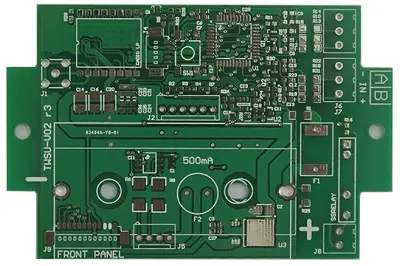
 PCB
PCB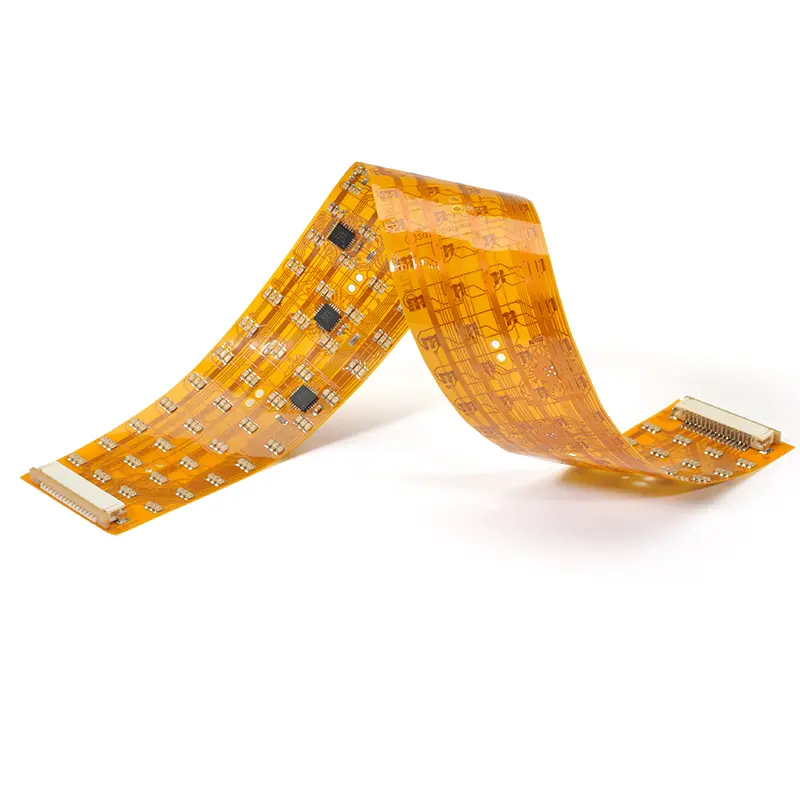 FPC
FPC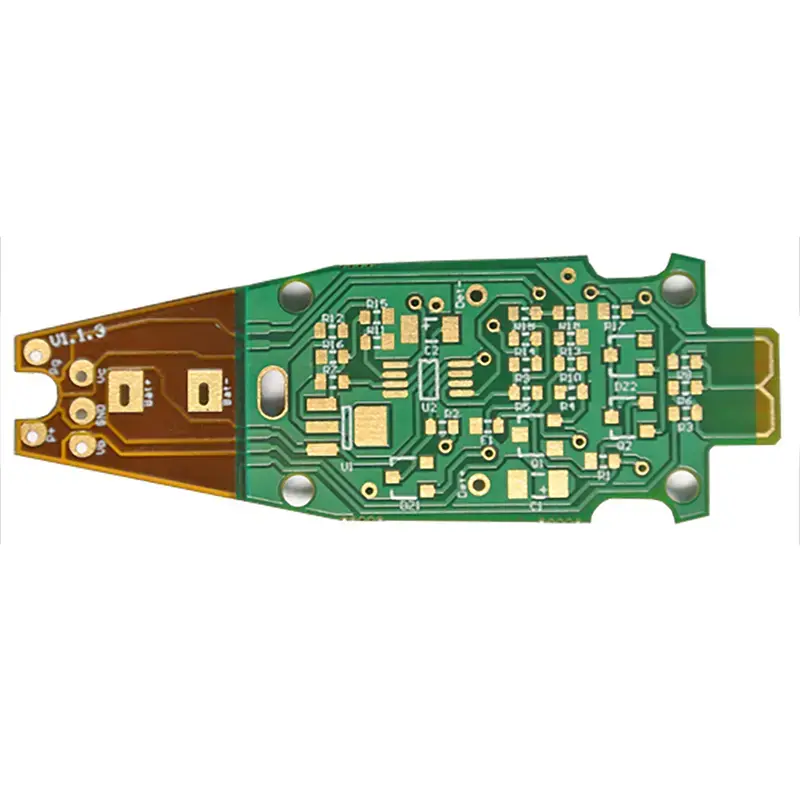 Rigid-Flex
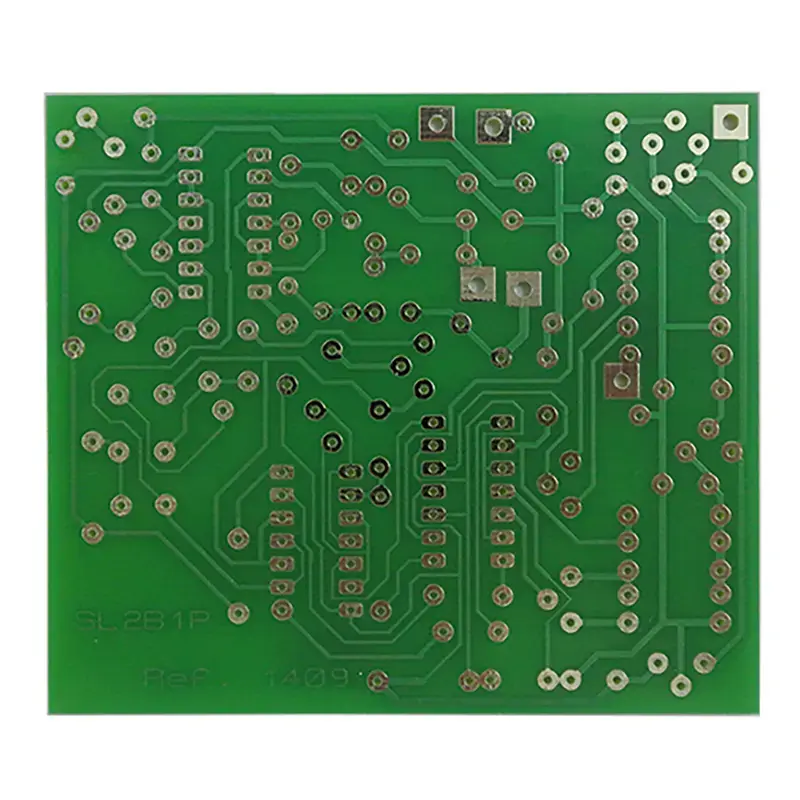 FR-4
FR-4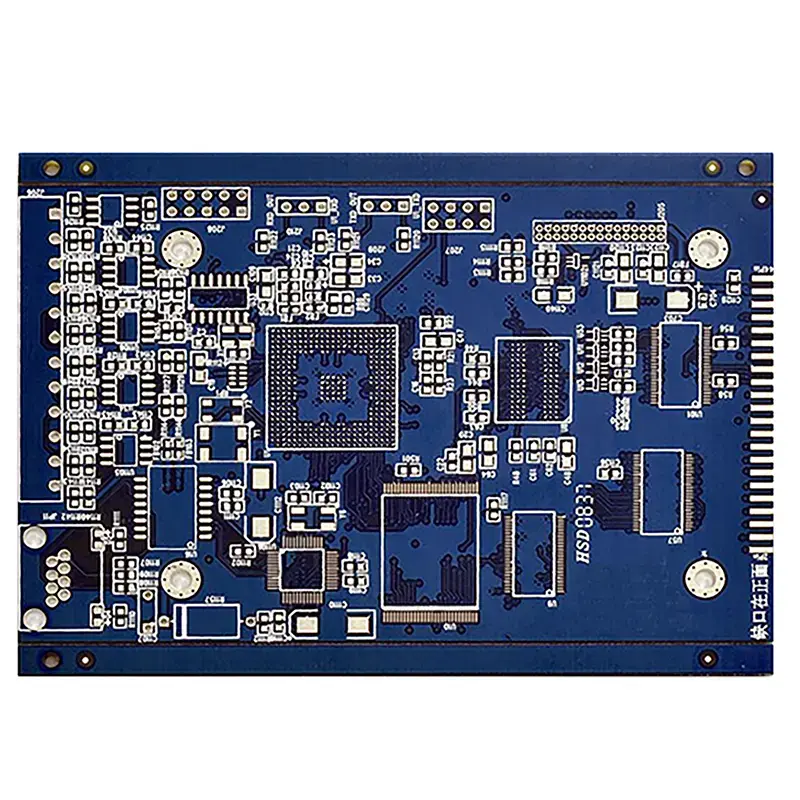 HDI PCB
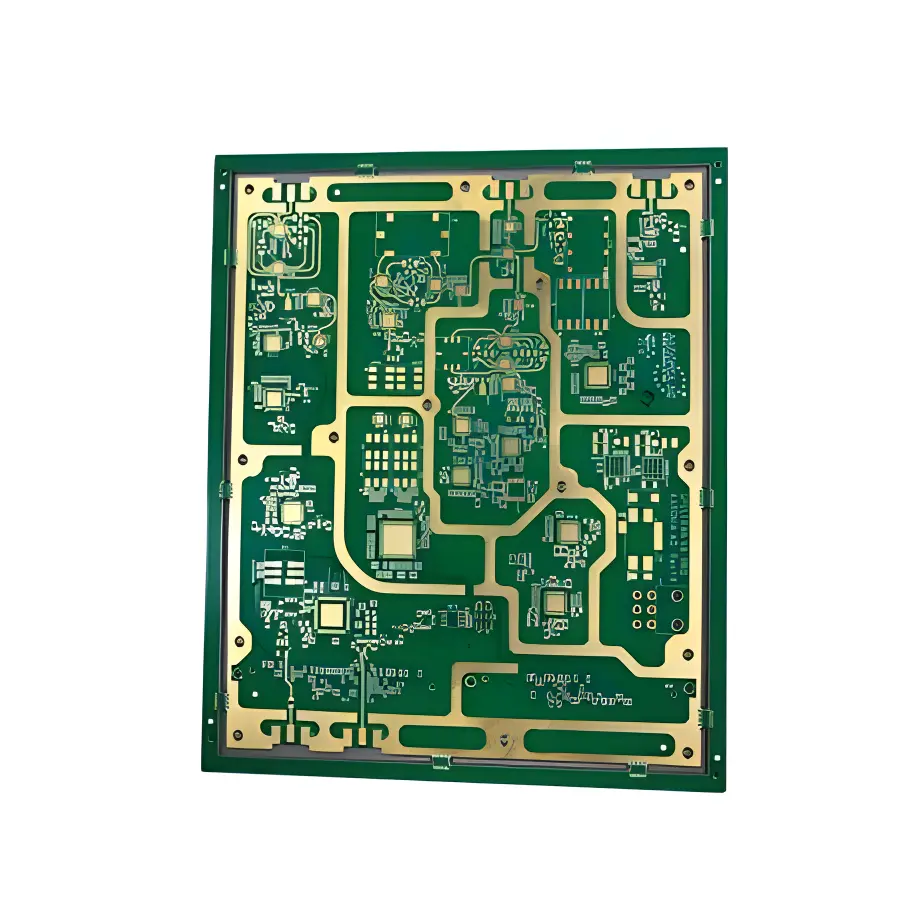 Rogers High-Frequency Board
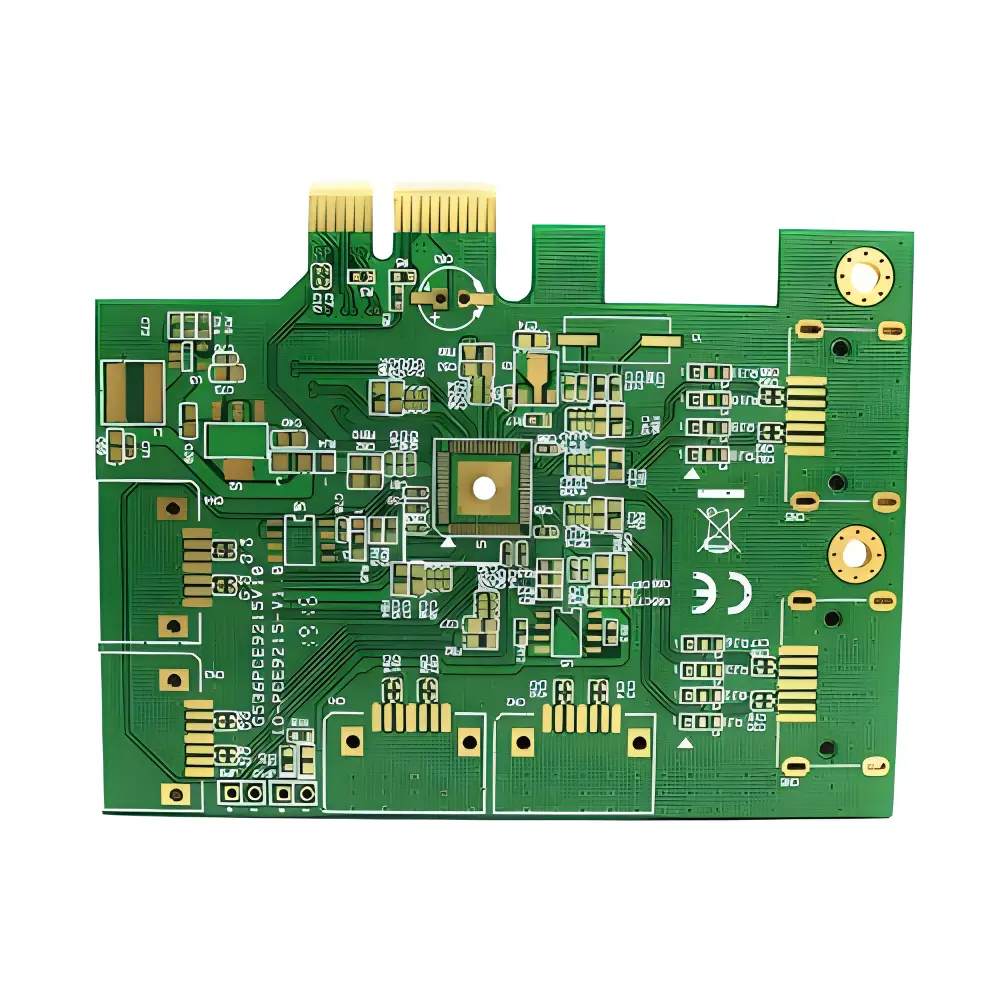 PTFE Teflon High-Frequency Board
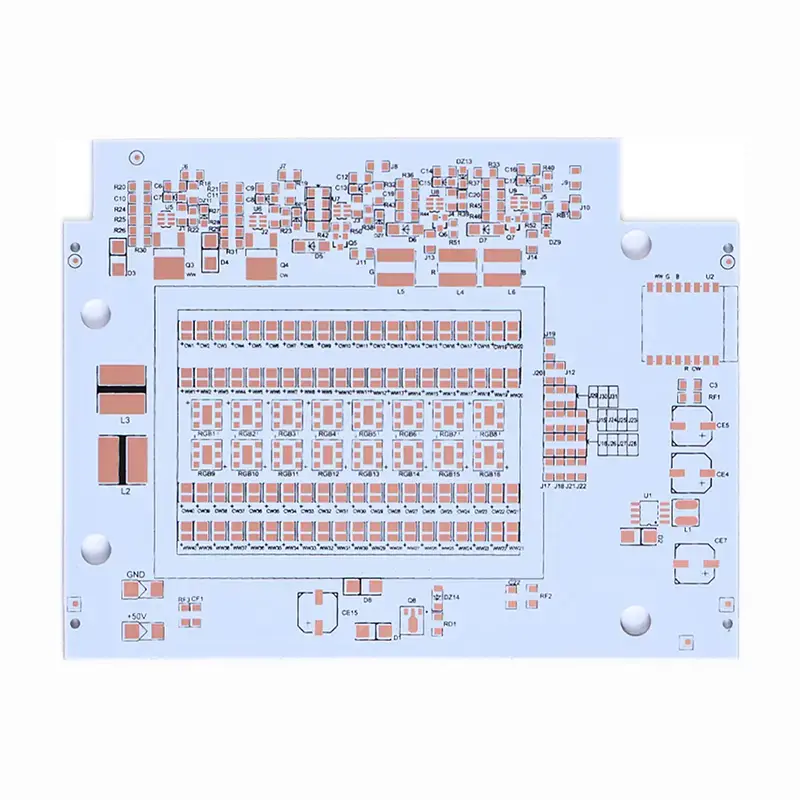 Aluminum
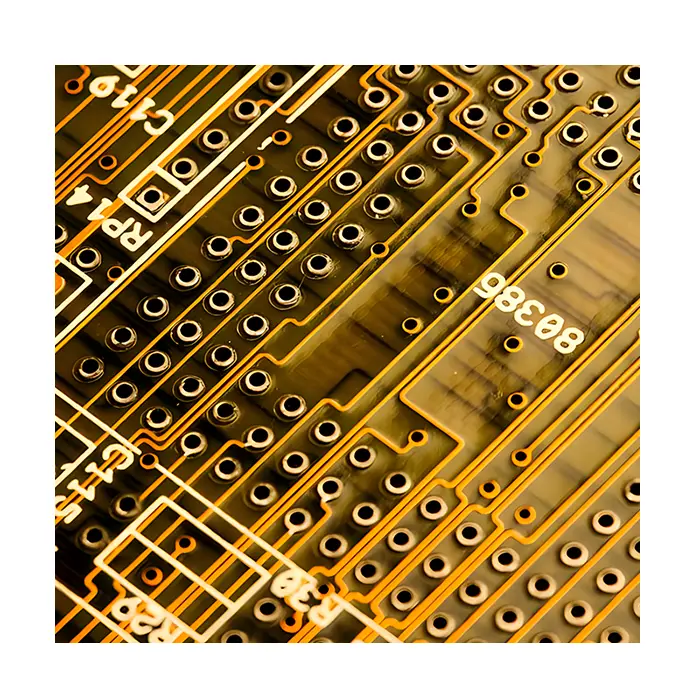 Copper Core
 PCB Assembly
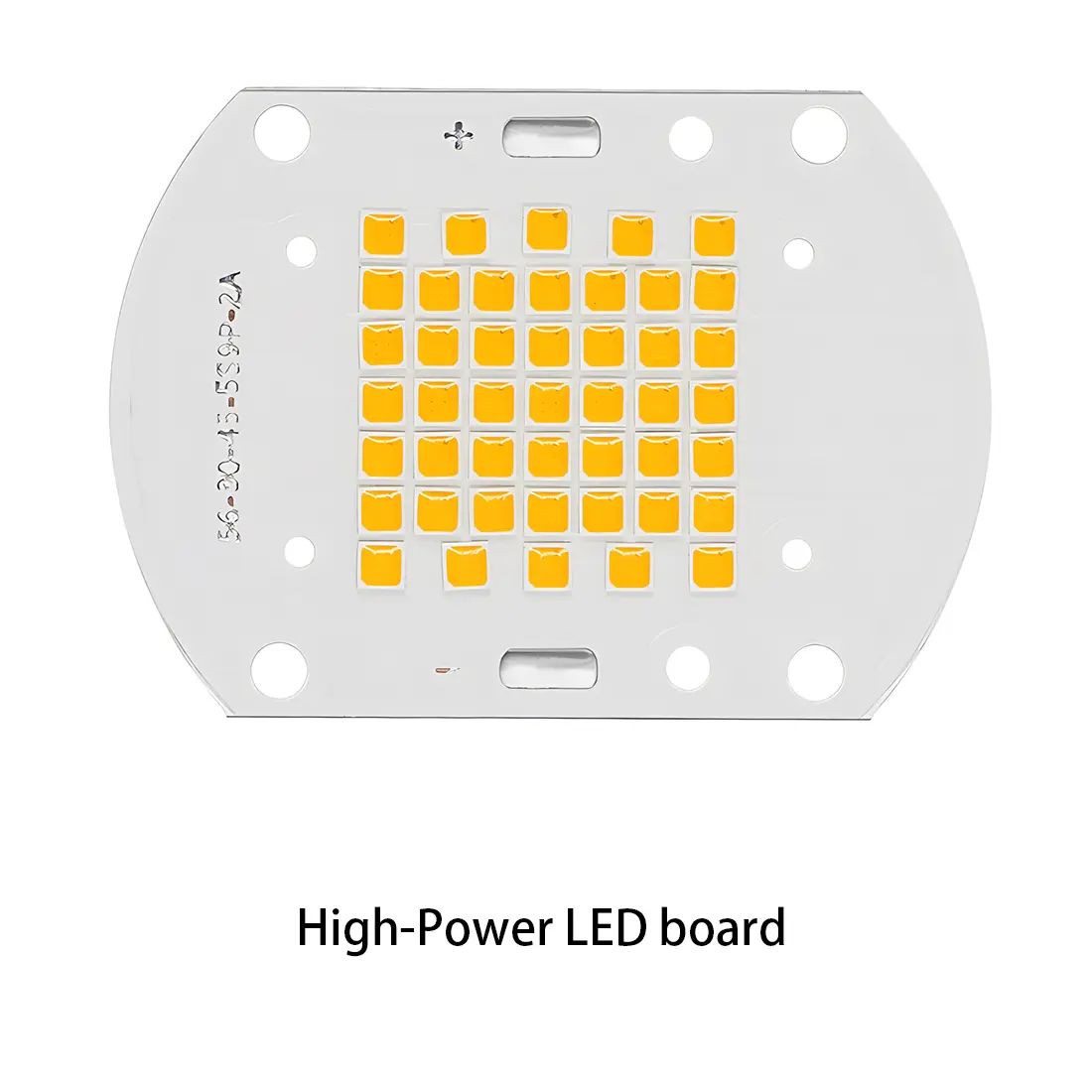 LED light PCBA
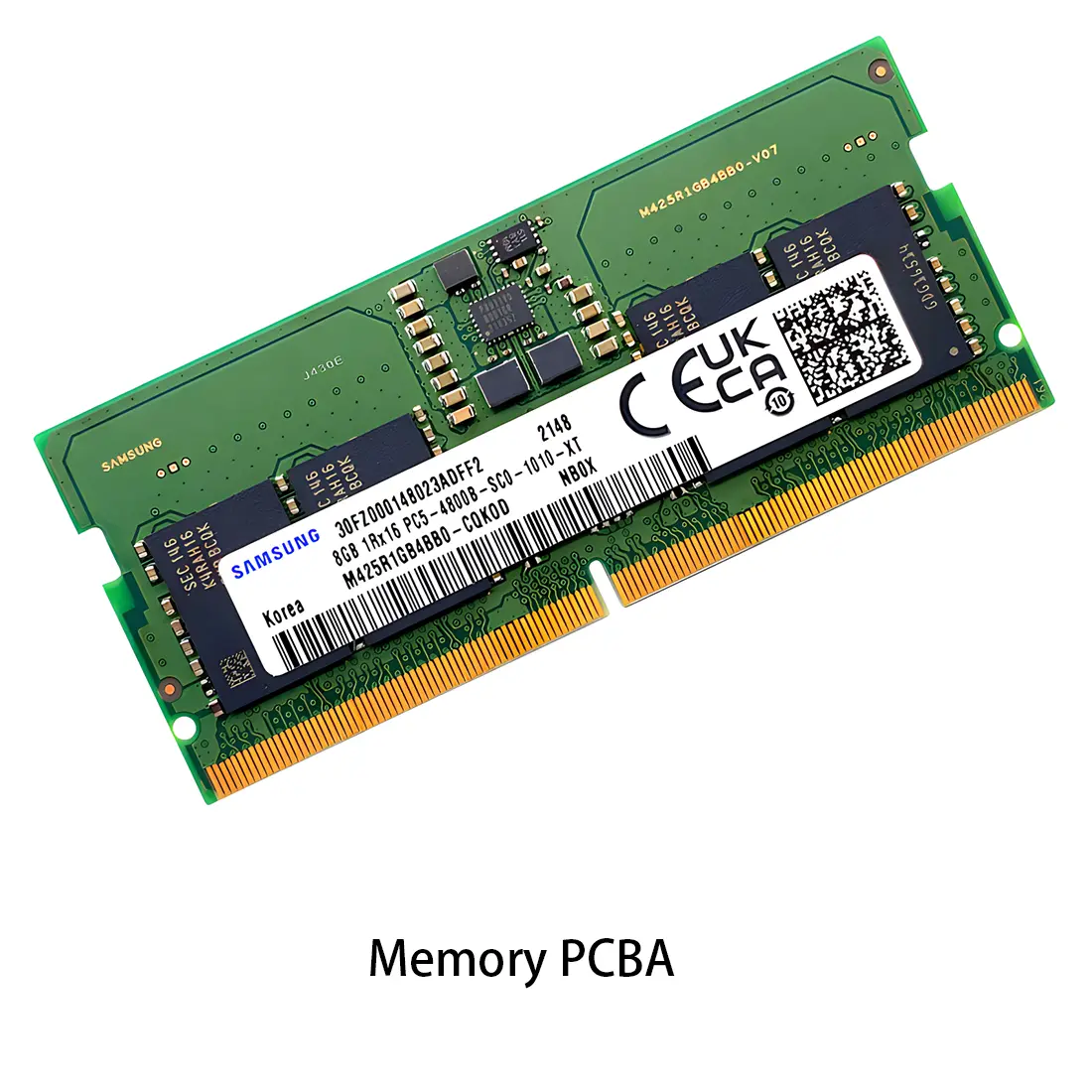 Memory PCBA
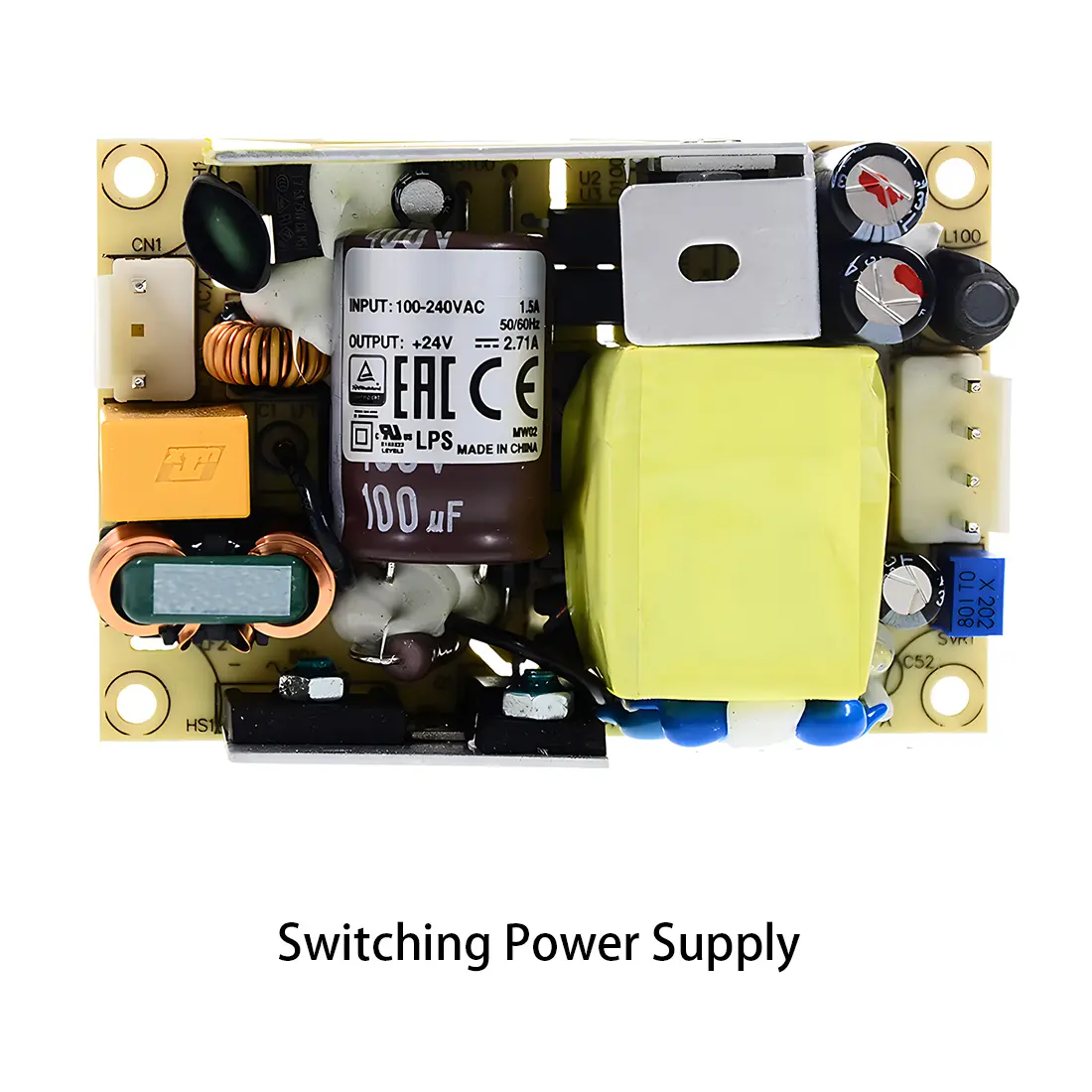 Power Supply PCBA
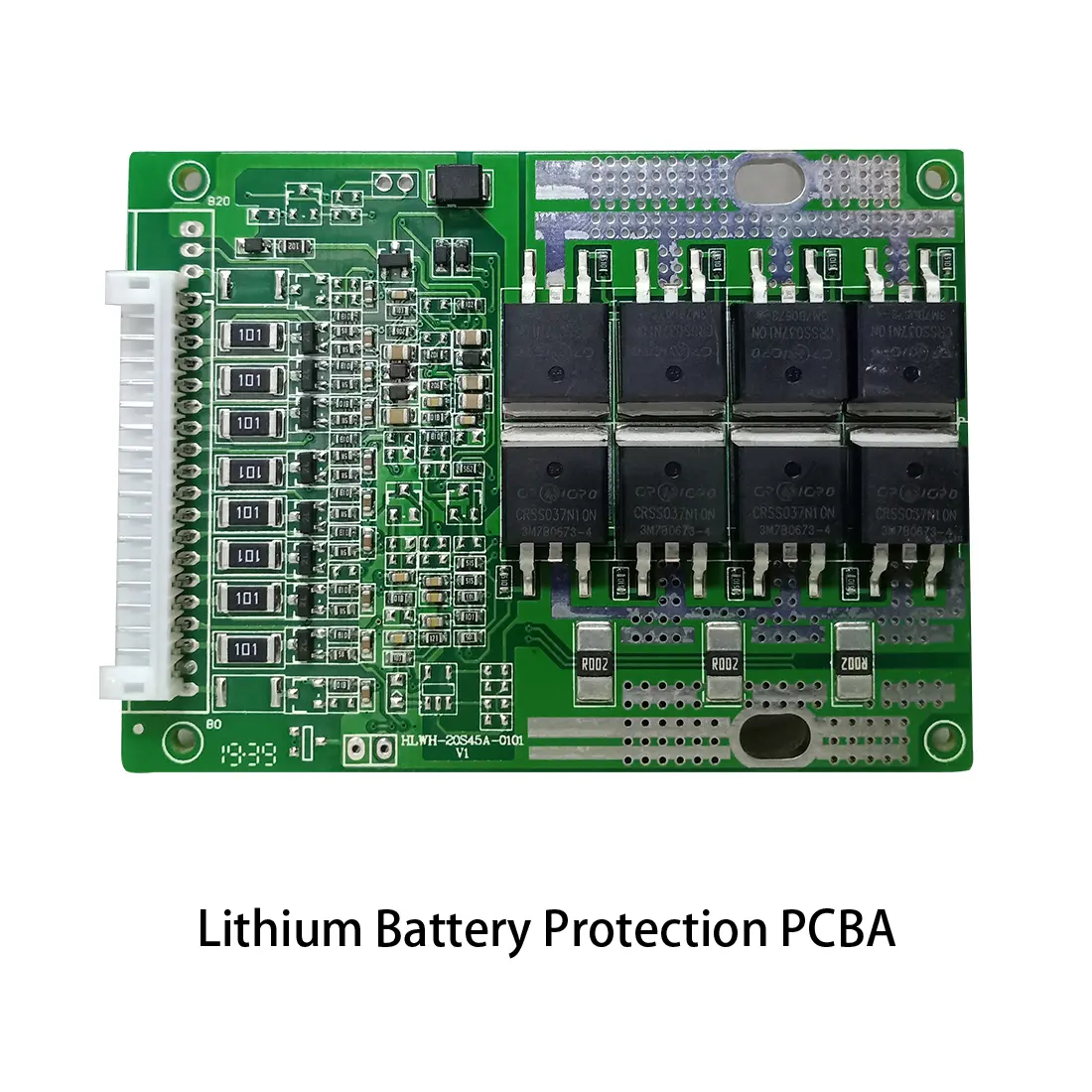 New Energey PCBA
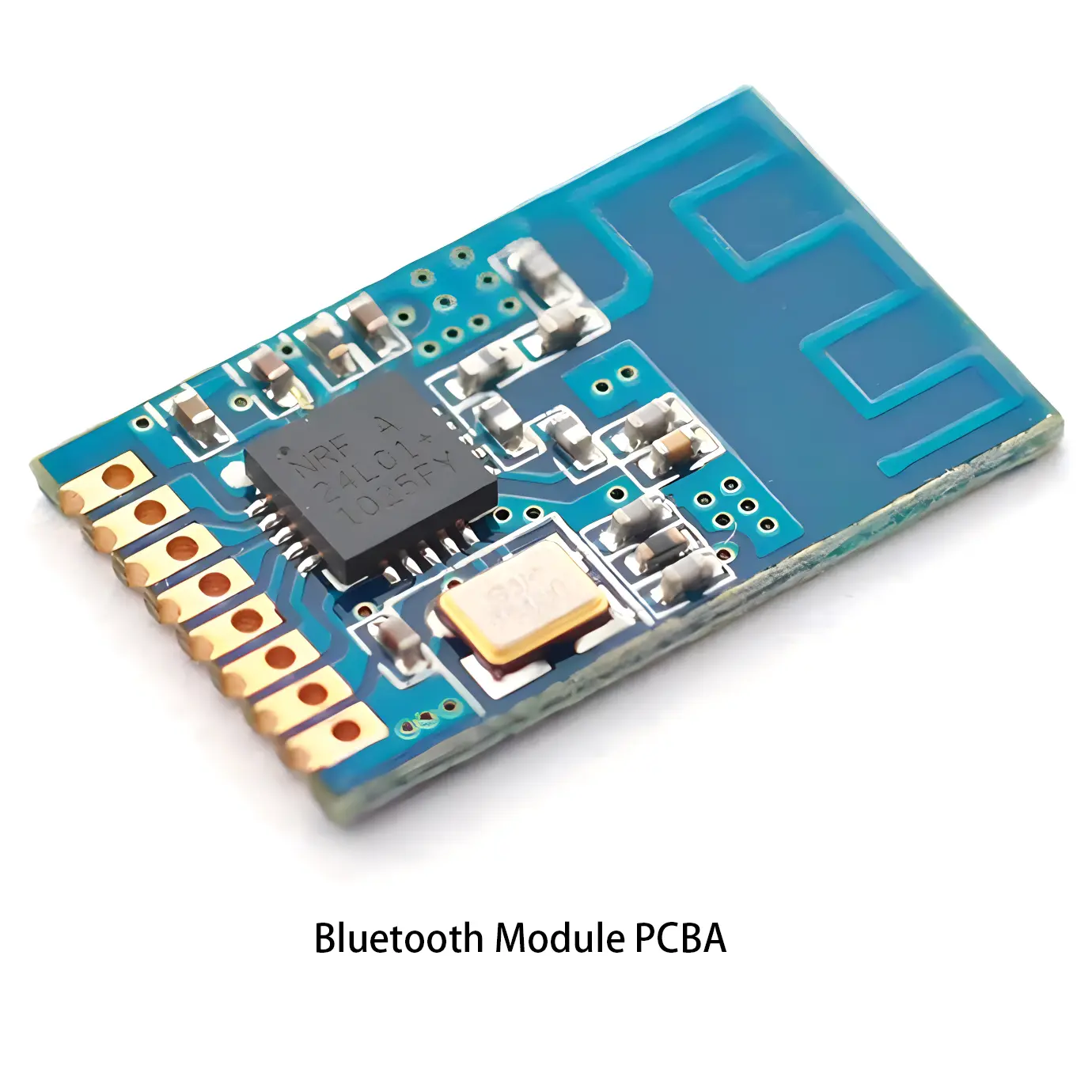 Communication PCBA
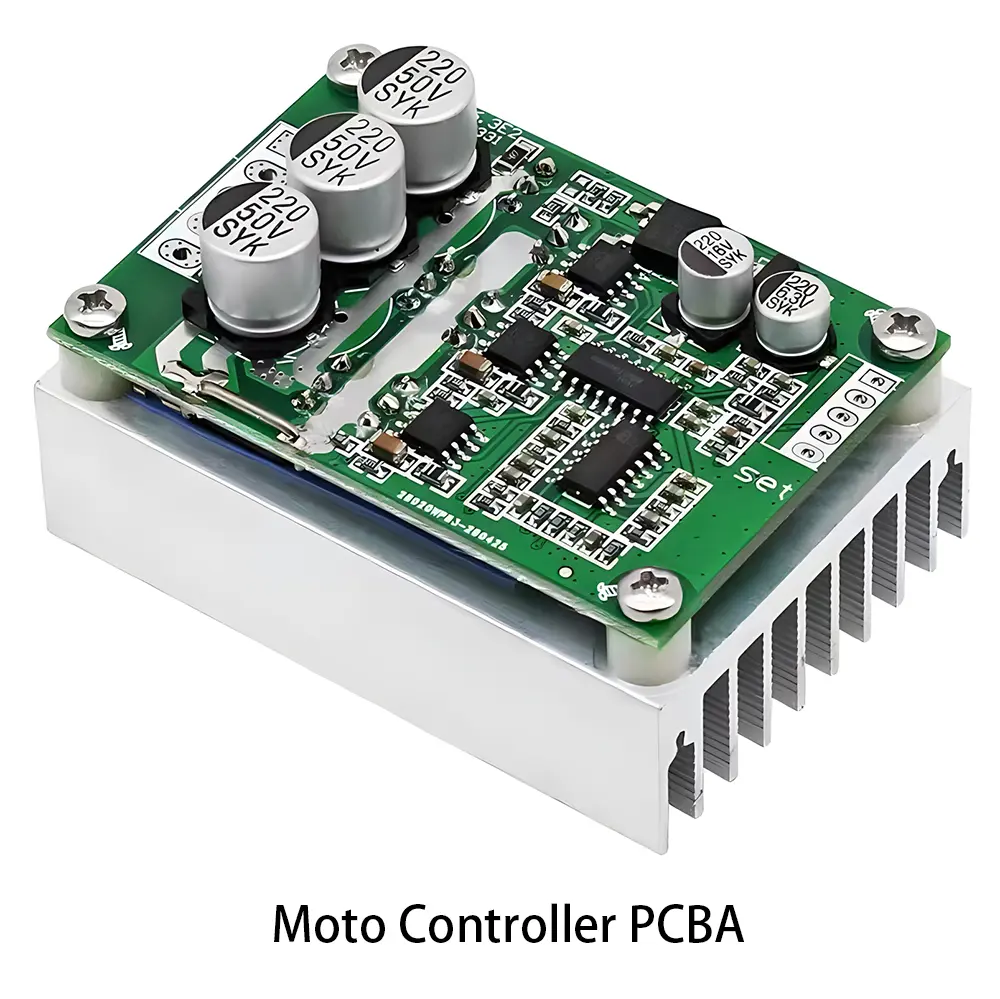 Industrial Control PCBA
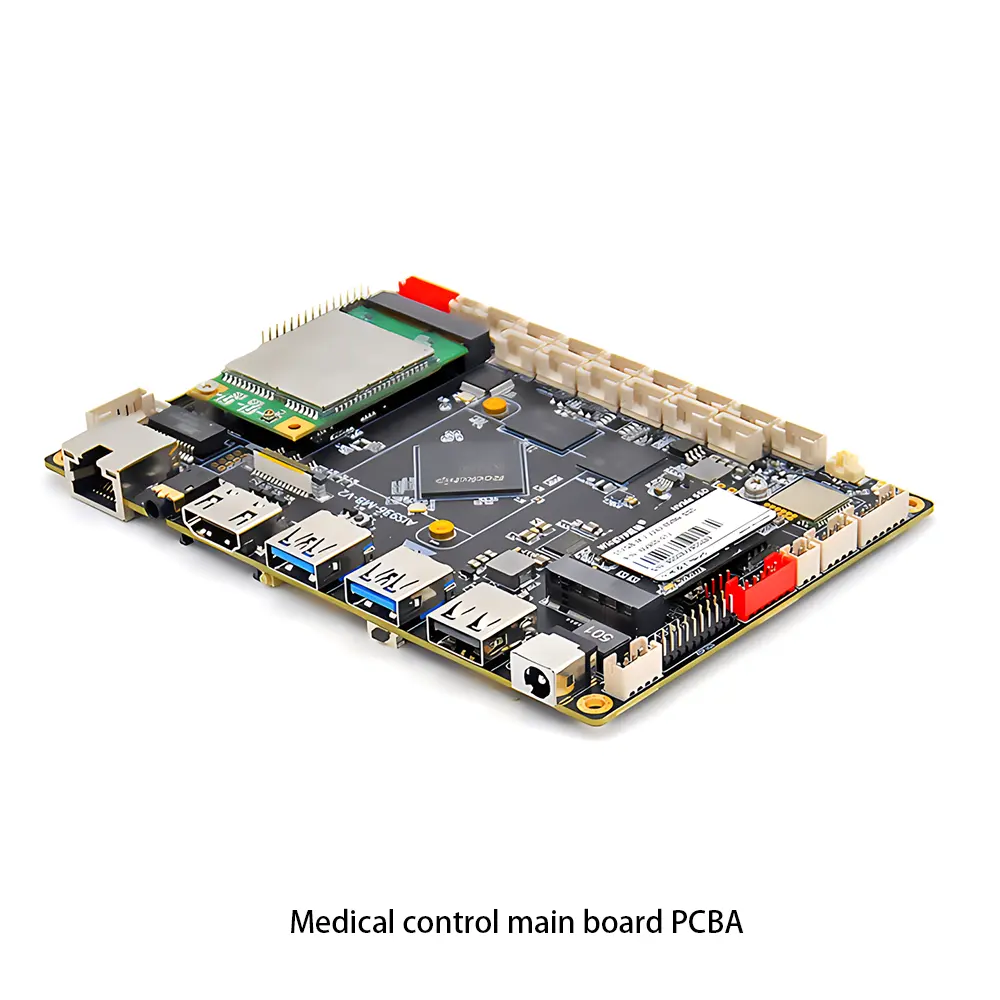 Medical Equipment PCBA
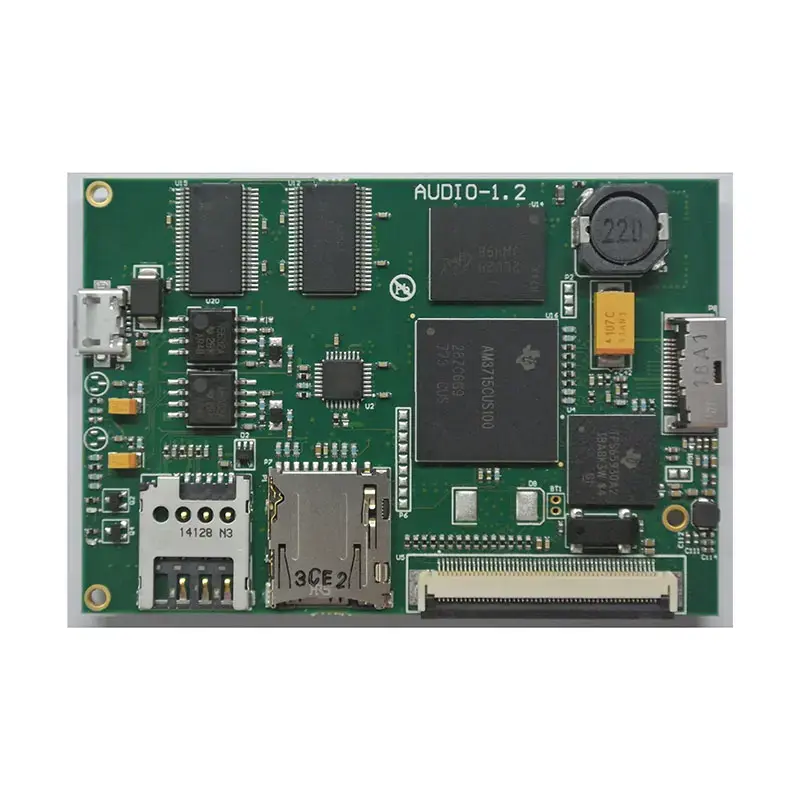 Testing Service
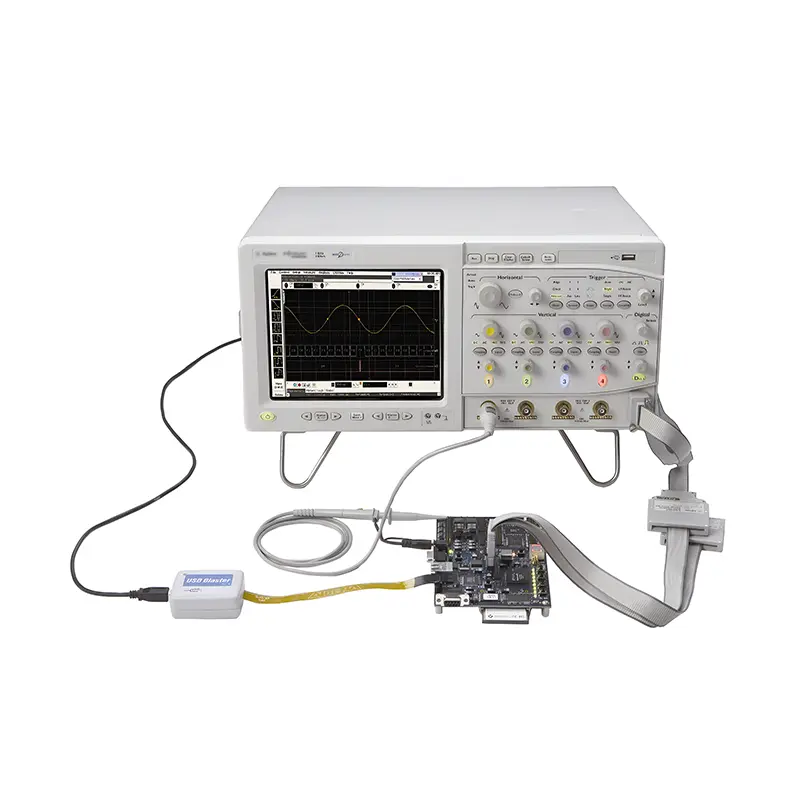 PCBA Testing Service
 Certification Application
 RoHS Certification Application
 REACH Certification Application
 CE Certification Application
 FCC Certification Application
 CQC Certification Application
 UL Certification Application
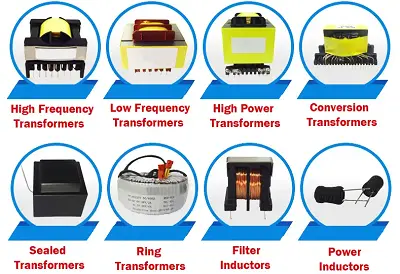 Transformers, Inductors
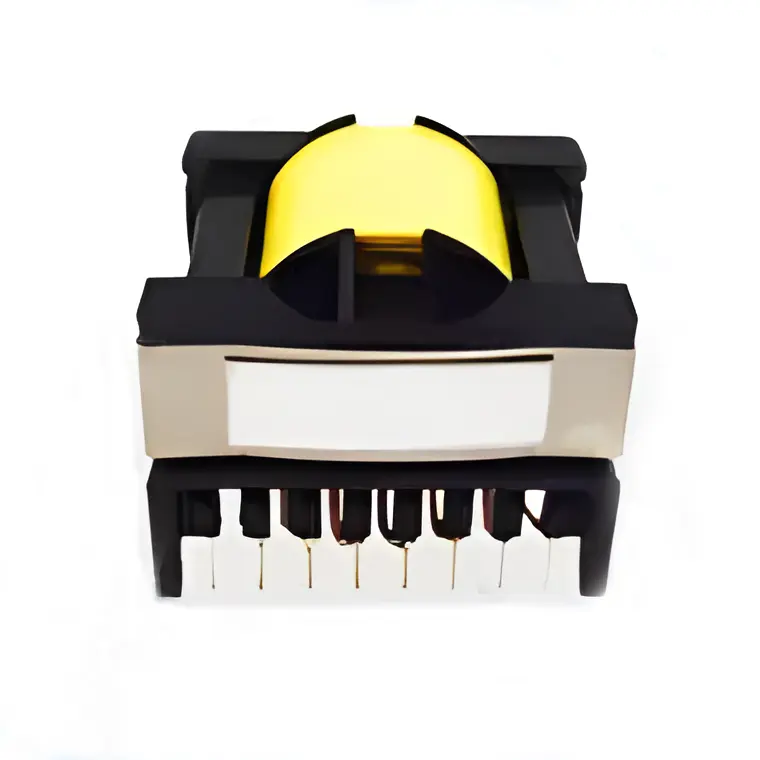 High Frequency Transformers
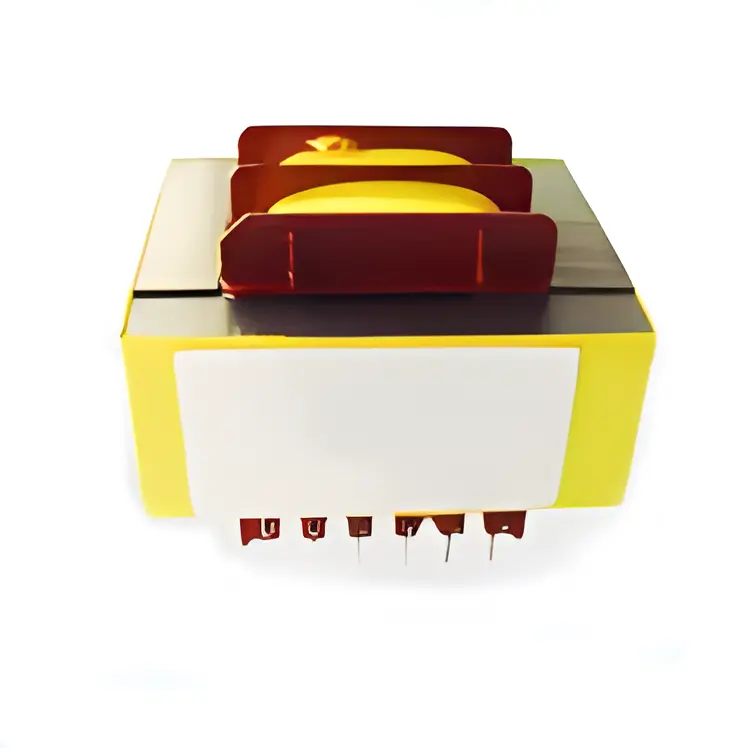 Low Frequency Transformers
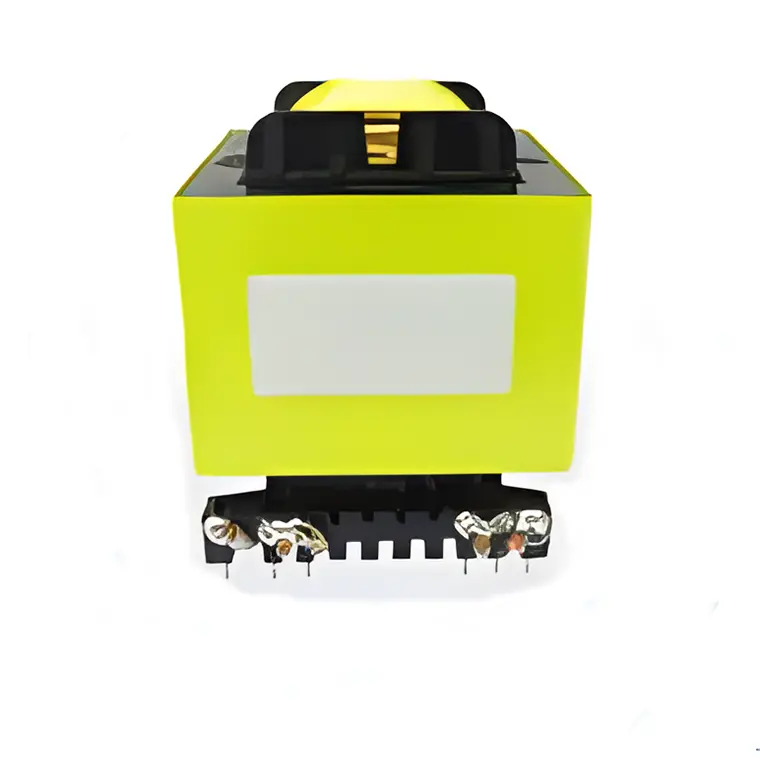 High Power Transformers
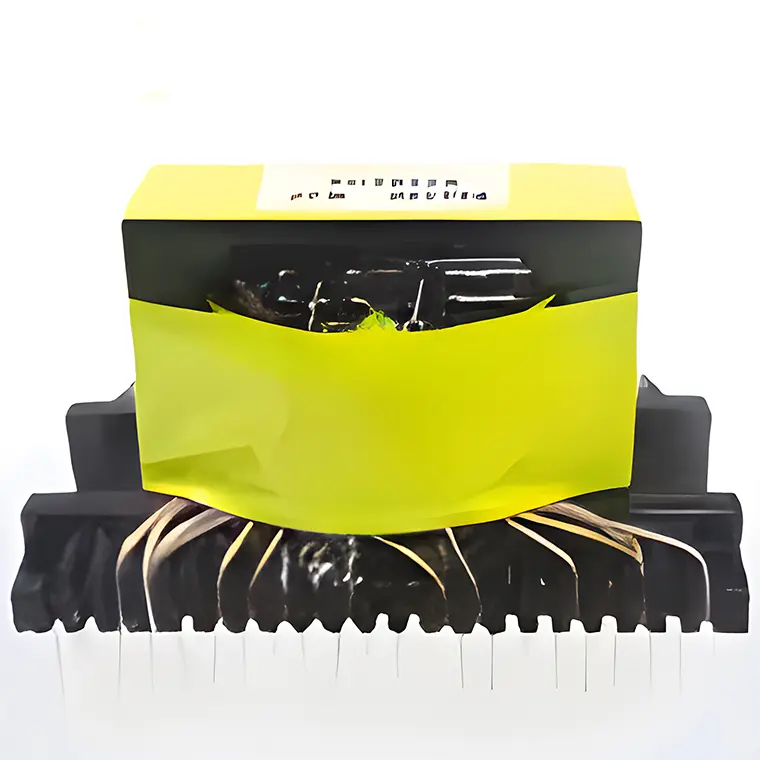 Conversion Transformers
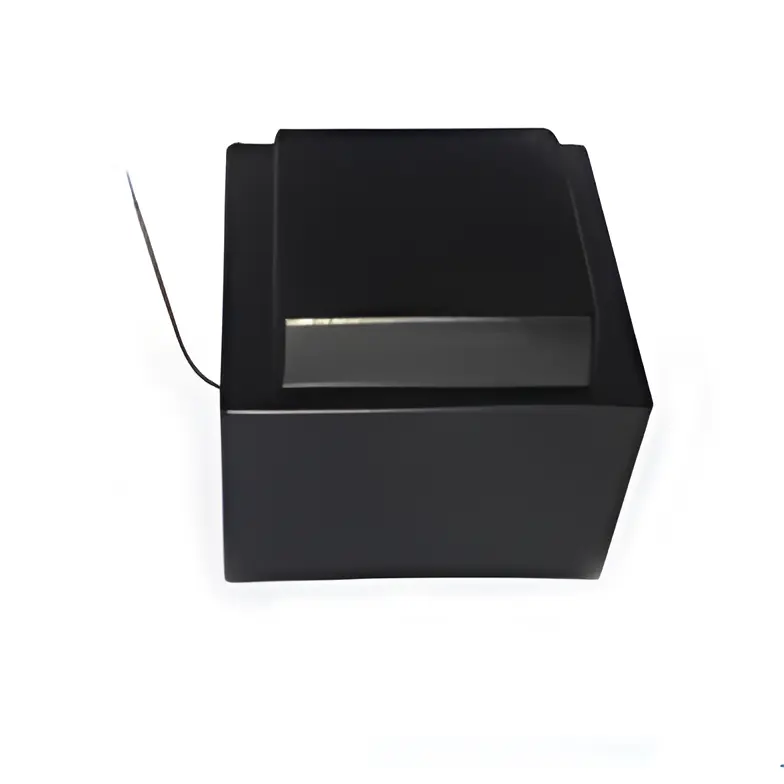 Sealed Transformers
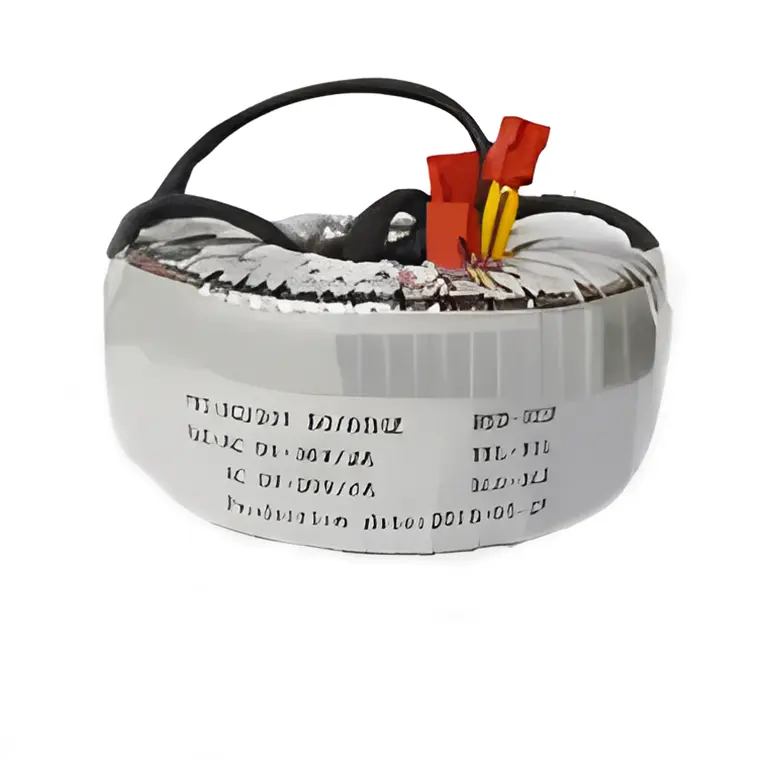 Ring Transformers
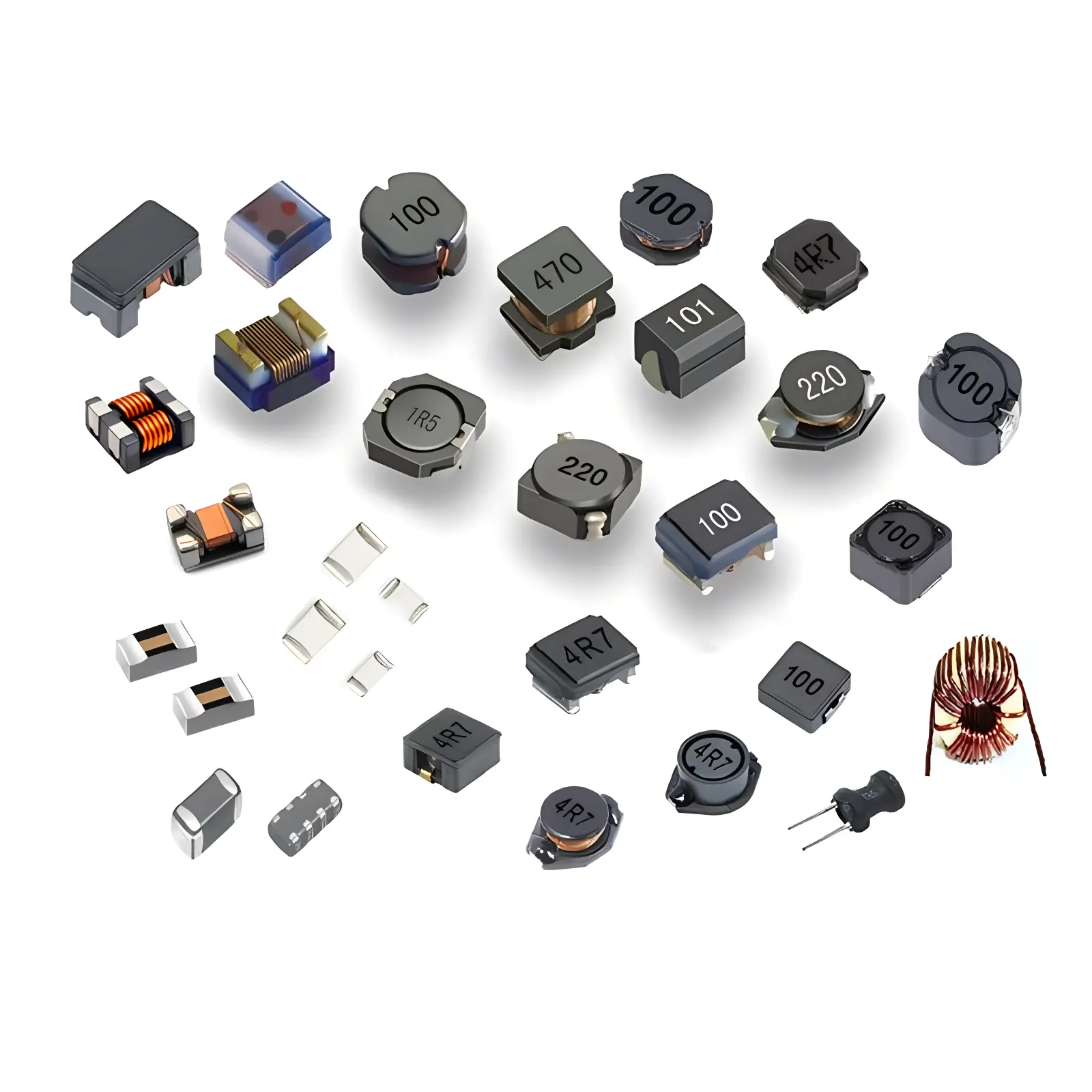 Inductors
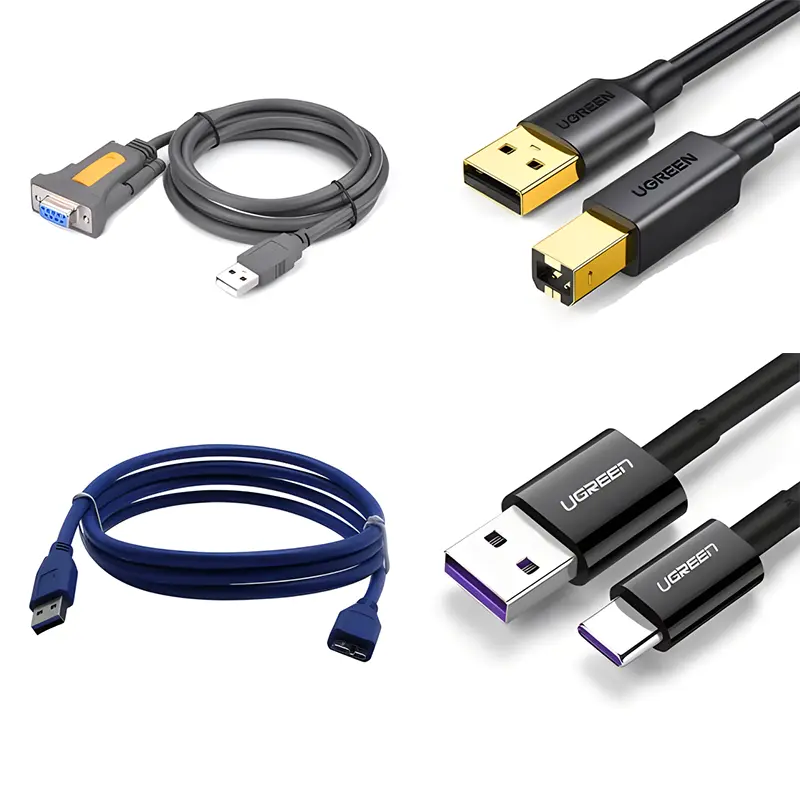 Wires,Cables Customized
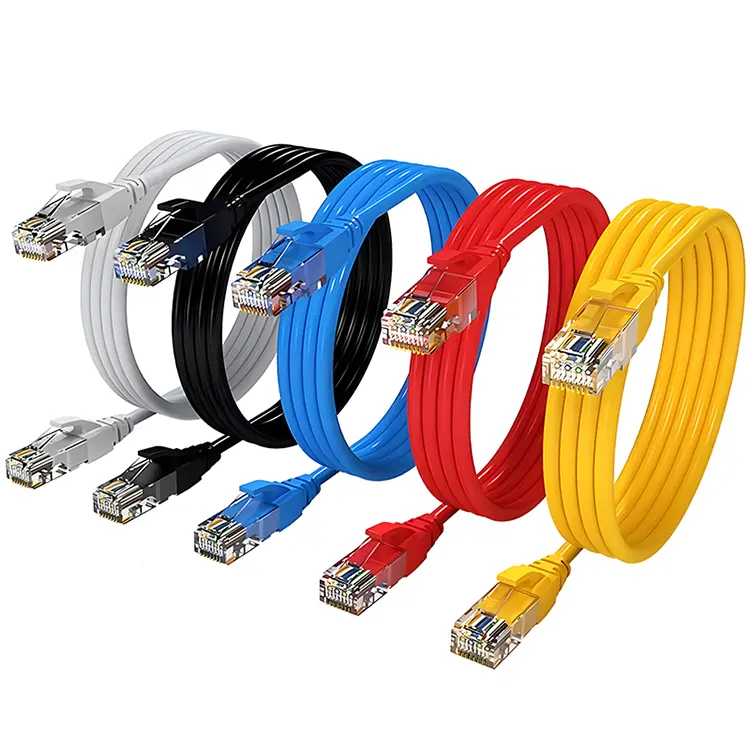 Network Cables
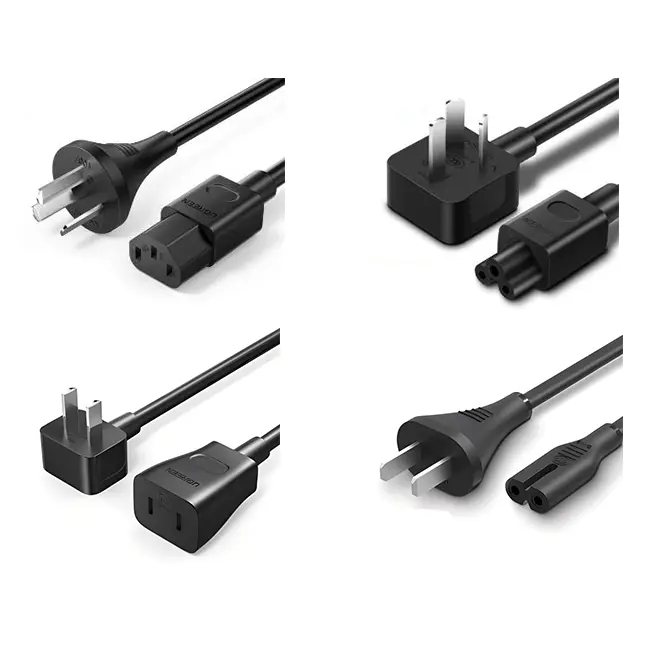 Power Cords
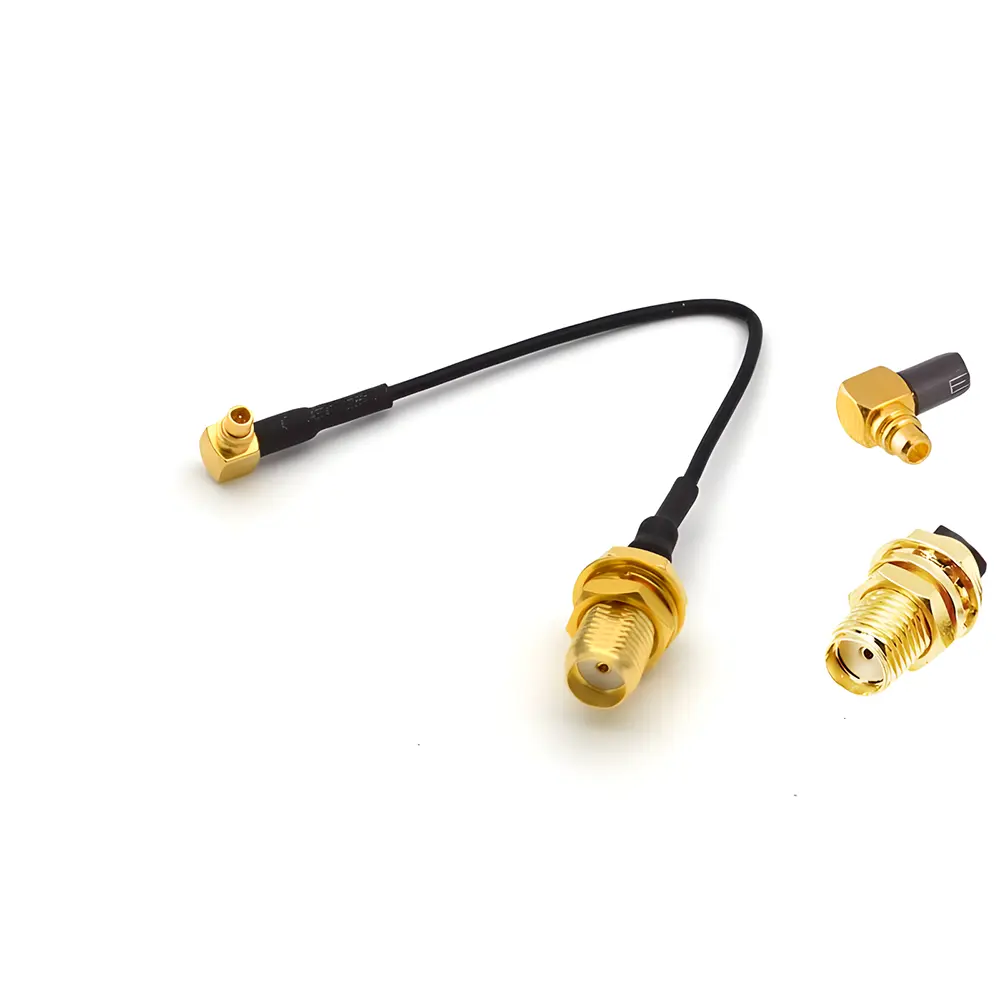 Antenna Cables
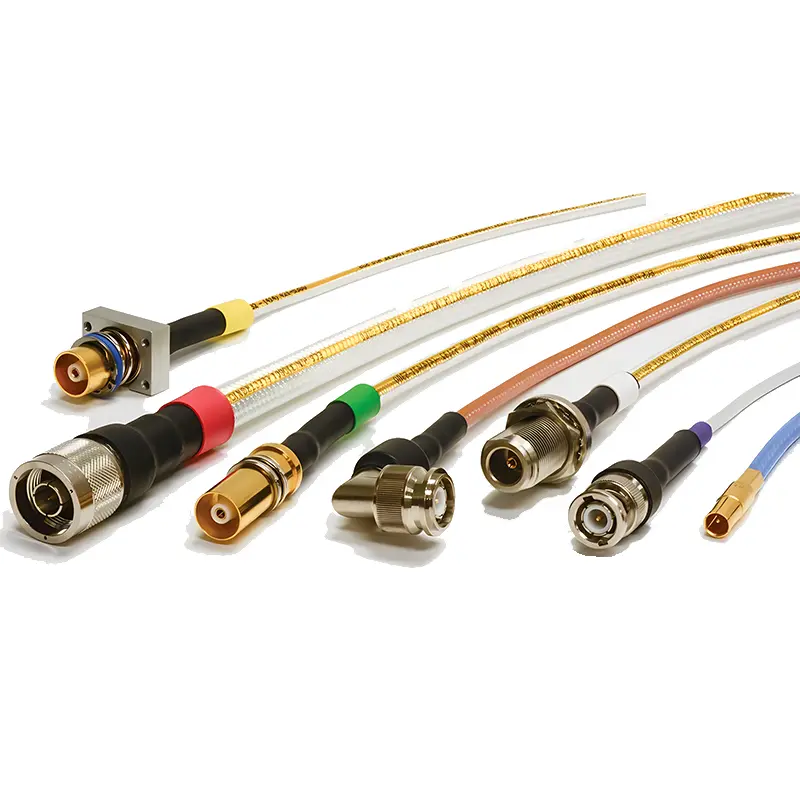 Coaxial Cables
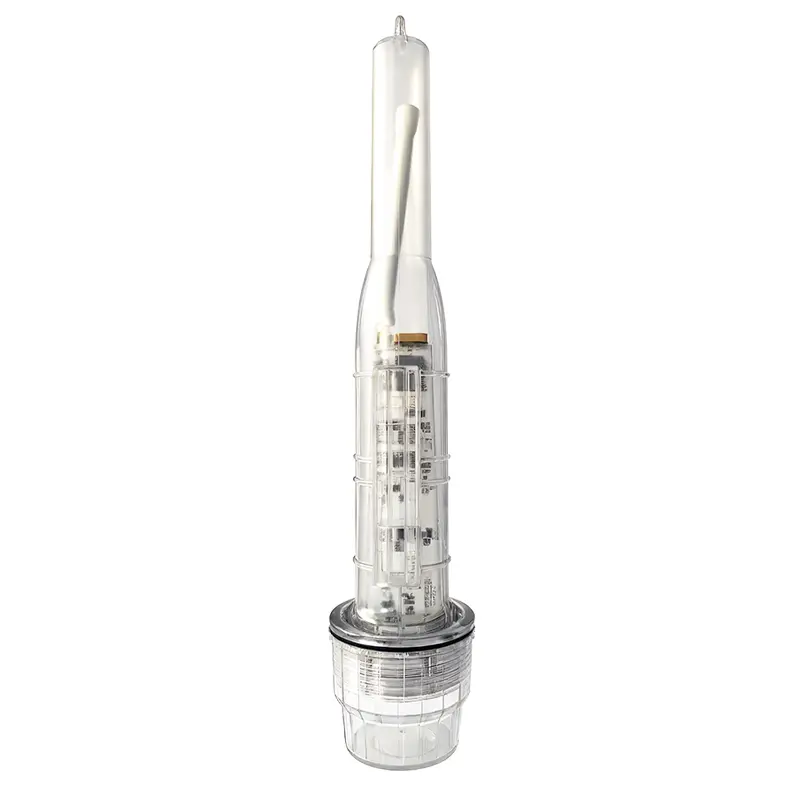 Net Position Indicator
 Solar AIS net position indicator
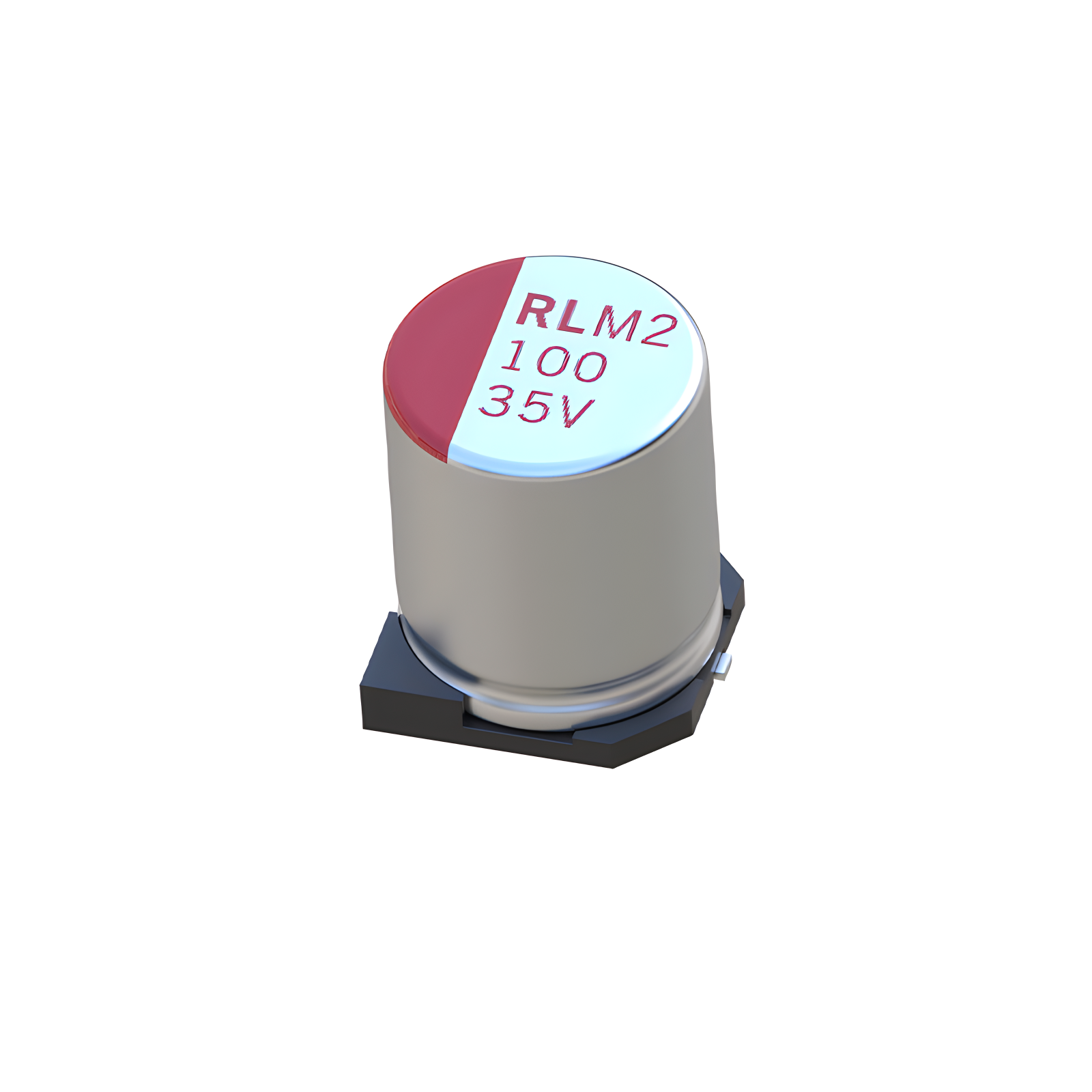 Capacitors
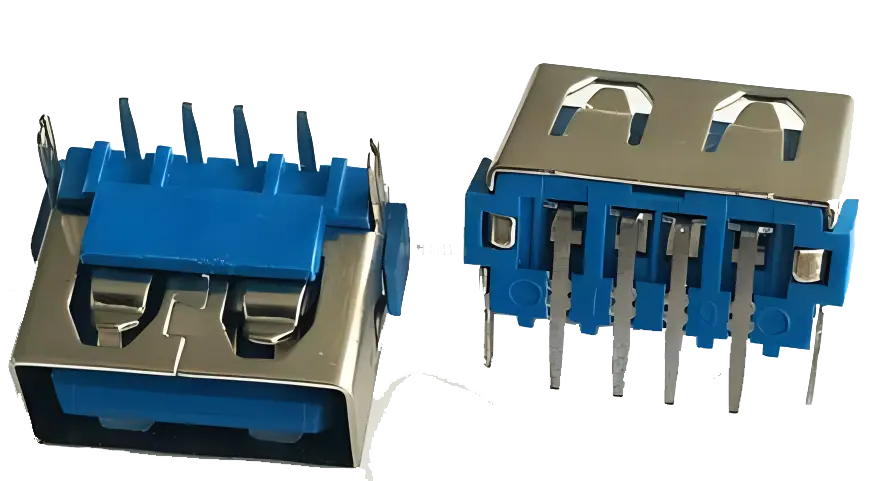 Connectors
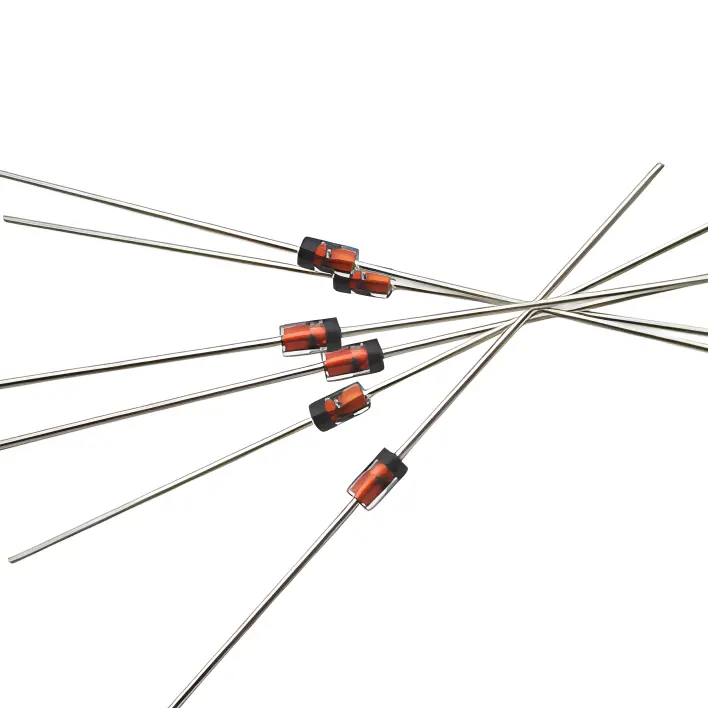 Diodes
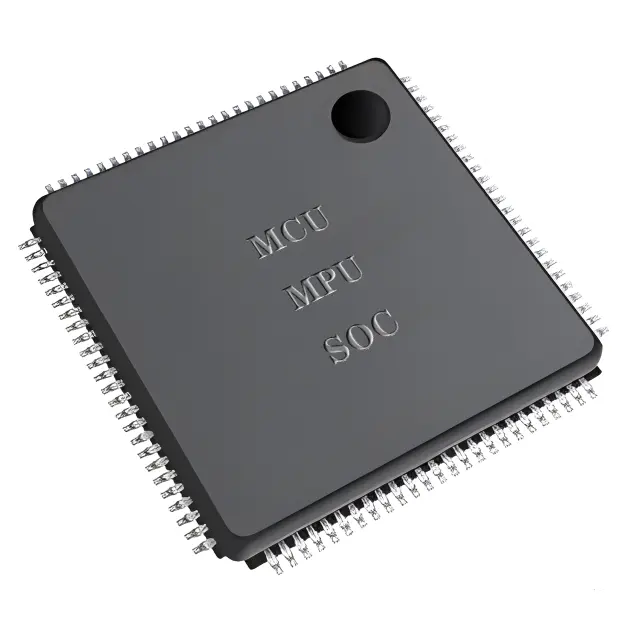 Embedded Processors & Controllers
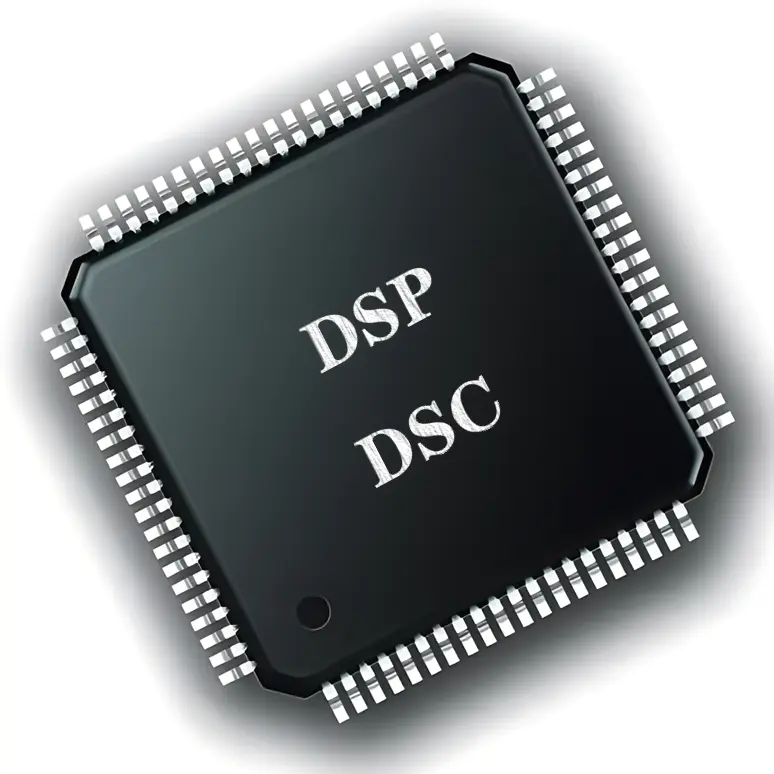 Digital Signal Processors (DSP/DSC)
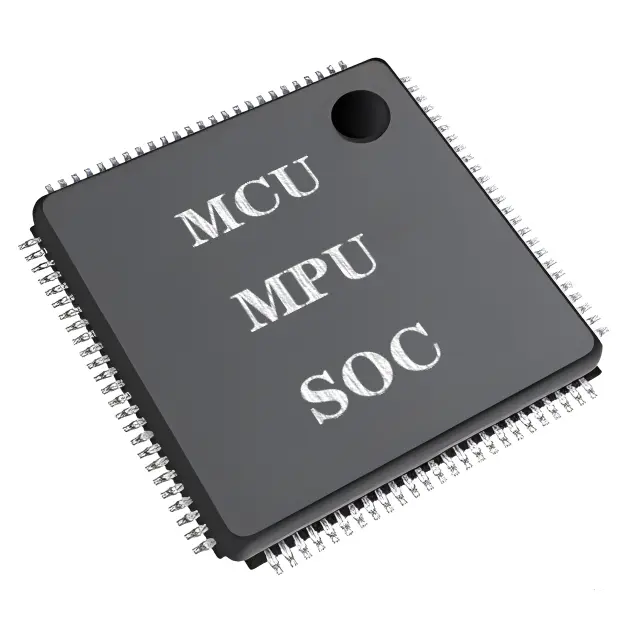 Microcontrollers (MCU/MPU/SOC)
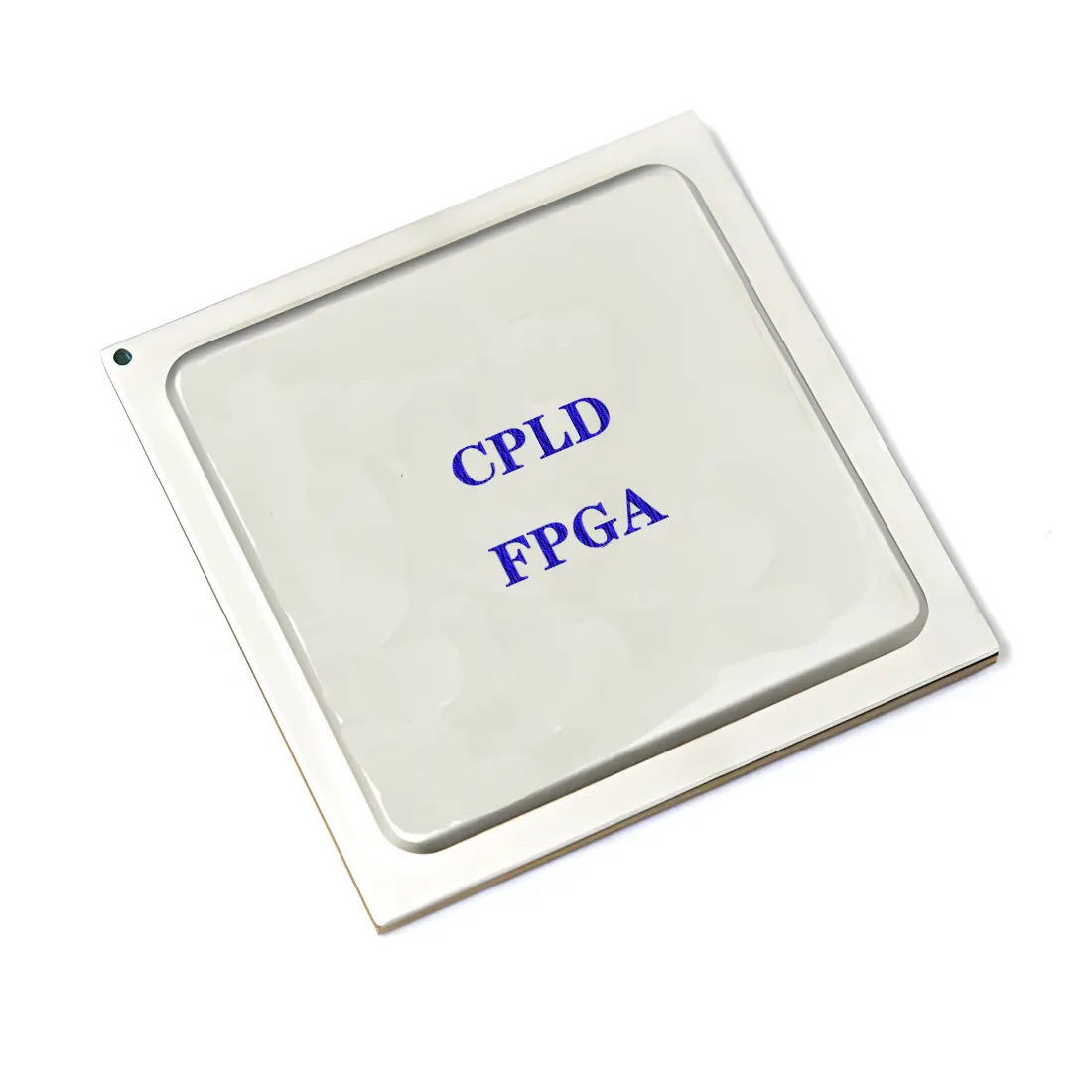 Programmable Logic Device(CPLD/FPGA)
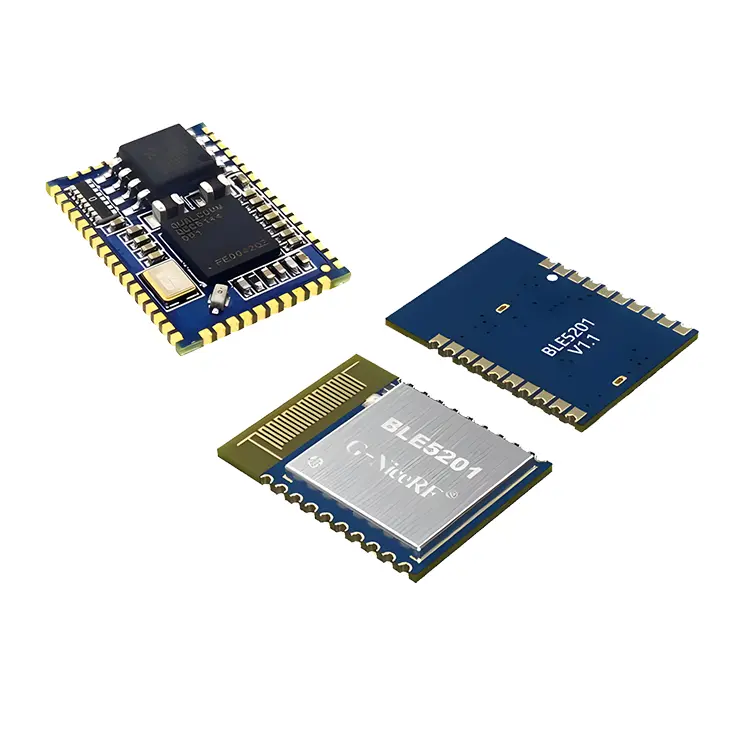 Communication Modules/IoT
 Resistors
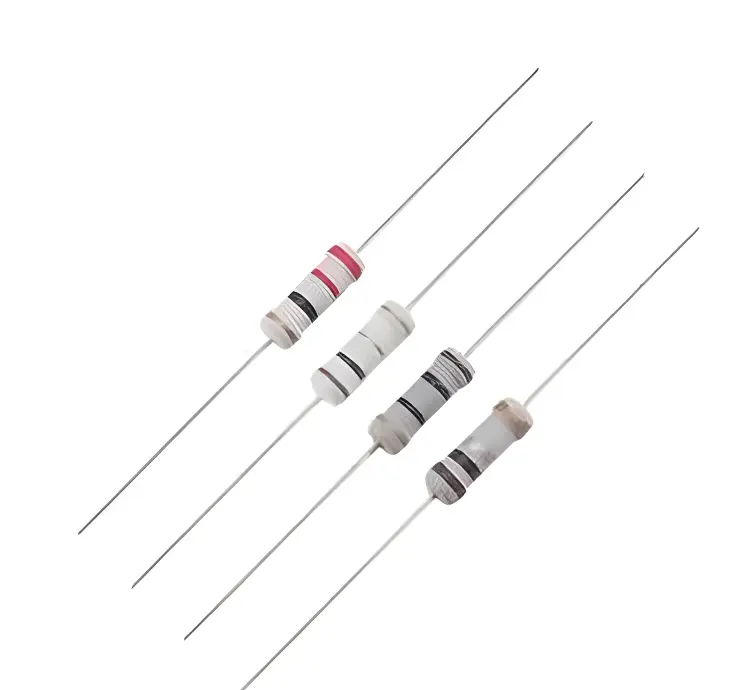 Through Hole Resistors
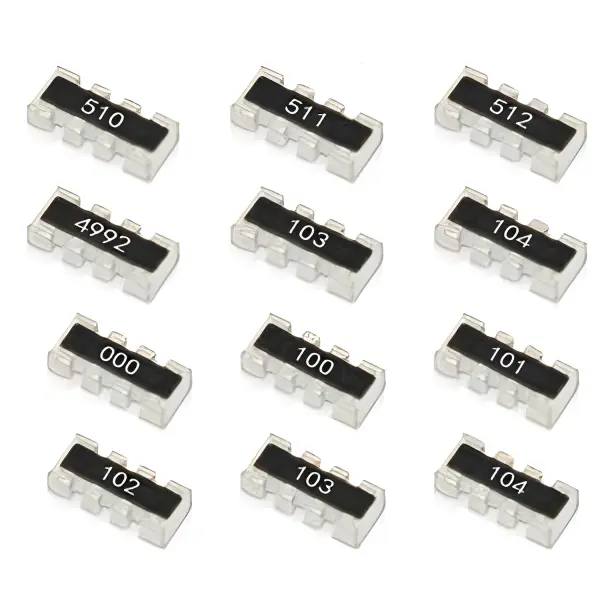 Resistor Networks, Arrays
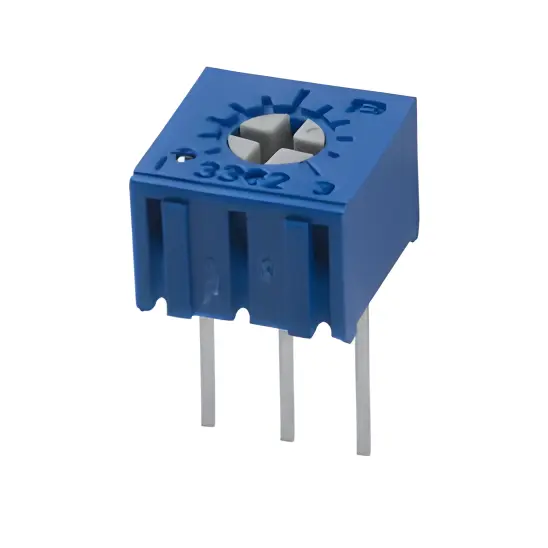 Potentiometers,Variable Resistors
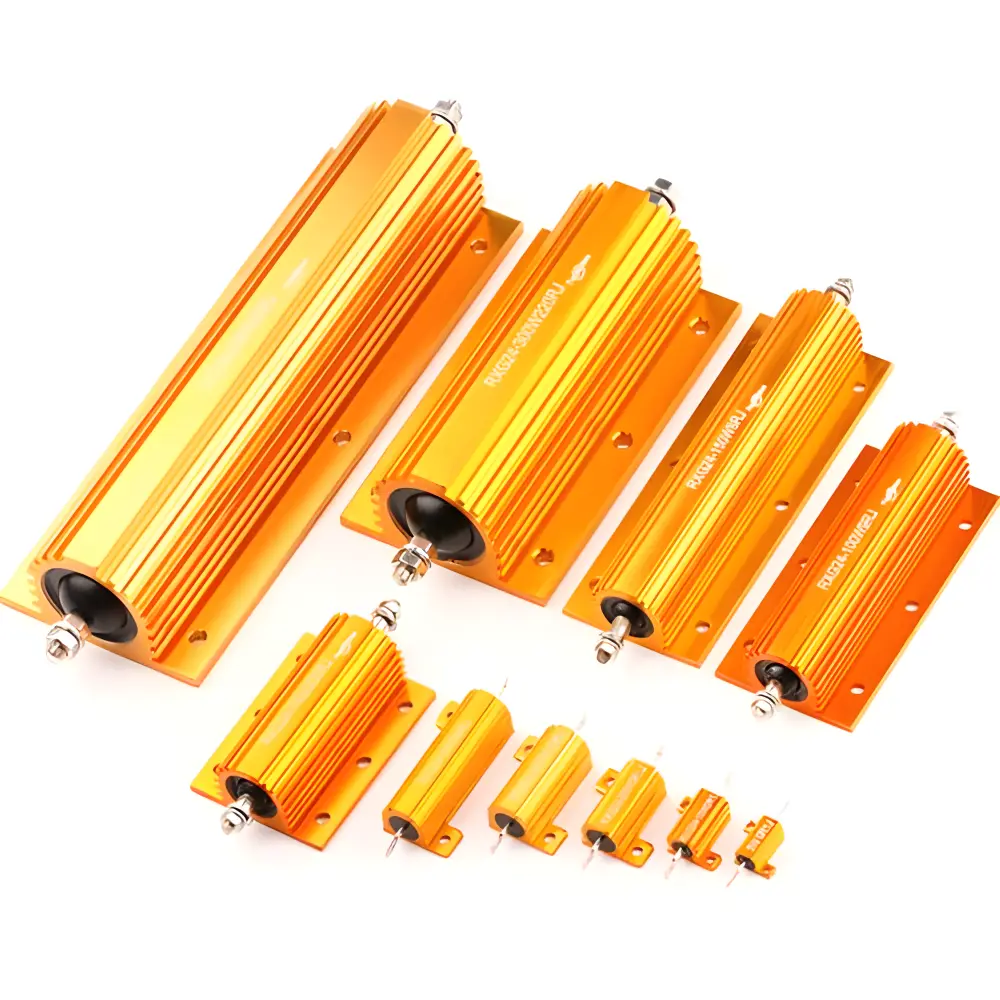 Aluminum Case,Porcelain Tube Resistance
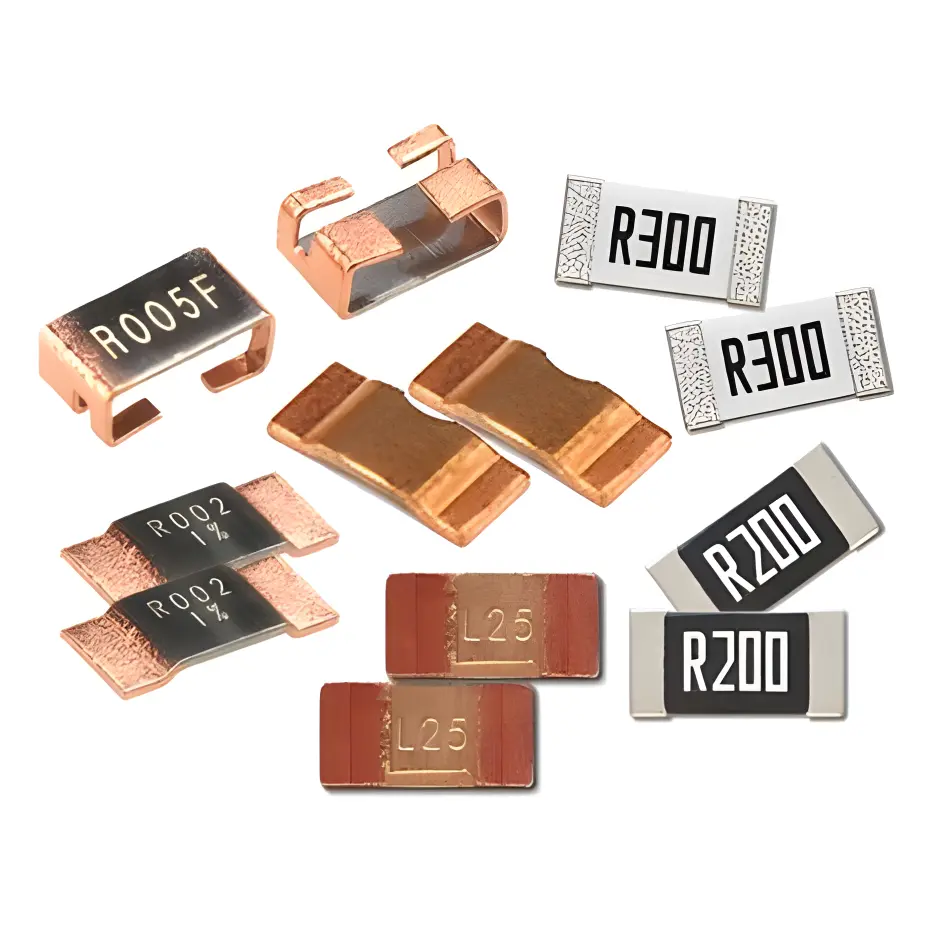 Current Sense Resistors,Shunt Resistors
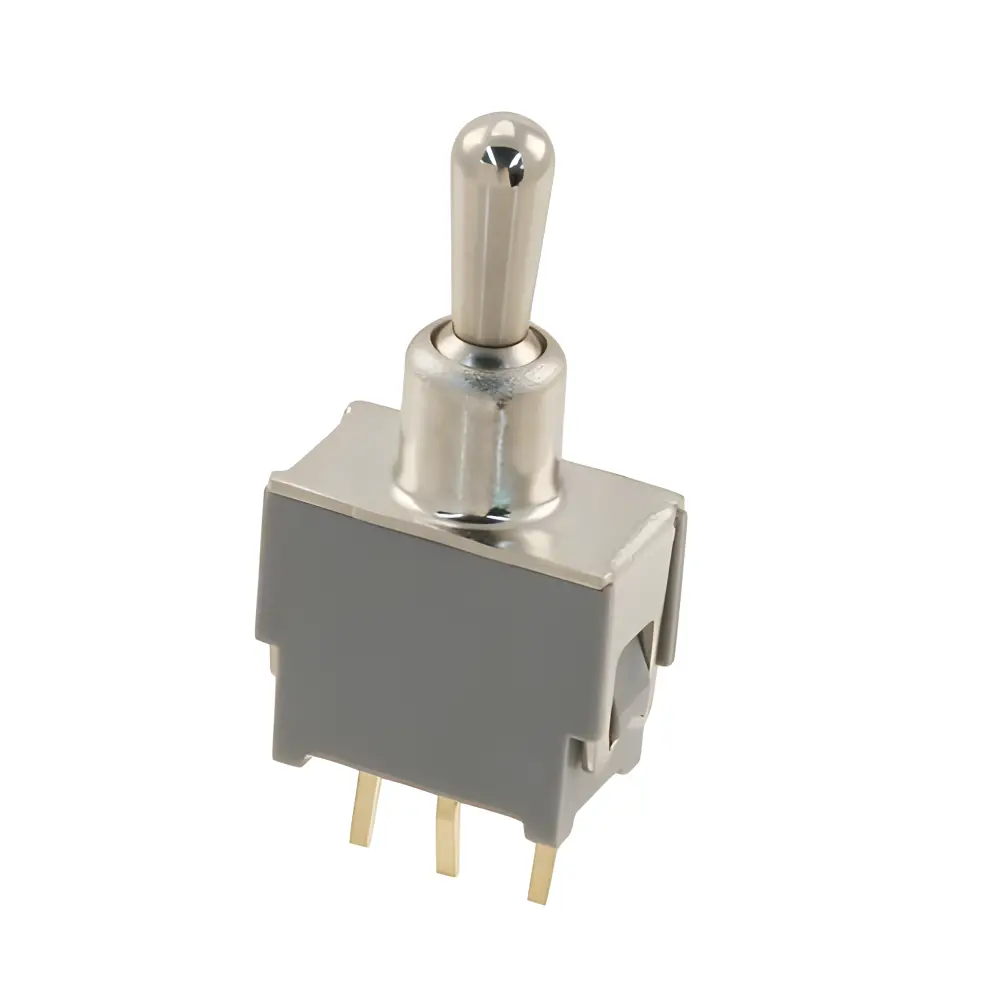 Switches
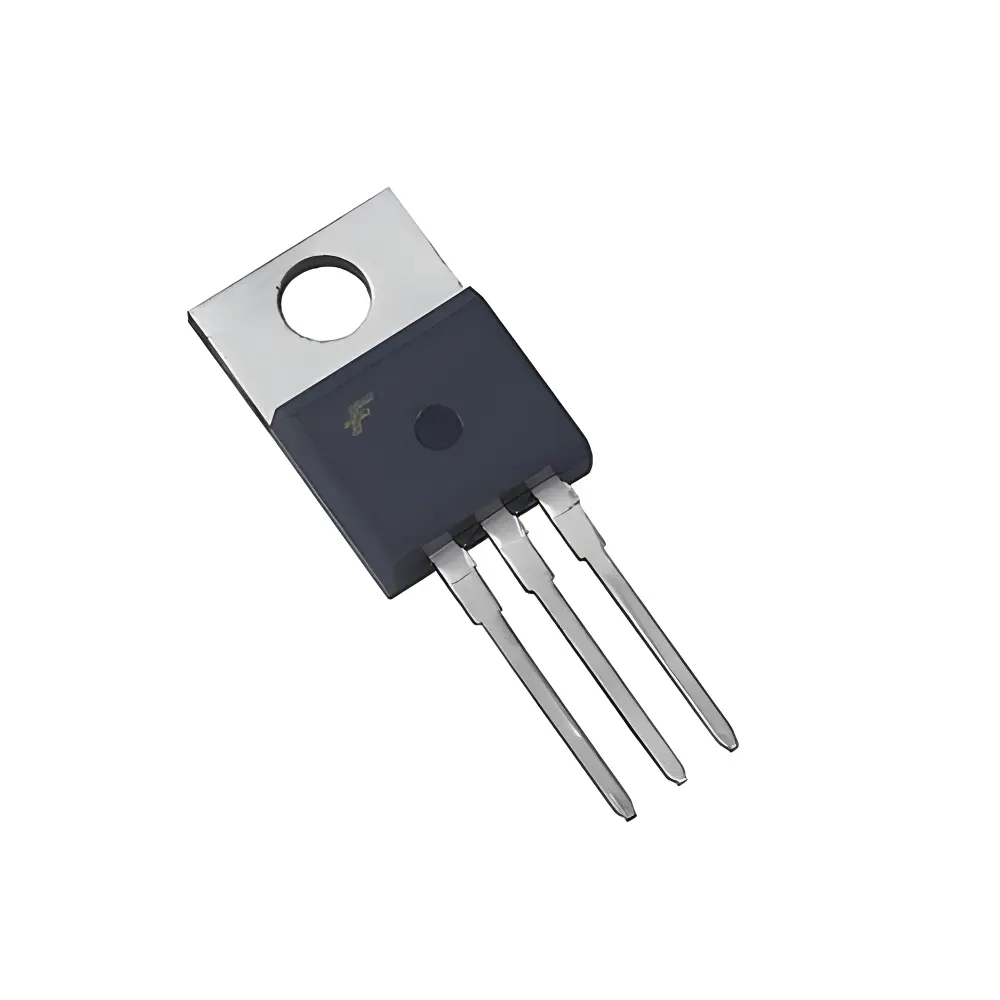 Transistors
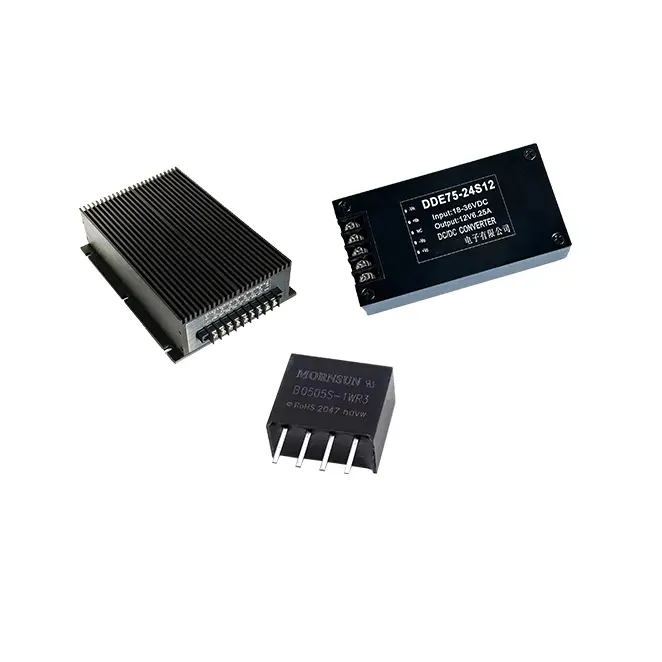 Power Modules
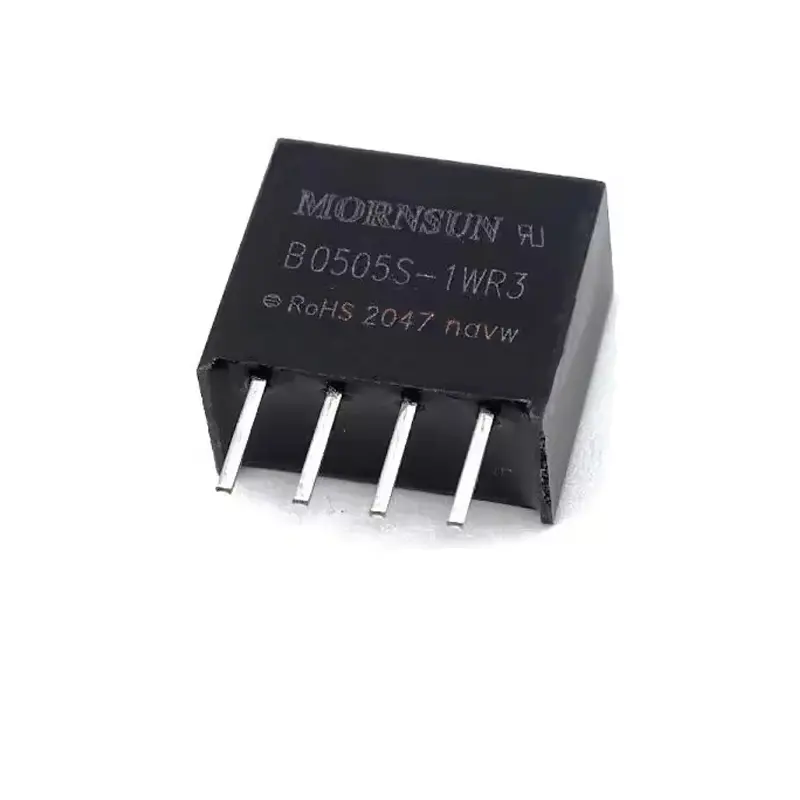 Isolated Power Modules
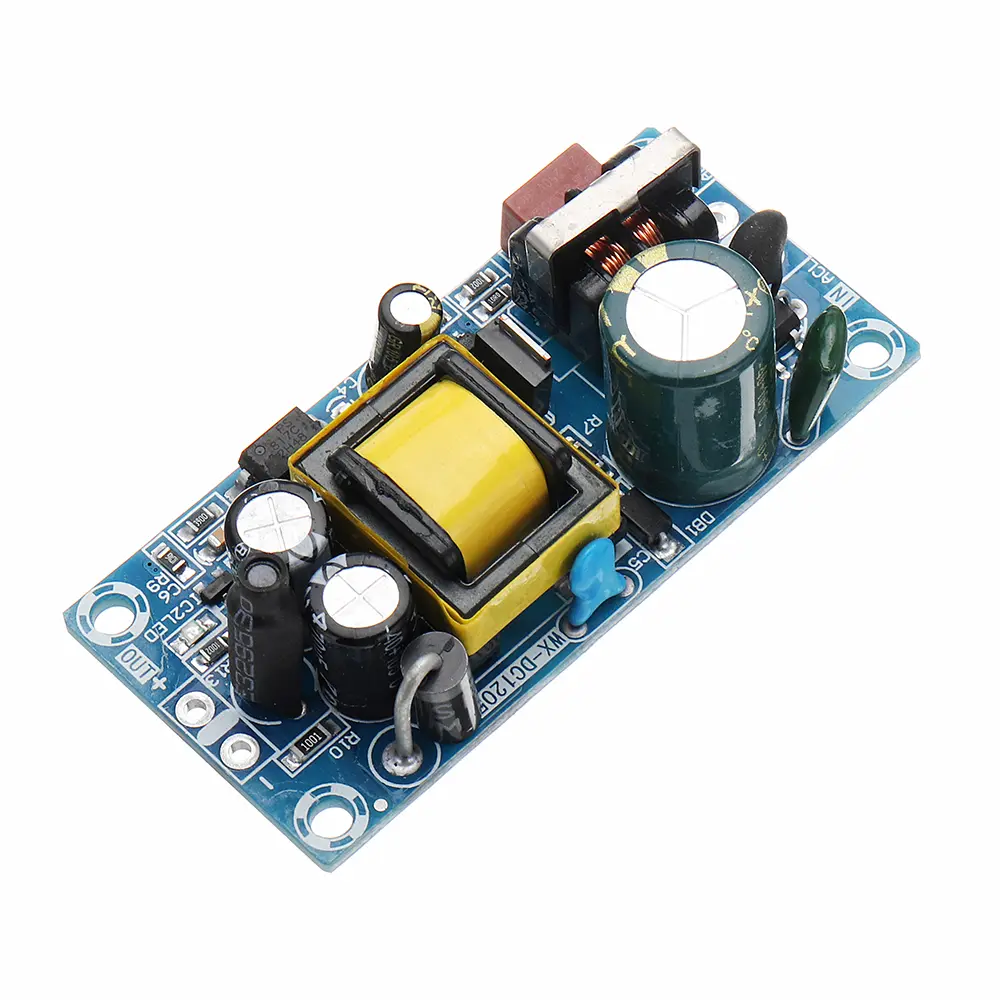 AC-DC Power Modules
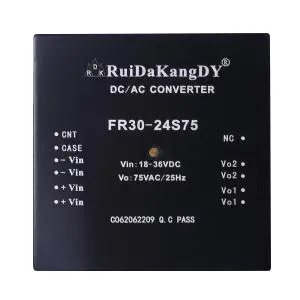 DC-AC Module(Inverter)
 RF and Wireless
Solving Copper Foil Wrinkling in Roll-to-Roll (R2R) Flexible Circuit Production
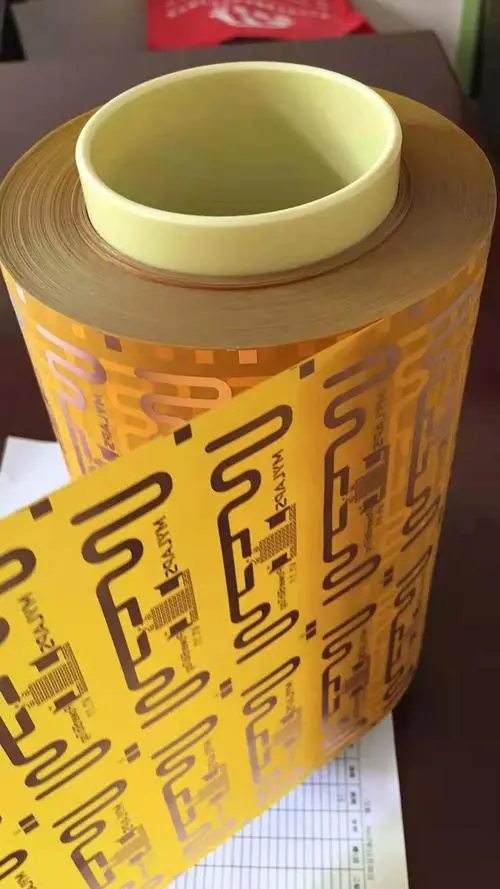
1. Root Causes of Wrinkling
Key factors causing copper foil wrinkling in R2R processes:
-
Tension imbalance: Local stress concentration due to tension gradients.
-
CTE mismatch: Copper (17 ppm/°C) vs. PI (35 ppm/°C) expansion differences.
-
Roller defects: Misalignment (>0.01 mm/m) or suRFace contamination.
-
Lamination flaws: Non-uniform temperature/pressure or resin flow.
2. Control Strategies
(1) Tension System Optimization
-
Closed-loop tension control:
Servo motors + load cells maintain tension within ±0.1 N/mm. -
Taper tension:
Exponential tension decay during rewinding (�=�0×(�0/�)�, n=0.8–1.2). -
Anti-wrinkle rollers:
Crowned spread rollers (R=1500 mm for 500 mm web width).
(2) Thermal-MechanICal Management
-
Zoned temperature control:
5–8 zones with ≤3°C gradient (preheat=80°C, main=180°C, cool=50°C). -
Pressure uniformity:
Silicone pads (Shore A 30–50) or air cushion systems for >95% uniformity.
(3) Material Engineering
-
Low-roughness copper:
Reverse-treated foil (Rz=1–2 μm) minimizes friction. -
Substrate pretreatment:
Ar/O₂ plasma activation (500 W, 30 s) rAISes surface energy to 50 mN/m. -
Adhesive optimization:
High-flow acrylics (viscosity<1000 cP @100°C).
(4) Equipment Maintenance
-
Roller calibration:
Weekly laser alignment (±0.001 mm) and surface inspection (Ra<0.2 μm). -
Drive system upkeep:
Linear guide lubrication and gear backlash adjustment (<0.05 mm).
3. Real-Time Monitoring
-
Optical inspection:
Line-scan cameras (5000 fps) + CNN algorithms detect 0.1 mm² wrinkles. -
Laser profilometry:
Measures flatness (<0.05 mm/m), feedback to tension controllers. -
Thermal imaging:
Monitors temperature (±2°C alarm threshold).
4. Process Parameters
| Process Step | Key Parameter | Target Range |
|---|---|---|
| Unwinding tension | Tension accuracy | ±0.05 N/mm |
| Lamination temp. | Main zone temperature | 180±2°C |
| Lamination pressure | Unit pressure | 2.5±0.1 MPa |
| Taper coefficient | Tension decay exponent (n) | 0.9–1.0 |
| Roller alignment | Axial deviation | <0.005 mm/m |
5. Case Studies
-
Case 1: 50μm PI + 12μm Cu foil
-
Solution: Spread rollers + taper tension (n=0.95)
-
Result: Wrinkling reduced from 5% to 0.3%, 20% higher yield.
-
-
Case 2: High-frequency LCP substrate
-
Plasma activation + air cushion lamination
-
Result: Dk variation <0.01, zero wrinkles.
-