
 PCB
PCB FPC
FPC Rigid-Flex
 FR-4
FR-4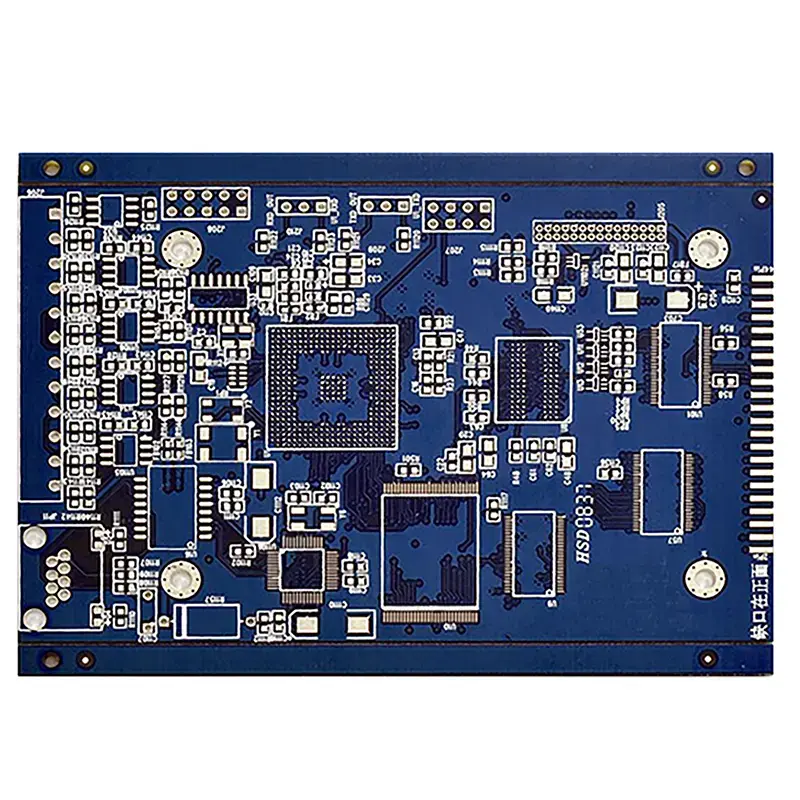 HDI PCB
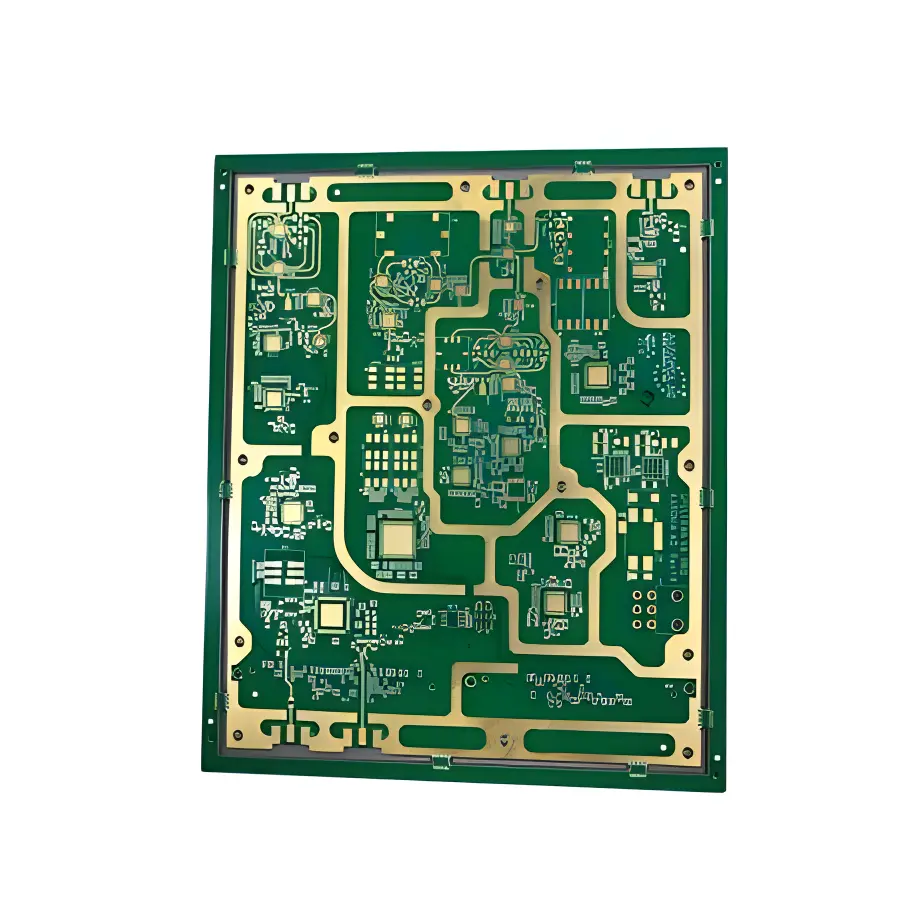 Rogers High-Frequency Board
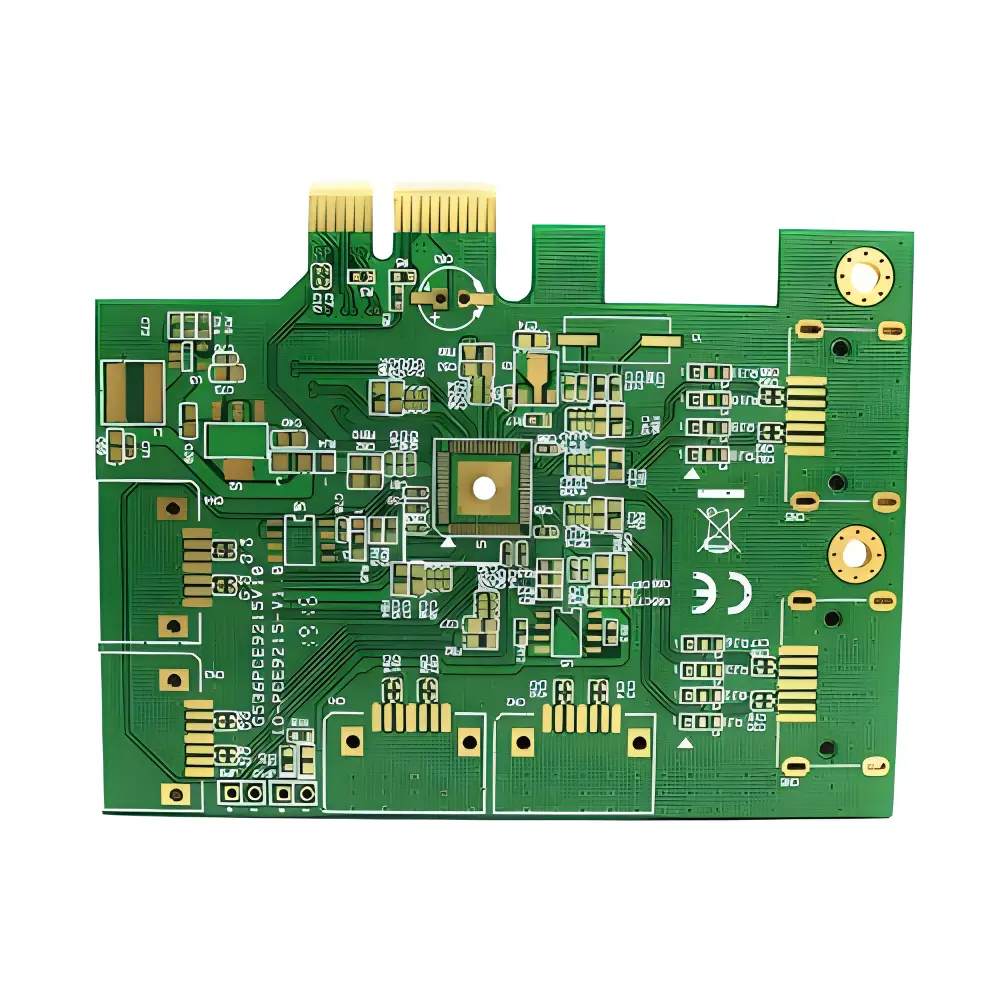 PTFE Teflon High-Frequency Board
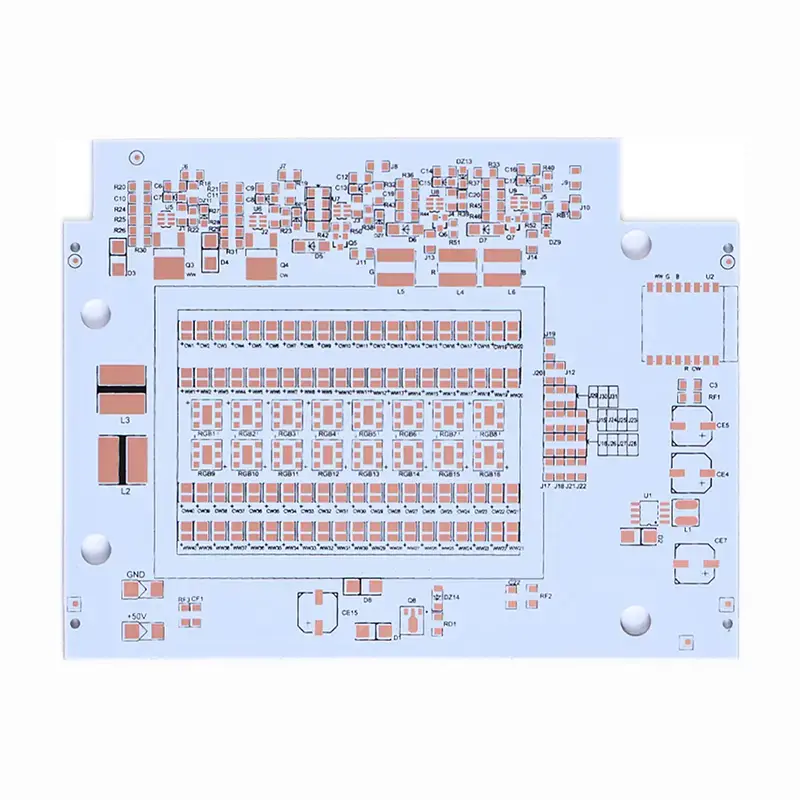 Aluminum
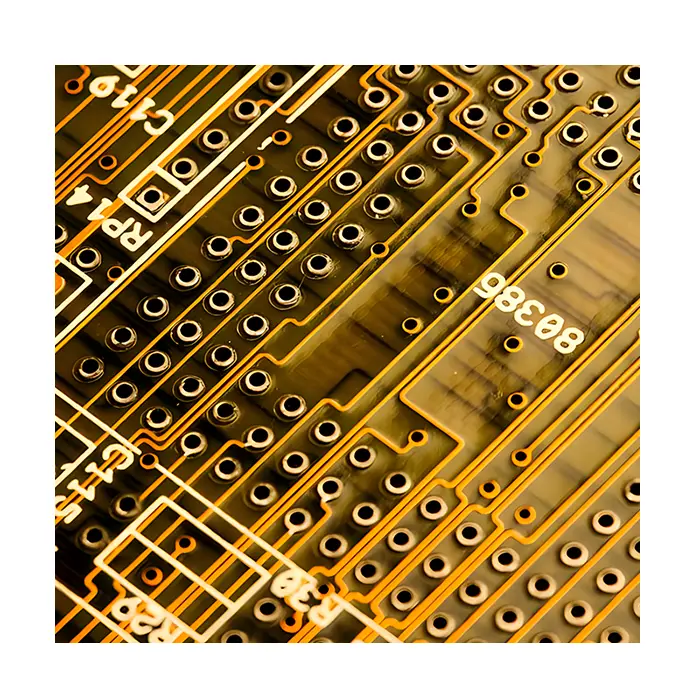 Copper Core
 PCB Assembly
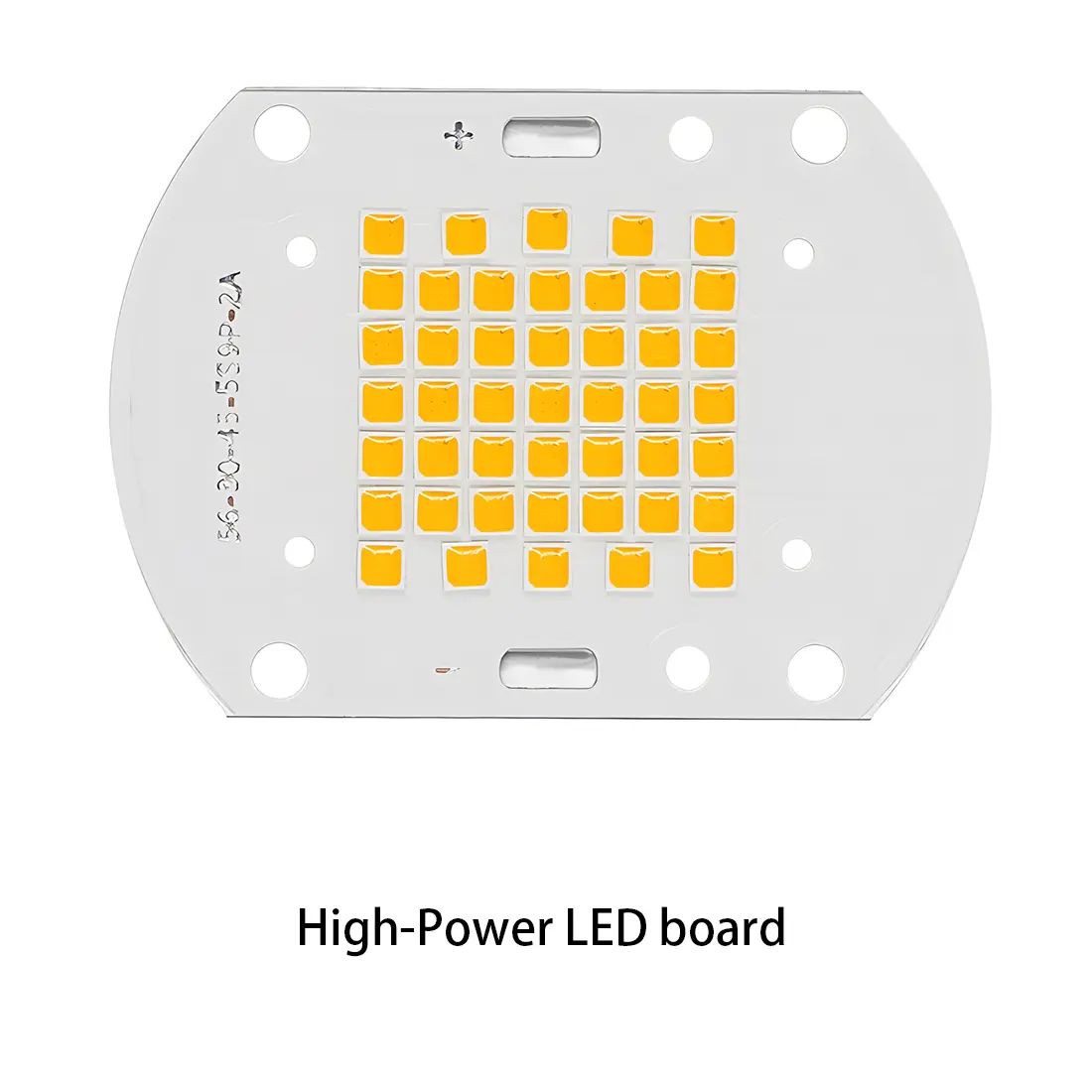 LED light PCBA
 Memory PCBA
 Power Supply PCBA
 New Energey PCBA
 Communication PCBA
 Industrial Control PCBA
 Medical Equipment PCBA
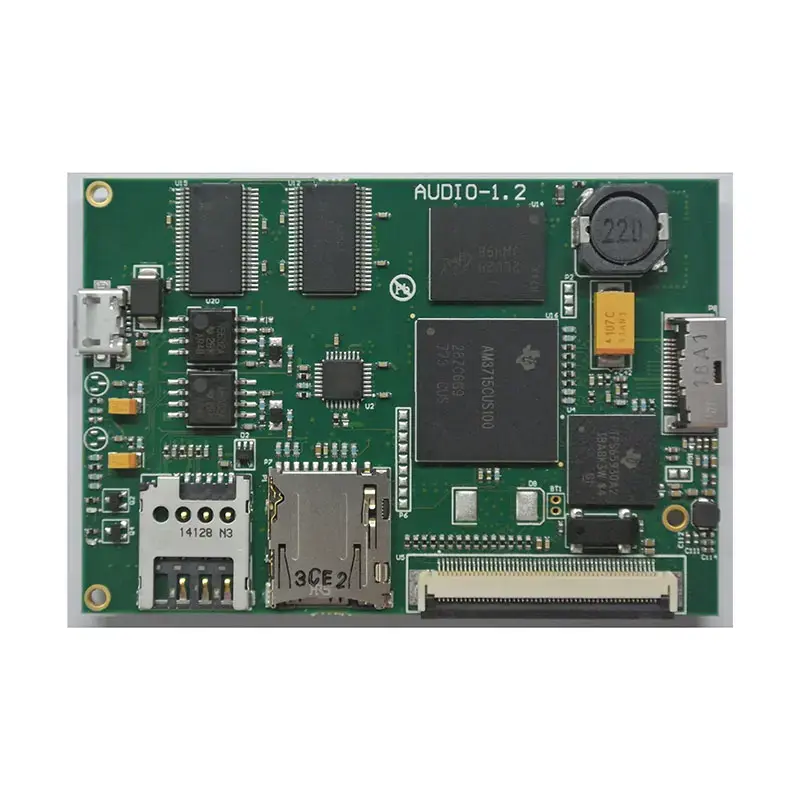 Testing Service
 PCBA Testing Service
 Certification Application
 RoHS Certification Application
 REACH Certification Application
 CE Certification Application
 FCC Certification Application
 CQC Certification Application
 UL Certification Application
 Transformers, Inductors
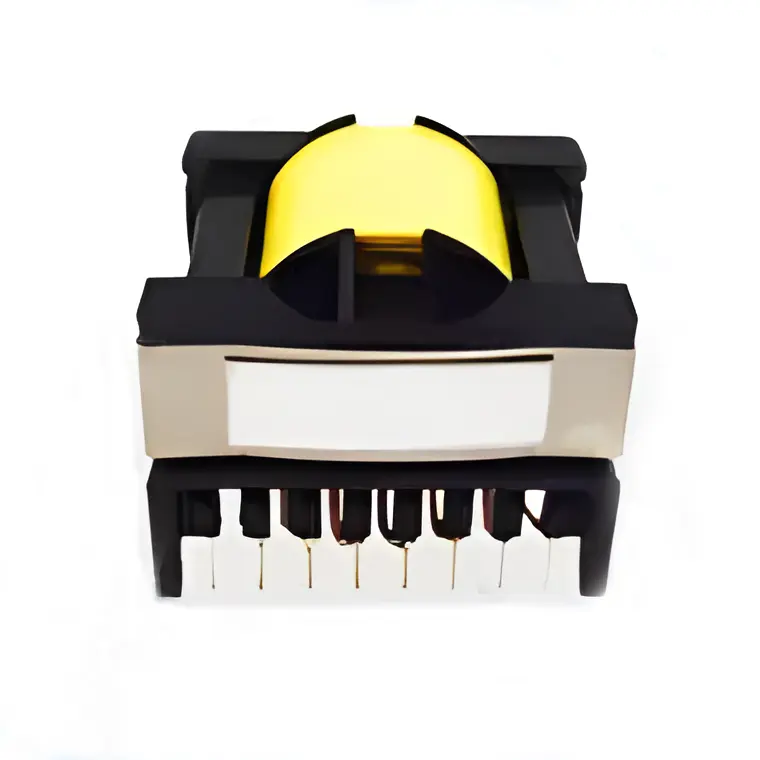 High Frequency Transformers
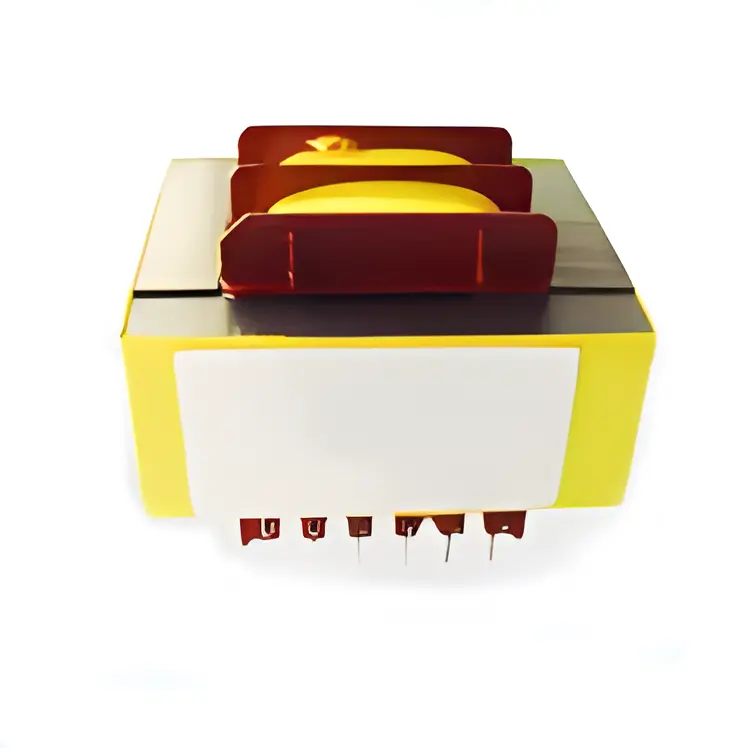 Low Frequency Transformers
 High Power Transformers
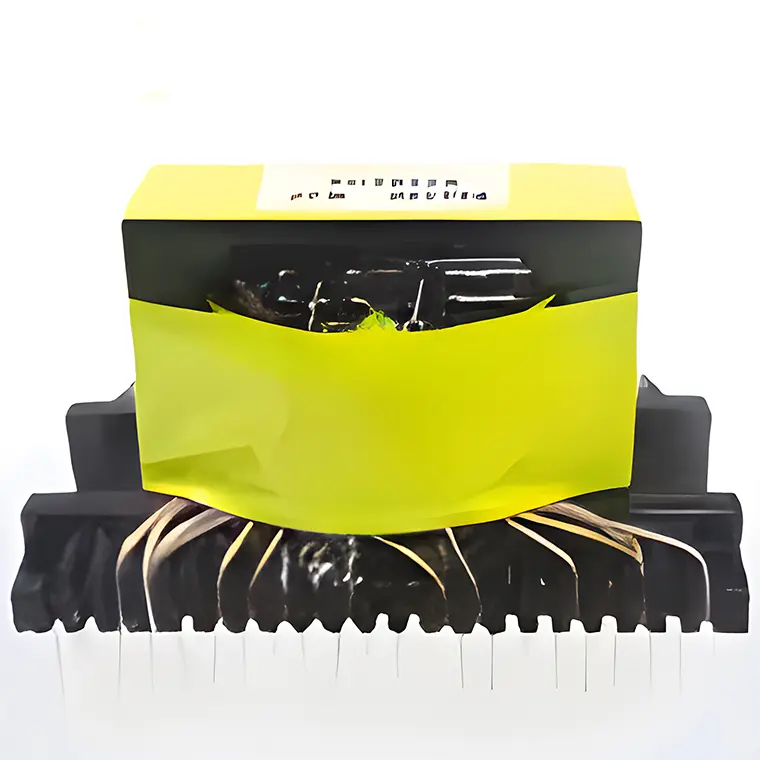 Conversion Transformers
 Sealed Transformers
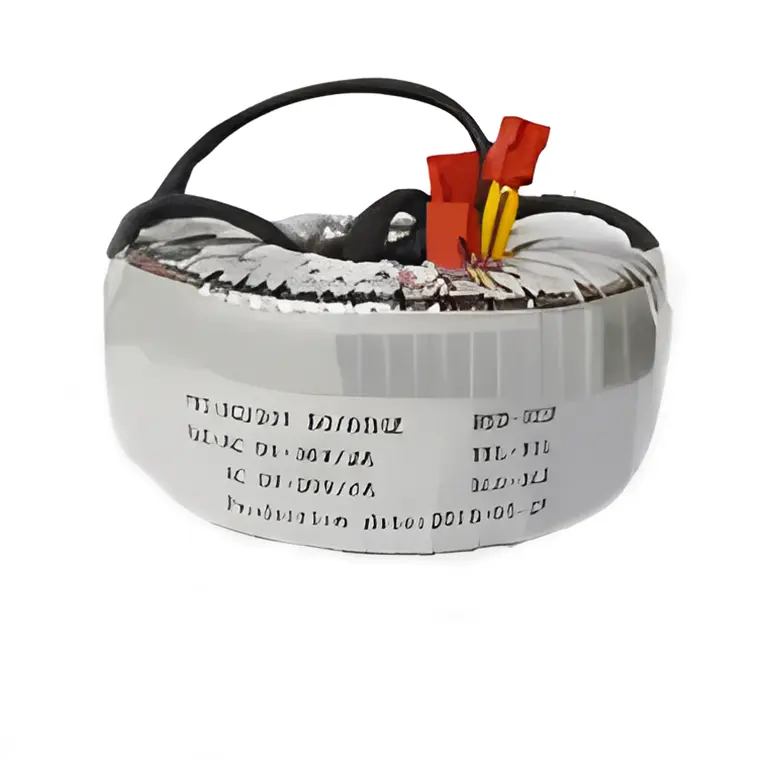 Ring Transformers
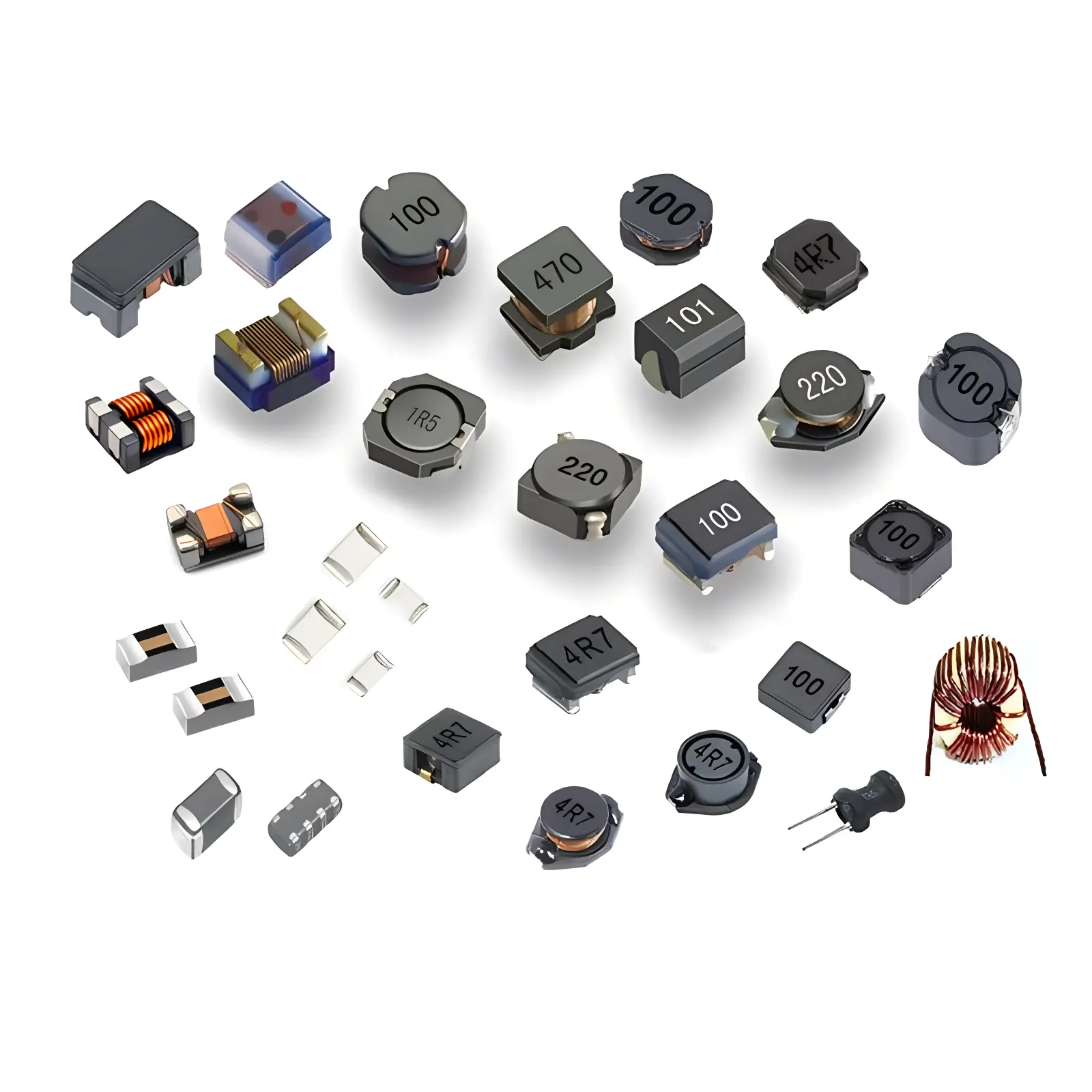 Inductors
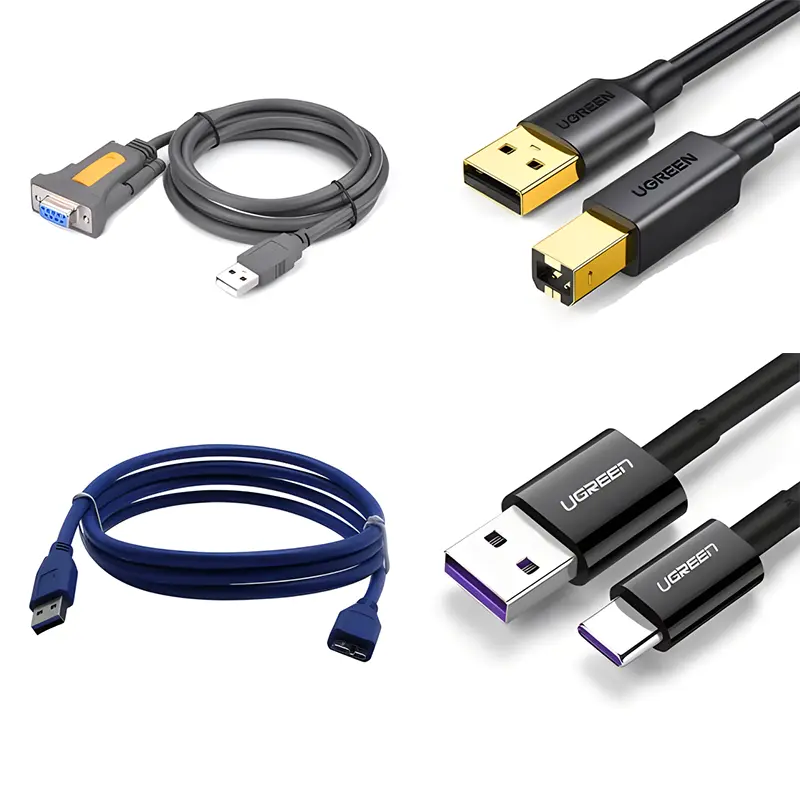 Wires,Cables Customized
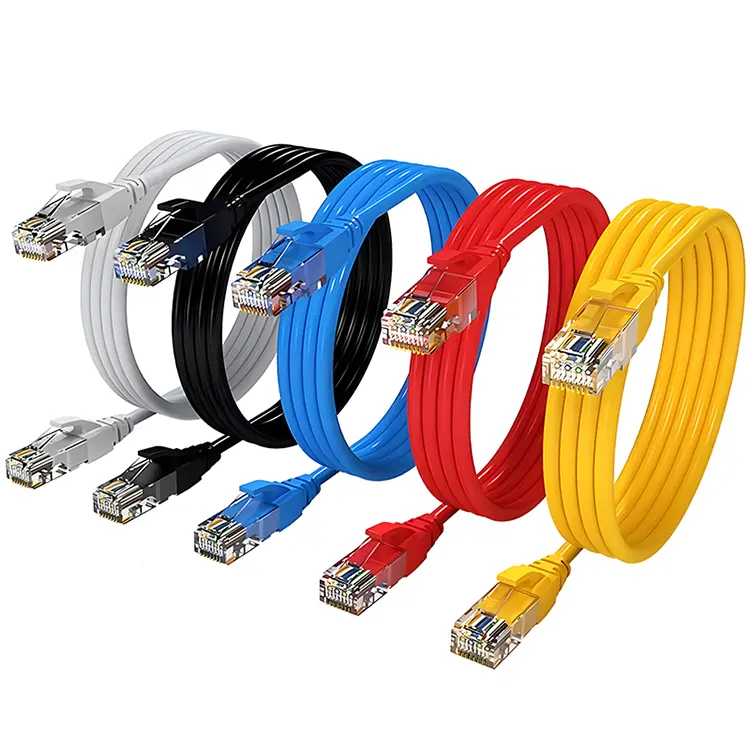 Network Cables
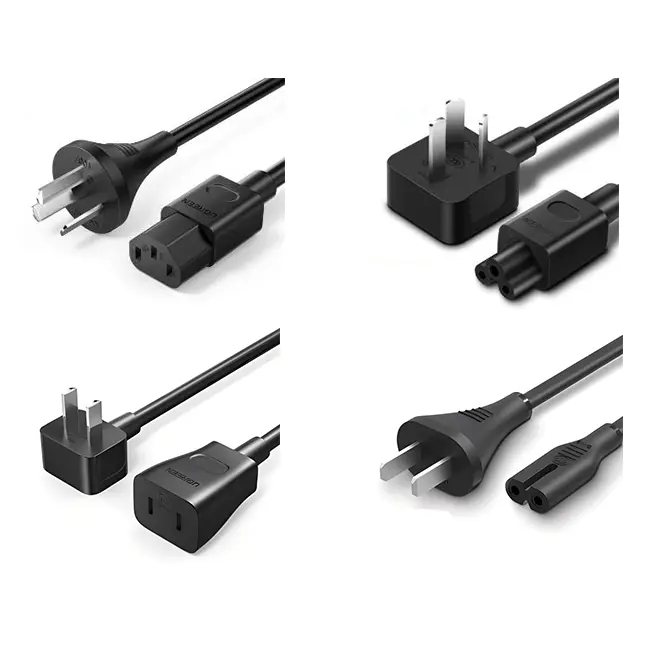 Power Cords
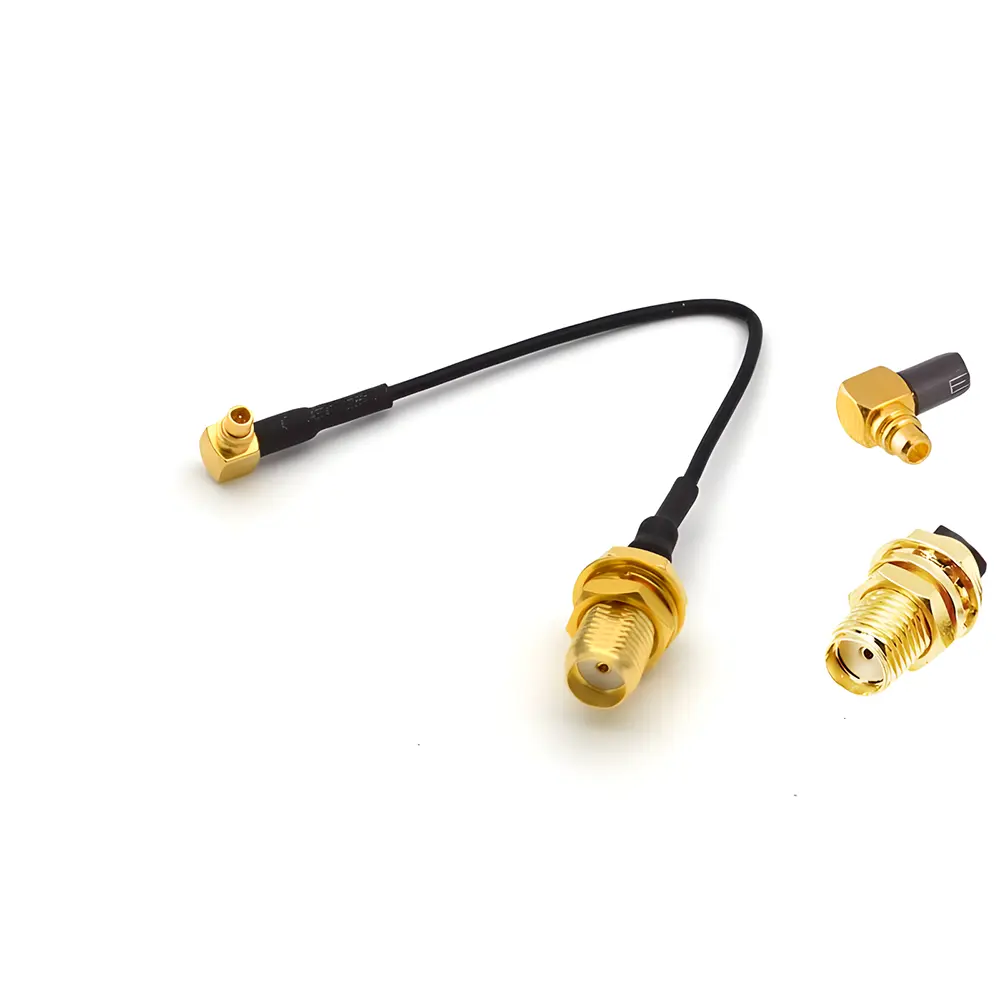 Antenna Cables
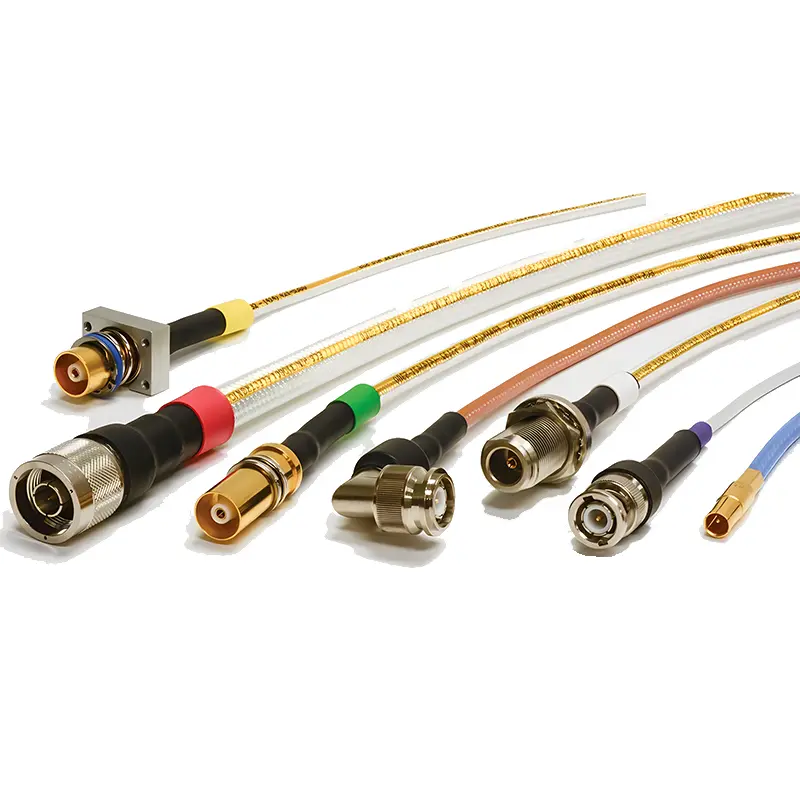 Coaxial Cables
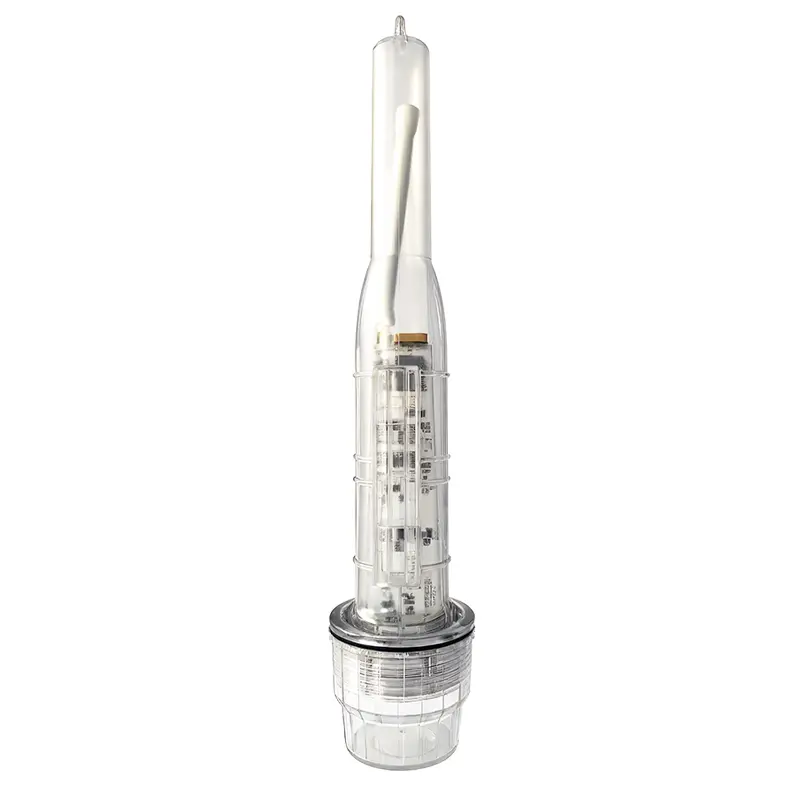 Net Position Indicator
 Solar AIS net position indicator
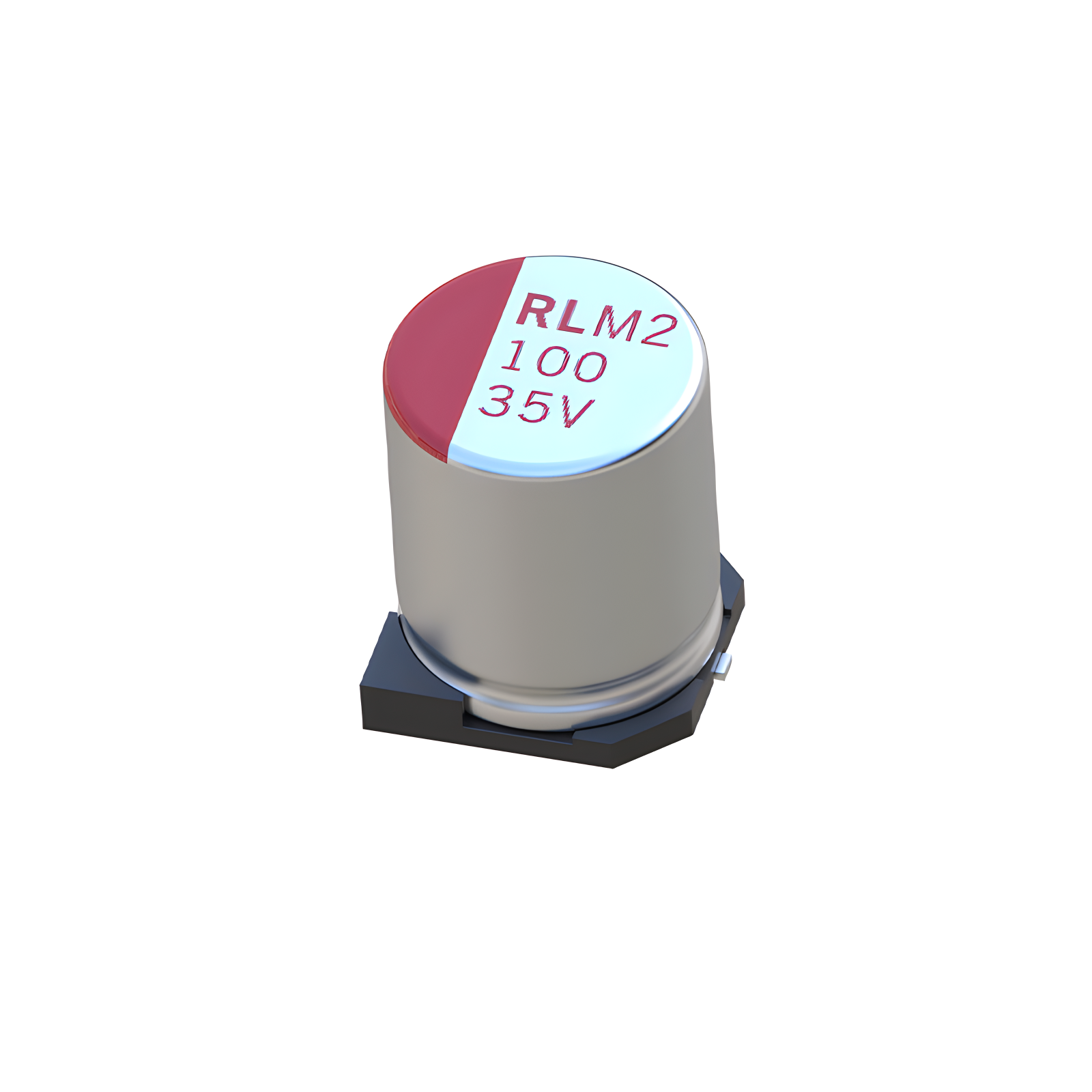 Capacitors
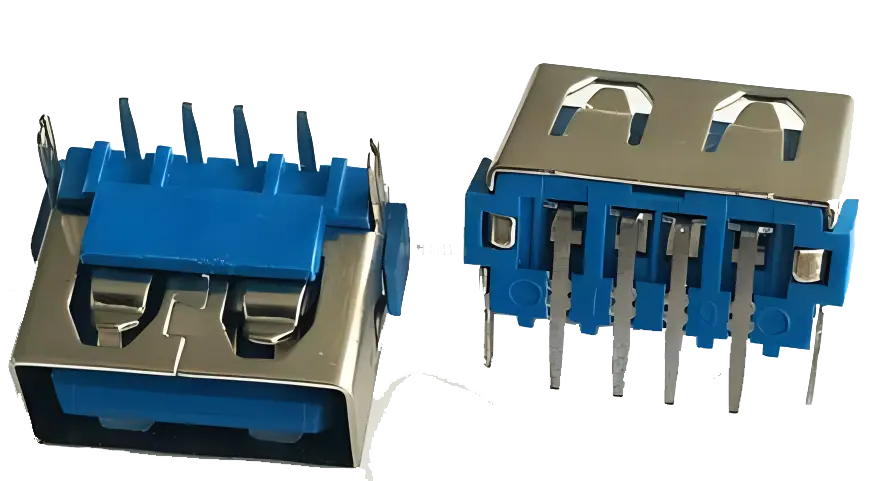 Connectors
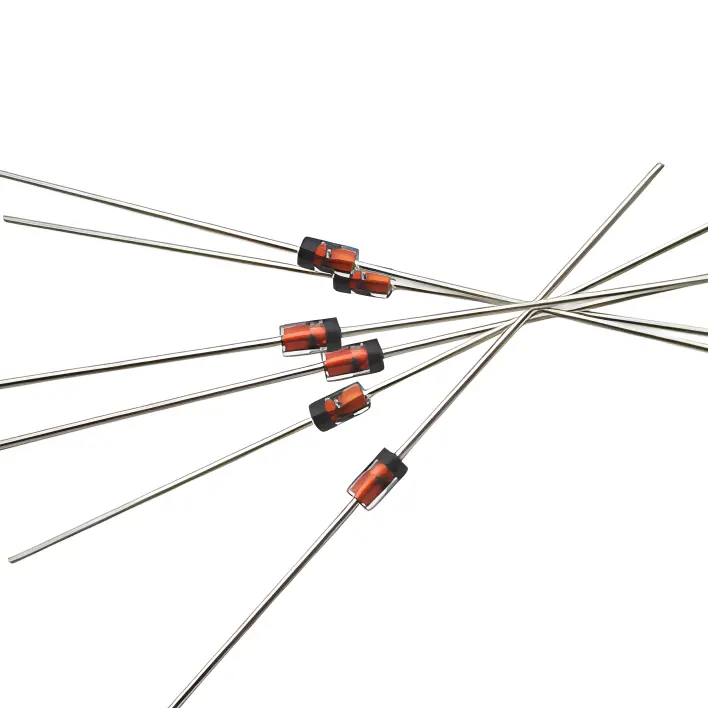 Diodes
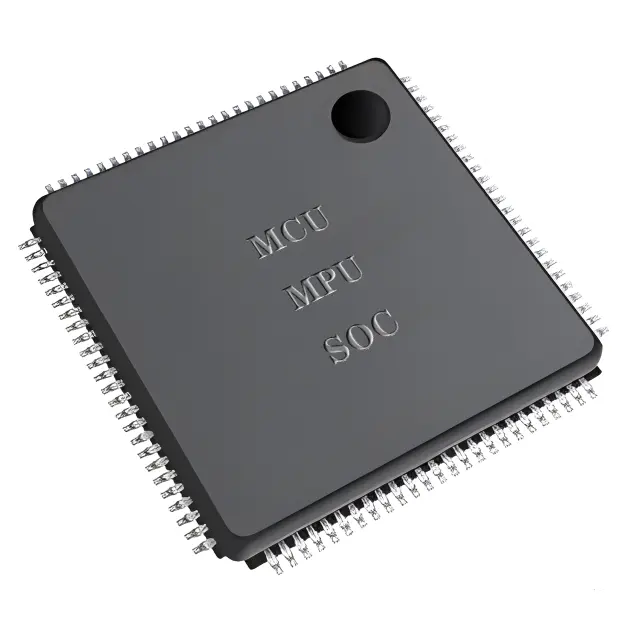 Embedded Processors & Controllers
 Digital Signal Processors (DSP/DSC)
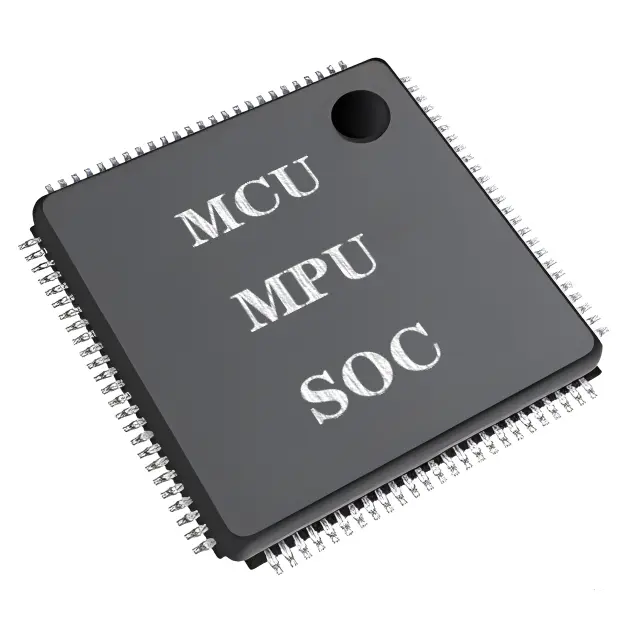 Microcontrollers (MCU/MPU/SOC)
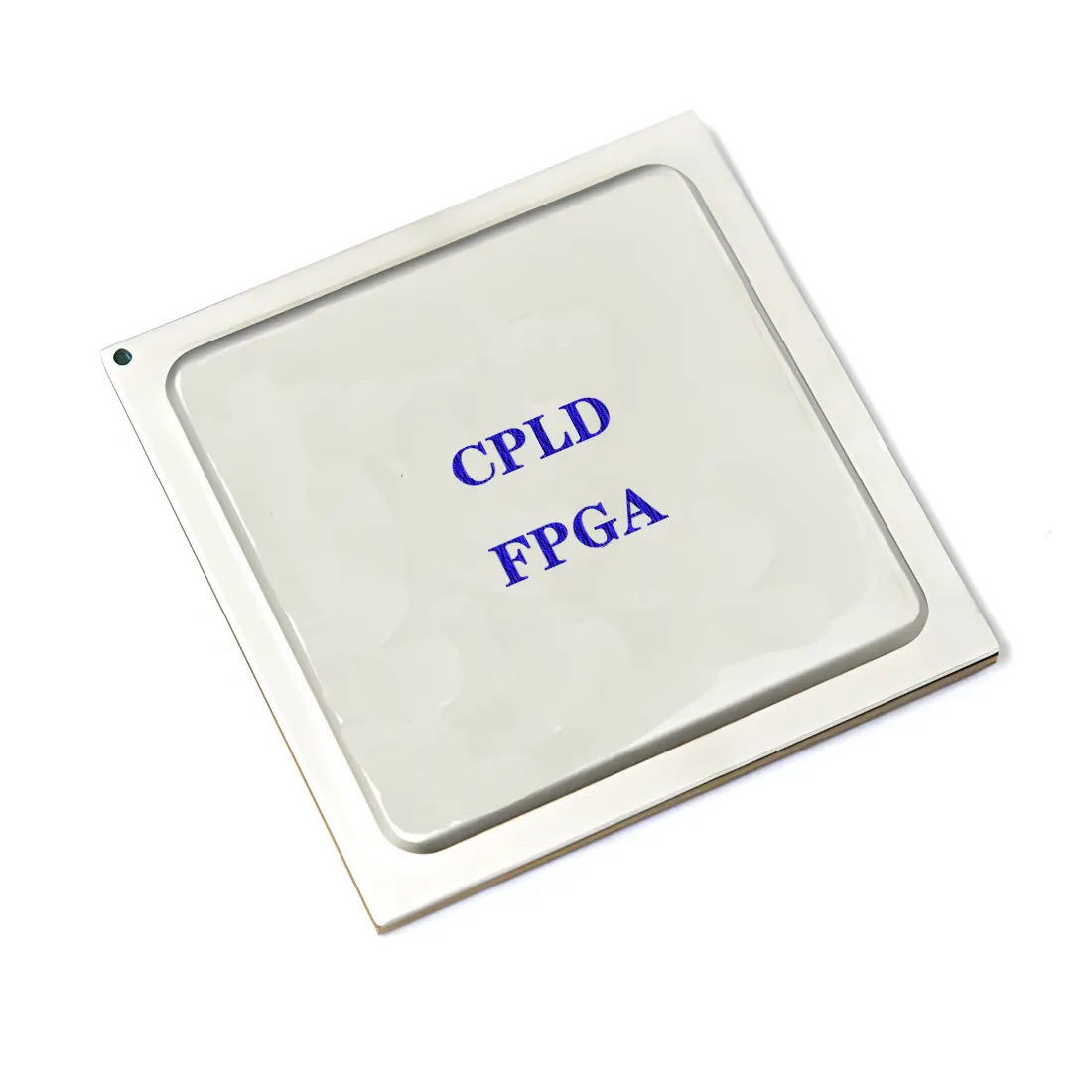 Programmable Logic Device(CPLD/FPGA)
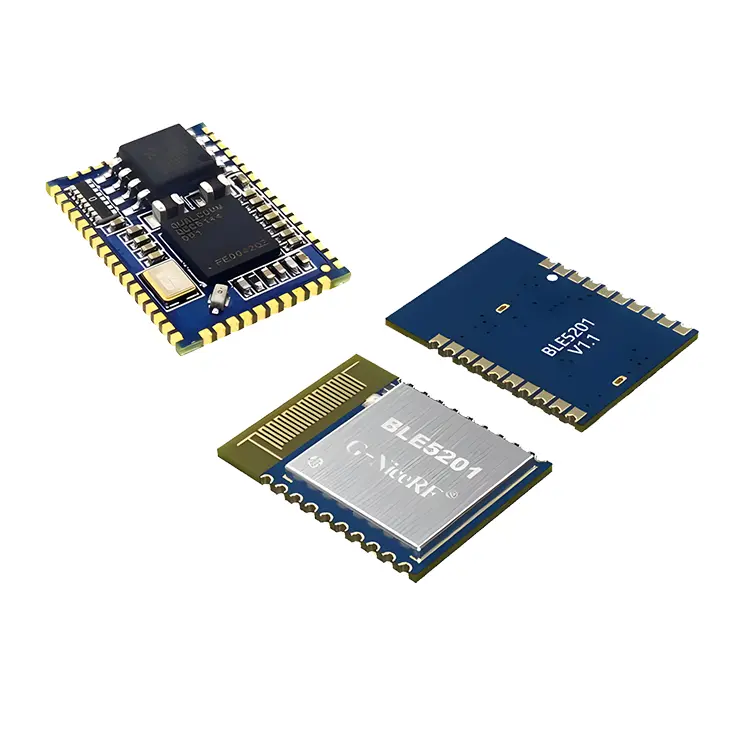 Communication Modules/IoT
 Resistors
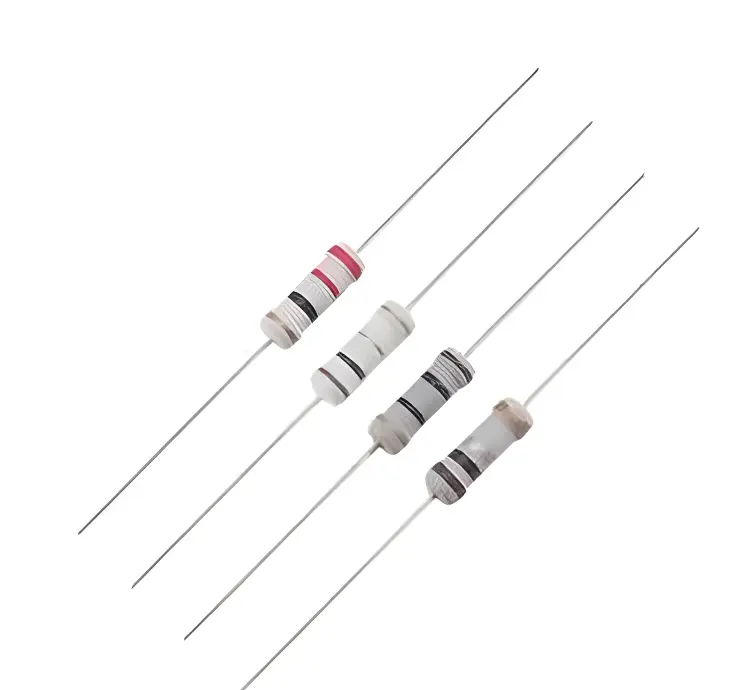 Through Hole Resistors
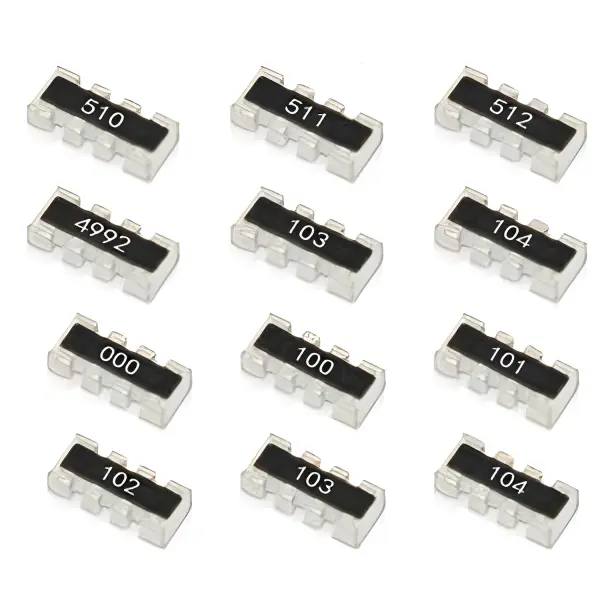 Resistor Networks, Arrays
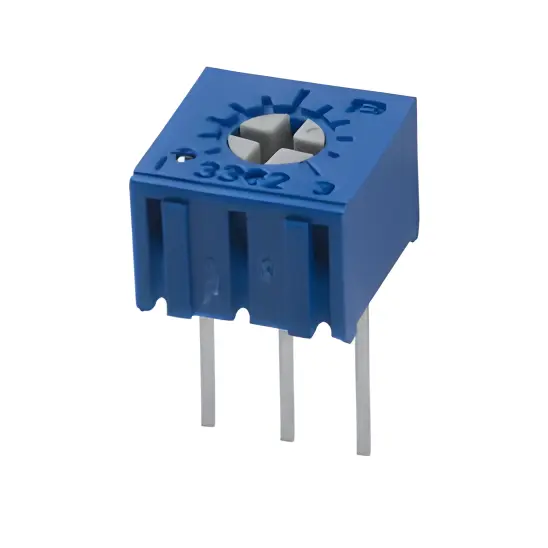 Potentiometers,Variable Resistors
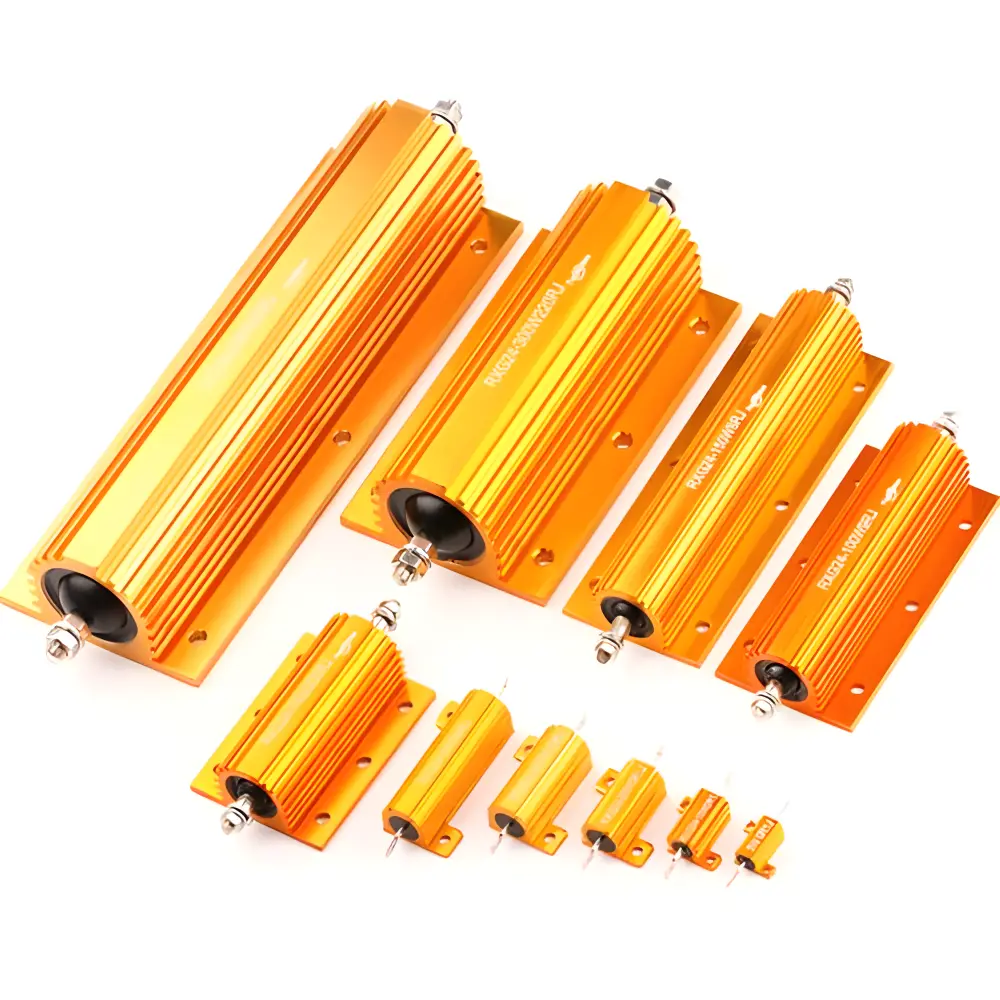 Aluminum Case,Porcelain Tube Resistance
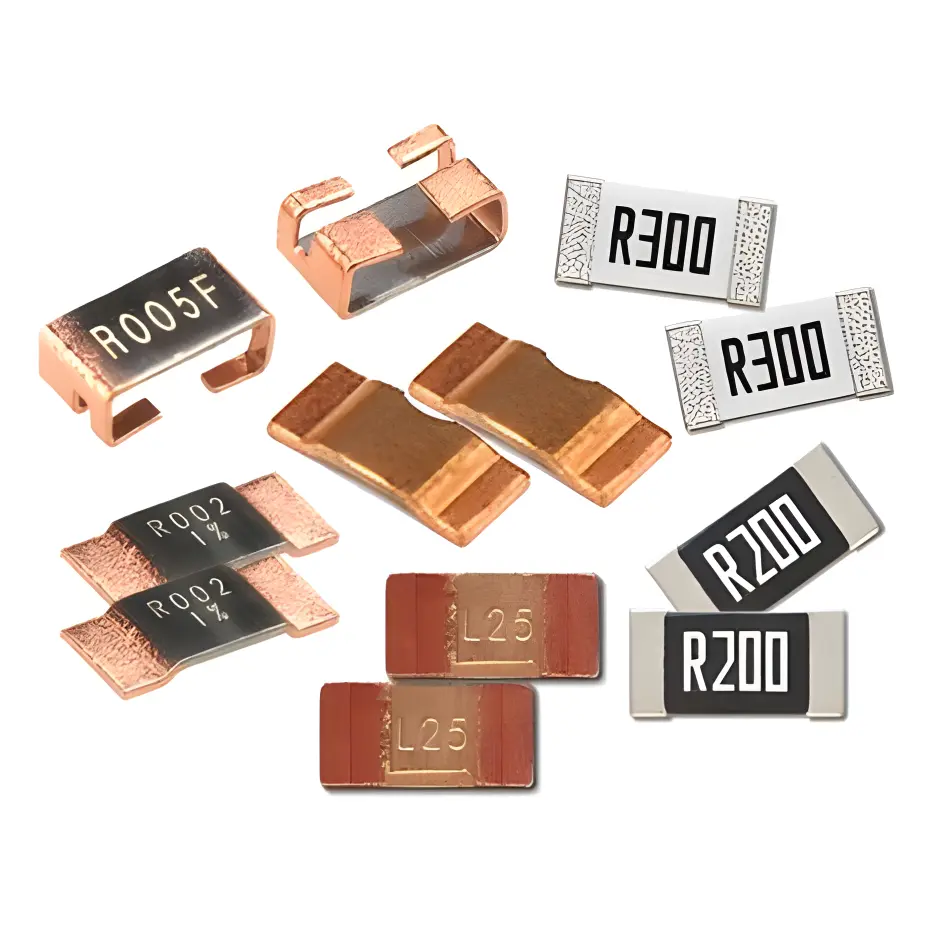 Current Sense Resistors,Shunt Resistors
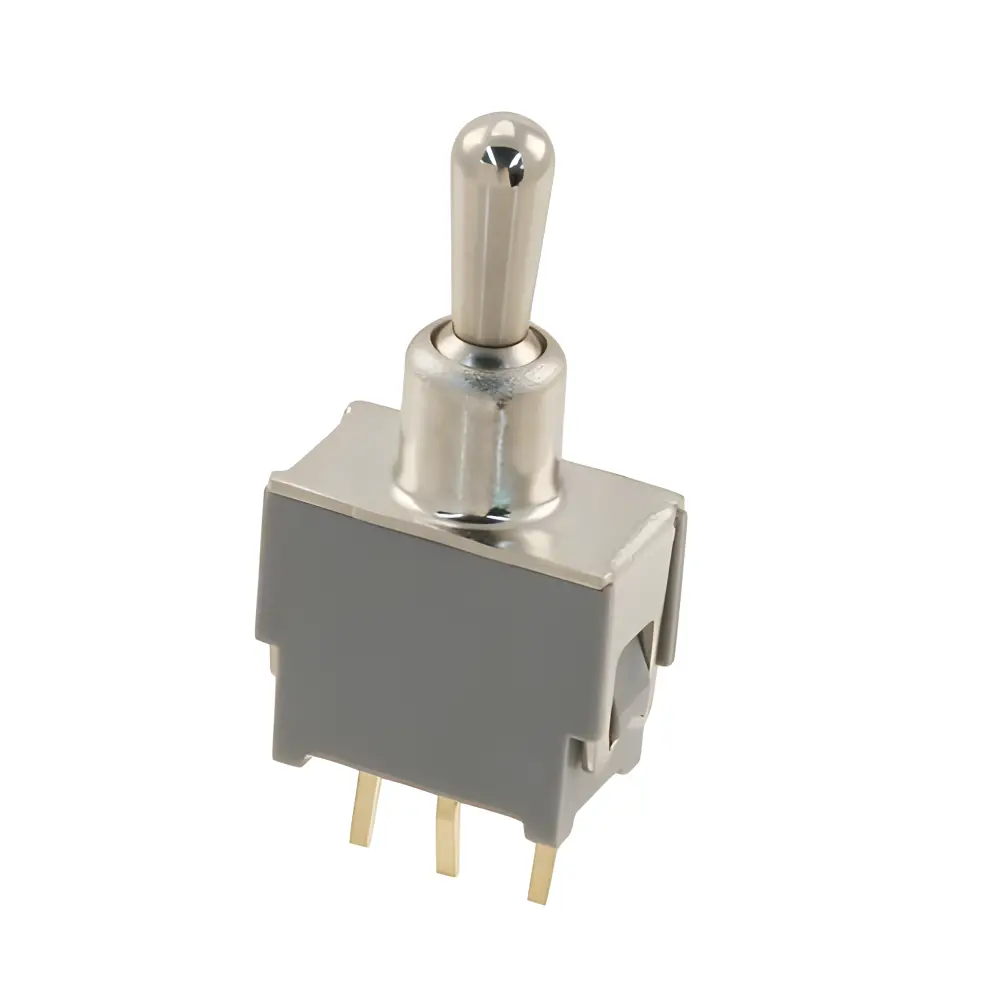 Switches
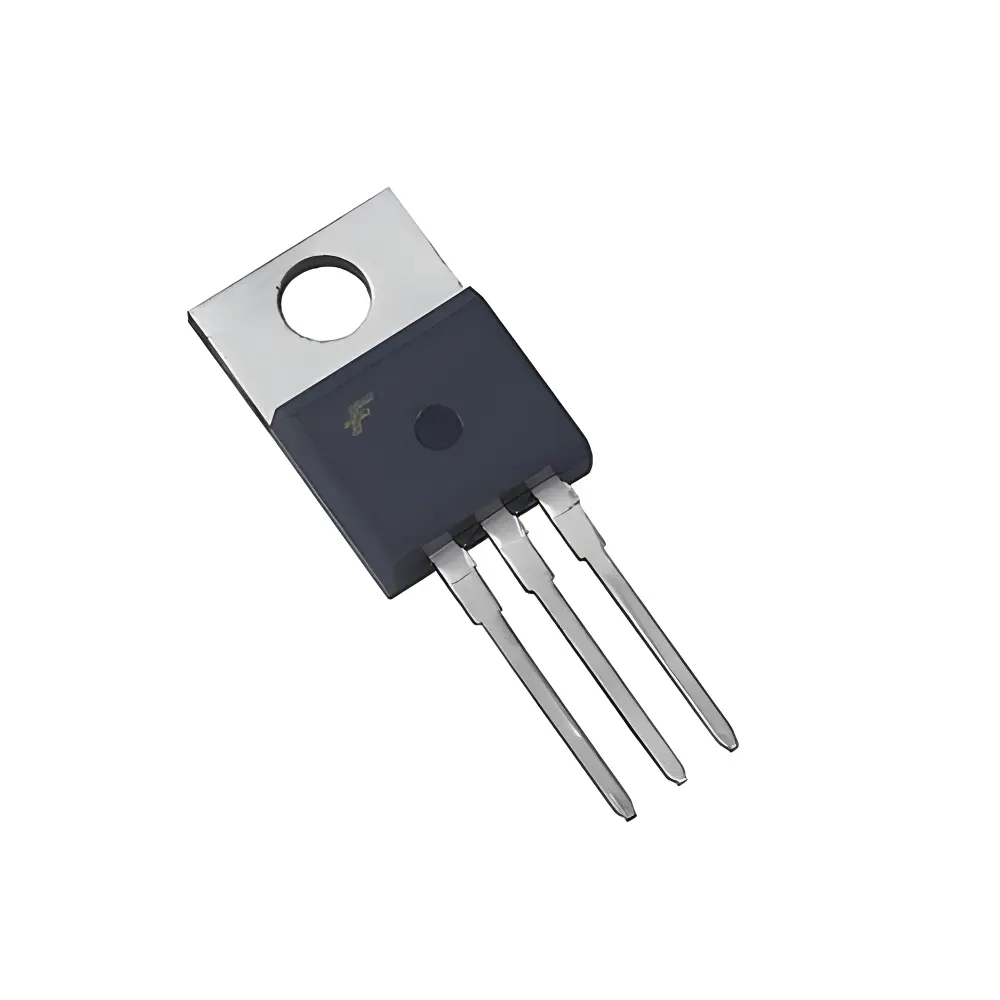 Transistors
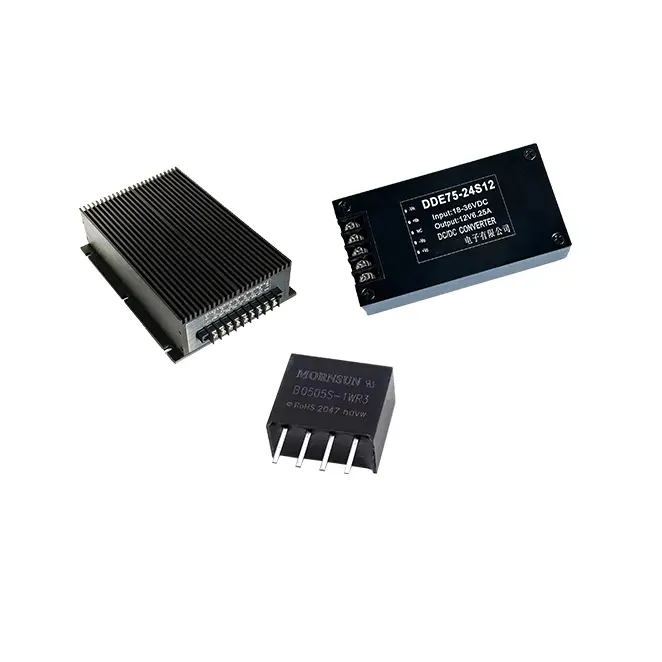 Power Modules
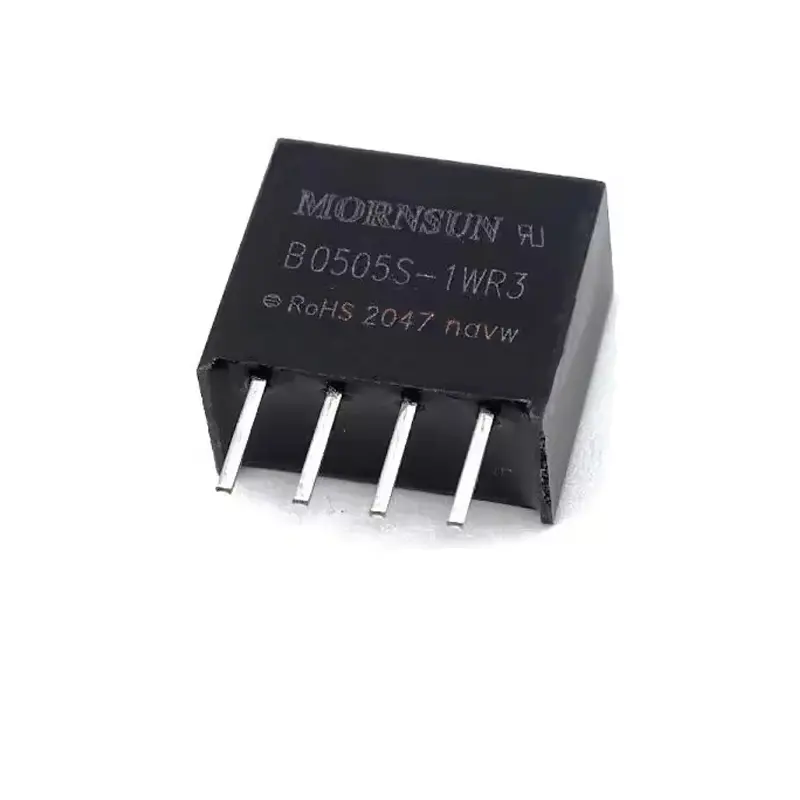 Isolated Power Modules
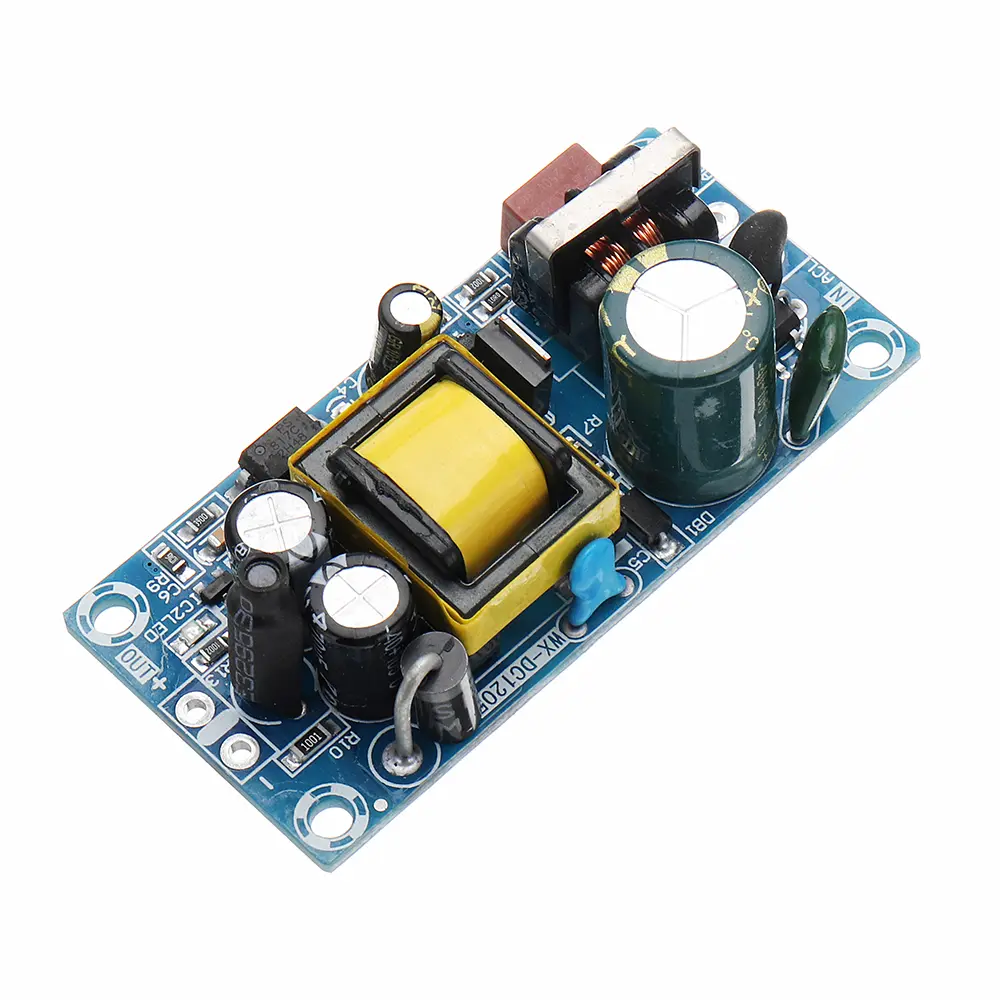 AC-DC Power Modules
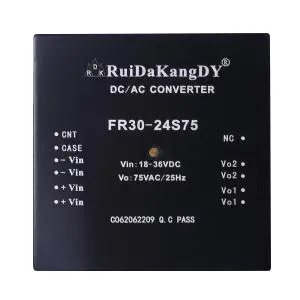 DC-AC Module(Inverter)
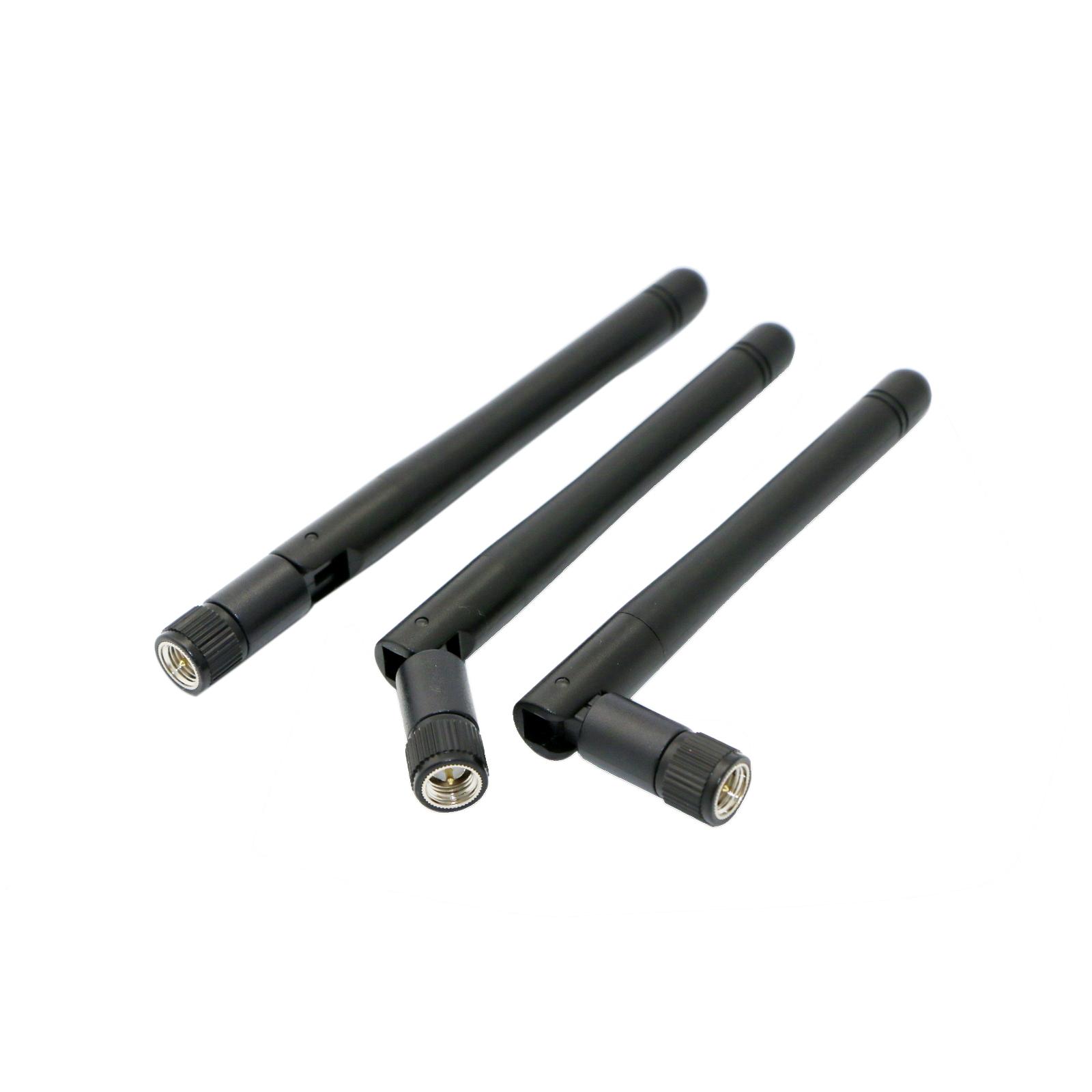 RF and Wireless
Solder Mask Opening Edge to Copper Trace Clearance to Prevent Solder Bridging

In PCB (Printed Circuit Board) design, controlling the minimum distance between the solder mask opening edge and the copper trace edge is crucial. To effectively prevent solder bridging (short circuits) during soldering, this distance generally needs to be controlled to at least 0.05 millimeters (mm) . Below, I will explain the reasons in detail and provide relevant design specifICations and practical advice.
🔍 Why Controlling This Distance Matters
Controlling the distance between the solder mask opening edge and the copper trace edge is primarily based on manufacturing and soldering reliability considerations:
-
Preventing Copper Exposure due to Mask Misalignment: Registration errors occur in PCB manufacturing. If the solder mask opening edge is too close to the copper trace edge, any misalignment of the solder mask (solder resist) can cause traces that should be covered to become exposed . These unintended exposed copper areas can easily pick up solder during the soldering process. If adjacent exposed copper areas (e.g., traces of different nets) become connected by solder, it forms a solder bridge or short circuit .
-
Ensuring the Insulating Protection of the Solder Mask: One of the core functions of the solder mask is insulation, preventing short circuits or corrosion between conductors caused by factors like solder, dust, and moisture . Maintaining sufficient clearance provides a safe "margin" for this protective layer.
📏 Design Specifications and Considerations
Based on the experience and specifications of multiple PCB manufacturers, here are some key design parameters and considerations:
-
Basic Safety Clearance: As mentioned, the distance between the solder mask edge and the copper trace edge should be ≥ 0.05 mm . Some manufacturers recommend a more conservative ≥ 0.15 mm to provide a larger safety margin .
-
Solder Mask Dam (Web) Requirements: For dense components (like ICs, BGAs), a narrow strip of solder mask between adjacent pads (a solder mask dam or web) is necessary to prevent solder bridging. To successfully retain this dam, the spacing between the edges of adjacent pads typically needs to be at least 0.2 mm to form a sufficiently strong solder mask bridge (for green solder mask, the dam width itself is often required to be no less than 0.076 mm) . If the pad spacing is too small to retain the dam, manufacturers might use a "fully exposed window" approach, but this increases the risk of solder bridging .
-
Opening Size Design: The solder mask opening size is usually designed to be 0.05-0.1 mm larger than the pad size on each side . This effectively compensates for registration errors and ensures the pad is fully exposed for soldering.
-
Process and Material Influences:
-
Solder Mask Color: Typically, green solder mask offers better process control for fine features like solder mask dams compared to other colors (like black, white, blue) .
-
Copper Weight: Thicker base copper requires a larger minimum width for solder mask dams .
-
💡 Design Recommendations and Error Avoidance
To prevent solder bridging, pay attention to the following in your design:
-
Incorporate Safety Margin: Where space allows, use a more relaxed clearance than the minimum value. For example, set the solder mask to trace clearance to 0.1 mm or more.
-
Utilize DFM Tools: Using DFM (Design for Manufacturability) analysis software (e.g., Huaqiu DFM ) allows you to check beforehand in the design stage whether clearances like the solder mask dam gap meet the board manufacturer's process capabilities, enabling timely adjustments.
-
Communicate Design Intent Clearly: In high-density areas where retaining the solder mask dam is critical, clearly mark this in the design files or instructions provided to the board manufacturer.
-
Avoid Common Pitfalls:
-
Avoid making the solder mask opening size exactly the same as the pad size; always include an appropriate expansion .
-
Avoid having the solder mask clearance between adjacent openings too small (e.g., < 0.1 mm), as it can cause the solder mask to dissolve and connect the openings during development .
-
✅ Review and Summary
-
Key Clearance: The minimum safe distance from the solder mask opening edge to the copper trace edge is 0.05 mm (some manufacturers recommend ≥ 0.15 mm ). This is crucial for preventing unintended copper exposure and solder bridging due to misalignment.
-
Solder Mask Dam: The spacing between adjacent pad edges should typically be ≥ 0.2 mm to ensure the solder mask dam is retained , preventing solder bridges between dense pads.
-
Design Coordination: Set the opening size reasonably (usually 0.05-0.1 mm larger than the pad per side ) and consider the influence of solder mask color and copper weight on the process .
Following these key points can effectively enhance the manufacturability and soldering yield of your Pcb Design.