
 PCB
PCB FPC
FPC Rigid-Flex
 FR-4
FR-4 HDI PCB
 Rogers High-Frequency Board
 PTFE Teflon High-Frequency Board
 Aluminum
 Copper Core
 PCB Assembly
 LED light PCBA
 Memory PCBA
 Power Supply PCBA
 New Energey PCBA
 Communication PCBA
 Industrial Control PCBA
 Medical Equipment PCBA
 Testing Service
 PCBA Testing Service
 Certification Application
 RoHS Certification Application
 REACH Certification Application
 CE Certification Application
 FCC Certification Application
 CQC Certification Application
 UL Certification Application
 Transformers, Inductors
 High Frequency Transformers
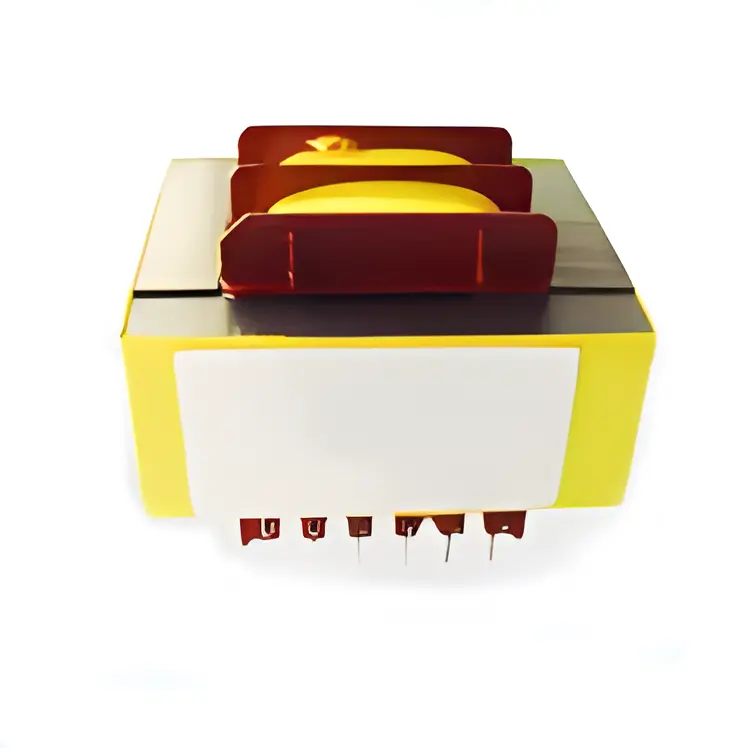 Low Frequency Transformers
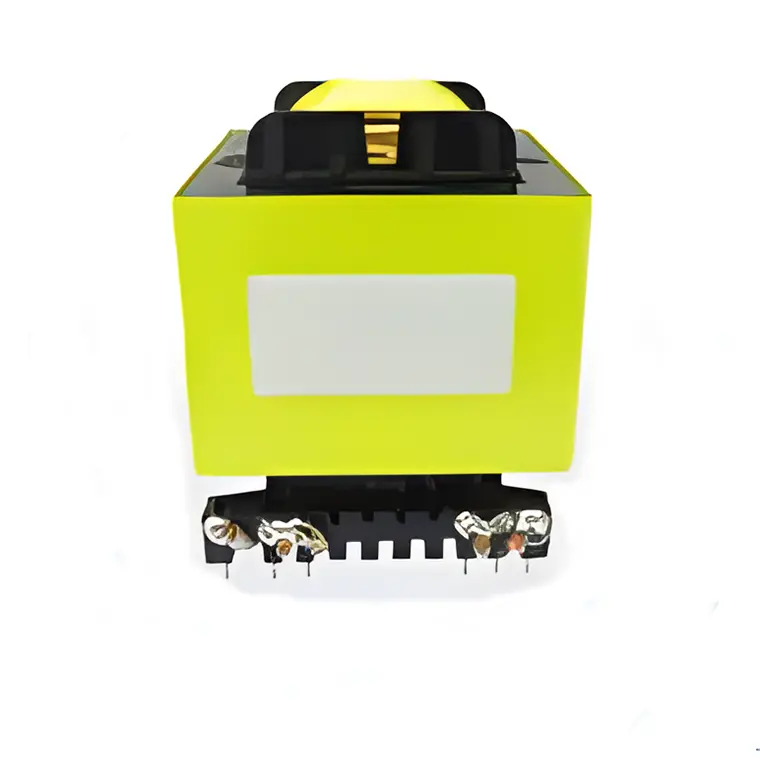 High Power Transformers
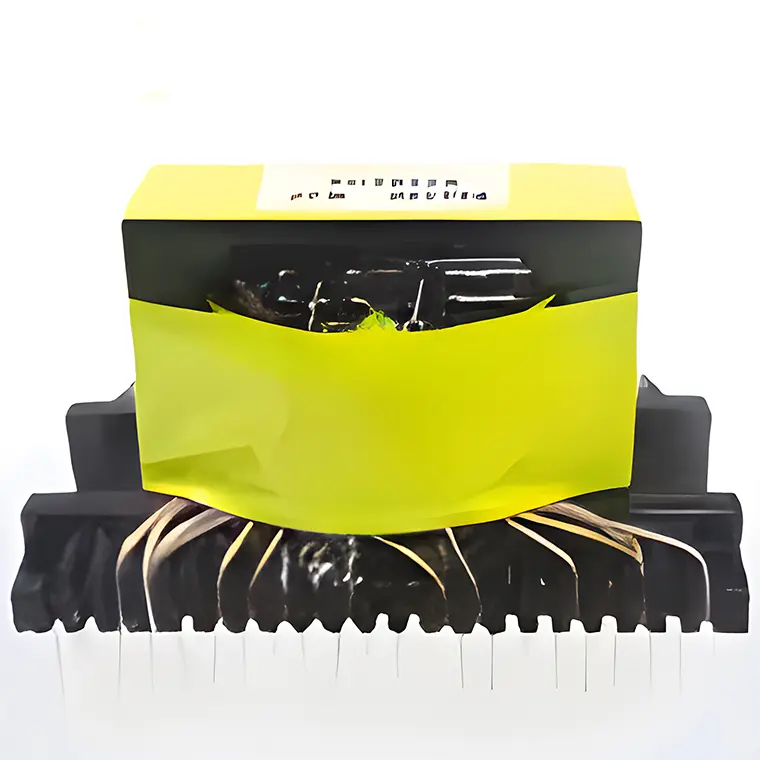 Conversion Transformers
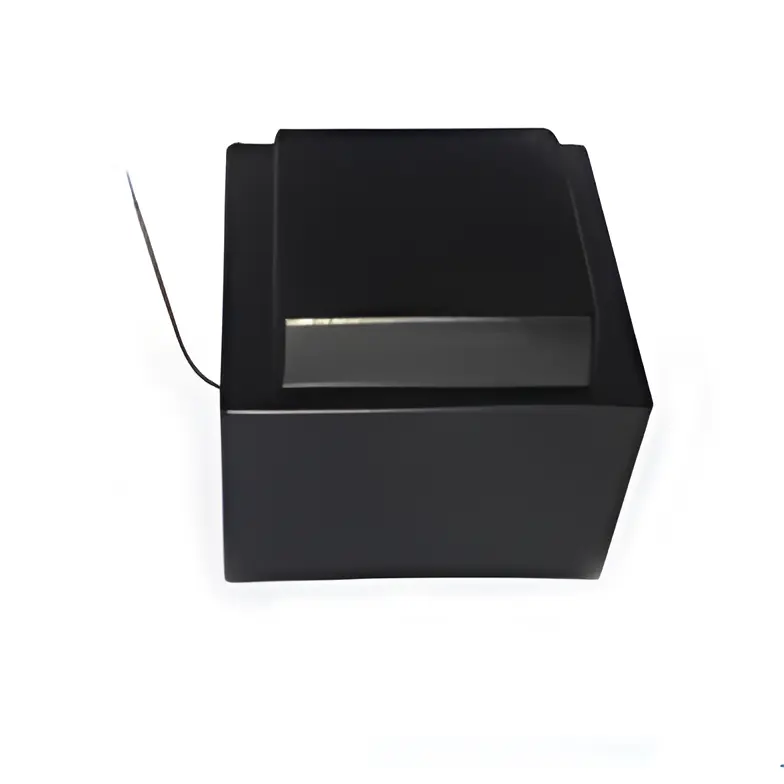 Sealed Transformers
 Ring Transformers
 Inductors
 Wires,Cables Customized
 Network Cables
 Power Cords
 Antenna Cables
 Coaxial Cables
 Net Position Indicator
 Solar AIS net position indicator
 Capacitors
 Connectors
 Diodes
 Embedded Processors & Controllers
 Digital Signal Processors (DSP/DSC)
 Microcontrollers (MCU/MPU/SOC)
 Programmable Logic Device(CPLD/FPGA)
 Communication Modules/IoT
 Resistors
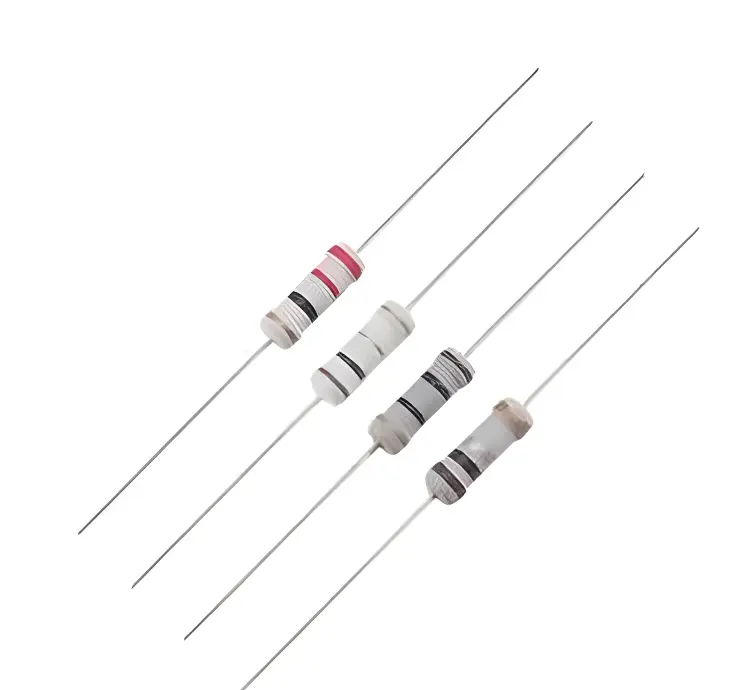 Through Hole Resistors
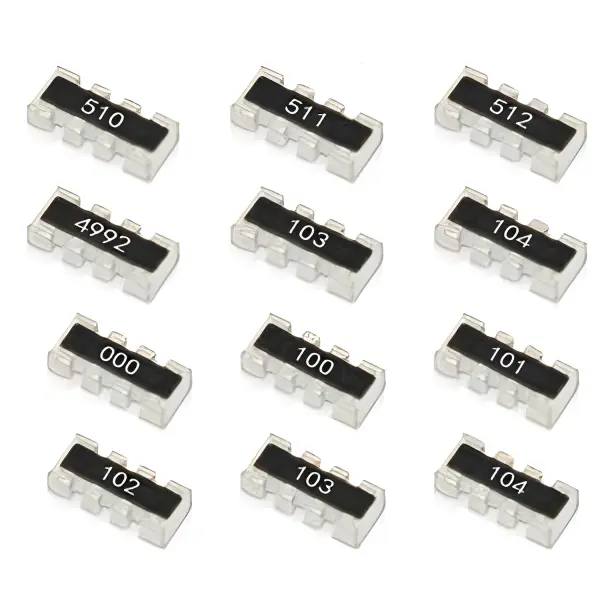 Resistor Networks, Arrays
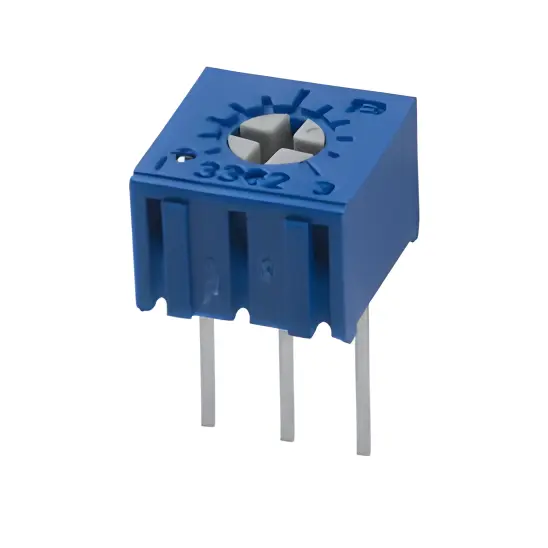 Potentiometers,Variable Resistors
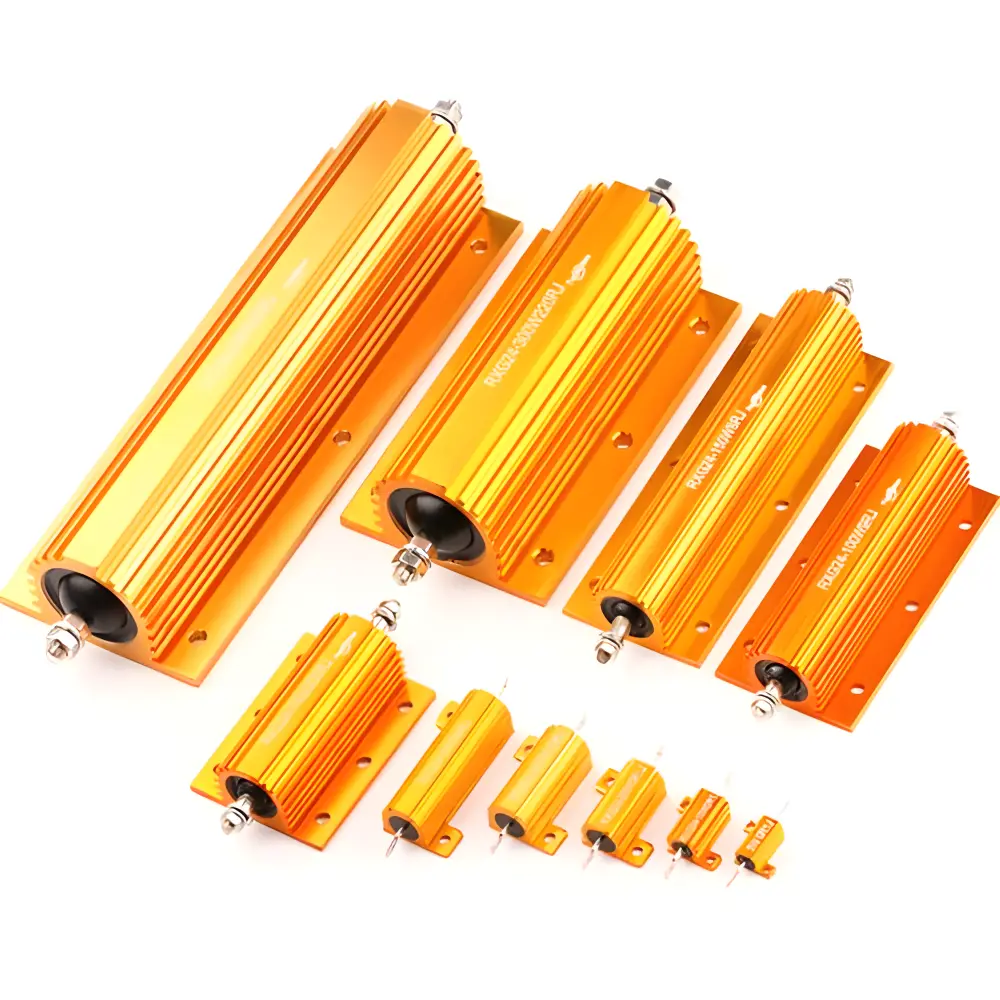 Aluminum Case,Porcelain Tube Resistance
 Current Sense Resistors,Shunt Resistors
 Switches
 Transistors
 Power Modules
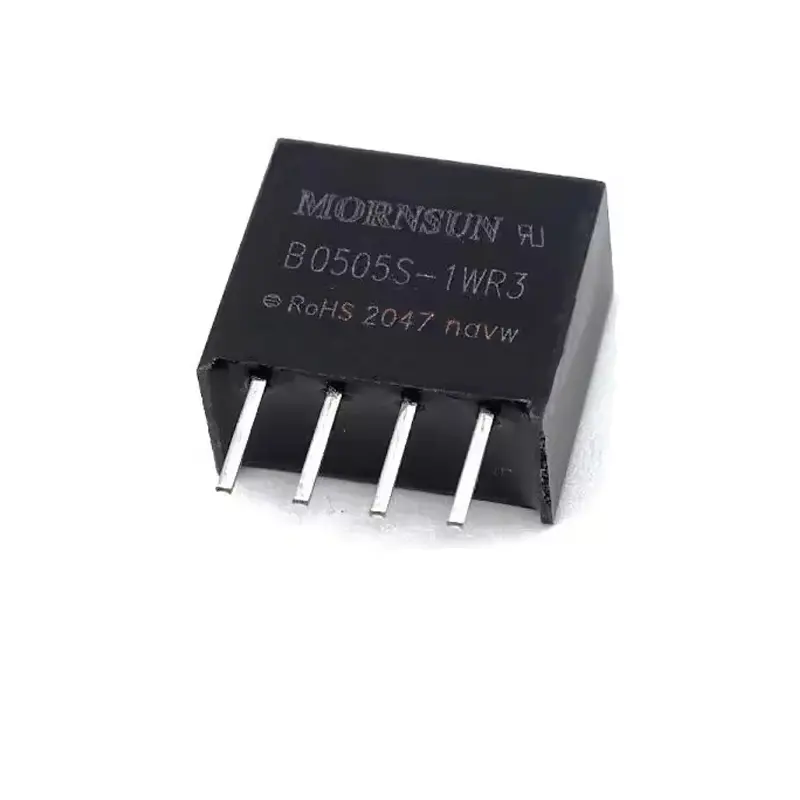 Isolated Power Modules
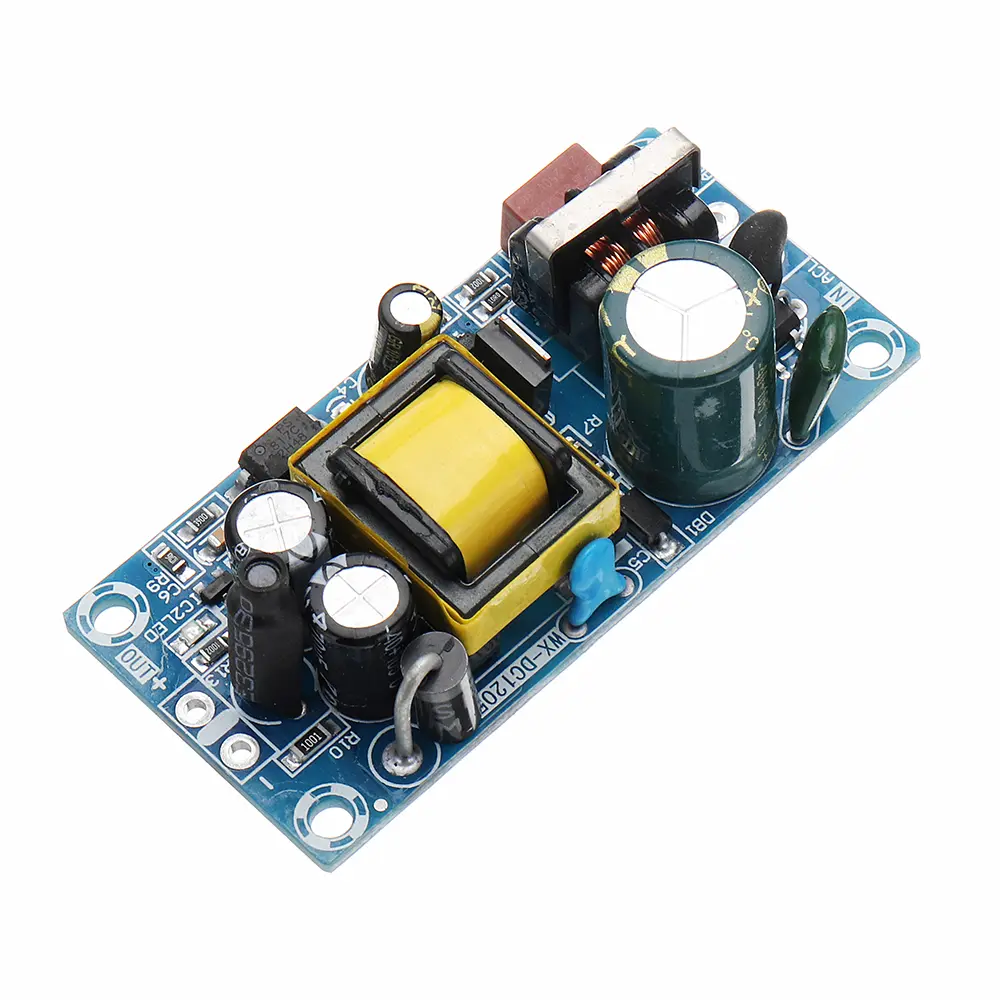 AC-DC Power Modules
 DC-AC Module(Inverter)
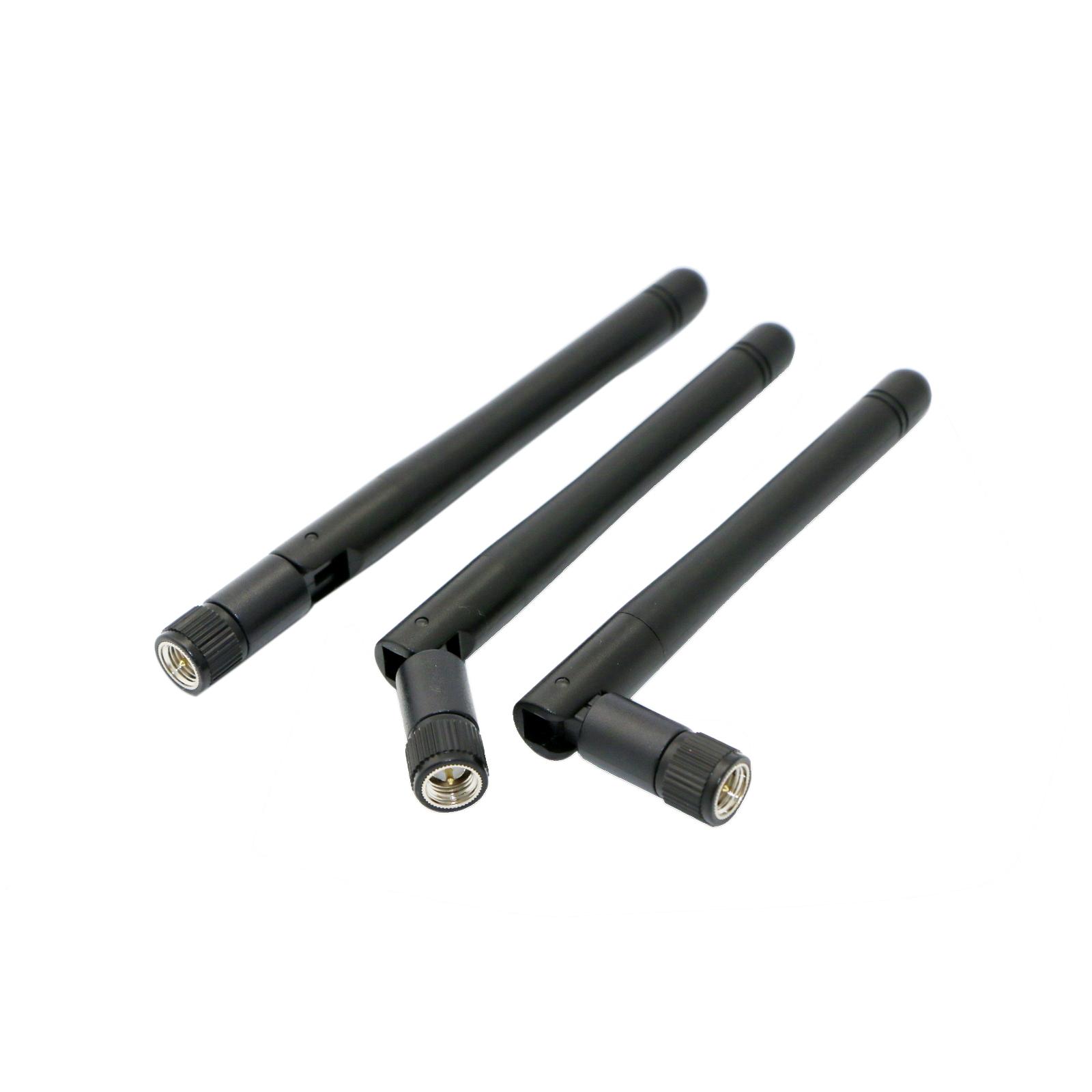 RF and Wireless
How to Develop a Reasonable Rework Process for Repairing Non-Fatal Defects Such as Solder Mask Misalignment and Legend Errors
2026-01-28
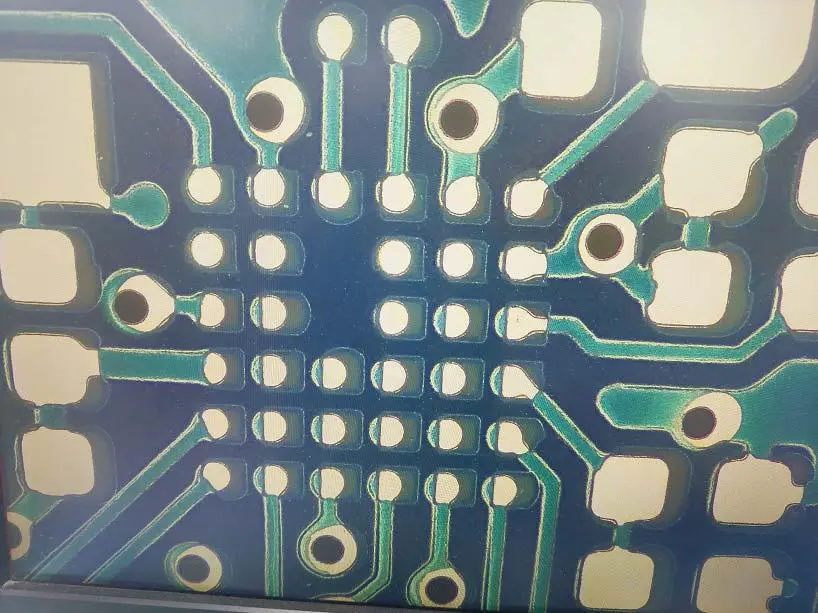
In the entire manufacturing process of Printed Circuit Boards (PCBs), defects are an inevitable challenge that PCB manufacturers must face. These defects can be categorized into two main types based on their impact on product peRFormance: fatal defects and non-fatal defects. Fatal defects, such as short circuits, open circuits, copper-free hole walls, and coating peeling, directly render the PCB unusable or unable to meet basic operational requirements, leading to immediate scrapping in most cases. In contrast, non-fatal defects, including solder mask misalignment, legend errors, solder mask bubbles, and slight scratches, do not affect the core electrical performance and structural stability of the PCB but fail to meet the required appearance standards or may potentially impact long-term reliability and assembly accuracy. Among all defects occurring in PCB production, non-fatal defects account for 60% to 70% of the total, which means that improper handling of these defects will result in severe material waste, increased production costs, delayed deliveries, and even damage to the manufacturer’s reputation.
Rework, defined as the process of repairing non-fatal defects to restore the PCB to qualified standards without changing its original design and performance, is the most cost-effective and practical solution for handling non-fatal defects. However, developing a reasonable and standardized rework process is not a simple task. A poorly designed rework process may not only fail to repair defects effectively but also lead to defect escalation—for example, scratching the copper foil during solder mask misalignment repair may convert a non-fatal defect into a fatal short circuit—or introduce new defects such as solder mask peeling, legend smearing, or poor adhesion. Additionally, blind rework without clear guidelines can result in excessive repair costs, reduced production efficiency, and inconsistent repair quality, making it difficult to ensure the stability and traceability of product quality.
This article focuses on the core question: How to develop a reasonable rework process for repairing common non-fatal defects such as solder mask misalignment and legend errors? It systematically elaborates on the core principles of rework process formulation, the full-process design covering defect identification to process review, the key points of quality control in each link, the solutions to common problems in practical operation, and the measures for standardized implementation and continuous optimization. The content is professional, detailed, and practical, aiming to provide comprehensive technical guidance for PCB manufacturers, helping them develop an implementable, efficient, low-risk rework process, control production costs, ensure product quality, and enhance core competitiveness in the industry.
It should be emphasized that the rework process discussed in this article is specifically targeted at non-fatal defects, with solder mask misalignment and legend errors as the key research objects—these two types of defects are the most common non-fatal defects in PCB production, accounting for more than 40% of all non-fatal defects. The principles and methods proposed can also be flexibly applied to the repair of other non-fatal defects such as slight solder mask bubbles and minor scratches, providing a universal reference for PCB rework management.
1. Core Principles for Developing a PCB Non-Fatal Defect Rework Process
Developing a reasonable rework process must adhere to a clear core orientation to avoid the process being a mere formality or having control loopholes. The core orientation is "quality first, efficiency adaptation, risk control, and cost rationality". Based on this orientation, combined with the characteristics of non-fatal defects such as solder mask misalignment and legend errors, four basic principles must be clarified to ensure that every rework operation has a clear basis, is traceable, and verifiable.
1.1 Defect Classification Principle: Accurately Define the Rework Scope and Avoid "One-Size-Fits-All"
Non-fatal defects vary significantly in severity, and not all non-fatal defects are suitable for rework. Some minor non-fatal defects may not require rework and can be released with concessions without affecting product use, while some severe non-fatal defects may be uneconomical or technically impossible to repair and should be scrapped directly. Therefore, the first step in developing a rework process is to establish a scientific and detailed defect classification standard to accurately define the rework scope, avoiding over-rework (repairing minor defects that do not need repair, resulting in unnecessary cost increases) or missed rework (failing to repair defects that may affect subsequent assembly or reliability, leaving quality hazards).
When classifying non-fatal defects such as solder mask misalignment and legend errors, PCB manufacturers should refer to international industry standards (such as IPC-A-610, the most widely used acceptability standard for electronic assemblies) and combine them with their own production capabilities, product types, customer requirements, and cost considerations to formulate a three-level classification standard. This classification standard should be specific, quantifiable, and operable, avoiding ambiguous descriptions that may lead to artificial judgment deviations.
The specific three-level classification standard for solder mask misalignment and legend errors is as follows:
Level 1 Defect (Minor Non-Fatal): For solder mask misalignment, the offset is ≤ 0.1mm, and the solder mask does not cover the pad or circuit edges, which does not affect soldering quality and electrical performance. For legend errors, the legend has slight blurring, the offset is ≤ 0.08mm, the legend content is clearly identifiable, and it does not affect product marking, tracking, or subsequent assembly. For such defects, manufacturers can choose to rework or release them directly according to customer requirements and product applications. If the customer has extremely high appearance requirements (such as for high-end consumer electronics or medical equipment PCBs), rework is required; otherwise, concessionary release is allowed to avoid excessive repair and improve production efficiency.
Level 2 Defect (Moderate Non-Fatal): For solder mask misalignment, the offset is between 0.1mm and 0.2mm, and the solder mask slightly covers the pad edges (coverage area ≤ 5%), which does not affect soldering reliability. For legend errors, the offset is between 0.08mm and 0.15mm, some legend strokes are missing (missing area ≤ 10%), the legend content is identifiable but does not meet the appearance standard; or there are minor legend errors (such as wrong printing or missing a single non-critical character, which does not affect key identification and tracking). Such defects are in the scope of mandatory rework—repairing them can restore the product’s appearance and usage requirements, and the repair cost is significantly lower than the scrapping cost. Therefore, manufacturers must strictly implement the rework process for Level 2 defects to ensure product quality meets standards.
Level 3 Defect (Severe Non-Fatal): For solder mask misalignment, the offset is > 0.2mm, and the solder mask covers more than 5% of the pad edges, which may affect soldering quality and subsequent assembly. For legend errors, the offset is > 0.15mm, the legend is severely blurred or more than 10% of the strokes are missing, making it impossible to clearly identify the content; or there are major legend errors (such as wrong printing or missing multiple key characters, which affect product assembly, tracking, and identification). For such defects, rework feasibility evaluation is required—if the repair difficulty is low, the repaired product can fully meet the standards, and the repair cost is lower than the scrapping cost, rework is performed; if the repair difficulty is high (such as requiring large-area solder mask peeling and re-coating, which is prone to introducing new defects), or the repair cost is close to or even exceeds the scrapping cost, the defect is directly judged as non-reworkable and scrapped.
It should be noted that defect classification must be led by the Quality Control (QC) department, jointly judged by the Process Engineering (PE) department and the Production (IE) department. A detailed defect classification guideline should be formulated, including specific measurement methods, judgment criteria, and dispute resolution mechanisms. For example, when there is a dispute about whether solder mask misalignment affects soldering, the PE department should conduct technical verification, and the QC department should provide inspection data to ensure the accuracy and fairness of defect classification.
1.2 Risk Control Principle: Prevent Defect Escalation in Advance
Rework is essentially a "secondary processing" of existing defects, and improper operation during rework is likely to lead to defect escalation or the introduction of new defects. For example, excessive temperature during solder mask peeling may cause copper foil oxidation or damage; improper alignment during legend reprinting may lead to more serious legend offset; dust and iMPUrities in the rework environment may cause solder mask bubbles or poor adhesion. Therefore, the risk control principle must be adhered to in the development of the rework process—identify potential risks in advance, formulate targeted prevention and control measures, and ensure that the rework process is safe and controllable.
The potential risks in the rework process of solder mask misalignment and legend errors can be divided into four categories: personnel risk, process risk, material risk, and environmental risk. Corresponding prevention and control measures should be formulated for each type of risk:
Personnel Risk: This refers to operational errors caused by rework operators who have not received professional training, are not familiar with rework processes, operating specifications, and risk points. Prevention and control measures include establishing a rework personnel access mechanism—operators must receive systematic theoretical training (including defect identification, process specifications, and risk points) and practical training (including repair skills and risk avoidance methods), and can only take up the job after passing the assessment. Regular retraining should be carried out to update process specifications, new equipment operation methods, and risk prevention and control points. A personnel skill file should be established to record the training and assessment results of each operator, and operators with unqualified skills should be suspended from work and retrained until they meet the requirements.
Process Risk: This refers to defect escalation or new defects caused by unreasonable rework process parameters (such as excessive temperature during solder mask peeling, uneven ink thickness during legend reprinting) or non-standard operation steps. Prevention and control measures include formulating standardized process parameters for different types and levels of defects—clearly defining the operating steps, parameter ranges (such as temperature, time, and pressure), and operation taboos for each rework link. For example, the temperature of the hot air gun for solder mask peeling of Level 1 defects should be controlled at 120-150℃, and the heating time should be 30-60 seconds; the temperature of the curing oven for solder mask curing should be 150-160℃, and the curing time should be 30-40 minutes. Operators are prohibited from adjusting process parameters without authorization. If parameters need to be adjusted due to special circumstances (such as changes in material batches or equipment status), it must be evaluated by the PE department and approved by the QC department before implementation.
Material Risk: This refers to compatibility problems or repair failures caused by rework materials (such as solder mask ink, legend ink, and thinner) that are incompatible with the original materials or of unqualified quality. For example, using solder mask ink that is inconsistent with the original color and material may lead to poor bonding between the reworked solder mask and the original solder mask, resulting in peeling; using unqualified thinner may cause solder mask smearing or poor adhesion. Prevention and control measures include clarifying the specifications and models of rework materials, which must be consistent with the original materials. Rework materials should be uniformly purchased by the Procurement (PC) department and inspected by the QC department (including appearance inspection, viscosity testing, and adhesion testing) before being put into use. A strict material storage system should be established—solder mask ink and legend ink should be hermetically stored in a constant temperature and humidity environment to avoid moisture and deterioration; flammable and explosive materials such as thinner and stripping agent should be stored in explosion-proof cabinets and managed by special personnel.
Environmental Risk: This refers to new defects caused by substandard rework environment (such as insufficient cleanliness, unstable temperature and humidity), such as dust and impurities contaminating the PCB surface, leading to solder mask bubbles and legend smearing; excessive humidity leading to poor ink drying and adhesion. Prevention and control measures include dividing an independent rework area, isolating it from the production area and inspection area to avoid cross-contamination. The cleanliness of the rework area should be controlled above Class 10,000, the temperature should be maintained at 20-25℃, and the humidity should be controlled at 40%-60%. Purification equipment, temperature and humidity monitoring equipment should be installed to monitor environmental parameters in real time and record data regularly. Operators must wear cleanroom clothes, cleanroom gloves, cleanroom shoes, and masks before entering the rework area, and pass through an air shower to remove dust and impurities on their bodies.
1.3 Efficiency and Cost Balance Principle: Balance Repair Quality and Economy
The development of the rework process should avoid two extremes: "emphasizing quality over efficiency" and "emphasizing efficiency over cost". On the premise of ensuring that the repair quality meets the standards, the process steps should be optimized to shorten the rework cycle, improve production efficiency, and control repair costs. The core of this principle is to achieve a balance between repair effect and economy—maximize the utilization of resources, minimize waste, and ensure that the rework process is both high-quality and cost-effective.
To achieve the balance between efficiency and cost, two key points need to be focused on in the process design:
Process Optimization: Simplify unnecessary process steps to avoid repeated inspections and operations. For example, for the same defect, there is no need for multiple sampling inspections; the process sequence should be reasonably planned to avoid process inversion or crossover. The reasonable process sequence for non-fatal defect rework is: defect identification and classification → rework feasibility evaluation → pre-rework preparation → graded repair operation → post-rework inspection → qualified release/rework/scrapping → recording and traceability → process review. This sequence ensures that each link is closely connected, reduces unnecessary waiting time, and improves rework efficiency.
For example, when both solder mask misalignment and legend errors exist on a single PCB, the repair sequence can be coordinated—repair the solder mask misalignment first, then the legend errors. This avoids repeated disassembly and cleaning of the PCB, reduces the damage risk of the PCB, and shortens the rework time. In addition, for batch defects, centralized rework can be adopted—arrange special operators and equipment to process multiple PCBs with the same type of defect at the same time, improving rework efficiency and reducing labor costs.
Cost Control: Clarify the repair cost of each type of defect, including material cost, labor cost, and equipment cost, and compare it with the scrapping cost to evaluate the economy of rework. For Level 1 defects, if the customer allows concessionary release, rework should be avoided to reduce repair costs; for Level 2 and Level 3 defects, low-cost and high-efficiency repair schemes should be selected. For example, slight legend blurring can be solved by local touch-up printing instead of overall reprinting, which reduces ink consumption and labor costs; for solder mask misalignment of Level 2 defects, partial peeling and re-coating can be adopted instead of large-area peeling, reducing material waste and repair time.
In addition, reasonable utilization of existing equipment and materials can also reduce costs. For example, rework equipment can be shared with production equipment when production tasks are not tight; unused and unexpired rework materials can be stored and reused in subsequent rework tasks. The procurement department should establish long-term cooperative relationships with suppliers to obtain more favorable material purchase prices and reduce material costs.
1.4 Standardization and Traceability Principle: Ensure the Rework Process is Controllable and Traceable
Standardization and traceability are the basic requirements for modern PCB production management, and they are also important guarantees for ensuring the stability and consistency of rework quality. The rework process must be standardized—clarify the responsible person, operation requirements, inspection standards, and record requirements for each operation to avoid the arbitrariness of manual operations. At the same time, a complete traceability system must be established to ensure that the rework process of each batch and each PCB is traceable, facilitating subsequent quality problem investigation, process optimization, and customer audit.
The specific requirements for standardization include:
Formulate a detailed "PCB Non-Fatal Defect Rework Operation Specification", which clearly stipulates the repair steps, process parameters, operation taboos, and quality requirements for each type of non-fatal defect (such as solder mask misalignment and legend errors). The specification should be concise, clear, and operable, and distributed to each rework operator, inspector, and relevant manager.
Unify the inspection standards for rework quality—clarify the qualification judgment requirements after rework, including appearance requirements (such as no solder mask misalignment, clear legend, no smearing), dimensional requirements (such as offset ≤ 0.05mm after repair), and performance requirements (such as solder mask adhesion ≥ 4B, no impact on electrical performance). The QC department should formulate a detailed "PCB Rework Quality Inspection Standard" to avoid inspection deviations caused by different inspectors.
Standardize the operation behavior of operators—operators must strictly follow the operation specifications and process parameters, and are prohibited from changing the operation steps or parameters without authorization. A regular inspection mechanism should be established to supervise the operation of operators and correct non-standard operations in a timely manner.
The specific requirements for traceability include:
Establish a "PCB Rework Record Form", which details the defect information (defect type, level, location, quantity), rework information (repair personnel, repair time, process parameters, materials used), and inspection information (inspection personnel, inspection time, inspection results) of each PCB. The record form should be filled in truthfully and completely by the relevant personnel, and signed and confirmed to ensure the authenticity and validity of the records.
Establish a record storage system—the "PCB Rework Record Form" and other relevant documents (such as rework feasibility evaluation reports, process parameter adjustment records) should be properly kept, and the storage period should not be less than the product shelf life. Electronic records can be established on the basis of paper records to facilitate query and management. The records should be traceable to each batch of PCBs, so that when quality problems occur, the root cause can be quickly identified by checking the rework records.
In addition, the rework process should be connected with the production management system (such as MES system), so as to realize the real-time recording and monitoring of rework information, improve the efficiency of traceability management, and facilitate the statistical analysis of rework data (such as rework rate, rework cost, and common defect types).
2. Full-Process Design of PCB Non-Fatal Defect Rework Process
A reasonable rework process should cover the entire life cycle of non-fatal defect handling, from defect identification to process review, with each link closely connected and controlled layer by layer. The full process of PCB non-fatal defect rework (taking solder mask misalignment and legend errors as examples) includes eight core links: defect identification and classification, rework feasibility evaluation, pre-rework preparation, graded repair operation, post-rework inspection, qualified release/rework/scrapping, recording and traceability, and process review. Each link has clear objectives, operation requirements, and quality control points, which together form a complete and operable rework system.
2.1 First Link: Defect Identification and Classification——Accurate Positioning and Clear Direction
Defect identification and classification is the premise and foundation of the rework process. Only by accurately identifying the type, location, and severity of non-fatal defects can we formulate targeted rework schemes and determine the rework scope. This link is mainly completed at the key inspection nodes of PCB production, ensuring that defects are identified in a timely manner and do not flow into the next process.
2.1.1 Defect Identification Nodes and Methods
For non-fatal defects such as solder mask misalignment and legend errors, the key identification nodes are post-solder mask inspection, post-legend inspection, and final product inspection. Each node has a clear inspection focus and method:
Post-Solder Mask Inspection: This node is carried out after the solder mask curing is completed, and its core purpose is to identify defects such as solder mask misalignment, solder mask bubbles, and solder mask peeling in a timely manner. The inspection method mainly adopts a 20-50x microscope for observation, combined with a caliper (accuracy 0.01mm) for measurement. Inspectors need to observe the entire surface of the PCB, focusing on checking whether the solder mask is aligned with the pads and circuits, whether there is any coverage of pads or circuit edges, and whether the solder mask surface is smooth and free of bubbles and scratches. For suspected solder mask misalignment, the offset should be measured with a caliper, and the measurement data should be recorded in detail.
Post-Legend Inspection: This node is carried out after the legend curing is completed, and its core purpose is to identify defects such as legend offset, legend blurring, legend missing, and wrong legend printing. The inspection method adopts a magnifying glass (10-20x) and a 20-50x microscope for observation. Inspectors need to check whether the legend content is correct, whether the font and size are consistent with the design requirements, whether the legend is aligned with the specified position, whether there is blurring or smearing, and whether there are missing or wrong characters. For legend offset, the offset should be measured with a caliper, and the measurement data should be recorded.
Final Product Inspection: This node is the final inspection link before PCB delivery, and its core purpose is to recheck the non-fatal defects that may have been missed in the previous inspection nodes, ensuring that the delivered products meet the quality standards. The inspection method is a comprehensive inspection, combining visual inspection, microscope observation, and dimensional measurement. For PCBs that have undergone rework in the previous links, the rework effect should be focused on checking to ensure that the defects have been completely repaired and no new defects have been introduced.
During the defect identification process, inspectors need to pay attention to the following points: First, the identification environment should be clean and bright, with sufficient light to avoid misjudgment caused by insufficient light. Second, the inspection tools (microscope, caliper, etc.) should be calibrated regularly to ensure the accuracy of measurement data. Third, for batch defects (such as multiple PCBs in the same batch having the same type of solder mask misalignment), the batch information should be marked in a timely manner, and the PE department should be notified to investigate the root cause to avoid the continuous occurrence of batch defects. Fourth, the identification results should be recorded in detail in the "PCB Defect Inspection Record Form", including defect type, level, location, quantity, batch number, and inspector information.
2.1.2 Defect Classification Judgment
After defect identification, QC inspectors need to judge the defect level according to the pre-formulated "PCB Non-Fatal Defect Classification Guideline", and fill in the classification results in the "PCB Defect Inspection Record Form". The classification judgment should follow the principle of "objectivity, accuracy, and operability", and avoid artificial judgment deviations.
In the process of classification judgment, if there is any dispute (such as inability to determine whether the solder mask misalignment affects soldering, or whether the legend error affects product identification), the QC department should organize the PE department and the IE department to conduct a joint evaluation. The PE department is responsible for providing technical support, evaluating the impact of defects on product performance and assembly; the IE department is responsible for evaluating the impact of defects on production efficiency and cost; the QC department is responsible for integrating the evaluation opinions of all parties and making the final classification judgment.
A specific example of classification judgment: In the final product inspection of a batch of 18μm double-sided PCBs (used for consumer electronics), 12 PCBs with solder mask misalignment were identified. Through caliper measurement, the offset of 8 PCBs was 0.12-0.15mm, slightly covering the pad edges (coverage area ≤ 3%), which did not affect soldering quality, so they were judged as Level 2 solder mask misalignment defects, requiring rework; the offset of 4 PCBs was 0.08mm, not covering the pad edges, which did not affect soldering and appearance, so they were judged as Level 1 solder mask misalignment defects. Combined with the customer’s appearance requirements (the customer allows slight appearance defects), it was determined that the 4 Level 1 defect PCBs were released with concessions without rework. At the same time, 6 PCBs with legend errors were identified: 3 PCBs had legend offset of 0.10mm, clear legend content, judged as Level 2 defects, requiring rework; 3 PCBs had wrong printing of a single non-critical character, clear legend content, judged as Level 2 defects, requiring rework.
2.2 Second Link: Rework Feasibility Evaluation——Avoid Risks and Control Costs
After defect identification and classification, it is not necessary to rework all Level 2 and Level 3 defects. Rework feasibility evaluation needs to be carried out to determine whether rework is feasible according to the defect level, repair difficulty, repair cost, product usage, and customer requirements. This link can effectively avoid blind rework, reduce resource waste, and control rework risks.
2.2.1 Establishment of the Evaluation Team
To ensure the scientificity and comprehensiveness of the rework feasibility evaluation, PCB manufacturers should establish a rework feasibility evaluation team, led by the QC department, with members including the PE department, IE department, PC department, and Sales department (if necessary). Each member has clear responsibilities:
QC Department: Responsible for providing detailed defect information (including defect type, level, location, quantity, and measurement data), inspection standards, and the impact of defects on product quality.
PE Department: Responsible for evaluating the technical feasibility of rework, formulating targeted repair schemes, analyzing the potential risks of rework, and putting forward risk prevention and control measures.
IE Department: Responsible for evaluating the rework efficiency, calculating the rework cost (including labor cost, equipment cost, and material cost), comparing it with the scrapping cost, and evaluating the economic feasibility of rework.
PC Department: Responsible for evaluating the feasibility of rework material supply, ensuring that the required rework materials (such as solder mask ink, legend ink) are available in sufficient quantity and meet the quality requirements.
Sales Department: Responsible for providing customer requirements (such as whether the customer allows rework, the rework time limit, and the quality standards after rework), and coordinating with the customer if necessary (such as when the rework cost is high or the rework time exceeds the delivery cycle).
The evaluation team should hold a special evaluation meeting for each batch of non-fatal defects that need rework, and conduct a comprehensive evaluation based on the information provided by each department to form a unified evaluation result.
2.2.2 Core Evaluation Dimensions
The rework feasibility evaluation of solder mask misalignment and legend errors mainly focuses on five core dimensions: technical feasibility, cost feasibility, time feasibility, customer feasibility, and risk feasibility. Each dimension is evaluated in detail to ensure that the evaluation result is scientific and reasonable.
Technical Feasibility: This is the core of the evaluation, referring to whether the existing processes, equipment, and personnel of the enterprise can realize defect repair, and whether the repaired product can meet the quality standards (including appearance, size, and performance) without introducing new defects or causing defect escalation. When evaluating technical feasibility, the PE department needs to focus on the following points: Can the existing rework equipment (such as hot air gun, screen printer, curing oven) meet the repair requirements? Can the existing operators master the repair skills? Is there a mature repair process? Will the repair process cause damage to the PCB (such as scratching the copper foil, damaging the substrate)?
A specific example of technical feasibility evaluation: A batch of PCBs has Level 3 solder mask misalignment defects, with an offset of 0.25mm and a pad edge coverage area of 8%. The PE department proposes a repair scheme: peel off the offset solder mask locally, clean the PCB surface, accurately align and coat the new solder mask, and cure it. After evaluation, the existing hot air gun and screen printer can meet the repair requirements; the rework operators have received professional training and can master the repair skills; the repair process is mature, and the risk of damaging the PCB is low; the repaired product can meet the quality standards. Therefore, it is judged as technically feasible. Another example: A batch of PCBs has Level 3 legend errors, with severe blurring and 60% of the strokes missing. The PE department evaluates that the legend cannot be repaired by touch-up printing and needs overall reprinting, but the overall reprinting is likely to cause solder mask peeling and legend smearing, and the repair effect is difficult to guarantee. Therefore, it is judged as technically infeasible.
Cost Feasibility: This refers to whether the rework cost is lower than the scrapping cost, and whether the rework is economically beneficial. The IE department needs to calculate the rework cost in detail, including material cost (solder mask ink, legend ink, thinner, etc.), labor cost (salary of rework operators and inspectors), equipment cost (depreciation of rework equipment, energy consumption), and other related costs (such as packaging cost after rework). Then, compare the rework cost with the scrapping cost (including material cost, production cost, and loss caused by scrapping). If the rework cost is significantly lower than the scrapping cost, it is judged as cost-feasible; if the rework cost is close to or even exceeds the scrapping cost, it is judged as cost-infeasible, and the PCB should be scrapped directly.
For example, the rework cost of a single PCB with Level 2 legend errors is 2 US dollars, and the scrapping cost is 5 US dollars. The rework cost is significantly lower than the scrapping cost, so it is judged as cost-feasible. If the rework cost of a single PCB with Level 3 solder mask misalignment is 4.5 US dollars, and the scrapping cost is 5 US dollars, the rework cost is close to the scrapping cost, and considering the potential risk of defect escalation during rework, it is judged as cost-infeasible, and the PCB is scrapped.
Time Feasibility: This refers to whether the rework cycle can meet the product delivery cycle, and whether rework will cause delivery delays. The IE department needs to calculate the required rework time according to the rework task volume, rework efficiency, and the number of rework operators. Then, compare the rework time with the remaining delivery cycle. If the rework time is less than or equal to the remaining delivery cycle, it is judged as time-feasible; if the rework time is longer than the remaining delivery cycle, and the delivery time cannot be extended through communication with the customer, it is judged as time-infeasible. In this case, it is necessary to communicate with the customer to determine whether to scrap the PCB and re-produce it, or to release the PCB with concessions.
For example, a batch of 100 PCBs with Level 2 solder mask misalignment defects needs to be delivered within 3 days. The IE department calculates that the rework time for each PCB is 30 minutes, and 5 rework operators can complete the rework task within 1 day, which is less than the remaining delivery cycle of 3 days, so it is judged as time-feasible. If the rework time is 4 days, which exceeds the remaining delivery cycle, and the customer refuses to extend the delivery time, it is judged as time-infeasible.
Customer Feasibility: This refers to whether the reworked product can meet the customer’s quality requirements and whether the customer allows rework. The Sales department needs to confirm the customer’s requirements for rework, including whether the customer allows rework, the quality standards after rework, and the impact of rework on product warranty. If the customer allows rework and the reworked product can meet the customer’s quality standards, it is judged as customer-feasible; if the customer clearly requires no rework, even if the rework is technically and economically feasible, it is judged as customer-infeasible, and the PCB should be scrapped or released with concessions (requires written confirmation from the customer).
Risk Feasibility: This refers to whether the potential risks in the rework process can be effectively prevented and controlled, and whether the risk of defect escalation or new defects is acceptable. The PE department needs to identify the potential risks in the rework process (such as personnel risk, process risk, material risk, and environmental risk), evaluate the severity and probability of the risks, and put forward targeted prevention and control measures. If the risks can be effectively controlled and the risk impact is acceptable, it is judged as risk-feasible; if the risks cannot be controlled (such as the risk of short circuit caused by scratching the copper foil during rework is very high), it is judged as risk-infeasible.
2.2.3 Evaluation Result Judgment and Approval
After the evaluation team completes the evaluation of the five core dimensions, it needs to comprehensively judge the rework feasibility and form a "PCB Rework Feasibility Evaluation Report". The report should include the following contents: basic information of the evaluated PCBs (batch number, quantity, product model), detailed defect information (defect type, level, location, quantity), evaluation results of each dimension, comprehensive rework feasibility judgment (reworkable, non-reworkable, concessionary release), reasons for the judgment, and subsequent disposal suggestions (such as rework scheme, scrapping, or concessionary release).
The "PCB Rework Feasibility Evaluation Report" needs to be submitted to the person in charge of the QC department and the person in charge of the production department for approval. After approval, the relevant departments shall implement it in accordance with the disposal suggestions: for reworkable PCBs, enter the pre-rework preparation link; for non-reworkable PCBs, arrange for scrapping and record the scrapping reason; for PCBs that can be released with concessions, obtain written confirmation from the customer (if necessary) and then release them.
If the evaluation result is disapproved, the evaluation team needs to re-evaluate according to the disapproval opinions, adjust the evaluation indicators or repair scheme, and re-submit for approval until the approval is passed.
2.3 Third Link: Pre-Rework Preparation——Everything Ready to Avoid Hidden Dangers
Pre-rework preparation is a key link to ensure the smooth progress of the rework process and the qualification of the repair quality. Insufficient preparation will lead to rework interruption, defect escalation, and reduced rework efficiency. Therefore, sufficient preparation must be made around five aspects: personnel, equipment, materials, environment, and technology before rework.
2.3.1 Personnel Preparation
Personnel are the core of the rework process, and the skill level and operational standardization of operators directly affect the rework quality and efficiency. Personnel preparation mainly includes the following points:
Personnel Allocation: According to the rework task volume, defect type, and rework difficulty, allocate a sufficient number of qualified rework operators and inspectors. For example, for batch Level 2 solder mask misalignment defects, arrange 3-5 rework operators (depending on the task volume) and 1-2 dedicated inspectors to ensure that the rework task can be completed on time. The rework operators must have passed the pre-job training and assessment, and have rich rework experience; the inspectors must be proficient in the rework quality inspection standards and have strong sense of responsibility.
Special Training: Before rework, the PE department and the QC department jointly conduct special training for the rework operators and inspectors. The training content includes: the defect type and level of this rework, the rework scheme and process parameters, the operation steps and taboos, the risk points and prevention and control measures, the rework quality inspection standards, and the filling requirements of the rework records. For complex defects (such as Level 3 solder mask misalignment), the PE department should conduct on-site practical demonstrations to guide the operators to master the repair skills and key points.
Training Assessment: After the training, a simple assessment should be carried out, including theoretical assessment (such as process parameters, risk points) and practical assessment (such as on-site repair of sample PCBs). Only those who pass the assessment can participate in the rework operation; those who fail the assessment should be retrained and re-assessed until they meet the requirements. This ensures that each operator has the ability to complete the rework task and avoid operational errors caused by unqualified skills.
Responsibility Assignment: Clarify the responsibilities of each rework operator and inspector, implement the system of "special person in charge, special person for operation, and special person for inspection". Each operator is responsible for the rework quality of the PCBs they process; each inspector is responsible for the inspection quality of the reworked PCBs. A responsibility list should be formulated to clearly define the work content and responsibility scope of each person, ensuring that problems can be traced to individuals in case of quality problems.
2.3.2 Equipment Preparation
Equipment is the basis for the rework process, and the normal operation and accuracy of equipment directly affect the rework effect. Equipment preparation mainly includes equipment selection, debugging, cleaning, and inspection:
Equipment Selection: According to the rework scheme and defect type, select the appropriate rework equipment and testing equipment. The common equipment for solder mask misalignment and legend error rework includes:
Observation and Measurement Equipment: 20-50x microscope (used for defect observation and rework process monitoring), caliper (accuracy 0.01mm, used for measuring offset), micrometer (used for measuring ink thickness), etc.
Solder Mask Repair Equipment: Hot air gun (used for solder mask softening and peeling), chemical stripping tank (used for large-area solder mask peeling), screen printer (used for solder mask re-coating), spraying equipment (used for local solder mask repair), curing oven (used for solder mask curing), etc.
Legend Repair Equipment: Legend plate (consistent with the original legend design), screen printer (used for legend reprinting), hot air gun (used for legend softening and peeling), curing oven (used for legend curing), etc.
Cleaning Equipment: Ultrasonic cleaner (used for PCB surface cleaning), clean air gun (used for removing dust and impurities), etc.
Equipment Debugging: Before rework, the equipment management department (PM) and the PE department jointly debug all rework equipment and testing equipment to ensure that the equipment parameters meet the rework process requirements. For example, the temperature of the hot air gun should be calibrated to the required range (120-160℃), the pressure of the screen printer should be adjusted to 0.15-0.2MPa, and the temperature and time of the curing oven should be set according to the defect level. The accuracy of the measuring equipment (caliper, microscope) should be calibrated to ensure the accuracy of the measurement data.
Equipment Cleaning: Clean the surface of the equipment and the parts in contact with the PCB (such as the workbench of the screen printer, the nozzle of the hot air gun) to avoid dust, impurities, and residual ink contaminating the PCB. For example, the workbench should be wiped with a cleanroom cloth dipped in cleaning agent; the nozzle of the hot air gun should be cleaned with a brush to remove residual solder mask or legend ink.
Equipment Inspection: The PM department inspects the equipment to confirm that the equipment is free of faults, runs normally, and the parameters are stable. An "Equipment Qualification Certificate" should be issued after the inspection, and the equipment can only be put into use after passing the inspection. If the equipment has faults or parameter deviations, it should be repaired and re-calibrated in a timely manner to avoid affecting the rework process.
2.3.3 Material Preparation
The quality and compatibility of rework materials directly affect the rework effect. Material preparation mainly includes material selection, inspection, and storage:
Material Selection: According to the rework scheme and the original material specifications of the PCB, select rework materials that are consistent with the original materials. For example, the solder mask ink should be consistent with the original solder mask in color, material, and viscosity; the legend ink should be consistent with the original legend in color, font, and adhesion; the thinner and stripping agent should be compatible with the solder mask ink and legend ink to avoid chemical reactions affecting the rework quality.
Material Inspection: The QC department conducts a comprehensive inspection of all rework materials before they are put into use. The inspection content includes: appearance inspection (such as whether the ink is uniform, free of precipitation and impurities; whether the packaging is intact), specification and model inspection (whether it is consistent with the required materials), performance inspection (such as ink viscosity, adhesion, curing effect; whether the thinner and stripping agent meet the technical requirements). Sampling inspection should be carried out for bulk materials—take a certain proportion of samples for performance testing, and only put them into use if all samples pass the inspection. Unqualified materials should be returned or scrapped to avoid affecting the rework quality.
Material Storage: The rework materials should be stored in a designated area according to their characteristics to avoid moisture, deterioration, contamination, and damage. For example, solder mask ink and legend ink should be hermetically stored in a constant temperature and humidity storage cabinet (temperature 15-20℃, humidity 30%-50%) to avoid moisture and oxidation; flammable and explosive materials such as thinner and stripping agent should be stored in explosion-proof cabinets, away from high temperature, open flames, and electrical equipment, and managed by special personnel; cleaning agents and other chemicals should be stored separately from inks to avoid chemical reactions. The storage area should be marked clearly, and the materials should be placed neatly according to their types and specifications. A material storage台账 should be established to record the storage quantity, storage time, and usage of materials, and the shelf life of materials should be checked regularly to avoid using expired materials.
Material Allocation: According to the rework task volume, allocate the required materials in advance to ensure that the materials are sufficient. For example, calculate the required amount of solder mask ink and legend ink according to the number of reworked PCBs, and allocate them to each rework operator to avoid material shortage affecting the rework progress. The material allocation should be recorded in detail to ensure that the material usage is traceable.
2.3.4 Environmental Preparation
The rework environment has a significant impact on the rework quality. A clean, stable environment can effectively avoid the introduction of new defects such as dust contamination and ink smearing. Environmental preparation mainly includes the following points:
Environment Isolation: Divide an independent rework area, isolate it from the production area, inspection area, and material storage area with isolation nets or partitions to avoid cross-contamination. The rework area should have independent entrances and exits, and irrelevant personnel are prohibited from entering to avoid interfering with the rework operation.
Cleanliness Control: The cleanliness of the rework area should be controlled above Class 10,000. Install high-efficiency air purification equipment to filter dust and impurities in the air. Clean the rework area regularly—wipe the ground, walls, and workbench with a cleanroom cloth every day; clean the air purification equipment and replace the filter element regularly (once a month or according to the equipment usage). Real-time monitor the cleanliness of the rework area with a cleanliness detector, record the data every 2 hours, and if the cleanliness does not meet the requirements, adjust the purification equipment in a timely manner until it meets the standards.
Temperature and Humidity Control: The temperature of the rework area should be maintained at 20-25℃, and the humidity should be controlled at 40%-60%. Install temperature and humidity monitoring equipment to monitor the temperature and humidity in real time, record the data every hour. If the temperature and humidity exceed the specified range, adjust the air conditioner, humidifier, or dehumidifier in a timely manner to ensure that the temperature and humidity are stable. Especially in the links of solder mask coating, legend printing, and curing, the stability of temperature and humidity directly affects the fluidity, adhesion, and curing effect of the ink, so it is necessary to focus on control.
Operational Environment Arrangement: The workbench in the rework area should be clean, flat, and free of dust and impurities. Place the rework equipment and materials neatly according to the operation sequence to avoid interfering with the rework operation. Provide sufficient lighting in the rework area to ensure that the operators can clearly observe the defects and the rework effect. Prohibit smoking, eating, and other irrelevant activities in the rework area to avoid contaminating the PCB and materials.
Personnel Sanitation Control: Operators must wear cleanroom clothes, cleanroom gloves, cleanroom shoes, and masks before entering the rework area. The cleanroom clothes, gloves, and shoes should be cleaned and disinfected regularly to avoid dust and impurities on the clothes contaminating the PCB. Operators are prohibited from touching the PCB surface with their hands directly to avoid fingerprints and oil stains.
2.3.5 Technical Preparation
Technical preparation is the guarantee for the standardization and accuracy of the rework process. Before rework, the PE department should formulate a detailed rework technical plan to guide the operators to carry out the rework operation. Technical preparation mainly includes the following points:
Formulate a Special Rework Plan: According to the defect type, level, and rework feasibility evaluation result, the PE department formulates a special rework plan for each batch of reworked PCBs. The plan should clearly stipulate the rework steps, process parameters, operation requirements, taboos, risk points, and prevention and control measures for each link. For example, the rework plan for Level 2 solder mask misalignment should include: surface cleaning (cleaning agent type, cleaning time), solder mask peeling (hot air gun temperature, heating time, peeling method), surface activation (activation agent type, activation time), solder mask re-coating (screen printer parameters, ink thickness), curing (curing oven temperature, time), and preliminary cleaning. The plan should be concise, clear, and operable, and distributed to each rework operator and inspector.
Practical Demonstration and Guidance: For complex defects or new rework processes, the PE department should conduct on-site practical demonstrations, operate step by step according to the rework plan, explain the key points and taboos of each step, and guide the operators to master the repair skills. For example, when repairing Level 3 solder mask misalignment, the PE department should demonstrate how to accurately peel off the solder mask without damaging the copper foil, how to align the screen plate accurately, and how to control the ink thickness to avoid smearing.
Risk Early Warning and Prevention: The PE department identifies the potential risks in the rework process according to the rework plan, formulates a risk early warning mechanism and prevention and control measures, and informs each operator. For example, if there is a risk of copper foil scratching during solder mask peeling, the PE department should remind the operators to control the temperature and strength of the hot air gun, and use tweezers gently; if there is a risk of ink smearing during legend reprinting, the PE department should remind the operators to adjust the ink viscosity and screen printer pressure.
Technical Documentation Preparation: Prepare all relevant technical documents before rework, including the "PCB Non-Fatal Defect Rework Operation Specification", "PCB Rework Quality Inspection Standard", "PCB Rework Feasibility Evaluation Report", rework plan, and process parameter adjustment records. These documents should be placed in a prominent position in the rework area for operators and inspectors to consult at any time.
2.4 Fourth Link: Graded Repair Operation——Accurate Adaptation and Standard Execution
Graded repair operation is the core link of the rework process. The severity of non-fatal defects such as solder mask misalignment and legend errors varies, so differentiated repair methods and process parameters must be adopted according to the defect level to ensure that the defects are completely repaired, the rework quality meets the standards, and the risk of defect escalation is avoided. The following details the repair operation points for different levels of solder mask misalignment and legend errors.
2.4.1 Graded Repair Operation for Solder Mask Misalignment Defects
The core repair idea for solder mask misalignment is "peel off the offset solder mask → clean and activate the surface → accurately align and coat the new solder mask → cure → preliminary cleaning". Different levels of solder mask misalignment have different repair methods and process parameters, which need to be accurately adapted.
2.4.1.1 Repair Operation for Level 1 Solder Mask Misalignment Defects (Minor Misalignment: ≤ 0.1mm, No Coverage of Pads or Circuits)
The repair goal of Level 1 defects is to fine-tune the position of the solder mask to ensure the appearance meets the standards, without large-area peeling and re-coating. The specific repair steps are as follows:
Step 1: Surface Cleaning. Dip an appropriate amount of PCB cleaning agent (such as isopropanol) with a cleanroom cloth, gently wipe the solder mask misalignment area and its surrounding area to remove surface dust, impurities, and oil stains. The cleaning force should be gentle to avoid scratching the solder mask and copper foil. After cleaning, let the PCB stand for 2-3 minutes until the surface is completely dry (no residual cleaning agent).
Step 2: Solder Mask Softening. Use a hot air gun to uniformly heat the misalignment area. The temperature of the hot air gun is controlled at 120-150℃, the wind speed is medium, and the heating time is 30-60 seconds. The purpose is to soften the solder mask to facilitate position adjustment. During heating, the hot air gun should be kept 2-3cm away from the PCB surface, and moved continuously to avoid local overheating, which may cause the solder mask to carbonize, peel, or damage the copper foil.
Step 3: Accurate Alignment Adjustment. Use anti-static tweezers to gently toggle the softened solder mask, adjust it to the correct position (aligned with the pads and circuits). During adjustment, observe the alignment in real time with a 20-50x microscope to ensure that the offset after adjustment is ≤ 0.05mm, and the solder mask does not cover the pads or circuit edges. If the adjustment is excessive, gently toggle it back to avoid damaging the solder mask.
Step 4: Solder Mask Fixing and Curing. After adjusting the solder mask to the correct position, use a low-temperature hot air gun (temperature controlled at 100-120℃) to gently heat the adjusted area for 20-30 seconds to pre-fix the solder mask and prevent position deviation. Then, place the PCB into a curing oven for formal curing. The curing parameters are consistent with the original solder mask curing standards: temperature 150-160℃, curing time 30-40 minutes. During curing, ensure that the PCB is placed flat in the oven to avoid deformation, which may cause secondary misalignment of the solder mask. It should be noted that the curing temperature and time must not be excessive; otherwise, the solder mask may become brittle, affecting its adhesion and long-term reliability.
Step 5: Post-Curing Cleaning and Inspection. After curing is completed, take the PCB out of the oven and let it cool naturally to room temperature (about 25℃), which usually takes 5-10 minutes. Then, use a cleanroom cloth dipped in a small amount of isopropanol to gently wipe the surface of the repaired area to remove any residual dust or ink stains generated during the curing process. After cleaning, use a 20-50x microscope to inspect the repair effect: check whether the solder mask is aligned with the pads and circuits, whether the offset is ≤ 0.05mm, whether the solder mask surface is smooth and free of bubbles, peeling, or smearing, and whether there is any damage to the surrounding copper foil or substrate. If the inspection is qualified, the repair of the Level 1 solder mask misalignment defect is completed; if the inspection is unqualified (such as excessive offset or solder mask peeling), repeat the above repair steps until the qualification standard is met.
Step 6: Special Notes for Level 1 Defect Repair. In the repair process of Level 1 solder mask misalignment, since the defect is minor, excessive operation must be avoided. When using tweezers to adjust the solder mask, the force should be extremely gentle to prevent scratching or tearing the solder mask; when heating with a hot air gun, the distance and heating time must be strictly controlled to avoid local overheating leading to copper foil oxidation or solder mask carbonization. In addition, if the PCB is a high-precision flexible PCB, special attention should be paid to preventing PCB deformation during the curing process, which can be achieved by placing a flat pressure plate on the PCB surface during curing.