
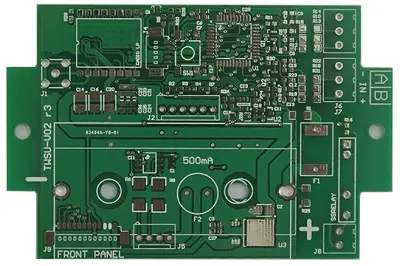
 PCB
PCB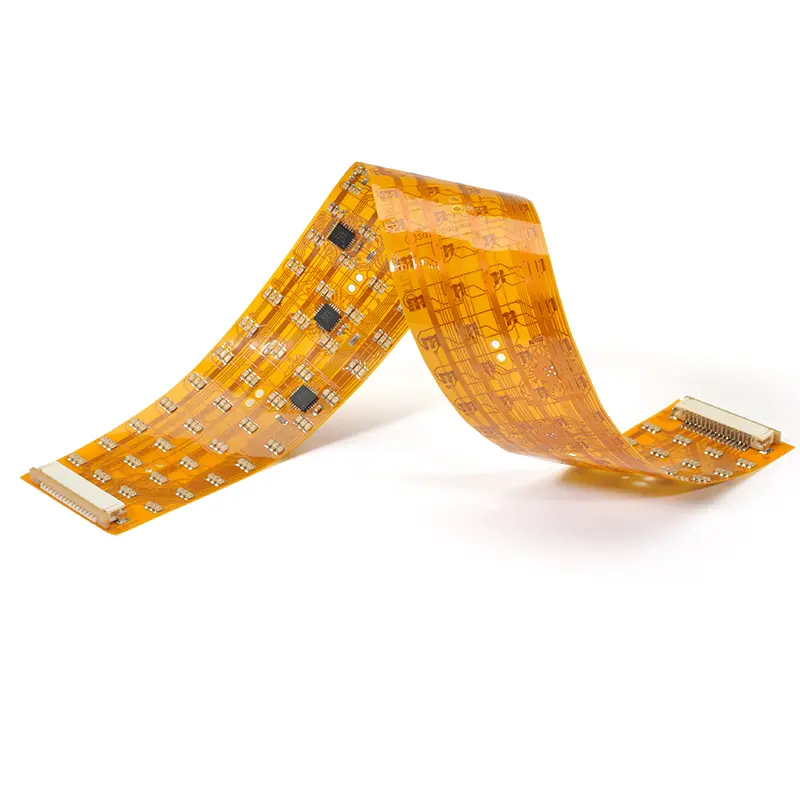 FPC
FPC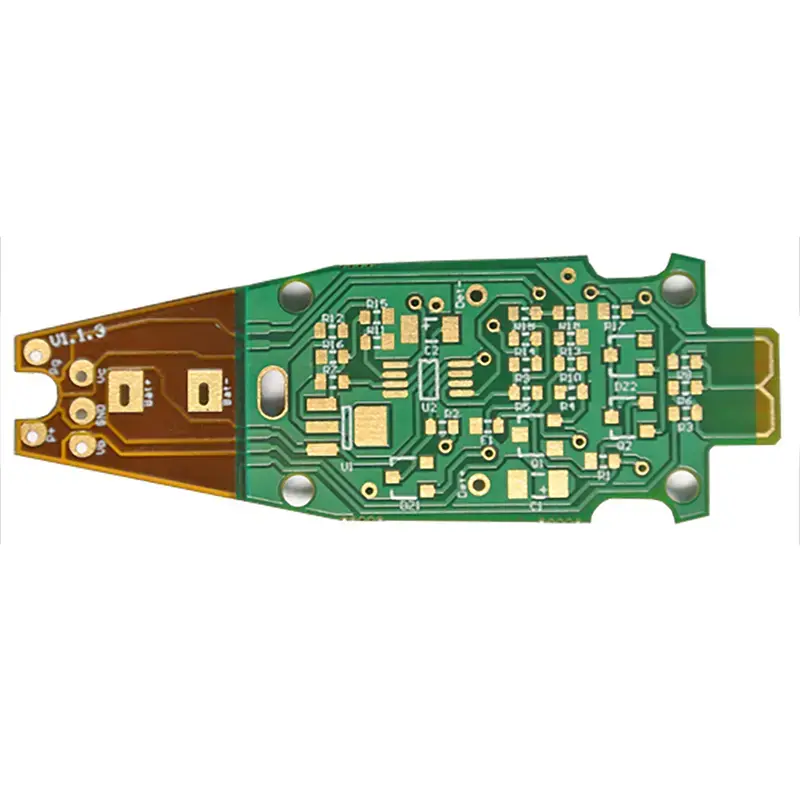 Rigid-Flex
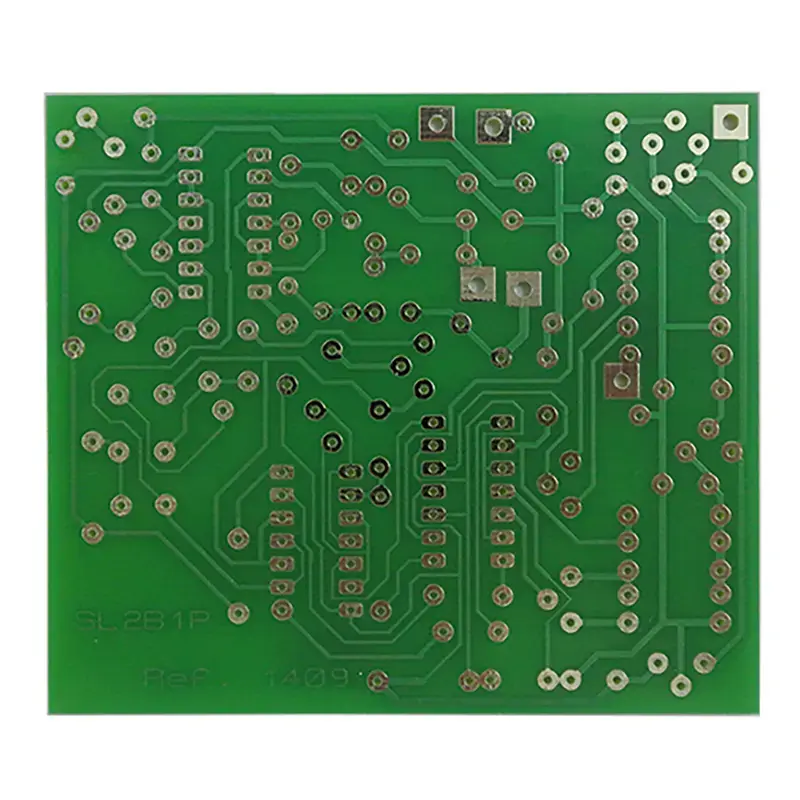 FR-4
FR-4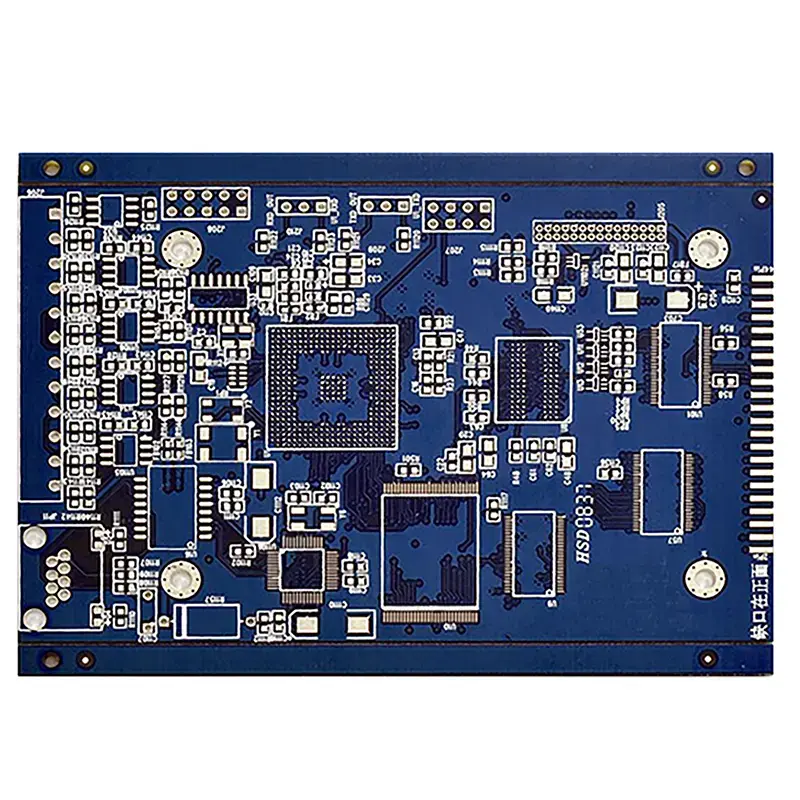 HDI PCB
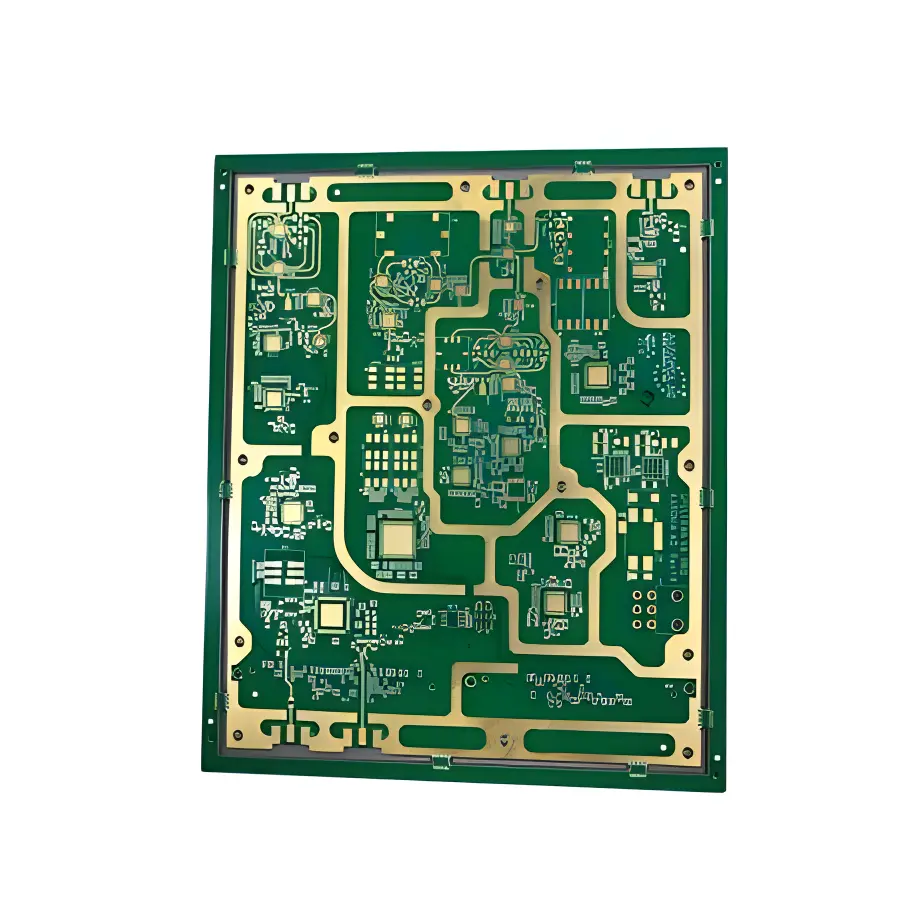 Rogers High-Frequency Board
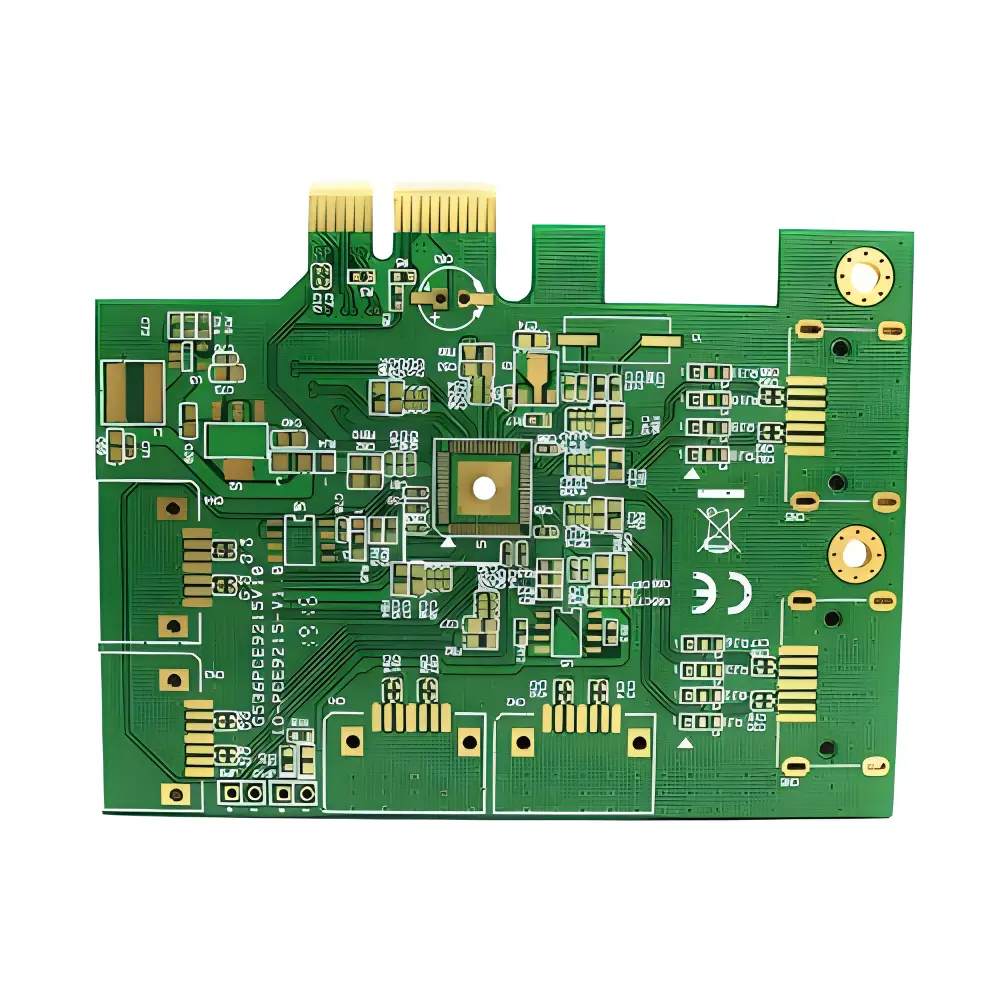 PTFE Teflon High-Frequency Board
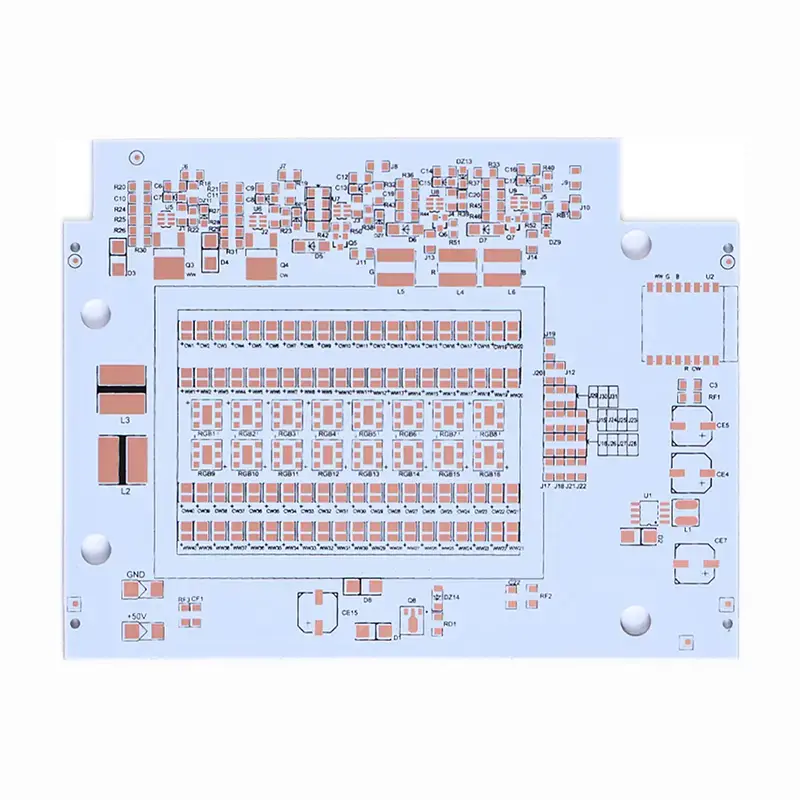 Aluminum
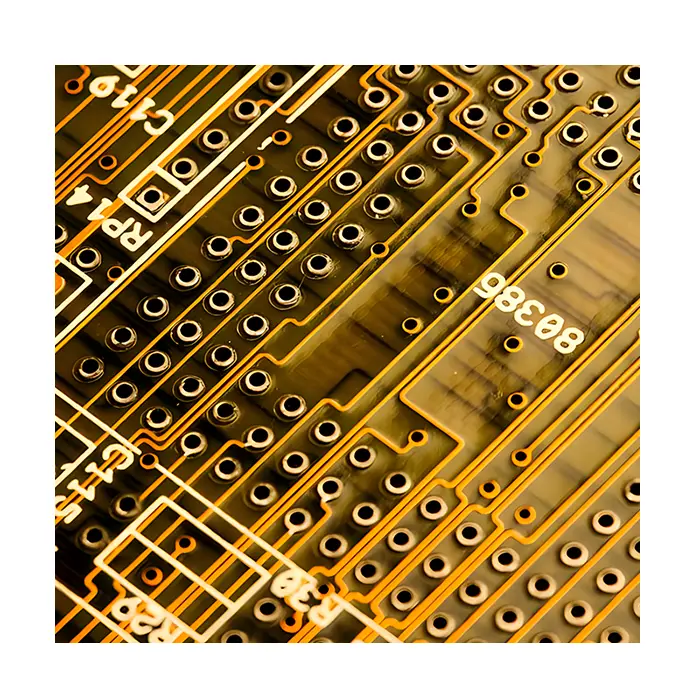 Copper Core
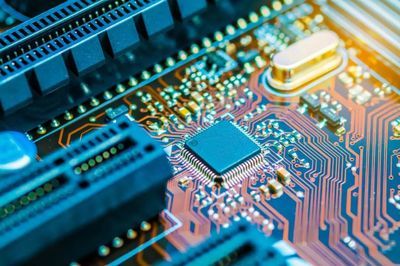 PCB Assembly
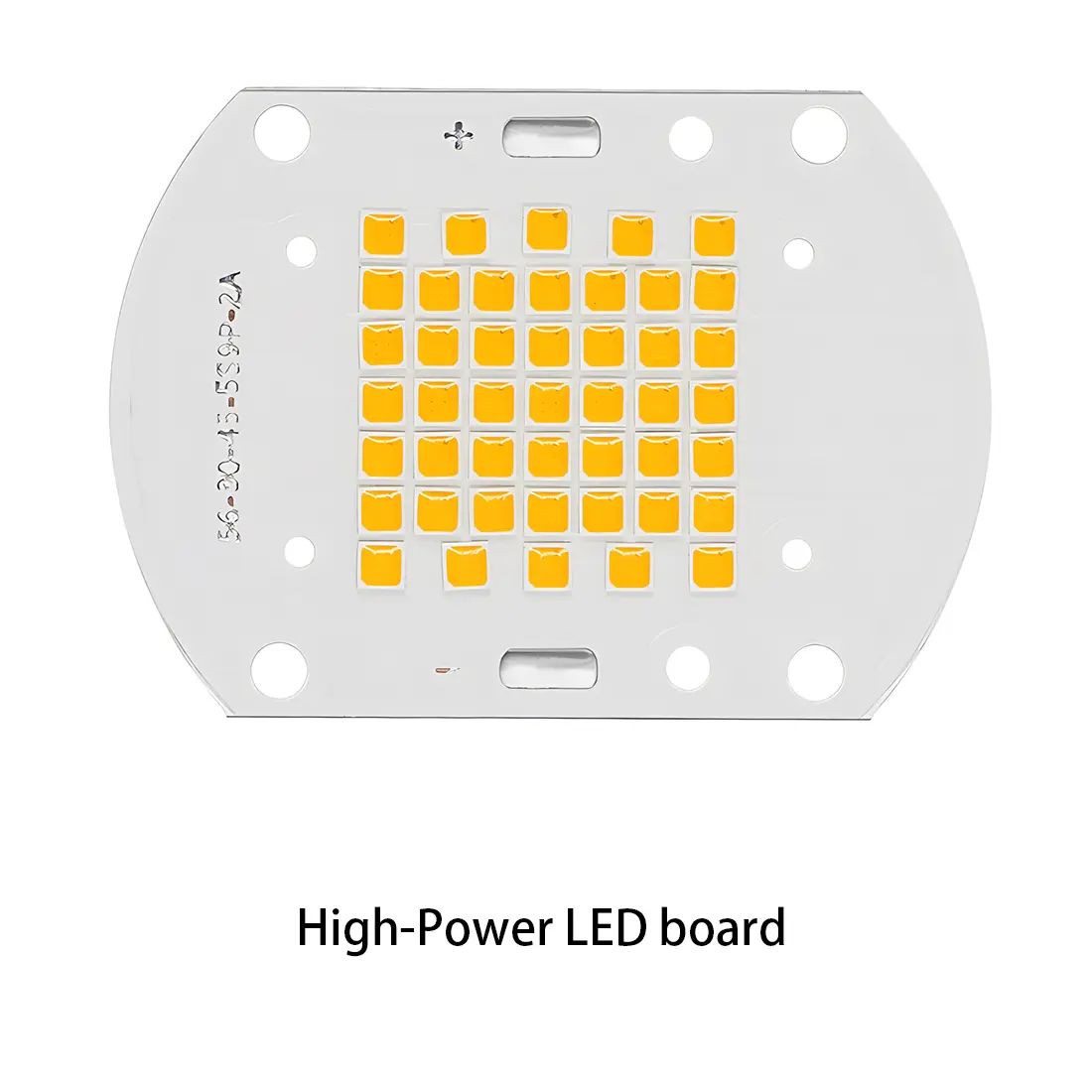 LED light PCBA
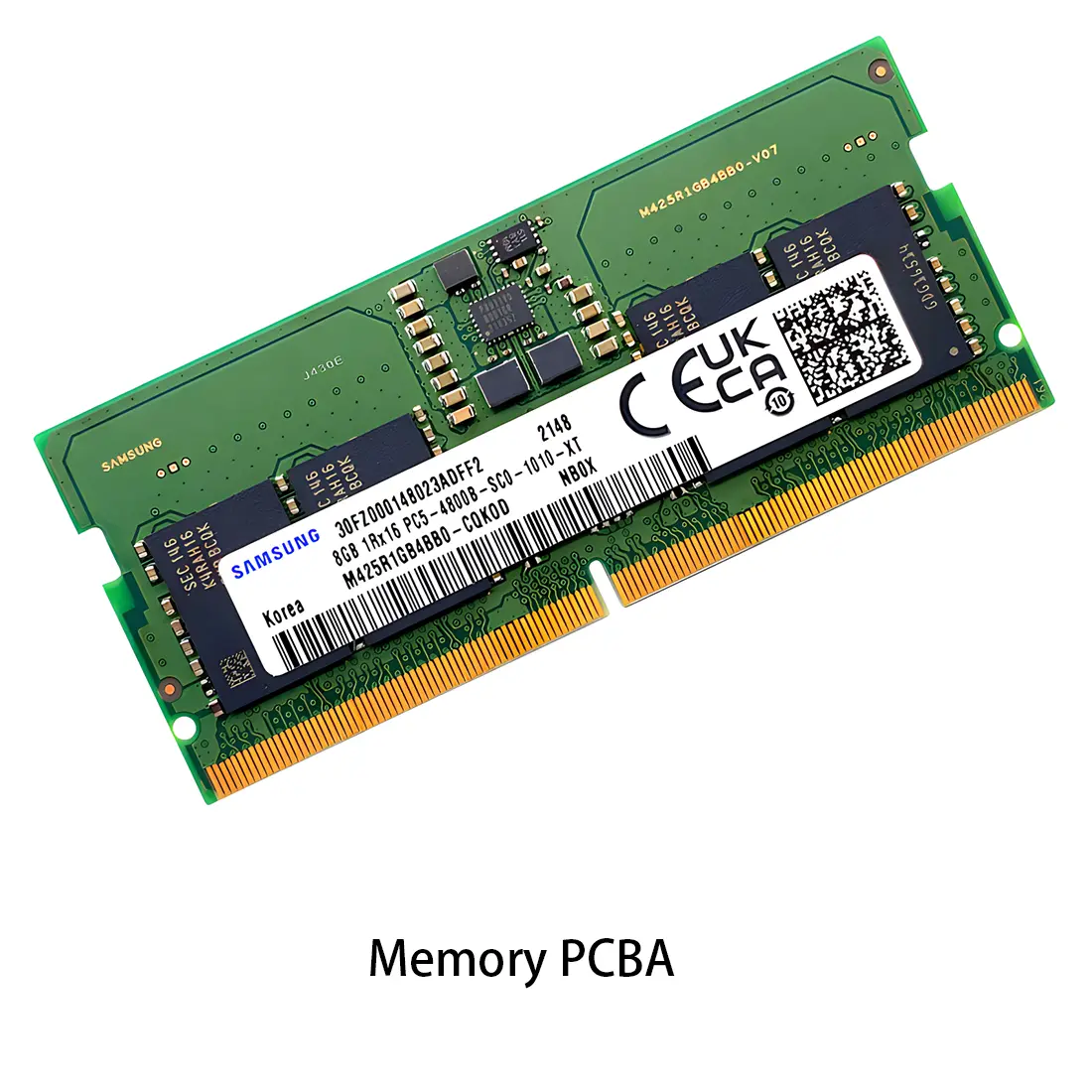 Memory PCBA
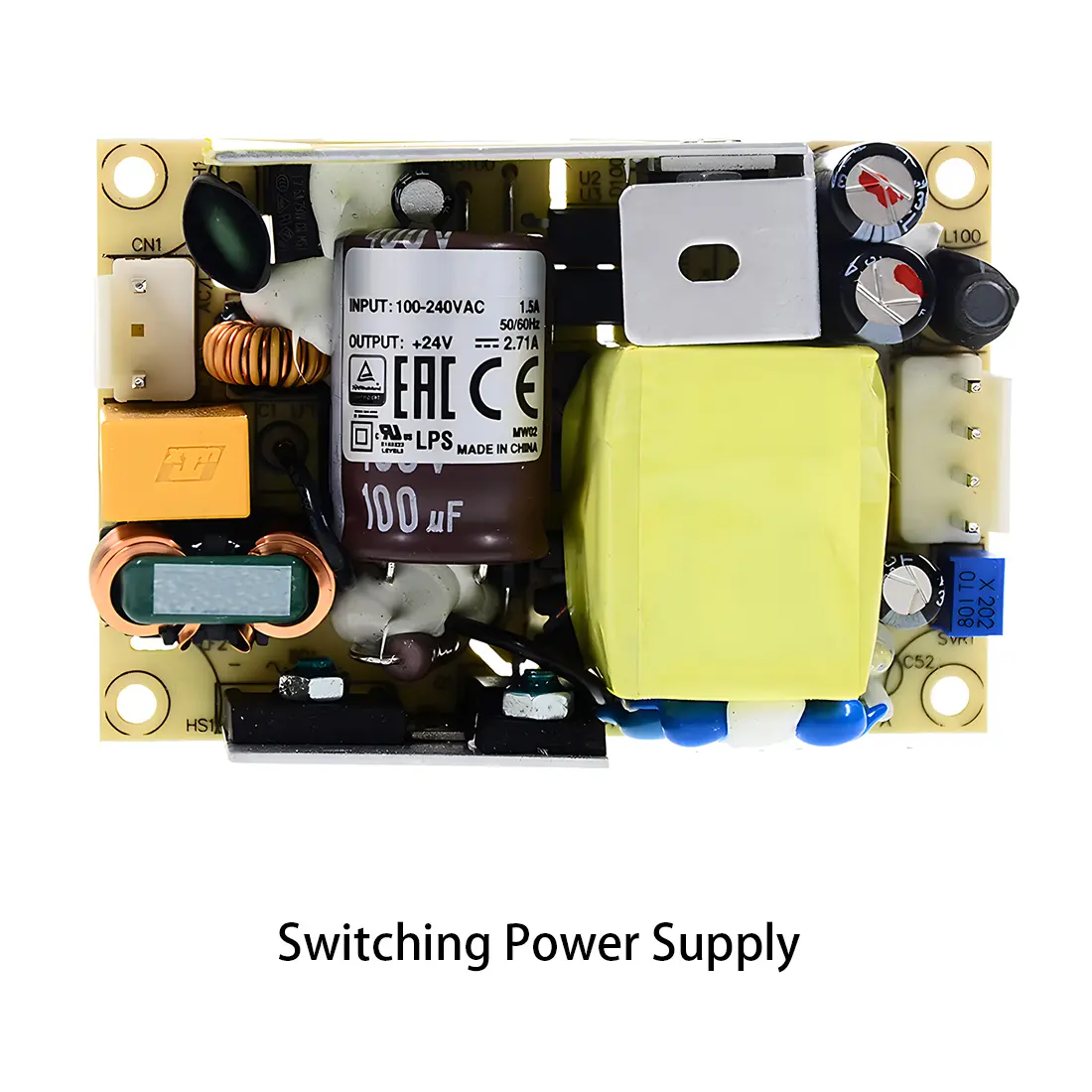 Power Supply PCBA
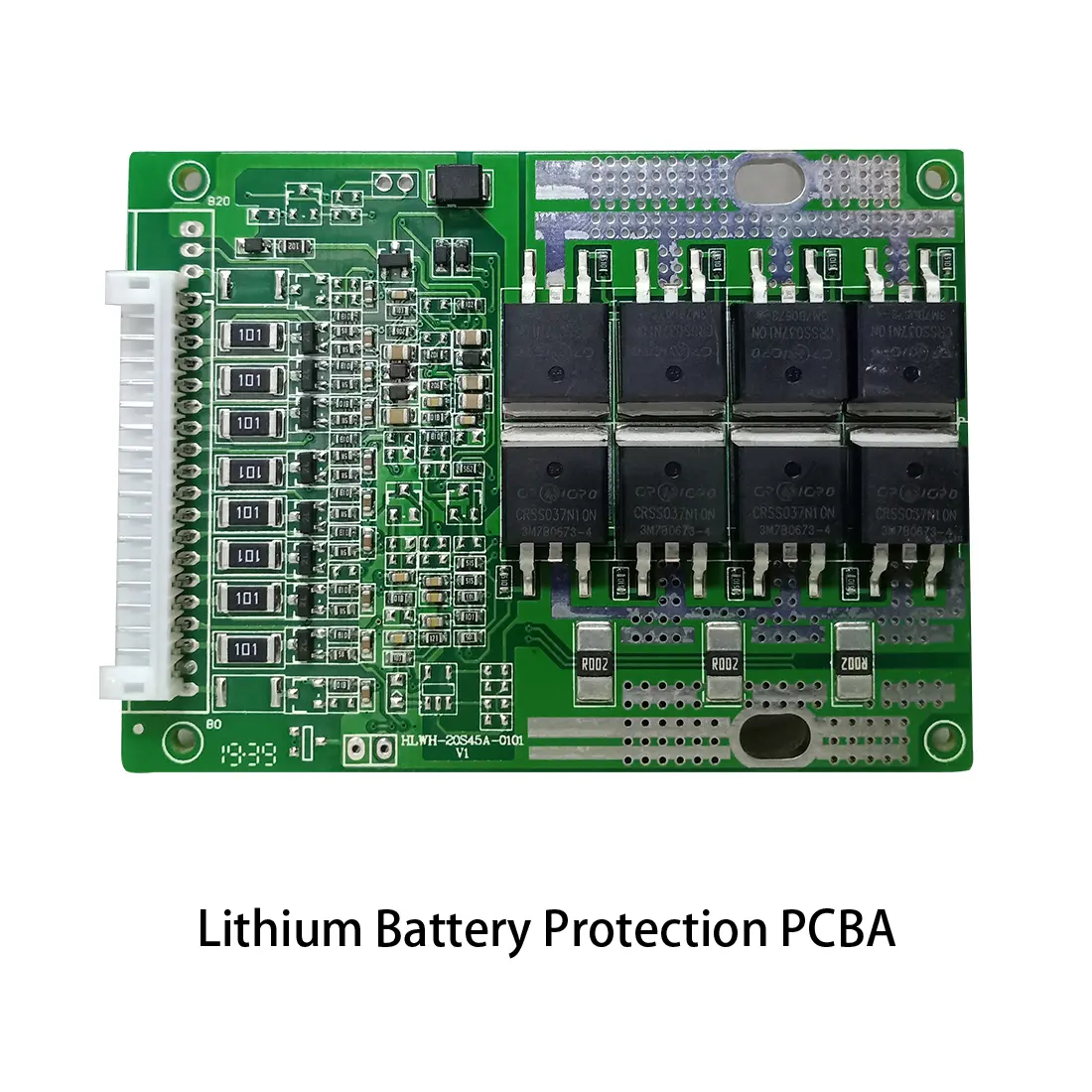 New Energey PCBA
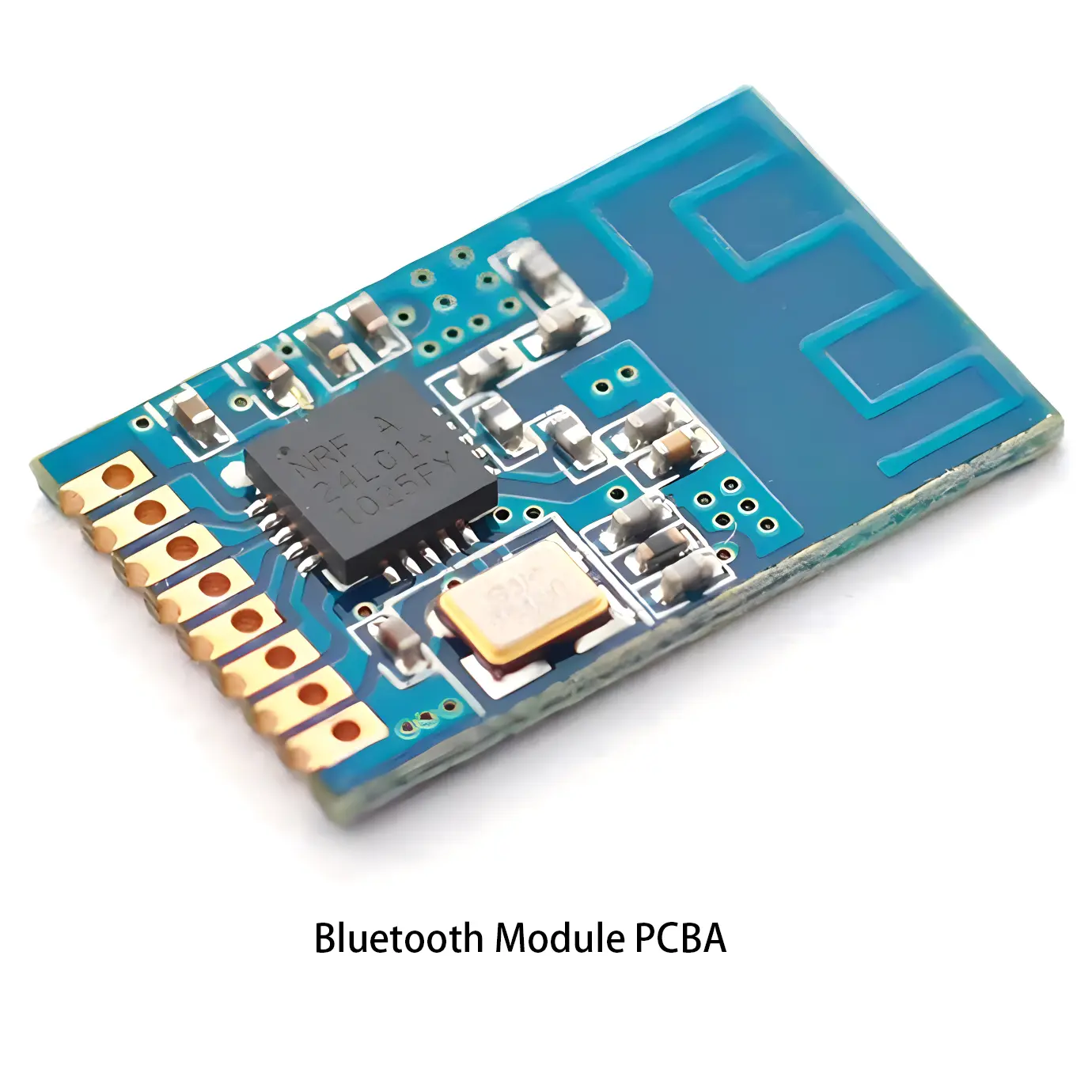 Communication PCBA
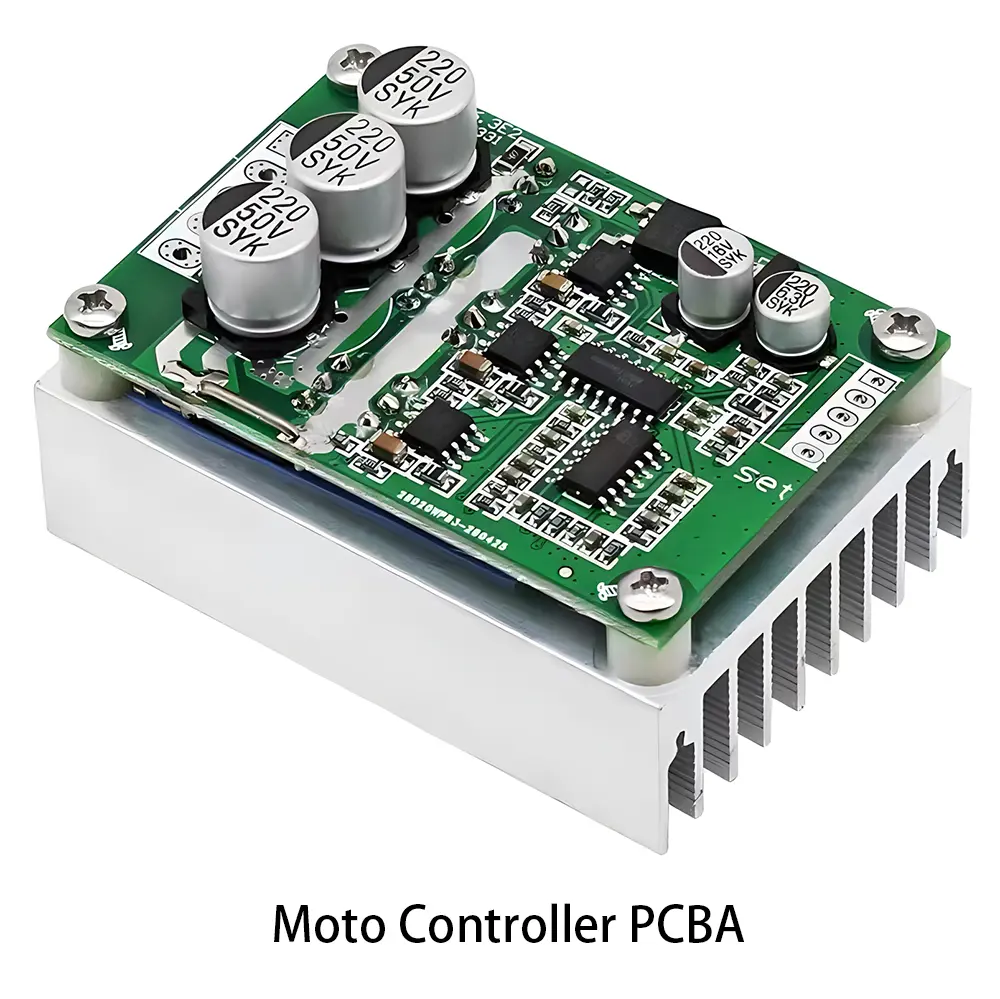 Industrial Control PCBA
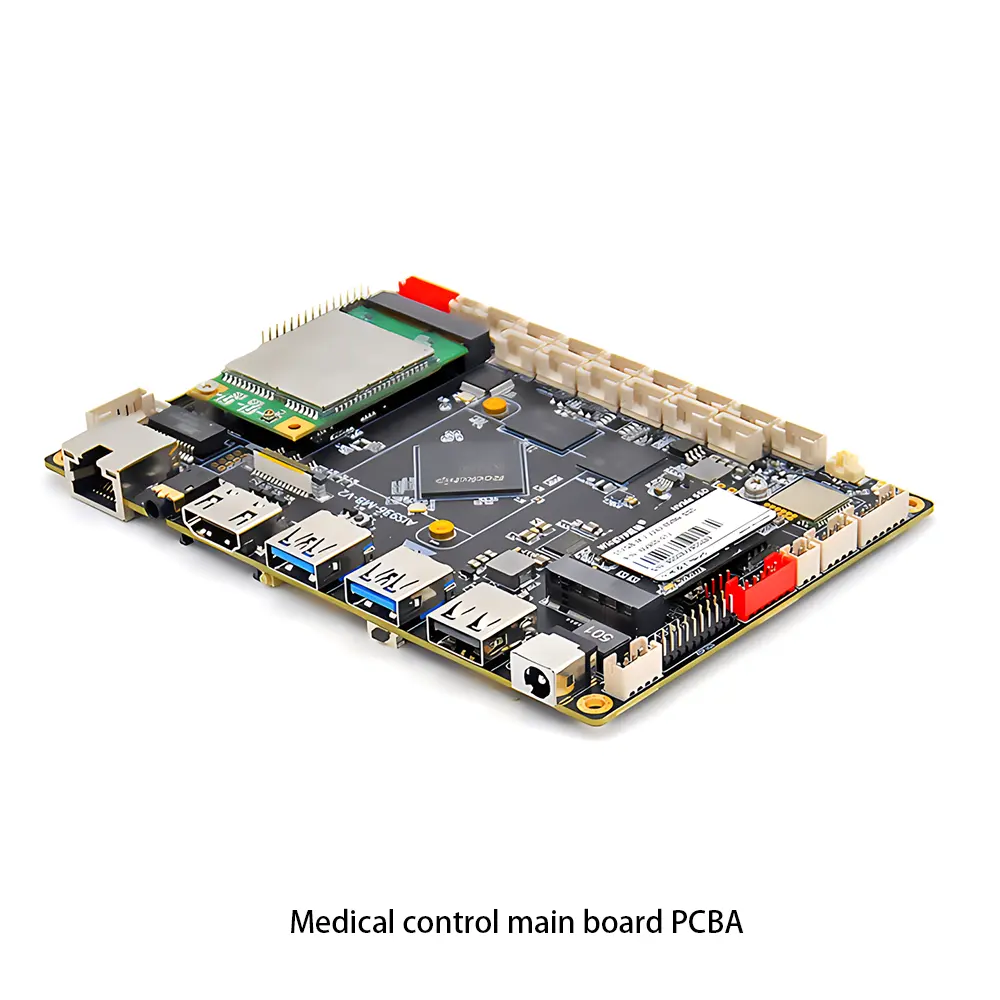 Medical Equipment PCBA
 Testing Service
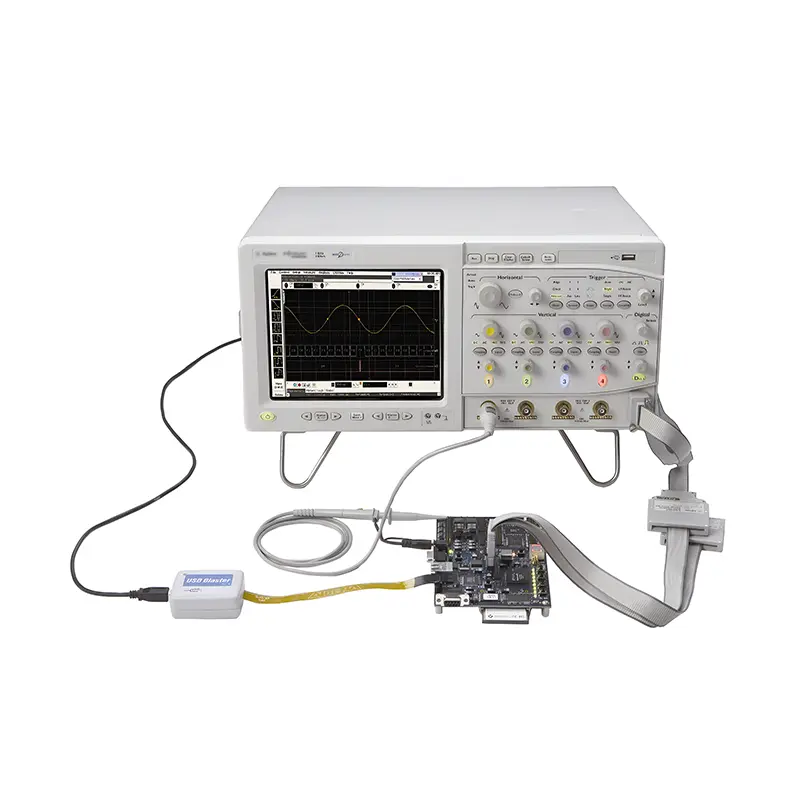 PCBA Testing Service
 Certification Application
 RoHS Certification Application
 REACH Certification Application
 CE Certification Application
 FCC Certification Application
 CQC Certification Application
 UL Certification Application
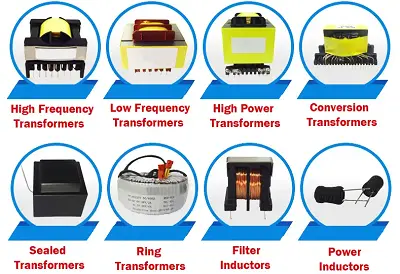 Transformers, Inductors
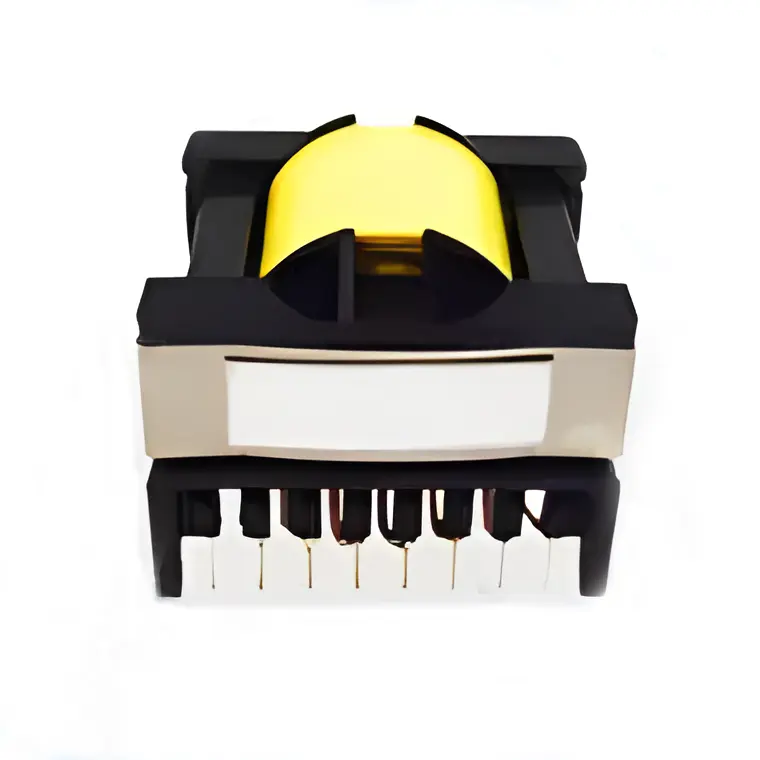 High Frequency Transformers
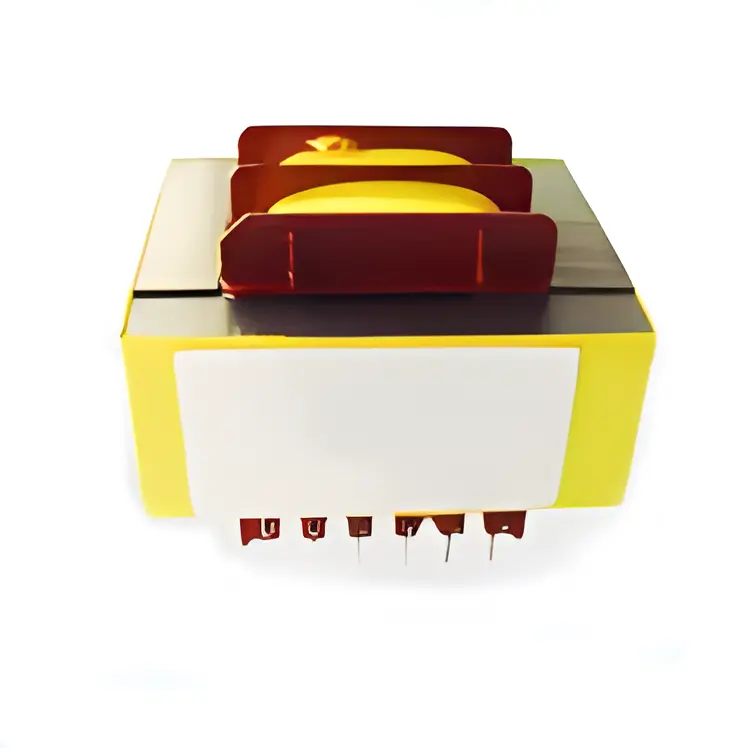 Low Frequency Transformers
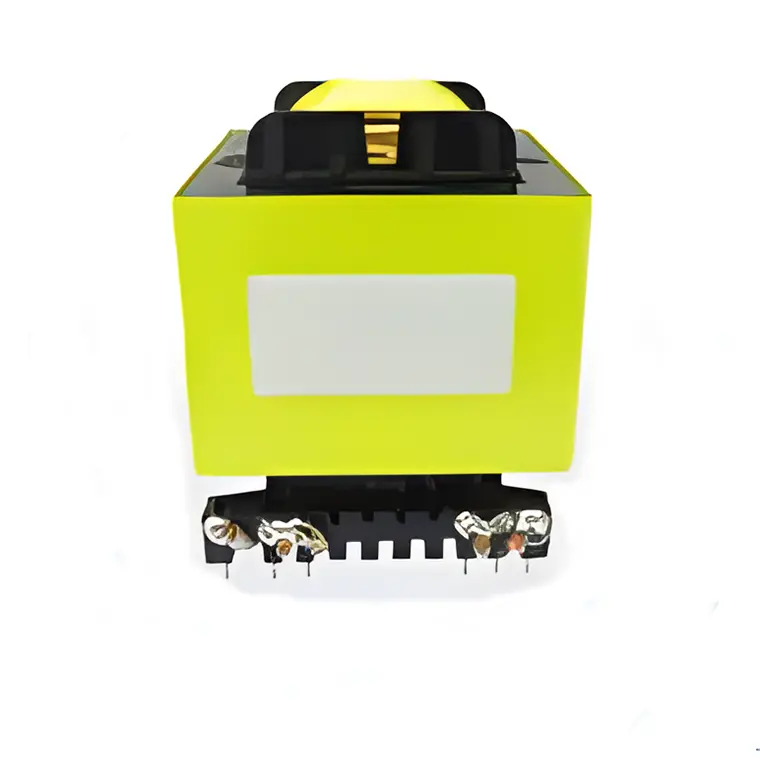 High Power Transformers
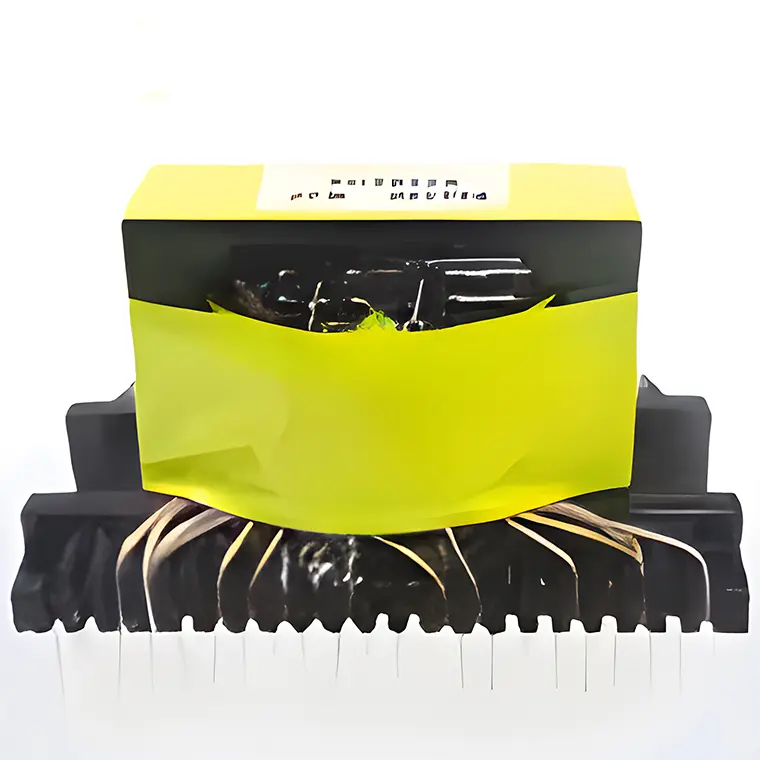 Conversion Transformers
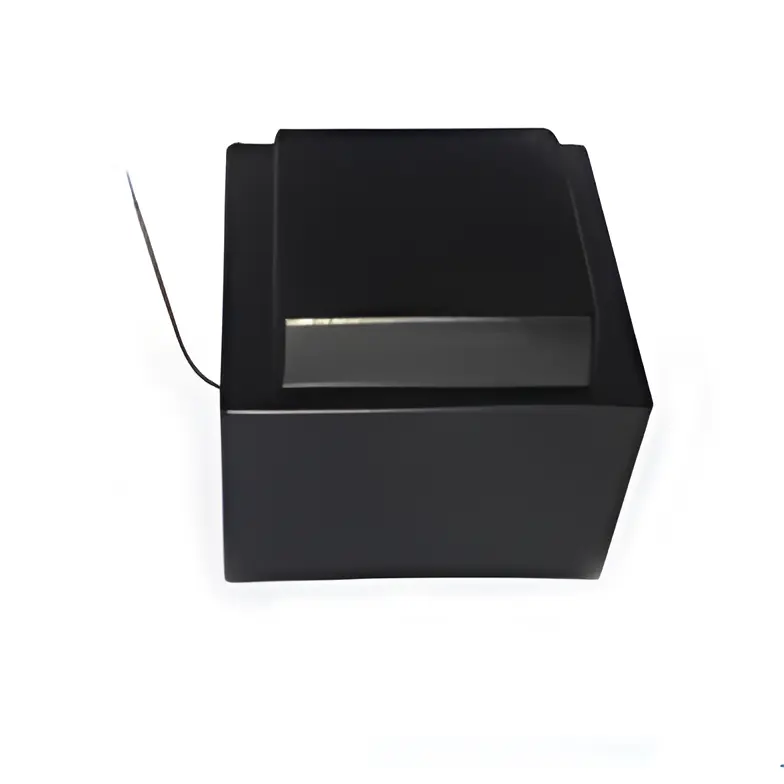 Sealed Transformers
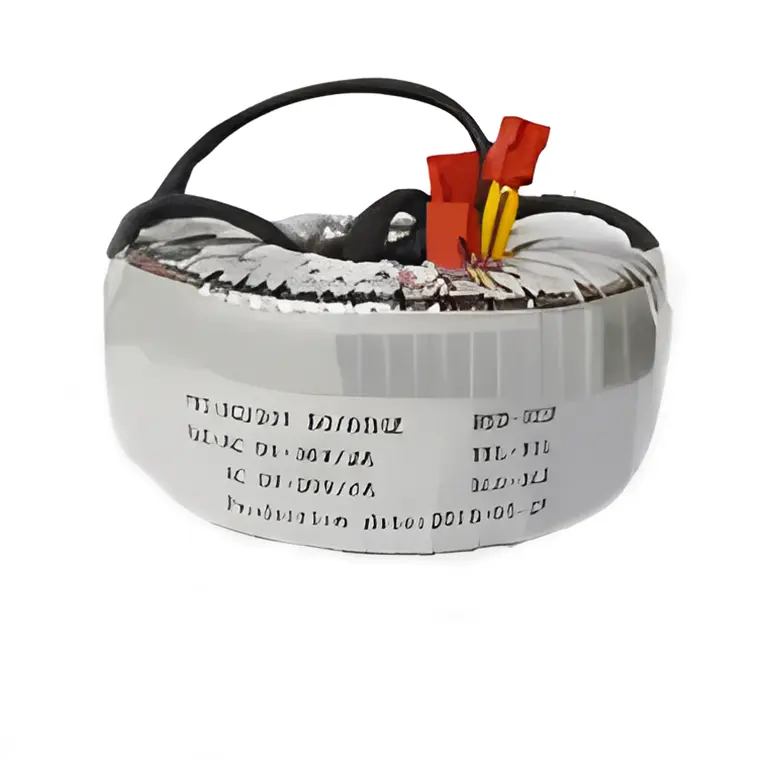 Ring Transformers
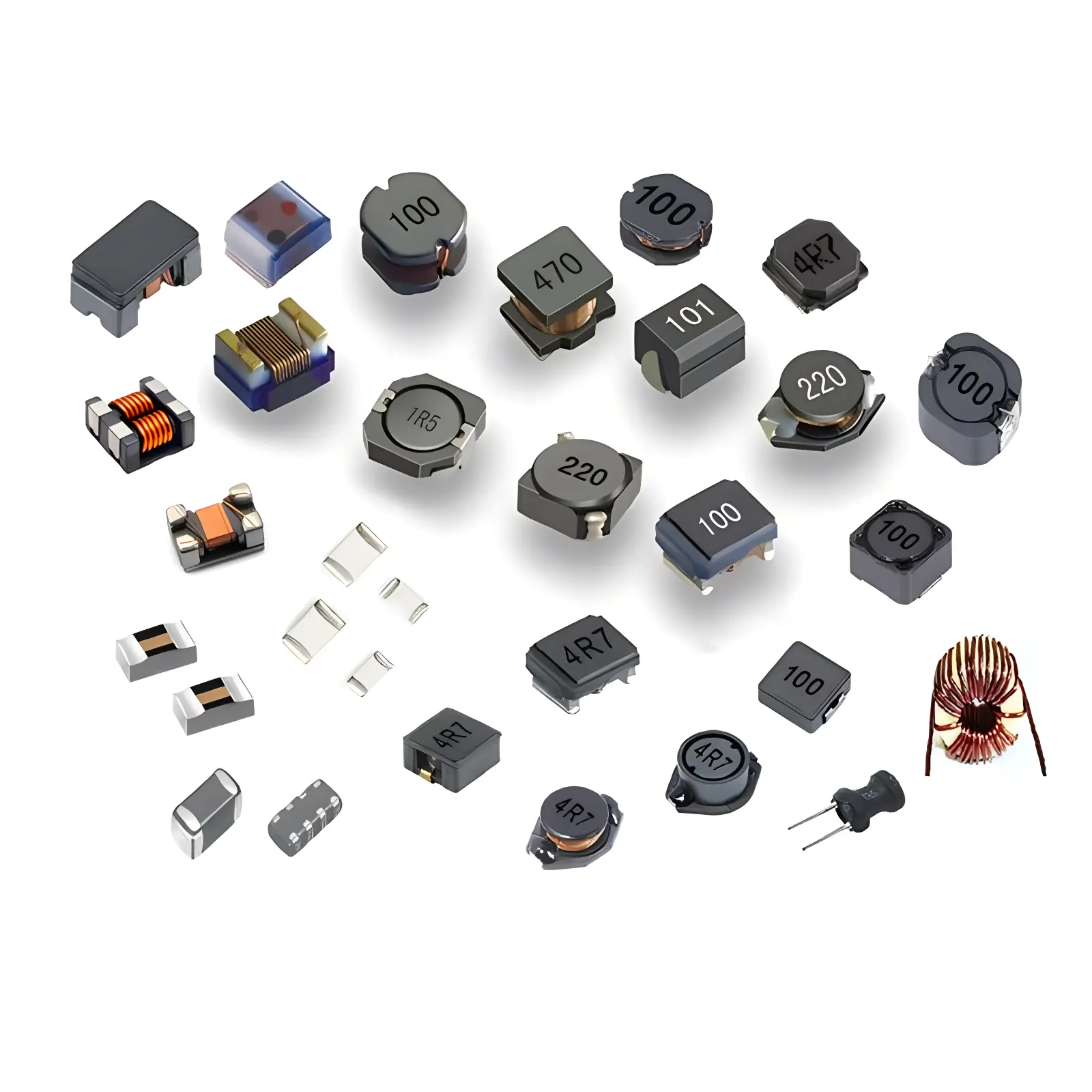 Inductors
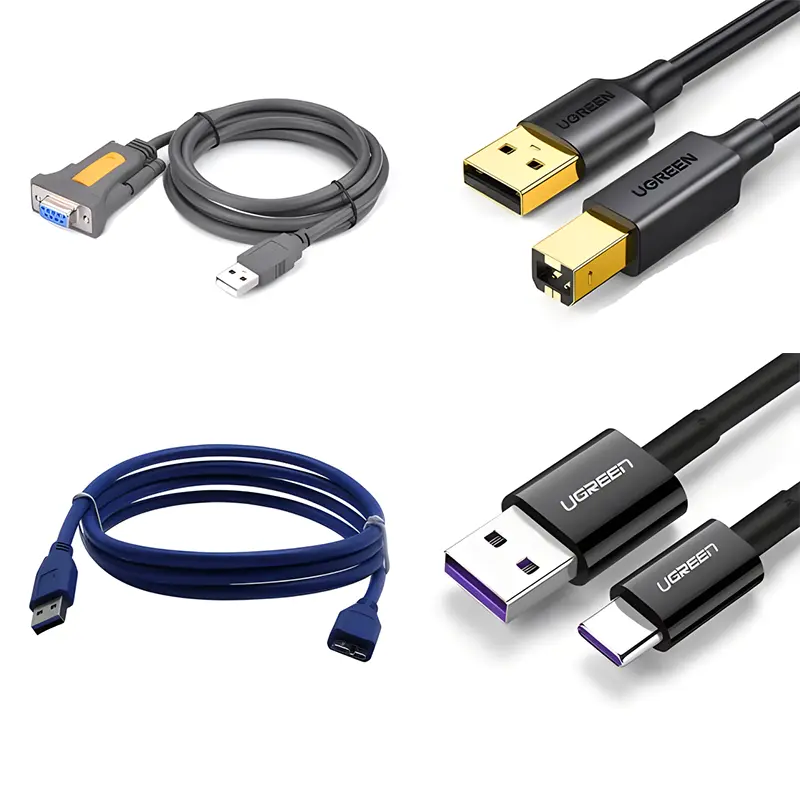 Wires,Cables Customized
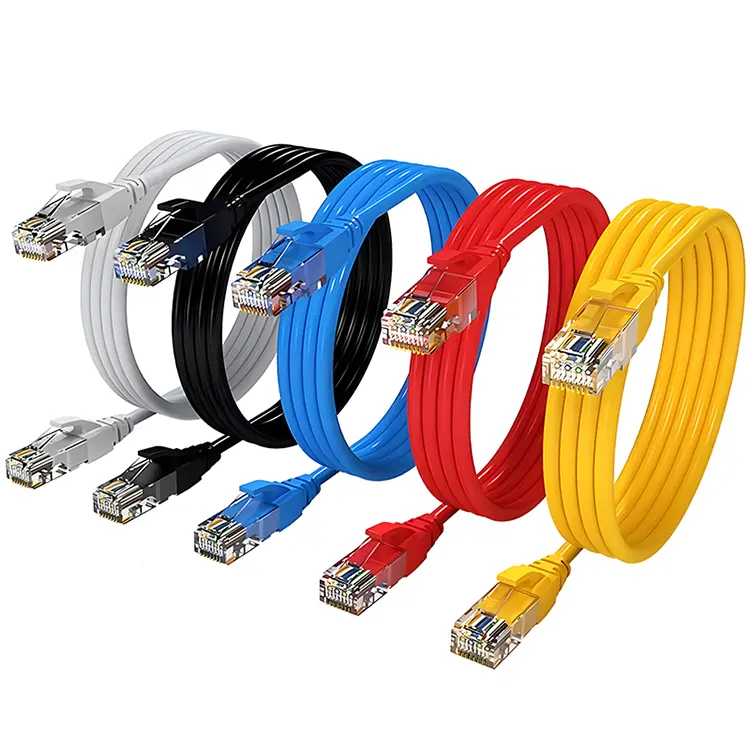 Network Cables
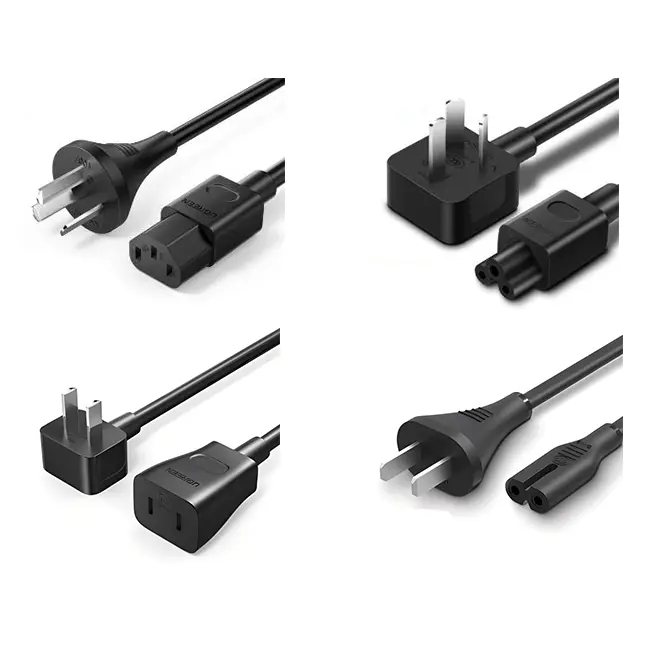 Power Cords
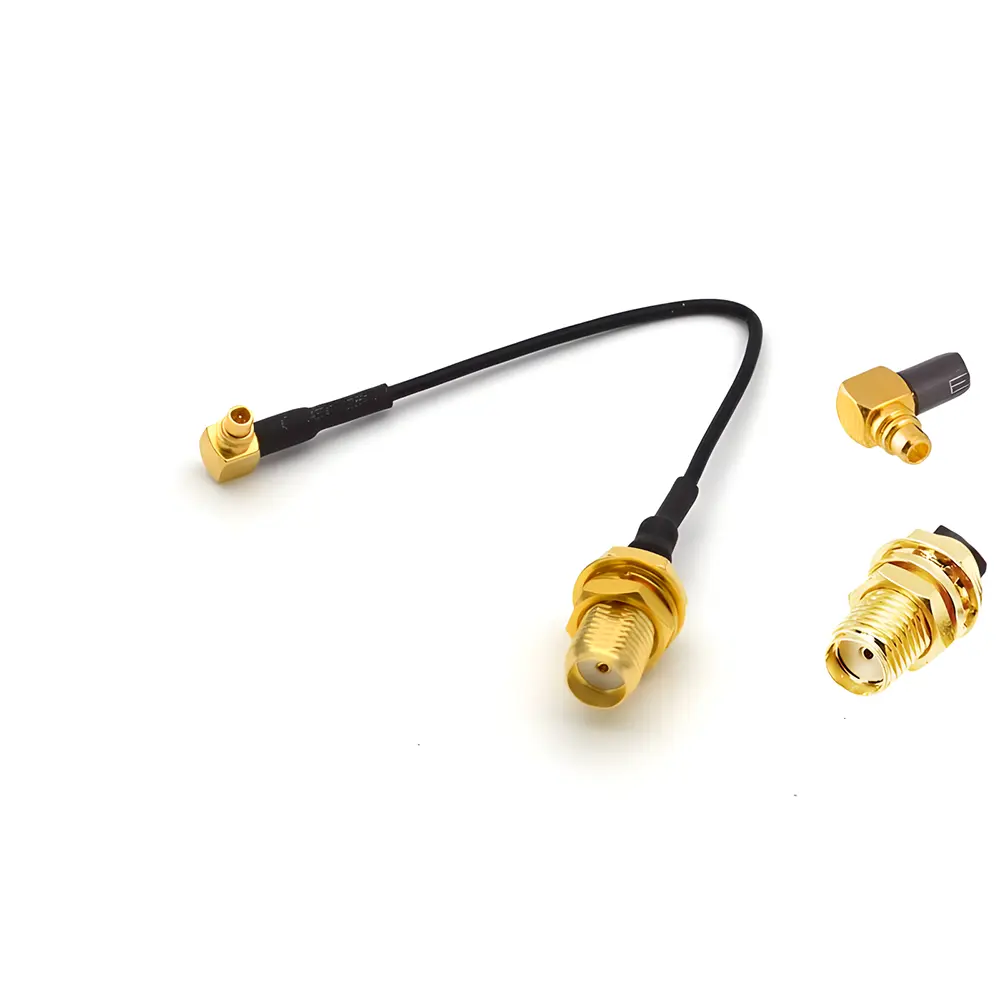 Antenna Cables
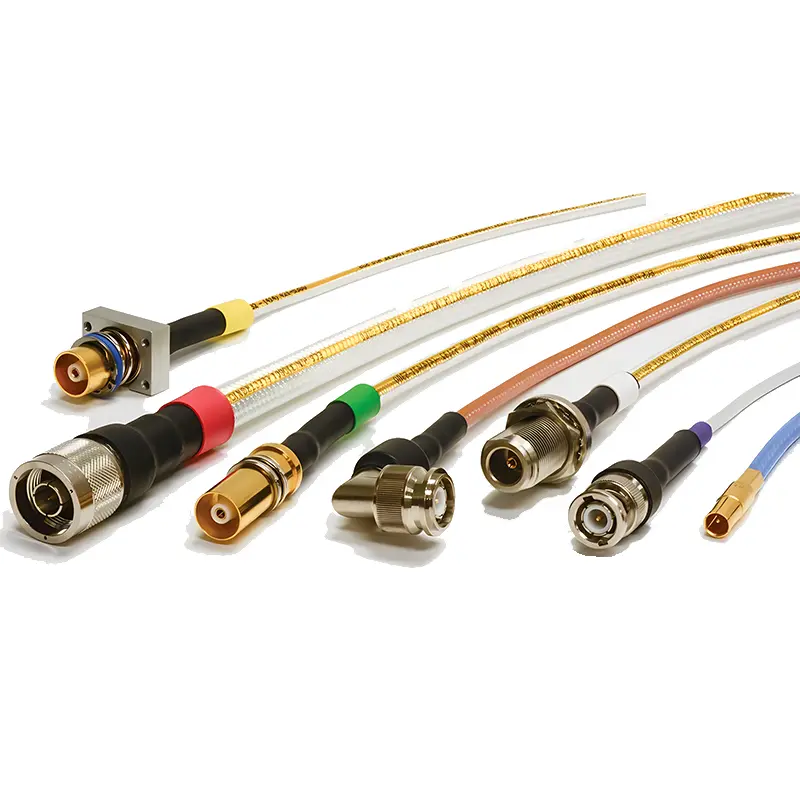 Coaxial Cables
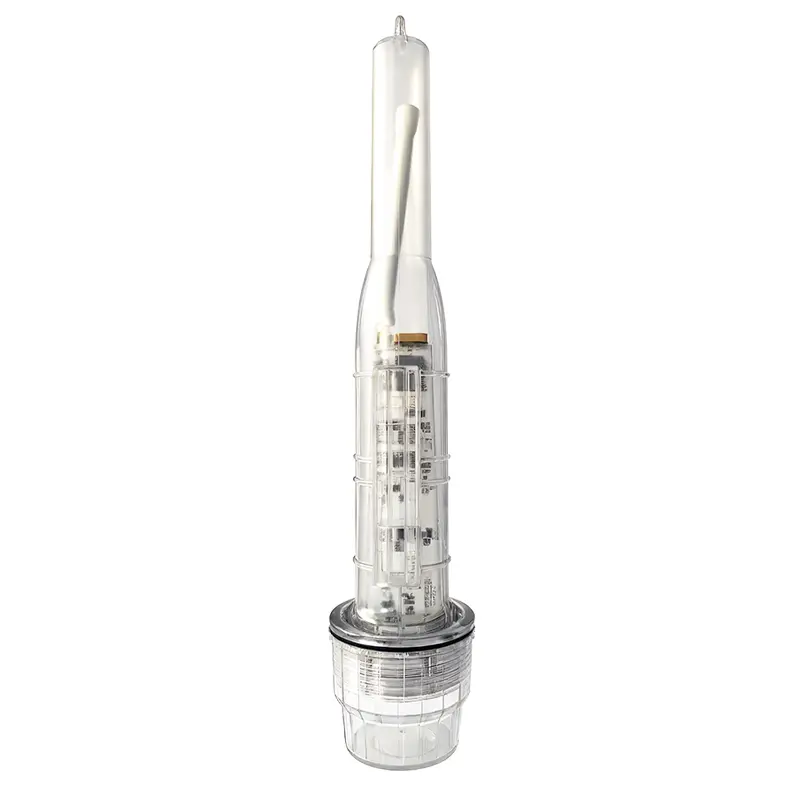 Net Position Indicator
 Solar AIS net position indicator
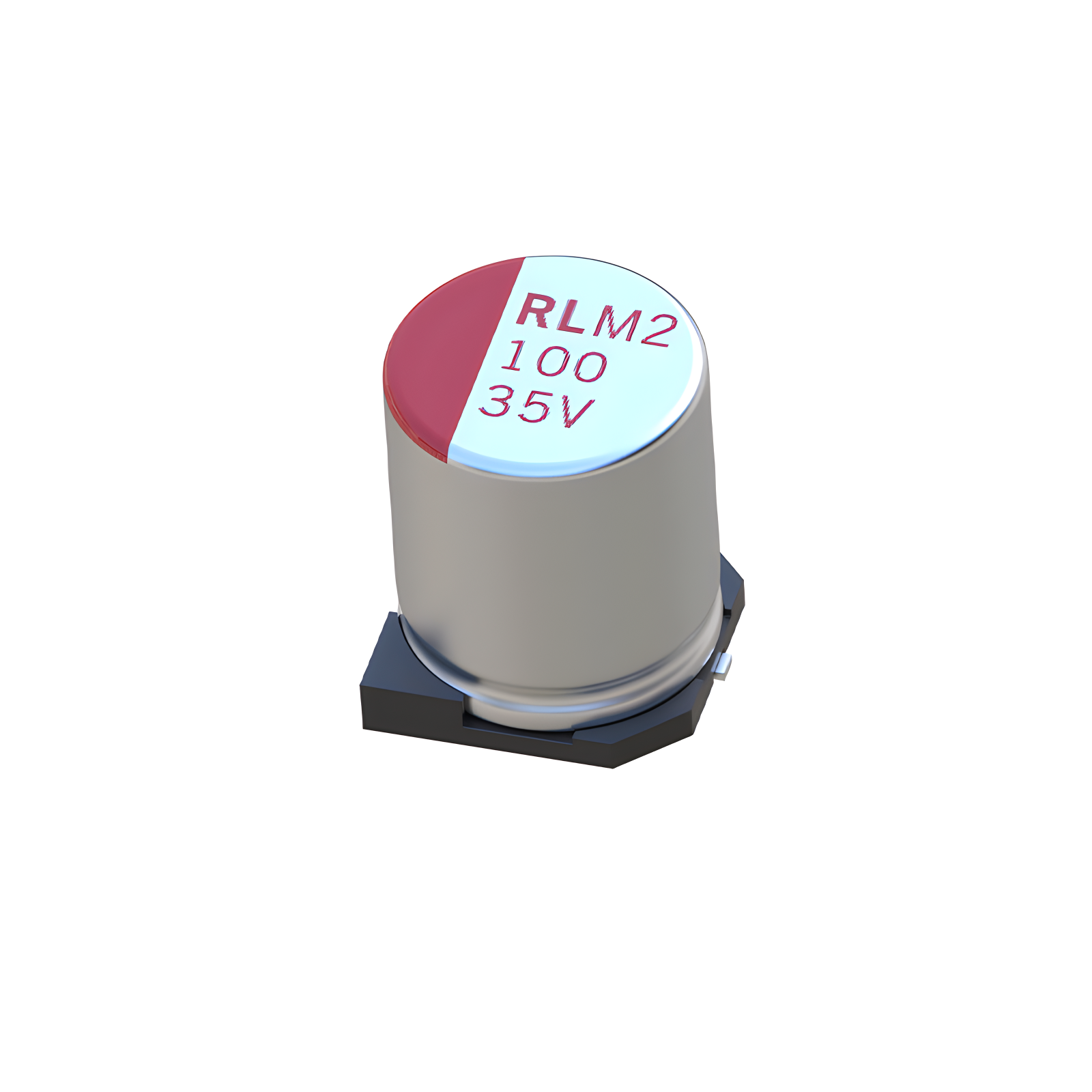 Capacitors
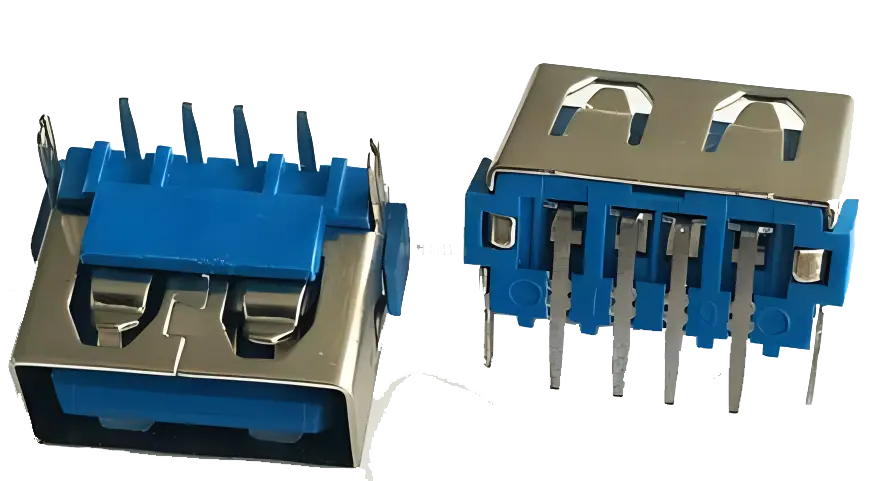 Connectors
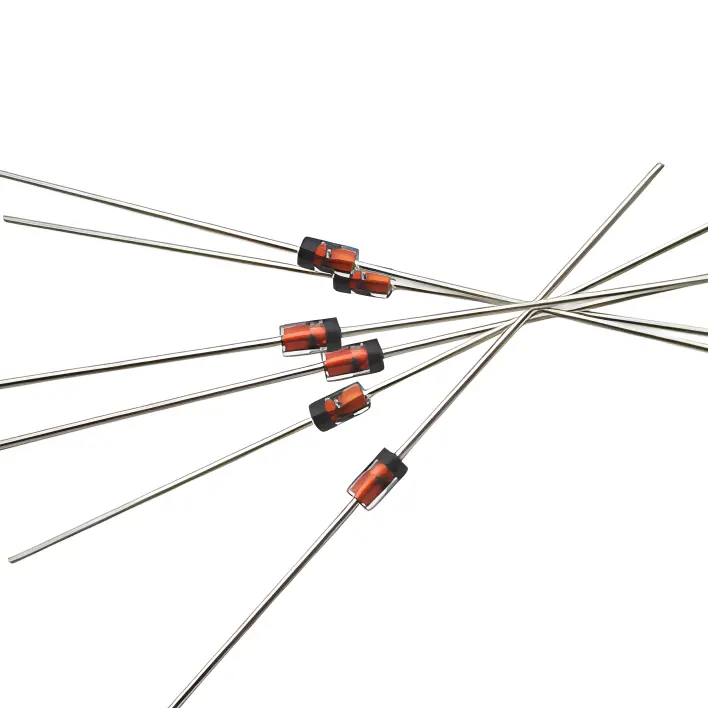 Diodes
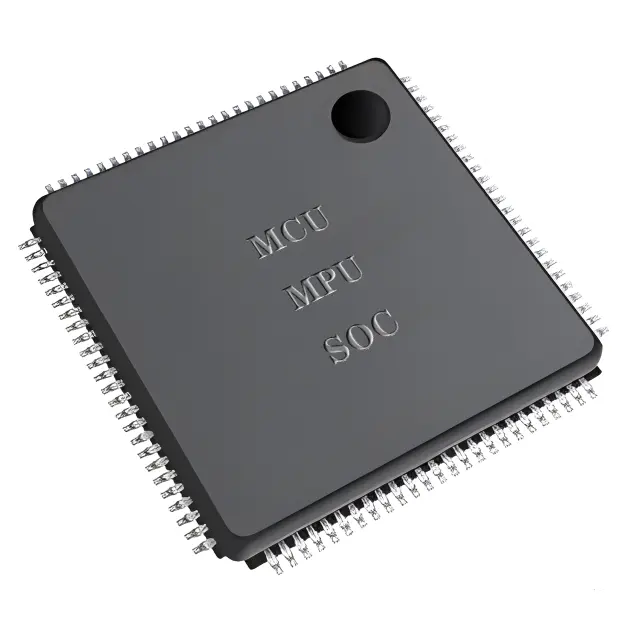 Embedded Processors & Controllers
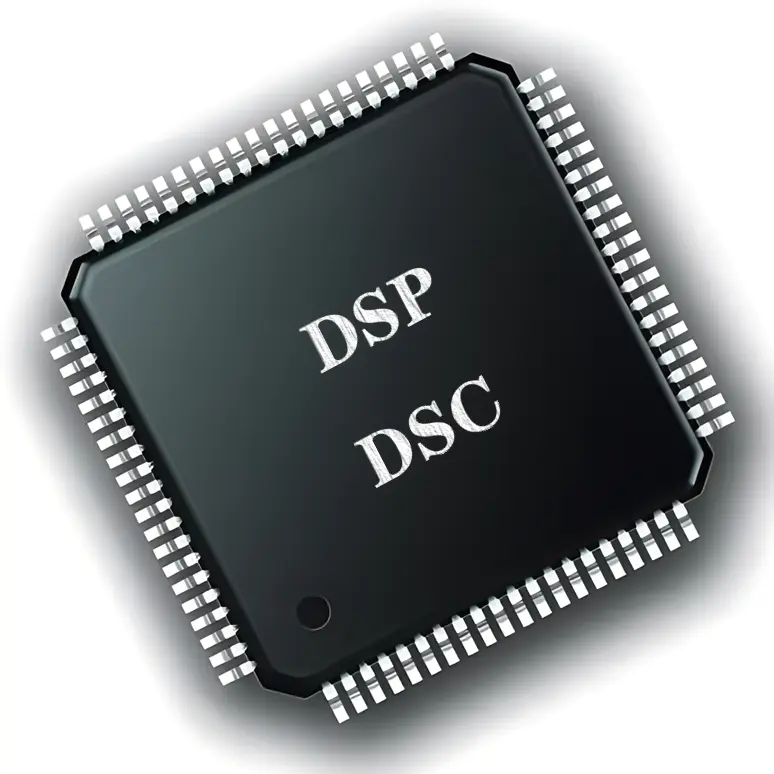 Digital Signal Processors (DSP/DSC)
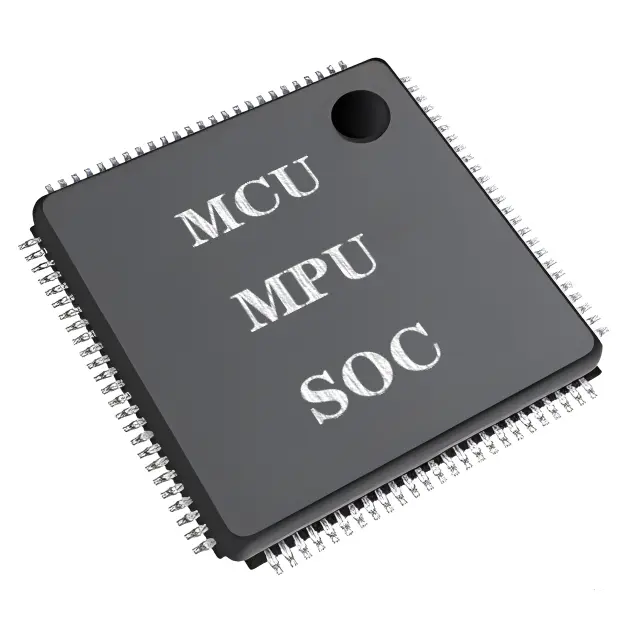 Microcontrollers (MCU/MPU/SOC)
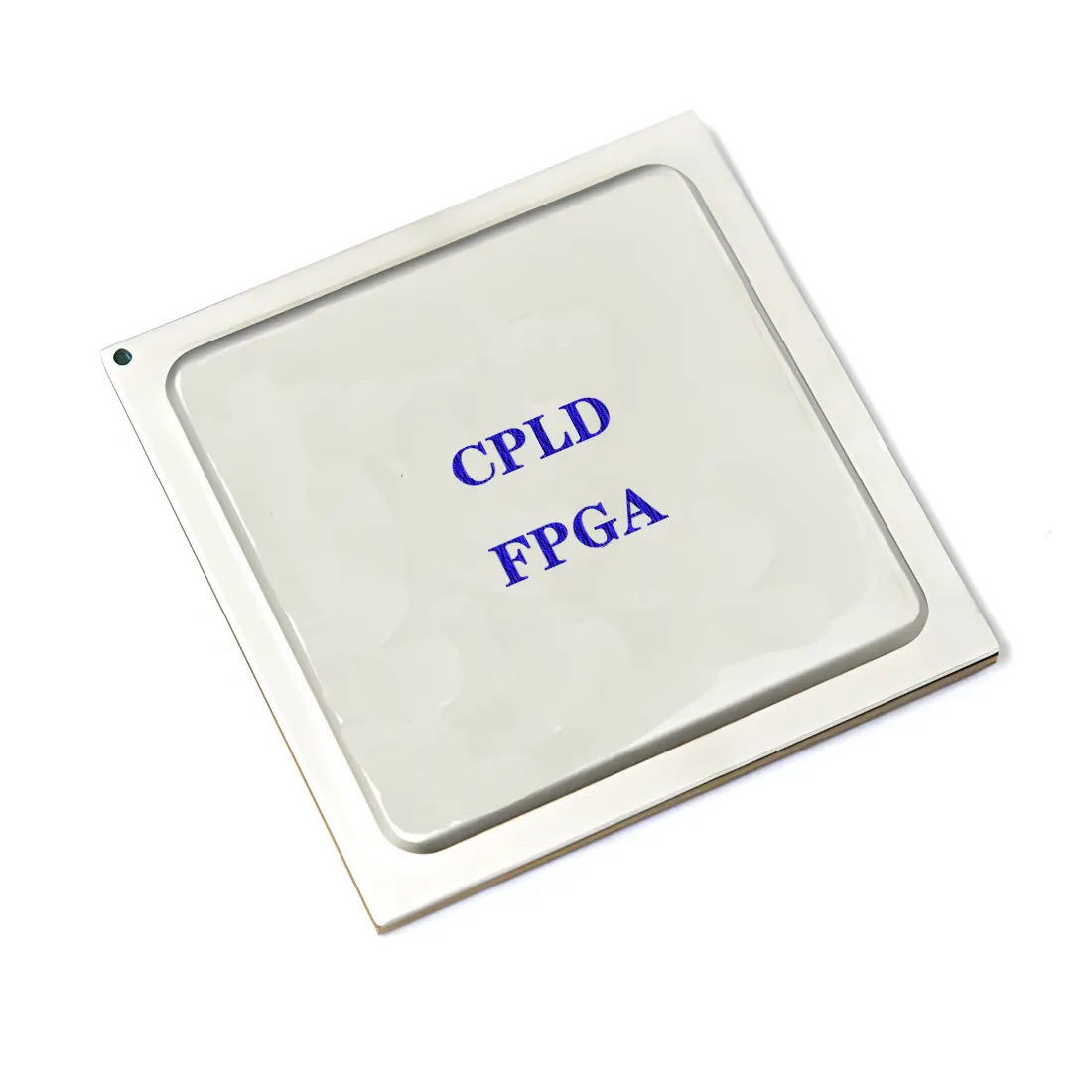 Programmable Logic Device(CPLD/FPGA)
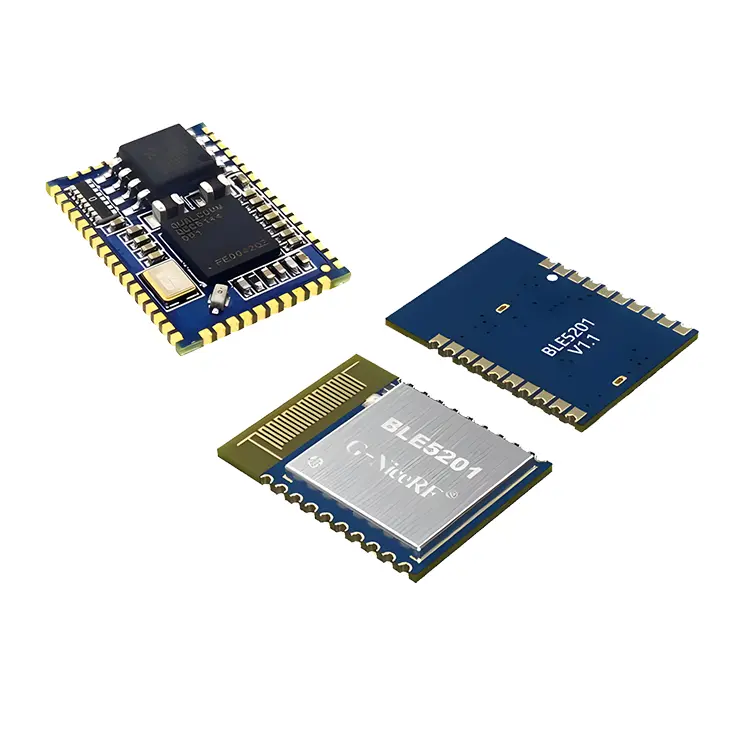 Communication Modules/IoT
 Resistors
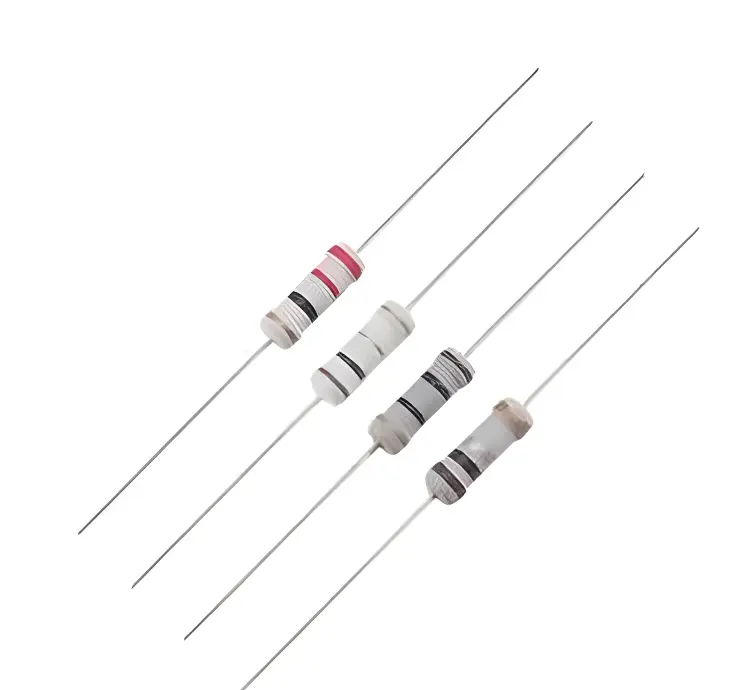 Through Hole Resistors
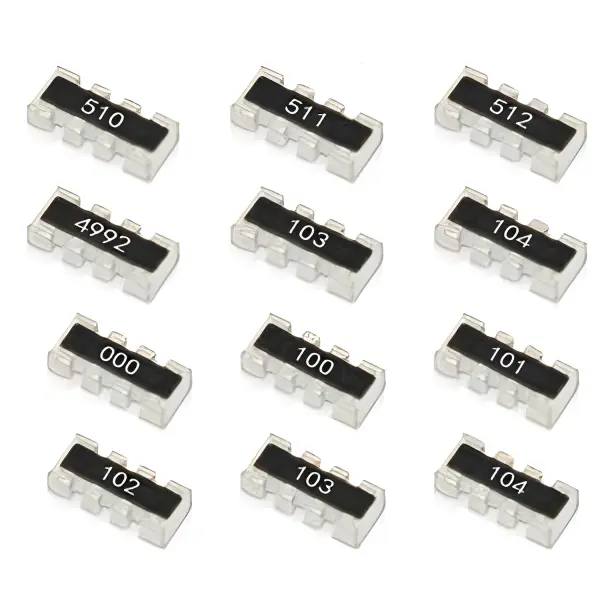 Resistor Networks, Arrays
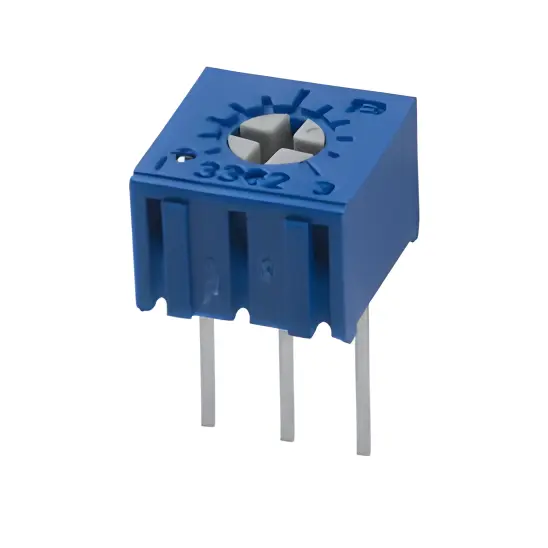 Potentiometers,Variable Resistors
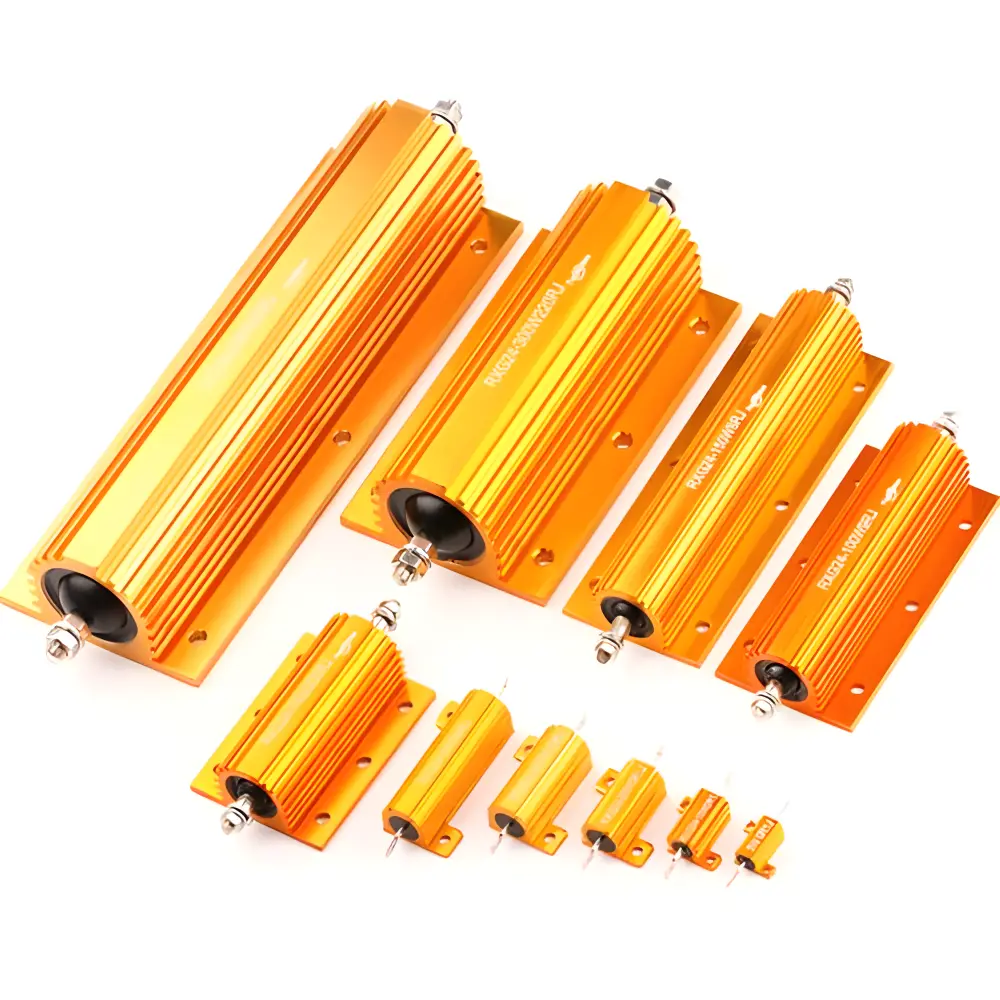 Aluminum Case,Porcelain Tube Resistance
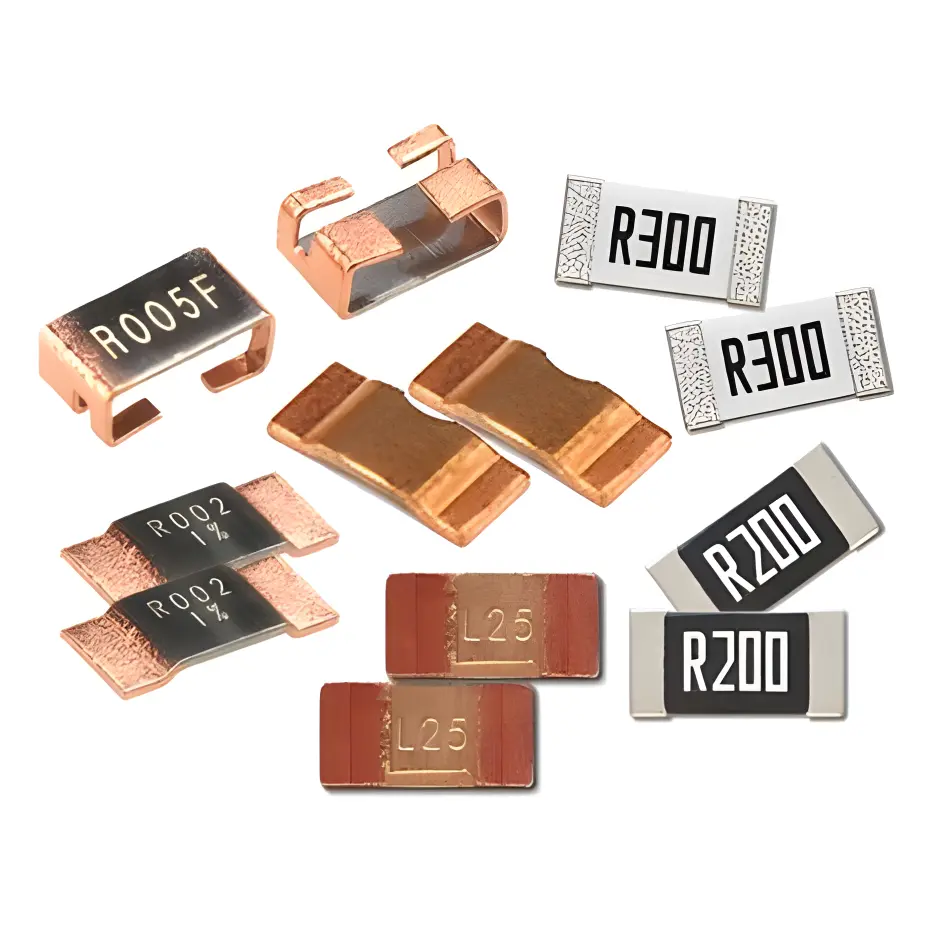 Current Sense Resistors,Shunt Resistors
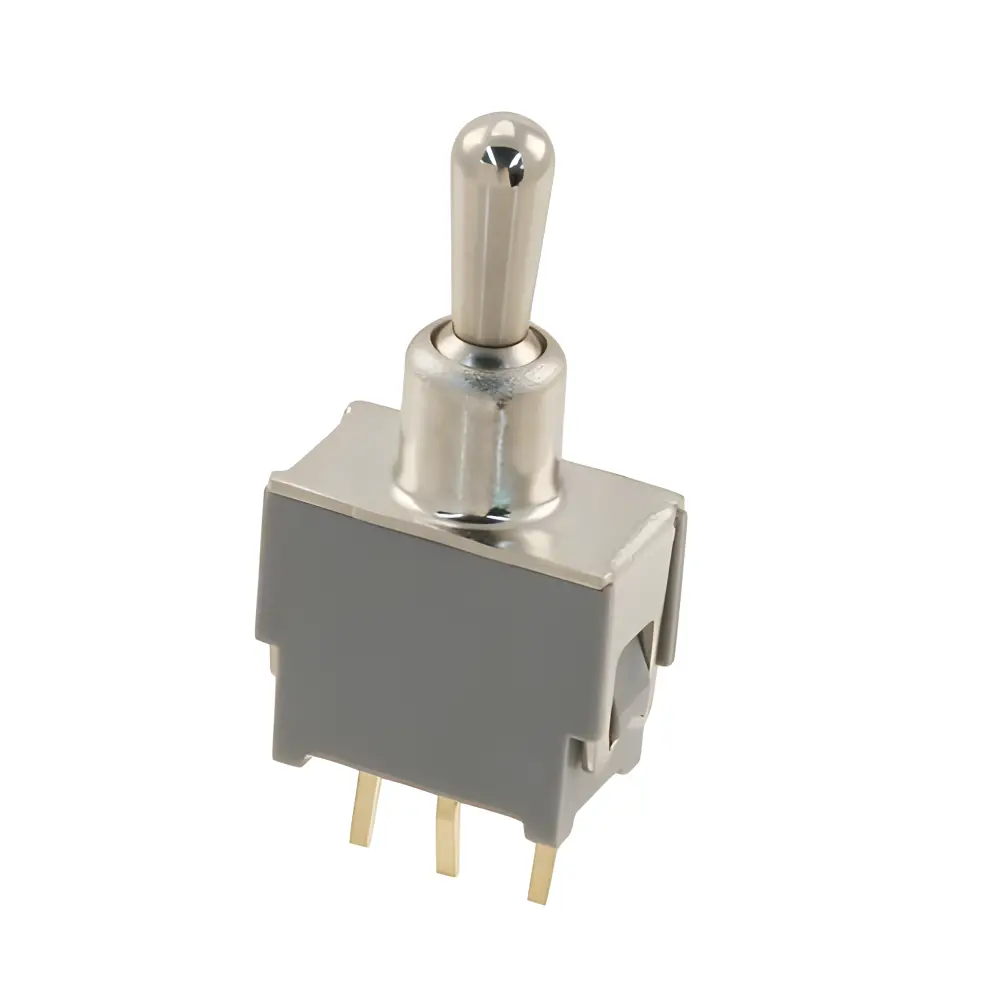 Switches
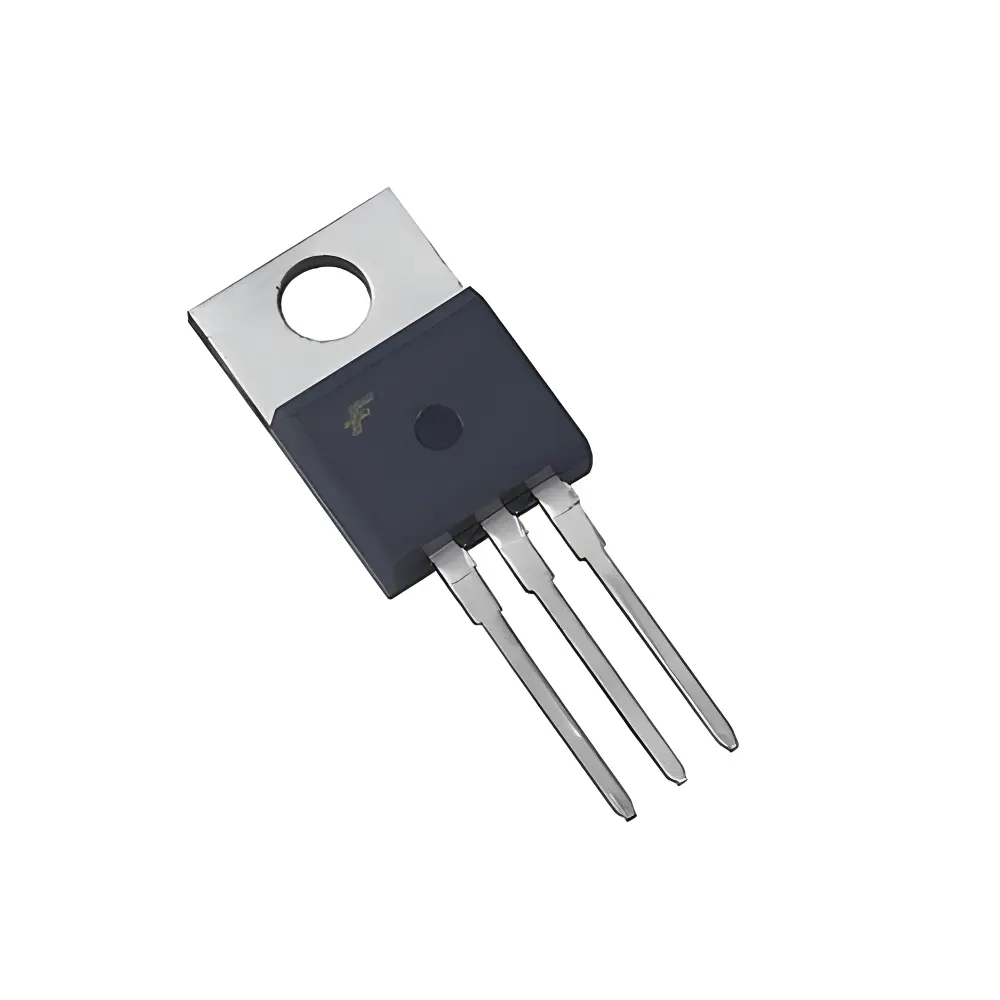 Transistors
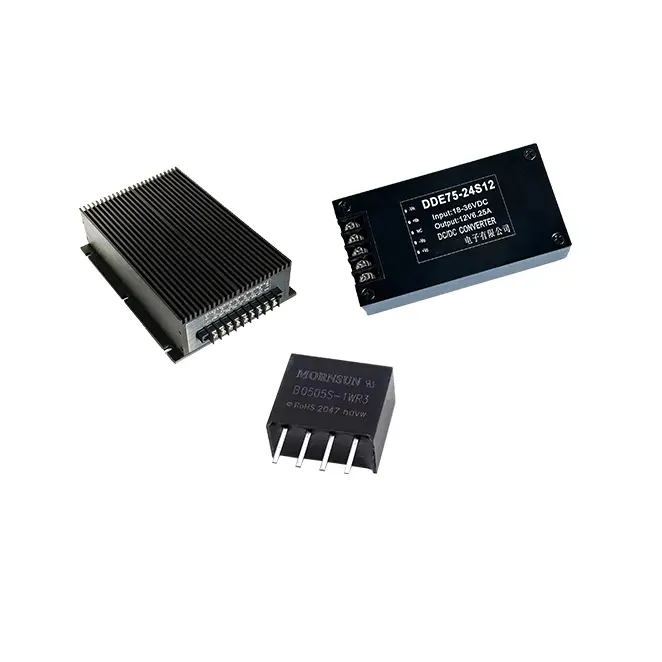 Power Modules
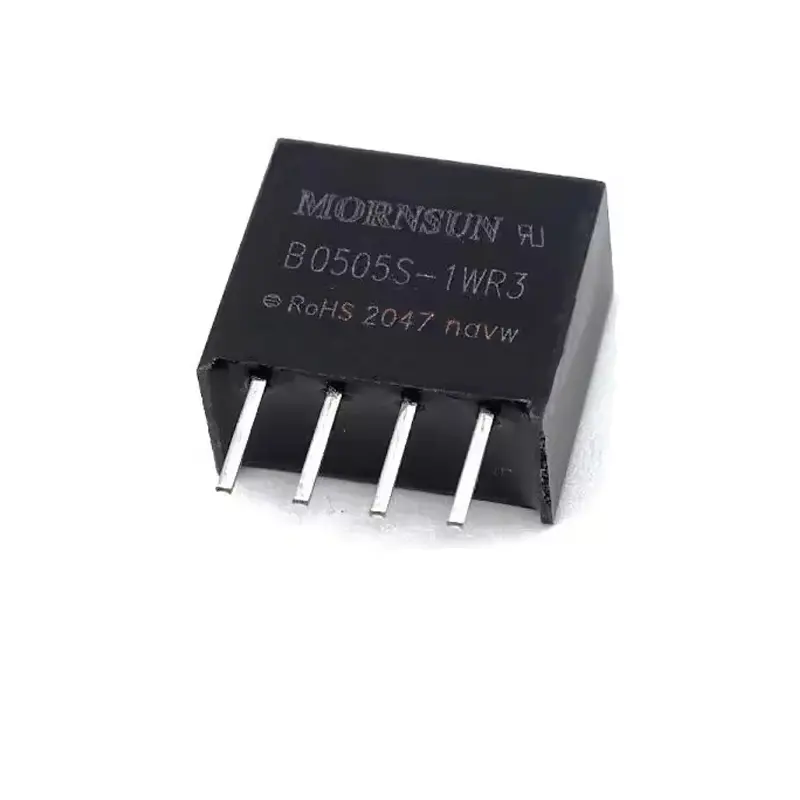 Isolated Power Modules
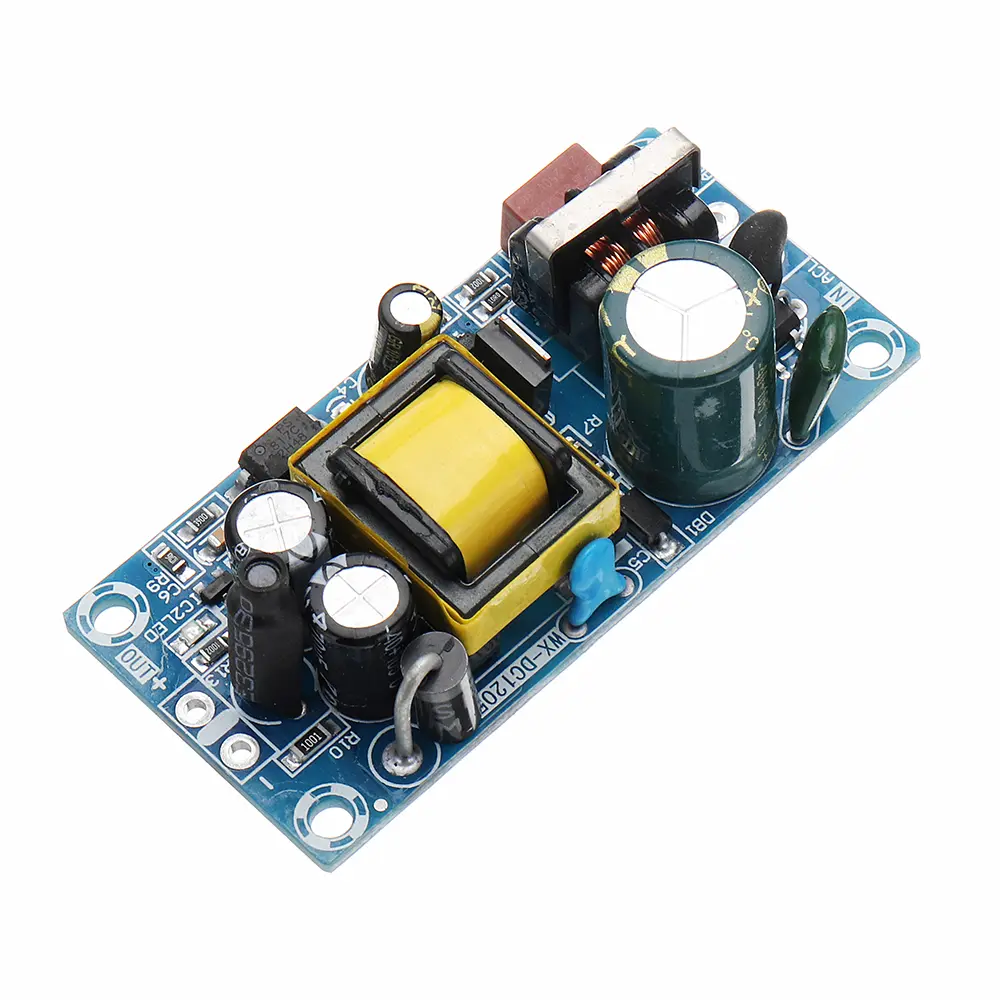 AC-DC Power Modules
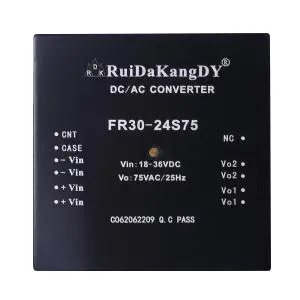 DC-AC Module(Inverter)
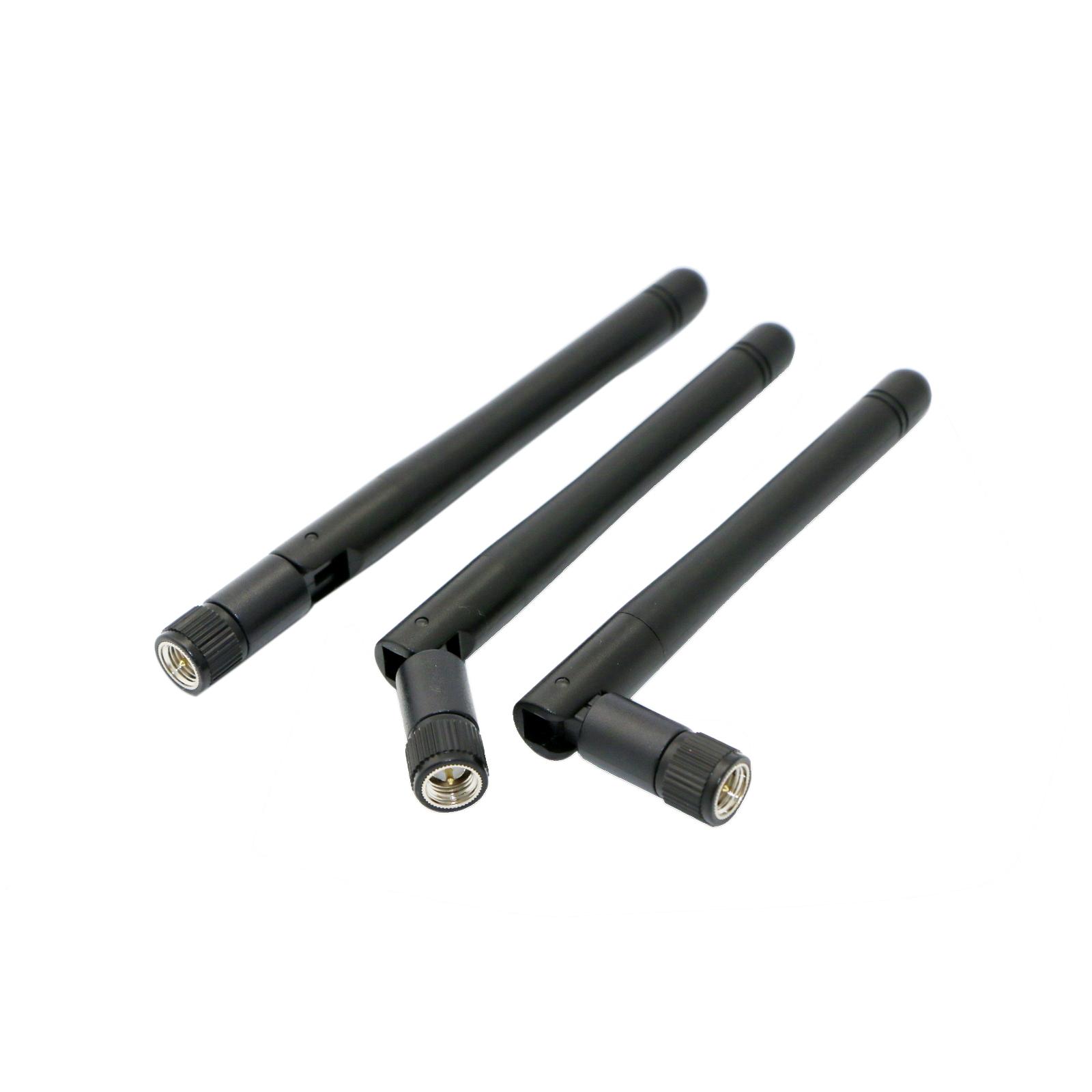 RF and Wireless
Solder Mask Curing Temperature-Time Matching for Hardness and Adhesion
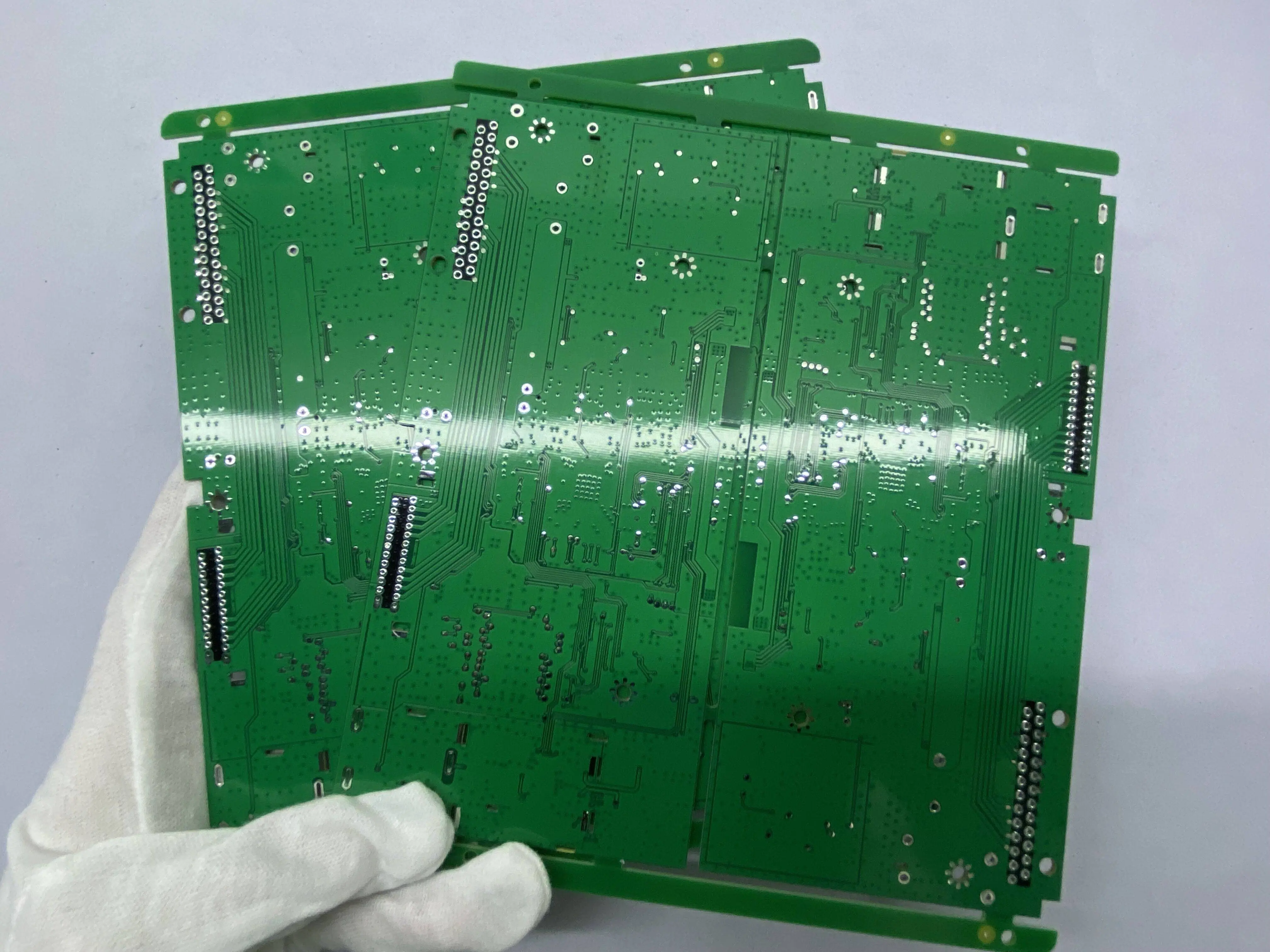
Abstract: Curing quality of solder mask directly impacts PCB insulation, ENIG resistance, and mechanICal strength. Per IPC-SM-840E, curing must balance the temperature-time-thickness triangle to achieve hardness ≥6H (pencil test) and adhesion ≥5B (tape test). Key matching rules and failure prevention are detailed below.
1. Curing Mechanism & Core Parameters
-
Curing Chemistry:
-
LPI (Liquid Photoimageable): UV-initiated radical polymerization followed by thermal crosslinking;
-
Thermosetting: Direct epoxy crosslinking upon heating.
-
-
Parameter Standards:
Ink Type Stepped Curing Profile Total Time Thickness LPI (Green) 70℃/15min → 80℃/15min → 150℃/30min 60min 15–25μm Thermoset (Black) 80℃/20min → 150℃/40min 60min 20–35μm Flexible Ink 70℃/30min → 100℃/30min 60min 10–20μm
Note: Ramp rate ≤3℃/min (prevents bubbling); cool-down rate ≤5℃/min (prevents brittleness).
2. Temperature-Time Matching Model
-
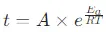
Arrhenius Equation Application:
-
t: Curing time (min)
-
T: Absolute temperature (K)
-
E_a: Activation energy (LPI≈50kJ/mol)
-
R: Gas constant (8.314J/mol·K)
e.g., at 150℃ (423K), t≈30min; at 160℃, t≈20min (efficiency↑33%)
-
-
Thickness vs. Cure Depth:
-
UV precure depth D_p ≈ 0.8×thickness (e.g., 25μm requires ≥500mJ/cm² UV);
-
Under-cured bottom layer (<80% crosslink) → ↓50% adhesion.
-
3. Quality Inspection Standards
| Property | Test Method | Class 3 Standard | Root Cause |
|---|---|---|---|
| Hardness | Pencil Hardness (JIS K5400) | ≥6H (no SCRatch) | Low temp/short time |
| Adhesion | 3M 600 Tape Peel (IPC-TM-650) | 0% loss (5B) | SuRFace contamination/undercure |
| ENIG Resistance | Immersion in ENIG solution (80℃/10min) | No blistering | Crosslink density <90% |
| Insulation | SIR Test (85℃/85%RH) | ≥10⁸Ω | Residual solvent >0.5% |
4. Process Window Optimization
-
Temperature Deviation Compensation:
-
If actual T < setpoint:
Time compensation (min) = (Set T - Actual T) × 1.5*e.g., Set 150℃ → Actual 145℃ → +7.5min*
-
-
Thickness Adjustment:
Thickness Temp Adjustment Time Adjustment <15μm -5℃ -10min >30μm +5℃ +15min -
Nitrogen Curing:
-
O₂ <500ppm increases hardness by 1 grade (e.g., 5H→6H); used for RF boards.
-
5. Failure Analysis & Corrective Actions
| Failure | Root Cause | Solution |
|---|---|---|
| Sticky Surface | Curing temp <140℃ | Increase to 150℃ + extend 10min |
| Poor Adhesion (3B) | Poor pretreatment | Add plasma clean (200W/2min) |
| Uneven Hardness | Oven ΔT >5℃ | Install air circulator (±2℃ control) |
| ENIG Blistering | Low crosslink density | Post-cure: 120℃/2h to enhance crosslinking |
Conclusion
Solder mask curing demands strict "precise temperature-sufficient time-controlled thickness":
-
General Parameters: LPI at 150℃/30min (20μm thickness), hardness ≥6H;
-
Key Measures:
-
UV precure ≥500mJ/cm² (prevents undercure),
-
Stepped ramping ≤3℃/min (prevents bubbling),
-
N₂ atmosphere (O₂<500ppm) enhances density;
-