
 PCB
PCB FPC
FPC Rigid-Flex
 FR-4
FR-4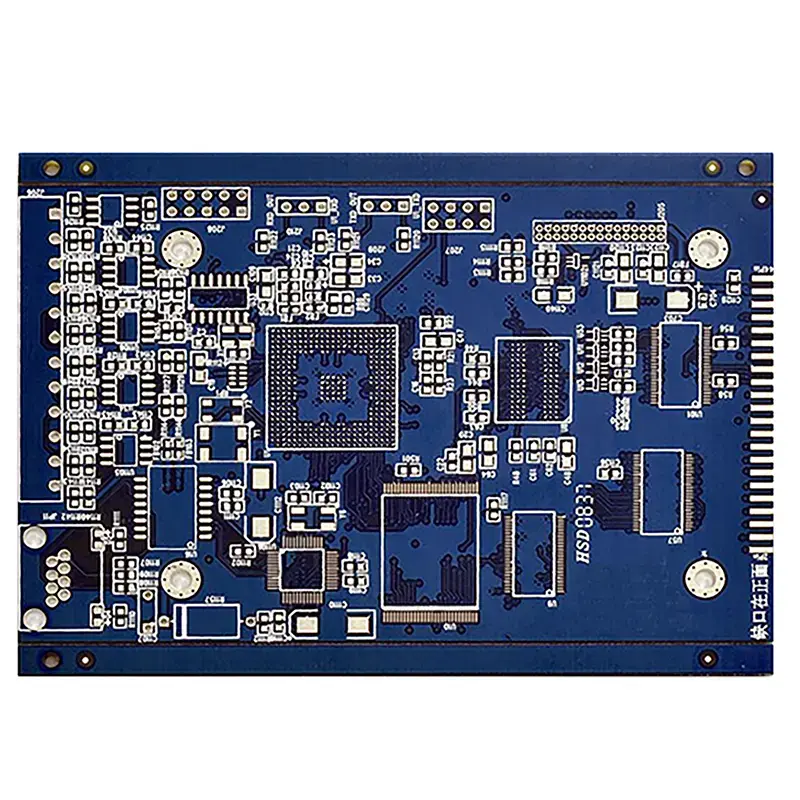 HDI PCB
 Rogers High-Frequency Board
 PTFE Teflon High-Frequency Board
 Aluminum
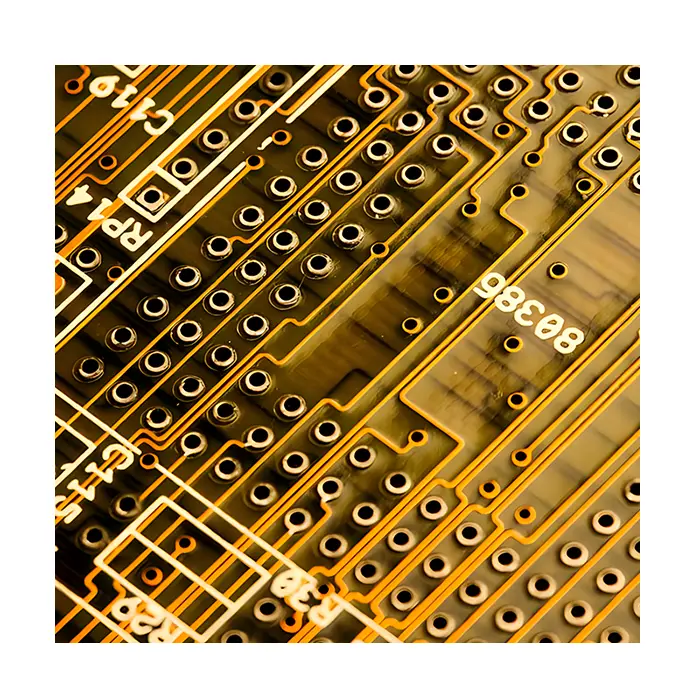 Copper Core
 PCB Assembly
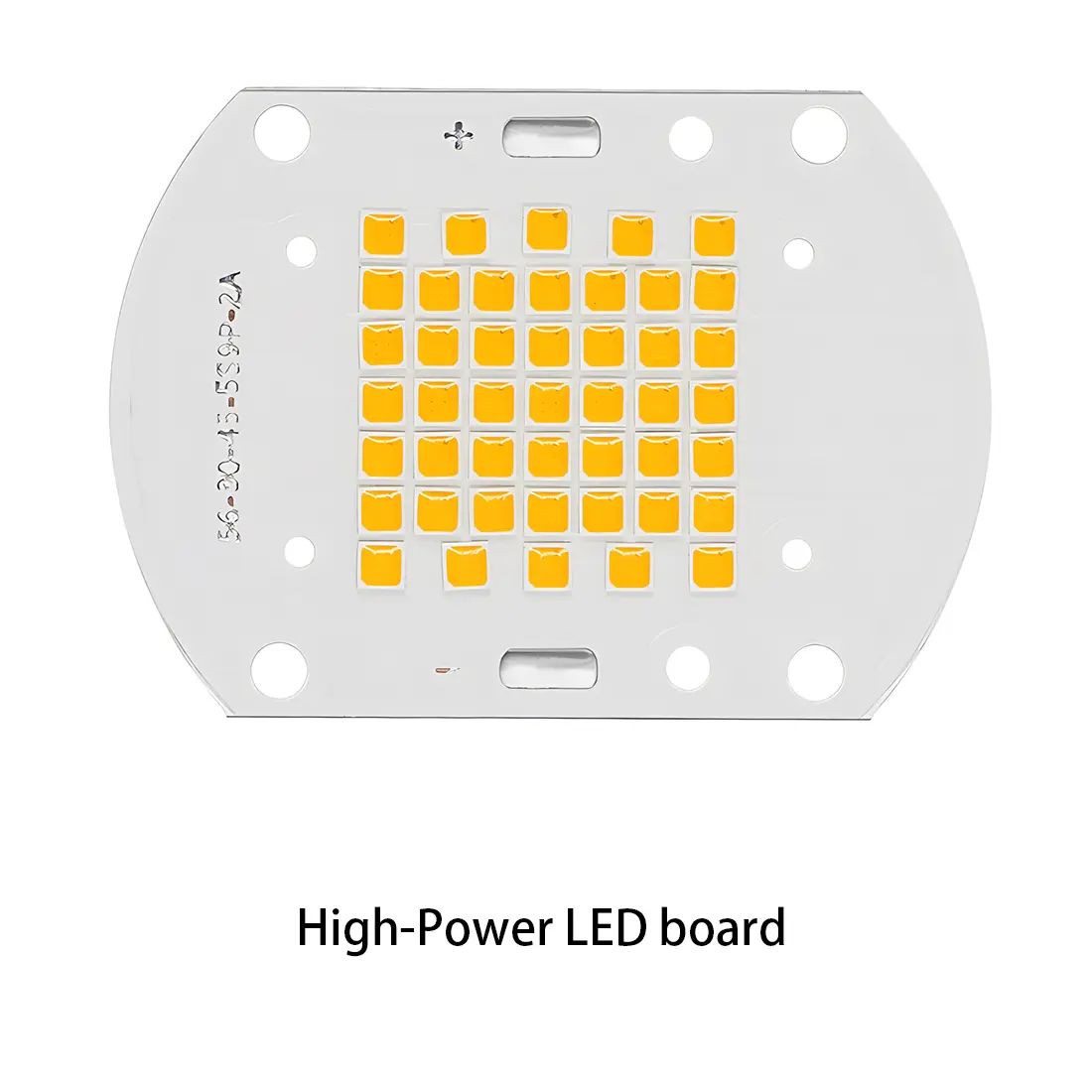 LED light PCBA
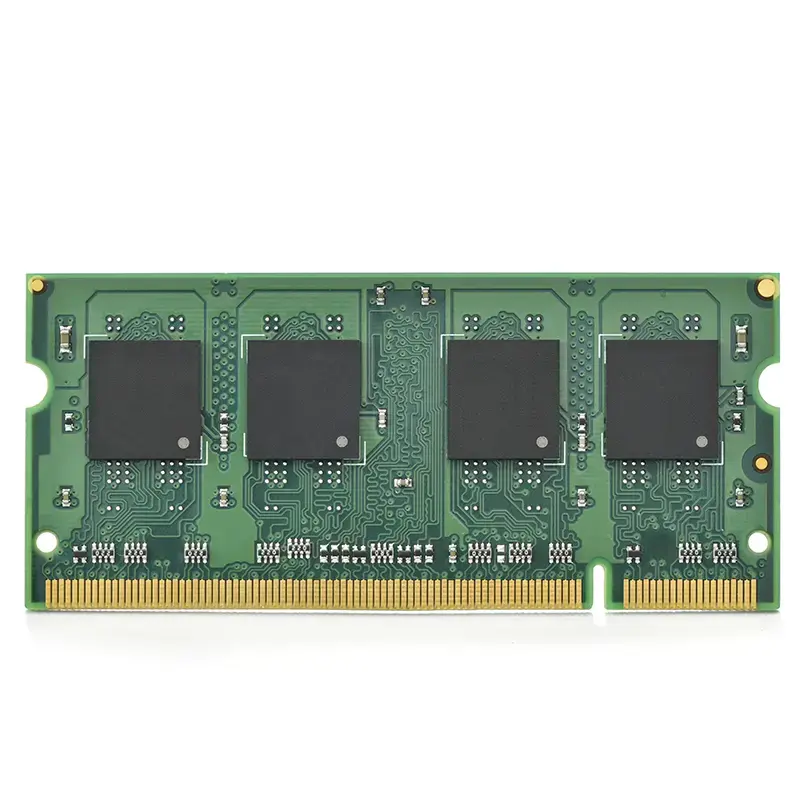
 Memory PCBA
 Power Supply PCBA
 New Energey PCBA
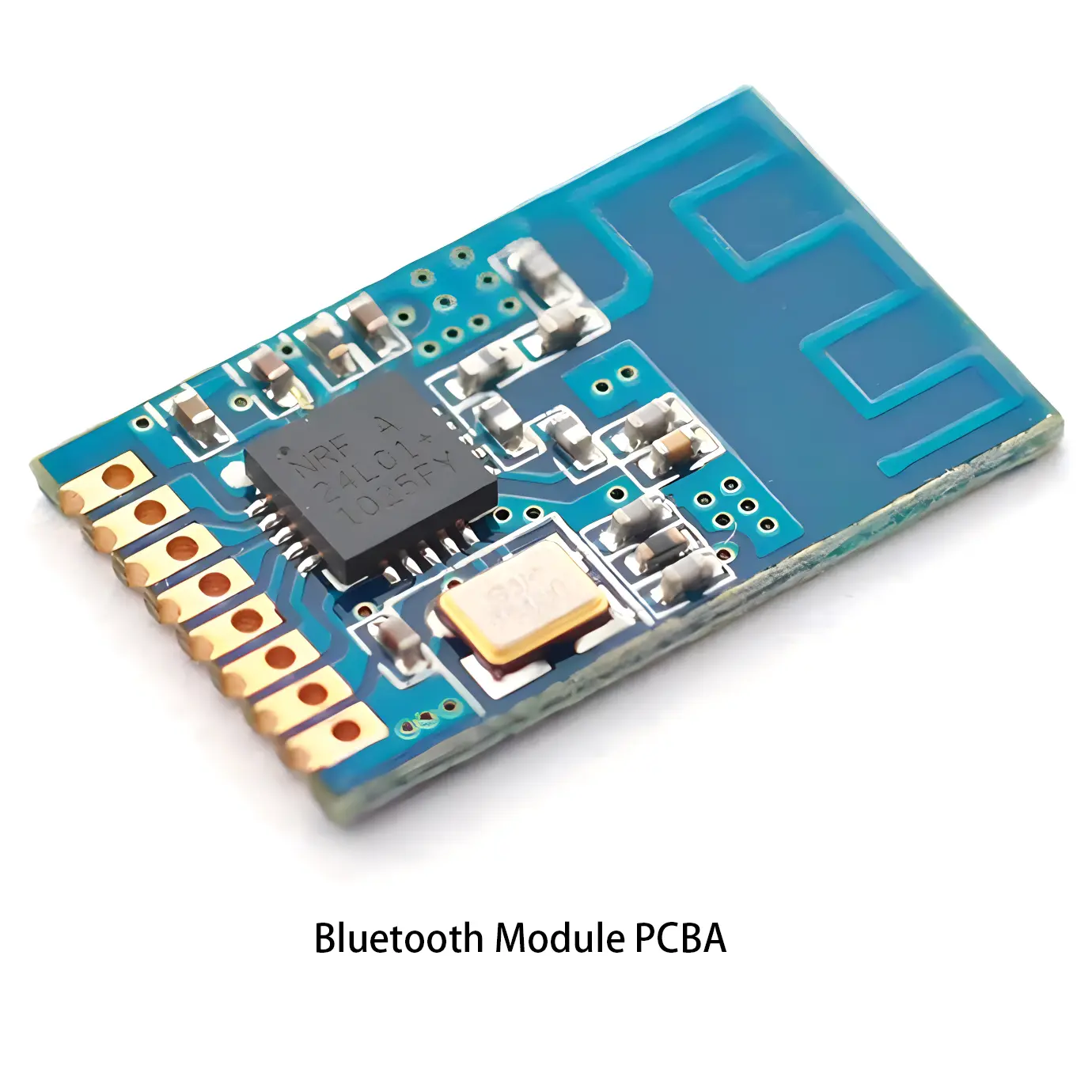 Communication PCBA
 Industrial Control PCBA
 Medical Equipment PCBA
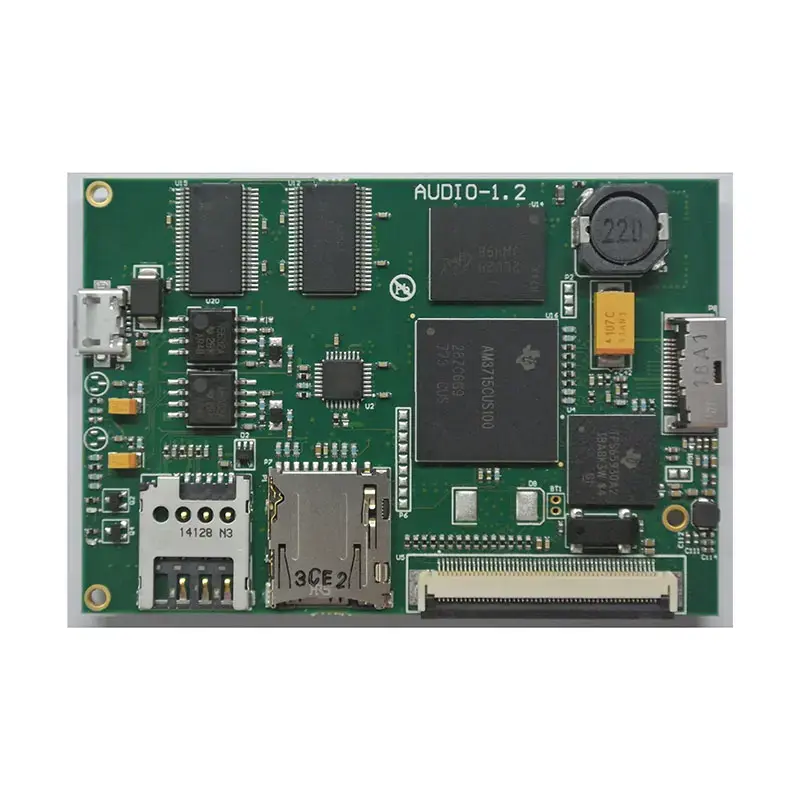 Testing Service
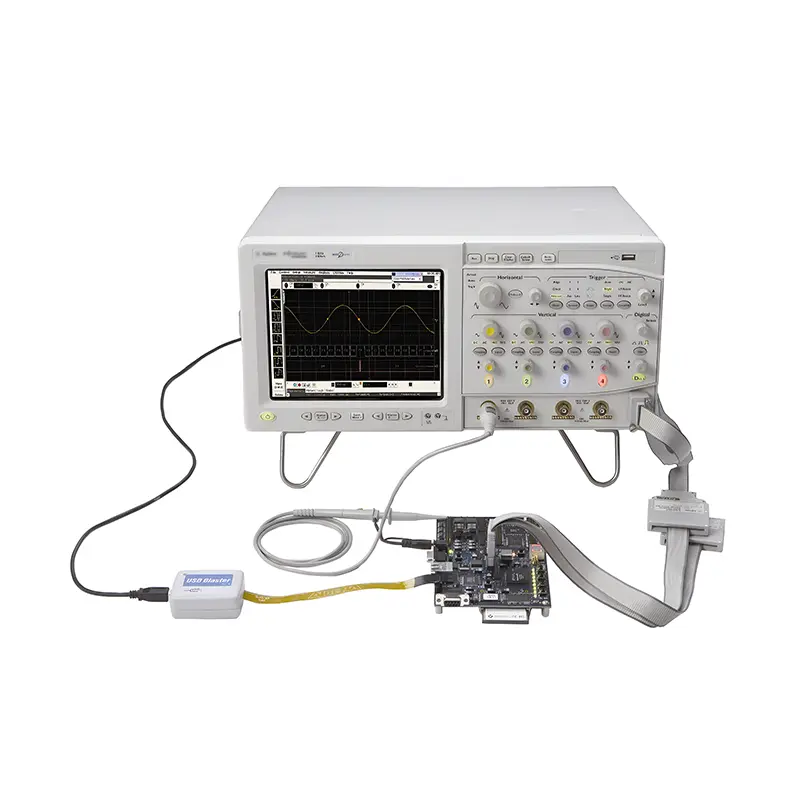 PCBA Testing Service
 Certification Application
 RoHS Certification Application
 REACH Certification Application
 CE Certification Application
 FCC Certification Application
 CQC Certification Application
 UL Certification Application
 Transformers, Inductors
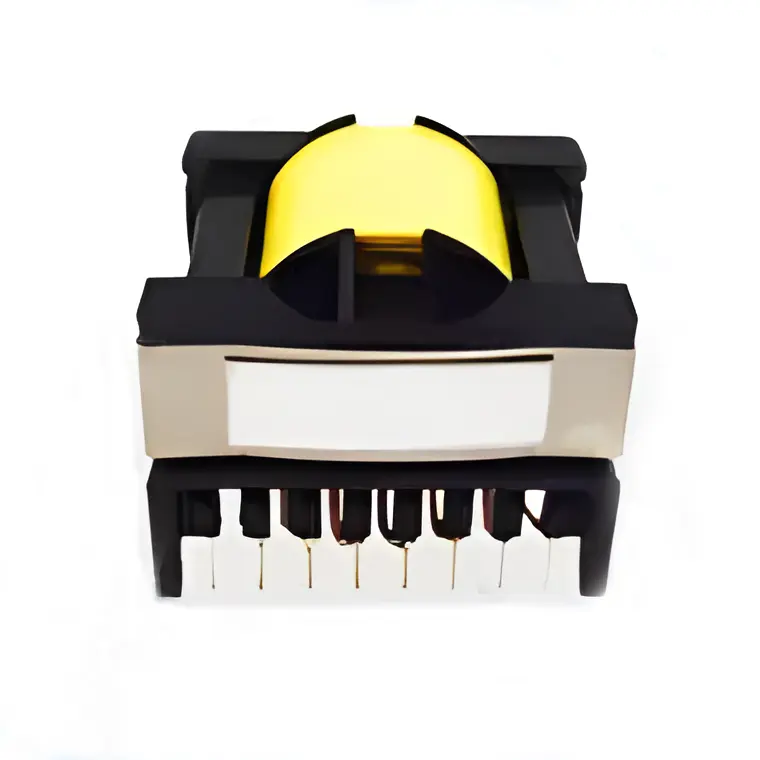 High Frequency Transformers
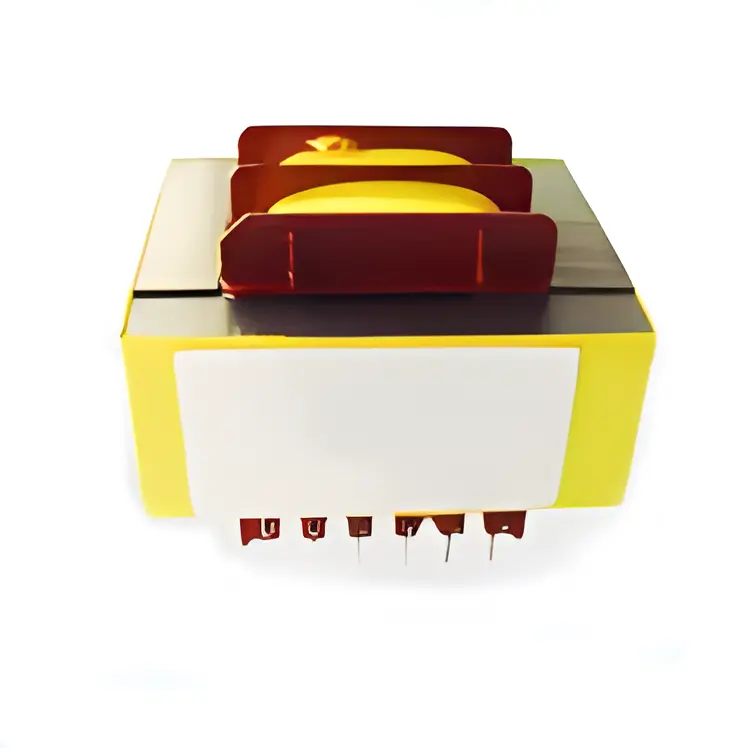 Low Frequency Transformers
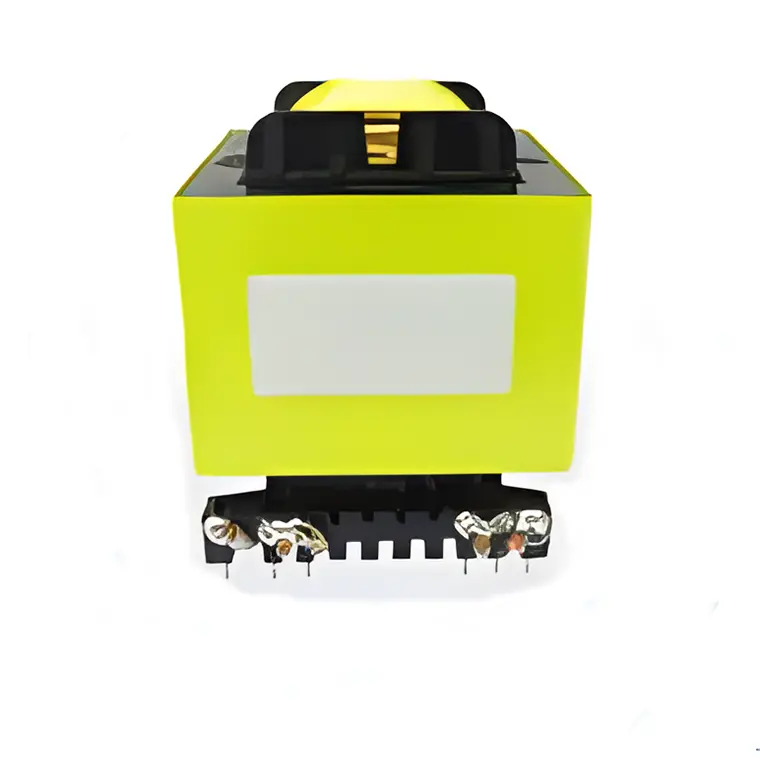 High Power Transformers
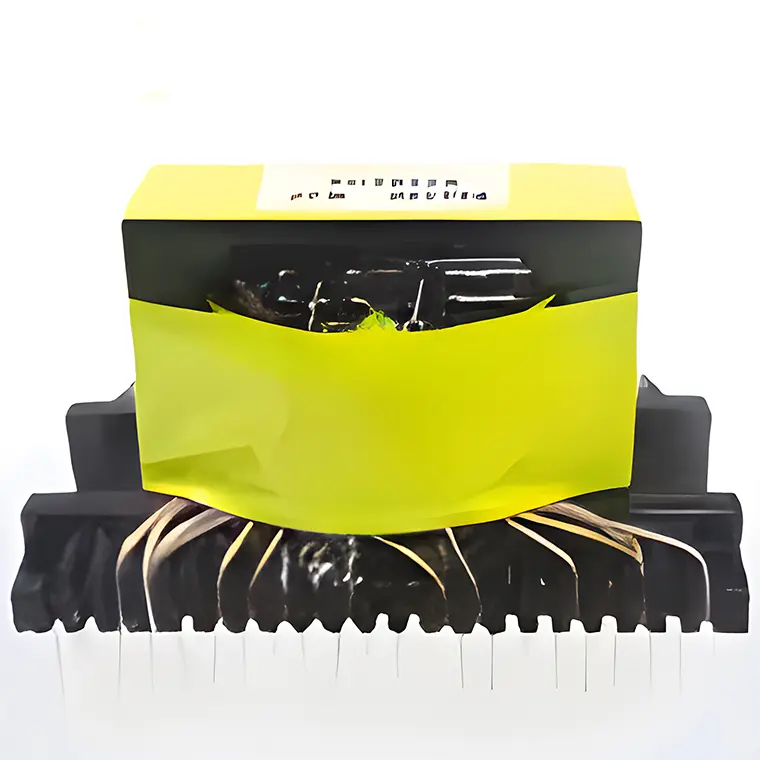 Conversion Transformers
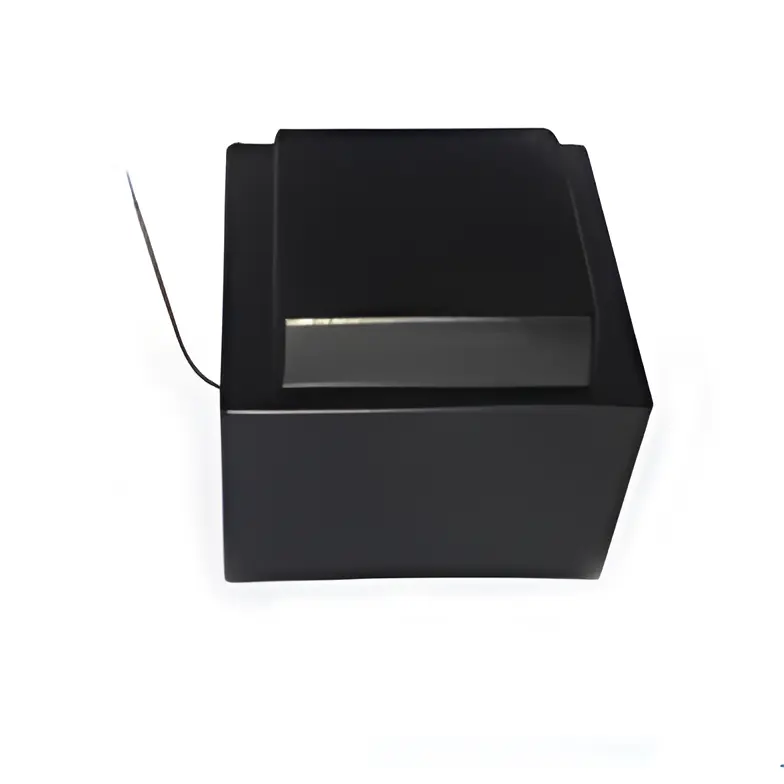 Sealed Transformers
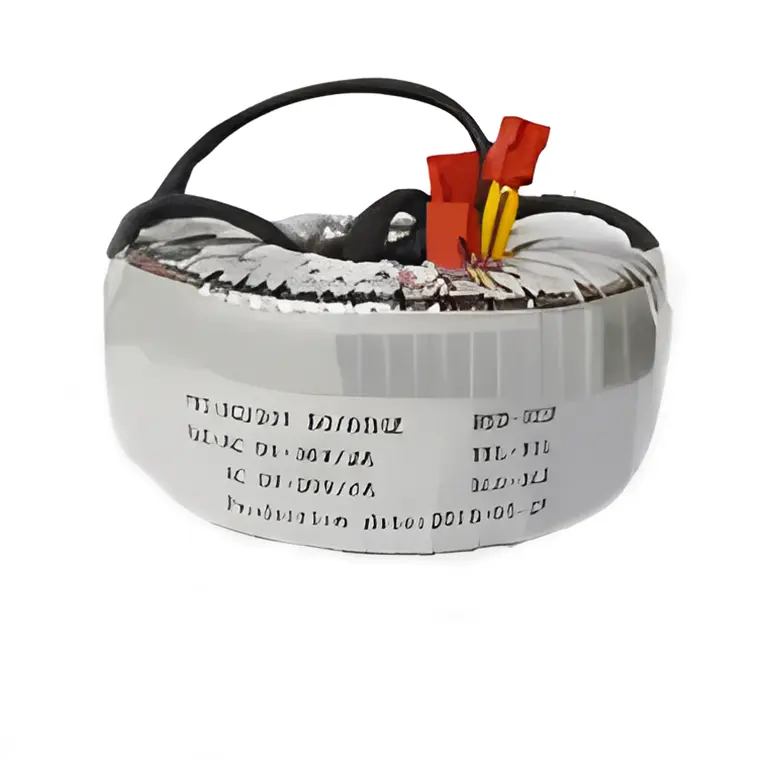 Ring Transformers
 Inductors
 Wires,Cables Customized
 Network Cables
 Power Cords
 Antenna Cables
 Coaxial Cables
 Net Position Indicator
 Solar AIS net position indicator
 Capacitors
 Connectors
 Diodes
 Embedded Processors & Controllers
 Digital Signal Processors (DSP/DSC)
 Microcontrollers (MCU/MPU/SOC)
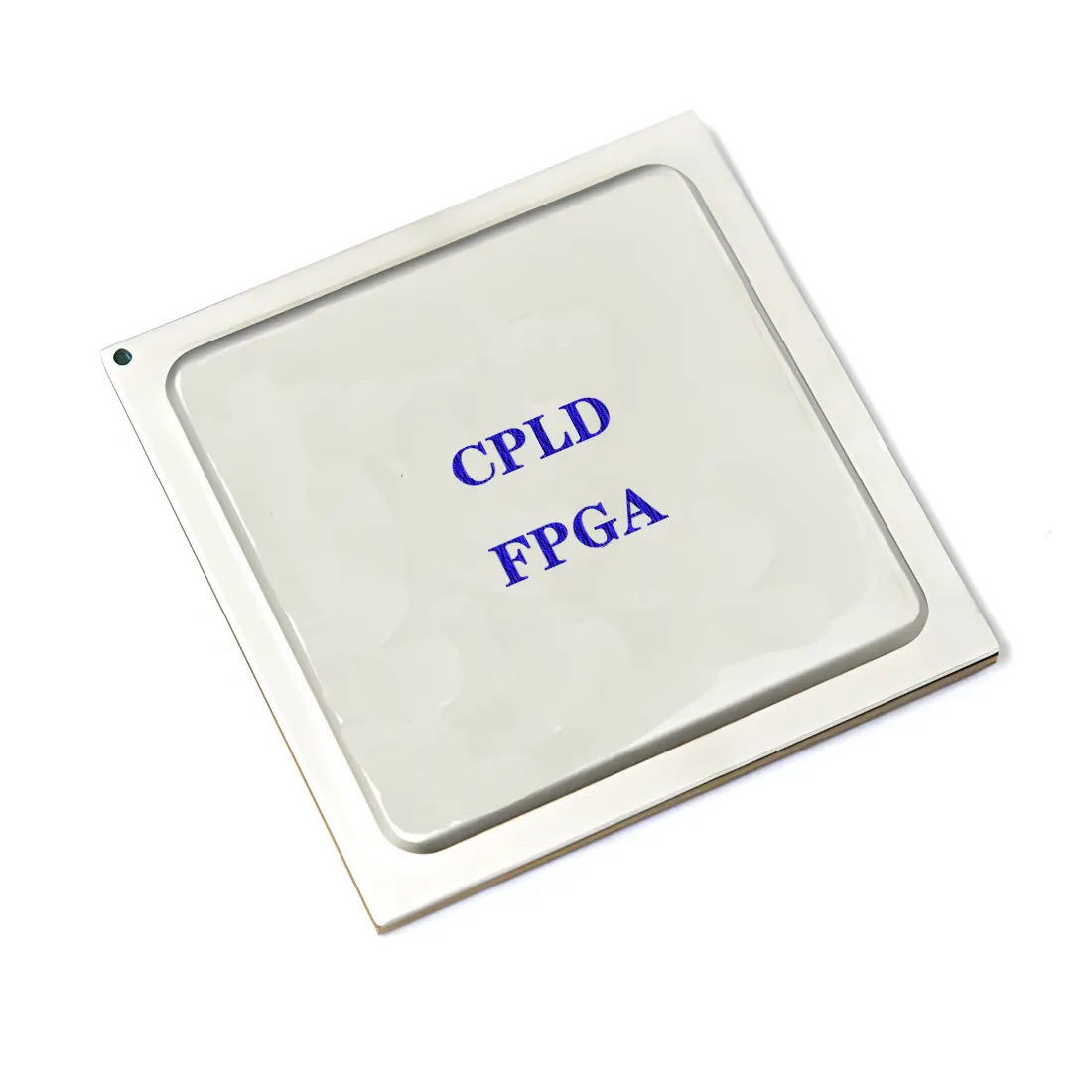 Programmable Logic Device(CPLD/FPGA)
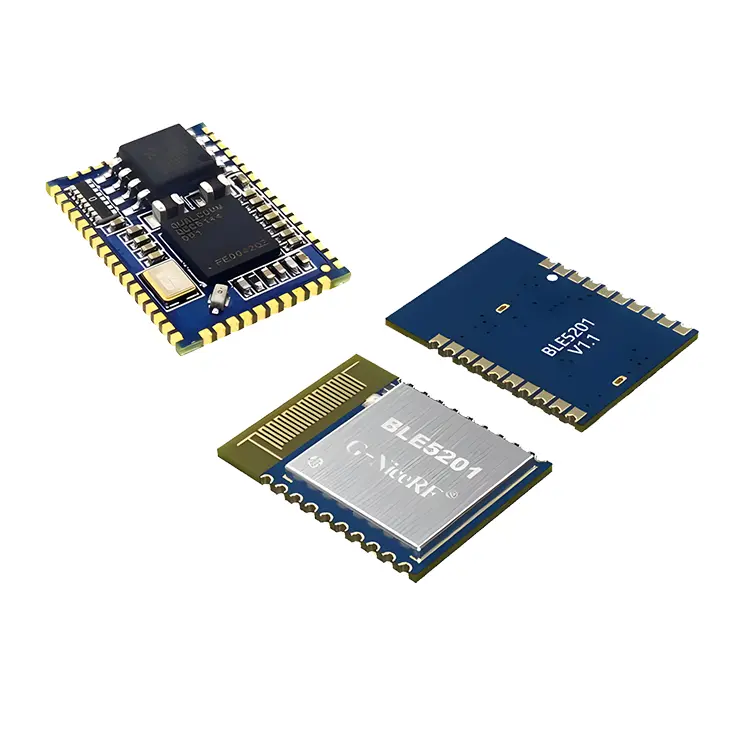 Communication Modules/IoT
 Resistors
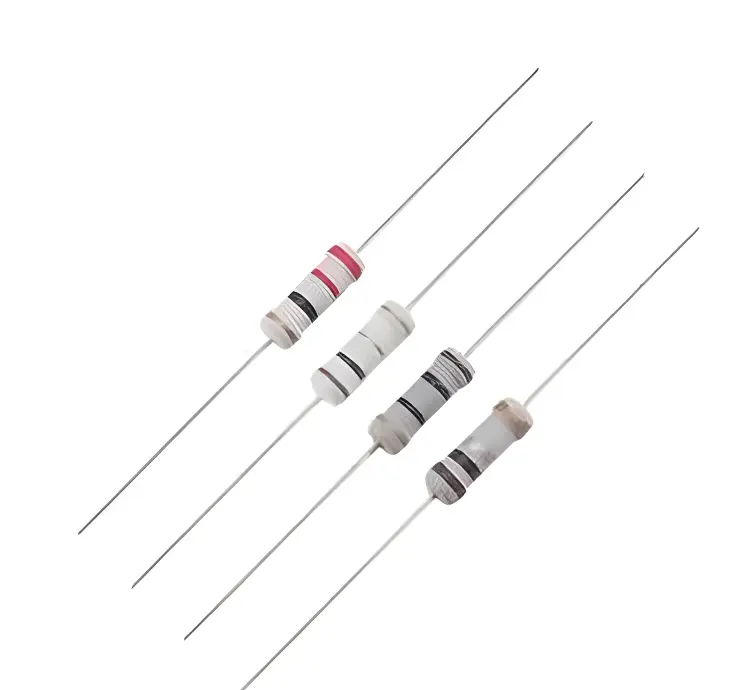 Through Hole Resistors
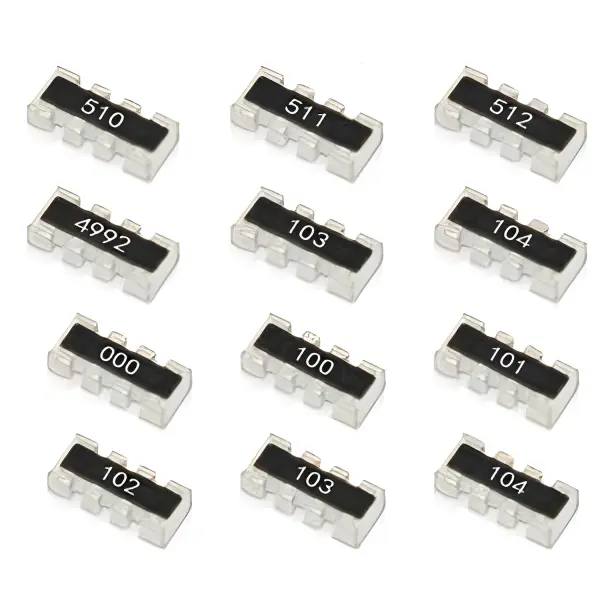 Resistor Networks, Arrays
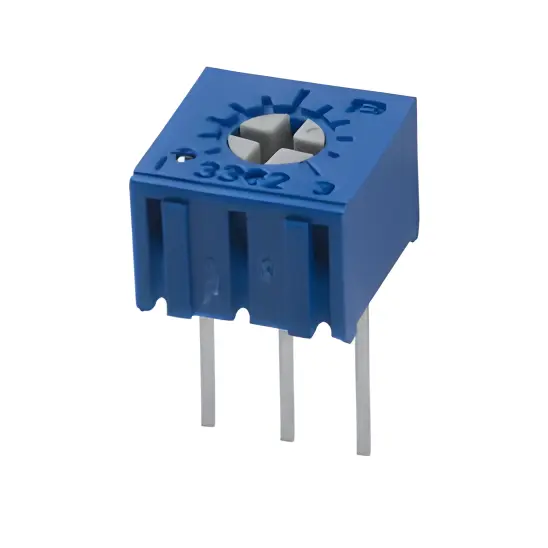 Potentiometers,Variable Resistors
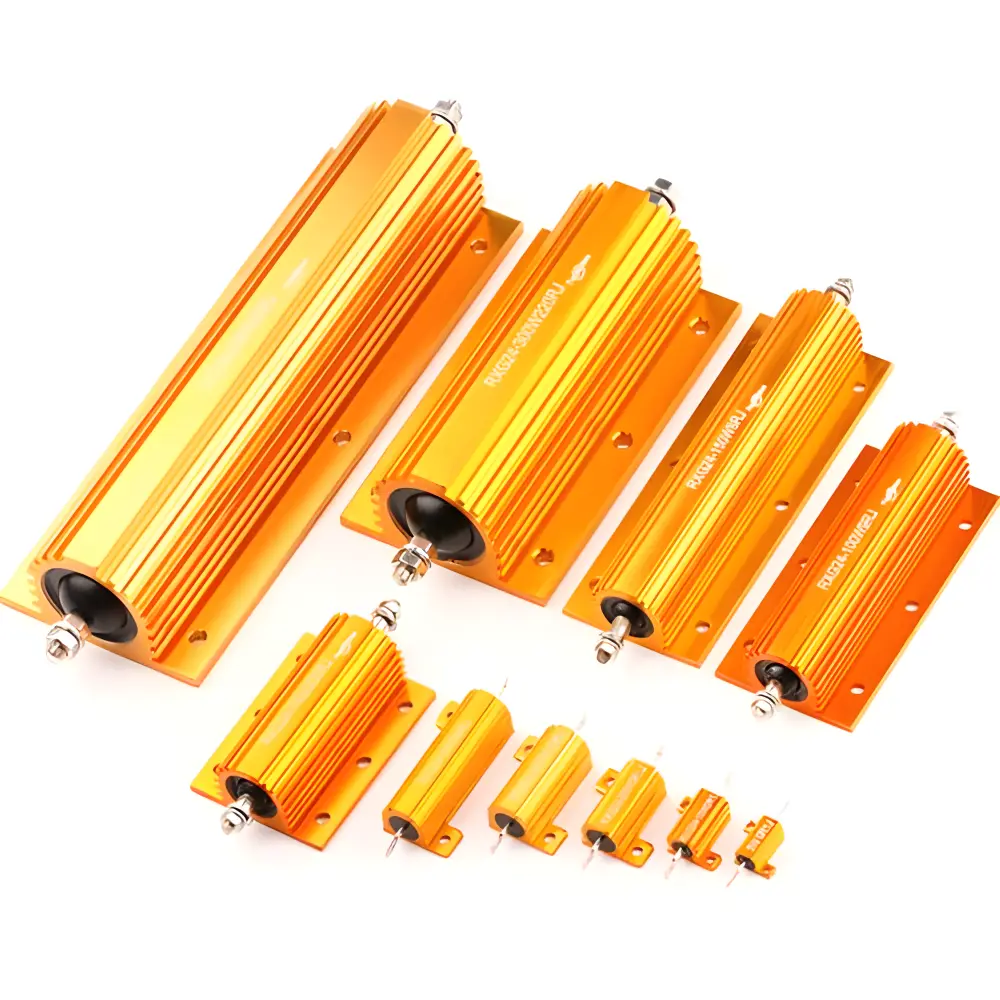 Aluminum Case,Porcelain Tube Resistance
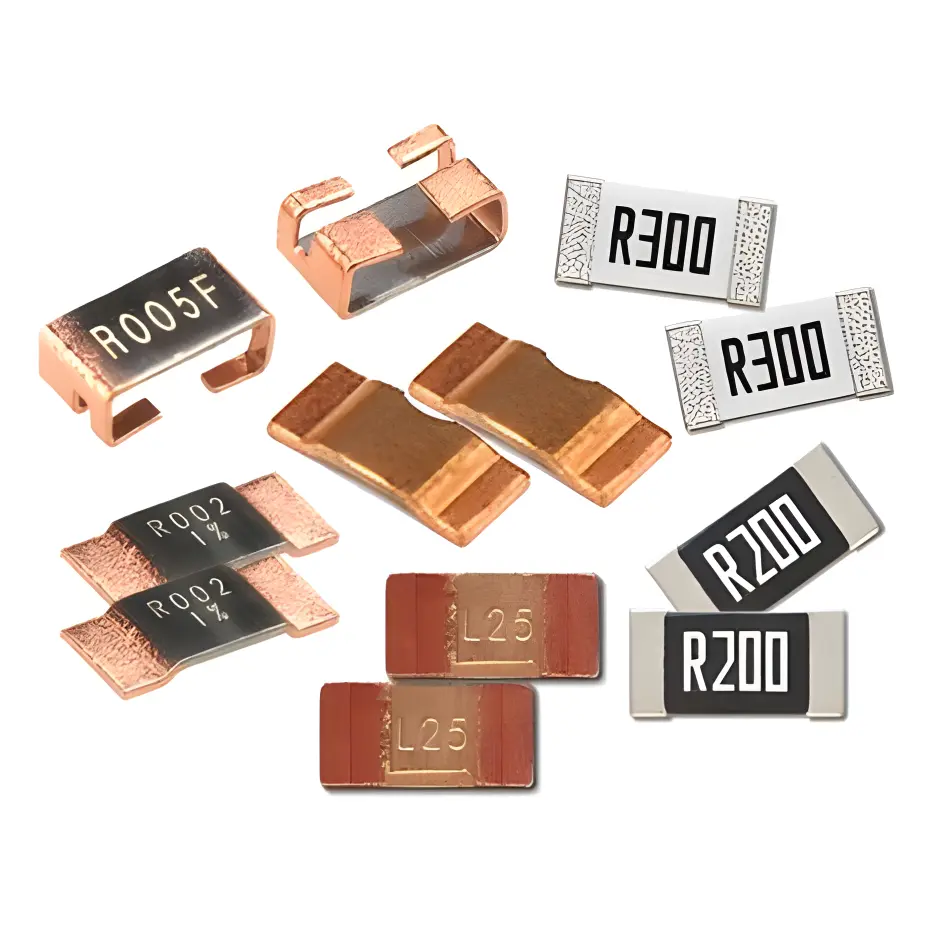 Current Sense Resistors,Shunt Resistors
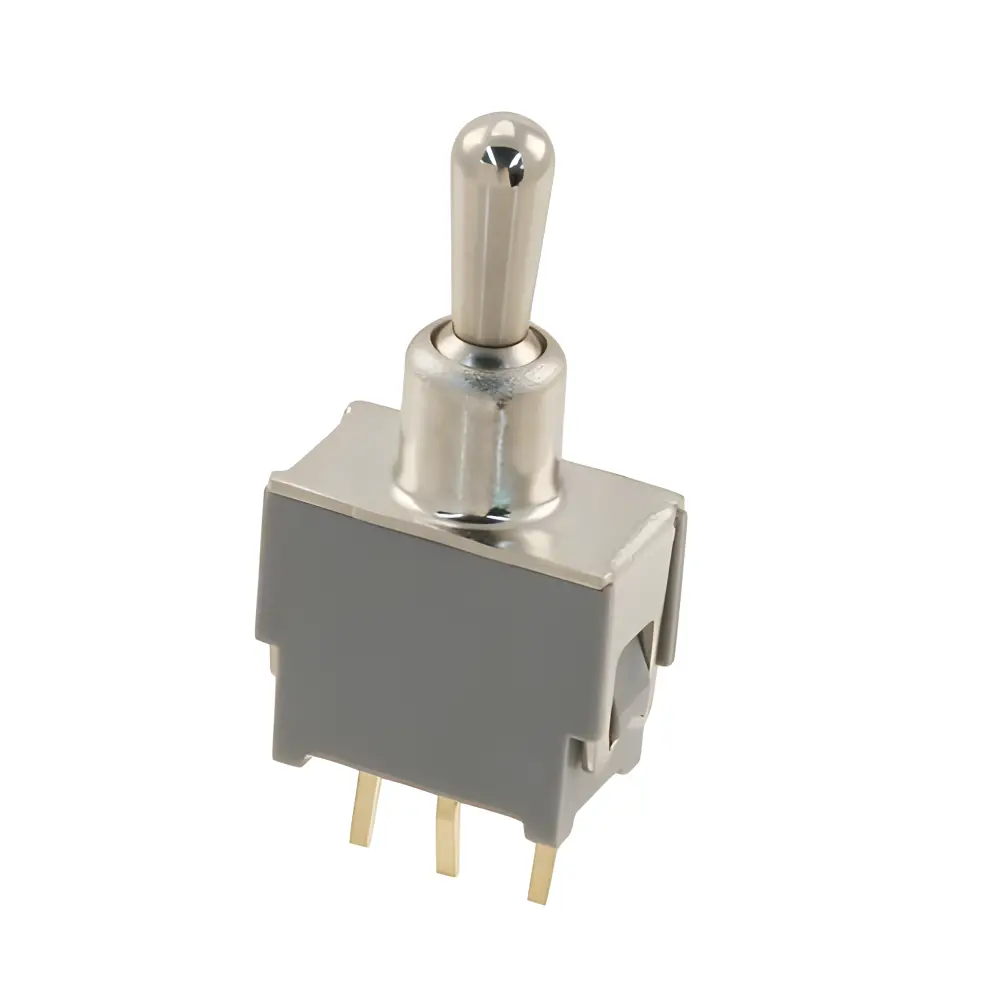 Switches
 Transistors
 Power Modules
 Isolated Power Modules
 AC-DC Power Modules
 DC-AC Module(Inverter)
 RF and Wireless
Position Deviation Control Between Solder Mask Apertures and Pads in BGA PCB Design to Avoid Soldering Defects
2025-10-18
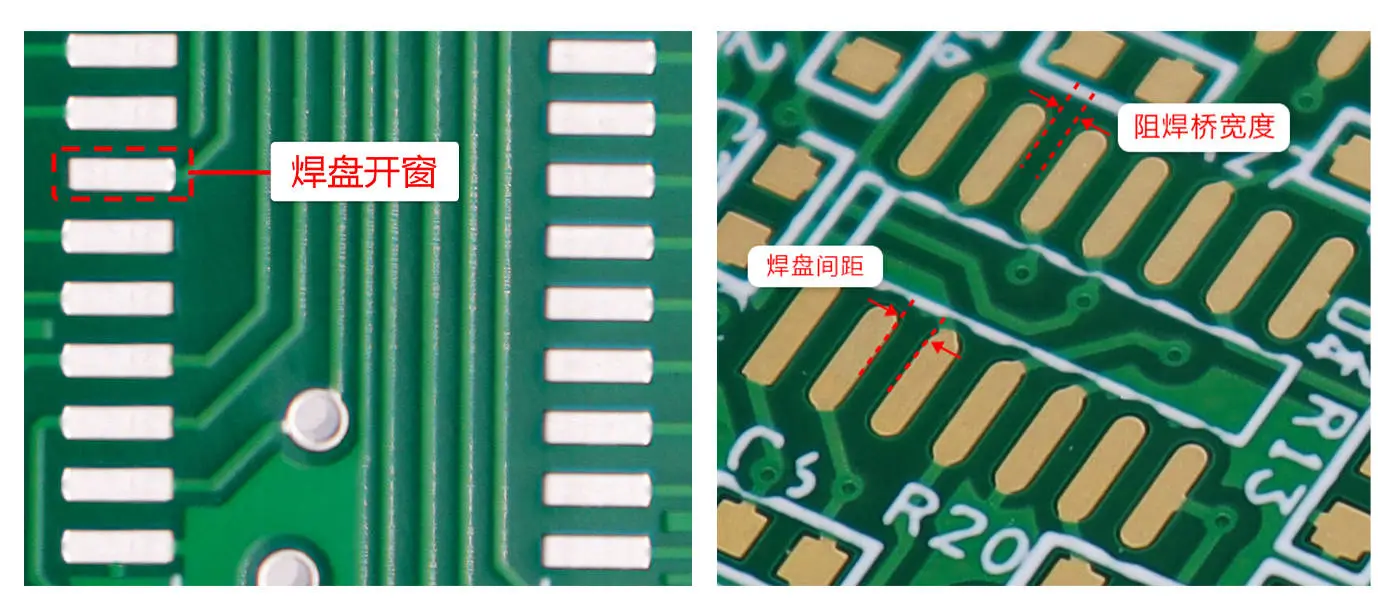
Ball Grid Array (BGA) packages are widely used in high-density electronic devices (e.g., smartphones, servers, automotive ECUs) due to their high pin count, compact footprint, and excellent thermal/electrical peRFormance. A typical BGA package may have hundreds to thousands of solder balls arranged in a grid, with pad pitches ranging from 0.4mm (fine-pitch BGA) to 1.27mm (standard-pitch BGA).
In BGA Pcb Design, solder mask aperture—the opening in the solder mask layer that exposes the BGA pad—plays a pivotal role in the soldering process. The aperture defines the area where solder paste is deposited and where the BGA solder ball melts and forms a reliable joint. A misalignment between the solder mask aperture and the BGA pad (referred to as "position deviation") can lead to a range of soldering defects, including solder bridging, insufficient solder joints, tombstoning, and solder ball wetting issues. These defects not only reduce yield (potentially dropping to 70% for fine-pitch BGAs with poor alignment) but also compromise long-term reliability, as misaligned joints are prone to fatigue failure under thermal cycling.
Thus, defining strict position deviation limits for BGA solder mask apertures is essential for ensuring successful BGA soldering and meeting industry standards such as IPC-7095 (BGA Design and Assembly Standard) and IPC-A-610 (Acceptability of Electronic Assemblies).
2. Key Definitions and Measurement of Position Deviation
Before establishing deviation limits, it is critical to clarify how position deviation is defined and measured:
2.1 Definition of Position Deviation
Position deviation between the solder mask aperture and the BGA pad is the maximum linear distance between the geometric center of the aperture and the geometric center of the corresponding pad. It can occur in two directions:
- X-axis deviation: Misalignment along the horizontal direction of the PCB.
- Y-axis deviation: Misalignment along the vertical direction of the PCB.
The total deviation is typically reported as the vector sum of X and Y deviations, but for manufacturing control, individual axis limits are more commonly specified.
2.2 Measurement Method
Deviation is measured using automated optical inspection (AOI) systems or X-ray inspection after PCB fabrication. The process involves:
- Capturing high-resolution images of the BGA pad and solder mask aperture.
- Using image analysis software to identify the center coordinates of both the pad and the aperture.
- Calculating the distance between the two centers to determine the position deviation.
For fine-pitch BGAs (pitch ≤0.5mm), AOI systems with a resolution of ≥5μm are required to ensure accurate measurement.
3. Position Deviation Limits by BGA Pitch
The allowable position deviation depends primarily on the BGA pad pitch (the distance between the centers of adjacent pads), as finer pitches leave less room for misalignment. Below are industry-validated deviation limits aligned with IPC-7095 and IPC-A-610:
3.1 Standard-Pitch BGAs (Pitch ≥0.8mm)
Standard-pitch BGAs (e.g., 0.8mm, 1.0mm, 1.27mm pitch) are the most common in consumer and industrial electronics. Their larger pad sizes and pitches tolerate slightly more deviation:
- Maximum position deviation per axis: ≤20% of the pad width (or pad diameter for circular pads).
- Typical numerical limits:
- 1.27mm pitch BGA (pad diameter 0.8mm): ≤0.16mm (20% of 0.8mm) per axis.
- 1.0mm pitch BGA (pad diameter 0.6mm): ≤0.12mm per axis.
- 0.8mm pitch BGA (pad diameter 0.5mm): ≤0.10mm per axis.
Rationale: At these deviations, the solder mask aperture still covers ≥60% of the pad area, ensuring sufficient solder paste deposition and proper wetting between the BGA ball and pad. For example, a 1.0mm pitch BGA with a 0.12mm Y-axis deviation retains 75% pad exposure, avoiding soldering defects.
3.2 Fine-Pitch BGAs (Pitch 0.5–0.8mm)
Fine-pitch BGAs (e.g., 0.5mm, 0.65mm pitch) are used in high-density applications like smartphones and IoT devices. Their smaller pads and tighter spacing demand stricter deviation control:
- Maximum position deviation per axis: ≤15% of the pad width.
- Typical numerical limits:
- 0.65mm pitch BGA (pad diameter 0.4mm): ≤0.06mm per axis.
- 0.5mm pitch BGA (pad diameter 0.3mm): ≤0.045mm per axis.
Criticality: Exceeding these limits for fine-pitch BGAs quickly leads to defects. For a 0.5mm pitch BGA, a 0.05mm deviation (17% of pad diameter) reduces pad exposure to <50%, causing insufficient solder joints or tombstoning. IPC-A-610 classifies such joints as "defective" for Class 2 (general electronics) and Class 3 (high-reliability) applications.
3.3 Ultra-Fine-Pitch BGAs (Pitch ≤0.4mm)
Ultra-fine-pitch BGAs (e.g., 0.4mm pitch) are used in advanced applications like server CPUs and automotive ADAS modules. They require the strictest deviation control:
- Maximum position deviation per axis: ≤10% of the pad width.
- Typical numerical limit:
- 0.4mm pitch BGA (pad diameter 0.25mm): ≤0.025mm per axis.
Justification: At 0.4mm pitch, the distance between adjacent pads is only 0.15mm (pad diameter 0.25mm). A 0.03mm deviation (12% of pad diameter) can cause the solder mask aperture to overlap with an adjacent pad, leading to solder bridging (a critical defect that causes short circuits).
4. Impact of Exceeding Deviation Limits: Common Soldering Defects
When position deviation exceeds the recommended limits, several soldering defects occur, each with distinct consequences:
| Soldering Defect | Deviation Scenario (Example: 0.5mm Pitch BGA) | Consequence |
|---|---|---|
| Insufficient Solder Joint | Aperture deviation >0.045mm, exposing <50% of the pad. | Solder paste volume is too low; the joint has poor mechanical strength and may fail under thermal cycling. |
| Solder Bridging | Aperture overlaps with adjacent pad (deviation >0.06mm). | Short circuit between adjacent pins, causing immediate device failure. |
| Tombstoning | Uneven deviation (e.g., X-axis: 0.03mm, Y-axis: 0.05mm), leading to uneven solder wetting. | BGA package tilts to one side, breaking electrical contact with some pads. |
| Poor Solder Wetting | Aperture covers part of the pad’s solder mask-defined area, leaving oxide residues. | Solder fails to adhere to the pad, resulting in cold joints with high resistance. |
For high-reliability applications (e.g., automotive safety systems), even a single such defect can lead to field failures, making deviation control a zero-tolerance issue.
5. Design and Manufacturing Controls to Ensure Deviation Compliance
Achieving the required position deviation limits requires a combination of PCB design best practices and manufacturing process controls:
5.1 PCB Design Controls
- Aperture-Pad Alignment in CAD: Use PCB design software (e.g., Altium Designer, Cadence Allegro) to lock the solder mask aperture to the pad center. Enable "solder mask expansion" settings (typically 0.05–0.1mm) to ensure the aperture is slightly larger than the pad, but maintain center alignment.
- Gerber File Verification: Before sending Gerber files to manufacturing, use CAM software (e.g., Valor NPI) to check aperture-pad alignment. Generate a "solder mask vs. pad" overlay to visually inspect for deviations.
- Pad and Aperture Sizing: For fine-pitch BGAs, design pads with a diameter of 60–70% of the pitch (e.g., 0.3mm diameter for 0.5mm pitch) and apertures 0.05–0.08mm larger than the pad. This provides a small buffer for minor manufacturing deviations without risking bridging.
5.2 Manufacturing Process Controls
- PCB Fabrication Precision: Use laser direct imaging (LDI) for solder mask exposure instead of traditional phototooling. LDI has a positioning accuracy of ±5μm, compared to ±15μm for phototooling, ensuring tighter aperture-pad alignment.
- AOI Inspection During Fabrication: Perform 100% AOI inspection of the BGA area after solder mask development. Reject PCBs where deviation exceeds the specified limit (e.g., >0.045mm for 0.5mm pitch BGAs).
- Stencil Alignment in SMT: Ensure the solder paste stencil is aligned to the PCB’s fiducial marks with an accuracy of ±10μm. Misaligned stencils compound solder mask deviation, increasing defect risk.
6. Validation and Inspection After Assembly
To confirm that deviation limits are met and no soldering defects exist, post-assembly inspection is mandatory:
- X-ray Inspection: Use 2D/3D X-ray systems to inspect BGA solder joints. X-ray can detect bridging, insufficient solder, and tombstoning with high accuracy (resolution ≥1μm).
- Solder Joint Strength Testing: Perform pull testing on sample joints (per IPC-TM-650 2.4.13). A properly aligned joint should withstand a pull force of ≥5N for 0.5mm pitch BGAs; joints with excessive deviation typically fail at <3N.
- Thermal Cycling Testing: Subject assembled PCBs to -40℃~125℃ thermal cycles (1000 cycles). Monitor joints for resistance changes—joints with deviation-induced defects will show resistance increases of >10% after 500 cycles.
7. Conclusion
In BGA PCB design, the allowable position deviation between solder mask apertures and pads is strictly tied to BGA pitch, with limits ranging from ≤20% of pad width for standard-pitch BGAs to ≤10% for ultra-fine-pitch BGAs:
- Standard-pitch (≥0.8mm): ≤0.10–0.16mm per axis;
- Fine-pitch (0.5–0.8mm): ≤0.045–0.06mm per axis;
- Ultra-fine-pitch (≤0.4mm): ≤0.025mm per axis.
Exceeding these limits causes critical soldering defects (bridging, insufficient joints) that compromise yield and reliability. To ensure compliance, PCB designers must use CAD alignment tools and verify Gerber files, while manufacturers rely on LDI for precise solder mask exposure and 100% AOI inspection.
As BGA pitches continue to shrink (e.g., 0.3mm pitch in next-generation devices), deviation limits will become even tighter (≤8% of pad width), driving innovations in PCB manufacturing technologies (e.g., nano-imprint lithography for solder mask) to maintain alignment accuracy. For electronic manufacturers, strict adherence to deviation limits is not just a quality requirement—it is a prerequisite for delivering reliable, high-performance BGA-based products.