
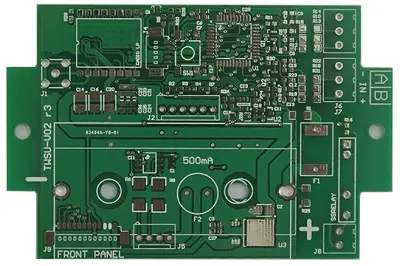
 PCB
PCB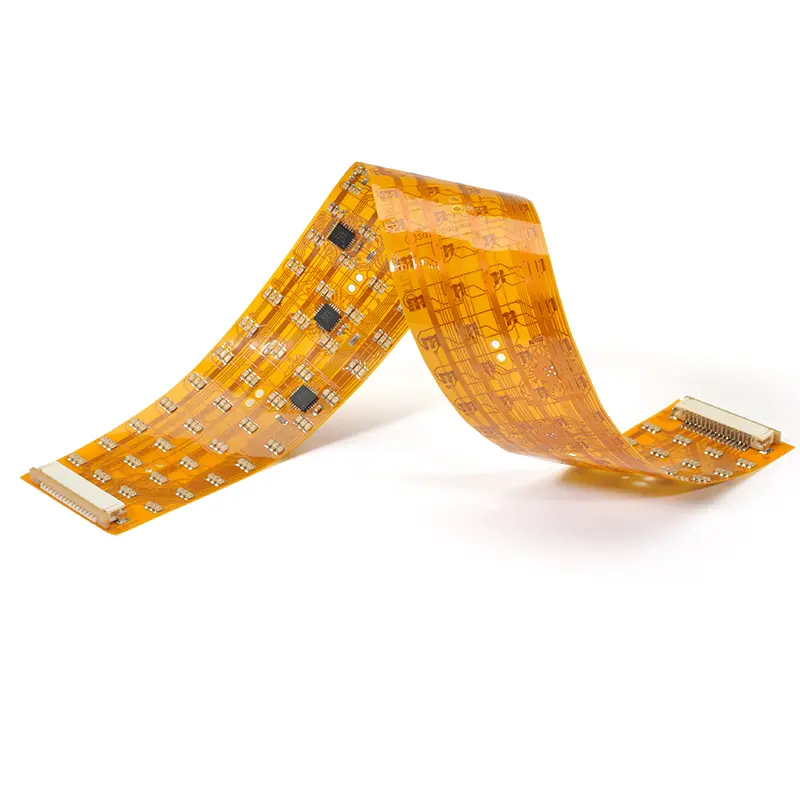 FPC
FPC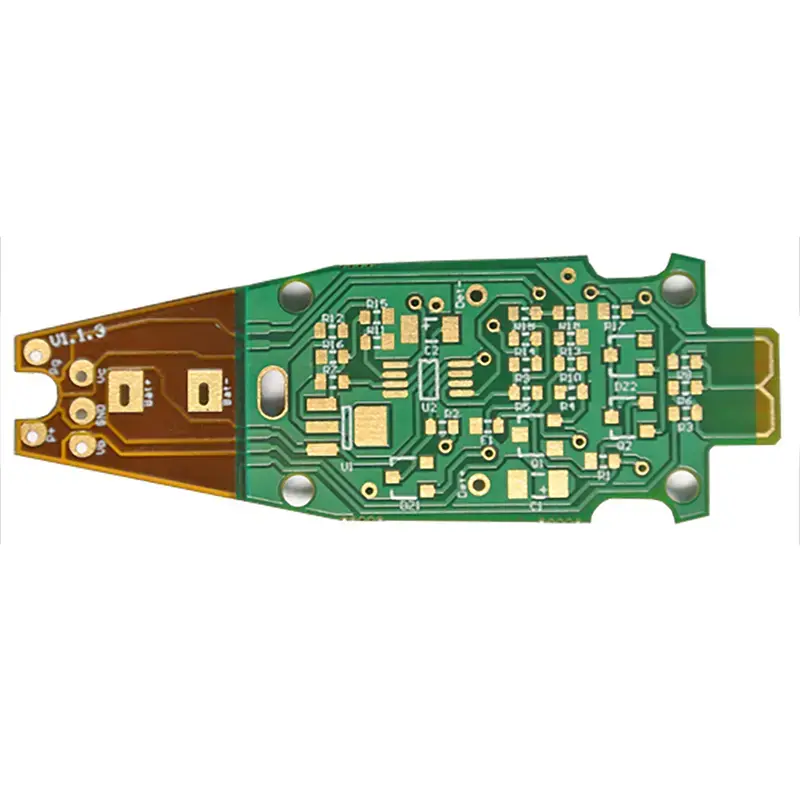 Rigid-Flex
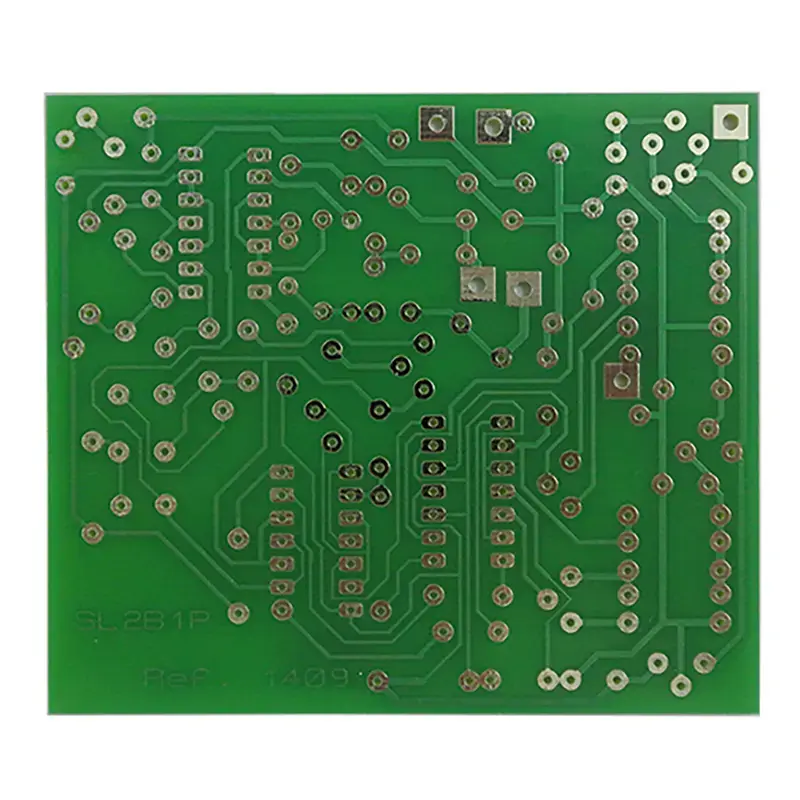 FR-4
FR-4 HDI PCB
 Rogers High-Frequency Board
 PTFE Teflon High-Frequency Board
 Aluminum
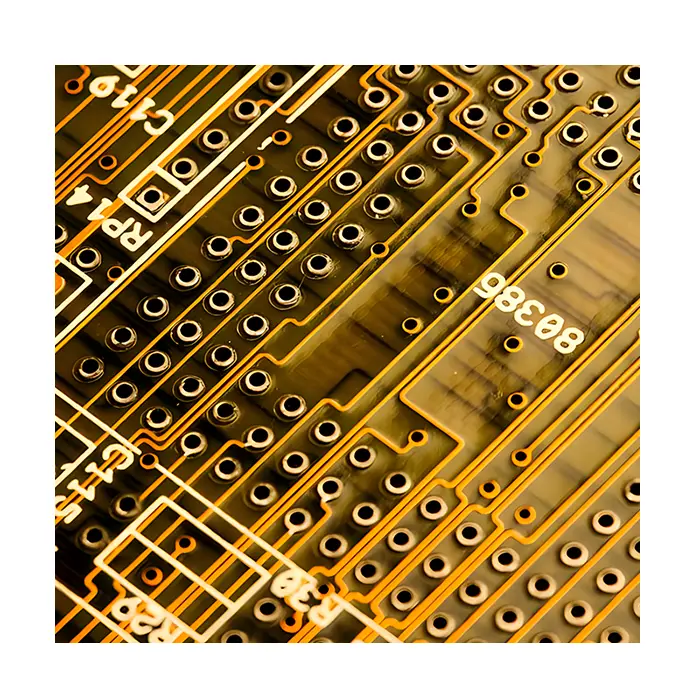 Copper Core
 PCB Assembly
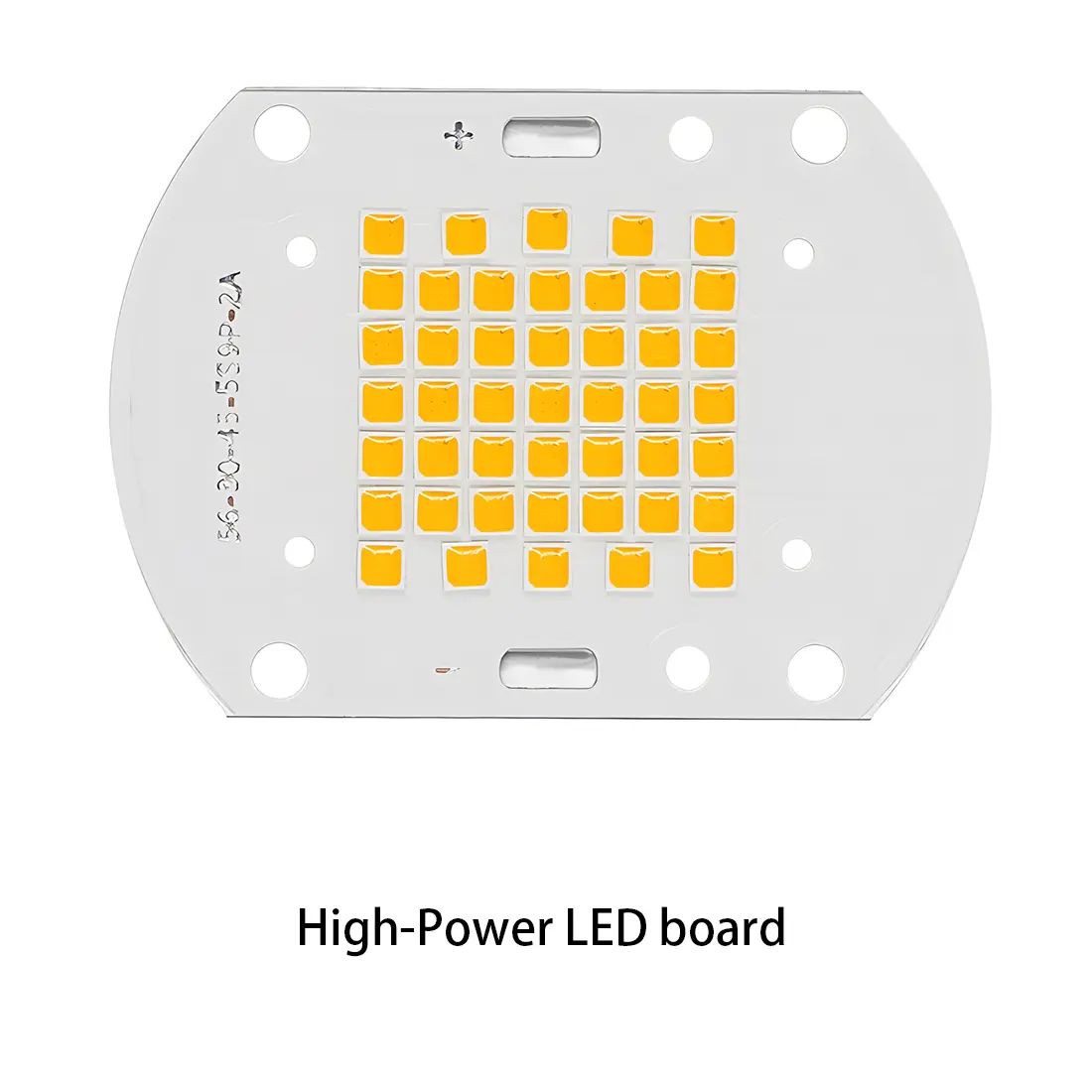 LED light PCBA
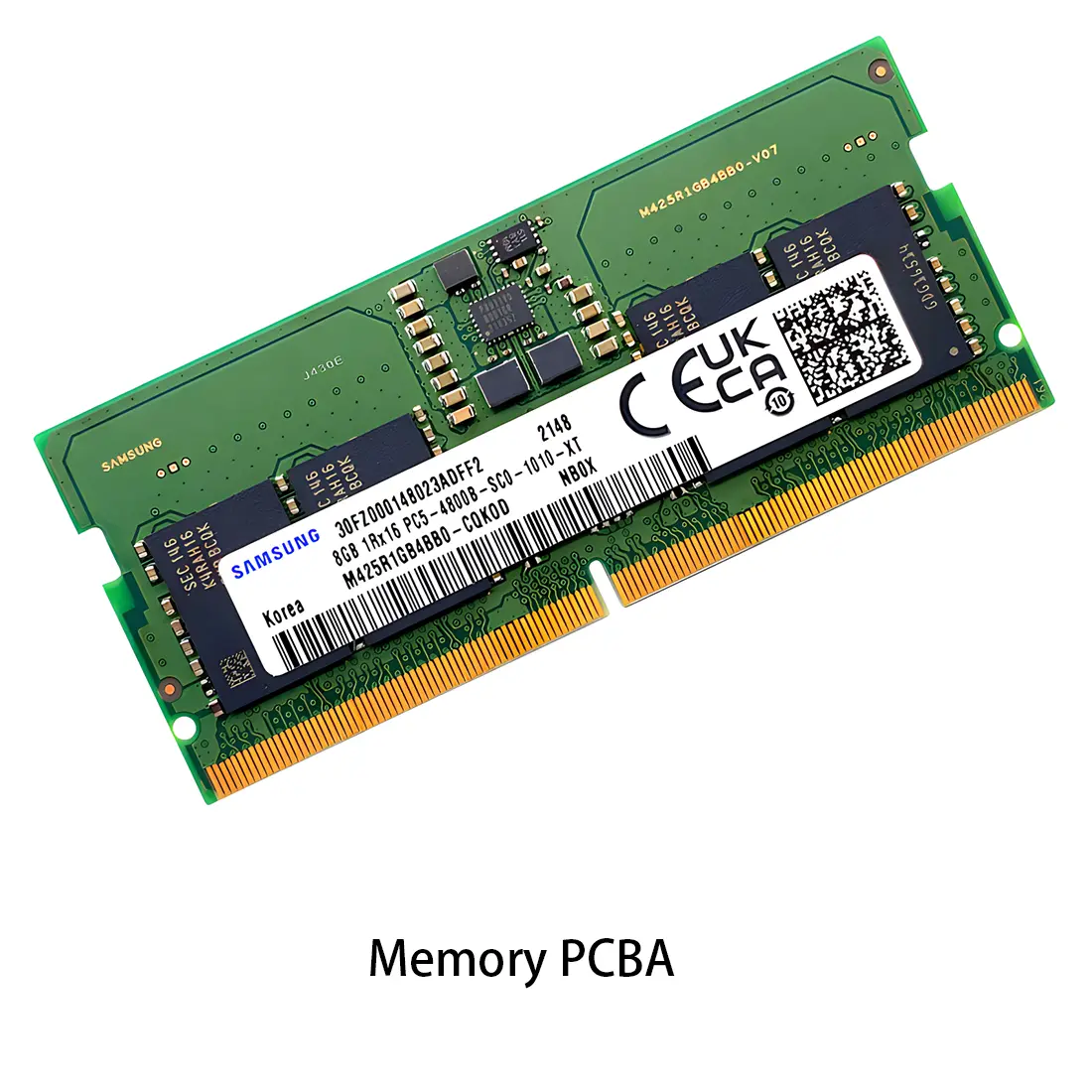 Memory PCBA
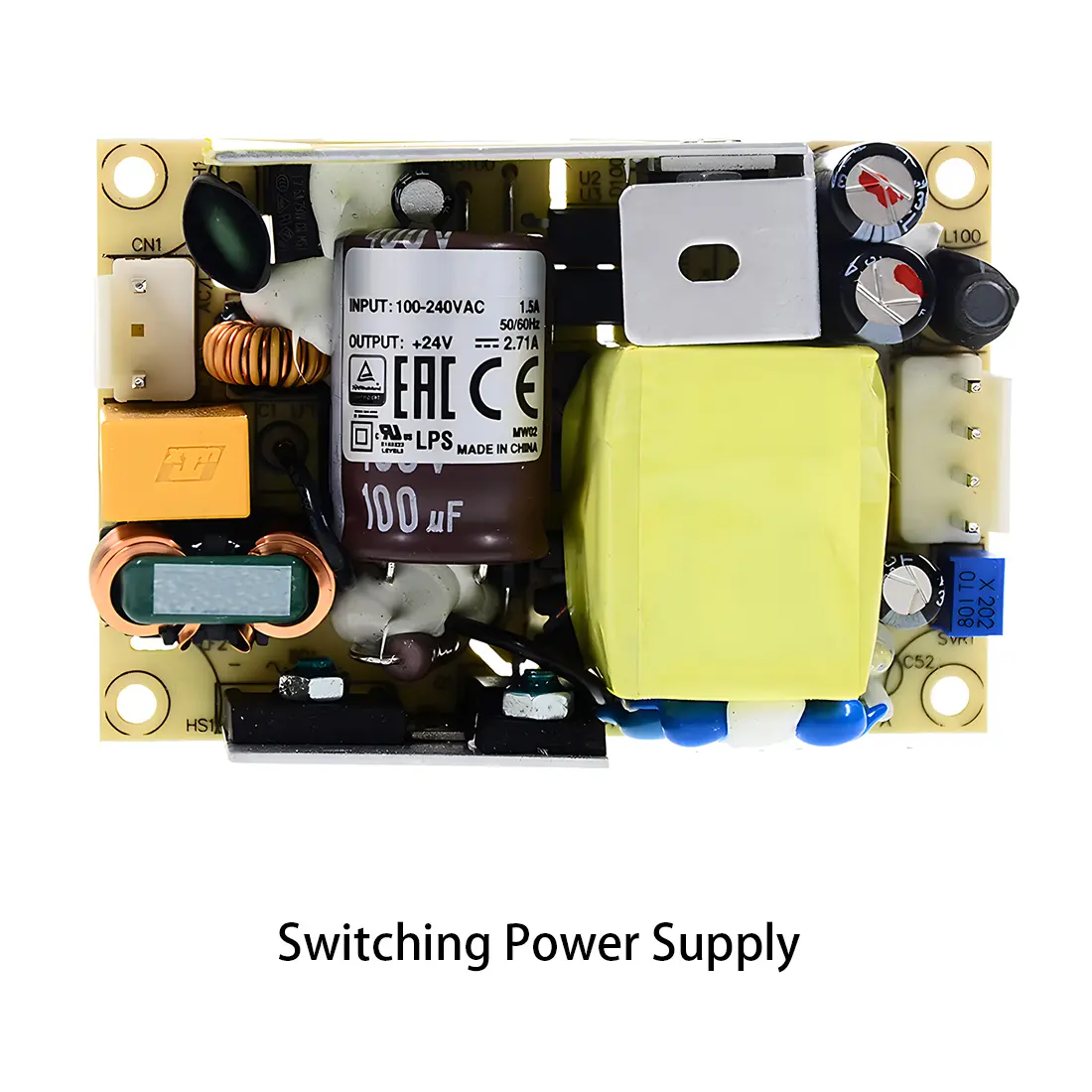 Power Supply PCBA
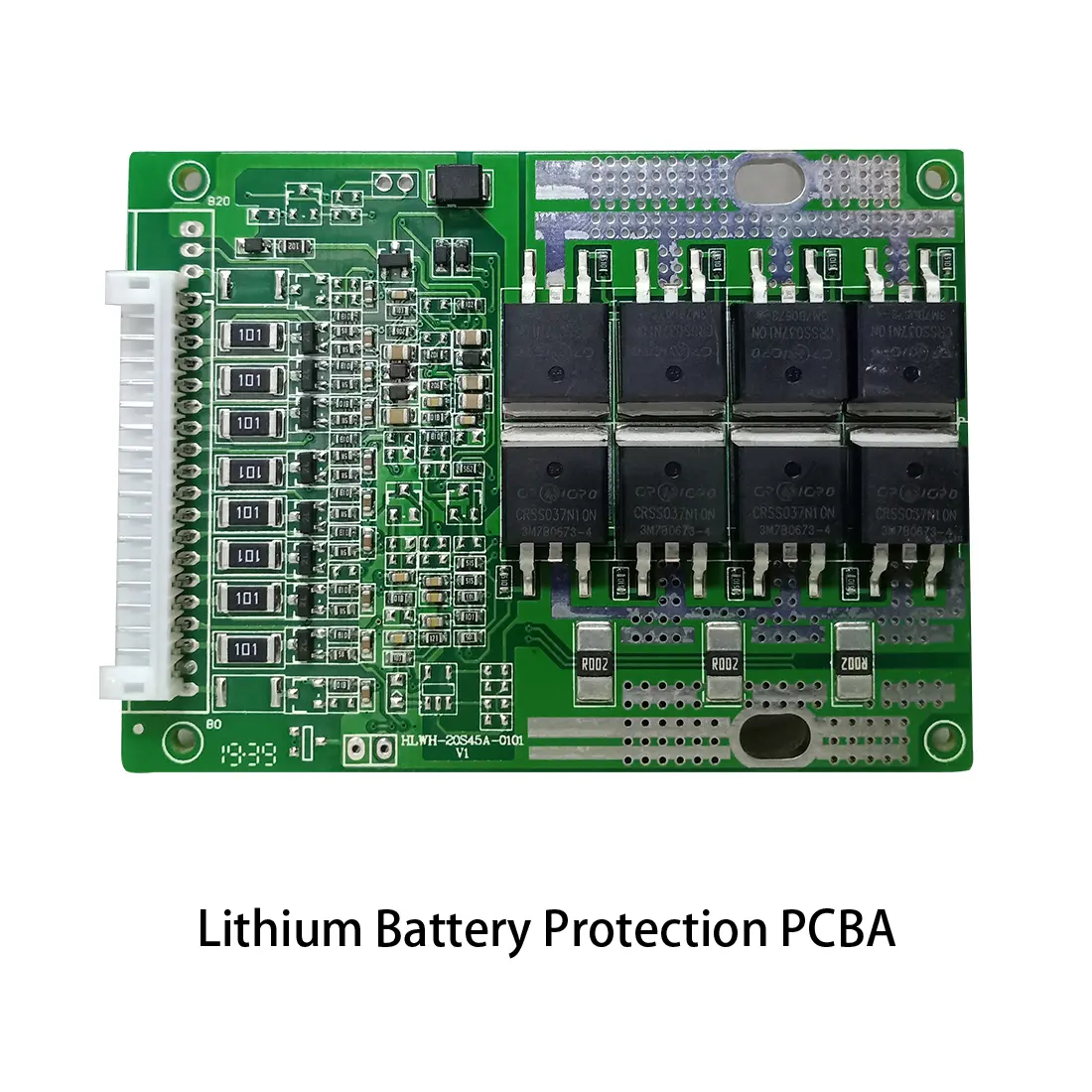 New Energey PCBA
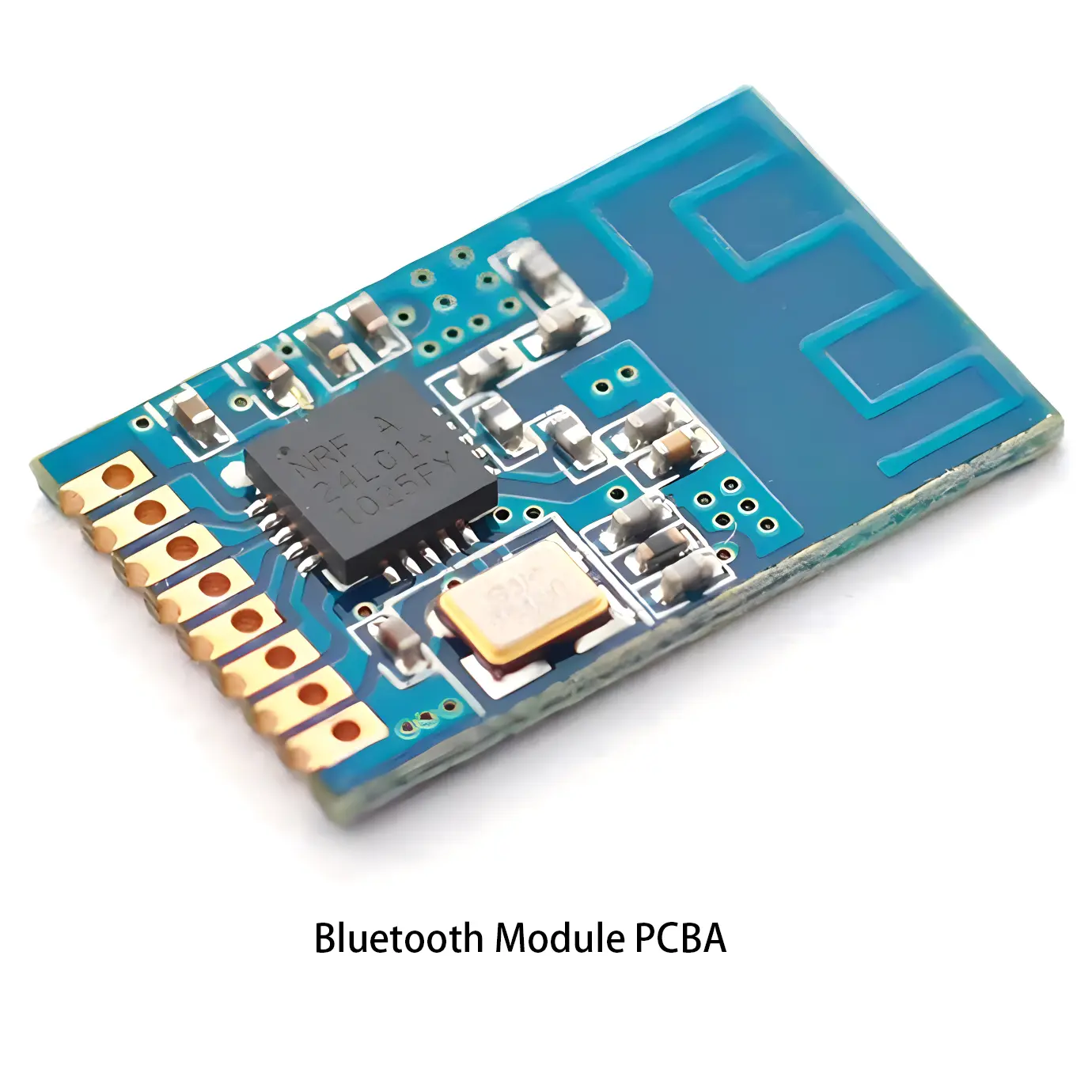 Communication PCBA
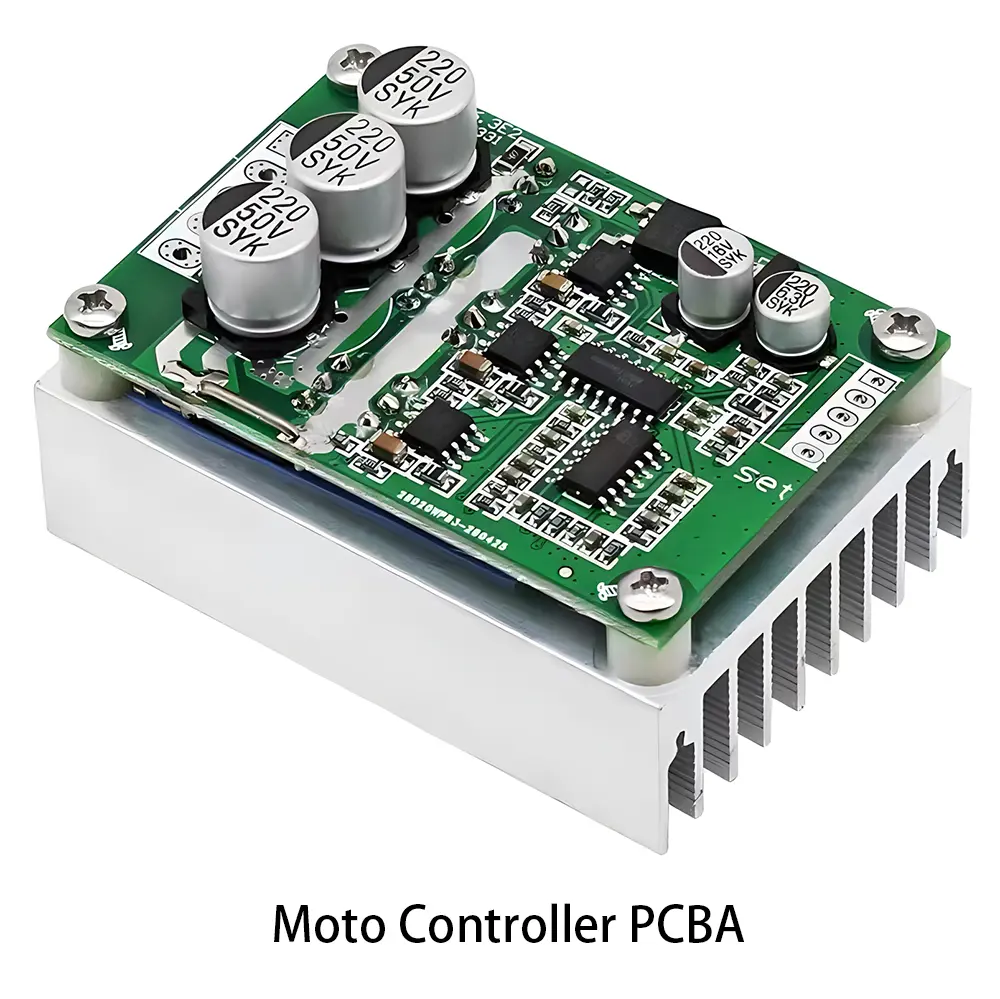 Industrial Control PCBA
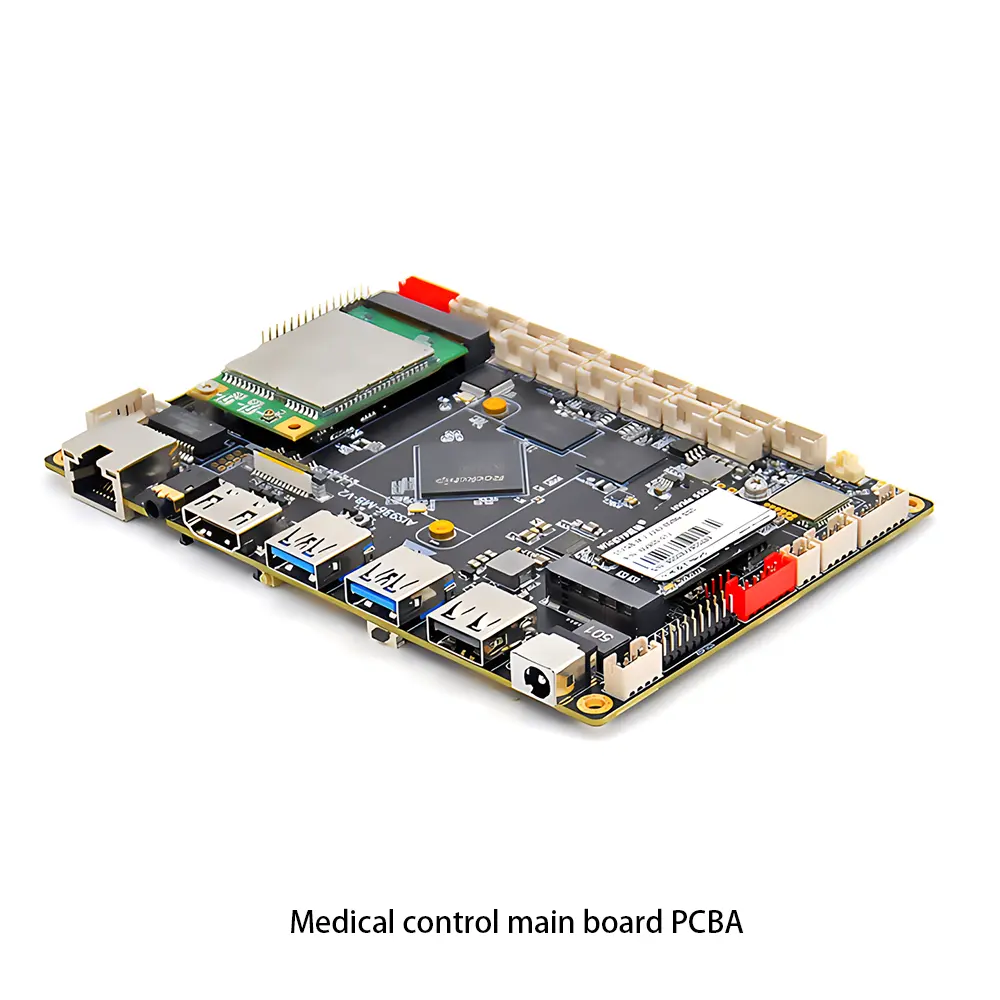 Medical Equipment PCBA
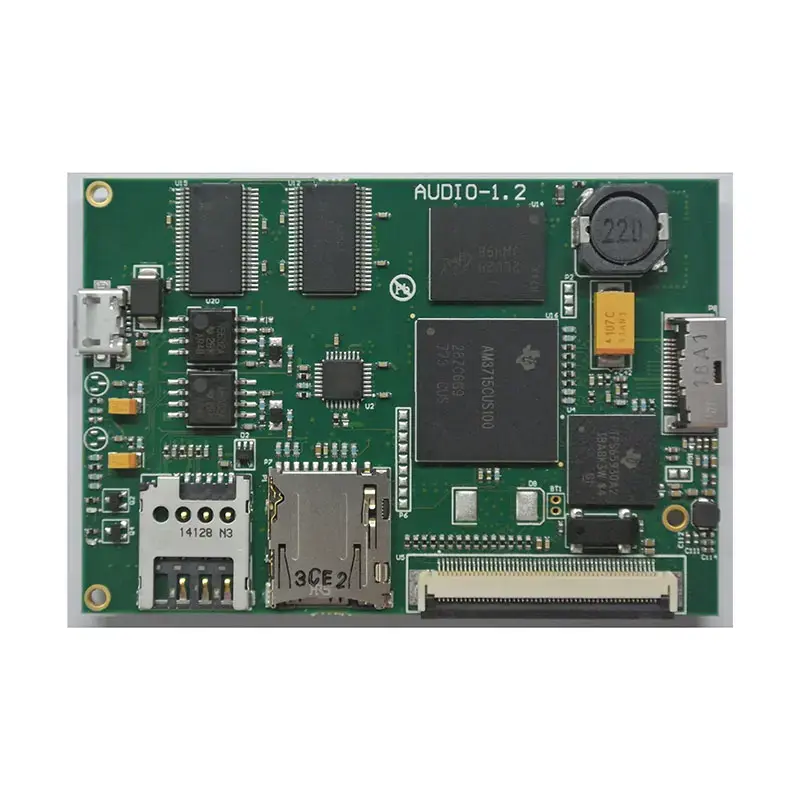 Testing Service
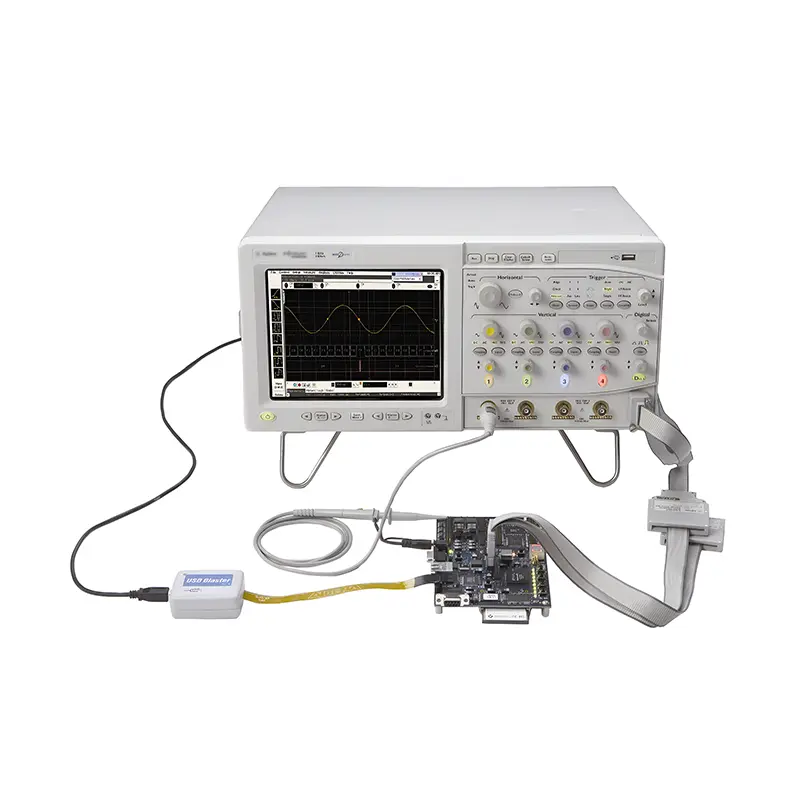 PCBA Testing Service
 Certification Application
 RoHS Certification Application
 REACH Certification Application
 CE Certification Application
 FCC Certification Application
 CQC Certification Application
 UL Certification Application
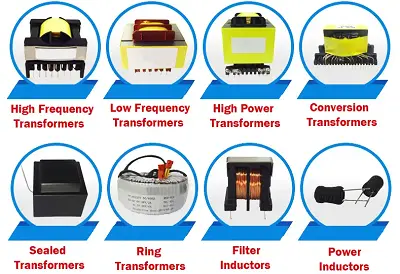 Transformers, Inductors
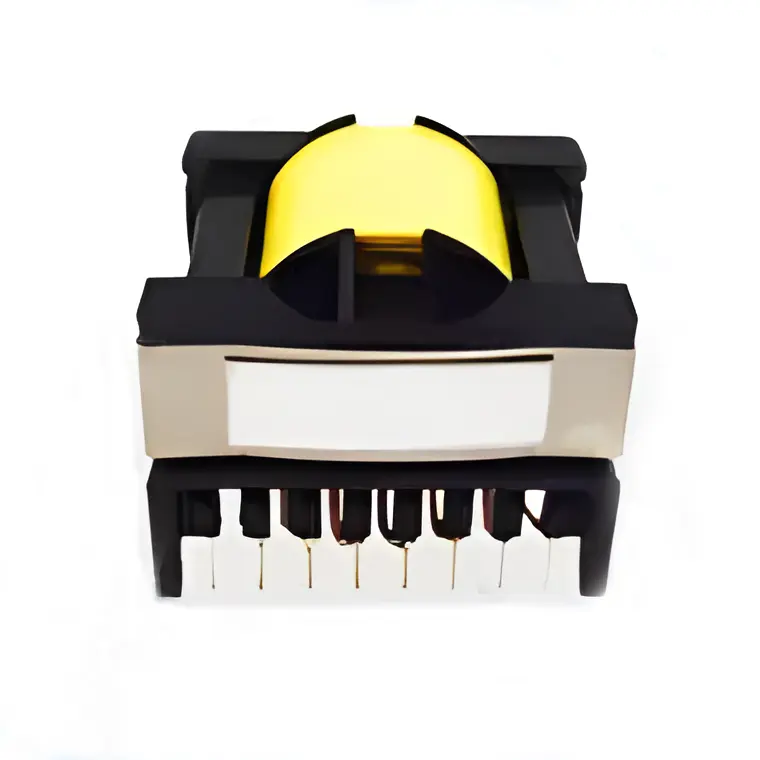 High Frequency Transformers
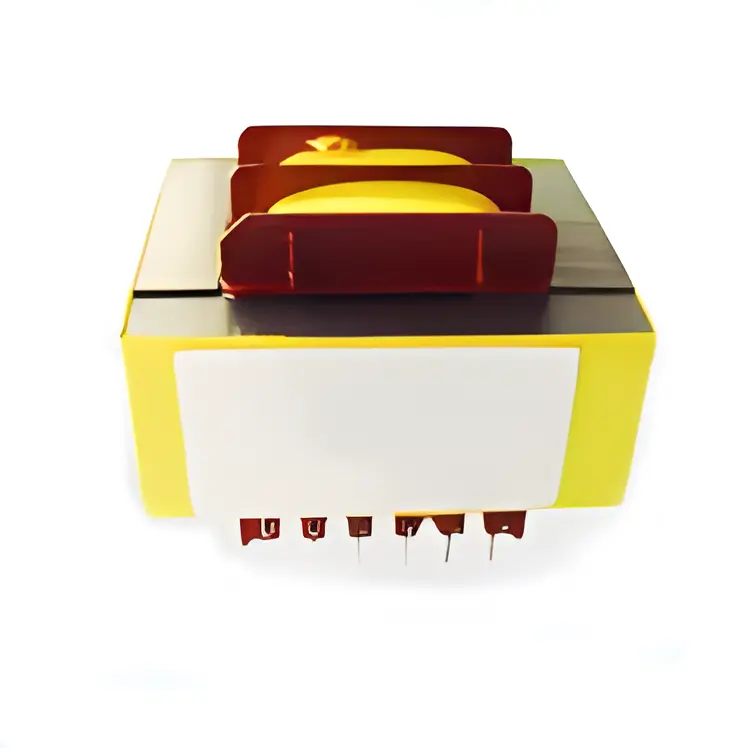 Low Frequency Transformers
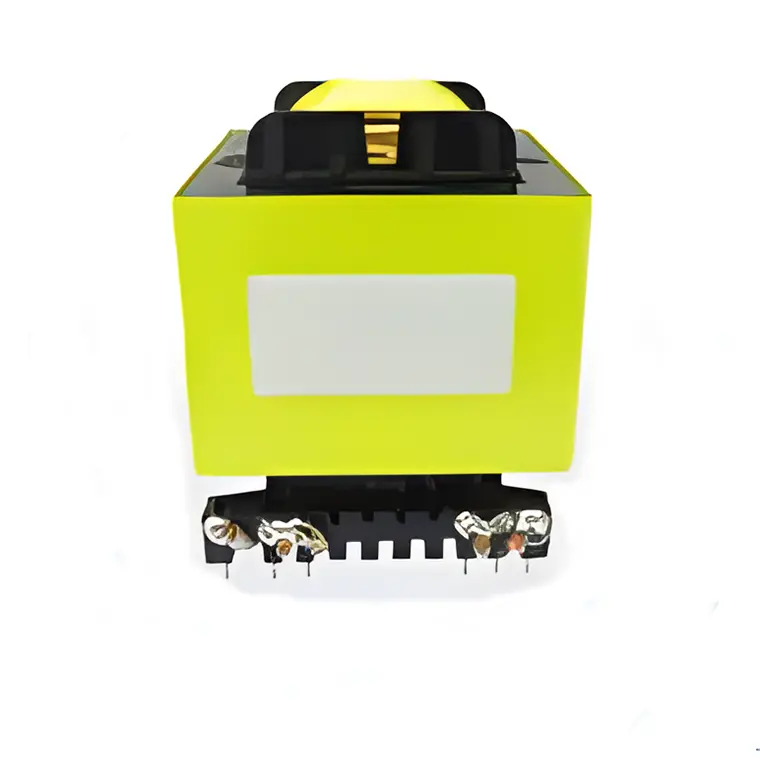 High Power Transformers
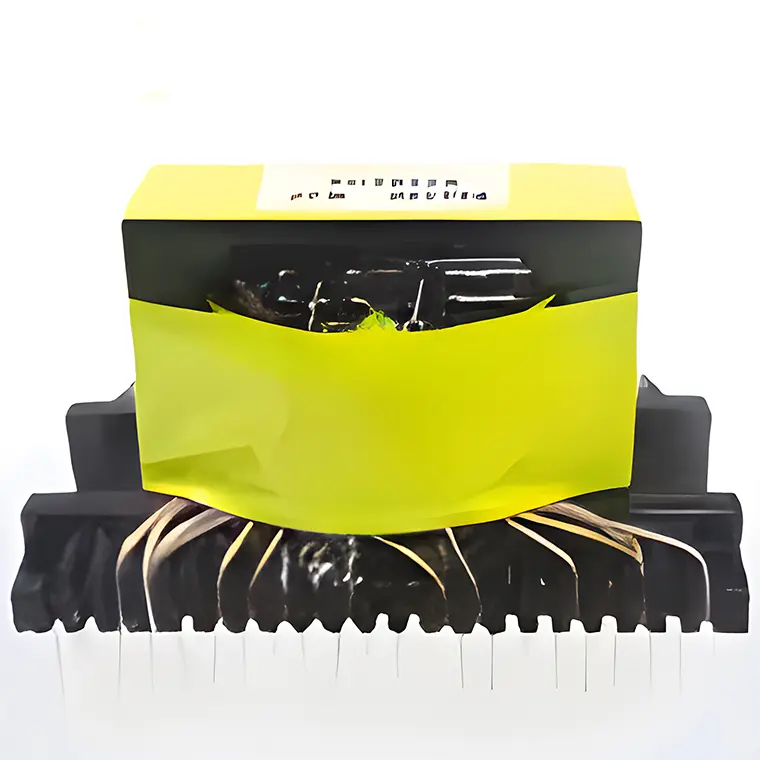 Conversion Transformers
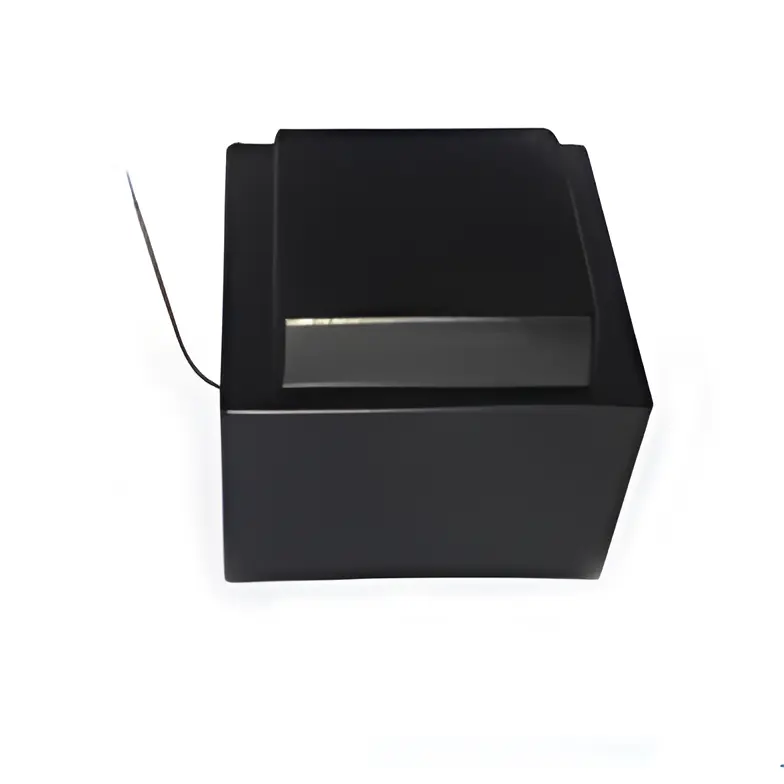 Sealed Transformers
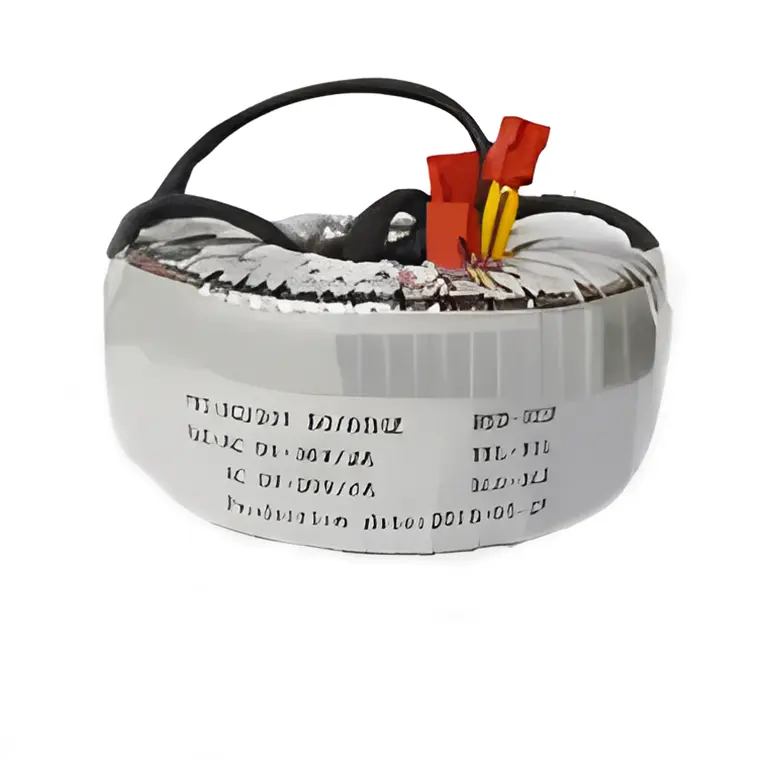 Ring Transformers
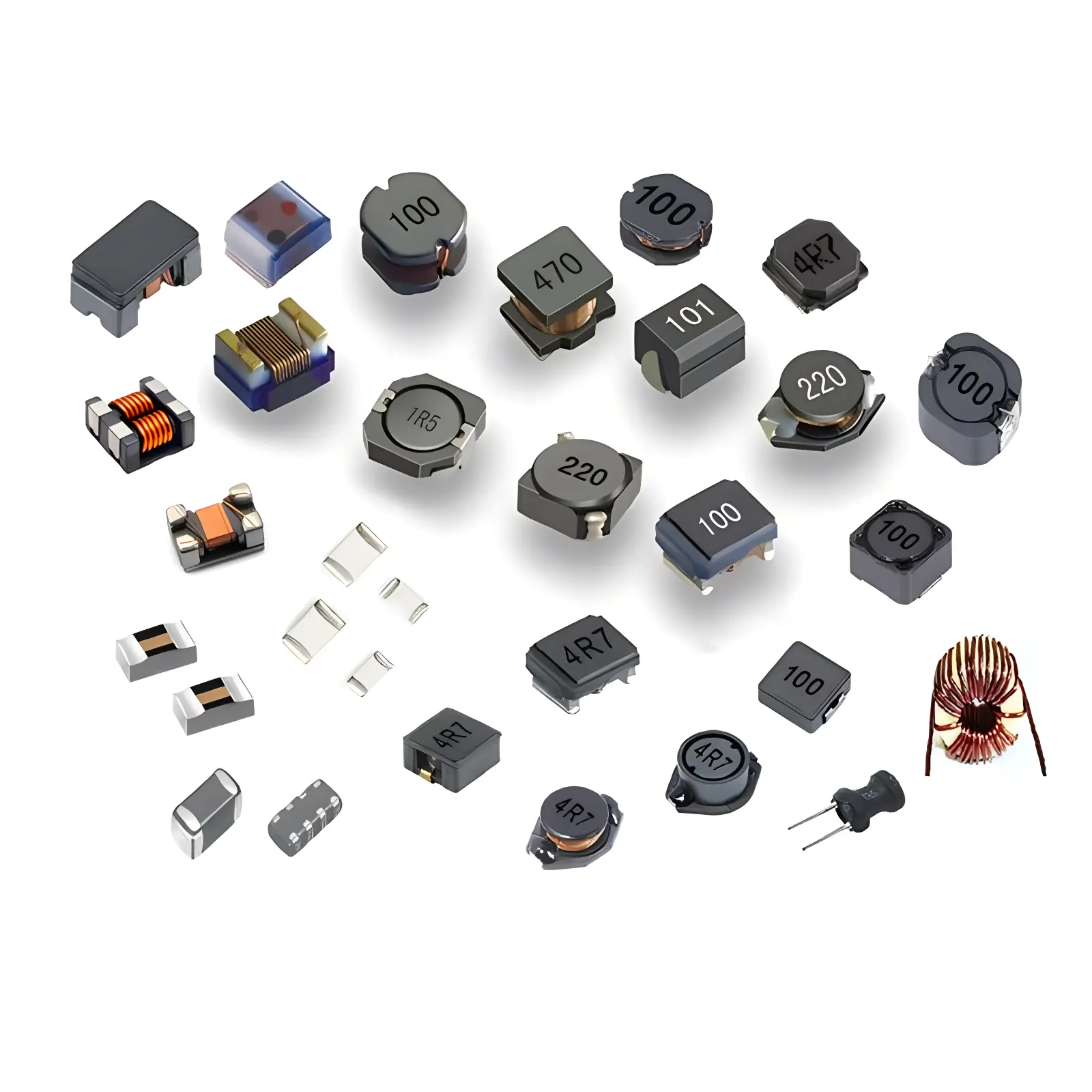 Inductors
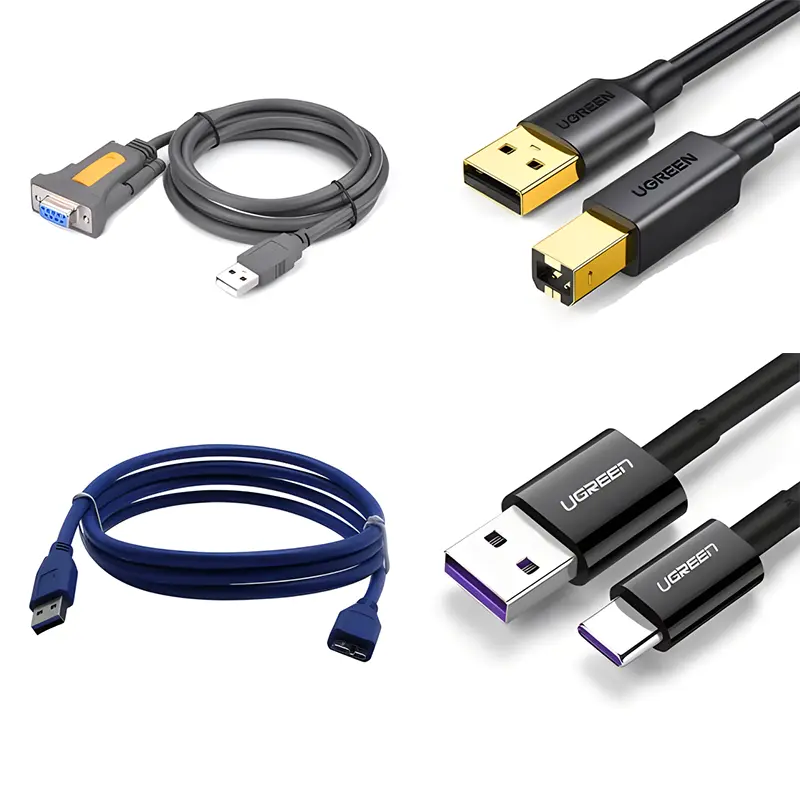 Wires,Cables Customized
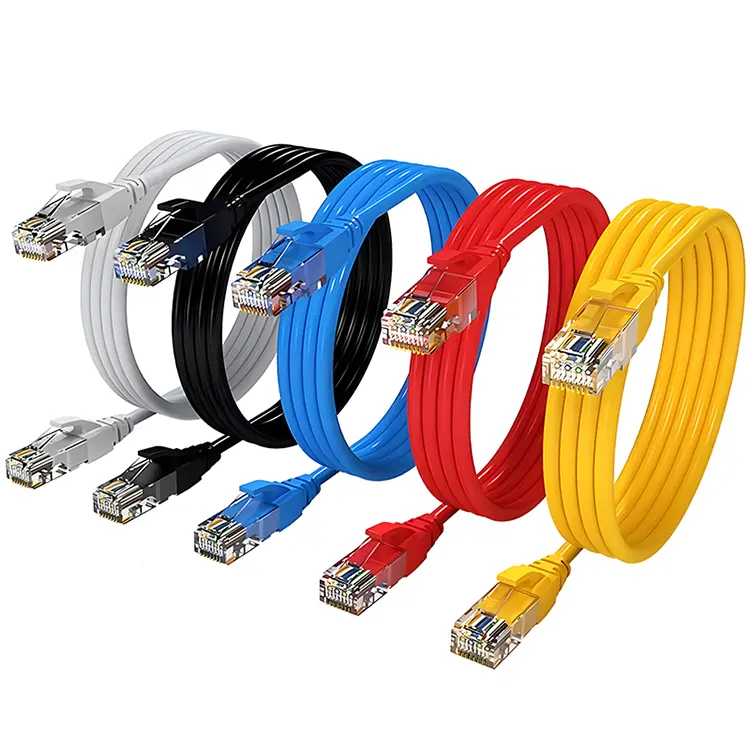 Network Cables
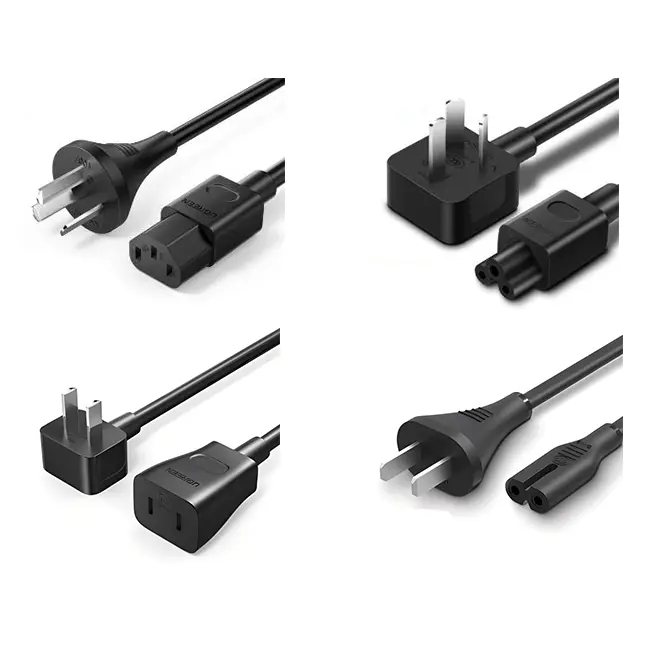 Power Cords
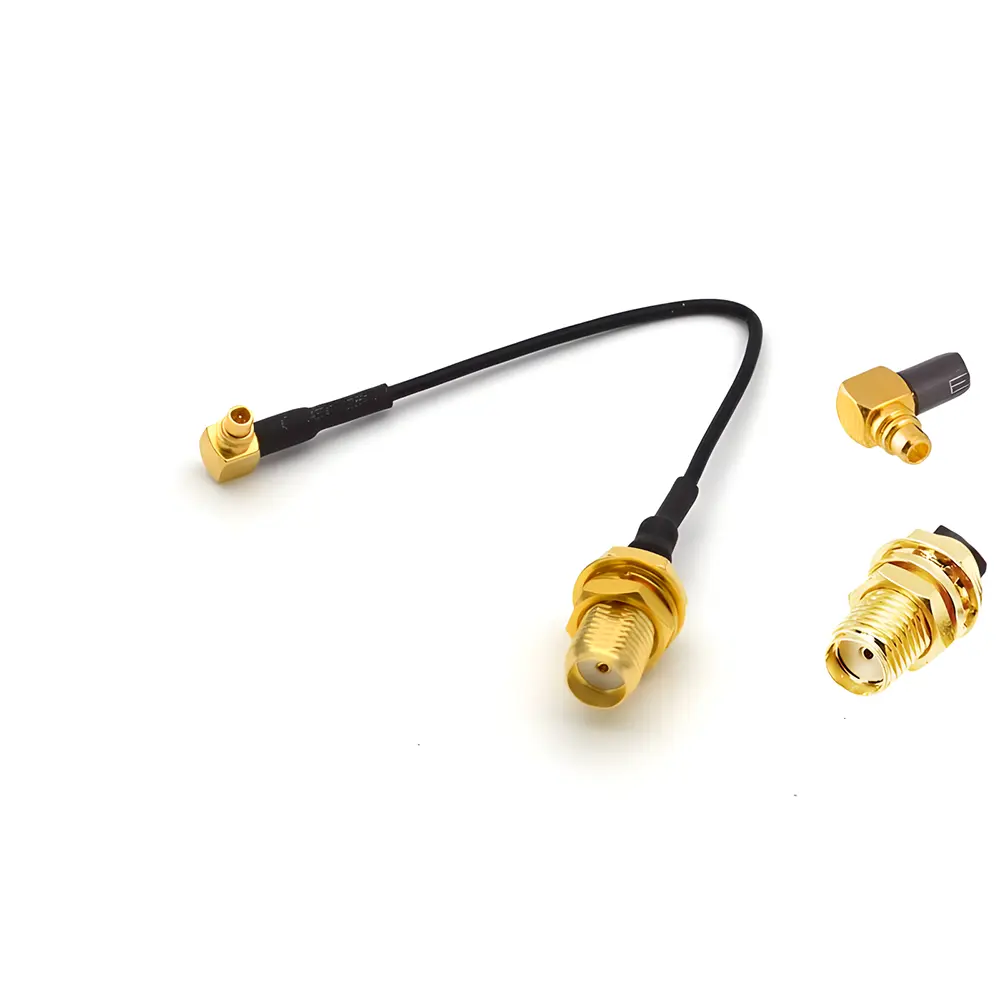 Antenna Cables
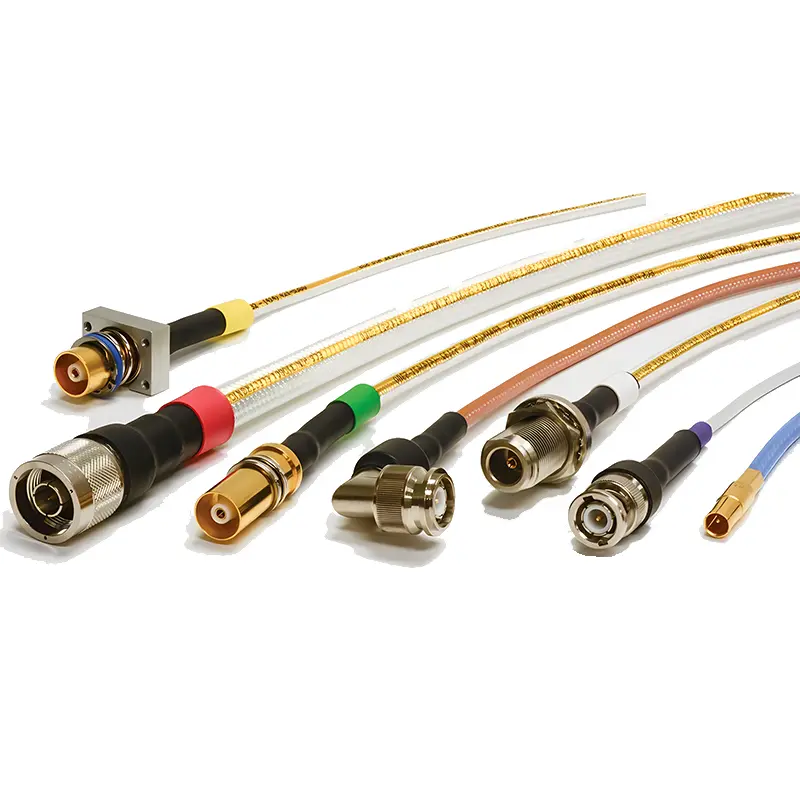 Coaxial Cables
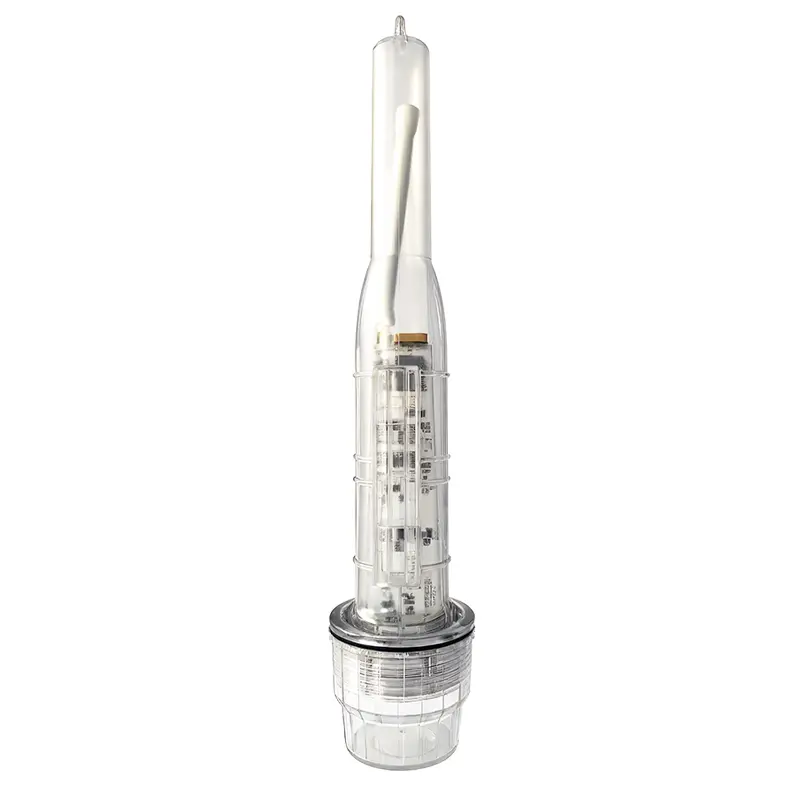 Net Position Indicator
 Solar AIS net position indicator
 Capacitors
 Connectors
 Diodes
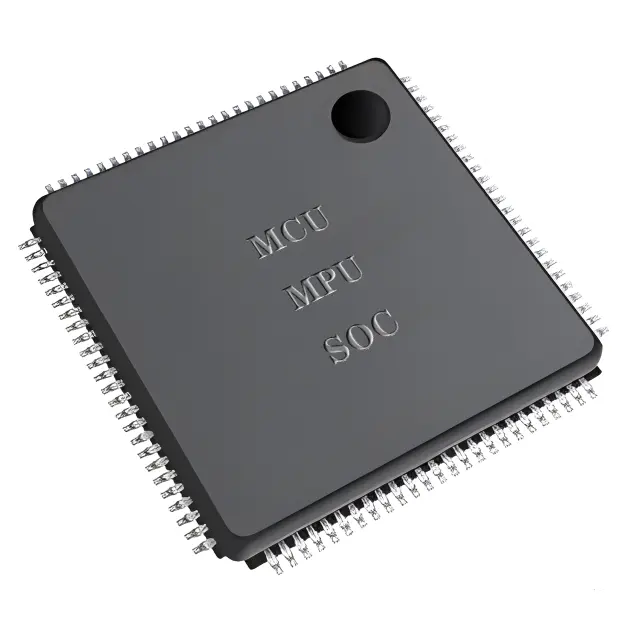 Embedded Processors & Controllers
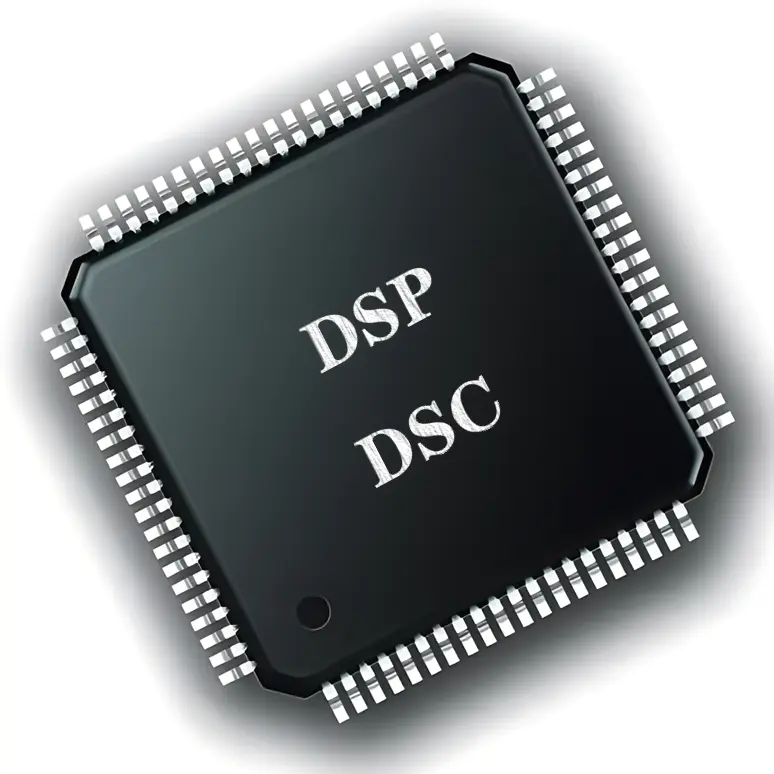 Digital Signal Processors (DSP/DSC)
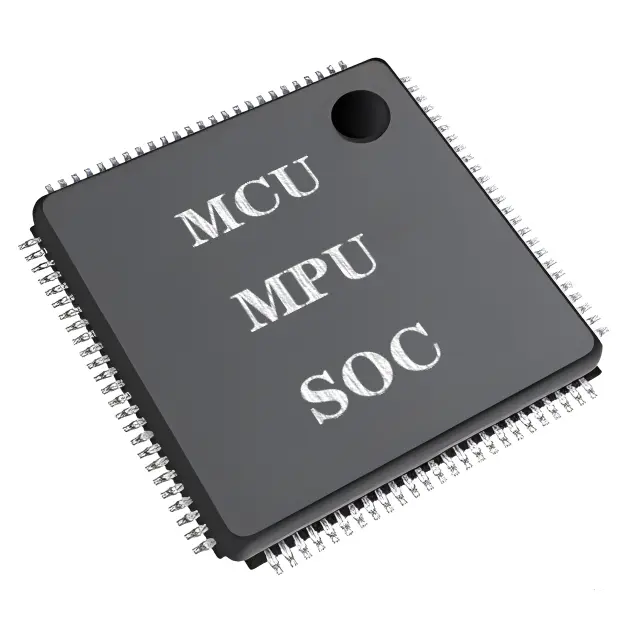 Microcontrollers (MCU/MPU/SOC)
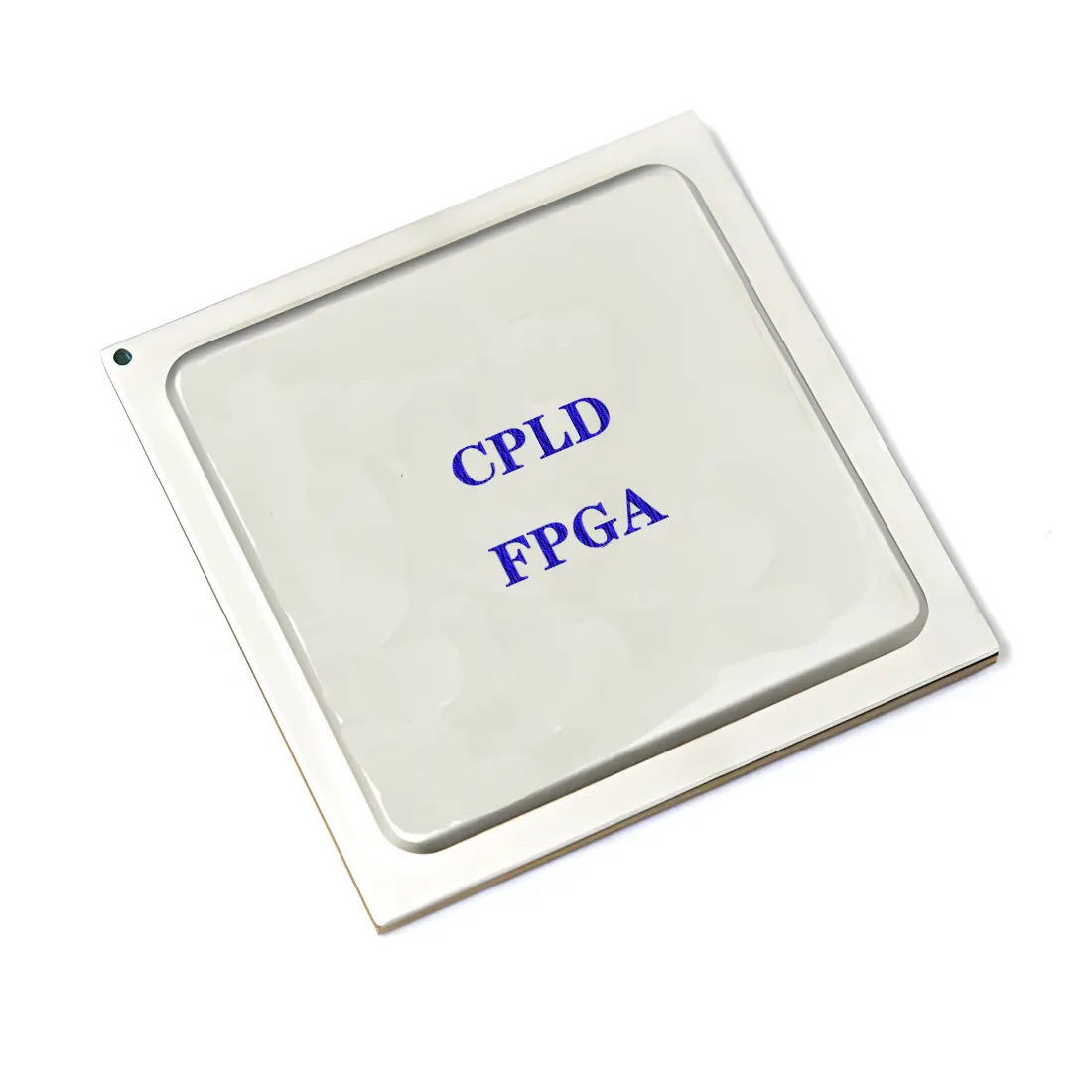 Programmable Logic Device(CPLD/FPGA)
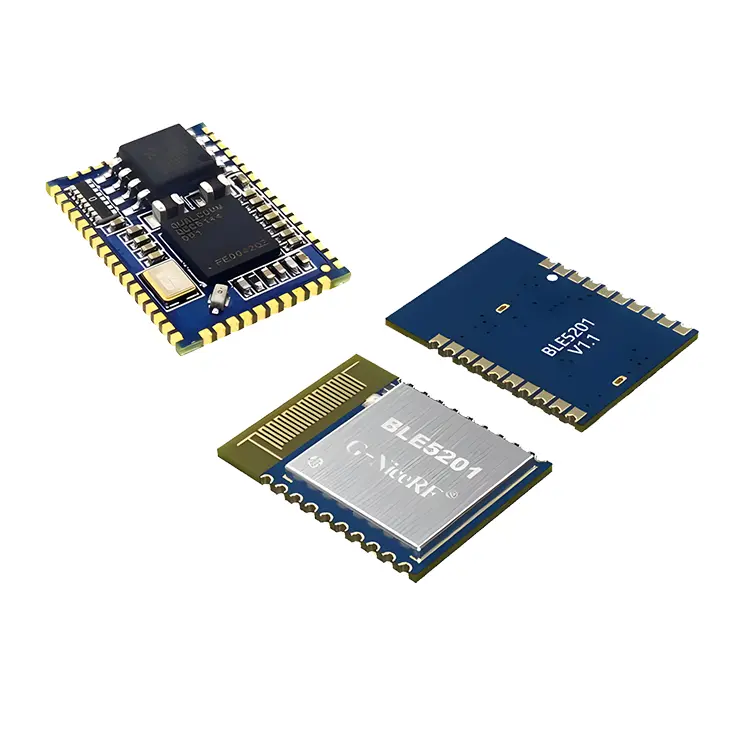 Communication Modules/IoT
 Resistors
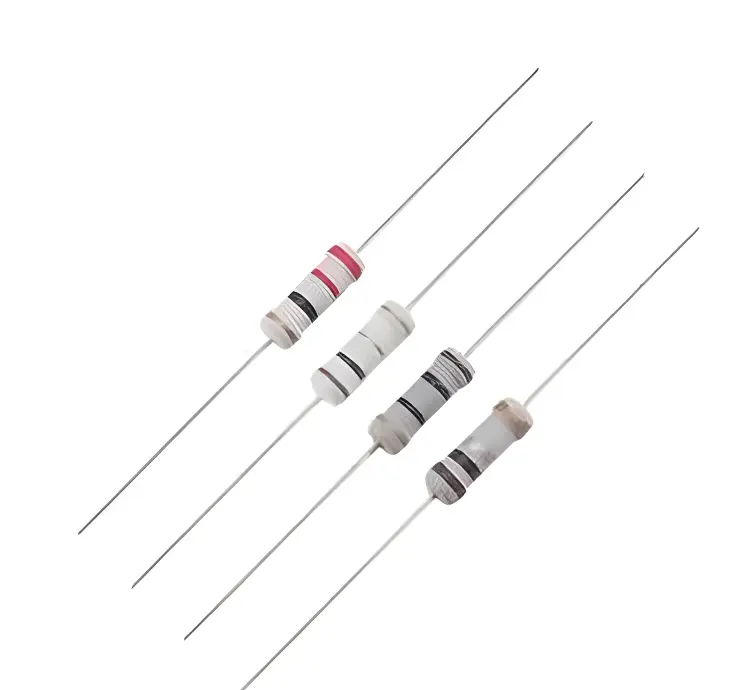 Through Hole Resistors
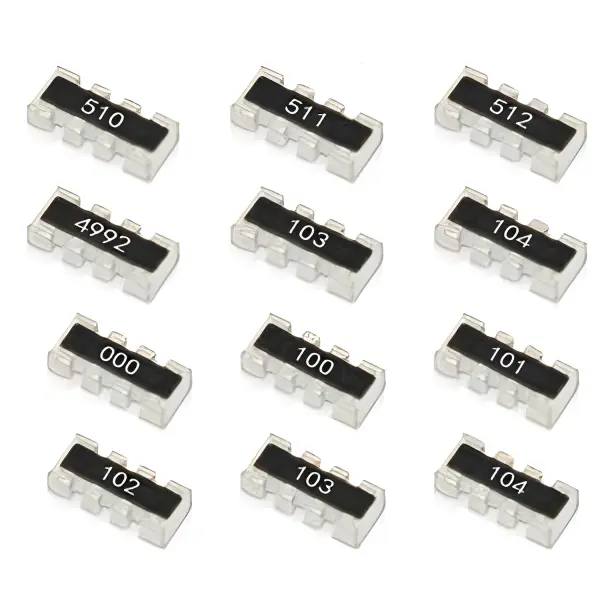 Resistor Networks, Arrays
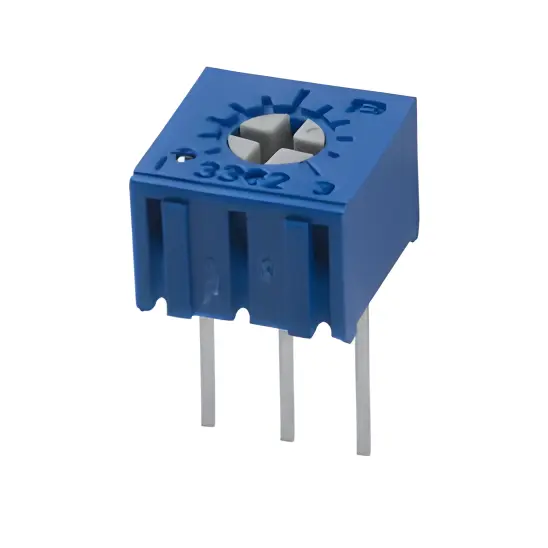 Potentiometers,Variable Resistors
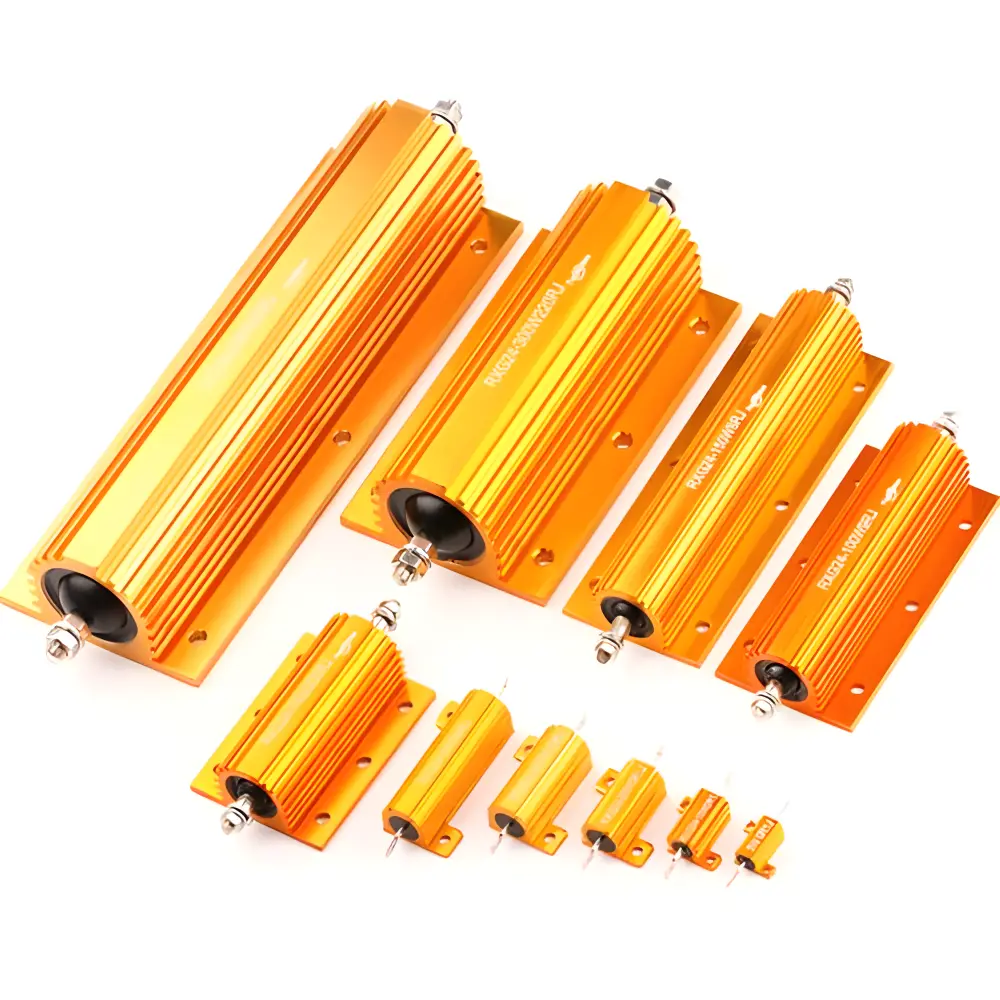 Aluminum Case,Porcelain Tube Resistance
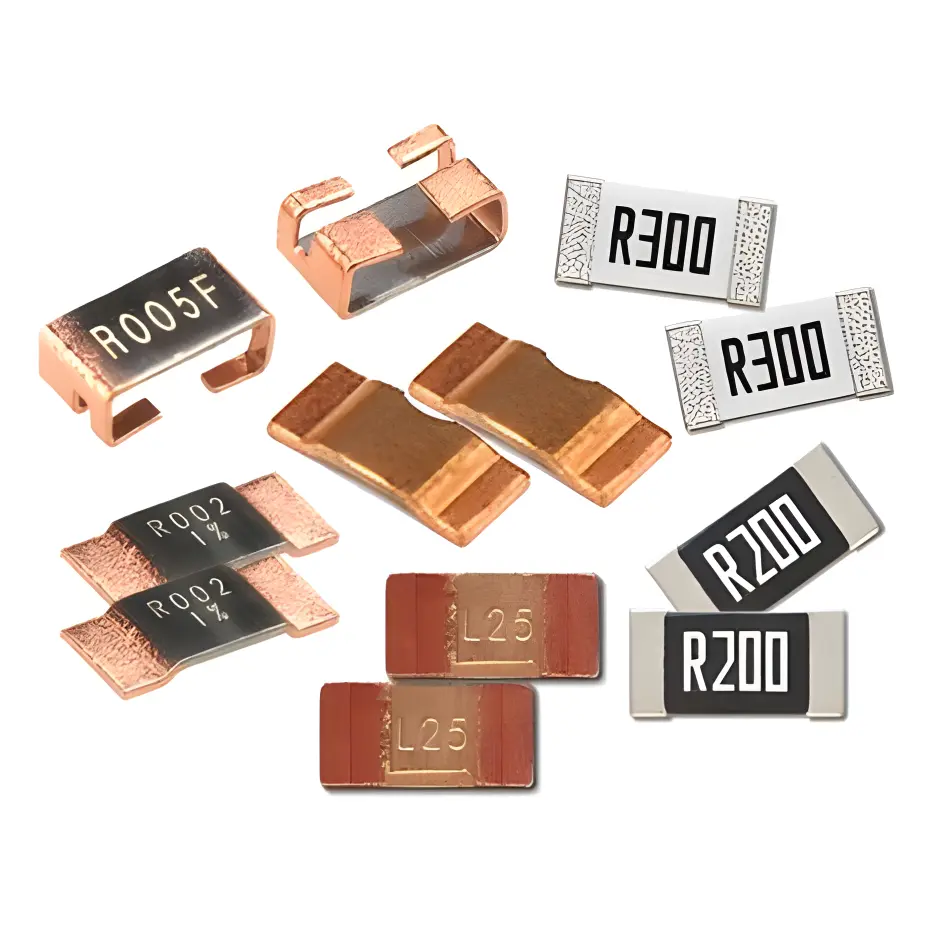 Current Sense Resistors,Shunt Resistors
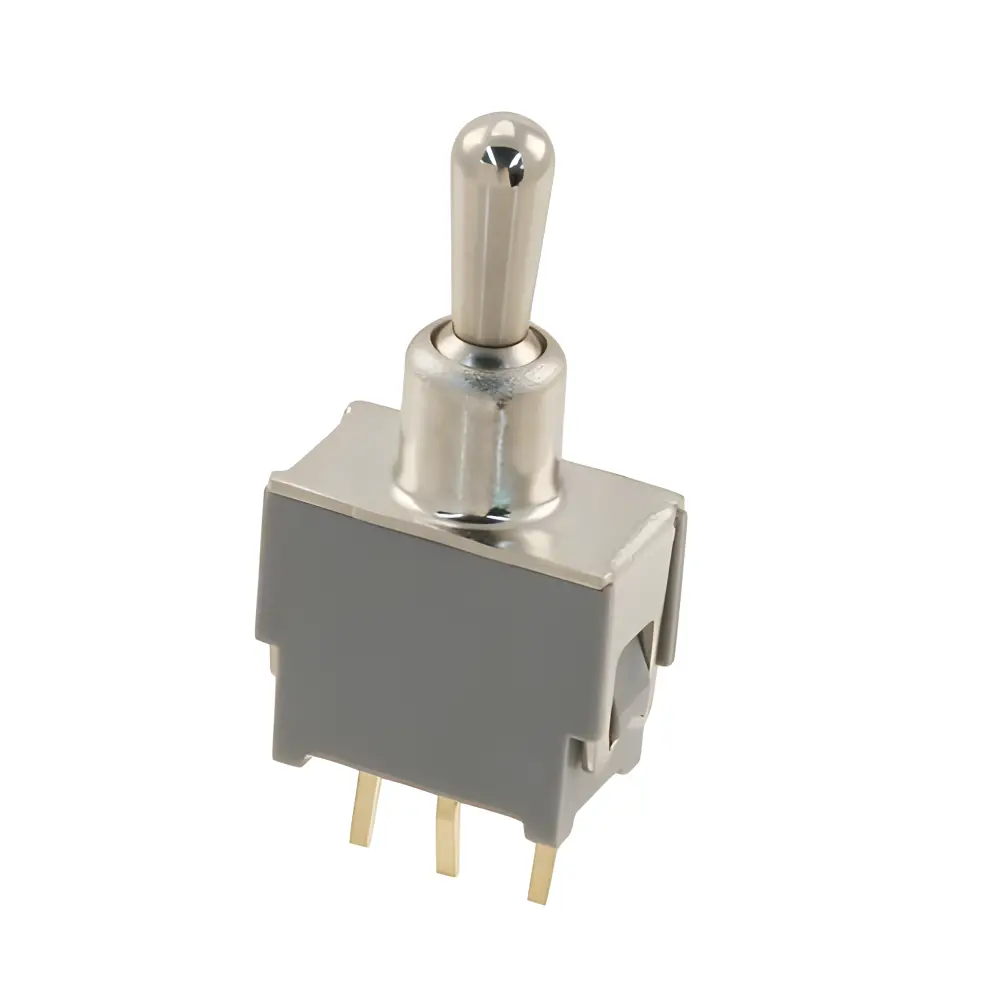 Switches
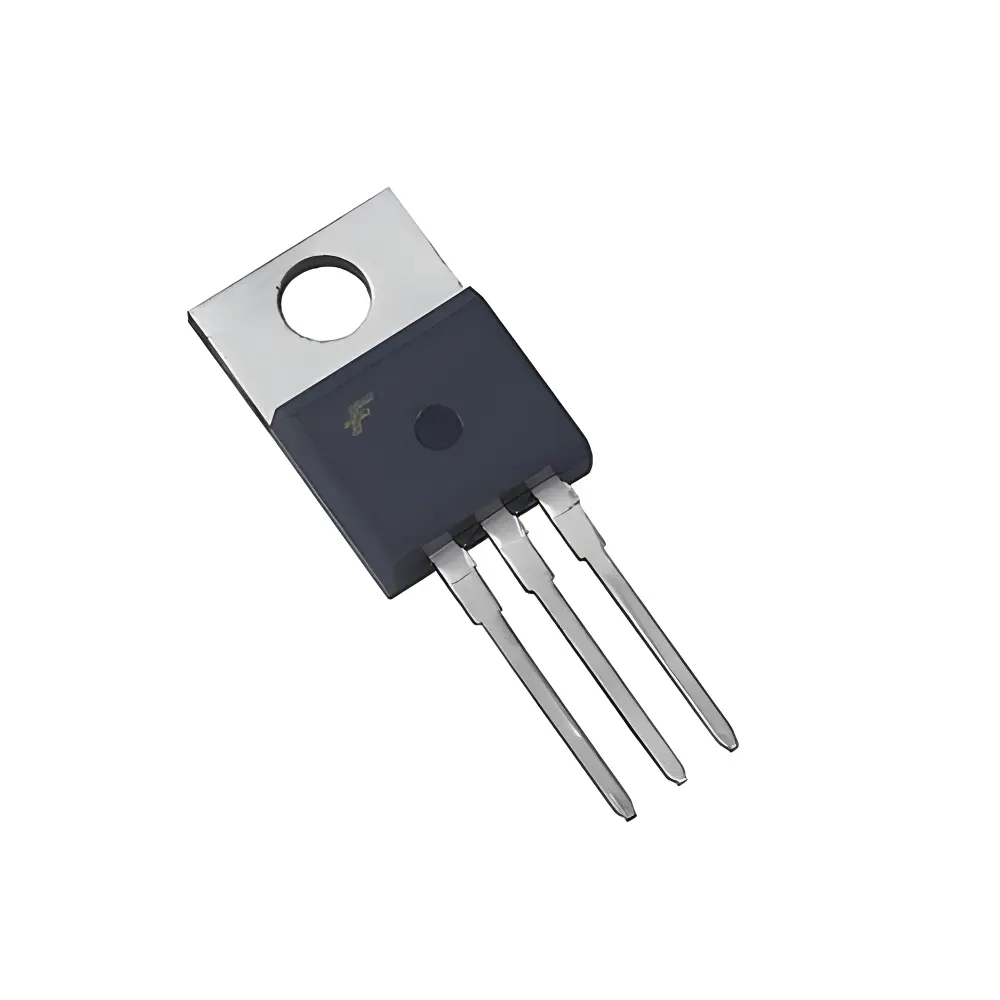 Transistors
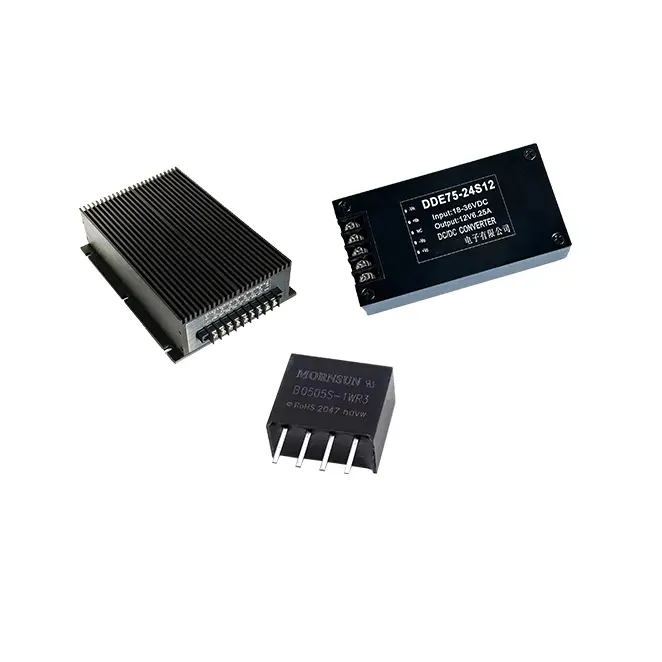 Power Modules
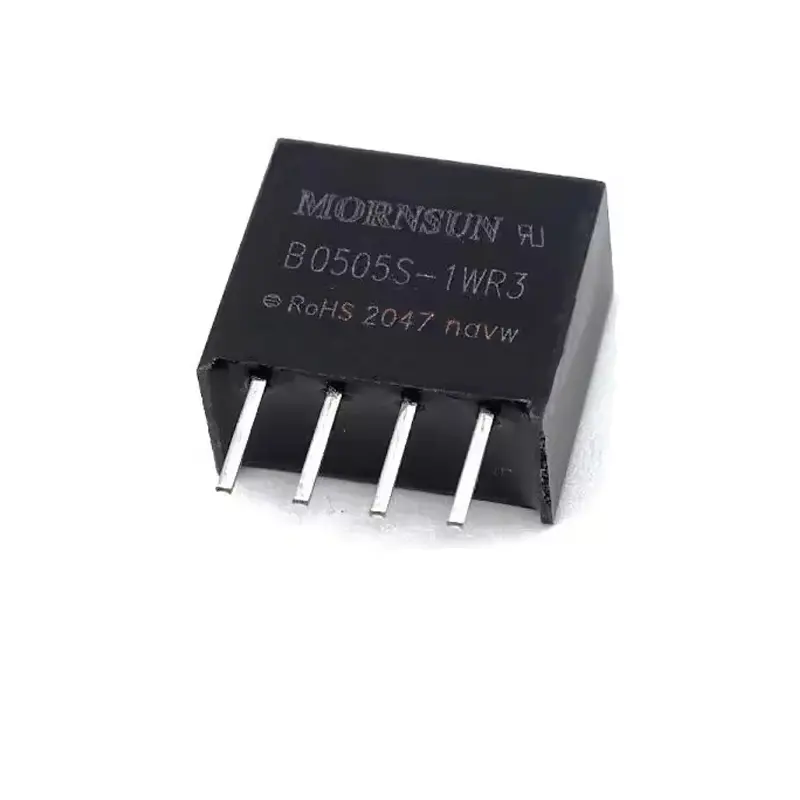 Isolated Power Modules
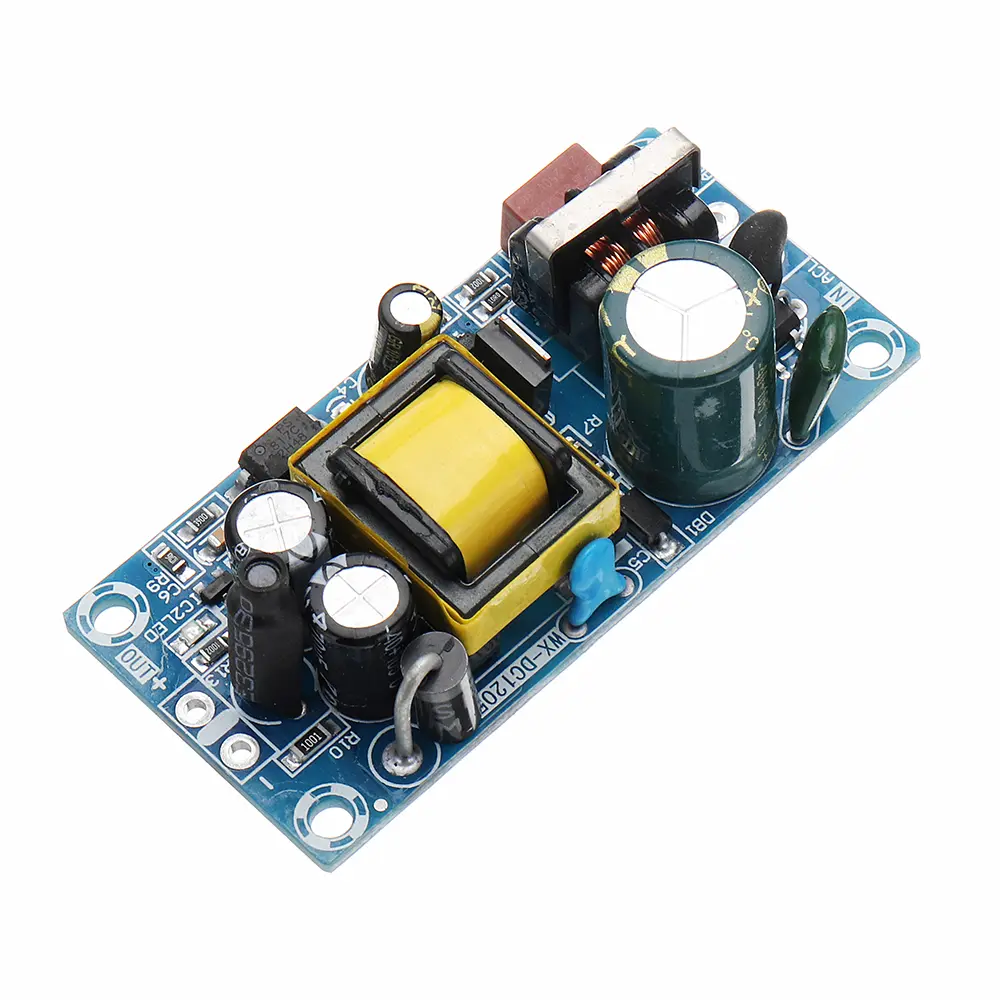 AC-DC Power Modules
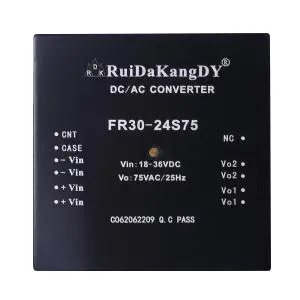 DC-AC Module(Inverter)
 RF and Wireless
Solder Fillet Height Standards for Through-Hole Components: A Comprehensive Analysis

Abstract: The solder fillet height of through-hole components critICally impacts mechanical strength, electrical connectivity, and vibration resistance. Per IPC-A-610/J-STD-001 standards, the allowable range is 0.5–2.0mm, depending on component type, termination style, and product class. This article details the standards and control methodologies.
1. General Fillet Height Standards
-
Basic Requirements:
-
Minimum Height: Solder must fully fill the through-hole with fillet rise ≥0.5mm above the board suRFace (IPC-A-610 7.3.2).
-
Maximum Height: Fillet top shall not exceed the component body or pin bend point, typically ≤2.0mm (prevents stress concentration).
-
Key Metric: Wetting angle ≤90° with concave fillet profile.
-
-
Termination-Specific Requirements:
Pin Type Fillet Height Visual Characteristics Axial Leads (R/C) 0.5–1.5mm Symmetric crescent meniscus Radial Leads (L) 0.8–2.0mm Solder wraps ≥180° of pin Terminal Cups (Connectors) Fill ≥75% hole depth Solder flows to cup rim
2. Application-Specific Requirements
| Product Class | Fillet Height | Critical Constraints | Standard |
|---|---|---|---|
| Class 1 (Consumer) | 0.3–2.5mm | Partial hole fill allowed (≤25% depth) | IPC-A-610 7.3.1 |
| Class 2 (Industrial) | 0.5–2.0mm | Hole fill ≥75%; no voids | J-STD-001 7.4 |
| Class 3 (Military/Aerospace) | 0.5–1.8mm | 100% pin coverage; X-ray voids <15% | GJB3835 |
Note: High-vibration environments (e.g., automotive) require pressure-sensitive adhesive reinforcement; fillet height should be 1.5–2.0mm for enhanced fatigue resistance.
3. Failure Modes and Threshold Analysis
-
Risks of Low Fillet (<0.5mm):
-
Mechanical strength ↓40%; vibration failure cycles <200 (vs. standard >1000).
-
Thermal cycle crack growth rate ↑5×, causing open-circuit risks.
-
-
Risks of High Fillet (>2.0mm):
-
Bridging probability ↑30% (when spacing <2.5mm).
-
Solder spikes induce corona discharge, ↑50% insulation failure risk in high-voltage boards.
-
-
Special Cases:
-
Gold Fingers: Fillet rise ≤0.3mm to avoid contact surface contamination.
-
Heat Sink Mounts: Height ≥1.0mm to ensure thermal conduction efficiency.
-
4. Process Control Technologies
-
Wave Soldering Optimization:
Parameter Impact Mechanism Recommended Value Preheat Temperature Flux activation; dross reduction 90–110℃ (double-side) Solder Temperature Determines fluidity/fill rate 255±5℃ (SnAgCu alloy) Conveyor Angle Controls fillet profile 5–7° Contact Time Affects wetting depth 3–5 seconds -
Hand Soldering Rework:
-
Iron temperature: 300–350℃/3 sec; never exceed 5 sec (prevents pad lifting).
-
Solder volume formula:
V=π×(D²/4)×H(D: hole dia., H: target height).
-
-
Inspection Methods:
-
Laser Profilometer: ±0.01mm precision for 3D fillet contour.
-
Cross-Sectioning: Measures hole fill rate (mandatory for Class 3).
-
X-Ray: Void acceptance criteria: <25% cross-sectional area.
-
5. Design-Side Preventive Measures
-
Hole Size Matching:
-
Pin diameter (d) vs. hole diameter (D): D = d + 0.2–0.4mm (undersized holes cause poor fill; oversized holes induce solder wicking).
-
-
Thermal Design:
-
High-power components (e.g., TO-220) require thermal vias (dia. ≥0.3mm); fillet height 1.2–2.0mm.
-
-
Keep-Out Zones:
-
No SMD components within 1.5mm of solder joints (prevents thermal shock damage).
-
Conclusion
Through-hole solder fillet height balances electrical-mechanical-thermal requirements:
-
General Range: 0.5–2.0mm (IPC baseline); Class 3 requires strict 0.5–1.8mm.
-
Core Principles:
-
Lower limit ≥0.5mm ensures mechanical integrity,
-
Upper limit ≤2.0mm prevents bridging and stress concentration.
-