
 PCB
PCB FPC
FPC Rigid-Flex
 FR-4
FR-4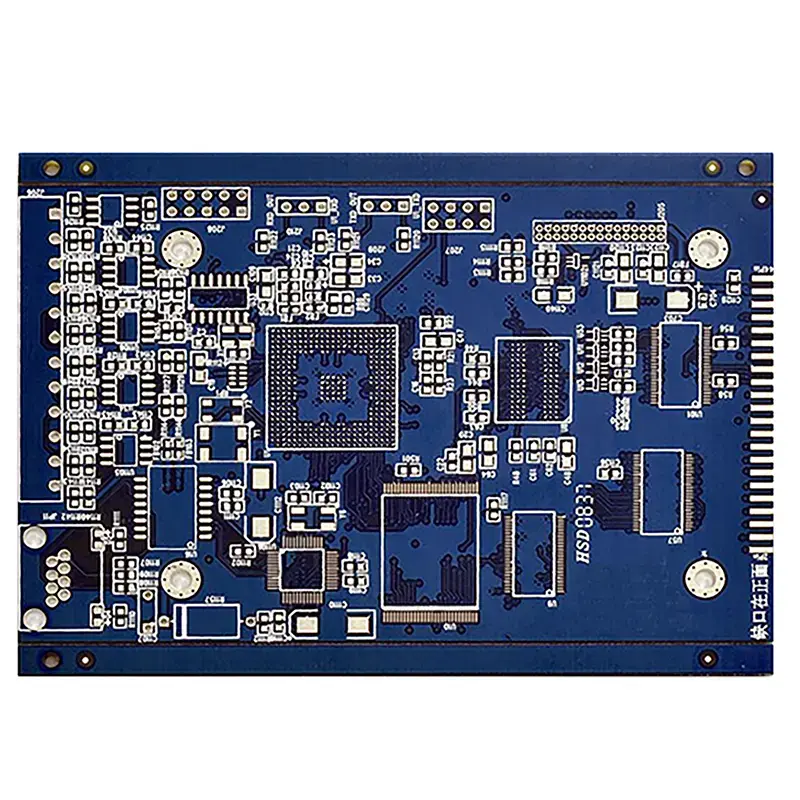 HDI PCB
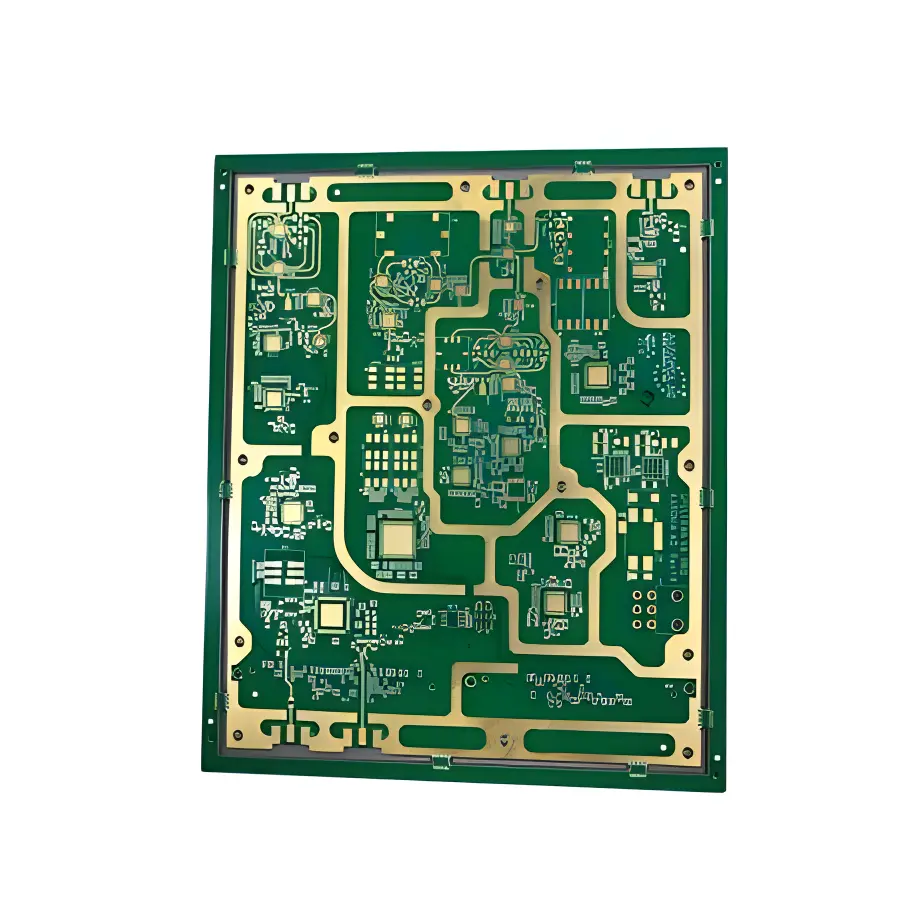 Rogers High-Frequency Board
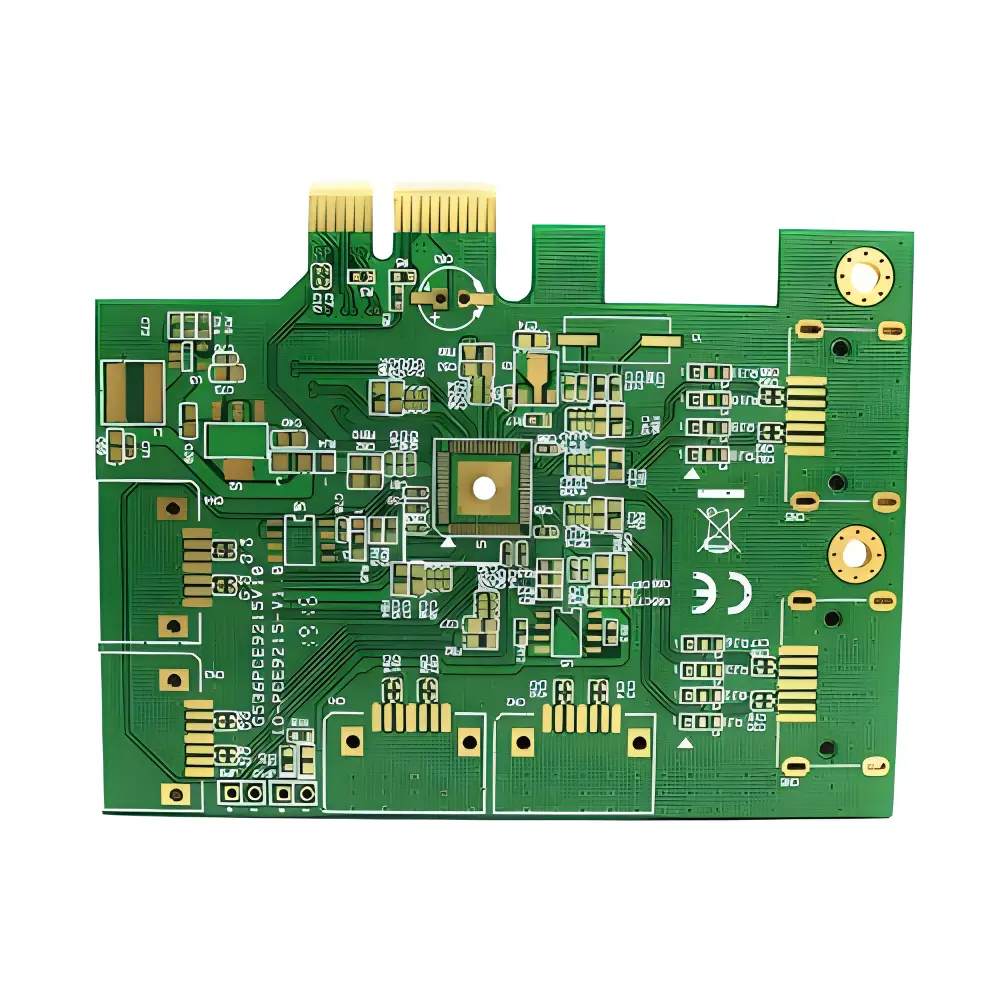 PTFE Teflon High-Frequency Board
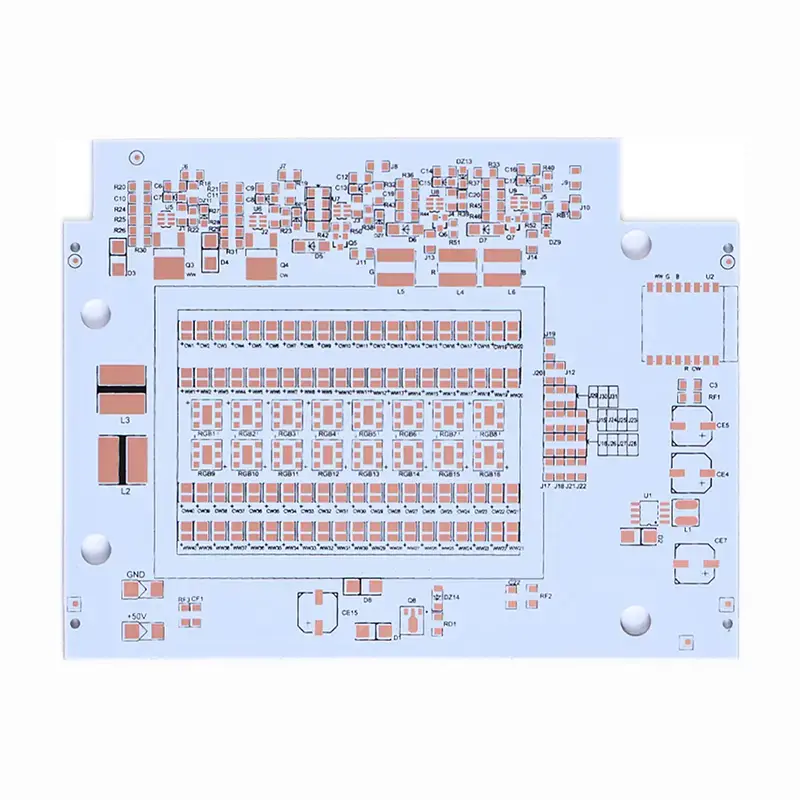 Aluminum
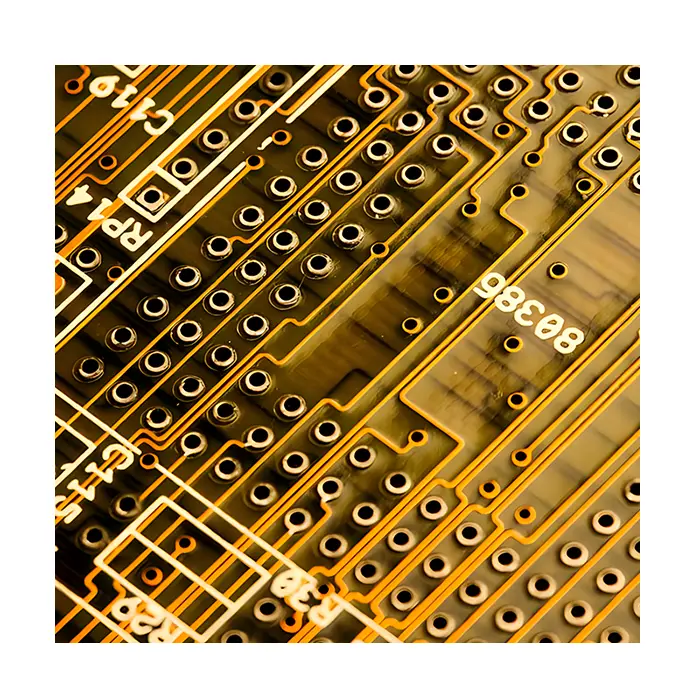 Copper Core
 PCB Assembly
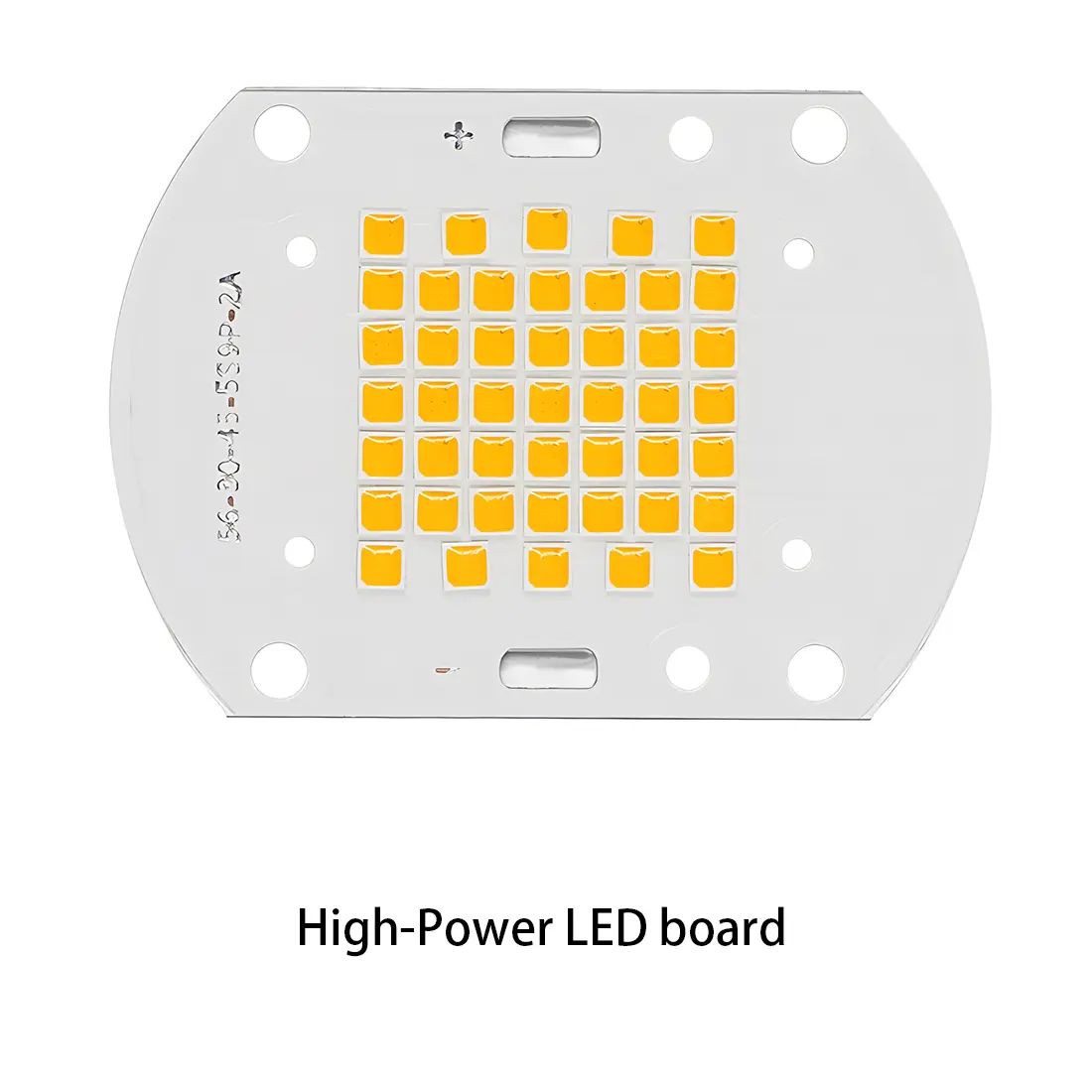 LED light PCBA
 Memory PCBA
 Power Supply PCBA
 New Energey PCBA
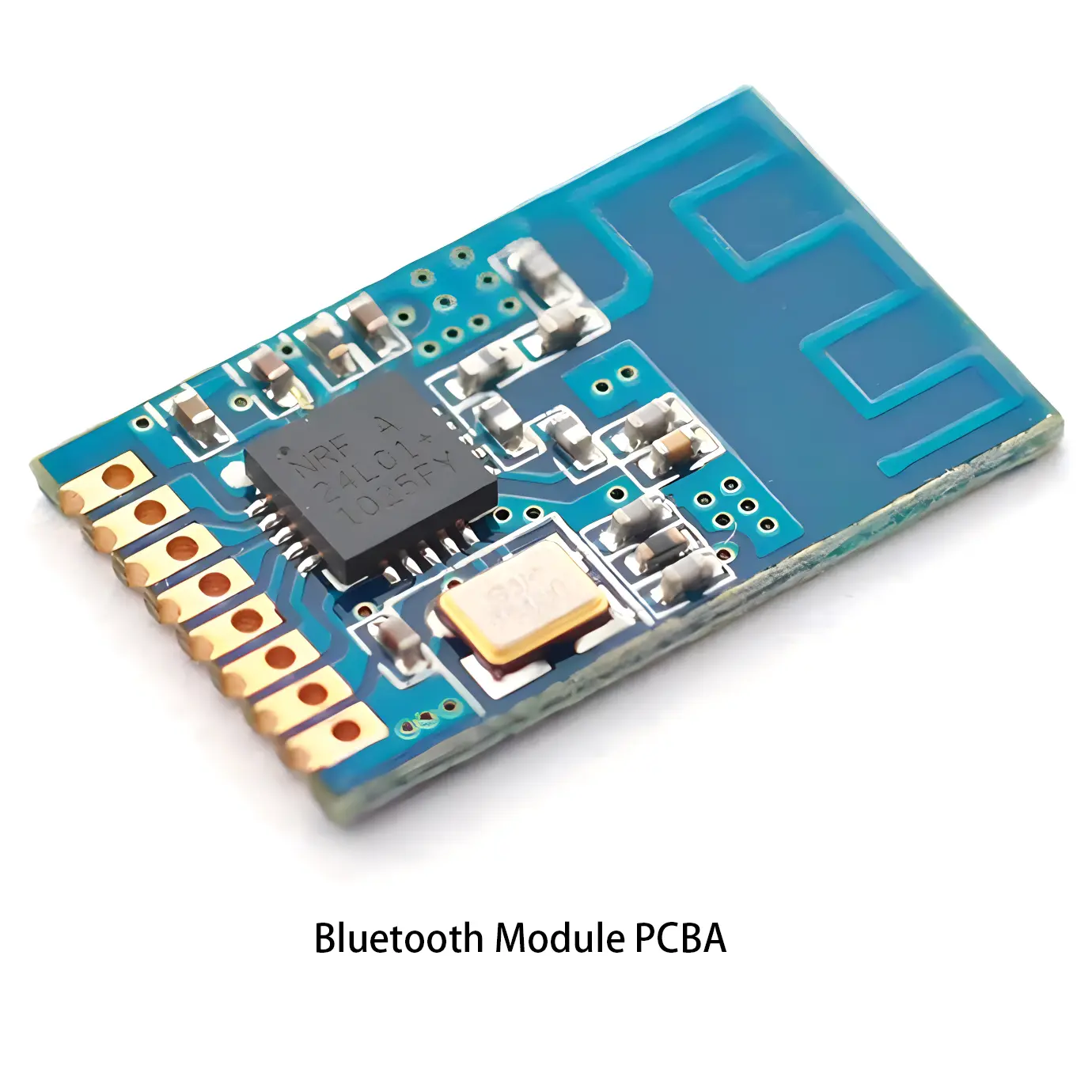 Communication PCBA
 Industrial Control PCBA
 Medical Equipment PCBA
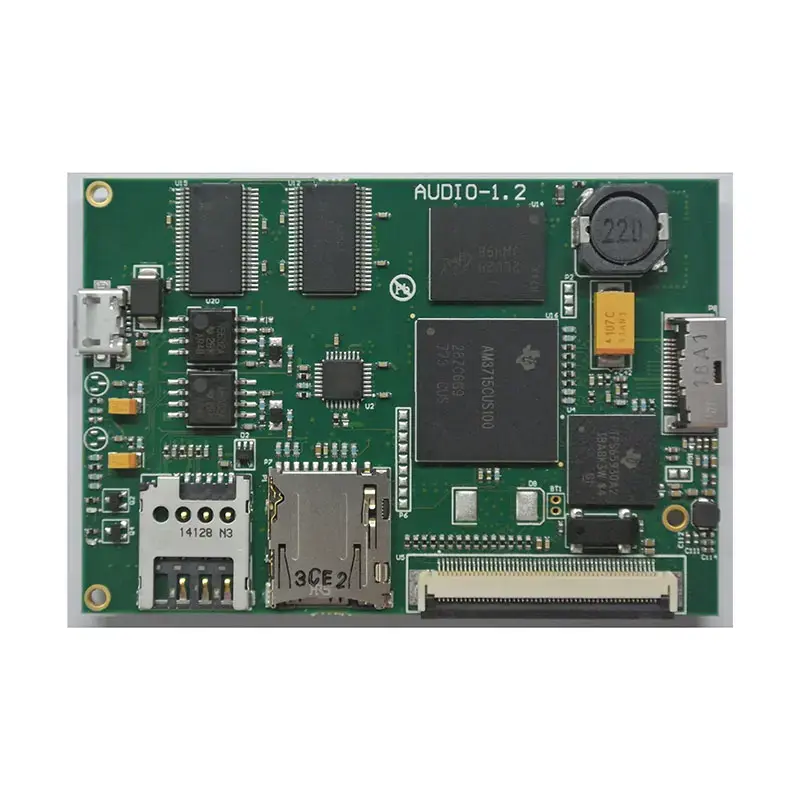 Testing Service
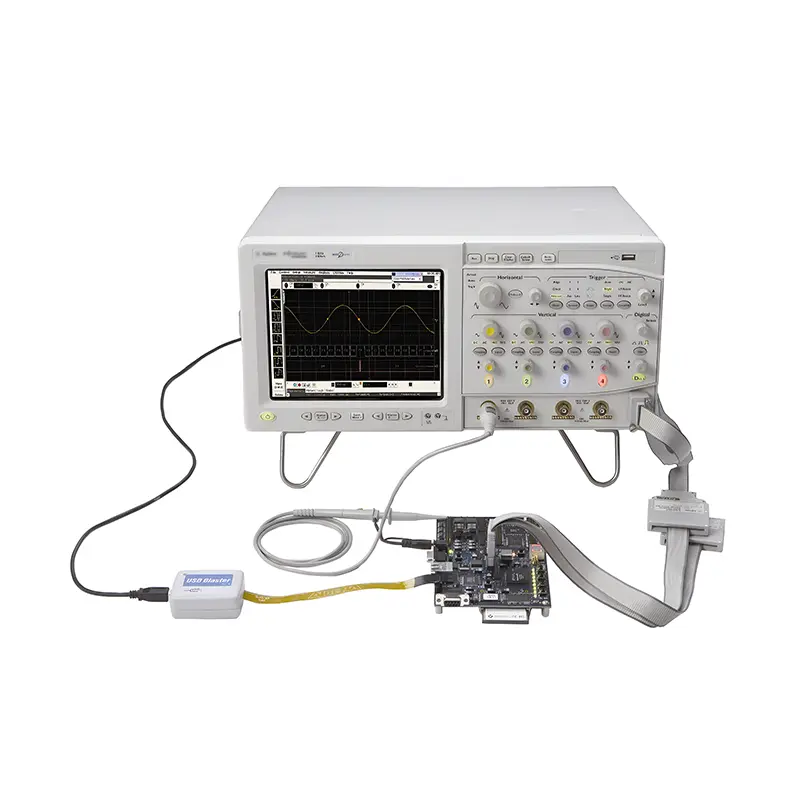 PCBA Testing Service
 Certification Application
 RoHS Certification Application
 REACH Certification Application
 CE Certification Application
 FCC Certification Application
 CQC Certification Application
 UL Certification Application
 Transformers, Inductors
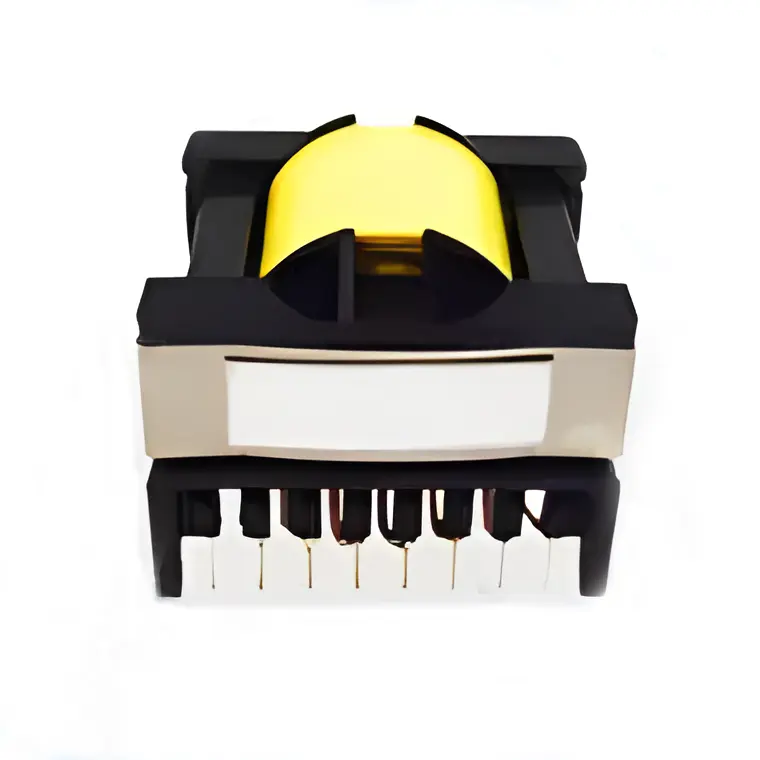 High Frequency Transformers
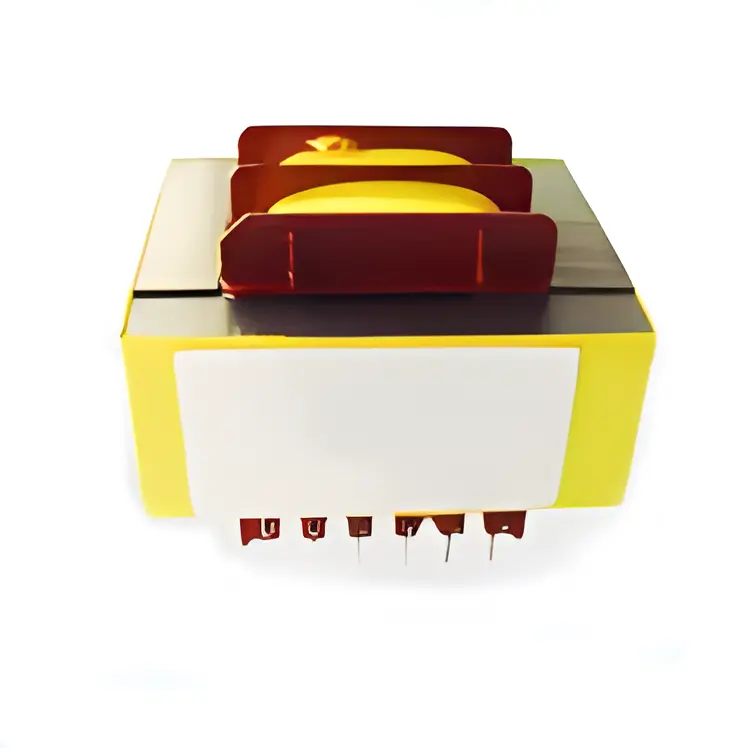 Low Frequency Transformers
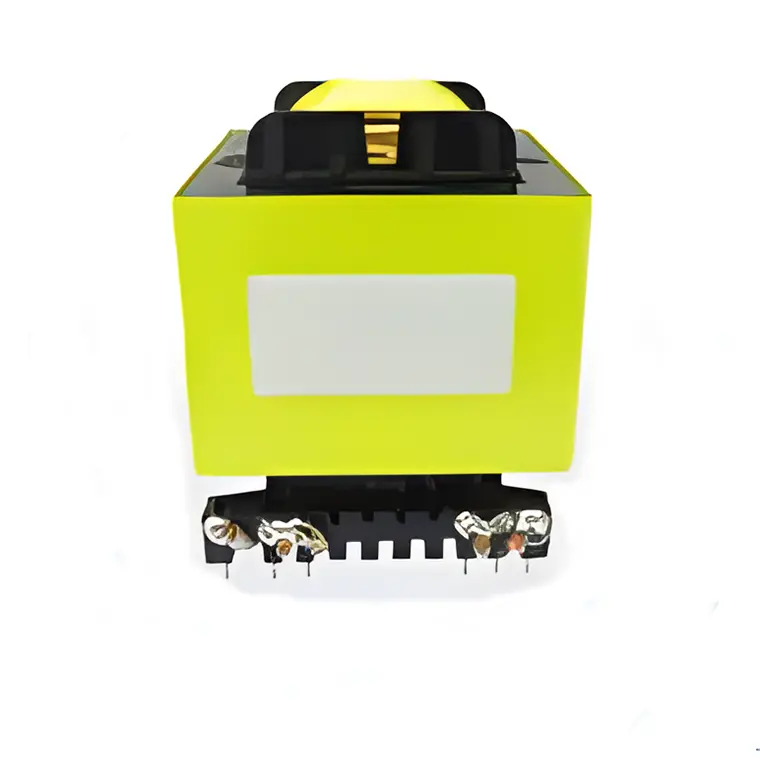 High Power Transformers
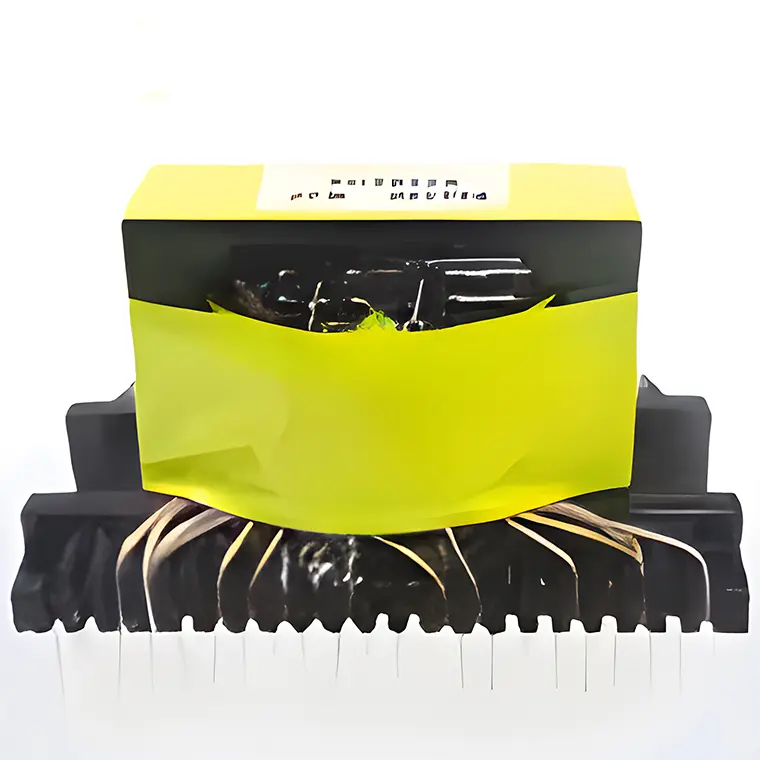 Conversion Transformers
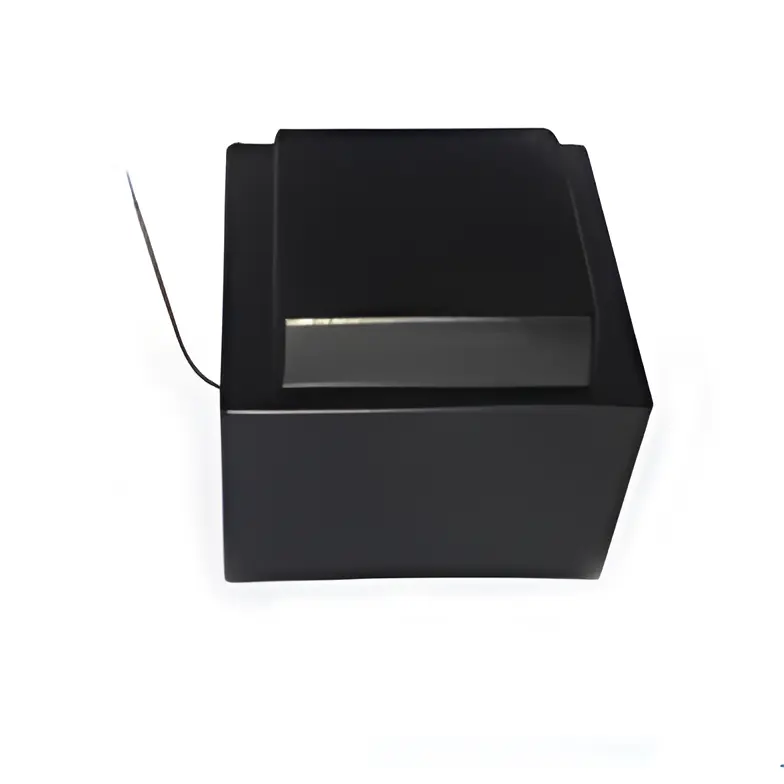 Sealed Transformers
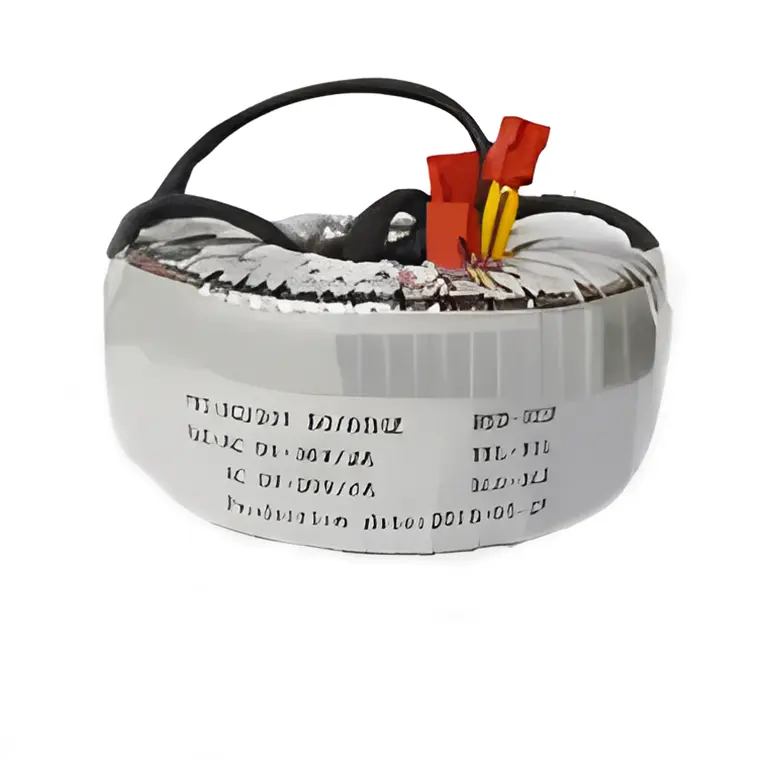 Ring Transformers
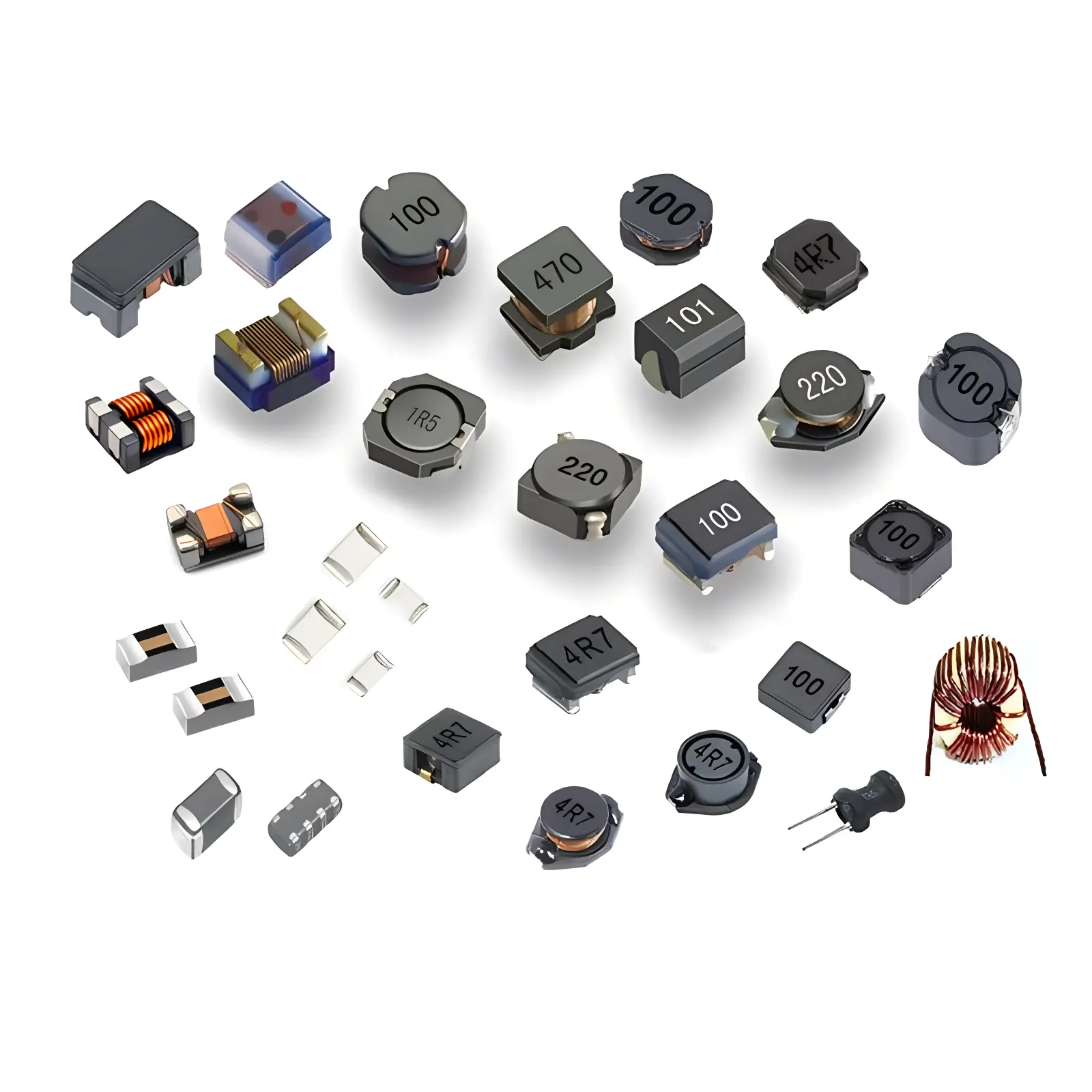 Inductors
 Wires,Cables Customized
 Network Cables
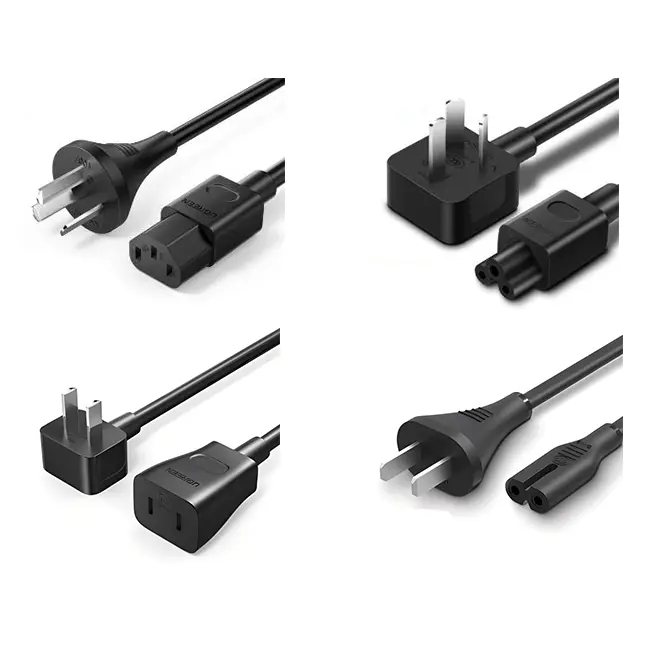 Power Cords
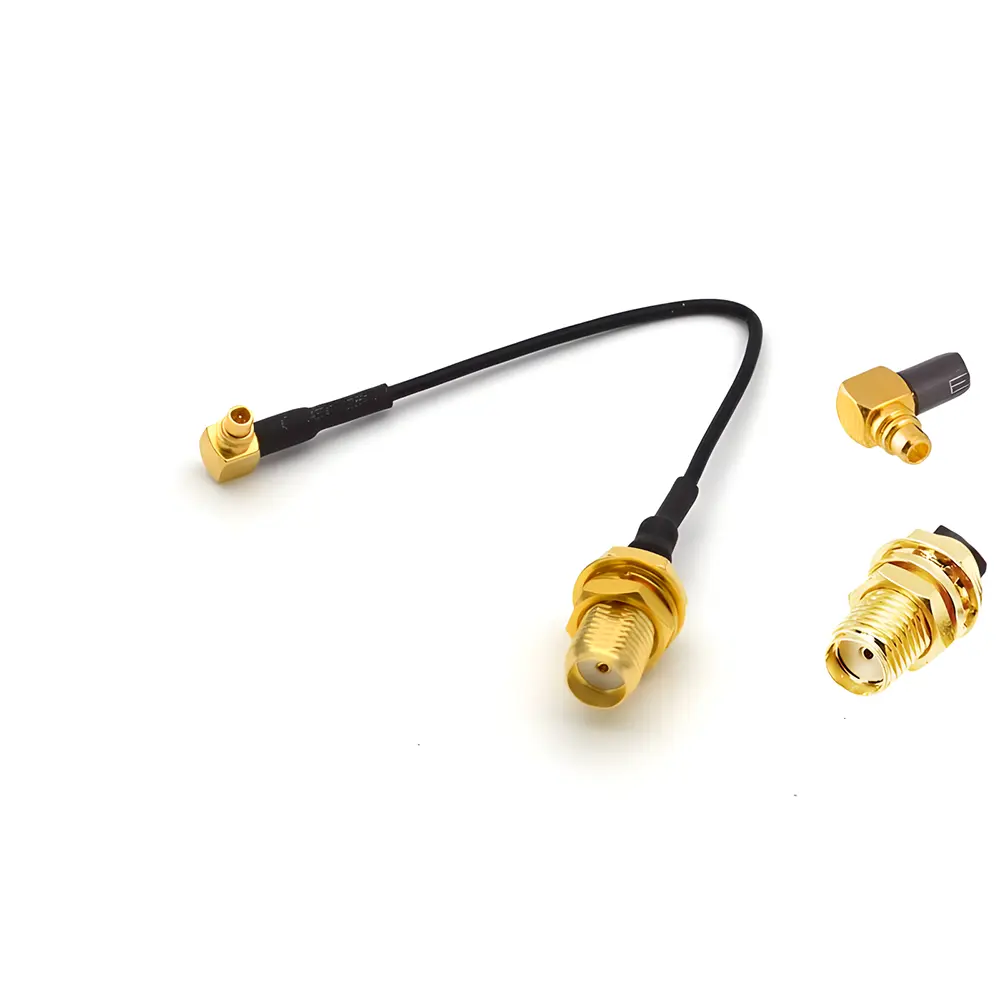 Antenna Cables
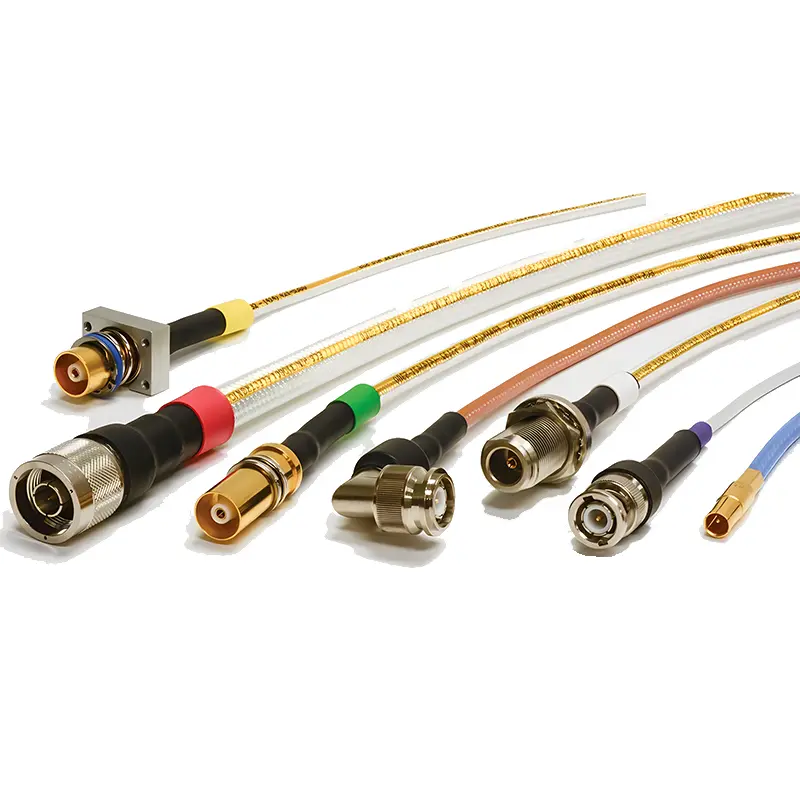 Coaxial Cables
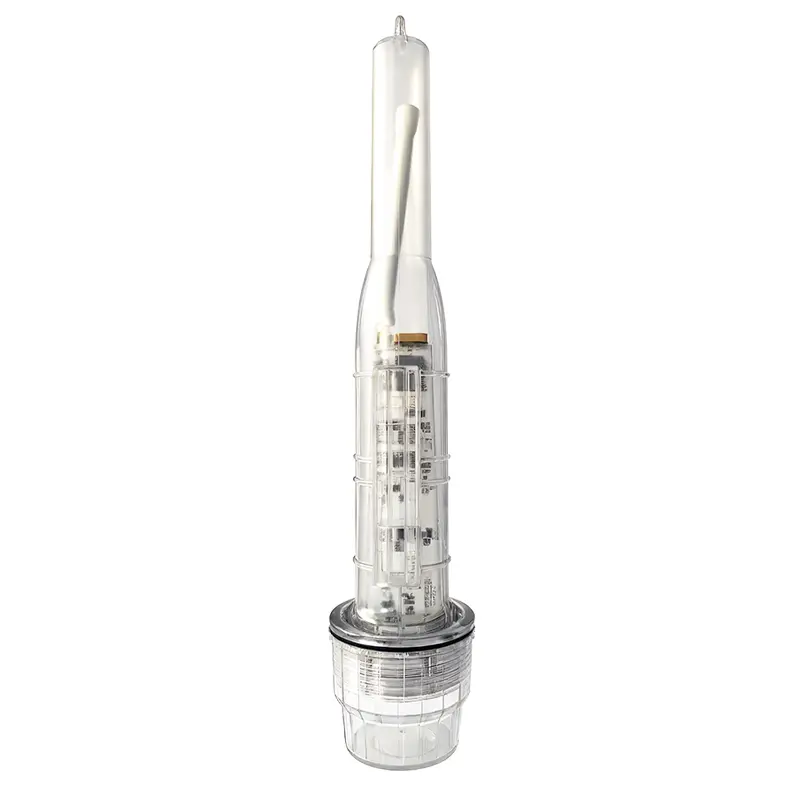 Net Position Indicator
 Solar AIS net position indicator
 Capacitors
 Connectors
 Diodes
 Embedded Processors & Controllers
 Digital Signal Processors (DSP/DSC)
 Microcontrollers (MCU/MPU/SOC)
 Programmable Logic Device(CPLD/FPGA)
 Communication Modules/IoT
 Resistors
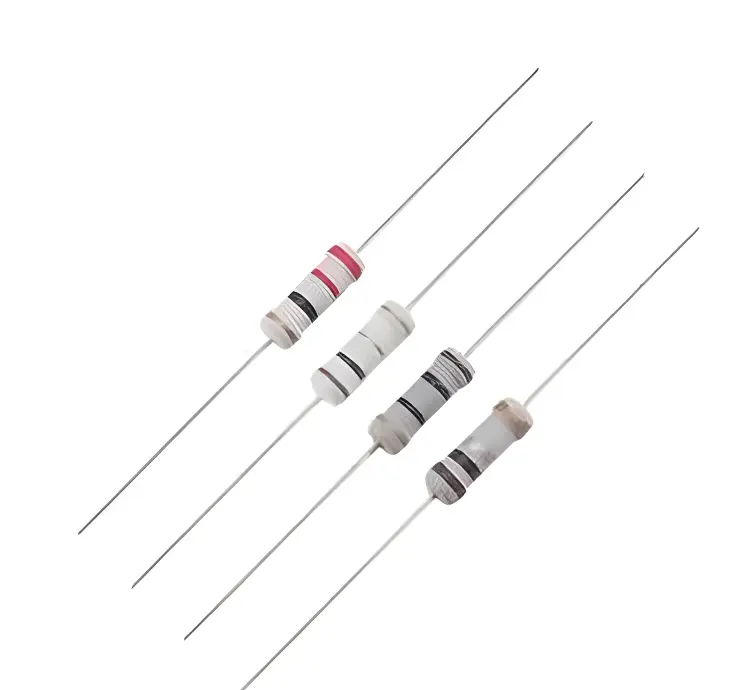 Through Hole Resistors
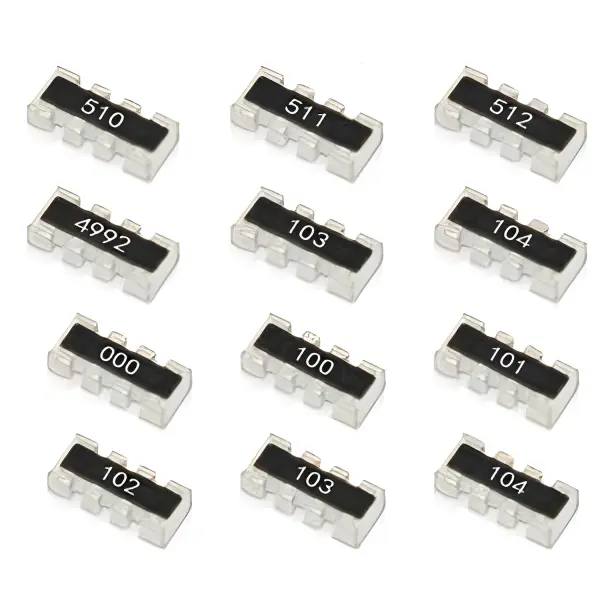 Resistor Networks, Arrays
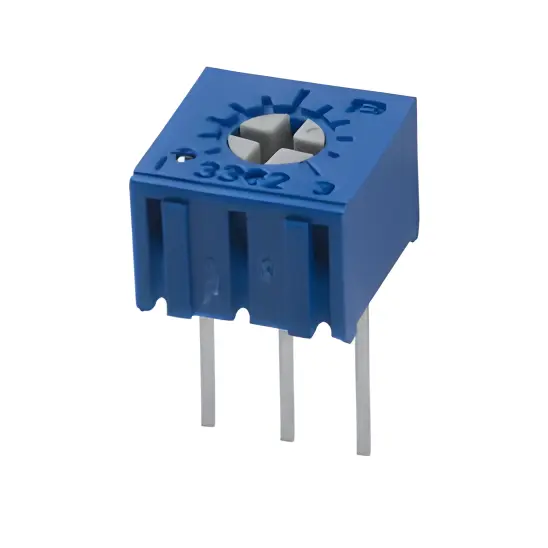 Potentiometers,Variable Resistors
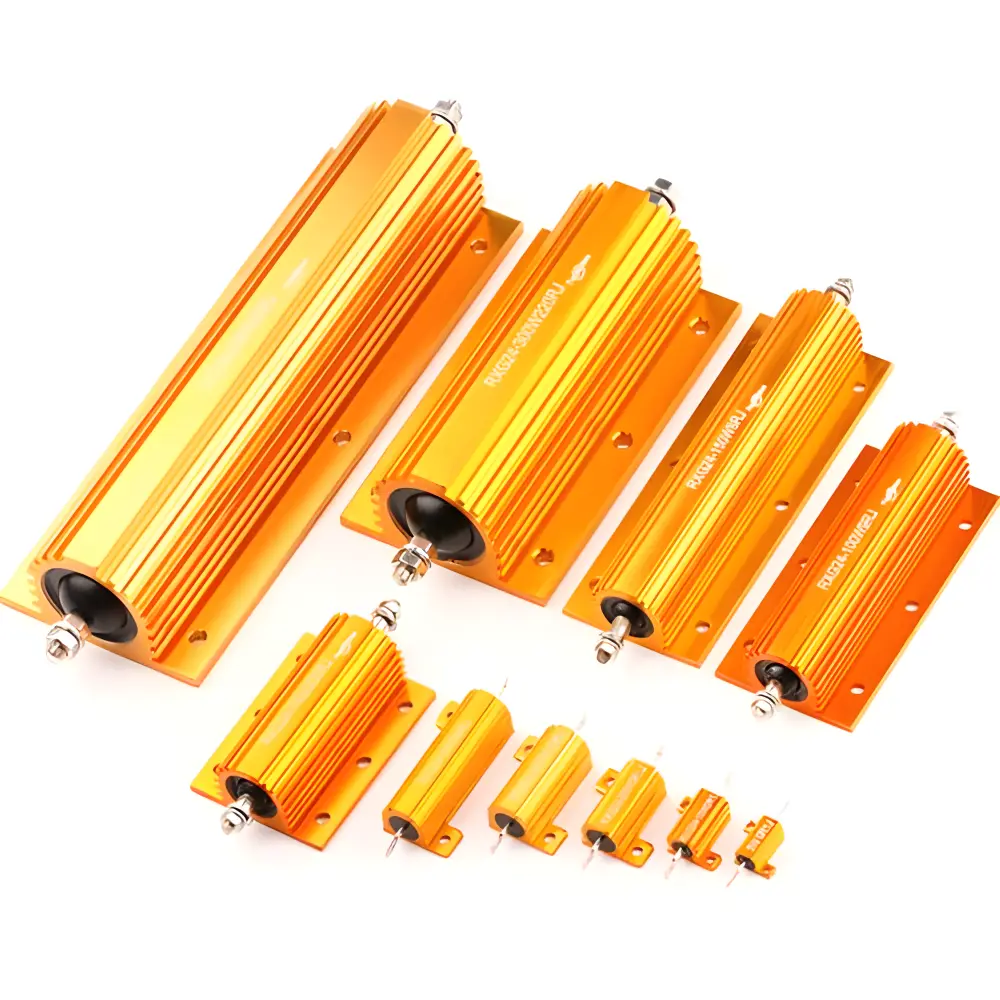 Aluminum Case,Porcelain Tube Resistance
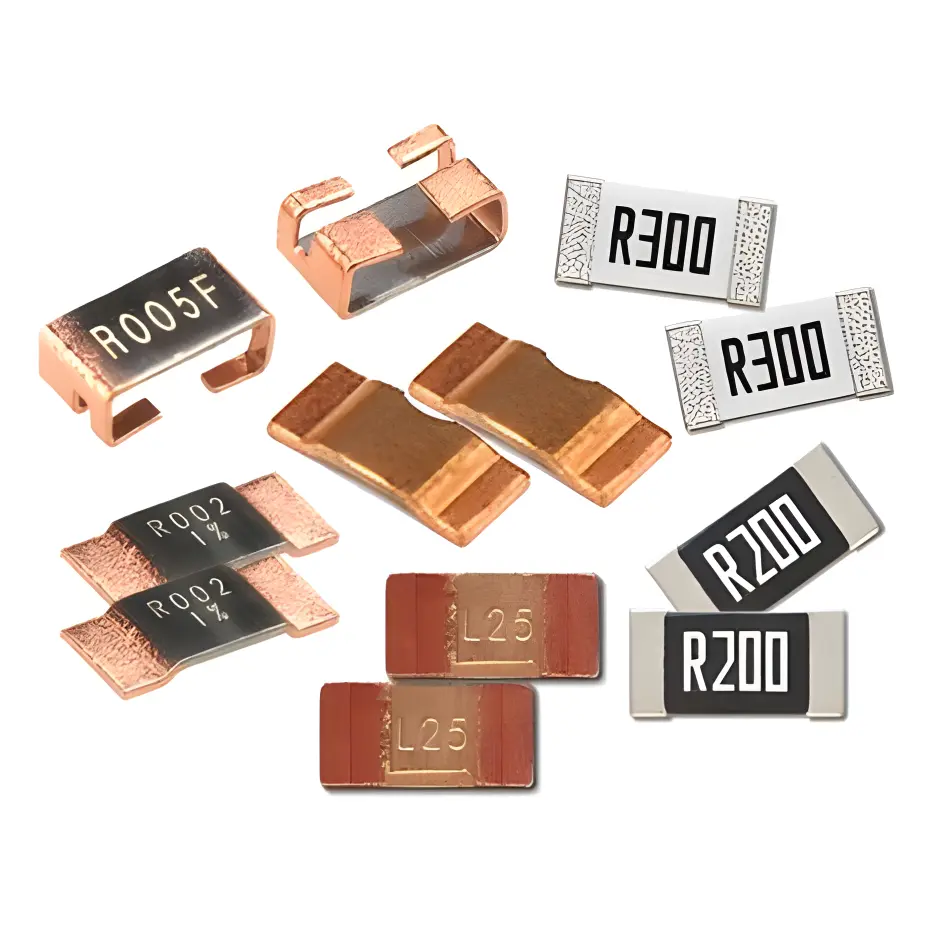 Current Sense Resistors,Shunt Resistors
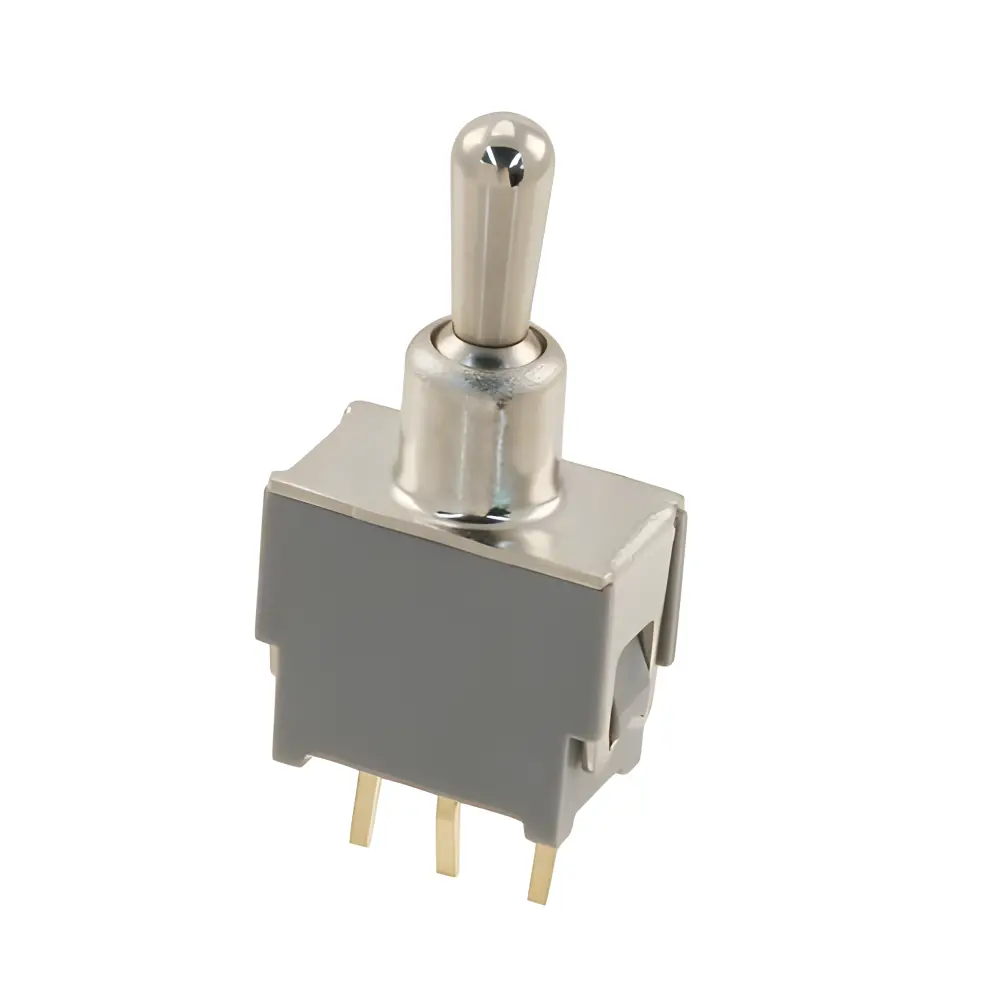 Switches
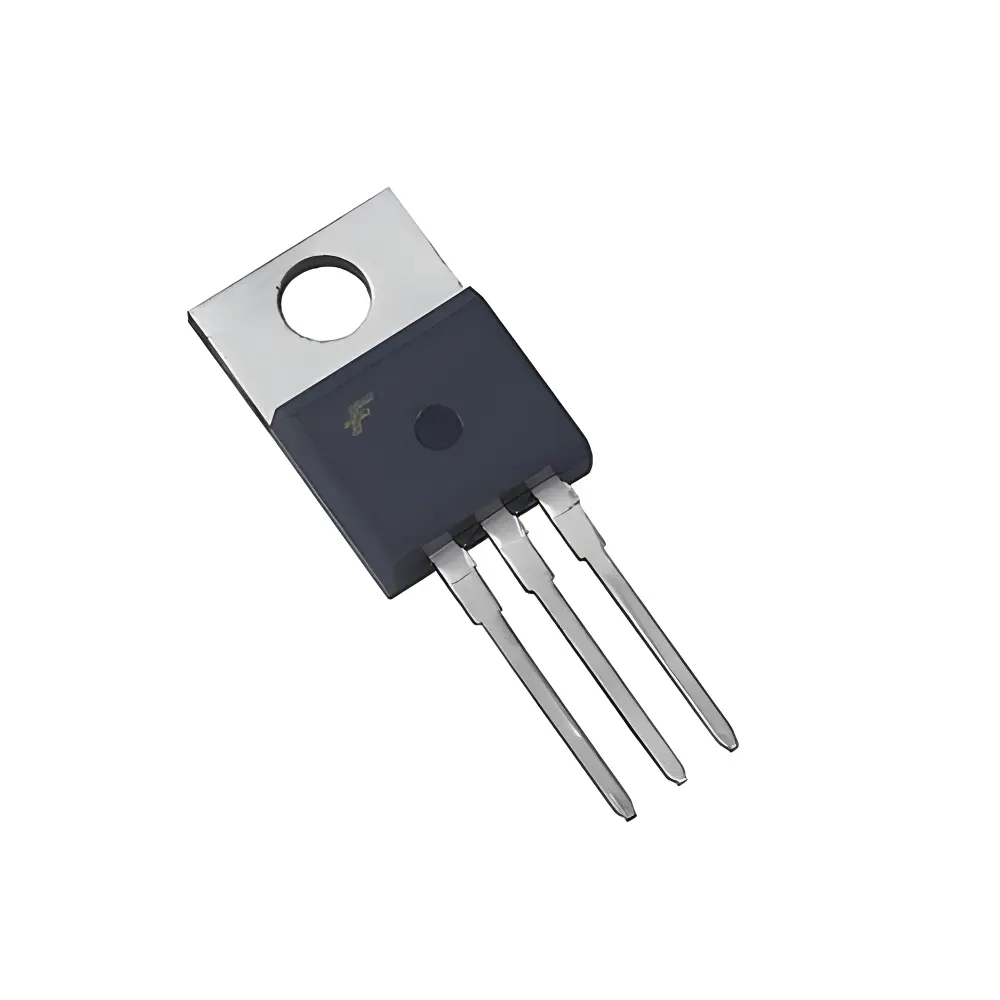 Transistors
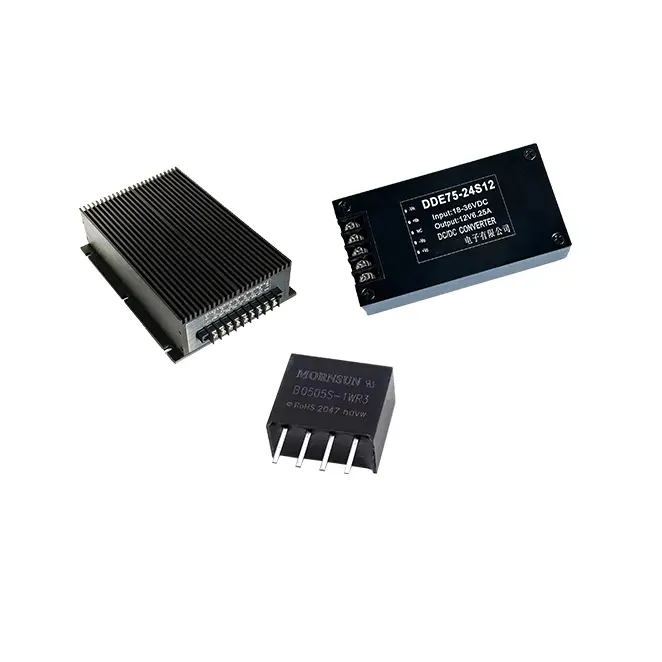 Power Modules
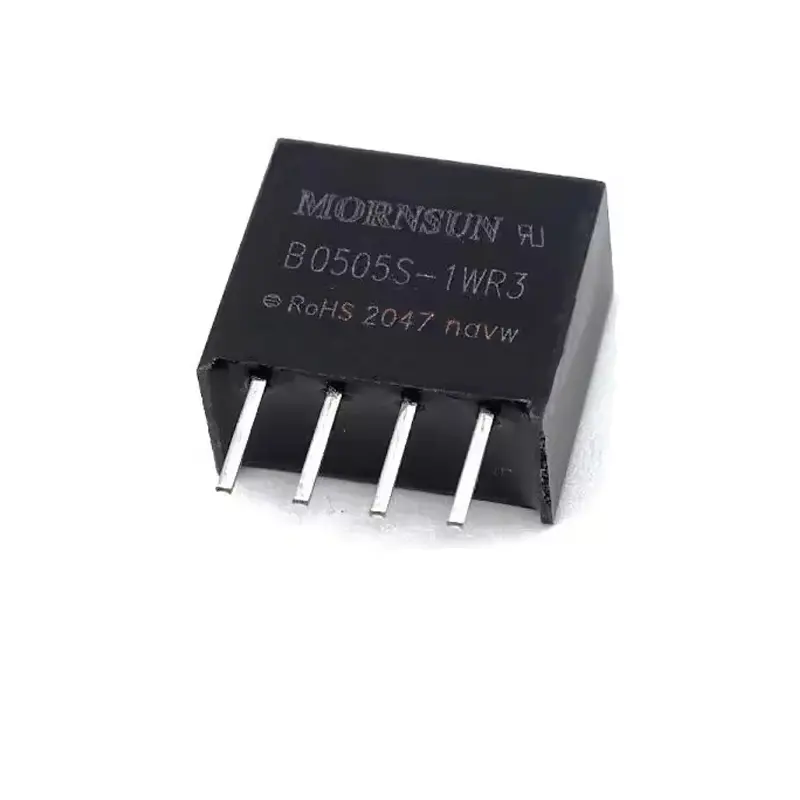 Isolated Power Modules
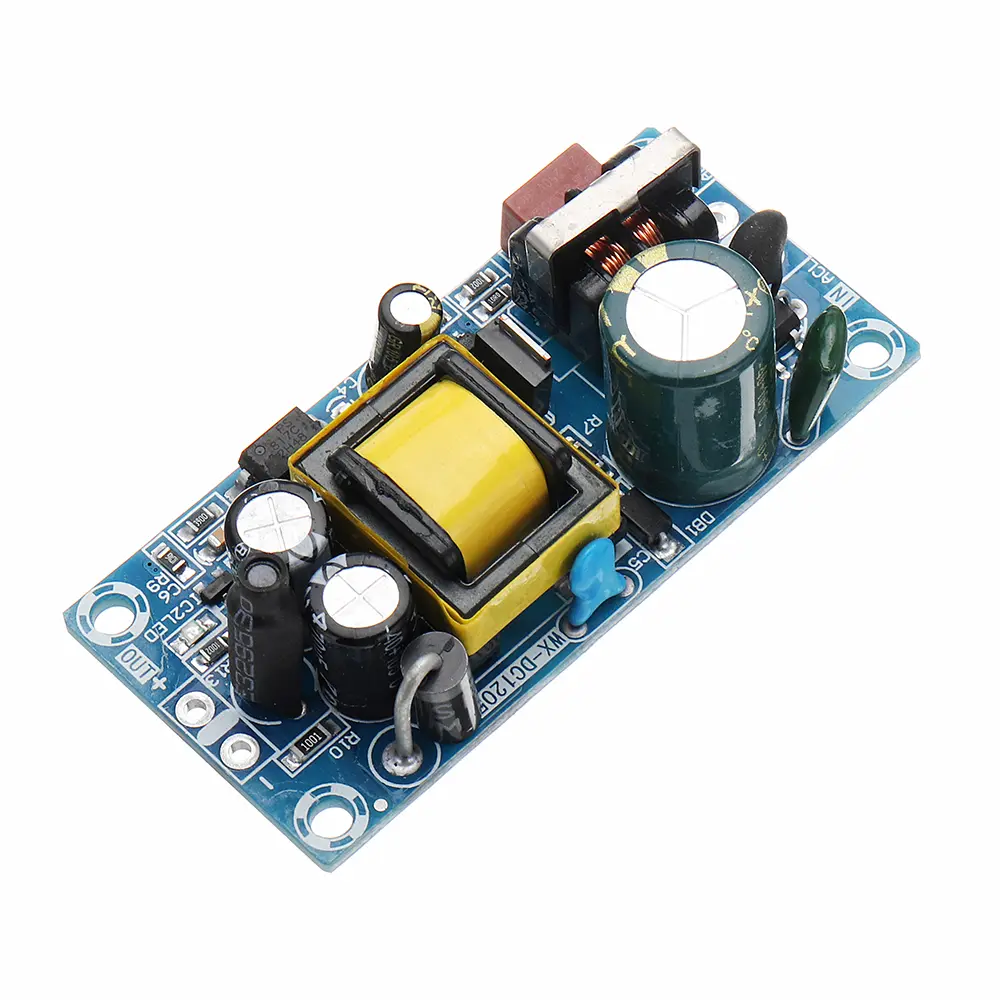 AC-DC Power Modules
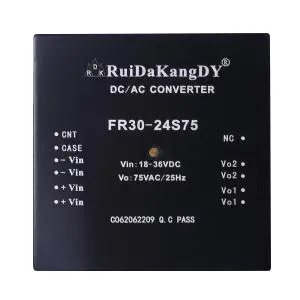 DC-AC Module(Inverter)
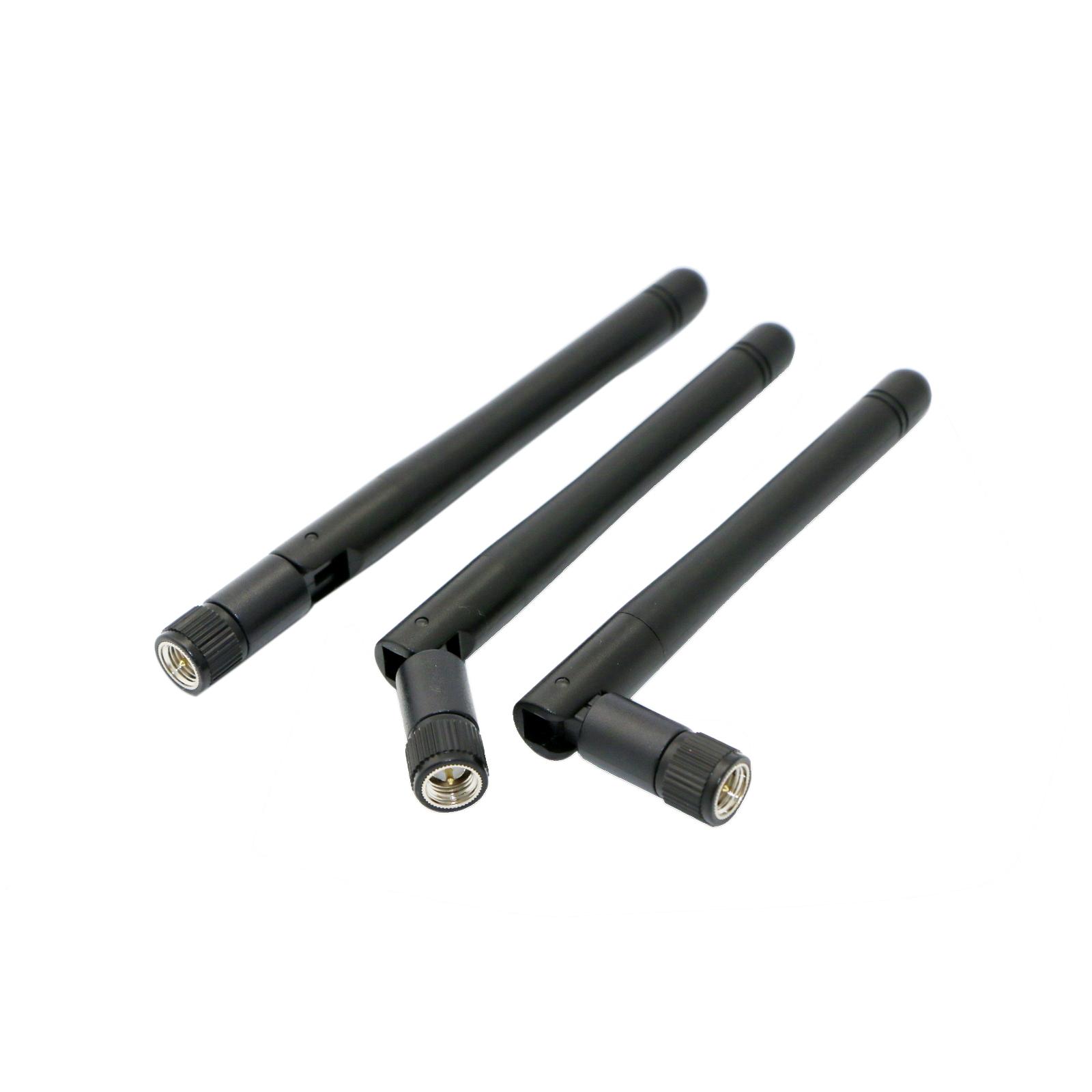 RF and Wireless
How to use the tin-staining balance for SMT solderability testing equipment?
How to use the tin-staining balance for SMT solderability testing equipment?
As a precision testing instrument, the tin-coated balance is mainly used to measure the mass of objects and plays a crucial role in solderability testing. The following will detail the usage method of the tin-dipping balance and its related precautions.
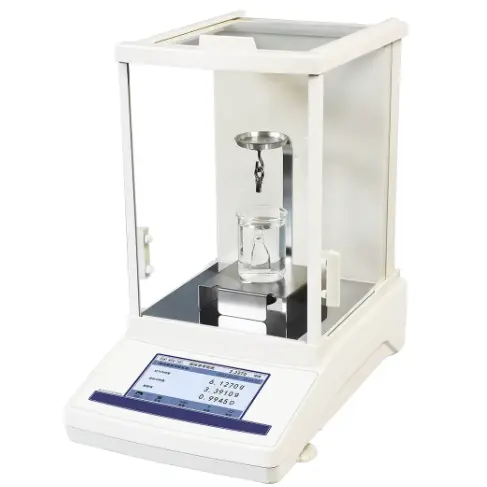
I. BasIC structure of tin-coated balance
Before formally introducing the usage method, let's briefly understand the basic structure of the tin dipping balance. A tin-dipping balance typically consists of a base, crossbeam, tray, vernier, balance nut, dial, weights, and related electronic display and control components. Among them, the tray is used to place objects and weights to be measured, the vernier is used to fine-tune the balance state of the balance, the balance nut is used to adjust the balance to a horizontal state in the initial stage, and the dial and electronic display components are used to read the measurement results.
II. Usage of tin-dipping balance
1、Preparatory work
• Horizontal placement: First, ensure that the tin-dipping balance is placed on a stable, horizontal suRFace, avoiding tilting or shaking to ensure accurate measurement.
• Zeroing the sliding code: Gently adjust the sliding code to return it to the zero position on the dial.
Adjusting the balance nut: By adjusting the balance nuts on both ends of the balance, the beam of the balance can be balanced horizontally, meaning that the pointer is aligned with the central scale mark. This step may require repeated adjustments until the balance is completely stable.
2、Weighing process
Left object right code: According to the principle of "left object right code", place the object to be measured on the left tray of the balance, and place the weight on the right tray. Note that the object to be tested should be handled gently to avoid impact on the balance.
• Add weights: Start with the maximum value of the estimated weight, gradually reduce the weight of the weights until the balance reaches equilibrium. During the process of adding weights, use tweezers to hold the weights and avoid touching them directly with your hands to reduce errors.
• Move the balance weight: If the balance is still not balanced after adding weights, you can adjust the balance of the balance by moving the balance weight. When moving the moving code, it should be done slowly and smoothly, avoiding excessive force or speed.
• Reading data: When the balance reaches a state of equilibrium, the line of sight should be parallel to the concave surface of the object being measured, and the total weight of the vernier and weight should be read. Note that the reading of a tray balance is usually accurate to only 0.1 grams.
3、Special functions of the SAT-5100 type tin-dipping balance
Some tin-dipping balance such as SAT-5100 also have some special functions such as temperature control, heating furnace and soldering tank, which are used for more complex solderability testing. Here are the usage methods of these special functions:
Temperature control: Set the desired test temperature through the temperature controller, and then activate the heater Switch to heat up. During the heating process, the temperature value can be monitored in real time through the temperature sensing line to ensure the accuracy of the test temperature.
Heating furnace and soldering cylinder: Place the object to be tested in the heating furnace, and control the position and height of the object by adjusting the moving and fixed mechanisms of the heating furnace. Then, the solder in the solder cylinder is heated to a molten state to test the solderability of the object.
• Operating interface: The SAT-5100 tin-dipping balance is also equipped with an LCD display and a series of operating buttons, such as the SELECT knob and the NEXT/ENTER confirmation button. By operating these buttons, you can easily set test parameters, view test results, and more.
4、Calibration and maintenance
Calibration: Regularly calibrate the tin-dipping balance to ensure the accuracy of its measurement results. During calibration, standard weights should be used for calibration, and the calibration instructions for the balance should be followed.
Maintenance: Keep the balance clean and dry, and avoid moisture and corrosive gases. After use, the residues on the tray and the floating weight should be cleaned up in time, and the weights and accessories should be properly kept.
III. Precautions for using a tin-coated balance
1、Pay attention to the room temperature
Subcooled or overheated objects cannot be directly placed on the balance for weighing. These objects should be placed in a desiccator until they reach room temperature before weighing, or weighed in a special vessel to avoid the impact of temperature on the measurement results.
2、Pay attention to the condition of the weights
The weights should be kept clean, dry, and properly stored in the weight box. Once the weight becomes rusted or worn, it should be replaced in time. Rusted weights will cause the measurement result to be smaller, while worn weights will cause the measurement result to be larger.
3、Pay attention to the taking and placing of weights
When taking the weight, use tweezers to gently handle it and avoid touching it directly with your hands. The removed weights should be placed directly into the weight box to avoid being placed or lost at random.
4、Pay attention to the properties of the weighed object
Select the appropriate weighing method based on the properties of the material being weighed. For dry solid drugs, place a piece of paper of the same mass on each of the two trays, and then place the drug on the paper and weigh it. For drugs that are easily deliquescent, they should be weighed in glassware such as small beakers and watch glasses. Before weighing, the mass of the glassware or paper should be weighed on the balance in advance, so that it can be deducted from the total weight.
5、Pay attention to the operation specifications
When using a tin-coated balance, one should adhere to operational guidelines and avoid rough handling or improper use. For example, when adding weights or moving the floating weights, it should be done slowly and smoothly; When reading data, the line of sight should be parallel to the concave surface of the object being measured; After weighing, the floating code should be moved back to zero in time.
6、Pay attention to safety precautions
When using a tin-coated balance for solderability testing, safety precautions should be taken. For example, during the heating process, direct contact with high-temperature components such as heating furnaces and soldering tanks should be avoided; During operation, avoid placing flammable and explosive items near the balance.
IV. Maintenance and care of tin-coated balance
In order to maintain the accuracy and prolong the service life of the tin-dipping balance, regular maintenance and care should be carried out. Here are some common maintenance and care methods:
Cleaning the balance: Regularly use a soft cloth or brush to clean the tray, vernier, and dial of the balance to avoid the impact of residue on the measurement results.
Check the components: Regularly check the components of the balance to see if they are intact, loose, or damaged. If any problems are found, they should be repaired or replaced in a timely manner.
Calibrate the balance: Calibrate the balance regularly to ensure the accuracy of its measurement results. Calibration should be performed using standard weights and following the calibration instructions for the balance.
Storage environment: Place the balance in a dry, ventilated, non-corrosive gas environment to avoid the effects of moisture and high temperatures on the balance.