
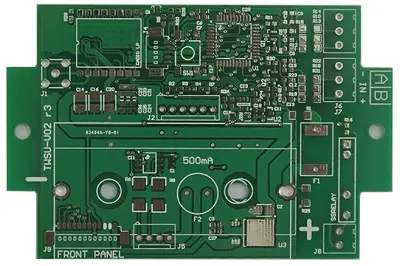
 PCB
PCB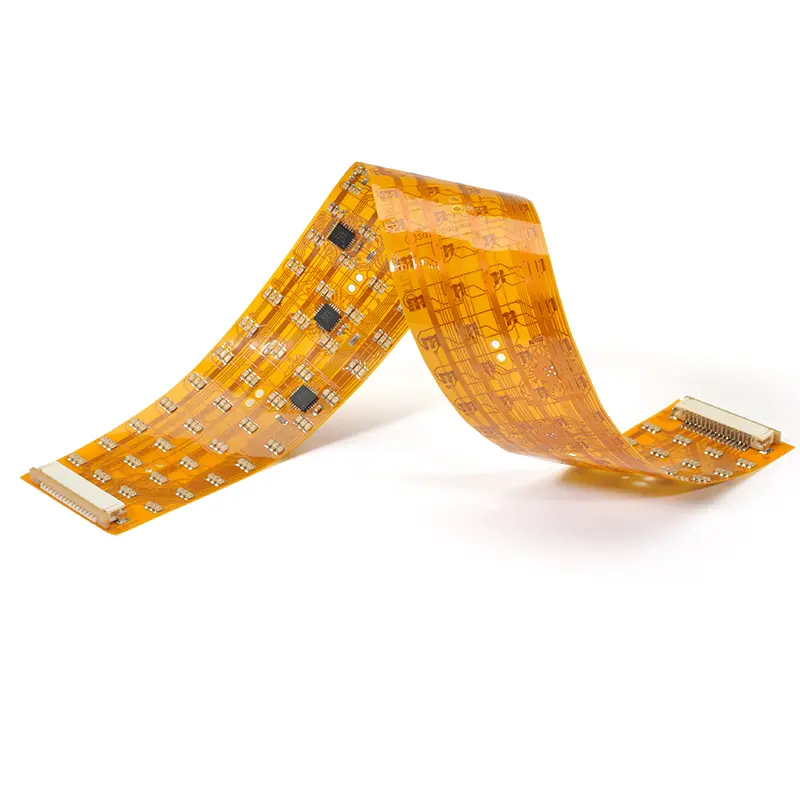 FPC
FPC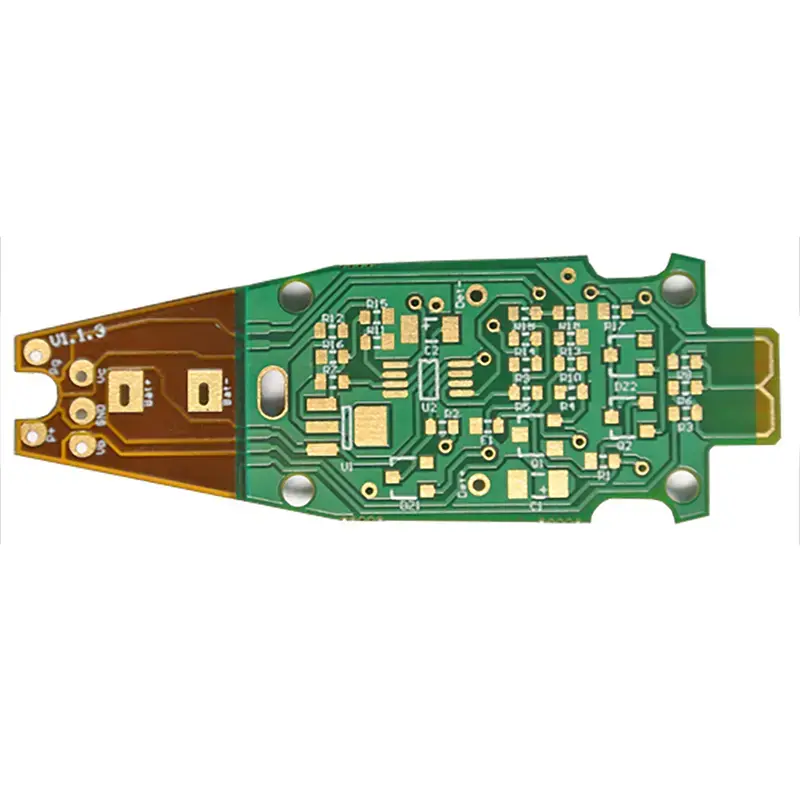 Rigid-Flex
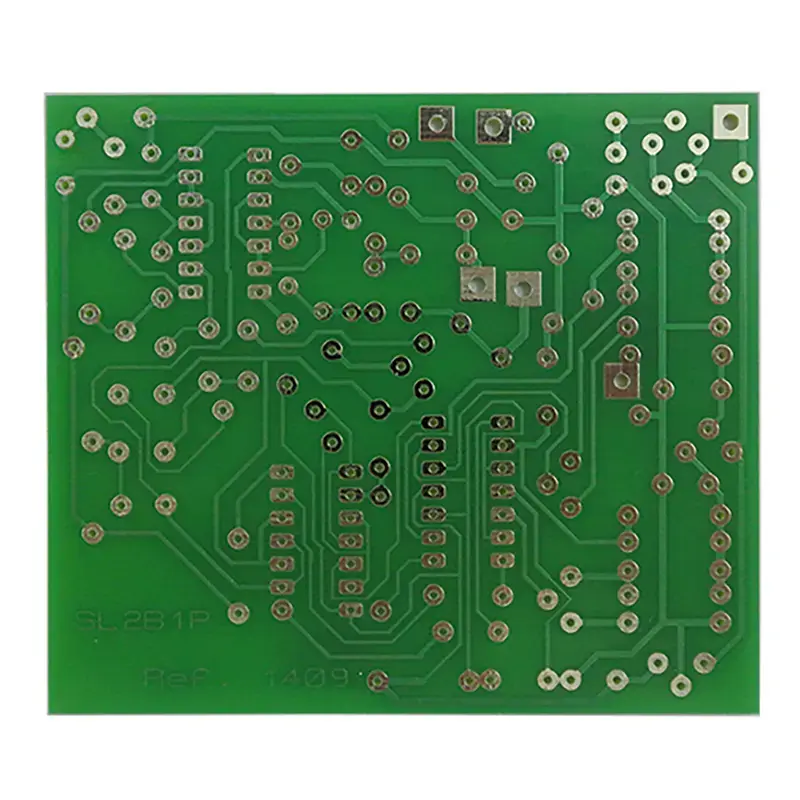 FR-4
FR-4 HDI PCB
 Rogers High-Frequency Board
 PTFE Teflon High-Frequency Board
 Aluminum
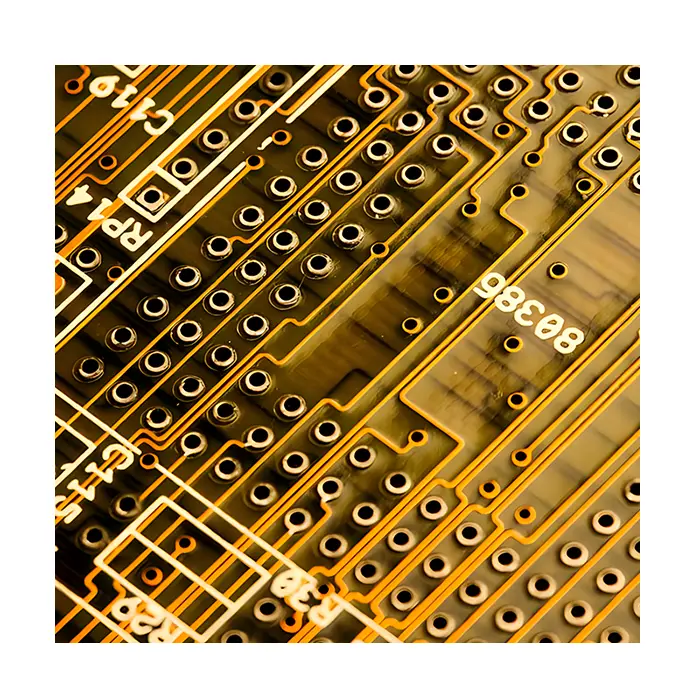 Copper Core
 PCB Assembly
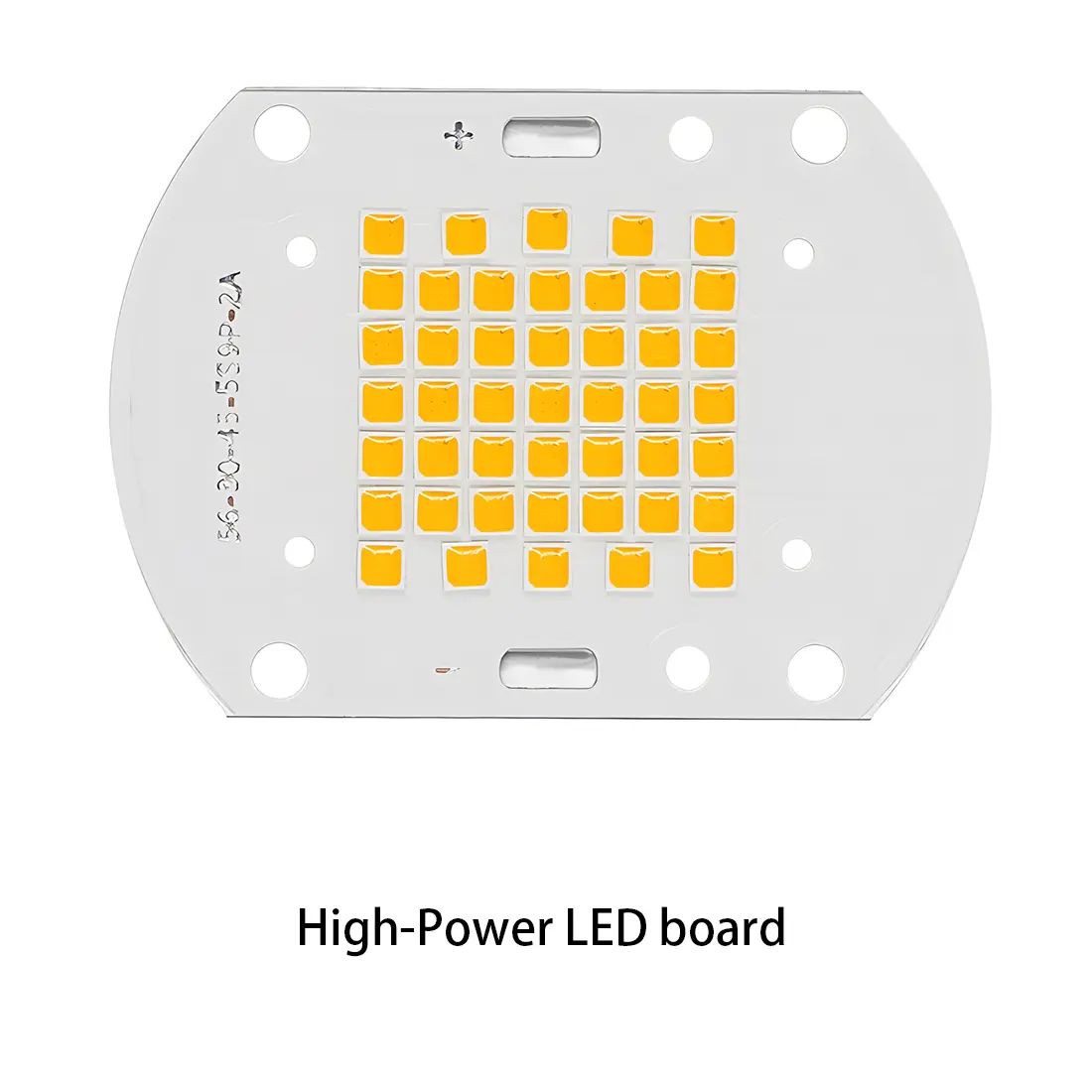 LED light PCBA
 Memory PCBA
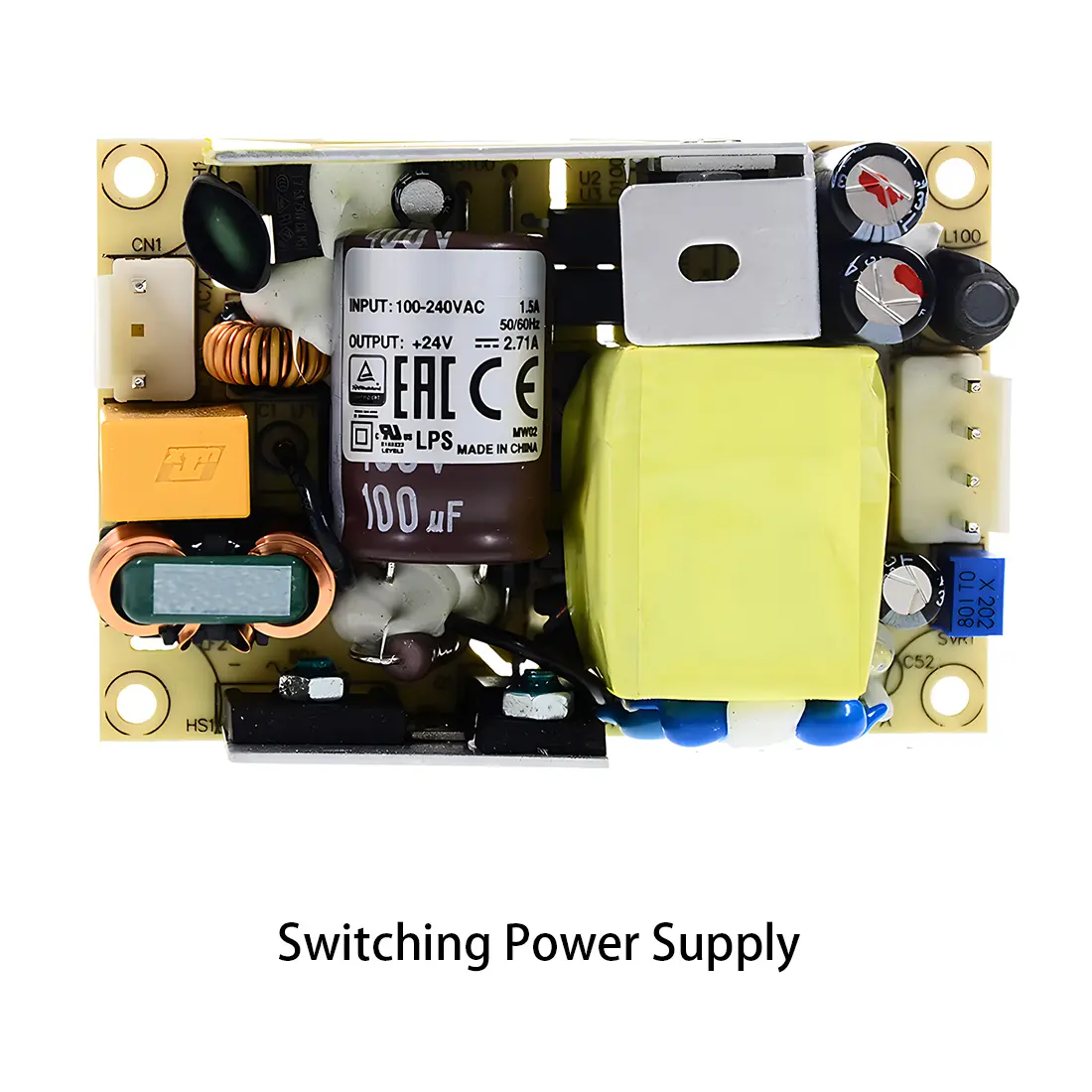 Power Supply PCBA
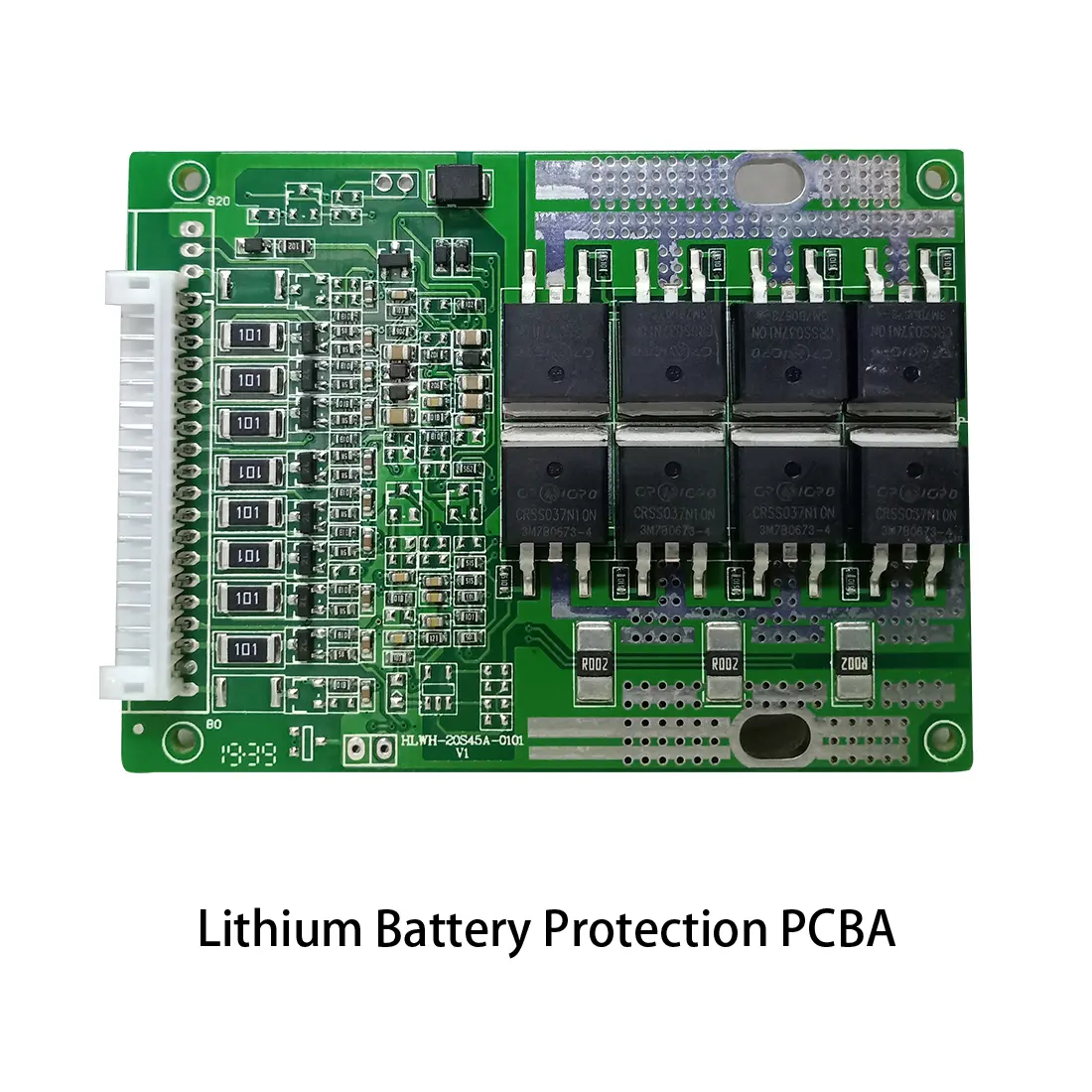 New Energey PCBA
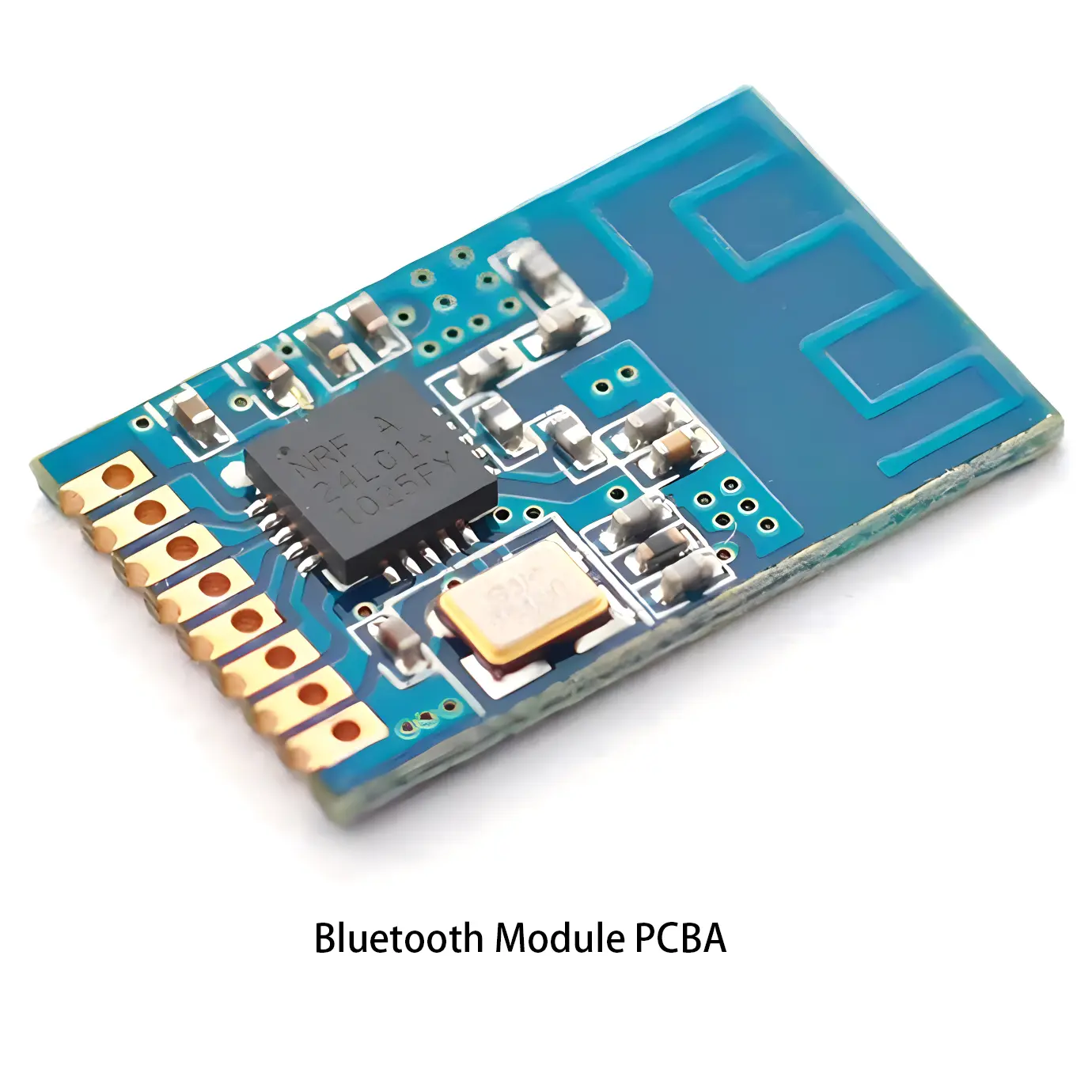 Communication PCBA
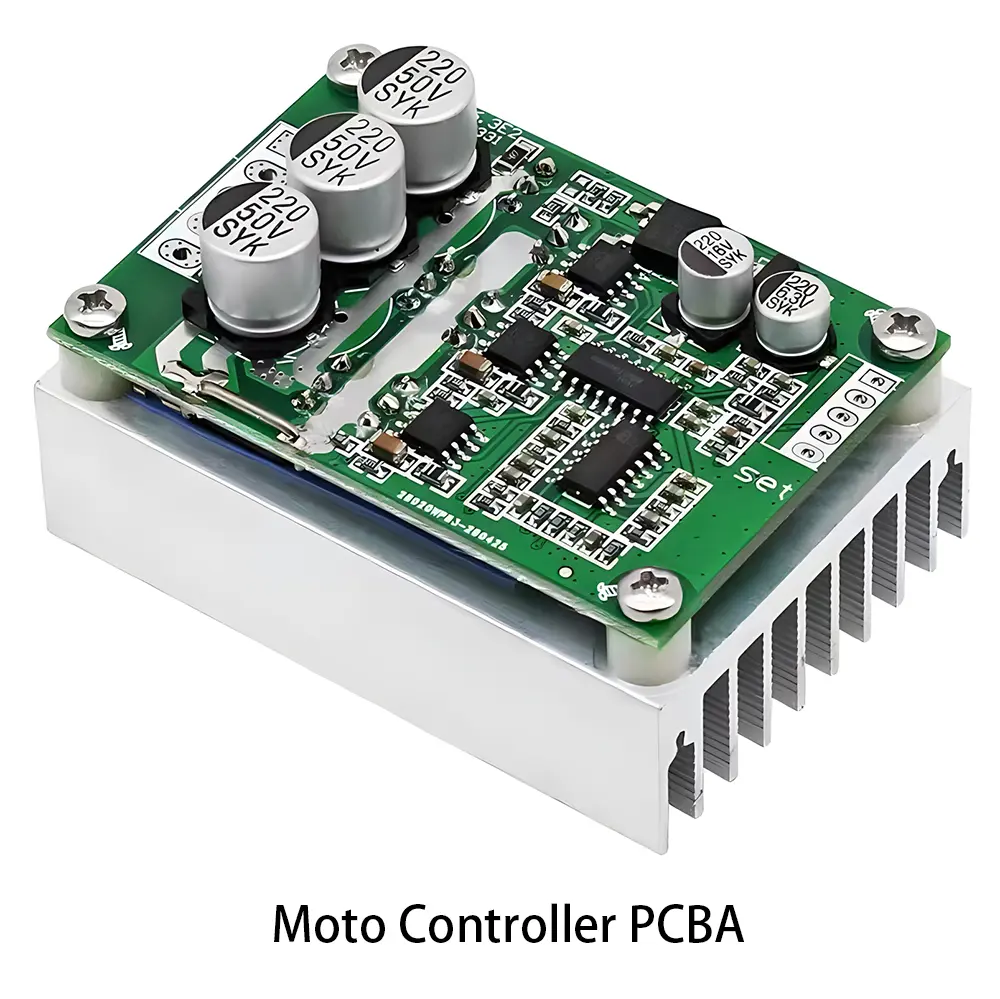 Industrial Control PCBA
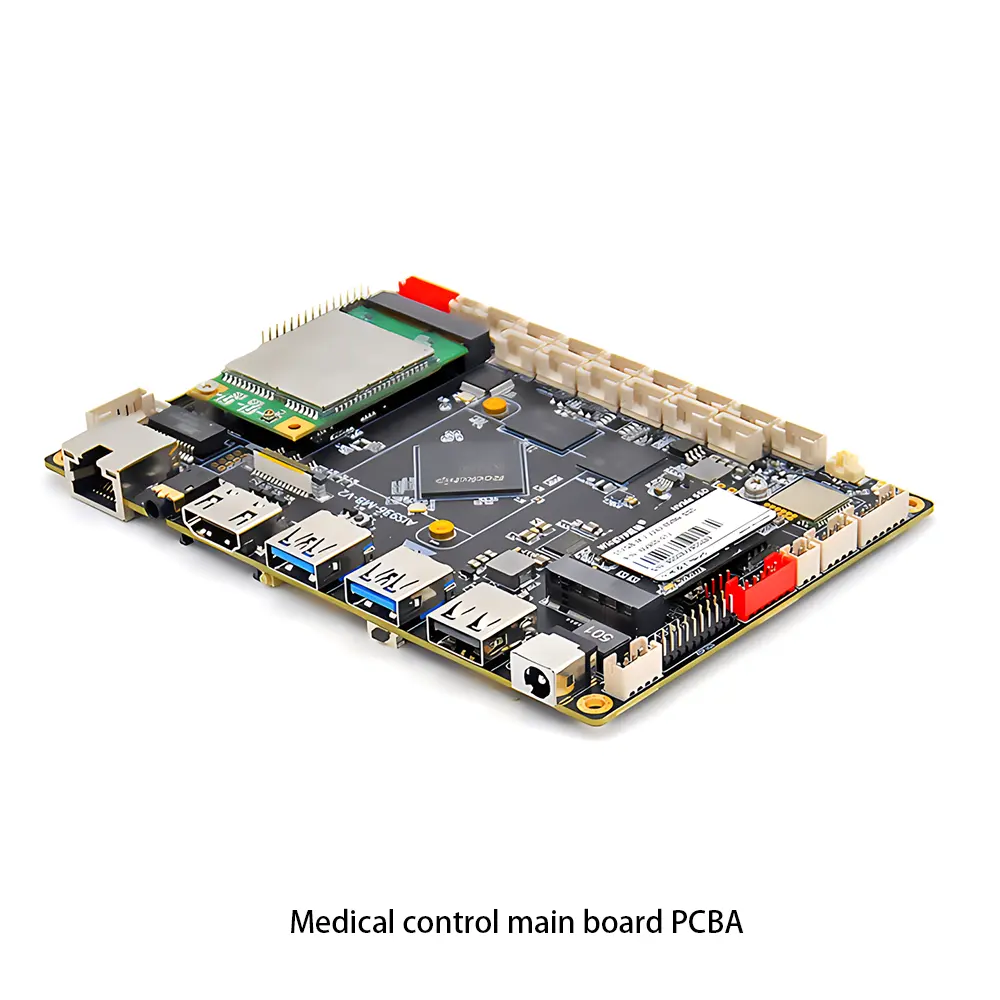 Medical Equipment PCBA
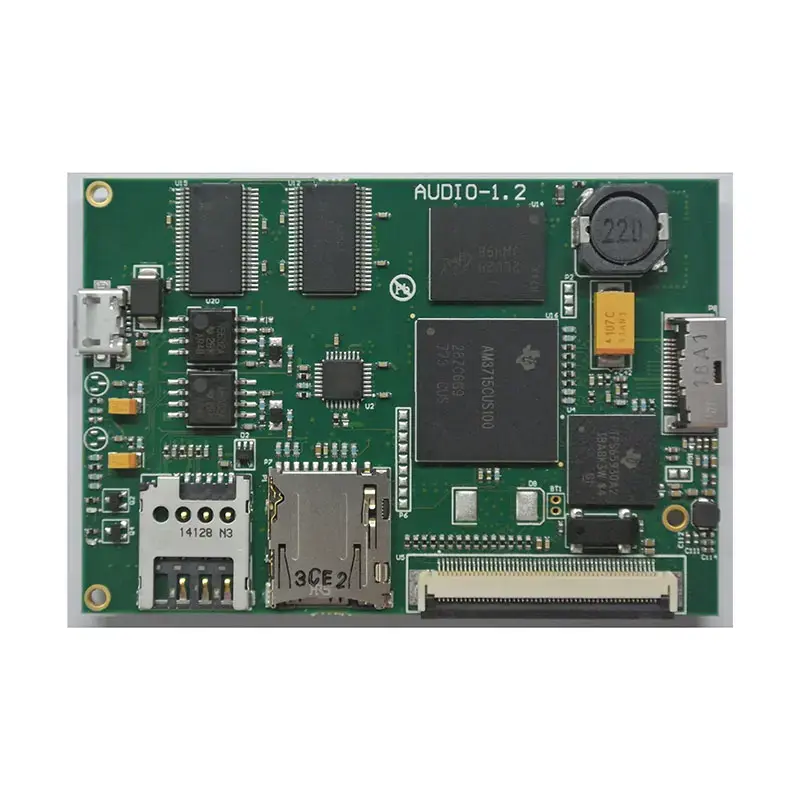 Testing Service
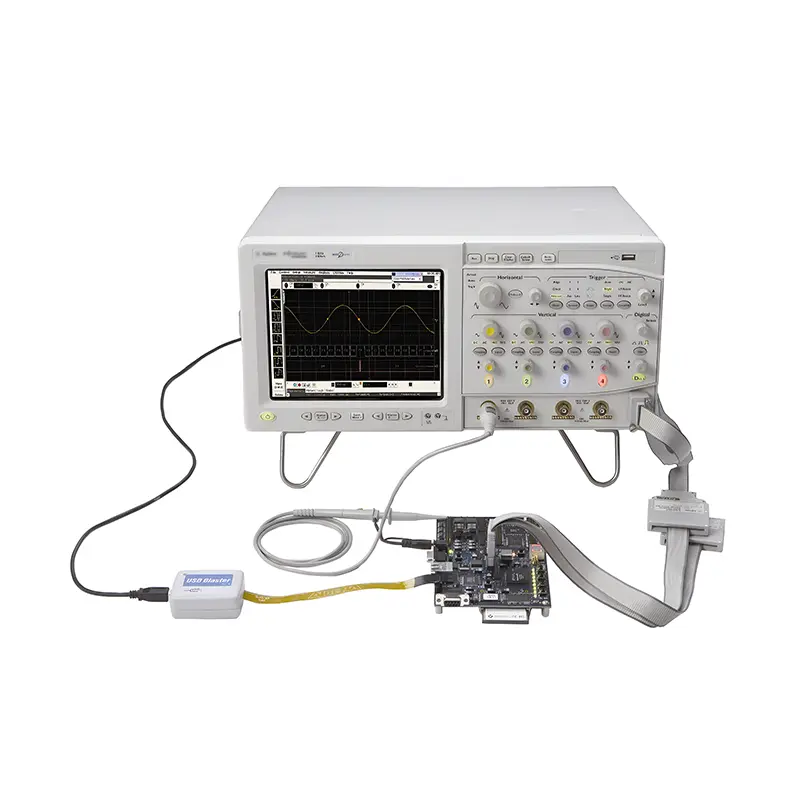 PCBA Testing Service
 Certification Application
 RoHS Certification Application
 REACH Certification Application
 CE Certification Application
 FCC Certification Application
 CQC Certification Application
 UL Certification Application
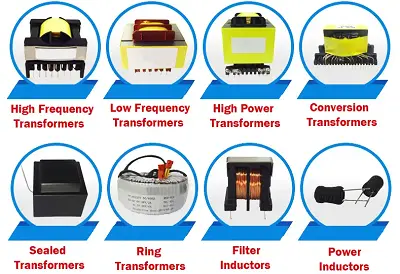 Transformers, Inductors
 High Frequency Transformers
 Low Frequency Transformers
 High Power Transformers
 Conversion Transformers
 Sealed Transformers
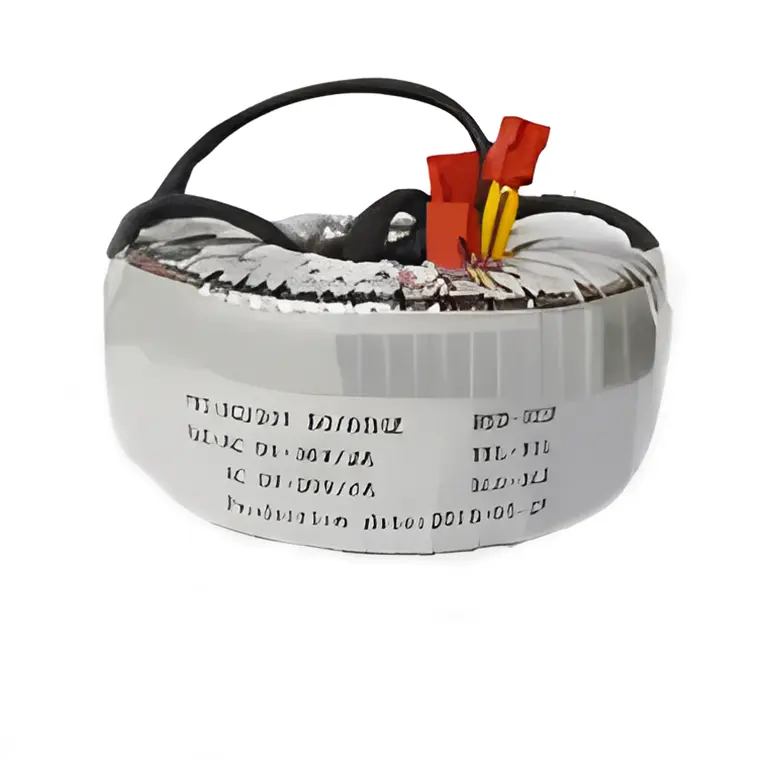 Ring Transformers
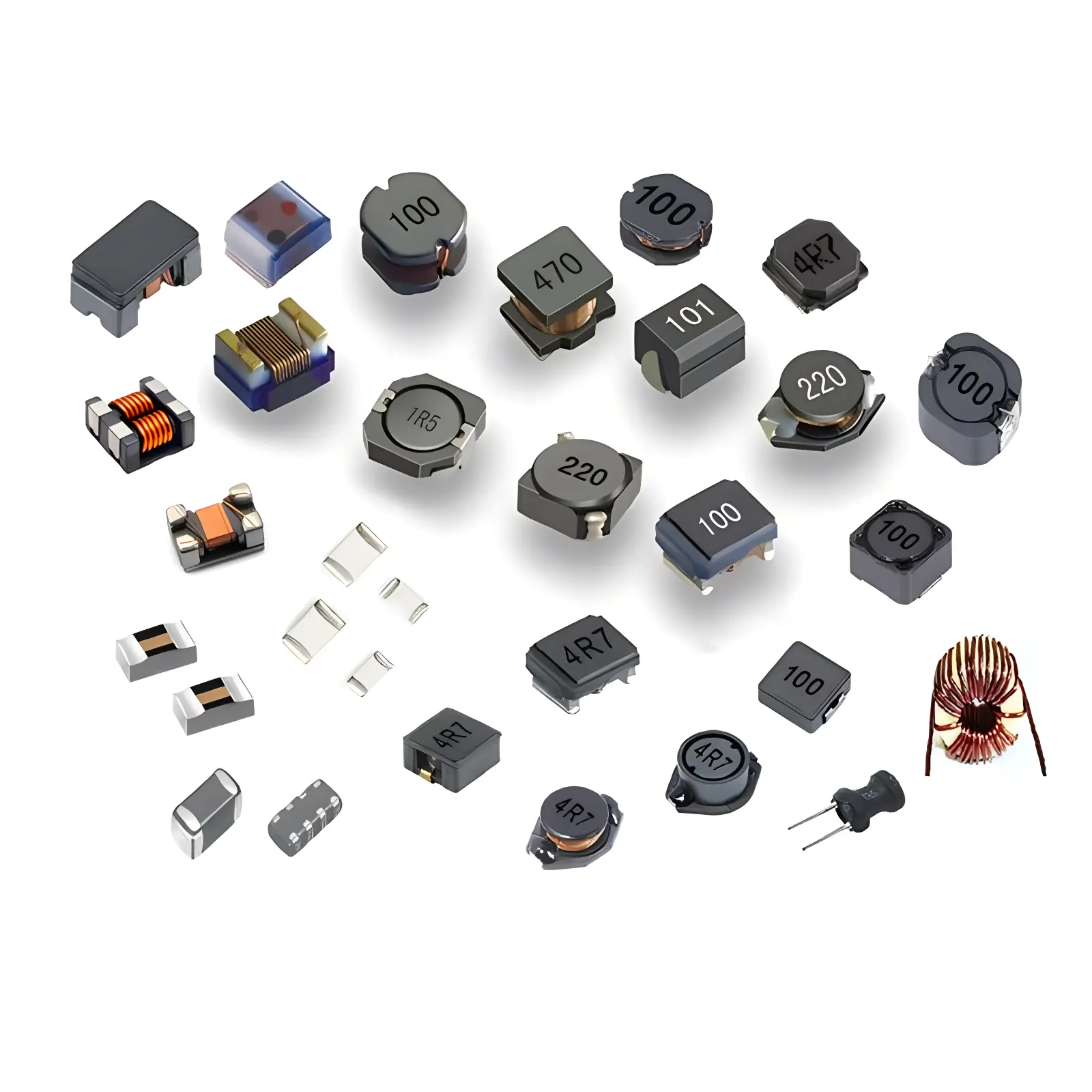 Inductors
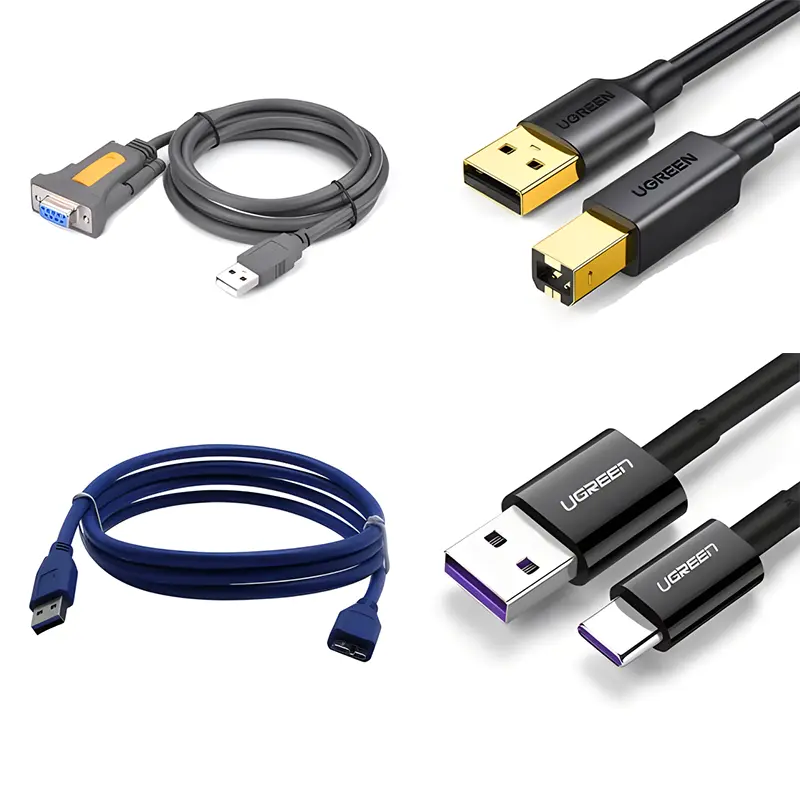 Wires,Cables Customized
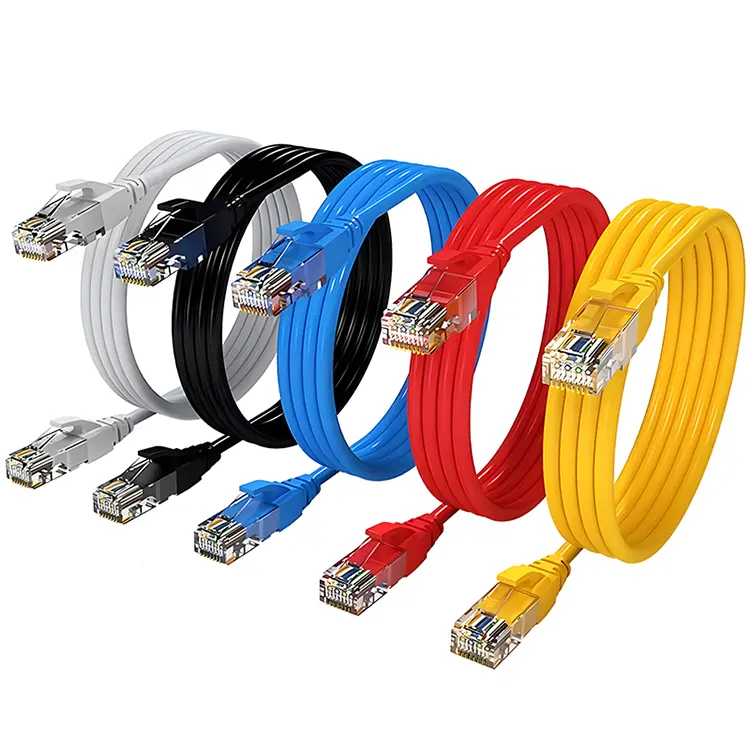 Network Cables
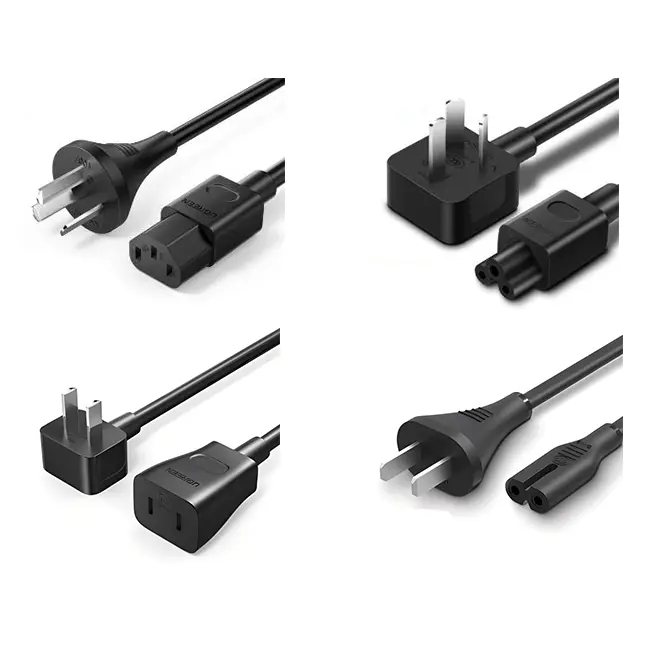 Power Cords
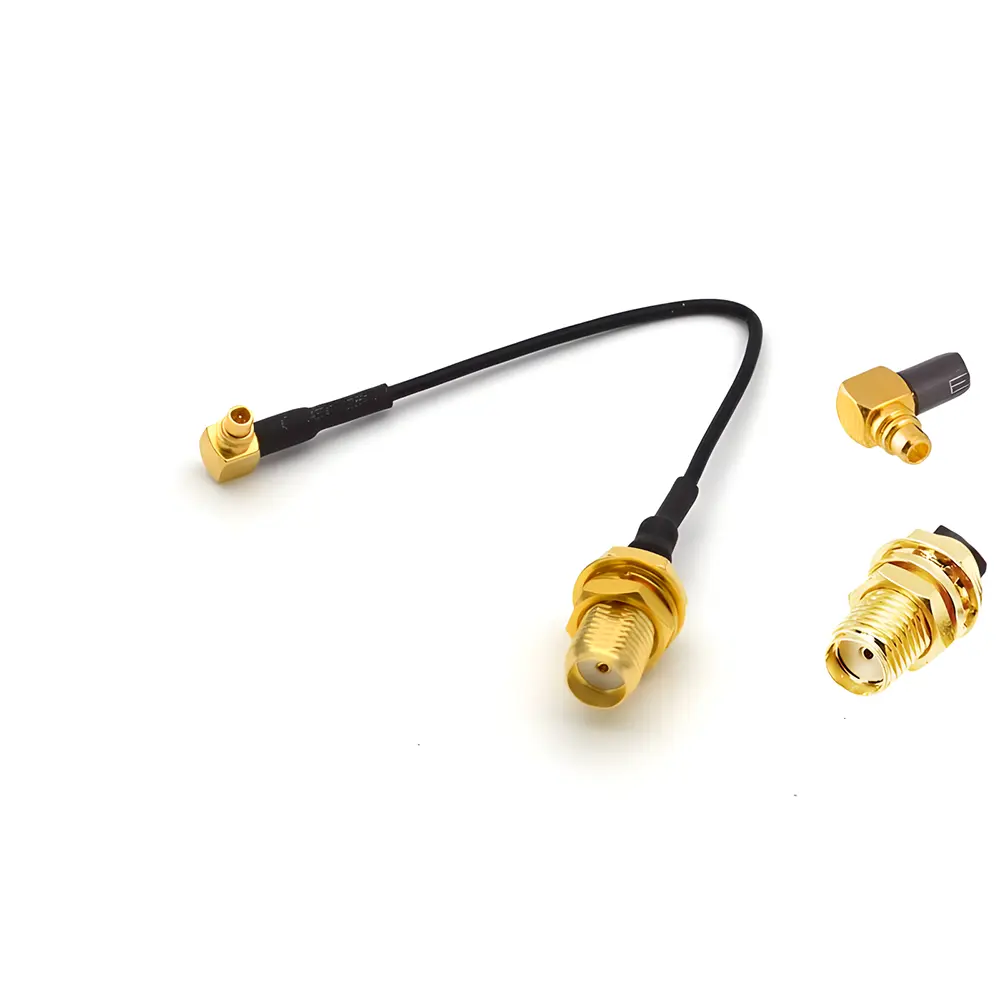 Antenna Cables
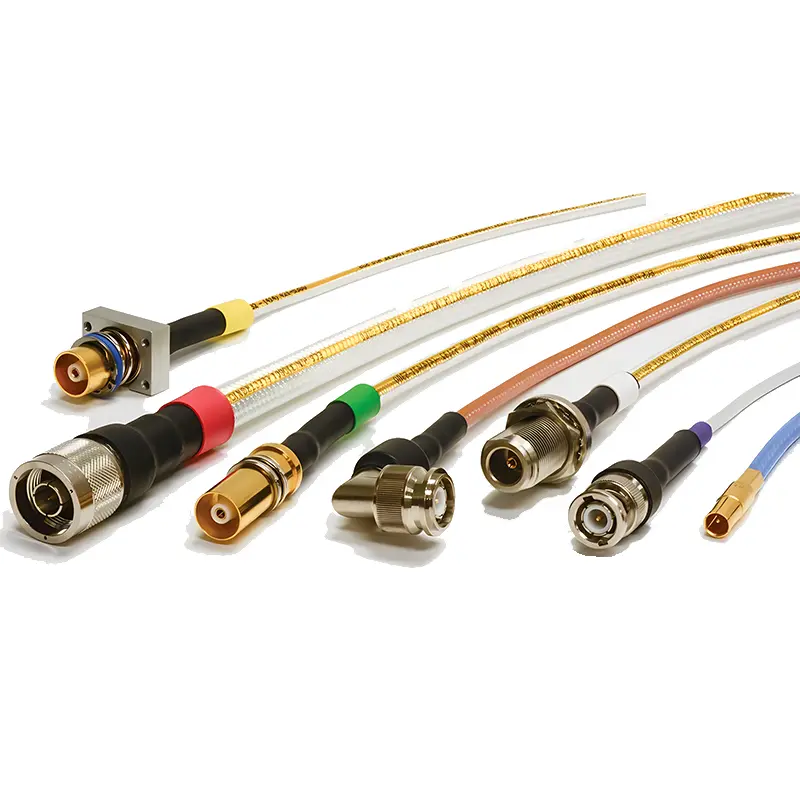 Coaxial Cables
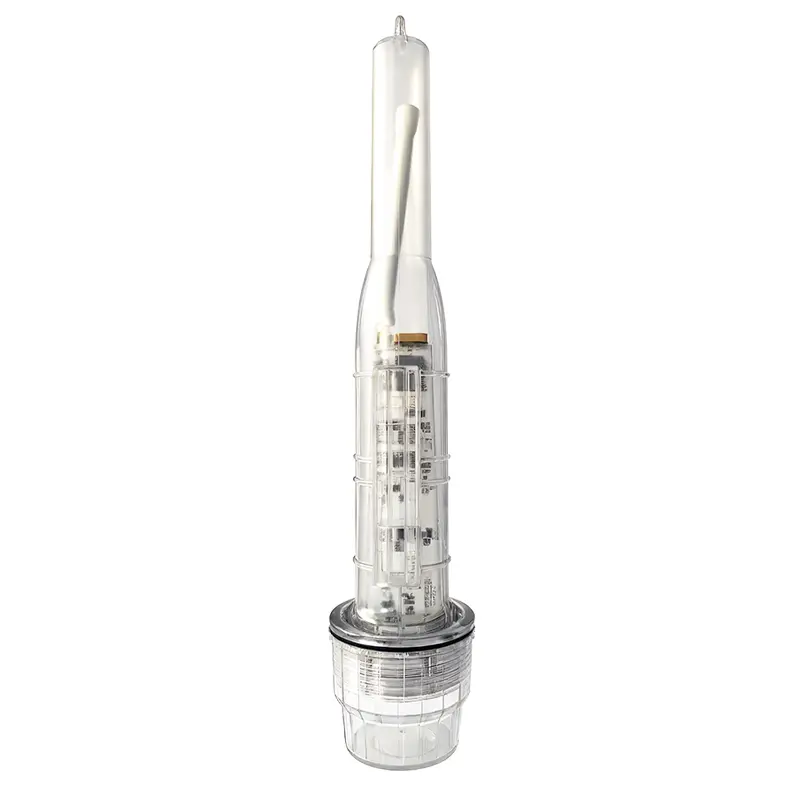 Net Position Indicator
 Solar AIS net position indicator
 Capacitors
 Connectors
 Diodes
 Embedded Processors & Controllers
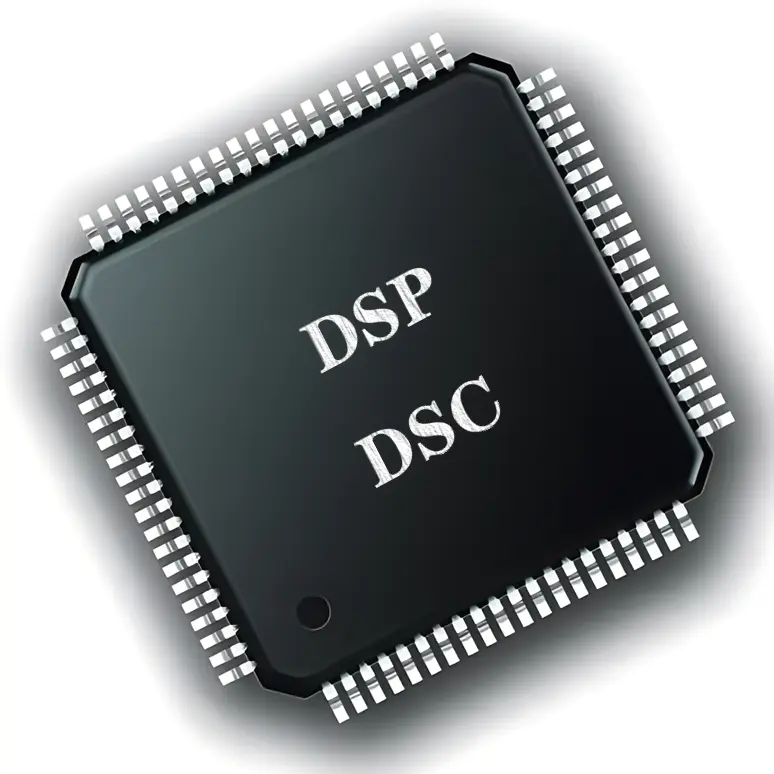 Digital Signal Processors (DSP/DSC)
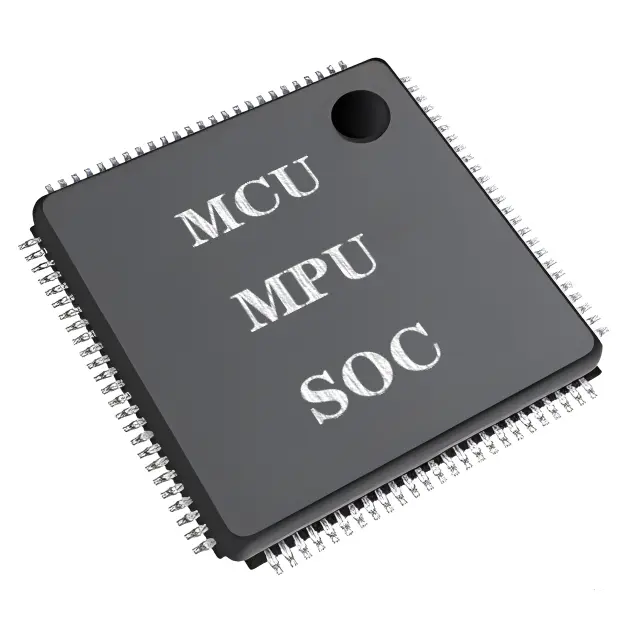 Microcontrollers (MCU/MPU/SOC)
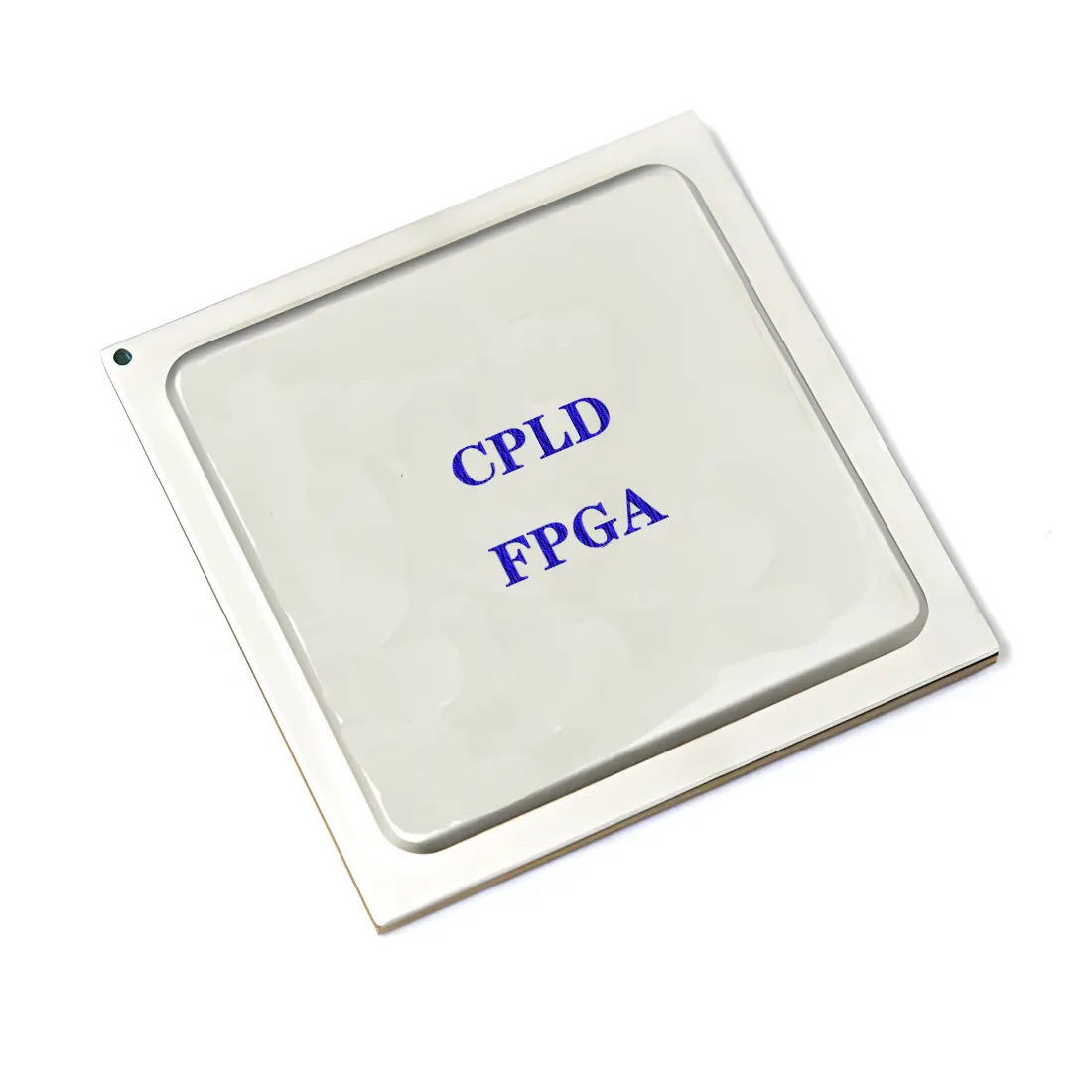 Programmable Logic Device(CPLD/FPGA)
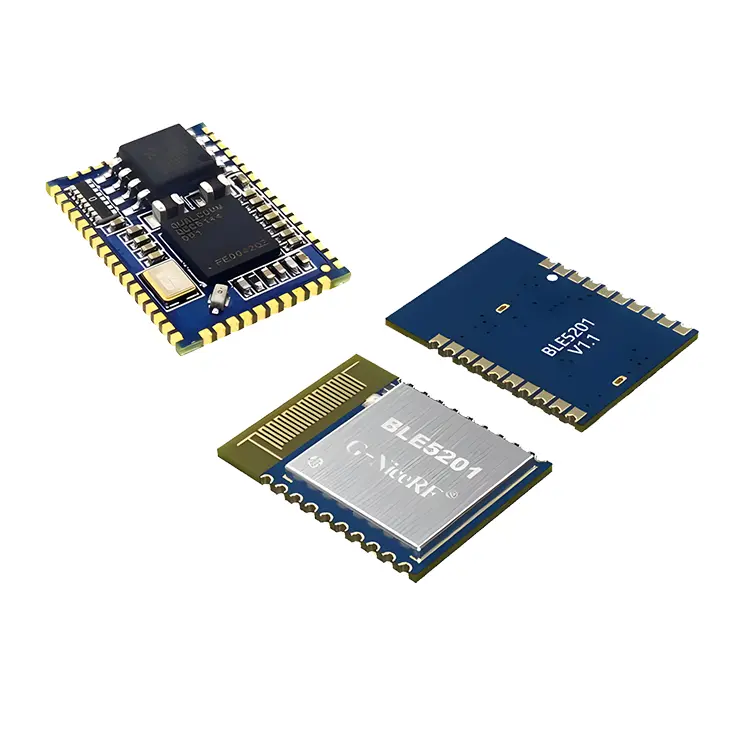 Communication Modules/IoT
 Resistors
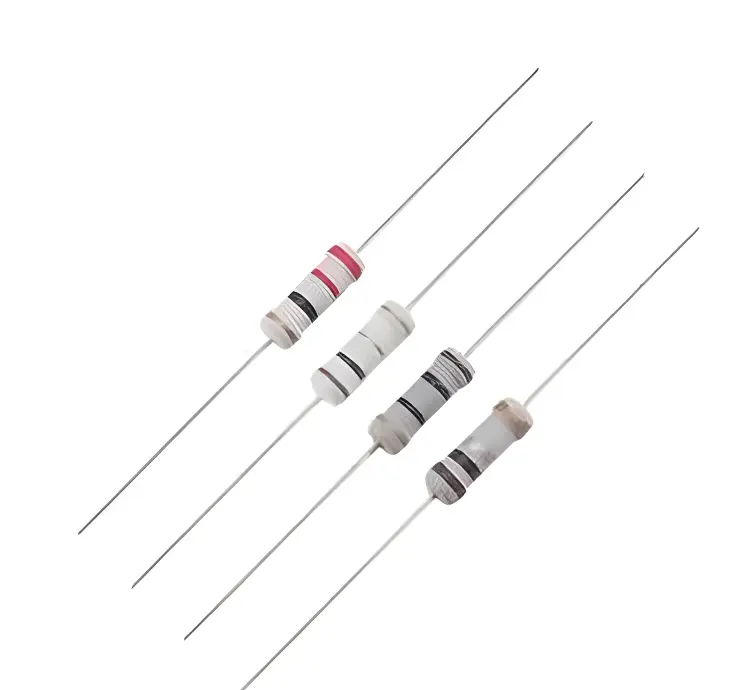 Through Hole Resistors
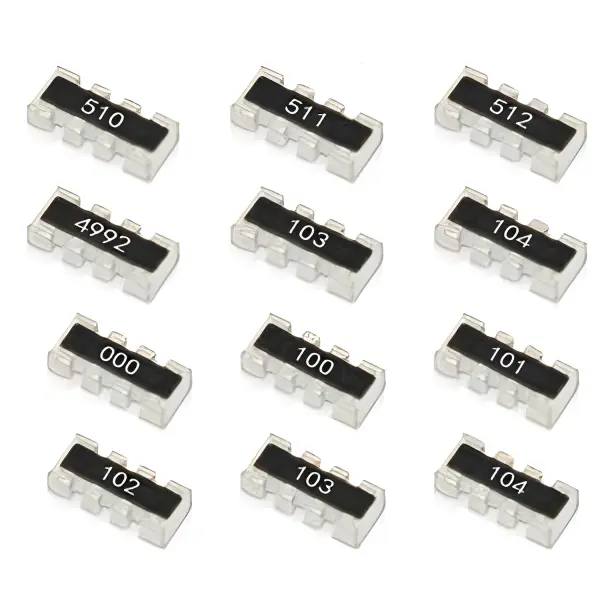 Resistor Networks, Arrays
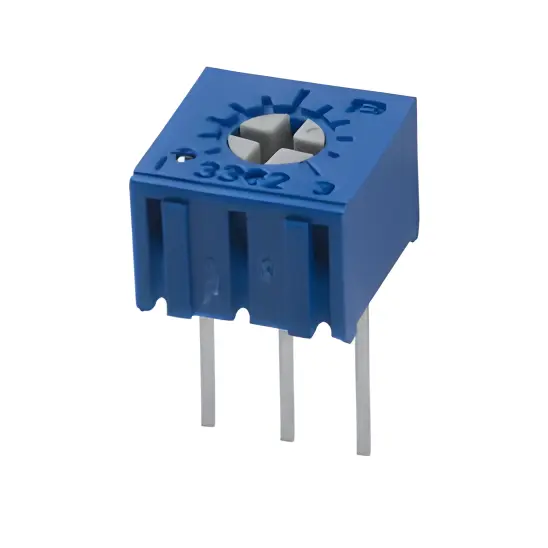 Potentiometers,Variable Resistors
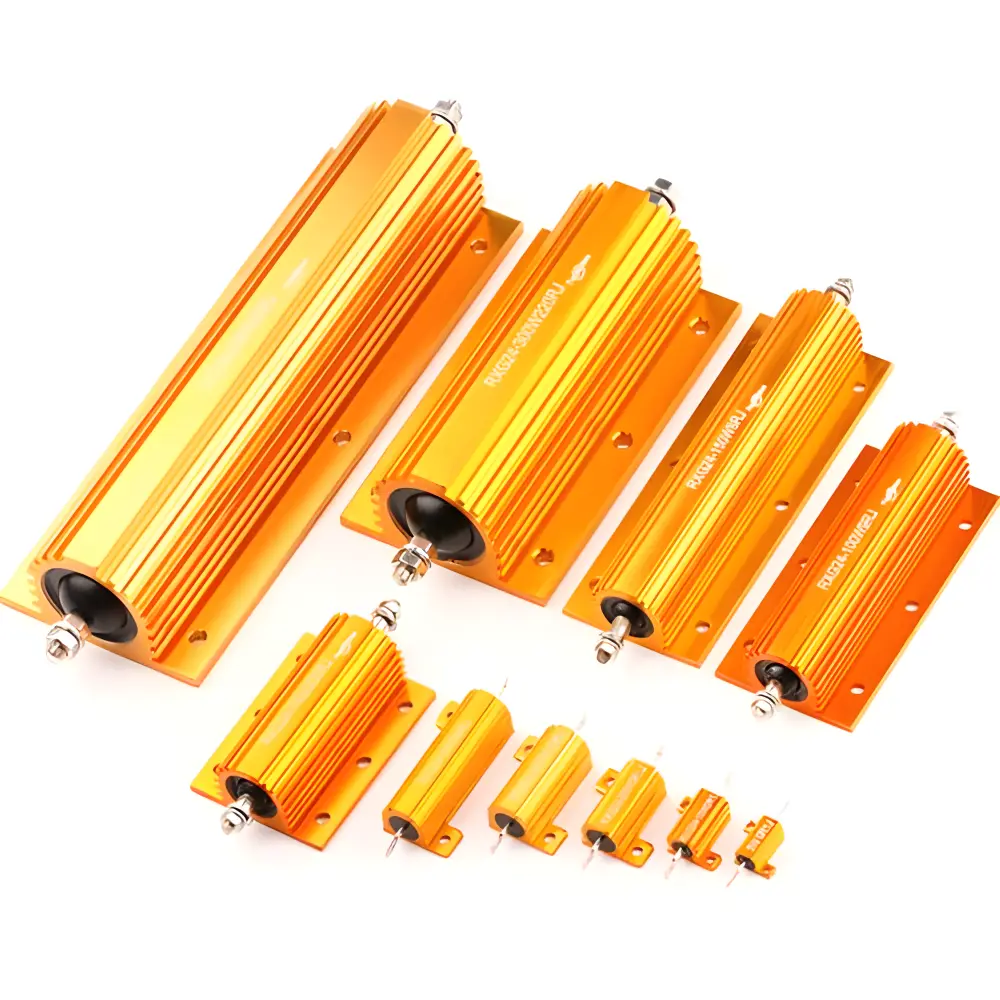 Aluminum Case,Porcelain Tube Resistance
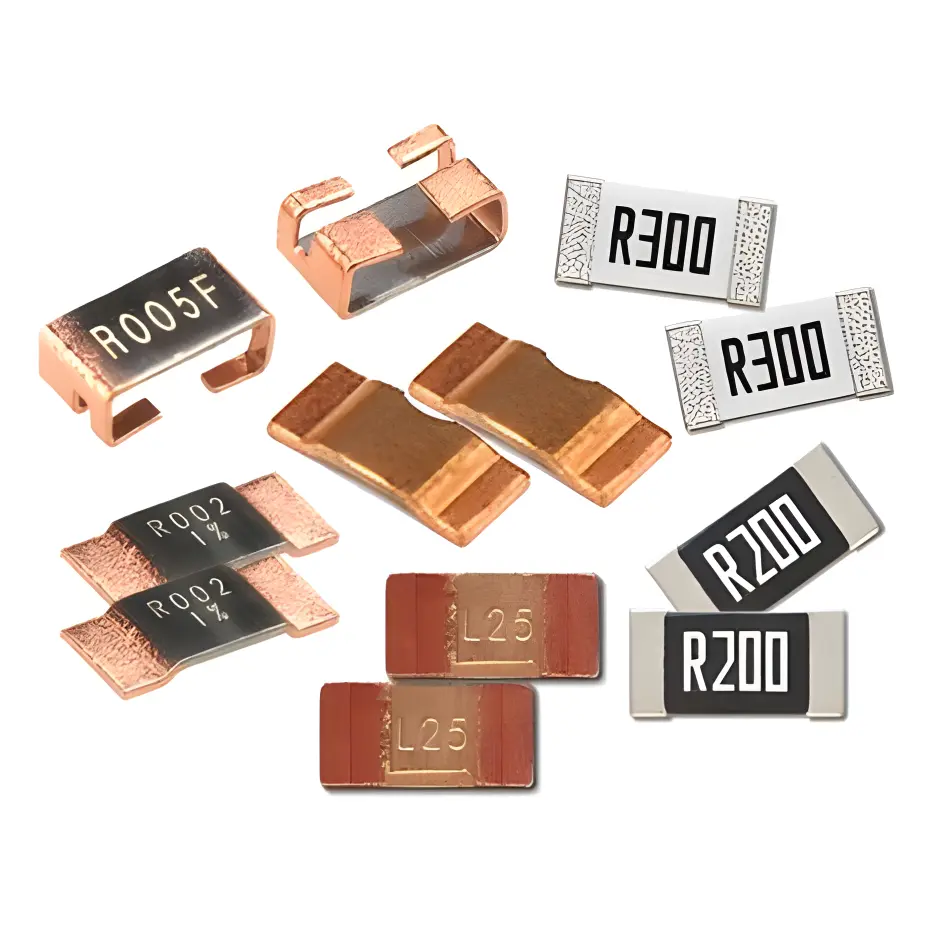 Current Sense Resistors,Shunt Resistors
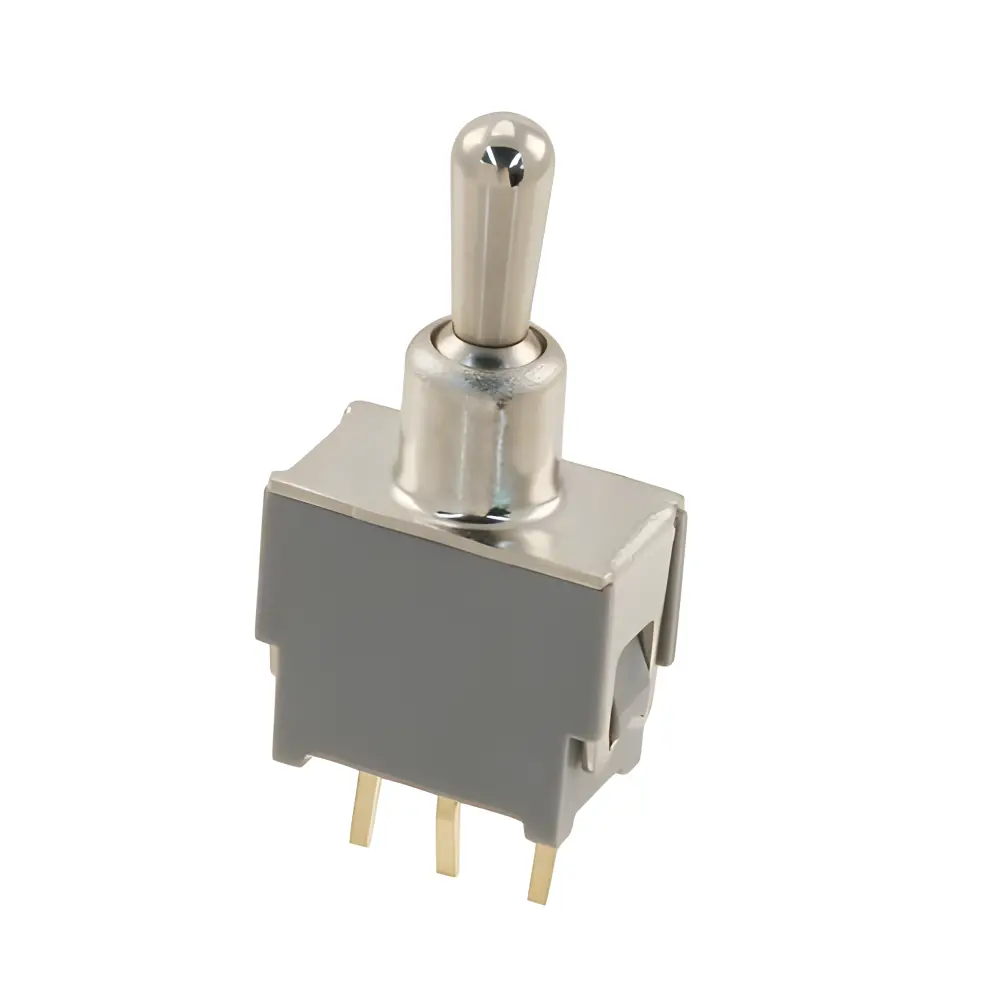 Switches
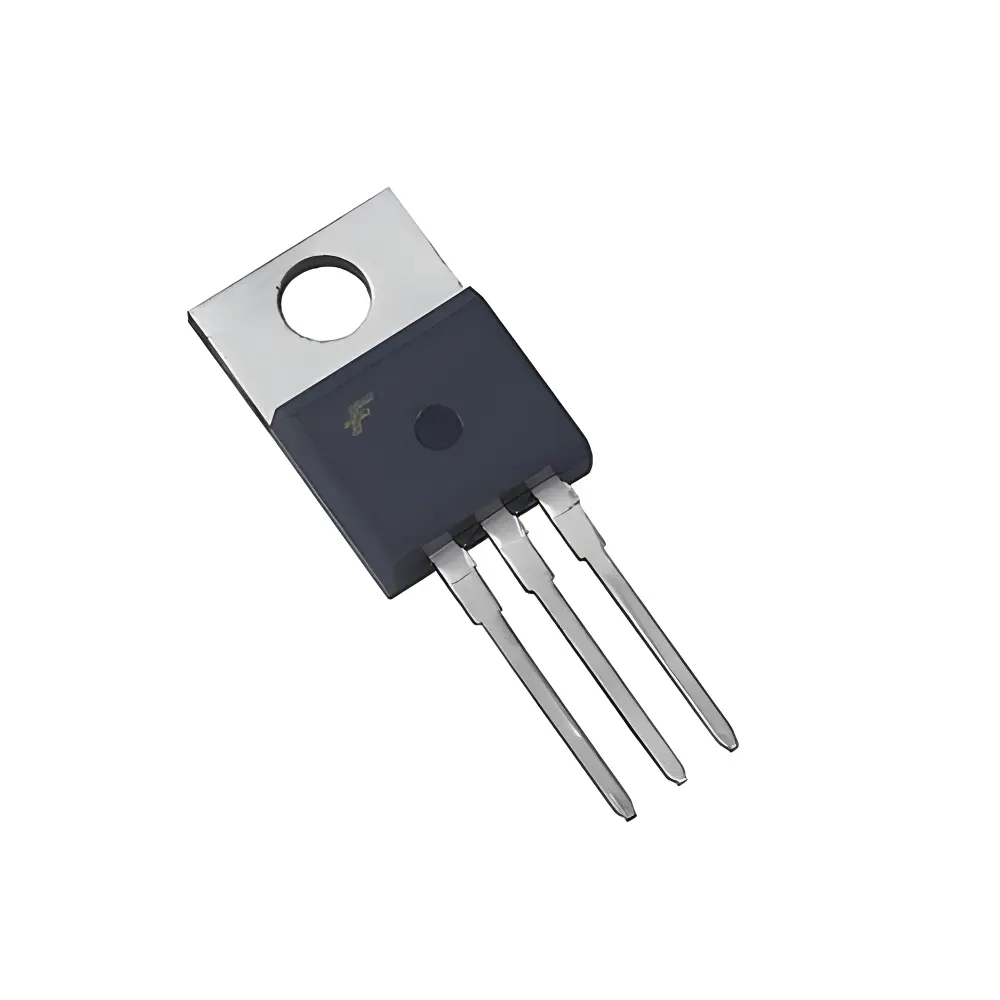 Transistors
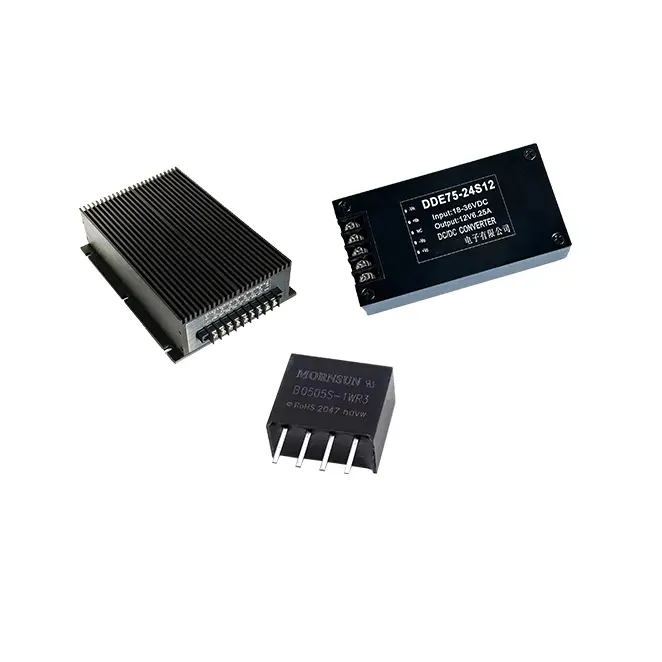 Power Modules
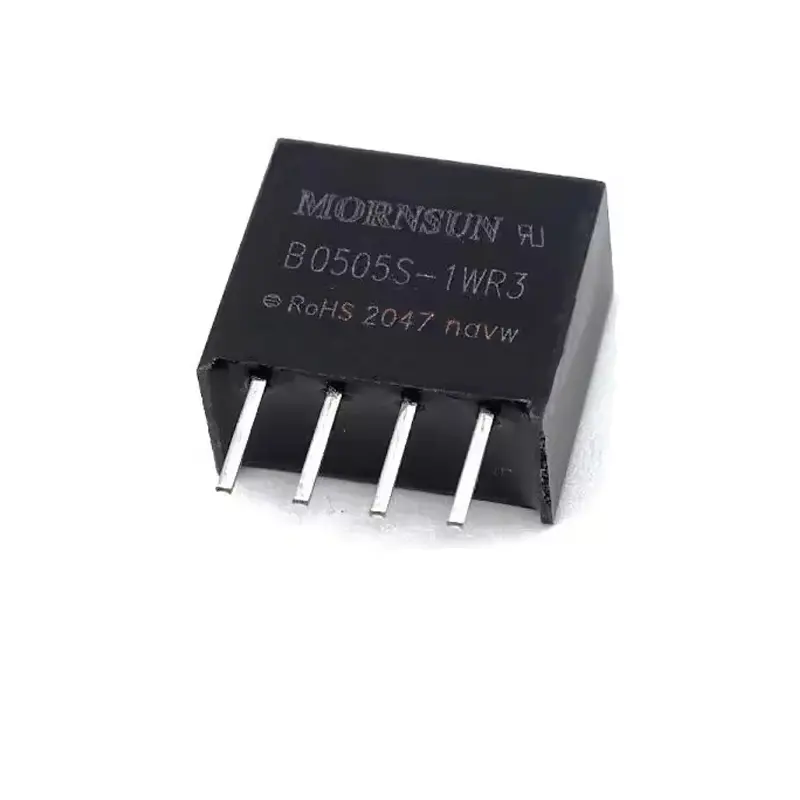 Isolated Power Modules
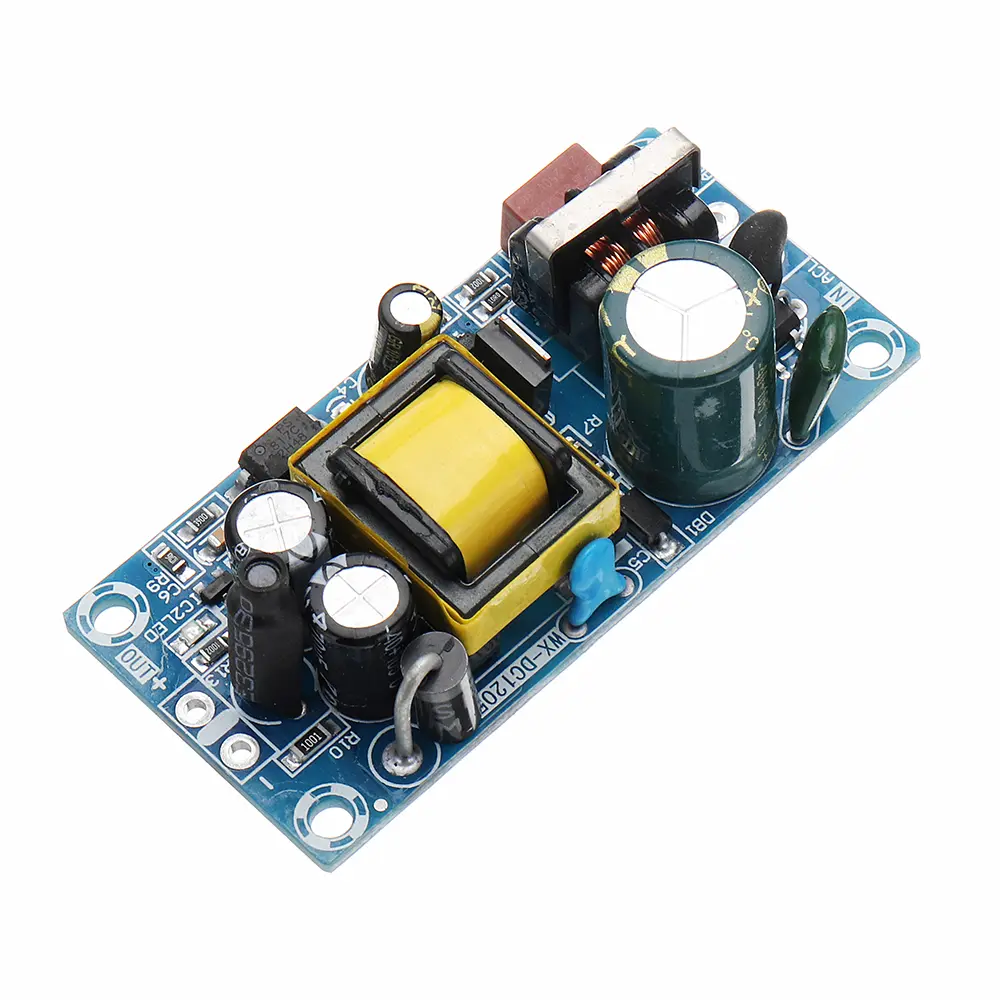 AC-DC Power Modules
 DC-AC Module(Inverter)
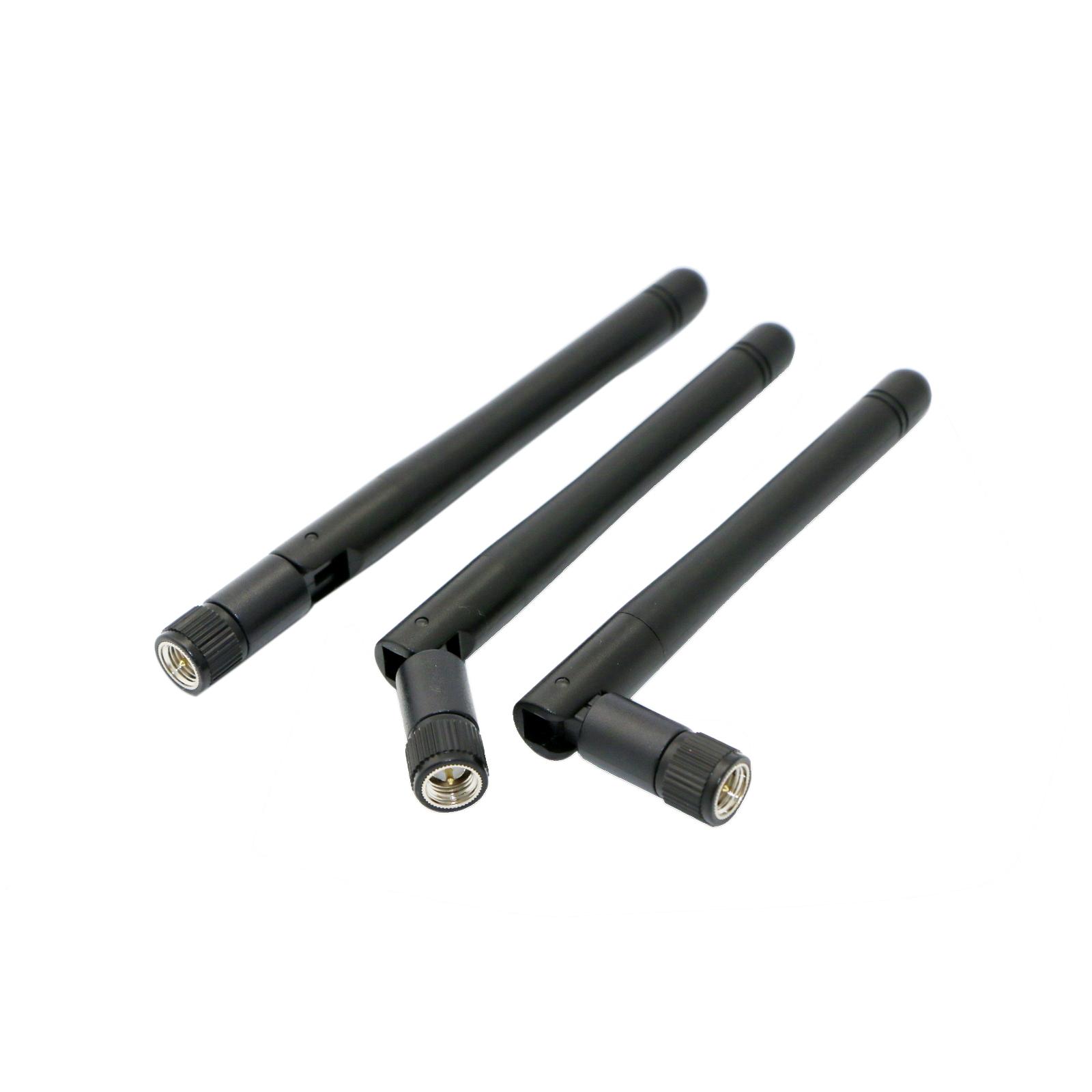 RF and Wireless
SMT reflow soldering performance evaluation project and evaluation method
SMT reflow soldering peRFormance evaluation project and evaluation method
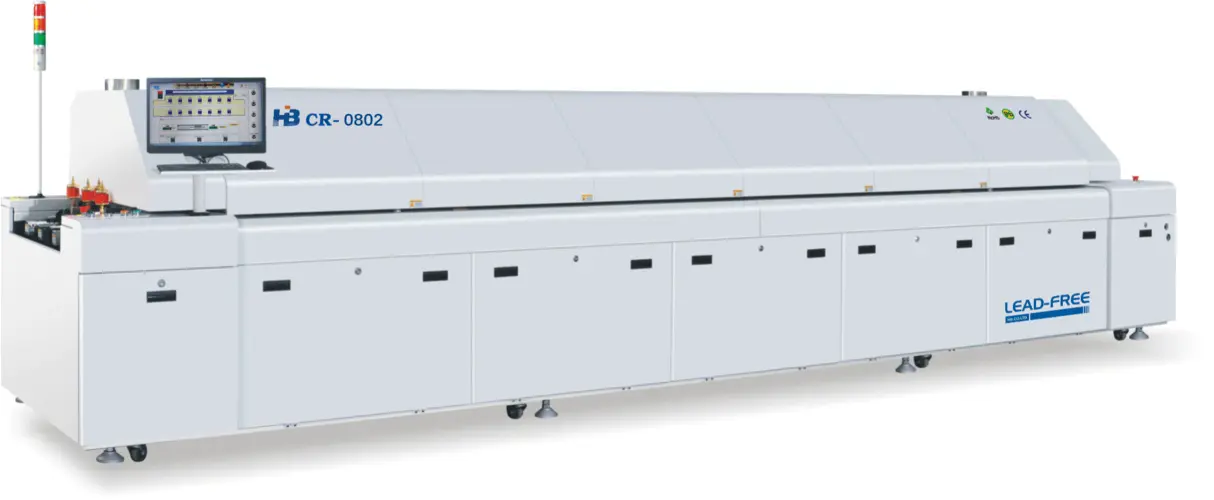
I. Performance evaluation items of SMT reflow oven:
To ensure the stability and reliability of the reflow soldering process, ensure the quality of the soldering, reduce defects, optimize the production process, and improve production effICiency, it is necessary to test the reflow soldering performance from the following aspects.
1. Temperature uniformity:
- Prepare multiple temperature sensors or thermal imaging devices.
- Place sensors or thermal imagers at different locations within the reflow oven, including critical areas and corners of the Circuit Board.
- Run the heating process of the reflow oven and record the temperature data at each location.
- Analyze temperature data and check whether the temperature difference is within an acceptable range. Generally speaking, the temperature difference should be within ±5°C.
2、Temperature curve:
- Determine the type of components and circuit boards used, and refer to relevant temperature curve recommendations.
- Set the temperature profile using the control system of the reflow oven, including the temperature and time of the preheating zone, reflow zone, and cooling zone.
- Operate the reflow oven and use temperature sensors or other monitoring equipment to monitor the execution of the temperature curve in real time.
- Compare the actual measured temperature curve with the set curve to ensure a good match between the two.
3、Temperature rise slope:
- Use temperature sensors or monitoring equipment to record the temperature rise process of the reflow oven.
- Analyze the temperature rise data and calculate the temperature rise slope.
- Ensure that the temperature rise slope meets the requirements of components and circuit boards, avoiding excessive temperature rise that can cause component damage or solder joint problems.
4、Heat transfer efficiency:
- The heat transfer efficiency can be evaluated by measuring the temperature difference at different locations on the circuit board.
- Use a thermal imager or multiple temperature sensors to compare the temperature differences between hot and cold spots on the circuit board.
- Check the airflow design to ensure that the airflow in the reflow oven can circulate effectively to promote heat transfer.
5、Airflow design:
- Observe the airflow direction and fan layout in the reflow oven.
- Ensure that the airflow is evenly distributed throughout the furnace cavity, avoiding dead zones.
- The airflow effect can be optimized by adjusting the fan speed or airflow guide plate.
6、Control system:
- Check the control panel and operation interface of the reflow oven to ensure ease of operation and setup.
- Conduct a test of parameter settings to verify whether the control system can accurately respond to and control parameters such as temperature and time.
- Observe the stability of the control system for any fluctuations or malfunctions.
7、Repeatability:
- Conduct multiple identical tests using the same settings and circuit board.
- Compare the results of each test, including temperature curves, solder joint quality, and so on.
- Ensure that the test results have good consistency and repeatability.
8、Component compatibility:
- Prepare components of various types and sizes, and place them on the circuit board.
- Run the reflow oven and observe the performance of the components in the oven for any deformation, drift, or other issues.
- Adjust the furnace temperature setting or use appropriate support and fixing measures according to the requirements of the component.
9、Use of nitrogen:
- Confirm whether the reflow oven is equipped with a nitrogen supply system.
- Check whether the flow and purity settings of nitrogen are correct.
- Use a nitrogen analyzer or other testing equipment to test the purity of nitrogen.
- Observe the quality and performance of the solder joints under nitrogen environment.
10、Maintenance and upkeep:
- Check the user manual of the reflow oven to understand the maintenance and care requirements.
- Clean the oven cavity, fan, heating element and other components regularly.
- Inspect and replace worn parts, such as conveyor belts and thermocouples.
- Regular calibration and maintenance are carried out according to the manufacturer's recommendations.
11、Data recording and analysis:
- Use a data acquisition system or software to record the operating parameters and test results of the reflow oven.
- Analyze data to identify trends and anomalies.
- Statistical analysis methods can be used to evaluate the stability and reliability of performance.
12、Reference standards and specifications:
- Refer to the standards and specifications of the SMT industry, such as IPC, J-STD, etc.
- Ensure that the performance of the reflow oven meets the requirements of relevant standards.
- Keeping up with the latest developments and best practices in the industry to ensure the accuracy and progressiveness of the assessment.
13、Manufacturer support and training:
- Keep in touch with reflow oven manufacturers to obtain technical support and training resources.
- Participate in training courses or seminars held by manufacturers to improve understanding of the performance and maintenance of reflow furnaces.
- Feedback problems and needs in a timely manner and seek solutions from vendors.
14、Verification of actual production:
- Use a reflow oven in actual production to observe its impact on production efficiency, solder joint quality, and defect rate.
- Work with the production team to collect their feedback and opinions.
- Make necessary adjustments and optimizations based on actual production conditions.
By comprehensively implementing the above evaluation items and combining with practical production experience, a comprehensive and accurate evaluation of the performance of the SMT reflow oven can be conducted. Remember to record all test results and observations during the evaluation process for subsequent analysis and decision-making.
II. Introduction to No-load and Full-load Testing Method The no-load and full-load testing of the reflow oven is one of the important methods for evaluating its performance. The following is the general empty and full load test steps:
1、No-load test:
- Ensure that the reflow oven is clean and free of any circuit boards or components inside.
- Set the appropriate temperature curve and operating parameters according to the operation manual of the reflow oven.
- Start the reflow oven and allow it to complete a full heating cycle.
- During the test, use temperature sensors or other monitoring equipment to record the temperature changes at different locations in the furnace.
- Check whether the temperature control system of the reflow furnace is accurate, whether the temperature is evenly distributed, and whether the temperature rise slope meets the requirements.
- Observe the operation of the reflow oven, including fan operation, heating element operation, etc., to ensure the normal operation of the equipment.
- Repeat the no-load test multiple times to verify the stability of performance.
2、Full load test:
- Prepare some representative circuit boards to ensure that various types and sizes of components are installed on the board.
- Place the circuit board in a reflow oven to simulate the actual production situation as much as possible.
- Set the same temperature curve and operating parameters as the no-load test.
- Start the reflow oven and allow it to complete a full heating cycle.
- During the testing process, continue to use temperature sensors or other monitoring devices to record temperature changes at key locations on the circuit board.
- Check whether the components on the circuit board are overheated or otherwise damaged, and whether the solder joints are of good quality.
- Observe the operation of the reflow oven under full load conditions, including temperature uniformity, heat transfer efficiency, and so on.
- Compare the results of full-load testing with those of no-load testing to evaluate the performance differences of the reflow oven under different loads.
It should be noted that the specific testing method may vary depending on the model and manufacturer of the reflow oven. Before conducting the test, it is recommended to carefully read the operation manual and related documents of the reflow oven to ensure that the test is conducted according to the correct steps.
The empty and full load test can help identify potential problems with the reflow oven and evaluate its performance under different operating conditions. By conducting regular testing and maintenance, we can ensure the stable operation of the reflow oven and improve the soldering quality of the circuit board.