
 PCB
PCB FPC
FPC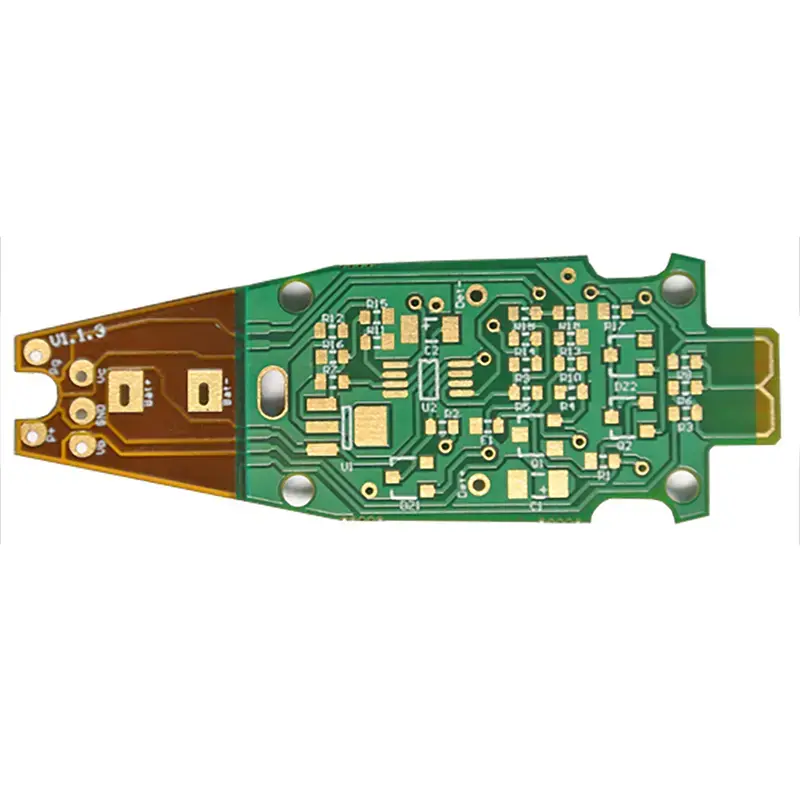 Rigid-Flex
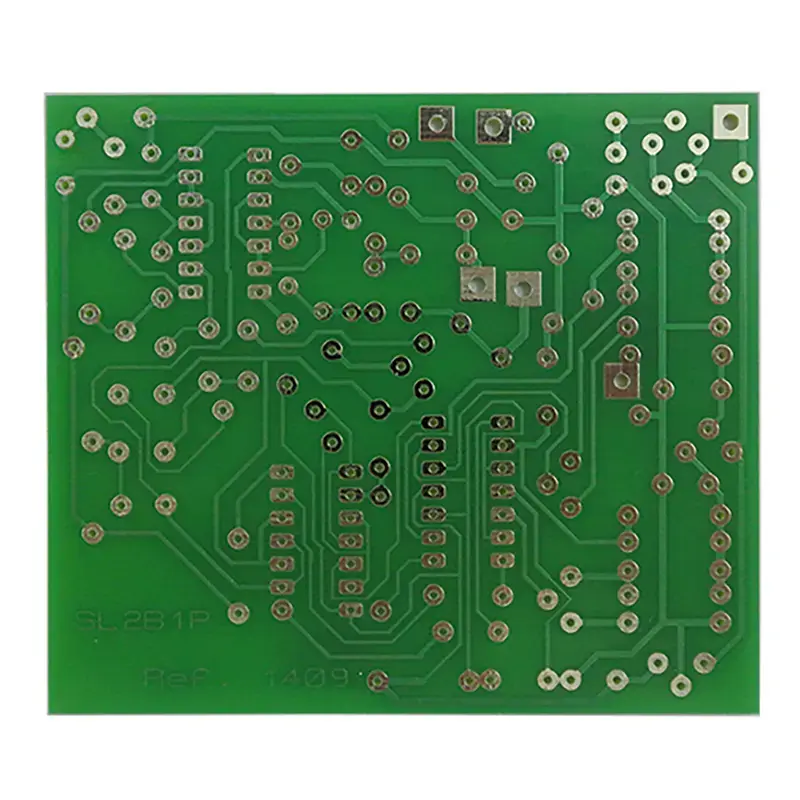 FR-4
FR-4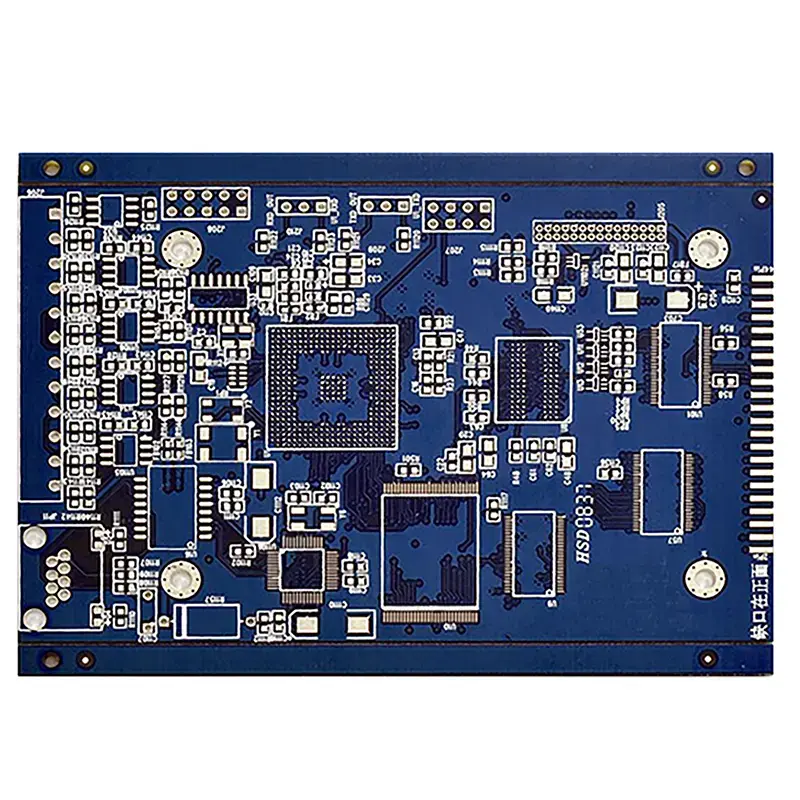 HDI PCB
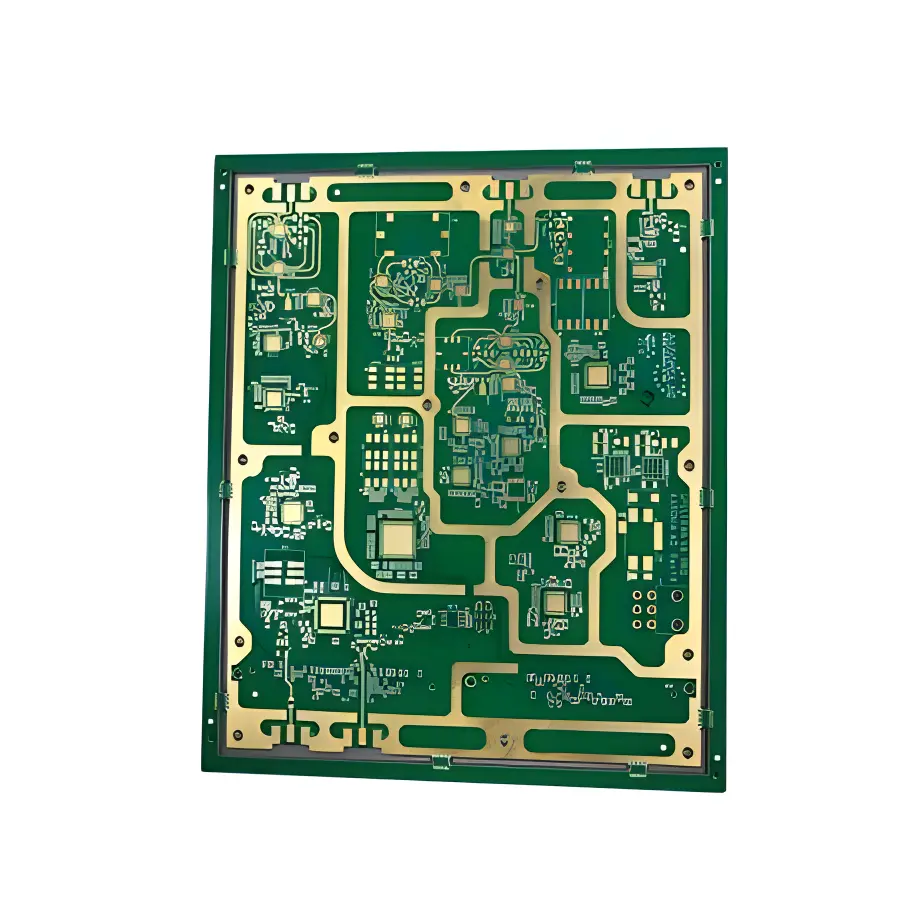 Rogers High-Frequency Board
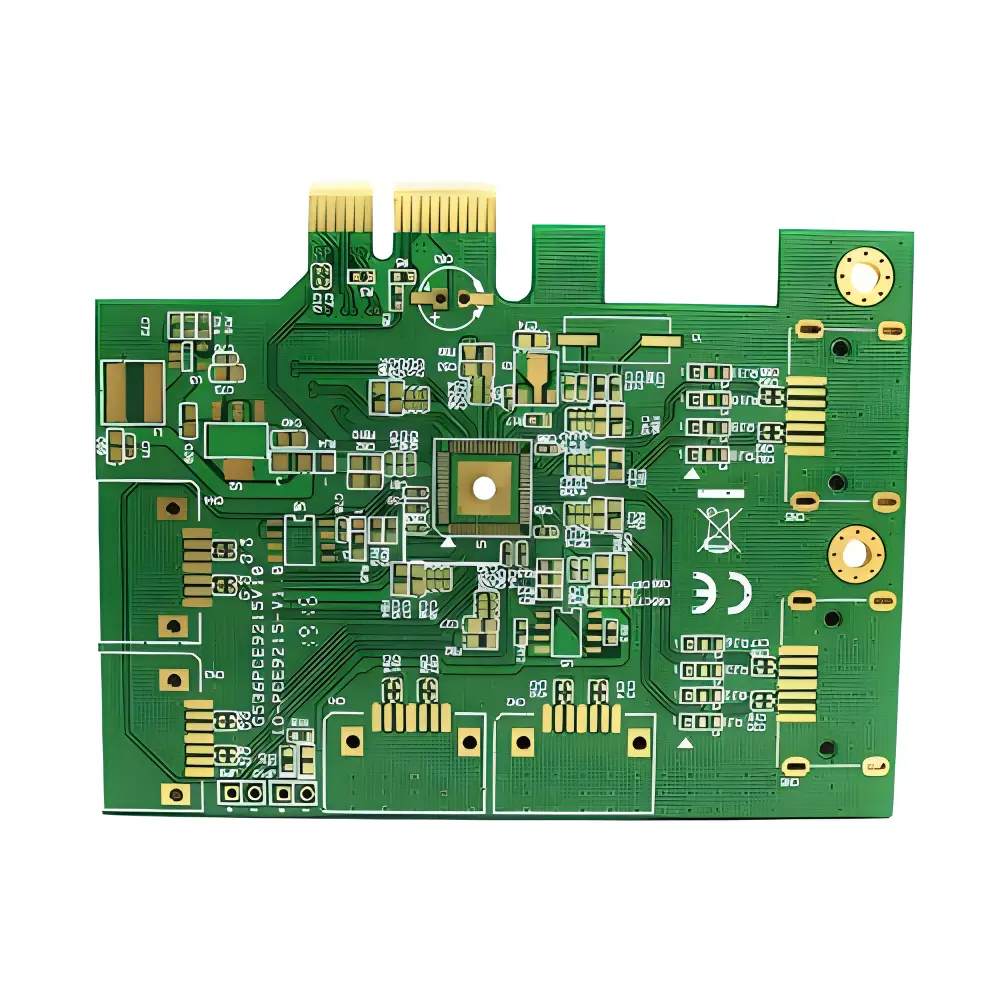 PTFE Teflon High-Frequency Board
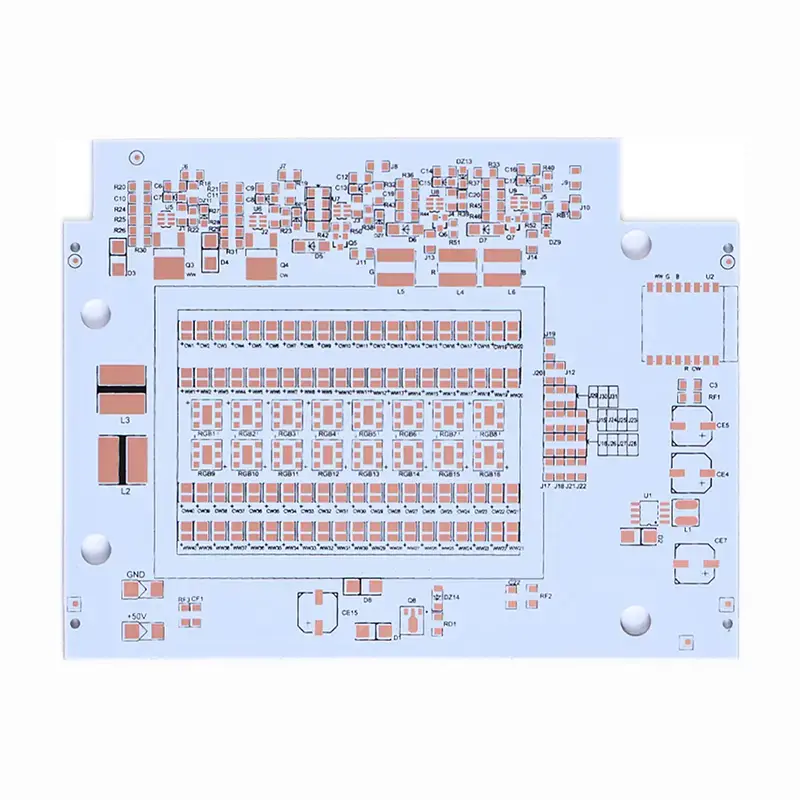 Aluminum
 Copper Core
 PCB Assembly
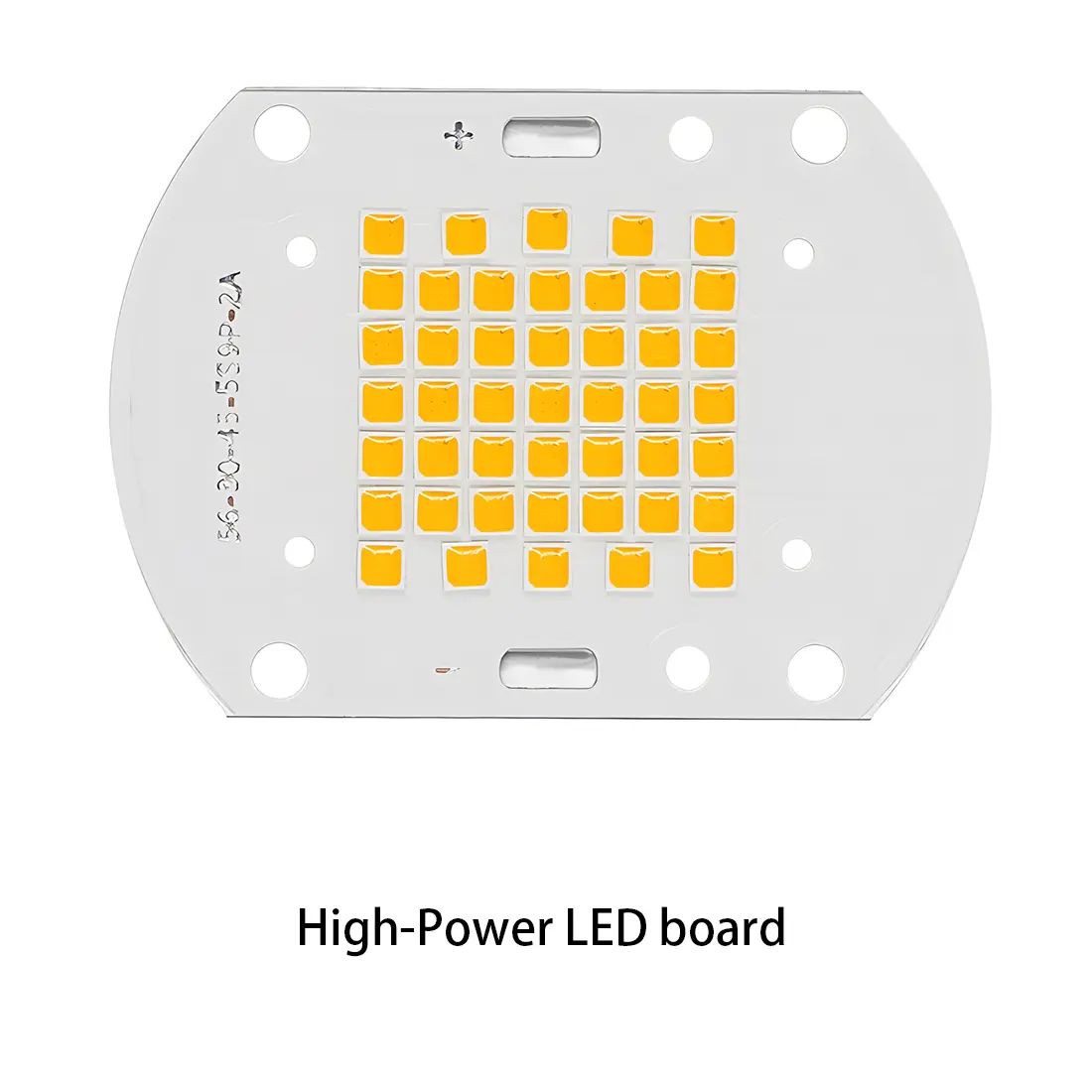 LED light PCBA
 Memory PCBA
 Power Supply PCBA
 New Energey PCBA
 Communication PCBA
 Industrial Control PCBA
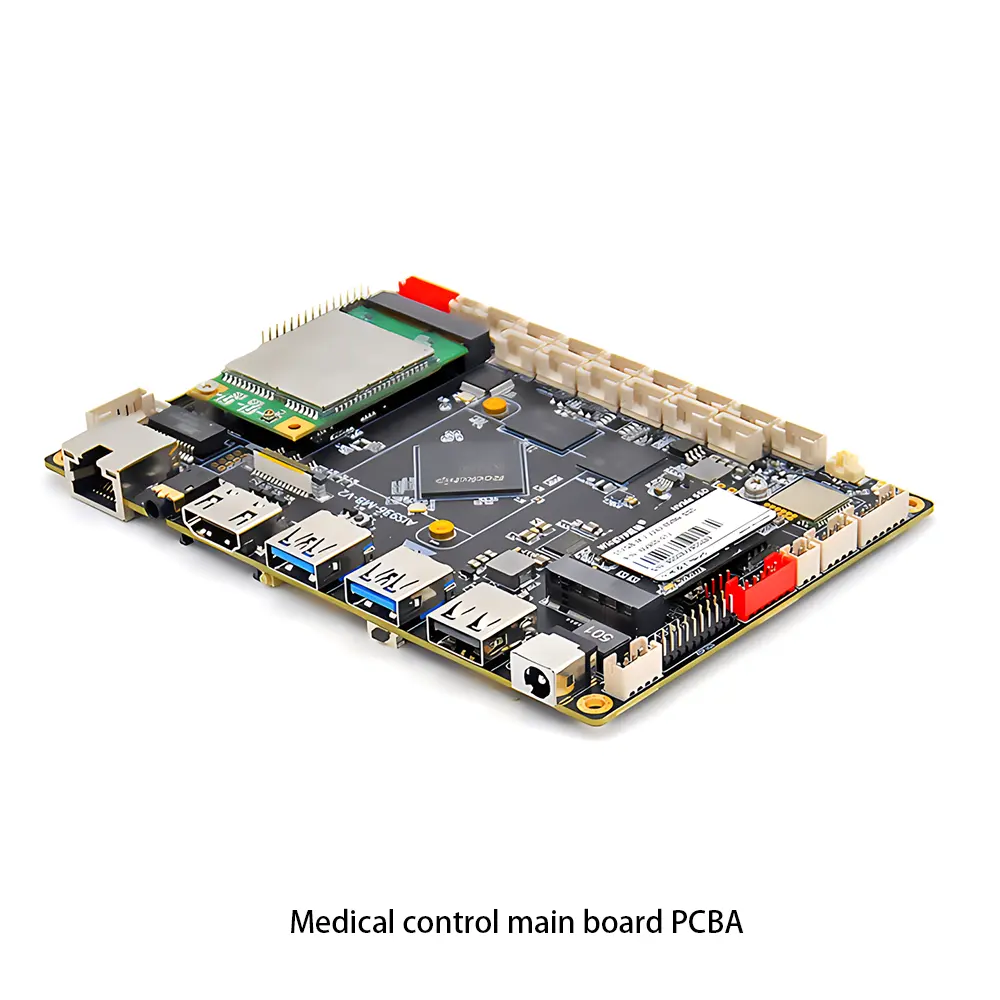 Medical Equipment PCBA
 Testing Service
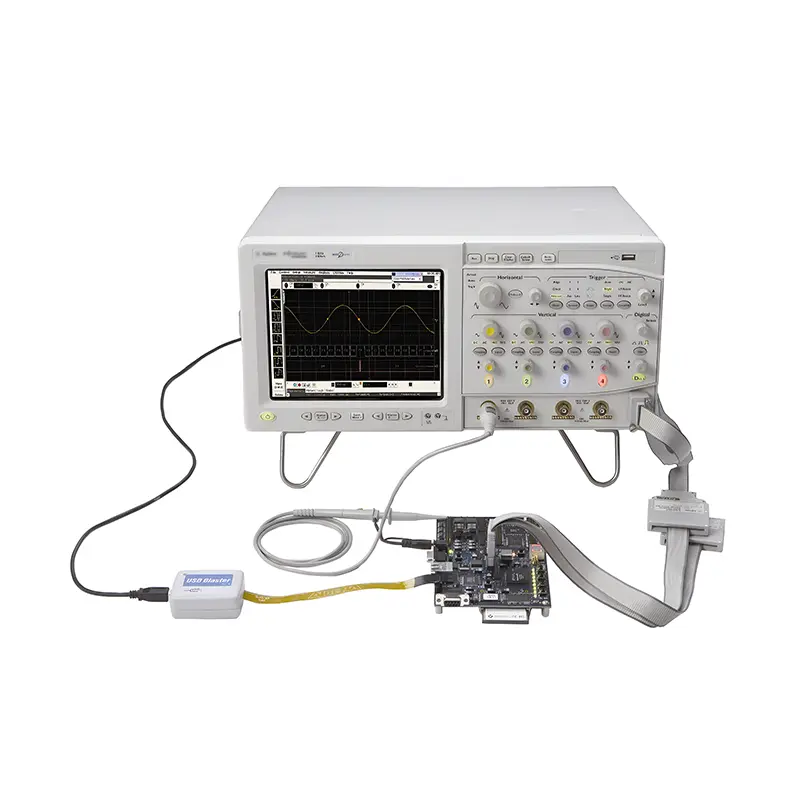 PCBA Testing Service
 Certification Application
 RoHS Certification Application
 REACH Certification Application
 CE Certification Application
 FCC Certification Application
 CQC Certification Application
 UL Certification Application
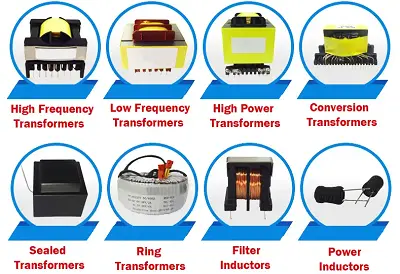 Transformers, Inductors
 High Frequency Transformers
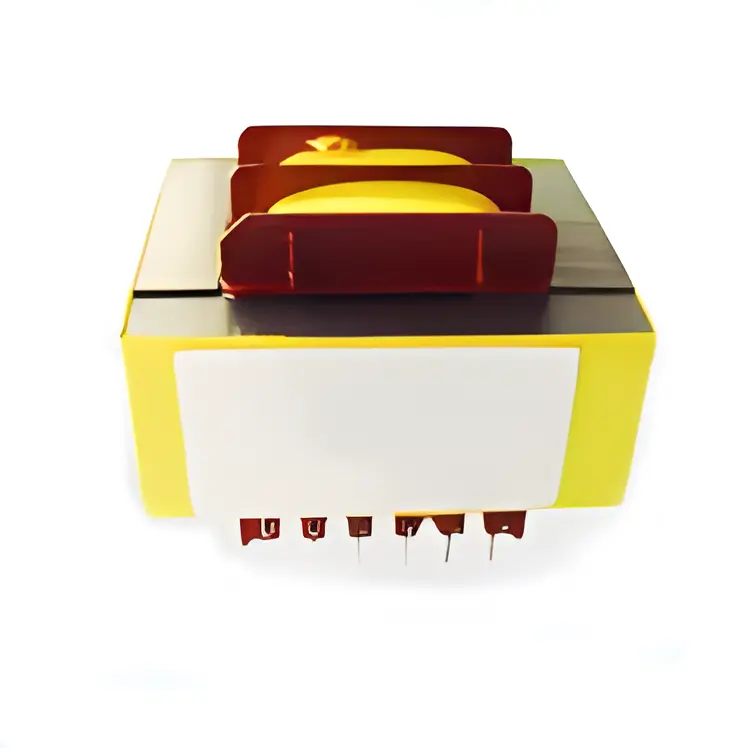 Low Frequency Transformers
 High Power Transformers
 Conversion Transformers
 Sealed Transformers
 Ring Transformers
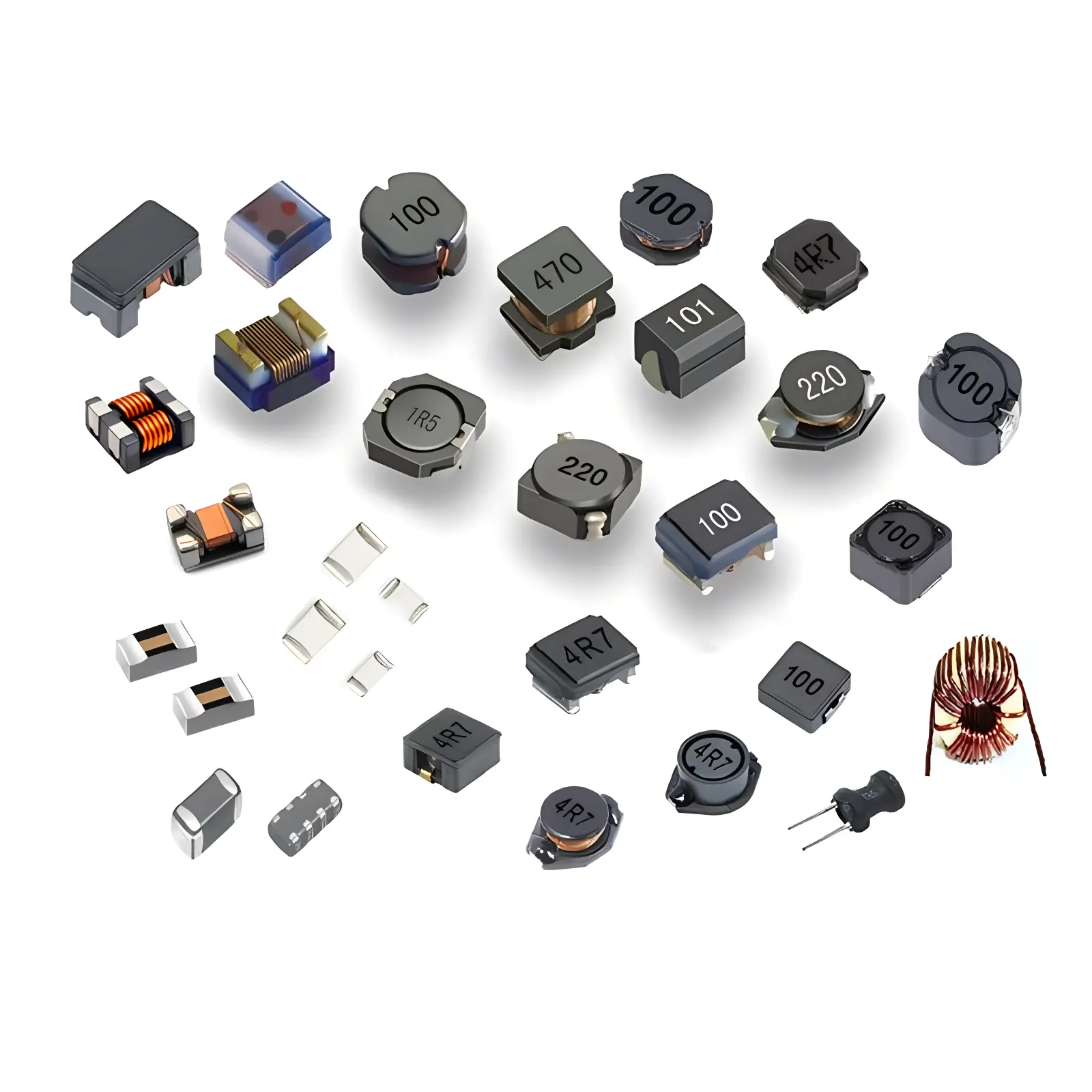 Inductors
 Wires,Cables Customized
 Network Cables
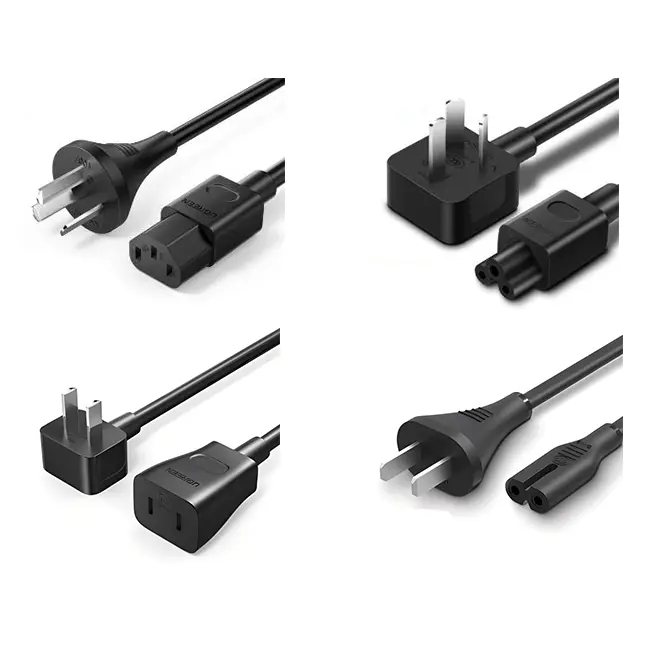 Power Cords
 Antenna Cables
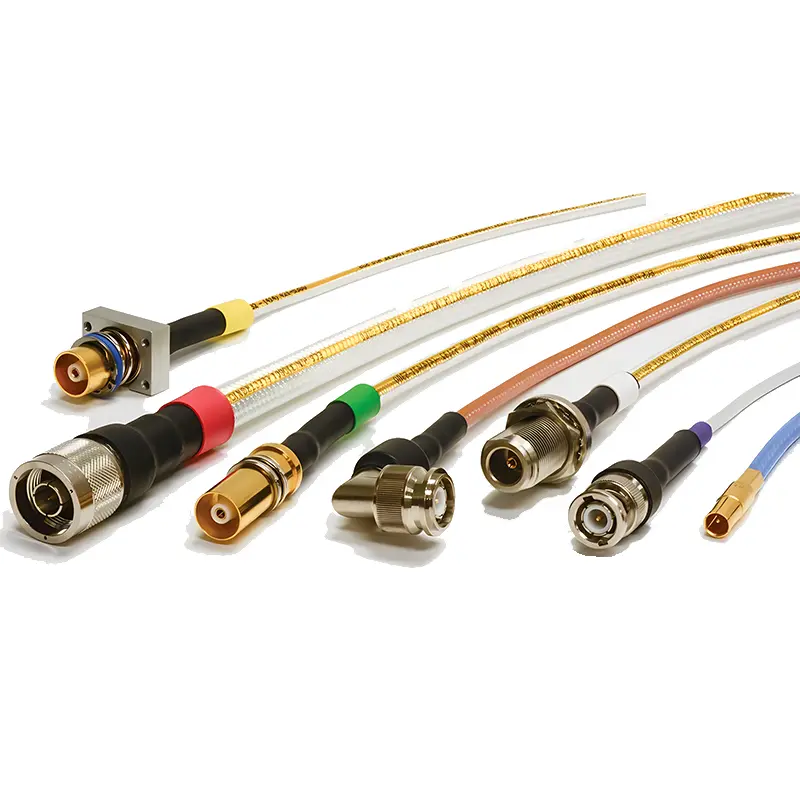 Coaxial Cables
 Net Position Indicator
 Solar AIS net position indicator
 Capacitors
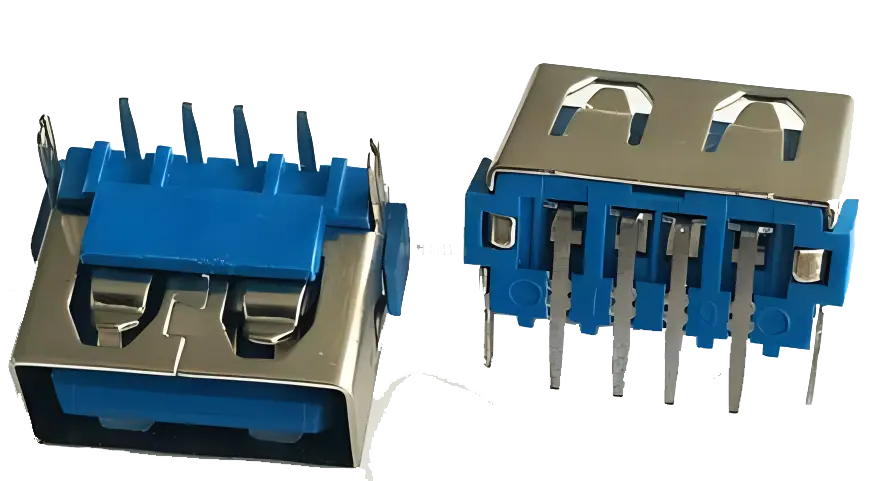 Connectors
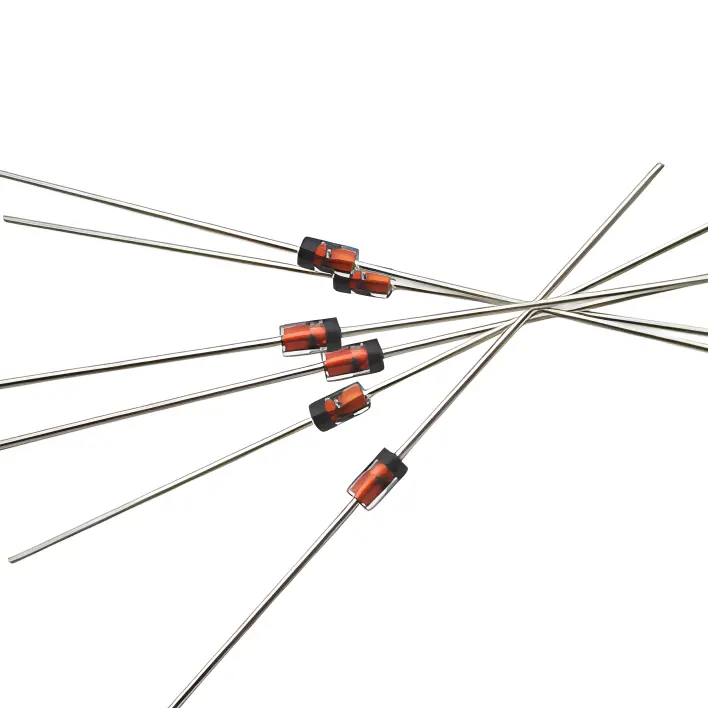 Diodes
 Embedded Processors & Controllers
 Digital Signal Processors (DSP/DSC)
 Microcontrollers (MCU/MPU/SOC)
 Programmable Logic Device(CPLD/FPGA)
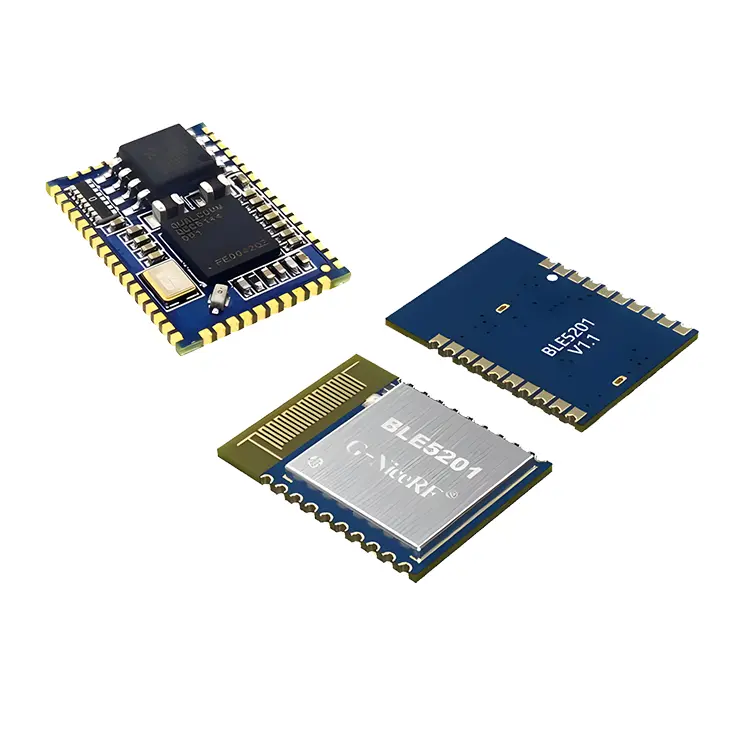 Communication Modules/IoT
 Resistors
 Through Hole Resistors
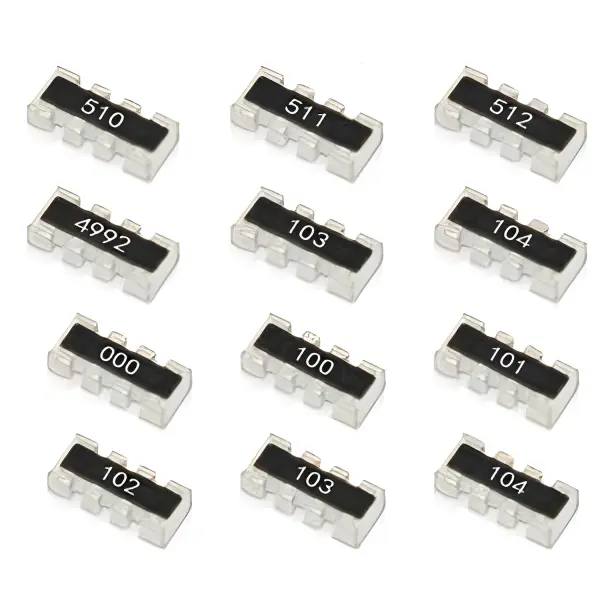 Resistor Networks, Arrays
 Potentiometers,Variable Resistors
 Aluminum Case,Porcelain Tube Resistance
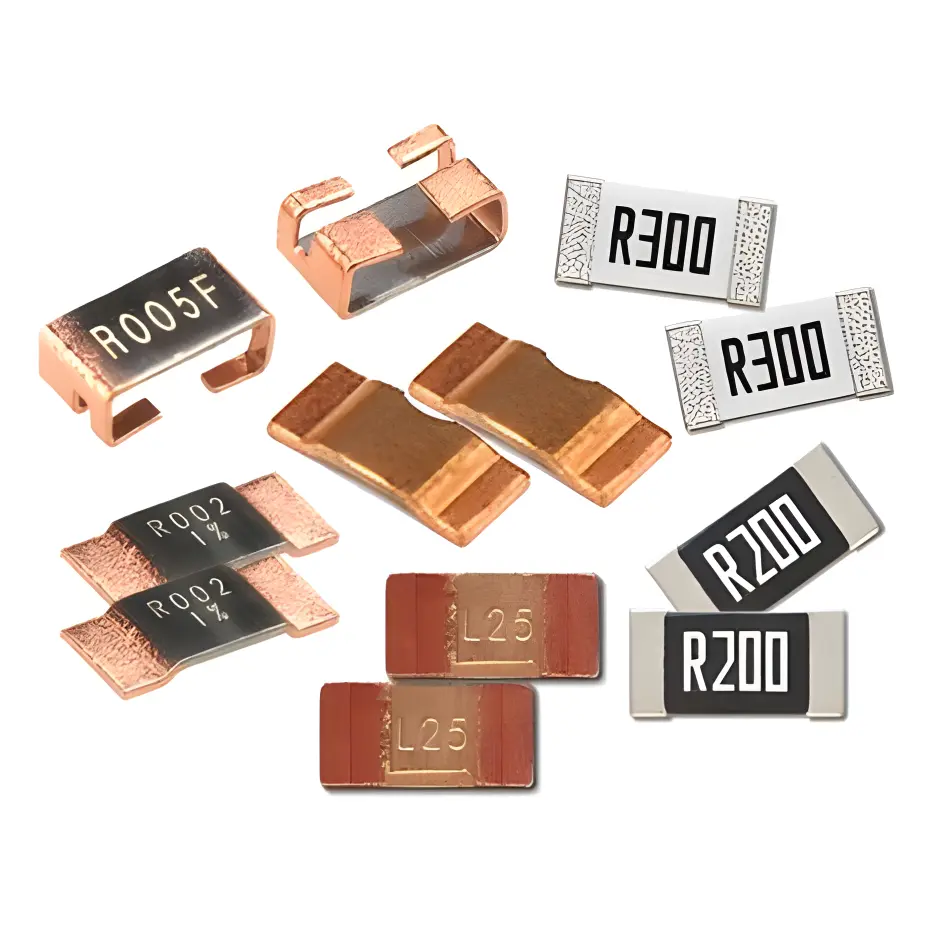 Current Sense Resistors,Shunt Resistors
 Switches
 Transistors
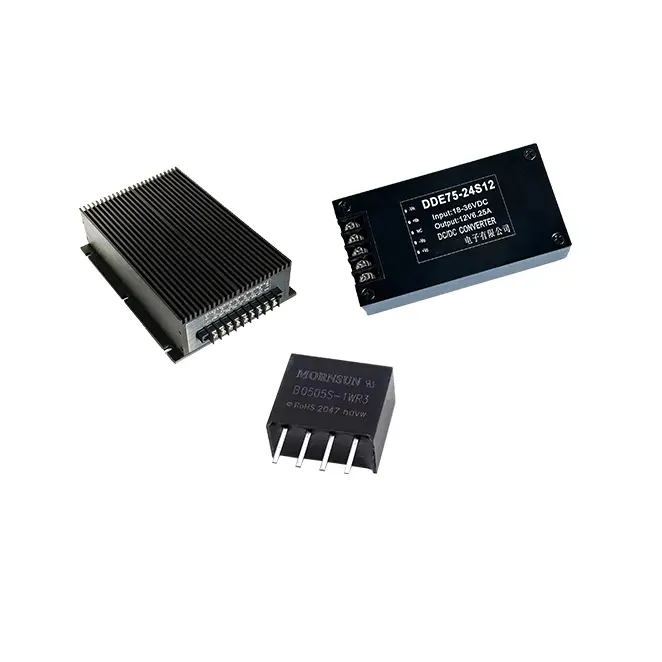 Power Modules
 Isolated Power Modules
 AC-DC Power Modules
 DC-AC Module(Inverter)
 RF and Wireless
SMT Production Site Management
I. What is the Site
The site comprises two elements: "现" (current time) and "场" (location).
-
"现" emphasizes temporality, referring to the present moment.
-
"场" emphasizes regionality, referring to a physICal place.
-
Combined: The site is a specific area defined by a specific timeframe.
-
For manufacturing enterprises: The site is the production workshop.
II. Entering the Site
1. The "Three Busy" Phenomena
-
Busy Chaos: SupeRFicial busyness with redundant or ineffective tasks.
-
Blind Busyness: Mechanical work lacking direction, resulting in low efficiency.
-
Confused Busyness: Mental numbness and disorientation due to prolonged aimlessness.
2. Focus on Output
Process:Analyze Status → Identify Bottlenecks → Take Measures → Solve Problems → Boost Output
3. Site Function: Deliver products.
4. Core Elements of Site Management (4M1E)
-
Man: Quantity, roles, skills, qualifications.
-
Machine: Inspection, maintenance, calibration.
-
Material: Delivery timelines, quality, cost.
-
Method: Processes, techniques, operational standards.
-
Environment: 5S practices, safe working conditions.
III. Golden Rules of Site Management
-
Go to the site immediately when an issue occurs.
-
Inspect the object (related items) and phenomena (observed characteristics).
-
Take temporary corrective actions on the spot.
-
Identify root causes and eliminate them.
-
Standardize to prevent recurrence.
IV. Six Basic Principles of Production
-
The Next Process is the Customer
-
Quality is judged by downstream feedback.
-
Principles: Do not accept, produce, or pass on defects.
-
-
Achieve Production Plans
-
Strictly adhere to annual/monthly/daily/hourly plans to ensure production targets.
-
-
Eliminate Waste
-
Waste refers to unnecessary actions or redundant resources.
-
-
Standardized Operations
-
Standard work documents ≠ standardization.
-
Standardization requires continuous improvement and adherence to rules.
-
-
Value-Added Work
-
Management goal: Maximize profit by identifying bottlenecks and optimizing solutions.
-
-
Adapt Proactively to Changes
-
Steps: Follow standards → Gather information → Enhance skills and equipment efficiency.
-
V. Daily Site Operations
1. Quality Management (5 Principles to Avoid Errors)
-
Eliminate unnecessary tasks, automate, SIMplify processes, inspect, and mitigate impacts.
2. Cost Management
-
Reduce resource waste, improve quality, enhance productivity, minimize inventory, shorten production lines, etc.
3. Delivery Management
-
Ensure on-time fulfillment.
4. Key Focus Areas
-
Plan rationality, workforce skills, material/equipment status, process improvements.
5. Basic Methods
-
Engage frontline staff, ensure communication, study time/motion efficiency.
6. Key Notes
-
Institutionalize exception handling, clarify roles, evaluate employees fairly.
VI. Implementation Methods
1. Daily Management Essentials
-
Prioritize all tasks → Identify critical items → Establish management habits.
2. PDCA Cycle
-
Plan: Set production goals.
-
Do: Execute plans.
-
Check: Compare targets vs. results.
-
Act: Implement improvements.
3. Management Policies
-
Production Slogan: Zero acceptance, production, or transfer of defects!
-
Quality Policy: Quality first, customer satisfaction, continuous improvement.
-
Production Policy: Innovate processes, leverage scientific management, maximize efficiency.
-
Management Requirements:
-
Assign responsibilities clearly.
-
Execute tasks unconditionally.
-
Reward/punish promptly and transparently.
-
VII. Production Preparation
-
Activities: Prepare documents (flowcharts, work instructions), tools, equipment, training, and address anomalies.
VIII. Site Verification
-
Layout Checklist: Confirm workstation setups, tool placements, and records.
-
Tool Inspection: Define timing, scope, responsibilities, and documentation.
IX. Job Daily Report Management
1. Purpose
-
Track delivery, quality, safety, costs, and facilitate communication.
2. Common Issues
-
Overcomplicated forms, lack of guidance, unused data.
3. Design Requirements
-
Simplify fields, use symbols, standardize formats.
X. Production Statistics
-
Metrics: Yield, defect rate, throughput, resource utilization.
-
Summaries: Analyze output, quality, attendance, incidents, equipment issues.