
 PCB
PCB FPC
FPC Rigid-Flex
 FR-4
FR-4 HDI PCB
 Rogers High-Frequency Board
 PTFE Teflon High-Frequency Board
 Aluminum
 Copper Core
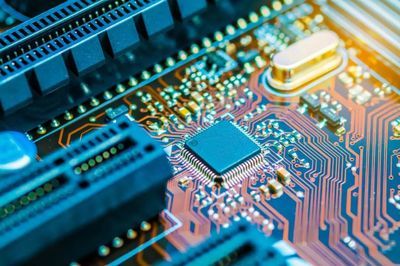 PCB Assembly
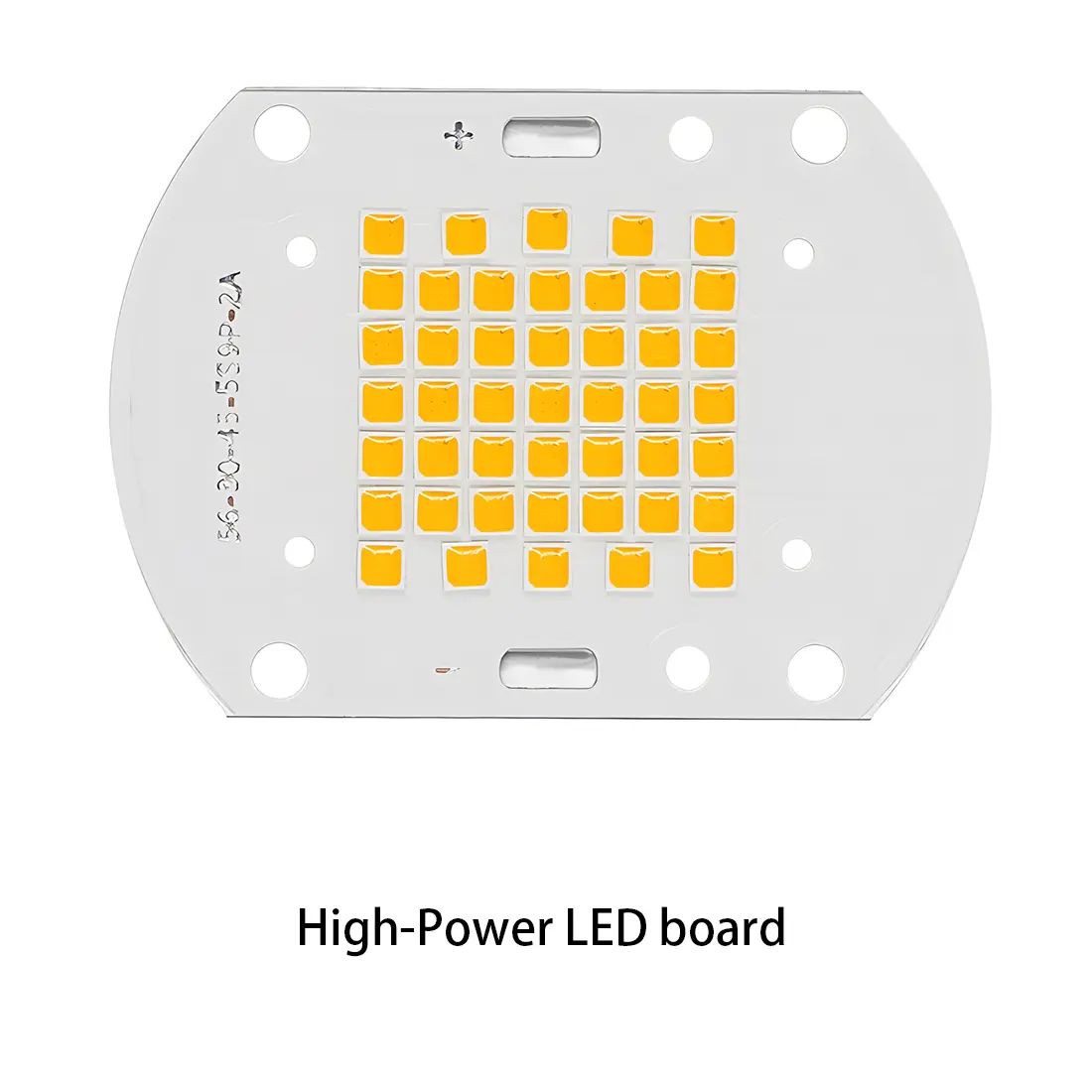 LED light PCBA
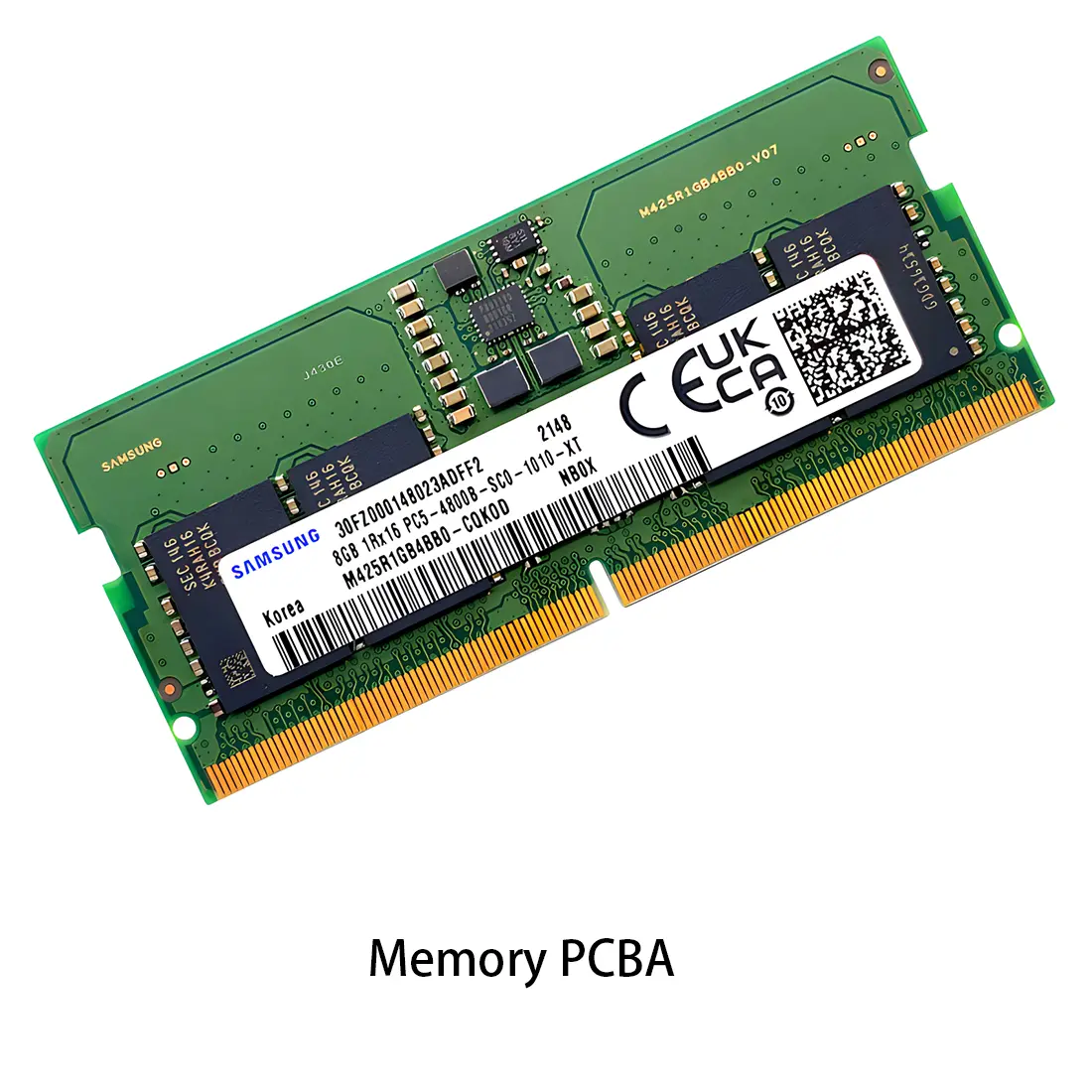 Memory PCBA
 Power Supply PCBA
 New Energey PCBA
 Communication PCBA
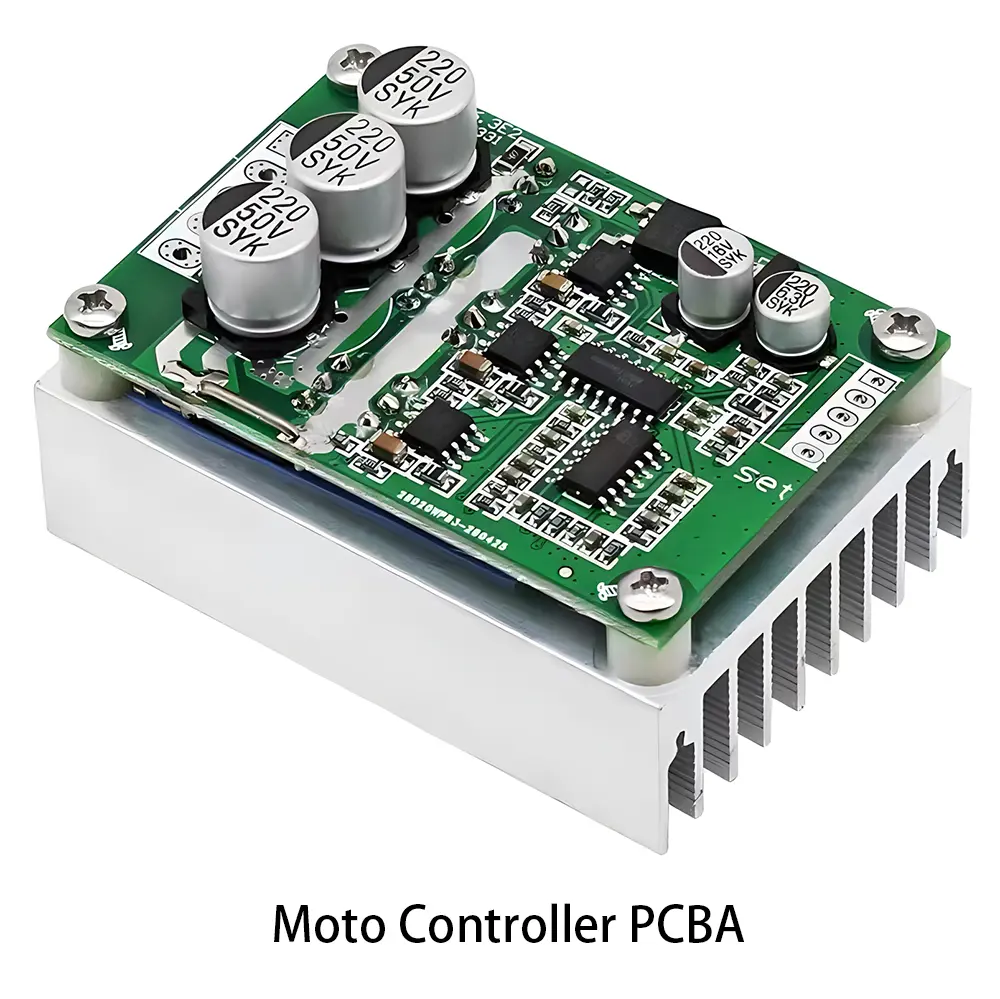 Industrial Control PCBA
 Medical Equipment PCBA
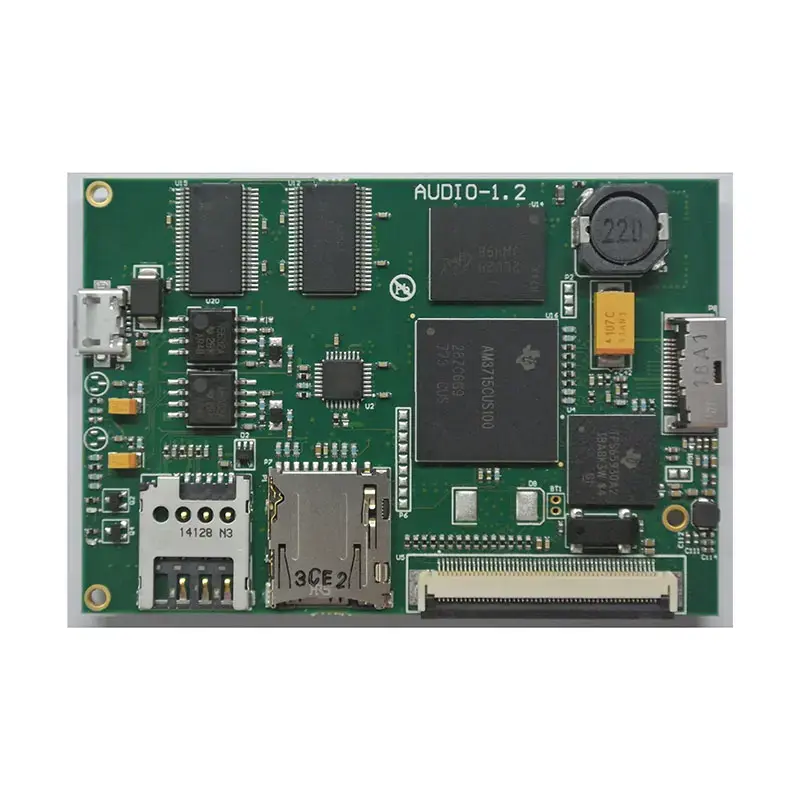 Testing Service
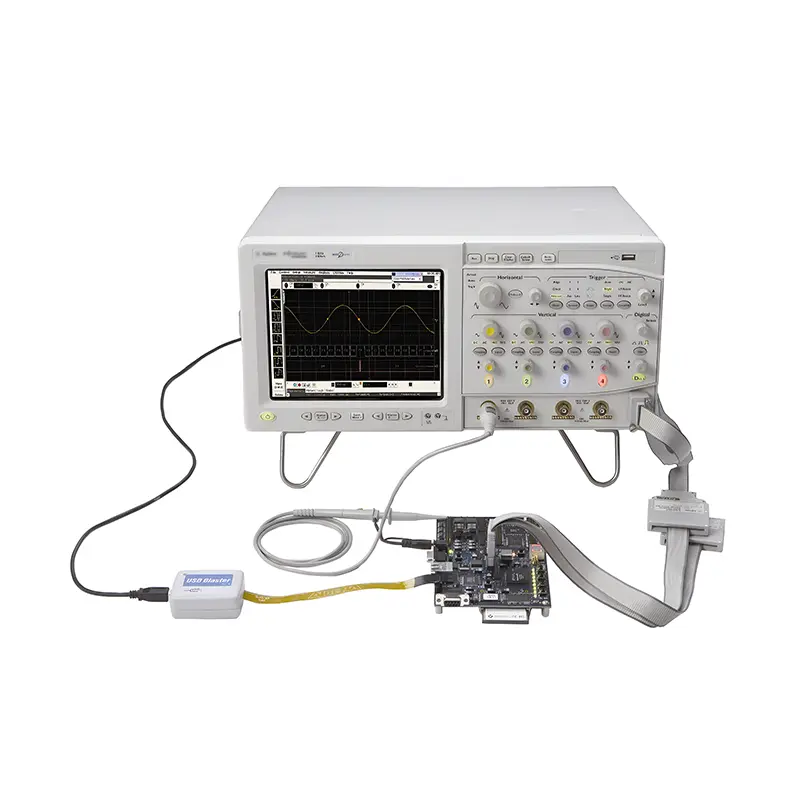 PCBA Testing Service
 Certification Application
 RoHS Certification Application
 REACH Certification Application
 CE Certification Application
 FCC Certification Application
 CQC Certification Application
 UL Certification Application
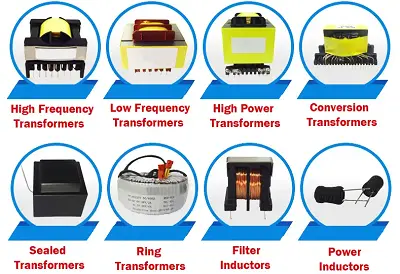 Transformers, Inductors
 High Frequency Transformers
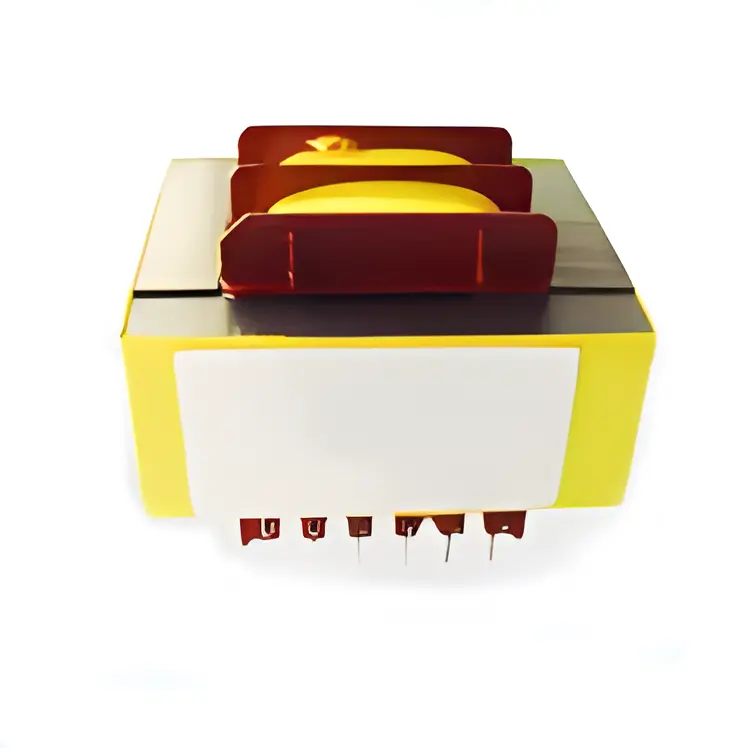 Low Frequency Transformers
 High Power Transformers
 Conversion Transformers
 Sealed Transformers
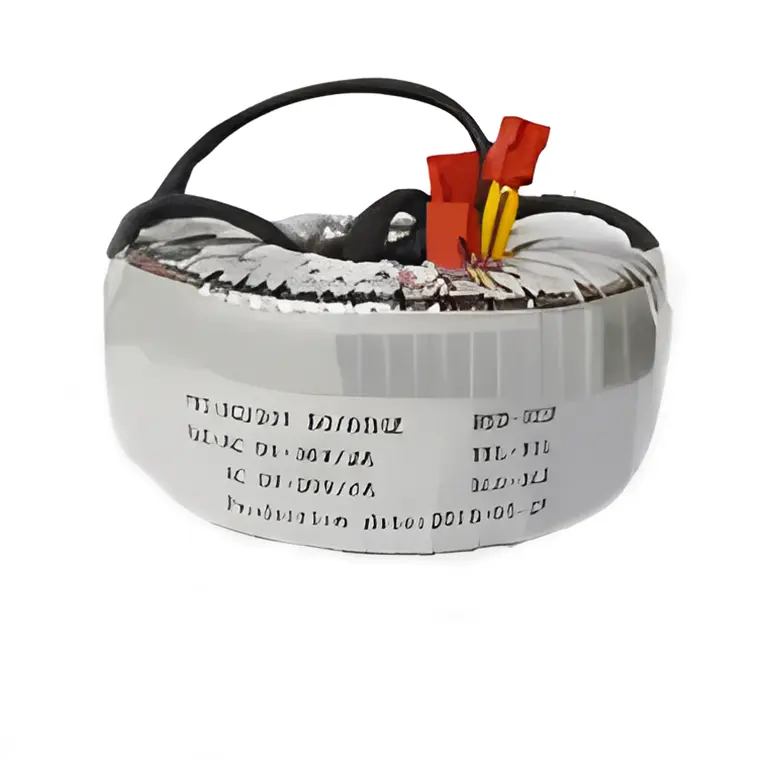 Ring Transformers
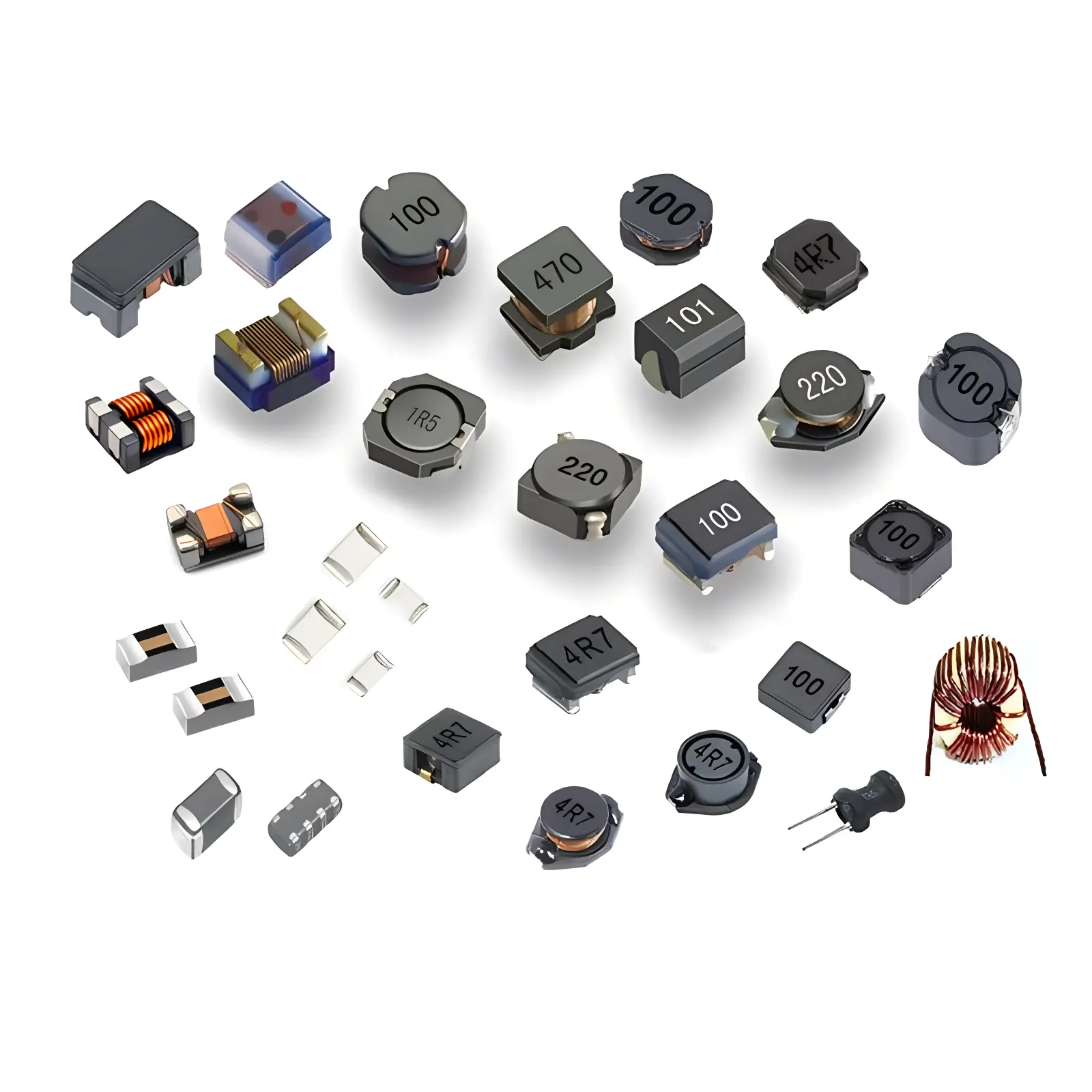 Inductors
 Wires,Cables Customized
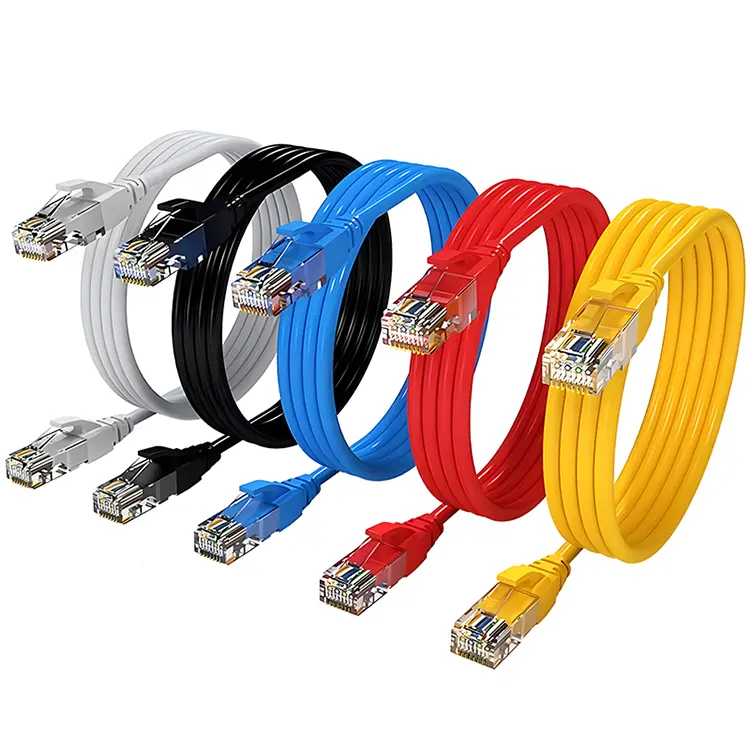 Network Cables
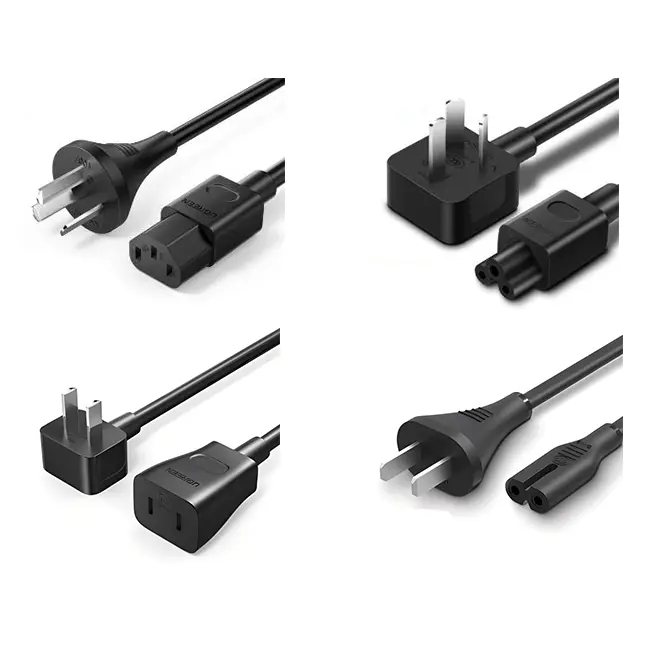 Power Cords
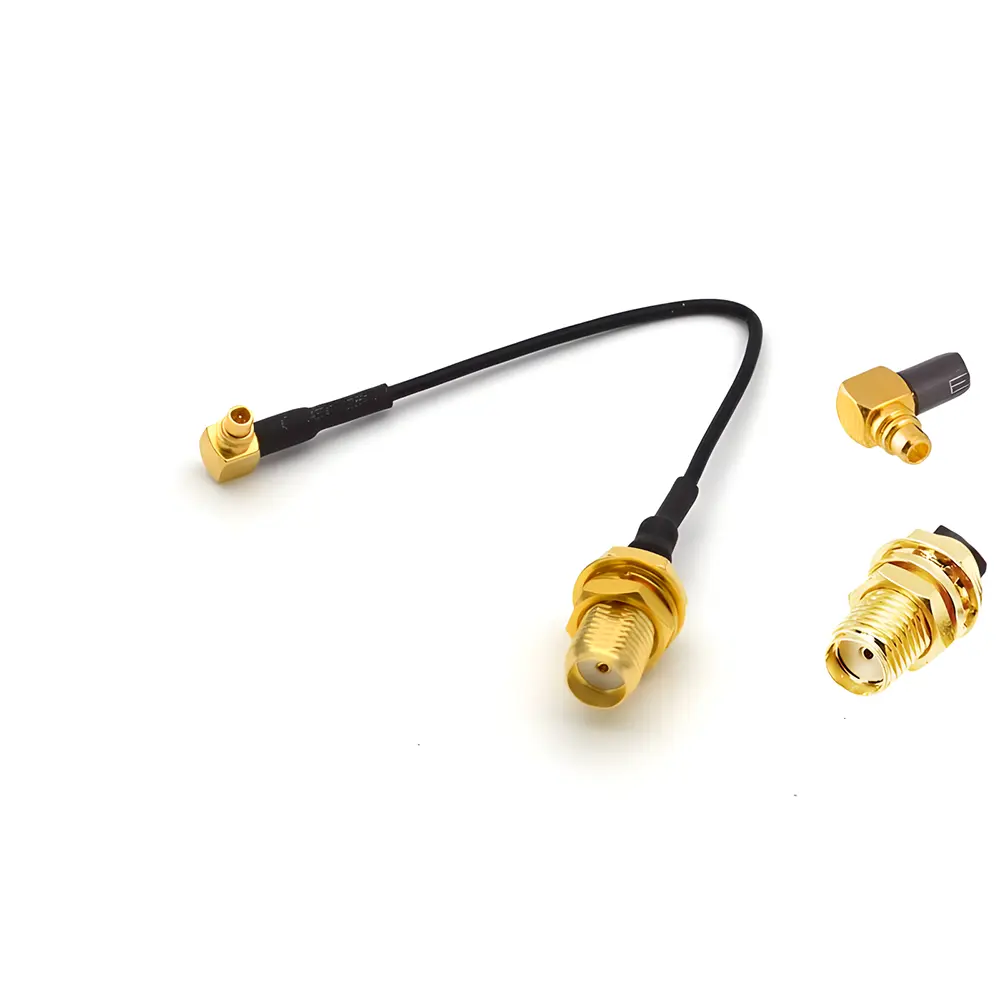 Antenna Cables
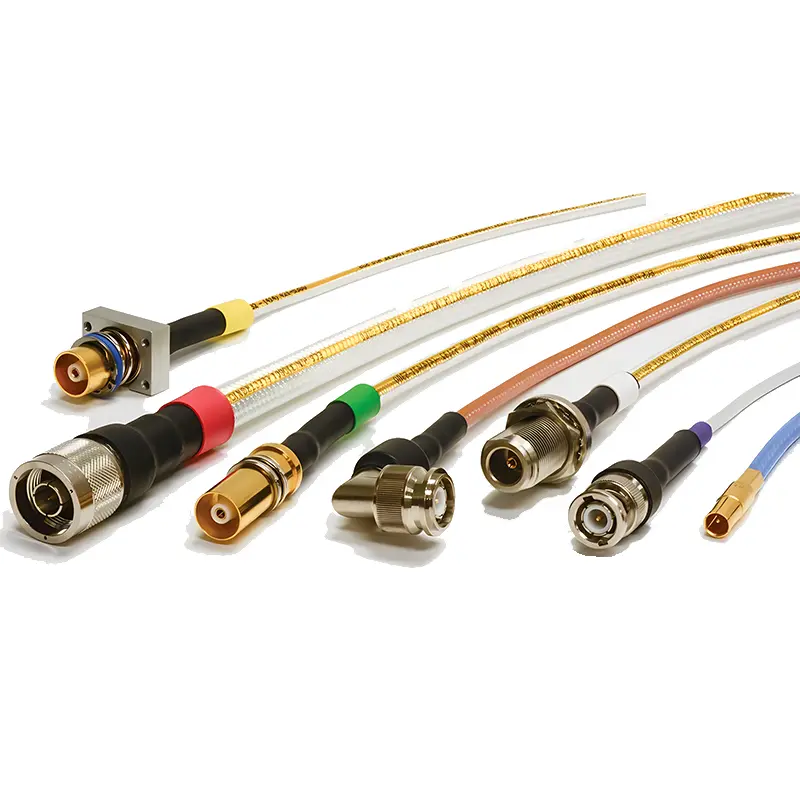 Coaxial Cables
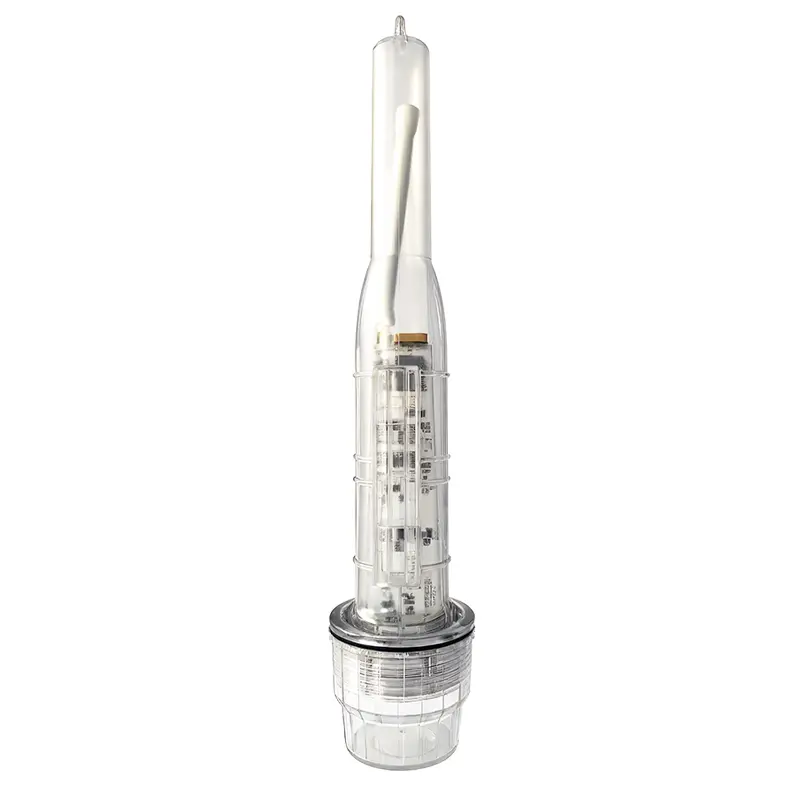 Net Position Indicator
 Solar AIS net position indicator
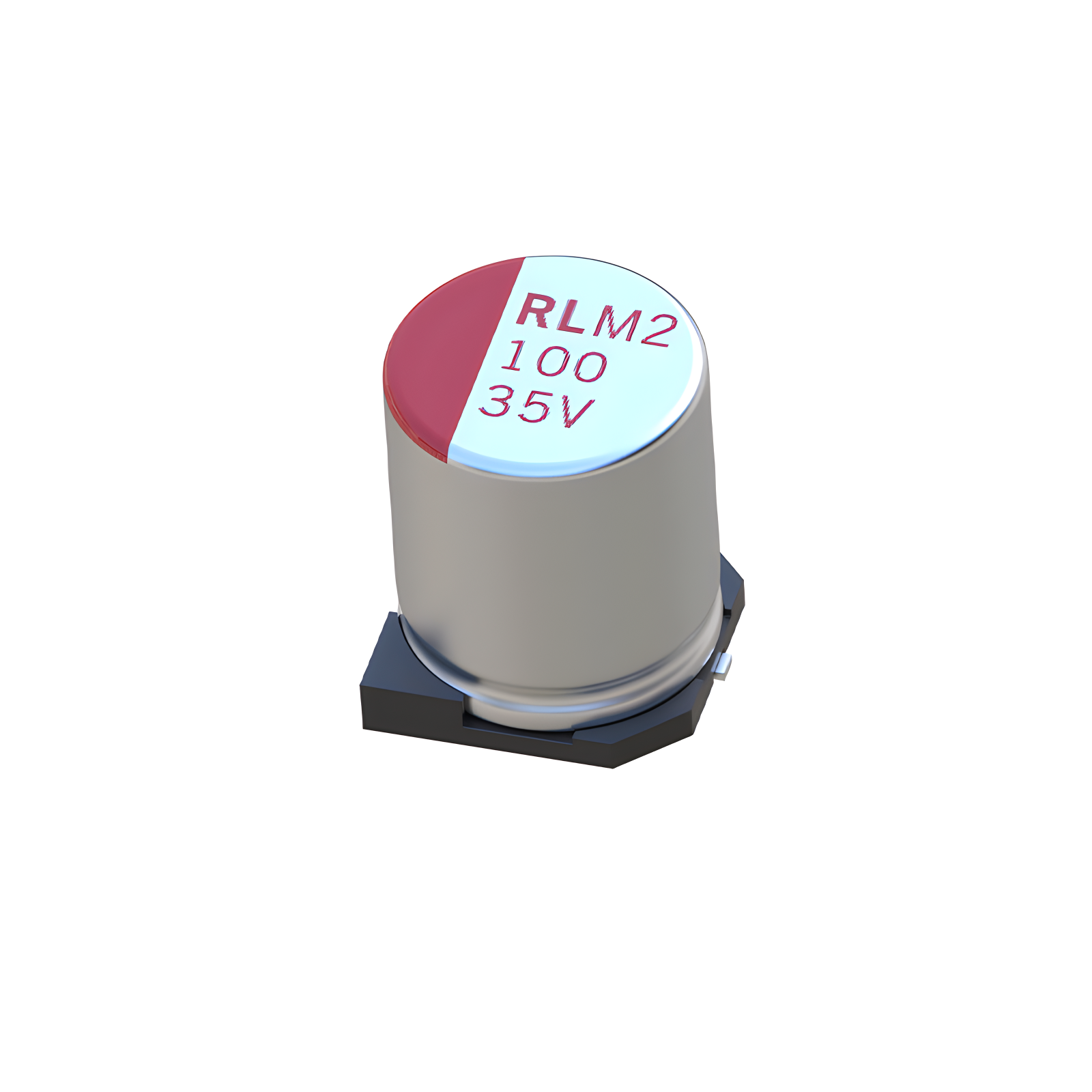 Capacitors
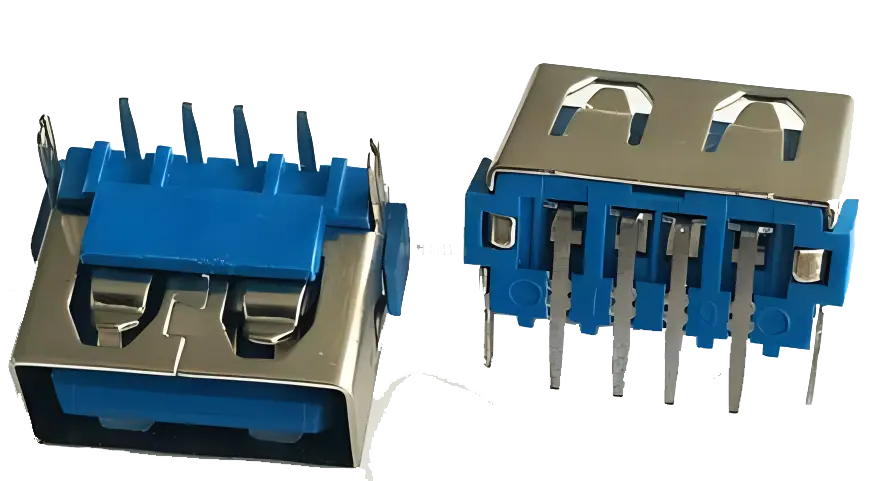 Connectors
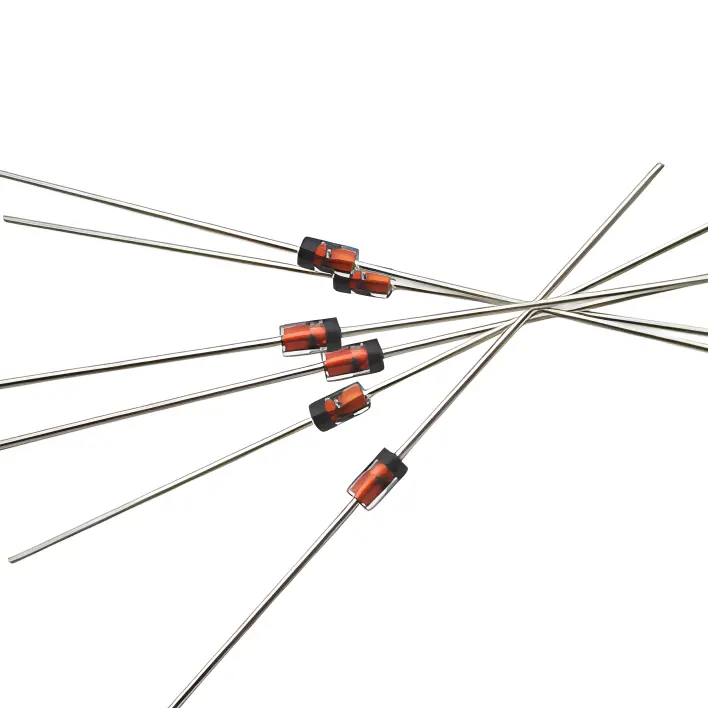 Diodes
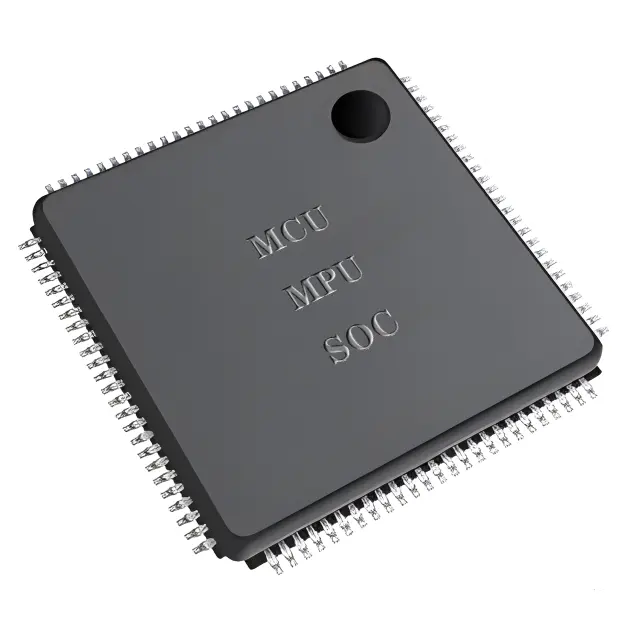 Embedded Processors & Controllers
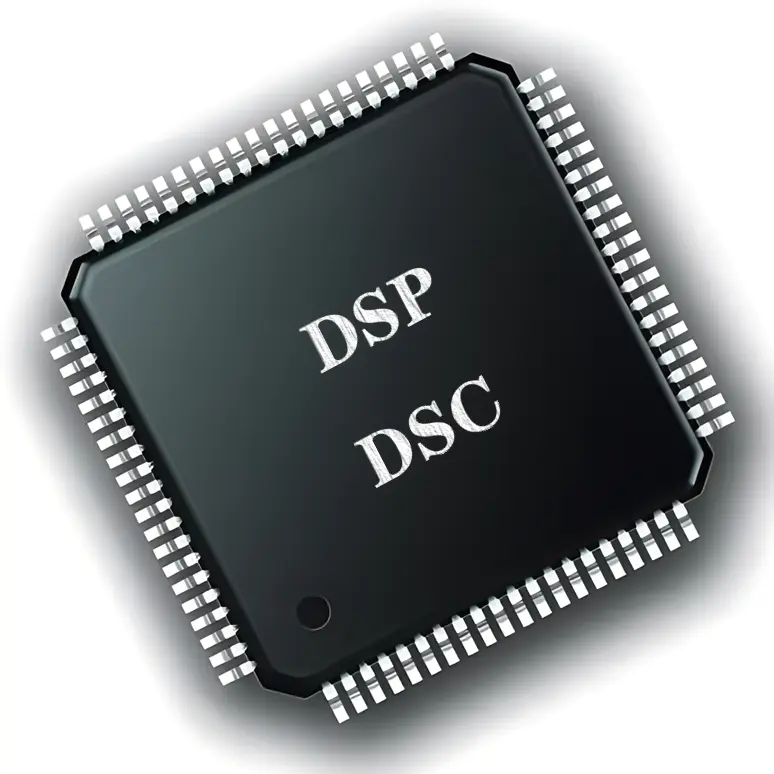 Digital Signal Processors (DSP/DSC)
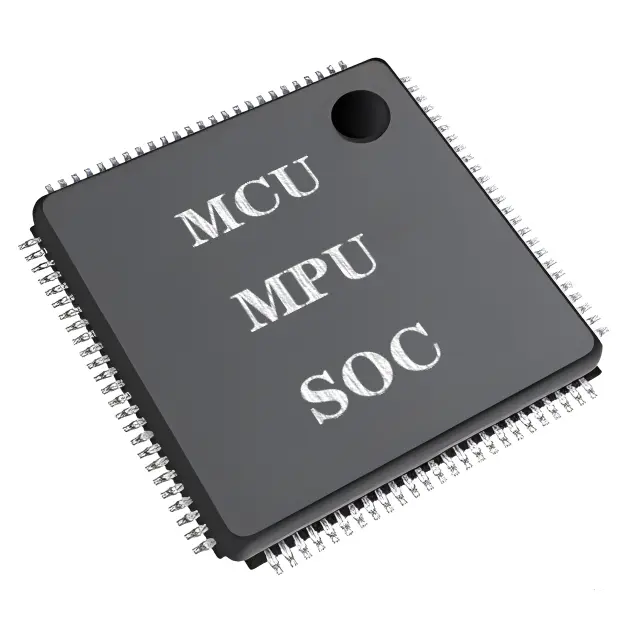 Microcontrollers (MCU/MPU/SOC)
 Programmable Logic Device(CPLD/FPGA)
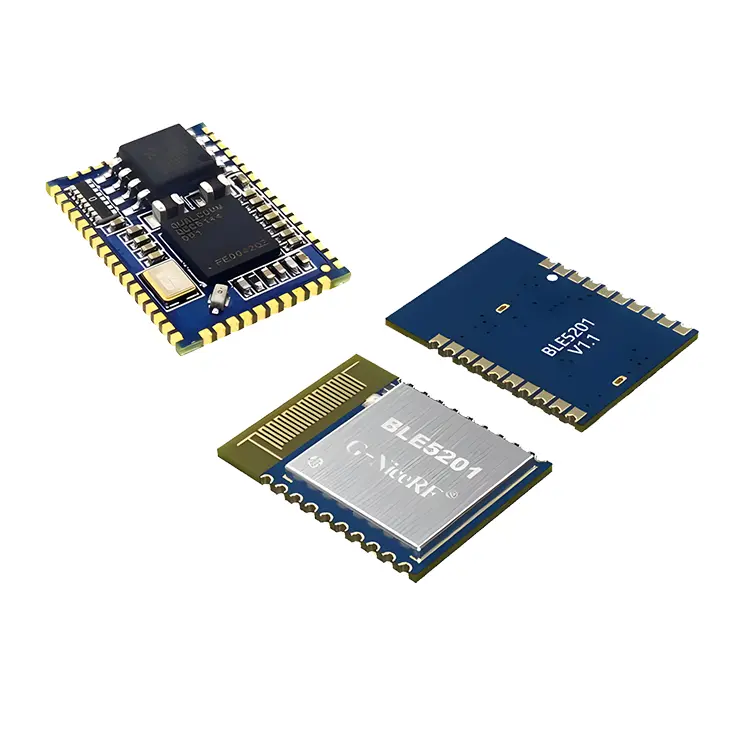 Communication Modules/IoT
 Resistors
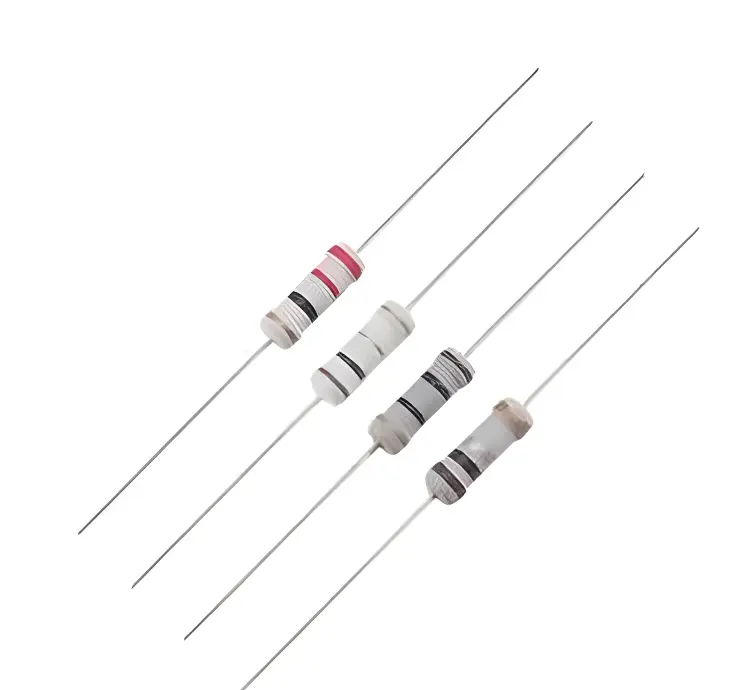 Through Hole Resistors
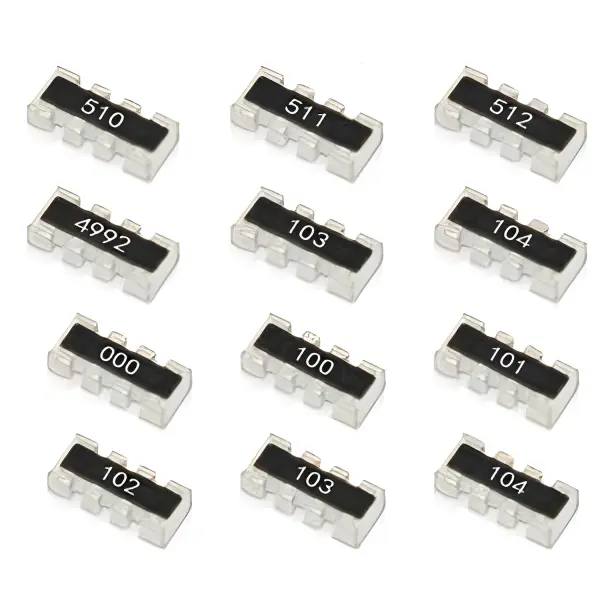 Resistor Networks, Arrays
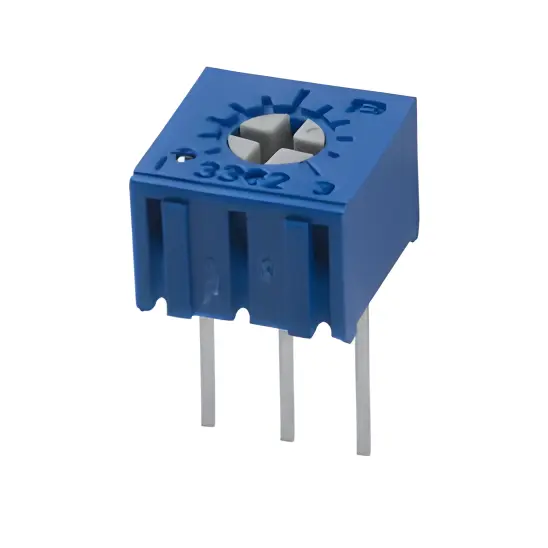 Potentiometers,Variable Resistors
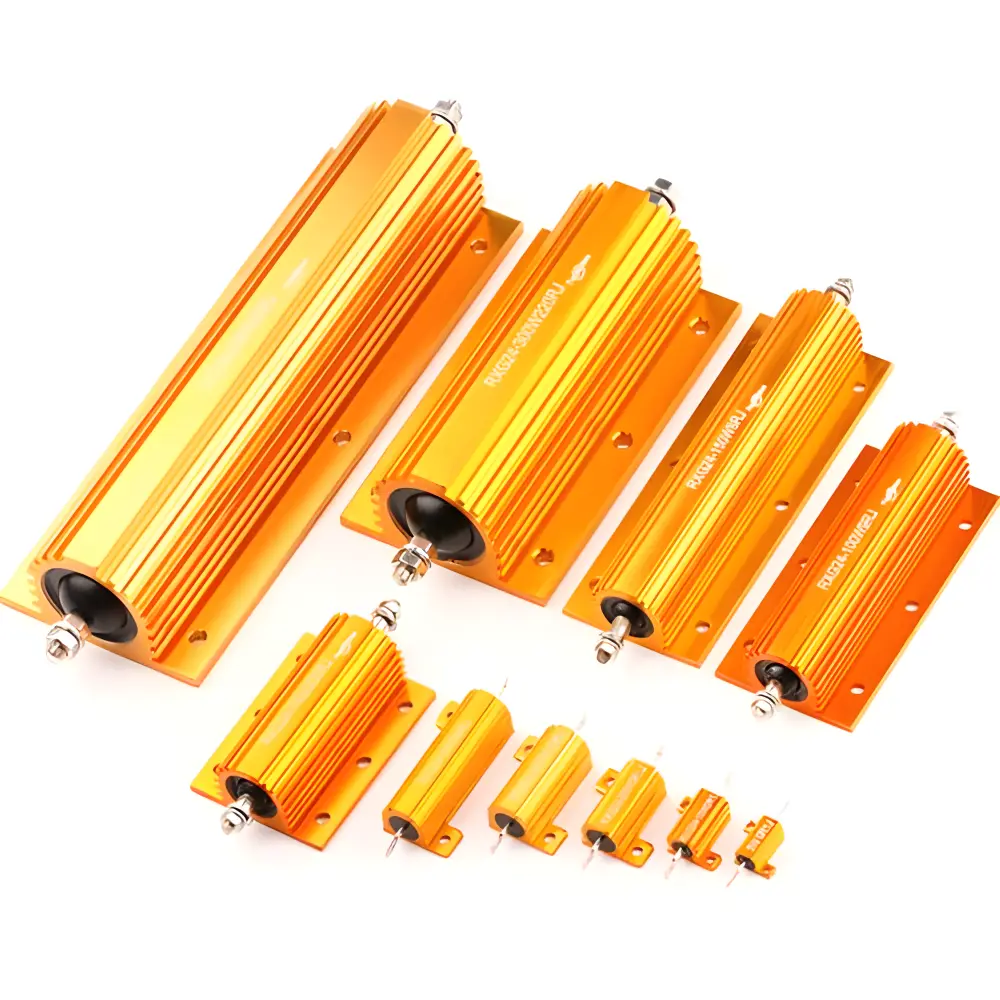 Aluminum Case,Porcelain Tube Resistance
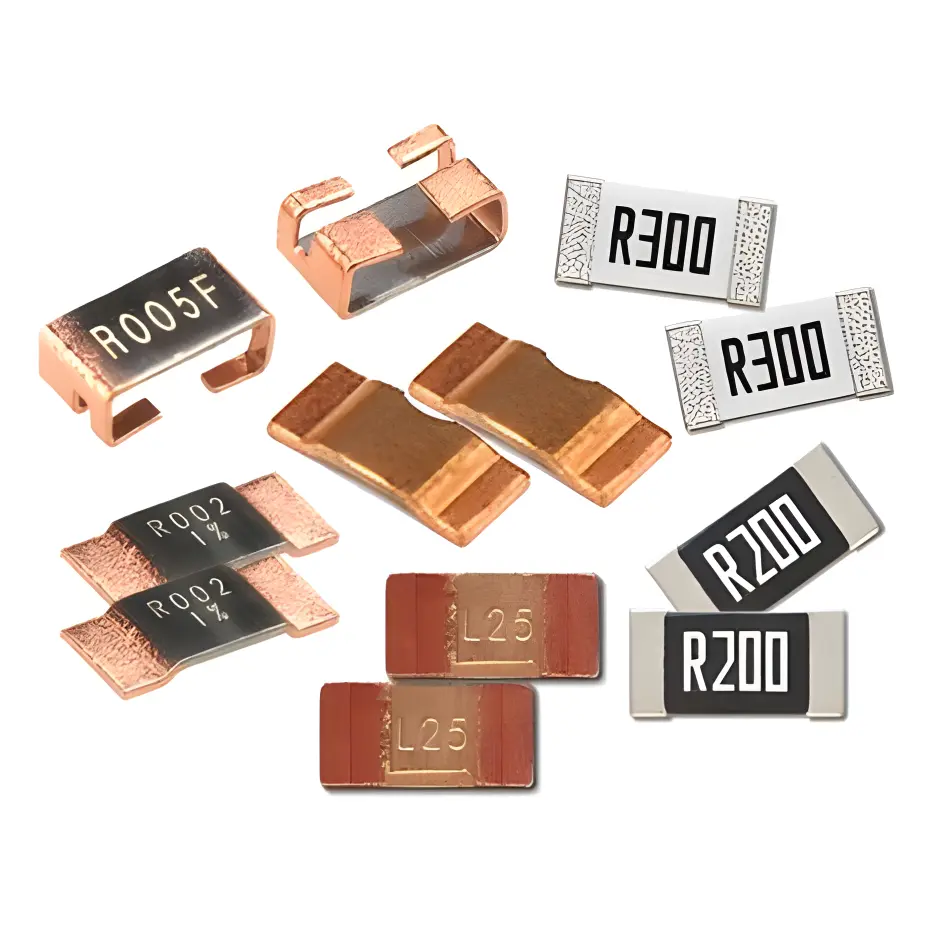 Current Sense Resistors,Shunt Resistors
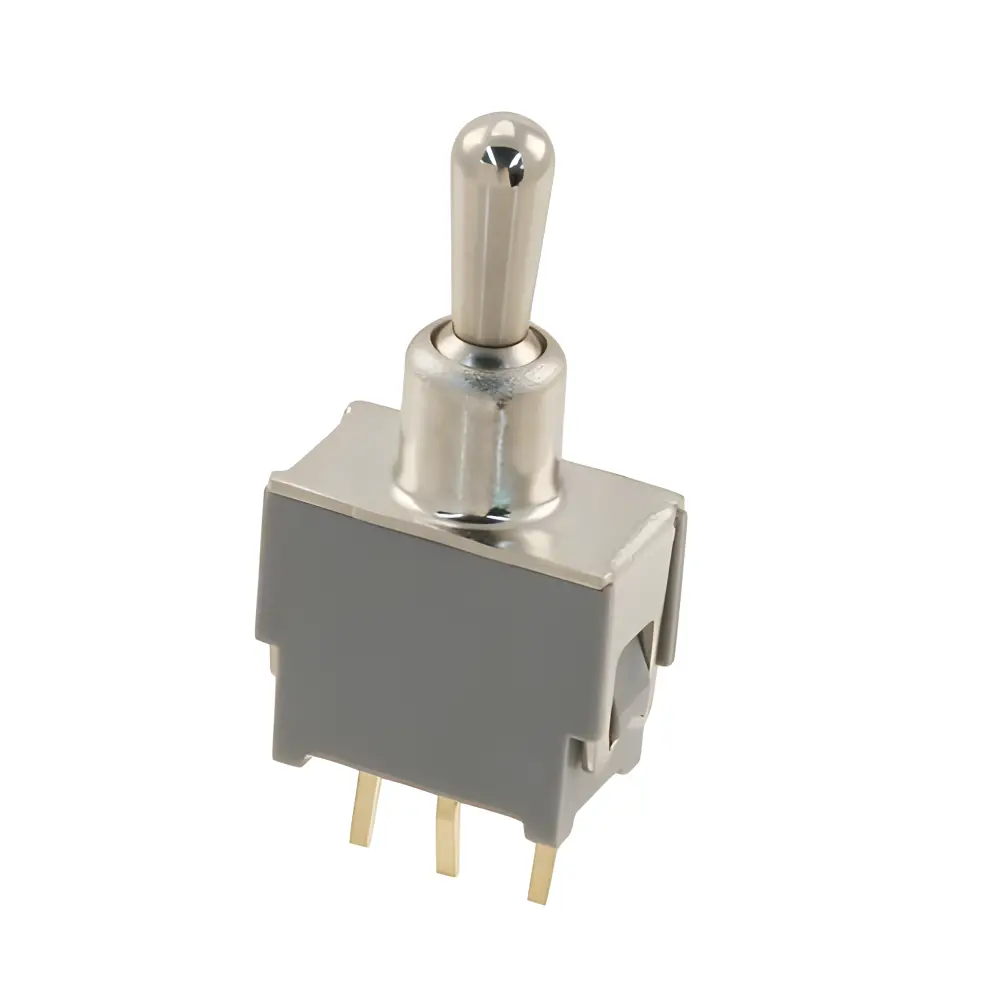 Switches
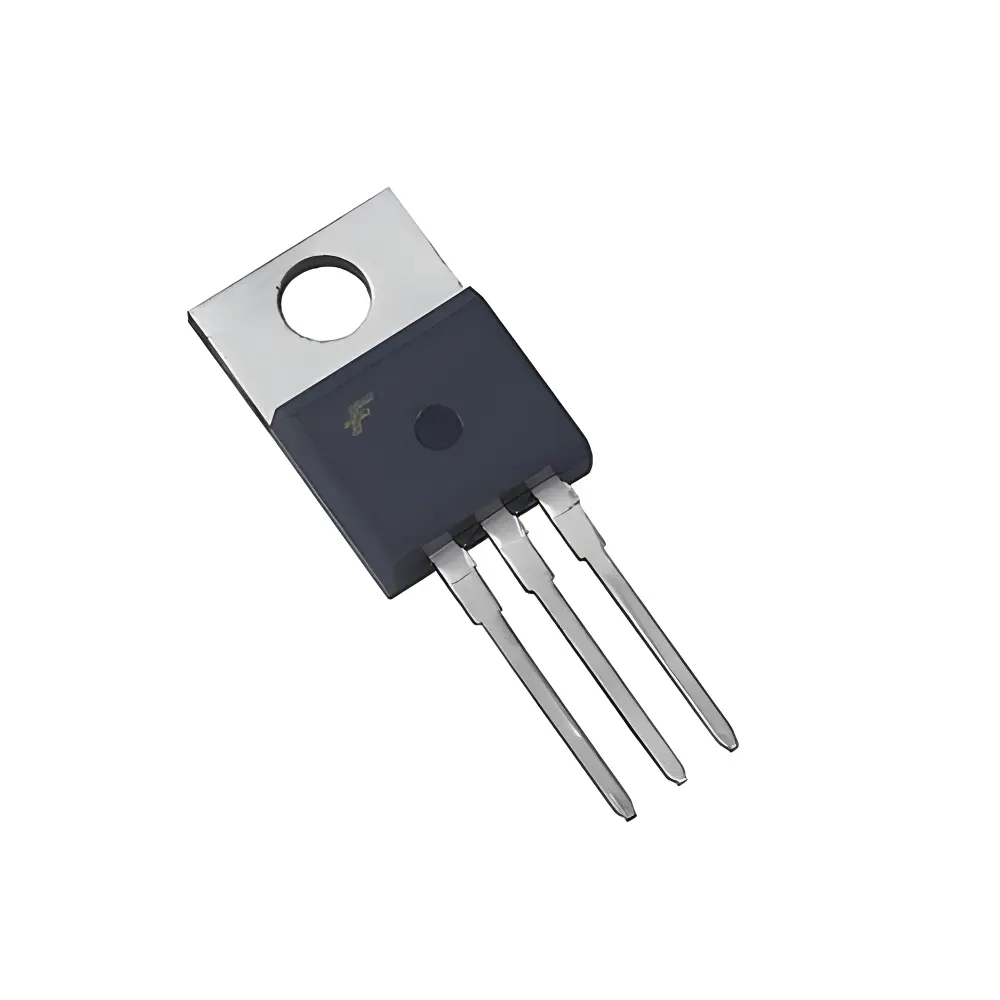 Transistors
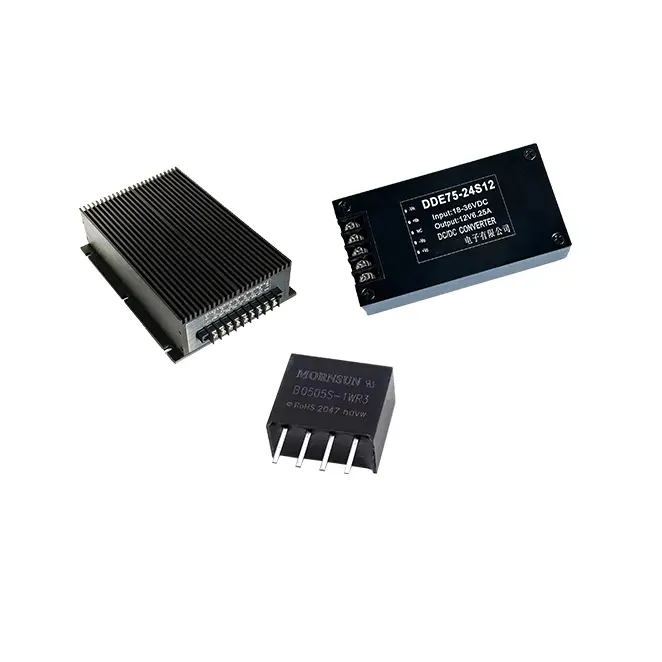 Power Modules
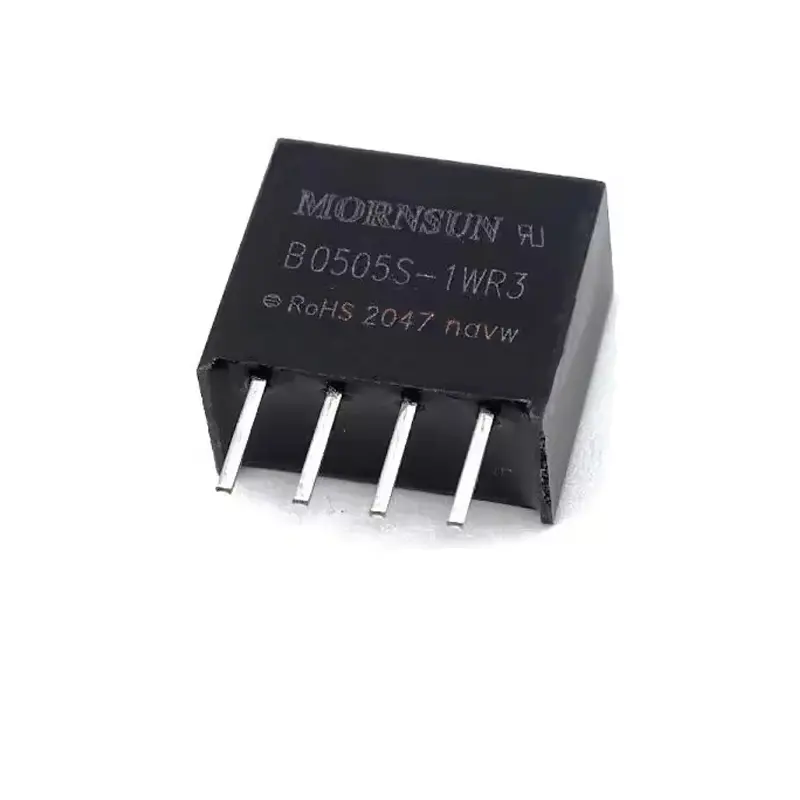 Isolated Power Modules
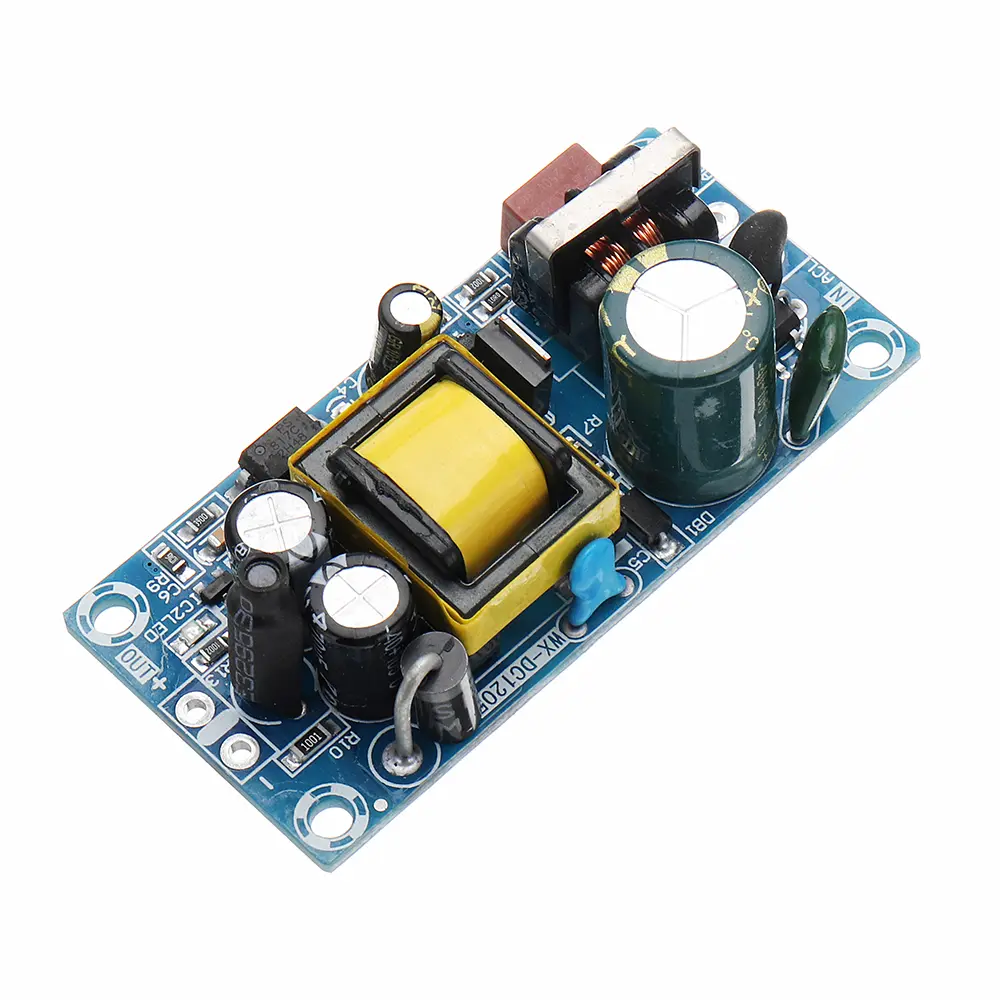 AC-DC Power Modules
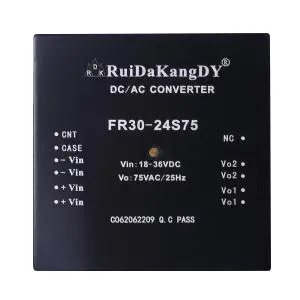 DC-AC Module(Inverter)
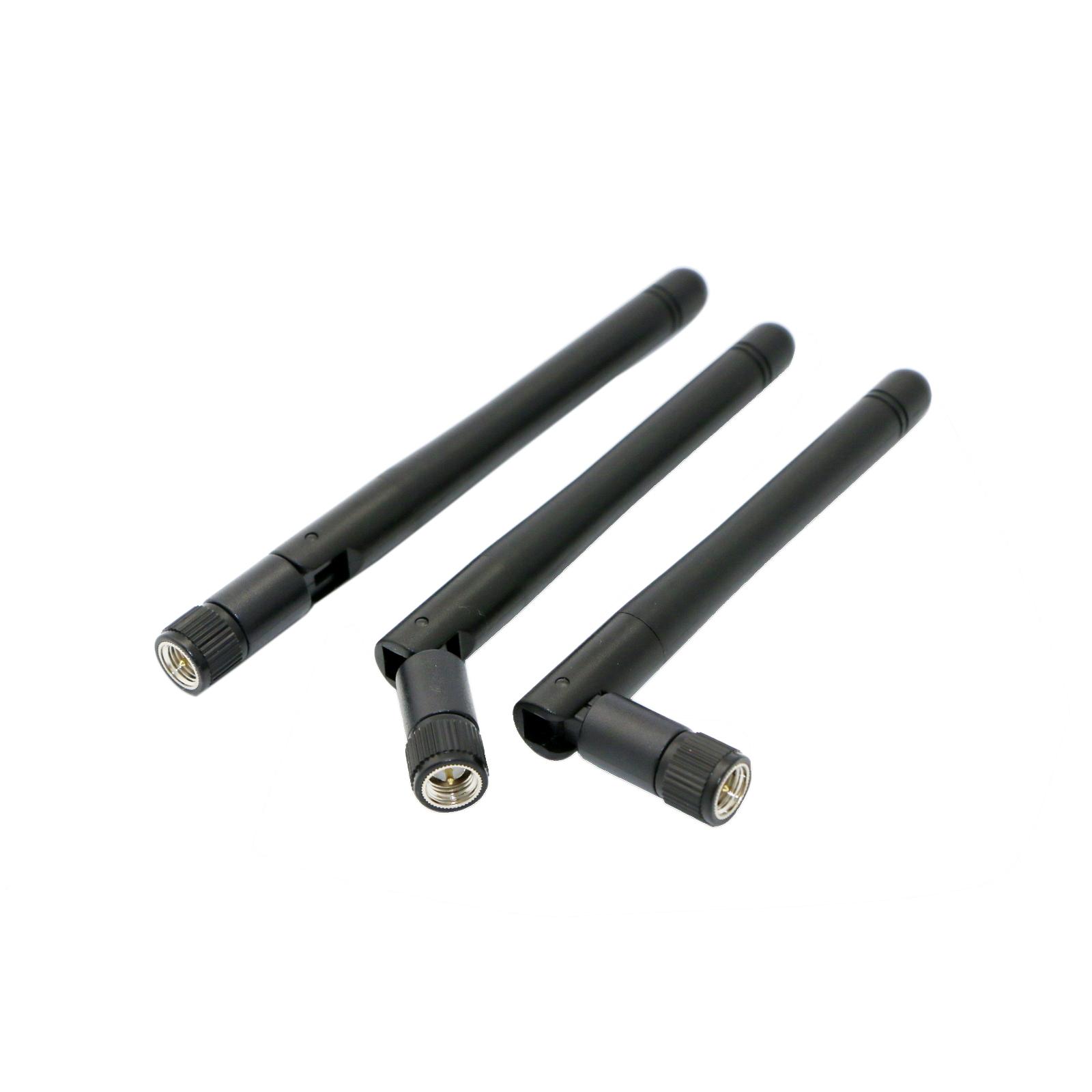 RF and Wireless
Why are SMT production lines divided into long lines and short lines? How can SMT production efficiency be improved?
The SMT (SuRFace Mount Technology) production lines are divided into long lines and short lines, primarily based on considerations of production demands and equipment configurations. This classification helps enterprises more flexibly respond to different production scenarios, increase production efficiency, and reduce operational costs.
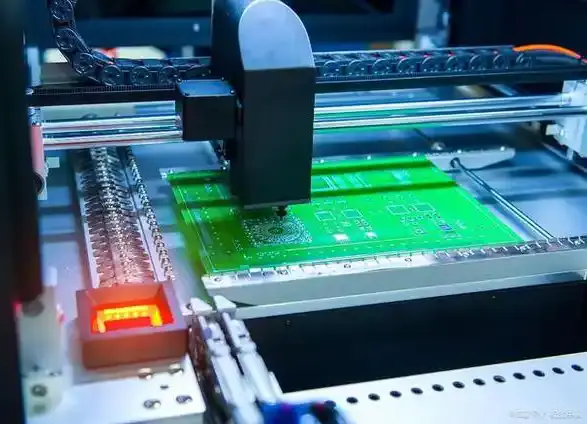
I. Reasons for the Division of SMT Production Lines into Long and Short Lines
1、Differences in Production Demands: Different electronic products have varying demands for SMT placement. Some products may only require SIMple placement processes, while others may necessitate more complex process flows. Therefore, selecting the appropriate line length based on the specific needs of the product is crucial.
2、Equipment Configuration and Cost: Long-line SMT production lines typically include more equipment, such as solder paste printers, SPI (Solder Paste Inspection), placement machines (potentially multiple units), reflow ovens, AOI (Automated Optical Inspection), and more. This configuration suits mass production, enabling multiple mounting steps to be completed in one go, thereby enhancing production efficiency. However, the setup costs for such lines are higher, suitable for larger-scale production enterprises. In contrast, short-line SMT production lines have fewer pieces of equipment, typically only including solder paste printers, placement machines, and reflow ovens, suitable for small-batch production or sample manufacturing. This configuration is less costly and more suitable for small and medium-sized enterprises or startups.
3、Flexibility and Scalability: Long-line SMT production lines offer high flexibility and can be expanded or scaled down based on production demands. When enterprises need to increase capacity, they can enhance production efficiency by adding equipment or optimizing processes. Short-line SMT production lines are relatively fixed, but their simplicity makes them easier to manage and maintain.
II. How to Improve SMT Production Efficiency
Improving SMT production efficiency requires addressing multiple aspects, including optimizing production processes, enhancing equipment utilization, strengthening personnel training, introducing advanced technologies and management methods, and more. Here are some specific suggestions:
1、Optimize Production Plans and Processes
* Formulate Reasonable Production Plans: Based on orders and production demands, reasonably arrange production sequences and batches to ensure smooth production processes.
* Simplify Production Processes: Shorten production cycles and improve production efficiency by reducing unnecessary steps and links. For example, optimize material handling routes and reduce waiting times.
2、Increase Equipment Utilization
* Regularly Maintain and Service Equipment: Ensure that equipment is in good condition, reducing downtime due to failures and improving the stability and reliability of equipment operation.
* Reasonably Arrange Equipment Usage Time: Avoid equipment idling or overuse, ensuring that equipment operates in optimal conditions.
3、Strengthen Personnel Training
* Improve Employee Skill Levels: Regularly provide skill training for employees to ensure they are proficient in SMT production technologies and operational procedures.
* Enhance Team Collaboration Awareness: Strengthen team building and improve collaboration among employees to ensure smooth production processes.
4、Introduce Advanced Technologies and Management Methods
* Adopt Automated Equipment: Introduce advanced automated equipment, such as automatic placement machines and automatic inspection equipment, to improve production efficiency and quality.
* Implement Production Management Systems: Establish a comprehensive production management system to achieve visualization, controllability, and optimization of the production process, thereby improving production efficiency and management levels.
5、Quality Management and Improvement
* Establish a Strict Quality Management System: Formulate and implement strict quality control standards to ensure that product quality meets customer requirements.
* Continuously Improve Production Processes: Collect and analyze production data to identify problems and bottlenecks in the production process and take corresponding improvement measures to continuously enhance production efficiency and quality.
Additionally, there are other noteworthy aspects:
Supply Chain Management
* Optimize Material Procurement and Inventory Management: Ensure timely supply of raw materials and reasonable inventory control to avoid production disruptions or waste.
* Strengthen Cooperation with Suppliers: Establish good cooperative relationships with suppliers to ensure the quality and stable supply of raw materials.
Environment and Safety
* Provide a Good Working Environment: Ensure that the production site is tidy, safe, and comfortable, improving employee work efficiency and satisfaction.
* Strengthen Safety Production Management: Formulate and implement strict safety production rules and regulations to ensure employee safety and the normal operation of equipment.
Through the comprehensive implementation of the above measures, SMT production efficiency can be effectively improved, production costs reduced, and enterprise competitiveness enhanced. At the same time, these measures also contribute to improving product quality and customer satisfaction, laying a solid foundation for the sustainable development of enterprises.