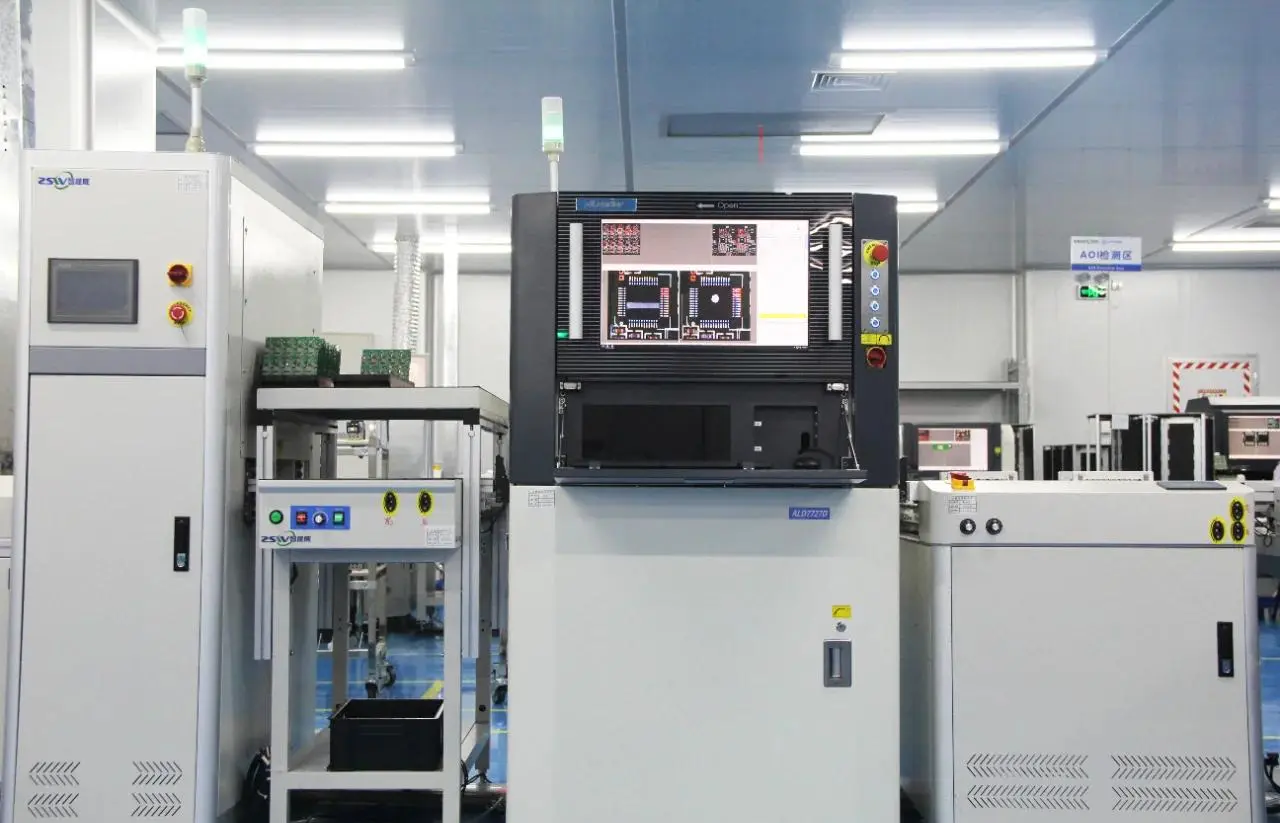
I. Core LogIC for Scenario Division of SMT Missing Component Inspection
The differences in core requirements for SMT (SuRFace Mount Technology) missing component inspection mainly stem from five dimensions: production batch, component precision, cost budget, response speed, and quality traceability requirements**. Due to different technical principles, manual visual inspection and AOI (Automated Optical Inspection) form complementary application scenarios in the above dimensions. There is no absolute "superiority or inferiority", only "suitability or not".
Manual visual inspection relies on inspectors' naked eyes (assisted by magnifiers or microscopes). Its core advantages are high flexibility, low initial investment, and no need for programming and debugging, but it has shortcomings such as low efficiency, easy fatigue, and limited precision (depending on personnel experience). It is suitable for the following scenarios:
- Scenario DeSCRiption: R&D phase, prototype trial production, or small-batch customized production (single batch ≤ 500 PCBs), with frequent product model switches (e.g., switching more than 3 PCB designs a day).
- Reason for Suitability: AOI requires "programming-calibration-testing" for specific PCBs before inspection, which takes 1-4 hours (depending on component complexity). In small-batch production, the AOI debugging time accounts for more than the inspection time, which instead reduces overall efficiency. Manual inspection can be carried out directly, and no additional preparation is needed when switching models.
- Scenario Description: PCBs contain non-standard components, such as special-shaped connectors (without fixed pin pitch), customized metal brackets, and manually soldered large plug-ins (e.g., power modules).
- Reason for Suitability: AOI relies on "template matching" and "optical parameter comparison" (e.g., number of pins, component outline), resulting in low recognition rate for non-standard components (prone to misjudgment or missed judgment). Inspectors can comprehensively judge whether there is a missing component based on "shape, installation position, and soldering traces", and its flexibility far exceeds the fixed algorithm of AOI.
- Scenario Description: A small number of PCBs in the mass production line suddenly have missing components (e.g., 2 out of 10 boards are missing resistors), which need to be re-inspected after quick component replacement, or re-inspection of faulty boards returned by customers after repair.
- Reason for Suitability: AOI needs to recall the inspection program of the corresponding PCB (if the program is not archived, it needs to be rewritten), resulting in a long response cycle. Manual inspection can conduct targeted inspection on the "suspected missing component area" and complete the verification of a single board within 1-2 minutes, meeting the timeliness requirement of emergency repair.
- Scenario Description: Production of low-end consumer electronics (e.g., toy circuit boards, simple chargers), with low requirements for missing component inspection accuracy (allowing a missed judgment rate ≤ 0.5%) and limited enterprise budget (unable to afford AOI equipment investment).
- Reason for Suitability: Manual visual inspection requires no equipment procurement cost (only simple tools such as magnifiers, cost ≤ 500 yuan). Although the efficiency is low, the output of low-end products is usually not high (daily output ≤ 1000 pieces), and the labor cost can be covered. The unit price of AOI equipment is usually ≥ 150,000 yuan, which has an extremely low return on investment for low-cost projects.
AOI collects PCB images through a high-definition camera and compares the "standard template" with the "actual image" using algorithms. Its core advantages are high efficiency, stable precision, and traceability, but it has shortcomings such as high initial investment and poor adaptability to special-shaped components. It is suitable for the following scenarios:
- Scenario Description: Mass production of standardized products (single batch ≥ 1000 PCBs) with a long production cycle (e.g., continuous production of the same model of mobile phone motherboard for 1 month).
- Reason for Suitability: The AOI inspection speed can reach 200-500 pieces per hour (depending on PCB size), which is 10-20 times that of manual inspection (about 20-30 pieces per hour). In mass production, after one programming and debugging, continuous and stable inspection can be carried out. The average inspection cost per board (equipment depreciation + electricity fee) after allocation is lower than the labor cost (about 0.1 yuan/piece vs 0.3 yuan/piece).
- Scenario Description: PCBs contain micro-components (e.g., 01005 packaged resistors with size 0.4mm × 0.2mm) and fine-pitch chips (pin pitch ≤ 0.3mm, such as BGA, QFP).
- Reason for Suitability: The maximum resolution accuracy of the human eye is about 0.1mm, and long-term observation (more than 30 minutes) is easy to cause fatigue, resulting in a missed judgment rate of 1%-3%. AOI uses a 2-5 million-pixel high-definition camera + optical magnification system, which can identify differences at the 0.05mm level, with a missed judgment rate ≤ 0.01%, and no fatigue problem, making it suitable for high-precision inspection of micro-components.
- Scenario Description: 24/7 uninterrupted production (e.g., automotive electronics PCB mass production line with a daily output ≥ 5000 pieces), requiring continuous and stable inspection capabilities.
- Reason for Suitability: Manual inspection requires shift work (calculated by 8 hours per shift, 3 shifts of personnel are needed per day), and the inspection standards are prone to inconsistency due to differences in operating habits during shift changes. AOI can operate continuously for 24 hours, only requiring regular lens cleaning (every 8 hours), and the inspection standards are completely unified, avoiding quality fluctuations caused by human factors.
- Scenario Description: Medical electronics (e.g., monitor PCBs) and aerospace components have high reliability requirements (missing components may pose life safety risks), and require complete inspection data traceability (e.g., "inspection time, inspector/equipment, and whether there are missing components for a certain PCB").
- Reason for Suitability: AOI can automatically record the inspection images and data (e.g., missing component position, component model) of each PCB and store them in the system (retention for more than 1 year), facilitating subsequent quality traceability and problem analysis. Although manual inspection can also record, it is prone to missing records and wrong records, and cannot retain intuitive image evidence, which does not meet the compliance requirements of high-reliability industries.
- Priority for manual visual inspection: Small batch + multi-variety + special-shaped components + low cost/emergency needs
- Priority for AOI: Mass production + high precision + long-term continuous inspection + high reliability/traceability needs
The two are not mutually exclusive. They can be used in combination in some scenarios (e.g., "AOI initial inspection + manual re-inspection of special-shaped components") to balance efficiency and precision.

 PCB
PCB FPC
FPC Rigid-Flex
 FR-4
FR-4 HDI PCB
 Rogers High-Frequency Board
 PTFE Teflon High-Frequency Board
 Aluminum
 Copper Core
 PCB Assembly
 LED light PCBA
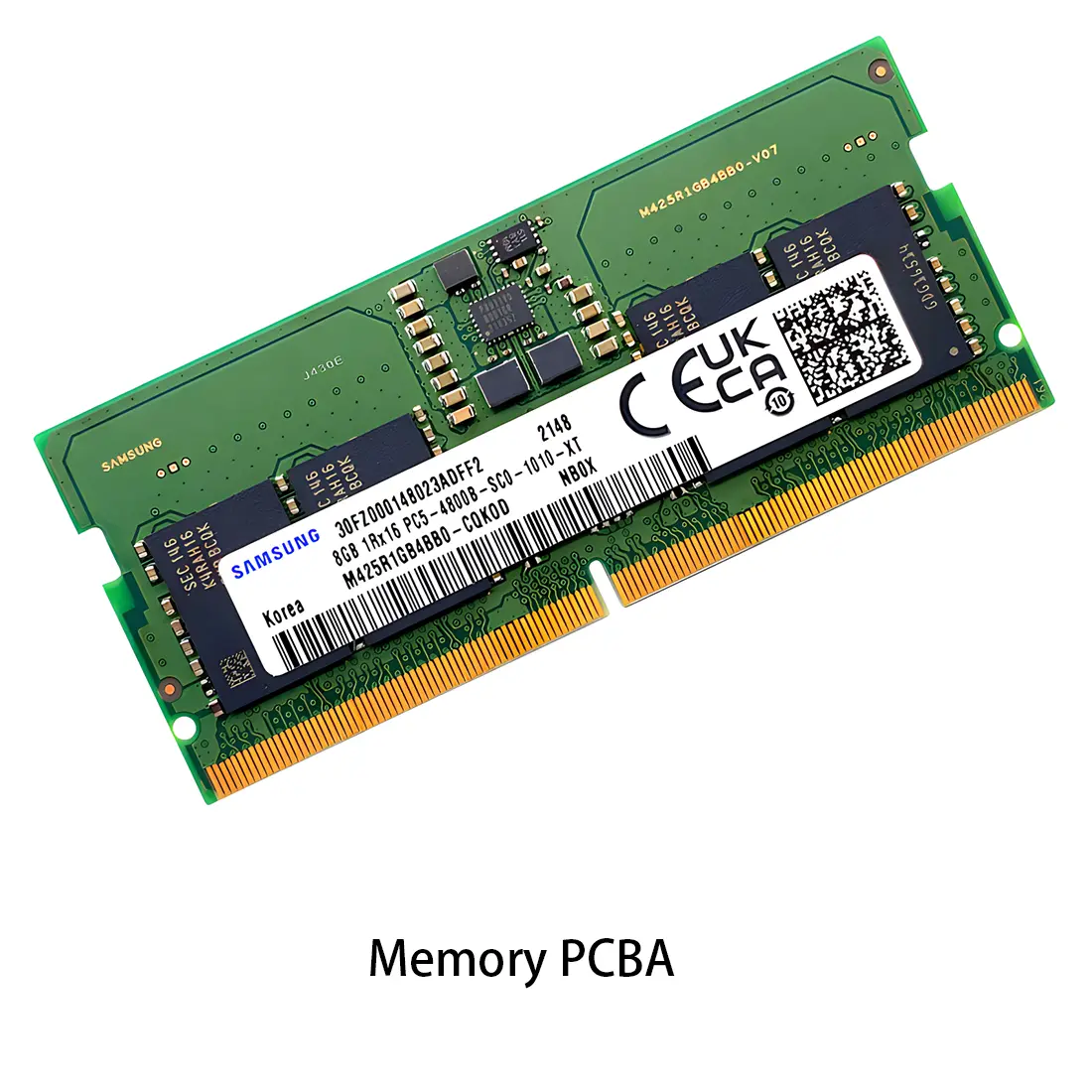 Memory PCBA
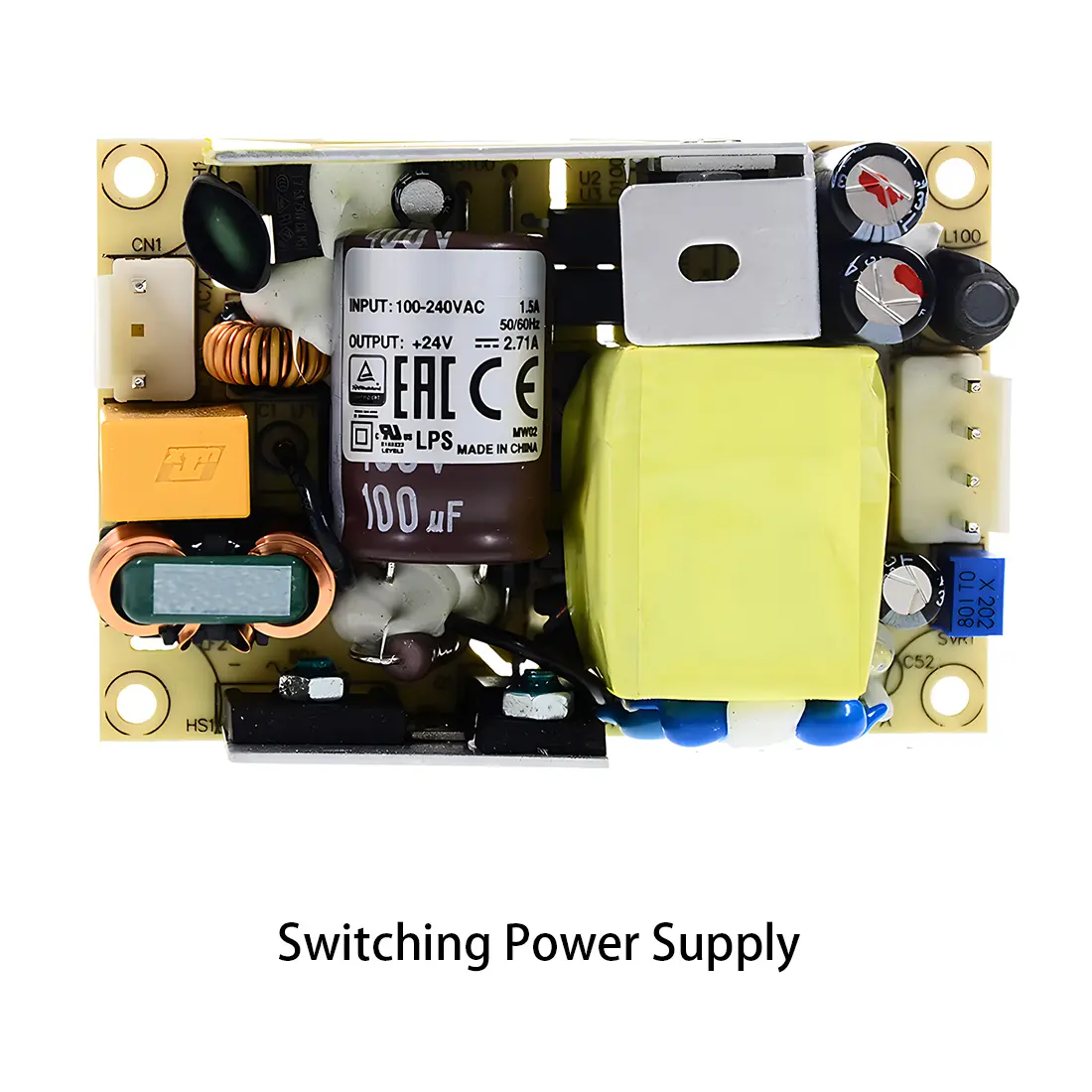 Power Supply PCBA
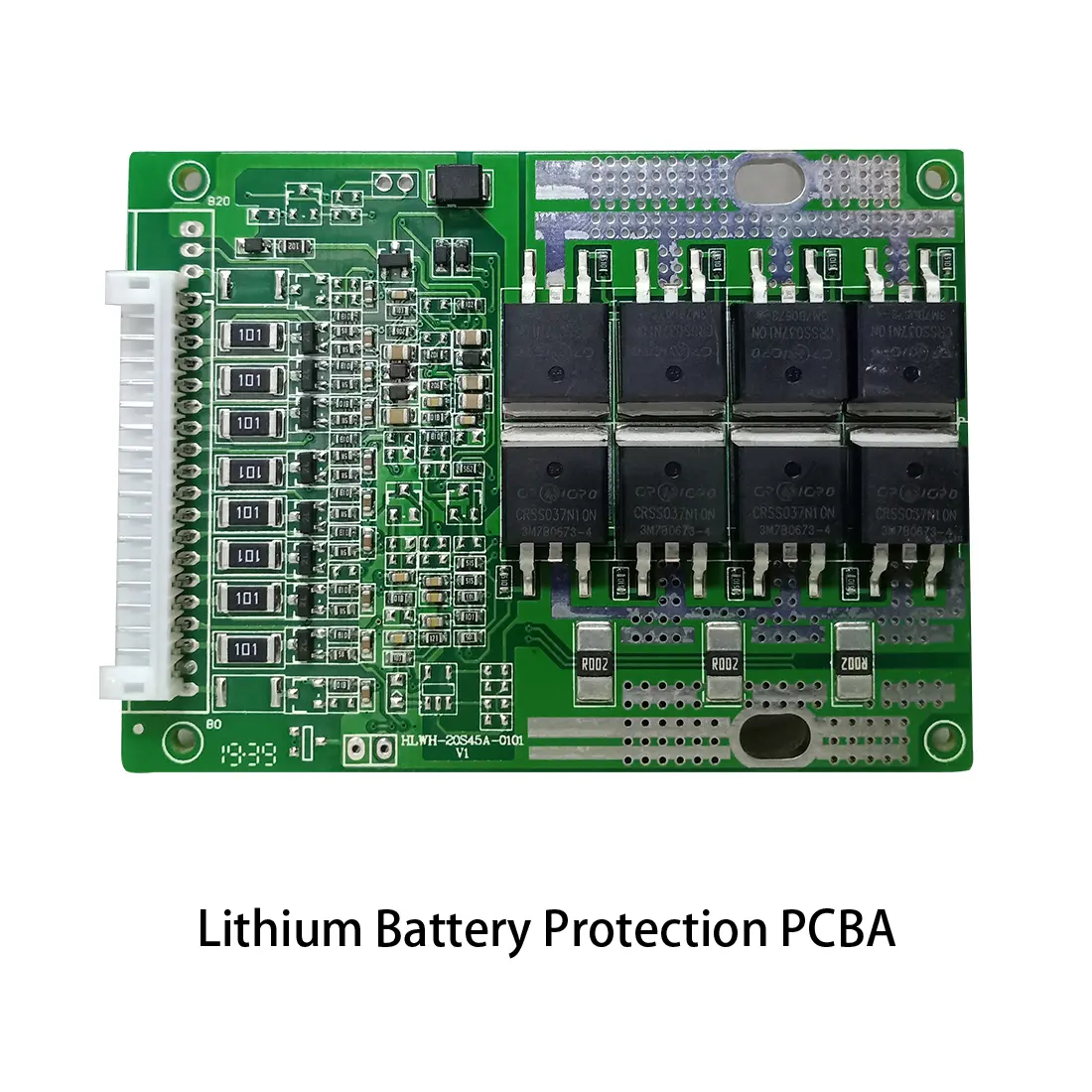 New Energey PCBA
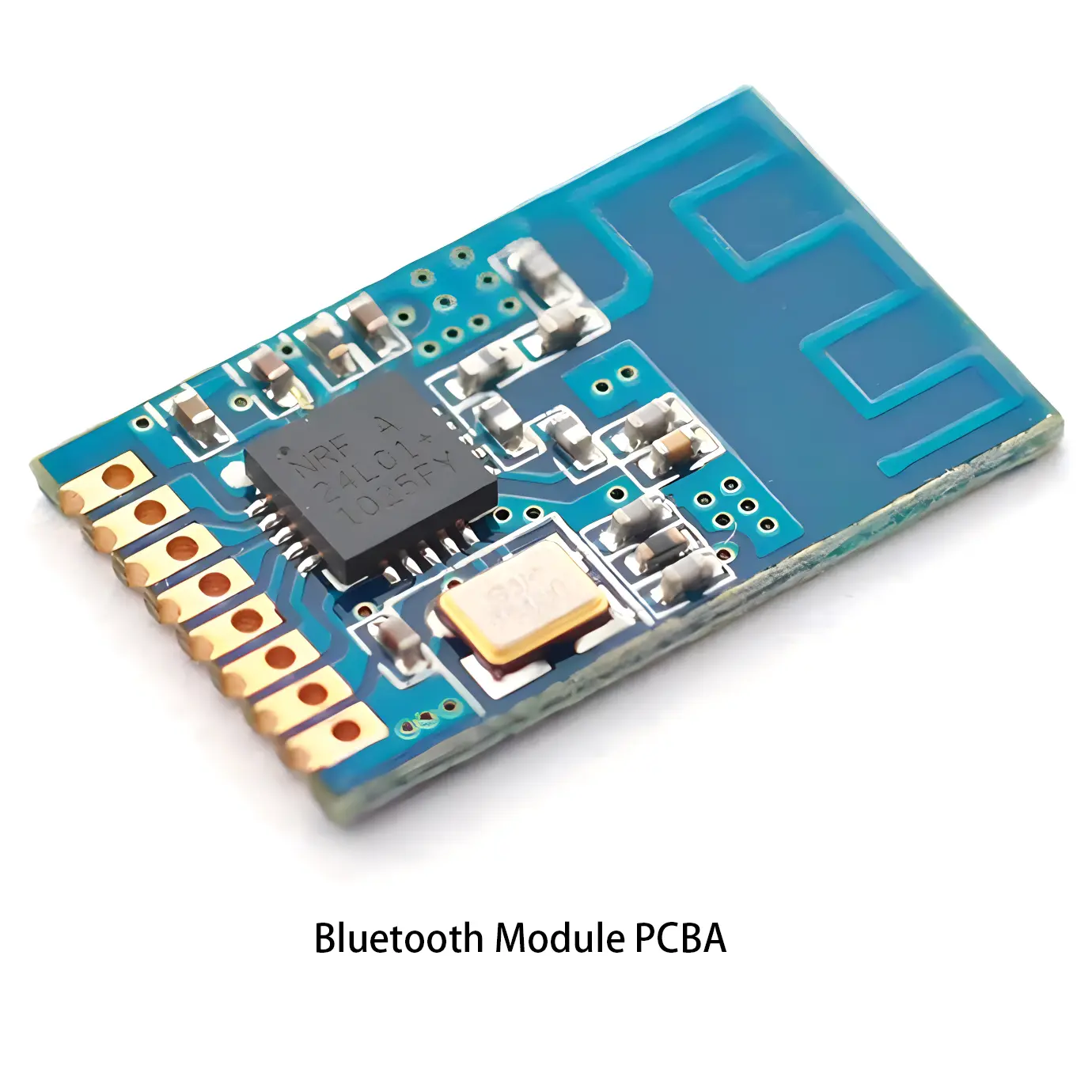 Communication PCBA
 Industrial Control PCBA
 Medical Equipment PCBA
 Testing Service
 PCBA Testing Service
 Certification Application
 RoHS Certification Application
 REACH Certification Application
 CE Certification Application
 FCC Certification Application
 CQC Certification Application
 UL Certification Application
 Transformers, Inductors
 High Frequency Transformers
 Low Frequency Transformers
 High Power Transformers
 Conversion Transformers
 Sealed Transformers
 Ring Transformers
 Inductors
 Wires,Cables Customized
 Network Cables
 Power Cords
 Antenna Cables
 Coaxial Cables
 Net Position Indicator
 Solar AIS net position indicator
 Capacitors
 Connectors
 Diodes
 Embedded Processors & Controllers
 Digital Signal Processors (DSP/DSC)
 Microcontrollers (MCU/MPU/SOC)
 Programmable Logic Device(CPLD/FPGA)
 Communication Modules/IoT
 Resistors
 Through Hole Resistors
 Resistor Networks, Arrays
 Potentiometers,Variable Resistors
 Aluminum Case,Porcelain Tube Resistance
 Current Sense Resistors,Shunt Resistors
 Switches
 Transistors
 Power Modules
 Isolated Power Modules
 AC-DC Power Modules
 DC-AC Module(Inverter)
 RF and Wireless