Film - based X - ray inspection systems utilize industrial X - ray cabinets and X - ray film cassettes to record X - ray images on film. Then, the images are viewed through a film video player for detailed inspection at high magnifICation. This process is time - consuming, but it can present more subtle and color - accurate X - ray images. Real - time X - ray inspection systems use an X - ray source and a detector system that converts the invisible X - ray image into a video signal. These systems can provide immediate imaging results of the sample. The images formed by these systems should not be distorted or contain artifacts caused by the X - ray system itself. Figure 3 shows the desired image quality level of a manual X - ray inspection system. Figure 4 shows examples of pincushion distortion and voltage overexposure. Available real - time systems vary widely in size, from small desktop systems to large floor - standing control systems. The available voltage range of X - ray sources is also quite broad. There is no specific voltage regulation for BGA inspection.
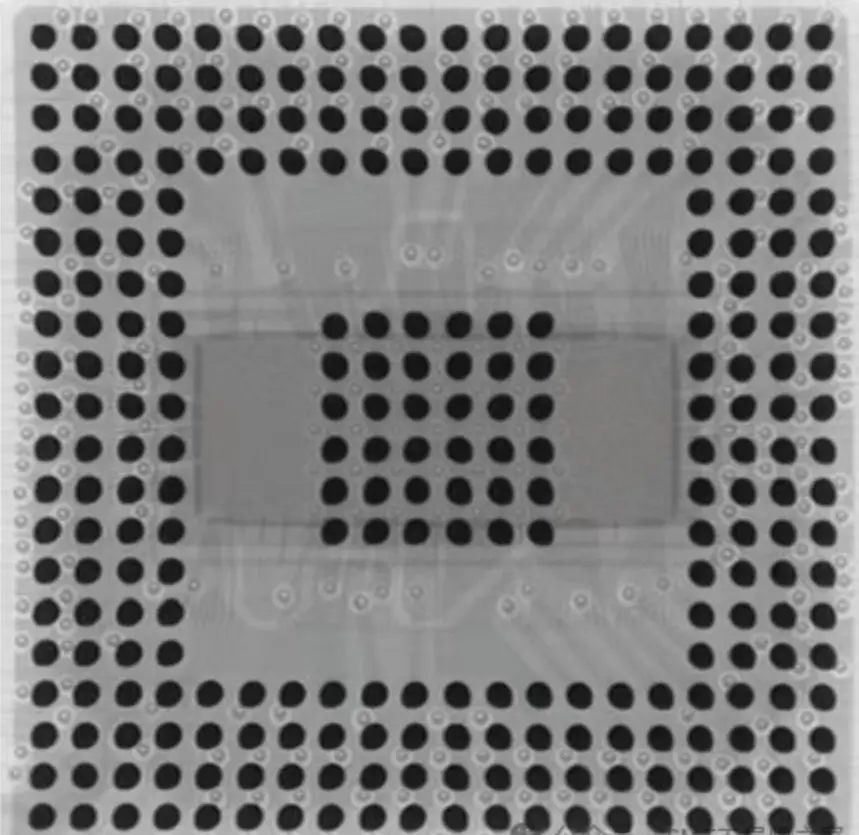
Figure 3: Image Quality of Manual X - ray Inspection System
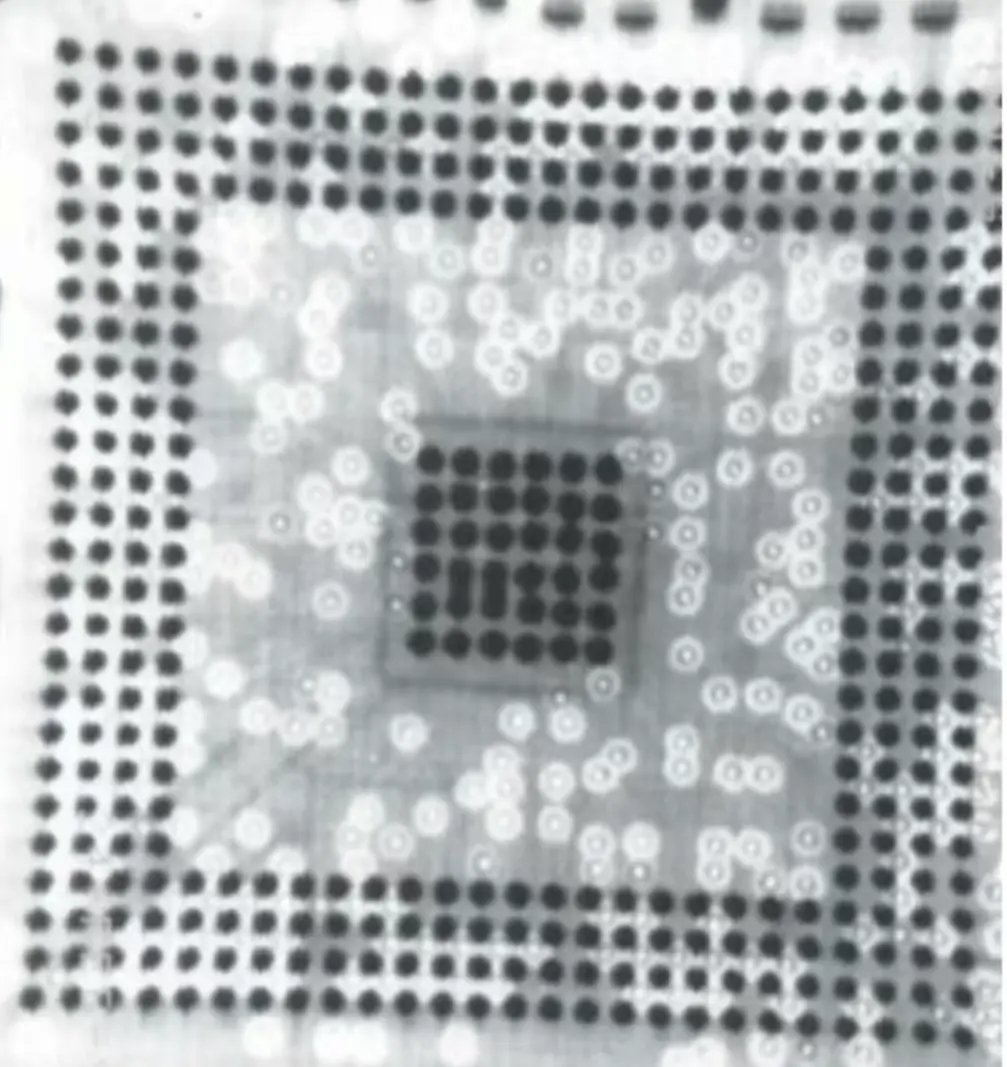
Figure 4: Examples of Pincushion Distortion and Voltage Overexposure
The required voltage depends in part on the sensitivity of the specific X - ray system used and the structure and properties of the BGA being tested. For example, a BGA with a copper heat sink requires a higher penetration voltage than a PBGA or CBGA. However, a BGA with an aluminum heat sink does not require a high voltage because aluminum is a low - density material and allows X - rays to penetrate more easily compared to copper.

 PCB
PCB FPC
FPC Rigid-Flex
 FR-4
FR-4 HDI PCB
 Rogers High-Frequency Board
 PTFE Teflon High-Frequency Board
 Aluminum
 Copper Core
 PCB Assembly
 LED light PCBA
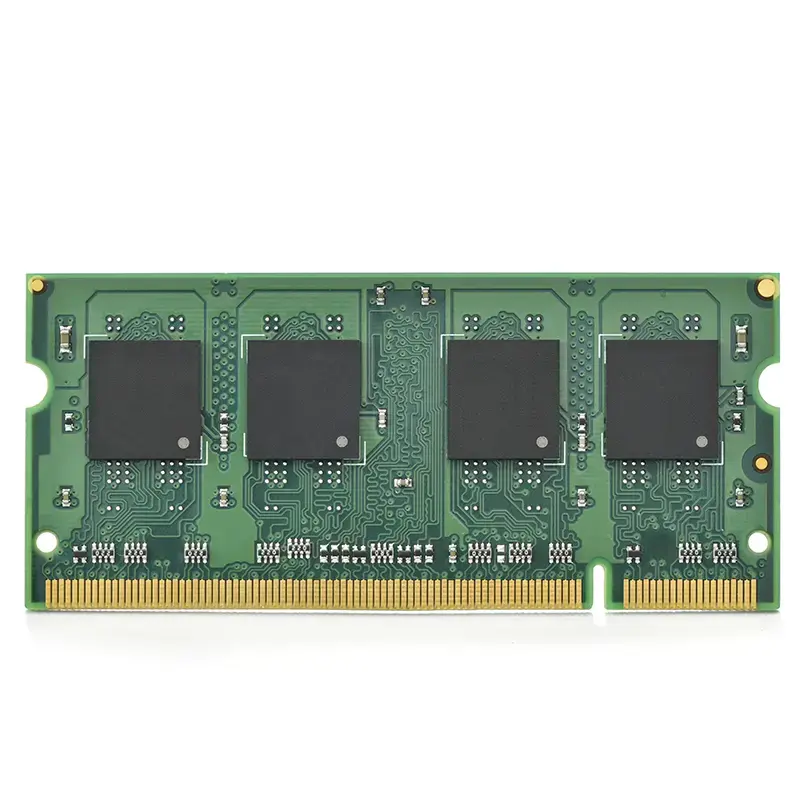
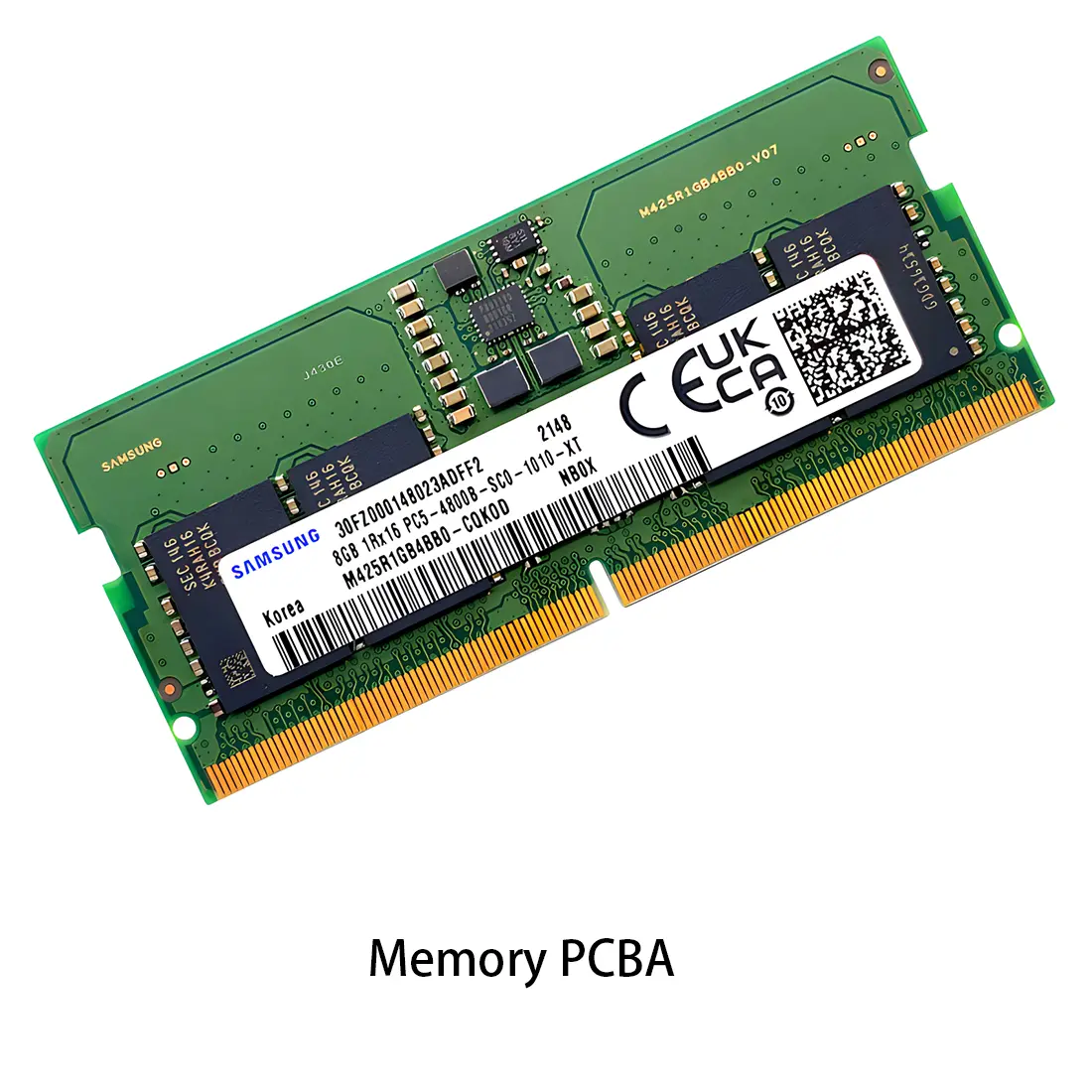 Memory PCBA
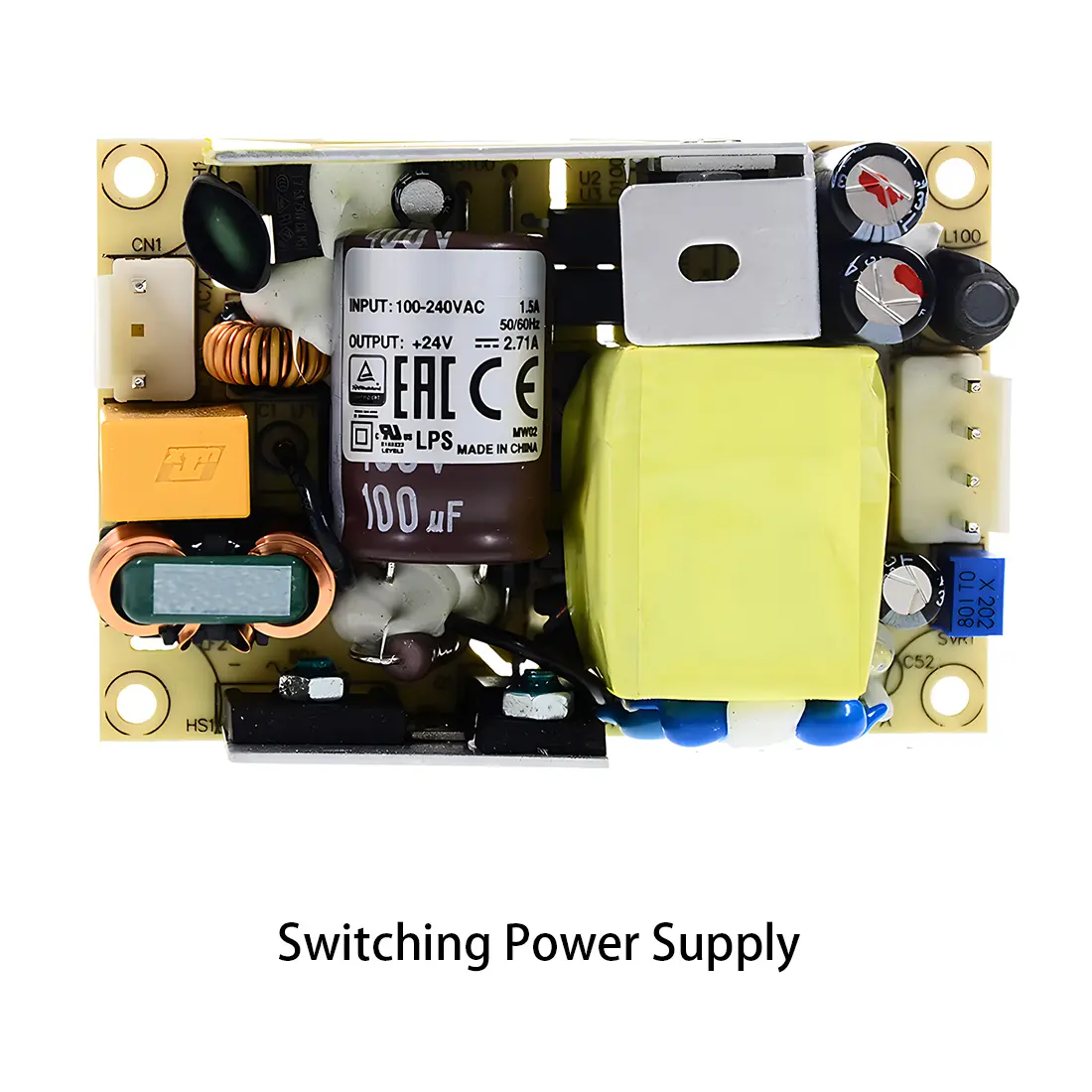 Power Supply PCBA
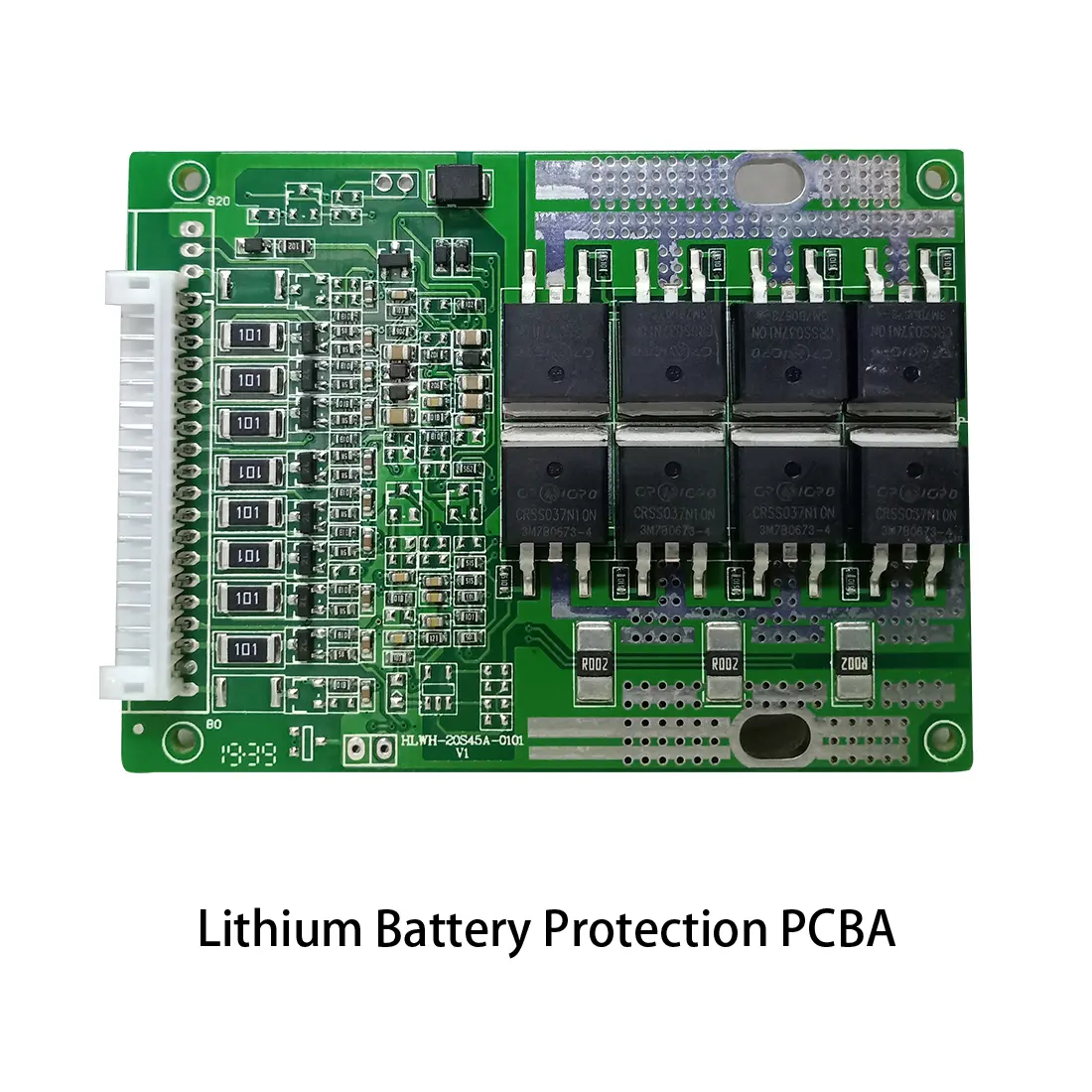 New Energey PCBA
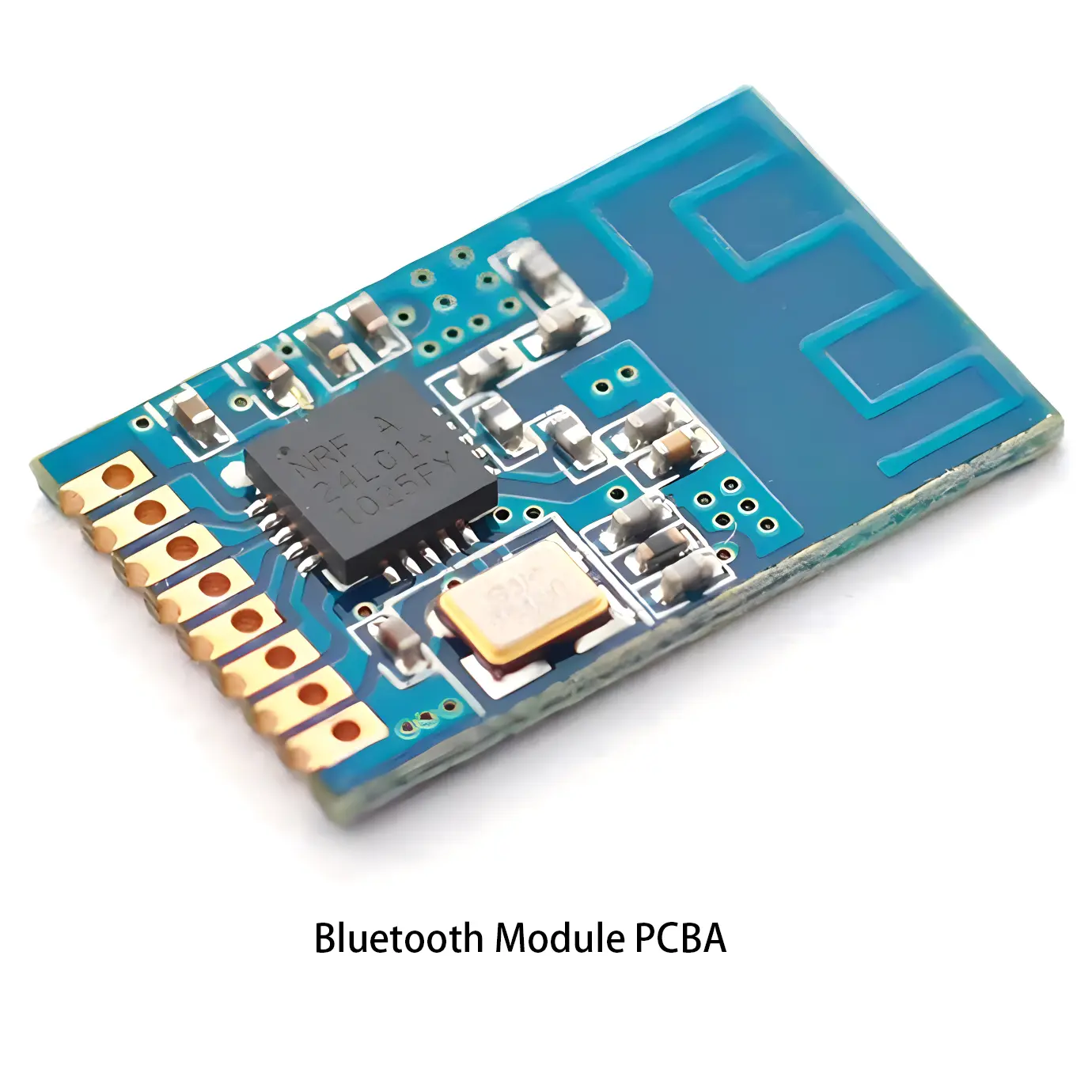 Communication PCBA
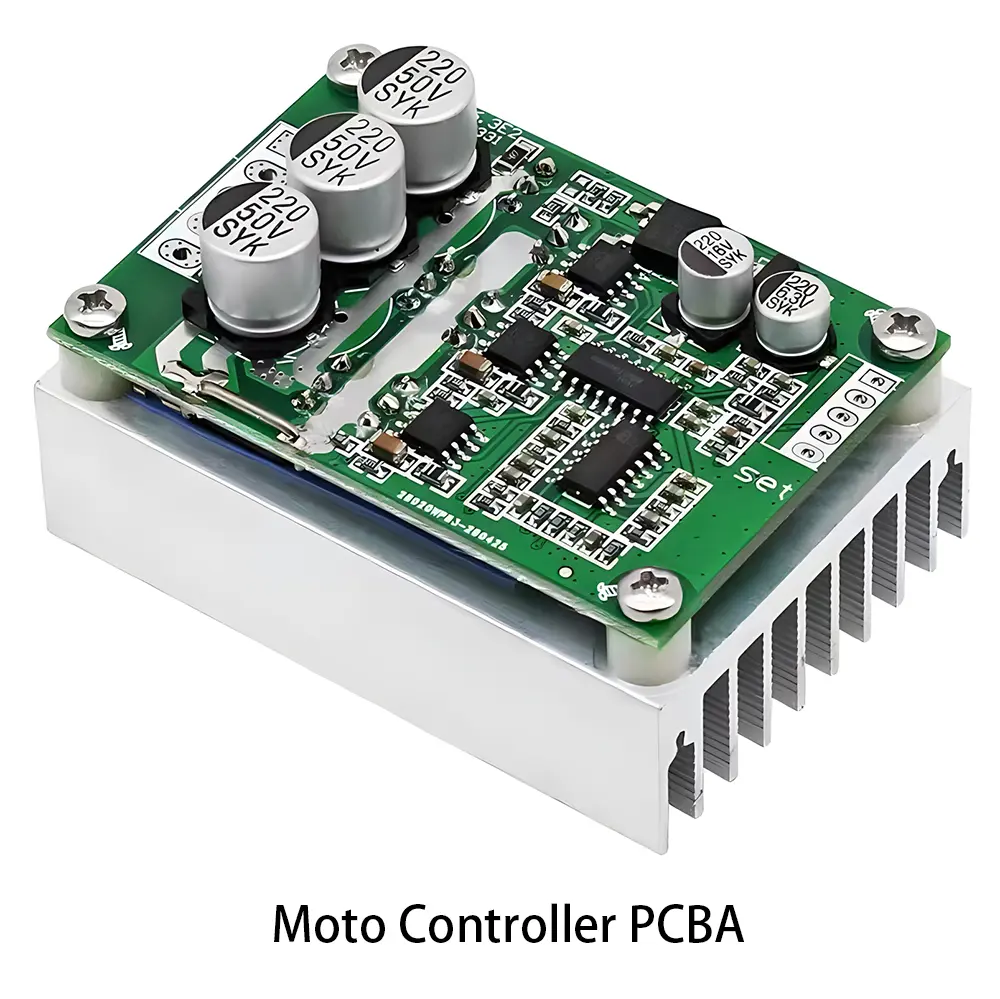 Industrial Control PCBA
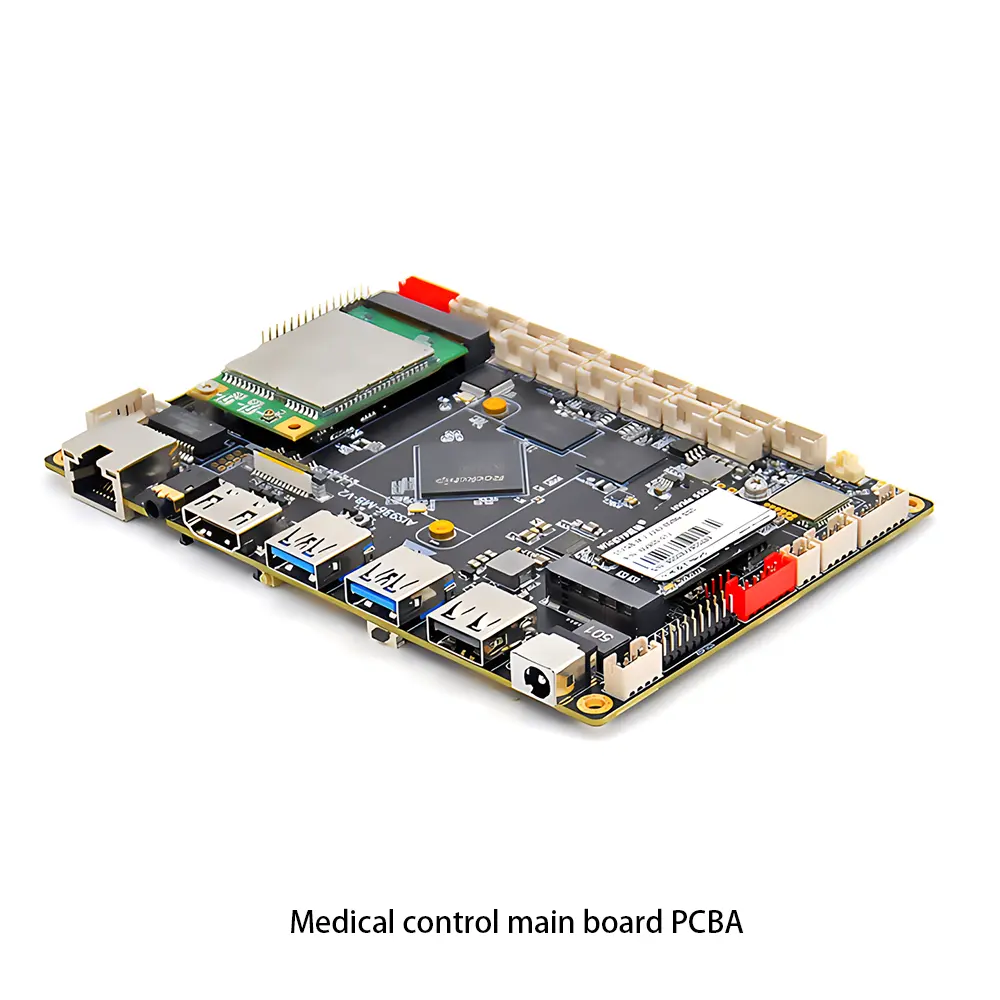 Medical Equipment PCBA
 Testing Service
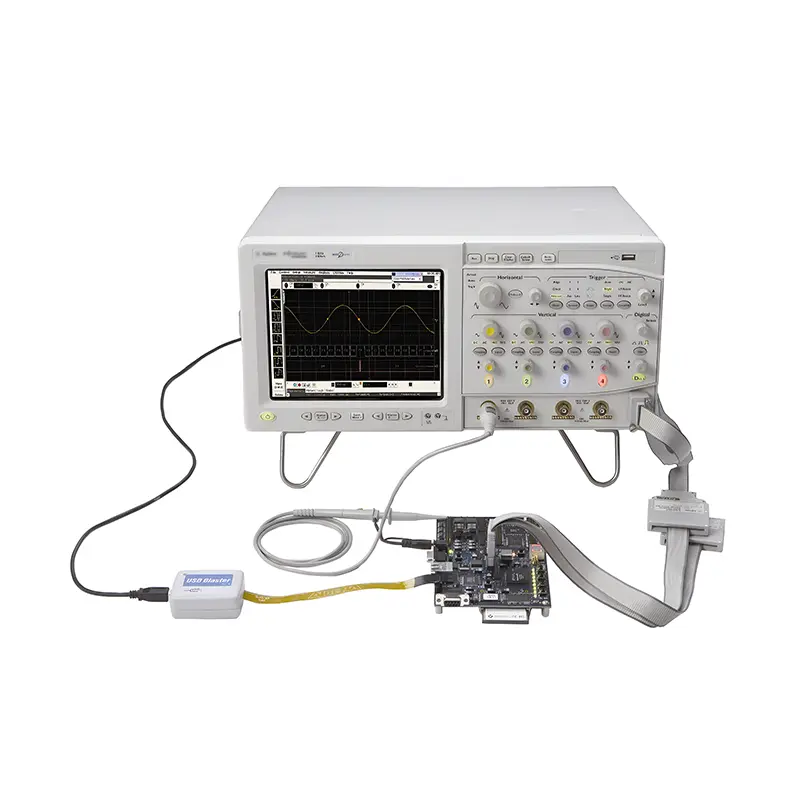 PCBA Testing Service
 Certification Application
 RoHS Certification Application
 REACH Certification Application
 CE Certification Application
 FCC Certification Application
 CQC Certification Application
 UL Certification Application
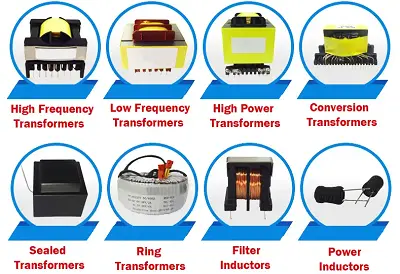 Transformers, Inductors
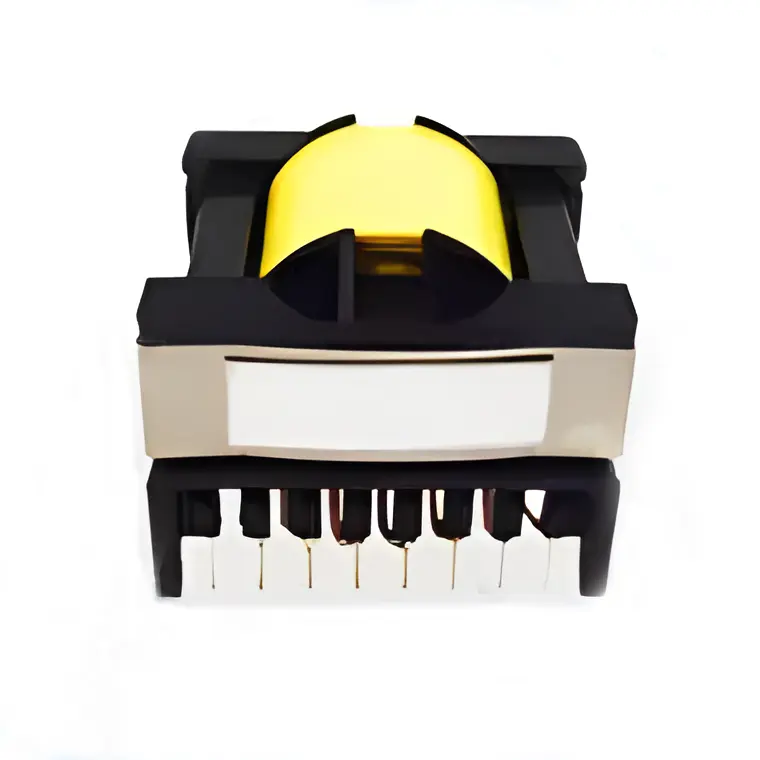 High Frequency Transformers
 Low Frequency Transformers
 High Power Transformers
 Conversion Transformers
 Sealed Transformers
 Ring Transformers
 Inductors
 Wires,Cables Customized
 Network Cables
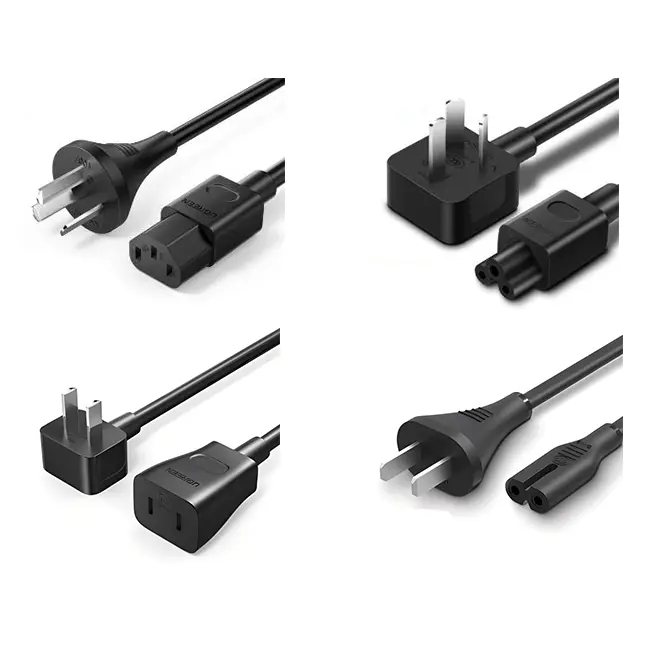 Power Cords
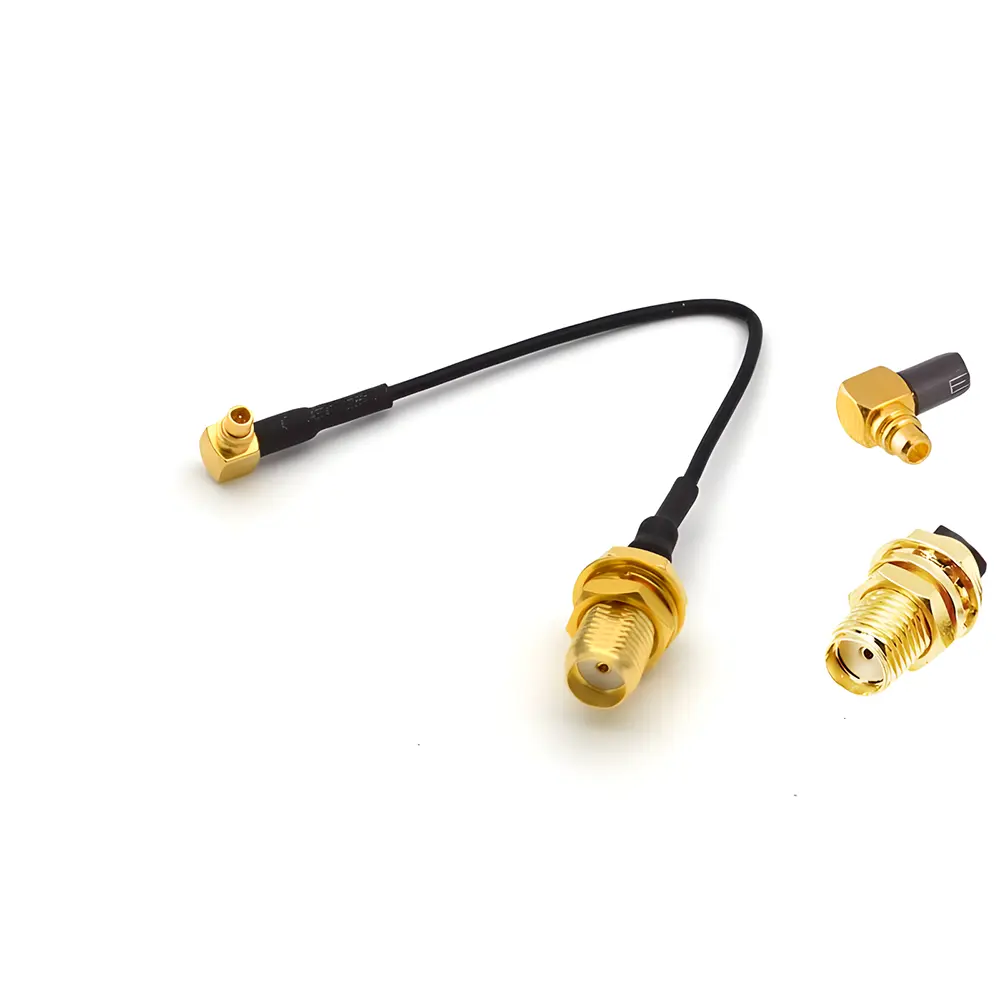 Antenna Cables
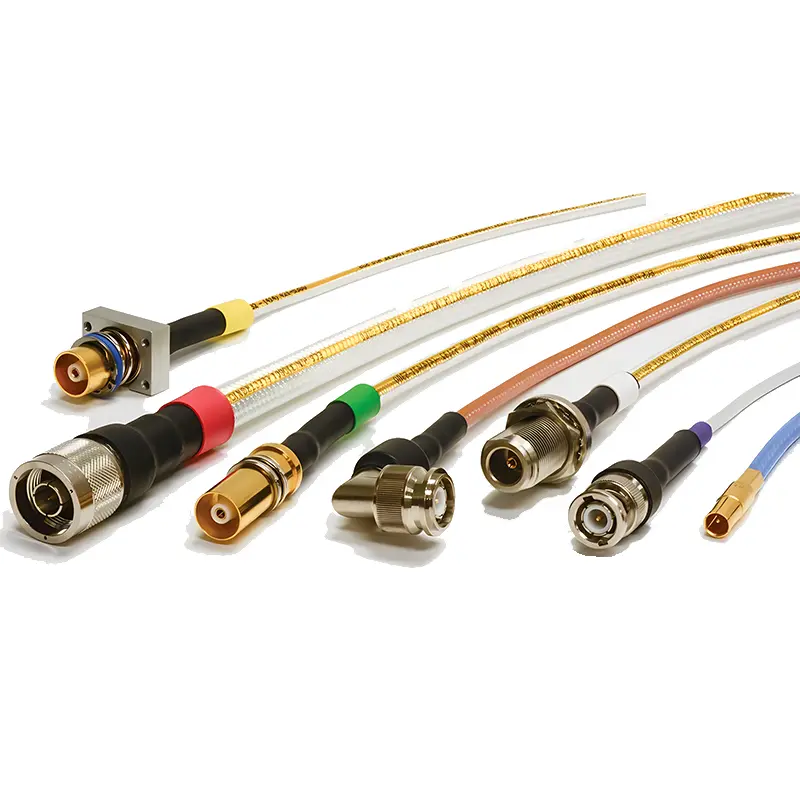 Coaxial Cables
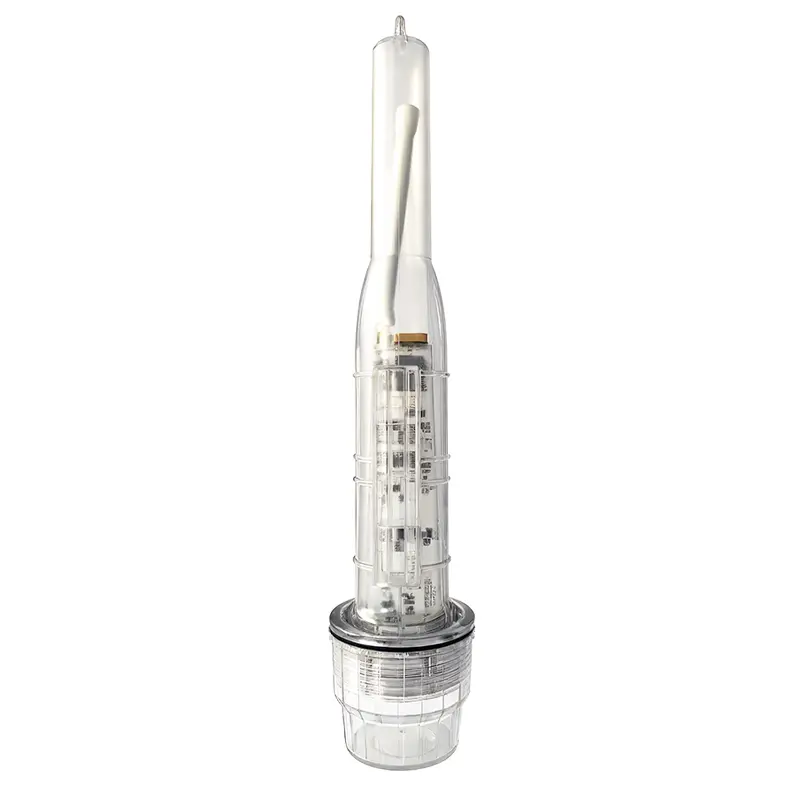 Net Position Indicator
 Solar AIS net position indicator
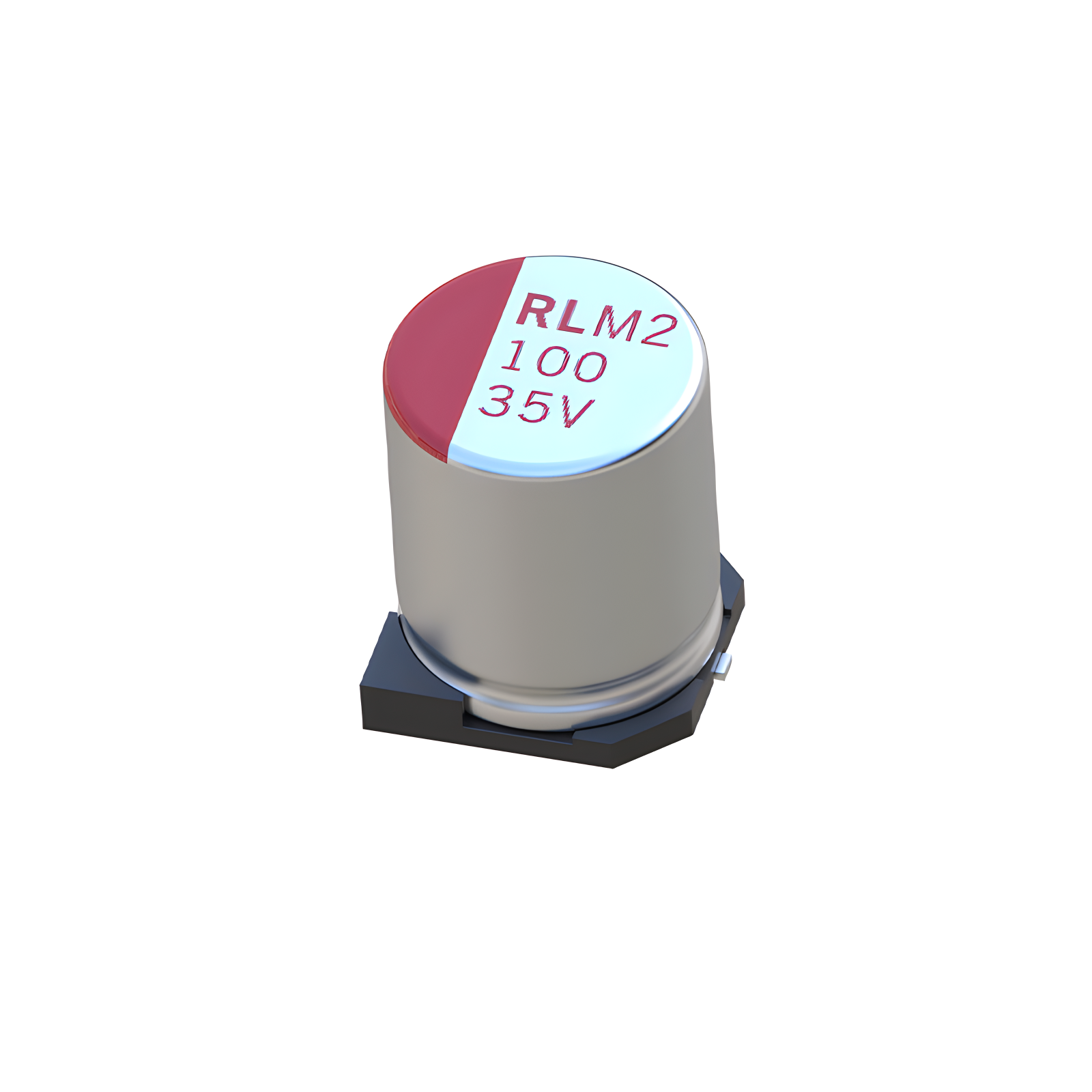 Capacitors
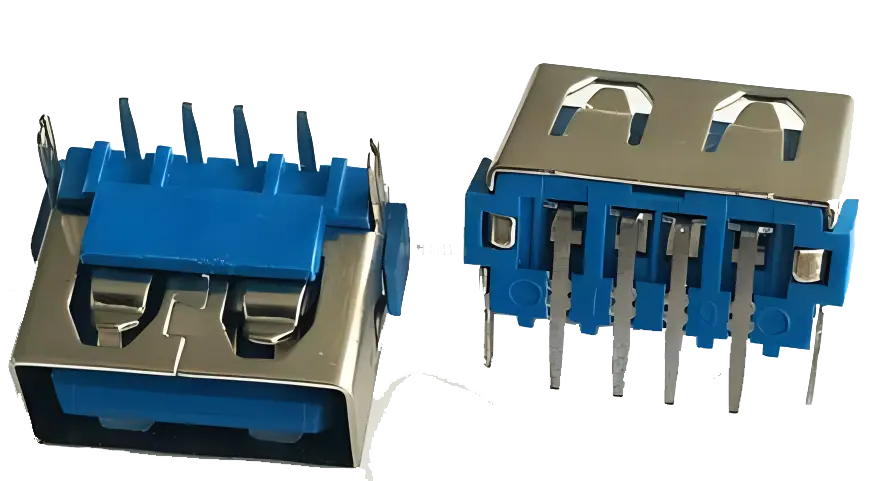 Connectors
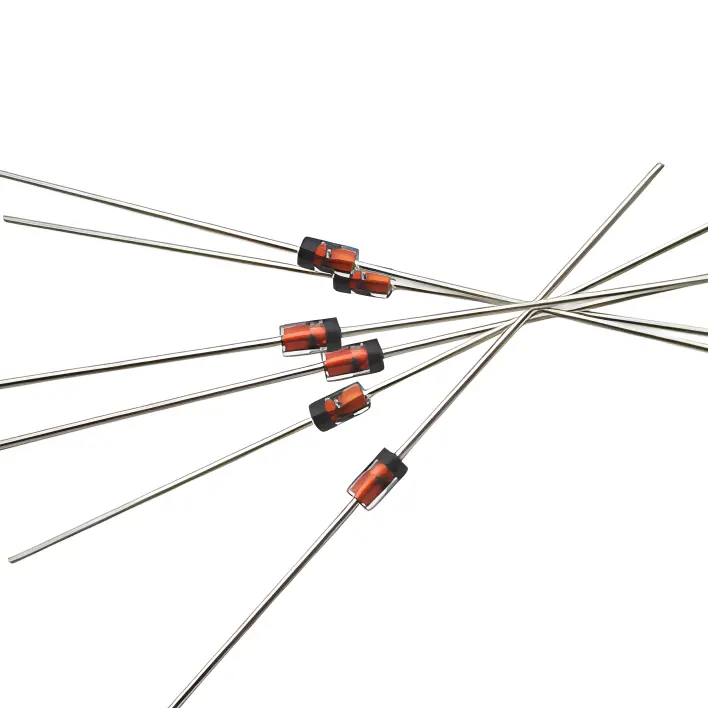 Diodes
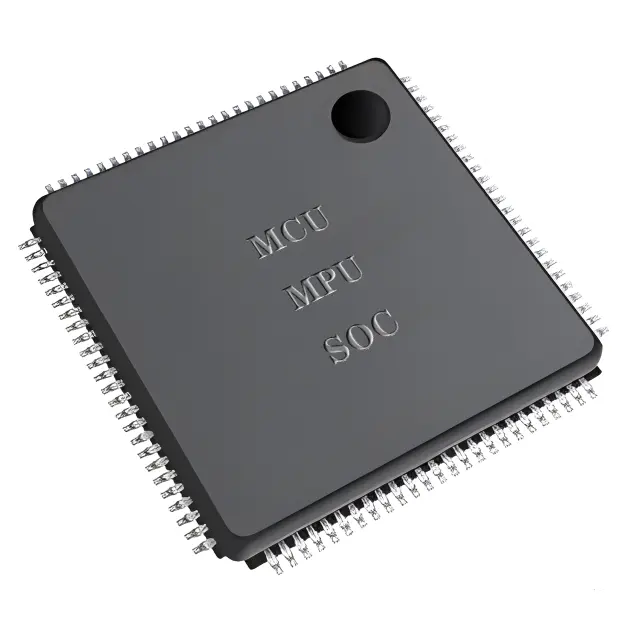 Embedded Processors & Controllers
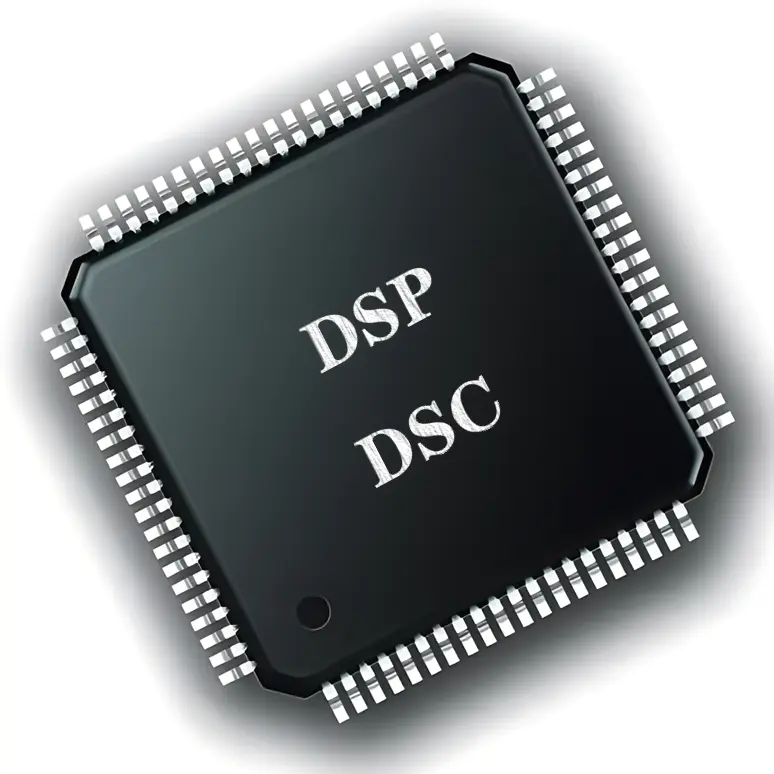 Digital Signal Processors (DSP/DSC)
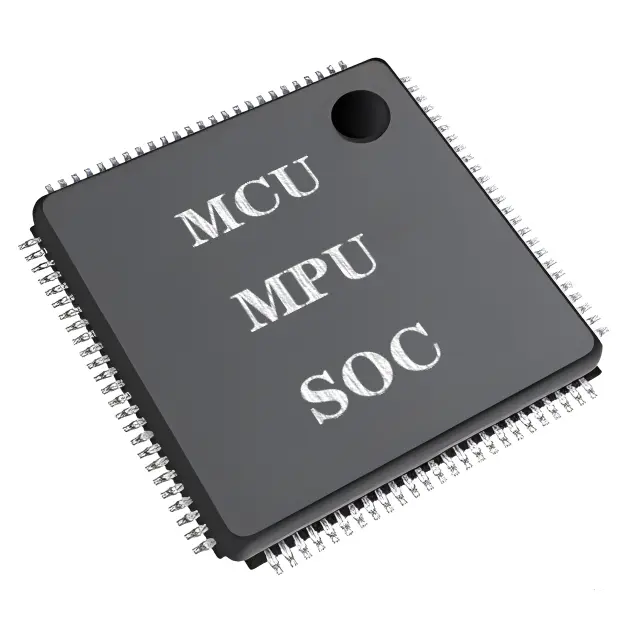 Microcontrollers (MCU/MPU/SOC)
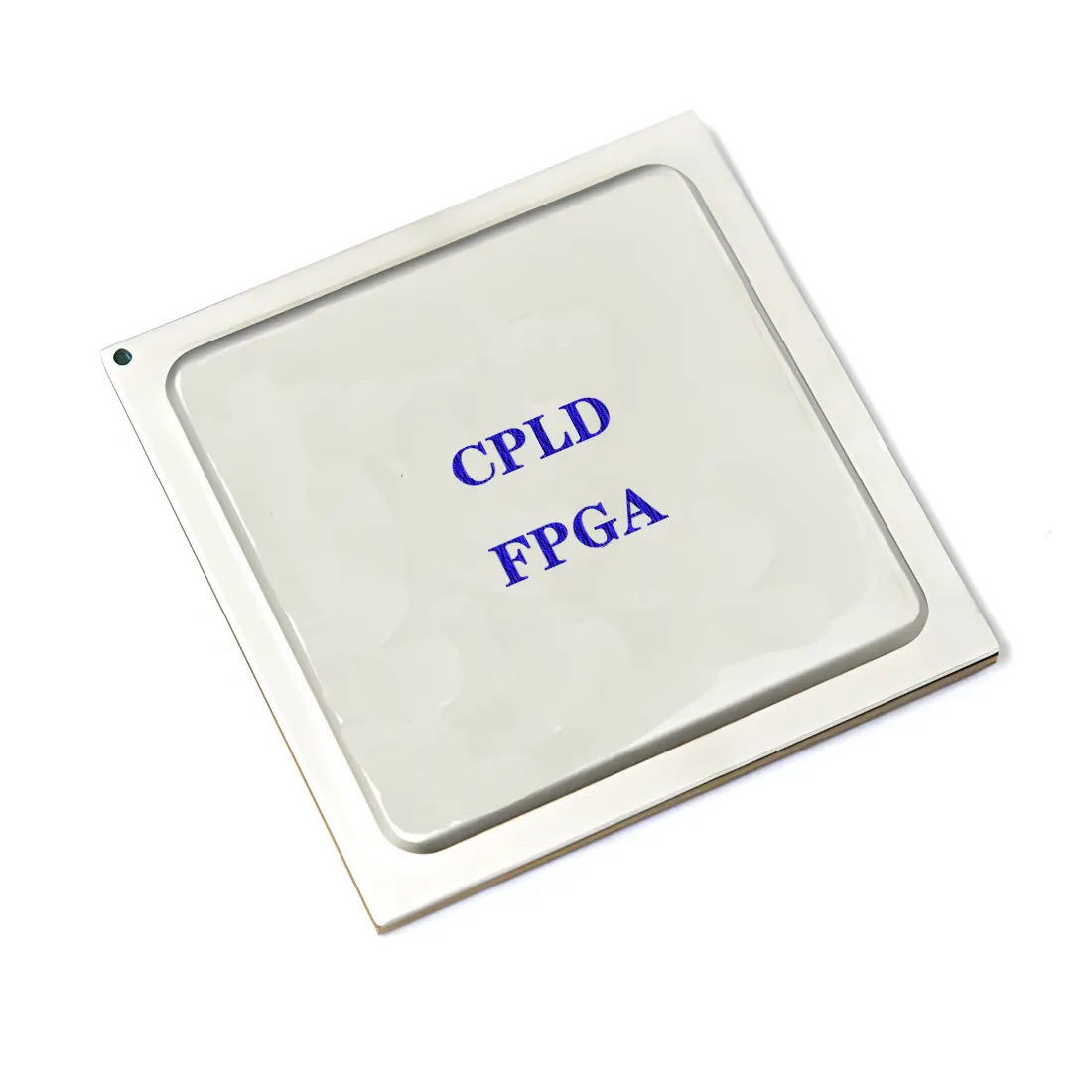 Programmable Logic Device(CPLD/FPGA)
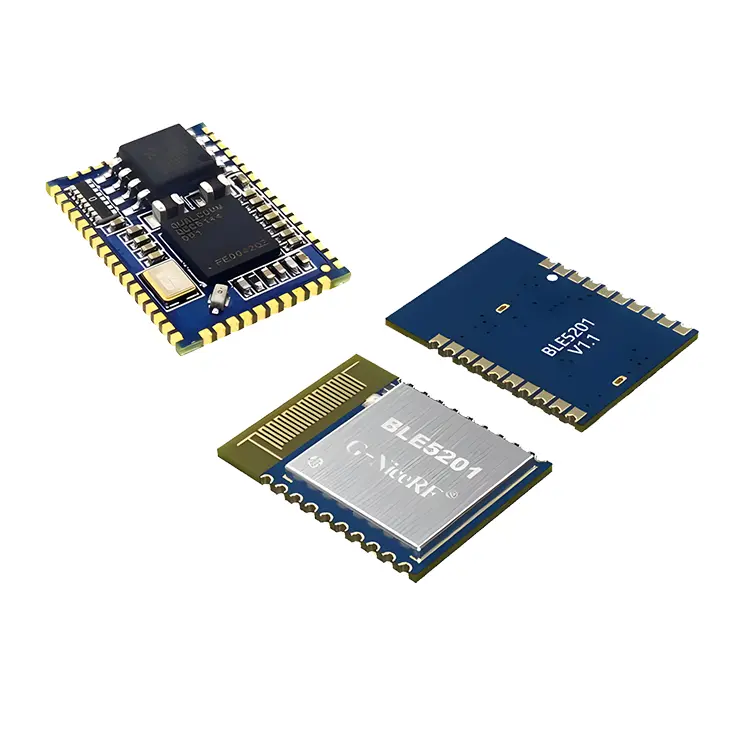 Communication Modules/IoT
 Resistors
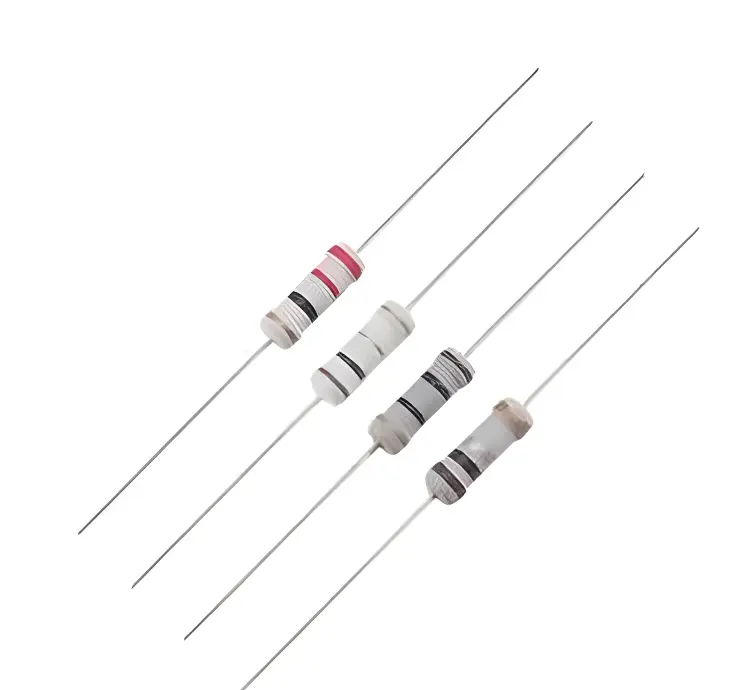 Through Hole Resistors
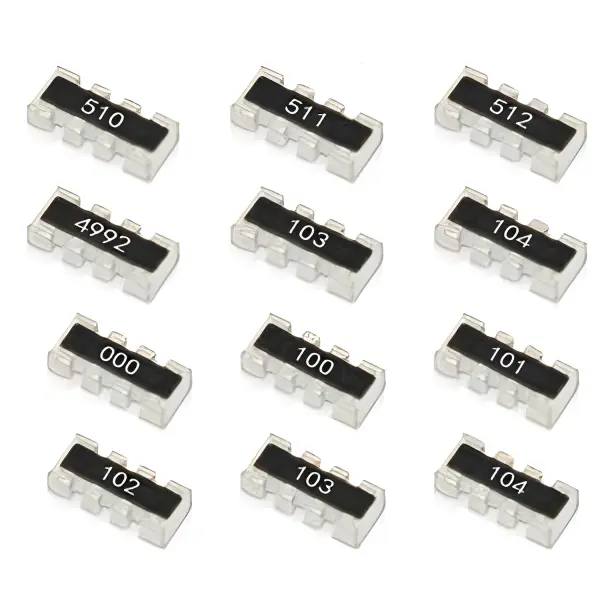 Resistor Networks, Arrays
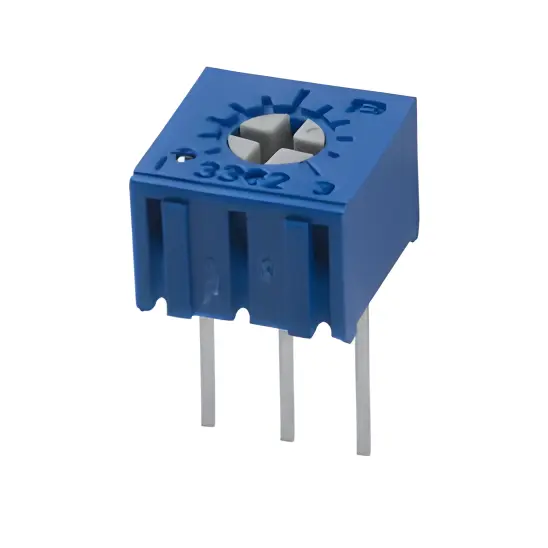 Potentiometers,Variable Resistors
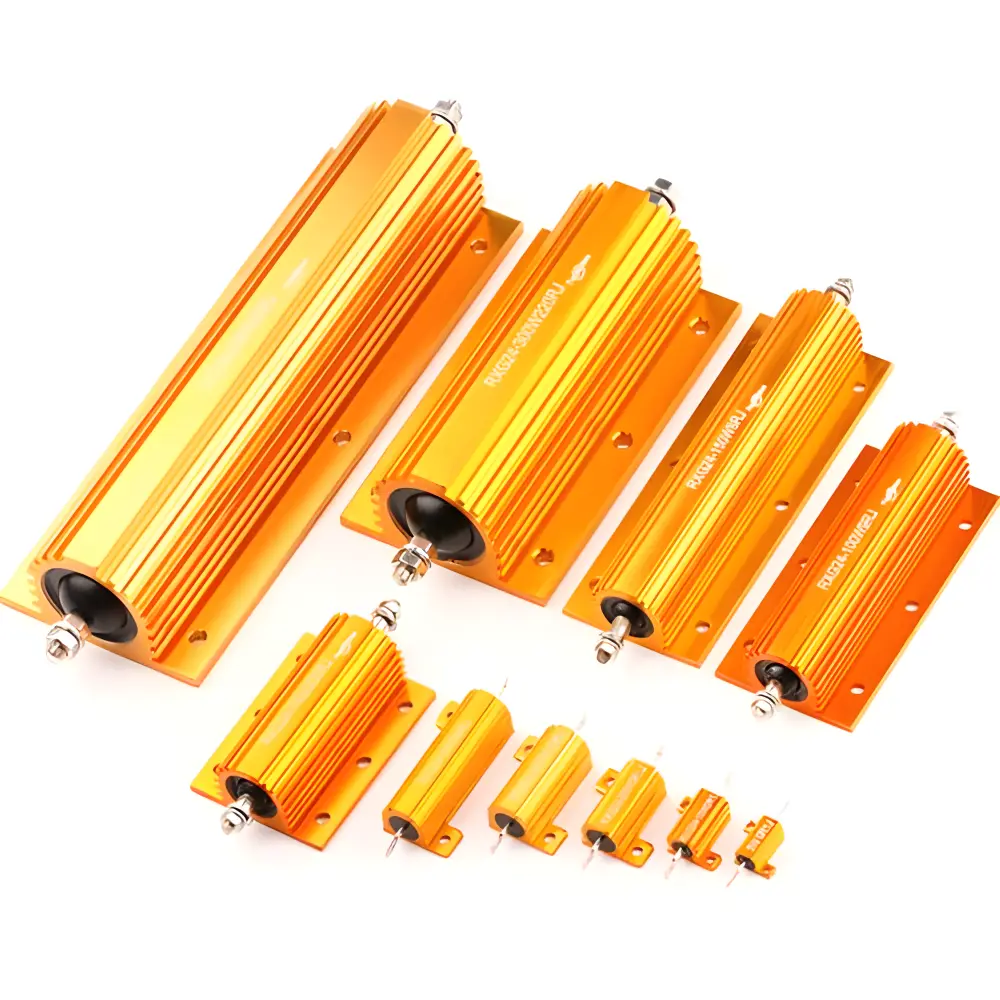 Aluminum Case,Porcelain Tube Resistance
 Current Sense Resistors,Shunt Resistors
 Switches
 Transistors
 Power Modules
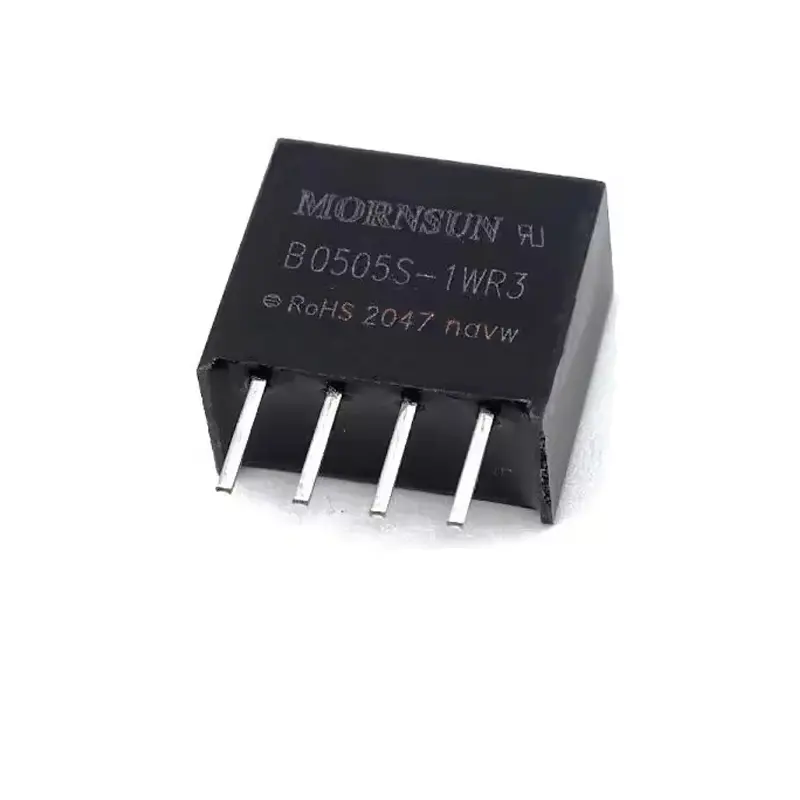 Isolated Power Modules
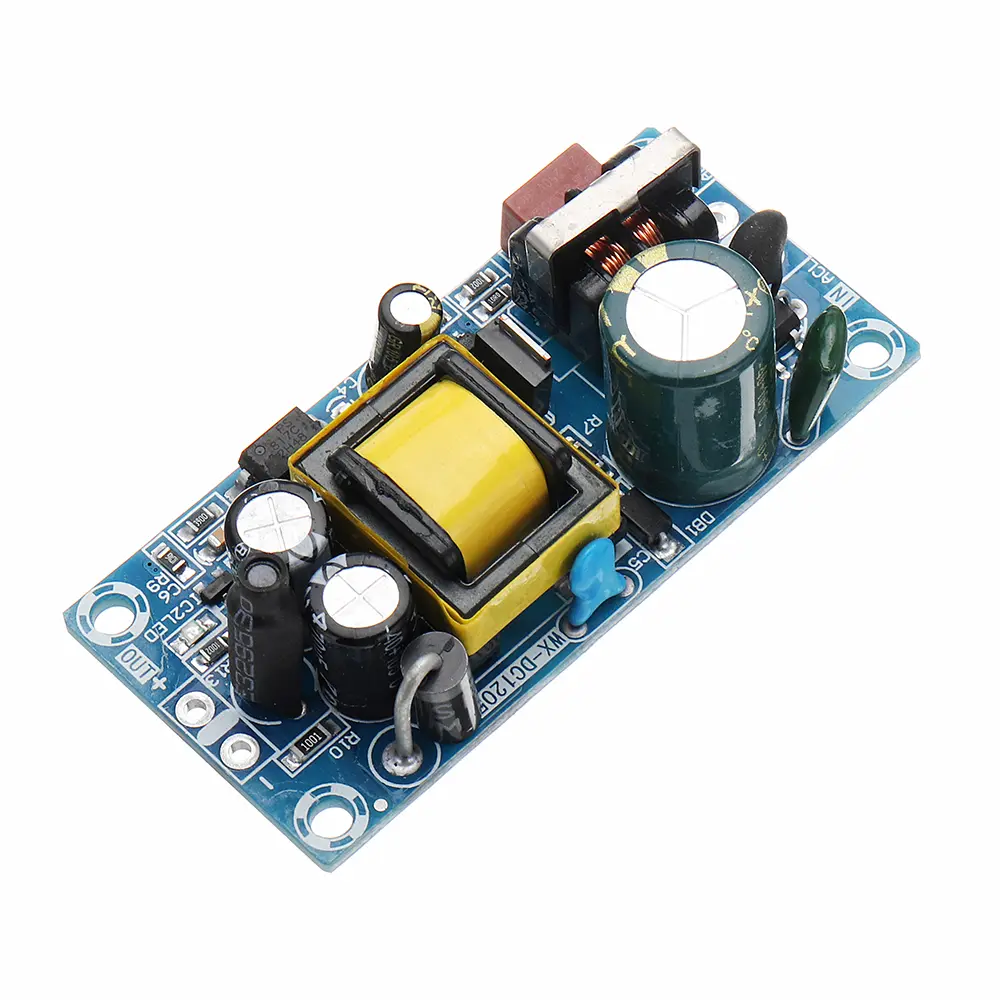 AC-DC Power Modules
 DC-AC Module(Inverter)
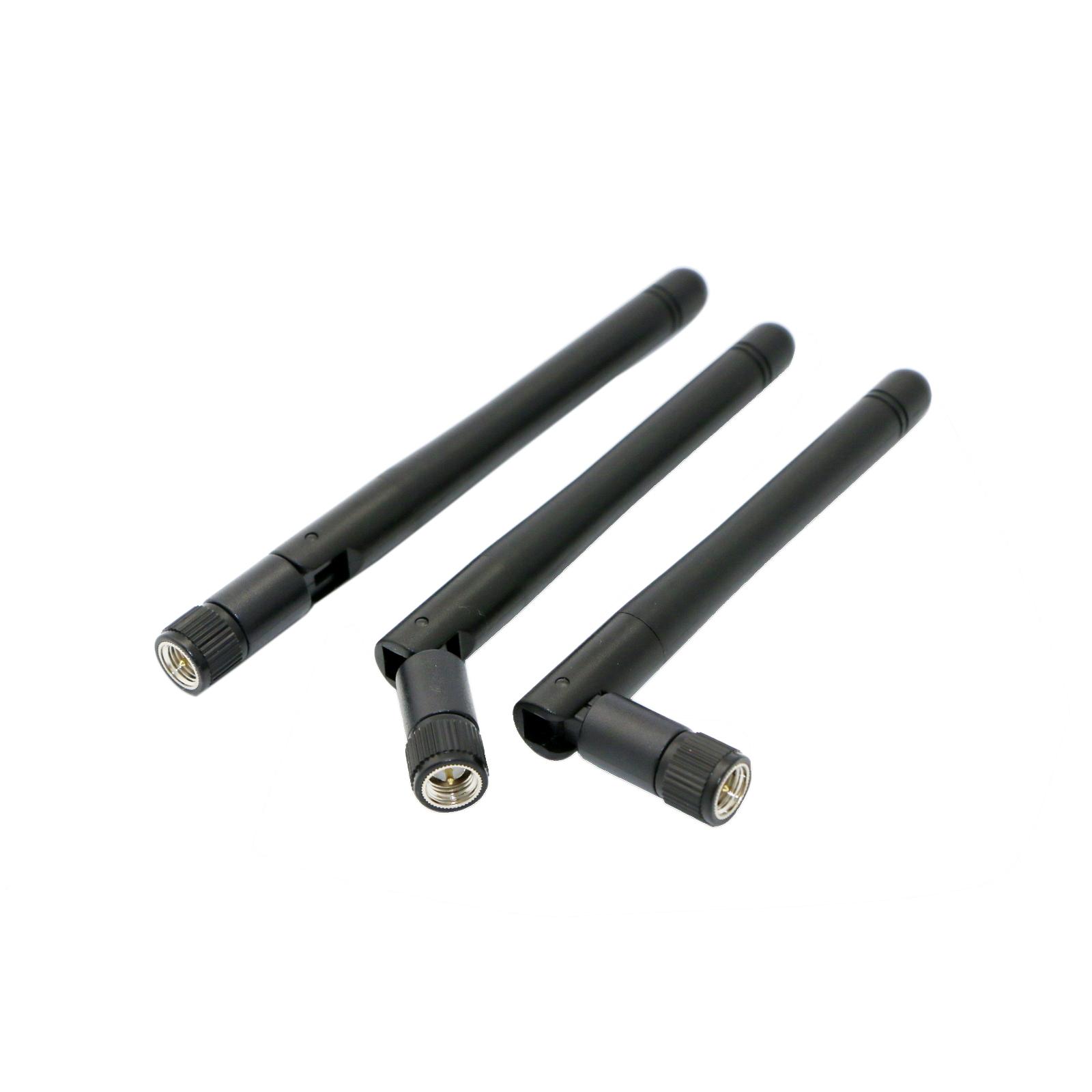 RF and Wireless