 PCB
PCB FPC
FPC Rigid-Flex
 FR-4
FR-4 HDI PCB
 Rogers High-Frequency Board
 PTFE Teflon High-Frequency Board
 Aluminum
 Copper Core
 PCB Assembly
 LED light PCBA
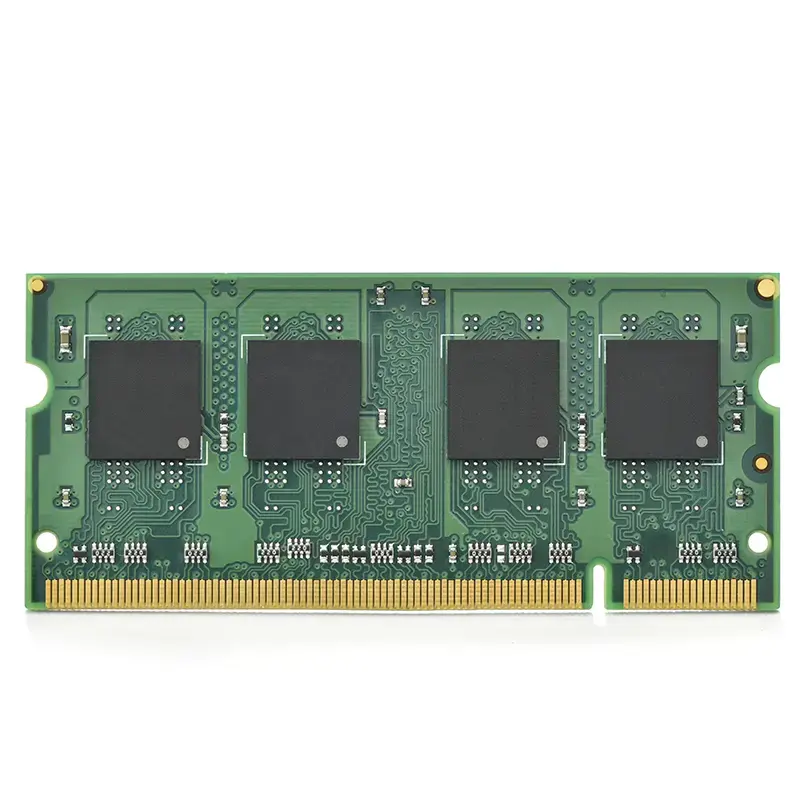
 Memory PCBA
 Power Supply PCBA
 New Energey PCBA
 Communication PCBA
 Industrial Control PCBA
 Medical Equipment PCBA
 Testing Service
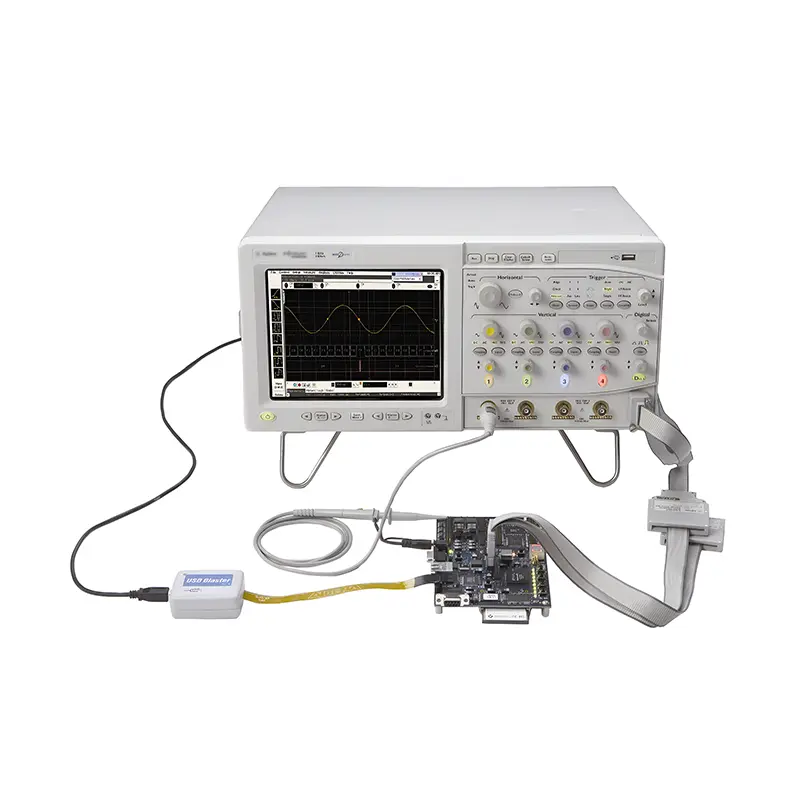 PCBA Testing Service
 Certification Application
 RoHS Certification Application
 REACH Certification Application
 CE Certification Application
 FCC Certification Application
 CQC Certification Application
 UL Certification Application
 Transformers, Inductors
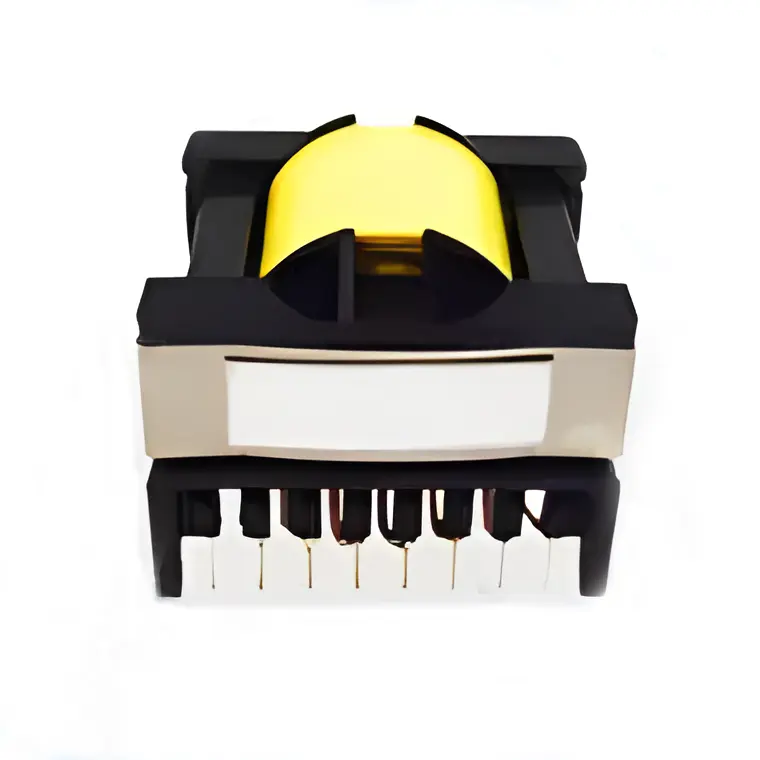 High Frequency Transformers
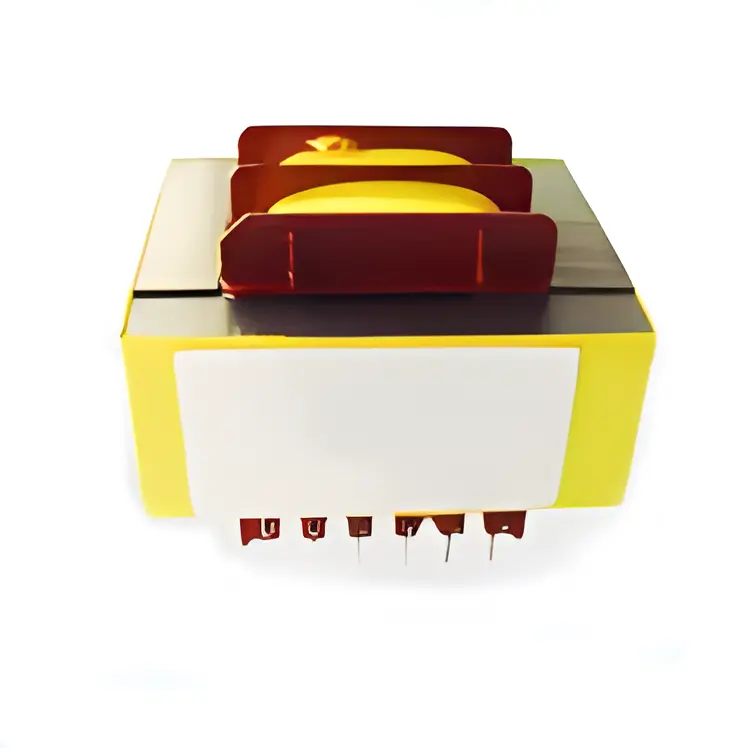 Low Frequency Transformers
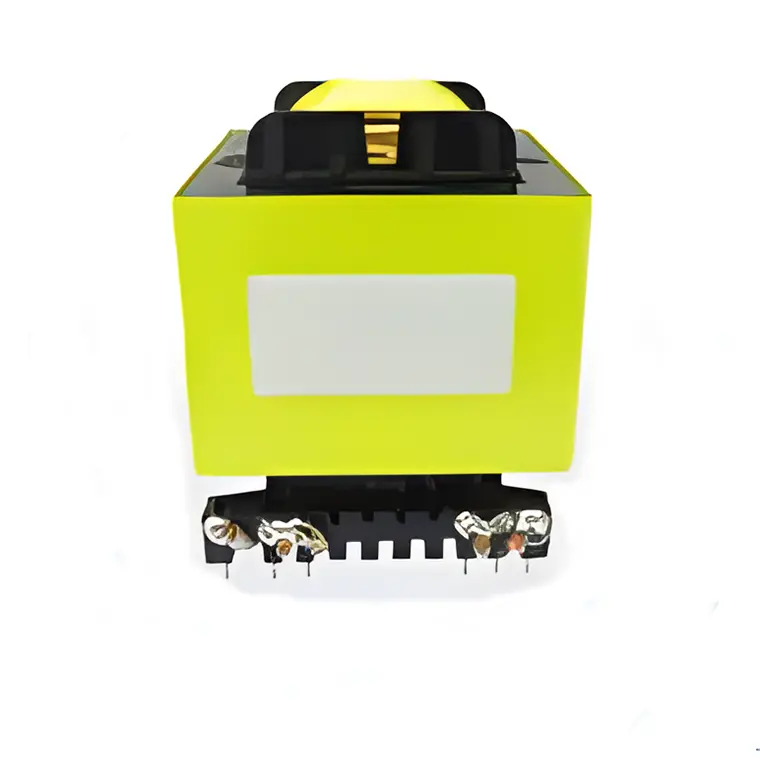 High Power Transformers
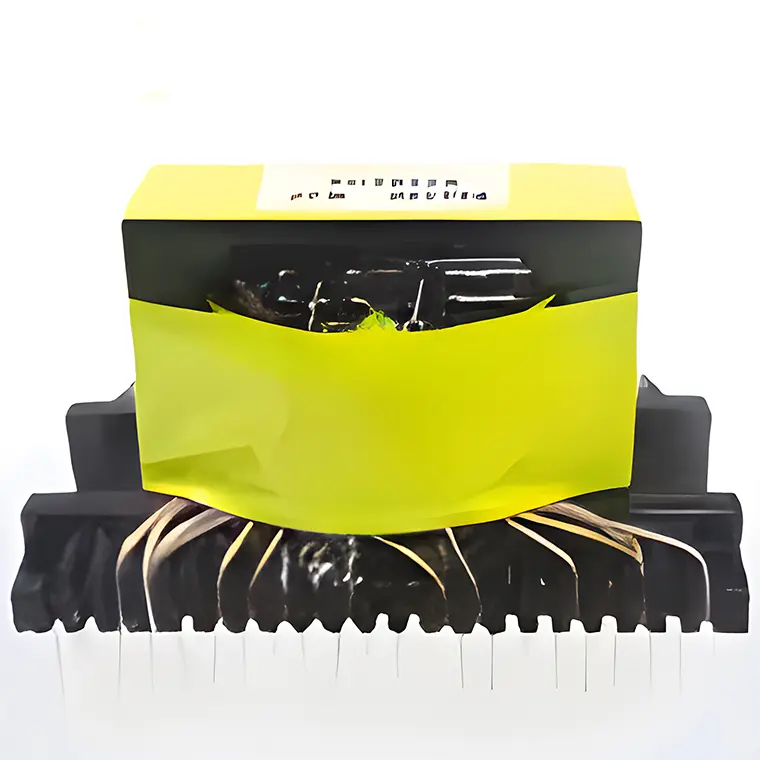 Conversion Transformers
 Sealed Transformers
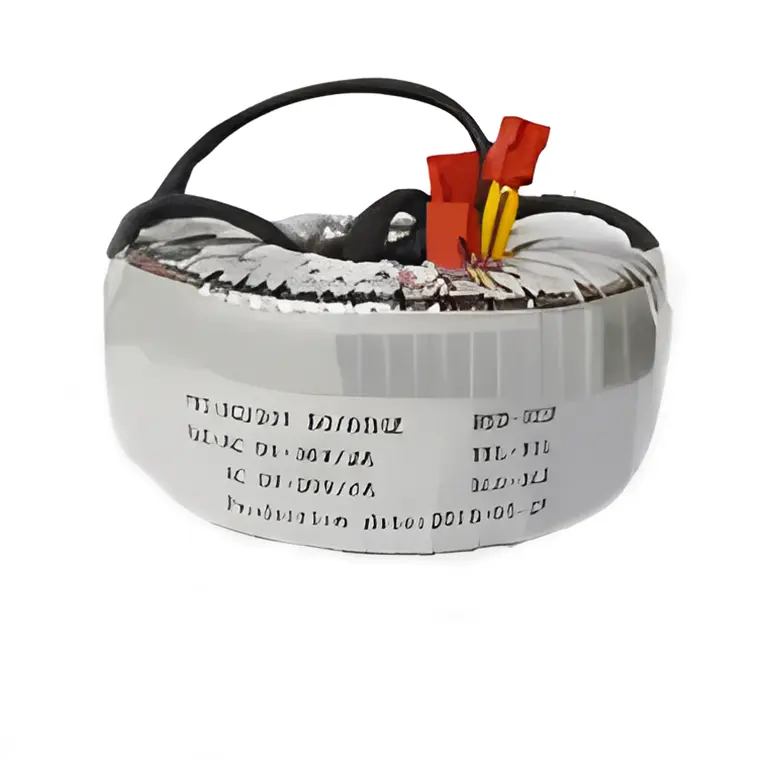 Ring Transformers
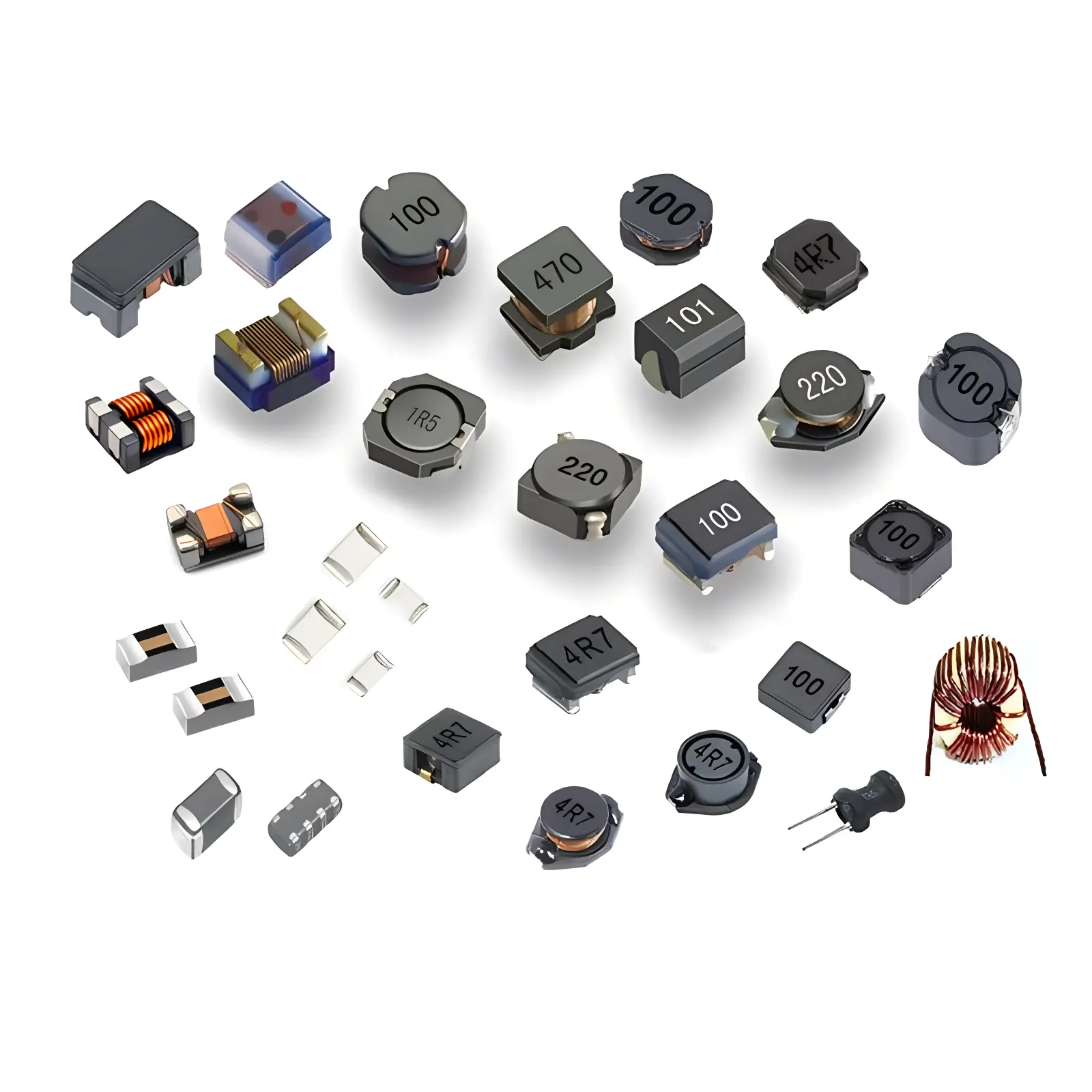 Inductors
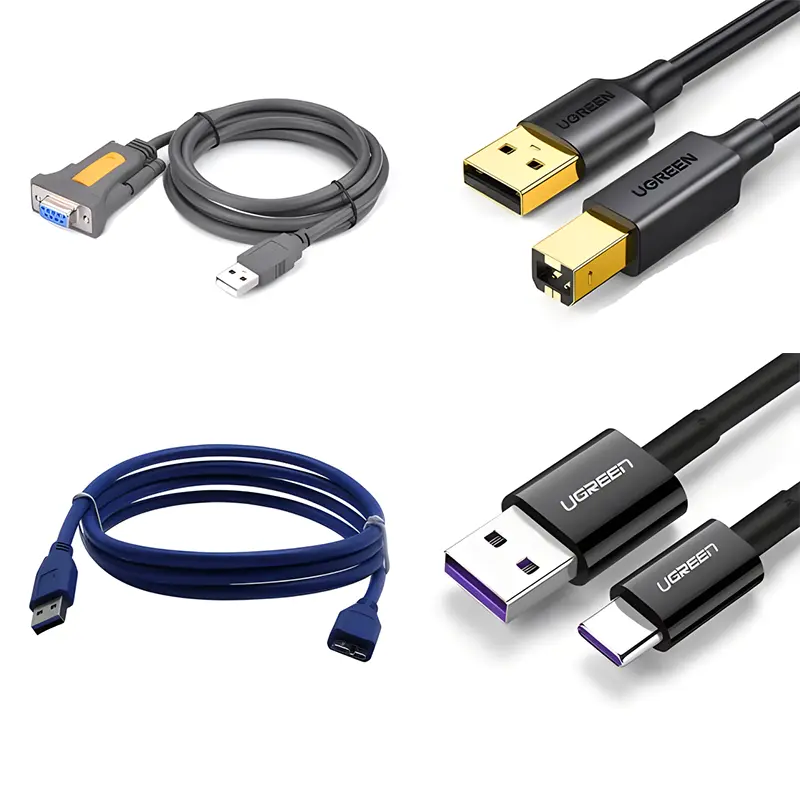 Wires,Cables Customized
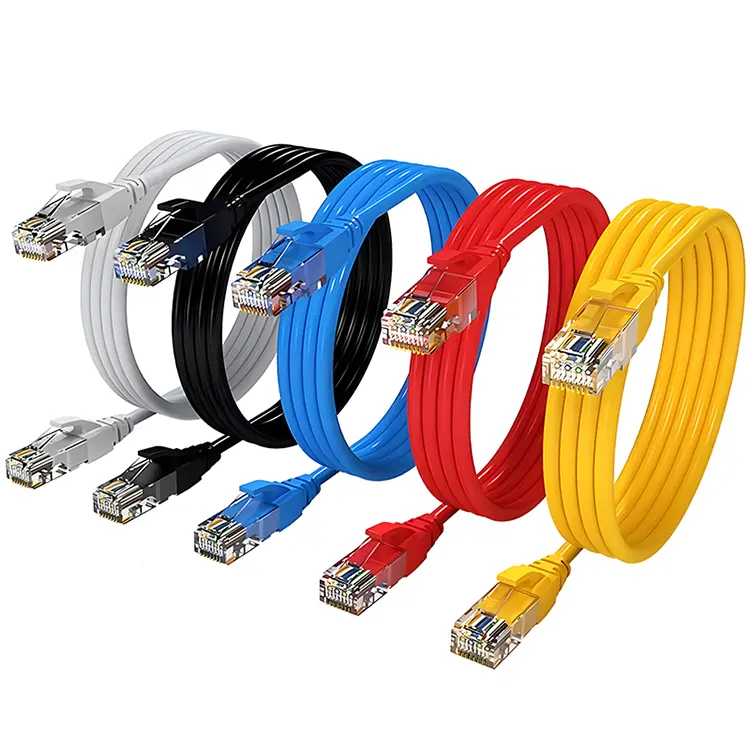 Network Cables
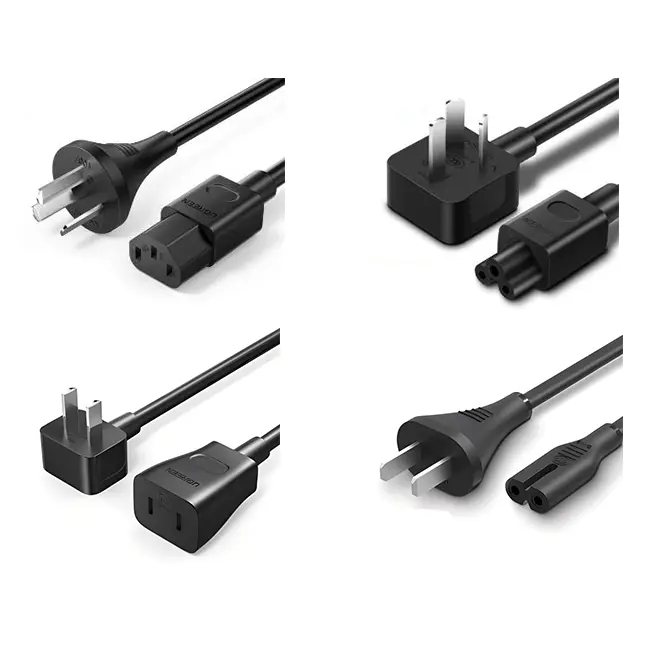 Power Cords
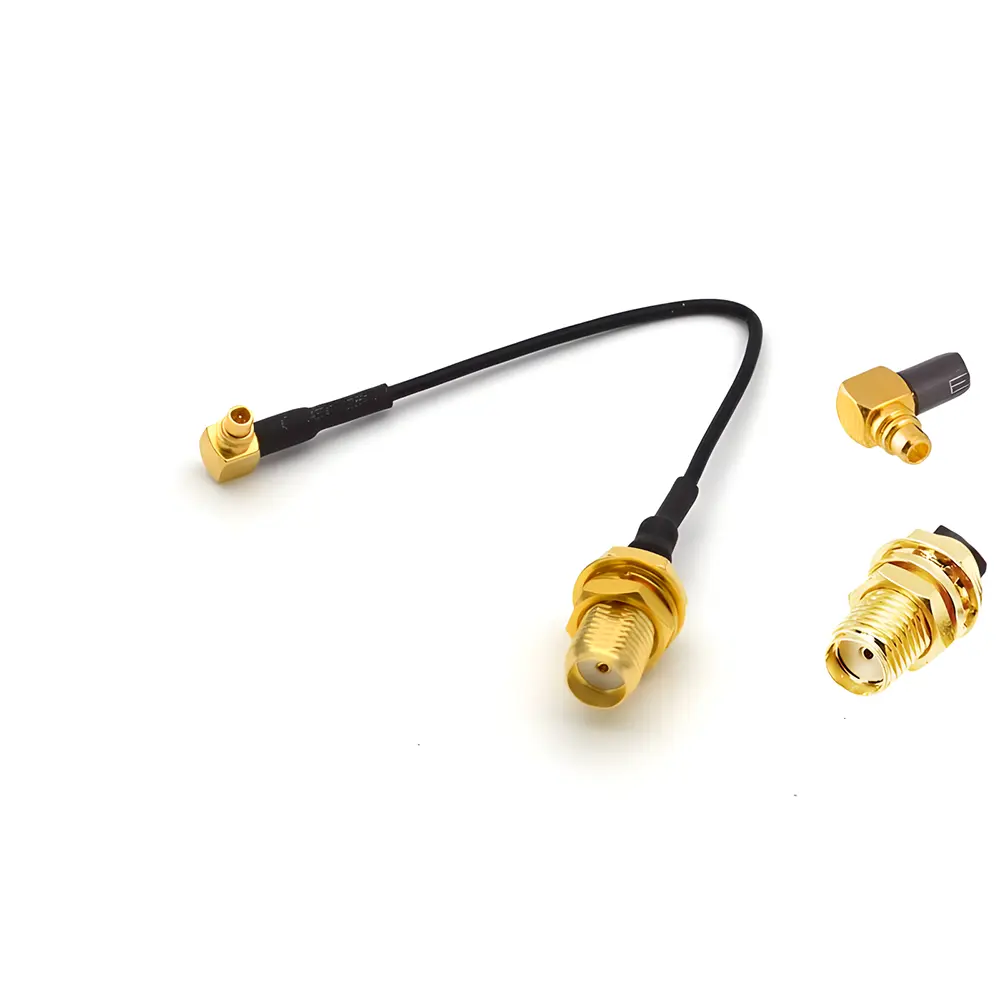 Antenna Cables
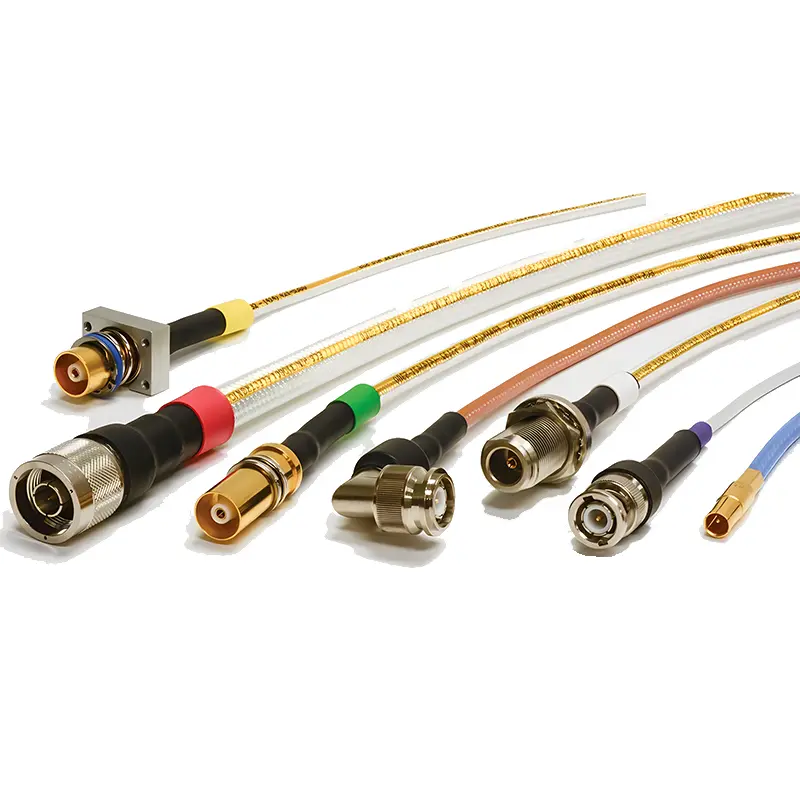 Coaxial Cables
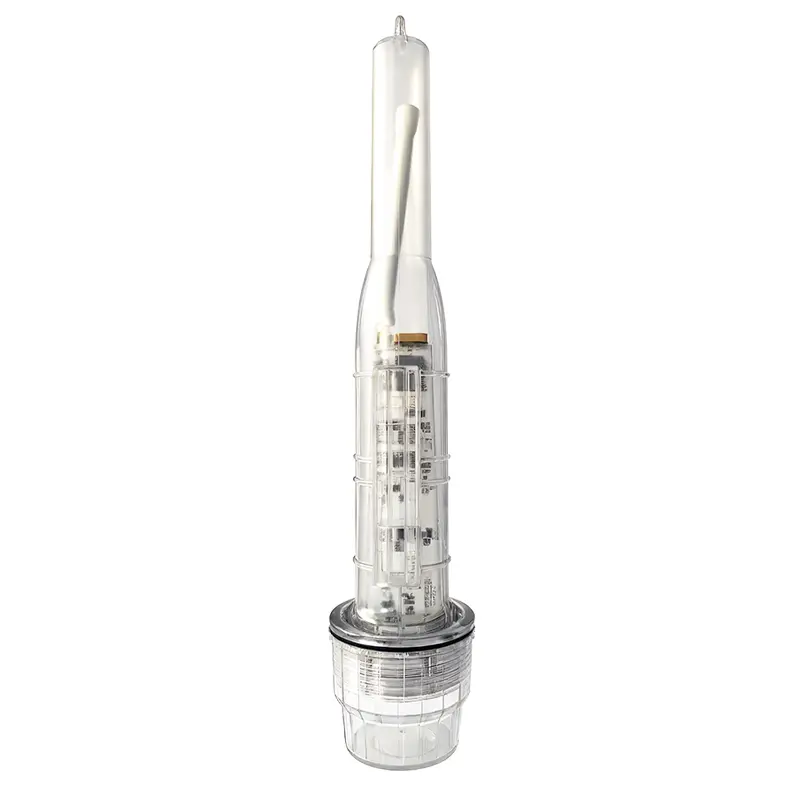 Net Position Indicator
 Solar AIS net position indicator
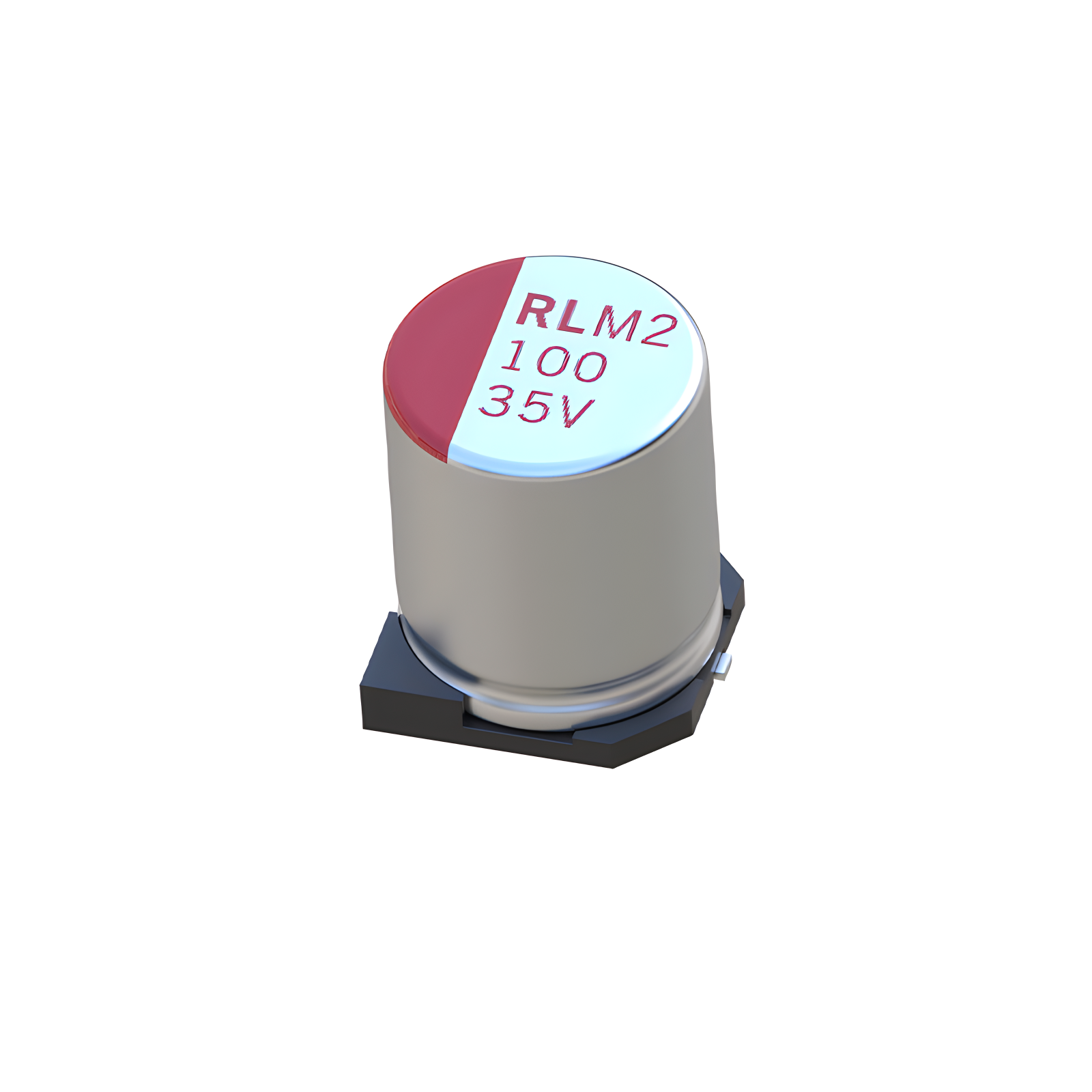 Capacitors
 Connectors
 Diodes
 Embedded Processors & Controllers
 Digital Signal Processors (DSP/DSC)
 Microcontrollers (MCU/MPU/SOC)
 Programmable Logic Device(CPLD/FPGA)
 Communication Modules/IoT
 Resistors
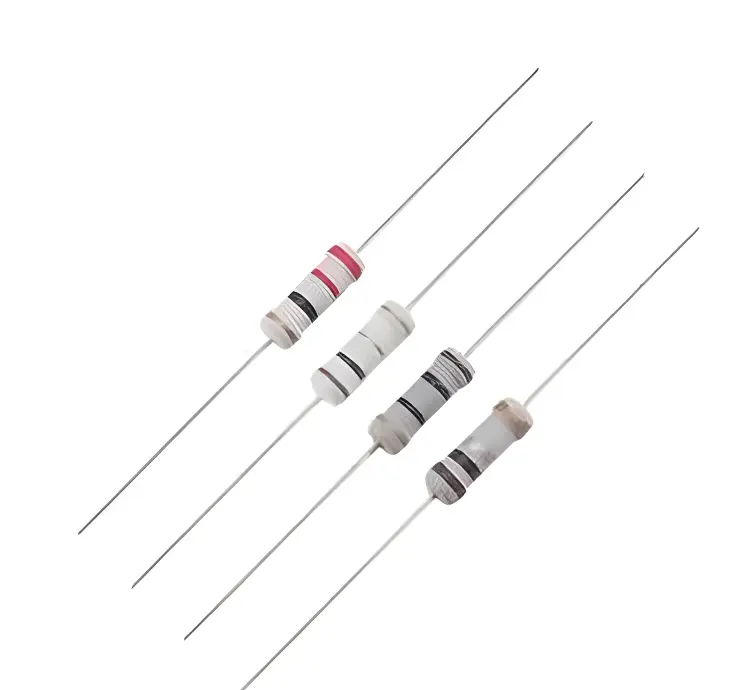 Through Hole Resistors
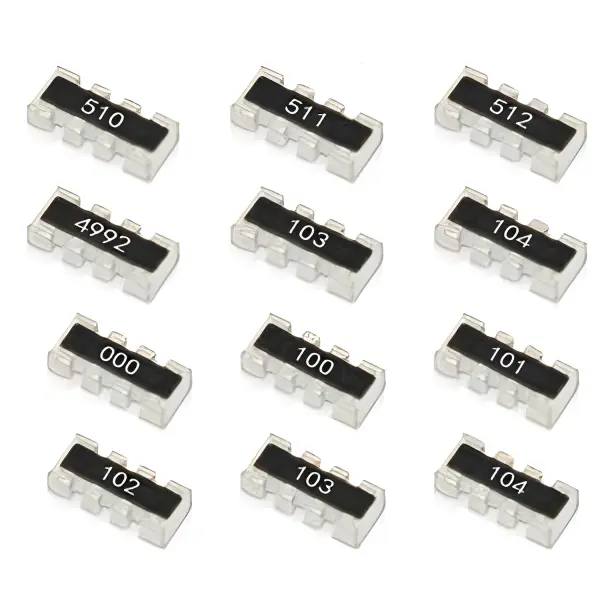 Resistor Networks, Arrays
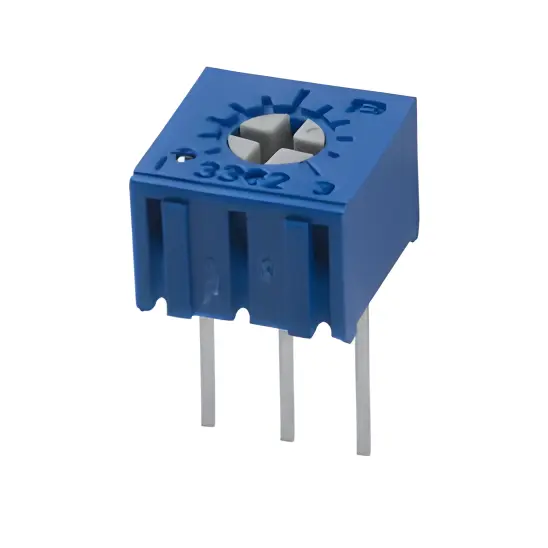 Potentiometers,Variable Resistors
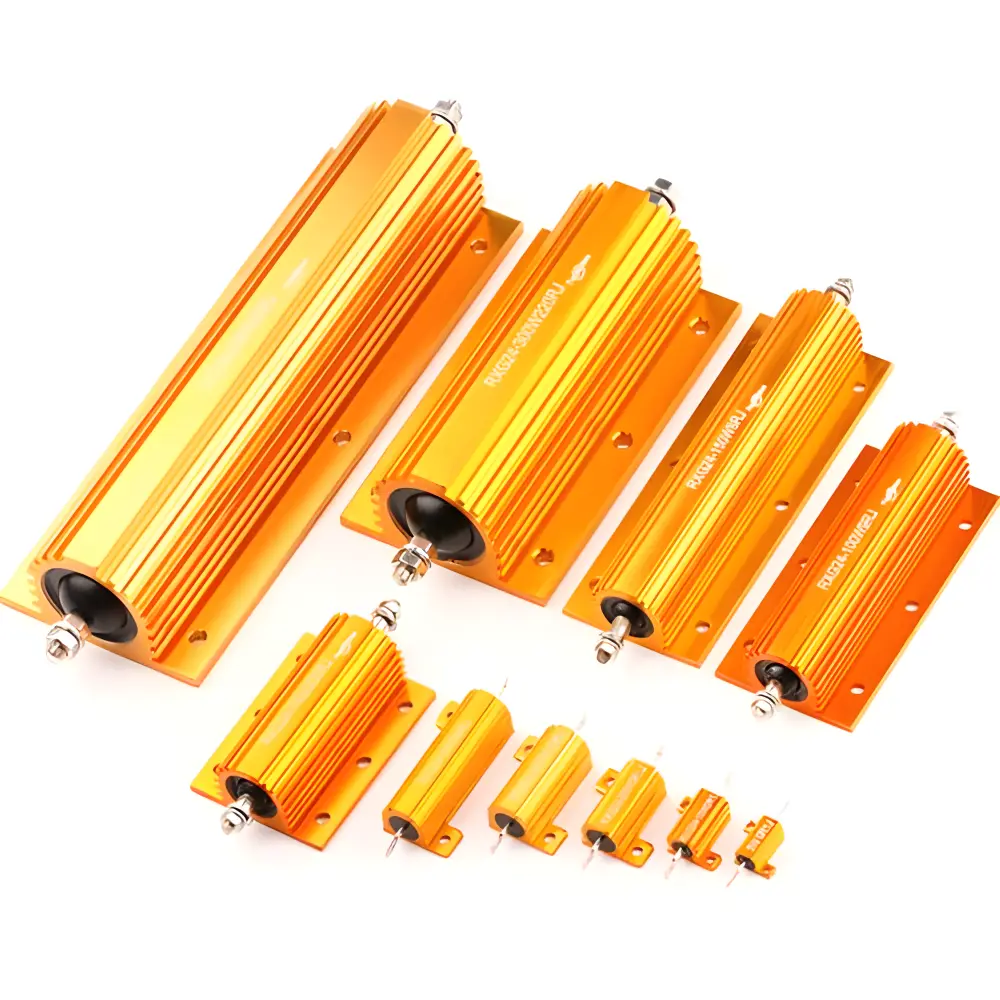 Aluminum Case,Porcelain Tube Resistance
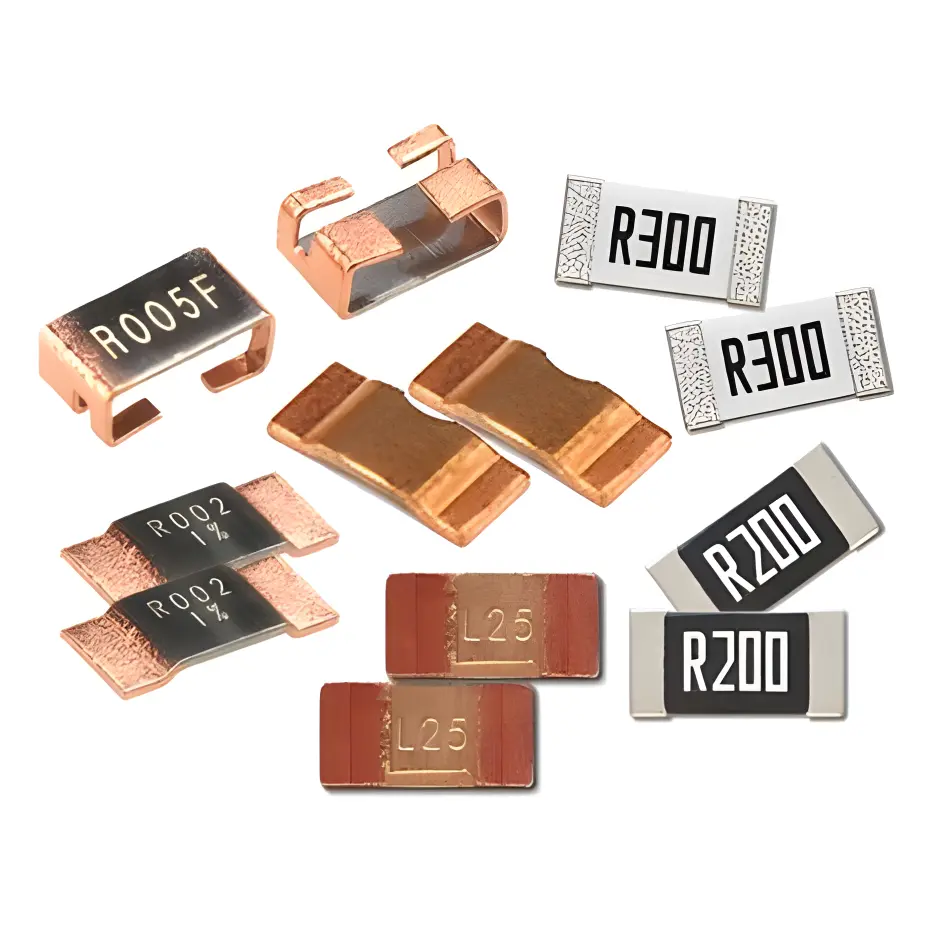 Current Sense Resistors,Shunt Resistors
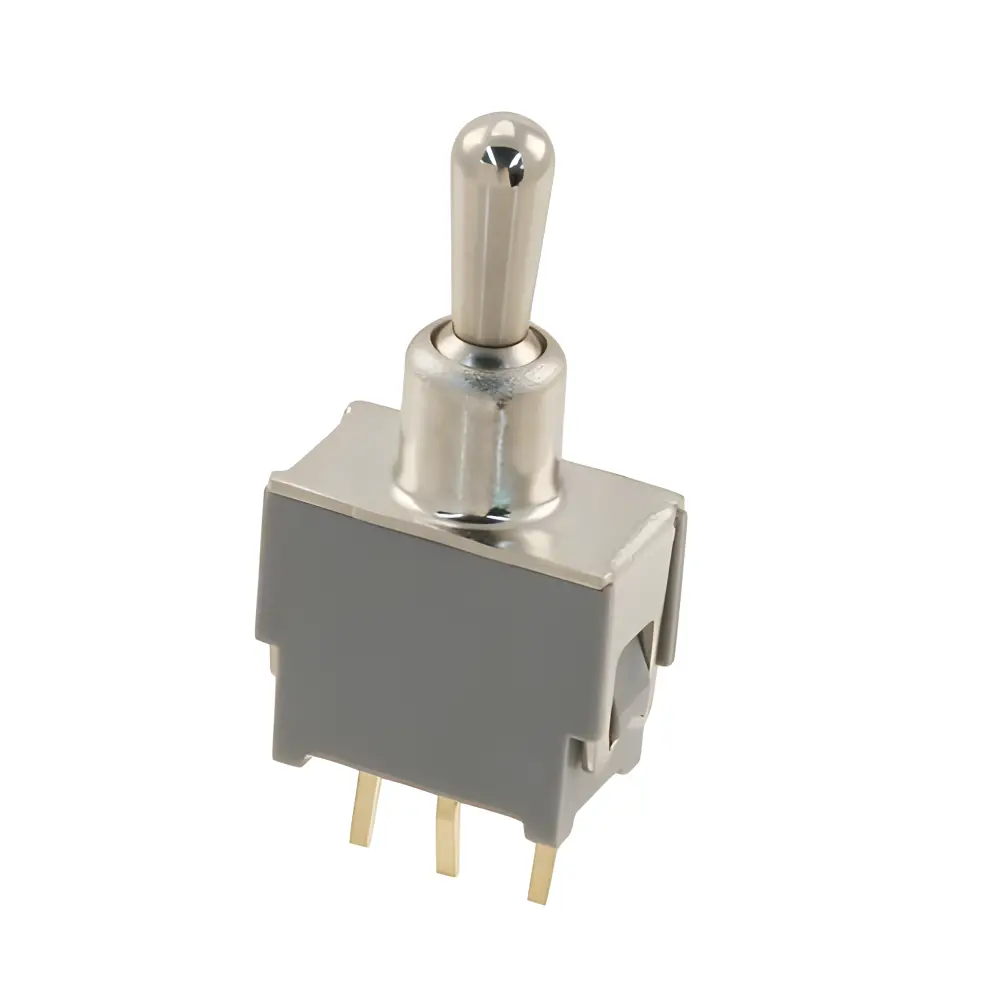 Switches
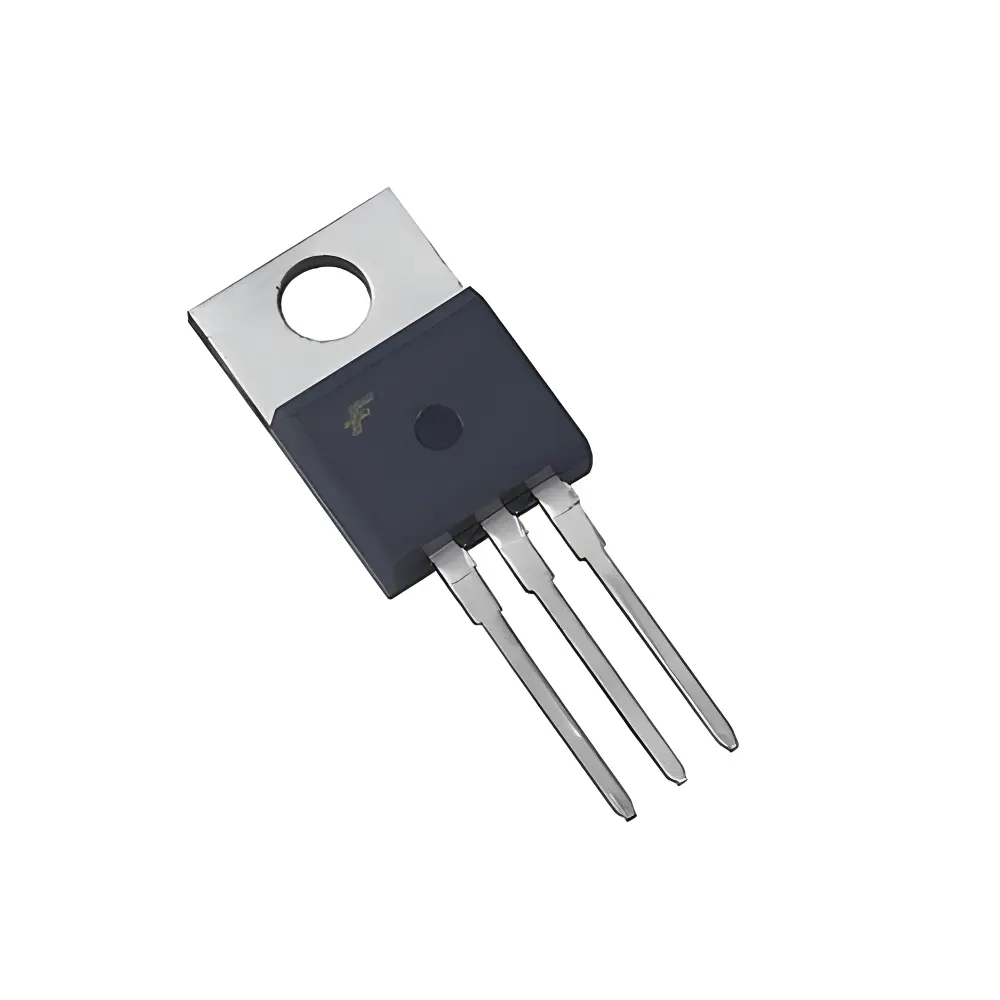 Transistors
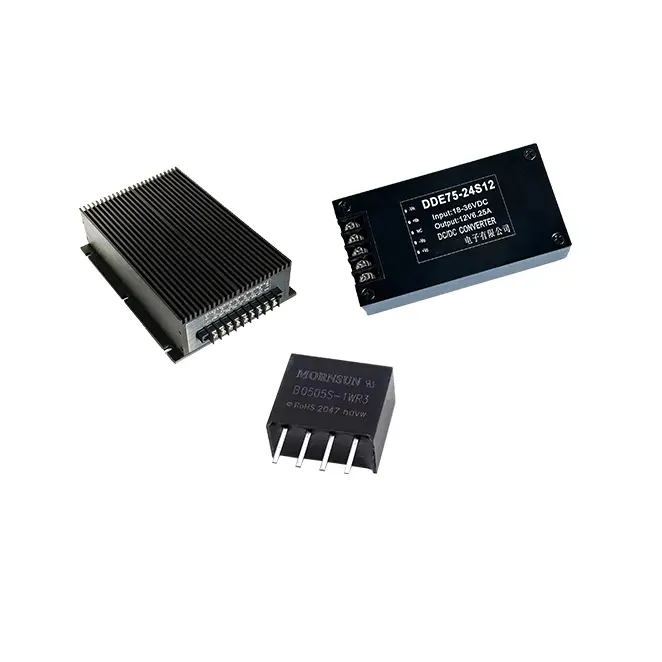 Power Modules
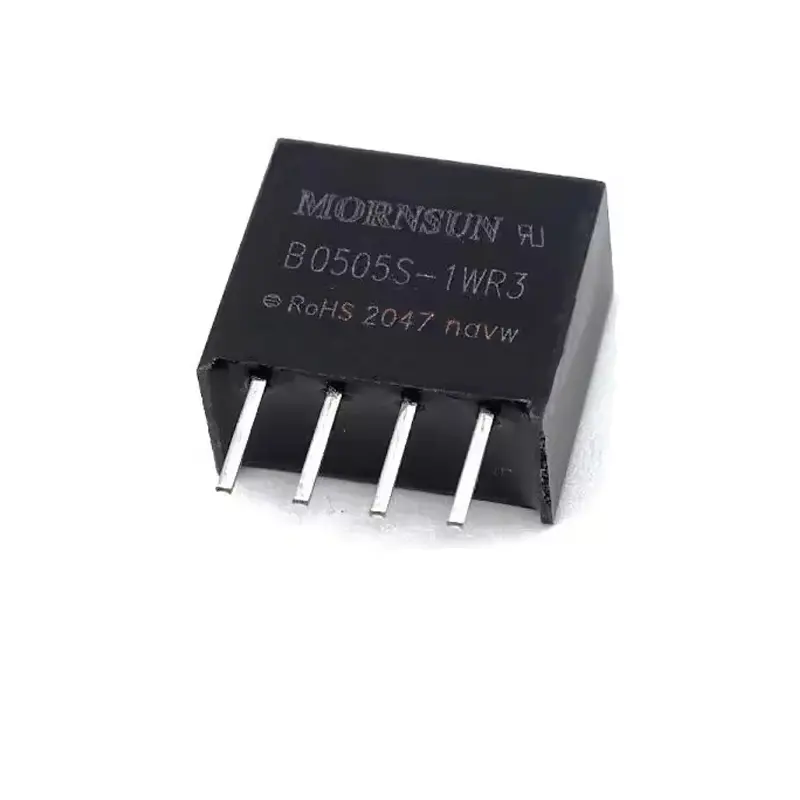 Isolated Power Modules
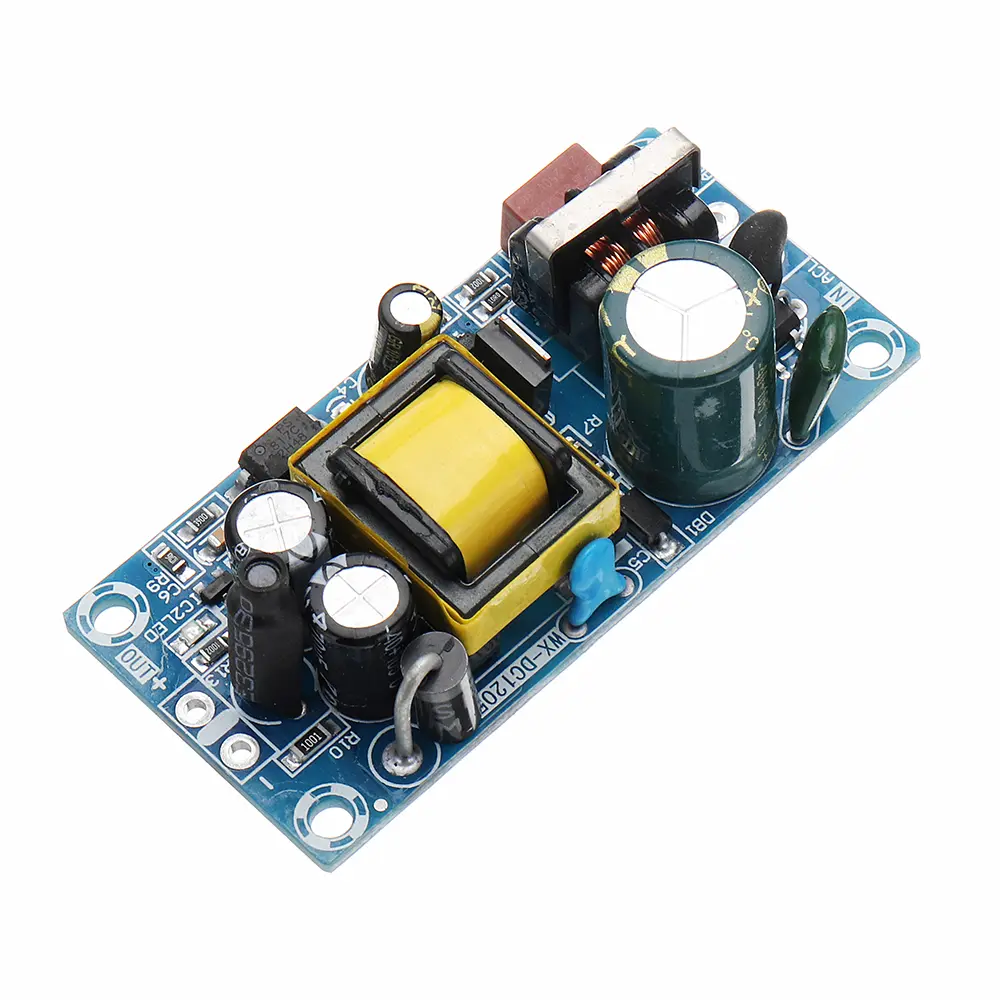 AC-DC Power Modules
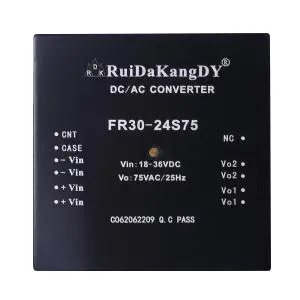 DC-AC Module(Inverter)
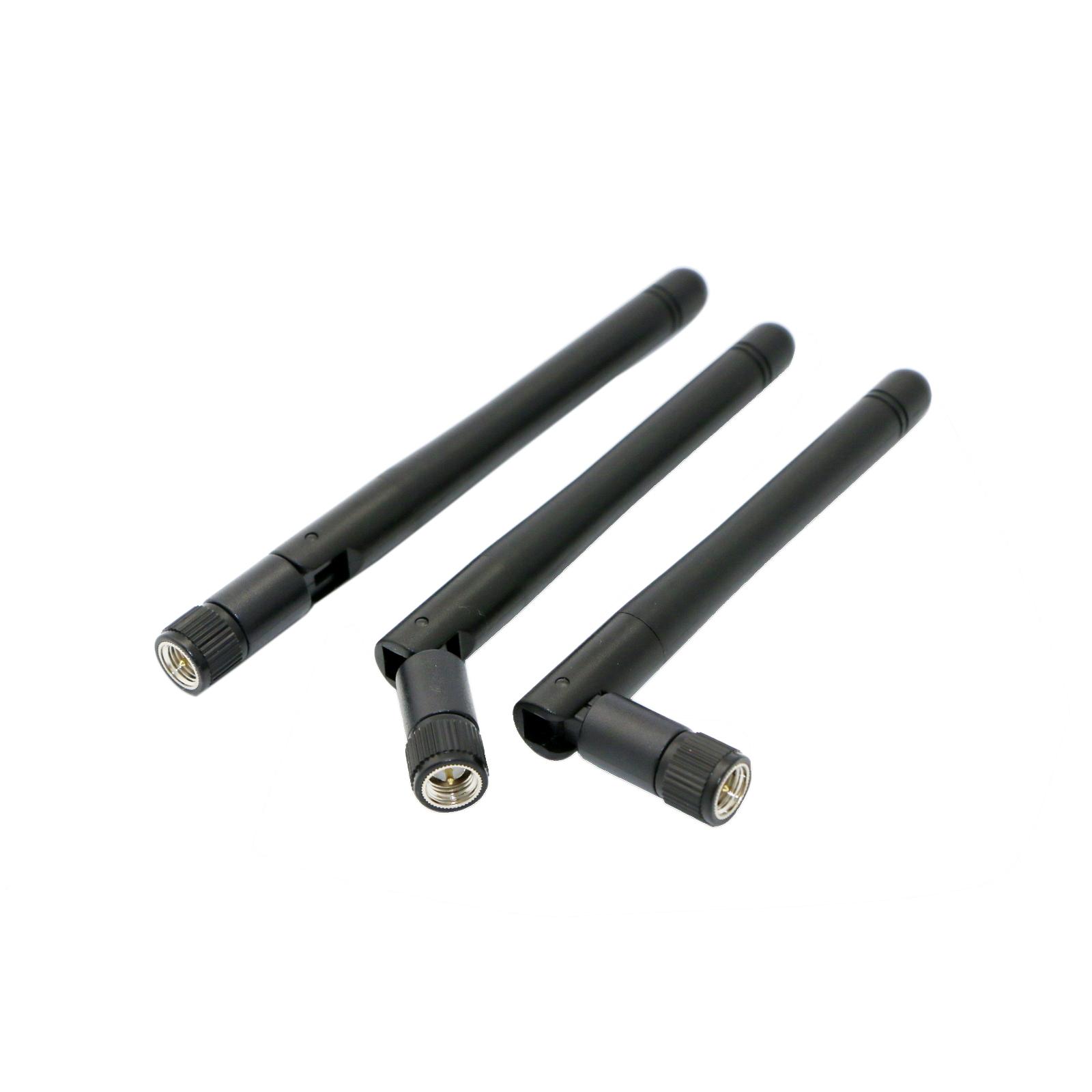 RF and Wireless
(I)What are the welding defects of SMT BGA?
What are the welding defects of SMT BGA? Analysis of Defect Causes and Improvement Countermeasures
I. Solder Bridging
Solder bridging is unacceptable. ElectrICal testing, optical inspection (endoscopy), or X-ray inspection are necessary for detecting solder bridging. Poor solder paste printing, component placement deviation, manual "twisting" after placement, and solder splashing during reflow soldering are typical causes of solder bridging. For the gap between two substrates, large solder balls can also cause bridging.
II. Cold Solder Joints
The reflow soldering profile should reach a sufficiently high temperature to ensure complete melting of the solder and good wetting of the land suRFace. Cold solder joints can weaken mechanical integrity, leading to electrical failure or intermittent functional failure. Optical inspection after sectioning is the best method for inspecting cold solder joints.
III. Open Solder Joints
Opens are also unacceptable. Electrical testing, optical inspection (endoscopy), or X-ray inspection are necessary for detecting open solder joints. Poor solder paste printing, component placement deviation, and manual "twisting" after placement are typical assembly-related causes of open solder joints. Coplanarity issues and substrate solderability problems can also lead to opens. Excessive mechanical stress can also cause solder joint cracks, resulting in opens.
IV. Inadequate/Uneven Heating
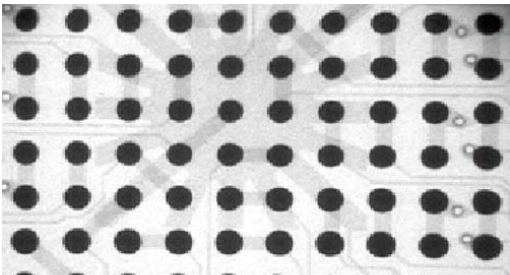
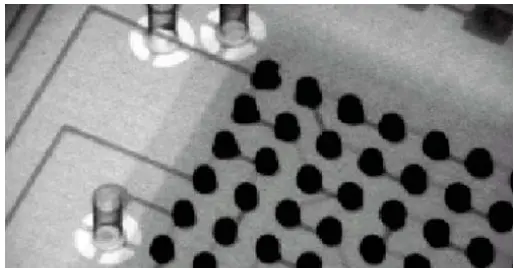
A common process issue is inadequate or uneven heating of BGA, which is common during rework but can also be seen in the production of multilayer boards with a large number of ground and power planes. When shielding components are located on the back side near the BGA position, such issues can also occur in double-sided boards. This problem occurs if a thermal conductor conducts heat away from the BGA before complete reflow occurs. The characteristics of this issue in X-ray images are variations in the size of solder balls at different locations under the package. Inadequate heating in X-ray images usually shows partial reflow of a small portion of the solder balls in the center or on one side of the package. Inadequate heating can also manifest as a rough appearance of these solder balls, indicating that only part of the solder has reflowed, without sufficient reflow time for the land to be completely wetted and the solder balls to collapse into ideal spheres. Offset of solder balls relative to the lands is also a sign of inadequate heating, and the X-ray image of solder ball offset is characterized by elongated solder balls with no consistent direction of offset. X-ray inspection at a 45° angle is also a useful technique for locating features related to inadequate heating or non-wetting. Solder balls should be in contact with and completely wet the lands to form smooth pillars. Features related to inadequate heating include incomplete wetting of the lands or elongated solder joint images, indicating that the solder balls and solder paste have not fused together to form a single solder joint (see Figures 1 and 2).