
 PCB
PCB FPC
FPC Rigid-Flex
 FR-4
FR-4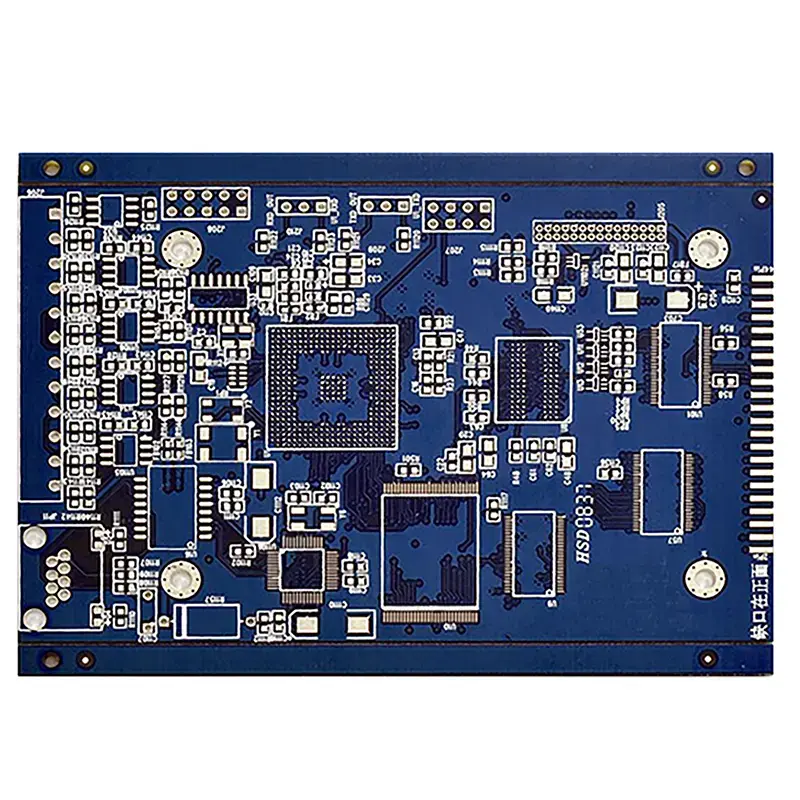 HDI PCB
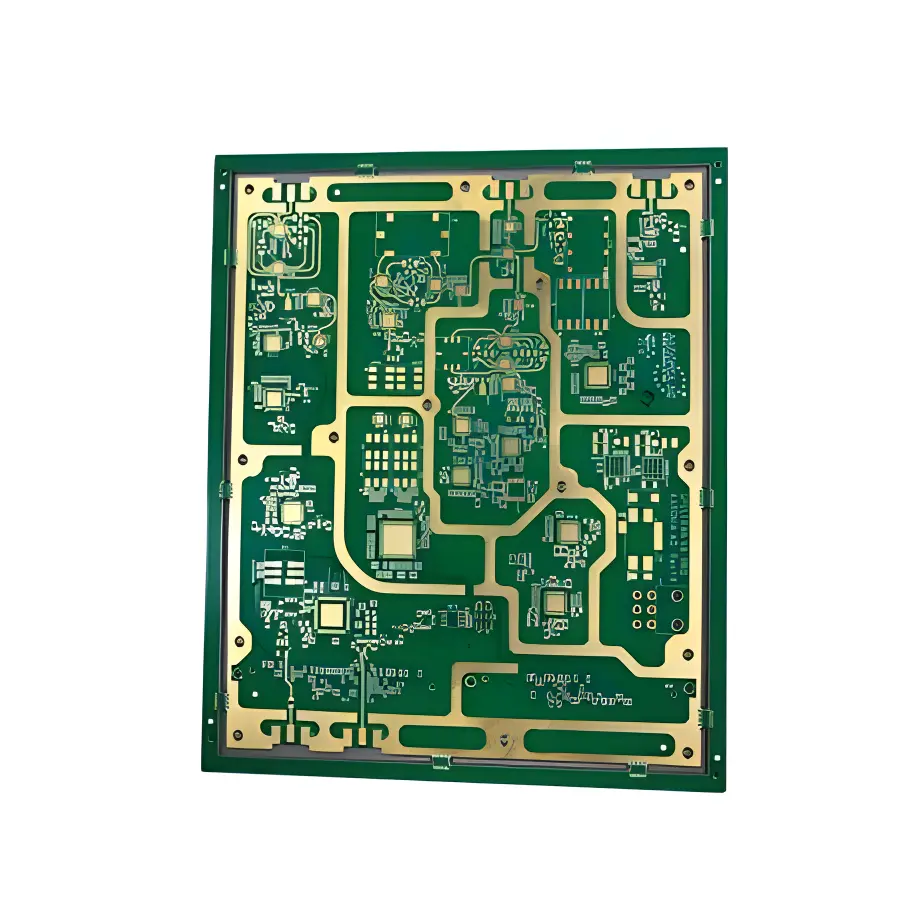 Rogers High-Frequency Board
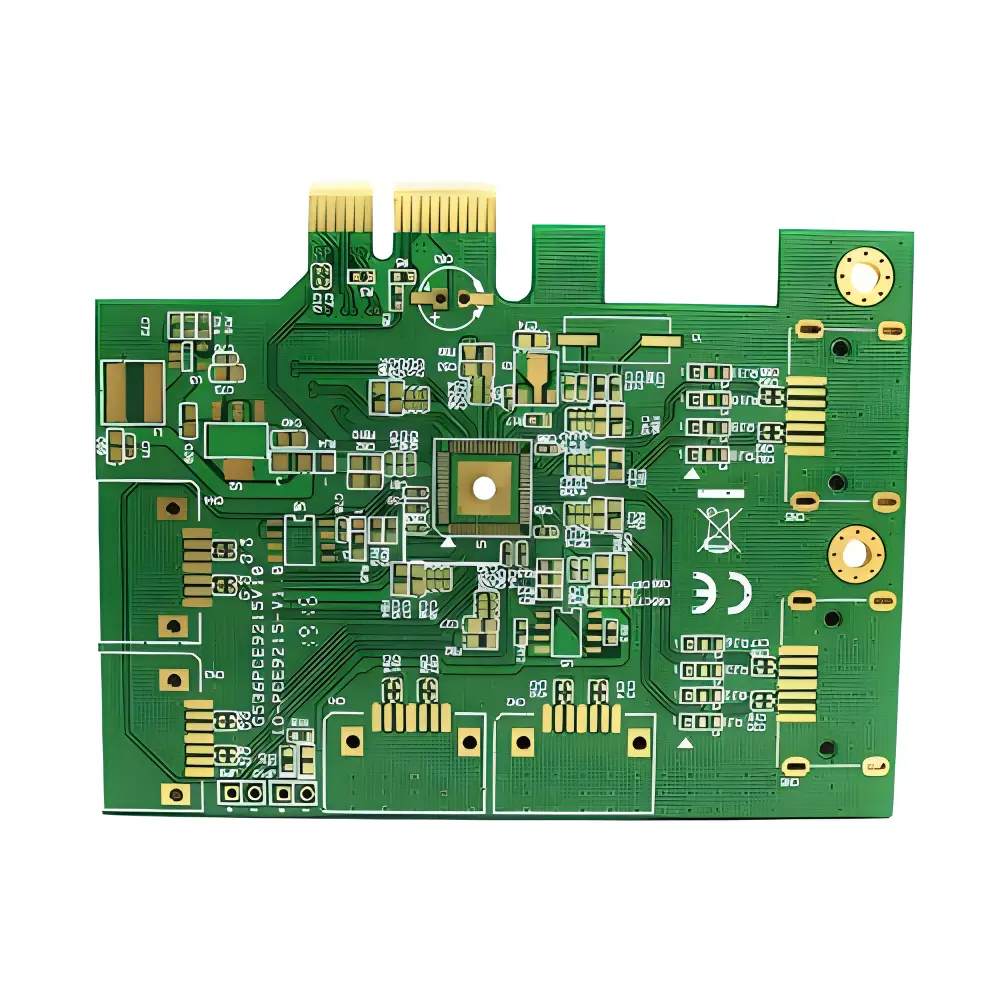 PTFE Teflon High-Frequency Board
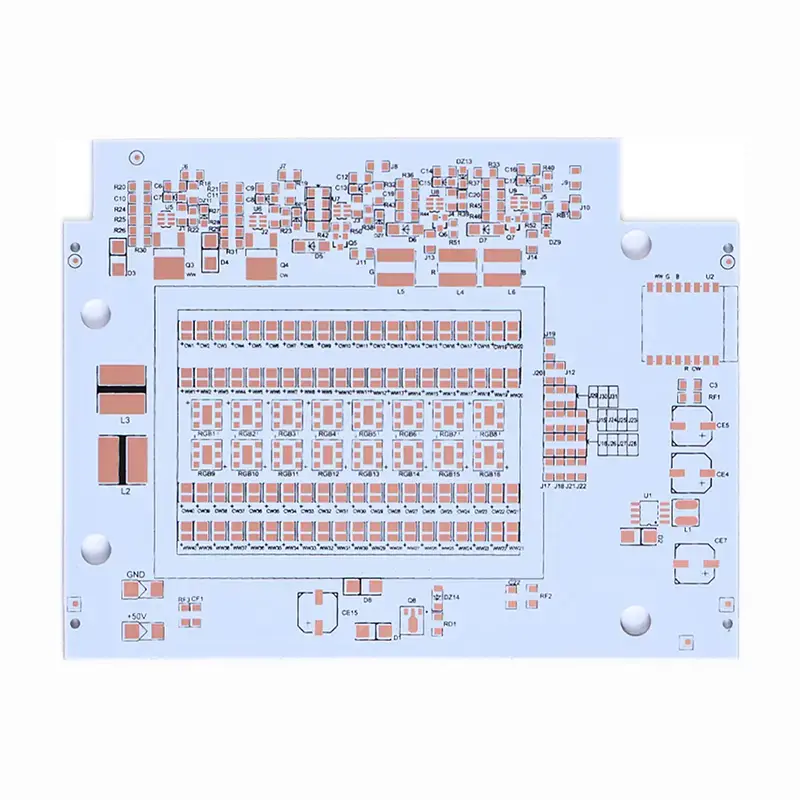 Aluminum
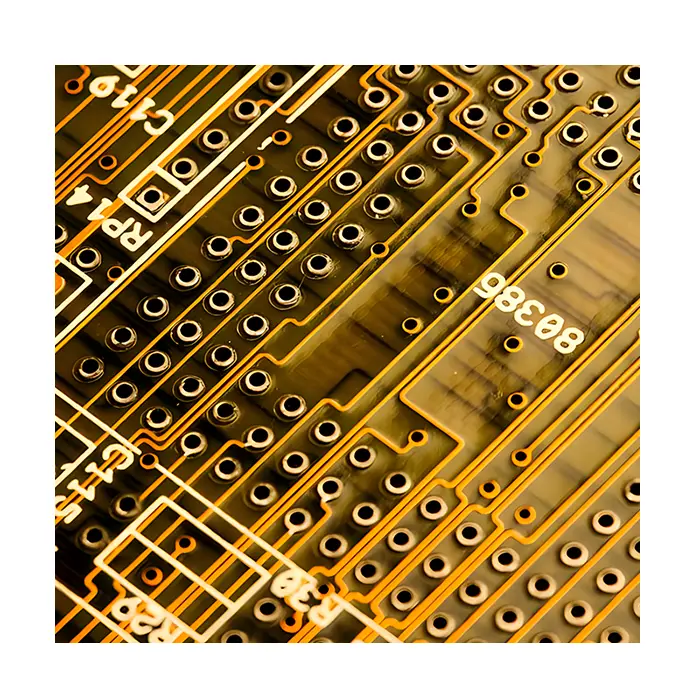 Copper Core
 PCB Assembly
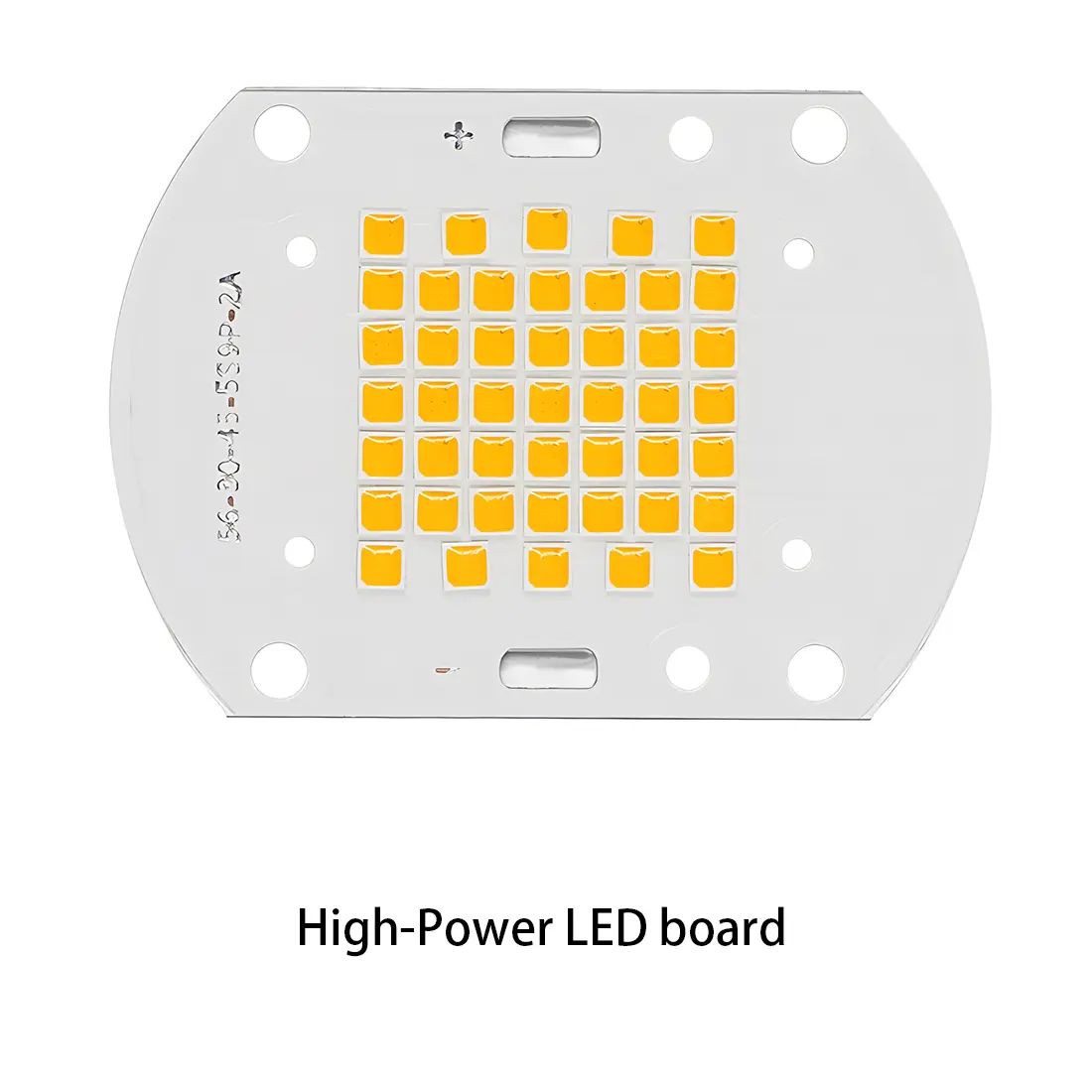 LED light PCBA
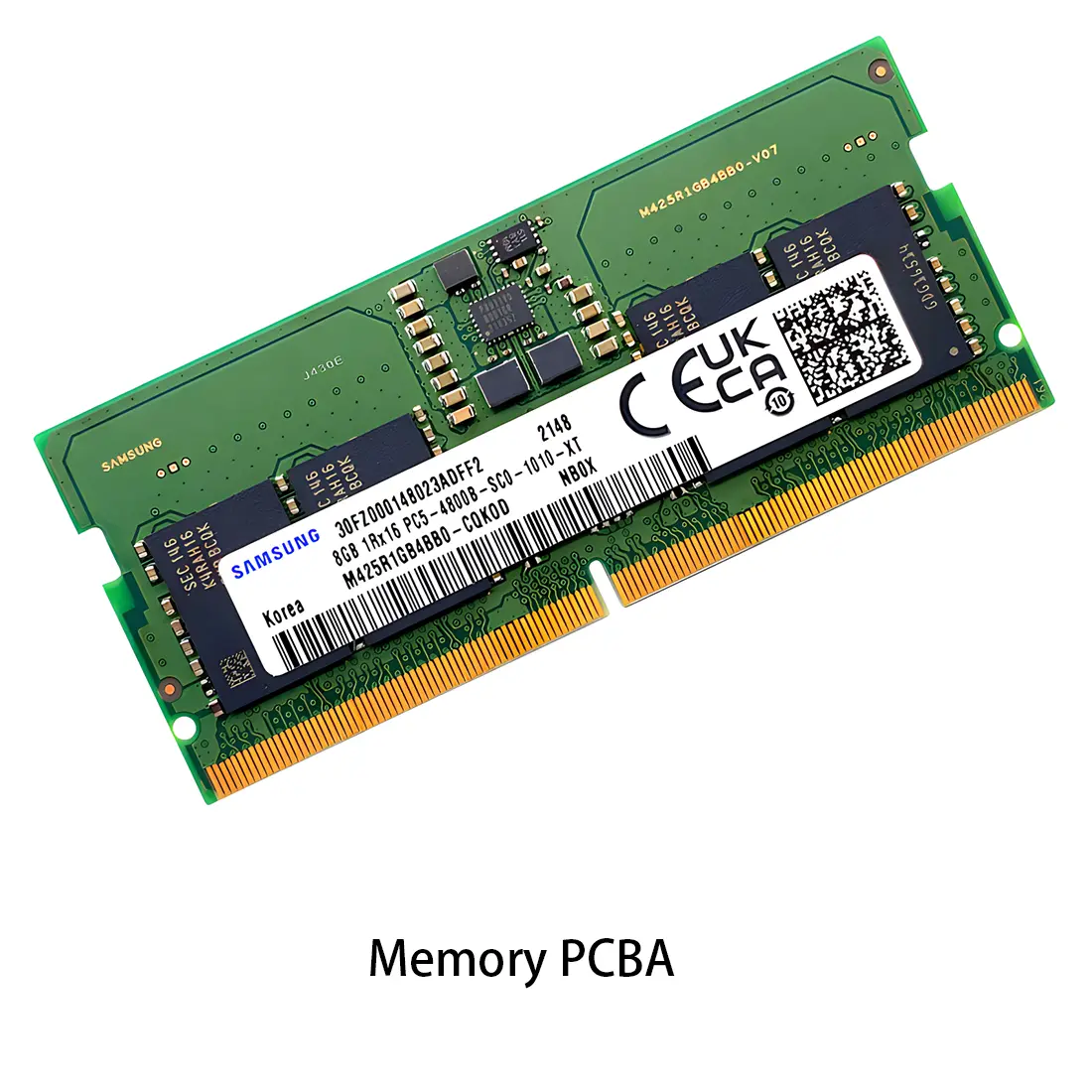 Memory PCBA
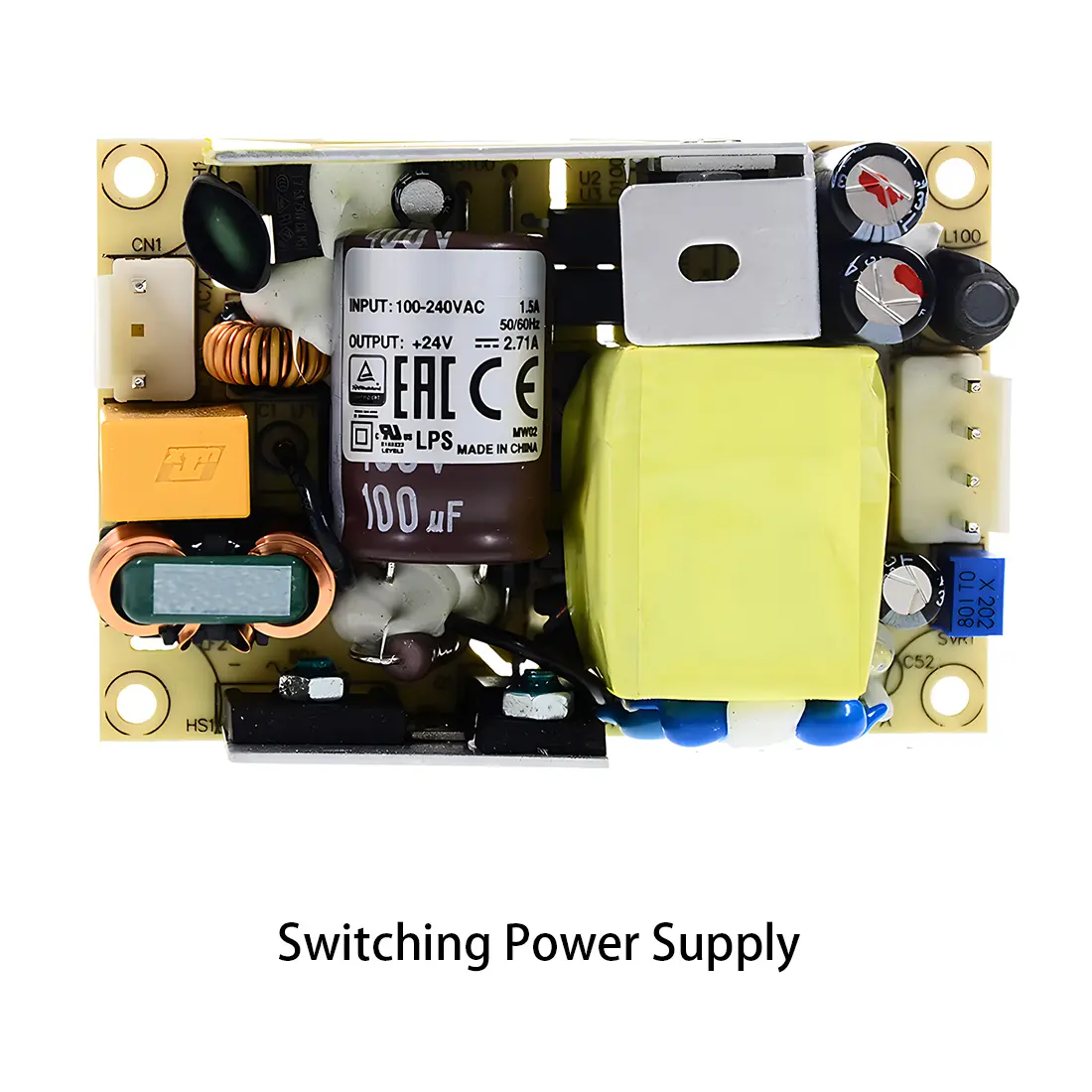 Power Supply PCBA
 New Energey PCBA
 Communication PCBA
 Industrial Control PCBA
 Medical Equipment PCBA
 Testing Service
 PCBA Testing Service
 Certification Application
 RoHS Certification Application
 REACH Certification Application
 CE Certification Application
 FCC Certification Application
 CQC Certification Application
 UL Certification Application
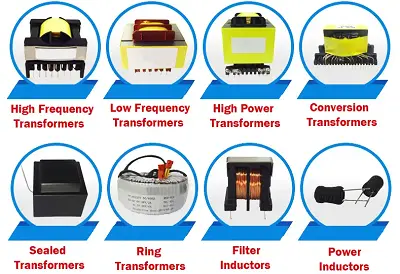 Transformers, Inductors
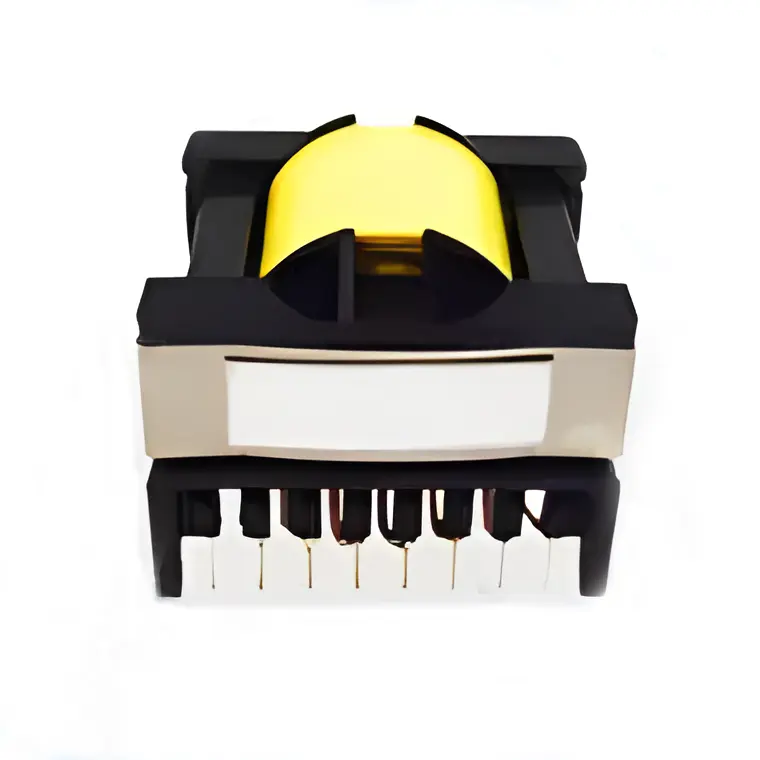 High Frequency Transformers
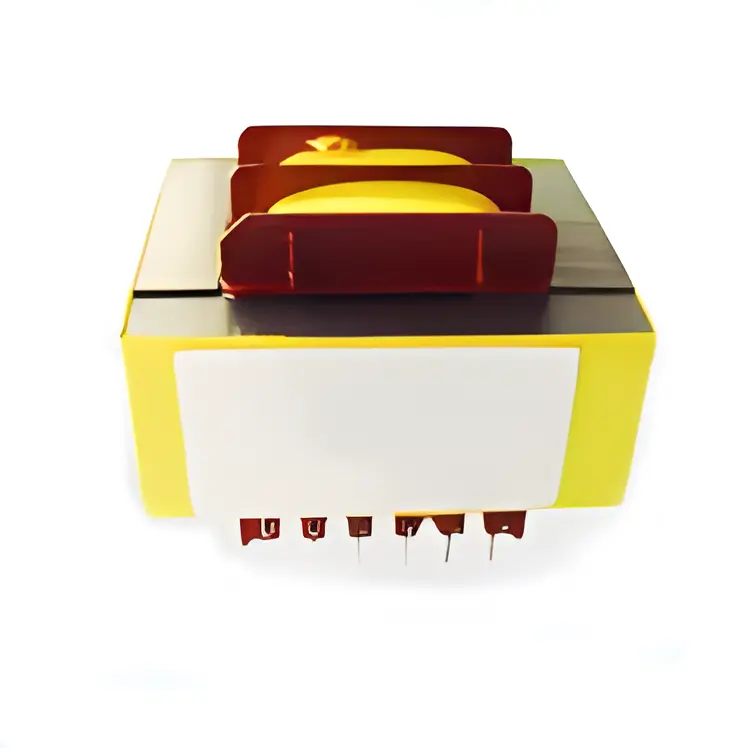 Low Frequency Transformers
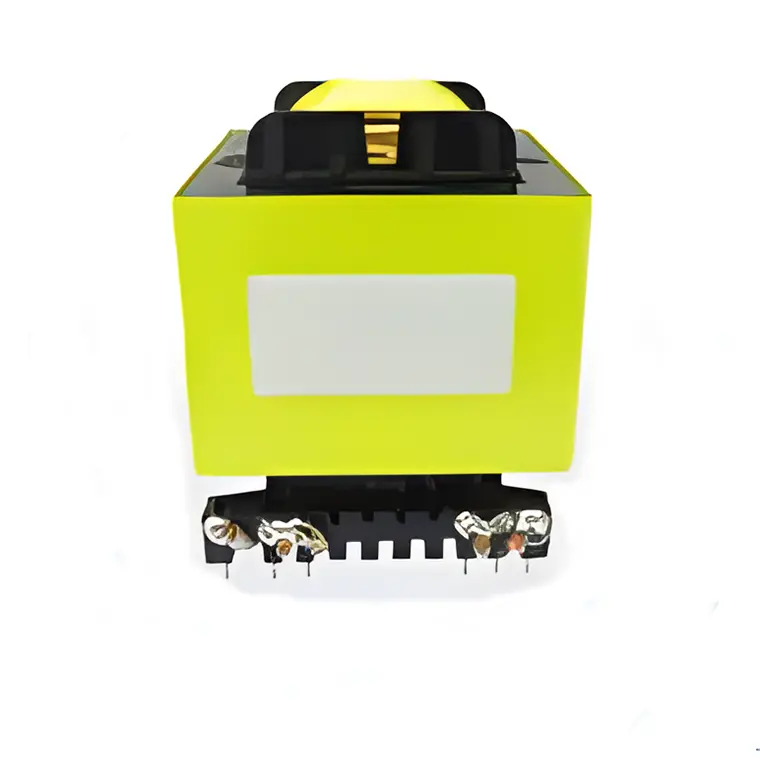 High Power Transformers
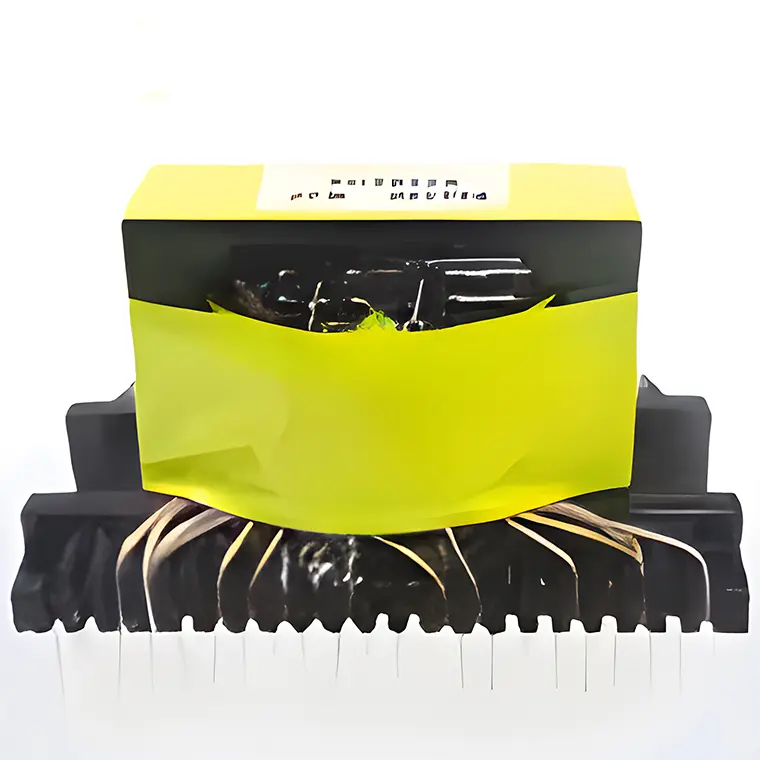 Conversion Transformers
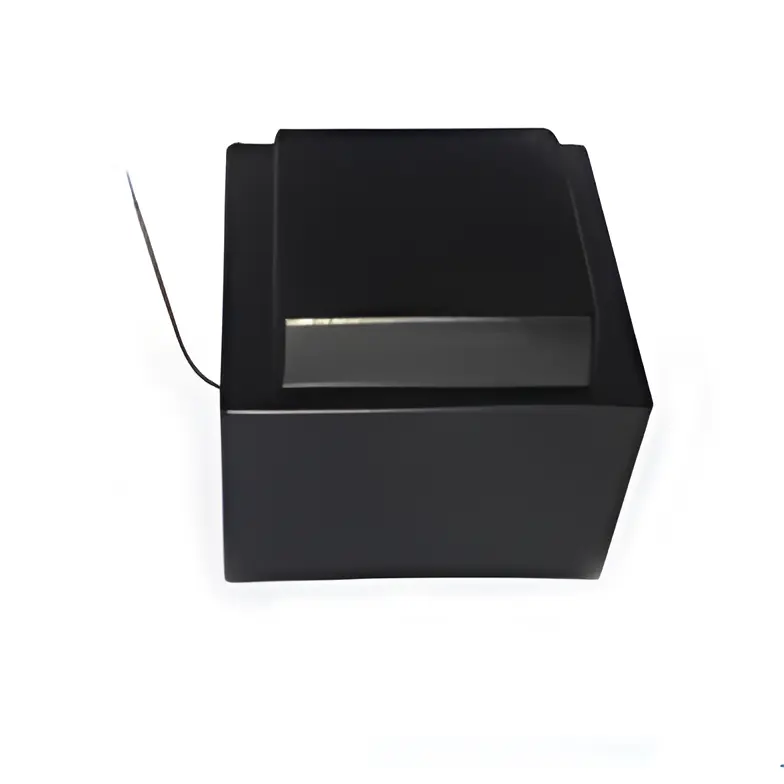 Sealed Transformers
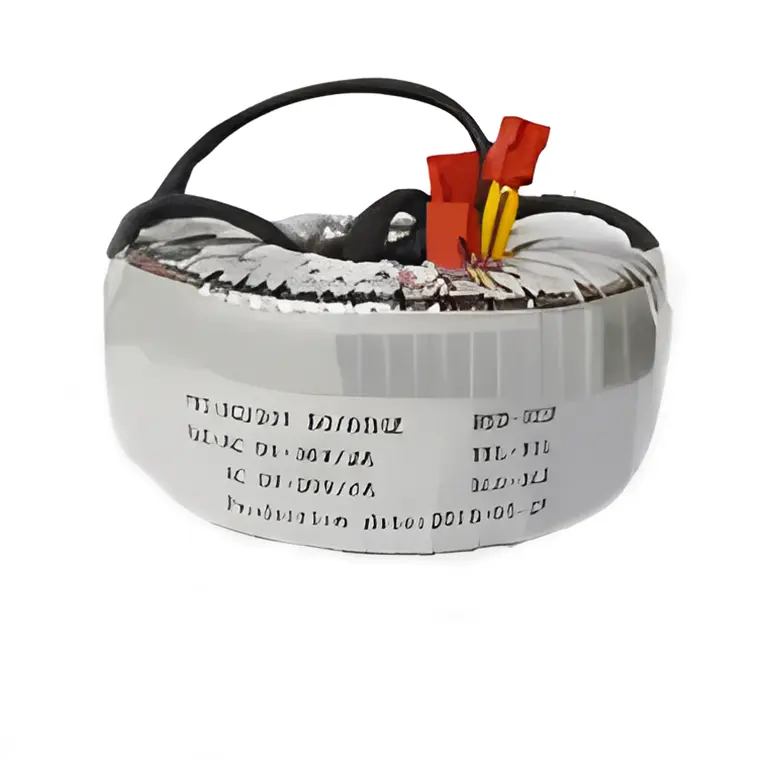 Ring Transformers
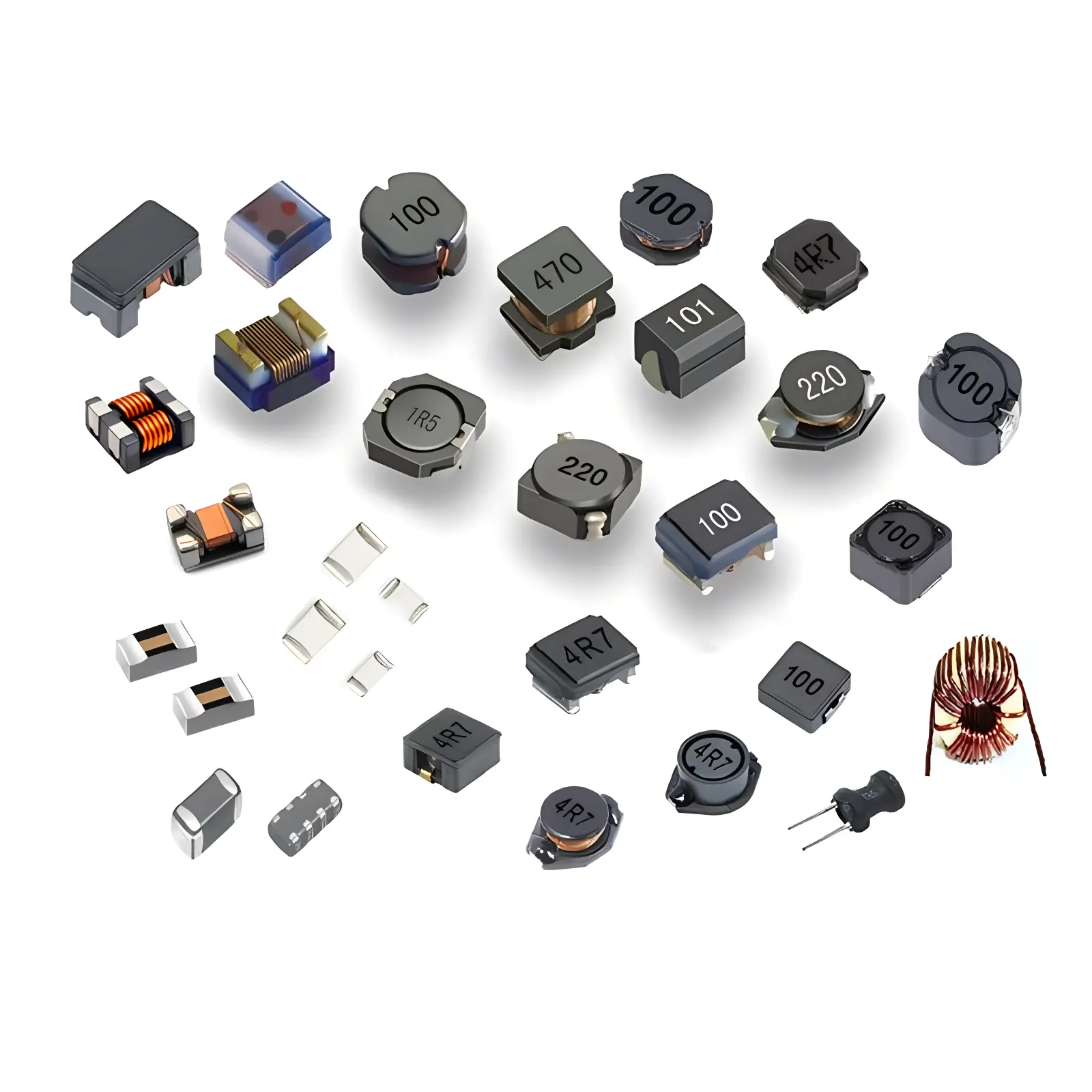 Inductors
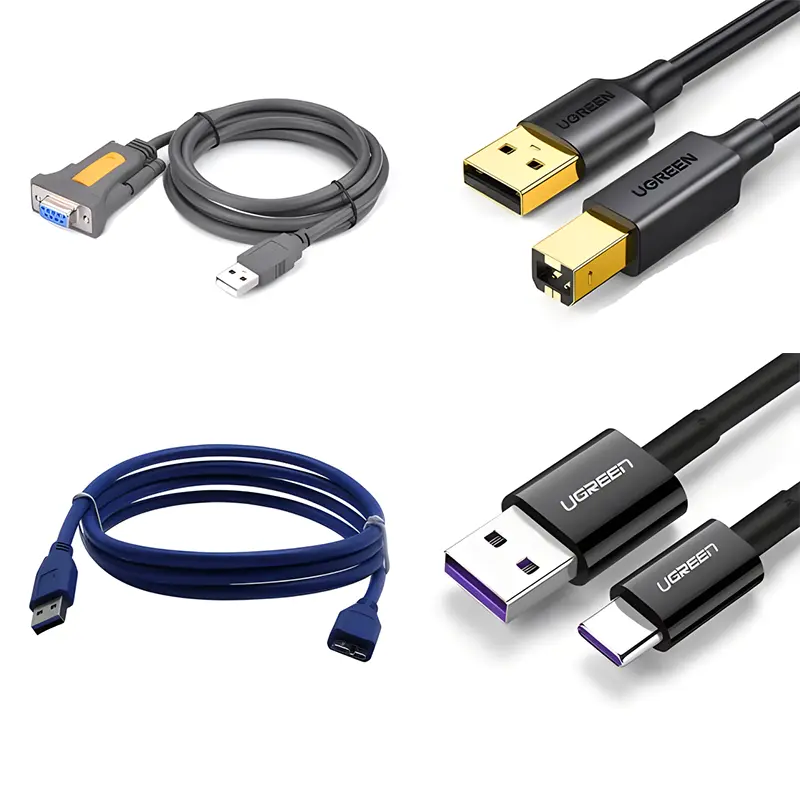 Wires,Cables Customized
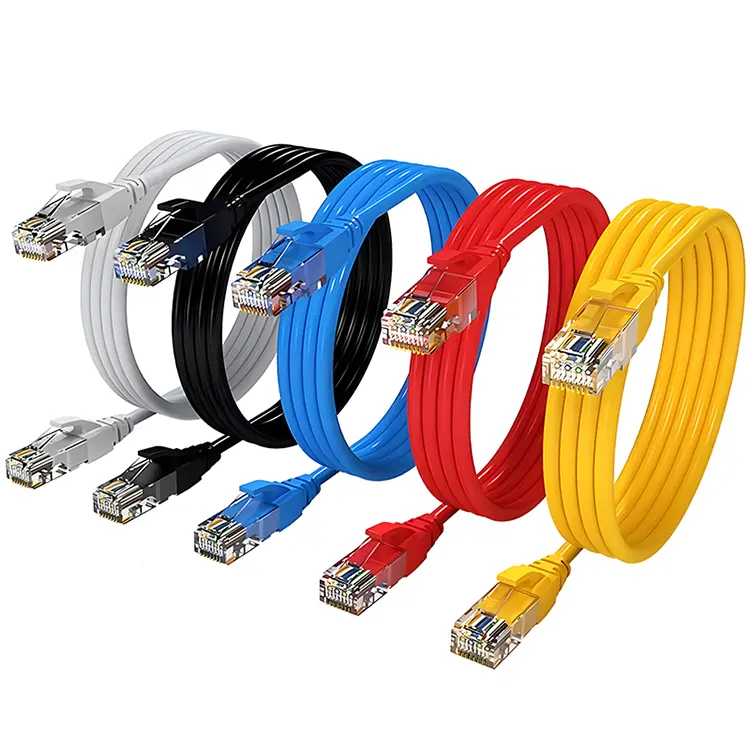 Network Cables
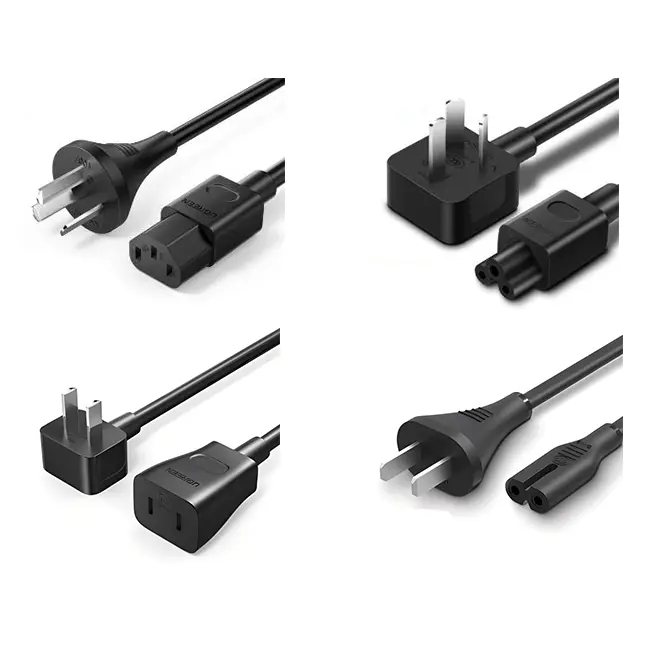 Power Cords
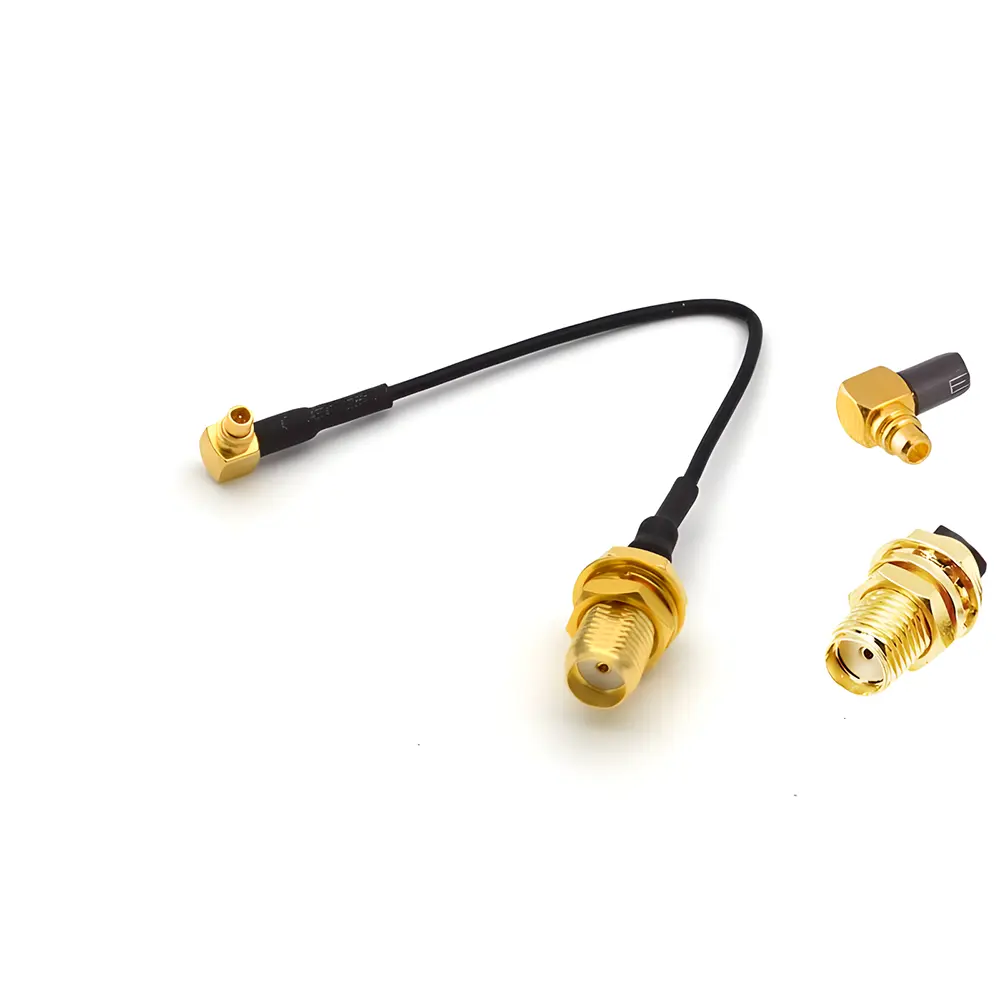 Antenna Cables
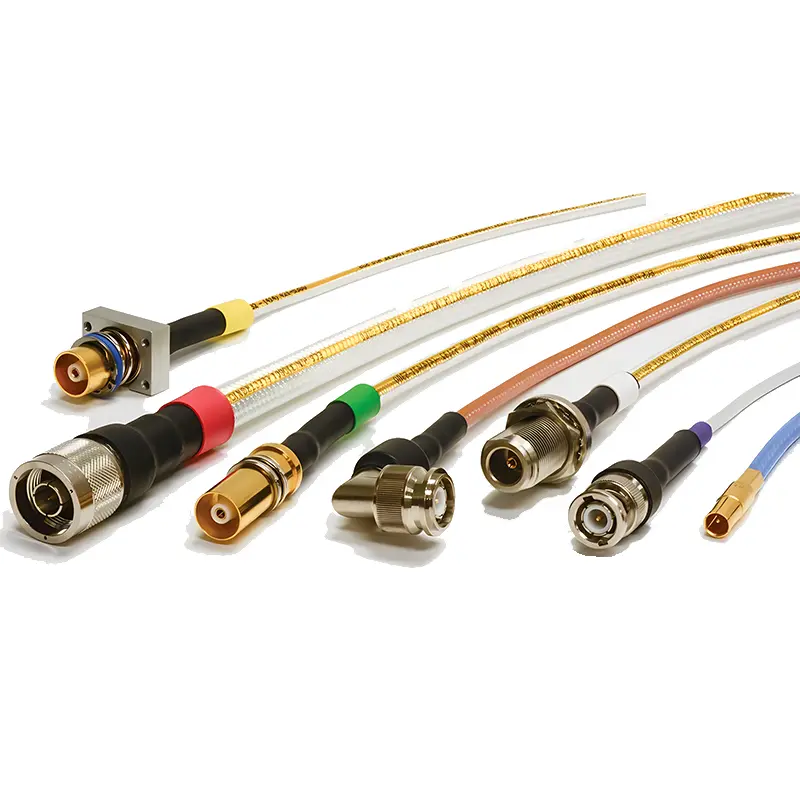 Coaxial Cables
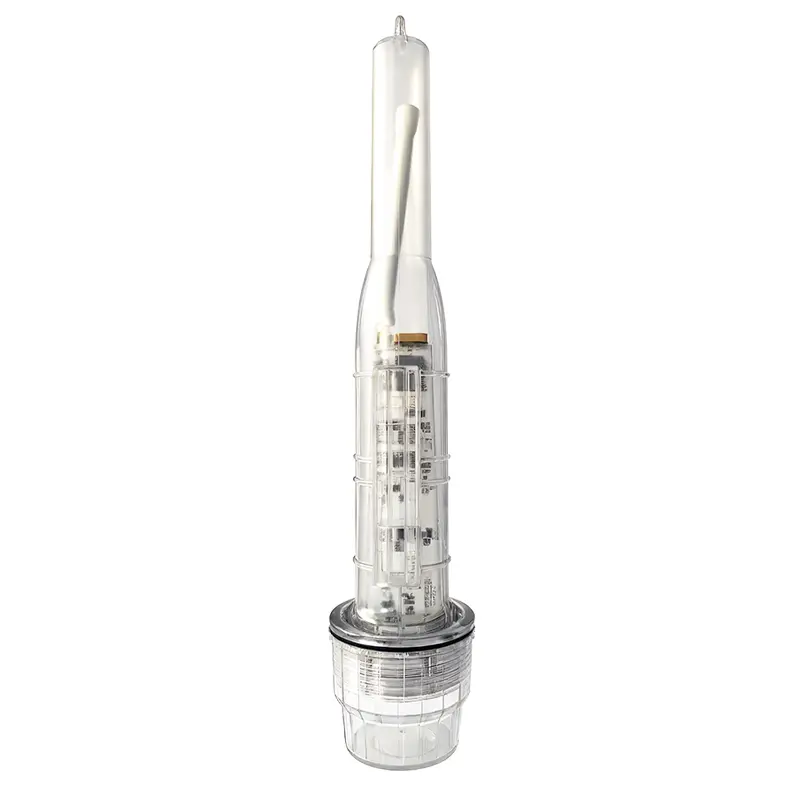 Net Position Indicator
 Solar AIS net position indicator
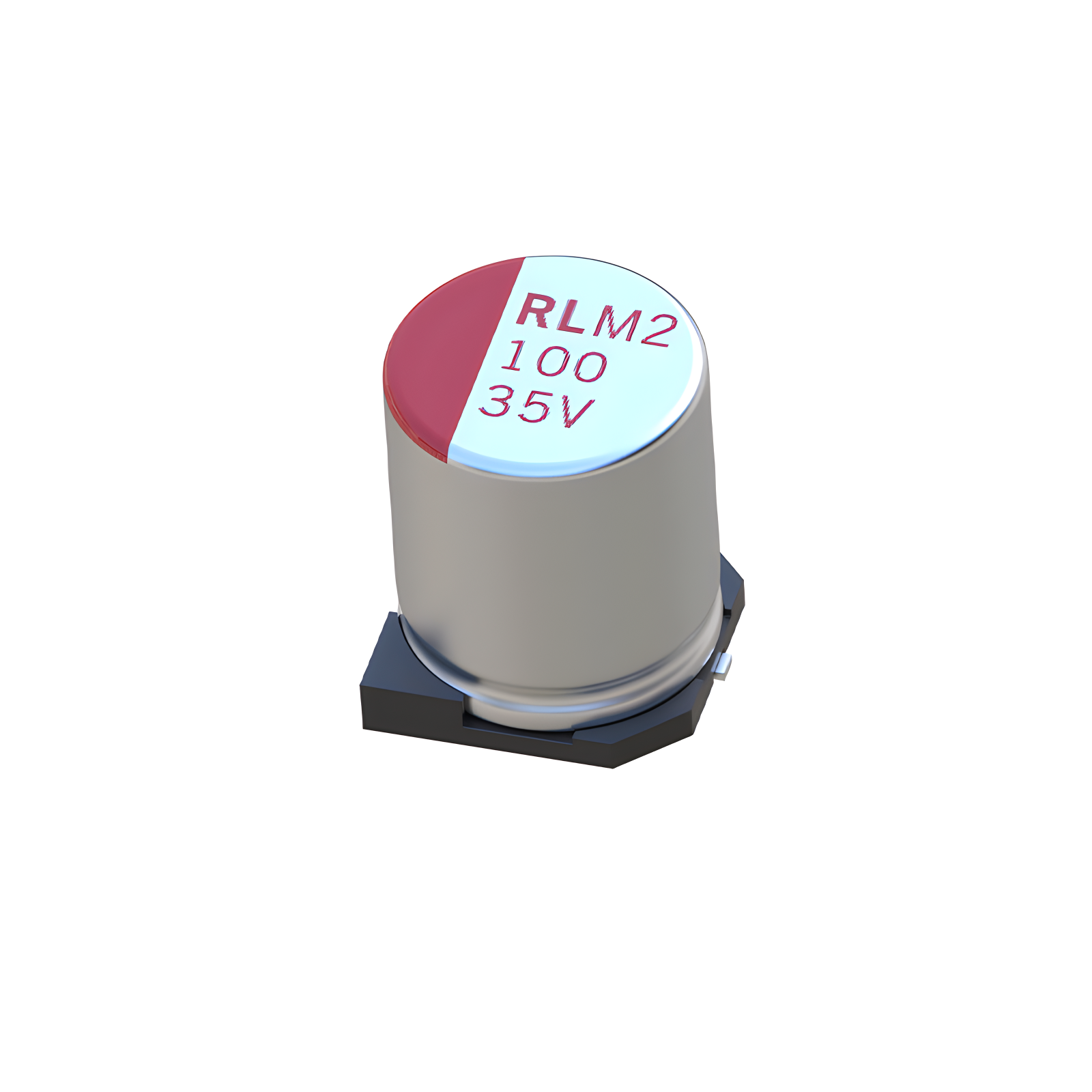 Capacitors
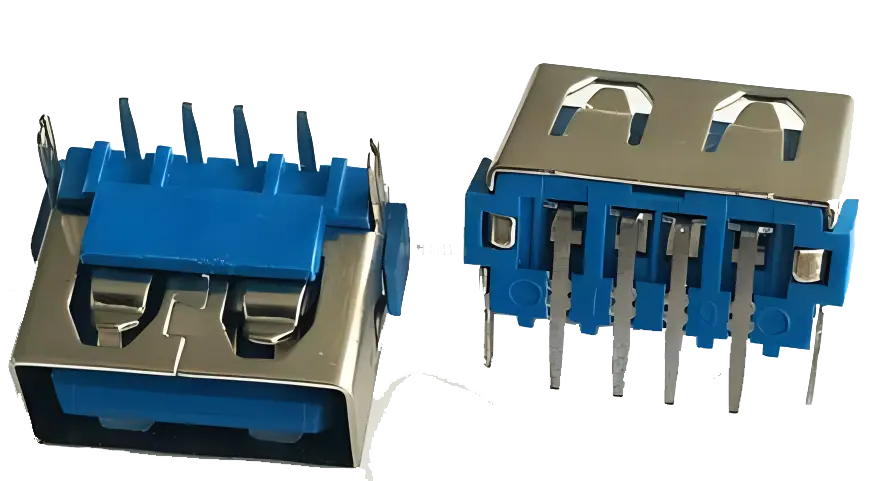 Connectors
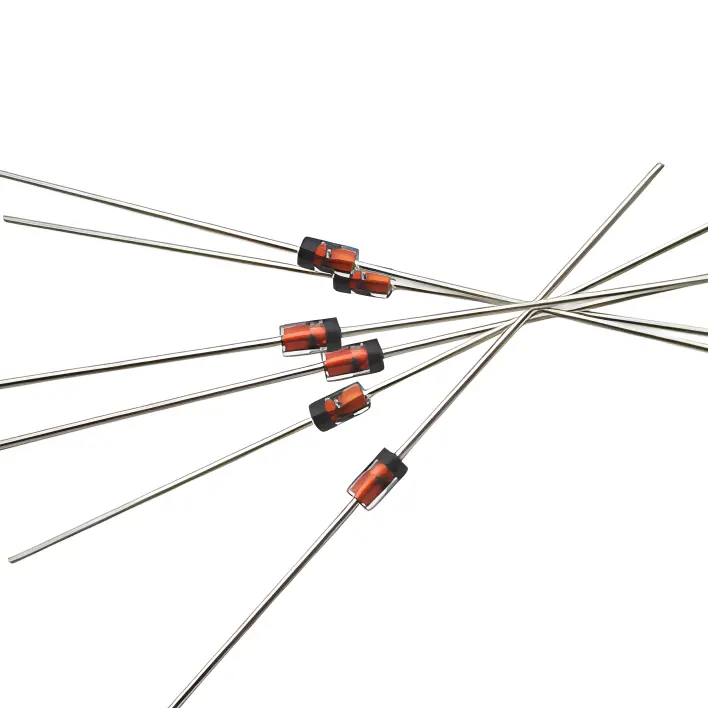 Diodes
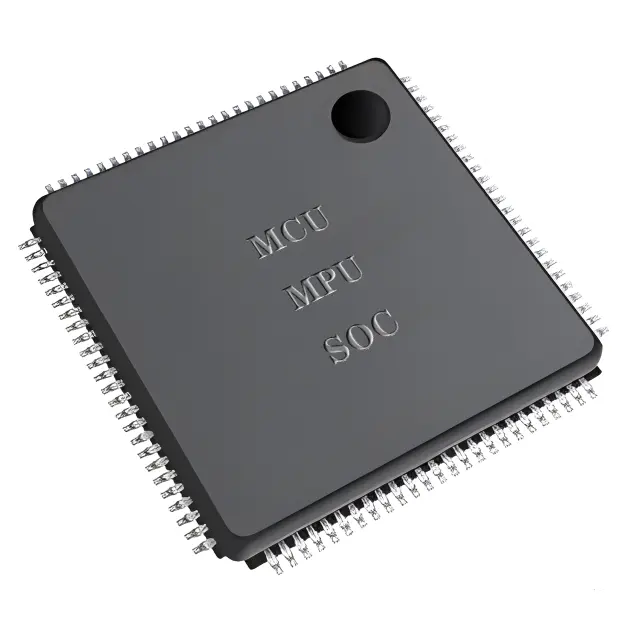 Embedded Processors & Controllers
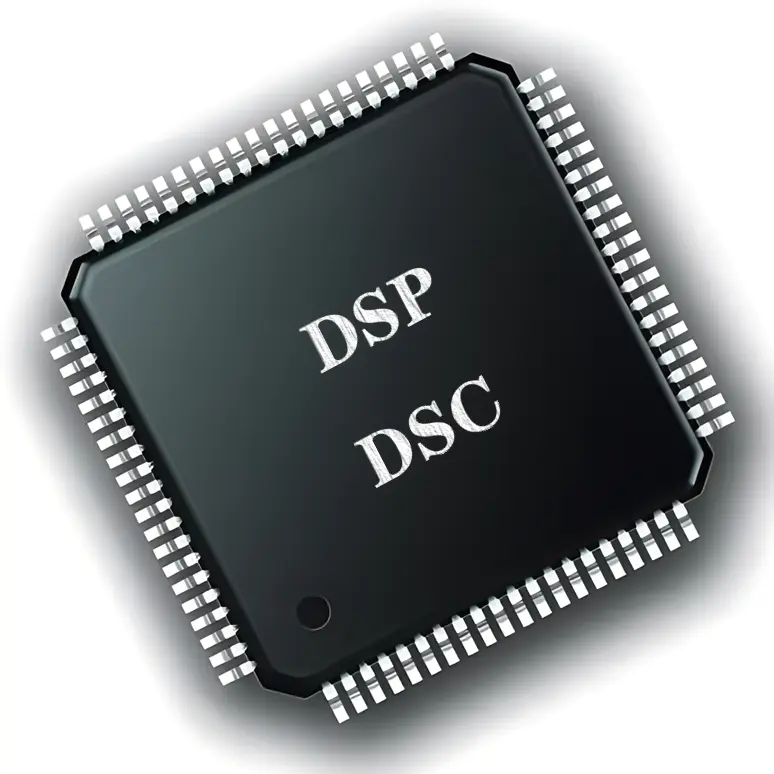 Digital Signal Processors (DSP/DSC)
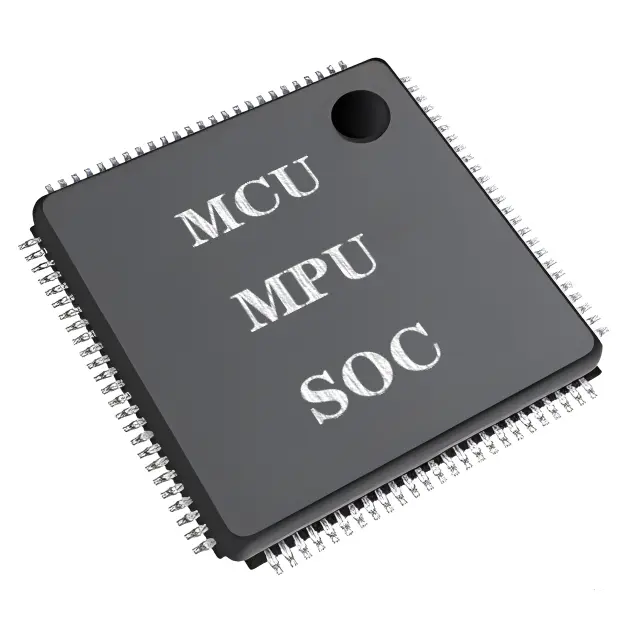 Microcontrollers (MCU/MPU/SOC)
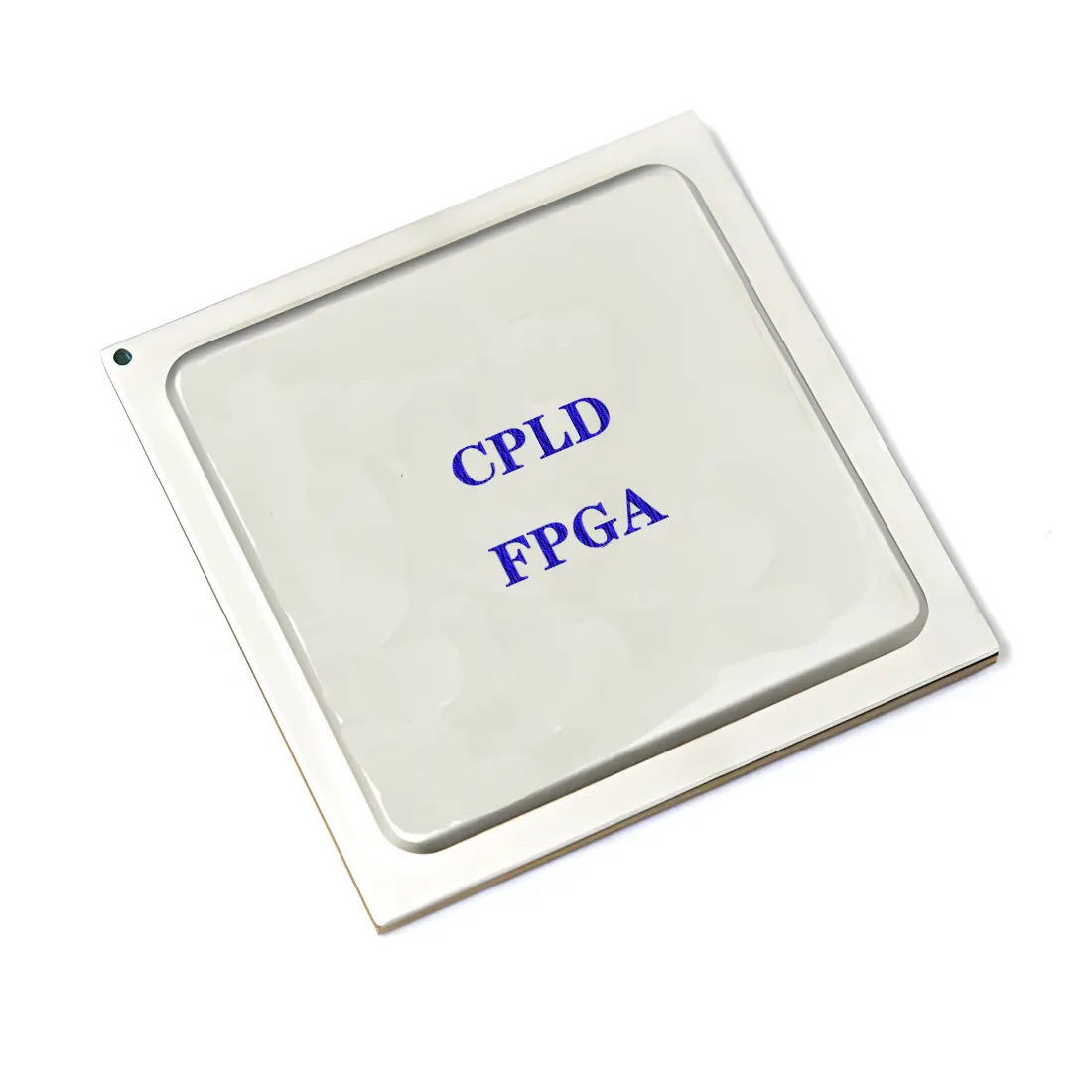 Programmable Logic Device(CPLD/FPGA)
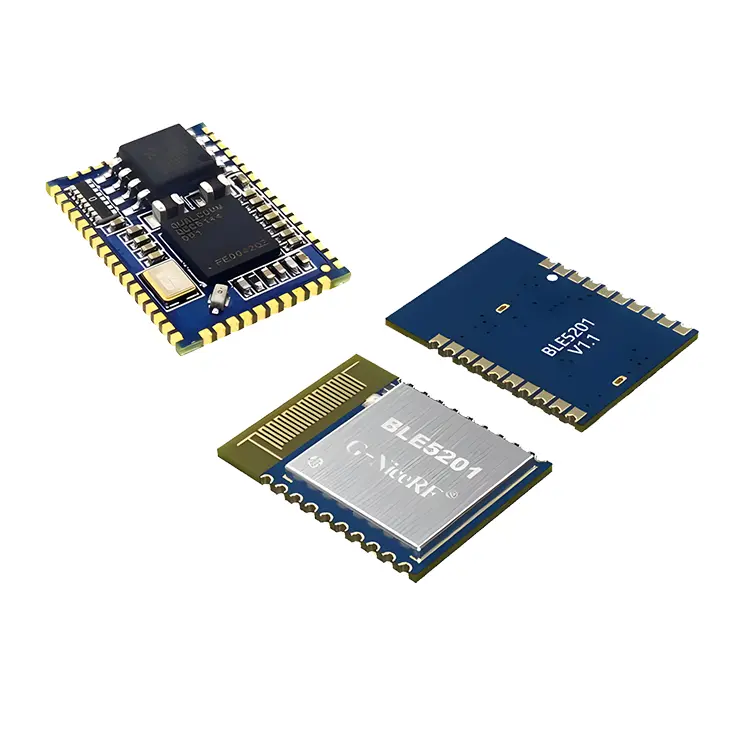 Communication Modules/IoT
 Resistors
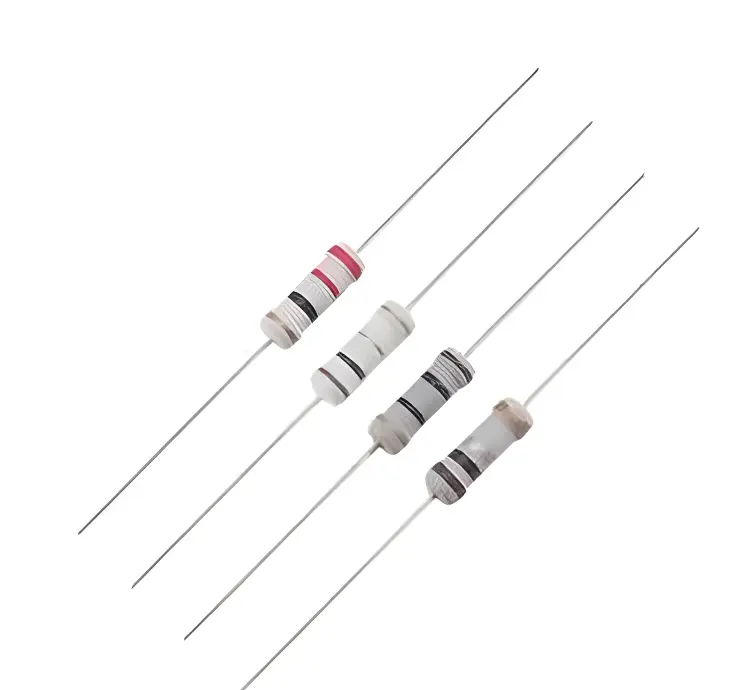 Through Hole Resistors
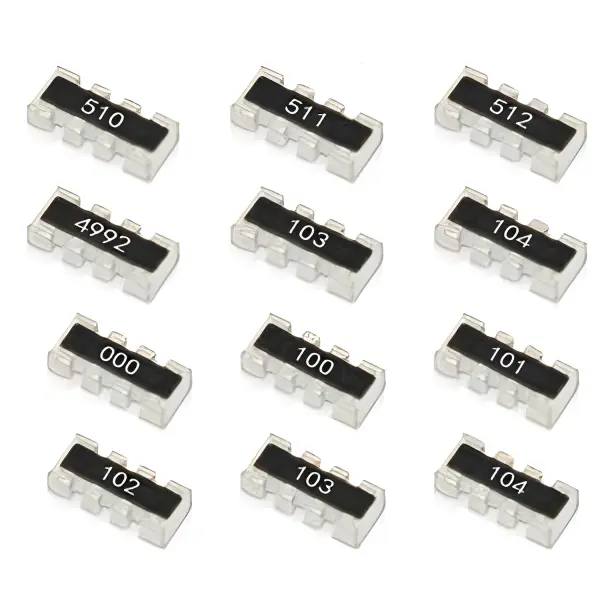 Resistor Networks, Arrays
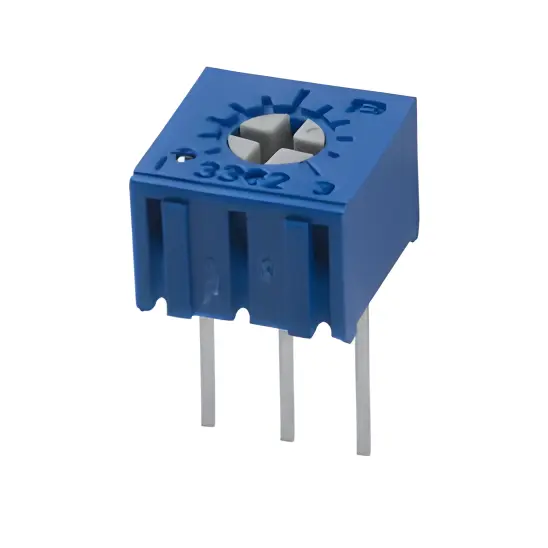 Potentiometers,Variable Resistors
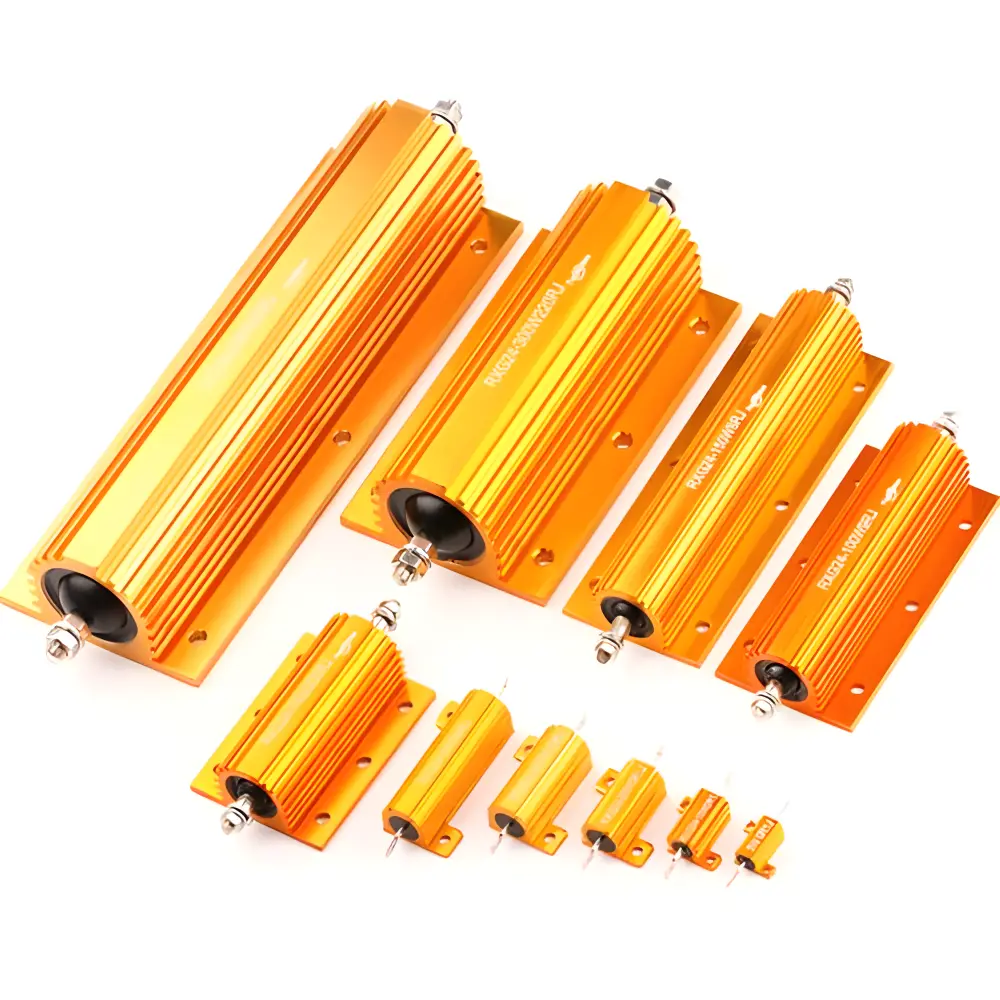 Aluminum Case,Porcelain Tube Resistance
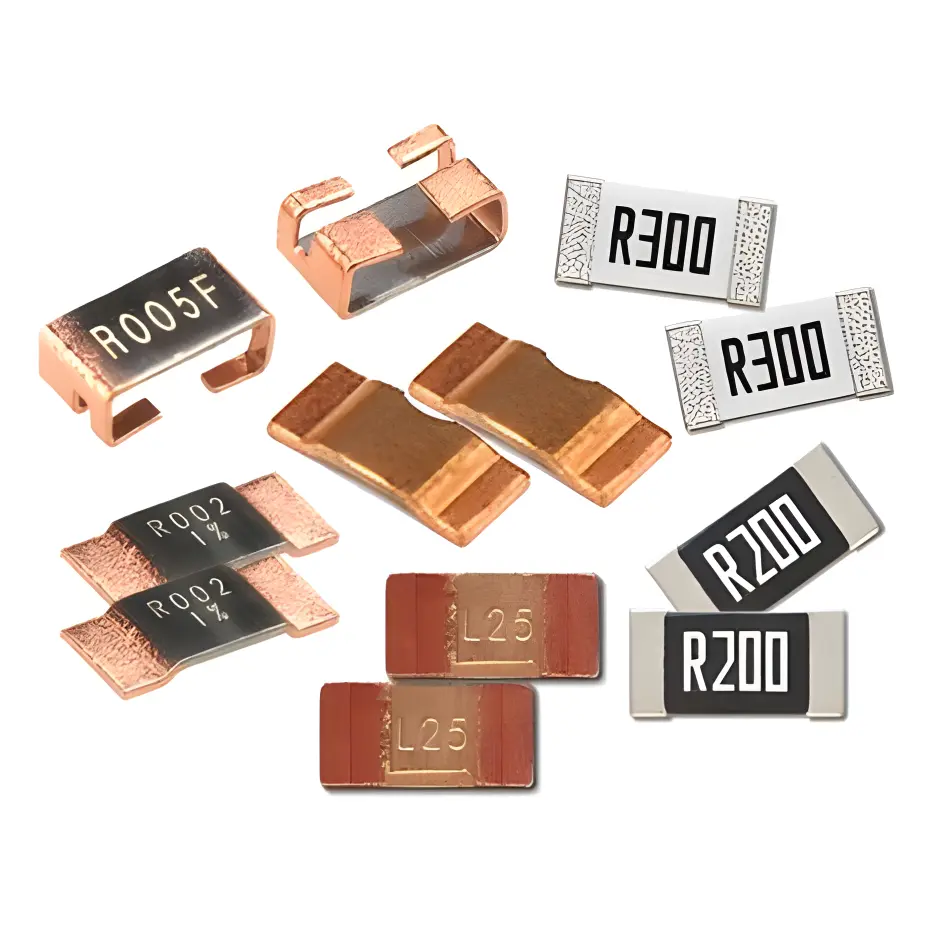 Current Sense Resistors,Shunt Resistors
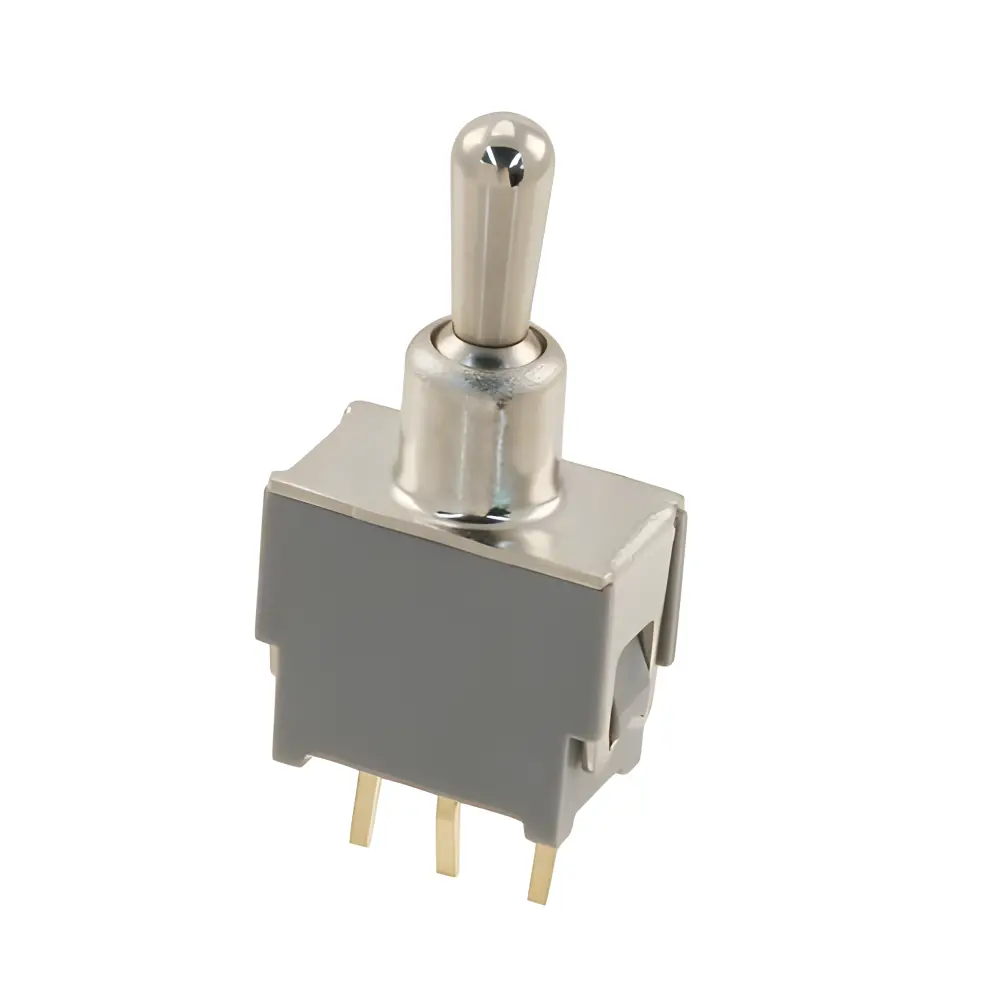 Switches
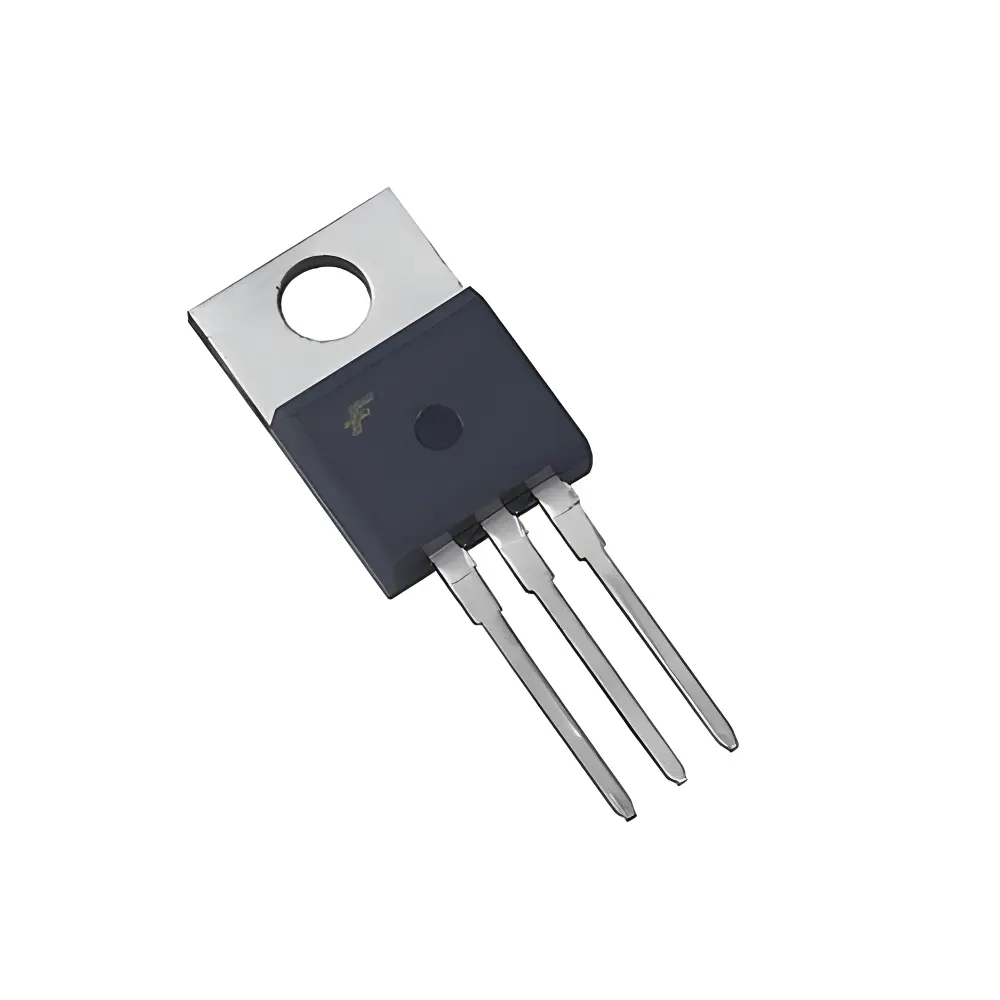 Transistors
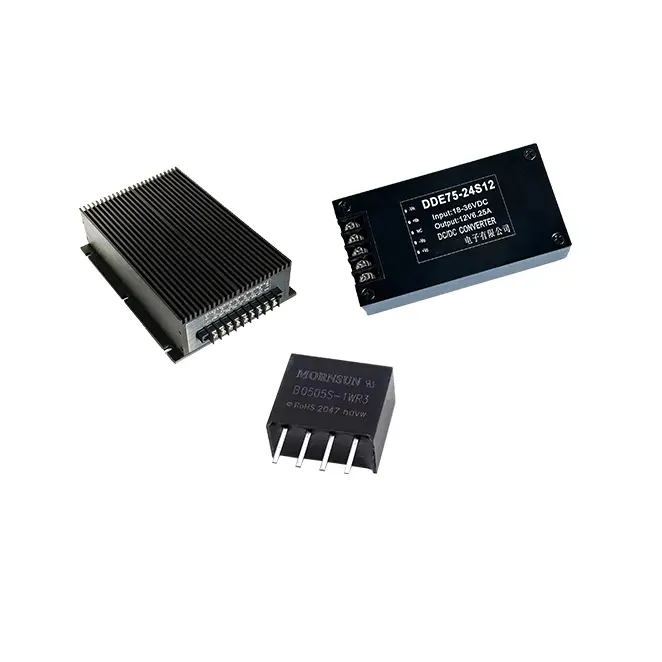 Power Modules
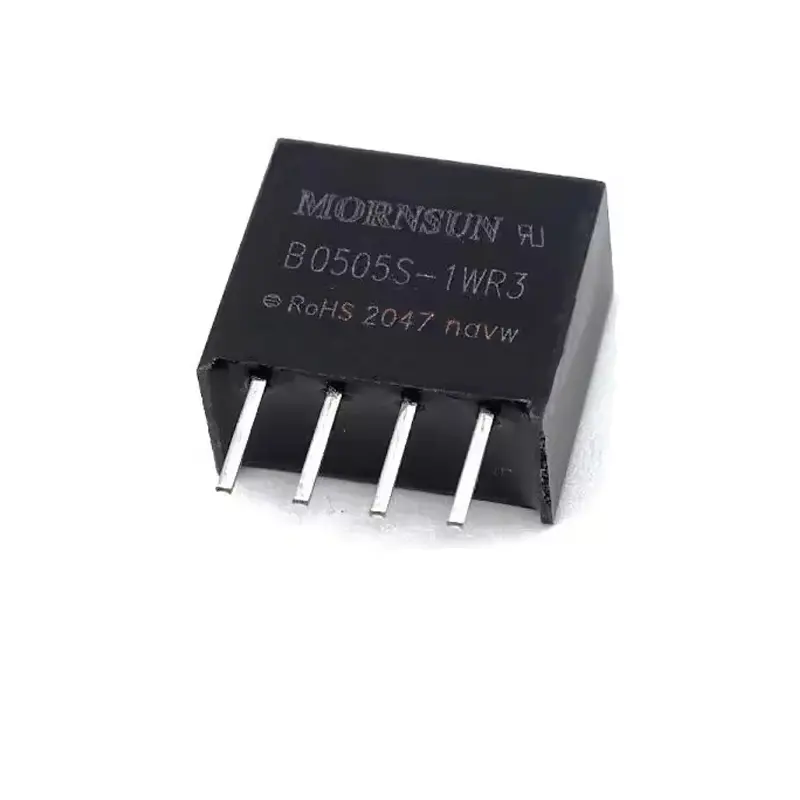 Isolated Power Modules
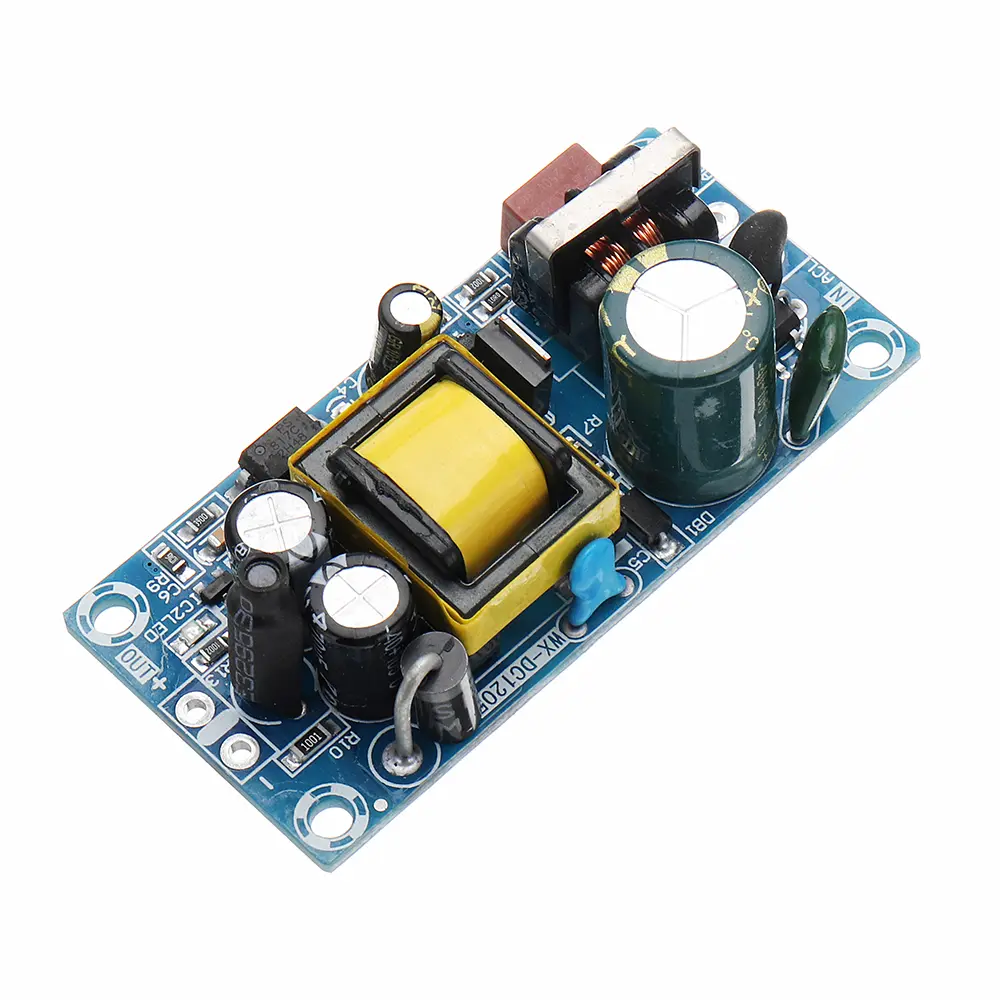 AC-DC Power Modules
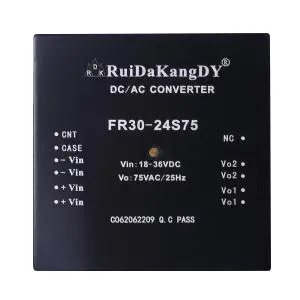 DC-AC Module(Inverter)
 RF and Wireless
What tests and validations are required after SMT BGA assembly?
After SMT BGA (SuRFace Mount Technology Ball Grid Array) assembly, a series of rigorous and comprehensive tests and validations are required to ensure its quality and reliability. Here is a detailed overview of these tests and validations:
I. ElectrICal Testing
Electrical testing is a crucial step in assessing the functional integrity of electronic assemblies. It mainly falls into two categories: In-Circuit Testing (ICT) and Functional Testing (FT).
In-Circuit Testing (ICT): ICT utilizes precision needle-bed fixtures to directly contact the completed circuit board assembly to test its electrical performance. This testing method is particularly effective in identifying faults caused by the manufacturing process, such as solder bridges, open solder joints, component orientation errors, wrong components, component failures, and conductor shorts. ICT can not only locate faults but can also be used as a Manufacturing Defect Analyzer (MDA) at the end of the assembly line, instantly detecting issues on the circuit board and promptly feeding back to the manufacturing end for immediate corrective measures during product assembly.
Functional Testing (FT): FT focuses on verifying the overall functionality of the assembly to meet design requirements. The testing range varies from SIMple "pass/fail" tests to complex full-circuit functional checks. For assemblies using lead-free solder paste, the higher welding temperatures may increase the risk of oxidation on test pads or vias. Therefore, using tin/lead alloy printing and reflow solder paste can provide more reliable post-solder test points for ICT probes. Given the poorer wettability of lead-free solder paste, pre-testing during the process development stage is recommended to assess its impact on the ICT testing process.
II. Test Coverage
With the increasing complexity of electronic assemblies, the level of "coverage" in testing has become a major challenge in the industry. Complex circuit boards or assemblies are often difficult to test comprehensively, and even testing a reasonable portion of the assembly within reasonable cost and time constraints may be challenging.
To address this challenge, integrating assembly testing with silicon device testing has become a strategy (although this strategy is not applicable to bare boards). The key lies in providing a high confidence level of test coverage within a reasonable time frame. This is often achieved through the overlapping use of multiple tools and methods (such as optical inspection, X-ray inspection, Scanning Acoustic Microscopy (SAM), ICT, and FT) to create a broad test coverage area. These validation methods are not only used to distinguish between good and bad products but are more importantly used to monitor product and process stability.
III. Burn-In Testing
Burn-in testing simulates the operating and environmental conditions of assemblies at their application limits, aiming to discover component-related issues that are often more concealed than solder joint defects. Although burn-in testing for electronic assemblies is decreasing with the development of accelerated testing techniques, it remains an important means of assessing component reliability. By exposing and screening out marginal failures of components through accelerated testing, the overall quality of the product can be improved.
IV. Product Screening Testing
Environmental Stress Screening (ESS) is a continuous production screening method aimed at identifying and eliminating inferior products and potential defects. ESS accelerates the conversion of potential defects into actual failures to reduce the risk of field failures. However, ESS procedures must be carefully designed to avoid being too severe, which could damage good products and create new potential defects. For the assessment of BGA solder joint fatigue life, it is necessary to comprehensively consider thermal cycling in ESS tests, other related tests, and thermal environments during operational life.