
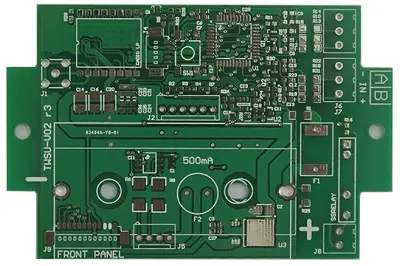
 PCB
PCB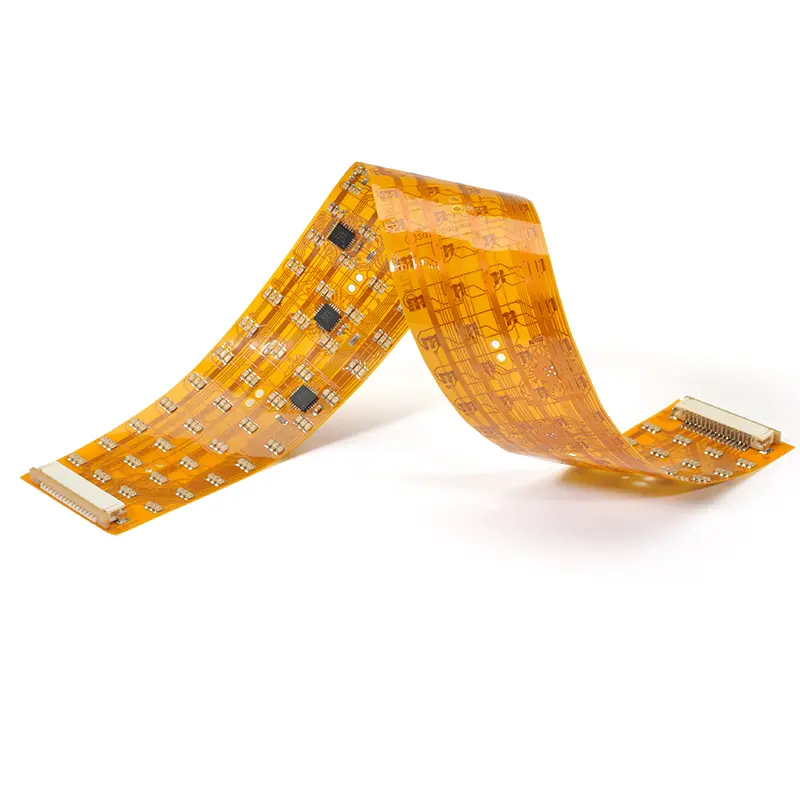 FPC
FPC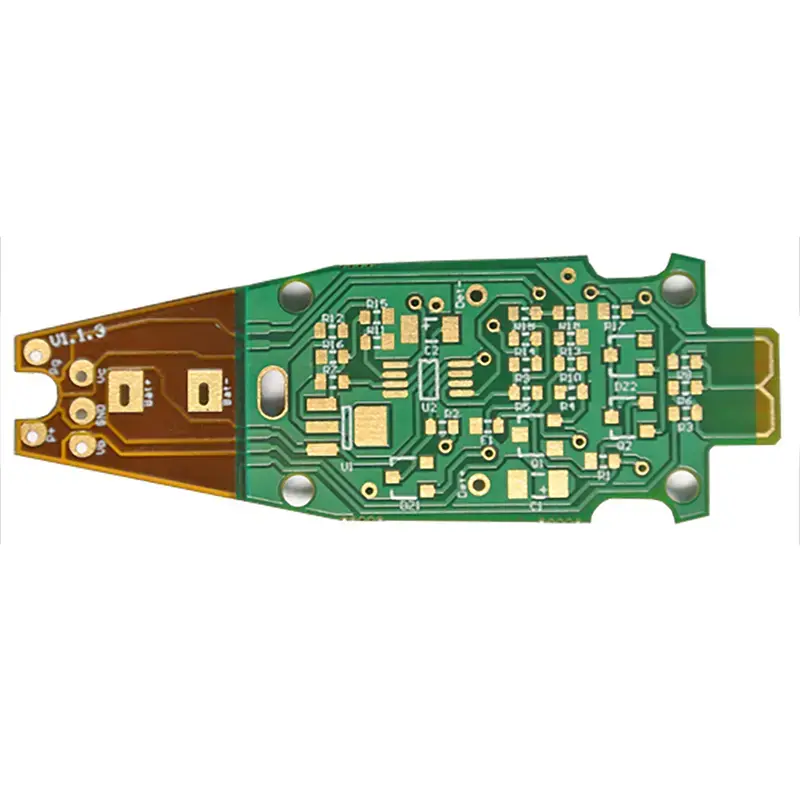 Rigid-Flex
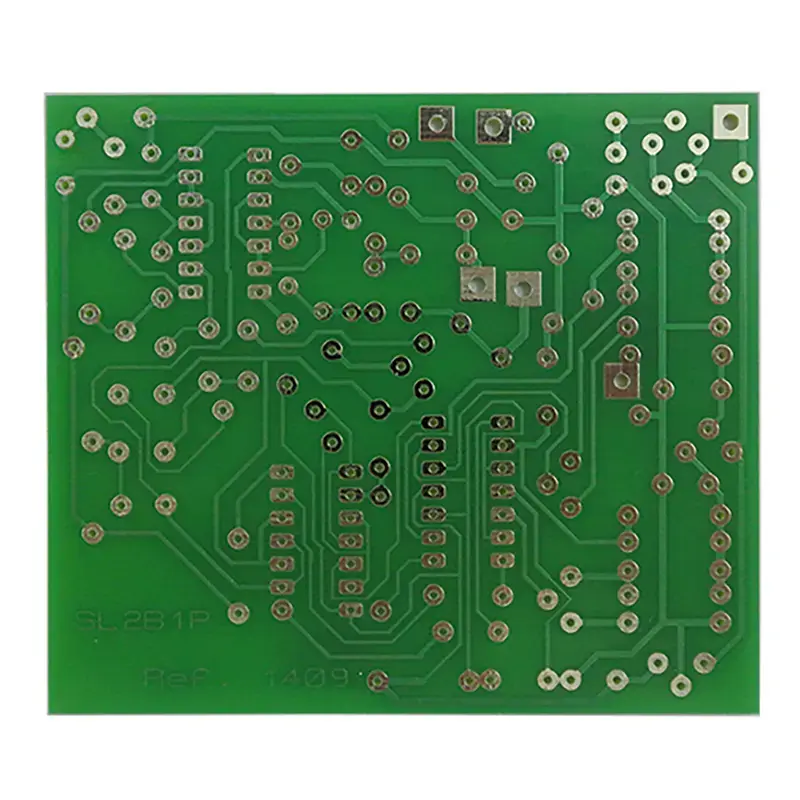 FR-4
FR-4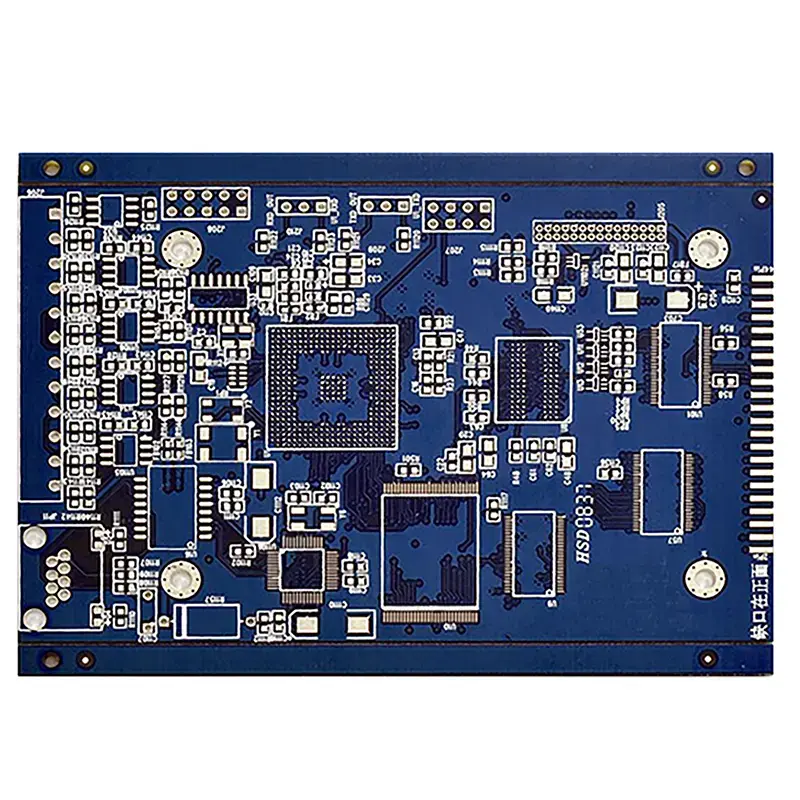 HDI PCB
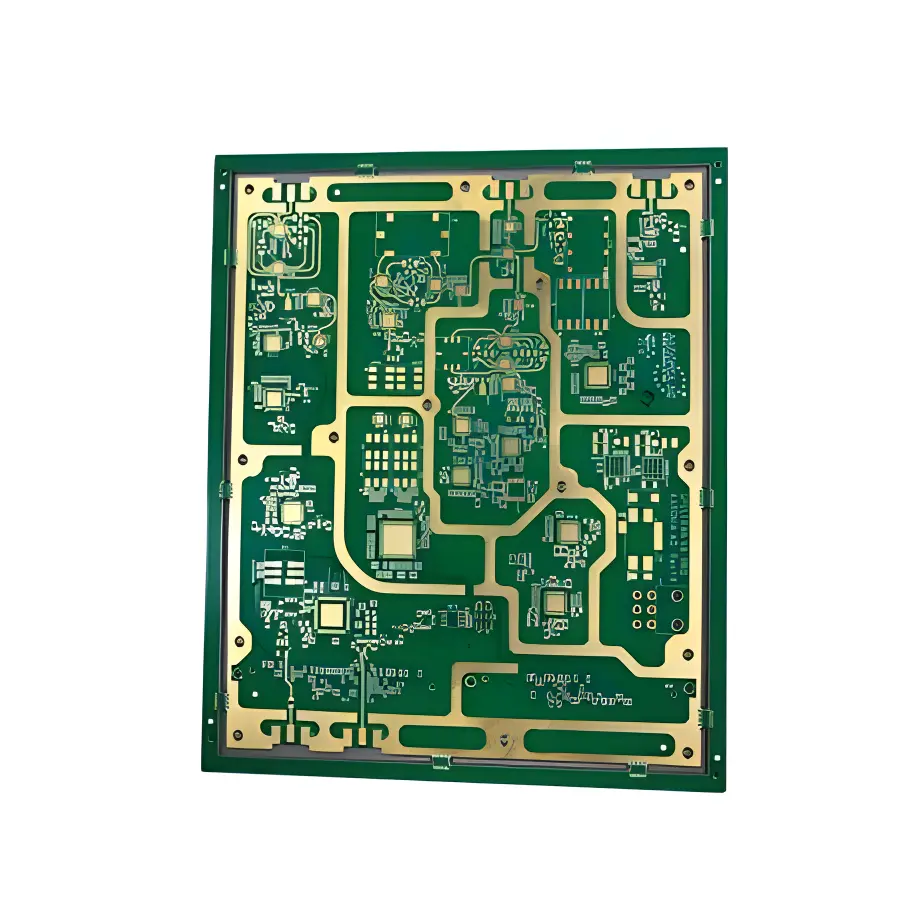 Rogers High-Frequency Board
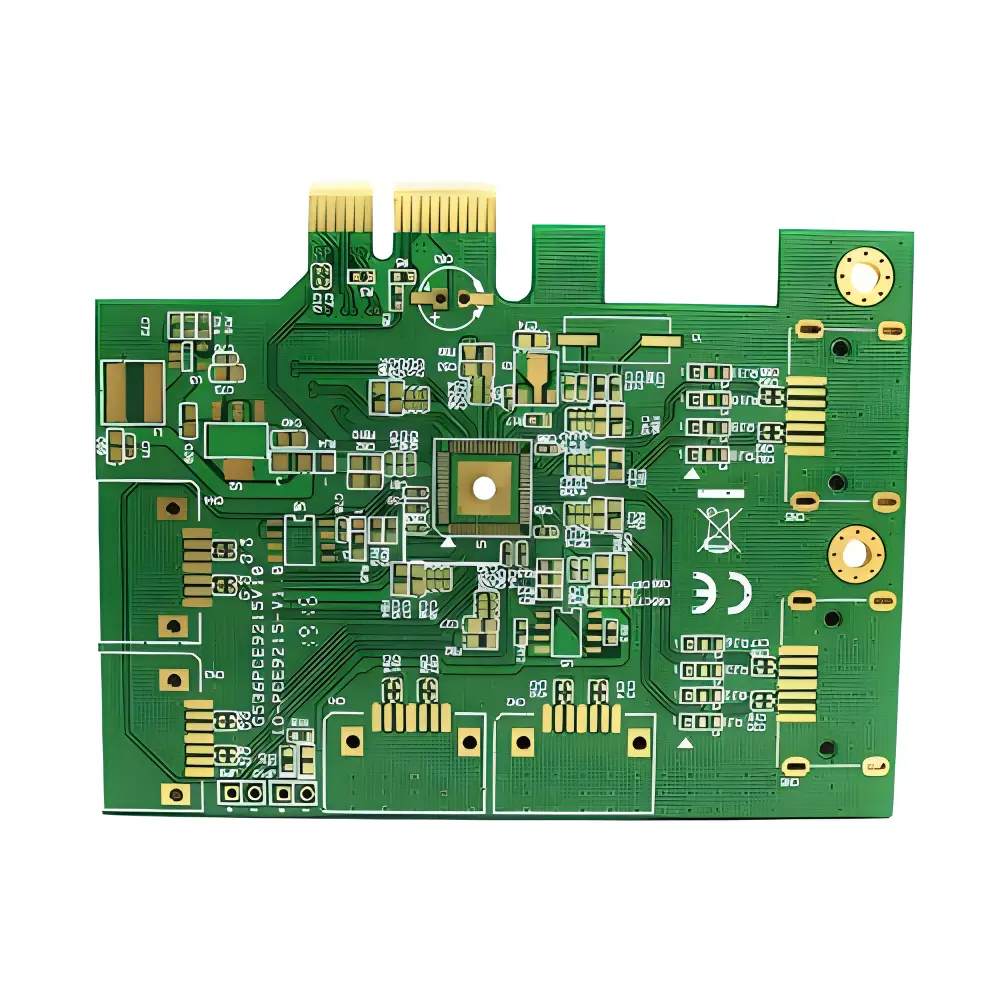 PTFE Teflon High-Frequency Board
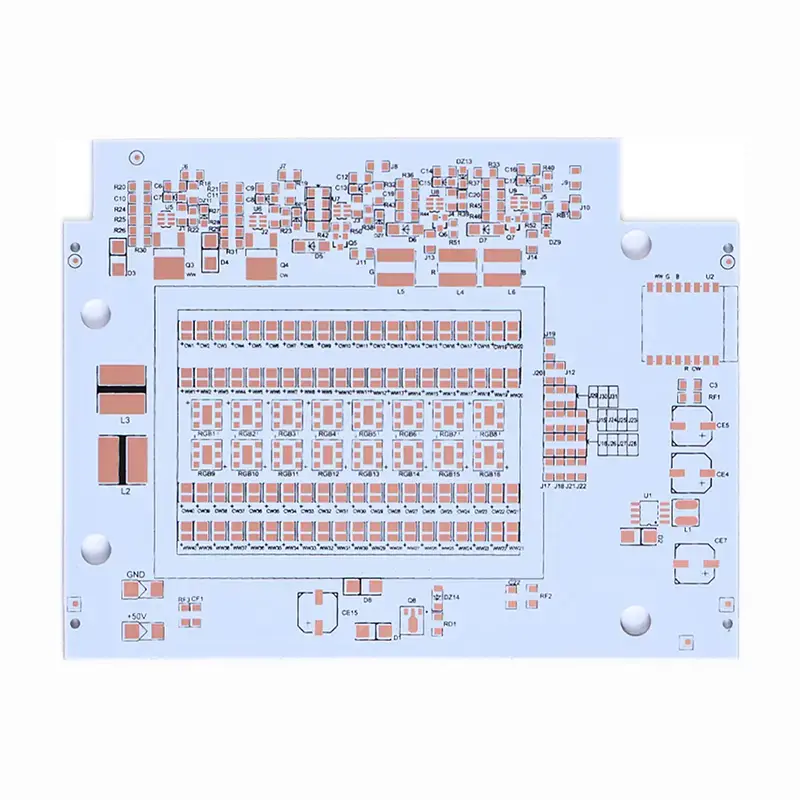 Aluminum
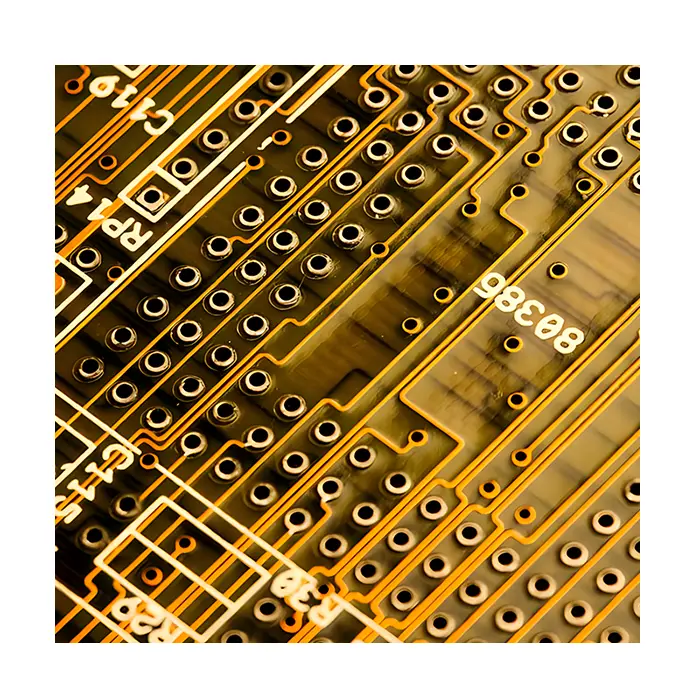 Copper Core
 PCB Assembly
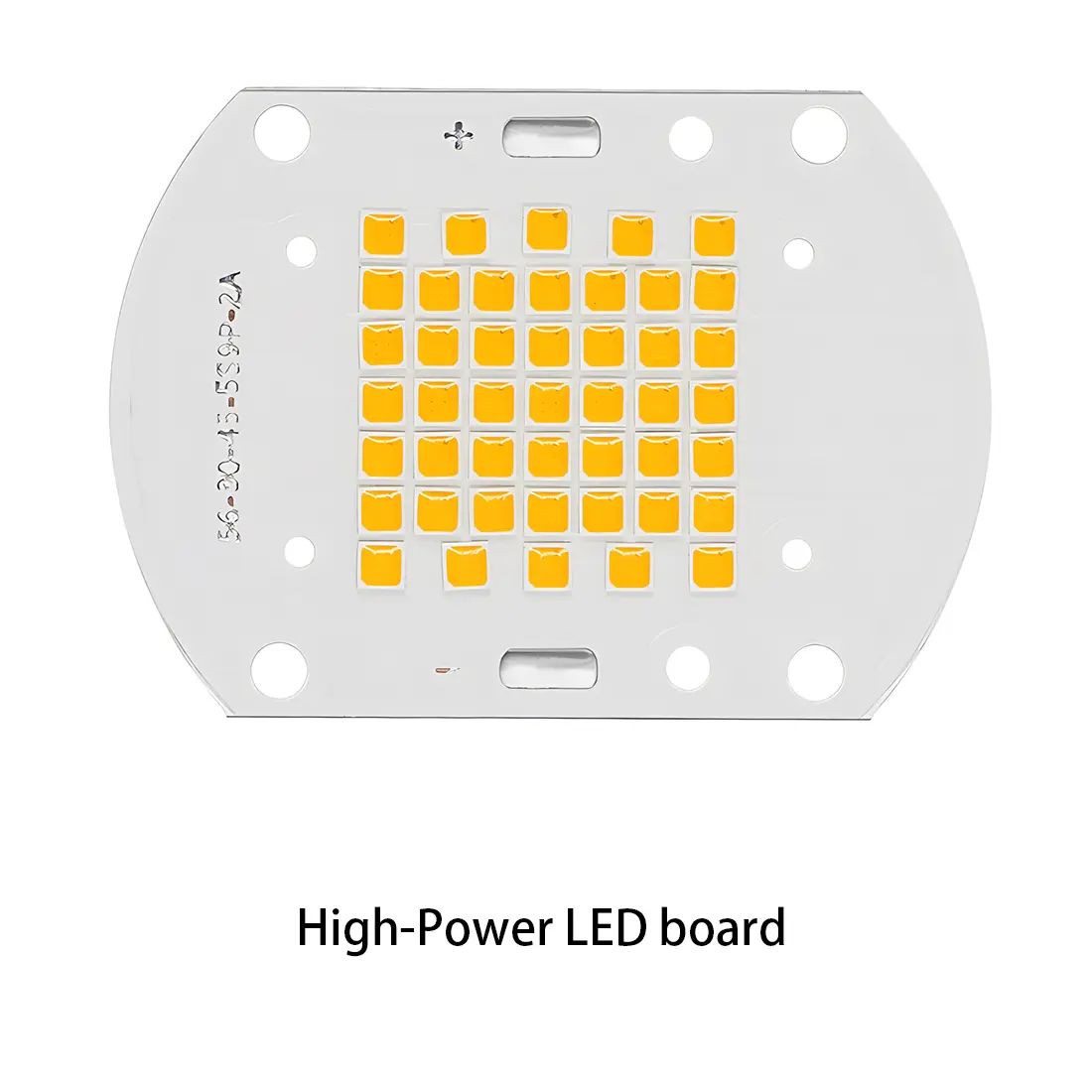 LED light PCBA
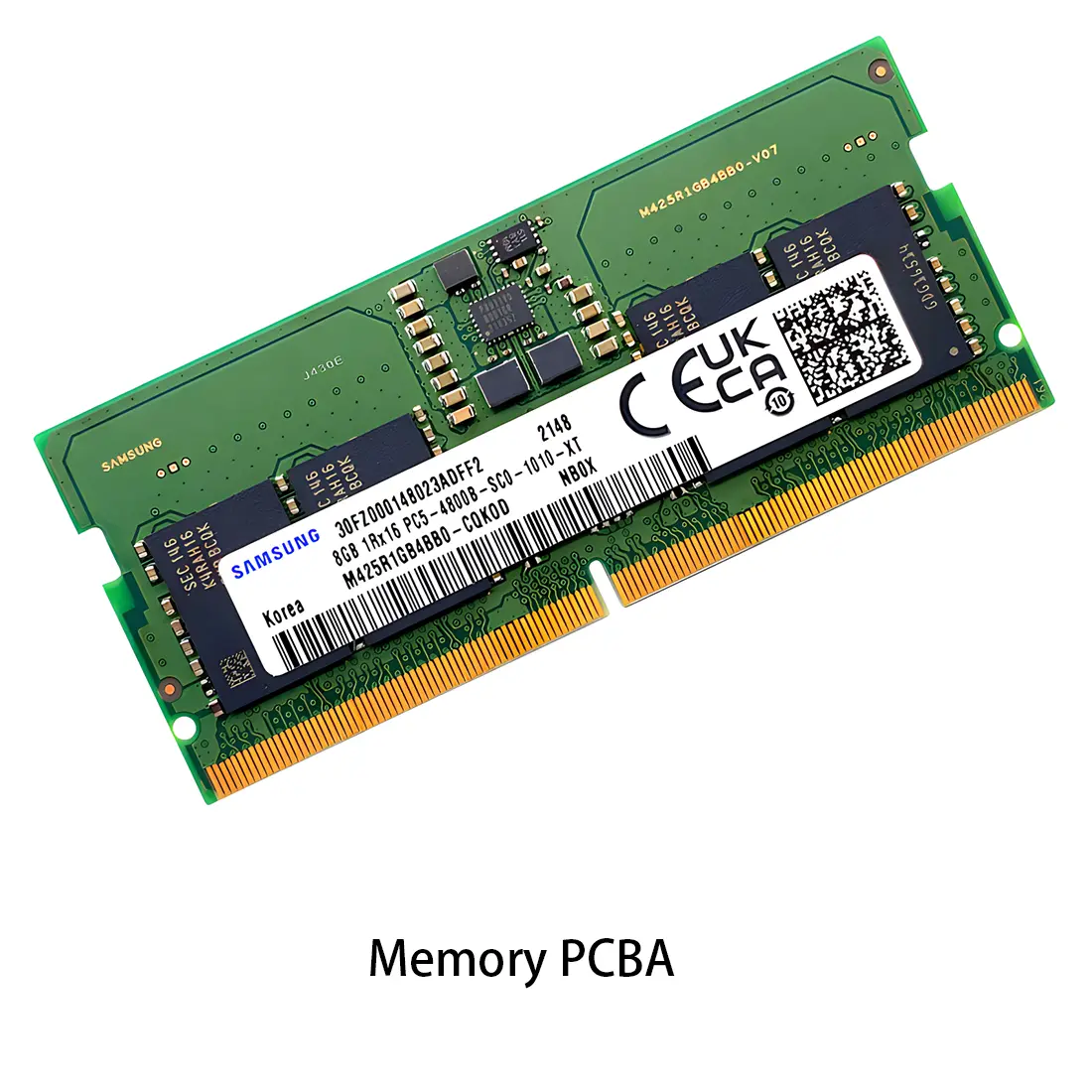 Memory PCBA
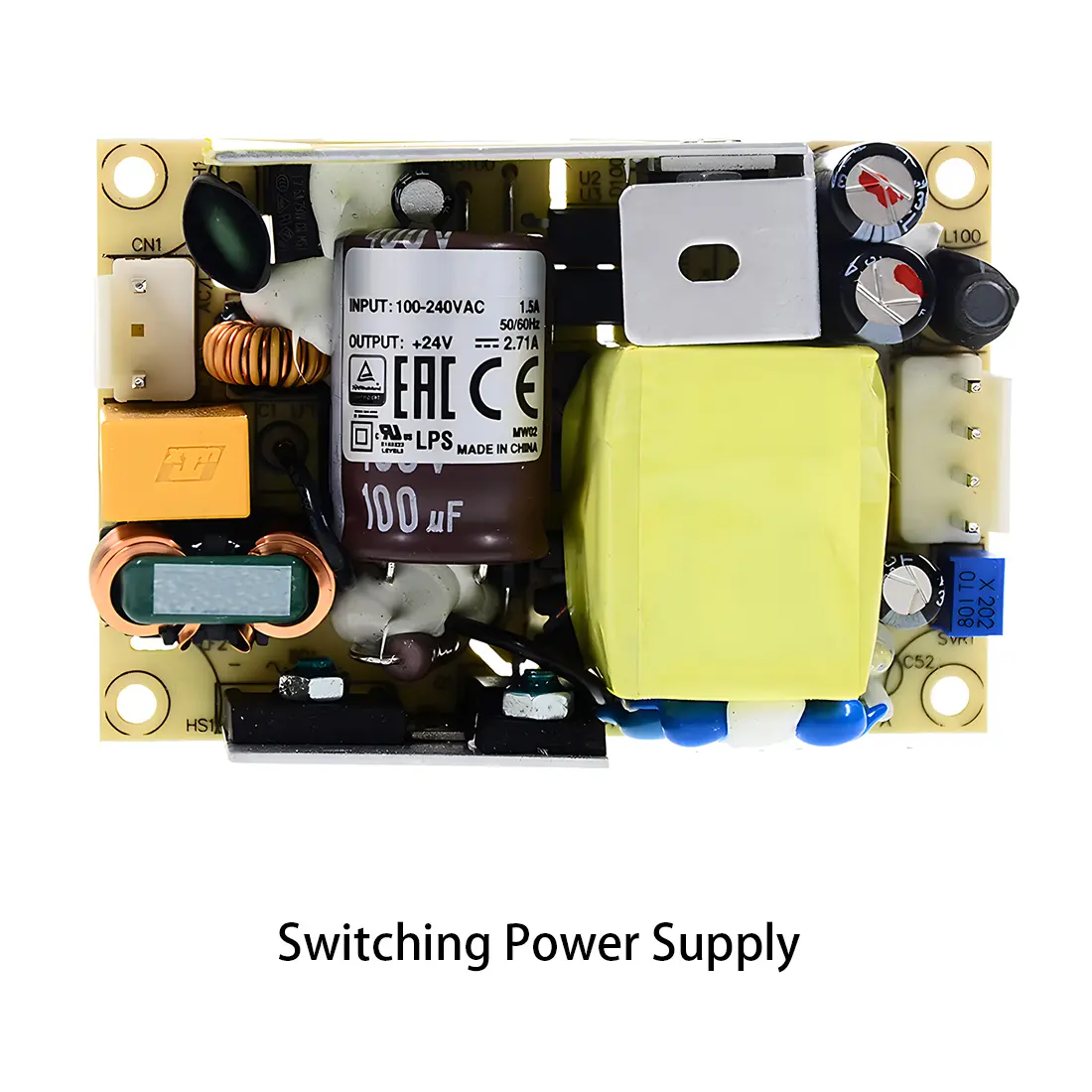 Power Supply PCBA
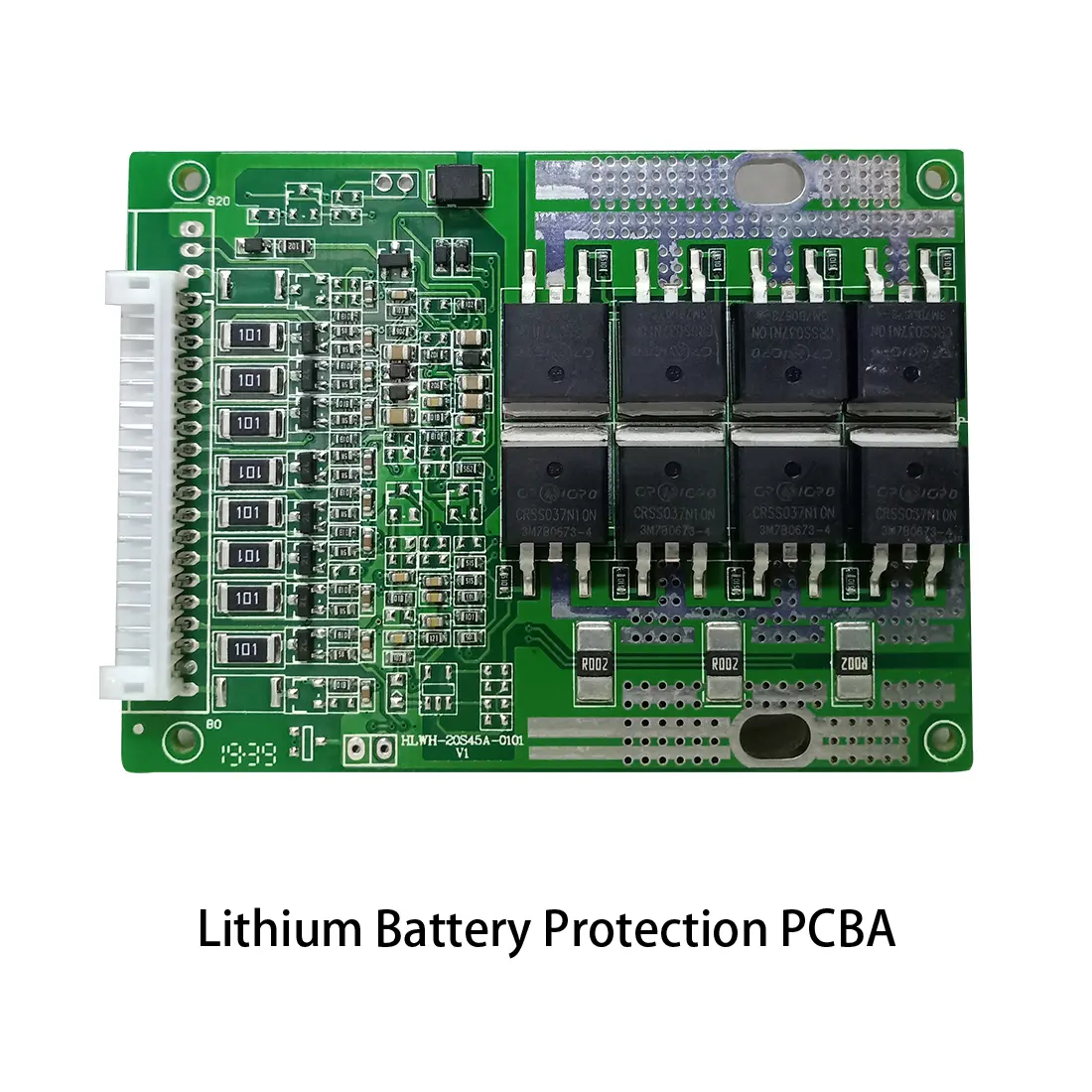 New Energey PCBA
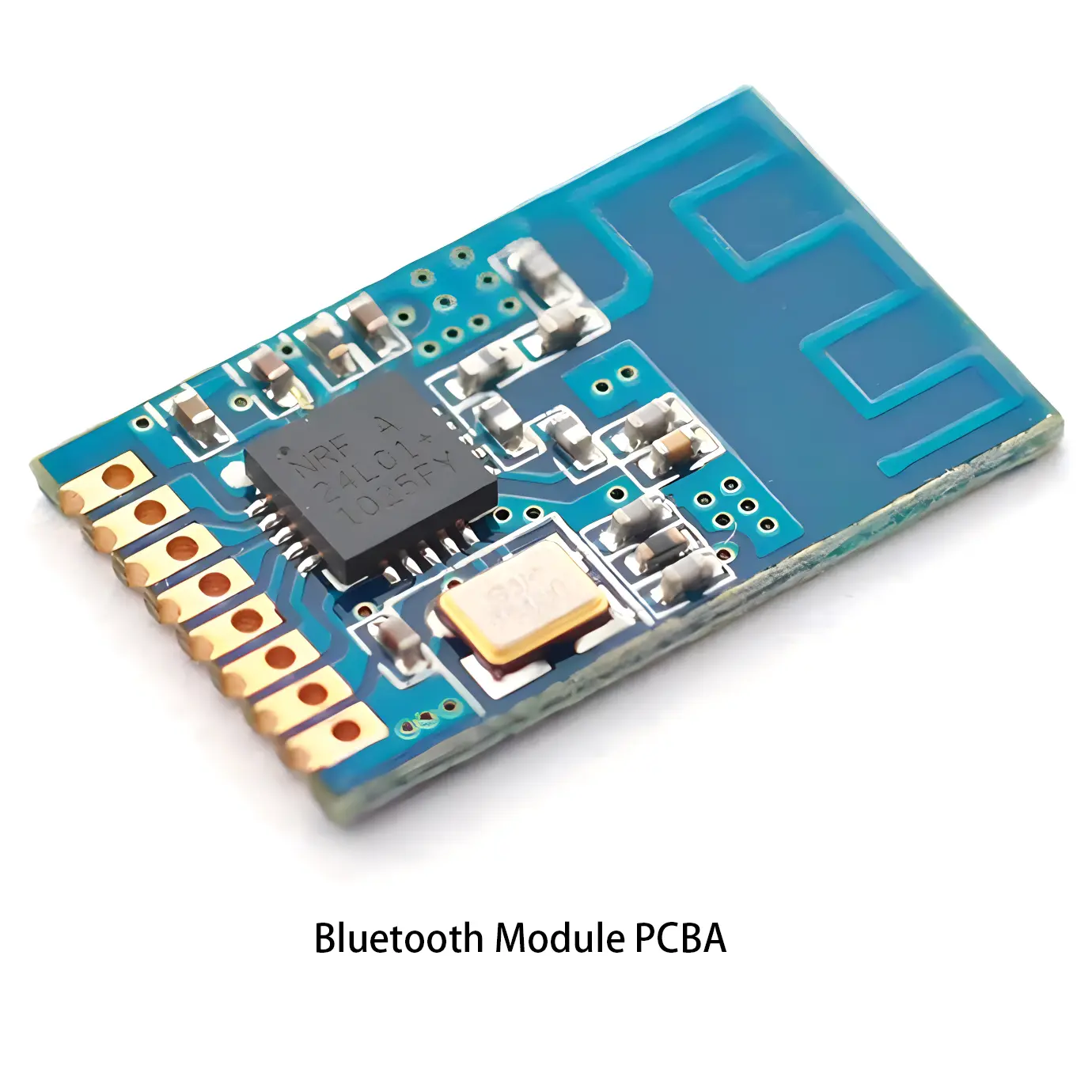 Communication PCBA
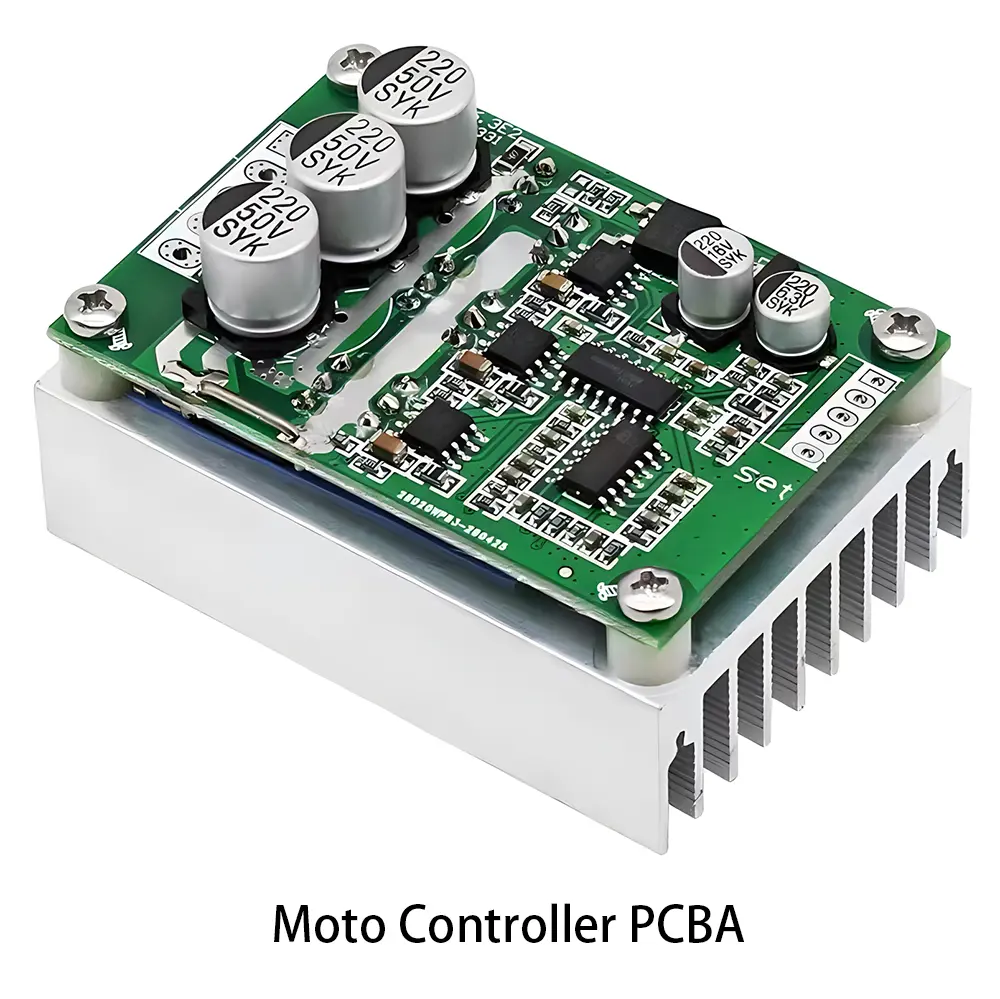 Industrial Control PCBA
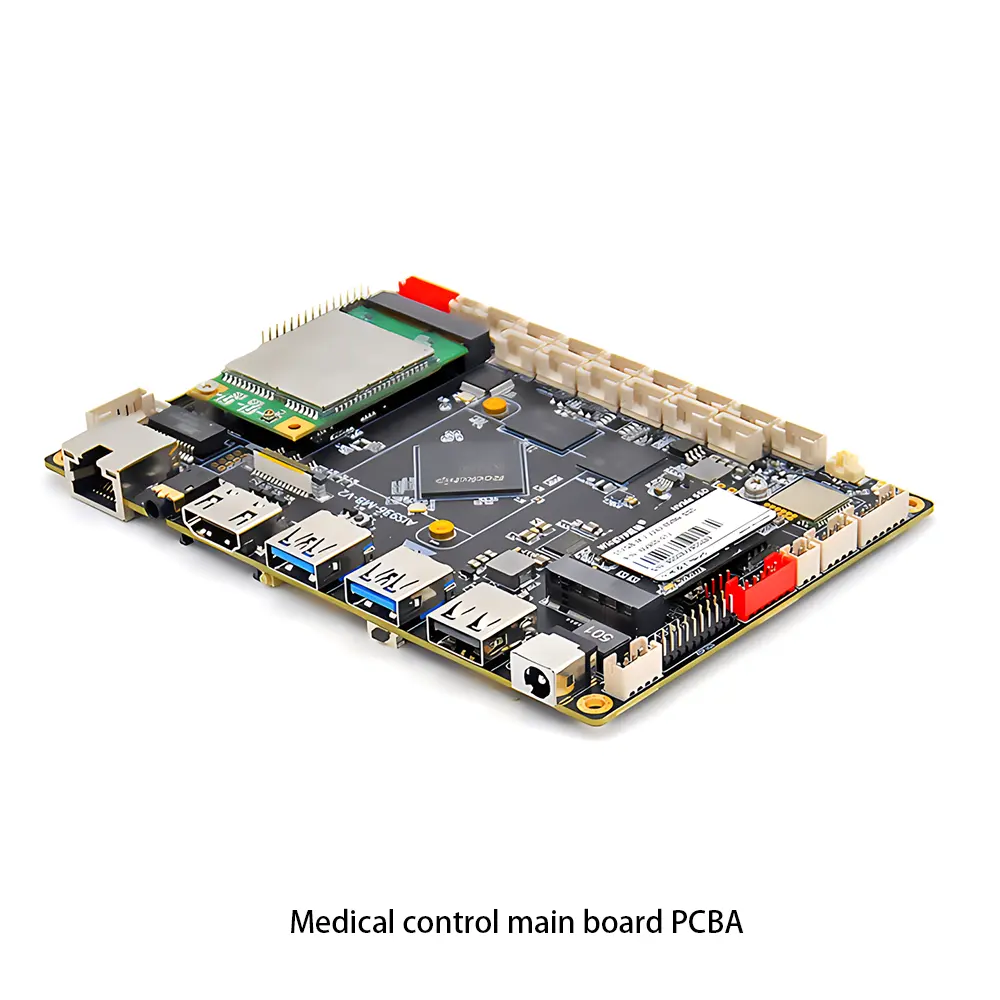 Medical Equipment PCBA
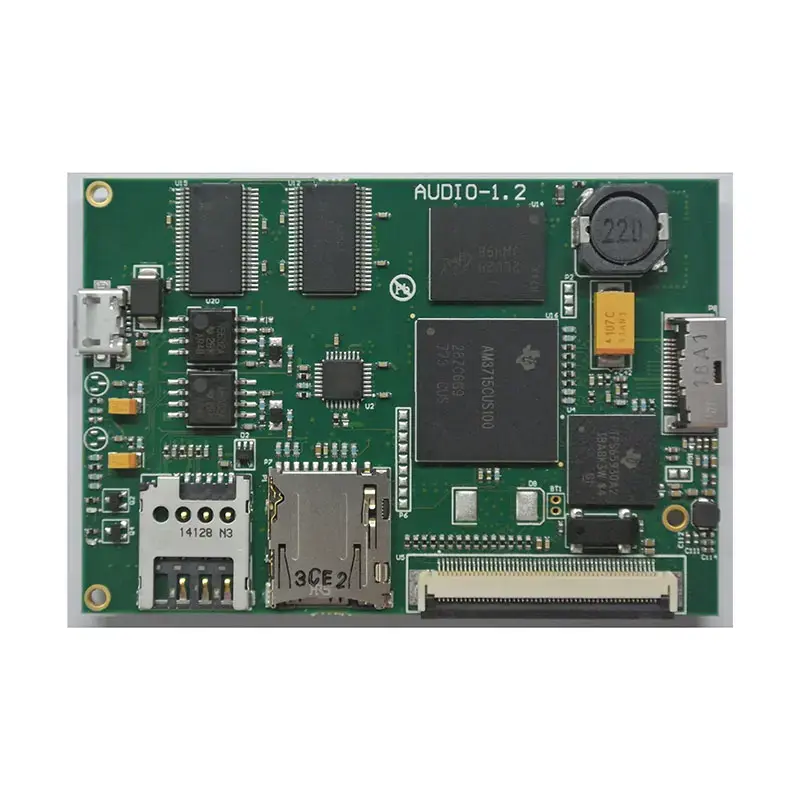 Testing Service
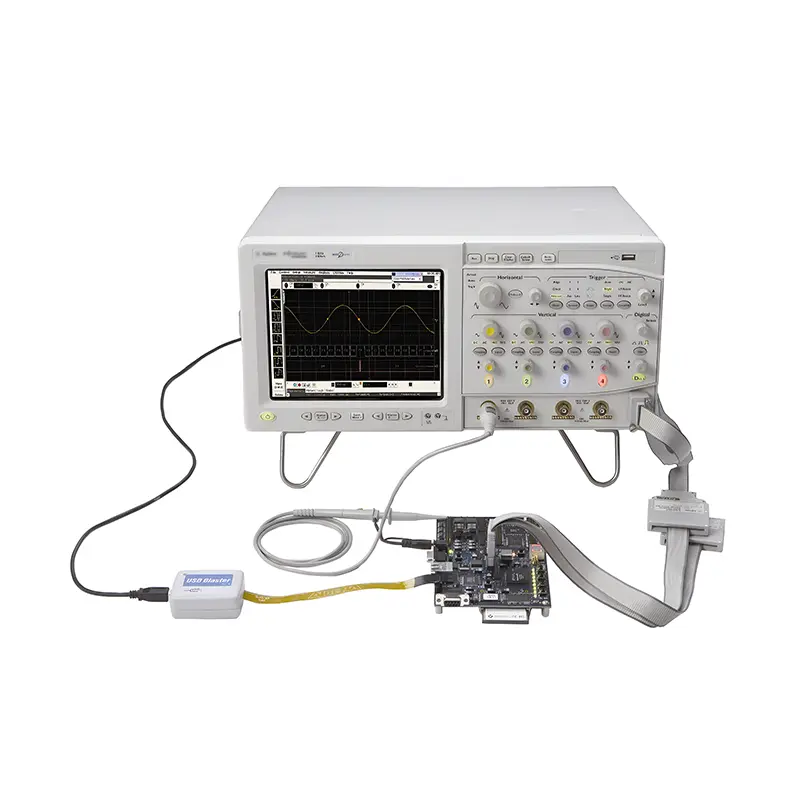 PCBA Testing Service
 Certification Application
 RoHS Certification Application
 REACH Certification Application
 CE Certification Application
 FCC Certification Application
 CQC Certification Application
 UL Certification Application
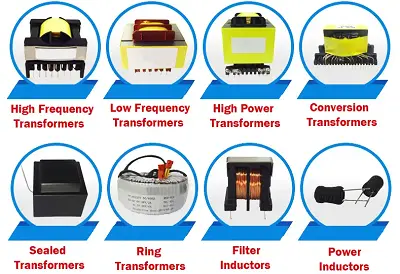 Transformers, Inductors
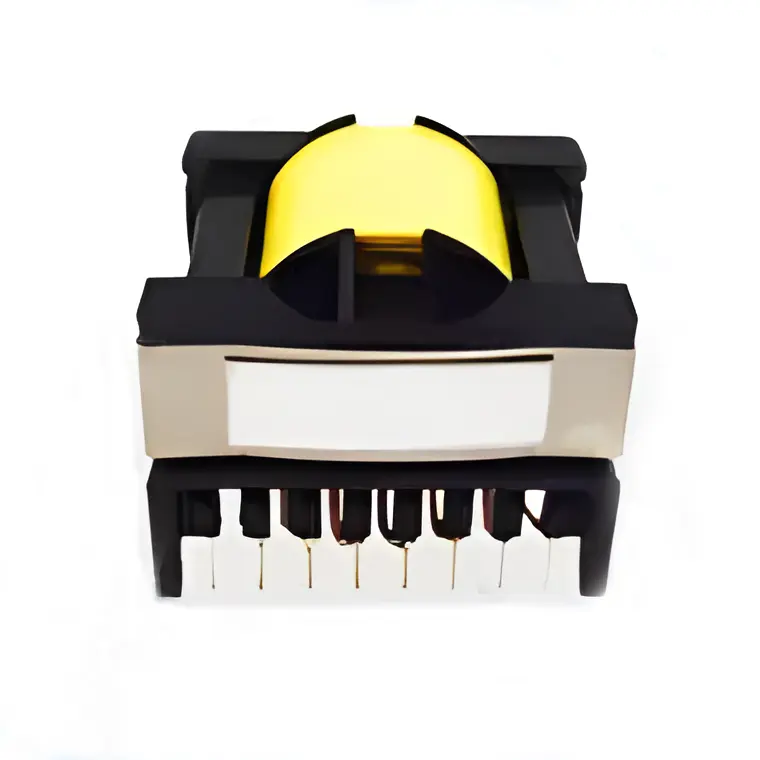 High Frequency Transformers
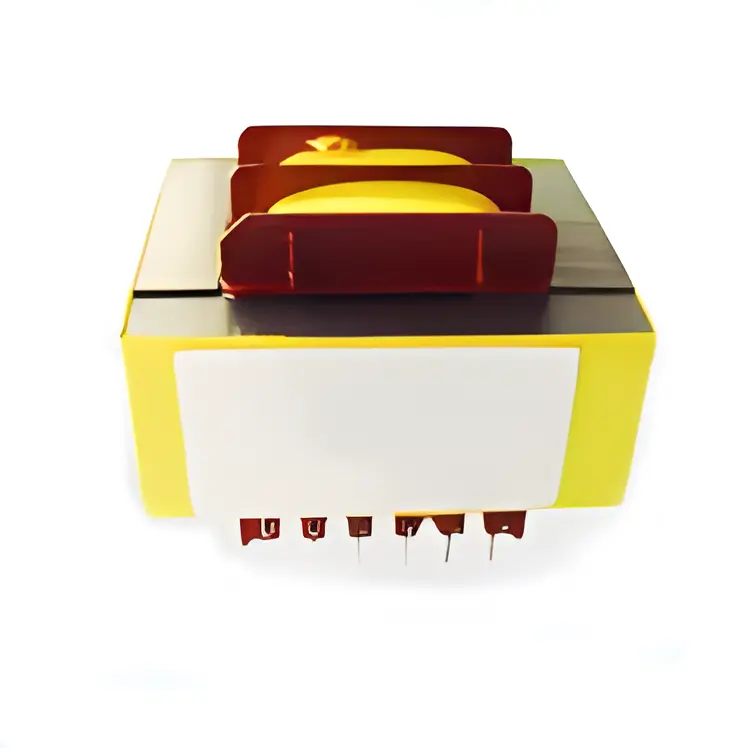 Low Frequency Transformers
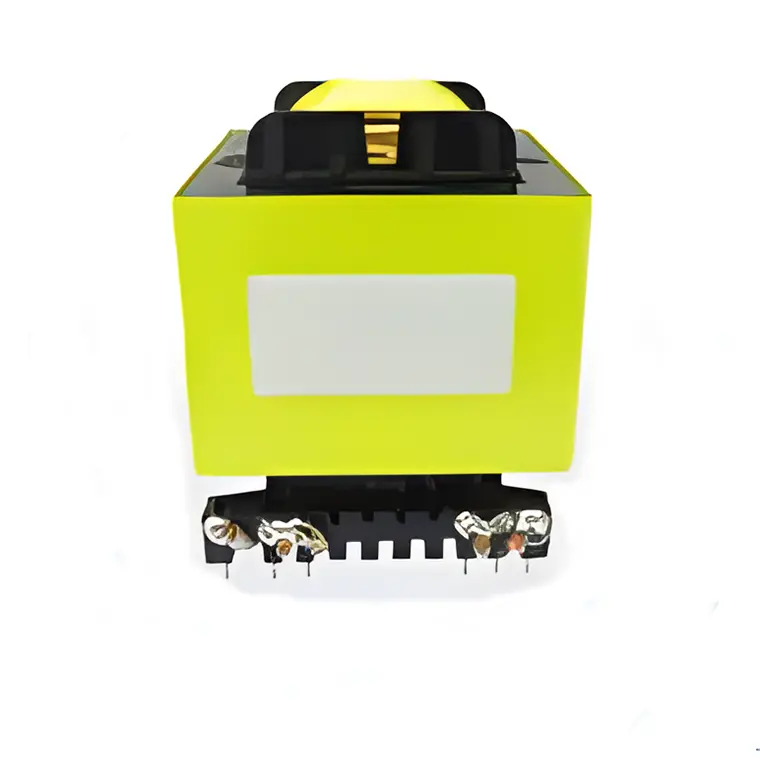 High Power Transformers
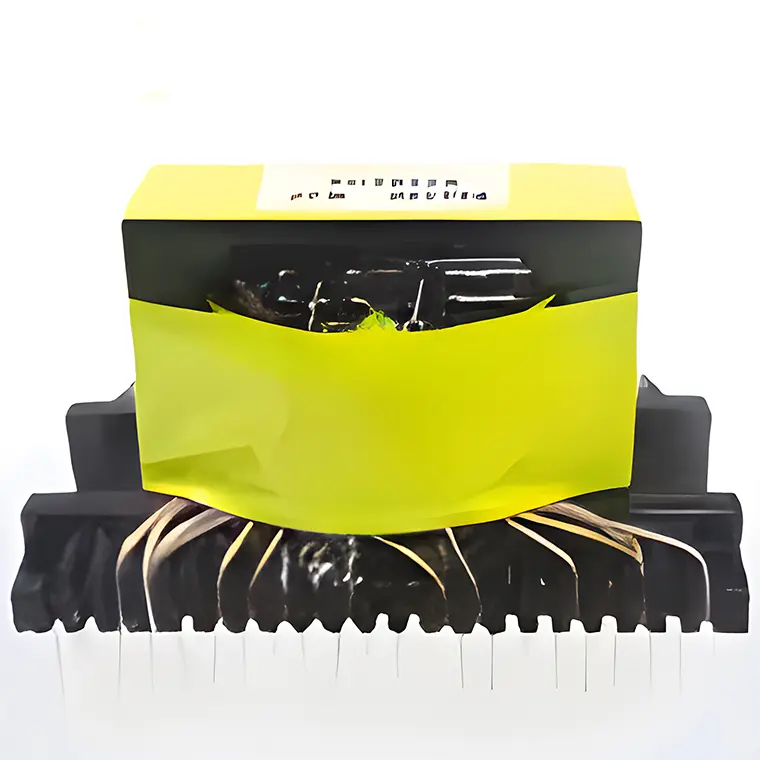 Conversion Transformers
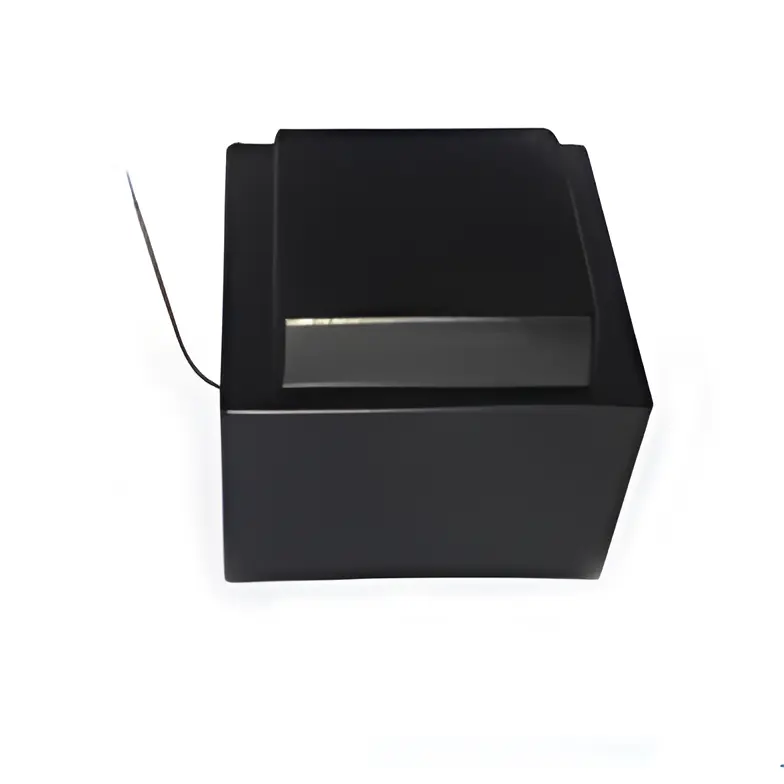 Sealed Transformers
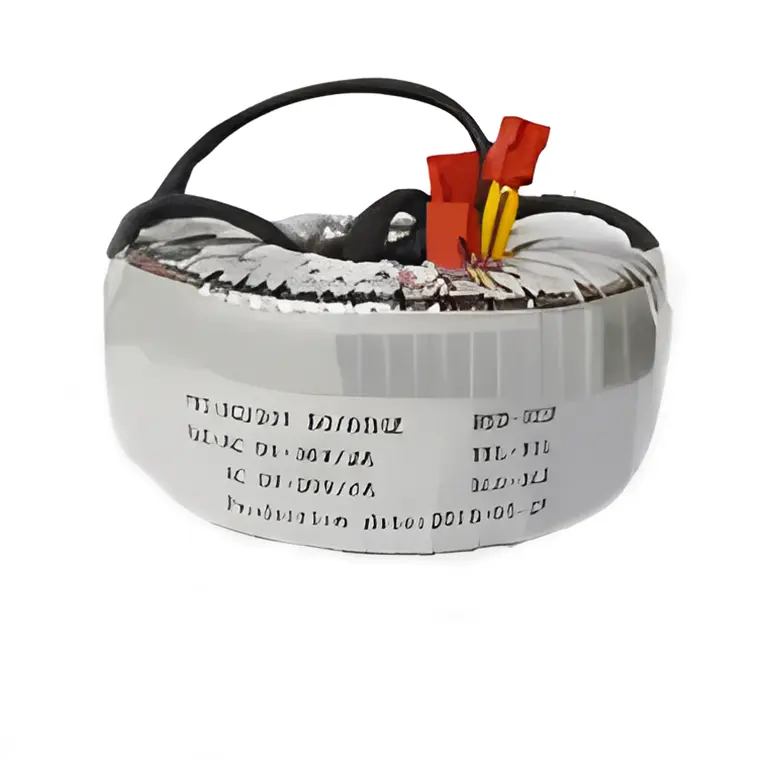 Ring Transformers
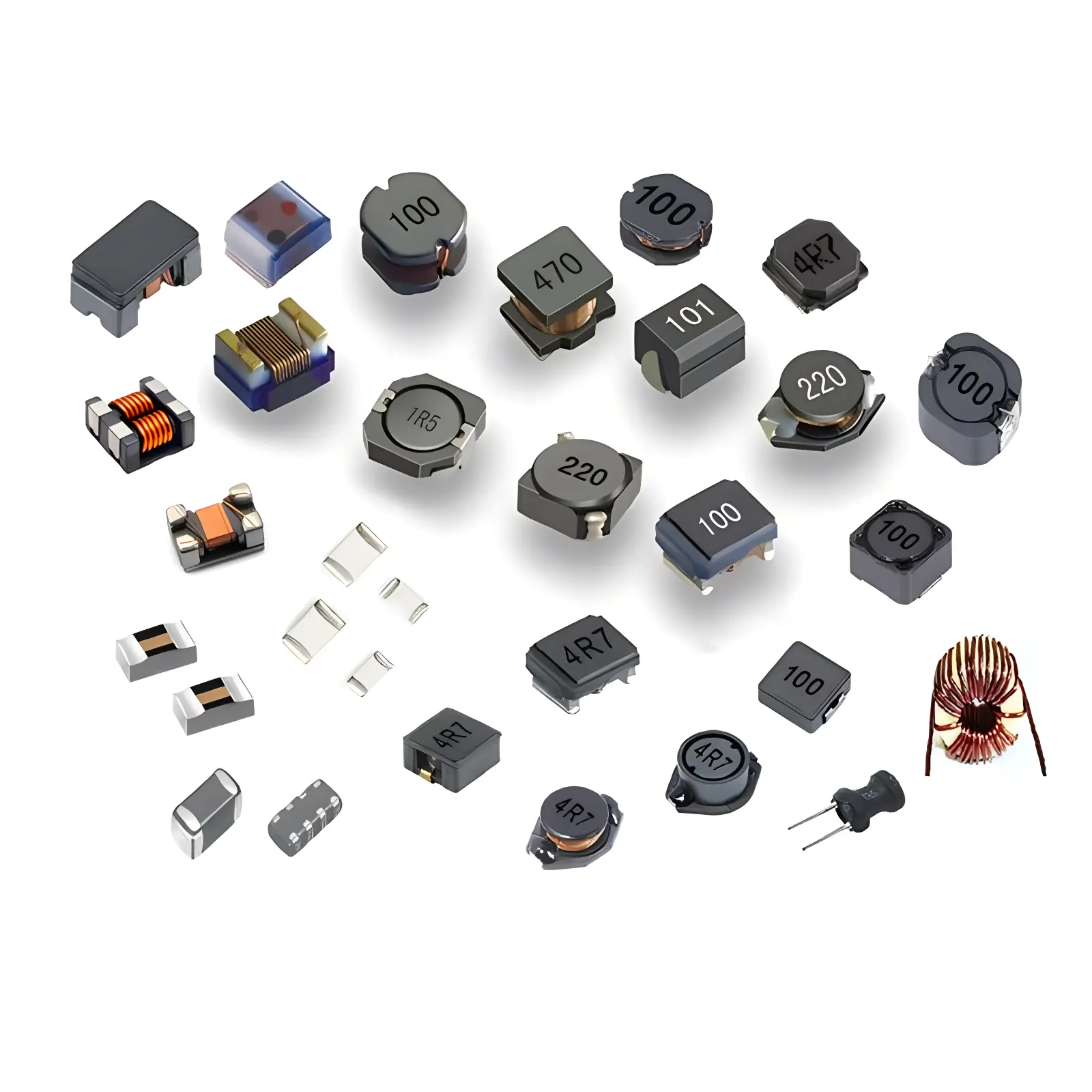 Inductors
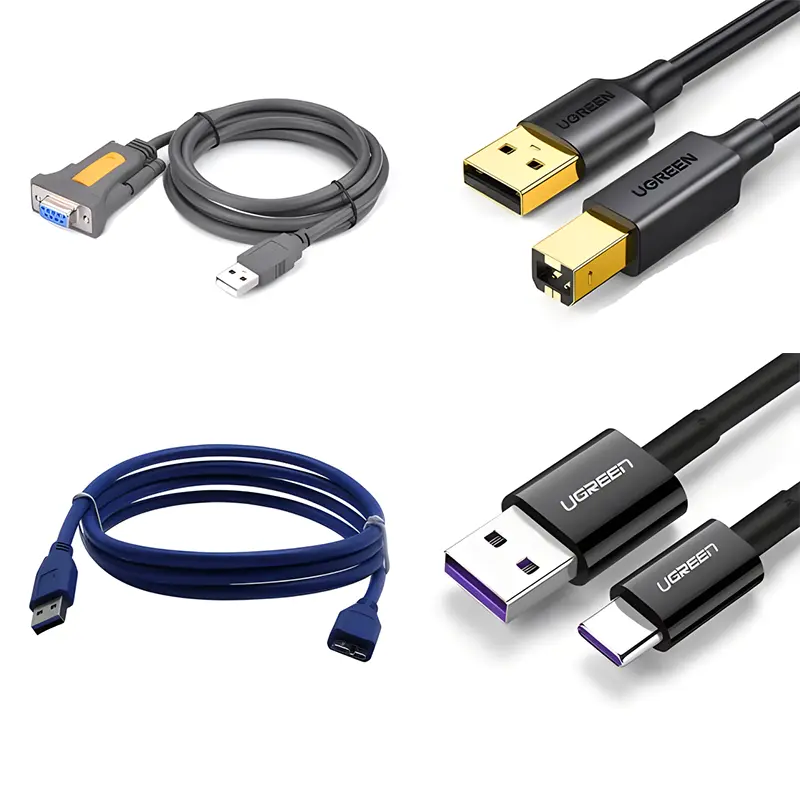 Wires,Cables Customized
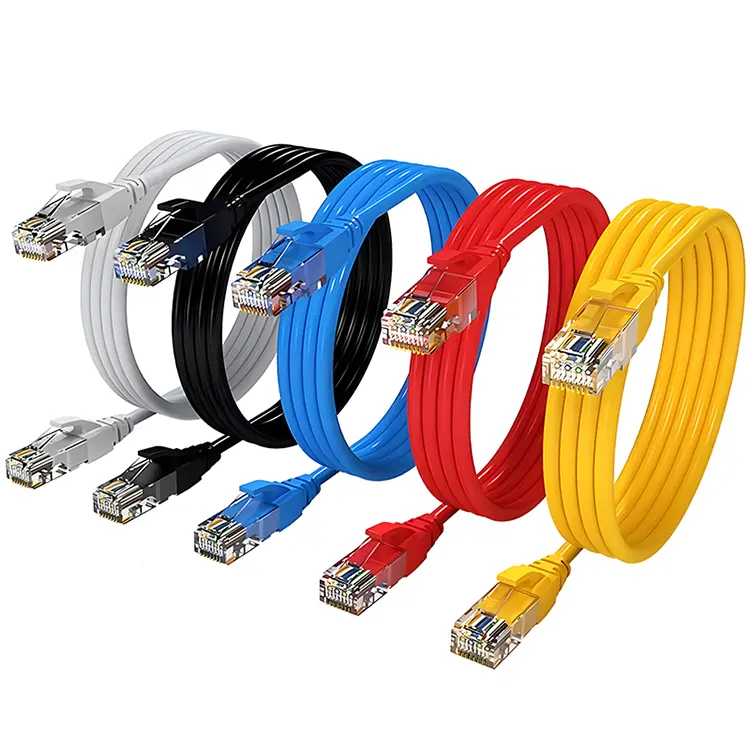 Network Cables
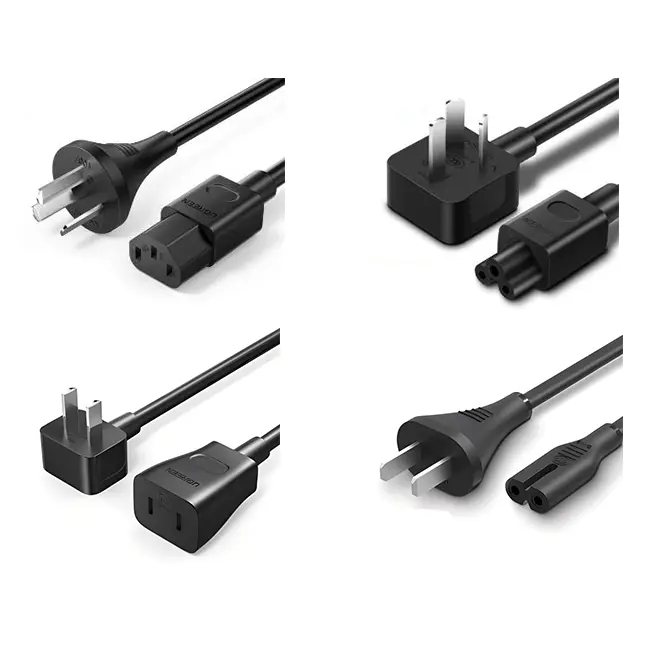 Power Cords
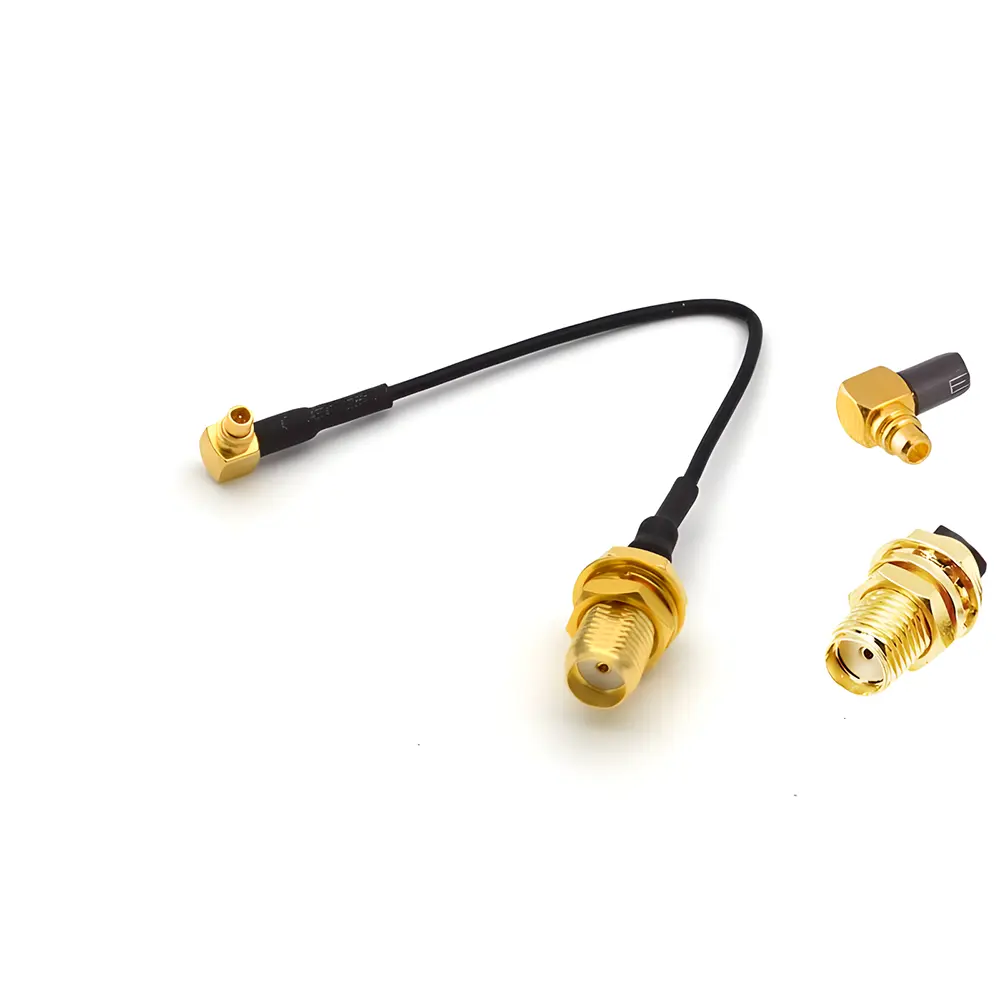 Antenna Cables
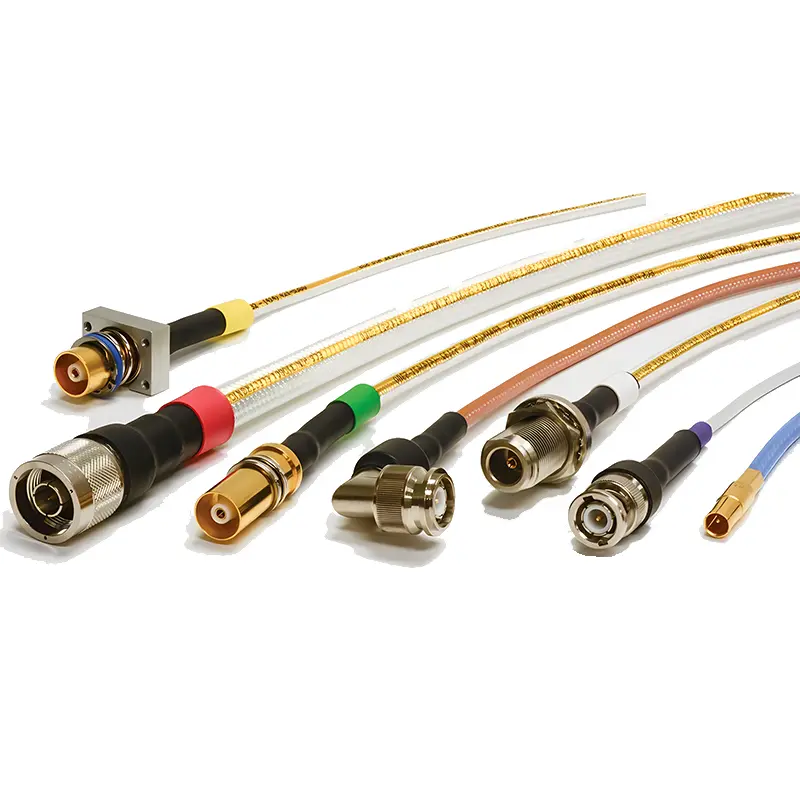 Coaxial Cables
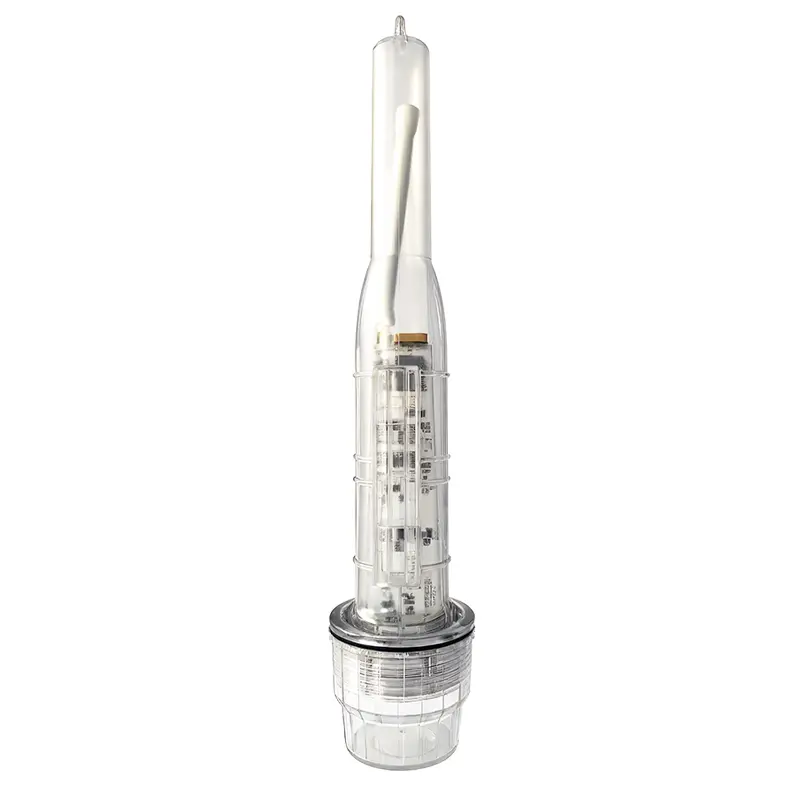 Net Position Indicator
 Solar AIS net position indicator
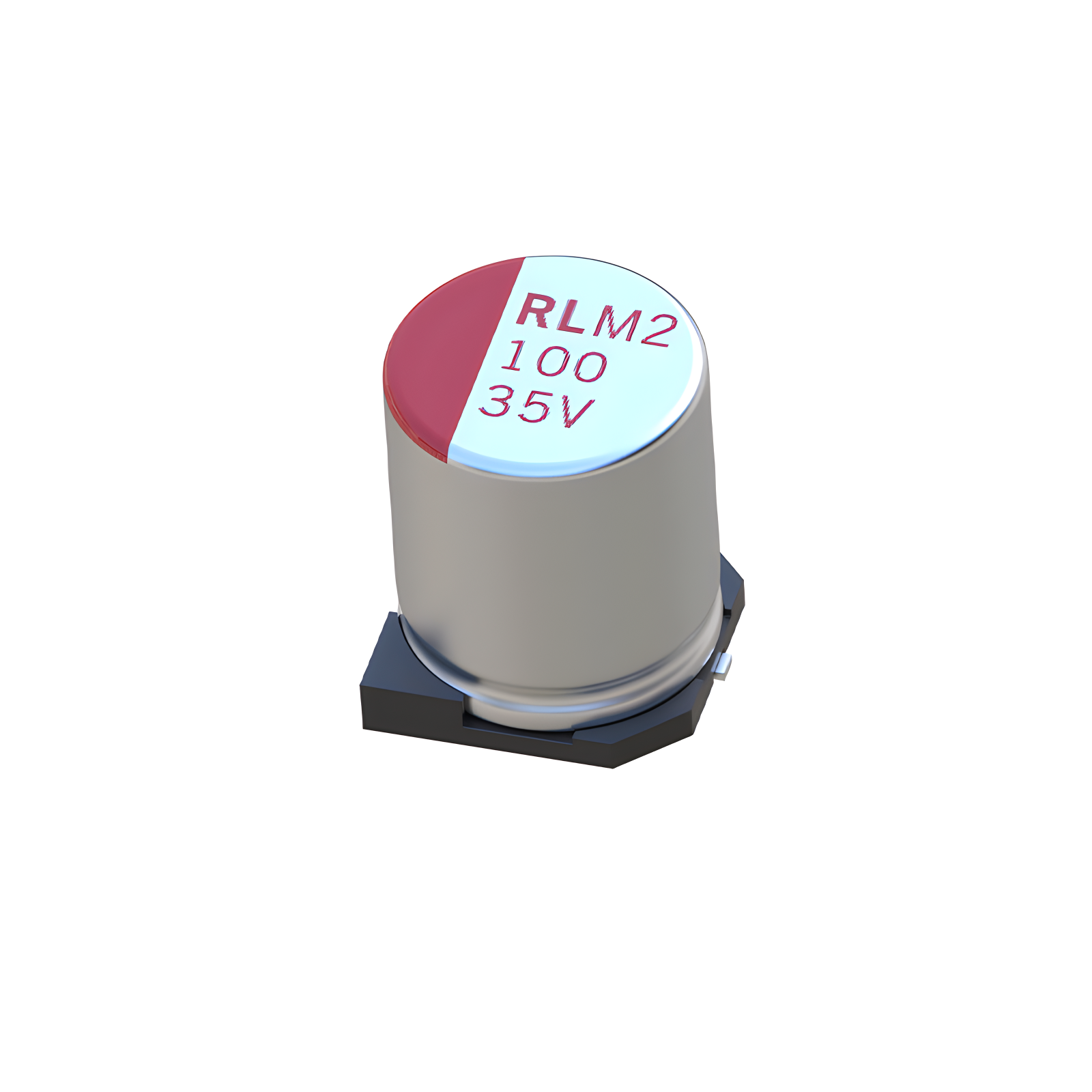 Capacitors
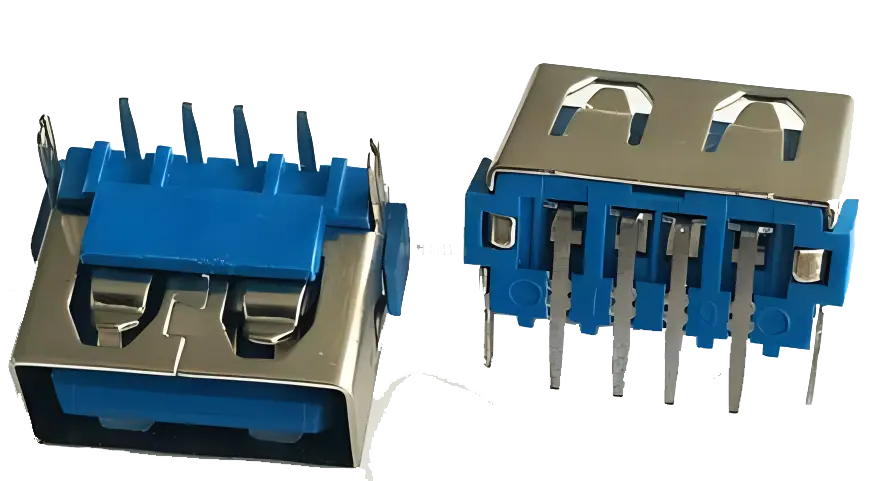 Connectors
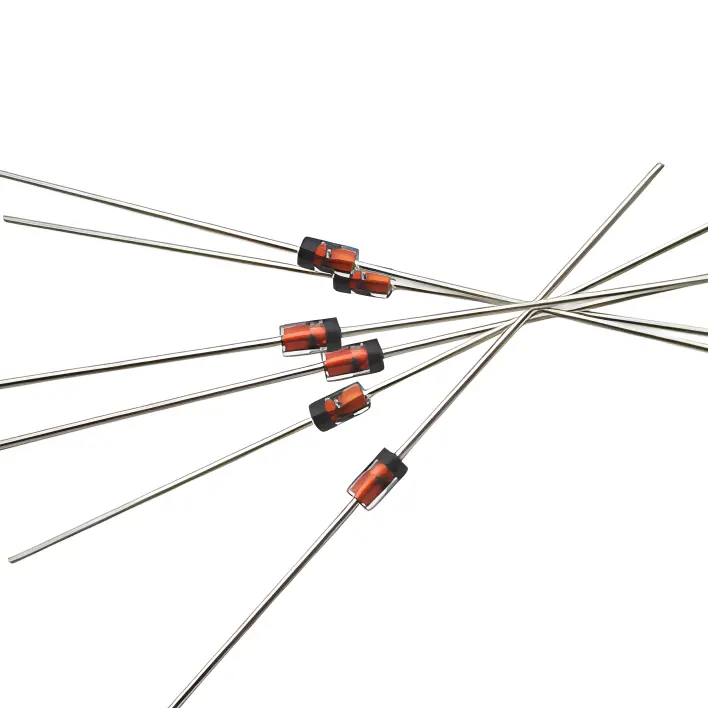 Diodes
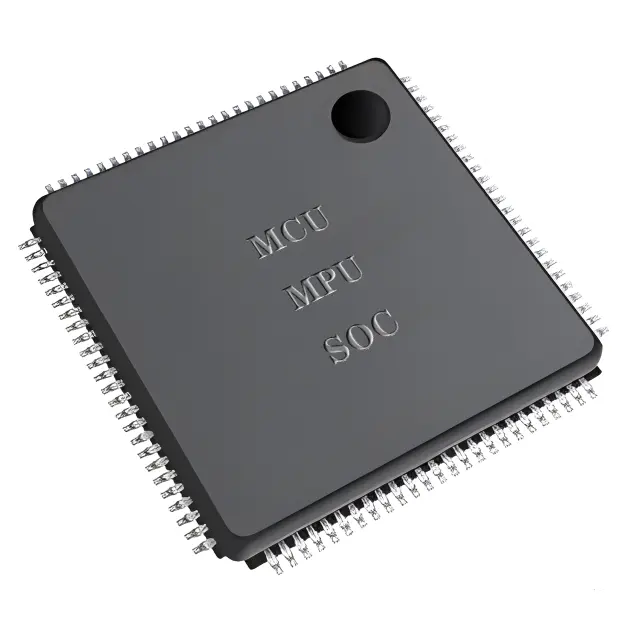 Embedded Processors & Controllers
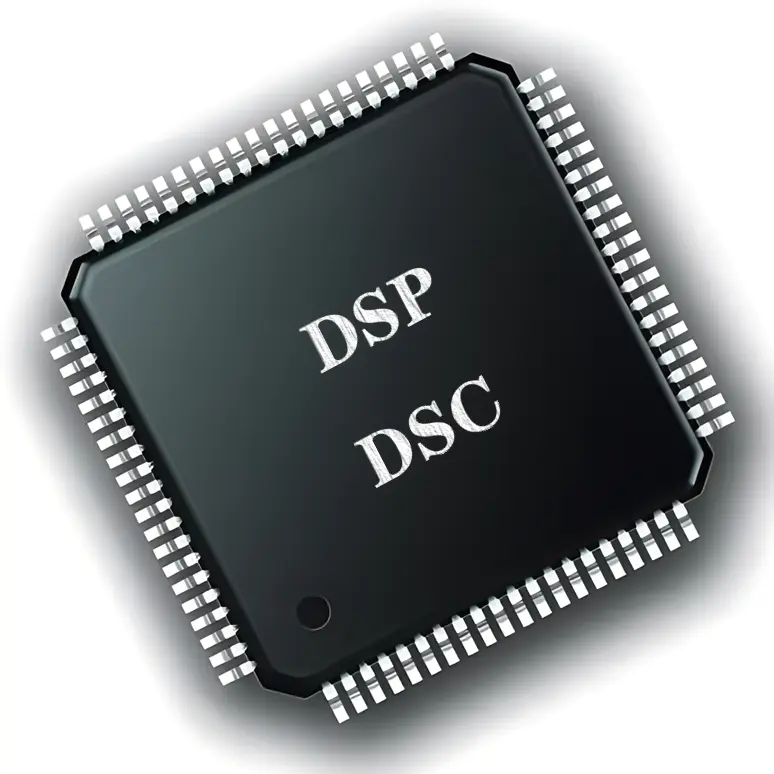 Digital Signal Processors (DSP/DSC)
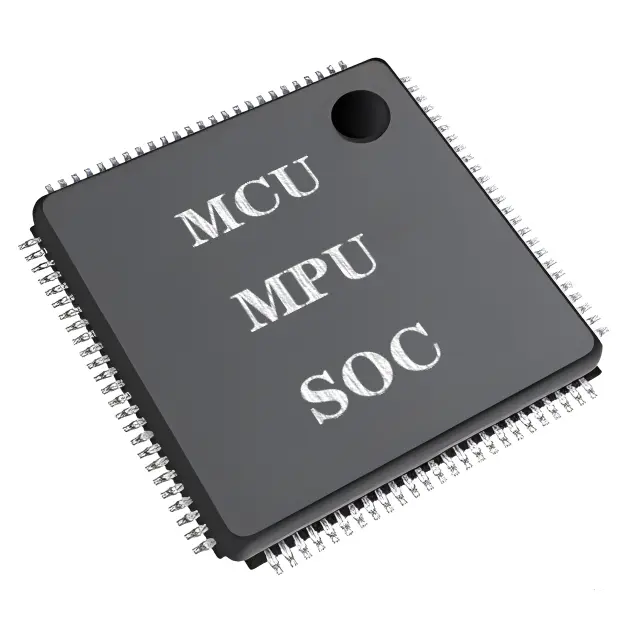 Microcontrollers (MCU/MPU/SOC)
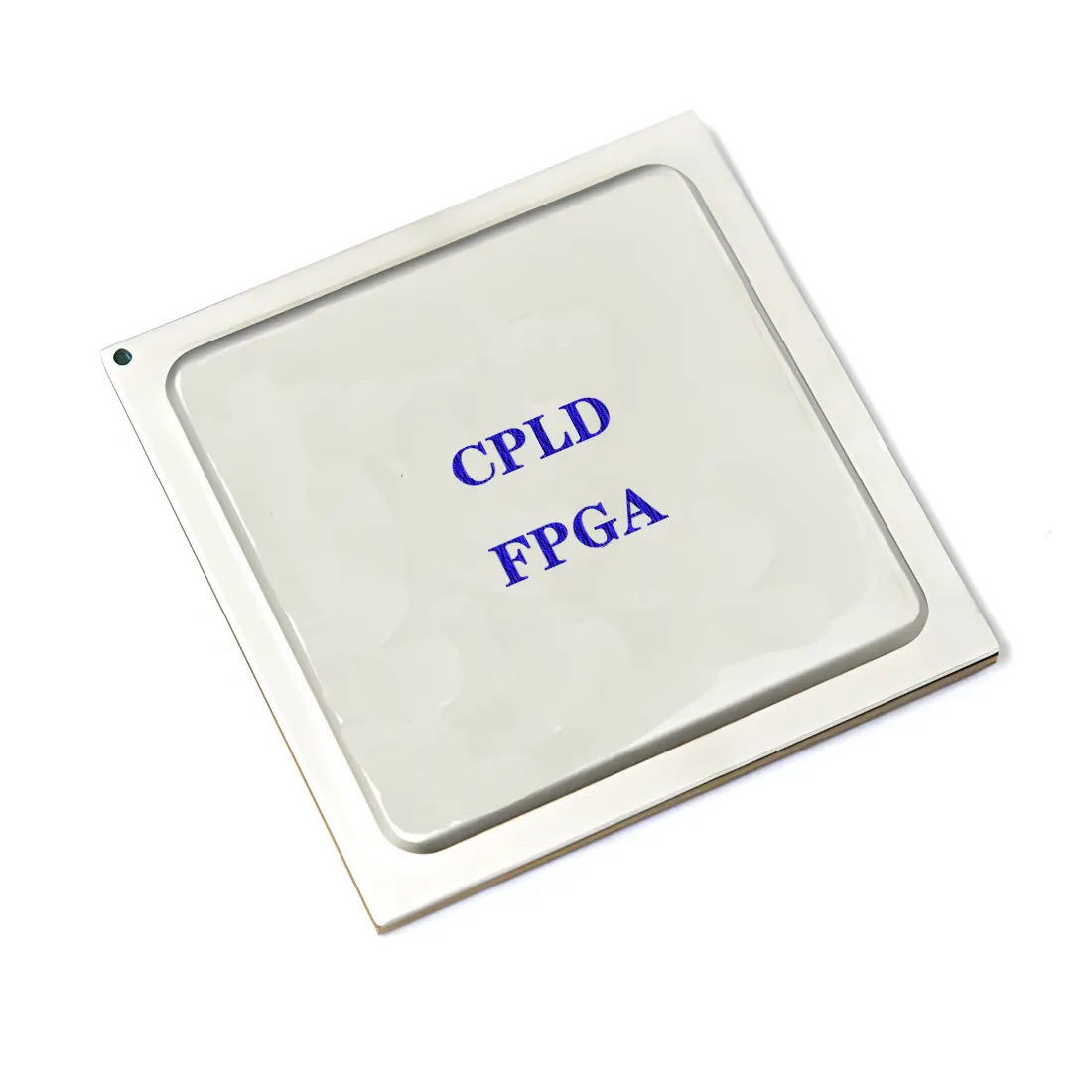 Programmable Logic Device(CPLD/FPGA)
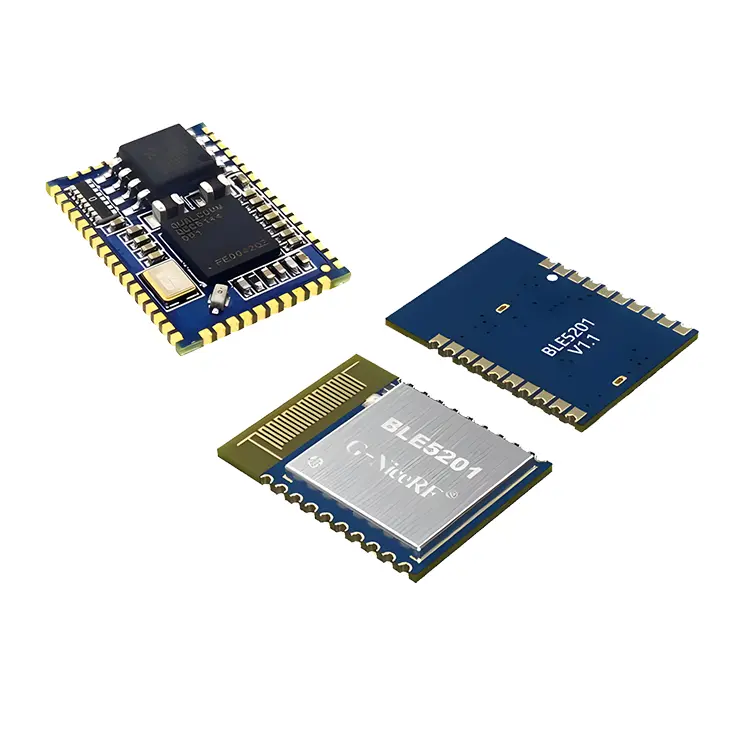 Communication Modules/IoT
 Resistors
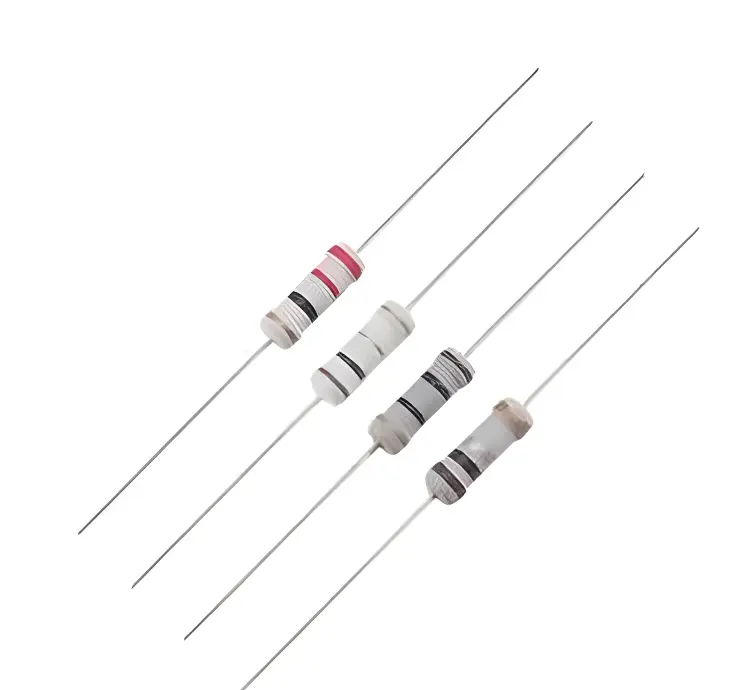 Through Hole Resistors
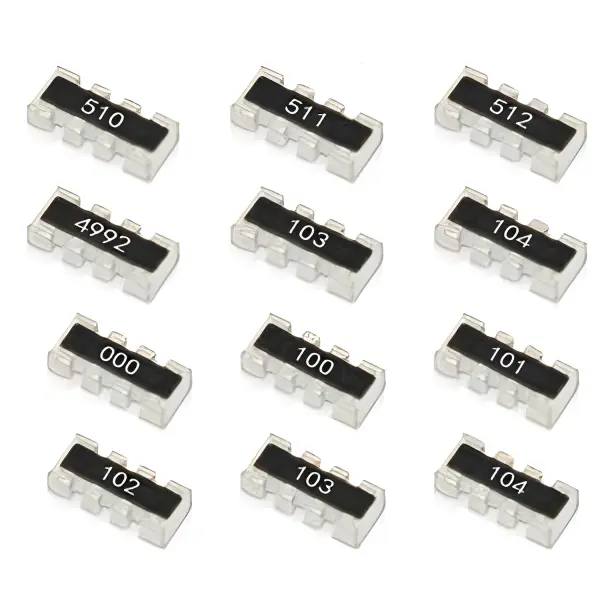 Resistor Networks, Arrays
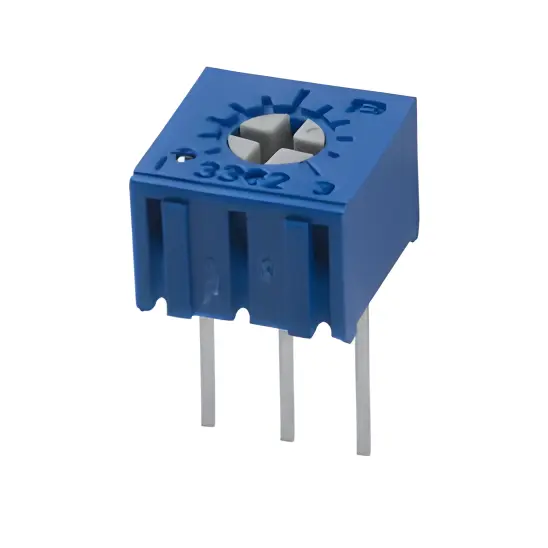 Potentiometers,Variable Resistors
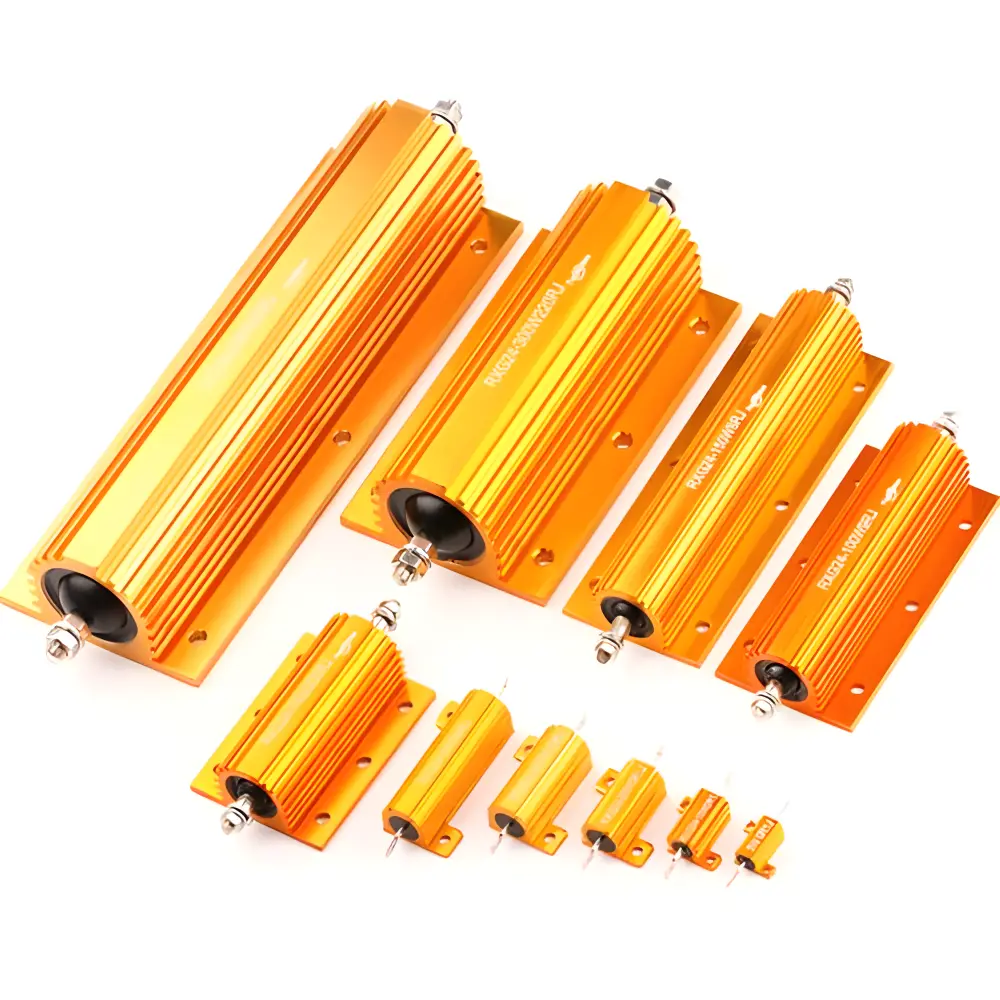 Aluminum Case,Porcelain Tube Resistance
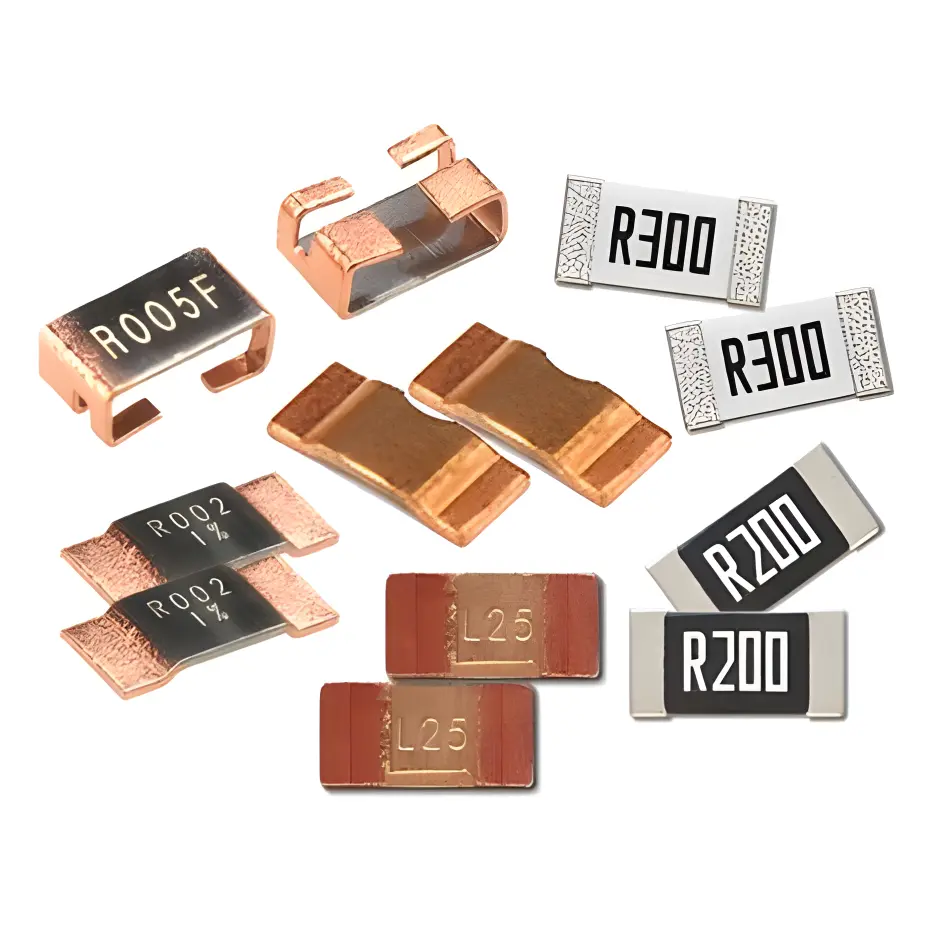 Current Sense Resistors,Shunt Resistors
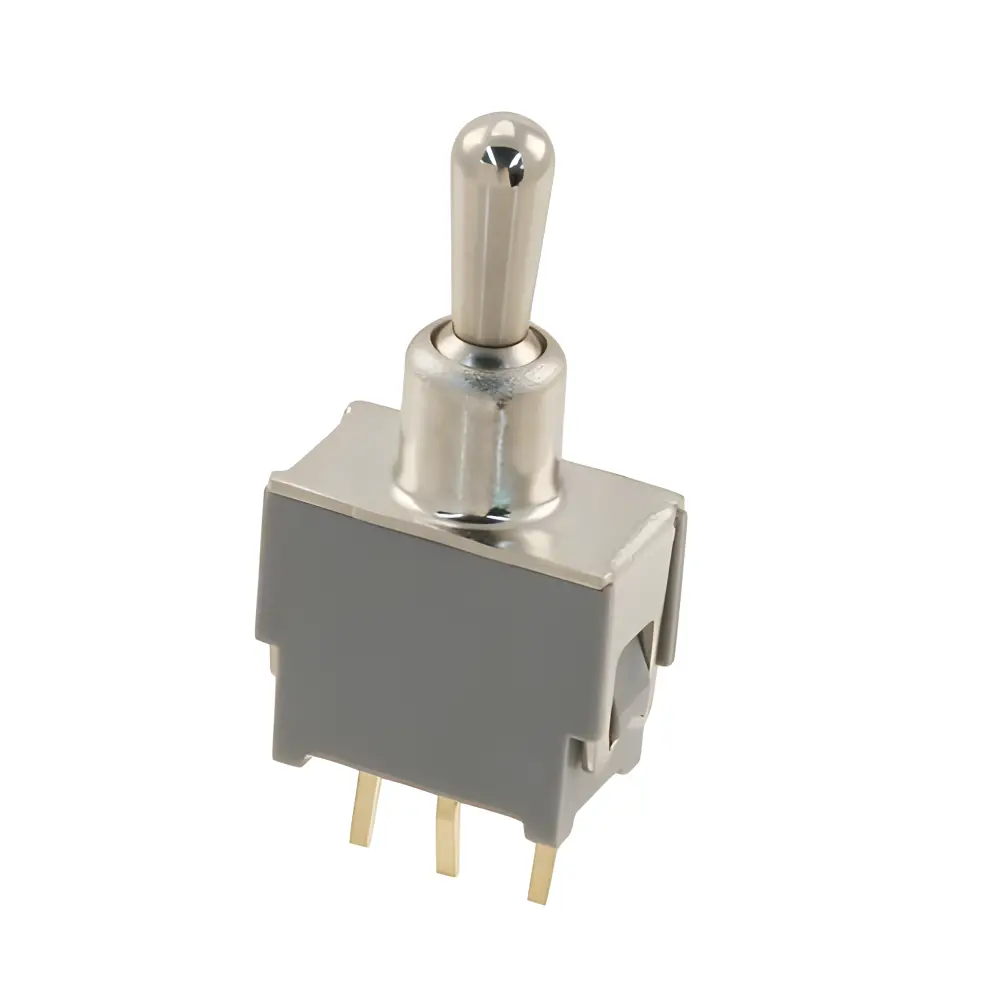 Switches
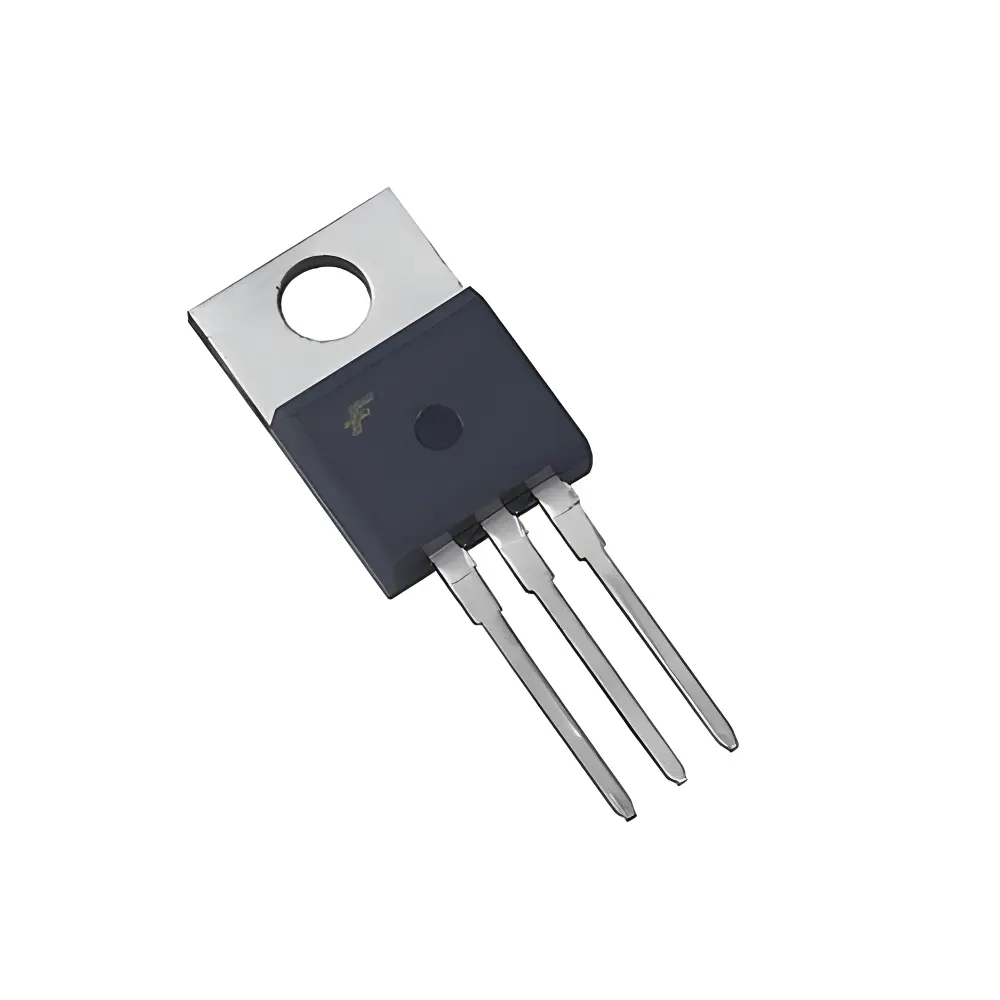 Transistors
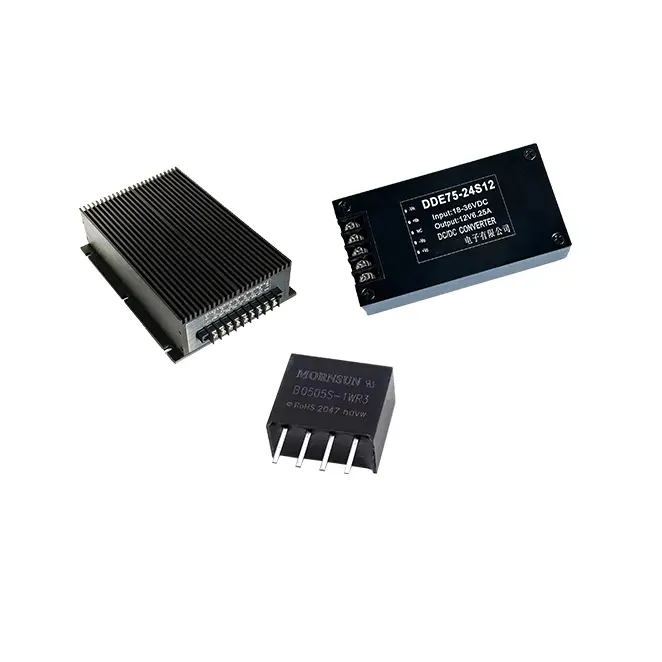 Power Modules
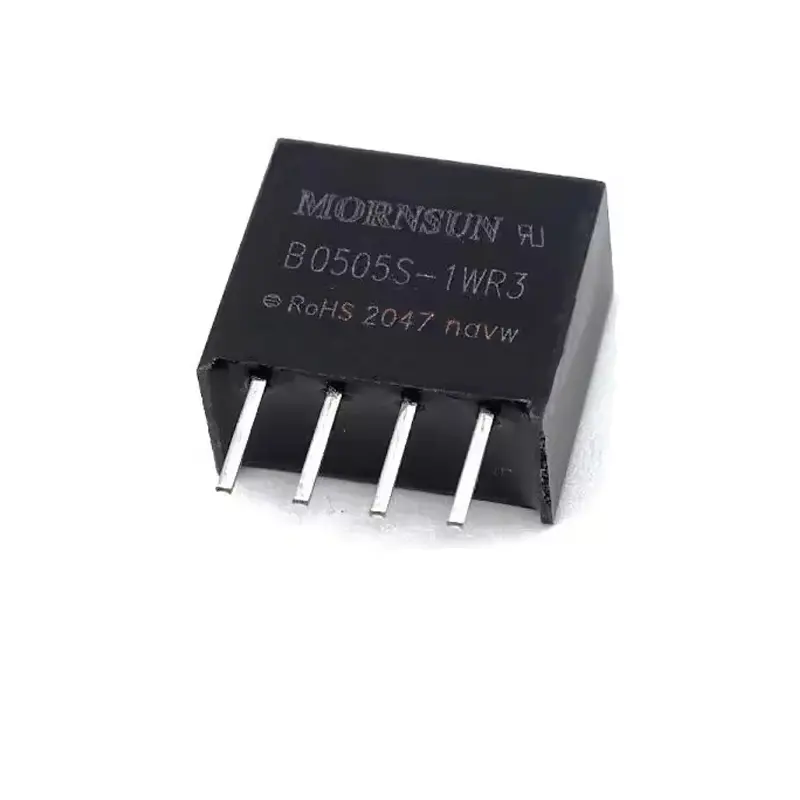 Isolated Power Modules
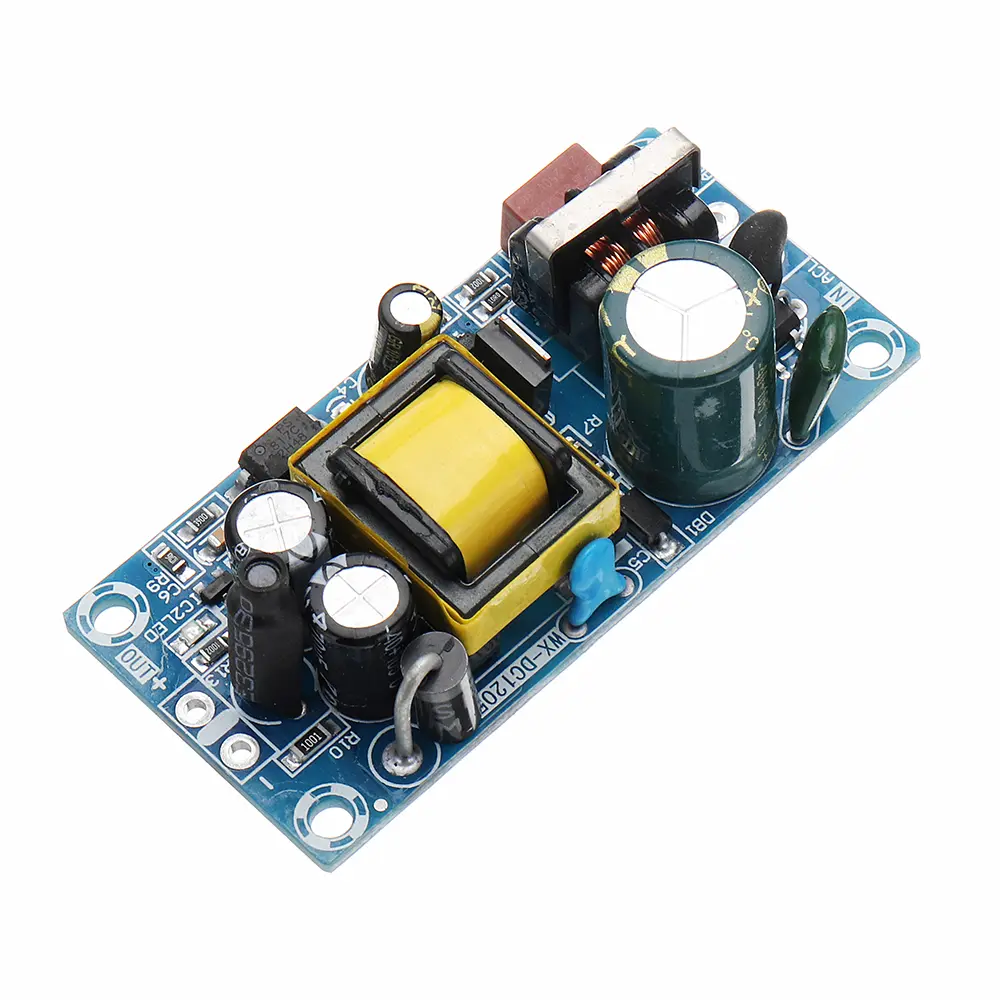 AC-DC Power Modules
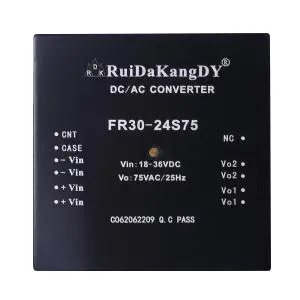 DC-AC Module(Inverter)
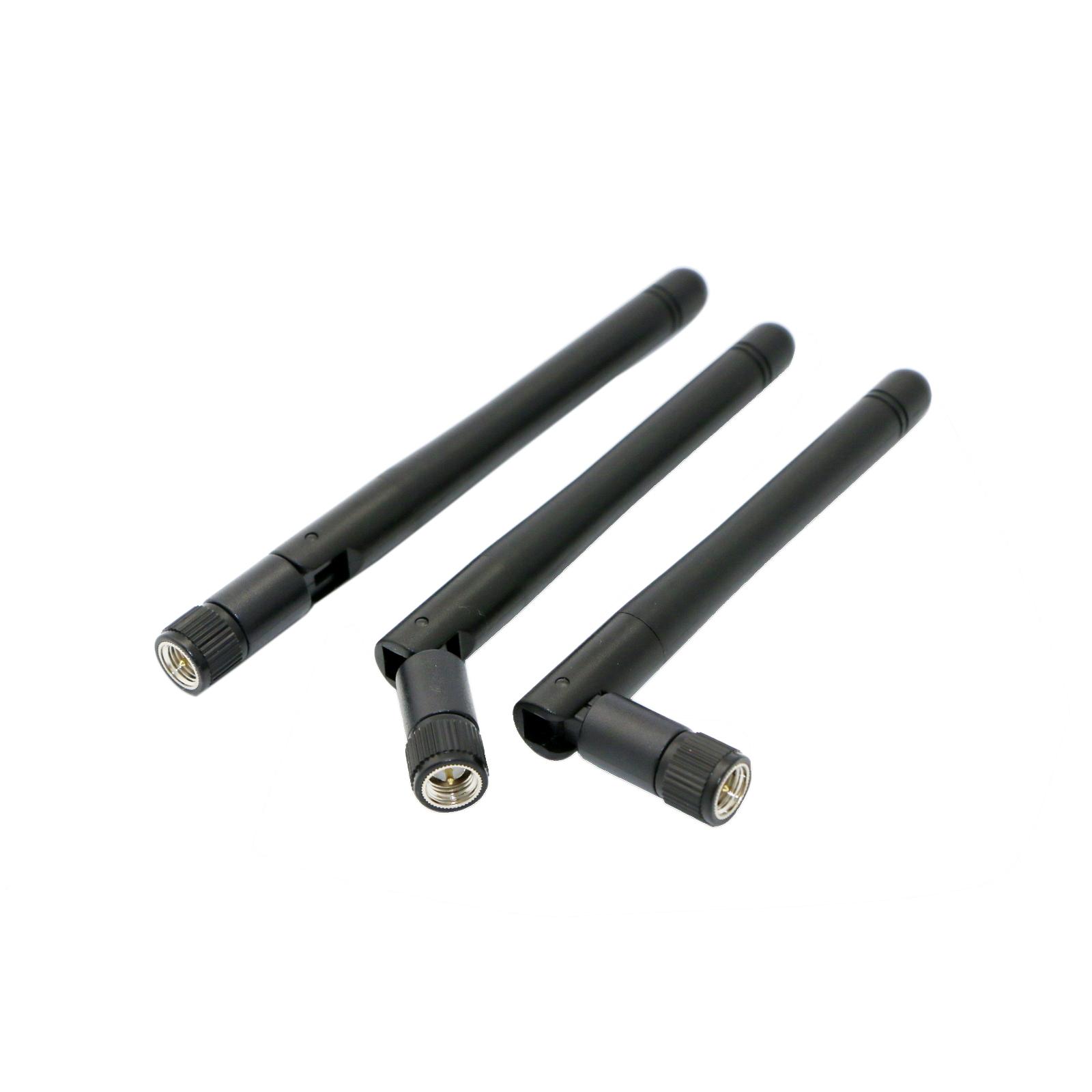 RF and Wireless
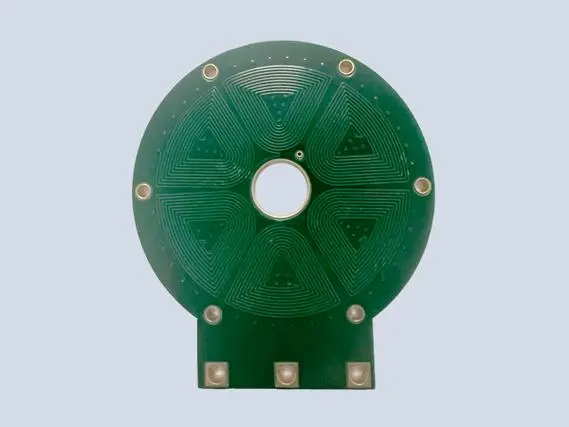
Design Guidelines for Signal Layers in Photonic-Electronic Hybrid PCBs (Silicon Photonics Integration)
1. Material Selection
-
DielectrIC Substrate:
-
Ultra-low loss materials (e.g., Rogers RO3000 series, Panasonic Megtron 6, Df ≤ 0.002).
-
CTE must match silicon photonics chips (Si CTE ≈ 3 ppm/°C).
-
-
Copper Foil Treatment:
-
Ultra-low profile copper (RTF/VLP, Rz < 2 μm) to minimize skin effect loss at high frequencies.
-
2. Layer Stackup Architecture
| Layer Type | Function | Key Parameters |
|---|---|---|
| Optical Signal Layer | Integrated waveguides/fiber arrays | Alignment tolerance ≤ ±1.5 μm |
| High-Speed Electrical Layer | ≥25 Gbps signals (SerDes, RF) | Impedance control ±5% (100 Ω diff) |
| Power/Ground Layer | Low-noise power delivery & EMI shielding | Split-plane design to avoid noise |
3. Opto-Electronic Co-Design
-
Optical Coupling Interface:
-
Mechanical alignment structures (e.g., V-grooves, microlens arrays) or flip-chip integration.
-
Thermal tuning zones (TiN heaters) for wavelength drift compensation (±0.1°C control).
-
-
Signal Isolation:
-
Shielding ground plane (≥20 μm Cu) between electrical and optical layers (XT ≤ -40 dB).
-
Separate analog (e.g., TIA) and digital circuits with vertical spacing > 4× trace width.
-
4. Routing Rules
-
High-Speed Differential Pairs:
-
Length matching (≤5 mil skew) to minimize jitter.
-
Avoid right-angle bends (≥135°), width/spacing ratio ≥1:1.
-
-
RF Traces:
-
Coplanar waveguide (CPW) with ground vias spaced ≤ λ/10 (f = max frequency).
-
5. Thermal Management
-
Heat Dissipation Paths:
-
Embedded thermal vias (conductivity > 400 W/mK) under laser Diodes.
-
Local heatsinks (e.g., AlN ceramic) for high-power chips (>1 W/mm² power density).
-
6. Manufacturing Tolerances
-
Optical Alignment Marks:
-
Laser-ablated or lithographic fiducial marks (±0.5 μm accuracy).
-
-
Stackup Tolerance:
-
Dielectric thickness variation ≤ ±5%, with TDR verification (bandwidth ≥ 40 GHz).
-
7. Validation & Testing
-
Signal Integrity (SI):
-
Eye diagram testing (Mask Margin ≥ 20%), insertion loss < -3 dB @ 28 GHz.
-
-
Optical Performance:
-
Coupling loss ≤ 1.5 dB, bit error rate (BER) < 1E-12.
-