
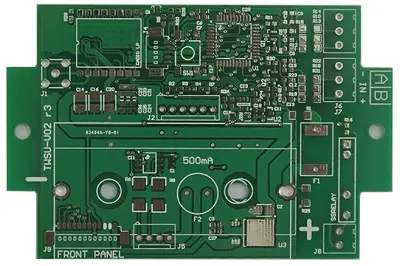
 PCB
PCB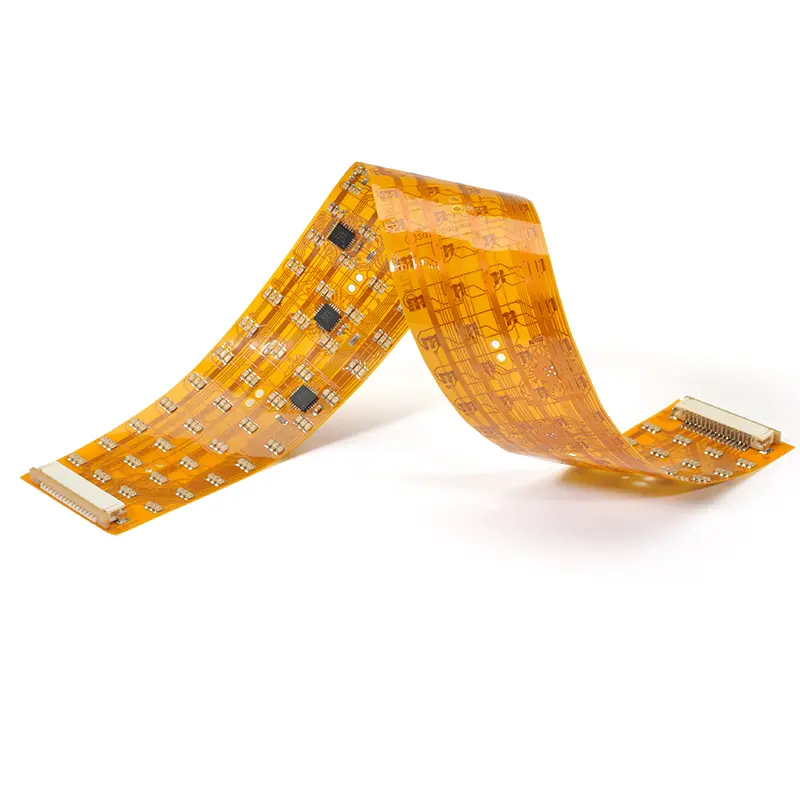 FPC
FPC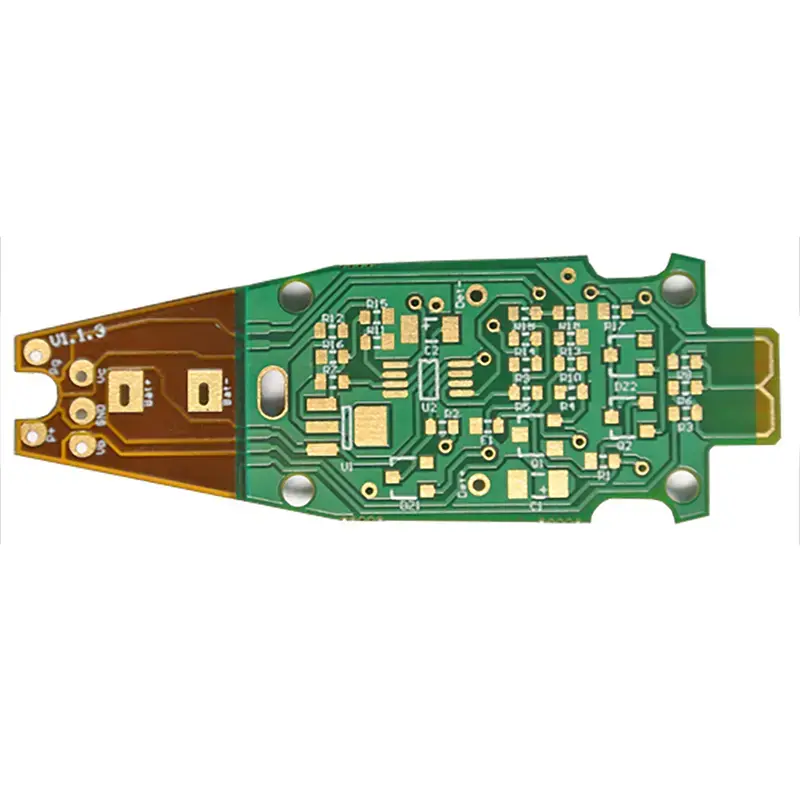 Rigid-Flex
 FR-4
FR-4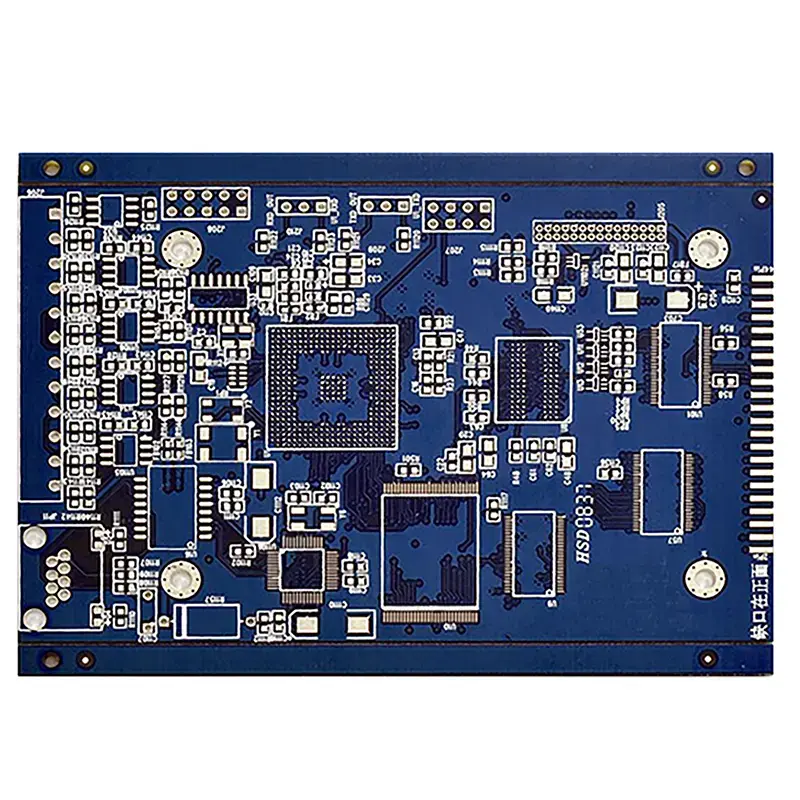 HDI PCB
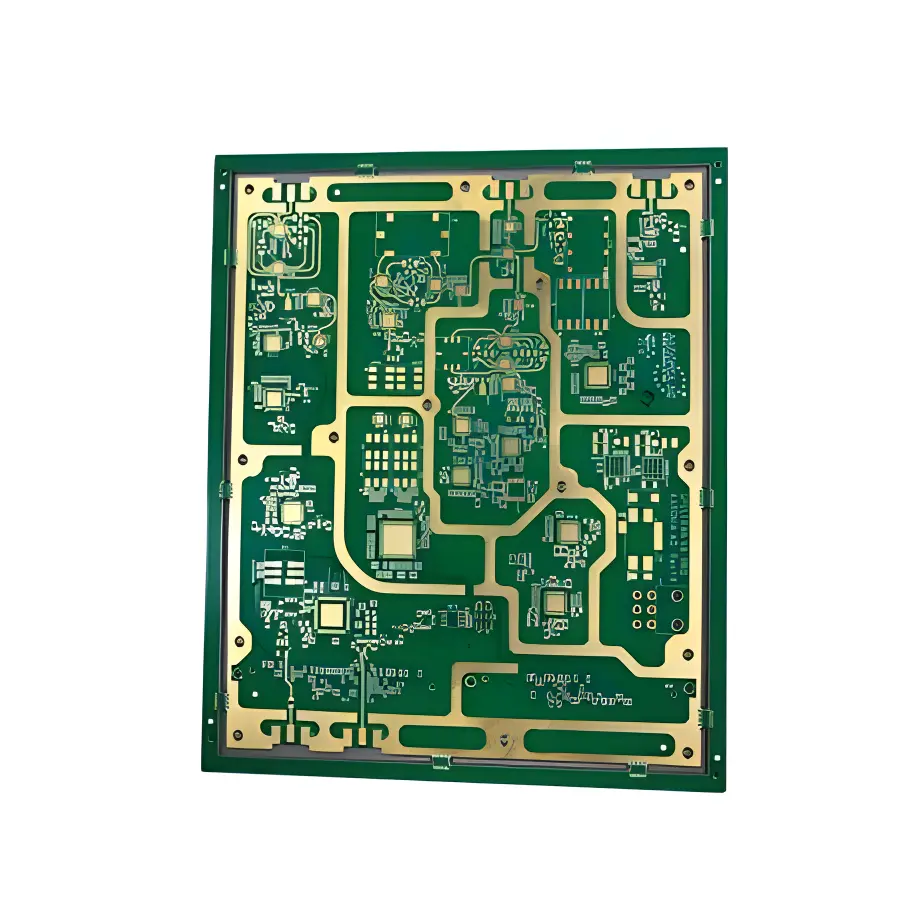 Rogers High-Frequency Board
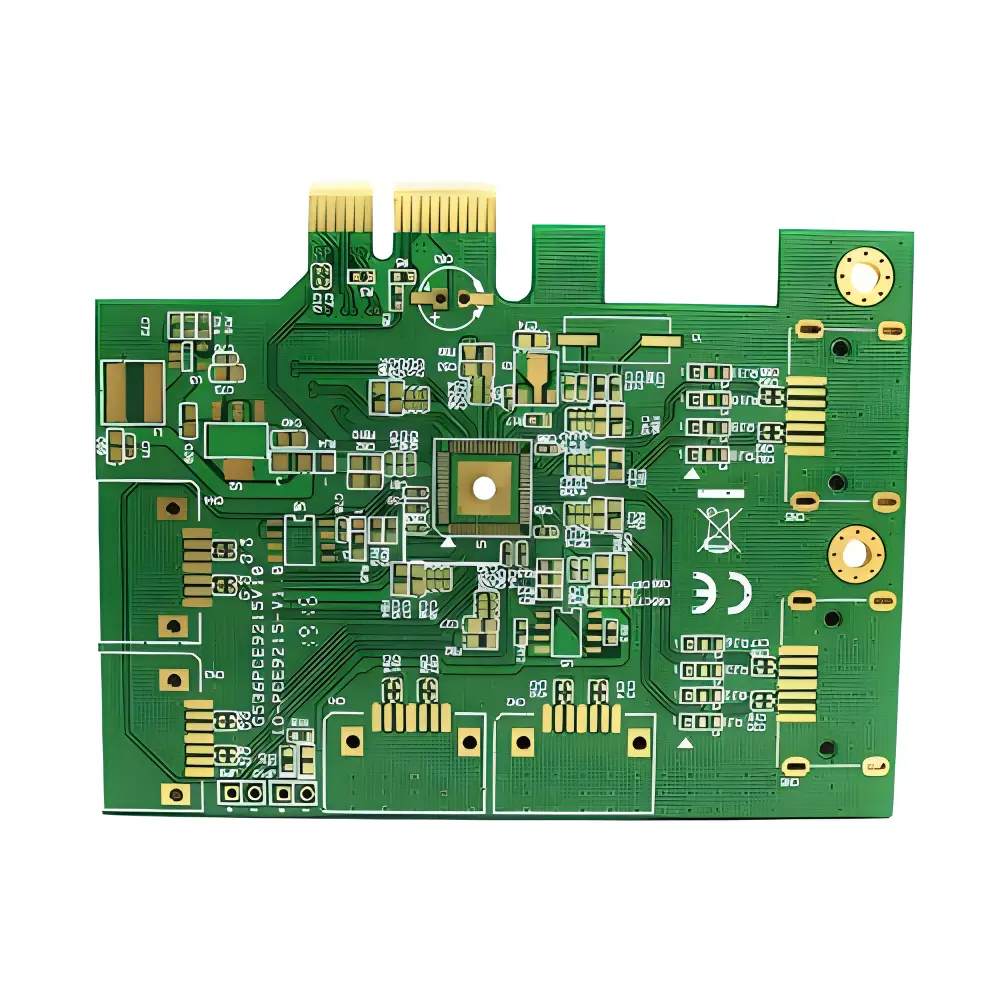 PTFE Teflon High-Frequency Board
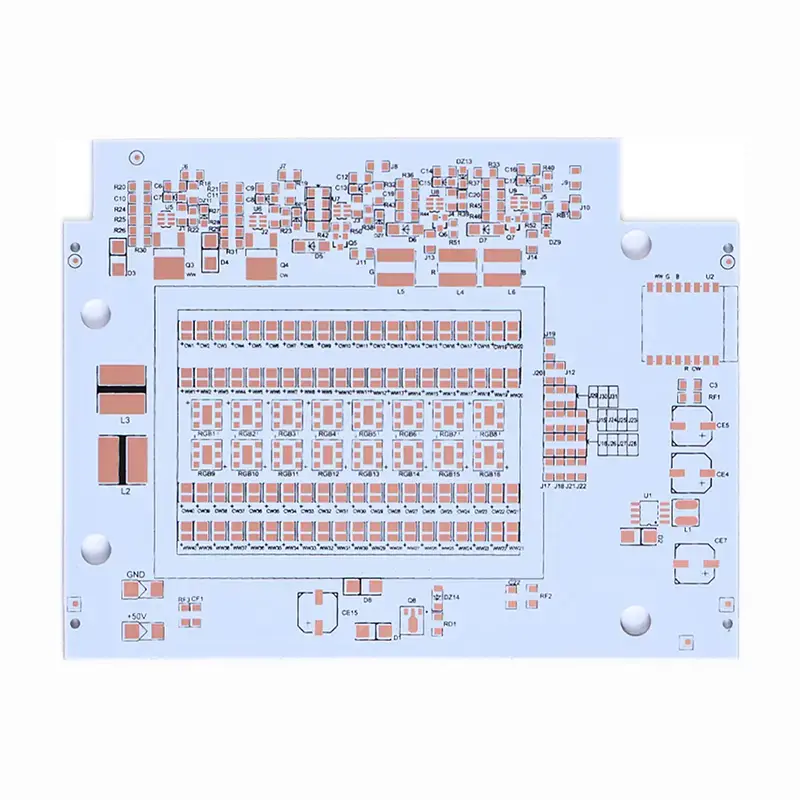 Aluminum
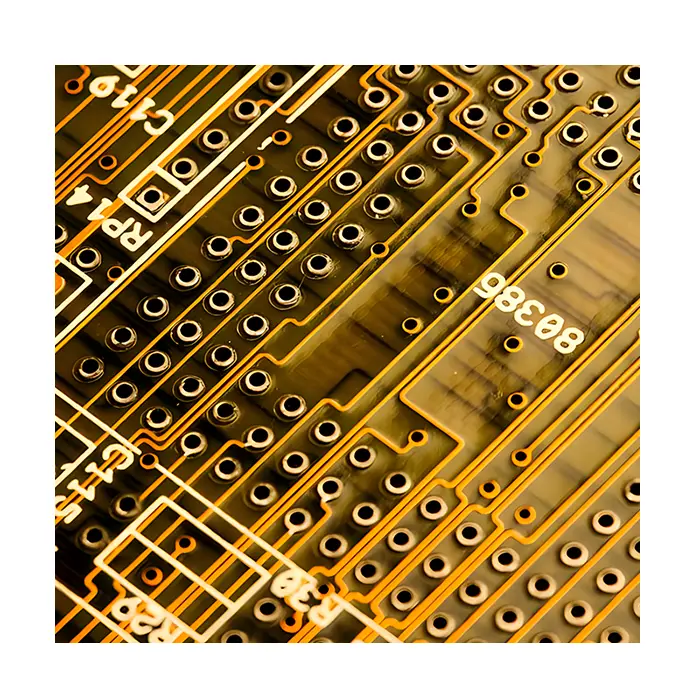 Copper Core
 PCB Assembly
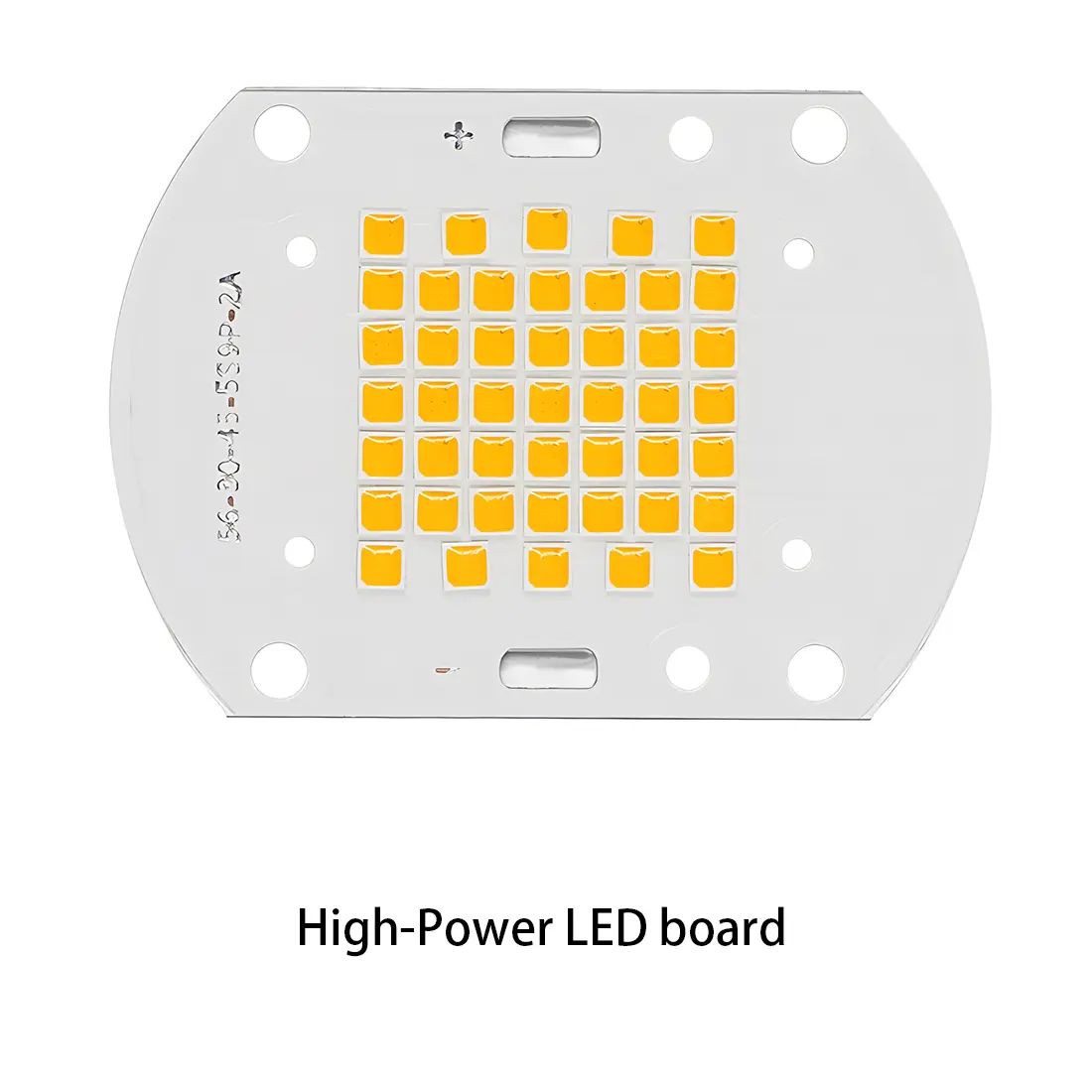 LED light PCBA
 Memory PCBA
 Power Supply PCBA
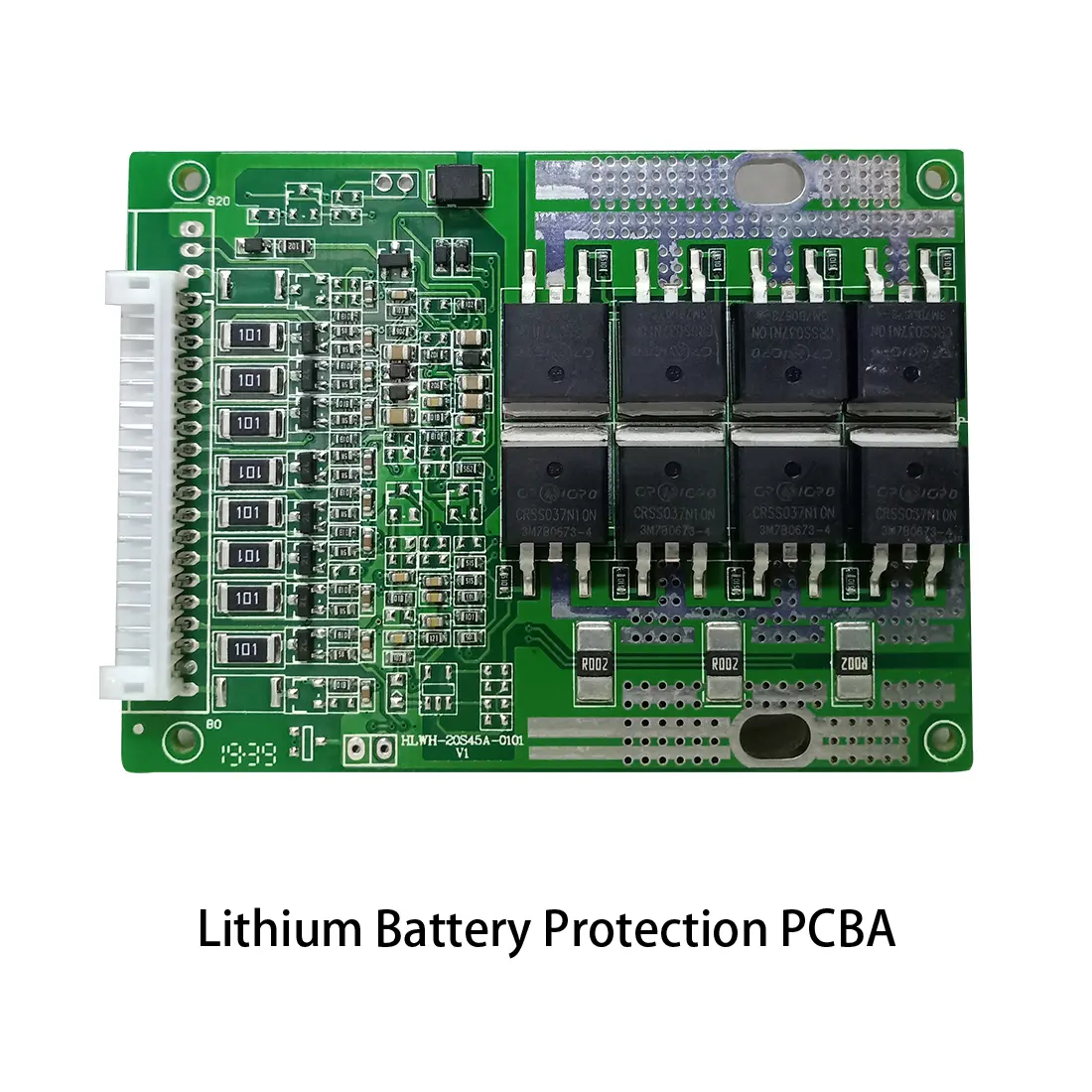 New Energey PCBA
 Communication PCBA
 Industrial Control PCBA
 Medical Equipment PCBA
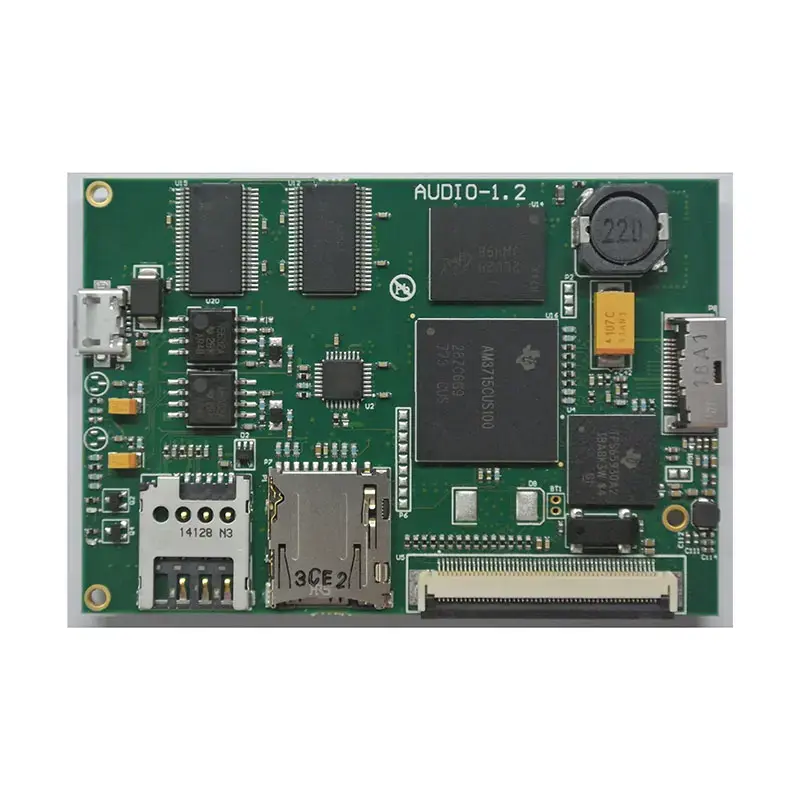 Testing Service
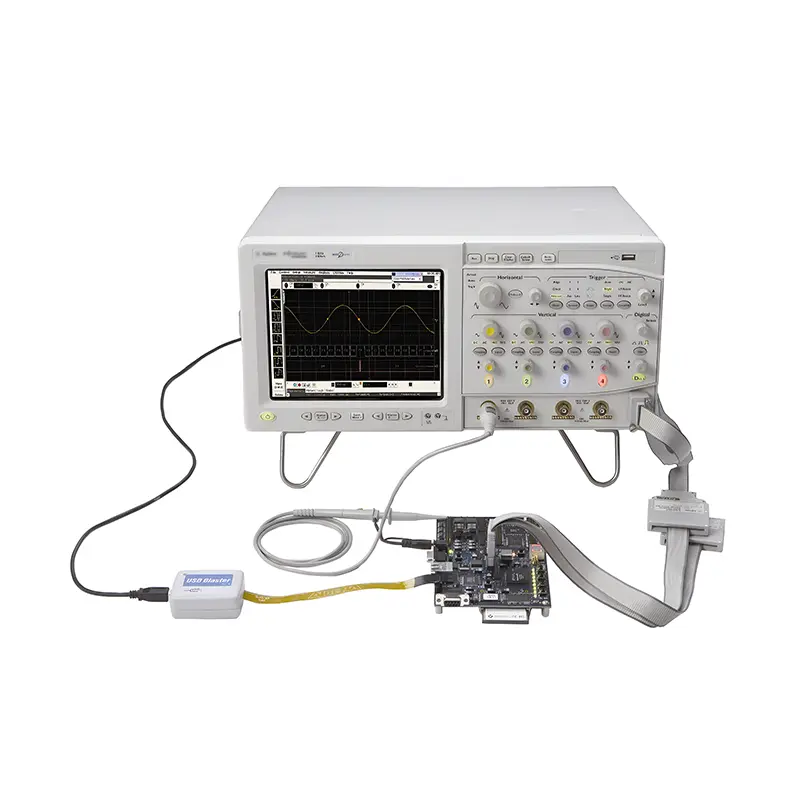 PCBA Testing Service
 Certification Application
 RoHS Certification Application
 REACH Certification Application
 CE Certification Application
 FCC Certification Application
 CQC Certification Application
 UL Certification Application
 Transformers, Inductors
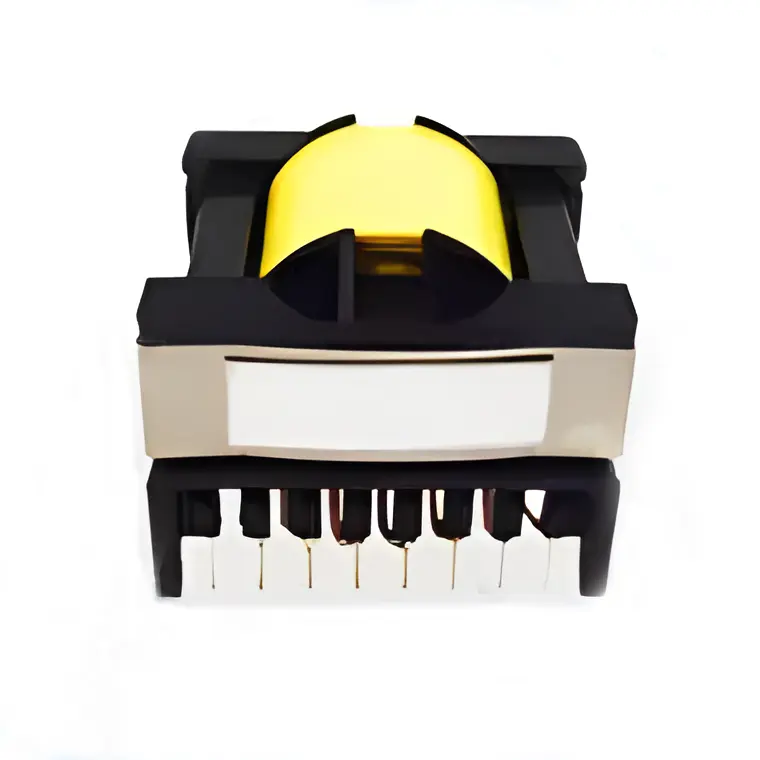 High Frequency Transformers
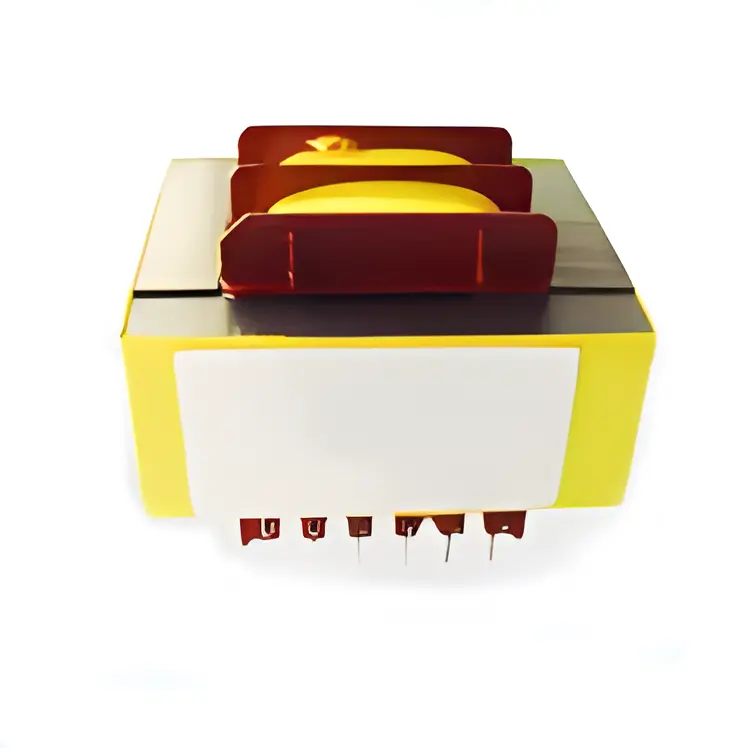 Low Frequency Transformers
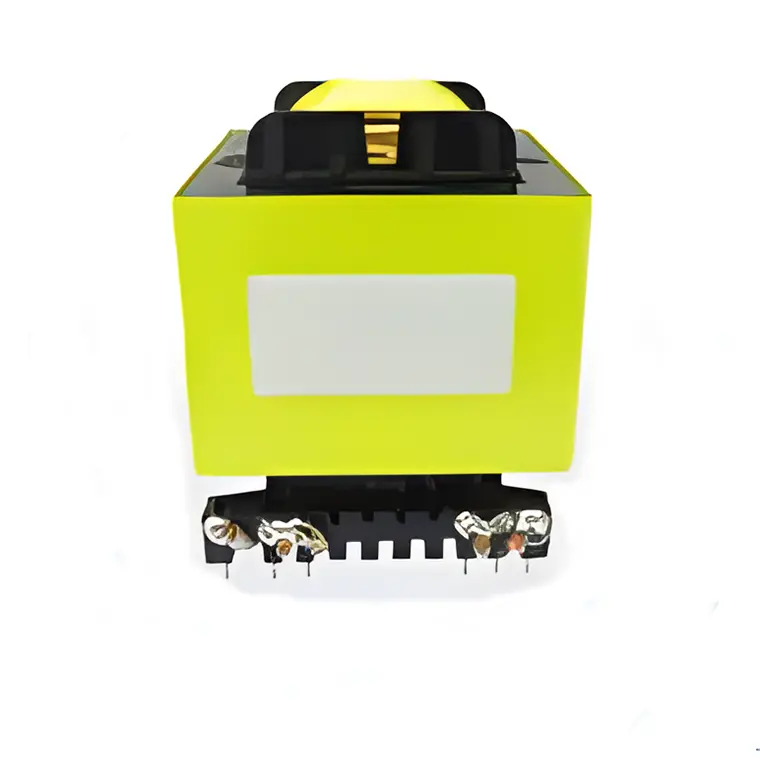 High Power Transformers
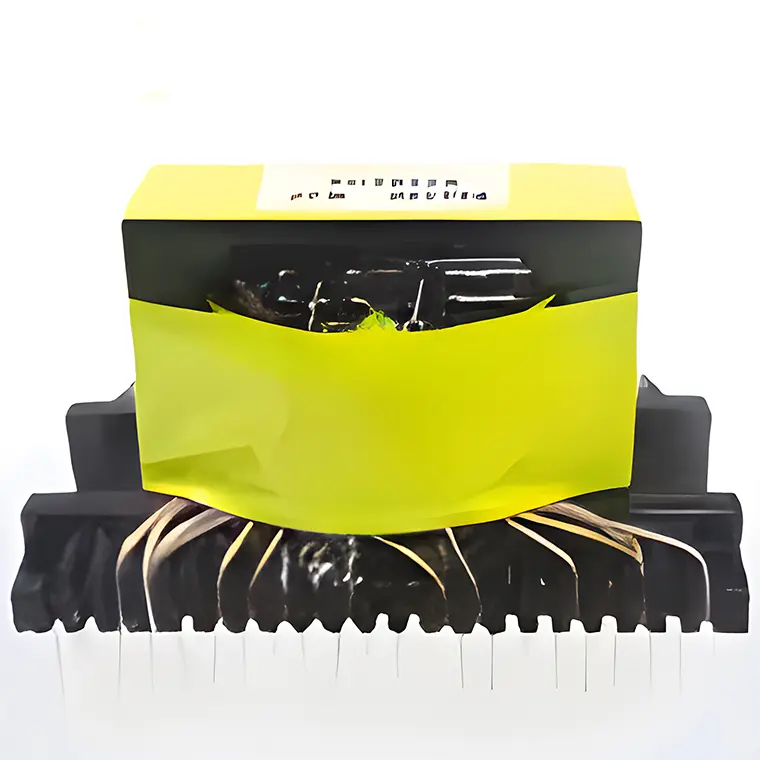 Conversion Transformers
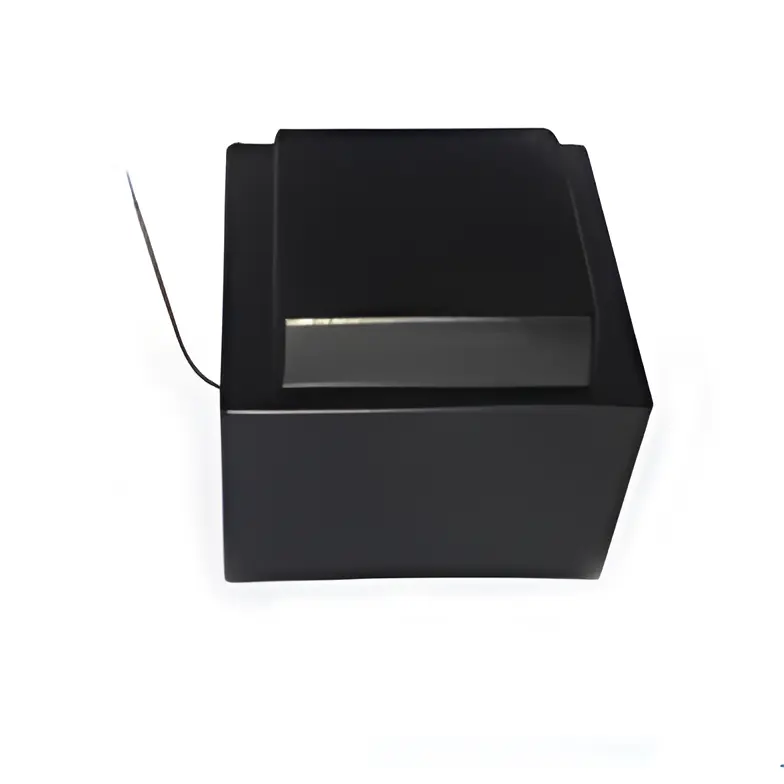 Sealed Transformers
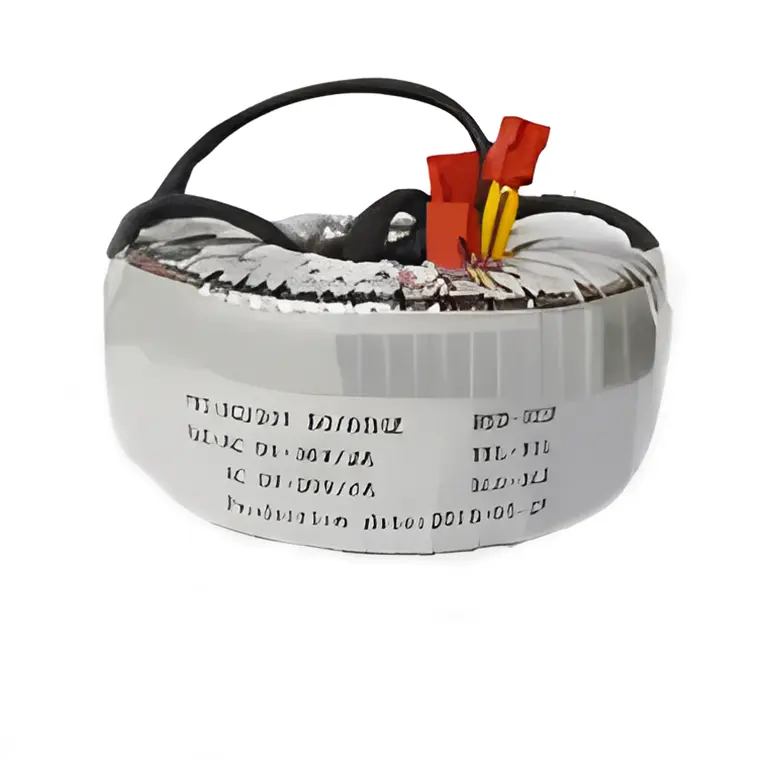 Ring Transformers
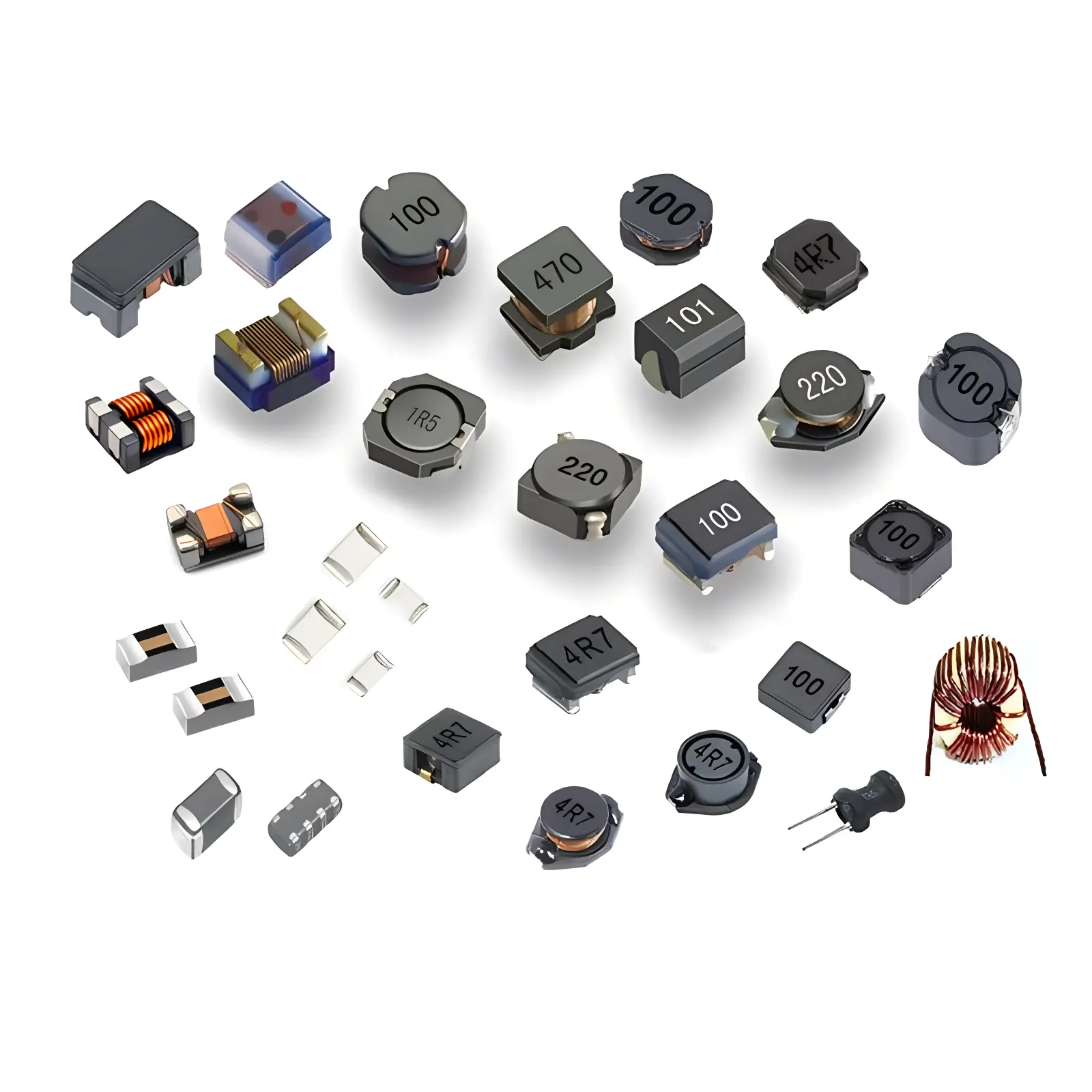 Inductors
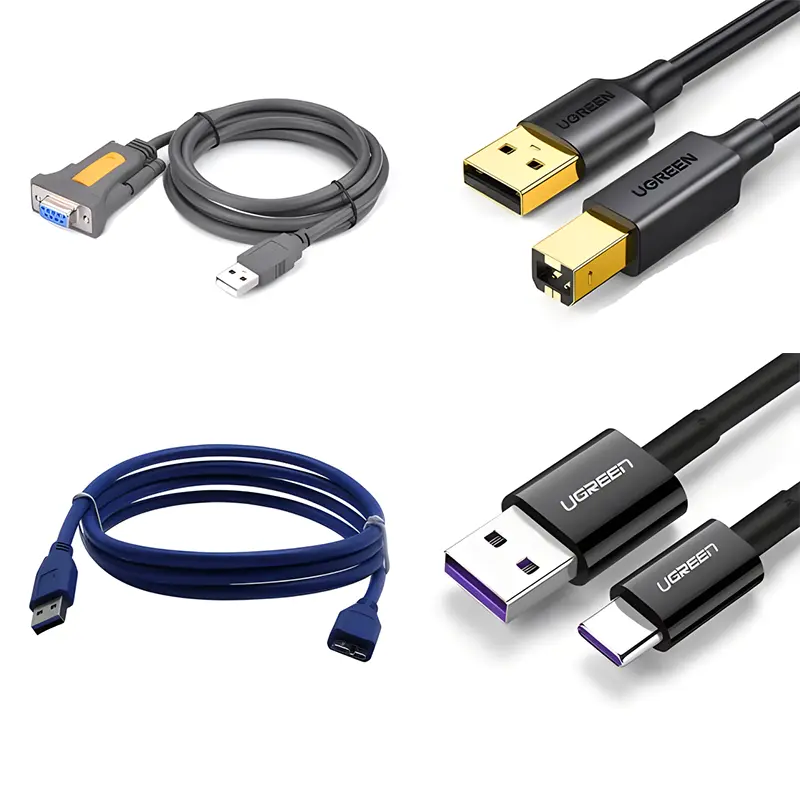 Wires,Cables Customized
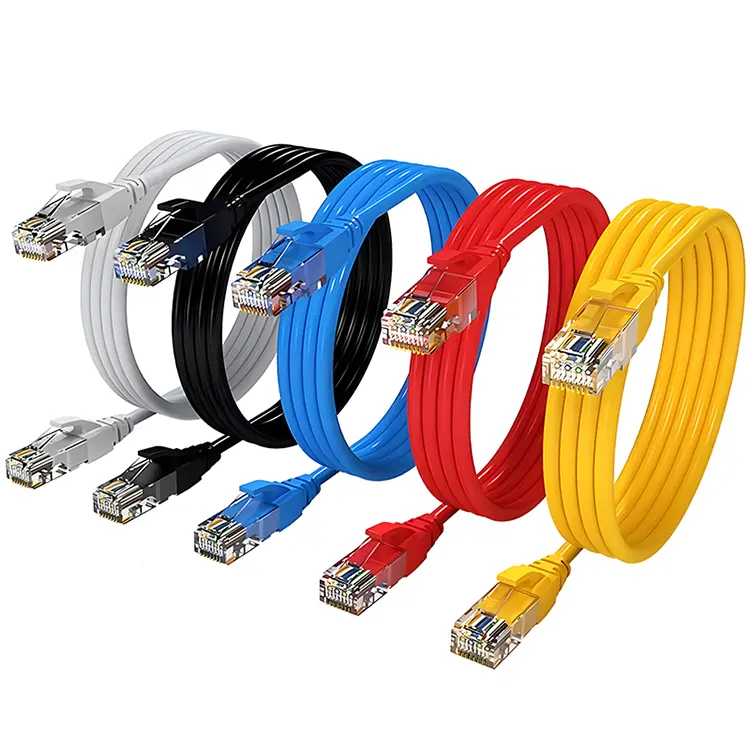 Network Cables
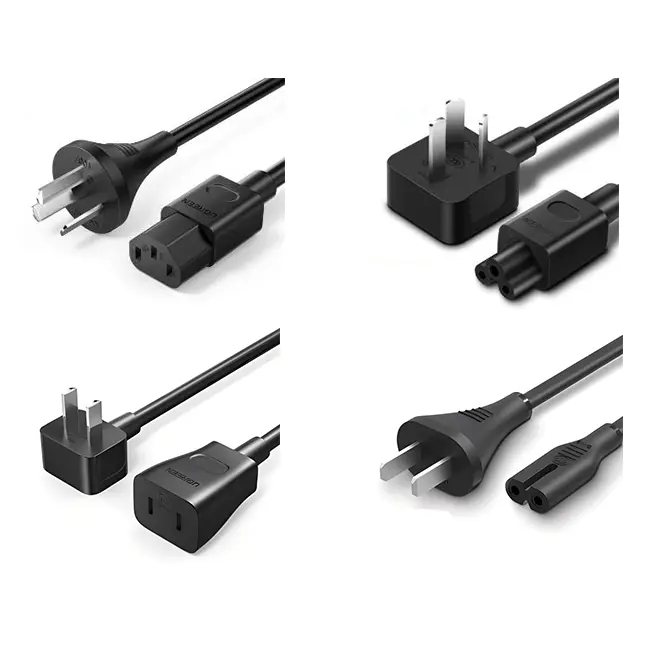 Power Cords
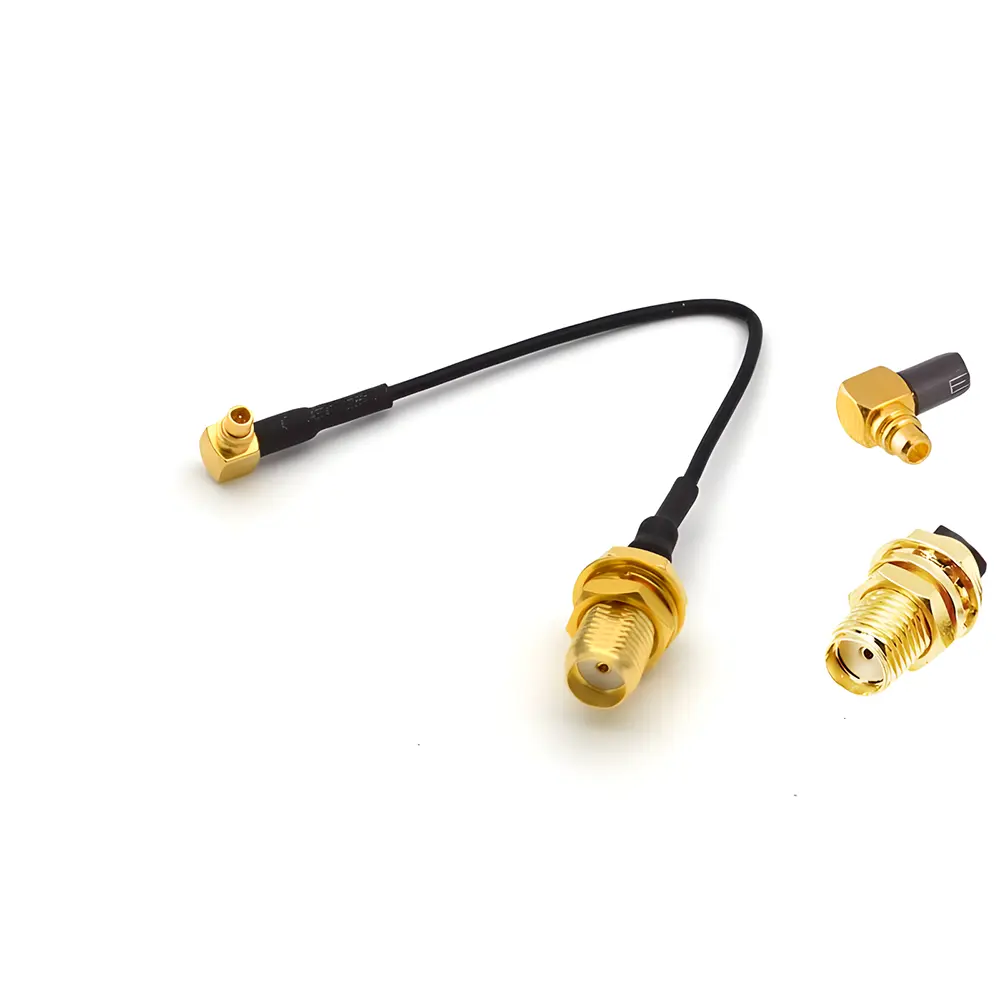 Antenna Cables
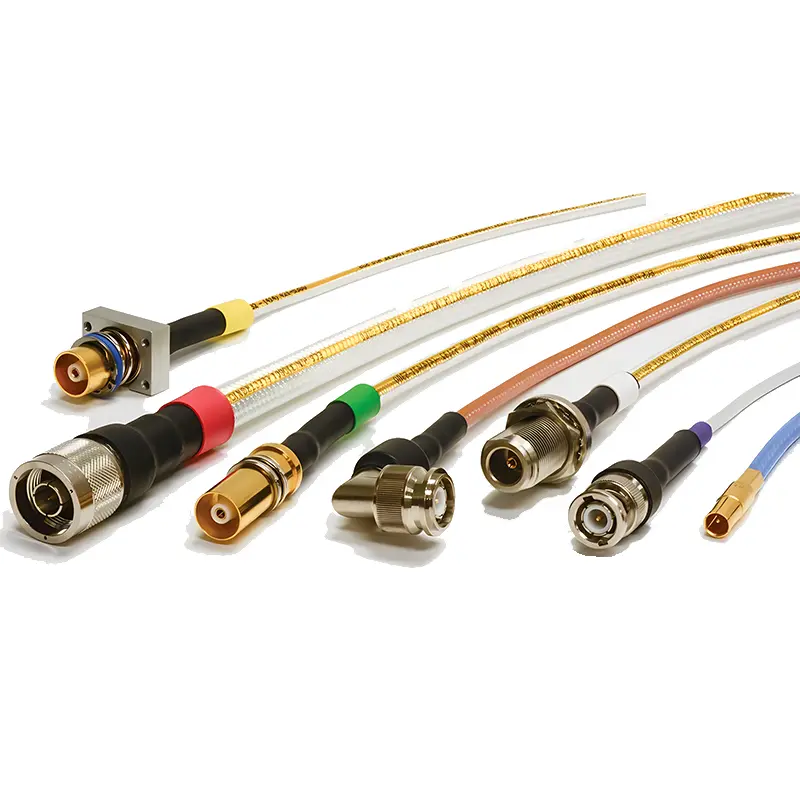 Coaxial Cables
 Net Position Indicator
 Solar AIS net position indicator
 Capacitors
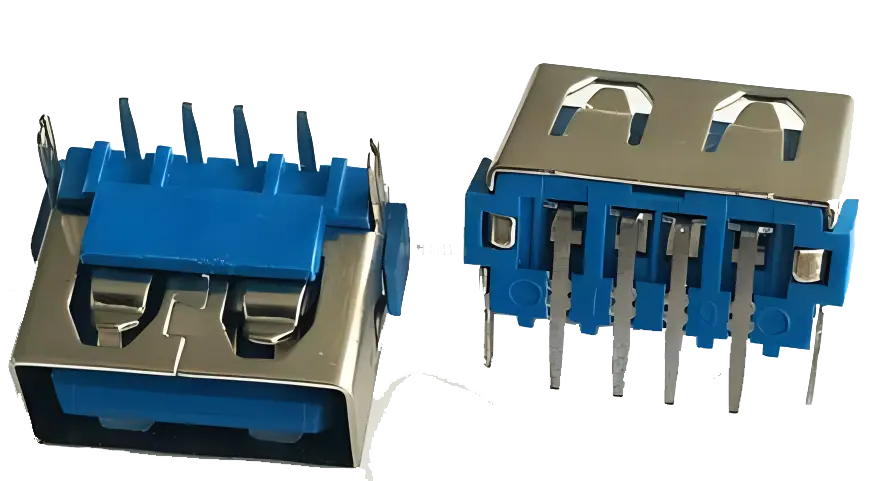 Connectors
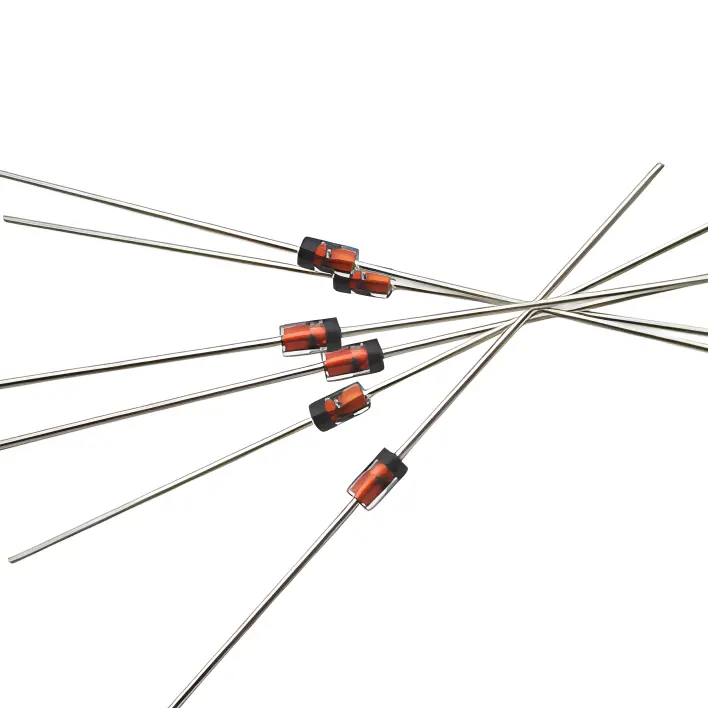 Diodes
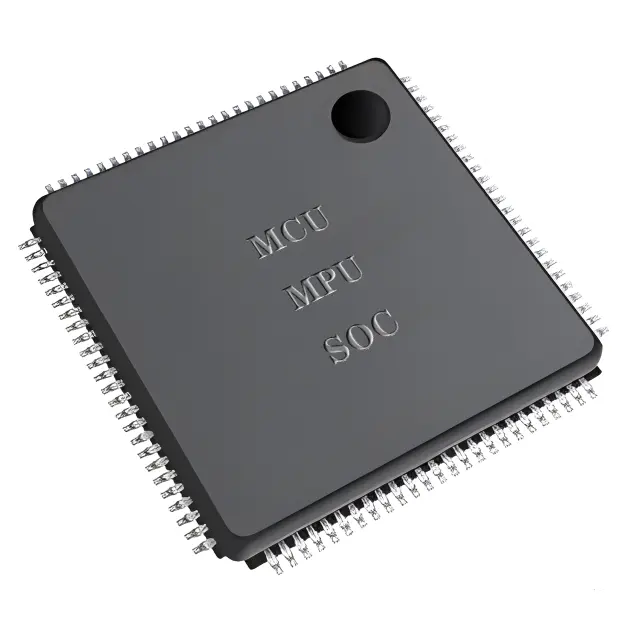 Embedded Processors & Controllers
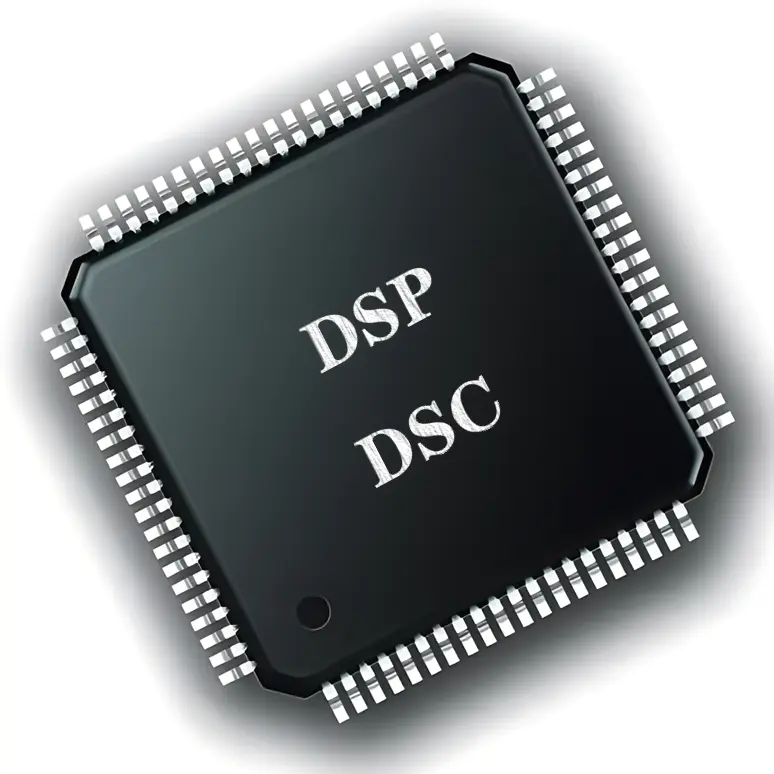 Digital Signal Processors (DSP/DSC)
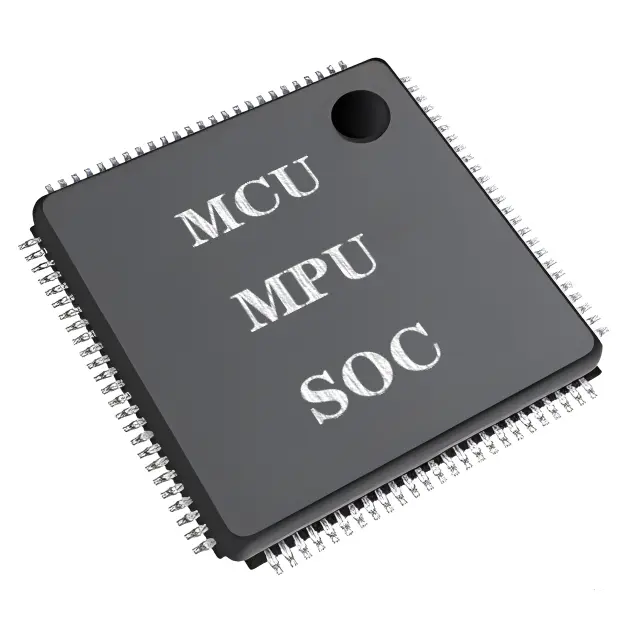 Microcontrollers (MCU/MPU/SOC)
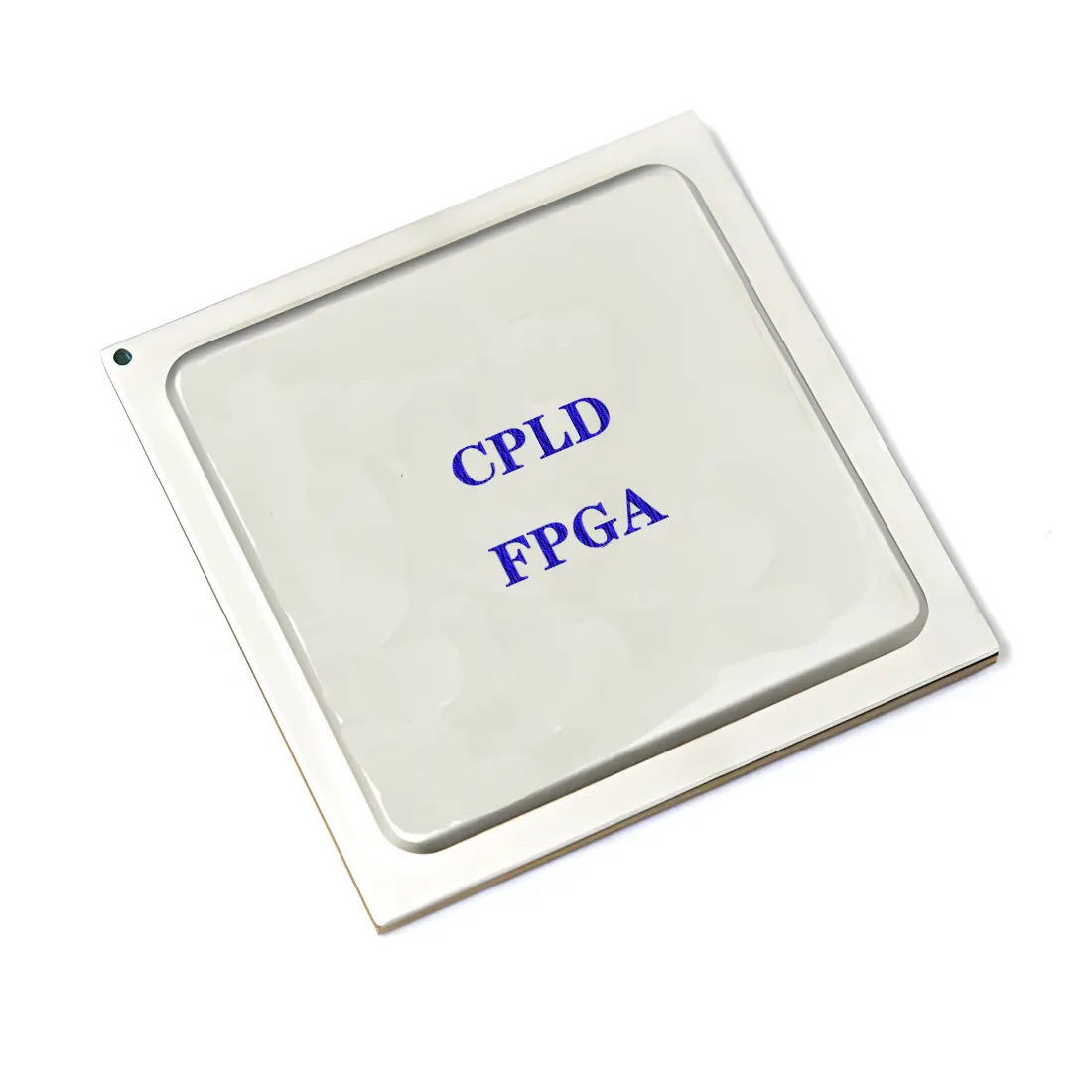 Programmable Logic Device(CPLD/FPGA)
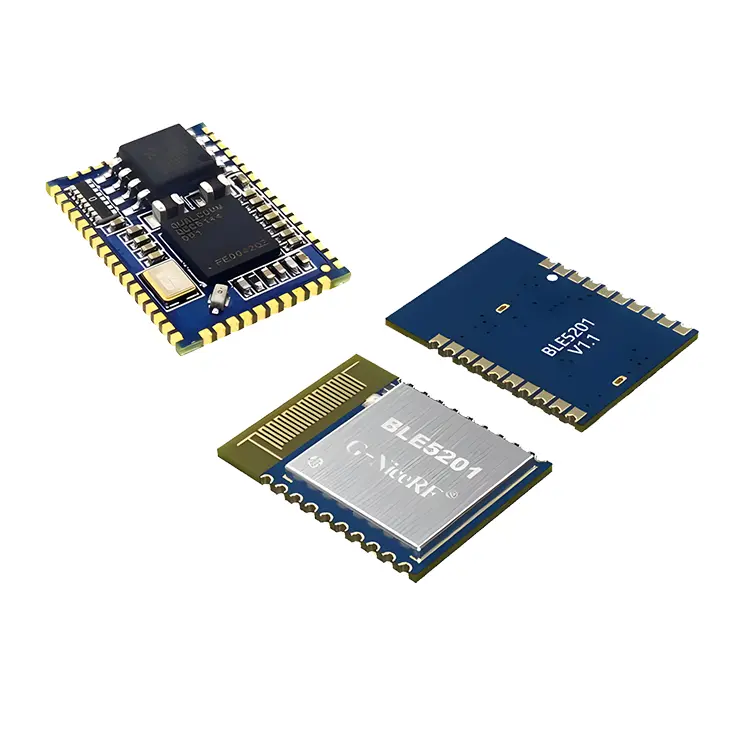 Communication Modules/IoT
 Resistors
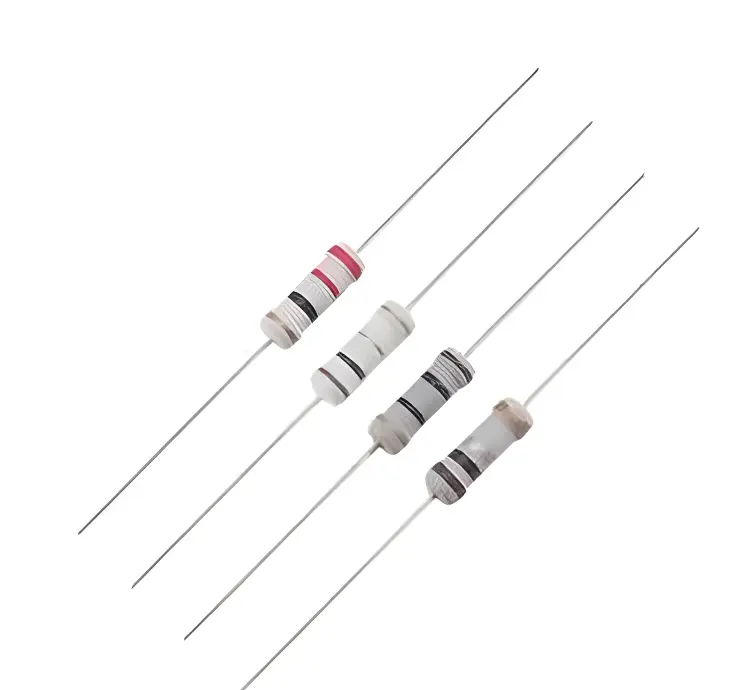 Through Hole Resistors
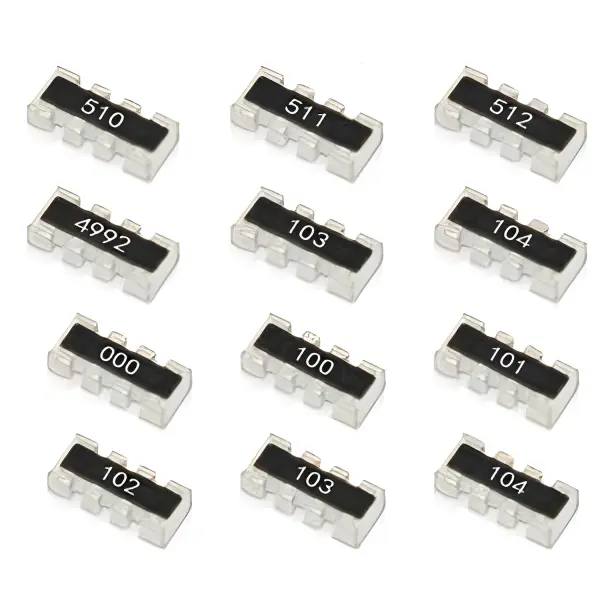 Resistor Networks, Arrays
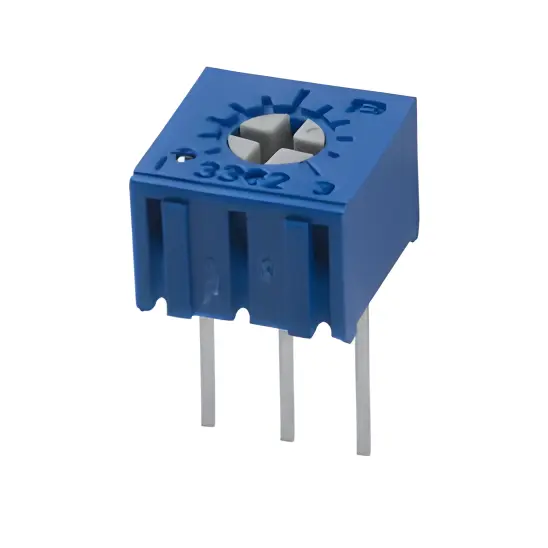 Potentiometers,Variable Resistors
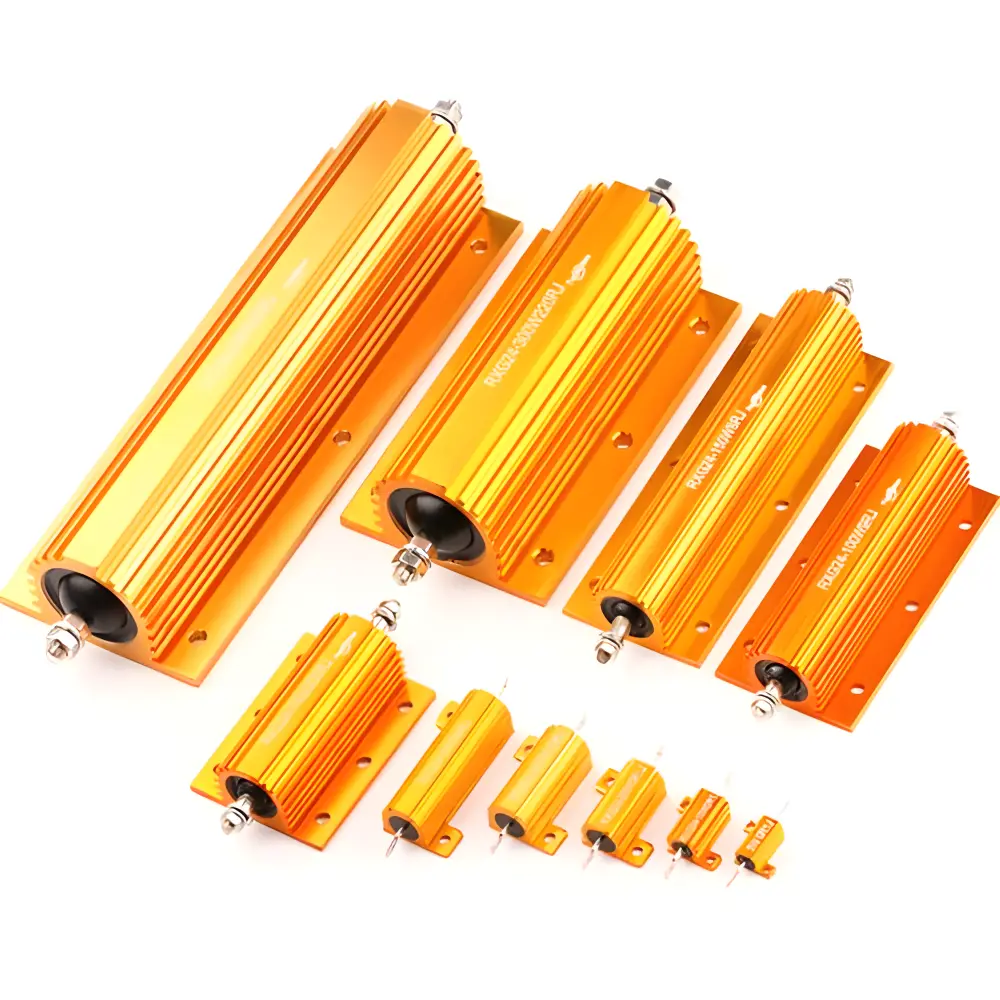 Aluminum Case,Porcelain Tube Resistance
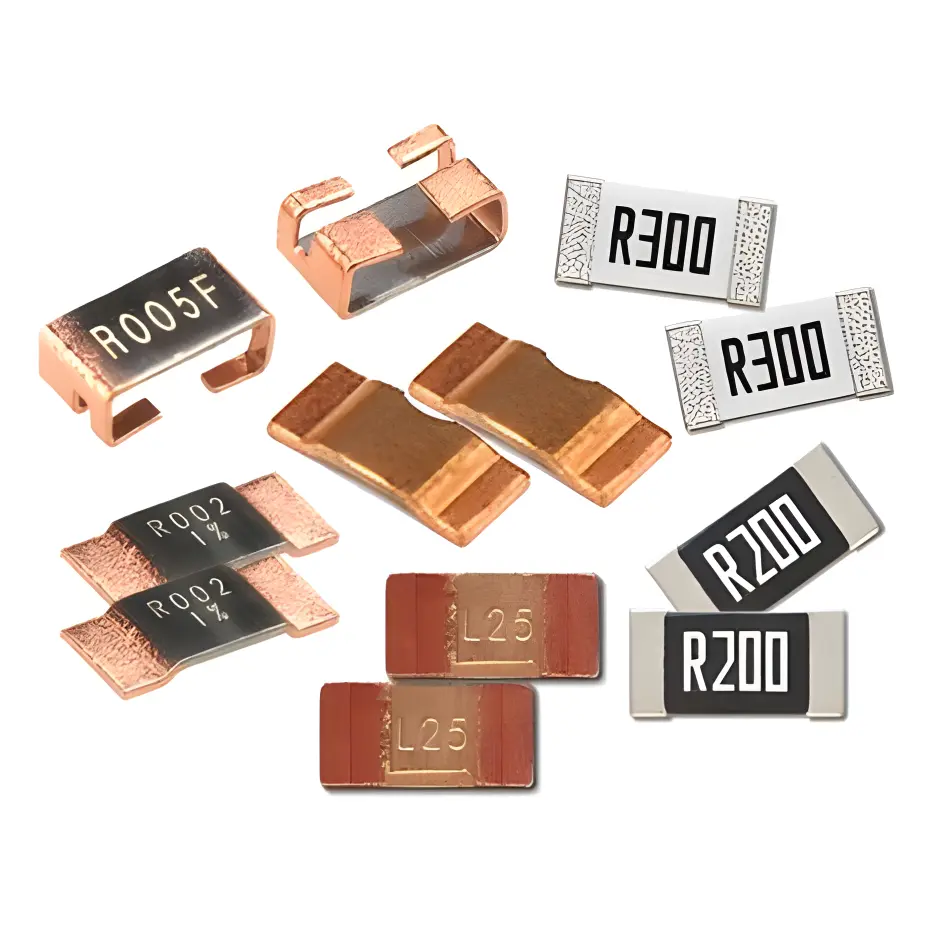 Current Sense Resistors,Shunt Resistors
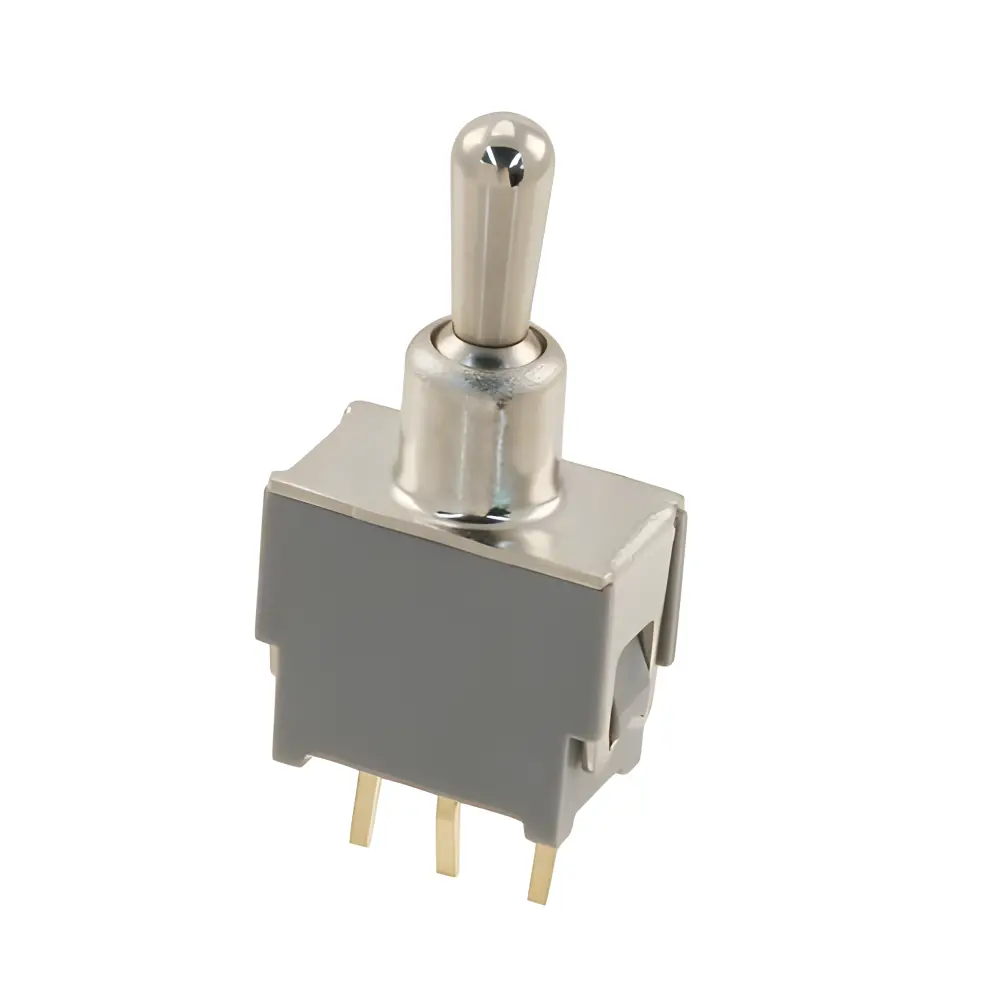 Switches
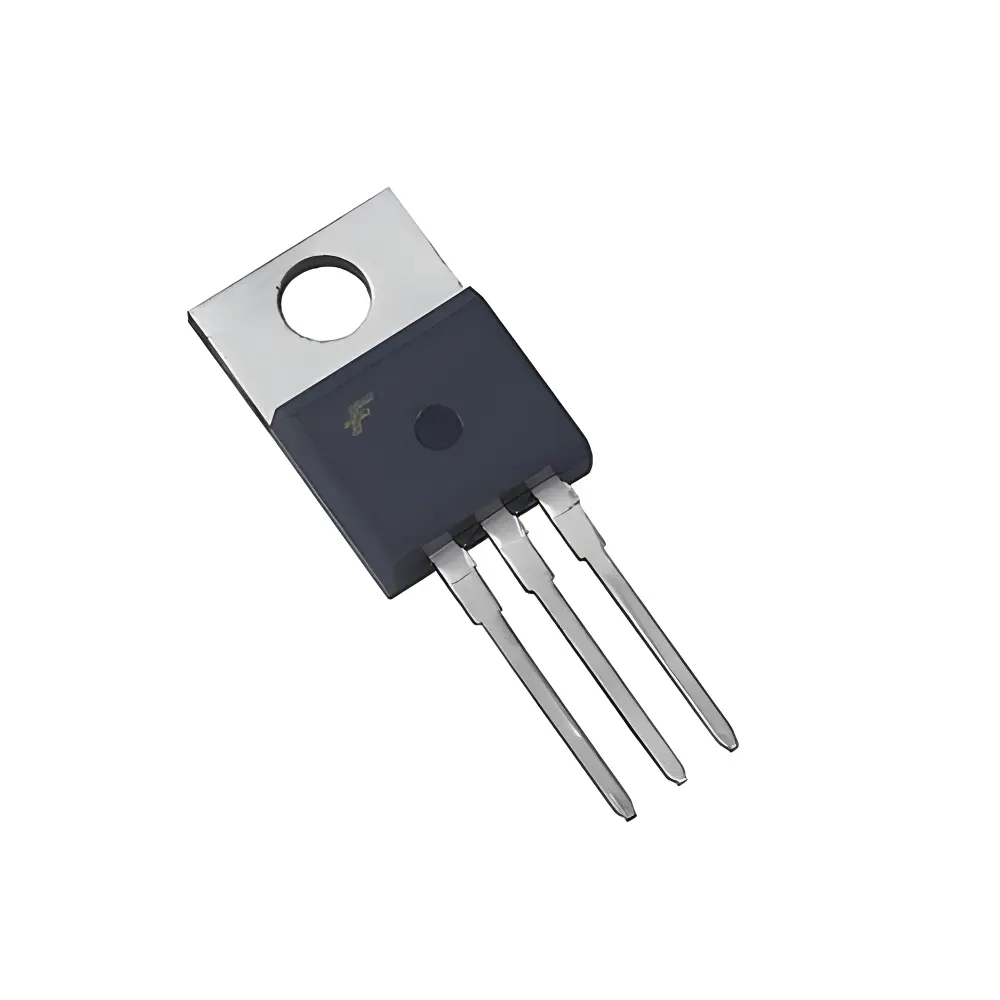 Transistors
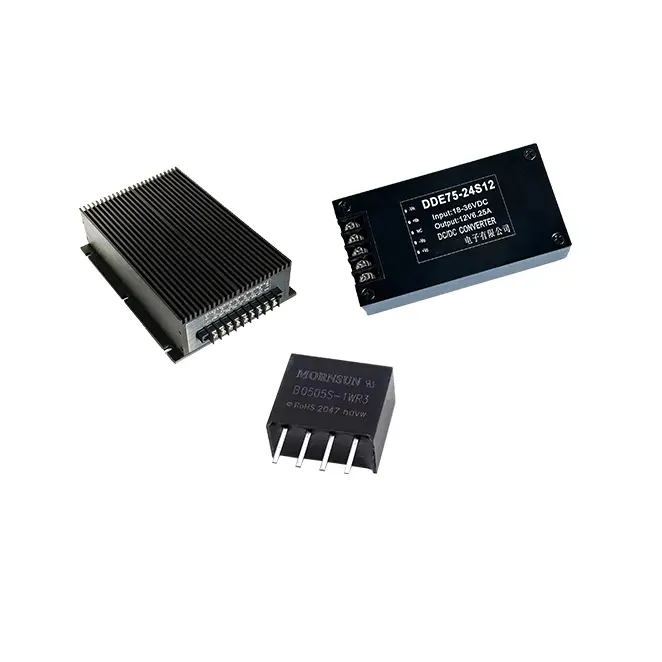 Power Modules
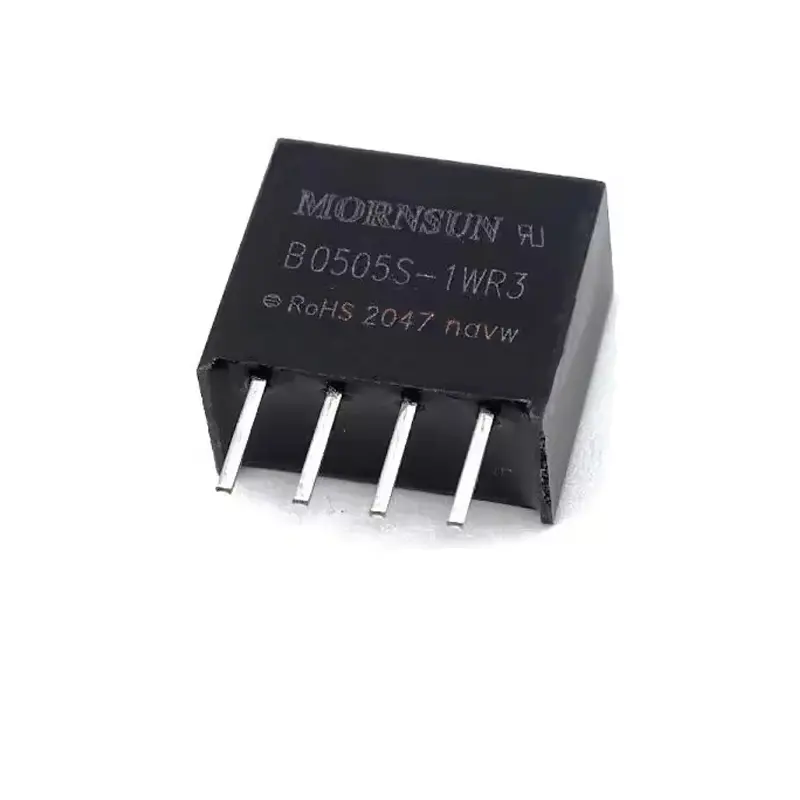 Isolated Power Modules
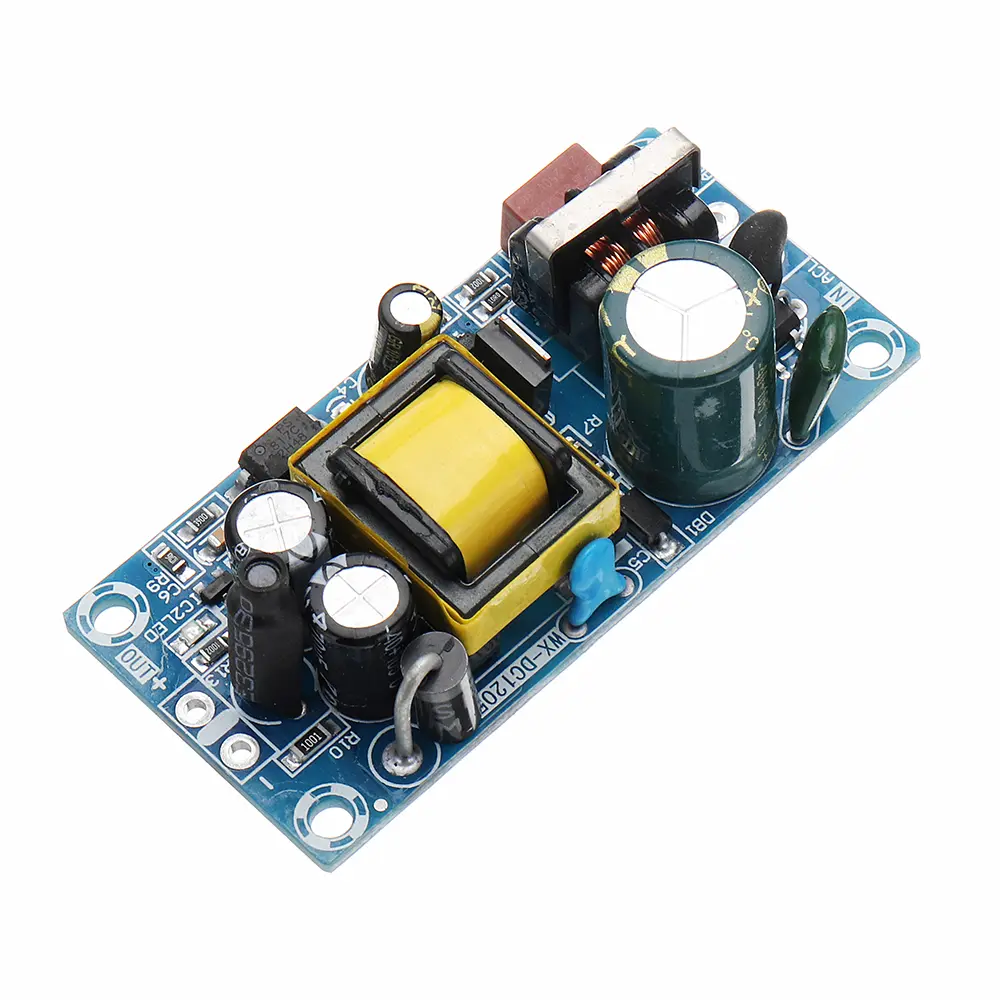 AC-DC Power Modules
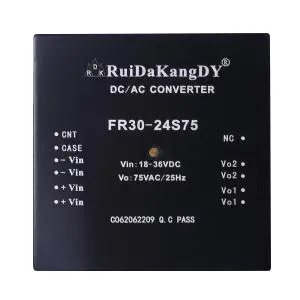 DC-AC Module(Inverter)
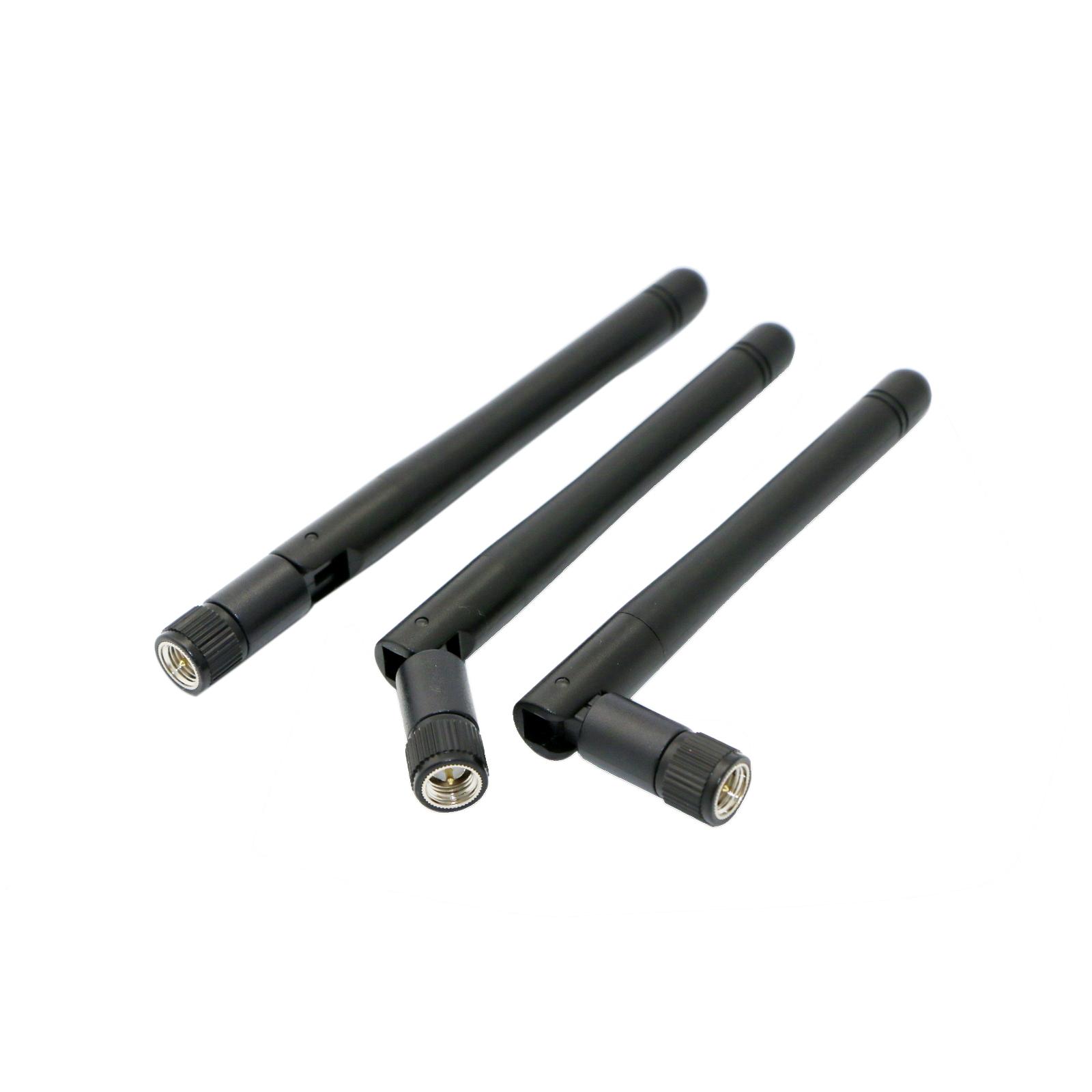 RF and Wireless
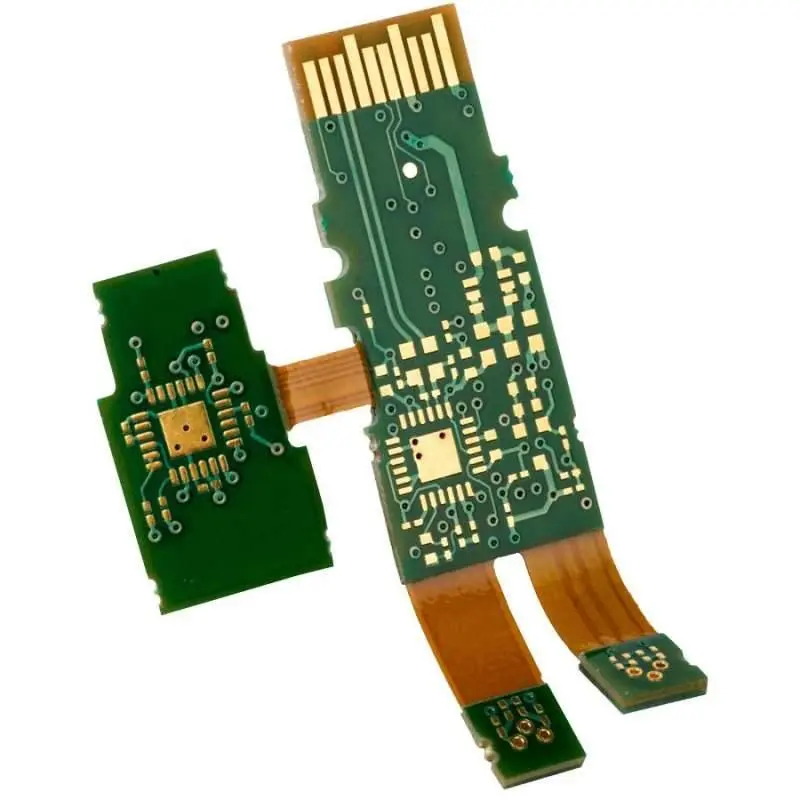
Setting Bend Radius and Transition Zones in Rigid-Flex PCB Design
Introduction
Rigid-flex PCBs, known for their 3D layout flexibility and reliability, are widely used in aerospace, wearables, and medical electronics. However, mechanical stress concentration in bend areas and structural failures in transition zones remain critical challenges. Proper bend radius and transition zone design directly impact board durability and electrical peRFormance. This article systematically analyzes key design principles from material mechanics, structural optimization, and manufacturing perspectives.
1. Determining Bend Radius
1.1 Minimum Bend Radius Formula
The minimum allowable bend radius () depends on material thickness and ductility, calculated as:
where:
-
: Flexible substrate thickness (e.g., polyimide, typically 25-100μm)
-
: Total copper thickness (e.g., 35μm for 1oz copper)
-
: Safety factor (6-10 for dynamic bending, 3-5 for static bending)
For example, in dynamic bending with and , .
1.2 Influencing Factors and Optimization
-
Material selection: Use high-ductility polyimide (PI) or liquid crystal polymer (LCP);
-
Copper type: Rolled annealed copper improves bend fatigue resistance by 40% vs. electrolytic copper;
-
Layer stack: Avoid multi-layer copper in bend areas (≤2 layers recommended).
2. Critical Transition Zone Design
2.1 Geometric Configuration (Figure 1)
-
Gradual transition length:
to prevent abrupt stress changes;
-
Chamfer edges: 30°-45° chamfers on rigid board edges reduce delamination;
-
Reinforcement: Adhere stainless steel or FR-4 stiffeners to distribute mechanical load.
2.2 Electrical-Mechanical Co-Design
-
Routing rules:
-
Signal lines offset ≥3× line width from bend centerline;
-
No vias within 5mm of transition zones;
-
-
Coverlay removal: Use liquid photoimageable dielectric (LPI) in bend areas for enhanced flexibility.
3. SIMulation and Testing
3.1 Finite Element Analysis (FEA)
-
Parameters:
-
Material models: Ogden hyperelastic for PI, elastoplastic for copper;
-
Boundary conditions: Simulate bending angles (e.g., 180° fold) and cycles (≥100k).
-
-
Outputs:
-
Max principal stress < material yield strength (PI ≥200MPa);
-
Copper strain rate <0.3% to prevent cracking.
-
3.2 Reliability Testing
-
Dynamic bending: IPC-2223 compliance, 20 cycles/minute until failure;
-
Environmental testing: 500-hour 85℃/85%RH aging to validate transition zone adhesion.
4. Manufacturing Challenges and Solutions
4.1 Layer Alignment Accuracy
-
Issue: Misalignment between rigid and flexible sections causes delamination;
-
Solution: Laser alignment systems ensure ≤25μm deviation.
4.2 Bend Radius Consistency
-
Issue: Manual bending introduces radius variations;
-
Solution: CNC bending jigs with thermal forming (150-180℃) for shape stabilization.