
 PCB
PCB FPC
FPC Rigid-Flex
 FR-4
FR-4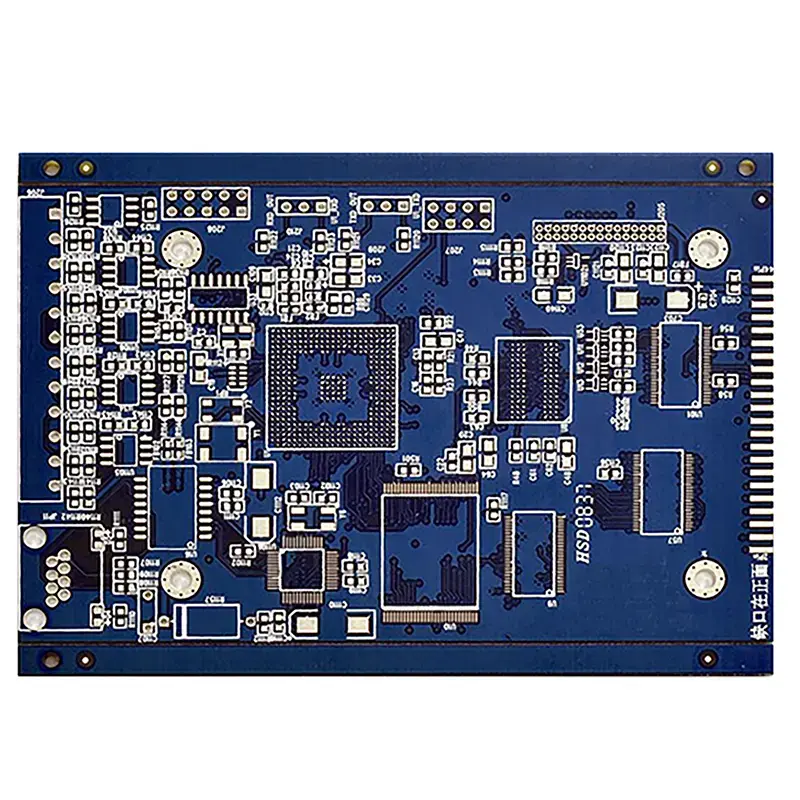 HDI PCB
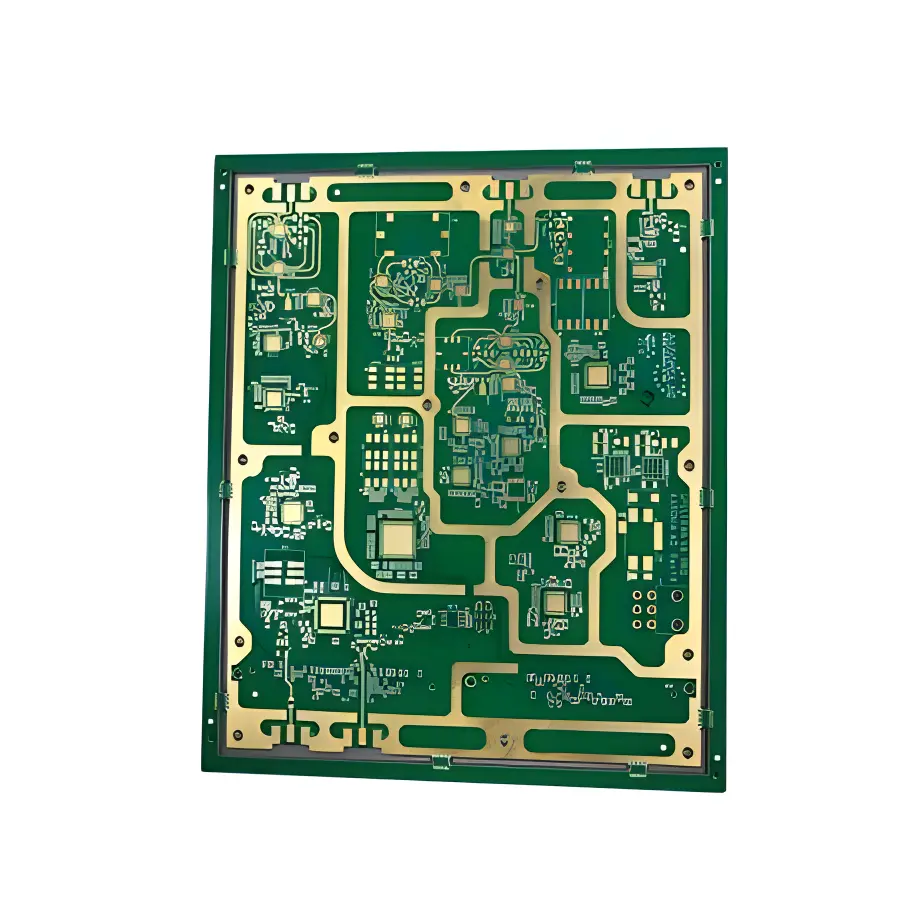 Rogers High-Frequency Board
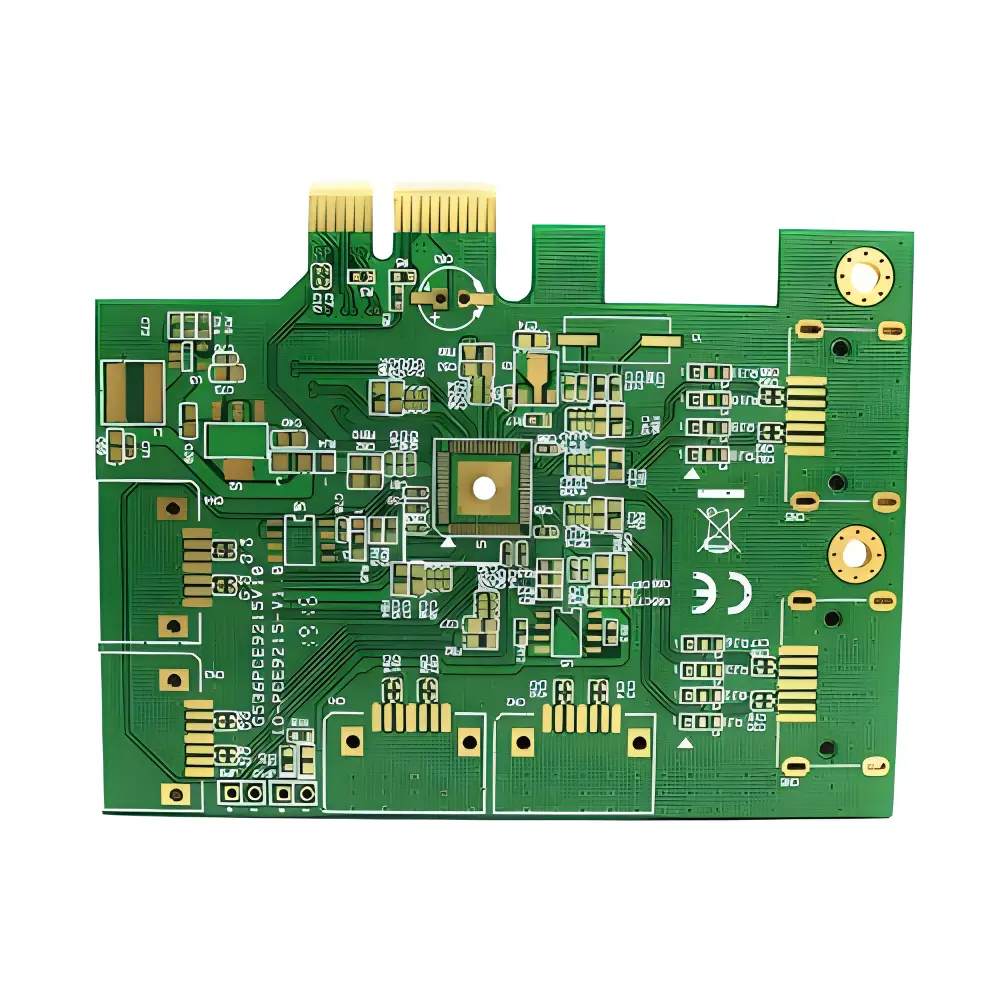 PTFE Teflon High-Frequency Board
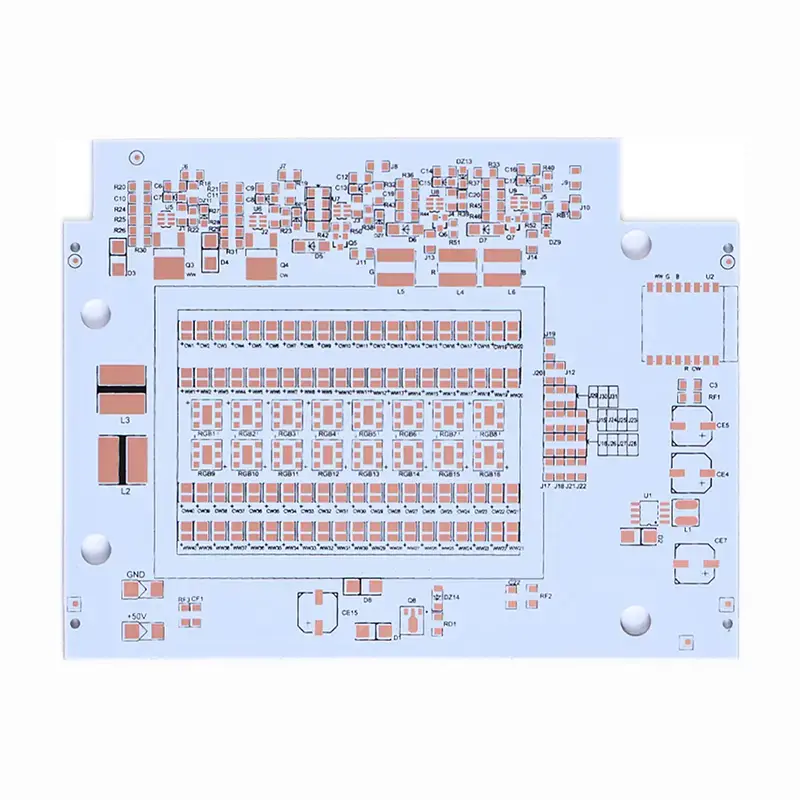 Aluminum
 Copper Core
 PCB Assembly
 LED light PCBA
 Memory PCBA
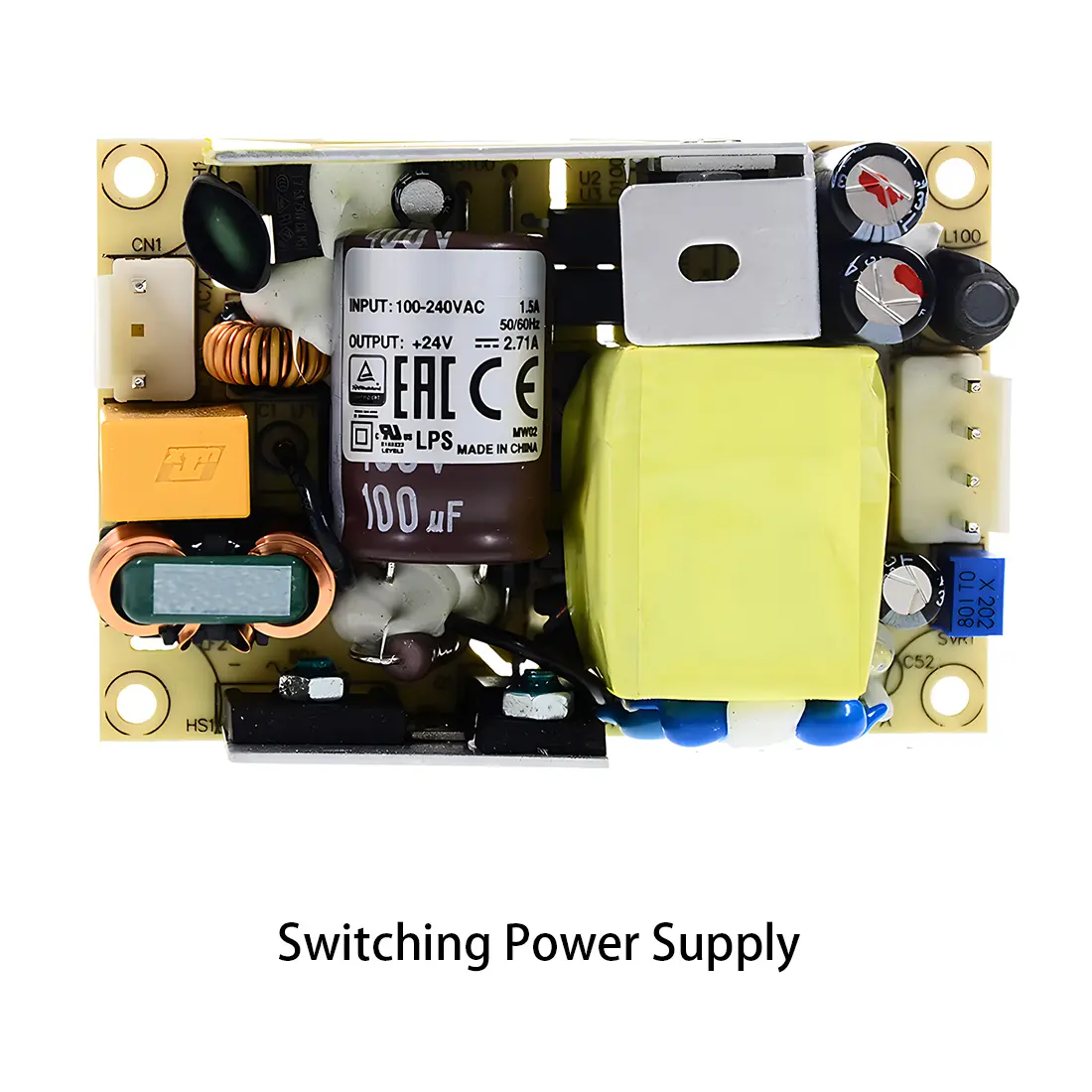 Power Supply PCBA
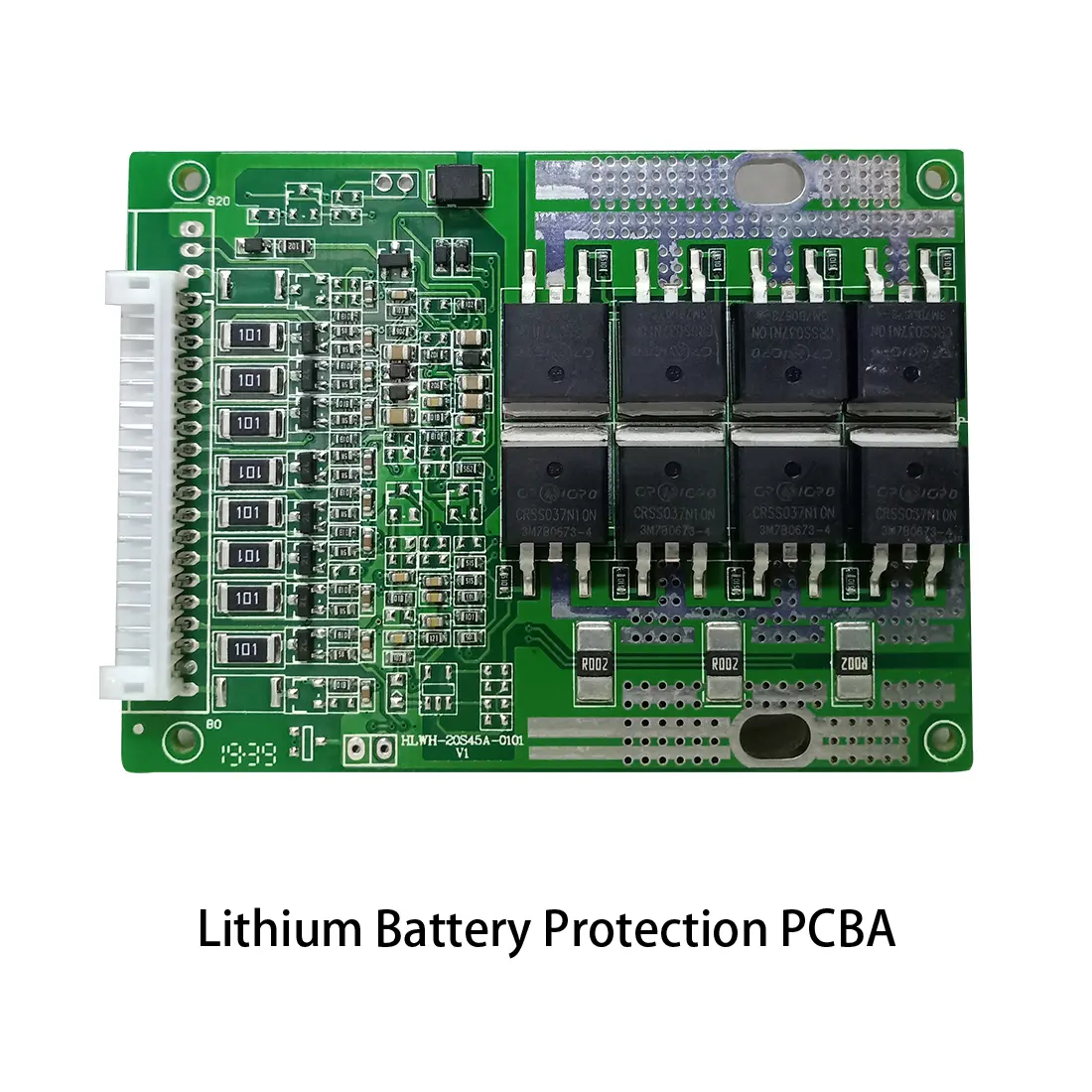 New Energey PCBA
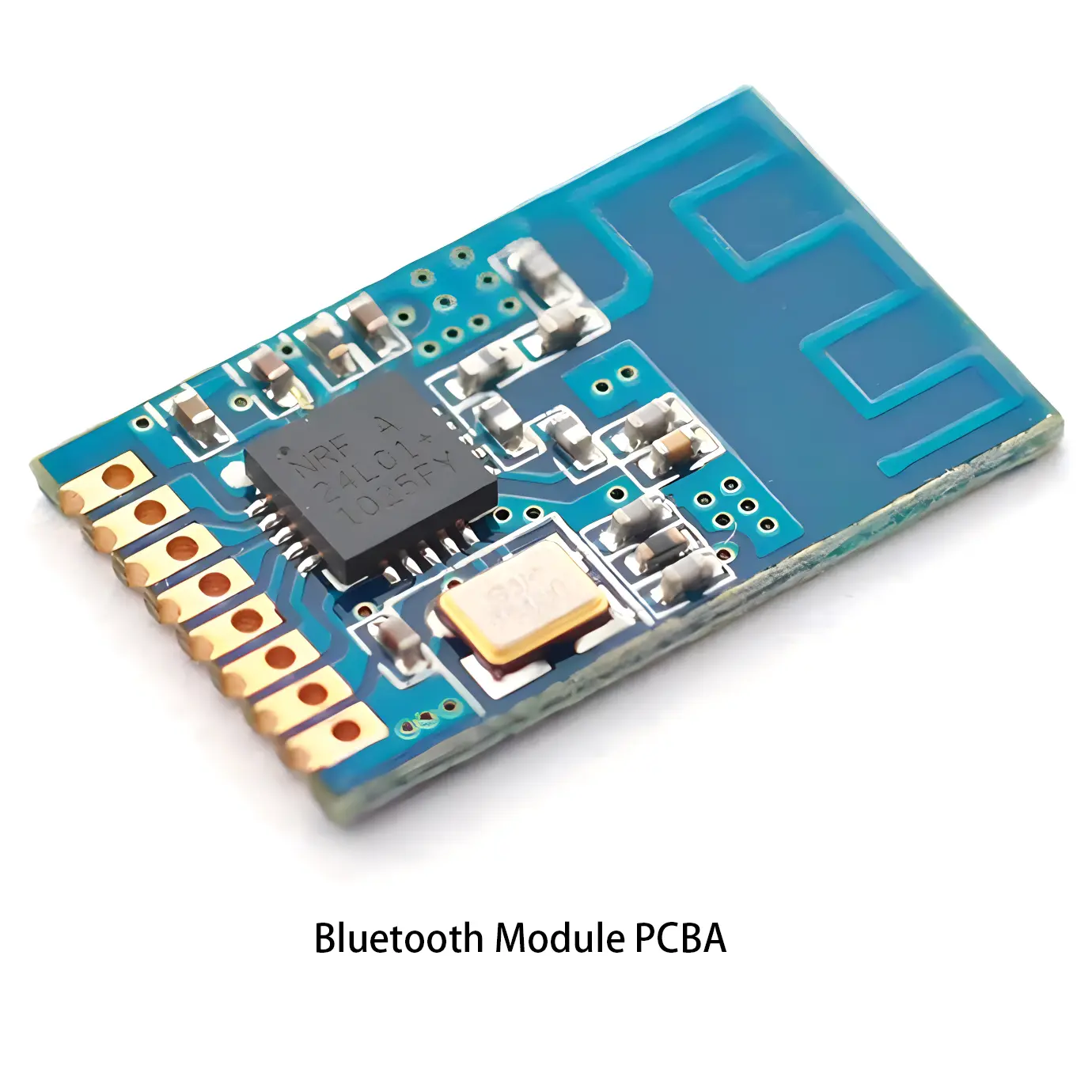 Communication PCBA
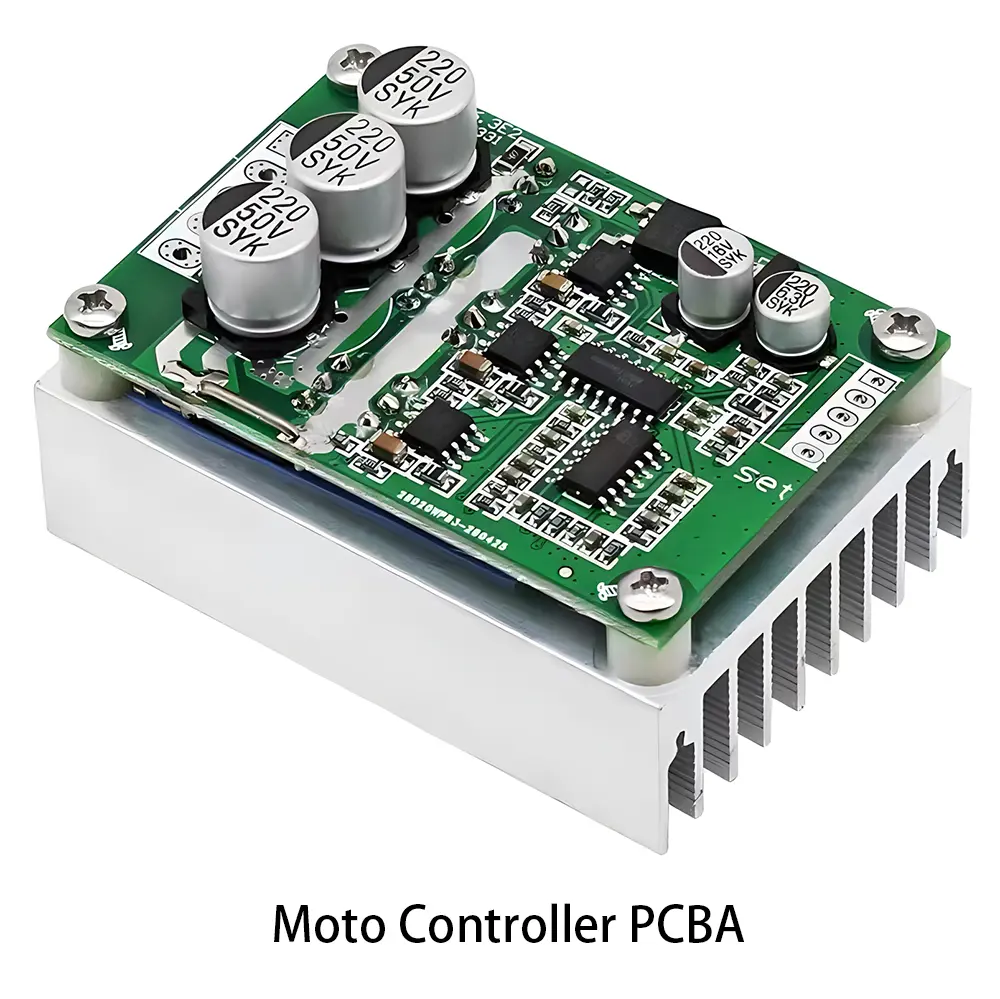 Industrial Control PCBA
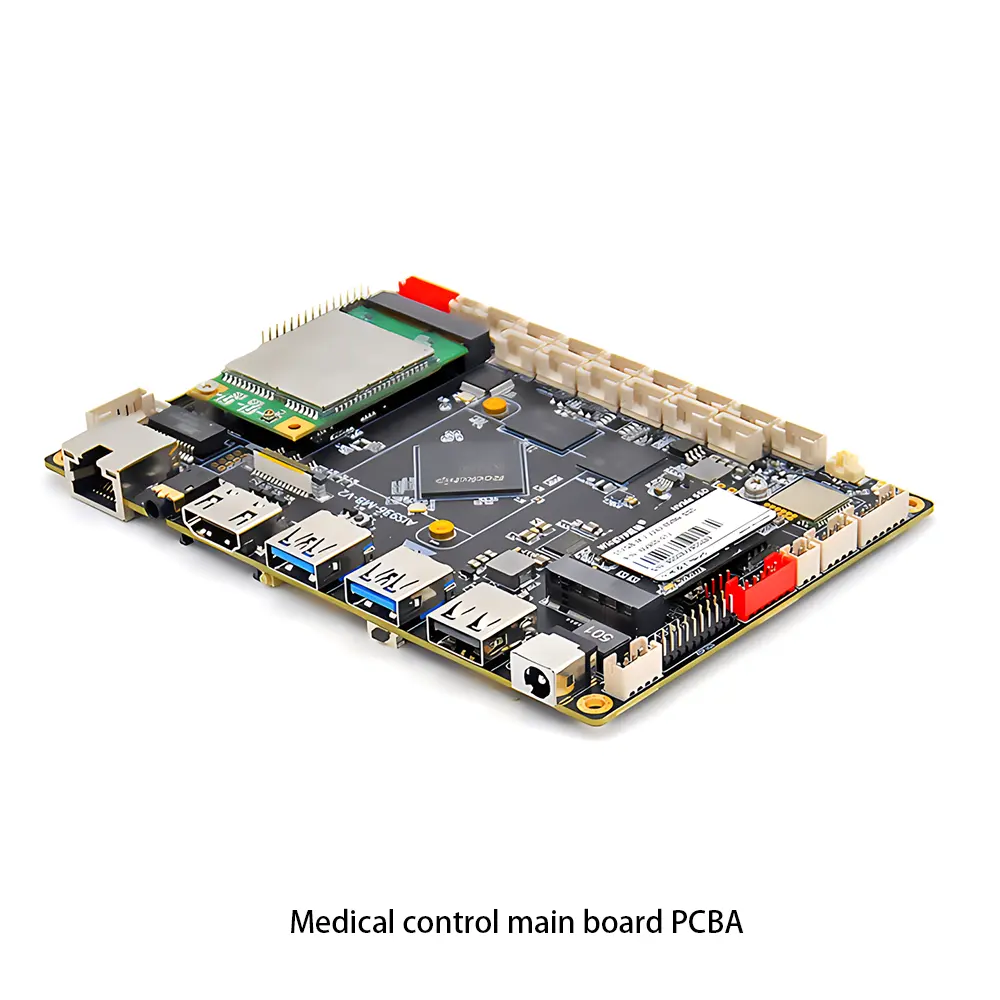 Medical Equipment PCBA
 Testing Service
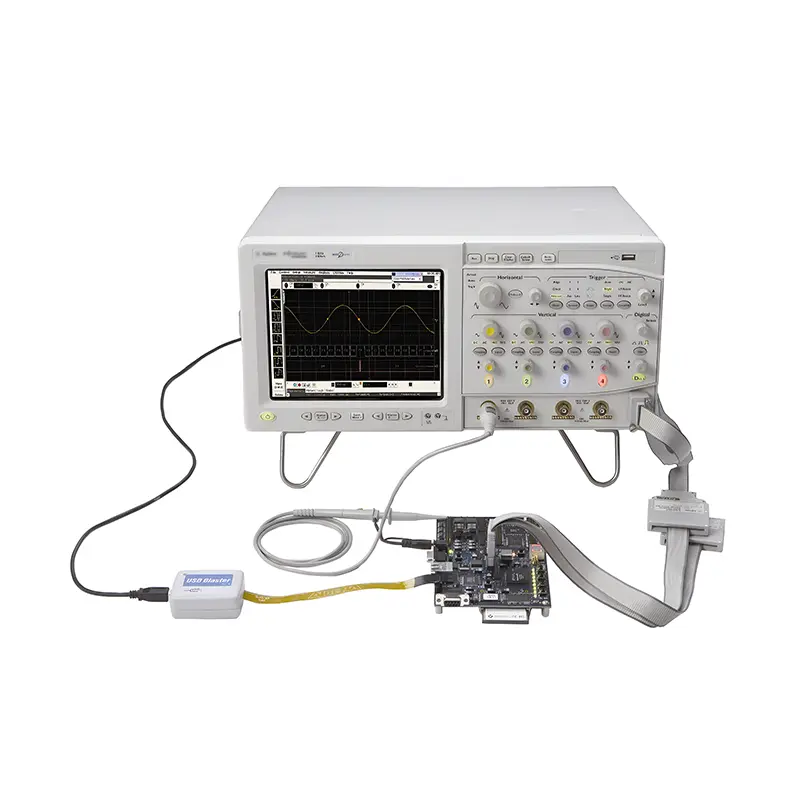 PCBA Testing Service
 Certification Application
 RoHS Certification Application
 REACH Certification Application
 CE Certification Application
 FCC Certification Application
 CQC Certification Application
 UL Certification Application
 Transformers, Inductors
 High Frequency Transformers
 Low Frequency Transformers
 High Power Transformers
 Conversion Transformers
 Sealed Transformers
 Ring Transformers
 Inductors
 Wires,Cables Customized
 Network Cables
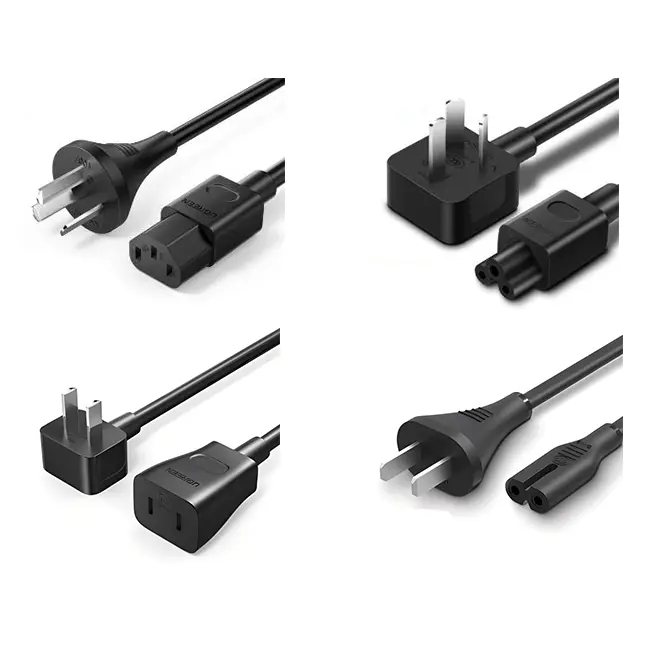 Power Cords
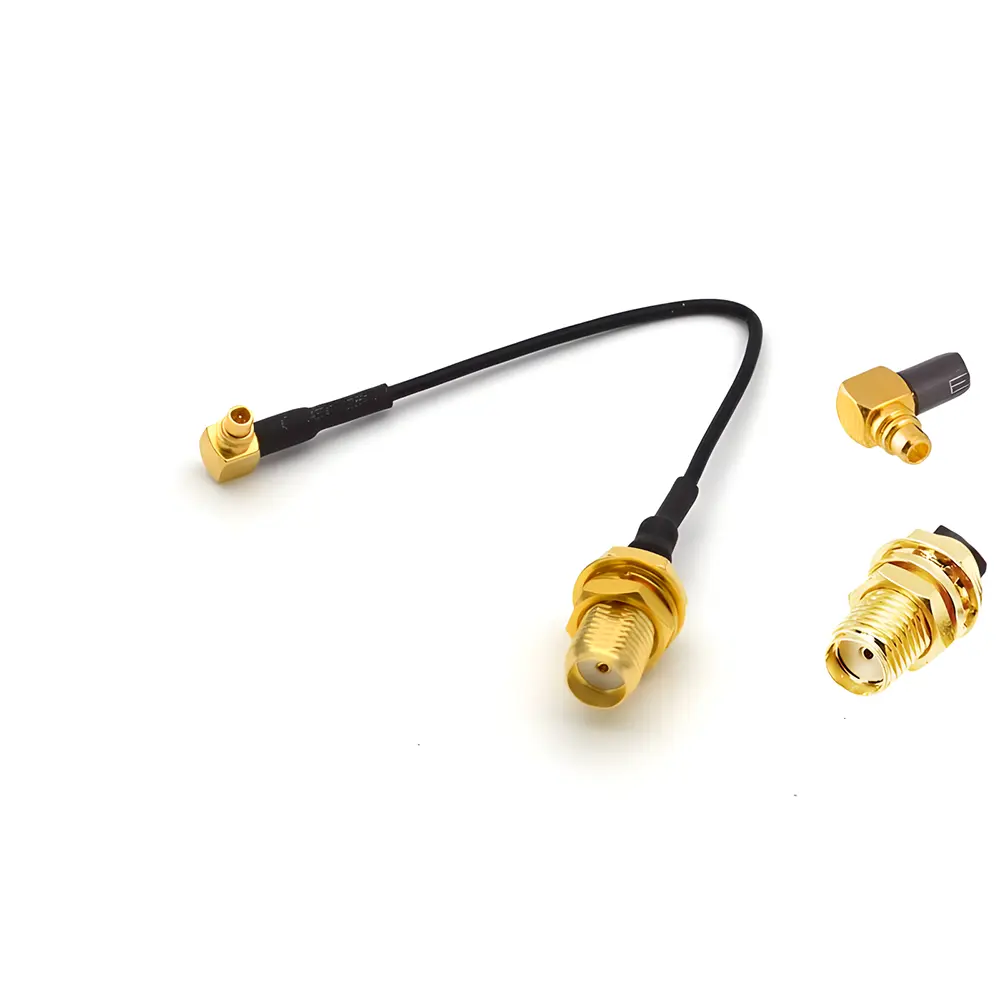 Antenna Cables
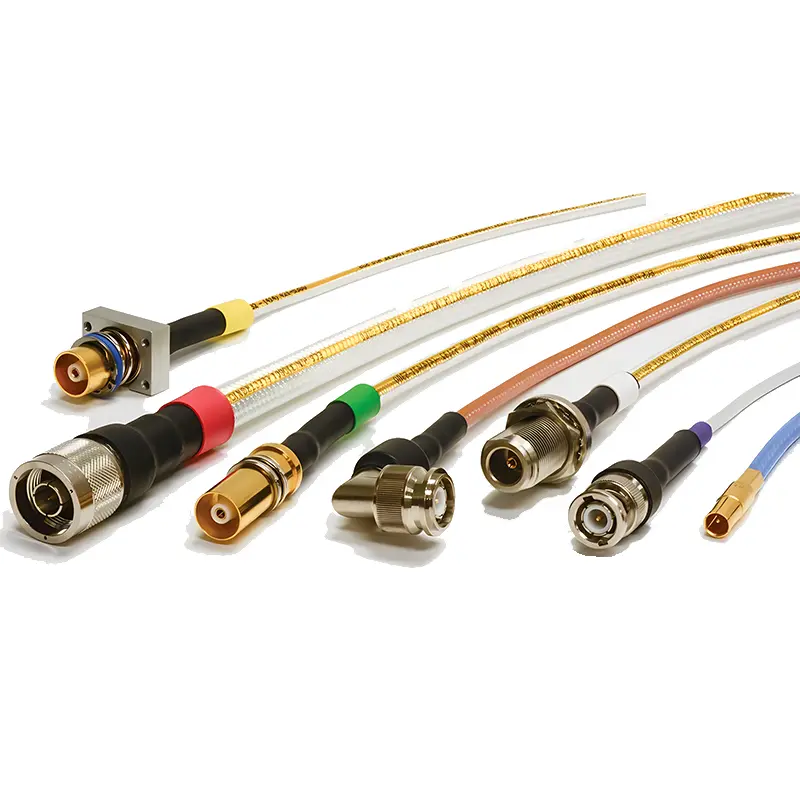 Coaxial Cables
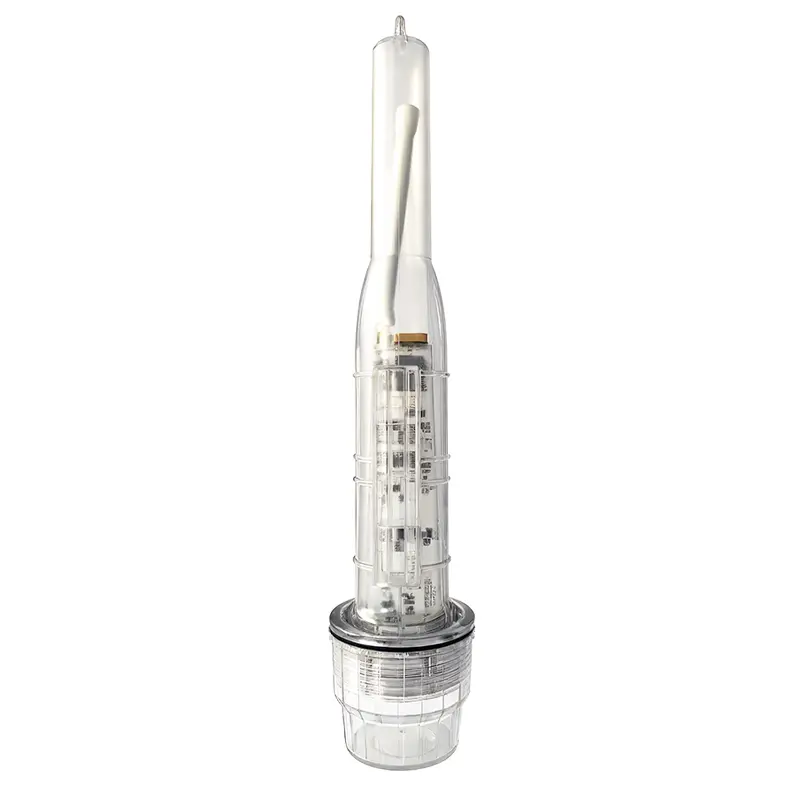 Net Position Indicator
 Solar AIS net position indicator
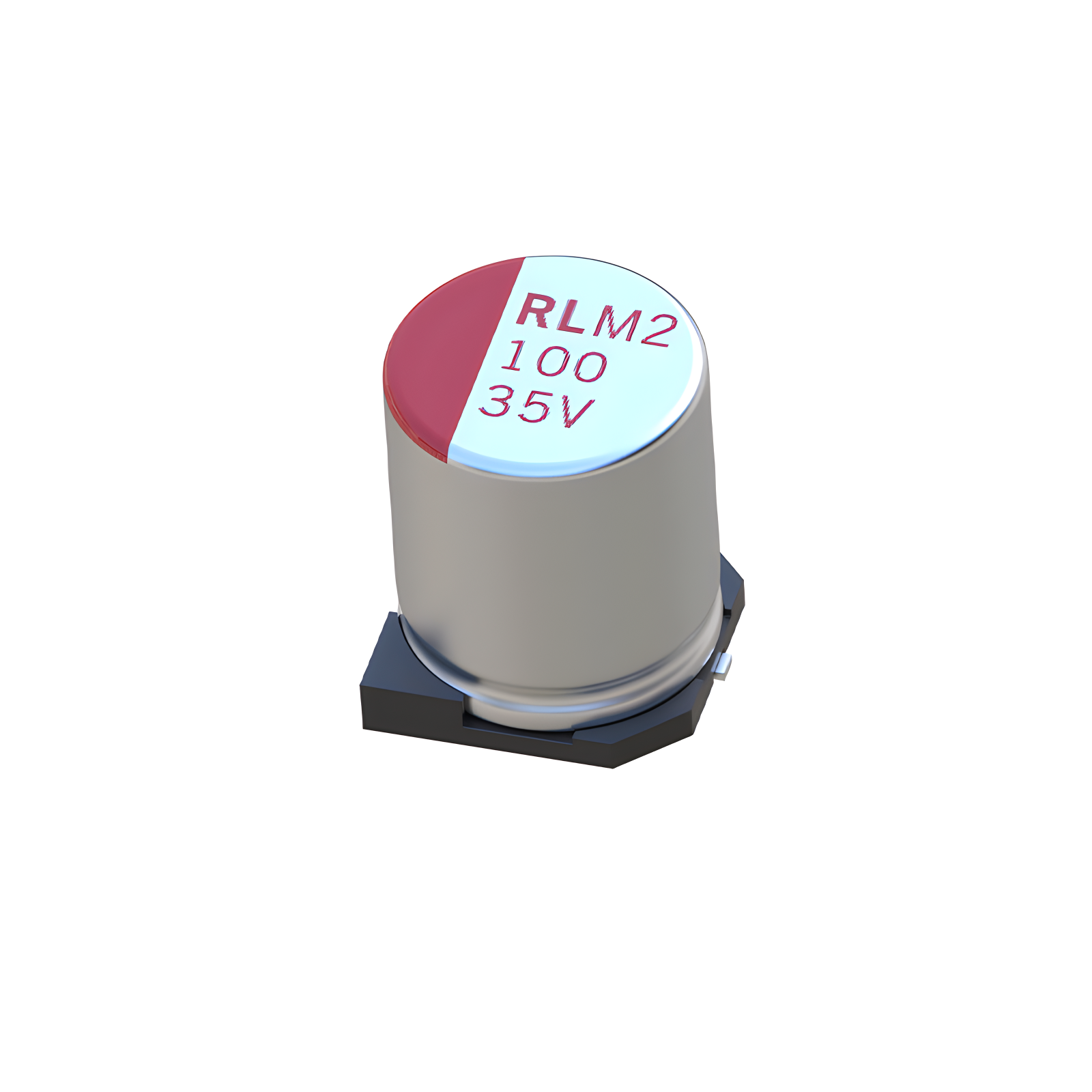 Capacitors
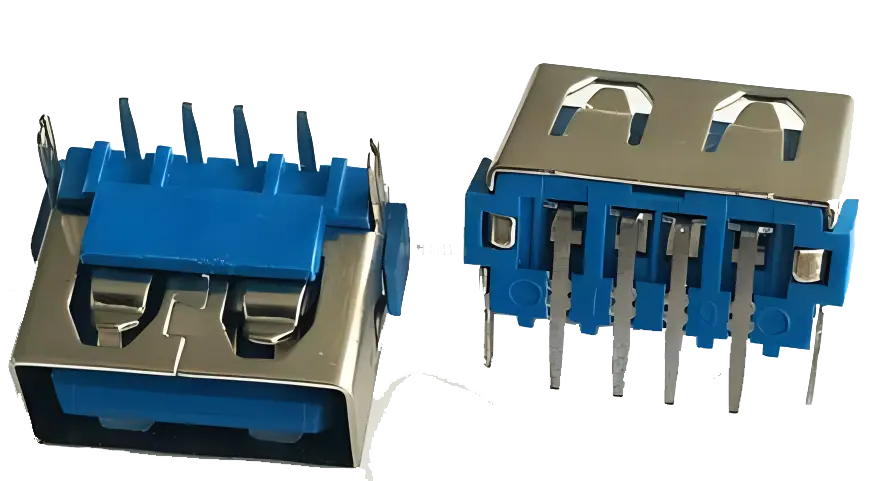 Connectors
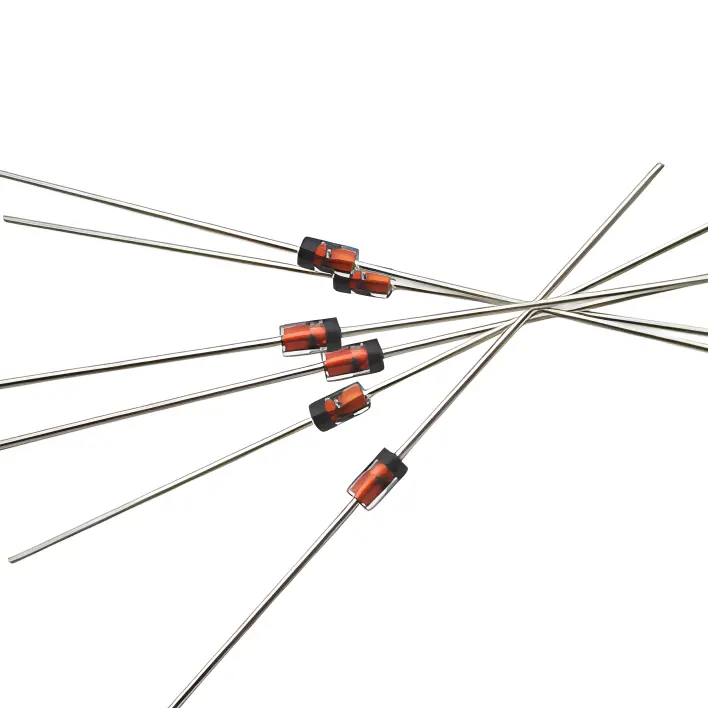 Diodes
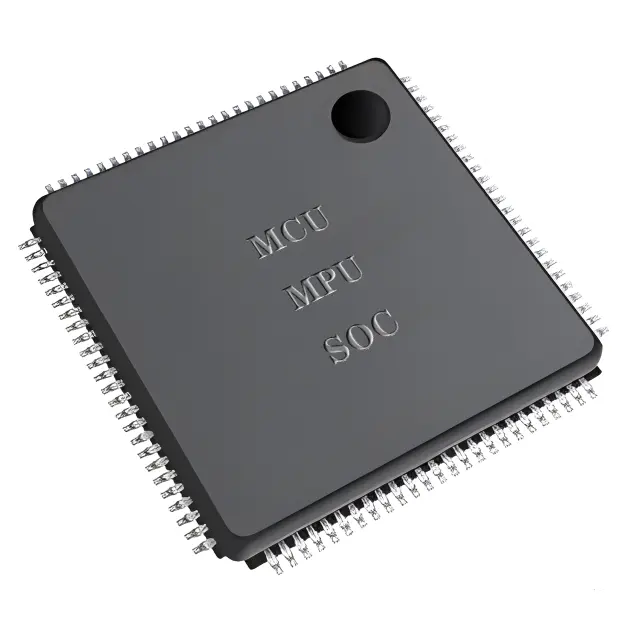 Embedded Processors & Controllers
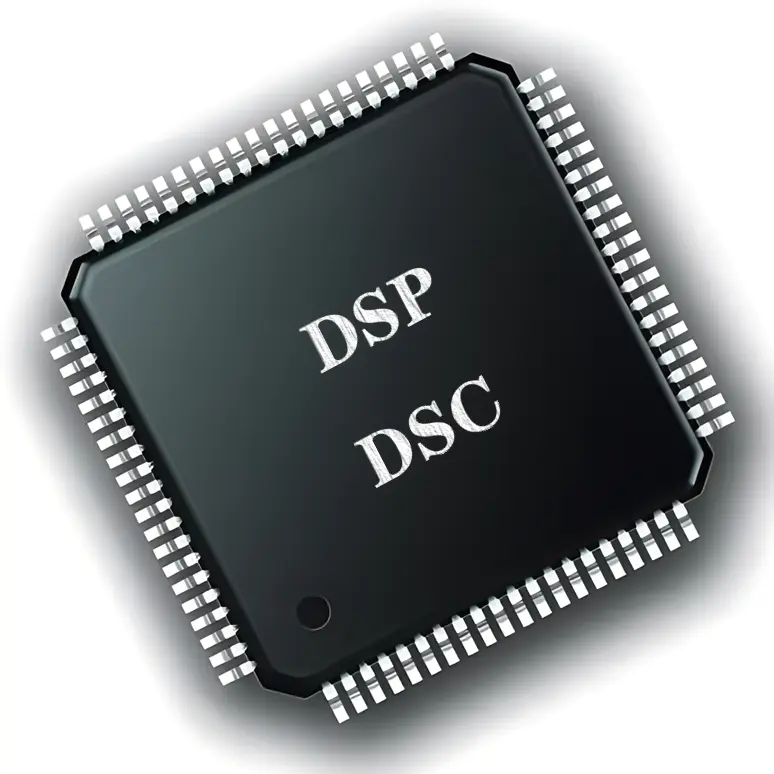 Digital Signal Processors (DSP/DSC)
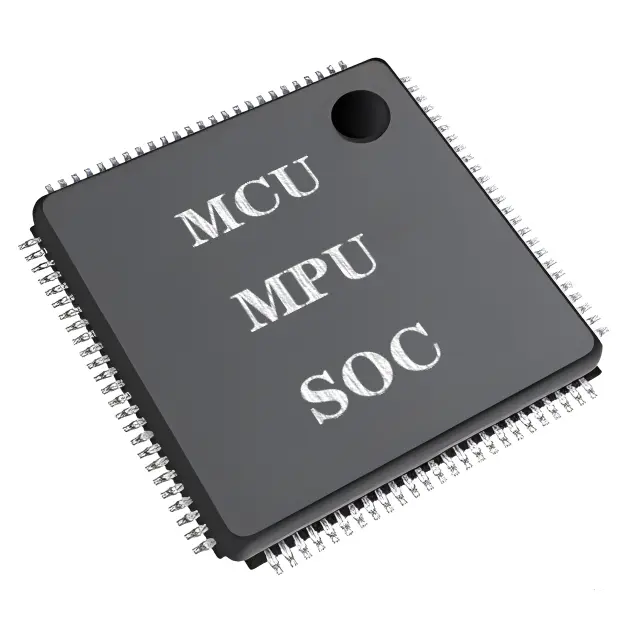 Microcontrollers (MCU/MPU/SOC)
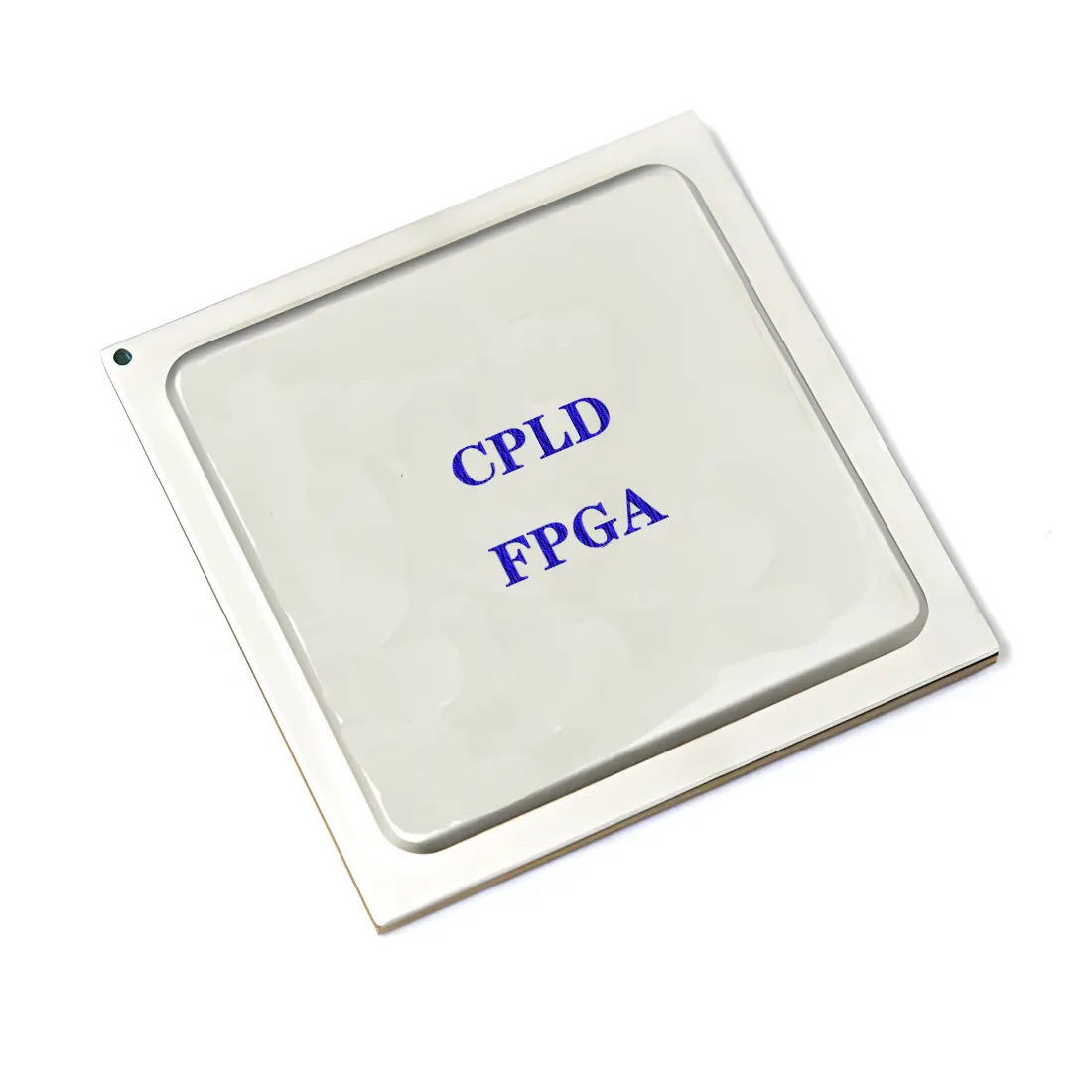 Programmable Logic Device(CPLD/FPGA)
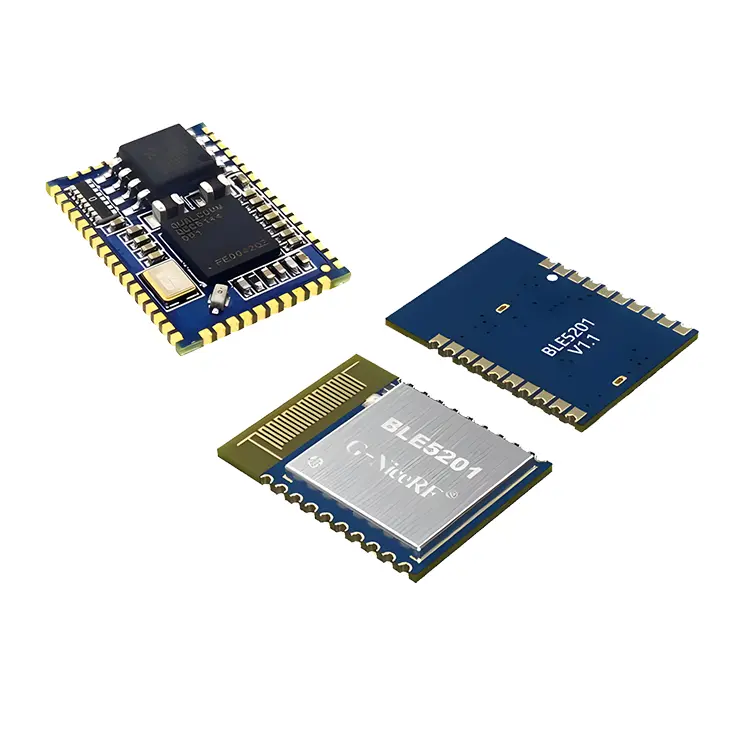 Communication Modules/IoT
 Resistors
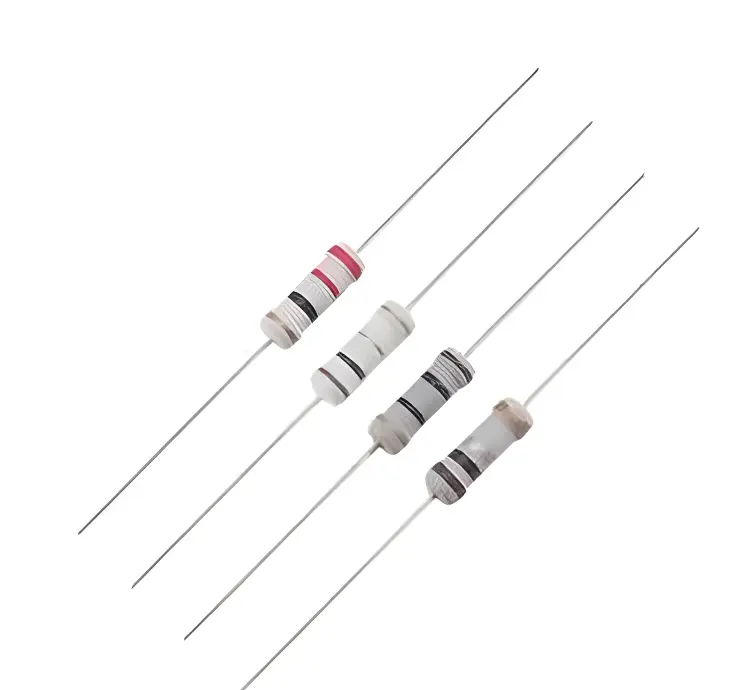 Through Hole Resistors
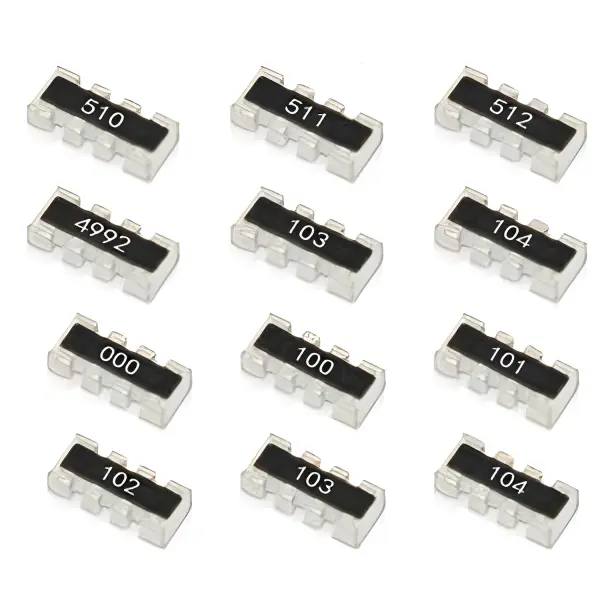 Resistor Networks, Arrays
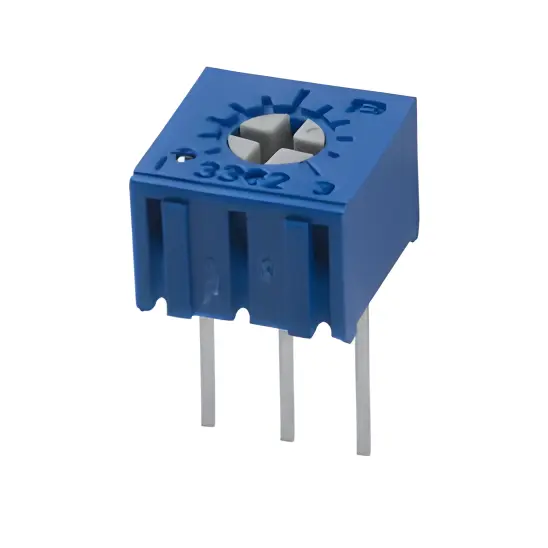 Potentiometers,Variable Resistors
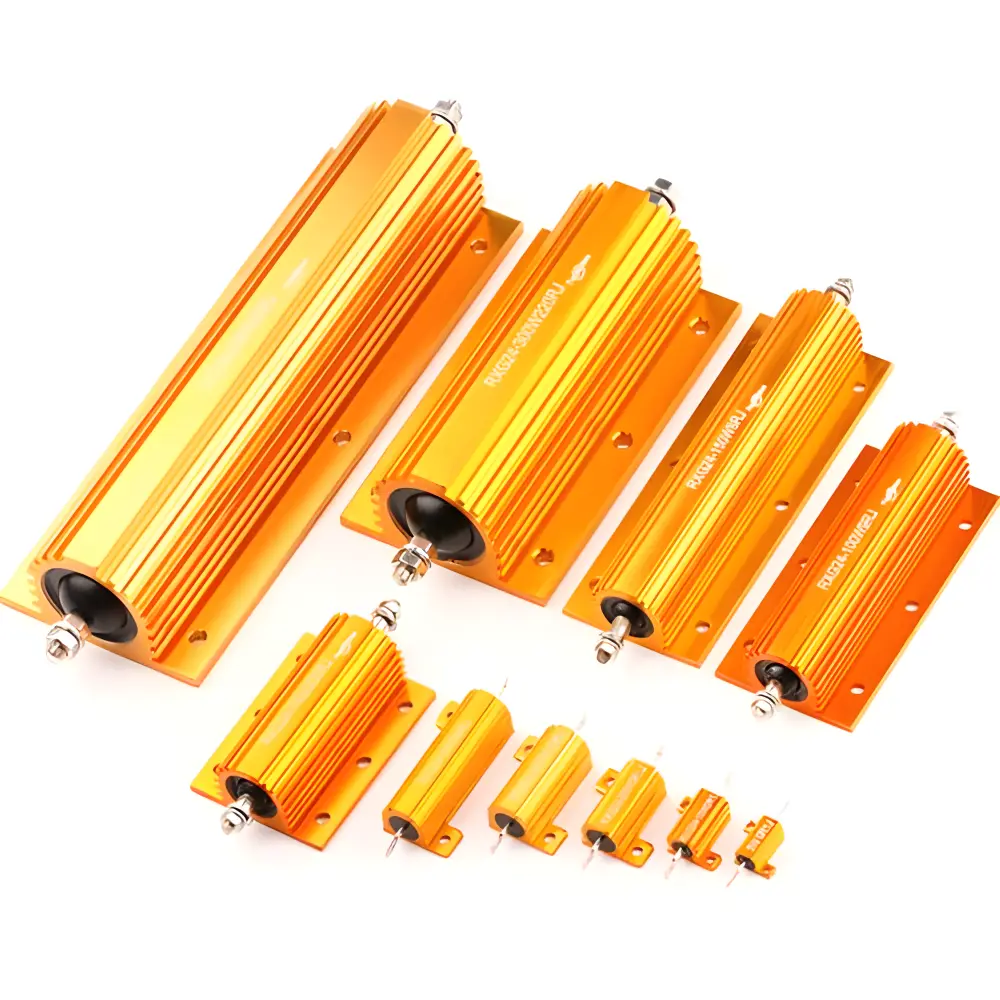 Aluminum Case,Porcelain Tube Resistance
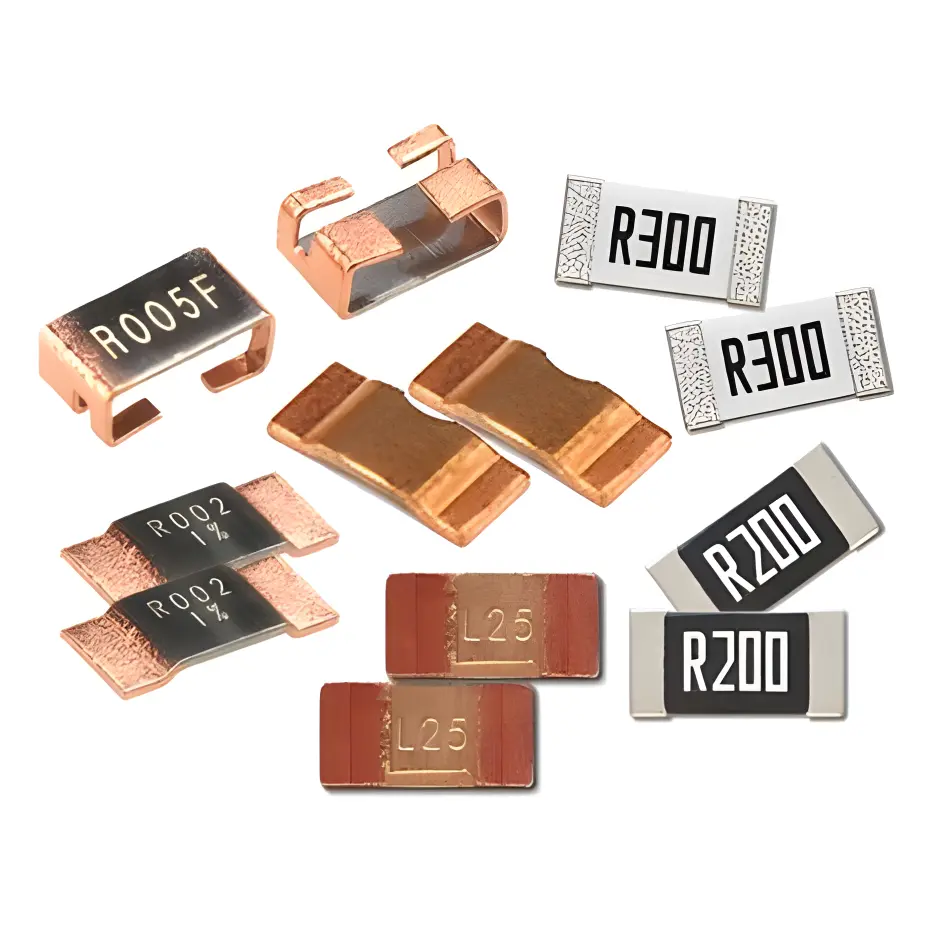 Current Sense Resistors,Shunt Resistors
 Switches
 Transistors
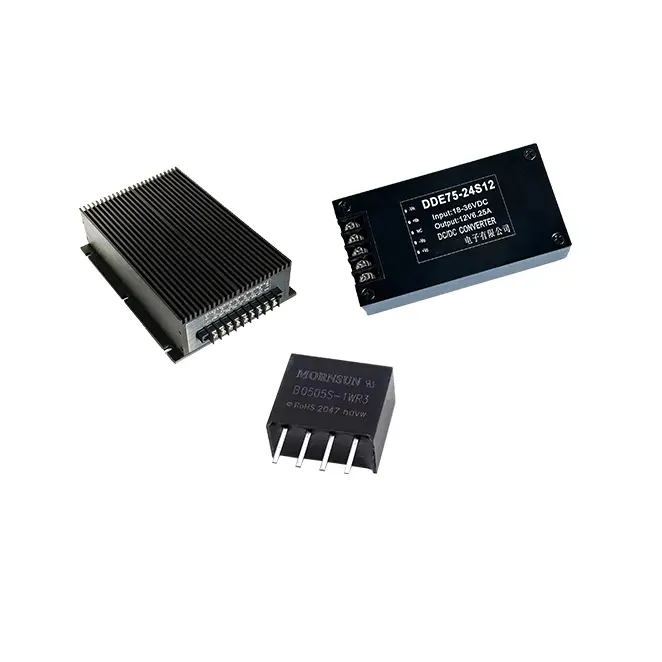 Power Modules
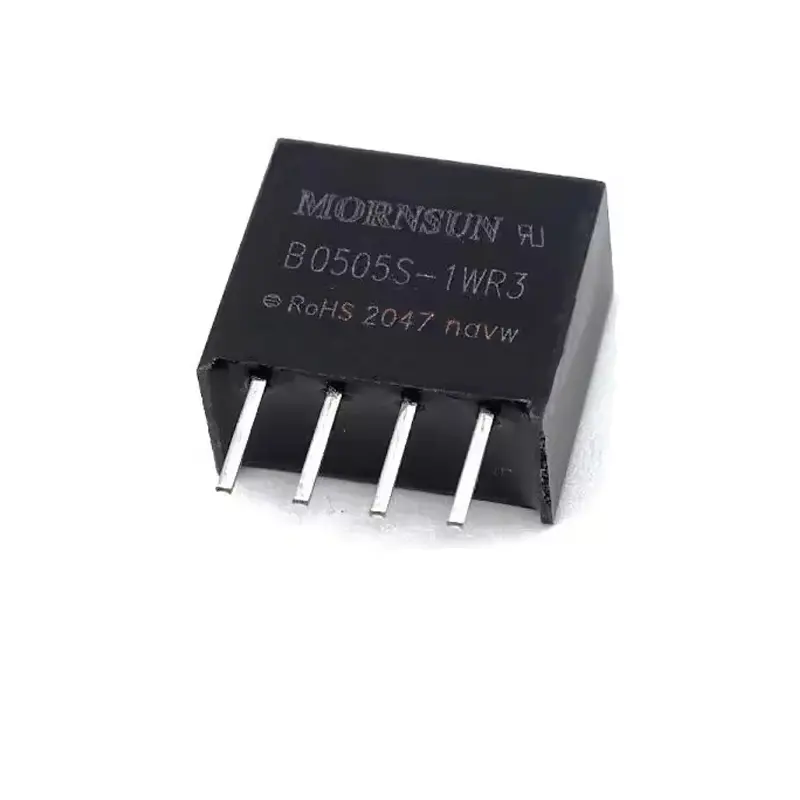 Isolated Power Modules
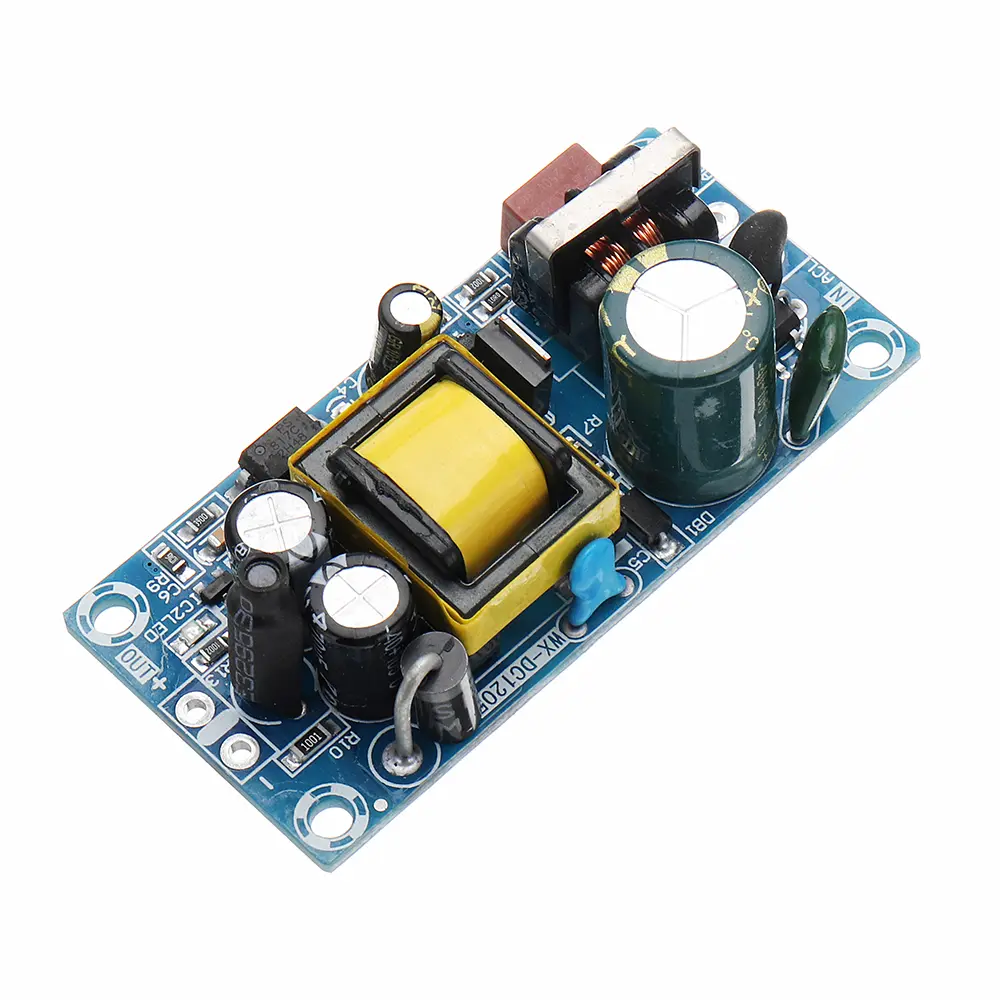 AC-DC Power Modules
 DC-AC Module(Inverter)
 RF and Wireless
Impact Difference Between Sandblasting and Chemical Deburring on PCB Substrate Surface Insulation Resistance
2025-10-18
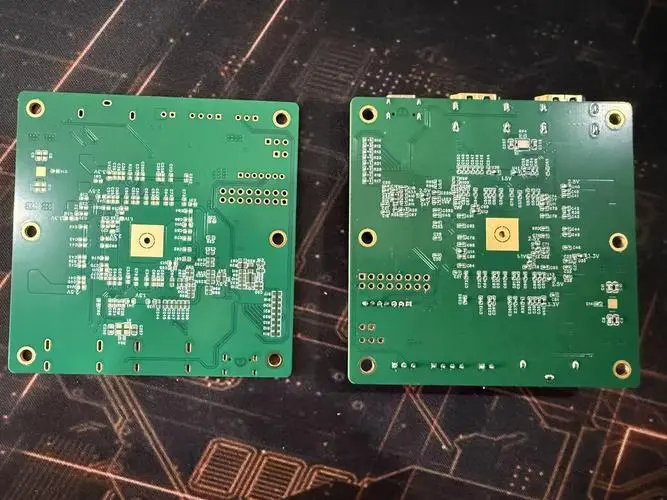
PCB Deburring and the Criticality of SuRFace Insulation Resistance
Deburring is an essential post-processing step in PCB manufacturing, targeting the removal of unwanted burrs, copper residues, and solder splatters generated during drilling, routing, or etching. These defects, if left unaddressed, can cause short circuits, signal interference, or reliability failures in electronic devices. Two widely used deburring technologies are sandblasting (mechanical deburring, using abrasive media) and chemical deburring (wet deburring, using corrosive solutions).
For PCBs—especially those used in high-voltage (≥1kV) or high-reliability applications (automotive, aerospace, medical devices)—surface insulation resistance (SIR) is a paramount electrical property. SIR measures the resistance between two adjacent, unconnected conductors on the PCB surface, reflecting the substrate’s ability to resist leakage current. A low SIR (<10⁹Ω at 500V DC) can lead to current leakage, thermal runaway, or even device breakdown.
The choice of deburring directly influences SIR by altering the PCB substrate’s surface morphology, chemical composition, and contamination levels. Understanding the impact difference between sandblasting and chemical deburring on SIR is critical for selecting the optimal deburring method and ensuring PCB reliability.
2. Core Mechanisms of Sandblasting and Chemical Deburring
Before analyzing their SIR impacts, it is necessary to clarify how each deburring method works, as their operating principles drive distinct surface changes:
2.1 Sandblasting (Mechanical Deburring)
Sandblasting uses compressed air (pressure: 0.2–0.6kg/cm²) to propel abrasive media (e.g., alumina grit, glass beads, plastic particles) onto the PCB surface. Key characteristics:
- Abrasive action: Media particles physically abrade burrs and residues, creating a matte, textured surface.
- Media selection: Alumina (Mohs hardness 9) is aggressive for heavy burrs; glass beads (Mohs hardness 6) produce a smoother finish.
- Process control: Media size (40–120 mesh), pressure, and blasting time determine surface roughness (Ra typically 0.5–2.0μm).
2.2 Chemical Deburring (Wet Deburring)
Chemical deburring uses aqueous corrosive solutions to dissolve or etch burrs. Common formulations include:
- Acidic solutions: Sulfuric acid + hydrogen peroxide (for copper burrs) or citric acid (mild, for sensitive substrates).
- Alkaline solutions: Sodium hydroxide (for epoxy-based substrates) or ammonium hydroxide (low-etching). Key characteristics:
- Chemical action: Solutions react with burrs (metal or resin) to break them down, leaving a relatively smooth surface (Ra typically 0.2–0.8μm).
- Post-treatment: Requires thorough rinsing (deionized water) and drying to remove chemical residues.
3. Impact on Surface Insulation Resistance (SIR): Quantitative Comparison
SIR is measured per IPC-TM-650 2.6.3.3 (standard test method for surface insulation resistance), using a 500V DC bias and a 10-minute stabilization time. Below is a quantitative comparison of SIR changes after sandblasting vs. chemical deburring, based on tests with FR-4 PCBs (the most common substrate):
3.1 Baseline SIR (Before Deburring)
FR-4 PCBs typically have a baseline SIR of 10¹¹–10¹²Ω (clean, unprocessed surface).
3.2 SIR After Sandblasting
Sandblasting reduces SIR due to two primary factors: abrasive residue retention and surface roughness-induced contamination:
- Typical SIR range: 10⁹–10¹⁰Ω (a 10–100x reduction from baseline).
- Key drivers:
- Abrasive residue: Fine media particles (e.g., 10–50μm alumina) can embed in the substrate’s micro-cracks, creating conductive paths. Even with post-blasting cleaning (air blowing + brushing), 5–10% of residues may remain.
- Surface texture: The rough surface (Ra 1.0–2.0μm) traps dust, moisture, and organic contaminants more easily than a smooth surface. At 60% relative humidity (RH), trapped moisture can lower SIR by an additional 50%.
Example: A sandblasted FR-4 PCB with 80-mesh alumina media has an SIR of 5×10⁹Ω at 500V DC (60% RH), down from 2×10¹¹Ω before deburring.
3.3 SIR After Chemical Deburring
Chemical deburring has a smaller negative impact on SIR, provided post-treatment is thorough:
- Typical SIR range: 10¹⁰–10¹¹Ω (a 1–10x reduction from baseline).
- Key drivers:
- Residue risk (if rinsing is inadequate): Unremoved chemical residues (e.g., sulfate ions, sodium ions) act as electrolytes, lowering SIR to 10⁸–10⁹Ω. However, proper rinsing (3–5 cycles of deionized water) and hot-air drying (60–80℃) reduce residues to <0.1μg/cm², minimizing SIR loss.
- Surface smoothness: The relatively smooth surface (Ra 0.3–0.8μm) resists contamination, maintaining higher SIR even at elevated RH.
Example: A chemically deburred FR-4 PCB (10% sulfuric acid + H₂O₂, followed by 5x DI water rinsing) has an SIR of 3×10¹⁰Ω at 500V DC (60% RH), only 7x lower than the baseline.
3.4 SIR Stability Under Environmental Stress
Long-term SIR stability is critical for high-reliability applications. Tests under 85℃/85%RH (accelerated aging) for 1000 hours show:
- Sandblasted PCBs: SIR degrades to 10⁸–10⁹Ω (a 10x further reduction), as trapped residues absorb moisture and form conductive paths.
- Chemically deburRed Pcbs: SIR remains at 10⁹–10¹⁰Ω (only 3x further reduction), due to minimal residue and smoother surface.
4. Key Factors Amplifying SIR Differences
The gap in SIR impact between sandblasting and chemical deburring widens under specific conditions:
4.1 Substrate Type
- FR-4 (epoxy-glass): As above, sandblasting causes 10–100x SIR reduction; chemical deburring causes 1–10x.
- Flexible PCBs (PI substrate): PI is more susceptible to abrasive damage. Sandblasting creates deeper surface grooves, trapping more residues and lowering SIR to 10⁸–10⁹Ω; chemical deburring (using mild citric acid) preserves PI’s surface integrity, maintaining SIR at 10¹⁰Ω.
- High-Tg substrates (Tg >180℃): These substrates have a more brittle resin matrix. Sandblasting induces micro-cracks (5–10μm deep), which act as moisture reservoirs, reducing SIR by 100x; chemical deburring etches only the surface, avoiding cracks and limiting SIR loss to 5–10x.
4.2 Deburring Process Parameters
- Sandblasting: Higher pressure (>0.4kg/cm²) or coarser media (<60 mesh) increases surface roughness to Ra >2.0μm, further lowering SIR to 10⁸Ω.
- Chemical Deburring: Inadequate rinsing (<2 cycles) leaves high residue levels, dropping SIR to 10⁸Ω—matching sandblasting’s worst-case performance. However, optimized rinsing (≥4 cycles) restores SIR to 10¹⁰Ω.
4.3 Application Voltage
At higher voltages (e.g., 1kV DC, common in industrial PCBs):
- Sandblasted PCBs: SIR drops to 10⁷–10⁸Ω (residue-induced leakage current increases exponentially).
- Chemically deburred PCBs: SIR remains at 10⁹Ω (minimal leakage, as residues are negligible).
5. Mitigation Strategies for Sandblasting’s SIR Impact
For applications where sandblasting is preferred (e.g., heavy burrs on thick PCBs), these measures reduce SIR degradation:
5.1 Post-Sandblasting Cleaning Optimization
- Ultrasonic cleaning: Use 40kHz ultrasonic waves in deionized water (60℃) for 15–20 minutes to dislodge embedded residues. This can increase SIR by 10x (from 10⁹Ω to 10¹⁰Ω).
- Plasma cleaning: Oxygen plasma (power 300W, time 60 seconds) removes organic contaminants and oxidizes metal residues, further boosting SIR to 5×10¹⁰Ω.
5.2 Abrasive Media Selection
Choose plastic abrasive media (e.g., nylon particles, Mohs hardness 2) instead of alumina. Plastic media is less aggressive (Ra 0.5–1.0μm) and leaves fewer conductive residues, maintaining SIR at 5×10⁹–10¹⁰Ω.
5.3 Surface Sealing
Apply a thin layer of ** conformal coating** (e.g., acrylic resin, 10–20μm thick) after sandblasting. The coating seals surface pores and residues, restoring SIR to 10¹¹Ω—matching pre-deburring levels.
6. Conclusion
The impact of sandblasting and chemical deburring on PCB substrate surface insulation resistance (SIR) differs significantly:
- Sandblasting: Causes a 10–100x SIR reduction (from 10¹¹–10¹²Ω to 10⁹–10¹⁰Ω) due to abrasive residue retention and surface roughness. Under environmental stress, SIR degrades further to 10⁸–10⁹Ω.
- Chemical Deburring: Causes only a 1–10x SIR reduction (to 10¹⁰–10¹¹Ω) when paired with thorough rinsing. It maintains better long-term stability, with SIR remaining at 10⁹–10¹⁰Ω after accelerated aging.