
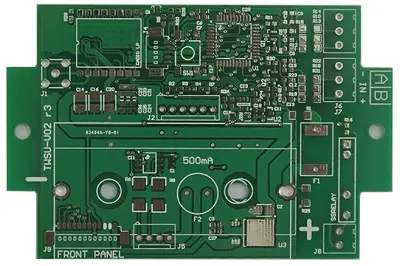
 PCB
PCB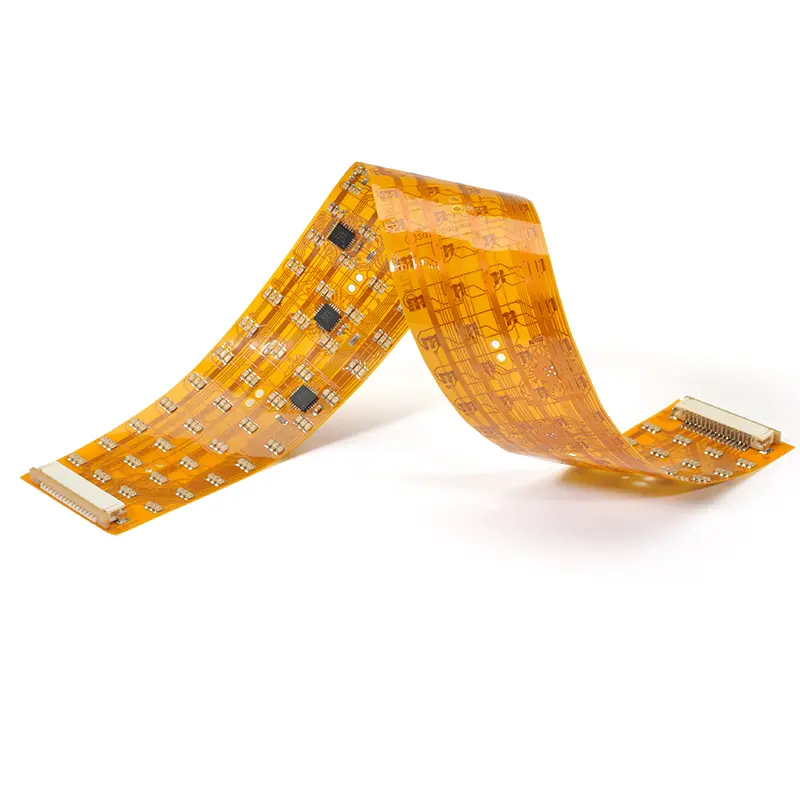 FPC
FPC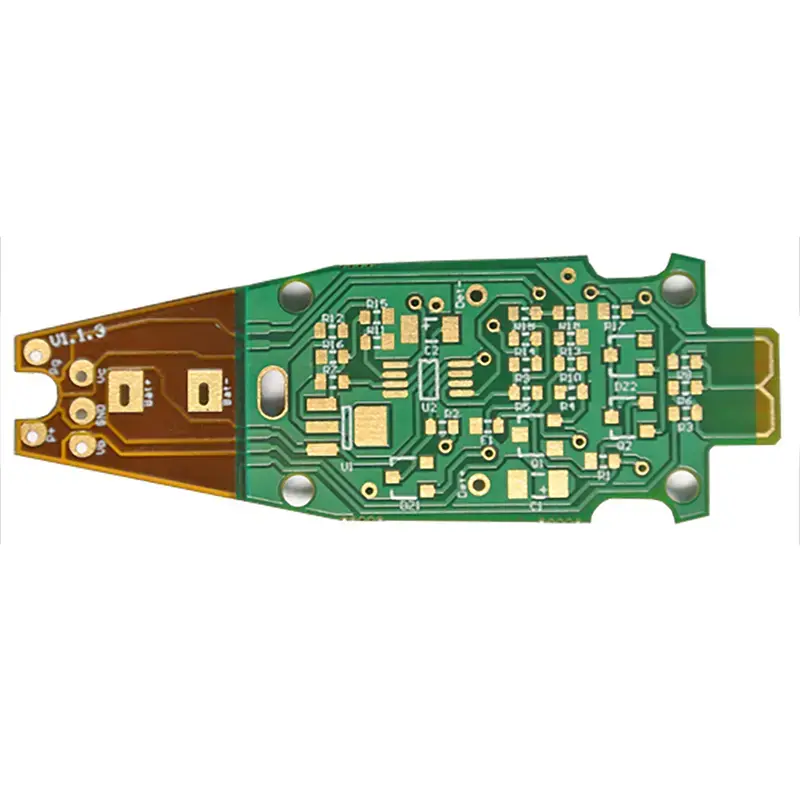 Rigid-Flex
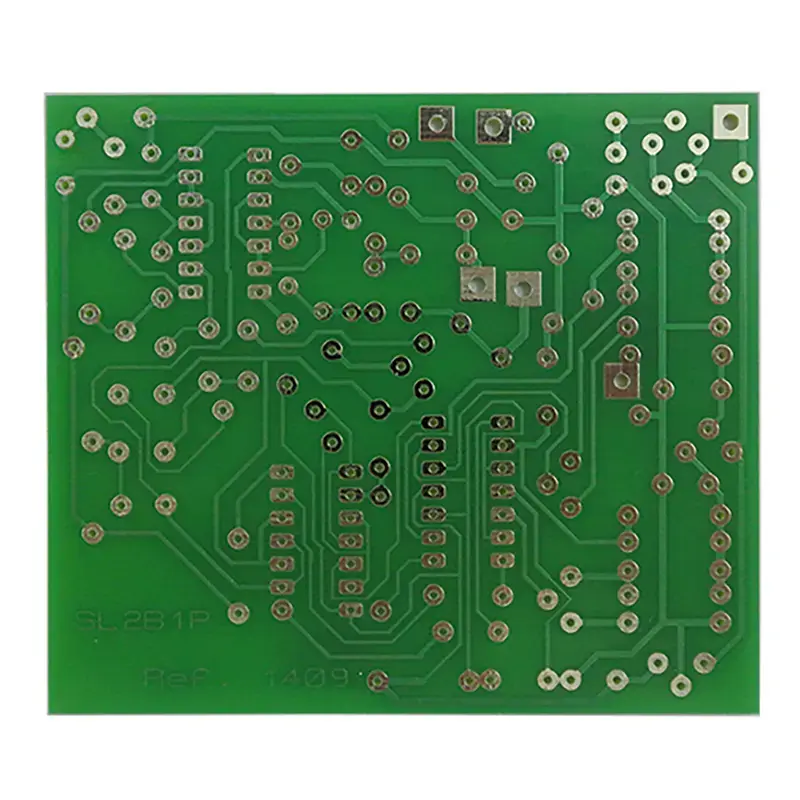 FR-4
FR-4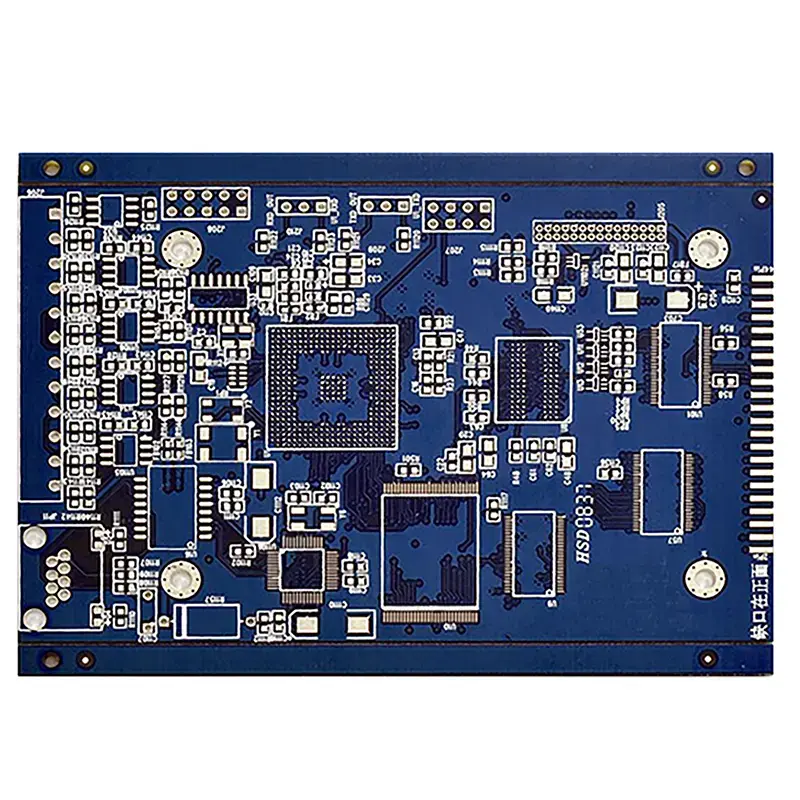 HDI PCB
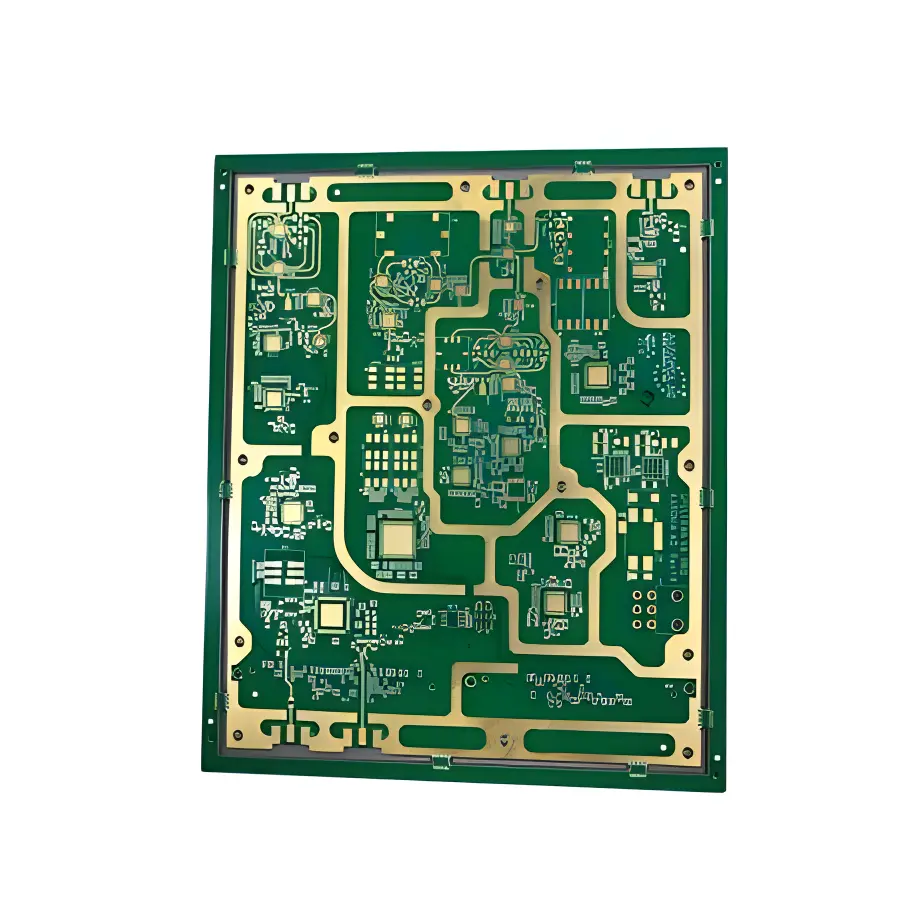 Rogers High-Frequency Board
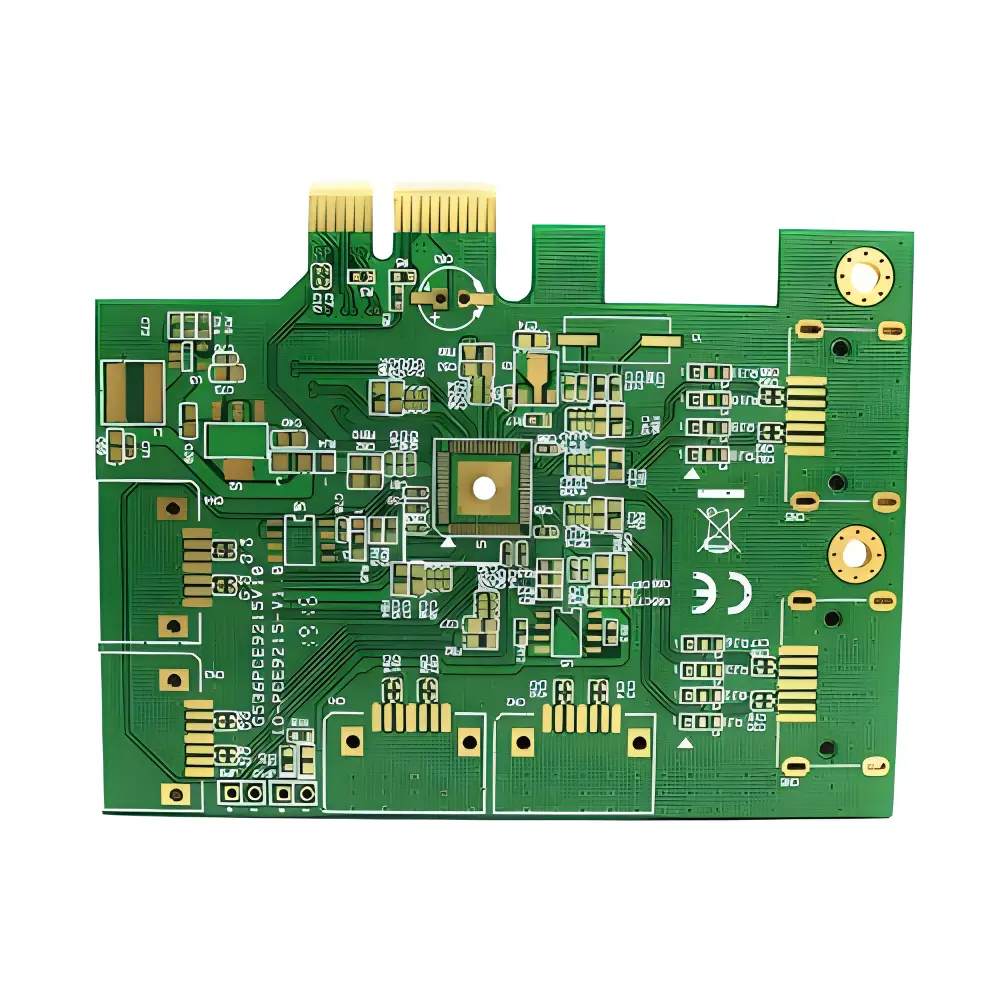 PTFE Teflon High-Frequency Board
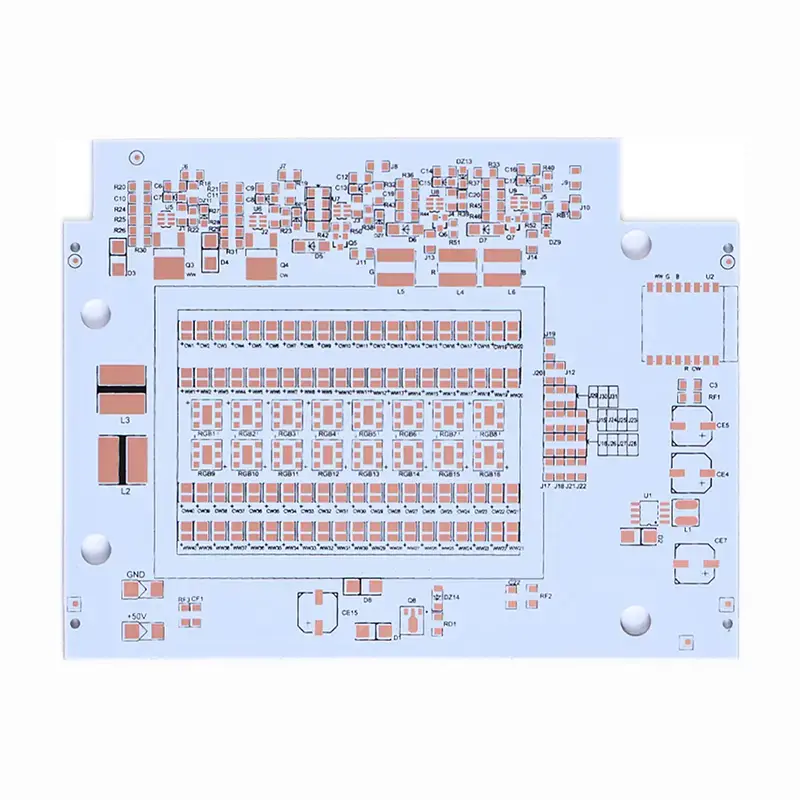 Aluminum
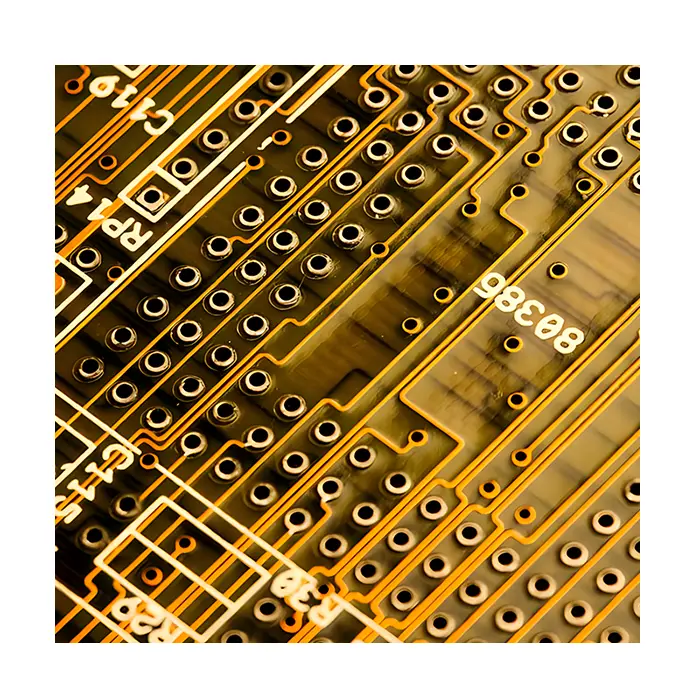 Copper Core
 PCB Assembly
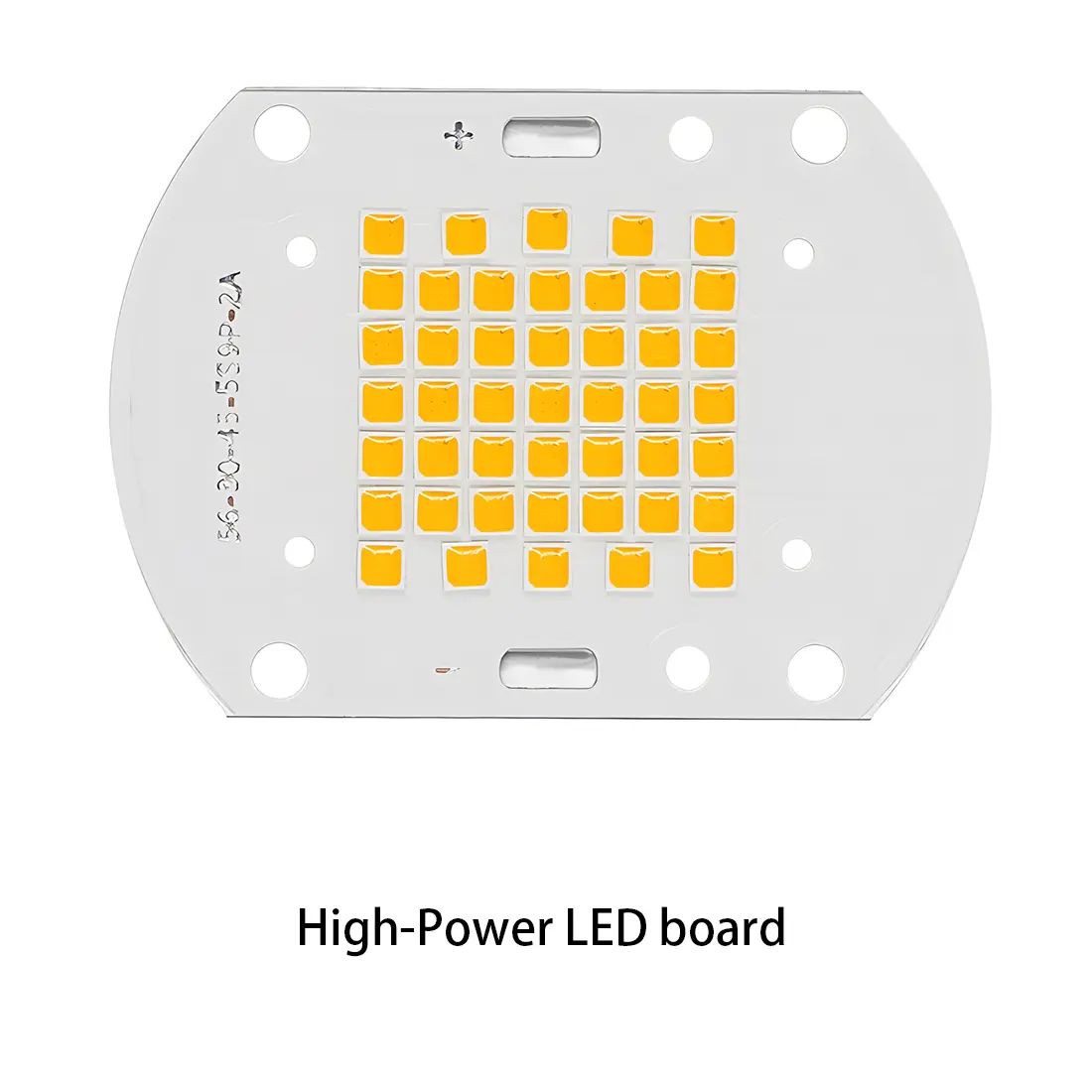 LED light PCBA
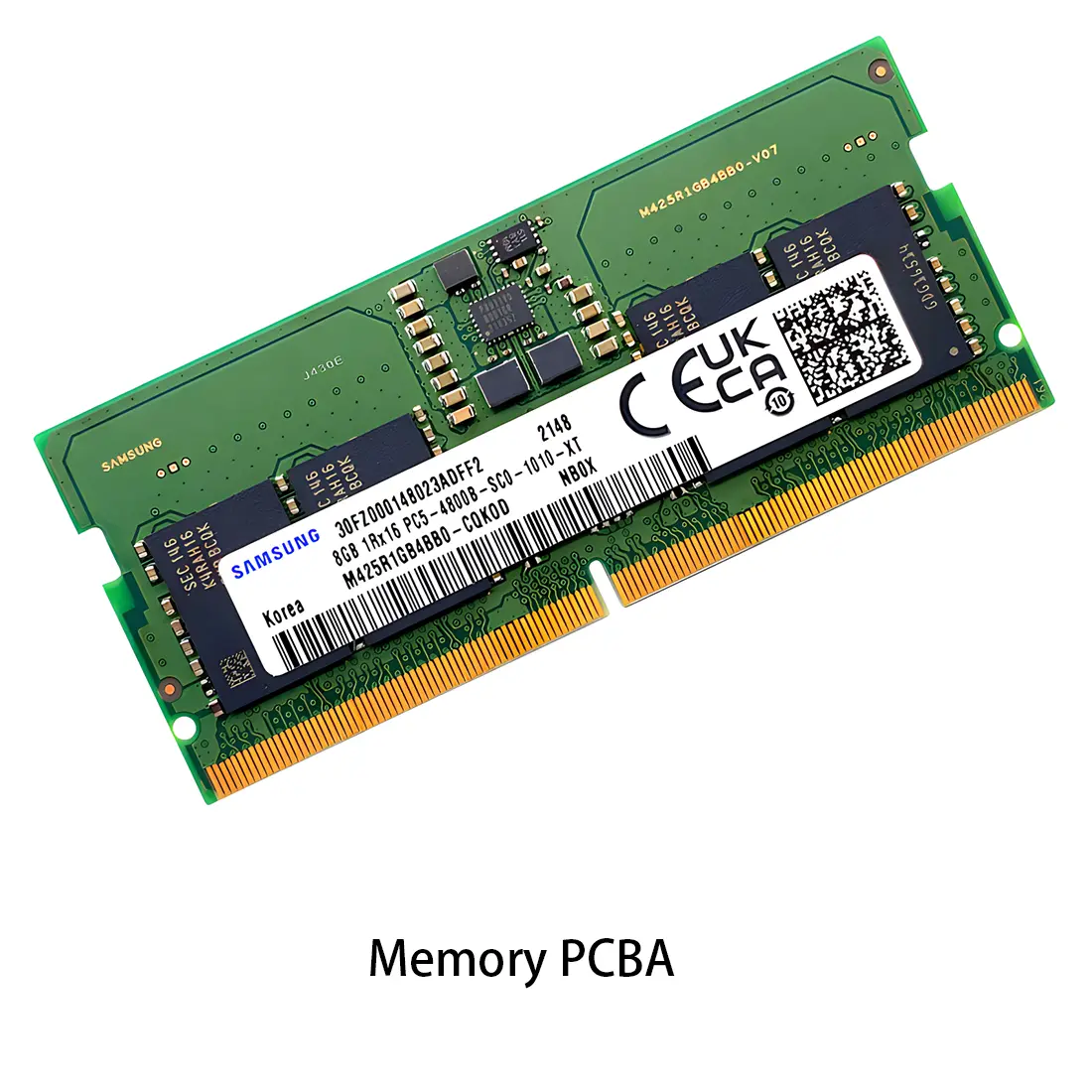 Memory PCBA
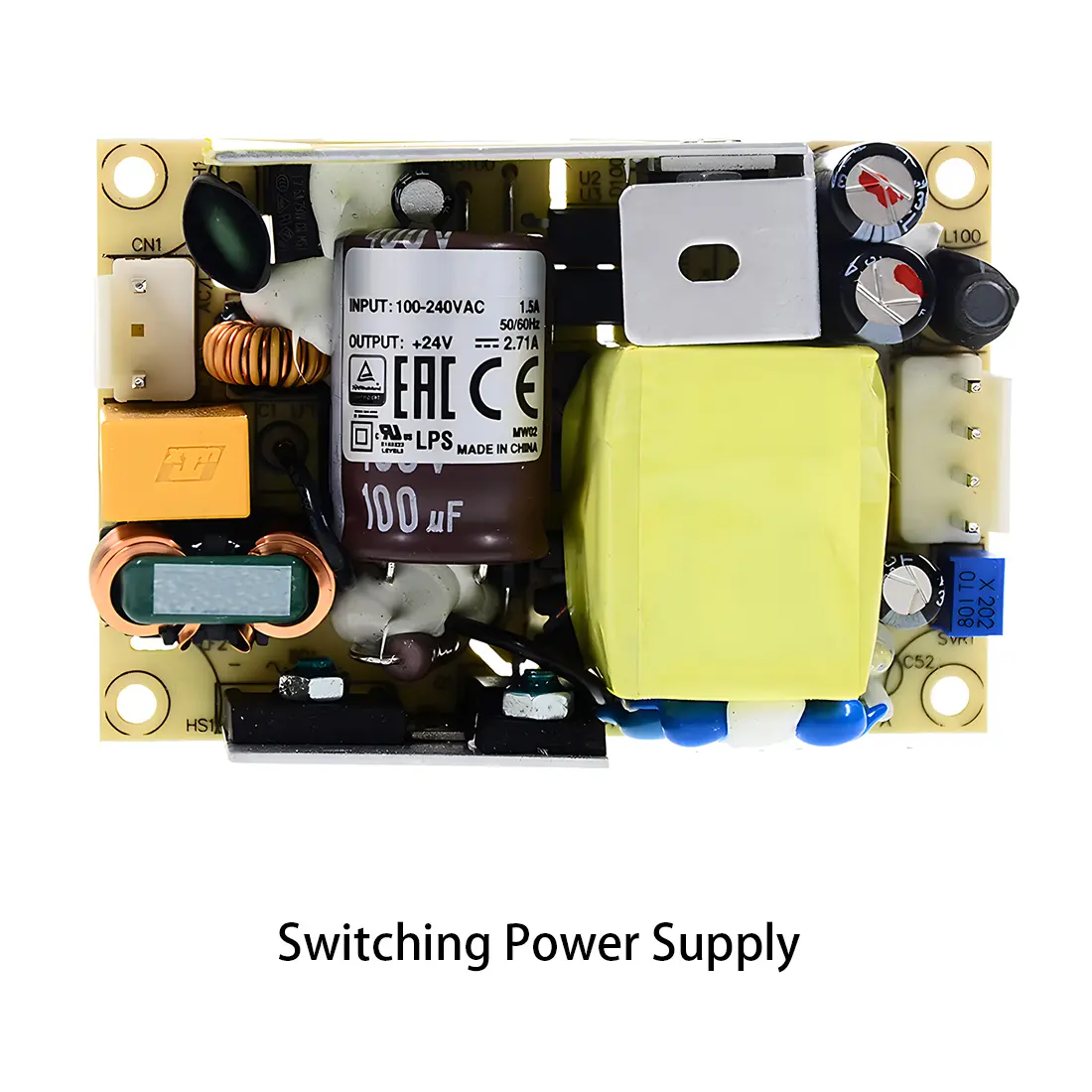 Power Supply PCBA
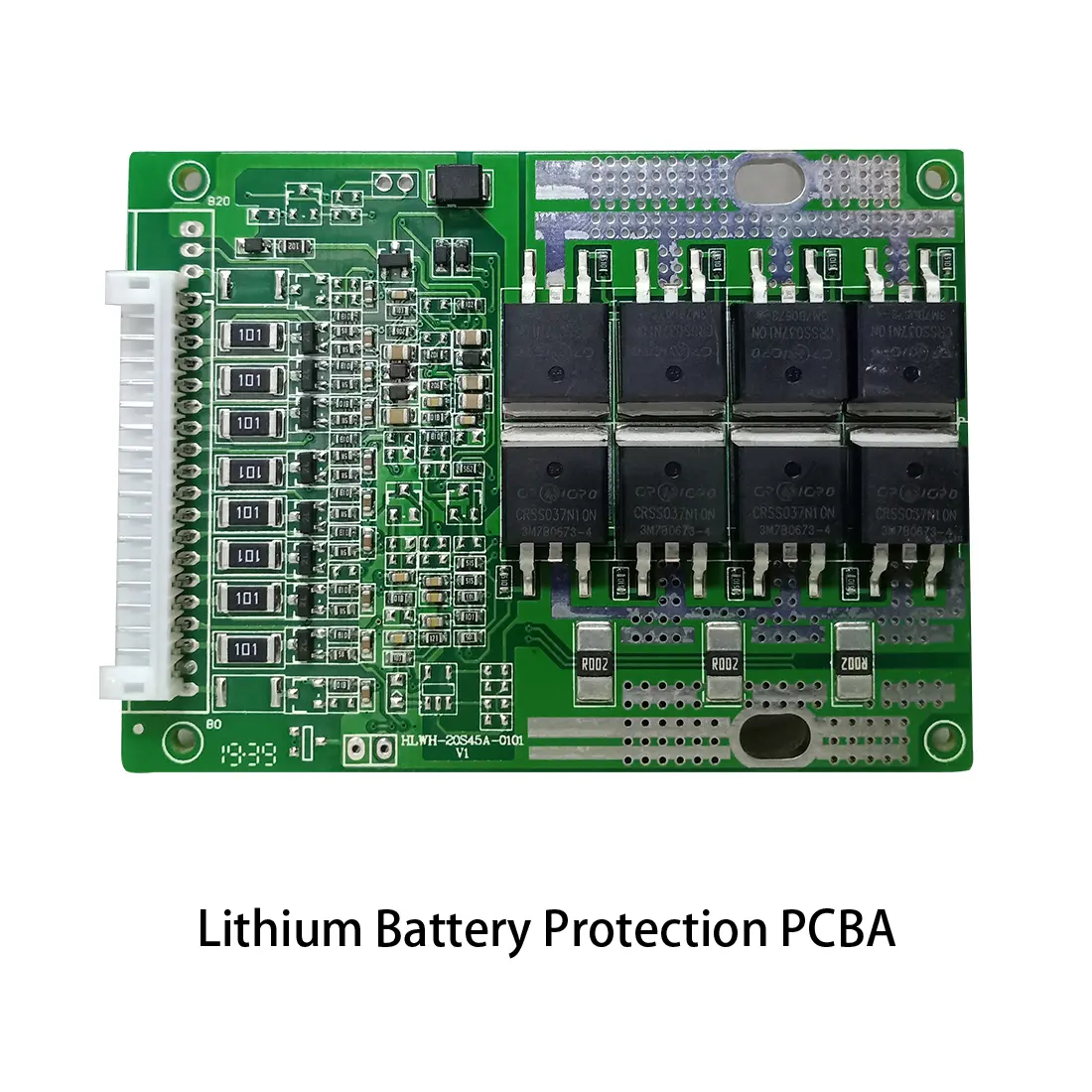 New Energey PCBA
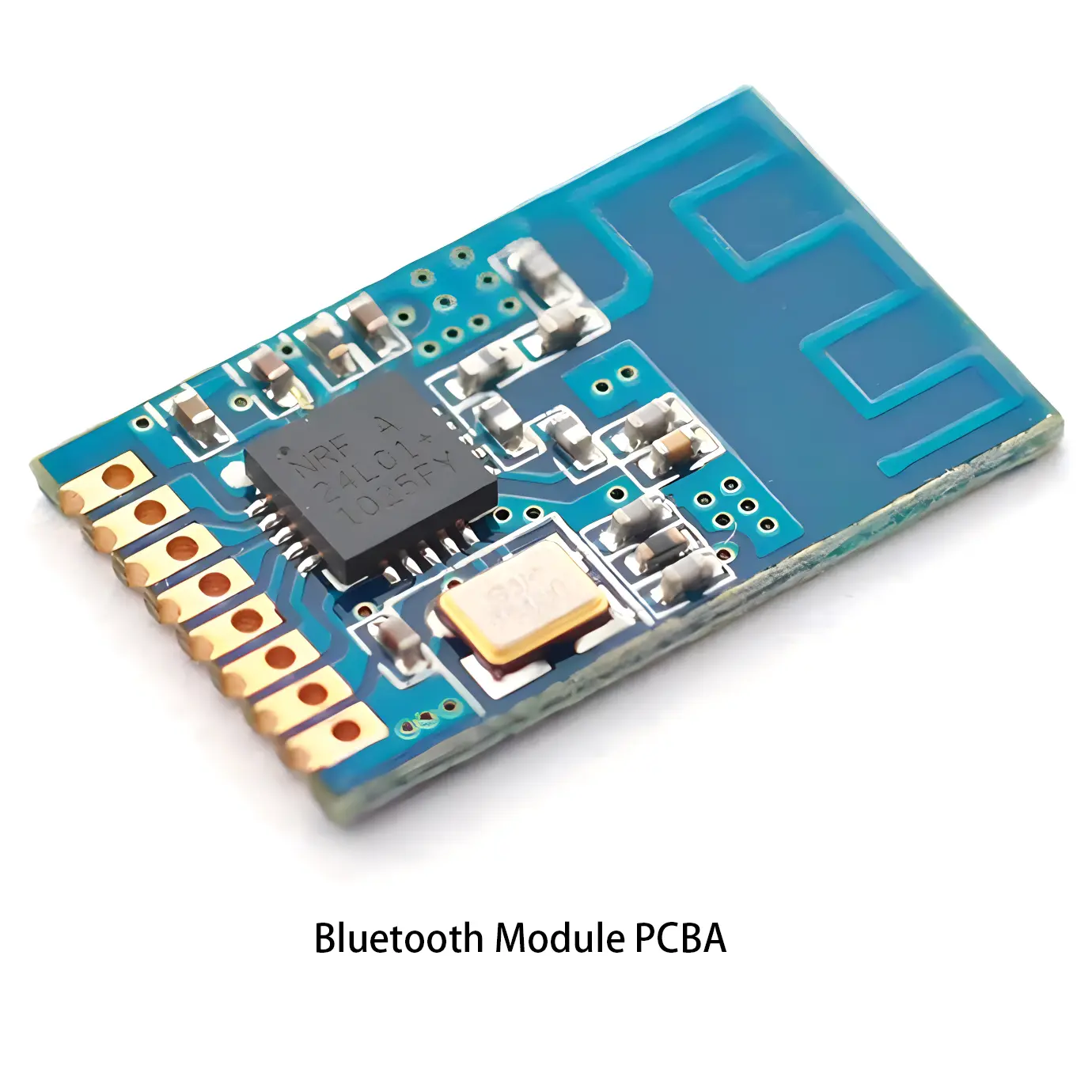 Communication PCBA
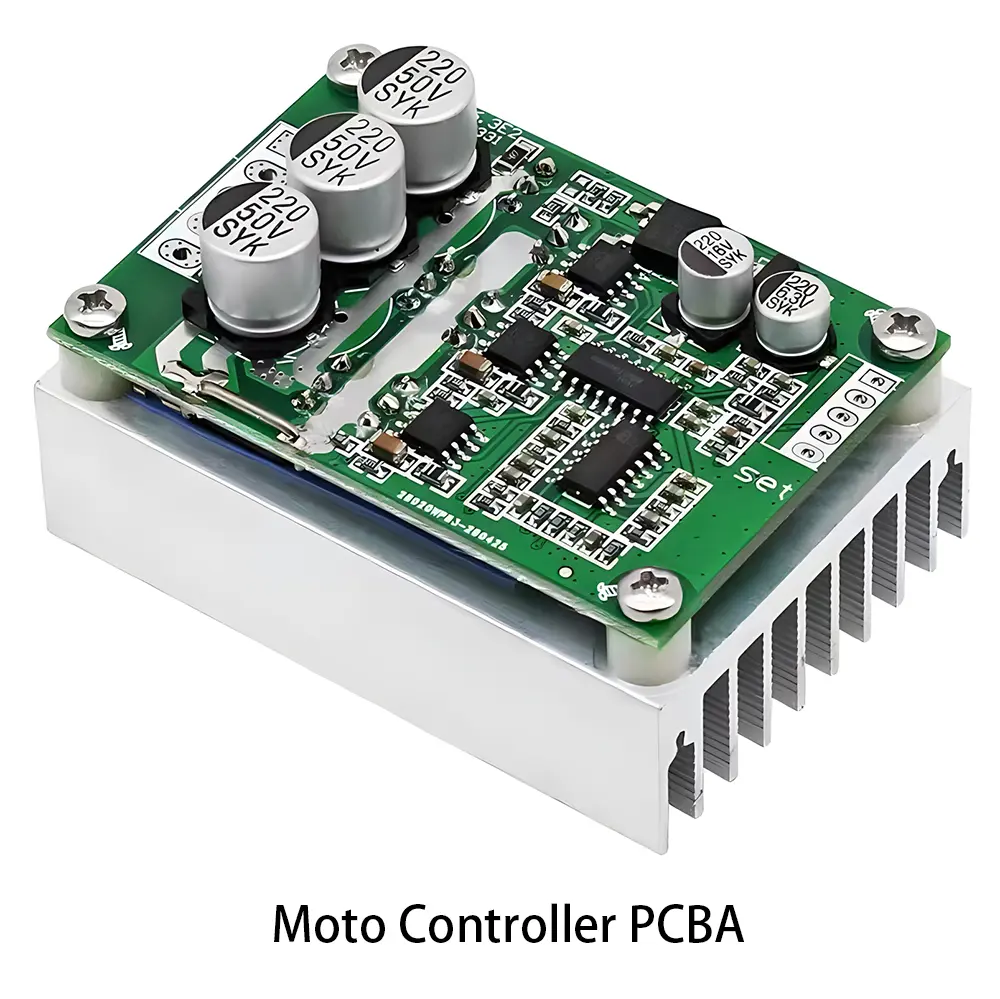 Industrial Control PCBA
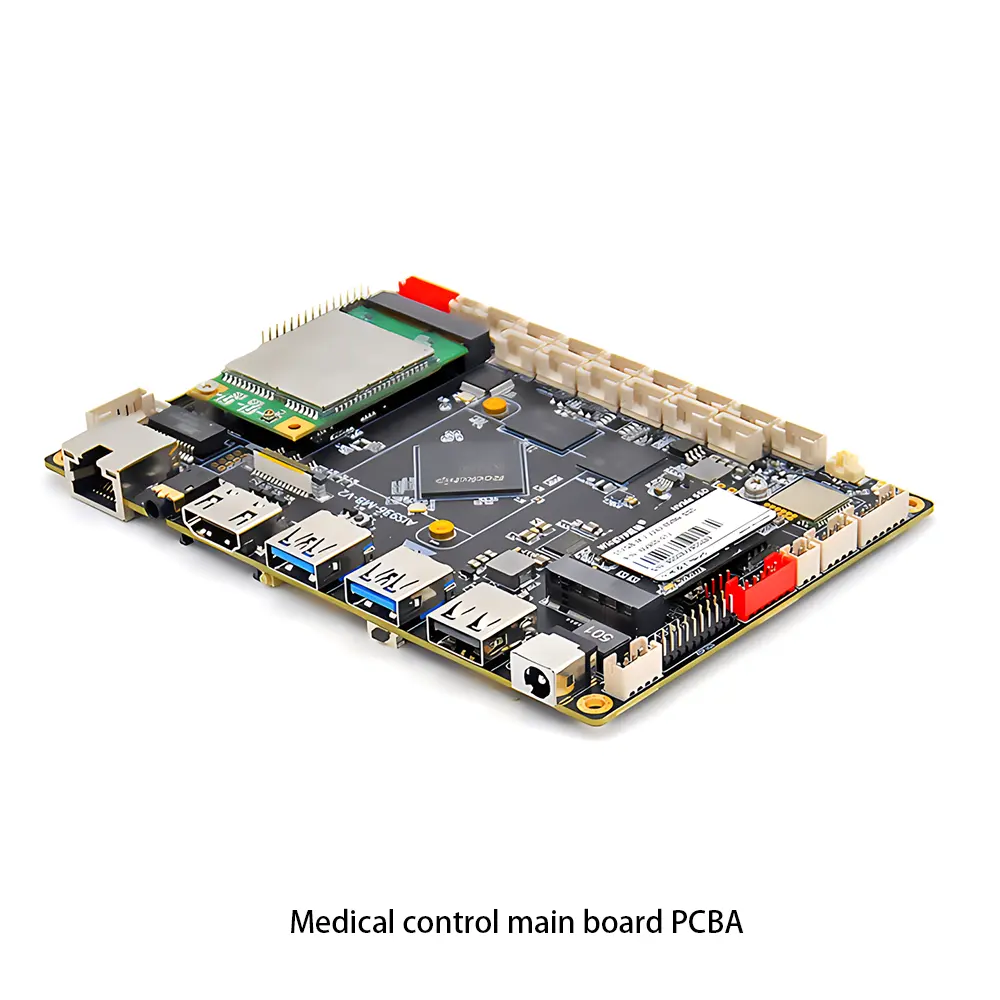 Medical Equipment PCBA
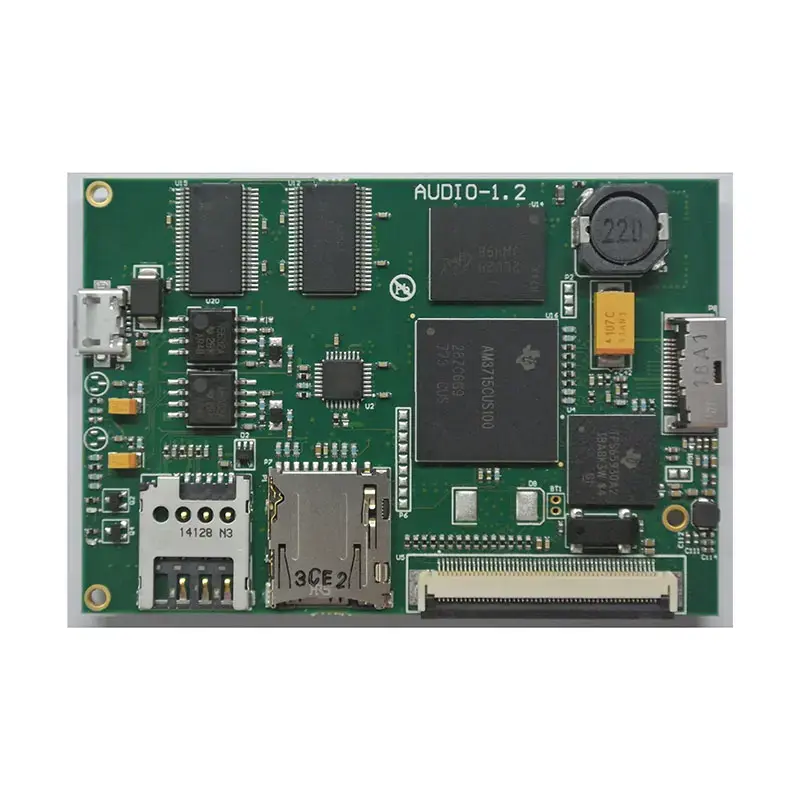 Testing Service
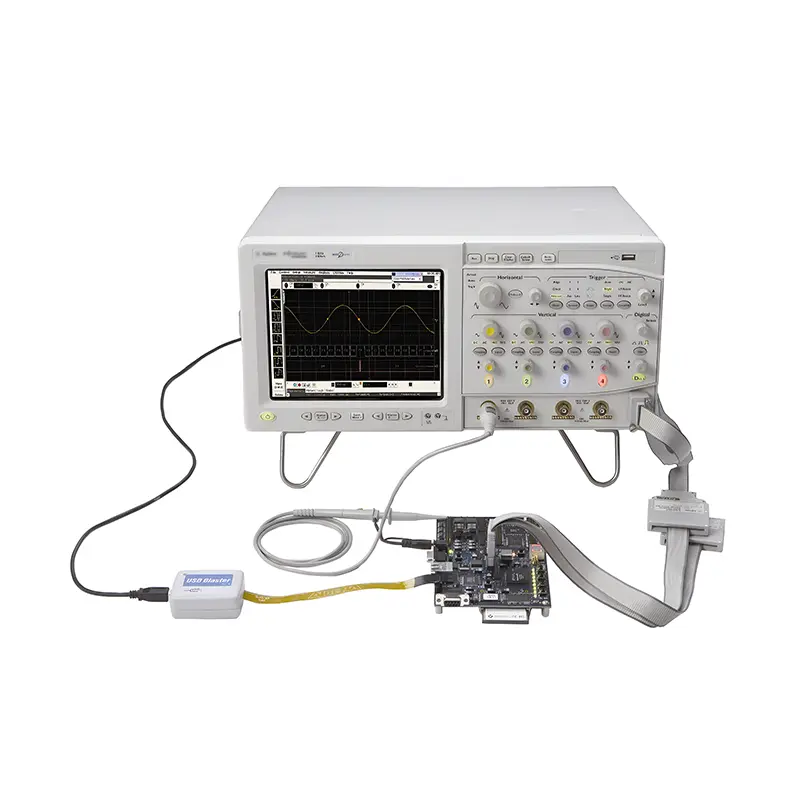 PCBA Testing Service
 Certification Application
 RoHS Certification Application
 REACH Certification Application
 CE Certification Application
 FCC Certification Application
 CQC Certification Application
 UL Certification Application
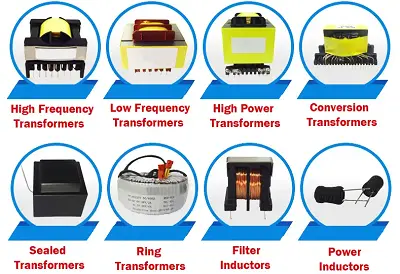 Transformers, Inductors
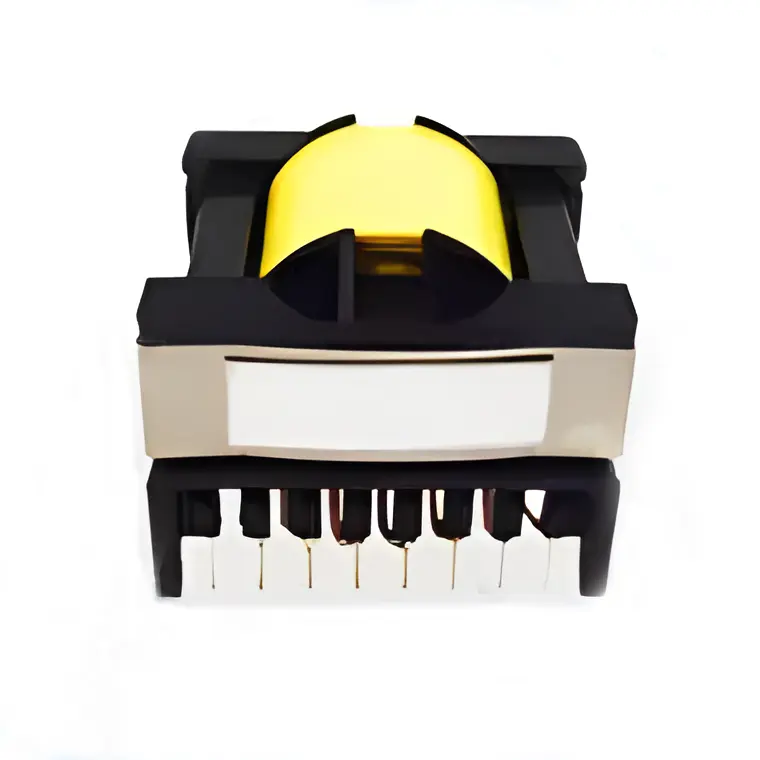 High Frequency Transformers
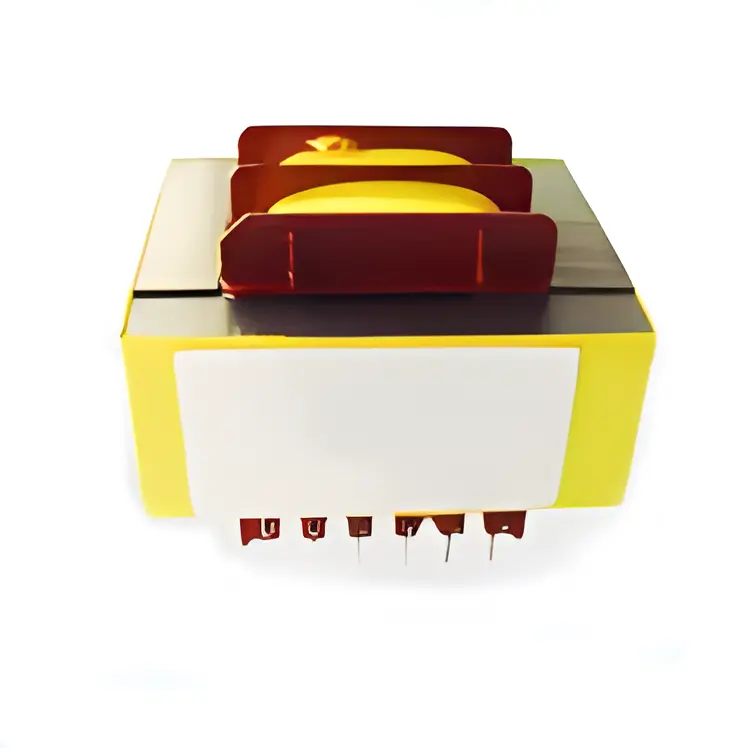 Low Frequency Transformers
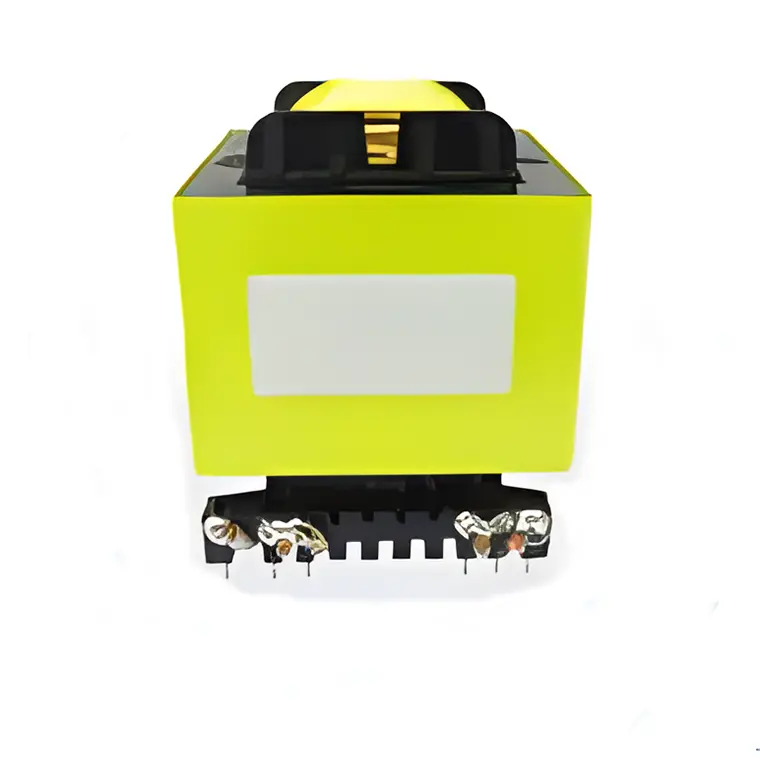 High Power Transformers
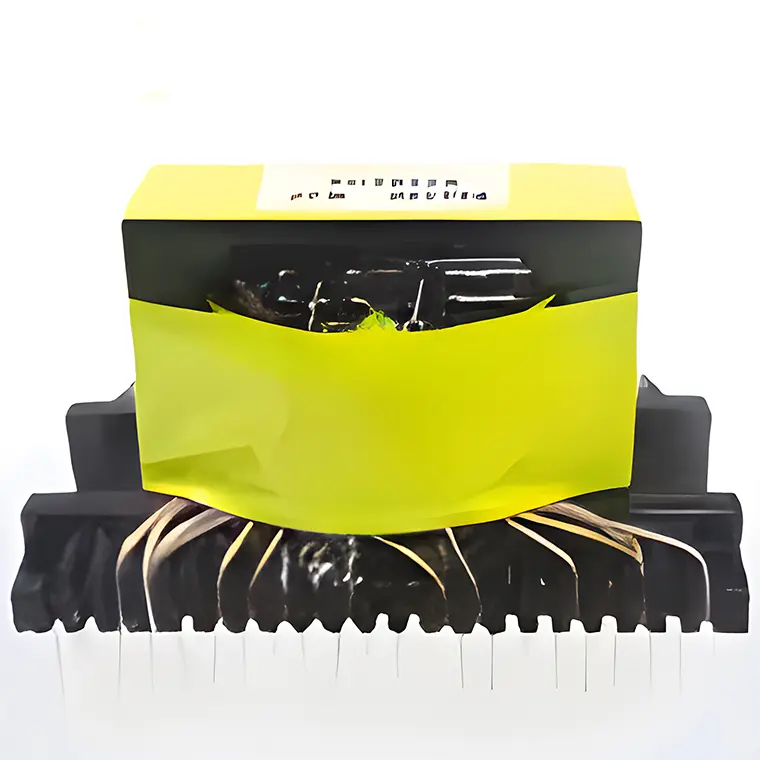 Conversion Transformers
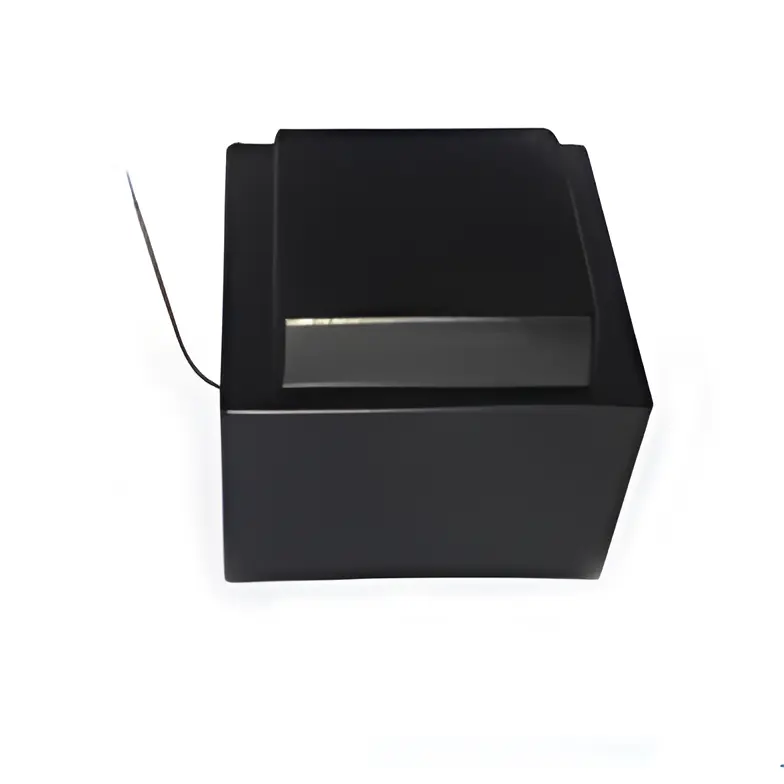 Sealed Transformers
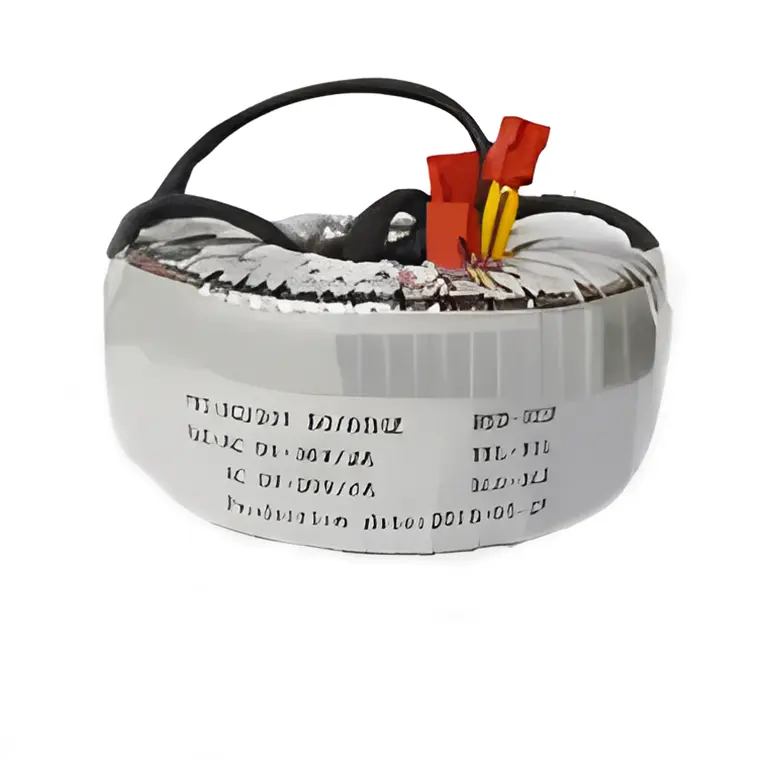 Ring Transformers
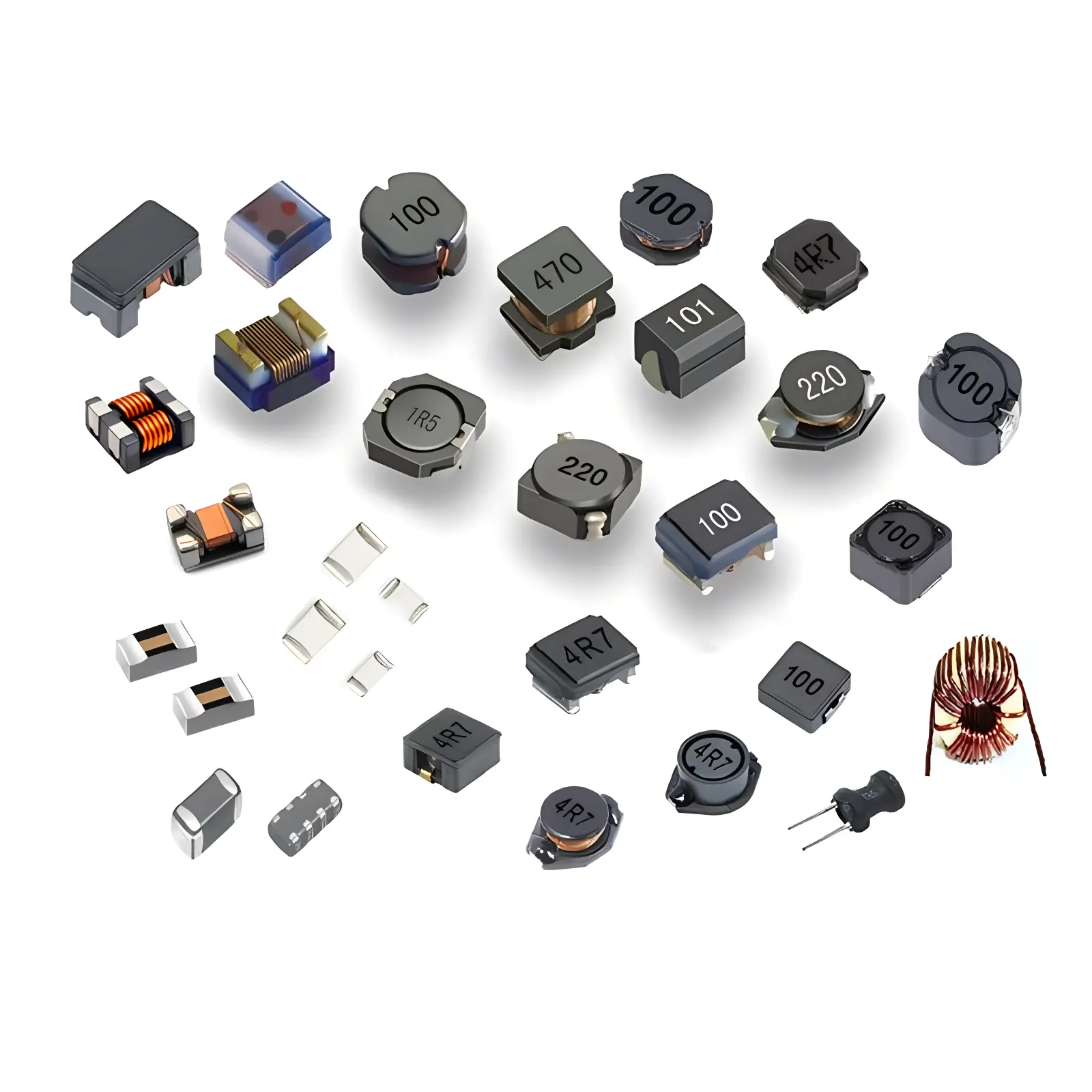 Inductors
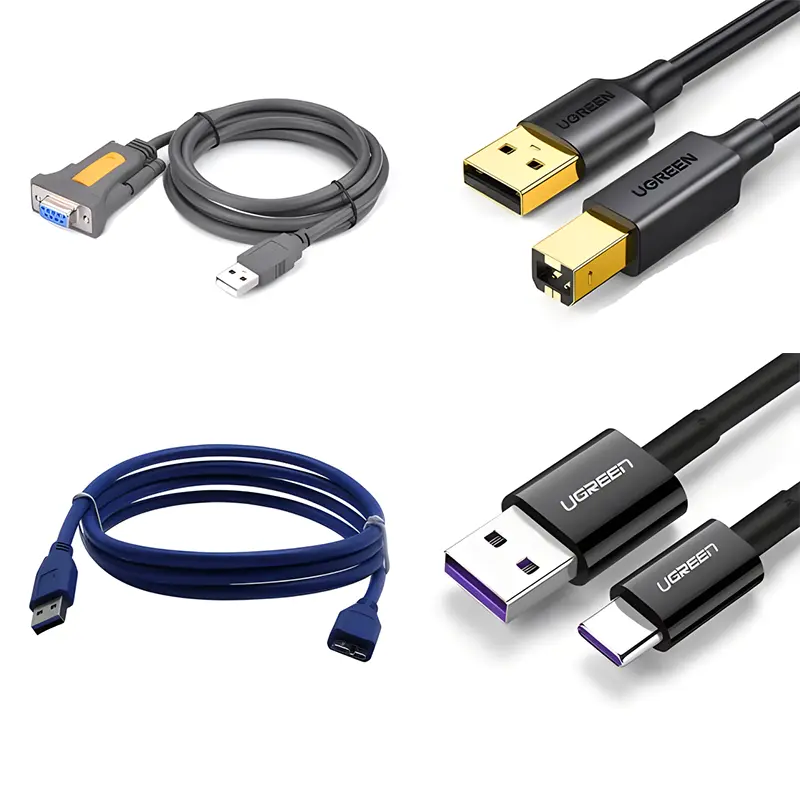 Wires,Cables Customized
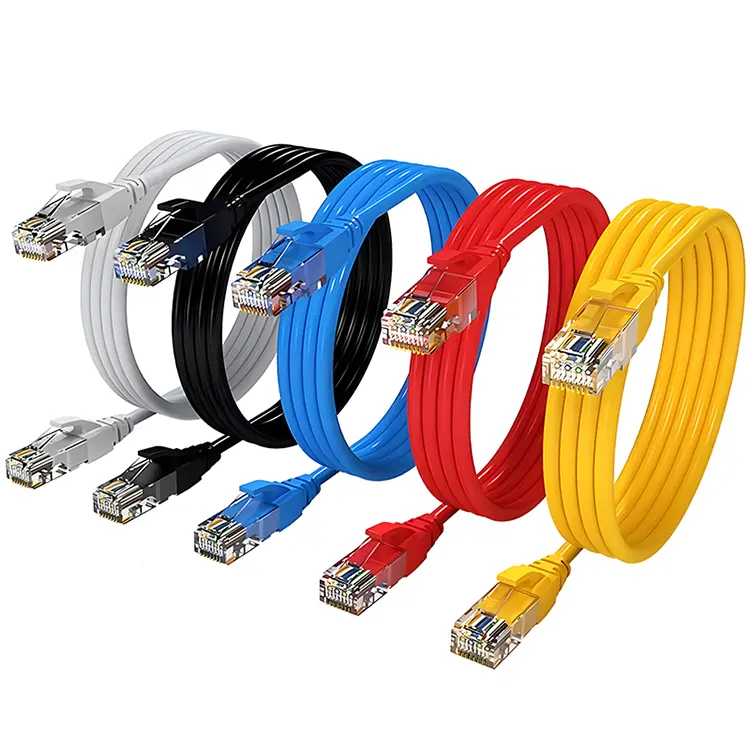 Network Cables
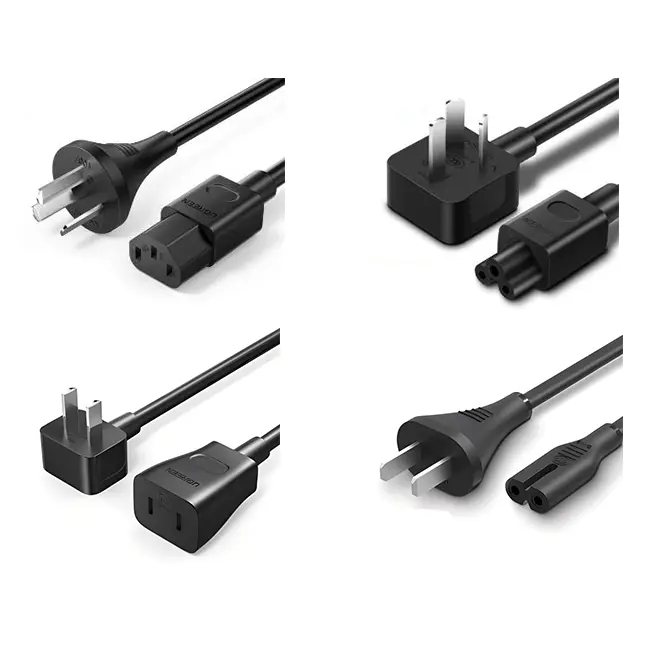 Power Cords
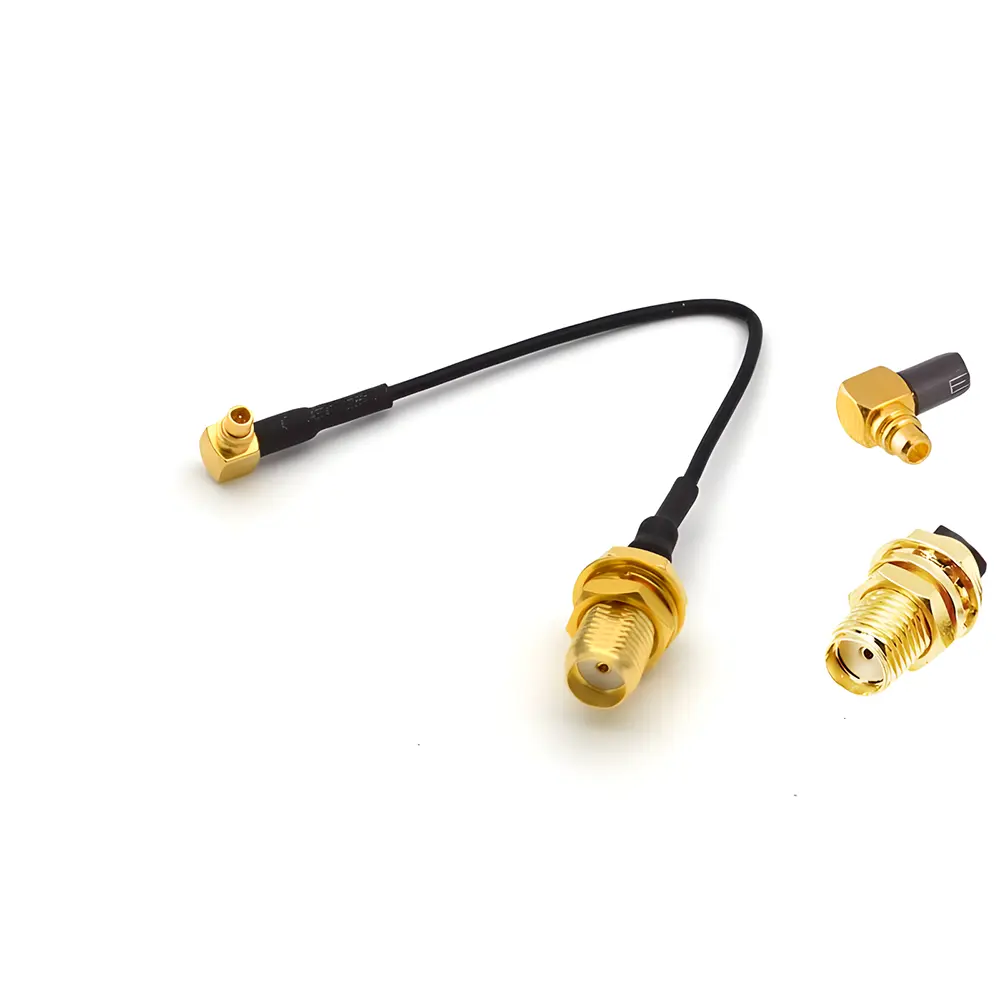 Antenna Cables
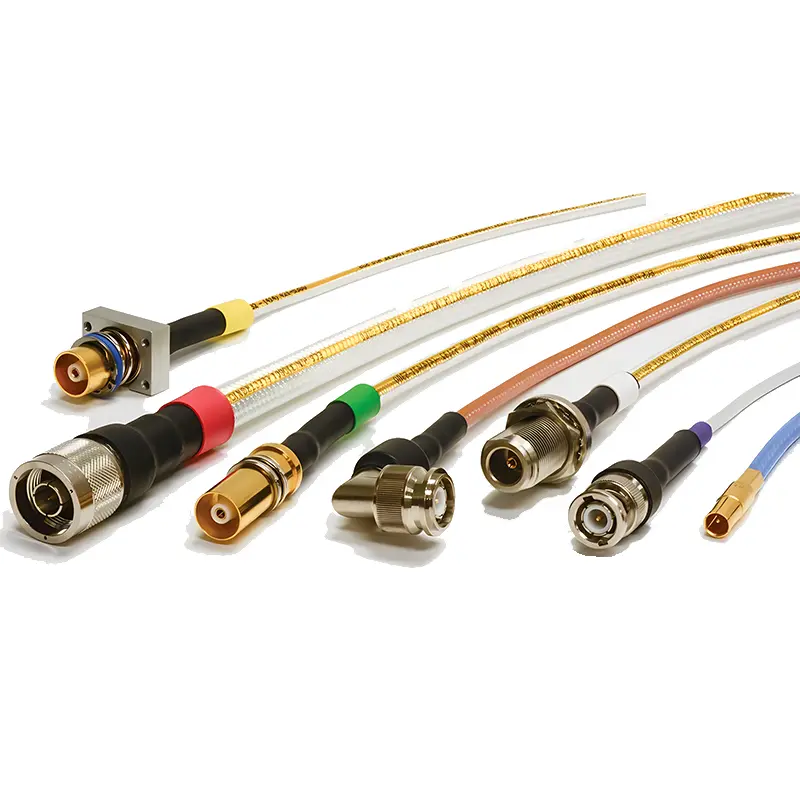 Coaxial Cables
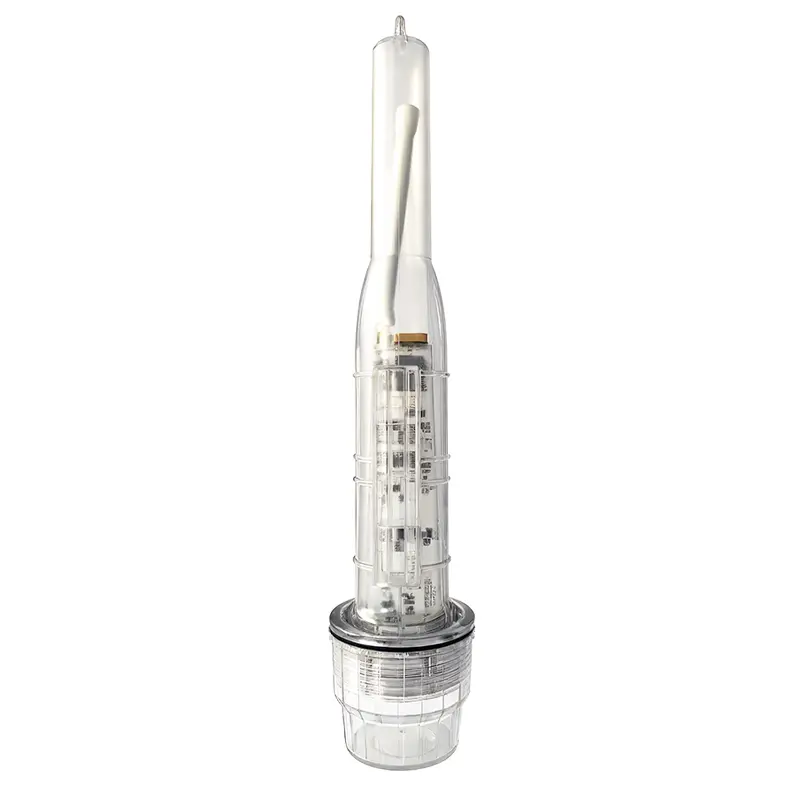 Net Position Indicator
 Solar AIS net position indicator
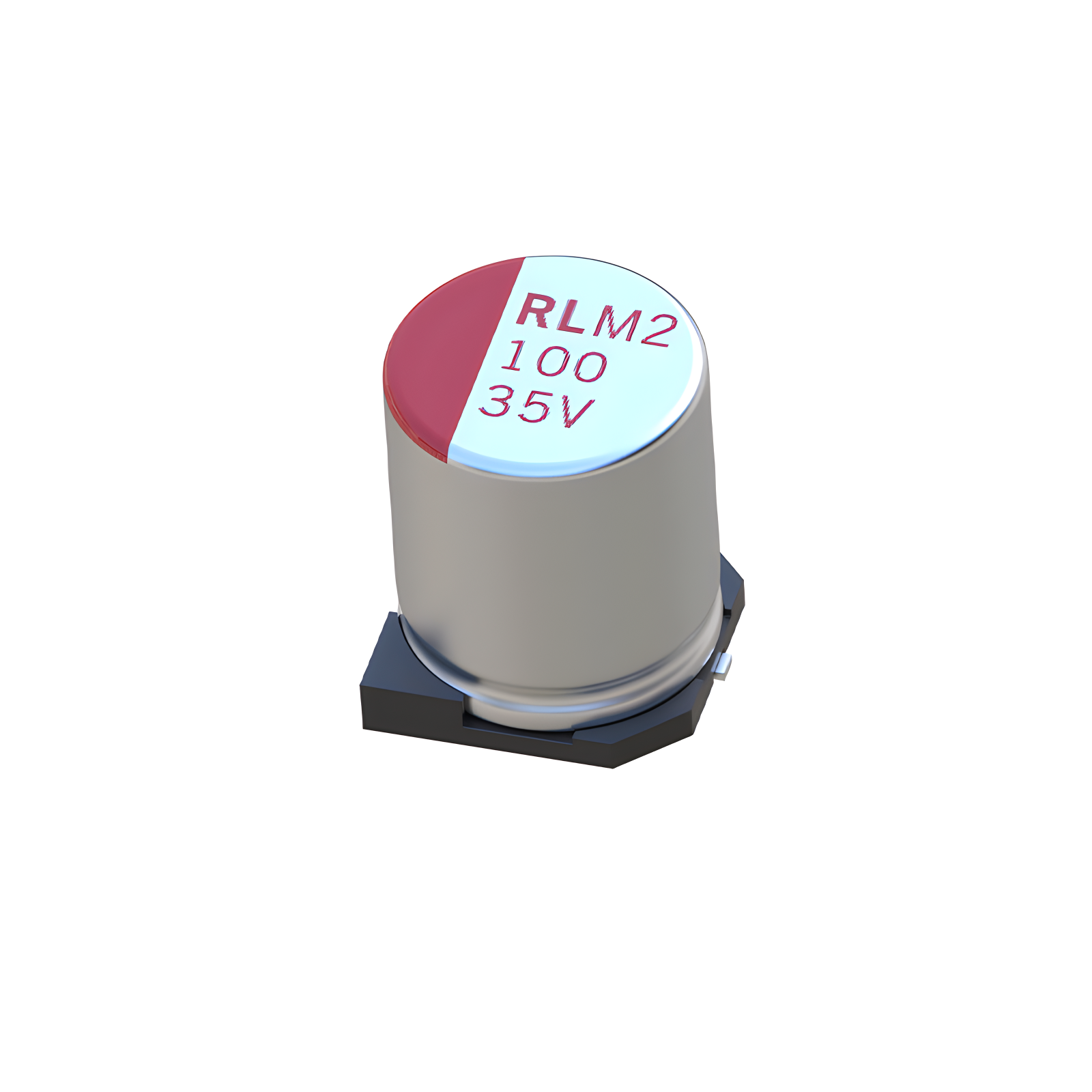 Capacitors
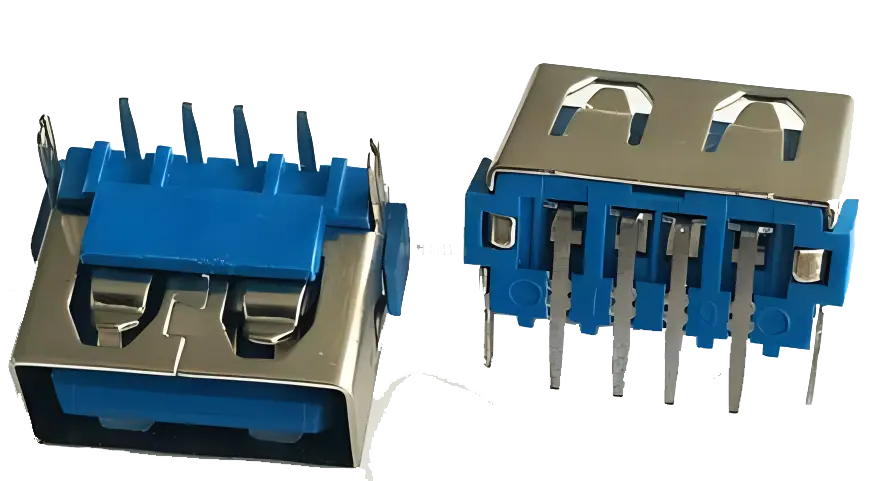 Connectors
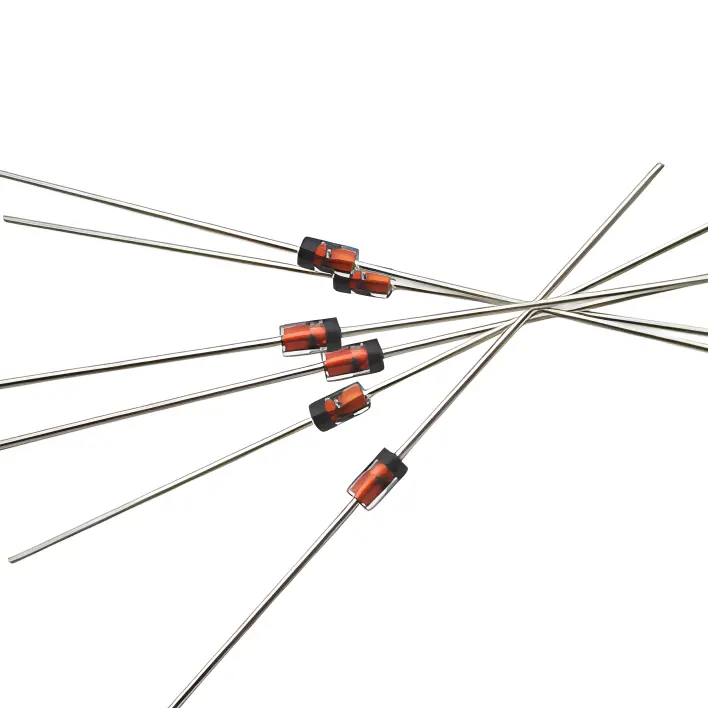 Diodes
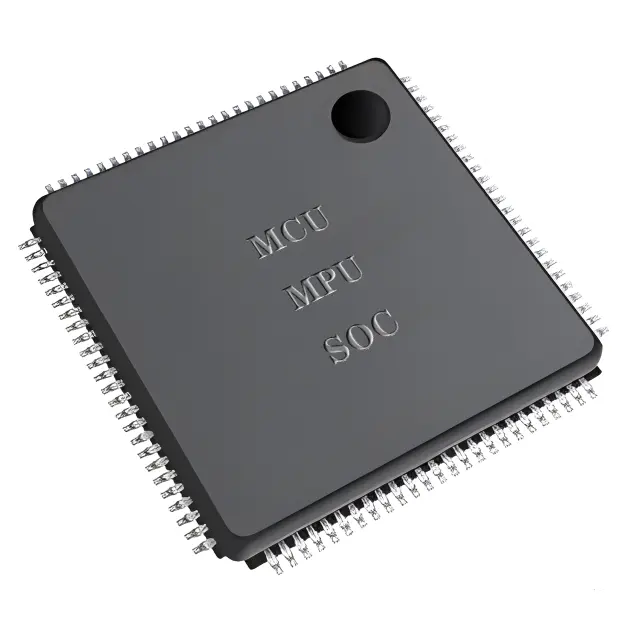 Embedded Processors & Controllers
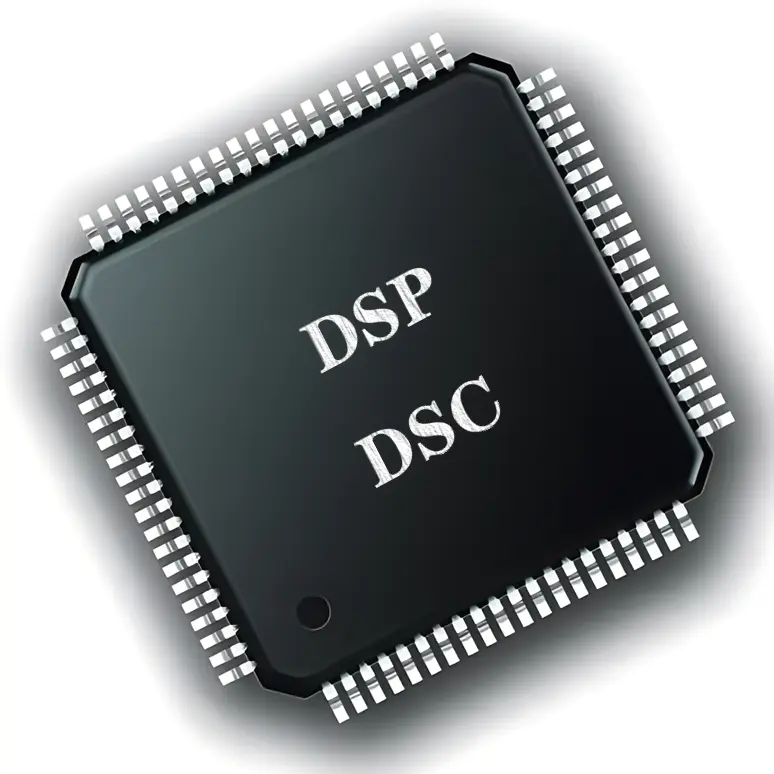 Digital Signal Processors (DSP/DSC)
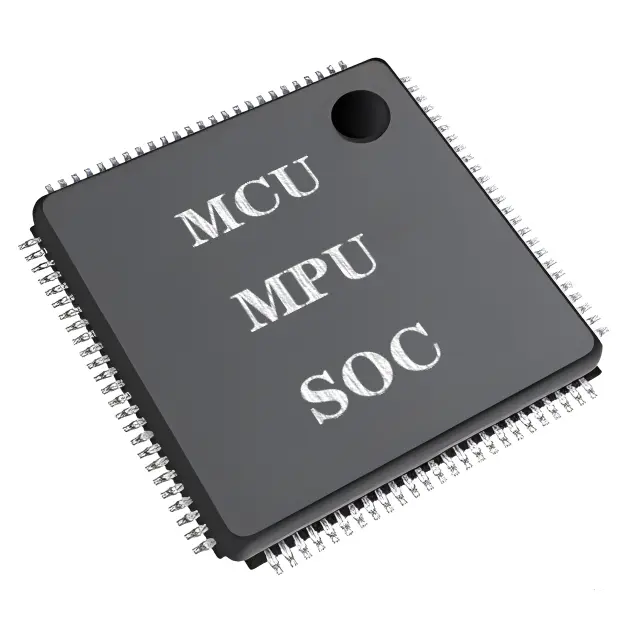 Microcontrollers (MCU/MPU/SOC)
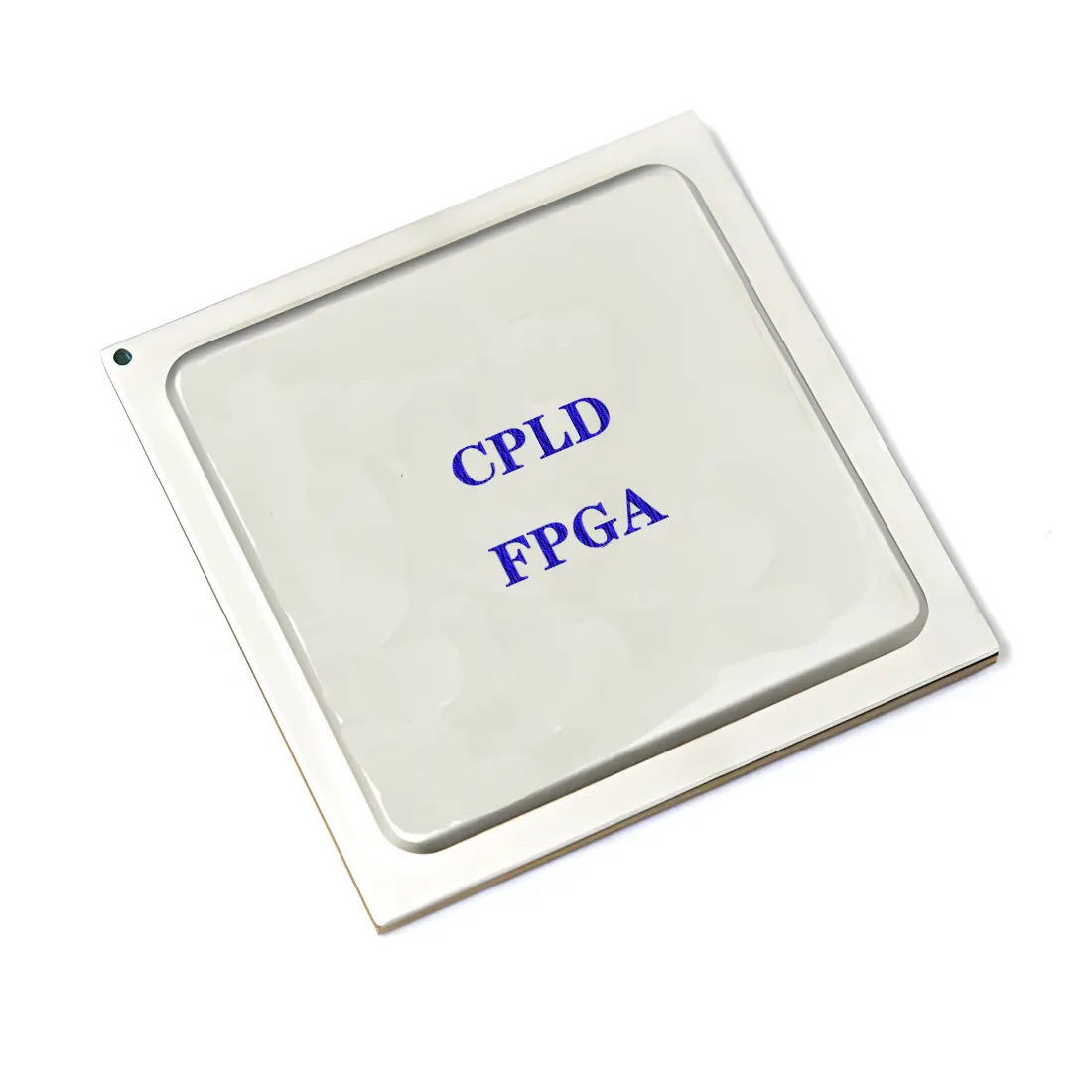 Programmable Logic Device(CPLD/FPGA)
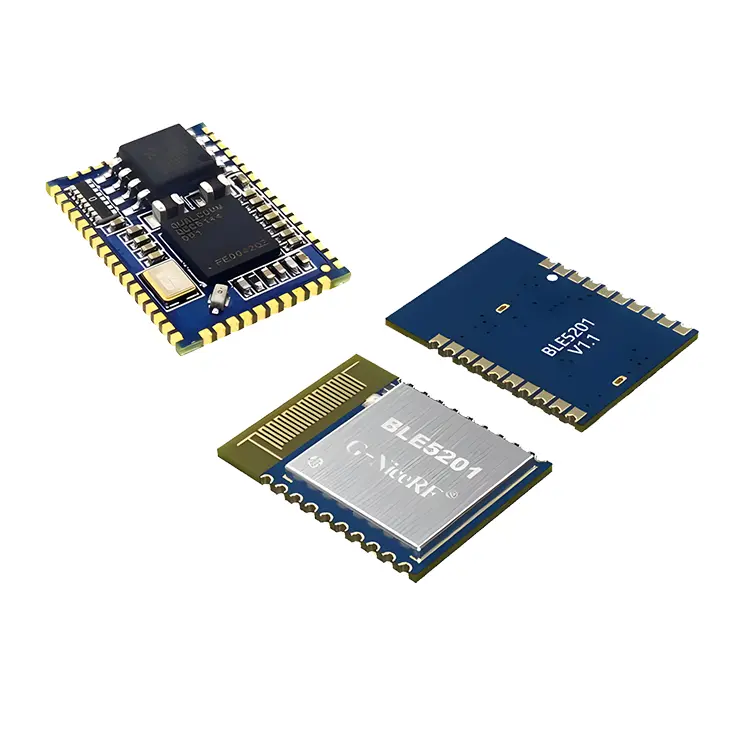 Communication Modules/IoT
 Resistors
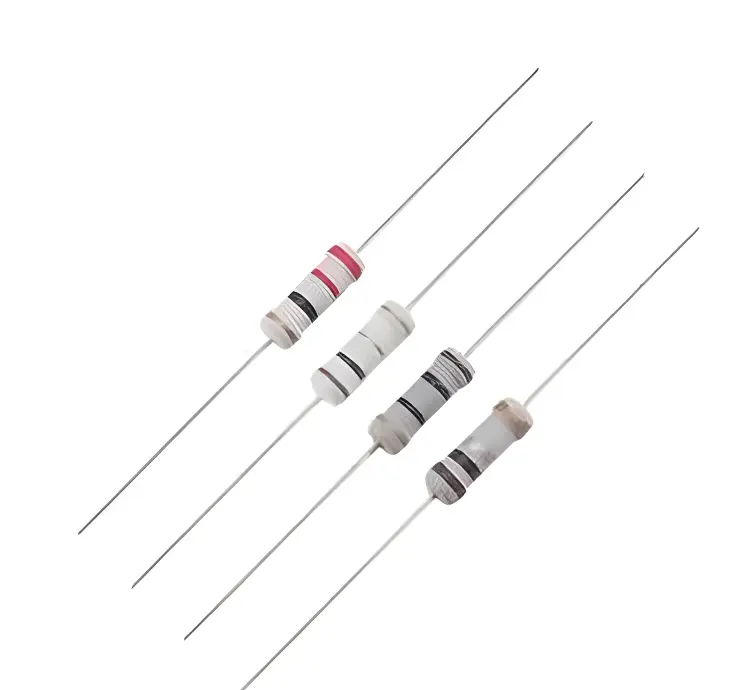 Through Hole Resistors
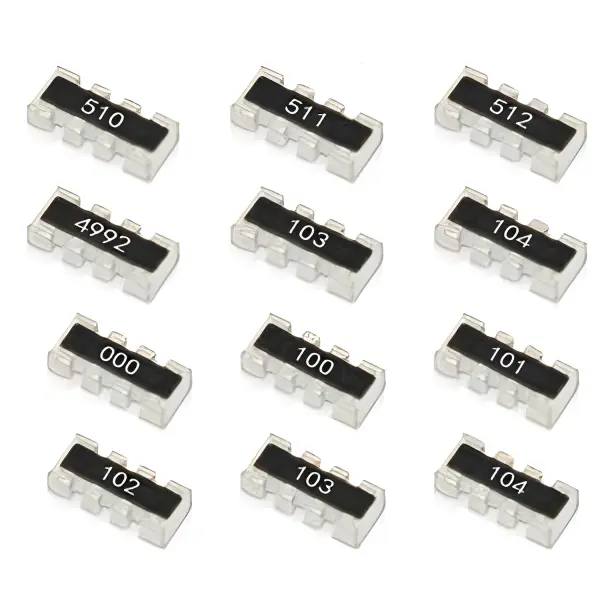 Resistor Networks, Arrays
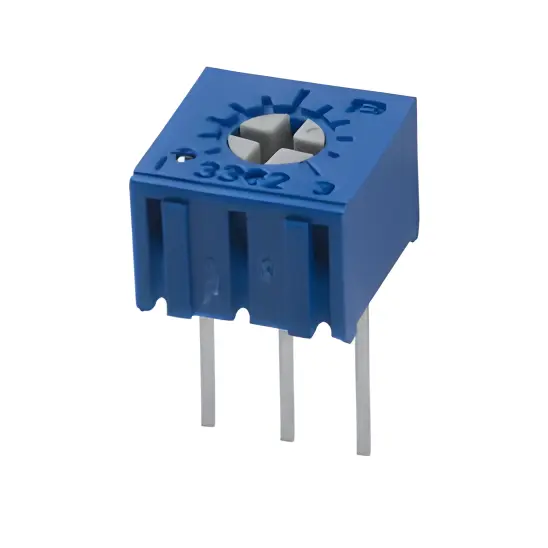 Potentiometers,Variable Resistors
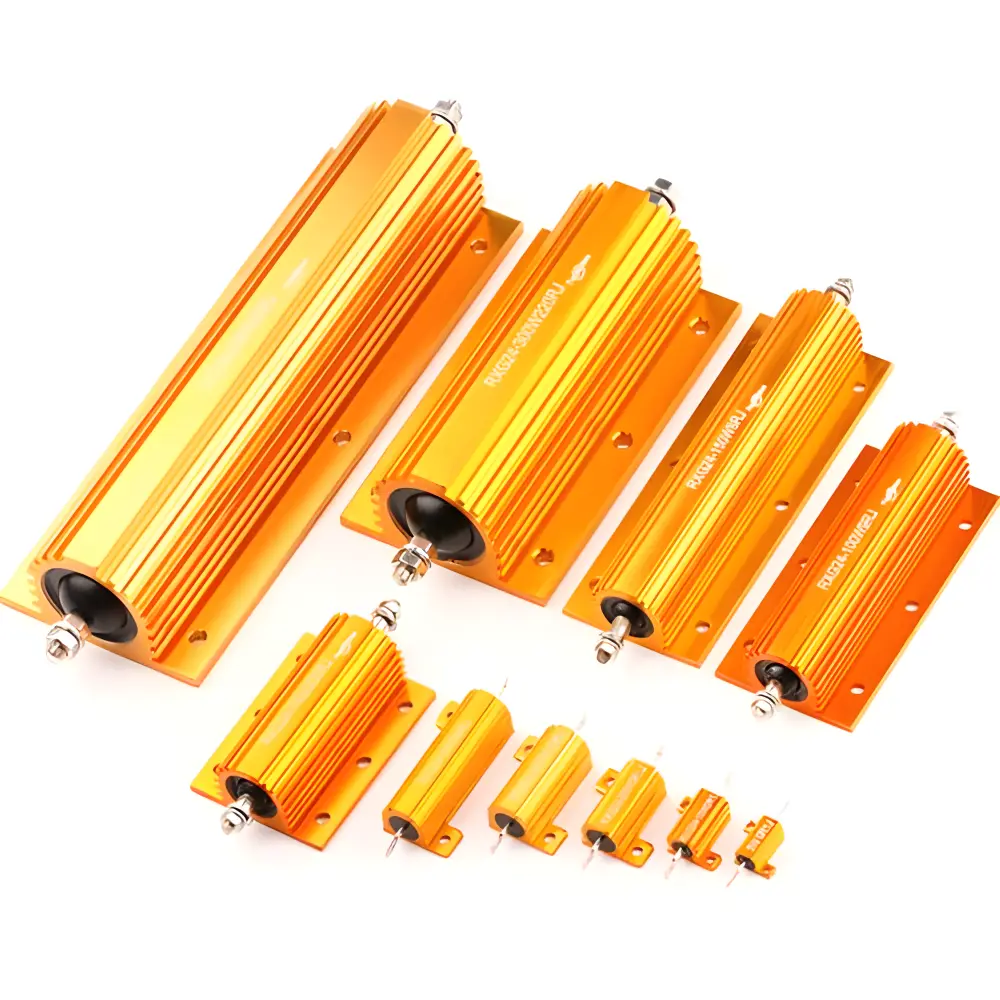 Aluminum Case,Porcelain Tube Resistance
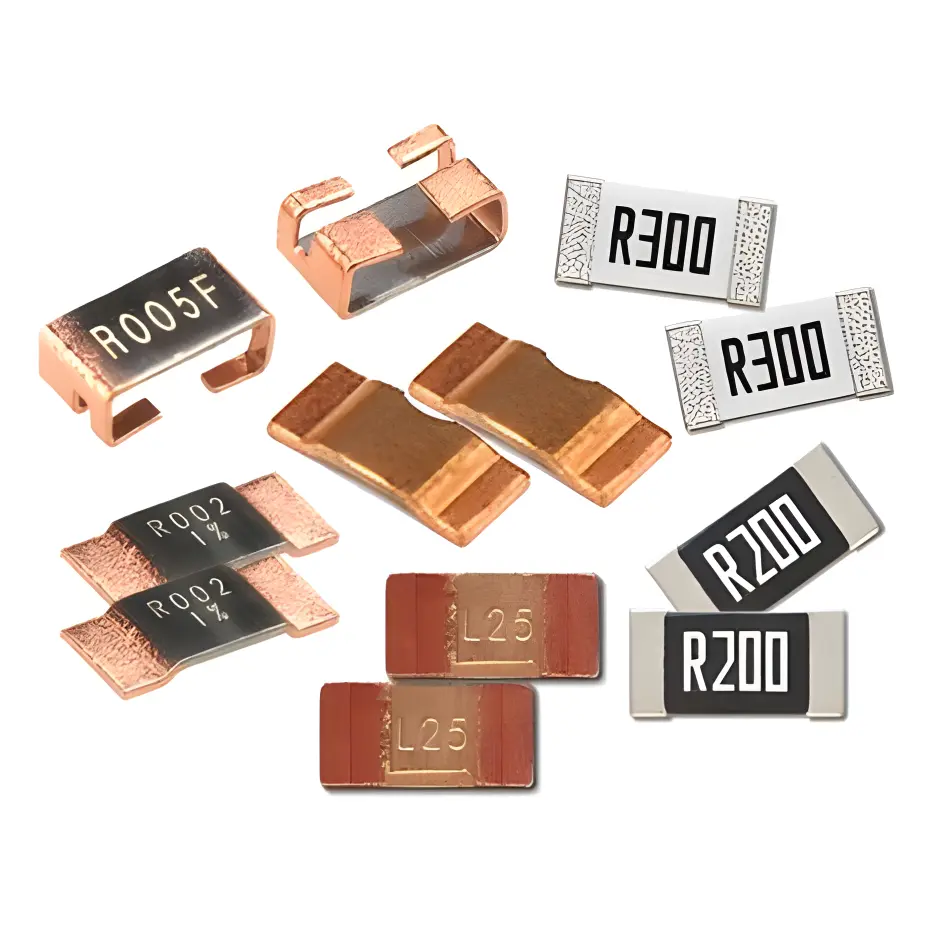 Current Sense Resistors,Shunt Resistors
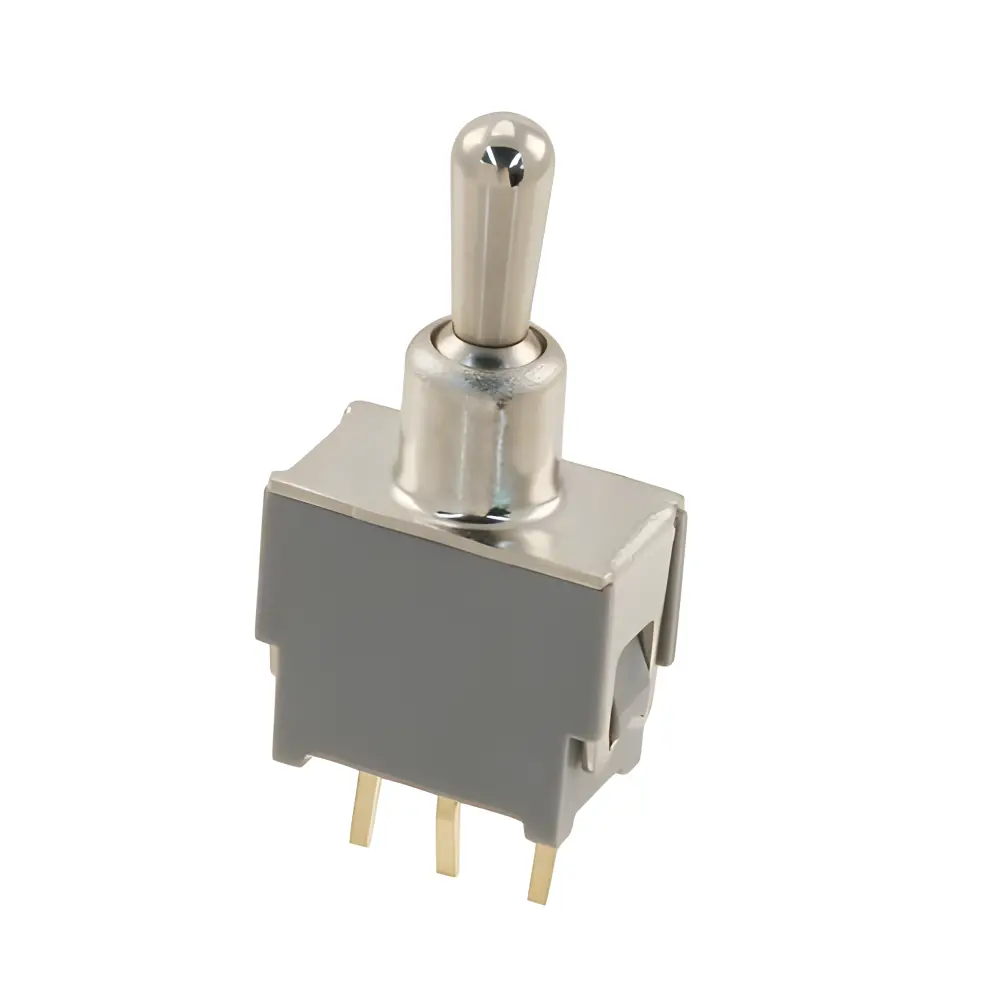 Switches
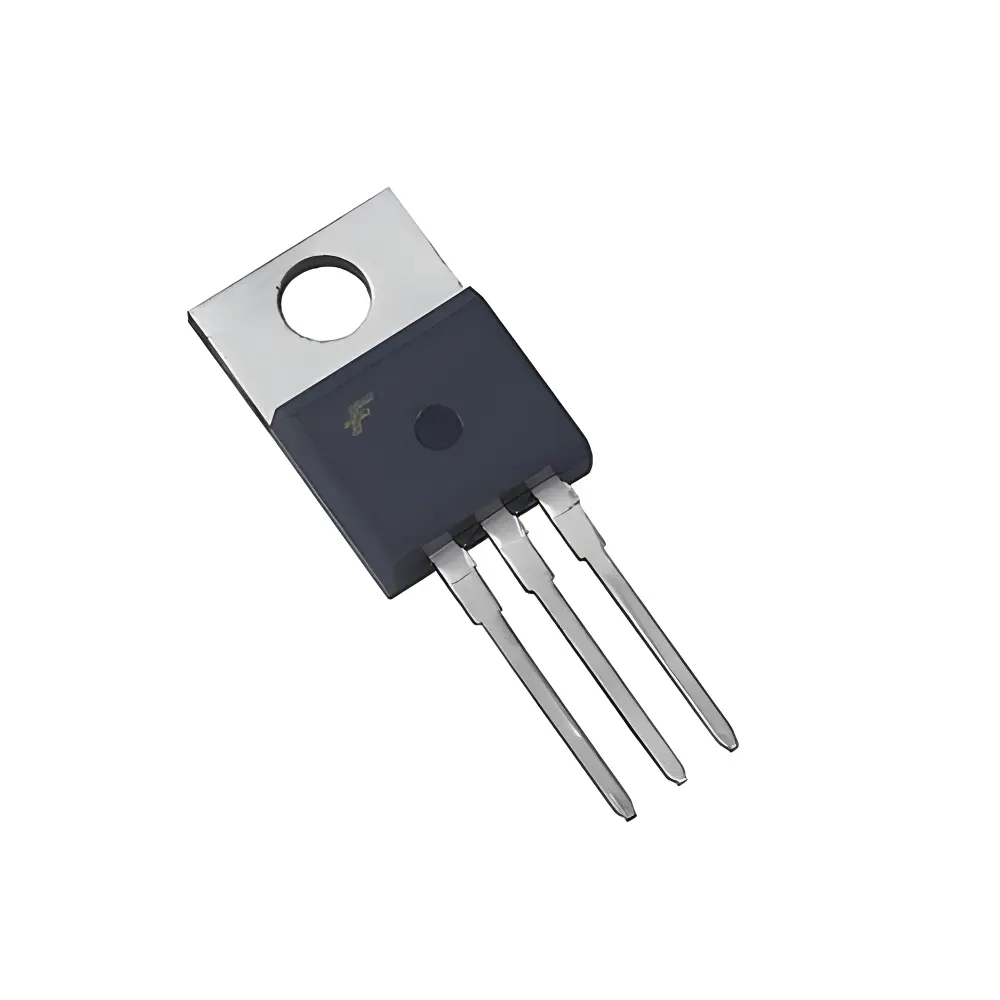 Transistors
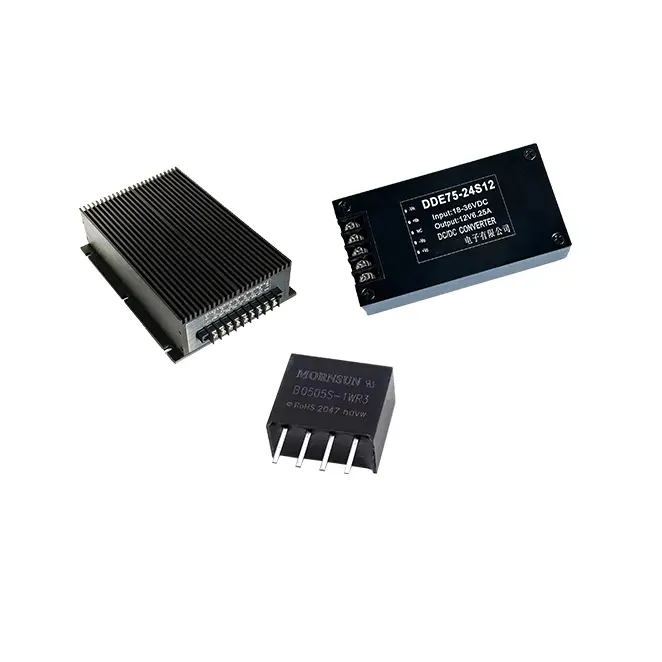 Power Modules
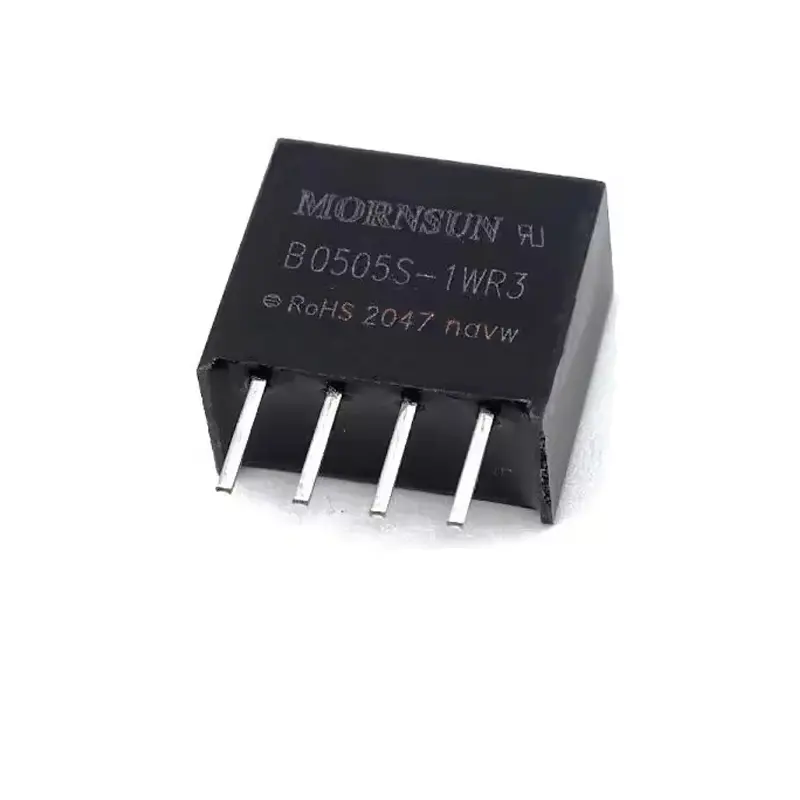 Isolated Power Modules
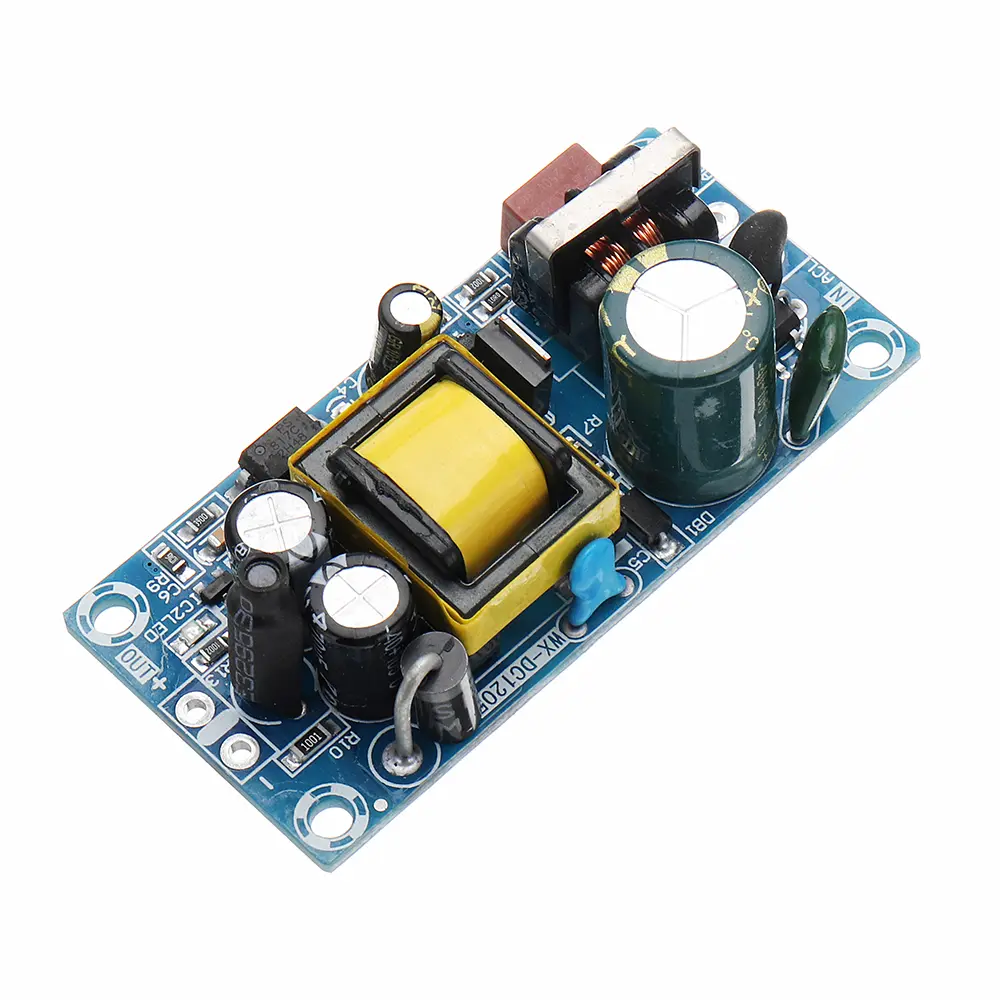 AC-DC Power Modules
 DC-AC Module(Inverter)
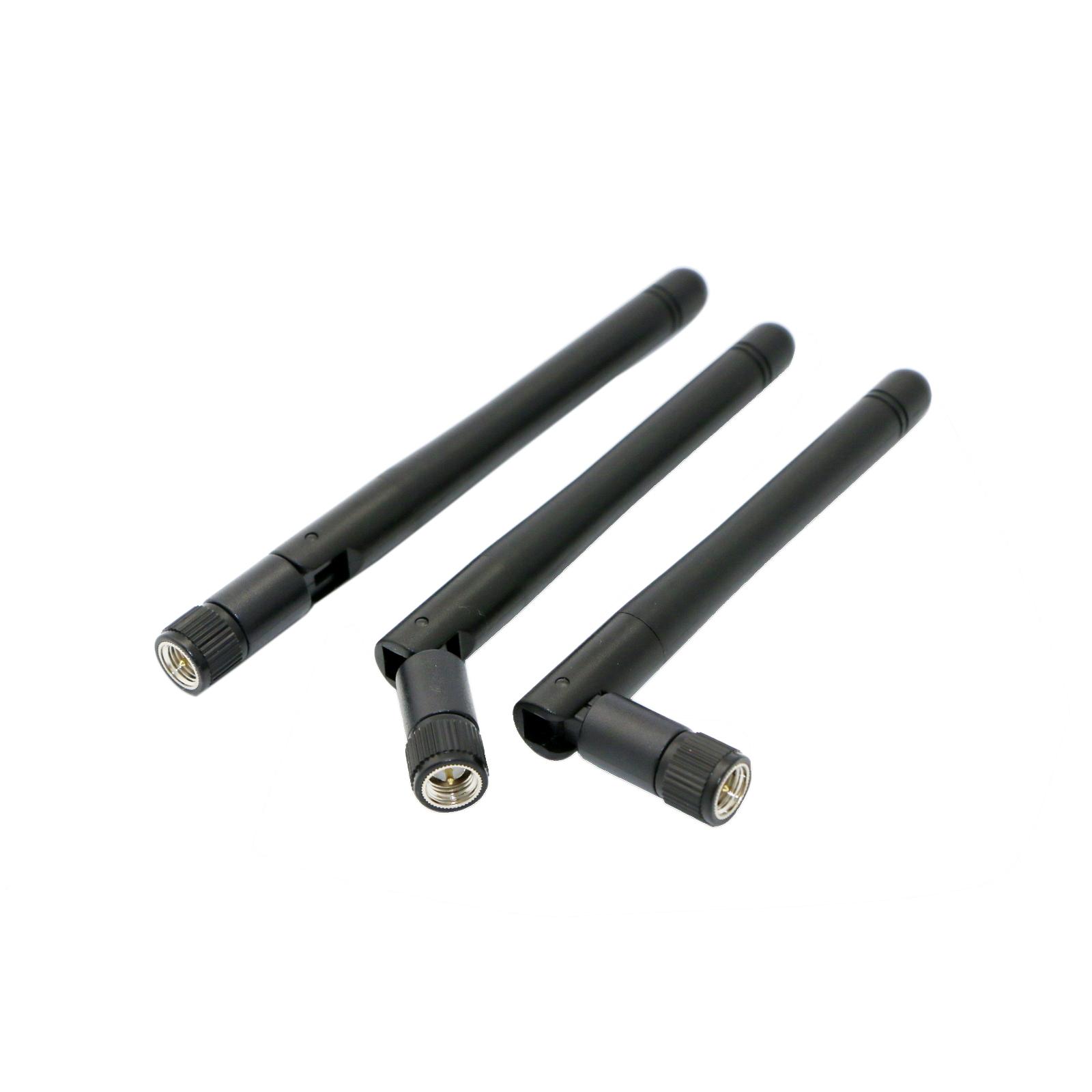 RF and Wireless
Repairing PCB Copper Layer Defects via Cold Spray Technology
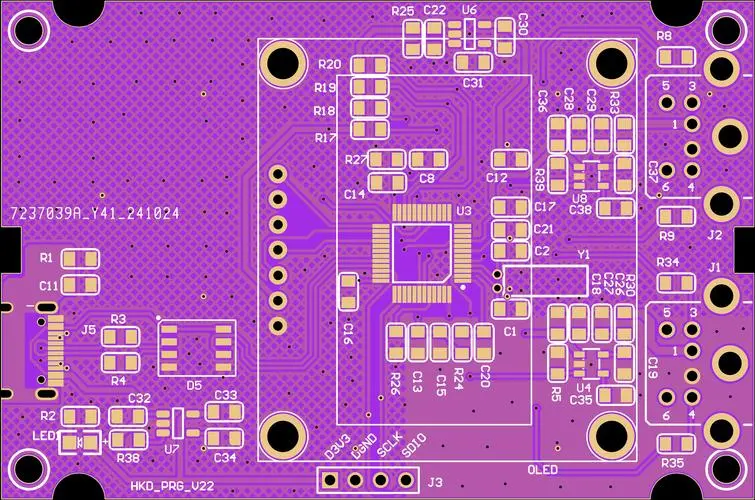
1. Principles and Advantages of Cold Spray
Cold Spray is a solid-state deposition process where metal powders (e.g., Cu) are accelerated by high-pressure gas (N₂/He) to supersonIC speeds (300–1200 m/s), forming dense coatings via plastic deformation. Key advantages for PCB copper repair:
-
Low-temperature process: Operates below 500°C, avoiding thermal damage to substrates (e.g., FR-4 Tg≈130°C);
-
High bond strength: 50–100 MPa adhesion, surpassing conductive adhesives (<10 MPa);
-
Rapid repair: Deposition rate >50 g/min, ideal for localized defects (SCRatches, voids, trace breaks).
2. Repair Process Flow
(1) Defect Pretreatment
-
Cleaning: Plasma (Ar/O₂) or solvent (IPA) to remove oxides;
-
Activation: Micro-sandblasting (20–50 μm Al₂O₃) or laser texturing (Ra=3–5 μm);
-
Masking: High-temp tape/photoresist to protect non-target areas (±50 μm).
(2) Cold Spray Parameter Optimization
-
Powder: Spherical Cu (>99.9% purity, 10–45 μm粒径);
-
Gas: N₂ at 3–5 MPa, 300–500°C preheat; He for higher velocity (1000 m/s);
-
Nozzle: De Laval type (2–5 mm throat), 10–30 mm standoff;
-
Path planning: Robotic multi-axis control, 50–200 mm/s speed, 30–50% overlap.
(3) Post-Processing & Validation
-
Densification: Laser remelting (1070 nm, 50–100 W) or HIP (200°C/100 MPa) to <1% porosity;
-
SuRFace finishing: Polishing/CMP for Ra<0.5 μm;
-
Testing:
-
Electrical: Four-point probe resistivity (<2 μΩ·cm);
-
Adhesion: Scratch test (ASTM C1624) >50 MPa;
-
Reliability: <5% resistance drift after thermal cycling (-55–125°C, 1000×).
-
3. Key Challenges & Solutions
-
Challenge 1: Substrate thermal damage:
-
Solution: Low-temp gas (N₂ <200°C) + short spray duration (<10 s);
-
-
Challenge 2: Poor coverage in complex geometries:
-
Solution: Multi-nozzle arrays or ultrasonic-assisted feeding;
-
-
Challenge 3: Oxide inclusions:
-
Solution: Inert gas (Ar) environment or H₂ (5–10 vol.%) addition.
-
4. Techno-Economic Comparison
| Method | Cold Spray | Electroplating | Conductive Adhesive |
|---|---|---|---|
| Temperature | <200°C | Ambient–50°C | Ambient cure |
| Bond Strength | 50–100 MPa | Substrate-matched | 5–10 MPa |
| Speed | High (cm²/min) | Slow (time-dependent) | Moderate (cure-dependent) |
| Defect Type | Macro-defects | Micro-voids | Non-load-bearing |
5. Application Cases
-
High-frequency PCB trace repair: Restored 10 GHz line with <0.3 dB/cm loss;
-
MLB embedded resistor reconnection: <1% resistance deviation post-repair;
-
Aerospace PCB field repair: MTBF extended to 10,000 hours.