
 PCB
PCB FPC
FPC Rigid-Flex
 FR-4
FR-4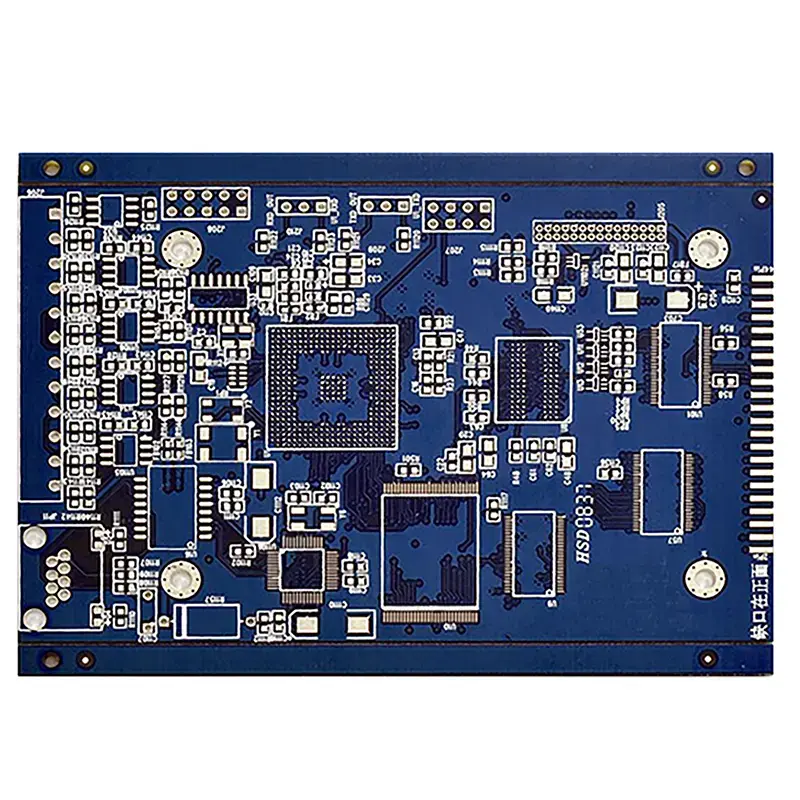 HDI PCB
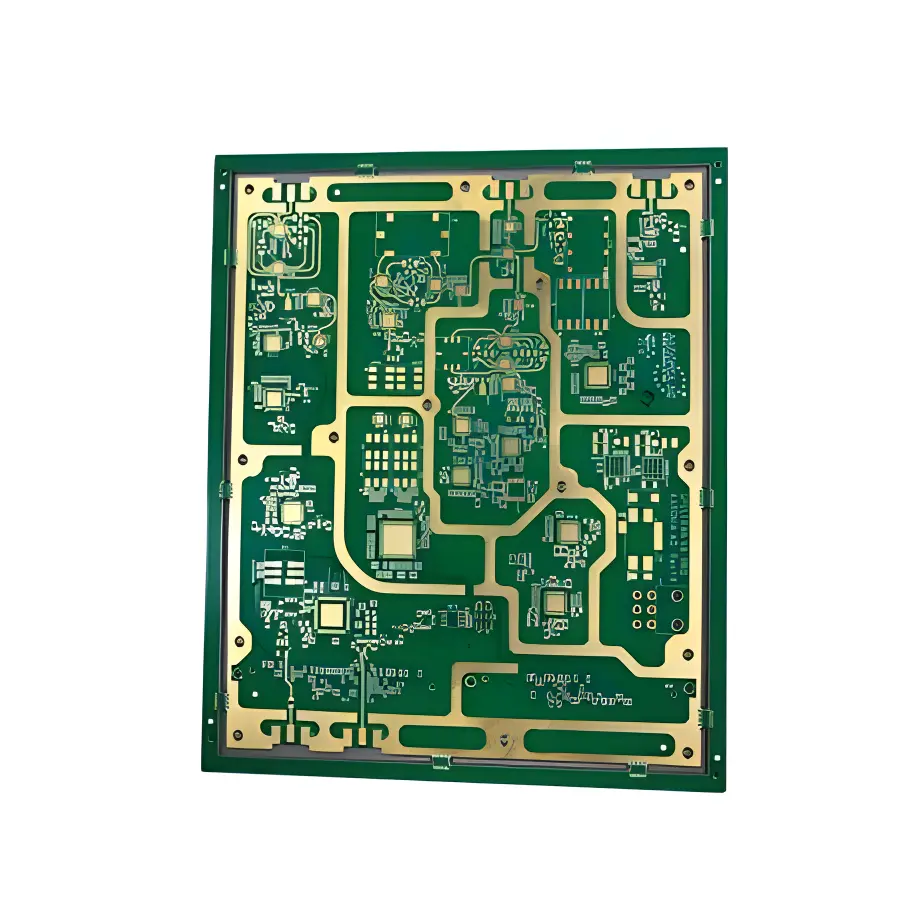 Rogers High-Frequency Board
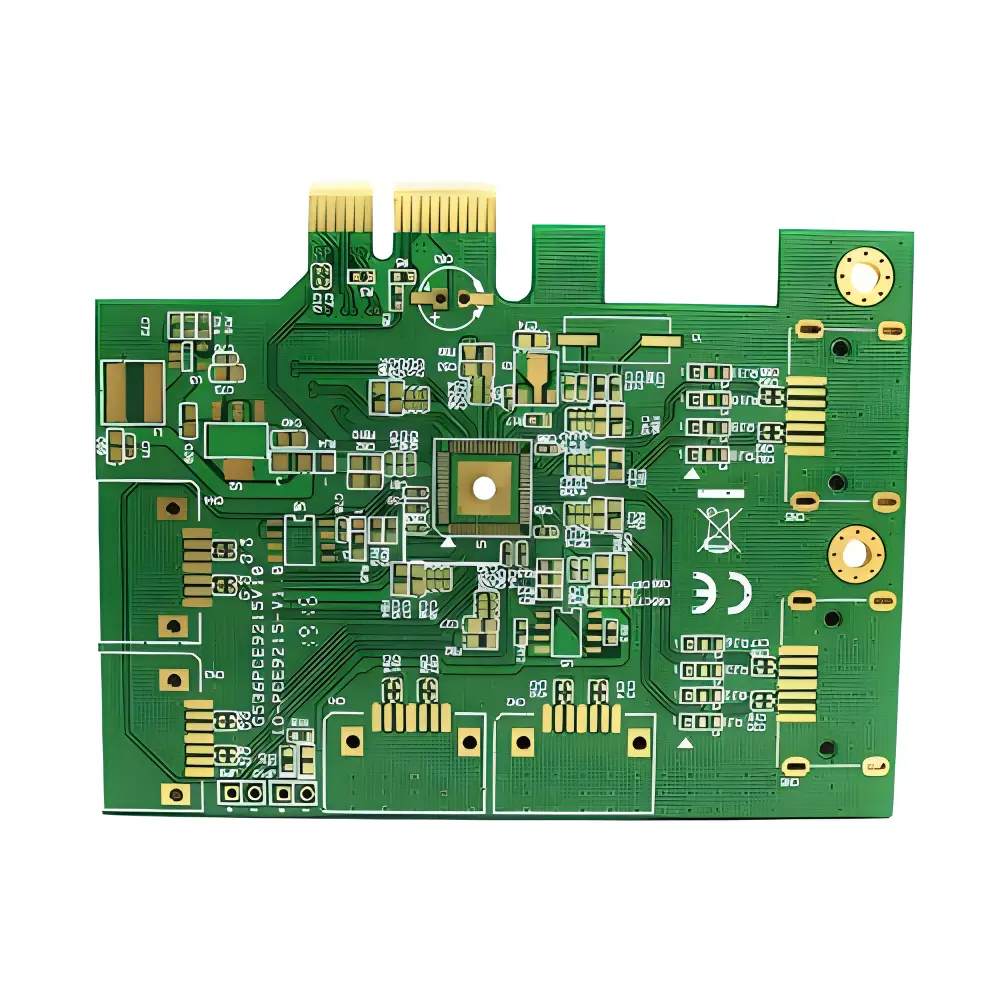 PTFE Teflon High-Frequency Board
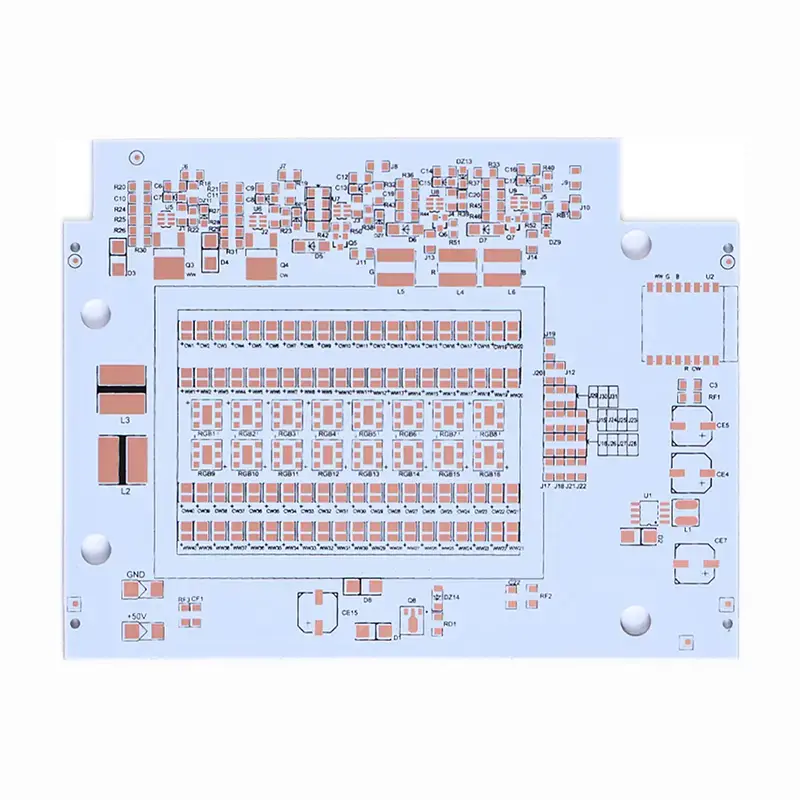 Aluminum
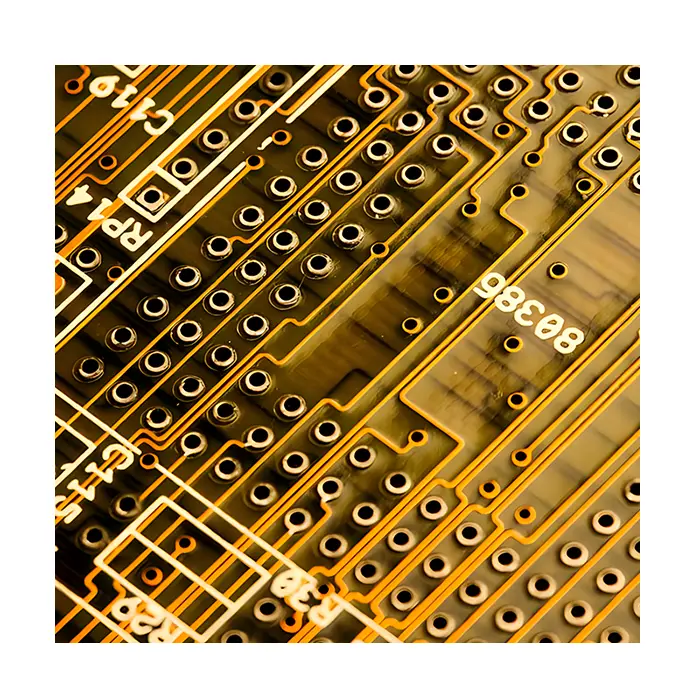 Copper Core
 PCB Assembly
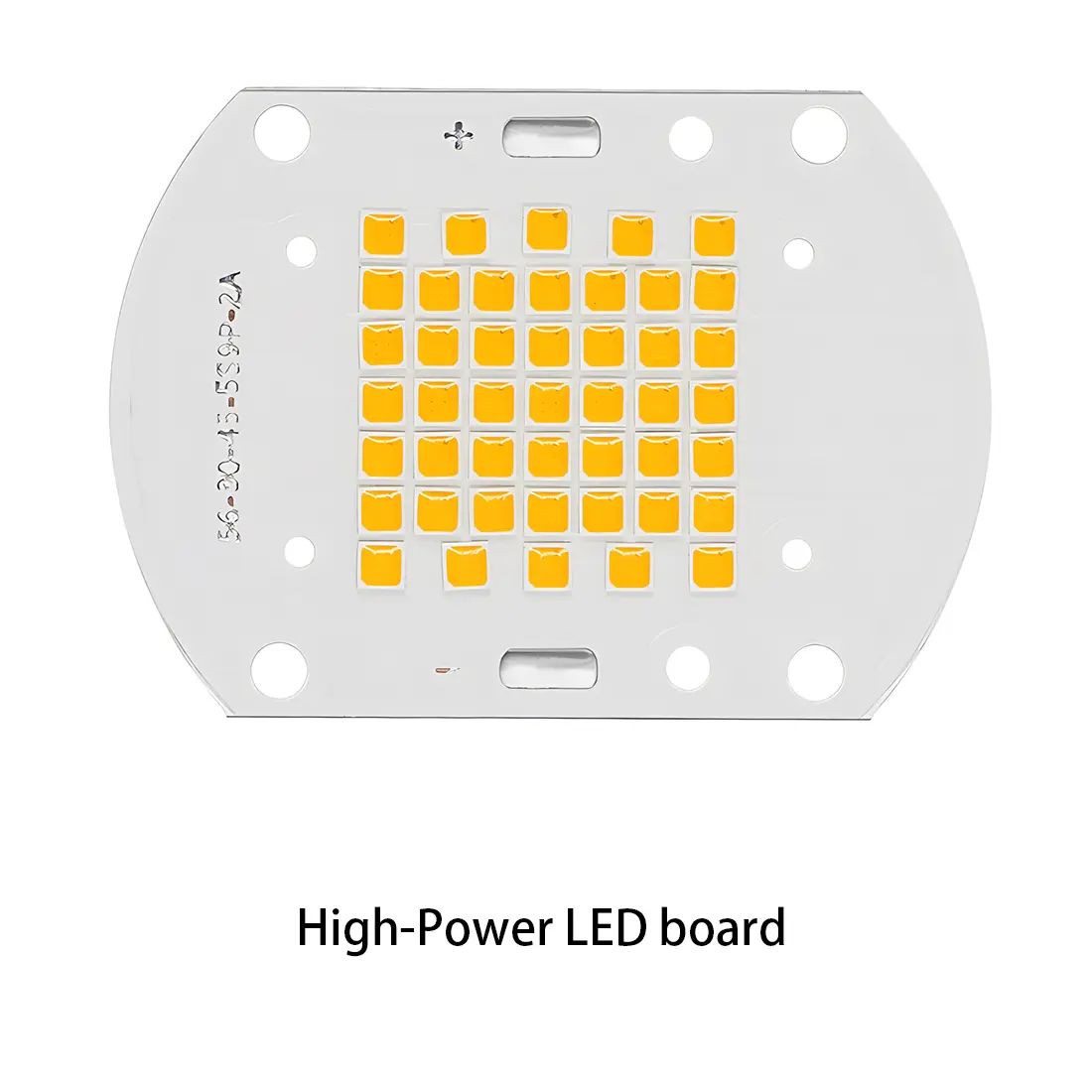 LED light PCBA
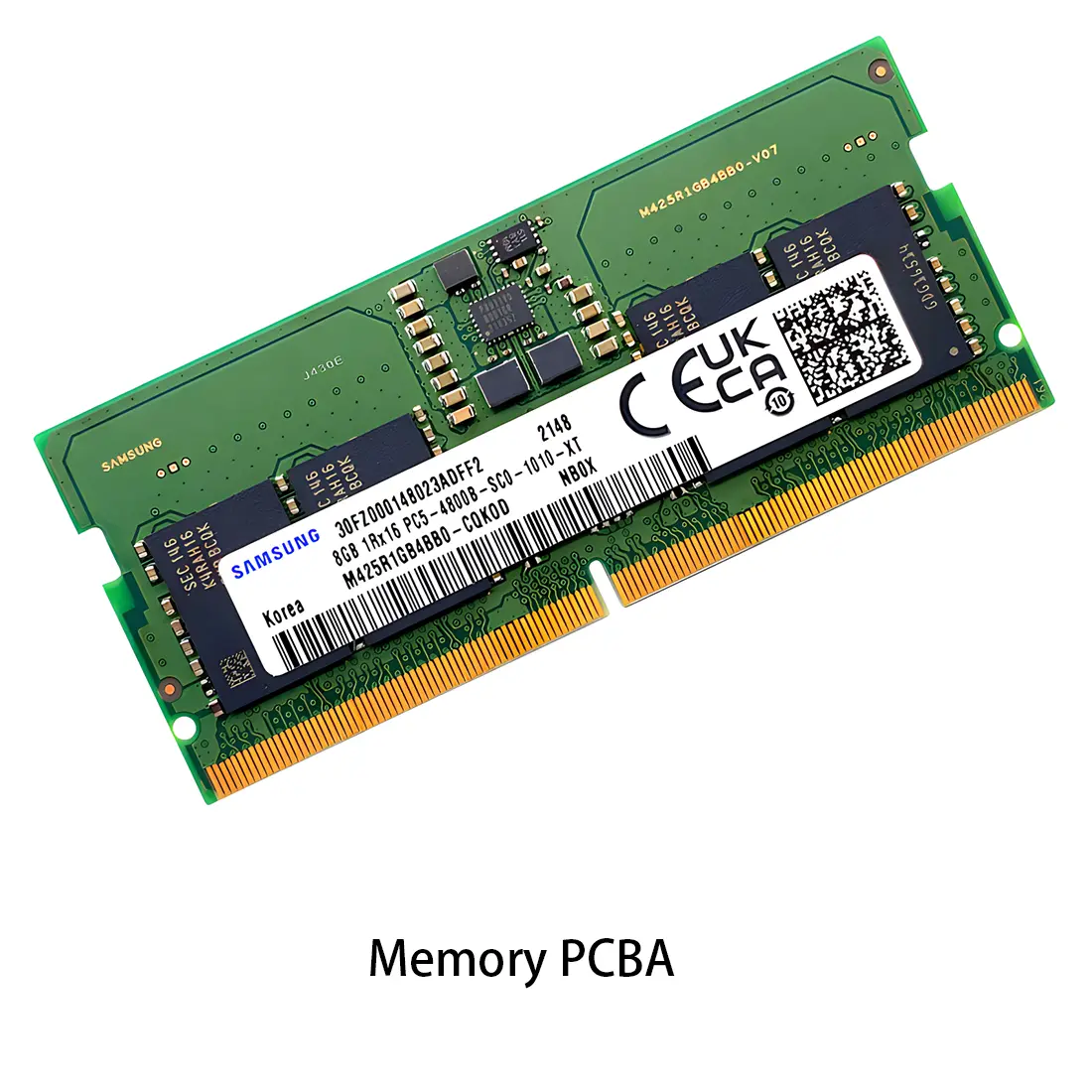 Memory PCBA
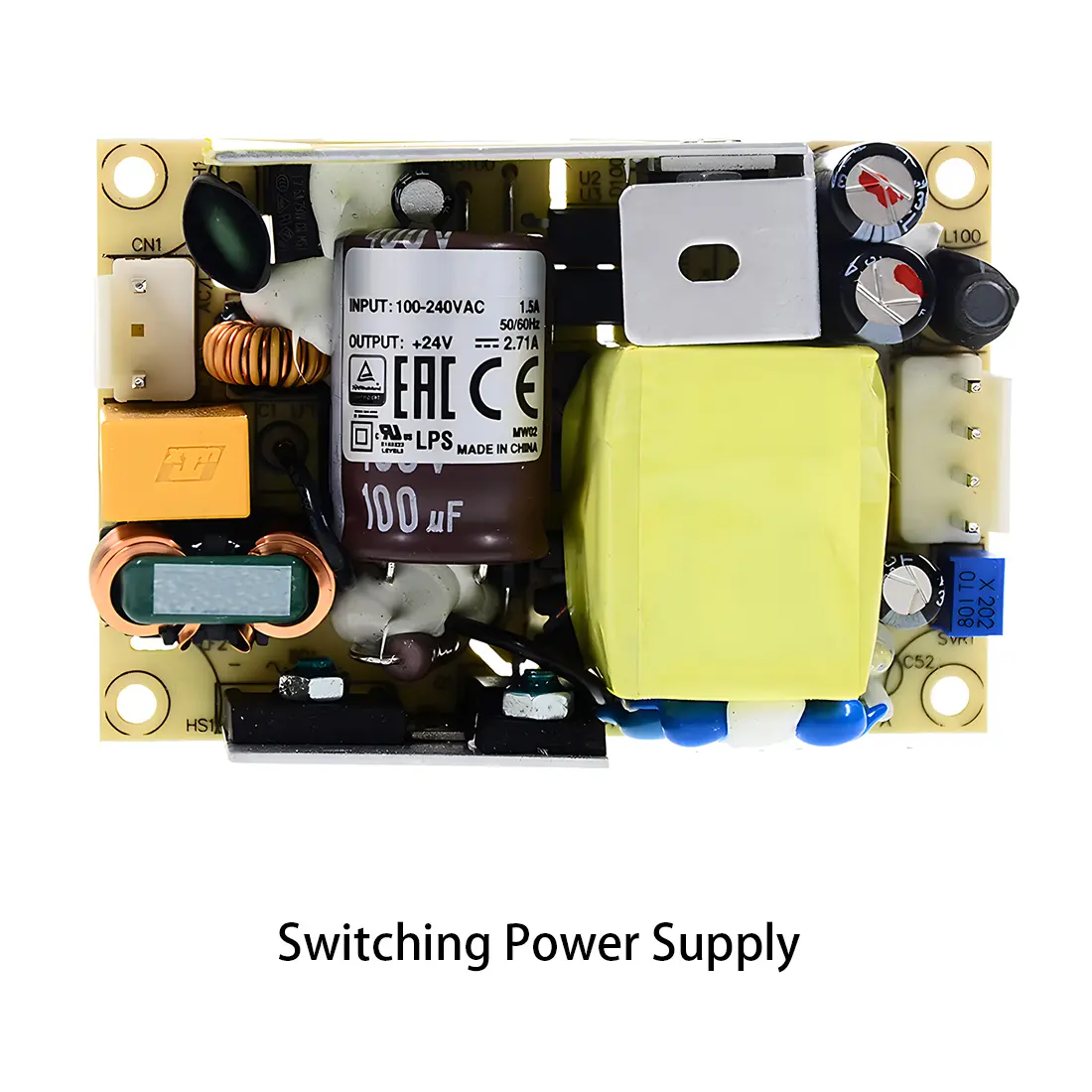 Power Supply PCBA
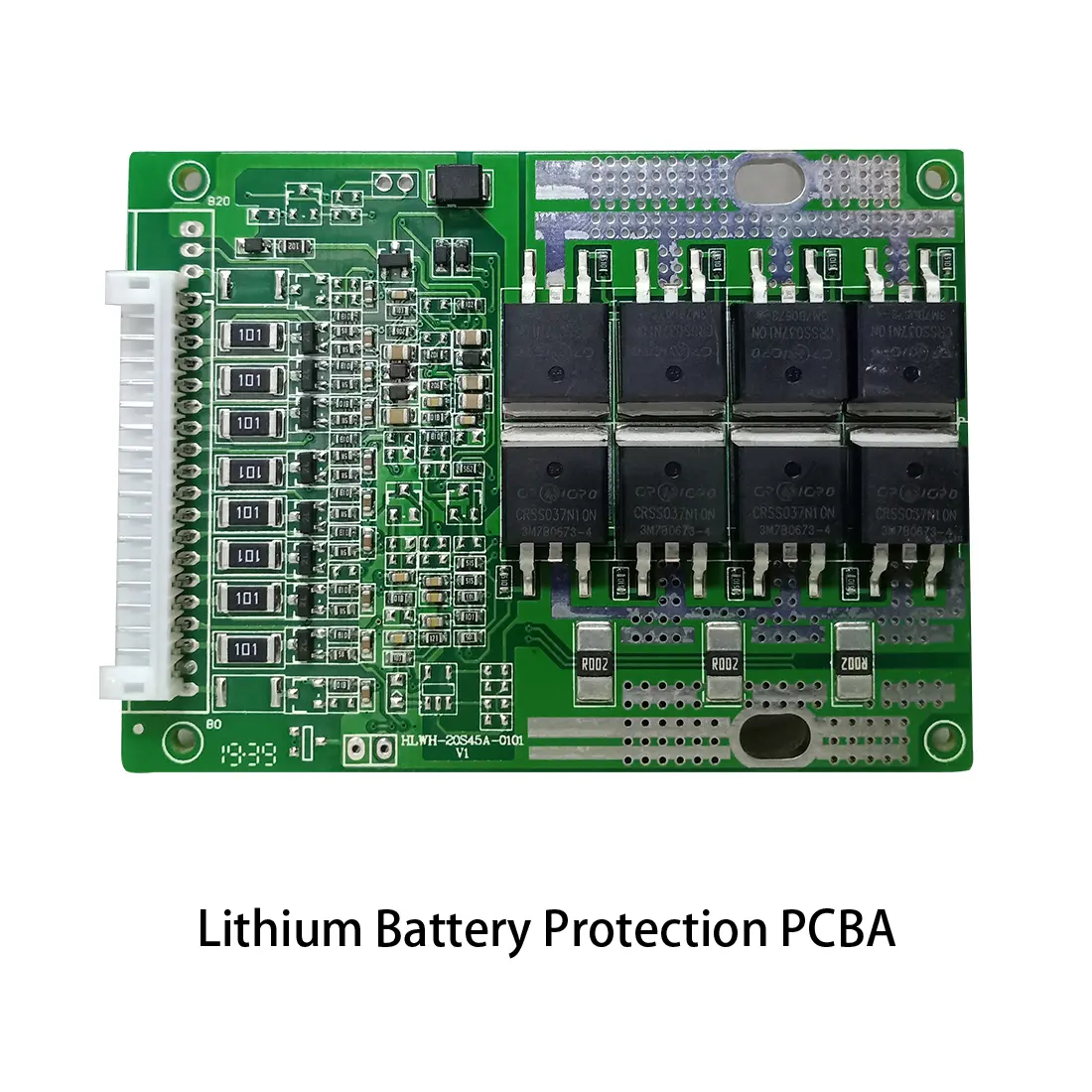 New Energey PCBA
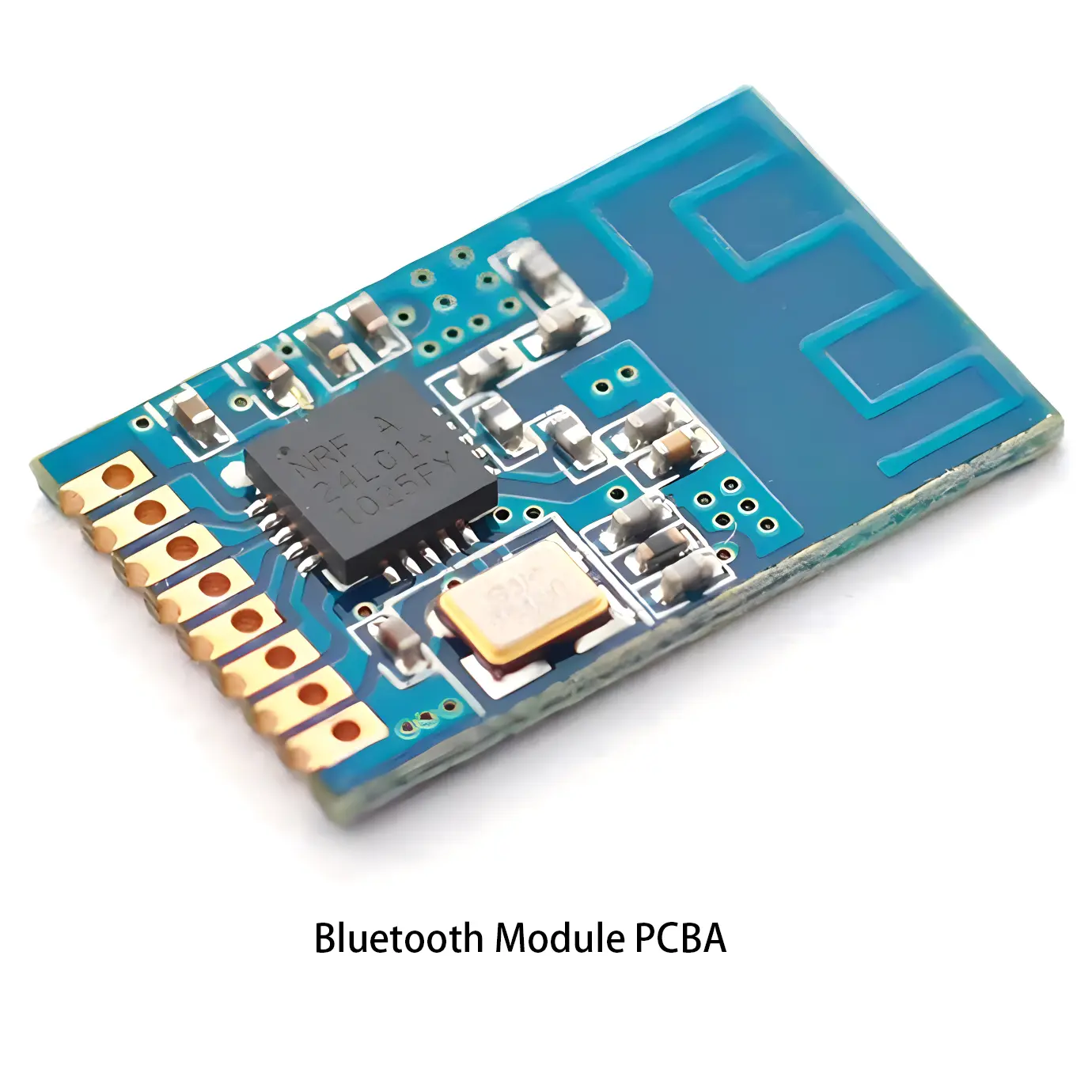 Communication PCBA
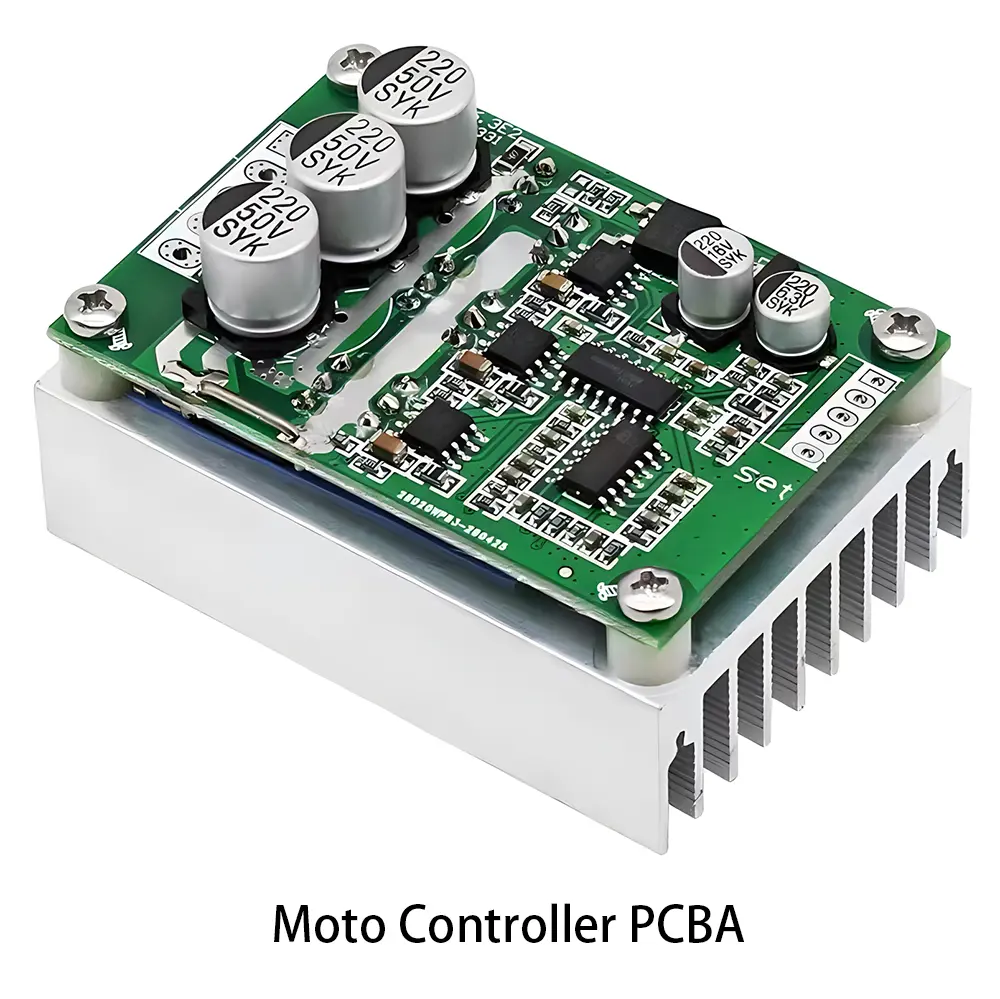 Industrial Control PCBA
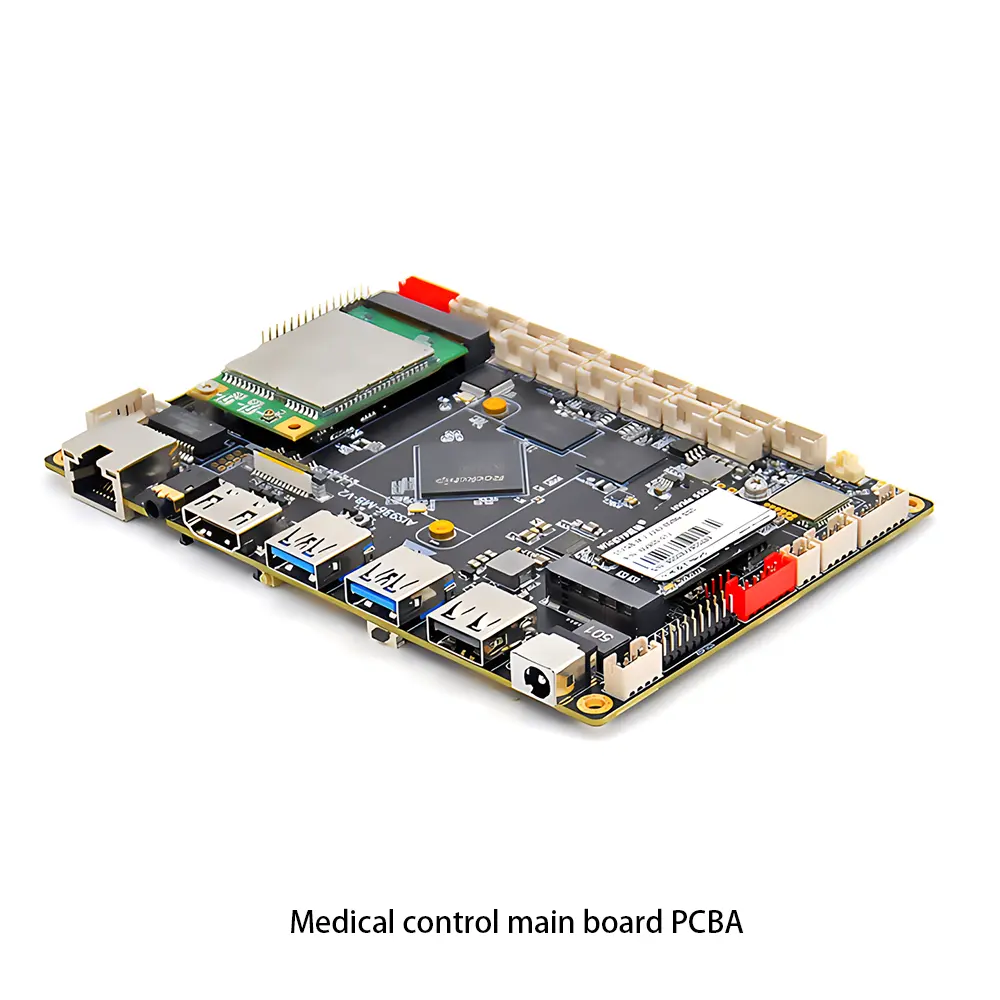 Medical Equipment PCBA
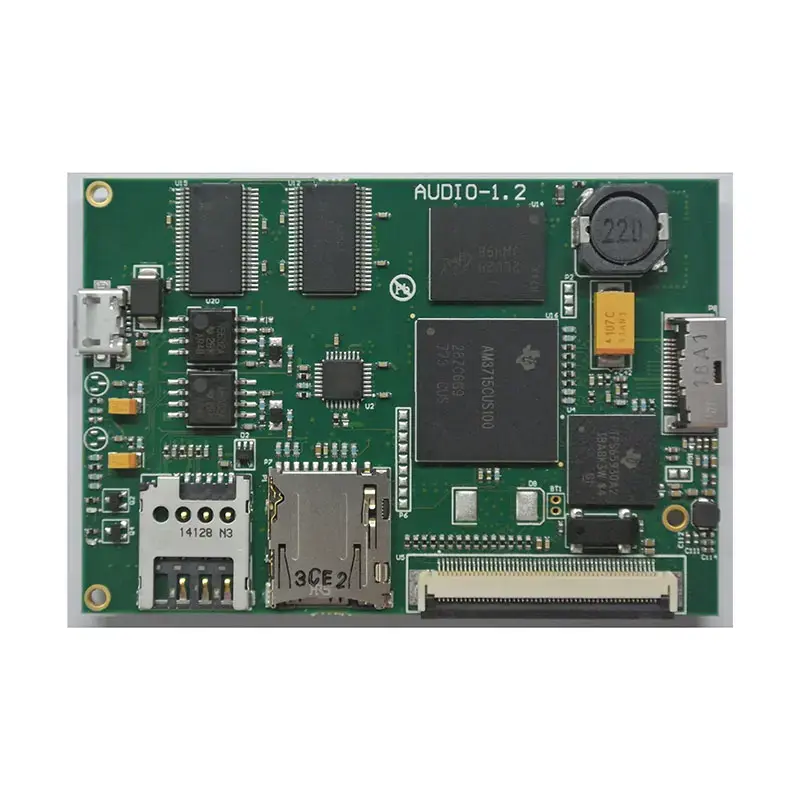 Testing Service
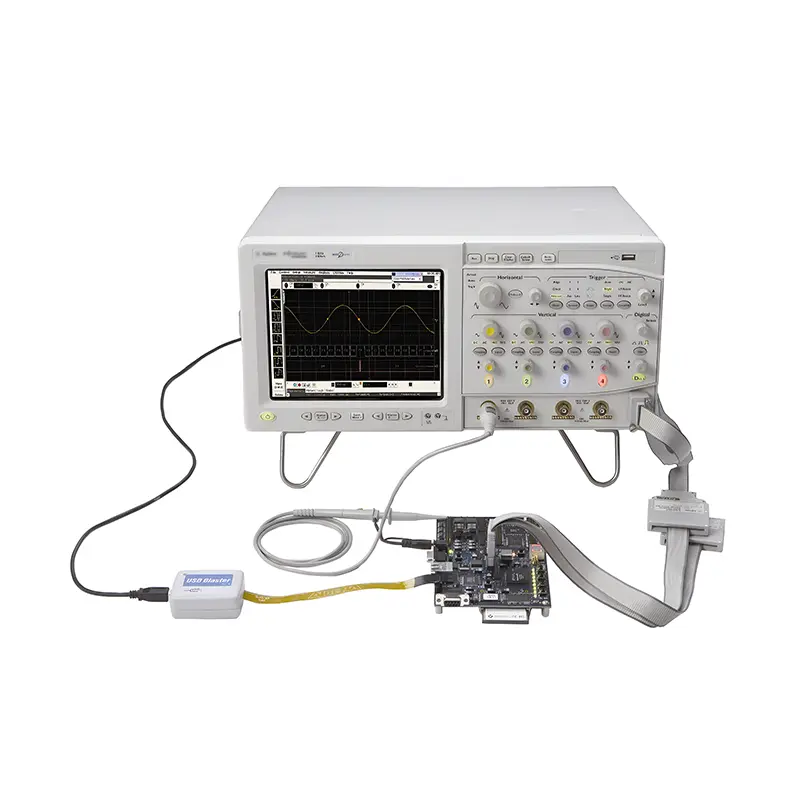 PCBA Testing Service
 Certification Application
 RoHS Certification Application
 REACH Certification Application
 CE Certification Application
 FCC Certification Application
 CQC Certification Application
 UL Certification Application
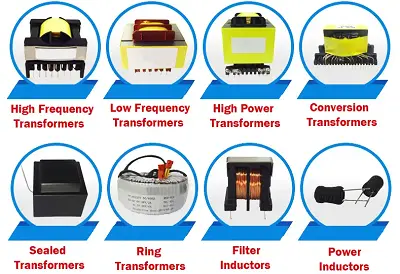 Transformers, Inductors
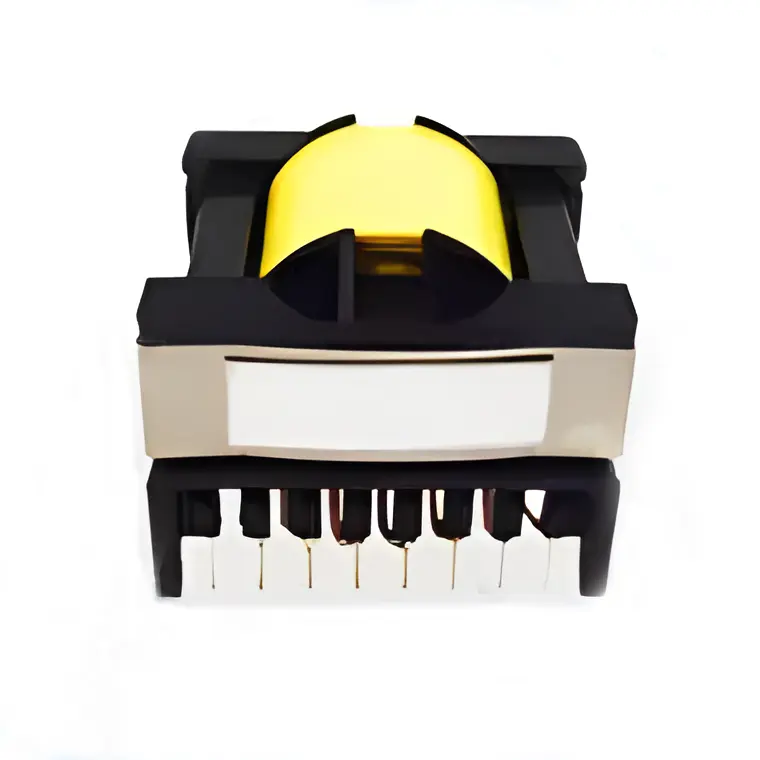 High Frequency Transformers
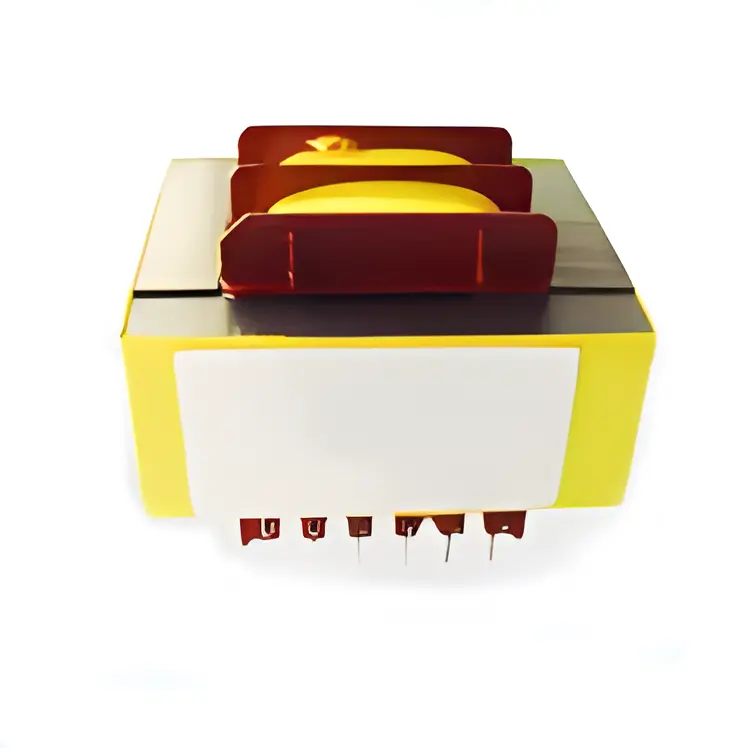 Low Frequency Transformers
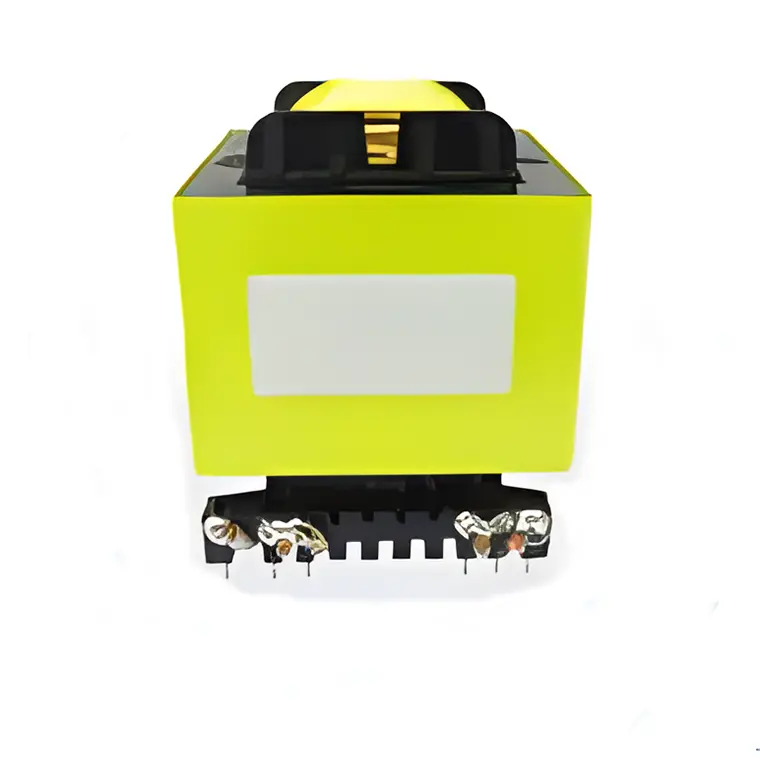 High Power Transformers
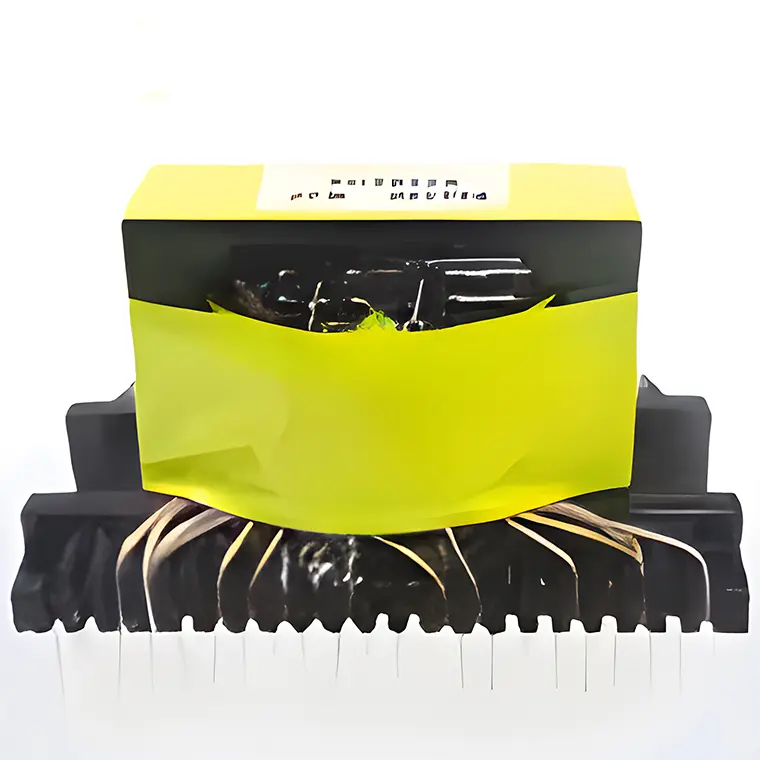 Conversion Transformers
 Sealed Transformers
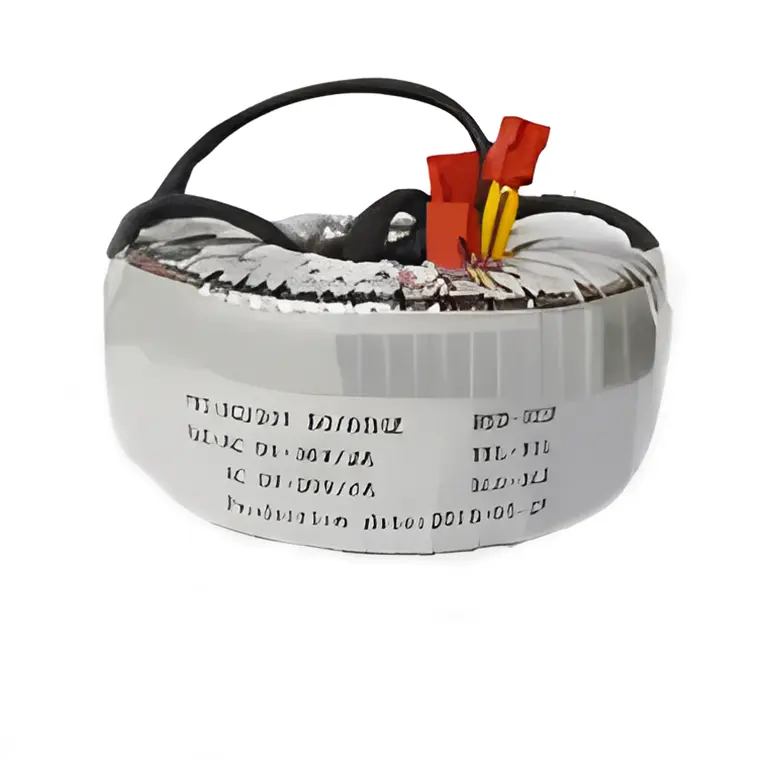 Ring Transformers
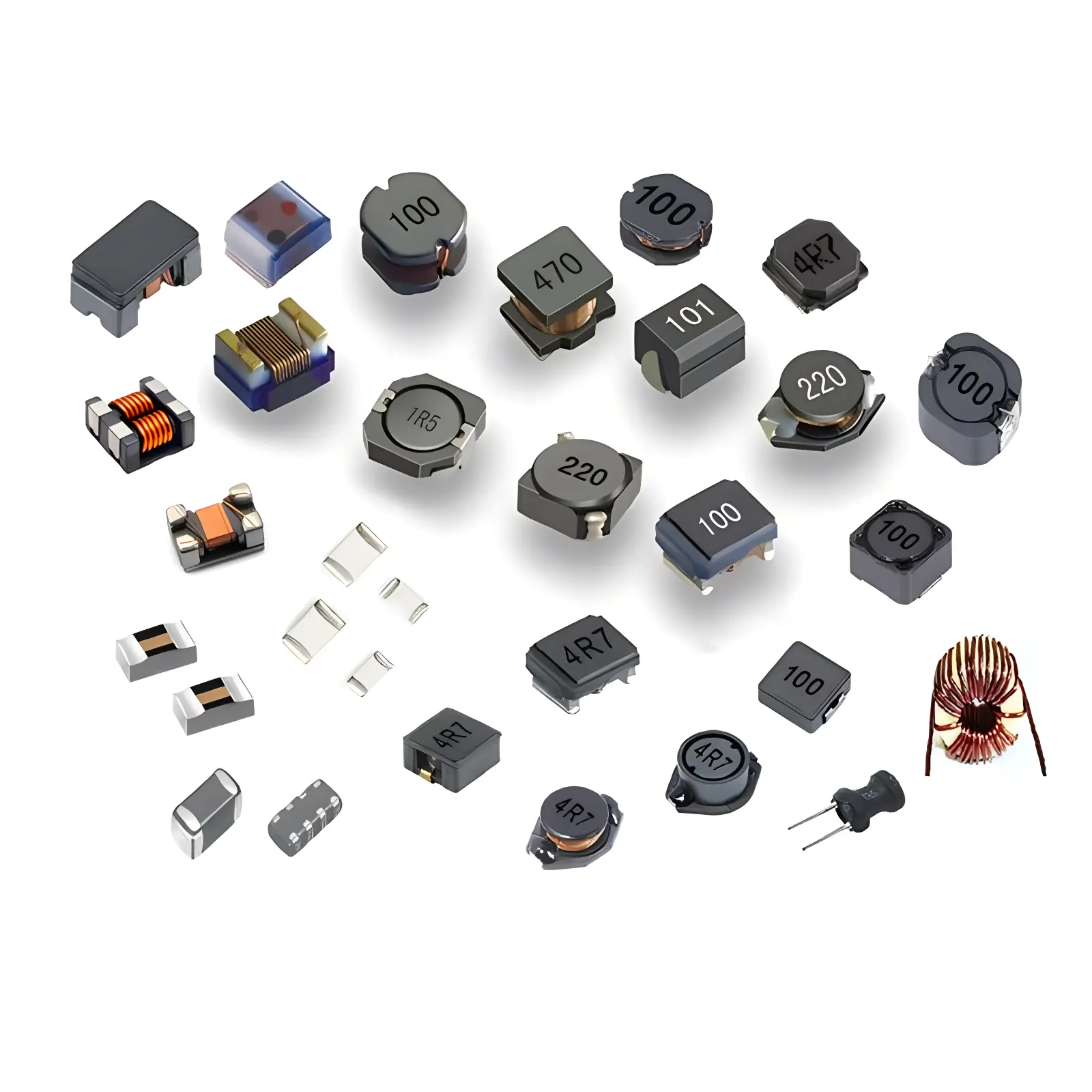 Inductors
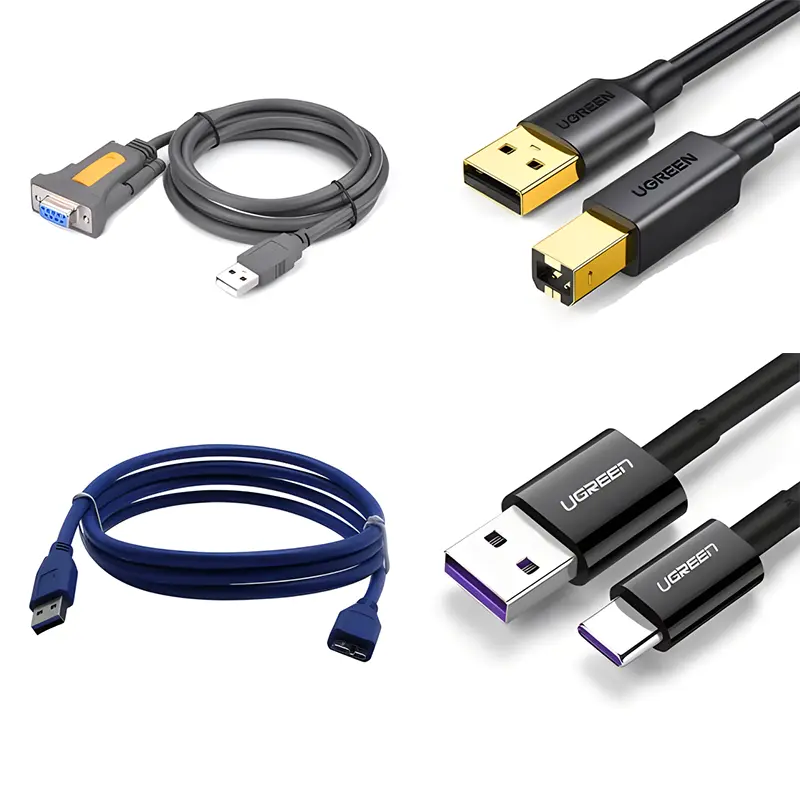 Wires,Cables Customized
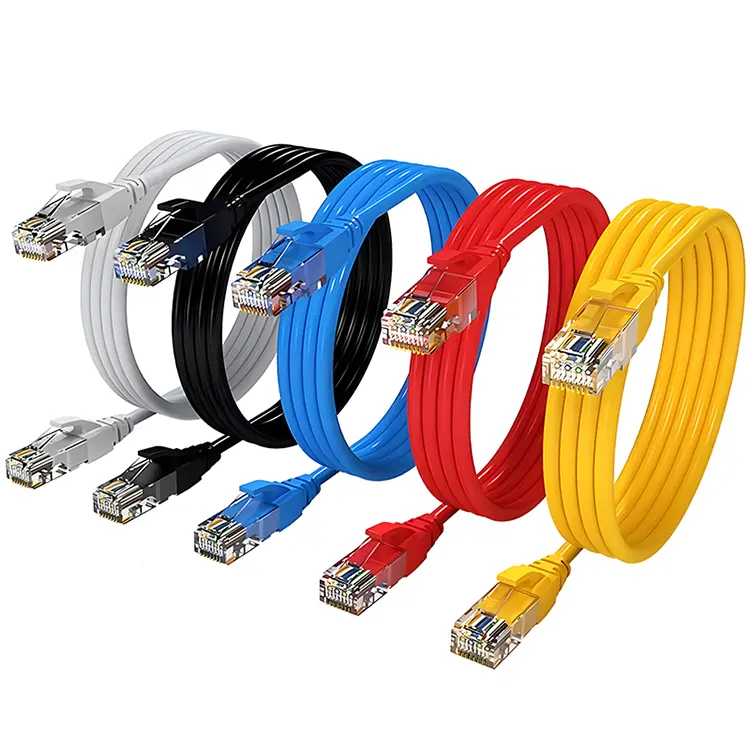 Network Cables
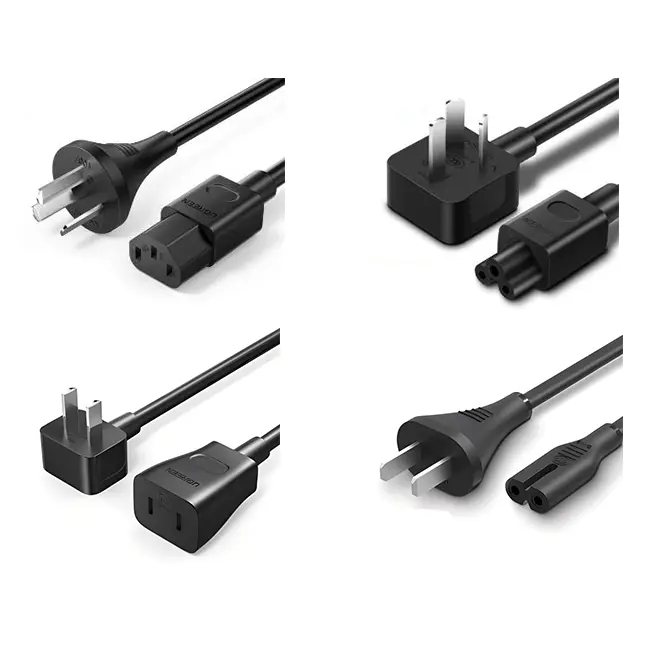 Power Cords
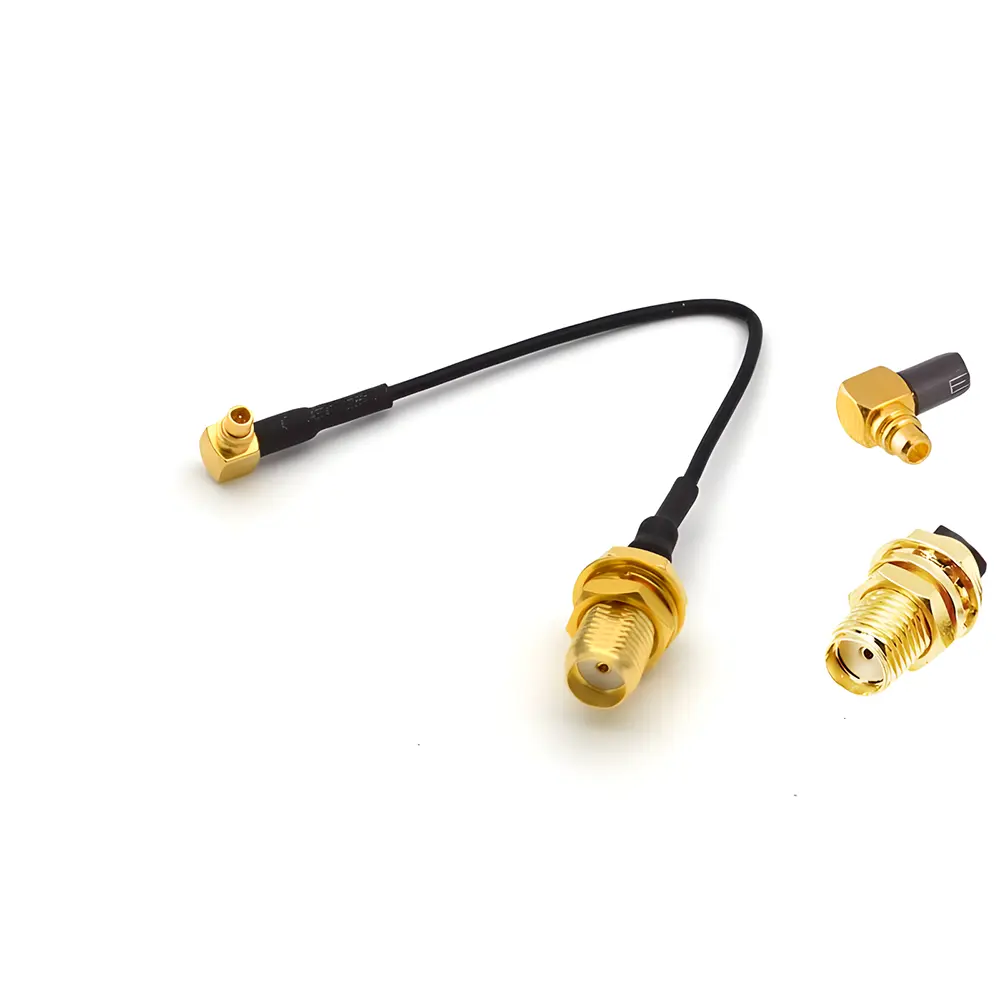 Antenna Cables
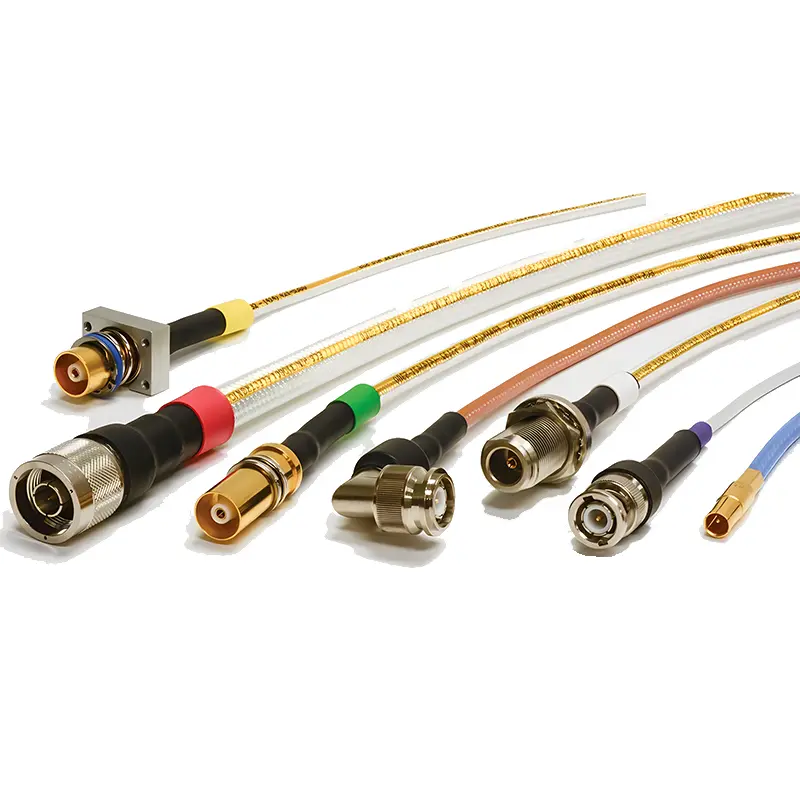 Coaxial Cables
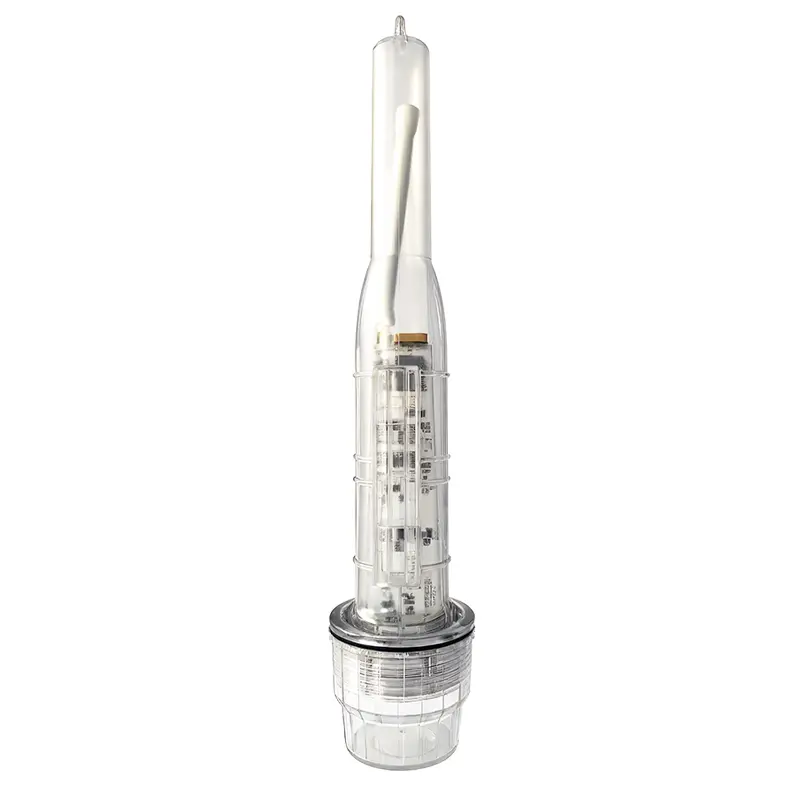 Net Position Indicator
 Solar AIS net position indicator
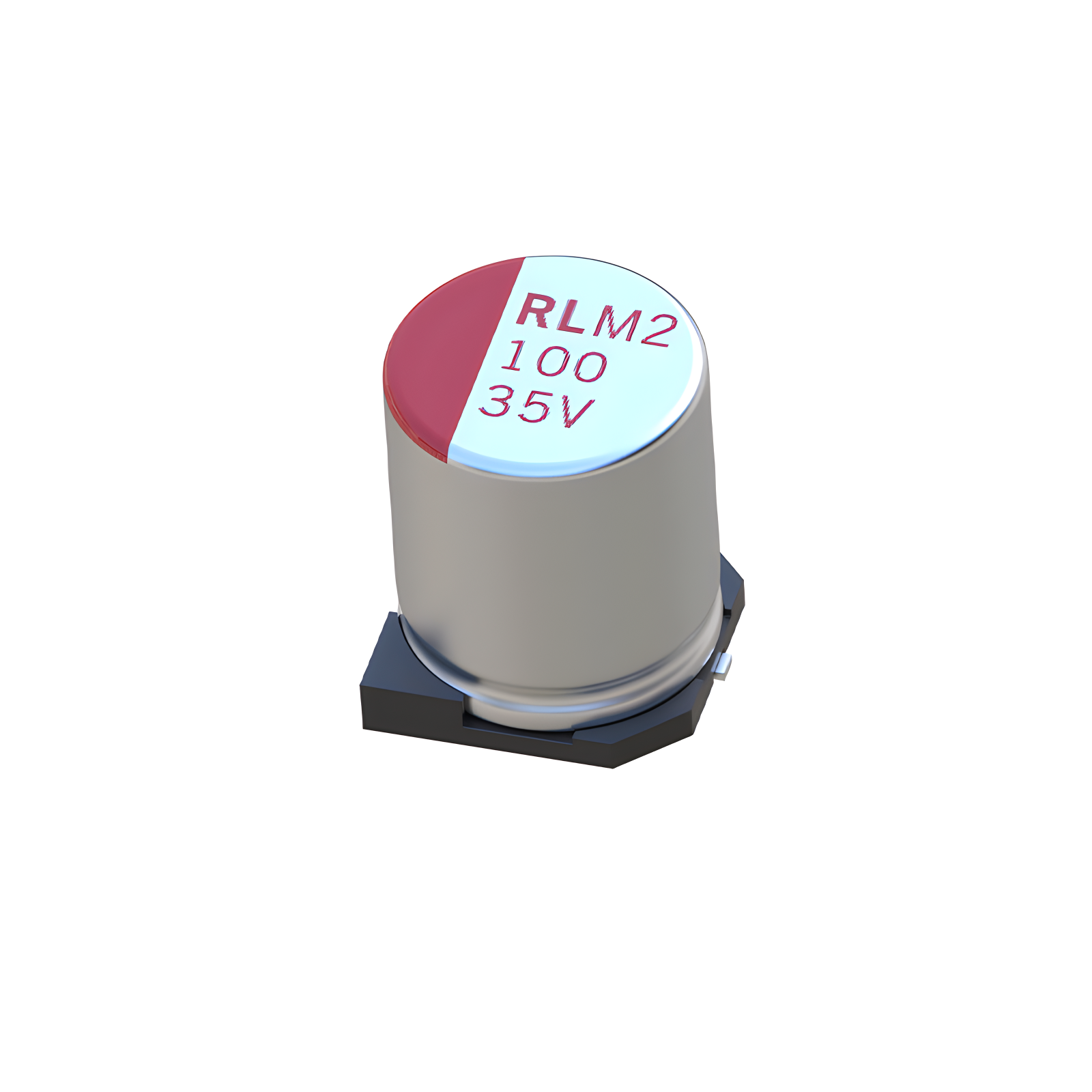 Capacitors
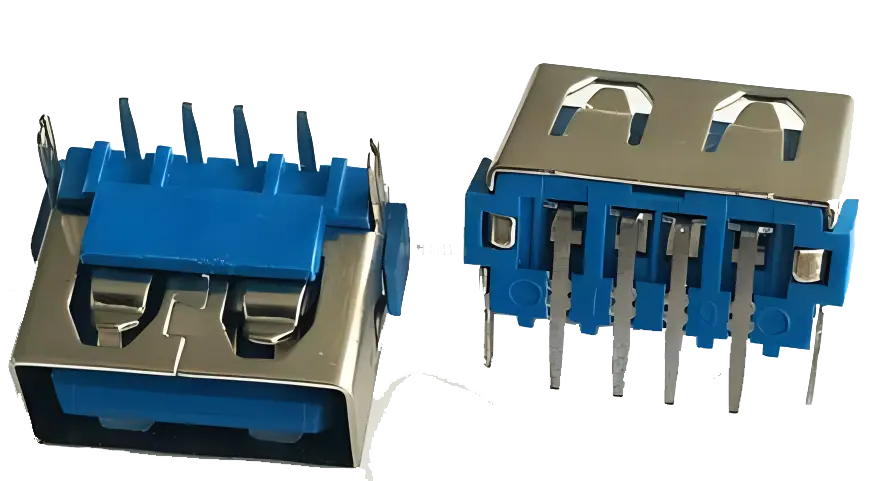 Connectors
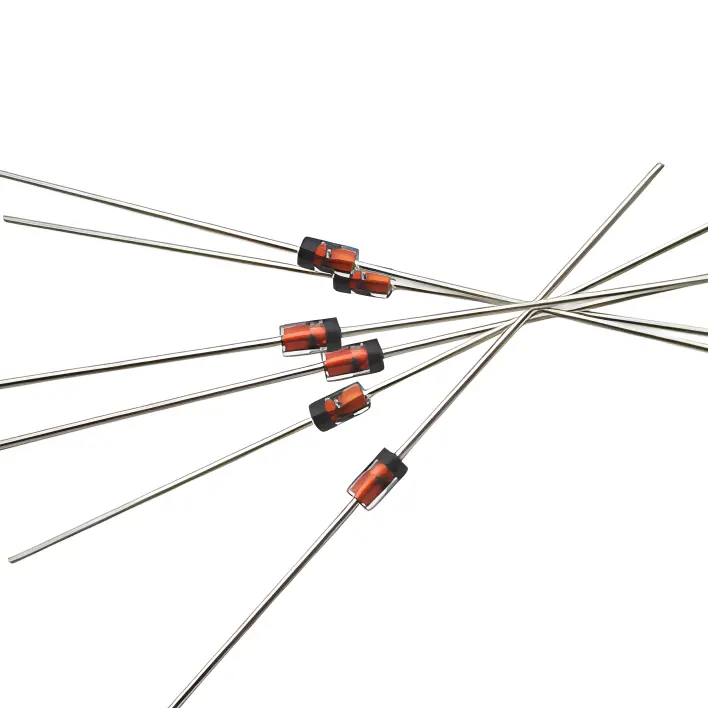 Diodes
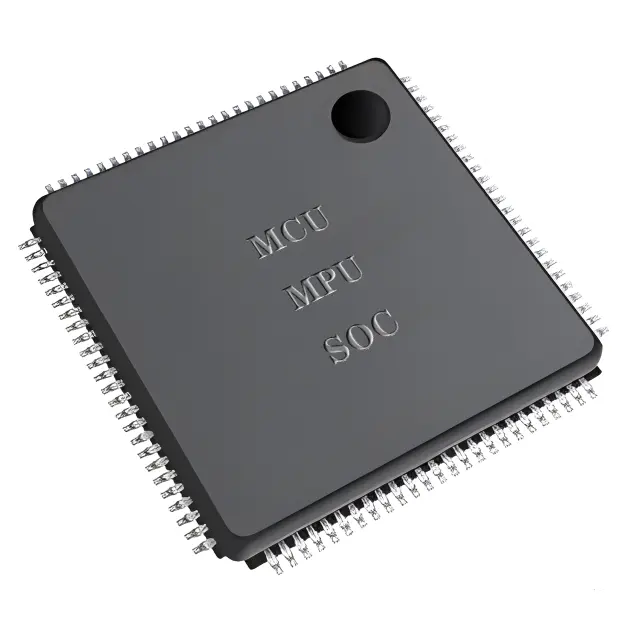 Embedded Processors & Controllers
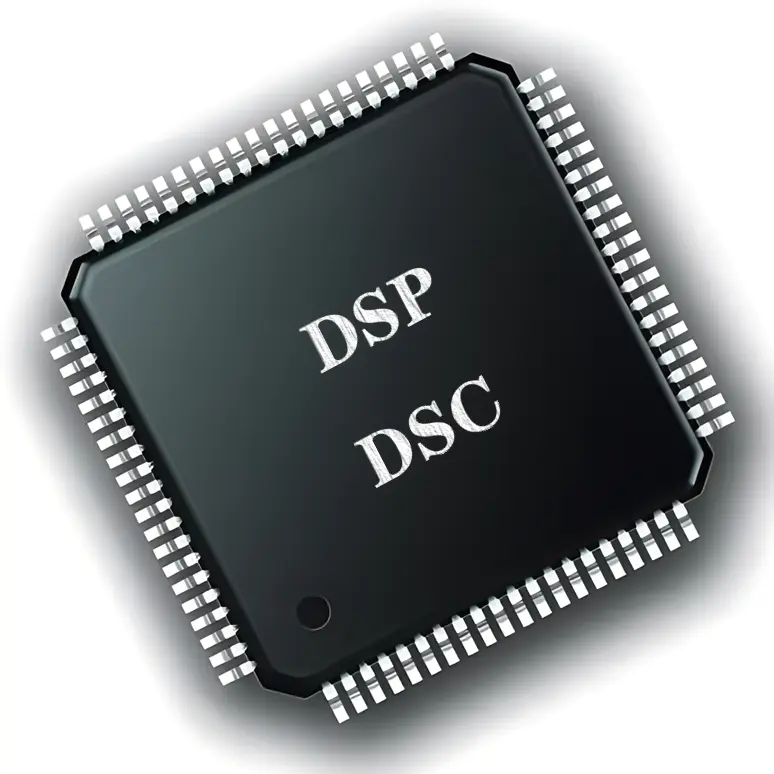 Digital Signal Processors (DSP/DSC)
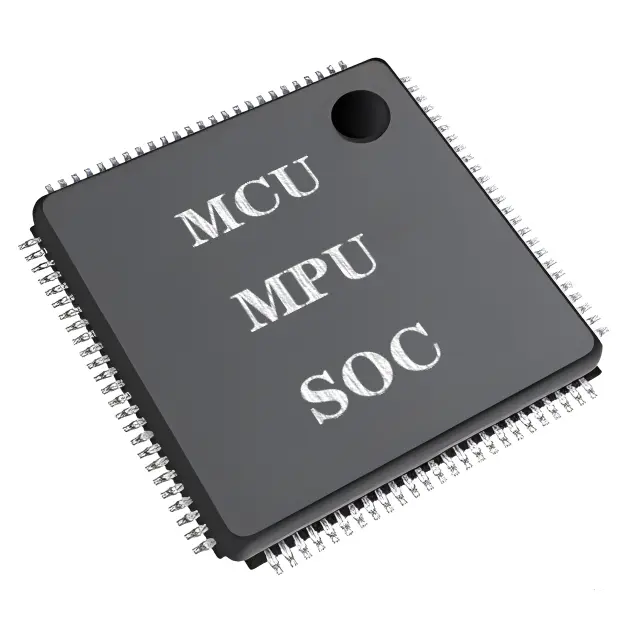 Microcontrollers (MCU/MPU/SOC)
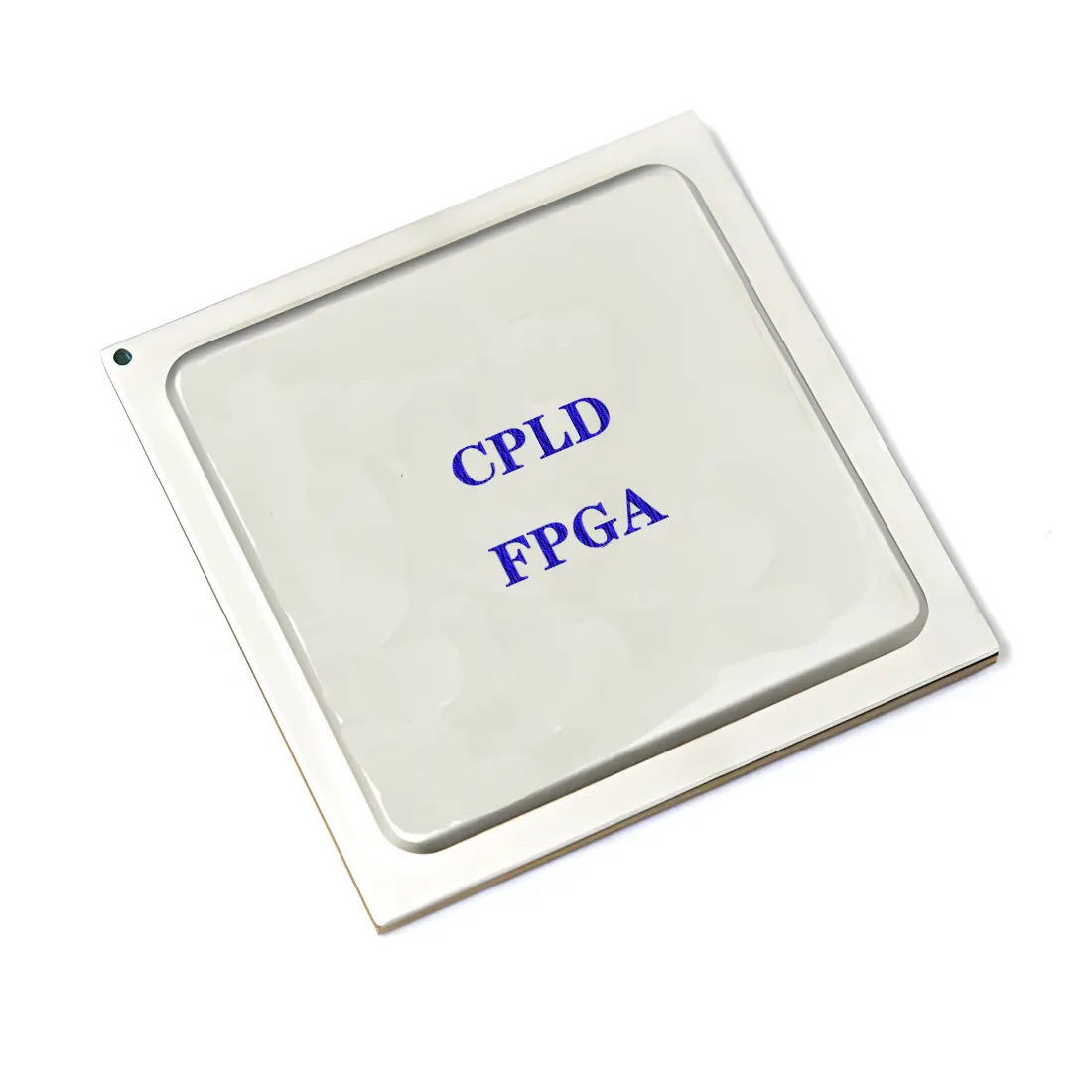 Programmable Logic Device(CPLD/FPGA)
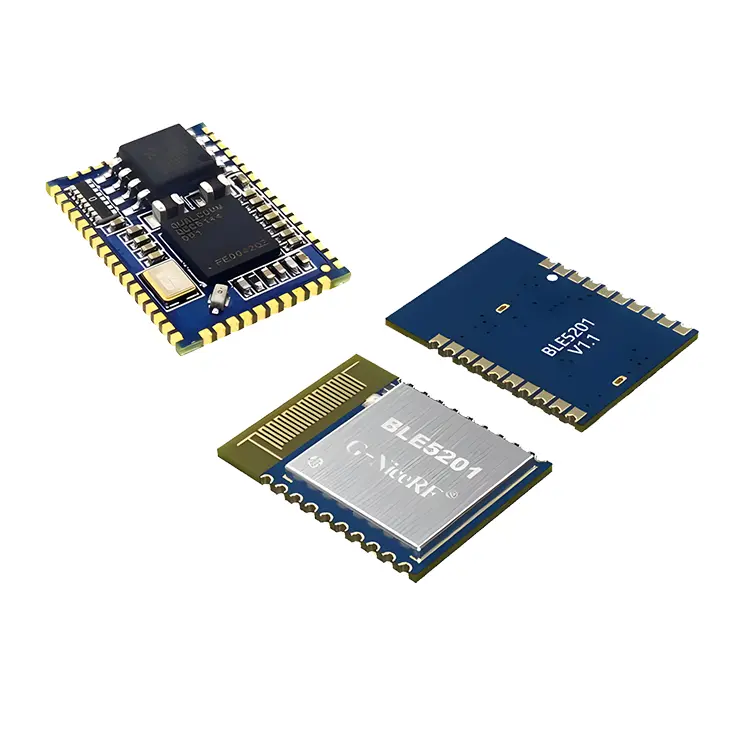 Communication Modules/IoT
 Resistors
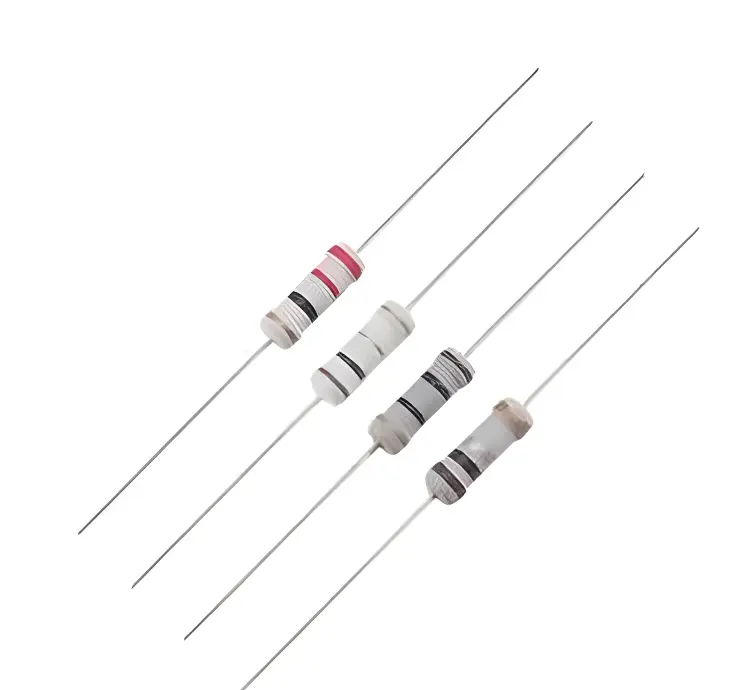 Through Hole Resistors
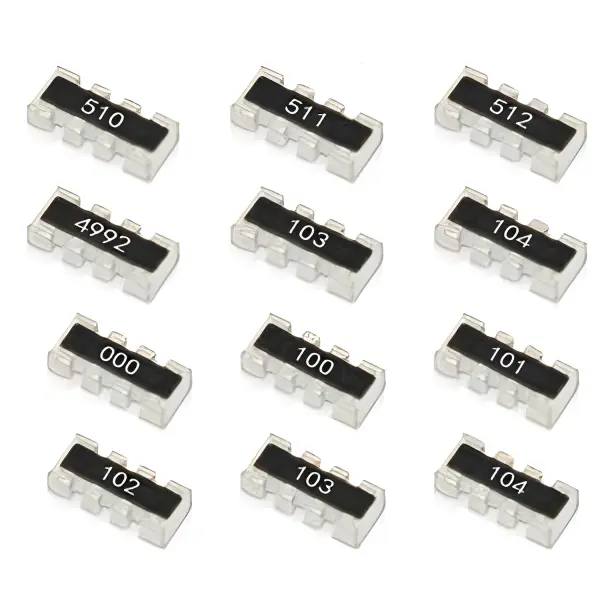 Resistor Networks, Arrays
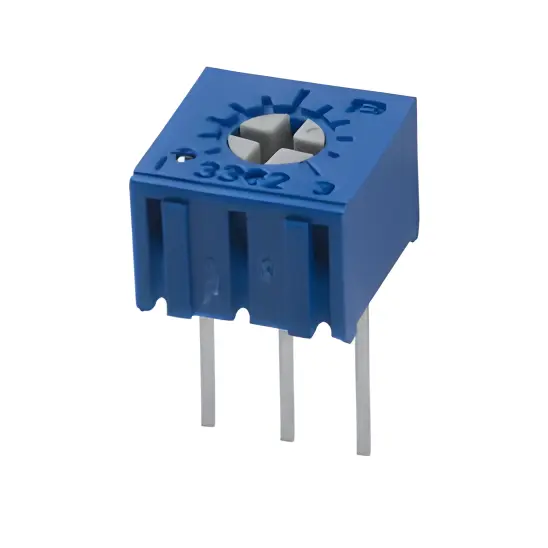 Potentiometers,Variable Resistors
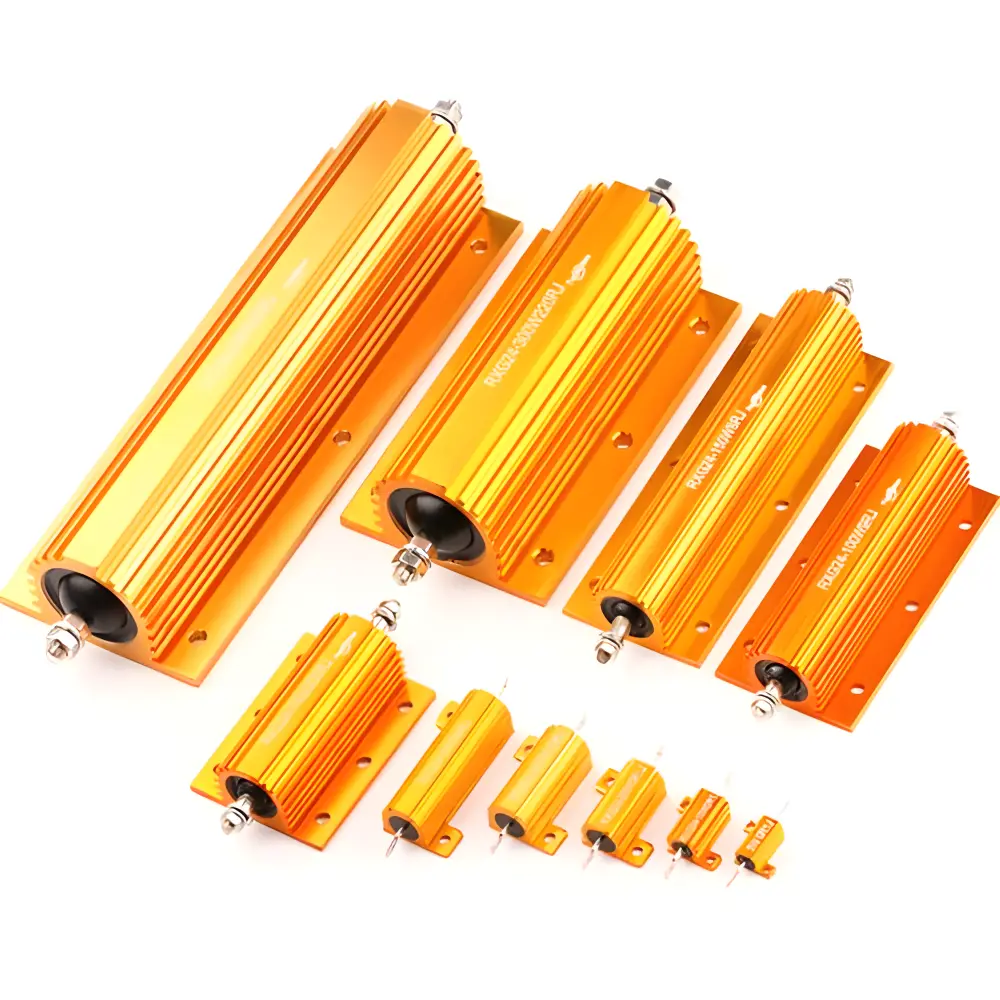 Aluminum Case,Porcelain Tube Resistance
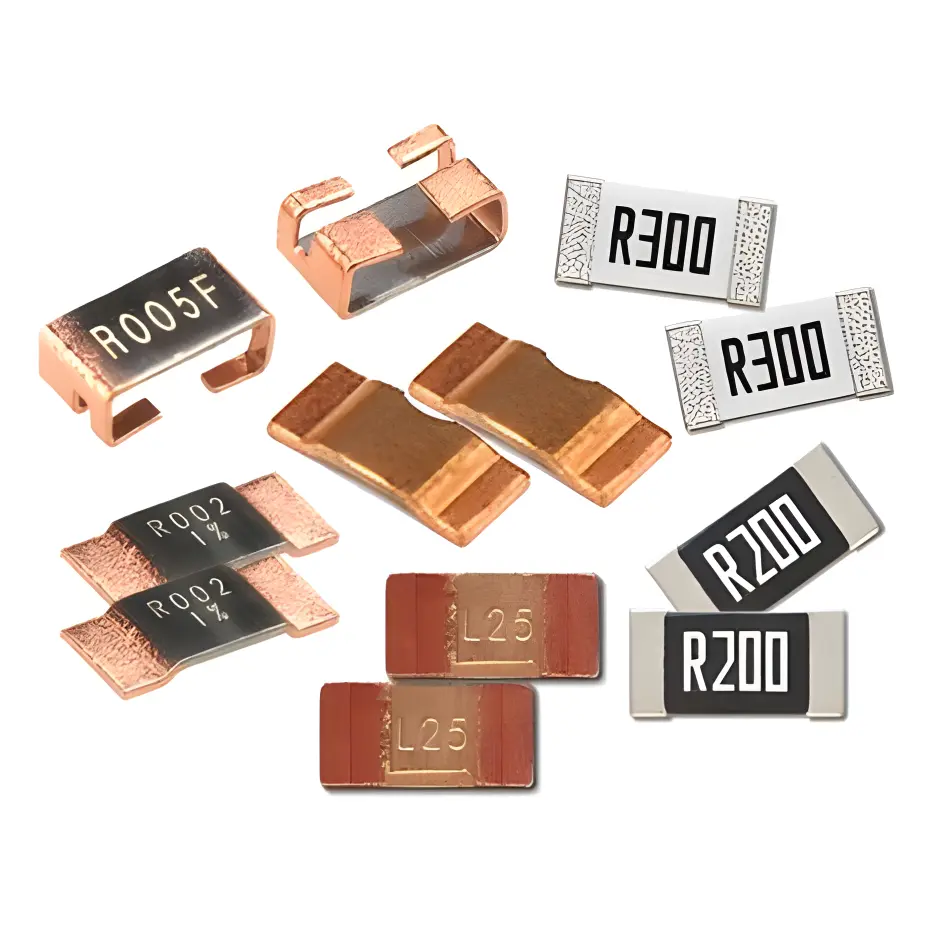 Current Sense Resistors,Shunt Resistors
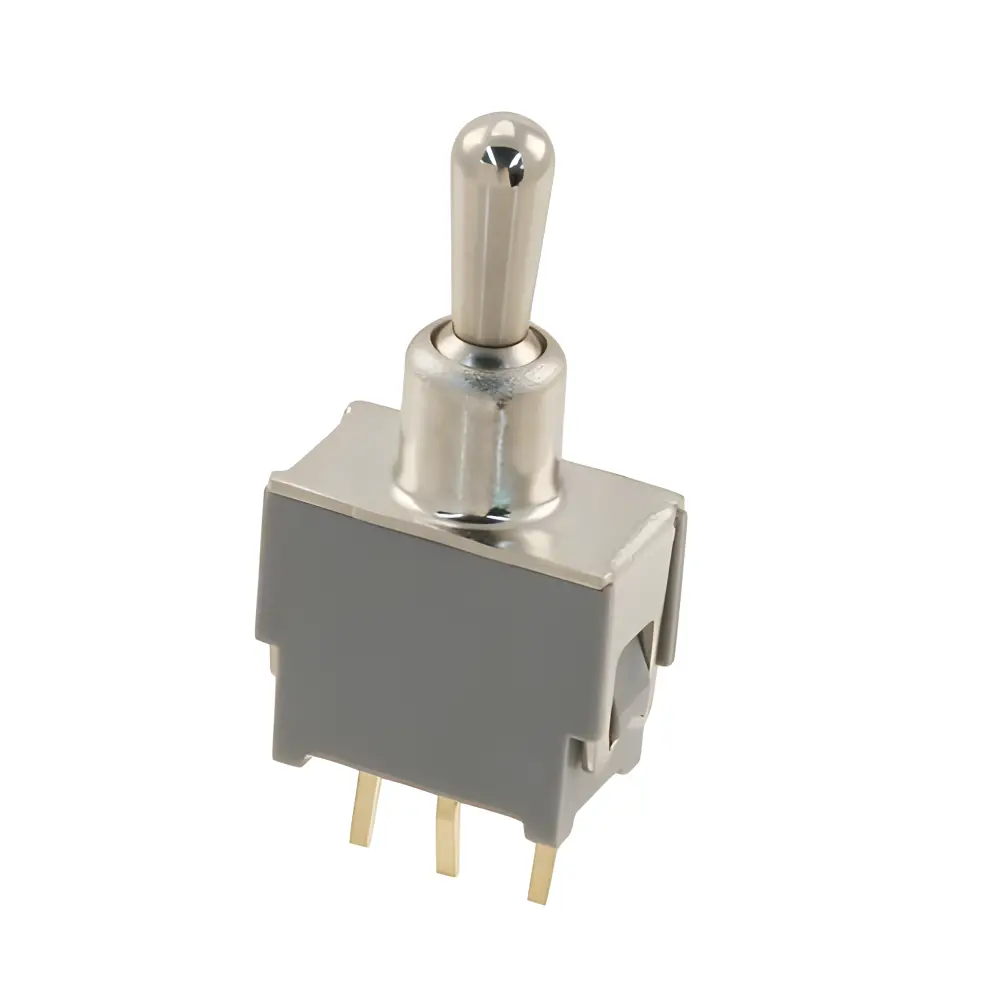 Switches
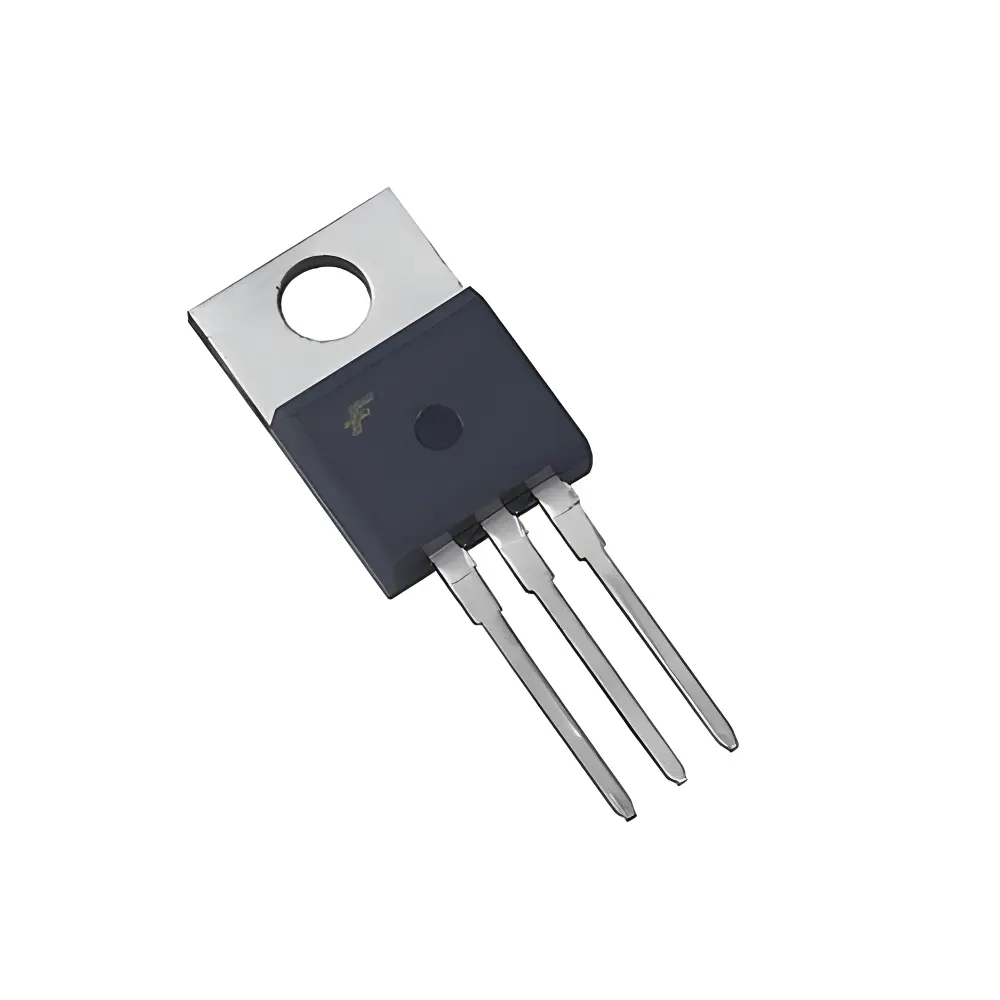 Transistors
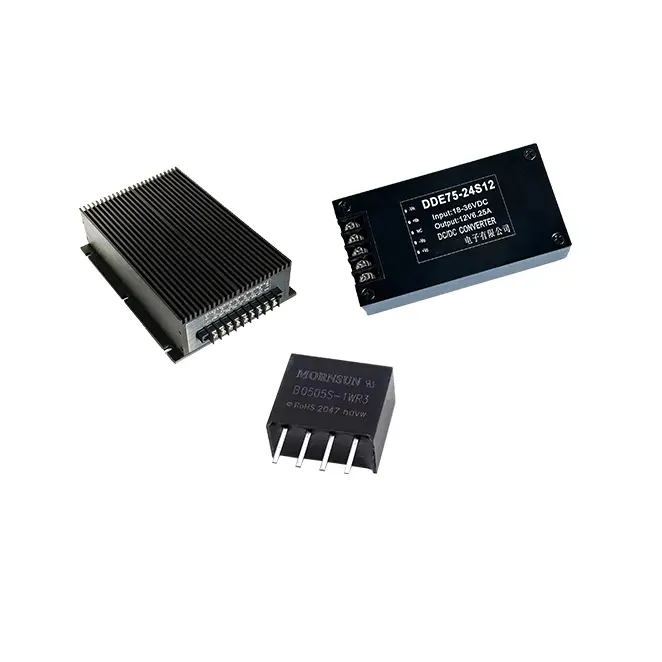 Power Modules
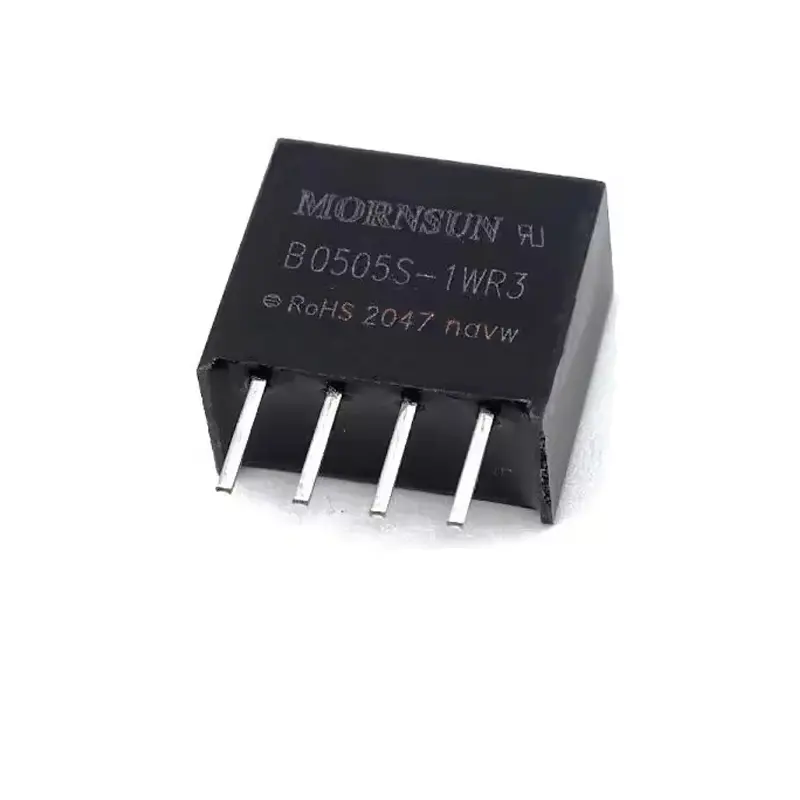 Isolated Power Modules
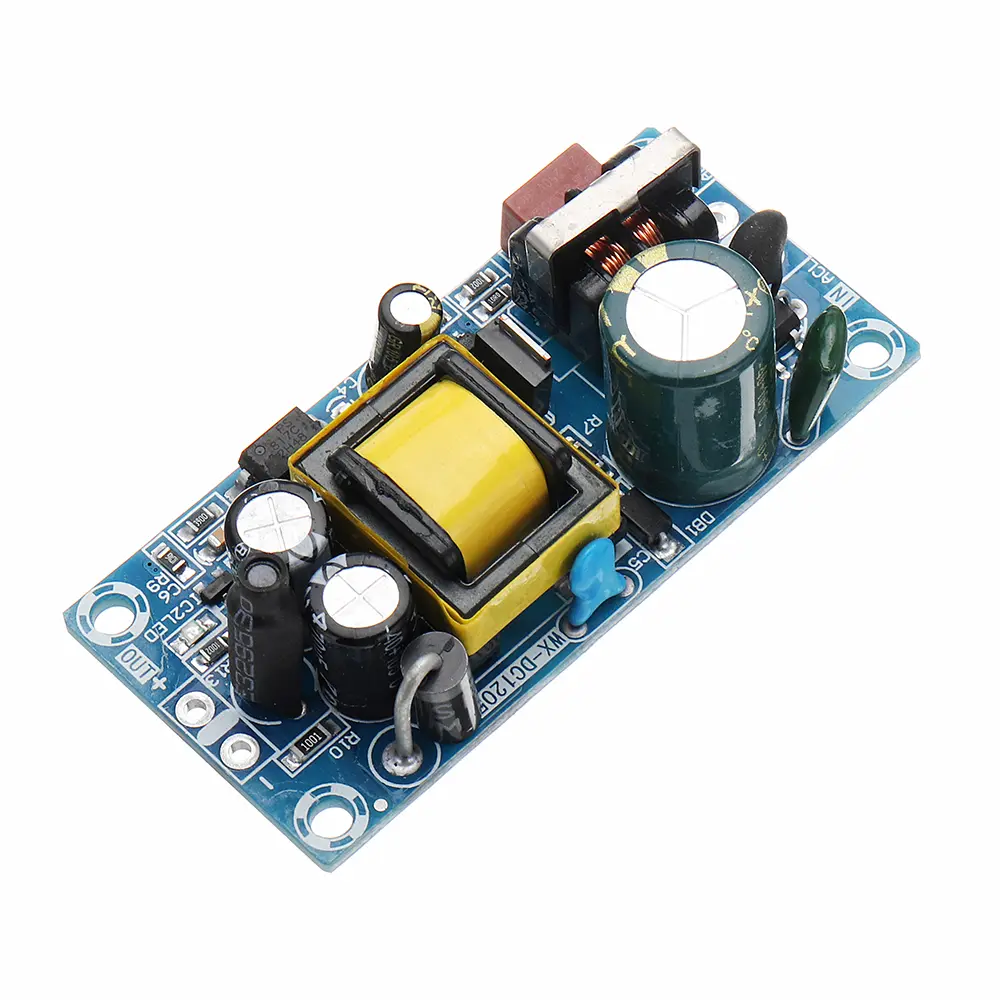 AC-DC Power Modules
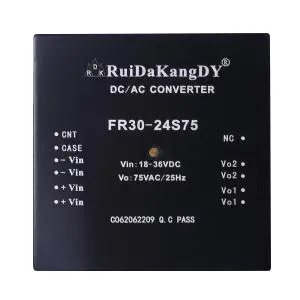 DC-AC Module(Inverter)
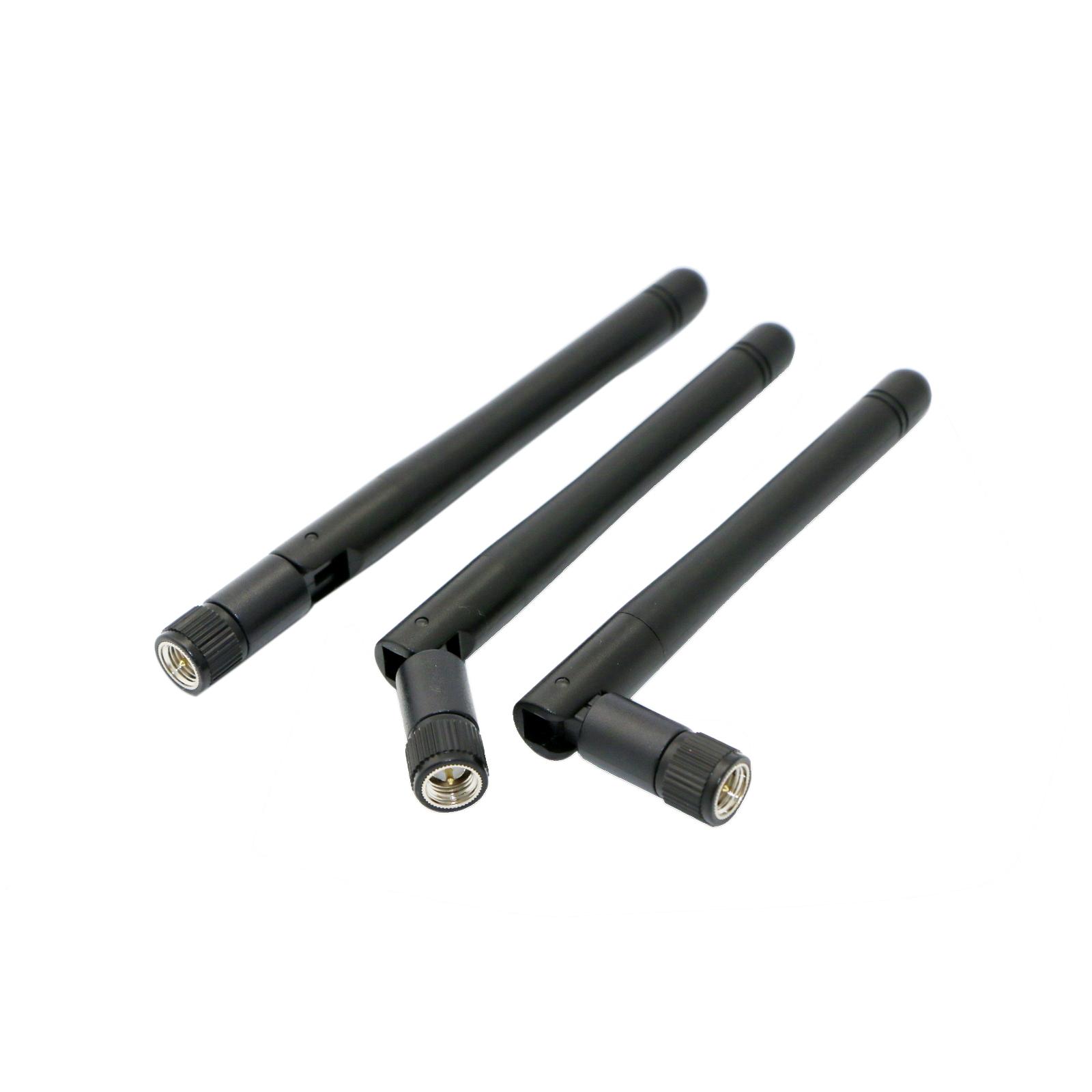 RF and Wireless
Detailed Process for Repairing Atomic Oxygen-Damaged PI Substrates via Low-Temperature Plasma Annealing
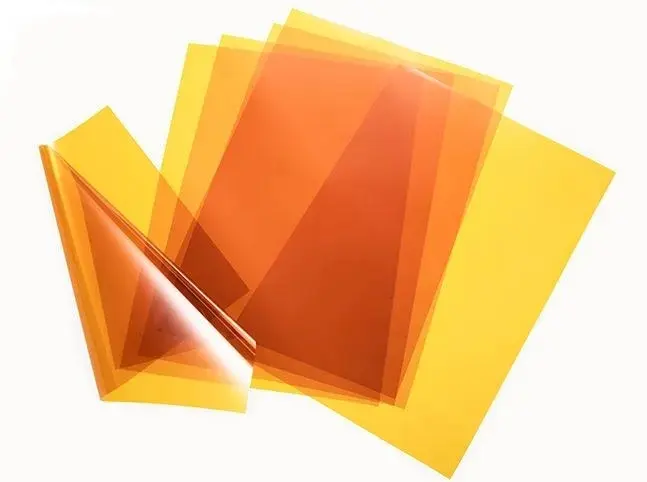
Abstract: Polyimide (PI) substrates in spacecraft applications are susceptible to atomic oxygen (AO) erosion, leading to suRFace roughening and electrical degradation. Low-temperature plasma annealing efficiently repairs AO-damaged layers through ion activation and chemical reconstruction, restoring PI functionality.
I. Atomic Oxygen Damage Mechanism
-
Oxidative Etching:
AO (>5 eV) breaks C-N/C-O bonds, oxidizing aromatic rings into volatile CO/CO₂, forming a honeycomb porous structure (damage depth ≈0.1–1 μm). -
Performance Degradation:
-
Surface resistivity ↑ 10³×
-
Dielectric loss tangent ↑ 50%
-
Tensile strength ↓ 30–40%
-
II. Repair Mechanism of Plasma Annealing
Core Principle: Chemical reconstruction of damaged layers by plasma-active species (electrons/ions/radicals)
-
Bond Repair:
-
·H radicals in N₂/H₂ plasma reduce C=O bonds, promoting imide ring re-closure.
-
Ar⁺ ion bombardment removes loose fragments, exposing intact polymer layers.
-
-
Surface Repassivation:
O₂/Ar plasma at 150℃ forms a dense SiOₓ-like layer (thickness ≈50 nm), inhibiting AO penetration.
III. Process Parameter Optimization
| Parameter | Function | Optimal Range |
|---|---|---|
| Power Density | Controls ion penetration depth | 0.5–1.5 W/cm² |
| Gas Mixture | N₂:H₂=4:1 for bond repair | O₂:Ar=1:9 for passivation |
| Temperature | Activates chain mobility without degradation | 150–300℃ |
| Duration | Ensures complete reconstruction | 10–30 min |
IV. Repair Efficacy Characterization
-
Surface Morphology:
-
AFM shows roughness (Ra) reduced from 120 nm to <10 nm.
-
-
Chemical Structure:
-
FTIR confirms 95% recovery of C=O peak intensity at 1650 cm⁻¹.
-
-
Electrical Properties:
-
Volume resistivity restored to >10¹⁵ Ω·cm.
-
-
AO Resistance:
Post-AO exposure (5×10²⁰ atoms/cm²), mass loss rate decreases by 98%.
V. Advantages vs. Thermal Annealing
| Metric | Plasma Annealing | Thermal Annealing |
|---|---|---|
| Temperature | ≤300℃ | ≥400℃ |
| Repair Depth | Selective damage repair | Whole-substrate heating |
| Energy Consumption | 0.8–1.2 kWh/m² | 3.5–5 kWh/m² |
| Compatibility | Integrable with flexible electronics | Substrate warping risk |