
 PCB
PCB FPC
FPC Rigid-Flex
 FR-4
FR-4 HDI PCB
 Rogers High-Frequency Board
 PTFE Teflon High-Frequency Board
 Aluminum
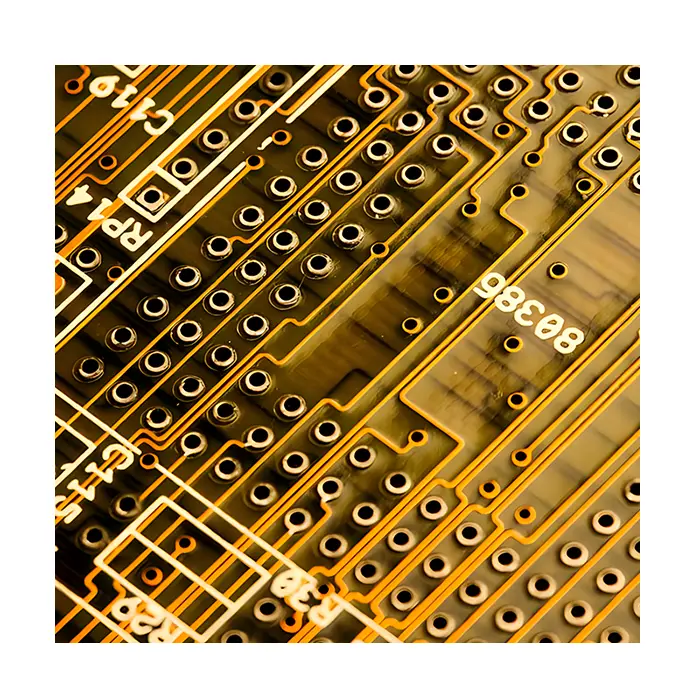 Copper Core
 PCB Assembly
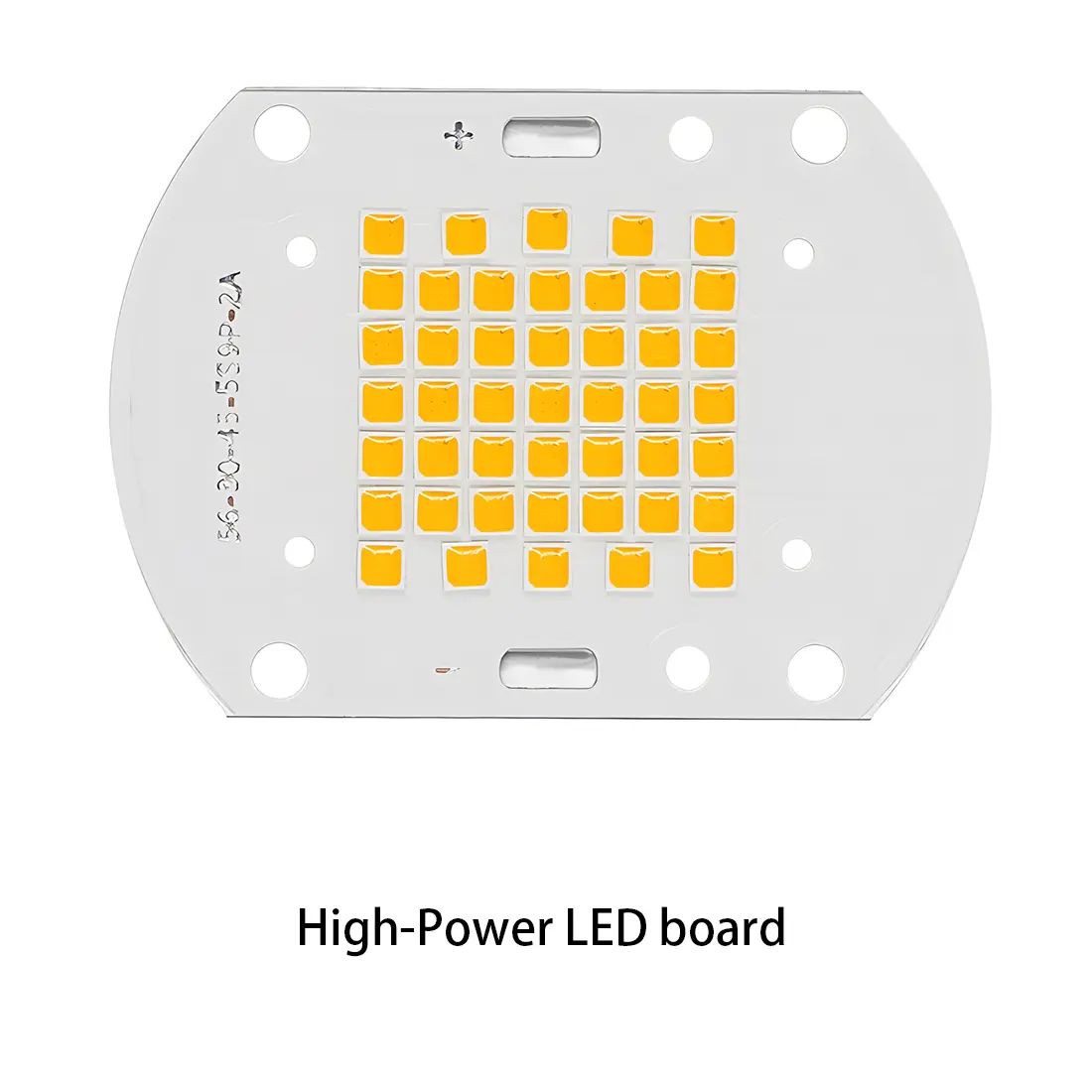 LED light PCBA
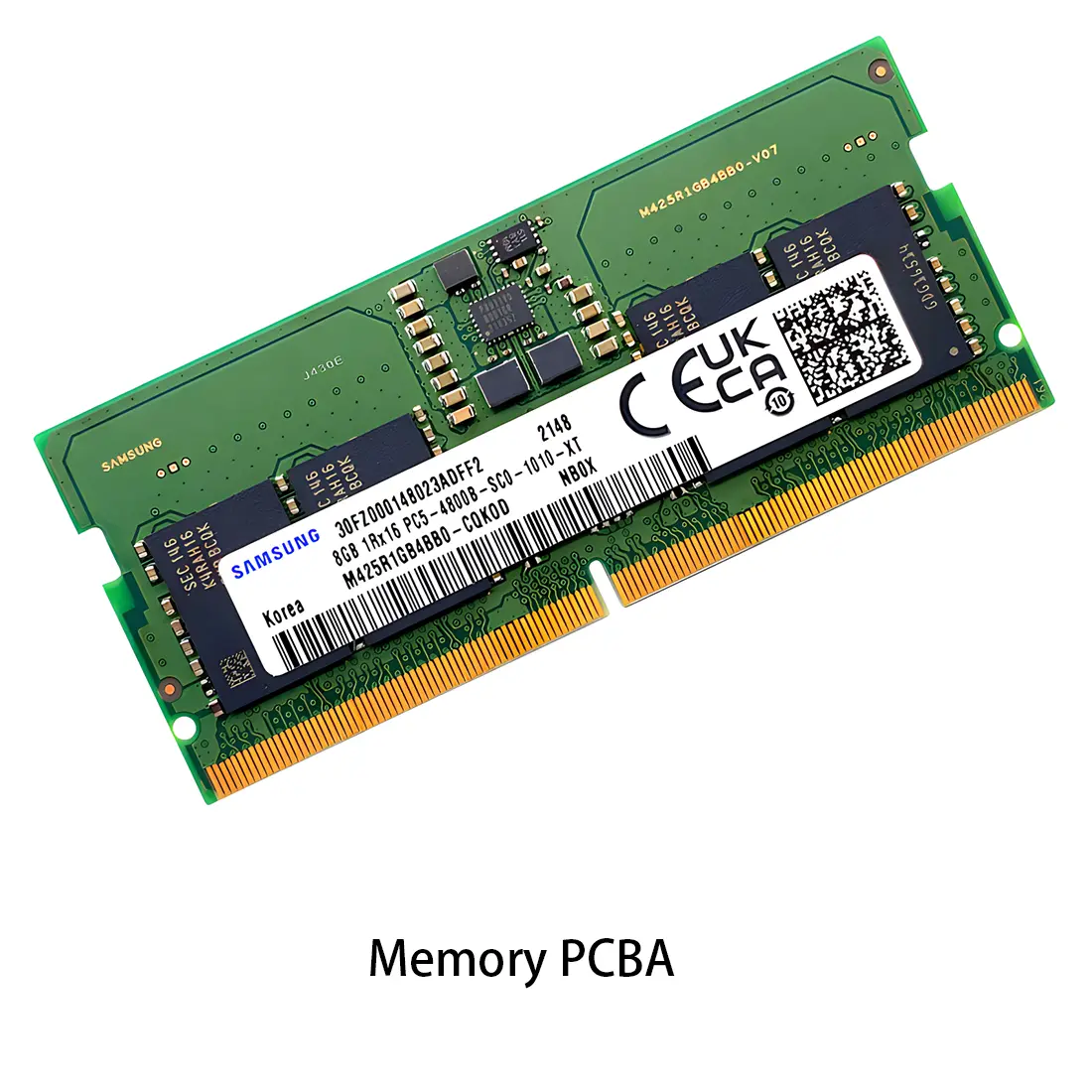 Memory PCBA
 Power Supply PCBA
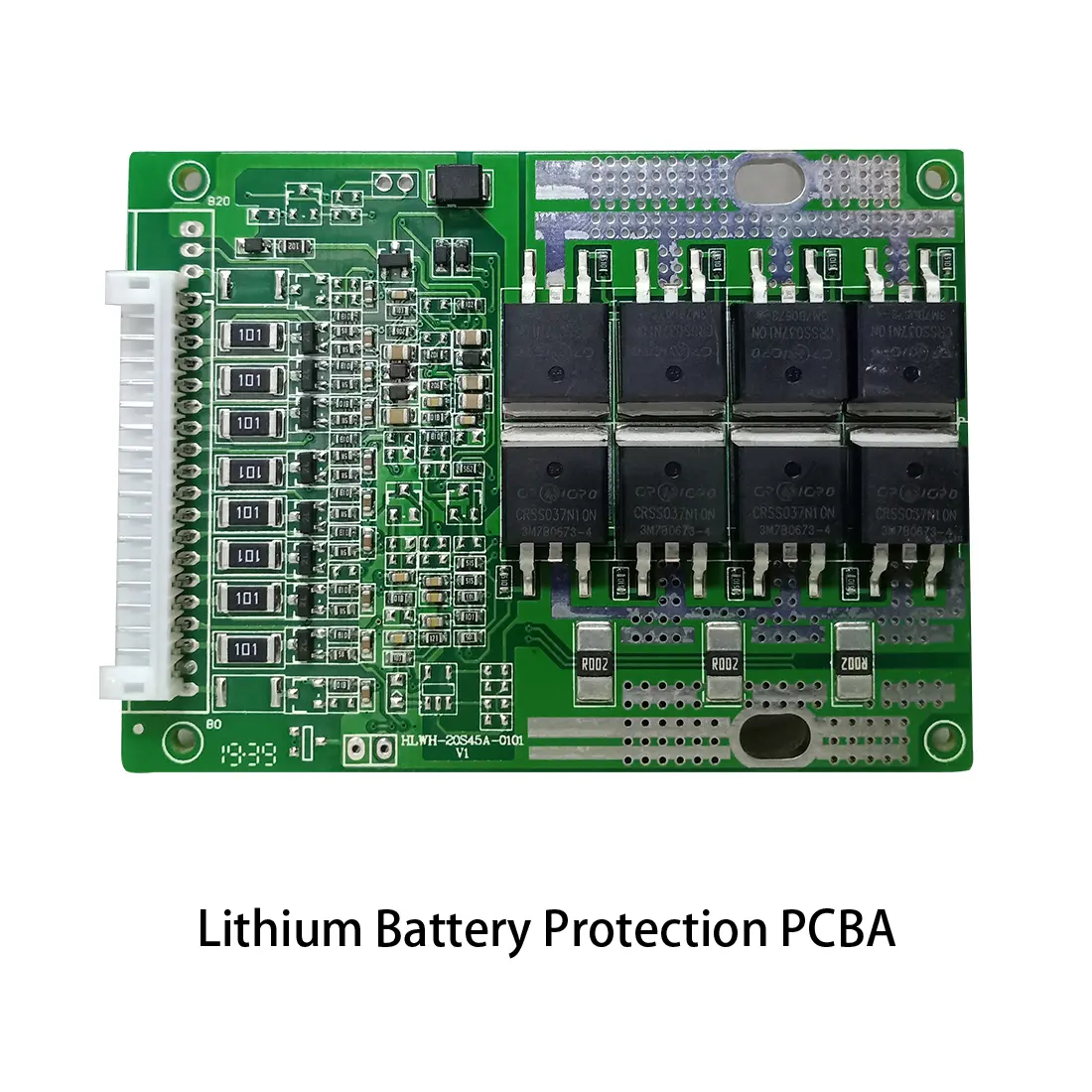 New Energey PCBA
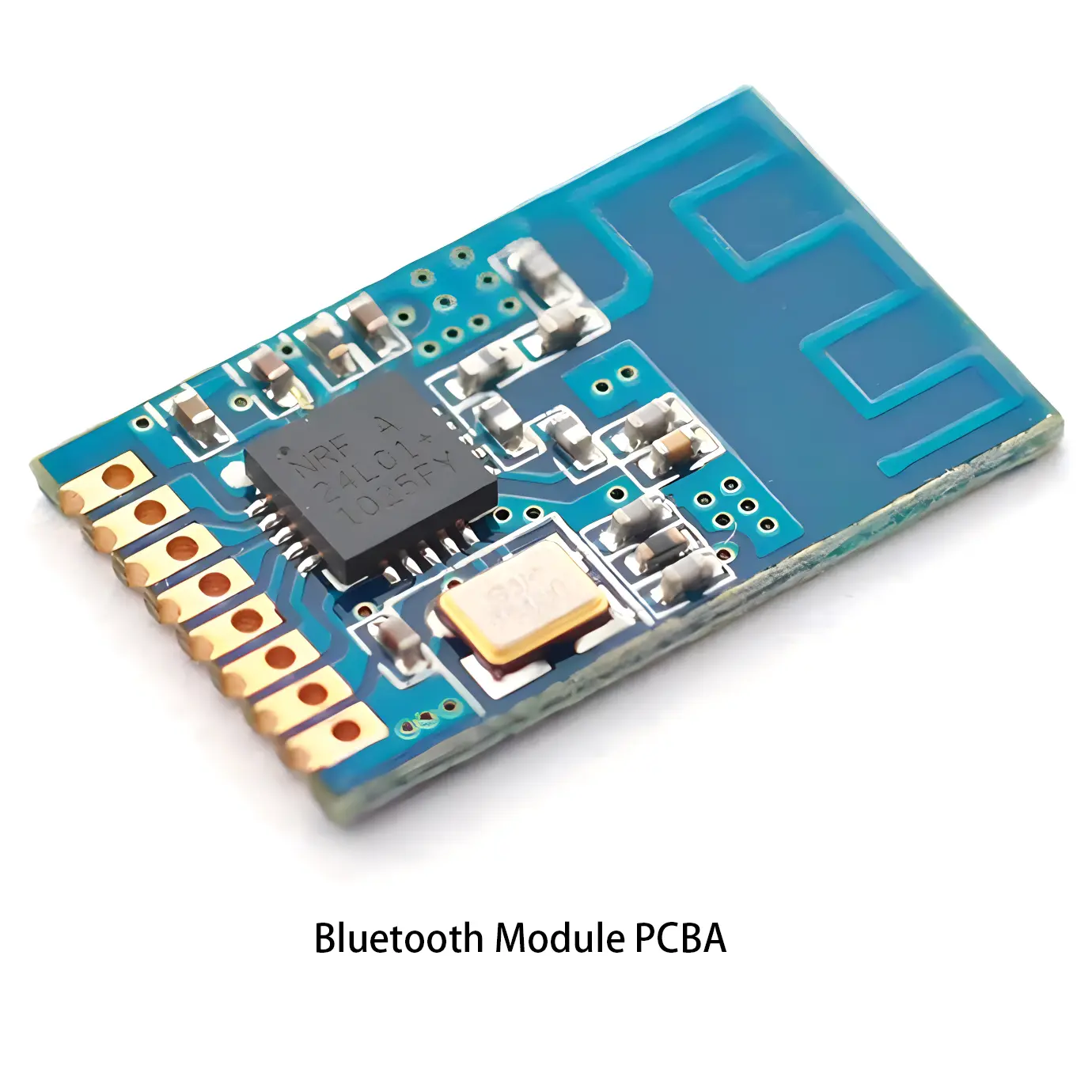 Communication PCBA
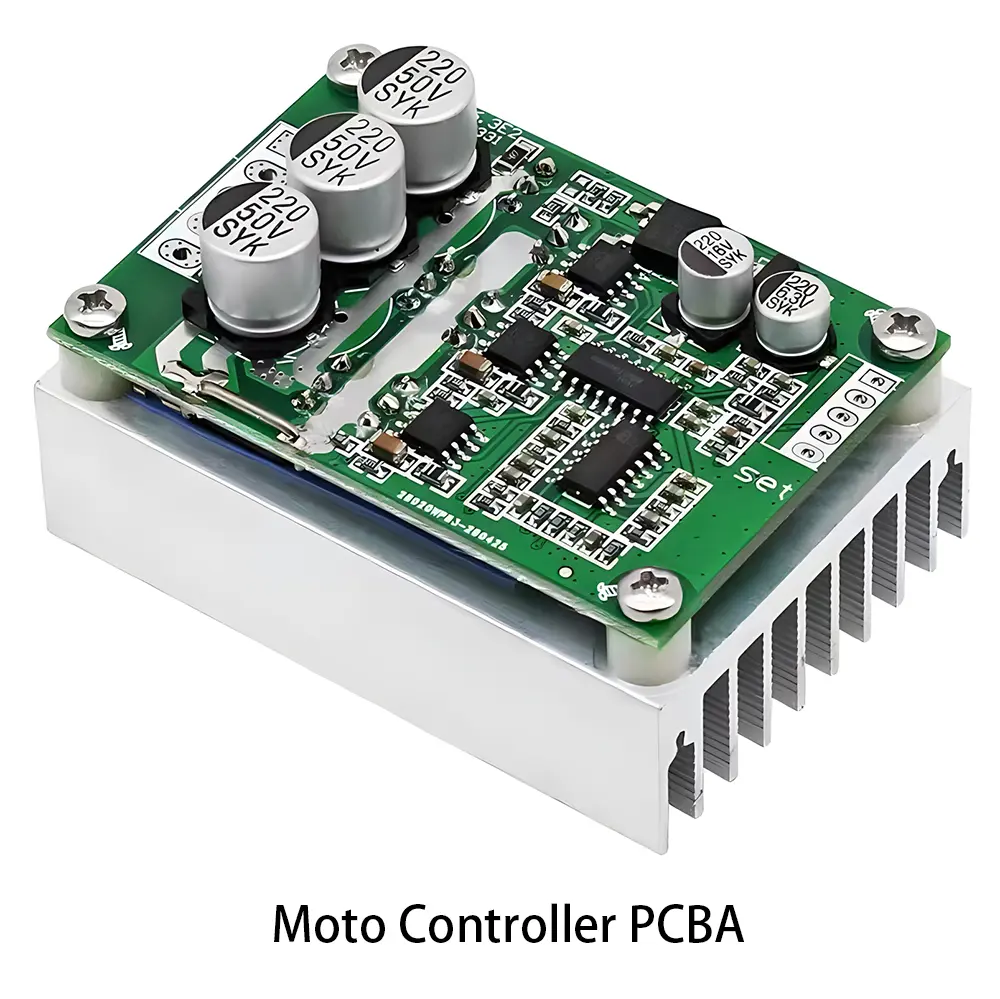 Industrial Control PCBA
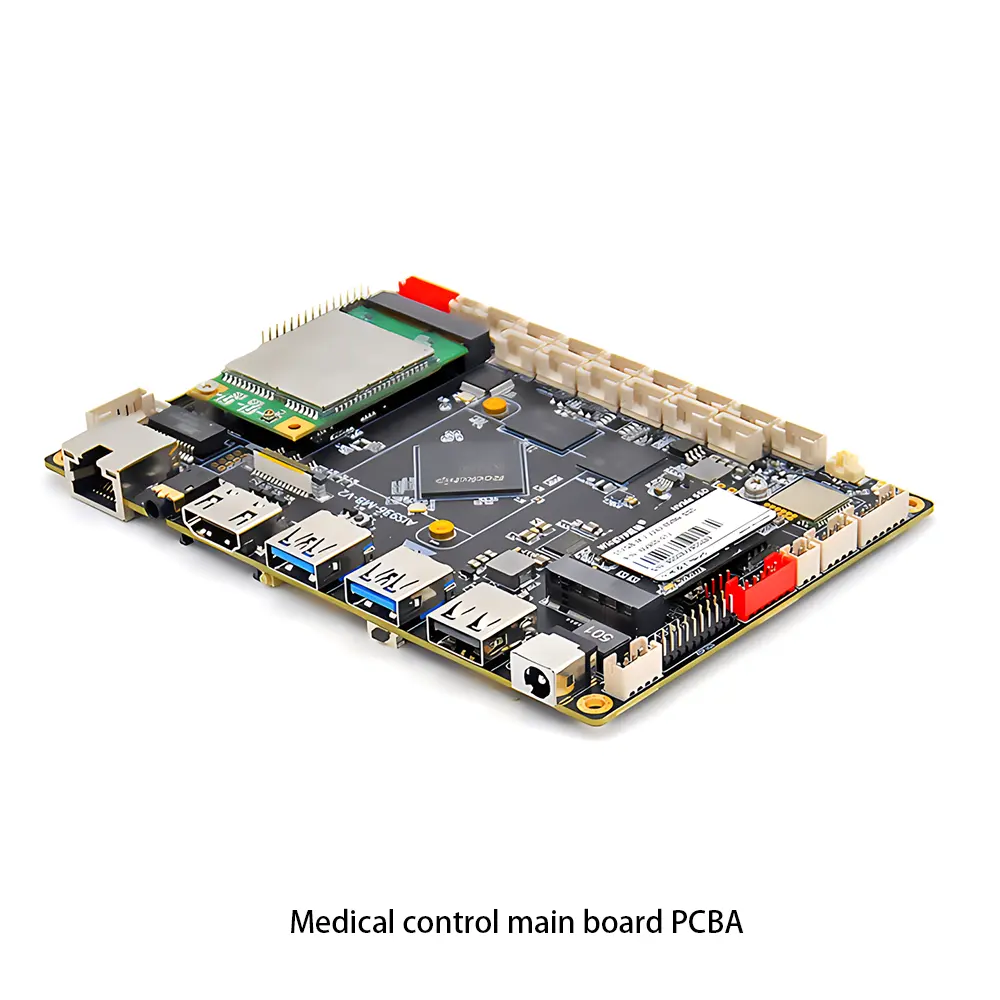 Medical Equipment PCBA
 Testing Service
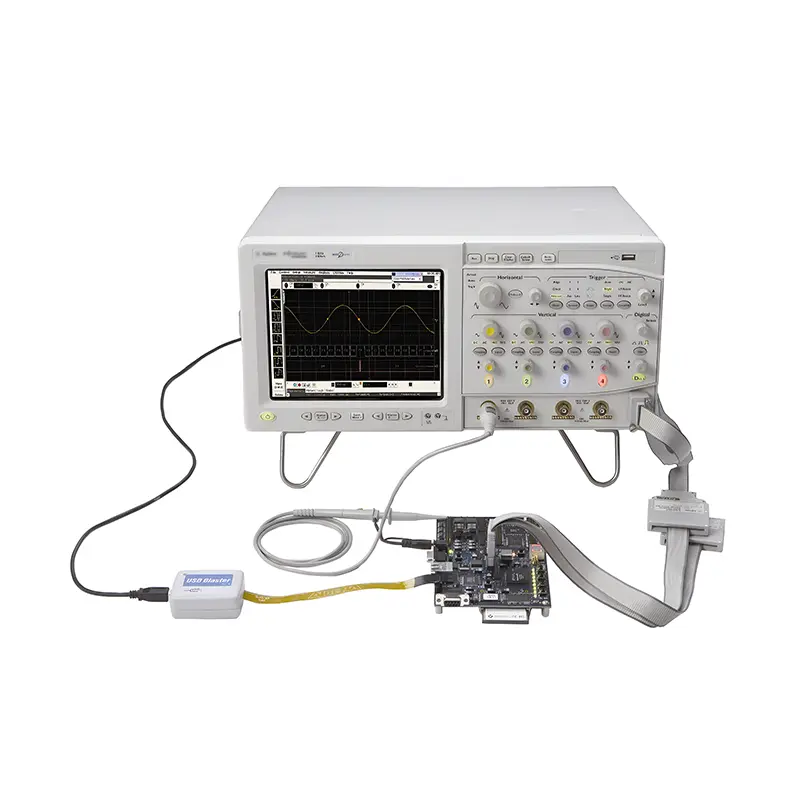 PCBA Testing Service
 Certification Application
 RoHS Certification Application
 REACH Certification Application
 CE Certification Application
 FCC Certification Application
 CQC Certification Application
 UL Certification Application
 Transformers, Inductors
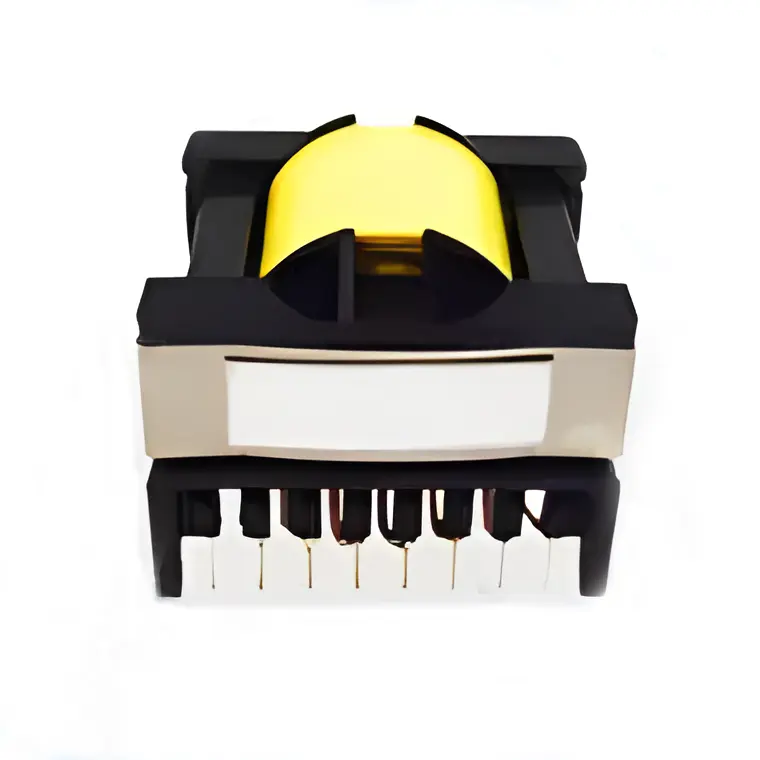 High Frequency Transformers
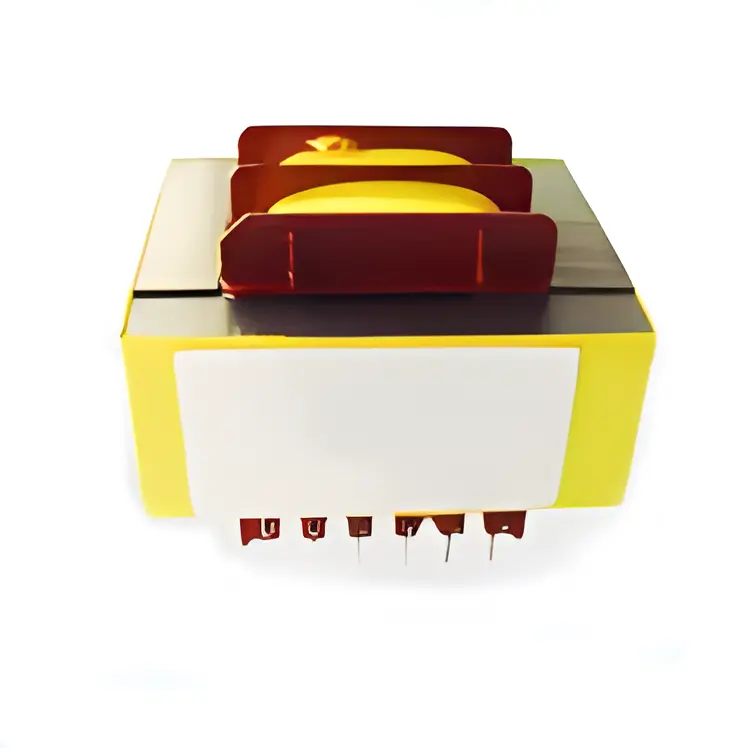 Low Frequency Transformers
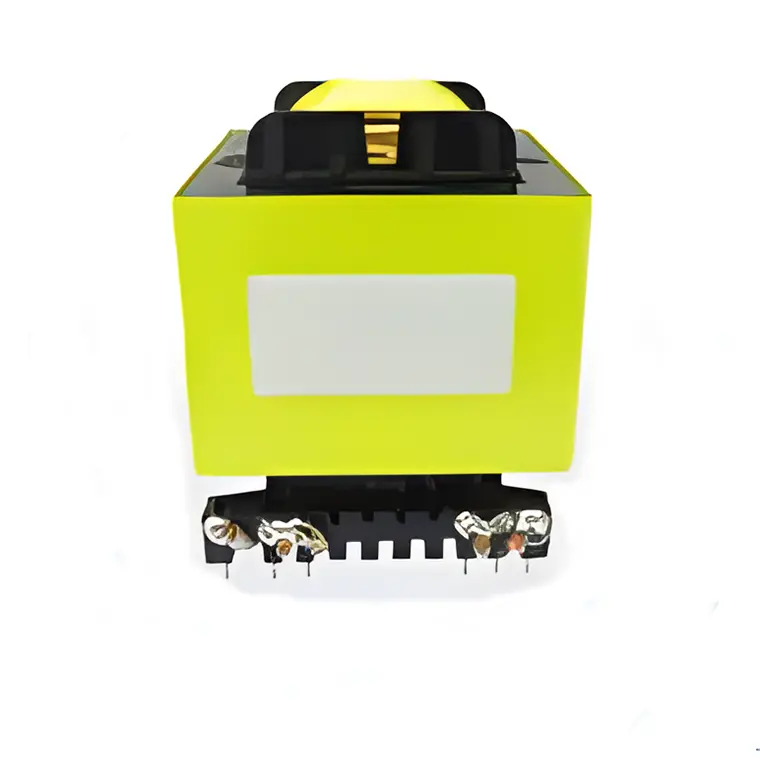 High Power Transformers
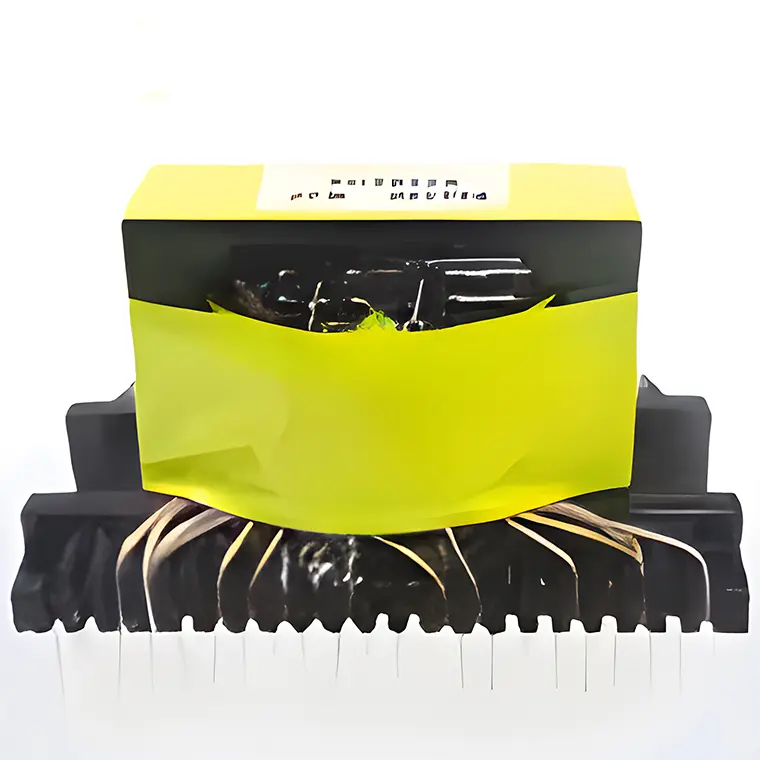 Conversion Transformers
 Sealed Transformers
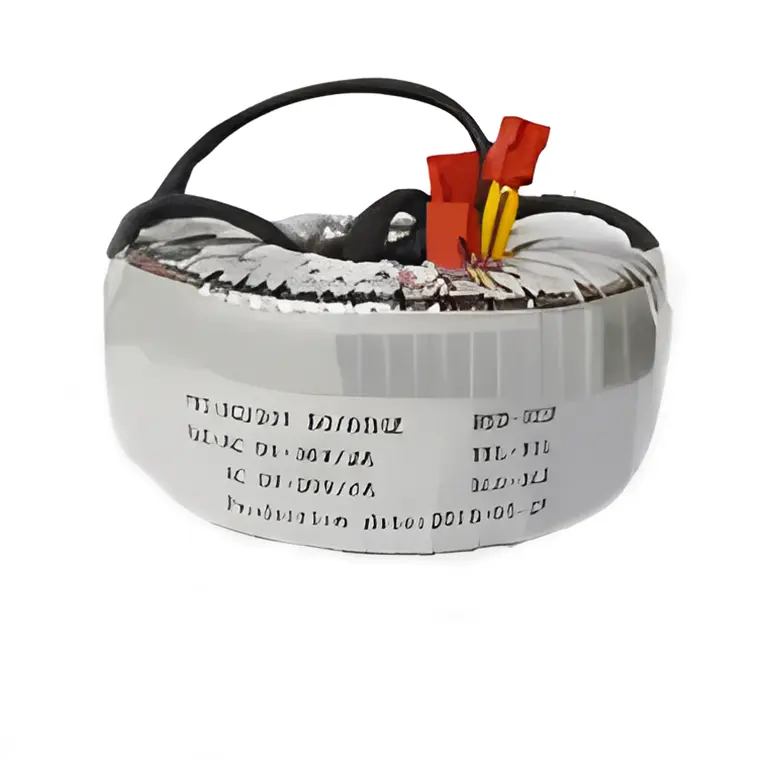 Ring Transformers
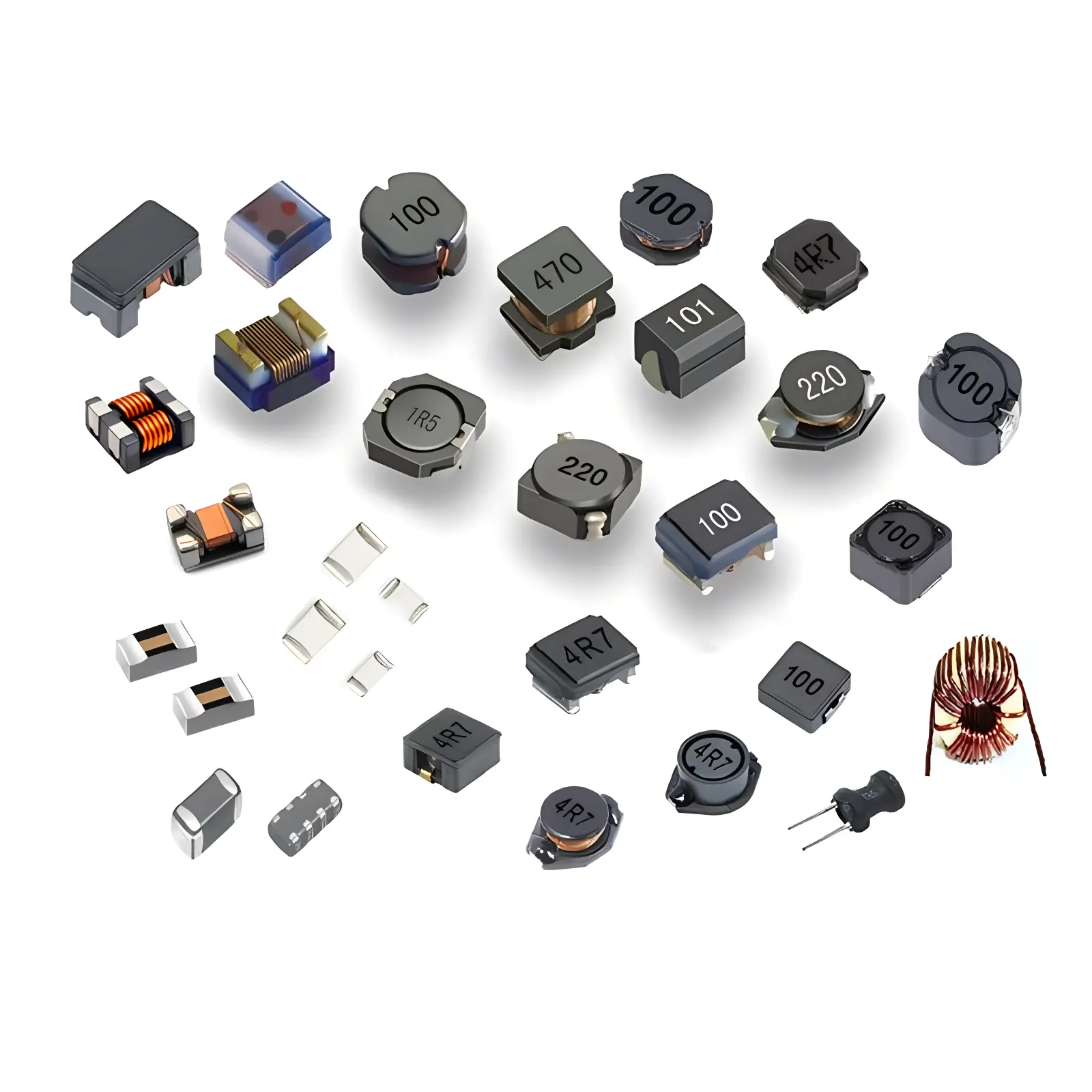 Inductors
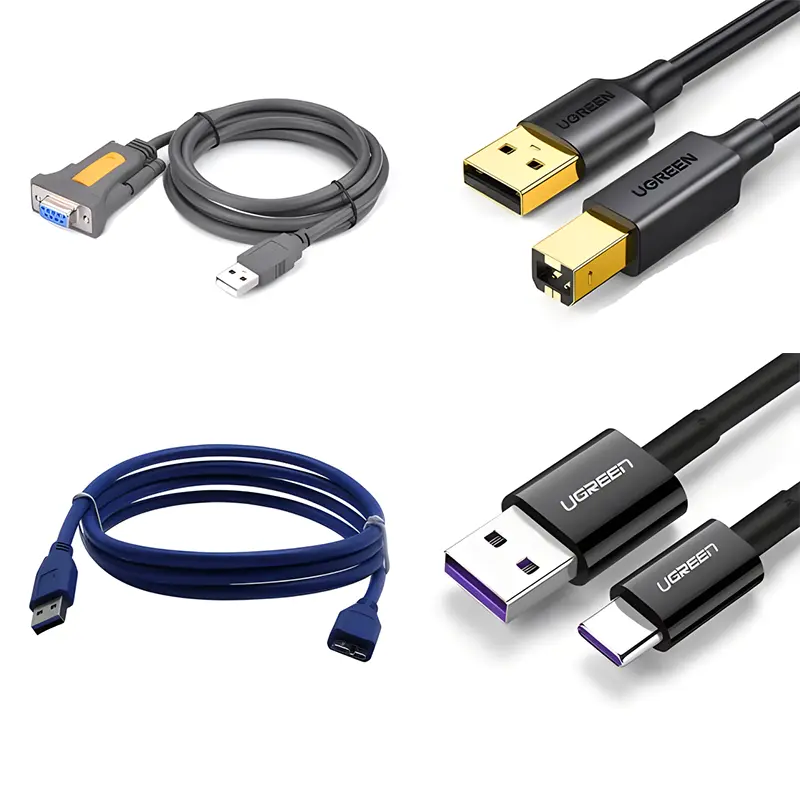 Wires,Cables Customized
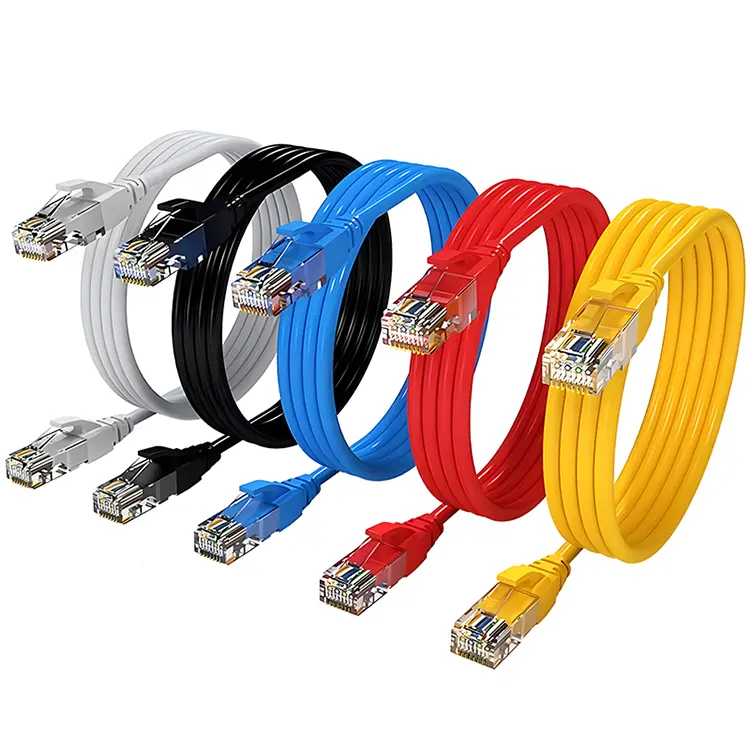 Network Cables
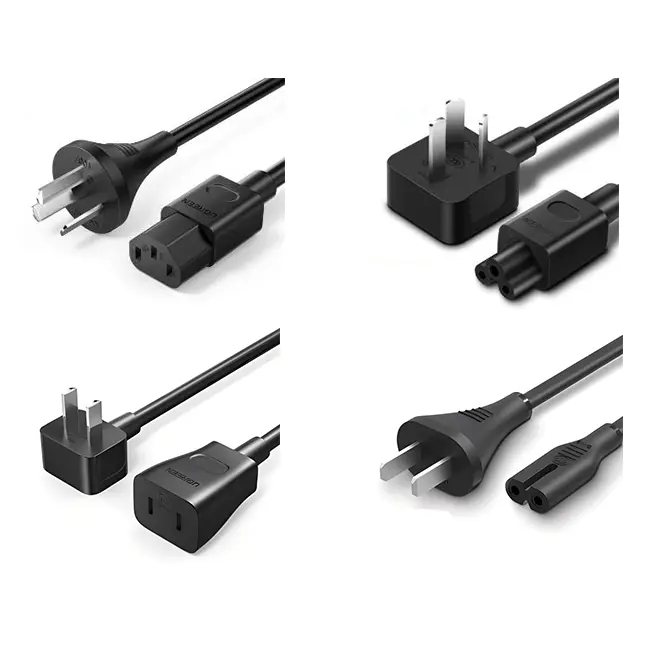 Power Cords
 Antenna Cables
 Coaxial Cables
 Net Position Indicator
 Solar AIS net position indicator
 Capacitors
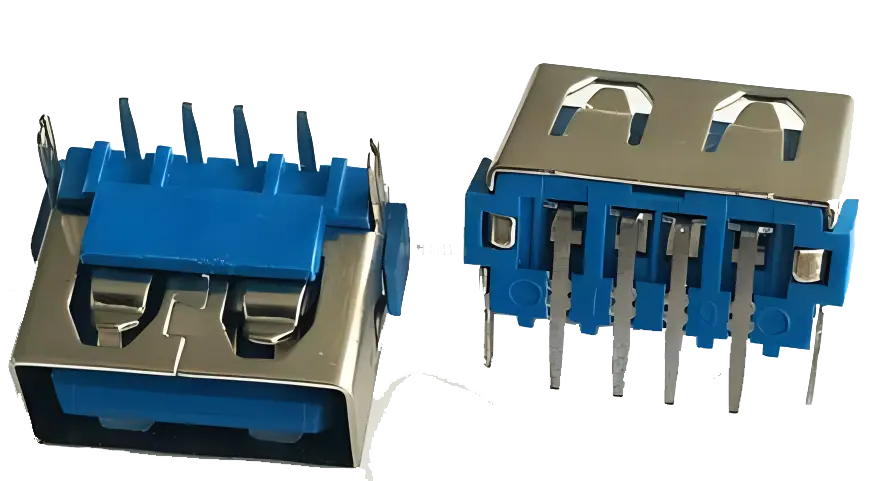 Connectors
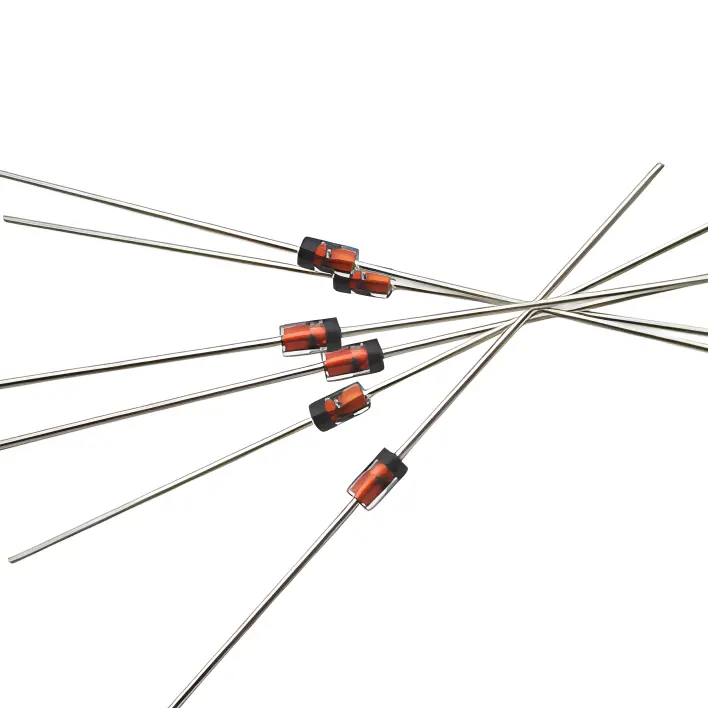 Diodes
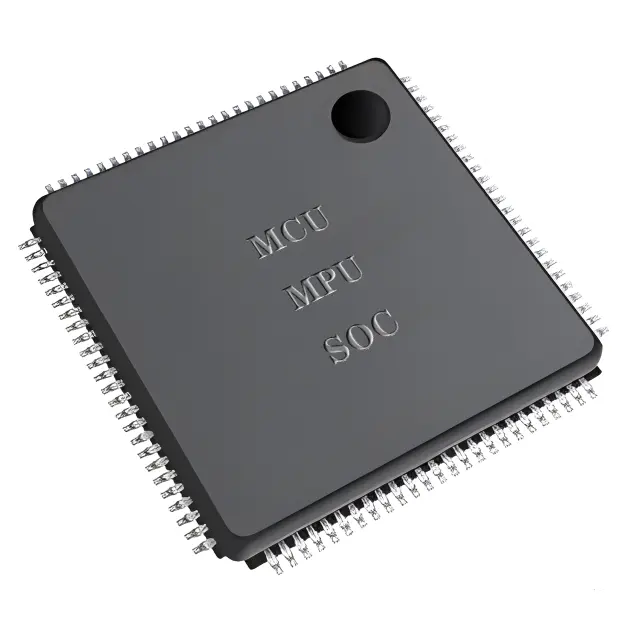 Embedded Processors & Controllers
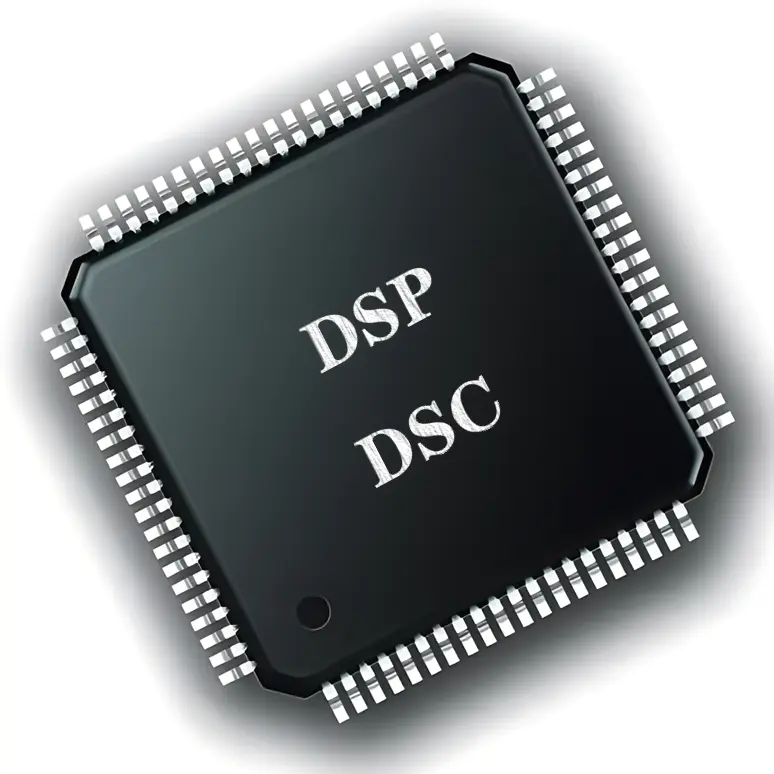 Digital Signal Processors (DSP/DSC)
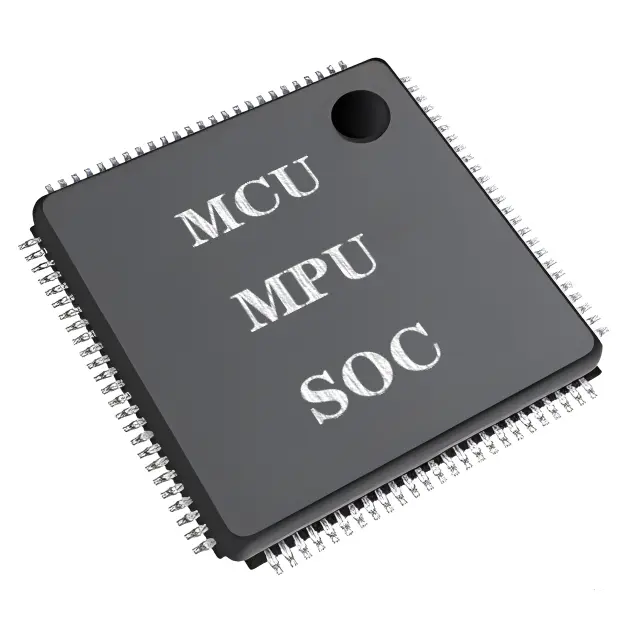 Microcontrollers (MCU/MPU/SOC)
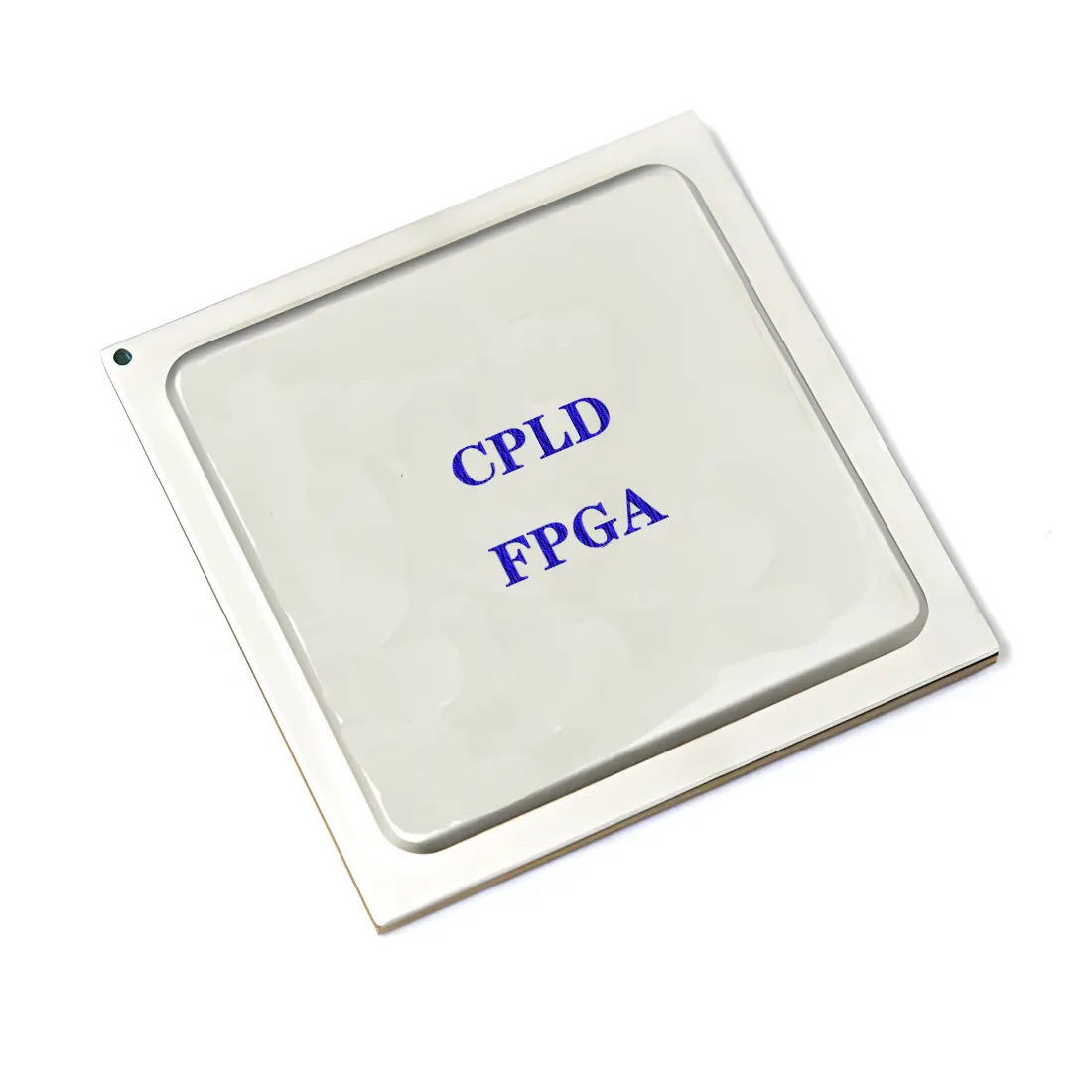 Programmable Logic Device(CPLD/FPGA)
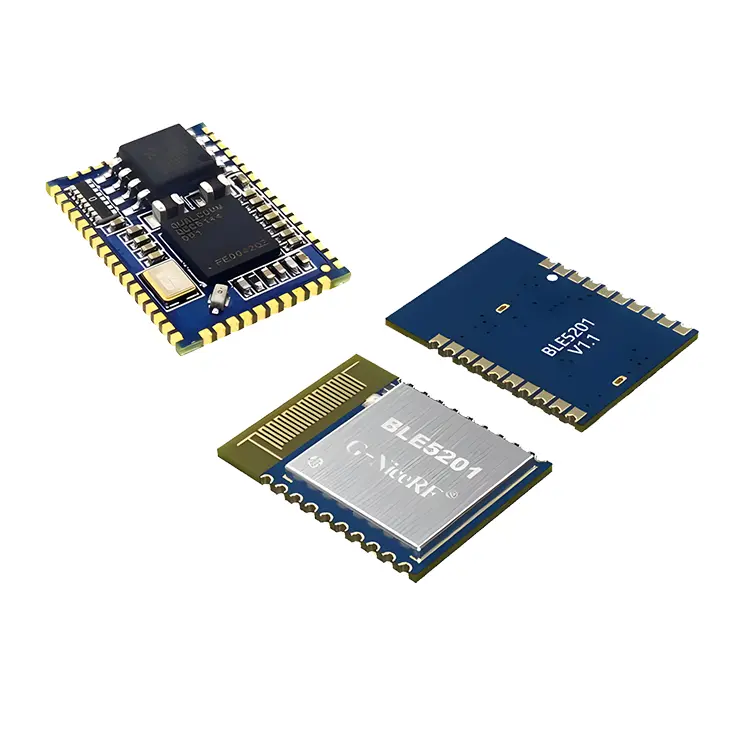 Communication Modules/IoT
 Resistors
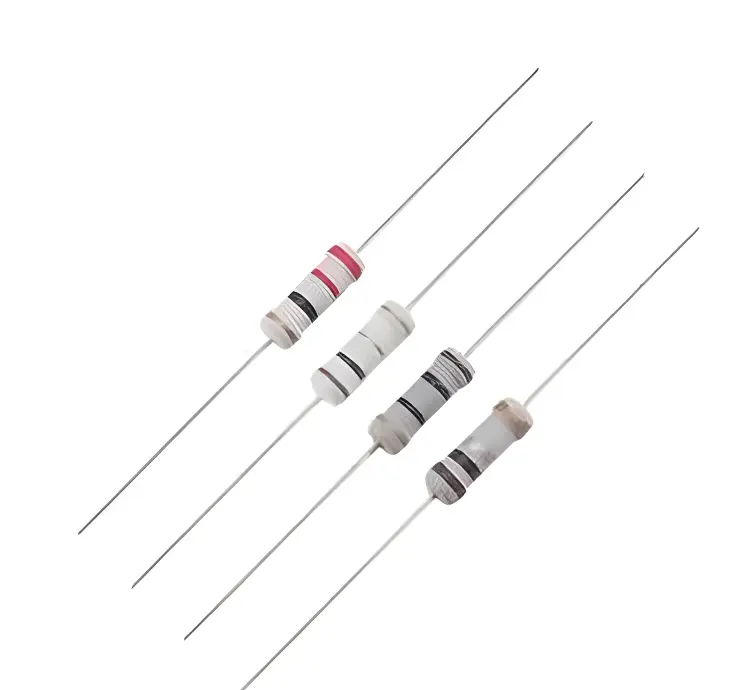 Through Hole Resistors
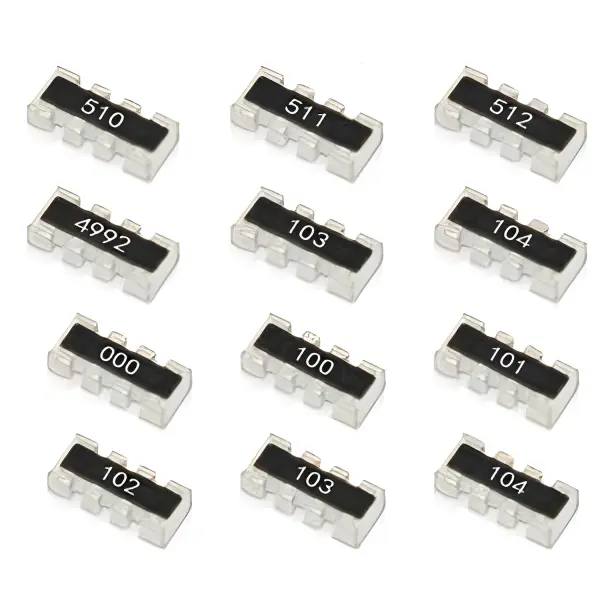 Resistor Networks, Arrays
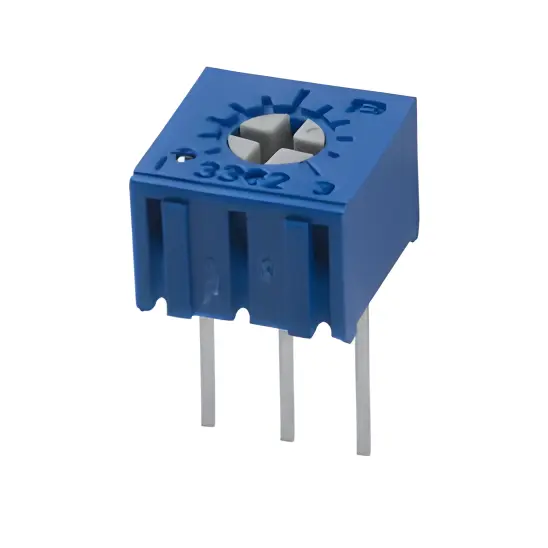 Potentiometers,Variable Resistors
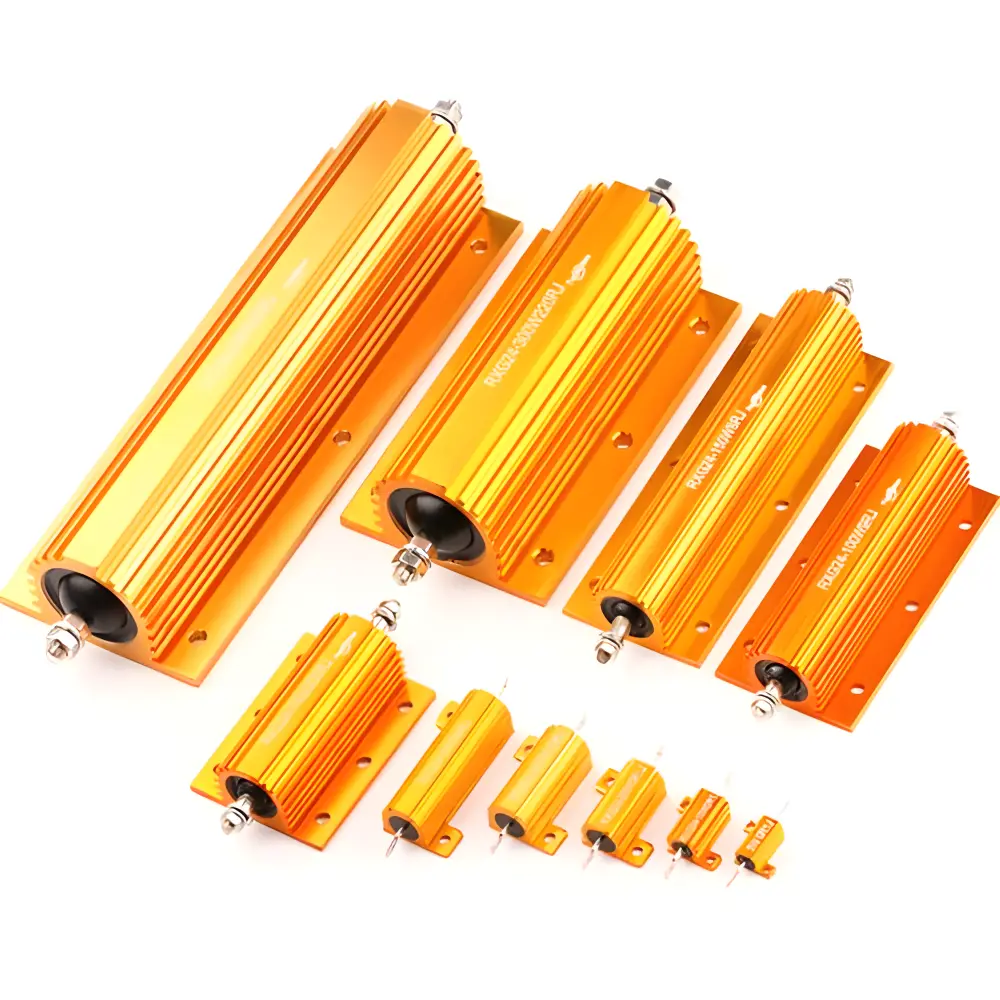 Aluminum Case,Porcelain Tube Resistance
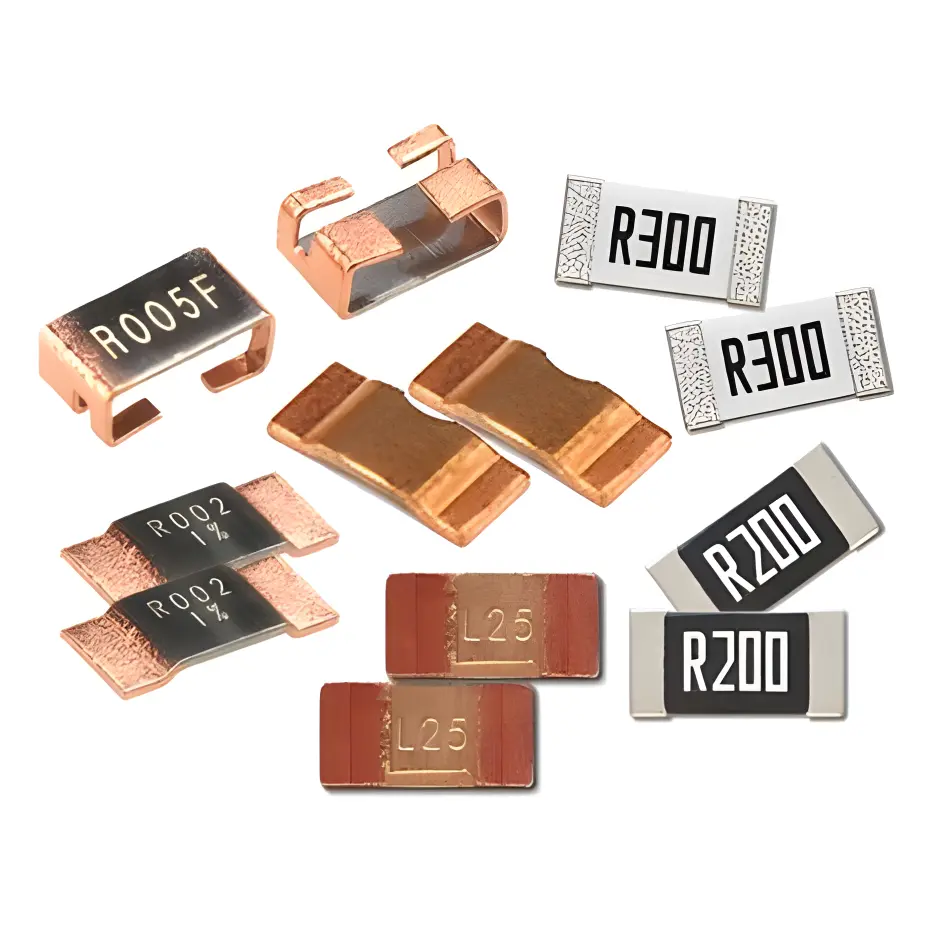 Current Sense Resistors,Shunt Resistors
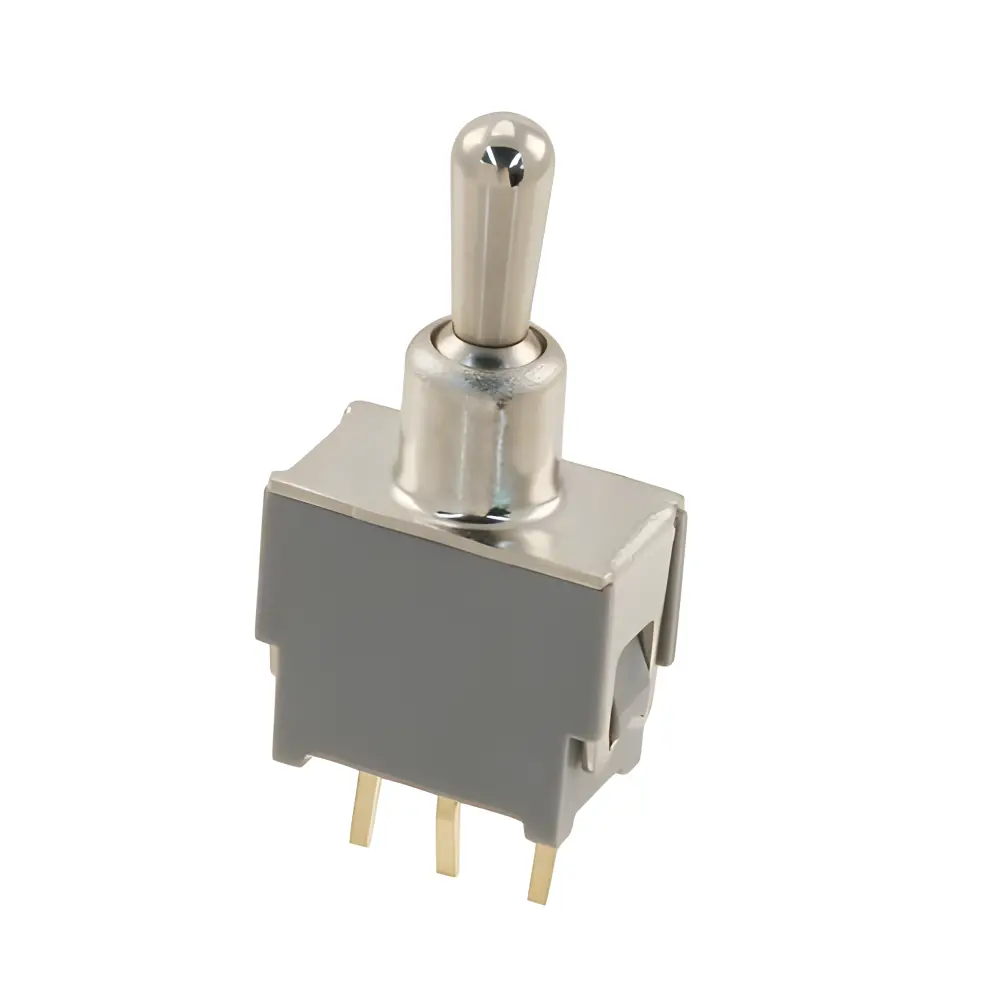 Switches
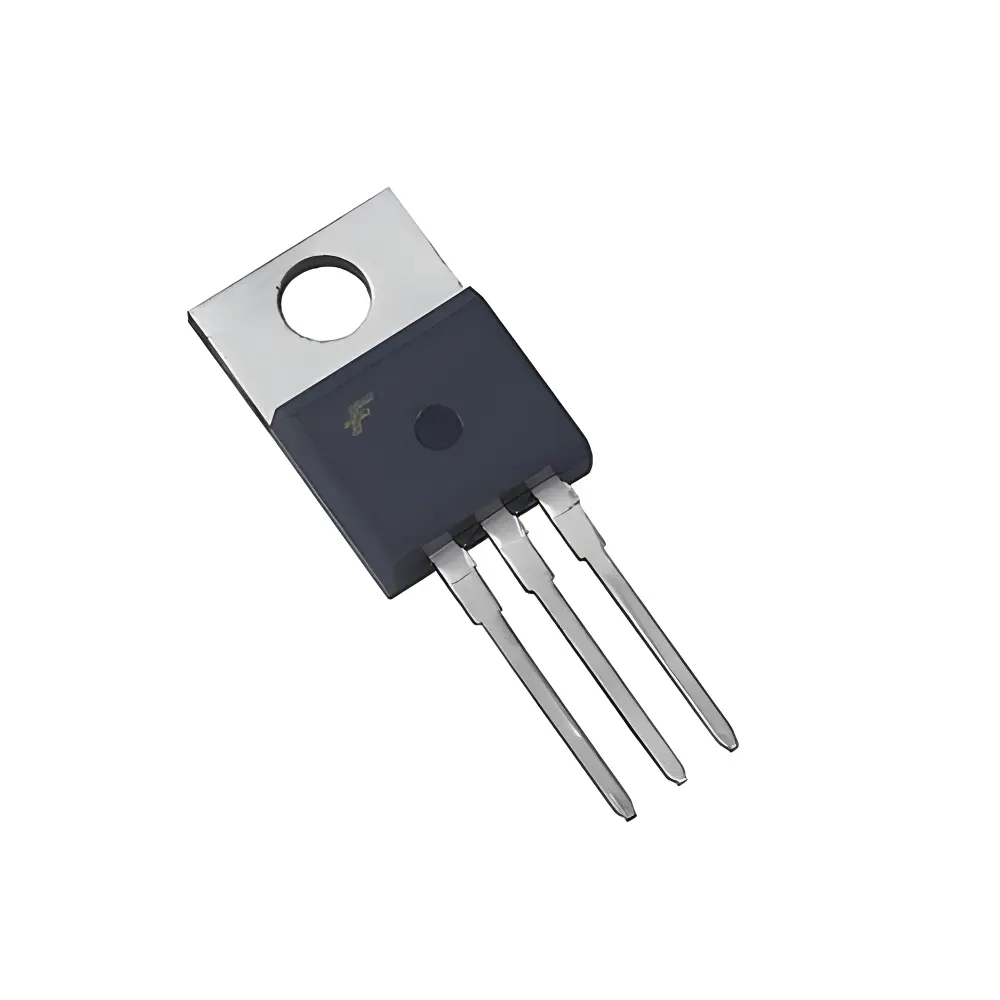 Transistors
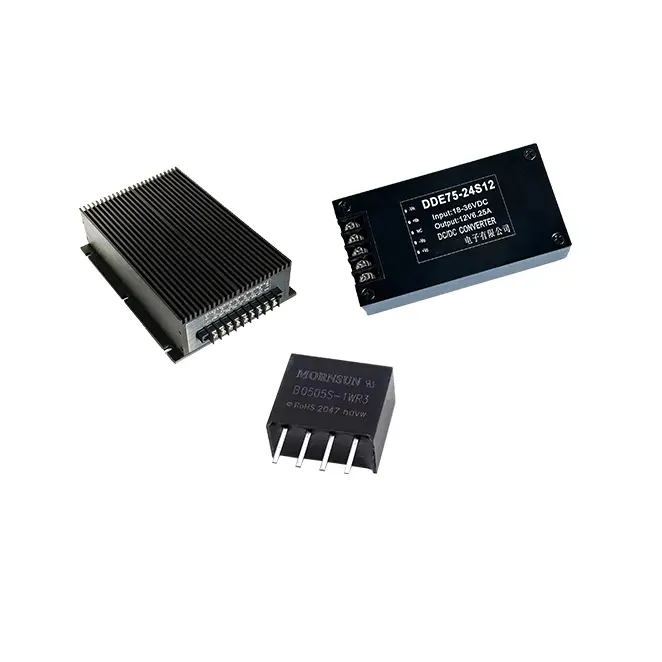 Power Modules
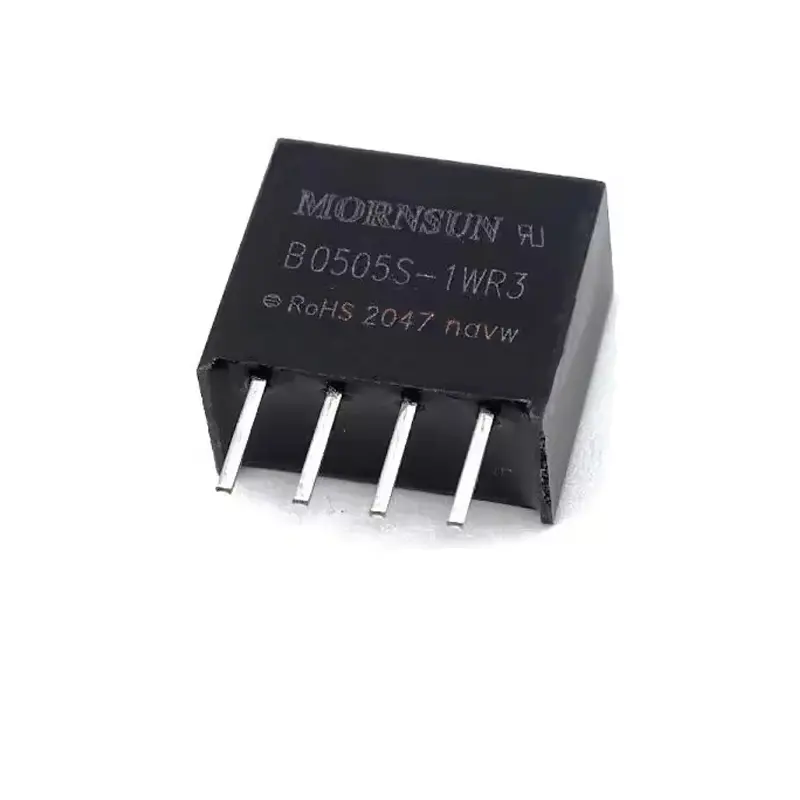 Isolated Power Modules
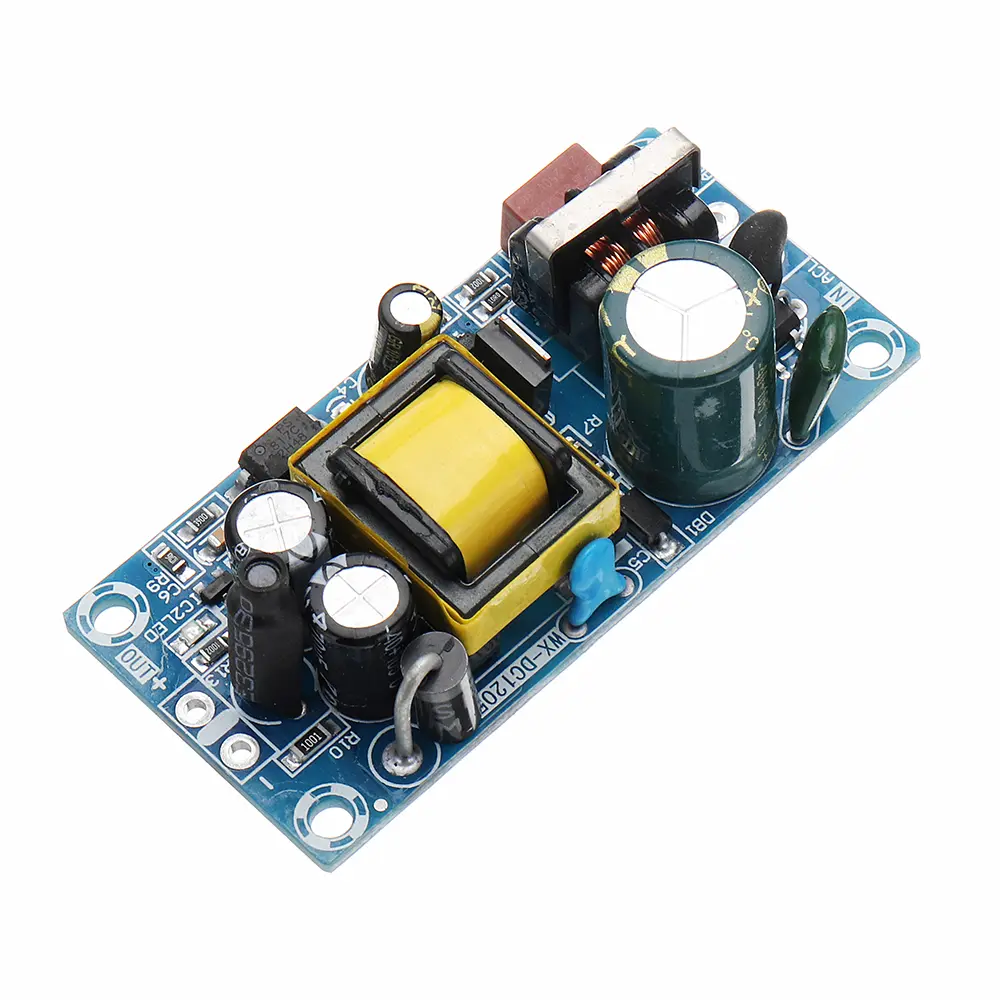 AC-DC Power Modules
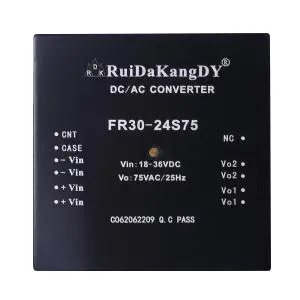 DC-AC Module(Inverter)
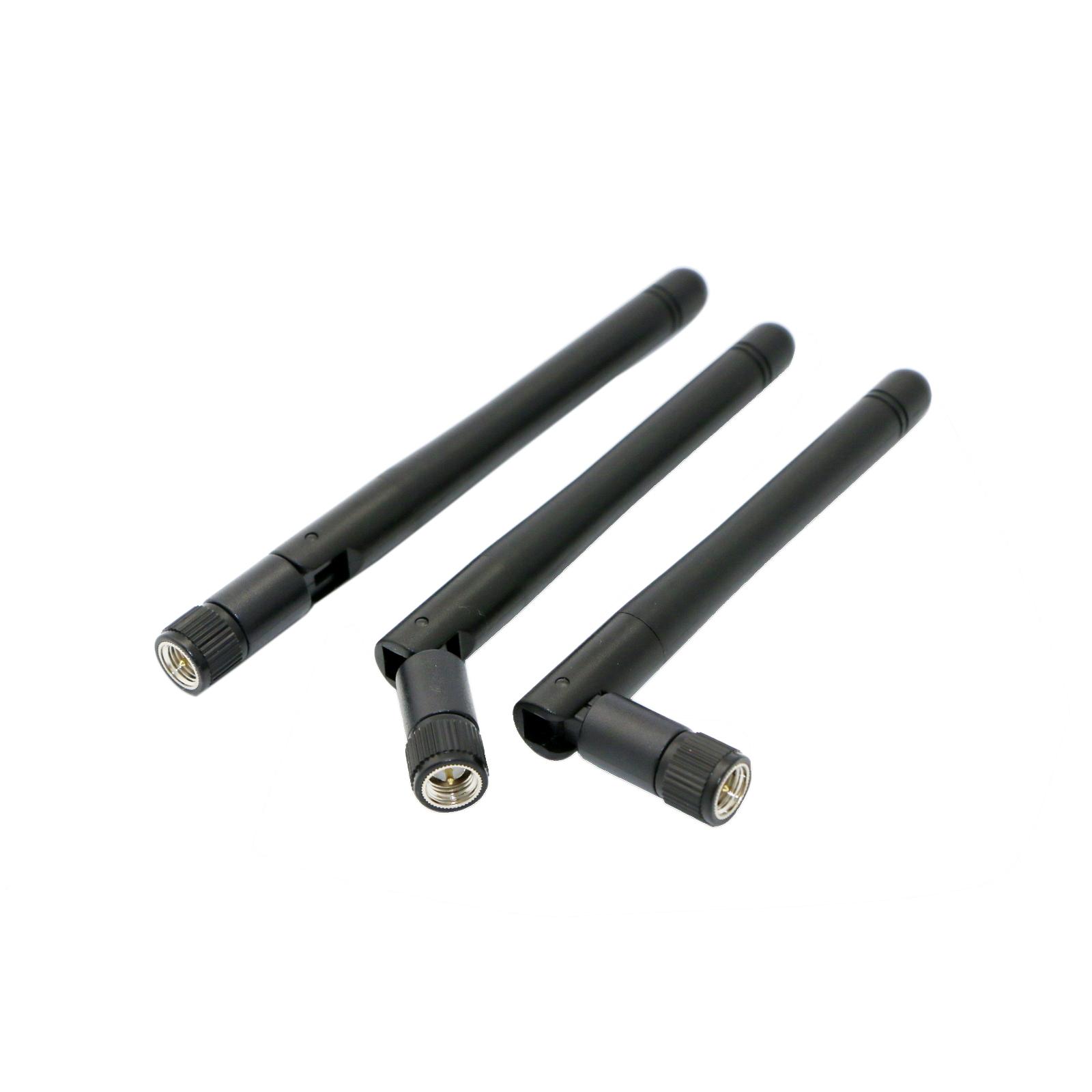 RF and Wireless
Proper Storage and Management of Opened but Unused Moisture-Sensitive Devices (MSDs)
2025-12-26
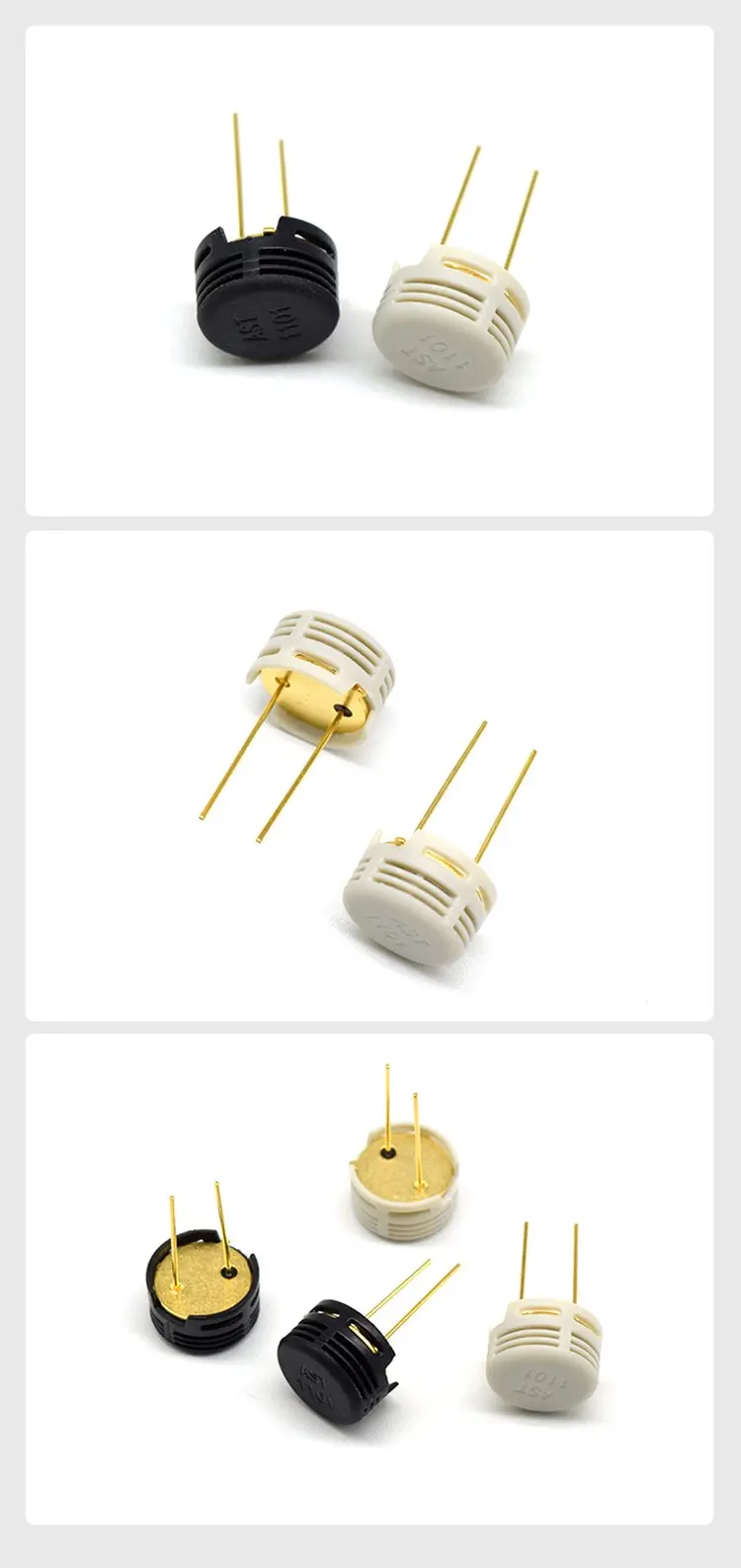
Moisture-Sensitive Devices (MSDs) are a critical category of electronic components widely used in suRFace mount technology (SMT) manufacturing, including BGAs, QFNs, QFPs, and microcontrollers. These components feature organic packaging materials (e.g., plastic molding compounds) that absorb moisture from the environment when exposed to air. If MSDs absorb excessive moisture and are then subjected to the high temperatures of reflow soldering (typically 240-260°C for lead-free processes), the trapped moisture vaporizes rapidly, creating internal pressure that can cause package delamination, popcorn cracking, die damage, or solder joint failures. This not only leads to immediate production defects but also compromises the long-term reliability of printed circuit board assemblies (PCBAs).
For opened but unused MSDs, proper storage and management are essential to prevent moisture absorption and maintain component integrity. Unlike unopened MSDs, which are sealed in moisture-barrier bags (MBBs) with desiccants and humidity indicators (HIs), opened components lose their protective packaging and are directly exposed to ambient humidity. This article provides a comprehensive guide to the correct storage and management of opened MSDs, covering MSD classification, storage environment requirements, handling procedures, shelf-life control, and compliance with industry standards such as IPC/JEDEC J-STD-033 (Handling, Packing, Shipping, and Use of Moisture-/Sensitivity-Classification Components). Practical strategies and common pitfalls are also addressed to help manufacturing engineers, inventory managers, and SMT operators implement effective MSD control systems.
1. Understanding MSD Classification and Sensitivity Levels
Before implementing storage and management practices, it is critical to understand MSD classification, as sensitivity levels determine the strictness of storage requirements. IPC/JEDEC J-STD-033 classifies MSDs into six sensitivity levels (Level 1 to Level 6), based on their maximum allowable exposure time to ambient humidity (≤30°C/60% RH) before reflow soldering. The key classification details are as follows:
1.1 MSD Sensitivity Levels (per IPC/JEDEC J-STD-033)
| Sensitivity Level | Maximum Ambient Exposure Time (≤30°C/60% RH) | Typical Components | Storage Requirements for Opened Parts |
|---|---|---|---|
| Level 1 | Unlimited (no moisture sensitivity) | Through-hole components, some large plastic packages | Standard dry storage (≤60% RH) |
| Level 2 | 1 year | 0402-0603 chips, small QFPs (≤100 leads) | Dry storage (≤40% RH) or sealed with desiccant |
| Level 2a | 4 weeks | Medium QFPs (100-200 leads), small BGAs (≤100 balls) | Dry storage (≤30% RH) or hermetic storage |
| Level 3 | 1 week | Large QFPs (>200 leads), medium BGAs (100-300 balls) | Hermetic dry storage (≤20% RH) |
| Level 4 | 72 hours | Large BGAs (>300 balls), QFNs with large thermal pads | Hermetic dry storage (≤10% RH), strict time tracking |
| Level 5/5a/6 | 24-48 hours (Level 6: ≤12 hours) | Ultra-fine-pitch BGAs, microcontrollers with thin packages | High-performance hermetic dry storage (≤5% RH), immediate use after removal |
1.2 Key Notes on Classification
MSD classification is typically specified on the component packaging or datasheet. It is important to note that: Sensitivity levels are temperature-dependent: exposure time is reduced at temperatures above 30°C (e.g., Level 3 components have a maximum exposure time of 3 days at 35°C/60% RH).Components with damaged packaging (e.g., torn MBBs) are considered "opened" and must be stored according to their sensitivity level.Reflowed MSDs (even if unused) are reclassified as Level 1, as the high-temperature process drives off absorbed moisture and stabilizes the package.
Understanding these classifications is the foundation for determining the appropriate storage conditions and management protocols for opened MSDs.
2. Core Storage Requirements for Opened MSDs
The primary goal of storing opened MSDs is to minimize moisture absorption by maintaining a low-humidity environment. The specific requirements vary by sensitivity level but generally include control of humidity, temperature, packaging, and desiccant use. Below is a detailed breakdown of the core storage requirements.
2.1 Humidity Control: The Most Critical Factor
Relative humidity (RH) is the dominant factor affecting MSD moisture absorption. For opened MSDs, RH must be strictly controlled to levels that slow or stop moisture uptake. The recommended RH levels for each sensitivity level are summarized in Table 1, but additional details include:
2.1.1 Dry Storage Cabinets
For Level 2a and above MSDs, hermetic dry storage cabinets (also known as MSD storage cabinets) are the gold standard. These cabinets use desiccant systems (e.g., molecular sieves, silica gel) and humidity sensors to maintain RH levels as low as 1-5% RH. Key features of high-quality dry storage cabinets include: Digital RH/temperature displays with accuracy of ±1% RH and ±1°C.Automatic desiccant regeneration (to avoid manual replacement).Air-tight seals to prevent ambient humidity infiltration.Audit trails and alarm systems for RH/temperature deviations (critical for compliance).
For Level 2 components, standard dry storage (e.g., a sealed container with desiccant) maintaining ≤40% RH may be sufficient, but dry storage cabinets are recommended for high-volume or high-reliability applications.
2.1.2 Humidity Monitoring and Validation
Continuous humidity monitoring is essential to ensure storage conditions remain within specification. For dry storage cabinets, built-in sensors should be calibrated monthly using a NIST-traceable humidity calibrator. For sealed containers, disposable humidity indicators (HIs) should be placed inside to provide visual confirmation of RH levels (e.g., blue = dry, pink = moist).
It is important to note that HIs are not just monitoring tools—they are also required by IPC/JEDEC J-STD-033 for all MSD storage containers. The HI should be selected based on the target RH (e.g., 10% RH HI for Level 4 MSDs, 20% RH HI for Level 3 MSDs).
2.2 Temperature Control
While humidity is the primary concern, temperature also affects moisture absorption rates—higher temperatures increase the kinetic energy of moisture molecules, accelerating absorption. IPC/JEDEC J-STD-033 recommends storing MSDs at ≤30°C, with ideal temperatures between 20-25°C. Key temperature control measures include: Locating dry storage cabinets away from heat sources (e.g., reflow ovens, heaters, windows with direct sunlight).Using cabinets with built-in temperature control (for Level 5/6 MSDs) to maintain stable temperatures.Avoiding rapid temperature changes, which can cause condensation inside storage containers (condensation introduces liquid moisture, which is far more damaging than ambient humidity).
2.3 Packaging for Opened MSDs
Opened MSDs should be stored in air-tight, moisture-impermeable packaging to complement humidity control. The choice of packaging depends on the storage duration and sensitivity level:
2.3.1 Re-sealable Moisture-Barrier Bags (MBBs)
For short-term storage (e.g., 1-7 days) of Level 2-3 MSDs, re-sealable MBBs (made of aluminum foil or metallized polyester) are suitable. Each bag should contain: The opened MSDs (in their original trays or tubes to prevent physical damage).An appropriate amount of desiccant (calculated based on bag volume and desiccant capacity—typically 1-2 grams of desiccant per 100 cm³ of bag volume).A humidity indicator (HI) visible through the bag for easy monitoring.
MBBs should be sealed tightly using a heat sealer or zip-lock closure, and the seal should be inspected for gaps before storage.
2.3.2 Hermetic Containers
For long-term storage (e.g., >7 days) of Level 3-6 MSDs, hermetic containers (e.g., glass or plastic jars with rubber gaskets, metal cans) are preferred. These containers provide a more robust barrier against moisture than MBBs and are ideal for bulk storage of opened components. Like MBBs, hermetic containers should include desiccant and HIs, and be sealed tightly after each access.
2.3.3 Anti-Static Considerations
MSDs are often electrostatic discharge (ESD)-sensitive, so all storage packaging must be anti-static or static-dissipative. This includes anti-static MBBs, ESD-safe trays/tubes, and anti-static hermetic containers. Never store MSDs in non-ESD packaging (e.g., regular plastic bags), as this can cause ESD damage.
2.4 Desiccant Selection and Management
Desiccants are critical for absorbing moisture inside storage containers and maintaining low RH. The choice of desiccant depends on the required RH level and storage duration:
2.4.1 Common Desiccant Types
- Silica Gel: The most common desiccant for MSD storage, available in indicating (changes color when saturated: blue → pink) and non-indicating forms. Suitable for maintaining RH levels down to 10-20% RH. Ideal for Level 2-3 MSDs.
- Molecular Sieves: High-performance desiccant capable of maintaining RH levels down to 1-5% RH. Suitable for Level 4-6 MSDs. More expensive than silica gel but offers superior moisture absorption capacity.
- Activated Alumina: Used for medium-humidity applications (20-40% RH), suitable for Level 2 MSDs. Less commonly used for MSD storage but effective for general dry storage.
2.4.2 Desiccant Regeneration and Replacement
Desiccants become saturated over time and must be regenerated or replaced to maintain effectiveness: Silica Gel: Indicating silica gel should be regenerated when it turns pink. Regeneration is done by heating at 120-150°C for 2-4 hours (until it returns to blue).Molecular Sieves: Regenerated at 200-300°C for 4-6 hours to remove absorbed moisture.Replacement Schedule: Even with regeneration, desiccants degrade over time (typically after 5-10 regeneration cycles) and should be replaced annually. For high-sensitivity MSDs (Level 5-6), desiccants should be replaced every 6 months.
Always label desiccants with the regeneration/replacement date to ensure timely maintenance.
3. Comprehensive Management Procedures for Opened MSDs
Proper storage alone is not sufficient—effective management of opened MSDs requires standardized procedures for tracking, handling, re-baking, and disposal. These procedures ensure compliance with IPC/JEDEC J-STD-033 and prevent the use of moisture-damaged components.
3.1 Tracking and Documentation
Accurate tracking of opened MSDs is critical to avoid exceeding their maximum exposure time. A robust tracking system should include:Unique Identification: Assign a unique lot number or barcode to each batch of opened MSDs for traceability.Exposure Time Logging: Record the date and time the MBB was opened, and update the log each time the storage container is accessed. Calculate the remaining exposure time based on the component’s sensitivity level (e.g., a Level 3 MSD opened on Monday has 7 days of exposure time, expiring on the following Monday).Storage Condition Records: Document RH and temperature levels for the storage environment (e.g., daily readings from dry storage cabinets, HI status in sealed containers).Inventory Management: Use an electronic inventory system to track the quantity, location, and exposure status of opened MSDs. Set up alerts for components approaching their maximum exposure time.
All documentation should be retained for at least the lifetime of the PCBA (or as required by customer specifications) for compliance and traceability.
3.2 Handling Procedures
Improper handling of opened MSDs can introduce moisture or damage components. Standard handling procedures include: Minimize Exposure Time: When accessing opened MSDs, limit the time the storage container is open to ≤5 minutes (for Level 4-6 MSDs) or ≤15 minutes (for Level 2-3 MSDs). This prevents ambient humidity from infiltrating the container.ESD Protection: Handle MSDs only in an ESD-safe environment (e.g., ESD mats, wrist straps, grounded workstations). Avoid touching component leads or balls, as skin oils can contaminate surfaces and affect solderability.Avoid Condensation: If MSDs are removed from cold storage (e.g., a dry cabinet at 20°C) and exposed to warm, humid air, condensation can form on the components. To prevent this, allow the components to acclimate to ambient temperature (in a sealed container) for 30-60 minutes before opening the container.Batch Control: Use the "first-in, first-out (FIFO)" principle to prioritize the use of opened MSDs with the least remaining exposure time. This reduces the risk of components expiring before use.
3.3 Re-Baking of Moisture-Absorbed MSDs
If opened MSDs exceed their maximum exposure time or show signs of moisture absorption (e.g., HI indicates high RH), they must be re-baked to remove absorbed moisture before use. Re-baking parameters (temperature and time) are specified by the component manufacturer and vary by package type and sensitivity level. General guidelines per IPC/JEDEC J-STD-033 include:
3.3.1 Standard Re-Baking Parameters
| MSD Level | Re-Baking Temperature | Re-Baking Time | Notes |
|---|---|---|---|
| Level 2-2a | 125°C ±5°C | 8-12 hours | For plastic packages without moisture-sensitive die attach |
| Level 3-4 | 125°C ±5°C | 12-24 hours | For large plastic packages (e.g., BGAs, QFNs) |
| Level 5-6 | 90°C ±5°C (low-temperature bake) | 24-48 hours | For ultra-thin packages or components with temperature-sensitive die |
3.3.2 Re-Baking Best Practices
- Always refer to the component datasheet for specific re-baking parameters—never use standard parameters for components with special packaging (e.g., ceramic packages, flip chips).
- Use a convection oven with precise temperature control (±1°C) for re-baking. Avoid using reflow ovens, as they may not provide uniform heating.
- Place MSDs in an open tray during re-baking to allow moisture to escape. Do not bake components in sealed containers.
- After re-baking, allow components to cool to room temperature in a dry environment (e.g., dry storage cabinet) before packaging or use. This prevents condensation.
- Limit re-baking to a maximum of 3 times—excessive baking can degrade the package material and reduce component reliability.
3.4 Disposal of Expired or Damaged MSDs
Opened MSDs that exceed their maximum exposure time and cannot be re-baked (e.g., due to excessive prior baking, package damage, or temperature sensitivity) must be disposed of or quarantined. Disposal procedures include: Quarantine: Label expired components as "MOISTURE-DAMAGED – DO NOT USE" and store them in a separate, clearly marked area to prevent accidental use.Disposal: Dispose of expired MSDs according to local electronic waste regulations. Do not reuse or rework moisture-damaged components, as they pose a high risk of failure.Root Cause Analysis: Investigate the cause of expired components (e.g., over-ordering, poor tracking, extended storage) to improve inventory management and reduce waste.
4. Common Pitfalls and How to Avoid Them
Even with established procedures, common mistakes can compromise the storage and management of opened MSDs. Below are the most frequent pitfalls and strategies to avoid them:
4.1 Inadequate Humidity Monitoring
Pitfall: Relying solely on dry storage cabinet displays without periodic calibration, leading to inaccurate RH readings and undetected moisture absorption. Solution: Calibrate cabinet sensors monthly using a NIST-traceable calibrator. Use independent HIs in storage containers to cross-verify RH levels.
4.2 Improper Desiccant Use
Pitfall: Using insufficient desiccant, saturated desiccant, or the wrong type of desiccant (e.g., silica gel for Level 4 MSDs), leading to high RH in storage containers. Solution: Calculate desiccant requirements based on container volume. Use indicating desiccant to monitor saturation. Select desiccant type based on MSD sensitivity level.
4.3 Poor Tracking of Exposure Time
Pitfall: Failing to log opening and access times, leading to components exceeding their maximum exposure time. Solution: Implement an electronic tracking system with barcode scanning for easy logging. Set up automated alerts for components approaching expiration.
4.4 Condensation During Handling
Pitfall: Removing MSDs from cold dry storage and immediately opening the container, causing condensation on components. Solution: Allow components to acclimate to ambient temperature in a sealed container for 30-60 minutes before opening. Store dry cabinets at ambient temperature (20-25°C) to minimize temperature differences.
4.5 Over-Reliance on Re-Baking
Pitfall: Re-baking MSDs repeatedly or using incorrect parameters, leading to package degradation. Solution: Limit re-baking to 3 times. Always follow component datasheet parameters. Prioritize proper storage to reduce the need for re-baking.
5. Case Study: Cost Savings from Improved MSD Management
A medical device manufacturer was experiencing a 3% defect rate in PCBAs due to MSD-related issues (popcorn cracking, delamination) from improperly stored opened MSDs. The defects were traced to: Lack of humidity monitoring in MSD storage containers.Inaccurate tracking of exposure time, leading to expired components being used.Improper re-baking parameters for Level 4 BGAs.
Implemented Improvements
- Installed 10 dry storage cabinets (maintaining ≤10% RH) for Level 3-4 MSDs, with built-in RH/temperature monitoring and alarms.
- Implemented an electronic MSD tracking system with barcode scanning, automated exposure time calculations, and expiration alerts.
- Trained operators on proper re-baking procedures, including datasheet reference and temperature control.
- Established a weekly audit of MSD storage conditions and tracking records.
Outcome
Within 3 months, the MSD-related defect rate dropped to 0.1%. The manufacturer saved approximately $50,000 annually in rework costs, component replacement, and SCRap. Additionally, compliance with IPC/JEDEC J-STD-033 improved customer confidence and reduced audit findings.
Proper storage and management of opened but unused MSDs are critical to maintaining component integrity, reducing production defects, and ensuring PCBA reliability. By understanding MSD sensitivity levels, controlling storage humidity and temperature, using appropriate packaging and desiccants, and implementing robust tracking and handling procedures, manufacturers can minimize moisture-related issues and comply with industry standards such as IPC/JEDEC J-STD-033.
The key to success lies in a proactive approach—prioritizing prevention through proper storage rather than relying on re-baking to fix moisture absorption. By investing in quality dry storage equipment, implementing electronic tracking systems, and training personnel on best practices, manufacturers can achieve significant cost savings, improve yields, and enhance the reliability of their electronic products.