
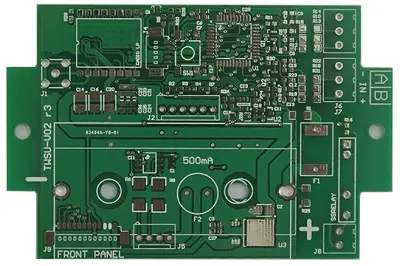
 PCB
PCB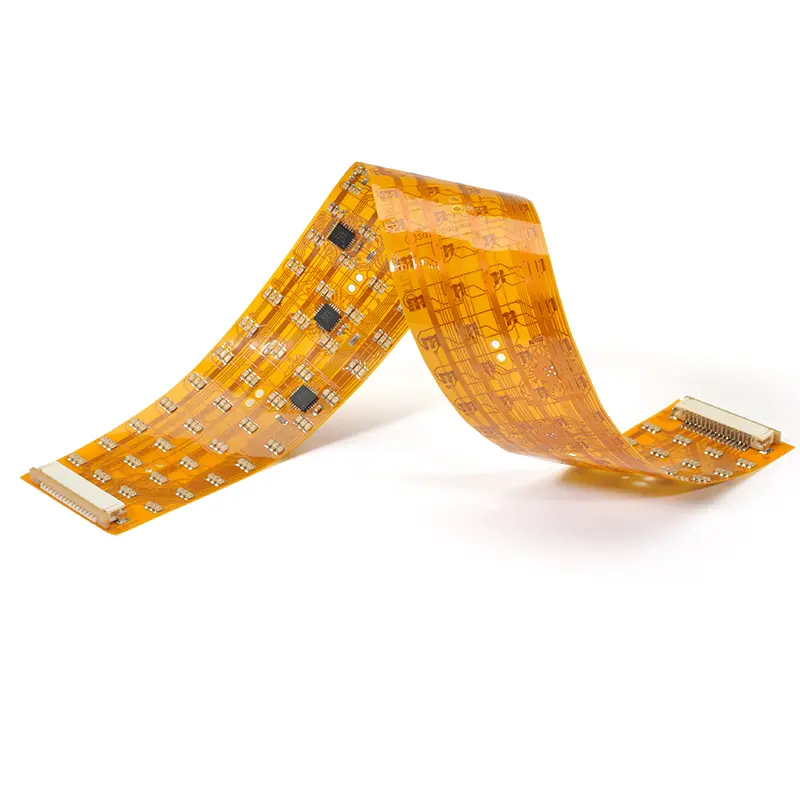 FPC
FPC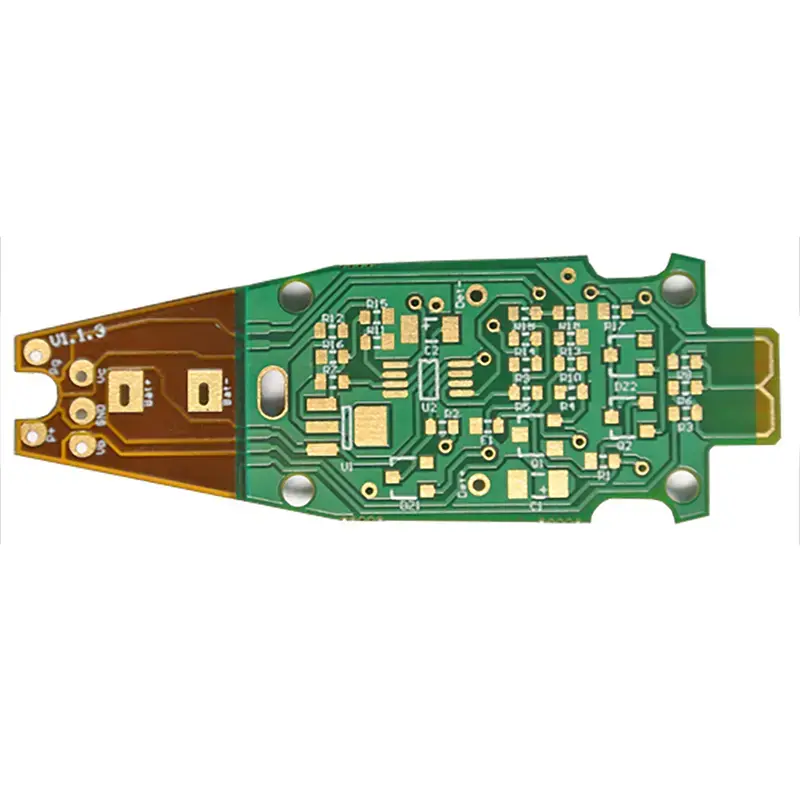 Rigid-Flex
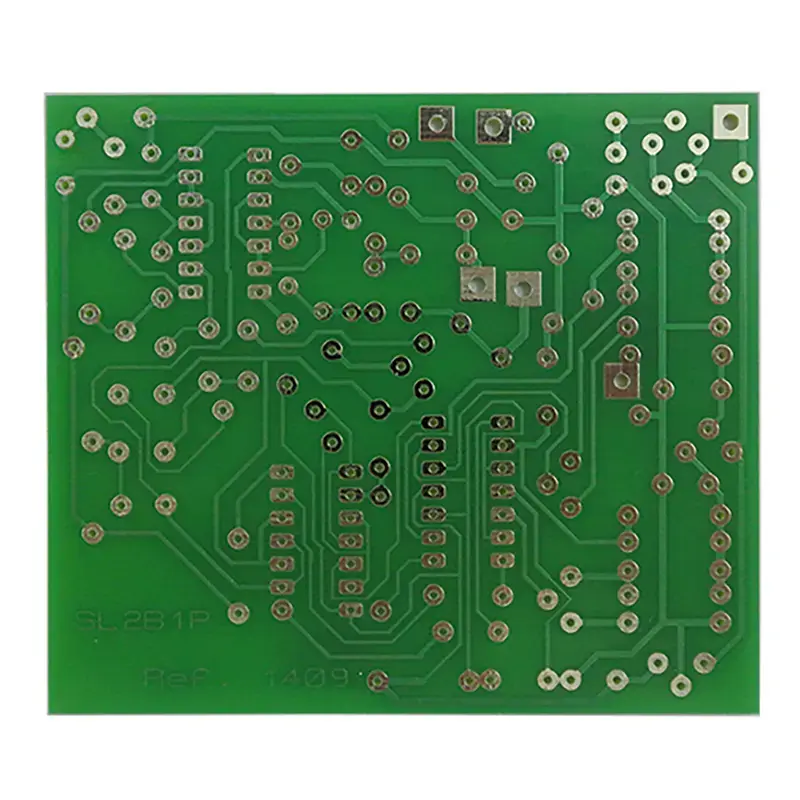 FR-4
FR-4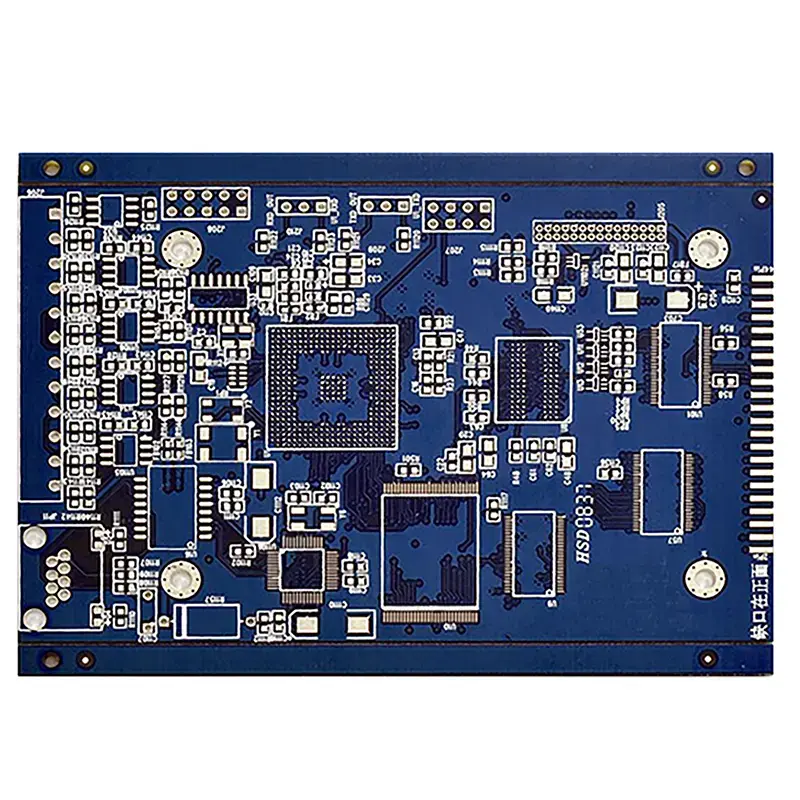 HDI PCB
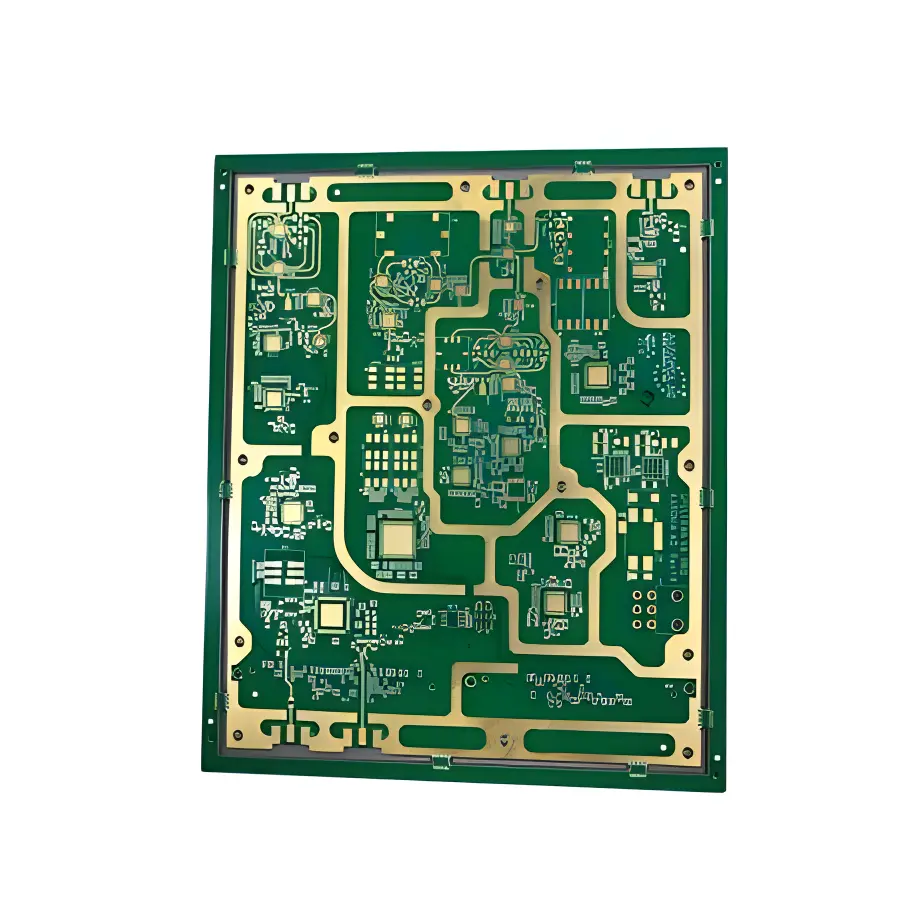 Rogers High-Frequency Board
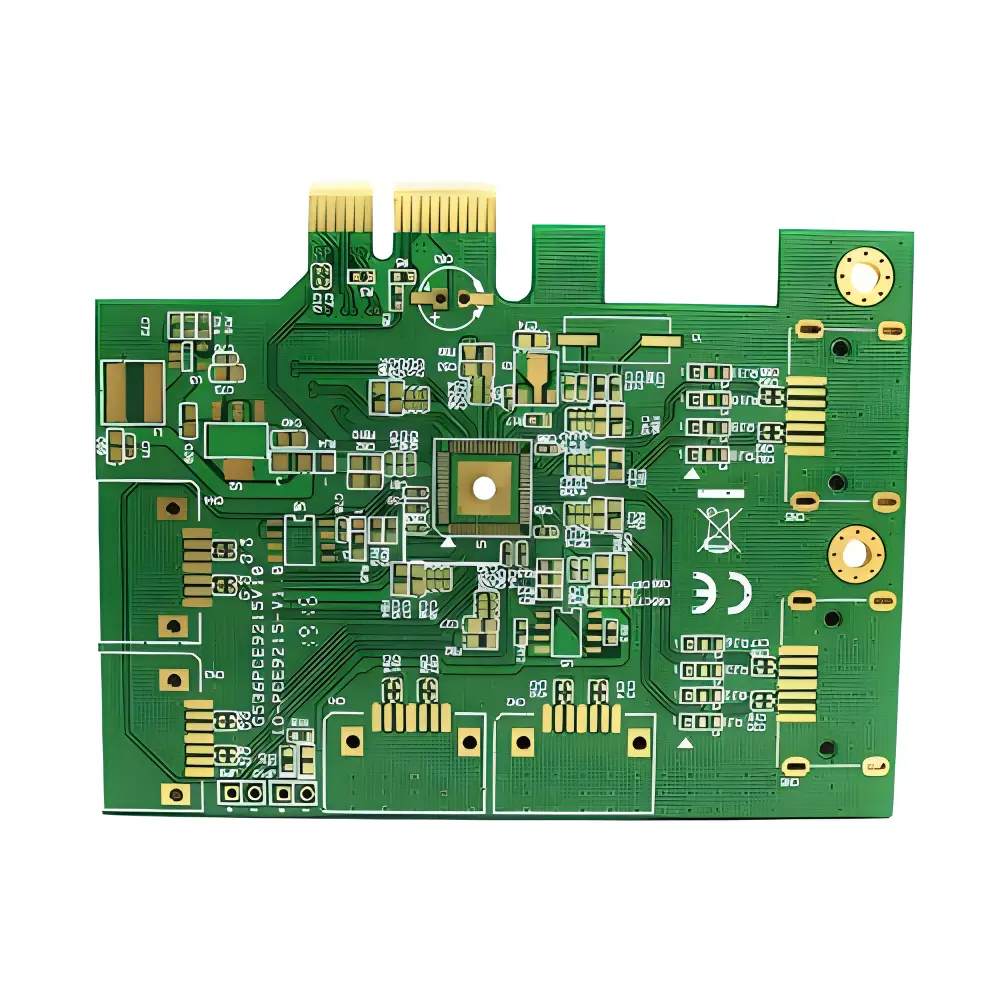 PTFE Teflon High-Frequency Board
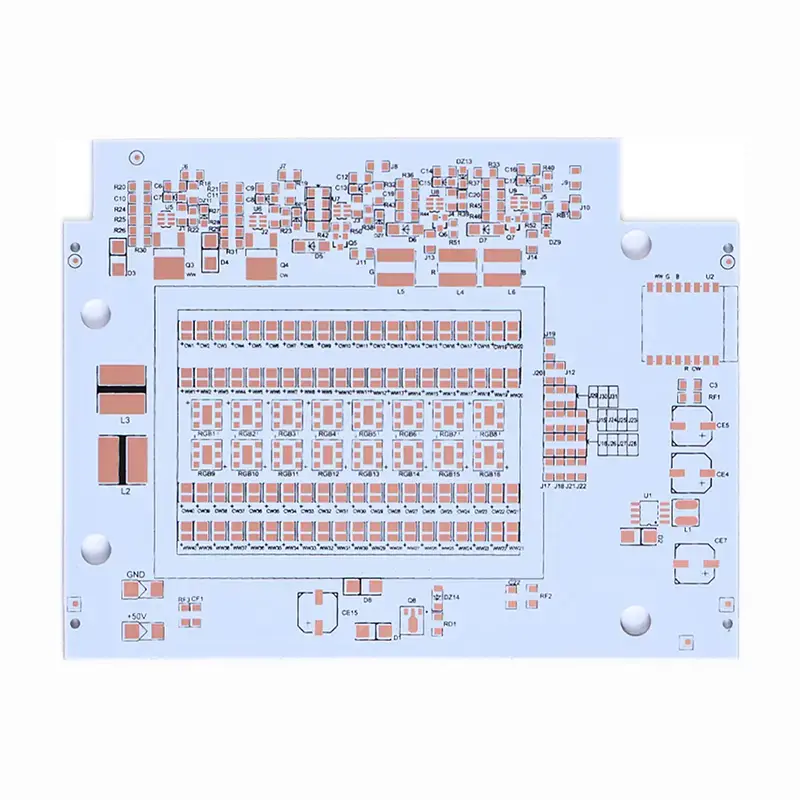 Aluminum
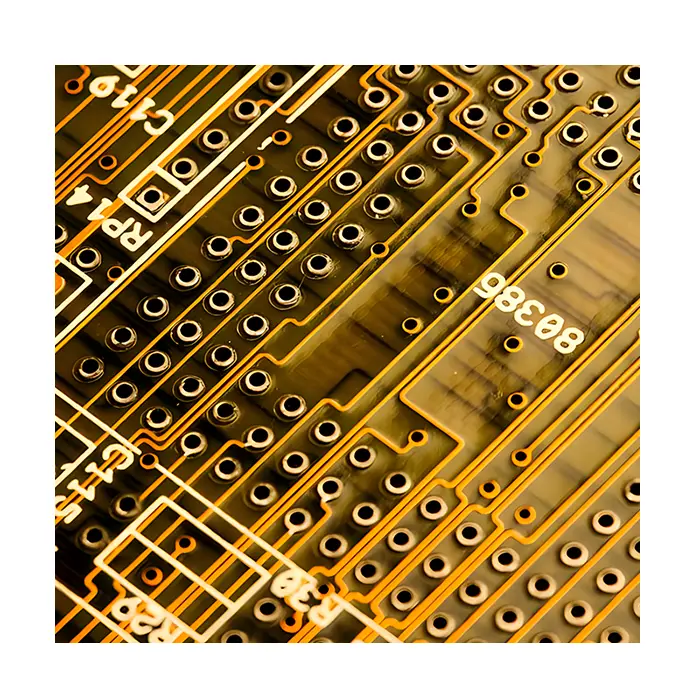 Copper Core
 PCB Assembly
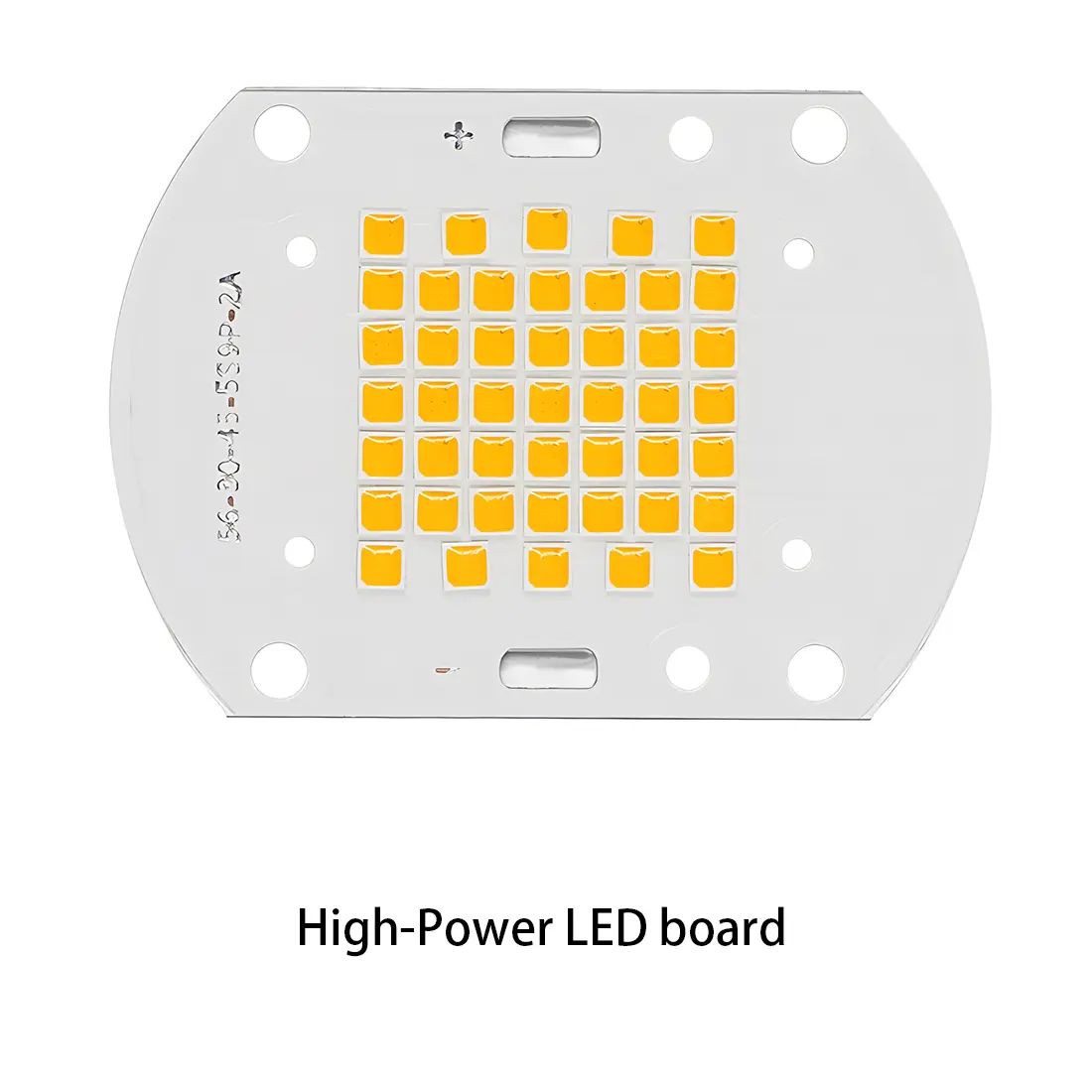 LED light PCBA
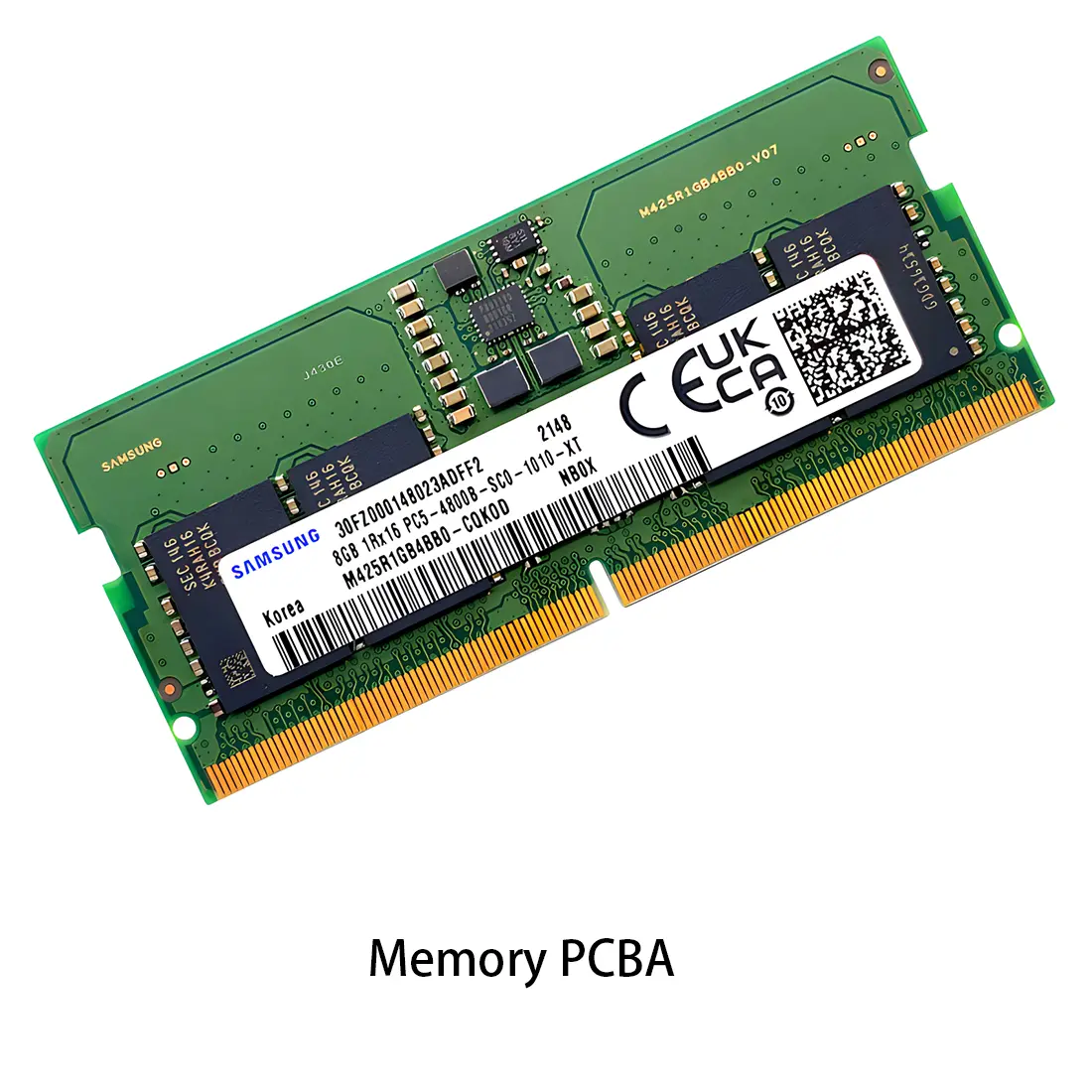 Memory PCBA
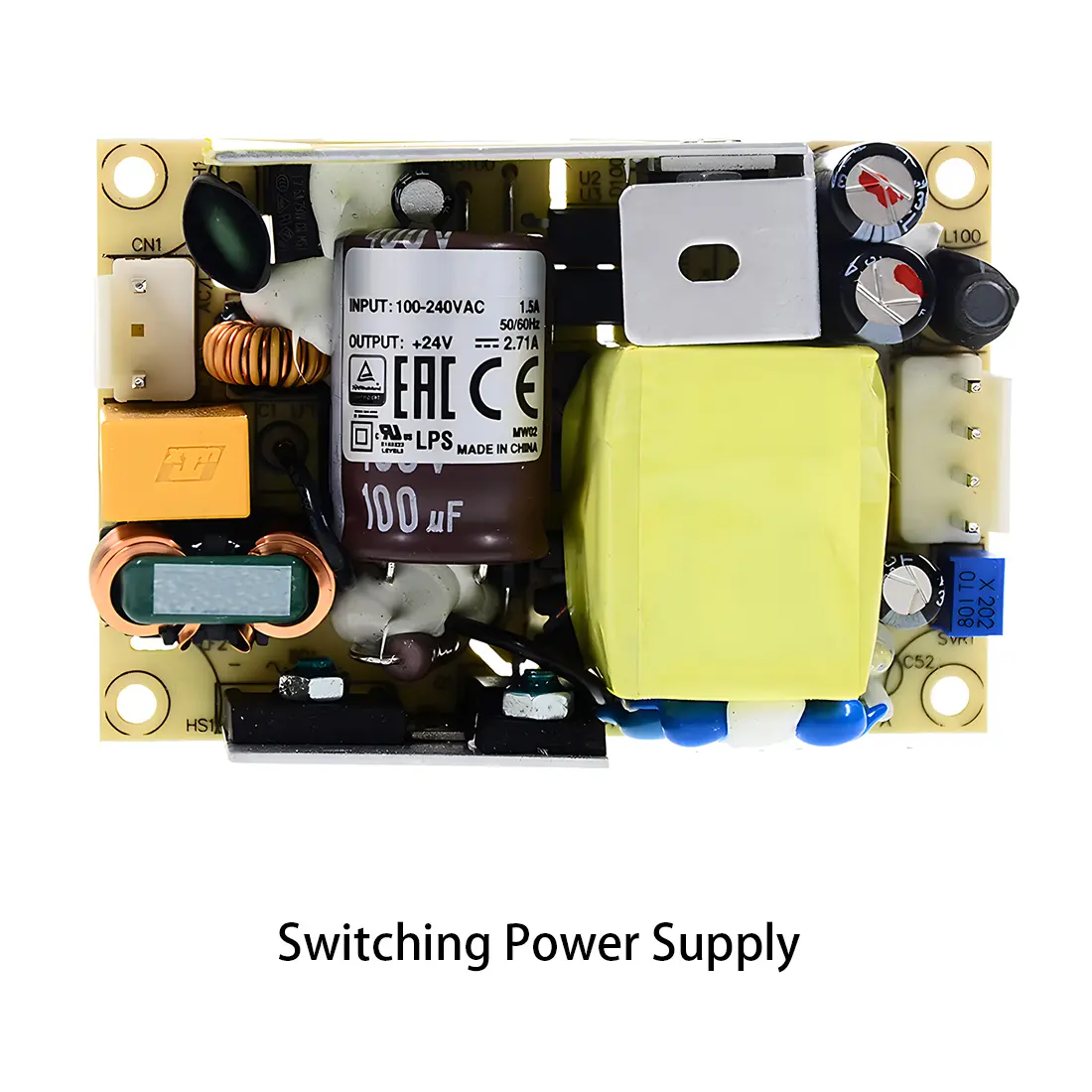 Power Supply PCBA
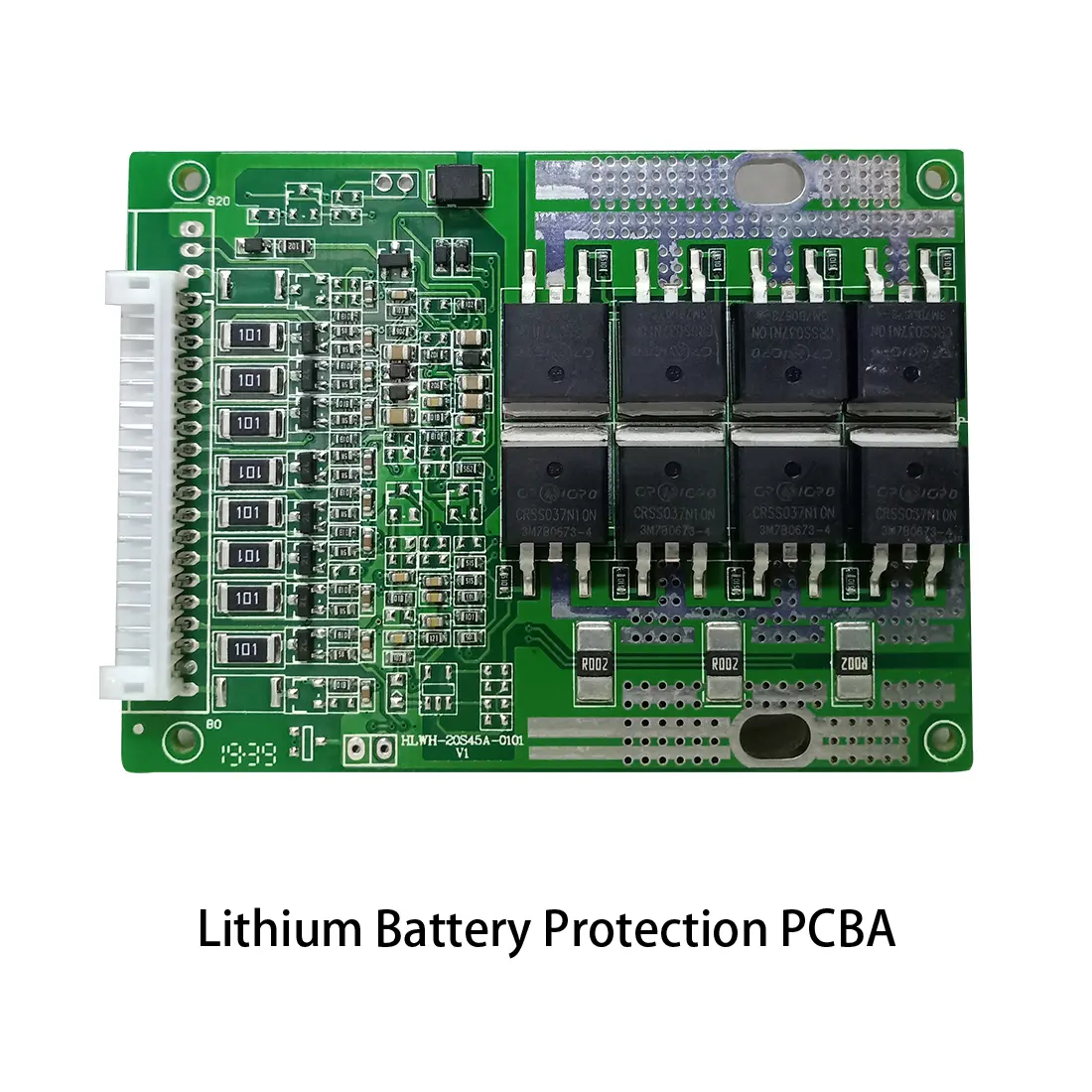 New Energey PCBA
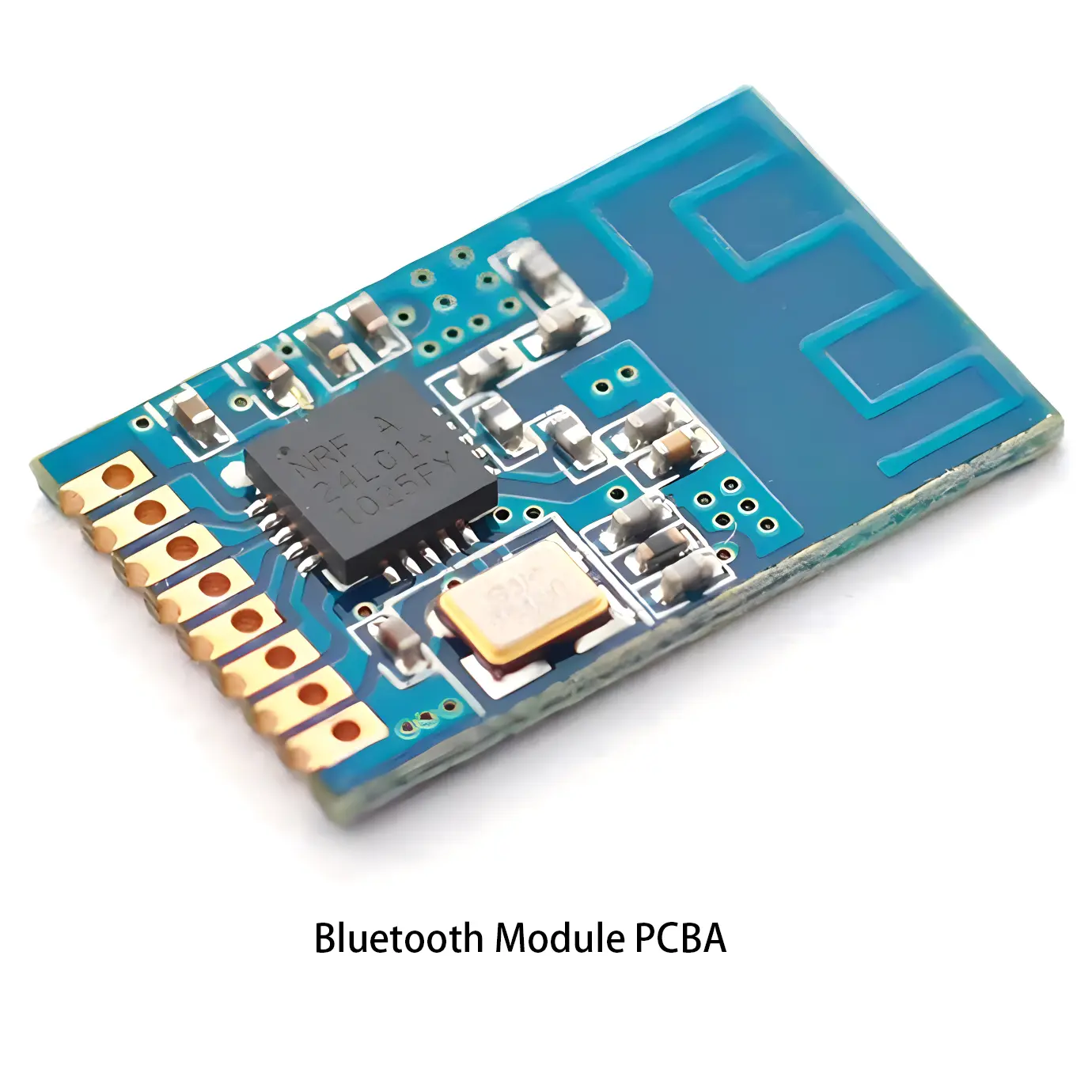 Communication PCBA
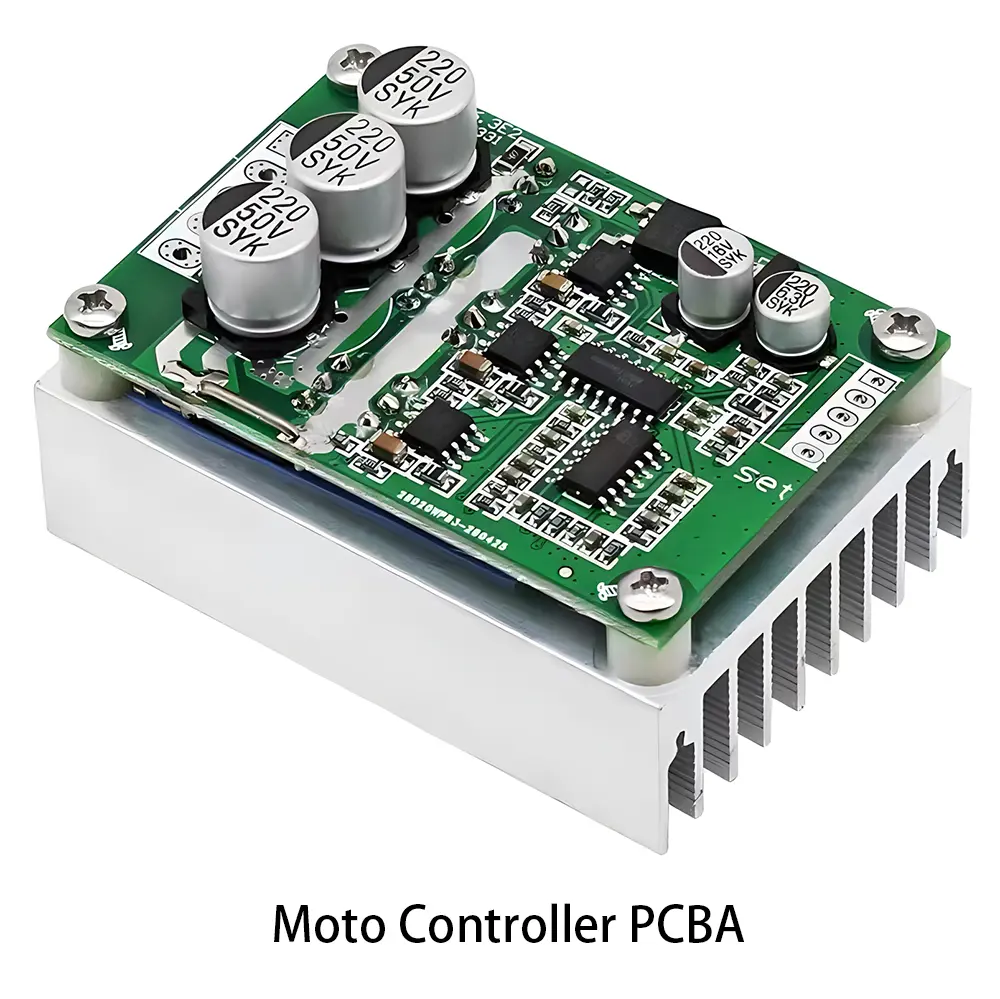 Industrial Control PCBA
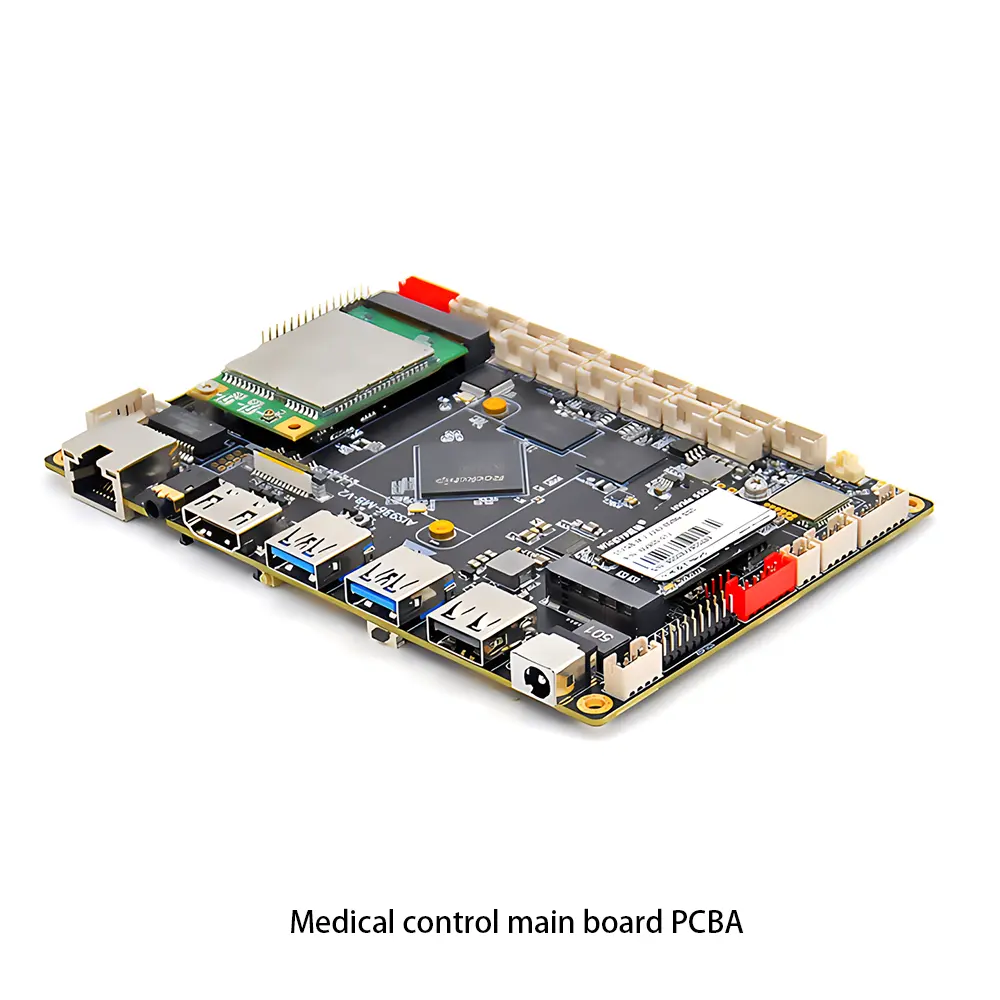 Medical Equipment PCBA
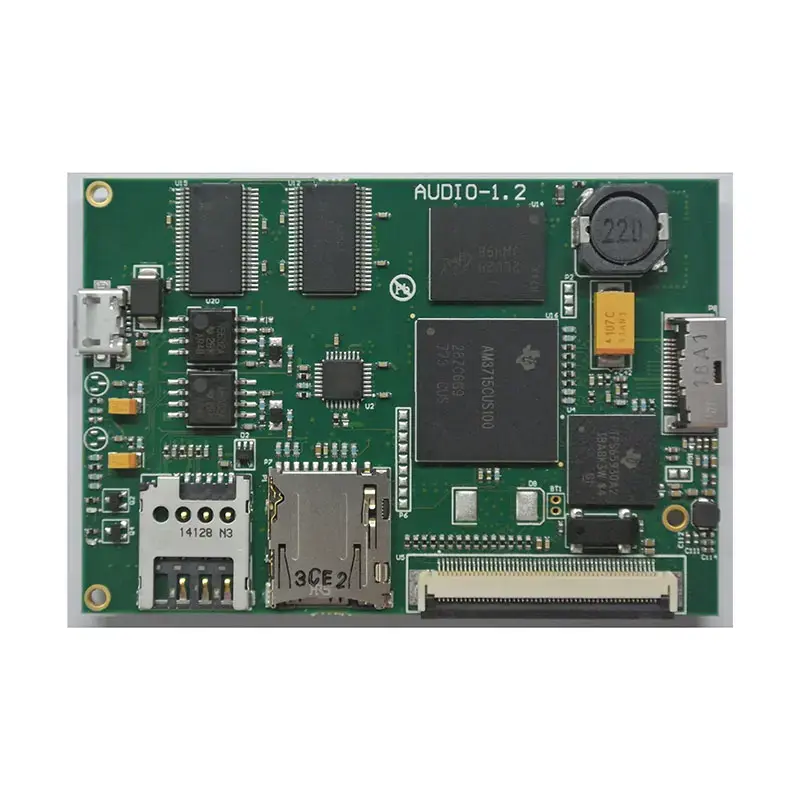 Testing Service
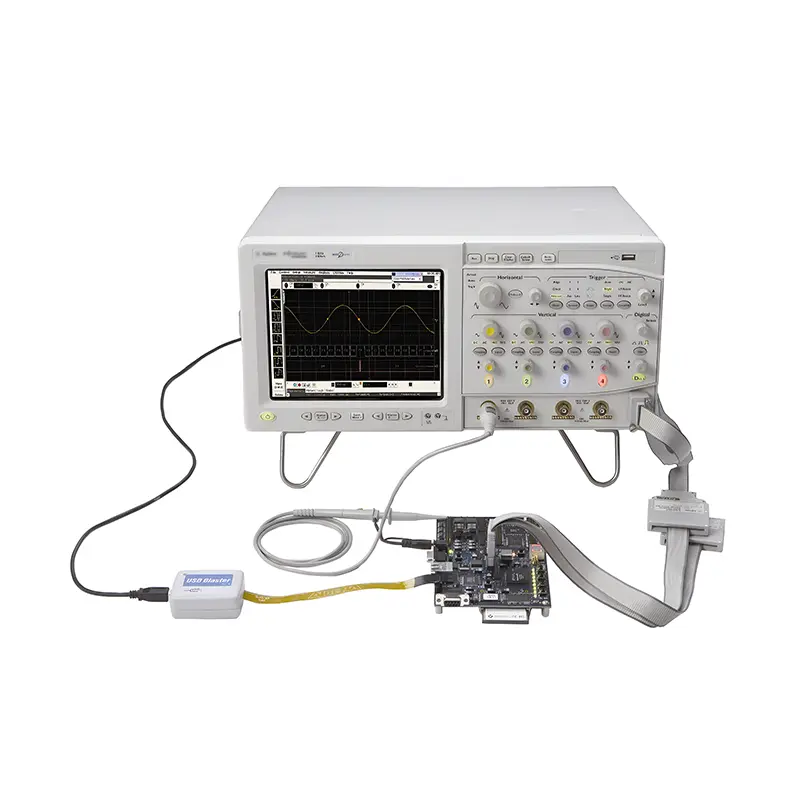 PCBA Testing Service
 Certification Application
 RoHS Certification Application
 REACH Certification Application
 CE Certification Application
 FCC Certification Application
 CQC Certification Application
 UL Certification Application
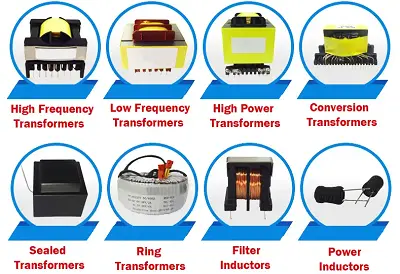 Transformers, Inductors
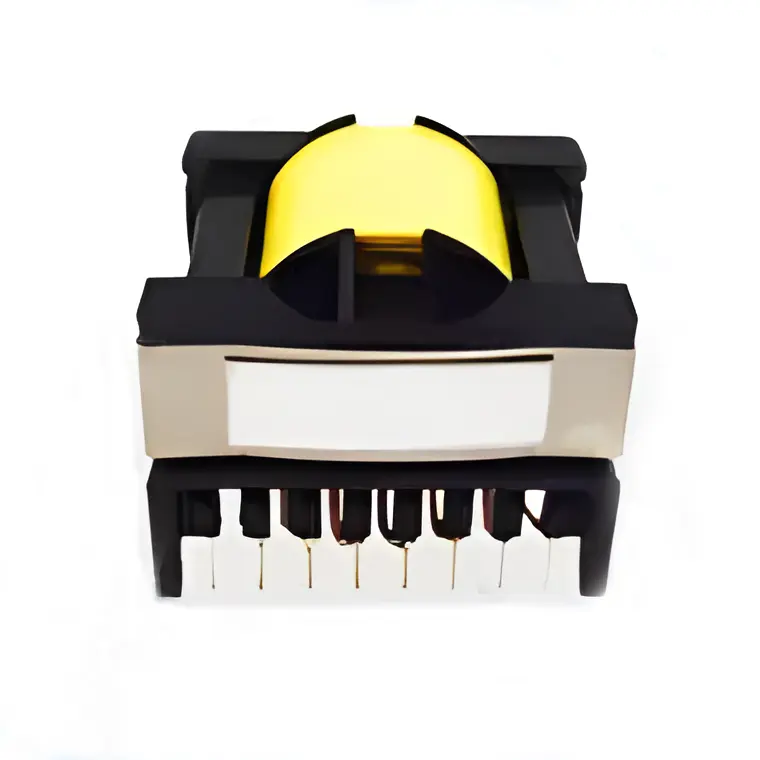 High Frequency Transformers
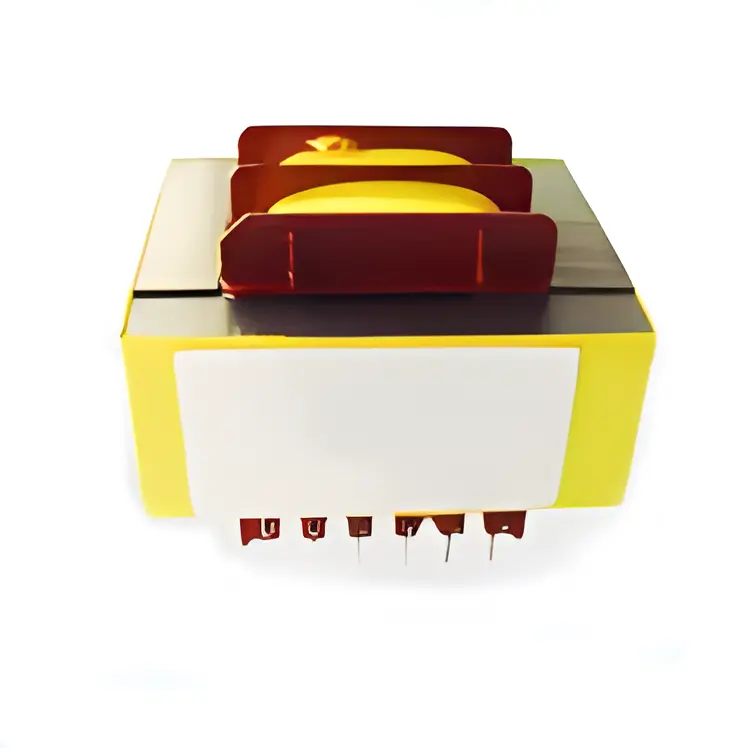 Low Frequency Transformers
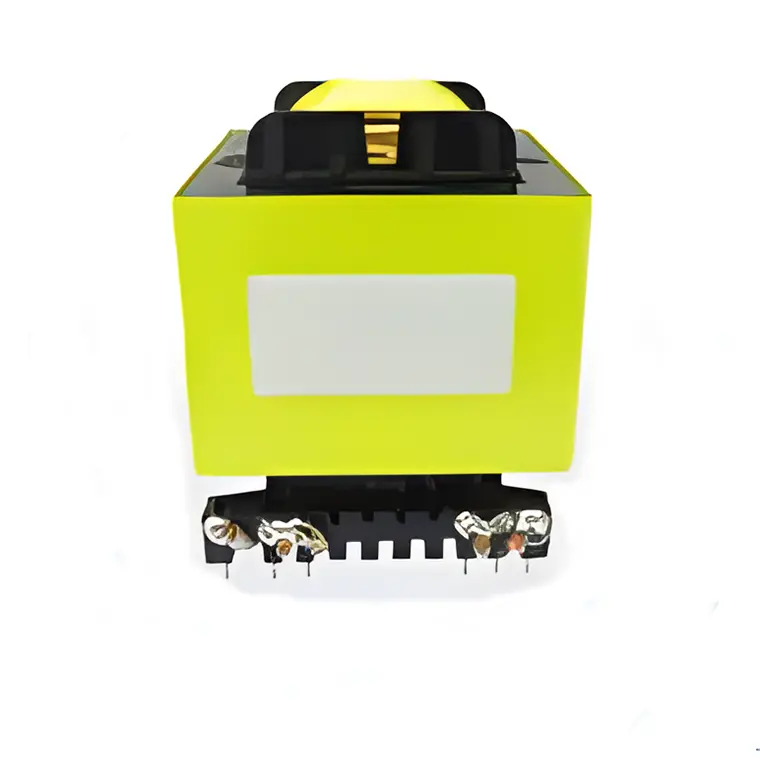 High Power Transformers
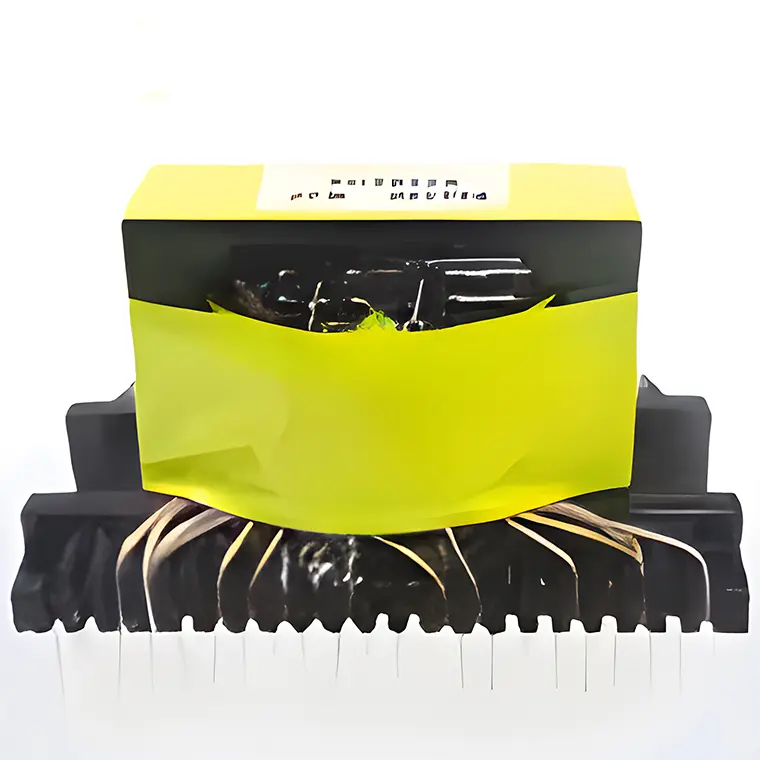 Conversion Transformers
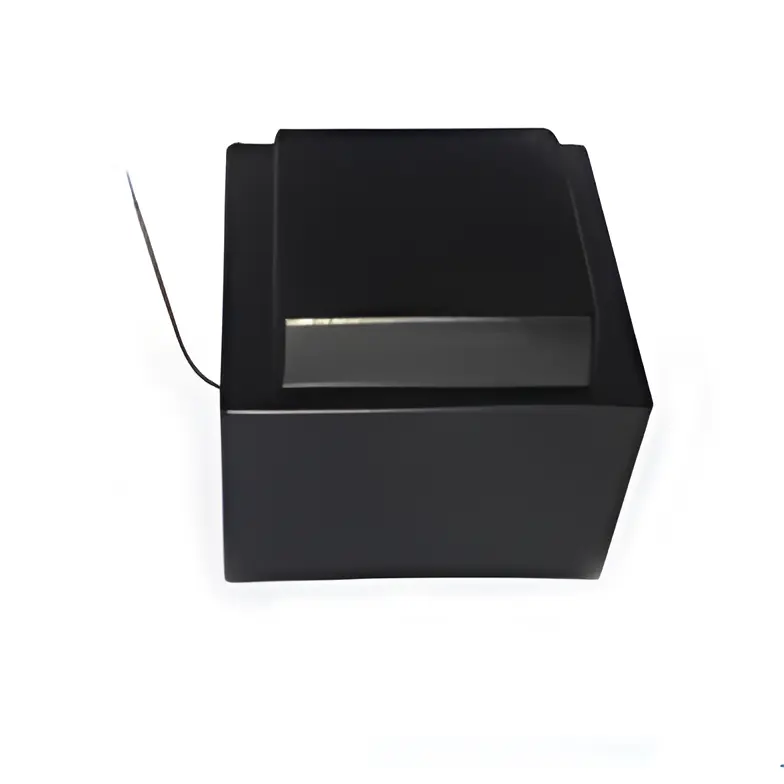 Sealed Transformers
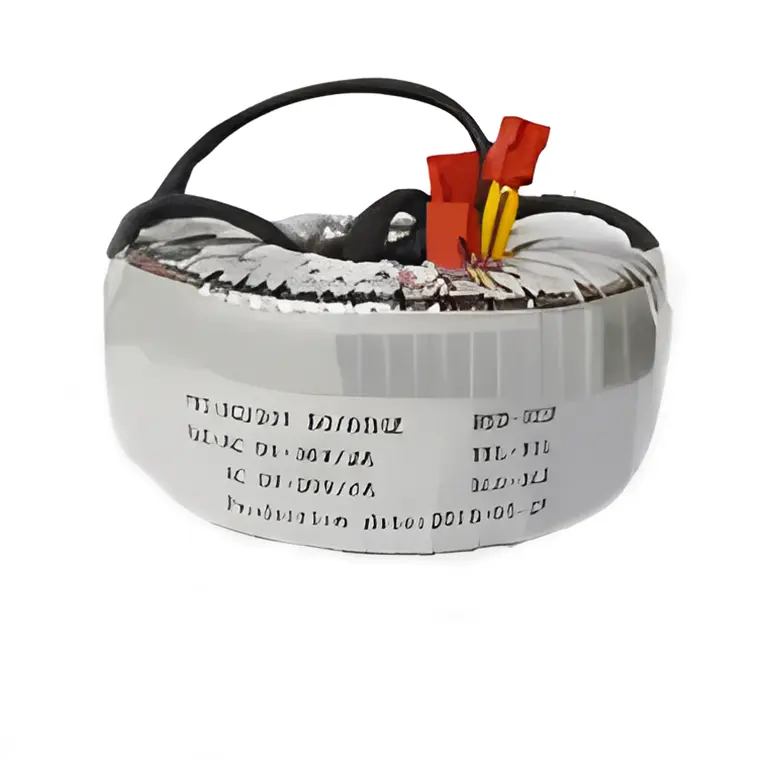 Ring Transformers
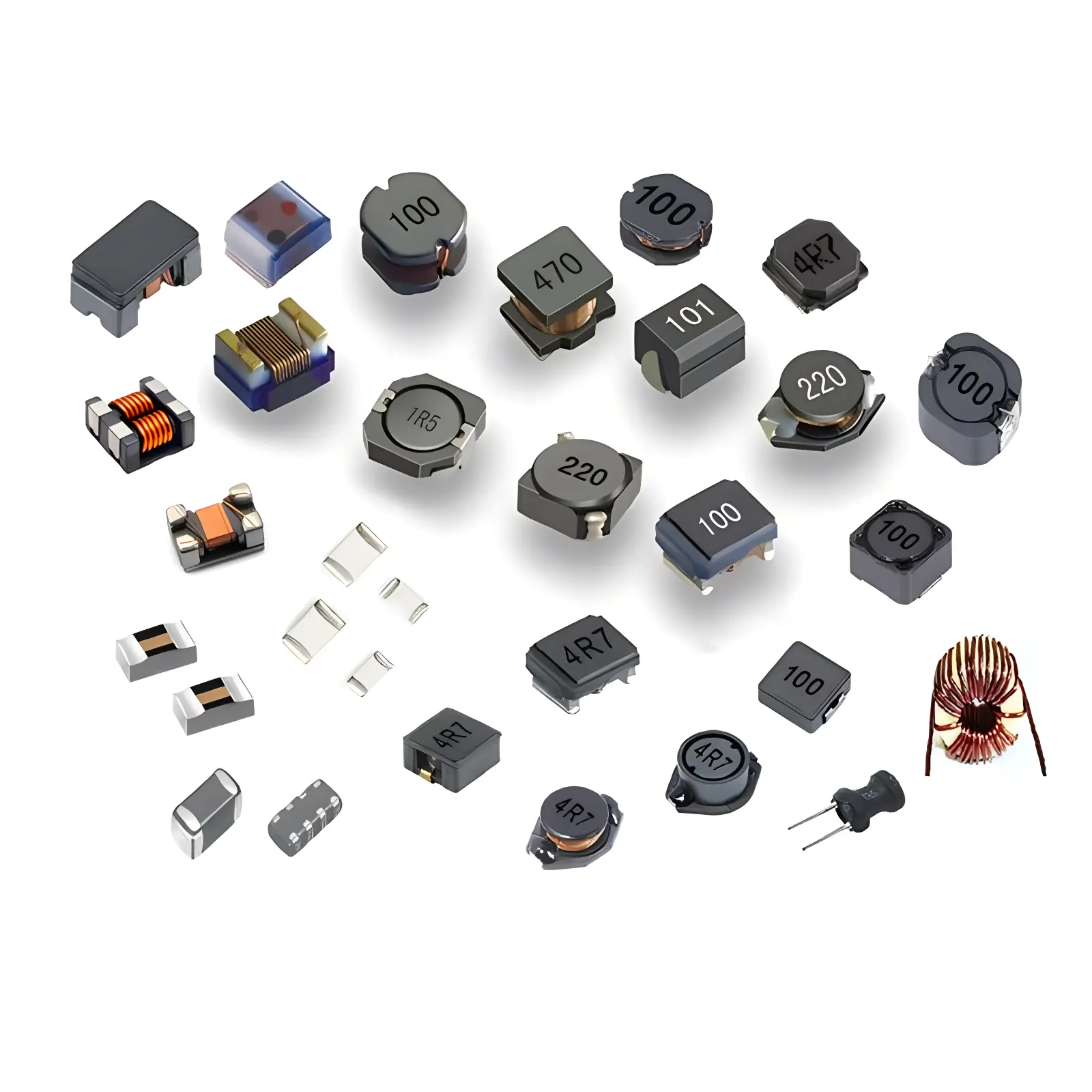 Inductors
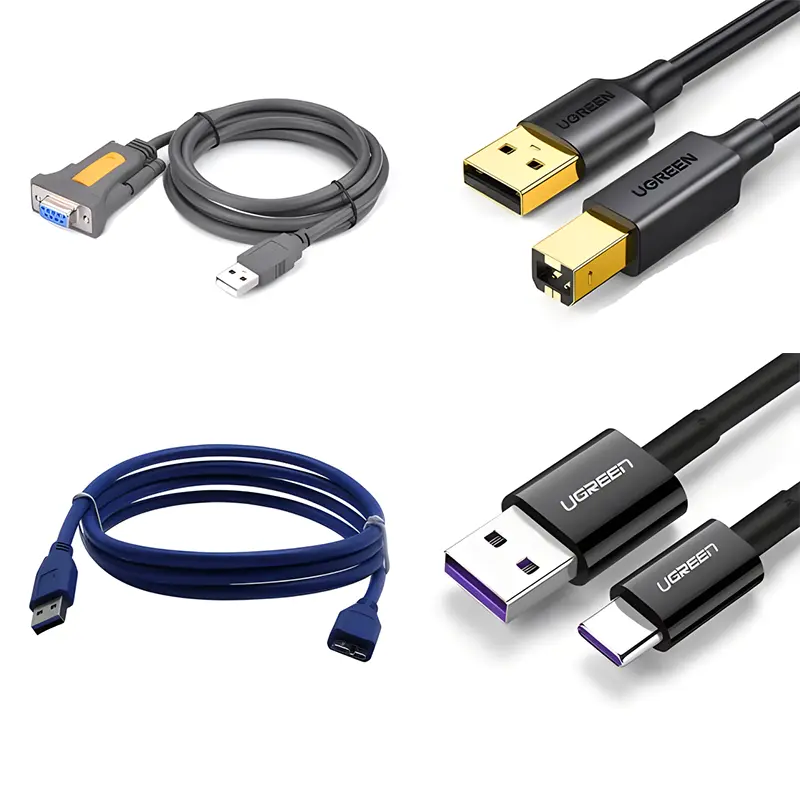 Wires,Cables Customized
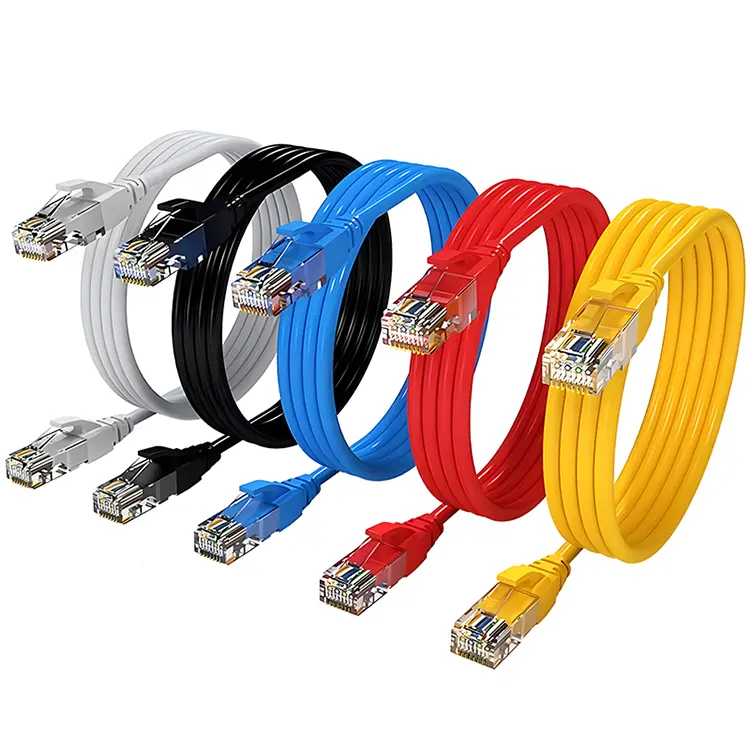 Network Cables
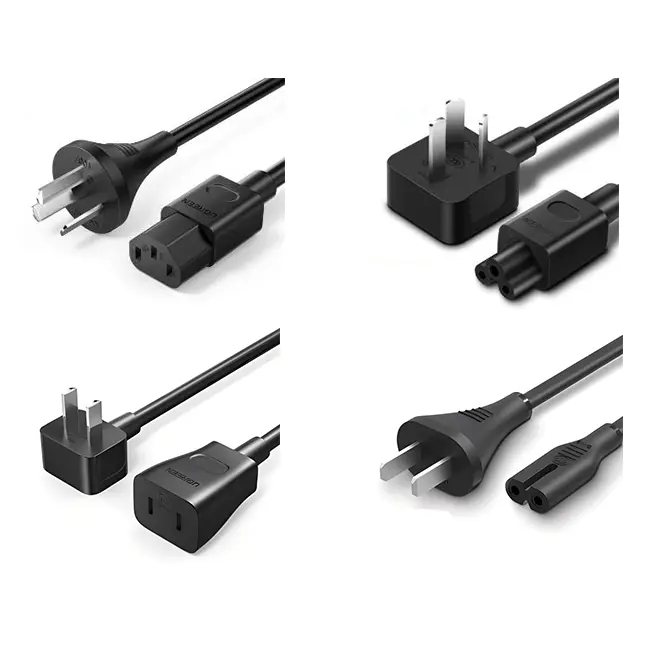 Power Cords
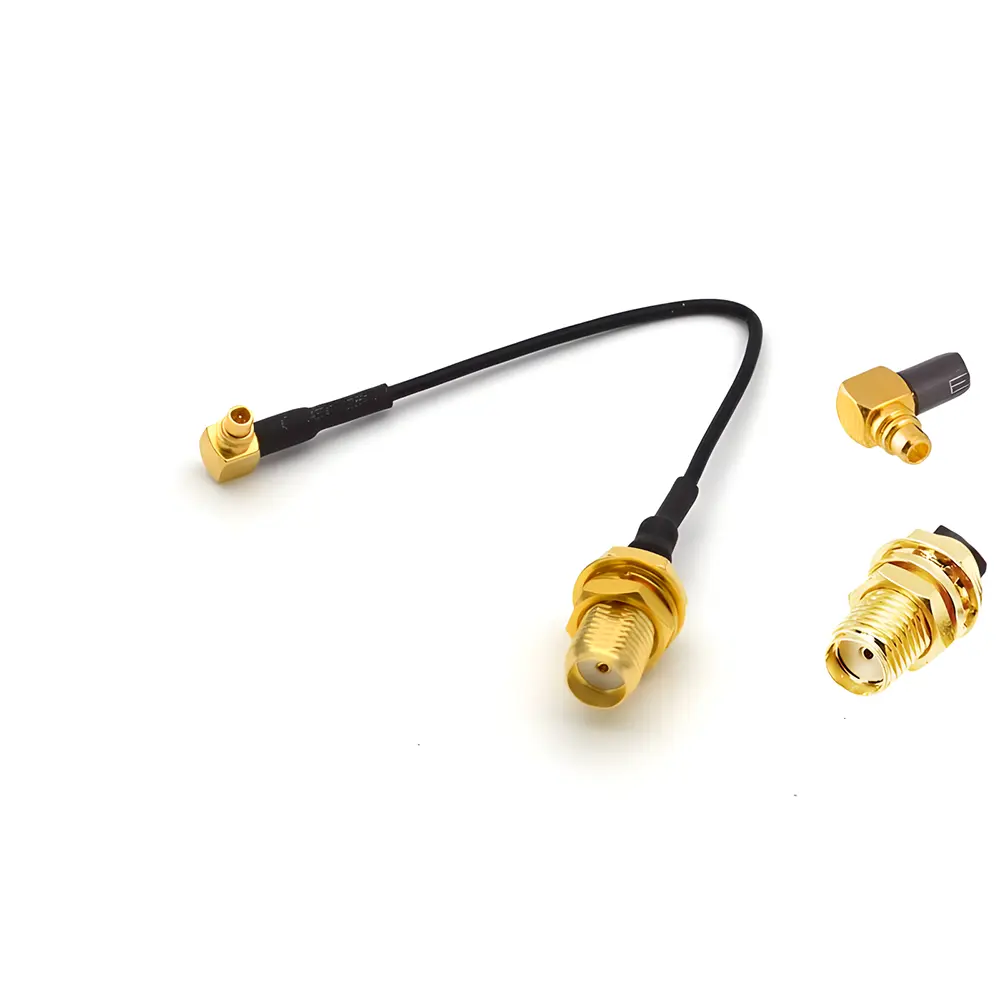 Antenna Cables
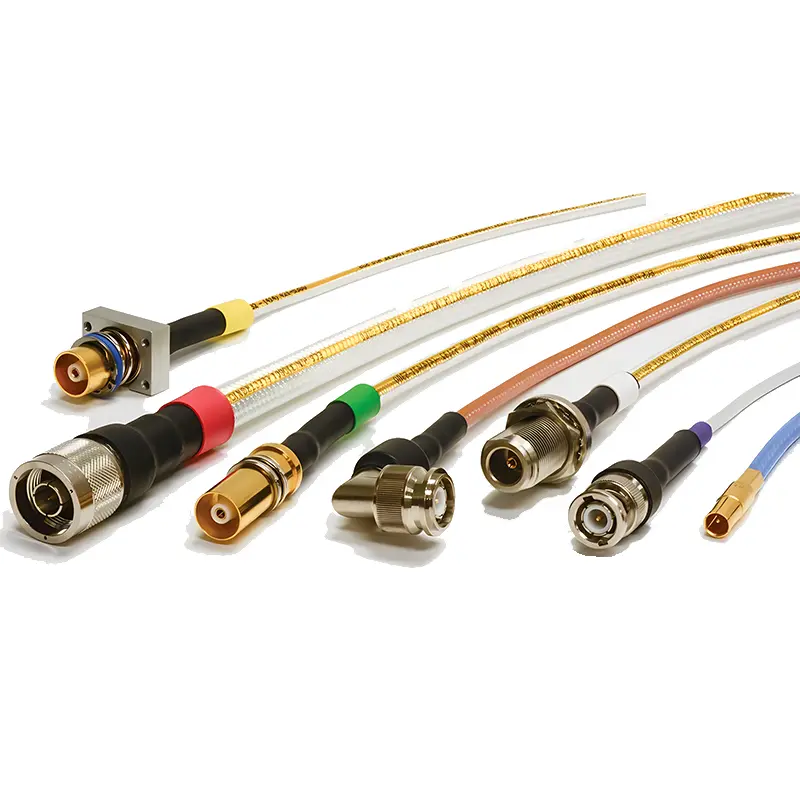 Coaxial Cables
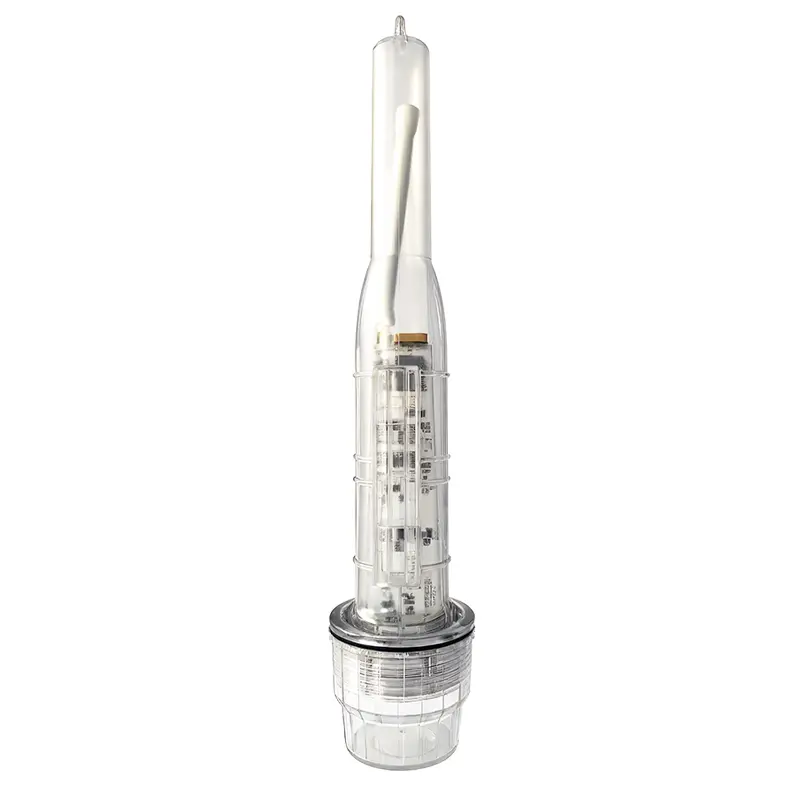 Net Position Indicator
 Solar AIS net position indicator
 Capacitors
 Connectors
 Diodes
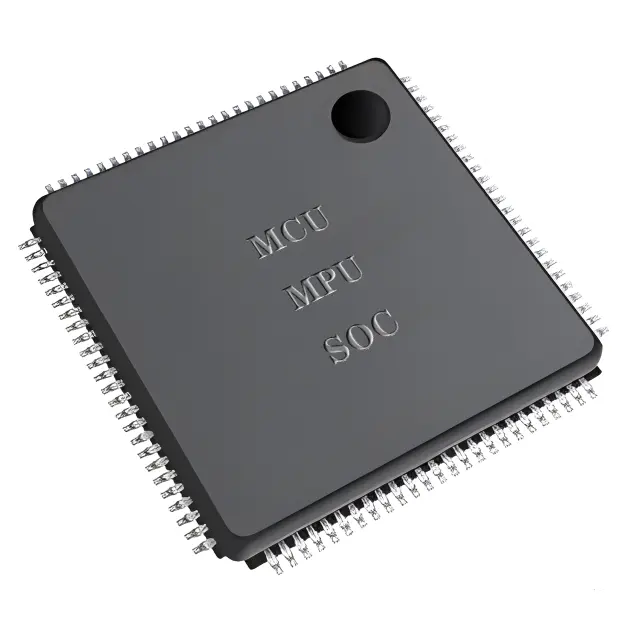 Embedded Processors & Controllers
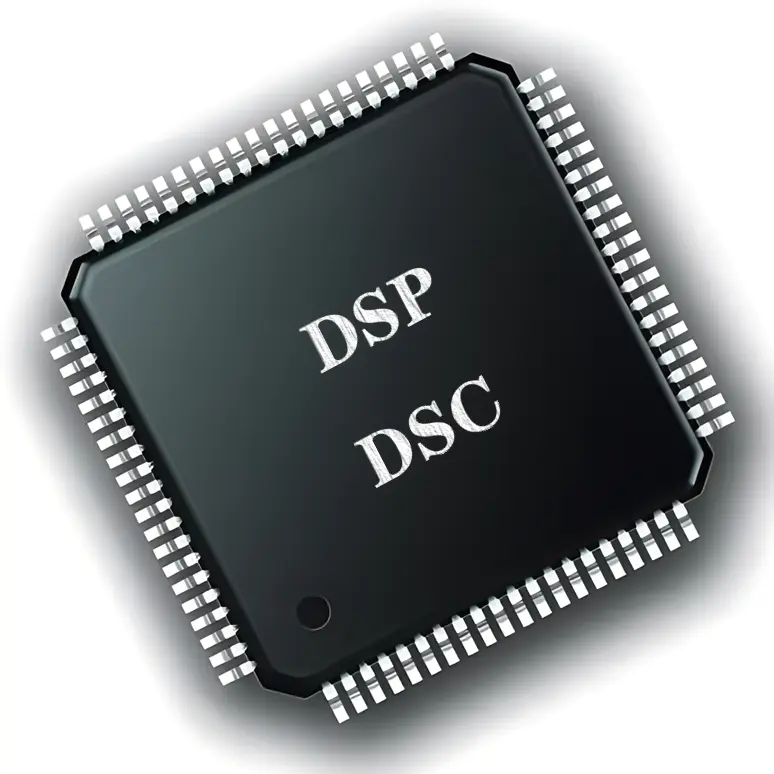 Digital Signal Processors (DSP/DSC)
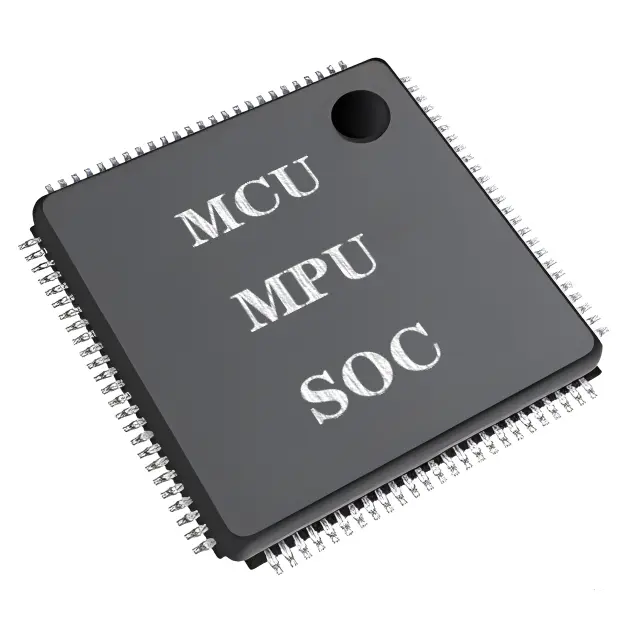 Microcontrollers (MCU/MPU/SOC)
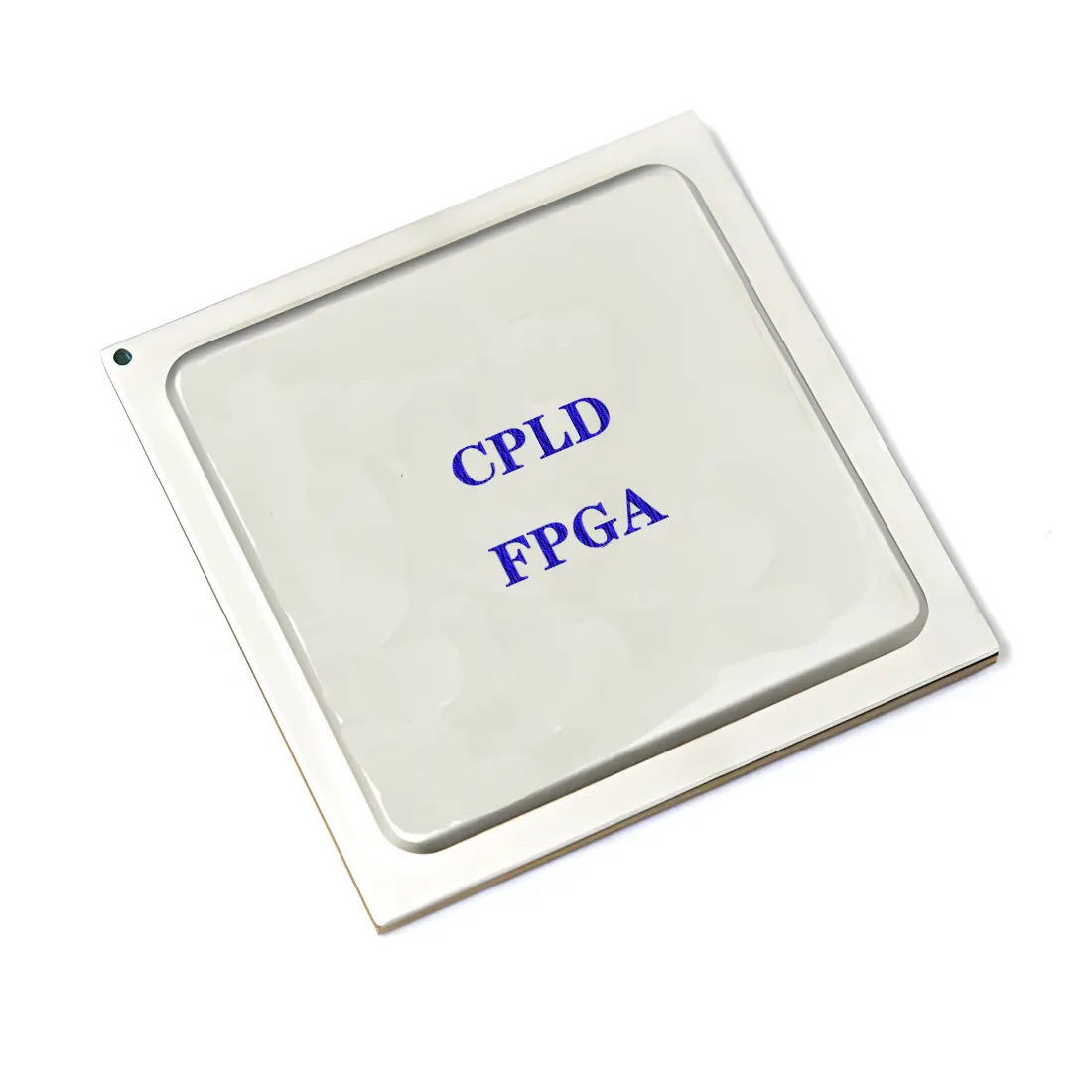 Programmable Logic Device(CPLD/FPGA)
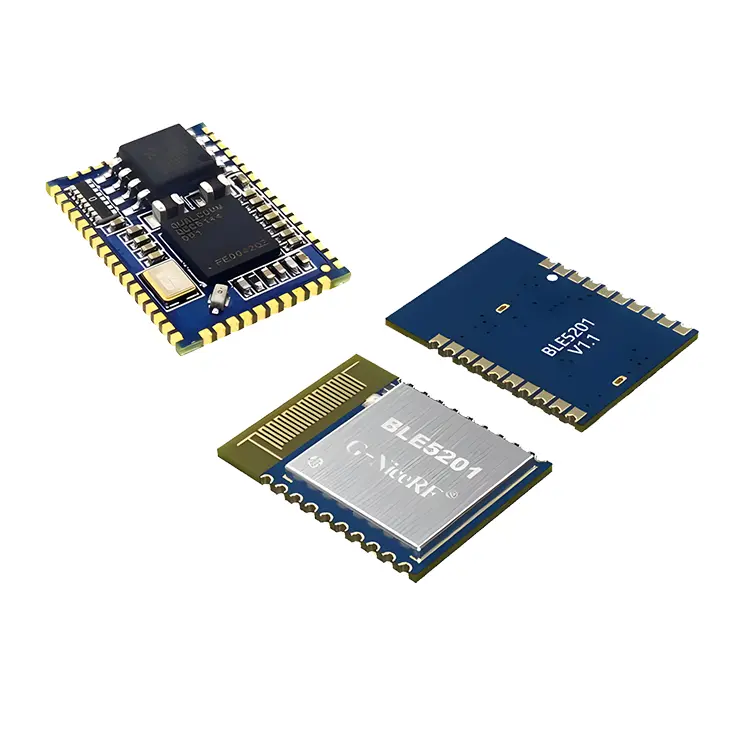 Communication Modules/IoT
 Resistors
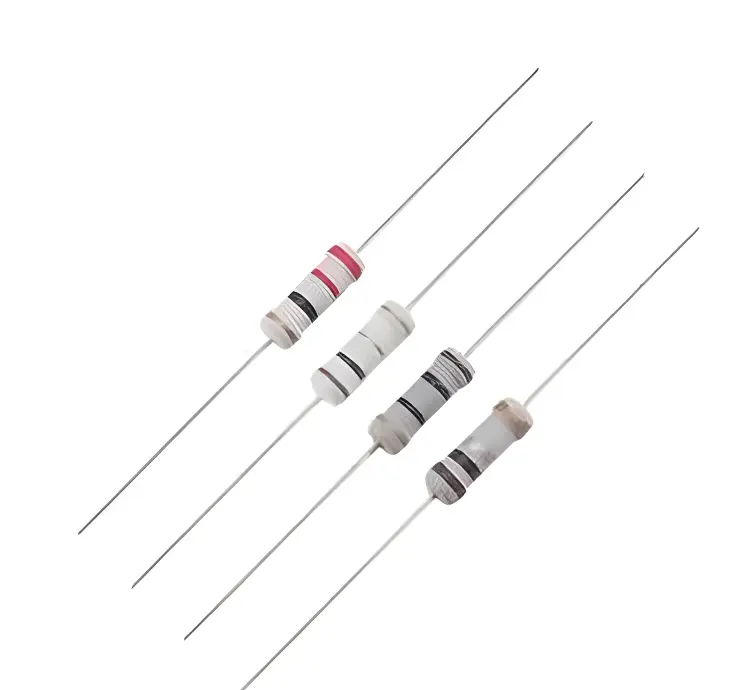 Through Hole Resistors
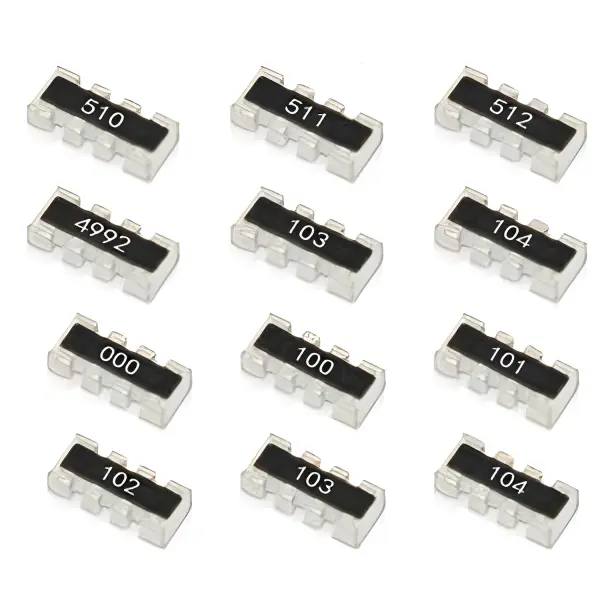 Resistor Networks, Arrays
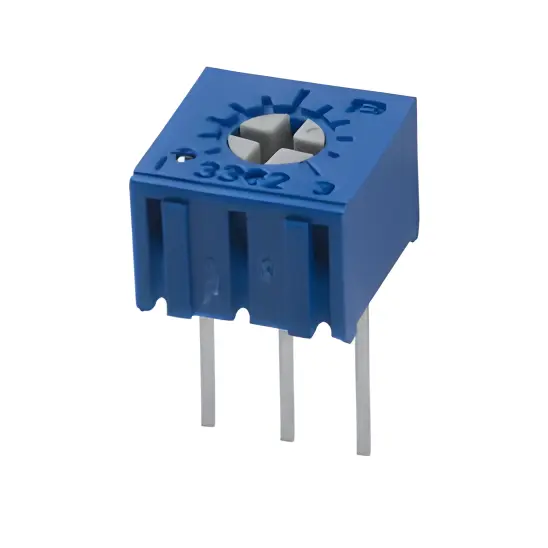 Potentiometers,Variable Resistors
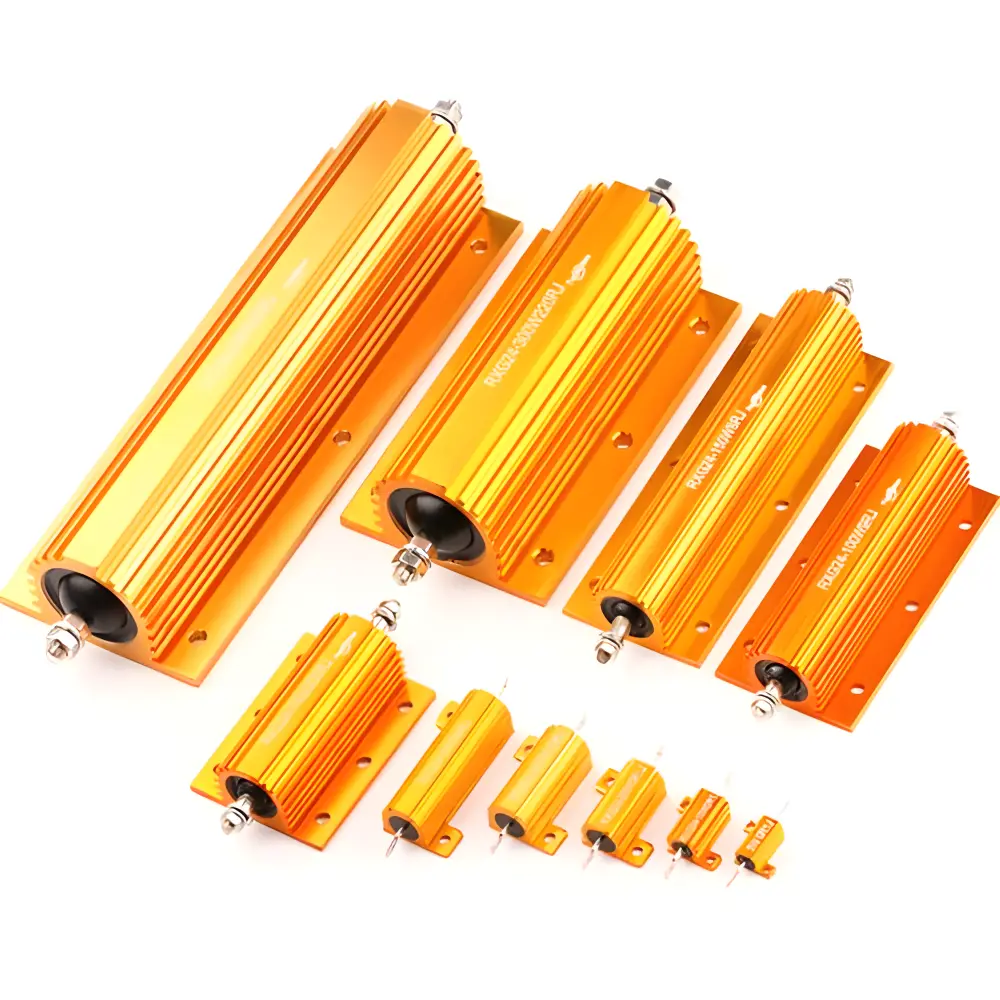 Aluminum Case,Porcelain Tube Resistance
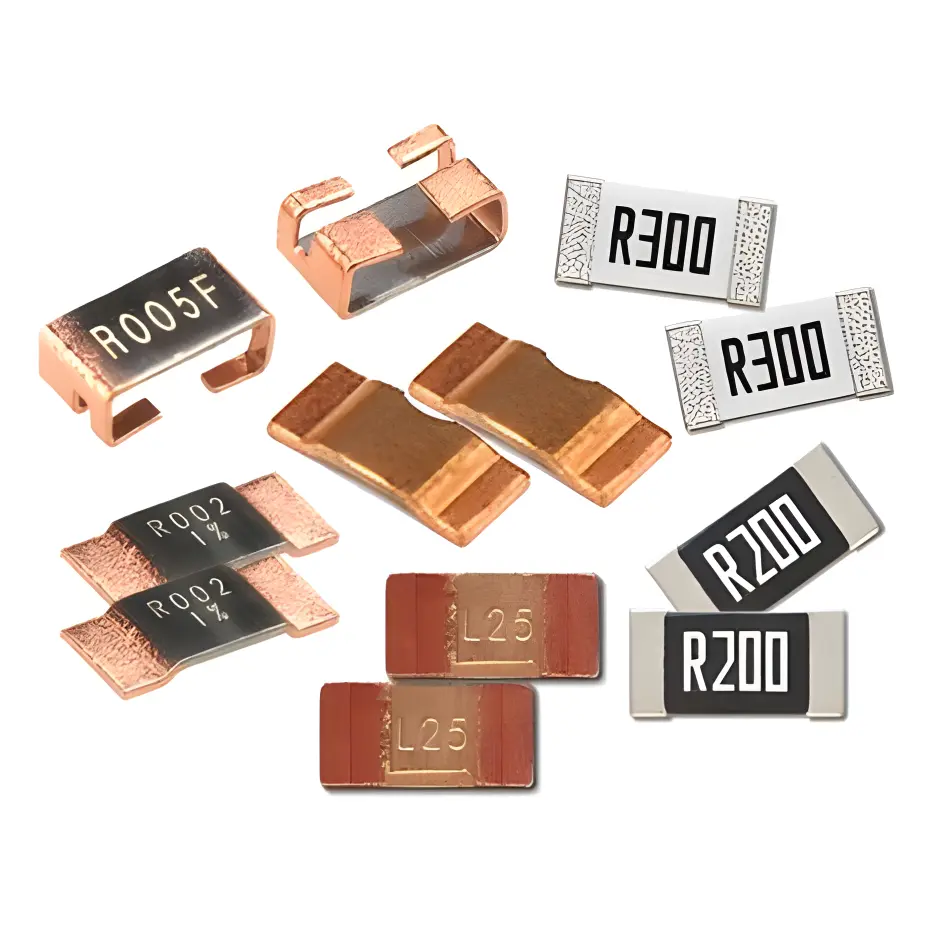 Current Sense Resistors,Shunt Resistors
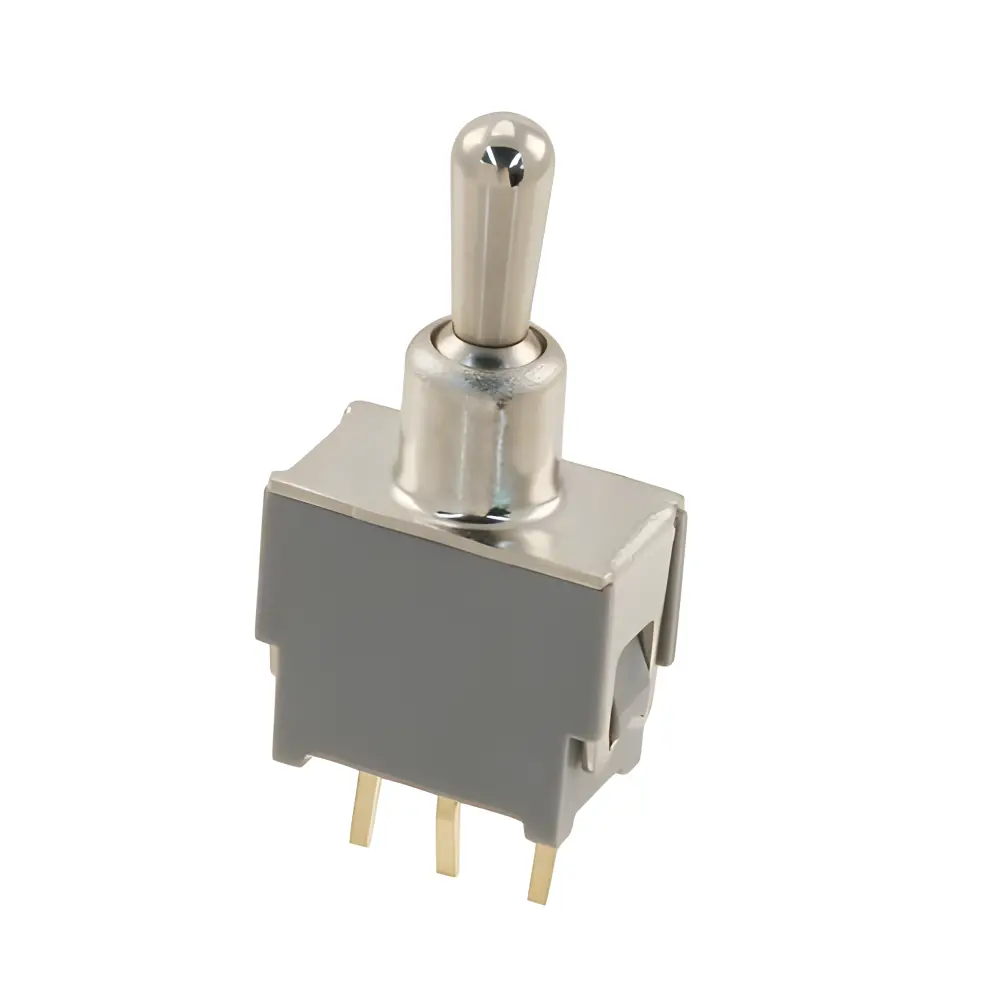 Switches
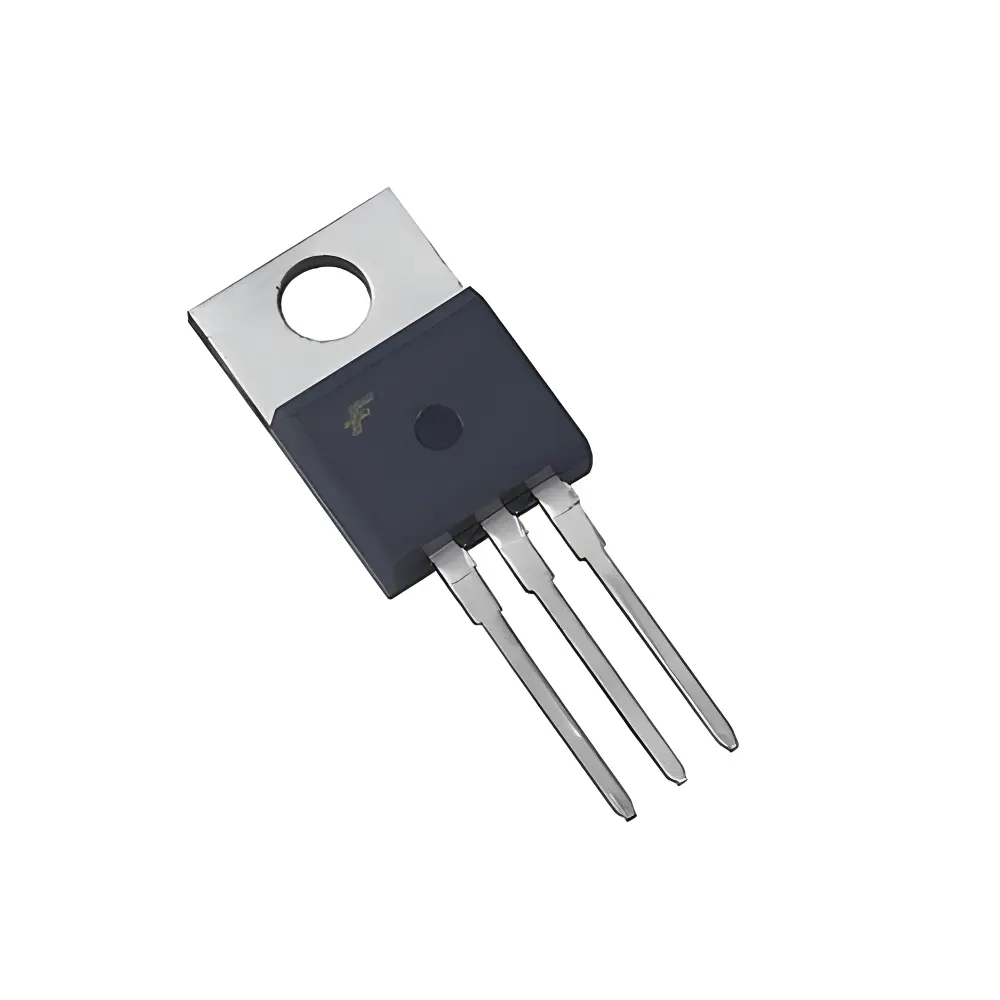 Transistors
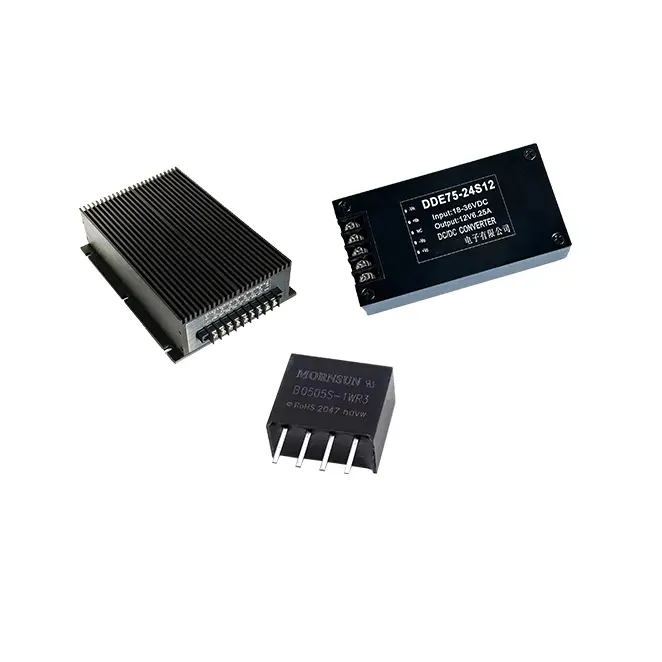 Power Modules
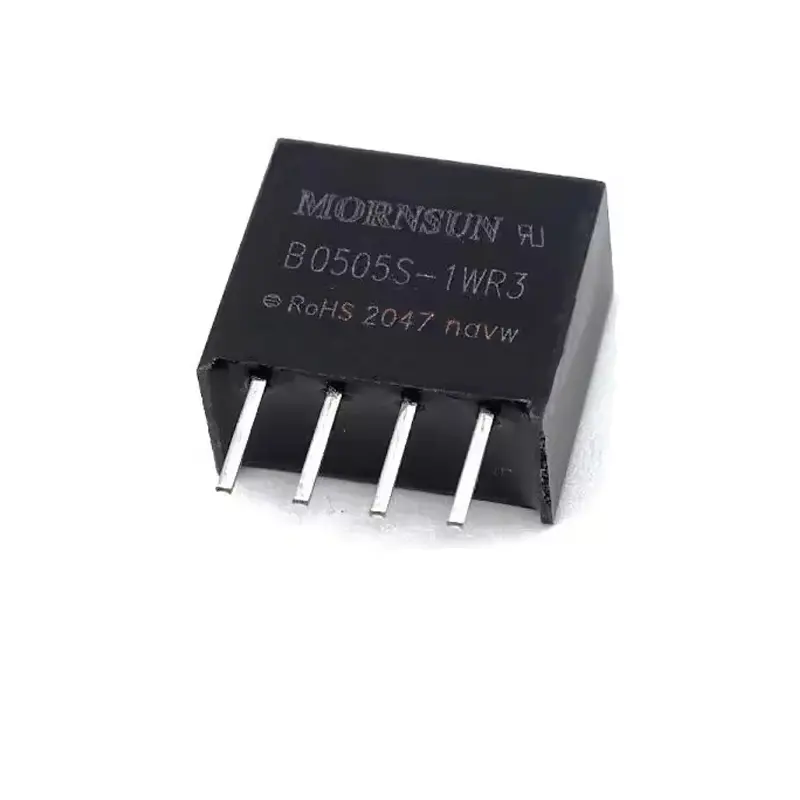 Isolated Power Modules
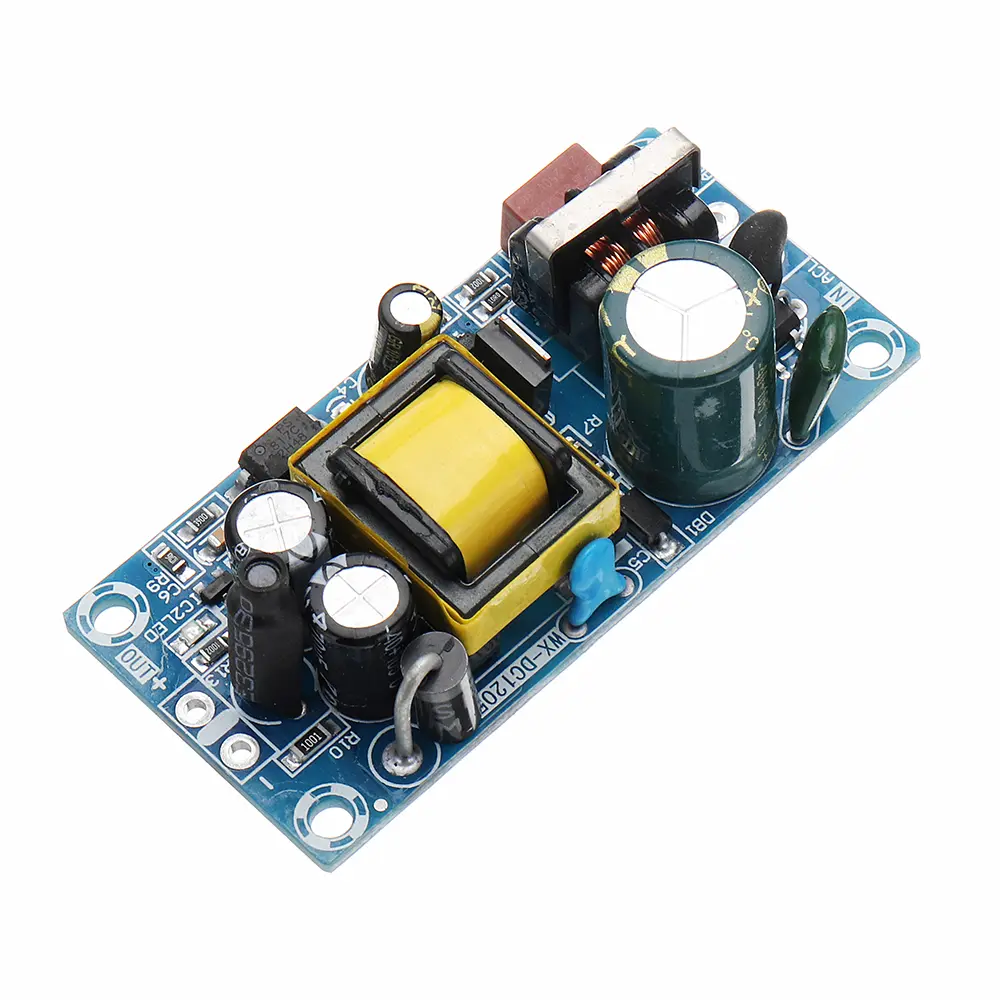 AC-DC Power Modules
 DC-AC Module(Inverter)
 RF and Wireless
Professional Analysis of 3D Laser Measurement in HDI Board Inspection
Professional Analysis of 3D Laser Measurement in HDI Board Inspection

I. Overview of 3D Laser Measurement Technology
3D laser scanning is a non-contact, high-precision three-dimensional inspection technology based on laser triangulation. By projecting structured light or point clouds onto the suRFace of an object and capturing reflected light patterns with high-resolution cameras, it reconstructs 3D topography data with micron-level accuracy (±1μm). In HDI (High-Density Interconnect) board inspection, this technology addresses critical challenges in micro-feature analysis, multilayer alignment, and surface defect quantification.
II. Core Inspection Requirements for HDI Boards
HDI boards demand extreme precision due to their characteristics:
-
Micro-traces: Line width/spacing ≤50μm
-
Micro-vias: Blind/buried vias ≤100μm in diameter, aspect ratio ≥1:1
-
Multilayer stacking: 8+ layers with interlayer alignment accuracy ≤±15μm
-
Surface flatness: Solder mask thickness variation ≤5μm
Traditional contact-based methods (e.g., probes) or 2D optical inspection struggle to meet these requirements, making 3D laser measurement a vital solution.
III. Specific Applications in HDI Board Inspection
1. 3D Topography Analysis of Micro-traces and Pads
-
Trace Width/Spacing Measurement:
Laser scans capture cross-sectional profiles (Fig. 1) to automatically calculate width, spacing, and sidewall angles. For example, ±1μm deviations in 30μm traces can be detected, with CPK reports generated. -
Pad Coplanarity Inspection:
Measure BGA pad height differences (target ≤15μm) via 3D point cloud plane fitting to prevent soldering defects.
2. Depth/Diameter Measurement of Blind/Buried Vias
-
Aspect Ratio Verification:
3D reconstruction of laser-drilled blind vias (e.g., 80μm diameter, 80μm depth) to calculate taper angle (≤5°) and wall roughness (Ra≤10μm). -
Positional Accuracy:
Compare actual via coordinates with CAD data to identify layer misalignment (≤±10μm).
3. Multilayer Lamination Alignment Inspection
-
Interlayer Offset Detection:
Scan copper patterns across layers and calculate X/Y offsets using fiducial markers. For 8-layer HDI, alignment tolerance between layers 4 and 5 is ≤±12μm. -
Warpage Analysis:
Measure post-lamination warpage (≤0.1% board thickness) to optimize thermal pressing parameters.
4. Solder Mask and Surface Finish Quality
-
Thickness Uniformity:
Scan solder mask openings to measure thickness distribution (target 20±5μm) and detect voids. -
Surface Finish Flatness:
Evaluate 3D roughness of ENIG/Immersion Silver layers (e.g., Sa≤0.3μm) to ensure solderability.
IV. Advantages and Challenges
1. Key Advantages
-
High Precision: Sub-micron resolution (0.5μm Z-axis repeatability)
-
High Efficiency: Full-board scan in ≤3 minutes (600×600mm area)
-
Non-contact: No mechanical damage to fragile structures
-
Data Integration: Correlate with AOI/SPI data for comprehensive analysis
2. Challenges and Solutions
-
High Reflectivity Surfaces:
Use blue lasers (405nm wavelength) to reduce copper surface glare. -
Multilayer Shadowing:
Combine tilted scanning (45° incidence) with multi-angle data stitching. -
Data Processing Load:
GPU-accelerated point cloud algorithms for real-time million-point processing.
V. Typical System Configuration
-
Hardware:
-
Blue laser line scanner (Accuracy: 0.8μm @ LSC-8000)
-
Granite base (Thermal stability ±0.1℃/h)
-
6-axis robotic stage (±2μm repeatability)
-
-
Software:
-
Geomagic Control X (3D comparison)
-
Custom HDI analysis plugins (IPC-6012E compliant)
-
VI. Industry Case Studies
-
Smartphone Motherboards:
100% inspection of 10-layer blind vias on 0.3mm HDI boards improved via CPK from 1.0 to 1.67. -
Automotive Radar Modules:
3D scanning optimized impedance consistency (±5%) in high-frequency traces, reducing signal loss.