
 PCB
PCB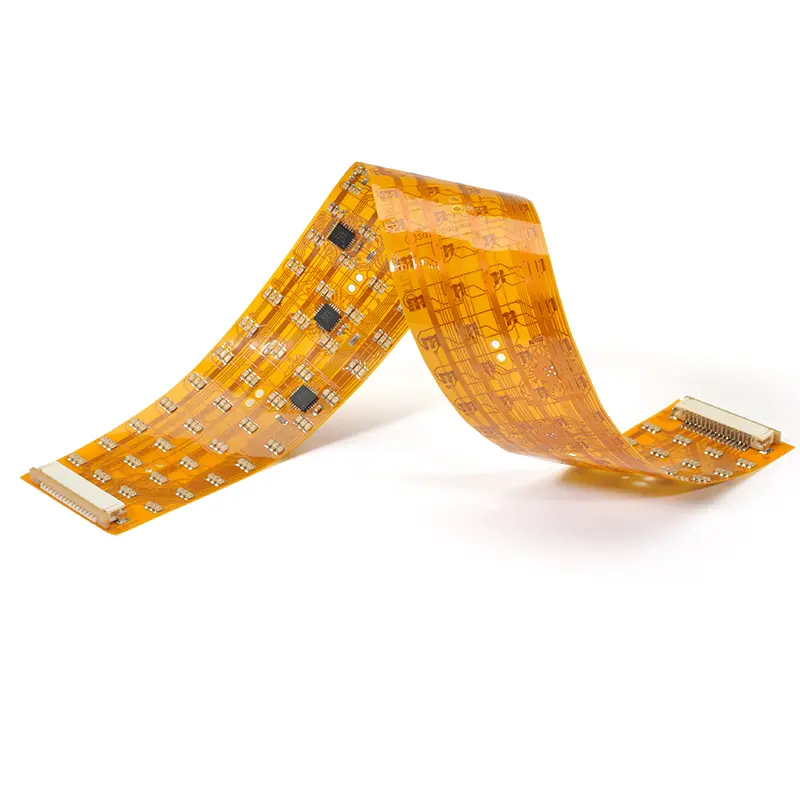 FPC
FPC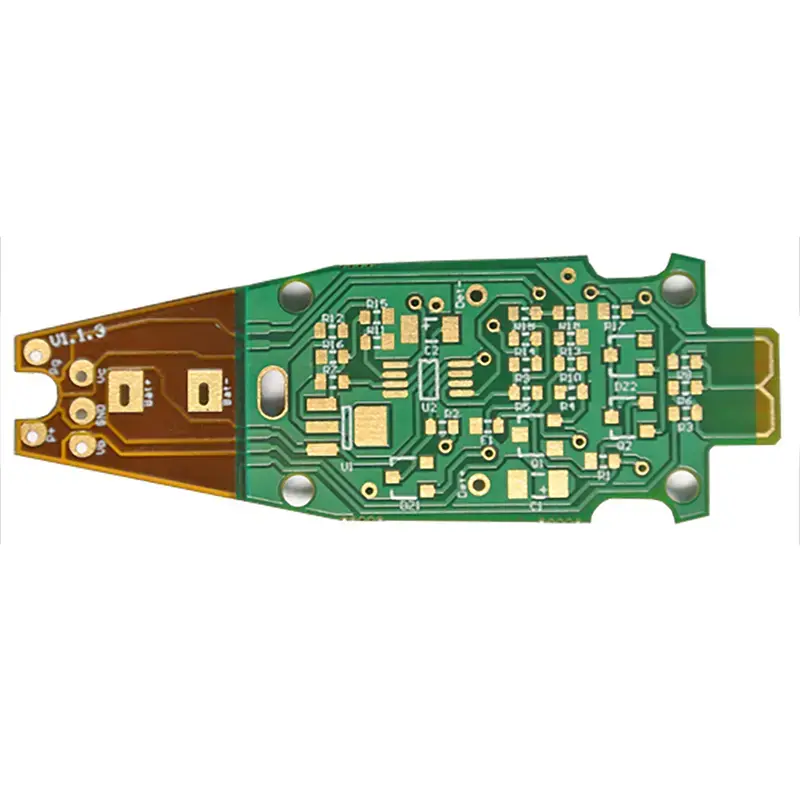 Rigid-Flex
 FR-4
FR-4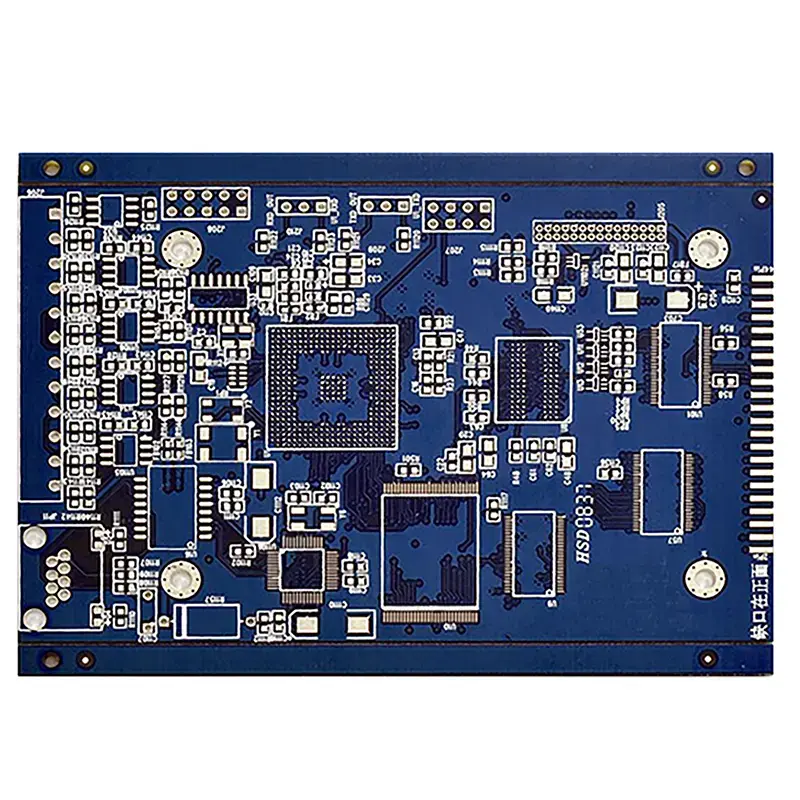 HDI PCB
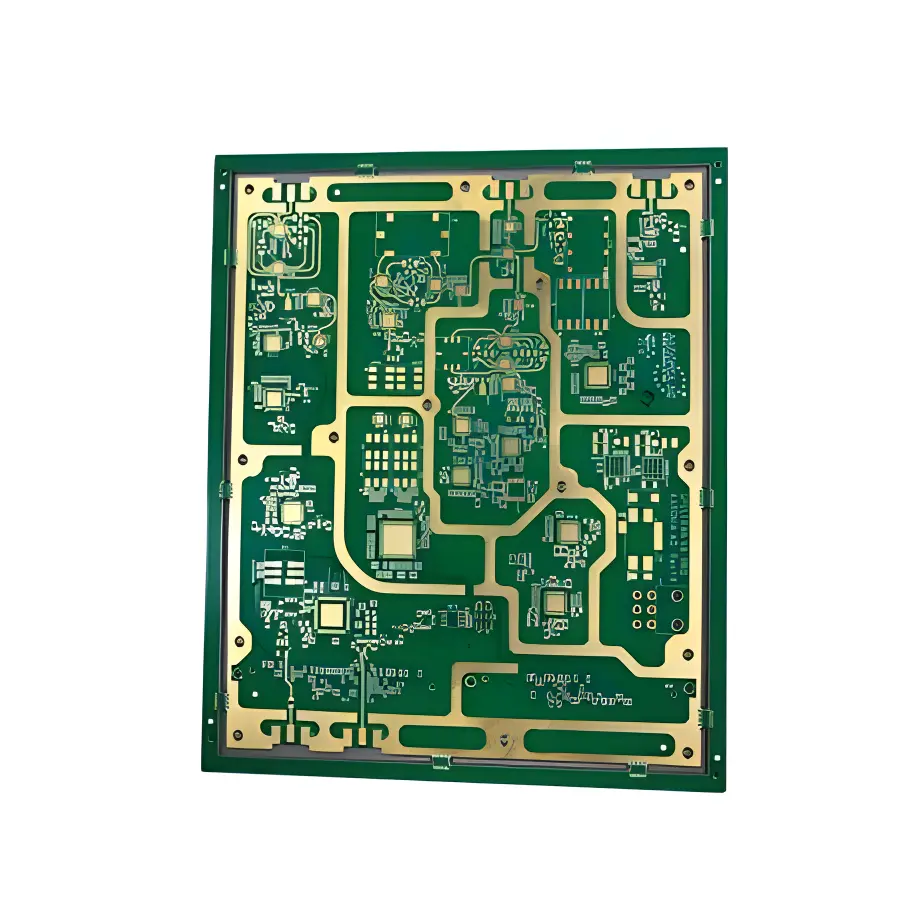 Rogers High-Frequency Board
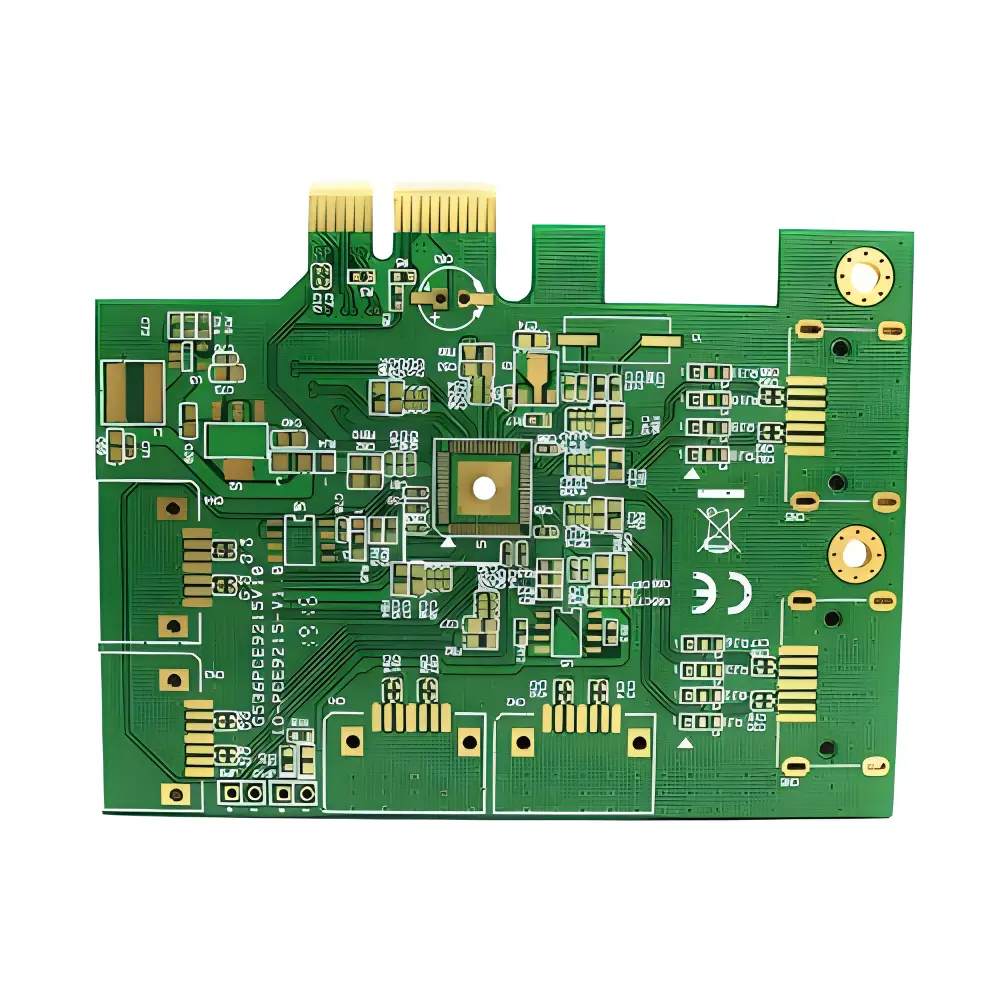 PTFE Teflon High-Frequency Board
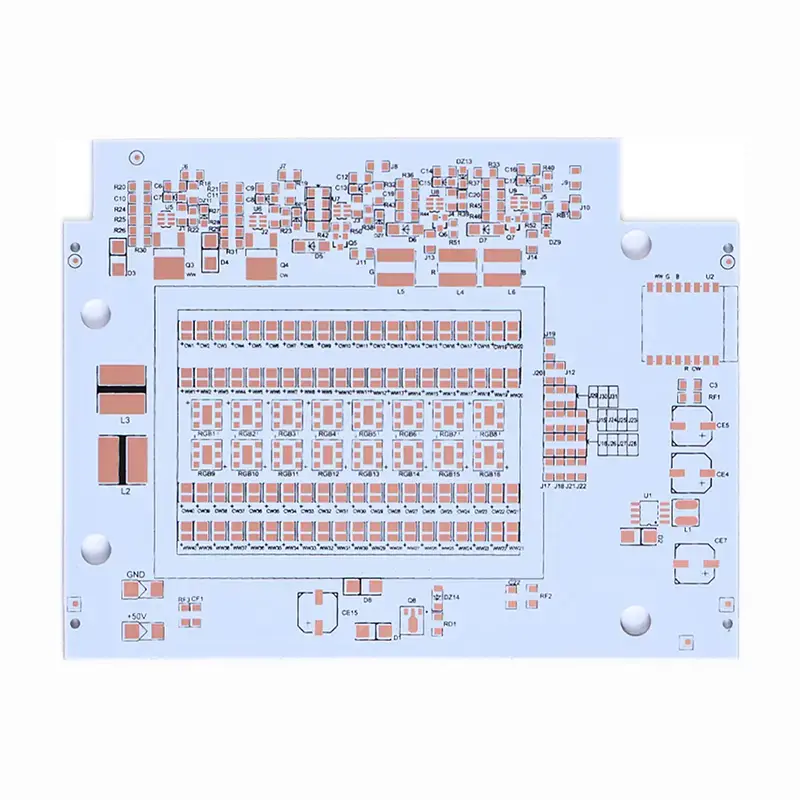 Aluminum
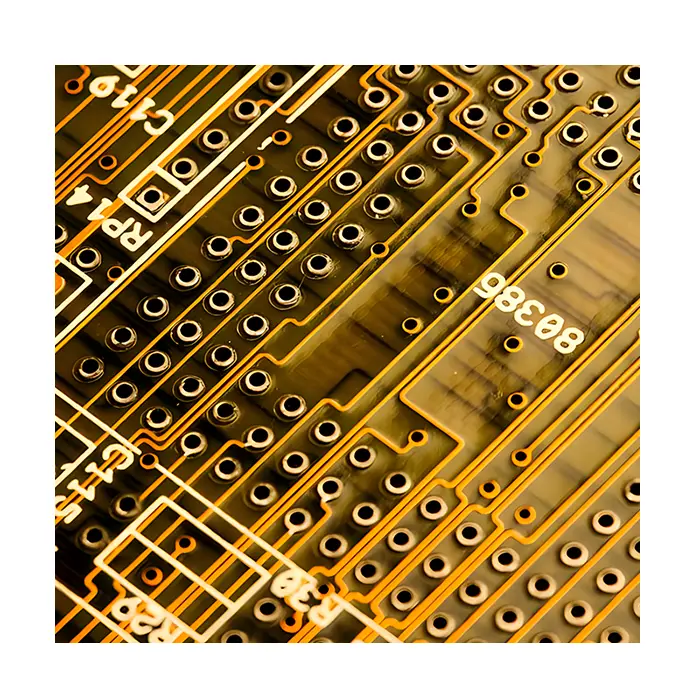 Copper Core
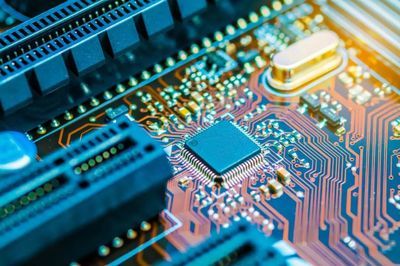 PCB Assembly
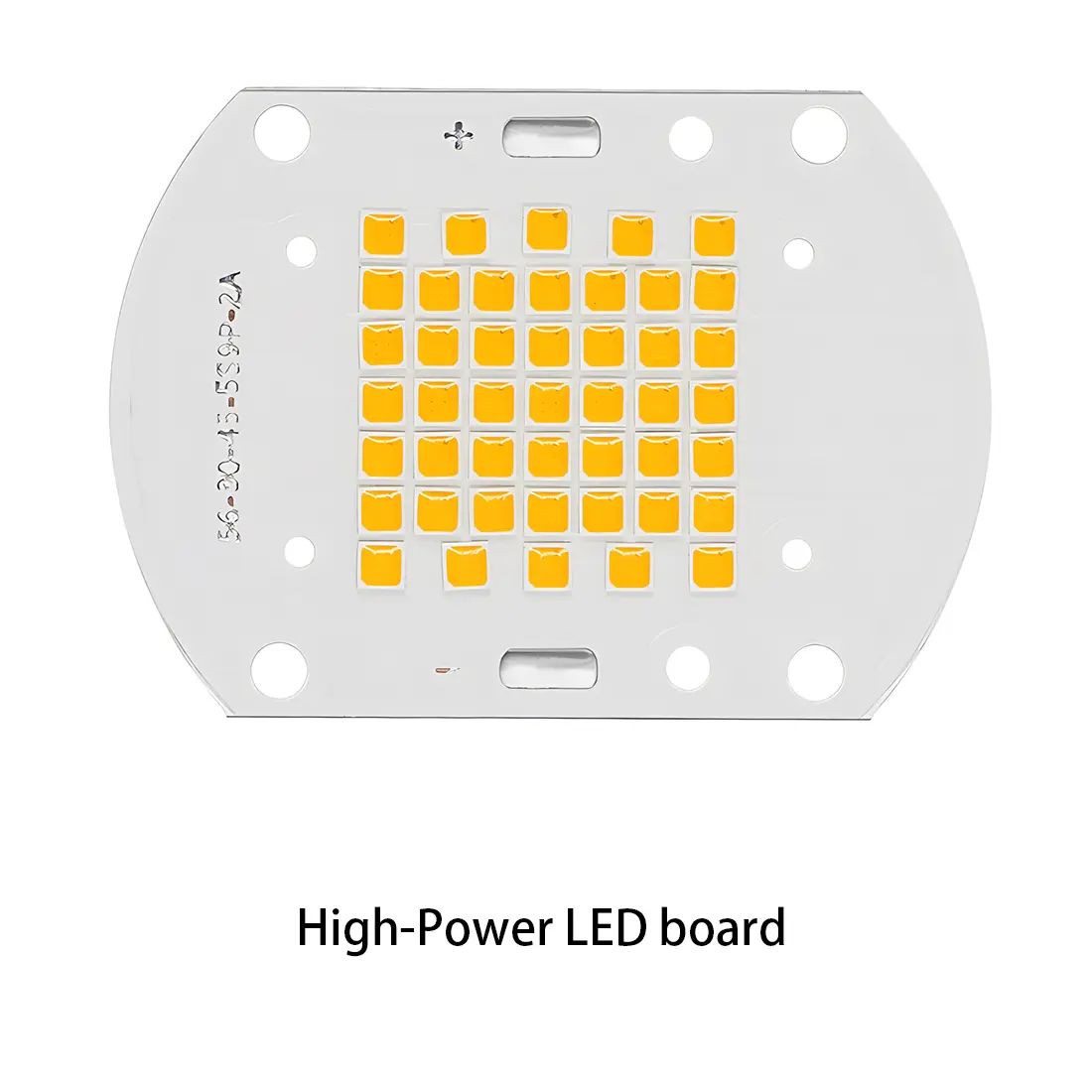 LED light PCBA
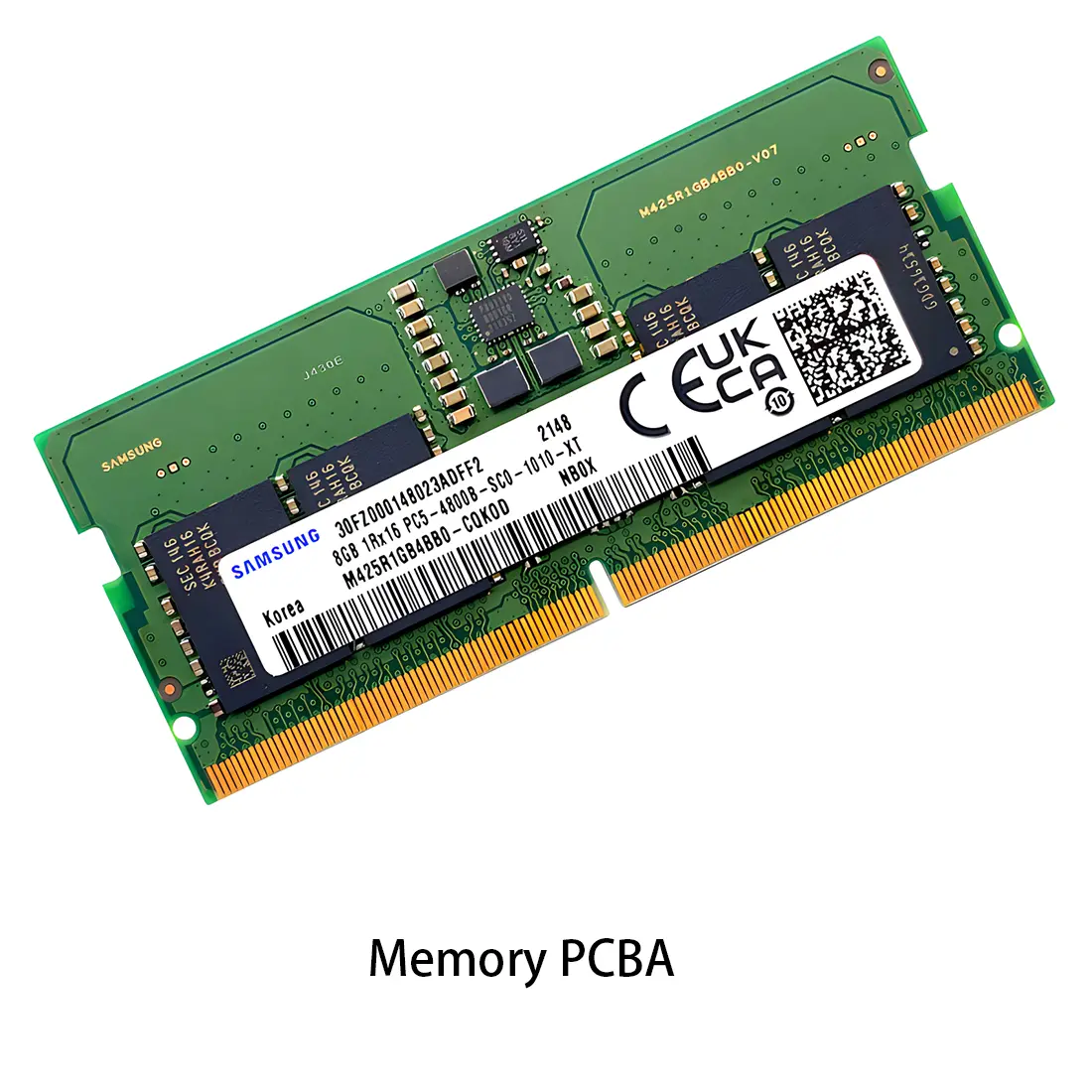 Memory PCBA
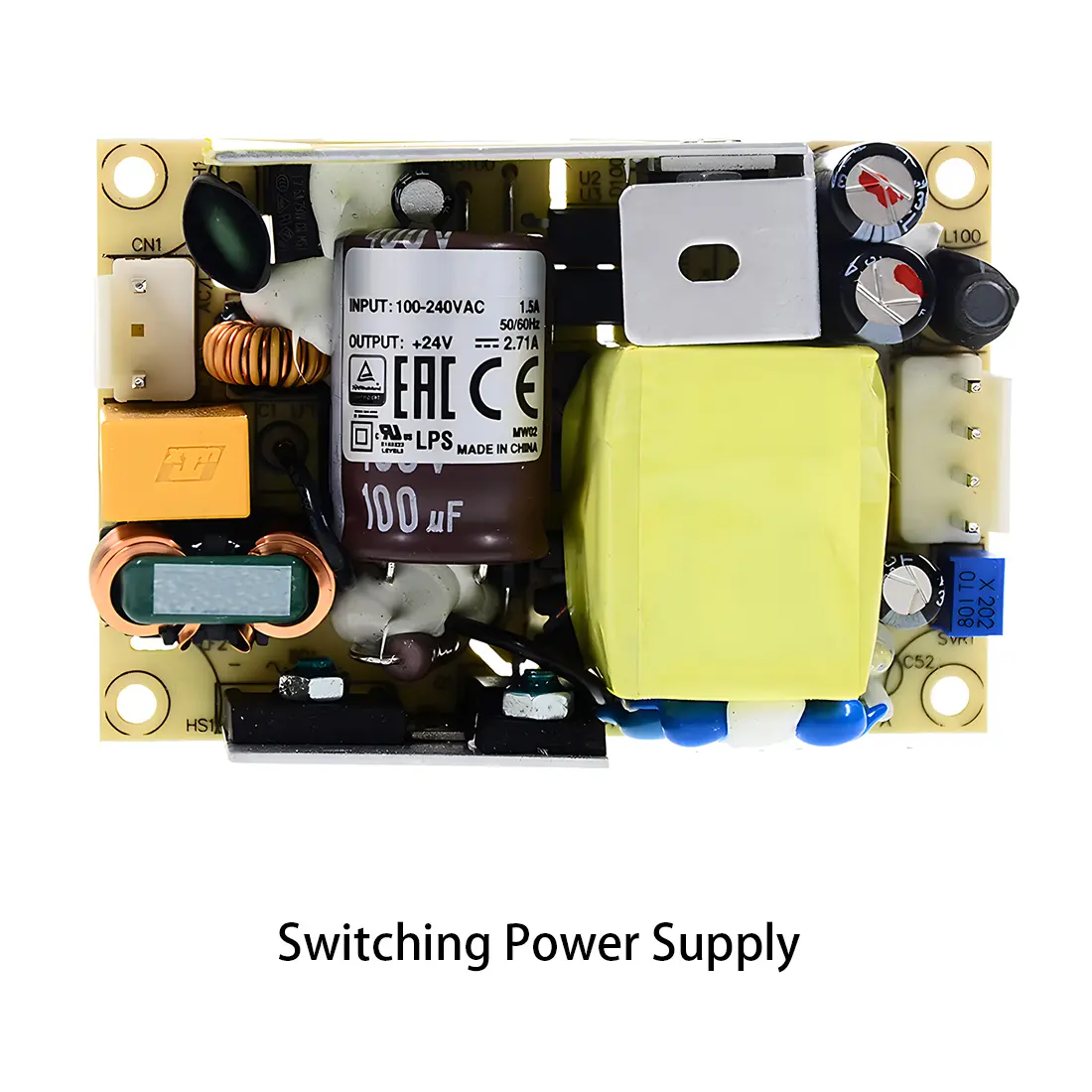 Power Supply PCBA
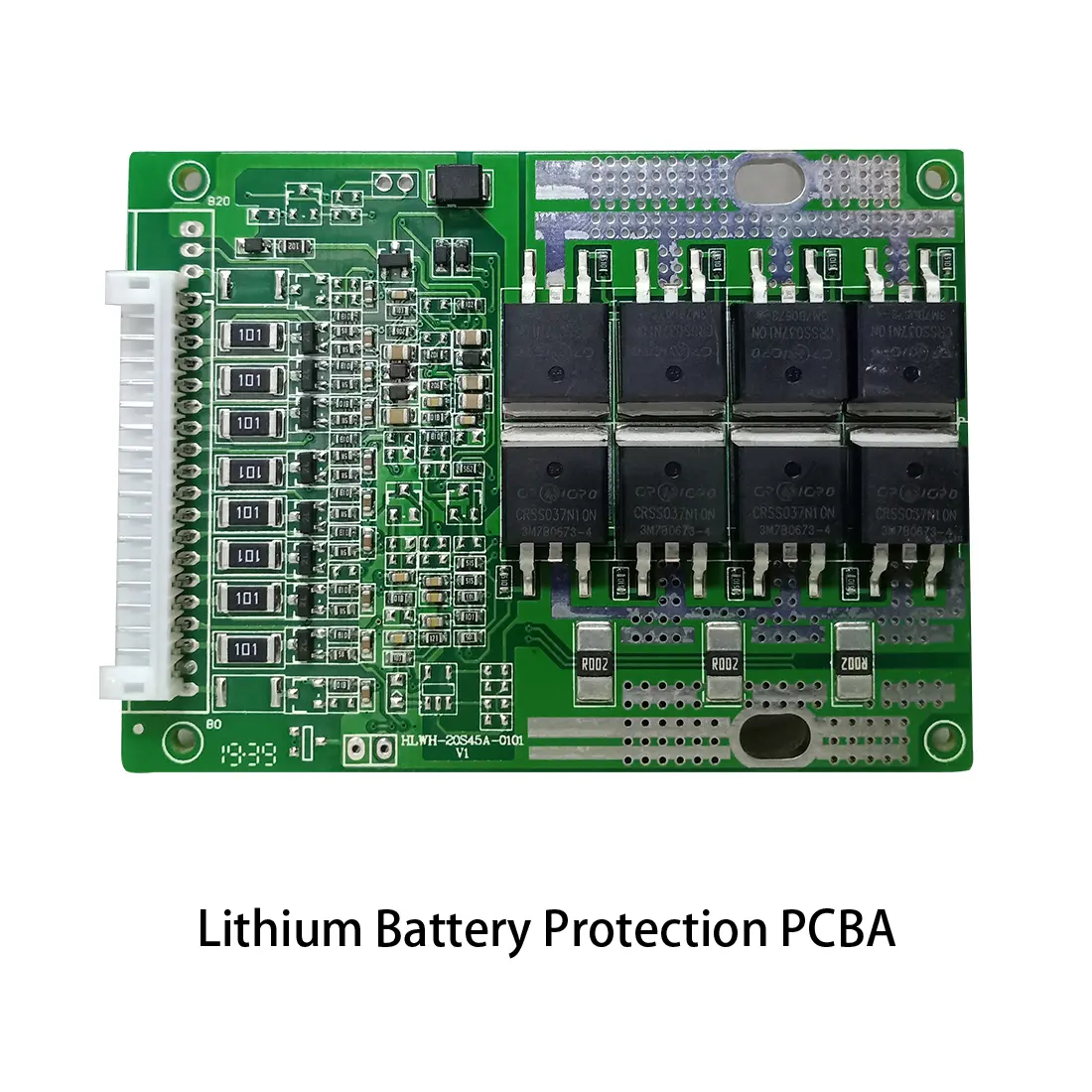 New Energey PCBA
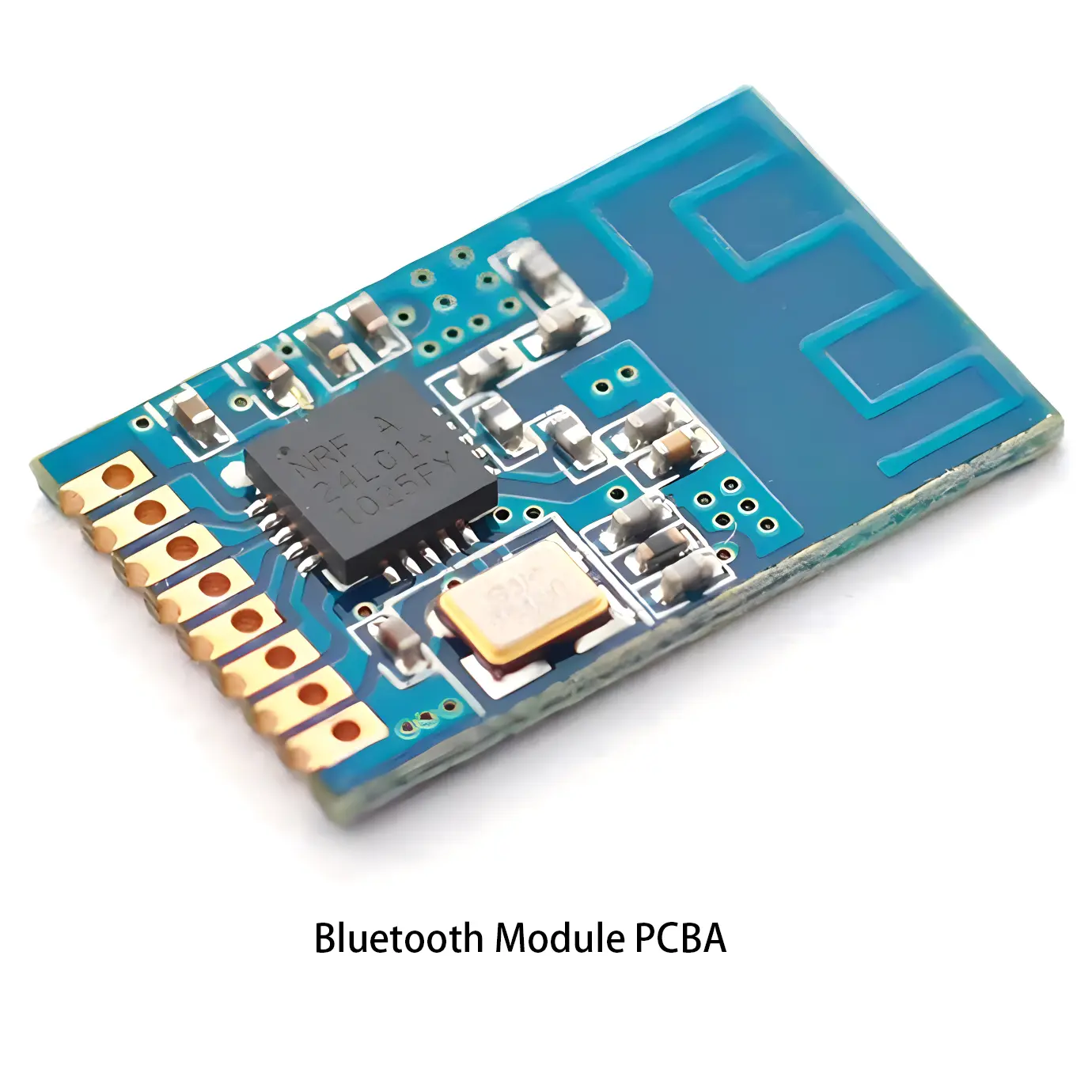 Communication PCBA
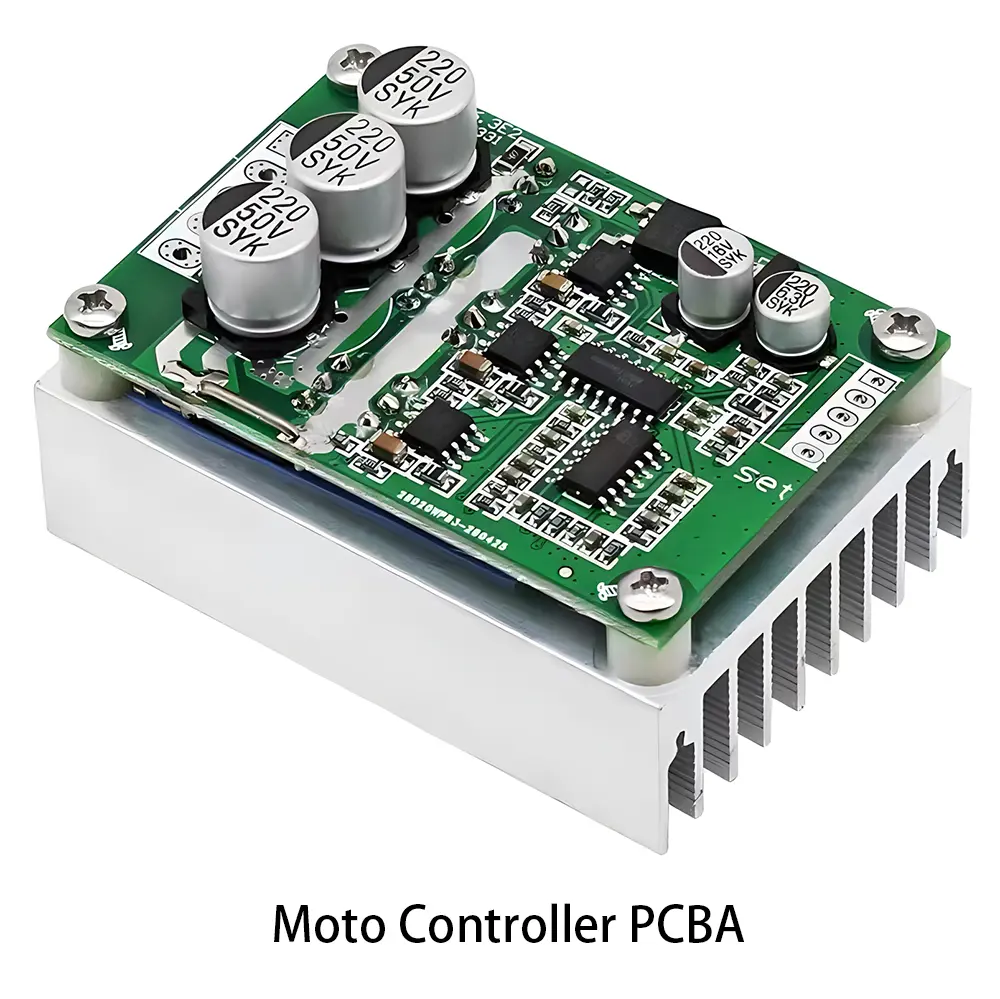 Industrial Control PCBA
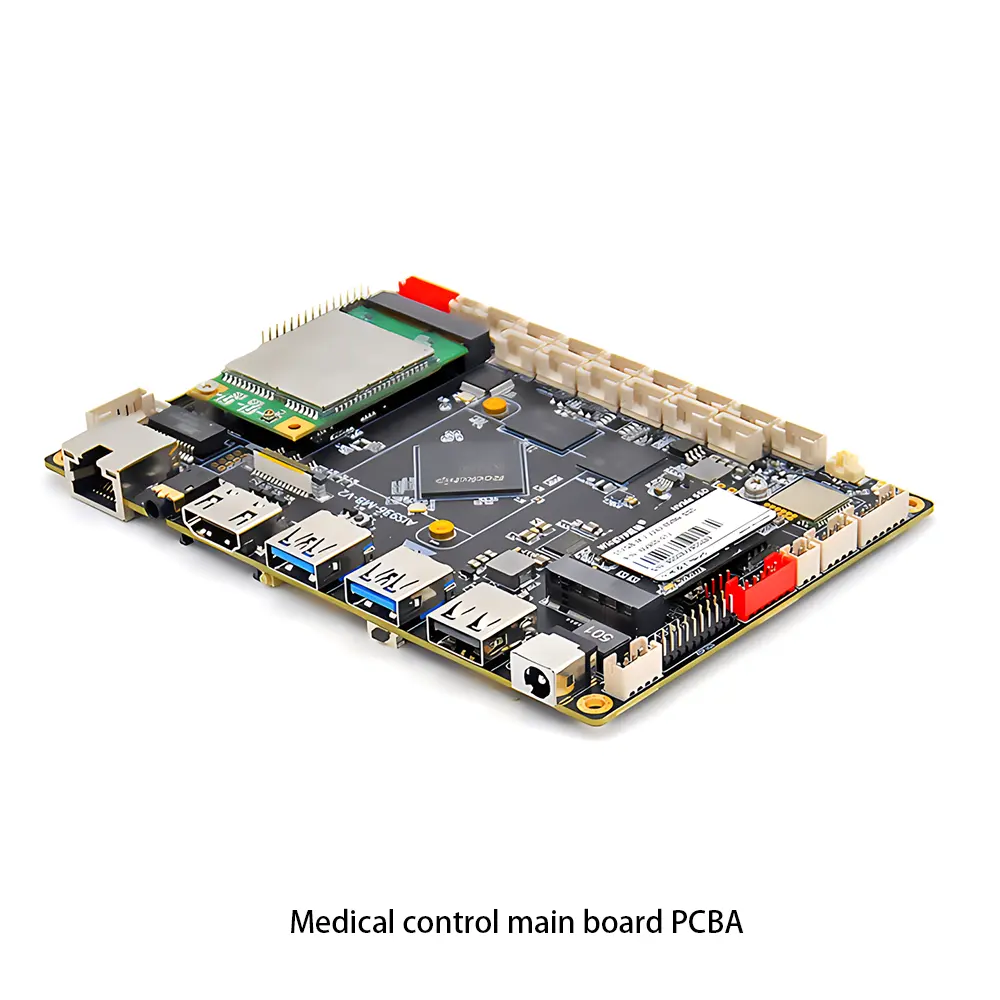 Medical Equipment PCBA
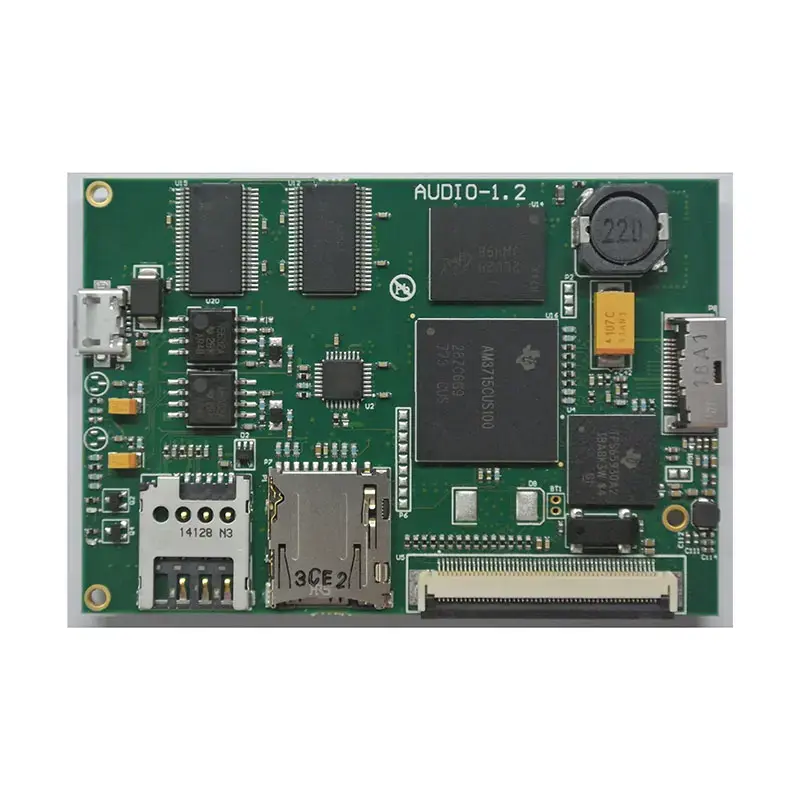 Testing Service
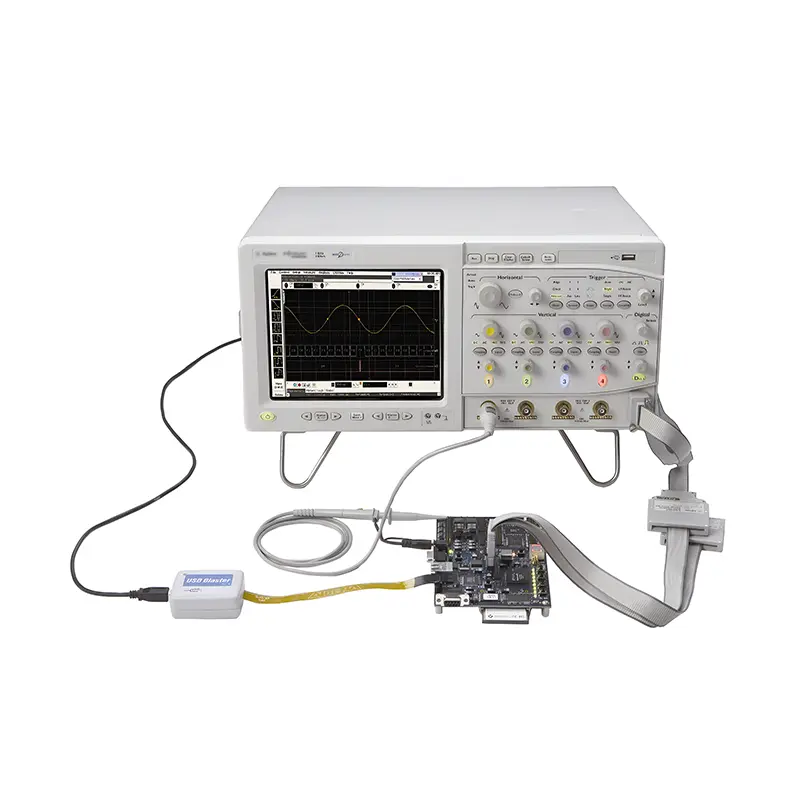 PCBA Testing Service
 Certification Application
 RoHS Certification Application
 REACH Certification Application
 CE Certification Application
 FCC Certification Application
 CQC Certification Application
 UL Certification Application
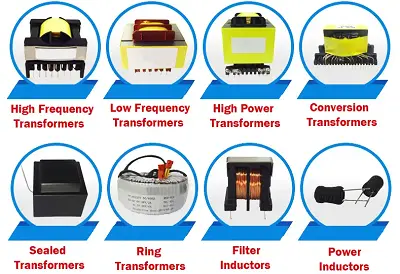 Transformers, Inductors
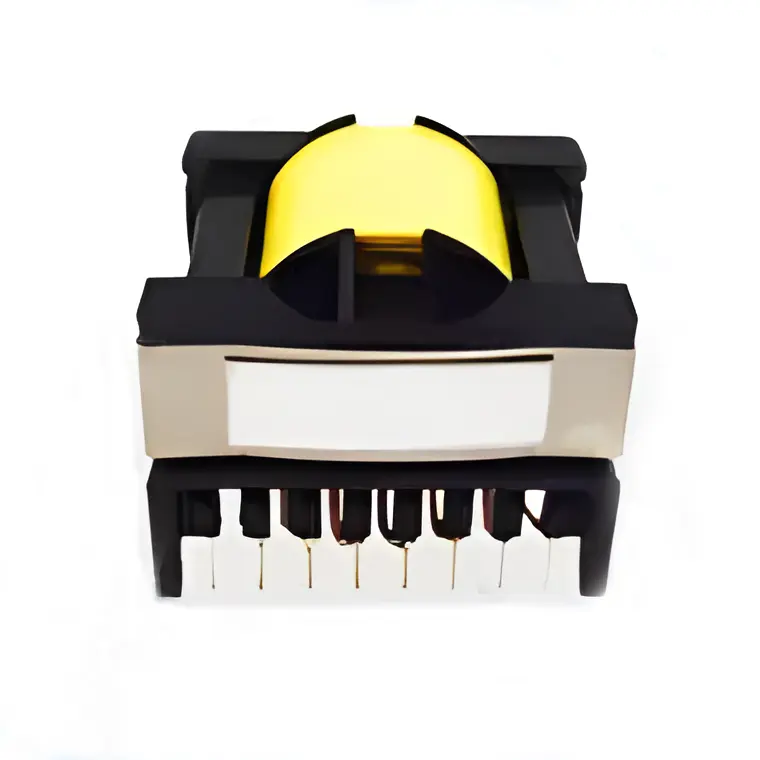 High Frequency Transformers
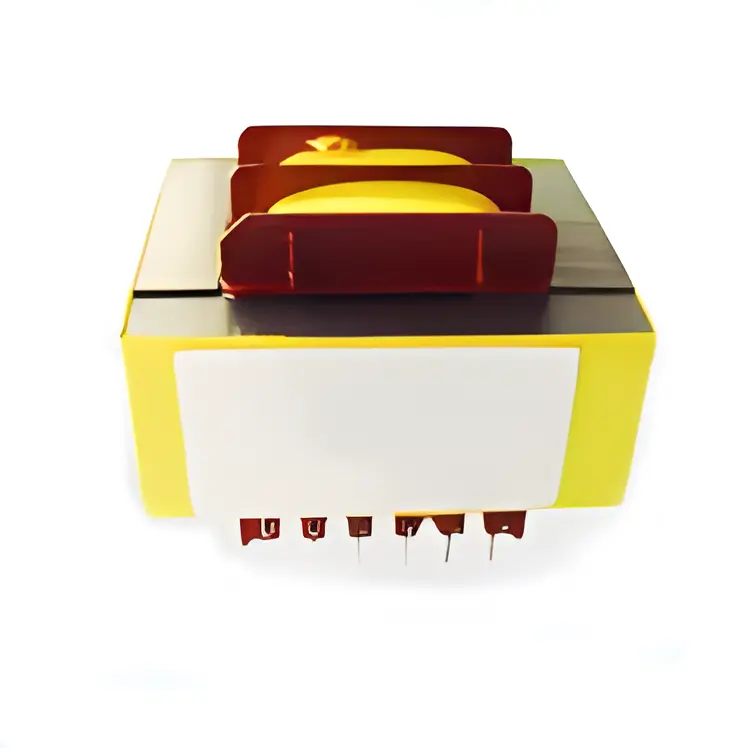 Low Frequency Transformers
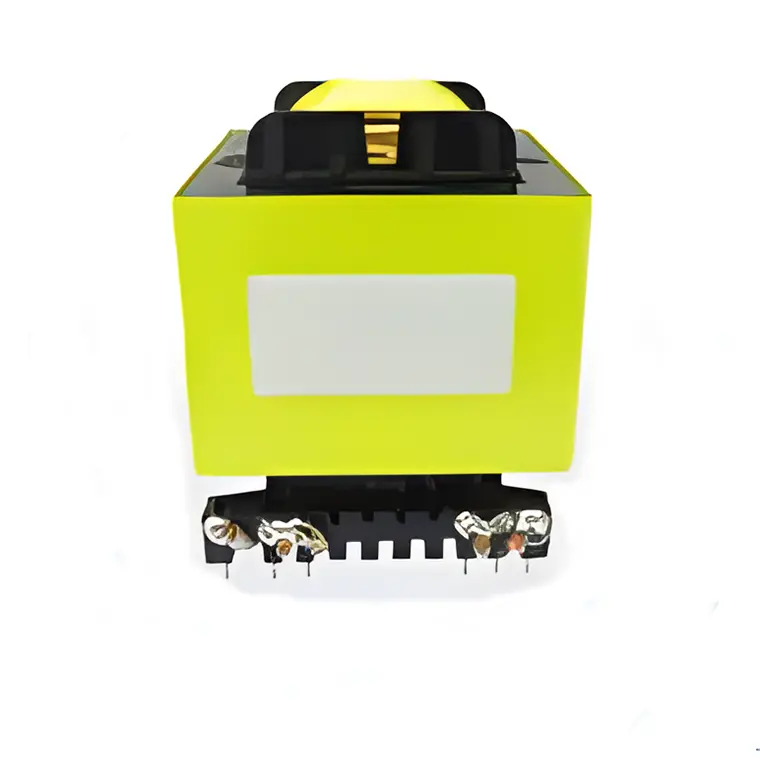 High Power Transformers
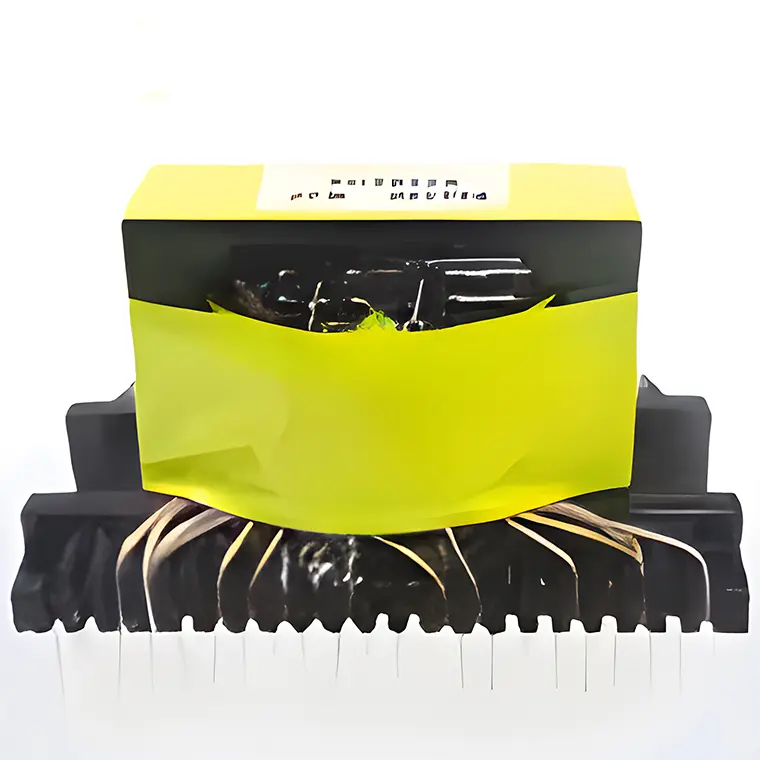 Conversion Transformers
 Sealed Transformers
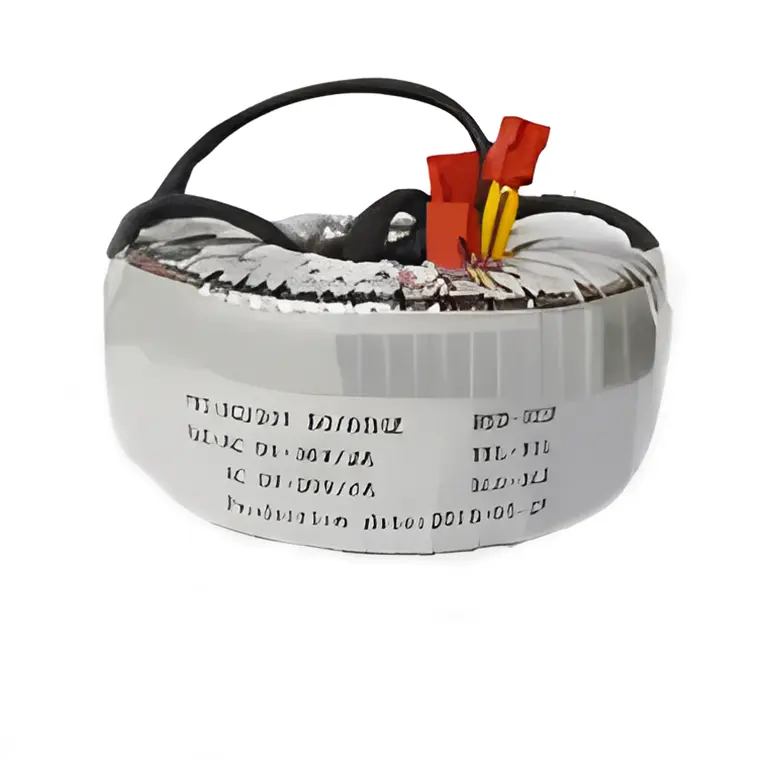 Ring Transformers
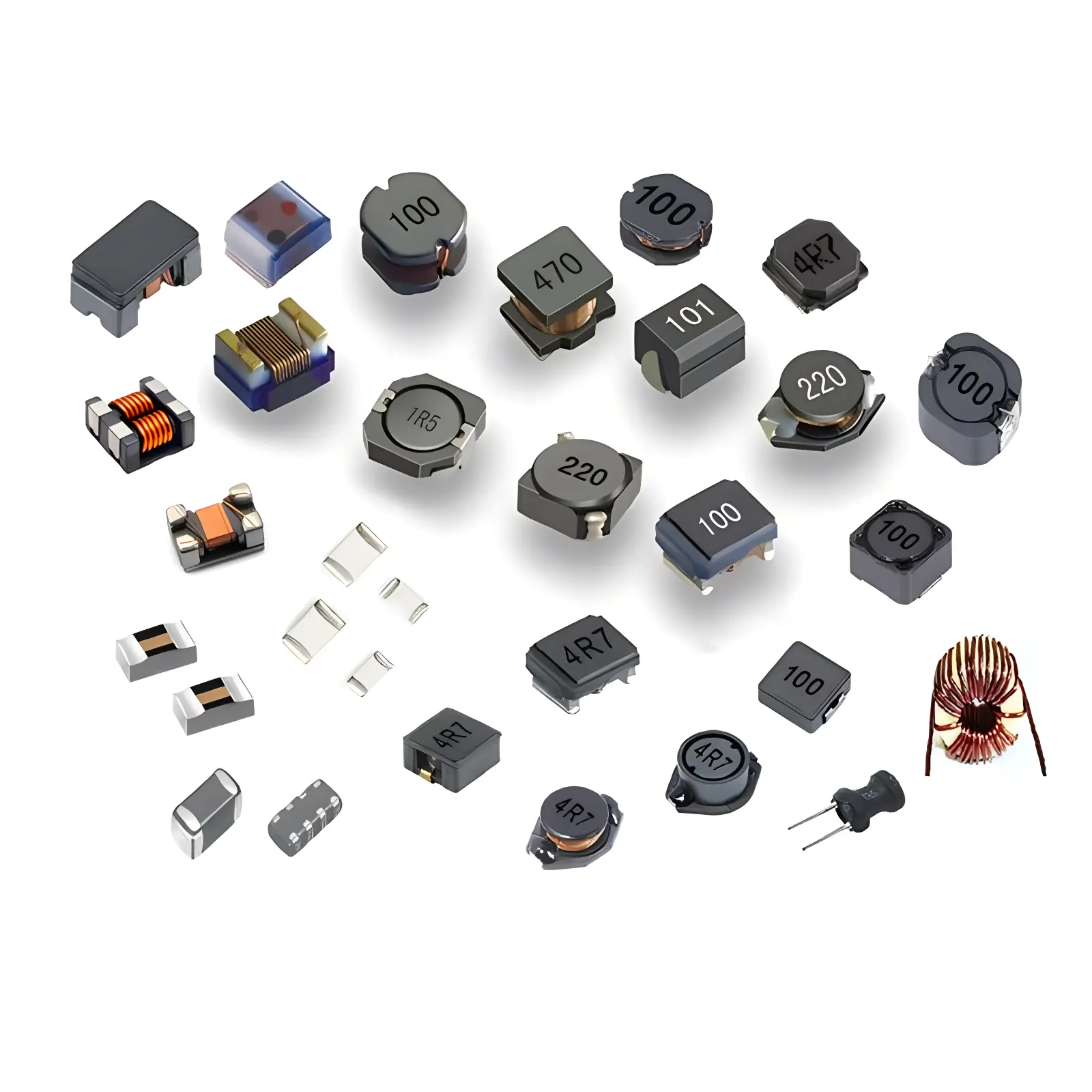 Inductors
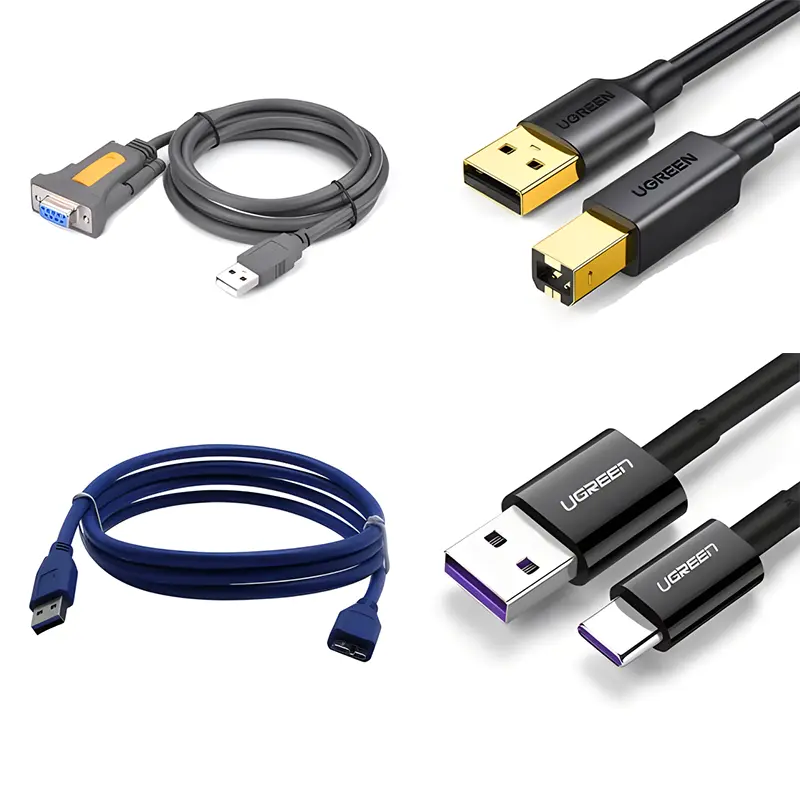 Wires,Cables Customized
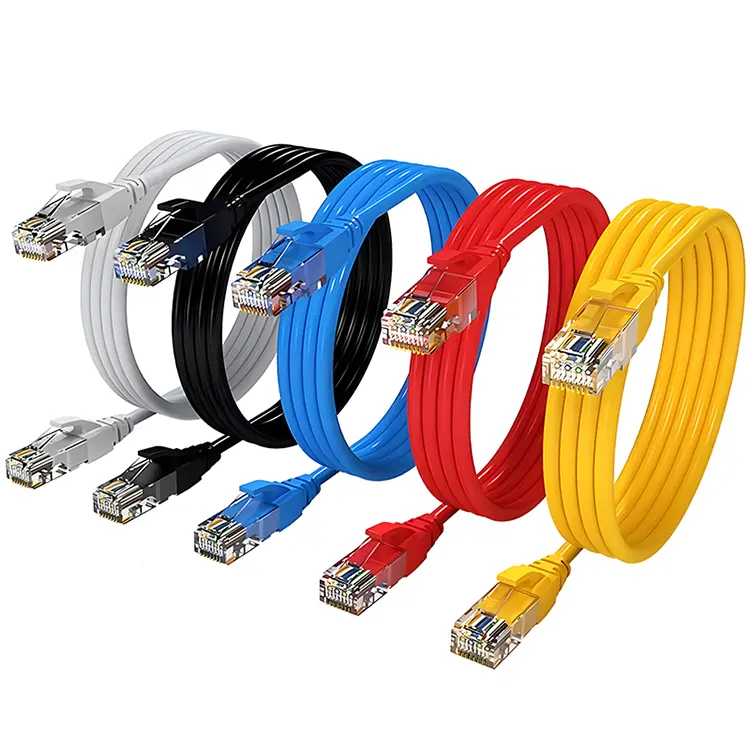 Network Cables
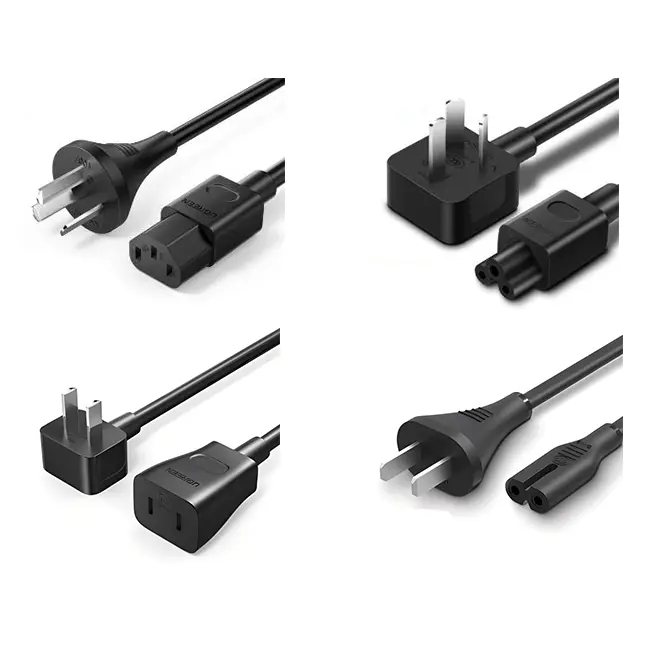 Power Cords
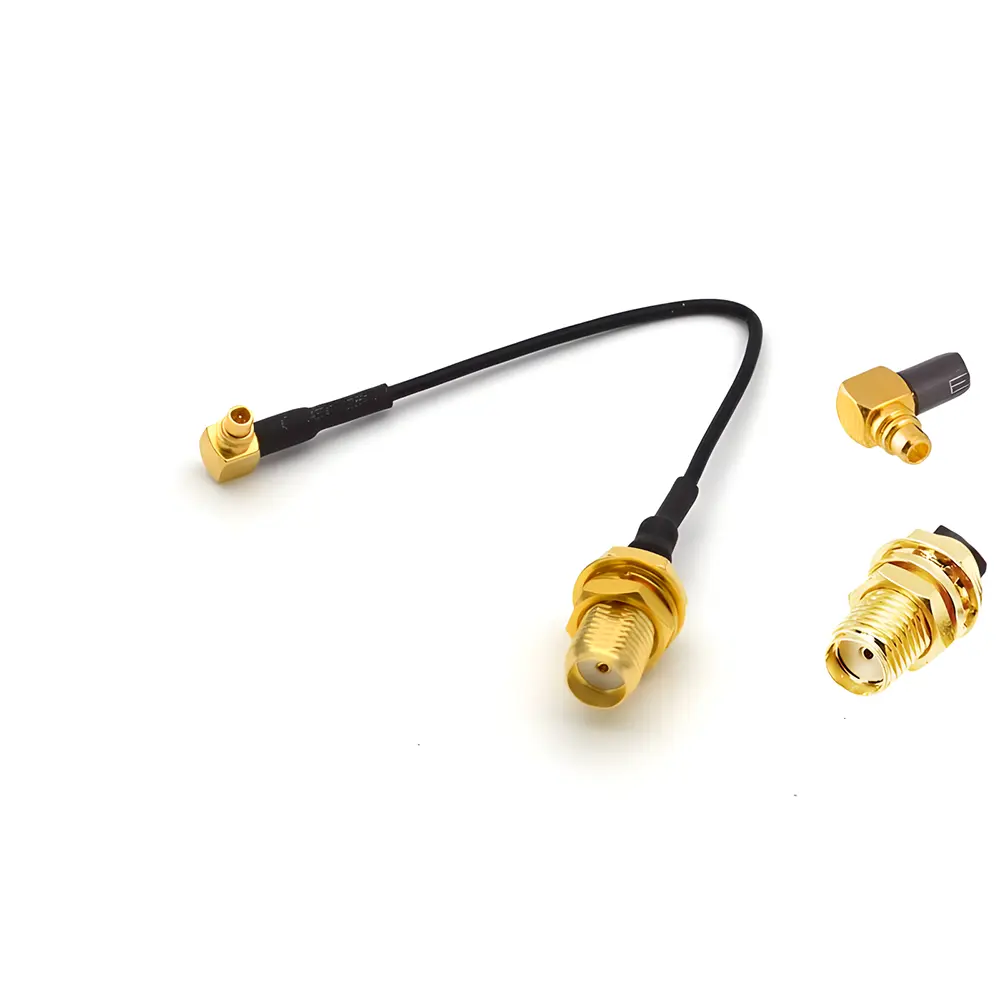 Antenna Cables
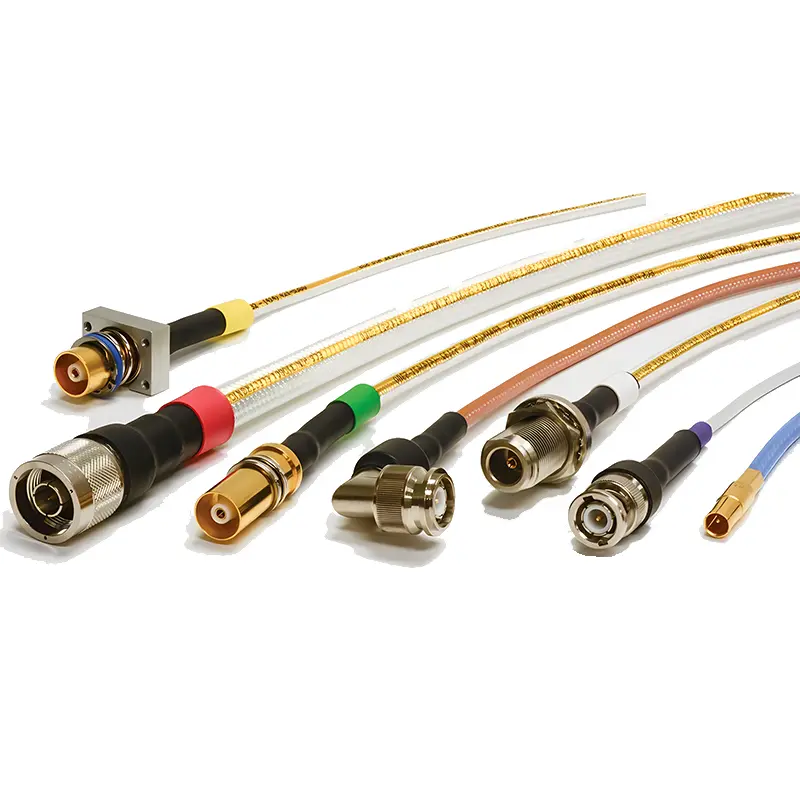 Coaxial Cables
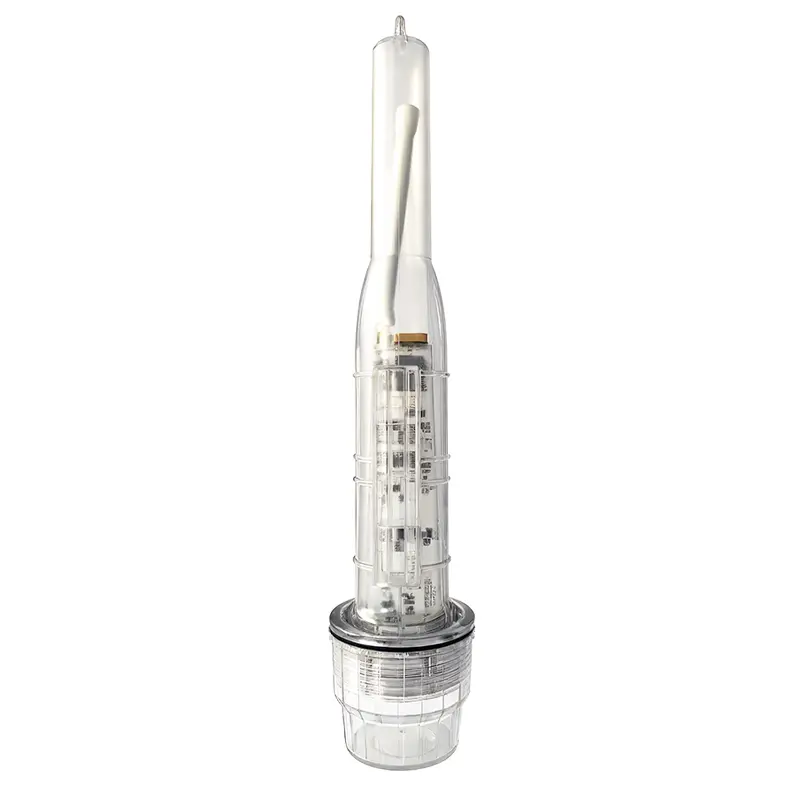 Net Position Indicator
 Solar AIS net position indicator
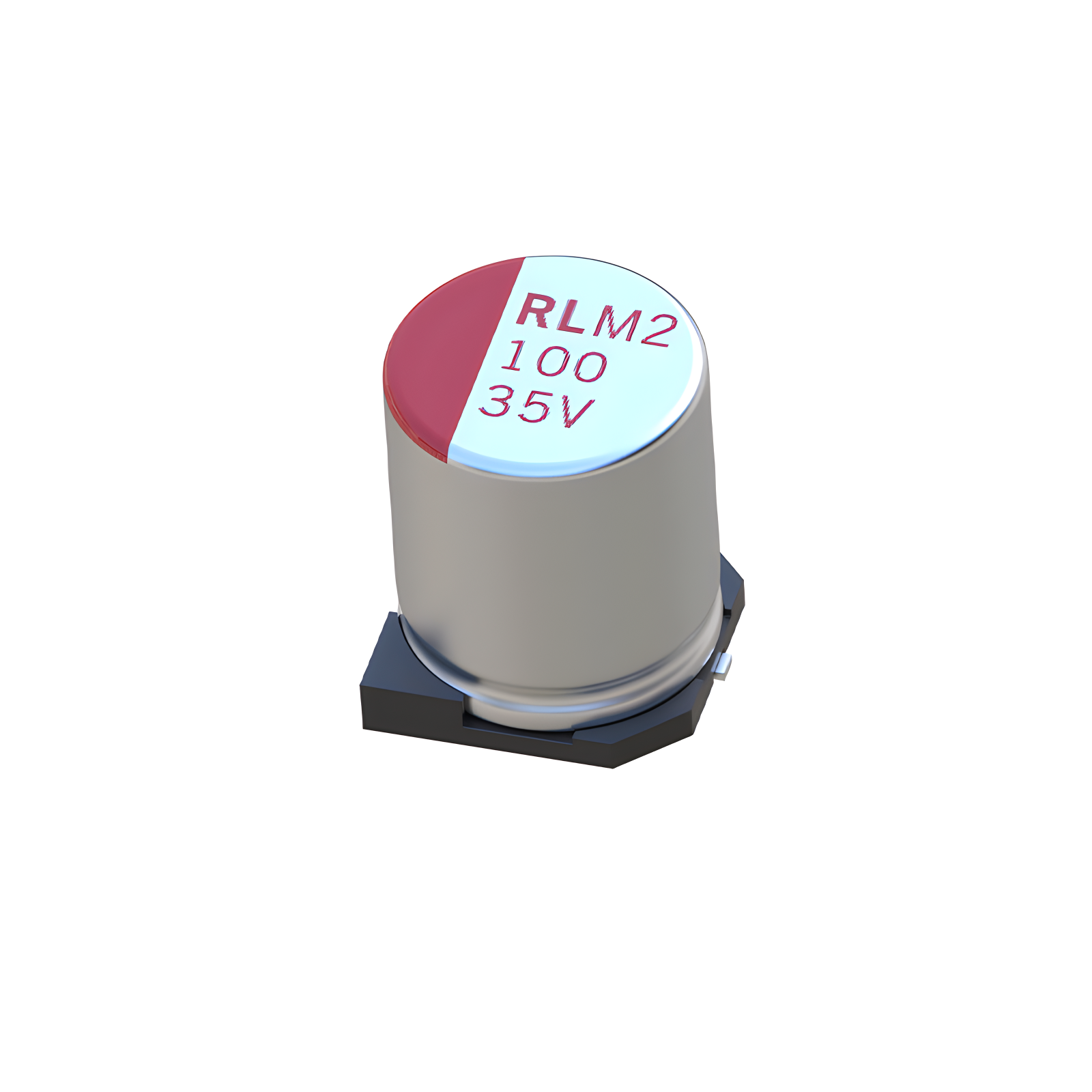 Capacitors
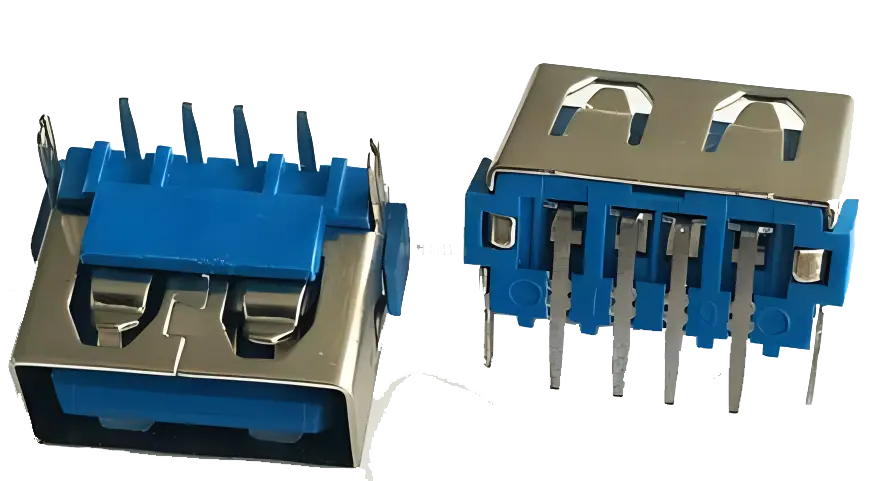 Connectors
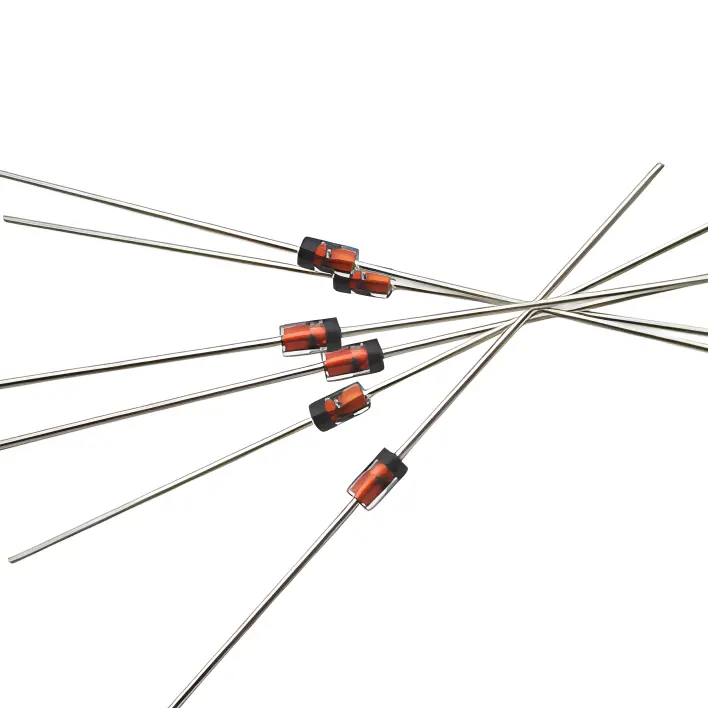 Diodes
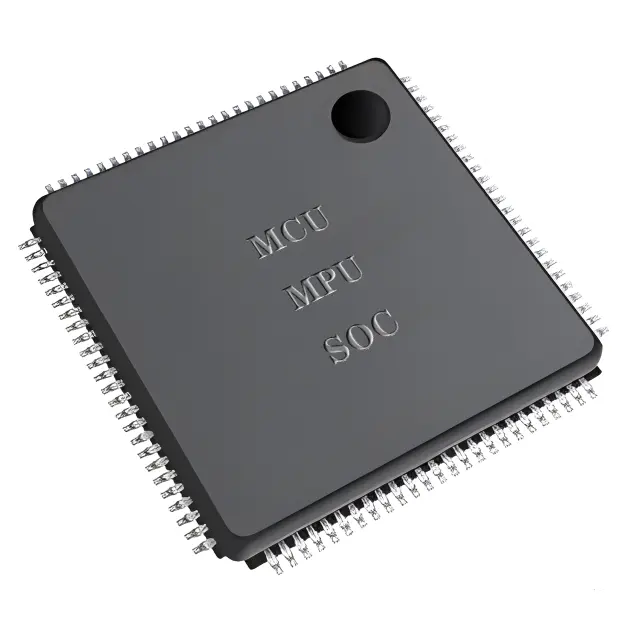 Embedded Processors & Controllers
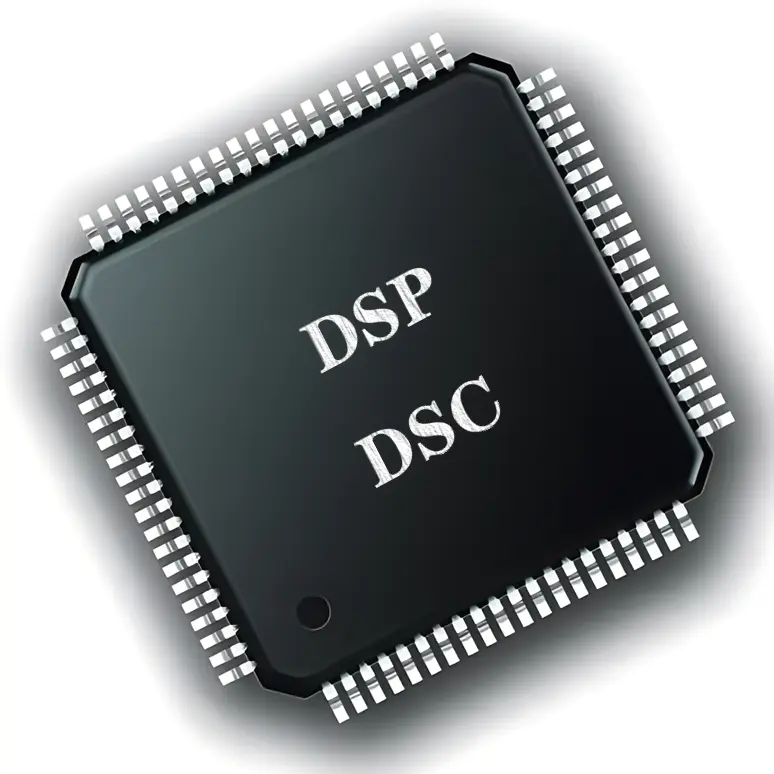 Digital Signal Processors (DSP/DSC)
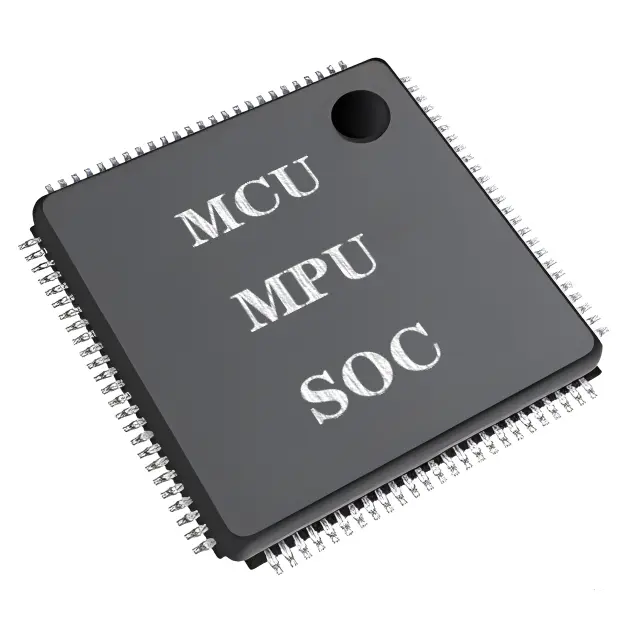 Microcontrollers (MCU/MPU/SOC)
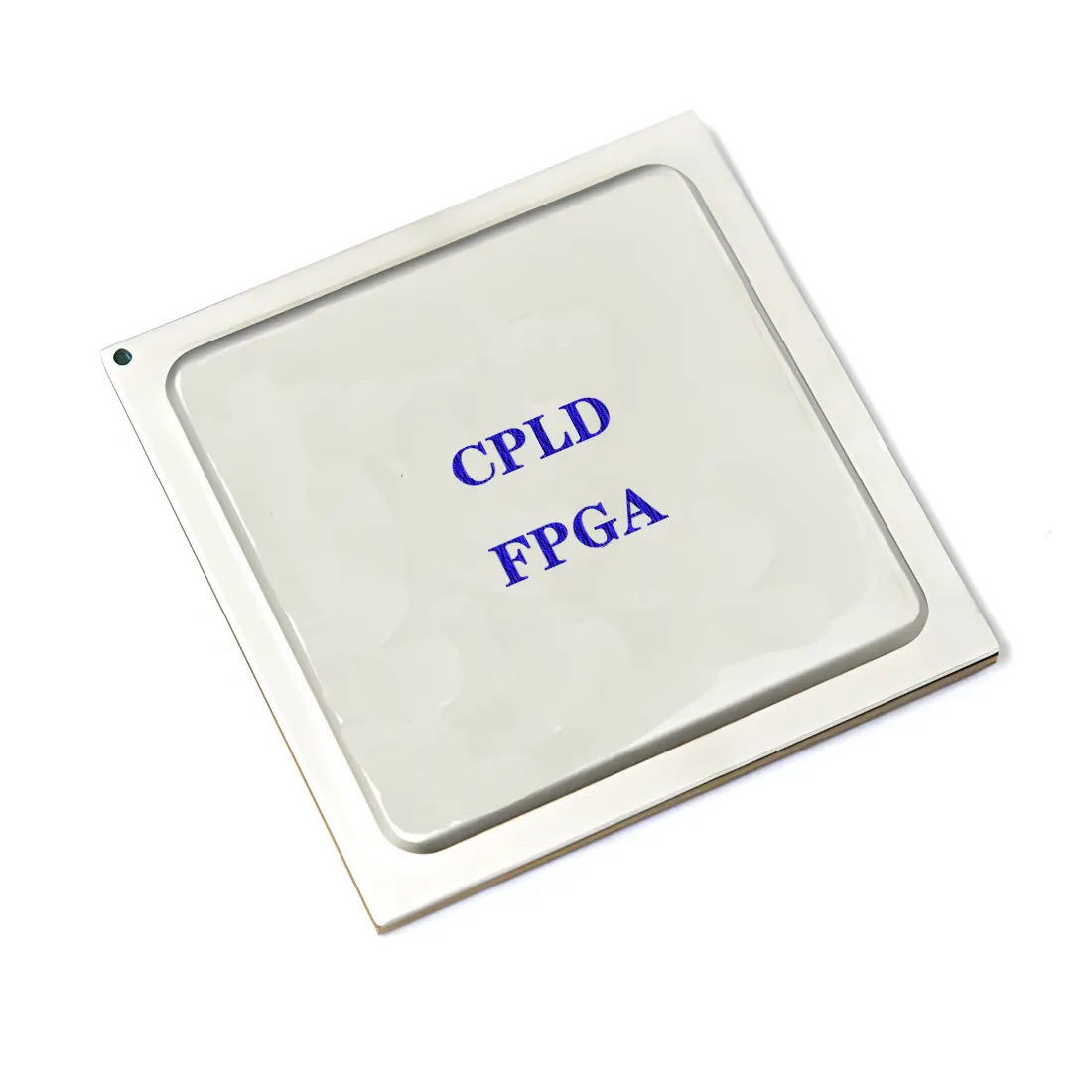 Programmable Logic Device(CPLD/FPGA)
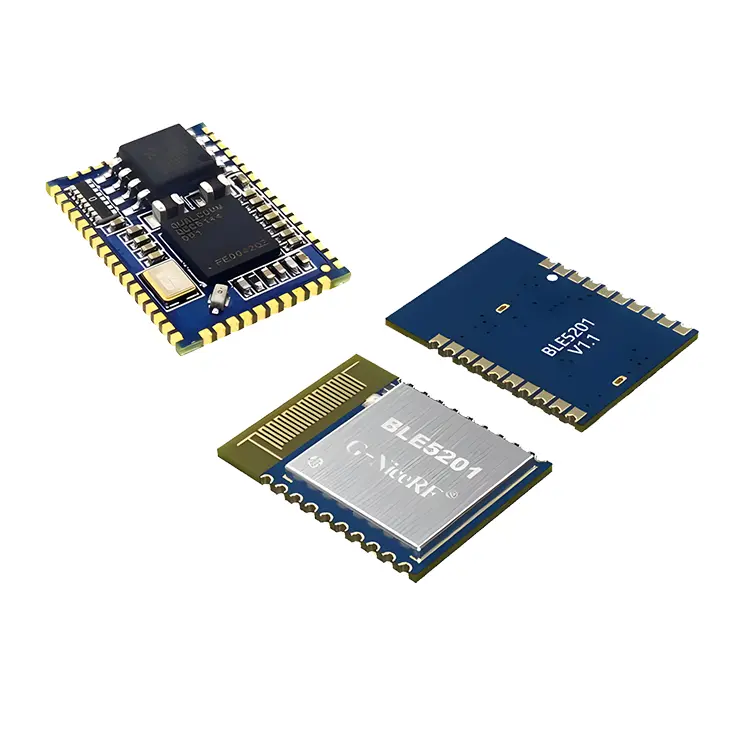 Communication Modules/IoT
 Resistors
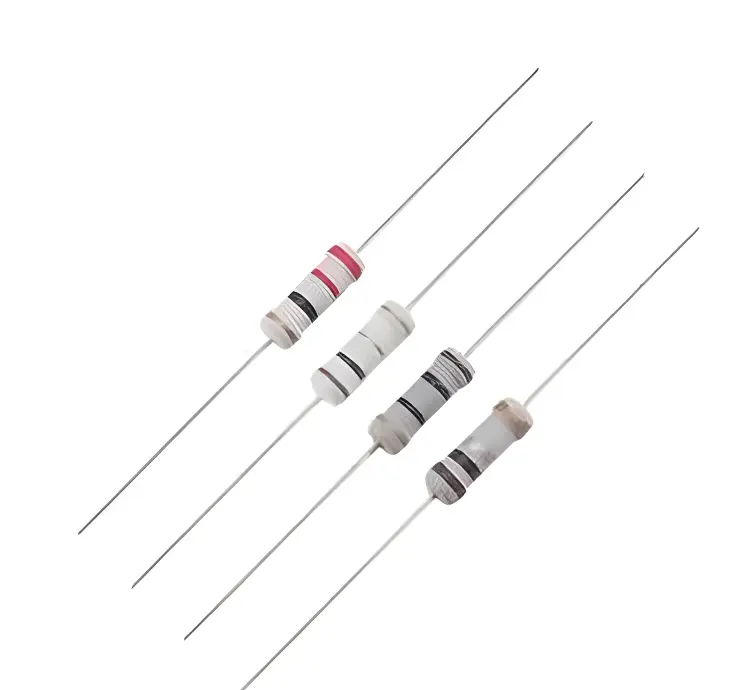 Through Hole Resistors
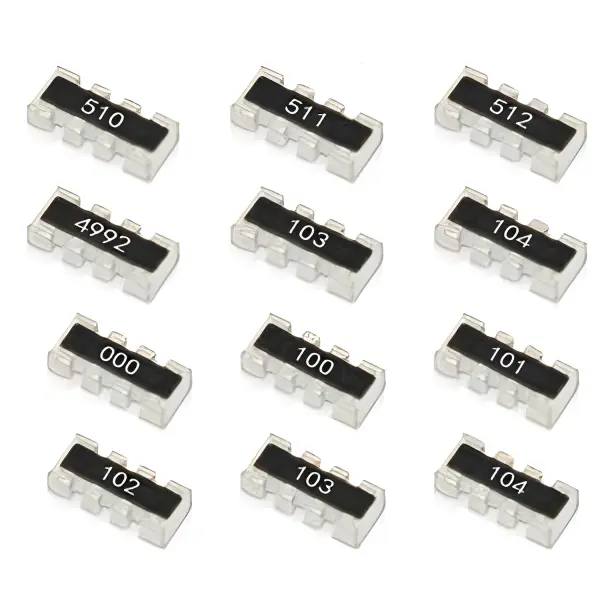 Resistor Networks, Arrays
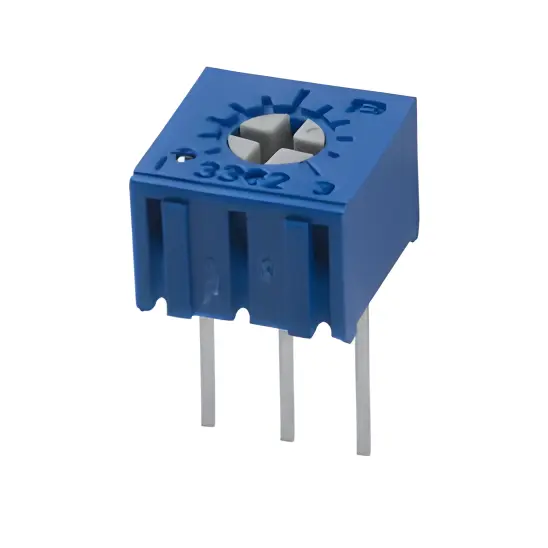 Potentiometers,Variable Resistors
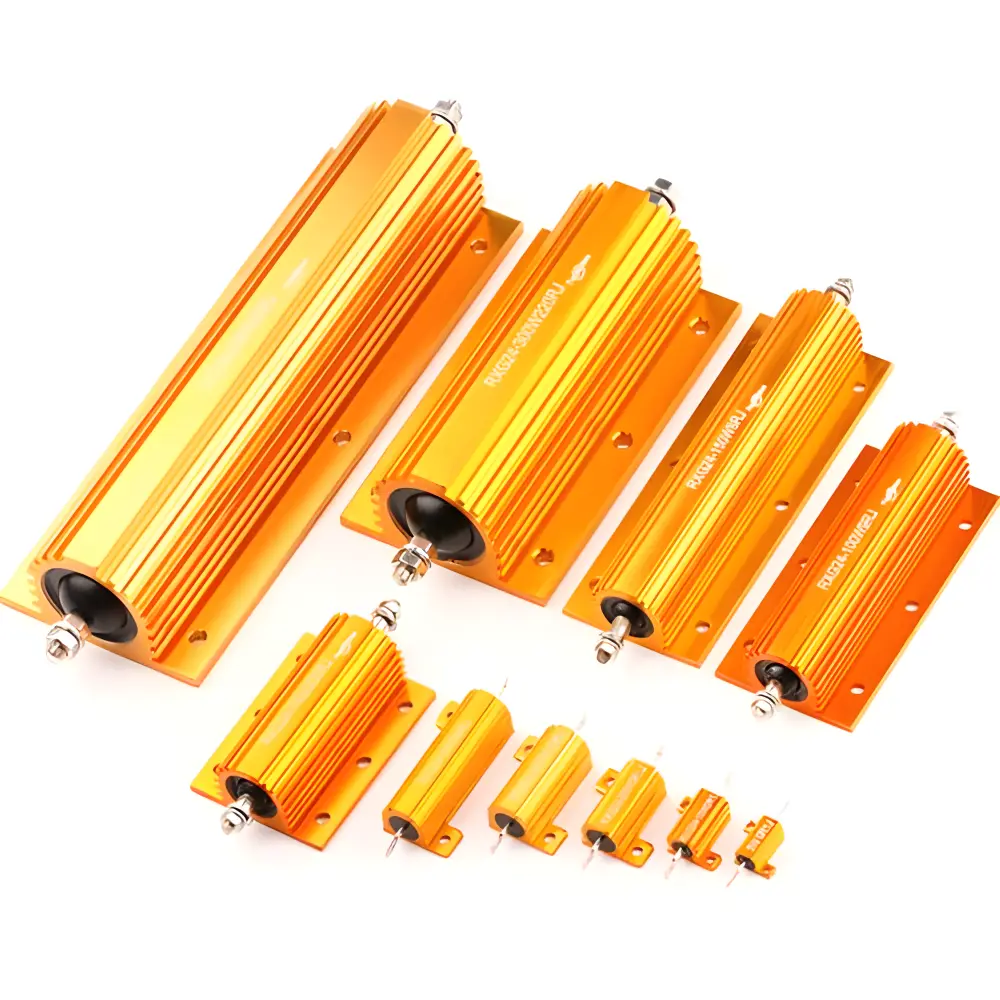 Aluminum Case,Porcelain Tube Resistance
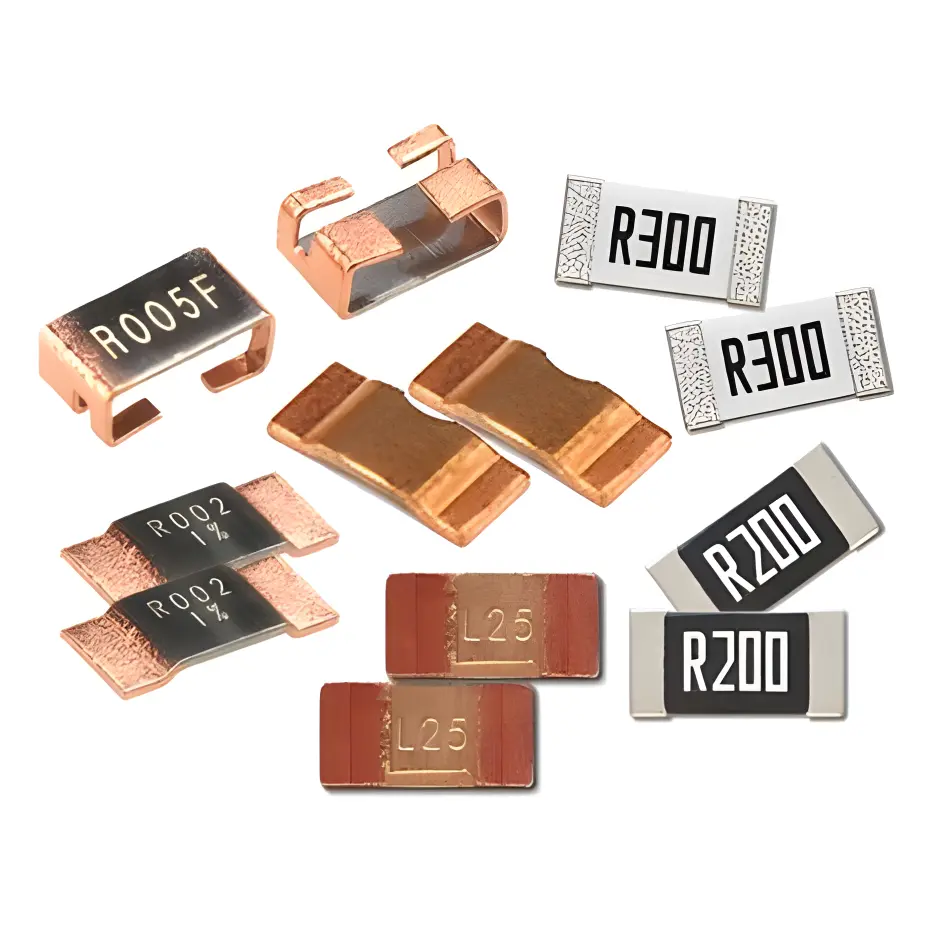 Current Sense Resistors,Shunt Resistors
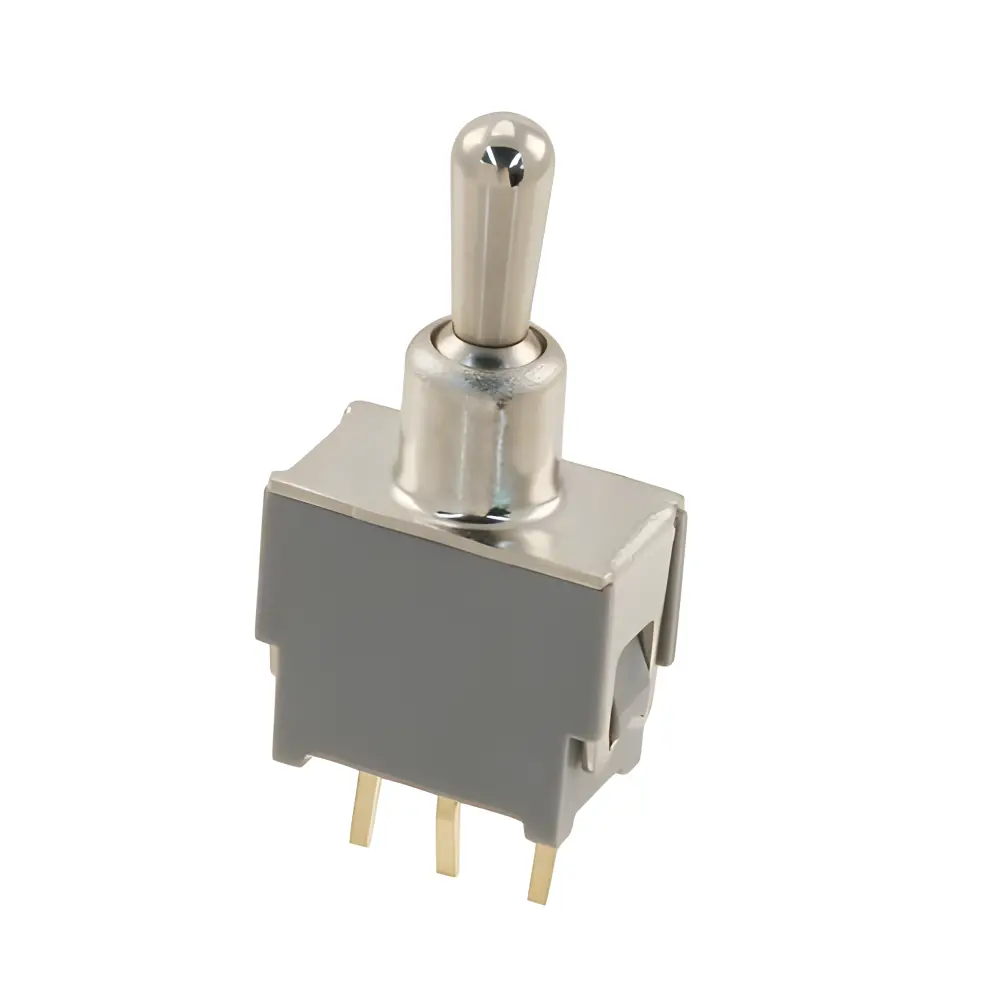 Switches
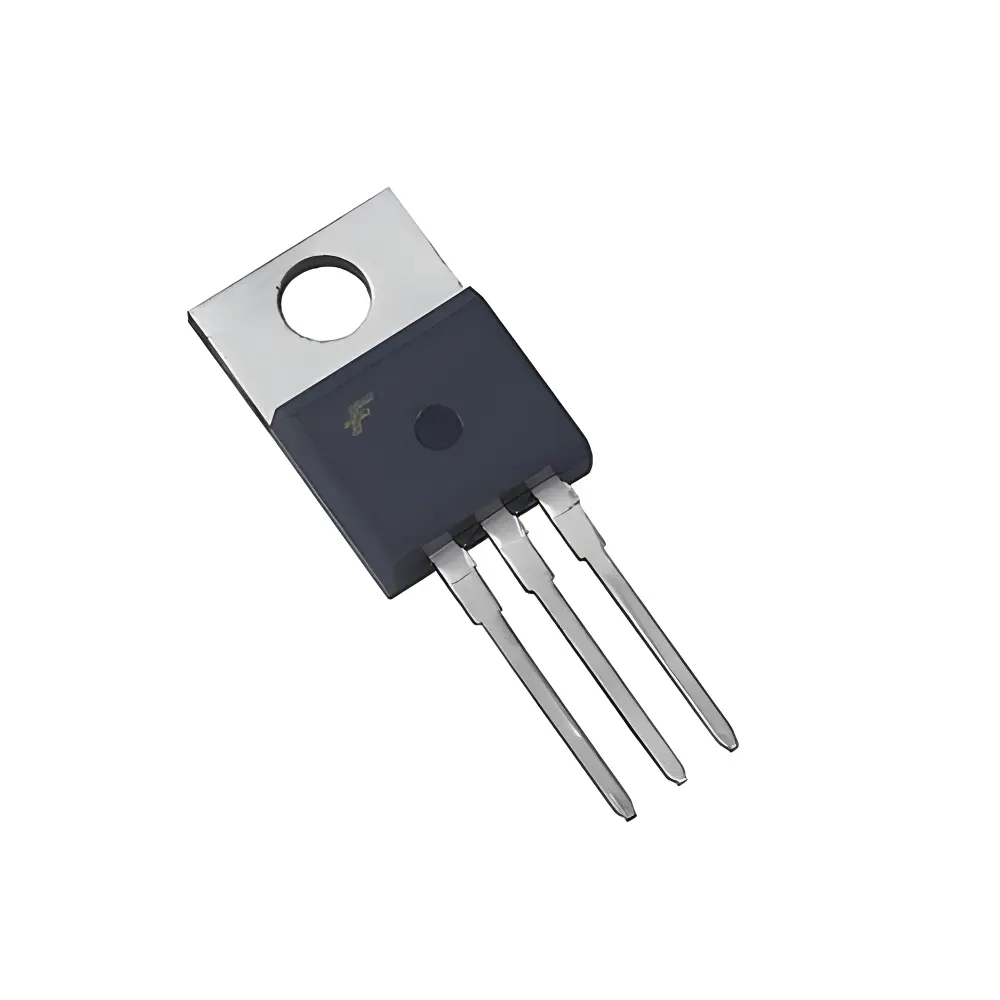 Transistors
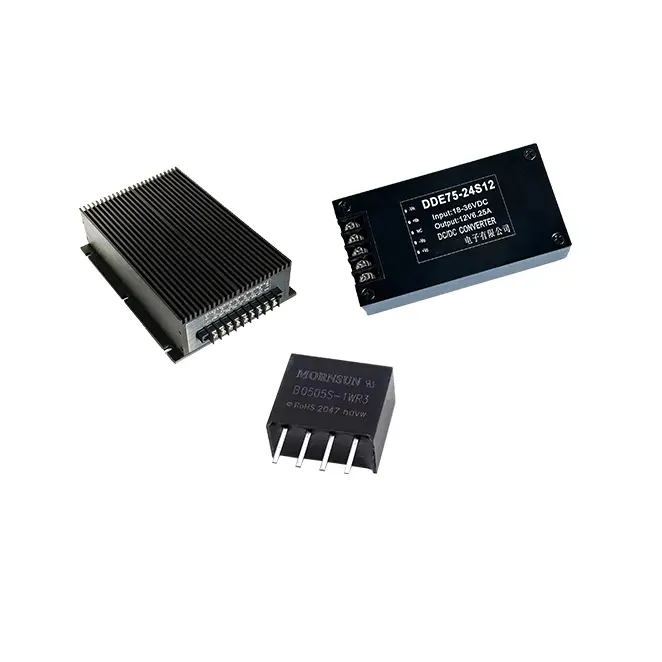 Power Modules
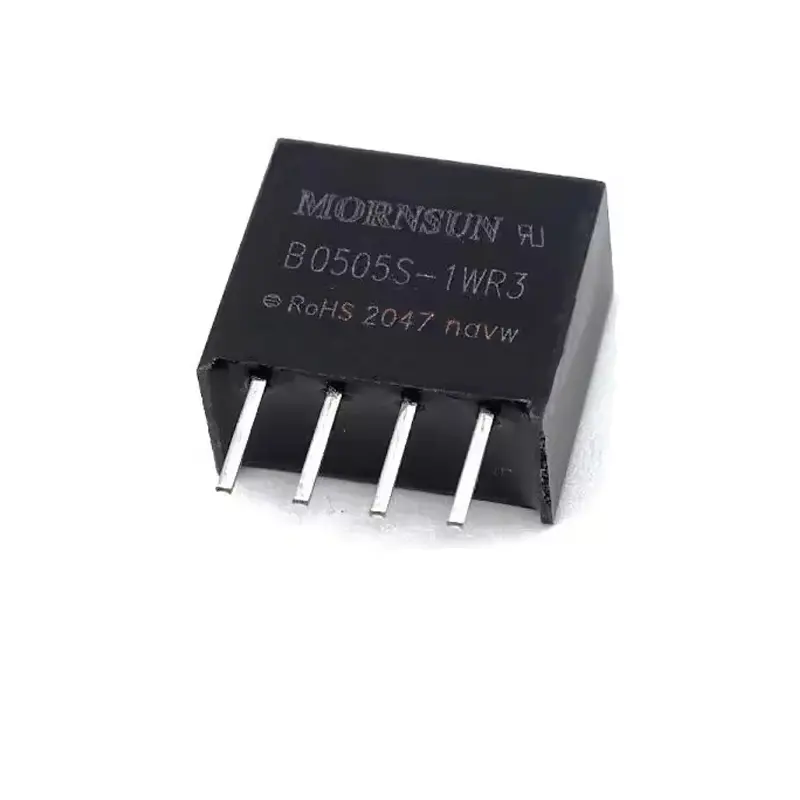 Isolated Power Modules
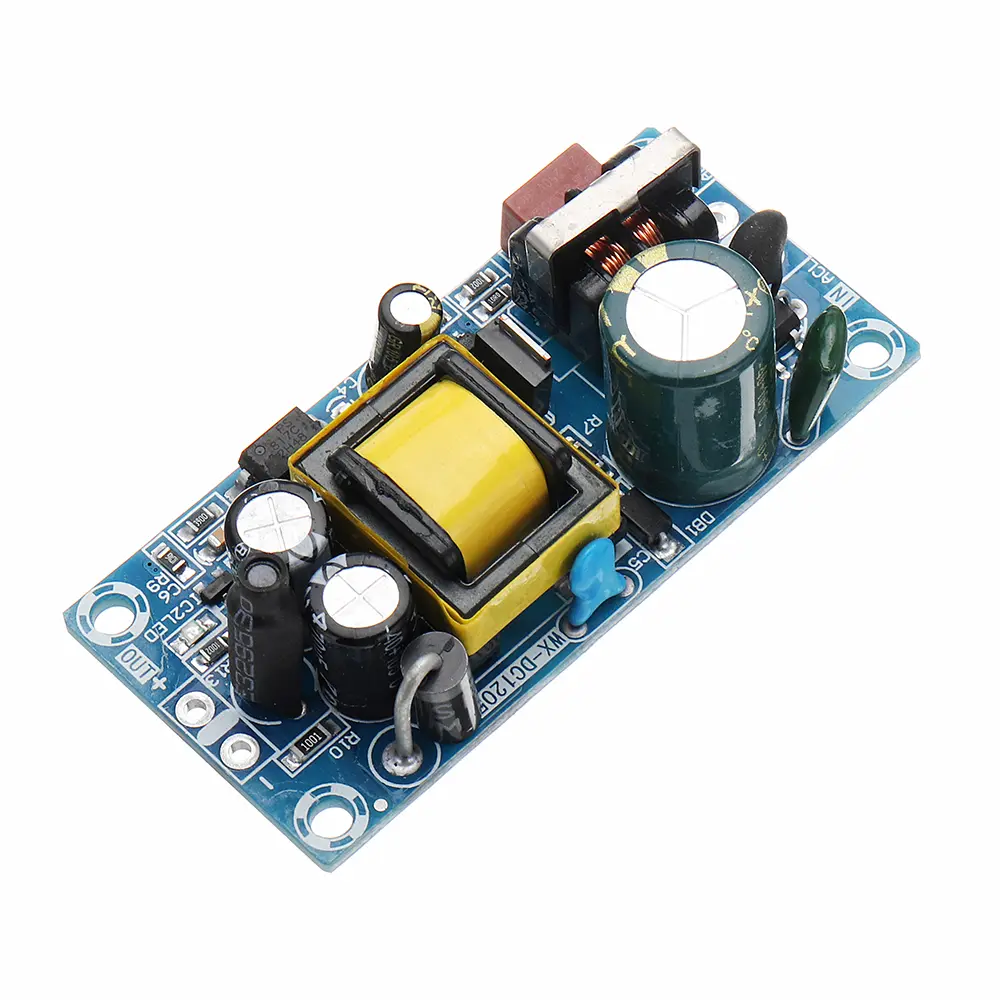 AC-DC Power Modules
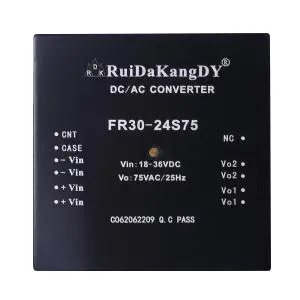 DC-AC Module(Inverter)
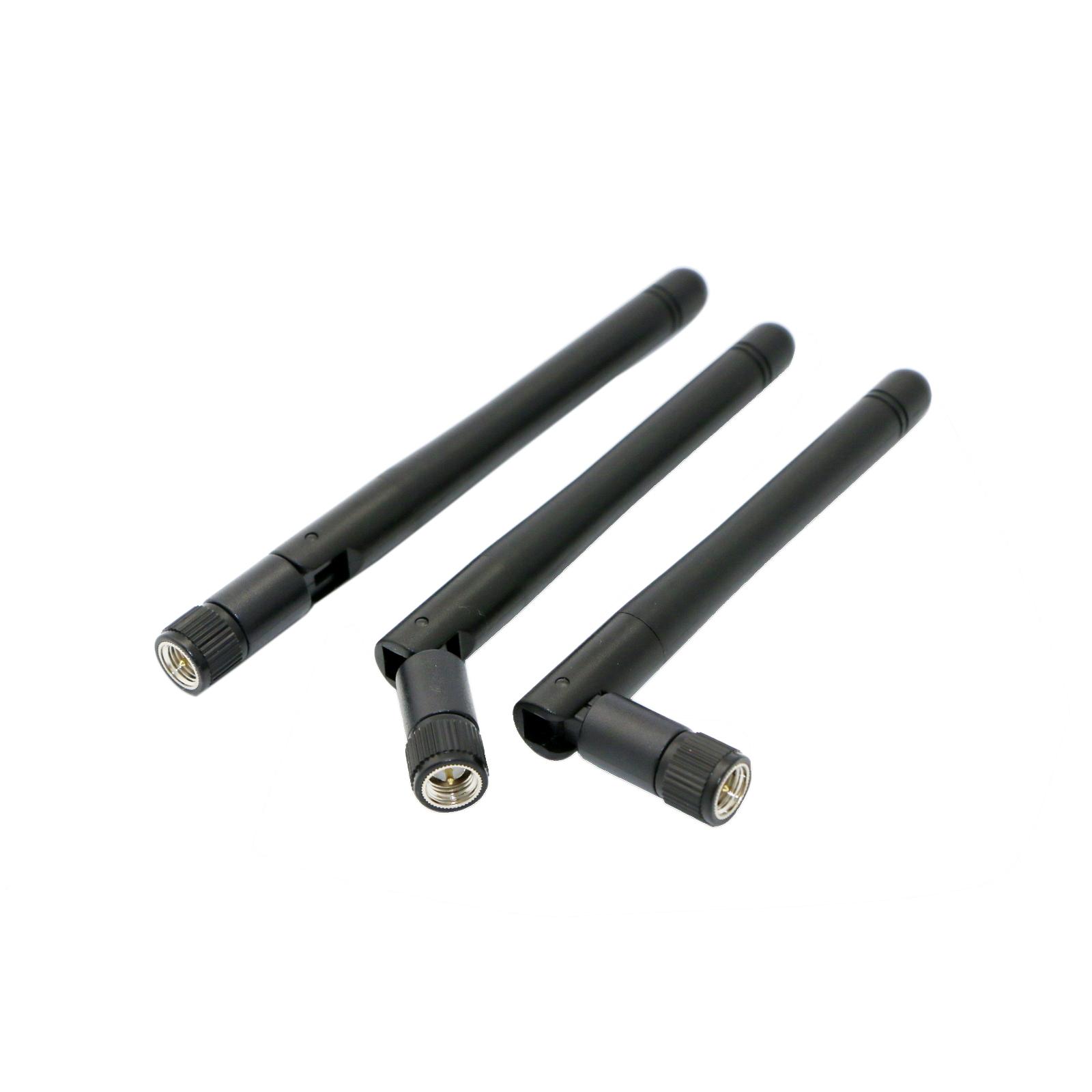 RF and Wireless
Printed Circuit Board Materials
Printed Circuit Board Materials
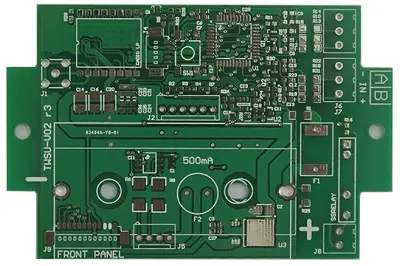
In modern electronics industry, the Printed Circuit Board (PCB) serves as a vital bridge connecting electronic components, and its importance cannot be overstated. The design and manufacturing process of PCBs are intricate and precise, with material selection being a crucial aspect that affects the product's peRFormance, reliability, and cost, among others.
The Significance of PCB Materials in PCB Manufacturing
PCB manufacturing is a multi-step, high-precision process that encompasses material selection, processing, assembly, and numerous other stages. From the substrate to copper foil, solder mask, and silkscreen printing, each material contributes to the final quality of the PCB in varying degrees. These materials not only dictate the electrical properties, mechanical strength, and thermal stability of the PCB but also directly impact its manufacturability, cost, and the competitiveness of the final product in the market.
Moreover, with the increasingly stringent environmental regulations, the choice of PCB materials must also consider compliance with RoHS (Restriction of Hazardous Substances) and other environmental standards to ensure product conformity and sustainability.
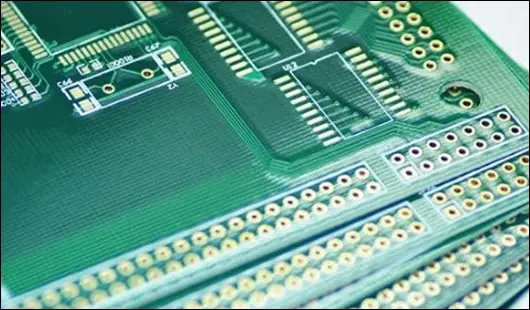
Details of Common PCB Materials
Substrates and Laminates
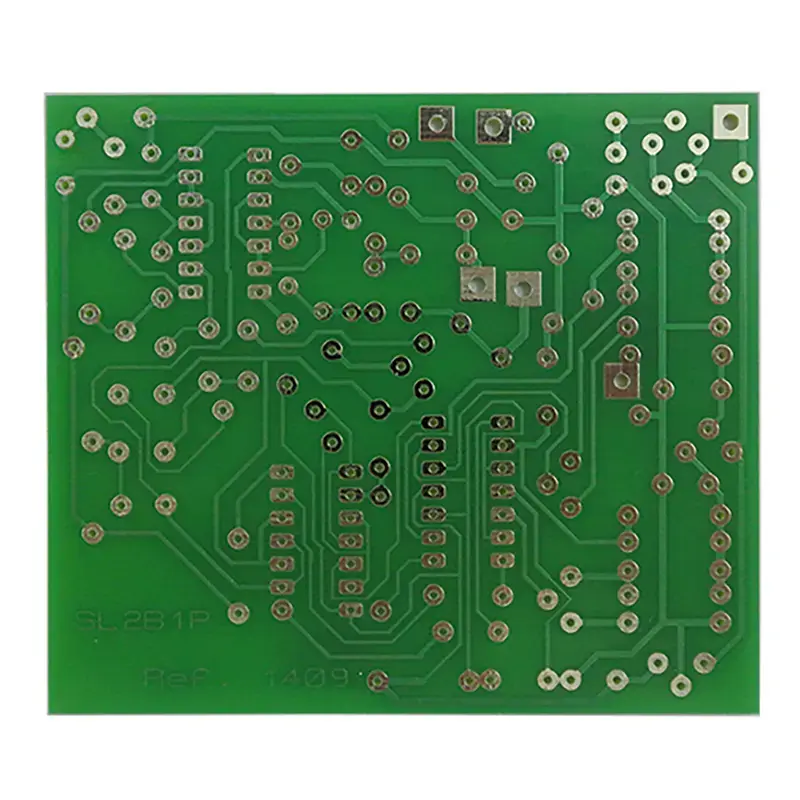
The substrate is the core component of a PCB, and its material directly determines the electrical, mechanical, and thermal properties of the PCB. Common substrate materials include the FR-1 to FR-6 series, CEM-1 to CEM-6 series, GEM-10 to GEM-11 series, as well as specialized materials such as aluminum, metal-based substrates, PTFE (Teflon), and polyimide. Among them, FR-4 stands out as the most widely used substrate material in the market due to its excellent comprehensive performance and relatively low cost.
FR-4 substrate is laminated with epoxy resin and fiberglass cloth, providing excellent insulation, heat resistance, moisture resistance, and mechanical strength. Laminates, on the other hand, are formed by stacking and pressing multiple layers of substrates with copper foil, further enhancing the electrical performance and structural strength of the PCB.
Copper Foil
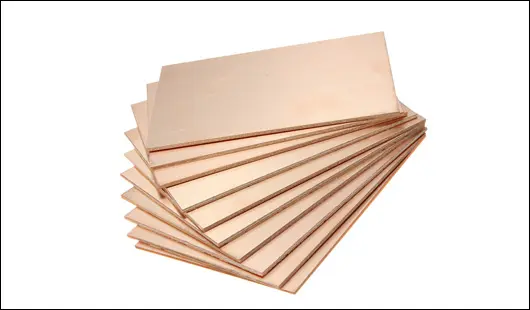
As the conductive layer of PCBs, copper foil significantly influences the electrical performance of the board. Factors such as copper foil's thickness, roughness, and adhesion directly affect signal transmission quality and circuit stability. Depending on application requirements, copper foil can be classified into rolled copper foil and electrolytic copper foil. Rolled copper foil, with its higher density, lower resistivity, and better ductility, is suitable for high-performance PCBs; while electrolytic copper foil, being cost-effective, is widely used in traditional PCBs.
Solder Mask
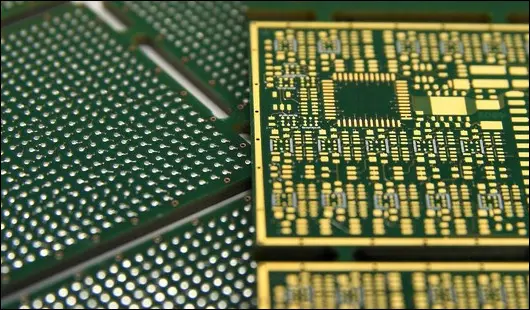
Solder mask is an epoxy resin coating applied to the surface of copper foil, primarily serving to protect the copper from corrosion and oxidation and acting as a positioning marker during soldering. Typically green in color, solder masks can also be customized to other colors based on customer needs. Apart from aesthetics, solder masks effectively prevent short circuits and missing solders during the soldering process, enhancing soldering quality and production efficiency.
Silkscreen Printing
Silkscreen printing is a crucial step in PCB manufacturing, used to print component position markers, polarity indications, and other information onto the solder mask. These markings, often printed in white or other colors, facilitate component positioning and recognition during automated assembly. The accuracy and quality of silkscreen printing directly impact the assembly efficiency of PCBs and the reliability of final products.
Factors Influencing PCB Material Selection
When selecting PCB materials, designers need to comprehensively consider multiple factors to ensure that the materials meet design requirements while minimizing manufacturing costs. Some key factors include:
Thermal Performance: Material properties like thermal conductivity and thermal expansion coefficient (CTE) are crucial for PCB thermal stability and reliability.
Dielectric Constant (Dk): Affects signal transmission speed and integrity.
Glass Transition Temperature (Tg): Reflects the material's heat resistance and mechanical strength.
CTE: Influences PCB dimensional stability under temperature changes.
Flame Retardants: Ensure material safety in extreme situations like fires.
Signal Loss Factor: Impacts the transmission quality of high-frequency signals.
Mechanical Strength: Ensures PCB resistance to bending, impact, and other stresses during assembly and use.
RoHS/UL Standards: Ensure material compliance with relevant environmental and safety regulations.
Should you encounter any issues or require professional advice during PCB material selection or design, please do not hesitate to contact us. Minintel is committed to providing you with superior products and comprehensive solutions to ensure the success of your projects.