
 PCB
PCB FPC
FPC Rigid-Flex
 FR-4
FR-4 HDI PCB
 Rogers High-Frequency Board
 PTFE Teflon High-Frequency Board
 Aluminum
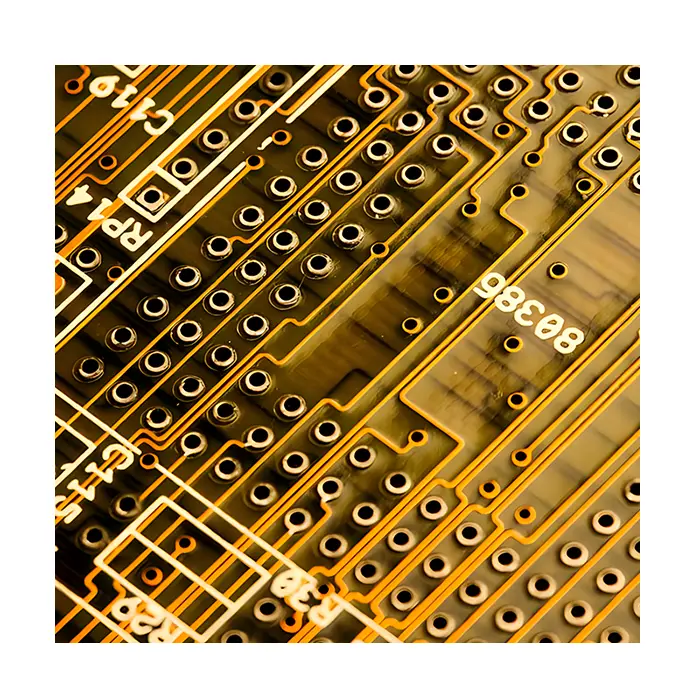 Copper Core
 PCB Assembly
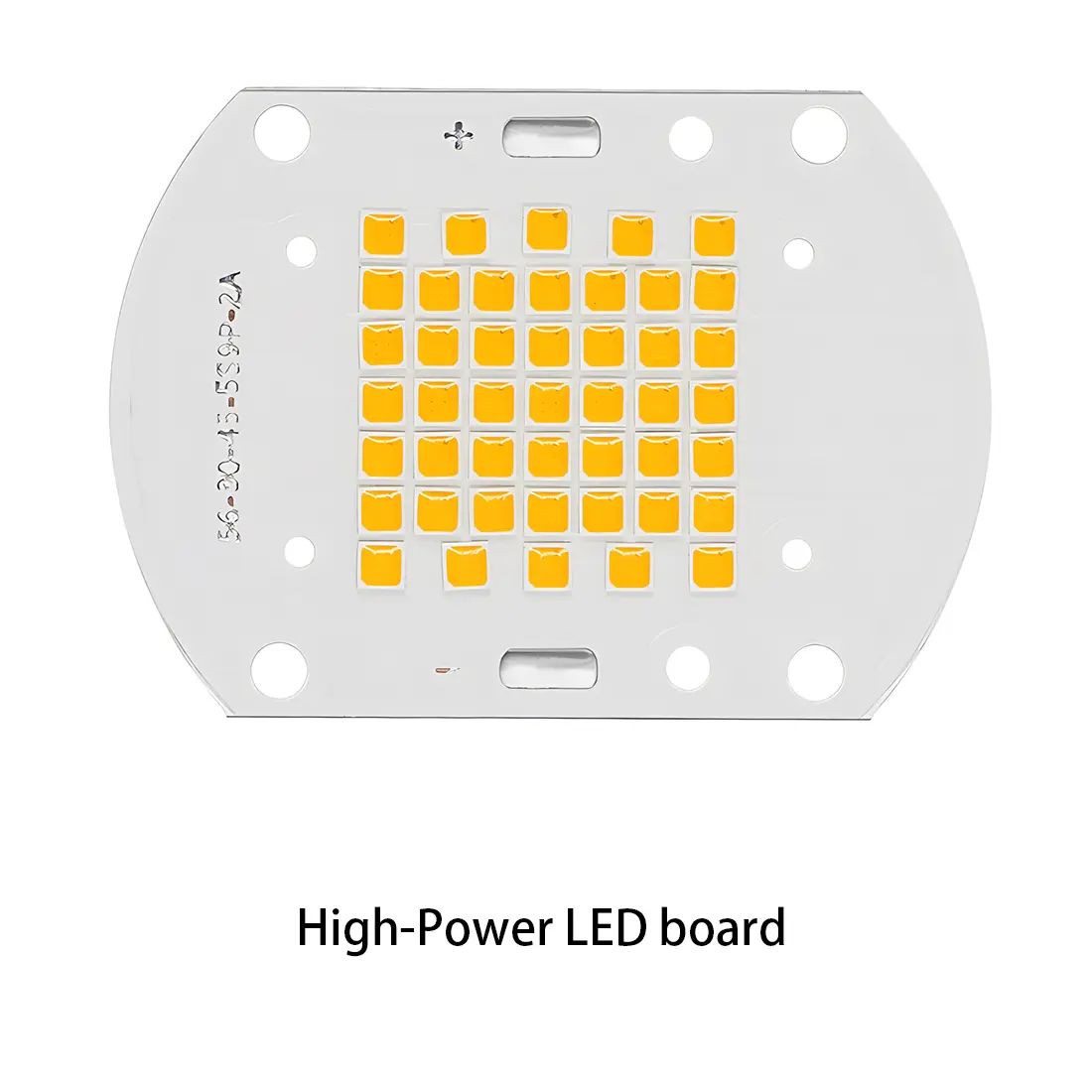 LED light PCBA
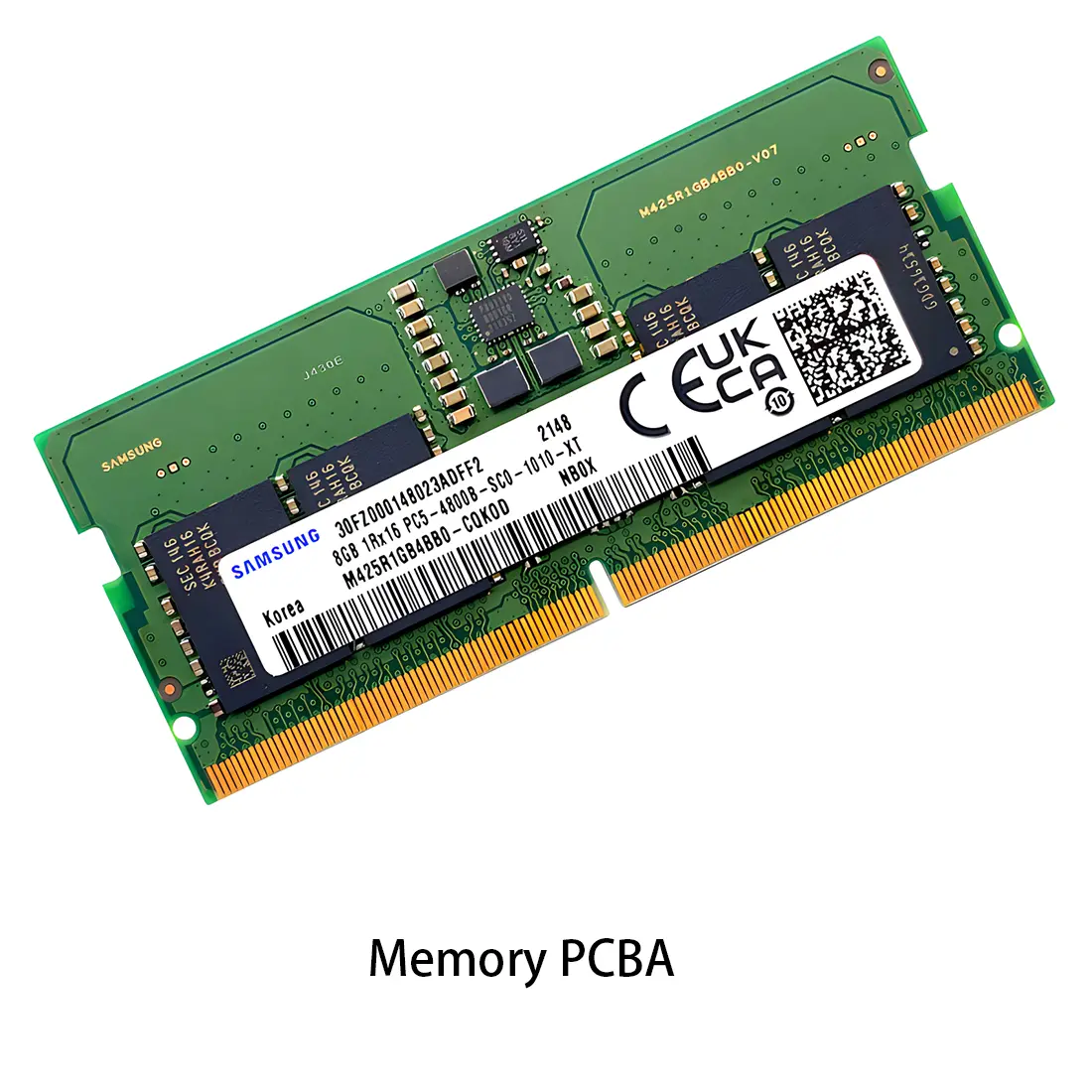 Memory PCBA
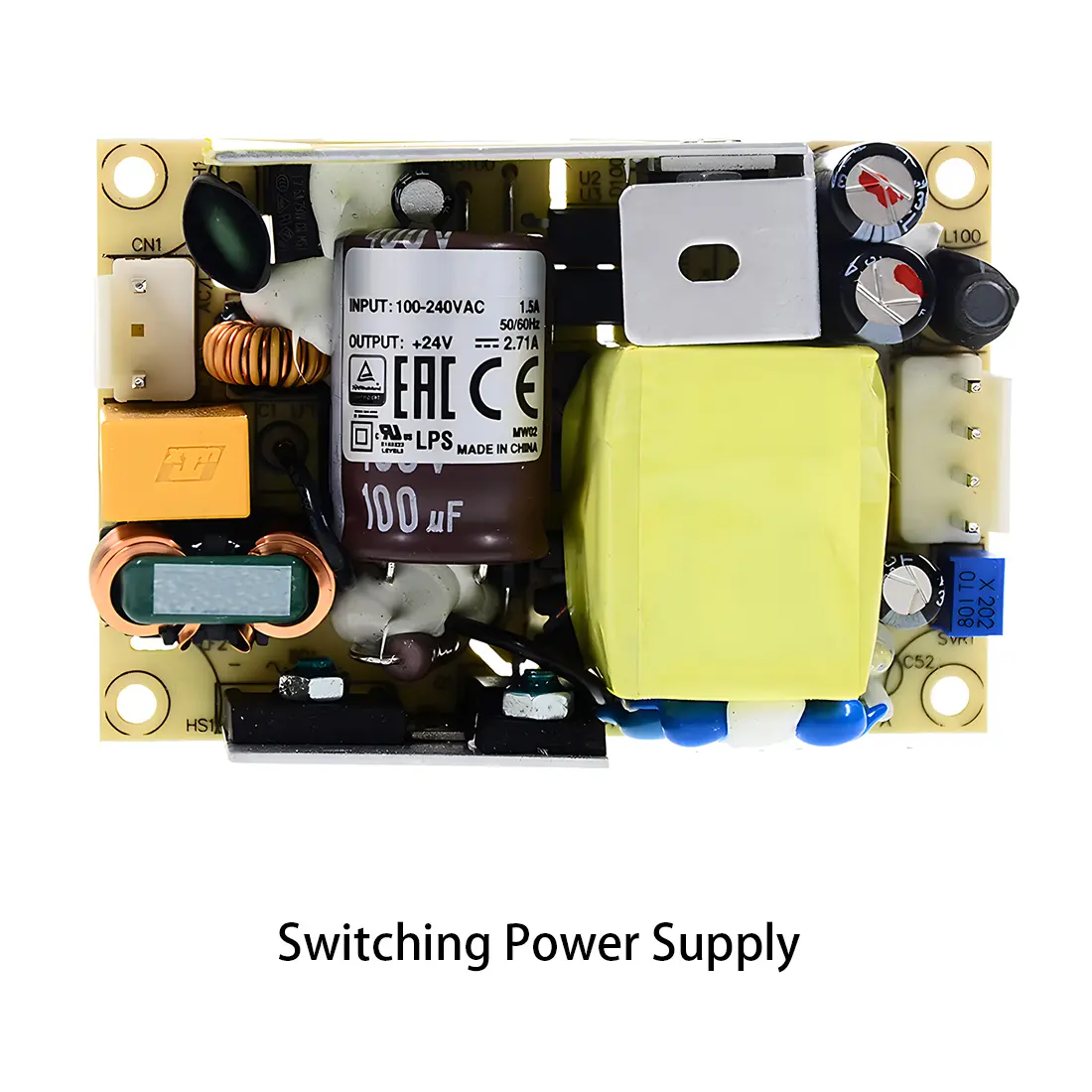 Power Supply PCBA
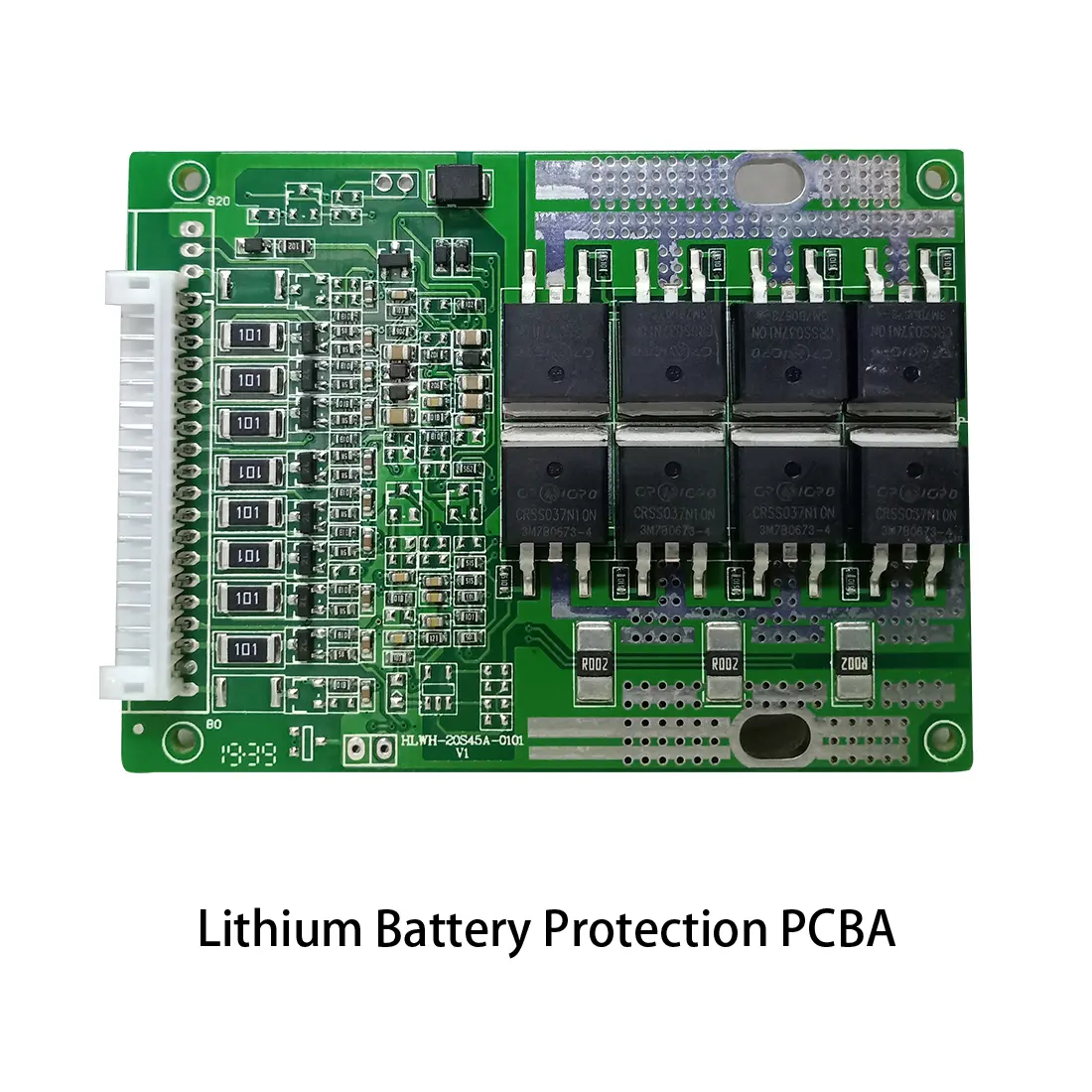 New Energey PCBA
 Communication PCBA
 Industrial Control PCBA
 Medical Equipment PCBA
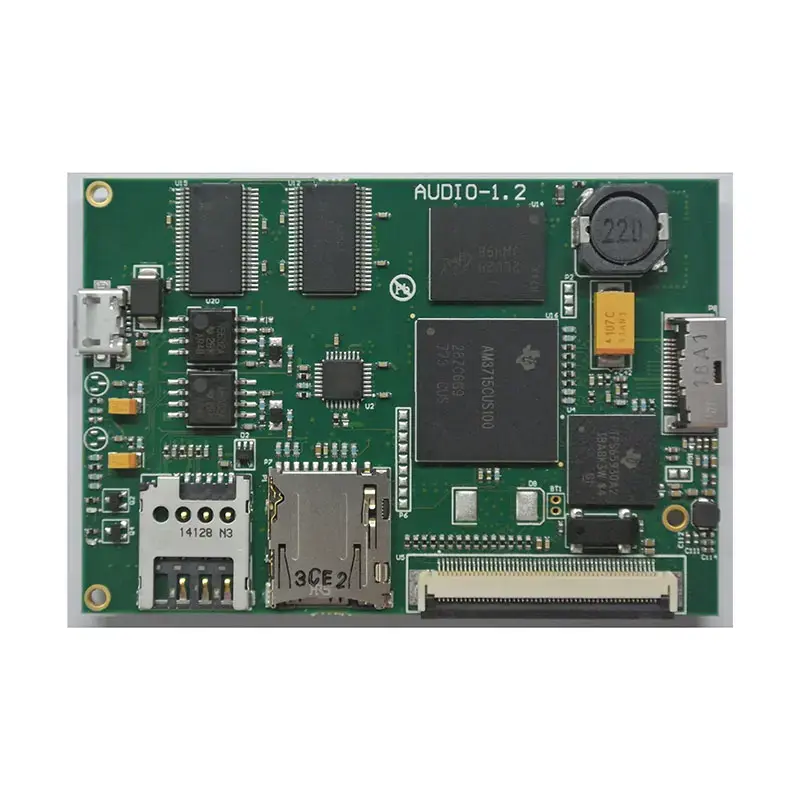 Testing Service
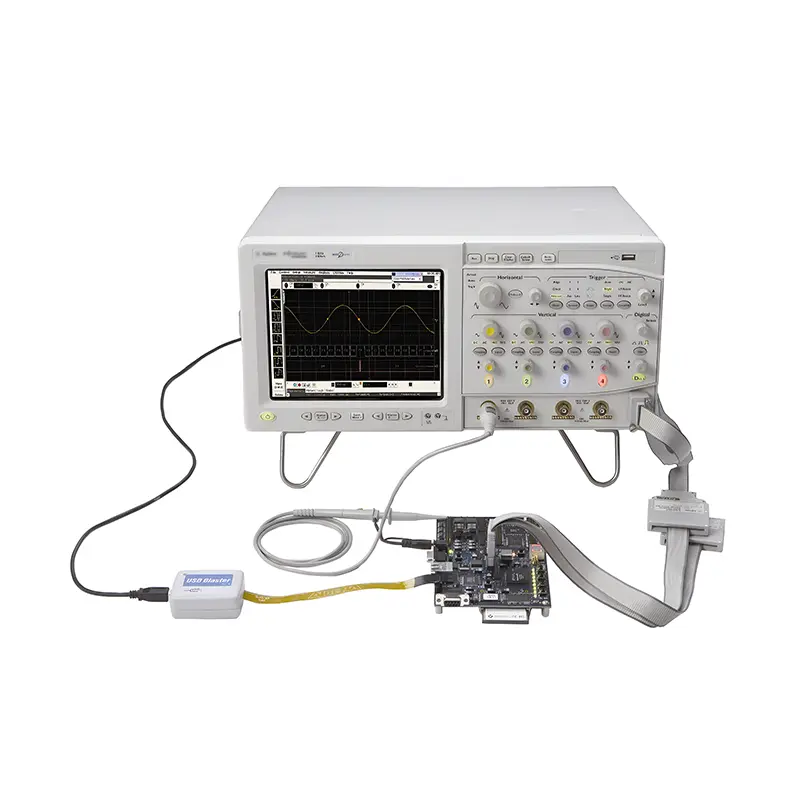 PCBA Testing Service
 Certification Application
 RoHS Certification Application
 REACH Certification Application
 CE Certification Application
 FCC Certification Application
 CQC Certification Application
 UL Certification Application
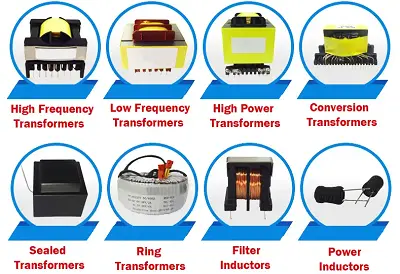 Transformers, Inductors
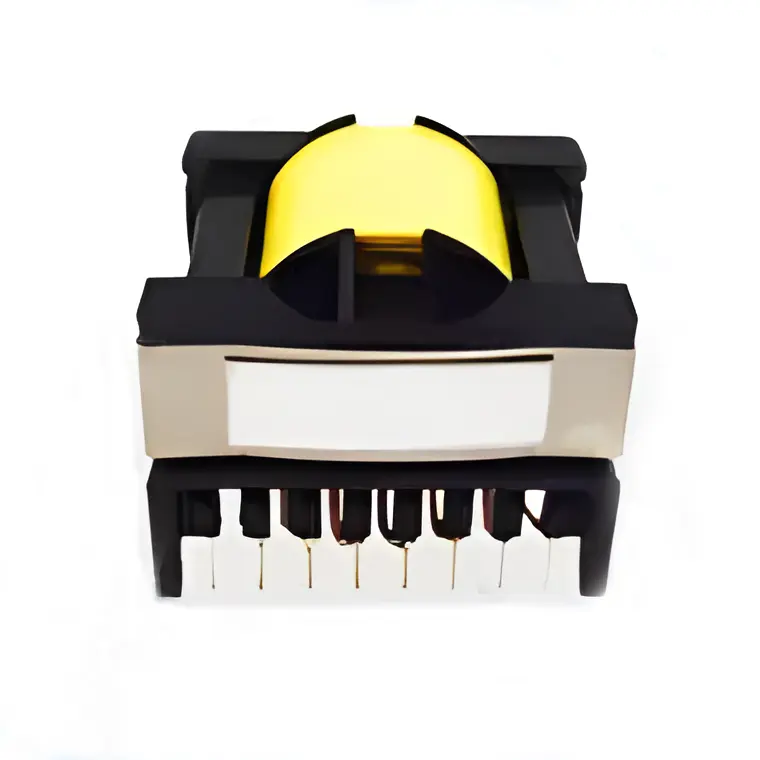 High Frequency Transformers
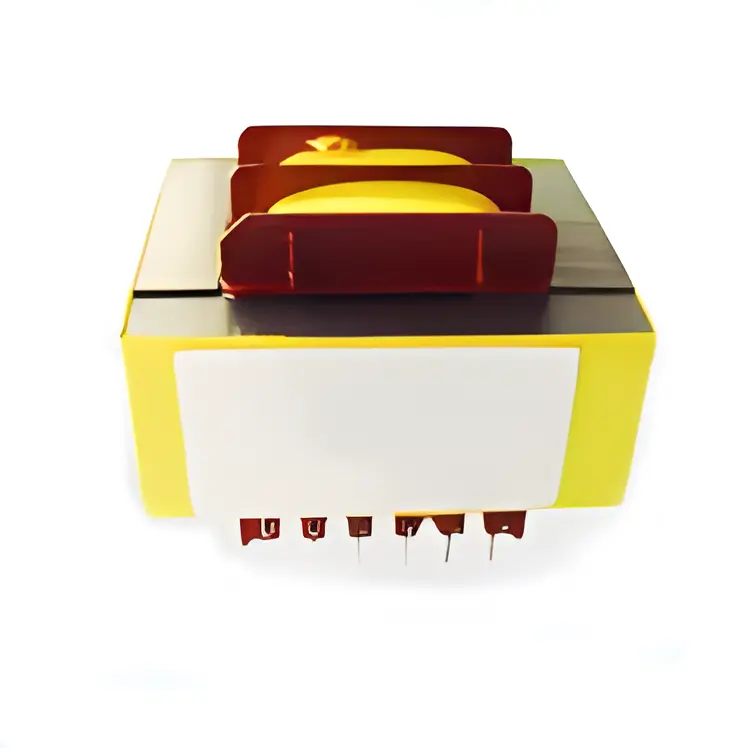 Low Frequency Transformers
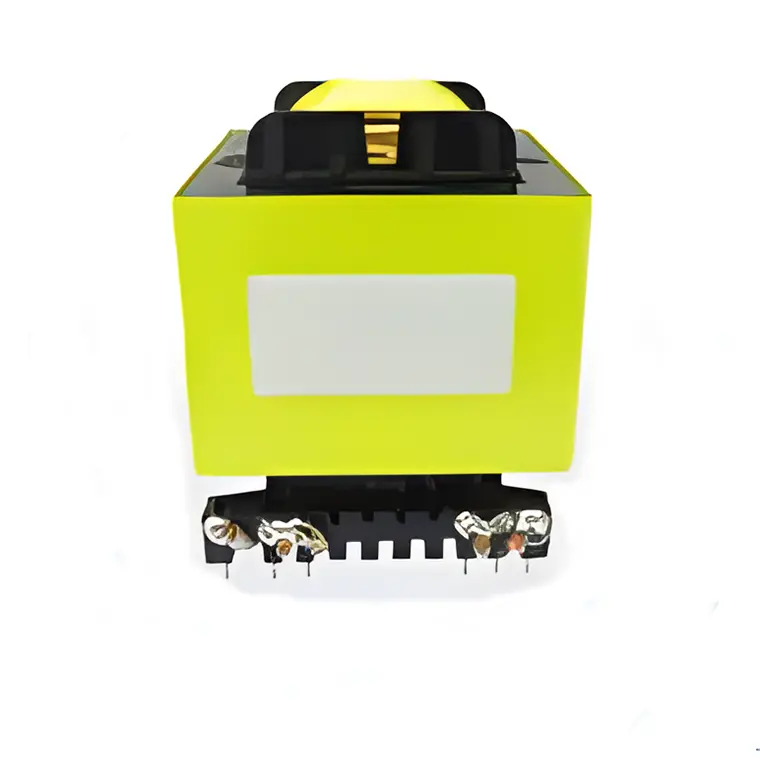 High Power Transformers
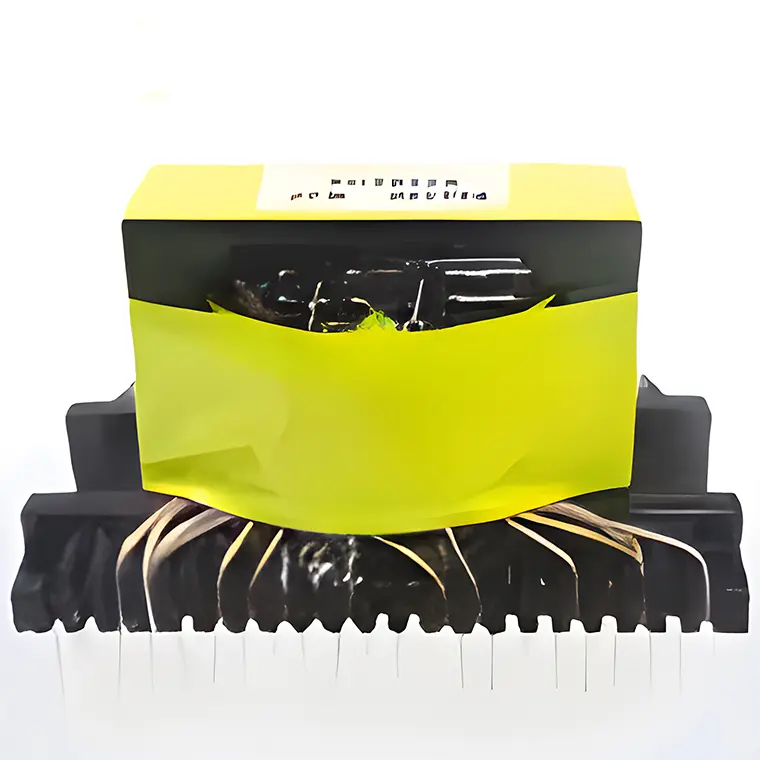 Conversion Transformers
 Sealed Transformers
 Ring Transformers
 Inductors
 Wires,Cables Customized
 Network Cables
 Power Cords
 Antenna Cables
 Coaxial Cables
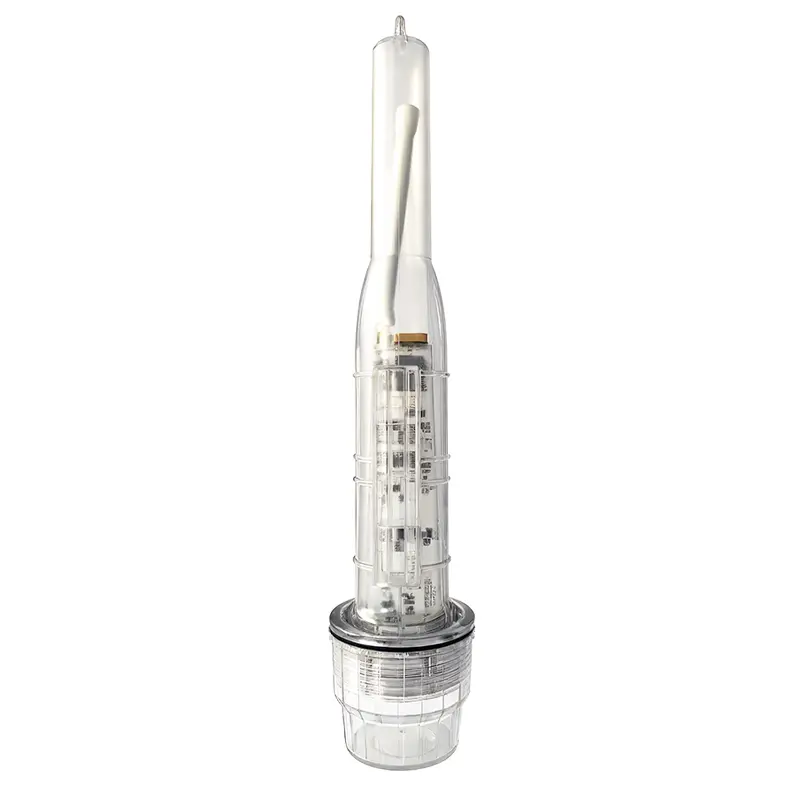 Net Position Indicator
 Solar AIS net position indicator
 Capacitors
 Connectors
 Diodes
 Embedded Processors & Controllers
 Digital Signal Processors (DSP/DSC)
 Microcontrollers (MCU/MPU/SOC)
 Programmable Logic Device(CPLD/FPGA)
 Communication Modules/IoT
 Resistors
 Through Hole Resistors
 Resistor Networks, Arrays
 Potentiometers,Variable Resistors
 Aluminum Case,Porcelain Tube Resistance
 Current Sense Resistors,Shunt Resistors
 Switches
 Transistors
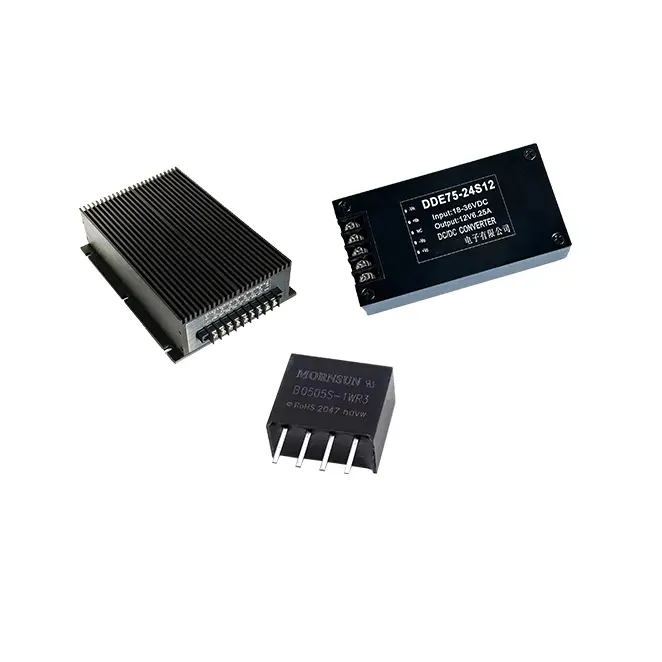 Power Modules
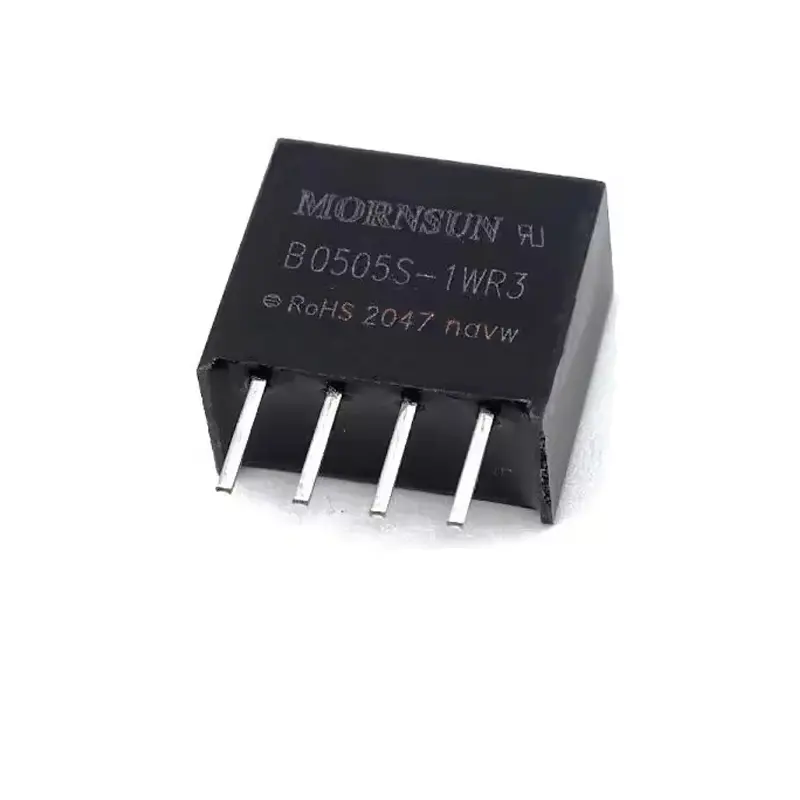 Isolated Power Modules
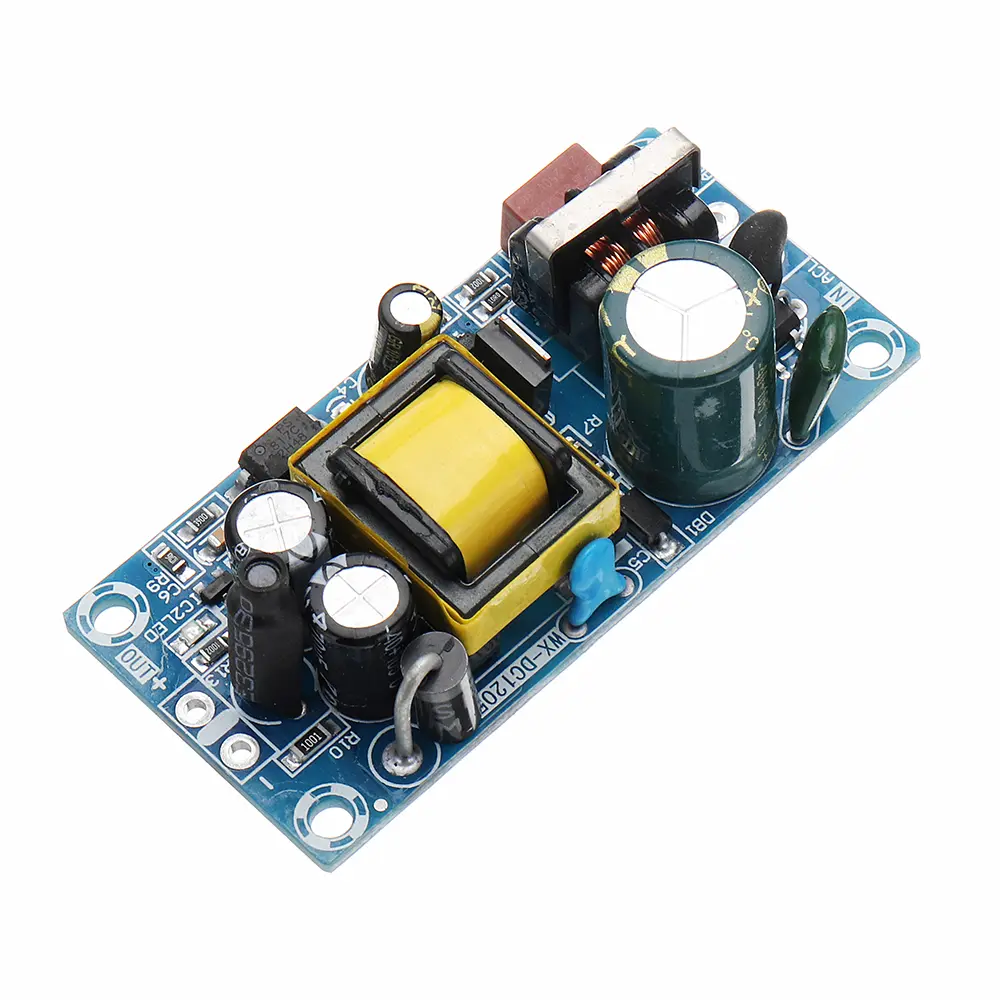 AC-DC Power Modules
 DC-AC Module(Inverter)
 RF and Wireless
Preventing Insulation Layer Cracks from Cutting Stress in Metal Substrates (e.g., Aluminum Substrates)
2025-11-21
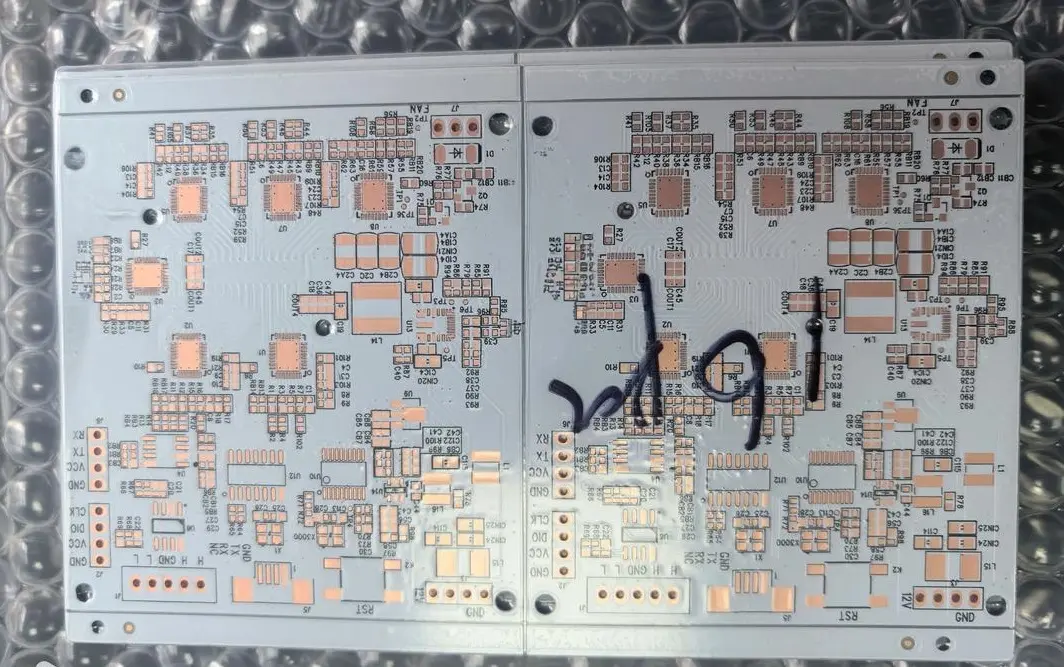
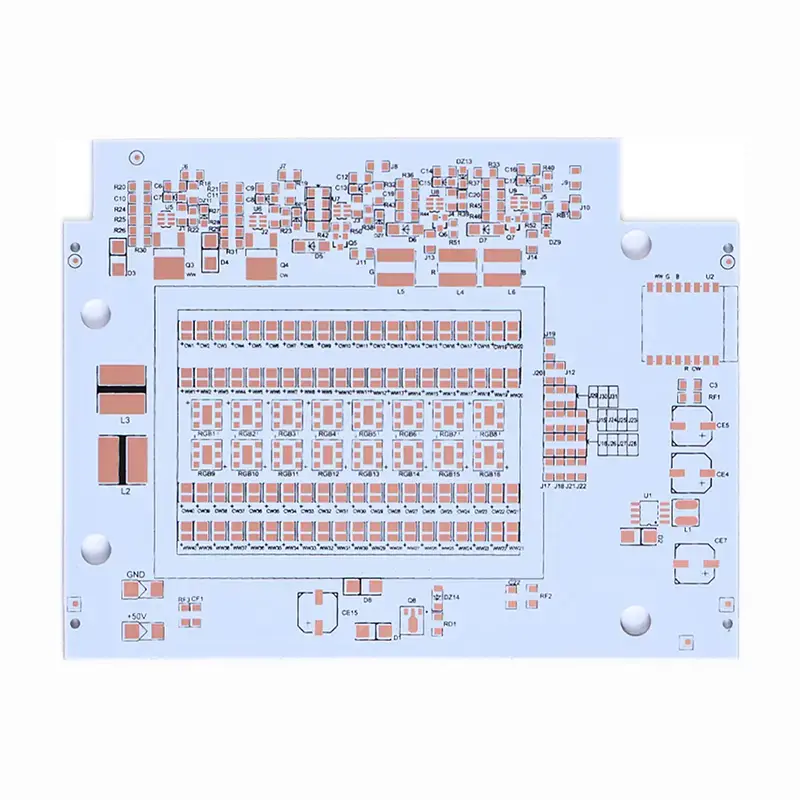
Metal substrates—primarily aluminum substrates—are widely used in high-heat-density applications like LED lighting, automotive electronics, and power modules due to their excellent thermal conductivity. Their sandwich structure (metal core + insulation layer + copper foil) presents a critical challenge: the insulation layer (typically 50–200μm thick, epoxy glass cloth or FEP) has low tear strength (20–30MPa) compared to the metal core (aluminum tensile strength: 110MPa) and copper foil (300MPa). Cutting processes induce mechanical stress that often causes cracks, delamination at the insulation-metal inteRFace, or fiber breakage in the insulation layer, compromising electrical insulation and thermal performance. This article details systematic strategies to avoid such cracks, covering cutting method selection, process optimization, material preparation, and design considerations, aligned with industry standards like IPC-TM-650.
1. Core Causes of Insulation Layer Cracks During Cutting
Understanding stress-induced cracking mechanisms is foundational to targeted prevention:
- Mechanical Stress Concentration: Cutting tools exert compression, shear, or tensile forces on the insulation layer. Rigid contact (e.g., dull blades) causes "extrusion" rather than clean cutting, concentrating stress at the insulation-metal interface—where 80% of cracks originate.
- Thermal Stress: Friction during mechanical cutting generates localized heat (exceeding 150°C for high-speed milling), creating thermal expansion differences between the insulation layer (low thermal conductivity) and metal core (high thermal conductivity). This mismatch induces internal stress and microcracks.
- Material Vulnerabilities: Insufficiently cured insulation resin, moisture absorption, or uneven thickness (<40μm in local areas) reduces fracture resistance. Contaminants (e.g., metal particles) in the insulation layer act as stress concentrators.
- Process Deficiencies: Excessively fast feed rates, improper tool selection, or inadequate cooling amplify stress transfer to the insulation layer. For example, feed speeds above 150mm/min can increase crack rates from 5% to 25%.
2. Optimal Cutting Method Selection: Minimizing Stress Exposure
The choice of cutting method directly determines stress levels—prioritize low-contact or non-contact processes to protect the insulation layer:
2.1 Laser Cutting (Best for High-Precision, Stress-Sensitive Applications)
Laser cutting uses non-contact ablation, eliminating mechanical stress entirely and avoiding insulation layer cracks.
- Key Advantages: No direct tool contact prevents stress transfer; precise beam control (0.1–0.3mm spot diameter) minimizes heat-affected zones (HAZ <50μm); residue-free processing avoids particle-induced secondary damage.
- Optimal Parameters:
- Laser type: Fiber laser (1064nm) or UV laser (355nm) for thin insulation layers (≤100μm).
- Power: 10–30W (adjust based on metal core thickness: 20W for 1.0mm aluminum, 30W for 3.0mm aluminum).
- Cutting speed: 50–150mm/min (slower for thick insulation layers to reduce HAZ).
- Extraction system: High-power (≥200m³/h) extraction to remove ablated particles and gases.
2.2 Precision Milling (Routing) (Widely Used for Mass Production)
Mechanical milling is cost-effective but requires strict parameter control to reduce stress.
- Tool Selection: Use solid carbide tools (TiAlN-coated) with sharp cutting edges (edge radius ≤0.01mm) instead of HSS tools. Carbide tools reduce extrusion forces, lowering crack rates from 12% (HSS) to 3%.
- Optimal Parameters:
- Spindle speed: 15,000–30,000rpm (high speed ensures clean cutting, avoiding "tearing" of the insulation layer).
- Feed rate: 80–120mm/min (avoid exceeding 150mm/min to limit impact stress).
- Cutting depth: 0.2–0.5mm per pass (multi-pass cutting distributes stress, reducing single-cycle load).
2.3 V-Cut (For Straight-Line Cutting of Panelized Substrates)
V-Cut creates a V-groove to concentrate stress during separation, suitable for SIMple shapes but risky for thick insulation layers.
- Critical Controls:
- V-Cut angle: 30–45° (shallower angles reduce stress concentration at the insulation layer).
- Residual thickness: 1/3 of total substrate thickness (e.g., 0.5mm for 1.6mm substrates) to ensure controlled fracture.
- Separation method: Use automated depanelizers instead of manual bending to avoid uneven stress.
3. Process Optimization: Reducing Stress During Cutting
Even with the right method, process tweaks are essential to eliminate crack-inducing stress:
3.1 Cooling and Lubrication
- Avoid Water Cooling: Moisture infiltrates the insulation-metal interface, weakening adhesion and increasing post-cut cracking risk. Water-cooled substrates have 8x higher delamination rates than oil-misted ones.
- Optimal Cooling: Use minimum quantity lubrication (MQL) with dielectric oil mist (flow rate: 5–10ml/h). The mist reduces friction (lowering heat generation) and protects the insulation layer from chemical damage.
3.2 Tool Maintenance
- Replace milling tools regularly: Dull tools (edge wear >0.02mm) increase extrusion force—replace after 20–30 panels for carbide tools.
- Sharpen V-Cut blades monthly to maintain edge sharpness, ensuring clean groove formation without compressing the insulation layer.
3.3 Cutting Sequence
- For multi-layer metal substrates (e.g., aluminum core + double-sided insulation/copper), cut the copper foil and insulation layer first, then the metal core. This avoids the metal core's rigidity transferring stress to the insulation layer.
- For panelized substrates, cut from the copper foil side to the metal core side—reducing direct impact on the insulation layer's surface.
4. Pre-Cutting Preparation: Enhancing Insulation Layer Resistance
Strengthening the insulation layer and substrate before cutting improves crack resistance:
4.1 Substrate Pre-Treatment
- Dry the substrate: Bake at 80–100°C for 2–4 hours to reduce moisture content (≤0.15%). Moisture weakens insulation resin adhesion, making it prone to stress-induced cracking.
- Clean the surface: Remove oil, dust, or fingerprints with isopropyl alcohol (IPA) to prevent tool slippage and uneven stress distribution.
4.2 Insulation Layer Quality Control
- Incoming inspection: Reject substrates with insulation layer defects—uneven thickness (variation >10%), bubbles, or incomplete curing (verified via DSC testing).
- Pre-cure if necessary: For epoxy insulation layers, post-cure at 120–150°C for 1 hour to enhance cross-linking, improving tear strength by 20–30%.
5. Design Optimization: Reducing Stress Concentration
Substrate and panel design can minimize stress during cutting:
- Avoid Sharp Corners: Design cutting paths with rounded corners (radius ≥1.0mm) instead of right angles. Sharp corners concentrate stress 3–5x more than rounded ones, leading to crack initiation.
- Add Stress Relief Grooves: For complex shapes, add 0.3–0.5mm wide stress relief grooves along cutting lines. These grooves absorb cutting stress, preventing propagation to the insulation layer.
- Copper Foil Relief: Remove copper foil 0.5–1.0mm from the cutting line. Copper's high rigidity can transfer stress to the insulation layer—isolating it reduces crack risk.
- Panelization Design: Use stamp holes (0.6–1.0mm diameter, 1.0–1.5mm spacing) for panel separation instead of solid bridges. Stamp holes guide fracture, reducing stress on the insulation layer.
6. Post-Cutting Inspection and Validation
Verify insulation layer integrity to catch potential microcracks:
- Visual and Microscopic Inspection: Use a 50–100x microscope to check for surface cracks, delamination, or fiber breakage—focus on cut edges and corner areas.
- Electrical Testing: Perform insulation resistance testing (≥10¹¹Ω at 500V DC) and breakdown voltage testing (meet IPC-TM-650 2.4.13) to ensure no hidden cracks compromise insulation performance.
- Thermal Cycling Test: Subject substrates to 500 cycles of -40°C to 125°C. No new cracks or delamination indicates stable insulation layer performance under stress.
Preventing insulation layer cracks in metal substrate cutting requires a holistic approach: prioritize non-contact laser cutting for stress-sensitive applications, optimize milling/V-Cut parameters with sharp carbide tools and controlled feed rates, use MQL cooling to reduce heat and friction, and strengthen the insulation layer via pre-drying and quality control. Design tweaks like rounded corners and stress relief grooves further minimize stress concentration. By combining these strategies, manufacturers can reduce insulation layer crack rates to <2%, ensuring metal substrates meet the reliability requirements of high-heat, high-voltage applications such as automotive electronics and LED lighting.