
 PCB
PCB FPC
FPC Rigid-Flex
 FR-4
FR-4 HDI PCB
 Rogers High-Frequency Board
 PTFE Teflon High-Frequency Board
 Aluminum
 Copper Core
 PCB Assembly
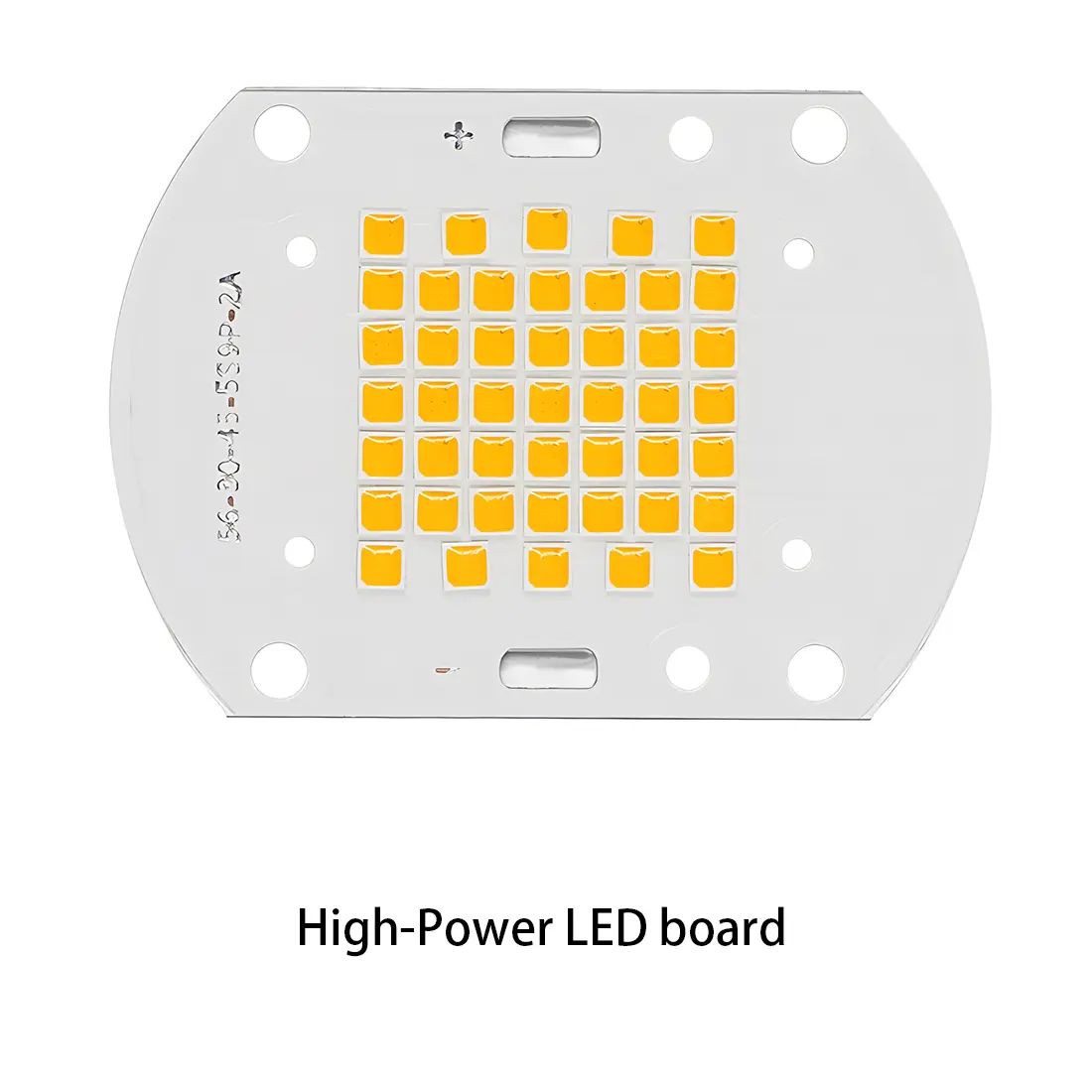 LED light PCBA
 Memory PCBA
 Power Supply PCBA
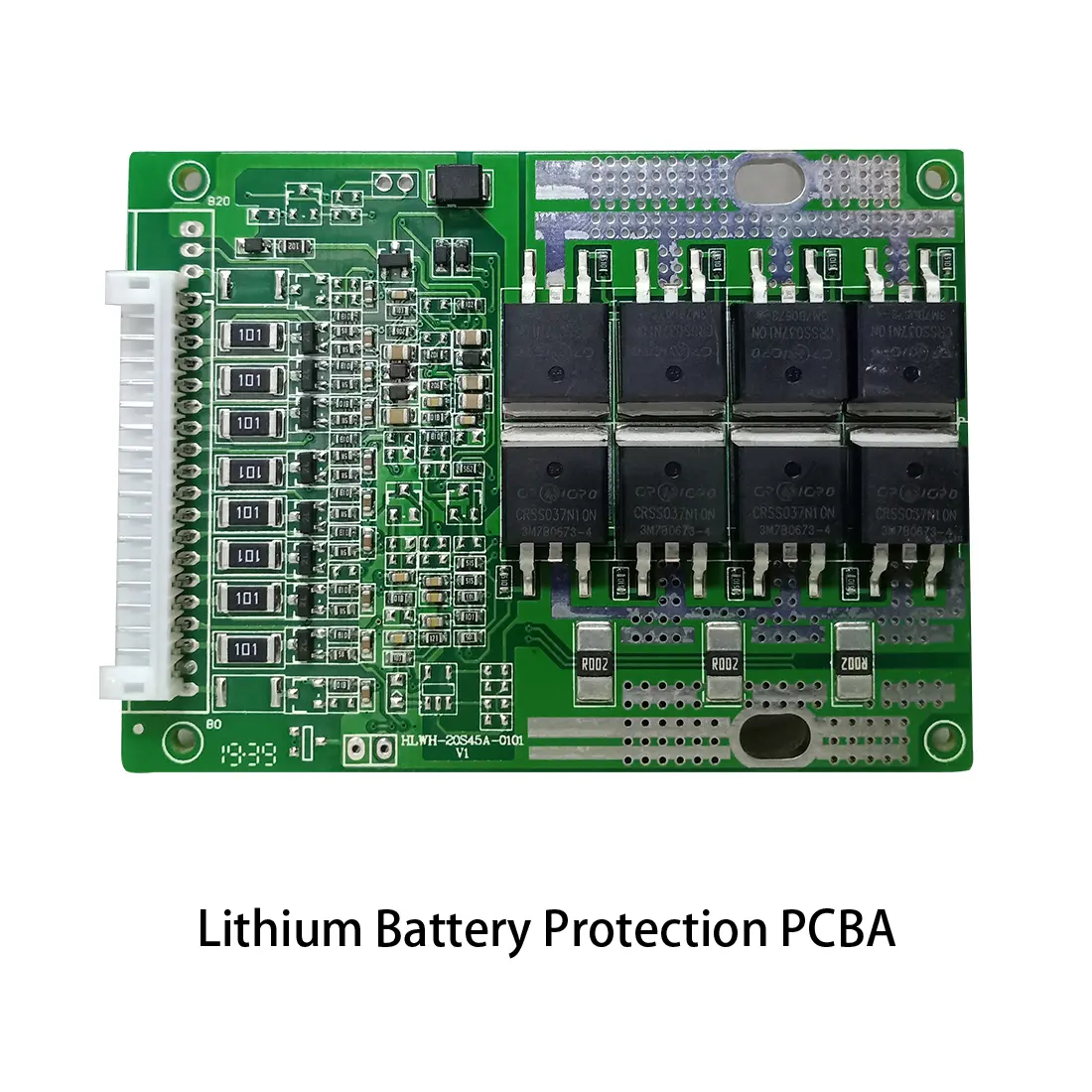 New Energey PCBA
 Communication PCBA
 Industrial Control PCBA
 Medical Equipment PCBA
 Testing Service
 PCBA Testing Service
 Certification Application
 RoHS Certification Application
 REACH Certification Application
 CE Certification Application
 FCC Certification Application
 CQC Certification Application
 UL Certification Application
 Transformers, Inductors
 High Frequency Transformers
 Low Frequency Transformers
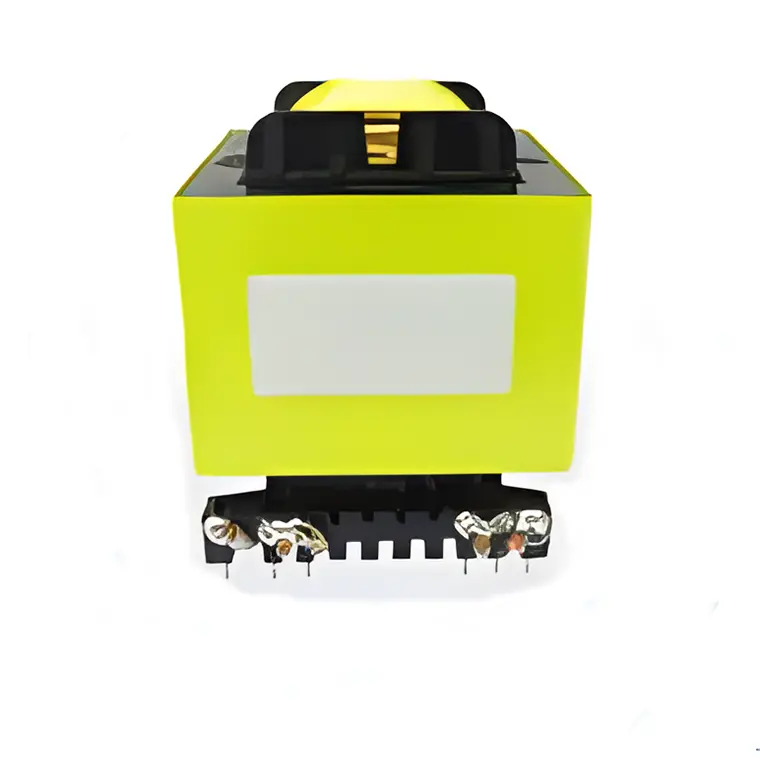 High Power Transformers
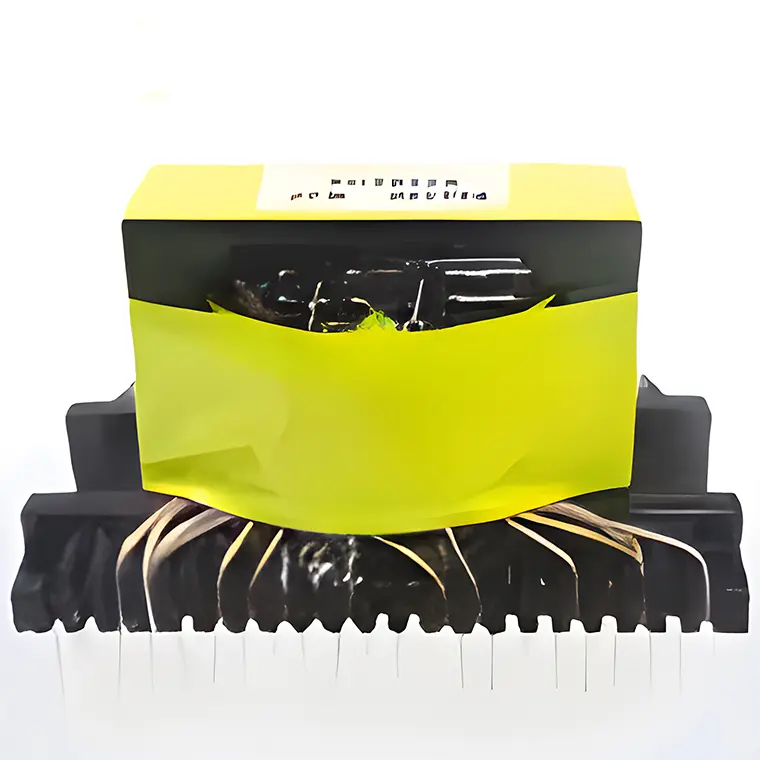 Conversion Transformers
 Sealed Transformers
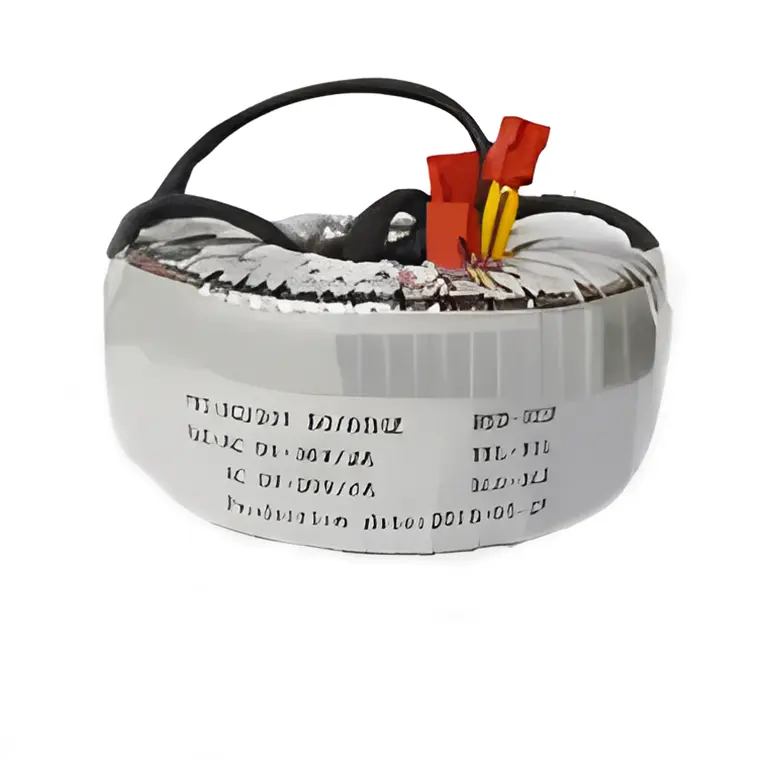 Ring Transformers
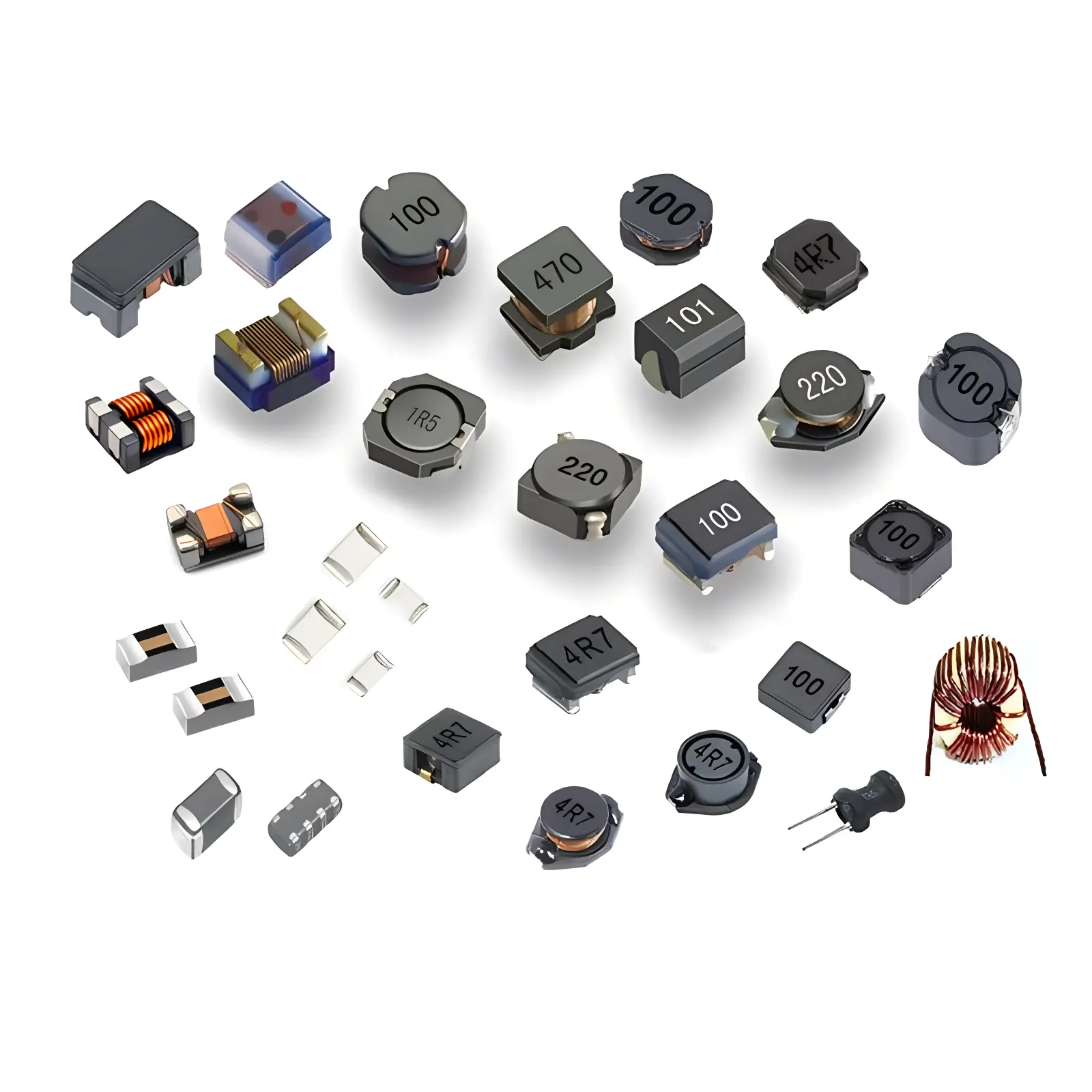 Inductors
 Wires,Cables Customized
 Network Cables
 Power Cords
 Antenna Cables
 Coaxial Cables
 Net Position Indicator
 Solar AIS net position indicator
 Capacitors
 Connectors
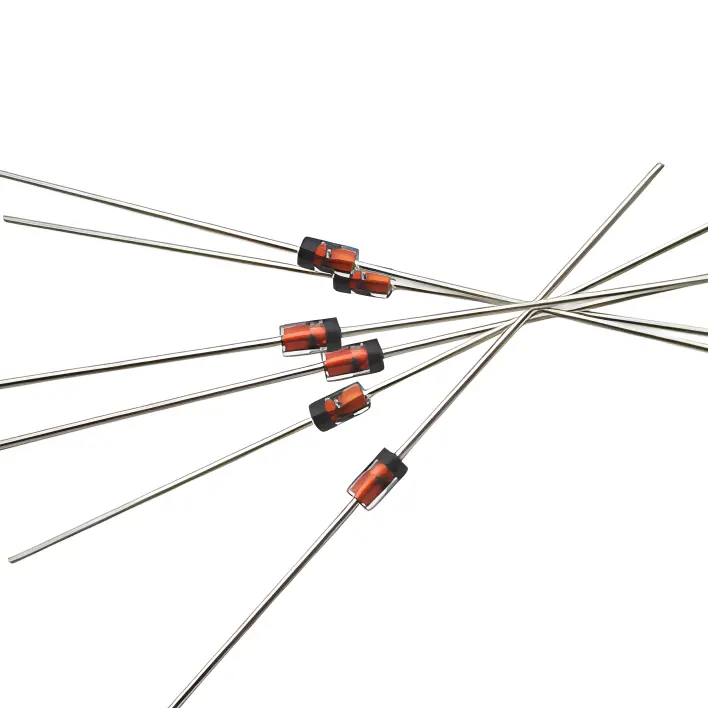 Diodes
 Embedded Processors & Controllers
 Digital Signal Processors (DSP/DSC)
 Microcontrollers (MCU/MPU/SOC)
 Programmable Logic Device(CPLD/FPGA)
 Communication Modules/IoT
 Resistors
 Through Hole Resistors
 Resistor Networks, Arrays
 Potentiometers,Variable Resistors
 Aluminum Case,Porcelain Tube Resistance
 Current Sense Resistors,Shunt Resistors
 Switches
 Transistors
 Power Modules
 Isolated Power Modules
 AC-DC Power Modules
 DC-AC Module(Inverter)
 RF and Wireless
Preventing Excessive Solder Paste Leakage from Plated Through Holes (PTHs) in Pin-in-Hole (PIH) Reflow Soldering
2025-12-31

Pin-in-Hole (PIH) reflow soldering, also known as intrusive reflow soldering, is a critical process in electronic manufacturing that combines the advantages of through-hole technology (THT) and suRFace mount technology (SMT). It enables the soldering of through-hole components (e.g., connectors, capacitors, diodes) using reflow ovens, eliminating the need for wave soldering and reducing production complexity. However, a common and persistent challenge in PIH reflow is excessive solder paste leakage from Plated Through Holes (PTHs) during the reflow stage. This leakage, often referred to as "solder bleed-out" or "paste wicking," occurs when molten solder paste flows out of the PTHs onto the PCB’s bottom surface, leading to a range of defects including solder bridges, cold solder joints, reduced joint strength, and even electrical shorts between adjacent PTHs. In high-reliability applications such as automotive, aerospace, and medical electronics, excessive solder paste leakage can compromise product performance and long-term durability, resulting in costly rework, yield loss, and field failures.
Excessive solder paste leakage in PIH reflow is primarily driven by a combination of factors, including improper solder paste selection, suboptimal stencil design, inadequate PCB and component design, and misconfigured reflow soldering parameters. Each of these factors interacts to influence the flow behavior of molten solder paste, determining whether it remains contained within the PTH to form a robust solder joint or leaks out onto the PCB surface. To effectively mitigate this defect, manufacturers must adopt a systematic approach that addresses all critical process variables, from material selection to post-reflow inspection. This article provides a comprehensive analysis of the root causes of excessive solder paste leakage in PIH reflow, focusing on practical prevention strategies for each stage of the process. It integrates industry standards such as IPC-A-610, IPC-J-STD-001, and IPC-7525, as well as real-world case studies, to validate the proposed strategies and ensure their applicability to high-volume manufacturing environments.
1. Understanding Solder Paste Leakage in PIH Reflow: Mechanisms and Root Causes
Before exploring prevention strategies, it is essential to understand the physical mechanisms that drive solder paste leakage in PIH reflow and the key root causes that exacerbate this defect. Solder paste leakage occurs when the molten solder paste, under the influence of capillary action, gravity, and thermal expansion, flows out of the PTH beyond the acceptable limits (typically no more than 50% of the PCB thickness on the bottom surface, per IPC-A-610). The following sections break down the core mechanisms and root causes of this phenomenon.
1.1 Core Mechanisms of Solder Paste Leakage
Three primary physical mechanisms contribute to solder paste leakage in PIH reflow: capillary action, gravity, and thermal expansion. These mechanisms interact dynamically during the reflow process, determining the extent of leakage:
Capillary Action: Capillary force is the primary driver of solder paste flow within PTHs. When solder paste melts, it wets the copper surfaces of the PTH and the component pin, creating a meniscus that draws the molten solder upward. However, if the capillary force is insufficient to contain the solder paste (e.g., due to oversized PTHs or excessive paste volume), the molten solder will flow downward through the PTH, driven by gravity, and leak onto the bottom surface.
Gravity: Gravity plays a significant role in solder paste leakage, especially for vertical PTHs. During reflow, the molten solder paste, which has a higher density than the surrounding flux, tends to settle downward. If the volume of solder paste is excessive or the PTH’s aspect ratio (hole depth/hole diameter) is unfavorable, gravity will overcome capillary forces, causing the solder to leak out of the bottom of the PTH.
Thermal Expansion: As the PCB and components heat up during reflow, the air trapped inside the PTH expands, creating pressure that pushes the molten solder paste downward. This pressure is amplified if the PTH is partially blocked by solder paste or if the preheat stage is too rapid, leading to excessive leakage. Additionally, thermal expansion mismatch between the component pin, PTH, and PCB can create gaps that allow solder paste to flow out.
1.2 Key Root Causes of Excessive Leakage
While the core mechanisms are consistent, several root causes contribute to excessive solder paste leakage in PIH reflow. These causes can be categorized into four main areas: solder paste selection, stencil design, PCB and component design, and reflow process parameters. Understanding these root causes is critical to developing targeted prevention strategies.
1.2.1 Solder Paste Selection Issues
Solder paste is a complex mixture of solder alloy particles, flux, and additives, and its properties directly influence leakage. Common selection issues include:
Excessive Paste Volume or Incorrect Alloy: Using a solder paste with a high volume of solder particles or an alloy with a low melting point can increase leakage risk. Low-melting-point alloys (e.g., Sn-Bi) melt earlier and flow more freely, while excessive paste volume creates more material to leak out.
Flux Properties Mismatch: Flux plays a critical role in controlling solder flow. Flux with too low a viscosity or poor wetting properties cannot effectively contain the molten solder, leading to leakage. Conversely, flux with too high a viscosity may prevent proper wetting, causing incomplete joint formation and increased pressure buildup inside the PTH.
Paste Ageing or Contamination: Expired or contaminated solder paste (e.g., mixed with moisture, dust, or other contaminants) exhibits inconsistent flow properties, increasing the likelihood of leakage. Ageing flux loses its activity, reducing its ability to control solder flow and wetting.
1.2.2 Stencil Design Deficiencies
Stencil design is a critical factor in controlling the volume and placement of solder paste deposited onto PTHs. Poor stencil design is one of the leading causes of excessive leakage:
Oversized Stencil Apertures: Apertures that are too large relative to the PTH diameter deposit excessive solder paste, which cannot be contained within the PTH during reflow. This is particularly problematic for small-diameter PTHs, where even a slight increase in aperture size can significantly increase paste volume.
Incorrect Aperture Shape or Placement: Apertures that are not aligned with the PTH or have an improper shape (e.g., circular instead of oval for elongated PTHs) can cause uneven paste deposition, leading to localized excess paste and leakage. Misaligned apertures may also deposit paste on the PCB surface around the PTH, which can flow into the hole and contribute to leakage.
Inappropriate Stencil Thickness: Stencil thickness directly determines the volume of solder paste deposited. A stencil that is too thick (e.g., 0.15 mm for small PTHs) deposits excessive paste, while a stencil that is too thin may not provide enough paste to form a robust joint, leading to other defects. The optimal stencil thickness depends on the PTH diameter and component pin size.
1.2.3 PCB and Component Design Flaws
PCB and component design play a foundational role in preventing solder paste leakage. Flaws in design can create conditions that facilitate leakage, even with optimal process parameters:
PTH Diameter and Aspect Ratio Mismatch: PTHs with a diameter that is too large relative to the component pin (e.g., pin diameter 0.5 mm, PTH diameter 1.0 mm) create excessive space for solder paste, increasing leakage risk. Additionally, PTHs with a high aspect ratio (hole depth/hole diameter > 2.5:1) exhibit poor solder paste retention, as capillary forces are insufficient to counteract gravity.
Missing or Improper Thermal Relief Pads: Thermal relief pads are designed to reduce heat transfer around PTHs, preventing excessive heating and solder flow. Missing or improperly sized thermal relief pads can cause the PTH to overheat, leading to increased solder paste flow and leakage.
Component Pin Tolerances: Component pins that are too small (relative to the PTH) or have irregular shapes (e.g., bent, tapered) create gaps that allow solder paste to flow out. Pins with poor surface finish (e.g., oxidation, contamination) may also exhibit poor wetting, leading to uneven solder flow and leakage.
PCB Surface Contamination: PCB surfaces contaminated with oil, dust, or flux residues from previous processes can reduce the wetting of solder paste, causing it to flow uncontrollably and leak out of PTHs.
1.2.4 Reflow Process Parameter Misconfiguration
The reflow soldering profile (temperature vs. time curve) directly influences the flow behavior of solder paste. Misconfigured parameters can exacerbate leakage by altering the melting, wetting, and solidification of the paste:
Rapid Preheat Ramp-Up Rate: A steep preheat ramp-up rate (exceeding 3°C/sec) causes rapid expansion of air trapped inside the PTH, creating pressure that pushes molten solder paste downward. It also fails to activate flux properly, reducing its ability to control solder flow.
Excessive Peak Temperature: A peak temperature that is too high (above the solder paste’s melting point + 15°C) increases the fluidity of the molten solder, making it more prone to leakage. High temperatures also degrade flux, reducing its activity and ability to contain the solder.
Insufficient Dwell Time: Inadequate time spent above the solder paste’s melting point (dwell time < 30 seconds) prevents complete wetting and solder joint formation, leading to uneven solder distribution and leakage. Conversely, excessive dwell time (> 60 seconds) can cause the solder to flow excessively, increasing leakage risk.
Poor Temperature Uniformity: Temperature variations across the PCB (≥ ±5°C) cause uneven melting of solder paste, with some PTHs heating up faster than others. This creates inconsistent flow behavior, leading to localized leakage in overheated areas.
2. Solder Paste Selection: Key Considerations for Leakage Prevention
Selecting the right solder paste is the first step in preventing excessive leakage in PIH reflow. The ideal solder paste should exhibit controlled flow properties, good wetting, and compatibility with the PTH and component design. Below are key considerations for solder paste selection, aligned with IPC-J-STD-005 (Solder Paste Specifications) and industry best practices.
2.1 Solder Alloy Selection
The solder alloy’s melting point, flow properties, and mechanical strength directly influence leakage risk. For PIH reflow, the following alloys are recommended:
Sn-Ag-Cu (SAC) Alloys: SAC alloys (e.g., SAC305, SAC0307) are the most widely used for PIH reflow due to their balanced properties. SAC305 (3.0% Ag, 0.5% Cu, remainder Sn) has a melting point of 217°C and exhibits moderate flowability, making it suitable for most PTH applications. SAC0307 (0.3% Ag, 0.7% Cu) has a slightly lower melting point (215°C) and better flow properties, but may be more prone to leakage if not paired with the right flux.
Sn-Cu Alloys: Sn-Cu alloys (e.g., Sn-0.7Cu) have a higher melting point (227°C) and lower flowability than SAC alloys, making them less prone to leakage. They are ideal for high-reliability applications where leakage risk must be minimized, but require higher reflow temperatures to ensure complete melting.
Avoid Low-Melting-Point Alloys: Low-melting-point alloys (e.g., Sn-Bi, Sn-In) have melting points below 200°C and exhibit high flowability, increasing leakage risk. These alloys should only be used for specific low-temperature applications, with additional leakage prevention measures (e.g., reduced paste volume, optimized stencil design).
2.2 Flux Selection
Flux is the most critical component of solder paste for controlling leakage, as it regulates wetting, solder flow, and oxidation prevention. The ideal flux for PIH reflow should have the following properties:
Optimal Viscosity: Flux viscosity should be between 500-1500 cP at 25°C to ensure proper paste deposition and controlled flow during reflow. Low-viscosity flux (≤ 500 cP) flows too freely, increasing leakage, while high-viscosity flux (≥ 1500 cP) may prevent proper wetting, leading to incomplete joints.
High Activity: Flux activity (ability to remove oxidation) is critical for ensuring good wetting of the PTH and component pin. Medium to high activity flux (per IPC-J-STD-005) is recommended for PIH reflow, as it provides effective oxidation removal without excessive flow.
Controlled Volatility: Flux should exhibit controlled volatility during reflow, with minimal outgassing. Excessive outgassing creates pressure inside the PTH, pushing molten solder paste downward and causing leakage. Low-volatility flux formulations are preferred for PIH applications.
Residue Type: No-clean flux residues are preferred for PIH reflow, as they eliminate the need for post-reflow cleaning (which can introduce additional contamination risks). However, the residue should be non-corrosive and non-conductive to avoid long-term reliability issues. For high-reliability applications, water-soluble flux may be used, but requires thorough cleaning to prevent residue-induced leakage.
2.3 Solder Paste Volume and Particle Size
The volume of solder paste deposited onto PTHs is a critical factor in leakage prevention. The optimal paste volume depends on the PTH diameter, component pin size, and PCB thickness. General guidelines include:
Paste Volume Calculation: The recommended solder paste volume for a PTH is approximately 70-80% of the PTH’s internal volume. This ensures that there is enough paste to form a robust joint without excessive material that can leak out. The PTH’s internal volume can be calculated using the formula: V = πr²h, where r is the PTH radius and h is the PCB thickness.
Particle Size Selection: Solder paste particle size should be compatible with the PTH diameter to ensure uniform paste deposition and flow. For PTHs with a diameter ≤ 1.0 mm, a particle size of Type 4 (20-38 μm) is recommended. For larger PTHs (diameter > 1.0 mm), Type 3 (25-50 μm) particles can be used, but may increase leakage risk if not controlled.
2.4 Solder Paste Storage and Handling
Proper storage and handling of solder paste are essential to maintaining its flow properties and preventing leakage. Key practices include:
Storage Conditions: Solder paste should be stored at 2-8°C to prevent flux ageing and particle oxidation. It should be allowed to reach room temperature (20-25°C) for 2-4 hours before use to avoid moisture condensation, which can alter flow properties.
Shelf Life and Usage: Solder paste should be used within its shelf life (typically 6 months from the manufacturing date). Expired paste should be discarded, as it exhibits inconsistent flow and wetting properties. Once opened, solder paste should be used within 24 hours to prevent contamination and flux degradation.
Mixing and Application: Solder paste should be mixed thoroughly (manually or with a paste mixer) before use to ensure uniform distribution of solder particles and flux. It should be applied to the stencil at a consistent temperature (20-25°C) to maintain optimal viscosity.
3. Stencil Design Optimization: Controlling Solder Paste Deposition
Stencil design is the most controllable factor in preventing excessive solder paste leakage, as it directly regulates the volume and placement of paste deposited onto PTHs. For PIH reflow, stencil design optimization focuses on aperture size, shape, placement, and thickness, aligned with IPC-7525 (Stencil Design Guidelines).
3.1 Aperture Size Optimization
The aperture size is the primary determinant of solder paste volume. For PIH reflow, the aperture size should be carefully matched to the PTH diameter and component pin size to ensure optimal paste volume (70-80% of the PTH’s internal volume). General guidelines for aperture size include:
Aperture Diameter for Circular PTHs: For circular PTHs, the aperture diameter should be 80-90% of the PTH diameter. For example, a PTH with a diameter of 0.8 mm should use an aperture diameter of 0.64-0.72 mm. This reduces the paste volume deposited, preventing excessive leakage while ensuring enough paste to form a robust joint.
Aperture Dimensions for Elongated PTHs: For elongated (oval) PTHs, the aperture should be an oval shape with dimensions 80-90% of the PTH’s length and width. This ensures uniform paste deposition across the PTH, preventing localized excess paste and leakage.
Aperture Reduction for High-Aspect-Ratio PTHs: For PTHs with an aspect ratio > 2:1, the aperture size should be reduced to 75-85% of the PTH diameter to compensate for poor paste retention. This reduces the paste volume, minimizing the risk of leakage due to gravity and pressure buildup.
3.2 Aperture Shape and Design
The aperture shape influences the uniformity of solder paste deposition and the flow of paste into the PTH. For PIH reflow, the following aperture shapes and design modifications are recommended:
Oval Apertures for Circular PTHs: Using oval apertures (instead of circular) for circular PTHs can improve paste deposition uniformity, especially for small-diameter PTHs. The oval shape ensures that paste is deposited evenly around the PTH opening, reducing the risk of localized excess paste and leakage. The oval’s length should be 1.2-1.5 times its width, matching the PTH’s diameter.
Staggered Apertures for Dense PTH Arrays: For PCBs with dense PTH arrays (e.g., Connectors with multiple PTHs), staggered apertures can reduce the risk of solder bridging and leakage. Staggering the apertures ensures that paste deposition is evenly distributed, preventing excess paste from accumulating between adjacent PTHs.
Aperture Taper and Chamfering: Adding a slight taper (0.05-0.10 mm) to the aperture edges (on the stencil’s bottom surface, facing the PCB) improves solder paste release, reducing the risk of paste bridging or uneven deposition. Chamfering the aperture edges (0.02-0.03 mm) also helps to control paste flow into the PTH, minimizing leakage.
3.3 Aperture Placement and Alignment
Aperture alignment with the PTH is critical to preventing uneven paste deposition and leakage. Misaligned apertures can deposit paste on the PCB surface around the PTH, which can flow into the hole and contribute to leakage. Key alignment guidelines include:
Centering Apertures on PTHs: Apertures must be perfectly centered on the PTHs, with a maximum misalignment of ±0.02 mm. This ensures that paste is deposited directly into the PTH, reducing the amount of paste on the PCB surface.
Aperture Offset for Component Pin Offset: If the component pin is offset within the PTH (e.g., due to component tolerances), the aperture can be slightly offset (≤ 0.05 mm) to match the pin’s position. This ensures that paste is deposited around the pin, reducing the gap between the pin and PTH and minimizing leakage.
Avoiding Aperture Overlap with Solder Mask: Apertures should not overlap with the PCB’s solder mask, as this can cause paste to be deposited on the solder mask (which has poor wetting properties). Paste on the solder mask can flow into the PTH, increasing leakage risk. The aperture should be positioned such that there is a 0.05-0.10 mm gap between the aperture edge and the solder mask.
3.4 Stencil Thickness Selection
Stencil thickness directly determines the volume of solder paste deposited. The optimal stencil thickness depends on the PTH diameter, component pin size, and desired paste volume. General guidelines include:
Standard Stencil Thickness: For most PTH applications (diameter 0.5-1.5 mm), a stencil thickness of 0.10-0.12 mm is recommended. This thickness deposits a sufficient paste volume to form a robust joint without excessive leakage.
Thinner Stencils for Small-Diameter PTHs: For PTHs with a diameter ≤ 0.5 mm, a stencil thickness of 0.08-0.10 mm is recommended. Thinner stencils deposit less paste, reducing the risk of leakage in small PTHs where space is limited.
Step Stencils for Mixed-Technology PCBs: For PCBs with both PTH and SMT components, step stencils (stencils with varying thicknesses) can be used. The PTH region uses a thinner stencil (0.10 mm) to prevent leakage, while the SMT region uses a thicker stencil (0.12-0.15 mm) to ensure sufficient paste volume for SMT joints.
4. PCB and Component Design: Foundational Prevention Measures
PCB and component design flaws can create inherent leakage risks that are difficult to mitigate through process optimization alone. To prevent excessive solder paste leakage, PCB and component designs must be optimized for PIH reflow, adhering to IPC-2221 (Generic Standard on Printed Board Design) and IPC-610.
4.1 PTH Design Optimization
PTH design is the most critical aspect of PCB design for PIH reflow. Key optimization strategies include:
Optimal PTH Diameter and Aspect Ratio: The PTH diameter should be 0.10-0.20 mm larger than the component pin diameter to ensure a proper fit while minimizing excess space. For example, a component pin with a diameter of 0.5 mm should use a PTH diameter of 0.6-0.7 mm. The aspect ratio (hole depth/hole diameter) should be ≤ 2.5:1 to ensure good solder paste retention. For PCBs with a thickness of 1.6 mm, the minimum PTH diameter should be 0.64 mm (1.6 mm / 2.5 = 0.64 mm).
Thermal Relief Pads: Thermal relief pads should be incorporated around PTHs to reduce heat transfer. These pads are designed with narrow connections to the main copper plane, preventing the PTH from overheating during reflow. The thermal relief pad diameter should be 1.5-2.0 times the PTH diameter, with 2-4 narrow connections (0.2-0.3 mm wide) to the main plane.
PTH Plating Quality: The PTH plating (typically copper) should be uniform and free of defects (e.g., voids, cracks, oxidation). A plating thickness of 20-30 μm is recommended to ensure good conductivity and wetting. Poor plating quality can reduce solder wetting, leading to uneven flow and leakage.
Bottom-Side Solder Mask Opening: The solder mask opening on the PCB’s bottom surface (opposite the component placement side) should be slightly smaller than the PTH diameter (e.g., 0.05-0.10 mm smaller). This creates a barrier that helps contain the molten solder paste, reducing leakage.
4.2 Component Design and Selection
Component design and selection also influence leakage risk. Key considerations include:
Component Pin Dimensions and Tolerances: Component pins should have a diameter that is 0.10-0.20 mm smaller than the PTH diameter, with tight tolerances (±0.02 mm). Pins that are too small create excessive space for solder paste, while pins that are too large may prevent proper paste deposition. Pins should also have a smooth surface finish (e.g., tin-lead, nickel-gold) to ensure good wetting.
Pin Length and Insertion Depth: The component pin length should be such that the pin extends 0.5-1.0 mm beyond the PCB’s bottom surface when inserted. This ensures that there is enough pin surface area for solder wetting, reducing the risk of leakage. Insertion depth should be consistent across all PTHs to ensure uniform solder joint formation.
Component Body Design: Components with a body that sits flush against the PCB surface (e.g., low-profile connectors) help to contain solder paste, reducing leakage. Components with a gap between the body and PCB surface may allow paste to flow out from under the body, increasing leakage risk.
4.3 PCB Surface Preparation
Proper PCB surface preparation is essential to ensuring good solder wetting and preventing leakage. Key preparation steps include:
Cleaning: PCBs should be cleaned before PIH reflow to remove contaminants (e.g., oil, dust, flux residues) that can reduce wetting. Cleaning methods include ultrasonic cleaning, aqueous cleaning, and plasma cleaning, depending on the contamination type.
Solder Mask Application: The solder mask should be applied uniformly, with no gaps or defects around PTHs. A high-quality solder mask (e.g., epoxy-based) with good adhesion to the PCB surface helps to contain solder paste, reducing leakage.
Surface Finish: The PCB surface finish (e.g., HASL, ENIG, OSP) should be compatible with the solder paste and component pins. ENIG (Electroless Nickel Immersion Gold) and OSP (Organic Solderability Preservative) finishes provide excellent wetting properties, reducing leakage risk. HASL (Hot Air Solder Leveling) finishes should be used with caution, as they may exhibit uneven thickness, leading to inconsistent wetting.
5. Reflow Process Parameter Optimization: Controlling Solder Flow
The reflow soldering profile is a critical factor in preventing excessive solder paste leakage, as it regulates the melting, wetting, and solidification of the paste. Optimizing the reflow profile ensures that the solder paste flows controlledly, forming a robust joint without excessive leakage. Below are key parameter optimizations, aligned with IPC-J-STD-001 and industry best practices.
5.1 Preheat Stage Optimization
The preheat stage is designed to activate flux, remove moisture, and uniformly heat the PCB and components. A well-optimized preheat stage reduces pressure buildup inside PTHs and ensures controlled solder flow:
Ramp-Up Rate: The preheat ramp-up rate should be 1-2°C/sec from room temperature to the soak temperature. A slow ramp-up rate allows air trapped inside PTHs to expand gradually, reducing pressure buildup. Rapid ramp-up rates (> 3°C/sec) cause sudden air expansion, pushing molten solder paste downward and causing leakage.
Preheat Temperature and Duration: The preheat stage should raise the PCB temperature to 120-150°C (flux activation range) and maintain this temperature for 60-120 seconds. This ensures complete flux activation, which is critical for controlling solder flow. Inadequate preheat time (≤ 40 seconds) leaves flux inactive, reducing its ability to contain solder, while excessive preheat time (≥ 150 seconds) degrades flux, leading to poor wetting.
5.2 Soak Stage Optimization
The soak stage (activation stage) is designed to ensure uniform heating of the PCB and components, minimizing temperature gradients that can cause uneven solder flow. Key optimizations include:
Soak Temperature: The soak temperature should be 150-170°C, slightly above the flux activation temperature. This ensures that flux is fully activated and any remaining moisture is evaporated. A soak temperature that is too low (≤ 140°C) leaves flux inactive, while a temperature that is too high (≥ 180°C) degrades flux.
Soak Duration: The soak duration should be 40-90 seconds, depending on the PCB’s thermal mass. Thicker PCBs (≥ 2.0 mm) or PCBs with high thermal mass components (e.g., BGAs, transformers) require a longer soak time (70-90 seconds) to ensure uniform heating. Temperature uniformity during the soak stage should be ≤ ±3°C, verified using a thermal profiler.
5.3 Reflow Stage Optimization
The reflow stage is where solder paste melts and forms a solder joint. Optimizing this stage is critical to preventing excessive leakage:
Peak Temperature: The peak temperature should be 240-250°C for SAC alloys (23-33°C above the melting point of 217°C). This ensures complete melting of the solder paste while minimizing excessive flow. A peak temperature that is too low (≤ 235°C) results in incomplete melting and poor joint formation, while a temperature that is too high (≥ 255°C) increases solder fluidity, leading to leakage.
Dwell Time: The dwell time (time above the solder paste’s melting point) should be 30-60 seconds. This provides sufficient time for the solder to wet the PTH and component pin, forming a uniform joint. Inadequate dwell time (≤ 20 seconds) leads to incomplete wetting and uneven solder distribution, while excessive dwell time (≥ 70 seconds) causes the solder to flow excessively, increasing leakage risk.
Ramp-Up to Peak Temperature: The ramp-up rate from the soak temperature to the peak temperature should be 1-2°C/sec. A slow ramp-up rate ensures uniform melting of solder paste across all PTHs, reducing temperature gradients and localized leakage. Rapid ramp-up rates (> 3°C/sec) cause uneven melting, leading to excessive flow in overheated areas.
5.4 Cooling Stage Optimization
While the cooling stage does not directly cause leakage, it influences solder joint solidification and strength. A well-optimized cooling stage prevents thermal shock and ensures proper joint formation:
Ramp-Down Rate: The cooling rate from the peak temperature to 150°C should be 2-4°C/sec. This controlled cooling ensures that the solder solidifies uniformly, reducing the risk of joint cracks and ensuring that the solder remains contained within the PTH. Rapid cooling rates (> 5°C/sec) cause thermal shock, leading to joint defects, while slow cooling rates (≤ 1°C/sec) allow excessive solder flow, increasing leakage risk.
Final Cooling: The PCB should be cooled to room temperature naturally or using forced air (≤ 25°C) after the reflow stage. Avoid quenching the PCB in cold water, as this can cause thermal shock and component damage.
6. Additional Prevention Measures: Process Control and Inspection
In addition to material selection, stencil design, and process optimization, implementing robust process control and inspection measures is essential to preventing excessive solder paste leakage in PIH reflow. These measures help to identify and correct issues early in the production process, reducing yield loss and rework costs.
6.1 Process Control Measures
Solder Paste Inspection (SPI): SPI machines should be used to verify the volume and placement of solder paste deposited onto PTHs. SPI measures the paste volume, height, and area, ensuring that it is within the optimal range (70-80% of the PTH’s internal volume). Out-of-specification paste volumes should trigger immediate adjustments to the stencil or paste application parameters.
Thermal Profiling: Thermal profiling should be performed regularly (e.g., at the start of each shift, after process changes) to verify reflow profile parameters. Multiple sensors should be placed across the PCB, including near critical PTHs and high-thermal-mass components, to ensure temperature uniformity.
Statistical Process Control (SPC): SPC tools should be used to monitor leakage rates and process parameters over time. Control charts (e.g., X-bar/R charts) can identify trends and deviations, allowing for proactive adjustments before defects become widespread.
6.2 Inspection and Quality Assurance
Visual Inspection: Visual inspection should be performed after reflow using a stereo microscope (10-40x magnification) to check for excessive solder paste leakage. Leakage is considered excessive if the solder extends more than 50% of the PCB thickness on the bottom surface (per IPC-A-610). Visual inspection should focus on critical areas, such as dense PTH arrays and high-reliability components.
X-Ray Inspection: X-ray inspection should be used for hidden PTHs (e.g., under components) to verify solder joint quality and detect hidden leakage. X-ray images can reveal solder volume, joint formation, and any leakage that is not visible during visual inspection.
Solder Joint Strength Testing: Solder joint strength testing (e.g., pull testing, shear testing) should be performed periodically to verify joint integrity. Weak joints may indicate insufficient solder volume or excessive leakage, requiring process adjustments.
7. Case Study: Reducing Solder Paste Leakage in PIH Reflow for Automotive Connectors
An automotive electronics manufacturer was experiencing a 12% leakage rate in PIH reflow for a high-reliability connector (16 PTHs, 0.8 mm diameter, PCB thickness 1.6 mm). The leakage was causing solder bridges between adjacent PTHs on the PCB’s bottom surface, leading to electrical shorts and field failures. A root cause analysis identified the following issues:
1. Stencil Design: The stencil apertures were 0.8 mm (same as the PTH diameter), depositing excessive solder paste (100% of the PTH’s internal volume).
2. Solder Paste Selection: The manufacturer was using a low-viscosity flux (500 cP) with SAC0307 alloy, which exhibited high flowability.
3. Reflow Profile: The preheat ramp-up rate was 3.5°C/sec, causing rapid air expansion inside PTHs, and the peak temperature was 255°C, increasing solder fluidity.
4. PCB Design: The PTH aspect ratio was 2:1 (1.6 mm thickness / 0.8 mm diameter), and thermal relief pads were missing around the PTHs.
7.1 Implemented Prevention Strategies
Based on the root cause analysis, the following strategies were implemented:
1. Stencil Design Optimization: The aperture diameter was reduced to 0.7 mm (87.5% of the PTH diameter), and oval apertures (0.7 mm × 0.9 mm) were used to improve paste deposition uniformity. The stencil thickness was reduced from 0.12 mm to 0.10 mm to further reduce paste volume.
2. Solder Paste Change: The solder paste was changed to SAC305 alloy with a medium-viscosity flux (1000 cP), reducing flowability while maintaining good wetting.
3. Reflow Profile Optimization: The preheat ramp-up rate was reduced to 1.5°C/sec, the peak temperature was lowered to 245°C, and the dwell time was adjusted to 45 seconds. Thermal profiling confirmed temperature uniformity of ±3°C across the PCB.
4. PCB Design Modification: Thermal relief pads (1.2 mm diameter, 4 narrow connections) were added around each PTH, and the PTH diameter was slightly increased to 0.85 mm to reduce the aspect ratio to 1.88:1.
7.2 Results
After implementing the optimization strategies, the manufacturer achieved the following results:
1. Solder paste leakage rate reduced from 12% to 0.8% (93.3% reduction).
2. Solder bridge defects eliminated completely.
3. Solder joint strength increased by 25% (verified via pull testing).
4. Field failure rate reduced from 5% to 0.1% (98% reduction).
This case study demonstrates that a systematic approach addressing stencil design, solder paste selection, reflow parameters, and PCB design can effectively mitigate excessive solder paste leakage in PIH reflow, improving product reliability and reducing costs.
Excessive solder paste leakage from PTHs in PIH reflow is a costly defect that can compromise product reliability and performance. Preventing this defect requires a systematic approach that addresses all critical process variables, from solder paste selection and stencil design to PCB/component design and reflow parameter optimization. By understanding the core mechanisms and root causes of leakage, manufacturers can implement targeted strategies to control solder paste volume, flow, and wetting, ensuring that molten solder remains contained within the PTH to form robust joints.
Key prevention strategies include selecting solder paste with optimal flow properties and flux viscosity, optimizing stencil design to deposit the correct paste volume (70-80% of the PTH’s internal volume), designing PCBs and components with appropriate PTH dimensions and thermal relief pads, and configuring reflow profiles with slow ramp-up rates, optimal peak temperatures, and sufficient dwell times. Additionally, implementing robust process control measures (SPI, thermal profiling) and inspection (visual, X-ray) helps to identify and correct issues early, reducing yield loss and rework costs.