
 PCB
PCB FPC
FPC Rigid-Flex
 FR-4
FR-4 HDI PCB
 Rogers High-Frequency Board
 PTFE Teflon High-Frequency Board
 Aluminum
 Copper Core
 PCB Assembly
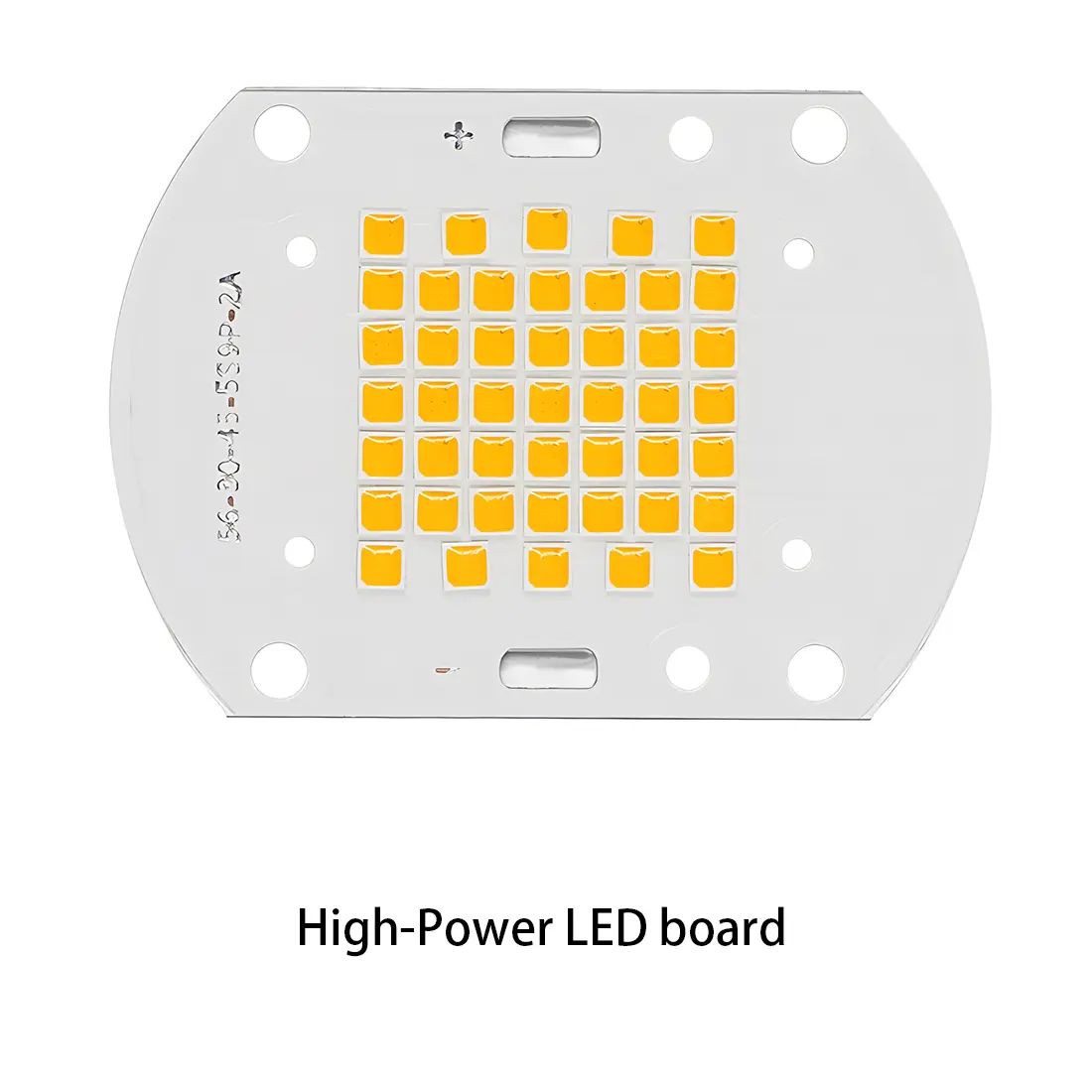 LED light PCBA
 Memory PCBA
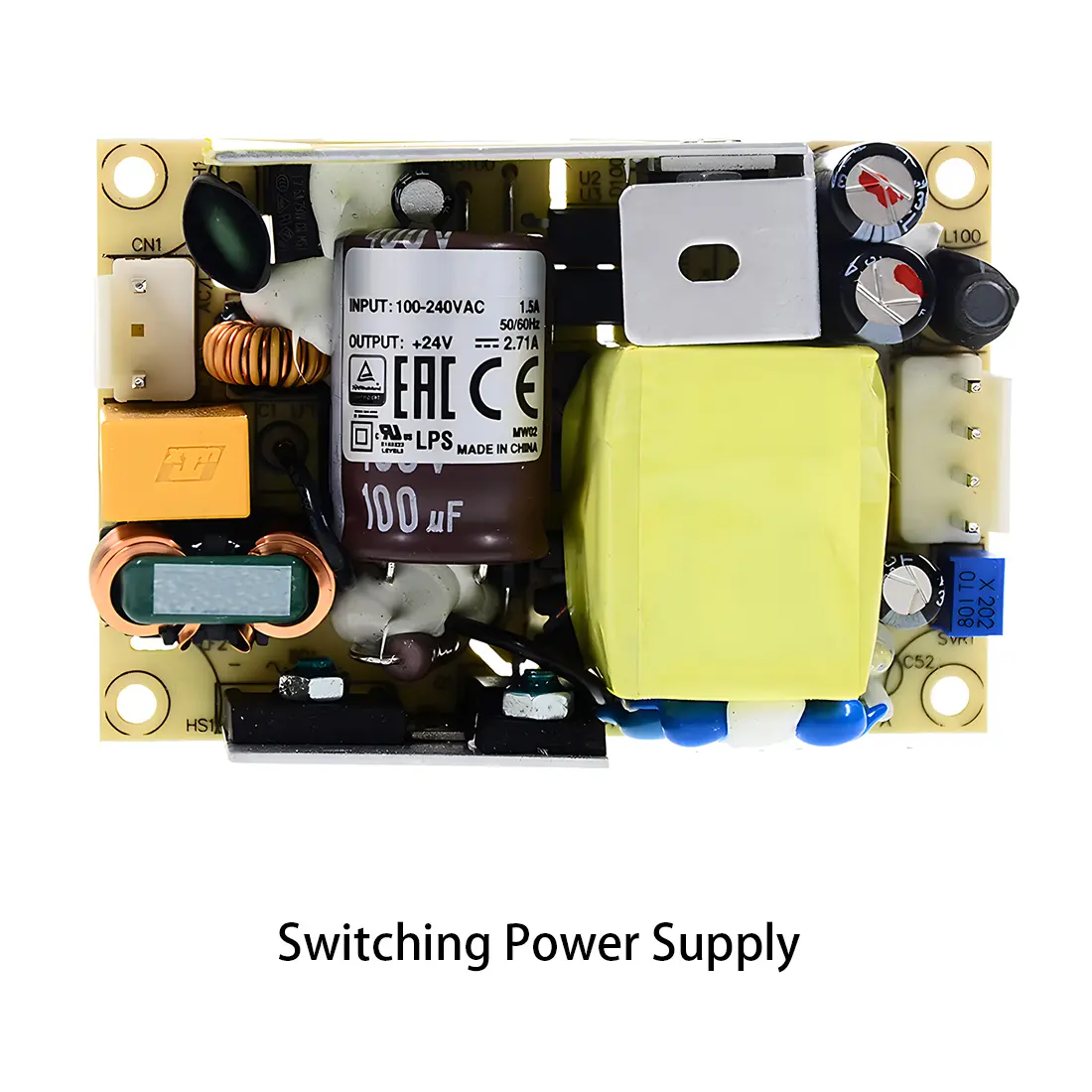 Power Supply PCBA
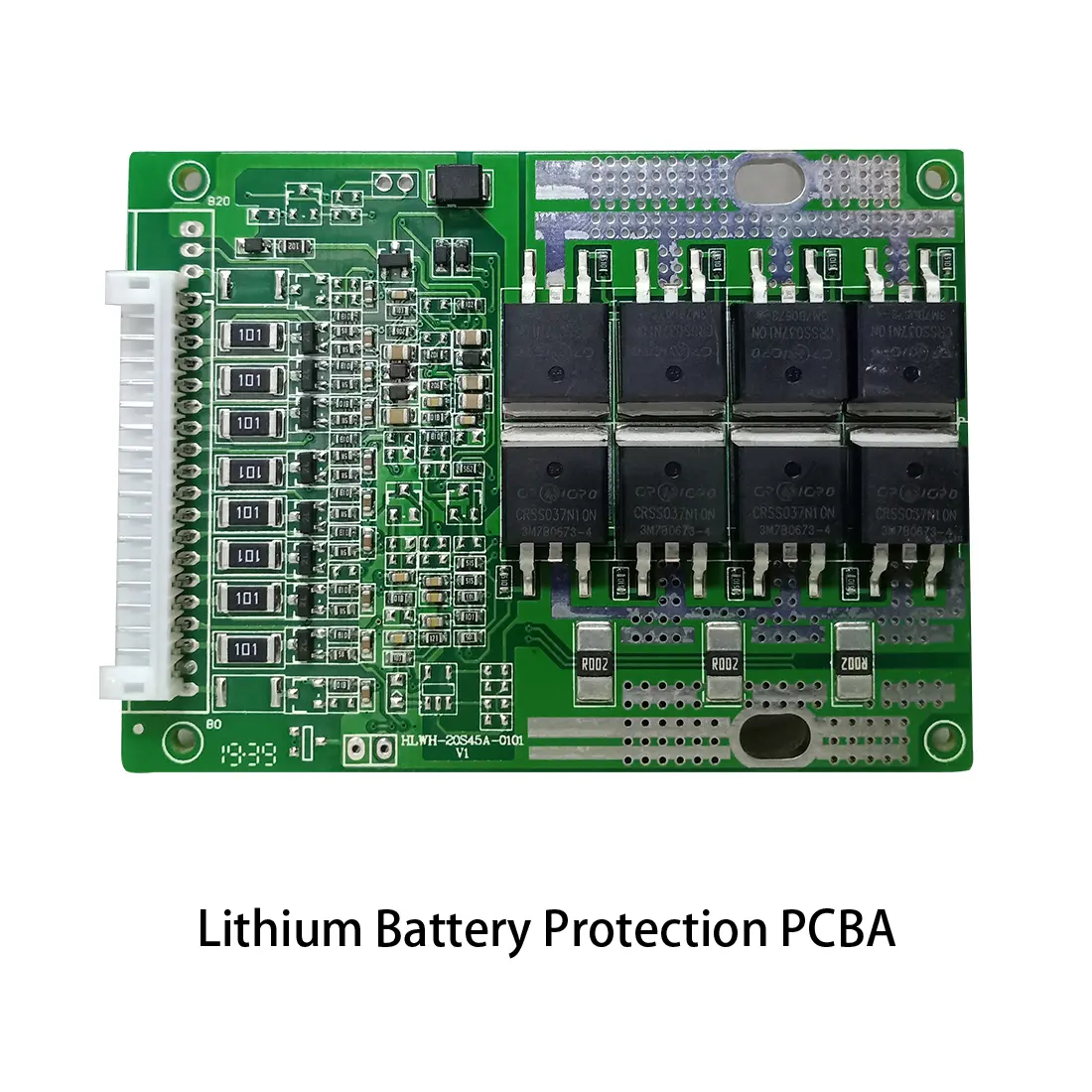 New Energey PCBA
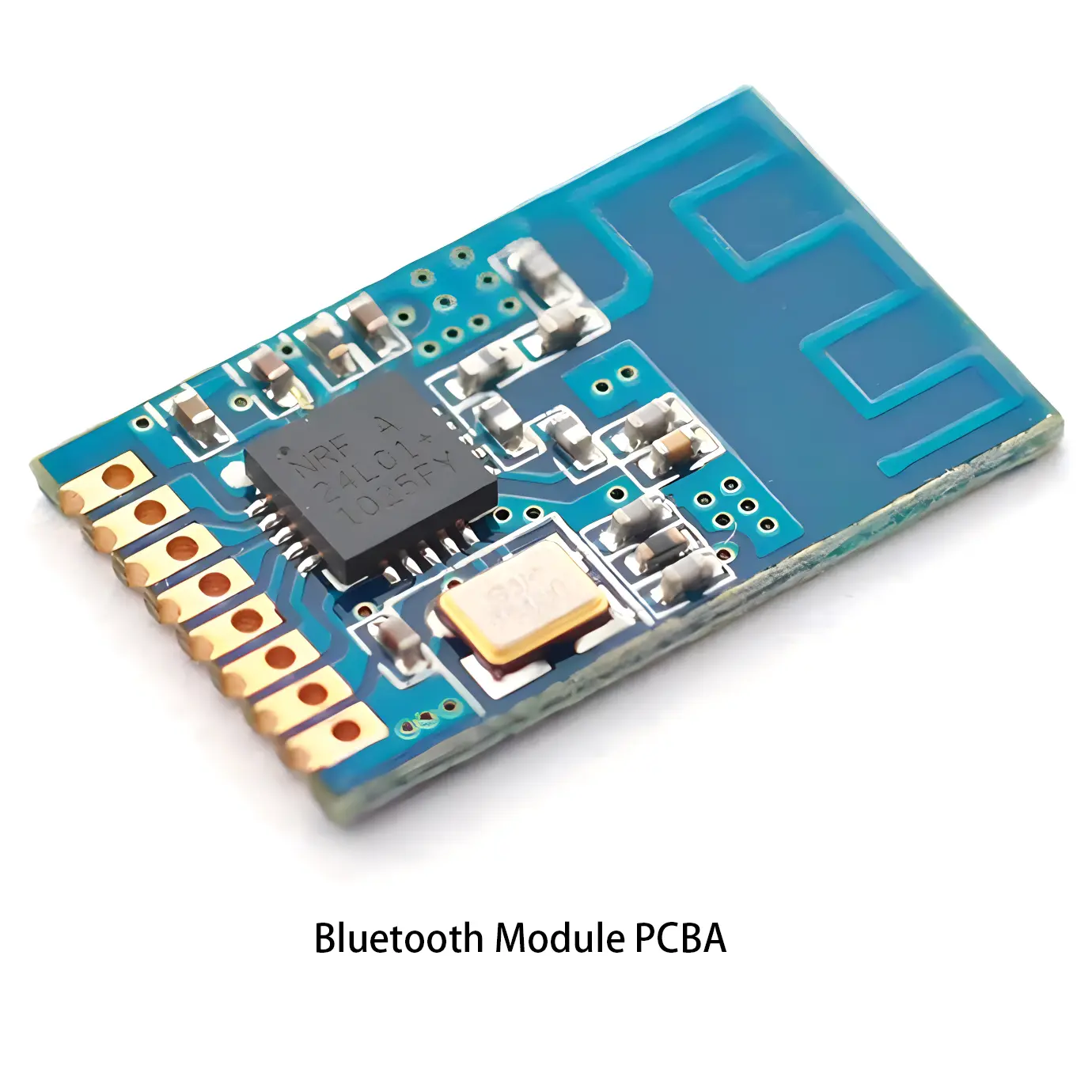 Communication PCBA
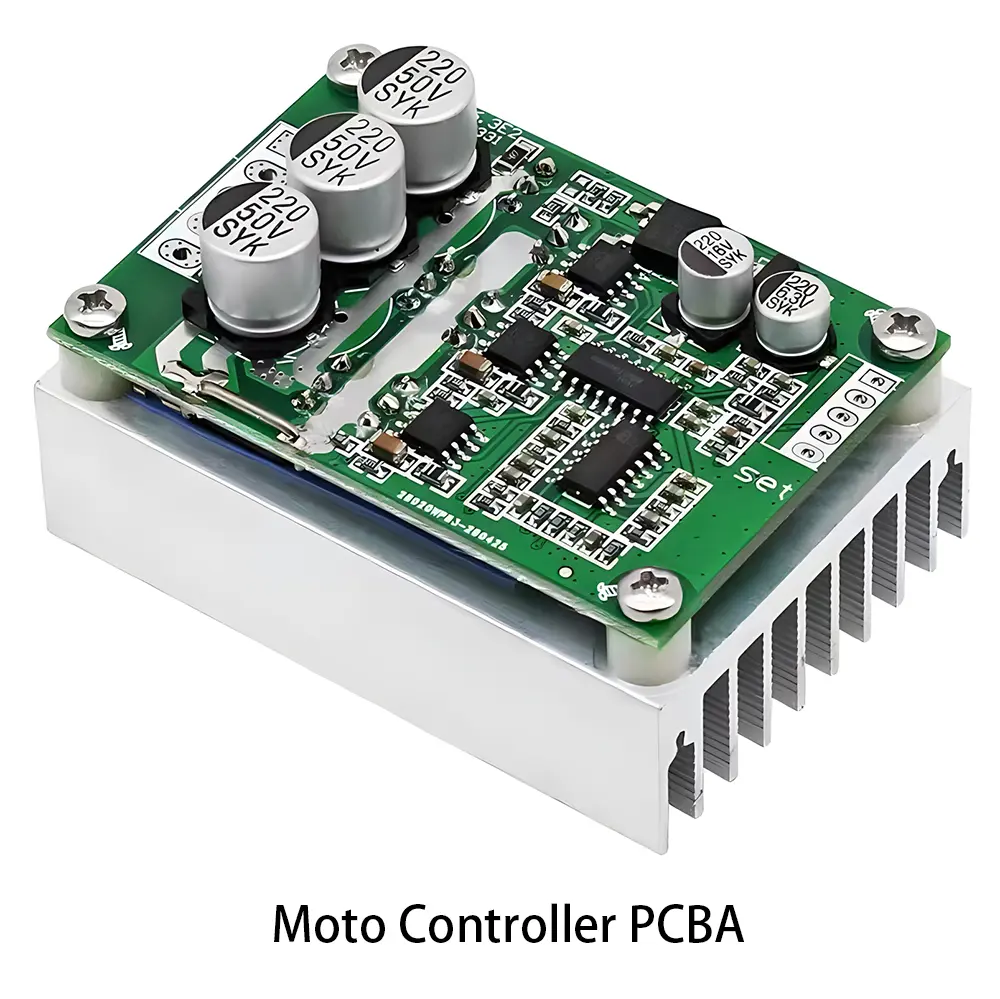 Industrial Control PCBA
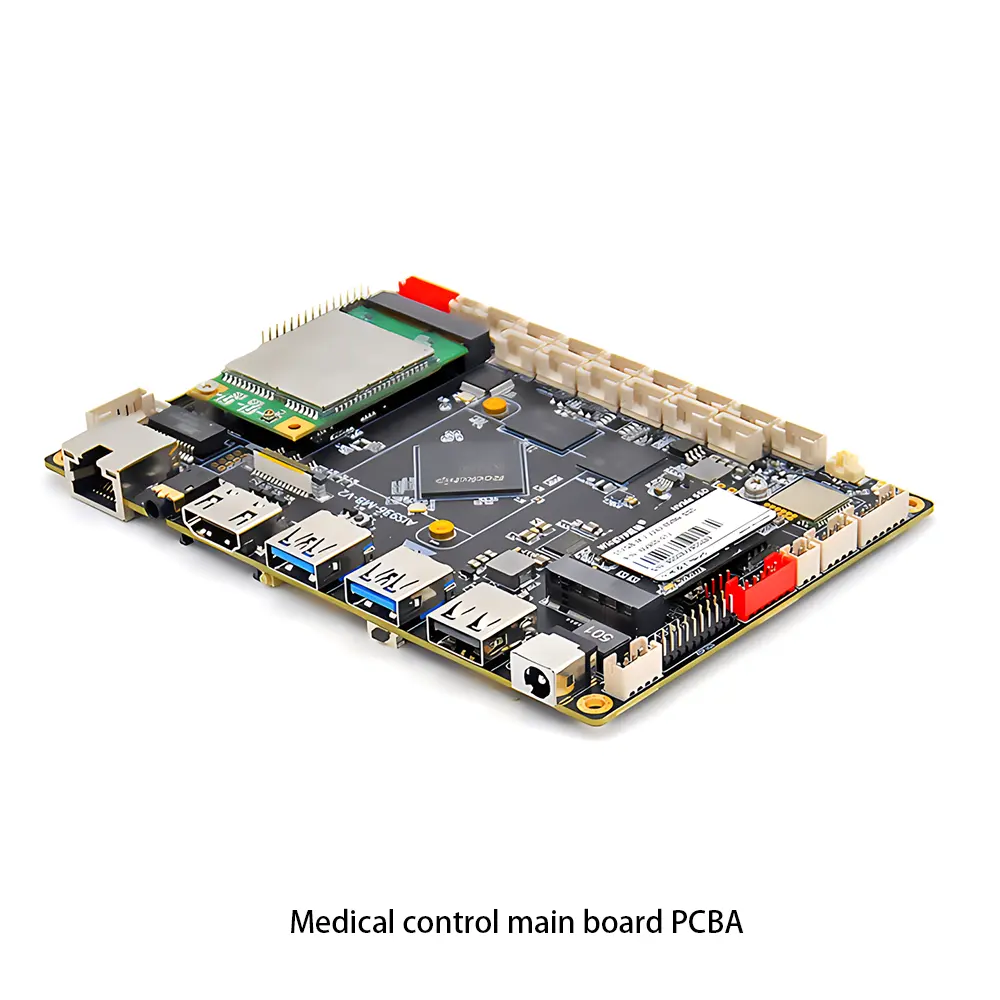 Medical Equipment PCBA
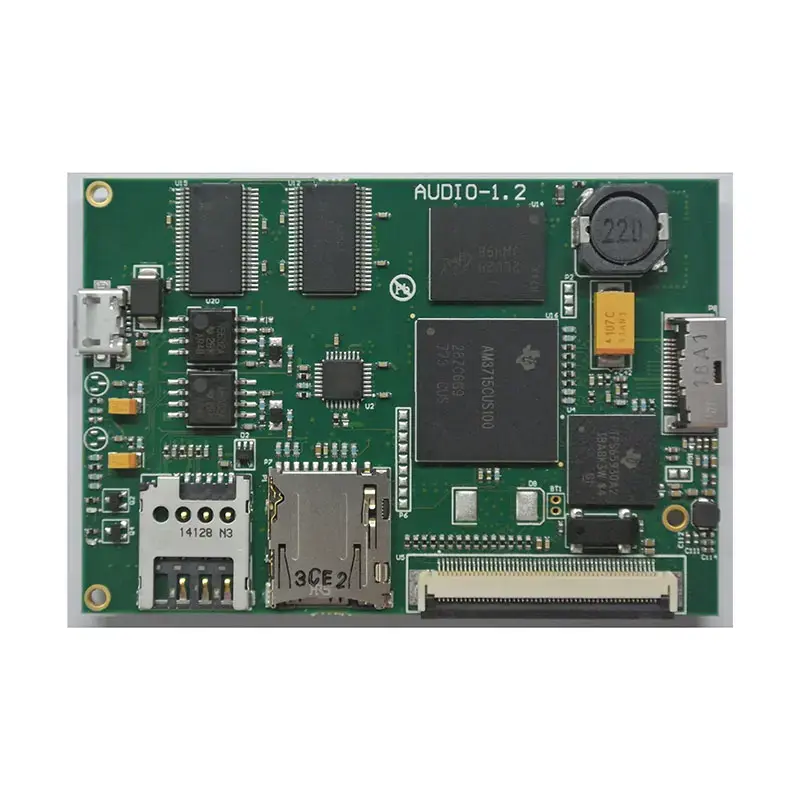 Testing Service
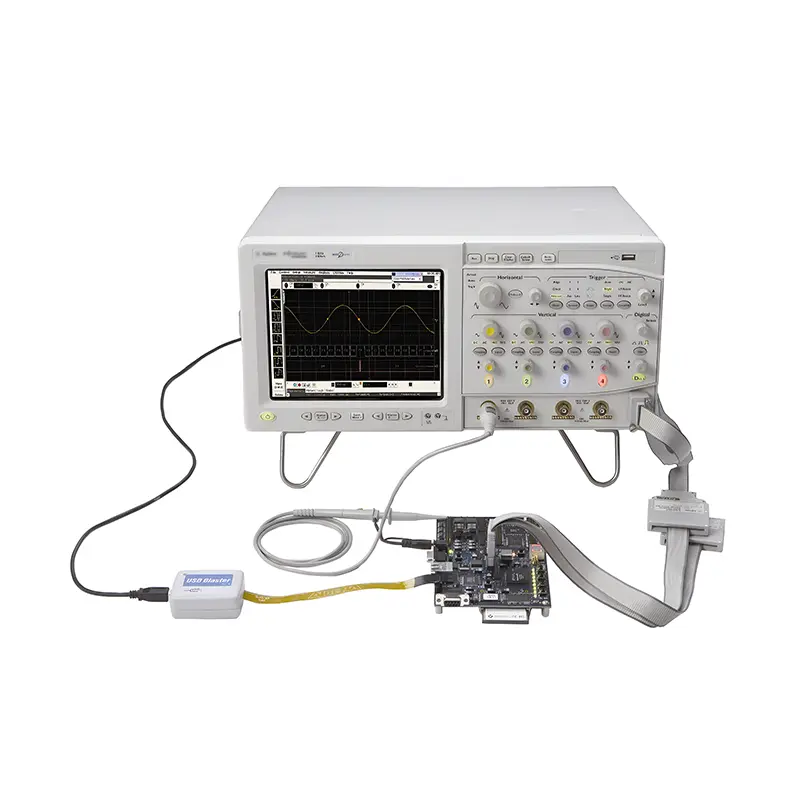 PCBA Testing Service
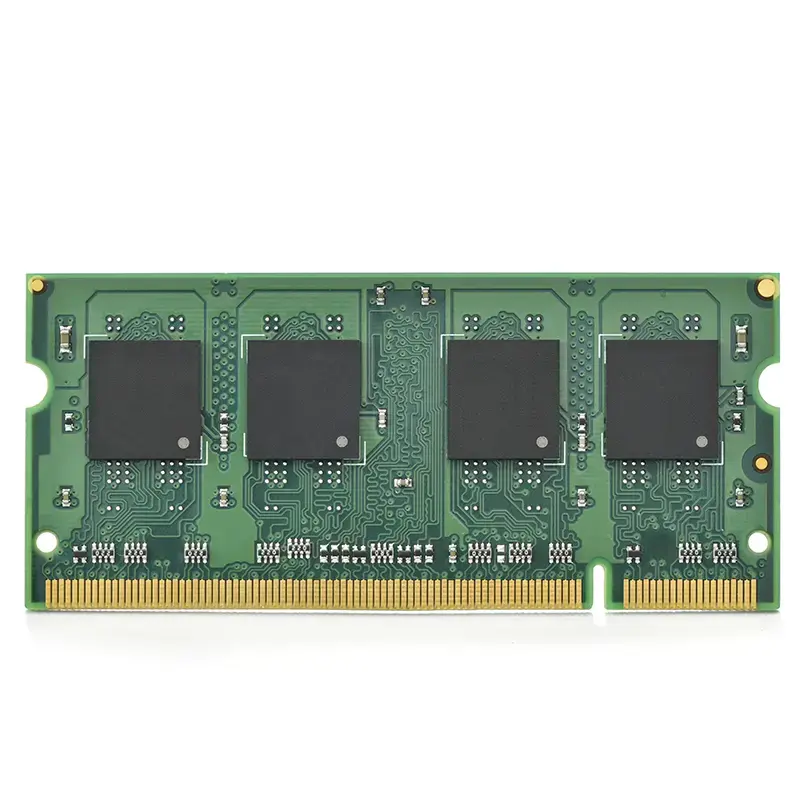 Certification Application
 RoHS Certification Application
 REACH Certification Application
 CE Certification Application
 FCC Certification Application
 CQC Certification Application
 UL Certification Application
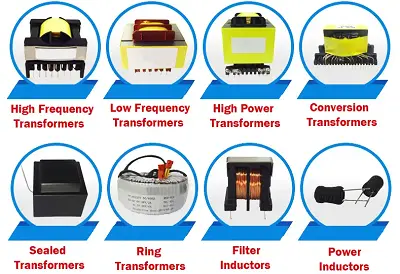 Transformers, Inductors
 High Frequency Transformers
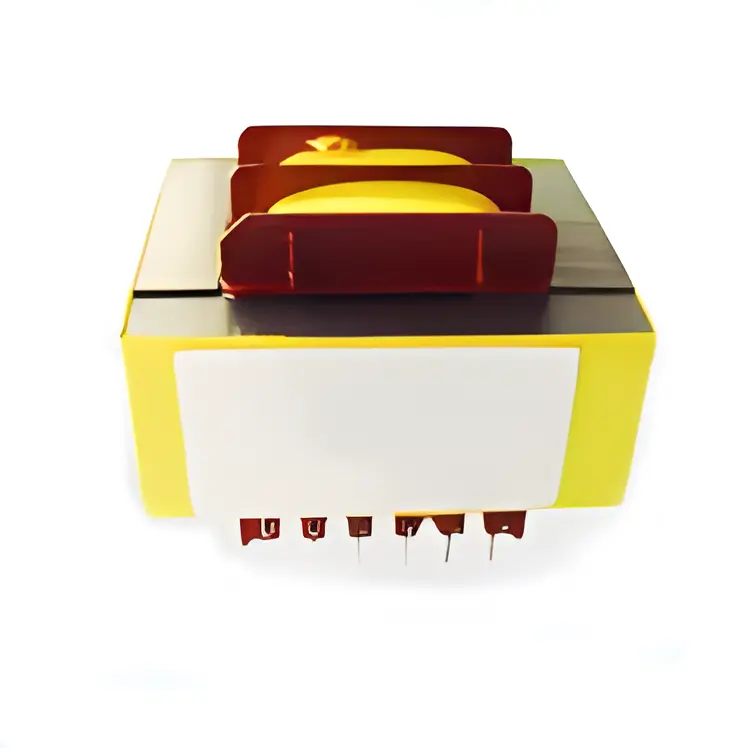 Low Frequency Transformers
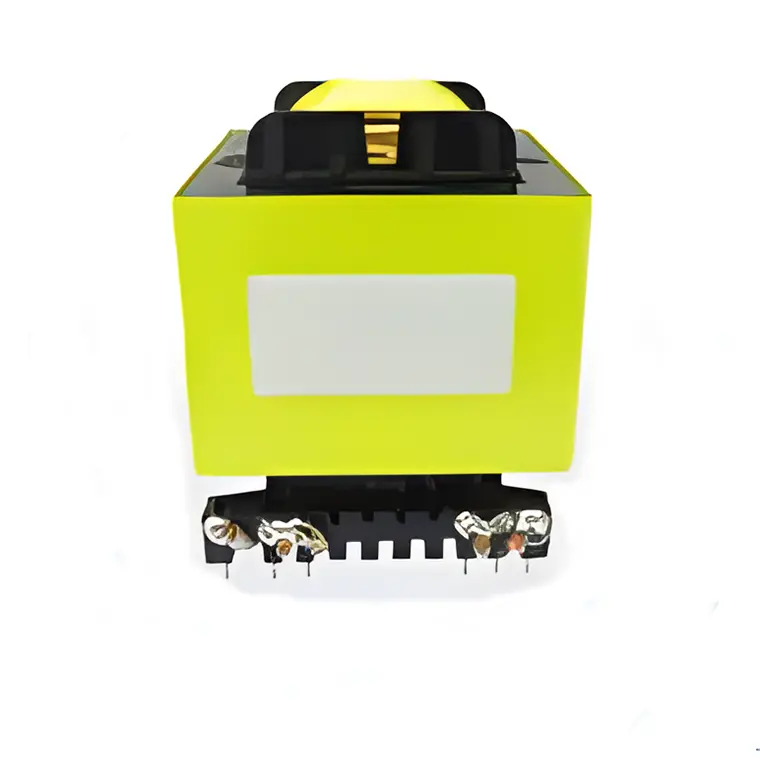 High Power Transformers
 Conversion Transformers
 Sealed Transformers
 Ring Transformers
 Inductors
 Wires,Cables Customized
 Network Cables
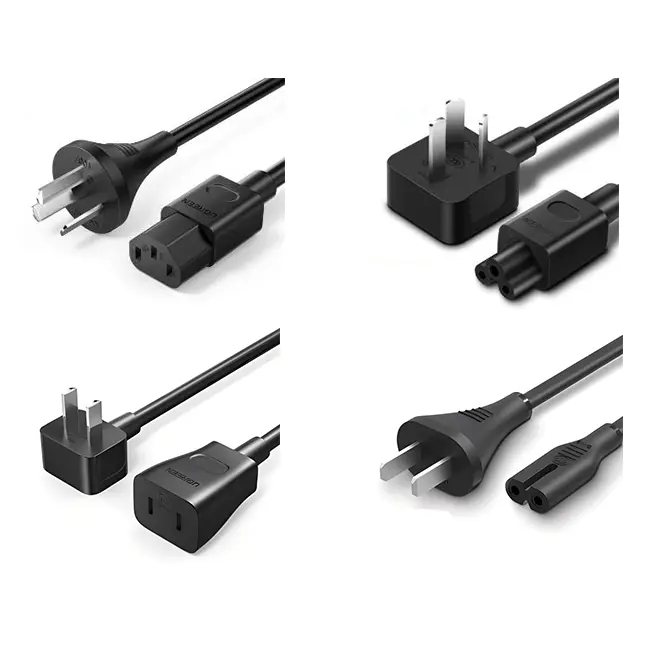 Power Cords
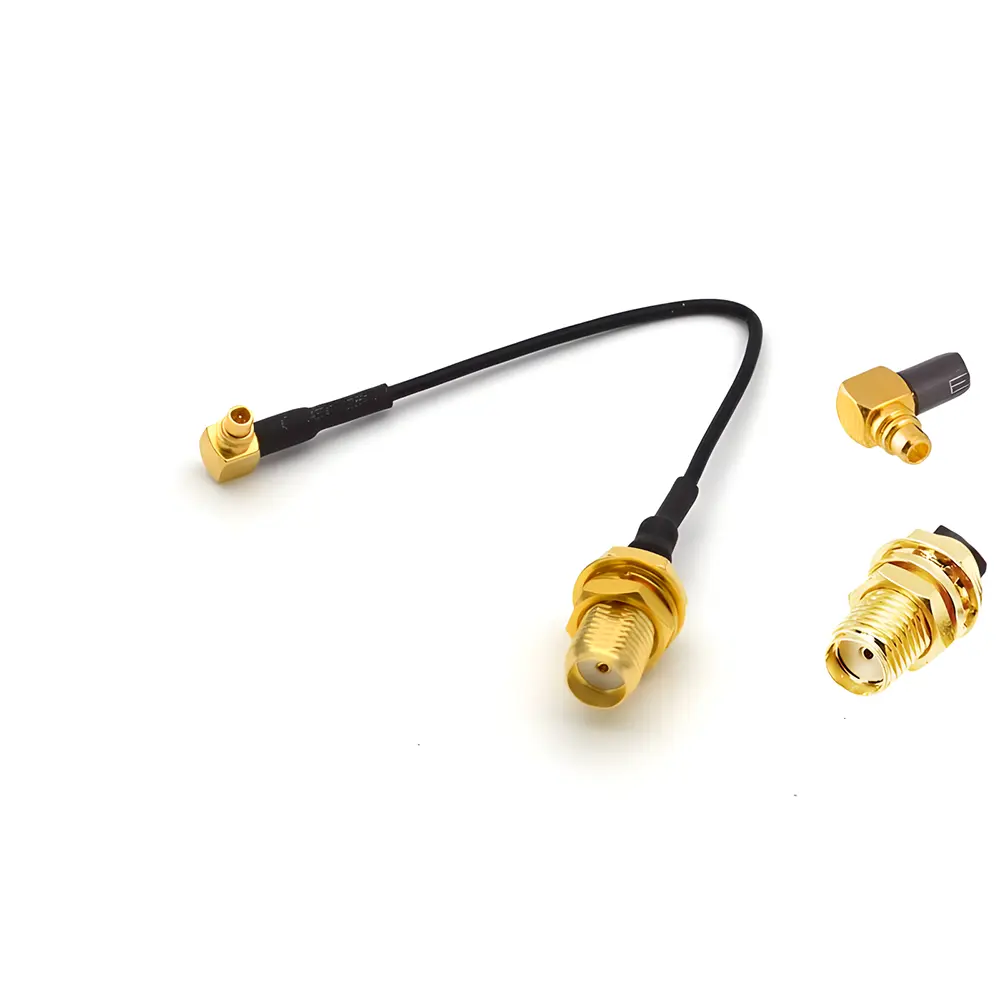 Antenna Cables
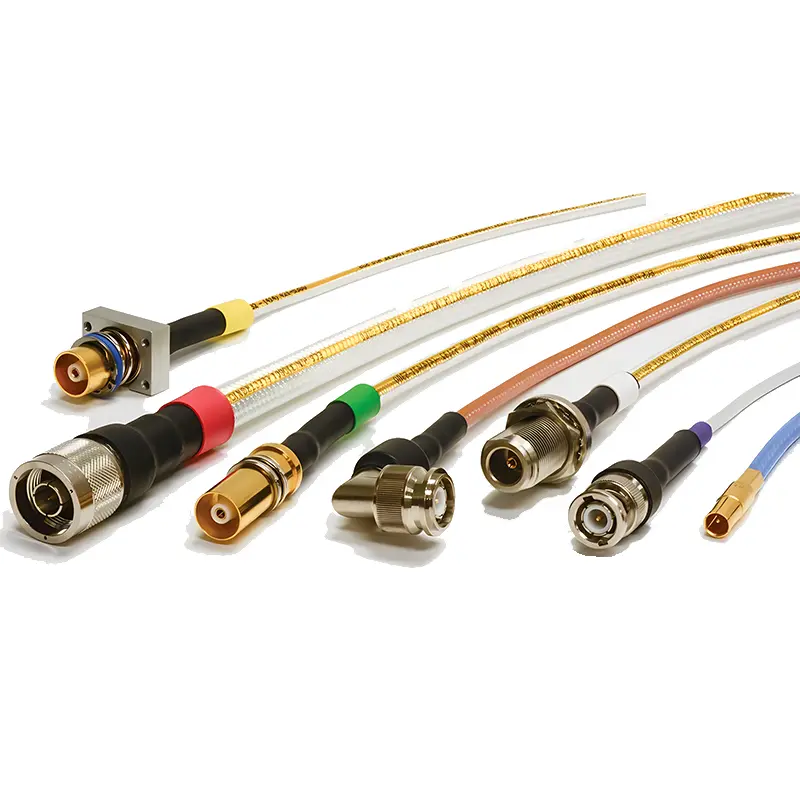 Coaxial Cables
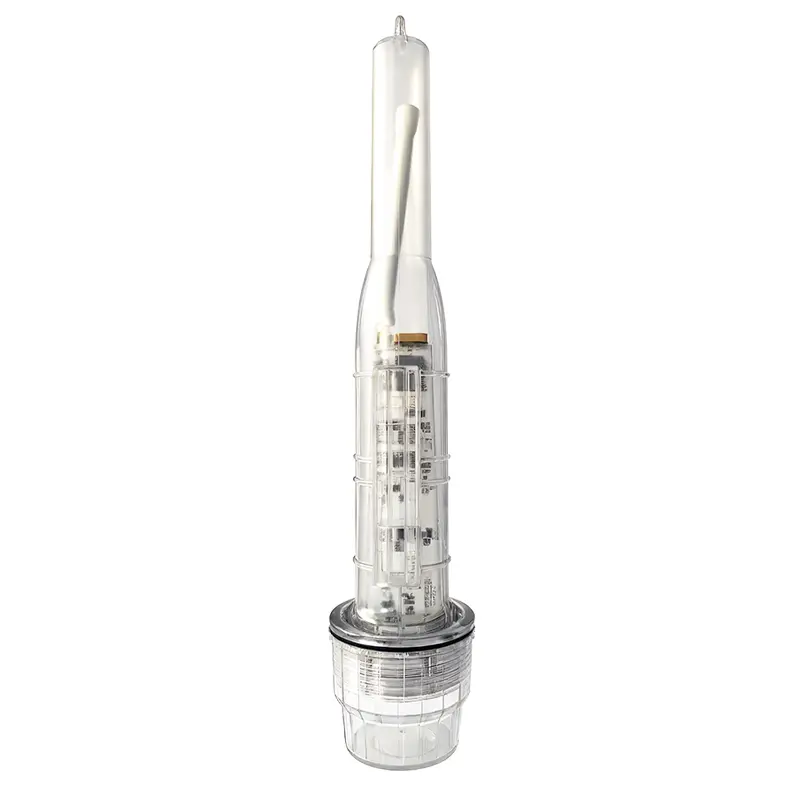 Net Position Indicator
 Solar AIS net position indicator
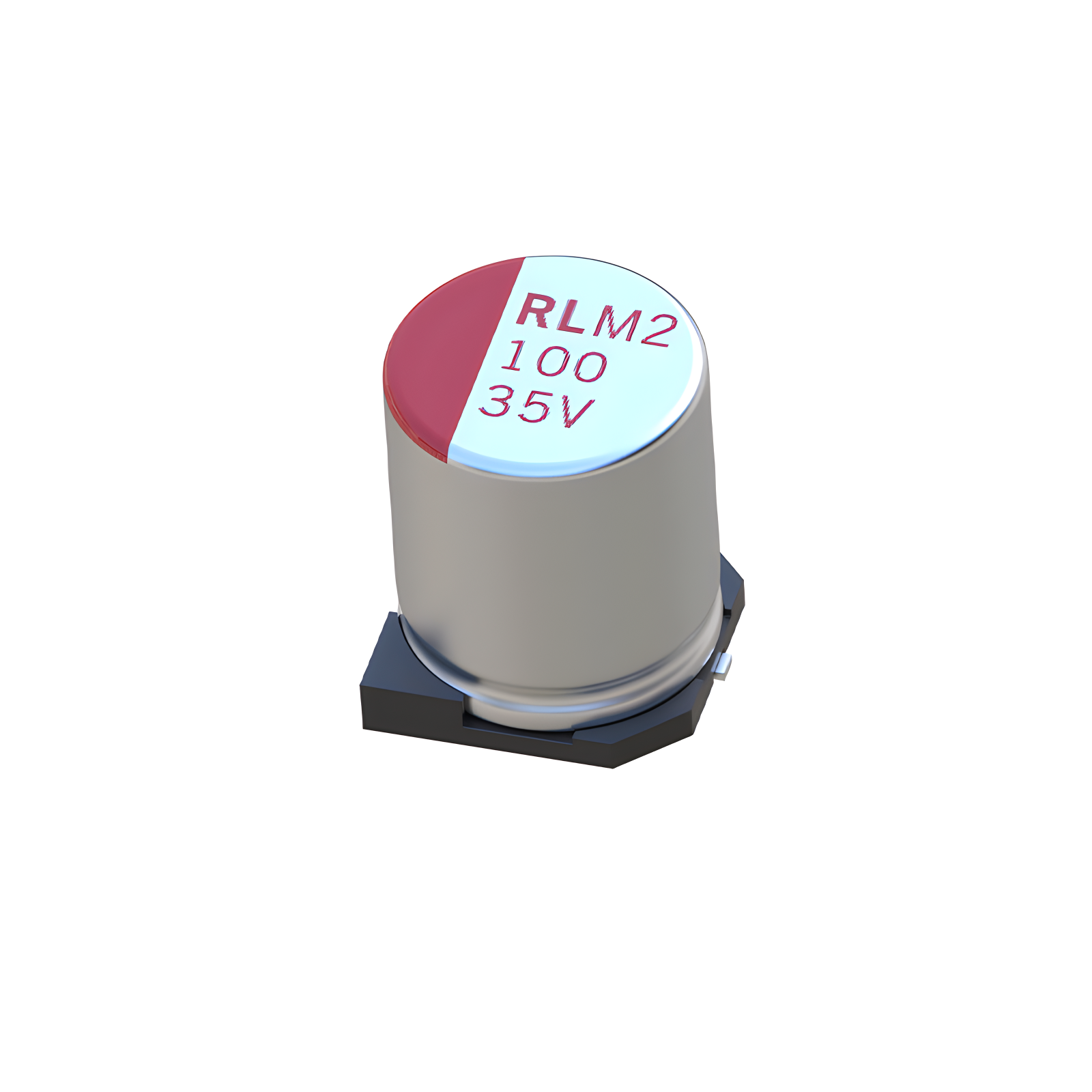 Capacitors
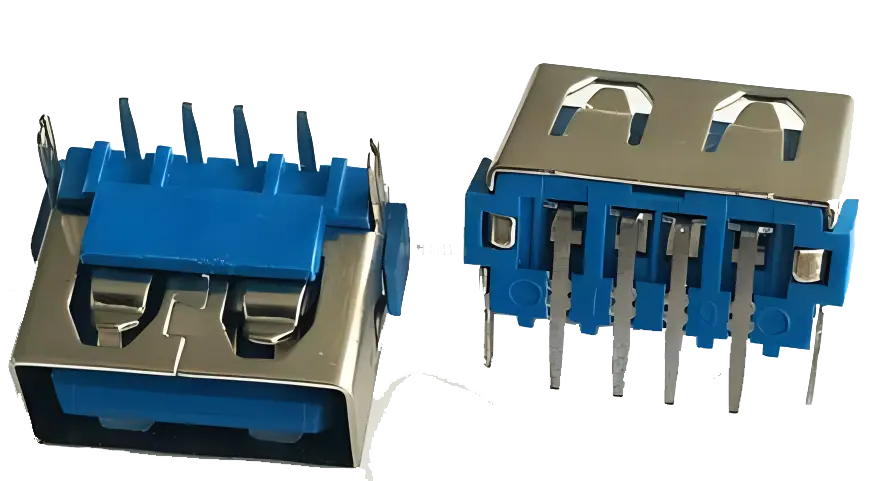 Connectors
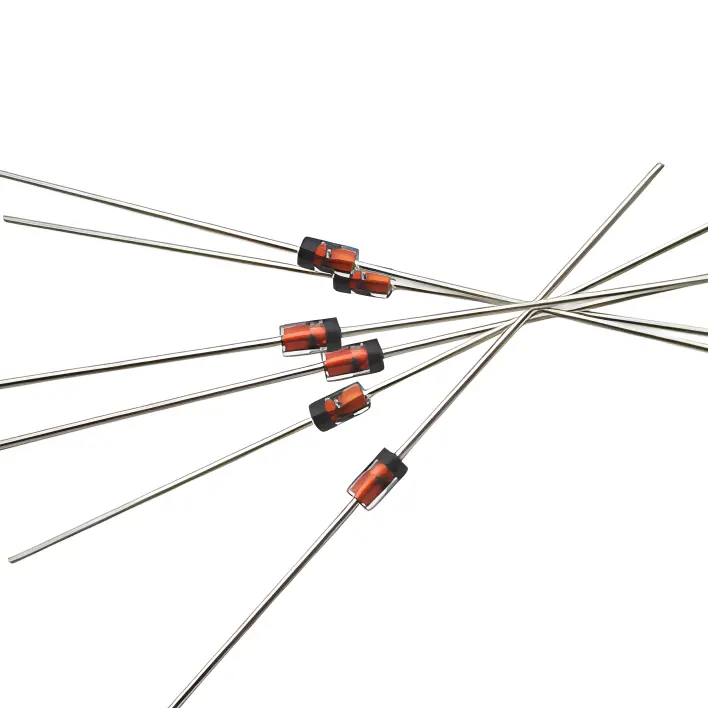 Diodes
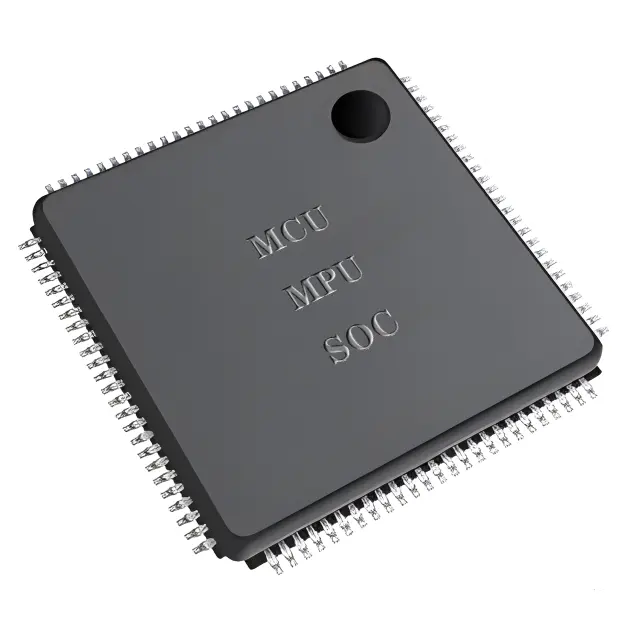 Embedded Processors & Controllers
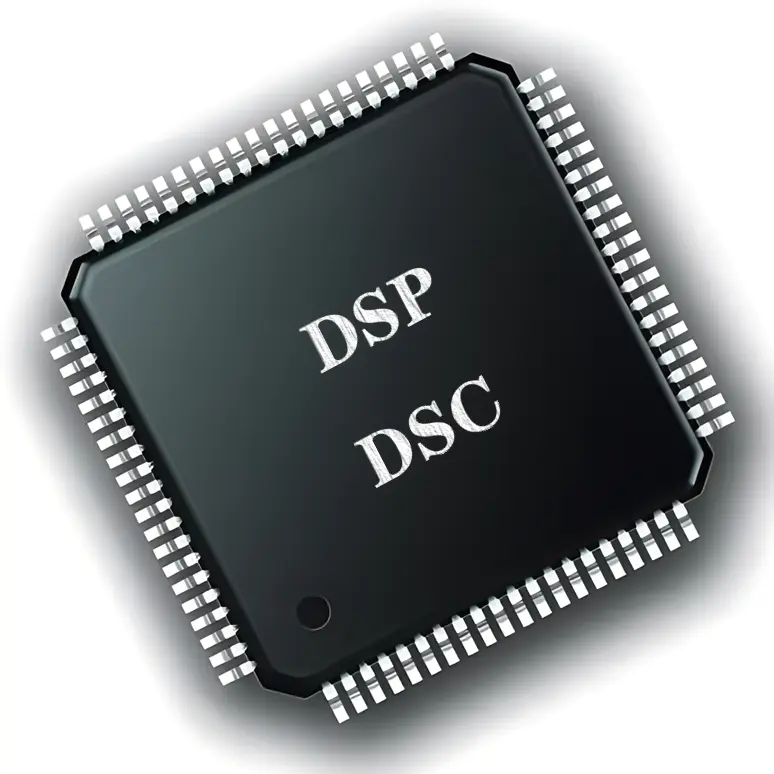 Digital Signal Processors (DSP/DSC)
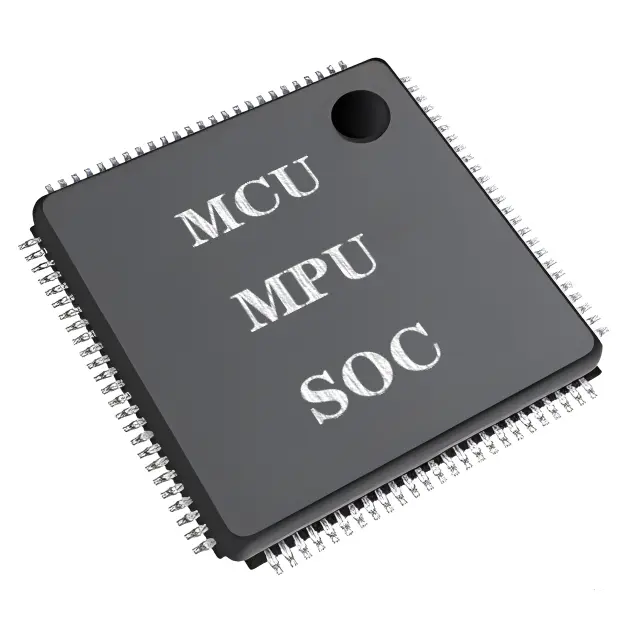 Microcontrollers (MCU/MPU/SOC)
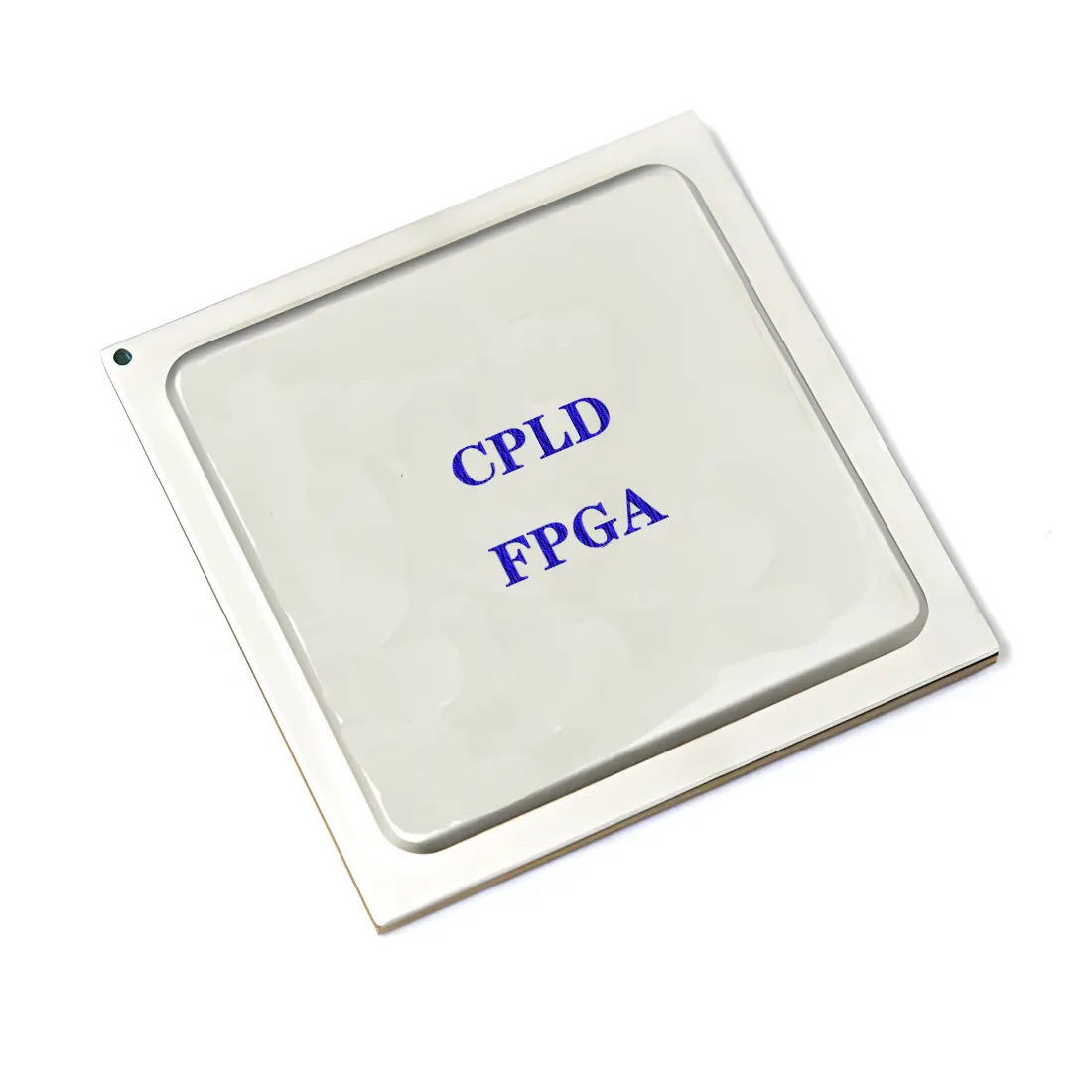 Programmable Logic Device(CPLD/FPGA)
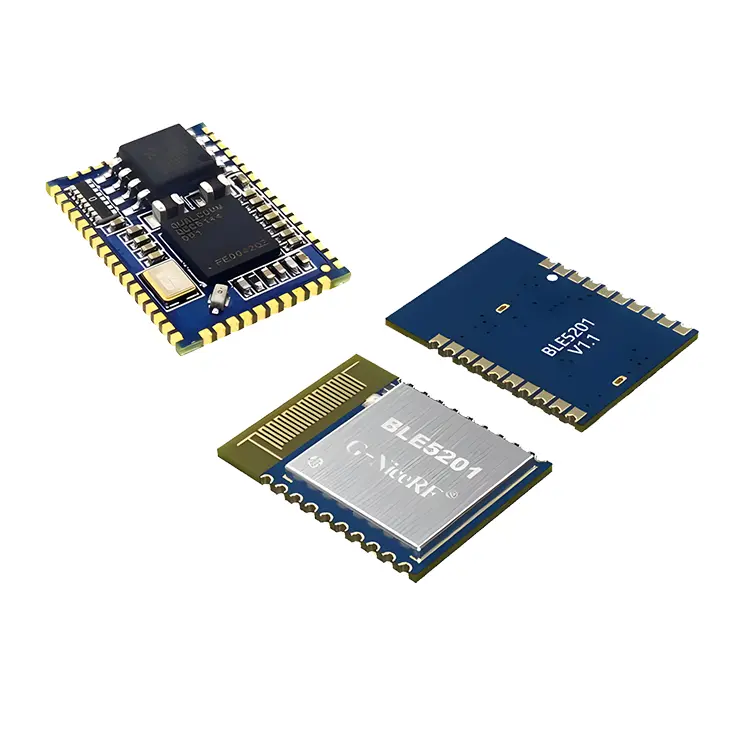 Communication Modules/IoT
 Resistors
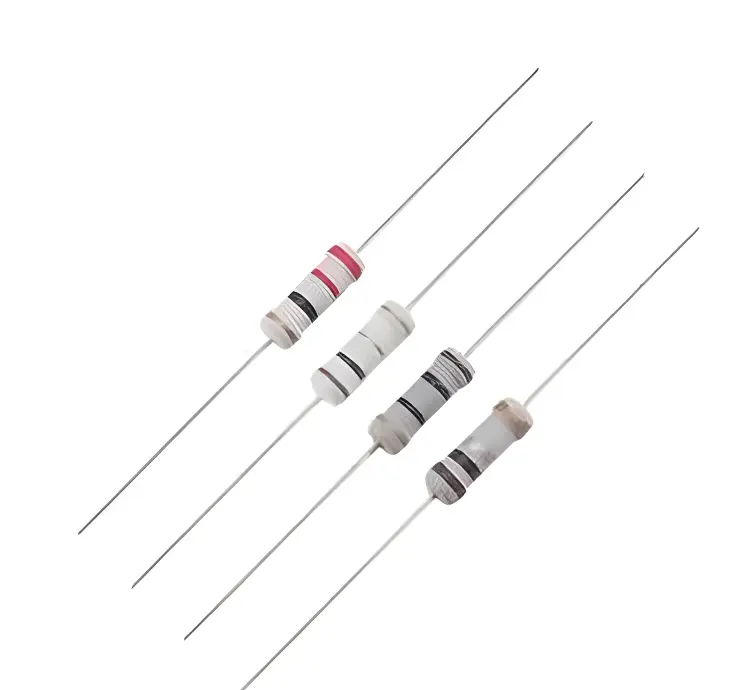 Through Hole Resistors
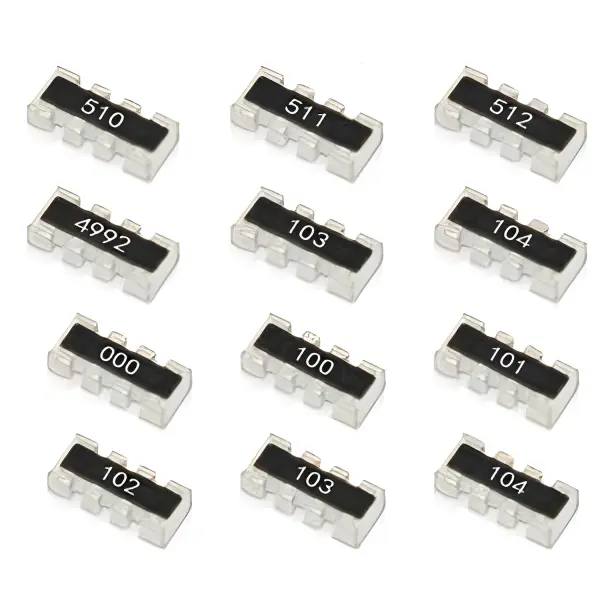 Resistor Networks, Arrays
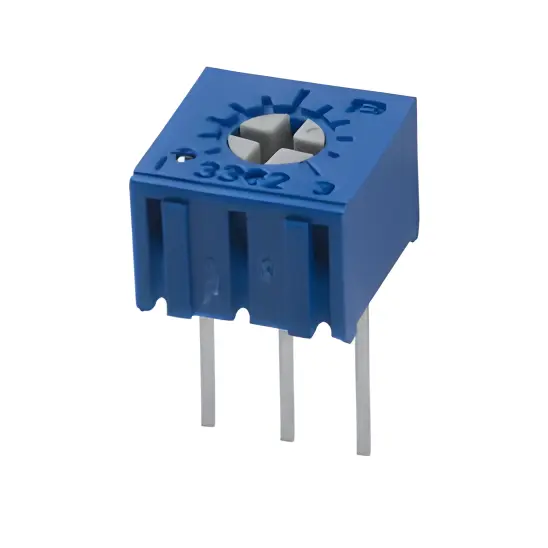 Potentiometers,Variable Resistors
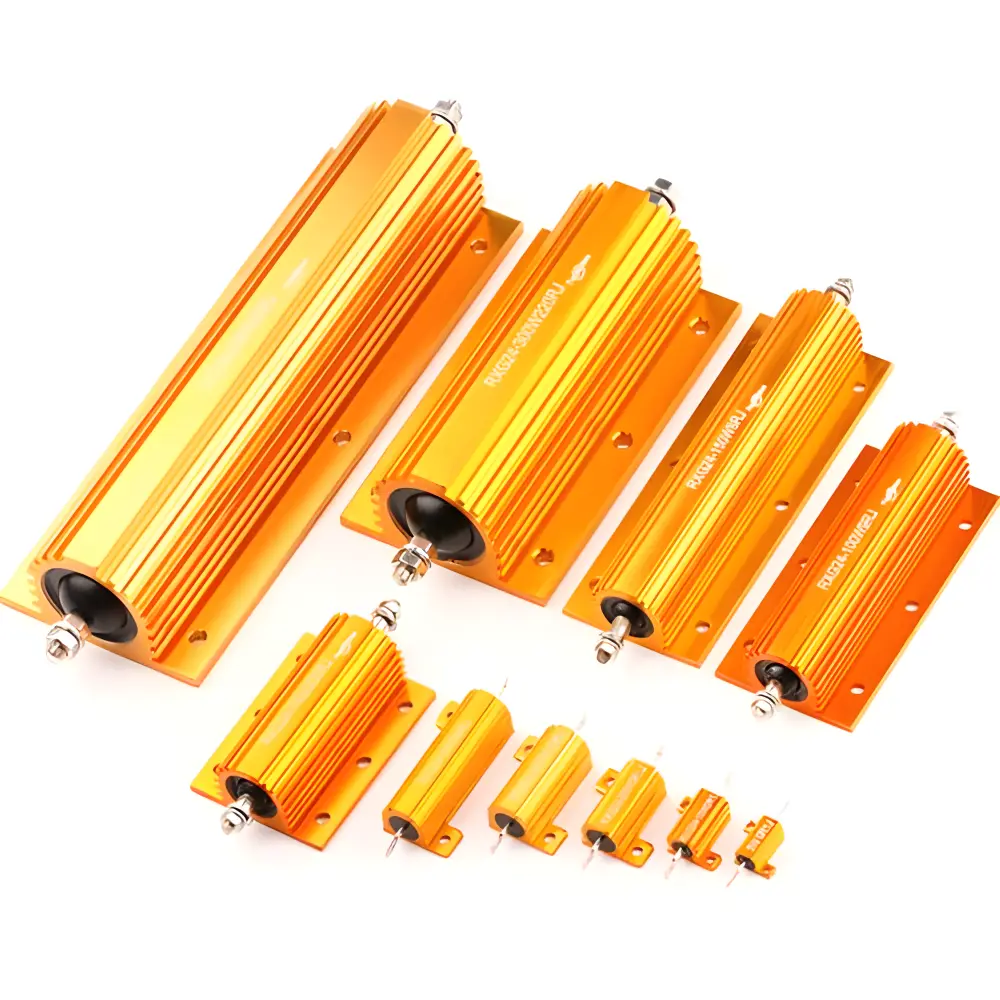 Aluminum Case,Porcelain Tube Resistance
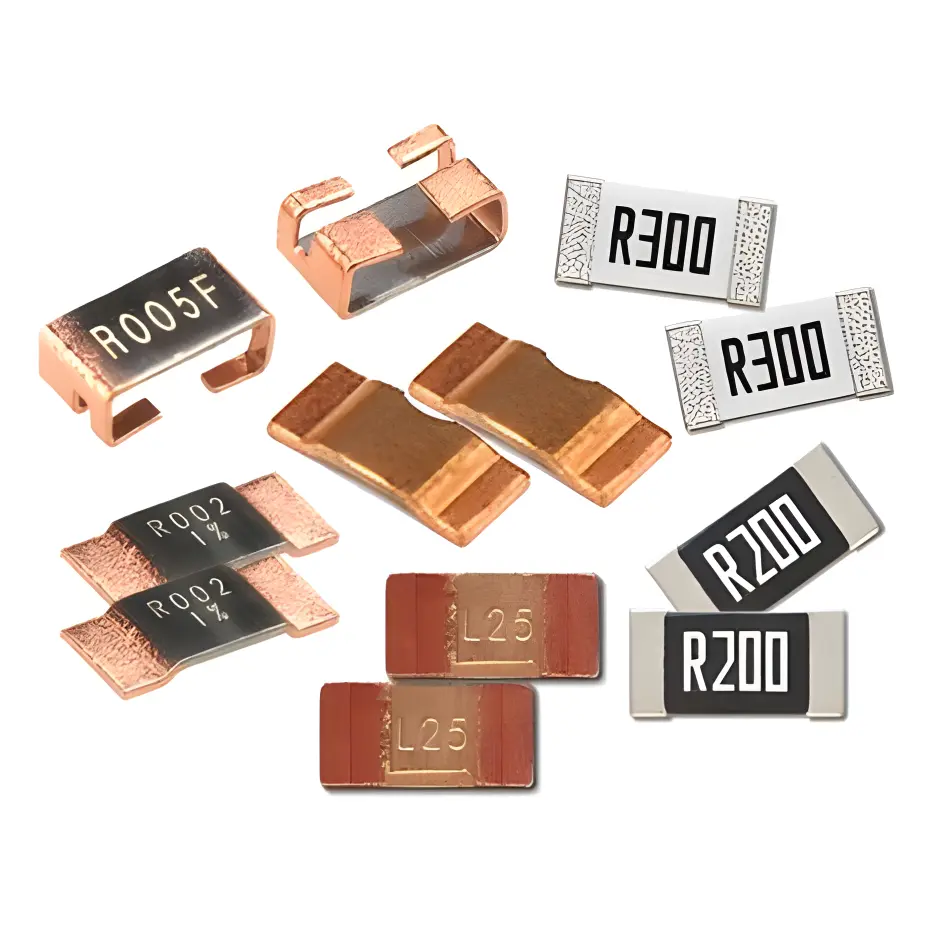 Current Sense Resistors,Shunt Resistors
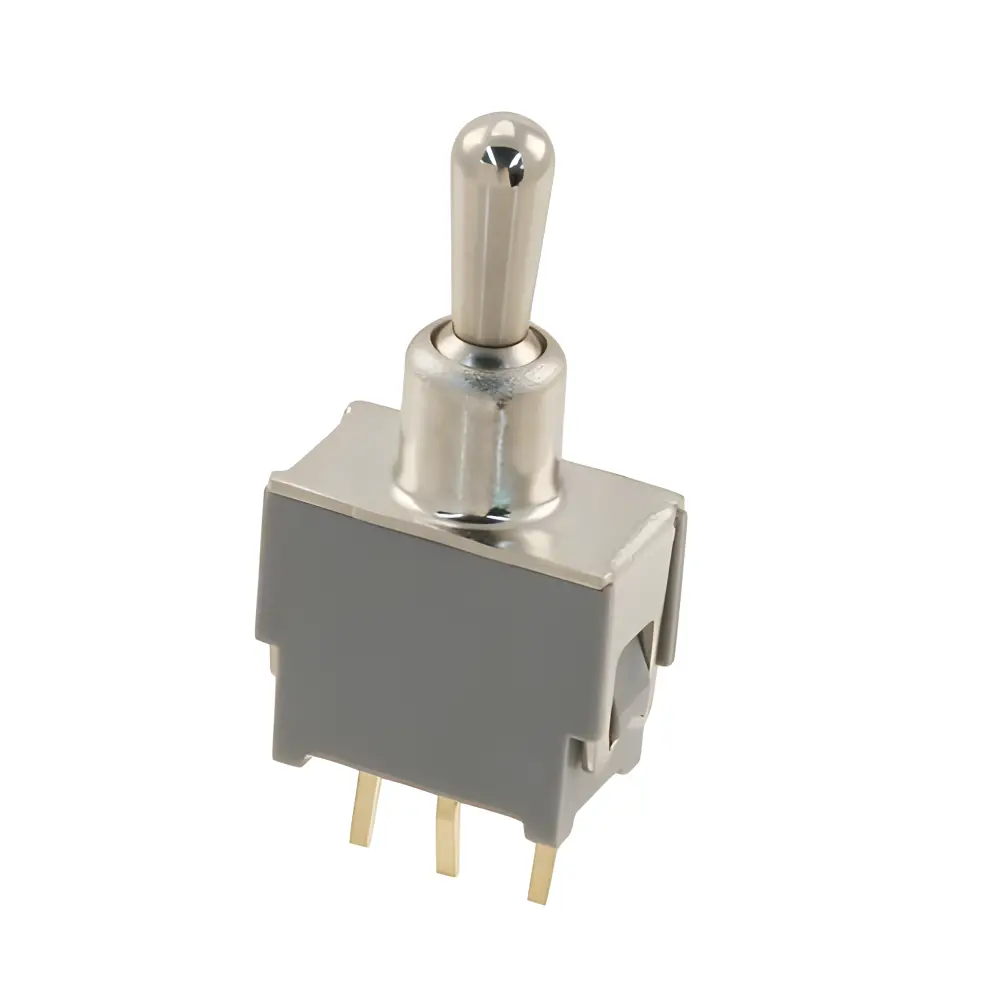 Switches
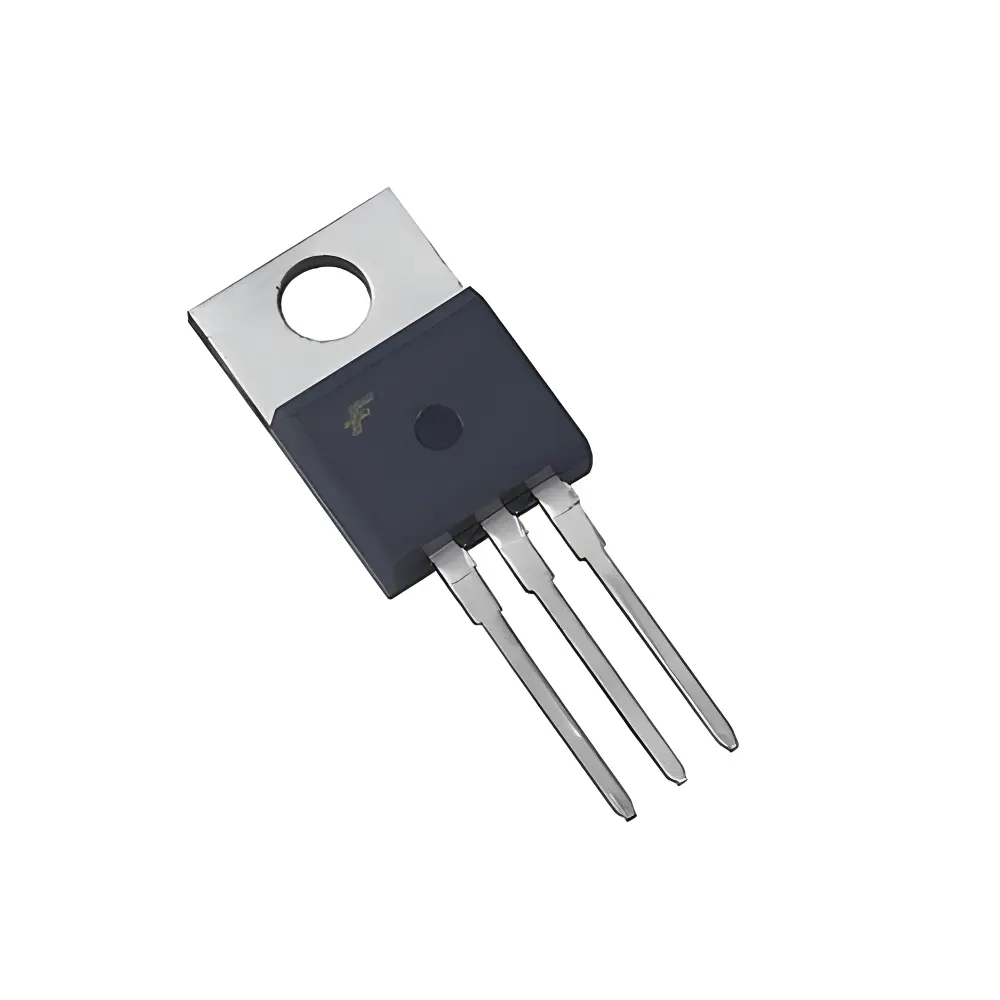 Transistors
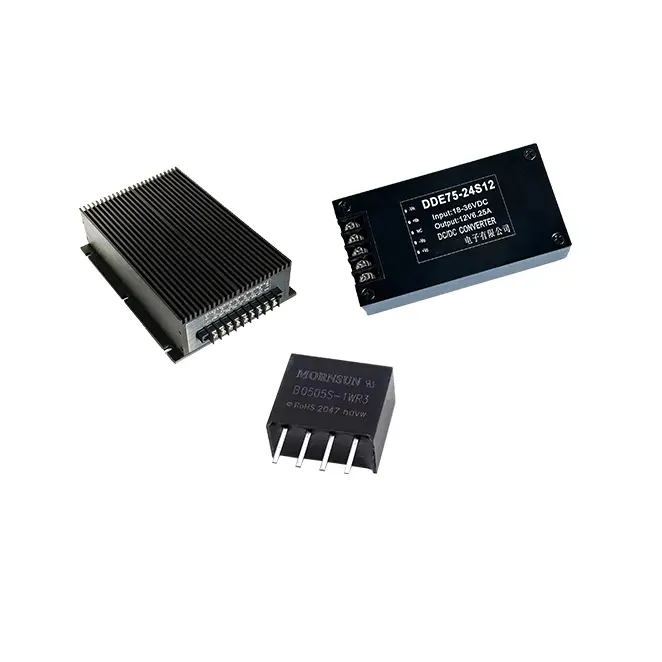 Power Modules
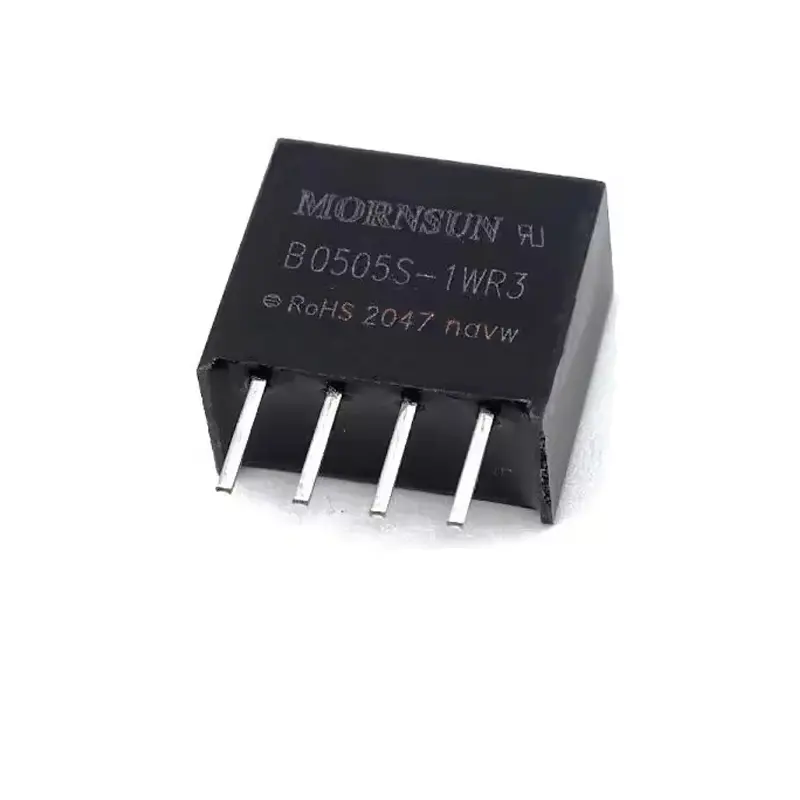 Isolated Power Modules
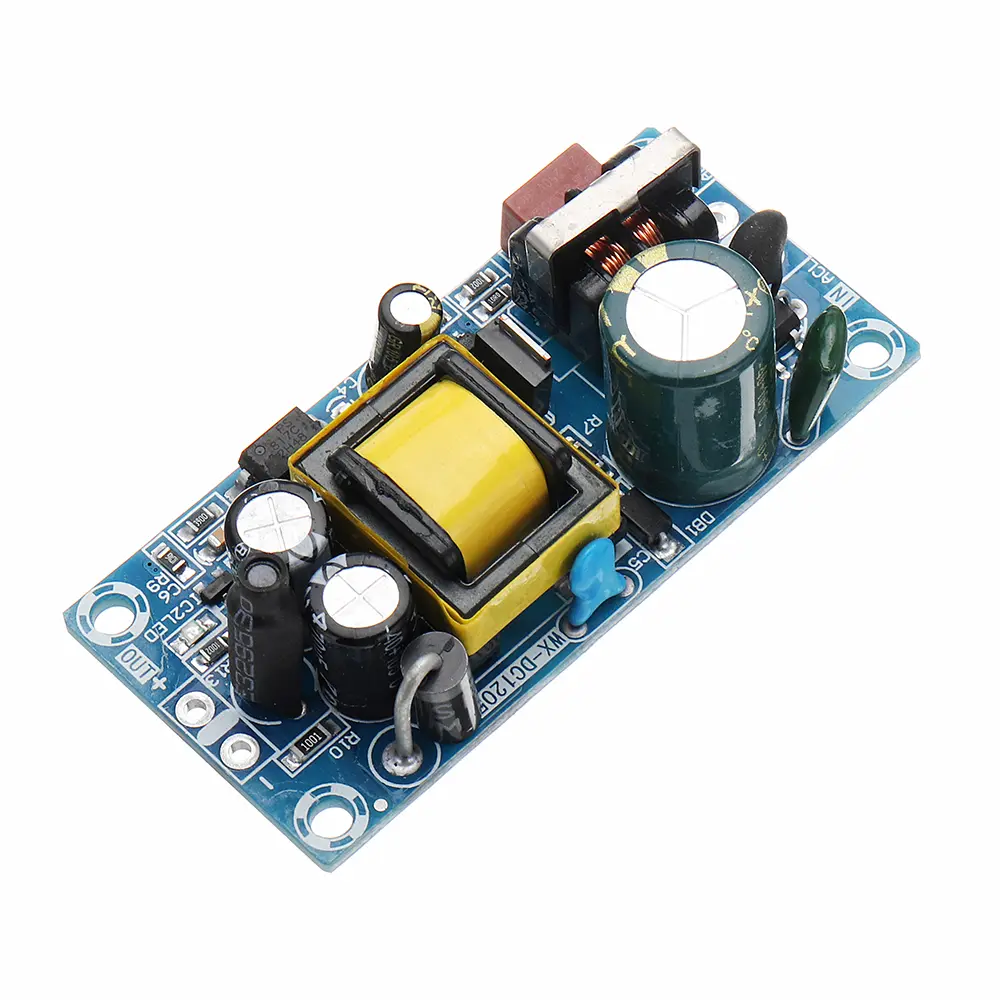 AC-DC Power Modules
 DC-AC Module(Inverter)
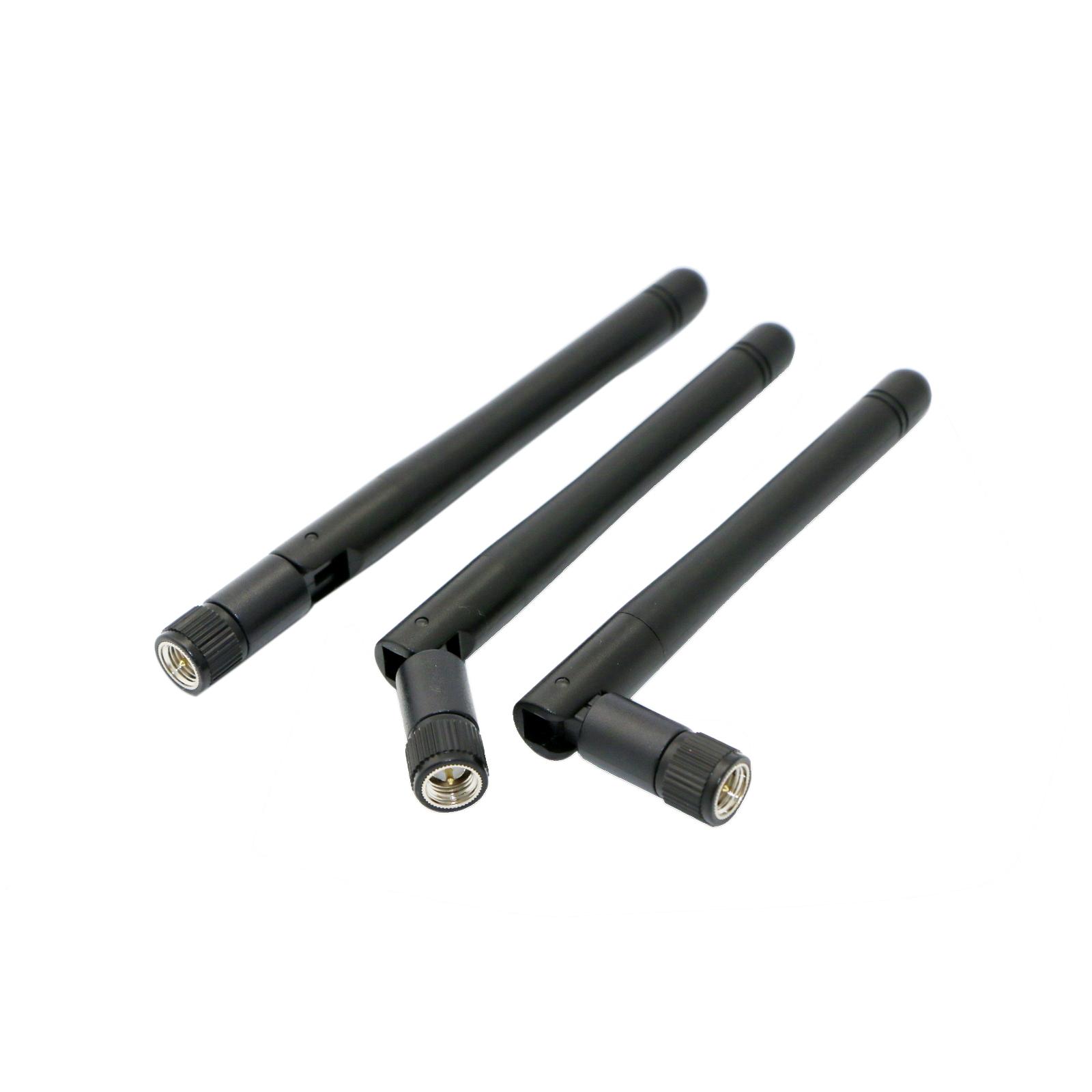 RF and Wireless
Preventing ESD (Electrostatic Discharge) Damage to Sensitive ICs During Assembly
2026-01-04
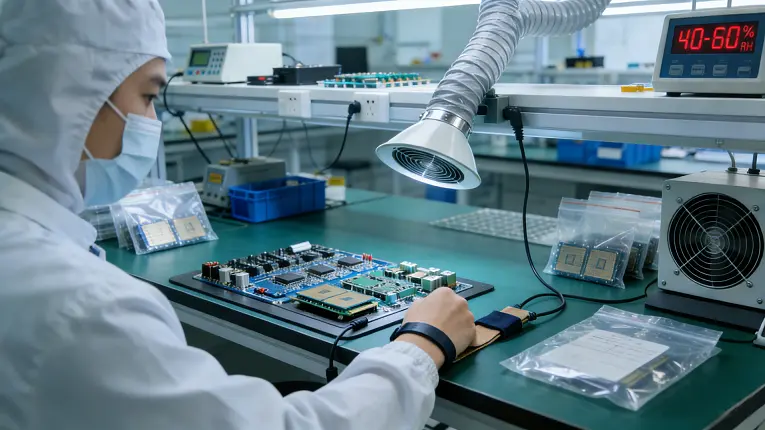
Electrostatic Discharge (ESD) poses a significant threat to sensitive integrated circuits (ICs) throughout the electronic assembly process. Even seemingly harmless static charges—often undetectable to humans—can cause irreversible damage to ICs, ranging from immediate catastrophic failure to latent defects that compromise product reliability in field applications. Sensitive ICs such as microProcessors, memory chips, analog sensors, and microcontrollers are particularly vulnerable, with some requiring protection against ESD voltages as low as 25 volts. Given the high cost of IC replacement, production delays, and reputational damage caused by ESD failures, implementing a comprehensive ESD prevention strategy is essential for electronic manufacturers to ensure product quality, reduce costs, and maintain customer trust.
ESD occurs when two objects with different electrostatic potentials come into contact or near-contact, resulting in a sudden transfer of electrons. In an assembly environment, static charges can accumulate on operators, equipment, workstations, or packaging due to friction, separation of materials, or environmental factors (e.g., low humidity). When these charged objects come into contact with sensitive ICs, the discharge of static electricity can melt internal metalization, damage gate oxides, or create short circuits—all of which render the IC inoperable or unreliable. Preventing ESD damage requires a holistic approach that addresses the sources of static charge, provides safe paths for charge dissipation, and establishes strict protocols for handling sensitive components. This article details the key components of an effective ESD prevention program for assembly processes, covering environmental control, equipment and material selection, personnel training, process standardization, and continuous monitoring.
Environmental Control: Mitigating Static Charge Accumulation
The assembly environment is a primary source of static charge accumulation, and controlling environmental conditions is the first line of defense against ESD. Key factors to manage include relative humidity, static-dissipative suRFaces, and isolation from external static sources.
Relative Humidity (RH) Management
Relative humidity is the most critical environmental factor for ESD control. Low humidity (below 40%) reduces the conductivity of air, allowing static charges to accumulate on surfaces and objects. Conversely, high humidity (above 60%) can cause corrosion of components and equipment, while also reducing static charge buildup. The optimal relative humidity range for electronic assembly is 40-60%, as this balance ensures air conductivity is sufficient to dissipate static charges without causing moisture-related issues.
To maintain optimal humidity levels, manufacturers should install precision HVAC systems with humidifiers and dehumidifiers, calibrated to adjust humidity based on real-time environmental data. Continuous monitoring using digital humidity sensors—placed at strategic locations throughout the assembly area—ensures that deviations from the target range are detected immediately. Alerts should be triggered when humidity falls below 40% or rises above 60%, prompting corrective action (e.g., activating humidifiers, improving ventilation). Additionally, seasonal adjustments may be necessary: during winter months, when indoor air is naturally dry, humidifiers should be run at higher capacity, while dehumidifiers may be required in humid climates or during summer.
Static-Dissipative Flooring and Workspace Surfaces
Flooring and workspace surfaces are major contributors to static charge accumulation. Ordinary materials such as rubber, plastic, or carpet can retain static charges, while static-dissipative materials are designed to conduct static electricity at a controlled rate, allowing charges to dissipate safely to ground.
For flooring, static-dissipative vinyl, rubber, or conductive tile is recommended. These materials should be properly grounded to the facility’s earth ground system, ensuring that any static charges accumulated on the floor (e.g., from operator movement) are dissipated. Regular cleaning of flooring is essential to maintain conductivity, as dirt, oil, or debris can reduce the material’s static-dissipative properties. Avoid using waxes or cleaners that leave non-conductive residues, as these can compromise the flooring’s effectiveness.
Workstation surfaces should be equipped with static-dissipative mats, which are placed on workbenches and connected to the workstation’s ground point. These mats provide a safe surface for handling sensitive ICs, preventing static charge transfer from the bench to the components. Additionally, static-dissipative trays, bins, and storage containers should be used for holding and transporting ICs, as these materials prevent charge accumulation during handling and storage.
Isolation from External Static Sources
The assembly area should be isolated from external sources of static electricity, such as high-voltage equipment, plastic packaging machines, ungrounded metal surfaces, or areas with excessive dust. High-voltage equipment (e.g., welding machines, power tools) can generate electrostatic fields that induce charges on ICs or operators, even without direct contact. These sources should be relocated to separate areas, or shielded with conductive barriers to prevent electrostatic field penetration.
Dust particles can also contribute to static charge accumulation, as they become charged through friction with air or surfaces. Maintaining a clean assembly environment with HEPA air filtration systems reduces dust levels, minimizing static charge buildup. Additionally, non-ESD-safe materials (e.g., plastic bags, paper towels, synthetic fabrics) should be prohibited in the assembly area, as these materials can accumulate and discharge static charges onto sensitive components.
Equipment and Material Selection: Ensuring ESD-Safe Tools and Components
The selection of ESD-safe equipment and materials is critical to preventing static discharge during assembly. All tools, packaging, and components used in the assembly process should be designed to minimize static charge accumulation and provide safe paths for charge dissipation.
ESD-Safe Assembly Equipment
Automated and manual assembly equipment can generate static charges through mechanical friction or electrical activity. To mitigate this risk, equipment should be selected for its ESD-safe design and properly grounded to the facility’s ground system.
For automated equipment (e.g., pick-and-place machines, reflow ovens, inspection systems), key ESD-safe features include: conductive or static-dissipative nozzles and conveyor belts, integrated ionizers to neutralize static charges, and proper grounding of all metal components. Pick-and-place machine nozzles should be made of static-dissipative materials (e.g., carbon-fiber reinforced plastic) to prevent charge transfer during component pickup and placement. Ionizers—installed near the component handling zone—generate a balanced mix of positive and negative ions, neutralizing static charges on components, equipment, and surrounding surfaces.
Manual tools such as soldering irons, tweezers, and screwdrivers should be ESD-safe, with conductive or static-dissipative handles. Soldering irons must be properly grounded to prevent static discharge through the tip, and their temperature should be calibrated to avoid overheating ICs (which can weaken internal ESD protection diodes). Additionally, tool storage areas should be equipped with static-dissipative holders to prevent charge accumulation when tools are not in use.
ESD-Protective Packaging and Component Handling
Sensitive ICs are vulnerable to ESD damage from the moment they leave the manufacturer until they are assembled into finished products. Proper ESD-protective packaging is essential to shield ICs from static charges during shipping, storage, and handling.
ICs should be shipped and stored in ESD-protective packaging, such as anti-static bags (made of static-dissipative plastic with a conductive inner layer), conductive tubes, or static-dissipative trays. These packaging materials provide a Faraday cage effect, shielding the ICs from external electrostatic fields and dissipating any charges that accumulate on the packaging surface. Additionally, packaging should be labeled with ESD warning symbols to remind operators of the sensitivity of the contents.
When handling ICs, operators should use static-dissipative component trays or holders to prevent direct contact between the IC and non-ESD-safe surfaces. ICs should be held by their non-conductive edges (not by leads or pins) to avoid transferring static charges from the operator’s fingers to the component. Additionally, ICs should not be stacked or rubbed against each other, as friction between components can generate static charges.
Grounding and Bonding Systems
Proper grounding and bonding are the foundation of ESD prevention, as they provide a safe path for static charges to dissipate to earth. A well-designed grounding system ensures that all ESD-safe surfaces, equipment, and operators are at the same electrostatic potential, eliminating the risk of discharge.
The facility’s grounding system should consist of a main earth ground (e.g., a copper rod driven into the ground) connected to a grounding busbar, which distributes the ground connection to workstations, equipment, and static-dissipative surfaces. Workstations should be equipped with dedicated ground points, to which static-dissipative mats, wristbands, and tools are connected. Ground wires should be made of conductive materials (e.g., copper) and securely fastened to prevent loose connections, which can interrupt the dissipation path.
Bonding is the process of connecting two or more conductive objects to ensure they are at the same electrostatic potential. For example, automated equipment should be bonded to the workstation’s ground point, and metal storage cabinets should be bonded to the facility’s grounding system. Bonding prevents static charge buildup between objects, reducing the risk of discharge when they come into contact.
Personnel Training and Awareness: Addressing Human Factors
Human operators are a major source of static charge accumulation in the assembly environment, as their movement, clothing, and actions can generate static electricity. Proper training and awareness are essential to ensure operators understand ESD hazards and follow best practices for preventing discharge.
Comprehensive ESD Training Programs
All operators involved in handling sensitive ICs should receive comprehensive ESD training before starting work, with refresher training every 6-12 months. Training programs should cover the following key topics:
- ESD basics: How static charges are generated, the effects of ESD on sensitive ICs, and the difference between catastrophic and latent damage.
- ESD protection equipment: Proper use, maintenance, and testing of wristbands, footwear, static-dissipative mats, and ionizers.
- Component handling procedures: How to safely handle, store, and transport sensitive ICs, including proper grounding before handling.
- Environmental control: The importance of relative humidity and the role of operators in maintaining a clean, ESD-safe workspace.
- Emergency response: What to do if an ESD event is suspected, including reporting procedures and inspection of affected components.
Training should be interactive, with hands-on demonstrations of ESD-safe practices and visual aids (e.g., videos of ESD damage, diagrams of grounding systems) to reinforce learning. Additionally, written materials such as quick-reference guides and SOPs should be provided to operators for on-the-job reference.
ESD-Safe Clothing and Personal Protective Equipment (PPE)
Operator clothing can accumulate static charges, especially synthetic fabrics such as polyester or nylon. To mitigate this risk, operators should wear ESD-safe clothing made of static-dissipative materials (e.g., cotton blends, conductive fibers). ESD-safe smocks, lab coats, or coveralls prevent charge accumulation on the operator’s body, while ESD-safe footwear (e.g., conductive shoes or shoe straps) ensures that charges are dissipated from the operator to the static-dissipative flooring.
Wristbands are a critical component of operator grounding, as they provide a direct path for static charges to dissipate from the operator’s body to the workstation’s ground point. Operators must wear wristbands at all times when handling sensitive ICs, with the conductive band in direct contact with their skin (not over clothing). Wristbands should be tested for continuity daily before use, using a wristband tester, to ensure they are functioning properly.
Promoting ESD Awareness
Maintaining operator awareness of ESD hazards is essential to ensuring compliance with ESD-safe practices. Visual reminders such as posters, labels, and signs should be placed throughout the assembly area, highlighting ESD warning symbols, key procedures, and the importance of ESD prevention. Additionally, regular safety meetings should include updates on ESD-related incidents, best practices, and any changes to ESD protection protocols.
Incentive programs can also be implemented to encourage operator compliance, such as recognizing teams or individuals with zero ESD-related incidents over a specific period. This fosters a culture of accountability and reinforces the importance of ESD prevention in daily operations.
Process Standardization: Establishing ESD-Safe Workflows
Standardizing assembly processes ensures that ESD-safe practices are consistently followed, reducing the risk of human error and ESD-related damage. Key process steps to standardize include incoming inspection, component storage, assembly operations, and testing.
Incoming Inspection and Component Storage
Sensitive ICs should undergo ESD-specific incoming inspection to ensure they are not damaged before assembly. Inspection procedures include: visual examination of IC packages for signs of ESD damage (e.g., burn marks, discoloration), electrical testing of a sample of components to verify functionality, and confirmation that components are shipped in ESD-protective packaging.
Stored ICs should be kept in ESD-protective packaging until they are ready for use, in a dedicated storage area with controlled humidity (40-60%) and static-dissipative shelving. Components should be organized by part number and batch, with clear labeling to avoid confusion and minimize handling. Additionally, ICs should be stored away from heat sources, moisture, and external static sources (e.g., ungrounded metal shelves).
Assembly Process Workflows
Each step of the assembly process should be standardized with ESD-safe procedures, documented in detailed Standard Operating Procedures (SOPs). Key workflow considerations include:
• Pre-assembly preparation: Operators must ground themselves by touching a grounded surface or wearing a wristband before handling ICs. ESD-protective packaging should be opened only in the ESD-safe assembly area, and components should be transferred directly to static-dissipative trays or workbenches.
• Component placement: ICs should be placed on static-dissipative mats, with leads aligned correctly before soldering. Automated pick-and-place machines should be calibrated to ensure proper component alignment and minimize mechanical stress (which can weaken ESD protection).
• Soldering: Soldering irons should be grounded and set to the manufacturer-recommended temperature for the IC. Operators should avoid prolonged heating of IC leads, as overheating can damage internal ESD protection diodes.
• Post-assembly handling: Finished assemblies should be stored in ESD-protective packaging until testing or shipment. Any rework or repair of assemblies should be performed in the ESD-safe area, following the same ESD-safe procedures as initial assembly.
Testing and Quality Control
Testing is a critical step in identifying ESD damage before products are shipped to customers. Both electrical and visual testing should be performed to detect both catastrophic and latent ESD damage.
Electrical testing includes functional testing of ICs to verify they operate within specifications, as well as continuity and insulation resistance tests to detect short circuits or open circuits caused by ESD. For sensitive ICs, additional tests such as leakage current measurement or thermal imaging may be required to detect latent damage.
Visual inspection using high-magnification microscopes (100-500x) can detect physical signs of ESD damage, such as burn marks on leads or die surfaces, cracked bond wires, or delamination. Any components or assemblies found to have ESD damage should be quarantined, and the root cause should be investigated to prevent recurrence.
Continuous Monitoring and Improvement: Sustaining ESD Prevention Efforts
An effective ESD prevention program is not static—it requires continuous monitoring, testing, and improvement to adapt to changes in processes, components, or environmental conditions. Key monitoring and improvement activities include:
Regular Testing and Maintenance of ESD Protection Equipment
ESD protection equipment should be tested regularly to ensure it is functioning properly. Testing schedules include:
- Daily: Testing of wristbands, footwear, and workstation grounding using continuity testers.
- Weekly: Inspection of static-dissipative mats, trays, and packaging for wear or damage; testing of ionizers for ion balance and coverage.
- Monthly: Calibration of humidity sensors and HVAC systems; inspection of grounding connections for corrosion or looseness.
- Quarterly: Comprehensive testing of all ESD-safe equipment, including automated assembly machines and static-dissipative flooring.
Maintenance records should be kept for all ESD protection equipment, documenting testing results, repairs, and replacements. This documentation helps identify trends in equipment performance and ensures timely replacement of worn or faulty components.
ESD Audits and Compliance Checks
Regular ESD audits should be conducted to assess compliance with ESD prevention protocols and identify areas for improvement. Audits can be performed by internal quality teams or external ESD experts, and should include:
• Inspection of the assembly environment: Verification of humidity levels, static-dissipative surfaces, and isolation from external static sources.
• Review of operator practices: Observation of operators to ensure they are following ESD-safe handling procedures, wearing proper PPE, and using ESD protection equipment correctly.
• Evaluation of documentation: Review of training logs, maintenance records, incident reports, and SOPs to ensure they are up-to-date and comprehensive.
Audit findings should be documented in a report, with corrective actions identified for any non-compliance issues. These actions should be tracked to completion, and follow-up audits should be conducted to verify improvements.
Incident Reporting and Root Cause Analysis
Any suspected ESD event or IC damage should be reported immediately using a standardized incident report form. The report should include details such as the date and time of the incident, the IC part number and batch, the assembly station and operator involved, environmental conditions, and any observed symptoms of damage.
A root cause analysis (RCA) should be conducted for each incident to identify the source of the ESD event. RCA techniques such as the 5 Whys or Fishbone Diagram can help determine whether the incident was caused by equipment failure, operator error, environmental factors, or process gaps. Based on the RCA findings, corrective actions should be implemented to prevent similar incidents, such as repairing faulty equipment, enhancing operator training, or adjusting environmental controls.
Continuous Improvement Based on Data
Data collected from monitoring, testing, audits, and incident reports should be analyzed to identify trends and areas for improvement. For example, if multiple ESD incidents occur in a specific assembly station, this may indicate a faulty grounding system or ineffective ionizer. If incidents increase during winter months, this may highlight the need for improved humidity control.
Regular review of ESD prevention metrics—such as ESD incident rate, IC failure rate due to ESD, and compliance with training requirements—helps measure the effectiveness of the program. Based on this analysis, the ESD prevention program can be continuously refined, with updates to SOPs, equipment upgrades, or training enhancements to address emerging risks.
Case Study: Implementing ESD Prevention in a Medical Device Assembly Facility
To illustrate the practical application of an ESD prevention program, consider a medical device assembly facility that manufactures implantable pacemakers, which include highly sensitive ICs. The facility experienced a 5% failure rate of pacemaker control modules due to ESD damage, resulting in costly rework and delays in product delivery.
The facility implemented a comprehensive ESD prevention program, starting with environmental control: precision HVAC systems were installed to maintain 45-55% relative humidity, and static-dissipative flooring and workstation mats were installed throughout the assembly area. All automated equipment (including pick-and-place machines and reflow ovens) was equipped with ionizers and properly grounded, and ESD-safe tools and packaging were adopted for all sensitive components.
Operators received intensive ESD training, covering ESD basics, equipment use, and component handling procedures. ESD-safe clothing (smocks and footwear) and wristbands were provided, with daily testing of wristbands required before starting work. Visual reminders such as posters and labels were placed in the assembly area to promote awareness.
Assembly processes were standardized with detailed SOPs, and incoming inspection of ICs was enhanced to include electrical testing and visual examination for ESD damage. Regular ESD audits were conducted quarterly, and incident reports were used to identify and address root causes of ESD events. For example, an audit revealed that humidity levels in one assembly station were consistently below 40%, leading to the installation of an additional humidifier and improved monitoring.
After implementing the ESD prevention program, the facility’s ESD-related failure rate dropped to 0.5% within six months. This resulted in a 90% reduction in rework costs, faster product delivery times, and improved customer satisfaction. Additionally, the facility achieved compliance with medical device regulatory requirements for ESD control, ensuring the safety and reliability of its products.
Conclusion
Preventing ESD damage to sensitive ICs during assembly requires a holistic, multi-faceted approach that addresses environmental conditions, equipment and material selection, personnel training, process standardization, and continuous monitoring. By controlling relative humidity, using ESD-safe equipment and packaging, grounding operators and surfaces, and training employees to follow best practices, manufacturers can significantly reduce the risk of ESD-related failures.
The key to success lies in establishing a culture of ESD awareness, where every operator understands the impact of ESD and takes responsibility for following prevention protocols. Additionally, continuous monitoring and improvement—based on data from testing, audits, and incident reports—ensures that the ESD prevention program adapts to changing conditions and emerging risks.
While implementing an ESD prevention program requires an initial investment in equipment, training, and environmental controls, the long-term benefits—including reduced rework costs, improved product reliability, and regulatory compliance—far outweigh these costs. For electronic manufacturers, effective ESD prevention is not just a quality control measure; it is a critical component of ensuring business success in a competitive market.