
 PCB
PCB FPC
FPC Rigid-Flex
 FR-4
FR-4 HDI PCB
 Rogers High-Frequency Board
 PTFE Teflon High-Frequency Board
 Aluminum
 Copper Core
 PCB Assembly
 LED light PCBA
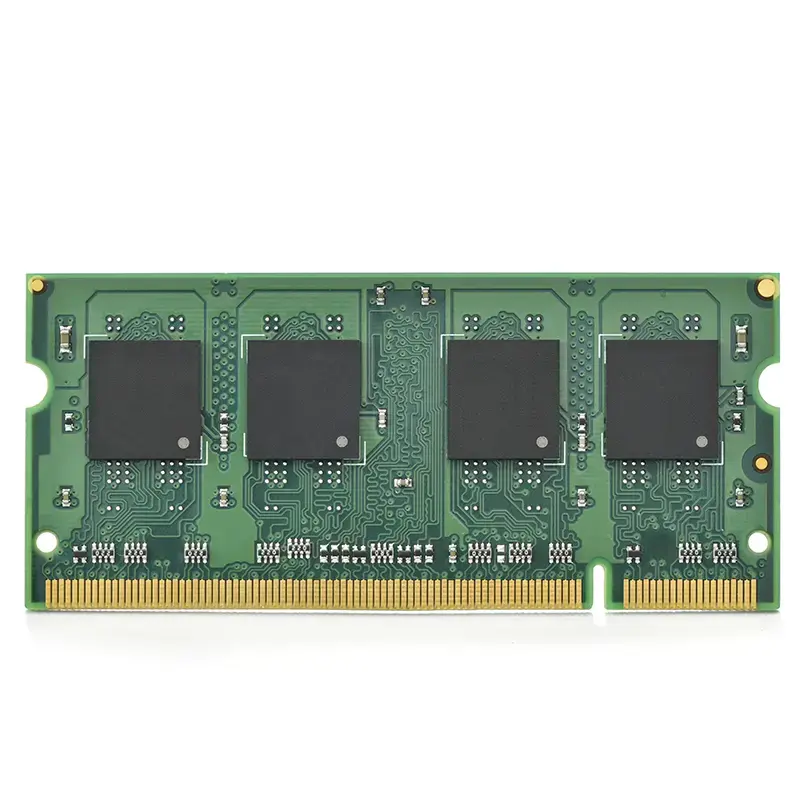
 Memory PCBA
 Power Supply PCBA
 New Energey PCBA
 Communication PCBA
 Industrial Control PCBA
 Medical Equipment PCBA
 Testing Service
 PCBA Testing Service
 Certification Application
 RoHS Certification Application
 REACH Certification Application
 CE Certification Application
 FCC Certification Application
 CQC Certification Application
 UL Certification Application
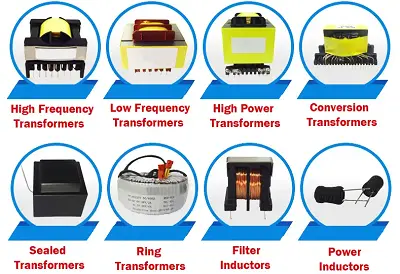 Transformers, Inductors
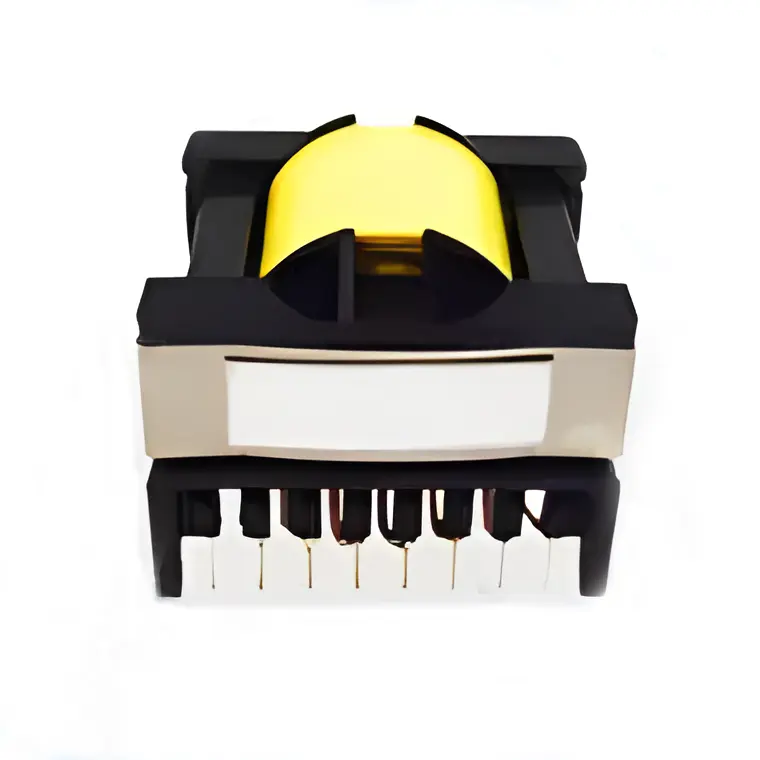 High Frequency Transformers
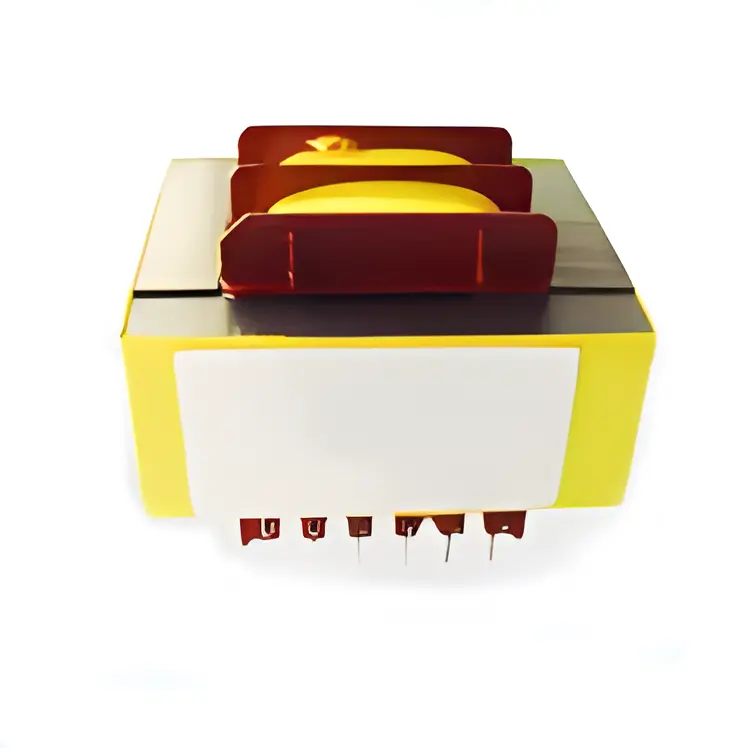 Low Frequency Transformers
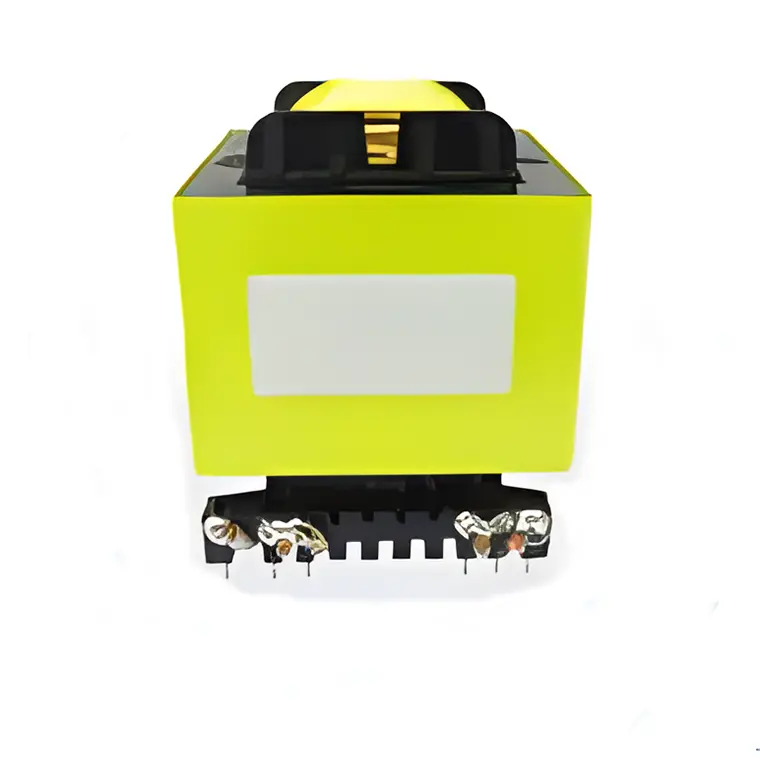 High Power Transformers
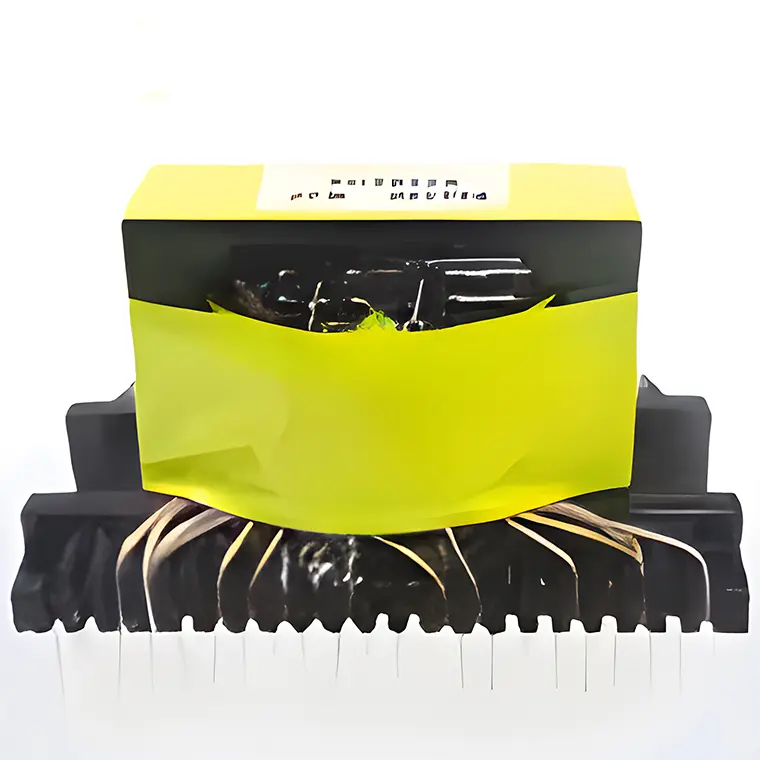 Conversion Transformers
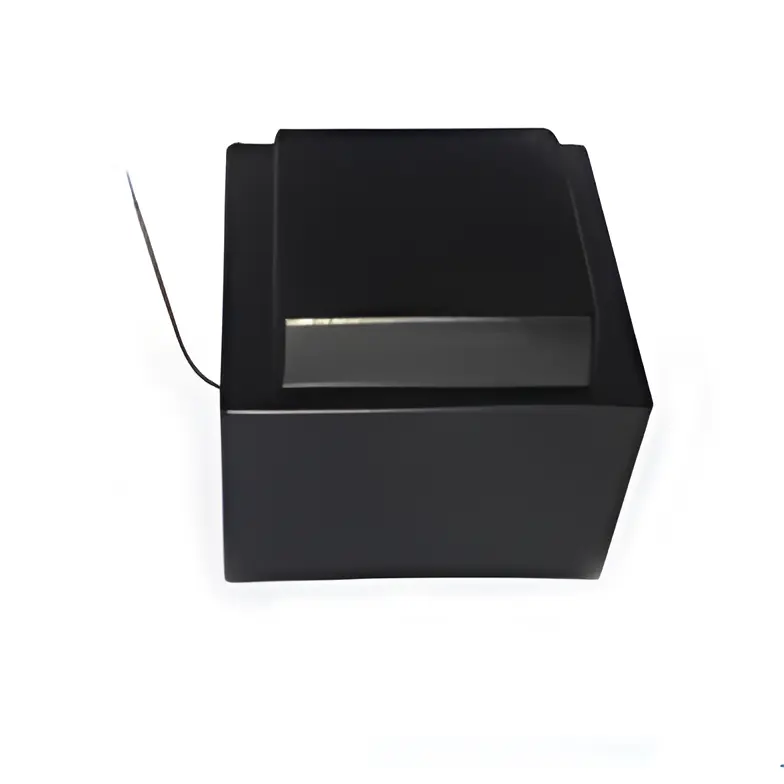 Sealed Transformers
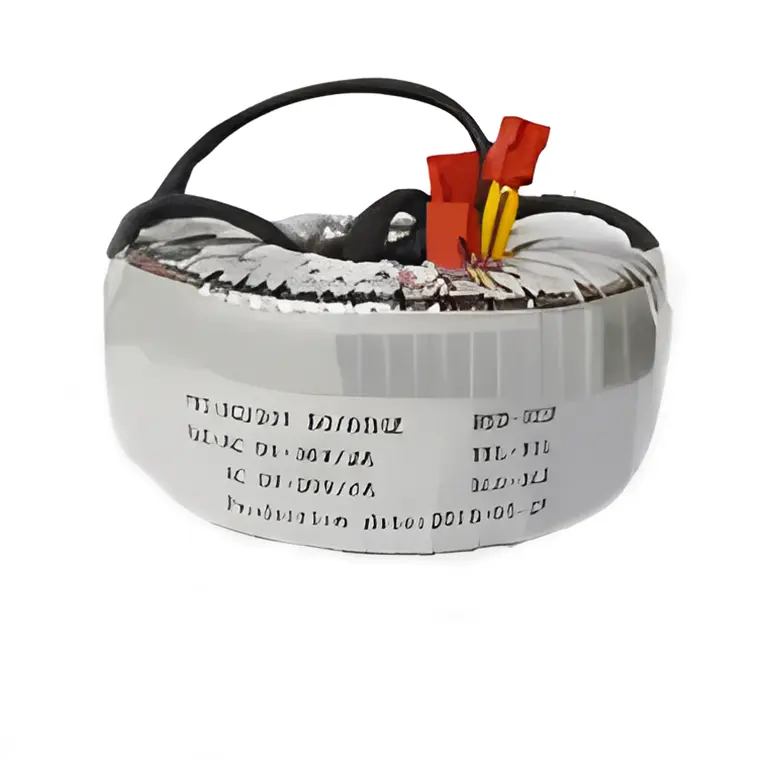 Ring Transformers
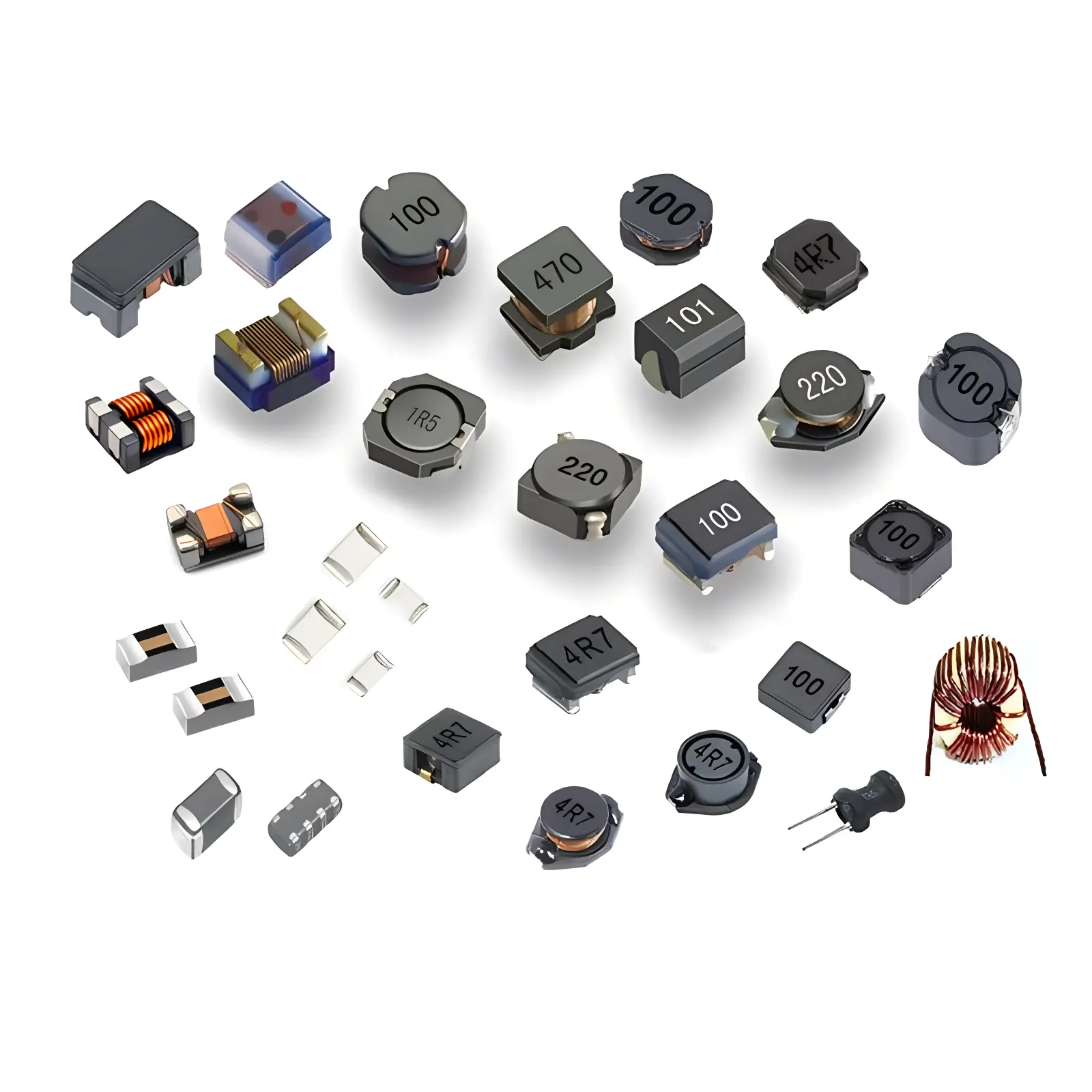 Inductors
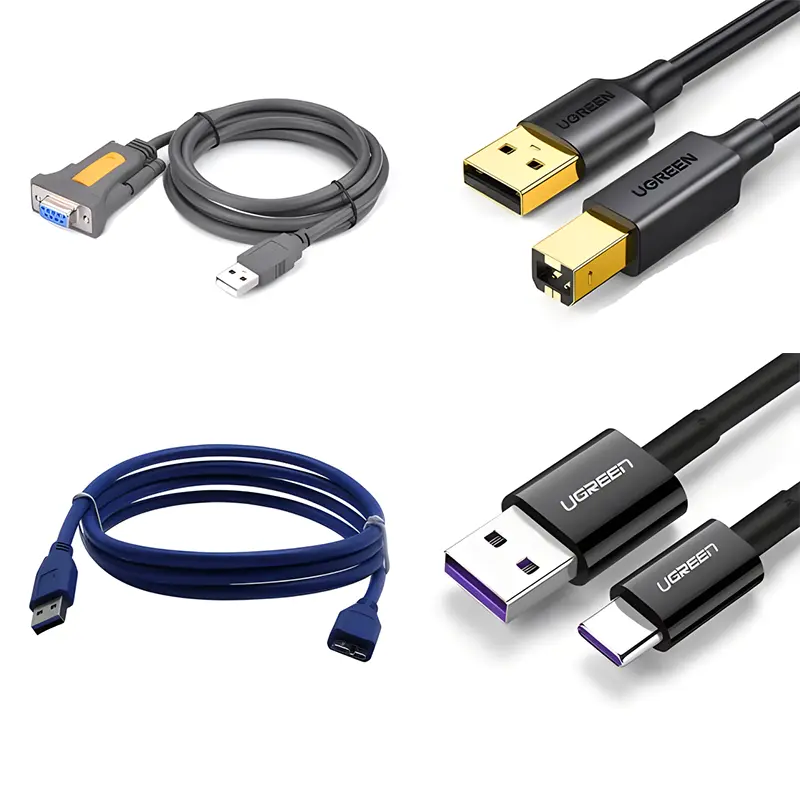 Wires,Cables Customized
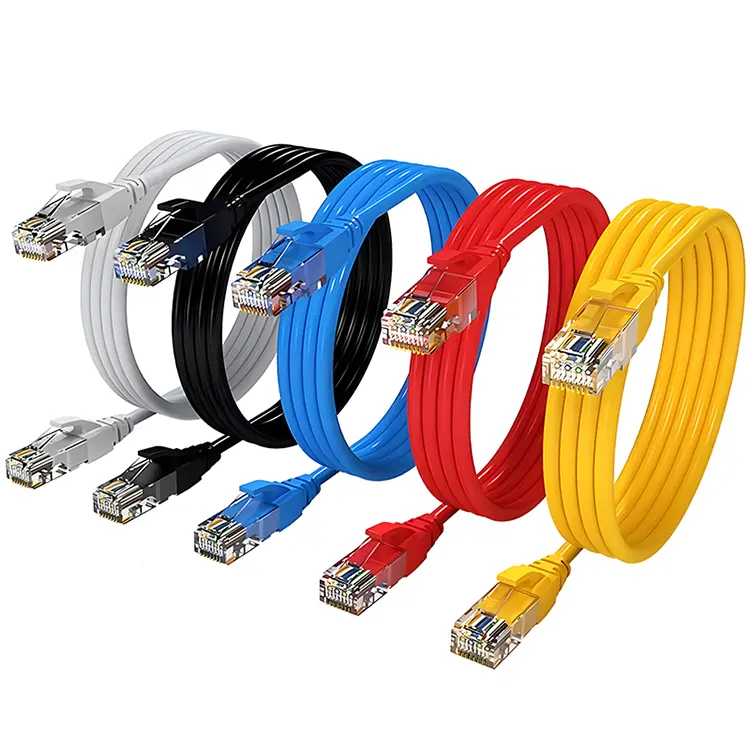 Network Cables
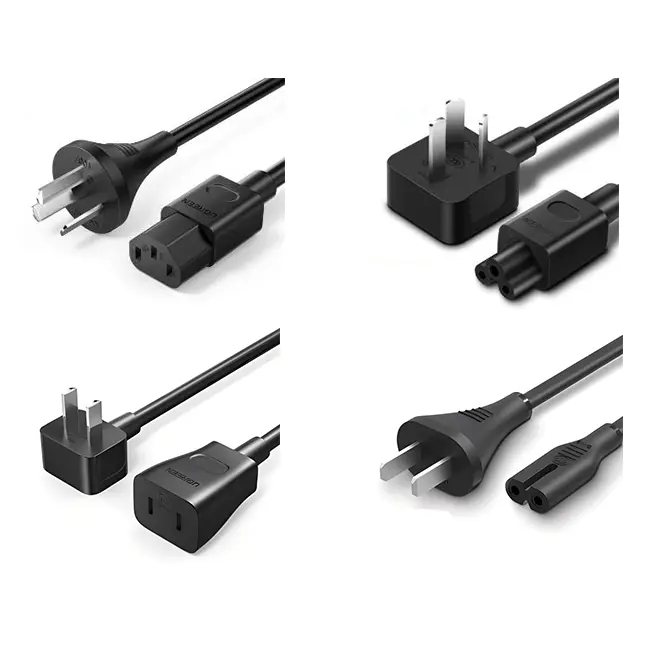 Power Cords
 Antenna Cables
 Coaxial Cables
 Net Position Indicator
 Solar AIS net position indicator
 Capacitors
 Connectors
 Diodes
 Embedded Processors & Controllers
 Digital Signal Processors (DSP/DSC)
 Microcontrollers (MCU/MPU/SOC)
 Programmable Logic Device(CPLD/FPGA)
 Communication Modules/IoT
 Resistors
 Through Hole Resistors
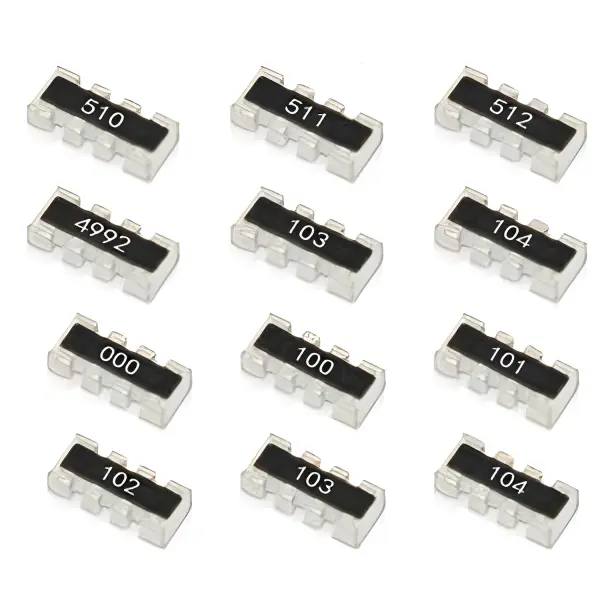 Resistor Networks, Arrays
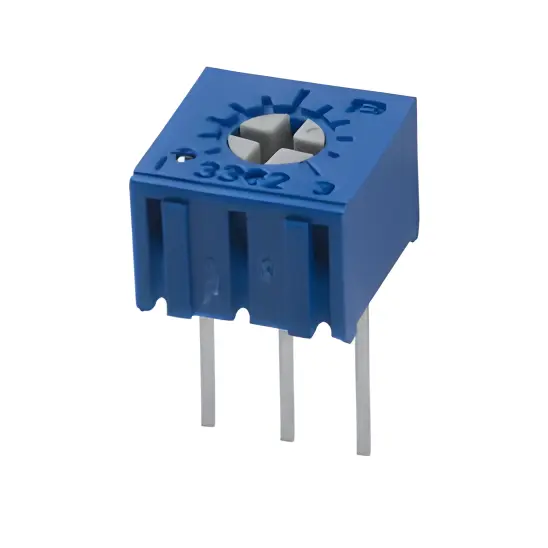 Potentiometers,Variable Resistors
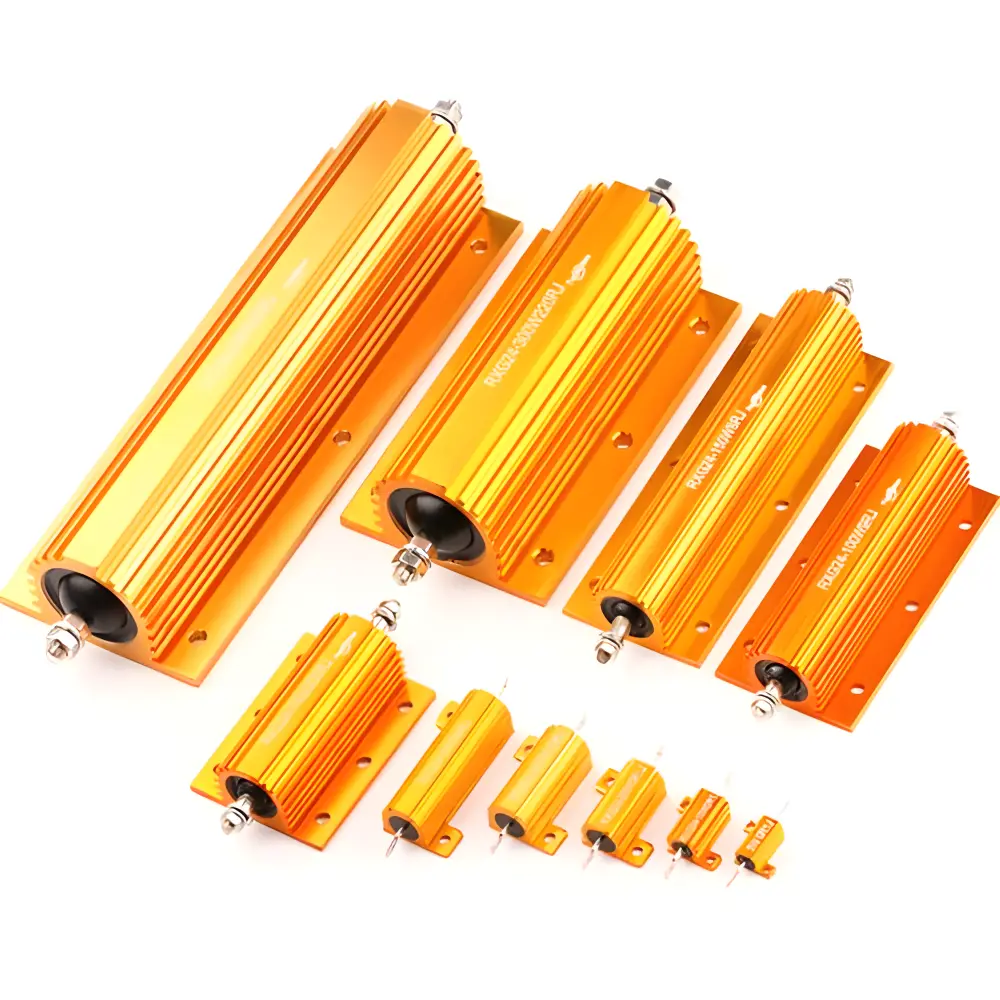 Aluminum Case,Porcelain Tube Resistance
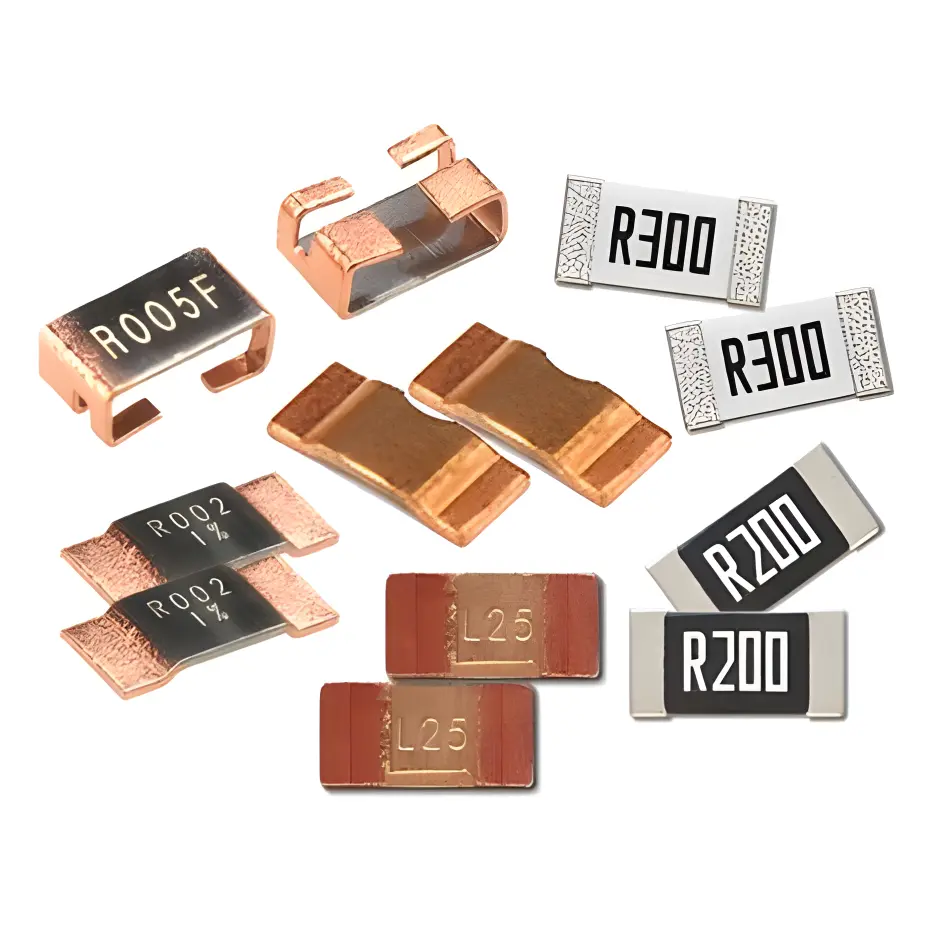 Current Sense Resistors,Shunt Resistors
 Switches
 Transistors
 Power Modules
 Isolated Power Modules
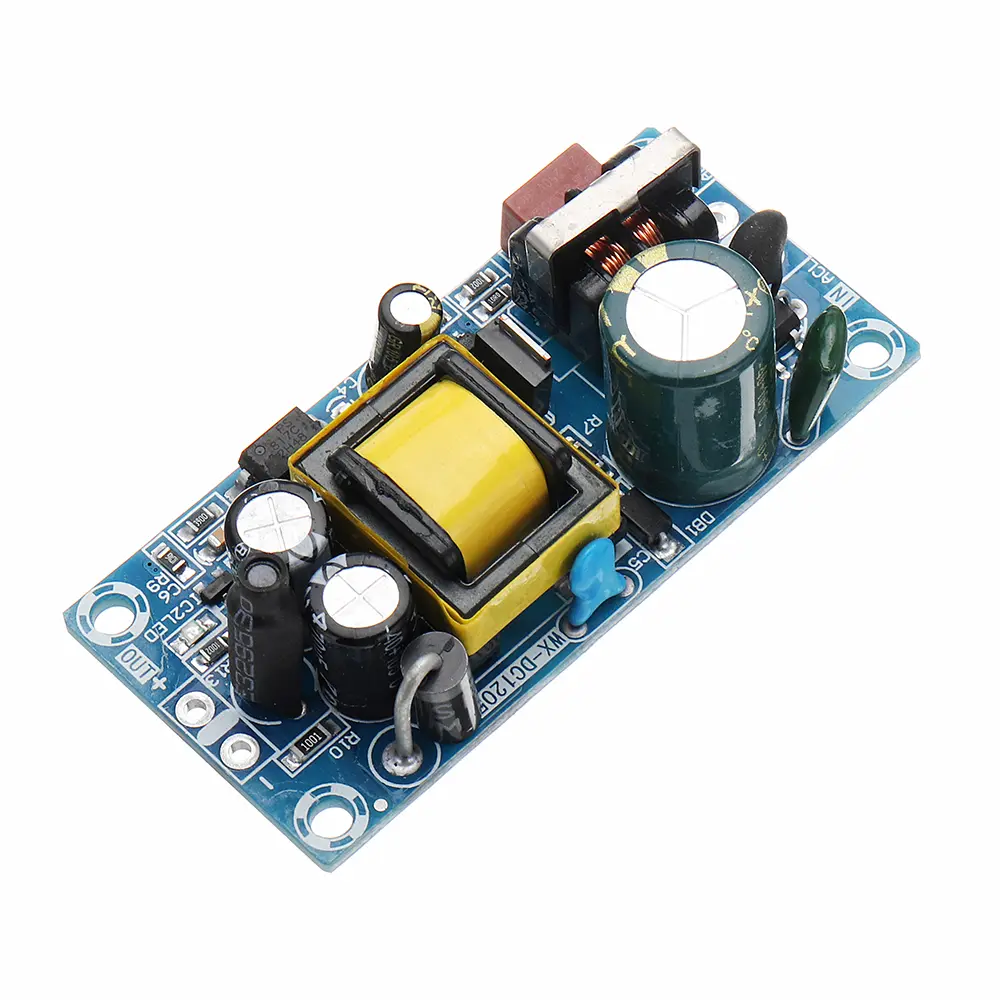 AC-DC Power Modules
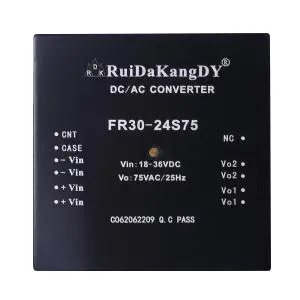 DC-AC Module(Inverter)
 RF and Wireless
Optimal Pad Aspect Ratio (Length-to-Width) for 0201 Ultra-Small Components to Prevent Placement Misalignment
2025-12-04

0201 ultra-small suRFace-mount components (0.6mm × 0.3mm footprint) are ubiquitous in miniaturized electronic devices such as wearables, smartphones, and IoT sensors. Their tiny size presents significant challenges in PCB assembly, with placement misalignment being a top defect—manifested as components shifted, rotated, or tilted relative to the pads. This defect leads to solder joint failures (e.g., tombstoning, bridging), electrical open circuits, and reduced production yield. Among the critical pad design parameters, the aspect ratio (length-to-width ratio, L/W) of the pads directly influences the component’s self-alignment capability during reflow soldering and the stability of the placement process. This article comprehensively analyzes how pad aspect ratio affects 0201 placement accuracy, defines the optimal L/W range aligned with IPC-7351 and IPC-A-610 standards, and provides systematic pad design guidelines to reduce misalignment rates to <0.2%.
1. Fundamentals of 0201 Component Placement and Misalignment Mechanisms
Before exploring pad aspect ratio, it is essential to understand the unique challenges of 0201 assembly and the root causes of placement misalignment:
1.1 0201 Component and Placement Characteristics
- Dimensions: 0201 components have a body size of 0.6mm (length, L₁) × 0.3mm (width, W₁), with terminal electrodes (end caps) of 0.1–0.15mm in length (covering ~15–25% of the component body).
- Weight: ~0.001g (1mg)—1/10 the weight of a 0402 component—making them highly susceptible to airflow disturbances during placement.
- Placement precision requirements: Pick-and-place machines must achieve ±0.02mm X/Y offset and ±1° rotation accuracy for 0201s, compared to ±0.05mm and ±2° for 0402s.
1.2 Root Causes of 0201 Placement Misalignment
Misalignment occurs due to a combination of machine limitations and pad design flaws, with pad geometry being the most controllable factor:
- Insufficient self-alignment force: During reflow, molten solder paste exerts surface tension forces on the component’s electrodes. If the pad shape does not generate balanced forces, the component fails to "self-correct" minor placement offsets.
- Pad-to-component mismatch: Pads that are too small or misshapen provide insufficient contact area for the solder, leading to unstable component seating.
- Solder paste volume variation: Asymmetric solder paste deposits (caused by poor pad design) create uneven surface tension, pulling the component toward the pad with more paste.
For 0201s, the pad aspect ratio (L/W) directly governs the distribution of solder paste and the resulting self-alignment forces—making it the key to minimizing misalignment.
2. How Pad Aspect Ratio Influences Self-Alignment and Misalignment
The self-alignment of 0201 components during reflow relies on balanced solder surface tension across the two pads. The pad’s aspect ratio (L/W) determines the shape of the solder meniscus formed between the component electrode and the pad, which in turn affects the magnitude and direction of the alignment forces.
2.1 Solder Surface Tension and Self-Alignment Principles
When solder paste melts, it forms a meniscus that adheres to both the component electrode and the pad. The surface tension force (F) is proportional to the contact length between the solder and the component: F ∝ γ × L_contact Where γ = surface tension of molten solder (~0.5 N/m for SAC305), and L_contact = length of the solder-component interface.
For the component to self-align, the total surface tension force on each end of the component must be equal. This requires the pad’s shape to ensure symmetric L_contact across both pads.
2.2 Impact of Pad Aspect Ratio (L/W) on Alignment
Pad aspect ratio is defined as the ratio of the pad’s length (parallel to the component’s length) to its width (perpendicular to the component’s length). Below is an analysis of different L/W ratios and their effects:
2.2.1 Low Aspect Ratio (L/W < 1.5:1)
- Pad shape: Wide and short (e.g., L=0.3mm, W=0.25mm, L/W=1.2:1).
- Issues:
- Reduced length contact: The short pad length limits L_contact with the component’s electrode, resulting in weak self-alignment forces. Minor placement offsets (e.g., 0.03mm) cannot be corrected, leading to persistent misalignment.
- Solder bridging risk: Wide pads increase the distance between the two pads (to avoid bridging) but reduce the component’s stability—side-to-side movement during reflow causes rotation misalignment.
- Data: A study by Panasonic found that 0201s with L/W=1.2:1 had a 5.2% misalignment rate (X/Y offset >0.03mm or rotation >1.5°), compared to 0.8% for optimized ratios.
2.2.2 High Aspect Ratio (L/W > 3:1)
- Pad shape: Long and narrow (e.g., L=0.6mm, W=0.15mm, L/W=4:1).
- Issues:
- Asymmetric solder distribution: Narrow pads restrict solder paste volume, leading to uneven meniscus formation. The component’s electrode may only contact the center of the pad, creating unbalanced forces that pull it toward one end.
- Component tilting: Long pads increase the risk of the component "rocking" during reflow, as the solder at the pad’s ends solidifies before the center—trapping the component in a tilted position.
- Data: Testing with L/W=4:1 pads showed a 4.7% misalignment rate, with 60% of defects being rotation or tilting.
2.2.3 Optimal Aspect Ratio (1.8:1 to 2.5:1)
- Pad shape: Balanced length and width (e.g., L=0.45mm, W=0.2mm, L/W=2.25:1).
- Advantages:
- Maximized symmetric contact: The pad length matches the component’s electrode length (~0.12–0.15mm), ensuring full L_contact and balanced surface tension forces. Minor offsets (<0.05mm) are corrected during reflow.
- Controlled solder volume: The pad width is sufficient to hold the target solder paste volume (0.008–0.012mm³ per pad) without bridging, maintaining stable component seating.
- Data: IPC-7351 validation tests for 0201s found that L/W=1.8:1–2.5:1 resulted in misalignment rates <0.2%, with 99.8% of components achieving X/Y offset <0.02mm and rotation <1°.
3. Optimal Pad Dimensions and Aspect Ratio for 0201 Components
Based on IPC-7351 (Section 7.2, "Chip Component Land Patterns") and industry production data, the optimal pad dimensions and aspect ratio for 0201 components are defined as follows:
3.1 Standard 0201 Pad Dimensions
| Pad Parameter | Minimum Value | Typical Value | Maximum Value |
|---|---|---|---|
| Pad Length (L) | 0.4mm | 0.45mm | 0.5mm |
| Pad Width (W) | 0.18mm | 0.2mm | 0.22mm |
| Pad Spacing (S) | 0.2mm | 0.22mm | 0.25mm |
| Aspect Ratio (L/W) | 1.8:1 | 2.25:1 | 2.5:1 |
Note: Pad spacing (S) is the distance between the inner edges of the two pads, typically 0.2–0.25mm to match the component’s body length (0.6mm).
3.2 Aspect Ratio Validation with Real-World Data
A large-scale study by a leading PCB manufacturer (producing 10M+ 0201-equipped PCBs monthly) compared misalignment rates across different pad aspect ratios:
| Pad Aspect Ratio (L/W) | X/Y Offset >0.03mm (%) | Rotation >1.5° (%) | Total Misalignment Rate (%) |
|---|---|---|---|
| 1.5:1 (L=0.375mm, W=0.25mm) | 2.8 | 1.9 | 4.7 |
| 1.8:1 (L=0.45mm, W=0.25mm) | 1.1 | 0.7 | 1.8 |
| 2.25:1 (L=0.45mm, W=0.2mm) | 0.15 | 0.05 | 0.2 |
| 2.5:1 (L=0.5mm, W=0.2mm) | 0.2 | 0.1 | 0.3 |
| 3:1 (L=0.6mm, W=0.2mm) | 1.5 | 1.3 | 2.8 |
This data confirms that L/W=2.25:1 (typical value) achieves the lowest misalignment rate, with minimal offset and rotation defects.
3.3 Component Tolerance Considerations
0201 components have manufacturing tolerances (±0.03mm for length, ±0.02mm for width) that must be accounted for in pad design:
- Pad length compensation: The pad length should be 0.05–0.1mm longer than the maximum component electrode length (0.15mm + 0.03mm tolerance = 0.18mm → pad length ≥0.4mm) to ensure full electrode coverage.
- Pad width compensation: The pad width should be 0.02–0.03mm wider than the component’s electrode width (~0.3mm) to accommodate dimensional variations without excess solder accumulation.
4. Design Guidelines to Optimize Pad Aspect Ratio and Reduce Misalignment
Achieving the optimal pad aspect ratio (1.8:1–2.5:1) requires integrating additional design practices to enhance placement stability and self-alignment:
4.1 Solder Paste Stencil Design
The stencil aperture must mirror the pad’s aspect ratio to ensure accurate solder paste deposition:
- Aperture dimensions: Use stencil apertures with L/W=1.8:1–2.5:1, typically 90–95% of the pad size (e.g., pad L=0.45mm, W=0.2mm → aperture L=0.42mm, W=0.19mm). This prevents paste bridging while maintaining sufficient volume.
- Aperture shape: Use rectangular apertures with rounded corners (radius 0.03mm) to improve paste release and avoid sharp edges that cause uneven solder distribution.
- Stencil thickness: For 0201s, use a 0.1mm thick stencil to deposit the target solder volume (0.008–0.012mm³ per pad). Thicker stencils (>0.12mm) increase paste volume, rAISing bridging risk; thinner stencils (<0.08mm) reduce paste volume, weakening self-alignment forces.
4.2 Pad Placement and PCB Layout
- Fiducial marks: Place local fiducials (0.8mm × 0.8mm) within 1mm of the 0201 pads to improve pick-and-place machine accuracy. Fiducials should have a contrast ratio >3:1 with the PCB background.
- Avoid edge placement: Keep 0201 pads at least 1mm away from PCB board edges. Edge proximity causes airflow disturbances during placement and uneven heating during reflow, increasing misalignment.
- Component spacing: Maintain a minimum spacing of 0.3mm between adjacent 0201 components. Crowded layouts restrict airflow and make it difficult for the machine to pick components accurately.
4.3 Self-Alignment Enhancement Techniques
- Pad symmetry: Ensure the two pads for an 0201 component are identical in L/W ratio, dimensions, and spacing. Even a 0.02mm difference in pad length can create unbalanced forces.
- Solder mask design: Use a solder mask with openings (SMO) that match the pad dimensions (no overlap or undercut). A solder mask overhang of >0.02mm reduces pad contact area, weakening self-alignment.
- Thermal relief for nearby copper: If 0201 pads are near large copper planes, add thin thermal relief traces (0.1mm wide) to prevent uneven heating during reflow. Large copper planes act as heat sinks, causing solder to melt asymmetrically.
4.4 Pick-and-Place Process Optimization
While pad design is critical, machine parameters must be tuned to complement it:
- Nozzle selection: Use a 0.2mm diameter nozzle (specifically designed for 0201s) to ensure secure component pick-up. Larger nozzles (>0.3mm) cannot grip the tiny component; smaller nozzles (<0.15mm) risk damaging it.
- Placement pressure: Apply 10–20g placement pressure. Too much pressure (>30g) squeezes solder paste out from under the component; too little pressure (<5g) leaves the component loosely seated.
- Airflow control: Reduce conveyor belt airflow to <0.5m/s during placement. High airflow (>1m/s) can blow 0201 components off-target before they are seated.
5. Validation and Quality Control for 0201 Pad Design
To ensure pad aspect ratio and design meet requirements, implement these validation steps:
5.1 In-Line Inspection
- SPI (Solder Paste Inspection): After printing, inspect solder paste deposits for volume (0.008–0.012mm³ per pad) and symmetry (volume difference <5% between the two pads). Reject PCBs with paste defects.
- AOI (Automated Optical Inspection): After placement (before reflow), check for X/Y offset (>0.03mm) and rotation (>1.5°). Use AOI with 5μm pixel resolution to detect subtle misalignments.
- X-ray Inspection: After reflow, inspect solder joints for bridging, tombstoning, or insufficient wetting—all indicators of poor pad design or misalignment.
5.2 Design Verification Testing
- Component self-alignment test: Deliberately place 0201 components with controlled offsets (0.04mm X/Y, 2° rotation) and measure alignment after reflow. The component should correct to <0.02mm offset and <1° rotation with optimal pads.
- Yield monitoring: Track misalignment-related defects (tombstoning, bridging, open circuits) during production. A yield >99.8% indicates effective pad design.
0201 ultra-small components require precise pad aspect ratio control to avoid placement misalignment. The optimal pad length-to-width ratio is 1.8:1 to 2.5:1, with typical dimensions of 0.45mm (length) × 0.2mm (width) and a spacing of 0.22mm. This ratio balances solder paste distribution and surface tension forces, enabling the component to self-correct minor placement offsets during reflow.