
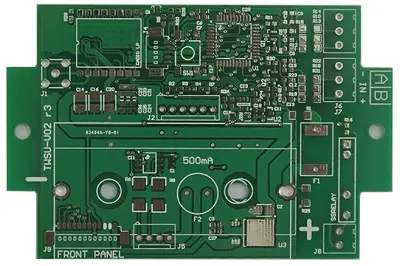
 PCB
PCB FPC
FPC Rigid-Flex
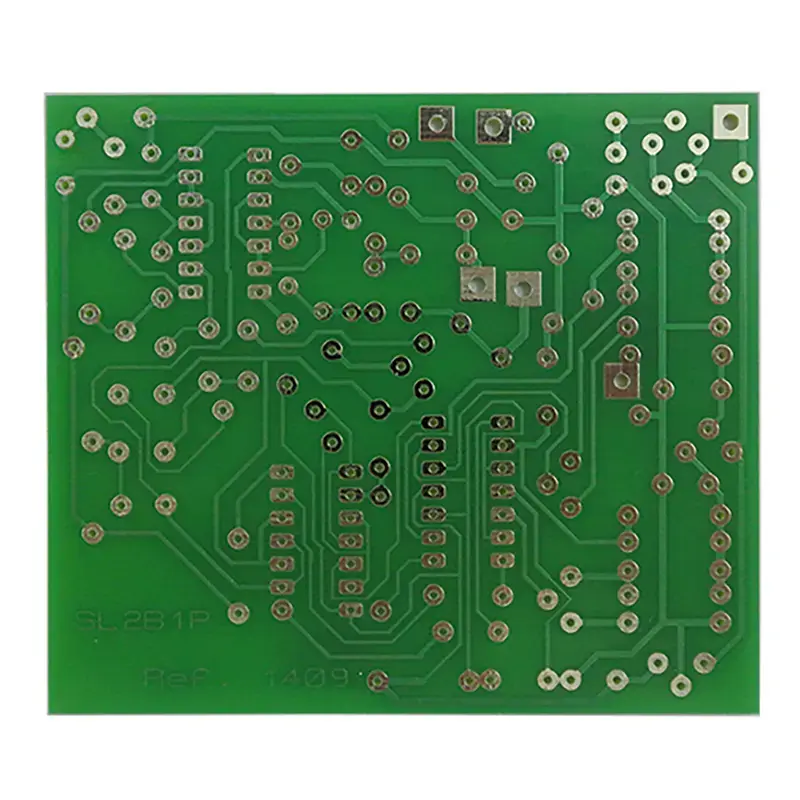 FR-4
FR-4 HDI PCB
 Rogers High-Frequency Board
 PTFE Teflon High-Frequency Board
 Aluminum
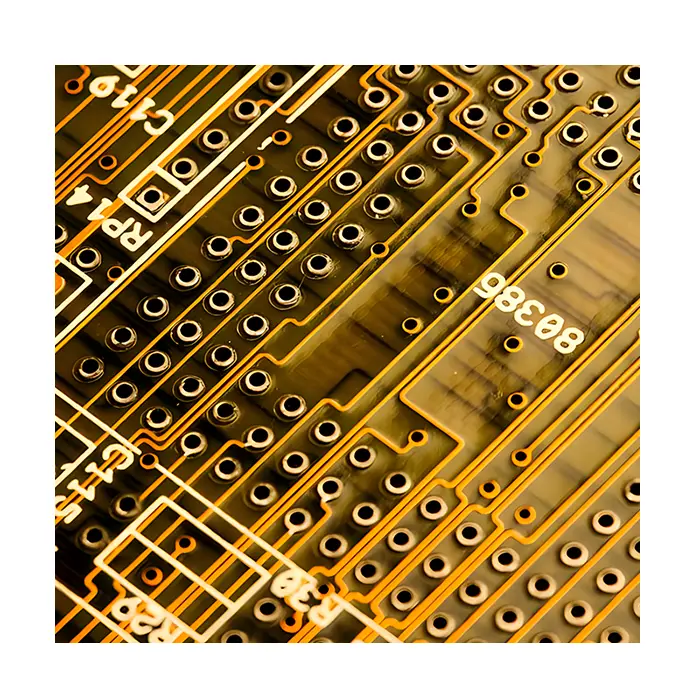 Copper Core
 PCB Assembly
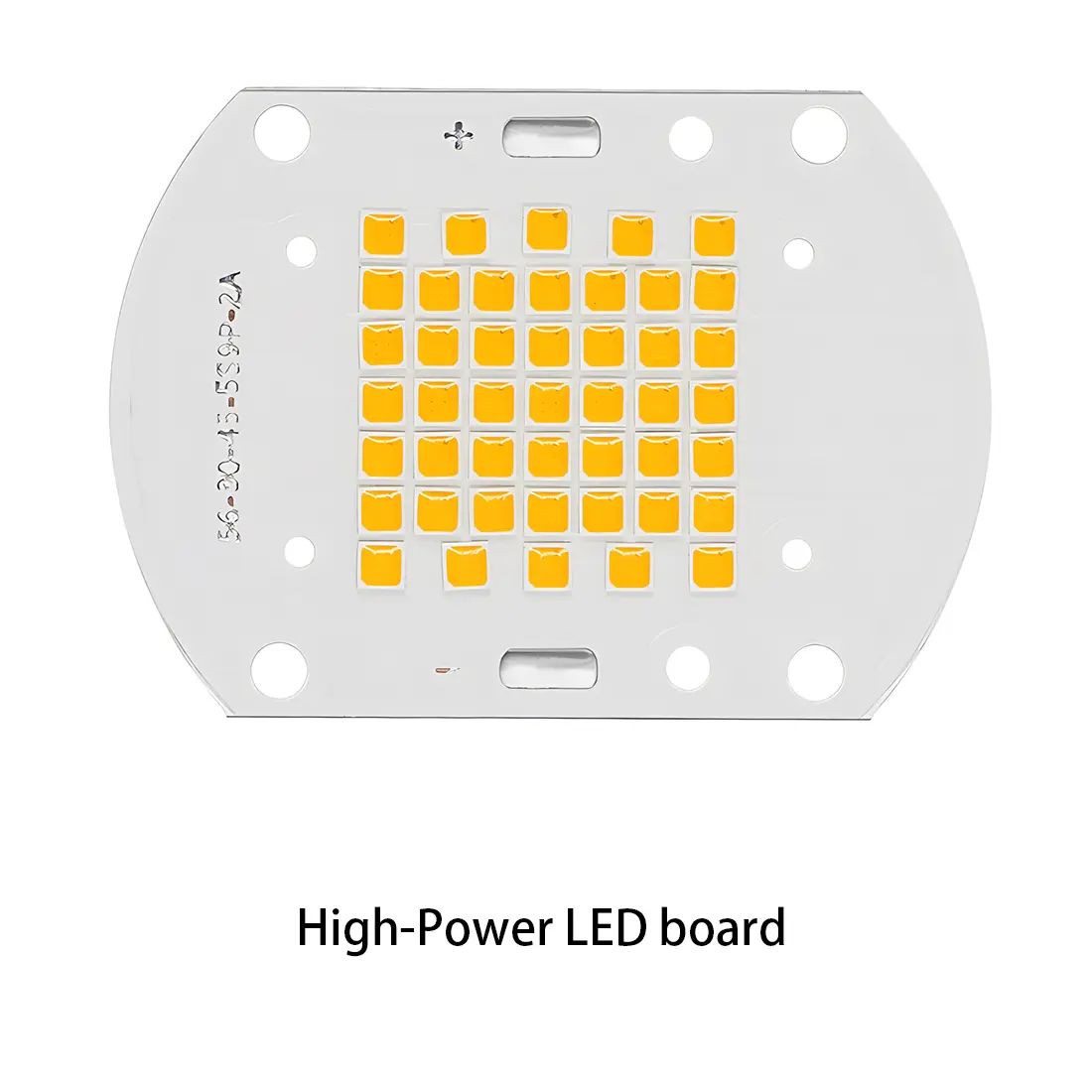 LED light PCBA
 Memory PCBA
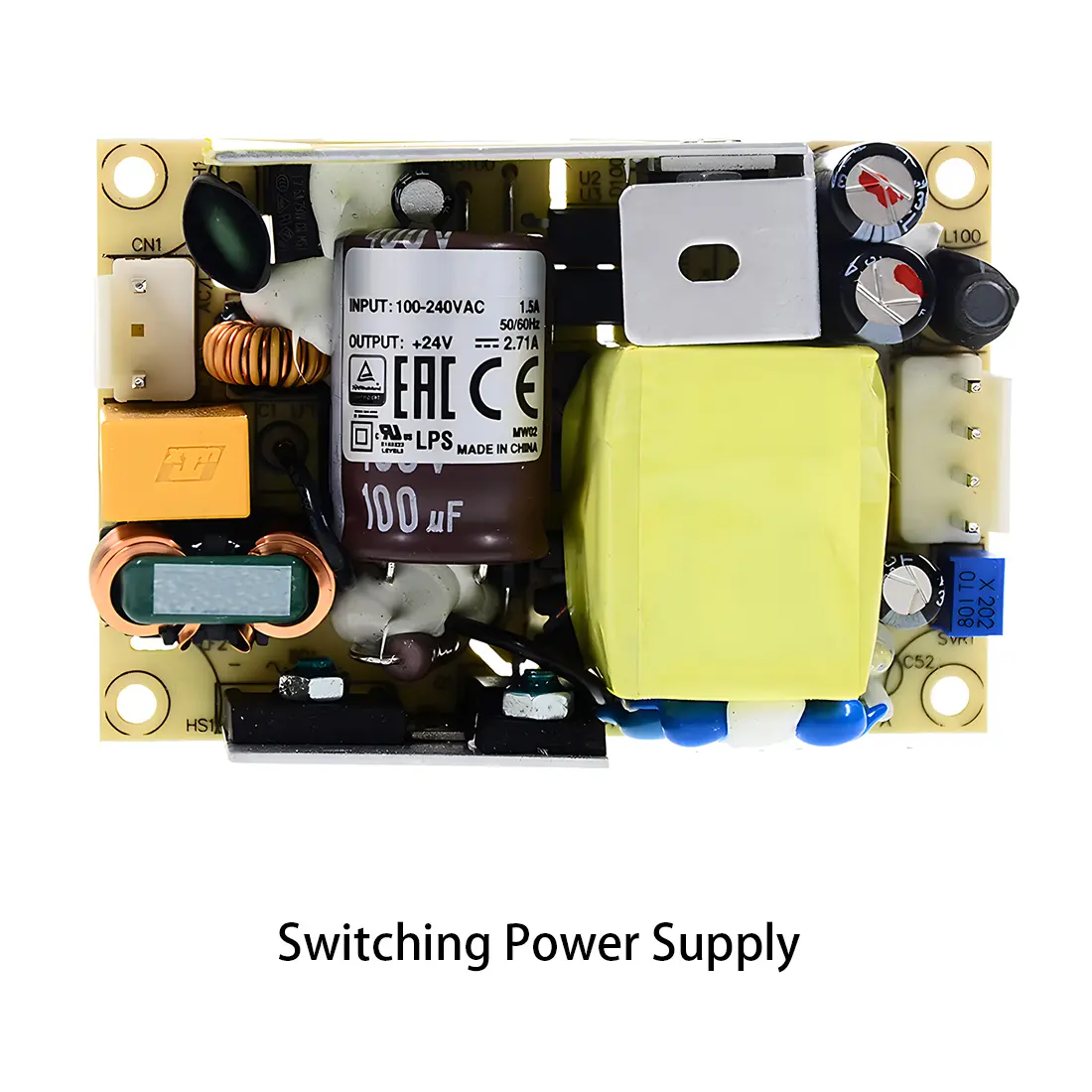 Power Supply PCBA
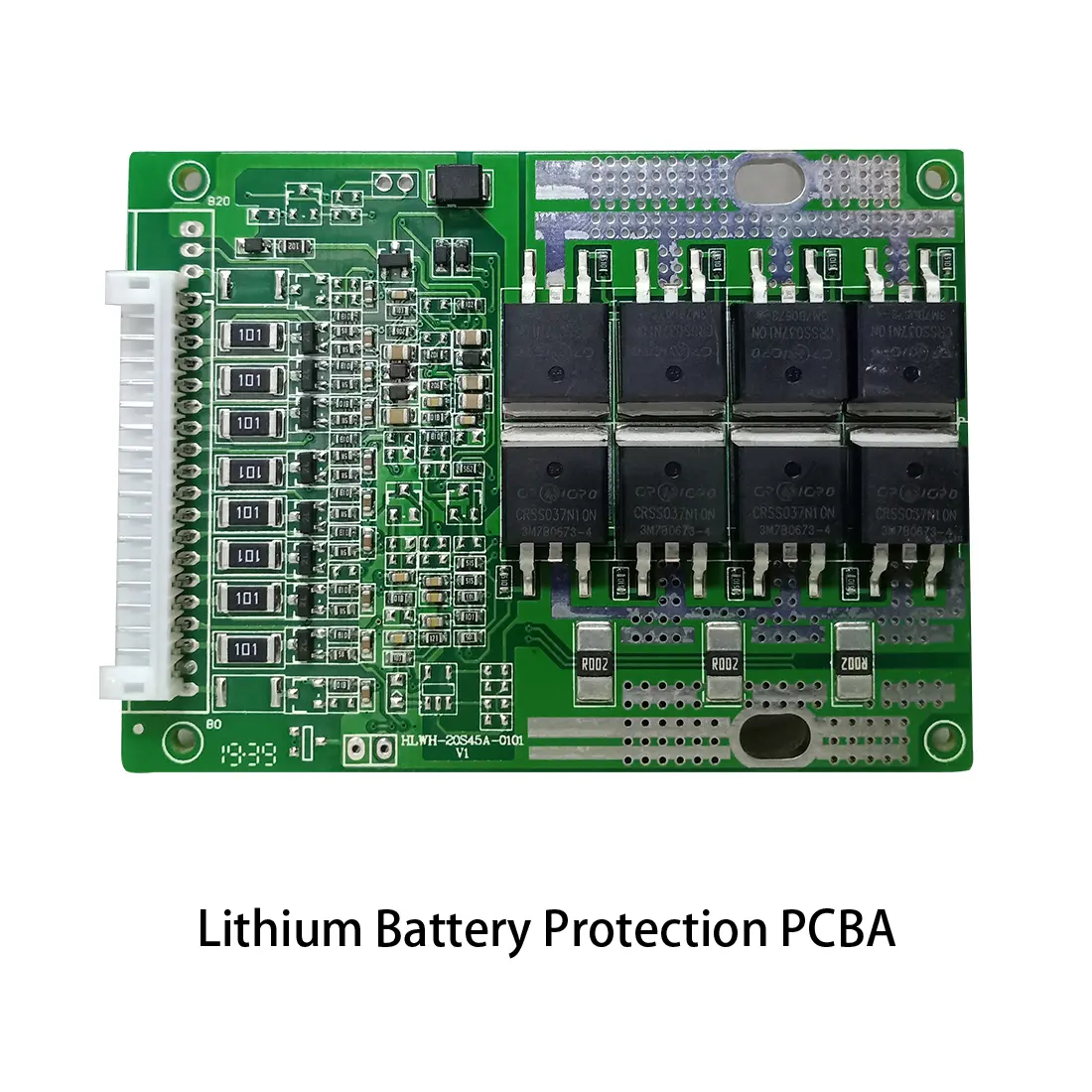 New Energey PCBA
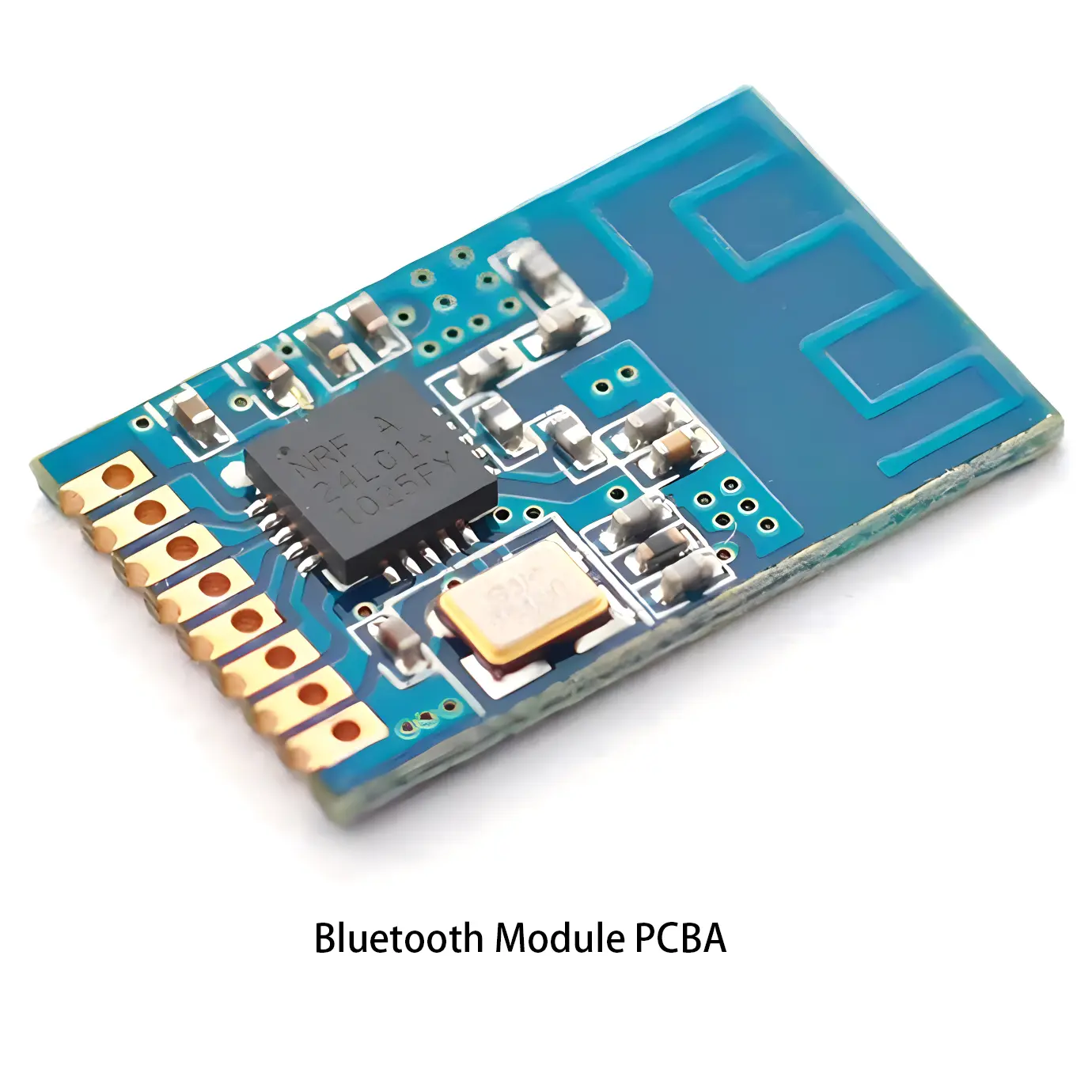 Communication PCBA
 Industrial Control PCBA
 Medical Equipment PCBA
 Testing Service
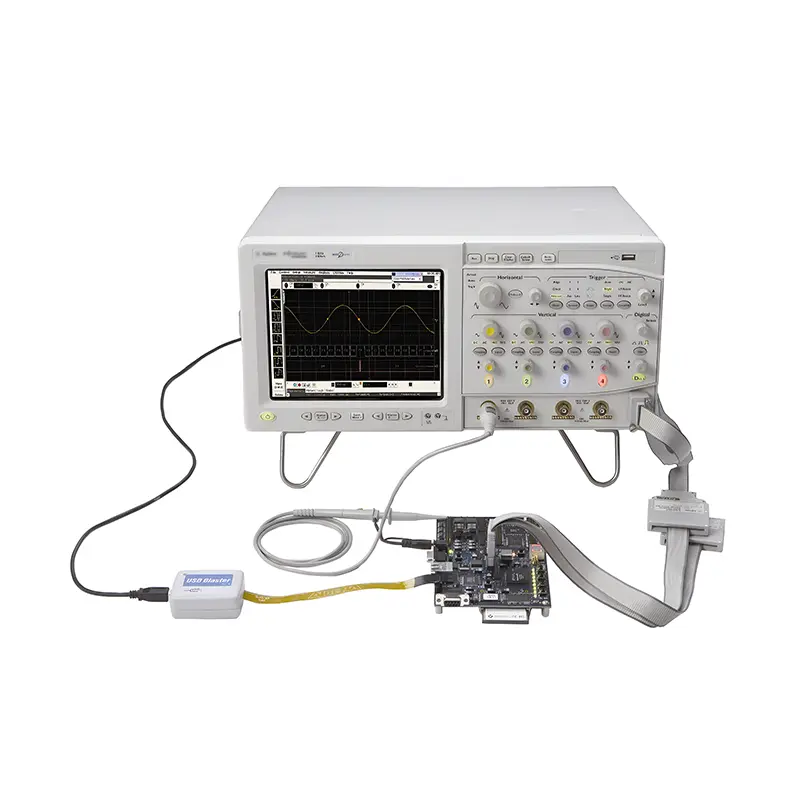 PCBA Testing Service
 Certification Application
 RoHS Certification Application
 REACH Certification Application
 CE Certification Application
 FCC Certification Application
 CQC Certification Application
 UL Certification Application
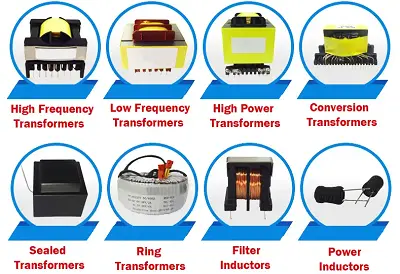 Transformers, Inductors
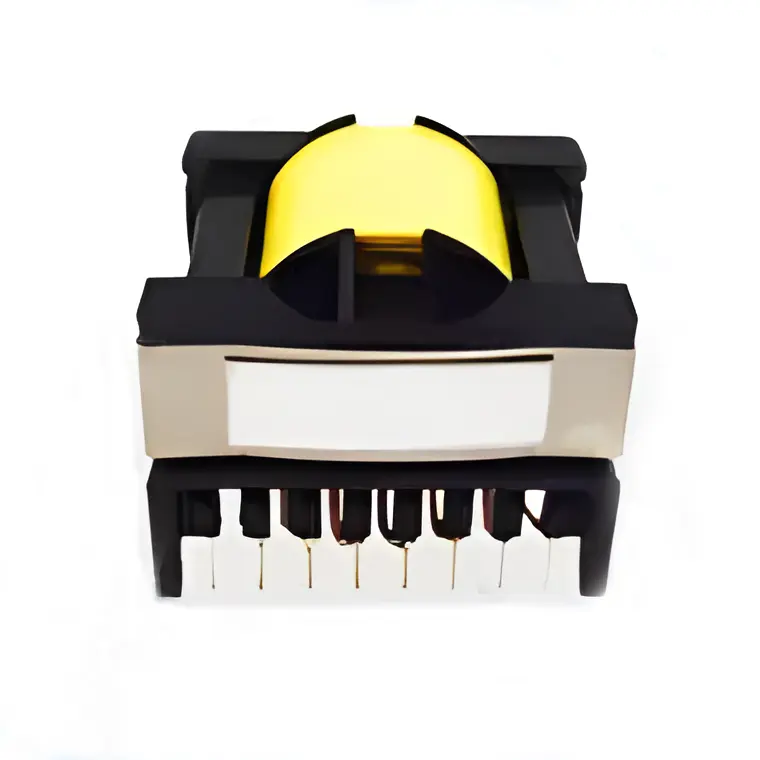 High Frequency Transformers
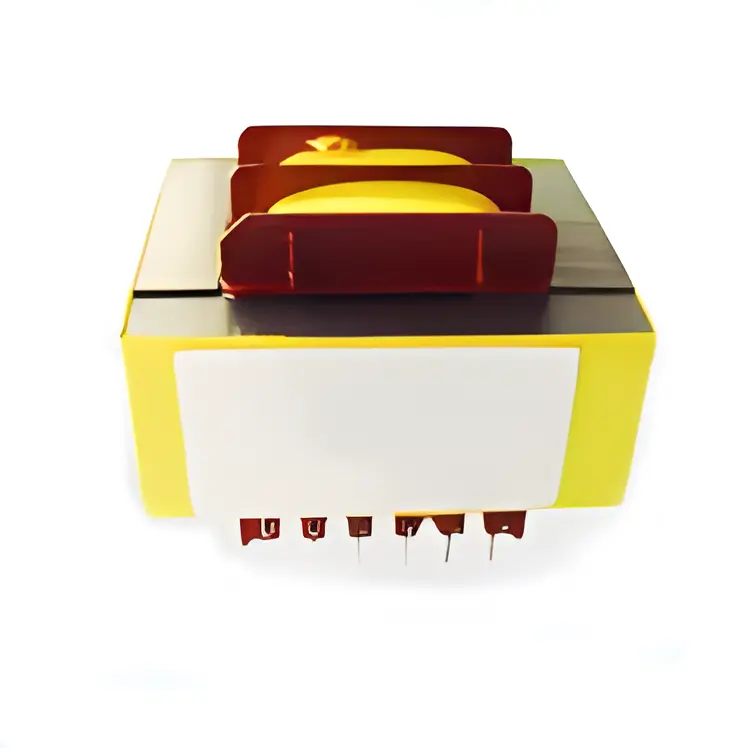 Low Frequency Transformers
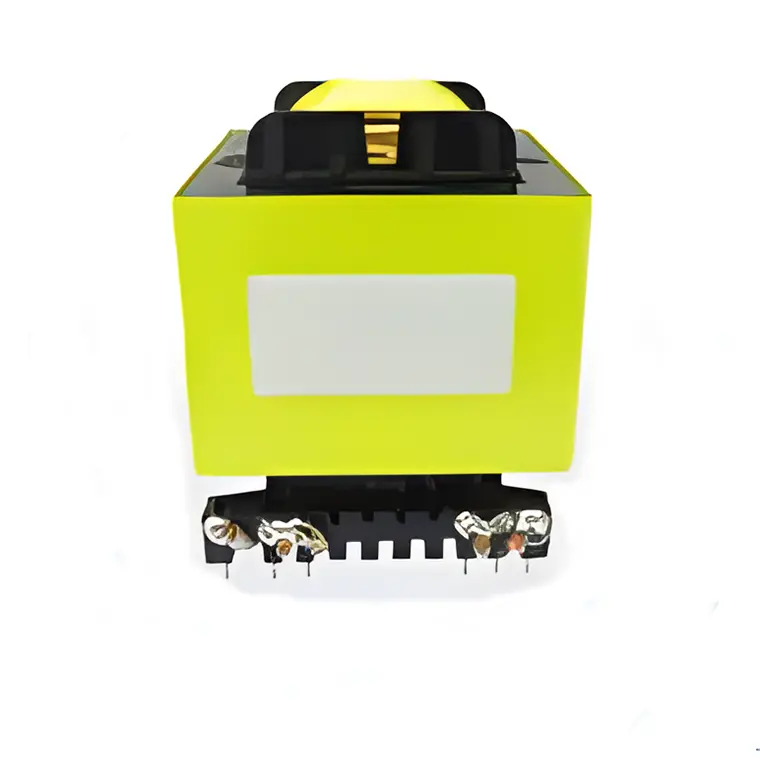 High Power Transformers
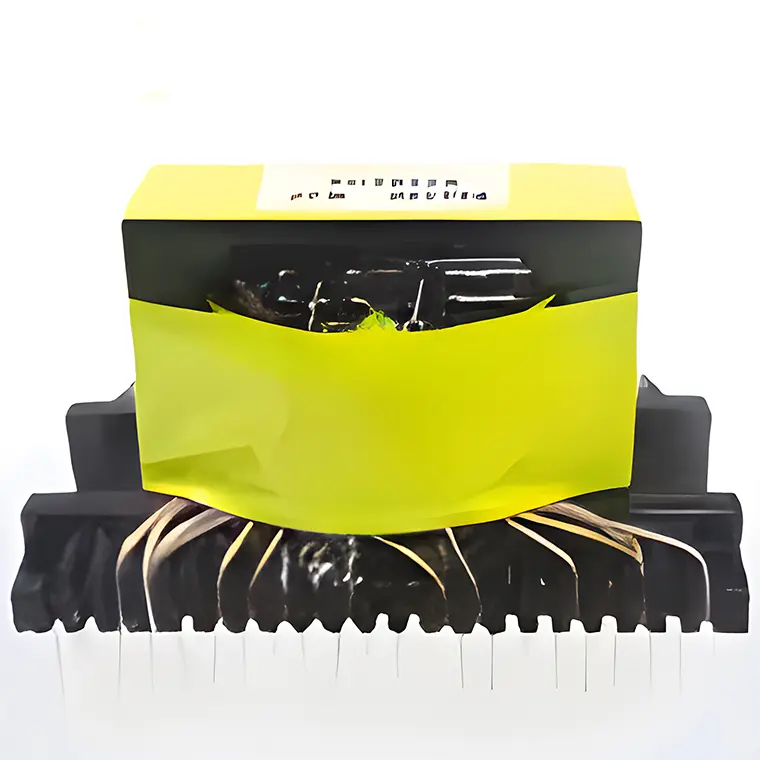 Conversion Transformers
 Sealed Transformers
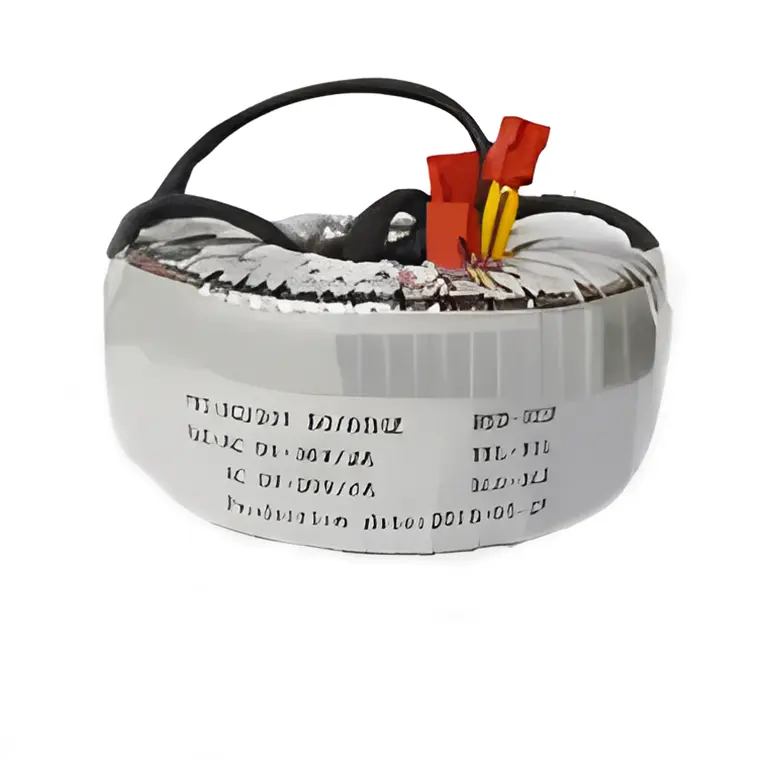 Ring Transformers
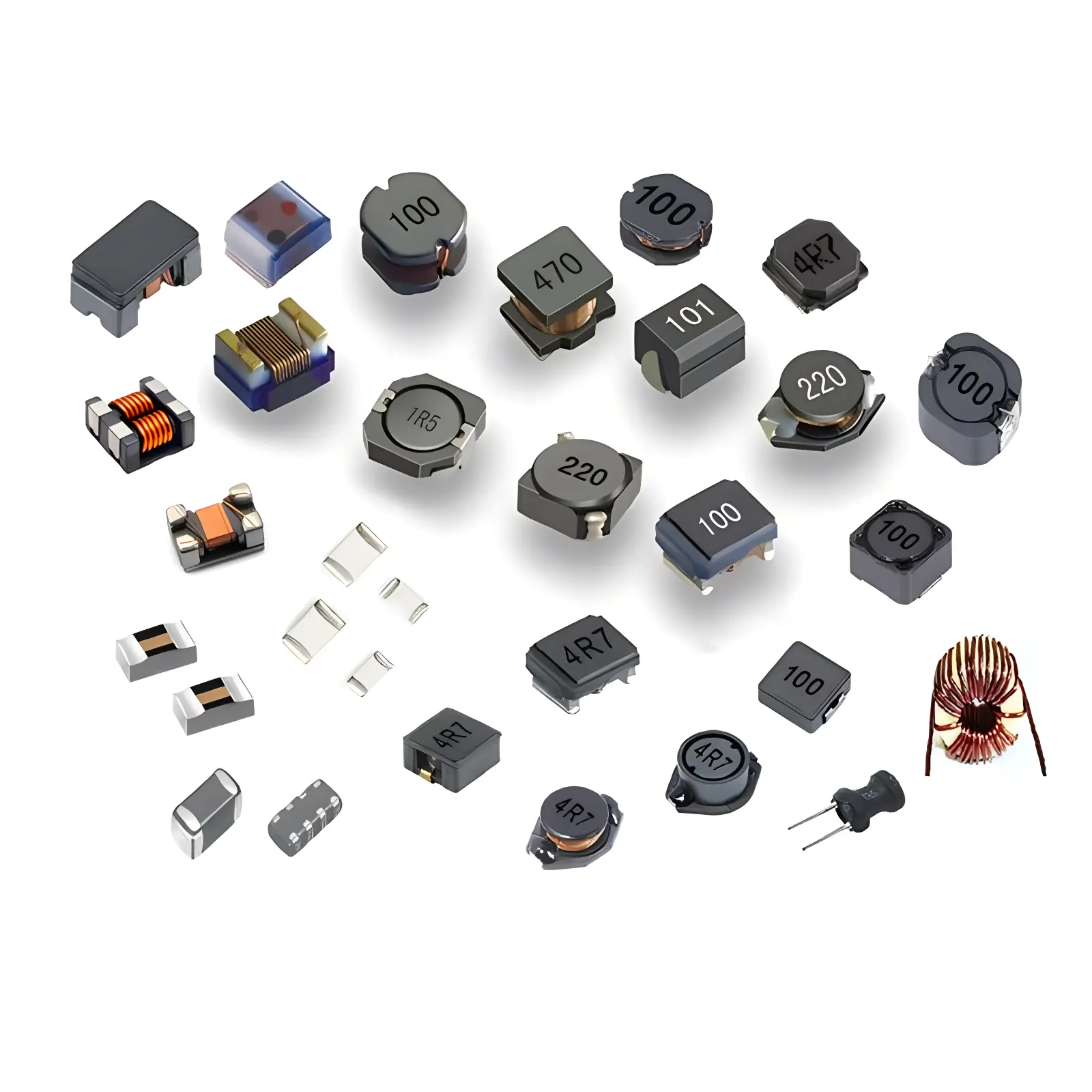 Inductors
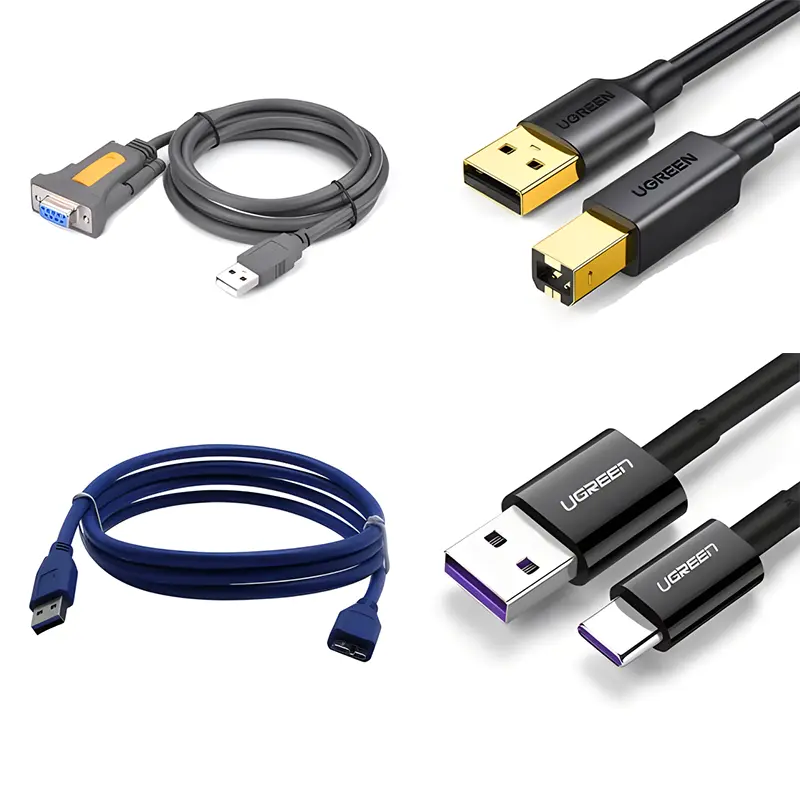 Wires,Cables Customized
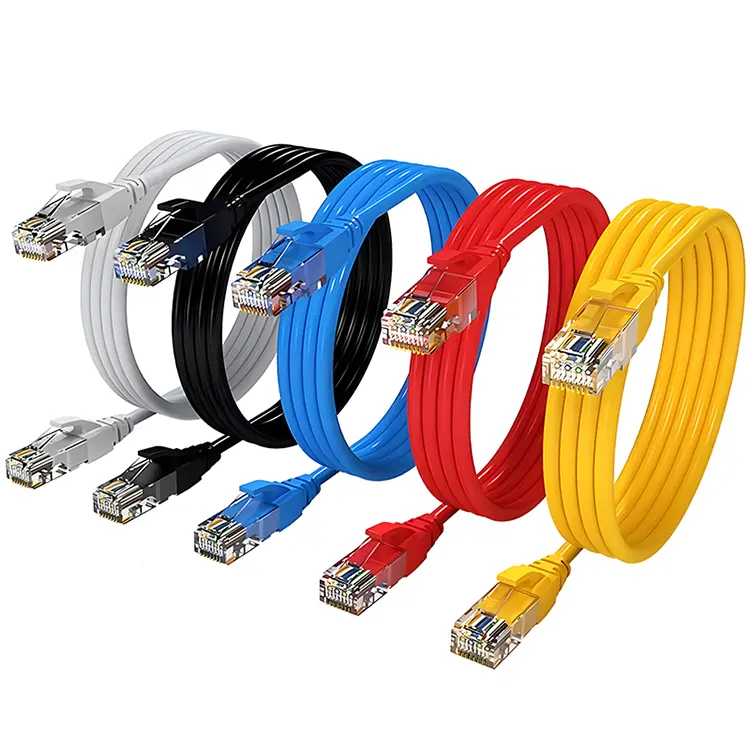 Network Cables
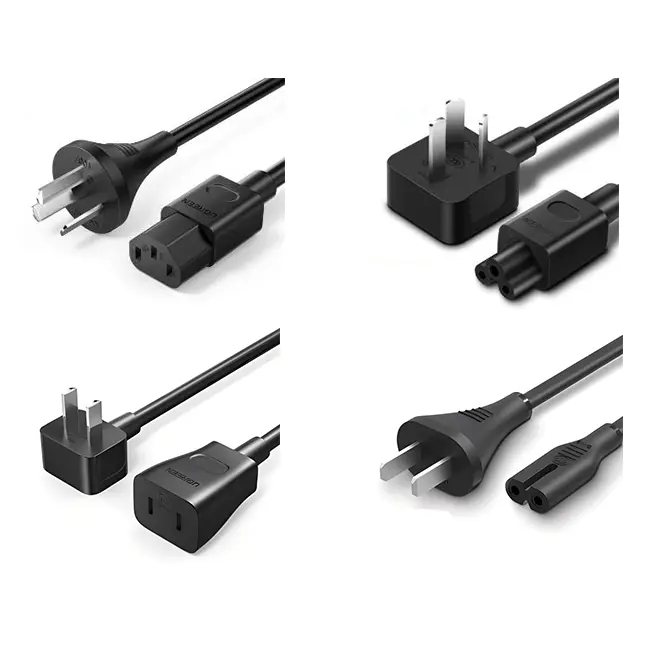 Power Cords
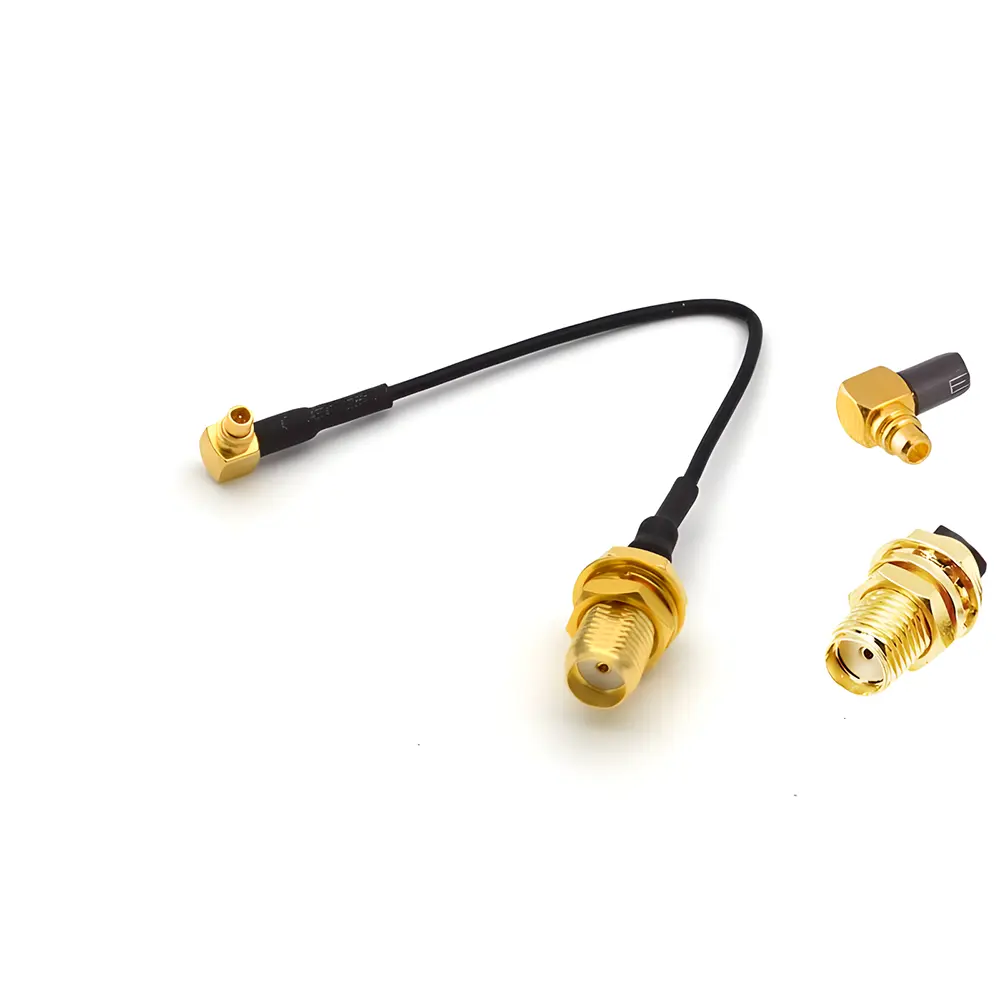 Antenna Cables
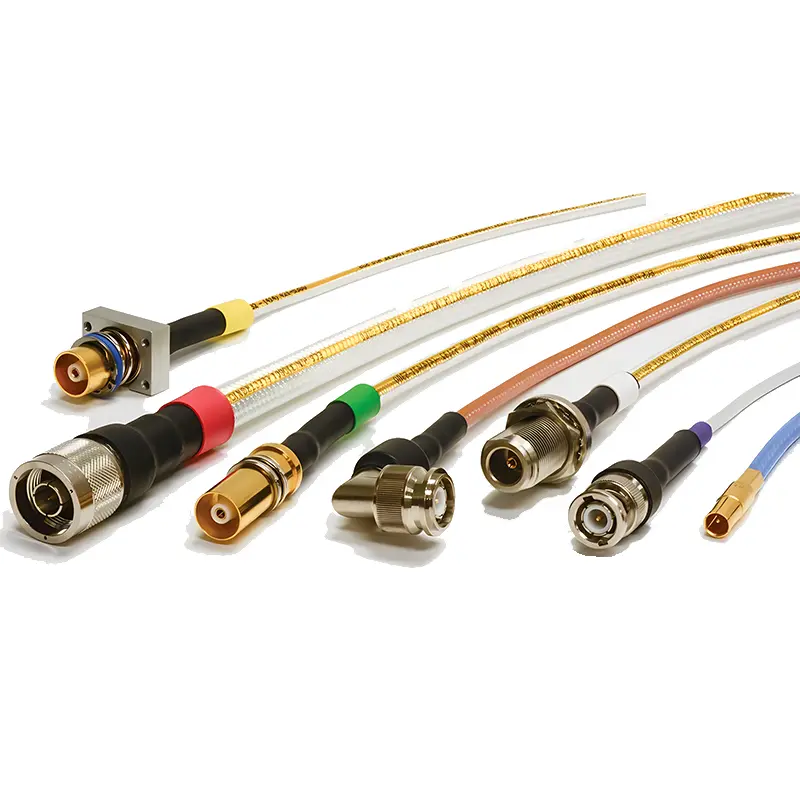 Coaxial Cables
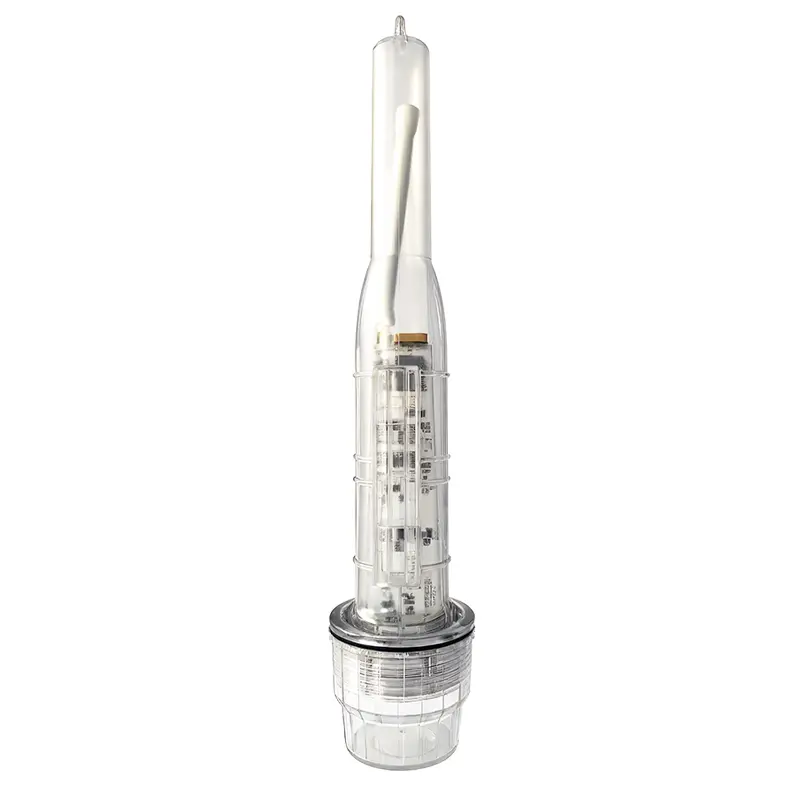 Net Position Indicator
 Solar AIS net position indicator
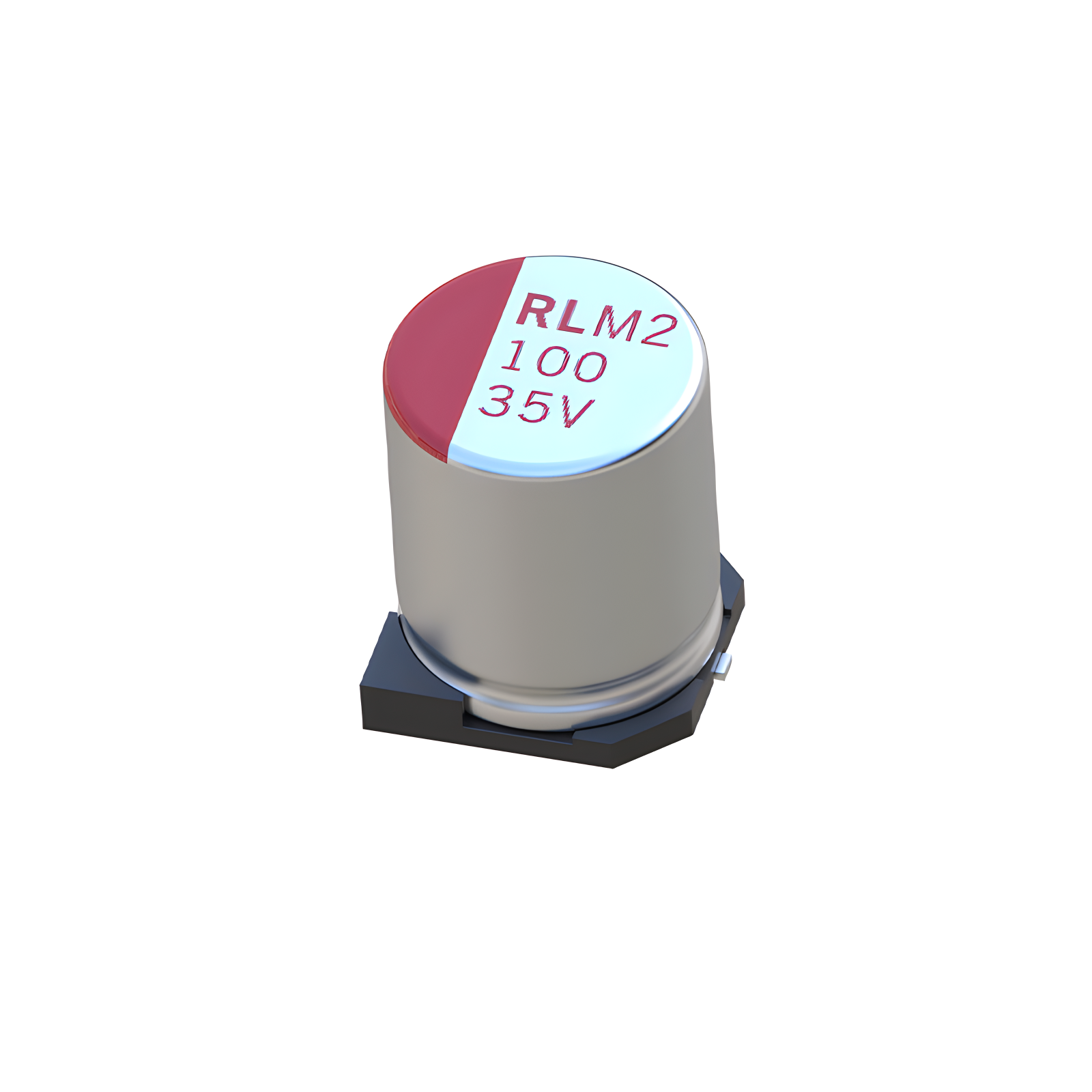 Capacitors
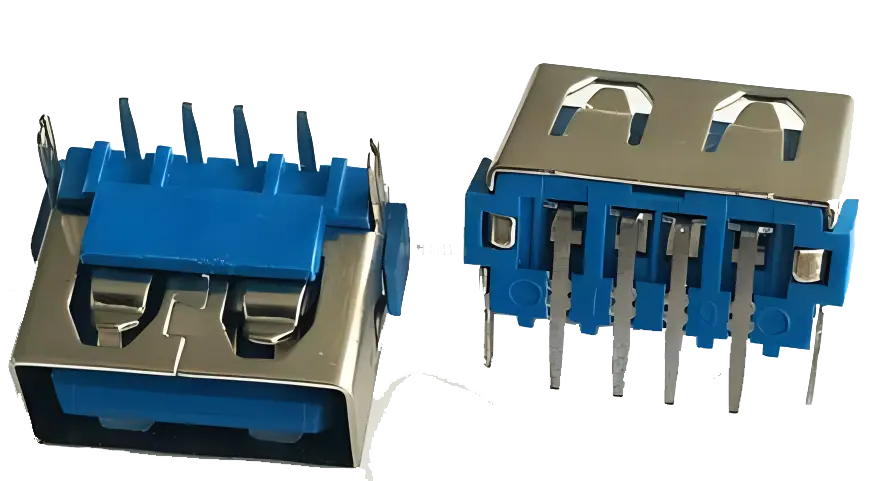 Connectors
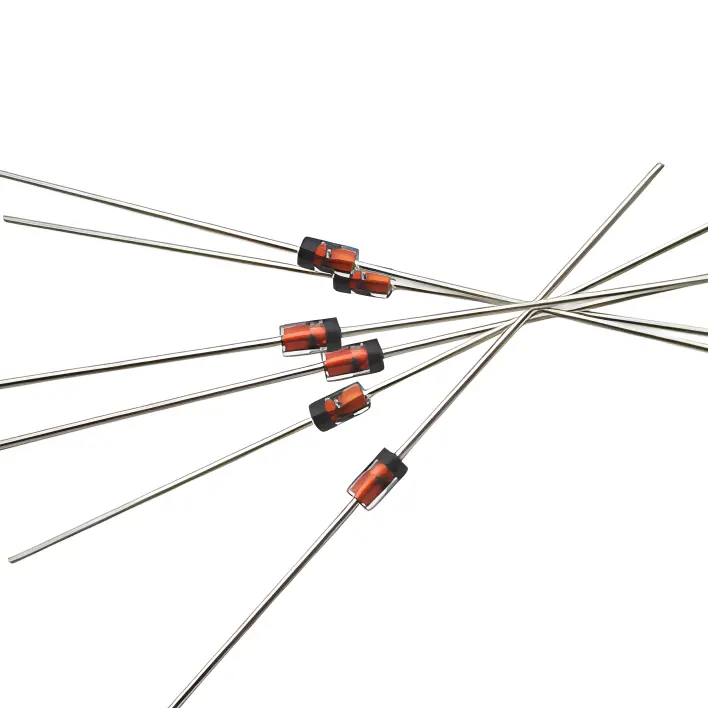 Diodes
 Embedded Processors & Controllers
 Digital Signal Processors (DSP/DSC)
 Microcontrollers (MCU/MPU/SOC)
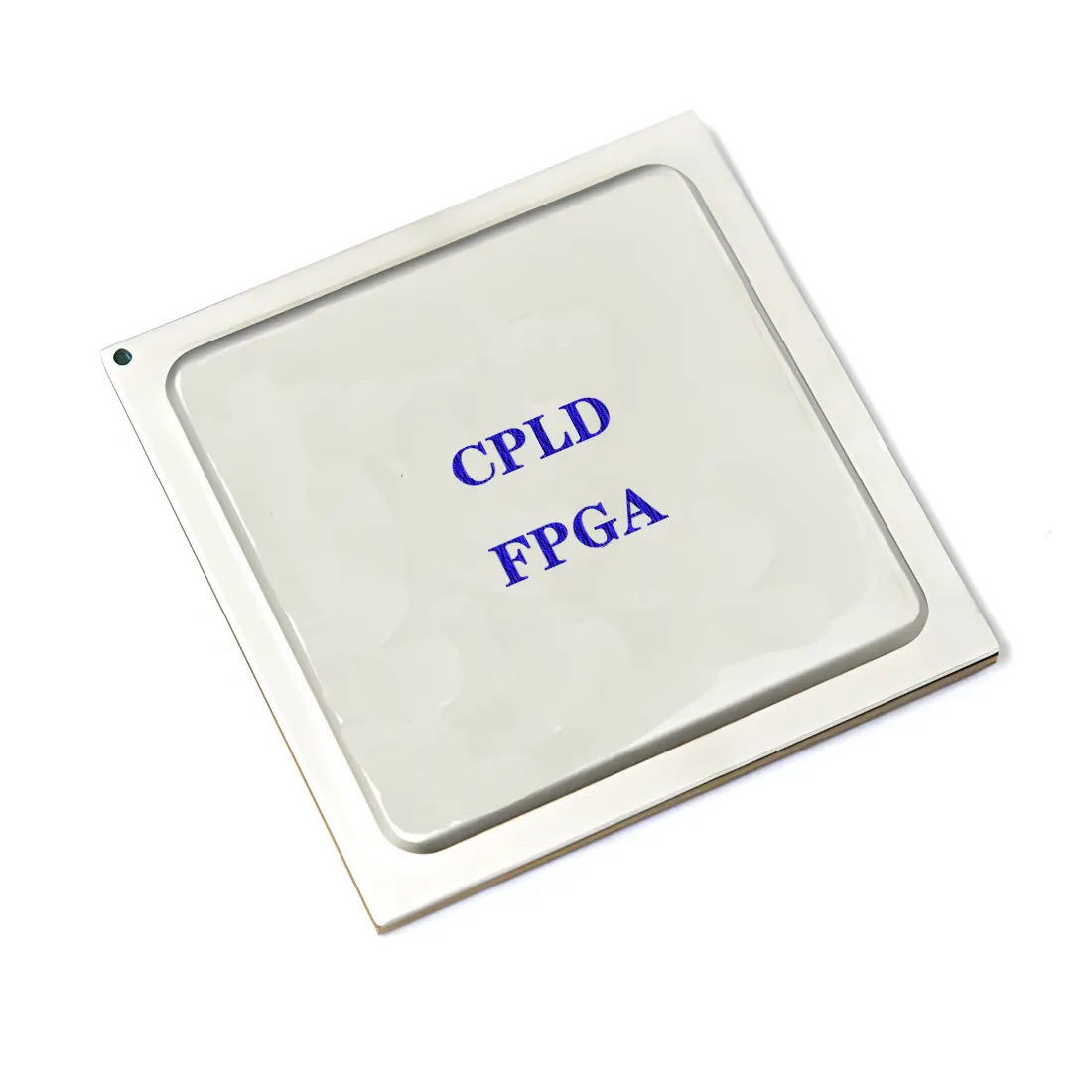 Programmable Logic Device(CPLD/FPGA)
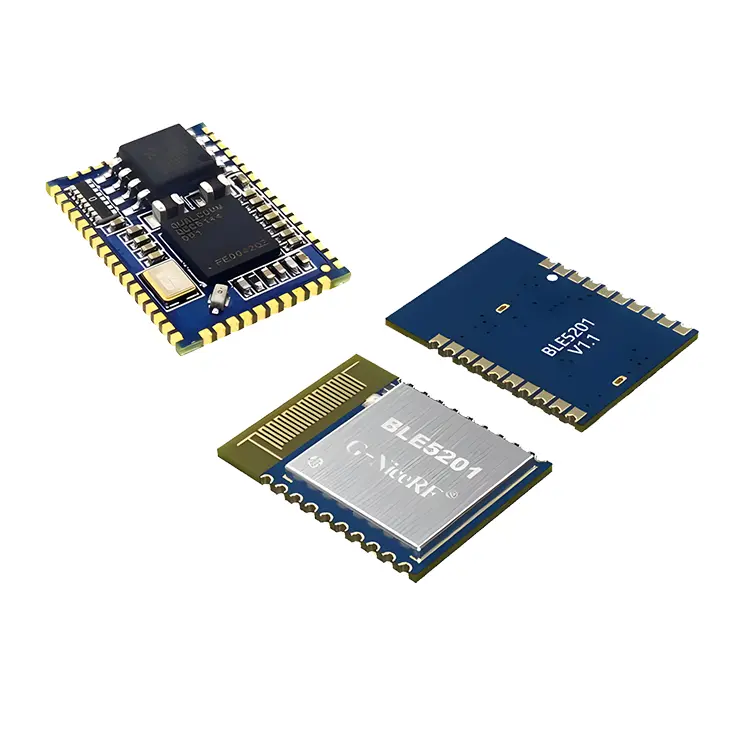 Communication Modules/IoT
 Resistors
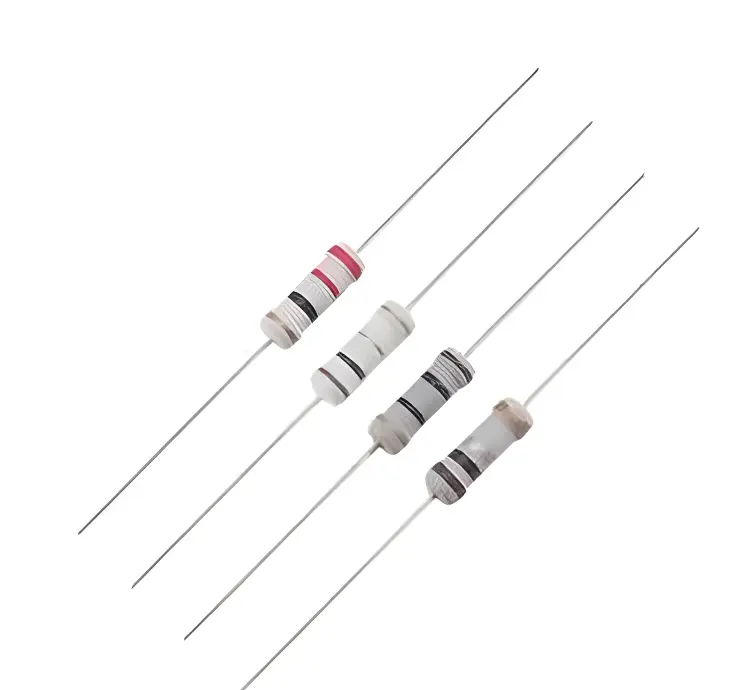 Through Hole Resistors
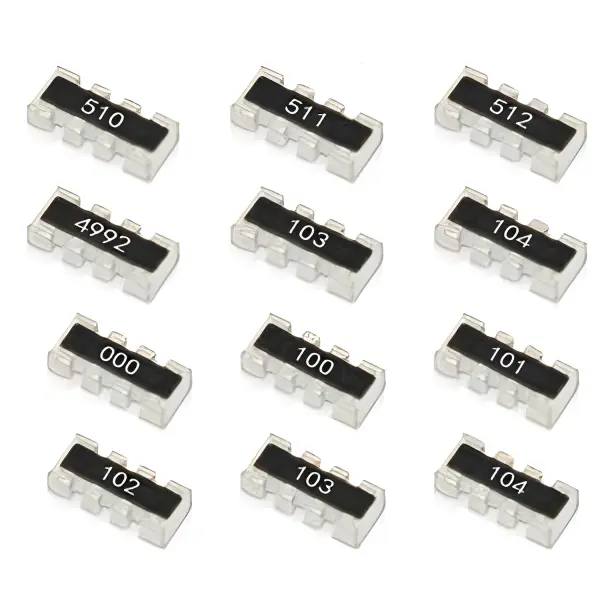 Resistor Networks, Arrays
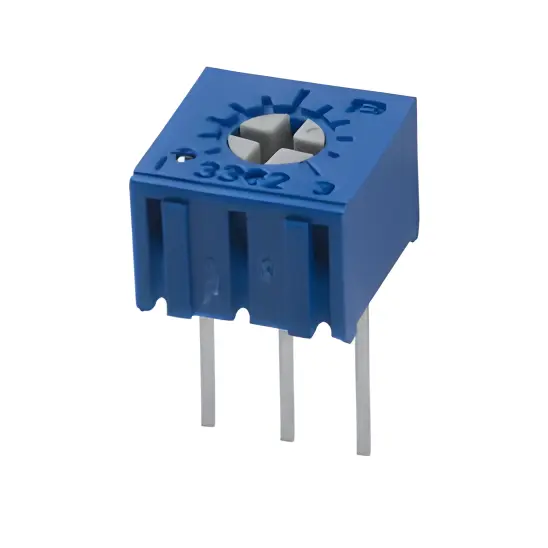 Potentiometers,Variable Resistors
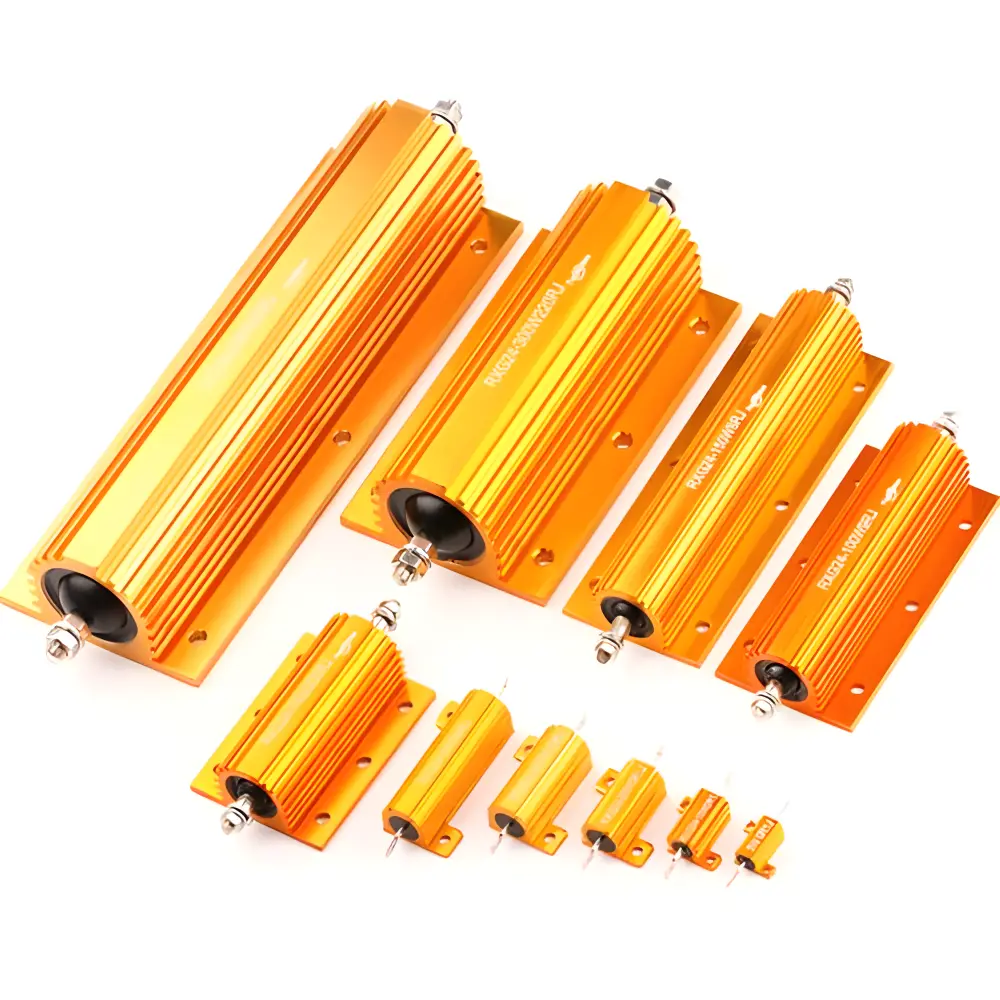 Aluminum Case,Porcelain Tube Resistance
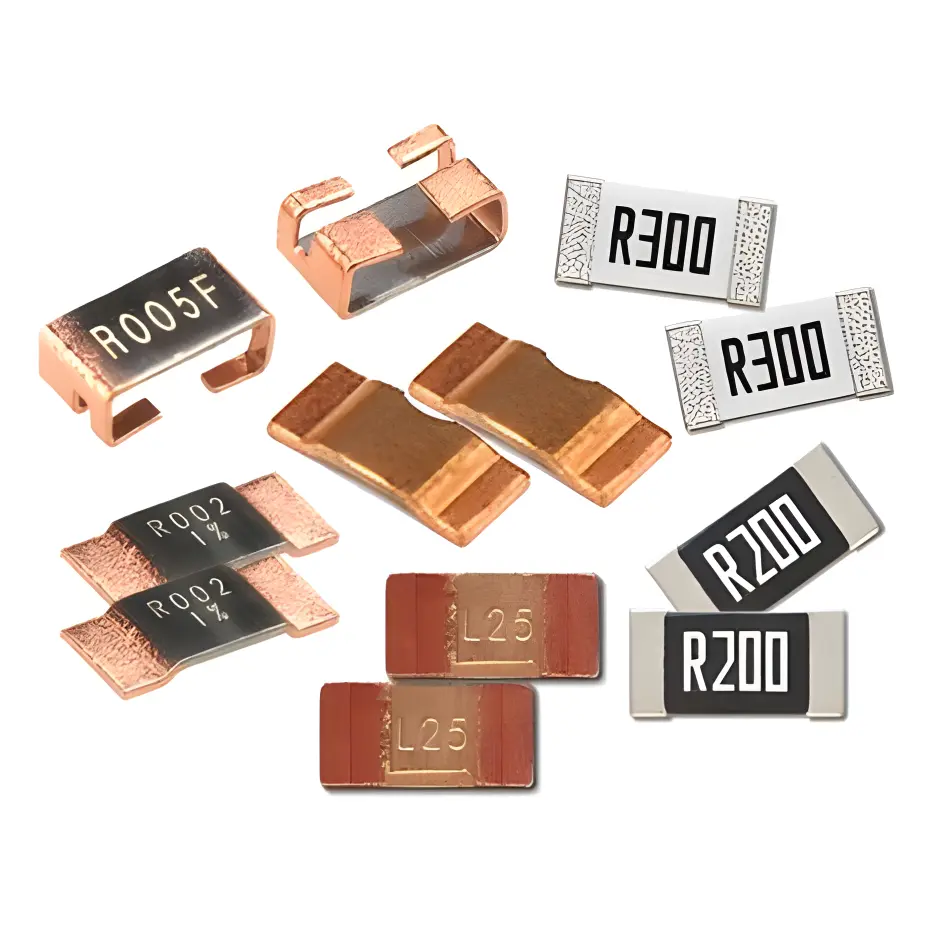 Current Sense Resistors,Shunt Resistors
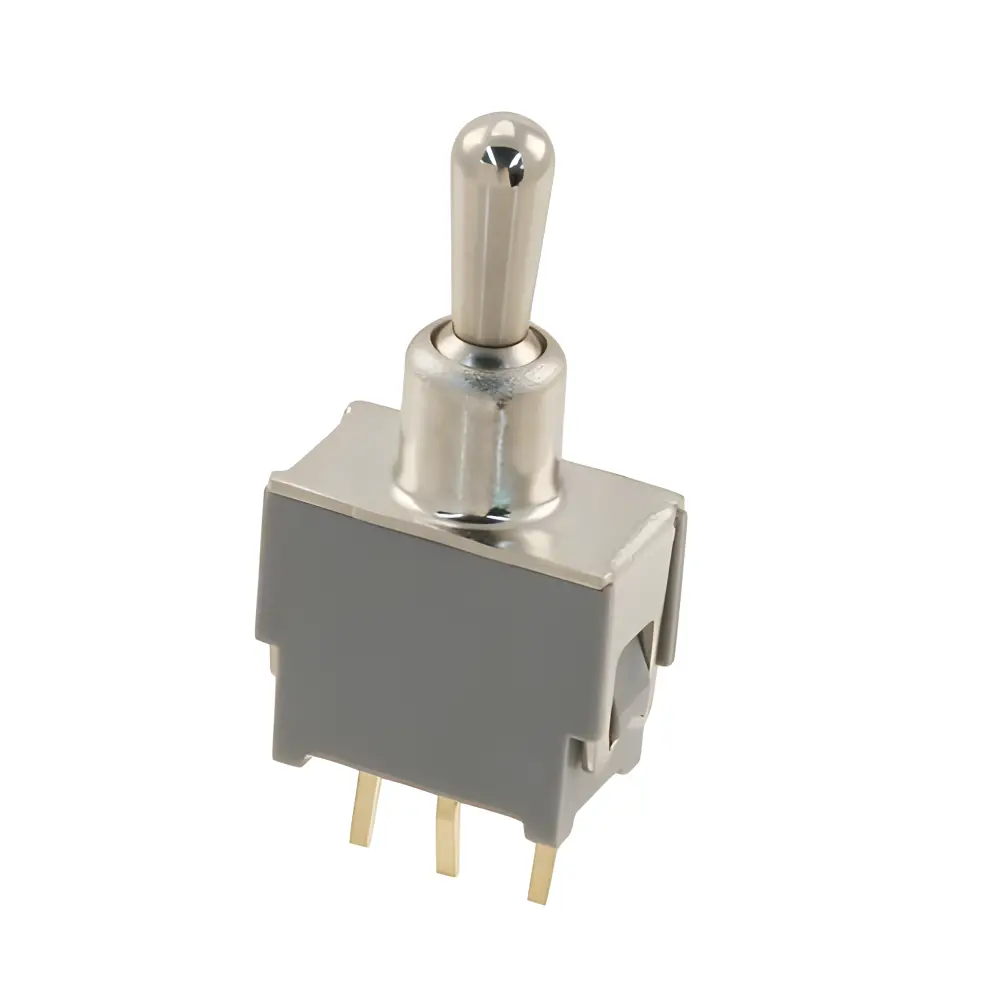 Switches
 Transistors
 Power Modules
 Isolated Power Modules
 AC-DC Power Modules
 DC-AC Module(Inverter)
 RF and Wireless
Precision in Plated Through-Holes: Managing Hole-to-Pad Concentricity Tolerance in THT PCB Design

In the intricate world of Through-Hole Technology (THT) Pcb Assembly, the humble plated through-hole (PTH) serves as the critical mechanical anchor and electrical conduit for countless components. The successful marriage of a component lead, the barrel of the hole, and the surrounding pad hinges on precise alignment. A key, yet often overlooked, metric in this alignment is hole-to-pad concentricity—the degree to which the drilled hole is centered within its designated copper pad. Excessive deviation from peRFect concentricity is a primary root cause of assembly failures, unreliable solder joints, and reduced product lifespan. This article delves into the technical specifics of allowable concentricity tolerances, the cumulative impact of manufacturing variances, and provides actionable guidelines for design and manufacturing to ensure robust and reliable THT assemblies.
1. The Critical Role and Definition of Concentricity
Concentricity, in the context of PCB fabrication, refers to the positional alignment between the center axis of a drilled hole and the center point of its surrounding copper land (pad). Perfect concentricity means these two centers coincide exactly. In reality, a multitude of factors during manufacturing introduce misalignment.
The IPC (Association Connecting Electronics Industries) standards, which are the global benchmarks for PCB design and assembly, do not typically prescribe a single, universal numeric tolerance for hole-to-pad concentricity in isolation. Instead, the acceptability is governed by the final, measurable outcome: the minimum annular ring.
The Annular Ring: The Ultimate Criterion
The annular ring is the width of the copper pad that remains around the hole after drilling. It is the true measure of concentricity's success or failure. A perfectly centered hole will leave a uniform ring of copper on all sides. As the hole deviates from the center, the annular ring width becomes uneven; one side narrows while the opposite side widens. Failure occurs when the minimum annular ring width on any side falls below the specified requirement.
-
IPC Class 2 (General Electronic Products): Typically requires a minimum annular ring of 0.050mm (2 mil). This is the most common standard for commercial and industrial electronics.
-
IPC Class 3 (High-Reliability Electronic Products): Mandates a more stringent minimum annular ring of 0.075mm (3 mil) or greater for power and ground connections, often requiring 0.100mm (4 mil) or more. This class applies to aerospace, military, and life-critical medical devices.
Therefore, the "allowable concentricity deviation" is not a fixed distance (e.g., ±0.05mm), but a variable tolerance that is intrinsically linked to your original pad size and the target annular ring. It can be expressed by the formula: Maximum Allowable Center Deviation = (Pad Radius) - (Hole Radius) - (Minimum Required Annular Ring).
2. Deconstructing Tolerance: A Three-Dimensional Challenge
Achieving a sufficient annular ring is not solely a matter of drilling a hole in the right spot. It is the culmination of controlling tolerances across three interdependent dimensions: aperture, position, and layer registration. The following diagram illustrates how these three factors converge to define the final, effective annular ring.
2.1. Hole Size Tolerance (Aperture Control)
The drilled hole's finished diameter is not absolute. PCB manufacturers like JLCPCB specify a standard plating compensation for PTHs, with a typical tolerance of +0.13mm / -0.08mm. A hole at the lower limit of this range is smaller, which may affect component insertion but leaves more copper for the annular ring. A hole at the upper limit consumes more of the pad from the inside out. For a pad designed with a 0.25mm ring, a +0.13mm hole expansion can consume over half of that budget before any positional error is considered.
2.2. Hole Positional Tolerance (Drilling Accuracy)
This is the classic "concentricity" factor: how far the actual drilled hole's center can deviate from its intended coordinate. High-precision CNC drilling machines, coupled with proper drill bit maintenance and stable environmental conditions (temperature around 25°C ±2°C), are essential to minimize this. While not always explicitly stated as a concentricity value, the capability to maintain a positional accuracy within ±0.050mm to ±0.075mm is expected for quality fabrication.
2.3. Pad Registration Tolerance (Artwork Alignment)
The pad itself is not a fixed reference; it is imaged onto each layer of the PCB (inner and outer) during photolithography. Misalignment between these layers, known as registration error, can cause the pad on the top layer to be shifted relative to the pad on the bottom layer, or relative to the drill data. This layer-to-layer misalignment directly impacts the annular ring on the affected layer.
The Cumulative Effect
The total potential misalignment between the hole and a specific pad is the vector sum of the hole positional error and the pad registration error for that layer. A common rule of thumb in the industry is to design assuming a total potential center deviation of 0.10mm to 0.15mm. This is why a "pad-to-hole ratio" guideline exists: to provide enough copper "meat" to absorb these combined variances without breaking out. For instance, a guideline suggesting a pad diameter equal to the hole diameter plus 0.40mm is essentially provisioning a 0.20mm theoretical annular ring (radius), of which half (0.10mm) is expected to be consumed by tolerances, leaving a safe 0.10mm final ring.
3. Consequences of Excessive Deviation: From Assembly Hurdles to Field Failures
When the hole is significantly off-center, the practical consequences are immediate and severe, affecting every stage from production to end-use.
-
Assembly and Soldering Defects: The most direct impact is on solder joint formation. As illustrated in industry case studies, a non-concentric hole-pad combination leads to an uneven distribution of molten solder around the lead during wave or hand soldering. The side with the narrower annular ring may experience insufficient wetting and a weak, concave fillet, while the opposite side may have excess solder. This results in a joint with compromised mechanical strength and increased electrical resistance. In extreme cases of "breakout" (where the hole breaks through the edge of the pad), solder may wick away down the via barrel, creating a starved, unreliable joint.
-
Manufacturing Yield Loss: Boards with broken annular rings on critical nets (especially power or ground) are often scrapped or require costly, time-consuming rework, such as using jumper wires. This directly impacts production cost and throughput.
-
Long-Term Reliability Risks: A weak solder joint formed due to poor concentricity is a prime site for failure initiation. Under thermal cycling or mechanical vibration, cracks can propagate from these points of stress, leading to intermittent connections or complete open circuits in the field.
4. Design for Excellence: Proactive Strategies to Ensure Concentricity
Given that absolute perfection is unattainable in manufacturing, the designer's role is to create a layout that is inherently tolerant of these variances.
-
Conservative Pad Geometry: Adhere to and exceed the standard pad size formulas. For a reliable design, consider the pad diameter to be at least the hole diameter plus 0.60mm to 0.80mm, especially for larger holes or in high-reliability designs. This provides a generous 0.30mm to 0.40mm target annular ring, offering a robust buffer against tolerance stack-up.
-
Utilize Teardrops: Adding a teardrop fillet at the junction where a trace meets a PTH pad is a highly effective practice. This feature reinforces the copper at its most vulnerable point, preventing "mouse bites" or cracks in the trace if drilling is slightly misaligned.
-
Collaborate with Your Fabricator: Engage in a Design for Manufacturability (DFM) review. Reputable manufacturers offer this service, using specialized software to analyze your Gerber files and flag potential issues like insufficient annular ring, tight hole-to-copper spacing, and pad sizes that are too small for their process capabilities. They can provide you with their specific process capability data (e.g., their guaranteed registration accuracy), allowing you to design with real numbers in mind.
5. Conclusion and Best Practices
The question of "allowable concentricity deviation" is correctly reframed as "how to guarantee a sufficient minimum annular ring." There is no single magic number for all PCBs. The allowable deviation is a function of your design choices (pad size), your quality requirements (IPC Class), and your manufacturer's capabilities.
To ensure success, adopt these best practices:
-
Design with a Margin of Safety: Use larger pads than the minimum formulas suggest. Your goal is a final annular ring that meets spec, not a theoretical one.
-
Understand the Standards: Know the IPC annular ring requirements for your product's class (2 or 3) and design to meet them after accounting for tolerances.
-
Embrace DFM: Submit your designs for a formal DFM check. This collaborative step is the most effective way to catch and correct concentricity-related issues before they are etched in fiberglass and copper.
-
Specify Clearly: On your fabrication drawings, explicitly call out critical holes and the minimum acceptable annular ring for power, ground, and high-current connections.
By mastering the relationship between pad size, drilling accuracy, and layer registration, and by designing with a tolerance-absorbing mindset, engineers can effectively eliminate hole-to-pad concentricity as a source of failure, paving the way for robust, reliable, and manufacturable through-hole assemblies.