
 PCB
PCB FPC
FPC Rigid-Flex
 FR-4
FR-4 HDI PCB
 Rogers High-Frequency Board
 PTFE Teflon High-Frequency Board
 Aluminum
 Copper Core
 PCB Assembly
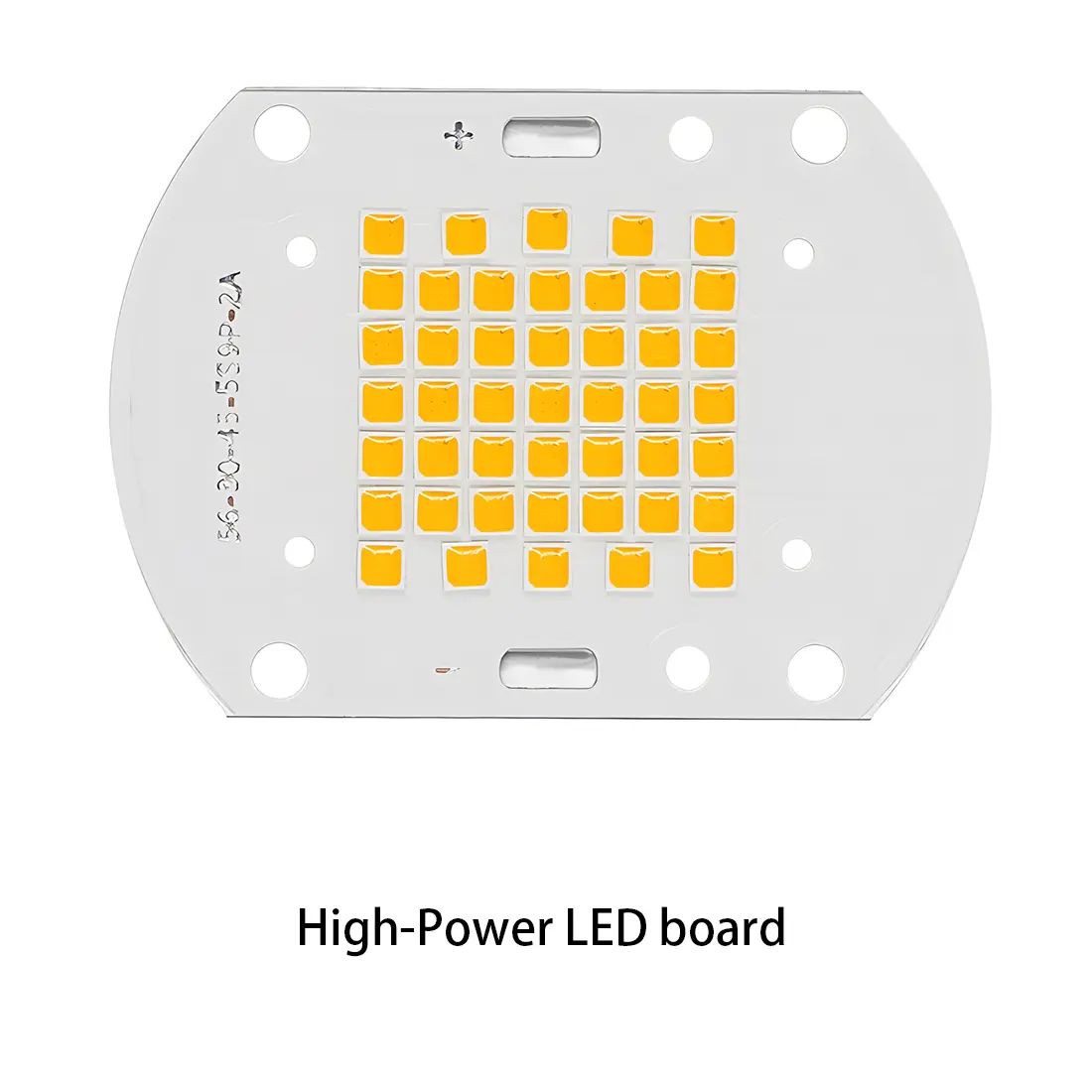 LED light PCBA
 Memory PCBA
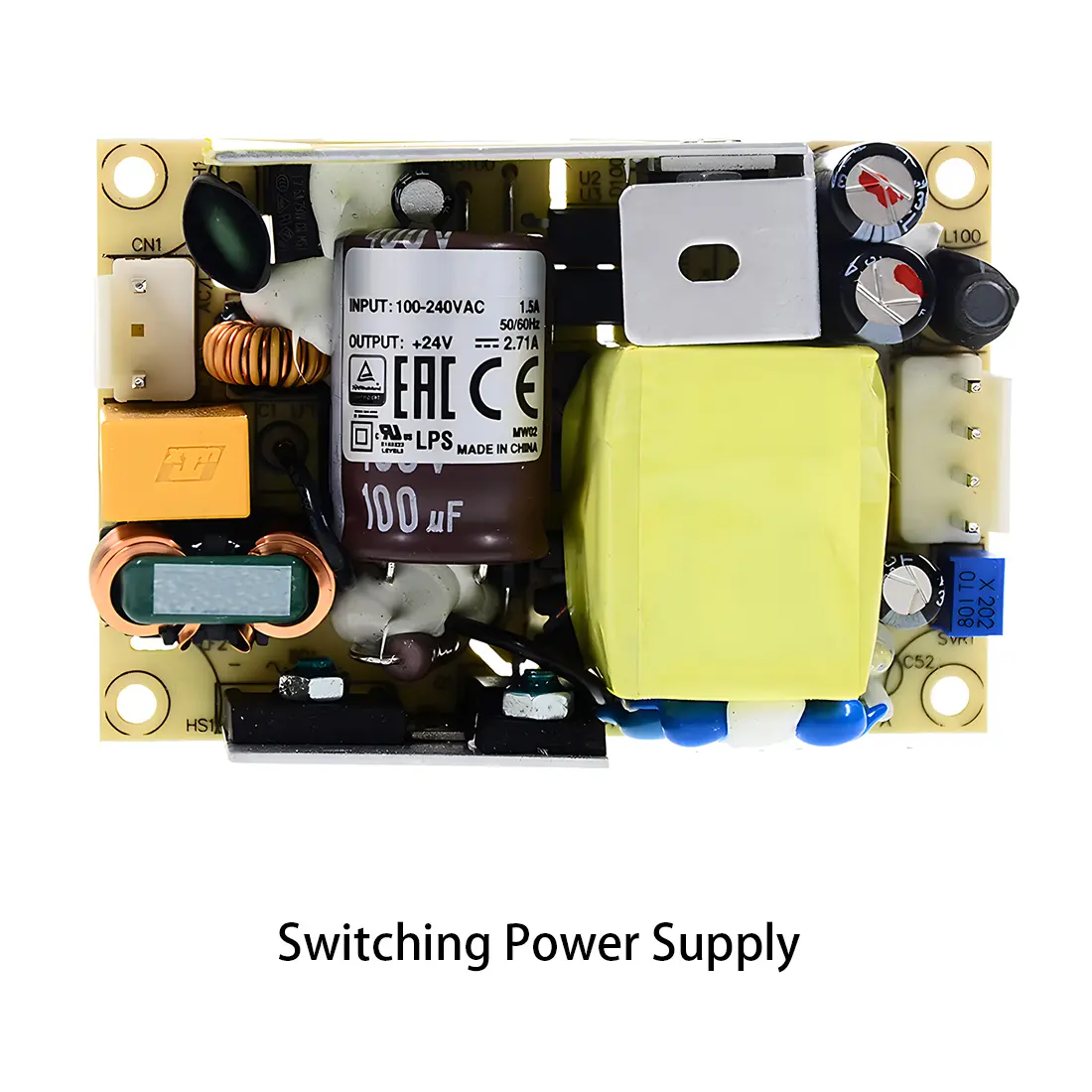 Power Supply PCBA
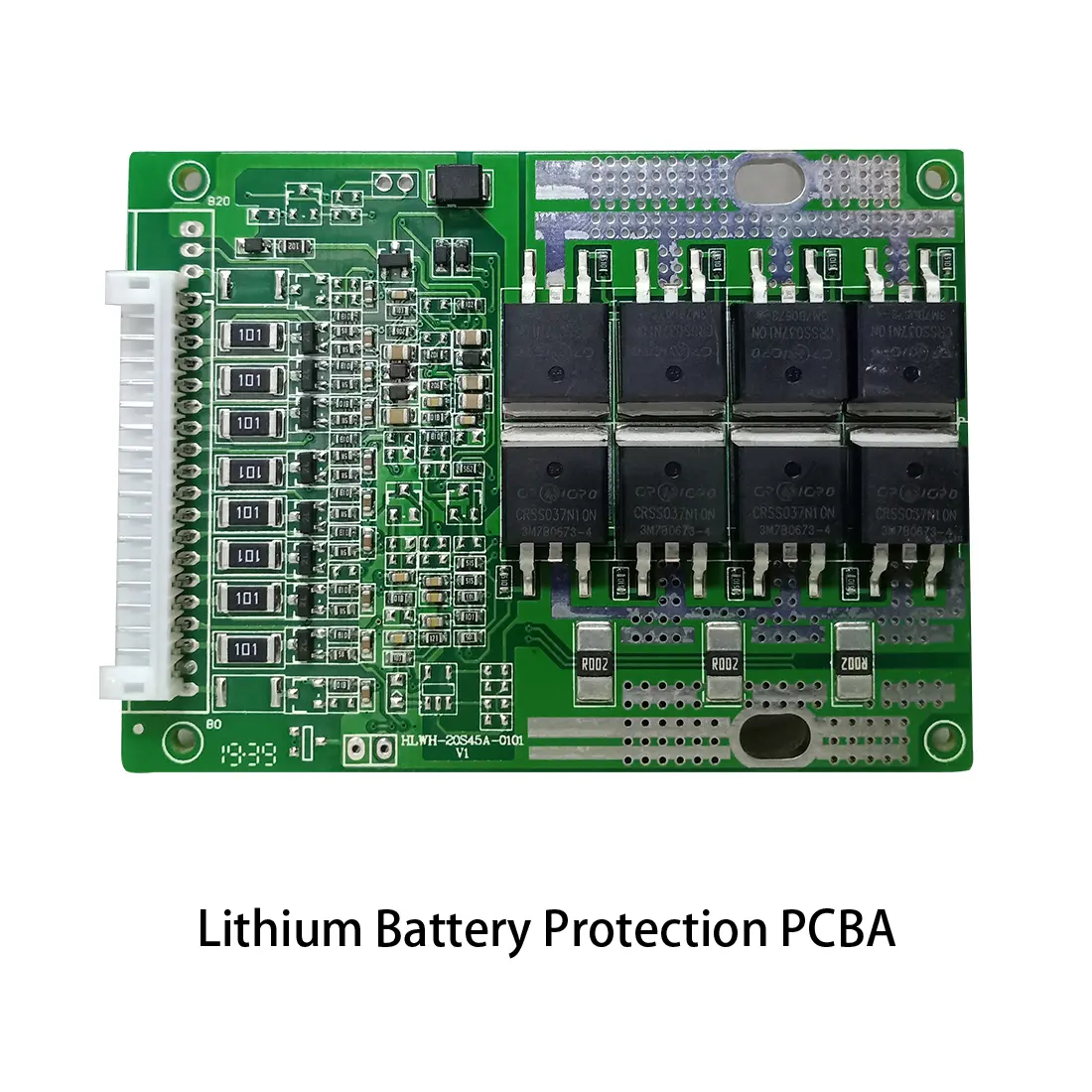 New Energey PCBA
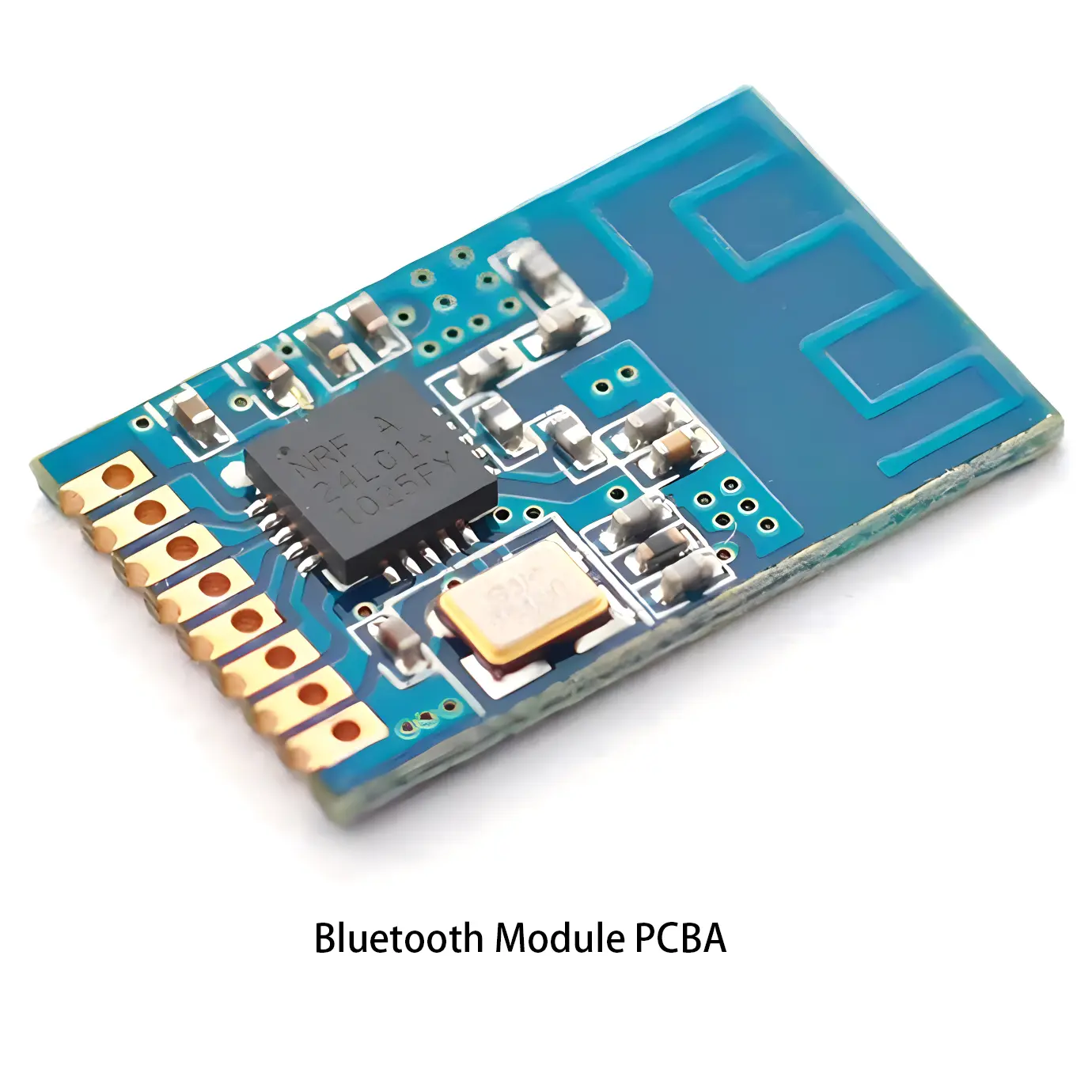 Communication PCBA
 Industrial Control PCBA
 Medical Equipment PCBA
 Testing Service
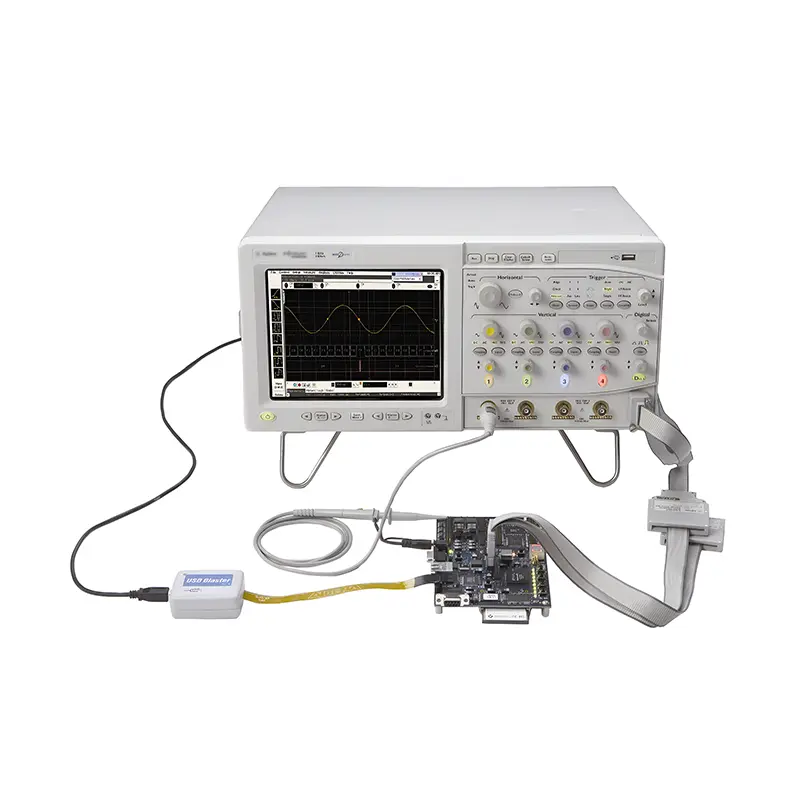 PCBA Testing Service
 Certification Application
 RoHS Certification Application
 REACH Certification Application
 CE Certification Application
 FCC Certification Application
 CQC Certification Application
 UL Certification Application
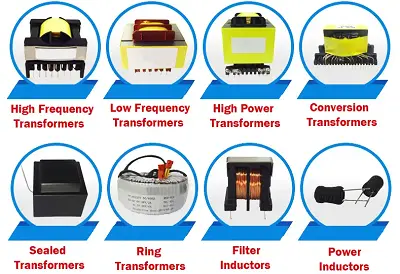 Transformers, Inductors
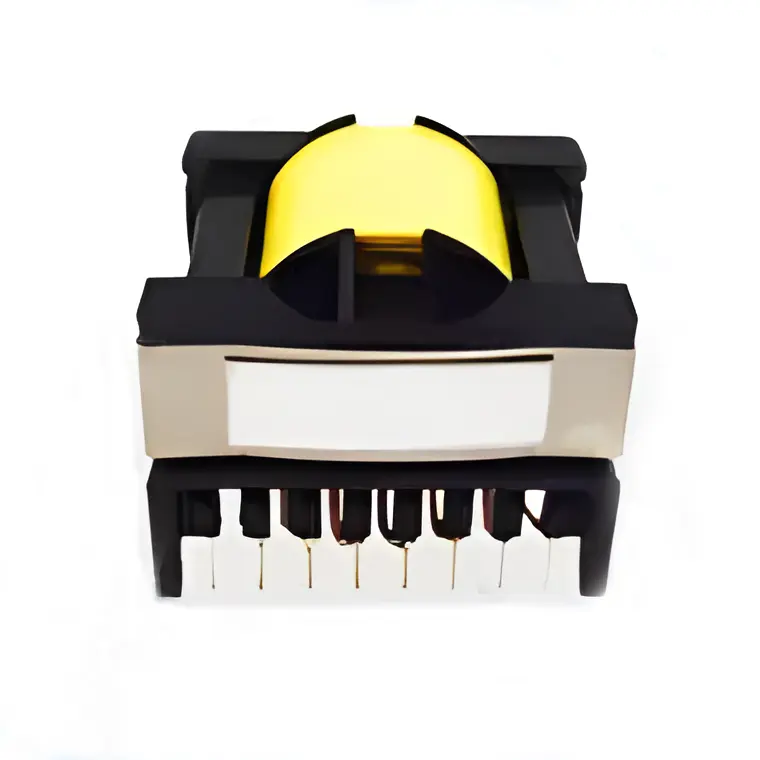 High Frequency Transformers
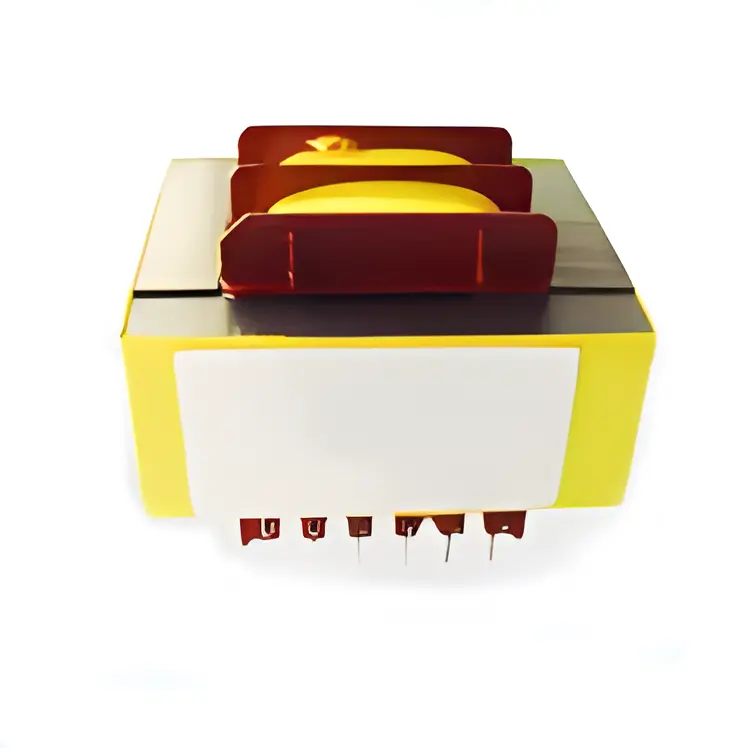 Low Frequency Transformers
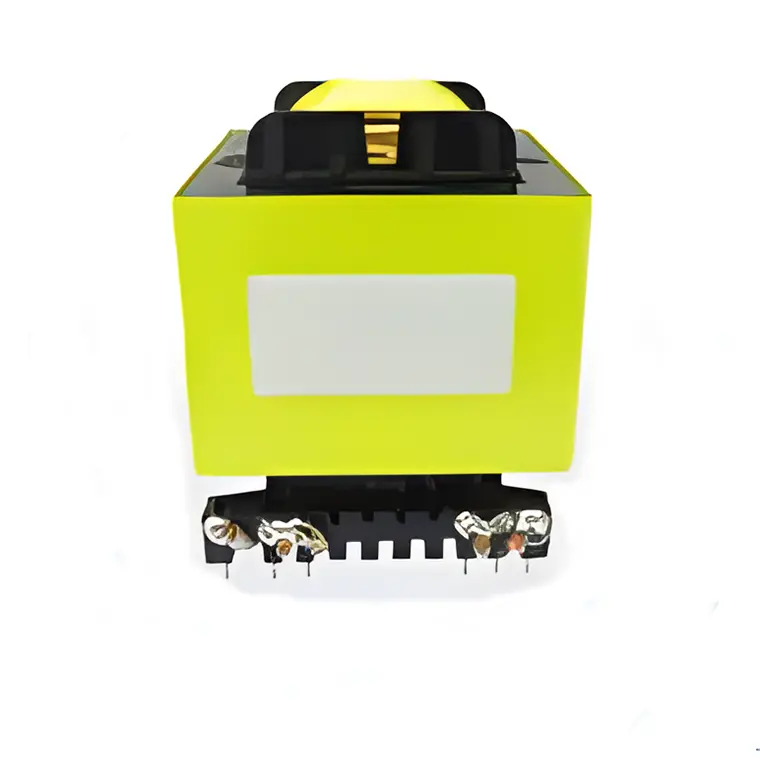 High Power Transformers
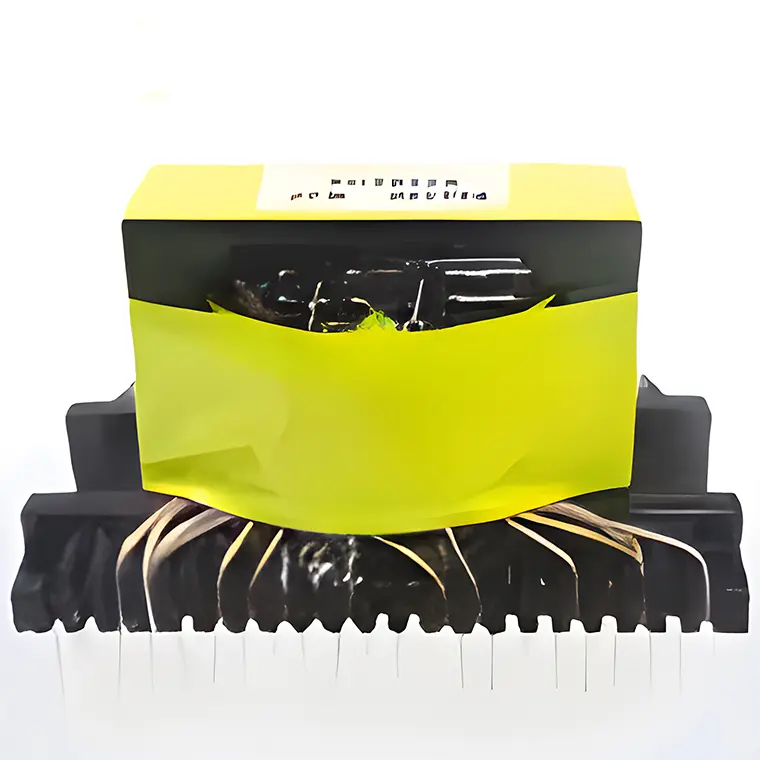 Conversion Transformers
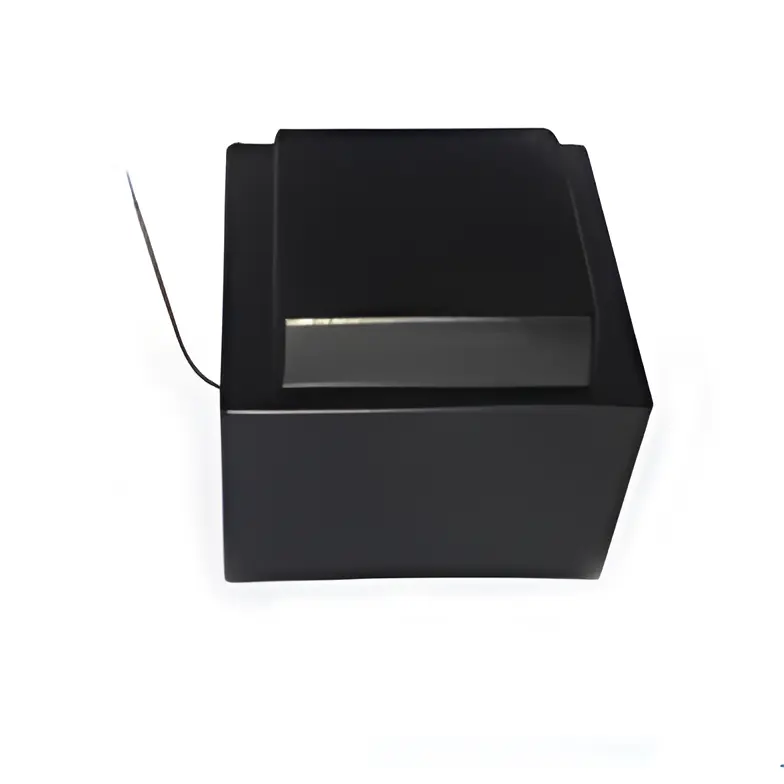 Sealed Transformers
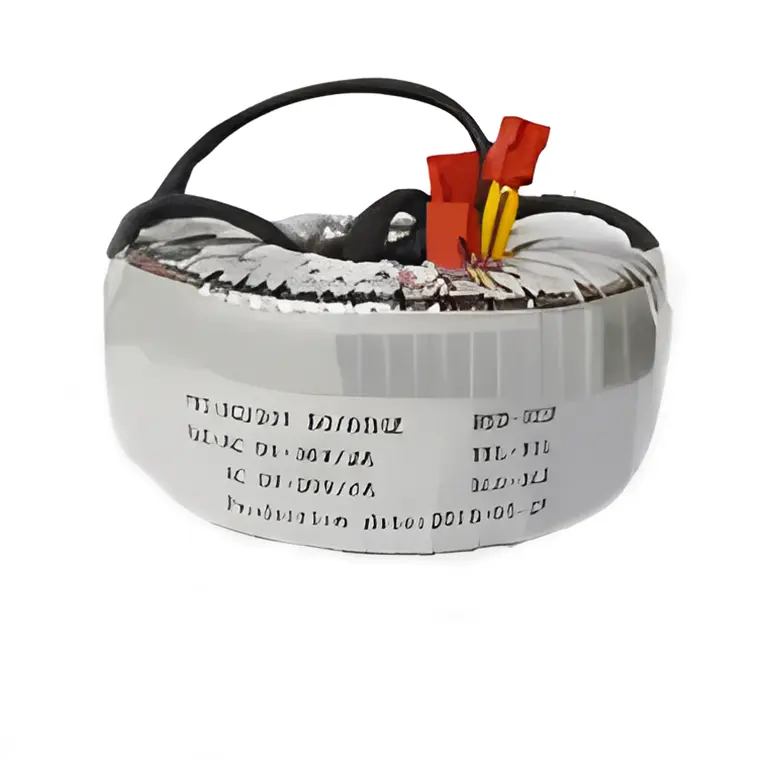 Ring Transformers
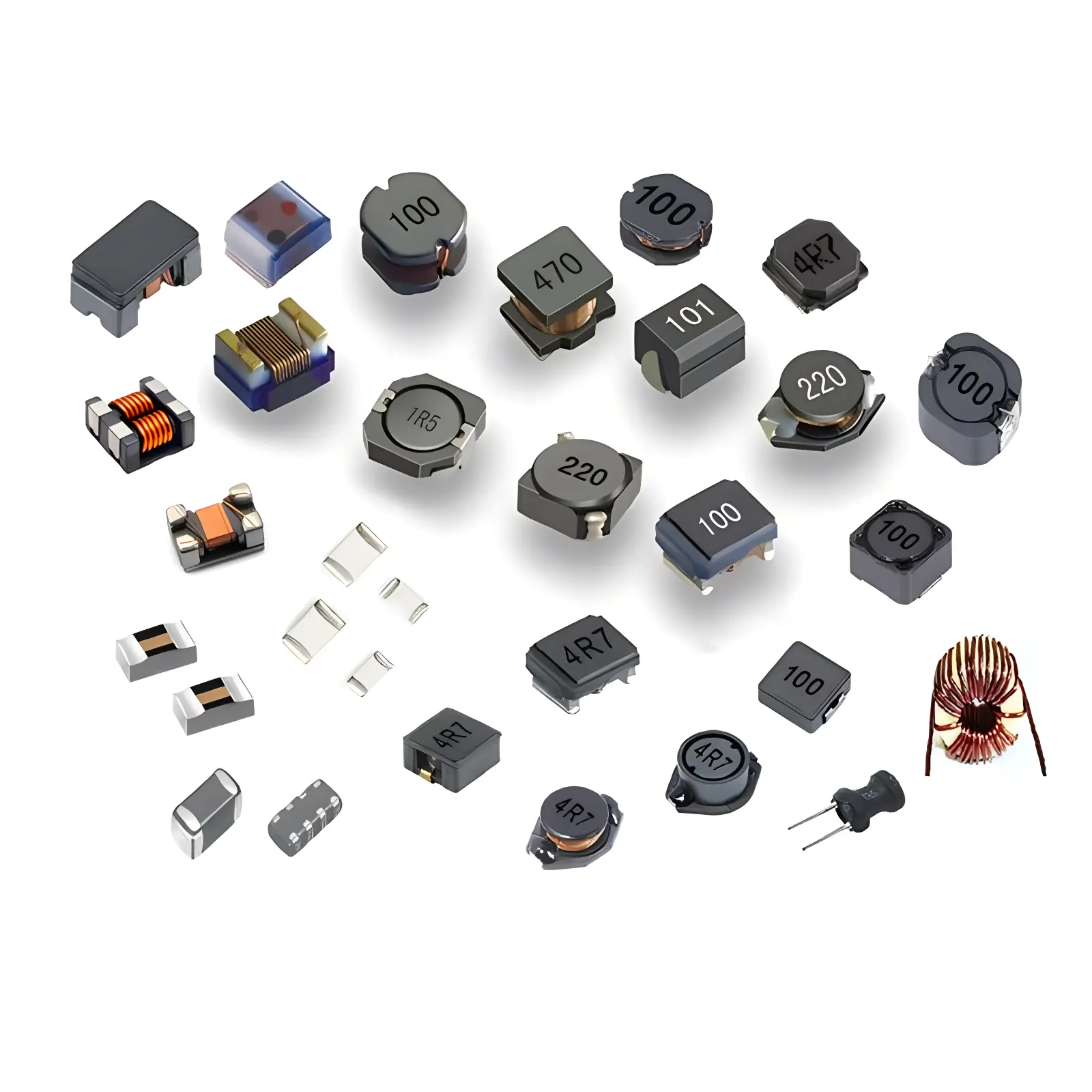 Inductors
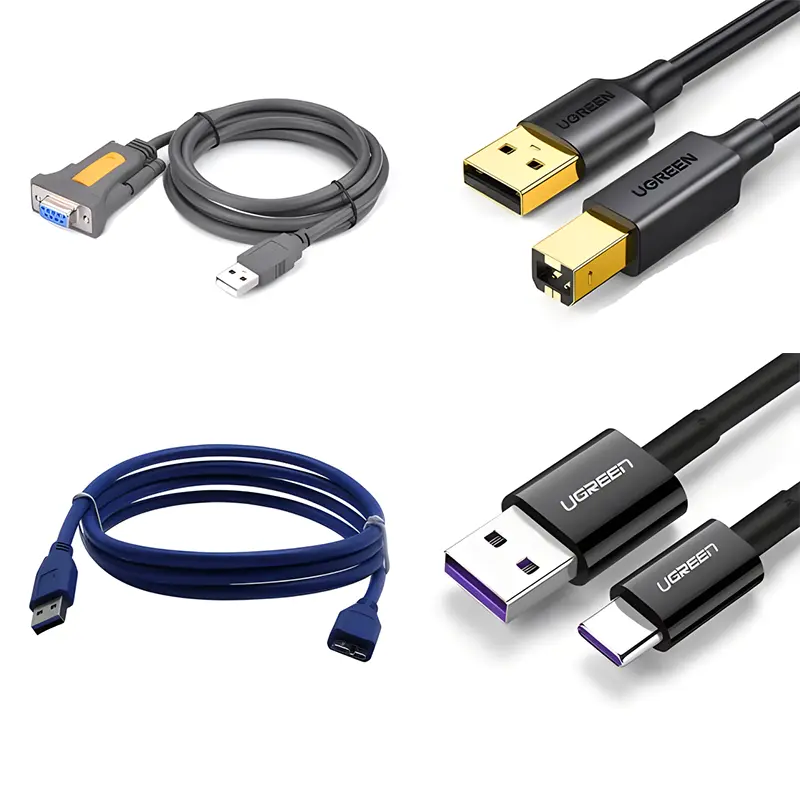 Wires,Cables Customized
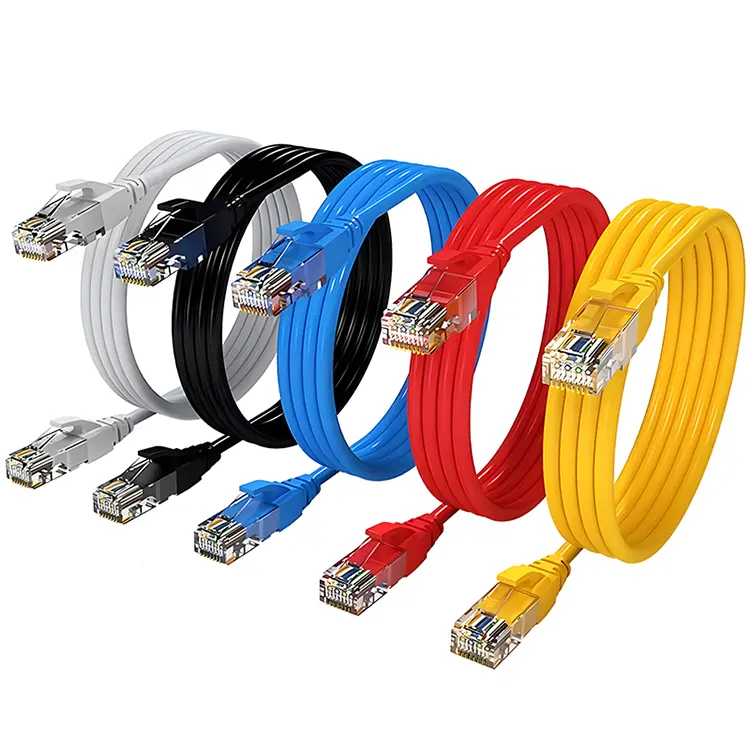 Network Cables
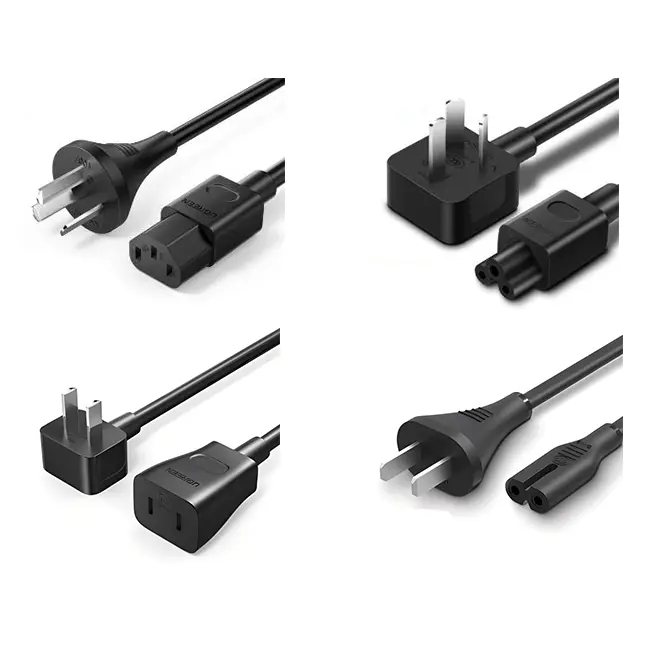 Power Cords
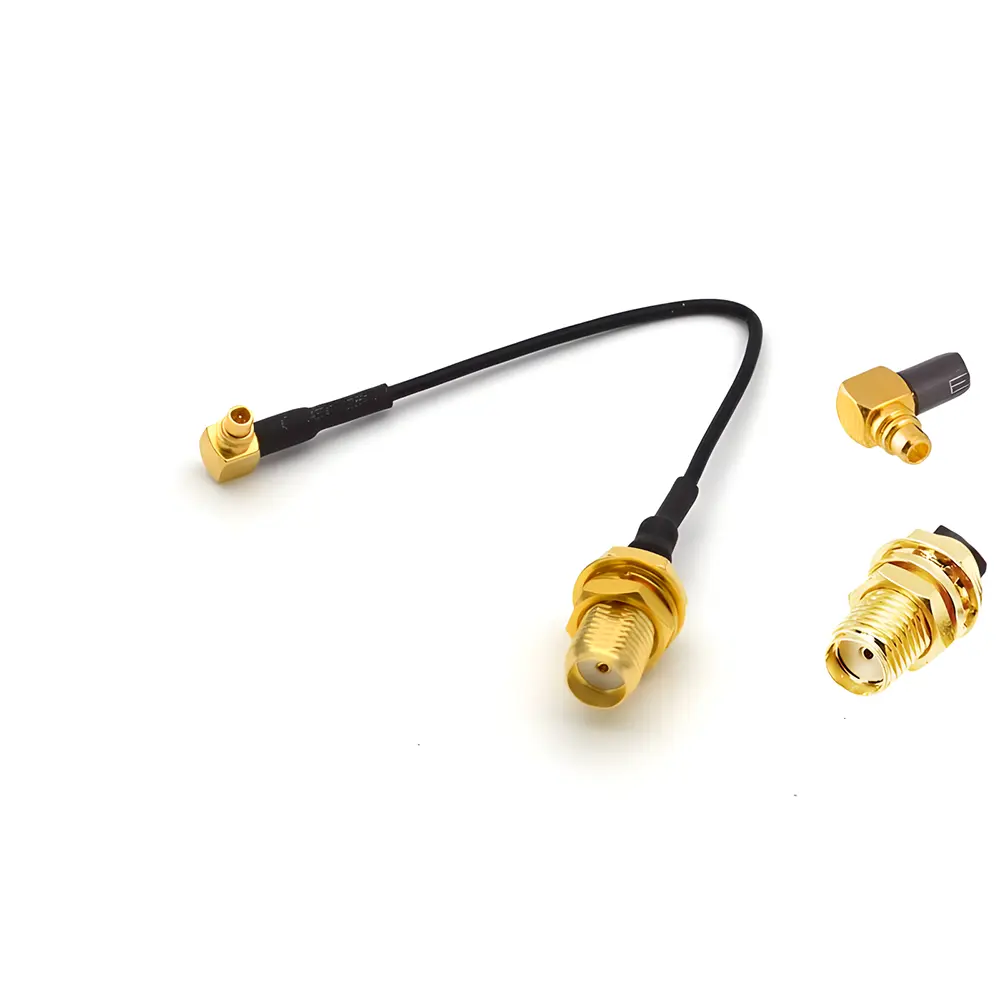 Antenna Cables
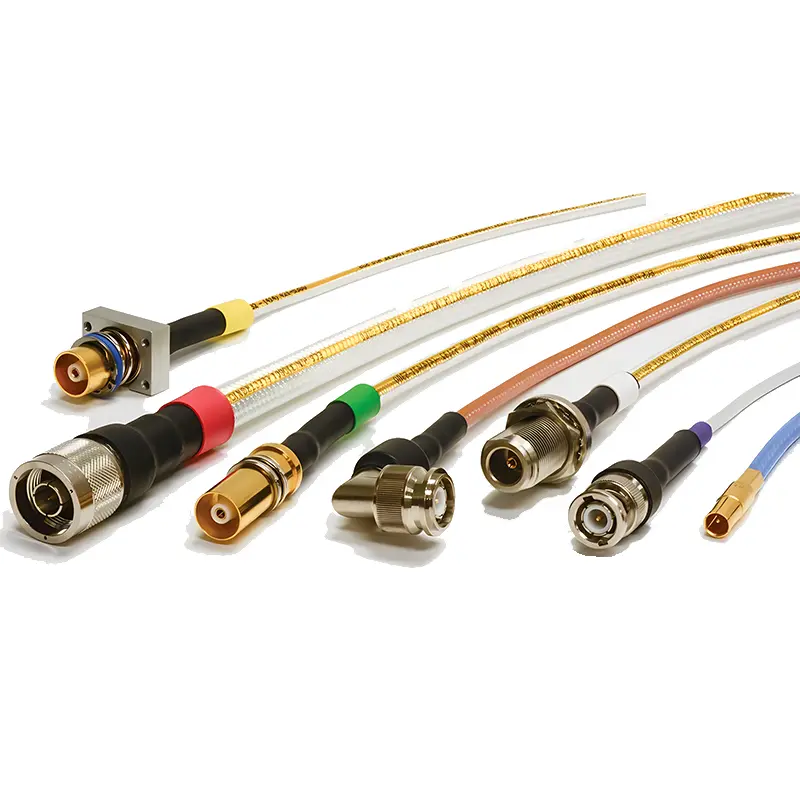 Coaxial Cables
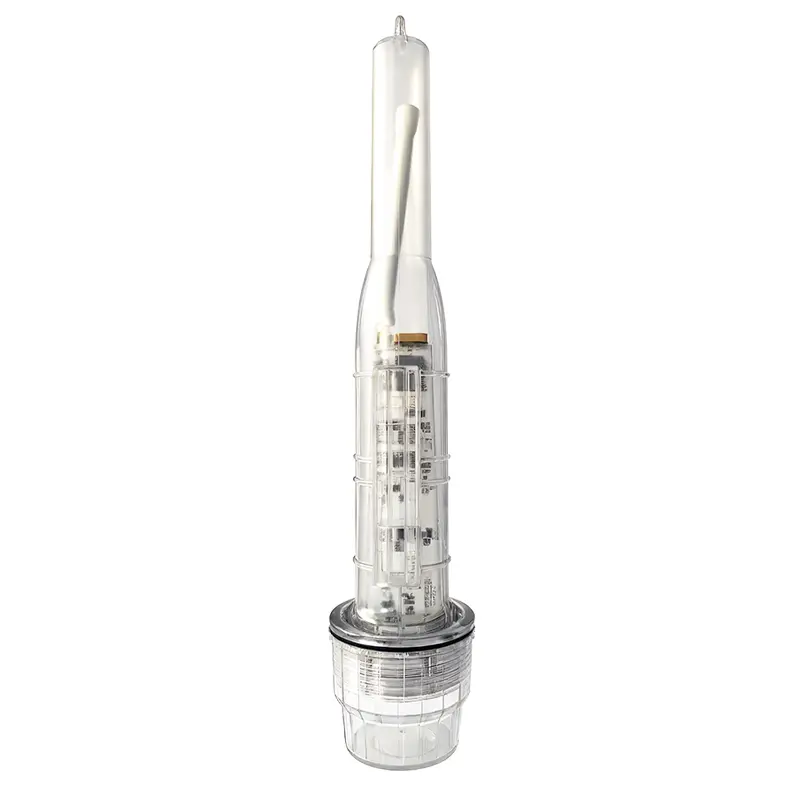 Net Position Indicator
 Solar AIS net position indicator
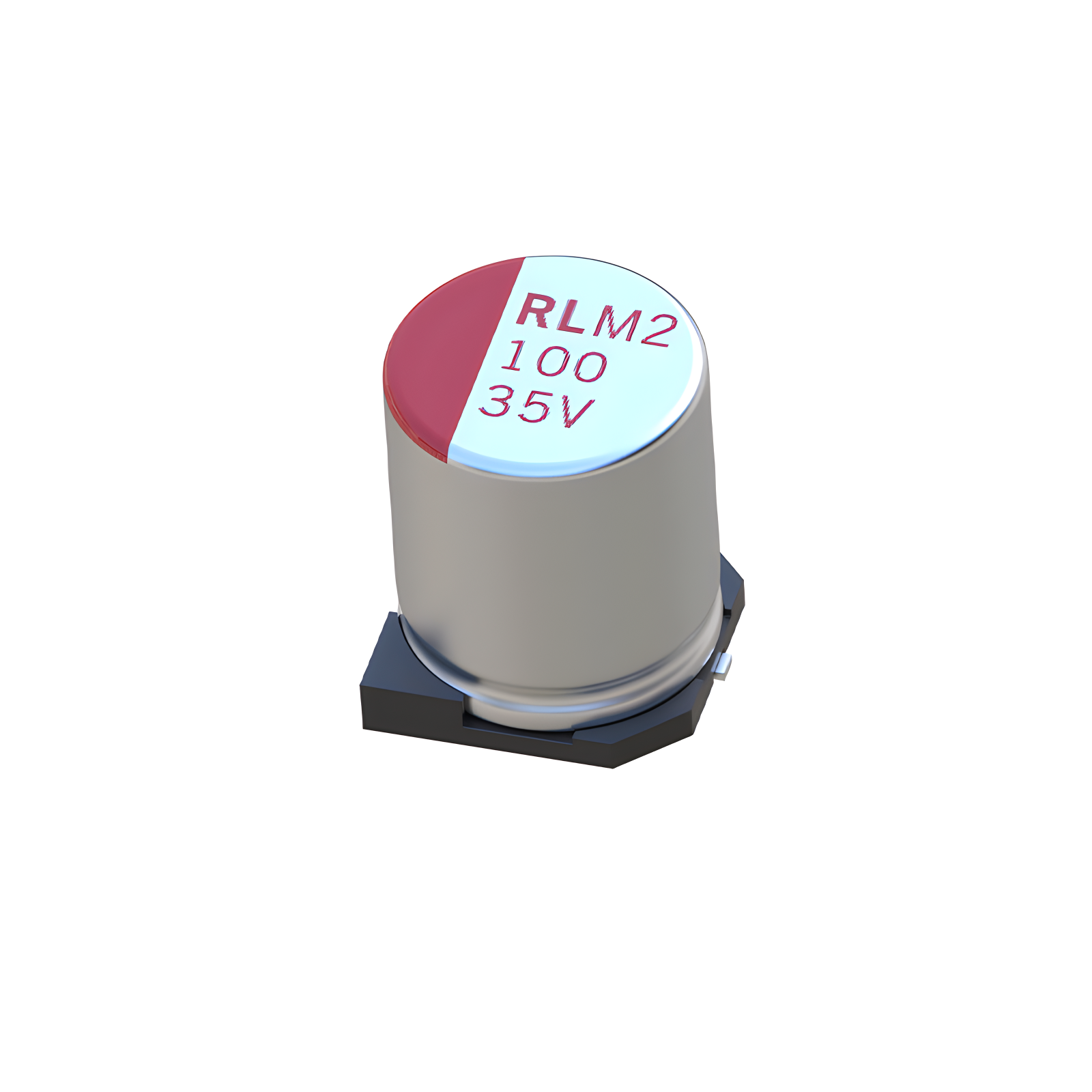 Capacitors
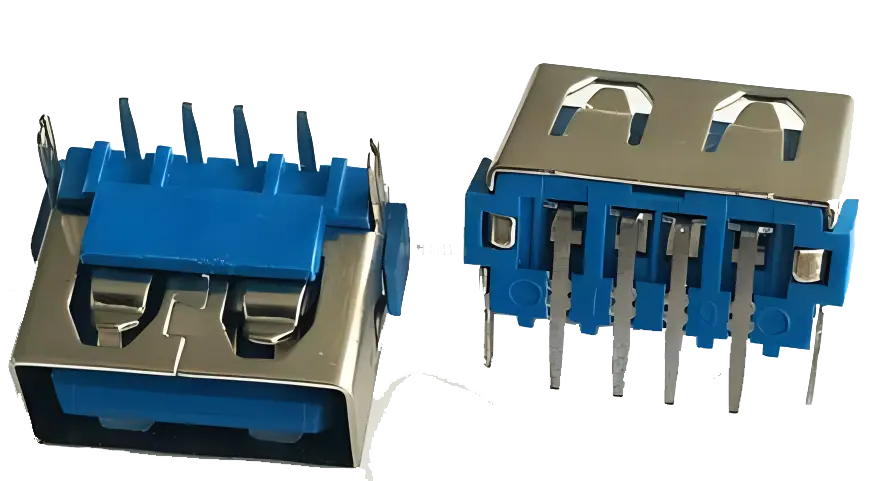 Connectors
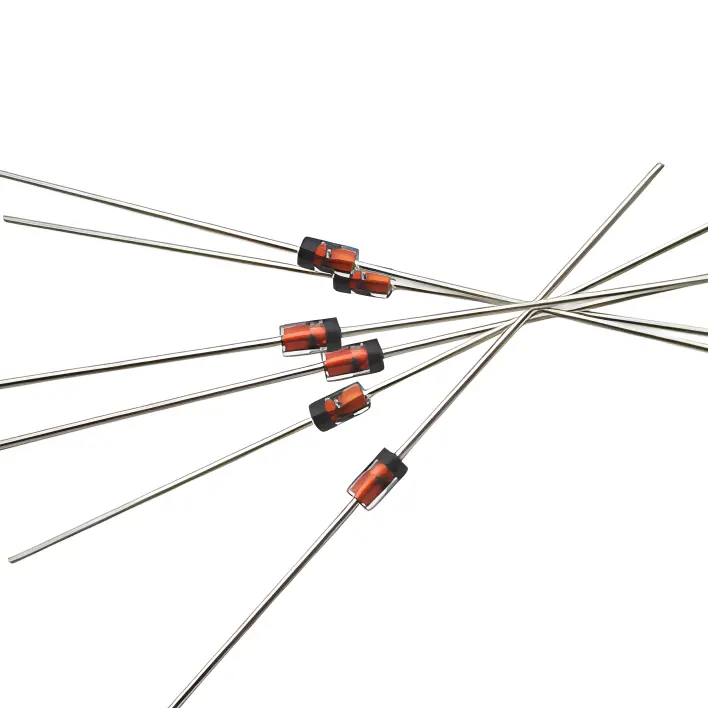 Diodes
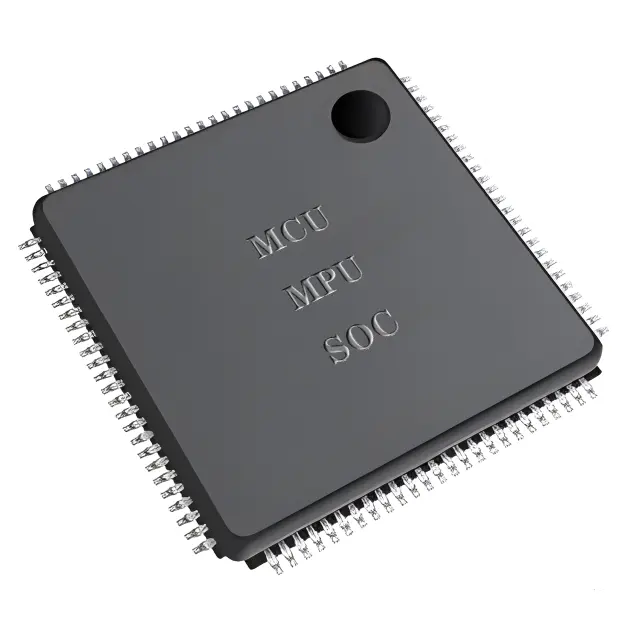 Embedded Processors & Controllers
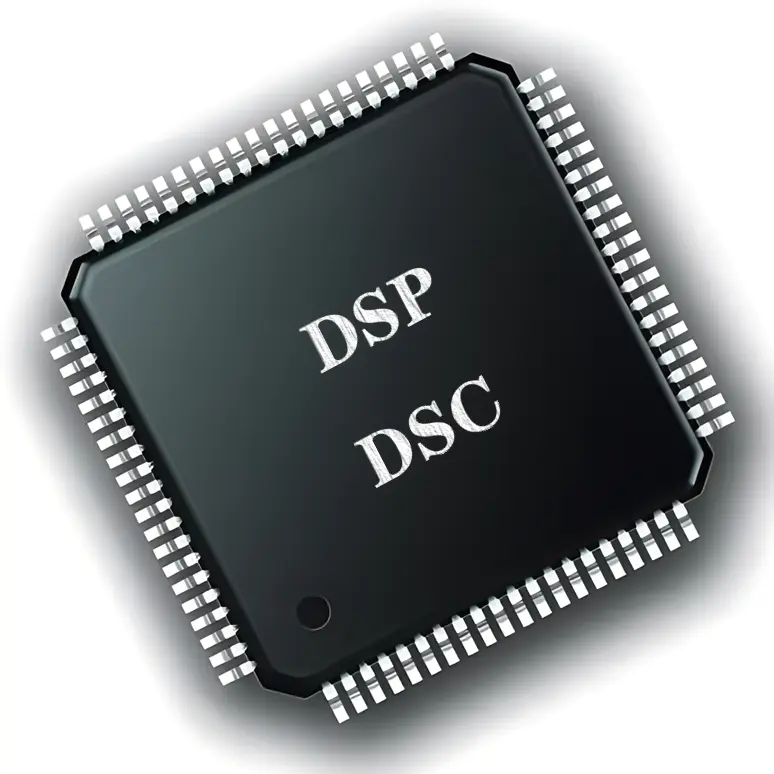 Digital Signal Processors (DSP/DSC)
 Microcontrollers (MCU/MPU/SOC)
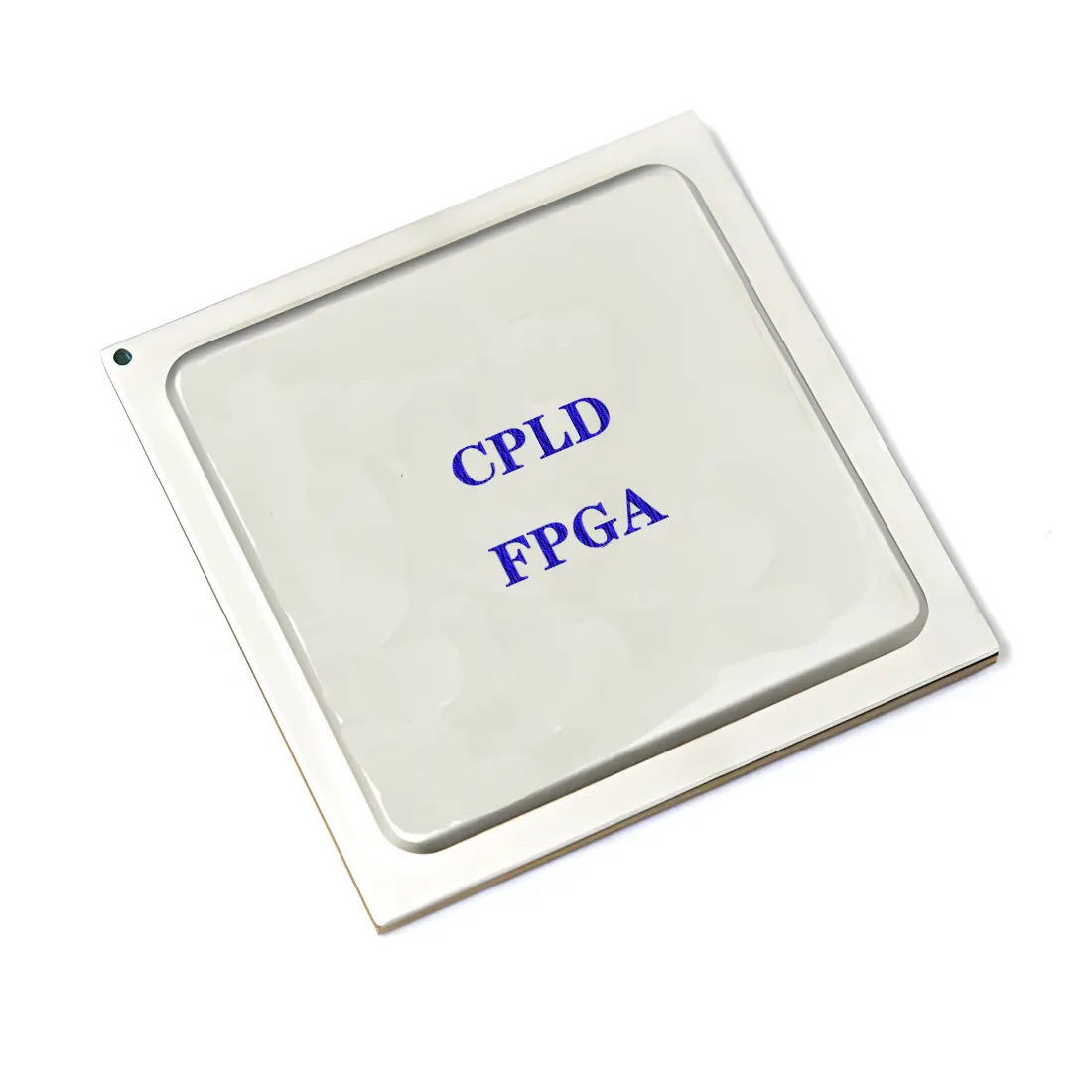 Programmable Logic Device(CPLD/FPGA)
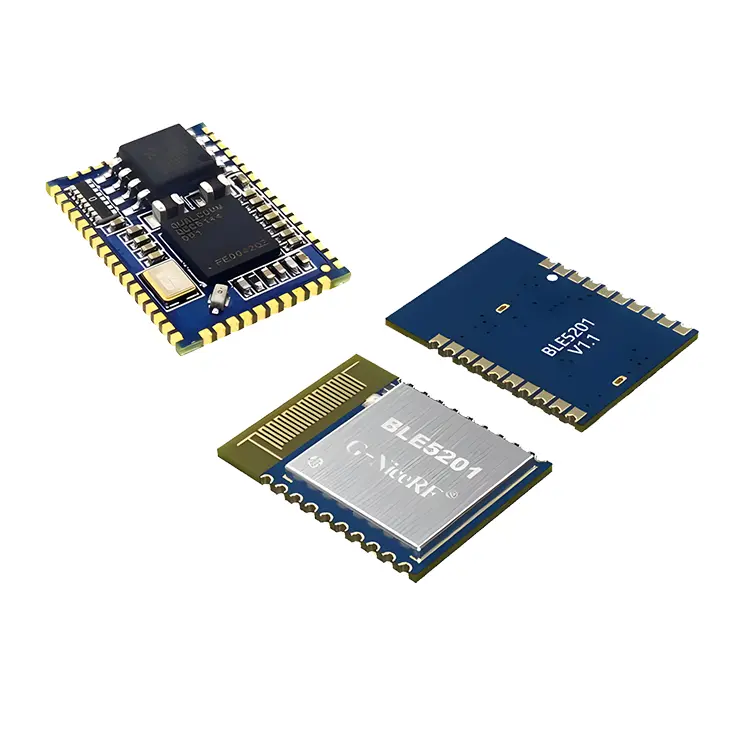 Communication Modules/IoT
 Resistors
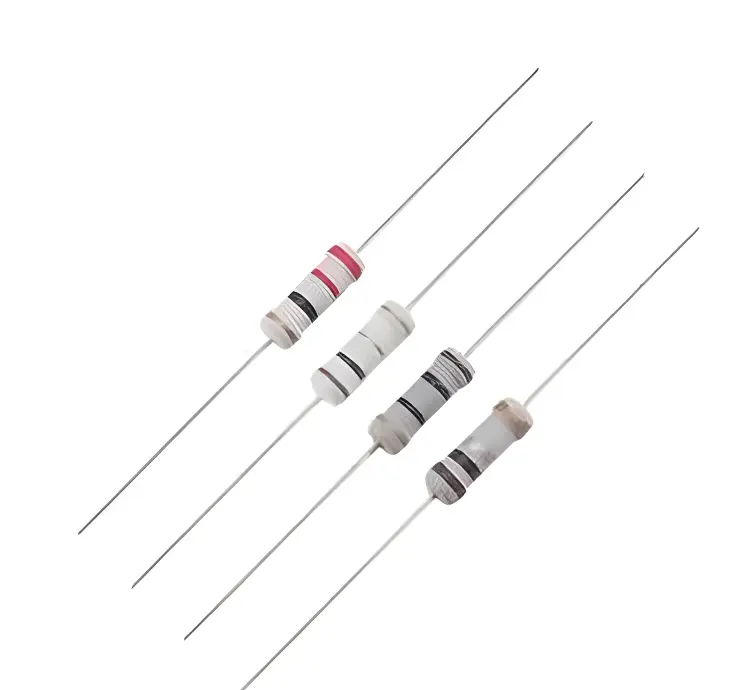 Through Hole Resistors
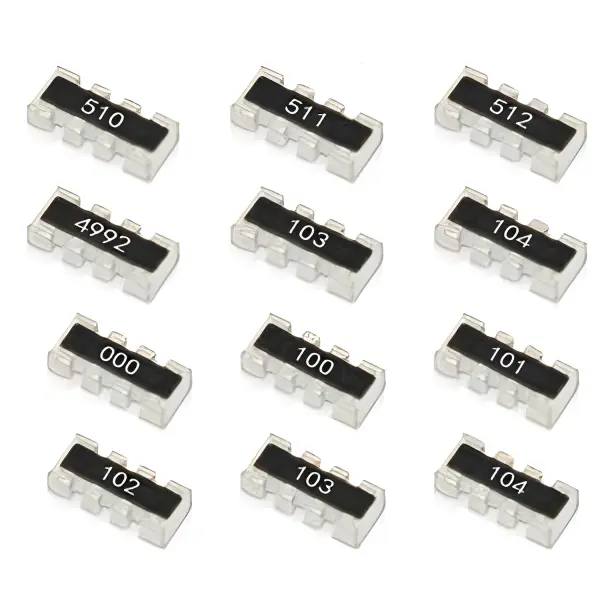 Resistor Networks, Arrays
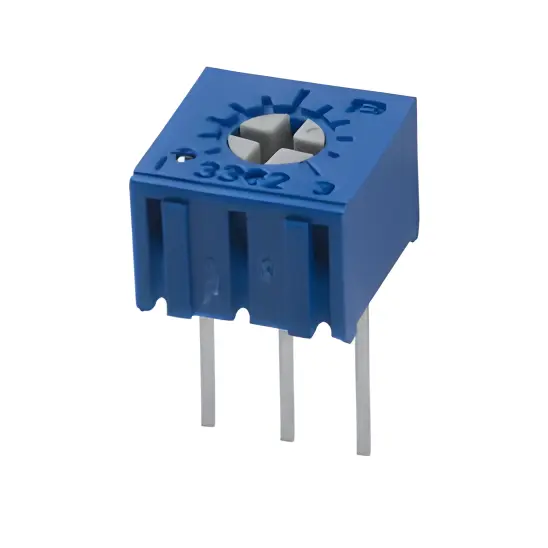 Potentiometers,Variable Resistors
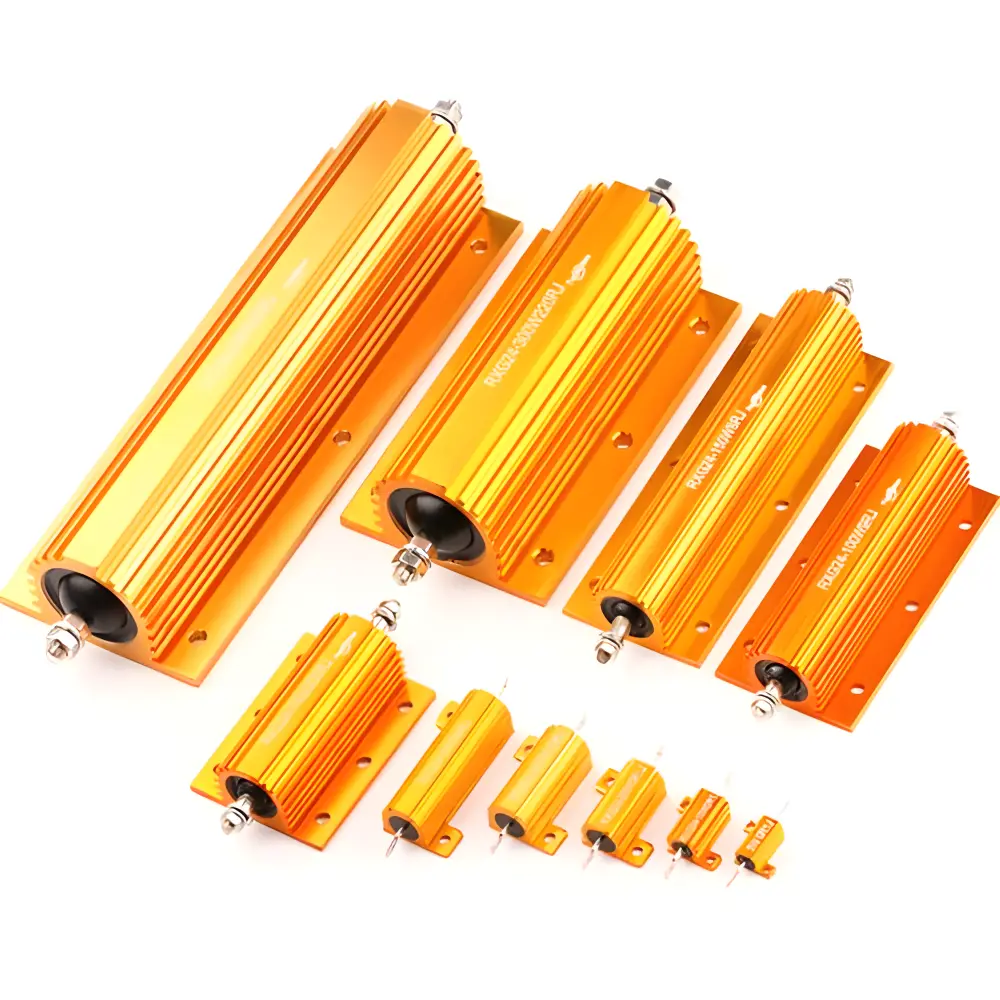 Aluminum Case,Porcelain Tube Resistance
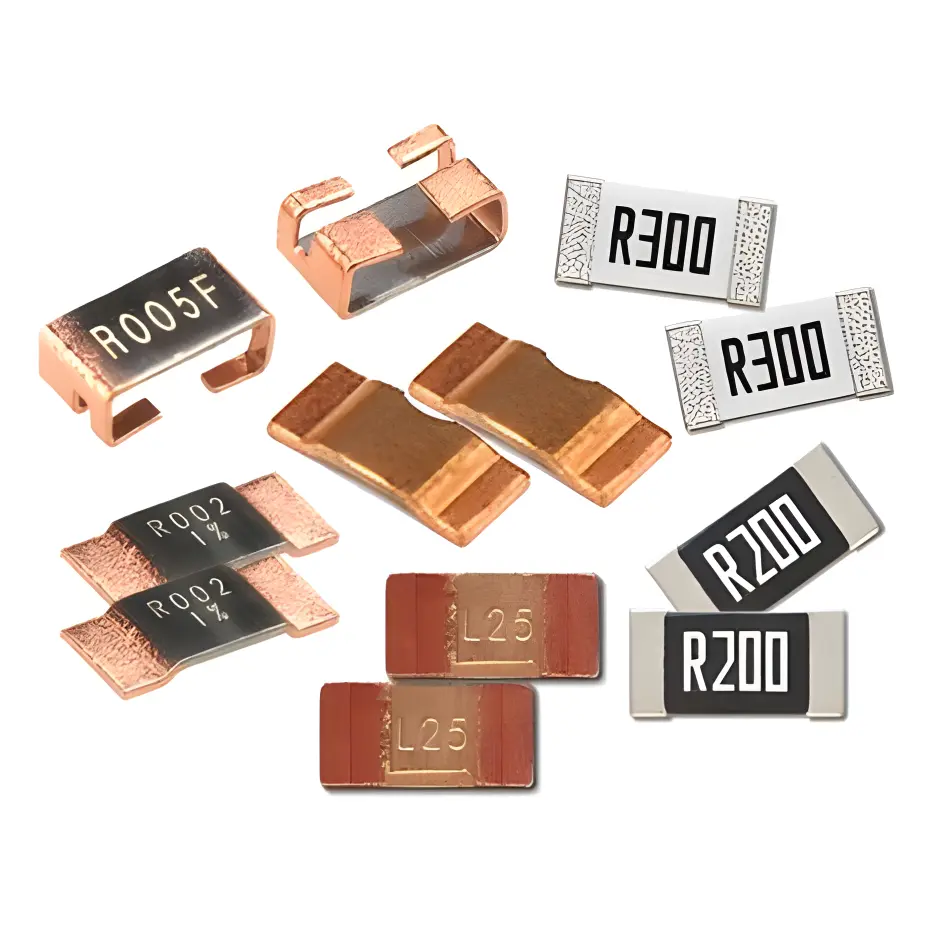 Current Sense Resistors,Shunt Resistors
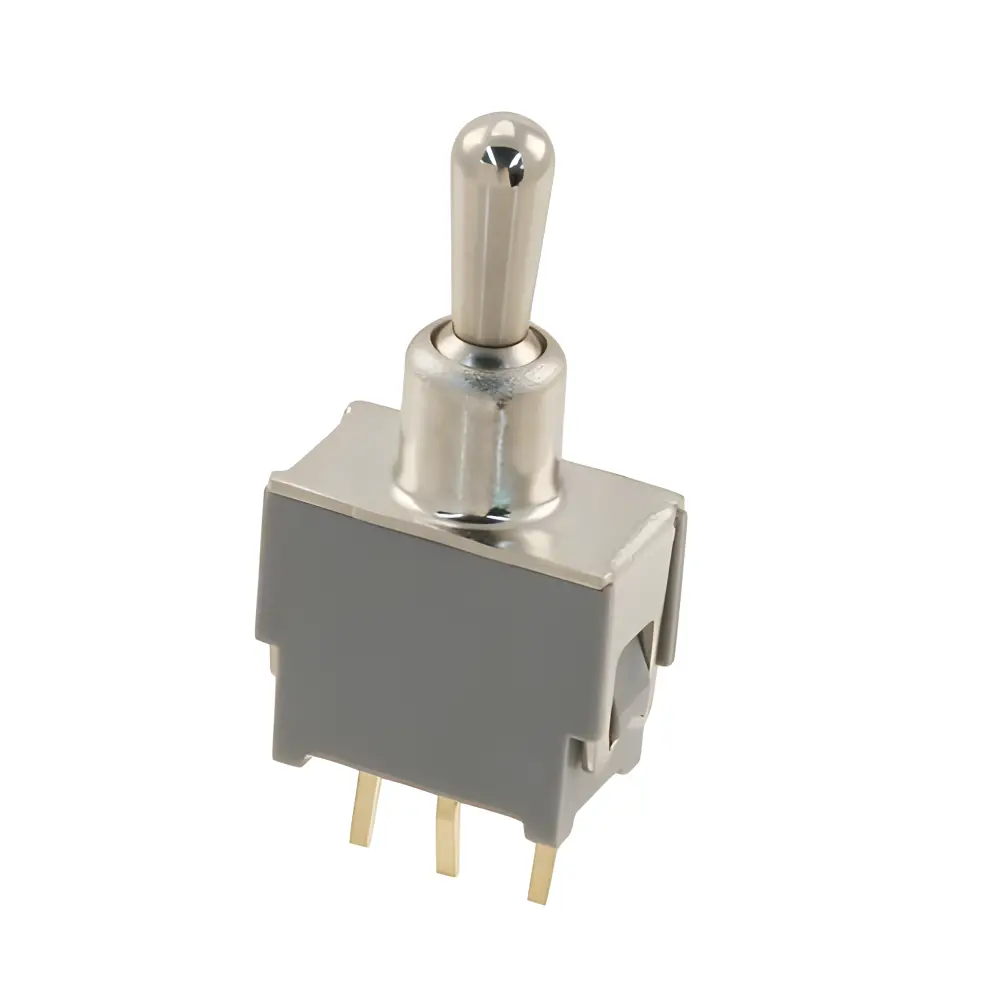 Switches
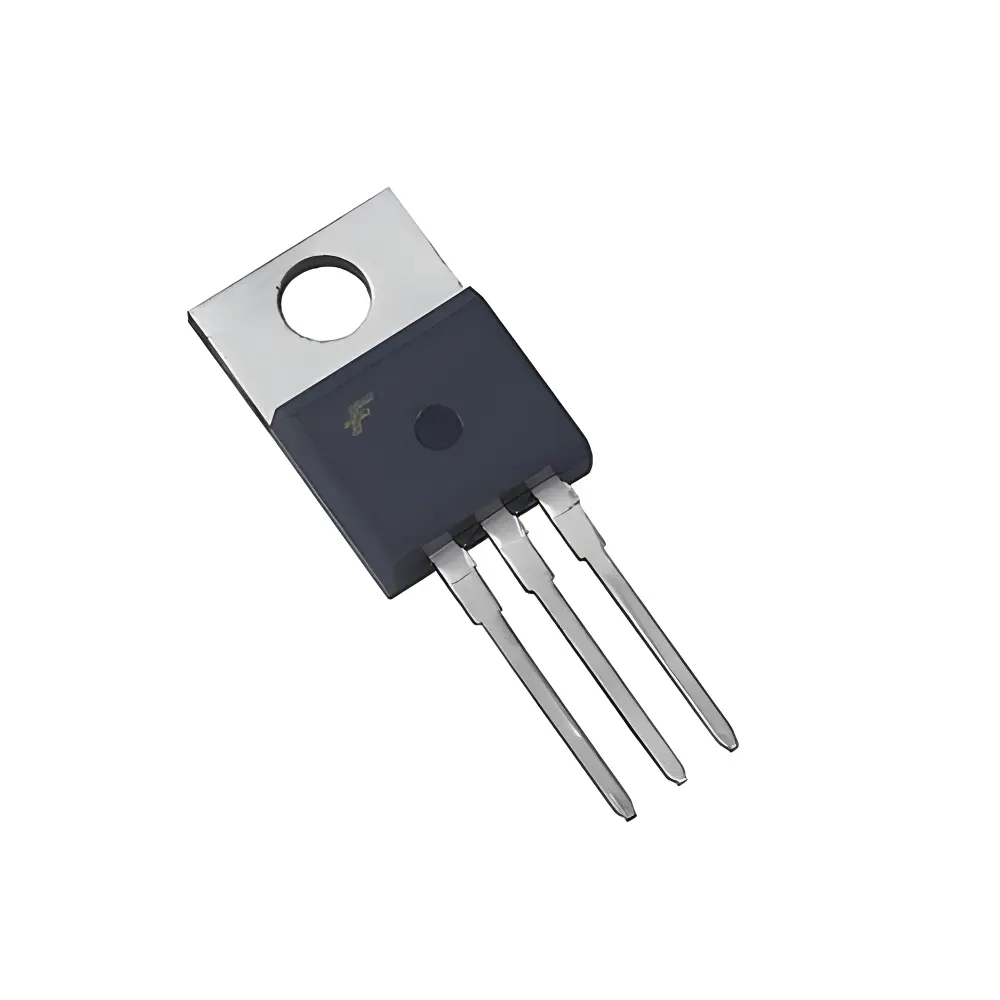 Transistors
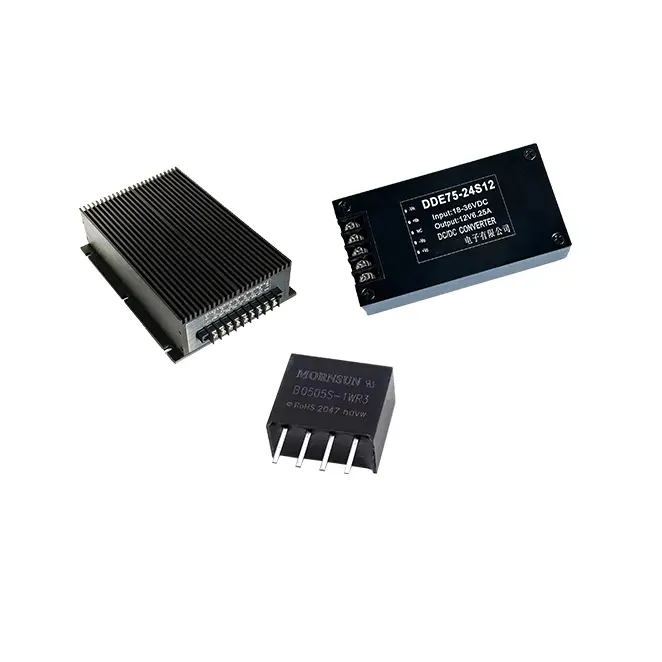 Power Modules
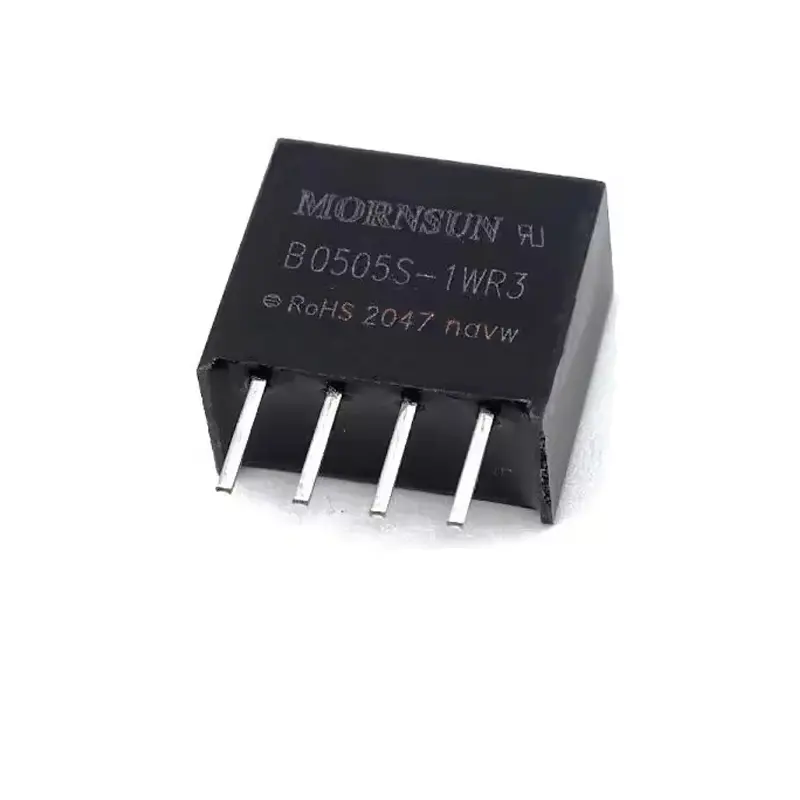 Isolated Power Modules
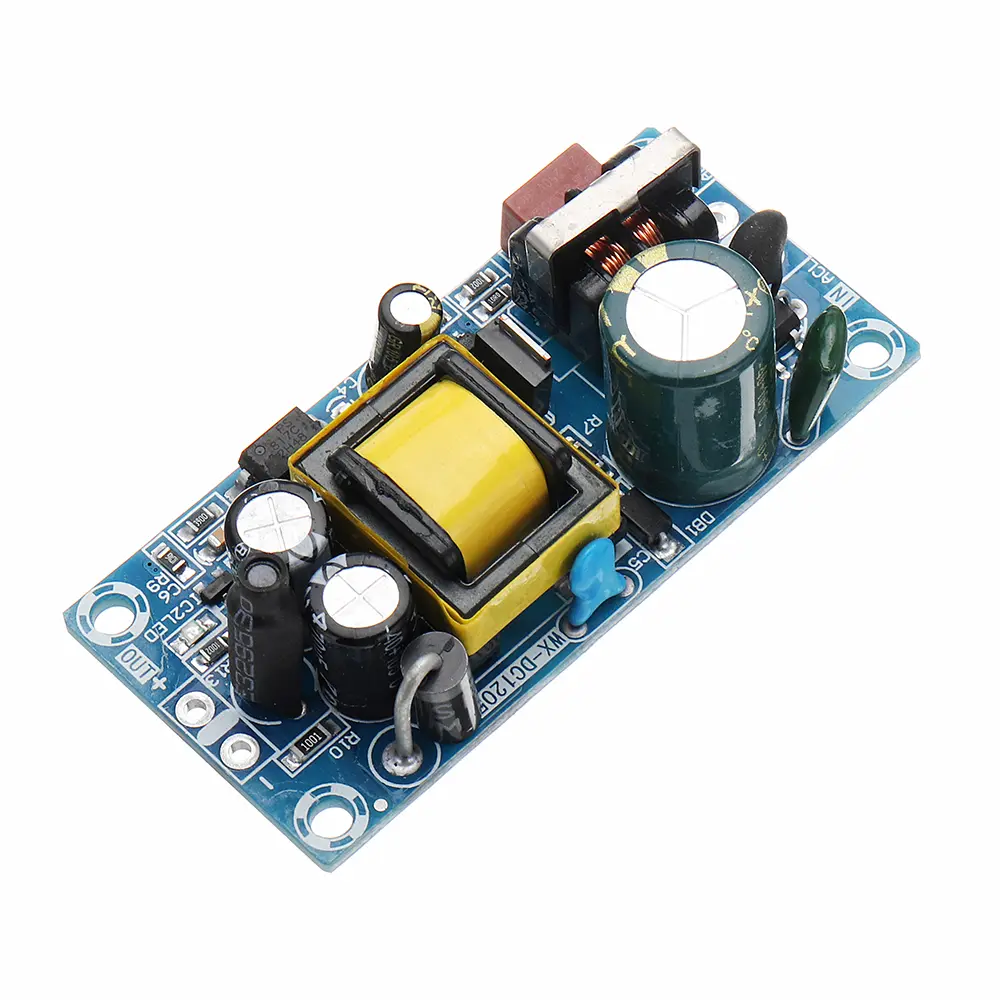 AC-DC Power Modules
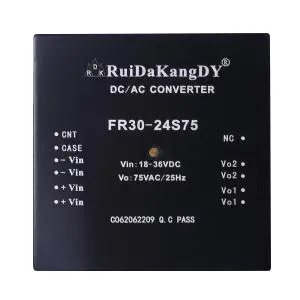 DC-AC Module(Inverter)
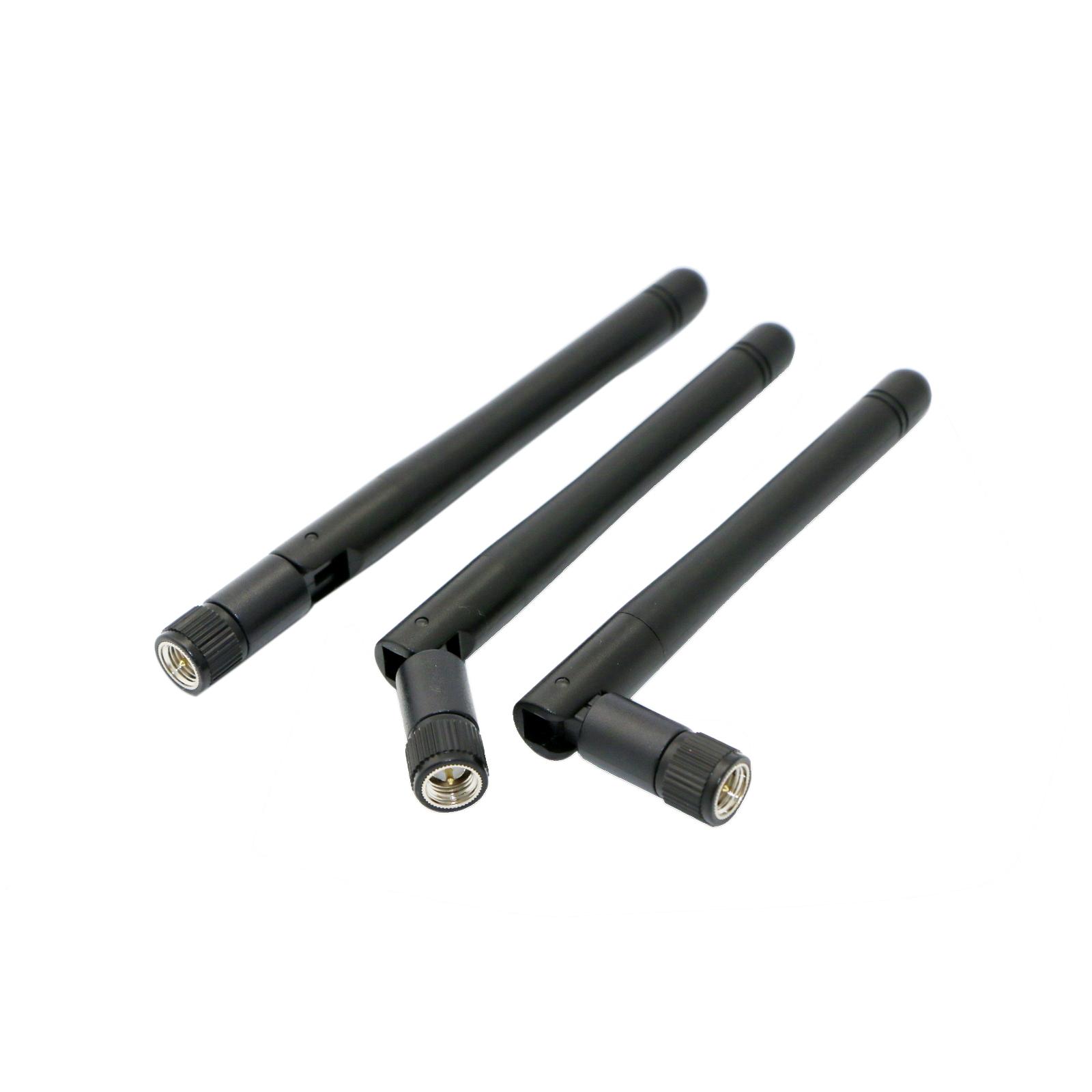 RF and Wireless
Optimizing Sintered Silver Paste Porosity (<5%) in Power Module Assembly
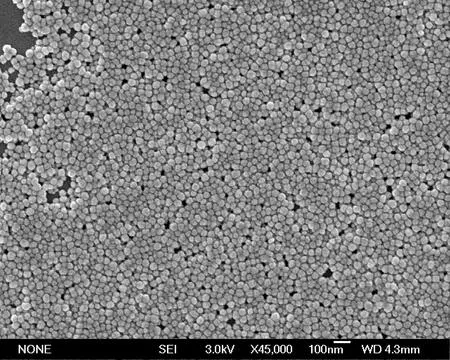
Sintered silver paste, a key interconnect material for power Modules, requires porosity control below 5% to ensure low thermal resistance (<0.1cm²·K/W) and high mechanical strength (>50MPa). Porosity >5% reduces thermal cycling lifetime by over 40%.
1. Material System Optimization
1.1 Silver Particle Morphology
| Parameter | Nanoparticles | Microparticles |
|---|---|---|
| Size Range | 20-80nm | 1-5μm |
| SuRFace Area (m²/g) | 8-15 | 0.5-1.2 |
| Recommended Ratio | Nano:Micro=7:3 | Pure Micro |
| Hybrid Advantage: Nanoparticles fill micro-gaps, reducing porosity by 30%. |
1.2 Organic Vehicle Formulation
-
Solvents: Terpineol + ethyl cellulose (BP 250℃);
-
Dispersant: PVP (0.5-1.0wt%);
-
Thixotrope: Fumed silica (Aerosil 200), viscosity 5000-8000cPs.
2. Sintering Process Optimization
2.1 Temperature-Pressure Profile (Figure 1)
-
Staged heating:
-
Phase 1: 25→180℃@10℃/min (solvent removal);
-
Phase 2: 180→250℃@5℃/min (organics decomposition);
-
Phase 3: 250→300℃@2℃/min (Ag sintering);
-
-
Pressure strategy:
-
Low pre-pressure: 0.5MPa@180℃ (void removal);
-
High pressure: 5MPa@250℃ (10min hold).
-
2.2 Atmosphere Control
-
Vacuum sintering: ≤10⁻³Pa to prevent oxidation;
-
Reducing gas: H₂/N₂ (4vol% H₂), 5L/min flow.
3. Equipment & Monitoring
3.1 Sintering Tools
| Type | Hot Press | Pulsed Light |
|---|---|---|
| Temp. Uniformity | ±1.5℃ | ±10℃ |
| Pressure Accuracy | ±0.02MPa | N/A |
| Application | IGBT Modules | SiC Modules |
3.2 In-line Inspection
-
SAT imaging: Detects porosity distribution (50μm resolution);
-
IR thermography: Monitors thermal uniformity (<3℃ variation).
4. Porosity Measurement & Validation
4.1 Testing Methods
| Method | Principle | Accuracy | Time |
|---|---|---|---|
| Cross-section + Image Analysis | Microscopy image processing | ±0.3% | 4h/sample |
| X-ray CT | 3D reconstruction | ±0.5% | 1h/sample |
| Archimedes’ Method | Density calculation | ±1.0% | 0.5h/sample |
4.2 Case Data
A 1200V/300A IGBT module results:
-
Porosity: 4.2% (vs. 8.7% baseline);
-
Thermal Resistance: 0.08cm²·K/W;
-
Shear Strength: 58MPa;
-
Thermal Cycling (-55℃~175℃): <2% resistance change after 5000 cycles.
5. Defect Analysis & Solutions
5.1 Porosity Clustering (Figure 2)
-
Cause: Local temp. gradient >10℃/mm or uneven pressure;
-
Solution: Improve platen flatness (≤5μm/m), add pressure buffer pads.
5.2 Organic Residues
-
Detection: EDS identifies C/O anomalies;
-
Solution: Extend 250℃ dwell to 20min, increase vacuum to 10⁻⁴Pa.
6. Industry Applications
6.1 EV Traction Inverter
-
Parameters:
-
Paste: Nano/micro hybrid;
-
Sintering: 300℃×5MPa×10min (H₂/N₂);
-
-
Results:
Metric Before After Porosity 7.9% 4.5% Power Cycling 20k 50k Thermal Resistance Increase 35% 12%
6.2 PV Central Inverter
-
Reliability Tests:
-
High-Temp Storage: 150℃×1000h, porosity growth <0.8%;
-
Humidity Testing: 85℃/85%RH×500h, shear strength retention >95%.
-